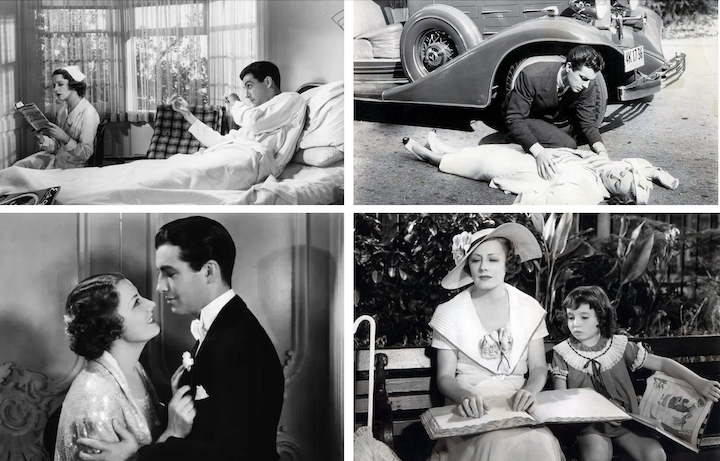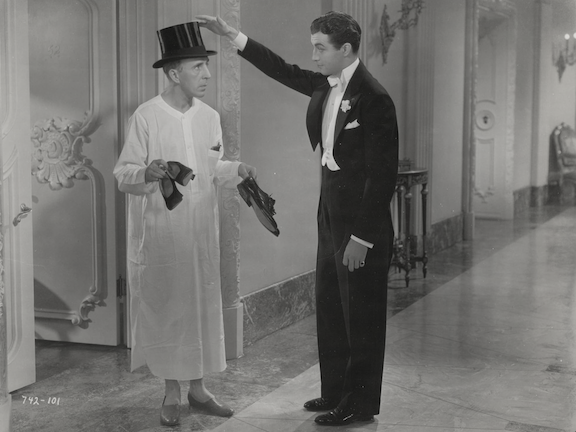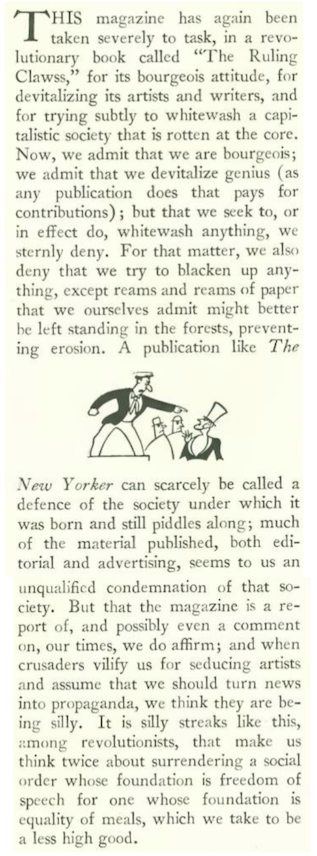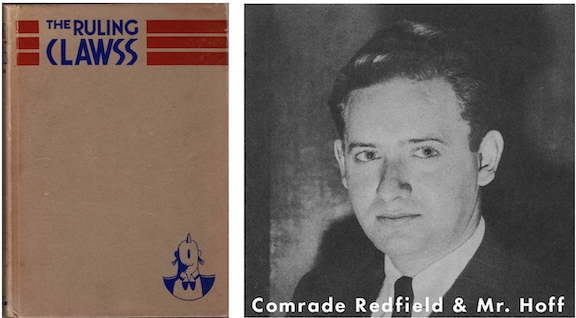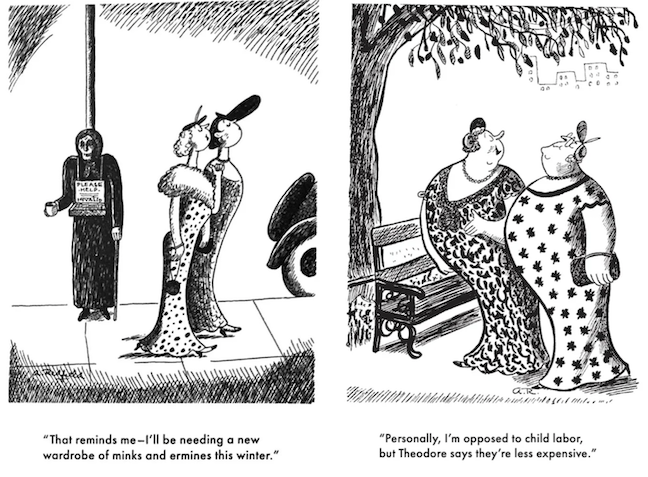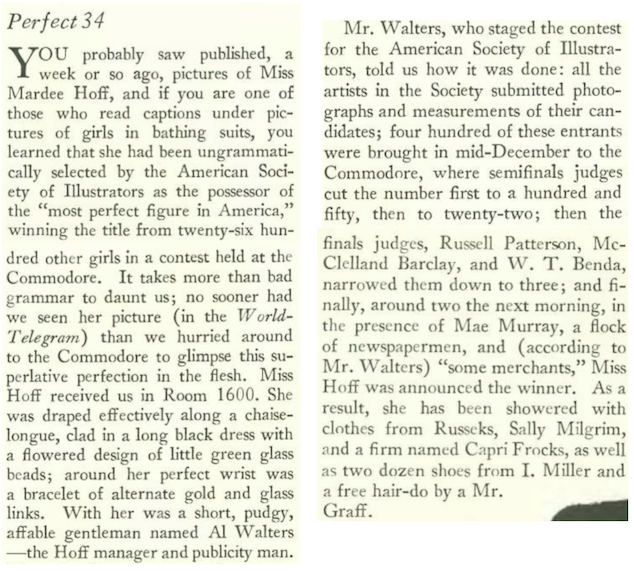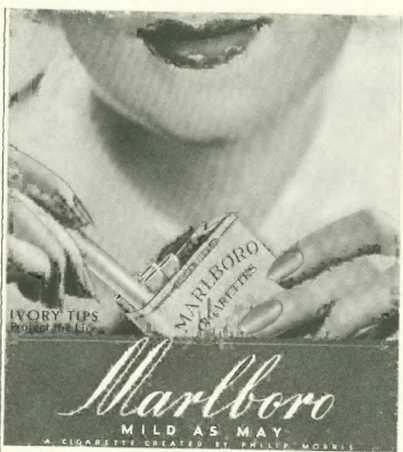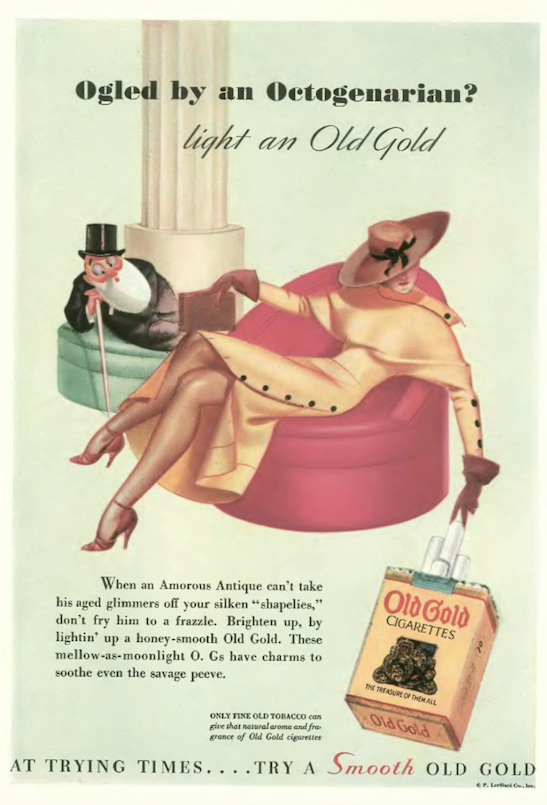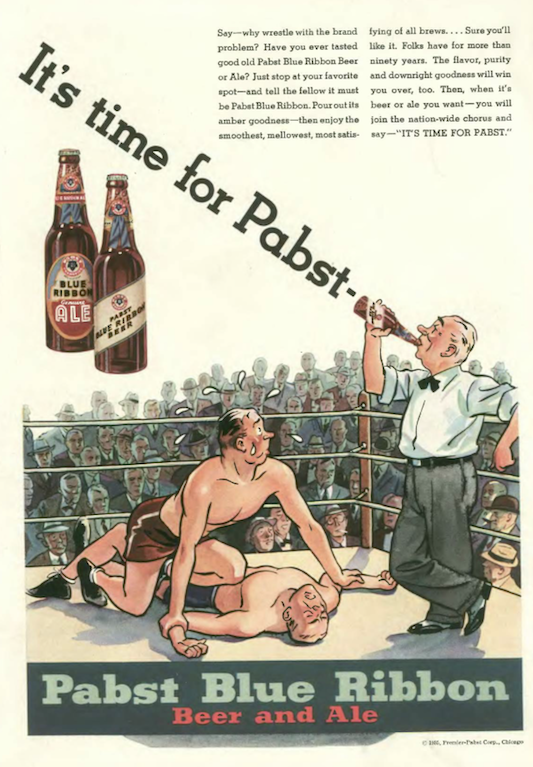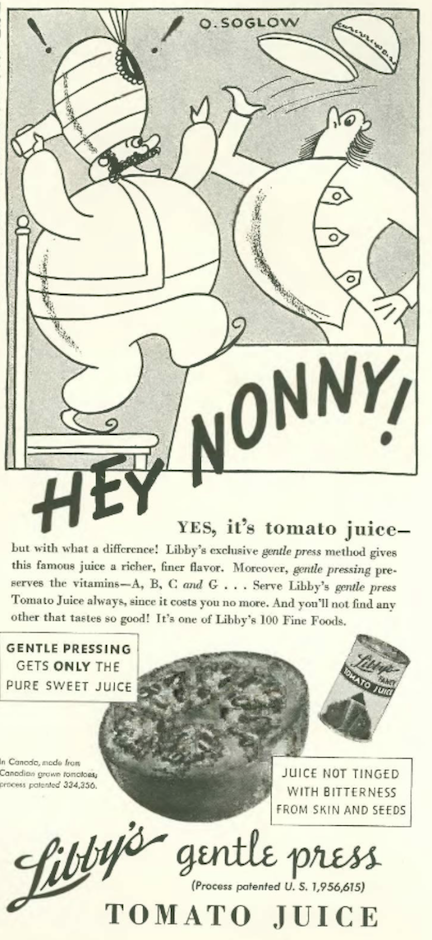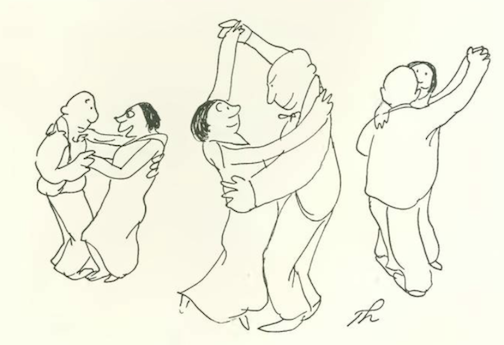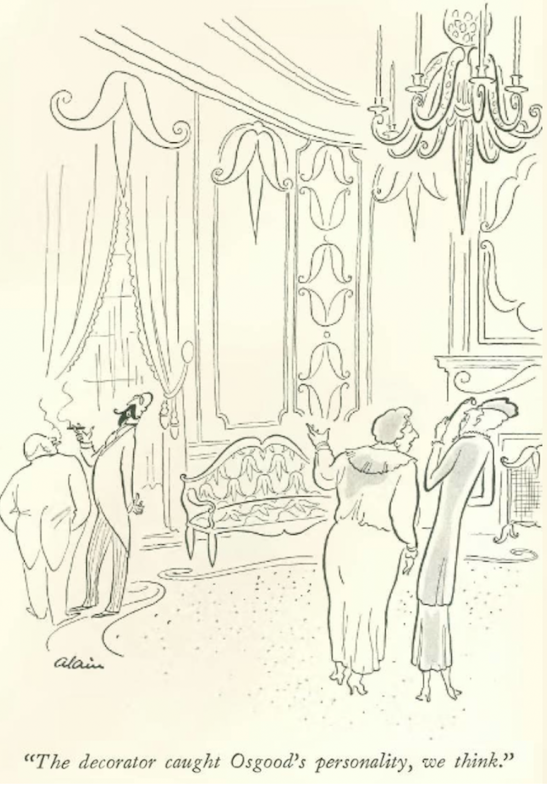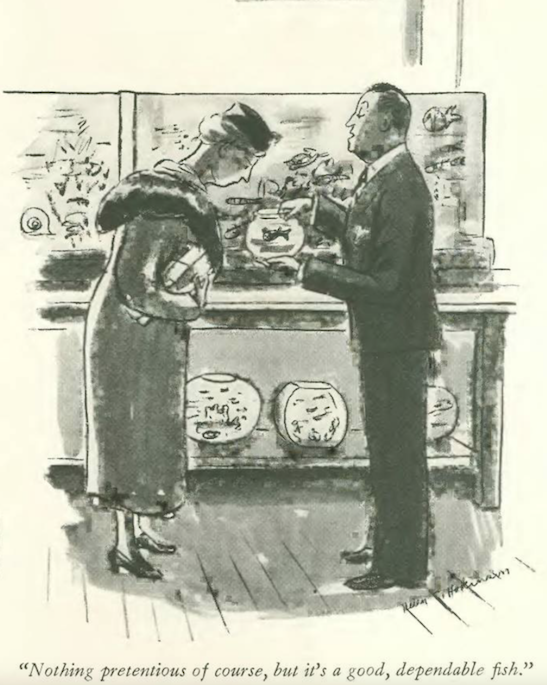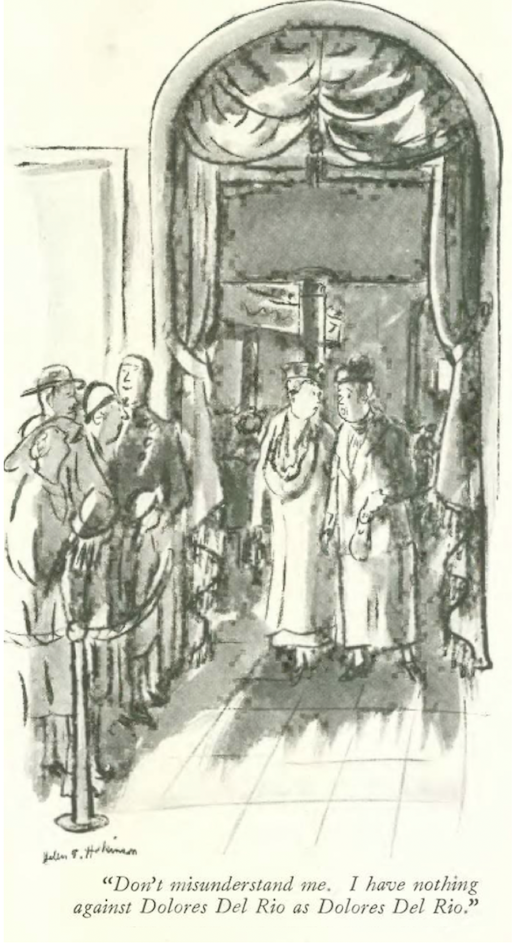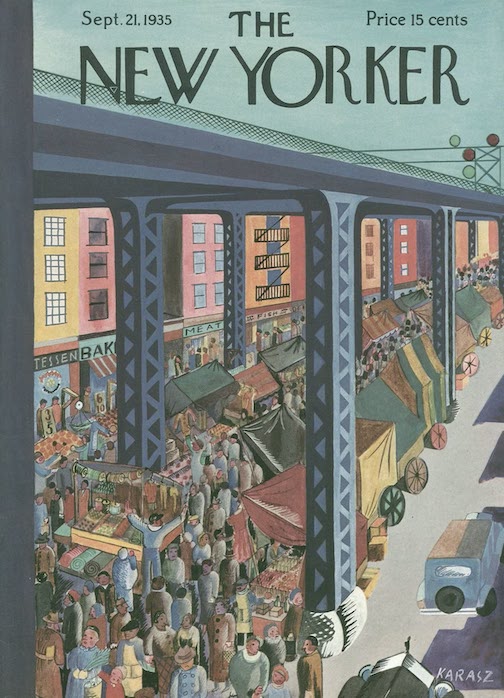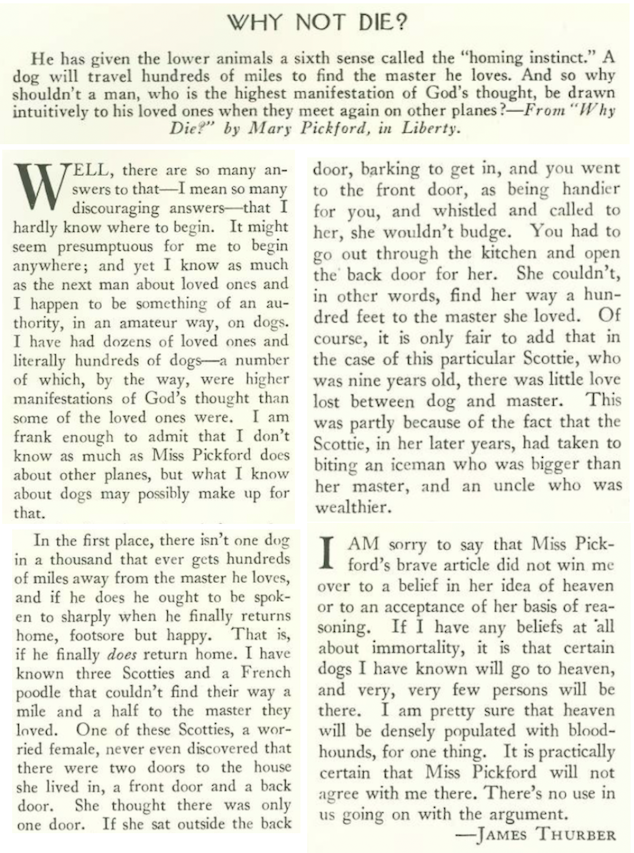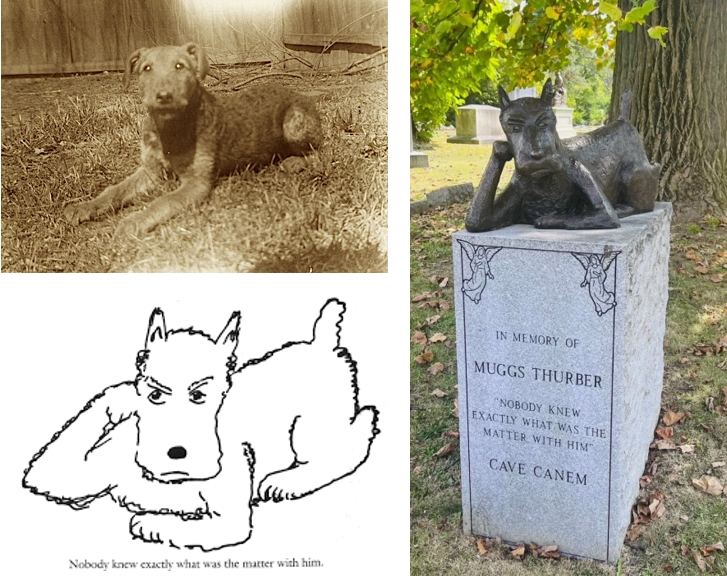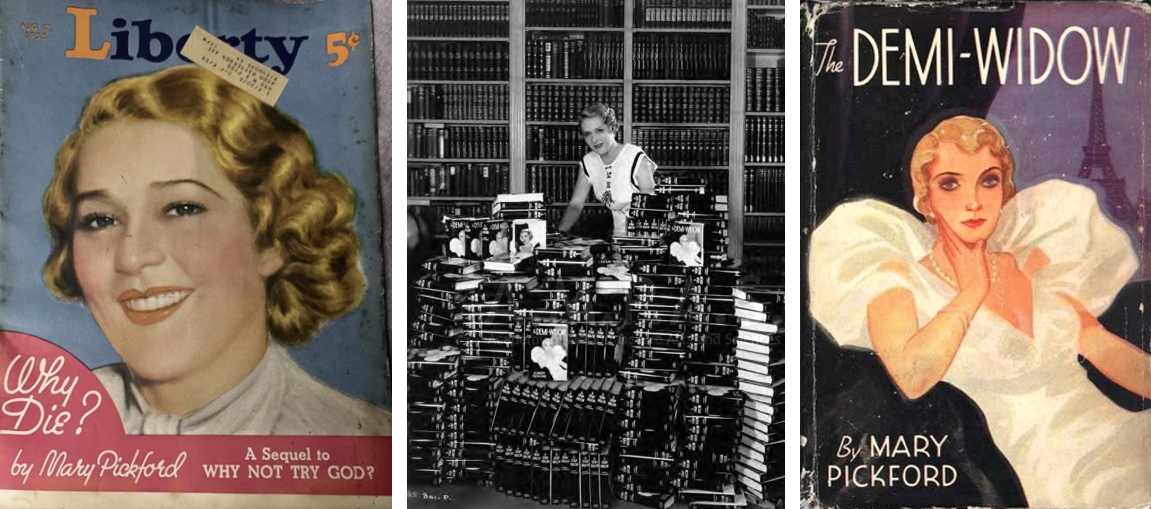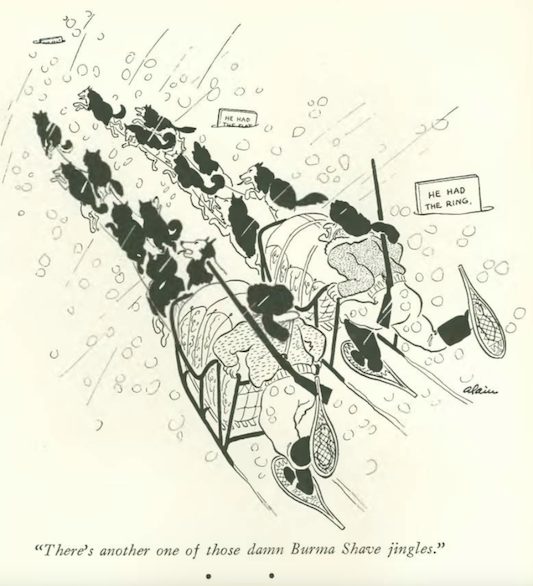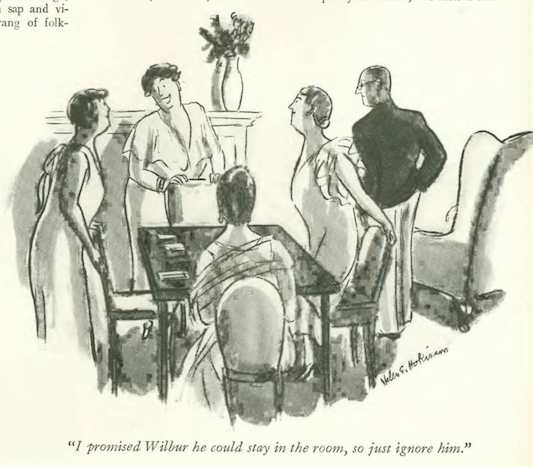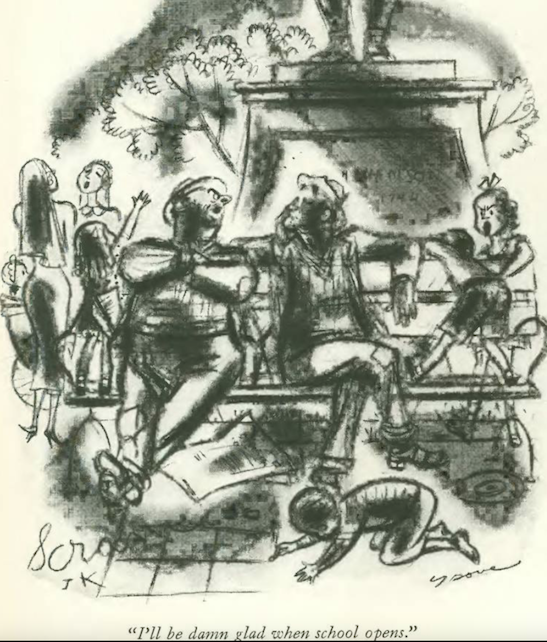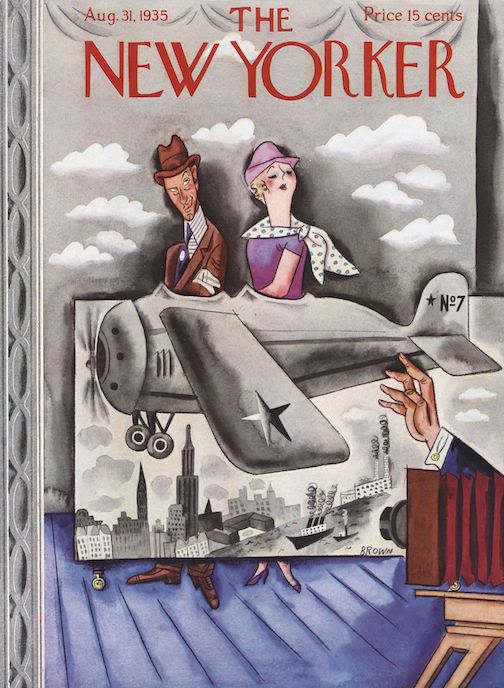
She Who Must Be Obeyed

The 1935 film She was one of those old movies you’d see on television during the 1970s when there were only three or four channels (plus UHF) and local stations would tap into the “B” movie vault to fill airtime. One of those films was She.

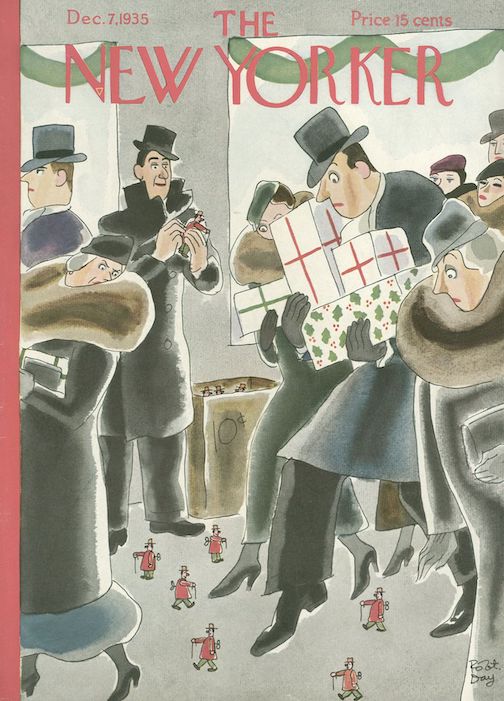
August 3, 1935 cover by Helen Hokinson.

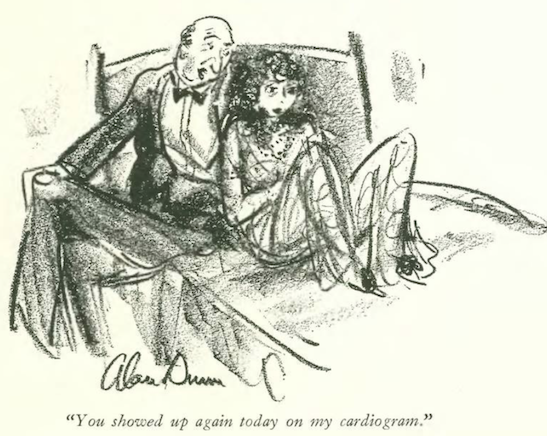
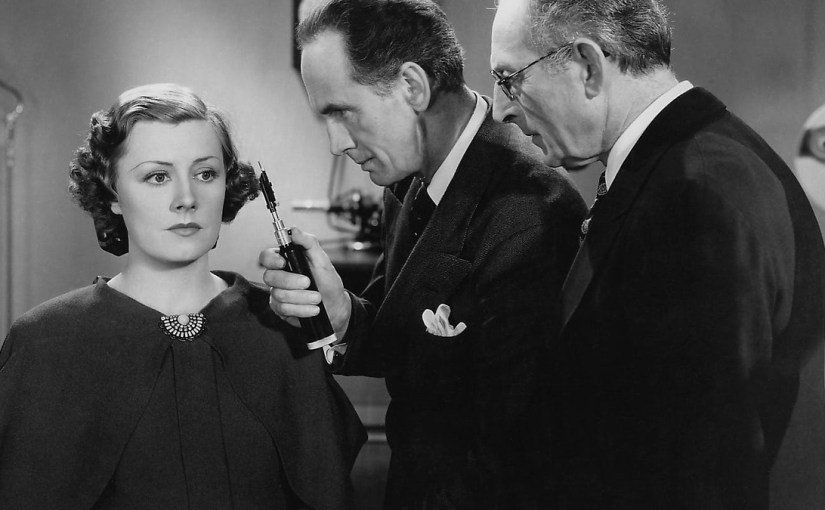
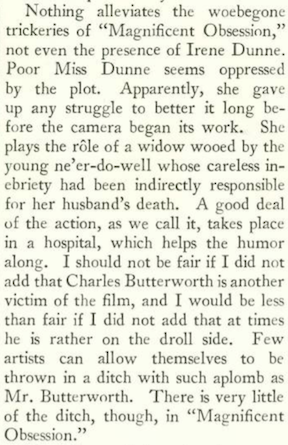
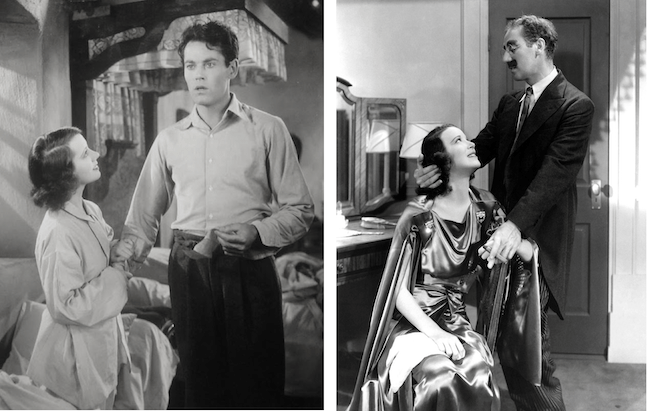
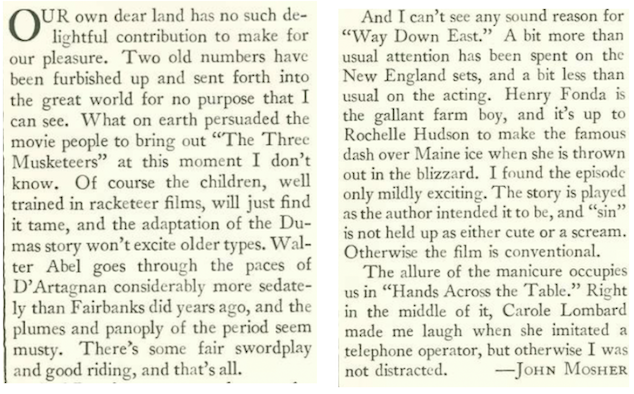
Film critic John Mosher felt a bit sorry for Helen Gahagan, who portrayed “She Who Must Be Obeyed” (aka “She”)—an immortal who ruled an exotic, lost civilization near the Arctic Circle. The challenge for Gahagan was to seem imperious before her co-stars Randolph Scott and Helen Mack, who seemed more suited to the high school hijinks of an Andy Hardy picture. The film was a pretty standard adventure tale, in the mold of producer Marian C. Cooper’s 1933 King Kong, with two explorers falling in love during a perilous journey.

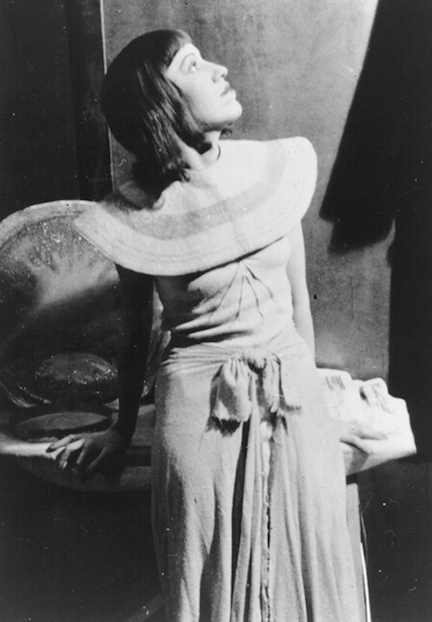
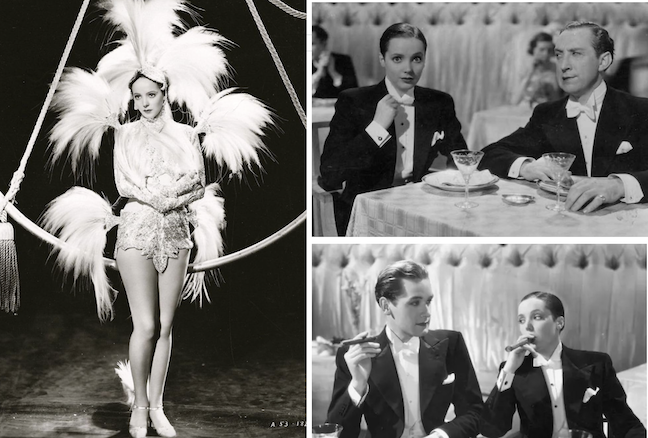
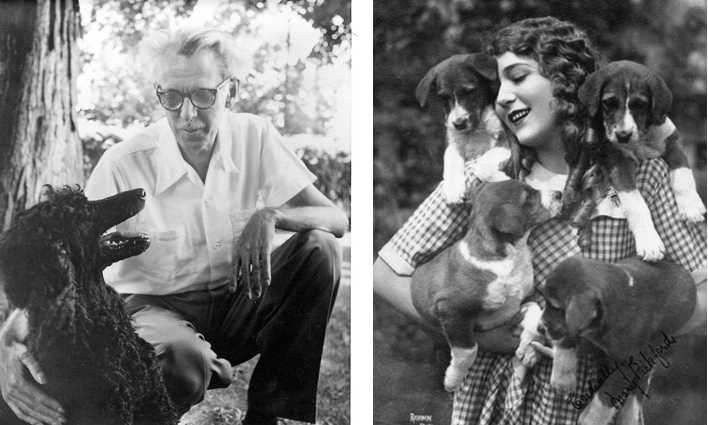
ARCHETYPE…At left, Helen Gahagan as “She” (Who Must Be Obeyed). Her costume possibly inspired the Evil Queen in Disney’s 1937 animated Snow White and the Seven Dwarfs. At right, lobby card that promoted the film. (Scifist.net/Reddit)
WHEN YOU PLAY WITH FIRE…She Who Must Be Obeyed (Helen Gahagan), believing that the explorer Leo Vincey (Randolph Scott) was a reincarnation of his ancestor (whom she loved), and jealous of his girlfriend Tanya (Helen Mack), invites Leo to join her in the eternal flame. Unfortunately, her re-entry into the flame that gave her immortality turned her into a dying, withered crone. (The Nitrate Diva/Scifist.net)

The 1887 H. Rider Haggard novel, She, inspired eponymous silent films in 1908, 1911, 1916, 1917, and 1925. The 1935 film reviewed here received tepid reviews and lost money on its first release, however in a 1949 re-release it fared much better. She was re-made in 1965 with Ursula Andress in the lead role, and again in 1984 in a post-apocalyptic film that had virtually nothing to do with Haggard’s novel.

SHE THROUGH THE YEARS…Clockwise, from top left, “She” (Marguerite Snow) offers a dagger to Leo Vincey (James Cruze) in a 1911 two-reel (24 min.) adaptation; Valeska Suratt as “She” in the 1917 film (now lost); Betty Blythe took the title role in the 1925 production, considered to be the most faithful to the 1887 H. Rider Haggard novel; Sandahl Bergman appeared dressed for a Jazzercise video in the 1984 post-apocalyptic She; and finally, Ursula Andress and John Richardson in the 1965 CinemaScope production of She. (Wikipedia / digitalcollections.lib.washington.edu / cultcelebrities.com / Reddit)

 * * *

Colonial Ambitions

With most of Africa carved up by other European powers (Britain, France, Belgium etc.) in the 19th century, Italy set its sights on Ethiopia, which by the end of the 19th century was the only independent country left on the continent. Ethiopia fought off Italy’s first attempt at conquest in the Battle of Adwa (1896), but with the rise of fascist dictator Benito Mussolini, Italy paid a return visit, this time with heavy artillery and airstrikes that included chemical weapons. E.B. White tried to make sense of this latest invasion in his opening comments.

THOSE GUYS AGAIN…Italy invaded Ethiopia on October 3, 1935, a significant act of aggression in the lead up to World War II. Despite facing a technologically superior Italian army (top) equipped with modern weapons, including tanks, aircraft, and chemical weapons, the Ethiopian forces (bottom photo) mounted a strong resistance. (Wikipedia)

In his weekly column, Howard Brubaker mused on the Italian aggressions and other rumblings of the coming European war.

 * * *

Author, Author

The writer Willa Cather was a favorite of New Yorker critics, including Clifton Fadiman, however her latest novel was a bit too mild for his tastes.

HERE’S LUCY…Clifton Fadiman confessed he was “mortified” to admit that he found Willa Cather’s latest novel a bit too gentle. At right, portrait of Cather on her birthday, December 7, 1936. (willacather.org)

 * * *

From Our Advertisers

We begin with more fearmongering from the folks at Goodyear, who offered weekly reminders of the perils of not choosing their all-weather tires…

…the Liggett and Myers Tobacco Company conjured up this “naughty maiden” to encourage even timid souls to take up the habit…

…on the other hand, the makers of the upstart KOOL brand kept it simple with their chain-smoking penguin, who was grabbing ever more market share from rival menthol pusher SPUD…

…ads in the back of the book offered up even less sophisticated products, such as Crown Smelling Salts…

…while Dr. Seuss and Norman Z. McLeod continued to make a living with their distinctive illustrations…

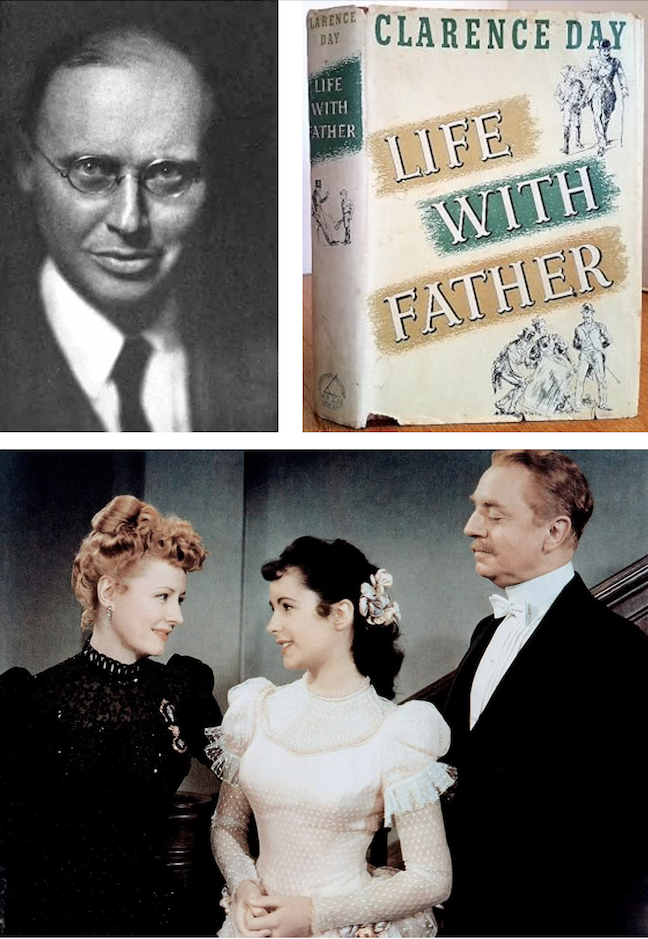
…at the very back of the magazine, this tiny ad from Knopf promoted Clarence Day’s Life With Father, published just months before Day’s death on Dec. 28…

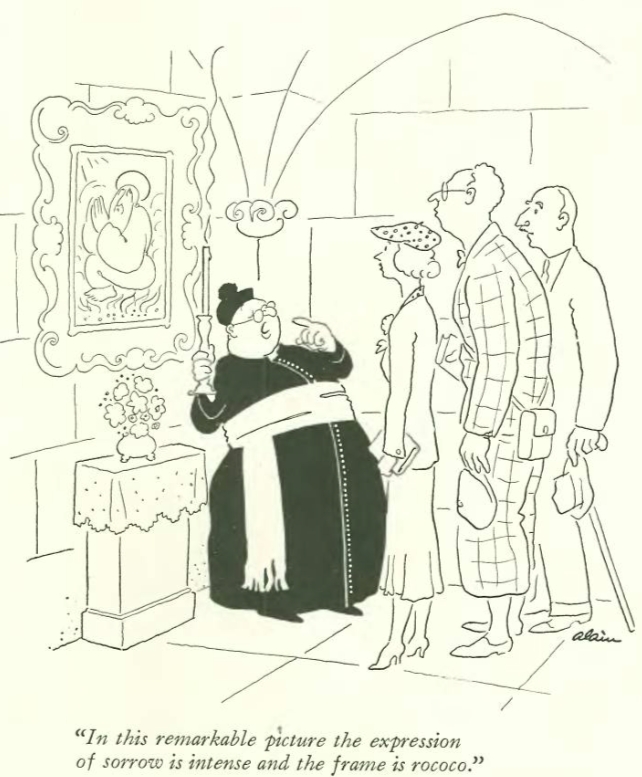
…which brings us to our cartoonists…Constantin Alajalov kicked us off with this happy number…

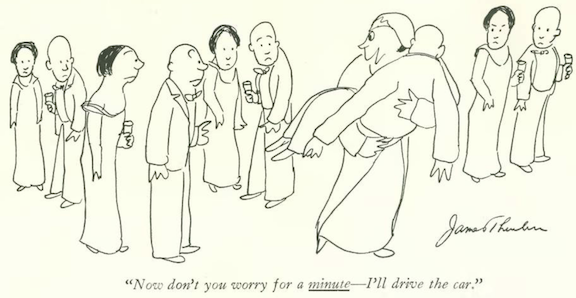
James Thurber found steamy goings on in the parlor…

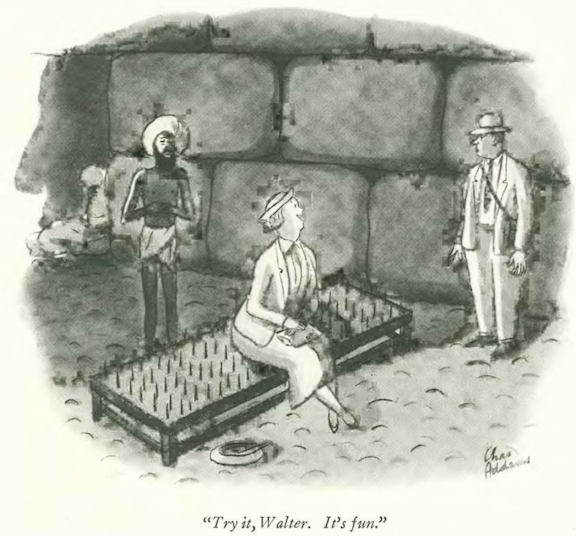
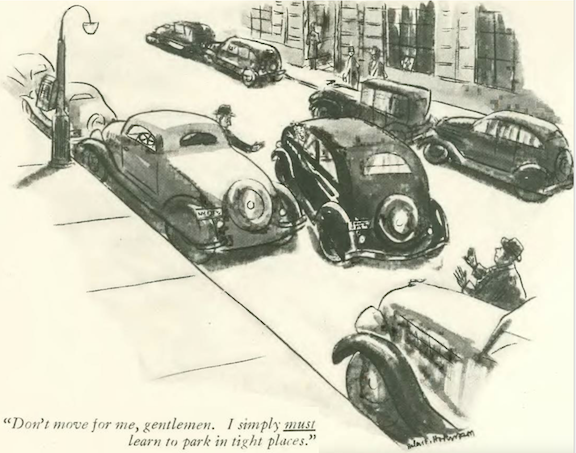
Charles Addams came down to earth with this pair…

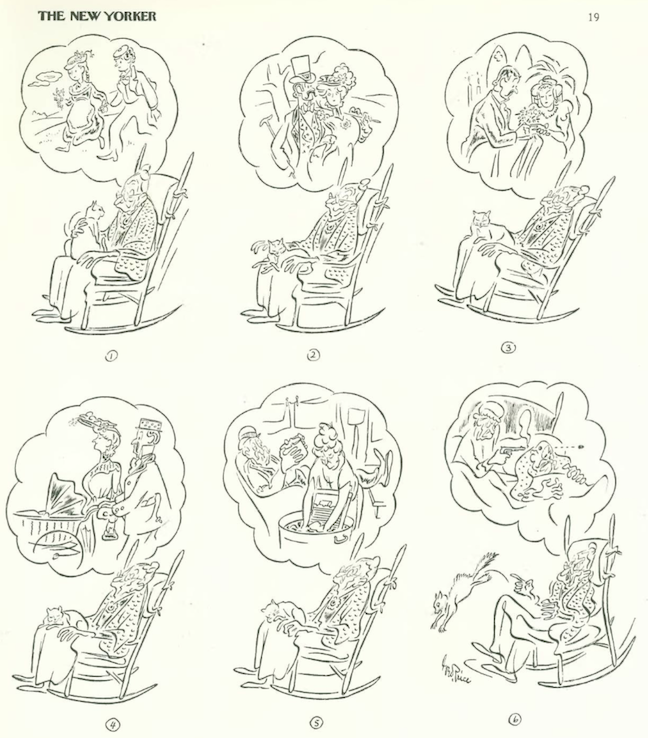
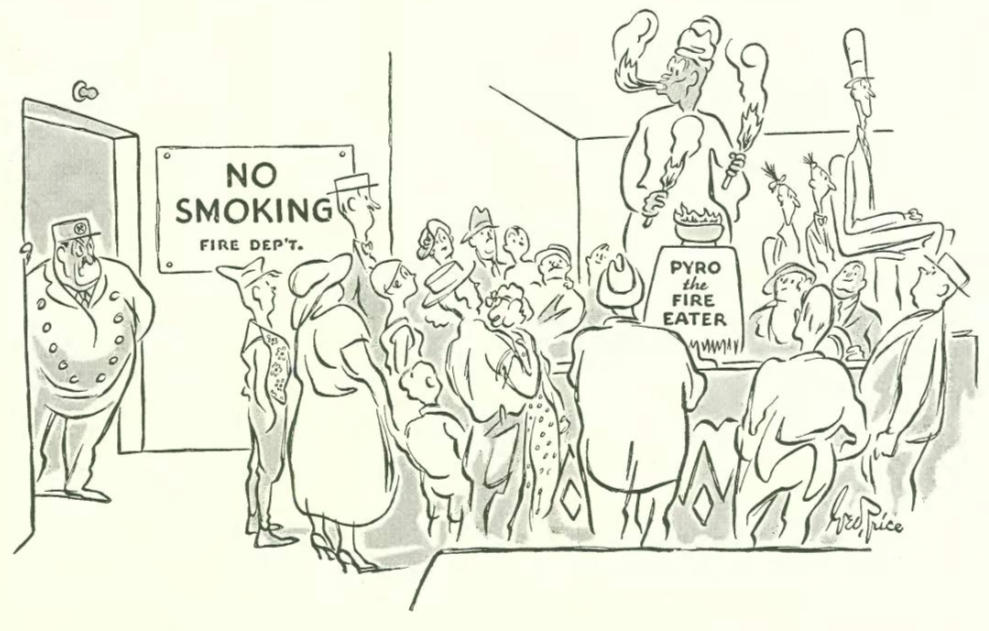
George Price showed us the rough and tumble of news reporting…

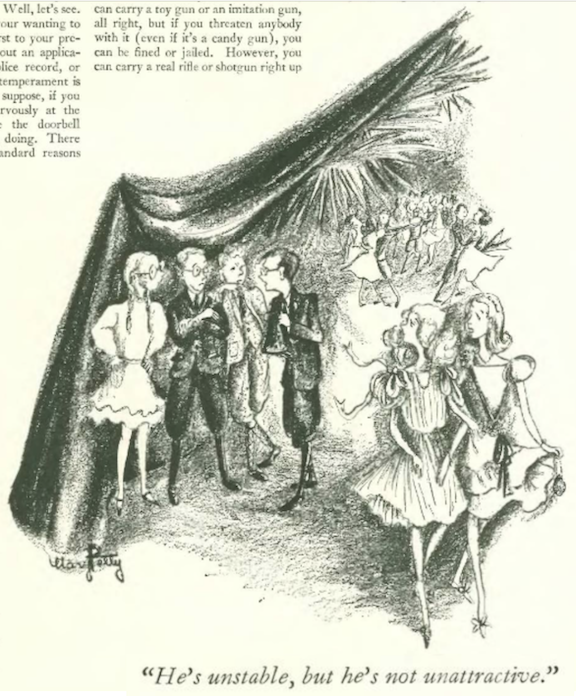
Mary Petty contributed this sumptuous drawing of a croquet match…

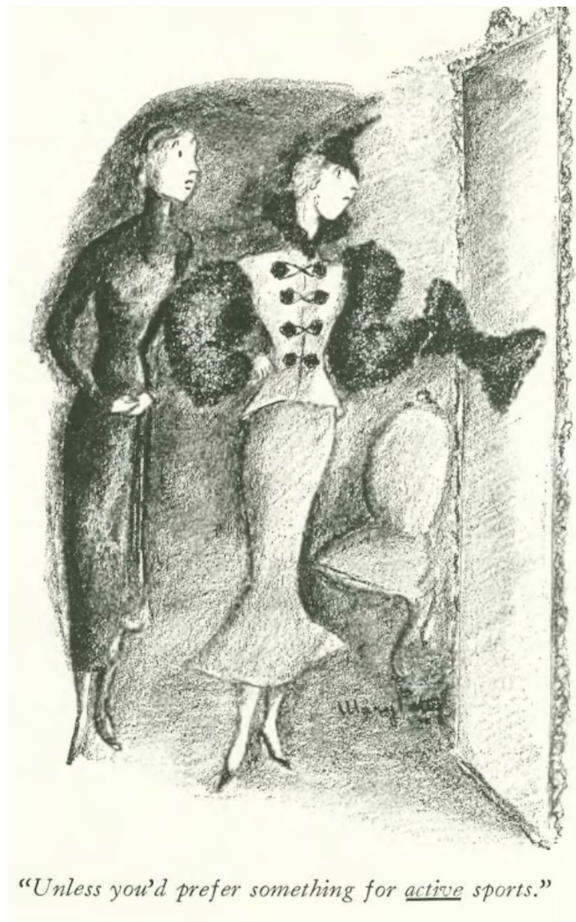
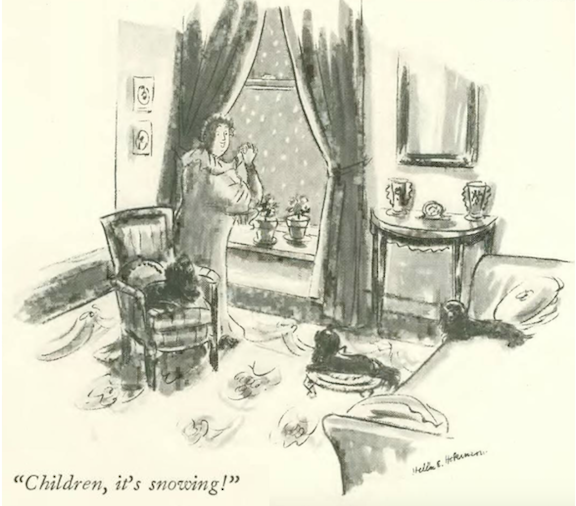
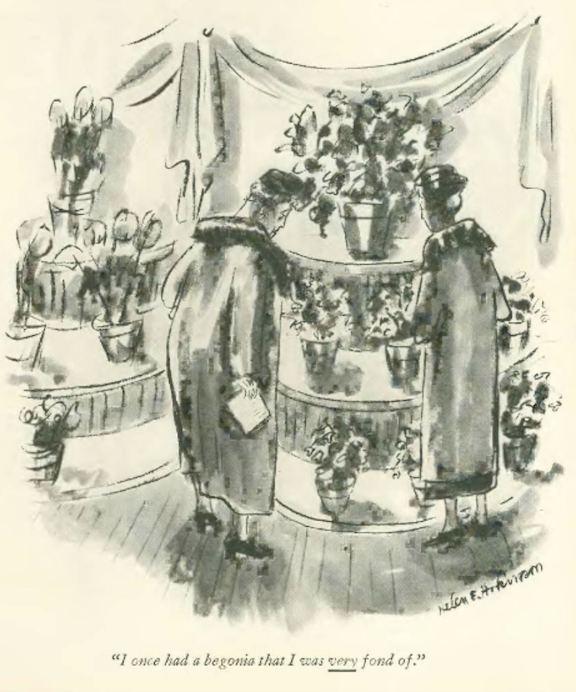
Helen Hokinson was in a transcendental mood…

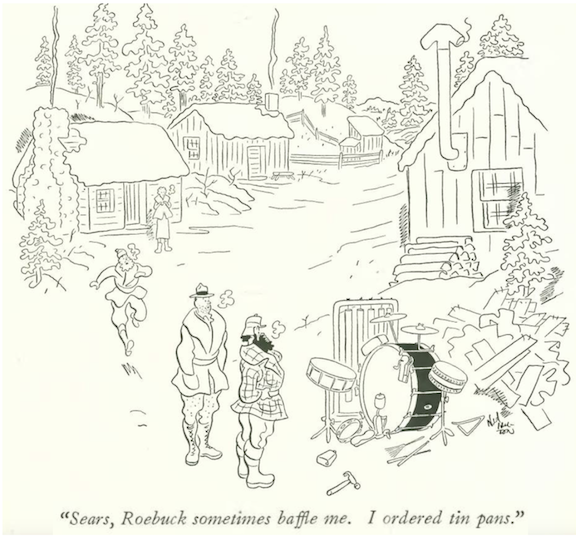
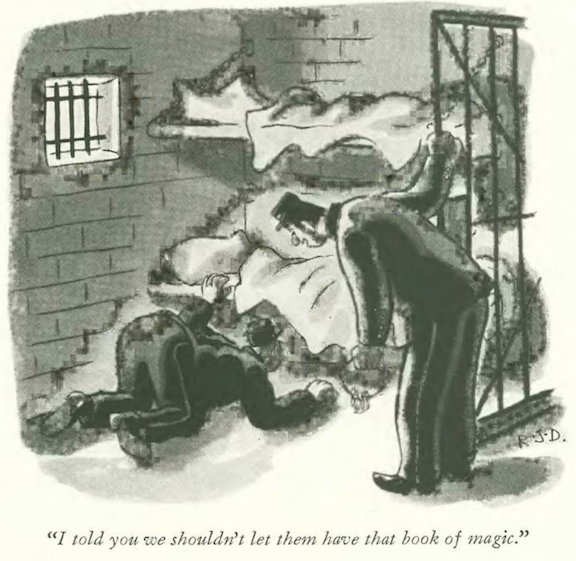
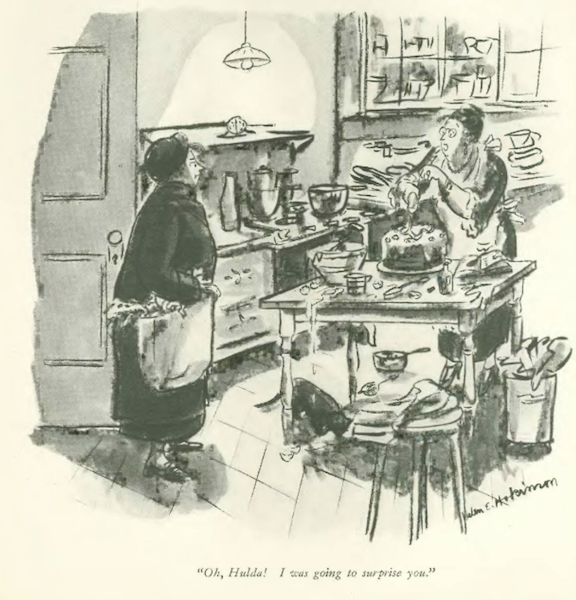
…and Ned Hilton had a big surprise for one garage tinkerer…

…on to August 10 and a rich summer scene by Arnold Hall:

August 10, 1935 cover by Arnold Hall.

“The Talk of the Town” checked the lunch crowd at Mary Elizabeth’s Tea Room, where some preferred to drink their lunch.

TEA AND SWEETS (and cocktails) were among the offerings at Mary Elizabeth’s Tea Room at 36th and Fifth, seen here circa 1912. (Photo by Karl Struss via Facebook)

 * * *

Comic Relief

Film critic John Mosher offered an appreciation of W.C. Fields, noting that civilization needed films like Man on the Flying Trapeze during those hard years. Mosher also found some worthy distractions in the Jean Harlow vehicle China Seas, but was prepared to consign Spencer Tracey’s latest offering to the “lower circles of cinema hell.”

ANSWERING HIS NATION’S CALL…W.C. Fields brought joy to millions during the Depression in movies such as Man on the Flying Trapeze. Above, from left, Kathleen Howard, Fields, and Mary Brian. (IMDB/Rotten Tomatoes)
SHORE LEAVE…At left, Wallace Beery, Jean Harlow, and Clark Gable on the set of China Seas; top right, Hattie McDaniel with Harlow in a scene from the film; below, Gable, Rosalind Russell, and C. Aubrey Smith with Harlow in China Seas. (musingsofaclassicfilmaddict.wordpress.com / Pinterest)
FRESH FACE…Cinema newcomer Rita Hayworth was credited as Rita Cansino (she was born Margarita Carmen Cansino) in Dante’s Inferno. Here she is flanked by Spencer Tracy and Gary Leon. Dante’s Inferno was Spencer Tracy’s final film for 20th Century Fox. It was at MGM where his career really took off. (IMDB)

 * * *

All Wet

In his London Letter, Conrad Aiken (pen name Samuel Jeake Jr) examined the priggish ways of England’s seaside resorts.

SITE OF SCANDAL…Bathing huts at Bognor Regis, circa 1921. (bognorregistrails.co.uk)

 * * *

Beware the Bachelor

In her “Tables for Two” column, Lois Long examined some of the city’s seasonal escapes for “summer bachelors.”

GHOSTS OF THE PAST…Lois Long recommended the air-conditioned lounges of the Madison Square Hotel and the Savoy Plaza (center) or the cooling breezes of the Biltmore roof (right), which featured music by Morton Downey. Sadly, all three of these beautiful buildings have been demolished. (geographicguide.com/Wikipedia)

Other more casual venues recommended by Long included Nick’s Merry-Go-Round…

…a menu from Nick’s dated 1937…

(nypl.org)

…and its cryptic back cover…

From Our Advertisers

…speaking of the Biltmore and Morton Downey, we kick off our advertising section…

…the ad on the left announced the private residences at the Waldorf-Astoria…

Clockwise, from top left, the Waldorf Astoria circa 1930; the Waldorf’s Starlight Roof in the 1930s; after eight years and billions in restorations and renovations, the hotel has seen many changes including the transformation of the Starlight Roof into a swimming pool. Decades of grime were also cleaned from the building’s exterior. (mcny.org/loc.gov/som.com)

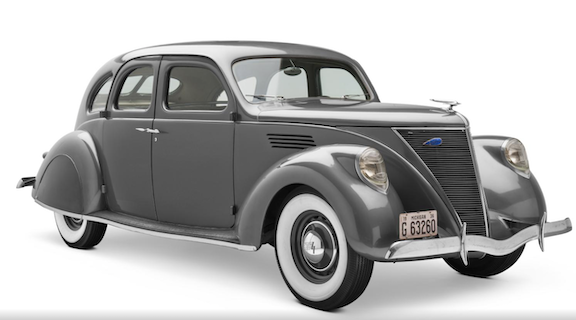
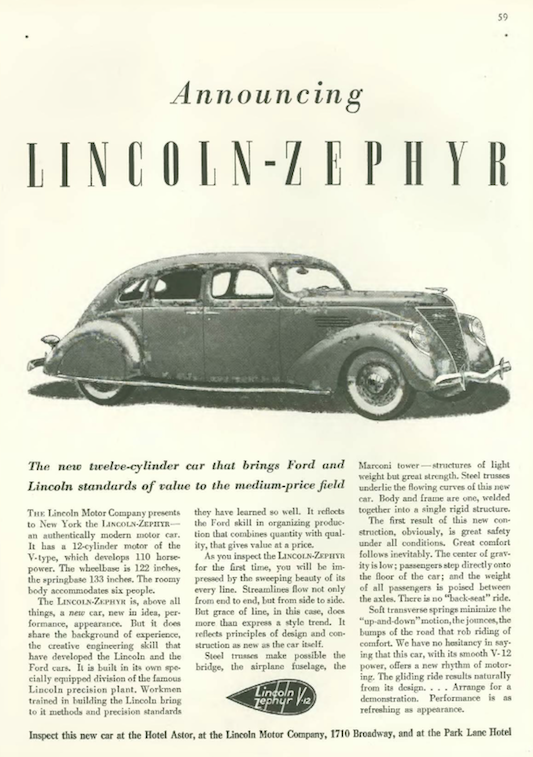
…another ad from the makers of Lincoln suggesting that the market for their luxury auto wasn’t confined to citified execs…

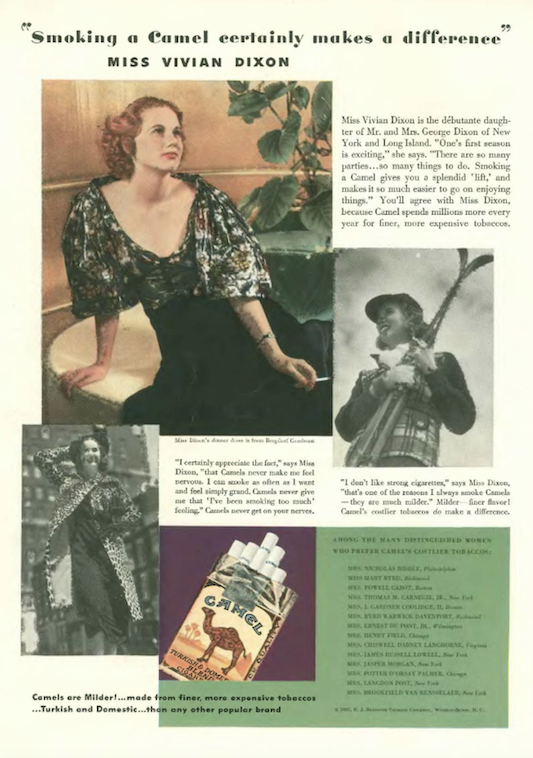
…the Camel folks introduced us to their latest society shill…
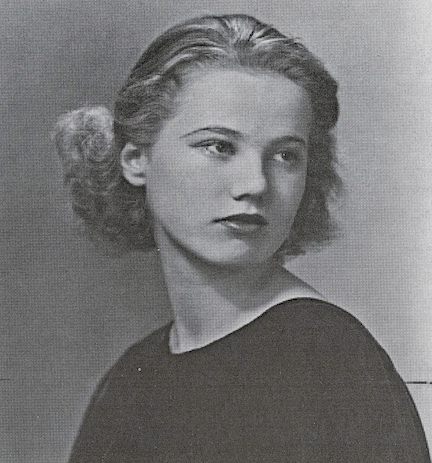
…I didn’t find much about Beatrice Barclay Elphinstone (1916-1977), described in the Camel ad as a “charming representative of New York’s discriminating younger set”…she did make the Times‘ Dec. 10, 1937 society wedding announcements, however…

Dr. Seuss was back with another twist on Flit insecticide…

…on to our illustrators and cartoonists, a nice charcoal by Hugo Gellert for a profile titled “Yankee Horse Trader,” written by Arthur C. Bartlett…the harness horse racing legend Walter Cox (1868-1941) was known in New England as “the king of the half-milers”…

James Thurber contributed this cat and dog face-off to the opening pages…

Helen Hokinson offered her perspectives on the summer dog show across pages 16-17…

…and for a closer look…

Gluyas Williams went back to nature in his “Club Life” series…

Leonard Dove introduced us to an undaunted salesman…

…in the world of George Price, crime didn’t pay…

Barbara Shermund gave us a rare glimpse into the secret lives of men…

…patronizing words were unwelcome at this chess match, per William Steig

Denys Wortman took us on a family outing…

…and we close with Alain, and a mother of multiples…except words…

Next Time: Hays Hokum…

A Return to Coney

Above: Coney Island "freak" show, summer of 1935. (seeoldnyc.com)

It has been about a year since we’ve visited Coney Island, and with summer upon us (and upon 1935 New York) let’s have a look at “The Talk of the Town” and see the latest attractions.

June 15, 1935 cover by Garrett Price. Price (1897–1979) illustrated 100 covers for the magazine.
Garrett Price’s first New Yorker cover, “Heat Wave,” Aug. 1, 1925.

This lengthy “Talk” entry (excerpted), attributed to Clifford Orr, noted that much was unchanged, including the “mustard-laden breezes.” The place was noisier, however, with carnival barkers increasing their range through loudspeakers.

THE HIGH AND LOWS of society were on display in various attractions at Coney Island. Clockwise from top left, gawkers gather at Coney Island freak show, which included the “Armadillo Boy,” August 5, 1935; strollers near the Virginia Reel and Wonder Wheel, circa 1935; Borden’s frozen custard stand, 1930s; couple have a nap on the beach, circa 1935. (seeoldnyc.com)
LINEUP…Beauty contests near the Steeplechase, like this one in 1935, were a common sight at Coney Island. (seeoldnyc.com)
LIKE MOTHS TO THE FLAME, the dazzling lights drew thousands to Coney Island’s Luna Park in the 1930s. (seeoldnyc.com)
THEY LOOK LIKE…ANTS…Aerial view of the beach in 1935. The Steeplechase ride is at the top left. (seeoldnyc.com)

 * * *

Ship Ahoy

E.B. White (in “Notes and Comment”) mentioned that he danced aboard the newly arrived S.S. Normandie (presumably with Katharine White) while it was docked at Pier 88.

GROOVY…E.B. White noted the “luminous grooves” of the S.S. Normandie’s theatre. (drivingfordeco.com)
JUGGERNAUT…The S.S. Normandie docked at New York’s Pier 88 after completing her maiden voyage on June 3, 1935. Note the paint chipped from the hull, the result of the ship’s record-breaking speed. (yesterdaystrails.wordpress.com)

 * * *

Another Freak Show

Theatre critic Wolcott Gibbs found Earl Carroll’s latest stage production to be nothing more than a “vulgar assortment of comedians, jugglers, and performing dogs,” accompanied by “very lovely and disarming” young ladies who chanted their lines “in high childish voices.” One skit apparently featured Abe Lincoln with “fifty-six young ladies in cellophane hoopskirts.” Too bad no one filmed that performance.

HOLDING IT TOGETHER…Gibbs noted that comedian Ken Murray carried most of the show’s comedy (Murray had found success on the New York stage after appearing in Carroll’s Vanities on Broadway in 1935); Sibyl Bowen was known for her impersonations of famous women. In Sketchbook she portrayed Martha Washington, among others. (eBay/entertainment.ie)

 * * *

Weathering the Field

Like the recent 2025 U.S. Open at Oakmont (won by J.J. Spaun), ninety years ago Oakmont was also plagued by bad weather, and it also featured a tournament winner who outplayed the top golfers in the field. Excerpt:

WHY NOT ME?…Sam Parks Jr. (left) was considered an unlikely winner of the 1935 U.S. Open after competing with Hall of Famers at Oakmont. A 25-year-old club pro from Pittsburgh who played on the winter tour without ever winning, he bested a field that included Walter Hagen, Gene Sarazen, Denny Shute and Horton Smith. His secret? For months leading up to the U.S. Open, Parks played nine holes at Oakmont every morning before going to work at nearby South Hills Country Club. He knew the course like the back of his hand. (progolfweekly.com)

* * *

Straight From the Headlines

Film critic John Mosher noted how the storylines in latest “G-men” pictures seemed to be taken directly from the daily papers. Public Hero Number 1 was no exception.

THE GOOD GUYS…from left, Chester Morris, Lionel Barrymore and Jean Arthur in Public Hero Number 1. One effect of the Hays Code was to replace gangster films—which some believed glorified criminals—with films that depicted the dedication and courage of law enforcement officers. (Rotten Tomatoes)

Mosher suggested moviegoers would get more pleasure out of Public Hero Number 1 than from Our Little Girl, which seems an unfair comparison since gunplay was rare in a Shirley Temple flick.

NO GUNS, JUST SOME SCARY CLOWNS…Joel McCrea and Shirley Temple in Our Little Girl. (csfd.sk/film)

 * * *

Speaking Brooklynese

The June 15 issue featured Thomas Wolfe’s classic short story, “Only the Dead Know Brooklyn.” Written entirely in “Brooklynese” dialect, the simple plot features four men standing on a subway platform arguing about how to get to “Bensonhoist.” The story (seemingly told to the author himself) recalls the existential themes of Wolfe’s contemporary, the Irish writer Samuel Beckett. Here is an excerpt, the second paragraph of the story:

So like I say, I’m waitin’ for my train t’ come when I sees dis big guy standin’ deh—dis is duh foist I eveh see of him. Well, he’s lookin’ wild, y’know, an’ I can see dat he’s had plenty, but still he’s holdin’ it; he talks good an’ is walkin’ straight enough. So den, dis big guy steps up to a little guy dat’s standin’ deh, an’ says, “How d’yuh get t’ Eighteent’ Avenoo an’ Sixty-sevent’ Street?” he says.

GONE TOO SOON…Portrait of Thomas Wolfe taken by Carl Van Vechten in 1937. He died the next year, eighteen days before his 38th birthday. (Library of Congress)

 * * *

From Our Advertisers

We begin with this two-page spread—what readers of the June 15 issue would have seen after turning the cover page…

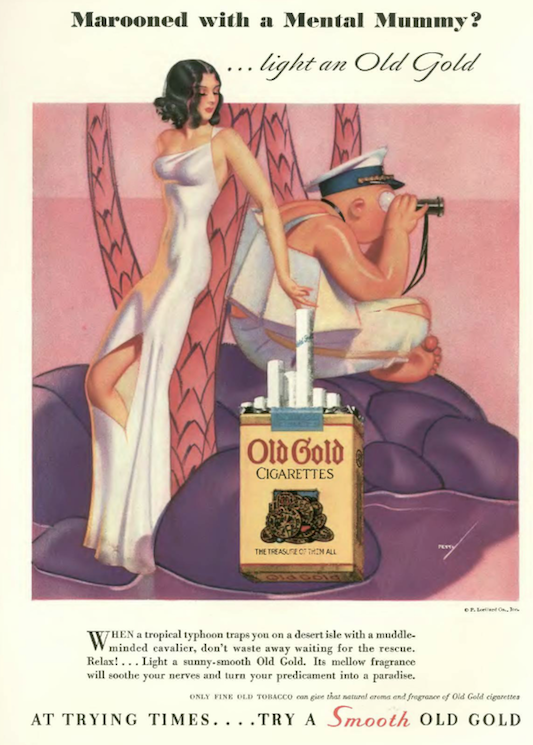
…the inside cover ad was part of an ongoing series of spots for Old Gold cigarettes illustrated by pin-up artist George Petty…almost all of the ads featured a fat, homely man (possibly a sugar daddy) mooning over a leggy blonde who relieves the tedium by reaching for an oversized cigarette…

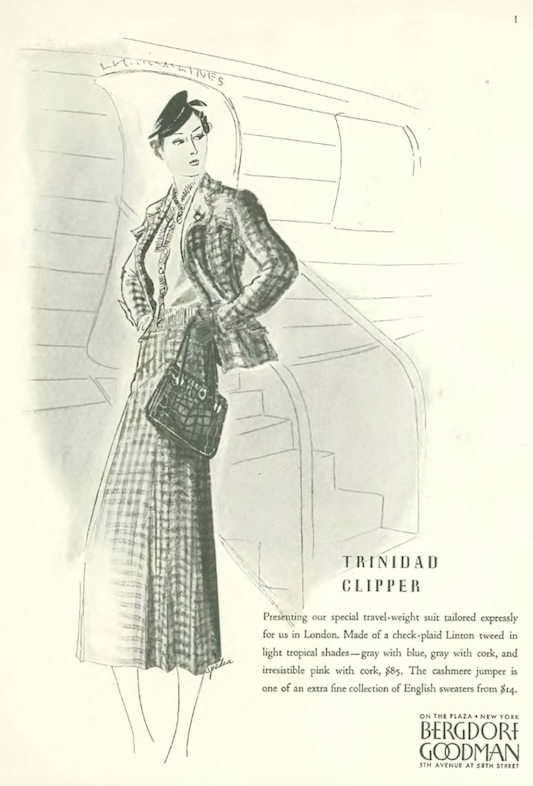
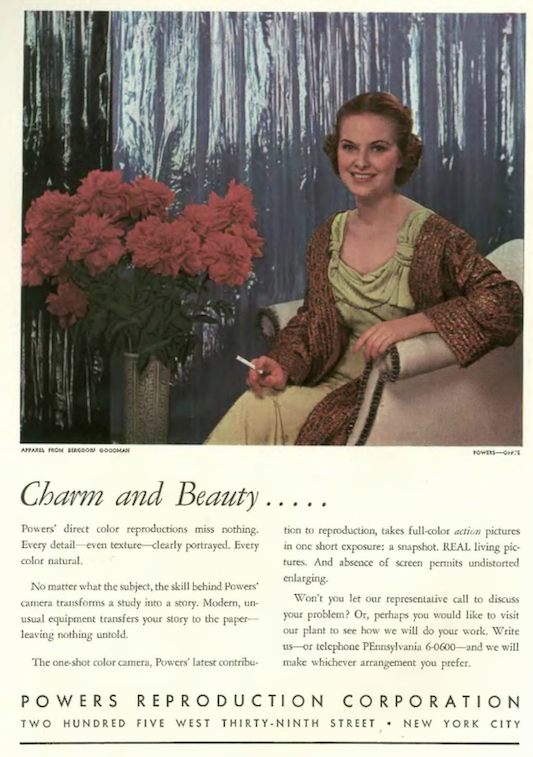
…the ad on the facing page couldn’t be more different, except for the fact the woman is smoking, suggesting, of course, sophistication when paired with the latest fashions from Bergdorf Goodman…

…on the back cover we find these swells enjoying a belt at the horse races…

…while on the back cover, Camel gathered together all of its recent society endorsers for another round of shilling for R. J. Reynolds…

…swells and society women were the only persons (along with celebrities) who could afford to take this early version of a “red eye” to L.A. or San Francisco…it was not all that cushy, however…airliners were loud, cold, and not pressurized, so they flew at low altitudes and were often bounced about by the weather. The Boeing 247 also required several stops for refueling…

‘OL SPEEDY…This Boeing 247 was featured in the above ad. One of the first all-metal airliners, the 247 was considered revolutionary when introduced in 1933—United Airlines boasted that it cruised at speeds of three miles per minute and carried ten passengers across the country in twenty hours, cutting eight hours from previous travel times. Seven refueling stops included Cleveland, Chicago, Omaha, Cheyenne and Salt Lake City.  (Wikipedia)
WATCH YOUR STEP…Interior of the Boeing 247. Note that the main wing ran through the cabin, so persons moving down the aisle had to step over it. (Library of Congress)

…we learn a lot about a 1930s New Yorker reader by looking at the advertisements…it doubtful the magazine had many truly upper-class readers—the barbarians were content to flip through a copy of Town & Country or similar undemanding fare…what we do have are striving “smart set” readers, some with the means to buy a luxury automobile, fly cross-country, or cruise on the Normandie, all things one would desire as a member of upper-middle class or even the educated bourgeoisie in the middle…this Campbell’s soup ad is for the latter…the upper-middles would sniff at canned soup, while the barbarians would probably eat whatever was set in front of them, since talking about food would be considered vulgar…

…Pabst Blue Ribbon beer has been around since 1844…in the 20th century it was increasingly associated with the working class and rednecks until the brand caught on with urban hipsters in the early 2000s…

…in the May 25, 1935 issue we saw an ad promoting Walter Hagen’s “Honey Boy” golf balls, which contained real honey in their cores…the folks at MacGregor’s had a different idea—they inserted a pellet of dry ice into the center of their golf balls…what will they think of next?…

…we move on to our cartoonists, beginning with a James Thurber spot…

…and continuing with another Thurber classic…

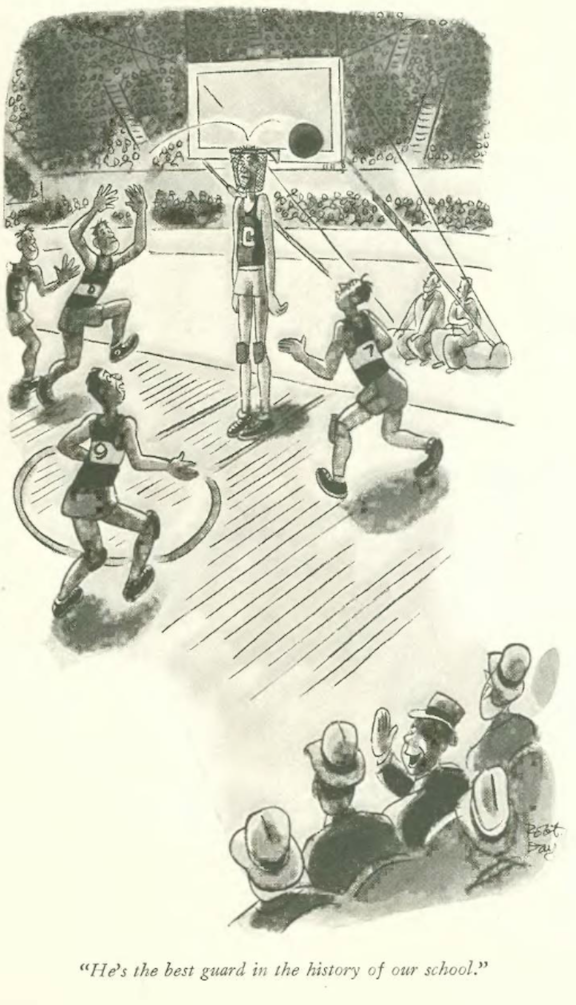
Robert Day took a lunch break in the opening pages…

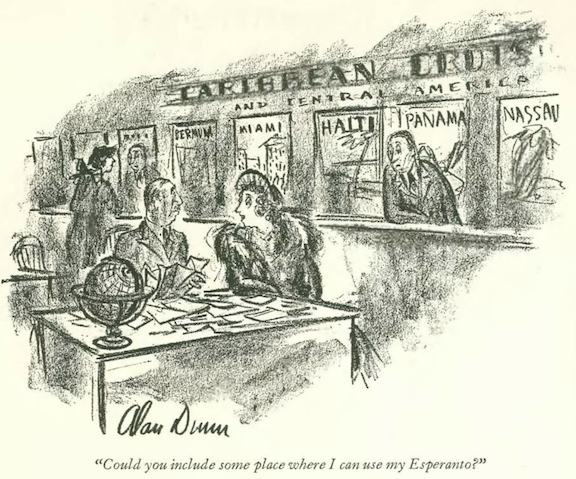
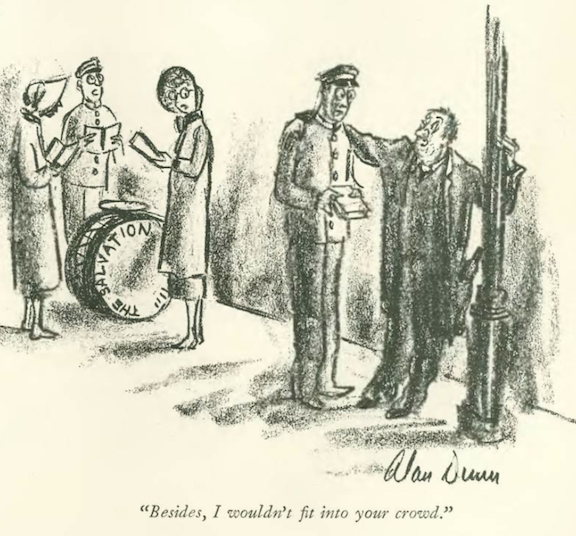
Alan Dunn felt charitable while relaxing in Westchester…

Mary Petty gave us a wedding guest that would not be out of place today…the caption reads, “Home, Prince!”…

Helen Hokinson went hog-wild in the garden…

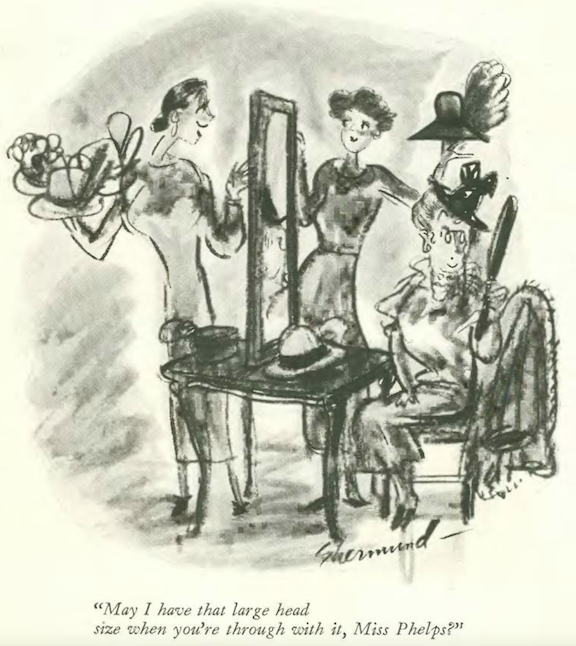
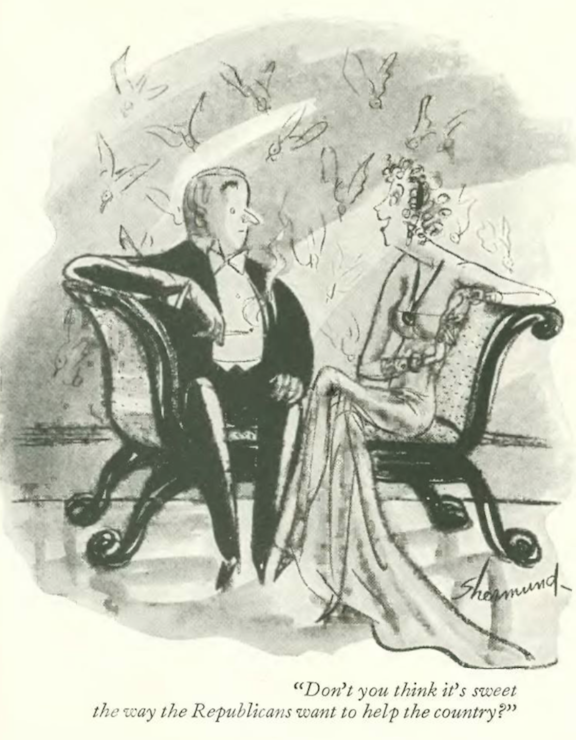
Barbara Shermund looked in on the idle thoughts of the idle rich…

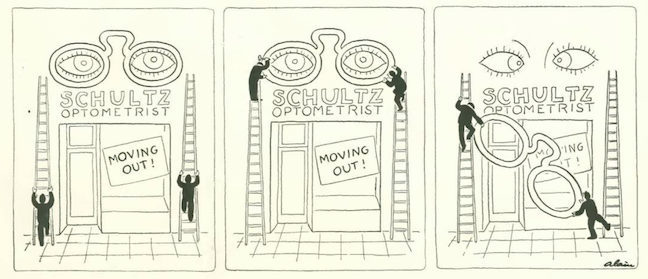
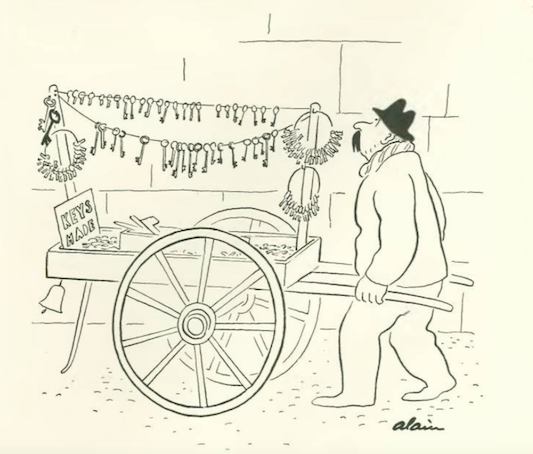
…and we close where we began, with Daniel Brustlein aka Alain at Coney Island…

Next Time: Thackeray, In Color…

Wining & Dining

Above: The Waldorf-Astoria's Starlight Roof, and a 1930s menu cover. (Facebook/Pinterest)

With summer approaching, the rooftop restaurants were in full swing, and Lois Long continued her exploration of favorite haunts, including one nightclub that drew many Manhattanites across the Hudson to the cliffs of the New Jersey Palisades.

June 1, 1935 Cover by Rea Irvin.

Ben Marden couldn’t wait for the official end of Prohibition when he opened his Riviera Night Club in Fort Lee in 1931. The frequent site of raids until the repeal of the 18th Amendment, the Riviera continued to be a place well known to Bergen County police thanks to clientele that included racketeers and other unsavory types. But to New Yorkers like Long, it was a break from the din of the city to the relative green of the Garden State. Long wrote:

The Riviera closed during the first years of World War II, but it reopened in 1945 after Bill Miller bought it from Marden and apparently cleaned it up. It then attracted the likes of Frank Sinatra, Dean Martin, Jerry Lewis, Martha Rae, Sammy Davis, Jr., and Pearl Bailey until it closed in 1953. It was demolished the following year.

THEY HAD FOOD, TOO…Clockwise, from left, the1936 spring menu cover of Ben Marden’s Riviera featured an illustration of the original Riviera (ringed by nude showgirls), which burned to the ground on Thanksgiving night, 1936; the building that replaced it was called an architectural wonder with its retractable roof, rotating stage, and glass windows that slid down to the floor; Earl Carroll and his “Beauties” performed at the Riviera in 1935–they are pictured here at a train station in Los Angeles, 1934. (ebay.com/patch.com/lapl.org)

Long also stayed in town to visit the Waldorf-Astoria’s Starlight Roof.

WITH THE STARS, UNDER THE STARS…Clockwise, from left, cocktail menu from the Waldorf’s Starlight Roof, 1935; outdoor seating on the Starlight Roof Terrace; special menu for the Gala Opening Dinner and Supper Dance on the Starlight Roof, May 14, 1935. It was a favorite destination of Frank Sinatra, Cole Porter, Katharine Hepburn, and Ella Fitzgerald, among others. (Pinterest)

Long also mentioned the appearance of Ray Noble in the Rockefeller Center’s Rainbow Room. This full-page ad appeared in the June 1 issue:

Other summer season attractions were advertised in numerous back-of-the-book, one-column advertisements:

…and at the bottom of page 64…

Wining and dining were also the topic of the profile, a two-parter penned by Margaret Case Harriman, who took a look at New York’s famed Colony Restaurant.

ORIGINAL TRIO…Al Frueh’s caricatures of the Colony’s owners/headwaiters Gene Cavallero and Ernest Cerutti, who flank chef Alfred Hartmann, who was also part owner until he sold his interest to the other two in 1927 and retired to a farm in France. Harriman wrote that Cavallero and Cerutti were “born headwaiters—suave, solicitous, infallible.”
A PLACE TO BE SEEN…From the 1920s to the 1960s New York’s café society dined at the Colony. Rian James, in Dining In New York (1930) wrote “the Colony is the restaurant of the cosmopolite and the connoisseur; the rendezvous of the social register; the retreat of the Four Hundred.” Critic George Jean Nathan said the Colony was one of “civilization’s last strongholds in the department of cuisine.” Photo at left of the dining room around 1940; at right, co-owner Eugene Cavallero consults with a chef. (lostpastremembered.blogspot.com)

 * * *

The Business of News

In his “Notes and Comment,” E.B. White contemplated the meaning of a free press, noting that nearly all media was at the mercy of advertisers. That included The New Yorker, which owed allegiance “to the makers of toilet articles, cigarettes, whiskey, and foundation garments.”

* * *

Cat Lady

“The Talk of the Town” anticipated the arrival of French writer Colette (1873-1954) aboard the S.S. Normandie. This excerpt makes note of her high standing in society as well as her love of cats.

SHE ONCE OWNED AN OCELOT….Colette with her cats in an undated photo; at right, entering New York Harbor on the S.S. Normandie, 1935. (Pinterest)


 * * *

Public Artists

“The Talk of the Town” noted the latest Washington Square Outdoor Art Exhibition…

LENDING THEIR TALENTS…New Yorker cartoonists who helped promote the Outdoor Art Exhibition in Washington Square included James Thurber, Otto Soglow, and William Steig.

 * * *

Cutting Remarks

S.J. Perelman offered his thoughts on the decline of the tonsorial arts. In this excerpt, he sees his beloved Italian barber give way to a “knifelike individual in a surgical apron.” Excerpts:

IT’S A SCIENCE NOW, SIDNEY…S.J. Perelman worried about the displacement of Italian barbershops by cosmetologists in “surgical aprons,” such as the one modeled by Helena Rubinstein at right. (Pinterest)

* * *

Even Those Eyes Couldn’t Help

Film critic John Mosher was sad to report that disappointment was in store for moviegoers who enjoyed seeing Bette Davis in Of Human Bondage. Her latest flick, The Girl from 10th Avenue, featured Davis murmuring “gentle nothings of a vaguely noble monotony.”

GET ME OUT OF THIS PICTURE…Left, Bette Davis with Ian Hunter in the uninspired The Girl from 10th Avenue; at right, screen shot of Davis in 1934’s Of Human Bondage, the film that made Davis a star.  (thefilmexperience.net)

Other items in the editorial section included a casual by Dorothy Parker’s husband Alan Campbell (titled “Loyalty at Pool-Wah-Met”), and Morris Markey examined the Christian Science movement inspired of Mary Baker Eddy, in “A Reporter at Large” piece titled “But Thinking Makes It So.”

 * * *

From Our Advertisers

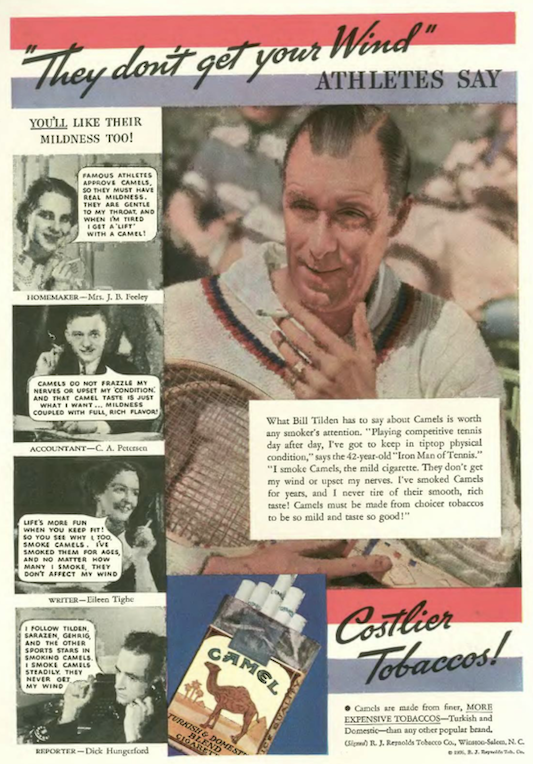
We begin with an advertising theme common through midcentury, namely, that you could smoke certain brands as much as you liked and still be a star athlete (as opposed to a wheezing husk of a human being)…

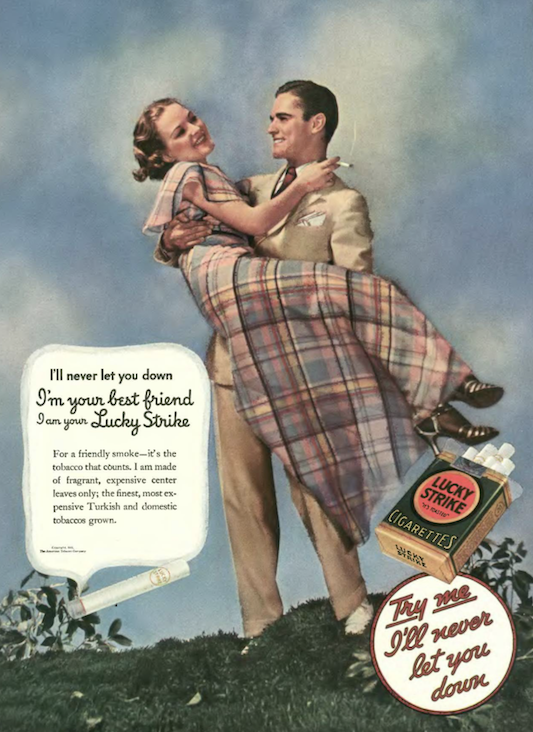
…not only did these cigarettes “steady your nerves” and preserve your “wind,” they also made for sweet, romantic moments…

…in between puffs you could also enjoy breathing in fumes from leaded gasoline…lead pollution increased by more than 625 times previous levels after leaded fuels were introduced in 1924…

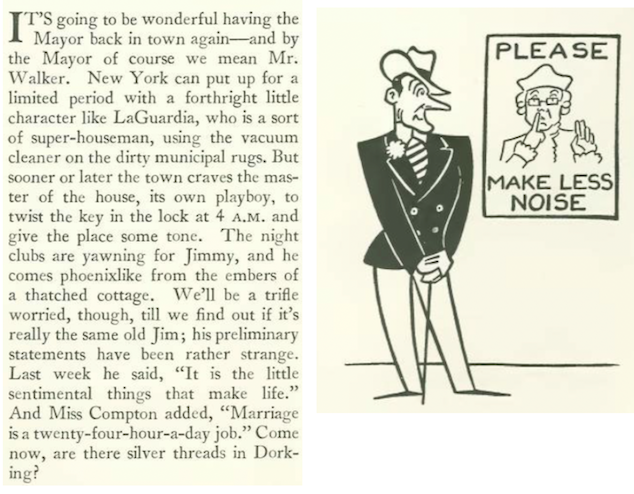
…although they were being outlawed by New York Mayor Fiorello Henry La Guardia, an organ grinder nevertheless made an appearance in an Arrow Shirt ad that offered a lighthearted moment for all involved (except for the dude on ketamine)…

…when jeans were called “dungarees” they were reserved for gardening or fishing…at right you could land a pair of “Crazy Shoes” woven with “garish Mexican colours” for five-and-a-half bucks…

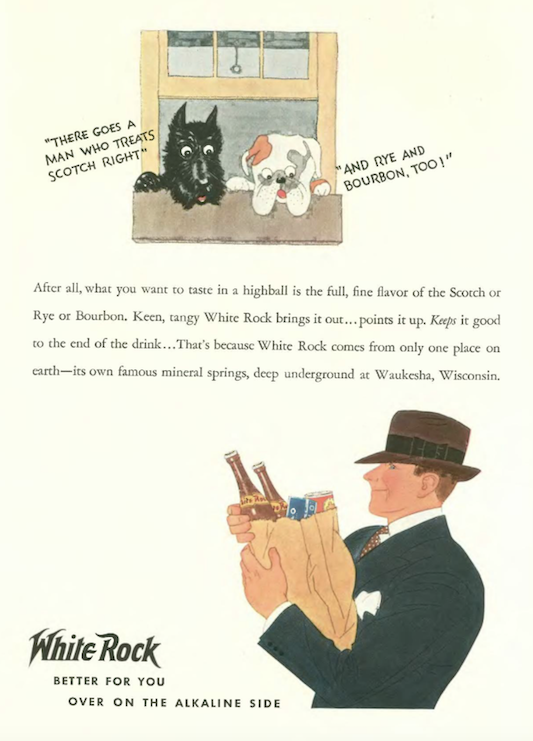
…the makers of White Rock kept it cool with this minimalist ad…

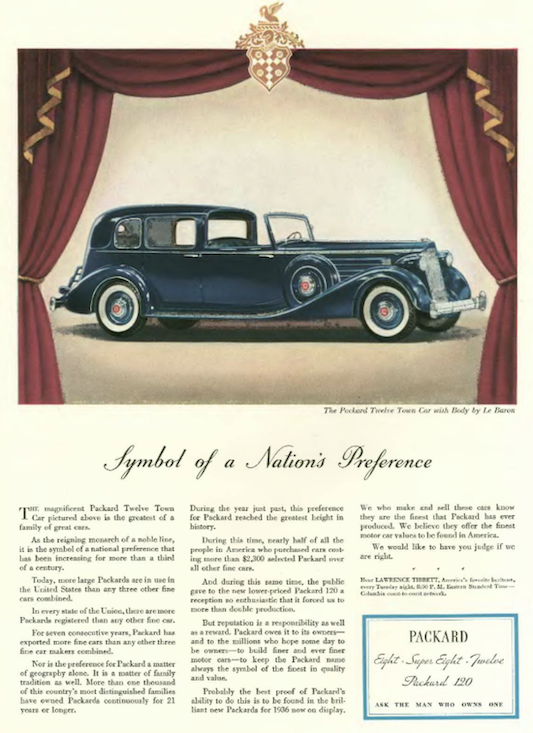
…luxury automaker Packard continued to hang on through the Depression by offering a downscale version…it appears their demographic was middle-aged men and women who still preferred the finer things even if they couldn’t afford them…

…now the property of Hearst, Otto Soglow’s Little King could still appear in The New Yorker via the advertising sections…

…and Soglow continued his contribution to the magazine’s cartoons with other multi-panel subjects…

James Thurber kicked off the cartoonists with this tender spot…

…and contributed this cartoon…

Alain found competition in the portrait trade…

George Price was still afloat…

Charles Addams was tied up with the sculptural arts…

Denys Wortman shopped for DIY projects…

Peter Arno found a sensitive side in one member of the NYPD…

Mary Petty made some alterations…

…and we close with this terrific cartoon by Richard Decker

Next Time: Not a Square Deal…
 

Broadacre City

Above: Detail from Spanish architect David Romero's computer-generated model of Frank Lloyd Wright's Broadacre City, complete with an "aerotor" flying car.

To be sure, architect Frank Lloyd Wright was a visionary, creating a uniquely American vernacular that influences architecture and design to this day. That might also true for his Broadacre City concept, which demonstrated how four square miles (10.3 km2) of countryside might be settled by 1,400 families. Wright unveiled this escape to the countryside in the middle of Manhattan.

April 27, 1930 cover by Reginald Marsh.

On April 15, 1935, the Industrial Arts Exposition opened at Rockefeller Center, and Wright (1867-1959) was front and center with his audacious proposal to resettle the entire population of the United States onto individual homesteads. Critic Lewis Mumford observed that Wright “carries the tradition of romantic isolation and reunion with the soil” by putting every American family on a minimum of five acres of land.

FLAT EARTH…Clockwise, from top left, cover of Rockefeller Center Weekly featuring the Industrial Arts Exposition—the model on the cover is identified as “Miss Typical Consumer”; detail from the magazine depicting a “streamlined farmstead” in Broadacre City; Frank Lloyd Wright examining the Broadacre City model, circa 1935; Wright students who crafted the 12×12-foot model, circa 1935. (digital.hagley.org/franklloydwright.org)

Wright first presented the idea of Broadacre City in his book The Disappearing City in 1932…
ROMANTIC ISOLATION…Broadacre City as depicted in Wright’s 1932 book The Disappearing City. (Wikipedia)

…note how the above drawing is reflected in one of Wright’s last designs, the Marin County Civic Center:

(visitmarin.org)

A detailed 12×12-foot scale model of Broadacre City—crafted by Wright’s student interns at Taliesin, was unveiled at the Industrial Arts Exposition:

GREEN ACRES…The 12×12-foot model (top images) crafted by student interns who worked for Wright at Taliesin is now housed at the Museum of Modern Art (MoMA); bottom right, Wright’s rendering of Broadacre City, and at left, detail from Spanish architect David Romero’s computer-generated model of Broadacre City (more images below). (MoMA/David Romero via Smithsonian)

For the most part Mumford reacted favorably to Wright’s vision, which is no surprise considering that Mumford derided the dehumanizing skyscrapers popping up all over his city (including Rockefeller Center).

Despite his patrician demeanor, Wright envisioned an egalitarian Broadacre City, with every family having access to cars, telephones and other appliances. Power would come from solar and electric energy, and any technological advances would be applied at a local level toward the common good.

VIRTUAL REALITY…In 2018 Spanish architect David Romero created computer-generated models to see what Wright’s unrealized structures might have looked like. At left, cars (based on Wright concepts) in Broadacre City, and an aerial view featuring a tower that bears a strong resemblance to Wright’s 1956 Price Tower in Bartlesville, Oklahoma. Modeling Broadacre took Romero more than eight months to complete—it contains more than one hundred detailed buildings, one hundred ships, two hundred “aerotors” (based on the autogyros of the day), 5,800 cars, and more than 250,000 trees. (David Romero via Smithsonian and openculture.com)

What Mumford (and perhaps Wright) didn’t fully anticipate was the urban sprawl such a vision would help inspire, the suburban and exurban landscape that would lead to a car-dominated world of congested, multi-lane highways and housing developments that continue to encroach on our woodlands and wetlands. And we didn’t get those groovy aerotors either.

(Christoph Gielen, webcolby.edu)

 * * *

Little House on the Avenue

E.B. White, in his “Notes and Comment,” also offered some observations on housing trends, noting the manufactured “Motohome” displayed at Wanamaker’s as well as “America’s Little House,” plopped down at the corner of 39th and Park Avenue.

SETTING A STANDARD…Above, the factory-manufactured Motohome (above) was touted as the solution to the nation’s housing shortage. The federal Better Homes in America organization built a model house (“America’s Little House,” below) at 39th and Park Avenue to illustrate how standardized components and methods could make home improvement easier. (Google Books/Johns Hopkins)

* * *

Horsing Around

Although known for their nonchalance, New Yorkers could still find some enthusiasm when the circus came to town. “The Talk of the Town” looked in on the star of the circus, Dorothy Herbert (1910-1994), a trick rider with the Ringling Bros. and Barnum & Bailey Circus.

WHOA NELLY…One of Dorothy Herbert’s signature moves was her layback on a rearing horse. Here she demonstrates the move in 1939. (equineink.com)
HOT STUFF…Circus poster touts Herbert’s ride over flaming hurdles in the company of twelve riderless horses. (circushistory.org)

 * * *

Don’t Call Him ‘Tiny’

He was known as “The Little Napoleon of Showmanship,” but there was nothing small about Billy Rose’s accomplishments as an impresario, theatrical showman, composer, lyricist and columnist. Here are excerpts from Alva Johnston’s profile:

JUMBO-SIZED ENTERTAINMENT…Clockwise, from top left, Billy Rose and his first wife, comedian-actress Fanny Brice; illustration of Rose for the profile; poster announcing Rose’s 1935 stage spectacle Jumbo at the Hippodrome; described as more circus than musical comedy, Jumbo was one of the most expensive theatrical events of the first half of the 20th century. (jacksonupperco.com)

 * * *

On Guard

We shift gears and turn to more sobering events of the 1930s, namely the rise of fascism in Europe. In his column “Of All Things,” Howard Brubaker pondered the possibilities of fascism in his own country…

…meanwhile, Paris correspondent Janet Flanner was finding nothing funny about the uneasy calm among Parisians as war with Germany seemed likely.

C’EST LA VIE…Janet Flanner found Parisians resigned to whatever fate awaited them in 1935. (unjourdeplusaparis.com)

Flanner also remarked on Leni Riefenstahl’s Nazi propaganda film Triumph des Willens (Triumph of the Will). Flanner’s assessment of this “best recent European pageant” wryly underscored the horrors the film portends.

 * * *

News From An Old Friend

Longtime readers may recall one of my earliest entries on Queen Marie of Romania (1875-1938); the March 14, 1925 edition of The New Yorker (issue #4) found New Yorkers “agog” over her planned 1926 visit to the city. Her comings and goings were followed for a time (she also appeared in a Pond’s Cold Cream ad in the June 6, 1925 issue), but then she abruptly disappeared. Here she is again, courtesy of a glowing book review by Clifton Fadiman. An excerpt:

A PROGRESSIVE THINKER for her time, Marie of Romania was immensely popular in America. Born into the British royal family, she was the last queen of Romania from 1914 to 1927. At left, portrait from 1920; at right, during her 1926 visit to the States, Marie received a headdress from two American Indian tribes. They named her “Morning Star” and “Winyan Kipanpi Win”—“The Woman Who Was Waited For.” (Wikipedia/brilliantstarmagazine.org)

 * * *

From Our Advertisers

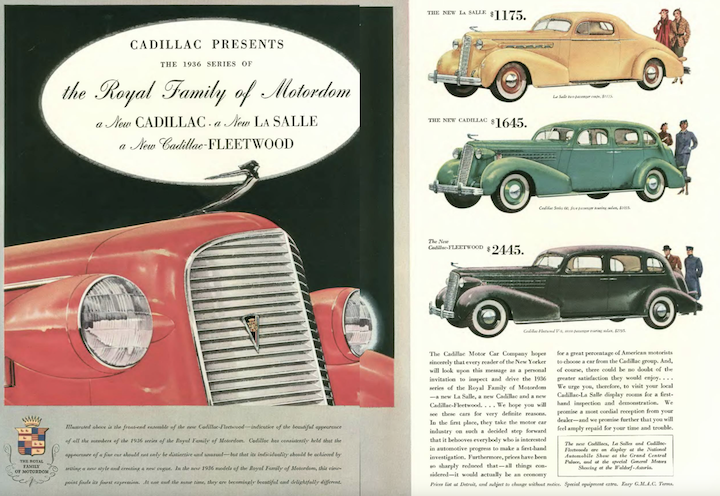
Although we’ve seen plenty of ads from prestige automakers such as Packard, it was clear that companies found their sweet spot in lower-priced models that still suggested “prestige”…here’s an example from Cadillac’s budget line LaSalle…

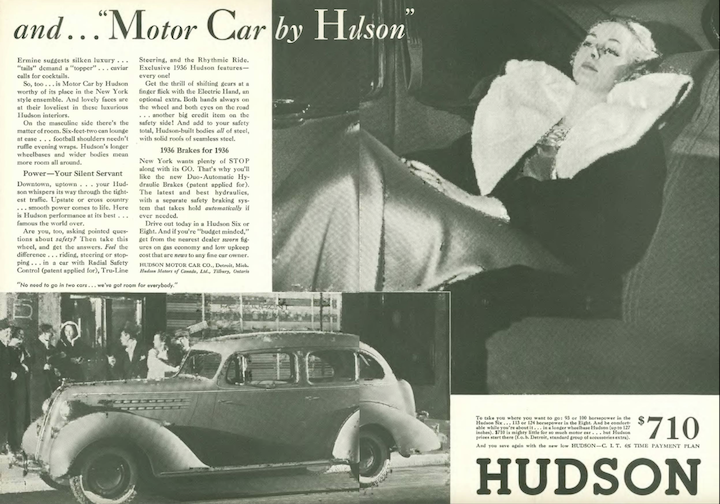
…for less than half the price of a LaSalle you could get behind the wheel of Hudson, its makers suggesting that prestige doesn’t preclude thrift…this ad seems to have been hastily produced–note the right side of ad, with just a slice of some toff squeezed next to the copy…

…this advertisement would only appeal to those who were among the tiny minority who could afford to fly…from 1924 to 1939 this early long-range airline served British Empire routes to South Africa, India, Australia and the Far East…

…for reference, detail below of a Scylla-class airliner used by Imperial Airways…

…and what would the back cover be without a photo of a stylish woman having a smoke?…

…a few advertisers referenced the circus in town to drum up business…

…and we segue to our cartoonists and illustrators, and this circus-themed spot from an illustrator signed “Geoffrey”…

…a more familiar name is found at the bottom of page 4…namely Charles Addams…the milk order outside the tomb hints at things to come…

…Addams again, going from Bacchus to beige…

George Price, and well, you know…

Robert Day was aloft with a speculative builder…

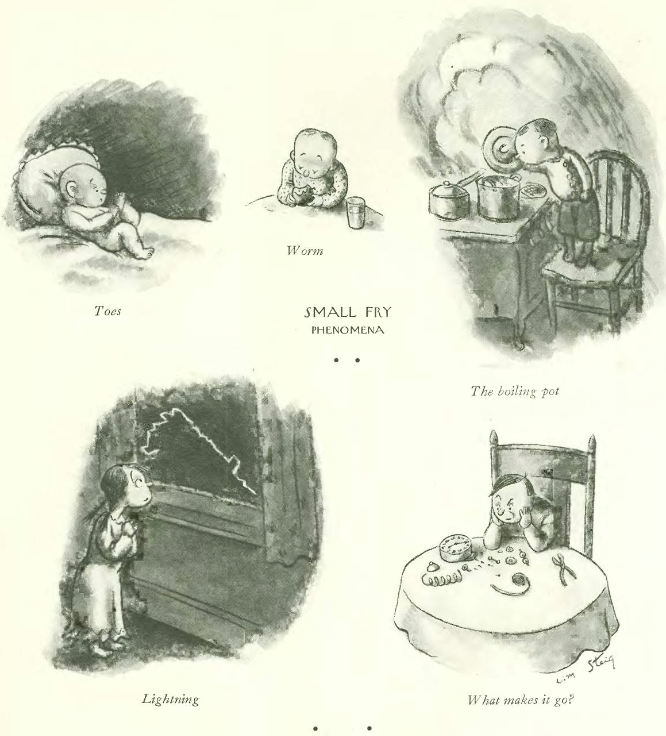
William Steig typecast his Small Fry…

Leonard Dove made a sudden exit…

Gilbert Bundy found one old boy unaffected by spring fever…

Alain channeled Barbara Shermund to give us this gem…

…and we close with a typical day in James Thurber’s world…

Next Time: The Royal Treatment…


The Cowboy Philosopher

William Penn Adair Rogers, aka Will Rogers (1879–1935), was a man of many talents. Today he is mostly referred to as a humorist, but he was also an actor, a social and political commentator, a trick roper and a vaudeville performer. To Americans he was a national icon.

April 13, 1935 cover by Barney Tobey.

Rogers was also internationally famous, having traveled around the world three times and appearing in 71 films (50 of those silent). He also wrote more than 4,000 newspaper columns—nationally syndicated by The New York Times—that reached 40 million readers, and there were also magazine articles, radio broadcasts and personal appearances. He seemed to be everywhere.

ROPING THEM IN…In 1902, Will Rogers joined Texas Jack’s Wild West Show & Circus in South Africa as the “Cherokee Kid”—he was born as a citizen of the Cherokee Nation, in the Indian Territory that is now part of Oklahoma. By 1910, he had created a sensational vaudeville act by mixing trick roping with witty monologues. Clockwise, from top left, Rogers in a publicity photo from 1916, the year he joined the Ziegfeld Follies; on stage with the Follies in 1924; poster from his circus days; backstage with the 1924 Follies cast. (National Portrait Gallery)
MULTIMEDIA MULTI-TALENT…Left, Rogers catches a few moments to write one of his 4,000 nationally syndicated newspaper columns; from 1929 to 1935 he used the exciting new medium of radio to broadcast his newspaper pieces. His weekly Sunday evening show, The Gulf Headliners, sponsored by Gulf Oil, ranked among the top radio programs in the country. (National Portrait Gallery)

When John Mosher reviewed Rogers’ latest film, Life Begins At Forty, he found it to be one of Rogers’ best. It would also prove to be one of his last. On August 15, 1935, a small airplane carrying Rogers and aviator Wiley Post would crash on takeoff near Point Barrow, Alaska, claiming the lives of both men. Rogers would appear in three more films in 1935, the last two posthumously.

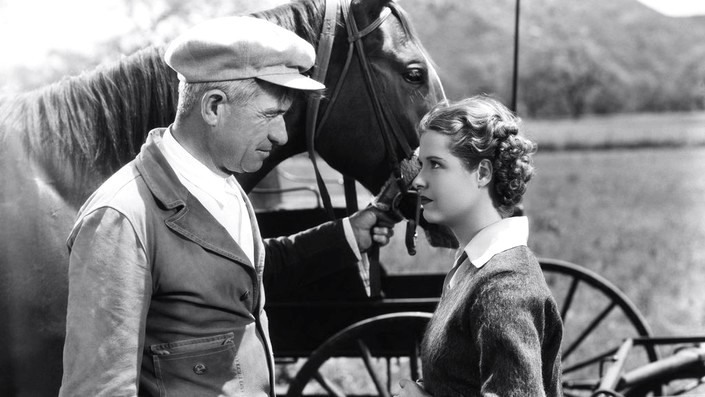
THAT’S LIFE…Will Rogers with Richard Cromwell and Rochelle Hudson in Life Begins at 40. Rogers’ film took its title from a 1932 self-help book by Walter B. Pitkin. Pitkin maintained that keeping a positive attitude toward life could give a person many fulfilling years after age 40. By the time of his death in 1935, the 55-year-old Rogers was Hollywood’s highest paid actor. (Wikipedia/IMDB)

 * * *

Not Toying Around

“The Talk of the Town” looked in on the serious business of toymakers, with 1935 being the year of streamlined tricycles, Buck Rogers disintegrator pistols, and, of course, Shirley Temple dolls.

RIVALED ONLY BY MICKEY MOUSE, Shirley Temple was the most popular celebrity to endorse merchandise for children and adults, including the “one and only” Shirley Temple Doll (left, ad from 1935); the Buck Rogers XZ-38 Disintegrator Pistol (top) was produced in 1935 by Daisy, and was available in both copper and nickel finishes–it was also offered as a premium from Cream of Wheat cereal; at bottom, the American National Streamline Velocipede Tricycle (1935), just one example of the hundreds of products receiving the streamlining treatment in the 1930s. (flickr/airandspace.si.edu/onlinebicyclemuseum.co.uk)

 * * *

Literary Spirits

E.B. White welcomed the return of literary tea party, which thanks to the repeal of the 18th Amendment had been re-dubbed the “literary cocktail party.” He shared his thoughts in “Notes and Comment”…

AMUSING MUSES…Actress, writer and socialite Peggy Hopkins Joyce hosted literary “teas” in the 1920s, while former Cosmopolitan editor Ray Long inspired a book on adventures in the South Seas shortly before his death; from left, Joyce in 1923; photogravure of Long, 1925. (Wikipedia/photogravure.com)

 * * *

Proto Feminist

Emily Hahn was one of the more lively figures in The New Yorker’s stable of journalists and writers, leading an adventurous life that included a hike across Central Africa in the 1930s and getting into all kinds of trouble during the Japanese invasion of China. According to Roger Angell, Hahn was, “in truth, something rare: a woman deeply, almost domestically, at home in the world. Driven by curiosity and energy, she went there and did that, and then wrote about it without fuss.” It is no surprise that Hahn’s latest novel, Affair, didn’t shy away from topics like abortion. According to reviewer Clifton Fadiman, the novel’s “anonymous grayness” exposed the banality of love in the twentieth century.

If Hollywood is looking for a new biopic, Hahn would make a fascinating subject (Kristen Stewart would be perfect for the part). According to IMDB, there is an “Untitled Emily ‘Mickey’ Hahn Project”—a TV series—that has been in development since 2022, but so far nothing has come of it.

DOWN ON LOVE?…Emily Hahn’s 1935 novel Affair exposed the banality of love in the twentieth century. (abebooks.com/susanbkason.com)

 * * *

From Our Advertisers

We begin with this advertisement from Goodyear, featuring what appears to be a father teaching his daughter how to drive, or in this case, fly, just like Chitty Chitty Bang Bang…

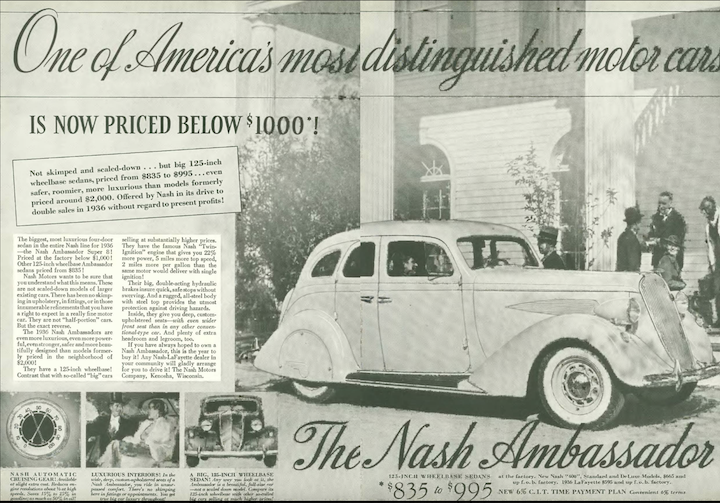
…and we stay airborne with the makers of the streamlined Nash, who claimed their automobile had “flying power”…

…and we return to earth with Cadillac’s budget model, the LaSalle, which featured “flashing performance”…

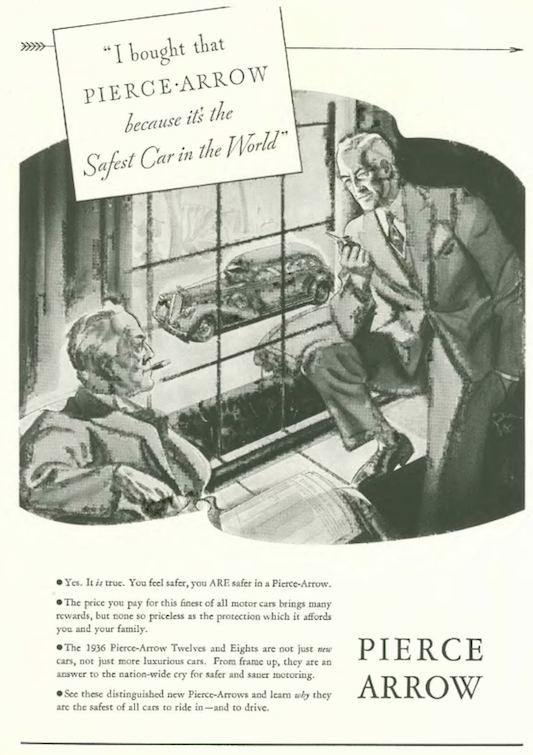
…by contrast, Pierce Arrow took a minimalist approach, gimmicks and splashy colors being reserved for the lower orders…

…one of the world’s most iconic ocean liners took to the sea with much fanfare in 1935. The SS Normandie was the largest and fastest passenger ship afloat; it remains the most powerful steam turbo-electric-propelled passenger ship ever built…

…if you happened to smoke Webster cigars, it could have been a sign that you were favored by the heavens…

…the “20-year rule” in fashion suggests that trends have a tendency to re-emerge every two decades, and that seems to be the case here…

…this next ad tells us everything we need to know about the Stetson wearer: he is a wealthy country gentleman who values tradition but who is also a man of the future…from the 1920s to midcentury the autogyro was thought to be the answer to the long-dreamed of flying car…

…whoever coined the term “night cap” probably wasn’t thinking about cold cereal…
…although Harold Ross’s old high school friend, John Held Jr., contributed many woodcut-style cartoons and faux maps to The New Yorker from 1925 to 1932, Held was more famous for his shingle-bobbed flappers and their slick-haired boyfriends in puffy pants, a style more apparent in this ad for Peychaud’s Bitters (the original was a one-column ad, split here for clarity)…

…Held provides a segue to our illustrators and cartoonists, beginning with a sampling of spot art from the April 13 issue…

James Thurber got things going on page 2…

…and also contributed this observation of the hypnotic arts…

Otto Soglow did some careful surveying (this originally appeared across two pages)…

Alain looked in on some Vatican gossip…

Richard Decker pitched a Shirley Temple murder caper…

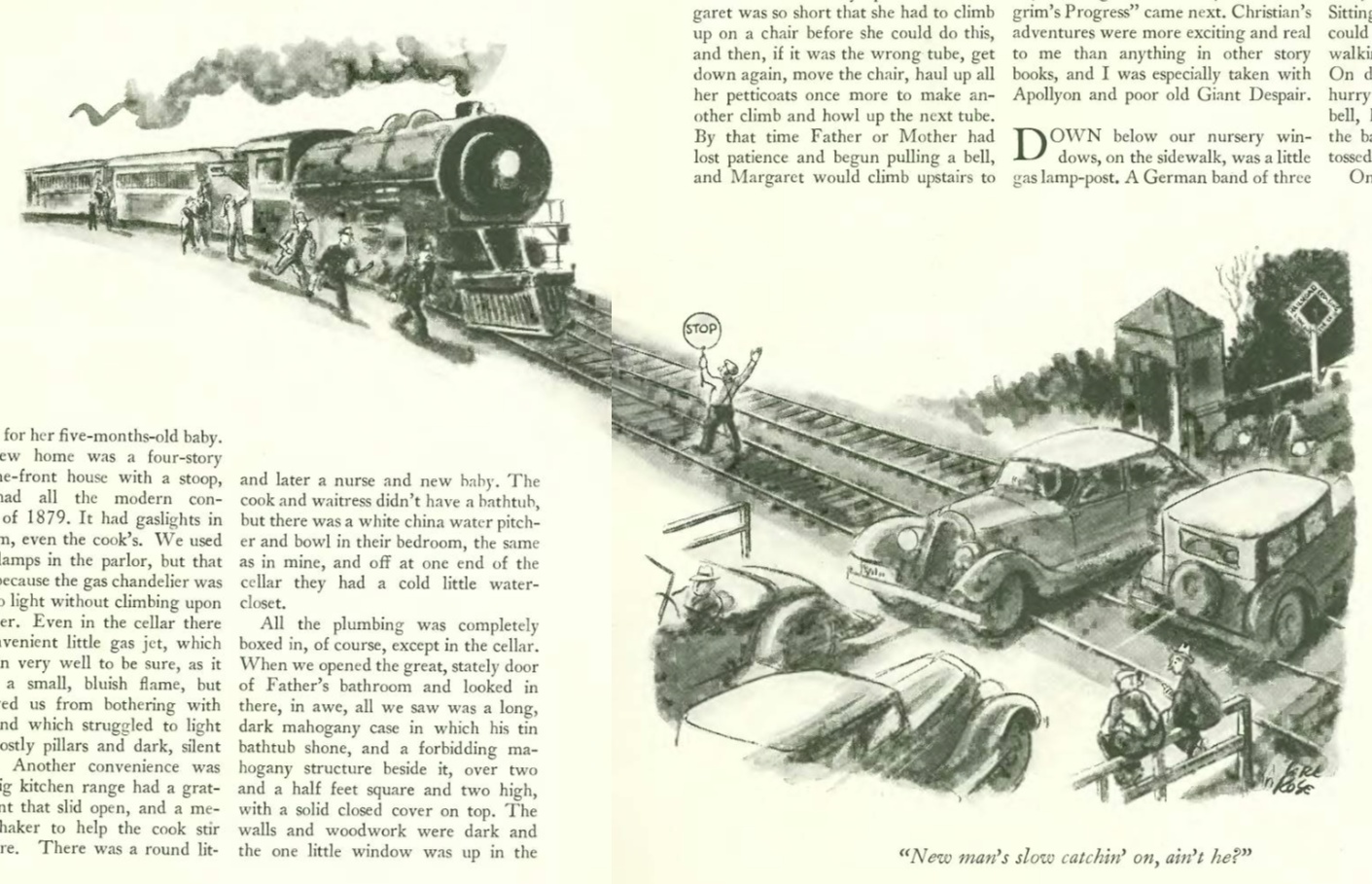
Carl Rose gave us a sweet send-off…

…and we close out with a big bang, courtesy of Alan Dunn

Next Time: Terse Verse…


Keep Calm and Carry On

If you lived in Germany in 1935, or in Italy or Spain for that matter, the world would have looked very different from the one most Americans were experiencing, clawing their way out of the Great Depression and hoping to improve their domestic lives. War was not big on their worry list.

April 6, 1935 cover by Leonard Dove.

In his “Notes and Comment,” E.B. White satirized the talk about war that was filling more column inches in the nation’s newspapers. He was particularly scornful of journalists such as Arthur Brisbane—the influential editor of William Randolph Hearst’s media empire—who was fond of giant headlines warning of impending war.

TEND YOUR OWN GARDEN...E.B. White in 1946. (Britannica)

White wasn’t naive about the possibilities of war; however, he believed obsessing about things over which we have little control did little to help the human condition. Helping one’s neighbor, on the other hand, would do the world more good. In 1939, just six months before Germany invaded Poland, White wrote a piece titled “Education” for his Harper’s Magazine column, One Man’s Meat. This excerpt helps define his worldview:

“I find that keeping abreast of my neighbors’ affairs has increased, not diminished, my human sympathies…in New York I rise and scan Europe in the Times; in the country I get up and look at the thermometer—a thoroughly set-contained point of view which, if it could infect everybody everywhere, would I am sure be the most salutary thing that could happen to the world.”

With that, here is a selection from the April 6 “Notes and Comment”…

TANKS A LOT…Clockwise, from top left, German war production in the 1930s—by increasing the size of the army by 500,000 and establishing the Luftwaffe in early 1935, Germany broke international law and the Treaty of Versailles; the 1935 Anglo-German Naval Agreement was the first sign of British and European appeasement—photo shows the launch of the Admiral Graf Spee; a display of force at Nuremberg, mid 1930s; cartoon by Bernard Partridge from Punch (September 1932) foresaw the inevitable. (parisology.net/theholocaustexplained.org/Punch Limited)

In March 1973, a “Mr. Nadeau” wrote a letter to E. B. White expressing fears about humanity’s bleak future. Here are the first and last lines of White’s reply:

As long as there is one upright man, as long as there is one compassionate woman, the contagion may spread and the scene is not desolate. Hope is the thing that is left to us, in a bad time. I shall get up Sunday morning and wind the clock, as a contribution to order and steadfastness…Hang on to your hat. Hang on to your hope. And wind the clock, for tomorrow is another day.

 * * *

Another Viewpoint

Ever the observer of the passing scene, Howard Brubaker made these relevant observations in “Of All Things”…

…and back to White’s “Notes,” and the imminent passing of the beloved organ grinder…

THE OLD GRIND…Above, one of New York City’s last organ grinders in Washington Heights, ca. 1935. Organ grinders had been fixtures in Manhattan since the 1850s, and by 1880 roughly five percent of Italian men living in Five Points were organ grinders, often accompanied by monkeys who entertained and collected coins. Organ grinders were outlawed in 1936 by Mayor Fiorello La Guardia. It is thought the mayor disliked the Italian immigrant stereotype. (Library of Congress)

 * * *

Give Him More Mickey Mouse

John Mosher expressed his displeasure with movies that failed to deliver some escape from life’s mundane realities or offered little more than tepid storylines.

IN SEARCH OF A CREDIBLE PLOT…Critic John Mosher found Claudette Colbert (top left) both unbelievable and unqualified to be a psychiatrist in Private Worlds; at top right, Joan Blondell and Glenda Farrell offered some mindless distractions in Traveling Saleslady (from 1933 to 1936 Blondell and Farrell appeared together in seven films); bottom, Mosher called The Woman in Red an “anemic” tale. Barbara Stanwyck seems to be wondering why she took the part. (rottentomatoes.com/TCM)

 * * *

Odds and Ends

Also in the issue, John O’Hara kicked off the short fiction with “I Could Have Had A Yacht,” Margaret Case Harriman penned a profile of Elizabeth Arden (of cosmetics empire fame), and theatre critic Wolcott Gibbs enjoyed the “bitterly effective performances” in Clifford Odets’ Waiting For Lefty, which was being produced at the Longacre Theatre.

ENOUGH IS ENOUGH...Elia Kazan led the cast in the original production of Clifford Odets’ iconic 1935 play Waiting for Lefty. Centered around a taxi drivers’ strike, Lefty was produced by The Group Theatre, which sought to perform plays that functioned as social commentaries on the inequality and poverty of 1930s America. Some referred to Kazan as the “Proletarian Thunderbolt.” (Creative Commons)

 * * *

From Our Advertisers

While Hitler ramped up weapons production and prepared to enact the Nuremberg Race Laws, the German Tourist Office touted their country as “The Land of Music” in this one-column advertisement on page 66 (left)…a couple of pages later we have an old chap looking forward to a German cruise and a quiet soak at Baden-Baden in the midst of madness…

…now this is more like it, fine dining under the stars aboard the Santa Paula, far from the maddening crowds…

…there were several colorful full-page ads in the issue, including this splashy display from the very un-splashy-sounding Bermuda Trade Development Board…

…cherry blossoms lined the path of Lincoln’s Le Baron Roadster…

…Camel played to a wide demographic, from ads featuring stylish young women to ads like this that roped in everyone from an “enthusiastic horsewoman” to an engineer working on the Boulder (now Hoover) Dam…

…I’m not sure what “Life begins at sixty” is supposed to mean, unless it’s about tempting young women with your bad habit…

…the New York American was hoping that some of the “Best People” who read The New Yorker would also want to read their apartment rental want ads…

…spring was in the air at Richard Hudnut’s Fifth Avenue salon…if you had dry skin, it was recommended you try a product with the unfortunate name “Du Barry Special Skin Food”…

…Taylor Instruments hoped readers would monitor the spring weather with one of their stylish thermometers…American graphic artist and illustrator Ervine Metzl provided the artwork…he was best known for his posters and postage stamp designs…

…which brings us to our illustrators and cartoonists, beginning with this small woodcut on page 6 signed “Martin”…

…empathy gained some traction in this Robert Day cartoon…

Alan Dunn demonstrated the effect of the Depression on the building trades…

Leonard Dove found one enlistee not ready for basic training…

Syd Hoff showed us all the right moves…

Alain was up in the garret with an artist in need of some peace…

Gluyas Williams took a glimpse backstage…

William Crawford Galbraith was still exploring the world of sugar daddies and golddiggers…

Barbara Shermund introduced a few giggles…

…and we close with another James Thurber classic…

Next Time: The Cowboy Philosopher…

Something Frivolous

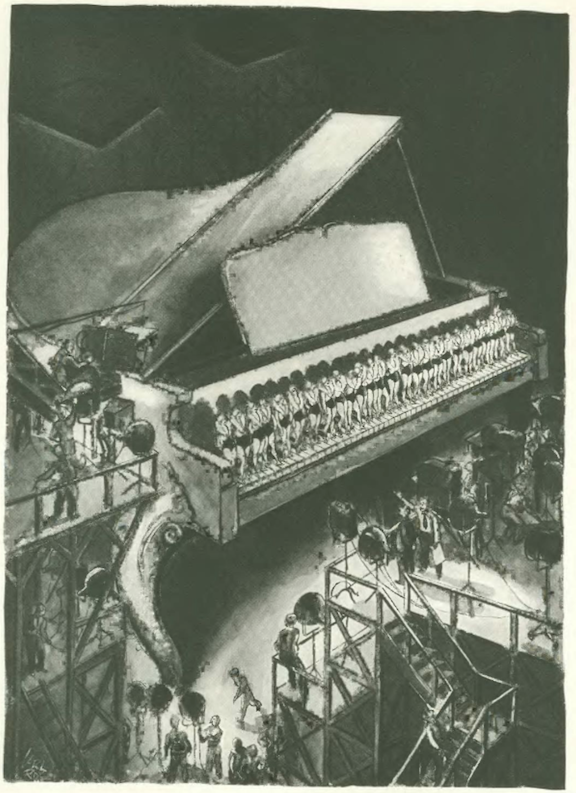
And what can be more frivolous than a Busby Berkeley musical, with scores of leggy showgirls tap-dancing in perfect rhythm, or dressed in identical white gowns while playing flying pianos. Make sense? No, and that was the whole point.

March 23, 1935 cover by Peter Arno. The color, contrast and composition are striking; it looks more like a cover from the 50s or 60s.

“In an era of breadlines, depression and wars, I tried to help people get away from all the misery…” Berkeley once remarked. “I wanted to make people happy, if only for an hour.” Gold Diggers of 1935 was Berkeley’s second “Gold Digger” picture (he choreographed or directed four; there were six in all, including one silent), and it was the first in which he served as sole director. Critic John Mosher didn’t know what to make of the film, likening it more to an earthquake than an entertainment.

SOMEONE HAS TO DO IT…Busby Berkeley (1895-1976) works with dancers (left) during the production of 1933’s 42nd Street; right, at work on one of his lavish sets, circa 1930s. (IMDB)

The “harmless jingle” Mosher referred to, Harry Warren and Al Dubin’s “Lullaby of Broadway,” received an Oscar for Best Original Song (it also gave me an earworm for a week).

GOLDEN GIRLS…Clockwise, from top left, Alice Brady as the parsimonious Matilda Prentiss and Adolphe Menjou as the conniving Russian dance director Nicolai Nicoleff in Gold Diggers of 1935; a scene from the dancing pianos sequence; Dick Powell and Gloria Stuart as the film’s sweethearts. (Wikipedia/YouTube/IMDB)

Amid the frivolity, Mosher noted the juxtaposition of the jingly “Lullaby of Broadway” with the haunting, two-minute sequence of Wini Shaw singing “Lullaby” as her disembodied face emerges from the blackness toward the viewer.

The scene continues as the woman (Shaw) turns onto her back, her head slowly dissolving into the nighttime city…after a raucous, mass tap-dancing scene, she falls to her death, and the sequence is reversed, her face disappearing into the blackness. The blog Acidemic gives an interesting take on this part of the film, which is more reminiscent of a German avant-garde film than Berkeley’s usual fare…

(YouTube)

…Mosher found the scene “terrifying.” Perhaps Shirley Temple helped calm his nerves with her precocious antics in The Little Colonel

NO FLOATING HEADS HERE…Shirley Temple and Bill Robinson doing the famous staircase dance in The Little Colonel (1935). (TCM)

 * * *

Up In Smoke

In “Notes and Comment” E.B. White considered the possibility that cigarette smoking might be harmful to unborn babies, and wryly suggested that embryos could replace grandmothers as a new growth market for big tobacco:

…White referred to the advertisement below, which appeared in the Feb. 9, 1935 issue of The New Yorker:

…White also commented on his recent visit to Madison Square Garden’s winter skating carnival…

THE DOUBLE AXEL was still thirteen years in the future when Swedish skaters Gillis Emanuel Grafström (left) and Vivi-Anne Hultén delighted E.B. White at Madison Square Garden. Photos are from 1924 and 1932, respectively. (Wikipedia)

 * * *

Prescience of Mind

We have more from E.B. White, this time in a humorous piece titled “The Dove’s Nest,” in which White took a poke at the most influential newspaper editor in the country, Arthur Brisbane. A close friend of William Randolph Hearst, Brisbane essentially ran Hearst’s newspaper empire. The New Yorker often ridiculed Hearst’s (and Brisbane’s) jingoistic approach to the news that included giant headlines warning of war. Excerpts:

William A. Swanberg, author of the 1961 biography Citizen Hearst, described Brisbane as “a one-time socialist who had drifted pleasantly into the profit system…in some respects a vest-pocket Hearst–a personal enigma, a workhorse, a madman for circulation, a liberal who had grown conservative, an investor.”

DAMN THOSE TORPEDOES…Arthur Brisbane in 1933. His grandson, Arthur S. Brisbane, now retired, served as public editor of The New York Times from 2010 to 2012. (credo.library.umass.edu)

The New Yorker continued to take jabs at Brisbane in the following issue (March 30). Brisbane owned a large estate (including a horse farm) in New Jersey that he made available to New Deal work programs during the Depression. I suppose this Al Frueh cartoon was some kind of reference to that…

…also in the March 30 issue was this ad from World Peaceways, which raised alarms about possible war and bombs raining down from the sky…

…back to the March 23 issue, where we find the calming strains of a Brahms concerto at Carnegie Hall, conducted by Arturo Toscanini with some support from his son-in-law, Vladimir Horowitz

MAY I CALL YOU DAD?…Not likely something said by young Vladimir Horowitz, left, to father-in-law Arturo Toscanini. (WQXR/Britannica)

 * * *

From Our Advertisers

Beginning in 1934 the makers of Old Gold cigarettes hired pin-up artist George Petty to create a series of ads featuring a homely, clueless sugar daddy and his leggy mistress…here he turns the tables, introducing a “Pudgy Wudgy” matron putting the moves on a handsome hosiery salesman…

…this Petty ad appeared in the Feb. 9, 1935 issue of The New Yorker

…the makers of Camels continued their campaign of “distinguished women” who enjoyed their product…here we have a former debutante, Dorothy Paine, an “alert young member of New York’s inner circle.” Not much of a record of Dorothy, who married a man named Walter H. Sterling in 1935…apparently they moved to Phoenix and bought up property in the Southwest…

…the makers of General Tire offered this grim assessment of tire safety…the lad seems to be a mere investment of time…

…although prestige brands suffered mightily during the Depression, the folks at Packard were doubling down on the elite status of their automobile…

…we’ve seen the work of fashion illustrator Ruth Sigrid Grafstrom before in ads for Spud cigarettes…here she contributes some elegant lines to a spot for Bergdorf Goodman (is the woman on the right smoking a Spud?)…

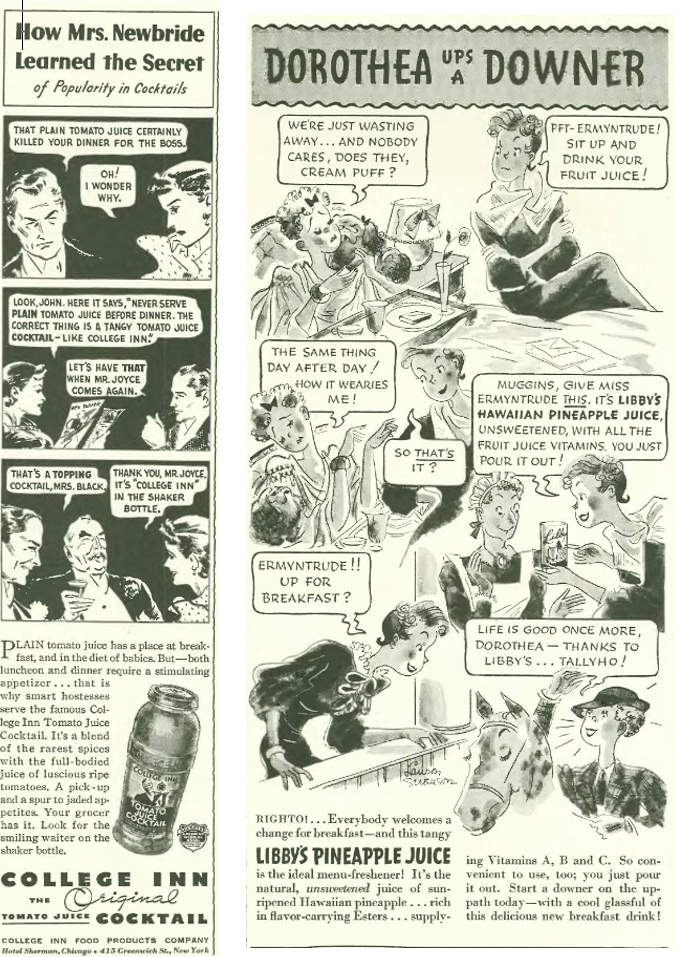
…here’s the Duchess again, still blowing her top over College Inn tomato juice…just look at her clenched fists…that fop with a monocle looks like he just took a left hook to the chops…

…on to our illustrators, William Cotton created this caricature of Rexford Guy Tugwell for Russell Lord’s two-part profile…Tugwell and President Franklin D. Roosevelt created the Resettlement Administration, which relocated rural unemployed to “Greenbelt Cities” near urban job markets. Critics called him “Rex the Red” for his social engineering experiments, and after he was forced out of federal government, Tugwell was appointed in 1938 as the first director of the NYC Planning Commission. Naturally, he would butt heads with Robert Moses…

…illustrator and painter Maurice Freed kicked off the calendar section…

…bookended on the bottom of page 4 by one of James Thurber’s most recognized drawings…

…Thurber again, and more woes between the sexes…

…we continue with our cartoonists by looking in on Barbara Shermund

George Price found a new wrinkle for his recurring floating man cartoon…

Helen Hokinson graced page 19 with scenes from the opera…

…leaving an extra drawing stranded on page 18…

Alain offered a new twist on the promotion of physical fitness…

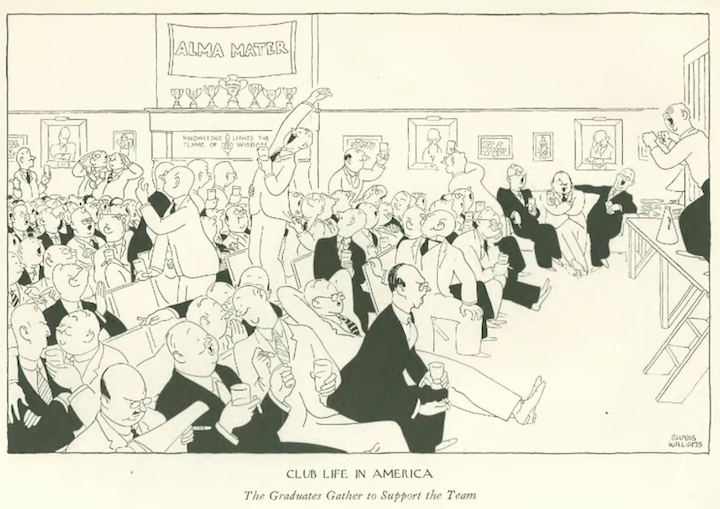
Gluyas Williams brought us to the stuffy confines of club life (the cartoon was originally featured vertically)…

…and we close with Richard Decker, and a lucky draw at the IRS…

Next Time: The Lighter Side of George Grosz…

Home Sweet Motohome

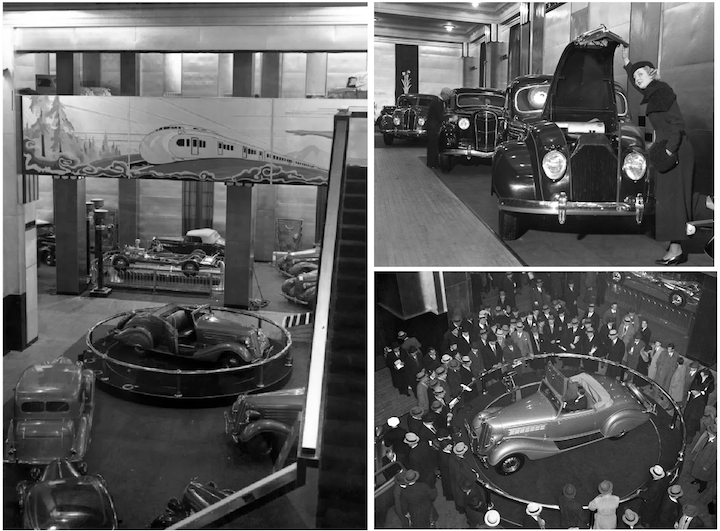
Morris Markey thought he was getting a glimpse of the future when he attended an exhibit of “machines to live in” at New York’s Grand Central Palace.

March 16, 1935 cover by Constantin Alajalov.

The Great Depression created a housing shortfall in the U.S. of nearly two million units, so many idled architects and builders turned to industrialized housing as a way to boost the building industry. In “A Reporter At Large,” Markey described his encounter with one type of “machine to live in”––the Motohome.

The idea of pre-fab living wasn’t exactly new in 1935, originating in the 1920s with the German Bauhaus school and with notables such as Swiss architect Le Corbusier.

NOT THRILLED WITH FRILLS…Charles-Édouard Jeanneret (1887-1965), better known as Le Corbusier, stated in 1923 that “a house is a living machine.” He believed the world had evolved beyond the need for decorative frills, and that homes and furnishings should reflect their functions. Top left, Corbu’s 1929 Villa Savoye in Poissy, France; at right, his 1947-52 Unité d’habitation de Marseille. (Fondation Le Corbusier/Architectural Digest/Le Corbusier World Heritage)

Markey correctly surmised that the American twist on Le Corbusier’s vision was largely driven by big corporations, and in the case of the Motohome, by General Electric.

GET YOUR MOTO RUNNING…Clockwise, from bottom left, New York’s Grand Central Palace; the Eggiman House in Madison, Wisconsin, a 1936 Motohome listed in the National Register of Historic Places; Long Island Motohome featured on a brochure; Popular Mechanics article on the Motohome. A common wall “core” was prefabricated with all kitchen and bath fixtures, as well as the HVAC system. (Wikipedia/makeitmidcentury.com/books.google.com)

 * * *

Strange and Wonderful

That is how E.B. White described the 3,664-seat Paramount Theatre, which opened on 43rd and Broadway in 1926. After nine years White was still in awe of its palatial trappings. In his “Notes and Comment,” White offered some thoughts after an evening at the movies.

CINEMA GLORY DAYS…E.B. White visited the Paramount Theatre to take in Charles Laughton’s hit film, Ruggles of Red Gap. From left, Zasu Pitts, Laughton, Charles Ruggles and Maude Eburne in Ruggles. (nyc.gov/TCM)
PALACE FOR THE PICTURES…The Paramount Theatre’s Grande Hall featured a 75-foot-long ceiling mural by artist Louis Grell above the Italian marble-lined entrance. In 1966, after a run of the James Bond film Thunderball, the Paramount was closed for good and later gutted and turned into retail and office space. (Louis Grell Foundation)

 * * *

Bad Guys

Andrew Mellon’s tax fraud troubles were sandwiched between the woes of a fascist bromance in Howard Brubaker’s “Of All Things”…Mellon would soon be dead, Adolf Hitler would lie his way around the Brits, and Benito Mussolini would struggle to inspire Italian women to produce his “army of tots”…

NOT TONIGHT, WE HAVE A HEADACHE…Little wonder fascist dictator Benito Mussolini couldn’t inspire a baby boom. (Wikipedia)

 * * *

Zoom Zoom

In his “Motors” column, writer “Speed” looked in on Sir Malcolm Campbell (1885-1948), who was attempting to break the 300-mph mark at Daytona in his 2,500-horsepower Blue Bird.

BLUE STREAK…Sir Malcolm Campbell’s bid for a land speed record surpassing 300 mph began at Daytona Beach in March 1935 in his Campbell-Railton Blue Bird, powered by a 2,500 hp supercharged Rolls-Royce V-12. He managed to hit 276 mph (combined runs in each direction), but conditions at the beach (bottom photo) left him short of his goal. He found a smoother, longer run at Utah’s Bonneville Salt Flats in September, where he would average 301.337 mph (484.955 km/h) in two passes to set the new record. (floridamemory.com/oldmachinepress.com)
ONCE IS NOT ENOUGH…Sir Malcolm Campbell MBE was a British racing motorist and motoring journalist. He gained the world speed record on land and on water several times. He was also one of the few land speed record holders of his era to die of natural causes. (Wikipedia)

 * * *

From Our Advertisers

For ninety bucks you could get this swell pajama suit and matching robe (plus headdress) at Henri Bendel, the perfect ensemble for having a leisurely smoke after a day facing the world…For more than 100 years, Henri Bendel’s flagship and only store was located at 10 West 57th Street…it closed in 2018…

…I doubt the woman in the Bendel ad would have been interested in clothes made with Acele…it was without question that the uppers only wore clothes derived from living things…

…this Anglophilic Peck & Peck ad is notable for its condescending reference to the “mountain folk” in Appalachia who “were born to loom”…

…while we are on the subject, check out this ad for Grace Cruises…this was a common theme in mid-century travel advertising, Westerners dressed in their Sunday best while having a gander at the colorful natives…

…who are just part of the scenery…

…all four of the automobile ads in this issue come from long-gone companies…the luxury carmaker Packard made beautiful, quality cars that outsold Cadillacs up until 1950, but competition from the Big Three (GM, Ford, Chrysler) plus Packard’s decision in 1954 to buy failing Studebaker led to Packard’s demise four years later…

…a more successful merger took place in 1954 between Nash…

…and Hudson, the two forming the new American Motors Corporation…

…contrary to this ad’s tagline, everything was actually going down for Hupmobile, which would go out of business in 1939…

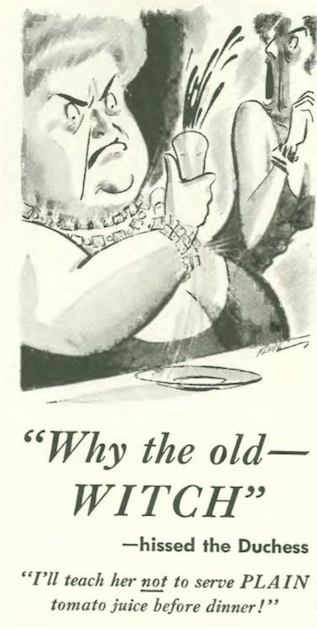
…the makers of College Inn Tomato Juice Cocktail apparently thought an angry old “Duchess” would boost sales…she first appeared in the Feb. 23 issue…

…in the March 16 issue she appears to be psychotic, threatening, “I’ll teach her not to serve PLAIN tomato juice before dinner!” Will she break the glass on the table and lunge at her host (the old WITCH) with a glass shard?…Stay tuned…

…better to calm down and have a Guinness, which, by Jove, was affordable and good for you!…

New Yorker cartoons are also good for you, and we begin with Al Frueh and this taxing illustration at the bottom of page 4…

…Frueh again, for the theater review section…in the center is Shirley Booth, known to Baby Boomers as the star of the old TV series Hazel (1961-66)…

…Booth was much more than a sitcom star, achieving the Triple Crown of Acting––an Academy Award, two Primetime Emmy Awards and three Tony Awards…

ACTING CHOPS…Shirley Booth (1898-1992) as Hazel in 1962; on the cover of the 1935 Playbill featuring Three Men on a Horse. (Wikipedia)

…we continue with Daniel ‘Alain’ Brustlein, and a term of endearment from someone well known to the police…

William Steig took up two pages to give one opera patron the cold shoulder…

Alan Dunn cautioned against car dealers perched on high hills…

George Price examined the finer points of salesmanship…

Helen Hokinson headed for the high seas…

…and we close with an all-time classic from James Thurber

Next Time: Something Frivolous…

A Decade of Delights

With this post (No. 413), we mark the tenth anniversary of The New Yorker. Since I began A New Yorker State of Mind in March 2015, I’ve attempted to give you at least a sense of what the magazine was like in those first years, as well as the historical events that often informed its editorial content as well as its famed cartoons. Those times also informed the advertisements; indeed, in some cases the ads give us a better idea of who was reading the magazine, as well as their changing tastes and buying power as we moved from the Roaring Twenties to the Depression, and from Prohibition into Repeal.

I have also chosen this time to go on hiatus, and hopefully resume this blog when The New Yorker celebrates its centennial next February (this site will remain active and available, and I will continue to monitor comments and messages). Let us hope that the editors use the original Rea Irvin cover for that occasion, and restore his masthead above “The Talk of the Town” section. Perhaps some enterprising soul could start a petition.

Feb. 16, 1935 cover by Rea Irvin.

Moving on to the tenth anniversary issue, we find E.B. White recalling the world of The New Yorker’s first days. Given the massive economic and societal shifts that occurred from 1925 to 1935, those first days seemed distant to White, who felt old, “not in years but events.”

DAYS OF YORE…E.B. White noted the many changes that had taken place during The New Yorker’s first ten years, including, clockwise from top left, the passing of 1920s notables such as President Calvin Coolidge and two very different theatre impresarios—David Belasco and Flo Ziegfeld; White also recalled the much-publicized 1925 wedding of Abby Rockefeller to David Milton, the throngs of women who took to smoking in public in the 1920s and the drinkers who took their activities behind closed doors; and one of the early magazine’s beloved contributors, Ralph Barton, who offered his whimsical take on the news in “The Graphic Section” as well as in other illustrated features. (Wikipedia/Wikitree/Ephemeral New York)

White also noted a new craze that had originated around the same time as the birth of The New Yorker…

TWO ACROSS…Max Schuster and Richard Simon of Simon & Schuster, with their first crossword book, 1924. (americanbusinesshistory.org)

White concluded with these parting words, tinged with world-weariness, writing “More seems likely to happen.” One wonders if he imagined The New Yorker at 100, which in our day is just around the corner. Like White, many us have grown weary of this angry world, where indeed more seems likely to happen. Let us hope it is for the best.

Now, some unfinished business. We need to look at the previous issue, Feb. 9, 1935, before we close out the decade.

Feb. 9, 1935 cover by William Cotton.

We stay on the lighter side, joining critic John Mosher at the local cinema to appreciate Leslie Howard’s dashing performance in The Scarlet Pimpernel…

WORKING OVERTIME…Leslie Howard and Merle Oberon in The Scarlet Pimpernel. Howard portrayed an aristocrat who leads a double life, publicly appearing as a dandy while secretly rescuing French nobles from Robespierre’s Reign of Terror. (PBS)

 * * *

From Our Advertisers

Cigarette manufacturers employed every angle from sex to health claims to move their product…not to be left out of any niche market, Chesterfield even went after the little old ladies…

…by contrast, the makers of Old Gold cigarettes featured a clueless sugar daddy and his leggy mistress in a series of ads drawn by famed pin-up artist George Petty

Otto Soglow would do well with advertisers during his career, promoting everything from whiskey to Pepsi and Shredded Wheat to department stores…in this case Bloomingdale’s…after William Randolph Hearst’s King Features Syndicate wrested The Little King away from The New Yorker in September 1934, this was the only way you would see the harmless potentate in the magazine…

…another New Yorker artist earning some ad dollars on the side was Constantin Alajalov, here adding a stylish flair for Coty…

…and then there’s James Thurber, who continued to contribute his talents on behalf of the Theatre Guild…

…and we move along to the Feb. 9 cartoons, with Thurber again…

…the issue also featured two by George Price

…and Howard Baer supplied some life to this little party…

…now let’s return to the Feb. 15, 1935 issue…

…where John Mosher was back at the cinema, this time enjoying the story of a “beautiful stenographer”…

POPCORNY…Fred MacMurray and Claudette Colbert meet cute over popcorn in the romantic comedy The Gilded Lily. It was MacMurray’s second credited screen role, and it was the first of seven films in which Colbert and MacMurray would star together. (Wikipedia)

 * * *

More From Our Advertisers

In its bid for survival during the Depression, the luxury brand Packard introduced its first car under $1000, the 120. Sales more than tripled in 1935 and doubled again in 1936…

…meanwhile, Hudson was hanging in there with innovations such as the “Electric Hand”…it was not a true automatic transmission, but it did allow drivers to shift gears near the steering wheel…

…as demonstrated here…

…whatever you were driving, Goodyear claimed it would keep you the safest with their “Double Eagles”…

…I include this ad for Taylor Instruments because it features an illustration by Ervine Metzl, who would become known for his posters and postage stamp designs…

…Metzl’s design of a three-cent stamp commemorating the 1957–1958 International Geophysical Year…

…on to our cartoonists, we begin with this Deco-inspired artwork by an unidentified illustrator…

…one of Helen Hokinson’s “girls” was going about her daily rounds…

Garrett Price gave us a gatekeeper not quite up to his task…

Gilbert Bundy was seeing stripes rather than stars…

…while James Thurber’s medium was getting in touch with an equine spirit…

…scientific inquiry knew no bounds in Robert Day’s world….

…and in the world of Alain (aka Daniel Brustlein), old habits died hard…

…and we close with Peter Arno, at his risqué best…

Thanks for reading The New Yorker State of Mind!


Everything’s Jake

Lois Long employed the Prohibition-era slang term “Everything’s Jake” (“it’s all good”) to headline her latest installment of “Tables for Two.” If you’ve been following the exploits of our nightlife correspondent in this blog, you might recall that for a time in the early thirties she found the New York club scene lackluster, without the daring and grit of the speakeasy era. Lately, however, she was finding some new adventures after dark.

Jan. 19, 1935 cover by Constantin Alajalov.

Long checked out the Revue Folies Bergère at the Earl Carroll Theatre, which had been renamed the French Casino, as well as the cavernous Flying Trapeze and the refurbished Hollywood Restaurant, headlined by crooner Rudy Vallée.

FROLIC AND FOLLY…Clockwise, from top left, a Dec. 24, 1934 Herald-Tribune advertisement for the Revue Folies Bergère, the show that opened the new French Casino; a bubble dance as part of the revue, circa 1936; the interior of the French Casino, view from the stage; interior view of former lounge underneath the balcony converted to a cocktail lounge for the French Casino. (Images from Chris Arena and Anthony L’Abbate via drivingfordeco.com/MCNY)
THE SERPENTINE WRITHINGS of dancers Harald and Lola (Harold Liebmann and Lola Werbesz) dazzled Lois Long during a Folies Bergère performance at the French Casino…They are seen here performing at New York’s Shubert Theatre during their first U.S. tour in 1932. (roosvt.com)
OTHER NIGHTLY DISTRACTIONS…Clockwise, from top left, postcard image of the cavernous Flying Trapeze Restaurant; Lois Long missed Sally Rand’s bubble dance at the Paradise, but she did catch a swell show at the Hollywood Cabaret at 48th and Broadway featuring Rudy Vallee, seen here on a 1935 postcard; exterior of the Hollywood Cabaret, circa 1935. (Pinterest)
NAUGHTY OR NICE…Lois Long was astonished by the female impersonators at the “naughty” Club Richmond…the club’s performers included Harvey Lee. (ualr.edu)

Long also checked out the “naughty” Club Richmond, and returned to the Central Park Casino, which was not long for the world.

 * * *

The Cost of Living

In 1934 Gloria Morgan Vanderbilt famously lost custody of her daughter, Gloria Laura Vanderbilt, to her sister-in-law Gertrude Vanderbilt Whitney. Granted limited parental rights, Gloria Morgan was allowed to see her daughter on weekends in New York, but the court had removed GMV as administrator of her daughter’s trust fund, her only source of support. Howard Brubaker had this to say in his column “Of All Things.”

WHAT’S A MOTHER TO DO? Gloria Morgan Vanderbilt in a 1933 photo. Inset, daughter Gloria Laura Vanderbilt in 1935. (Duke University)

 * * *

Too Much of a Good Thing

The French automaker Citroën established its reputation for innovation with the 1934 Traction Avant—the first car to be mass-produced with front-wheel drive, four-wheel independent suspension, and unibody construction. However, the cost of making all of these swell improvements—including the tearing down and rebuilding of company’s factory in just five months—led to the financial ruin of the company. After Citroën filed for bankruptcy in December 1934, its largest creditor, the tire-making giant Michelin, swept in to become the principal shareholder

Not only did Citroën lose control of its car company, it also lost its claim to the world’s largest advertising sign. Four nine years Citroën had its brand name emblazoned on the Eiffel Tower, but with bankruptcy (high electricity bills didn’t help) the company was forced to turn off the sign. Paris correspondent Janet Flanner had this observation:

CAN’T MISS IT…From 1925 to 1934, 125,000 glowing lights advertised the Citroën brand on the Eiffel Tower. At right, the company’s innovative 1934 Traction Avant. (Pinterest)

 * * *

From Our Advertisers

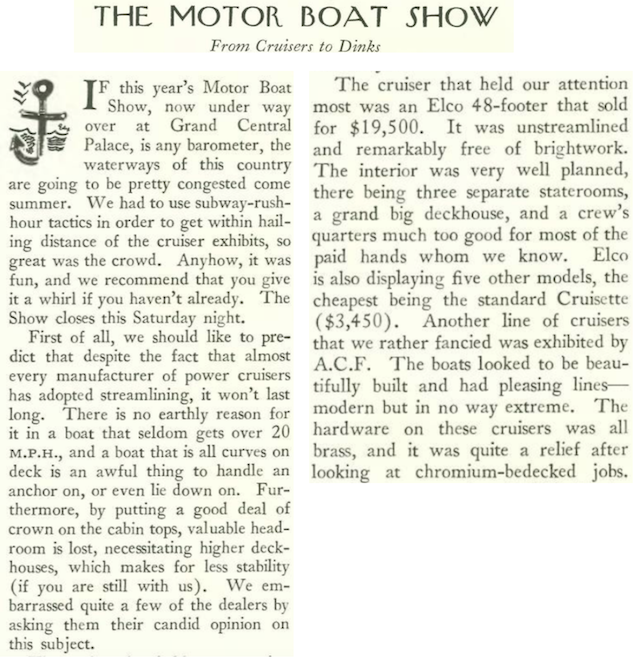
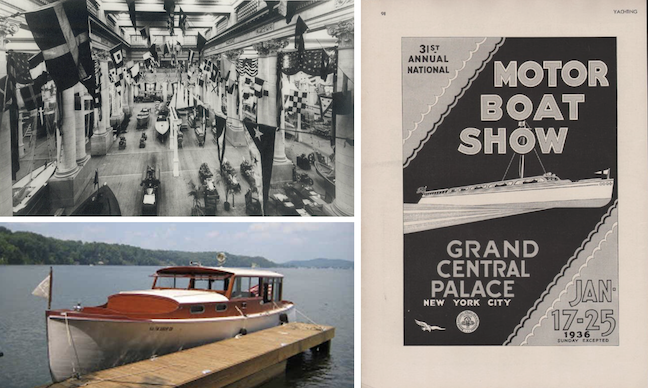
The National Motor Boat Show replaced the New York Auto Show as the main attraction at the Grand Central Palace…

…the folks at Pond’s found another Vanderbilt to shill for their cold cream, Muriel Vanderbilt, a socialite and noted thoroughbred racehorse owner…she is joined here by Washington Debutante Katrina McCormick, who was also a fancier of the horse circuit…

…the famed slogan Guinness is Good for You was launched in 1929, and apparently there is some truth to the claim (antioxidants, according to a University of Wisconsin study), and no doubt it was kinder to one’s morning head than other libations…

…if you preferred the stronger stuff, you could take the advice of cartoonist Peter Arno and Penn Maryland Whiskey, here making a play on words with the title of the 1925 novel (and Broadway play) Gentleman Prefer Blondes…

…here’s Arno again, with a touching moment among the upper crust…

Mary Petty also looked in on the gilded set, and a callous young toff…

…but down in the lower classes, George Price found the youth quite engaging…

Alain looked in on a formidable ping-pong opponent…

Barbara Shermund was evesdropping backstage at a Broadway revue…

…and we close with James Thurber, and a polite suggestion…

Next Time: Mary Quite Contrary…