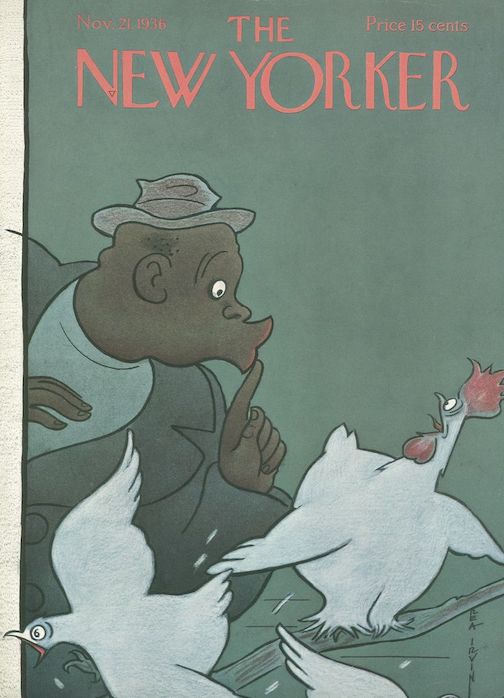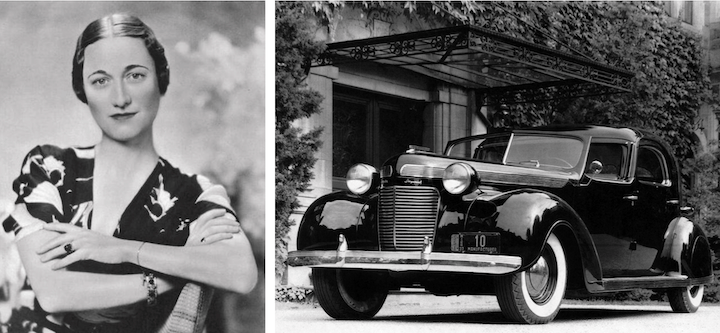
Above: The November 14, 1936 issue of The New Yorker had something for everyone, from gossip about Wallis Simpson (soon to dethrone the King of England) to one of New York's grandest auto shows, featuring such luxury models as the 1937 Chrysler Imperial—the Imperial, along with several other models, introduced the single-piece clamshell hood, which opened from the front rather than from the sides. (thehistorypress.co.uk/eBay.com)
After some rather thin issues over the summer, The New Yorker began bulking up for the holidays, stuffed with colorful advertisements related to the New York Auto Show and the approaching holiday season. Arts, entertainment and society were also in full swing, and the overall mood seemed to be lighter as the economy saw its best year since the market crash.
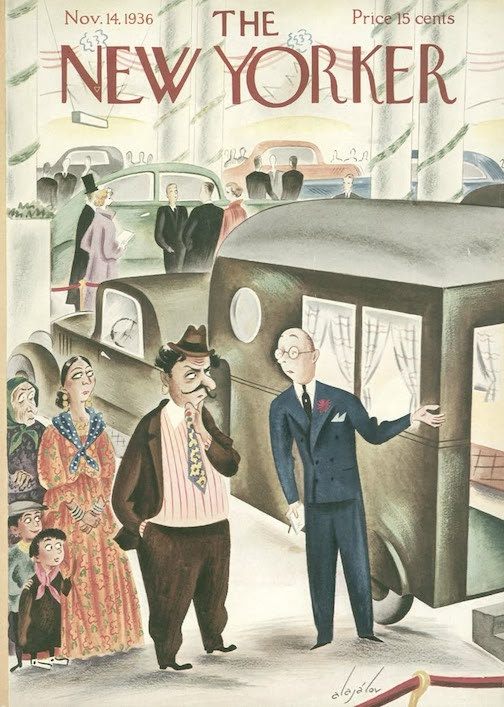
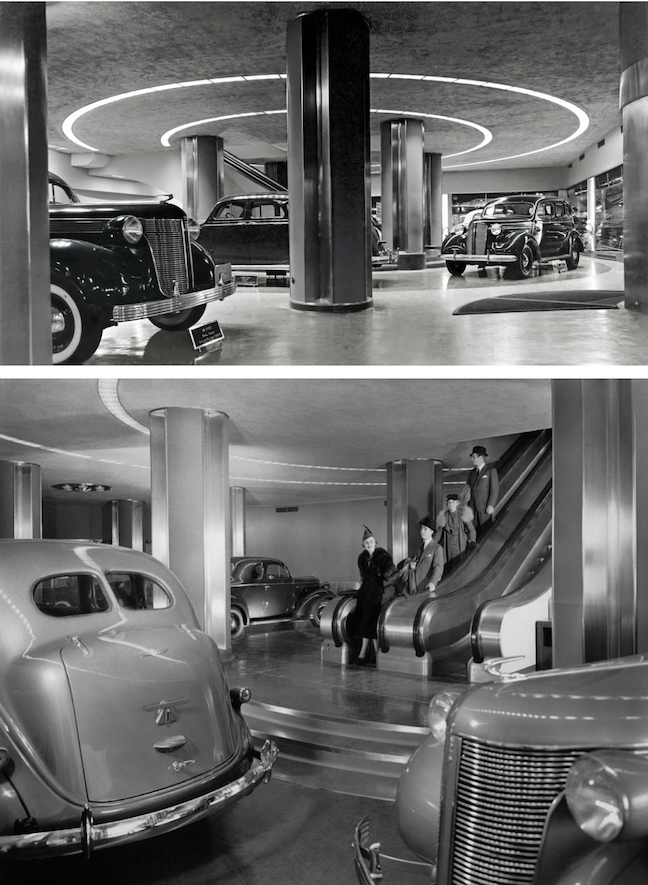
Always a big event, the Automobile Show at the Grand Central Palace drew massive crowds to Midtown, where visitors were treated to a gleaming array of foreign and domestic cars. Here are some excerpts from a lengthy review by George F.T. Ryall, using the pen name “Speed.”
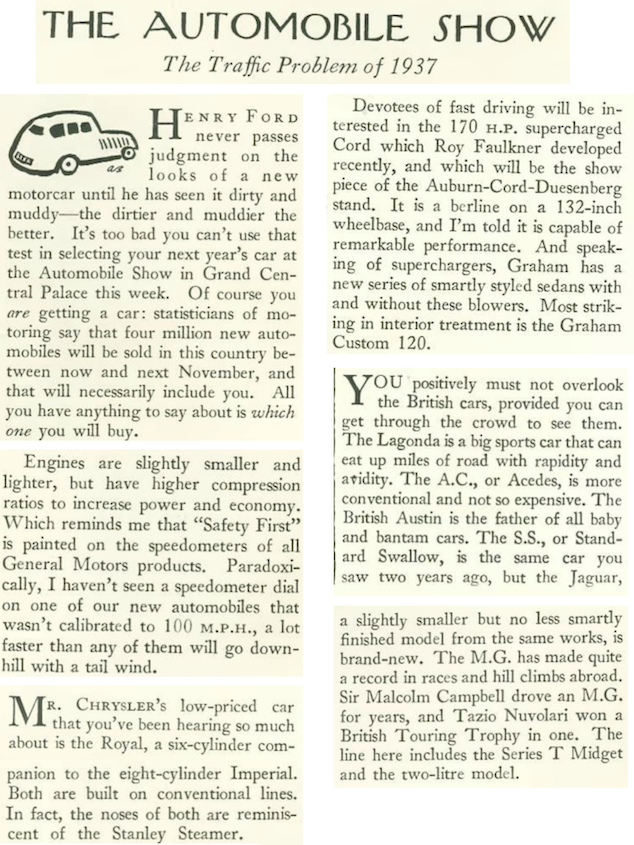
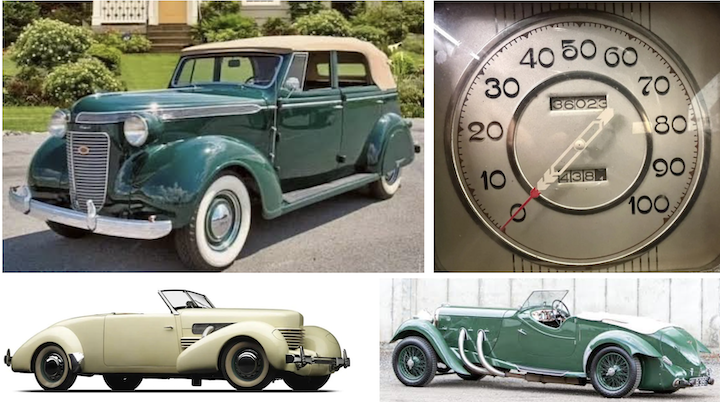
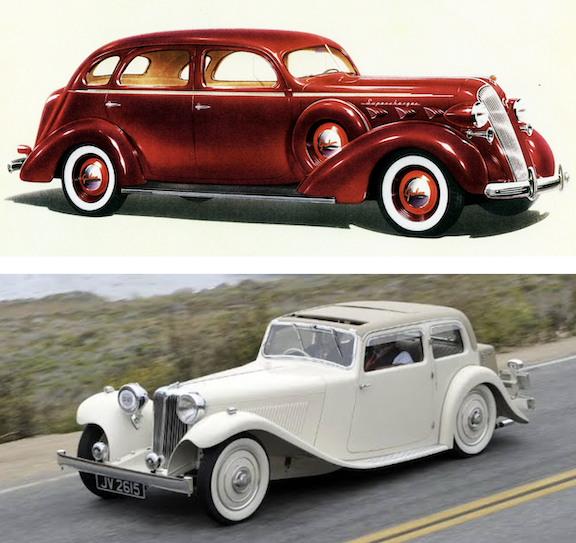
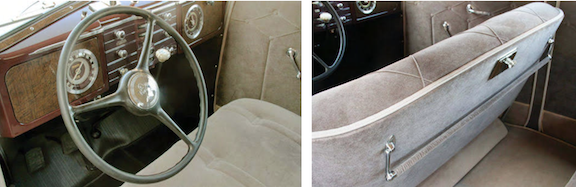
Ryall also noted the General Motors display at the Waldorf, a Lincoln Salon at the Park Lane, and the International Salon at the Chrysler Building, which featured a revolving floor:
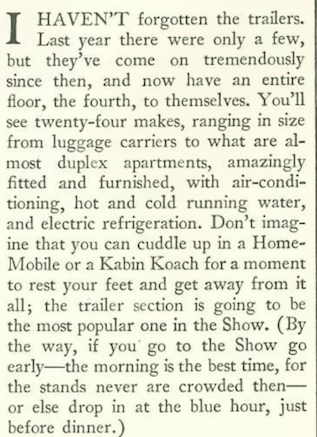
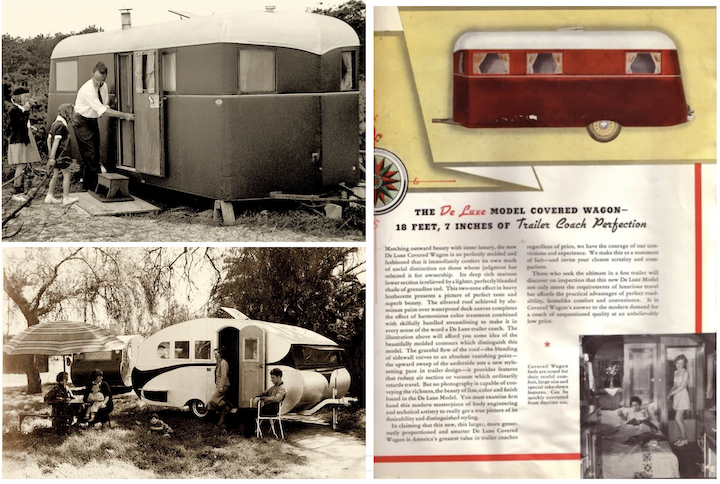
Camping trailers were coming into their own in 1936, evident in the large exhibit at the Auto Show featuring twenty-four different makes. Ryall again:
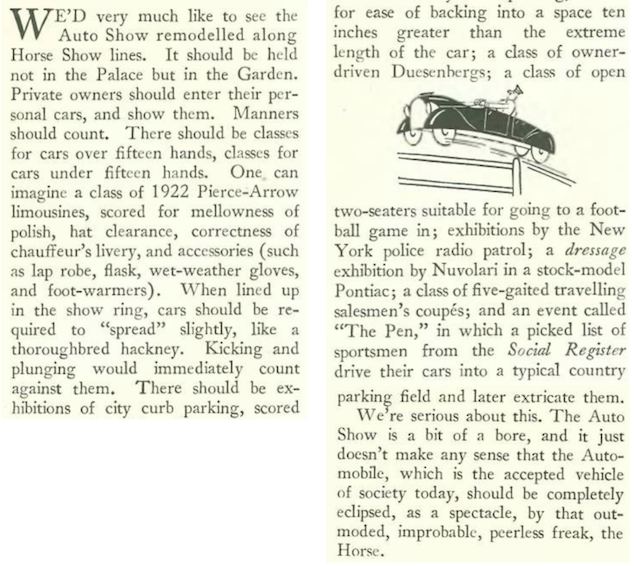
I would have been surprised if E.B. White didn’t have something to say about the auto show. He famously detested newer cars, preferring his Model T with all its quirks. In his “Notes and Comment,” White called the exhibition “a bit of a bore.”
* * *
The Game’s Afoot
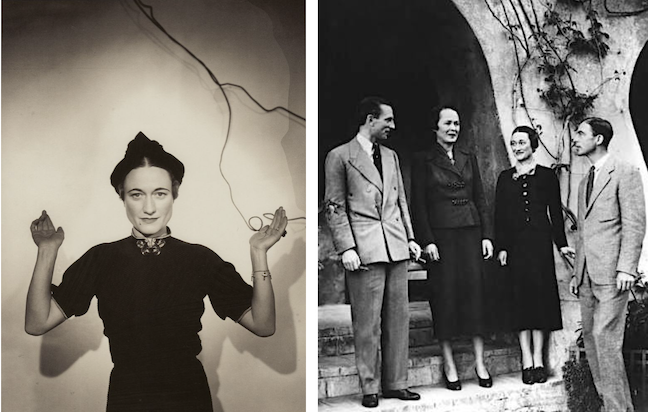
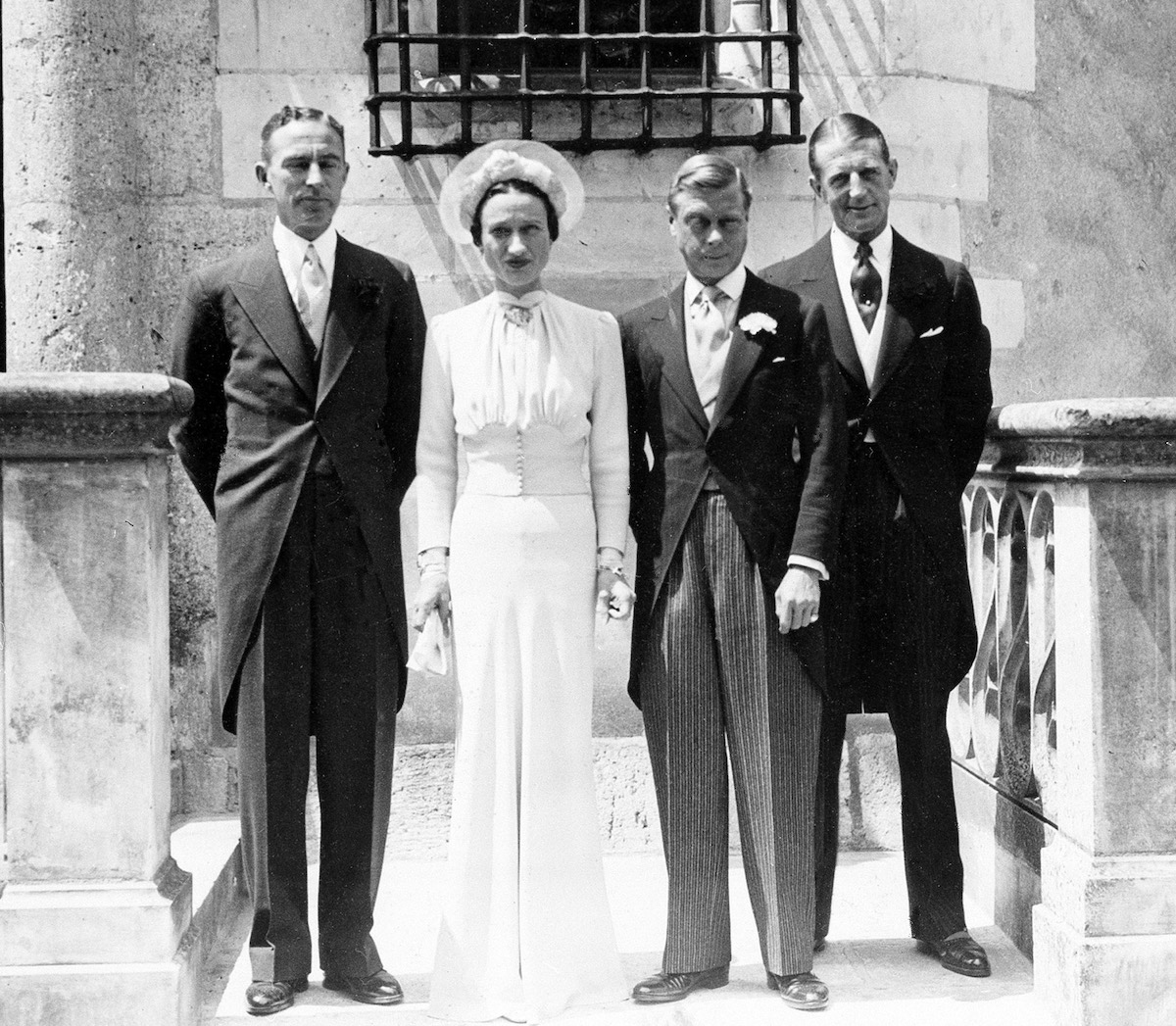
When Janet Flanner filed this gossipy report from London, Wallis Simpson was known for being an unusually prominent American in London society. Why Flanner decided to write about Simpson at this time suggests that she likely knew about the scandal brewing behind the scenes regarding Edward VIII’s desire to wed Simpson. One supposes that along with the London papers, Flanner observed a self-imposed silence on the matter.
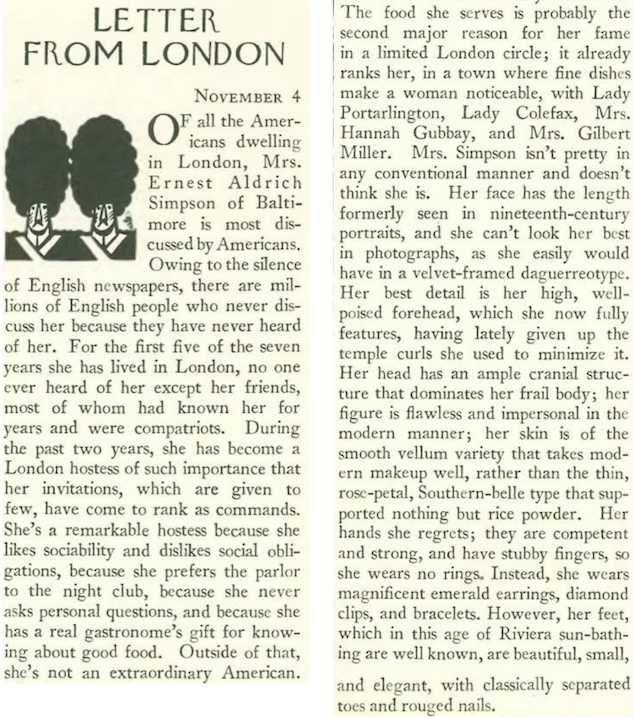
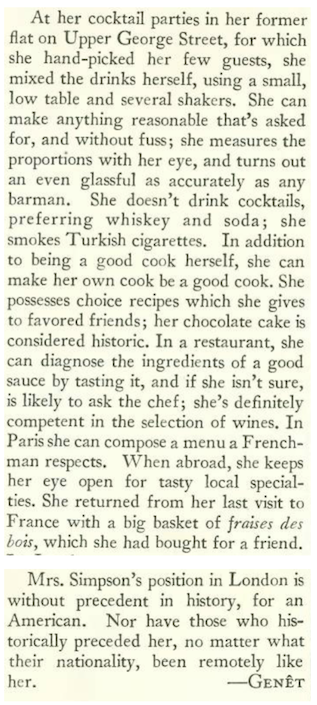
Here’s another excerpt from Flanner’s letter, detailing Simpson’s gastronomic skills.
* * *
Up In Smoke
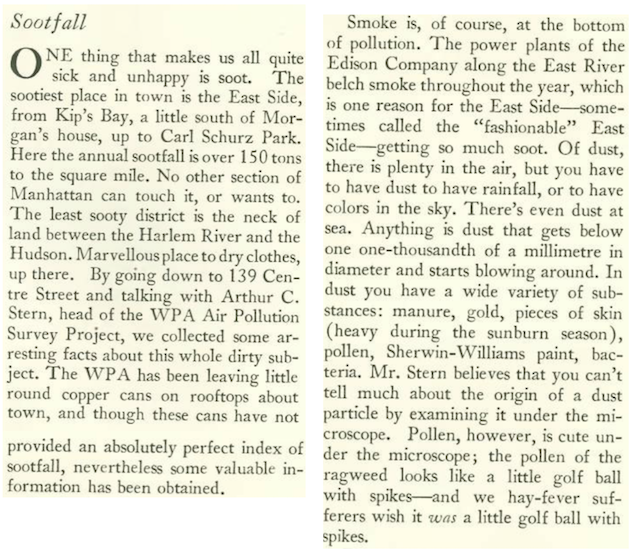
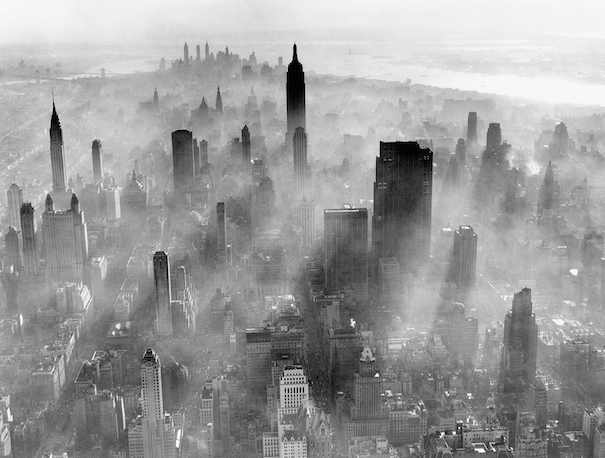
“The Talk of the Town” commented on the soot and other pollutants that routinely befouled the air in Manhattan. In the 1930s most apartments, commercial buildings, and power plants burned coal for heat and power, and during the Depression folks turned to burning a cheaper coal that spewed forth dense, oily smoke. According to “Talk,” coal-driven air pollution deposited more than 150 tons of soot per square mile in some of the worst areas, such as along the East River where factories and power plants emitted thick plumes. Here’s an excerpt:
* * *
Suckers and Subscribers
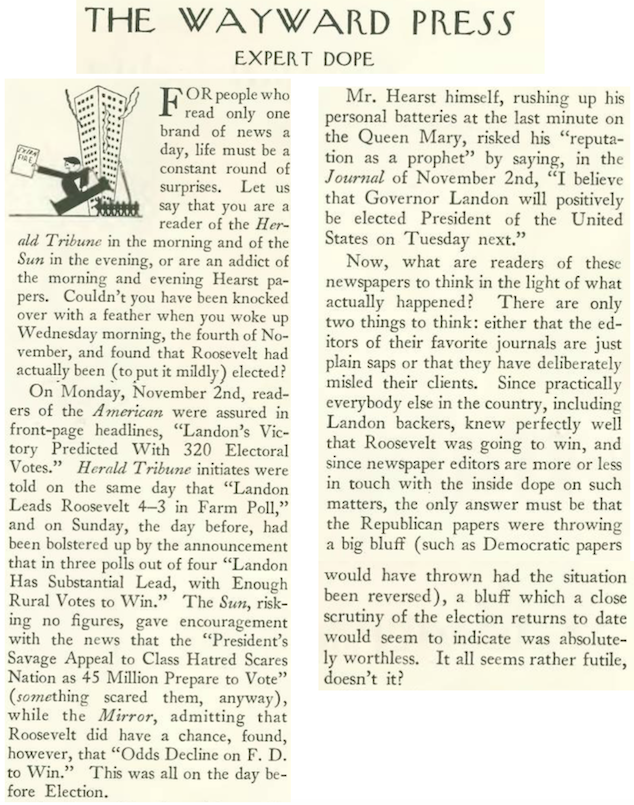
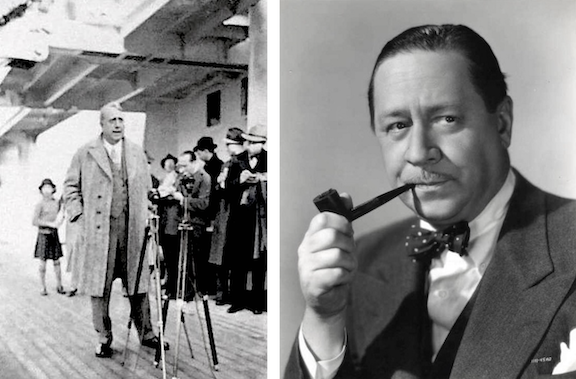
Robert Benchley’s Nov. 14 “Wayward Press” column took aim at the politically slanted, sensationalized coverage by various newspapers regarding the general election, misleading voters into believing the presidential race was much closer than it turned out to be (a Franklin D. Roosevelt landslide over Alf Landon). In these excerpts Benchley called out publisher William Randolph Hearst in particular:
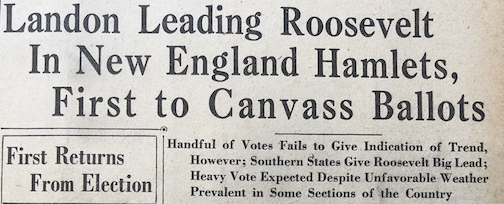
Early editions of many newspapers anticipated a Landon victory—a headline from the Amsterdam Evening Recorder:
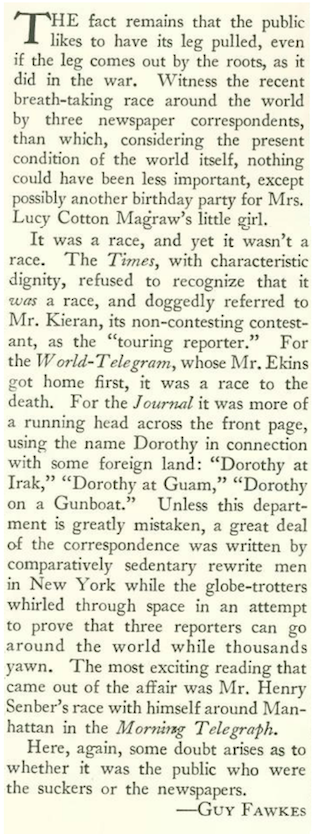
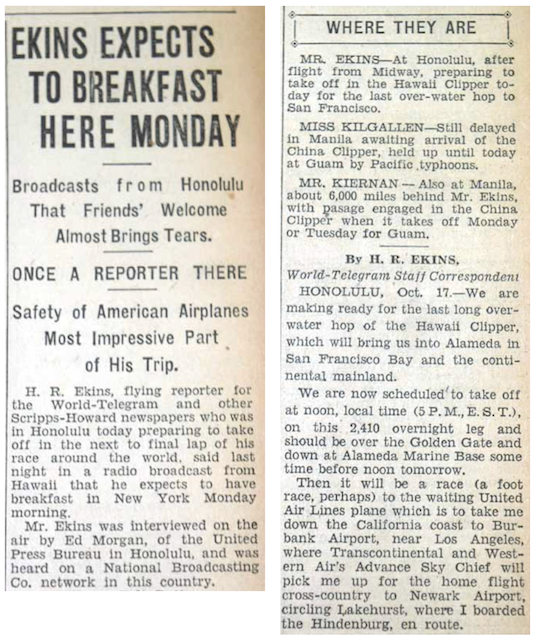
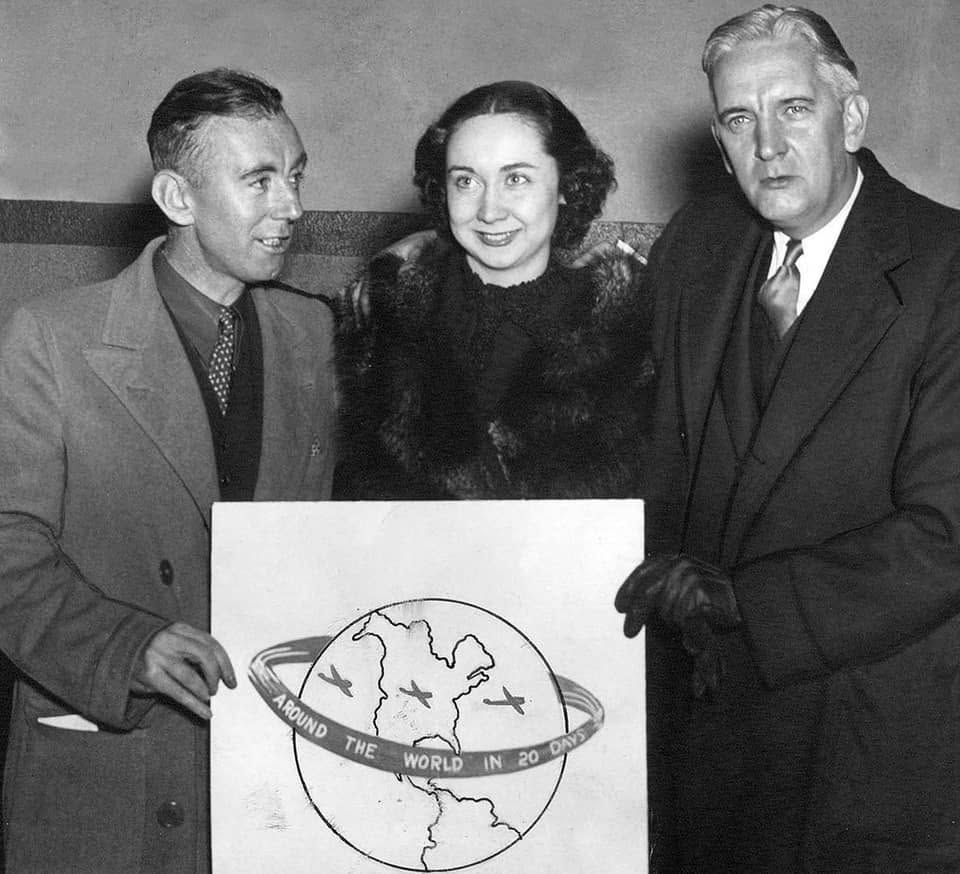
Benchley observed that “the public likes to have its leg pulled,” and noted the example of a much ballyhooed “race around the world” that featured three New York newspaper reporters competing to prove commercial air travel was fast and accessible to the public (and, of course, boost circulation for their newspapers).
* * *
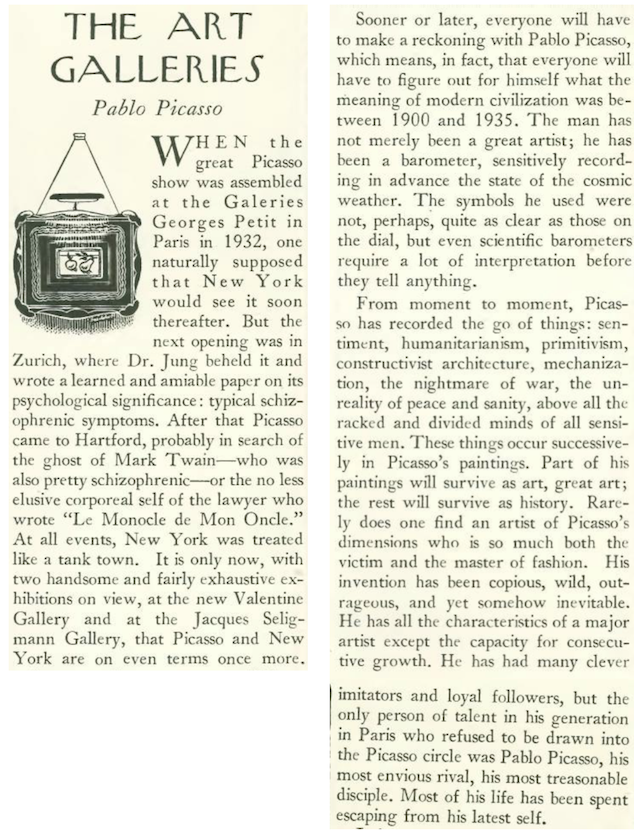
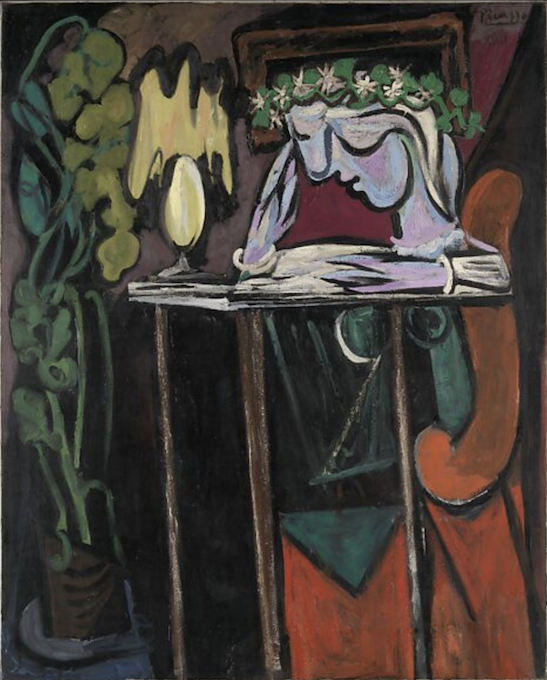
The Inevitable Picasso
Lewis Mumford checked out a couple exhibitions featuring both old and newer works by Pablo Picasso. Mumford surmised that some of these painting “will survive as art, great art” while the rest will “survive as history,” observing that Picasso was both victim and master of a fashion of his own creation.
* * *
At the Movies
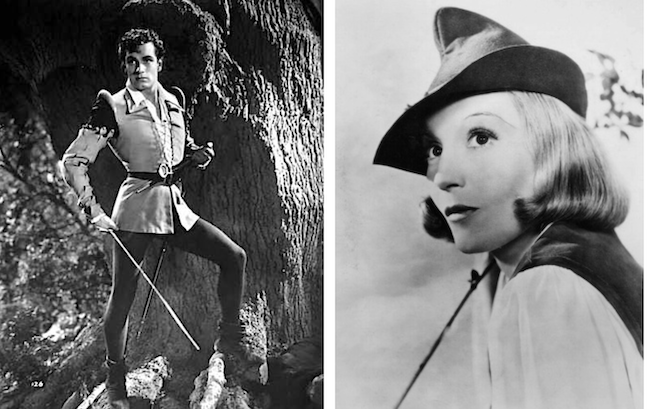
John Mosher took a look at the latest Shakespeare play adapted to film—As You Like It featured Laurence Olivier as Orlando (his first Shakespearean film role), and Elisabeth Bergner as Rosalind. Mosher praised the film’s “affable” and “unpretentious air.”
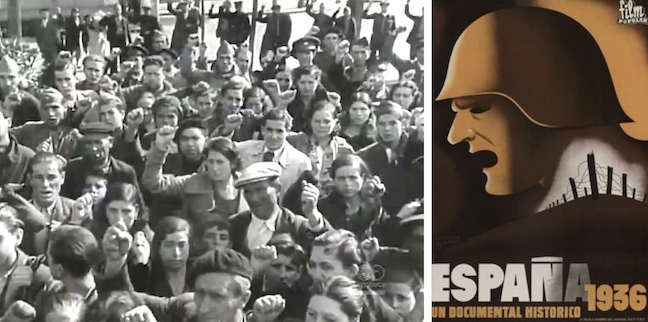
Mosher also reviewed the “astonishing” documentary Spain in Revolt (España 1936), which featured harrowing scenes from the civil war between Fascists and Republican government loyalists.
* * *
From Our Advertisers
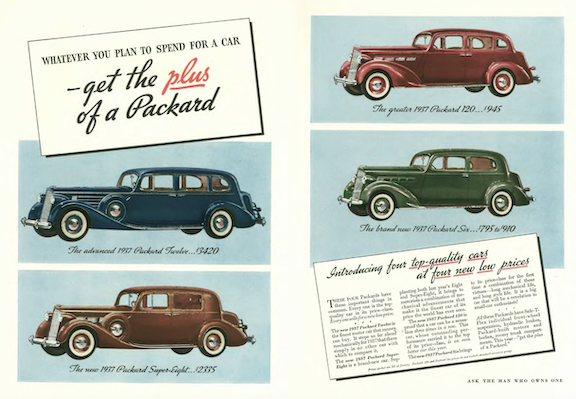
The beancounters at The New Yorker had to love this time of year…with the holidays approaching and the big car show in full swing the magazine ballooned to nearly 150 pages…there were splashy two-page ads from a number of automakers, including Packard…
…and Cadillac…
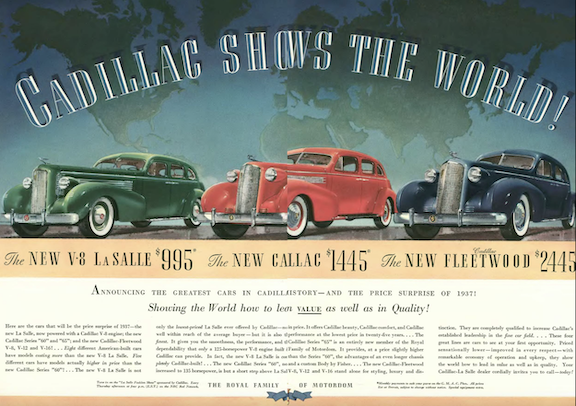
…unlike Packard and Cadillac, who offset losses on their luxury models by offering lower-priced cars (the Packard Six and LaSalle, respectively), Pierce-Arrow stuck with their pricy model (which some considered America’s answer to the Rolls Royce)…at this point Pierce-Arrow was on the brink of collapse, and that’s probably why they tacked on the ad to the right to promote their travel trailer…
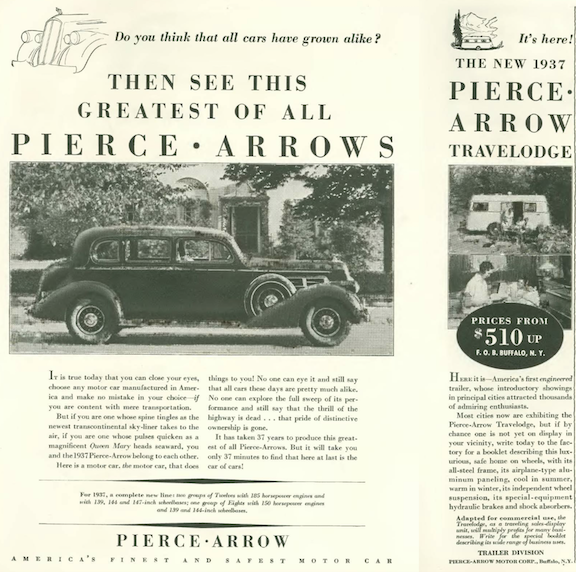
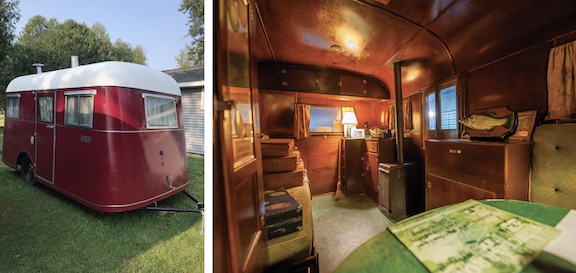
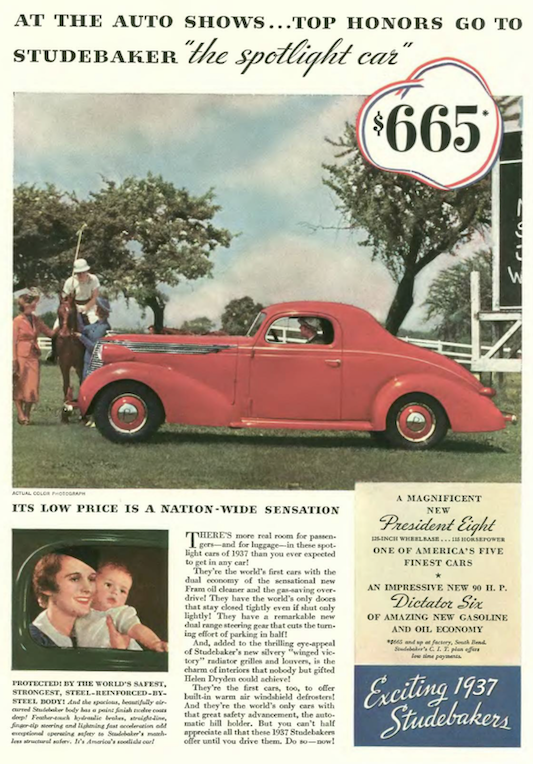
…bargain hunters could snap up a tomato-red Studebaker for a mere $665 (about 16k today)…pictured here is a “Dictator Six” coupe…for obvious reasons the company renamed the car “Director” in 1937…
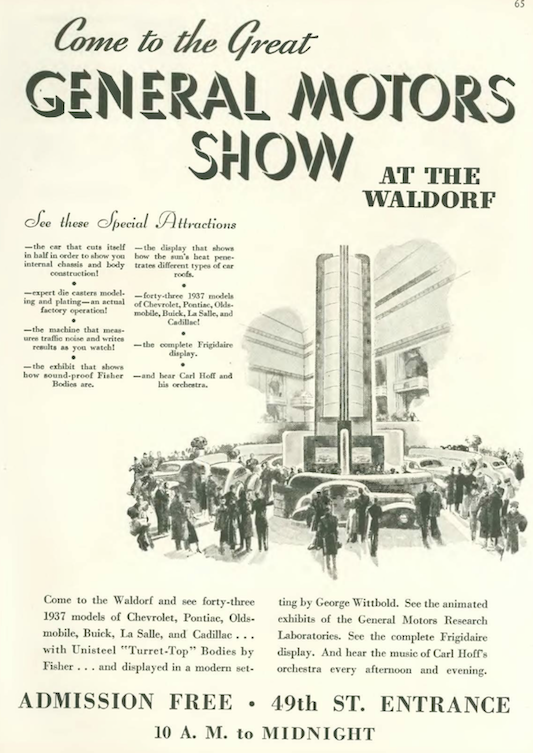
…automakers emphasized the glamour of the event, which was staged at the Grand Central Palace with satellite locations including the Waldorf…
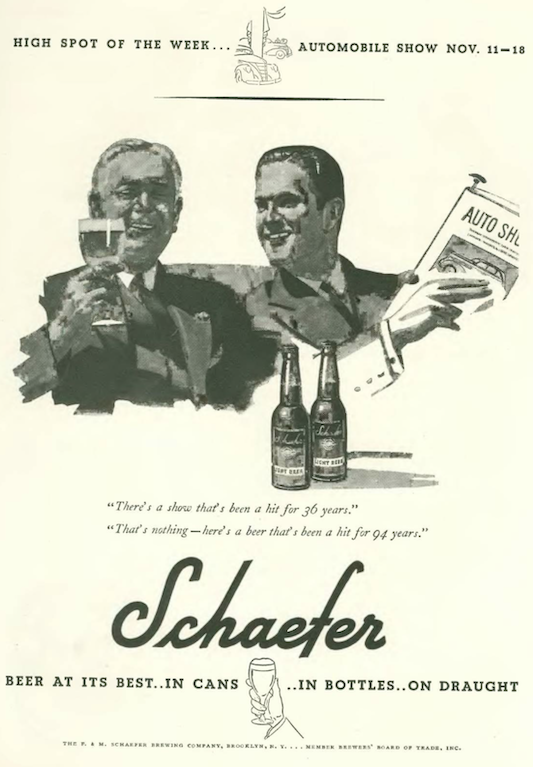
…even breweries latched on to the excitement of the auto show…
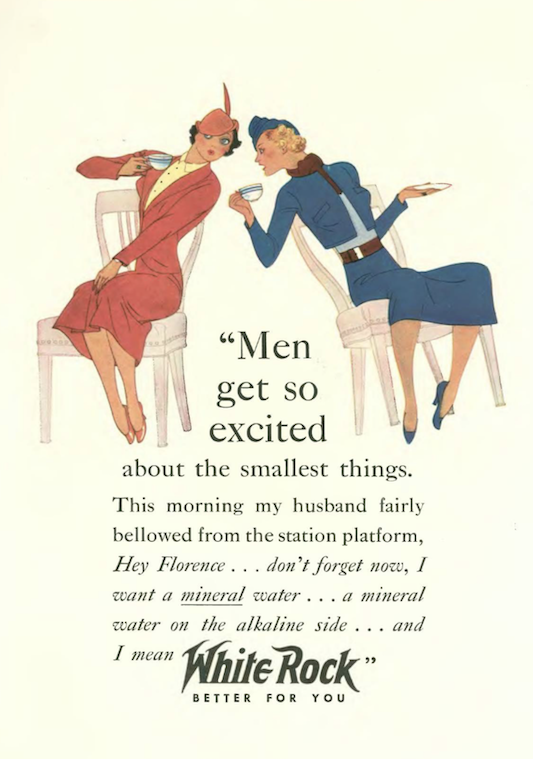
…White Rock continued to brighten the magazine with their colorful spots…
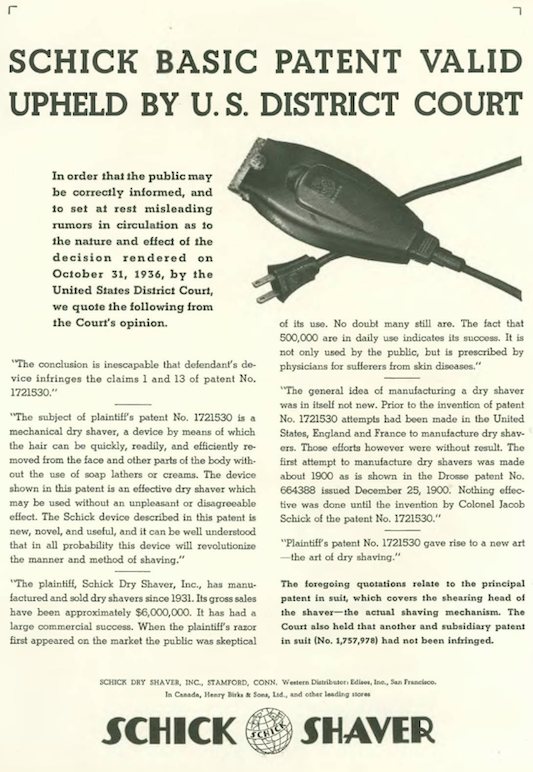
…in sharp contrast, the makers of Schick electric shavers felt the need to take out this dull, wordy full page ad to tout a recent court hearing in favor of their “basic patent”…
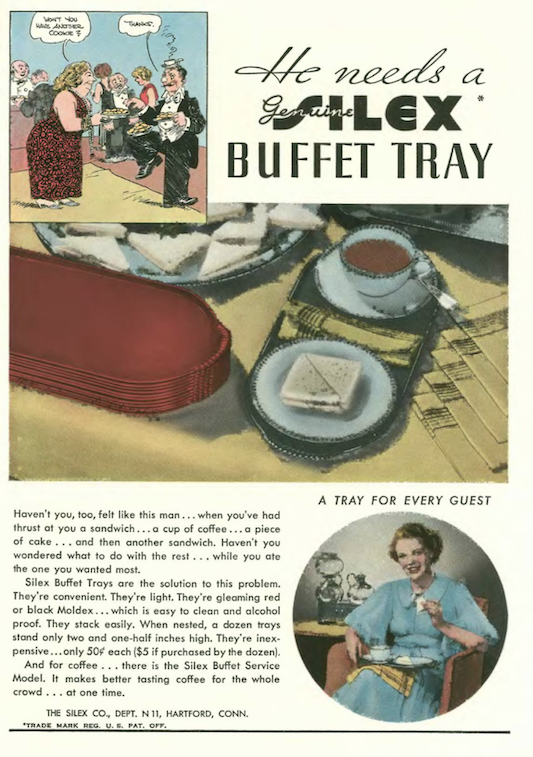
…certainly more exciting were these genuine Silex buffet trays, which seemed to suddenly be all the rage…the little cartoon in the top corner looks like it could have been drawn by Billy DeBeck (Barney Google) or someone of that ilk…
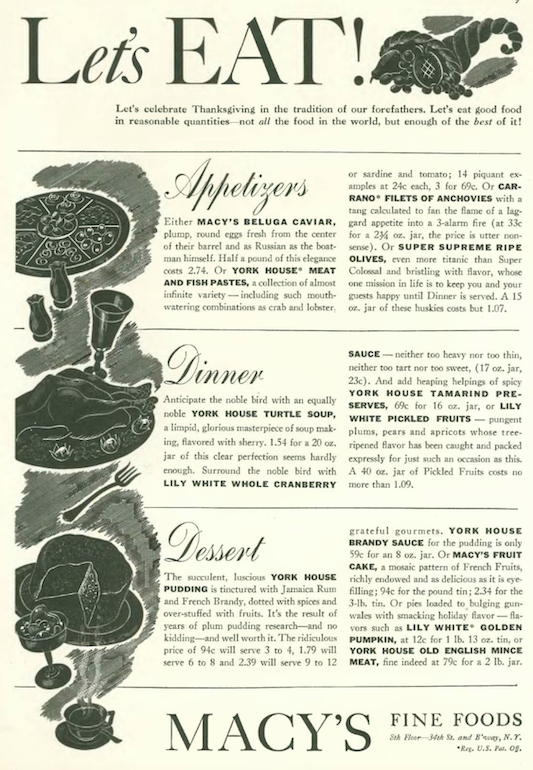
…Macy’s reminded readers that they were about more than just clothing, housewares and toys…
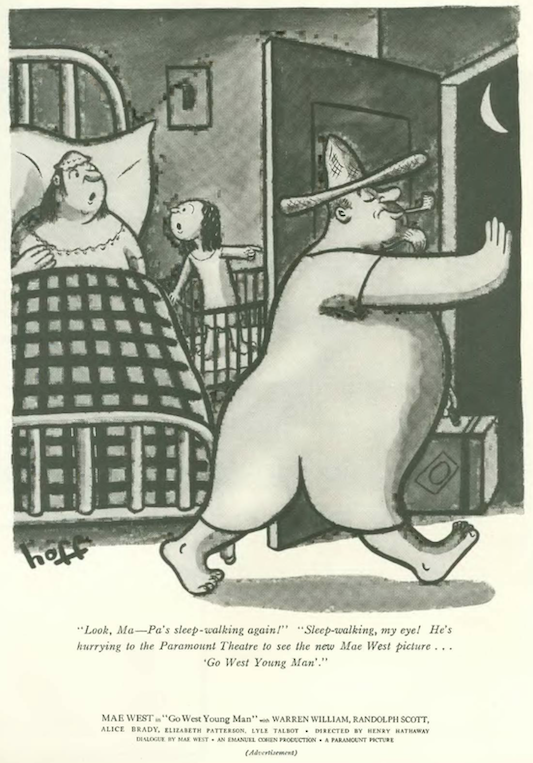
…and Syd Hoff drew up this cartoon to promote Mae West’s newest film, Go West Young Man…
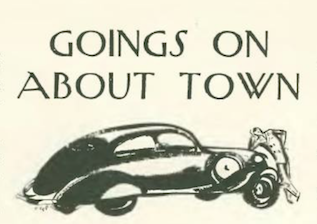
…on to our illustrators and cartoonists, we open with Victor de Pauw…
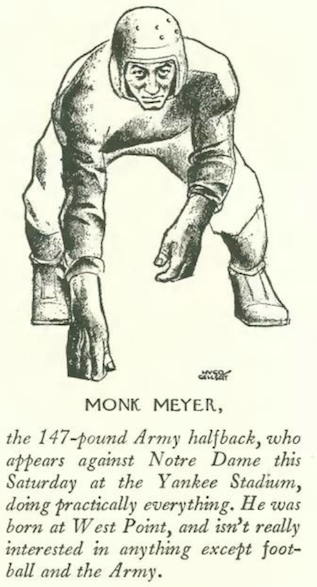
…Hugo Gellert (with a mini-bio of 147-pound halfback Monk Meyer)
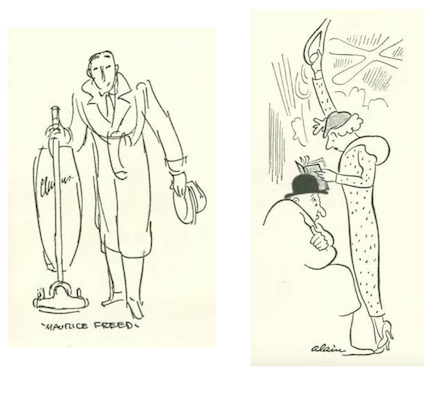
…spots by Maurice Freed and Alain…
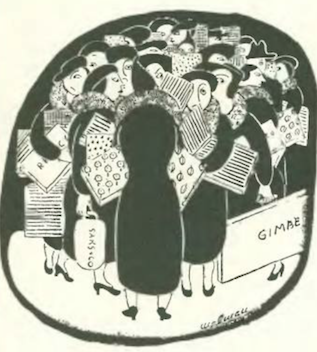
…a cluster of holiday shoppers by Christina Malman…
…and spot by an unidentified artist (still tracking down that signature)…
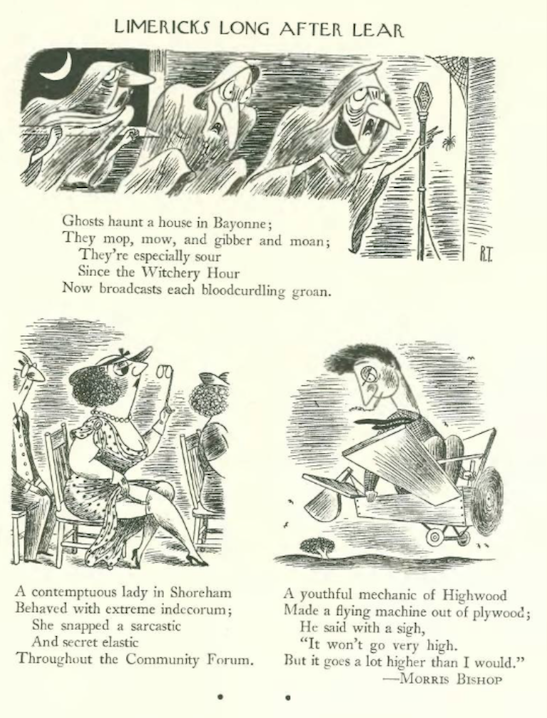
…more limericks from Morris Bishop with those great Richard Taylor illustrations…
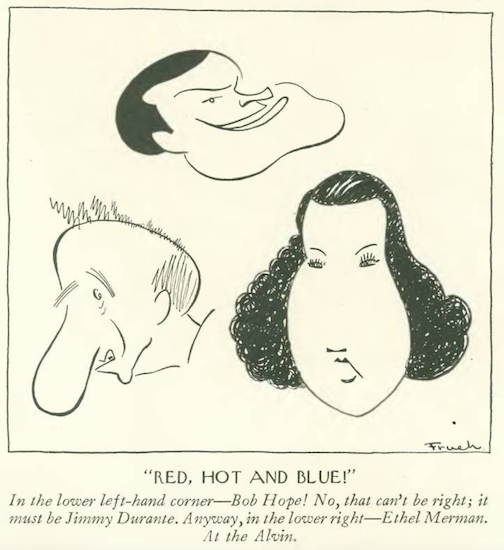
…Al Frueh served up the heads of a comedy revue…
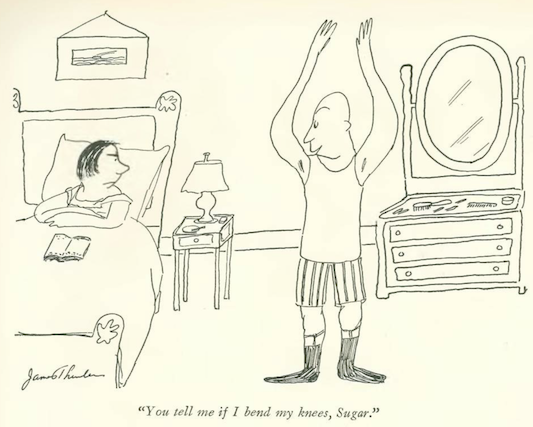
…James Thurber did some (unappreciated) stretching…
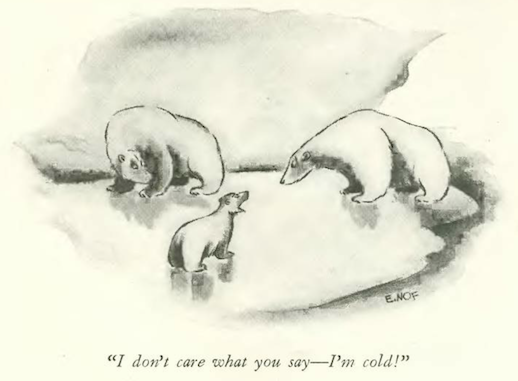
…this chilly bear was the work of Ed Nofziger, his first appearance in The New Yorker…
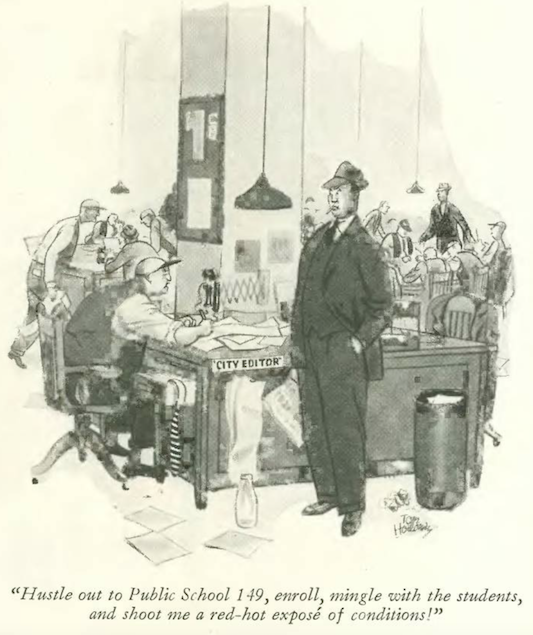
…and here’s the second of two drawings Tom Holloway contributed to the magazine in 1936…
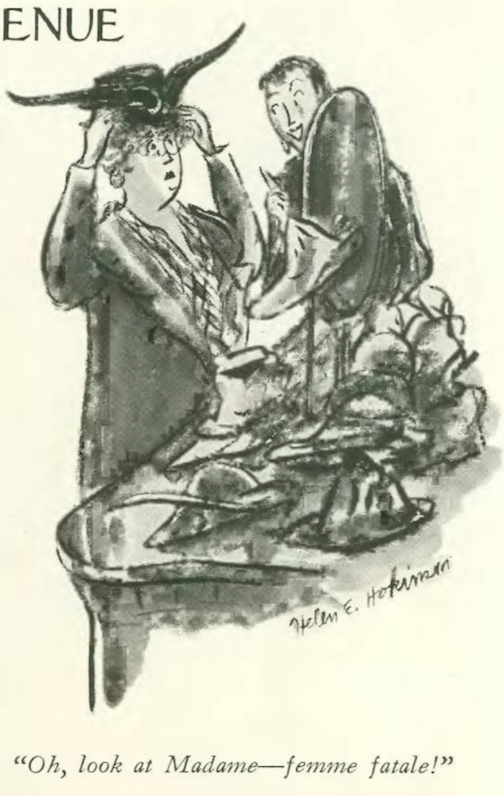
…Helen Hokinson gave us a sales clerk with an active imagination…
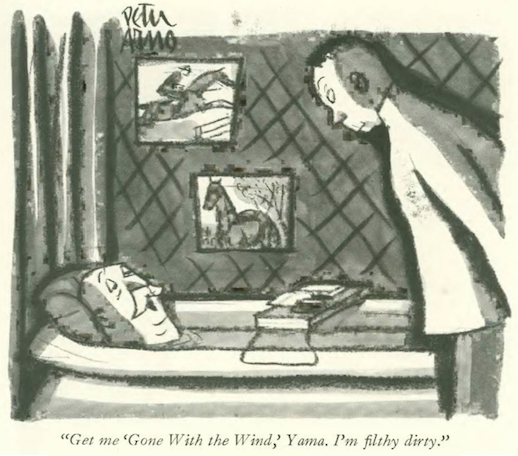
…Peter Arno’s colonel settled in for a long soak…
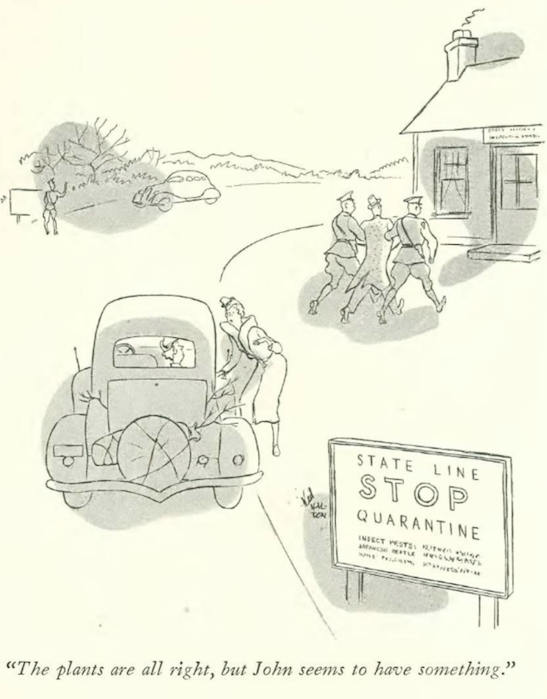
…Ned Hilton ran into some trouble at the border…
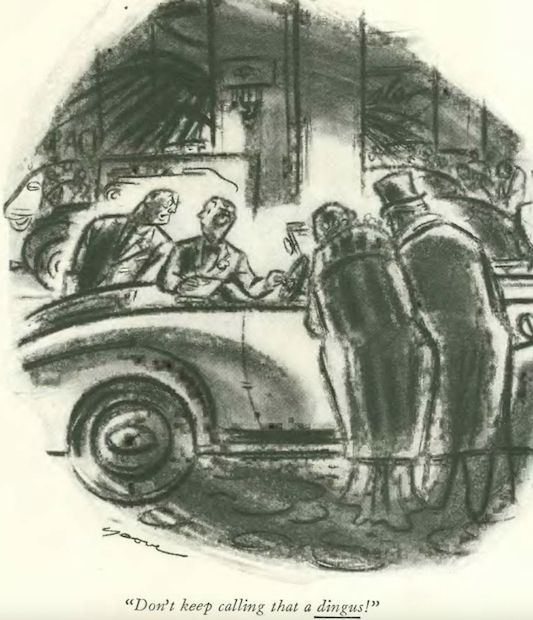
…Leonard Dove tuned in to the automobile show…
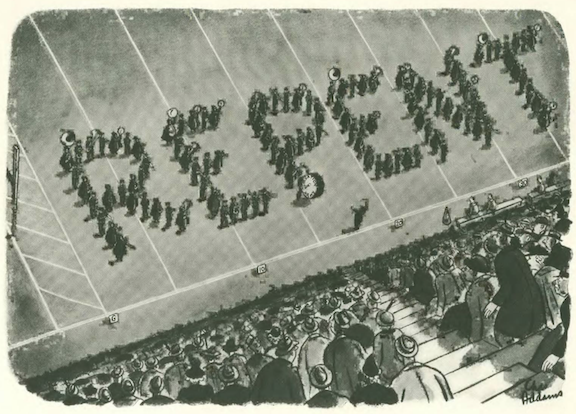
…and we close with two by Charles Addams, at the halftime show…
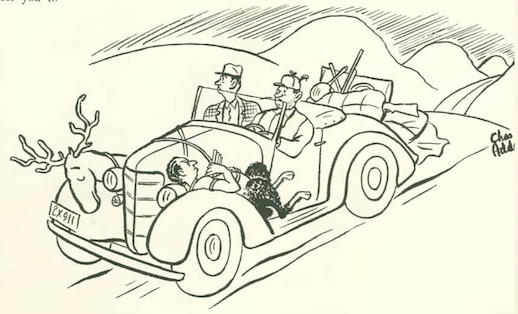
…and returning from the hunt…
Next Time: Mitchell’s Bar and Grill…