The Harsh Glare of Fame

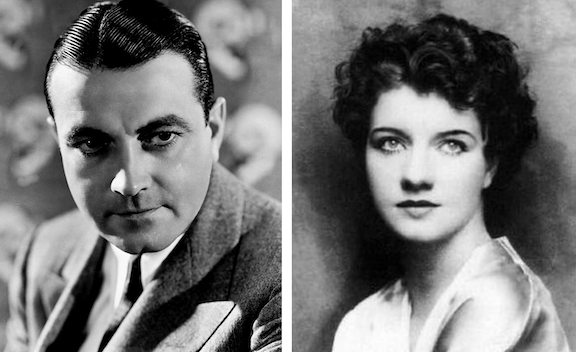
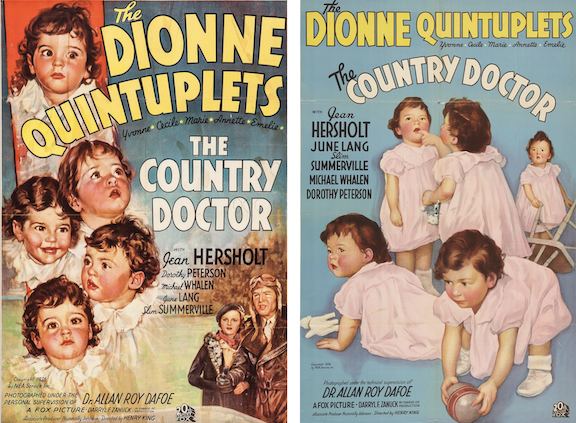
Above: Posters advertising The Country Doctor, a film featuring the Dionne Quintuplets as "The Wyatt Quintuplets." (Wikipedia/imdb.com)

The Dionne Quintuplets, famed as the first quintuplets known to have survived infancy, appeared in a motion picture before their second birthday—The Country Doctor—just one example of the many ways the girls were exploited by the province of Ontario, their doctor, their father, and the companies who used their images to sell everything from toys to toothpaste.
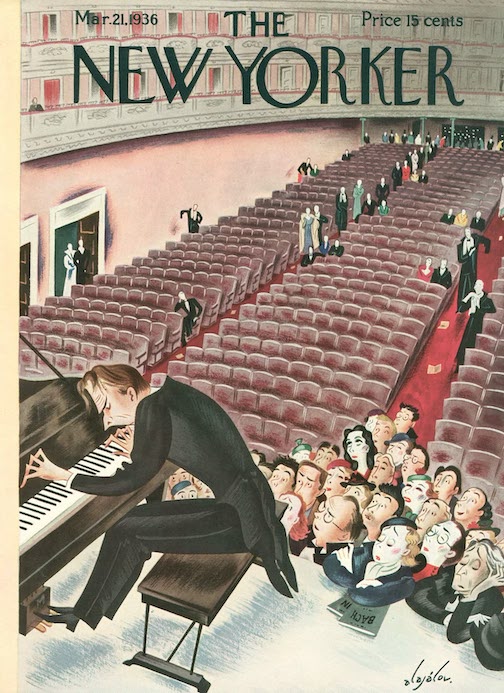
March 21, 1936 cover by Constantin Alajalov.

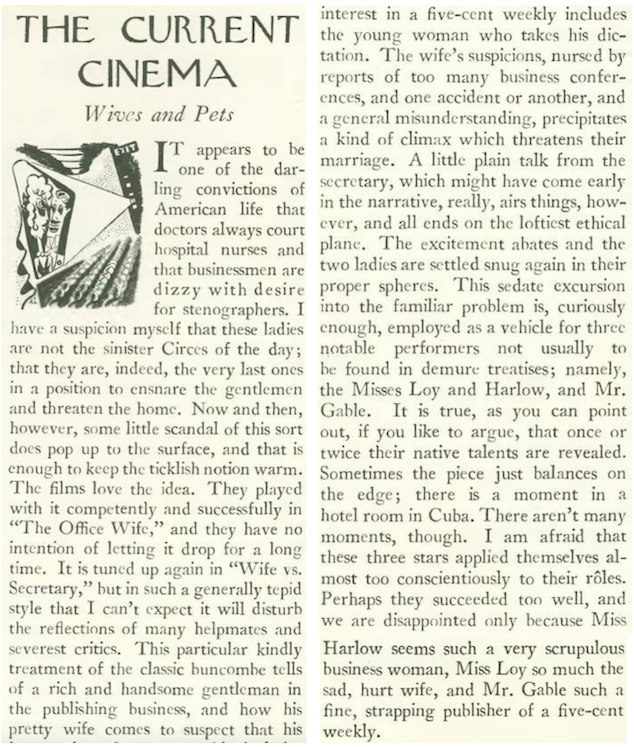
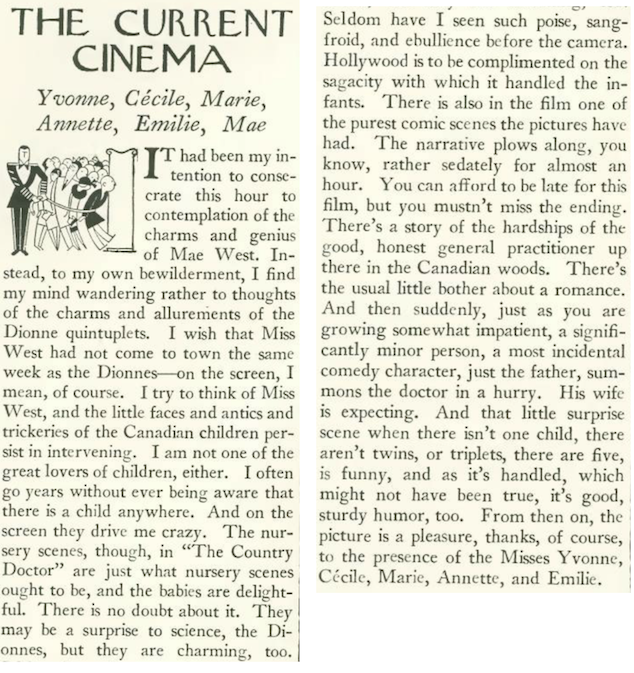
The Country Doctor was the first of three 20th Century Fox films featuring the toddlers as the “The Wyatt Quintuplets.” Actor Jean Hersholt played the country doctor (“Dr. John Luke”) in all three films, his character based on Allan Roy Dafoe, the Ontario obstetrician who successfully delivered the identical quints in 1934. It was a sign of the times that no one seemed too concerned about the children’s welfare—The New Yorker’s John Mosher was joined by his fellow critics in generally praising the film.
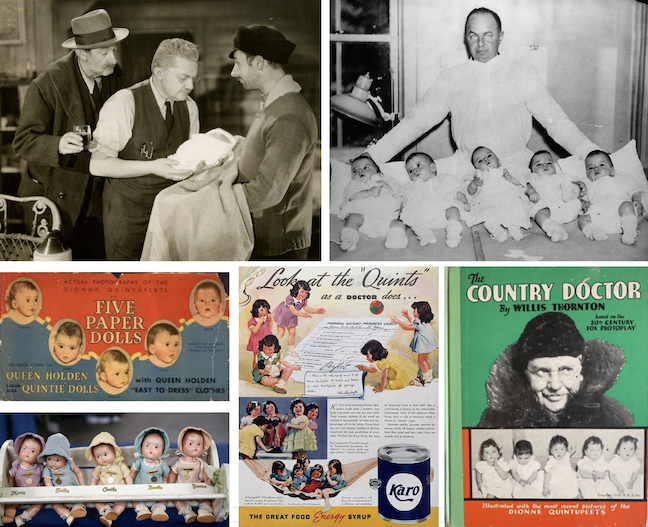
MARKETING MATERNITY…The Country Doctor was the first of three 20th Century Fox films featuring the Dionne Quintuplets. Clockwise, from top left: Slim Summerville, Jean Hersholt, and John Qualen in The Country Doctor; Ontario Premier Mitchell Hepburn with the quintuplets in 1934; a 1936 book based on the film; a 1937 ad for Karo Syrup, a major sponsor of the girls and Dr. Dafoe; an array of quintuplet-related toys included paper dolls and the much sought after Madame Alexander dolls. (Wikipedia/ebay.com/facebook.com/pbs.org)

The Dionne Quintuplets were used to endorse an array of products including Quaker Oats, Colgate toothpaste, Palmolive soap, and Lysol disinfectant. Dr. Dafoe became a wealthy man due to his association with the quintuplets, while the government of Ontario saw enormous tourism potential (the girls were made wards of the province ostensibly to protect them from exploitation). At the age of four months the quintuplets were moved from the farmhouse where they were born to a compound (“Quintland”) that featured an outdoor playground designed as a public observation area.
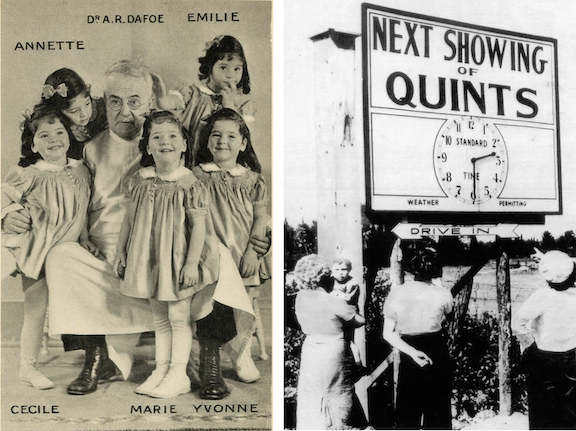
SURROUNDED BY RICHES…at left, Allen Roy DaFoe on a postcard with the Dionne Quintuplets; tourists consult sign for the next public showing of the “Quints.”(roadtripusa.com/facebook.com)
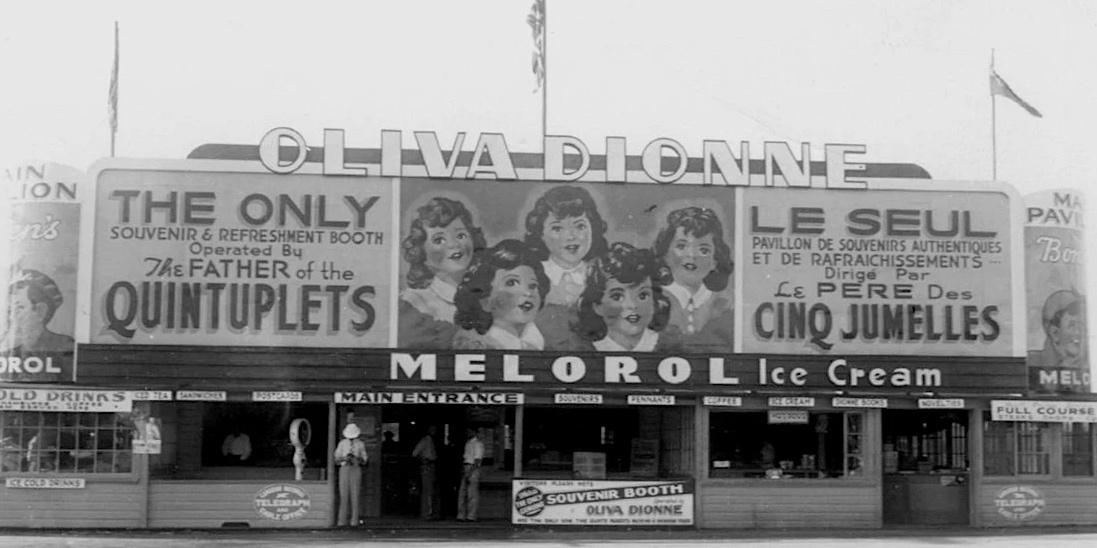
CHA-CHING…Oliva Dionne, the quintuplets’ father, ran this souvenir and refreshment stand at Quintland, where the public flocked to view the girls playing. (montrealgazette.com)

The last surviving quintuplet, Annette, died on December 24, 2025, at the age of 91. Her sister Cécile died a few months earlier, also at age of 91.

John Mosher also reviewed Mae West’s latest film, Klondike Annie. Some critics regarded it as her finest film, despite heavy censorship and the outrage of “Decency people.”
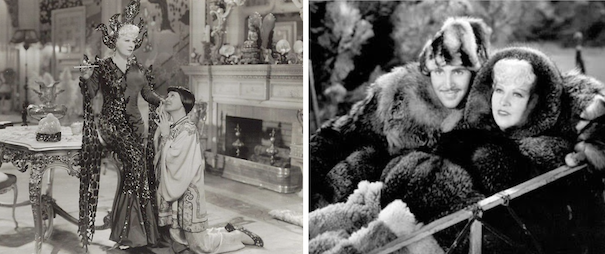
GO WEST, WEST…Mae West portrayed a kept woman who murders her keeper in self-defense and escapes to Nome, Alaska in Klondike Annie. At left, West in a scene with Son Yong; at right, with Phillip Reed. (Pinterest)

 * * *

St. Katharine

Robert Benchley found Katharine Cornell’s theatrical performance in Saint Joan to be “as fine as was expected.” An excerpt:
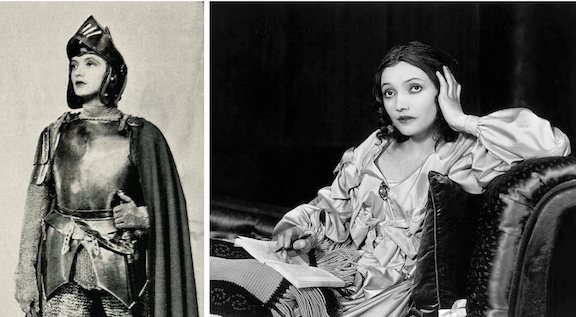
KNOWN QUANTITIES was how Robert Benchley described the talents of stage actress Katharine Cornell. At left, Cornell as Saint Joan; at right, Cornell (1893–1974) is perhaps best known in her role as Elizabeth Barrett in the 1931 Broadway production of The Barretts of Wimpole Street. (Wikipedia)

 * * *

It Begins…

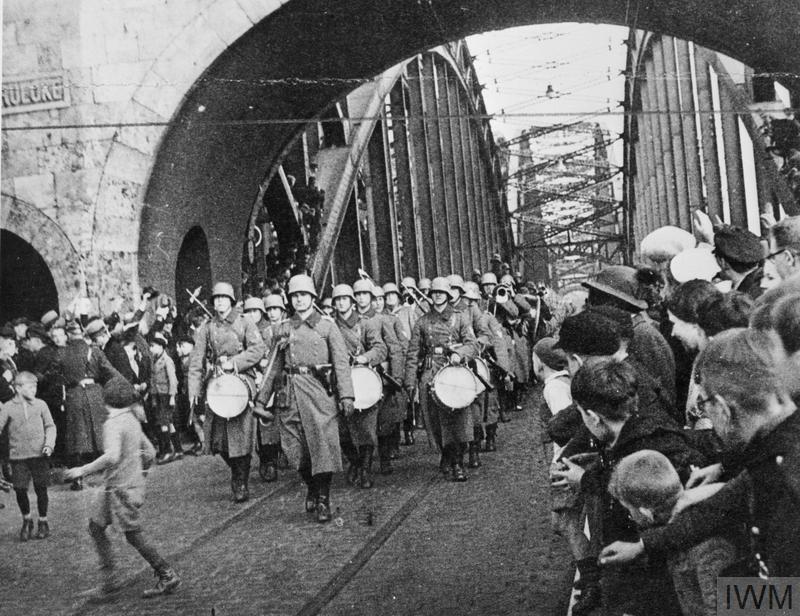
On March 7, 1936, 22,000 German army troops crossed a bridge over the Rhine River and entered the Rhineland, breaking the 1919 Treaty of Versailles, which mandated a demilitarized Rhineland to ensure French safety. Despite the violation, and the fact that the German army was still weak, France and Britain took no military action. E.B. White reported:

REOCCUPATION…On March 7, 1936, German Army troops crossed a bridge over the Rhine River and entered the Rhineland for the first time since the end of World War I. The lack of response from France and Great Britain no doubt emboldened Hitler to annex Austria and occupy Czechoslovakia in 1938. (iwm.org.uk)

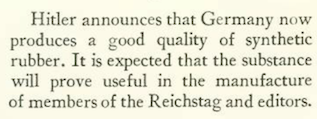
Howard Brubaker, in his column “Of All Things,” also noted:
 * * *

Some Pretty Things

“The Talk of the Town” paid a visit to the Museum for the Arts of Decoration at the Cooper Union and found many treasures within, including a unique circular elevator.
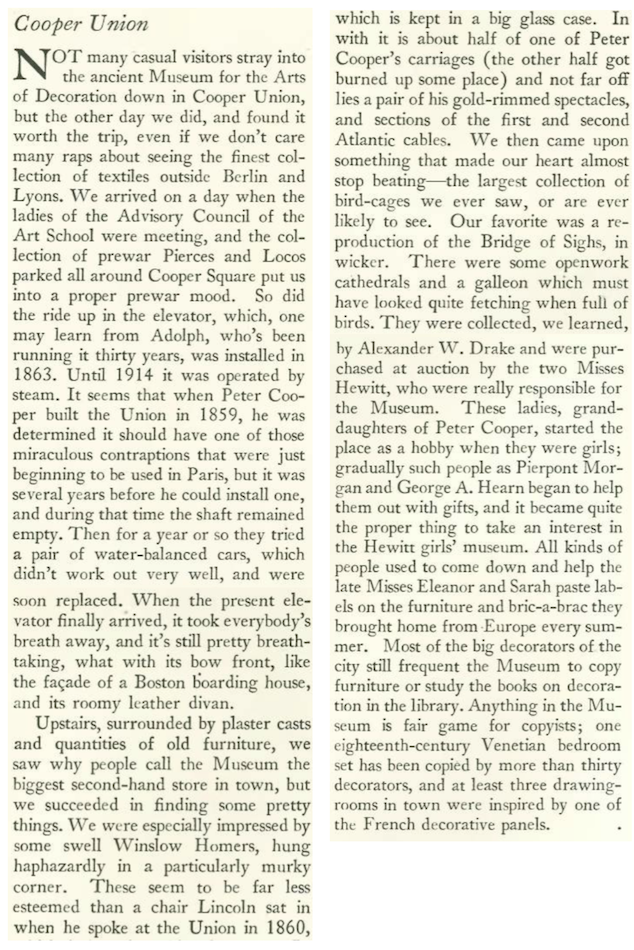
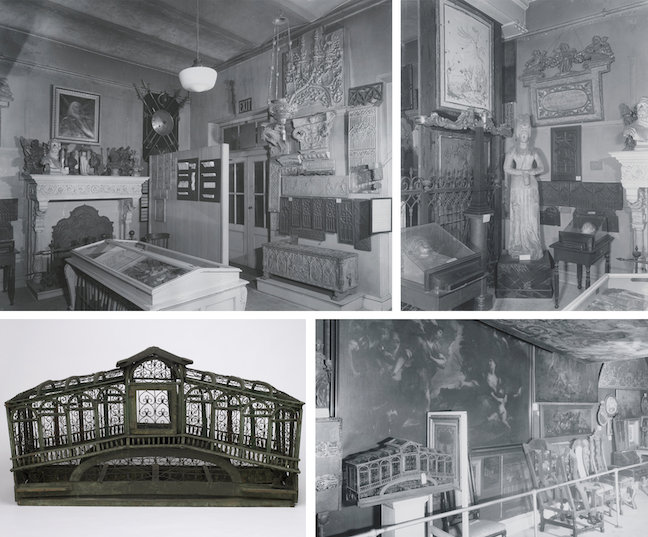
BRIDGE TO THE PAST…The Cooper Union’s Museum for the Arts of Decoration held many treasures, including (at bottom) an Italian birdcage fashioned to resemble the Rialto Bridge; at top, rooms filled with examples from the decorative arts. (cooperhewitt.org)

The “Talk” visit included a ride up a circa 1850s elevator shaft designed by inventor Peter Cooper four years before safety elevators even existed. The design was based on Cooper’s belief that the circular shape was the most efficient.

ROUND AND SOUND…At left, entrance to Peter Cooper’s circa 1850s round elevator and the elevator’s shaft at the Cooper Union Foundation Building. The round shaft remains a central feature of the building today, now housing a modern round elevator designed in 1972. (Cooper Union Library)

 * * *

Commie Cutlery

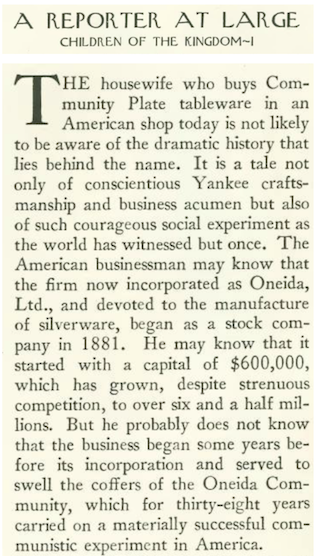
American non-fiction writer Carl Carmer published the first part of a two-part essay on the revolutionary Oneida Community, which Carmer dubbed “a materially successful communist experiment…”

This polyamorous Christian utopia disbanded before the end of the 19th century and reemerged as a joint-stock company, Oneida Community Limited, which focused on making silverware. This brief excerpt is from the first paragraph.
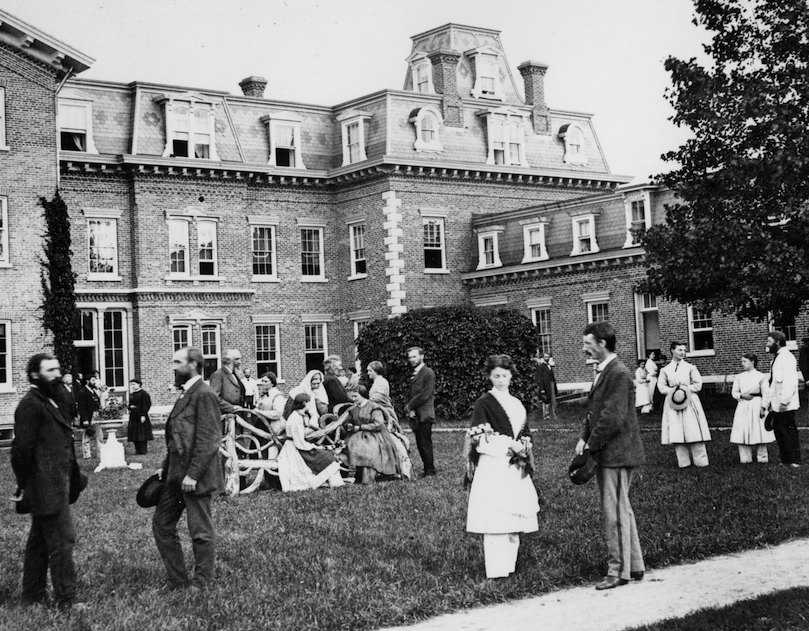
COHABITING COMRADES…Oneida commune members gather on the lawn in front of the Community Mansion House in in Madison County, New York, circa 1860s. Members of the community practiced free love, women and men had equal freedom in sexual expression and commitment, and children were raised communally. (collectorsweekly.com)

* * *

From Our Advertisers

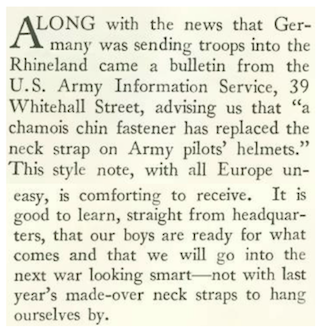
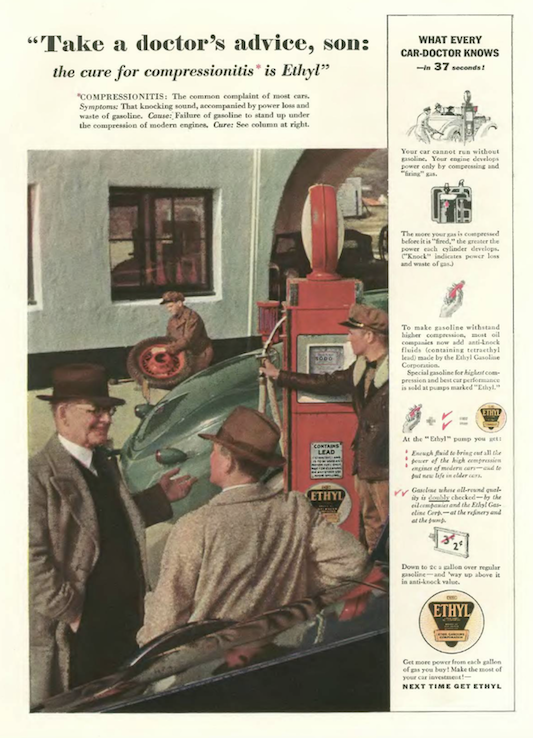
Yes, take a doctor’s advice, and put some leaded gas in your car, and into the air you breathe…
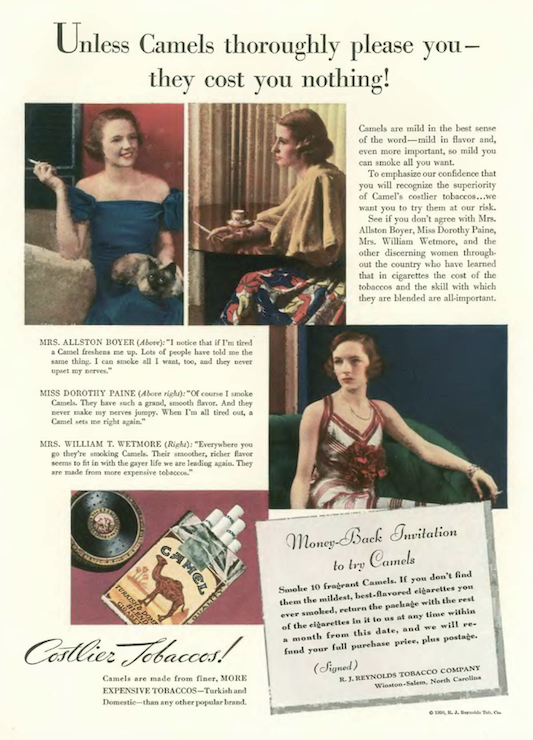
…R.J. Reynolds presented three women who exemplified the “society model” trend of the 1930s…well-known debs and socialites who provided an air of prestige to a brand…especially cigarettes…
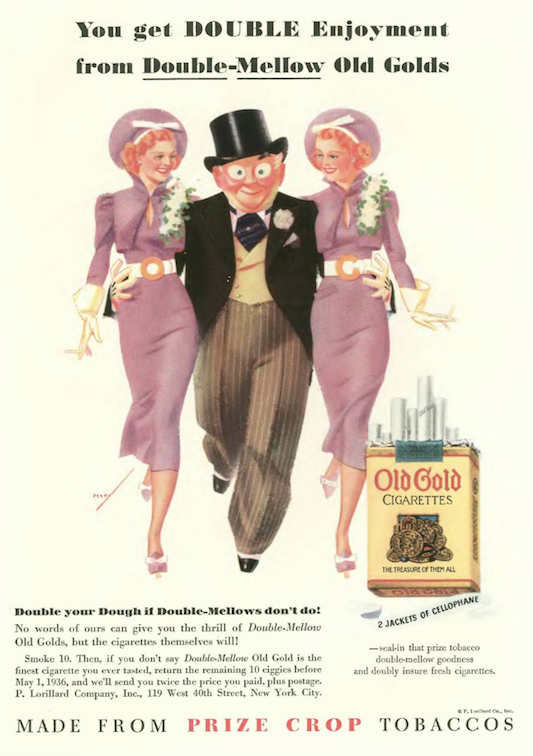
…Lorillard Tobacco Company, on the other hand, stuck with pin-up artist George Petty to push their Old Golds…
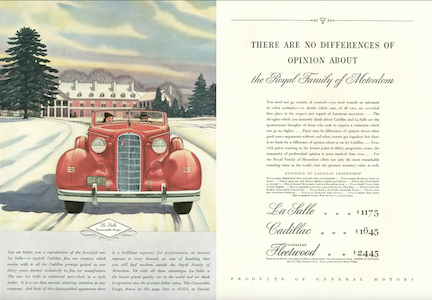
…General Motors took out the middle spread to tout their low-priced luxury automobile, the La Salle…
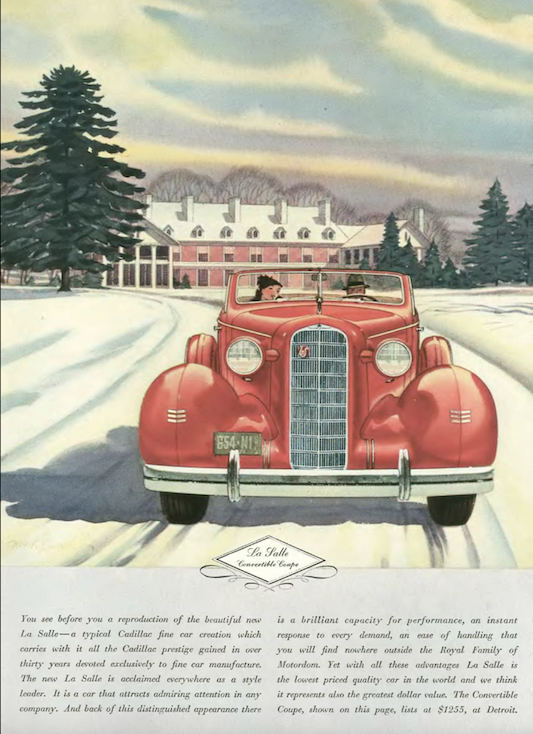
…the convertible La Salle looked handsome, if not a bit brisk with the top down…
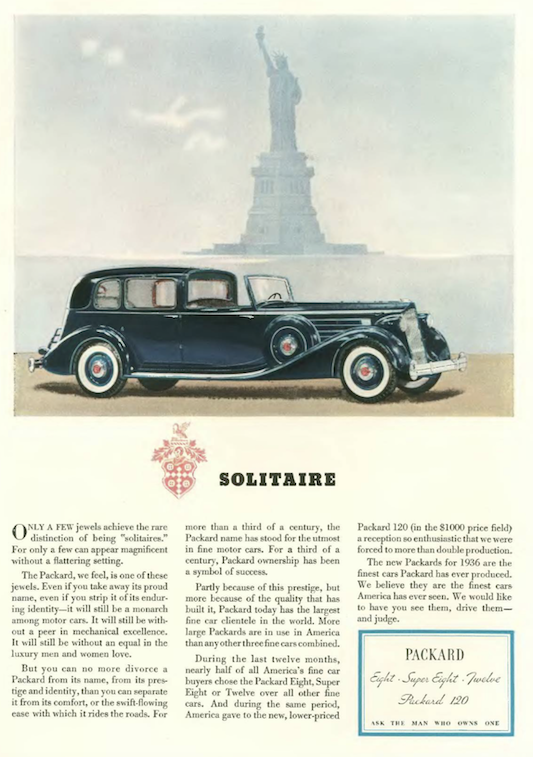
…American luxury carmaker Packard proudly displayed their twelve-cylinder luxury model, but reminded readers they could have a lesser model, the 120, for a price “in the $1,000 field”…
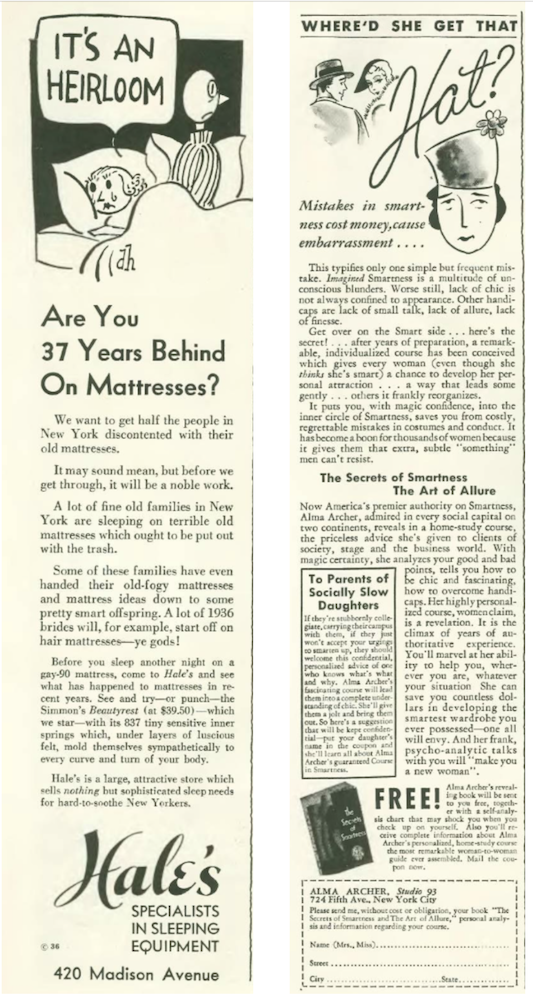
…a couple of one-column ads…Don Herold helped Hale’s move mattresses, while fashion columnist Alma Archer employed class anxiety to promote her new book, The Secrets of Smartness and the Art of Allure

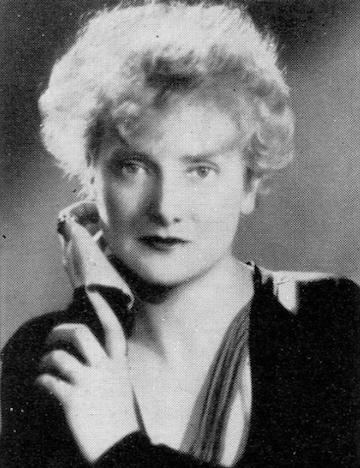
SMARTNESS AUTHORITY Alma Archer in 1937. Archer (1898–1988) wrote a widely read column for the New York Mirror that was syndicated in more than a thousand newspapers.

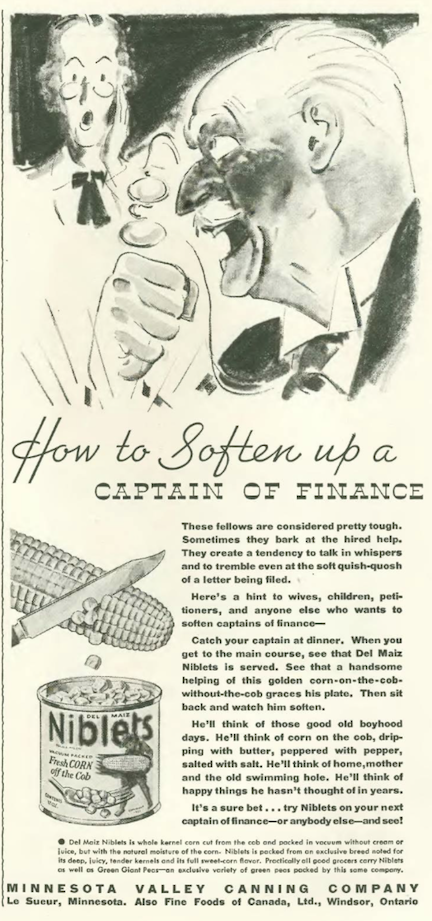
…if you have been following this blog, you’ll recall the ads with angry duchesses fuming over tomato juice and rich old men fondly recalling their countrified youth via canned corn niblets…well here is one robber baron who needed some niblets pronto to quiet his rage…maybe a snifter or two of brandy would have also helped…
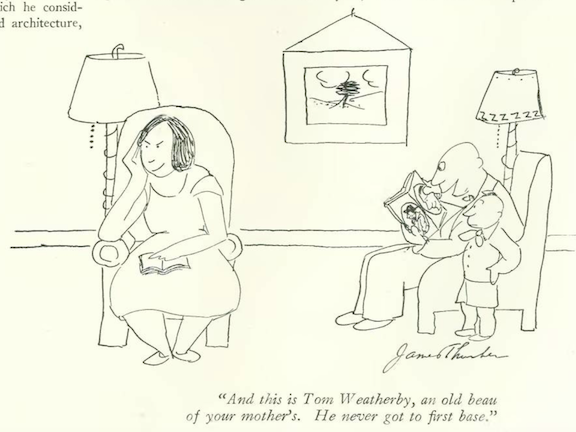
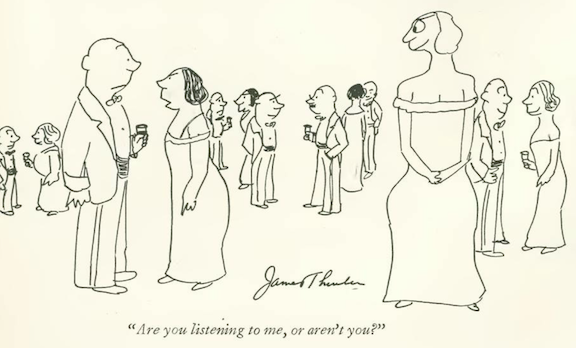
…on to our cartoonists, James Thurber kicked things off on page two…
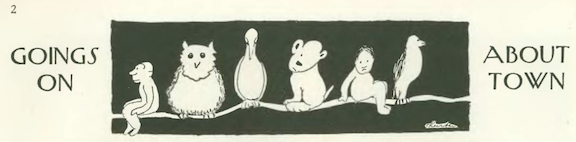
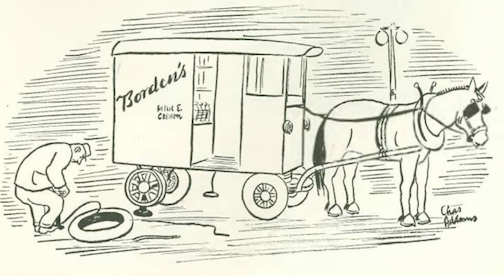
…the “Goings On” section concluded on page four with this drawing by Charles Addams

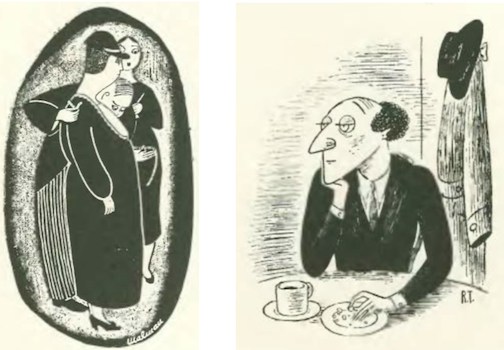
…a couple more spot drawings from the issue by Christina Malman (left) and Richard Taylor

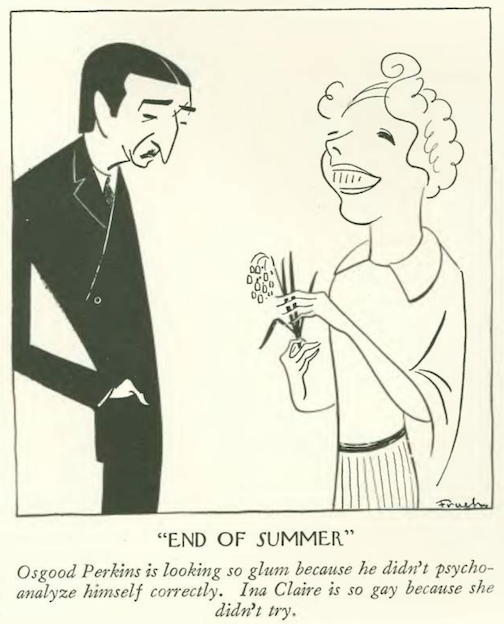
Al Frueh offered this interpretation of the players in End of Summer

…and we have Thurber again, with a hard-to-miss distraction…
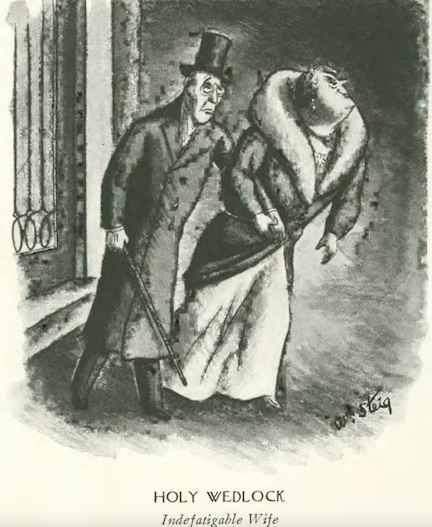
William Steig continued to explore the varieties of “Holy Wedlock”…
Leonard Dove gave us a golddigger stranded at sea…
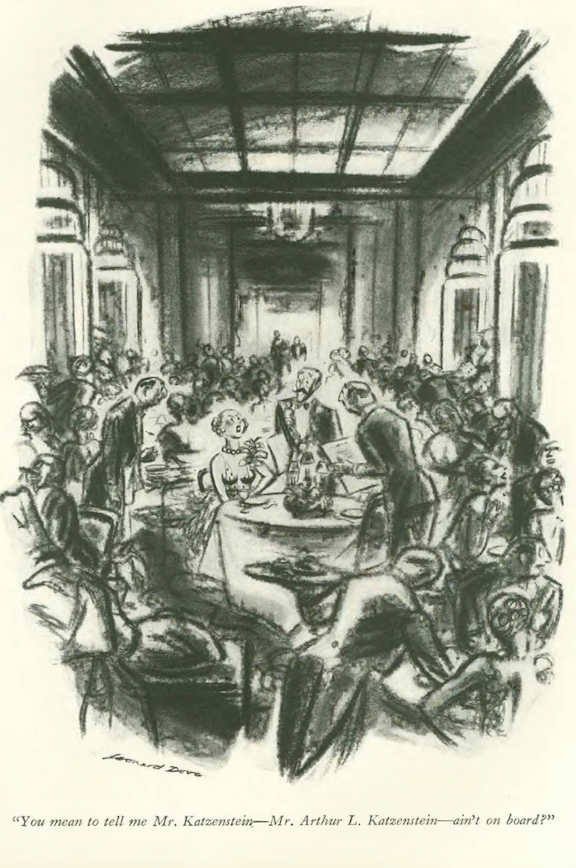
Gardner Rea put a captain of industry in a tight spot…
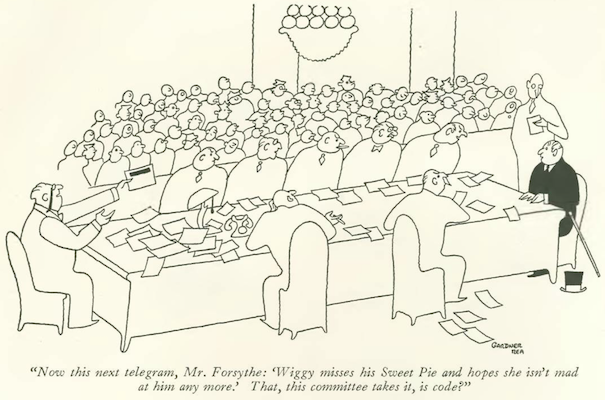
Ned Hilton encountered a hairy challenge…
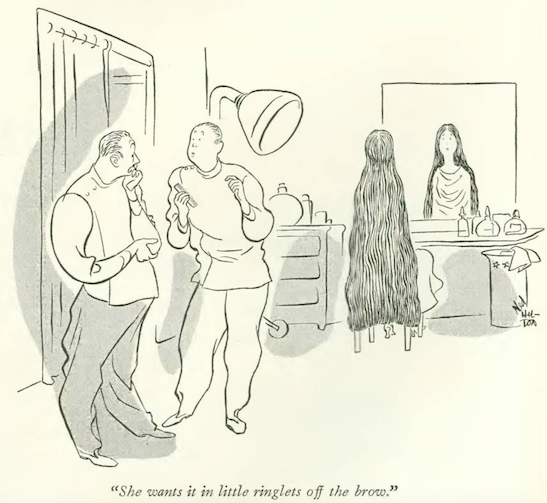
Eli Garson demonstrated some remarkable foot dexterity…
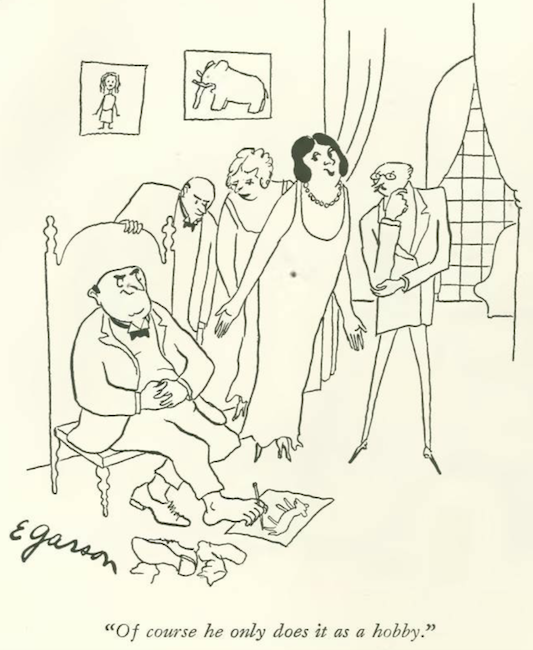
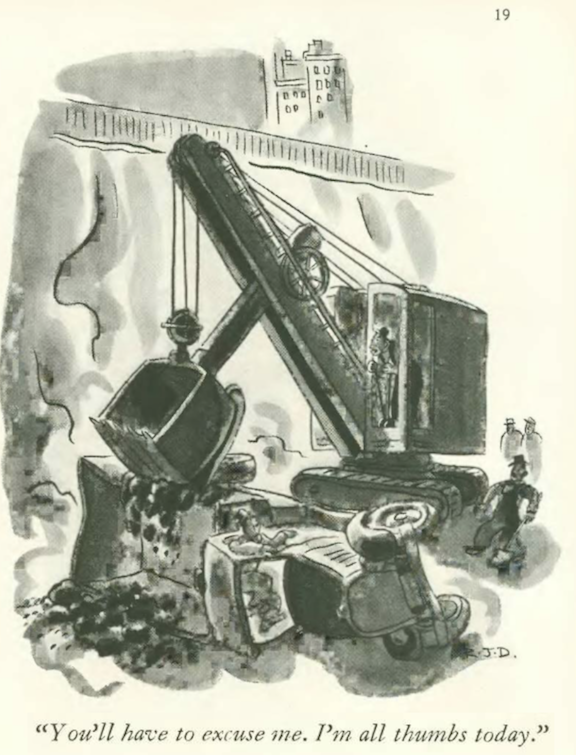
…while Robert Day showed a lack of dexterity a construction site…
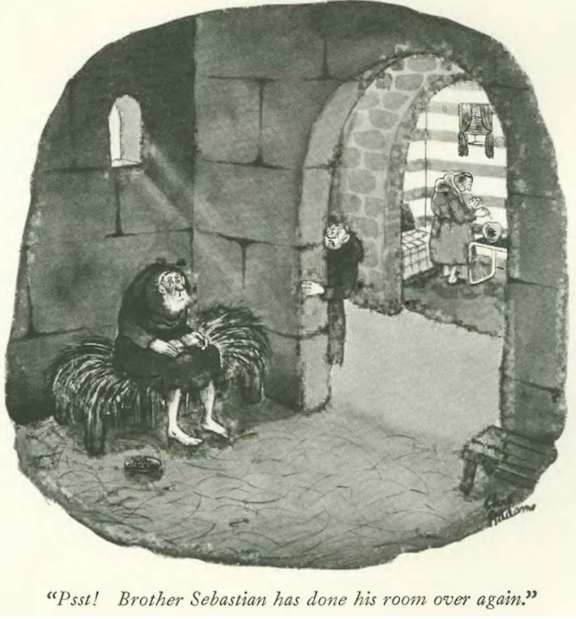
Charles Addams revealed a materialist in the brotherhood…
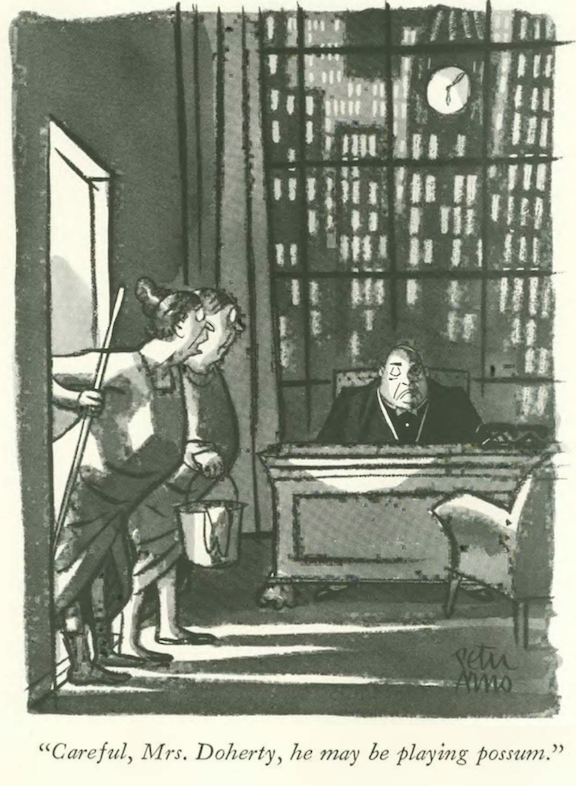
Peter Arno’s charwomen let a sleeping dog lie…
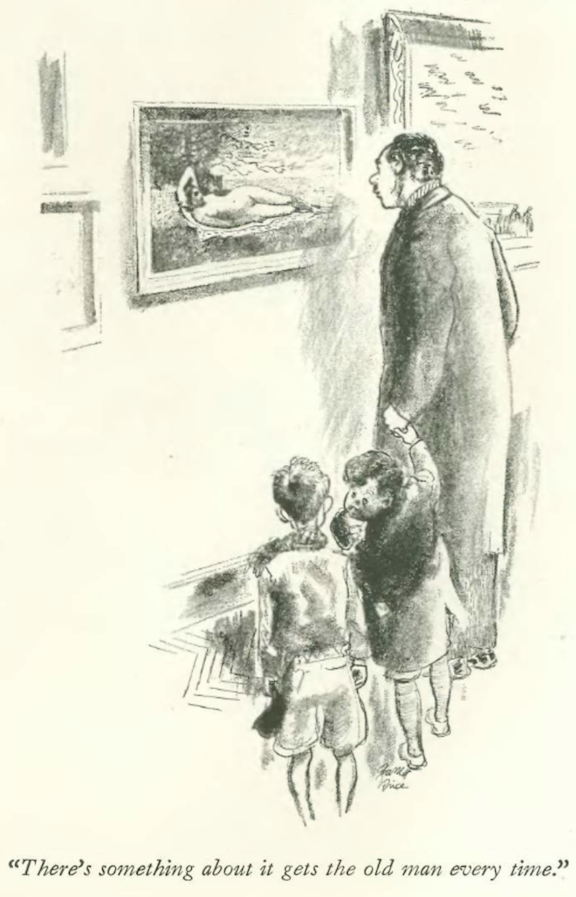
…and we close Garrett Price, and one perceptive lad…
Next Time: Star Maker…
Nostalgic Notes

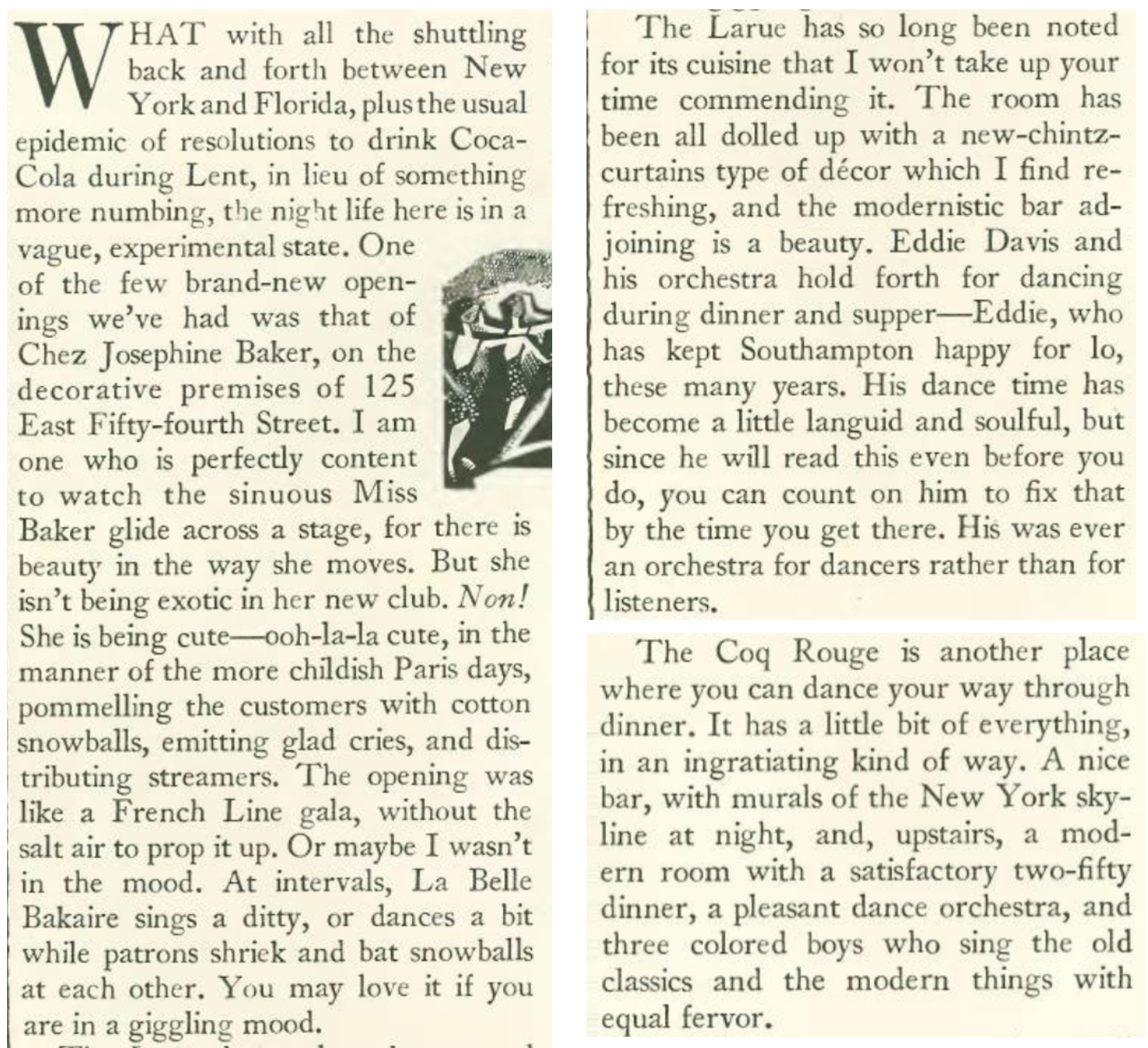
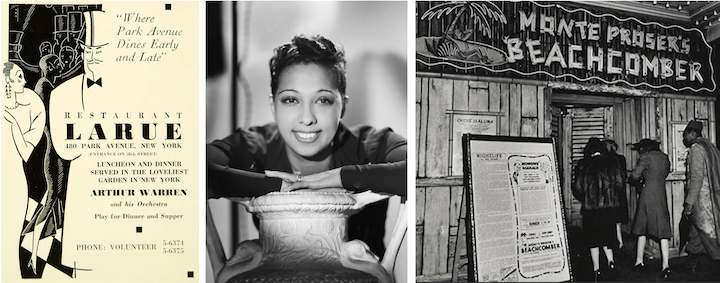
Above: Nightlife correspondent Lois Long checked out the latest clubs as well as old-time favorites in her column "Tables for Two." From left, advertisement for Restaurant Larue; Josephine Baker in 1937; and the entrance to Monte Proser's Beachcomber, an early iteration of the tiki bar that would become ubiquitous in midcentury America. (eBay.com/Wikipedia/mytiki.life)

Part three of Janet Flanner’s profile of Adolf Hitler can be found below, but it’s time to lead with something more pleasant, namely Manhattan nightlife through the eyes of Lois Long.

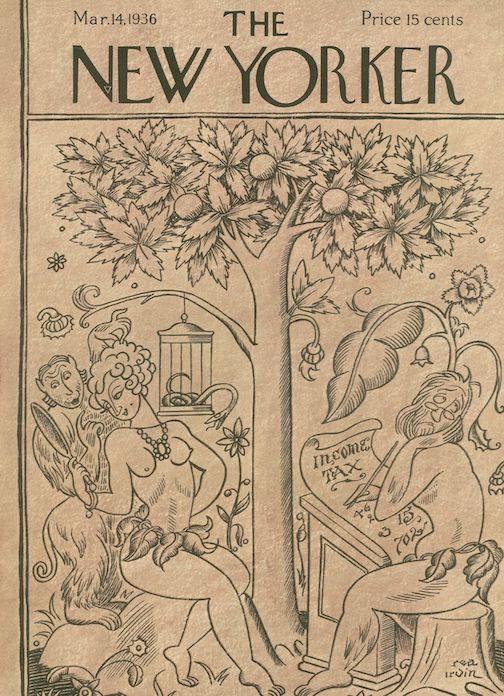
March 14, 1936 cover by Rea Irvin.

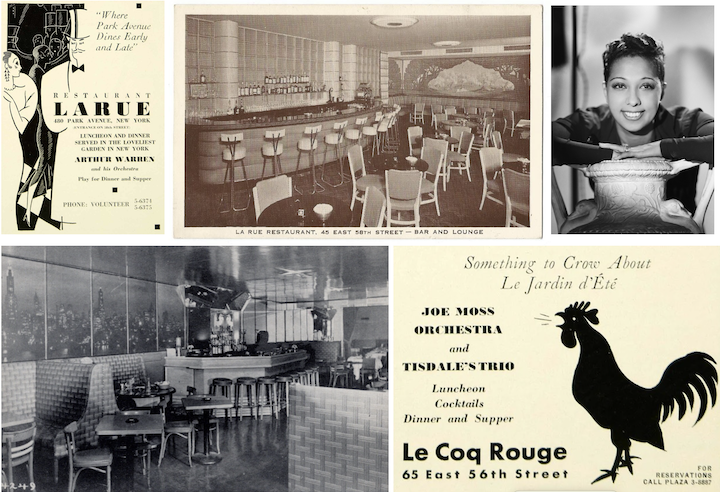
In her “Tables for Two” column headlined “Nostalgic Notes,” Long checked out the new Chez Josephine Baker, the garden-like delights of Restauarnt Larue, and the French-themed Le Coq Rouge.

NEW NIGHTLIFE…Clockwise from top left, ad for Restaurant Larue; 1930s postcard showing interior of Larue; Josephine Baker, proprietor of Chez Josephine Baker; ad for Le Coq Rouge; interior of Le Coq Rouge, 1930s.  (eBay/Wikipedia)

Long also noted the Beachcomber Bar, which originated in the basement of an old church, and actor Dan Healy’s Broadway Room.

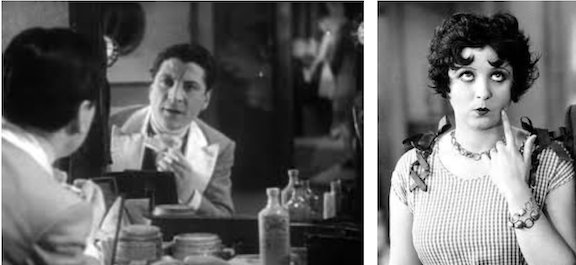
MAN ABOUT TOWN…Dan Healy was a well-known master of ceremonies in the Manhattan nightlife scene. He married the famed “boop-boop-a-doop” singer (and possible Betty Boop inspiration) Helen Kane in 1939—they later opened a New York restaurant together called Healy’s Grill. (whosdatedwho.com/Facebook)

 * * *

Bummed Out

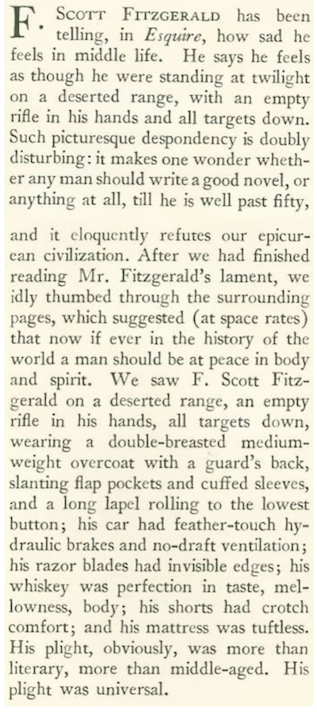
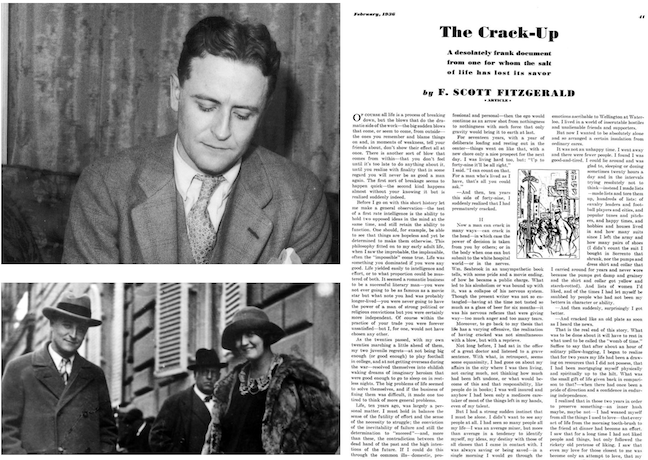
E.B. White (in “Notes and Comment”) referred to confessional essays published in Esquire magazine by F. Scott Fitzgerald that frankly described his struggles with alcoholism and the decline of his literary reputation. The confessional tone of the essays (three in all, published in February, March and April 1936) proved controversial at the time.

In his first essay, “The Crack-Up,” Fitzgerald famously observed that “the test of a first-rate intelligence is the ability to hold two opposed ideas in the mind at the same time, and still retain the ability to function.”

A CRY FOR HELP?…At left, F. Scott Fitzgerald in the 1930s (top), and, apparently during happier days (below, with wife Zelda); at right, the opening page of “The Crack-Up.” (esquire.com/pbs.org)

 * * *

Say What?

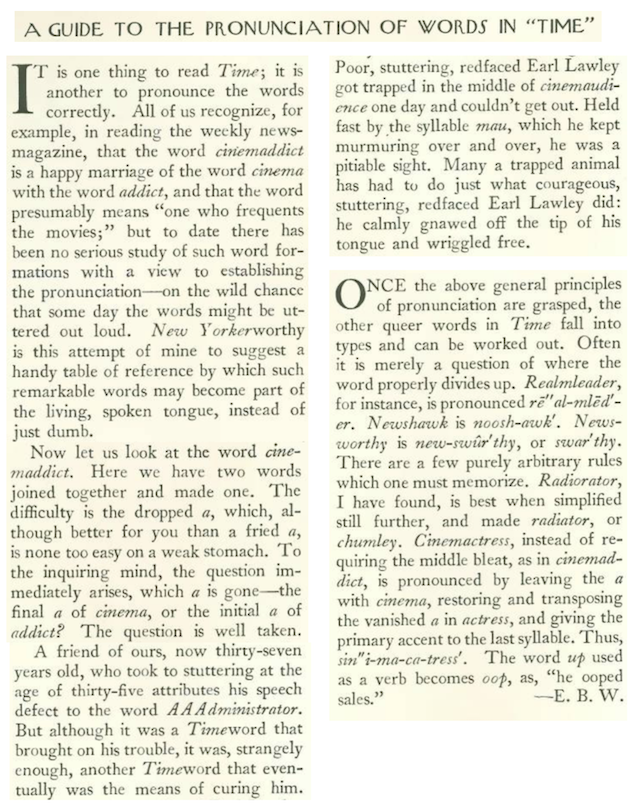
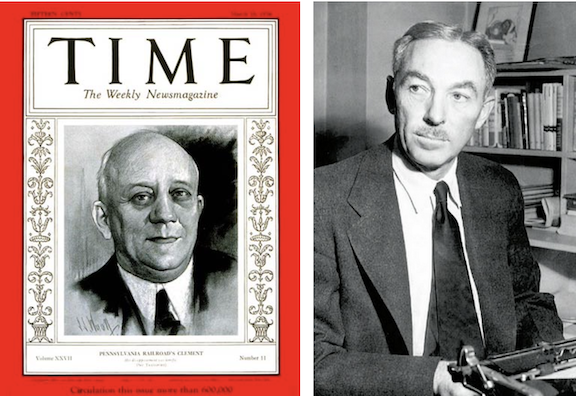
New Yorker writers rarely missed an opportunity to poke fun of Time magazine’s unique ways with the English language. E.B. White again, in an excerpt:

TIMEWORDS…The March 16, 1936 issue of Time, and E.B. White. (time.com/imdb.com)

 * * *

Dying to Know

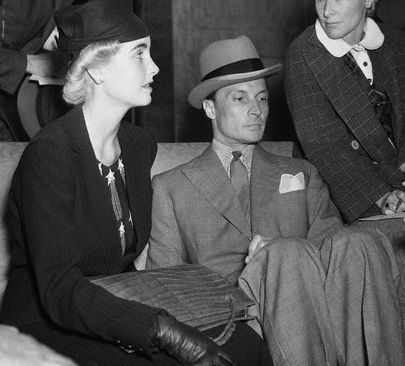
“The Talk of the Town” made brief mention of a rumor regarding Woolworth heiress Barbara Hutton’s health. Reports of her demise were premature; she died in 1979.

HANGING IN THERE…Barbara Hutton with husband no. 2, Count Kurt von Haugwitz-Reventlow, circa 1936. Hutton married seven times, including a brief marriage to actor Cary Grant, who was husband no. 3. (whosdatedwho.com)

 * * *

Part Three

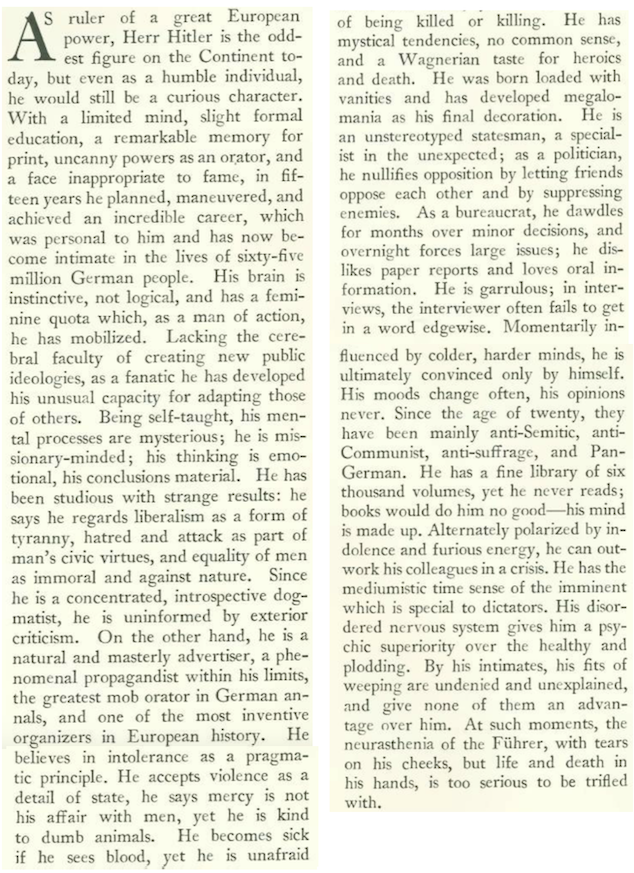
Janet Flanner completed her three-part profile of Adolf Hitler by looking into the man’s mind, if that was even possible.

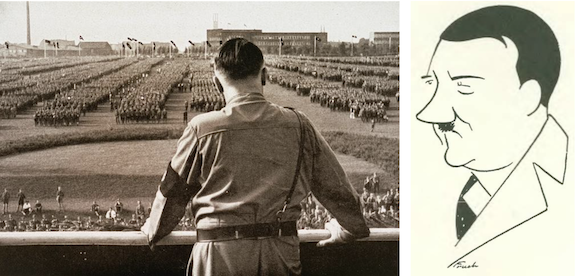
OBEDIENT MASSES…(encyclopedia.ushmm.org)

Flanner also noted the Führer’s early days as an unsuccessful painter, and an odd wedding gift to his buddy Hermann Göring:

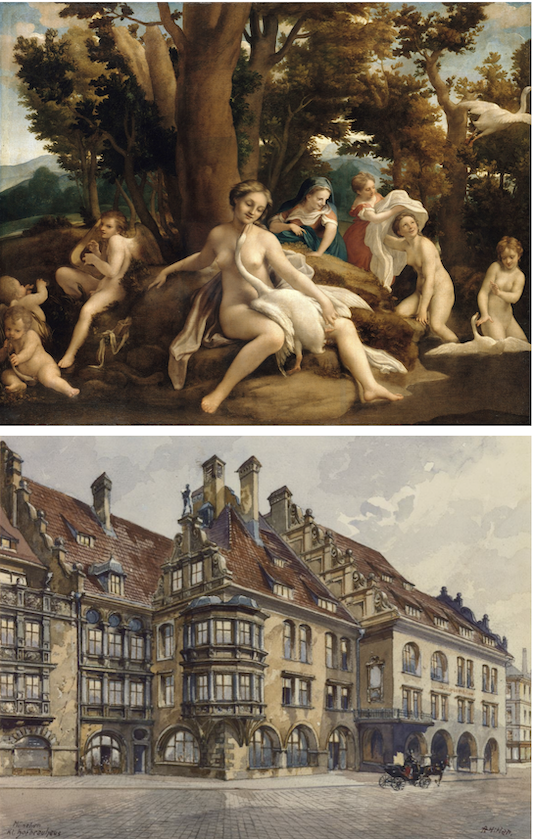
GOOSED…Top, Adolf Hitler presented a specially painted copy of Correggio’s Leda with the Swan as a wedding gift to Hermann Göring and actress Emmy Sonnemann on April 10, 1935; below, Hitler painted this watercolor during his pre-WWI time in Munich, from May 1913 to August 1914. (Wikipedia)

 * * *

China Syndrome

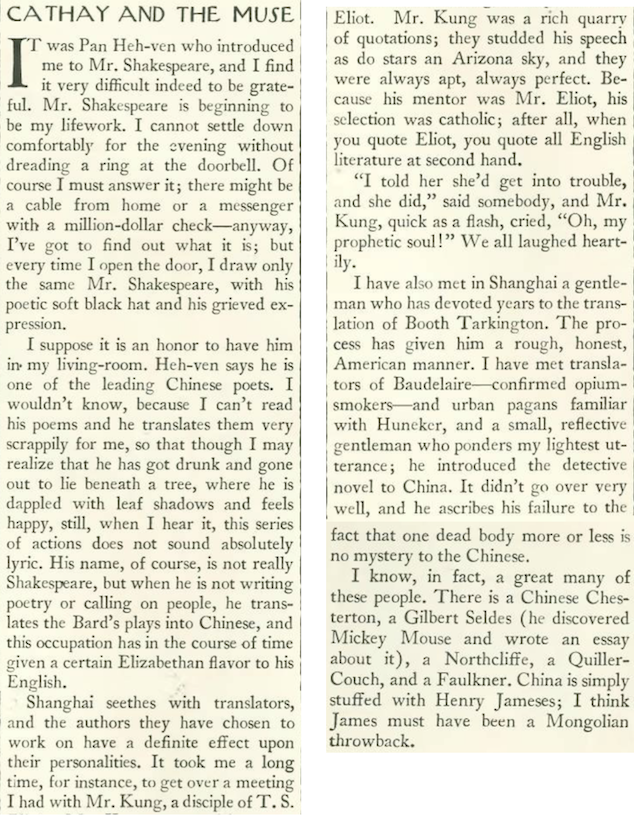
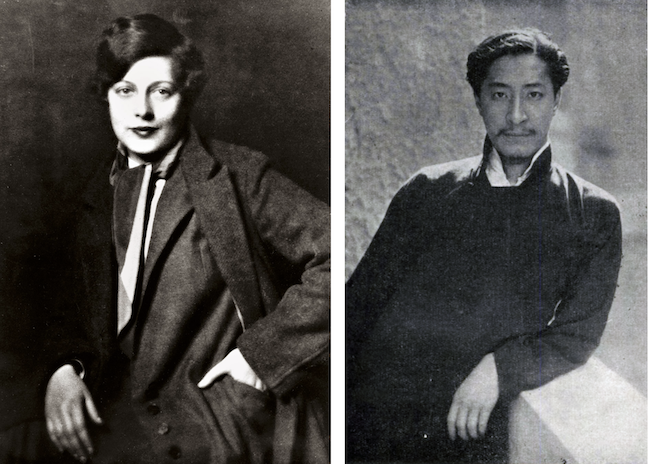
Supporting herself as a writer for The New Yorker, Emily Hahn’s years in Shanghai, China (1935 to 1941) were tumultuous. Living in the city’s red light district, she became romantically involved with the Chinese poet and publisher Shao Xunmei (aka Sinmay Zau) and became addicted to opium. In this excerpted short essay, Hahn described her literary encounters with Shao Xunmei (here referred to as “Pan Heh-ven”) and a passel of translators.

ENOUGH OF THAT…Emily Hahn became romantically involved with the Chinese poet and publisher Shao Xunmei (aka Sinmay Zau), but ultimately left him in order to break her opium addiction. (Wikipedia)

 * * *

At the Movies

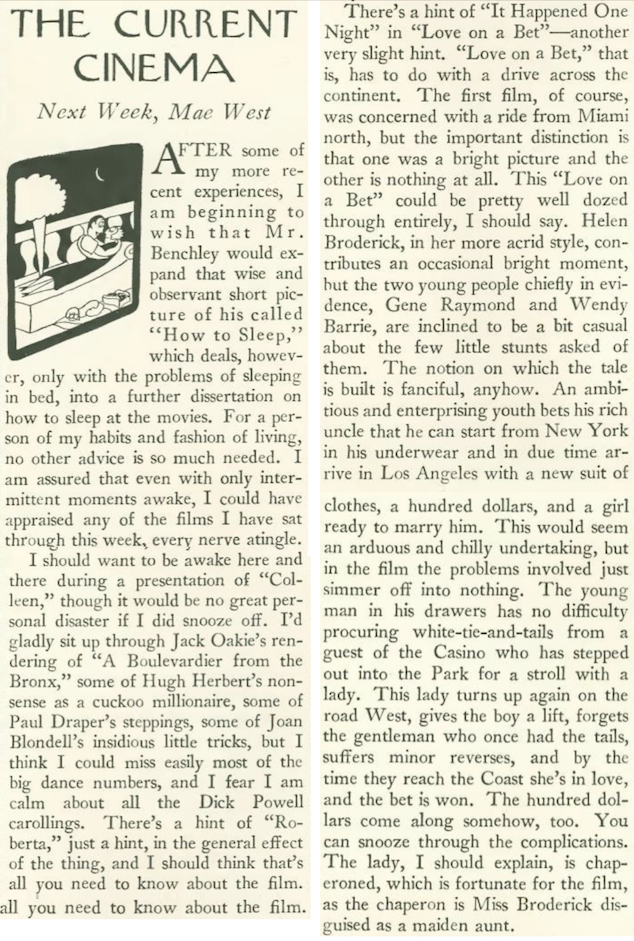
Critic John Mosher did his best to stay awake during the latest fare from Hollywood…

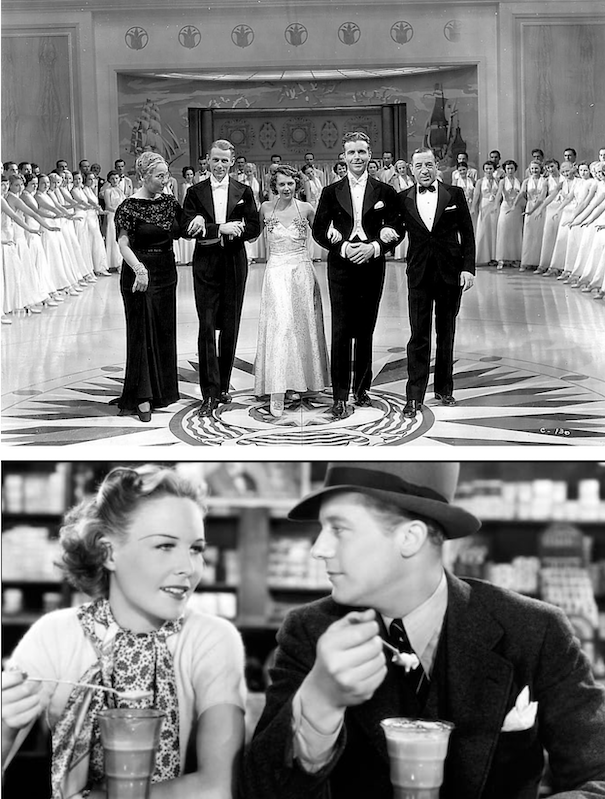
SPECIOUS SPECTACLE…Top, from left, Louise Fazenda, Paul Draper, Ruby Keeler, Dick Powell and Hugh Herbert in Colleen; below, Wendy Barrie and Gene Raymond in Love on a Bet. (cometoverhollywood.com/imdb.com)

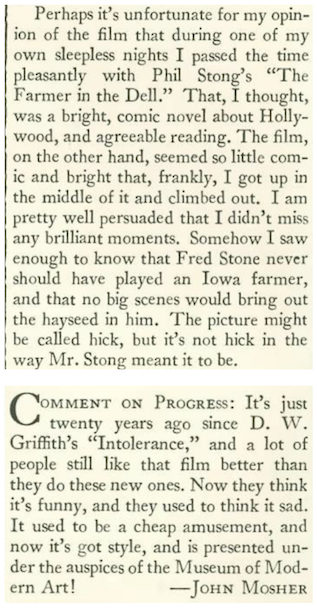
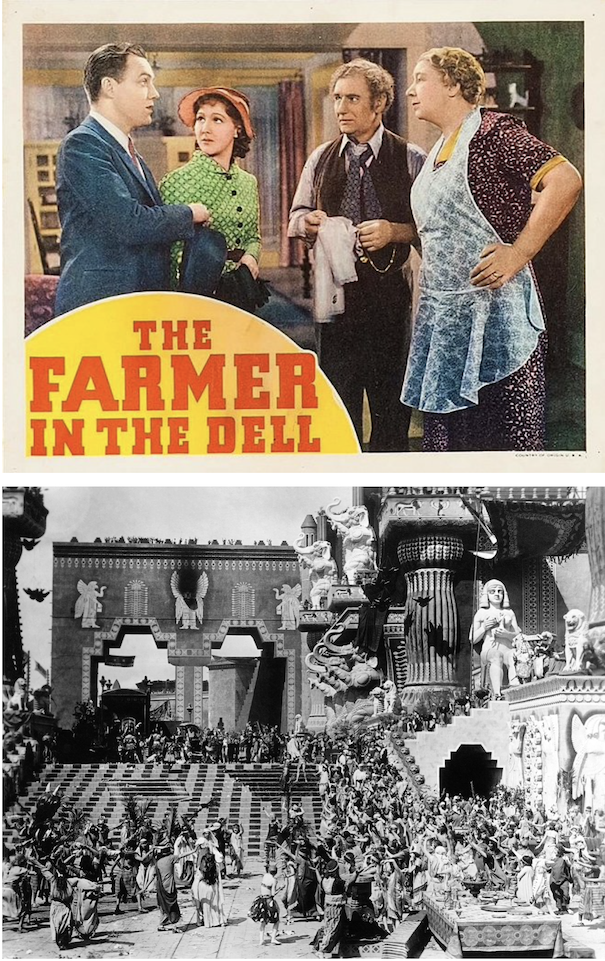
Mosher also commented on a film he walked out on (The Farmer in the Dell), and considered the twentieth anniversary of Intolerance, a 1916 drama that had become a “cheap amusement.”

HO HUM…Critic John Mosher walked out of The Farmer in the Dell, mostly due to boredom—above, Frank Albertson, Jean Parker, Fred Stone and Esther Dale in the romcom The Farmer in the Dell; below, scene from D.W. Griffith’s epic silent film from 1916, Intolerance. (imdb.com/cinemafromthespectrum.com)

 * * *

From Our Advertisers

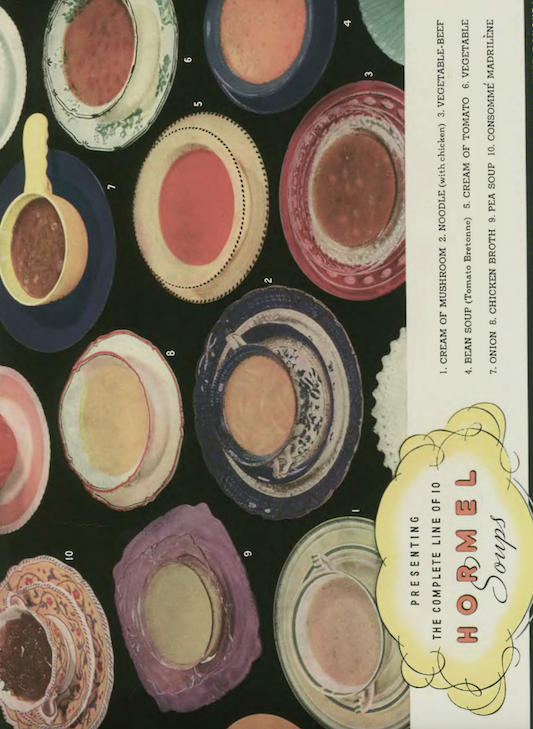
The folks at Hormel once again claimed the inside front cover with this array of soups featured sideways, in full color…

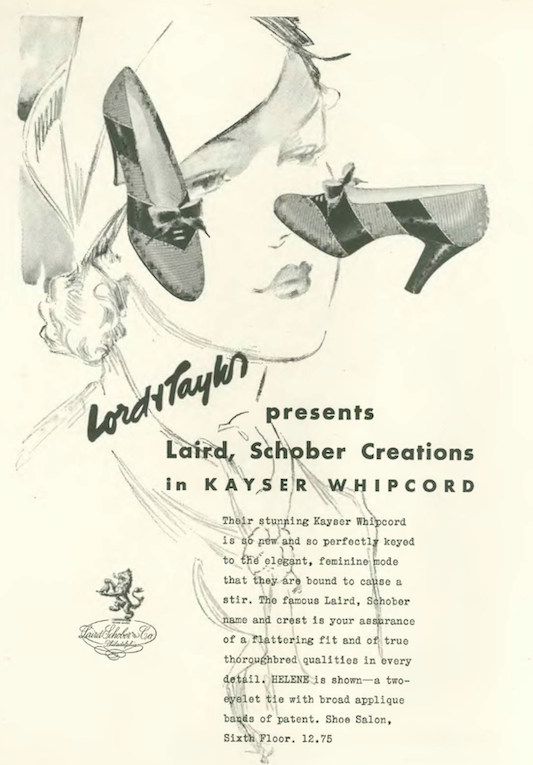
…the illustrator of this Lord & Taylor advertisement hoped to superimpose a pair of shoes over a woman’s face, with less than convincing results…

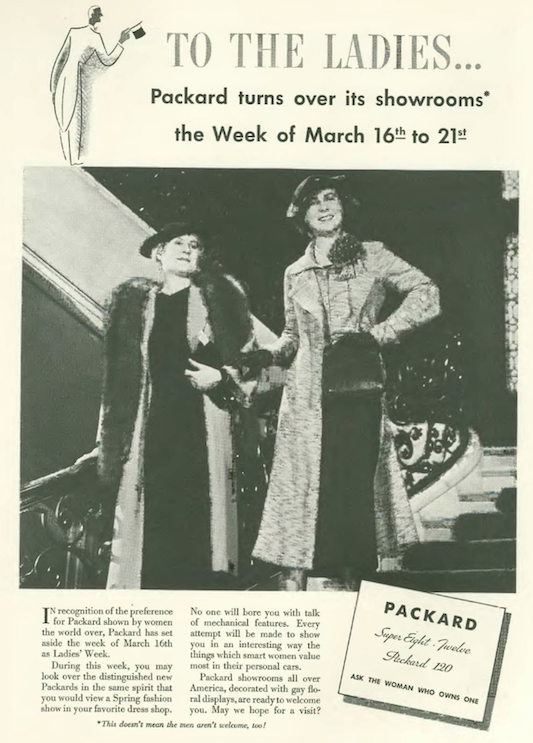
…the makers of Packard automobiles sent a condescending message “To The Ladies,” promising not to “bore them” with talk of mechanical features…

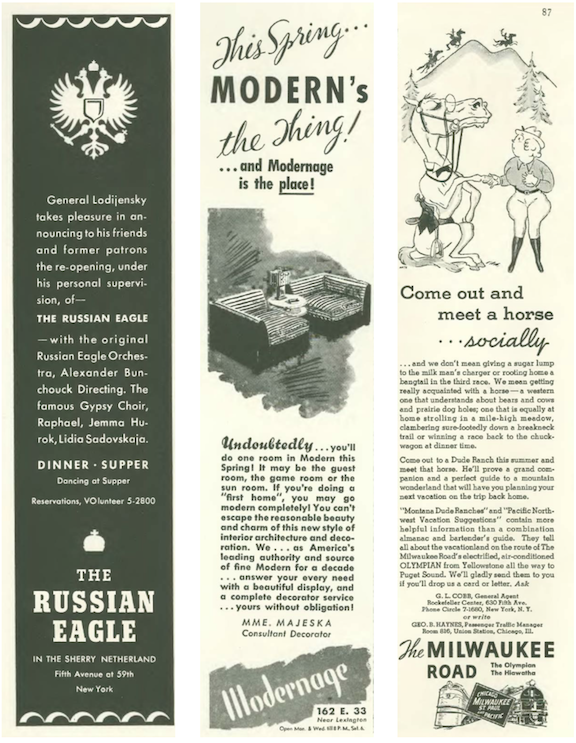
…a sampling of one-column ads featured, from left, the renowned Russian Eagle cafe-bar at the Sherry-Netherland, the Modernage furniture store on East 33rd, and the Milwaukee Road railroad, which offered adventure at such places as a Montana dude ranch…

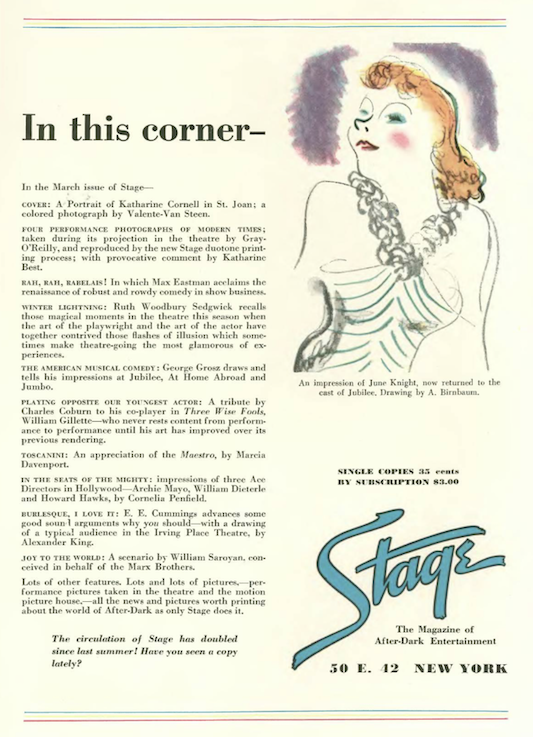
…the inside back cover featured this drawing of actress/dancer/singer June Knight by Abe Birnbaum

…Birnbaum was a terrific artist, but his portrait of Knight was not terribly flattering…this is what she looked like in the 1930s…

June Knight (1913–1987) circa 1930s. (reddit.com)

…on to the cartoons, we kick off the issue with Canadian cartoonist Richard Taylor

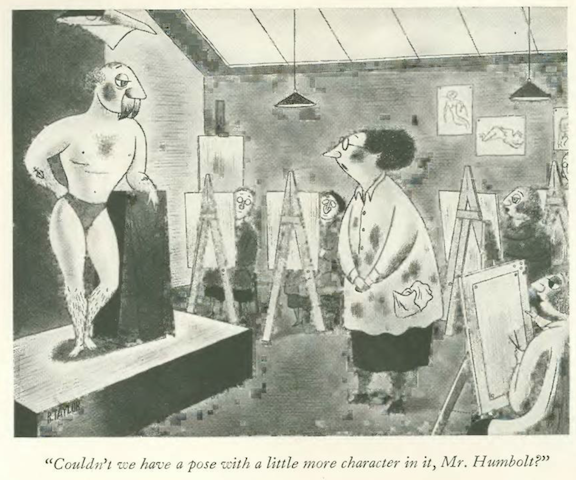
…and Taylor again, striking a pose…

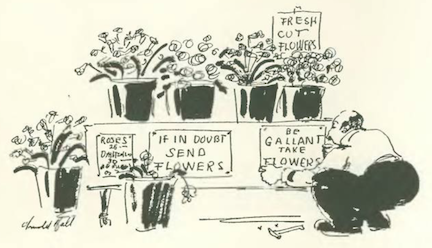
Arnold Hall contributed an example of floral marketing…

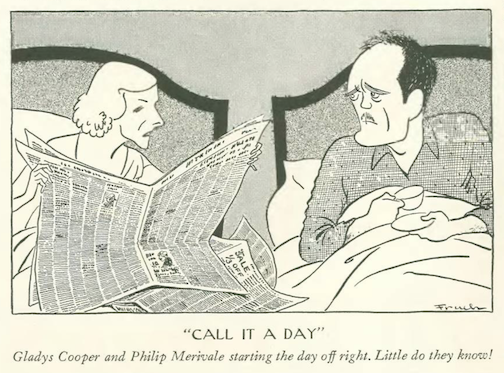
Al Frueh contributed to “The Theatre” section…

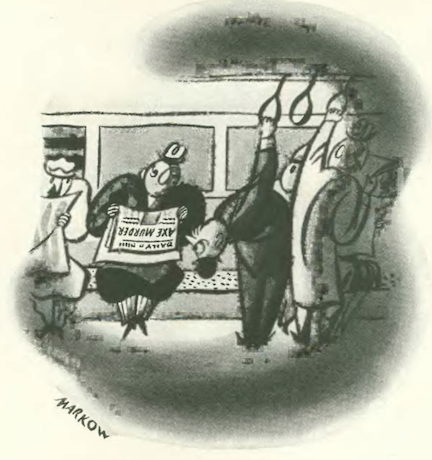
Jack Markow did some rubbernecking…

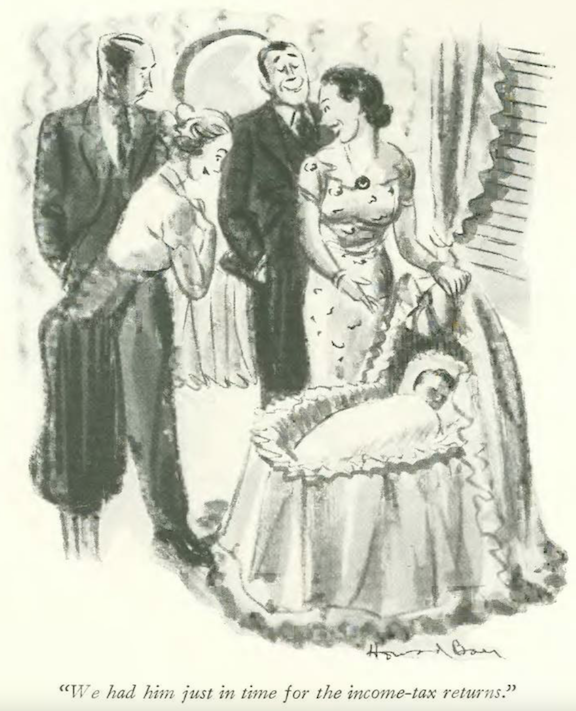
Howard Baer welcomed a new tax deduction to the world…

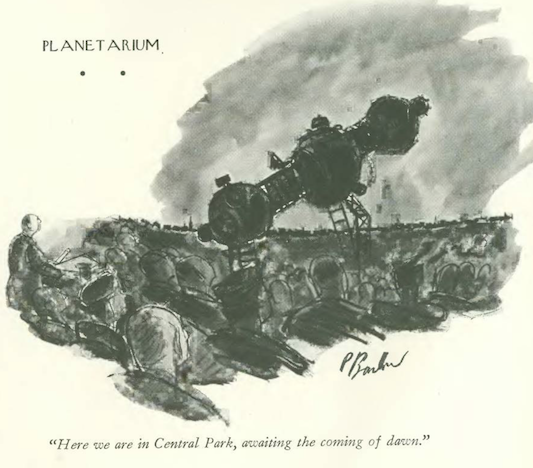
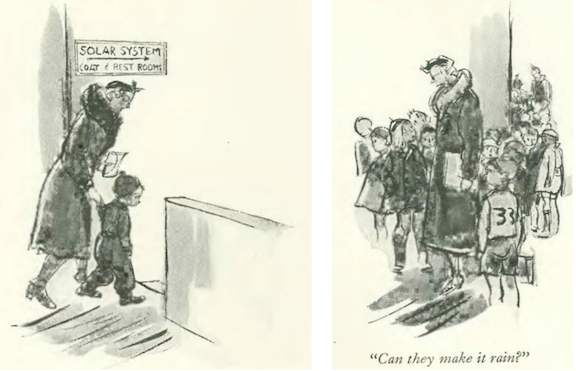
Perry Barlow drew up impressions of a field trip to the Hayden Planetarium…

…Barlow again…

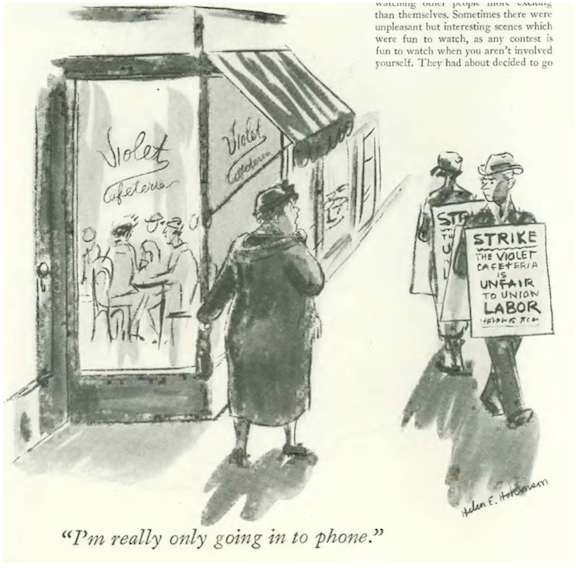
…one of Helen Hokinson’s “girls” explained herself…

Barbara Shermund interpreted modern dance…

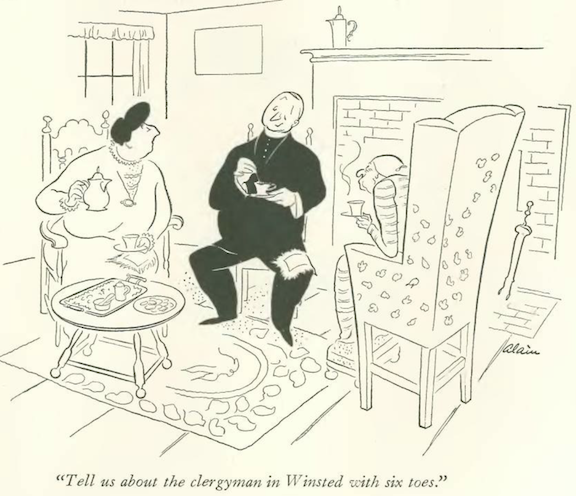
Alain sought some dish over tea with the vicar…

…and we close with James Thurber, and a penny for her thoughts…

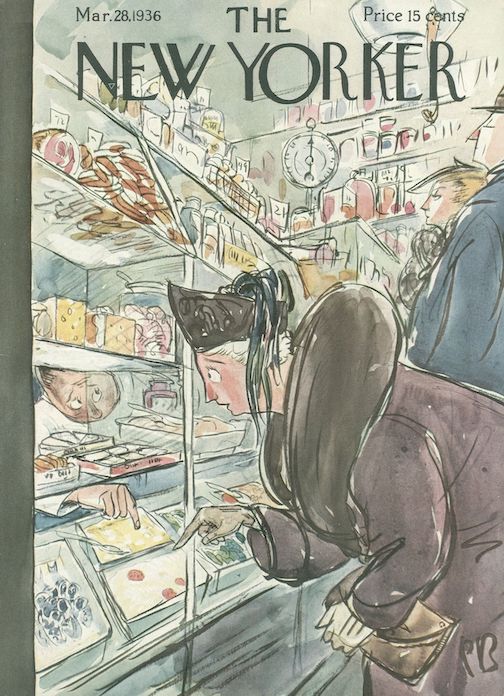
Next Time: The Harsh Glare of Fame…

Making of a Madman

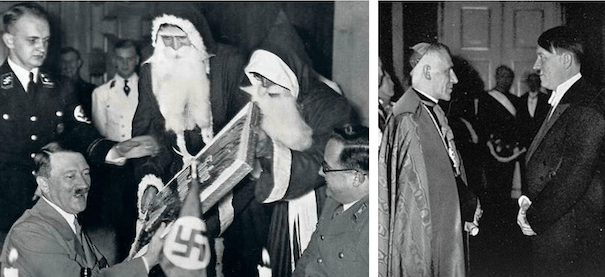
Above: At left, the Nazi Party sought to remake Christian holidays such as Christmas into Nazi-themed, pagan events, even trying to redefine St. Nicholas as Wotan, the ancient Germanic deity; at right, Adolf Hitler rejected Christianity, calling it a Jewish plot to undermine the heroic ideals of the Aryan-dominated Roman Empire. Here he is seen meeting the nuncio to Germany, Cesare Orsenigo, on January 1, 1935. (reddit.com/Wikipedia)

For the March 7 issue we look at the second part of Janet Flanner’s profile of German dictator Adolf Hitler, in which she attempted to identify the social and political influences that led to his peculiar vision of the world.

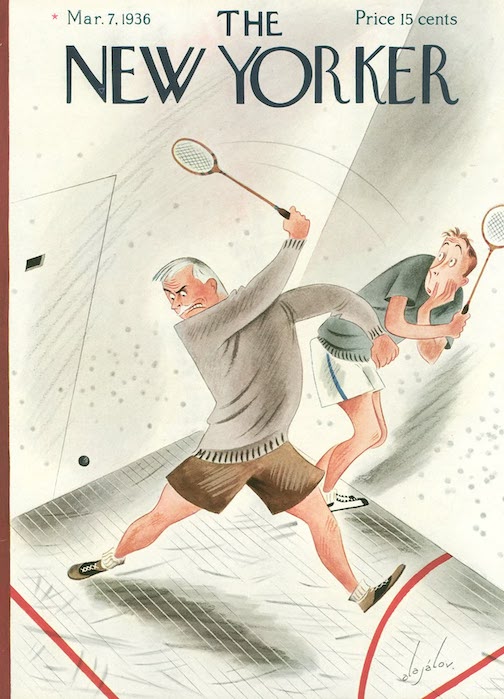
March 7, 1936 cover by Constantin Alajalov.
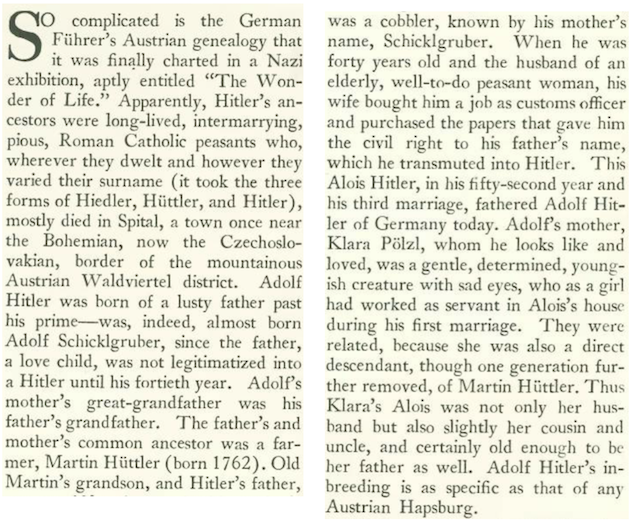
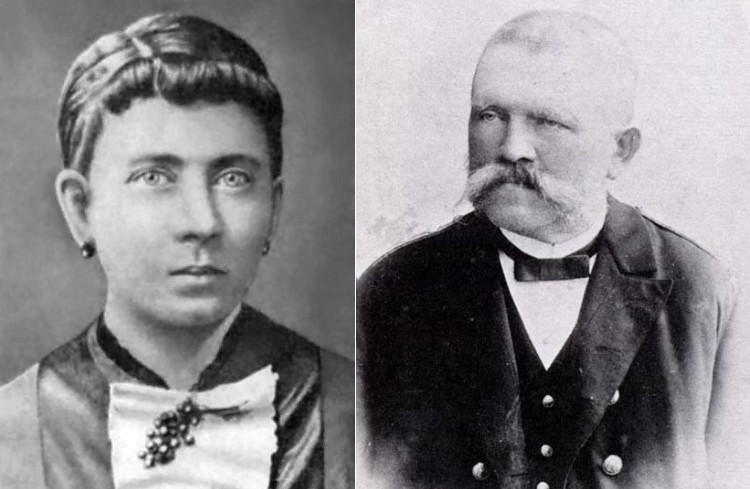
Flanner noted that Hitler’s ancestors were intermarrying, pious Roman Catholic peasants, including his parents, second cousins Klara Pölzl and Alois Hitler. While Klara was a doting parent, Alois was often abusive and distant. And so it began.

MOM AND DAD…Adolf Hitler’s parents were second cousins Klara Pölzl (1860–1907) and Alois Hitler (1837–1903). Pölzl was the third wife of the much older Hitler, who was a stern, mid-level Austrian customs official. (Wikipedia)

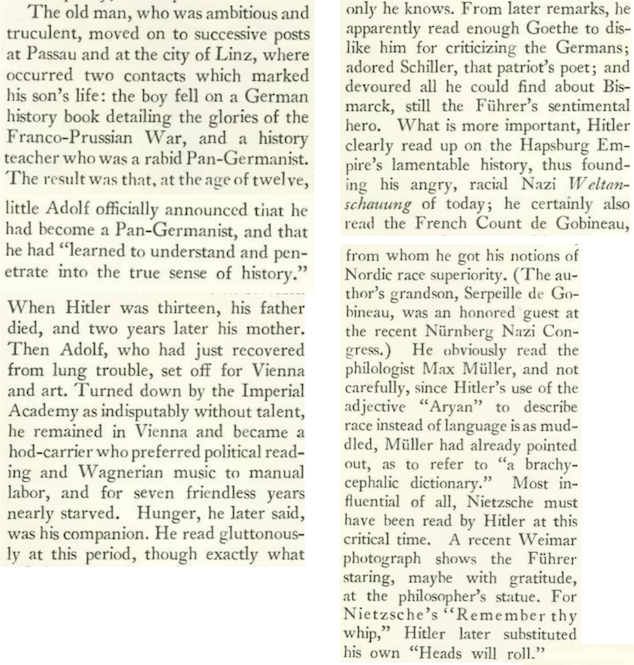
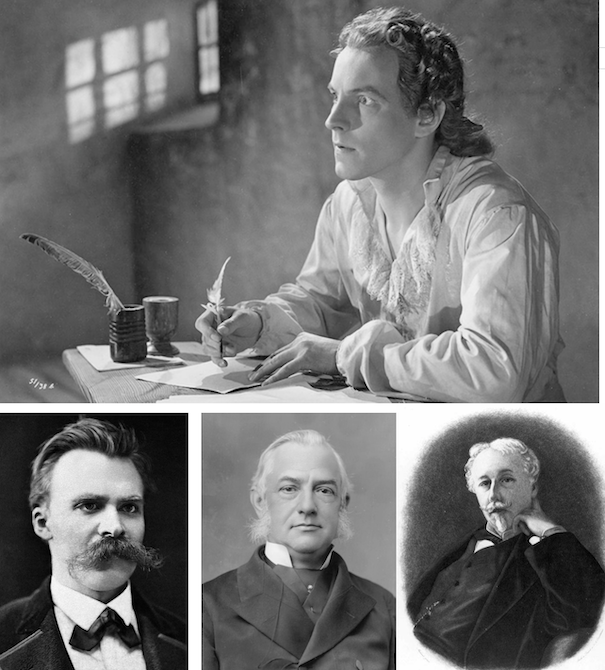
Flanner described Hitler’s struggles as an artist (rejected twice by the Vienna Academy of Fine Arts), however his real disappointment was nationalistic; serving as a courier (and wounded) in World War I, he blamed internal traitors for Germany’s defeat. To bolster his patriotic ideals, Hitler turned to books, and particularly to poet and dramatist Friedrich Schiller (1759–1805)—the Nazis would later manipulate Schiller’s works to fit the Party’s themes of nationalism, struggle, and obedience. Hitler would further hone his world view through the works of white supremacist Count de Gobineau (1816–1882), nihilist philosopher Friedrich Nietzsche (1844–1900), and philologist Max Müller (1823–1900), whose work inadvertently contributed to the idea of a superior “Aryan” race.

REWRITING HISTORY…Clockwise, from top, a 1940 Nazi propaganda film, Friedrich Schiller— Der Triumph eines Genies, portrayed Schiller (played by actor Horst Caspar) as an idealistic Übermensch; Hitler and the Nazis were also influenced by white supremacist Count de Gobineau; philologist Max Müller; and the nihilist philosopher Friedrich Nietzsche. (film portal.de/Wikipedia)

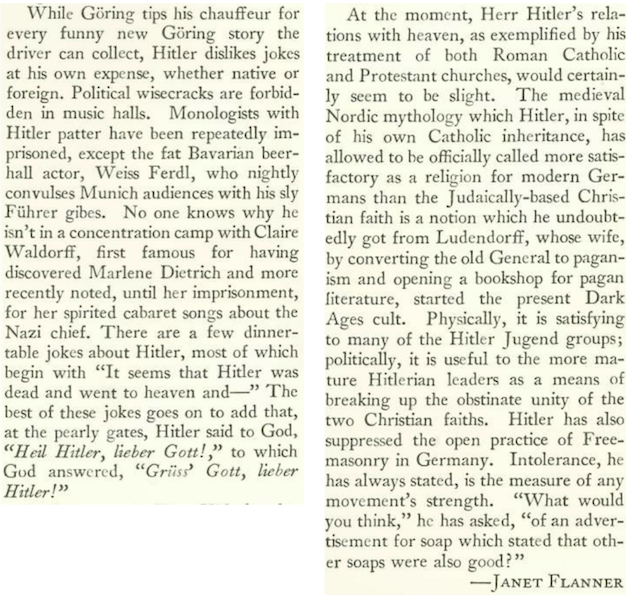
In her conclusion, Flanner noted Hitler’s dislike of jokes at his own expense, and she was surprised that German comedian Weiss Ferdl, known for his “Führer gibes,” wasn’t in a concentration camp with cabaret singer Claire Waldorff (somehow both survived the regime and the war). Flanner also touched on Hitler’s antipathy toward Christianity.

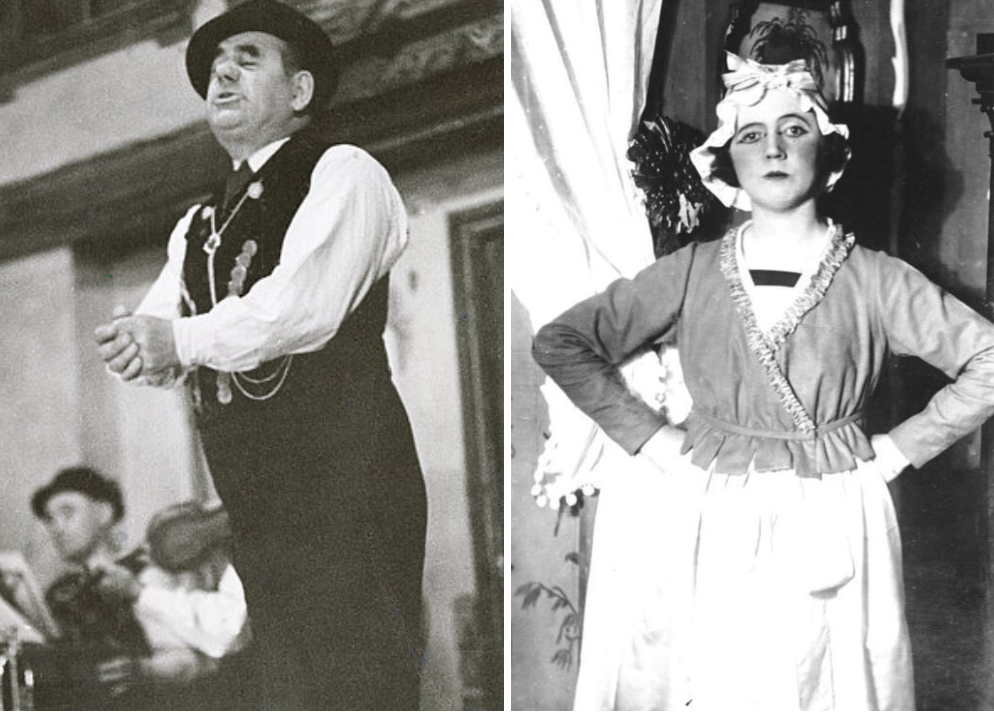
SURVIVORS…At left, Weiss Ferdl (1883-1949) was a German actor, humorous folksinger known for his jibes at Hitler; at right, Claire Waldorff (1884-1957) was a famous cabaret singer and entertainer in Berlin, known for performing ironic songs with lesbian undertones. (Wikimedia Commons)
I’LL TRY TO KILL YOU LATER…German Chancellor Adolf Hitler greets (l to r) Roman Catholic Abbot Albanus Schachleiter and Protestant Reichsbischof Ludwig Müller, outside the Frauenkirche in Nuremberg, September 1934. (Wikipedia)

 * * *

Thrill Ride

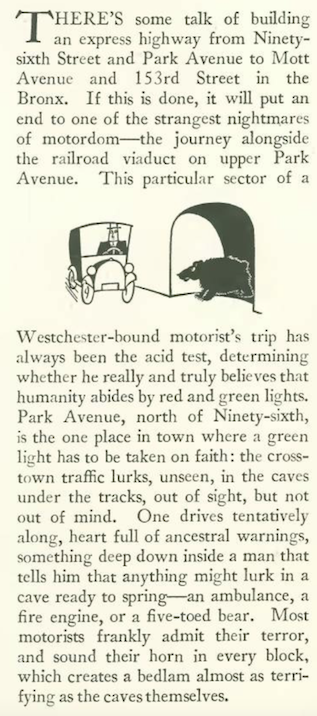
In his “Notes and Comment,” E.B. White described “one of the strangest nightmares of motordom”…

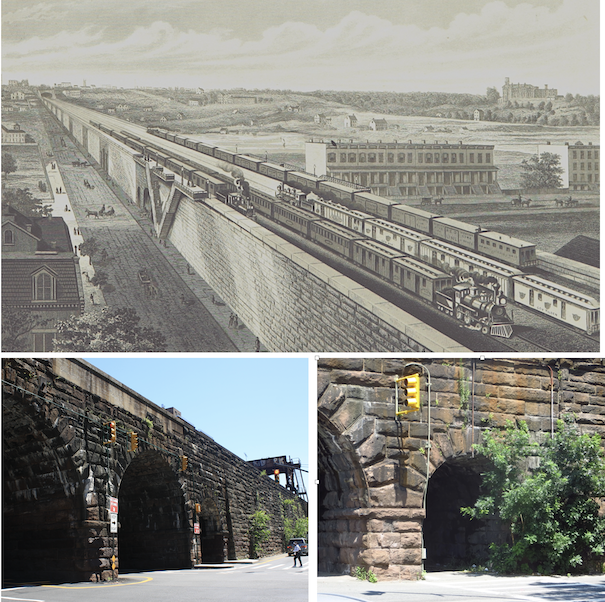
THE GREAT WALL…E.B. White feared whatever might pop out of the dark tunnels on the northern stretches of Park Avenue. Clockwise, from top, an 1876 illustration of the new viaduct through the Harlem Flats; E. 108th Street pedestrian tunnel between Lexington and Park; Park Avenue Viaduct–La Marqueta. (Wikipedia/manhattanwalkblog.com/6tocelebrate.org)

* * *

Ding-dong

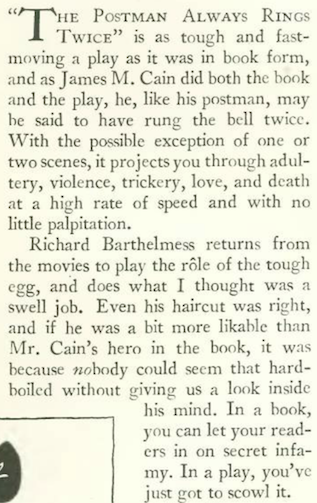
Robert Benchley filed a brief review of The Postman Always Rings Twice, a stage adaptation at the Lyceum Theatre of James M. Cain’s acclaimed novel. Although the play was well received by audiences, many reviewers found the subject matter distasteful. Cain would later describe the 1936 production as “a dreadful experience from beginning to end.”

SCHEMERS AND DREAMERS…Richard Barthelmess and Mary Philips portrayed star-crossed lovers in the 1936 stage production of The Postman Always Rings Twice. Philips was a noted Broadway performer and Humphey Bogart’s first wife. (Wikipedia/imdb.com)

 * * *

At the Movies

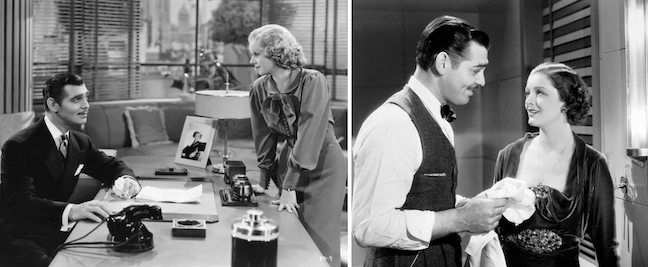
Critic John Mosher commented on familiar Hollywood tropes (doctors chasing nurses, execs pursuing secretaries etc.) and offered up the “tepid” example of Wife vs. Secretary, which featured three of Tinseltown’s top stars.

MILD HIJINKS…At left, Clark Gable and Jean Harlow in a scene from Wife vs. Secretary; at right, Gable with Myrna Loy. (faintlyfamiliar.com/facebook.com)

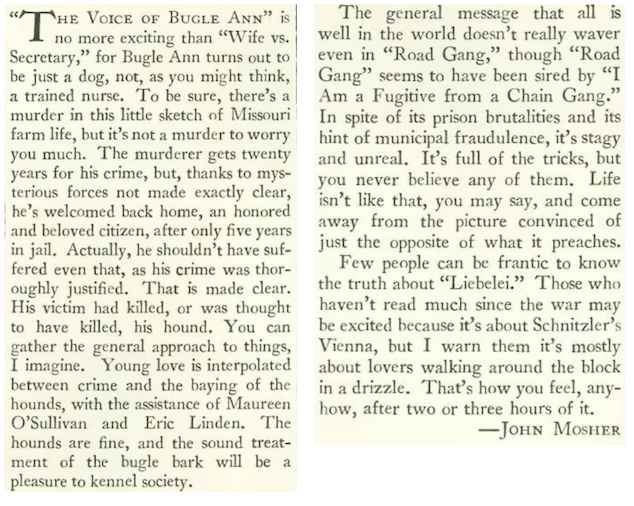
Mosher didn’t find much excitement in the dog-themed picture The Voice of Bugle Ann, and was left flat after seeing Road Gang and the German film Liebelei.

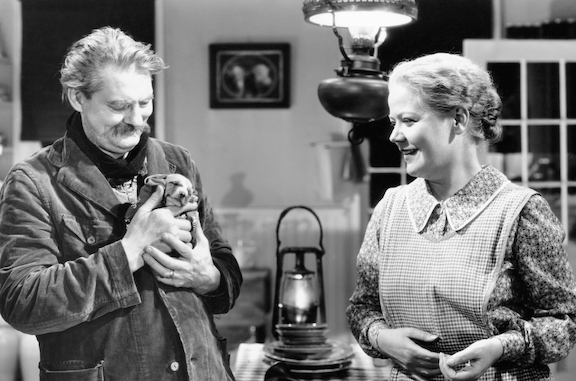
SWEET AND SOUR…Lionel Barrymore and Spring Byington were on one side of a feud over a special dog in The Voice of Bugle Ann. (tcm.com)
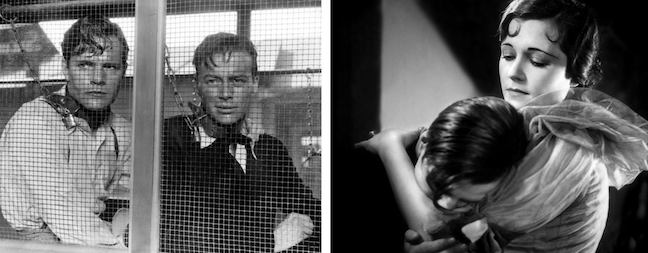
WELL THIS SUCKS…At left, Donald Woods and Carlyle Moore Jr. find themselves behind bars in Road Gang; at right, Paul Hörbiger and Olga Tschechowa in 1933’s Liebelei (aka Playing at Love). (rotten tomatoes.com/screenslate.com)

 * * *

Language Arts

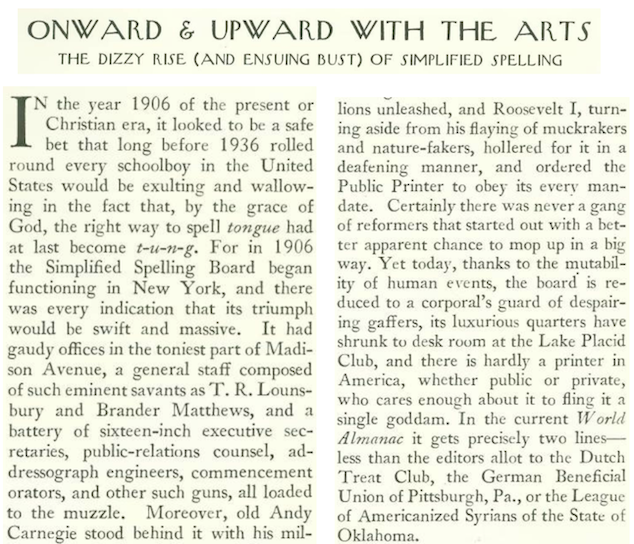
H.L. Mencken continued his exploration of American English by taking a look at past attempts to simplify spelling—most of them unsuccessful. Excerpts:

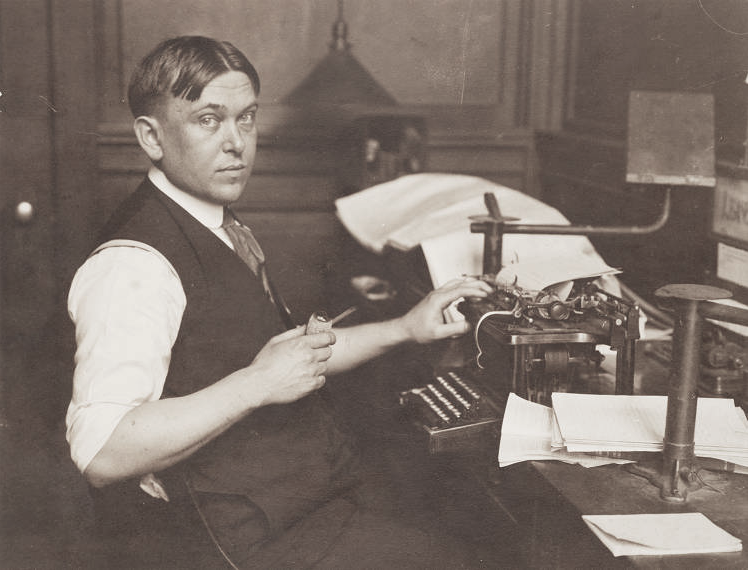
NOT ONE FOR GIMMICKS…H.L. Mencken at his desk at the Baltimore Sun. (Paris Review)

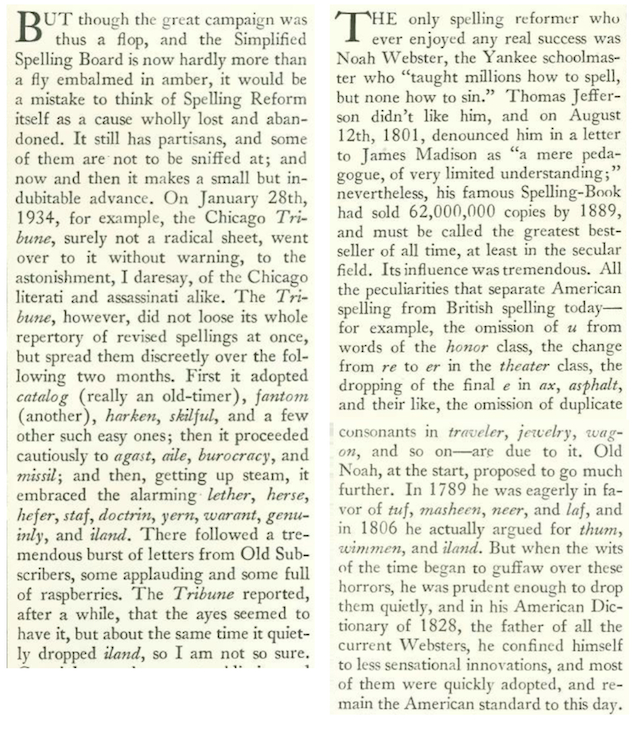
Mencken noted the Chicago Tribune’s radical approach to simplified spelling in 1934, and the lasting effects of Noah Webster’s American dictionary.

“PEDAGOGUE” was one of the milder insults cast at Noah Webster by his peers. (National Portrait Gallery)

 * * *

First World Problem

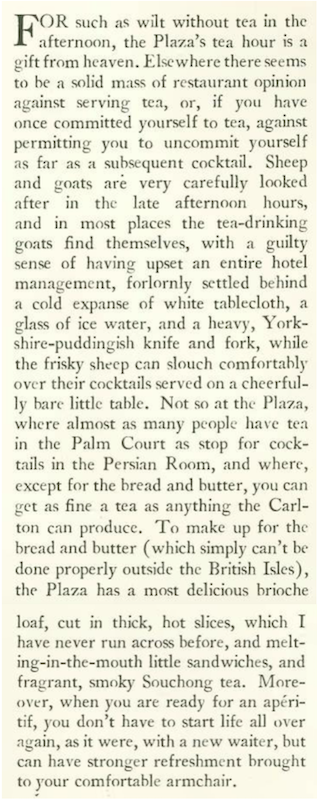
Food critic Sheila Hibben looked into the complexities of tea-drinking during the cocktail hour, and vice-versa.

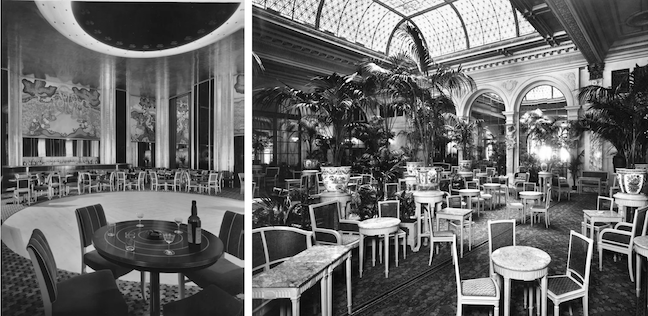
CHOOSE YOUR MOOD…The Plaza Hotel offered the ideal setting for whatever libation one chose at tea time. At left, the Plaza’s Persian Room, 1934, and the Palm Court, undated photo. (cooperhewitt.org/mcny.org)

 * * *

Finer Things

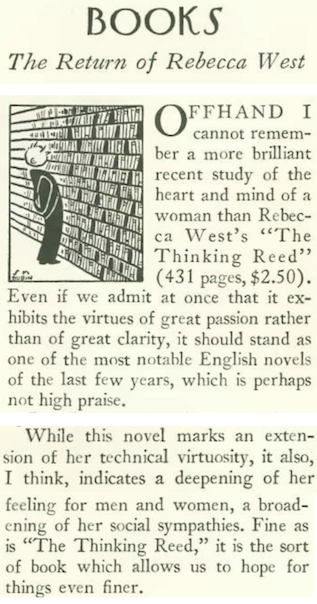
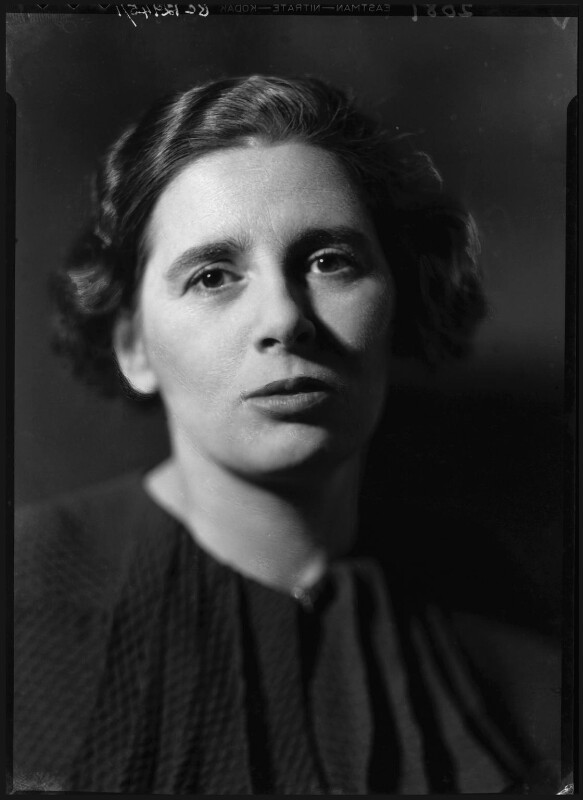
Rebecca West was a brilliant journalist and gifted prose writer, and when she published something people took notice, including critic Clifton Fadiman, who noted her return with The Thinking Reed. A brief excerpt:

A MIGHTY PEN…Rebecca West (1892-1983) was considered one of the finest prose writers of twentieth-century England. This 1934 photograph was produced by Howard Coster. (National Portrait Gallery)

 * * *

From Our Advertisers

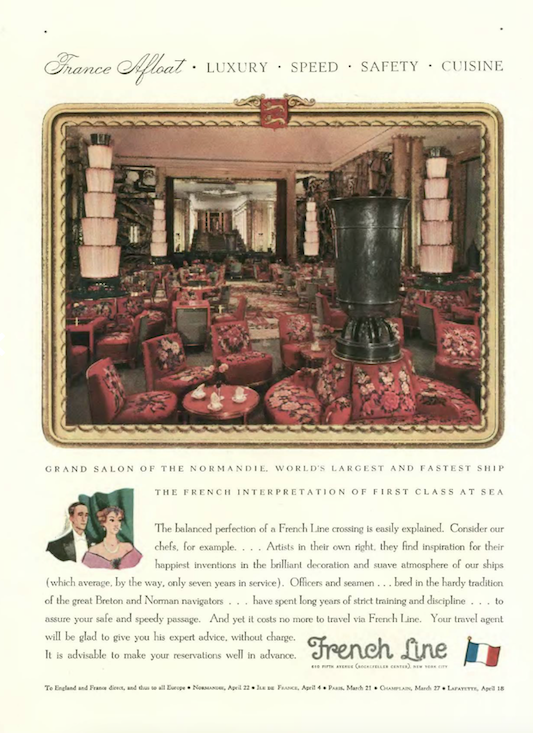
The March 7 issue opened to this sumptuous image of luxury travel aboard the Normandie

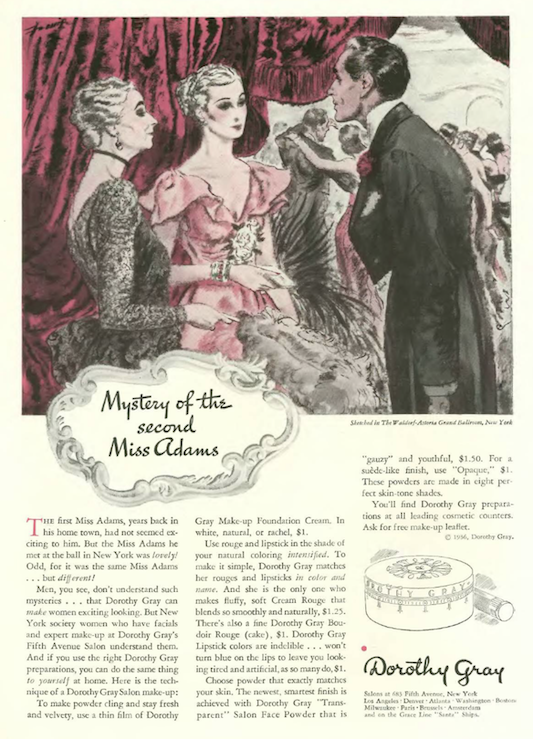
…the salons of Dorothy Gray returned with another tale of a magical transformation, here the plain “Miss Adams” suddenly becomes lovely and exciting thanks to the illusion of cosmetics…

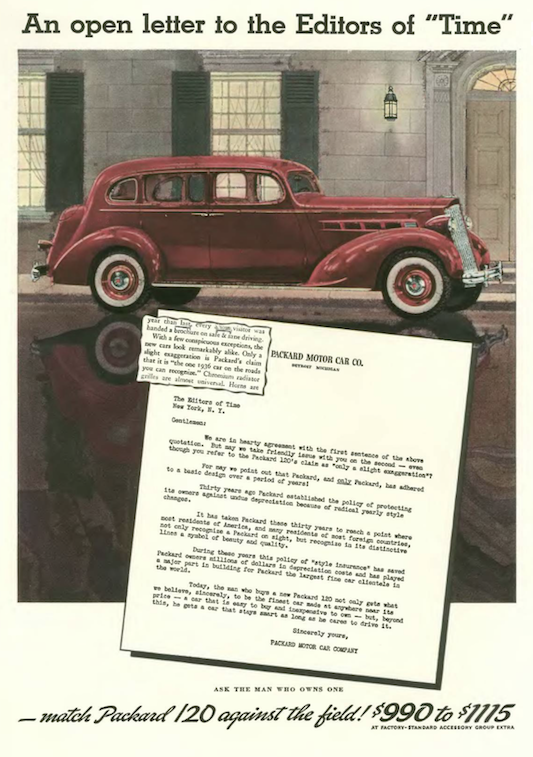
…the makers of Packard automobiles took out this full page ad to gently chastise Time magazine for questioning the carmaker’s adherence to a timeless, “basic design”…

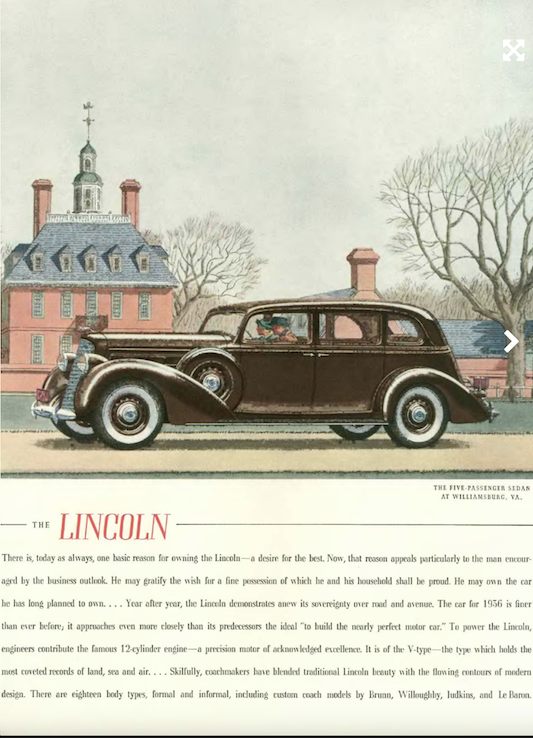
…although in Time’s defense the Packard didn’t look much different from this Lincoln…

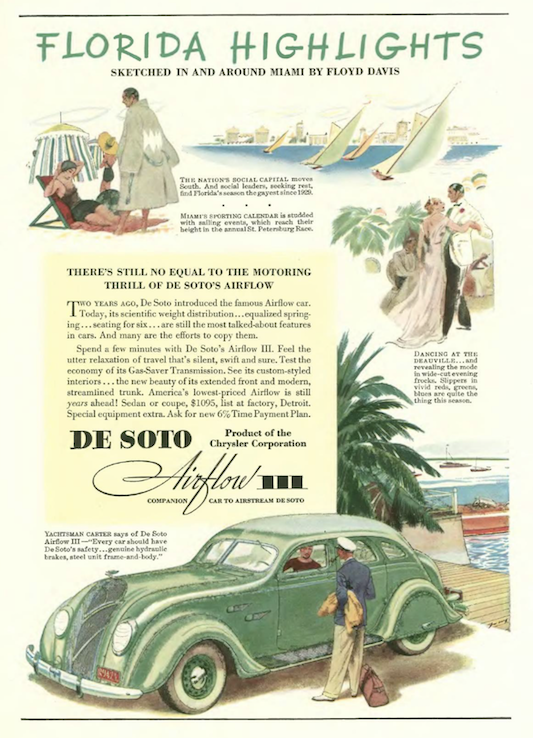
…what did look different was the Chrysler/DeSoto Airflow, which had disappointing sales due to a streamlined design that was a bit too radical for consumers…

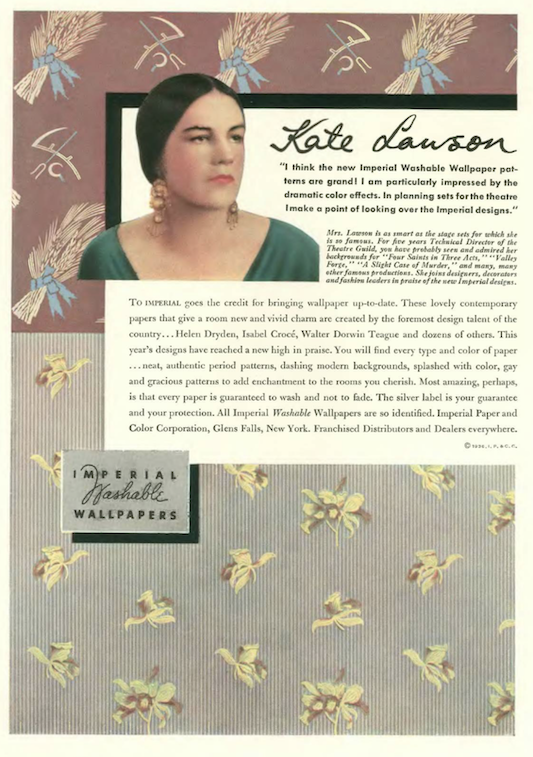
…actress and costume designer Kate Lawson (1894-1977) made her image available to promote washable wallpaper…
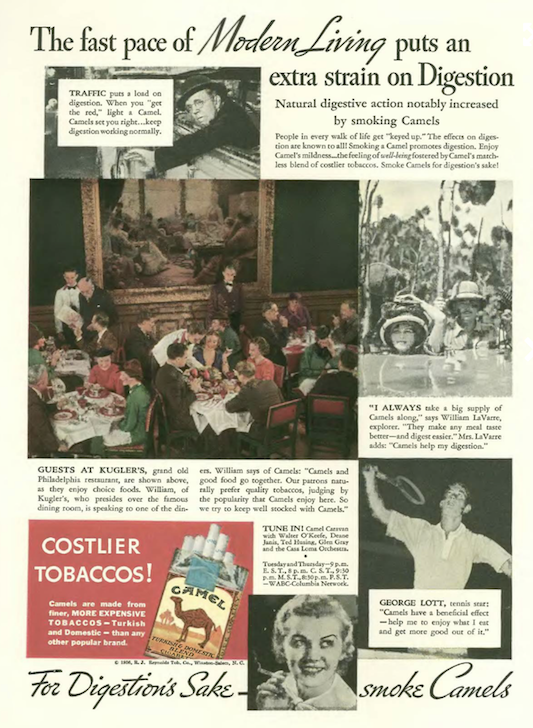
…in addition to calming nerves and boosting energy, Camels apparently aided one’s digestion, or so this ad claimed…

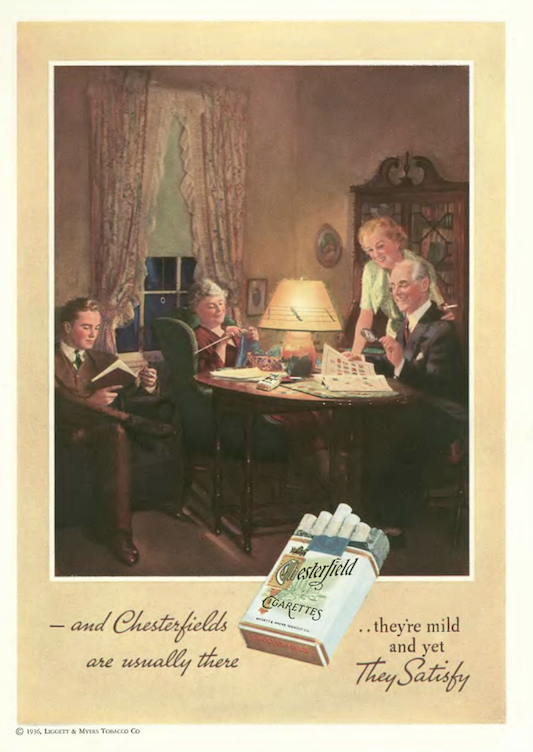
…Liggett & Myers stuck with the homespun approach, here three generations light up Chesterfields in the warm glow of the parlor…
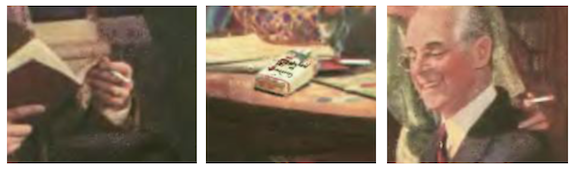
…did you spot the cigarettes in the ad?…
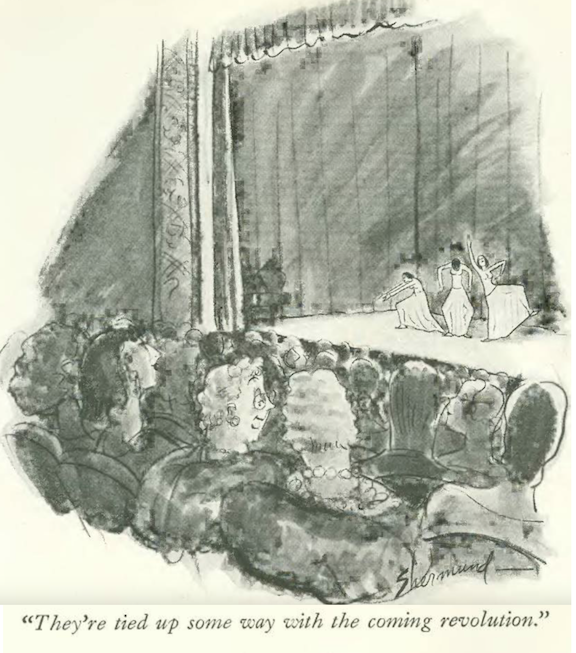
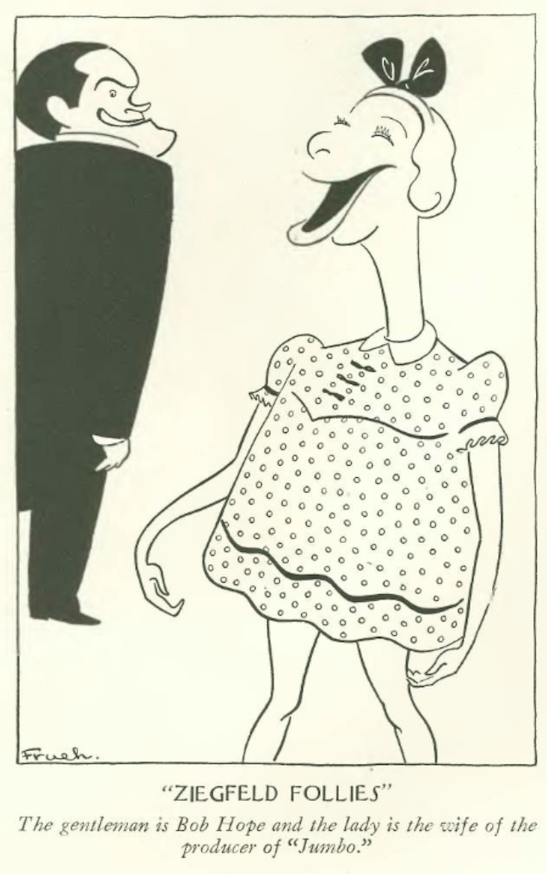
…on to the cartoons, we have Al Frueh’s take on the Ziegfeld Follies…

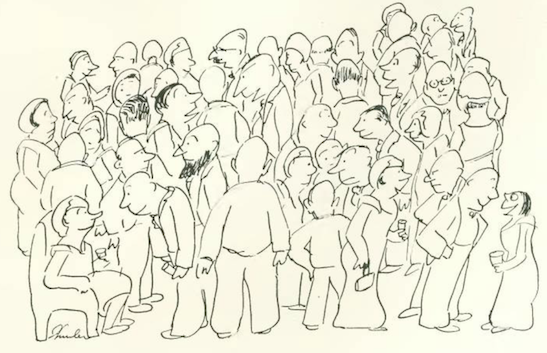
James Thurber contributed this to the calendar section…

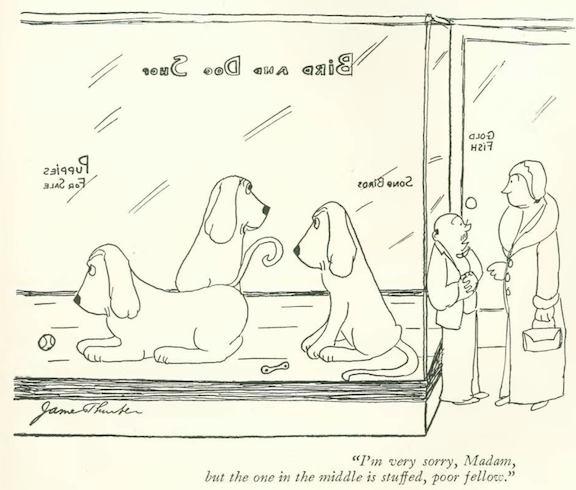
…and Thurber again with his beloved dogs…

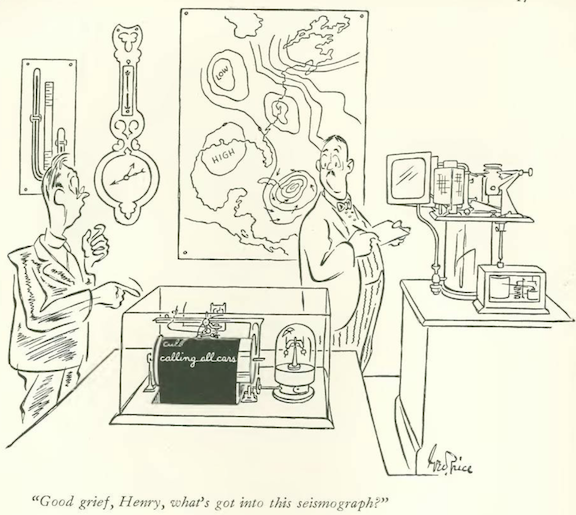
George Price found a glitch at the weather bureau…

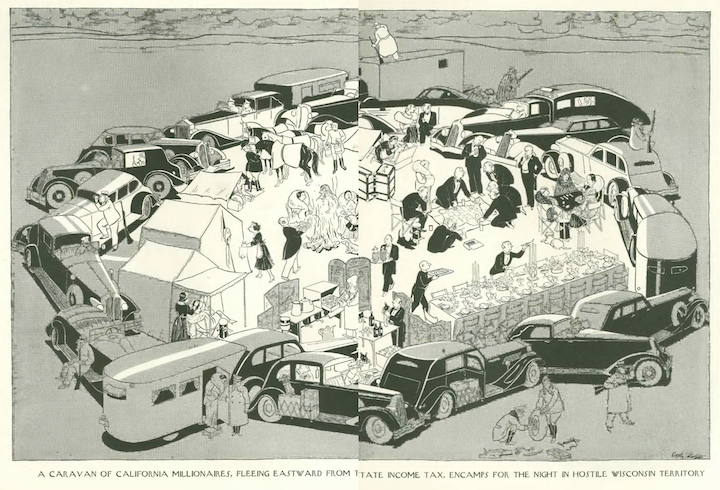
…Californians circled their wagons in the hostile Midwest, per Carl Rose

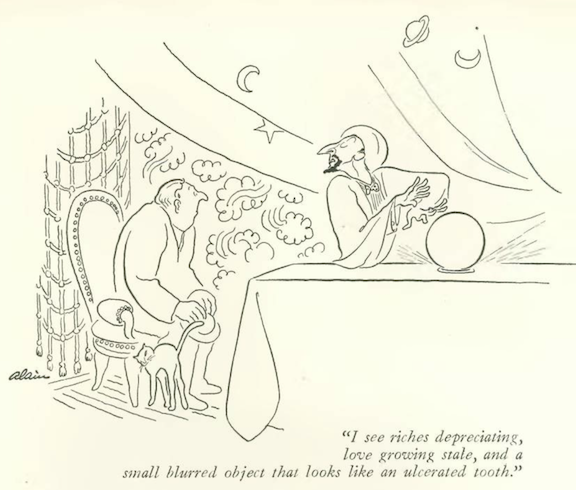
Alain saw a trip to the dentist in this man’s future…

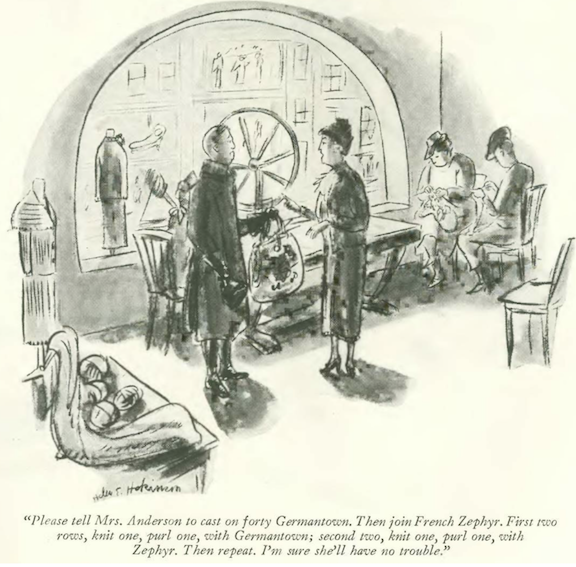
Helen Hokinson lost us in the peculiarities of needlepoint…

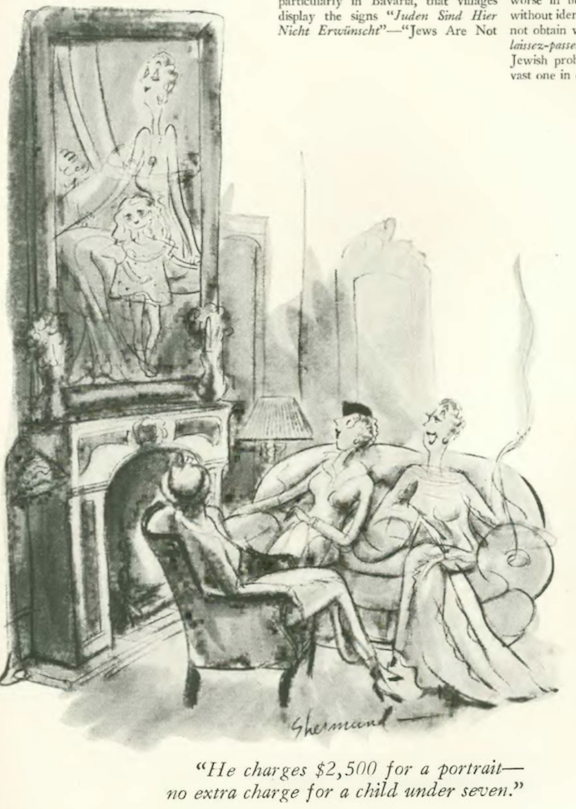
Barbara Shermund found a bargain in portraiture…

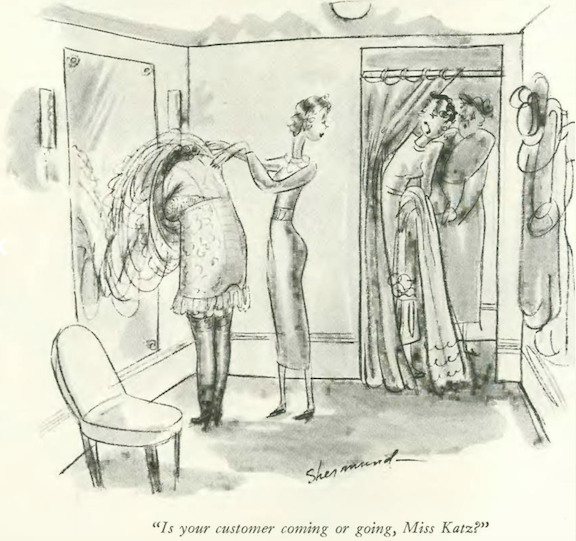
…and Shermund again, in the dress department…

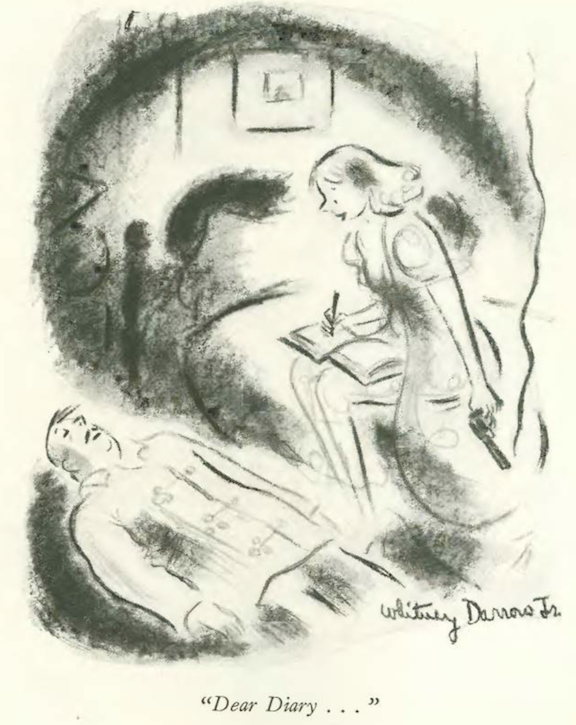
…and we close with Whitney Darrow Jr, and something to write about…

Next Time: Nostalgic Notes…


Führer Furor

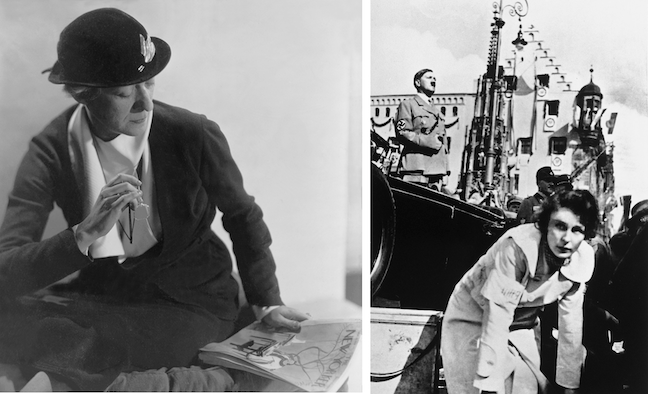
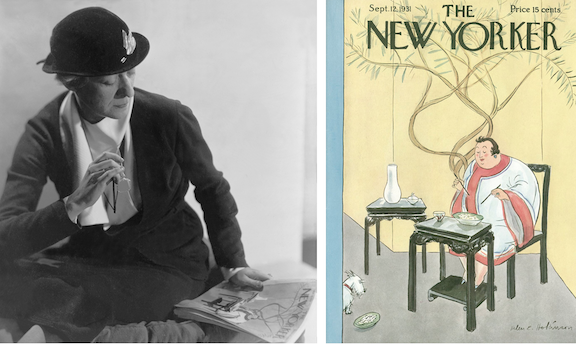
Above, left, Janet Flanner regards the cover of the Sept. 13, 1931 issue of The New Yorker; at right, Adolf Hitler's chosen filmmaker Leni Riefenstahl at Nuremberg's "Shovel Day" parade, 1936. (Library of Congress/Sueddeutscher Verlag)

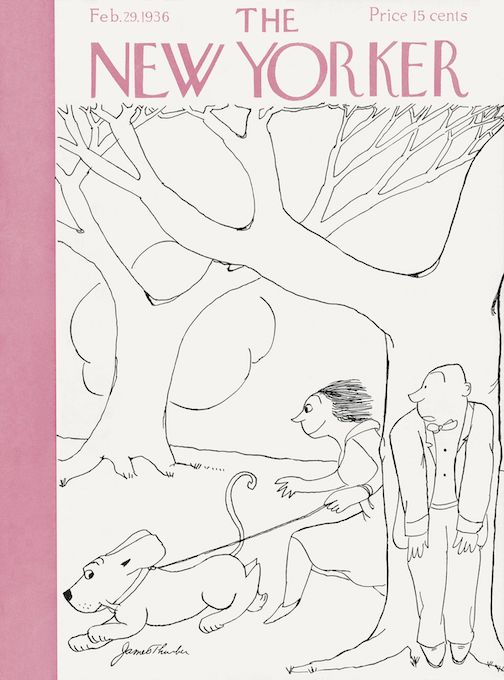
The February 29, 1936 issue stands out from pack not only for its cover—James Thurber’s first—but also for the magazine’s first in-depth look at a man who would spark the deadliest conflict in human history.

February 29, 1936 cover by James Thurber. This was the first of six covers Thurber contributed to The New Yorker. You can see all six covers at Michael Maslin’s Ink Spill, the go-to site for all things Thurber and so much more. UPDATE: Also check Maslin’s post regarding the repeat of this cover on Sept. 4, 2023. Fascinating read!

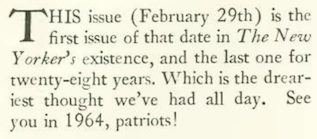
Before we jump in…Thurber’s close friend E.B. White noted another unusual fact about this issue…

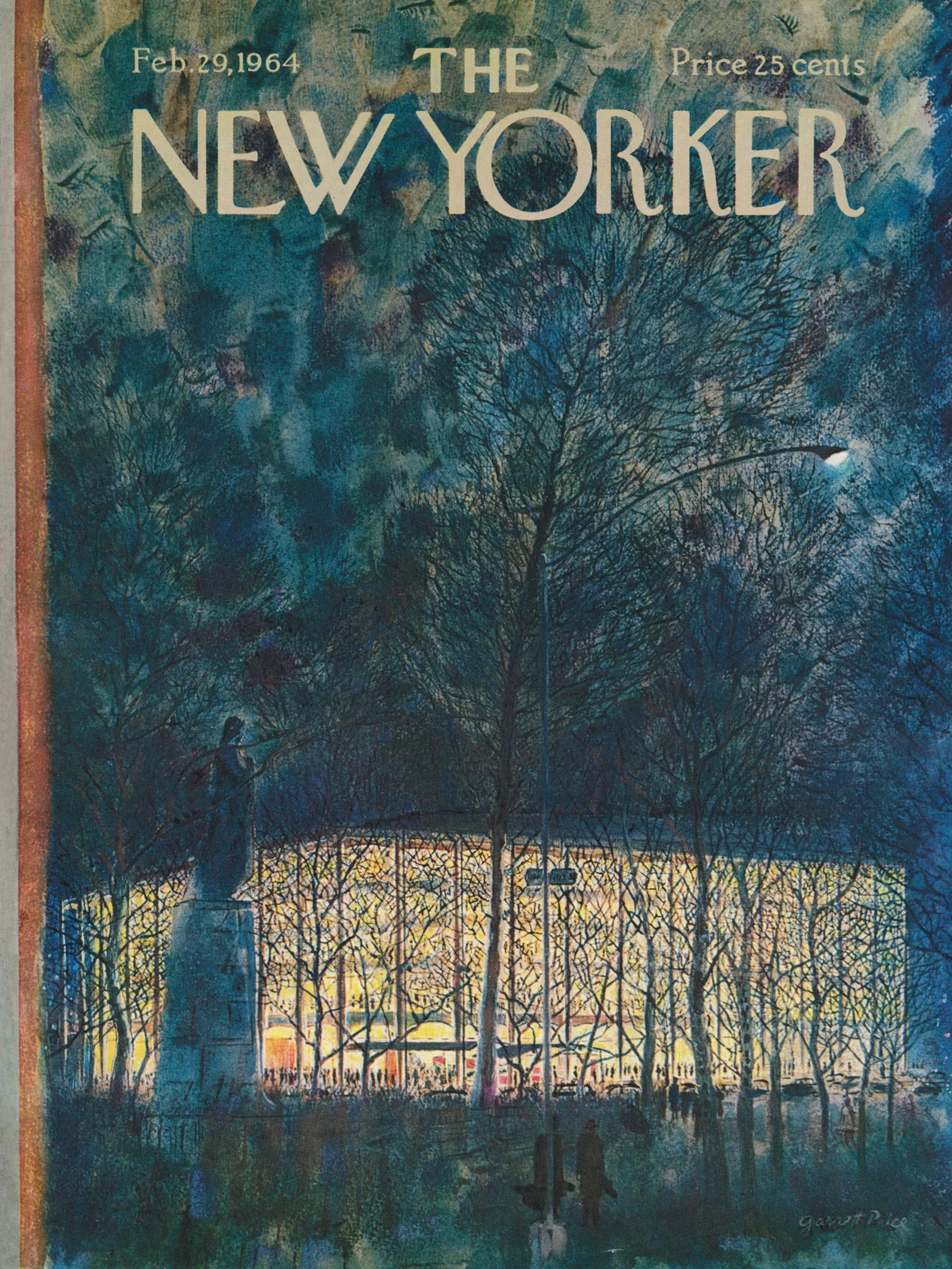
…twenty-eight years later, and a dime extra (cover by Garrett Price)…

 * * *

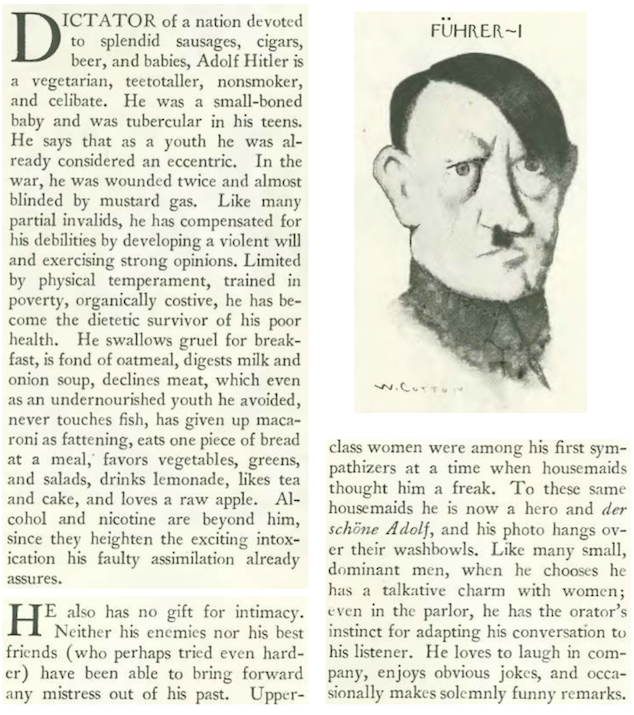
Inside the Feb. 29 issue, The New Yorker’s Paris correspondent Janet Flanner published the first part of a three-part profile on German dictator Adolf Hitler. In this first excerpt she described the Führer’s ascetic diet and personality (caricature by William Cotton).

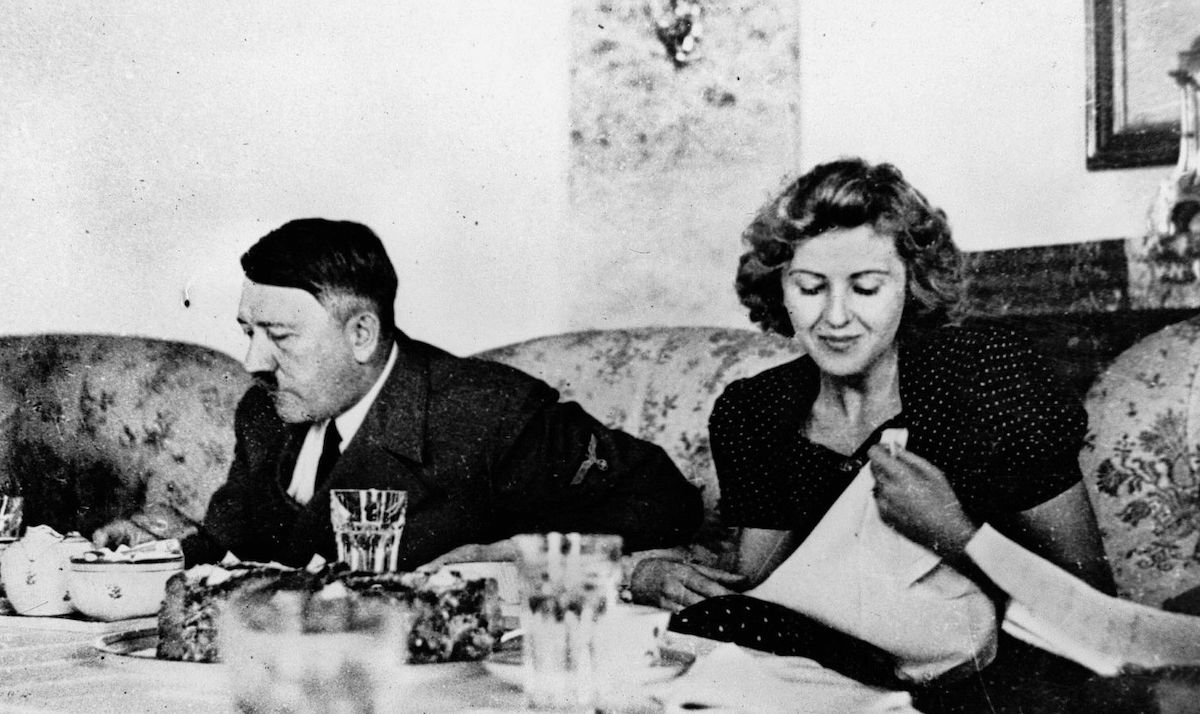
NAZI NUM NUMS….Adolf Hitler with one of his official food tasters, Margot Woelk, during World War II. Woelk later claimed she was the sole survivor from a group of food tasters who were summarily executed by the Red Army after the fall of Berlin. (warfarehistorynetwork.com)

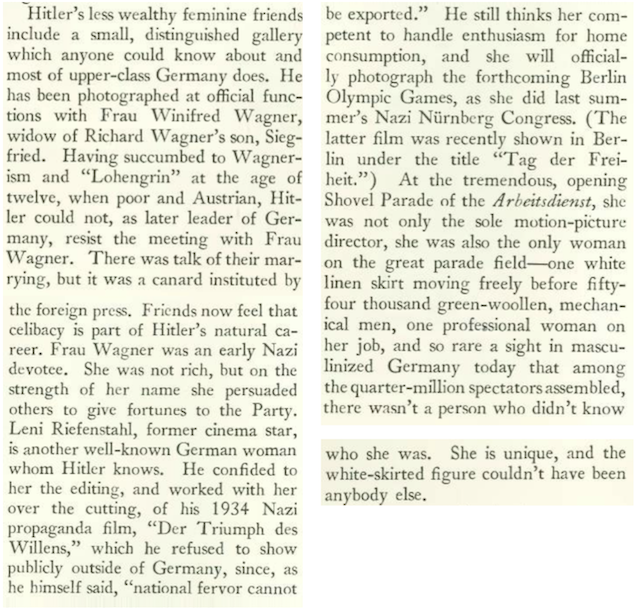
Flanner described Hitler’s relationships with influential women, particularly filmmaker Leni Riefenstahl.

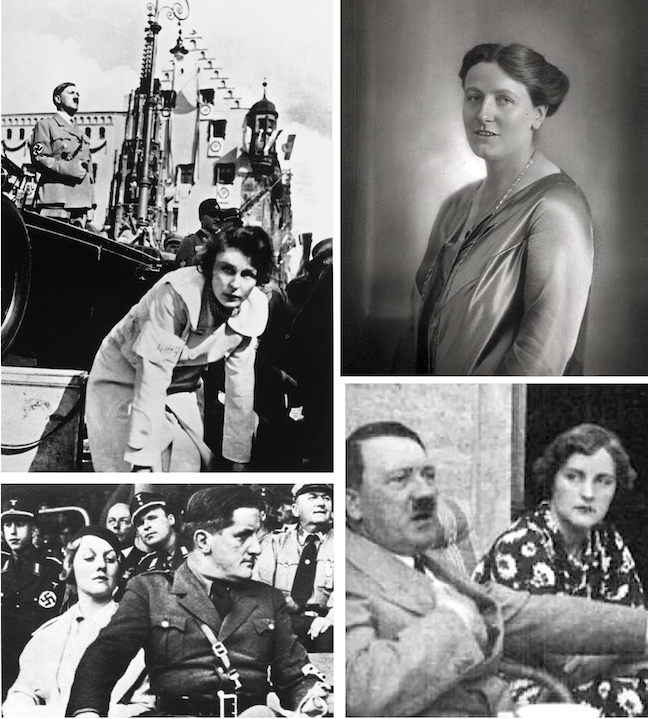
FRIENDS WITH BENEFITS…Adolf Hitler had influential admirers both in and outside of Germany, including, clockwise, from top left, filmmaker Leni Riefenstahl (in the white skirt described by Flanner) at the 1936 “Shovel Day” in Nuremburg; Winifred Wagner, daughter-in-law of composer Richard Wagner, in 1925; Hitler with Unity Mitford, one of six aristocratic Mitford sisters and a fanatical Nazi; Ernst Franz Sedgwick Hanfstaengl with another Mitford sister, Diana Mitford, at a 1934 Nuremberg rally. Diana as married to Oswald Mosley, leader of the British Union of Fascists, and Hanfstaengl was the son of Katharina Wilhelmina Hanfstaengl, a prominent Munich art publisher who helped finance Hitler’s rise to power. (Sueddeutscher Verlag/Wikipedia/historyreader.com)

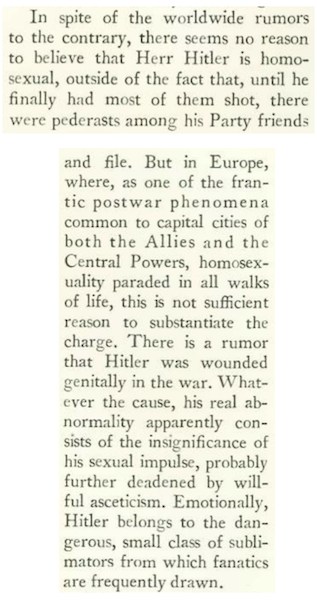
Flanner concluded the piece with a look at Hitler’s sexuality, which seemed non-existent, and drew an ominous conclusion about his personality type.

EXPENDABLE…Ernst Röhm with Adolf Hitler in 1933. Although Hitler knew Röhm was gay, he also valued Röhm’s leadership and organizational skills, that is until his presence proved a liability. Röhm was murdered by the SS in 1934 during the “Night of the Long Knives.” (Wikipedia)

As part of a centenary series, The New Yorker’s Andrew Marantz recently looked at Flanner’s profile of Hitler, noting that she was “neither an antifascist, like her friend Dorothy Parker, nor a Fascist, like her friend Ezra Pound; she was against crude bigotry, but she was not the world’s greatest philo-Semite.”

 * * *

Lamour Amour

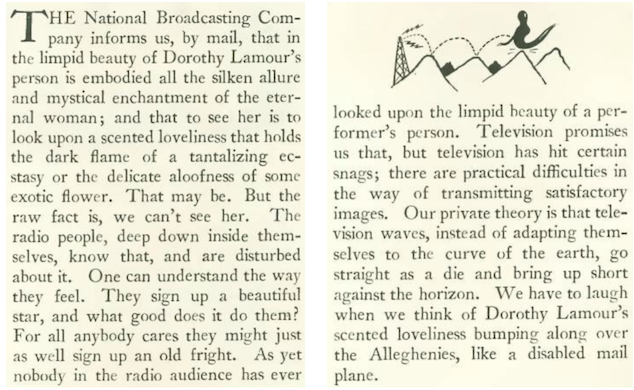
In his “Notes and Comment,” E.B. White pointed out the challenges of expressing physical beauty over a non-visual medium like radio:

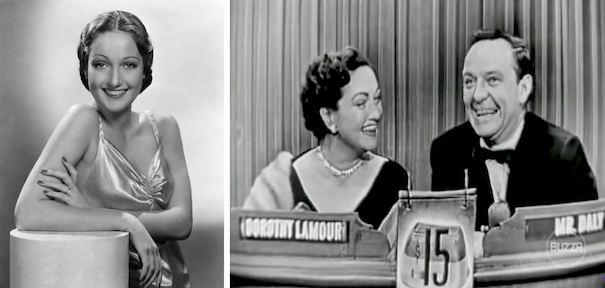
TELEGENIC…Hopefully E.B. White managed to see Dorothy Lamour on the “television waves… bumping along over the Alleghenies.” At left, publicity photo of Lamour from 1937; at right, Lamour appeared as a mystery guest on What’s My Line?, Feb. 20, 1955, seen here with host John Daly. In later years Lamour was a guest on a number of television shows, ranging from Marcus Welby, M.D. to Remington Steele. (Wikipedia/YouTube.com)

 * * *

Shadow Plays

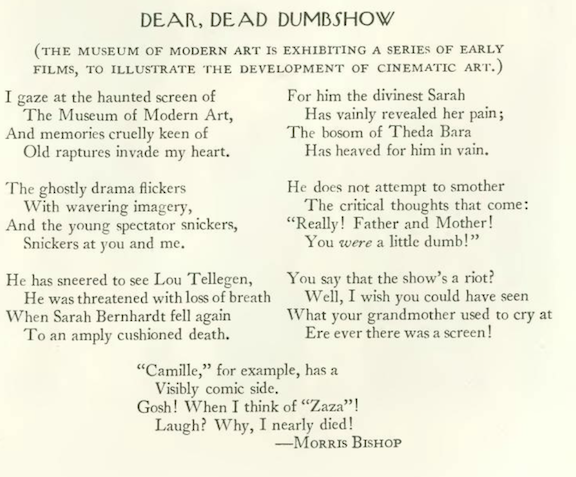
Morris Bishop (1893-1973), a noted scholar of the Middle Ages as well as a writer of light verse, offered up these lines after screening early silent films at the Museum of Modern Art. The screenings were curated by Iris Barry to showcase MoMA’s new film library and to advance the study of film as a serious art form.

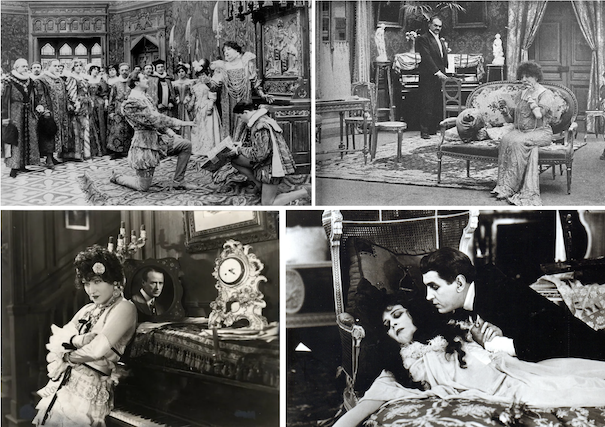
TIME CAPSULES…The Museum of Modern Art was a pioneer in the study of film as a modern art form. Among the films screened at MoMA in 1936 (clockwise, from top left): famed stage actress Sarah Bernhardt as Queen Elizabeth in the Les Amours de la reine Élisabeth (The Loves of Queen Elizabeth) with Lou Tellegen, 1912; Bernhardt in the film Camille (La Dame aux camélias) with André Calmettes, 1911; Theda Bara’s 1917 take on Camille, in a scene with Alan Roscoe; Gloria Swanson in Zaza, 1923. (Wikipedia/imdb.com/YouTube.com)

 * * *

A Reporter’s Chops

With so much attention given to James Thurber as a humorist, it is easy to forget that he was an experienced journalist, and that he could apply his considerable gifts as a writer to narrative non-fiction. For the Feb. 29 “A Reporter at Large” column, Thurber penned “Crime in the Cumberlands.” I can’t do it justice through excerpts, but I highly recommend giving it a read as a prime example of Thurber’s skills as a reporter.

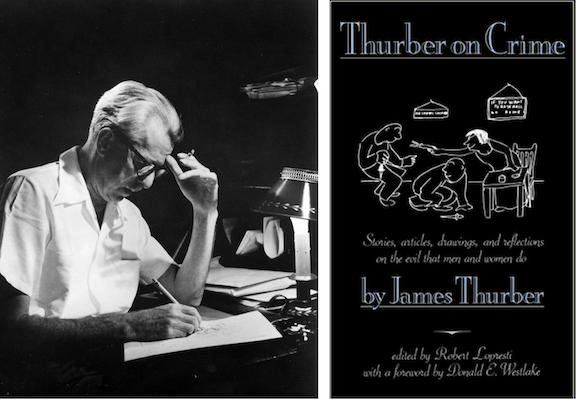
SERIOUSLY SERIOUS WRITER…You can find both humorous and not-so-humorous crime stories (and drawings, of course) in 1991’s Thurber on Crime, edited by Robert Lopresti. “Crime in the Cumberlands” is included in the collection. (jamesthurber.org/barnesandnoble.com)

 * * *

At the Movies

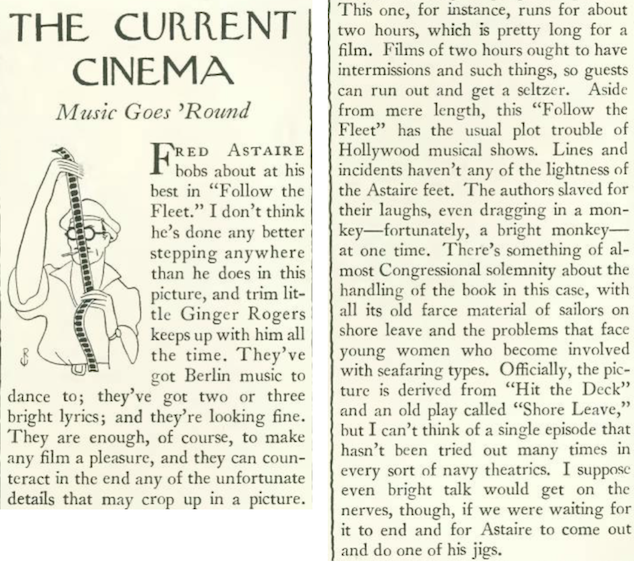
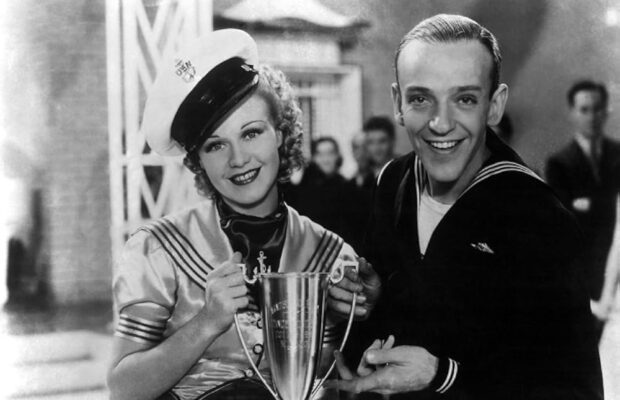
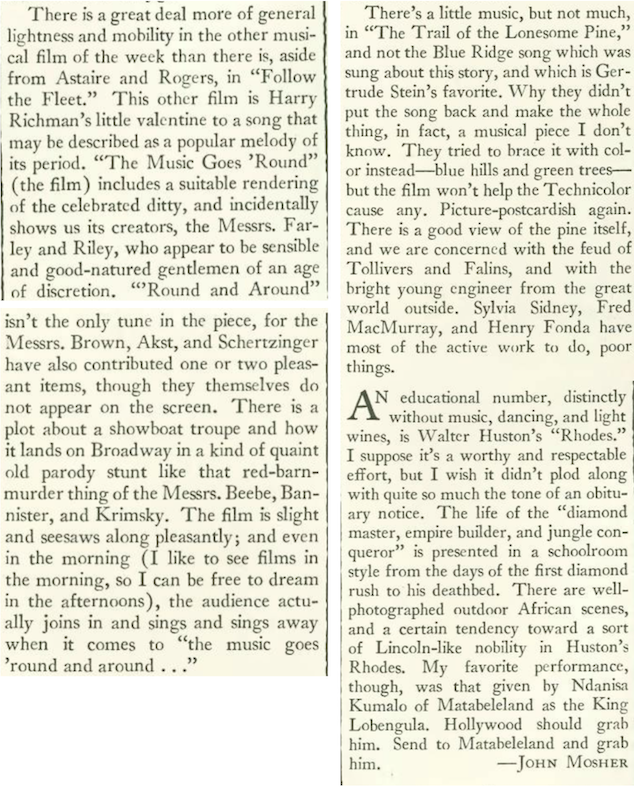
Not so serious were the films being churned out by Hollywood, including the Fred Astaire/Ginger Rogers toe-tapper Follow the Fleet, set to an Irving Berlin score that featured the hit “Let’s Face the Music and Dance.” Critic John Mosher was on board for the ride.

GOOD CLEAN FUN…Dance partners “Bake” Baker (Fred Astaire) and Sherry Martin (Ginger Rogers) find love during shore leave in Follow the Fleet. (Toronto Film Society)

Bandleader Harry Richman, well known in the New York nightlife scene of the 1920s and 30s, showed his acting chops in The Music Goes ‘Round…

I CAN SING TOO…Rochelle Hudson and Harry Richman in The Music Goes ‘Round. (imdb.com)

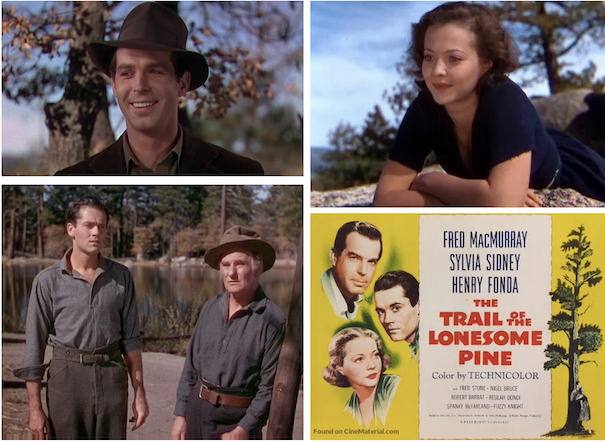
Fred MacMurray, Sylvia Sydney, Henry Fonda and Fred Stone appeared in living color in The Trail of the Lonesome Pine–it was just the second full-length feature to be shot in three-strip Technicolor and the first to be shot outdoors in Technicolor…
LIFELIKE…Clockwise, from top left: Fred MacMurray; Sylvia Sydney; a Paramount movie poster; Henry Fonda and Fred Stone. (moviesalamark.com/imdb.com)

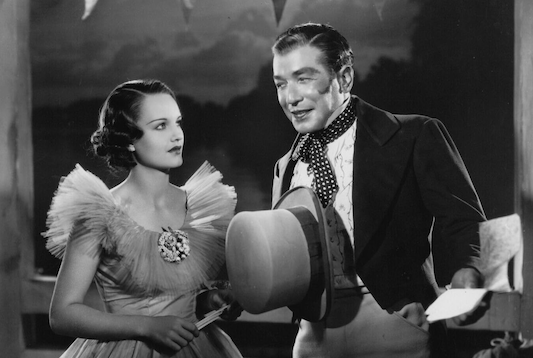
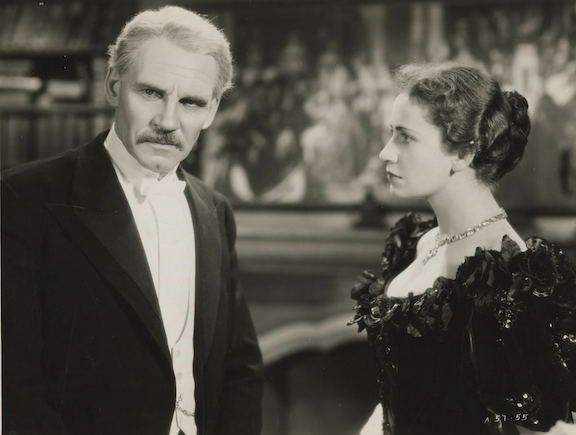
…the 1936 film Rhodes (aka Rhodes of Africa) featured the massive acting talents of Walter Huston and Peggy Ashcroft; not surprisingly, the subject matter of the film has not aged well…a 2015 review in The Guardian is headlined: “Rhodes of Africa: only slightly less offensive than the man himself”…
COLONIAL KLINK…Walter Huston and Peggy Ashcroft in Rhodes. (imdb.com)

 * * *

From Our Advertisers

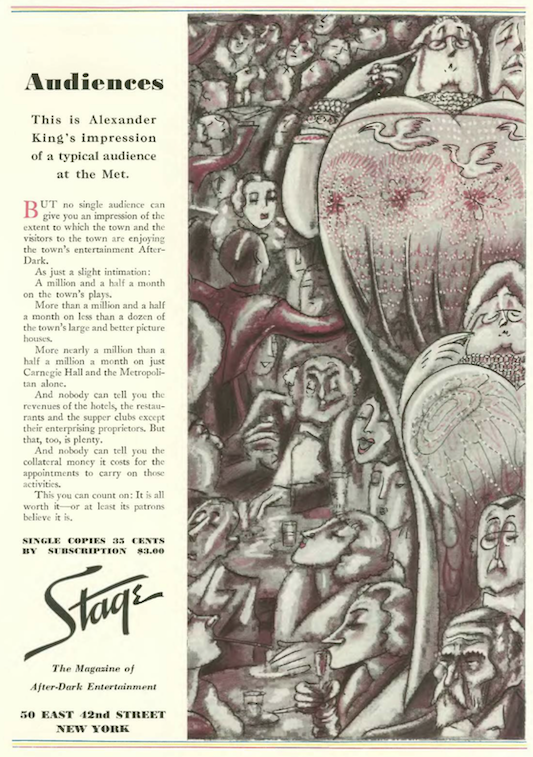
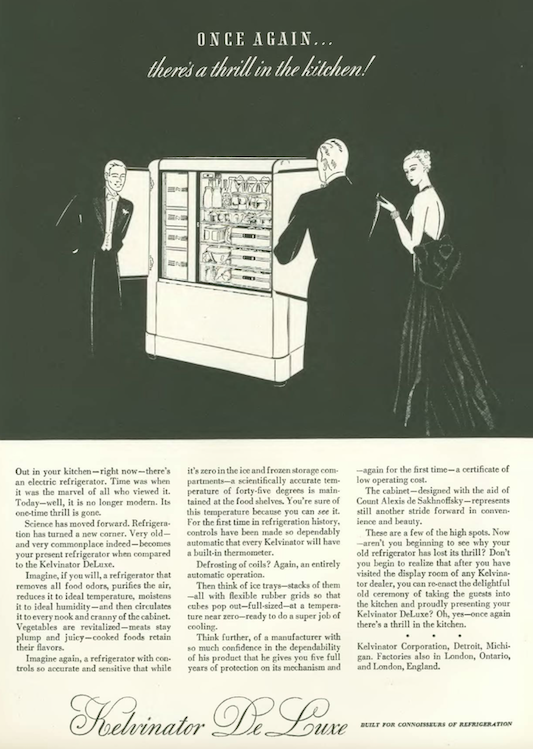
We begin with a Stage magazine ad from the inside front cover, featuring an illustration by Alexander King

…only new-money swells would be seen doing this…old money wouldn’t dare enter the kitchen, unless they needed to sack the cook…

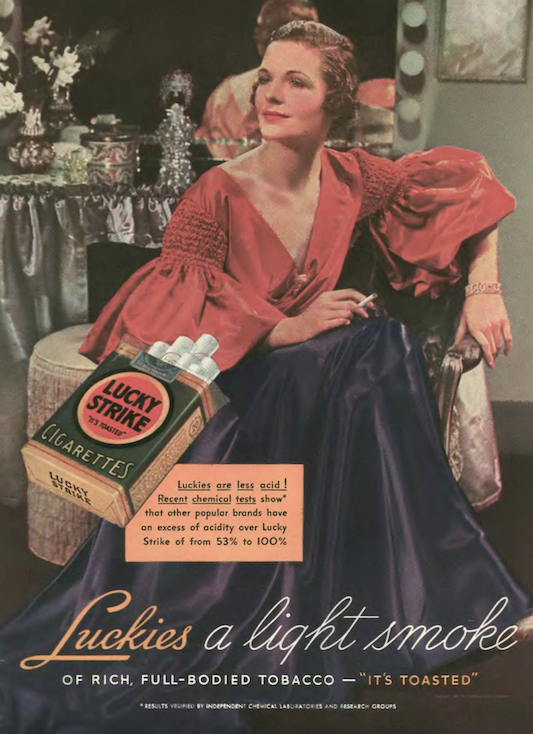
…on the back cover of the Feb. 29 issue you would find this elegant woman taking a break from her vanity to enjoy a “toasted” Lucky…

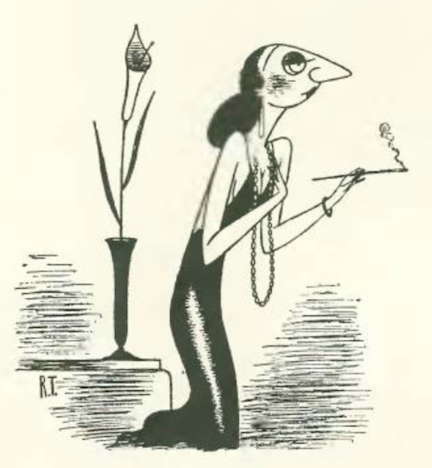
…we join our cartoonists, starting with this spot by Richard Taylor

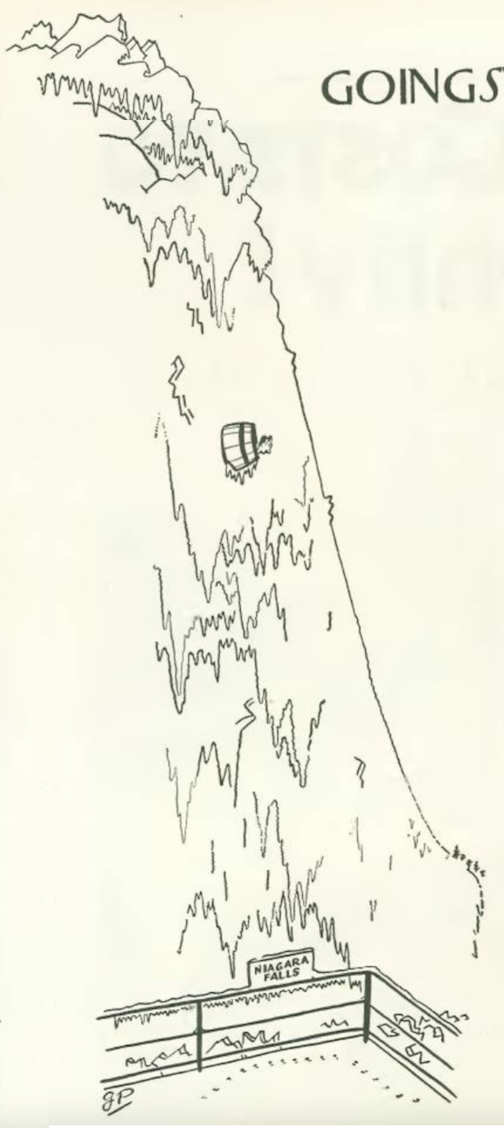
Garrett Price got stuck over the frozen falls…

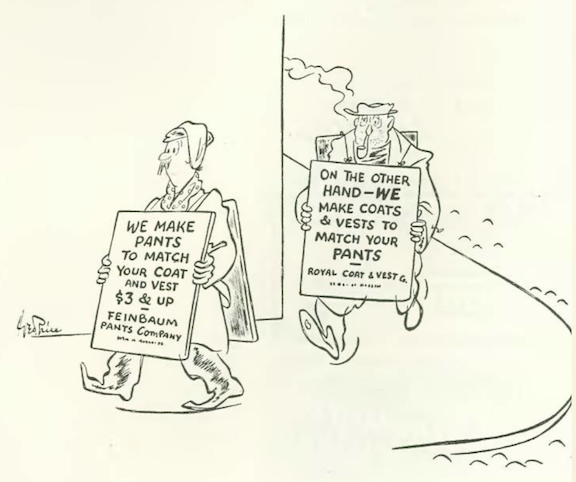
George Price drew up a sandwich board competition…

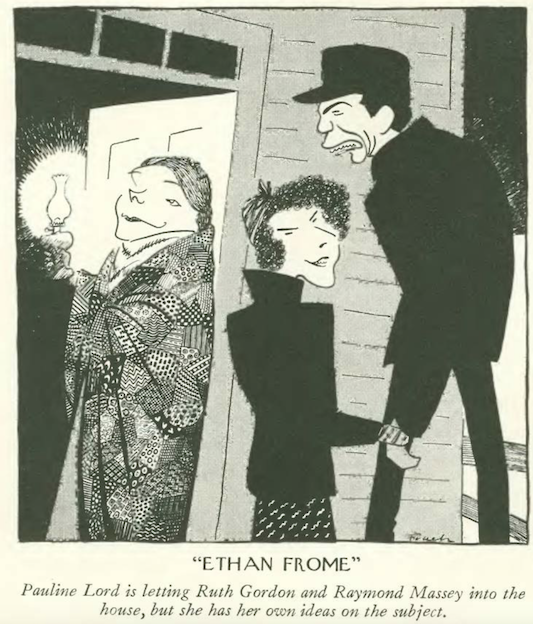
Al Frueh continued to illuminate “The Theatre” section…

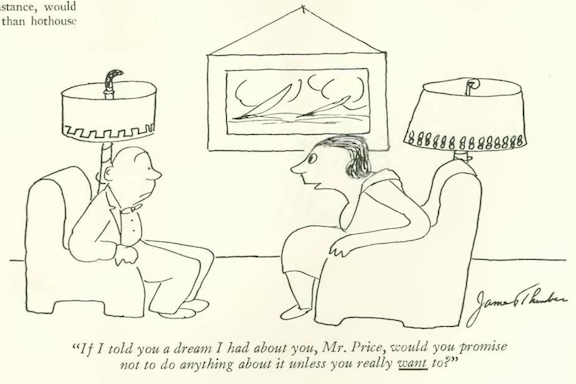
James Thurber posed a loaded question…

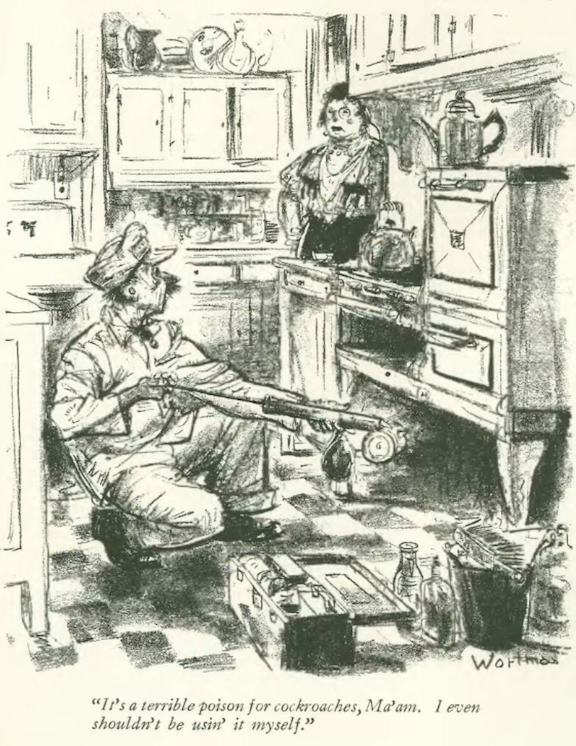
Denys Wortman got down to some debugging…

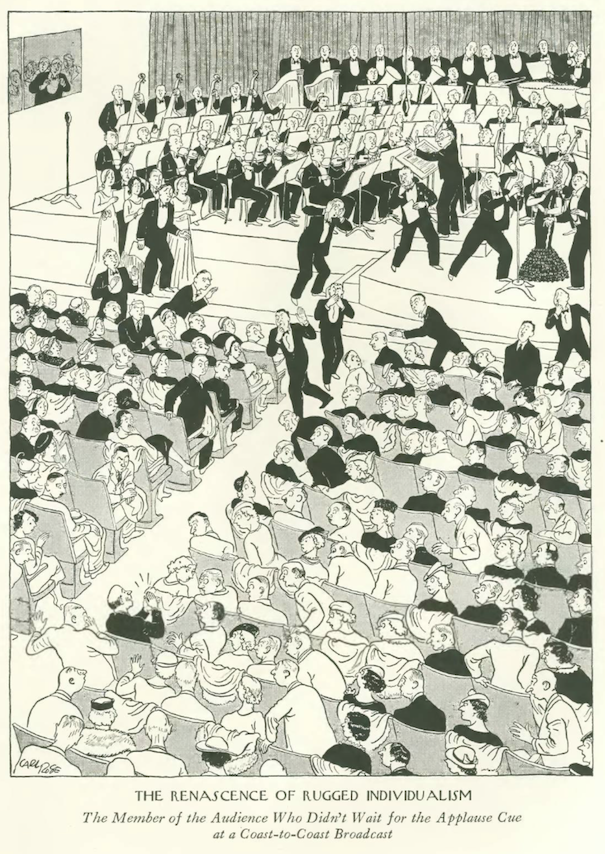
Carl Rose offered up another example of rugged individualism…

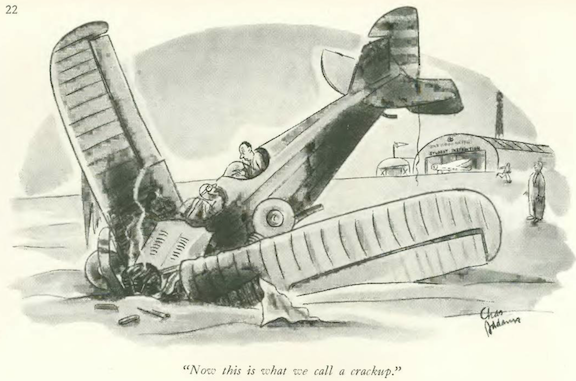
Charles Addams came down to earth…

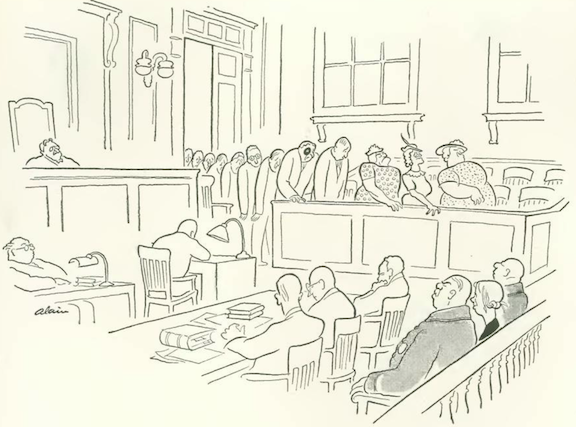
Alain illustrated a case of jury tampering…

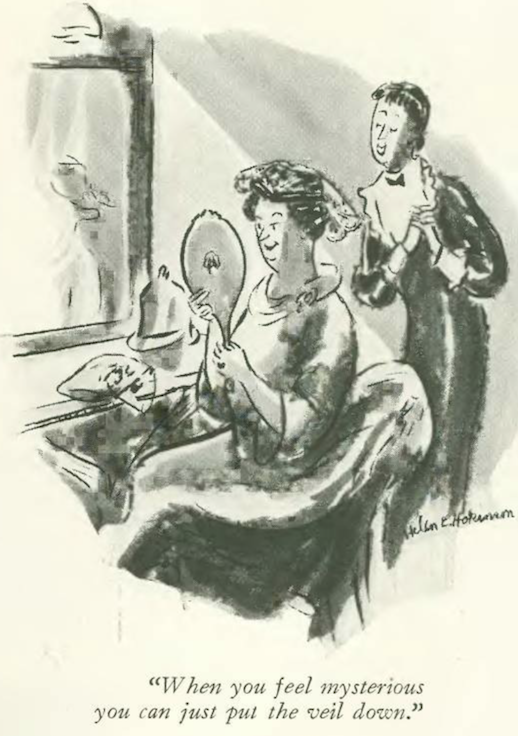
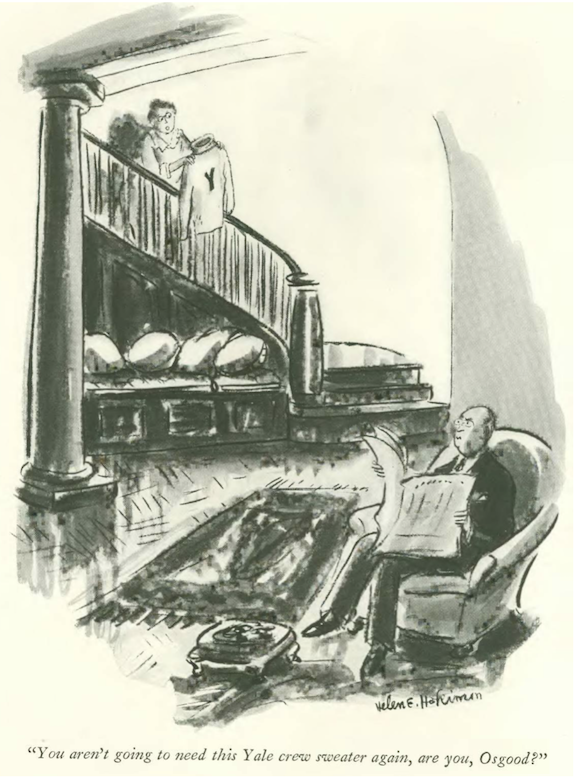
Helen Hokinson demonstrated the allure of a netted hat…

…and Hokinson again, doing some early spring cleaning…

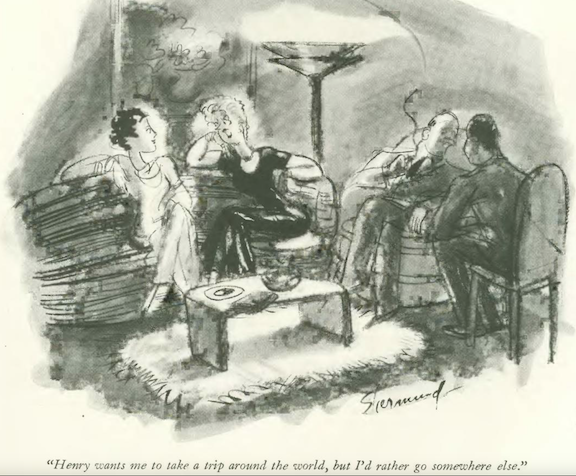
…and Barbara Shermund explored the idyll of wanderlust…

…and before we go, here is the New Yorker cover—by Helen Hokinson, Sept. 12, 1931—that was the object of Janet Flanner’s attention…

Next Time: Making of a Madman…