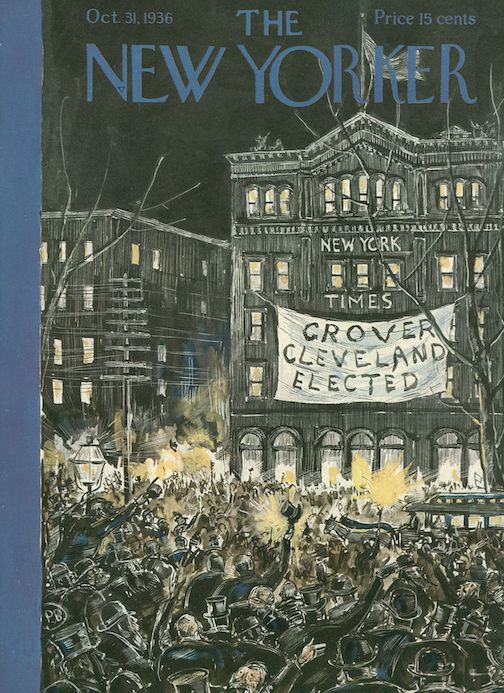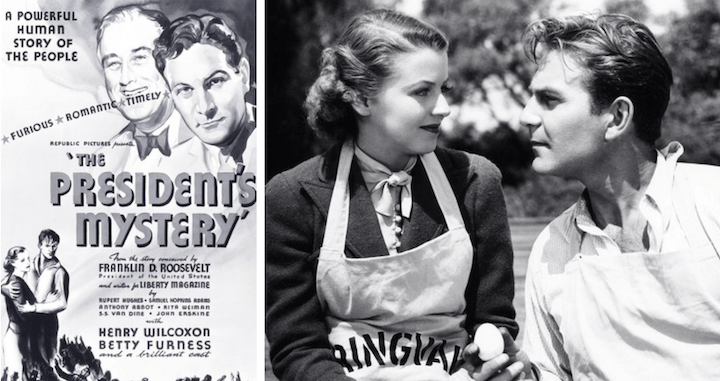
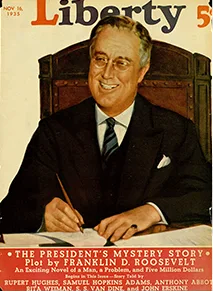
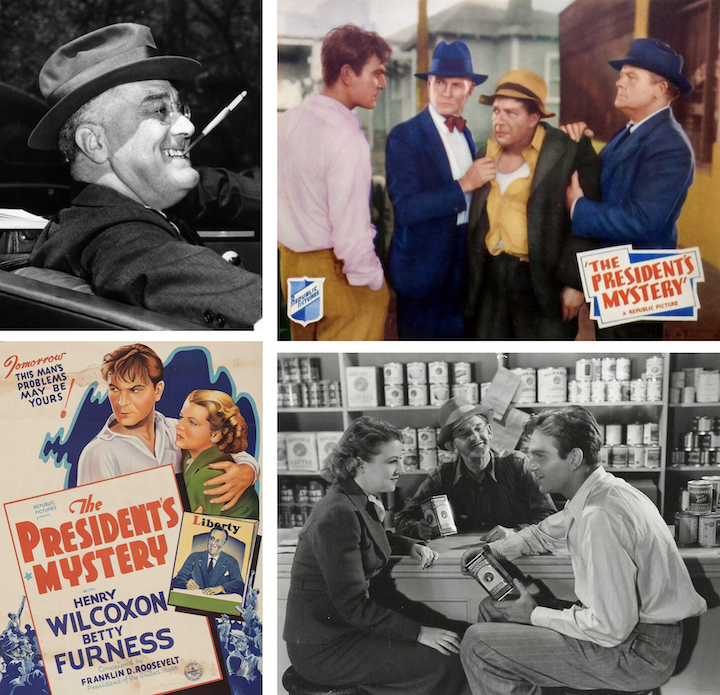
Above: President Franklin D. Roosevelt was credited as a writer on the film "The President's Mystery," although his role was more one of inspiration; at right, Betty Furness and Henry Wilcoxon starred in the film. (rottentomatoes.com)
Just one month before the 1936 general election, Republic Pictures released a film “conceived by Franklin D. Roosevelt.”
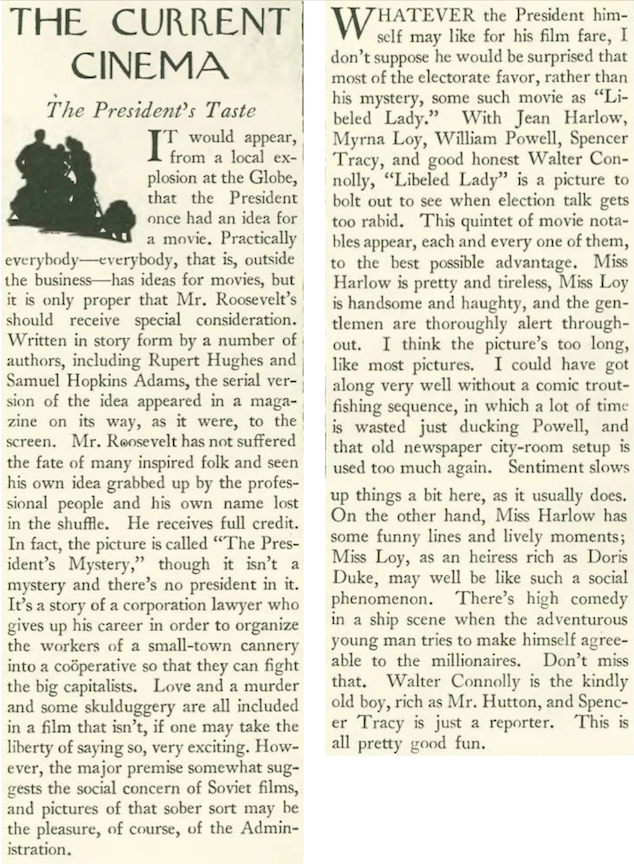
Yes, the president of the United States, standing for re-election in November (which he would win by a landslide), was actually credited as a writer for the film The President’s Mystery, although FDR’s actual role in the film was its concept. While visiting with Fulton Oursler, editor of Liberty magazine, Roosevelt posed the question: “How can a man disappear with five million dollars of his own money in negotiable form and not be traced?” Oursler, a close friend of the president’s, responded by enlisting several prominent authors to write a screenplay. New Yorker film critic John Mosher takes it from there:
The story behind the film was first featured in the Nov. 16, 1935 issue of Liberty magazine…
…and released as a movie on Sept. 28, 1936…
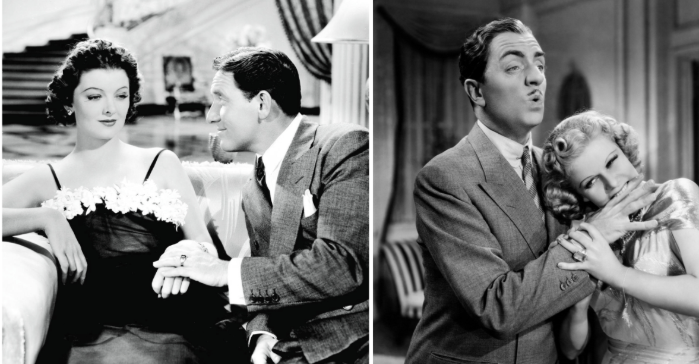
Mosher also had “pretty good fun” with the star-studded screwball comedy, Libeled Lady, which was acclaimed by critics and nominated for Best Picture:
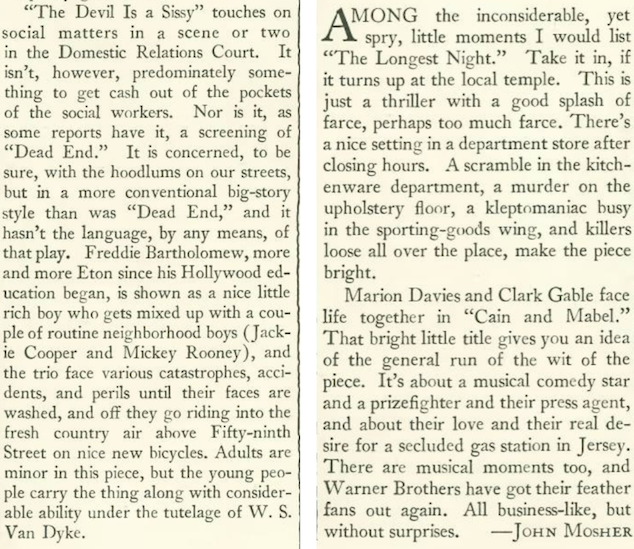
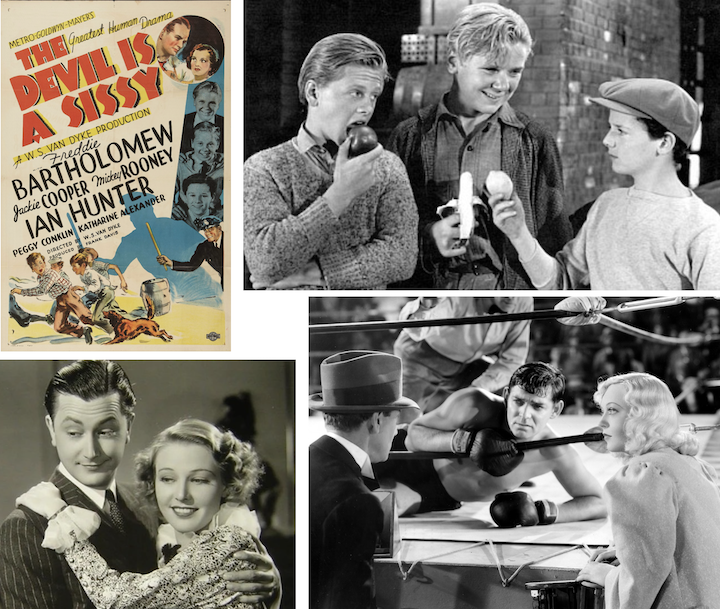
There were still other films reviewed by Mosher, including The Devil is a Sissy, starring sixteen-year-old Mickey Rooney, still emerging as a star, as well as famed child actors Jackie Cooper and Freddie Bartholomew. There was also a film featuring Clark Gable as a prize fighter, and a movie titled The Longest Night, ironically the shortest feature ever produced by MGM—just 51 minutes.
* * *
A Second Life
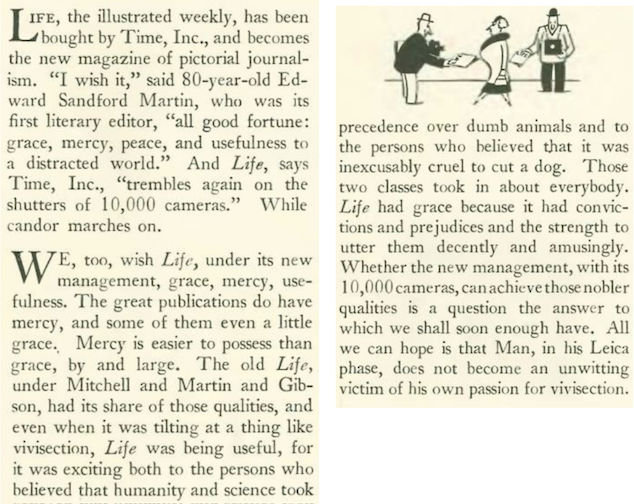
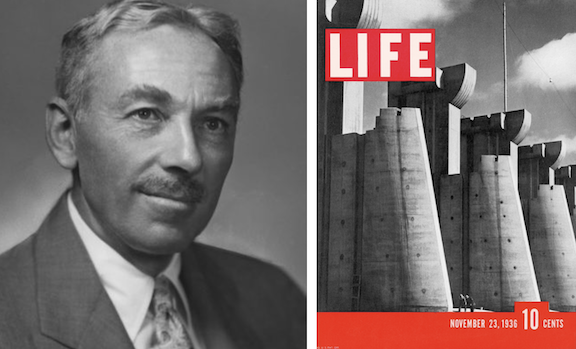
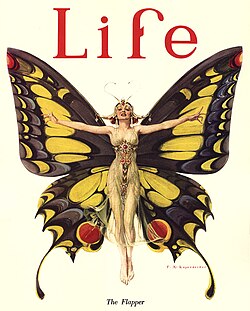
E.B. White still wasn’t done with the new Life magazine—recall his “Notes and Comment” from Sept. 19, when he lamented a magazine that would “consist almost entirely of pictures” and would “do away with the last vestiges of privacy in America.” Here White notes the purchase of Life by Time, Inc., and compares it to the old Life.
* * *
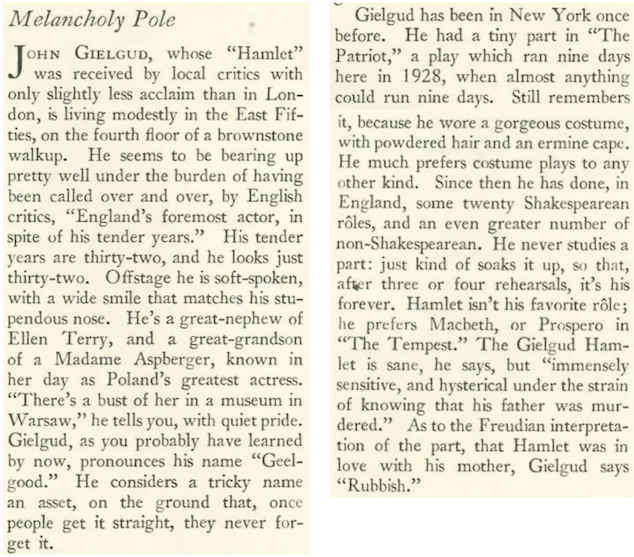
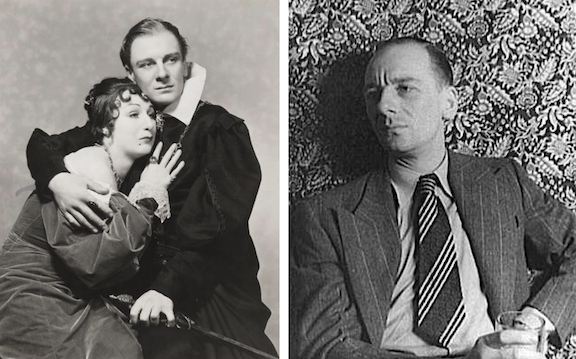
A Sensitive Hamlet
There are as many approaches to playing Hamlet as there are versions of the famous Shakespeare play, The Tragedy of Hamlet, Prince of Denmark. In the case of actor John Gielgud, as reported in “The Talk of the Town,” Hamlet was quite sane, although he was “immensely sensitive.”
* * *
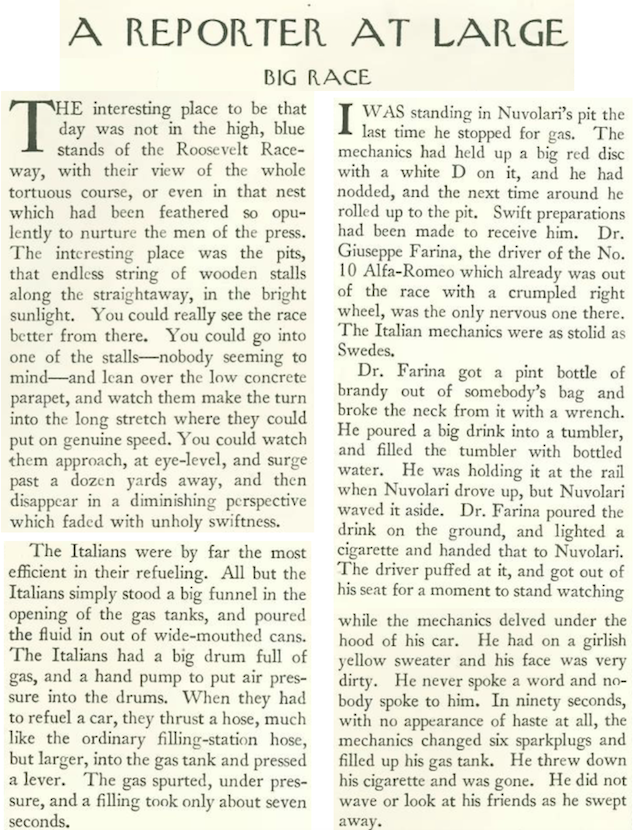
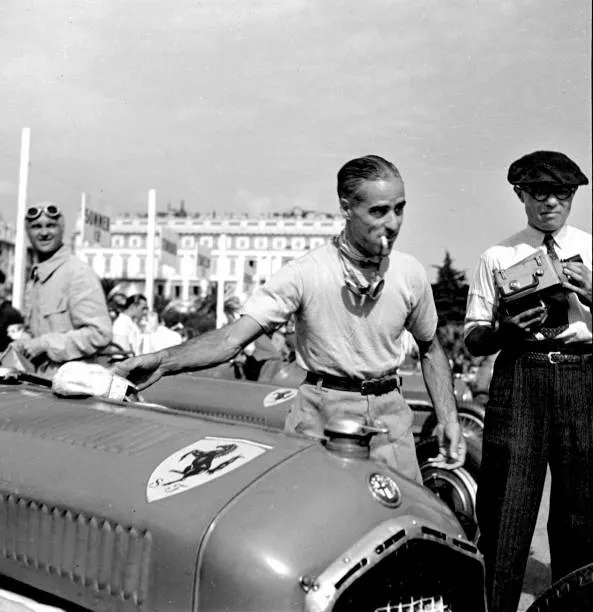
Safety Last
Morris Markey was on hand for the Vanderbilt Cup Race (recently featured here), offering a track-side look at the pit crews. Notable in this excerpt is the complete lack of safety protocols, from gasoline poured out of wide-mouthed cans to smoking and drinking among drivers and pit crews. The race winner, Tazio Nuvolari (who refuses some brandy but puffs on a cigarette) would eventually have to retire by 1950 due to his total deafness and other health problems—he spent years racing in an open cockpit with the manifold ends right next to his ear. Those combustion gases—containing gasoline juiced with methanol, benzene, acetone, and nitrobenzene—easily penetrated Nuvolari’s ears and nose and were absorbed directly into his skin and bloodstream.
* * *
Color My World
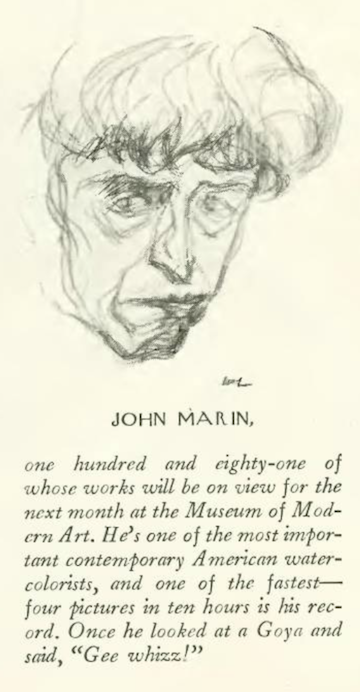
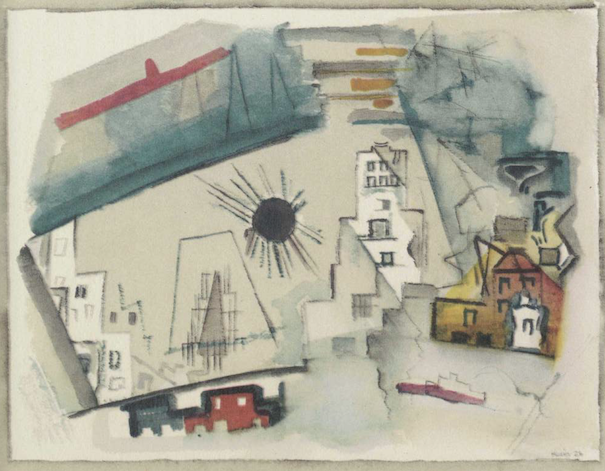
The works of John Marin, considered one of America’s finest water-colorists, were featured in a major exhibition at the Museum of Modern Art. In addition to a review by art critic Lewis Mumford, Marin was featured in this mini bio on the opening pages…caricature by William Auerbach-Levy…
* * *
From Our Advertisers
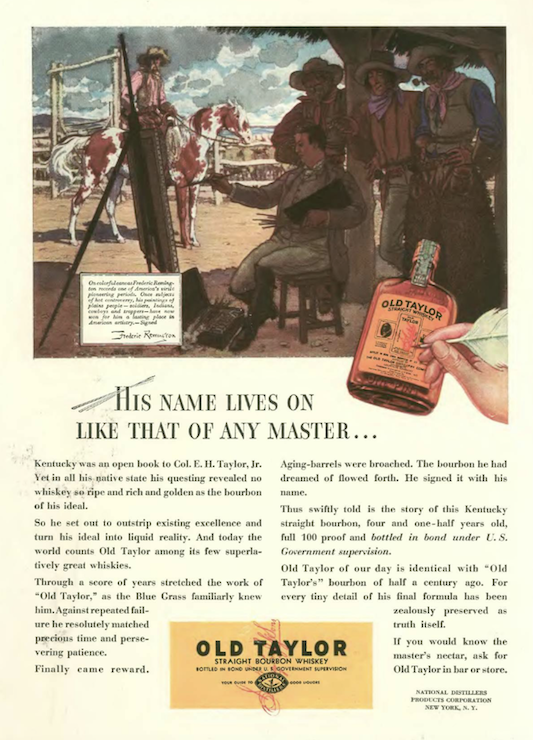
The Oct. 24 issue opened with this advertisement by the distillers of Old Taylor, who continued to compare their product to the work of “masters,” here the painter Frederic Remington…
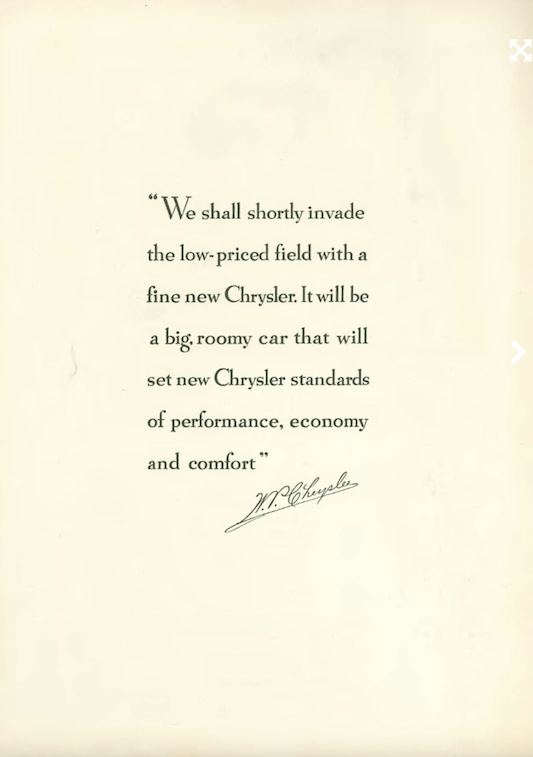
…on the opposite page, this spare ad from Chrysler, a stark contrast to their previous week’s very wordy appeal…
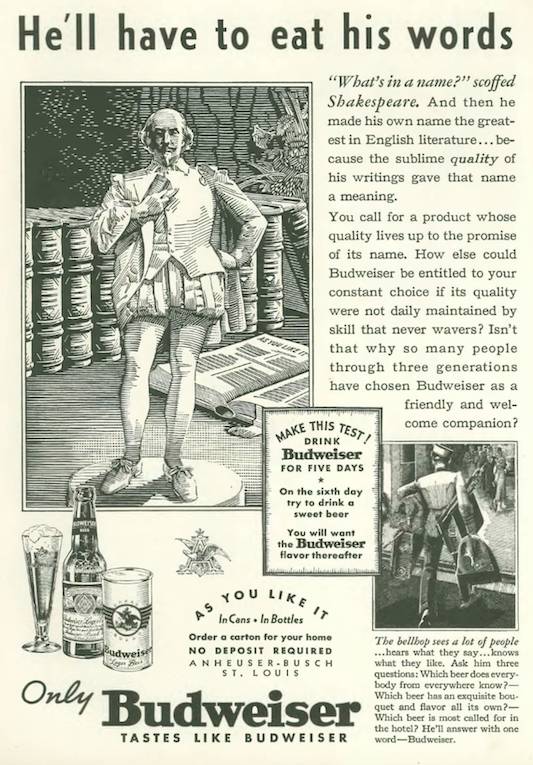
…the promoters of Budweiser took a cue from the whiskey distillers, invoking the words of an historic personage to promote their product…
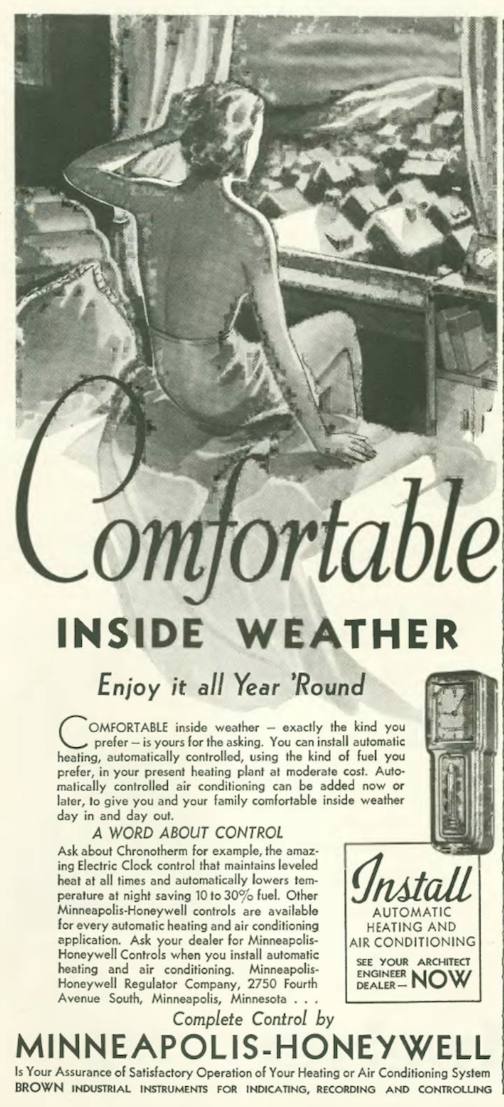
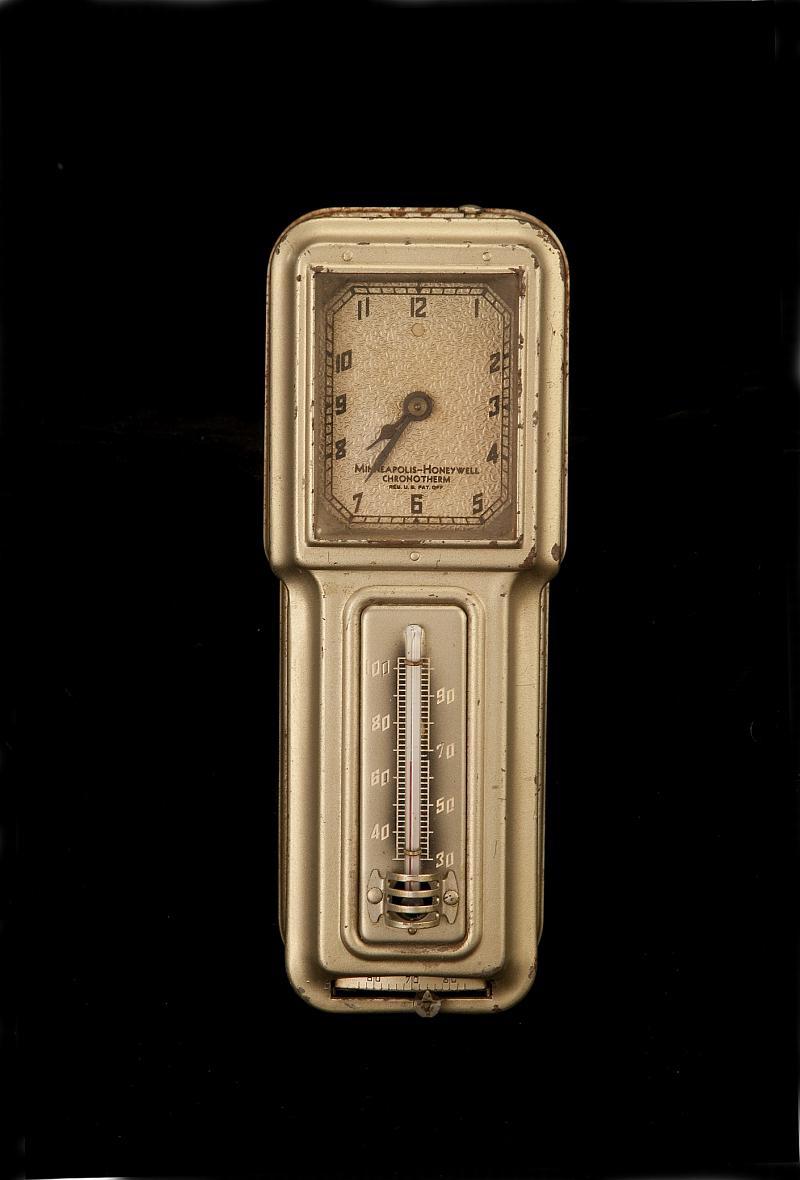
…predating modern thermostats by decades, the mechanical Chronotherm was one of the earliest automated room thermostats ever produced by the Minneapolis-Honeywell Regulator Company…it was often used to control coal or early heating systems by automatically adjusting dampers or furnaces on a schedule…
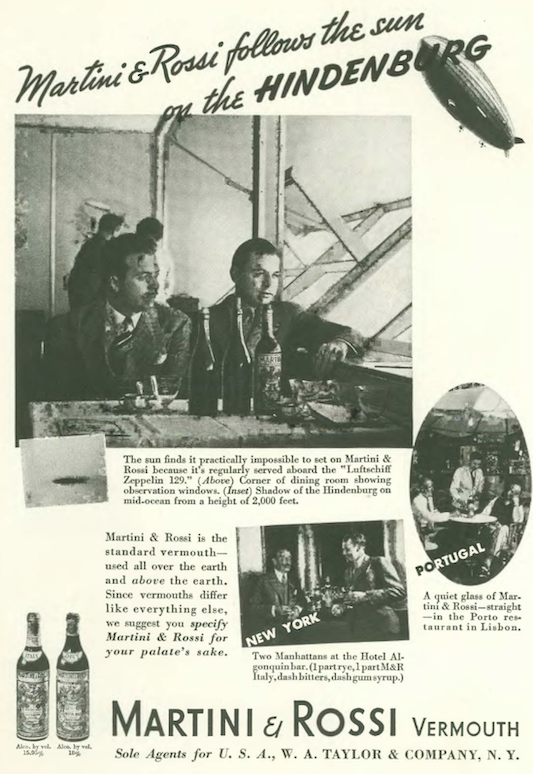
…Martini & Rossi would have about six more months to serve their vermouth on the Hindenburg before it would go down in a fireball on May 6, 1937…
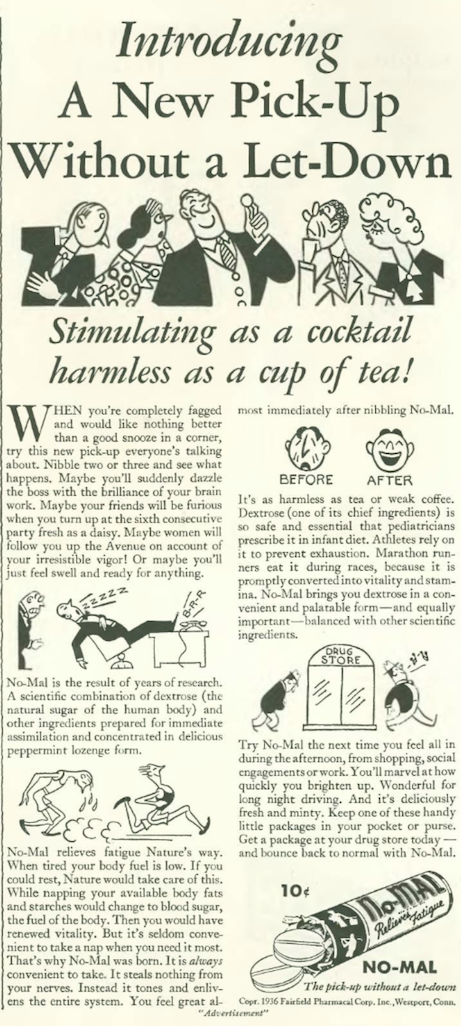
…the illustrations in this No-Mal ad mimicked the style of Otto Soglow to market a new patent medicine touted as a stimulant and hangover cure, among other things…these remedies often contained heavy doses of caffeine plus aspirin, mild laxatives, and antacids, while some also contained the amphetamine Benzedrine…
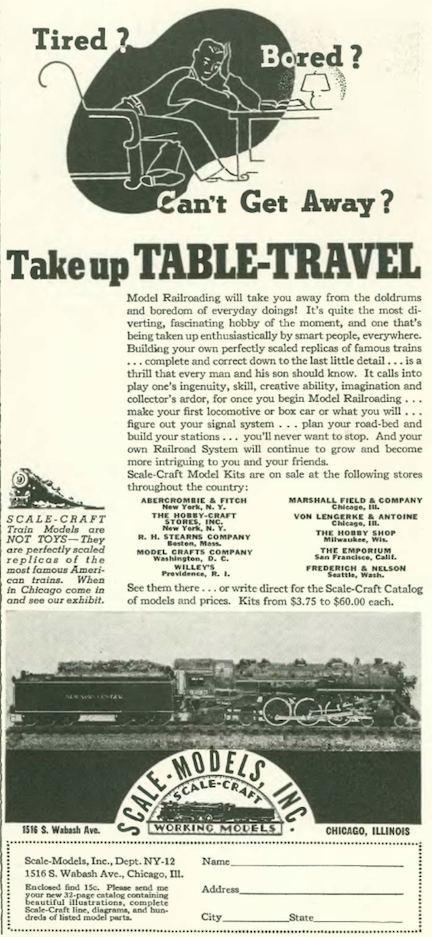
…model railroading for adults started to build up steam in the 1930s…here’s a back of the book ad aimed at those who couldn’t afford to travel but who could afford a Scale-Craft kit…
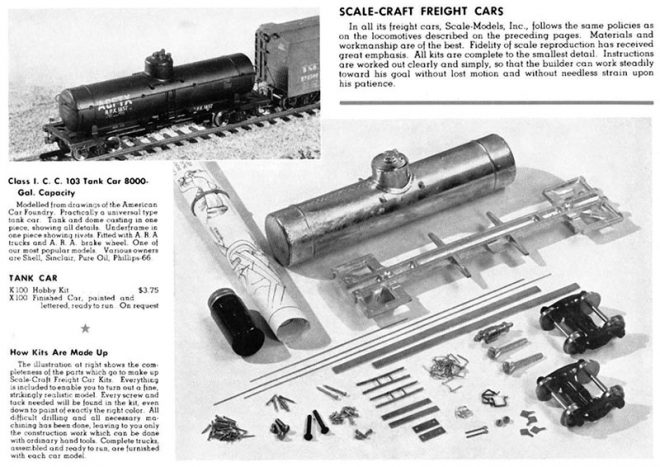
…here’s a page from the 1936 Scale-Craft catalog…
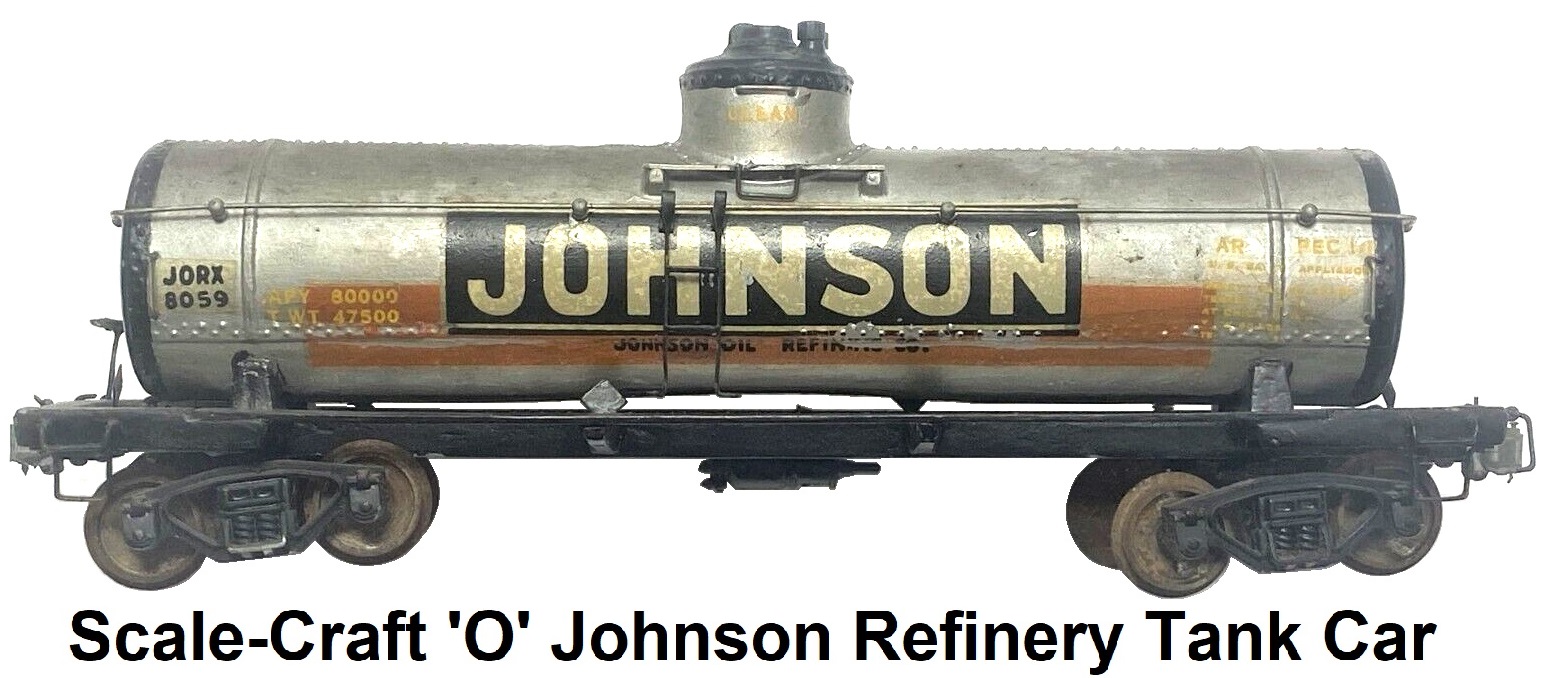
…and an example of what you could build from a kit…
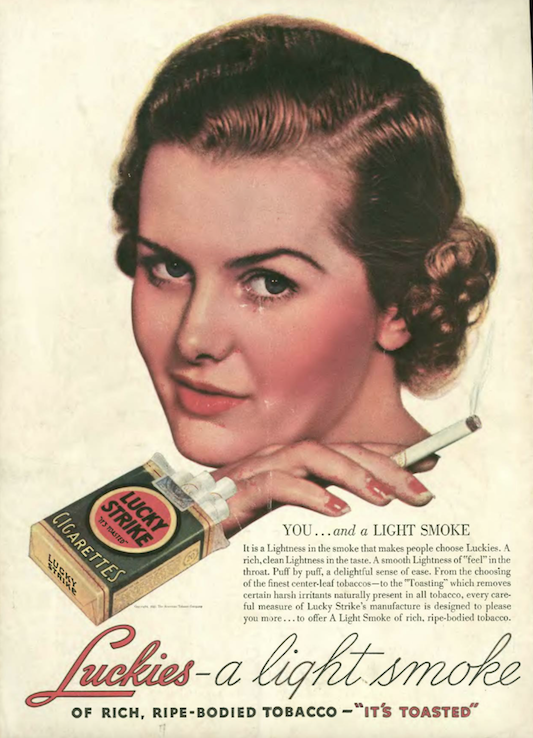
…and there’s no guessing the target audience for this brand of cigarettes…
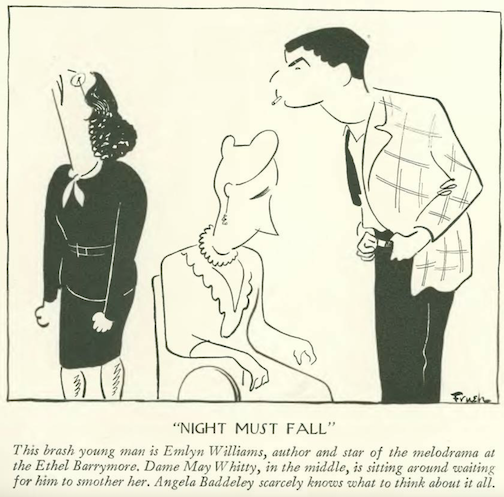
…on to our cartoonists, Al Frueh was back with illustrations for the theater review section…
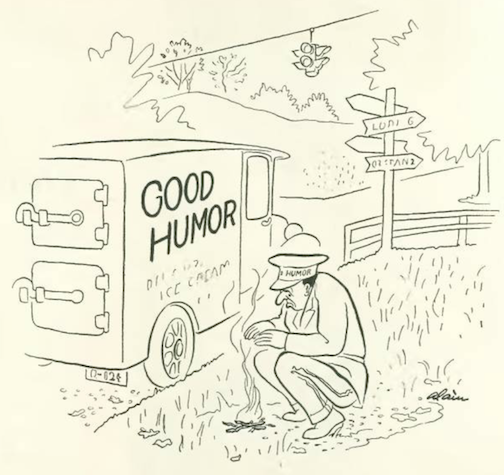
…Alain found nothing humorous about being a Good Humor man…
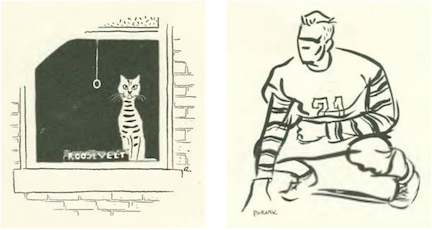
…a couple of spots by Abe Birnbaum (left) and unidentified at right (signature looks like PHRANK)…
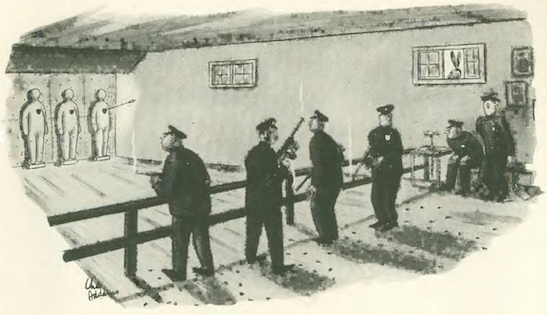
…a stray arrow found its way into this cartoon by Charles Addams…
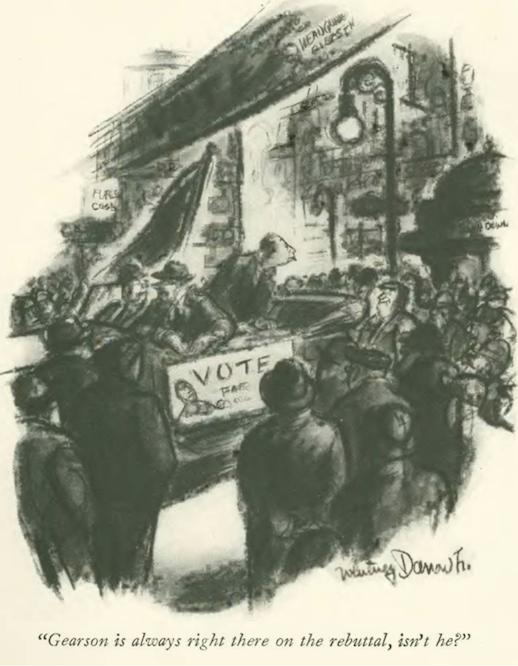
…Whitney Darrow Jr illustrated the childish side of politics…
…we zoom in for a close-up…
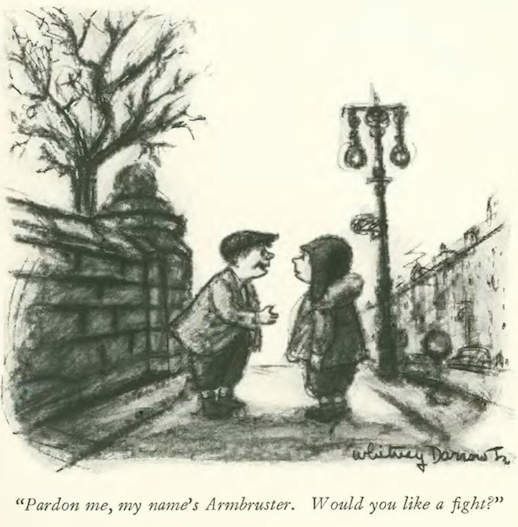
…Darrow again, making a new friends…
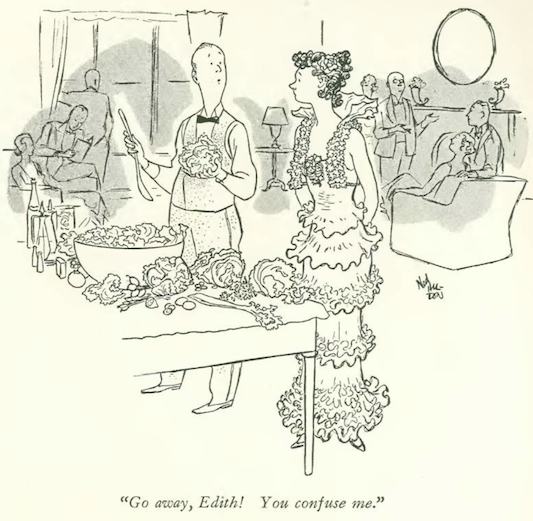
…Ned Hilton drew up an outfit that clashed with the salad course…
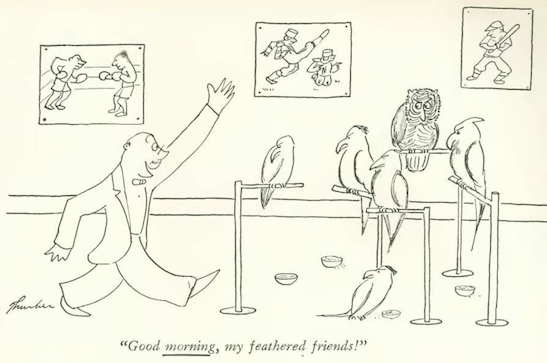
…James Thurber greeted a group of dour birds (interesting background with sporting scenes…one wonders why)…
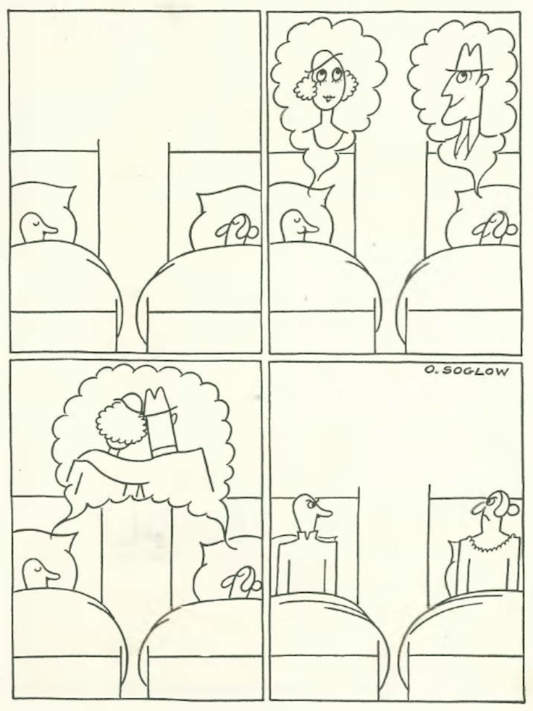
…Otto Soglow gave us some shattered dreams…
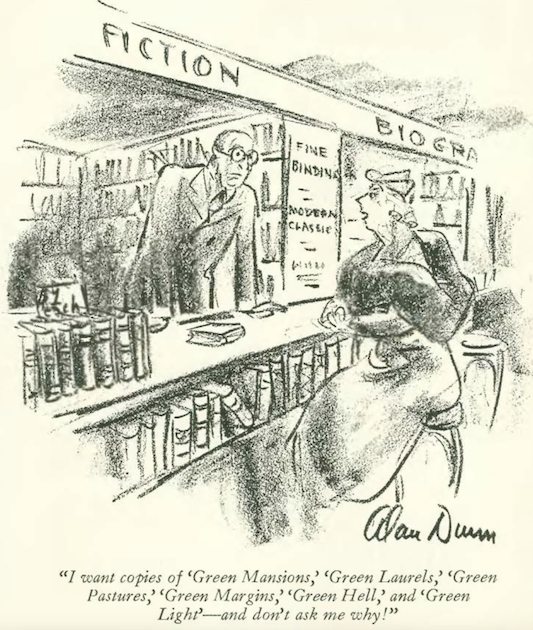
…Alan Dunn visited the fiction section, no questions asked…
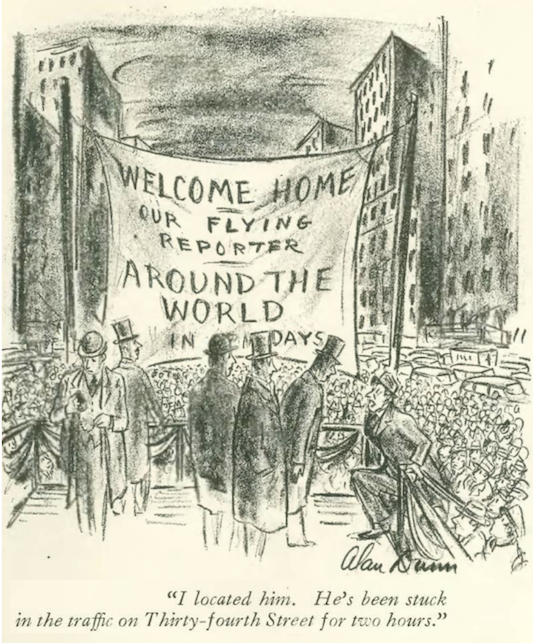
…and Dunn again…with an around the world adventure stuck in traffic…
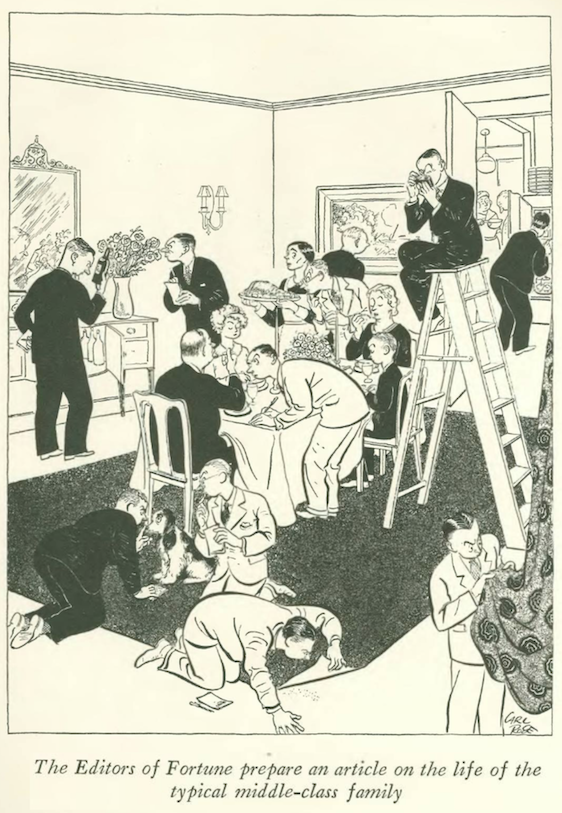
…Fortune magazine probed the mysteries of middle class life, per Carl Rose…
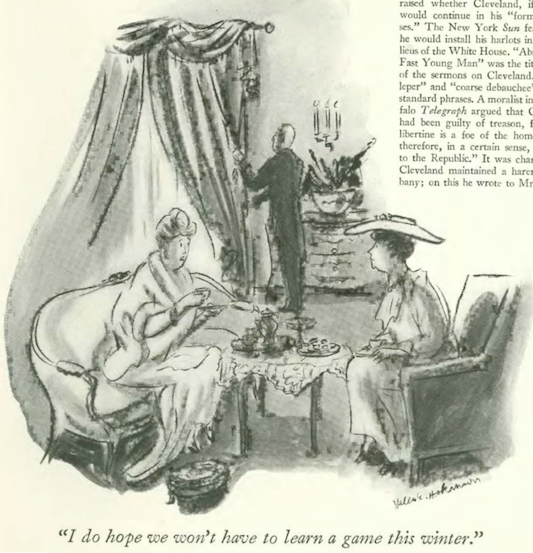
…and we close with Helen Hokinson, and the unease of an approaching winter…
Next Time: Far-Fetched Faulkner…