Wherefore Old Romeo?

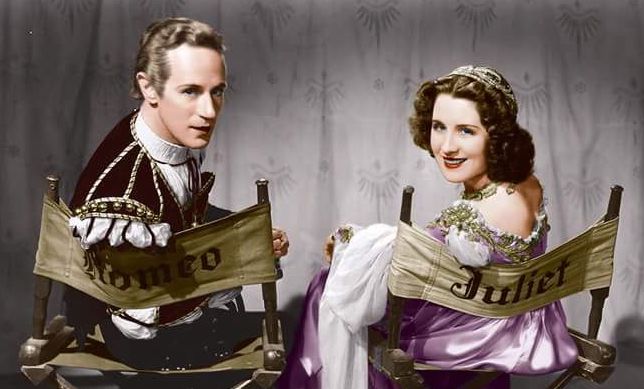
Above: Leslie Howard and Norma Shearer played the lead roles in George Cukor's 1936 adaptation of William Shakespeare's "Romeo and Juliet." In retrospect, these major stars were miscast; Shakespeare's original play identified Juliet as thirteen years old (soon to be fourteen), while scholars estimate Romeo to be around sixteen. Howard was forty-three and Shearer thirty-four when the film was released. (pinterest.com)

Although Leslie Howard and Norma Shearer were too old to play Romeo and Juliet as lovesick teenagers, in 1936 audiences and critics didn’t seem to notice or care. What did keep audiences away from the big budget Romeo and Juliet was the perception that it was too “arty.”
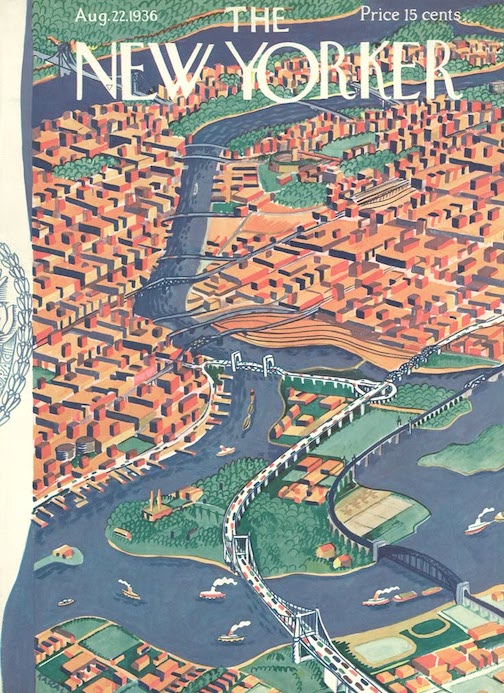
August 22, 1936 cover by Ilonka Karasz. 

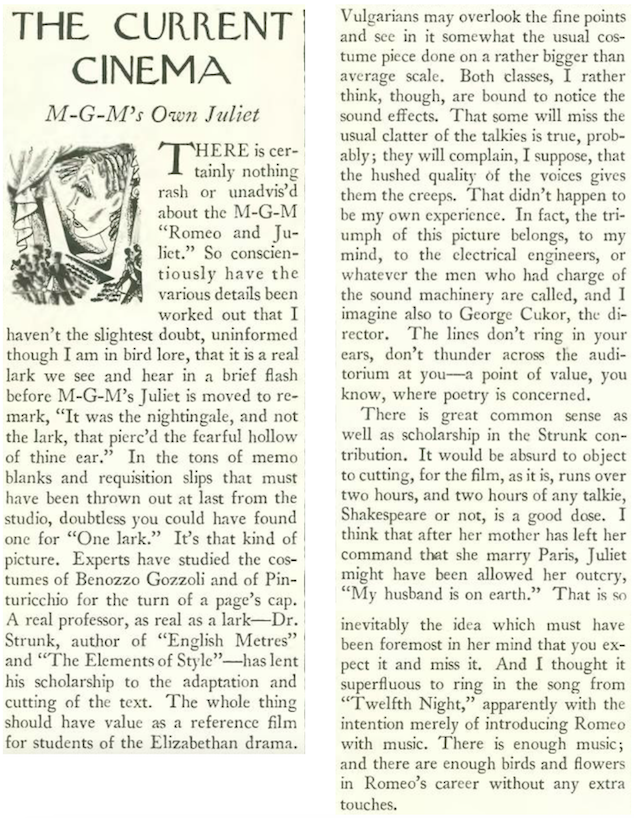
Indeed, New Yorker film critic John Mosher suggested that “vulgarians” would miss the finer points of this meticulously made film—director George Cukor even secured the services of William Strunk Jr. (of Elements of Style fame) to ensure linguistic accuracy.

This dedication to the finer points of the play obviously didn’t apply to the choice of the principal actors—a middle-aged Romeo, a thirty-something Juliet, or a 54-year-old playing Romeo’s best friend, Mercutio (John Barrymore). In the days of the studio system, it was assumed that big productions needed equally big, established actors attached to them, regardless of age. Also, Shearer was producer Irving Thalberg’s wife.
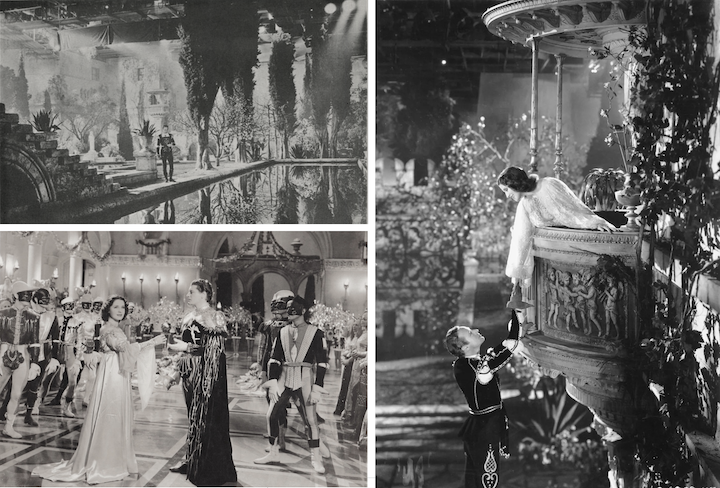
THE ART OF ARTIFICE…Clockwise from top left: Lavish sets and a star-studded cast made Romeo and Juliet MGM’s most expensive sound film up to that time; the famed balcony scene between Leslie Howard and Norma Shearer; Shearer in a scene with Ralph Forbes, who played a kinsman to the prince. (imdb.com/moviemusings.uk/britannica.com)

Mosher described the film as a “sensible” presentation and praised the 34-year-old Norma Shearer for her youthful appearance. “Actually, for once, we see a Juliet who is a girl,” he wrote. Writing for Literature/Film Quarterly, Allison Kellar notes that “with the help of costumes, props, and lighting, Shearer effectively appears as the young Juliet.”
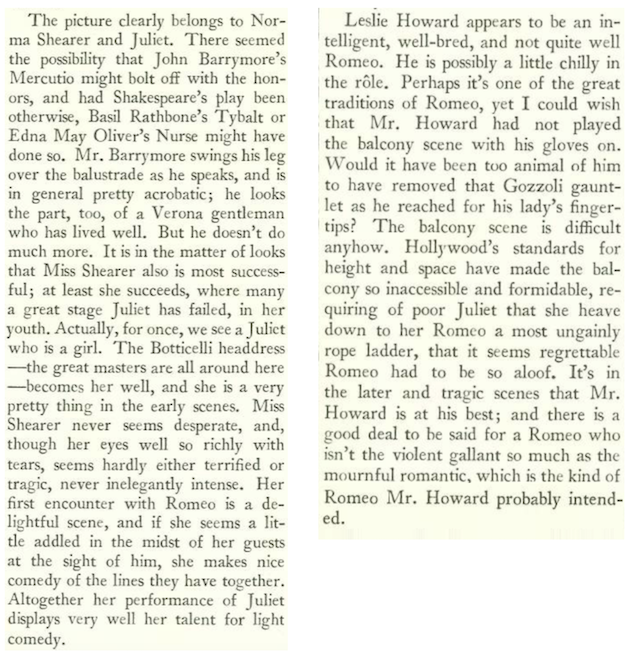
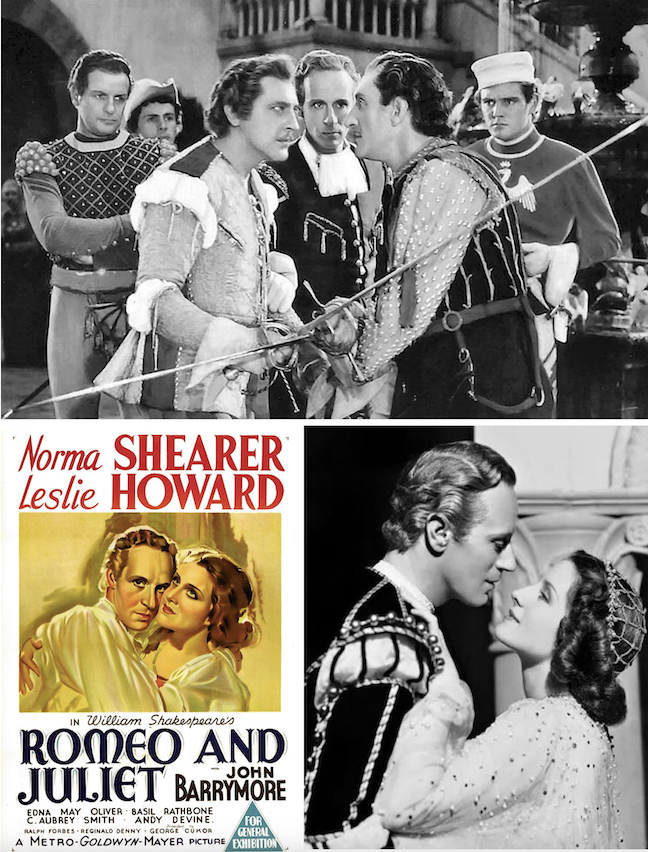
RAPIER-TONGUED…Top: Mercutio (John Barrymore, left) challenges Tybalt (Basil Rathbone) to a duel and is subsequently slain (this is when Mercutio speaks those famous words, “A plague o’ both houses!”); Leslie Howard and Norma Shearer; MGM promotional poster. (moviemusings.uk/tvtropes.org/imdb.com)

For years MGM’s “Boy Wonder,” producer Irving Thalberg, had pushed the studio to make the film, but MGM head Louis B. Mayer believed (correctly, it turned out) that the masses would consider Shakespeare too highbrow. Mayer was also concerned about a big budget picture in those lean Depression years, but somehow Thalberg won him over (the film lost almost a million dollars, roughly equivalent to $25 million today).
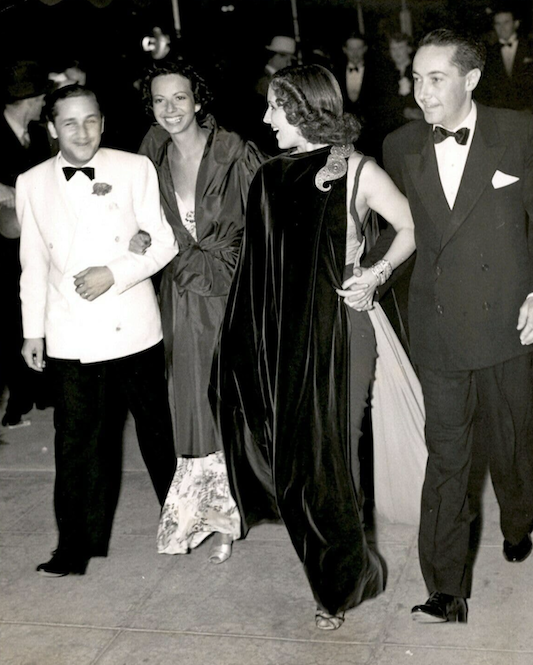
HOLLYWOOD NIGHTS…At left, Anthony Adverse director Mervyn LeRoy and his wife, Doris Warner, accompany Norma Shearer and her husband Irving Thalberg at the Los Angeles premiere of Anthony Adverse, July 29, 1936. A month and a half later Thalberg would die from a congenital heart condition at age 37. (see below). (Wikipedia)

Romeo and Juliet would have its world premiere on Aug. 20, 1936 at New York’s Astor Theatre. The West Coast premiere followed on Sept. 14that same night legendary MGM producer, Irving Thalberg, husband of star Norma Shearer, would die suddenly at the age of 37. Needless to note, the Los Angeles opening was deeply somber.

Now, just for kicks, here are the ages of actors who have portrayed Shakespeare’s star-crossed lovers in more recent films:

FOLLIES OF YOUTH…Clockwise, from top left, with ages in parentheses: Claire Danes (17) and Leonardo DiCaprio (22) in Romeo + Juliet (1996) Hailee Steinfeld (17) and John Booth (21) in 2013’s Romeo & Juliet; Clara Rugaard (27) as Juliet and Jamie Ward (35) as Romeo in 2025’s Juliet & Romeo; Olivia Hussey (16) and Leonard Whiting (16) in Romeo & Juliet (1968). (imdb.com/heyuguys.com/wikipedia.org/reddit.com)

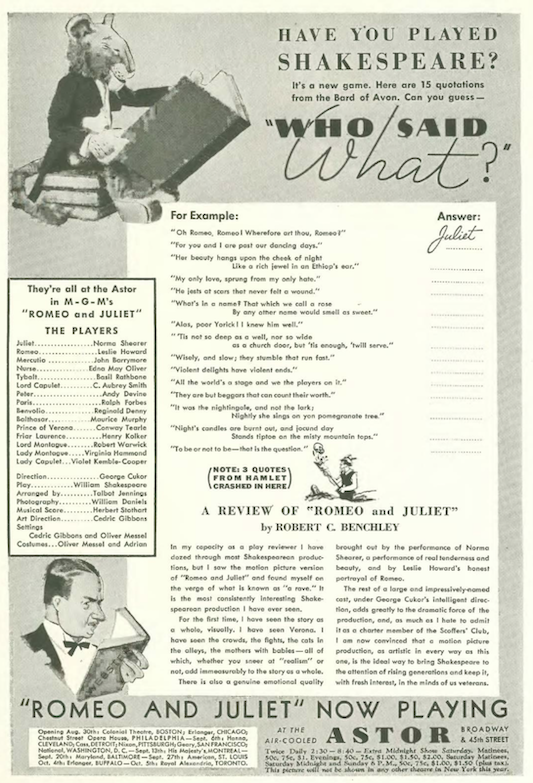
MGM spent a lot on the marketing of Romeo and Juliet, including this full-page ad in The New Yorker that included an endorsement from the magazine’s theater critic, Robert Benchley:
There were other, less-hyped films available for those allergic to Shakespearian drama. Mosher again:
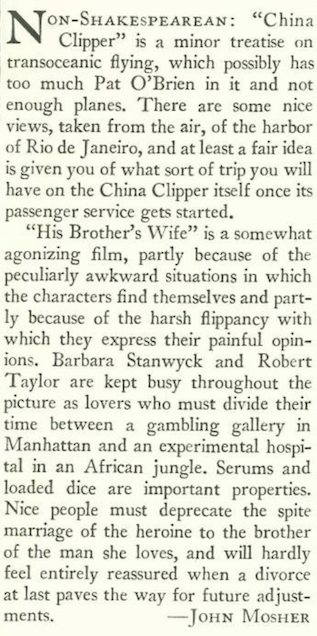
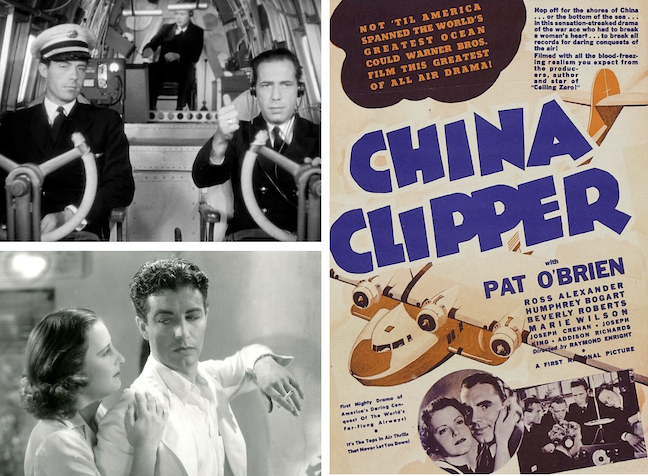
ALL SYSTEMS GO…Clockwise, from top left: Dennis Moore (left) and Humphrey Bogart prepare for a bumpy ride in China Clipper; Barbara Stanwyck and Robert Taylor in His Brother’s Wife. (dailymotion.com/blu-ray.com/imdb.com)

 * * *

Getting Out of Town

Food critic Sheila Hibben headed to Long Island to do a little restaurant-hopping, checking out Dahlstrom’s Greentree Lodge on the Jericho Turnpike. Dahlstrom’s was a popular Swedish restaurant that served food smörgåsbord-style. This concept for displaying a variety of self-serve dishes would not become widespread until the smörgåsbord was introduced to the general public in the Swedish Pavilion at the 1939 New York World’s Fair.
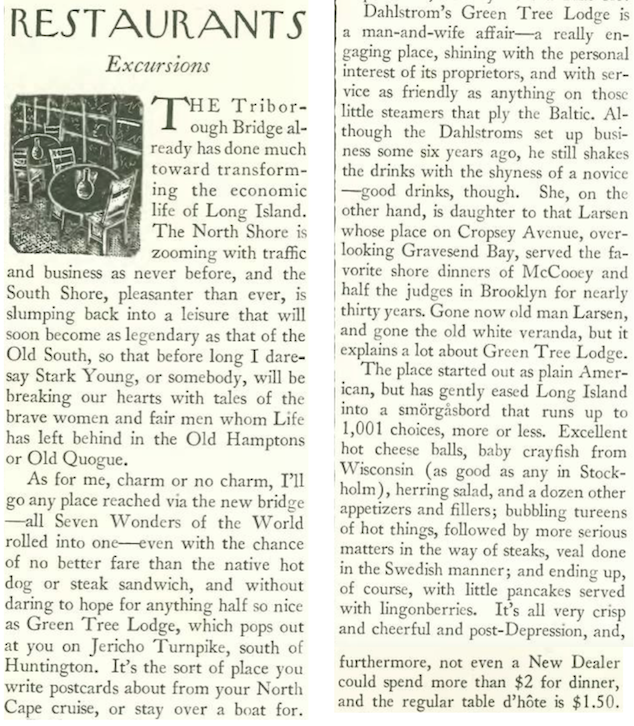
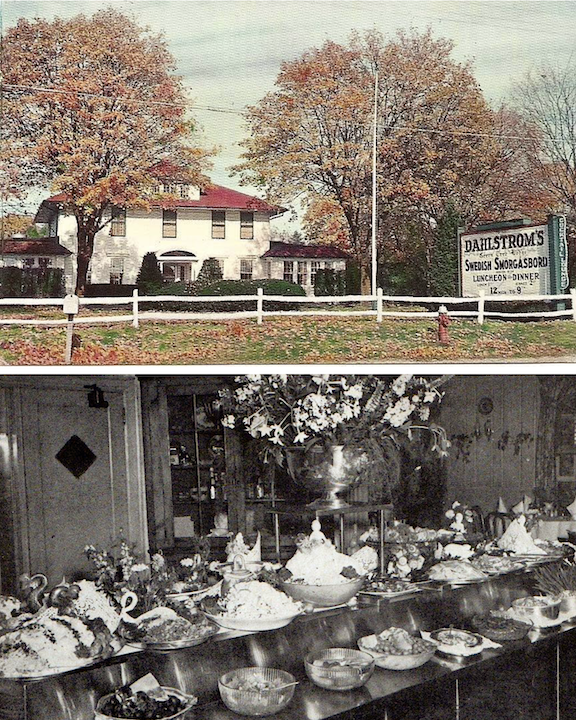
A RARE TREAT…Dahlstrom’s Greentree Lodge on Jericho Turnpike in Huntington, LI, was a popular Swedish restaurant that served food smörgåsbord-style from the 1930s through the 1960s. (Frank Leist via Facebook.com)

Closer to home, Hibben visited the Battery Park Restaurant, a “perky little kiosk sort of place where you can sit outside…and drink your beer while enjoying whatever air is stirring on the North Atlantic.”
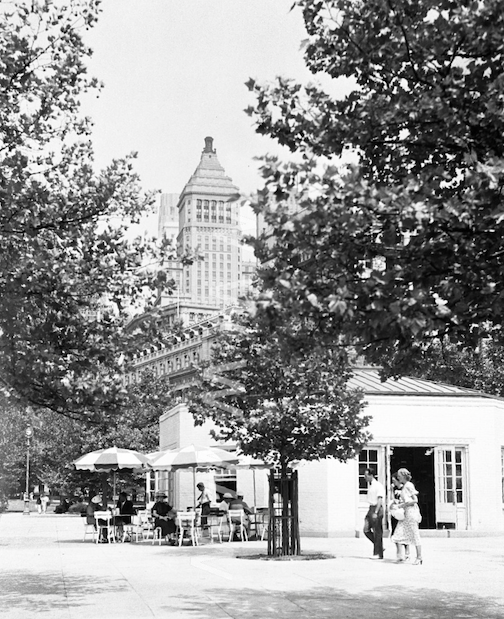
MADE IN THE SHADE…The Battery Park Restaurant, circa 1936. (eBay.com)

* * *

Cheers Before Tears

In her continuing report on the Berlin Olympics, Janet Flanner noted that some German fans—despite their country’s “megalomaniacal nationalism”—were polite about the “monotony of the American victories,” and even offered cheers for the French bicycling team (whose country would be invaded by theirs in less than four years).
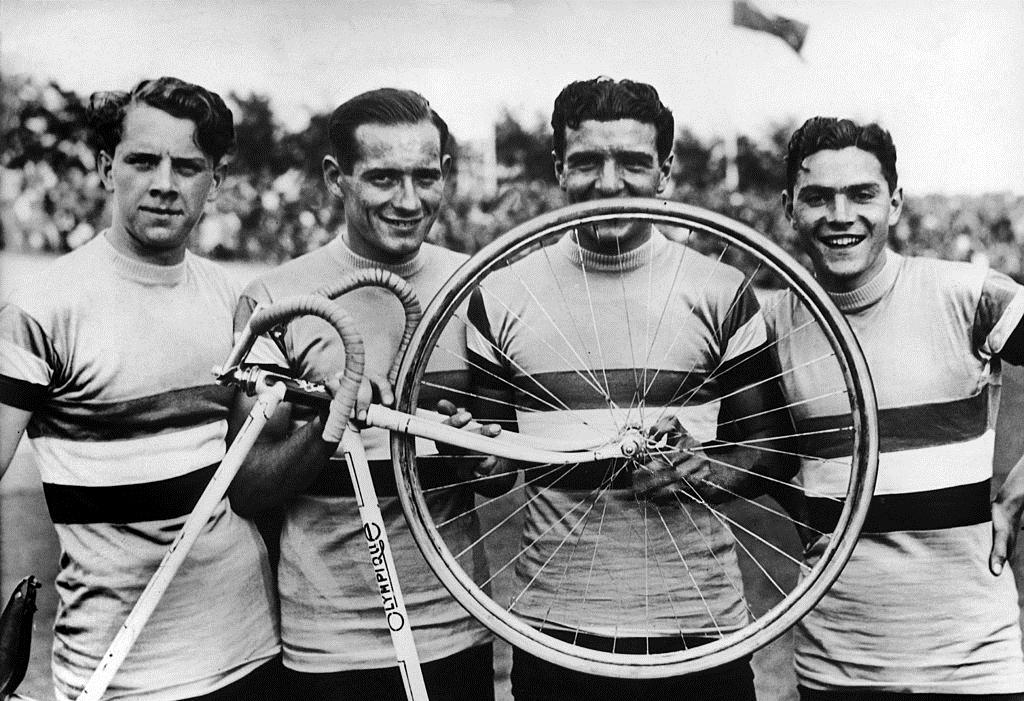
CYCLING GREATS…The French cycling team (left to right) Robert Charpentier, Guy Lapebie, Jean Goujon and Roger Le Nizerhy celebrate after winning the team race at the 1936 Berlin Summer Olympics. The Frenchmen delivered a historic performance, capturing seven total medals (three Gold, two Silver, and two Bronze). Charpentier was the star of the team, becoming a triple Olympic champion across road and track disciplines. (Wikipedia)

Flanner also noted some not-so-happy events that would occur following the games, including initial steps by the Nazis that would lead to the systematic seizure and forced transfer of Jewish real estate and property to the Third Reich’s leaders, citizens, and collaborators. It seems unlikely that Flanner was unaware of at least some of this plan, although she never explicitly mentions that this “real-estate adjustment” was directed solely at Jewish property owners.
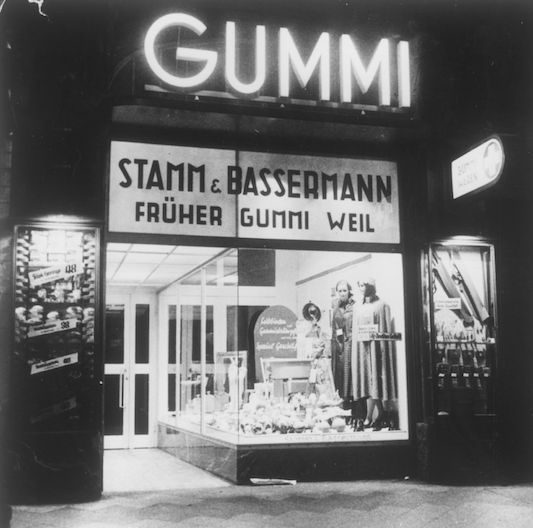
THE UGLY TERM “Aryanization” referred to the forced transfer of Jewish-owned homes and businesses to the Third Reich’s leaders, citizens, and collaborators. Above, the formerly Jewish-owned store Gummi Weil was expropriated and transferred to non-Jewish ownership (Stamm and Bassermann). Frankfurt, Germany, 1938. (Bildarchiv Preussischer Kulturbesitz)

 * * *

From Our Advertisers

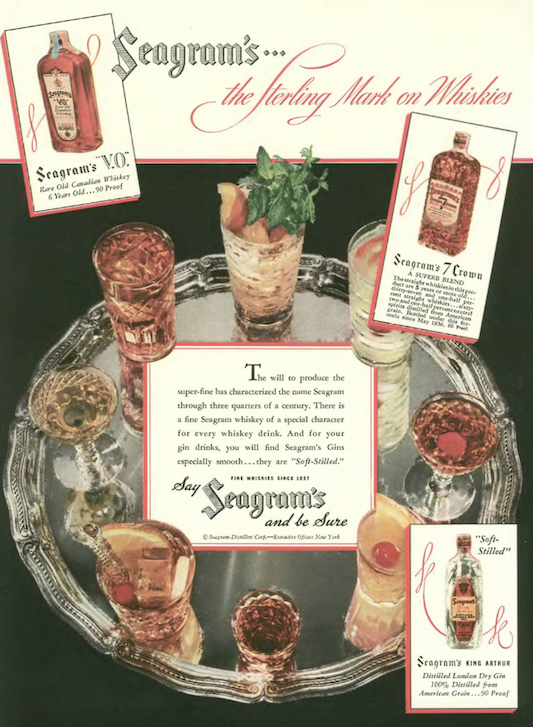
We begin with Seagram’s, promoting their signature whiskies and “soft-stilled” gin…
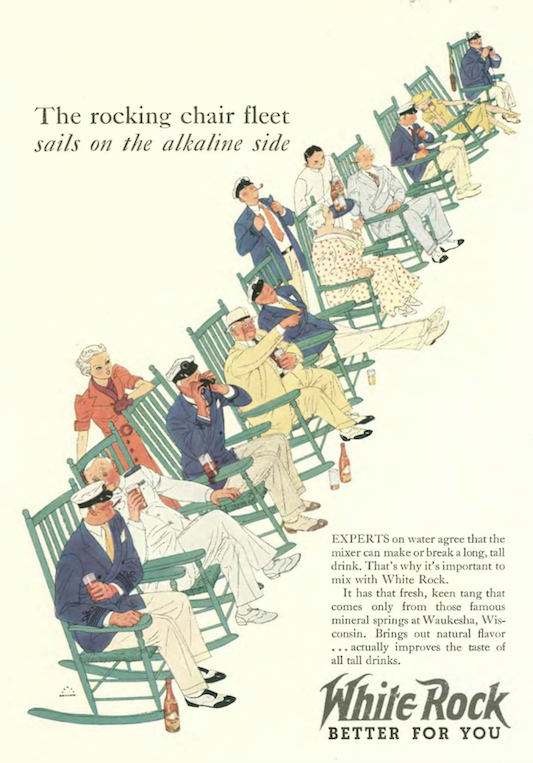
…White Rock continued to feature their clever and colorful John Holmgren-illustrated ads…
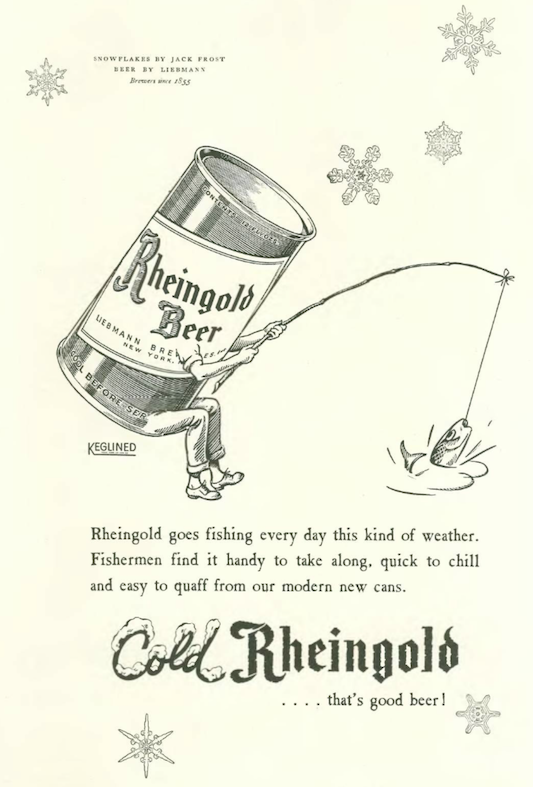
…Rheingold offered up their “Keglined” canned beer as a summer refresher…
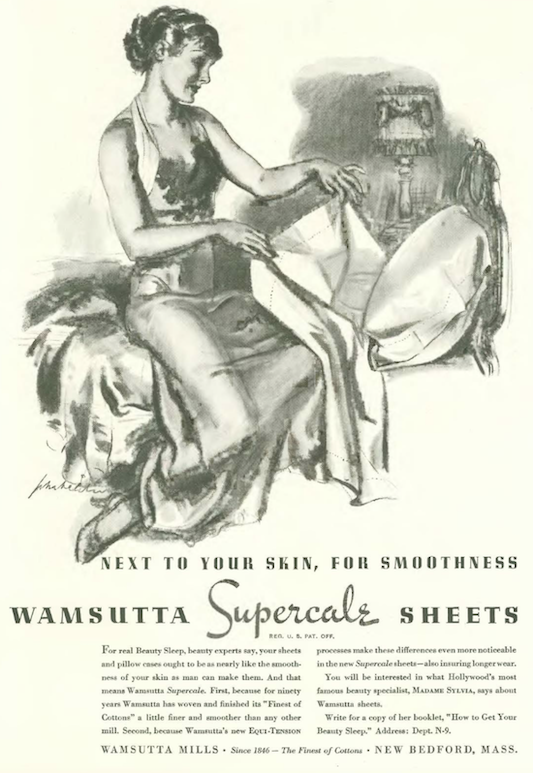
…Wamsutta Mills of New Bedford, Massachusetts became the world’s largest cotton-weaving plant by the end of the 19th century…their iconic “Supercale” sheets (introduced in 1935) typically featured a 200-thread-count…
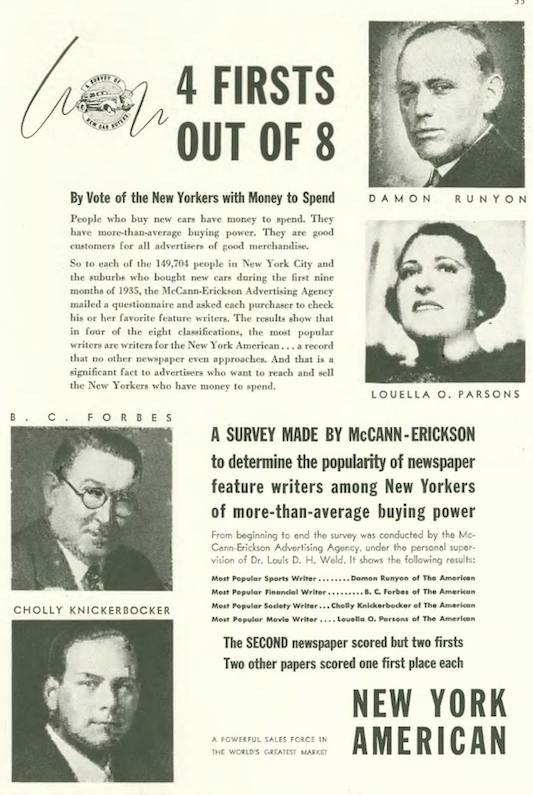
William Randolph Hearst’s New York American (soon to merge with Hearst’s New York Evening Journal) boasted a lineup of writers including short story writer and journalist Damon Runyon, movie gossip columnist Louella Parsons, Forbes magazine founder B.C. Forbes, and “Cholly Knickerbocker“—a pseudonym used by society writers, in this case by Maury Henry Biddle Paul

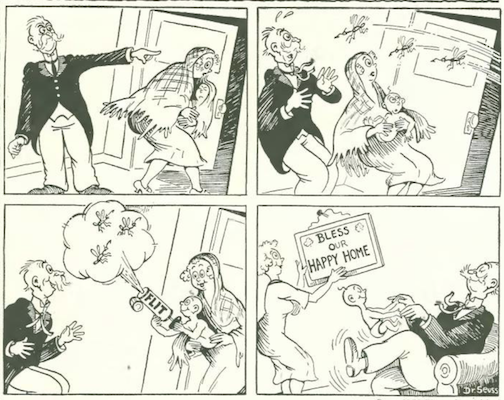
…another Flit ad by Dr. Seuss, this time an illegitimate child saves the roof over his head by whipping out some insecticide…
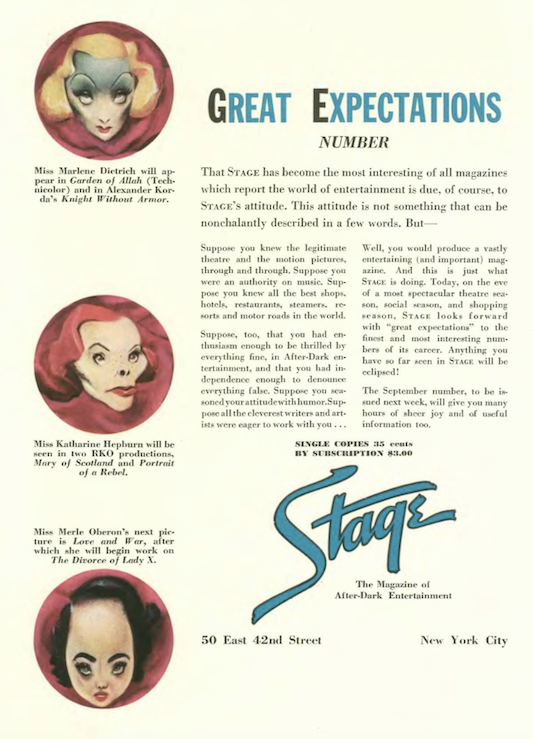
Stage magazine featured caricatures by Sam Berman to promote its “Great Expectations” issue…
Susan Willard Flint opens up our illustrators and cartoonists section…
…joined by James Thurber

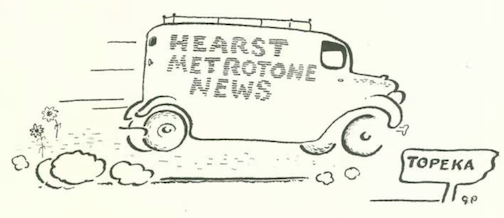
…and spots by Garrett Price

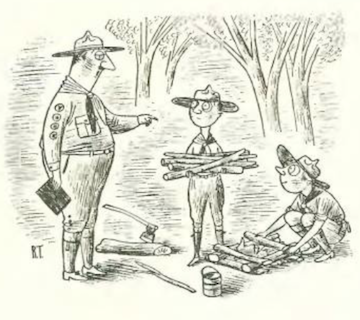
Richard Taylor

…and Christina Malman

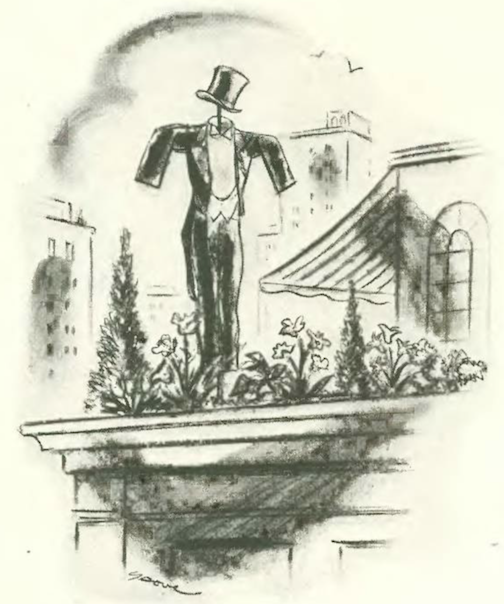
Leonard Dove drew up a stylish scarecrow…
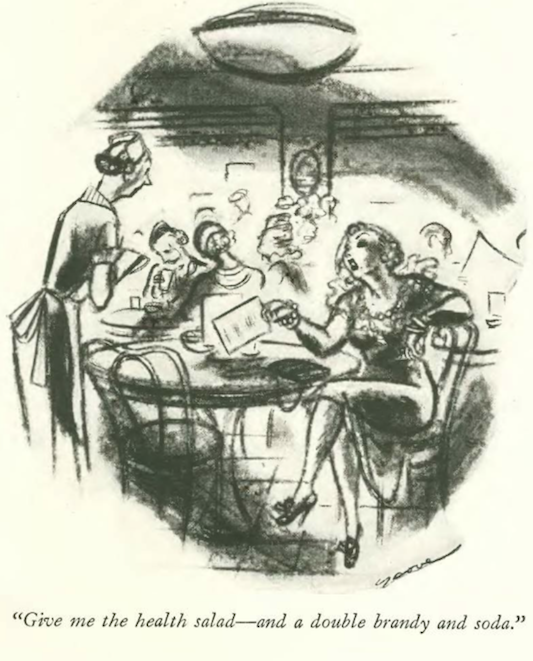
…and a woman who knows what she likes…
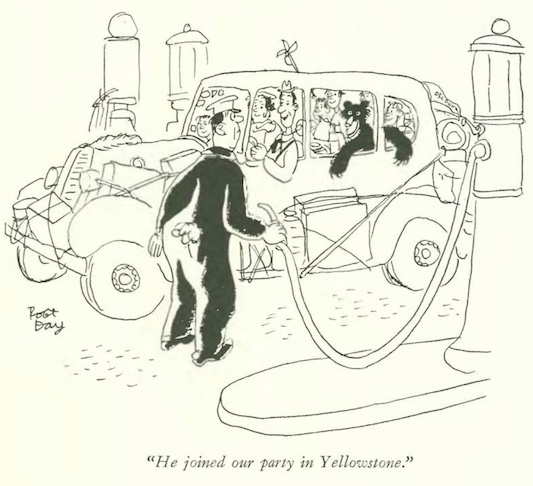
Robert Day found more than scenery on a trip to Yellowstone…
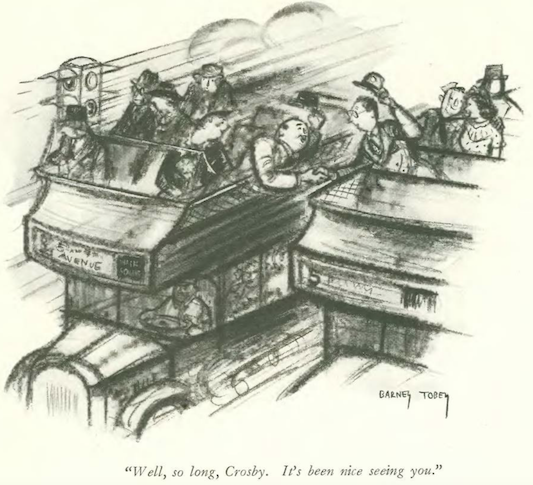
Barney Tobey exchanged some quick greetings on the omnibus line…
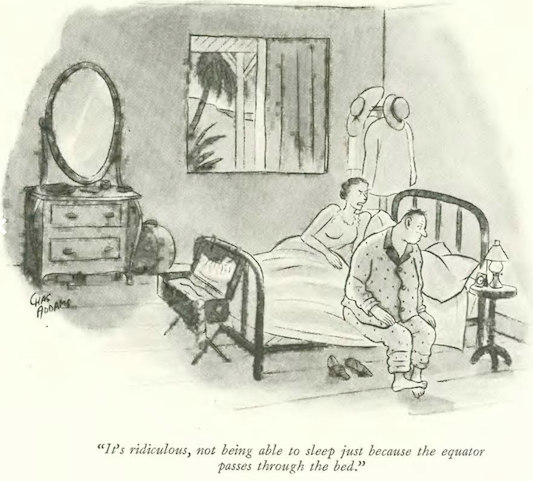
Charles Addams gave us a case of equatorial insomnia…
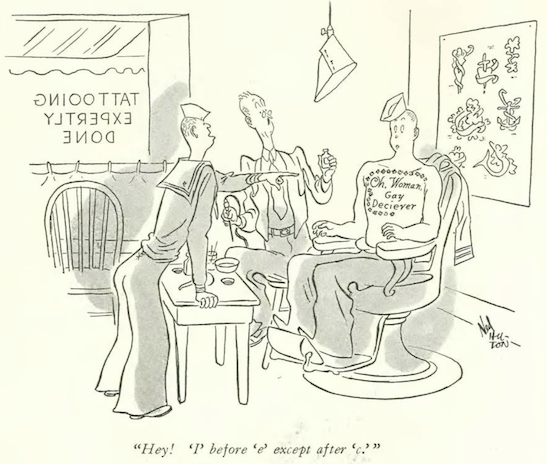
Ned Hilton’s inker had some editing to do…
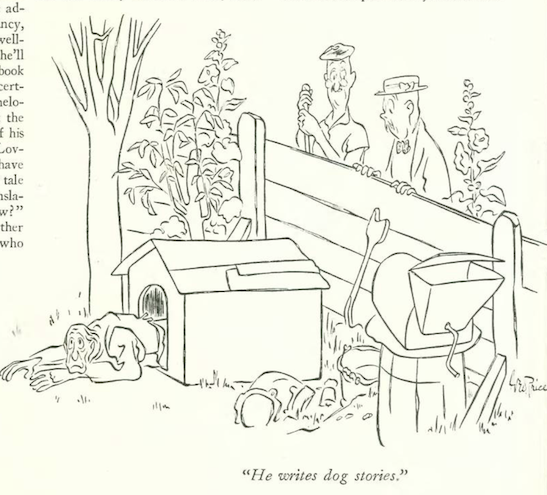
George Price gave new meaning to being “in the doghouse”…
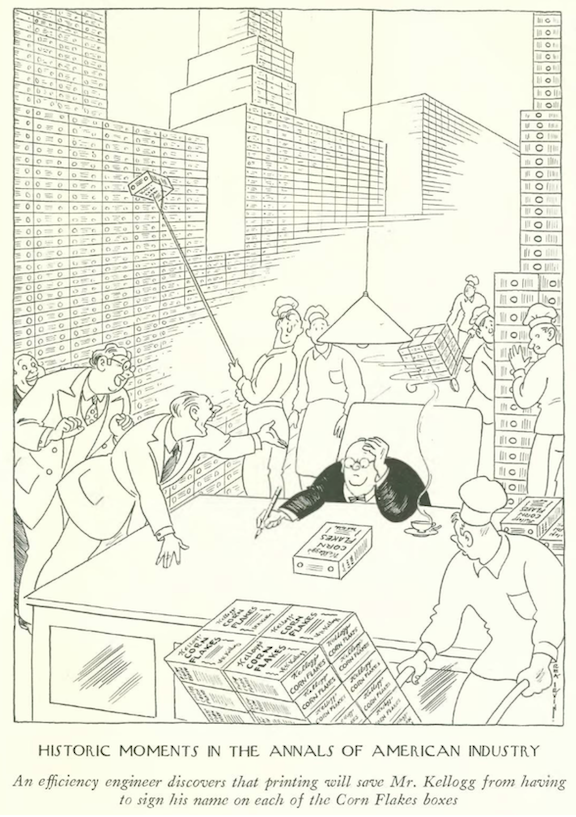
Rea Irvin revealed another advance in American ingenuity…
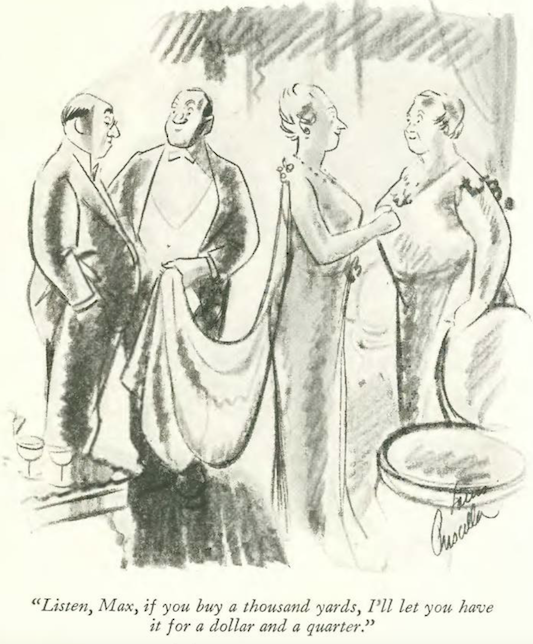
Louis Priscilla published the third of a total of three cartoons he contributed to The New Yorker from 1933 to 1936…Priscilla was also a magazine illustrator and a teacher at the Art Students League of New York…
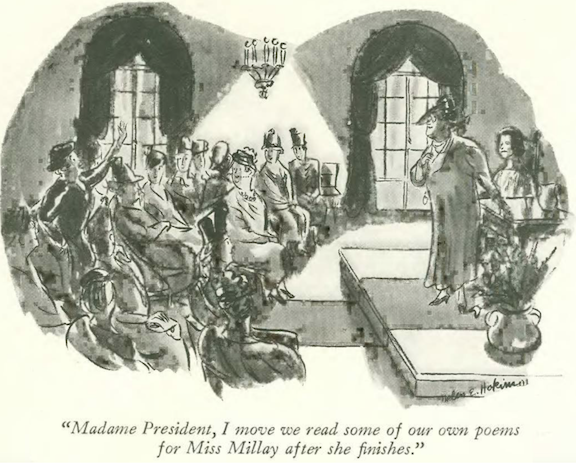
Helen Hokinson’s club ladies hoped to wow Edna St. Vincent Millay with some of their own poetry…
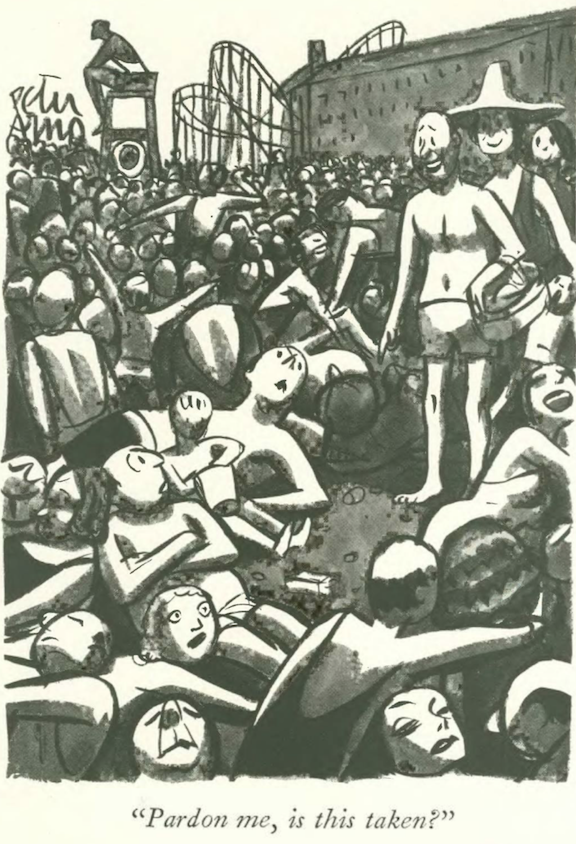
…and to close…if you’ve seen photos of Coney Island beaches in the 1930s, you know Peter Arno isn’t exaggerating much here…
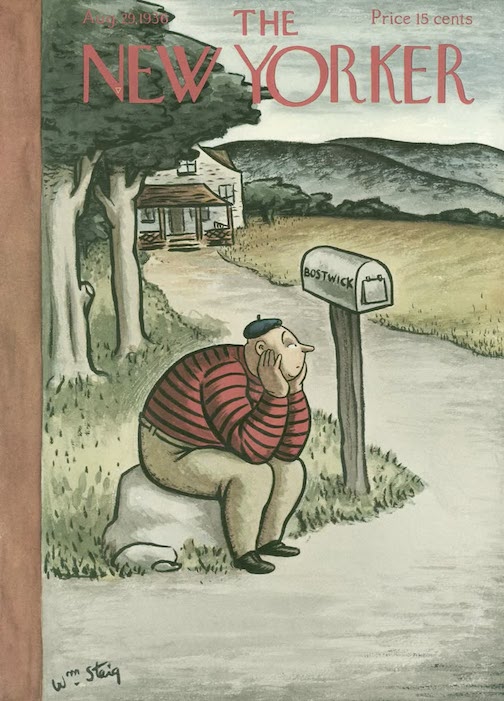
Next Time: Epic Adversity…
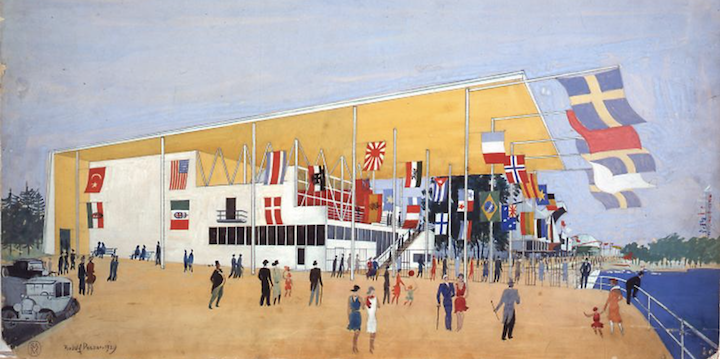
 

An Urban Spectacle

Above: Rudolf Persson's rendering of the main entrance to the Stockholm Exhibition of 1930, designed by Swedish architect Gunnar Asplund. The exhibition was a landmark event that introduced Functionalism to Swedish architecture and design.(Svensk Form)

Architecture critic Lewis Mumford turned his exacting eye on exhibitions at the Museum of Modern Art that looked to the future of building design. Of particular interest was an exhibit on those world expositions that have given us everything from the Eiffel Tower (1889 Exposition Universelle) to the car-dominated landscape that inspired millions of Depression-weary visitors at New York’s 1939 World’s Fair.

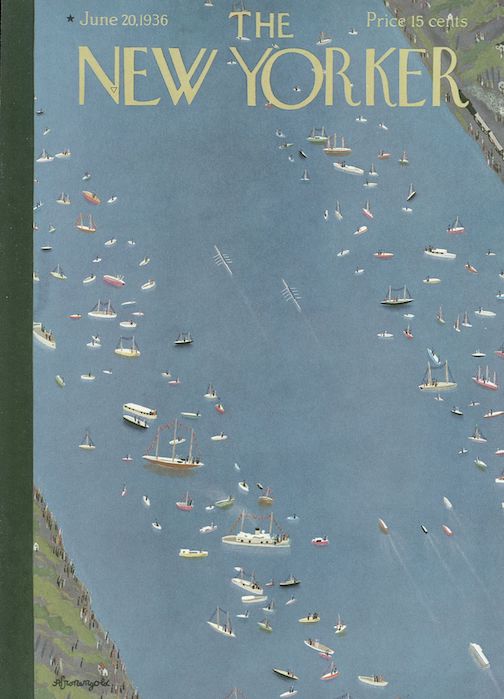
June 20, 1936 cover by Adolph K. Kronengold. Kronengold (1900–1986) created twenty-three covers for the New Yorker from 1928 to 1947. Born and raised in New Orleans, he frequently used watercolors and often painted scenes honoring his hometown. The June 20 cover was Kronengold’s seventeenth for the magazine.

Mumford made passing mention to the museum’s exhibit on government housing (he noted it was below MoMA’s standard) and then turned his attention to a review of world’s fairs, examining how they have inspired both waves of architectural achievement and “counterfeits of civic grandeur…”

BREAK FROM THE PAST…Images from the covers of MoMA’s exhibition catalogs depict the 1934-35 Carl Mackley Houses in Philadelphia (top, from the government housing exhibit) and the 1930 Stockholm Exposition. (MoMA.org)
STILL SERVING…the 1934-35 Carl Mackley Houses in Philadelphia have been on the National Register of Historic Places since 1998. (Wikipedia)
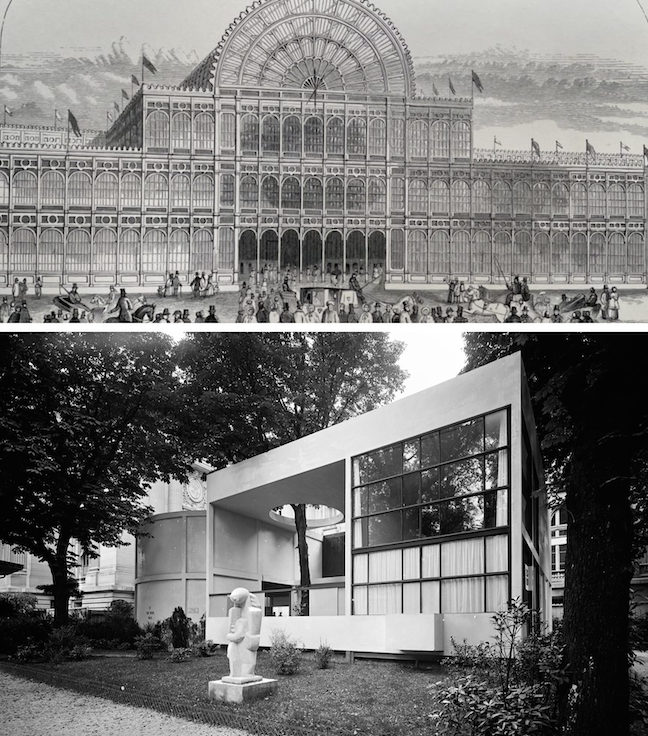
PONDERING what a modern exhibition should be, Lewis Mumford cited the granddaddy of them, the London Exhibition of 1851 (top), with its Crystal Palace, which he called “the first definitive monument of modern architecture,” as definitive and challenging as the Pavillon L’Esprit Nouveau (bottom), designed by Le Corbusier and Pierre Jeanneret for the 1925 International Exhibition of Modern Decorative and Industrial Arts in Paris. (devonandexeterinstitution.org/Wikipedia)
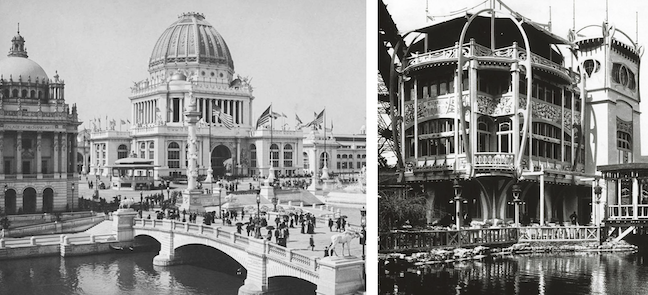
SHAM AESTHETIC…Mumford referred to buildings in the 1893 Chicago World’s Fair (left) as “laborious limestone counterfeits of civic grandeur,” while praising the 1893 and 1900 Paris expositions for design innovations including the Art Nouveau style—at right is Le Pavillon Bleu, a lavish restaurant once located at the foot of the Eiffel Tower. It was built by French architect René Dulong in collaboration with Belgian architect and designer Gustave Serrurier-Bovy, one of the founders of the Art Nouveau movement. (getzen.com/messynessychic.com)

Looking ahead to the planned 1939 World’s Fair at Flushing Meadows, Mumford believed the age of grand world expositions had passed, especially those that moved the needle on design innovation. Moreover, he observed that the lack of real drama or rational purpose would threaten bankruptcy to future fairs, a symptom especially acute in America: “…a hasty transfer of attention from the agents of production to the organs of reproduction; a bevy of naked hussies remind the spectator that there are other wonders in Nature besides the harnessing of Niagara Falls, or the five-millionth Ford car.”

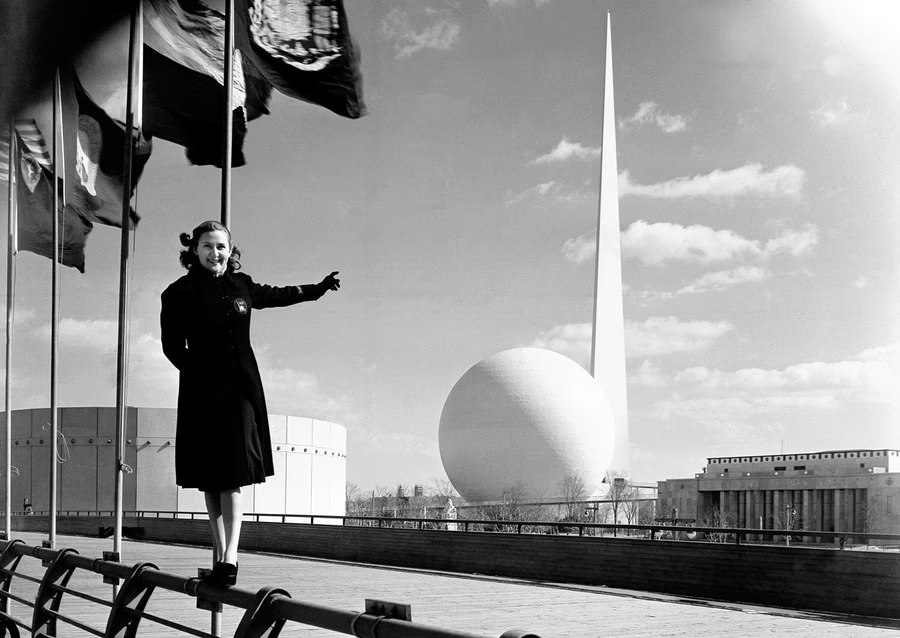
POINTING TO THE FUTURE..Rosalie Fairbanks, a guide to the 1939 New York World’s Fair, points to the theme of the exposition—the Trylon and Perisphere—after the entire sheath of scaffolding was removed for the first time on February 22, 1939. (Associated Press)

Earth-movers were already at work sculpting the fair’s site from the swampland and ash heaps along the Flushing River when Mumford assembled a self-anointed advisory group in 1936. This group— the “Fair of the Future Committee”—urged the fair’s leaders to abandon superficial commercialism and instead demonstrate how technology could serve the public good and restore ecological balance in American communities. That did not come to pass; when the fair opened in 1939, Mumford wrote in his “Sky Line” column (titled “Genuine Bootleg”) that the committee’s “hopes and proposals for a major contribution to urban design were progressively defeated. Today their wreckage is strewed about the Fair, so thoroughly smashed and disfigured that their own fathers could scarcely identify the corpses.”

FUTURAMA was a popular exhibit and ride at the 1939 New York World’s Fair. Designed by Norman Bel Geddes for the General Motors pavilion, it proposed a sprawling car-based future that was the antitheses of Lewis Mumford’s vision of human-scaled, ecologically balanced development. (Wikipedia)

Mumford got one thing right. Although the 1939 fair attracted more than 45 million visitors, it lost a lot of money, recouping only 32 percent of its original cost.

 * * *

Only a Memory

In “Notes and Comment,” E.B. White recalled the brief life of “America’s Little House” at 39th and Park in the Murray Hill neighborhood. The eight-room Georgian colonial was built in 1934 during the “Better Homes in America” campaign that promoted single-family home ownership as well as design innovations. The CBS radio network (which contributed $50,000 to the project) installed a studio in the house’s garage, from which it broadcast three national radio programs to a hundred stations across the country.

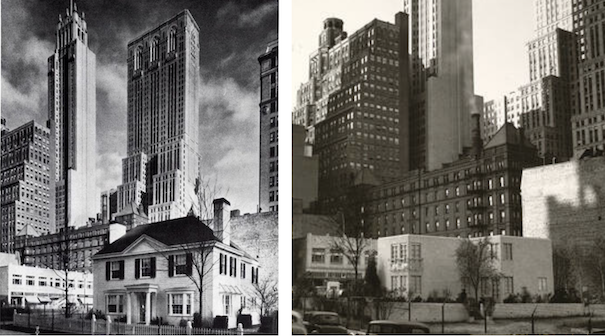
Open for about a year, the house was demolished in November 1935, its doors and interior furnishings sold to hostesses who had worked at the house. In its place William Van Alen—architect of the Chrysler Building—erected the all-steel “House of the Modern Age.”

CHANGE OF SCENE…At left, America’s Little House on Park Avenue and 39th Street, replaced by William Van Alen’s prefabricated steel house (right), “The House of the Modern Age,” detail from a photo by Berenice Abbott. (Wikipedia/cornell.edu)

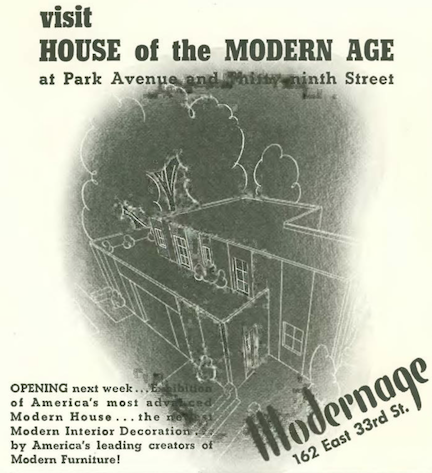
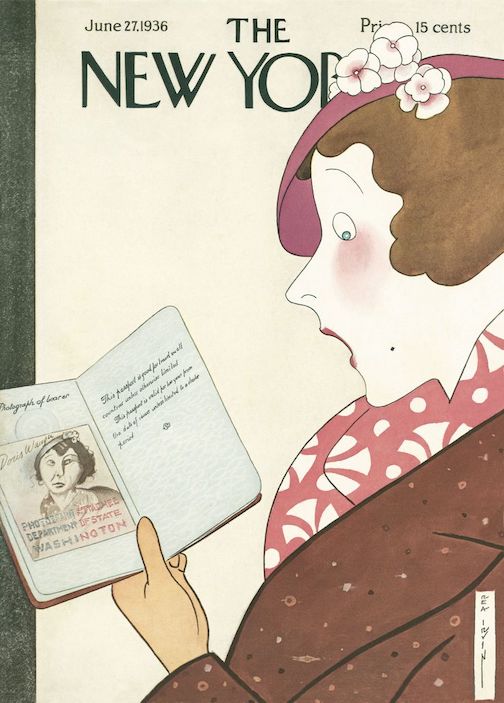
…in the following week’s issue of The New Yorker, June 27, a back of the book ad from the Modernage Furniture Corporation touted the opening of “The House of the Modern Age”…

 * * *

Fan Fans

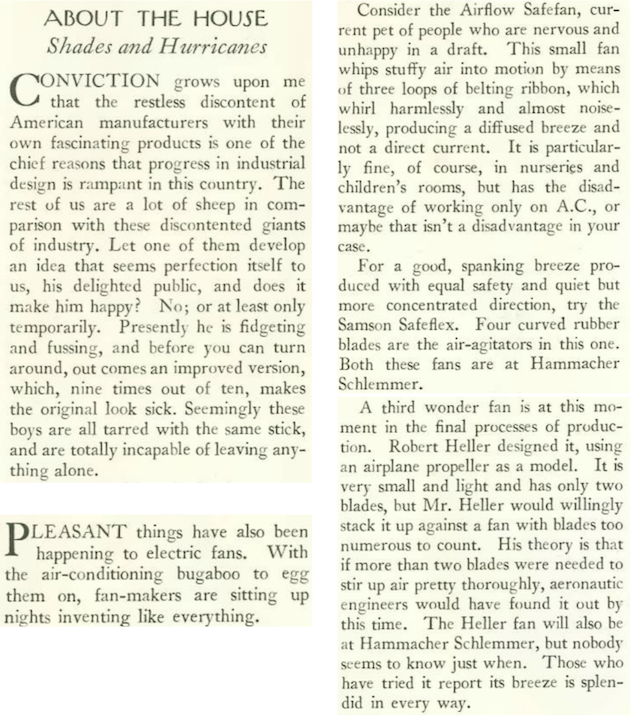
Staying on the domestic scene, here is an excerpt from Barbara Blake’s “About the House” column, where she updated readers on the latest in electric fans (air-conditioning in private homes was still a rarity).

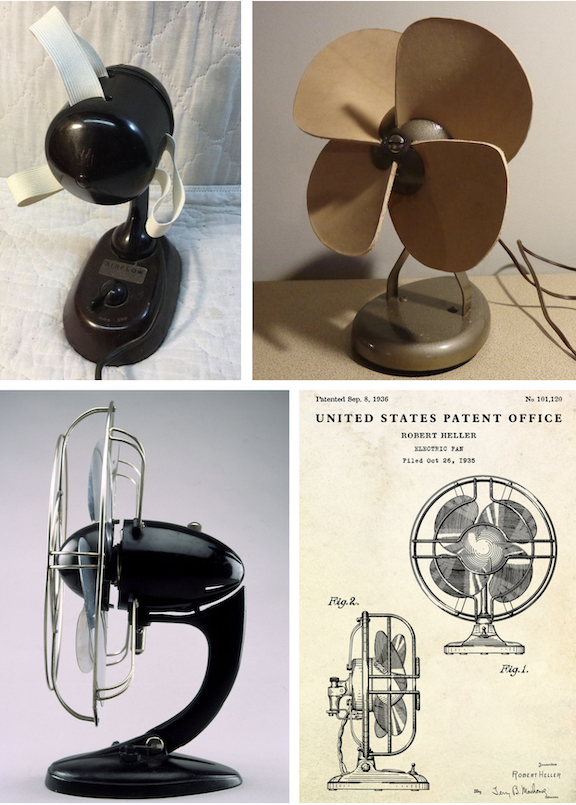
ELECTRIC WIND…Barbara Blake highlighted the latest in electric fans including, clockwise from top left, the Airflow Safefan, which moved air with looped ribbons; the Samson Safeflex employed rubber blades as a safety feature; the noted designer Robert Heller produced these fan designs (1936 and 1937) modeled on airplane propellers. (worthpoint.com/ebay.com/Montreal Museum of Fine Arts)

 * * *

Billy’s Beef

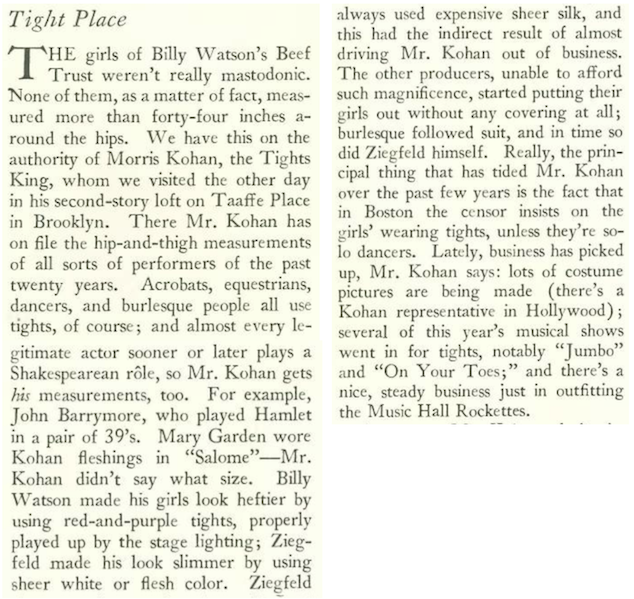
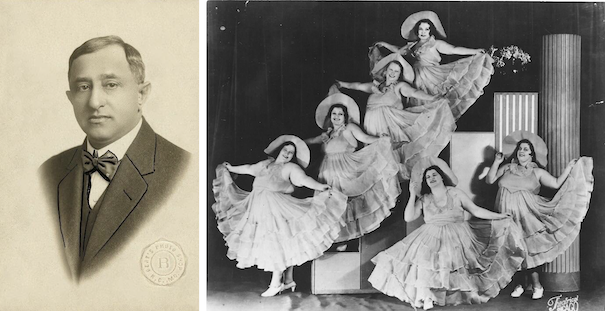
In 1899 vaudevillian Billy Watson (aka Isaac Levie) formed his Beef Trust burlesque troupe of plus-sized women. Although his shows starred women in the 200-pound range, he also relied on slight-of-hand provided by the “Tights King” Morris Kohan, who apparently could produce tights that could make a person look either heavier or slimmer. “The Talk of the Town” explains in this excerpt:

WHERE’S THE BEEF?…Billy Watson’s  burlesque troupe of plus-sized women—the Beef Trust— padded their profiles with the aid of specially designed tights. (Facebook.com)

 * * *

Divine Dilemma

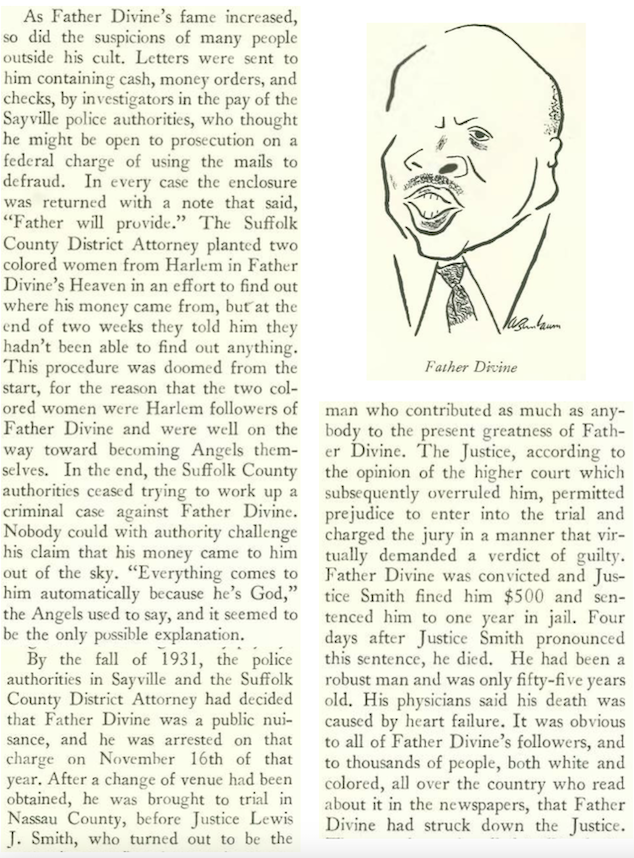
In Part Two of Father Divine’s profile, St. Clair McKelway and A.J. Liebling recounted the preacher’s 1931 arrest, prompted by ongoing complaints from the citizens of Sayville, New York about the traffic jams caused by Divine’s daily feasts as well as the noise generated by the faithful who would holler hallelujahs late into the evening. During one of these late night revivals police raided Divine’s property and fined each of the seventy-eight followers a few dollars apiece. Divine, however, insisted on a jury trial, which was held seven months later. The charge: Maintaining a public nuisance.

Jurors convicted Divine, with a request for leniency, but Justice Lewis Smith sentenced the preacher to a year in prison, calling him a “menace to society.” However, four days later the judge dropped dead of a heart attack, and Divine was freed. The notion that the judge’s death was divine retribution was naturally perpetuated by the media. A brief excerpt, with illustration by Abe Birnbaum.

GET OUT OF JAIL CARD…In 1931 Father Divine was arrested for maintaining a public nuisance. Following a jury trial and conviction, the presiding judge dropped dead, leading the preacher’s freedom a few days later. (facebook.com/nydailynews.com)

 * * *

At the Movies

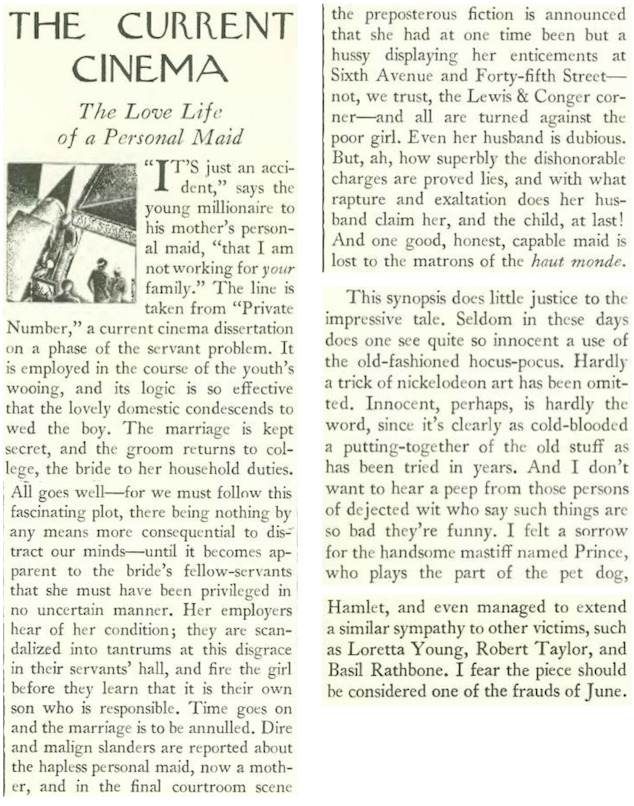
The drama film Private Number was based on the 1915 play Common Clay, which had already been made as a silent in 1919 and as a sound film in 1930. The play had a somewhat scandalous theme for the time (a young servant is fired when she becomes pregnant by her employer’s son), but thanks to the Hays Code, the more scandalous parts of the earlier films were omitted in 1936’s Private Number, leaving the viewer with little except for some “old-fashioned hocus pocus,” according to critic John Mosher.

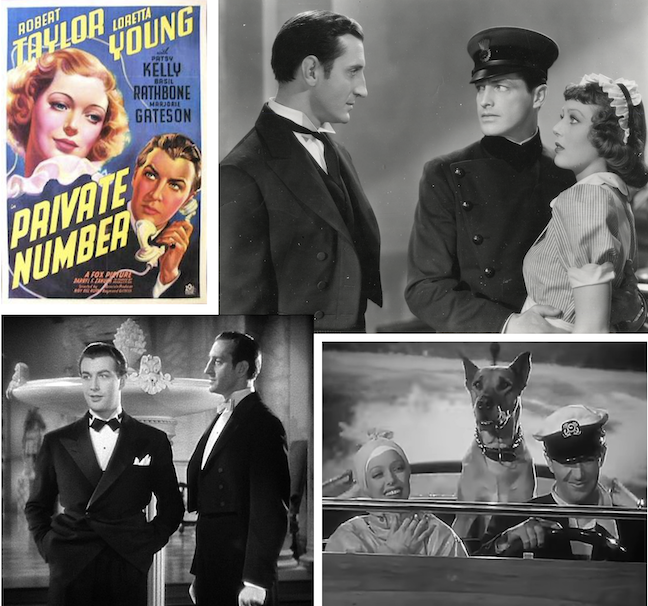
THE BUTLER DID IT…In Private Number, Basil Rathbone portrayed a tyrannical butler with a personal interest in one of his new maids (Loretta Young). She in turn secretly marries the scion of the family (Robert Taylor) and bears his child. Clockwise from top left: Poster for the film; Rathbone, Kane Richmond, and Young; Taylor, Young, and well-known canine actor Prince; rivals for a maid’s affection—Taylor and Rathbone. (Wikipedia/imdb.com/basilrathbone.net)

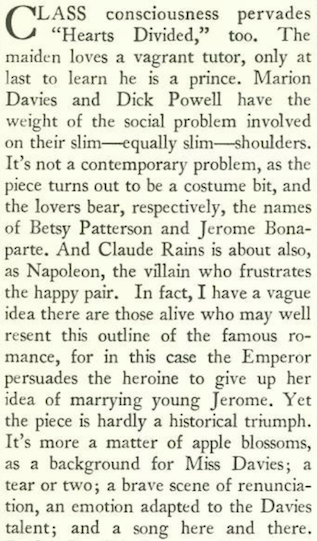
Thirty-nine-year-old Marion Davies appeared in one her final films, Hearts Divided, a musical based on the real-life marriage between American Elizabeth ‘Betsy’ Patterson and Jérôme Bonaparte, the brother of Napoleon Bonaparte. Although in real life Napoleon annulled the marriage, Hollywood gave the couple a happier ending.

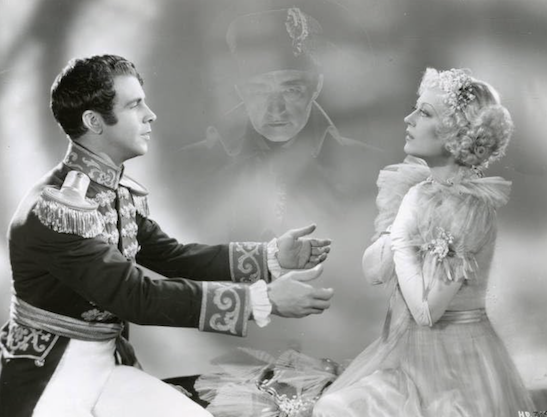
THREE’S A CROWD…Napoleon (Claude Rains) comes between lovers Marion Davies and Dick Powell in Hearts Divided. The two also shared an off-screen romance behind the back of William Randolph Hearst, with whom Davies had a long-term relationship and to whom she believed she owed her career. (imdb.com)

 * * *

From Our Advertisers

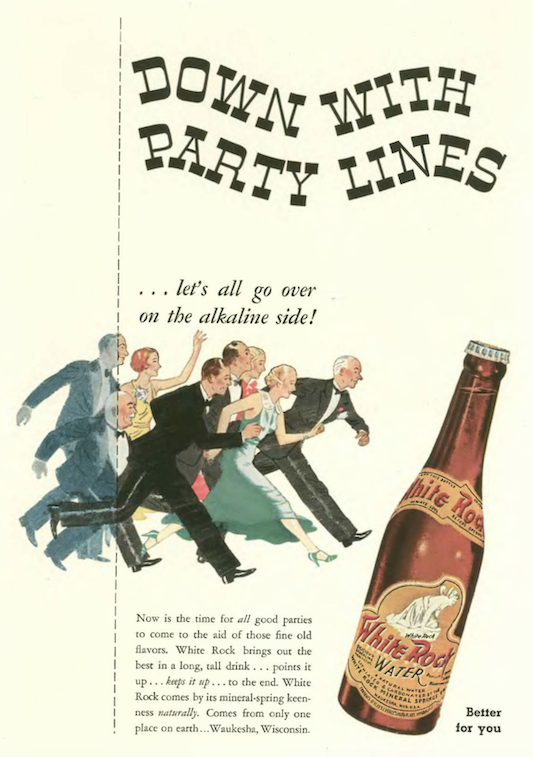
Illustrator R. John Holmgren drew up this non-partisan appeal for White Rock mineral water…

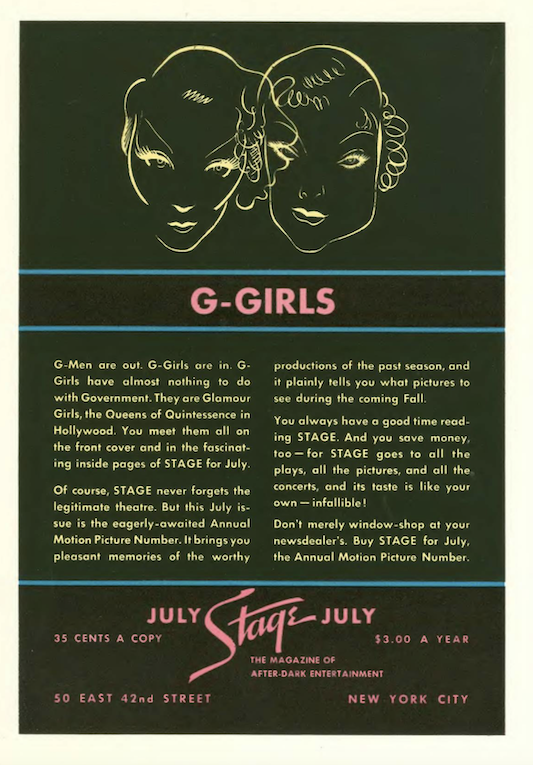
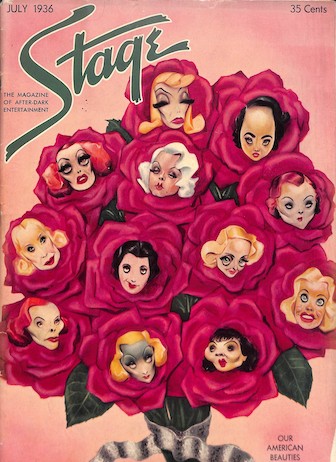
Stage magazine touted its upcoming July issue, featuring the “Glamour Girls” of Hollywood…

…here is the cover of that July 1936 issue, illustrated by Sam Berman featuring caricatures of leading ladies including Greta Garbo, Joan Crawford, Jean Harlow, Merle Oberon, Myrna Loy, Claudette Colbert, Bette Davis, Marlene Dietrich, and Katharine Hepburn…

(abebooks.com)

…longtime member of the New Yorker coterie and contributor Alexander Woollcott appeared in this full-page ad endorsing the work of the American Civil Liberties Union…

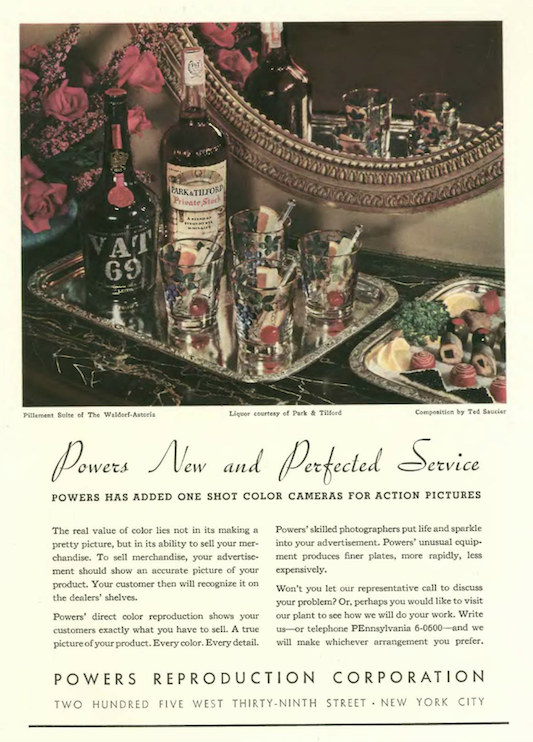
…from the 1920s to the 1940s the Powers Reproduction Corporation was a prominent, New York City photo-engraving firm that created high-quality color images for magazines and advertising agencies…

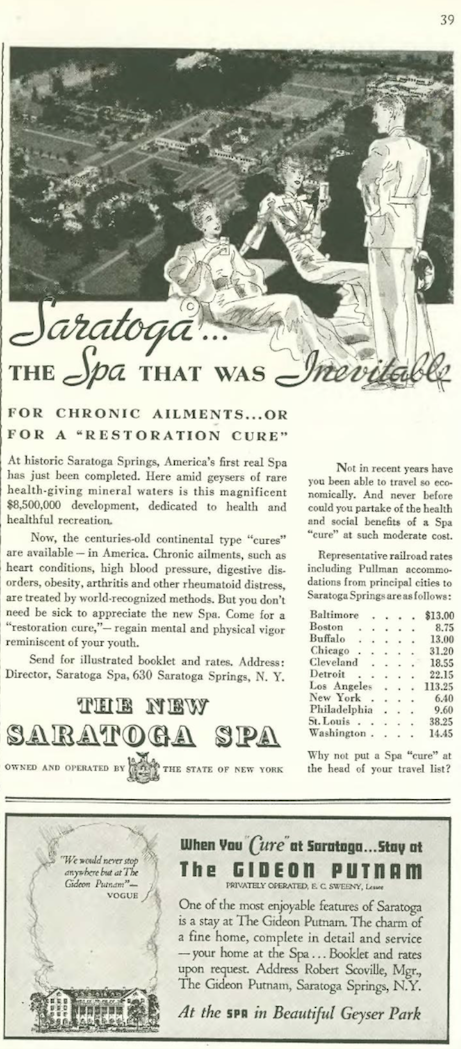
…these back of the book ads joined forces to promote the healing waters of Saratoga Springs and the Gideon Putnam hotel and spa…apparently the waters and other spa services treated everything from heart conditions to obesity…
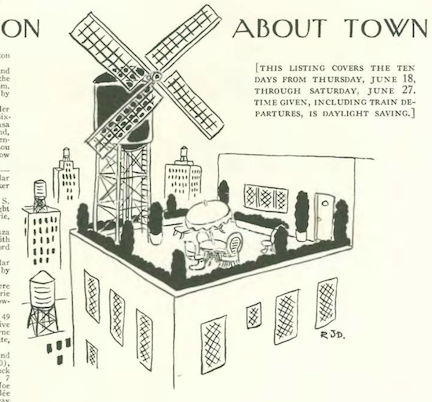
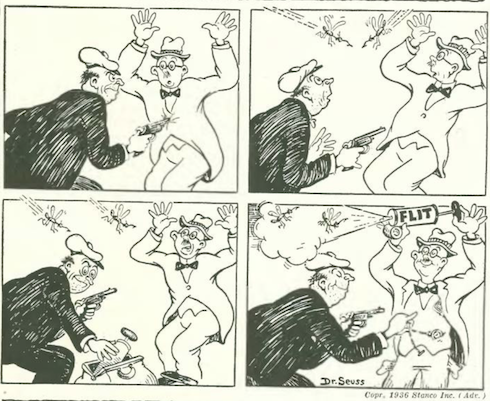
Dr. Seuss returned with another scenario for insecticide use…

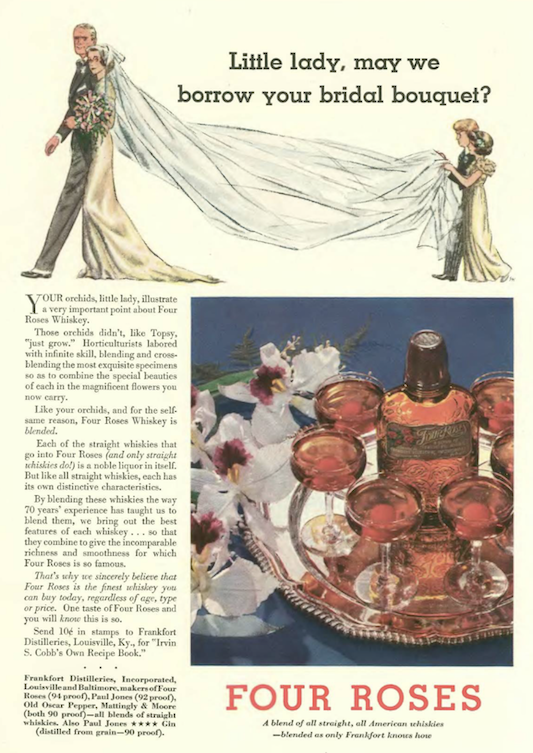
…on the inside back cover, the distillers of Four Roses Whiskey conjured up a June bride as an apt metaphor for their blending techniques…

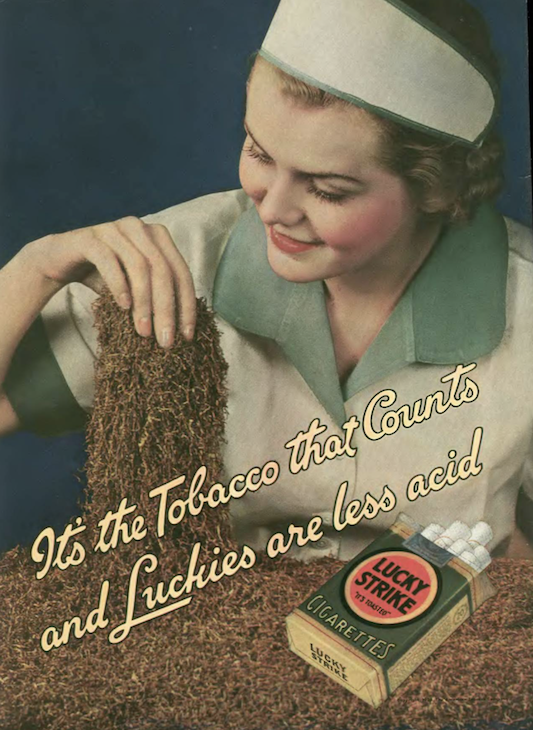
…while Lucky Strike reclaimed the back cover with an ad that promoted its low acid cigarettes, whatever that meant…

…on to our illustrators and cartoonists, we begin with Arnold Hall

…and Robert Day…

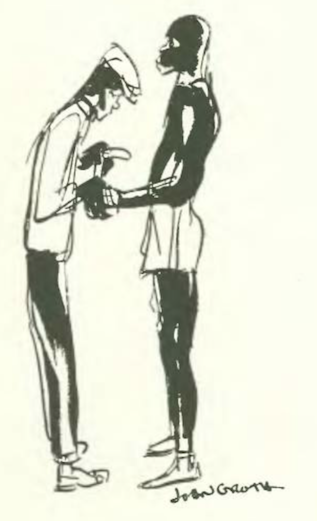
…with other featured spots from John Groth

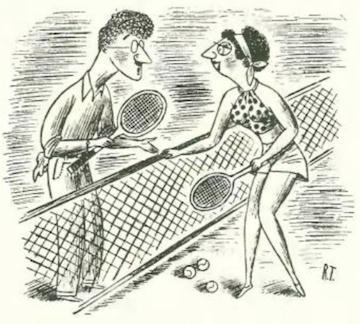
Richard Taylor

…and Otto Soglow

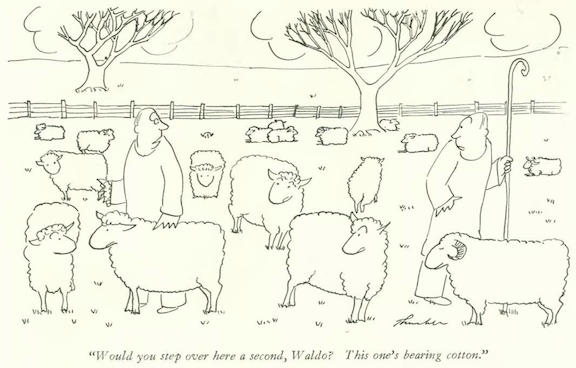
James Thurber drew up an unusual development in the sheepfold…
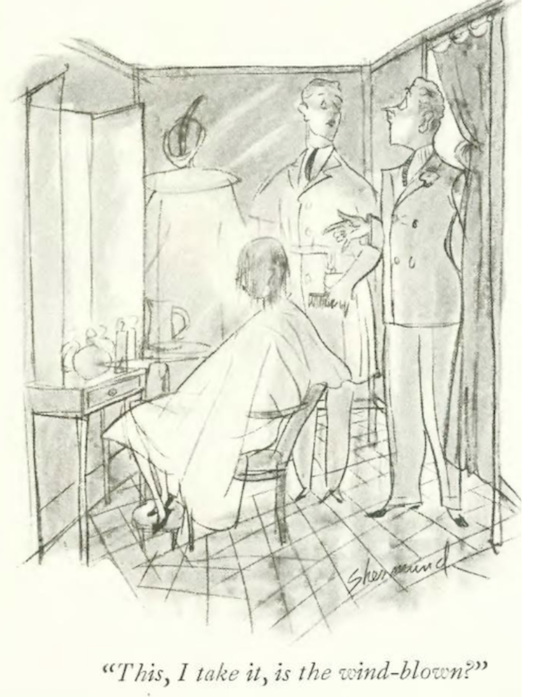
Barbara Shermund posed a challenge for a hair dresser…

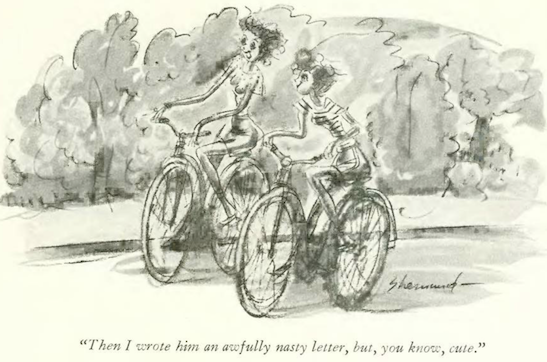
…and Shermund again, revealing a tactic of the modern woman…

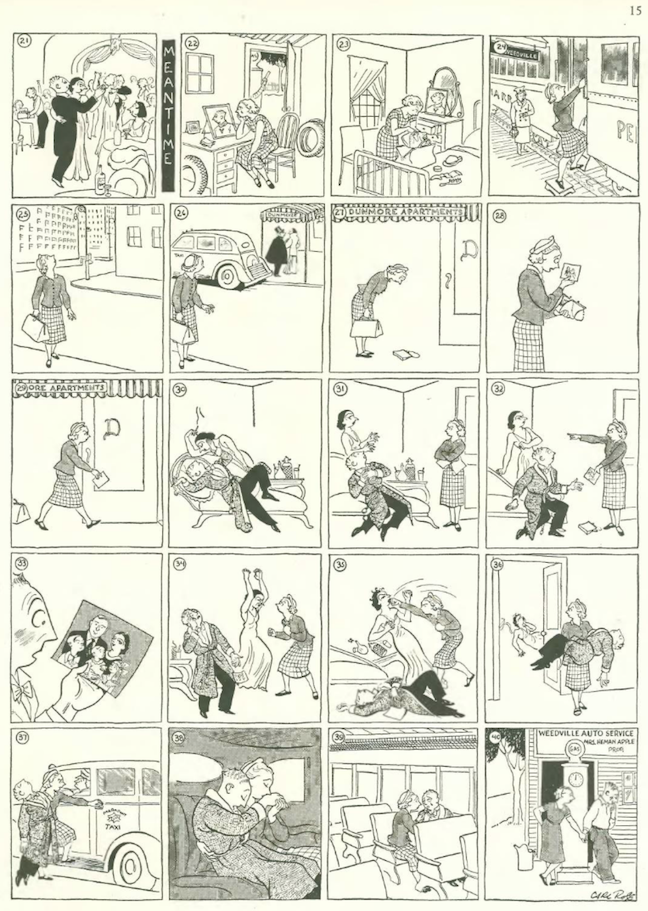
Carl Rose commanded a two-page spread to tell his tale of sin and redemption…

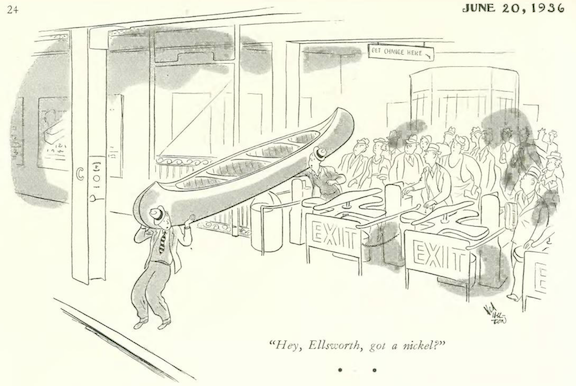
Ned Hilton needed a hand at the subway station…

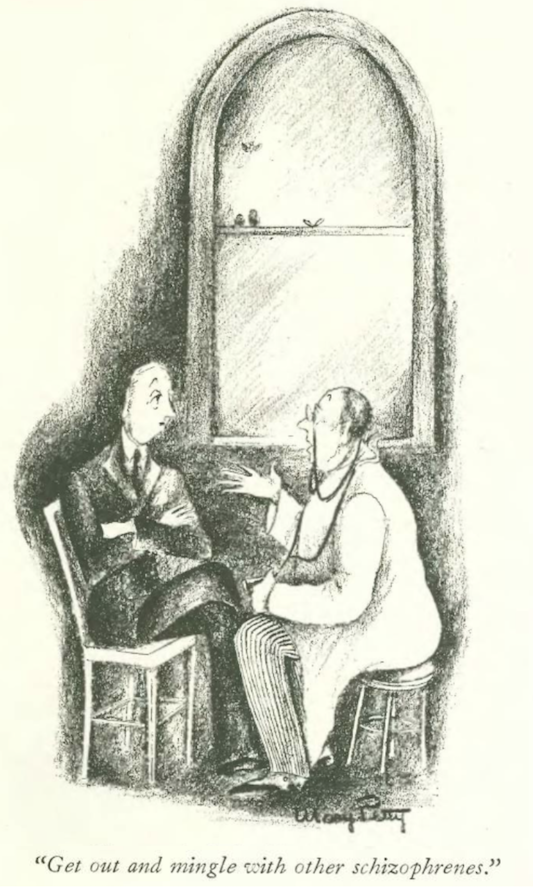
Mary Petty gave us a patient in need of a second opinion…

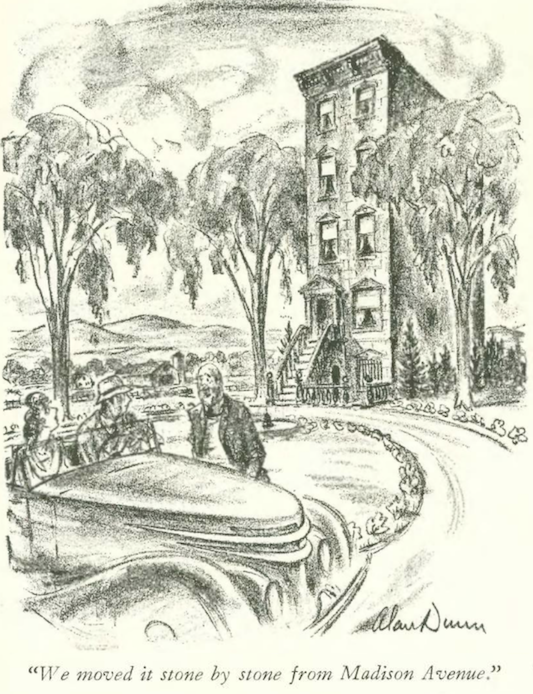
…while Alan Dunn weighed summer camp options…

…and we close with Dunn, and a true urban escape…

Next Time: Poppy Returns…