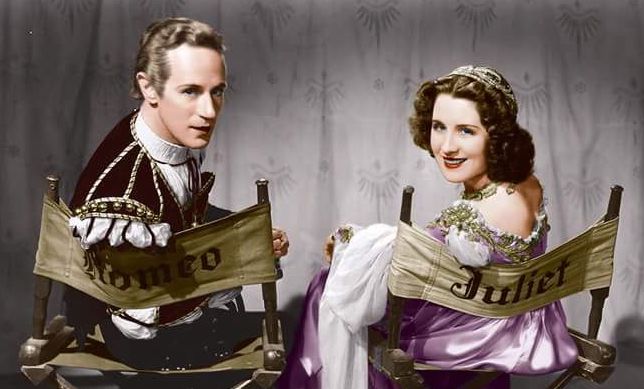
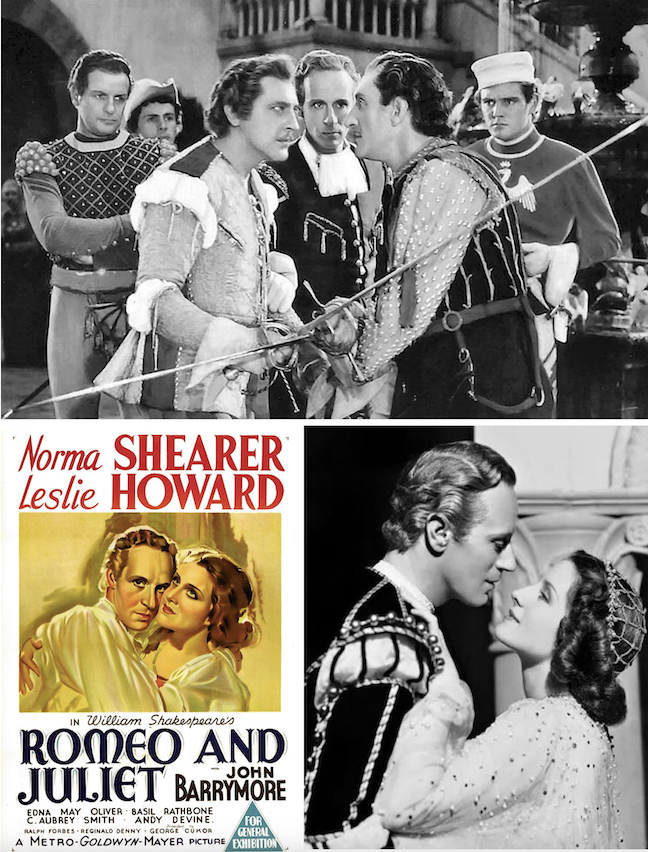
Above: Leslie Howard and Norma Shearer played the lead roles in George Cukor's 1936 adaptation of William Shakespeare's "Romeo and Juliet." In retrospect, these major stars were miscast; Shakespeare's original play identified Juliet as thirteen years old (soon to be fourteen), while scholars estimate Romeo to be around sixteen. Howard was forty-three and Shearer thirty-four when the film was released. (pinterest.com)
Although Leslie Howard and Norma Shearer were too old to play Romeo and Juliet as lovesick teenagers, in 1936 audiences and critics didn’t seem to notice or care. What did keep audiences away from the big budget Romeo and Juliet was the perception that it was too “arty.”
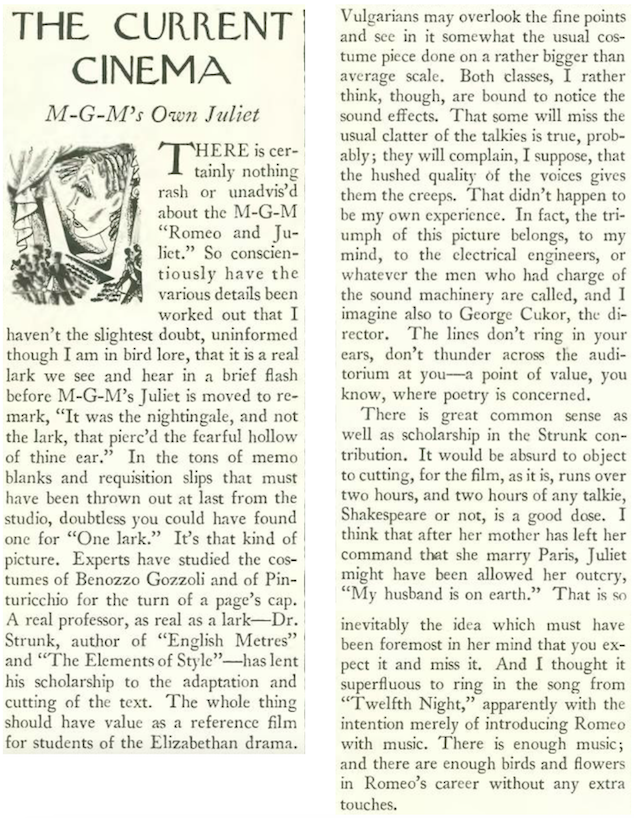
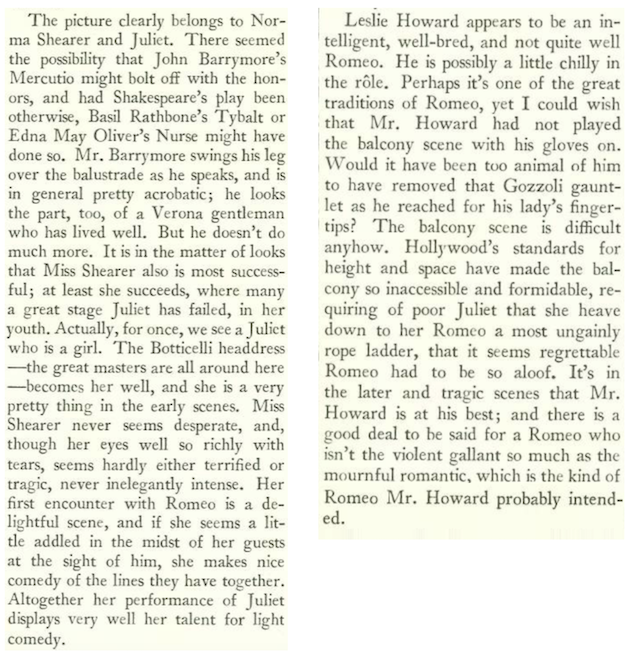
Indeed, New Yorker film critic John Mosher suggested that “vulgarians” would miss the finer points of this meticulously made film—director George Cukor even secured the services of William Strunk Jr. (of Elements of Style fame) to ensure linguistic accuracy.
This dedication to the finer points of the play obviously didn’t apply to the choice of the principal actors—a middle-aged Romeo, a thirty-something Juliet, or a 54-year-old playing Romeo’s best friend, Mercutio (John Barrymore). In the days of the studio system, it was assumed that big productions needed equally big, established actors attached to them, regardless of age. Also, Shearer was producer Irving Thalberg’s wife.
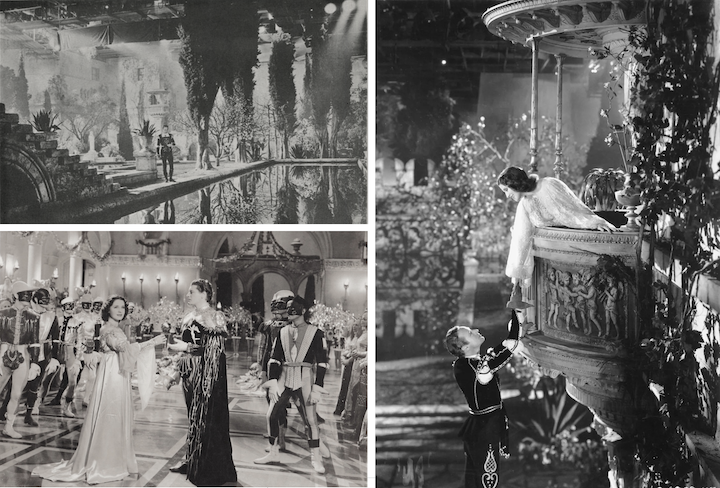
Mosher described the film as a “sensible” presentation and praised the 34-year-old Norma Shearer for her youthful appearance. “Actually, for once, we see a Juliet who is a girl,” he wrote. Writing for Literature/Film Quarterly, Allison Kellar notes that “with the help of costumes, props, and lighting, Shearer effectively appears as the young Juliet.”
For years MGM’s “Boy Wonder,” producer Irving Thalberg, had pushed the studio to make the film, but MGM head Louis B. Mayer believed (correctly, it turned out) that the masses would consider Shakespeare too highbrow. Mayer was also concerned about a big budget picture in those lean Depression years, but somehow Thalberg won him over (the film lost almost a million dollars, roughly equivalent to $25 million today).
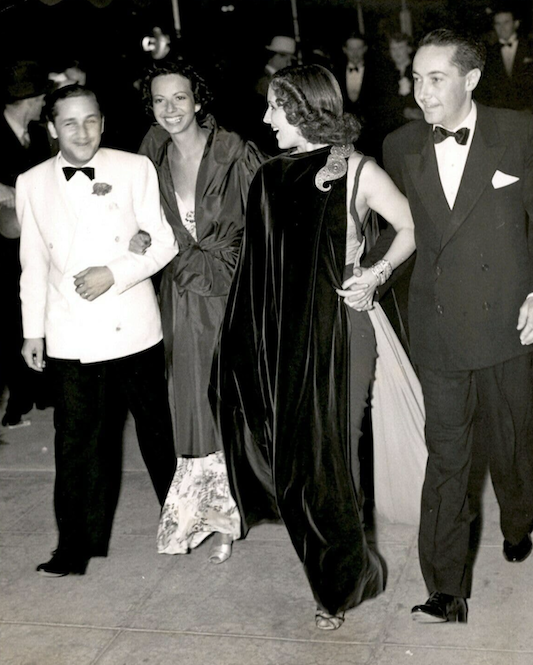
Romeo and Juliet would have its world premiere on Aug. 20, 1936 at New York’s Astor Theatre. The West Coast premiere followed on Sept. 14—that same night legendary MGM producer, Irving Thalberg, husband of star Norma Shearer, would die suddenly at the age of 37. Needless to note, the Los Angeles opening was deeply somber.
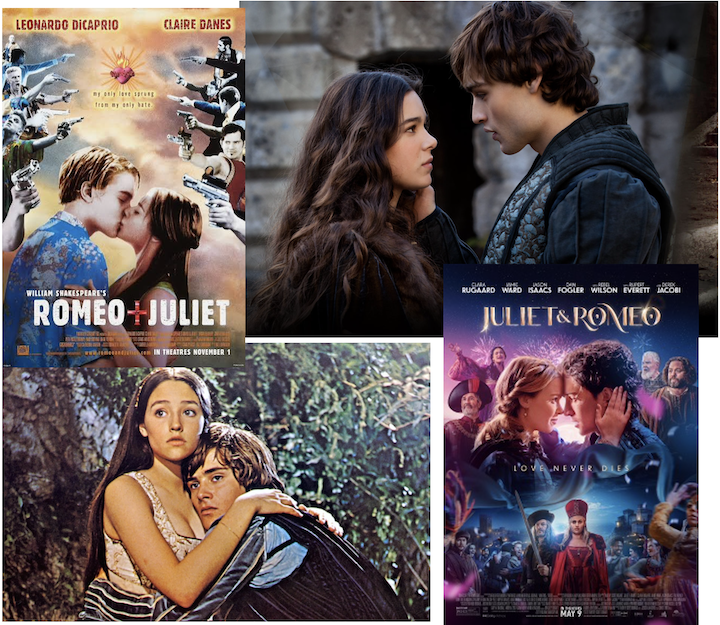
Now, just for kicks, here are the ages of actors who have portrayed Shakespeare’s star-crossed lovers in more recent films:
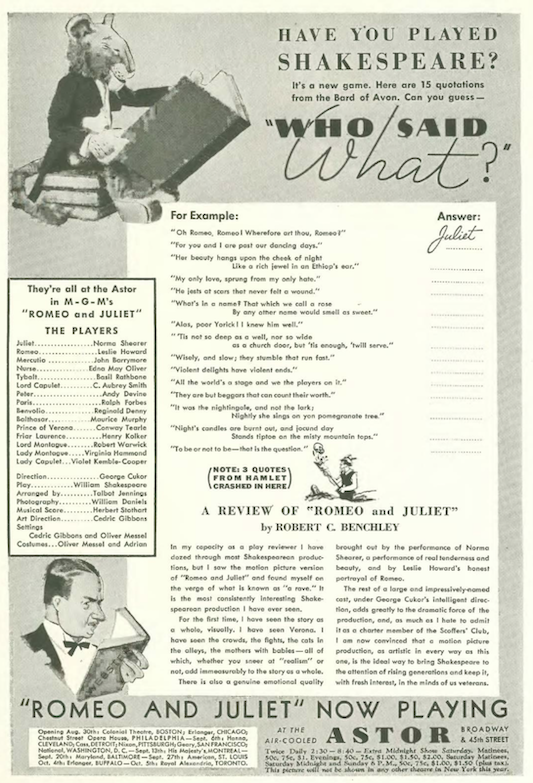
MGM spent a lot on the marketing of Romeo and Juliet, including this full-page ad in The New Yorker that included an endorsement from the magazine’s theater critic, Robert Benchley:
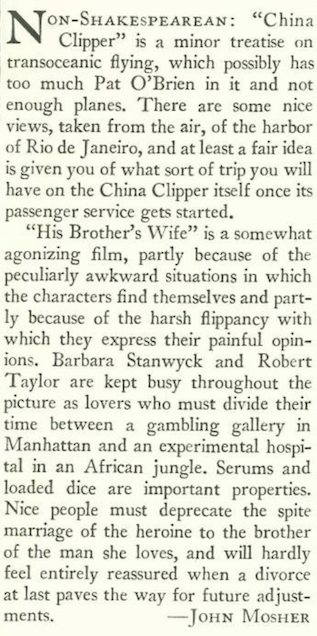
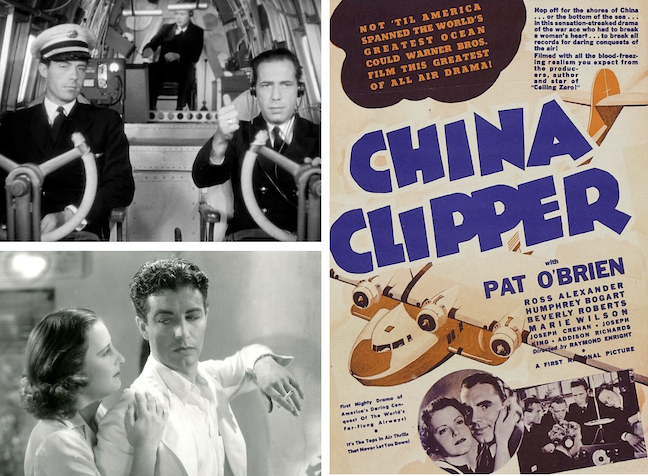
There were other, less-hyped films available for those allergic to Shakespearian drama. Mosher again:
* * *
Getting Out of Town
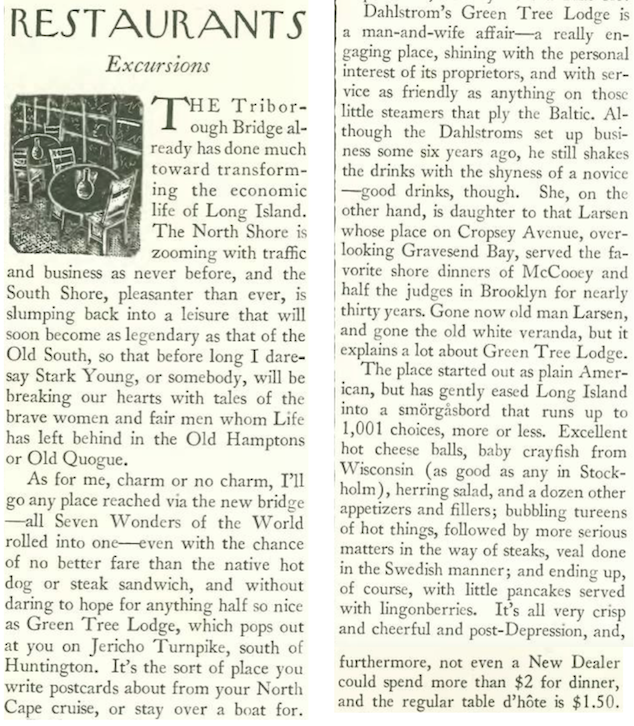
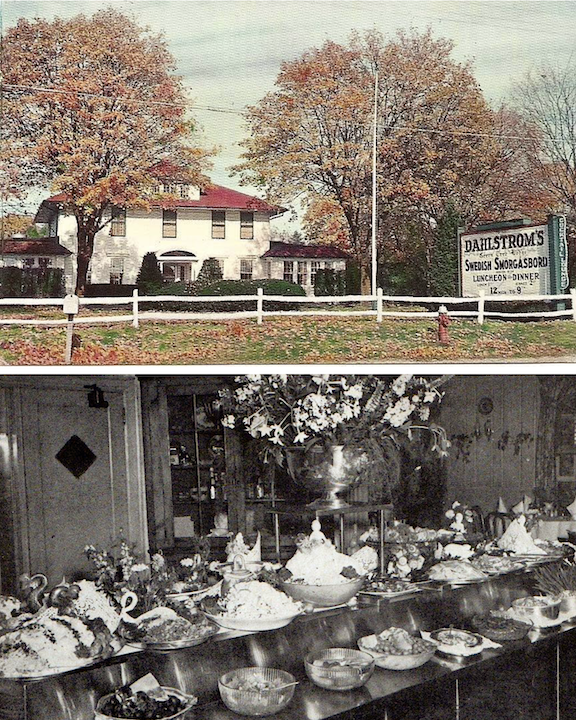
Food critic Sheila Hibben headed to Long Island to do a little restaurant-hopping, checking out Dahlstrom’s Greentree Lodge on the Jericho Turnpike. Dahlstrom’s was a popular Swedish restaurant that served food smörgåsbord-style. This concept for displaying a variety of self-serve dishes would not become widespread until the smörgåsbord was introduced to the general public in the Swedish Pavilion at the 1939 New York World’s Fair.
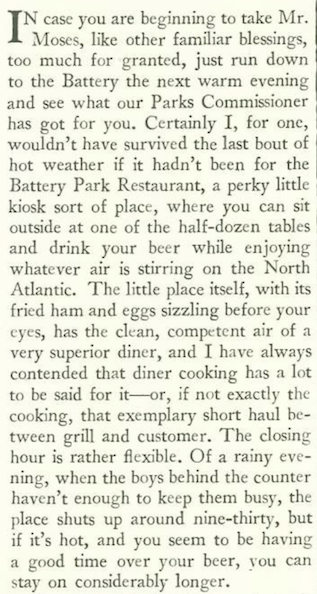
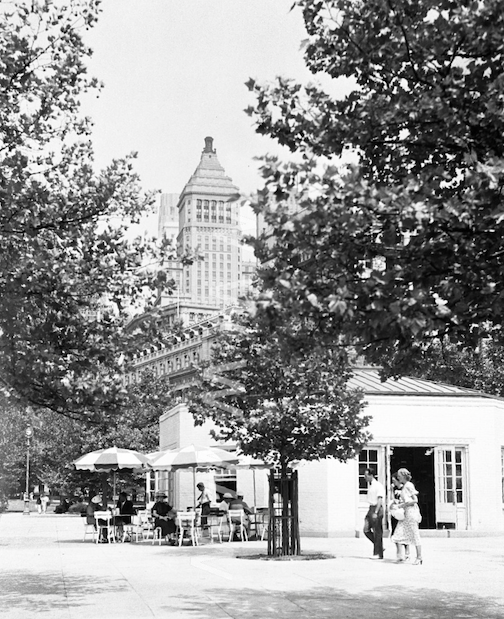
Closer to home, Hibben visited the Battery Park Restaurant, a “perky little kiosk sort of place where you can sit outside…and drink your beer while enjoying whatever air is stirring on the North Atlantic.”
* * *
Cheers Before Tears
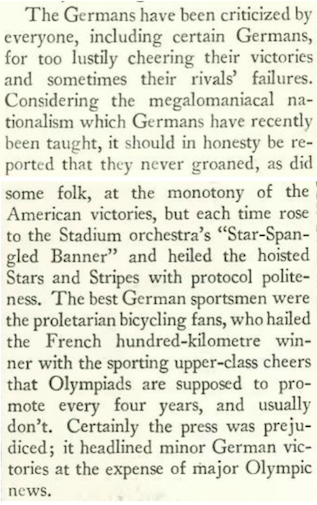
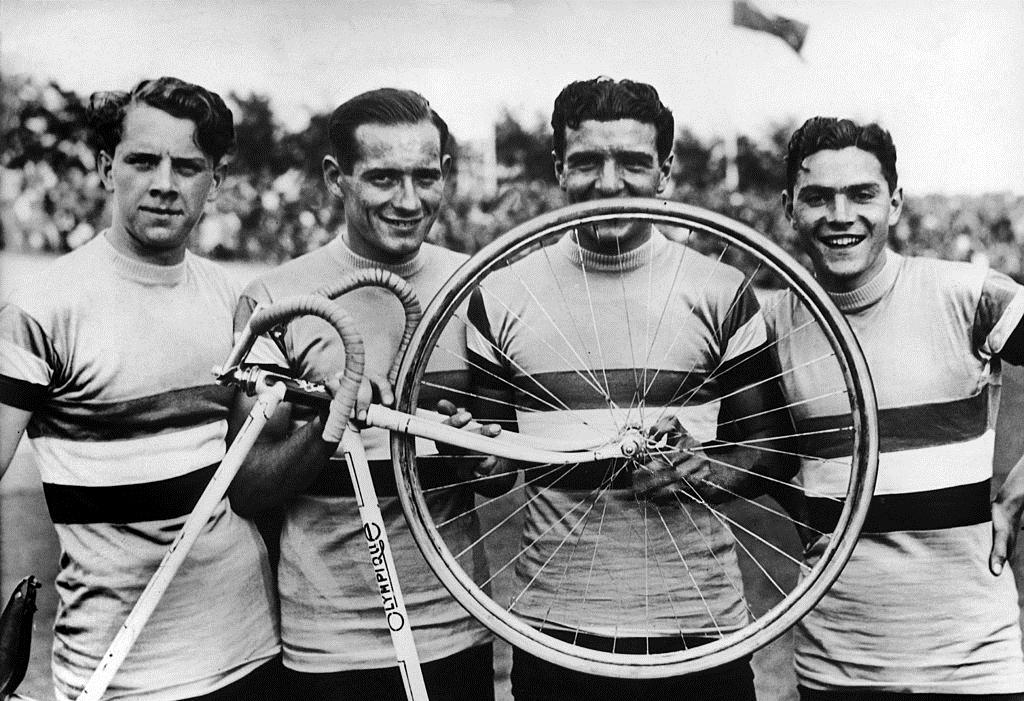
In her continuing report on the Berlin Olympics, Janet Flanner noted that some German fans—despite their country’s “megalomaniacal nationalism”—were polite about the “monotony of the American victories,” and even offered cheers for the French bicycling team (whose country would be invaded by theirs in less than four years).
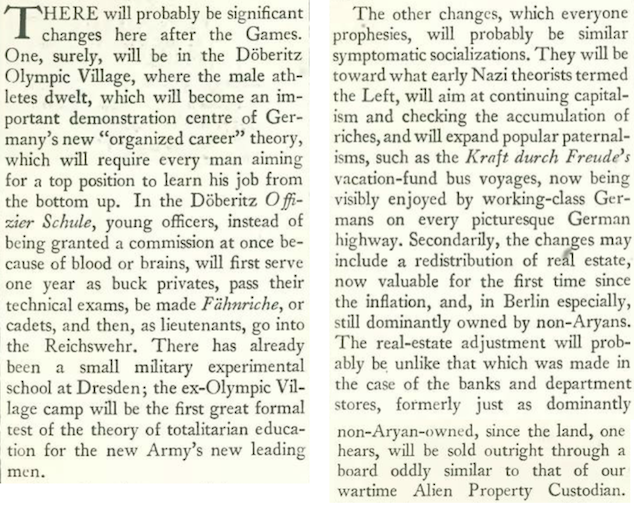
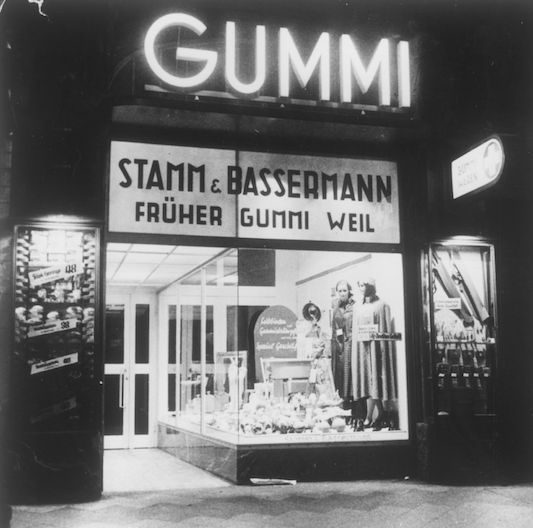
Flanner also noted some not-so-happy events that would occur following the games, including initial steps by the Nazis that would lead to the systematic seizure and forced transfer of Jewish real estate and property to the Third Reich’s leaders, citizens, and collaborators. It seems unlikely that Flanner was unaware of at least some of this plan, although she never explicitly mentions that this “real-estate adjustment” was directed solely at Jewish property owners.
* * *
From Our Advertisers
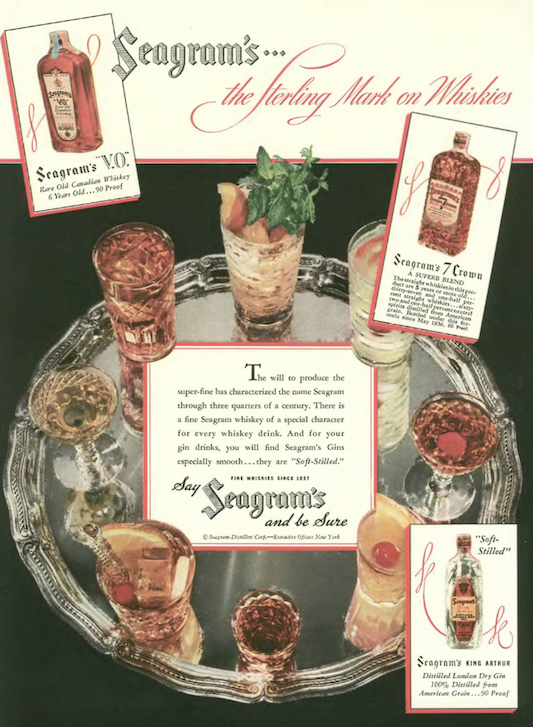
We begin with Seagram’s, promoting their signature whiskies and “soft-stilled” gin…
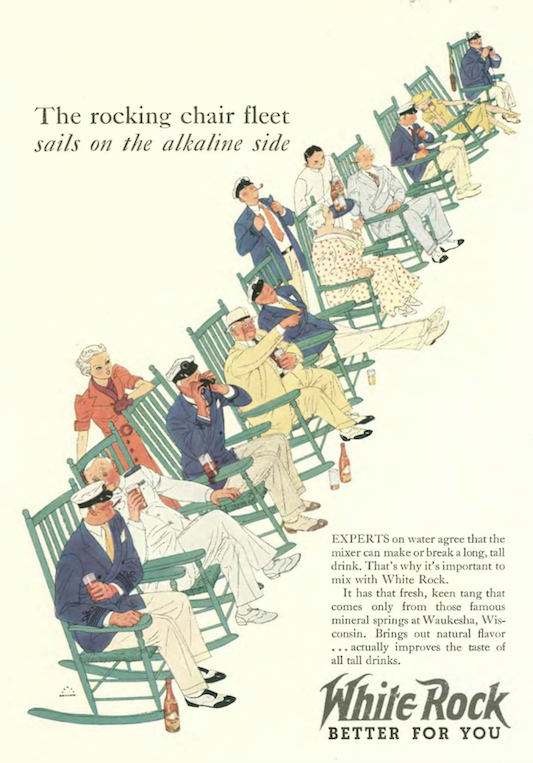
…White Rock continued to feature their clever and colorful John Holmgren-illustrated ads…
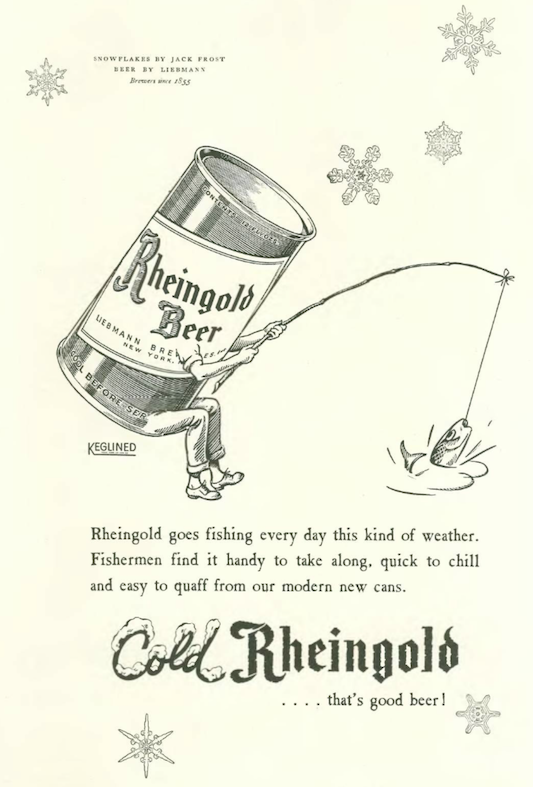
…Rheingold offered up their “Keglined” canned beer as a summer refresher…
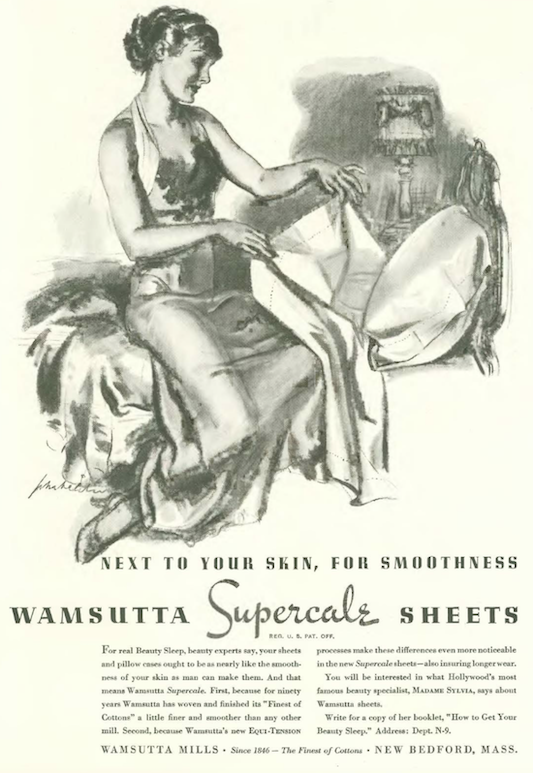
…Wamsutta Mills of New Bedford, Massachusetts became the world’s largest cotton-weaving plant by the end of the 19th century…their iconic “Supercale” sheets (introduced in 1935) typically featured a 200-thread-count…
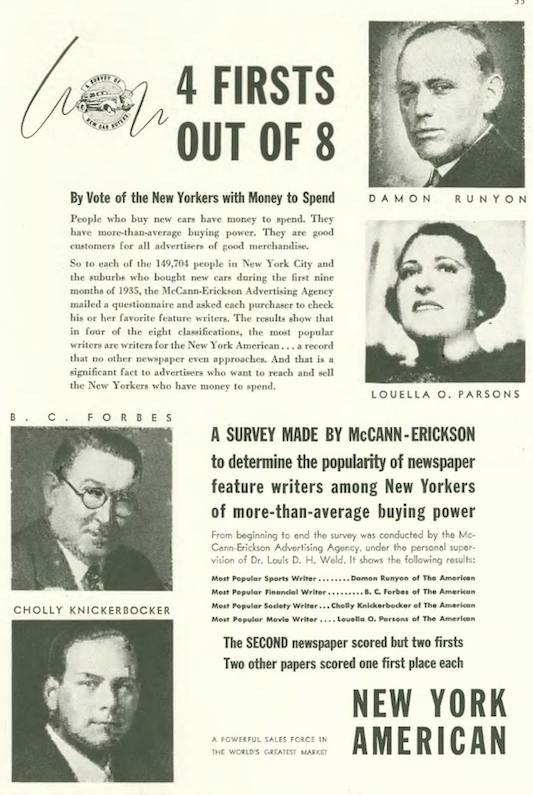
…William Randolph Hearst’s New York American (soon to merge with Hearst’s New York Evening Journal) boasted a lineup of writers including short story writer and journalist Damon Runyon, movie gossip columnist Louella Parsons, Forbes magazine founder B.C. Forbes, and “Cholly Knickerbocker“—a pseudonym used by society writers, in this case by Maury Henry Biddle Paul…
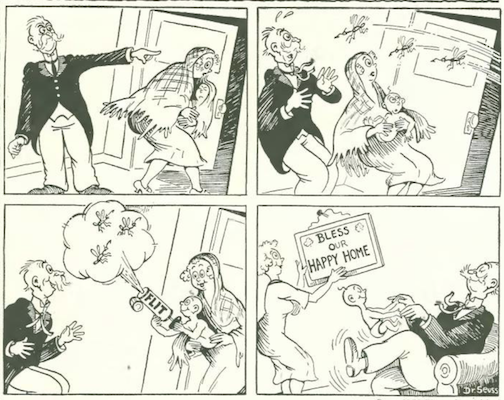
…another Flit ad by Dr. Seuss, this time an illegitimate child saves the roof over his head by whipping out some insecticide…
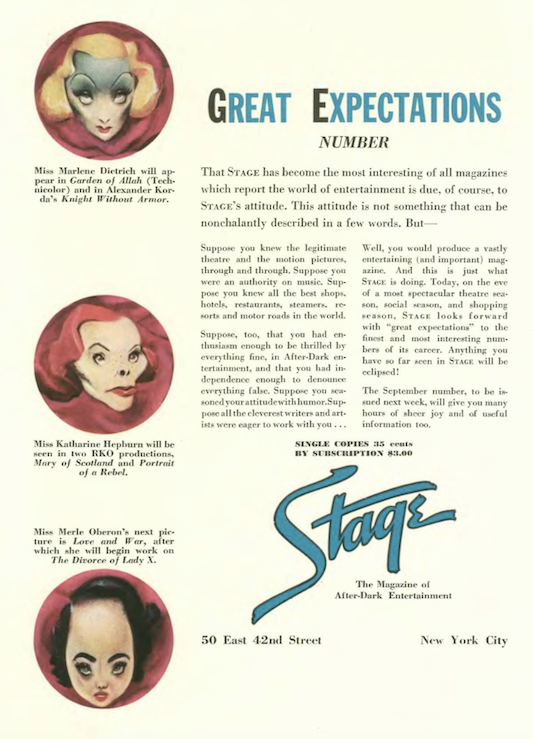
…Stage magazine featured caricatures by Sam Berman to promote its “Great Expectations” issue…
…Susan Willard Flint opens up our illustrators and cartoonists section…
…joined by James Thurber…
…and spots by Garrett Price…
…Richard Taylor…
…and Christina Malman…
…Leonard Dove drew up a stylish scarecrow…
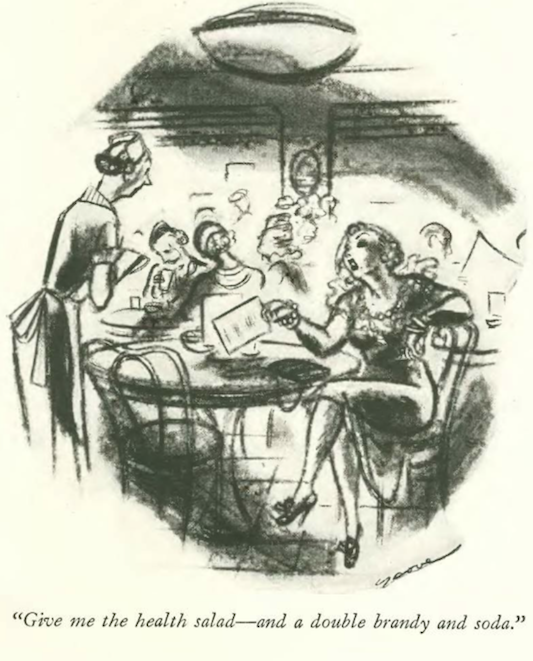
…and a woman who knows what she likes…
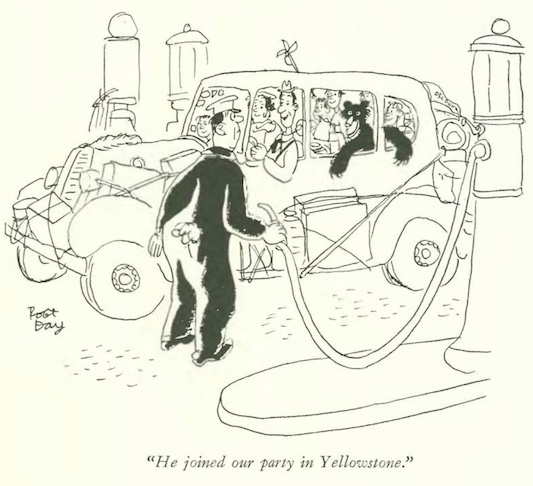
…Robert Day found more than scenery on a trip to Yellowstone…
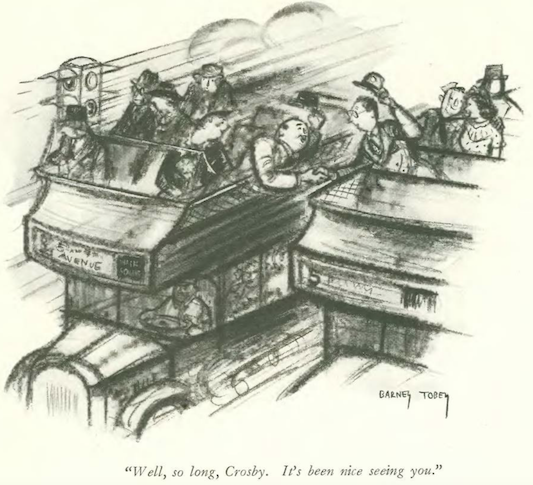
…Barney Tobey exchanged some quick greetings on the omnibus line…
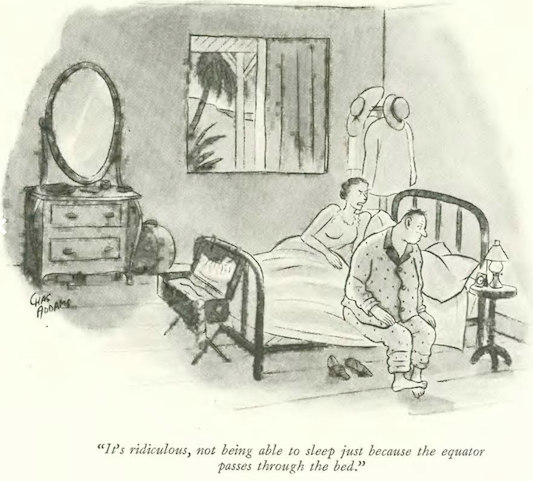
…Charles Addams gave us a case of equatorial insomnia…
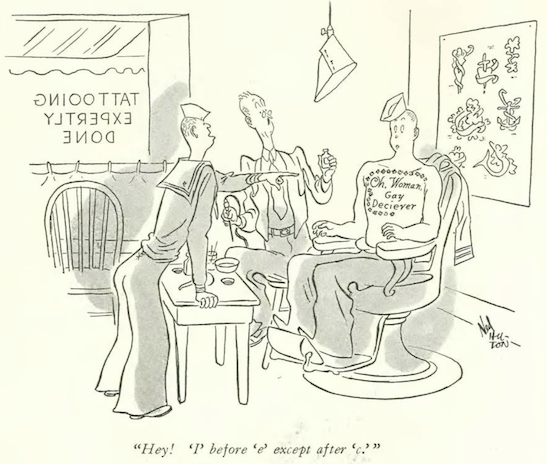
…Ned Hilton’s inker had some editing to do…
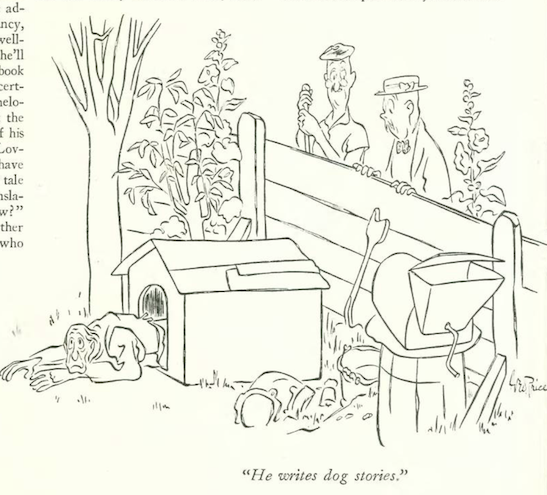
…George Price gave new meaning to being “in the doghouse”…
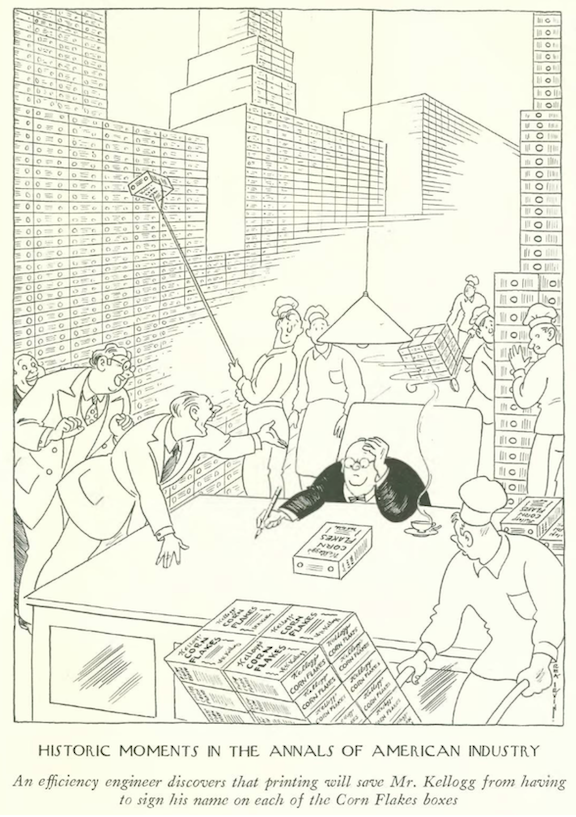
…Rea Irvin revealed another advance in American ingenuity…
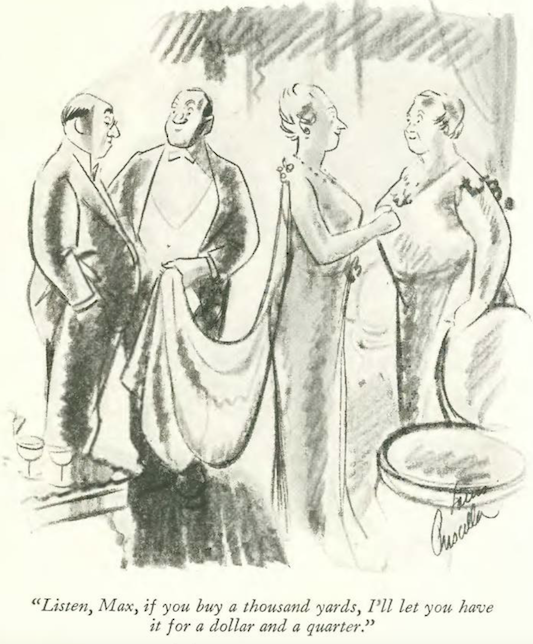
…Louis Priscilla published the third of a total of three cartoons he contributed to The New Yorker from 1933 to 1936…Priscilla was also a magazine illustrator and a teacher at the Art Students League of New York…
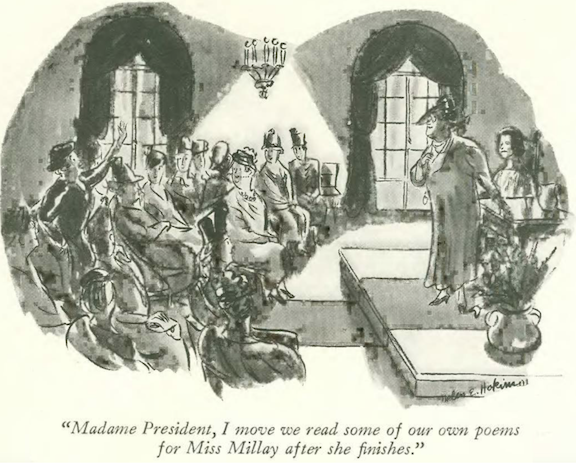
…Helen Hokinson’s club ladies hoped to wow Edna St. Vincent Millay with some of their own poetry…
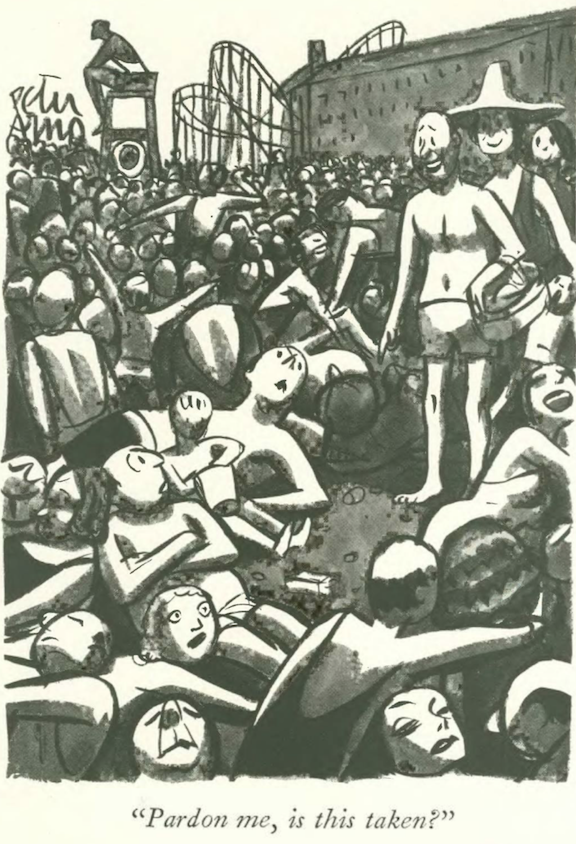
…and to close…if you’ve seen photos of Coney Island beaches in the 1930s, you know Peter Arno isn’t exaggerating much here…
Next Time: Epic Adversity…
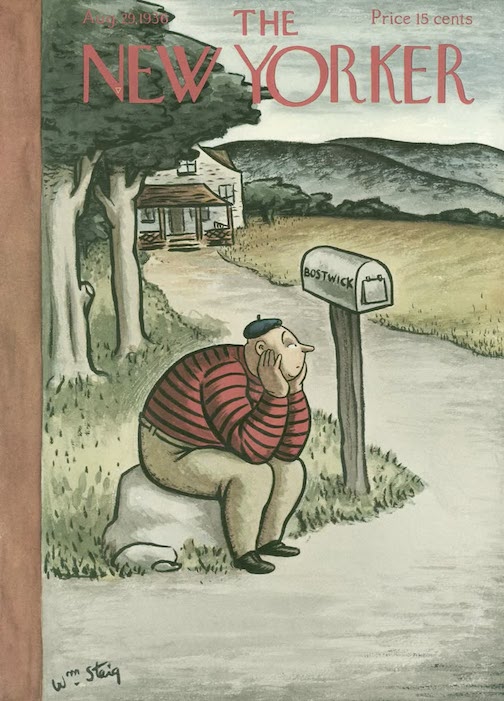

 A New Yorker State of Mind
One thought on “Wherefore Old Romeo?”