Meet Father Divine

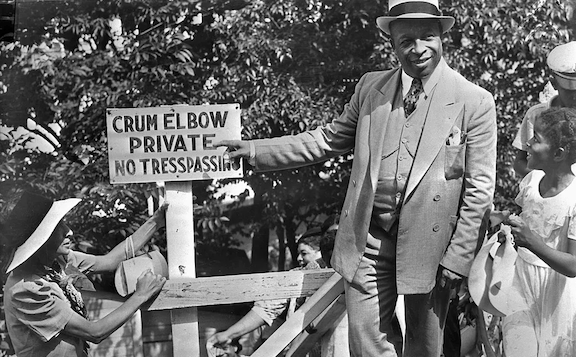
Above: Father Divine points to a Crum Elbow Estate sign (in Highland, NY) in July 1938. His followers purchased the 500-acre spread from anti-New Dealer Howland Spencer...the property was located directly across the Hudson from President Franklin D. Roosevelt's Hyde Park family home. That same summer Father Divine would also buy a fifty-room double dwelling in New York City. These and other locations served as integrated "heavens" for his followers. (Wikimedia Commons)

America has long been fertile ground for various religious denominations, sects and cults. Although the U.S. Religion Census has cataloged more than 370 distinct religious groups and bodies in the U.S., there are tens of thousands of independents scattered across the country.

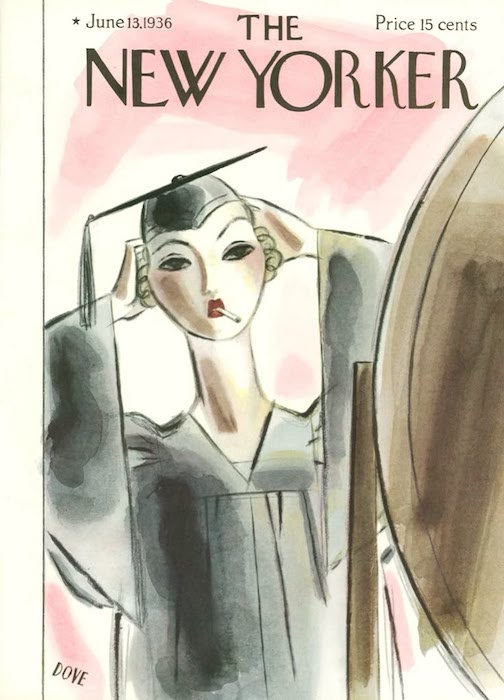
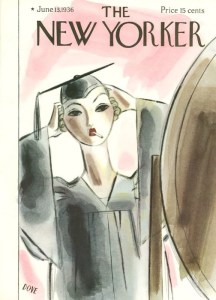
June 13, 1936 cover by Leonard Dove.

Some of these remain small, while others grow into megachurches often organized around a charismatic leader. Such was the case with Father Divine (1876–1965), aka Reverend Major Jealous Divine, aka George Baker.

His life as George Baker of Valdosta, Georgia came to an end in 1907 when he became known as “the Messenger.” He parted ways with the Baptist church, declared himself a god, and was asked to leave Georgia after his 1914 arrest for lunacy. He led his followers to Brooklyn and later to a commune in Sayville, New York (Long Island), where he founded the International Peace Mission movement and came to be known as Father Divine. By the early 1930s his small and predominantly black congregation had grown into a multiracial and international church.

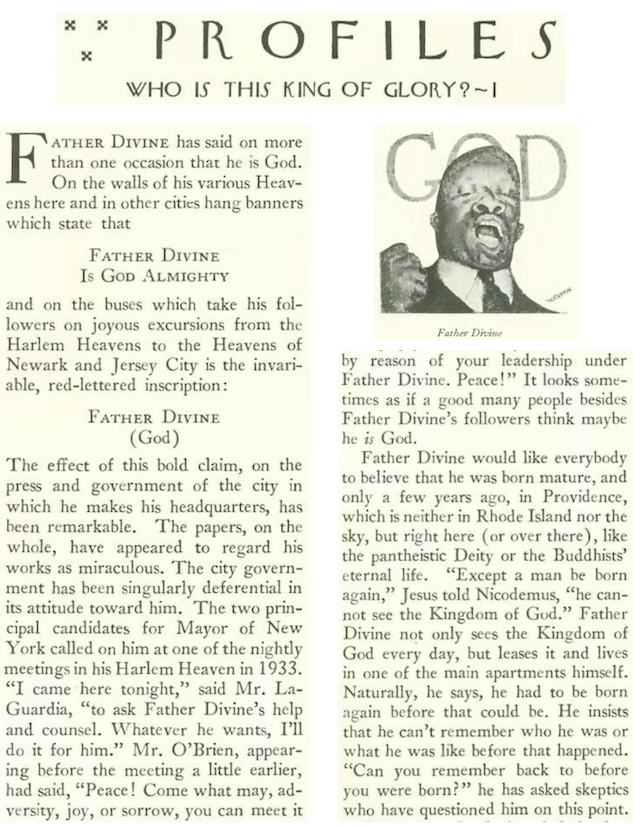
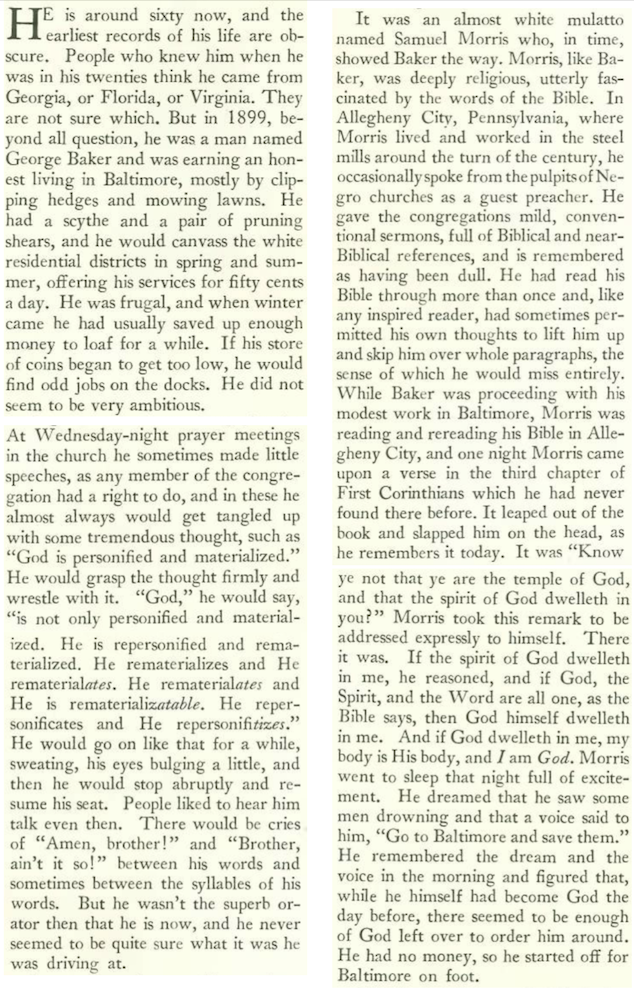
So intriguing was his story that The New Yorker published a lengthy, three-part profile written by St. Clair McKelway and A.J. Liebling. Here are excerpts from Part One (illustration by William Cotton):

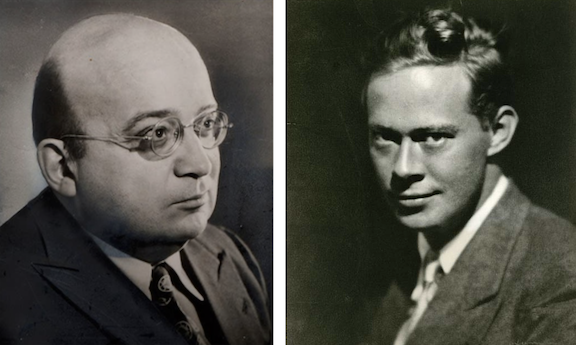
A DEFT DUO…A.J. Liebling (left) and St. Clair McKelway, both acclaimed journalists, co-authored the three-part profile of Father Divine. Liebling (1904–1963) was closely associated with The New Yorker, joining the magazine in 1935 (he was also a well-known gastronome); McKelway (1905–1980) served as The New Yorker’s managing editor for journalistic contributions from 1936 to 1939 and wrote for the magazine for forty-seven years. (Wikipedia/sfgate.com)
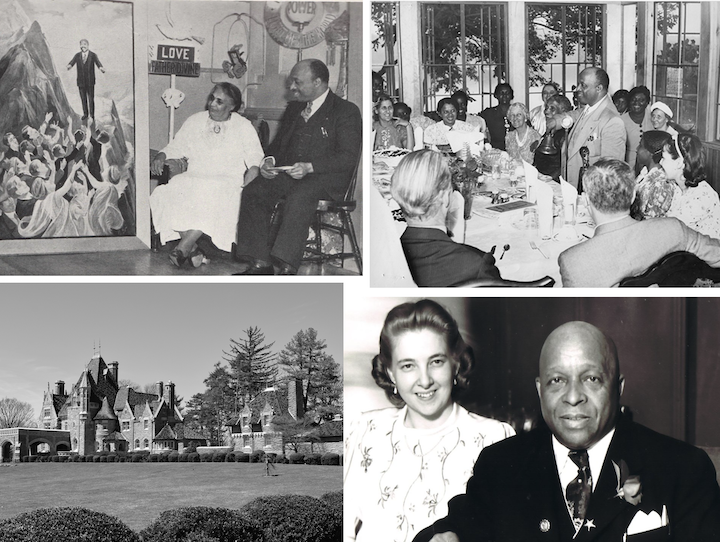
DIVINE’S PATH…Clockwise, from top left: After relocating to Brooklyn in 1914, Father Divine married his first wife, Peninniah—they are shown here admiring his portrait; Father Divine led large gatherings centered on food—here he entertains guests at a summer retreat in upstate New York in 1938; following the death of Peninniah, the 70-year-old Father Divine married 21-year-old Edna Ritchings in 1946—she took the name “Mother Divine, with Father Divine claiming she was the reincarnation of Penninah; in 1953 Father Divine was given a hilltop estate (“Woodmont”) in Gladwyne, Pennsylvania, by follower John Devoute. The estate is the center of the International Peace Mission movement, a shrine to Father Divine’s life, and a meeting place for the few remaining followers. (thecityroot.com/Newark Public Library/hsmcpa.org/Wikipedia)

How did Father Divine come to believe he was a god? This excerpt offers some insights into his early development:

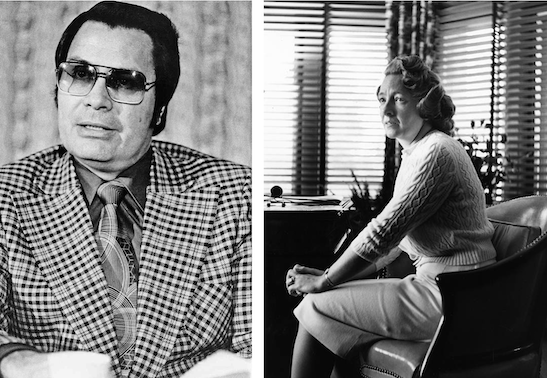
One of the perils of this kind of thinking is that it can lead to the formation of dangerous cults. Jim Jones, the notorious leader of the Peoples Temple, heavily modeled his early church activities and authoritarian structure on Father Divine’s example. Jones even attempted to take over the International Peace Mission after Father Divine’s death—in 1971 he tried to convert the Peace Mission’s followers, claiming he was the reincarnated Father Divine. His takeover attempt was thwarted by Mother Divine, who went to the media and publicly denounced Jones and the Peoples Temple. In 1974 Jones and his followers would relocate to a Guyana commune he called Jonestown. Four years later Jones would lead the mass murder-suicide of 909 Jonestown inhabitants.

AT ODDS…Jim Jones (left, circa 1970) attempted to take over the International Peace Mission after Father Divine’s death, but was publicly denounced by Mother Divine. At right, Mother Divine giving her first interview following the death of Father Divine in 1965. (Wikipedia/temple.edu)

 * * *

At the Movies

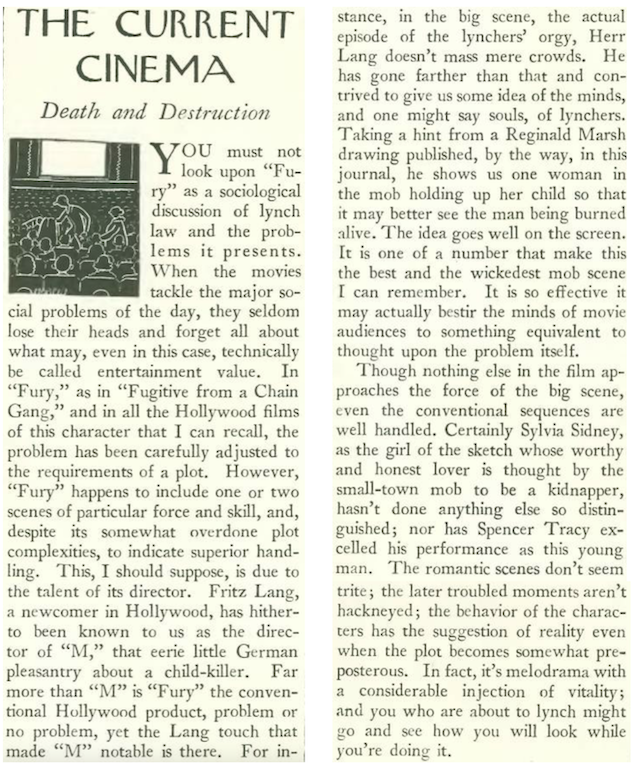
The media has always thrived on crime stories, feeding the public’s insatiable desire to be tantalized; once sated, they often demand swift justice. Take the heavily publicized 1933 case of two San Jose, California men who were accused of kidnapping and murdering a department store heir. Rather than wait for justice to be served, an angry mob broke into the jail and lynched the accused. Fascinated by the story, MGM screenwriter Norman Krasna pitched it as a potential film.

That film would become Fury, German director Fritz Lang’s first American project. Prior to fleeing the Third Reich in 1933, Lang was perhaps best known to Americans for his pioneering 1927 silent sci-fi film Metropolis and the 1931 thriller M. Lang sought to demonstrate how a decent and civilized man could become filled with vengeance and hate. Although critic John Mosher could see how the film had been tampered with by studio execs (and the Hays Code), he was nevertheless impressed by Lang’s direction and by the performances of lead actors Sylvia Sidney and Spencer Tracy.

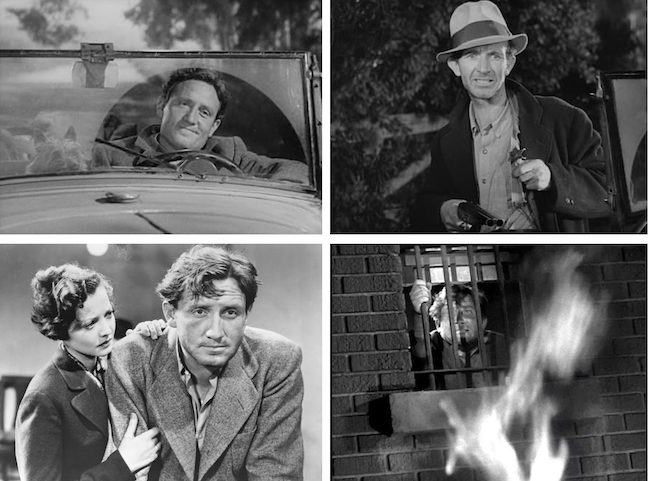
WRONG TURN…Clockwise, from top left: In Fury, Spencer Tracy played gas station owner Joe Wilson, who drives west to reunite with his fiancée—the dog seated to his right is Terry, the same Cairn Terrier who played Toto in The Wizard of Oz; while camping outside a small town, Joe is arrested by a creepy local deputy (Walter Brennan) on suspicion of kidnapping a child; a mob forms and tries to burn Joe in his cell; in the confusion of the fire he escapes and seeks vengeance on the mob, but in the end finds peace with his fiancée (Sylvia Sidney). (imdb.com)

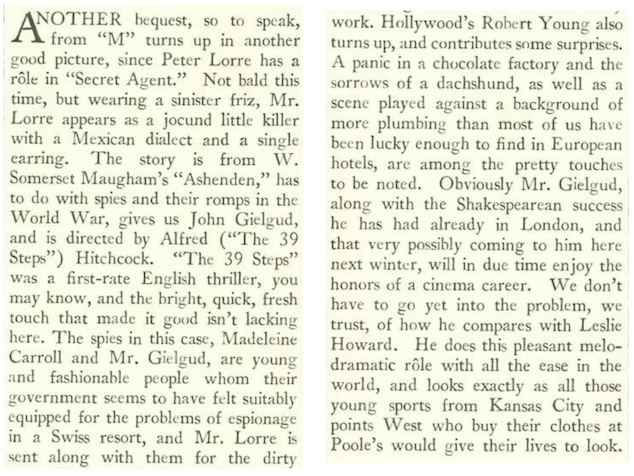
Peter Lorre, who was famously directed by Fritz Lang in the 1931 German thriller M, was starring in Alfred Hitchcock’s Secret Agent, which also featured John Gielgud (already famous as a London stage performer), Madeline Carroll, and Robert Young.

SECRETS AND LIES…Clockwise from top left: Peter Lorre, John Gielgud, Madeline Carroll, and Robert Young in Secret Agent; Carroll with Young, who played a German mole; Carroll, Gielgud and Lorre amid the wreckage of a train; Lorre in a scene with Lilli Palmer. (imdb.com)

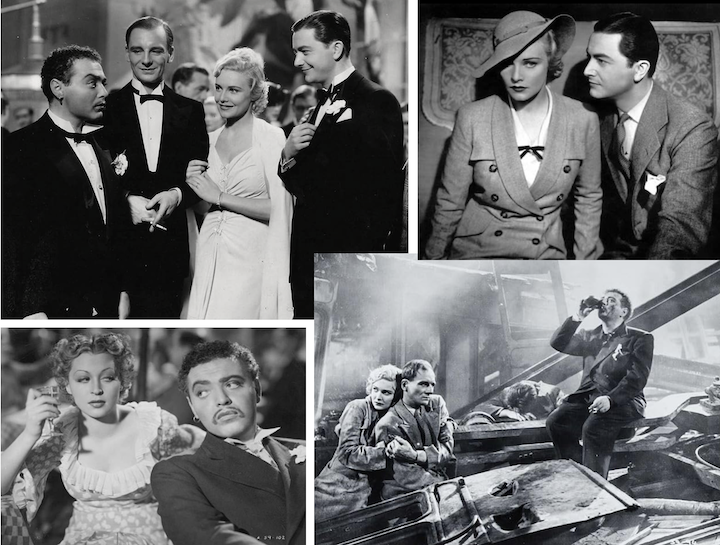
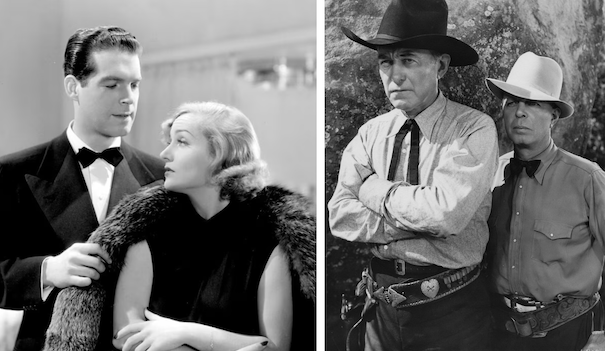
Mosher briefly mentioned a new Fred MacMurray/Carole Lombard comedy–mystery, and the return of two silent movie stars.

CHOOSE YOUR PARTNER…The second of four films Fred MacMurray made with Carole Lombard between 1935 and 1937, The Princess Comes Across featured Lombard doing a clever take-off on Greta Garbo; silent-film veterans Harry Carey and Hoot Gibson stood for the ideals of the Old West in a culture clash with scientific crime-fighting in The Last Outlaw. The film was a remake of a 1919 silent film originally written and directed by John Ford. (imdb.com/csfd.cz)

* * *

Beer Bottle Battle

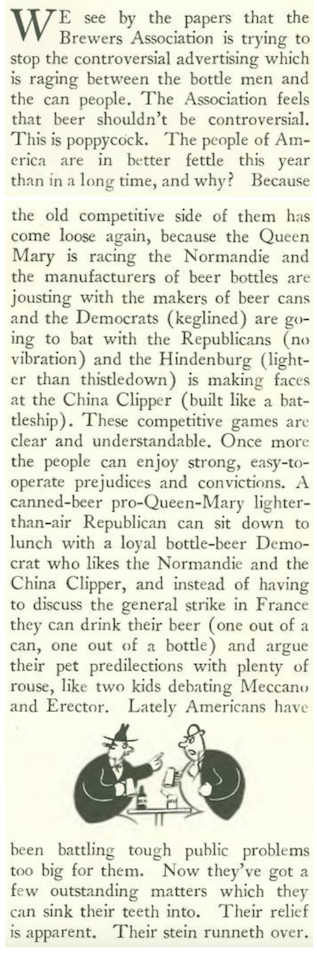
E.B. White (in his “Notes and Comment”) seized on the battle between bottle and can manufacturers as an apt metaphor for the jousting of Republicans and Democrats ahead of the November elections.

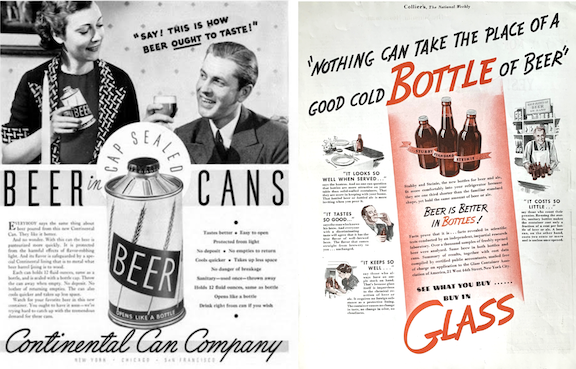
FOAMING AT THE MOUTH…Competing ads from Collier’s magazine circa 1935-36 illustrate the battle between can and bottle manufacturers. Ninety years later, beer drinkers still debate the merits of glass over cans. (boakandbailey.com/ebay.com)

 * * *

From Our Advertisers

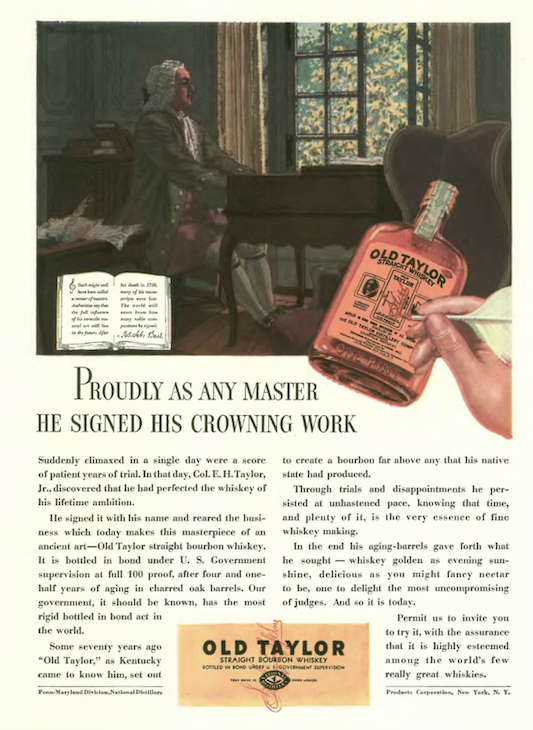
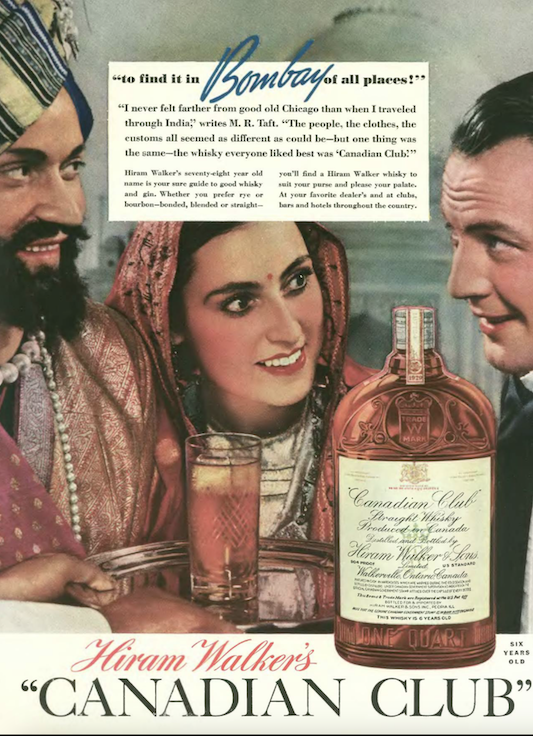
In 1936 whisky was still firmly in bottle form, and the makers of Canadian Club—through a series of ads—wanted to let us know you could enjoy their tipple almost anywhere in the world…
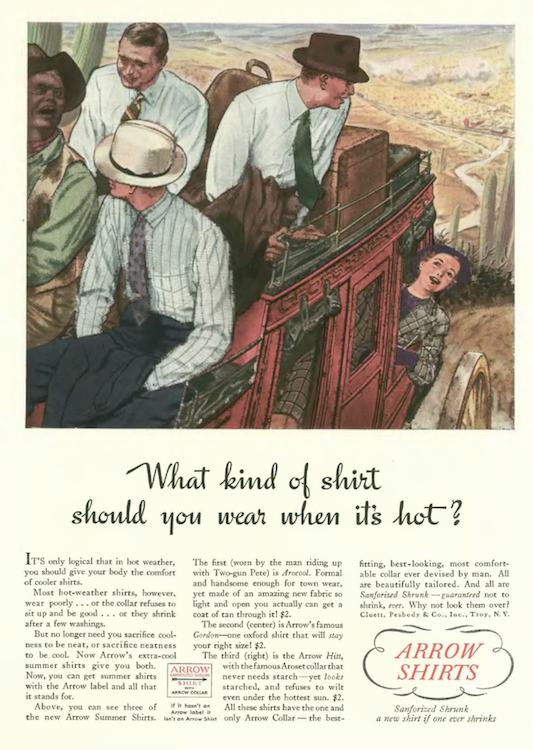
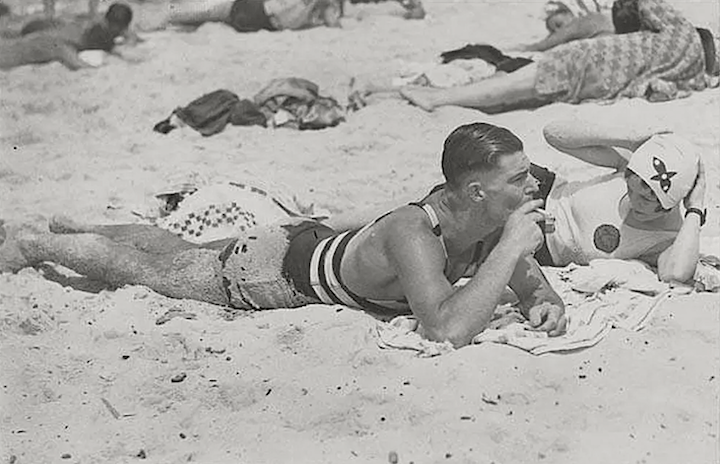
…this woman poses an interesting question, considering the fellas are riding atop a dusty stagecoach in the Arizona heat—in formal attire no less…

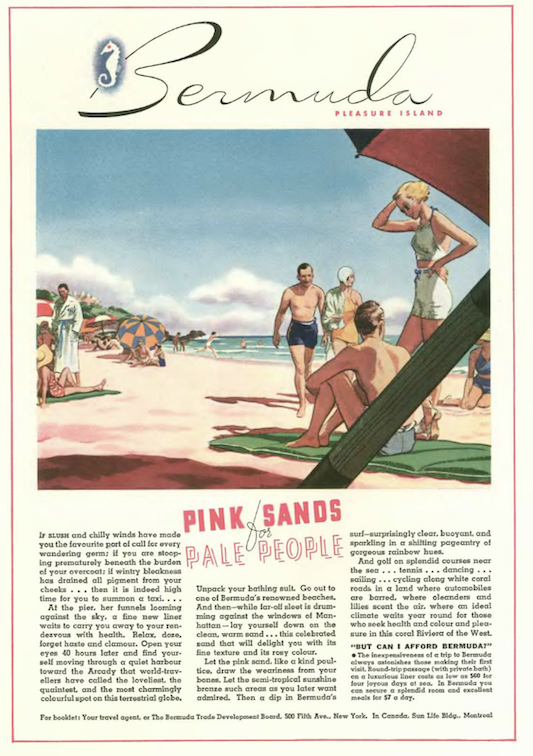
…over the years we’ve seen a lot of Adolph Teidler’s work for the Bermuda Board of Trade…Teidler (1886–1981) was also well known for his Saturday Evening Post covers…

…here’s an example of Teidler’s work for the Bermuda Board of Trade from the Feb. 22, 1936 issue of The New Yorker

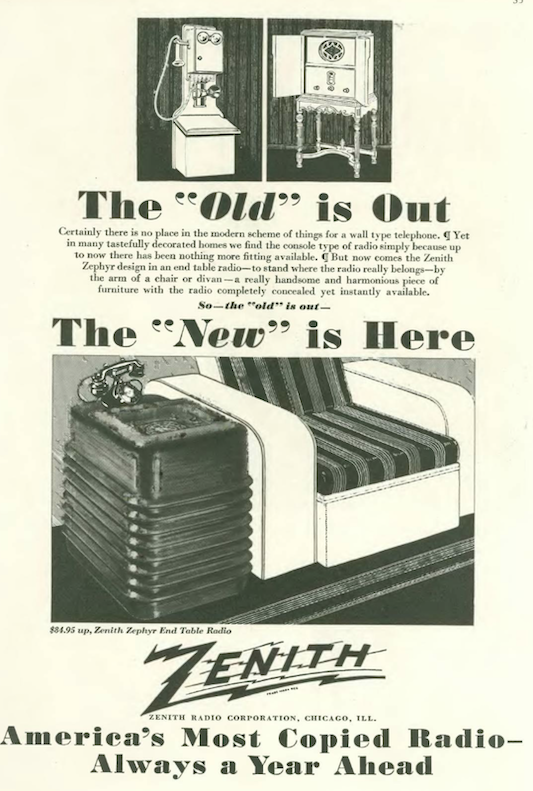
…the Zenith Radio Corporation touted their modern, streamlined “Zephyr” radio by industrial designer Robert Davol Budlong

A restored Zenith 10-S-147 Zephyr chairside radio. (Pete Johnson–Zenith Radios Enthusiasts and Collectors via Facebook.com)

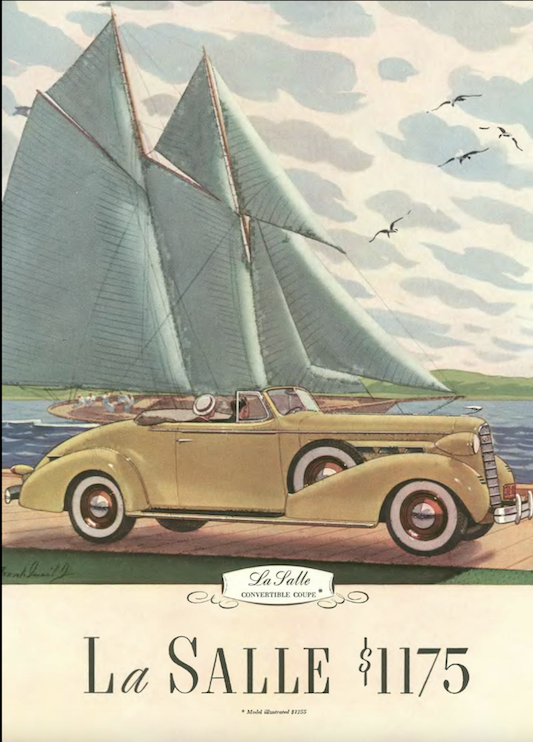
Frank Quail Jr was a prominent automotive illustrator active from the 1920s through the 1930s. He was well-known for his work with luxury automobile brands such as Cadillac, LaSalle and Packard…here he conjures up a breezy seaside image for Cadillac’s more affordable LaSalle model (most of these ads were two-page spreads, with promo copy on the right-hand page)…

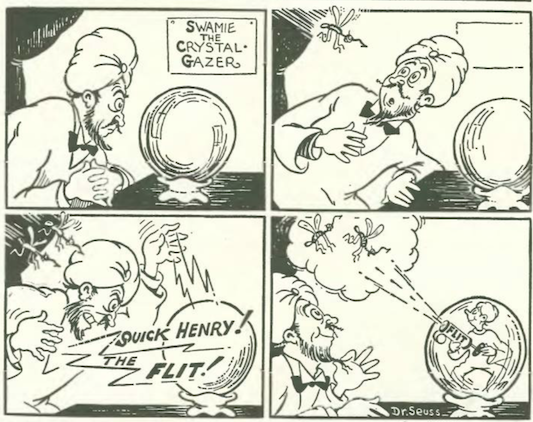
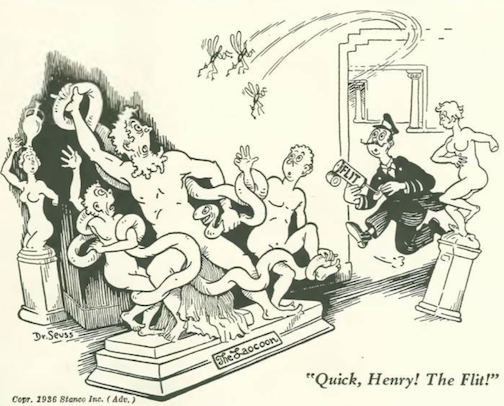
…and more Dr. Seuss on behalf of Flit insecticide…

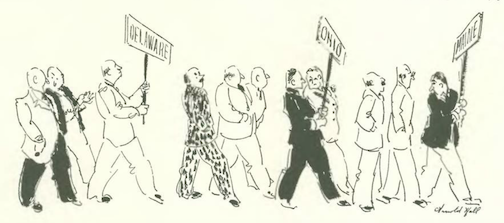
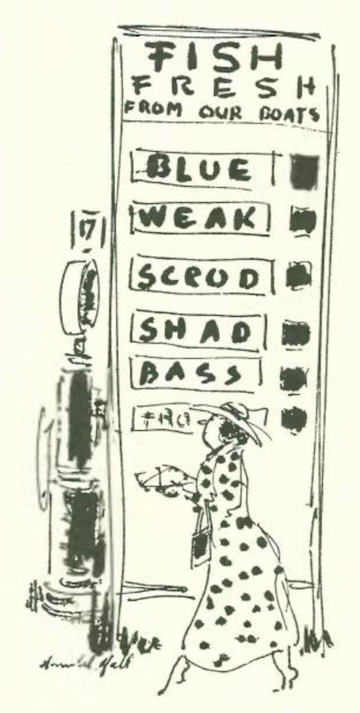
…we begin the cartoon section with some spot art…here are two by Arnold Hall

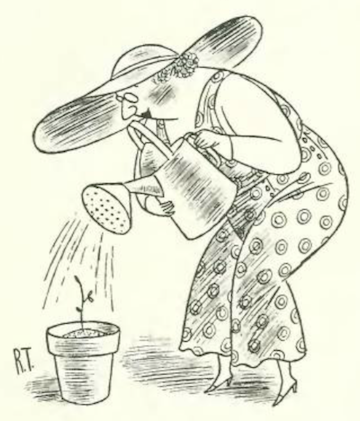
…and one from Richard Taylor

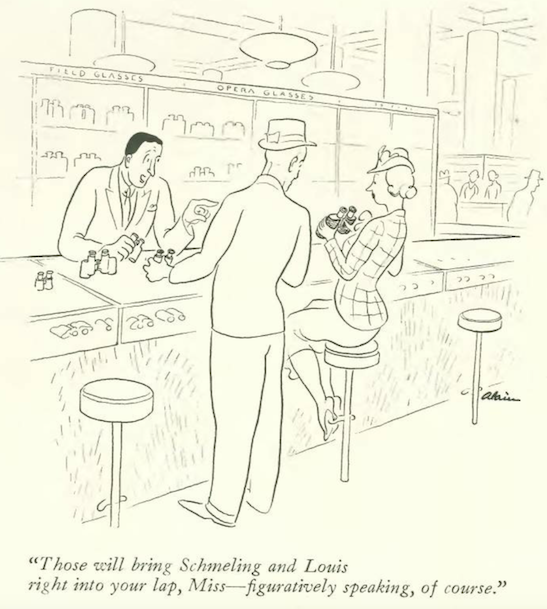
Alain referenced the upcoming heavyweight bout at Yankee Stadium between Max Schmeling and Joe Louis…their two fights in 1936 and 1938 were international sensations…

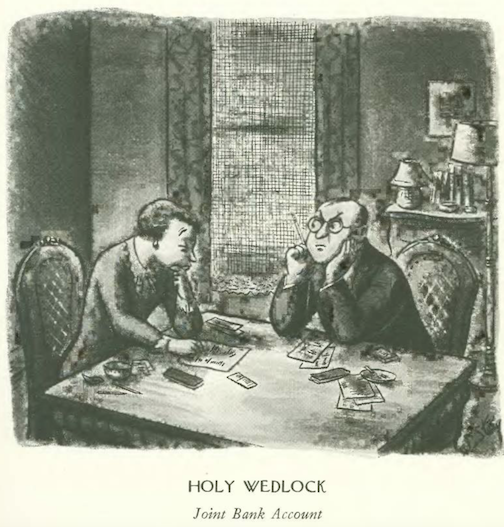
…more glimpses of “Holy Wedlock” from William Steig

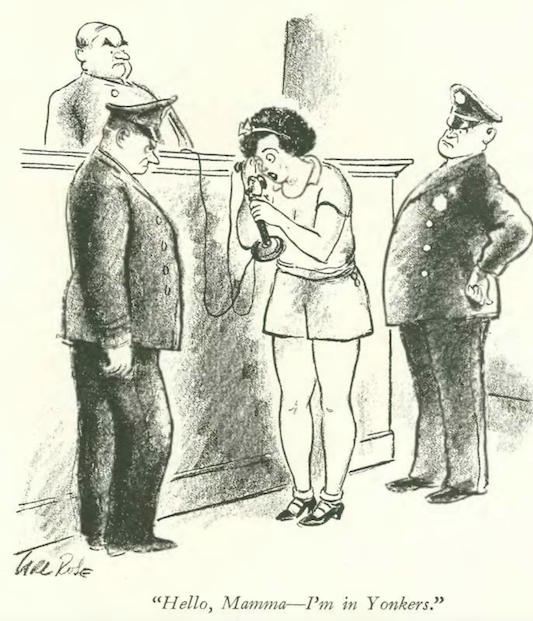
…a bit of trouble in Yonkers, per Carl Rose

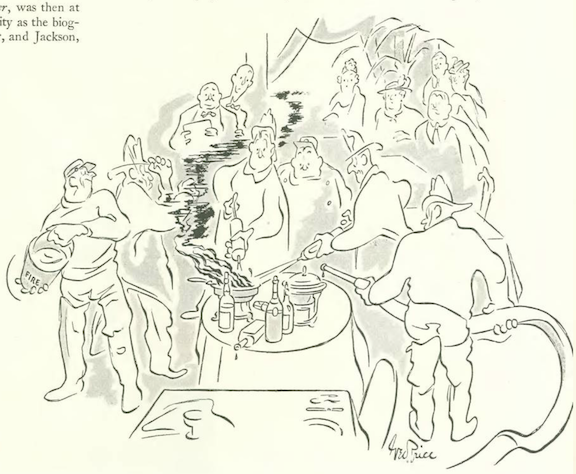
George Price brought out the fire brigade for the Crêpes Suzette

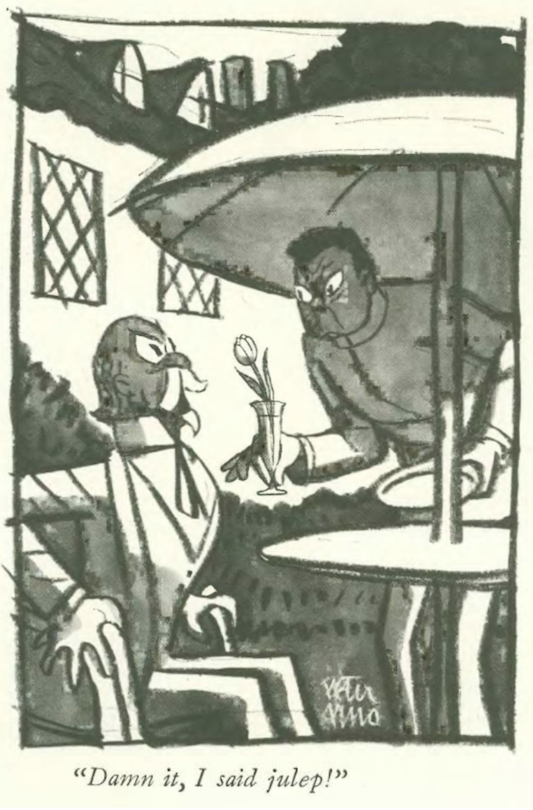
Peter Arno drew up a colonel with a communication issue…

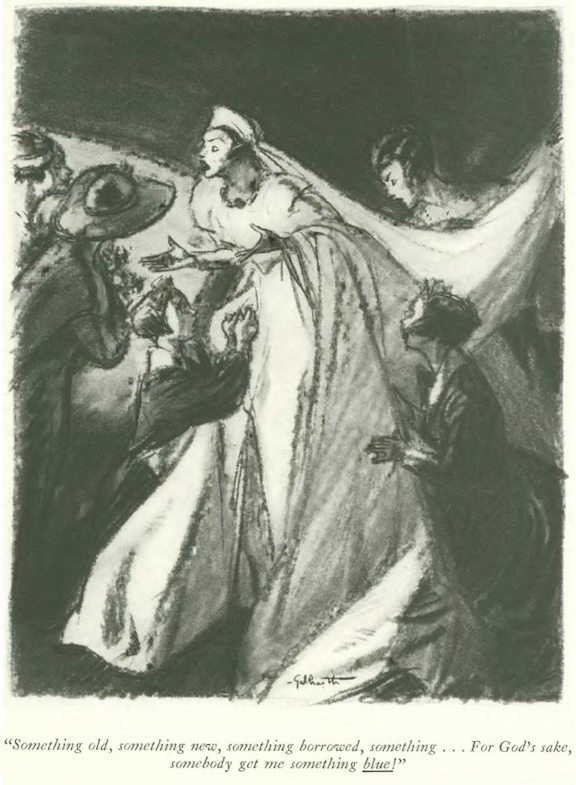
William Crawford Galbraith celebrated the June bride…

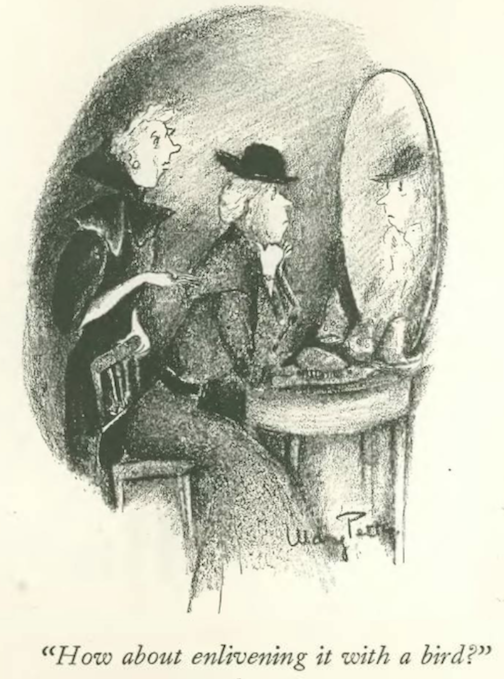
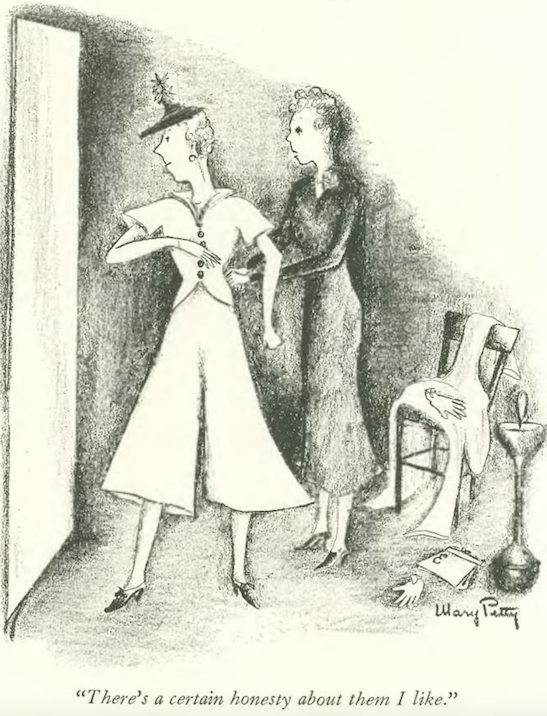
…two by Mary Petty, at the dress shop…

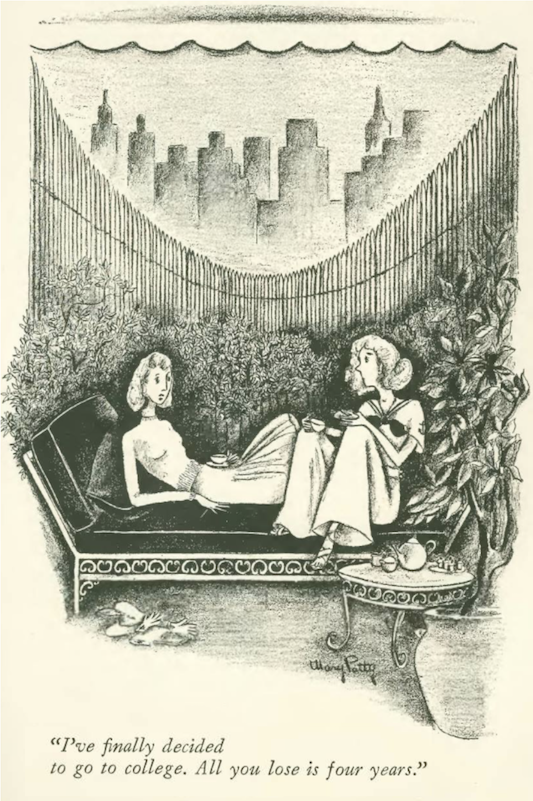
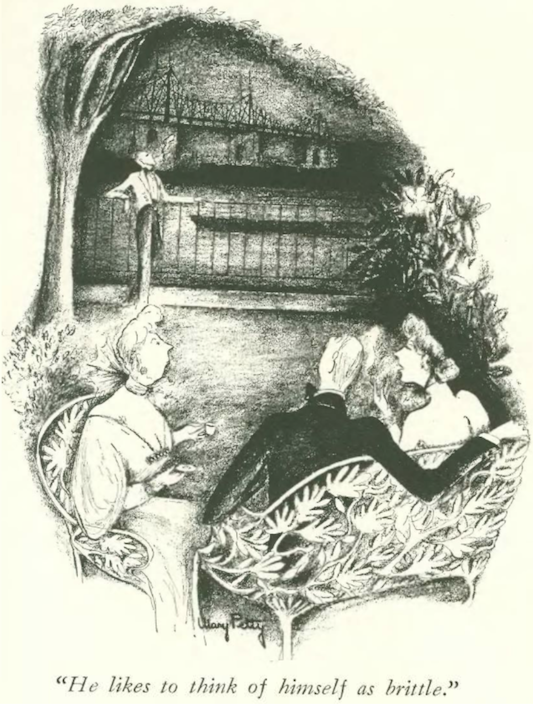
and at the in-laws…

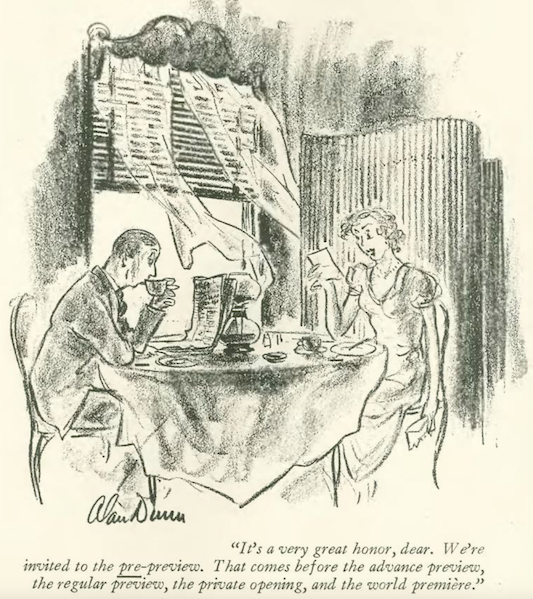
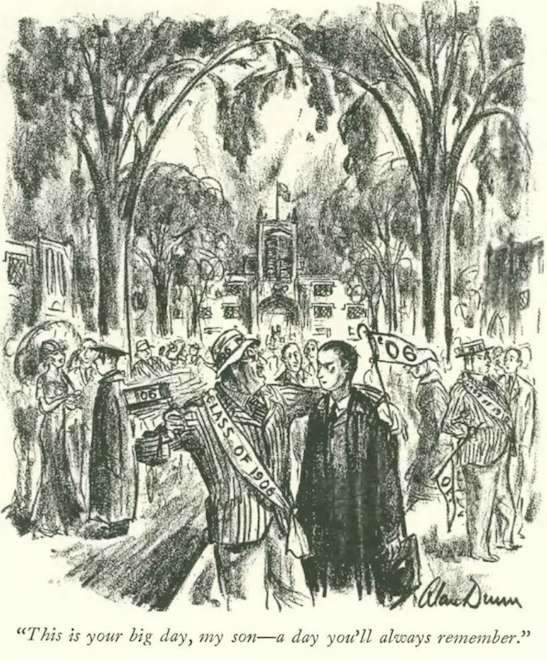
…Petty’s husband Alan Dunn feted the Class of ’36 (and ’06)…

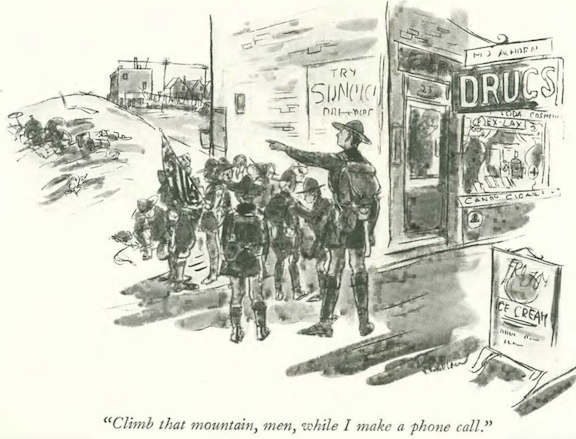
Perry Barlow illustrated a scoutmaster’s leadership skills…

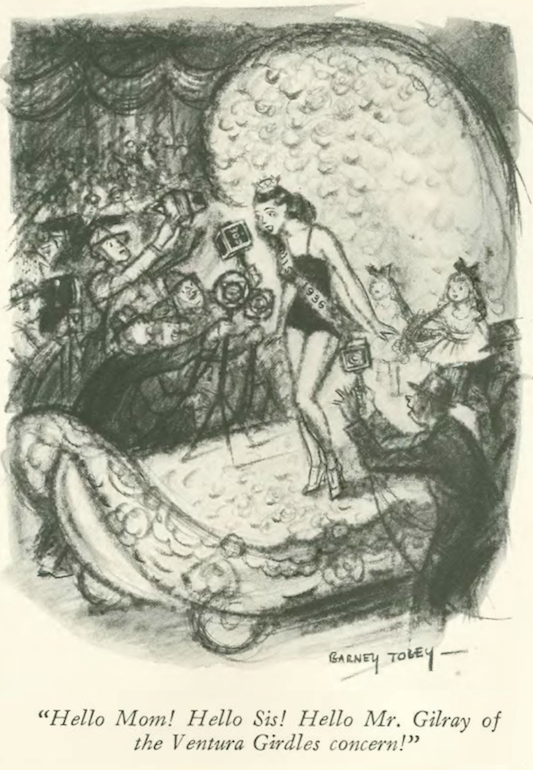
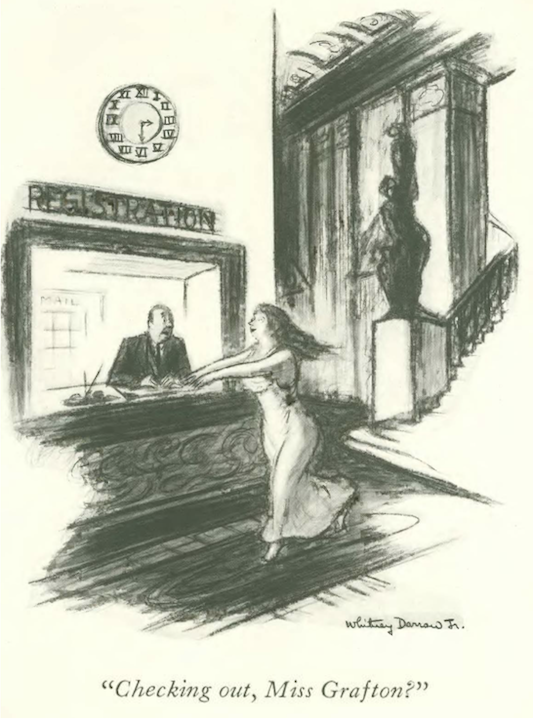
…and we check out with Whitney Darrow Jr

Next Time: An Urban Spectacle…


Izzy & Moe

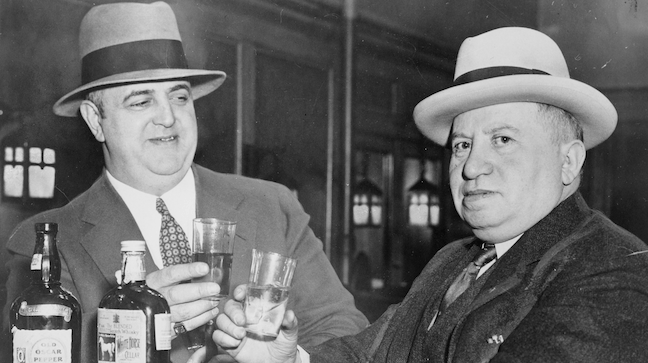
Above: Former Prohibition agents Isidor "Izzy" Einstein (right) and Moe W. Smith meet at a New York City bar in 1935. Known for their clever disguises and unorthodox tactics, from 1920 to 1925 the duo confiscated roughly five million bottles of illicit liquor and arrested 4,932 people. (Wikipedia)

Legendary Americans come from all walks of life—sports stars, movie actors, political and business leaders—and they also come from unlikely places; take for example a pushcart peddler and a cigar store owner who became national celebrities for their exploits during the first years of Prohibition.

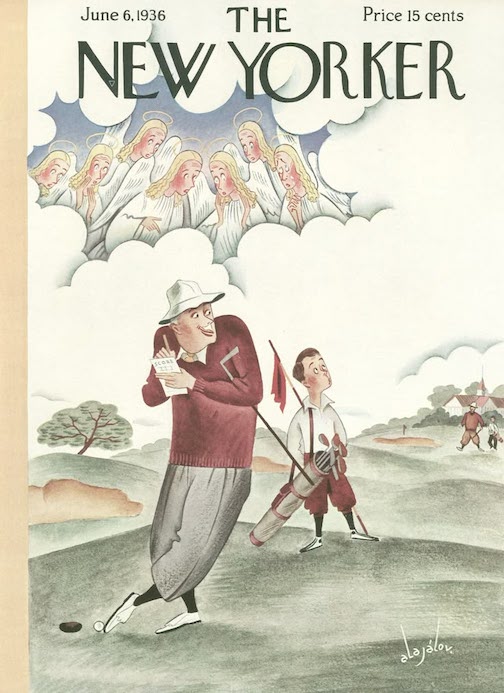
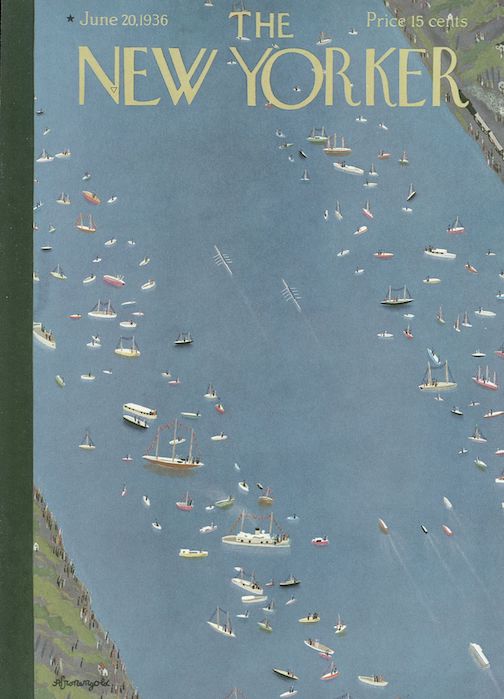
June 6, 1936 cover by Constantin Alajalov.

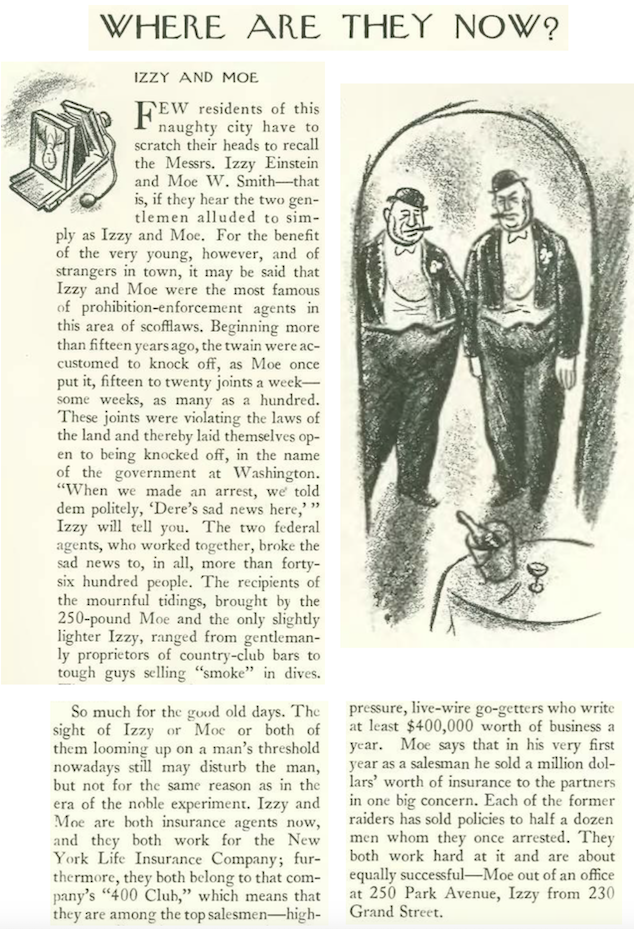
Prohibition agents Isidor “Izzy” Einstein (1880–1938) and Moe W. Smith (1887–1960) were known for their clever disguises, but the author of their “Where Are They Now?” profile was also in disguise—the piece was written by James Thurber under the pseudonym Jared L. Manley.

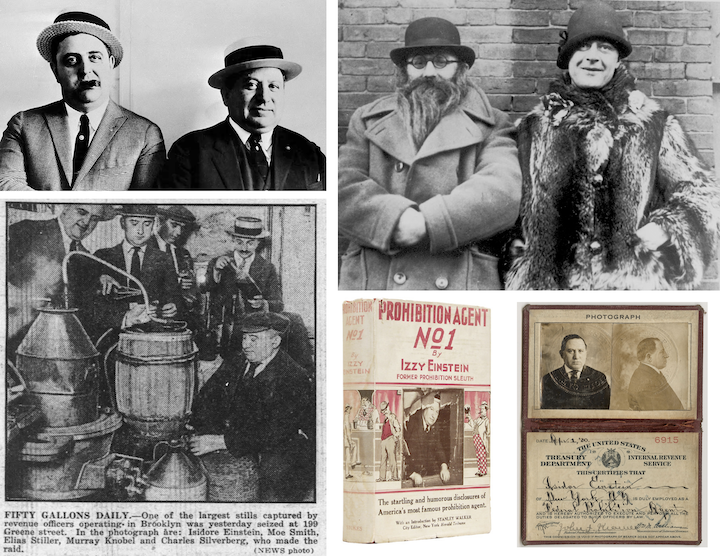
Einstein was 40-year-old pushcart peddler and postal clerk when he applied for a job as an enforcement agent at forty dollars a week. Although the 5-foot-5, 225 pound Einstein wasn’t the agency’s “type,” he convinced the feds that there was an advantage to not looking the part (the Austrian-born Einstein also spoke six languages). After landing the job, he asked if his friend, cigar store owner Moe Smith, could join him, since “he doesn’t look like an agent, either.” Some brief excerpts from part one of “Where Are They Now?”

TRICKSTERS…Clockwise, from top left: Isidor “Izzy” Einstein (right) and Moe W. Smith; the pair sported hundreds of disguises (Einstein on the left); Einstein’s badge and his bestselling 1932 book Prohibition Agent No 1; Daily News clipping from September 1920 showing results of a raid—Izzy and Moe are at right and left. (history.com/Library of Congress/Wikipedia/goodreads.com/nydailynews.com)

In her 2012 article for Smithsonian magazine (“Prohibition’s Premier Hooch Hounds”), Abbott Kahler notes that the agents were victims of their own success. “Superiors grew to resent their headlines, and other agents complained that their productivity made their own records look bad…In November 1925, Izzy and Moe were among 35 agents to be dropped from the force.” Both men went on to successful careers as insurance salesmen. Want to know more? Read Kahler’s excellent account of the duo at the Smithsonian magazine’s website.

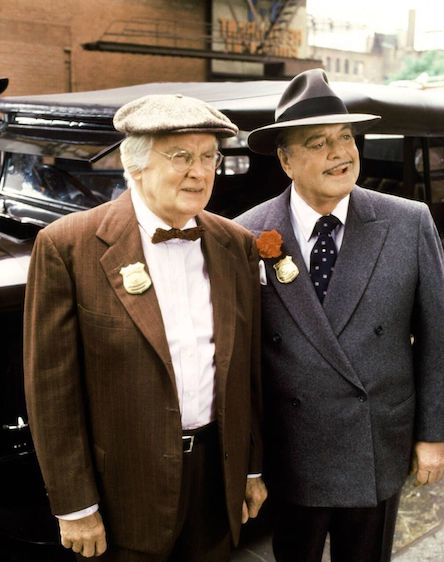
TRIBUTE ON THE TUBE…In 1985 Art Carney and Jackie Gleason starred in CBS’s made-for-television film, Izzy & Moe, which was loosely based on the exploits of Izzy Einstein and Moe Smith. (imdb.com)

* * *

At the Movies

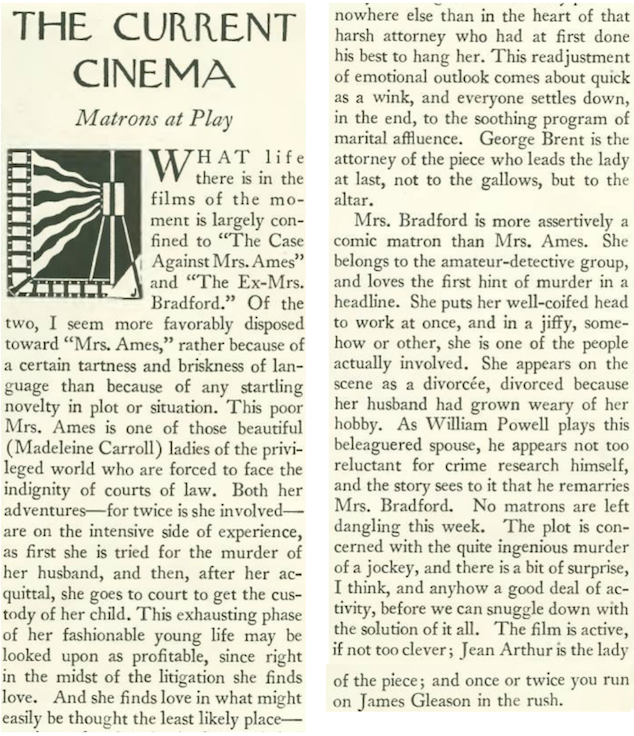
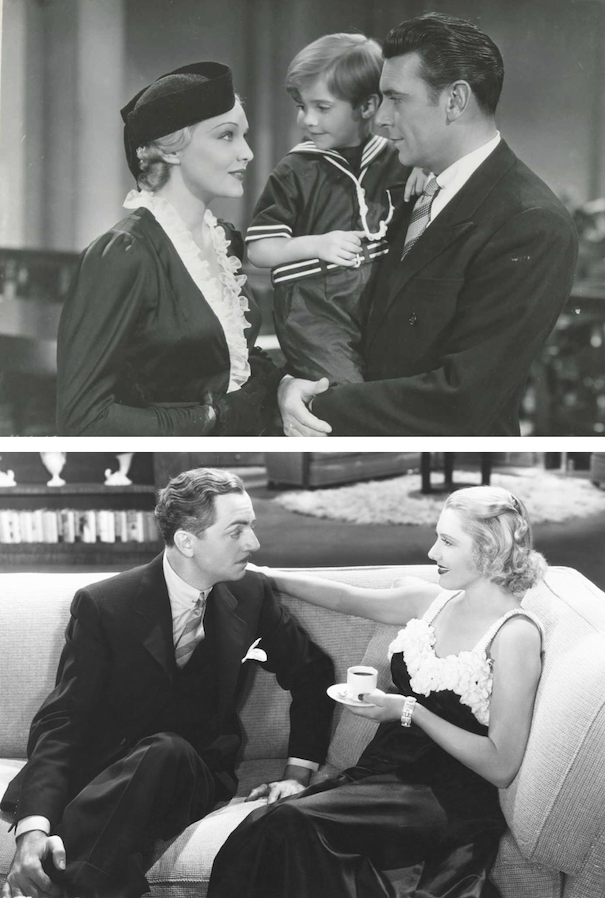
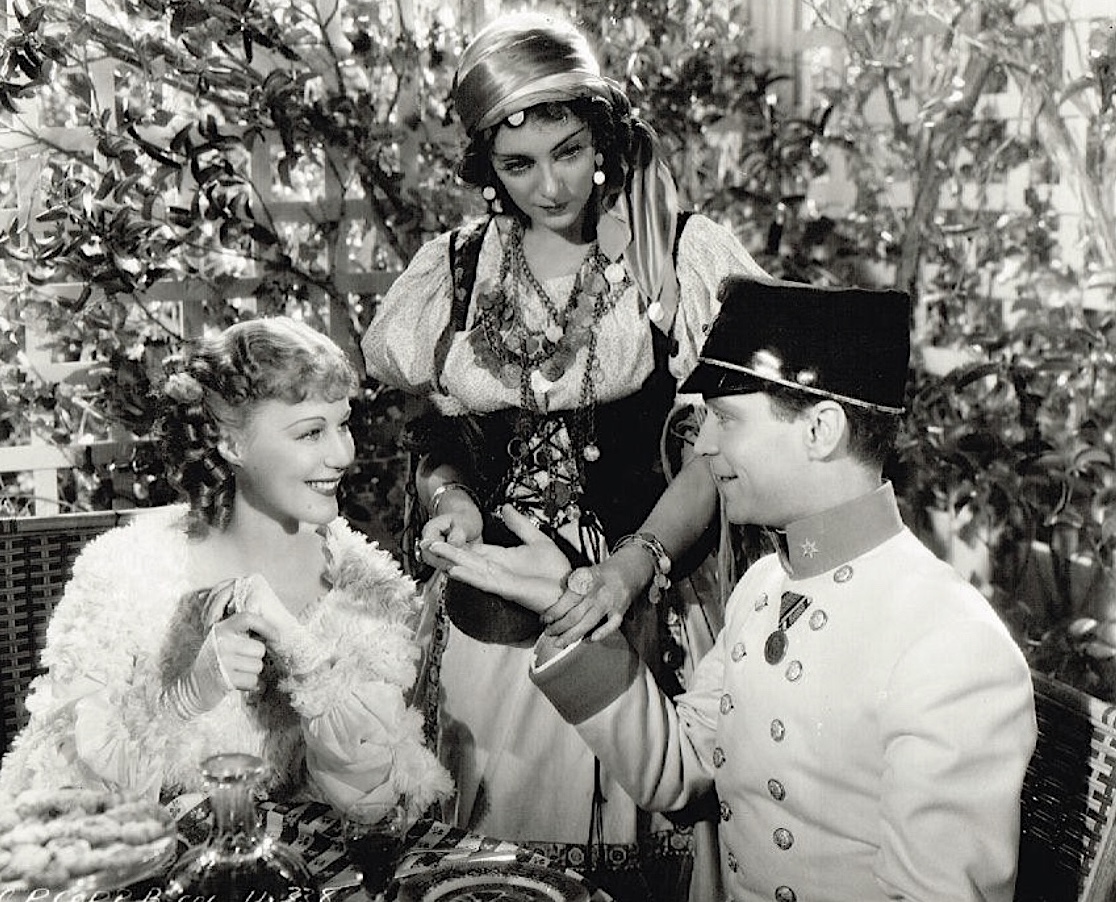
Two of the better films playing in Manhattan cinemas featured murders and matrons, the matrons played by Britain’s top female screen star, Madeleine Carroll, and America’s queen of screwball comedy, Jean Arthur. Critic John Mosher observed that their films were the only ones with any “life.”

TRADING GALLOWS FOR A GROOM…Top, Madeleine Carroll portrayed a “lady of privilege,” accused of murder, who falls in love with the prosecuting district attorney (George Brent) in The Case Against Mrs. Ames—Scotty Beckett played Carroll’s son; below, Jean Arthur and William Powell in the comedy-mystery The Ex-Mrs. Bradford.(imdb.com/mikestakeonthemovies.com)

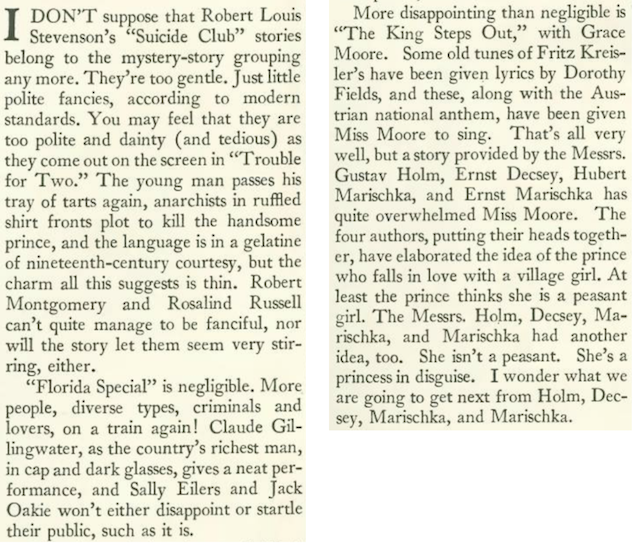
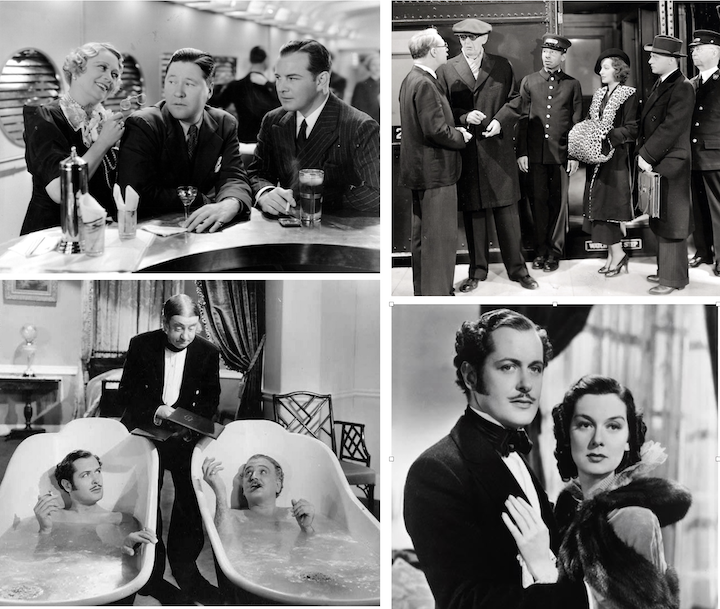
Other films reviewed by Mosher were rated as “negligible” and “disappointing,” despite their talented casts…

TRAIN SPOTTING…Clockwise from top left: Esther Howard portrayed a “flirtatious dowager” who worked her charms on Jack Oakie (center) in Florida Special; Sally Eilers prepares to board the Florida Special with Dwight Frye and Claude Gillingwater; Robert Montgomery and Rosalind Russell in Trouble for Two; Montgomery (left), Leonard Carey, and Frank Morgan in Trouble for Two. (pinterest.com/imdb.com)
THE OLD PRINCESS IN DISGUISE TRICK…From left, Grace Moore, Eve Southern, and Franchot Tone in The King Steps Out. (IMDb.com)

 * * *

From Our Advertisers

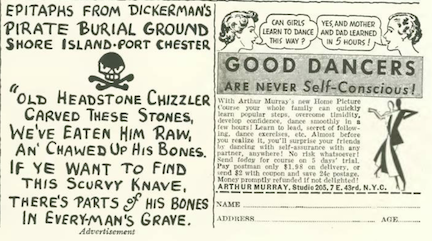
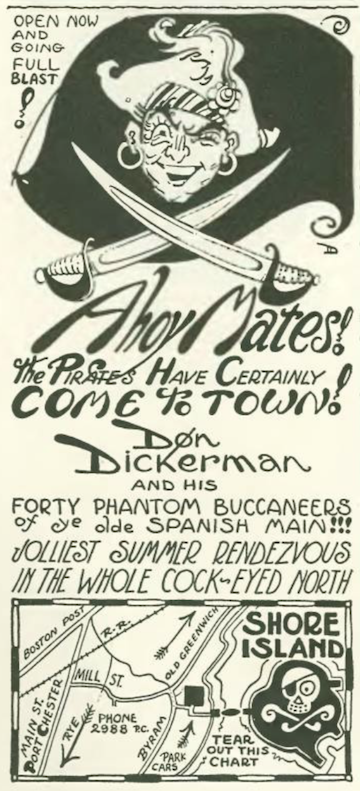
Last week Lois Long mentioned the return of famed Greenwich Village restaurateur and Sheridan Square funboy Don Dickerman. The June 6 issue featured two back-of-the-book ads placed by Dickerman that promoted his latest venture at Port Chester…this ad was on the bottom of page 75…

…and turning the page, you’d find this at the bottom of page 76…

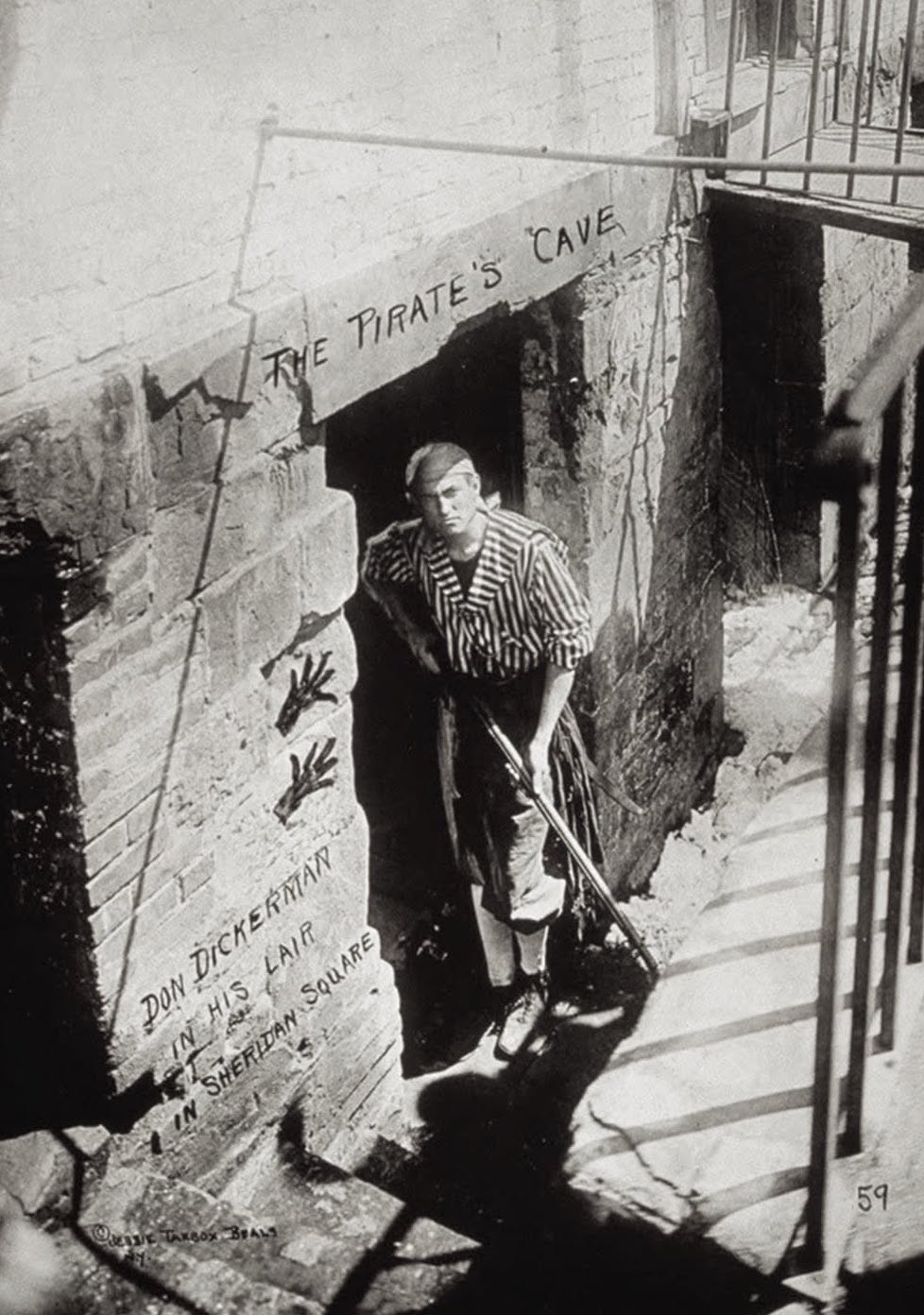
WHERE IT ALL BEGAN…In 1916 Don Dickerman (1893–1981) opened a tearoom called the Pirate’s Cave at 133 Washington Place in Greenwich Village. The 6-foot-6 artist and entrepreneur was famous for his many themed establishments as well as for his eccentricities. Obsessed with pirate life, he dressed in full pirate gear in both public and private life. (facebook.com)

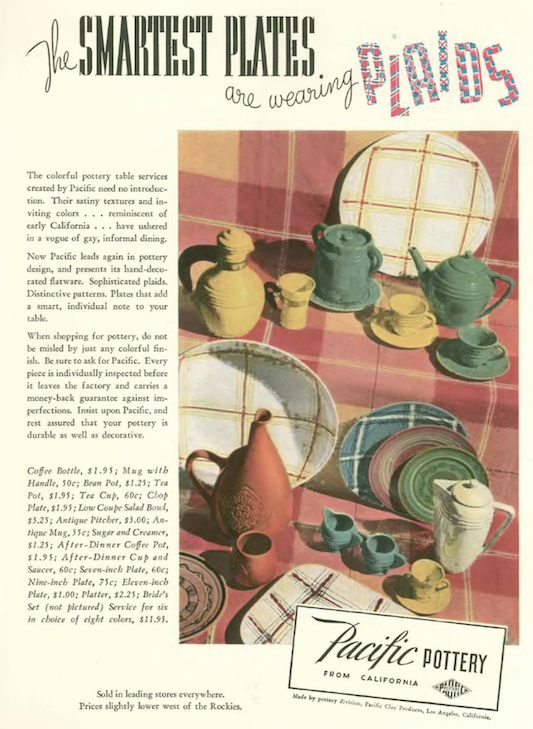
…Pacific Pottery was among firms in the 1930s marketing informal dinnerware featuring vibrant glazes and Art Deco streamline designs…

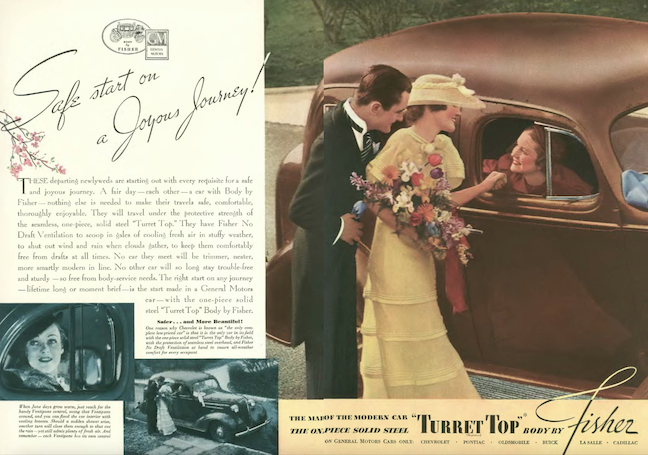
…you don’t hear much about the “June Bride” these days, but 1930s advertisers played up the tradition to sell everything from fashions to refrigerators…here the folks at Fisher made sure they connected their solid steel “Turret Top” to the safety of newlyweds…

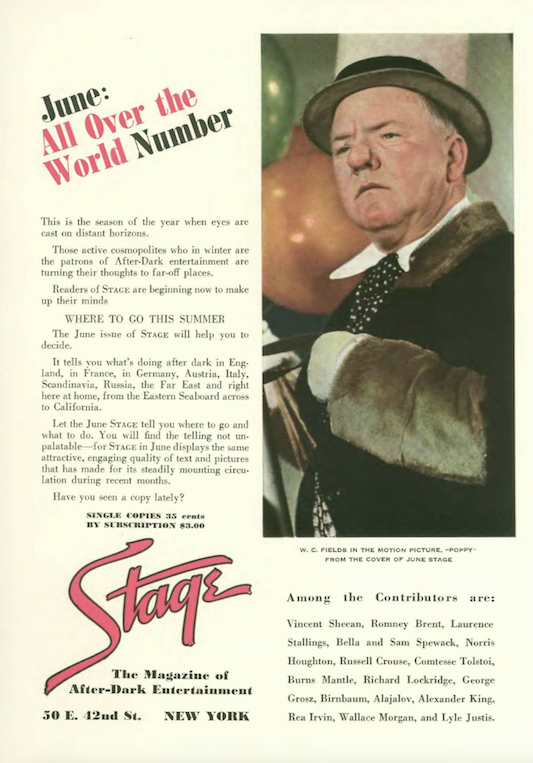
Stage magazine promoted its extensive coverage of  “After-Dark” entertainments at home and abroad…

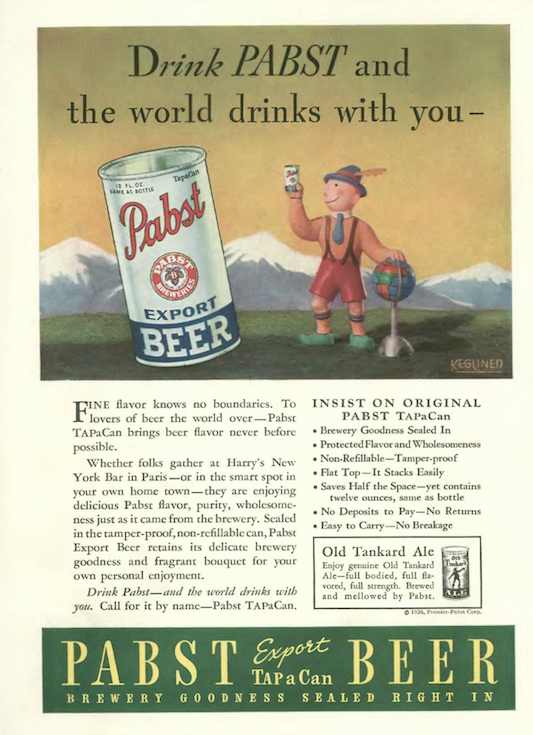
…the brewers of Pabst joined a handful of other beer companies promoting their product in newfangled cans…

Dr. Seuss continued to find new gags to promote Flit insecticide…

James Thurber kicked things off for the issue’s cartoonists…

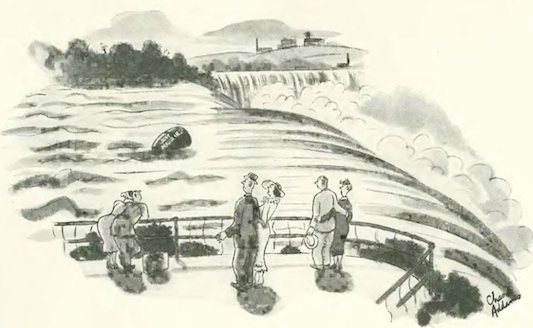
Charles Addams took in the sites along with some June brides at Niagara Falls (the barrel in the water reads “Just Married”)…

W.P. Trent contributed this caption-less cartoon…

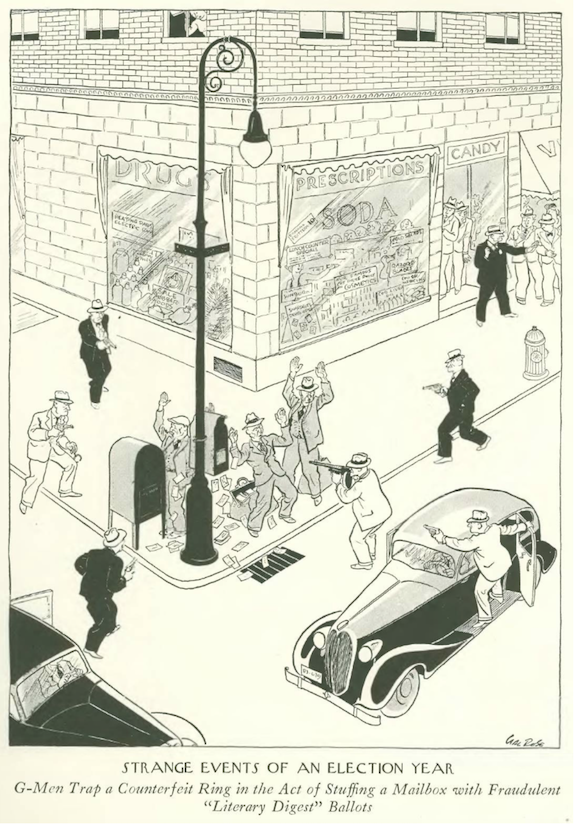
Carl Rose continued to document the strange happenings of an election year…

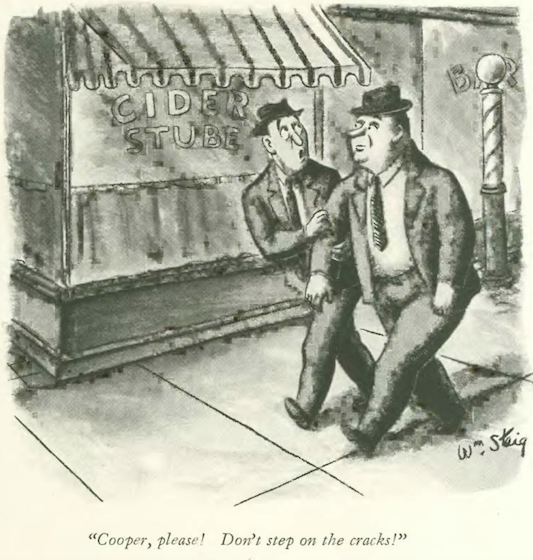
William Steig got superstitious…

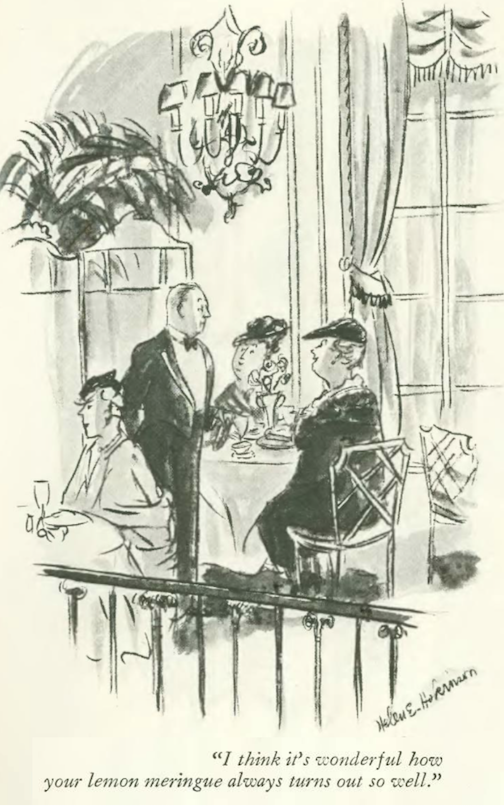
…one of Helen Hokinson’s “girls” gave props to lemon meringue…

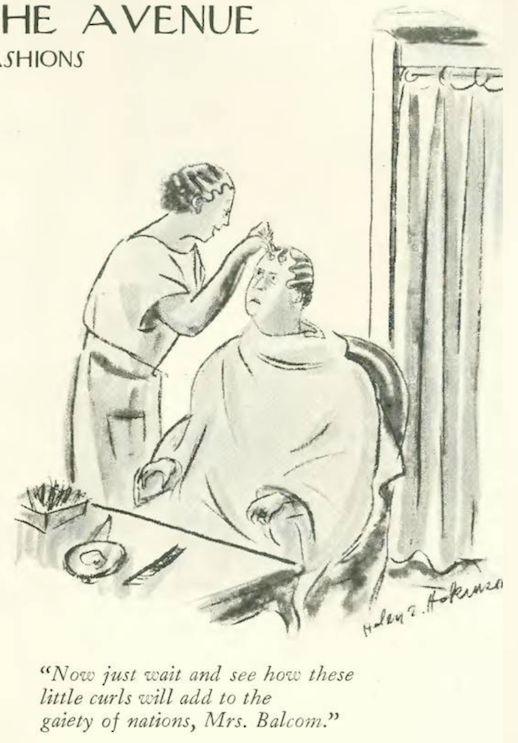
…and Hokinson again, and an unlikely claim at the salon…

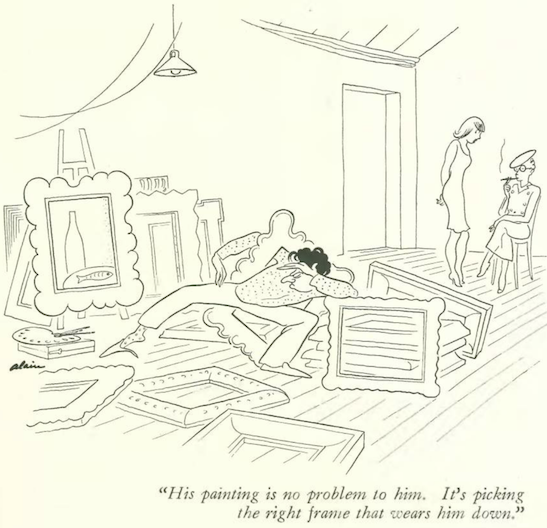
Alain presented an artist’s greatest challenge…

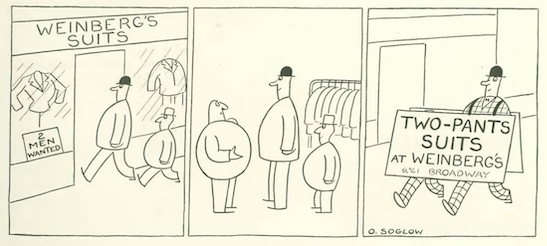
Otto Soglow gave us an ideal sandwich board duo…

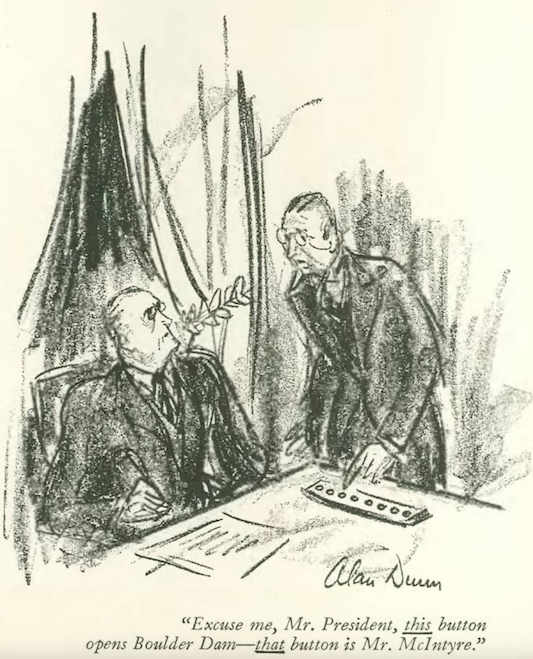
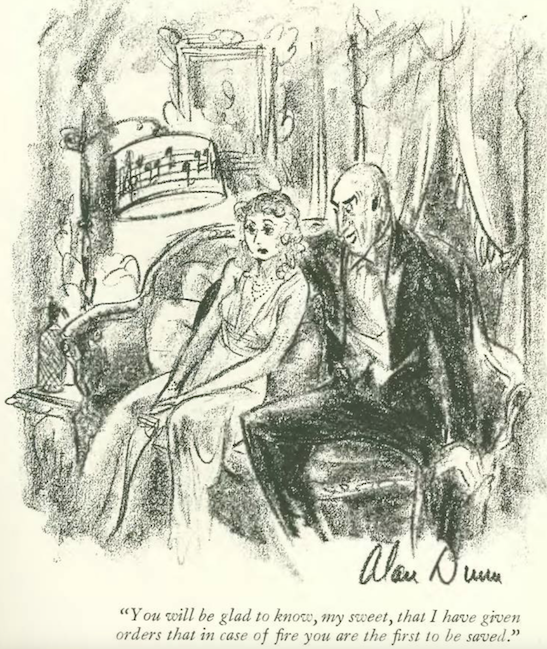
Alan Dunn illustrated a “selfless” act…

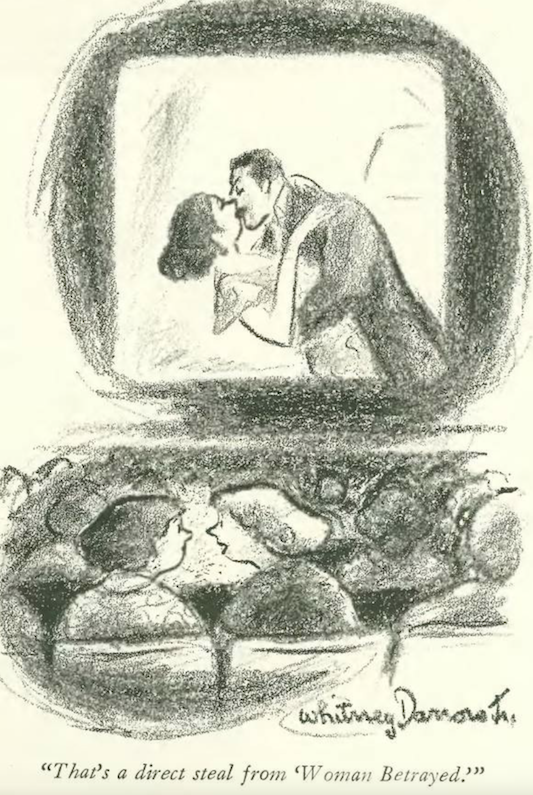
…a moviegoer found a derivative moment at the cinema, per Whitney Darrow Jr

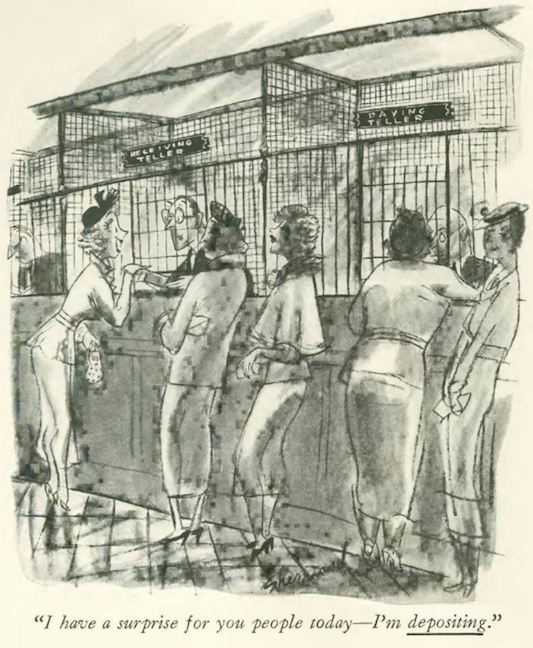
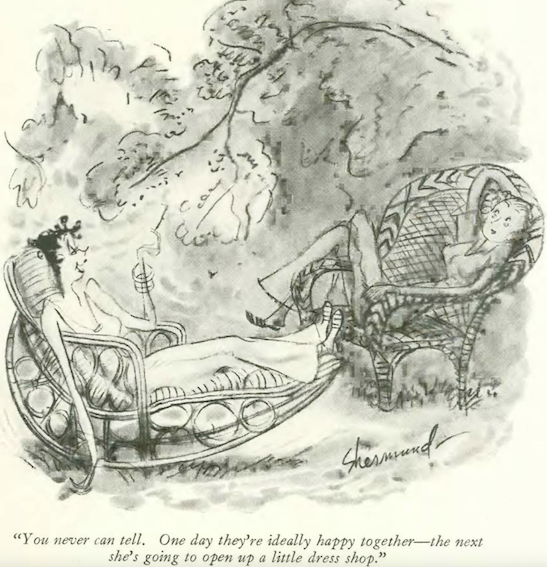
…and we close with some idle chat, courtesy of Barbara Shermund

Next Time: Meet Father Divine…