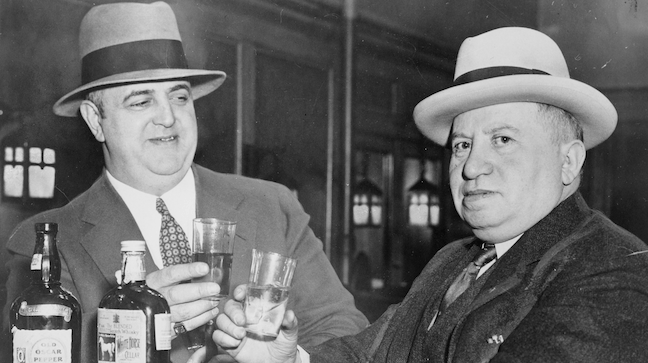
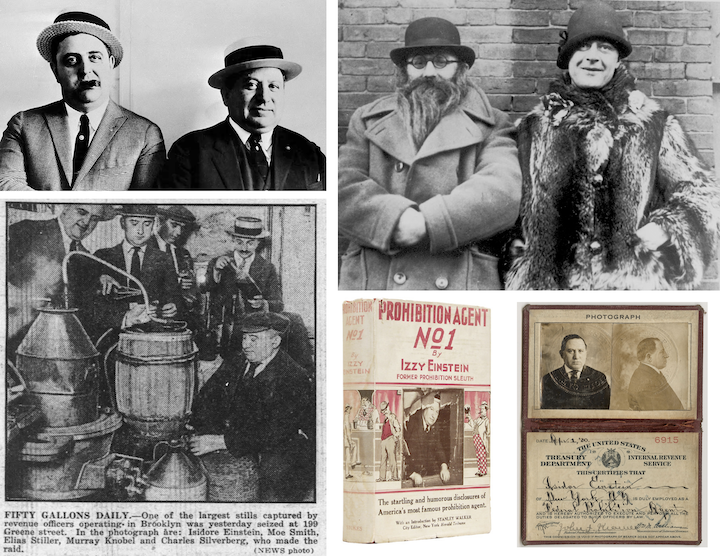
Above: Former Prohibition agents Isidor "Izzy" Einstein (right) and Moe W. Smith meet at a New York City bar in 1935. Known for their clever disguises and unorthodox tactics, from 1920 to 1925 the duo confiscated roughly five million bottles of illicit liquor and arrested 4,932 people. (Wikipedia)
Legendary Americans come from all walks of life—sports stars, movie actors, political and business leaders—and they also come from unlikely places; take for example a pushcart peddler and a cigar store owner who became national celebrities for their exploits during the first years of Prohibition.
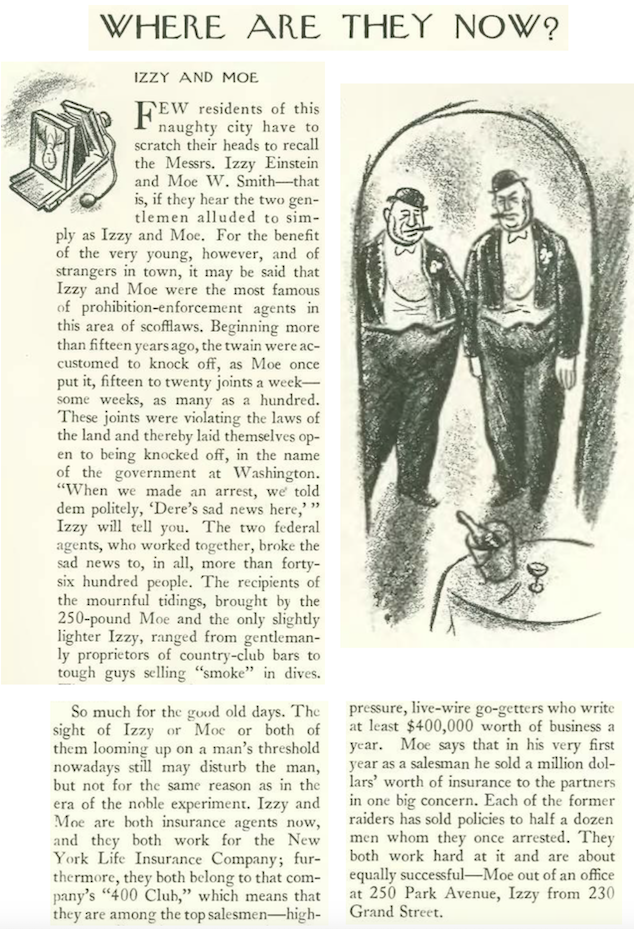
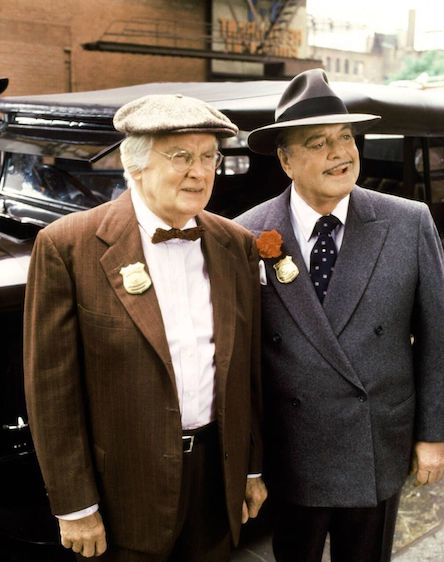
Prohibition agents Isidor “Izzy” Einstein (1880–1938) and Moe W. Smith (1887–1960) were known for their clever disguises, but the author of their “Where Are They Now?” profile was also in disguise—the piece was written by James Thurber under the pseudonym Jared L. Manley.
Einstein was 40-year-old pushcart peddler and postal clerk when he applied for a job as an enforcement agent at forty dollars a week. Although the 5-foot-5, 225 pound Einstein wasn’t the agency’s “type,” he convinced the feds that there was an advantage to not looking the part (the Austrian-born Einstein also spoke six languages). After landing the job, he asked if his friend, cigar store owner Moe Smith, could join him, since “he doesn’t look like an agent, either.” Some brief excerpts from part one of “Where Are They Now?”
In her 2012 article for Smithsonian magazine (“Prohibition’s Premier Hooch Hounds”), Abbott Kahler notes that the agents were victims of their own success. “Superiors grew to resent their headlines, and other agents complained that their productivity made their own records look bad…In November 1925, Izzy and Moe were among 35 agents to be dropped from the force.” Both men went on to successful careers as insurance salesmen. Want to know more? Read Kahler’s excellent account of the duo at the Smithsonian magazine’s website.
* * *
At the Movies
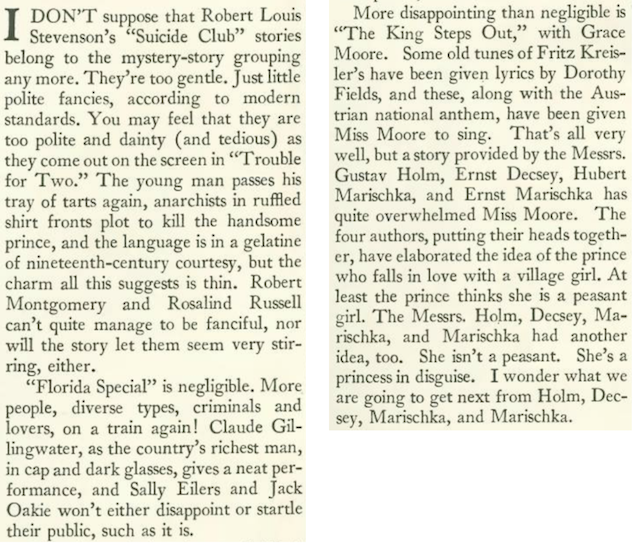
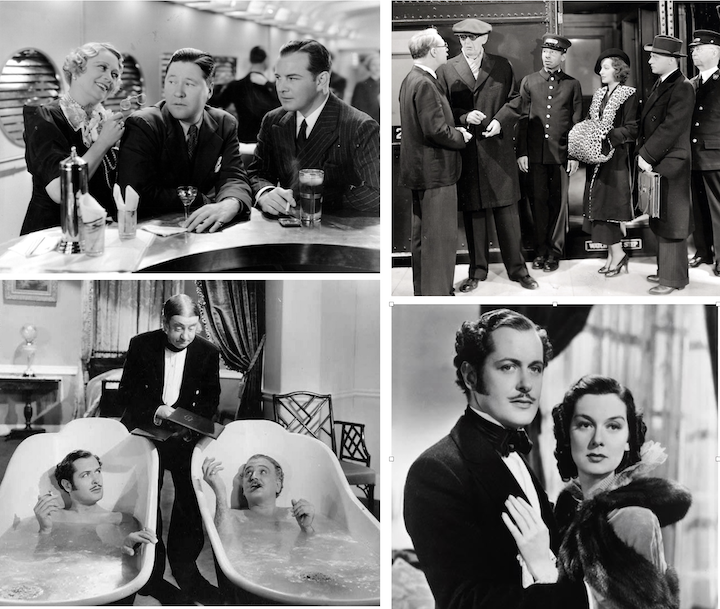
Two of the better films playing in Manhattan cinemas featured murders and matrons, the matrons played by Britain’s top female screen star, Madeleine Carroll, and America’s queen of screwball comedy, Jean Arthur. Critic John Mosher observed that their films were the only ones with any “life.”
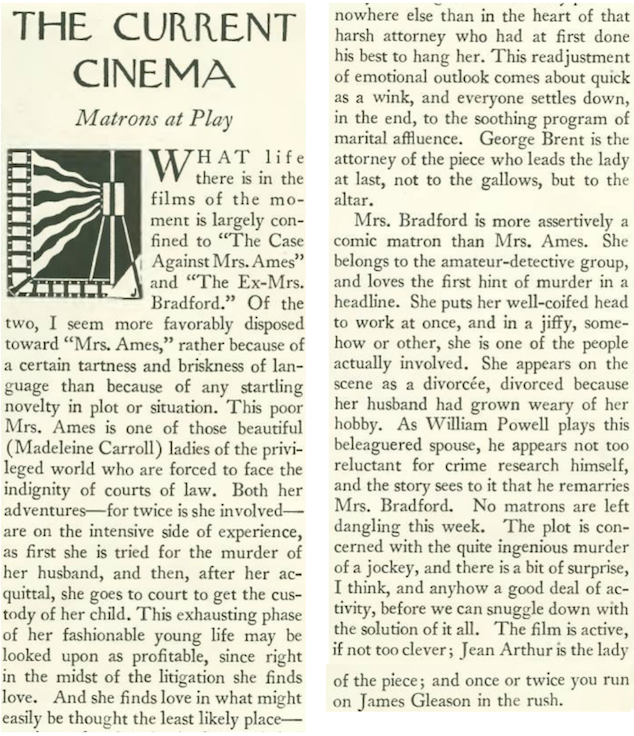
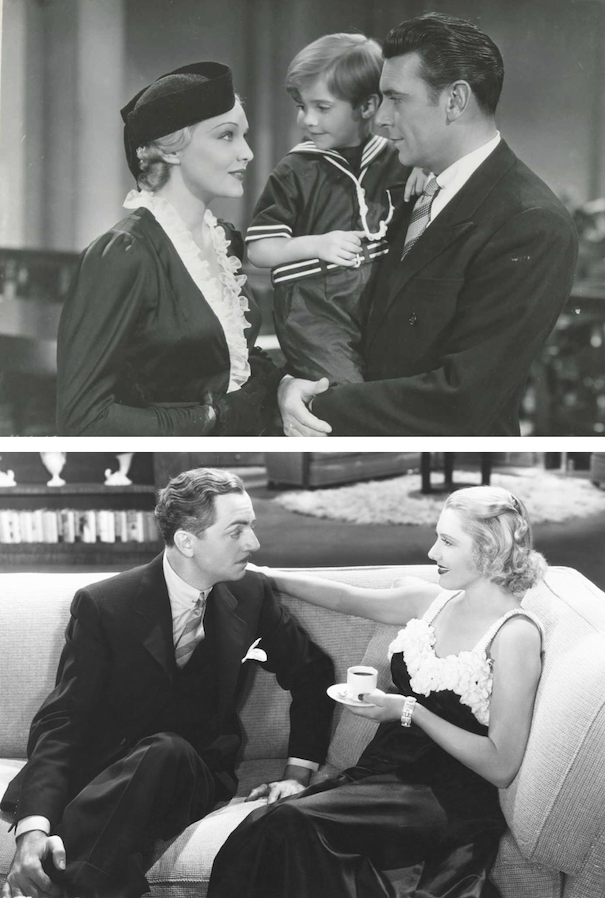
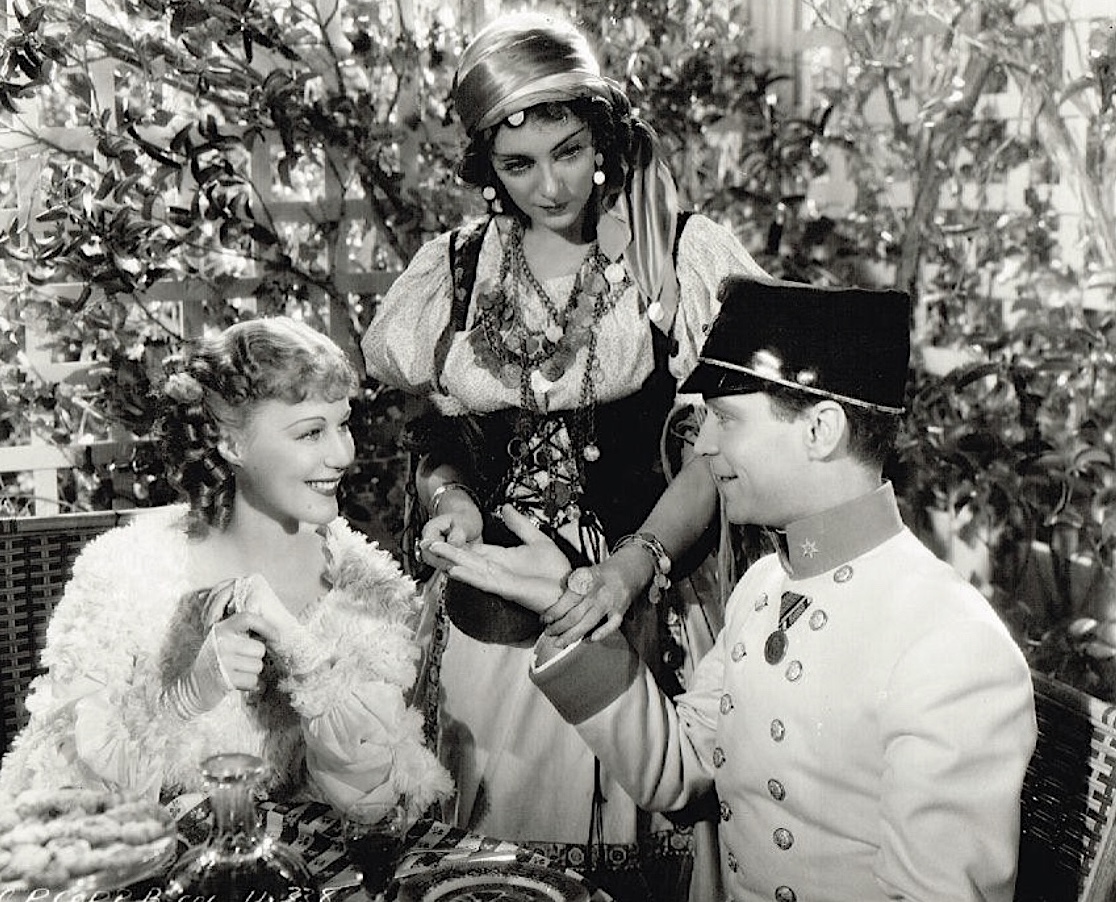
Other films reviewed by Mosher were rated as “negligible” and “disappointing,” despite their talented casts…
* * *
From Our Advertisers
Last week Lois Long mentioned the return of famed Greenwich Village restaurateur and Sheridan Square funboy Don Dickerman. The June 6 issue featured two back-of-the-book ads placed by Dickerman that promoted his latest venture at Port Chester…this ad was on the bottom of page 75…
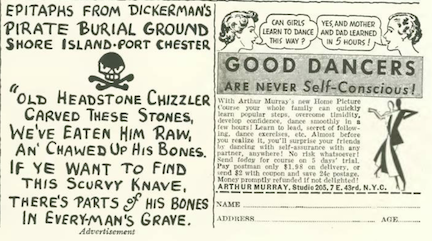
…and turning the page, you’d find this at the bottom of page 76…
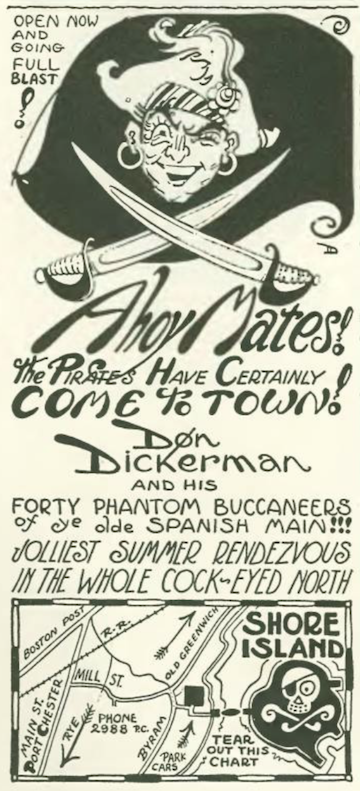
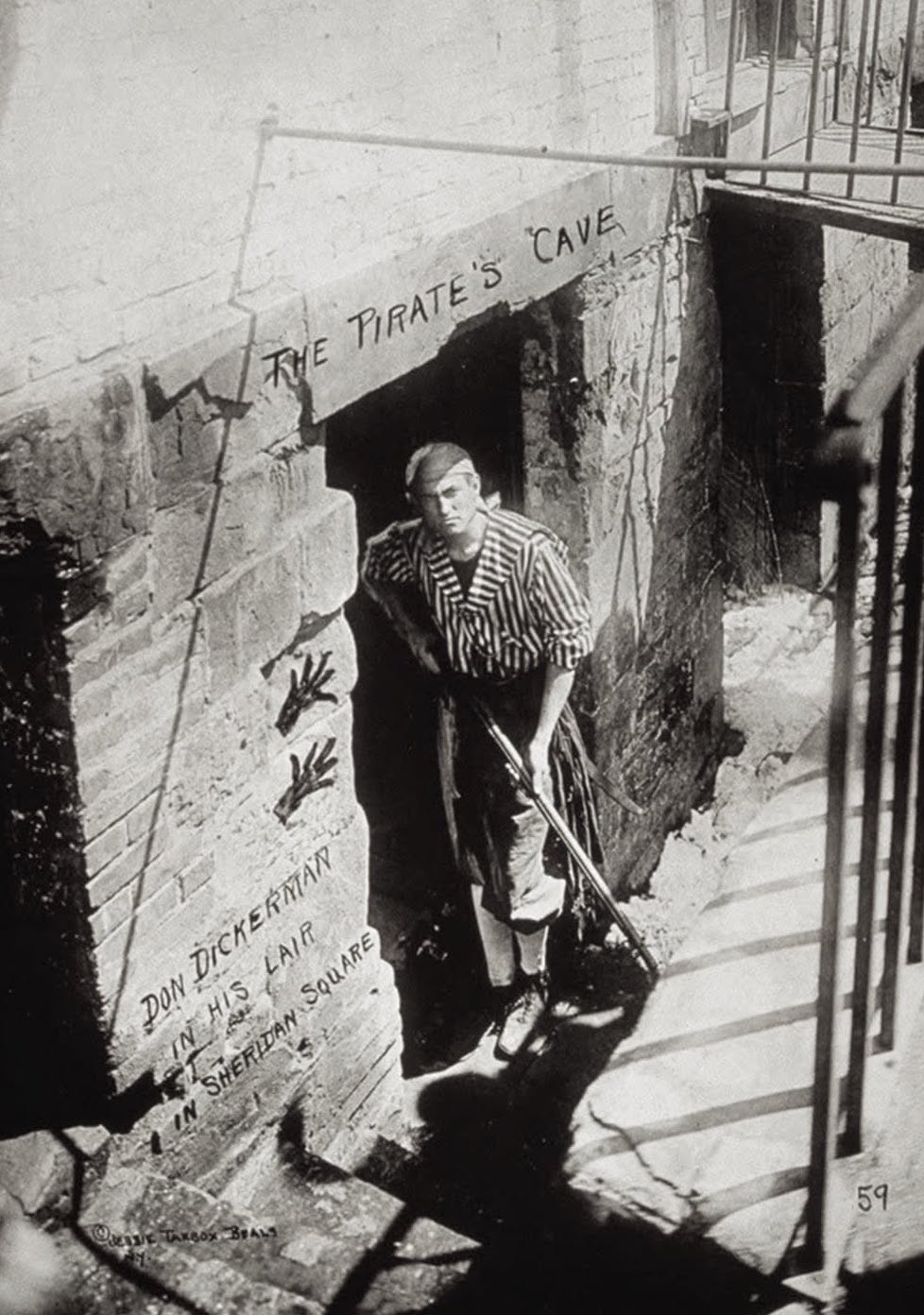
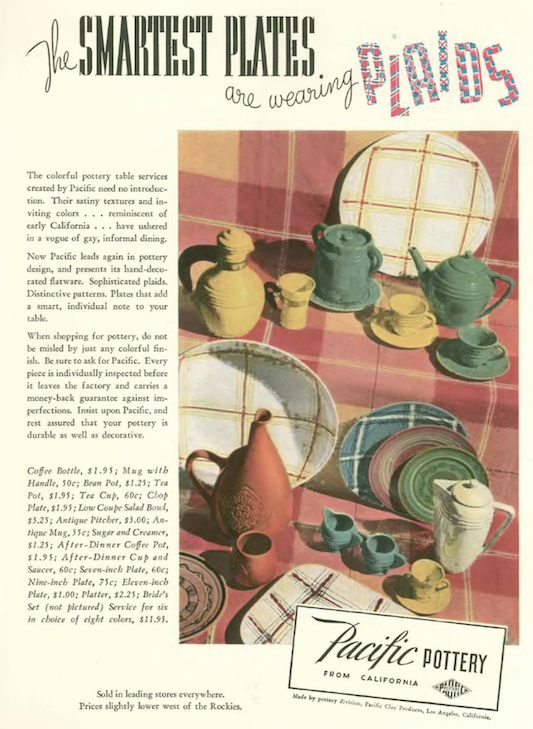
…Pacific Pottery was among firms in the 1930s marketing informal dinnerware featuring vibrant glazes and Art Deco streamline designs…
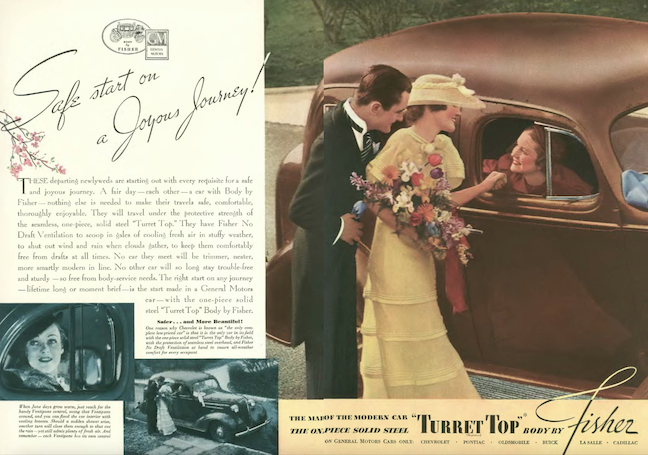
…you don’t hear much about the “June Bride” these days, but 1930s advertisers played up the tradition to sell everything from fashions to refrigerators…here the folks at Fisher made sure they connected their solid steel “Turret Top” to the safety of newlyweds…
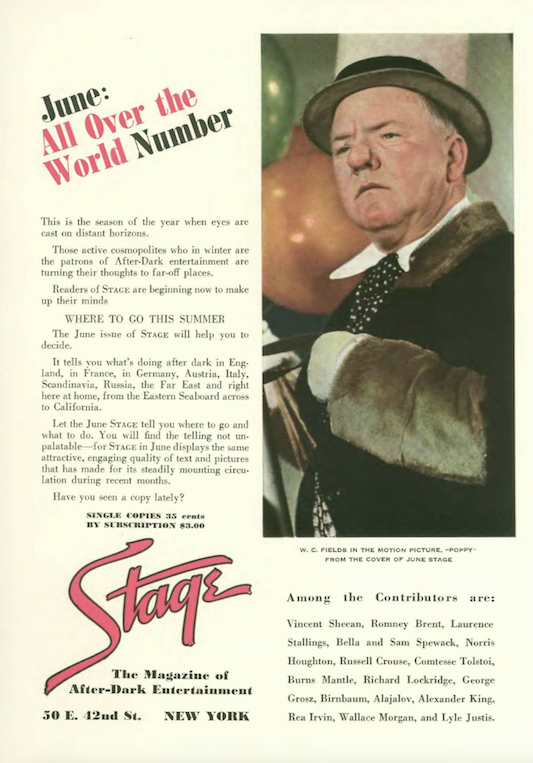
…Stage magazine promoted its extensive coverage of “After-Dark” entertainments at home and abroad…
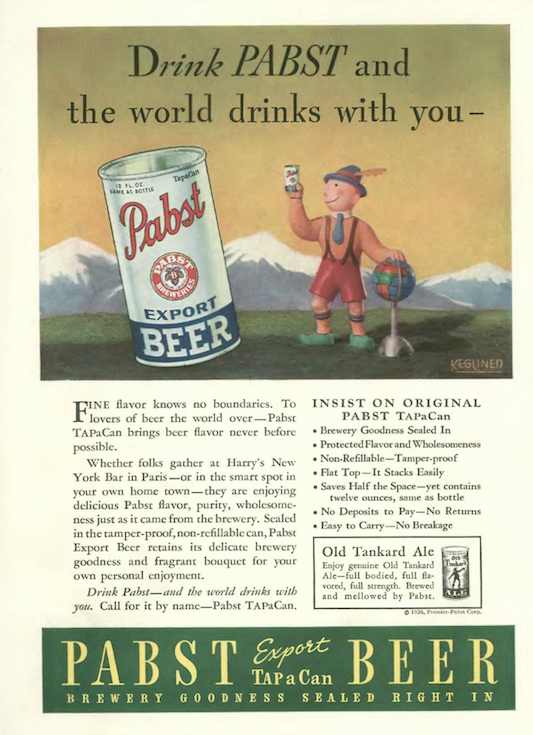
…the brewers of Pabst joined a handful of other beer companies promoting their product in newfangled cans…
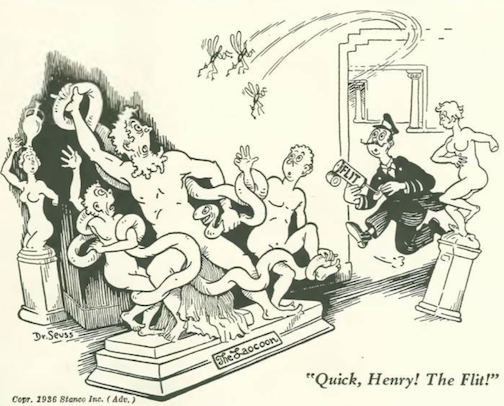
…Dr. Seuss continued to find new gags to promote Flit insecticide…
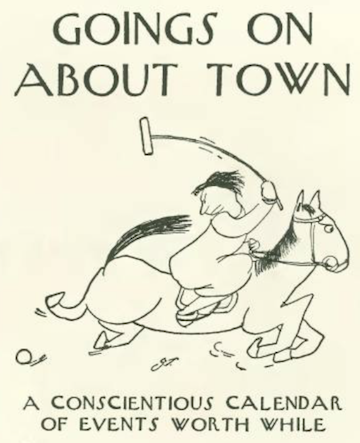
…James Thurber kicked things off for the issue’s cartoonists…
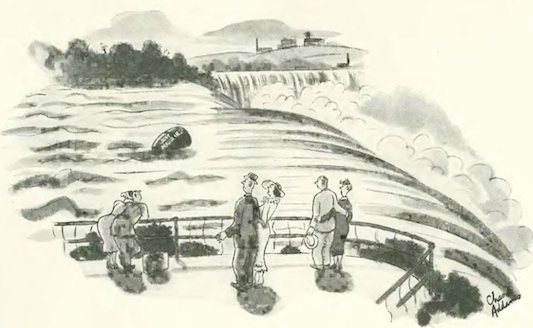
…Charles Addams took in the sites along with some June brides at Niagara Falls (the barrel in the water reads “Just Married”)…
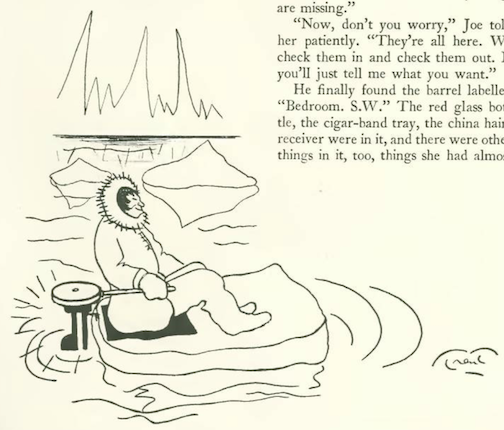
…W.P. Trent contributed this caption-less cartoon…
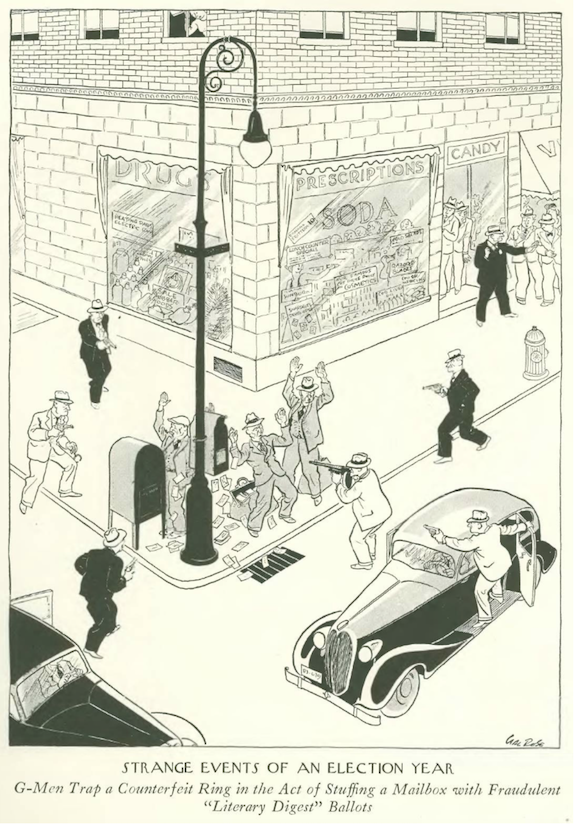
…Carl Rose continued to document the strange happenings of an election year…
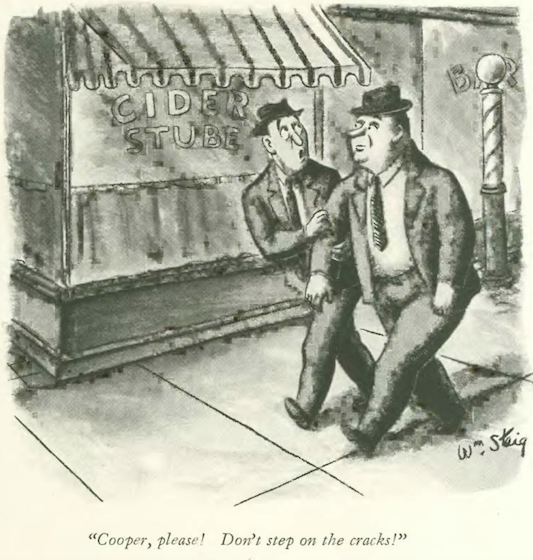
…William Steig got superstitious…
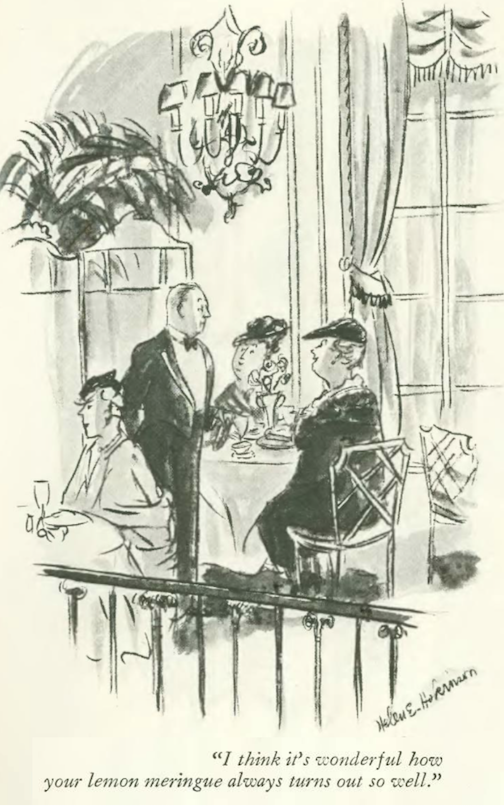
…one of Helen Hokinson’s “girls” gave props to lemon meringue…
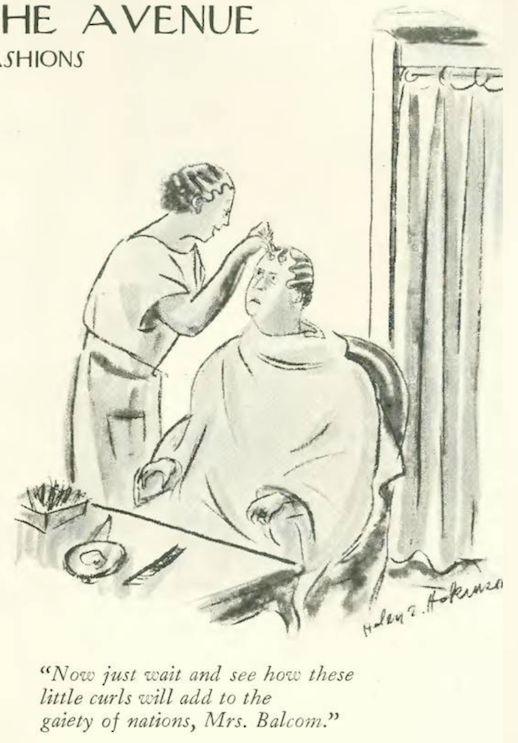
…and Hokinson again, and an unlikely claim at the salon…
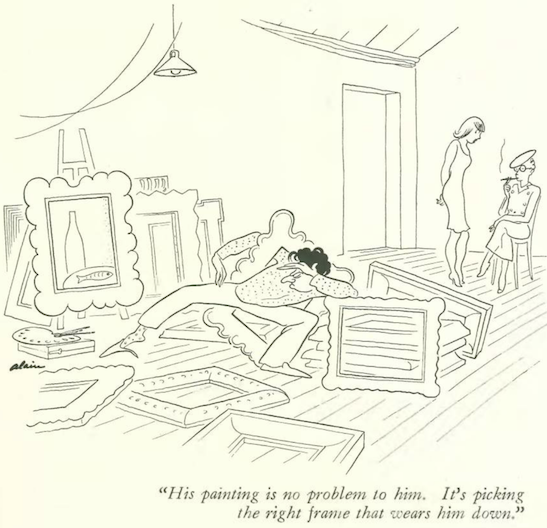
…Alain presented an artist’s greatest challenge…
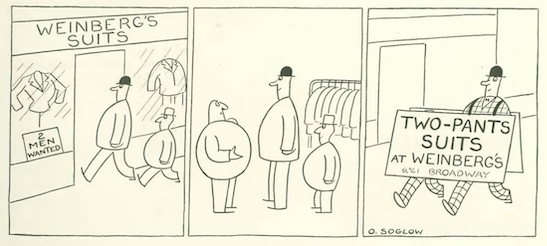
…Otto Soglow gave us an ideal sandwich board duo…
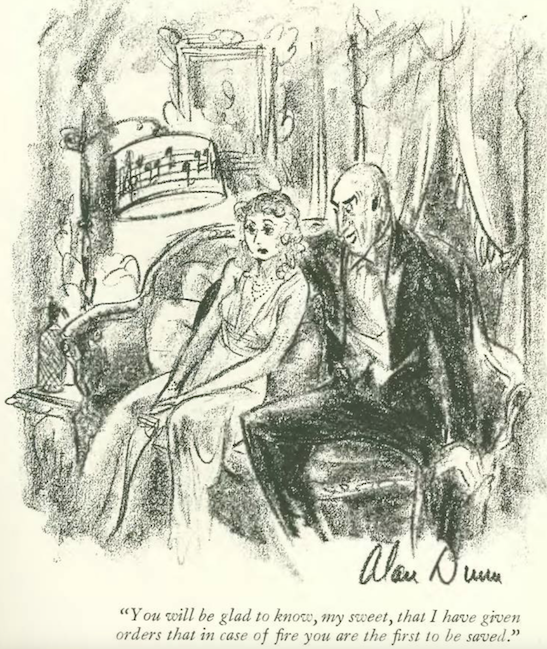
…Alan Dunn illustrated a “selfless” act…
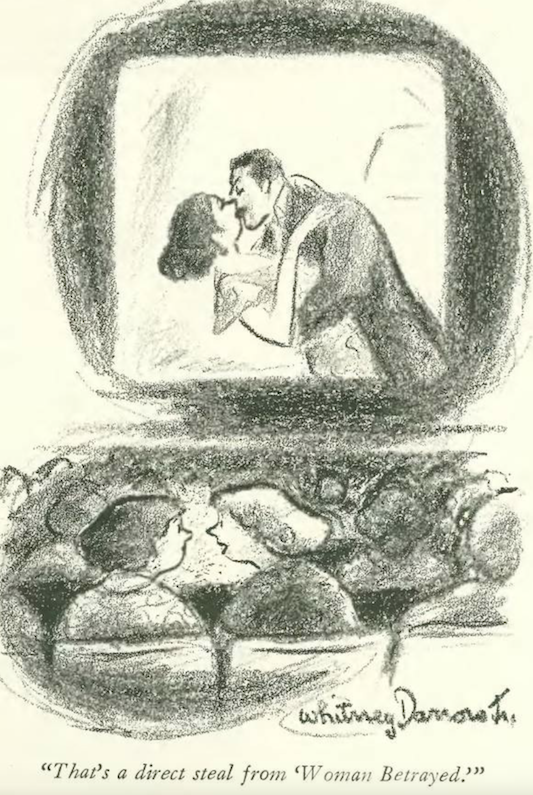
…a moviegoer found a derivative moment at the cinema, per Whitney Darrow Jr…
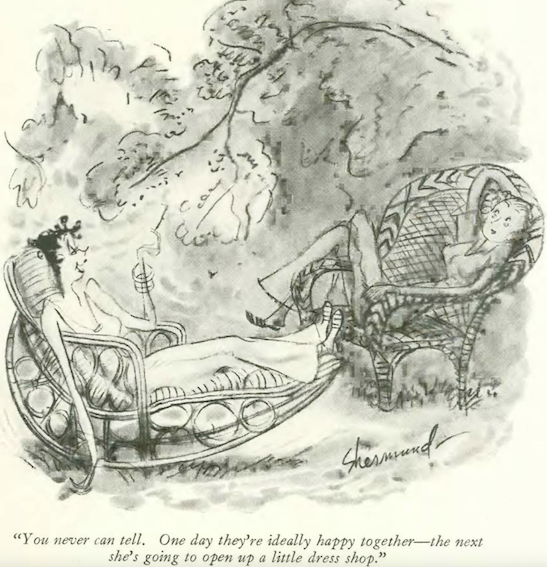
…and we close with some idle chat, courtesy of Barbara Shermund…
Next Time: Meet Father Divine…