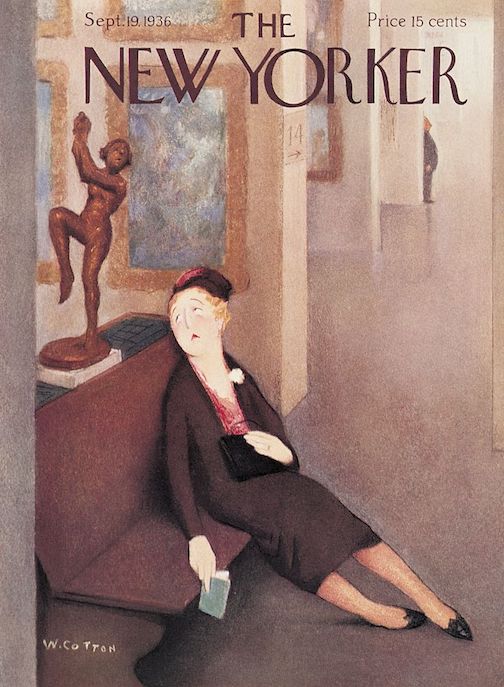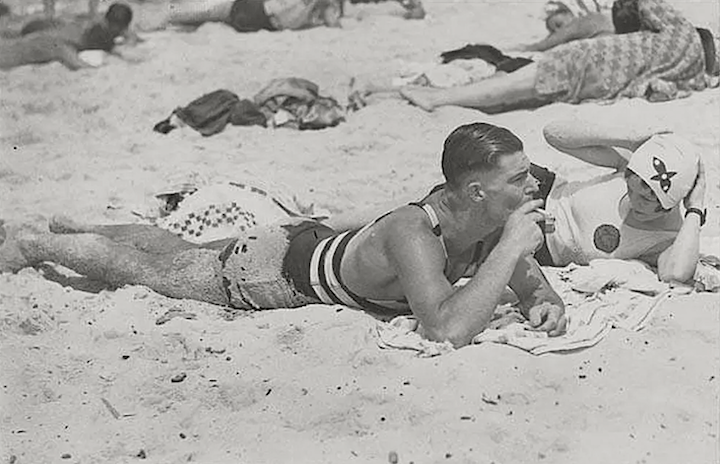
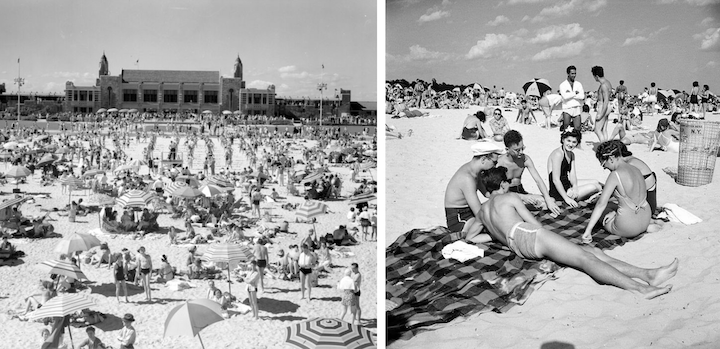
E.B. White grew up along the coast of Maine and had a lifelong love of sailing. He did not, however, have much regard for those who came to the water simply to bask in the sun.
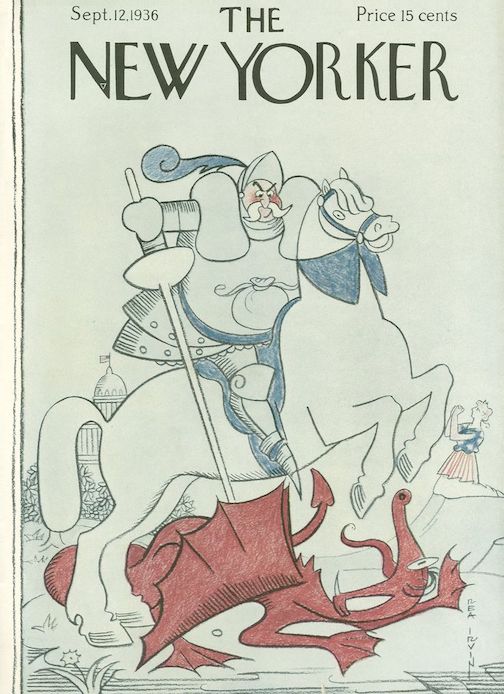
White led off his column with some sharp words about the “sunburned man” who did not come by his tan honestly, like an athlete or explorer, but rather spent his weekends “frying” to cover his “bankrupt dreams.” White was also critical of “the weekend guest” who brought noise rather than tranquility to the seaside.
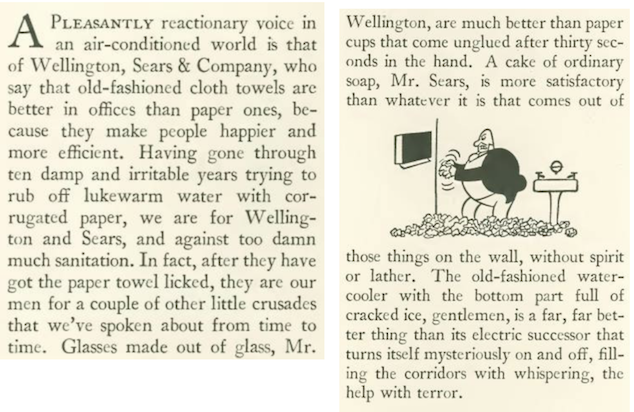
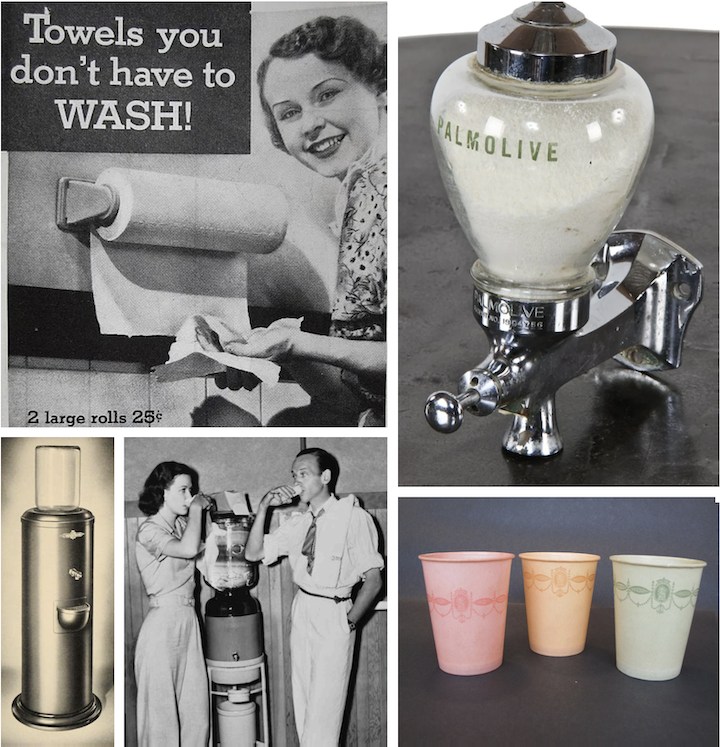
Ever critical of innovation, E.B. White also lamented the rise of such “conveniences” as paper towels and powdered soap dispensers.
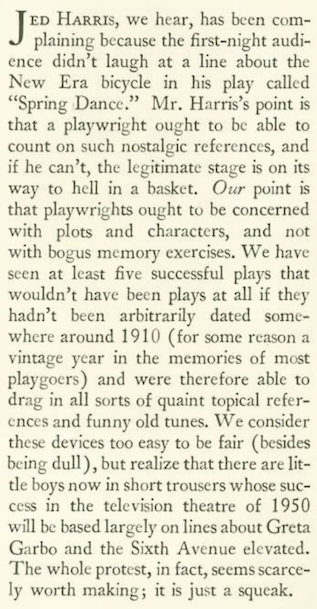
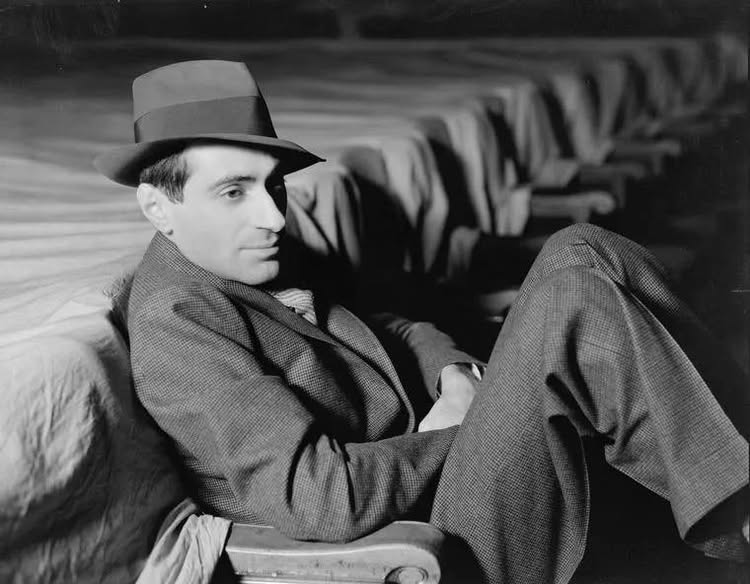
One more item from “Notes,” this referring to theatrical producer and director Jed Harris, who was peeved when a nostalgic reference in his new comedy, Spring Dance, failed to elicit laughter from a first-night audience at the Empire Theatre. E.B. White sided with the audience, and wondered if playwrights in the “television theatre of 1950” would someday reference “Greta Garbo and the Sixth Avenue elevated.”
* * *
At the Movies
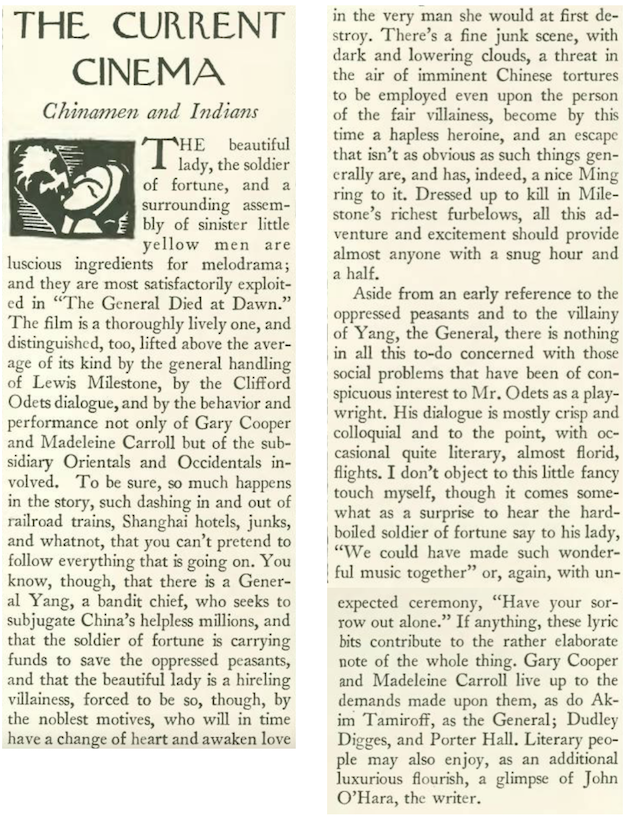
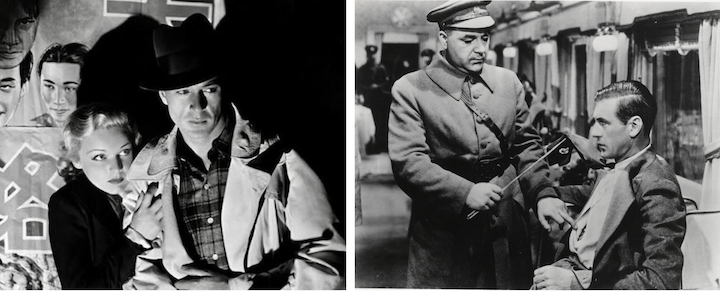
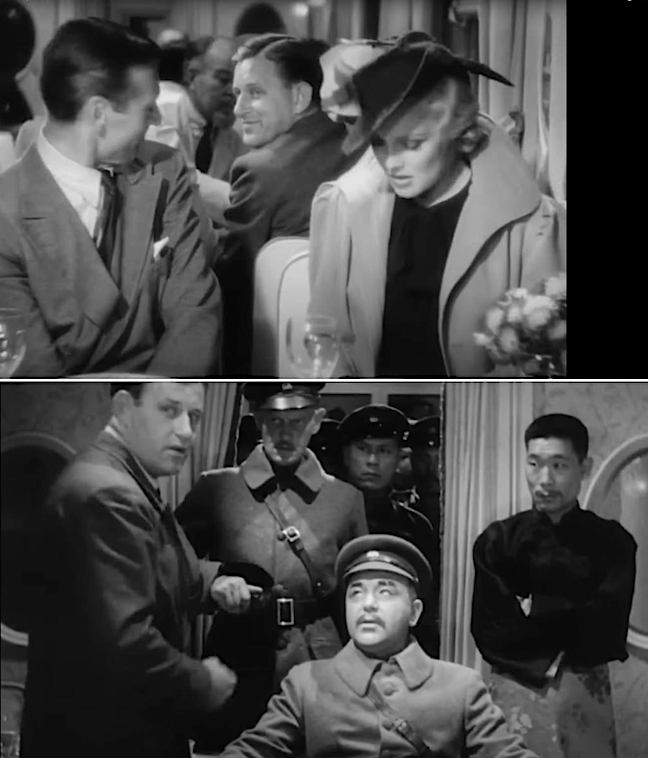
Gary Cooper finally showed off his gift for gab in Paramount’s drama The General Died at Dawn. Critic John Mosher called the film “lively,” and noted a “glimpse” of New Yorker short story writer John O’Hara in a cameo appearance.
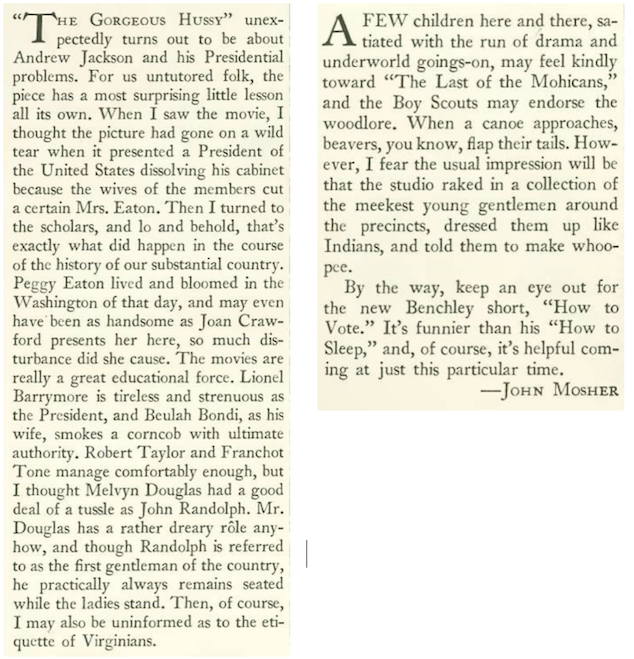
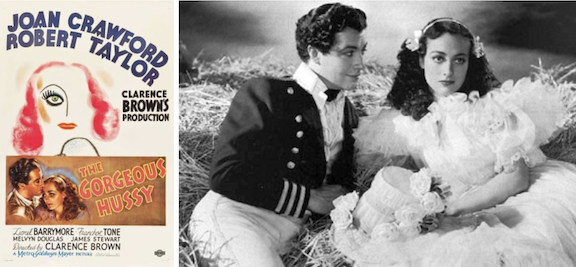
The title of MGM’s The Gorgeous Hussy suggested something racy, but as Mosher noted, it “unexpectedly turns out to be about Andrew Jackson.”
* * *
From Our Advertisers
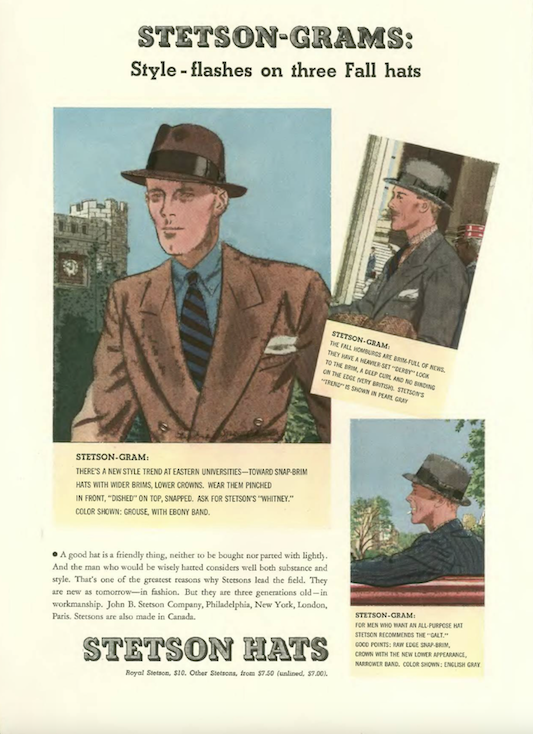
It was time to get that fall hat, and Stetson had three smart-looking lids for the man about town…
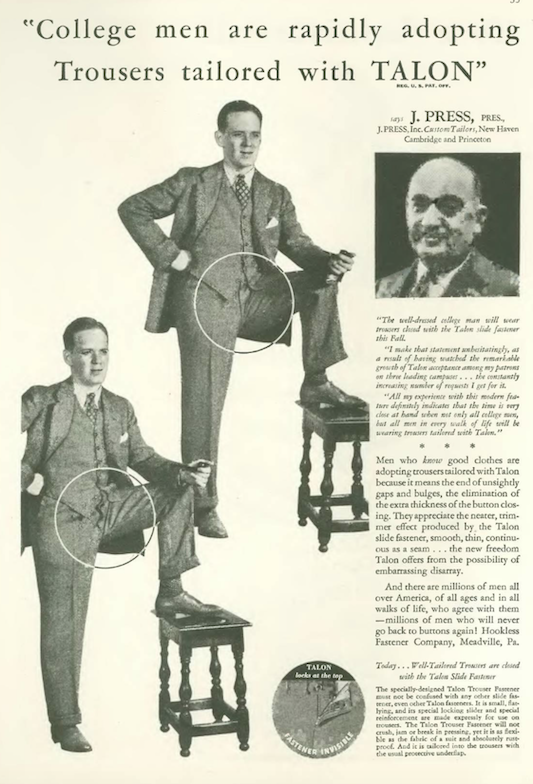
…and here’s a not-so-smart ad from the makers of Talon zippers…no doubt some of the wags on The New Yorker’s editorial side got a kick out of this…
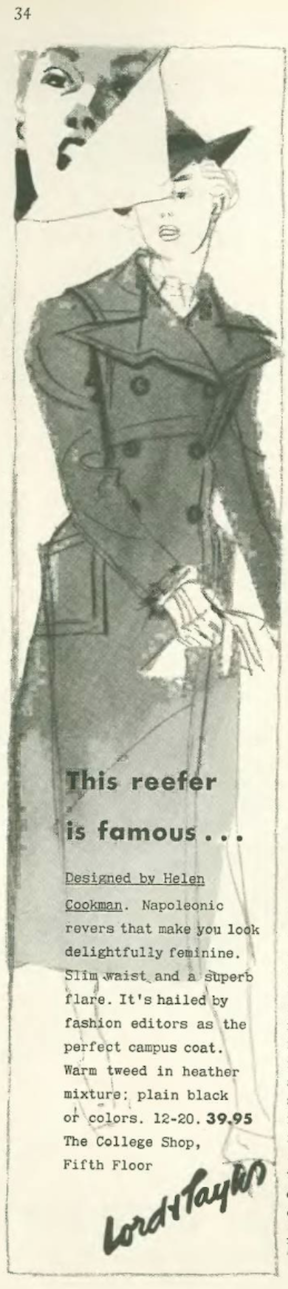
…and this strange ad from Lord & Taylor…not sure what they were trying to convey with that peeled-back corner…
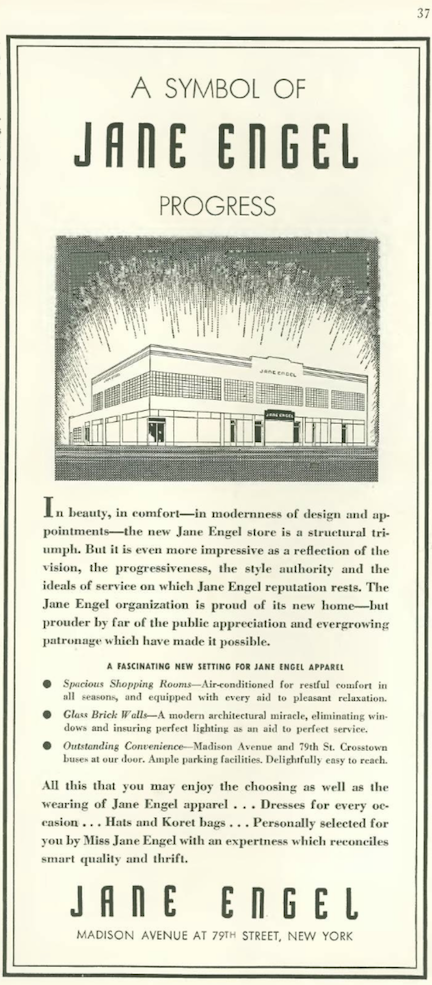
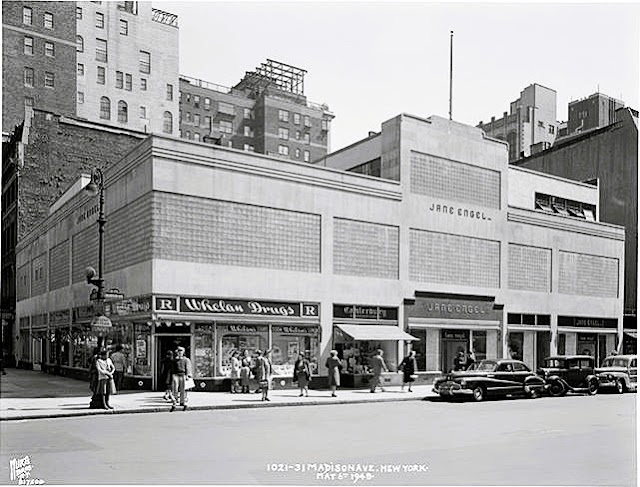
…Jane Engel founded a popular women’s and children’s apparel shop during the Great Depression (in 1930) with just $400 to her name. She grew the business from a single shop on Madison into a successful chain of more than thirty locations…
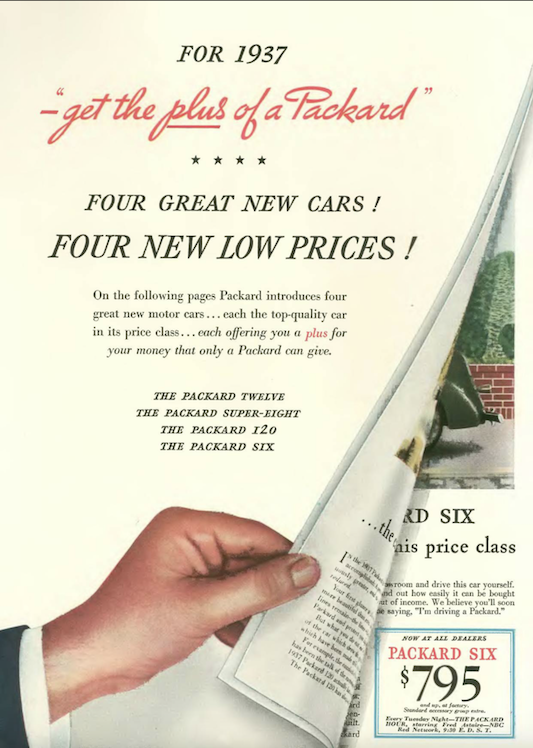
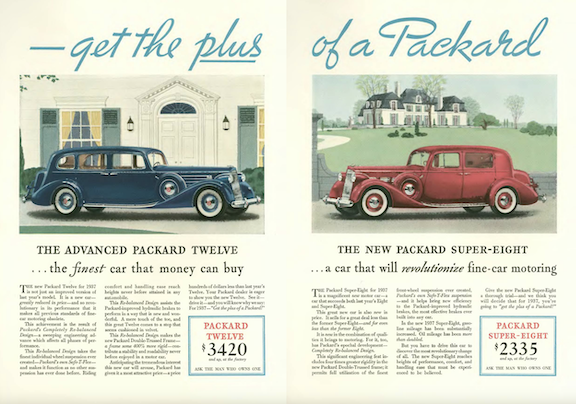
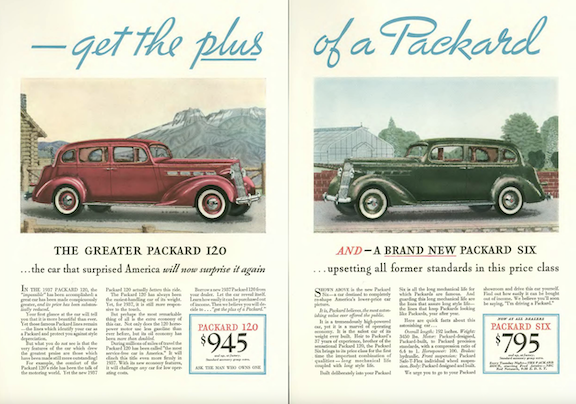
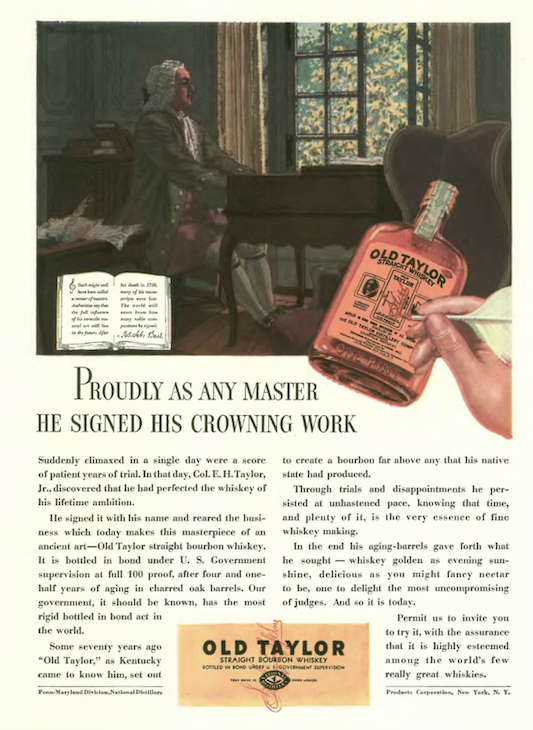
…bourbon distillers continued to compare the accomplishments of famous men to the quality of their tipple…
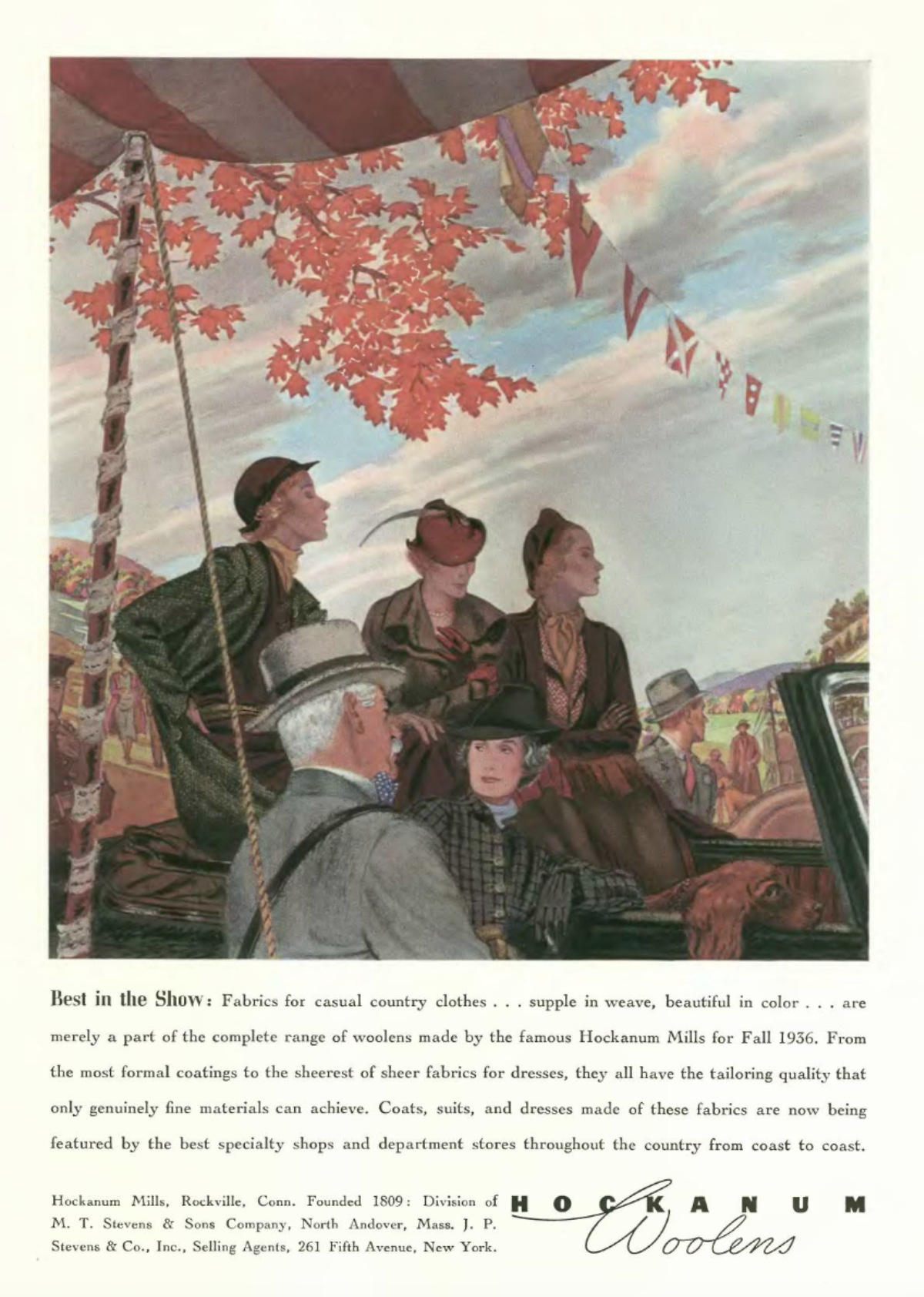
…as the folks at Hockanum Mills continued featuring fine woolens in upscale, seasonal settings…
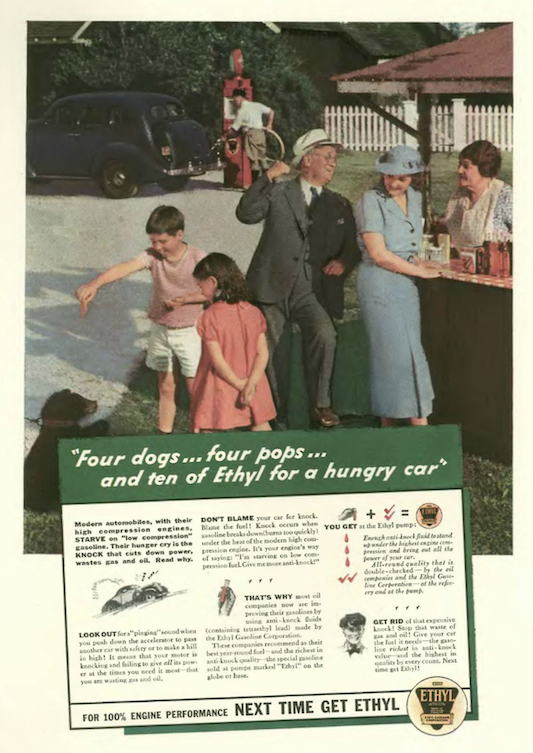
…and the makers of leaded gasoline continued their series featuring homespun images juxtaposed with attendants gassing up cars in the background…at first I thought this was one image superimposed over another, but more likely the gas pump is a prop…also, an odd detail on the left where children appear to be feeding (or teasing) a baby bear restrained by a leash…
…we move on to our cartoonists, beginning with Richard Decker…
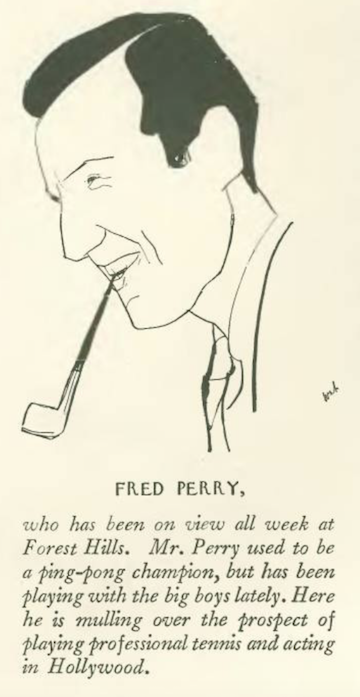
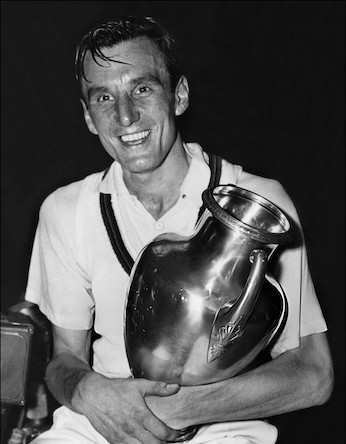
…also in the calendar section was this illustration by William Auerbach-Levy for the mini bio of Fred Perry (1909–1995), British tennis star who won ten Majors, including three consecutive Wimbledon Championships from 1934 to 1936…he was the first player to win a “Career Grand Slam” which he completed at the tender age of 26 in 1935…Perry was also the world champion ping-pong champion in 1929…
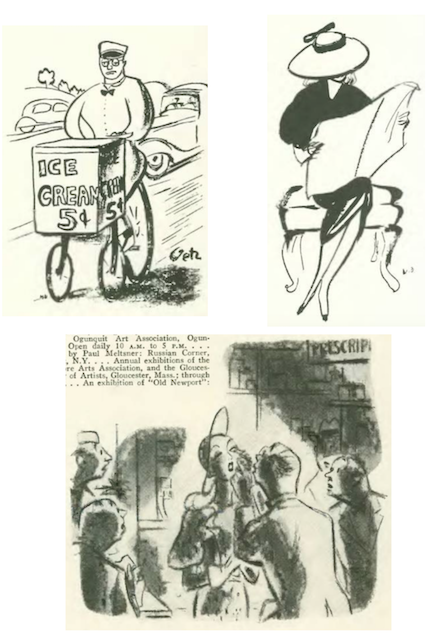
…an assortment of spot drawings…clockwise, from top left, Arthur Getz, Victor de Pauw, and Barbara Shermund (arguably not a spot drawing, but not really a cartoon either)…
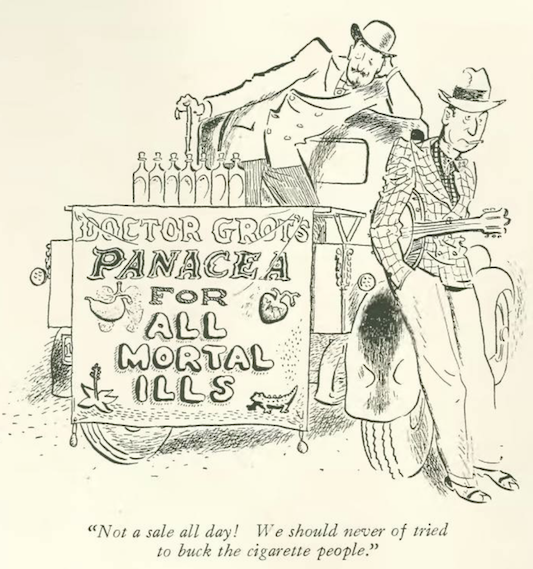
…no signature on this, but it appears to be the work of Perry Barlow, which always reminded me of another artist known for his rural types, Robert McCloskey…
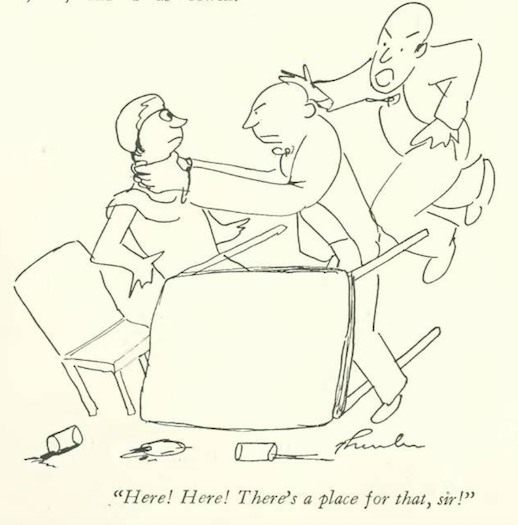
…James Thurber illustrated a public display of disaffection…interesting use of perspective here…Thurber seems to violate all the rules yet the effect is masterful…
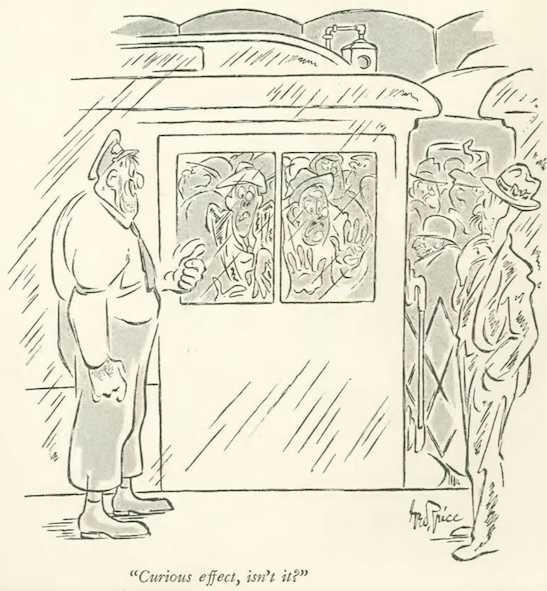
…speaking of effect, George Price in the subway…
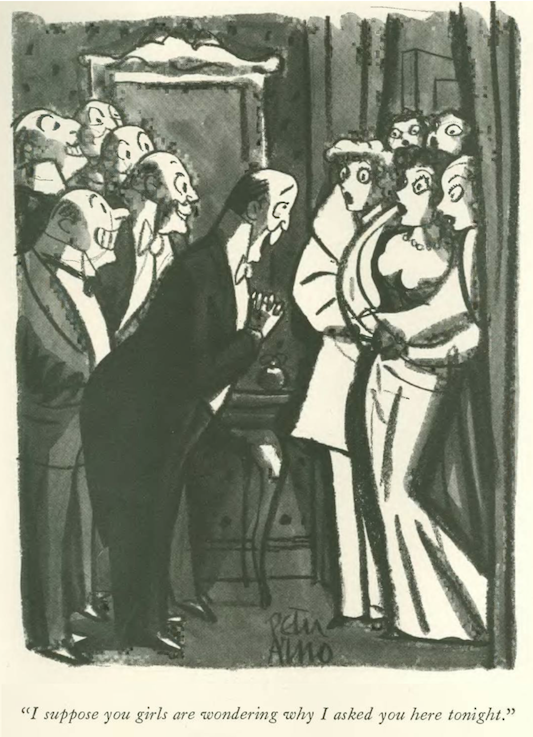
…Peter Arno continued to explore a familiar theme…
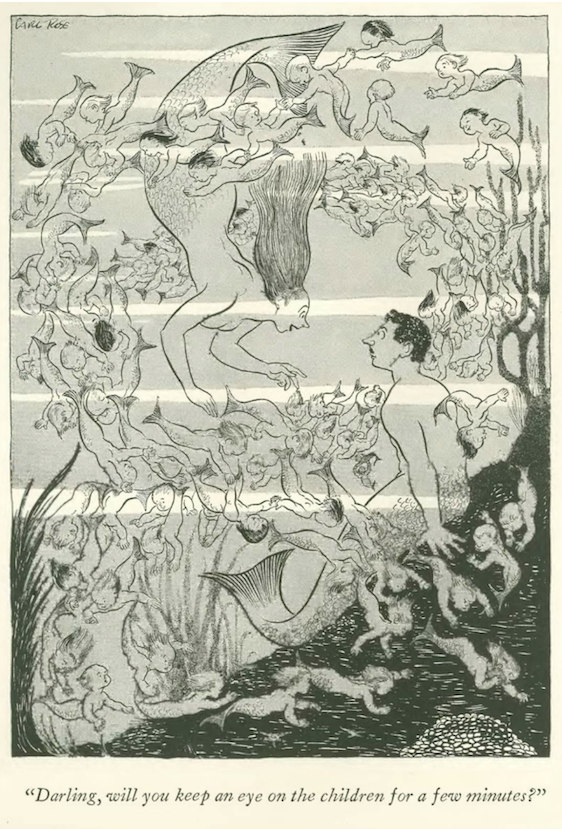
…Carl Rose imagined the home life of a mermaid…
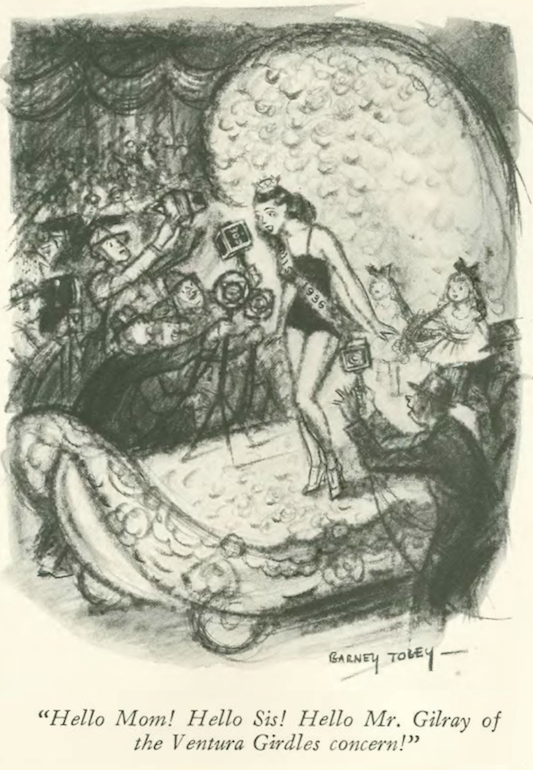
…Barney Tobey’s Miss America gave a plug to her sponsors…
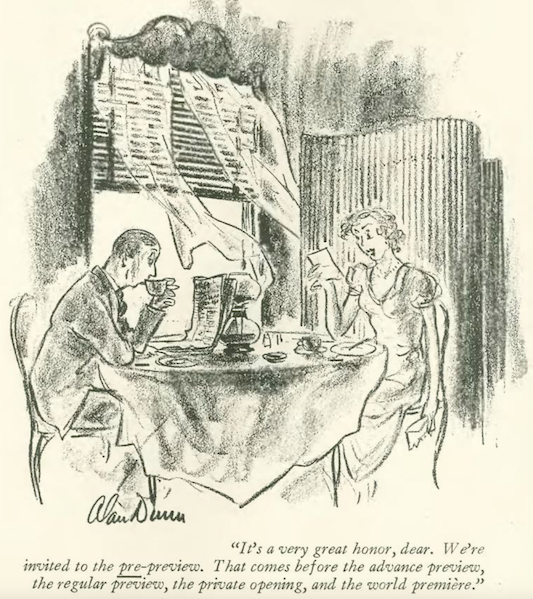
…Alan Dunn gave us a view of a pre-preview…
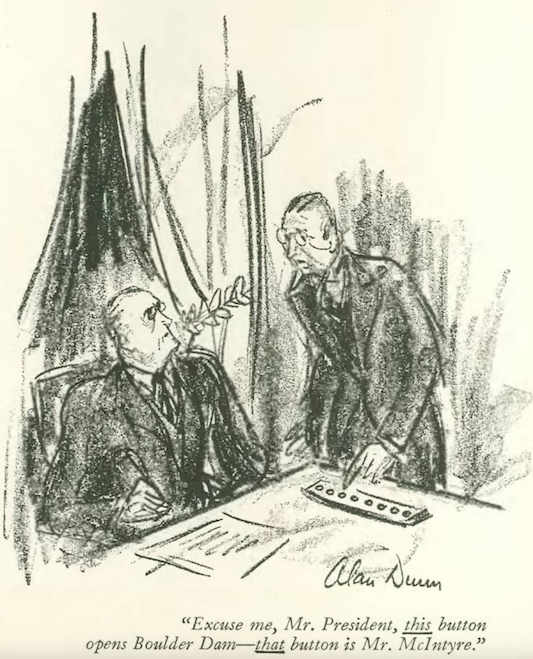
…Dunn again, with a rare cartoon featuring a known personage…
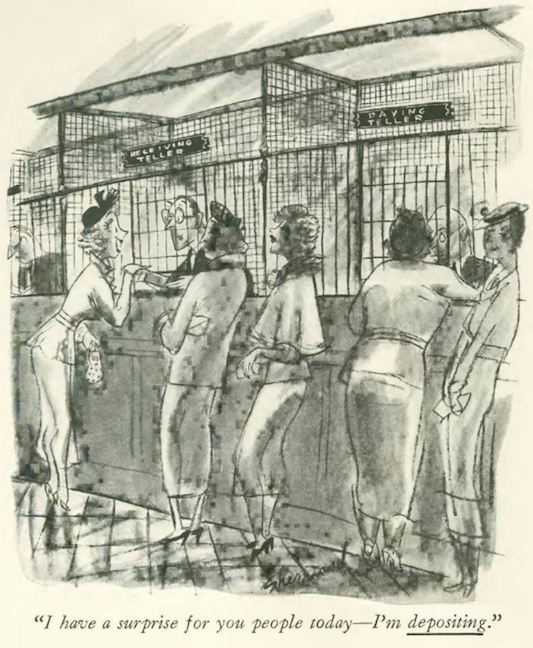
…Barbara Shermund revealed a surprise at the teller window…
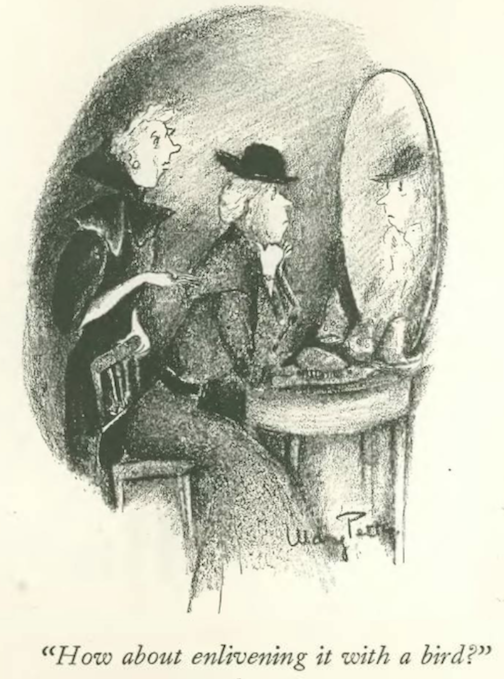
…Mary Petty got creative at the hat shop…
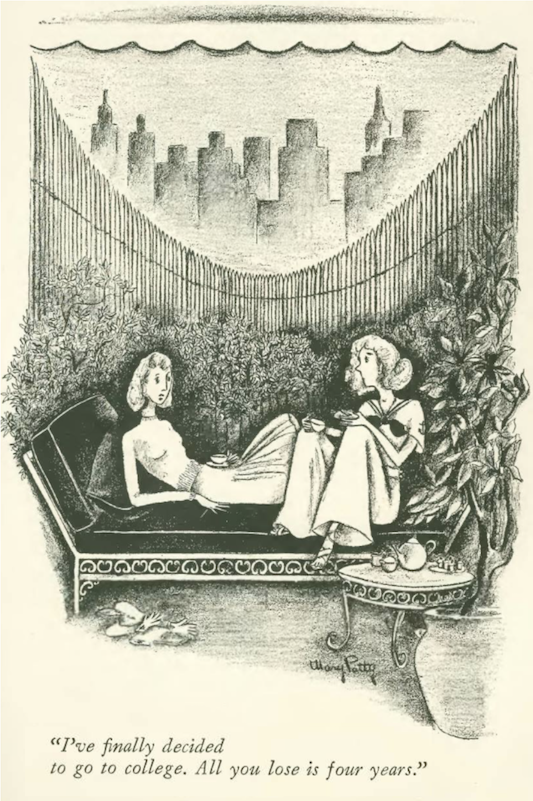
…and Petty again, as we close with her modern take on higher education…
Next Time: Through the Looking Glass, Darkly…