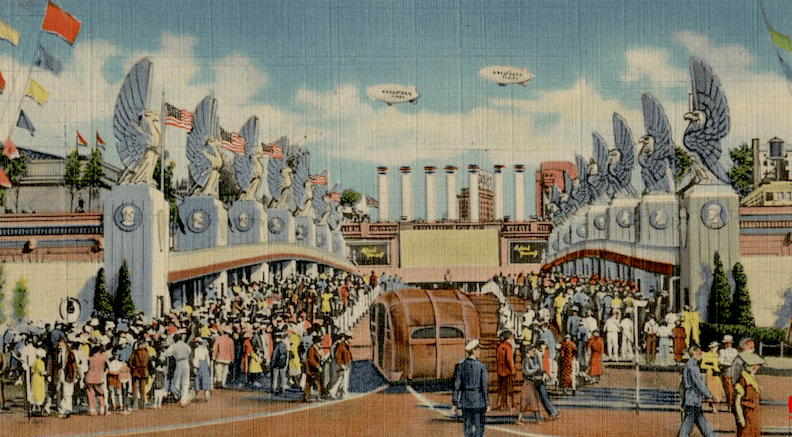
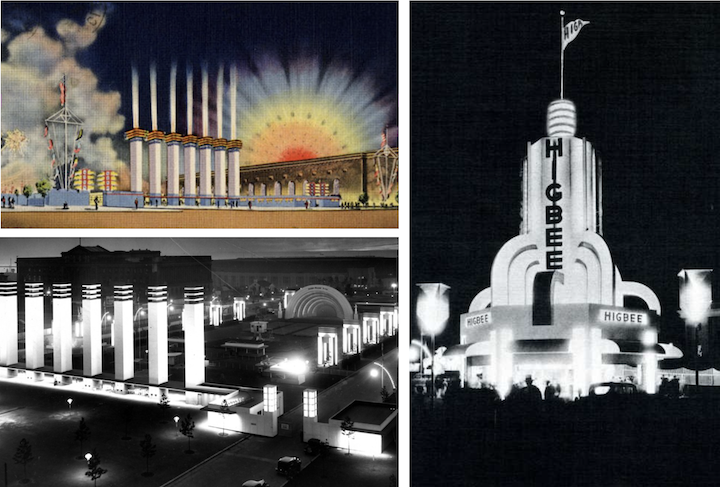
Above: Postcard image of the "Avenue of Presidents" at the 1936 Great Lakes Exposition in Cleveland, Ohio. (youtube.com)
Before the days of mass communications, millions would flock to various world’s fairs and expositions to see the latest inventions, experience the boosterism of the host city, and seek out the thrills of a carnival ride or peep show.
Along with the major world’s fairs such as Chicago’s 1893 World’s Columbian Exposition, smaller cities also hosted expositions to “boom” their standing in the world—Omaha’s 1898 Trans-Mississippi and International Exposition attracted 2.6 million people, including President William McKinley, and three years later Buffalo’s 1901 Pan-American Exposition would draw eight million—McKinley was there, too, but his visit (and life) would be cut short by an assassin’s bullet.
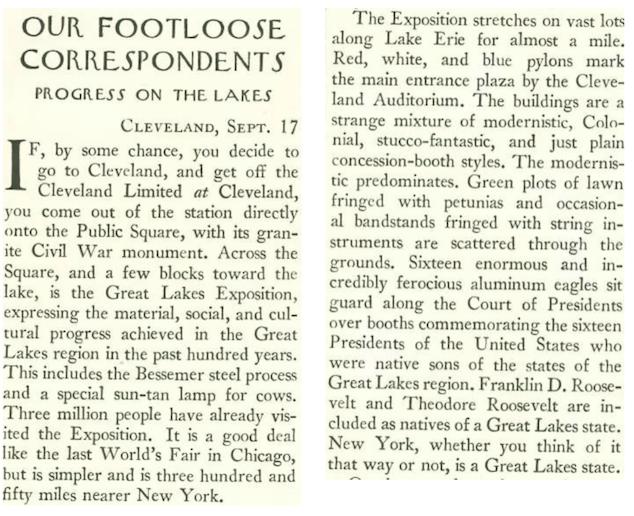
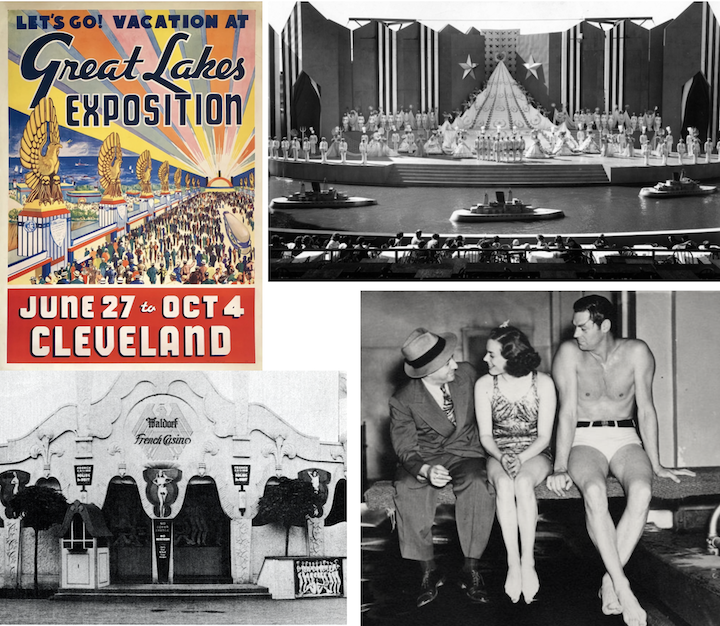
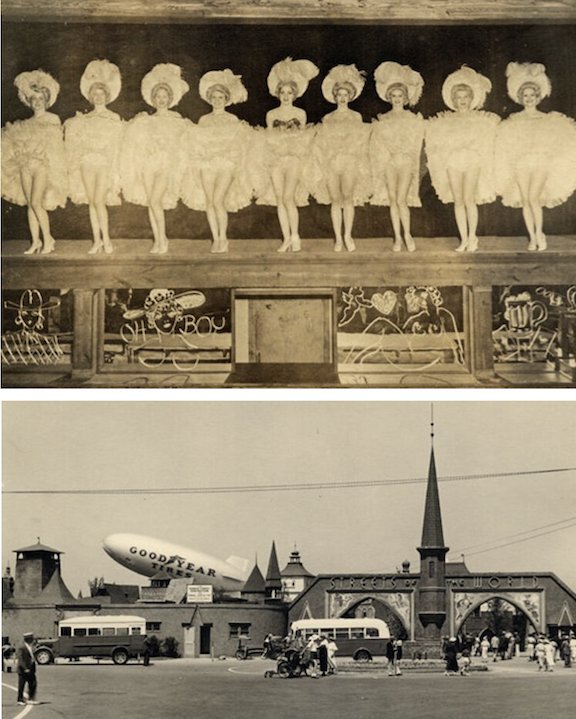
In many cases these expositions commemorated anniversaries that marked the progress of a particular city or geographic area. Such was the case of Cleveland’s Great Lakes Exposition, which was created to commemorate the centennial of Cleveland’s incorporation as a city while giving a boost to a region hit hard by the Depression. The exposition was visited by The New Yorker’s Eugene Kinkead, who was an editor and writer of the magazine’s “The Talk of the Town” section for many years. Here are brief excerpts from his visit:
* * *
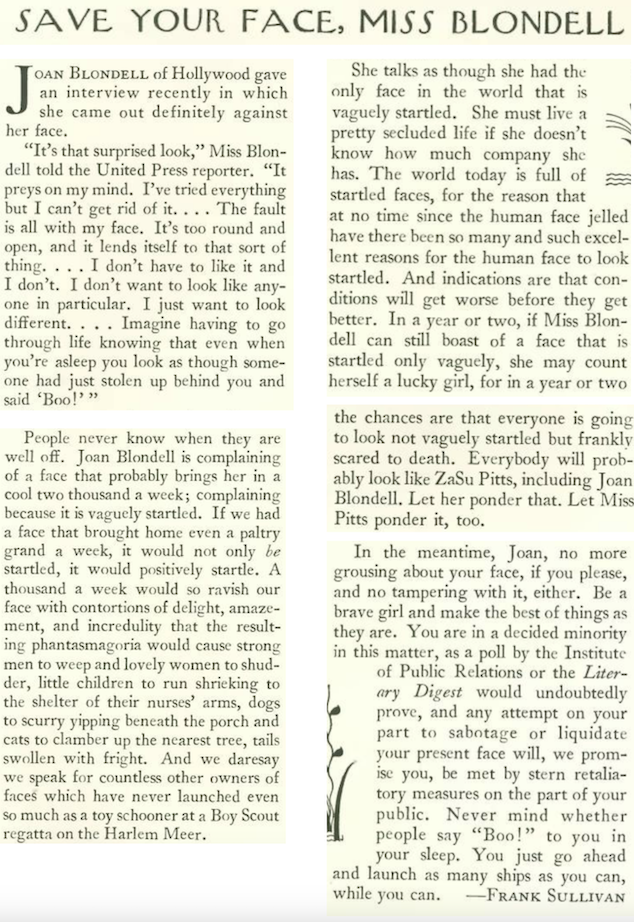
Relax, Joan
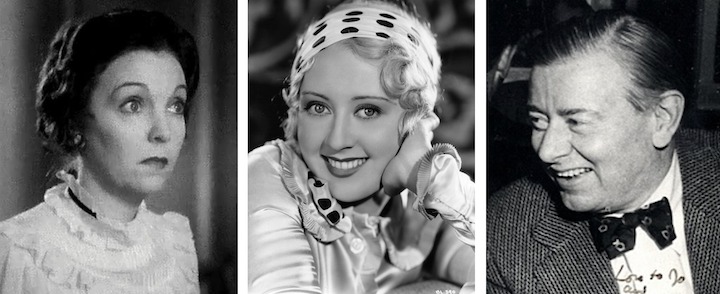
New Yorker regular Frank Sullivan found inspiration in a newspaper article featuring actress Joan Blondell lamenting the “surprised look” she thought was permanently fixed on her face. Sullivan suggested that Blondell “must live a pretty secluded life” not to notice a world “full of startled faces.” Alluding to the coming war in Europe, he suggested that in a year or two “everyone will probably look like ZaSu Pitts.”
* * *
At the Movies
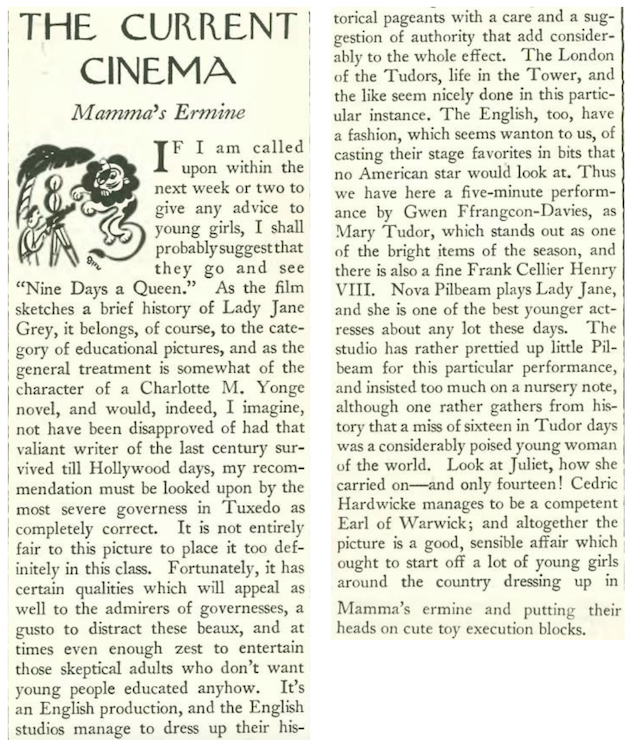
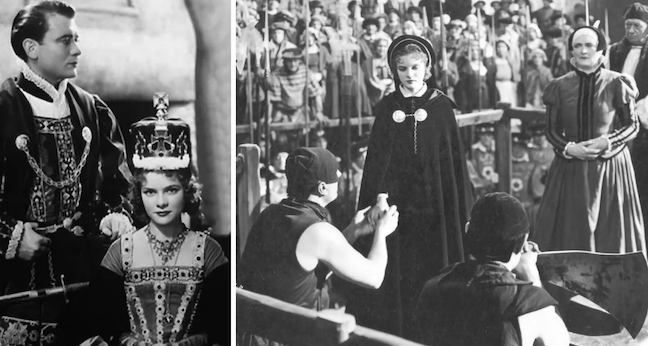
As previously noted, costume dramas were big in 1936, and critic John Mosher was less than enthusiastic about many of them, but he found Nine Days a Queen (Tudor Rose in the British release) a sensible affair, noting that “English studios manage to dress up their historical pageants with a care and a suggestion of authority…”
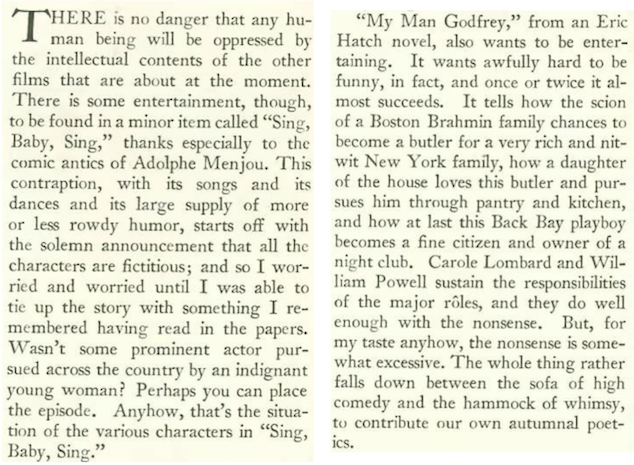
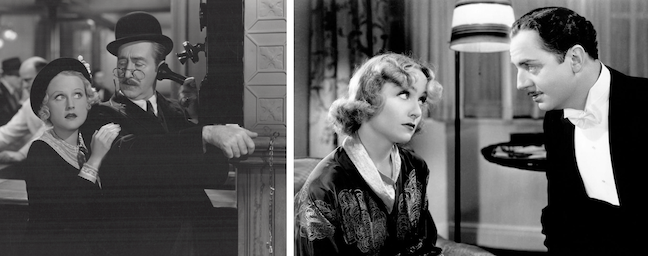
Mosher found the musical comedy Sing, Baby, Sing a minor entertainment, and dismissed the screwball comedy My Man Godfrey as “nonsense.” Mosher was in the minority on that latter opinion: Godfrey was one of the most acclaimed comedies of 1936, nominated for six Oscars. In 1999 the film was selected for preservation in the National Film Registry.
* * *
From Our Advertisers
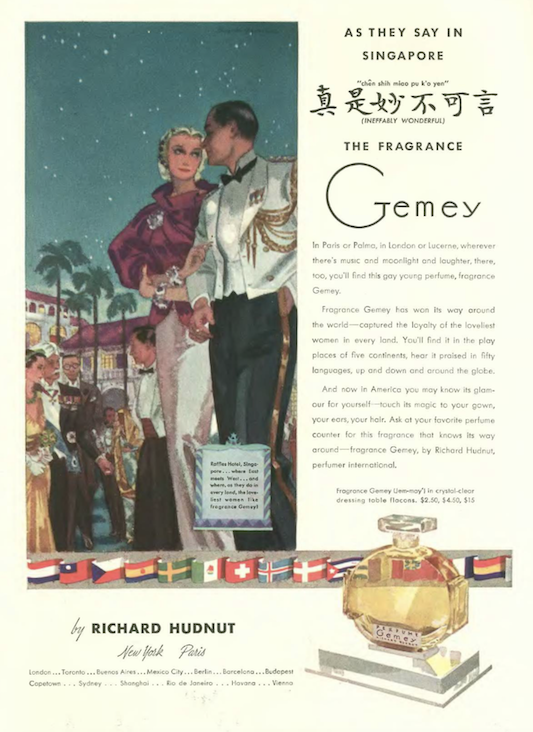
The inside front cover greeted readers with this romantic image from Richard Hudnut cosmetics…
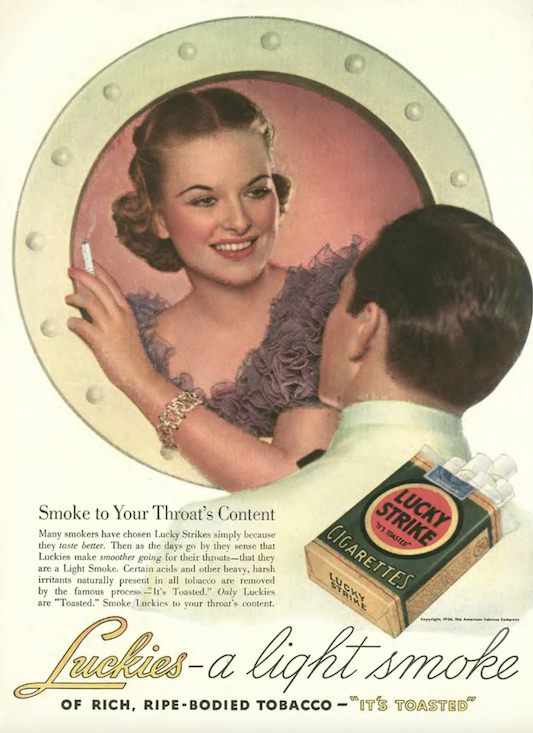
…the makers of Lucky Strikes used a bit of romance themselves to inspire more women smokers…
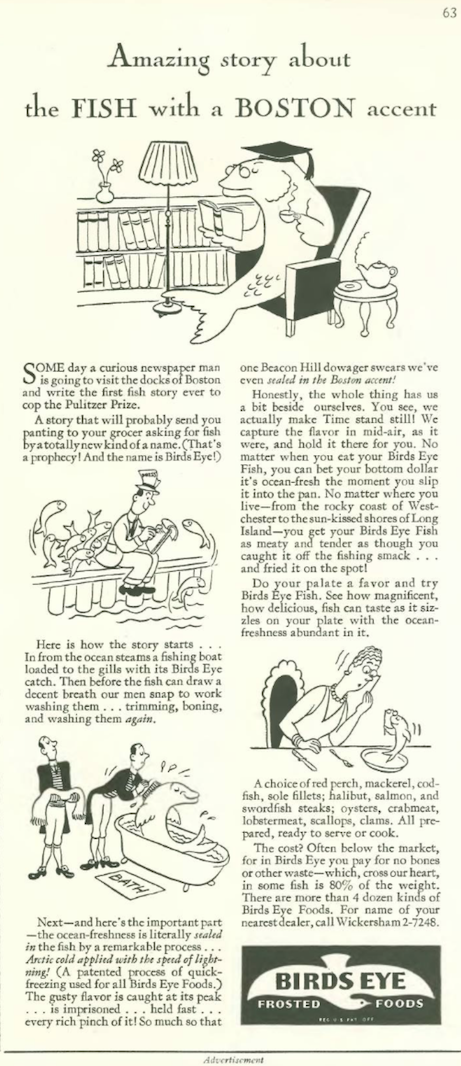
…the folks at Birds Eye took out this advertisement to extol the virtues of frozen fish…
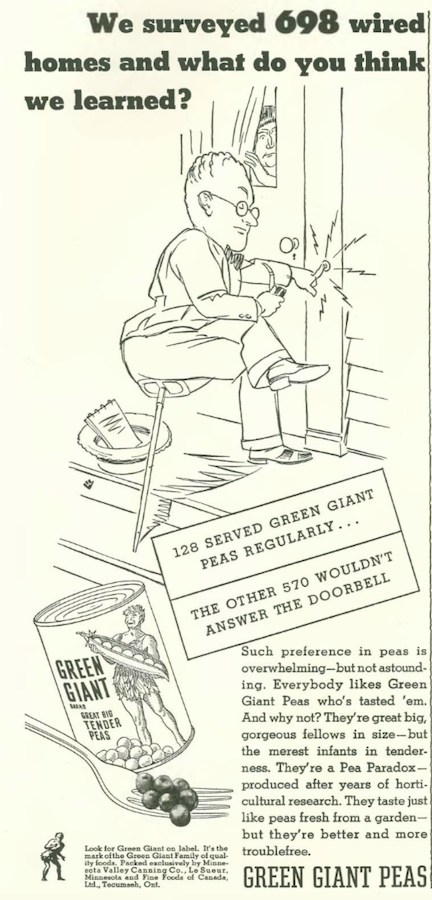
…an odd ad from Green Giant, using the image of an annoying little man to sell peas…one imagines the woman calling “Pa, git yer shotgun”…
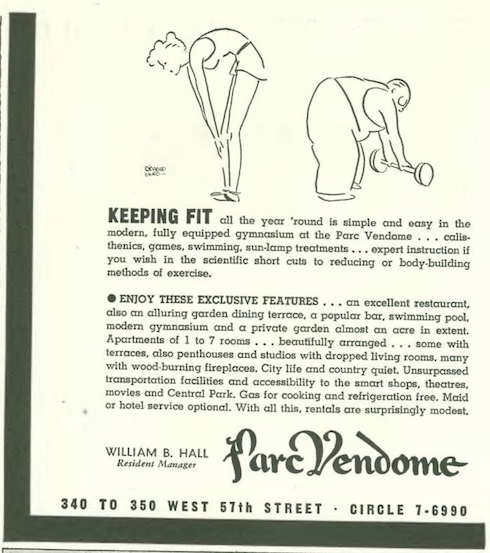
…the Parc Vendome advertised its apartments as a great place to keep fit, everything from calisthenics to sun-lamp treatments…
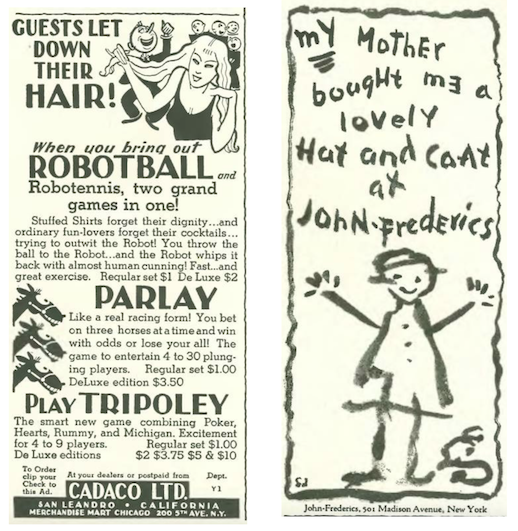
…a couple of one-column ads from the back of the book…at left: founded in 1935, Cadaco was known for transforming real-world sports into table-top versions…on the right: John-Frederics was a partnership between hat designer “Mr John” Harberger and Frederic Hirst…John-Frederics hats were famous in Hollywood, including the green velvet bonnet worn by Vivien Leigh in 1939’s Gone with the Wind…
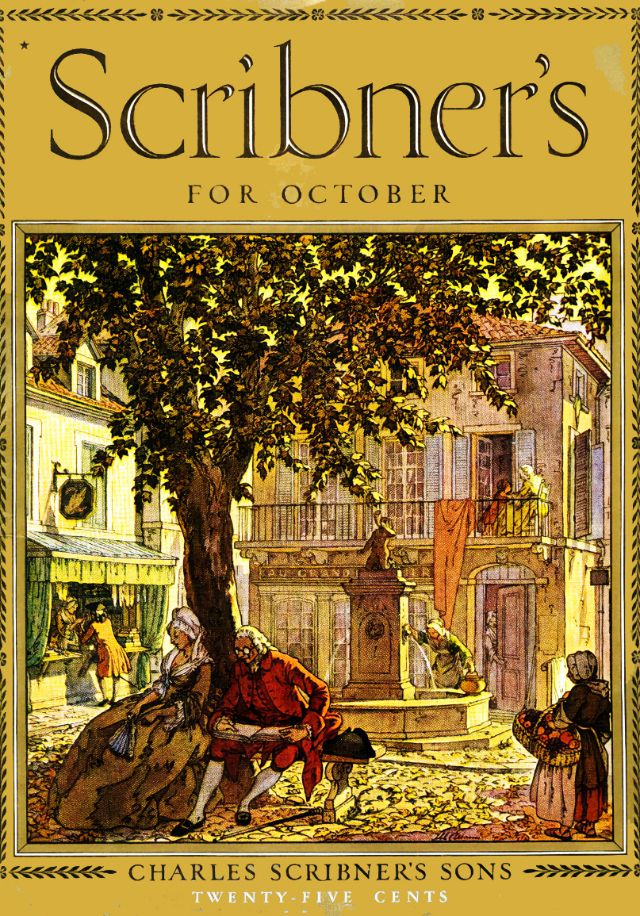
…Scribner’s magazine, a product of publisher Charles Scribner’s Sons, tried to head off declining circulation by hiring a new editor-in-chief, Harlan D. Logan, who sought to modernize the format to compete with contemporary lifestyle magazines…the publisher took out this cheeky full-page ad to draw attention to the “new” Scribner’s…
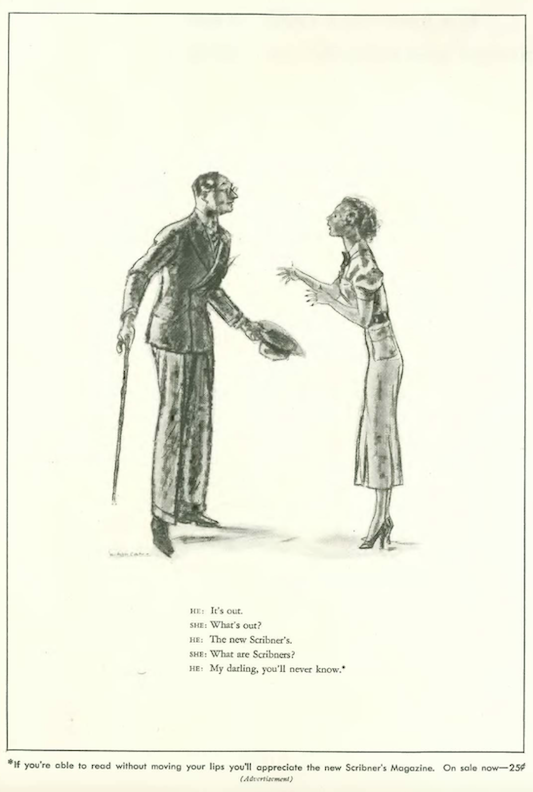
…founded in January 1887, the magazine saw its strongest sales when Teddy Roosevelt was a contributor from the 1890s to about 1910…despite Logan’s efforts, the magazine folded in May 1939…
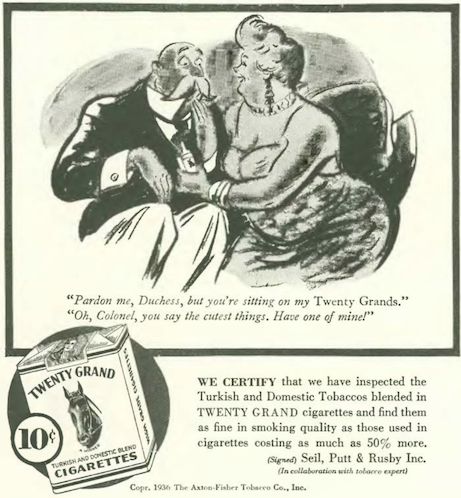
…archetypes like the pompous British Colonel and the haughty Duchess seemed to be everywhere in the 1930s, whether they were foils in screwball comedies or wealthy aristocrats laughably out-of-touch and obsessed with past glories (Peter Arno knew that trick well)…if you’ve followed these posts for awhile you know they are often seen in New Yorker advertising as well…
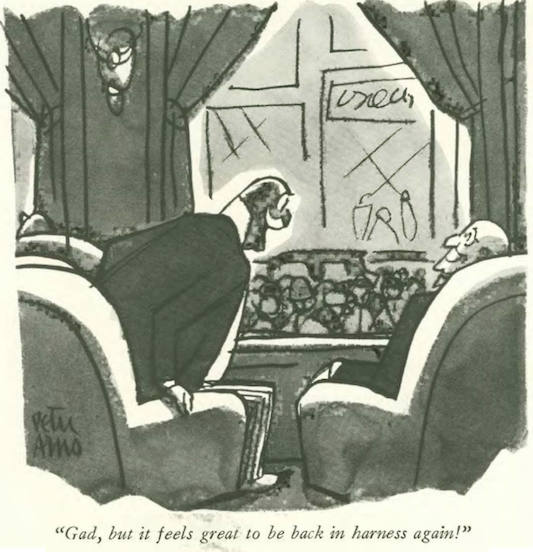
…which makes a nice segue to our cartoons, starting with Arno…
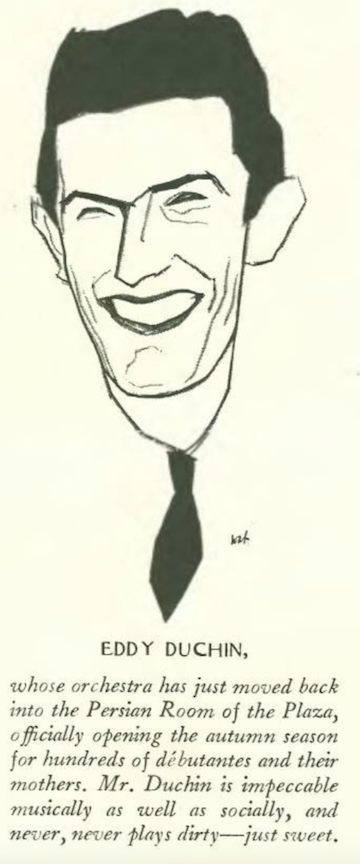
…the calendar section featured this illustration by William Auerbach-Levy for the mini bio of popular bandlander and pianist Eddy Duchin…
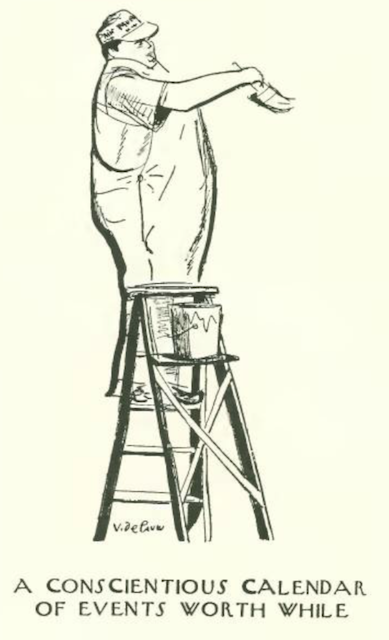
…Victor de Pauw opened up the magazine with this painterly illustration…
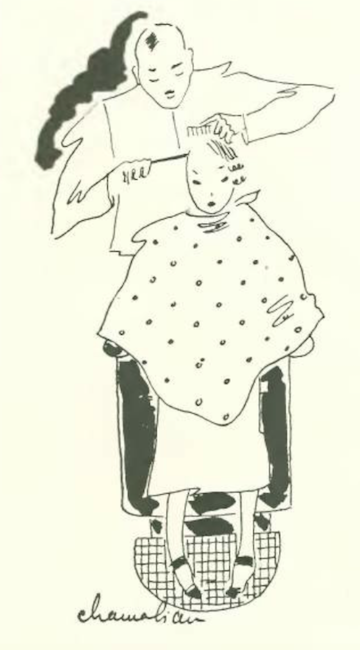
…some spot art from fashion illustrator Alice Chamalian…
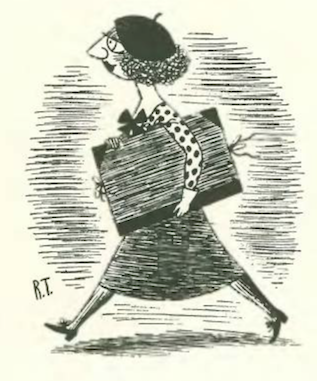
…and Richard Taylor…
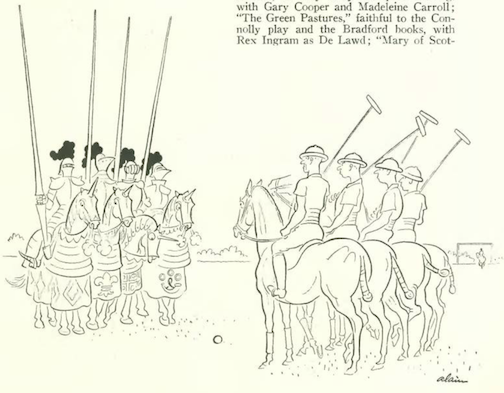
…caption-less entries from Alain…
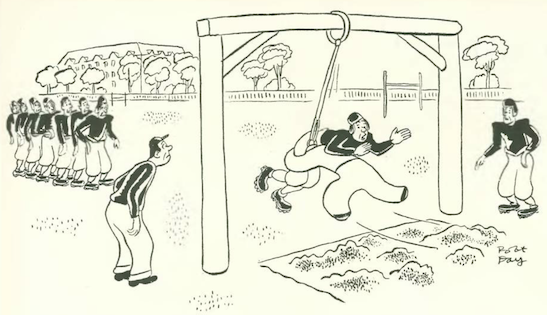
…and Robert Day…
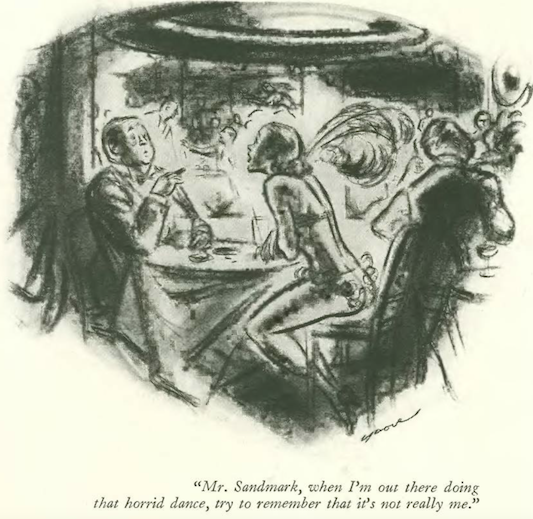
…Leonard Dove supplied a clarification for this sugar daddy…
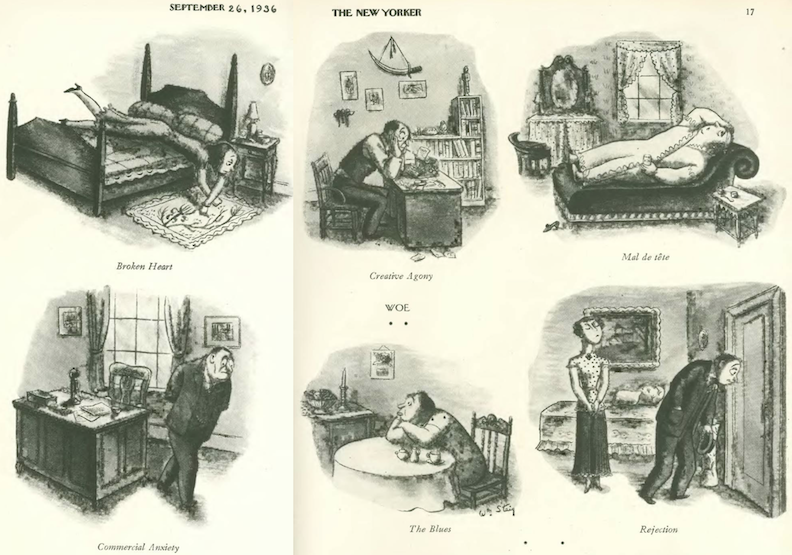
…William Steig gave us various types of “woe”…
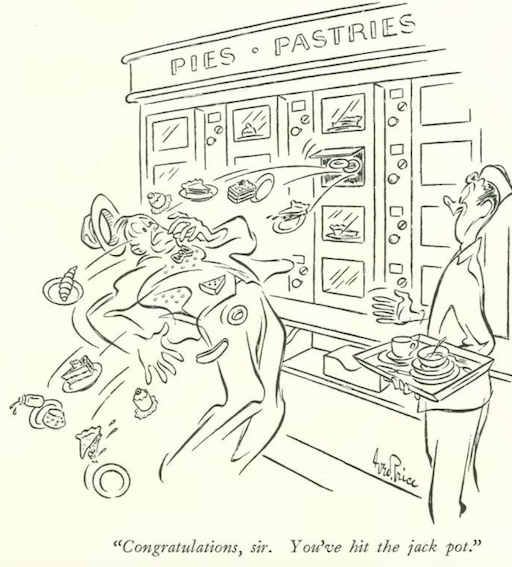
…George Price delivered a surprise at the Automat…
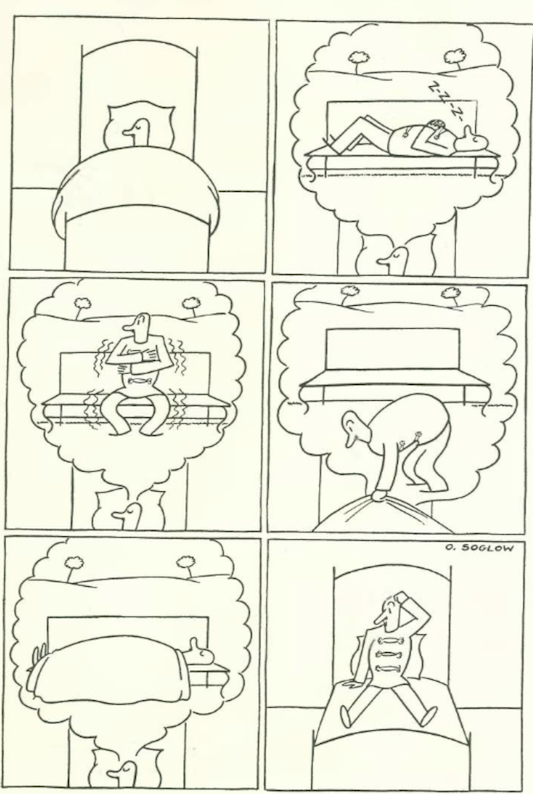
…Otto Soglow pondered the meaning of dreams…
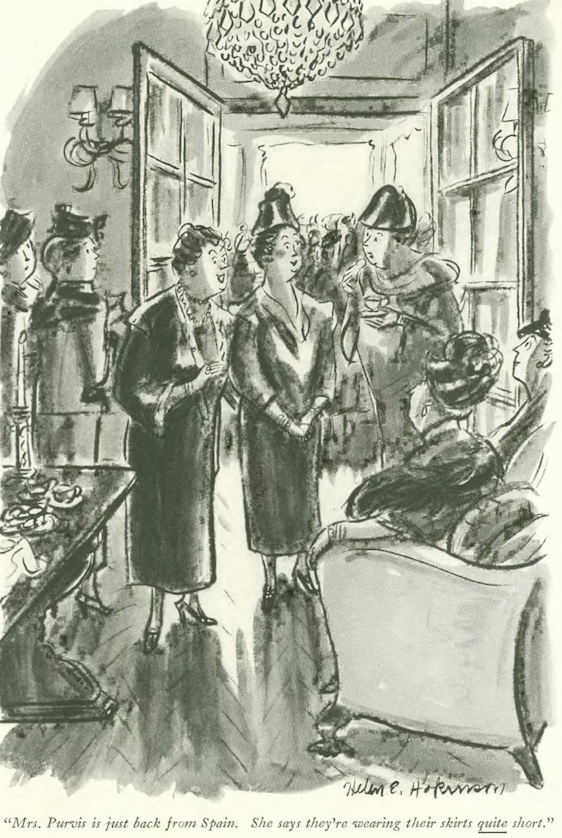
…and we close with some scandalous fashion gossip, courtesy Helen Hokinson…
Next Time: Banking on a New Season…