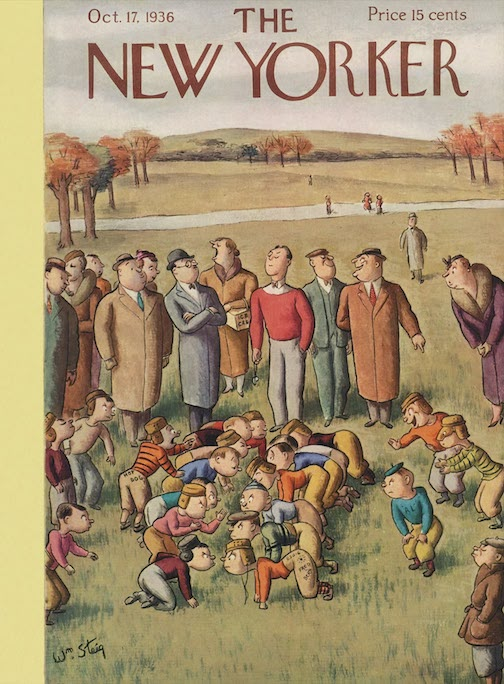
The President’s Mystery

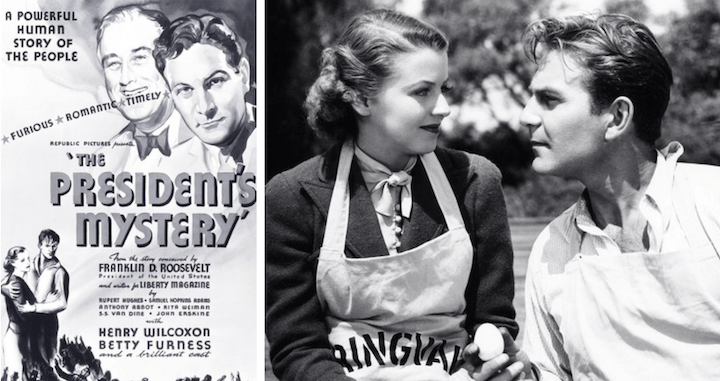
Above: President Franklin D. Roosevelt was credited as a writer on the film "The President's Mystery," although his role was more one of inspiration; at right, Betty Furness and Henry Wilcoxon starred in the film. (rottentomatoes.com)

Just one month before the 1936 general election, Republic Pictures released a film “conceived by Franklin D. Roosevelt.”
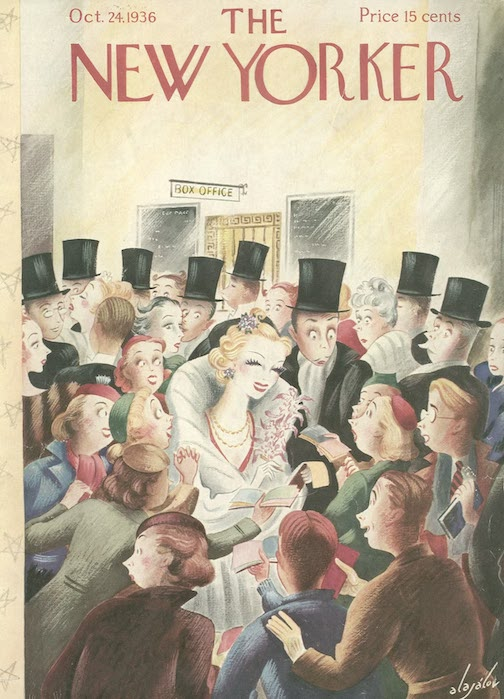
October 24, 1936 cover by Constantin Alajalov.

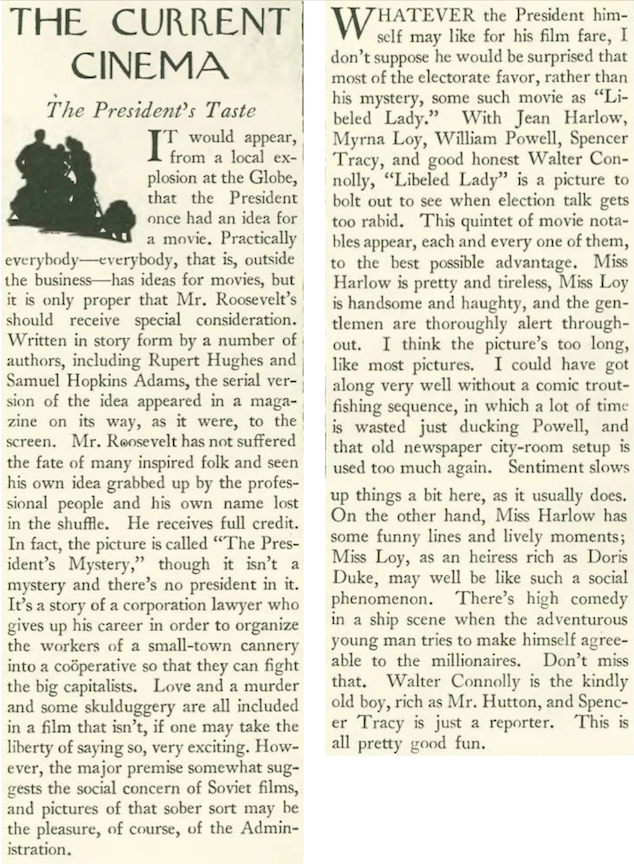
Yes, the president of the United States, standing for re-election in November (which he would win by a landslide), was actually credited as a writer for the film The President’s Mystery, although FDR’s actual role in the film was its concept. While visiting with Fulton Oursler, editor of Liberty magazine, Roosevelt posed the question: “How can a man disappear with five million dollars of his own money in negotiable form and not be traced?” Oursler, a close friend of the president’s, responded by enlisting several prominent authors to write a screenplay. New Yorker film critic John Mosher takes it from there:
The story behind the film was first featured in the Nov. 16, 1935 issue of Liberty magazine…
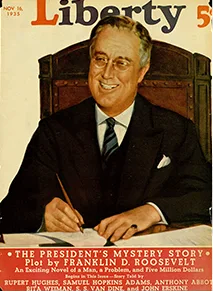
(libertymagazine.com)

…and released as a movie on Sept. 28, 1936…
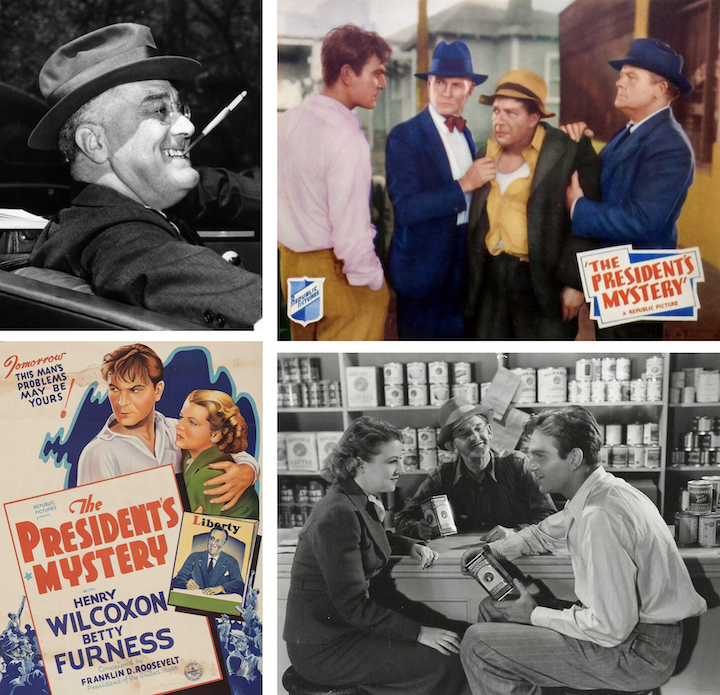
MAN OF MYSTERY…Clockwise, from top left, President Franklin D. Roosevelt, a fan of mysteries, conceived the idea for The President’s Mystery; Henry Wilcoxon, Frank O’Connor, an unidentified actor, and Wade Boteler featured on a lobby card promoting the film ; Betty Furness, Si Jenks, and Henry Wilcoxon in a promo shot for the film; poster for the film featured an image of FDR on the cover of Liberty magazine. (instagram.com/imdb.com/themovieb.org)

Mosher also had “pretty good fun” with the star-studded screwball comedy, Libeled Lady, which was acclaimed by critics and nominated for Best Picture:
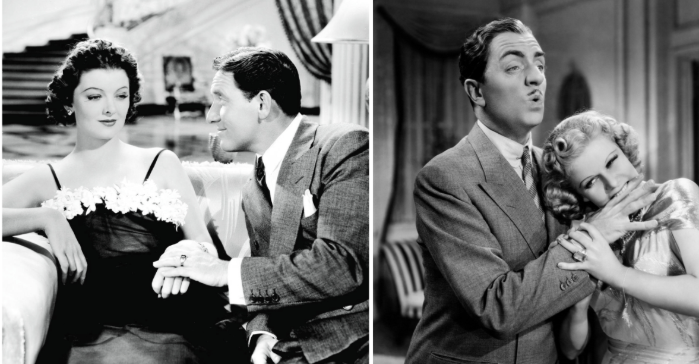
LOVE QUADRANGLE…Lovers spats and romantic mix-ups were just part of the stew in the screwball comedy Libeled Lady. At left, Myrna Loy and Spencer Tracy; at right, William Powell and Jean Harlow. (imdb.com/movie nation.com)

There were still other films reviewed by Mosher, including The Devil is a Sissy, starring sixteen-year-old Mickey Rooney, still emerging as a star, as well as famed child actors Jackie Cooper and Freddie Bartholomew. There was also a film featuring Clark Gable as a prize fighter, and a movie titled The Longest Night, ironically the shortest feature ever produced by MGM—just 51 minutes.
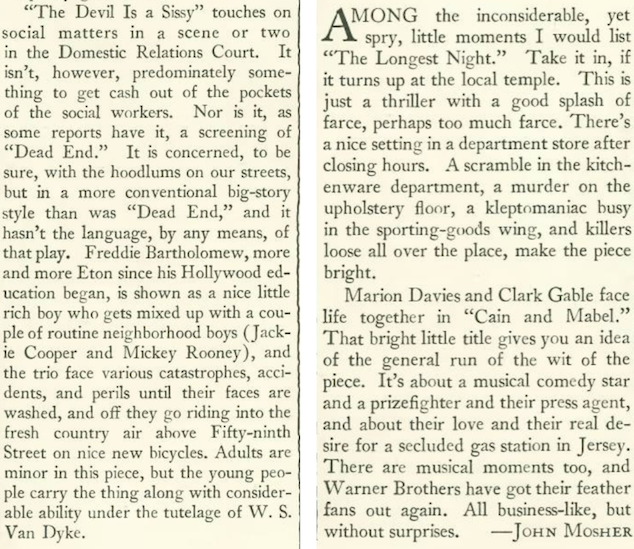
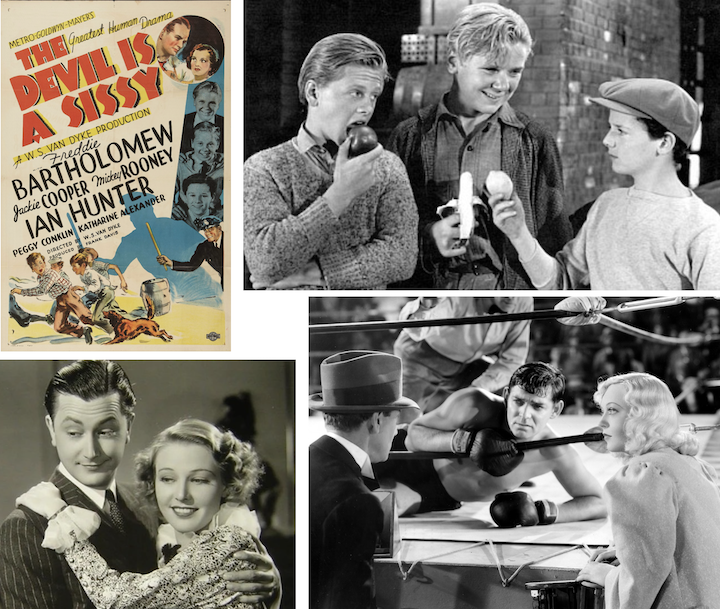
STREET SMARTS…Mickey Rooney, Jackie Cooper, and Freddie Bartholomew in The Devil is a Sissy, a story about a posh kid who befriends a couple of ruffians; Clark Gable was down for the count in Cain and Mabel, co-starring Marion Davies; Robert Young teamed up with Florence Rice in the mystery-thriller, The Longest Night—Florence Rice was the only child of sportswriter Grantland Rice. (Wikipedia/mubi.com/tcm.com)

 * * *

A Second Life

E.B. White still wasn’t done with the new Life magazine—recall his “Notes and Comment” from Sept. 19, when he lamented a magazine that would “consist almost entirely of pictures” and would “do away with the last vestiges of privacy in America.” Here White notes the purchase of Life by Time, Inc., and compares it to the old Life.
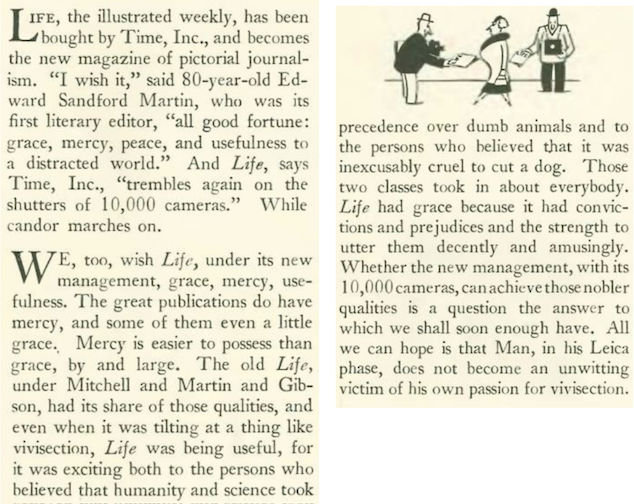
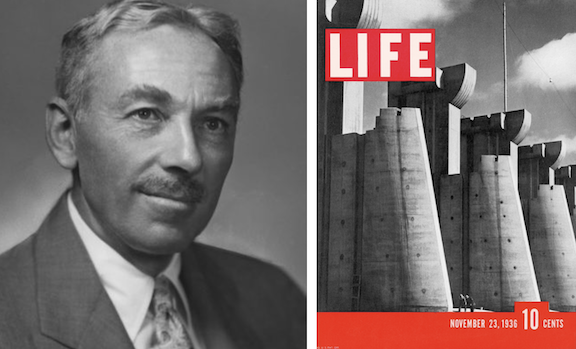
ASKING FOR MERCY…E.B. White hoped the new Life magazine would have some of the mercy and grace of its predecessor. (sunrisepoint.com/time.com)
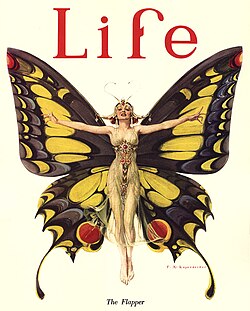
LIFELESS…Launched in 1883, Life was an American humor and general-interest magazine. Purchased and shut down in 1936 by Henry Luce, he replaced it with his new, and very different Life. The image above is the cover of the Feb. 2, 1922 issue of the old magazine. (Wikipedia)

 * * *

A Sensitive Hamlet

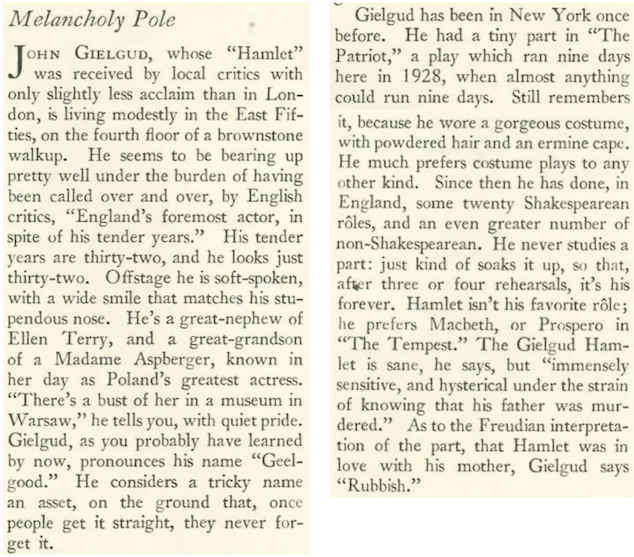
There are as many approaches to playing Hamlet as there are versions of the famous Shakespeare play, The Tragedy of Hamlet, Prince of Denmark. In the case of actor John Gielgud, as reported in “The Talk of the Town,” Hamlet was quite sane, although he was “immensely sensitive.”
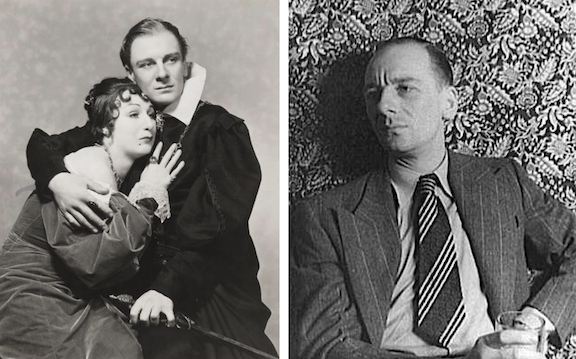
MOMMY DEAREST…At left, Judith Anderson as Hamlet’s mother, Gertrude, Queen of Denmark, and John Gielgud as Hamlet in Broadway’s 1936 production of the Shakespeare play; at right, Carl Van Vechten portrait of Gielgud during the actor’s time on Broadway, December 1936. Gielgud is widely regarded as one of the definitive Hamlets of the 20th century. (newyorktheater.me/newworldencyclopedia.org)

 * * *

Safety Last

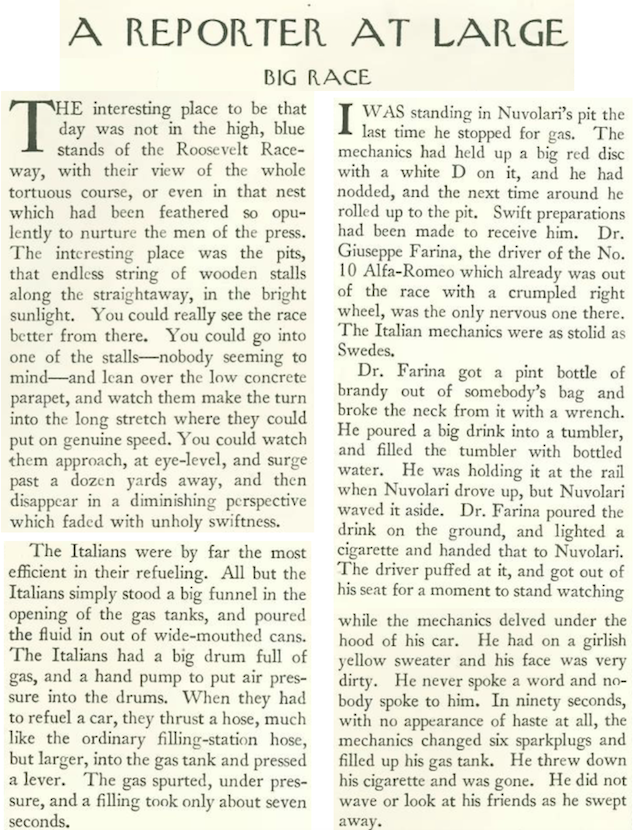
Morris Markey was on hand for the Vanderbilt Cup Race (recently featured here), offering a track-side look at the pit crews. Notable in this excerpt is the complete lack of safety protocols, from gasoline poured out of wide-mouthed cans to smoking and drinking among drivers and pit crews. The race winner, Tazio Nuvolari (who refuses some brandy but puffs on a cigarette) would eventually have to retire by 1950 due to his total deafness and other health problems—he spent years racing in an open cockpit with the manifold ends right next to his ear. Those combustion gases—containing gasoline juiced with methanol, benzene, acetone, and nitrobenzene—easily penetrated Nuvolari’s ears and nose and were absorbed directly into his skin and bloodstream.
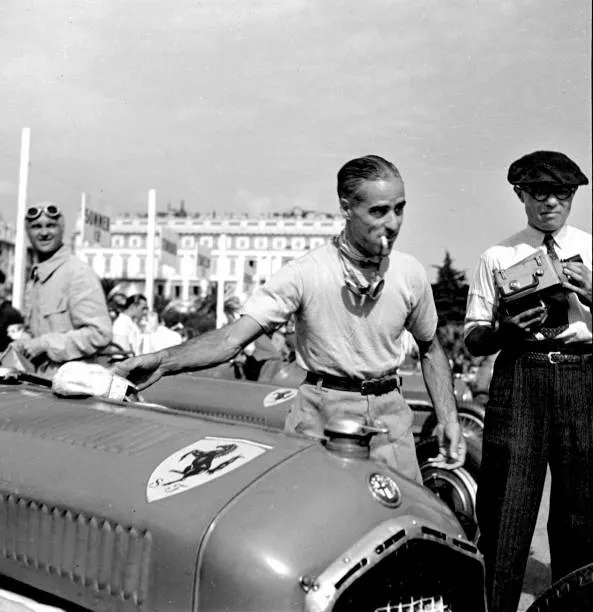
GUTS AND GLORY…Italian racing legend Tazio Nuvolari (1892–1953) with his Alfa Romeo before the start of the 1935 Nice Grand Prix in France. Nuvolari easily won the 1936 Vanderbilt Cup on Long Island. (notenoughcylinders.com)

 * * *

Color My World

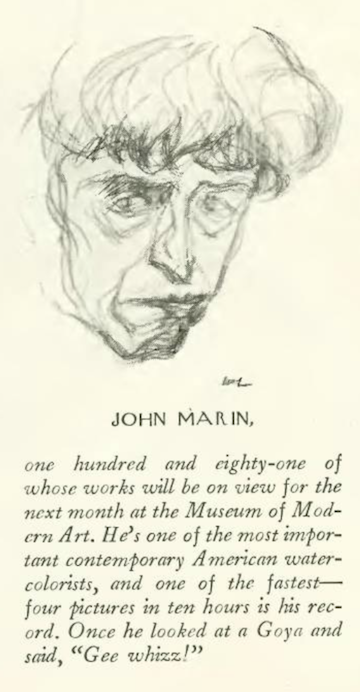
The works of John Marin, considered one of America’s finest water-colorists, were featured in a major exhibition at the Museum of Modern Art. In addition to a review by art critic Lewis Mumford, Marin was featured in this mini bio on the opening pages…caricature by William Auerbach-Levy…
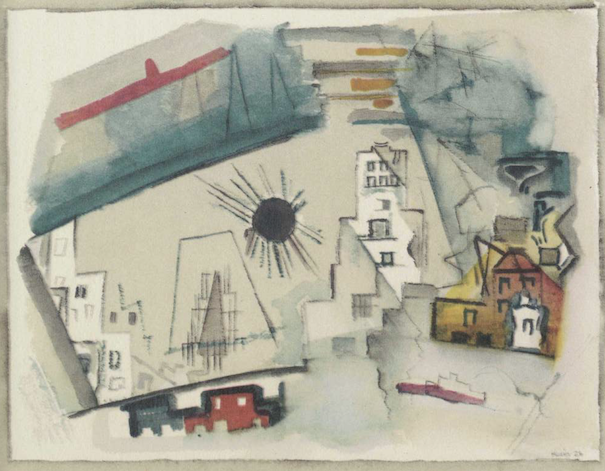
MASTER WATER-COLORIST…John Marin’s Movement No. 2, Related to Downtown New York (The Black Sun), 1926. Image reproduced from the 1936 MoMA exhibition catalog. (moma.org)

 * * *

From Our Advertisers

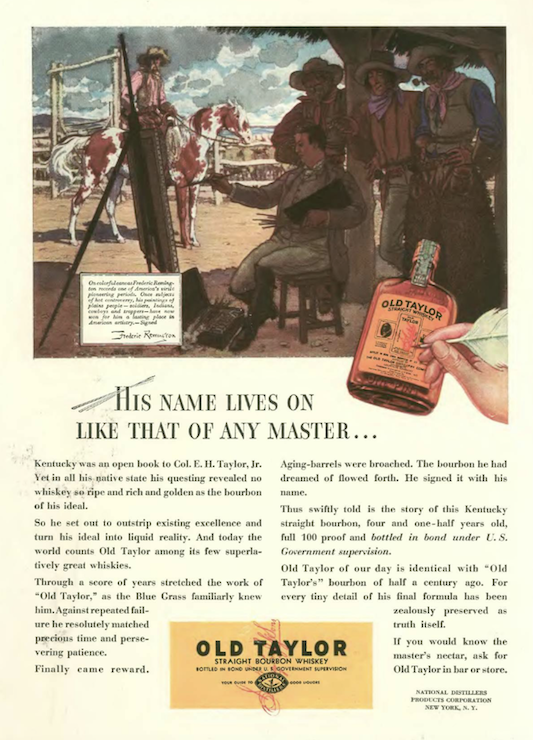
The Oct. 24 issue opened with this advertisement by the distillers of Old Taylor, who continued to compare their product to the work of “masters,” here the painter Frederic Remington…
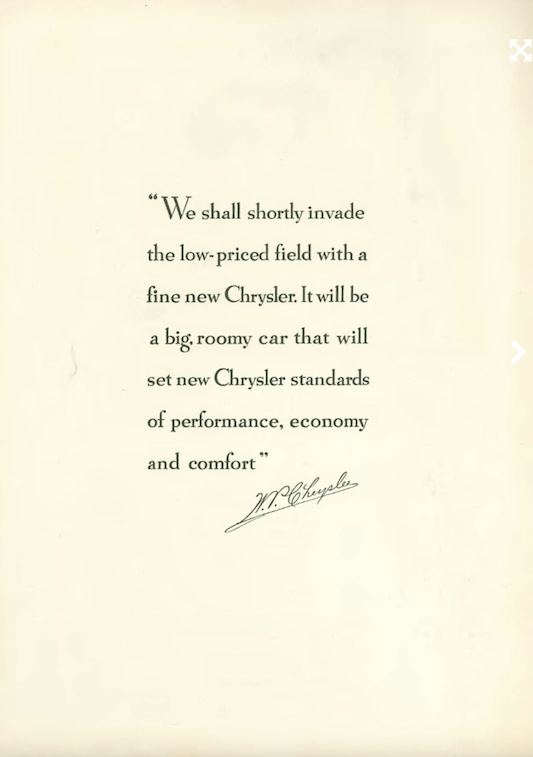
…on the opposite page, this spare ad from Chrysler, a stark contrast to their previous week’s very wordy appeal…
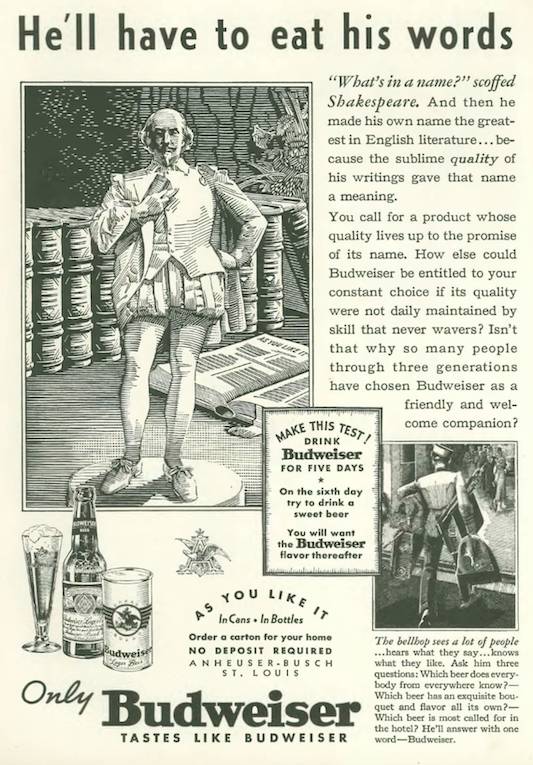
…the promoters of Budweiser took a cue from the whiskey distillers, invoking the words of an historic personage to promote their product…
…predating modern thermostats by decades, the mechanical Chronotherm was one of the earliest automated room thermostats ever produced by the Minneapolis-Honeywell Regulator Company…it was often used to control coal or early heating systems by automatically adjusting dampers or furnaces on a schedule…
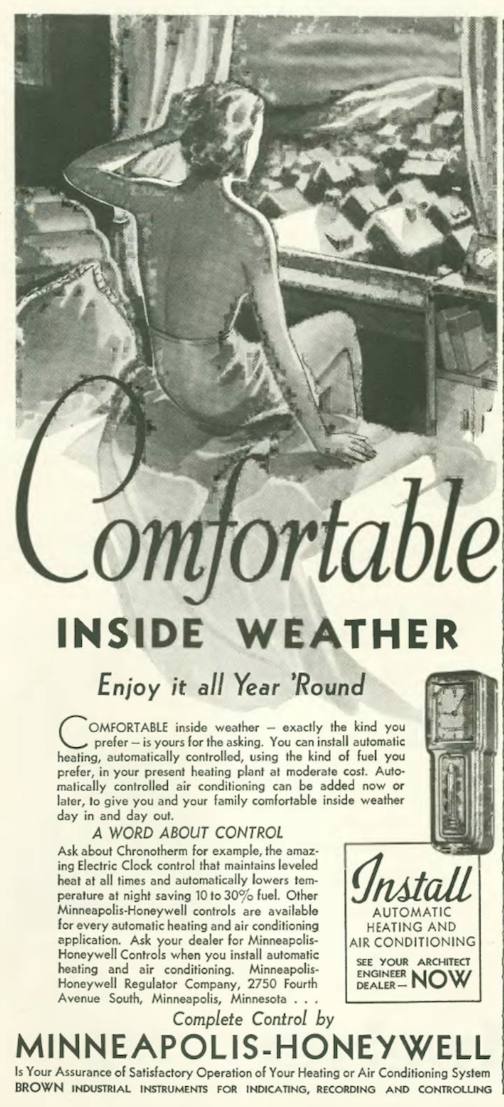
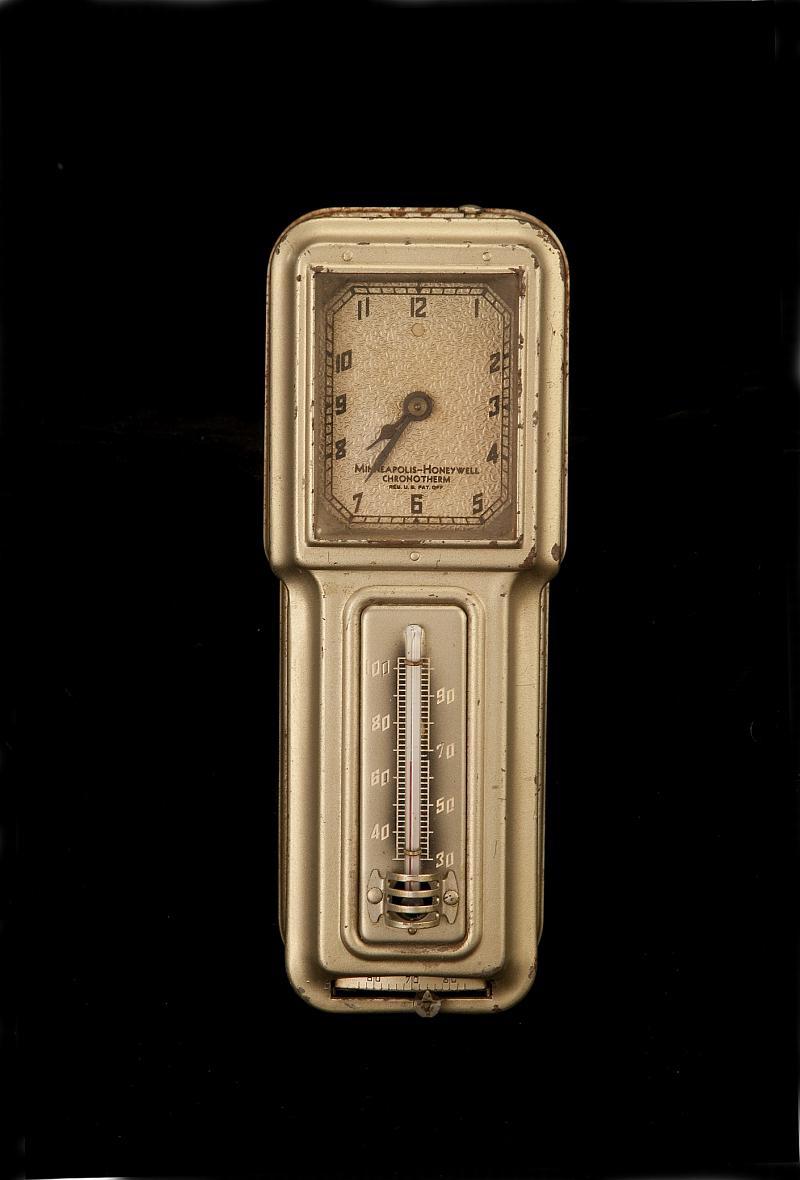
The Minneapolis-Honeywell Chronotherm retailed for about $41 in the 1930s (equivalent to roughly $970 today). It was considered a high-end luxury upgrade for the home. (si.edu)

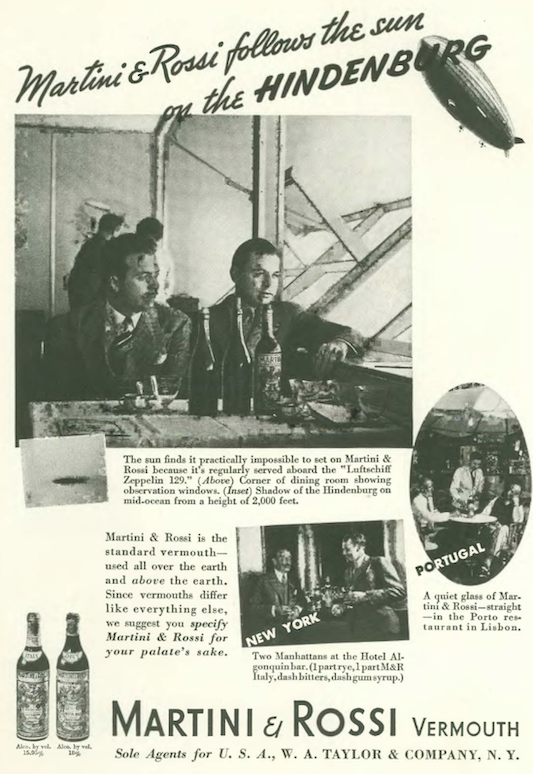
…Martini & Rossi would have about six more months to serve their vermouth on the Hindenburg before it would go down in a fireball on May 6, 1937…
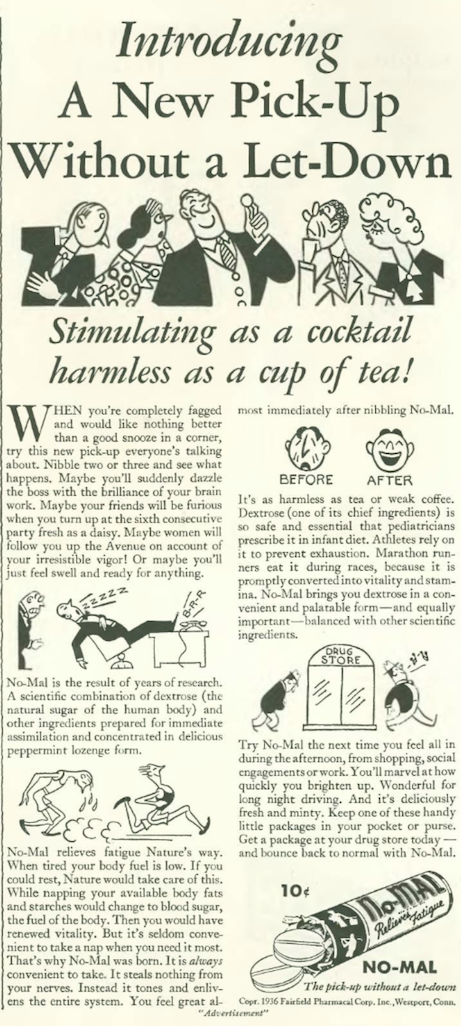
…the illustrations in this No-Mal ad mimicked the style of Otto Soglow to market a new patent medicine touted as a stimulant and hangover cure, among other things…these remedies often contained heavy doses of caffeine plus aspirin, mild laxatives, and antacids, while some also contained the amphetamine Benzedrine…
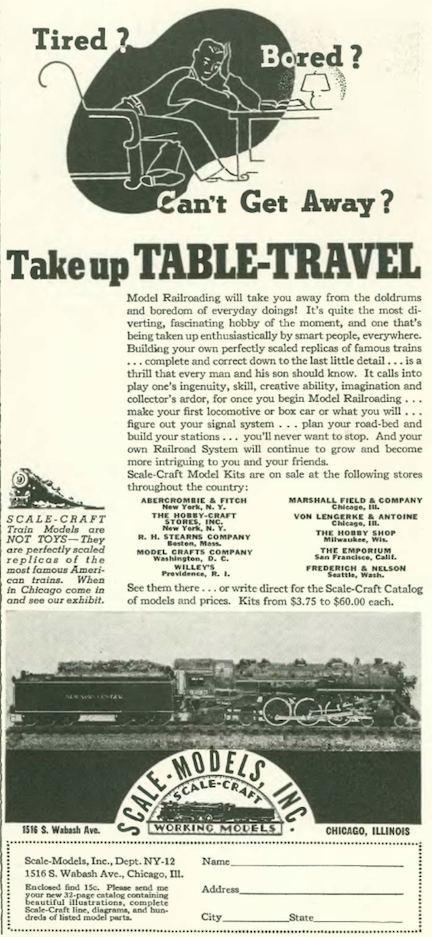
…model railroading for adults started to build up steam in the 1930s…here’s a back of the book ad aimed at those who couldn’t afford to travel but who could afford a Scale-Craft kit…
…here’s a page from the 1936 Scale-Craft catalog…
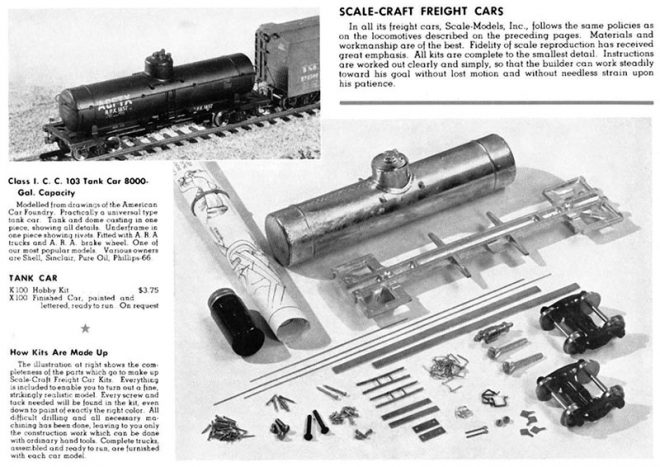
…and an example of what you could build from a kit…
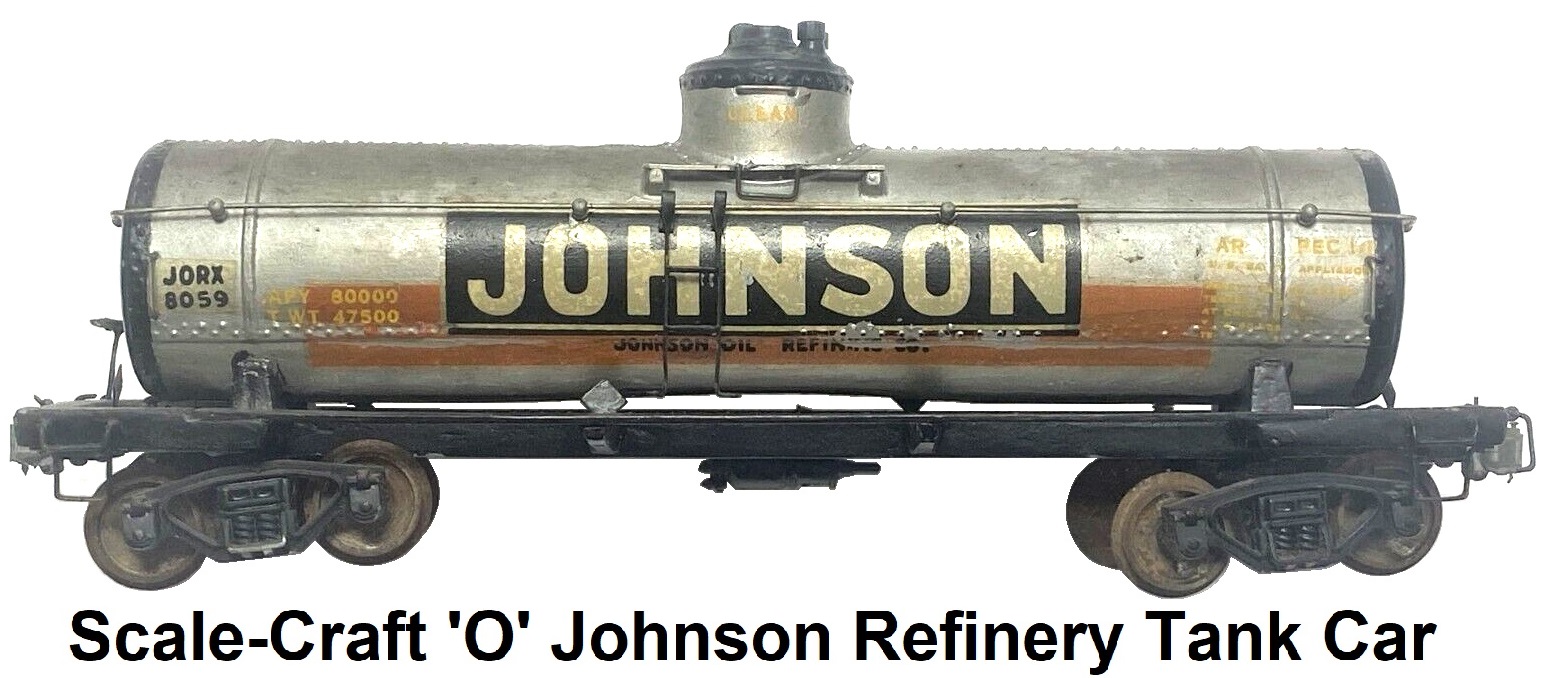
(tcawestern.org/oscalemag.com)

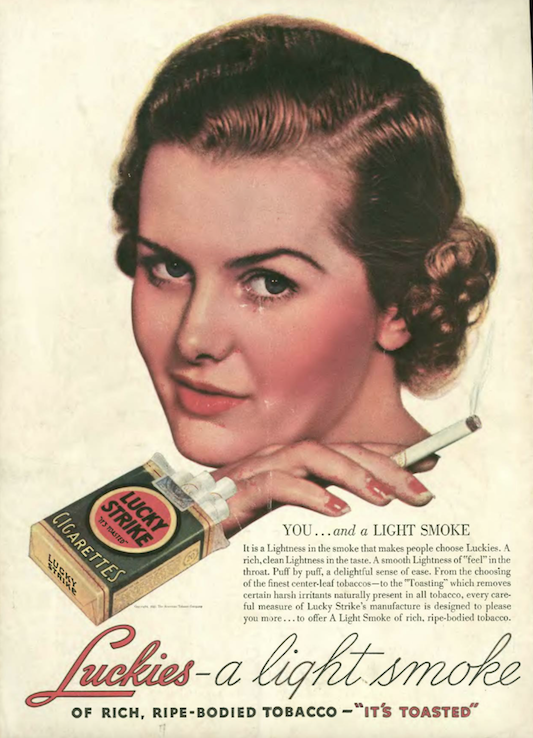
…and there’s no guessing the target audience for this brand of cigarettes…
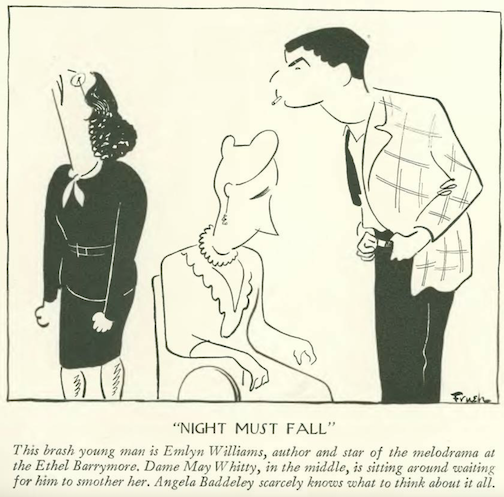
…on to our cartoonists, Al Frueh was back with illustrations for the theater review section…
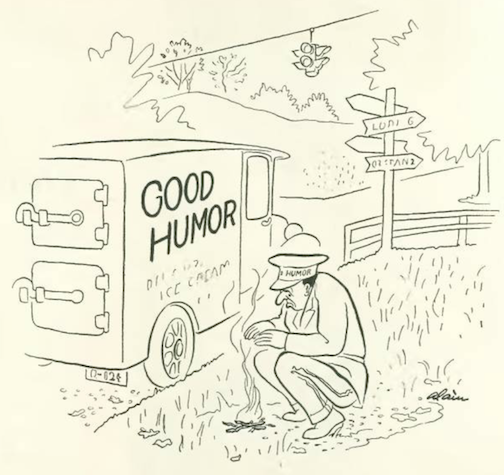
…Alain found nothing humorous about being a Good Humor man…
…a couple of spots by Abe Birnbaum (left) and unidentified at right (signature looks like PHRANK)…
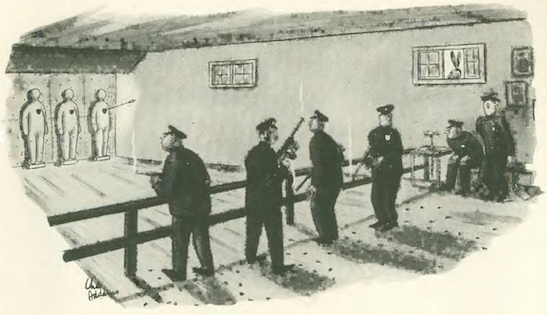
…a stray arrow found its way into this cartoon by Charles Addams…
…Whitney Darrow Jr illustrated the childish side of politics…
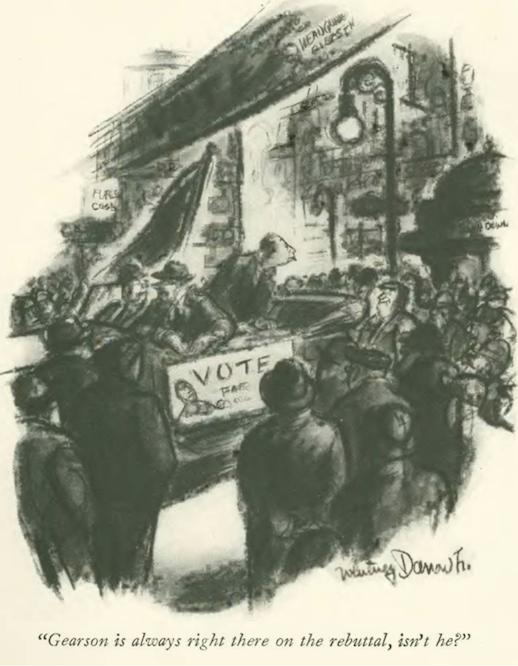
…we zoom in for a close-up…
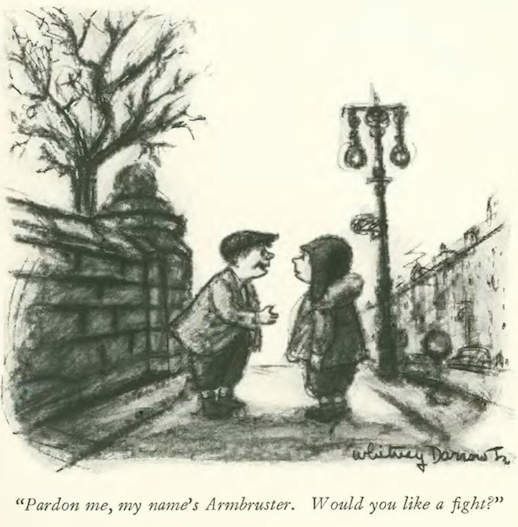
…Darrow again, making a new friends…
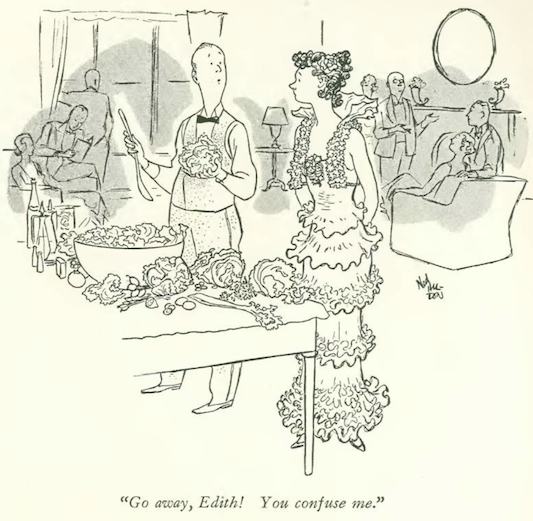
…Ned Hilton drew up an outfit that clashed with the salad course…
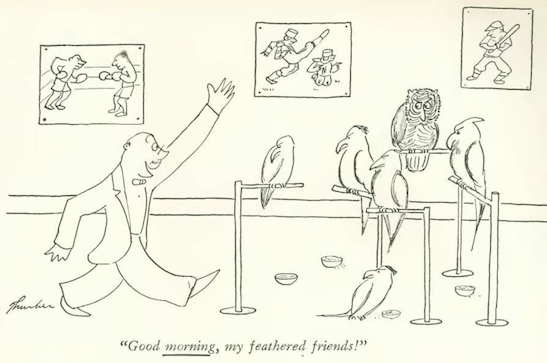
…James Thurber greeted a group of dour birds (interesting background with sporting scenes…one wonders why)…
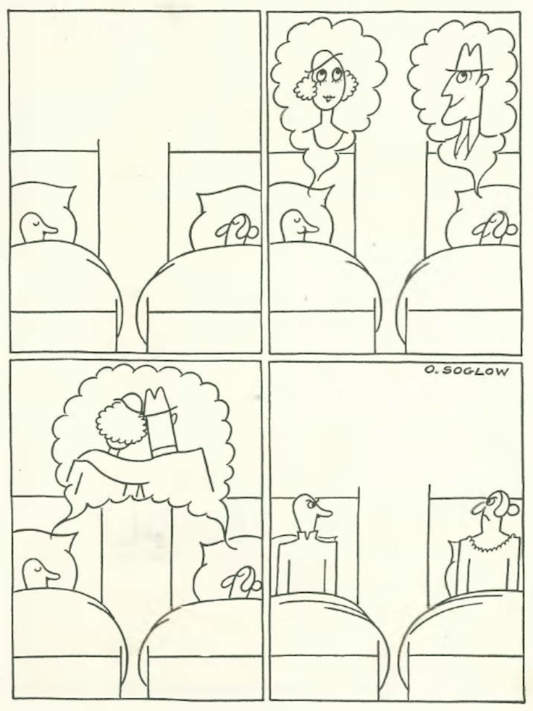
…Otto Soglow gave us some shattered dreams…
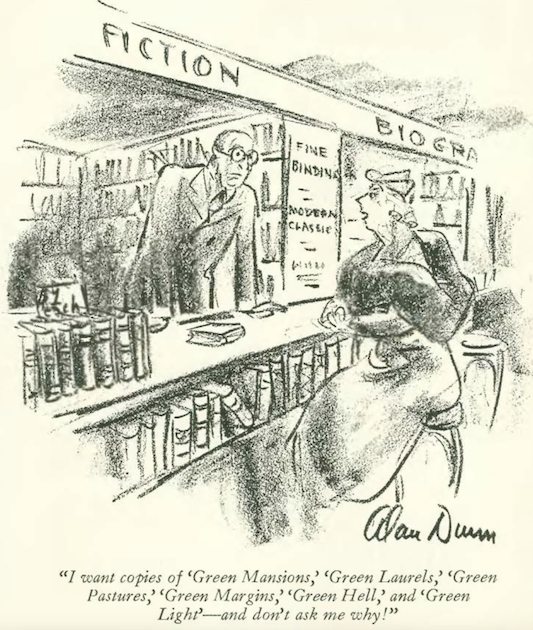
…Alan Dunn visited the fiction section, no questions asked…
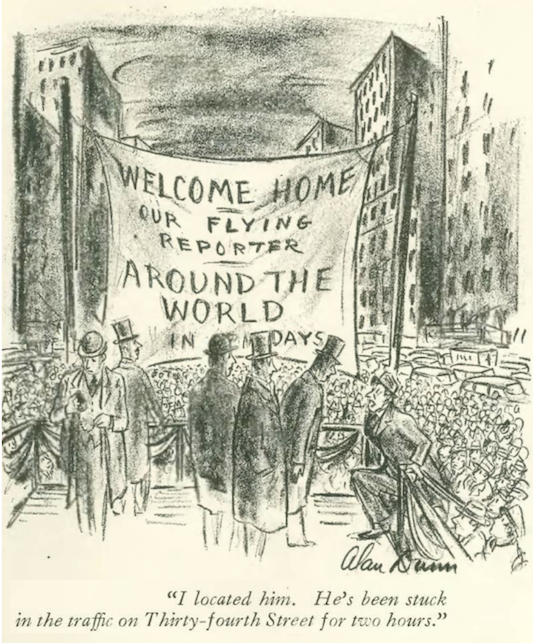
…and Dunn again…with an around the world adventure stuck in traffic…
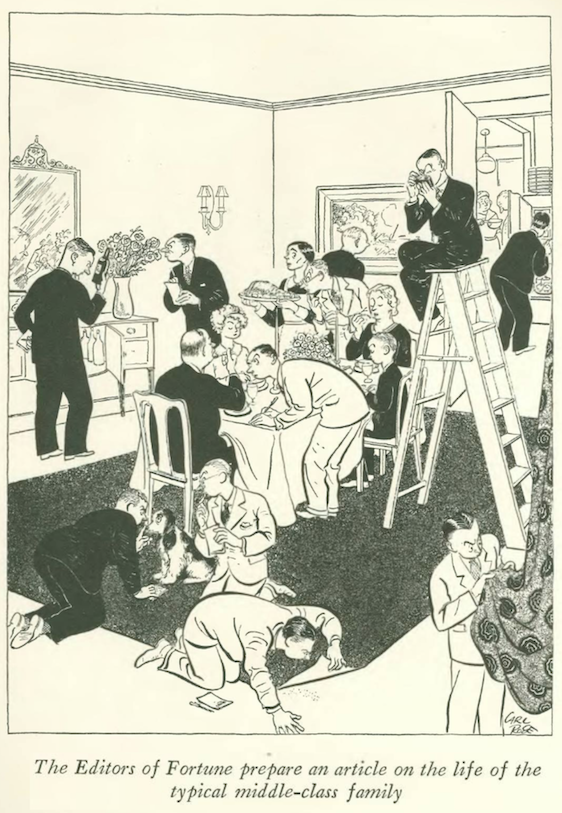
…Fortune magazine probed the mysteries of middle class life, per Carl Rose…
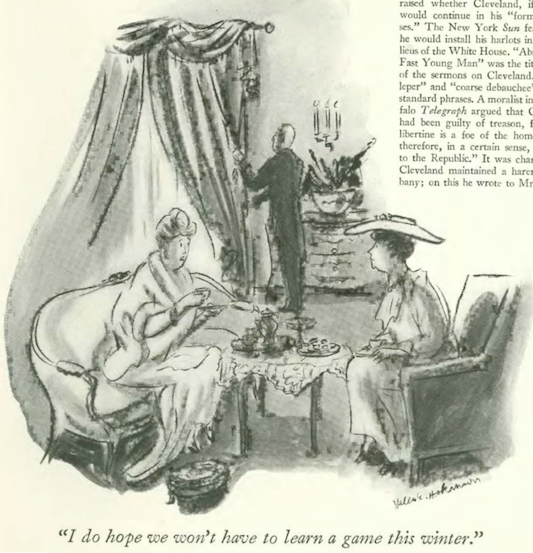
…and we close with Helen Hokinson, and the unease of an approaching winter…
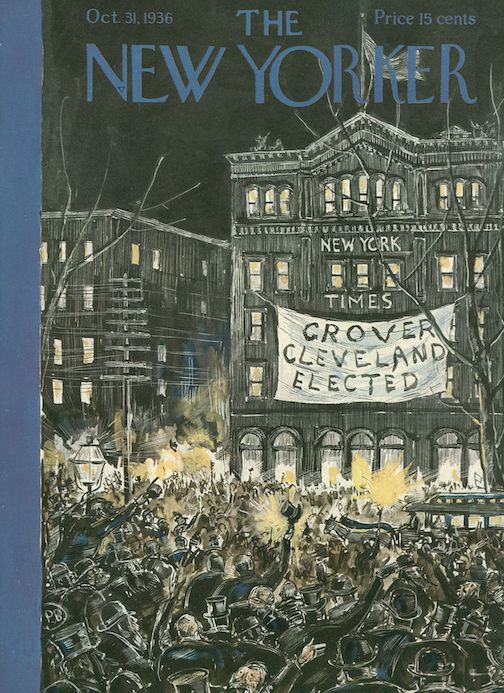
Next Time: Far-Fetched Faulkner…
Road Warriors

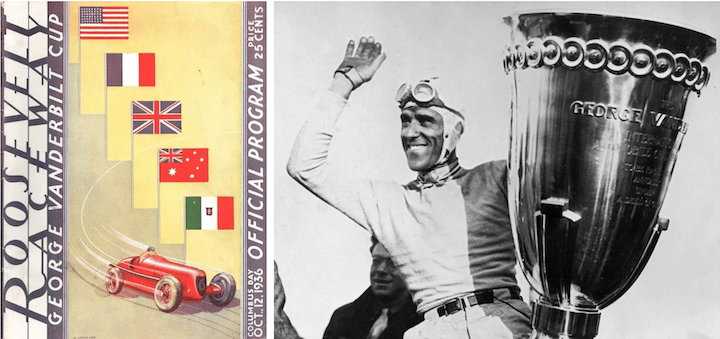
Above: 1936 Vanderbilt Cup program cover and the winner of the race, Italy's Tazio Nuvolari. (Wikipedia)

When William K. Vanderbilt II founded the Vanderbilt Cup Race in 1904, Long Island’s Nassau County was mostly farmland, its North Shore dotted with the luxurious country estates of wealthy New Yorkers. The Vanderbilt Cup would help crack open the door to the eventual suburbanization of Long Island, now home to more than eight million people.

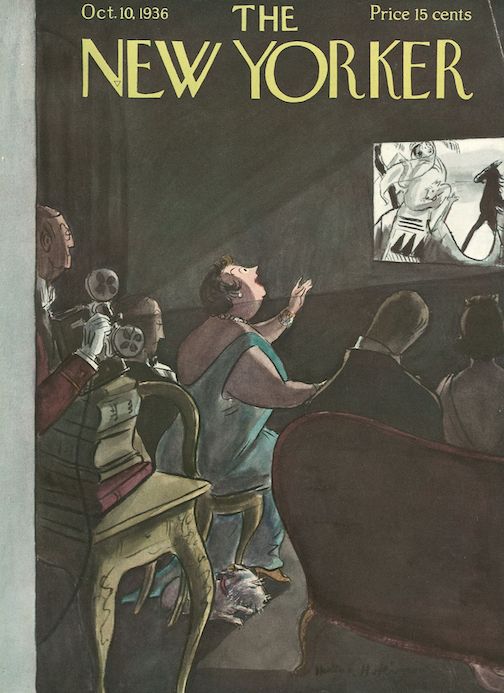
October 10, 1936 cover by Helen Hokinson.

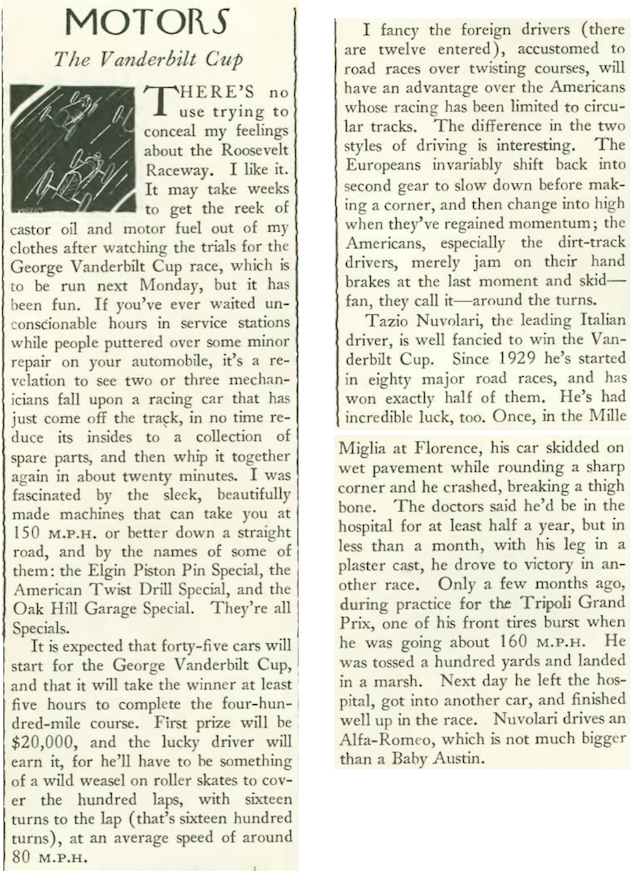
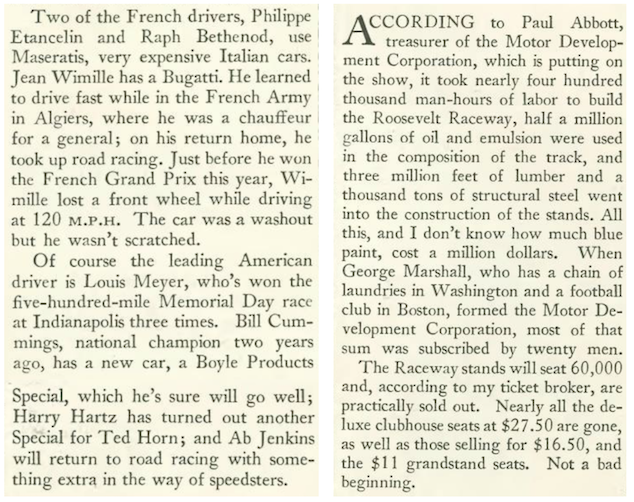
The race was cancelled after just three years—a spectator was killed in 1906— but it was revived in 1908 with the opening of the Long Island Motor Parkway. That nine-mile (14.4 km) private toll road, combined with fourteen miles (22.5 km) of public dirt roads, served as the Vanderbilt Cup course until the race was suspended in 1916 with the U.S. entry into World War I. The race would not be revived until Oct. 12, 1936, when the new Roosevelt Raceway opened in Westbury, welcoming 50,000 spectators. New Yorker correspondent G.F.T. Ryall (aka “Speed”) looked forward to the big race:

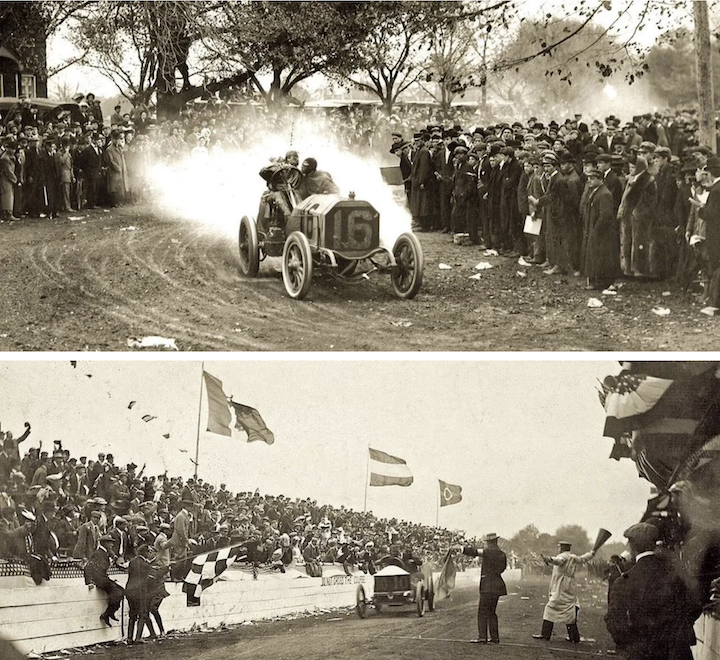
EAT MY DUST…Top photo: Averaging sixty-five miles per hour (104.6 kph), with a top speed exceeding one hundred mph (161 kph), George Robertson’s 1906 Locomobile is shown rounding a turn in the 1908 Vanderbilt Cup race—the crowd, estimated at more than 250,000—often stood dangerously close to the action (a spectator was killed in the 1906 race); Below: The 1906 finish saw the first-ever use of a checkered flag to signal the winner of an automobile race. (hemmings.com)

The 1936 race was revived by William K’s nephew George Washington Vanderbilt III, NFL founder George Preston Marshall, and famed World War I flying ace Eddie Rickenbacker. The three hundred-mile (482.8 km) race, featuring seventy-five laps on a twisting, four-mile (6.4. km) circuit, was won by Italy’s Tazio Nuvolari driving a twelve-cylinder Alfa Romeo. The best American driver, William Cummings, finished almost twenty-five minutes behind Nuvolari.

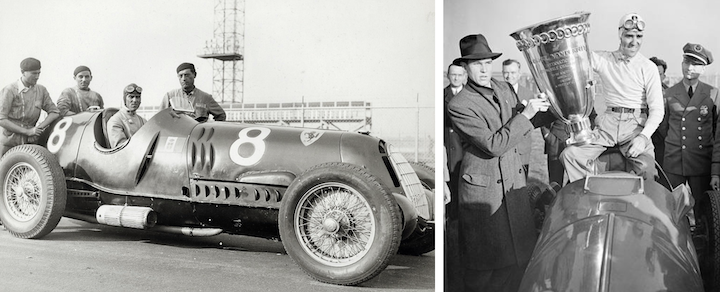
STEERING COMMITTEE…At left, 1936 Vanderbilt Cup winner Tazio Nuvolari and his mechanics prior to the race—his average speed was similar to the winner of the 1908 race due to the twisty, maze-like design of Roosevelt Raceway; at right, George Washington Vanderbilt III presents the winning trophy to Nuvolari. The massive sterling silver cup, crafted by Cartier, is now housed at the Museo Nicolis in Verona, Italy. (vanderbiltcupraces.com)

Ryall noted that the leading American driver was Louis Meyer, but Meyer would not compete due to a crash on a practice run. Also noted was the labor and materials involved in the construction of Roosevelt Raceway, where the winning average speed (65.998 mph or 106.2 km/h), was nearly the same as the 1908 race. This lack of speed was later mocked by spectators and the press, who criticized the many twisty hair-pin turns on the course.

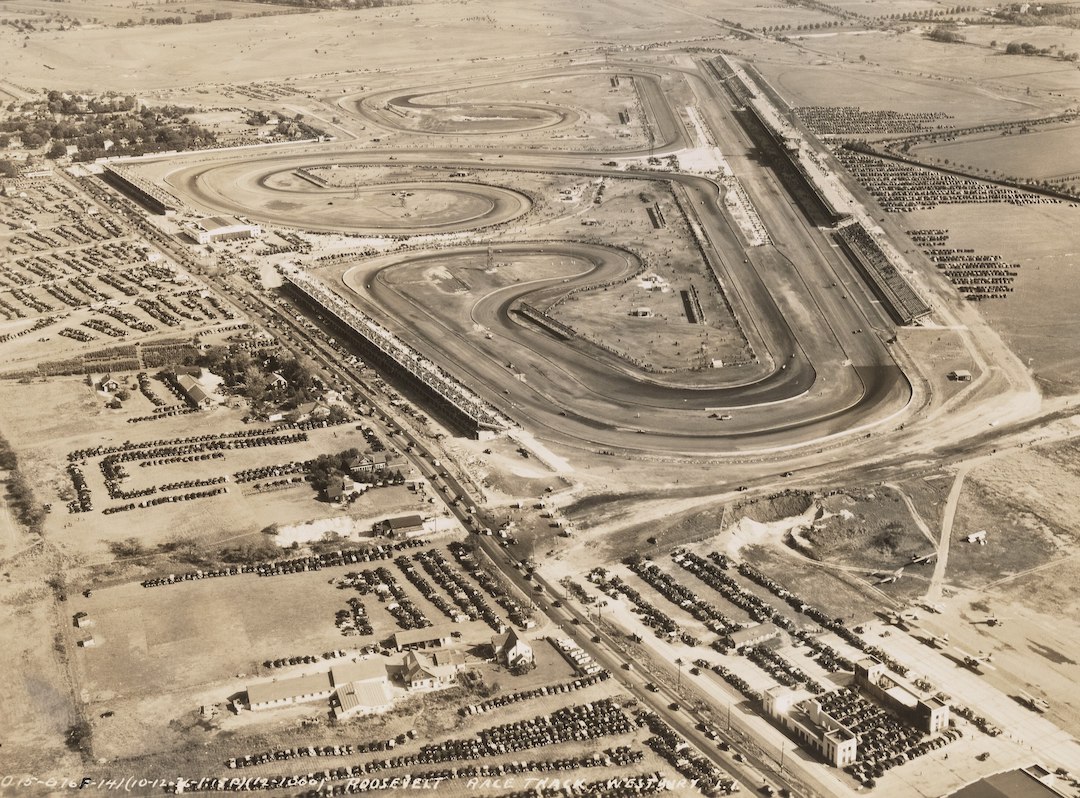
LOTS OF CURVES, YOU BET…Army Air Forces aerial photograph of the new Roosevelt Raceway taken during the 1936 Vanderbilt Cup Race Oct. 12, 1936. Deluxe clubhouse seats were sold for $27.50, or about $700 today. The four-mile (6.4. km) layout featuring sixteen unbanked corners (many with tight hairpins), a layout that kept average speeds disappointingly low. (Wikipedia)

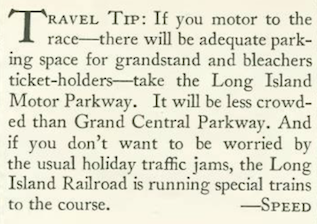
The revived race lasted only two years, both won by Europeans. Check out the website Vanderbilt Cup Races for more photos and information on the race. This final note by Ryall suggested that travelers use the Long Island Motor Parkway to get to the race—the very same road that was originally constructed for the 1908 race.

 * * *

A Gentler Pastime

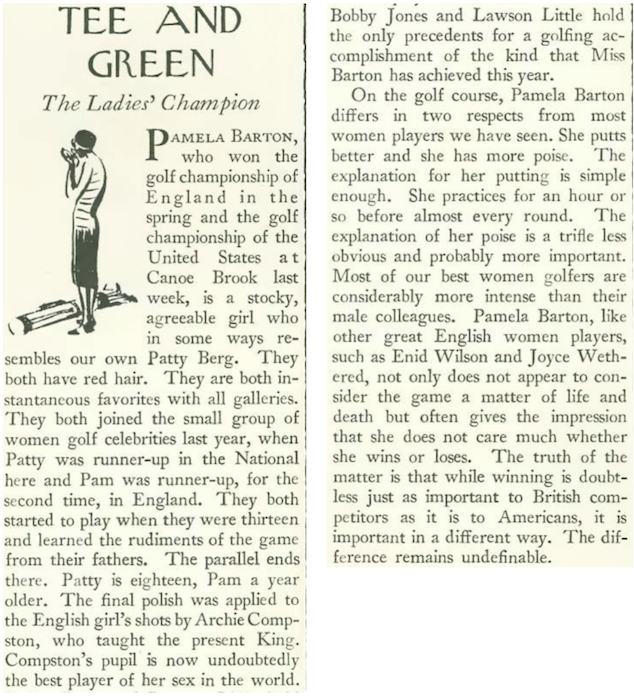
Noel F. Busch reported from the 1936 U.S. Women’s Amateur Championship, where the young British golfer Pamela Barton won her second major tournament of the year.

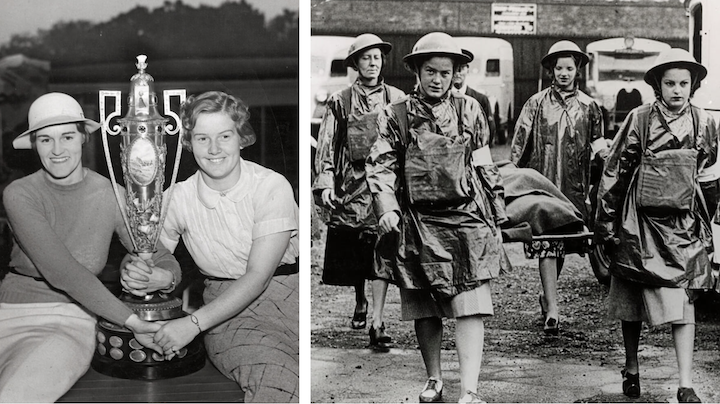
KING AND COUNTRY…Photo at left: Pamela Barton (right) defeated Maureen Orcutt (left) to win the 1936 U.S. Women’s Amateur Championship, becoming the youngest, at age nineteen, to win the U.S. and British women’s amateur titles in the same year—Barton was considered the best female golfer in the world in the late 1930s; photo at right: Barton takes part in training for the Volunteer Ambulance Service in England during WWII—sadly, the crash of a Royal Air Force Tiger Moth on November 13, 1943, claimed Barton’s life at age twenty-six. (USGA Archives)

* * *

At the Movies

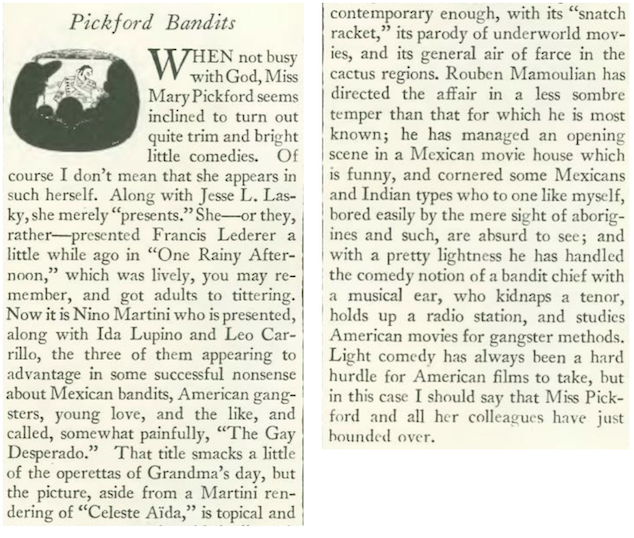
Italian tenor Nino Martini took top billing in the second film produced by Mary Pickford and Jesse Lasky for United Artists, the musical comedy The Gay Desperado. Critic John Mosher gave a thumbs up to this spoof of the gangster genre.

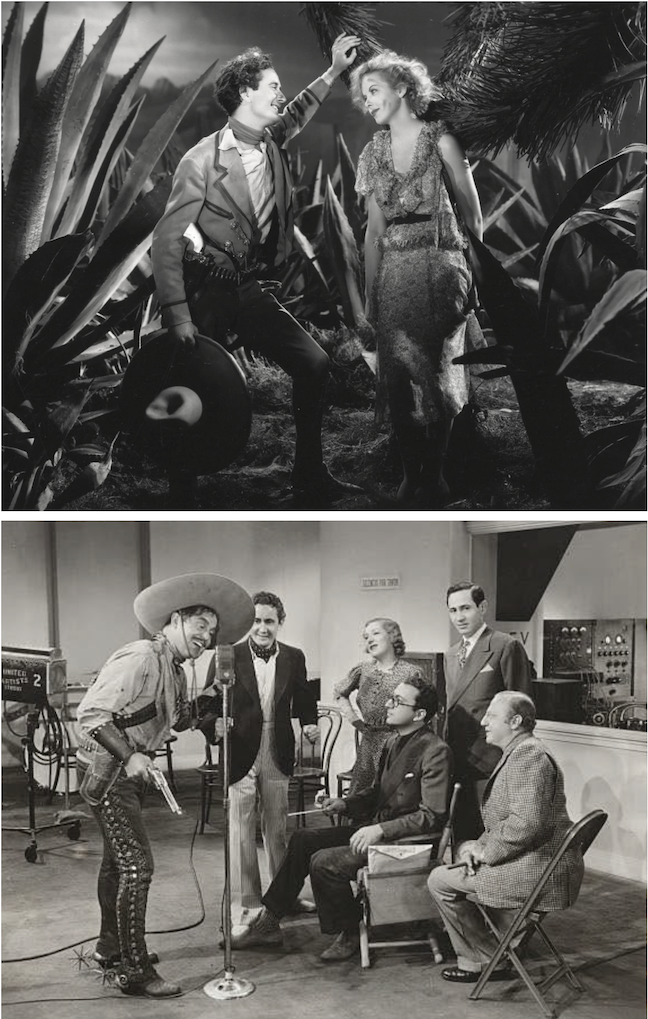
LIGHT AND EASY…Top photo: Italian operatic tenor Nino Martini took top billing in The Gay Desperado, seen here with co-star Ida Lupino; below: the film’s other co-star, Leo Carrillo, performs in costume in front of (from left) Martini, producer Mary Pickford, director Rouben Mamoulian, Mexican Consular Ricardo G. Hill, and producer Jesse L. Lasky. (Citizen Screen via Facebook/just watch.com)

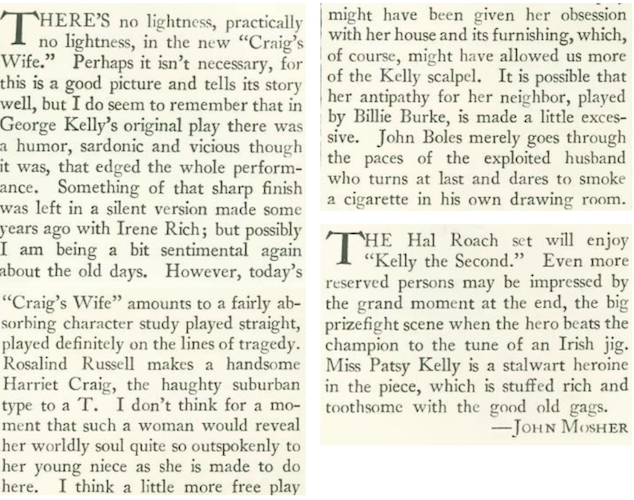
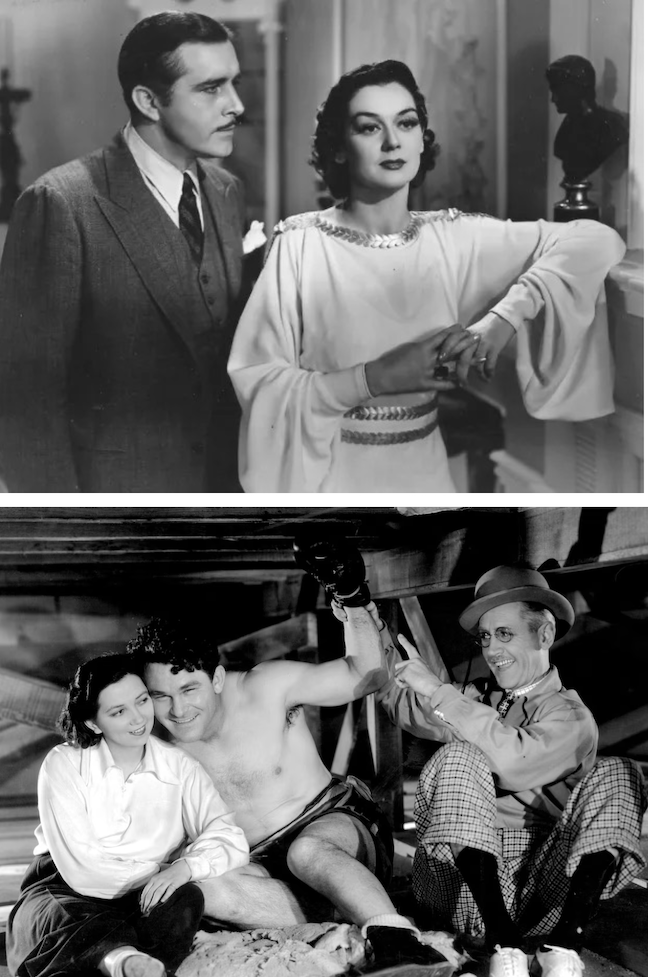
Not so light was Craig’s Wife, starring Rosalind Russell as a domineering woman who drives everyone from her life, including her husband. Mosher found some relief in the “toothsome” comedy Kelly the Second.

MOTHER MAY I?…Top photo: Rosalind Russell portrayed the domineering wife of Walter Craig (John Boles) in Craig’s Wife; Below: Patsy Kelly, Guinn ‘Big Boy’ Williams and Charley Chase in Kelly the Second. (melanienovak.com/tcm.com)

 * * *

Whining for Winesburg

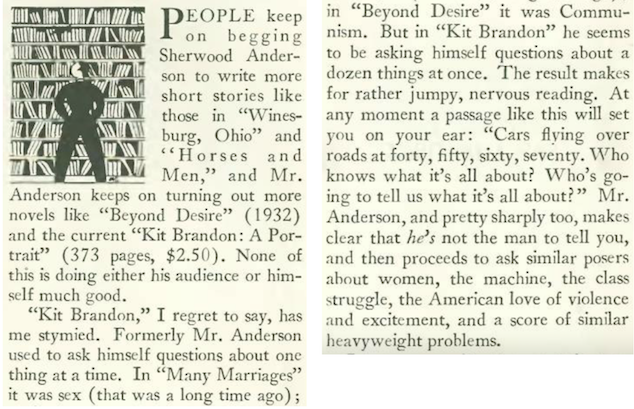
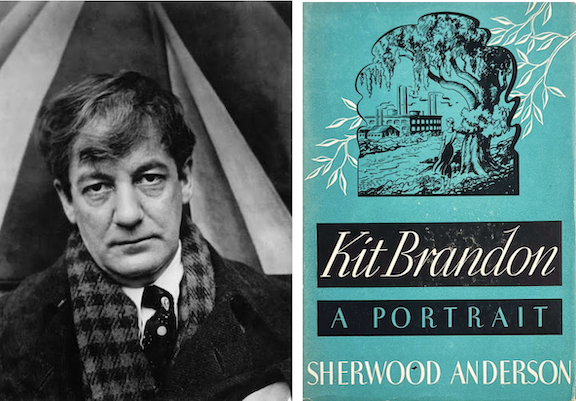
Book critic Clifton Fadiman found himself “stymied” by Sherwood Anderson’s latest novel, Kit Brandon: A Portrait, in which the author seemed “to be asking himself questions about a dozen things at once.”

A LOT ON HIS MIND…Sherwood Anderson’s Kit Brandon: A Portrait, would be his eighth novel. (neh.gov/abebooks.com)

 * * *

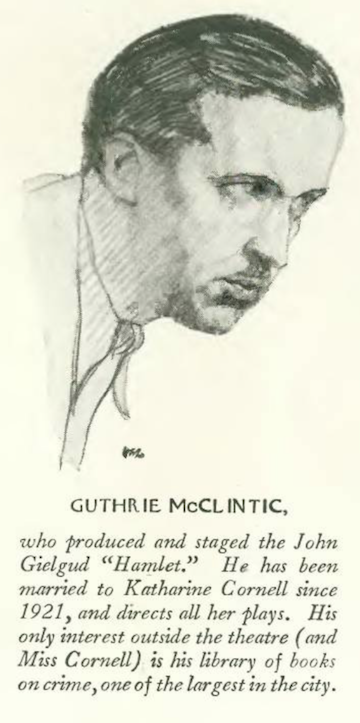
The calendar pages continued to feature mini-bios of celebrities, this week theater producer and director Guthrie McClintic…caricature by William Auerbach-Levy…

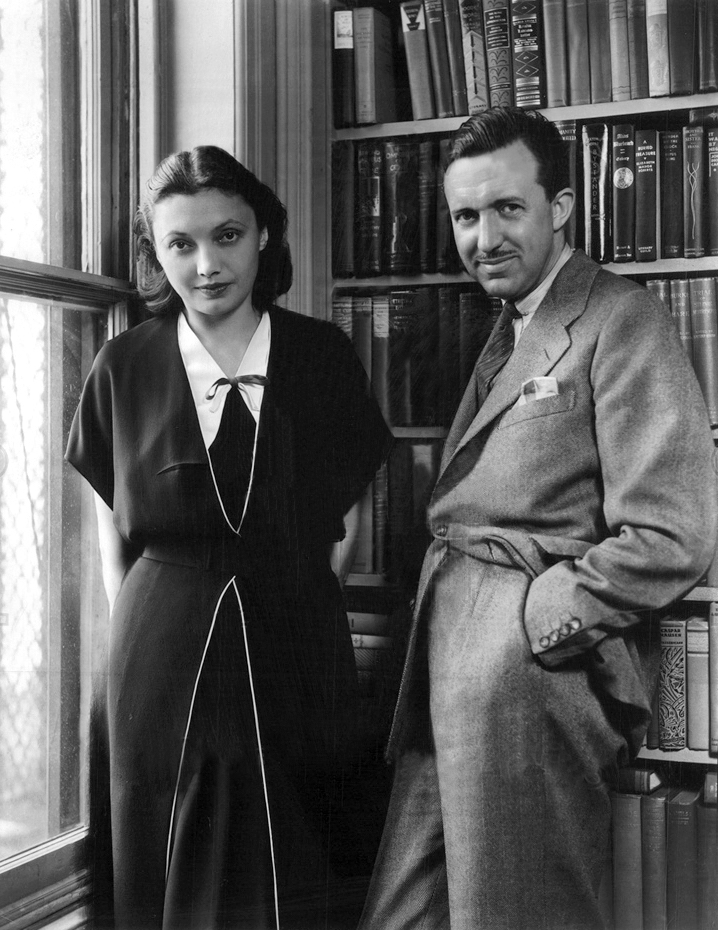
THEATER ROYALTY…Katharine Cornell and Guthrie McClintic in the library of their home at 23 Beekman Place in Manhattan, 1933. (Wikipedia)

 * * *

From Our Advertisers

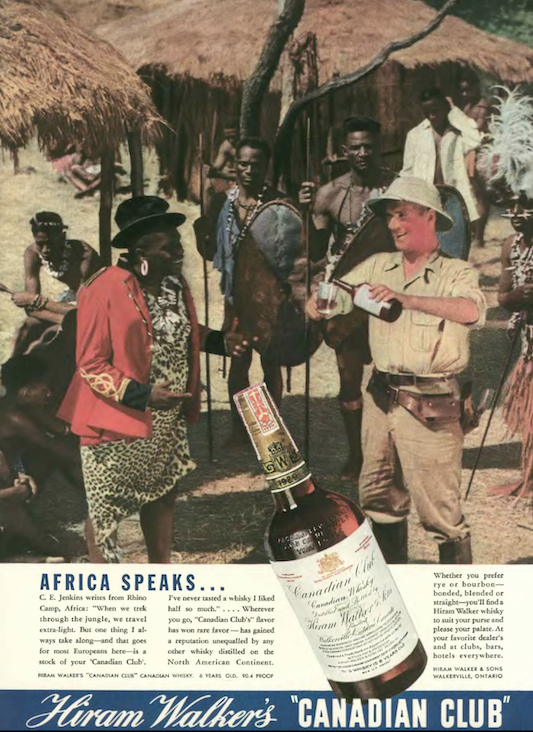
We begin with this antediluvian image from Hiram Walker, which greeted readers on the inside front cover…the ad was part of series showcasing the consumption of Canadian Club around the world…

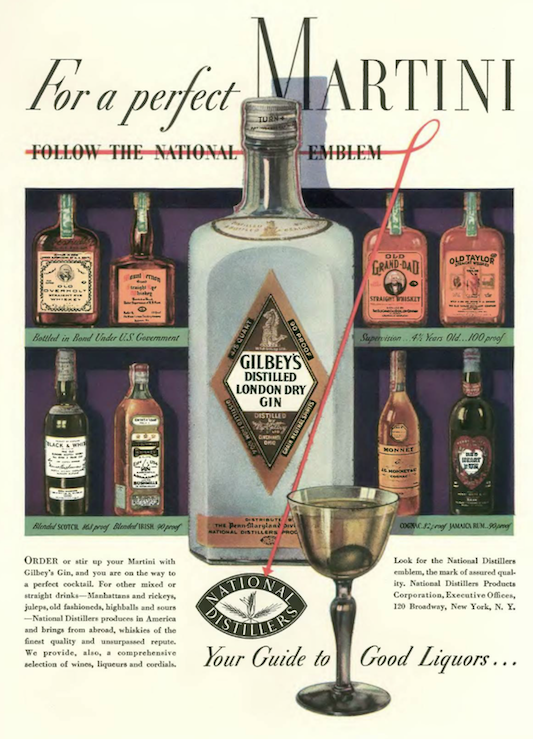
…National Distillers lined up their domestic and imported brands to promote a “perfect martini”…

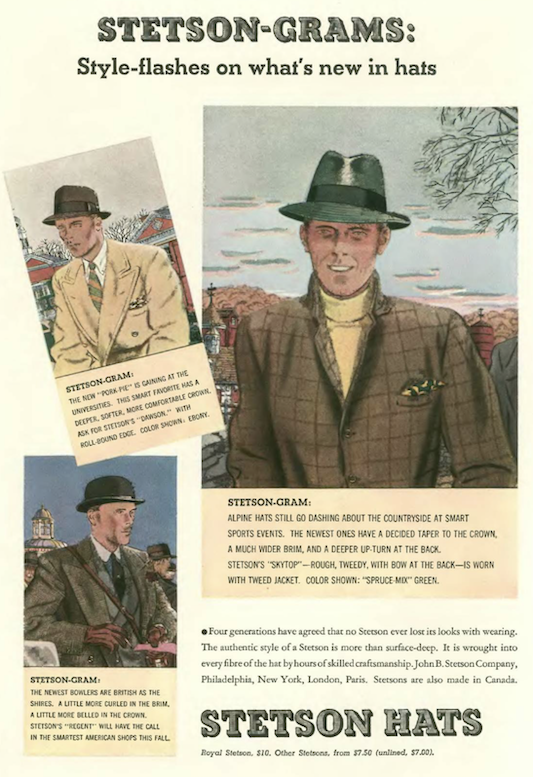
…and we have more stylish lids from Stetson, which included a “new pork-pie” that was apparently popular among university students…

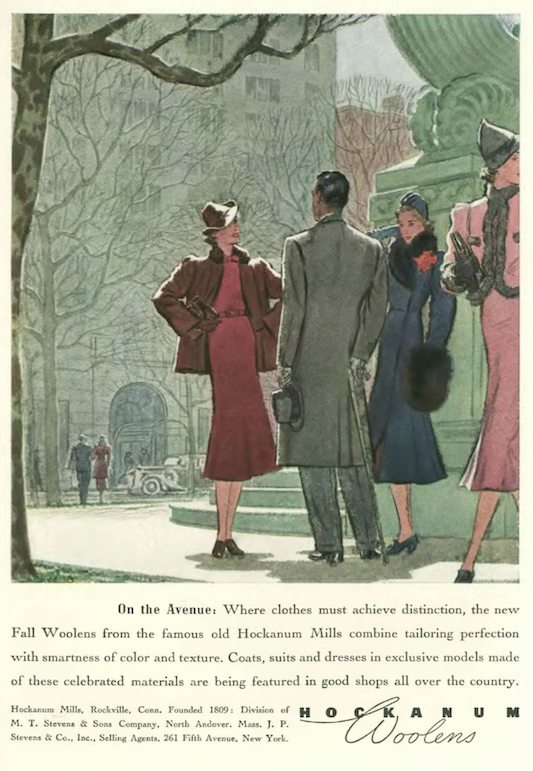
…and Hockanum Woolens continued its series celebrating the seasons in fashion…

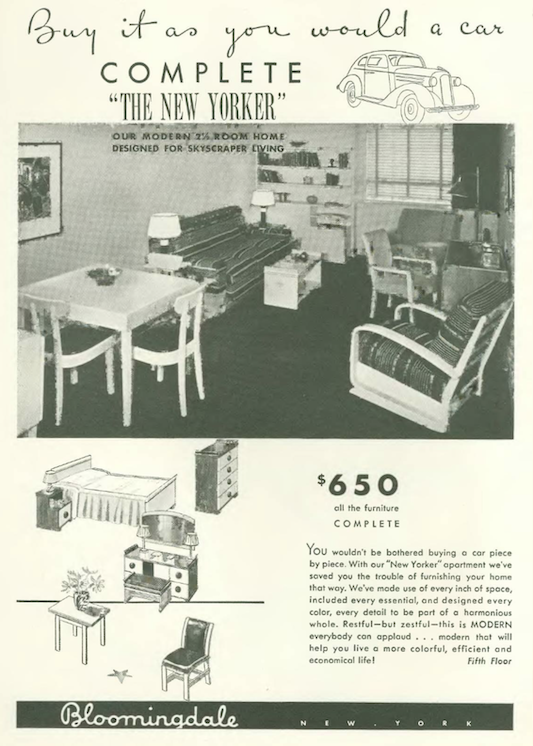
…there were numerous ads in the issue touting the latest in modern furniture, including Bloomingdale’s…

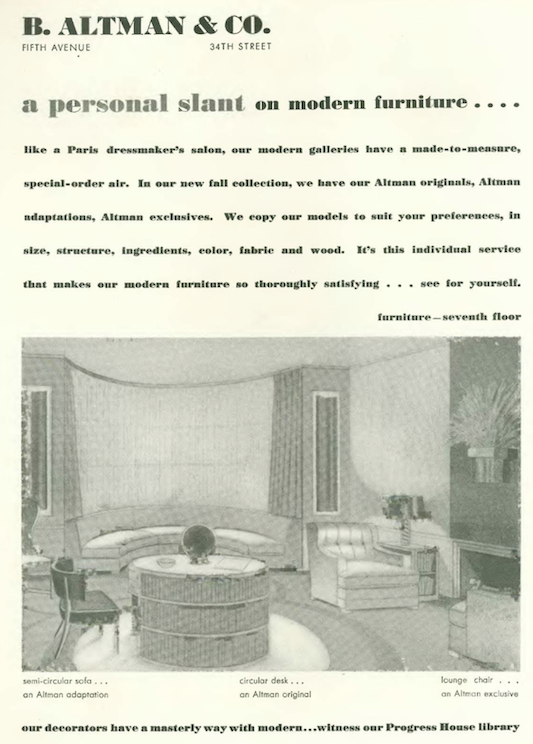
…and B. Altman…

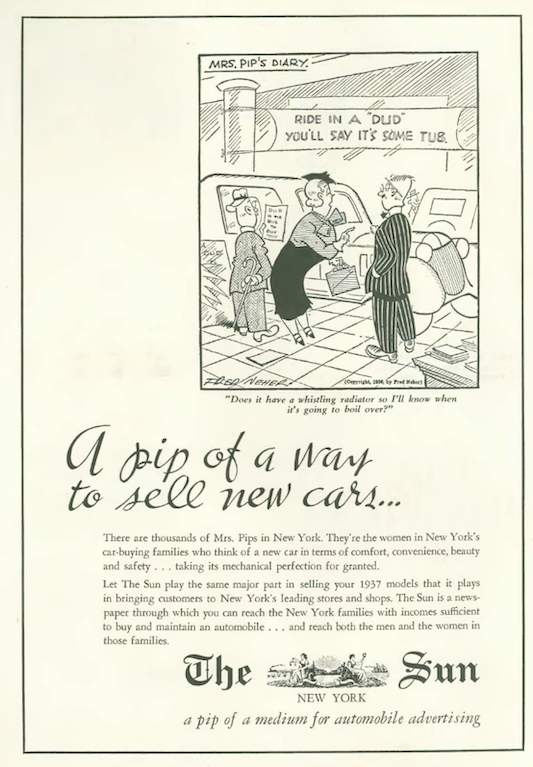
…The New York Sun hired cartoonist Fred Neher to tout the newspaper’s advertising reach…

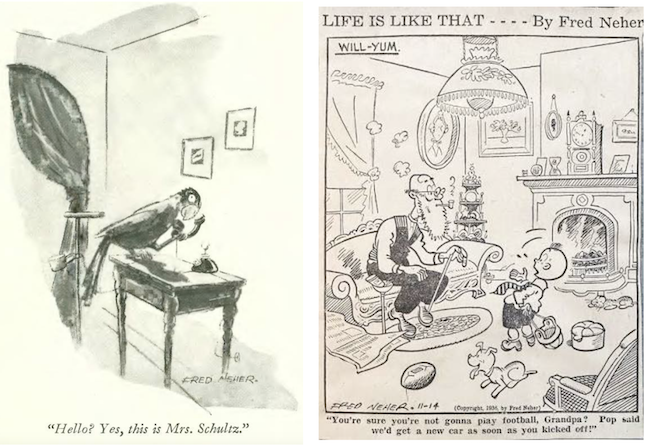
…Neher (1903–2001) was best known for his long-running syndicated cartoon Life Is Like That, which ran from 1934 to 1977…he also published one cartoon in The New Yorker, Jan. 21, 1933…

Left, Fred Neher’s sole New Yorker cartoon (Jan. 21, 1933), and at right, an example of his long-running gag panel from 1936. (Thanks to Ink Spill for the always invaluable reference!)

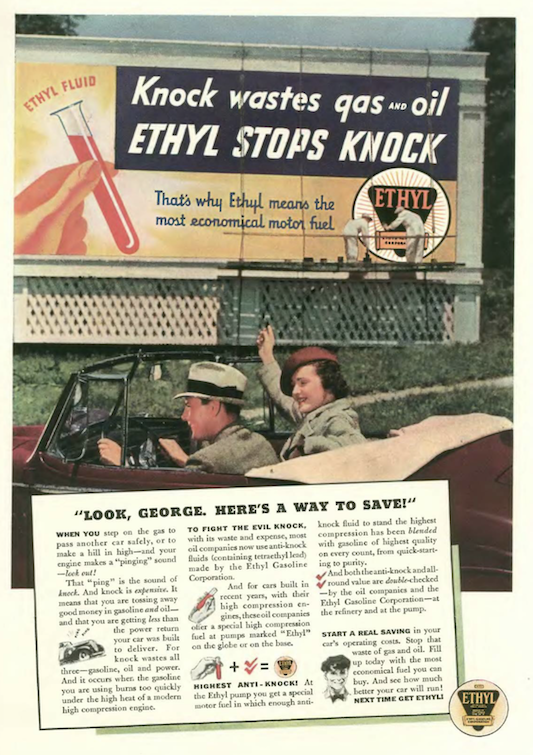
…the inside back cover featured an appeal to motorists to make the switch to leaded gasoline (during the 20th century, leaded gasoline released millions of tons of toxic lead particles into the air, soil, and water, and even today persists throughout ecosystems, including human bloodstreams)…

…on a cheerier note, we have a bunch of cartoons, beginning with spots by Carl Rose…

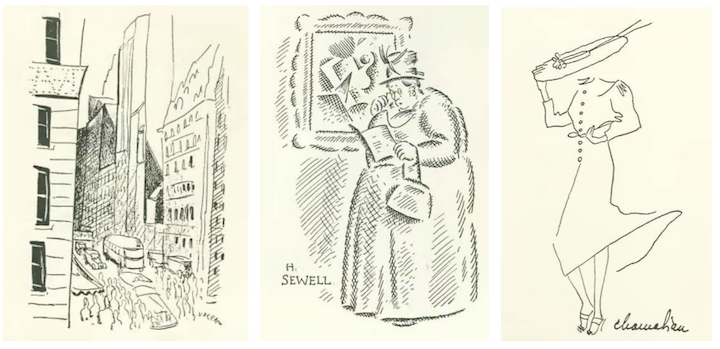
…Victor de Pauw, Helen Moore Sewell, and Alice Chamalian…

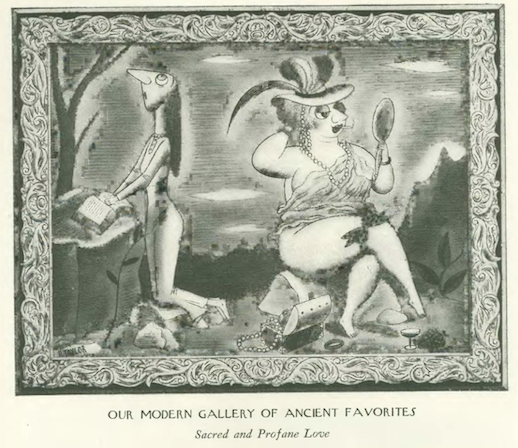
…Richard Taylor began his series of “Ancient Favorites”…

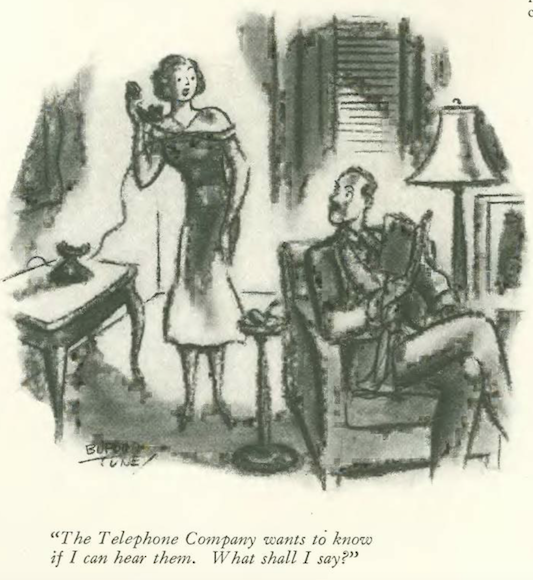
…Barney Tobey gave us a 1930s version of “can you hear me now?”…

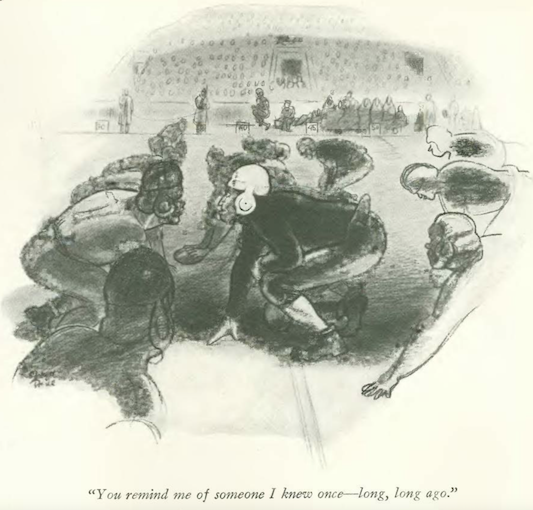
…Garrett Price recognized a face in the crowd…

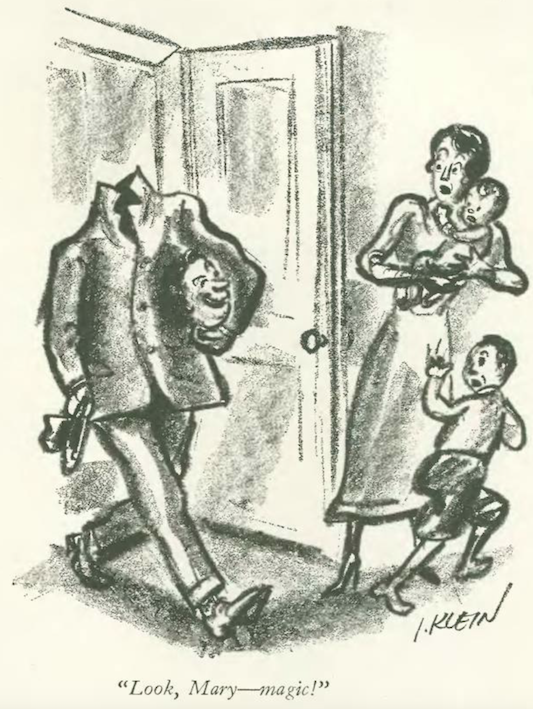
…after a long absence, Isadore “Izzy” Klein returned to The New Yorker with this contribution (in 1935 Klein (1897–1986) resumed his work as an animator for major studios including Screen Gems and Disney)…

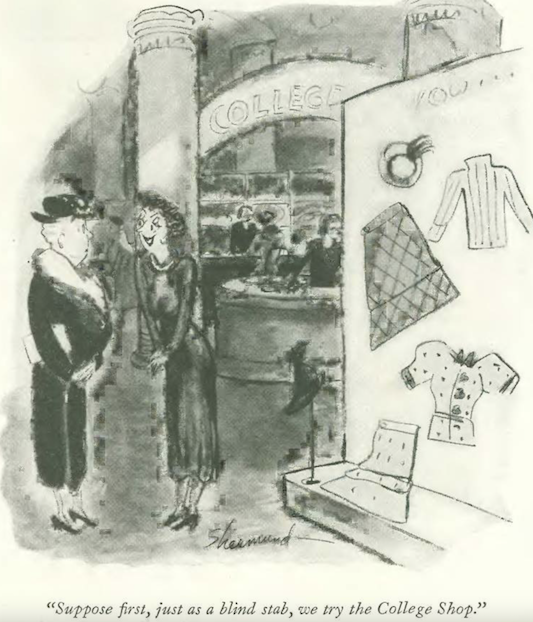
…Barbara Shermund got creative at a department store…

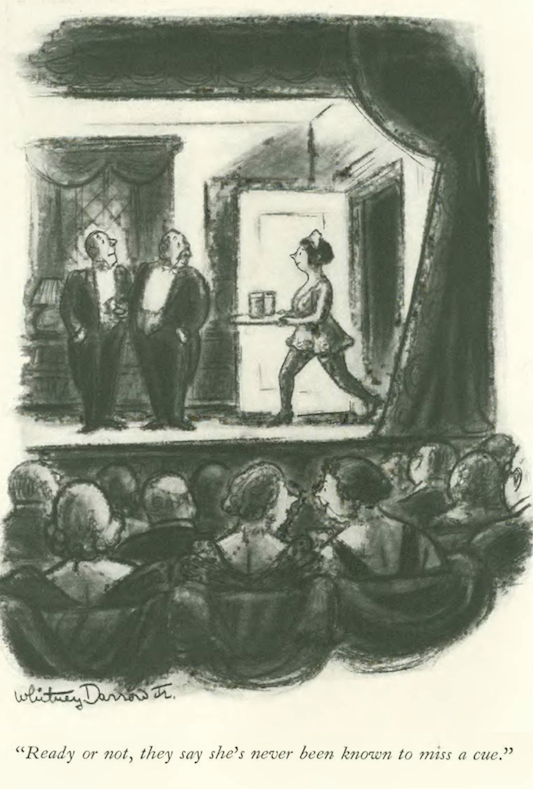
…Whitney Darrow Jr overheard some inside scoop at the theater…
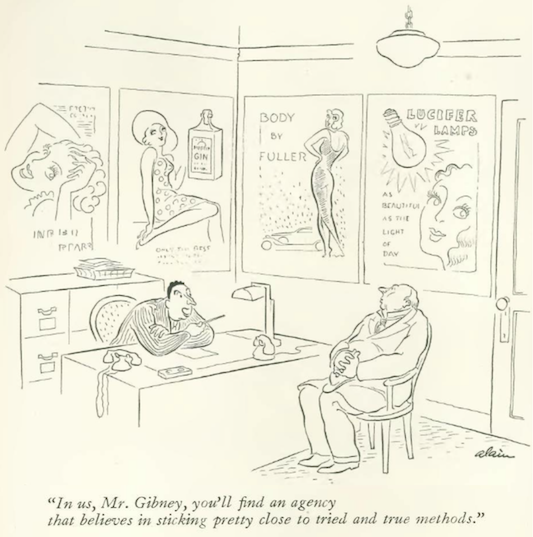
…Alain offered up some timeless advice from the advertising world…

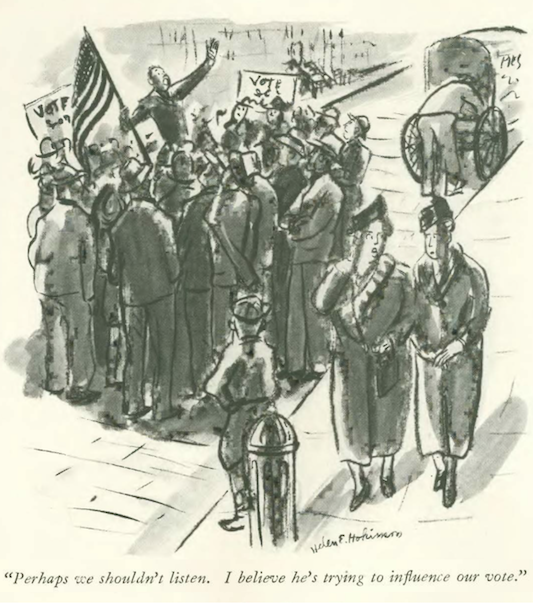
…Helen Hokinson’s “girls” steered clear of some political rhetoric…

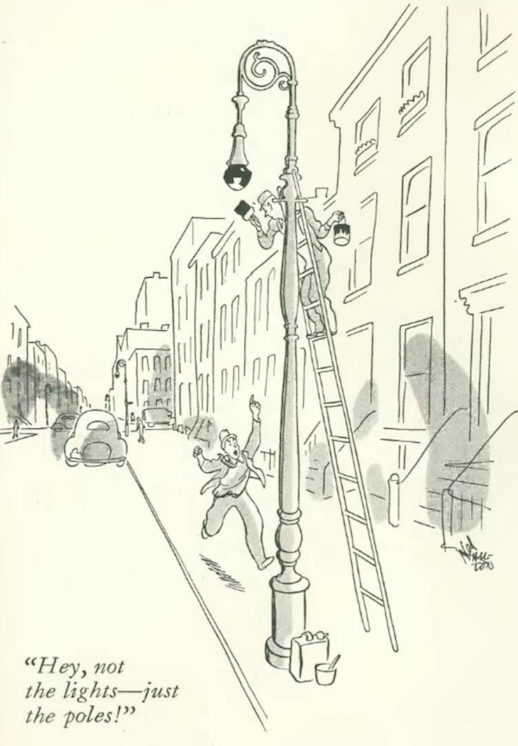
…Ned Hilton had an urgent change order…
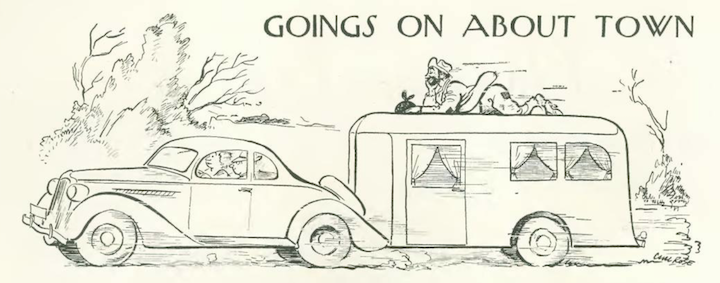
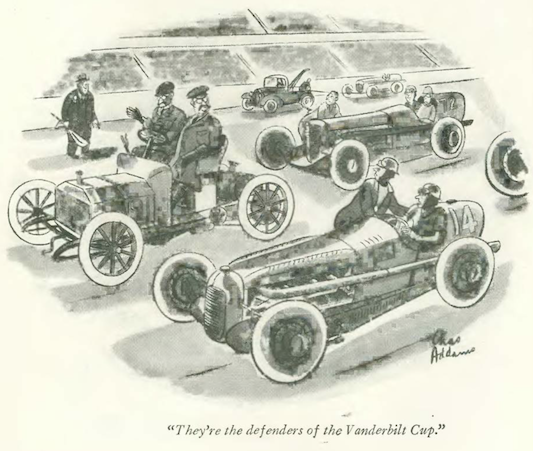
…and we close where we began, at the races, this time with Charles Addams…
Next Time: National Treasure…