Road Warriors

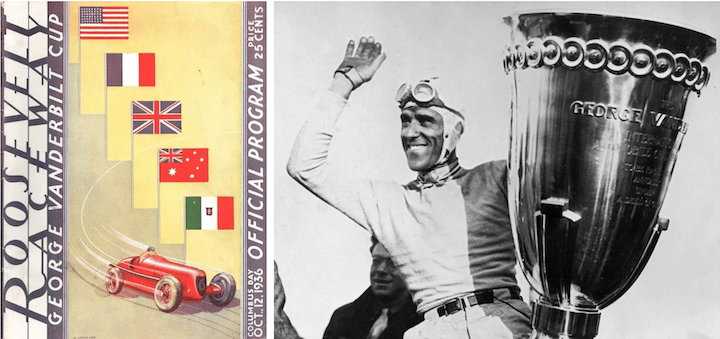
Above: 1936 Vanderbilt Cup program cover and the winner of the race, Italy's Tazio Nuvolari. (Wikipedia)

When William K. Vanderbilt II founded the Vanderbilt Cup Race in 1904, Long Island’s Nassau County was mostly farmland, its North Shore dotted with the luxurious country estates of wealthy New Yorkers. The Vanderbilt Cup would help crack open the door to the eventual suburbanization of Long Island, now home to more than eight million people.
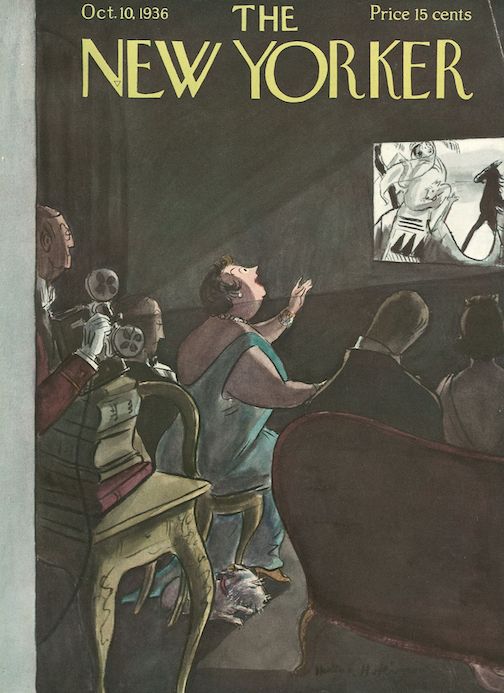
October 10, 1936 cover by Helen Hokinson.

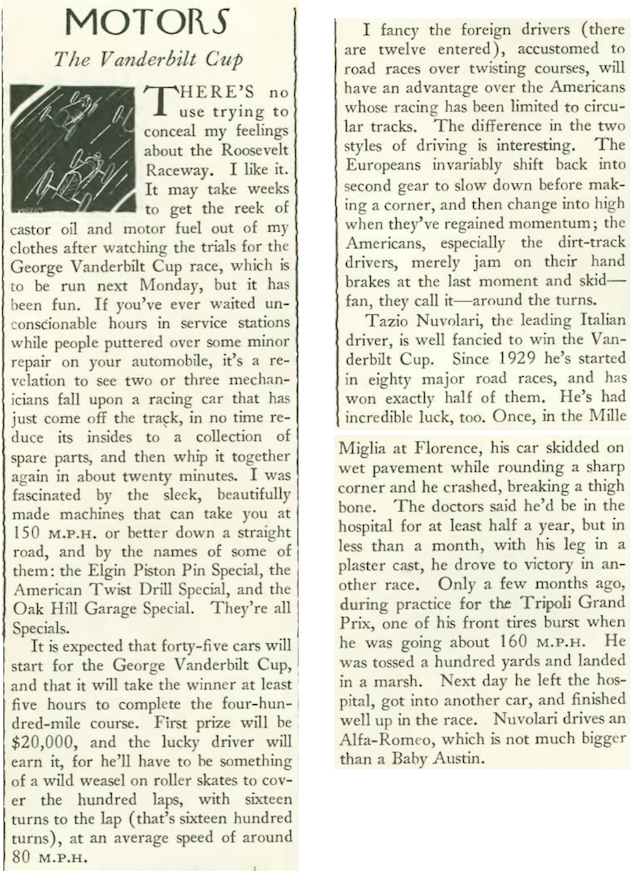
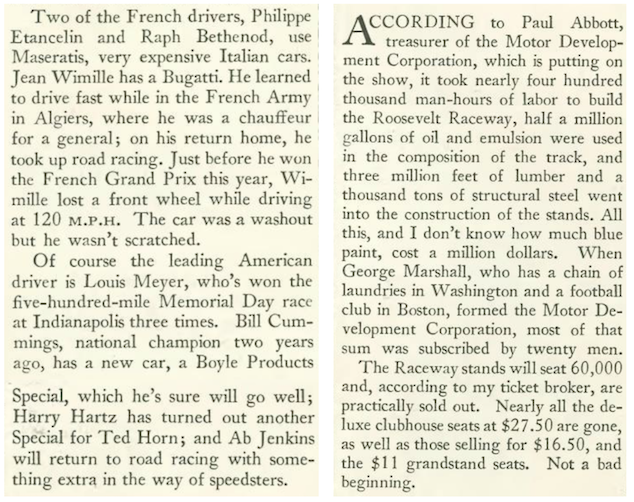
The race was cancelled after just three years—a spectator was killed in 1906— but it was revived in 1908 with the opening of the Long Island Motor Parkway. That nine-mile (14.4 km) private toll road, combined with fourteen miles (22.5 km) of public dirt roads, served as the Vanderbilt Cup course until the race was suspended in 1916 with the U.S. entry into World War I. The race would not be revived until Oct. 12, 1936, when the new Roosevelt Raceway opened in Westbury, welcoming 50,000 spectators. New Yorker correspondent G.F.T. Ryall (aka “Speed”) looked forward to the big race:
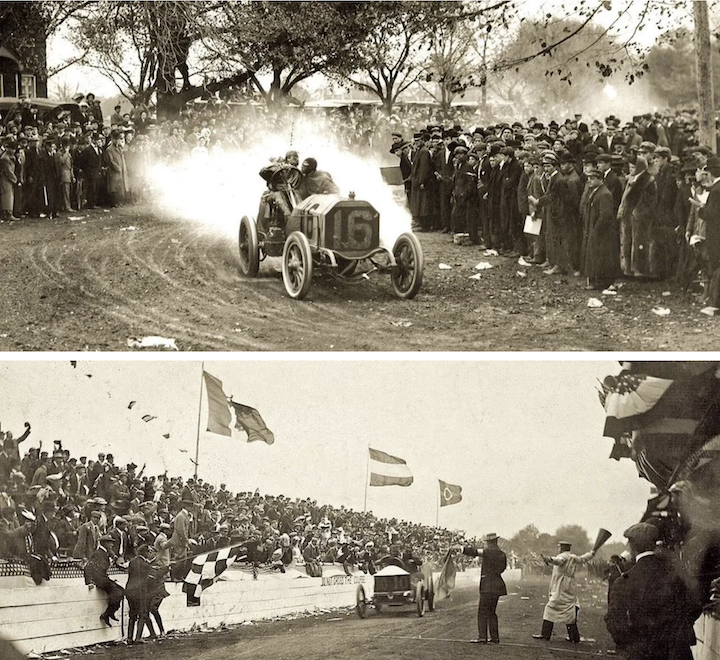
EAT MY DUST…Top photo: Averaging sixty-five miles per hour (104.6 kph), with a top speed exceeding one hundred mph (161 kph), George Robertson’s 1906 Locomobile is shown rounding a turn in the 1908 Vanderbilt Cup race—the crowd, estimated at more than 250,000—often stood dangerously close to the action (a spectator was killed in the 1906 race); Below: The 1906 finish saw the first-ever use of a checkered flag to signal the winner of an automobile race. (hemmings.com)

The 1936 race was revived by William K’s nephew George Washington Vanderbilt III, NFL founder George Preston Marshall, and famed World War I flying ace Eddie Rickenbacker. The three hundred-mile (482.8 km) race, featuring seventy-five laps on a twisting, four-mile (6.4. km) circuit, was won by Italy’s Tazio Nuvolari driving a twelve-cylinder Alfa Romeo. The best American driver, William Cummings, finished almost twenty-five minutes behind Nuvolari.
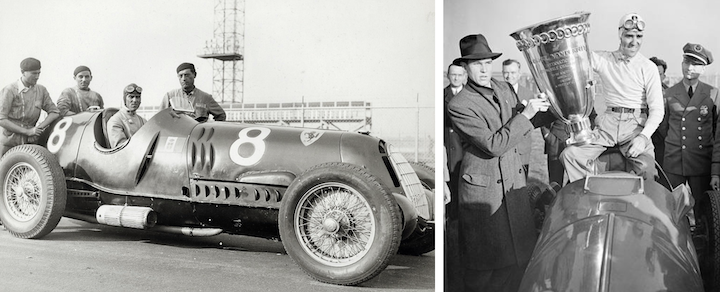
STEERING COMMITTEE…At left, 1936 Vanderbilt Cup winner Tazio Nuvolari and his mechanics prior to the race—his average speed was similar to the winner of the 1908 race due to the twisty, maze-like design of Roosevelt Raceway; at right, George Washington Vanderbilt III presents the winning trophy to Nuvolari. The massive sterling silver cup, crafted by Cartier, is now housed at the Museo Nicolis in Verona, Italy. (vanderbiltcupraces.com)

Ryall noted that the leading American driver was Louis Meyer, but Meyer would not compete due to a crash on a practice run. Also noted was the labor and materials involved in the construction of Roosevelt Raceway, where the winning average speed (65.998 mph or 106.2 km/h), was nearly the same as the 1908 race. This lack of speed was later mocked by spectators and the press, who criticized the many twisty hair-pin turns on the course.
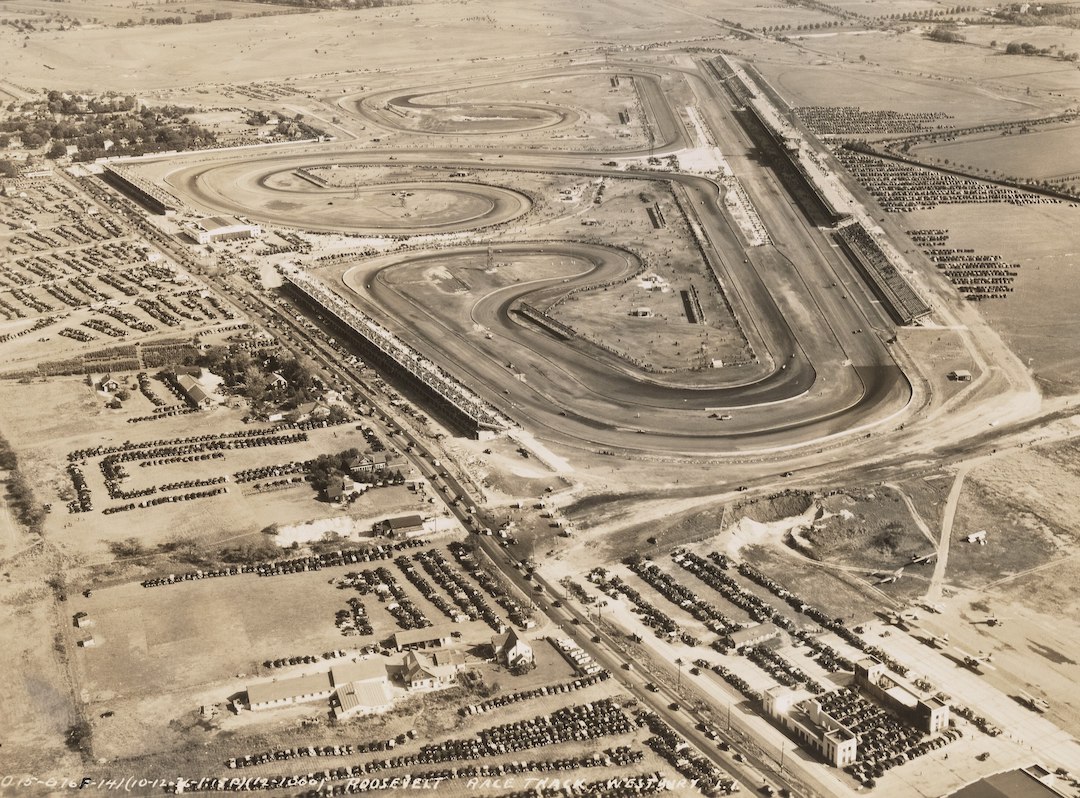
LOTS OF CURVES, YOU BET…Army Air Forces aerial photograph of the new Roosevelt Raceway taken during the 1936 Vanderbilt Cup Race Oct. 12, 1936. Deluxe clubhouse seats were sold for $27.50, or about $700 today. The four-mile (6.4. km) layout featuring sixteen unbanked corners (many with tight hairpins), a layout that kept average speeds disappointingly low. (Wikipedia)

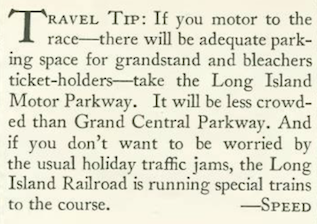
The revived race lasted only two years, both won by Europeans. Check out the website Vanderbilt Cup Races for more photos and information on the race. This final note by Ryall suggested that travelers use the Long Island Motor Parkway to get to the race—the very same road that was originally constructed for the 1908 race.
 * * *

A Gentler Pastime

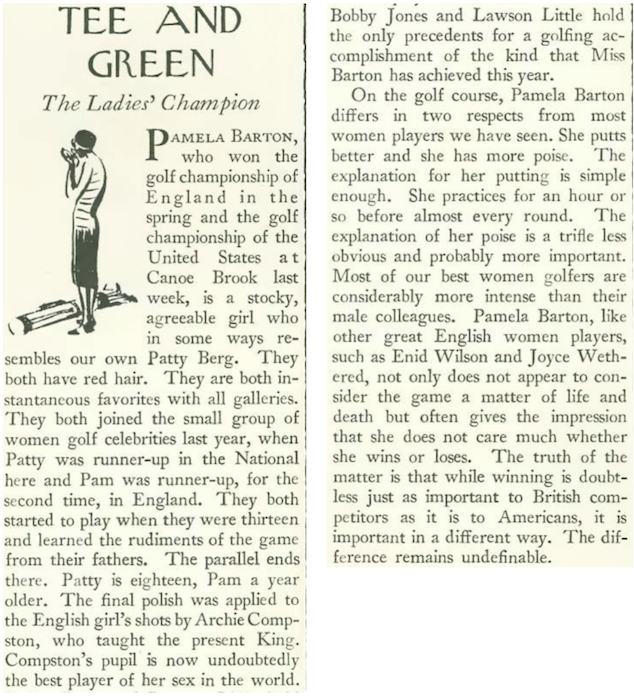
Noel F. Busch reported from the 1936 U.S. Women’s Amateur Championship, where the young British golfer Pamela Barton won her second major tournament of the year.
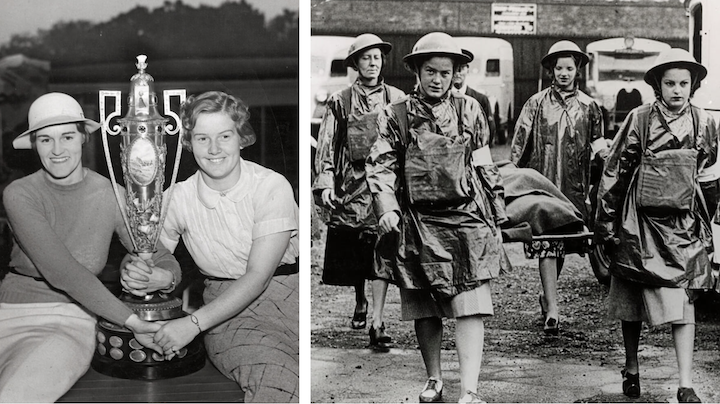
KING AND COUNTRY…Photo at left: Pamela Barton (right) defeated Maureen Orcutt (left) to win the 1936 U.S. Women’s Amateur Championship, becoming the youngest, at age nineteen, to win the U.S. and British women’s amateur titles in the same year—Barton was considered the best female golfer in the world in the late 1930s; photo at right: Barton takes part in training for the Volunteer Ambulance Service in England during WWII—sadly, the crash of a Royal Air Force Tiger Moth on November 13, 1943, claimed Barton’s life at age twenty-six. (USGA Archives)

* * *

At the Movies

Italian tenor Nino Martini took top billing in the second film produced by Mary Pickford and Jesse Lasky for United Artists, the musical comedy The Gay Desperado. Critic John Mosher gave a thumbs up to this spoof of the gangster genre.
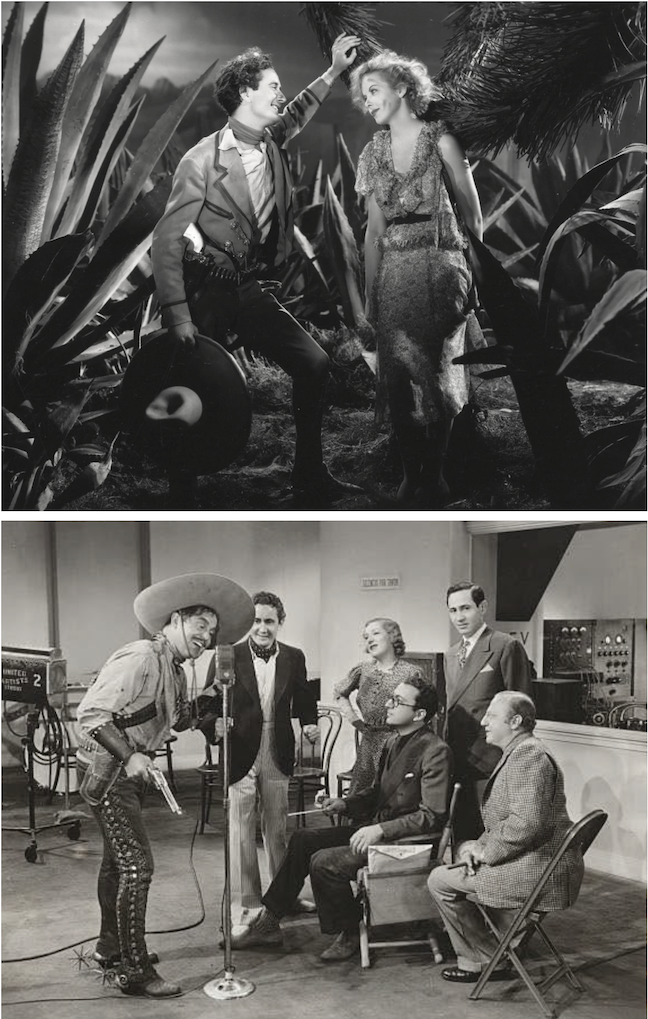
LIGHT AND EASY…Top photo: Italian operatic tenor Nino Martini took top billing in The Gay Desperado, seen here with co-star Ida Lupino; below: the film’s other co-star, Leo Carrillo, performs in costume in front of (from left) Martini, producer Mary Pickford, director Rouben Mamoulian, Mexican Consular Ricardo G. Hill, and producer Jesse L. Lasky. (Citizen Screen via Facebook/just watch.com)

Not so light was Craig’s Wife, starring Rosalind Russell as a domineering woman who drives everyone from her life, including her husband. Mosher found some relief in the “toothsome” comedy Kelly the Second.
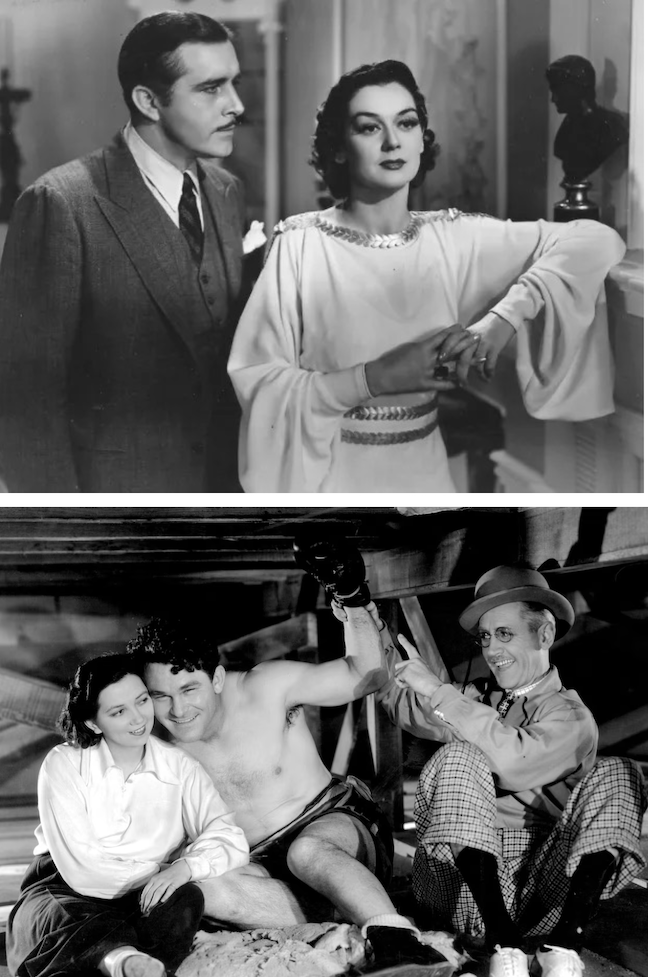
MOTHER MAY I?…Top photo: Rosalind Russell portrayed the domineering wife of Walter Craig (John Boles) in Craig’s Wife; Below: Patsy Kelly, Guinn ‘Big Boy’ Williams and Charley Chase in Kelly the Second. (melanienovak.com/tcm.com)

 * * *

Whining for Winesburg

Book critic Clifton Fadiman found himself “stymied” by Sherwood Anderson’s latest novel, Kit Brandon: A Portrait, in which the author seemed “to be asking himself questions about a dozen things at once.”
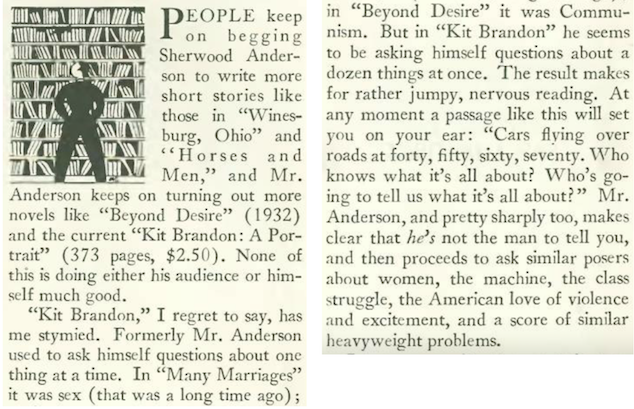
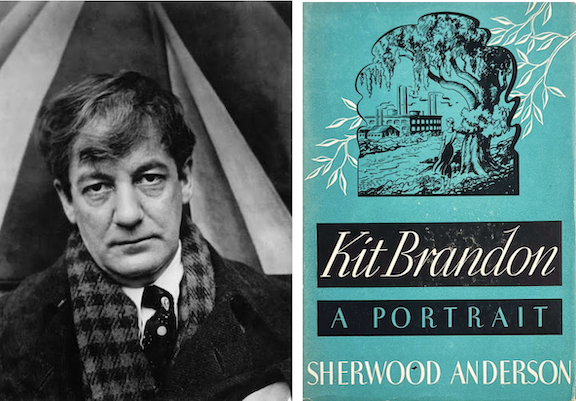
A LOT ON HIS MIND…Sherwood Anderson’s Kit Brandon: A Portrait, would be his eighth novel. (neh.gov/abebooks.com)

 * * *

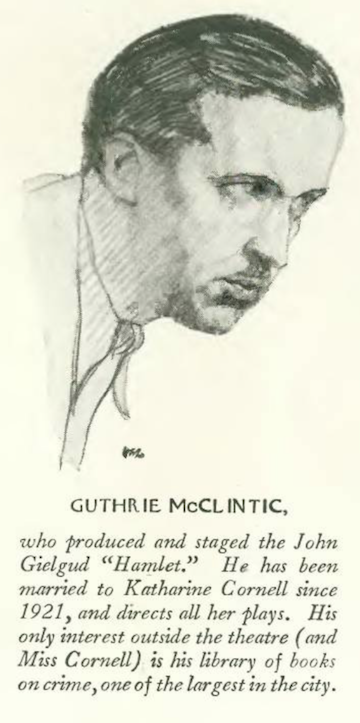
The calendar pages continued to feature mini-bios of celebrities, this week theater producer and director Guthrie McClintic…caricature by William Auerbach-Levy…
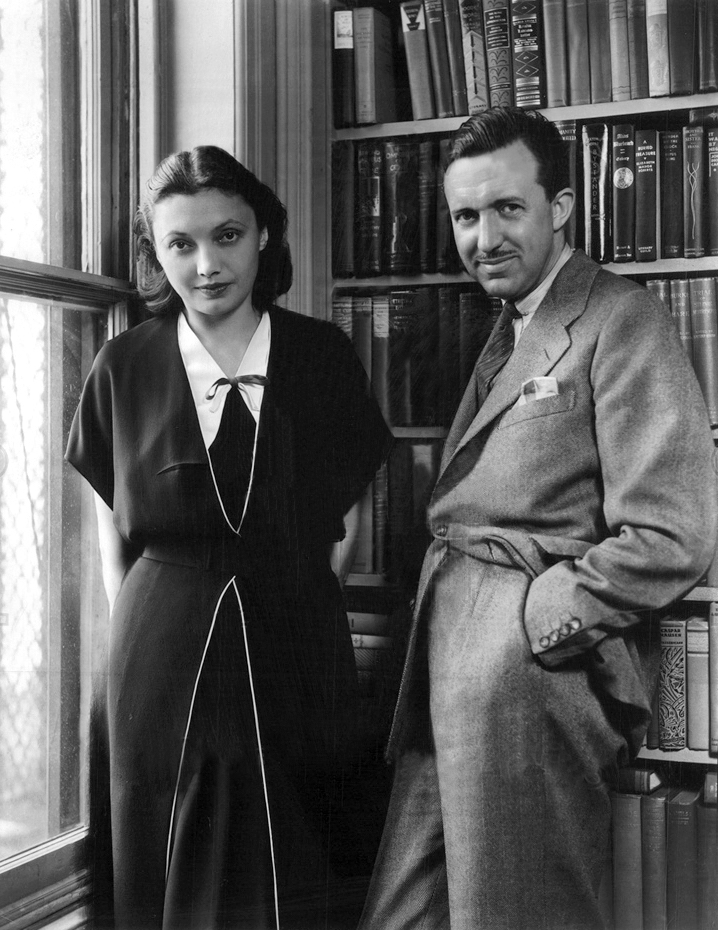
THEATER ROYALTY…Katharine Cornell and Guthrie McClintic in the library of their home at 23 Beekman Place in Manhattan, 1933. (Wikipedia)

 * * *

From Our Advertisers

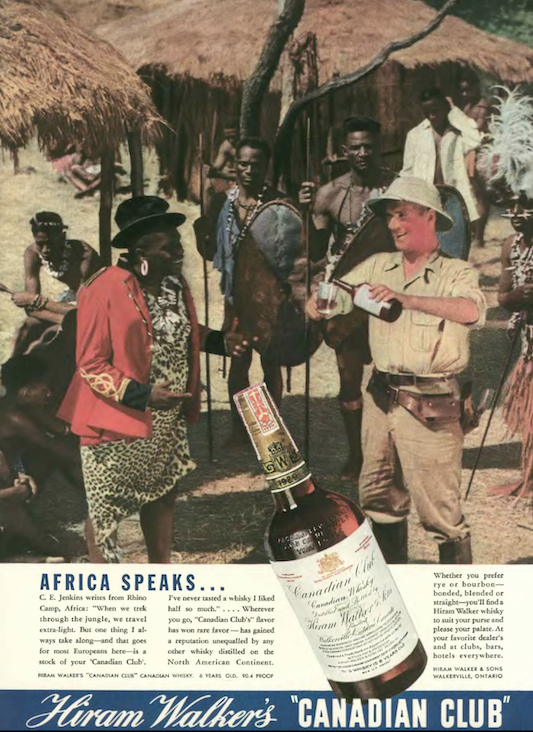
We begin with this antediluvian image from Hiram Walker, which greeted readers on the inside front cover…the ad was part of series showcasing the consumption of Canadian Club around the world…
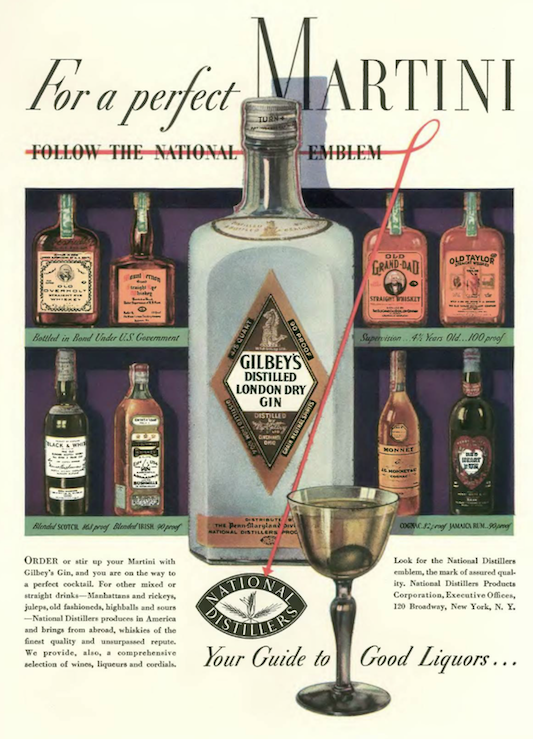
…National Distillers lined up their domestic and imported brands to promote a “perfect martini”…
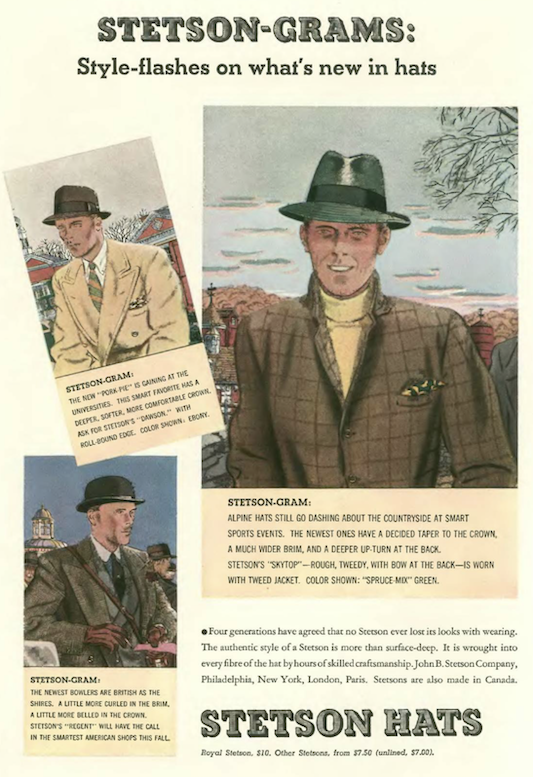
…and we have more stylish lids from Stetson, which included a “new pork-pie” that was apparently popular among university students…
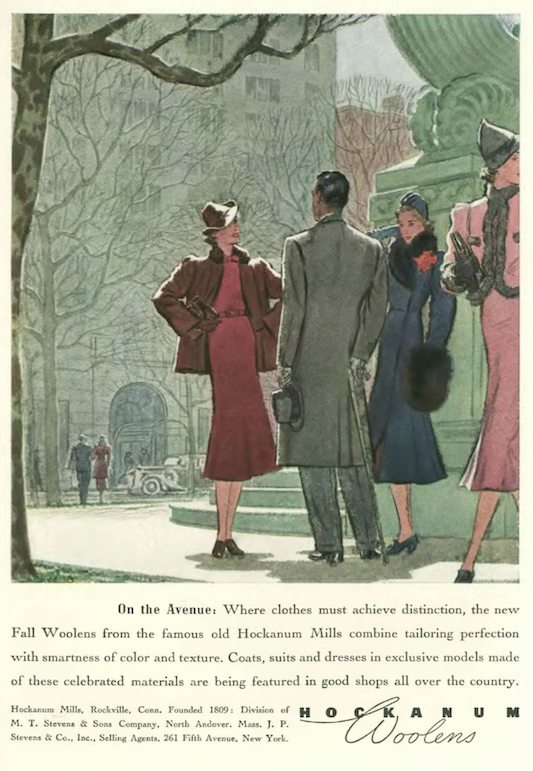
…and Hockanum Woolens continued its series celebrating the seasons in fashion…
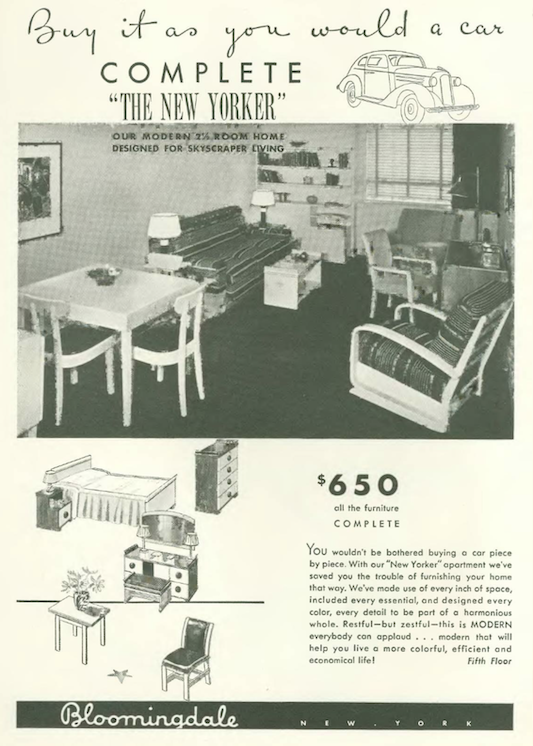
…there were numerous ads in the issue touting the latest in modern furniture, including Bloomingdale’s…
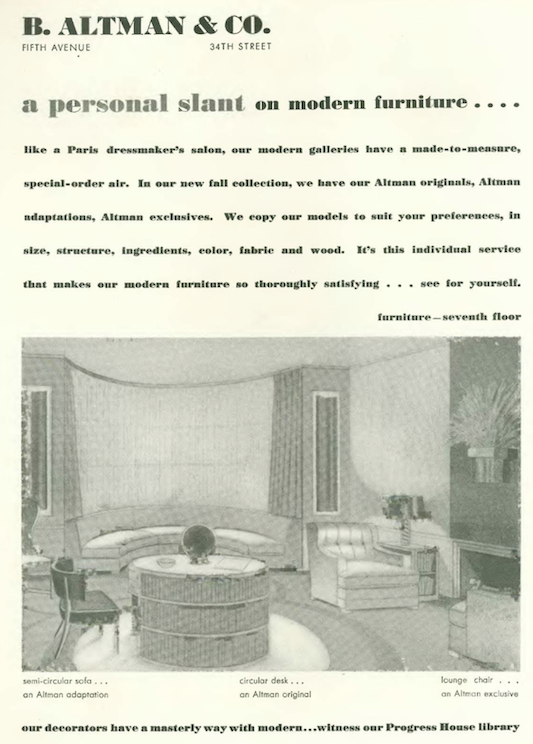
…and B. Altman…
…The New York Sun hired cartoonist Fred Neher to tout the newspaper’s advertising reach…
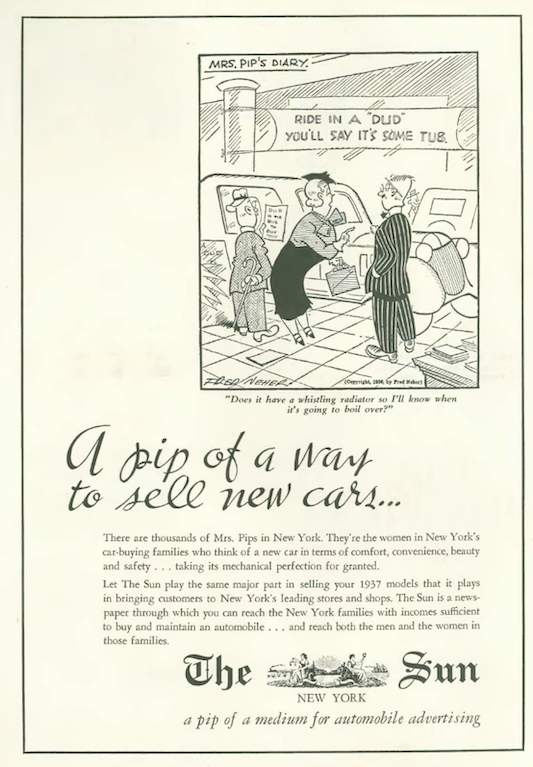
…Neher (1903–2001) was best known for his long-running syndicated cartoon Life Is Like That, which ran from 1934 to 1977…he also published one cartoon in The New Yorker, Jan. 21, 1933…
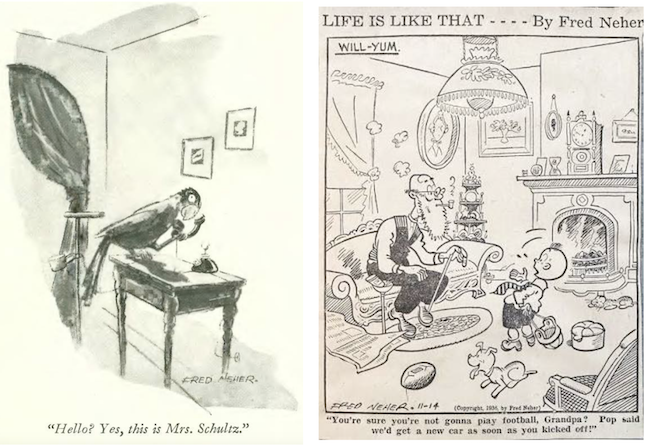
Left, Fred Neher’s sole New Yorker cartoon (Jan. 21, 1933), and at right, an example of his long-running gag panel from 1936. (Thanks to Ink Spill for the always invaluable reference!)

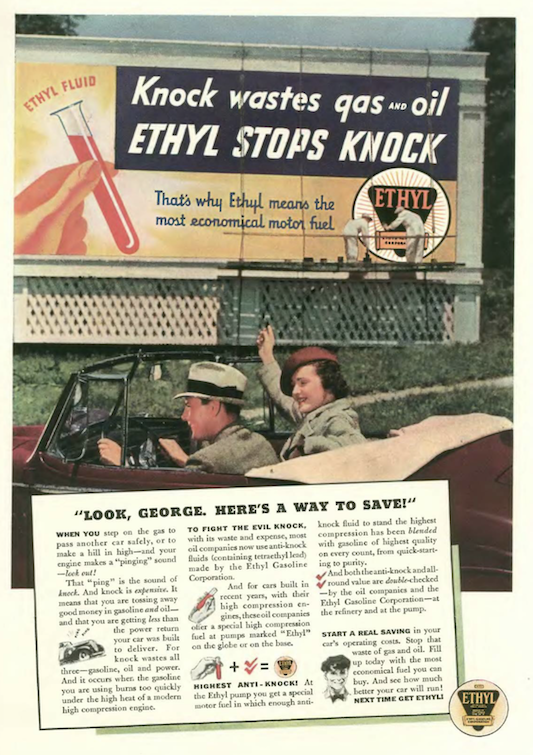
…the inside back cover featured an appeal to motorists to make the switch to leaded gasoline (during the 20th century, leaded gasoline released millions of tons of toxic lead particles into the air, soil, and water, and even today persists throughout ecosystems, including human bloodstreams)…
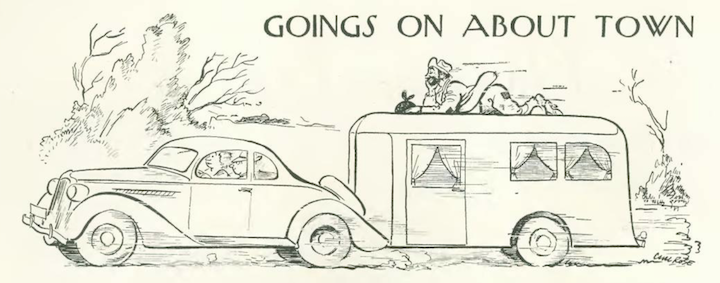
…on a cheerier note, we have a bunch of cartoons, beginning with spots by Carl Rose…
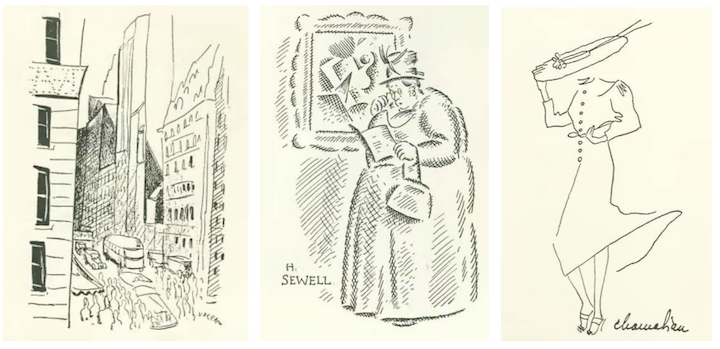
…Victor de Pauw, Helen Moore Sewell, and Alice Chamalian…
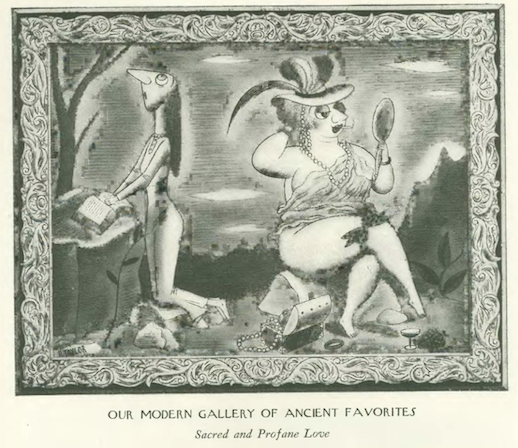
…Richard Taylor began his series of “Ancient Favorites”…
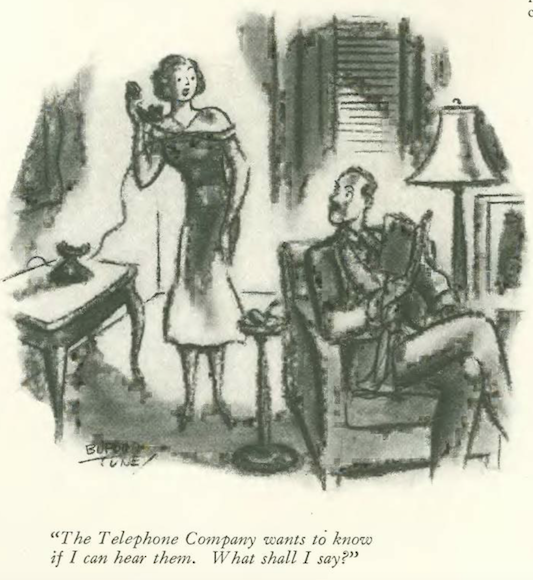
…Barney Tobey gave us a 1930s version of “can you hear me now?”…
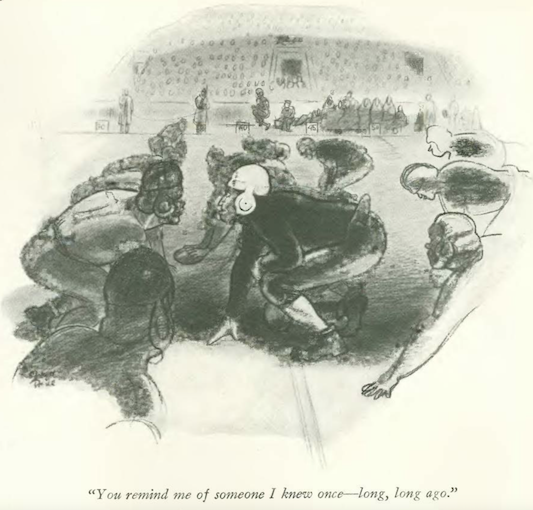
…Garrett Price recognized a face in the crowd…
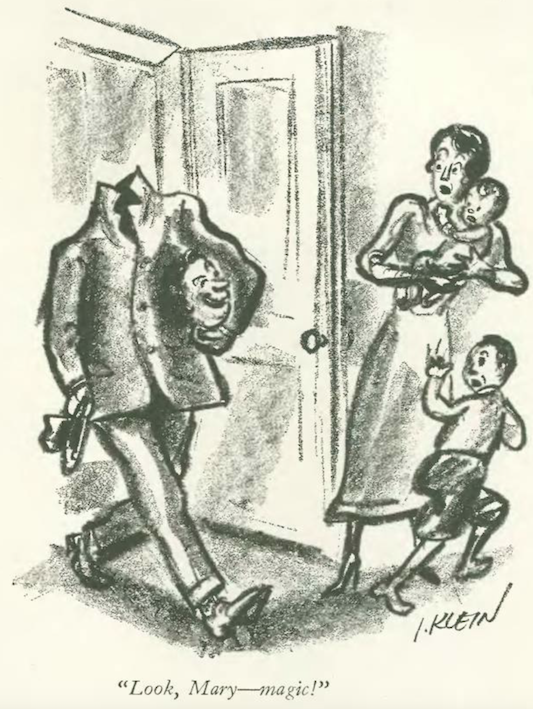
…after a long absence, Isadore “Izzy” Klein returned to The New Yorker with this contribution (in 1935 Klein (1897–1986) resumed his work as an animator for major studios including Screen Gems and Disney)…
…Barbara Shermund got creative at a department store…
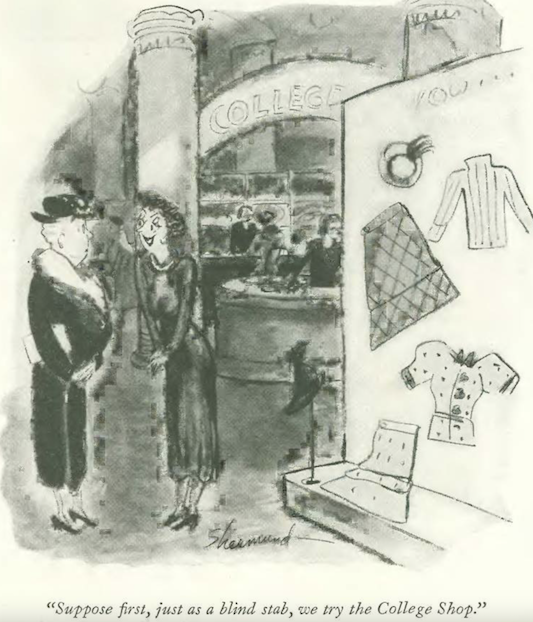
…Whitney Darrow Jr overheard some inside scoop at the theater…
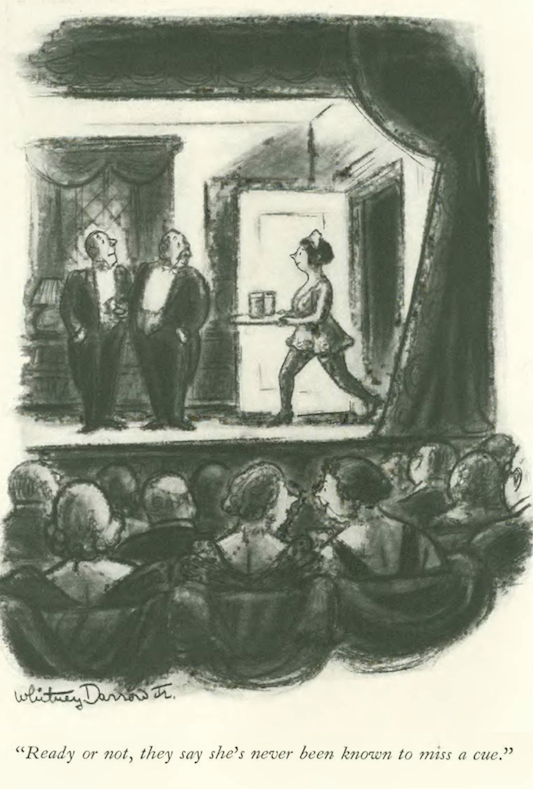
…Alain offered up some timeless advice from the advertising world…
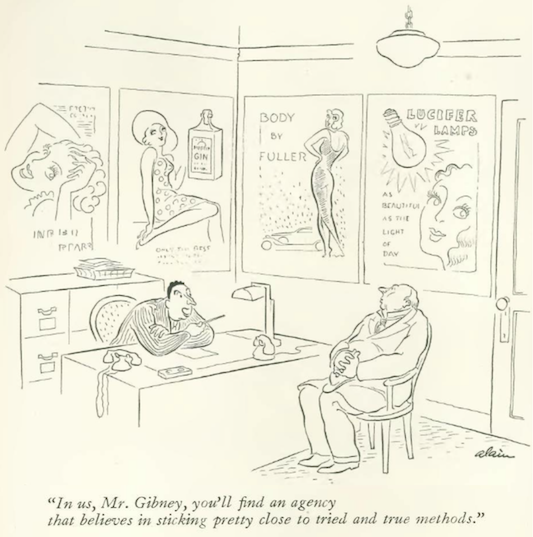
…Helen Hokinson’s “girls” steered clear of some political rhetoric…
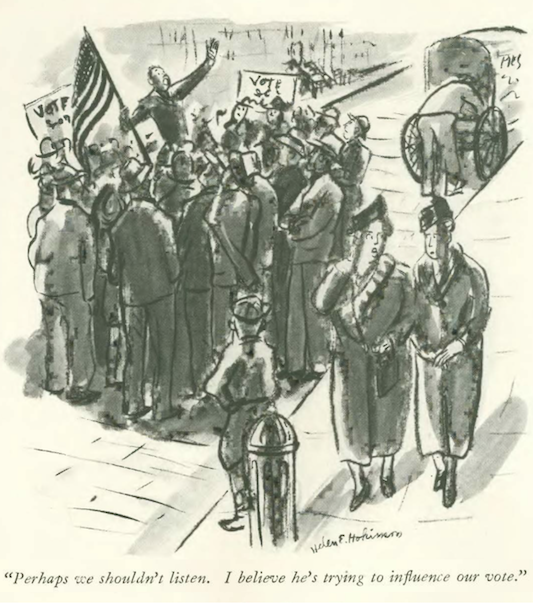
…Ned Hilton had an urgent change order…
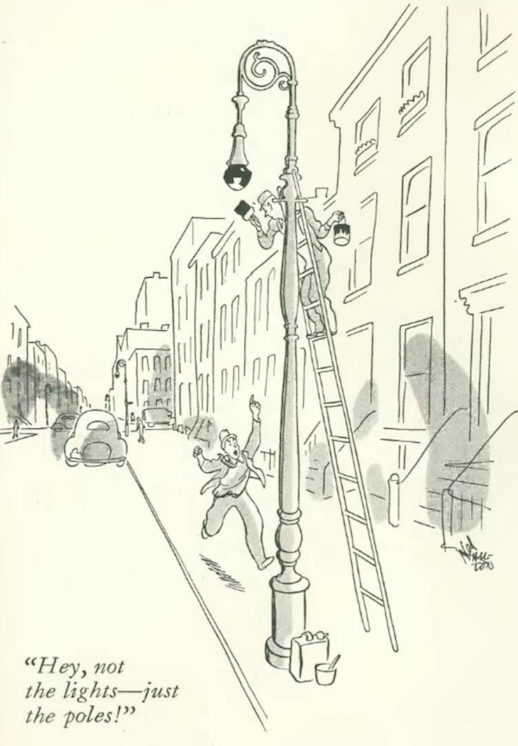
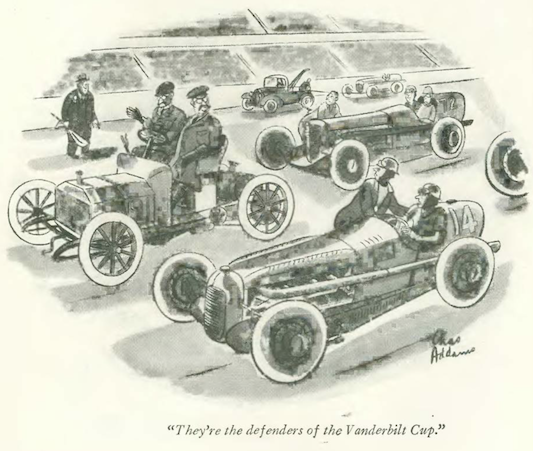
…and we close where we began, at the races, this time with Charles Addams…
Next Time: National Treasure…
 

A Flivver Farewell

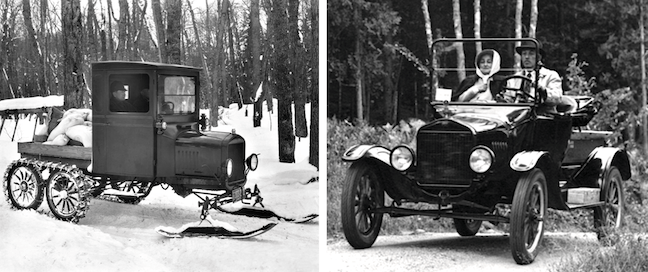
Above: Undated image (left) demonstrates the versatility of the Model T Ford. At right, E.B. White and Katharine Sergeant White take a spin in a Model T Roadster. (freep.com/whistlestoppers.com)

E.B. White often shared anachronistic views on progress, decrying everything from streamlined cars to fully-enclosed city buses that removed passengers from the open air.

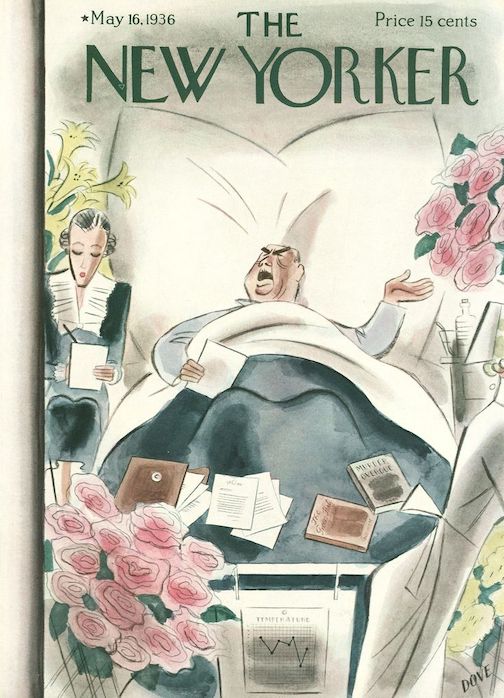
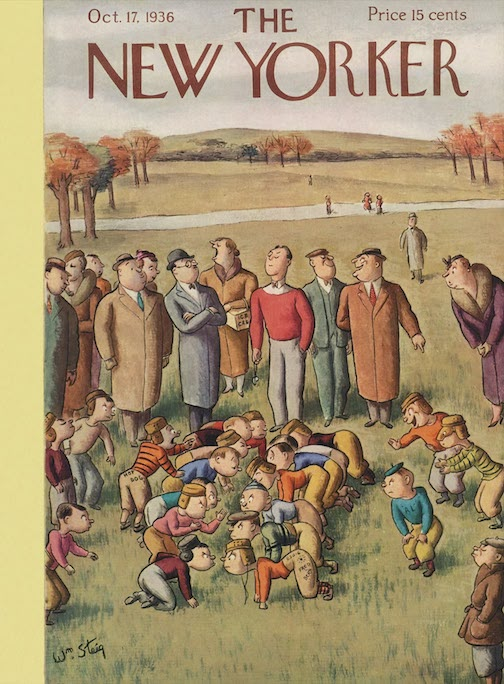
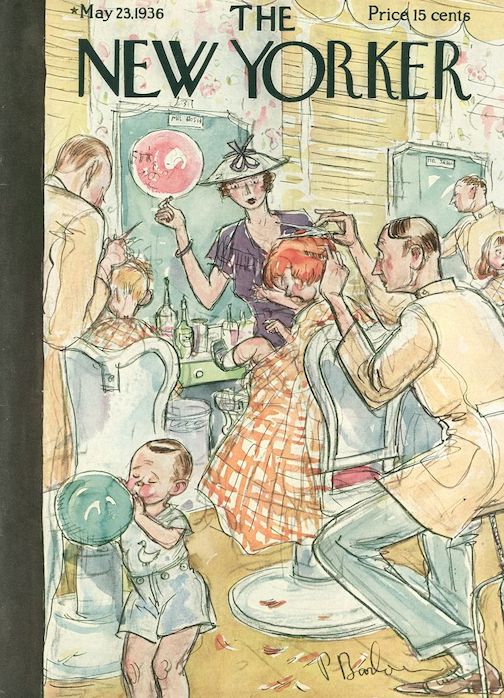
May 16, 2026 cover by Leonard Dove. Note the star next to the date. On older New Yorker magazine covers, the star was a printer’s mark indicating a split run or a specific newsstand edition.

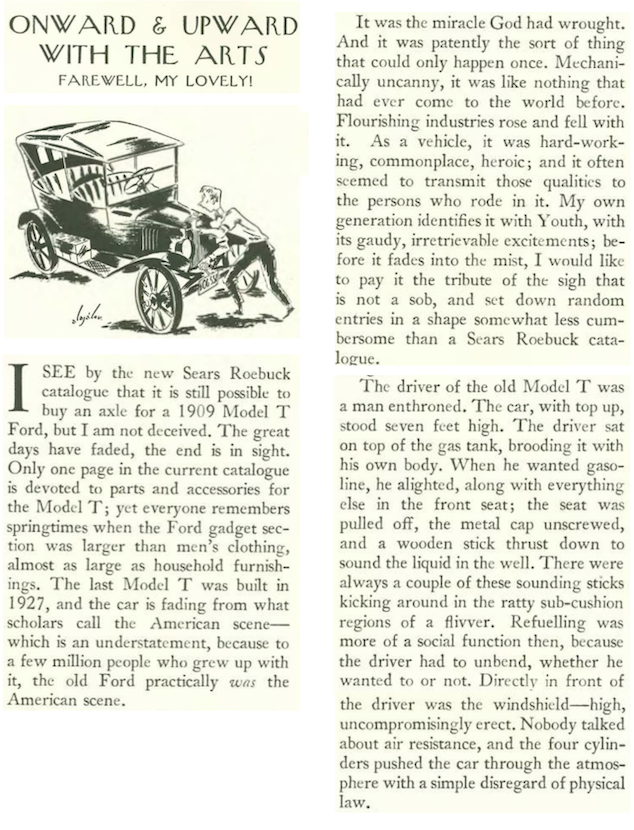
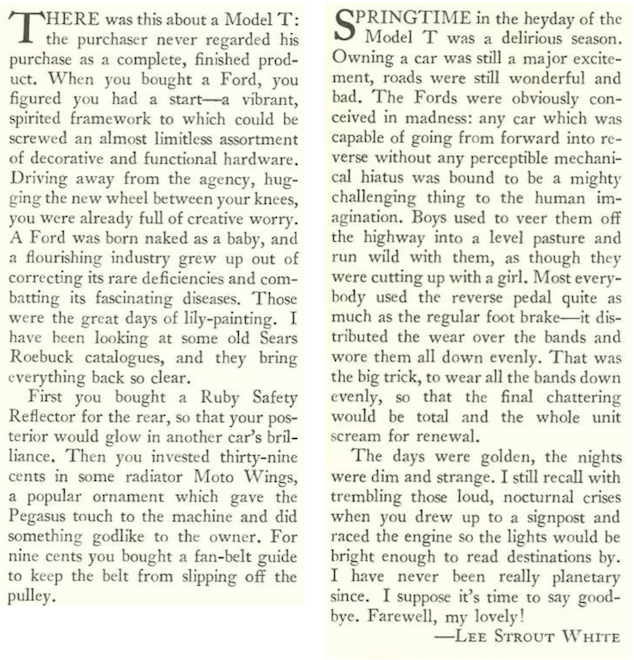
Instead, White celebrated the simplicity and mechanical quirks of earlier motor vehicles, including his beloved Ford Model T. For the May 16 issue White collaborated with journalist Richard Lee Strout on a homage to the old motorcar, “Farewell, My Lovely!” Strout’s contribution is important here, since it was he who originally submitted a manuscript to editor Harold Ross about the Model T. Either White rewrote Strout’s submission or used it as inspiration for “Farewell, My Lovely!” At any rate, that explains the blended byline, “Lee Strout White.” Here are some excerpts (spot art by Constantin Alajalov):

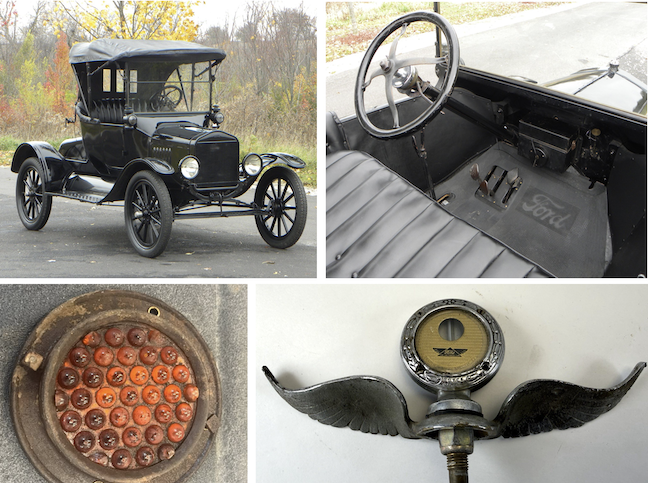
MIX AND MATCH…E.B. White’s famous Model T was a 1917 Roadster like the one pictured at top left. He purchased the car shortly after college and famously drove it across the country in 1922; at top right, the dash featured the ignition key and nothing else, however you could add such extras as radiator “Moto Wings” or a Ruby Safety Reflector. (volocars.com/ebay.com)
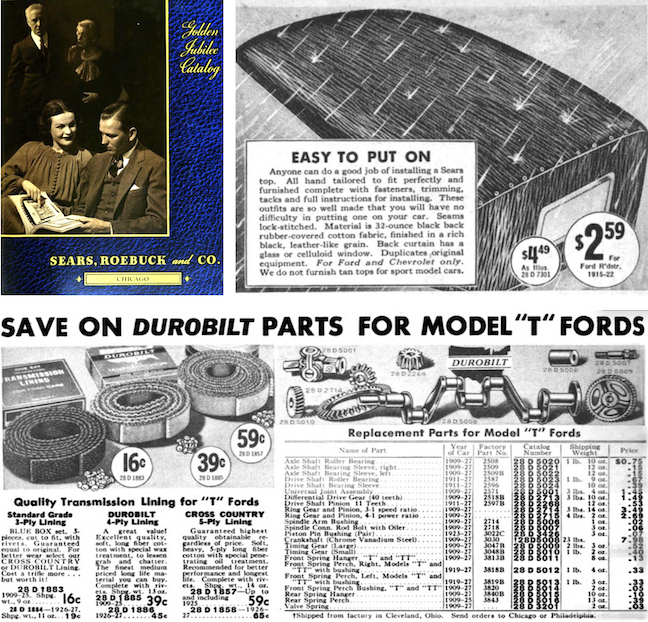
KEEPING IT HUMMING…As E.B. White noted in his opening lines, you could buy an axle as well as a number of other parts for the Model T from the Sears catalog. Clockwise, from top left: Cover of the 1936 “Golden Jubilee” catalog; replacement parts featured in the catalog included new car tops and an array of replacement parts. (archive.org/babel.hathitrust.org)

Model T owners developed all sorts of hacks to keep their Lizzies running. White wrote that “Dropping a camphor ball into the gas tank was a popular expedient; it seemed to have a tonic effect on both man and machine.” He also noted that the Ford driver “flew blind,” given that on earlier models the dashboard was bare save for an ignition key. Those cars lacked speedometers, fuel gauges, as well as gauges for engine temperature and oil pressure. “Whatever the driver learned of his motor,” White wrote, “he learned not through instruments but through sudden developments.” He concluded his piece with some thoughts on the golden days of the automobile.

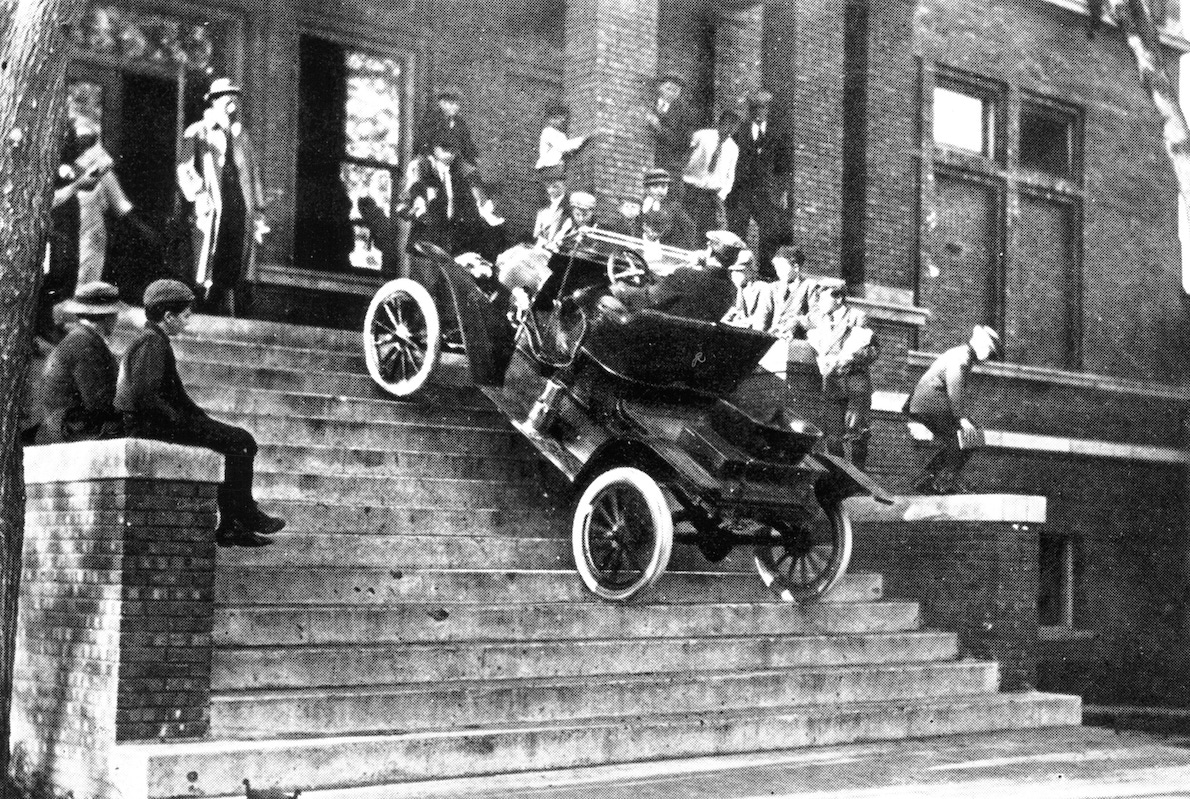
SHOWOFF…The Model T’s unique transmission and gravity-fed fuel system were key to the rugged car’s many stunts. In scaling Scotland’s Ben Nevis mountain, the driver often had to go backwards up inclines to maintain fuel flow. Above is a photo of a Model T climbing the stairs of the Tennessee State Capitol in 1911. (media.lincoln.com)

 * * *

Total Recall

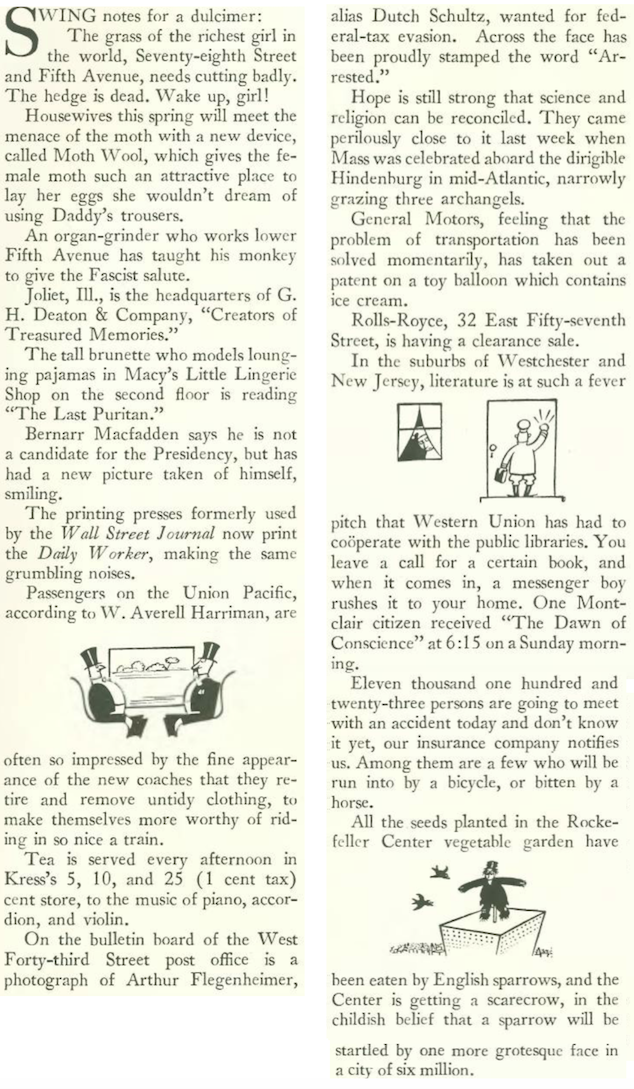
E.B. White also filed a lengthy “Notes and Comment” comprised entirely of brief dispatches from around the country:

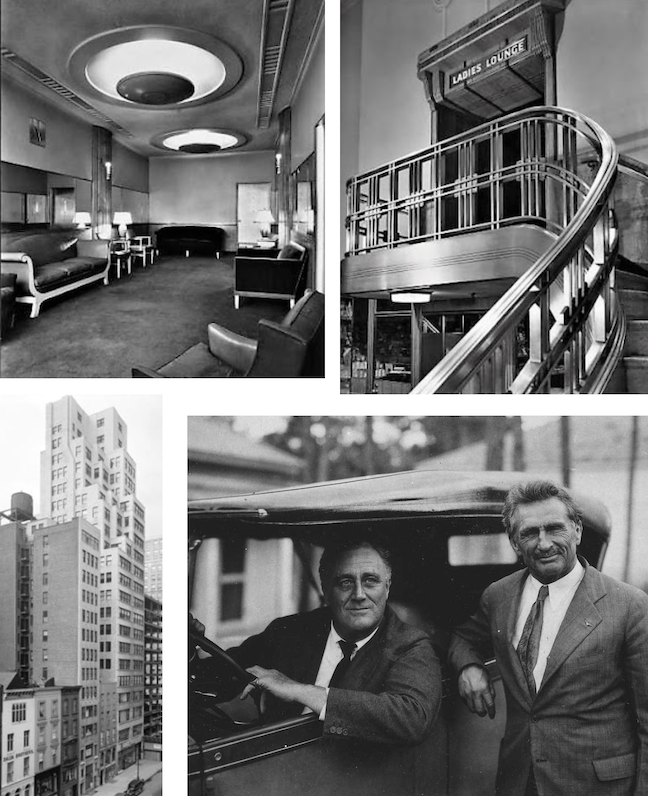
CIVILIZED SHOPPING…Tea time was observed every afternoon at Kress’s department store—images above are of the store’s ladies lounge; body builder and fitness magazine publisher Benarr Macfadden (seen here with President Franklin Roosevelt circa mid-1930s) said he had no plans to run for president; bottom left, a sale was in progress at the Rolls-Royce building on East 57th. (nypl.org/public domain/mcny.org)

Here are the rest of White’s notes on the passing scene:

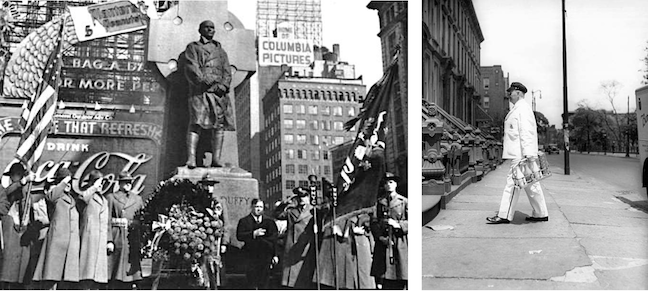
LIMITATION OF STATUES…At left, Mayor Fiorello LaGuardia presides over the dedication ceremonies of a Times Square statue honoring Father Francis Patrick Duffy, May 2, 1937—apparently some folks were opposed to a statue honoring the most decorated chaplain in Army history; at right, a Borden’s milkman making a delivery in New York City, 1936. (facebook.com/photo army.mil)

 * * *

Not Playing in Peoria

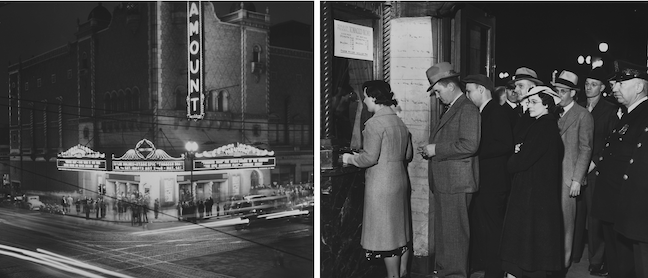
Jack Kirkland’s play Tobacco Road, based on the 1932 novel by Erskine Caldwell, was one of the longest-running plays in theater history, with 3,182 performances from 1933 to 1941. Although banned in major cities such as Chicago and Detroit for being sensational and immoral (and panned by critics), it nevertheless saw huge success on Broadway and with its touring company. “The Talk of the Town” checked the status of the play at the Forrest Theatre, where it had exceeded the millionth ticket mark.

WORD GETS AROUND…Folks queue up in 1937 to see Tobacco Road at Omaha’s Paramount Theater. Despite being banned in many cities, the play ran until 1941. (Wikipedia)

 * * *

At the Movies

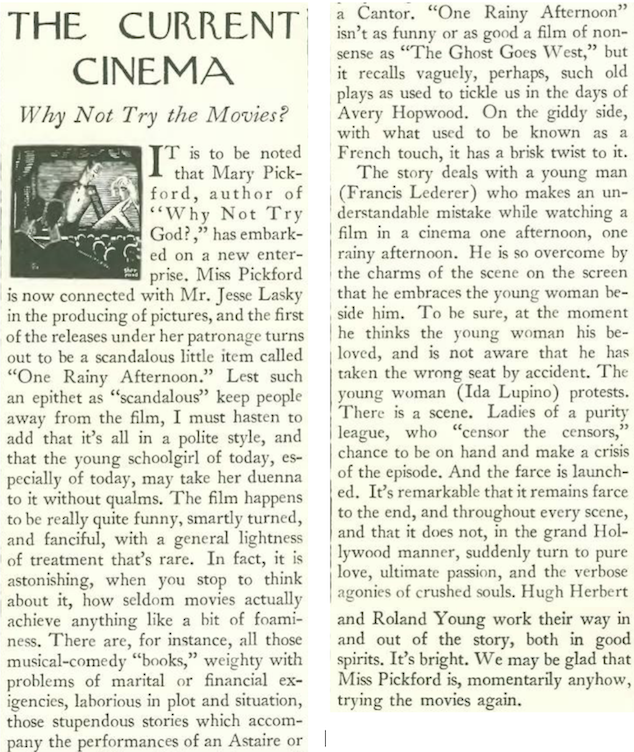
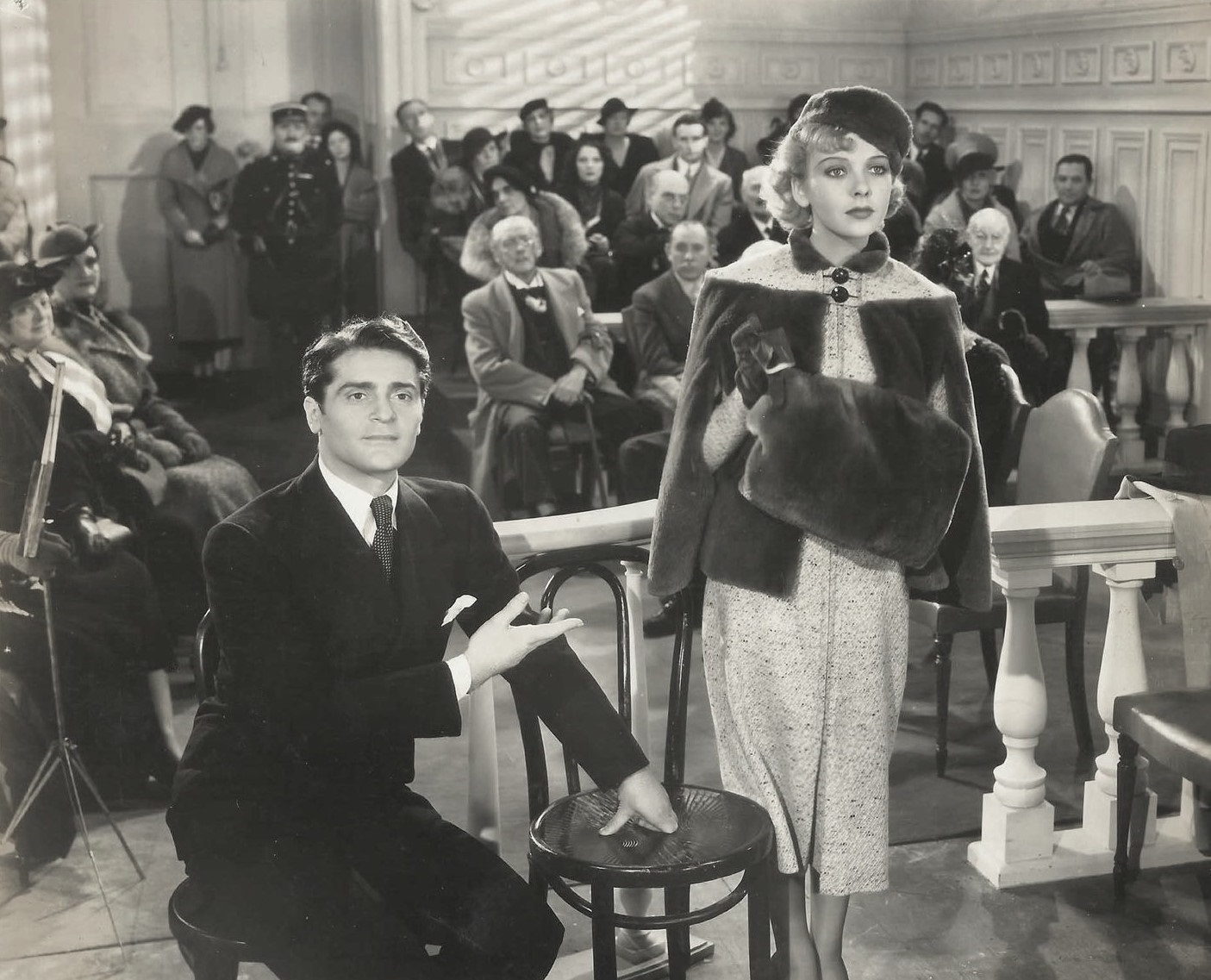
One Rainy Afternoon was the first of a small number of films from United Artists produced by its vice-president, Mary Pickford, through her Pickford-Lasky production company. In his opening lines critic John Mosher alluded to Pickford’s popular 1934 essay, Why Not Try God? 

HONEST MISTAKE…Francis Lederer played a debonair actor who accidentally kisses young socialite Ida Lupino in a darkened theatre in One Rainy Afternoon. Hilarity and romance follow. Lederer (1899–2000) would enjoy a successful stage, film and television career while becoming wealthy as an L.A. real estate investor. Lupino (1918–1995) was an actress, director, writer, and producer, appearing in 59 films and directing eight. She is regarded as the most prominent woman filmmaker working during the Hollywood studio system of the 1950s. (Wikipedia)

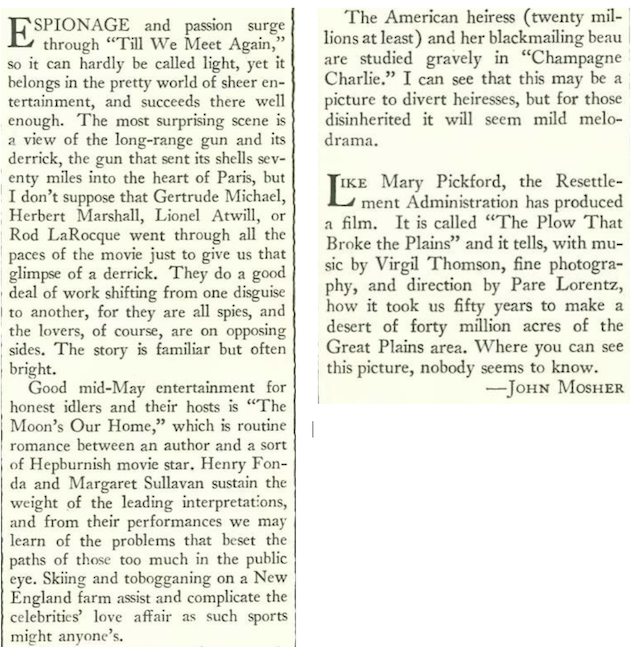
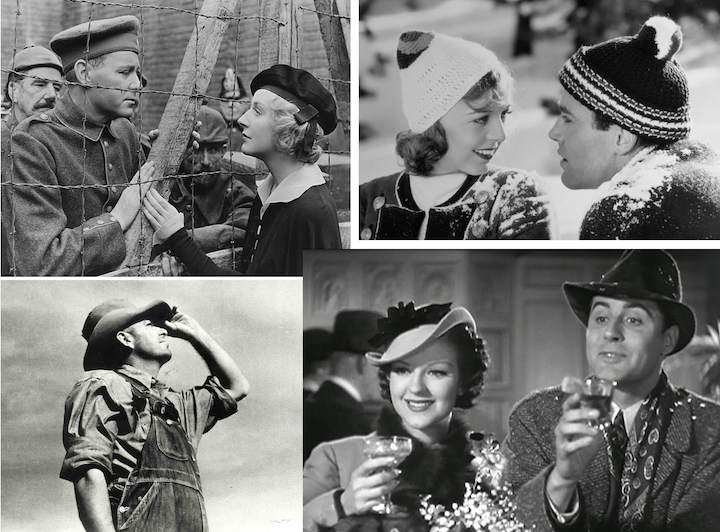
Mosher also reviewed some “Good mid-May entertainment for honest idlers” and a documentary about the Dust Bowl.

MAY DIVERSIONS…Clockwise, from top left: Herbert Marshall and Gertrude Michael in Till We Meet Again; Margaret Sullavan and Henry Fonda in The Moon’s Our Home; Thomas Beck and Helen Wood in Champagne Charlie; a farmer looks to the sky in the Dust Bowl documentary The Plow That Broke the Plains. (csfd.cz,pinterest.com/imdb.com)

 * * *

From Our Advertisers

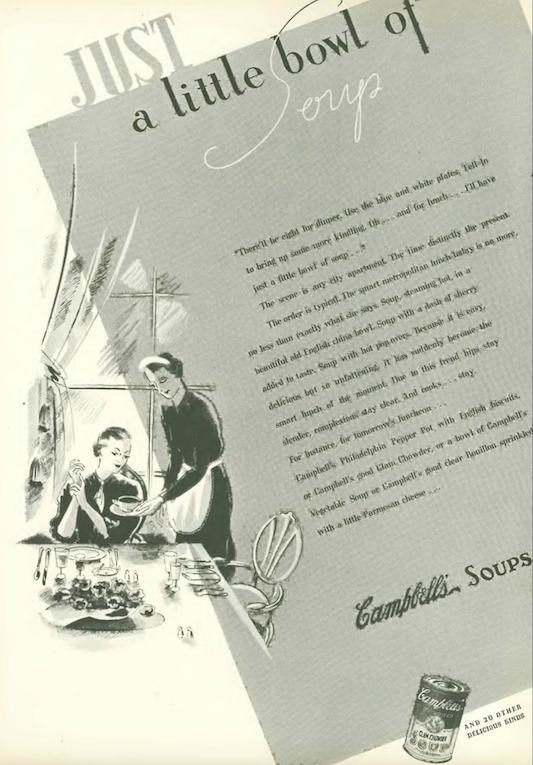
The makers of Campbell’s soups continued to market their product as an upscale starter for dinner…or perhaps a time-saver for the cook, Madam none the wiser…

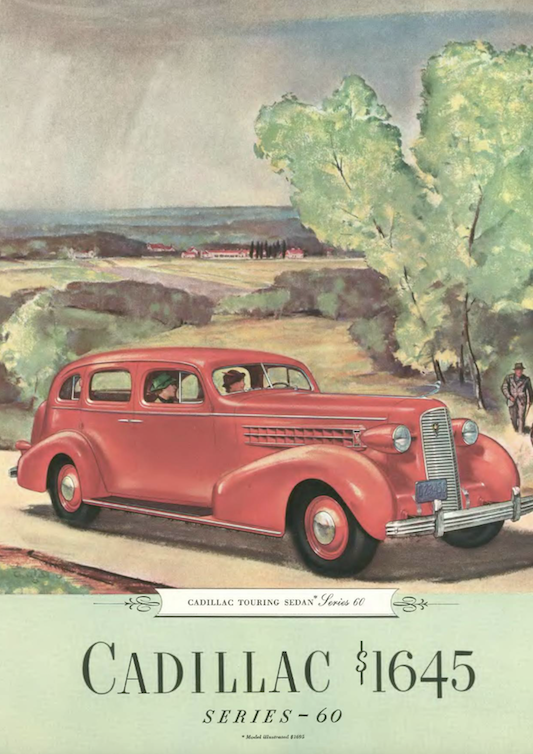
…Cadillac continued to entice buyers with bucolic scenes dominated by their luxury sedans…the price isn’t outrageous, roughly equivalent to $40K today…

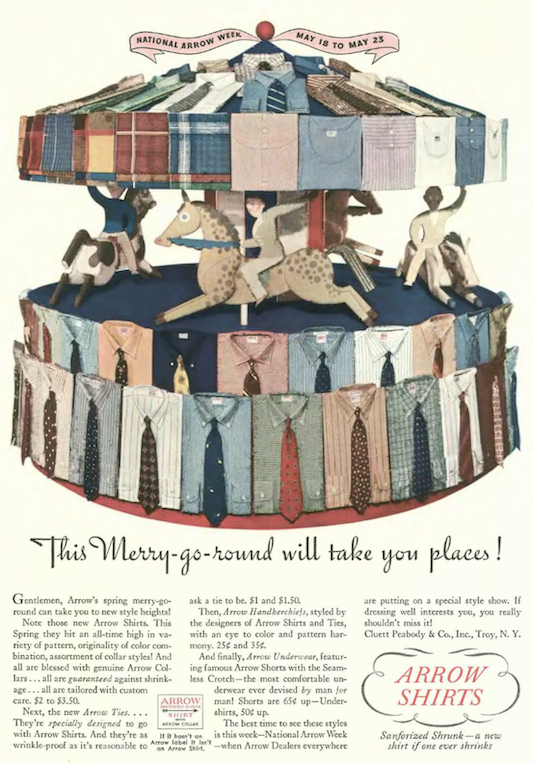
…we experience much of 1930s history in black and white, but according to this ad things were quite colorful…

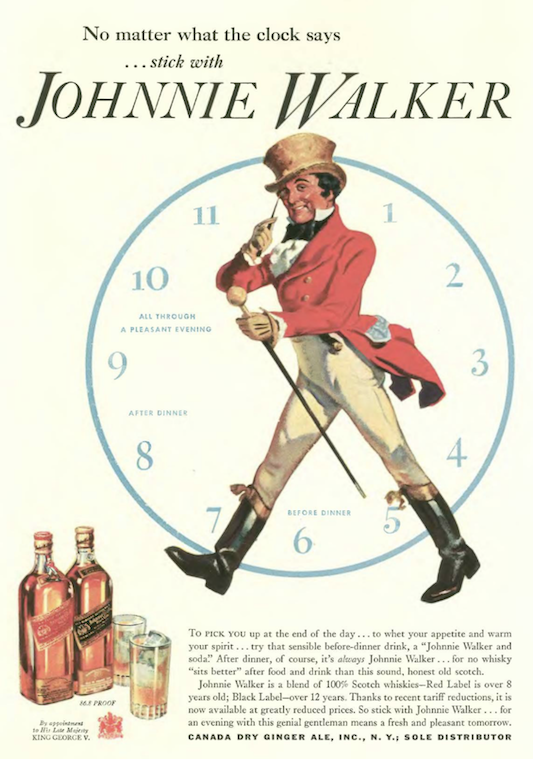
…now a couple of ads with an eye on the clock…here we have a suggestion that Johnnie Walker can be enjoyed before dinner and up to bedtime…

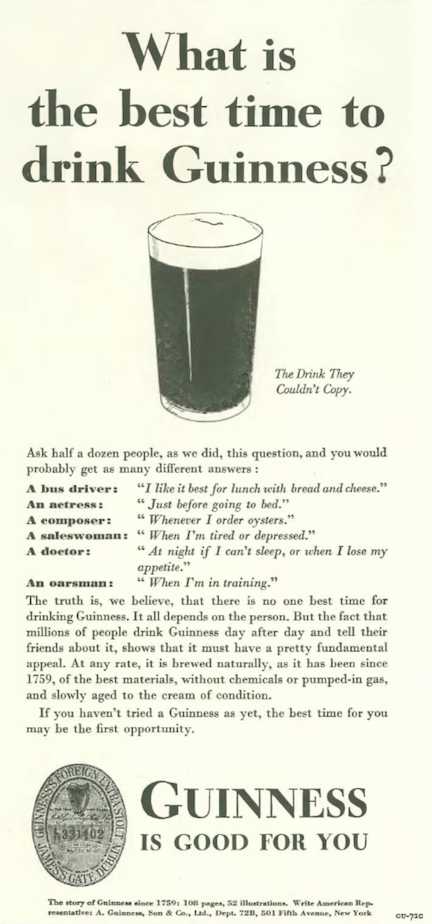
…the brewers of Guinness suggested their tipple was suitable for lunchtime, before bed, or when one is “tired or depressed”…

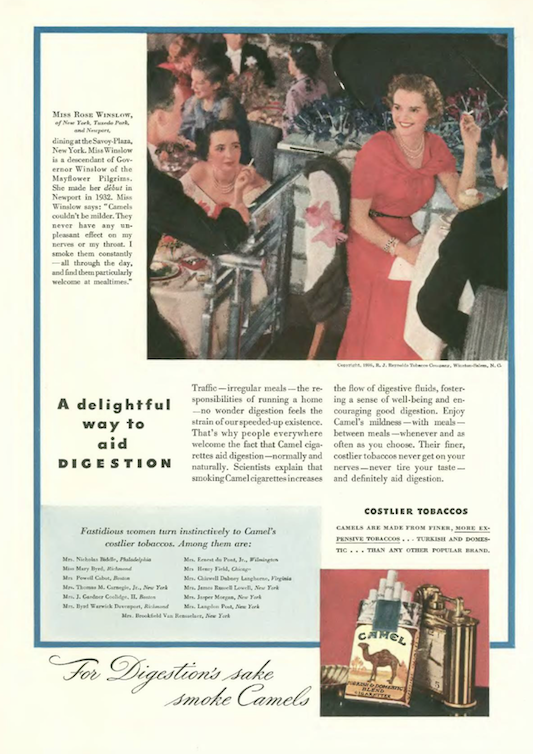
…as we already know, R.J. Reynolds encouraged folks to smoke from morning to night, with the added benefit of improved digestion…

…on to our cartoonists, we begin with a spot by Abe Birnbaum…

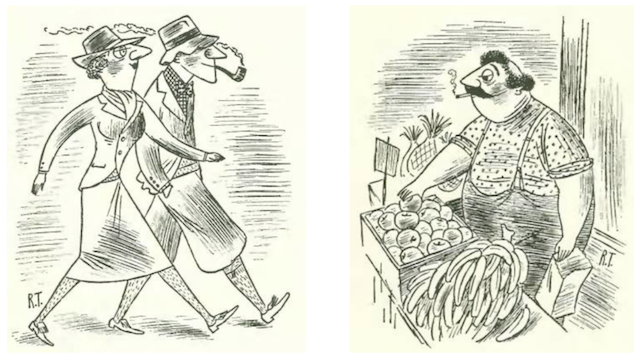
…and spots from frequent contributors Richard Taylor…

…and Christina Malman…

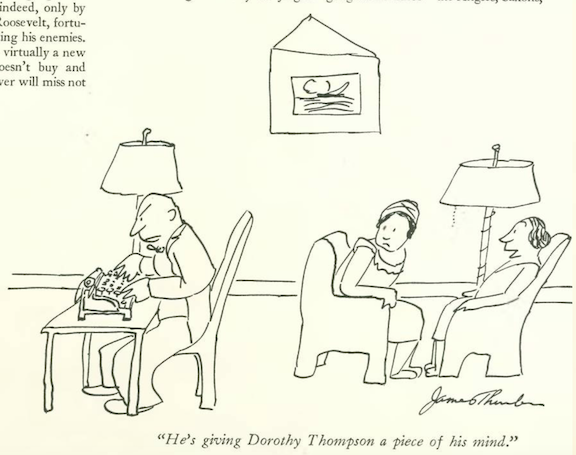
…and a spot drawing on the opening pages by James Thurber…

…who also contributed this cartoon to the issue…

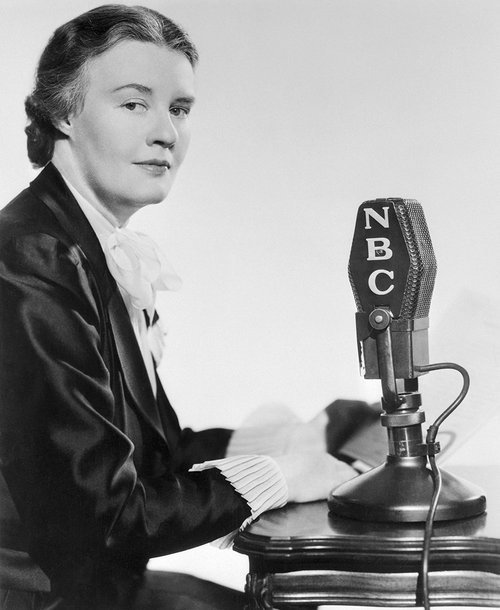
…Thurber’s caption refers to journalist and radio broadcaster Dorothy Thompson. One of the few women radio news commentators of the 1930s, she was the first American journalist to be expelled from Nazi Germany in 1934. In 1936 Thompson launched her “On the Record” column, syndicated nationwide by the New York Herald Tribune…

Dorothy Thompson in 1937. (Wikipedia)

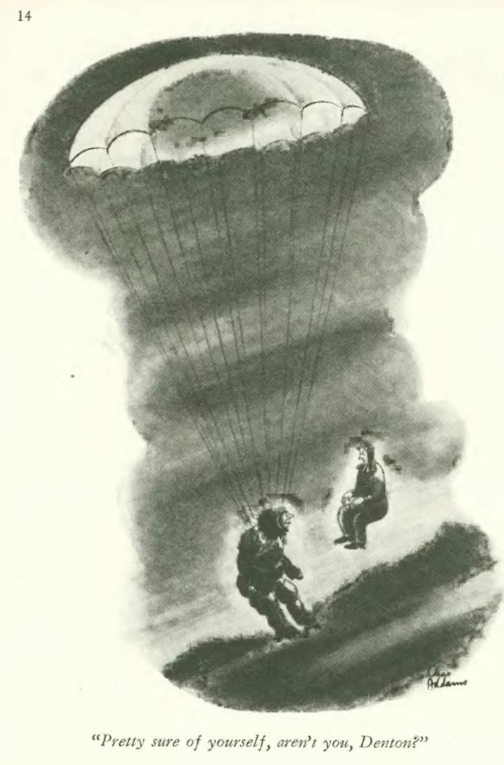
…we continue our cartoons with Charles Addams (apologies for the quality) floating to earth…

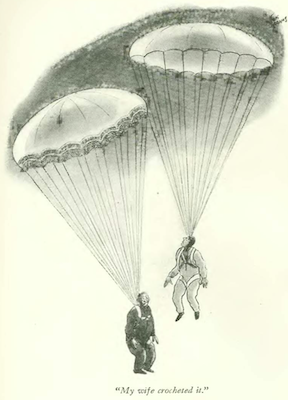
…which recalled another Addams cartoon from the Aug 3, 1935 issue (caption reads “My wife crocheted it.”)…

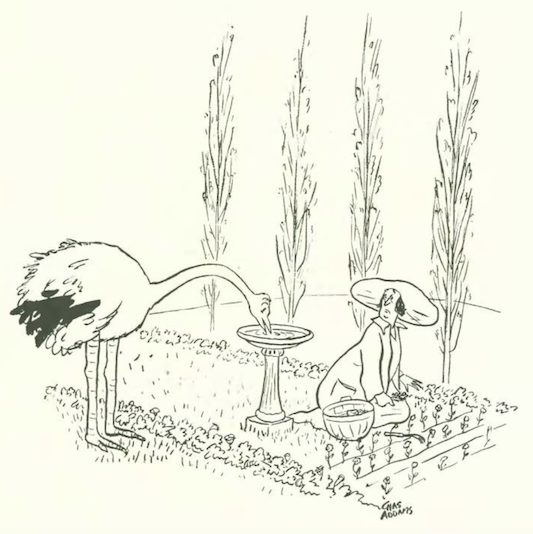
…and Addams again, this time down to earth…

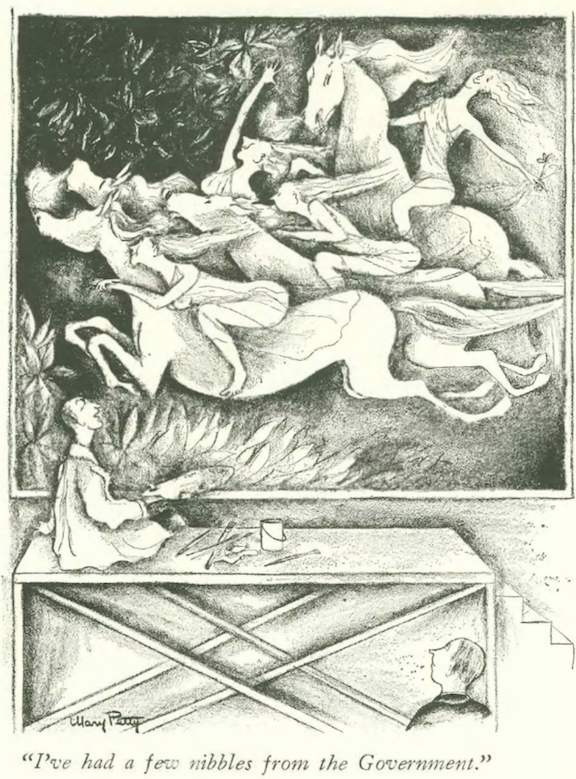
…Mary Petty looked in on the art world…

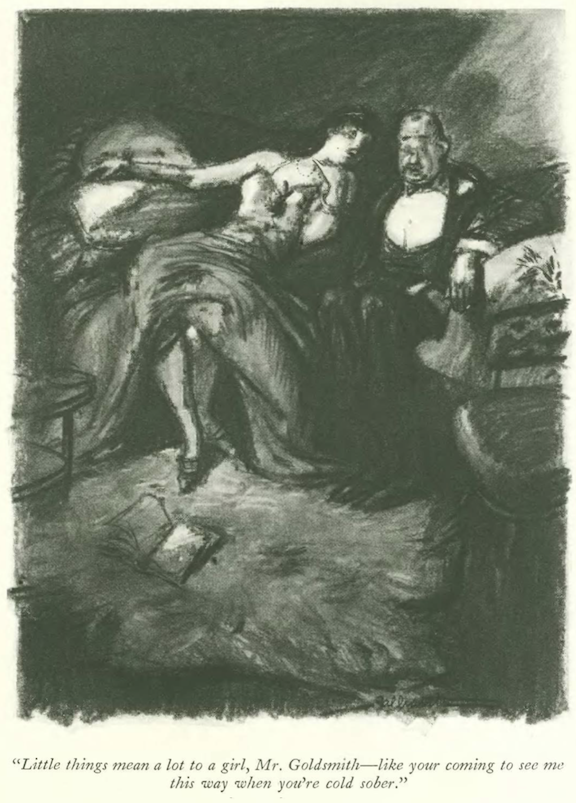
…William Crawford Galbraith continued to explore lives and loves of sugar daddies…

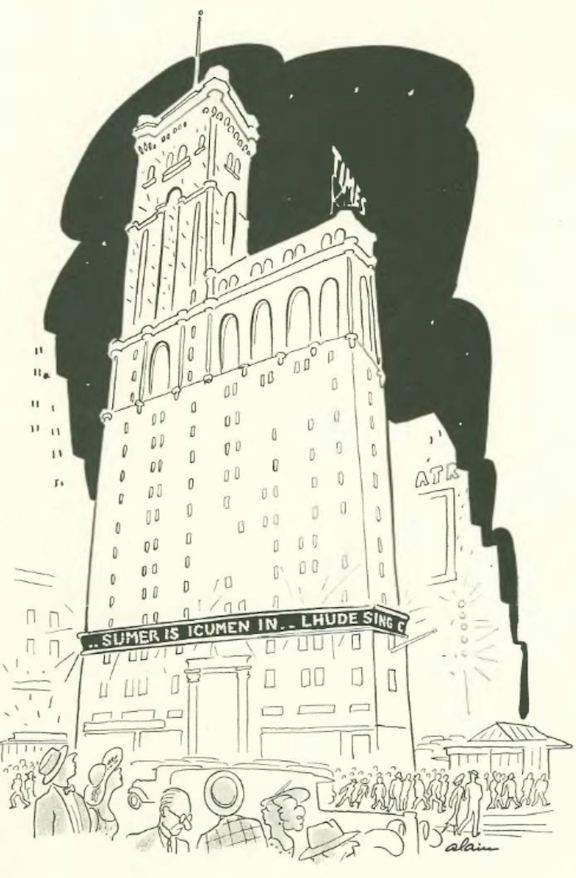
…Alain had folks deciphering the news crawler at Times Square…
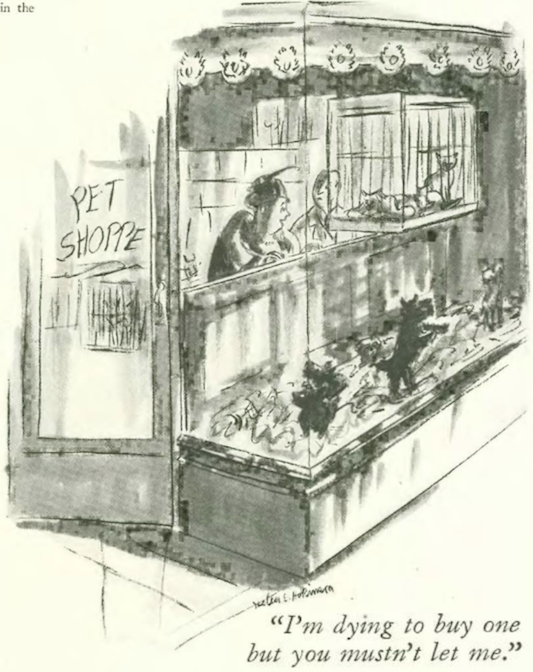
…Helen Hokinson avoided temptation at the pet shop…
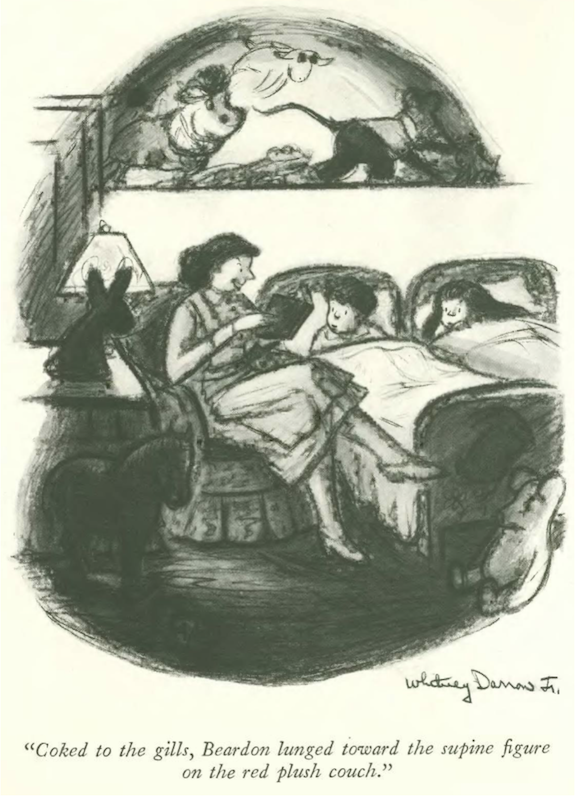
…and we close with Whitney Darrow Jr, and a bedtime story that would keep the sandman at bay…

Next Time: Vast Horizons…