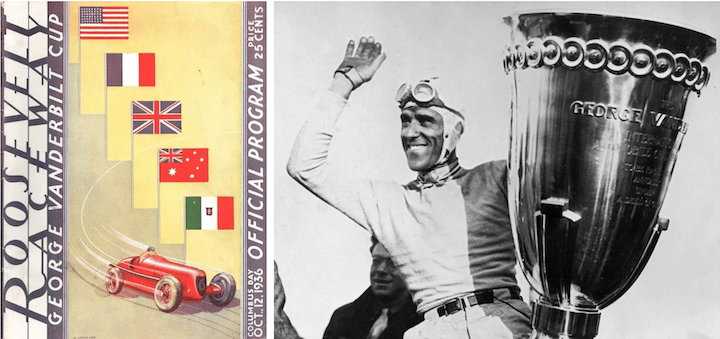
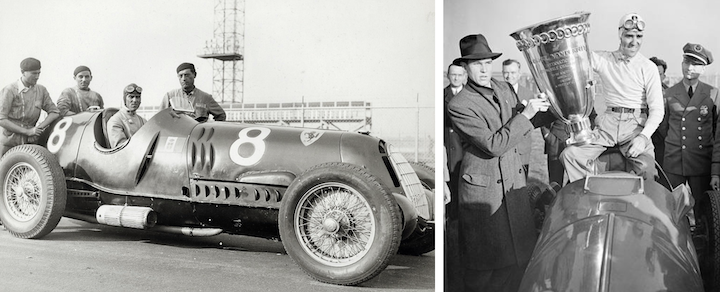
Above: 1936 Vanderbilt Cup program cover and the winner of the race, Italy's Tazio Nuvolari. (Wikipedia)
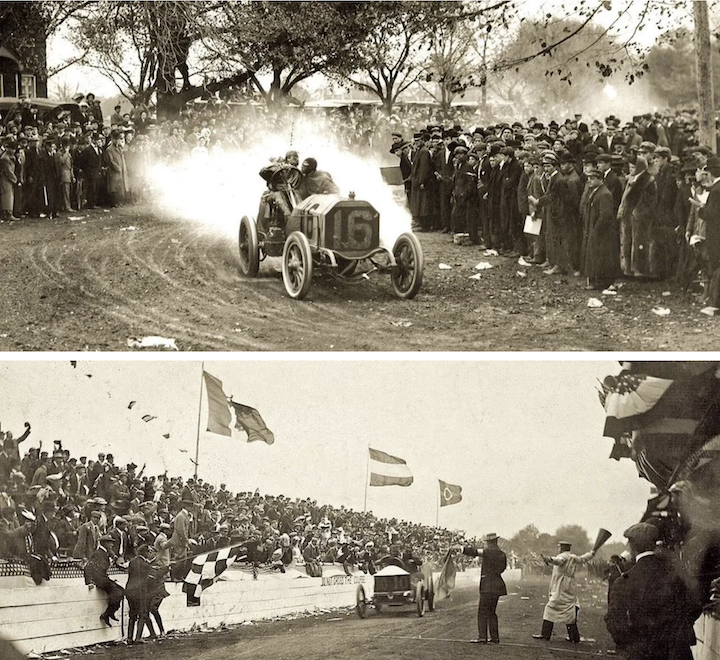
When William K. Vanderbilt II founded the Vanderbilt Cup Race in 1904, Long Island’s Nassau County was mostly farmland, its North Shore dotted with the luxurious country estates of wealthy New Yorkers. The Vanderbilt Cup would help crack open the door to the eventual suburbanization of Long Island, now home to more than eight million people.
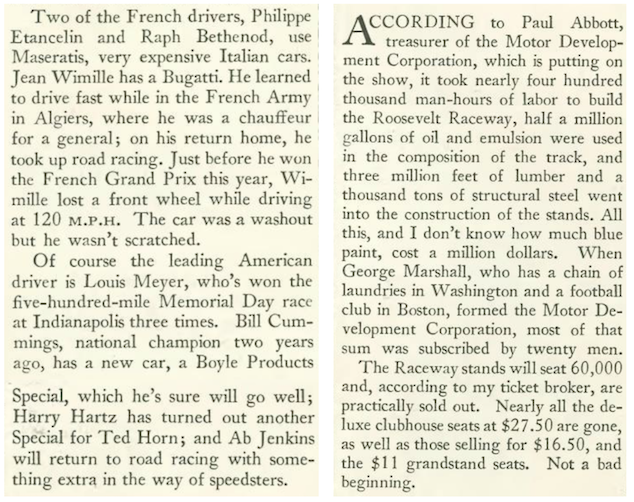
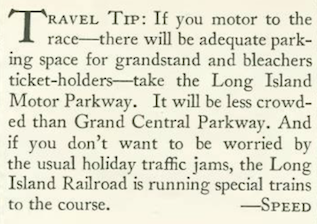
The race was cancelled after just three years—a spectator was killed in 1906— but it was revived in 1908 with the opening of the Long Island Motor Parkway. That nine-mile (14.4 km) private toll road, combined with fourteen miles (22.5 km) of public dirt roads, served as the Vanderbilt Cup course until the race was suspended in 1916 with the U.S. entry into World War I. The race would not be revived until Oct. 12, 1936, when the new Roosevelt Raceway opened in Westbury, welcoming 50,000 spectators. New Yorker correspondent G.F.T. Ryall (aka “Speed”) looked forward to the big race:
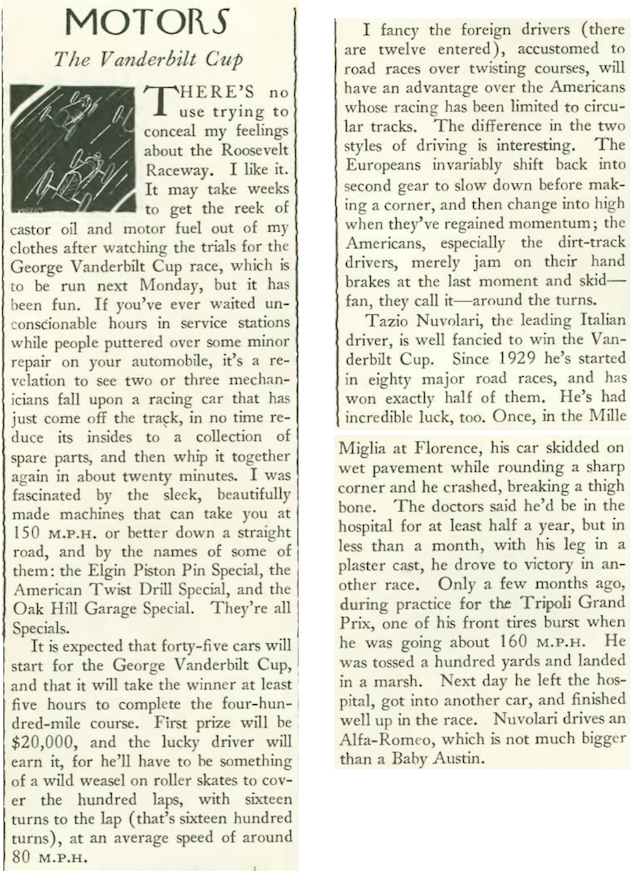
The 1936 race was revived by William K’s nephew George Washington Vanderbilt III, NFL founder George Preston Marshall, and famed World War I flying ace Eddie Rickenbacker. The three hundred-mile (482.8 km) race, featuring seventy-five laps on a twisting, four-mile (6.4. km) circuit, was won by Italy’s Tazio Nuvolari driving a twelve-cylinder Alfa Romeo. The best American driver, William Cummings, finished almost twenty-five minutes behind Nuvolari.
Ryall noted that the leading American driver was Louis Meyer, but Meyer would not compete due to a crash on a practice run. Also noted was the labor and materials involved in the construction of Roosevelt Raceway, where the winning average speed (65.998 mph or 106.2 km/h), was nearly the same as the 1908 race. This lack of speed was later mocked by spectators and the press, who criticized the many twisty hair-pin turns on the course.
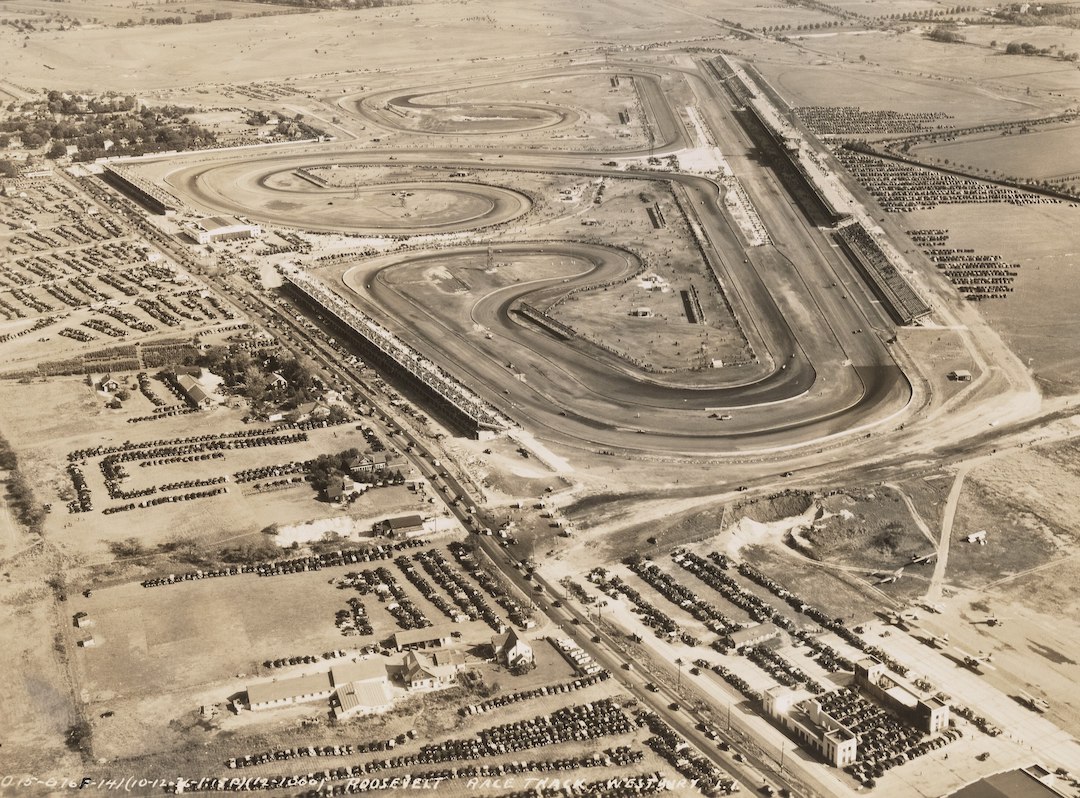
The revived race lasted only two years, both won by Europeans. Check out the website Vanderbilt Cup Races for more photos and information on the race. This final note by Ryall suggested that travelers use the Long Island Motor Parkway to get to the race—the very same road that was originally constructed for the 1908 race.
* * *
A Gentler Pastime
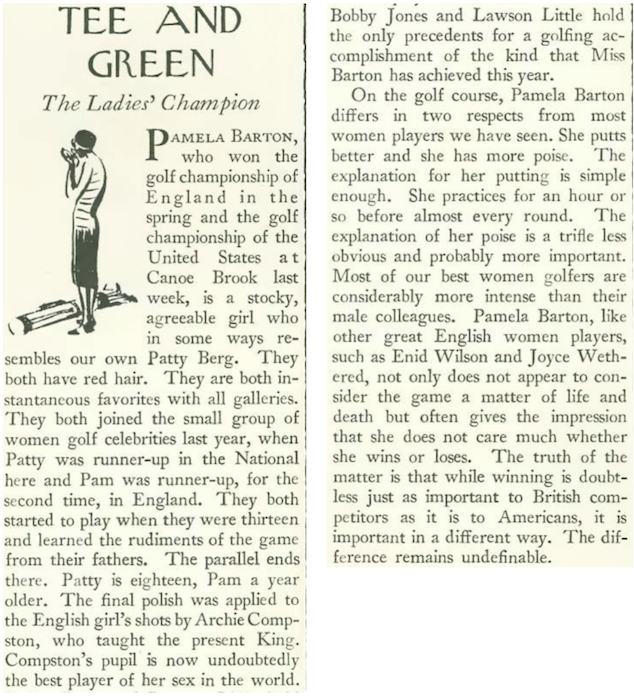
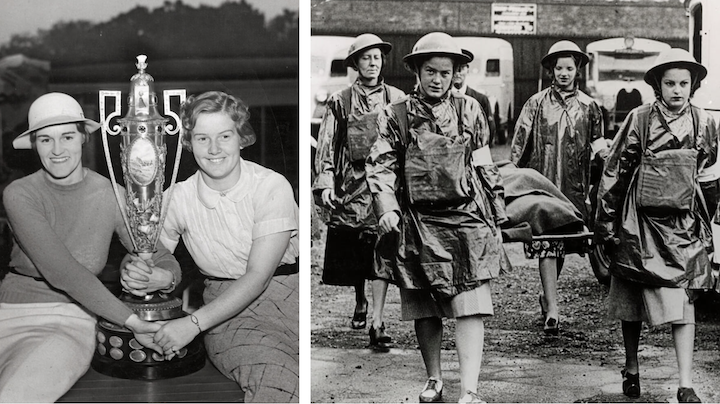
Noel F. Busch reported from the 1936 U.S. Women’s Amateur Championship, where the young British golfer Pamela Barton won her second major tournament of the year.
* * *
At the Movies
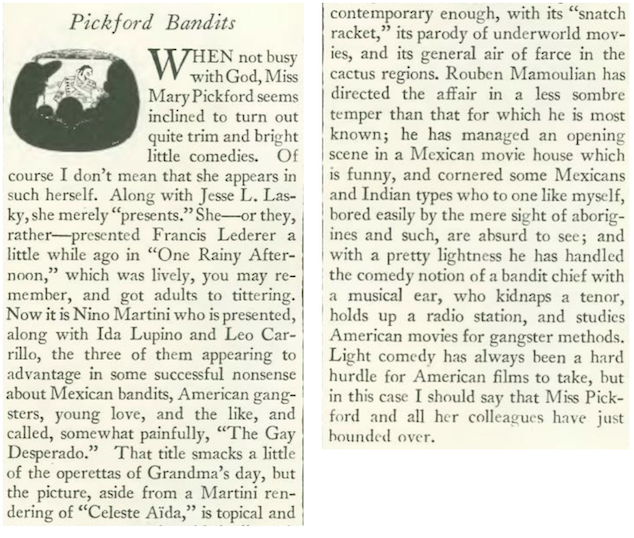
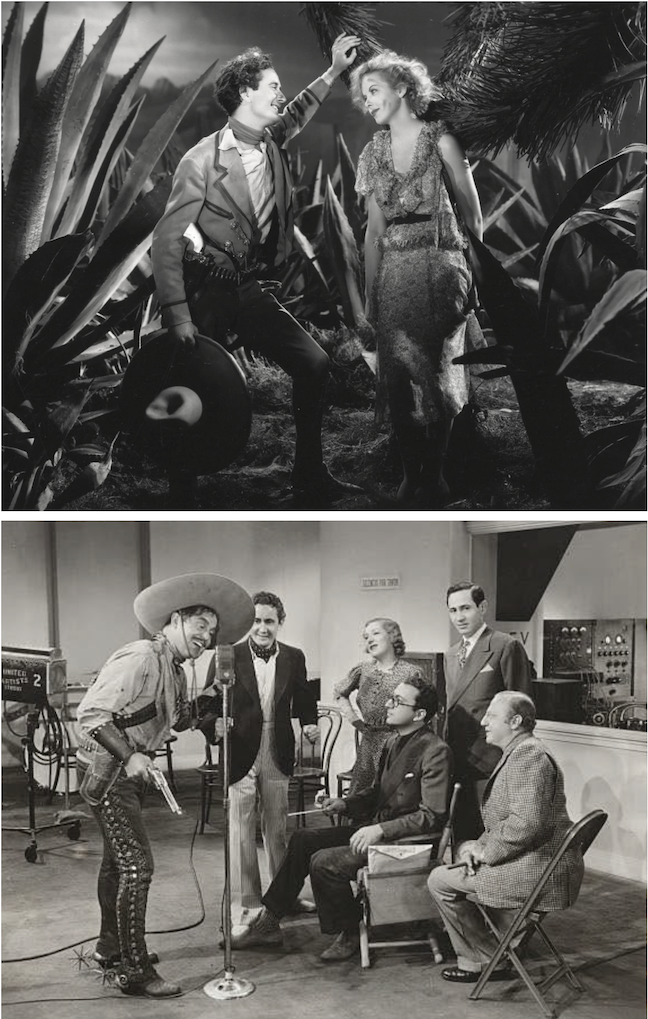
Italian tenor Nino Martini took top billing in the second film produced by Mary Pickford and Jesse Lasky for United Artists, the musical comedy The Gay Desperado. Critic John Mosher gave a thumbs up to this spoof of the gangster genre.
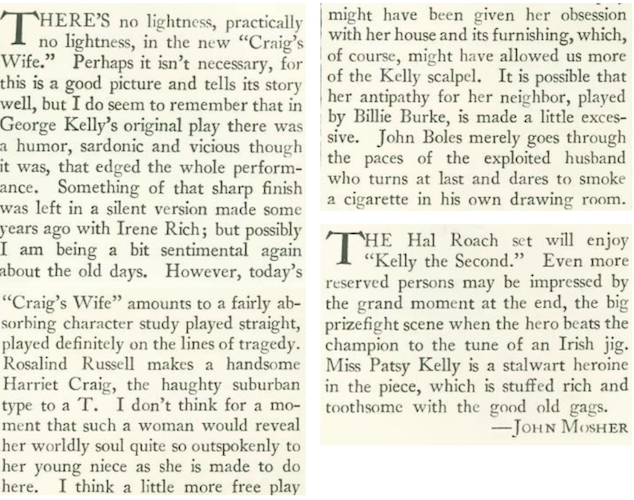
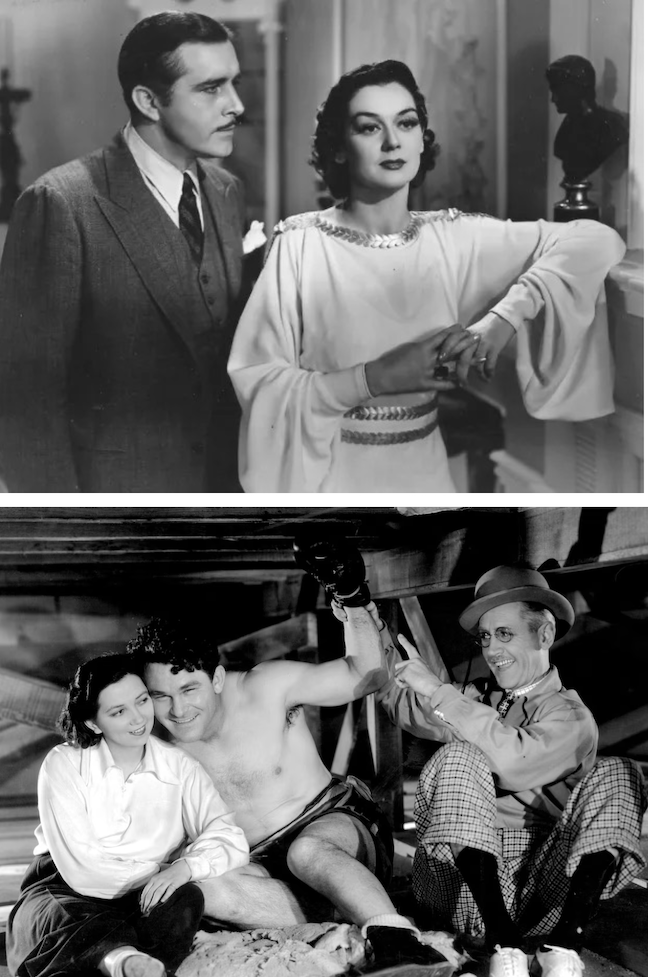
Not so light was Craig’s Wife, starring Rosalind Russell as a domineering woman who drives everyone from her life, including her husband. Mosher found some relief in the “toothsome” comedy Kelly the Second.
* * *
Whining for Winesburg
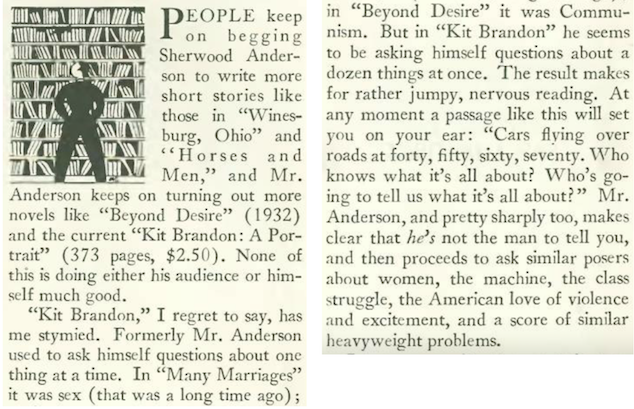
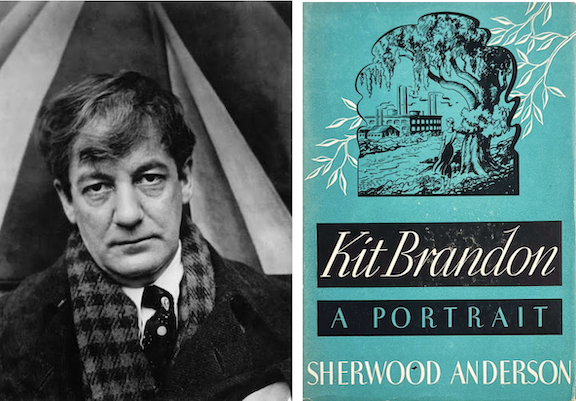
Book critic Clifton Fadiman found himself “stymied” by Sherwood Anderson’s latest novel, Kit Brandon: A Portrait, in which the author seemed “to be asking himself questions about a dozen things at once.”
* * *
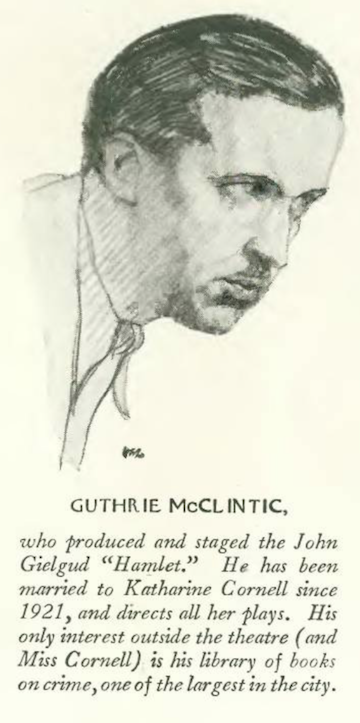
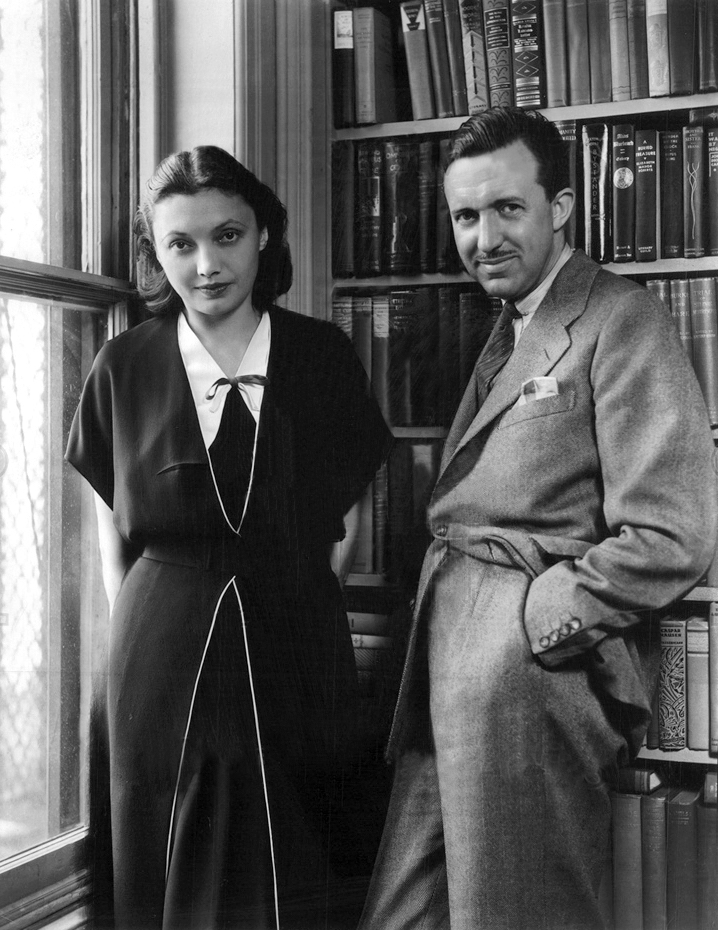
The calendar pages continued to feature mini-bios of celebrities, this week theater producer and director Guthrie McClintic…
* * *
From Our Advertisers
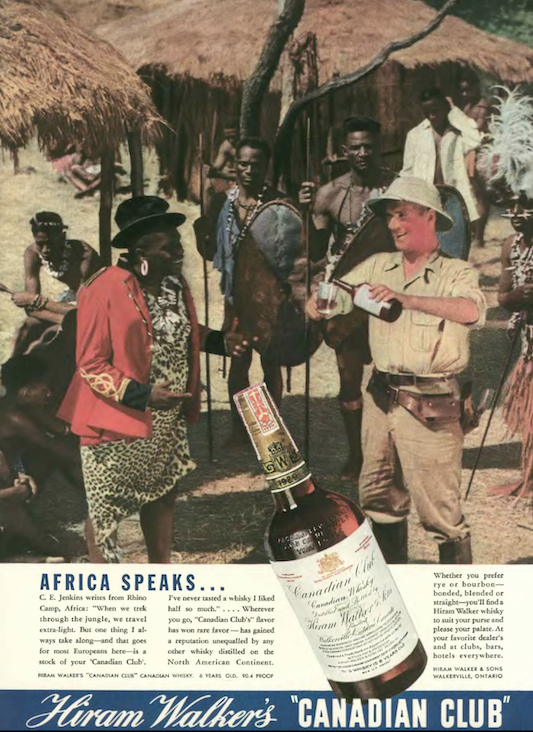
We begin with this antediluvian image from Hiram Walker, which greeted readers on the inside front cover…the ad was part of series showcasing the consumption of Canadian Club around the world…
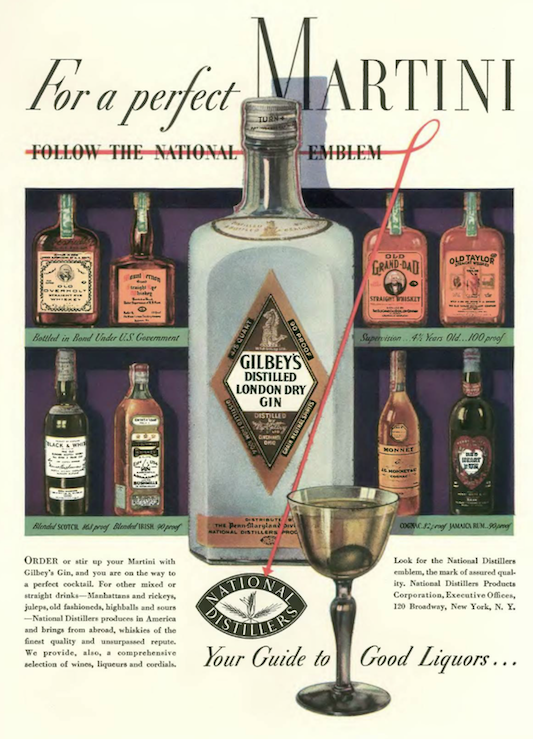
…National Distillers lined up their domestic and imported brands to promote a “perfect martini”…
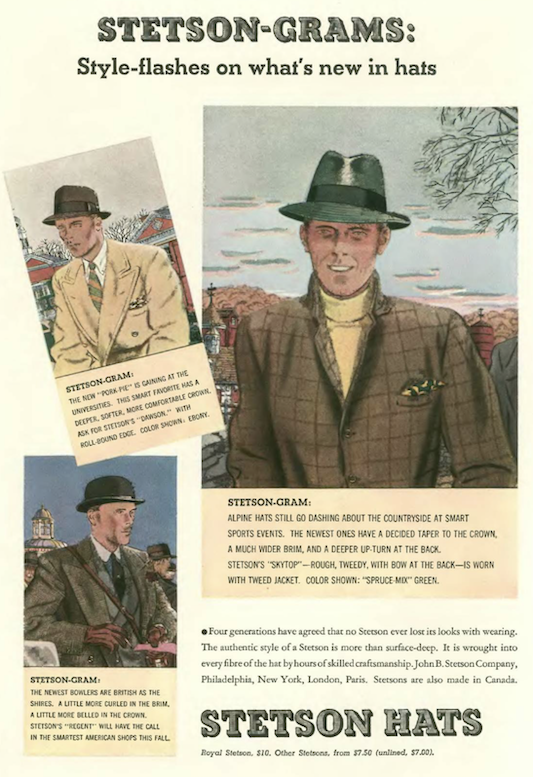
…and we have more stylish lids from Stetson, which included a “new pork-pie” that was apparently popular among university students…
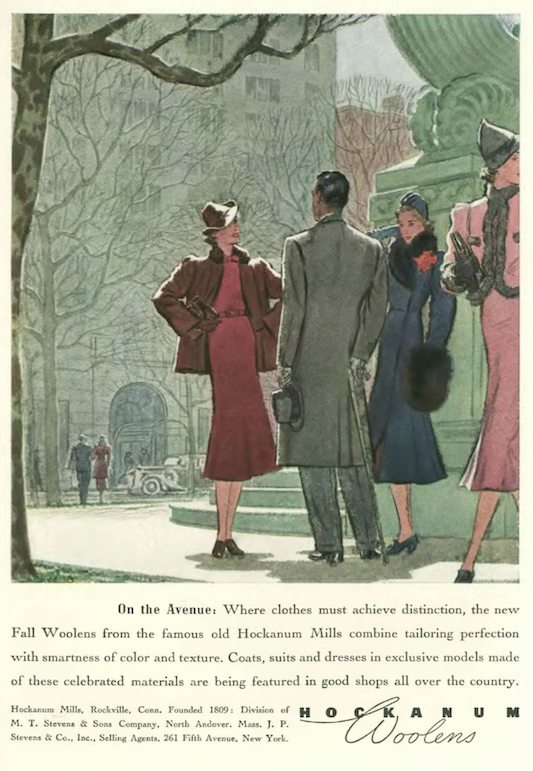
…and Hockanum Woolens continued its series celebrating the seasons in fashion…
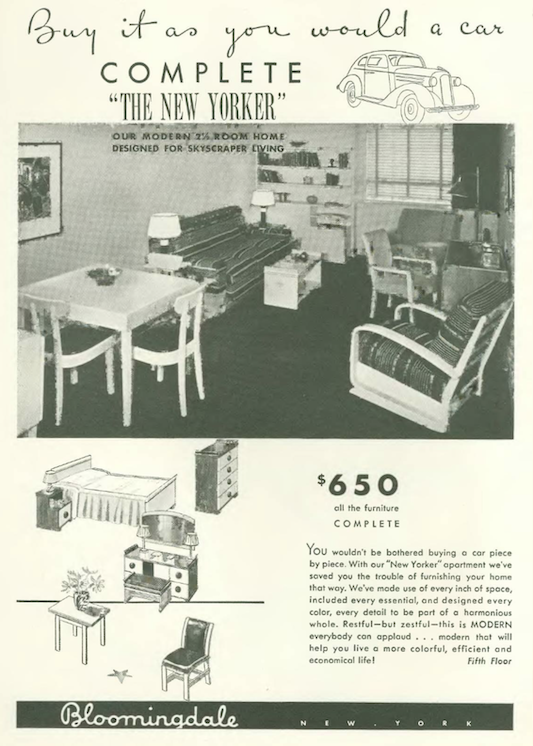
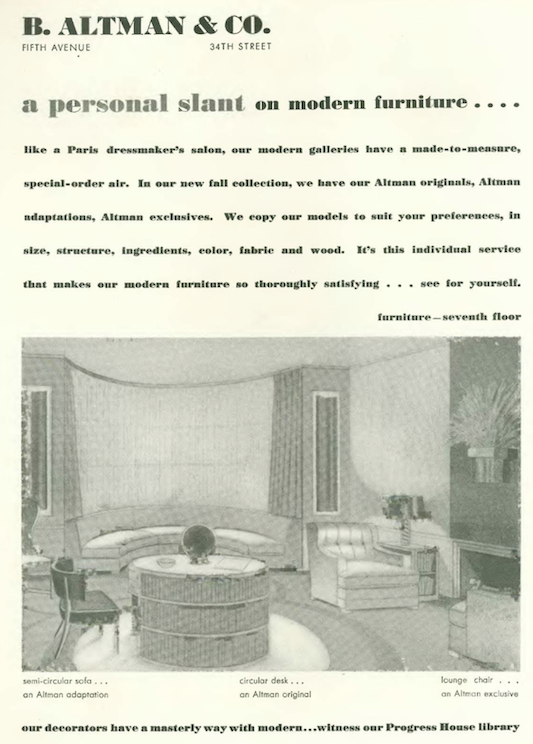
…there were numerous ads in the issue touting the latest in modern furniture, including Bloomingdale’s…
…and B. Altman…
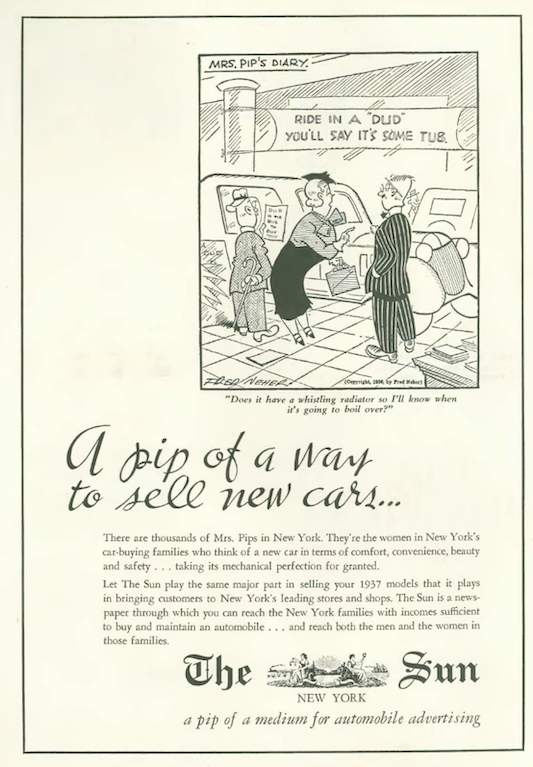
…The New York Sun hired cartoonist Fred Neher to tout the newspaper’s advertising reach…
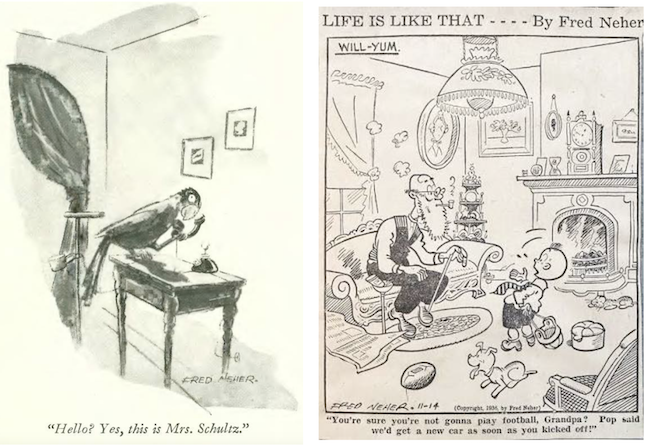
…Neher (1903–2001) was best known for his long-running syndicated cartoon Life Is Like That, which ran from 1934 to 1977…he also published one cartoon in The New Yorker, Jan. 21, 1933…
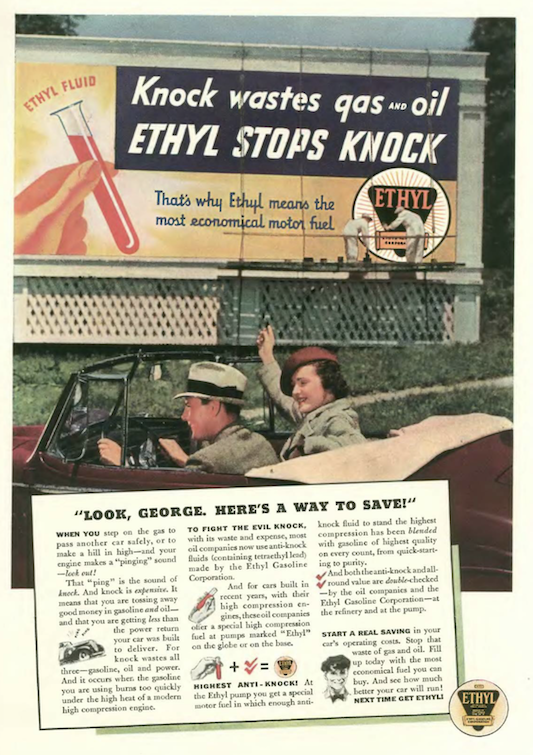
…the inside back cover featured an appeal to motorists to make the switch to leaded gasoline (during the 20th century, leaded gasoline released millions of tons of toxic lead particles into the air, soil, and water, and even today persists throughout ecosystems, including human bloodstreams)…
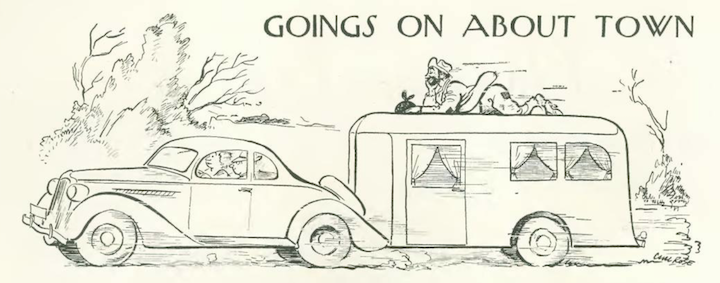
…on a cheerier note, we have a bunch of cartoons, beginning with spots by Carl Rose…
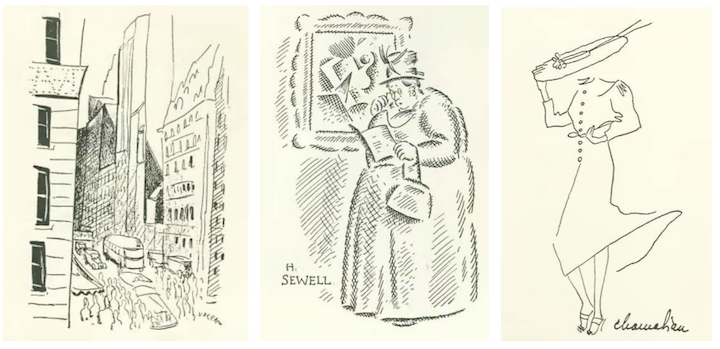
…Victor de Pauw, Helen Moore Sewell, and Alice Chamalian…
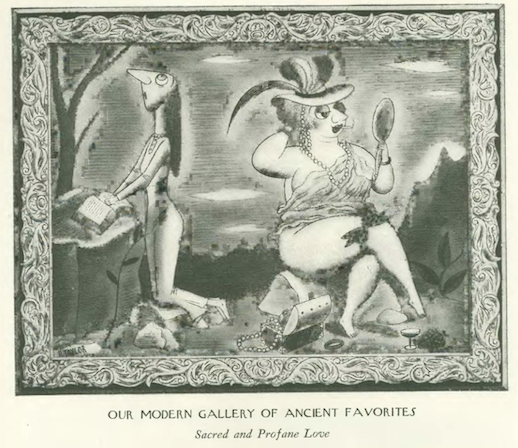
…Richard Taylor began his series of “Ancient Favorites”…
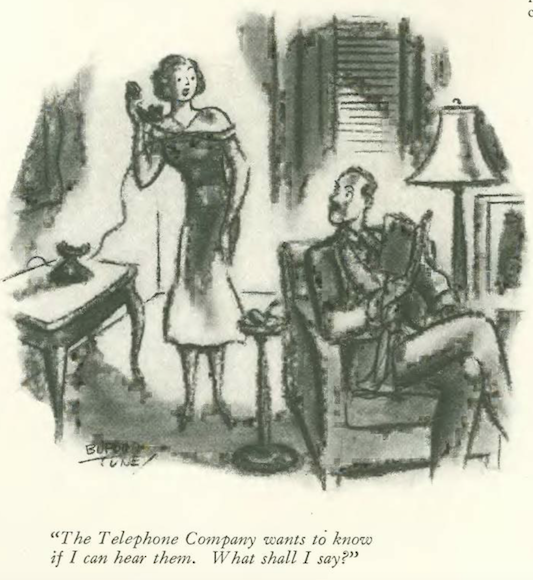
…Barney Tobey gave us a 1930s version of “can you hear me now?”…
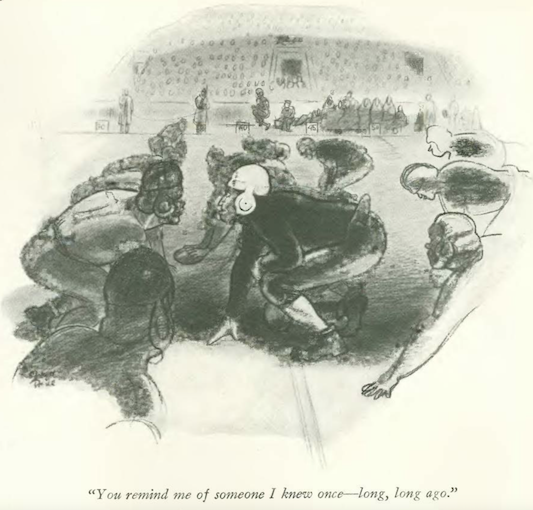
…Garrett Price recognized a face in the crowd…
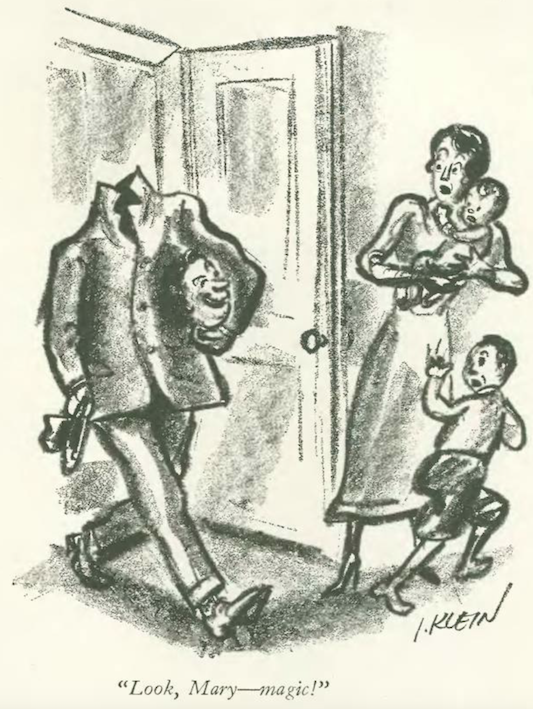
…after a long absence, Isadore “Izzy” Klein returned to The New Yorker with this contribution (in 1935 Klein (1897–1986) resumed his work as an animator for major studios including Screen Gems and Disney)…
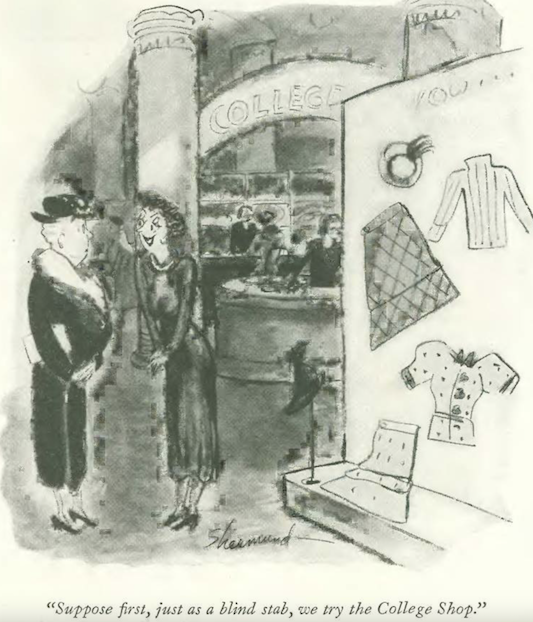
…Barbara Shermund got creative at a department store…
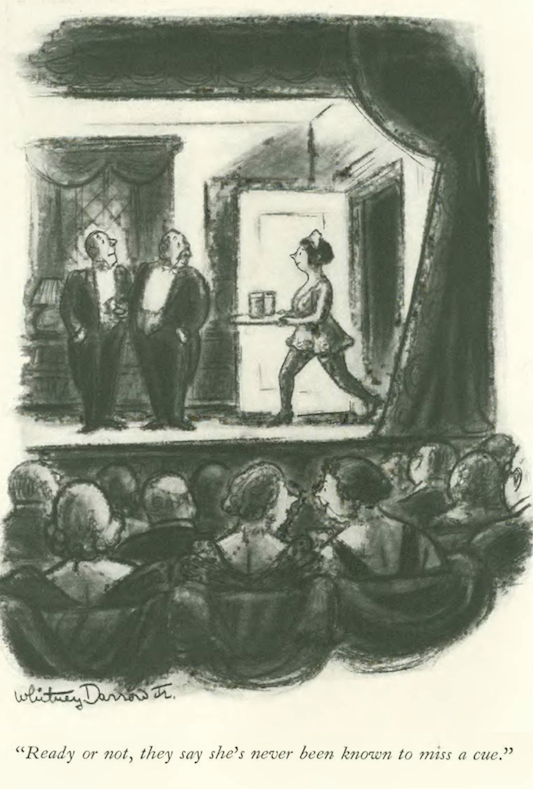
…Whitney Darrow Jr overheard some inside scoop at the theater…
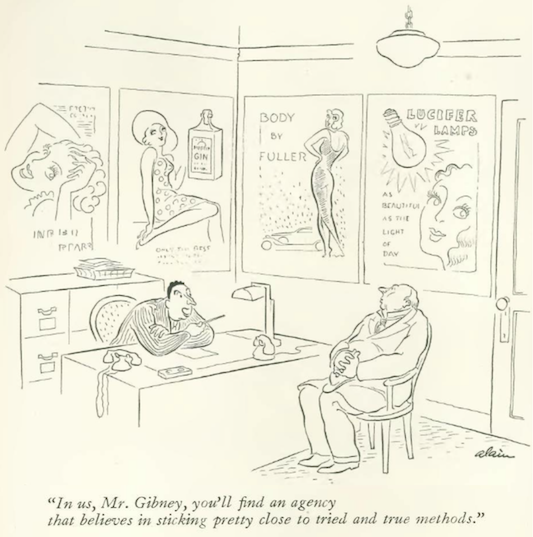
…Alain offered up some timeless advice from the advertising world…
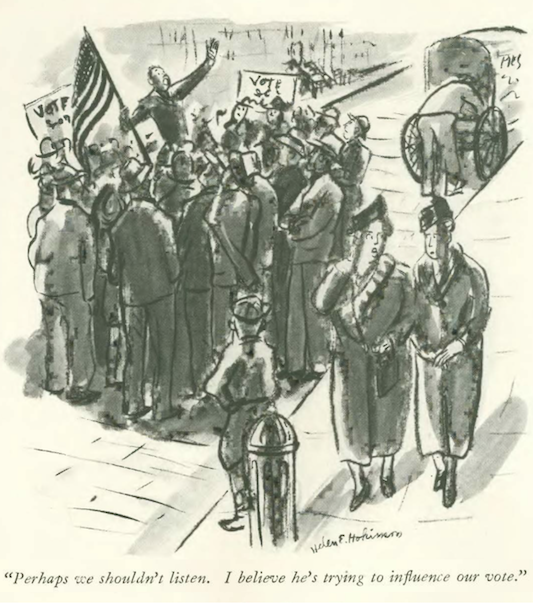
…Helen Hokinson’s “girls” steered clear of some political rhetoric…
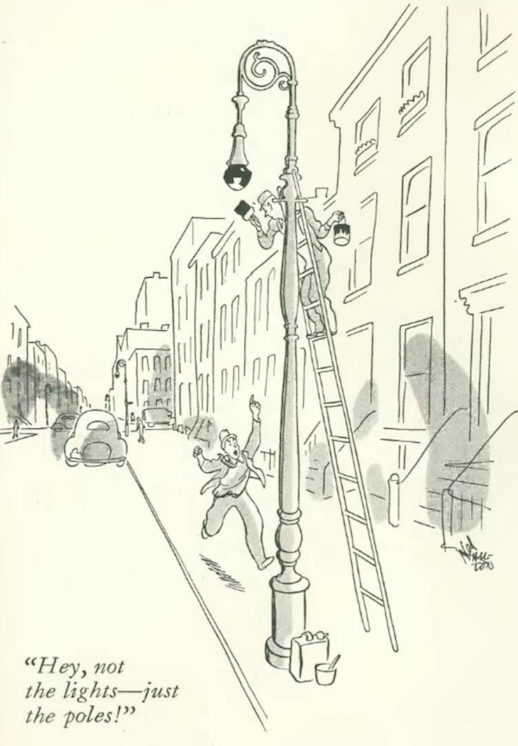
…Ned Hilton had an urgent change order…
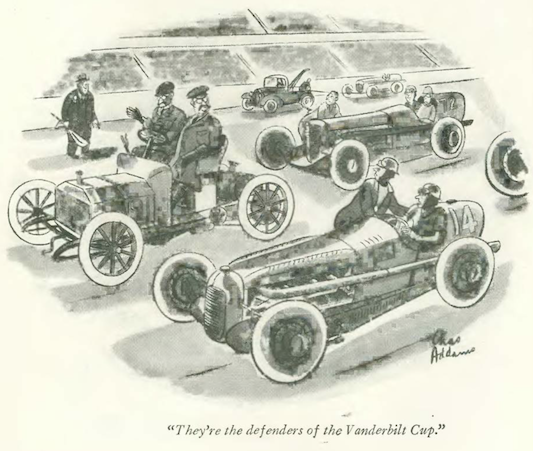
…and we close where we began, at the races, this time with Charles Addams…
Next Time: National Treasure…