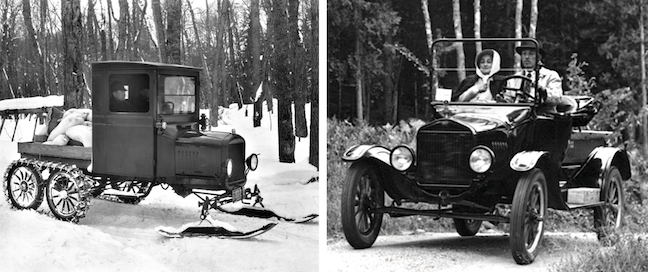
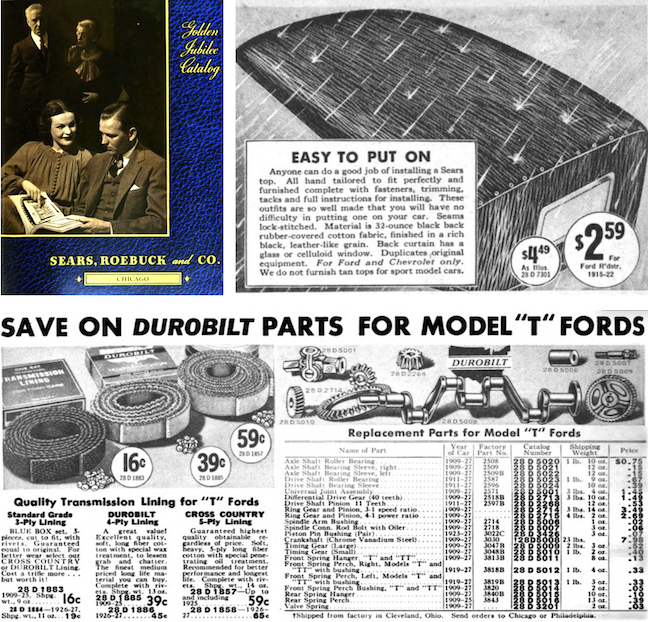
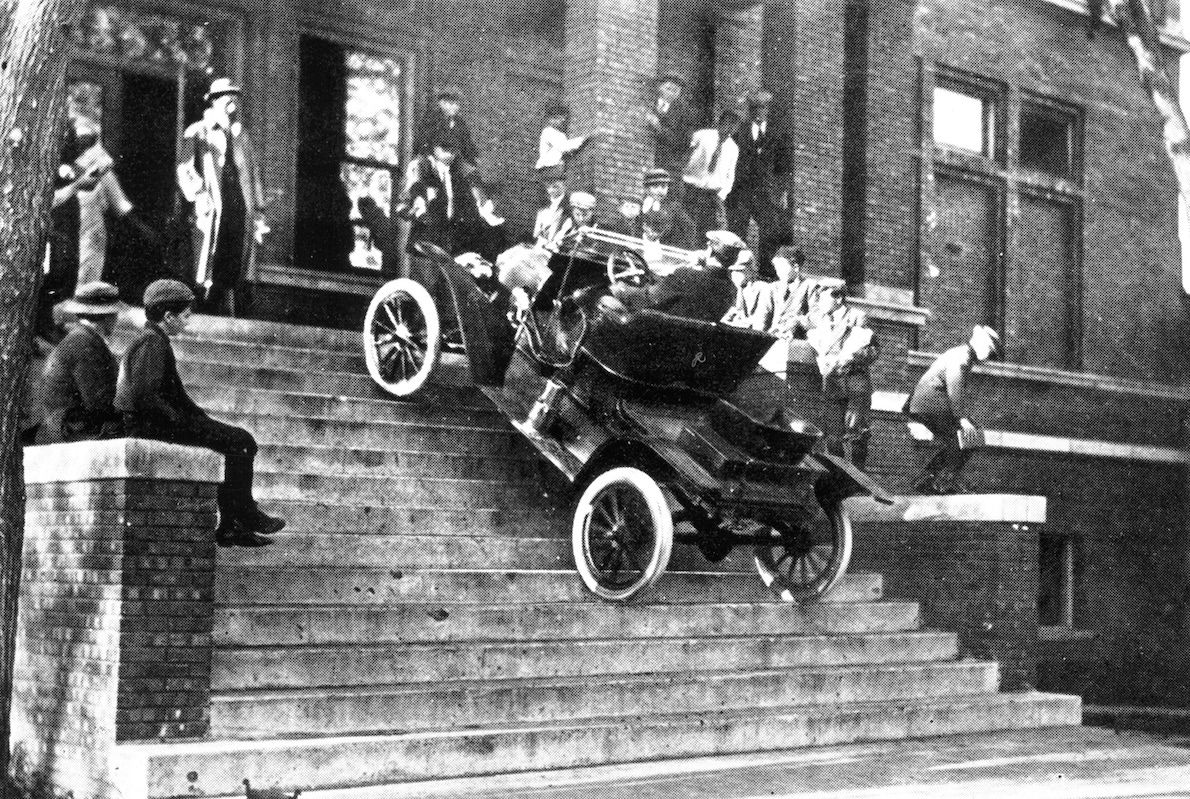
Above: Undated image (left) demonstrates the versatility of the Model T Ford. At right, E.B. White and Katharine Sergeant White take a spin in a Model T Roadster. (freep.com/whistlestoppers.com)
E.B. White often shared anachronistic views on progress, decrying everything from streamlined cars to fully-enclosed city buses that removed passengers from the open air.
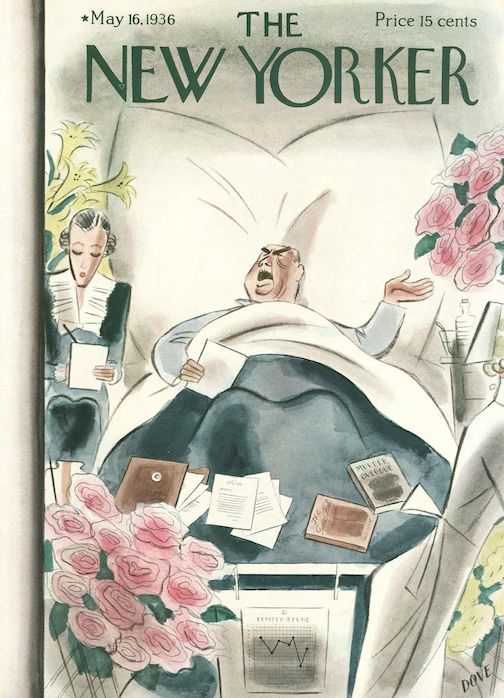
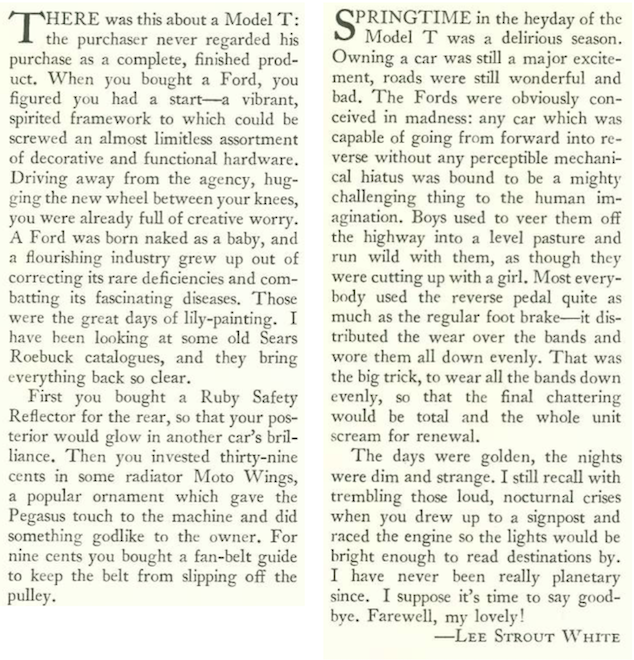
Instead, White celebrated the simplicity and mechanical quirks of earlier motor vehicles, including his beloved Ford Model T. For the May 16 issue White collaborated with journalist Richard Lee Strout on a homage to the old motorcar, “Farewell, My Lovely!” Strout’s contribution is important here, since it was he who originally submitted a manuscript to editor Harold Ross about the Model T. Either White rewrote Strout’s submission or used it as inspiration for “Farewell, My Lovely!” At any rate, that explains the blended byline, “Lee Strout White.” Here are some excerpts (spot art by Constantin Alajalov):
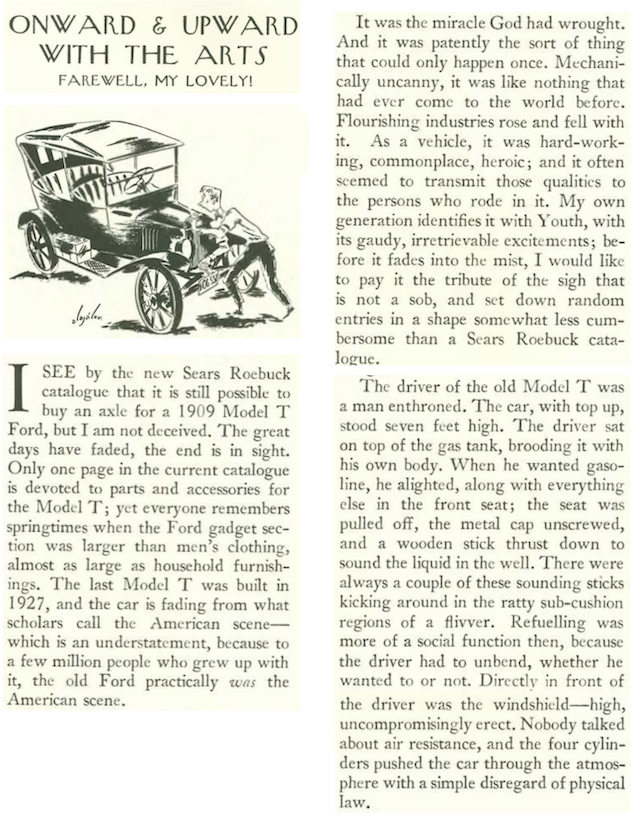
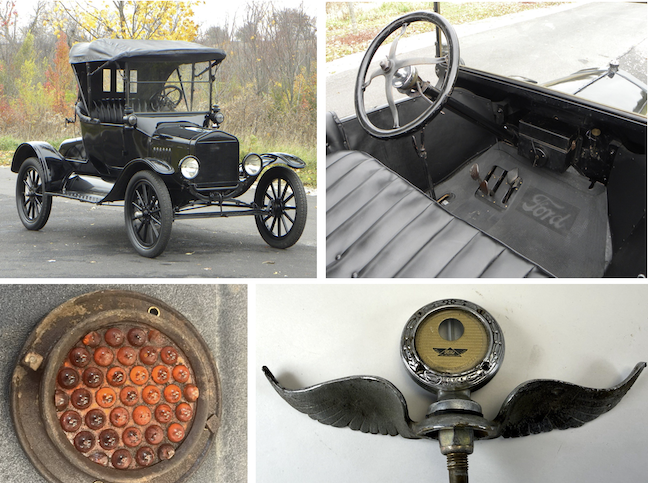
Model T owners developed all sorts of hacks to keep their Lizzies running. White wrote that “Dropping a camphor ball into the gas tank was a popular expedient; it seemed to have a tonic effect on both man and machine.” He also noted that the Ford driver “flew blind,” given that on earlier models the dashboard was bare save for an ignition key. Those cars lacked speedometers, fuel gauges, as well as gauges for engine temperature and oil pressure. “Whatever the driver learned of his motor,” White wrote, “he learned not through instruments but through sudden developments.” He concluded his piece with some thoughts on the golden days of the automobile.
* * *
Total Recall
E.B. White also filed a lengthy “Notes and Comment” comprised entirely of brief dispatches from around the country:
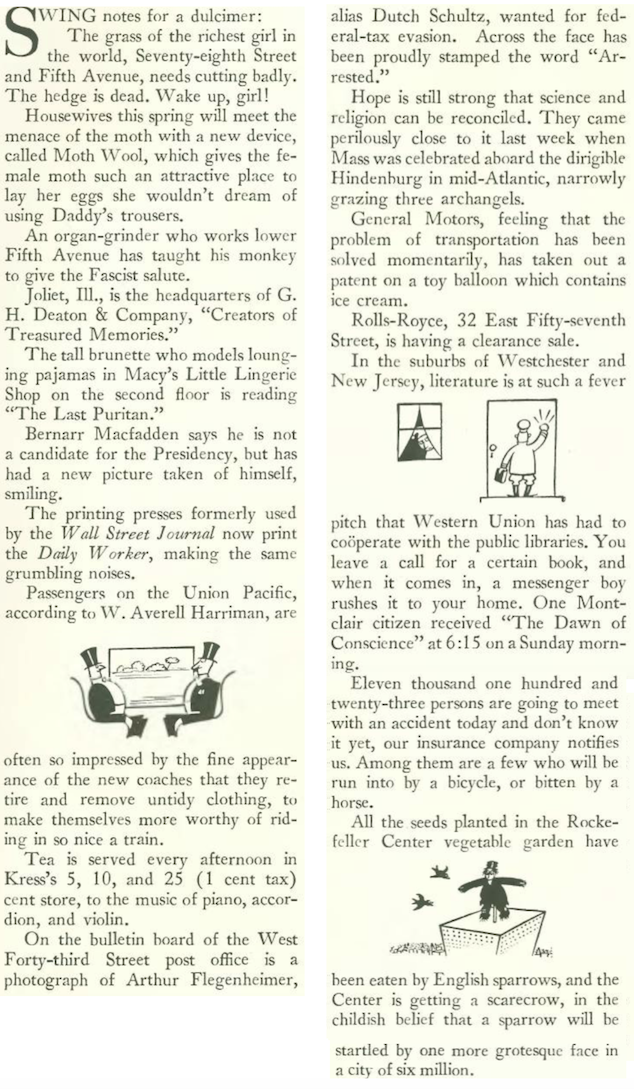
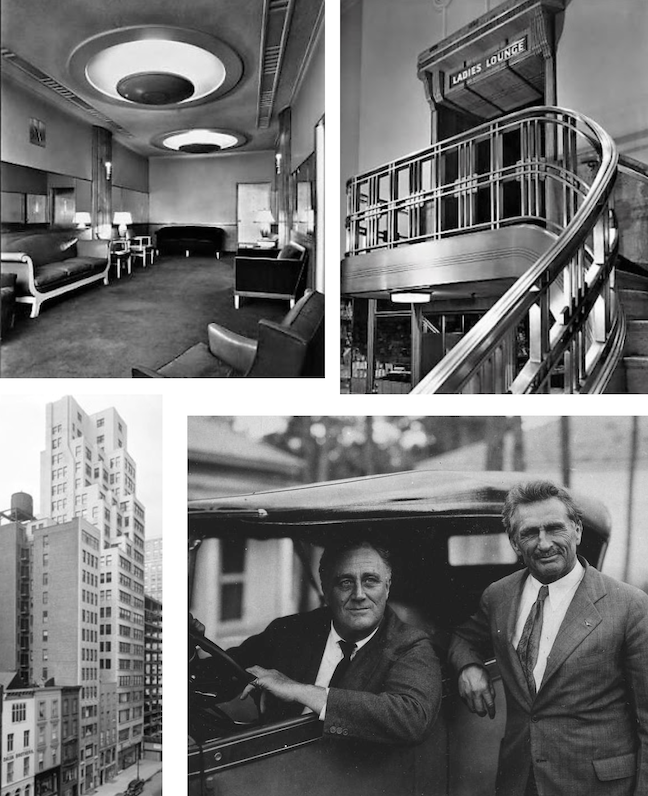
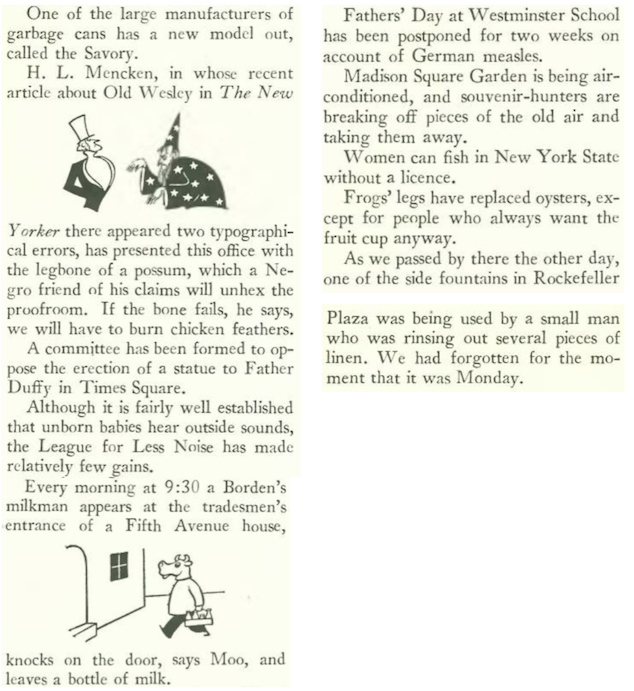
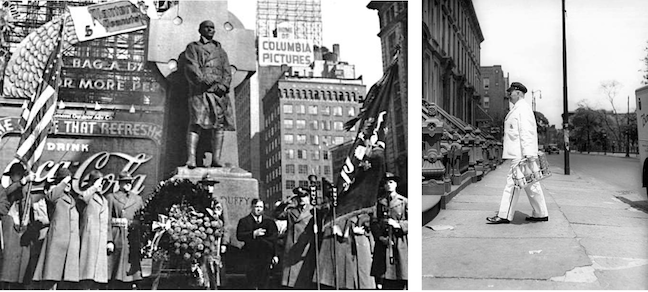
Here are the rest of White’s notes on the passing scene:
* * *
Not Playing in Peoria
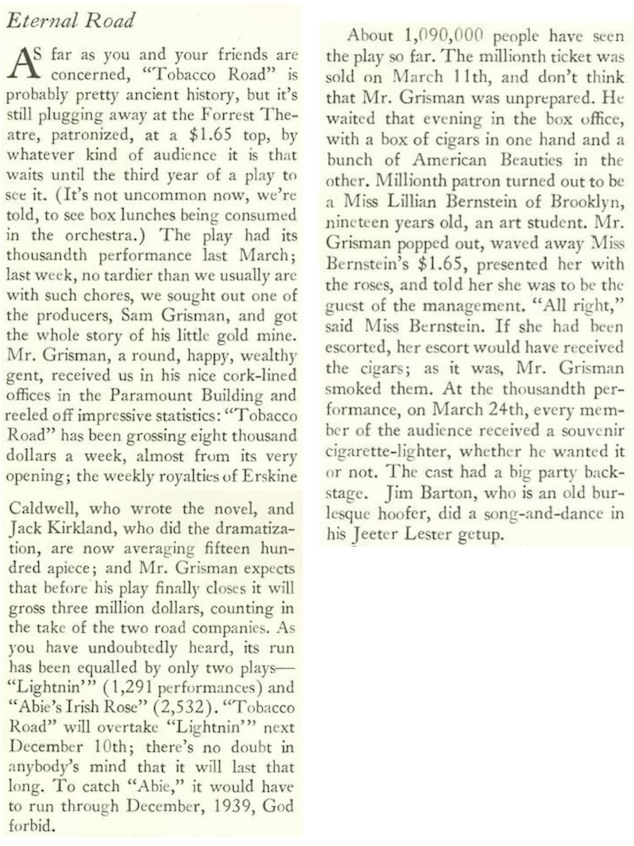
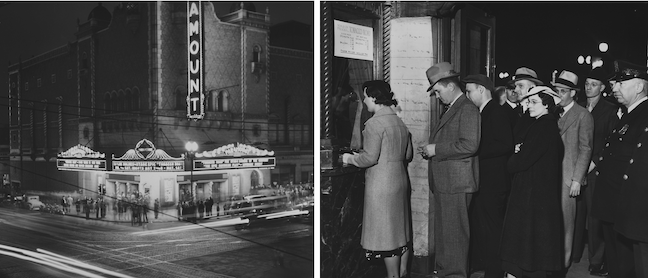
Jack Kirkland’s play Tobacco Road, based on the 1932 novel by Erskine Caldwell, was one of the longest-running plays in theater history, with 3,182 performances from 1933 to 1941. Although banned in major cities such as Chicago and Detroit for being sensational and immoral (and panned by critics), it nevertheless saw huge success on Broadway and with its touring company. “The Talk of the Town” checked the status of the play at the Forrest Theatre, where it had exceeded the millionth ticket mark.
* * *
At the Movies
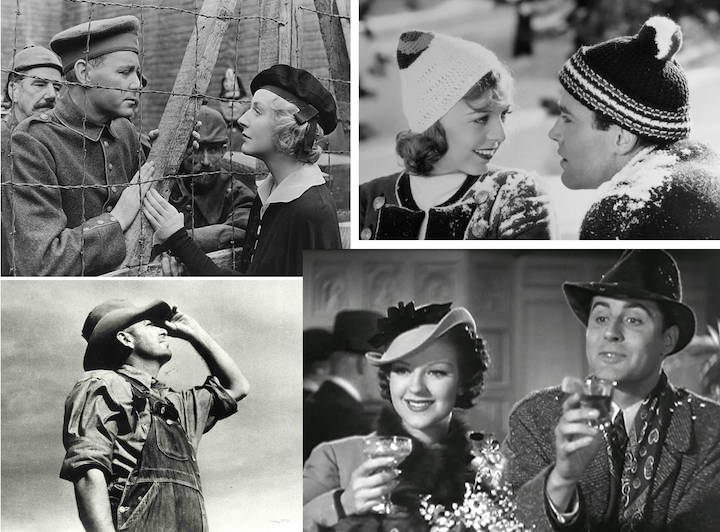
One Rainy Afternoon was the first of a small number of films from United Artists produced by its vice-president, Mary Pickford, through her Pickford-Lasky production company. In his opening lines critic John Mosher alluded to Pickford’s popular 1934 essay, Why Not Try God?
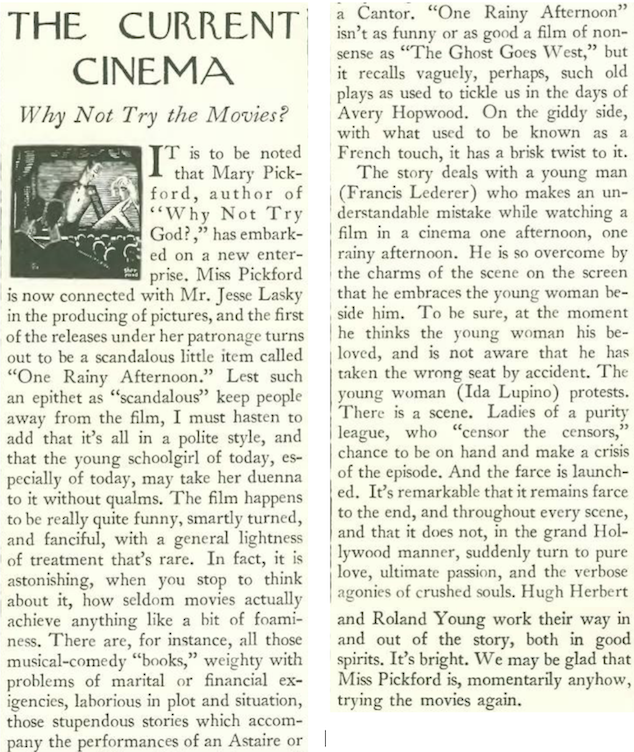
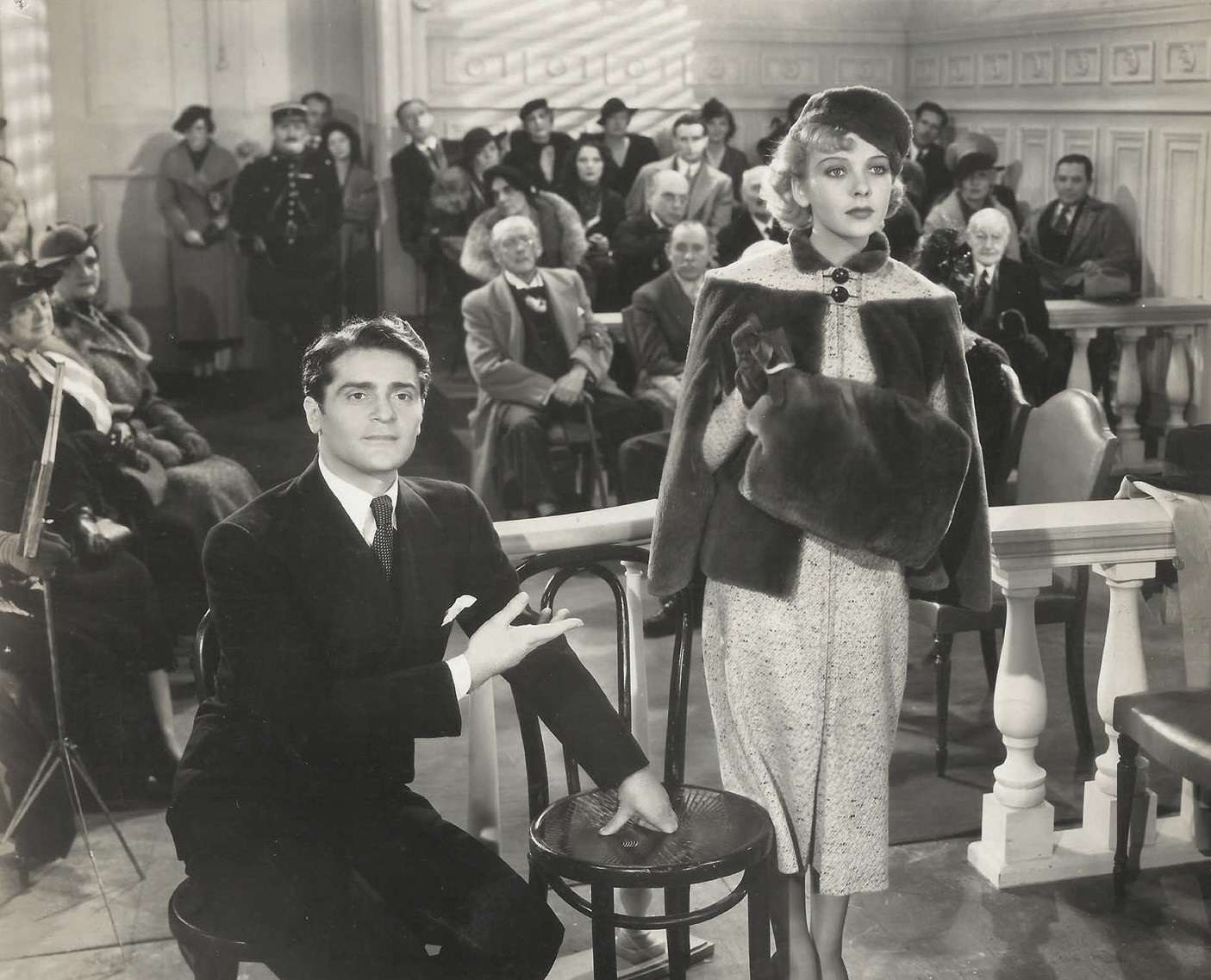
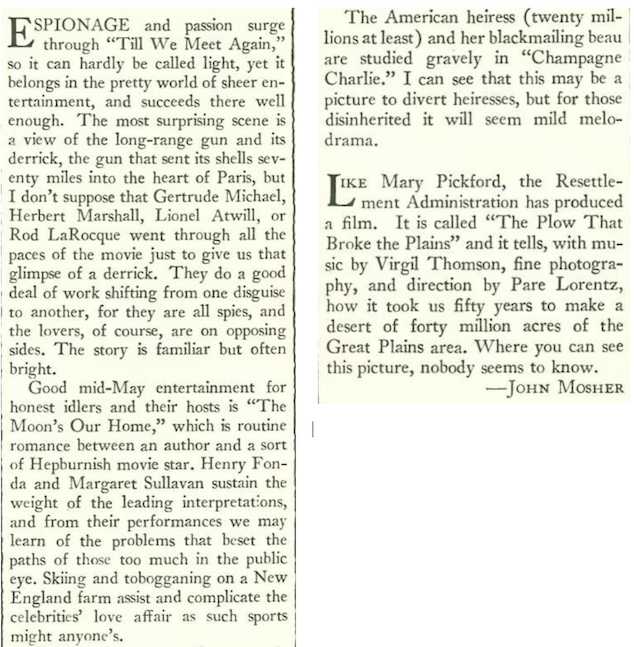
Mosher also reviewed some “Good mid-May entertainment for honest idlers” and a documentary about the Dust Bowl.
* * *
From Our Advertisers
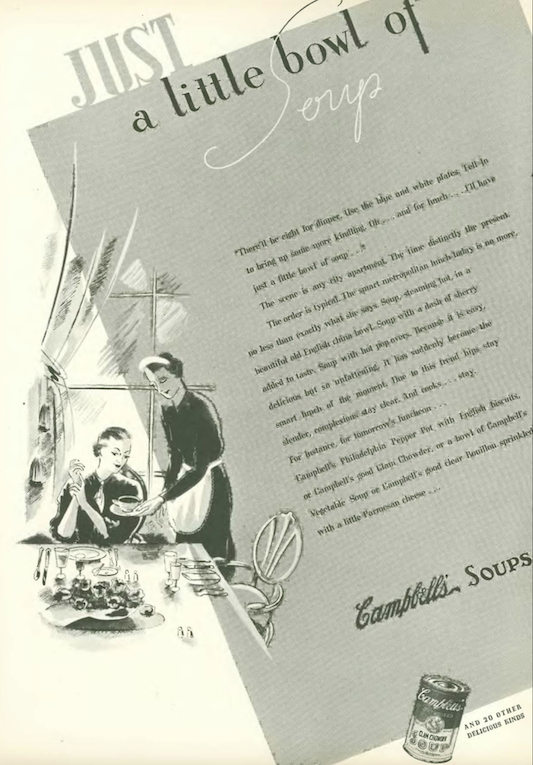
The makers of Campbell’s soups continued to market their product as an upscale starter for dinner…or perhaps a time-saver for the cook, Madam none the wiser…
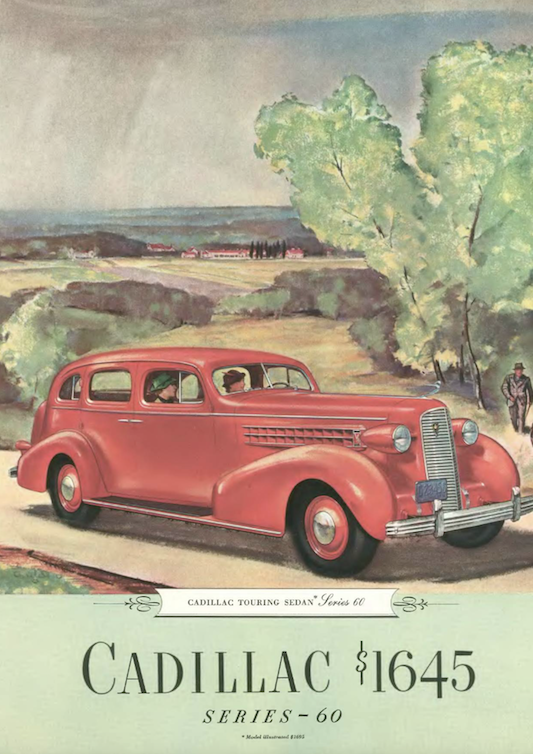
…Cadillac continued to entice buyers with bucolic scenes dominated by their luxury sedans…the price isn’t outrageous, roughly equivalent to $40K today…
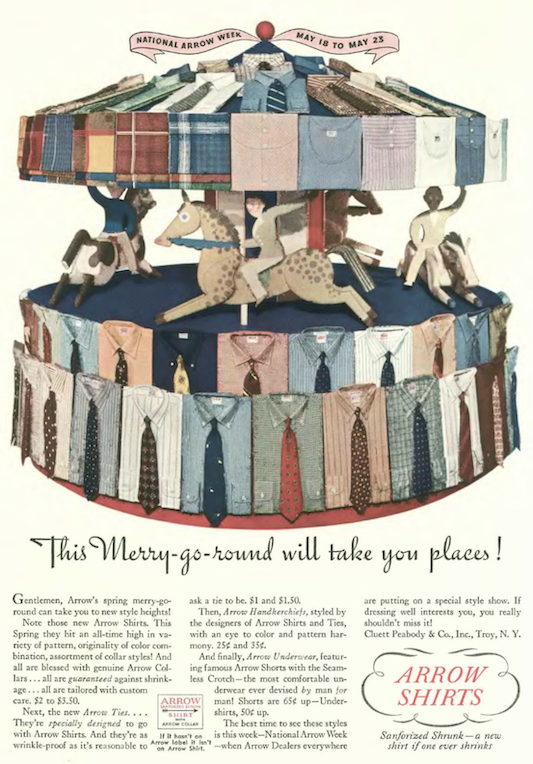
…we experience much of 1930s history in black and white, but according to this ad things were quite colorful…
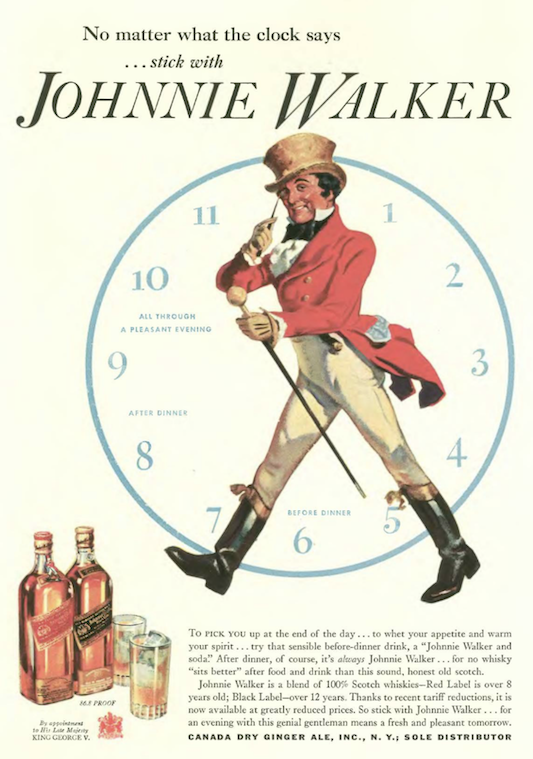
…now a couple of ads with an eye on the clock…here we have a suggestion that Johnnie Walker can be enjoyed before dinner and up to bedtime…
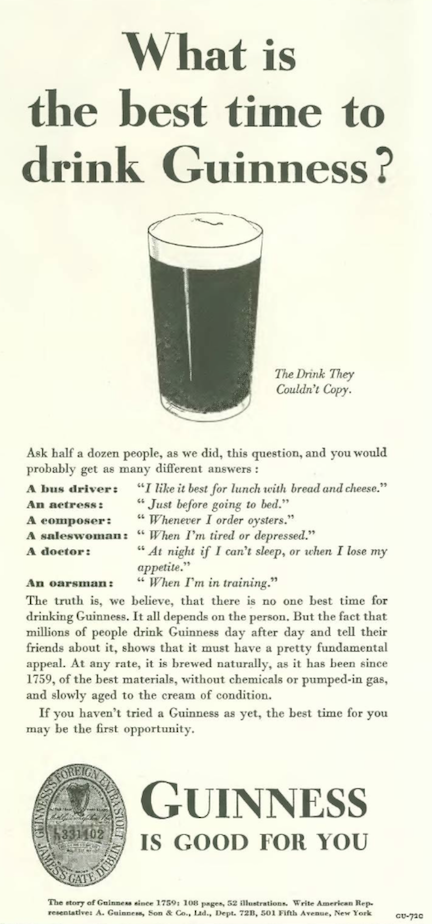
…the brewers of Guinness suggested their tipple was suitable for lunchtime, before bed, or when one is “tired or depressed”…
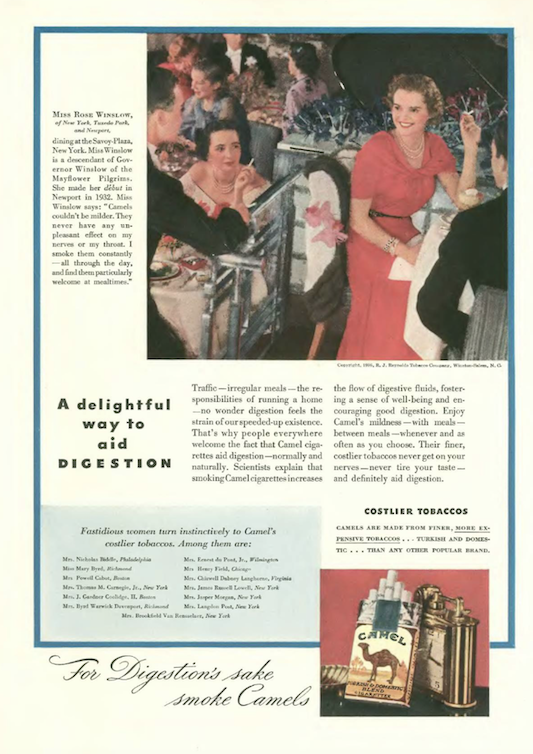
…as we already know, R.J. Reynolds encouraged folks to smoke from morning to night, with the added benefit of improved digestion…
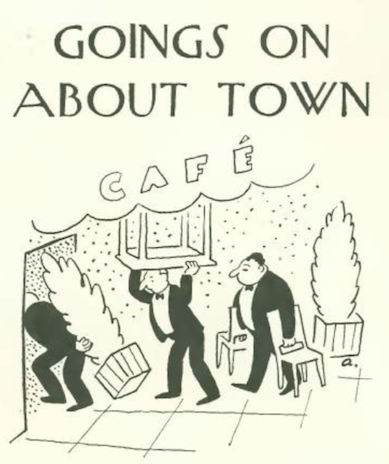
…on to our cartoonists, we begin with a spot by Abe Birnbaum…
…and spots from frequent contributors Richard Taylor…
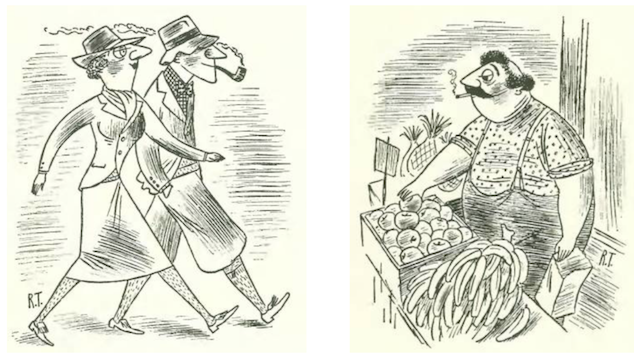
…and Christina Malman…
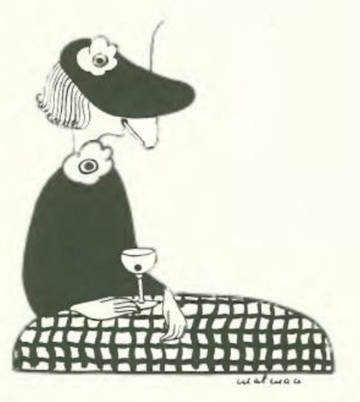
…and a spot drawing on the opening pages by James Thurber…
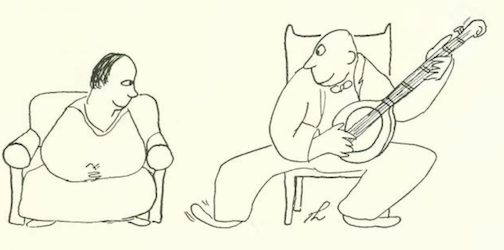
…who also contributed this cartoon to the issue…
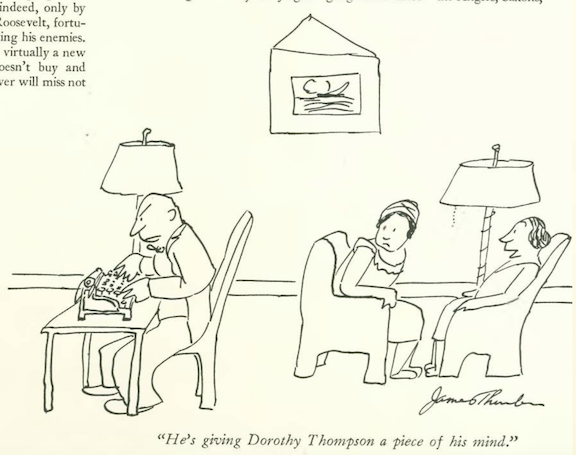
…Thurber’s caption refers to journalist and radio broadcaster Dorothy Thompson. One of the few women radio news commentators of the 1930s, she was the first American journalist to be expelled from Nazi Germany in 1934. In 1936 Thompson launched her “On the Record” column, syndicated nationwide by the New York Herald Tribune…
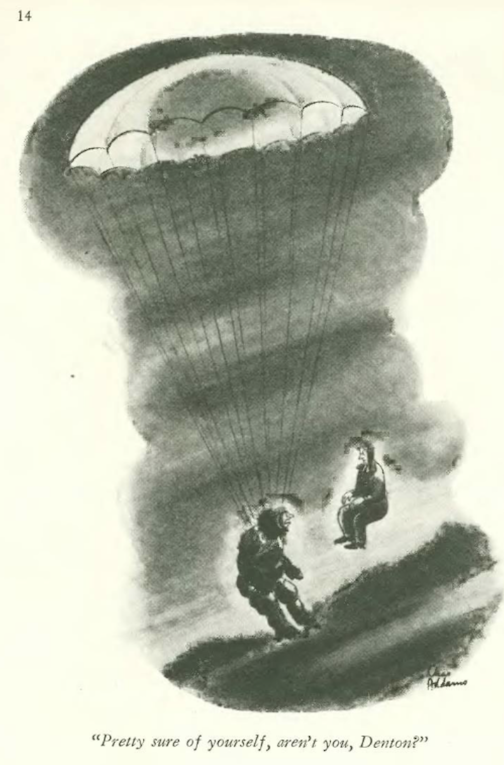
…we continue our cartoons with Charles Addams (apologies for the quality) floating to earth…
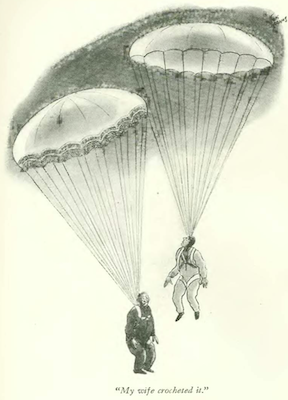
…which recalled another Addams cartoon from the Aug 3, 1935 issue (caption reads “My wife crocheted it.”)…
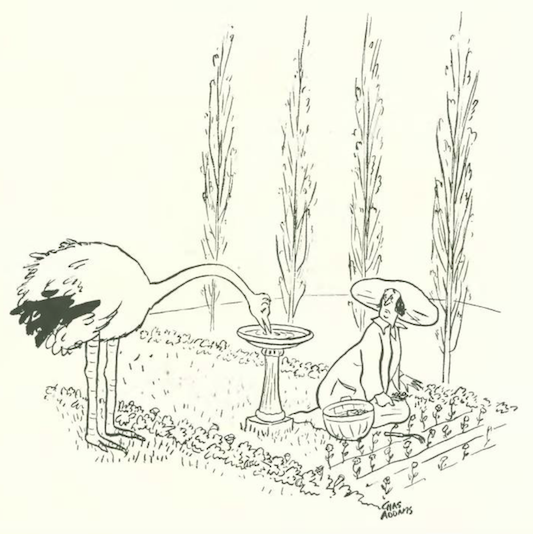
…and Addams again, this time down to earth…
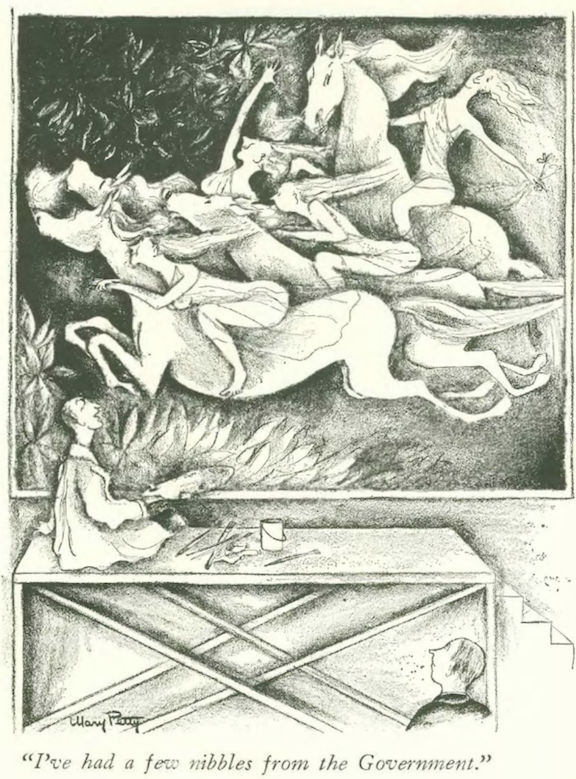
…Mary Petty looked in on the art world…
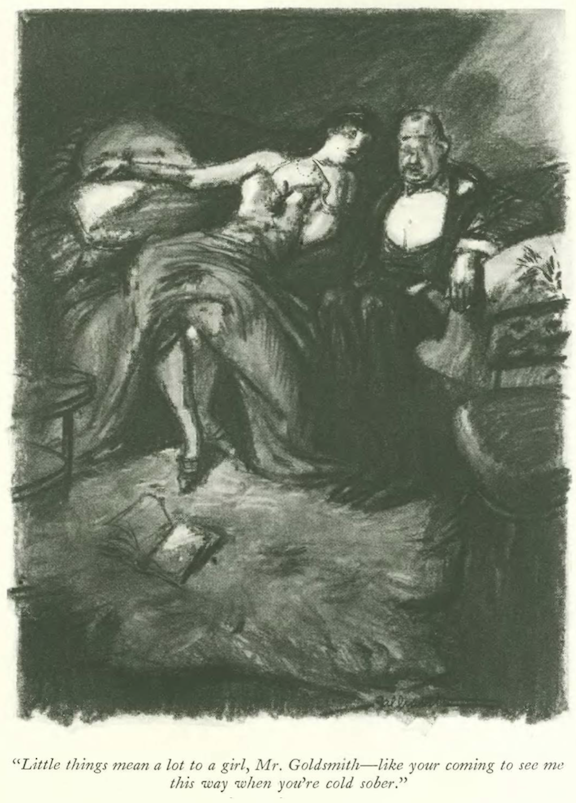
…William Crawford Galbraith continued to explore lives and loves of sugar daddies…
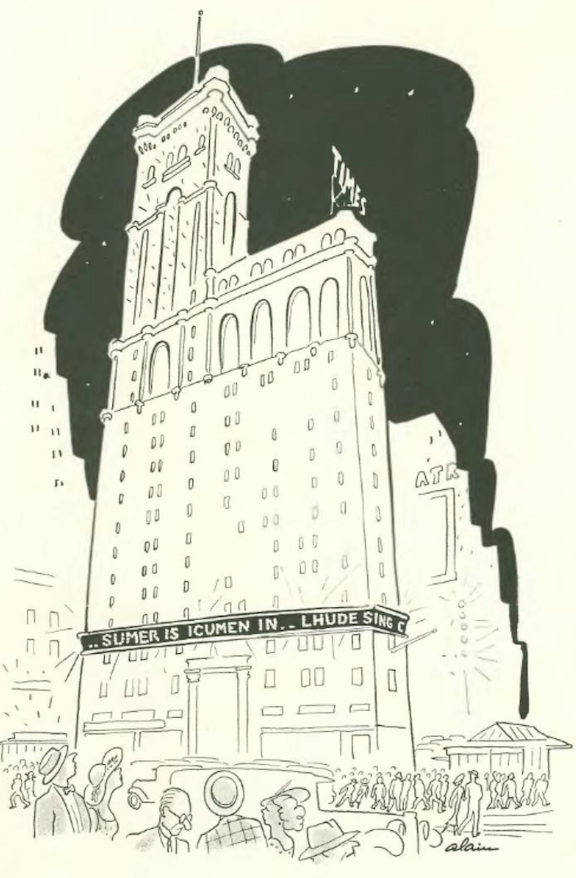
…Alain had folks deciphering the news crawler at Times Square…
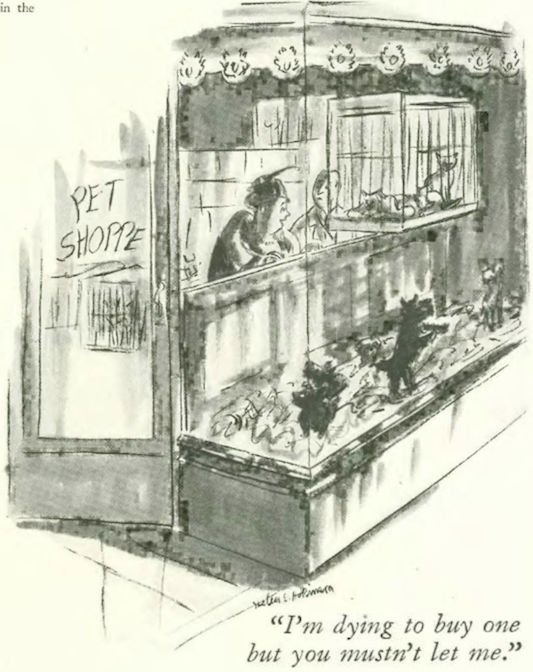
…Helen Hokinson avoided temptation at the pet shop…
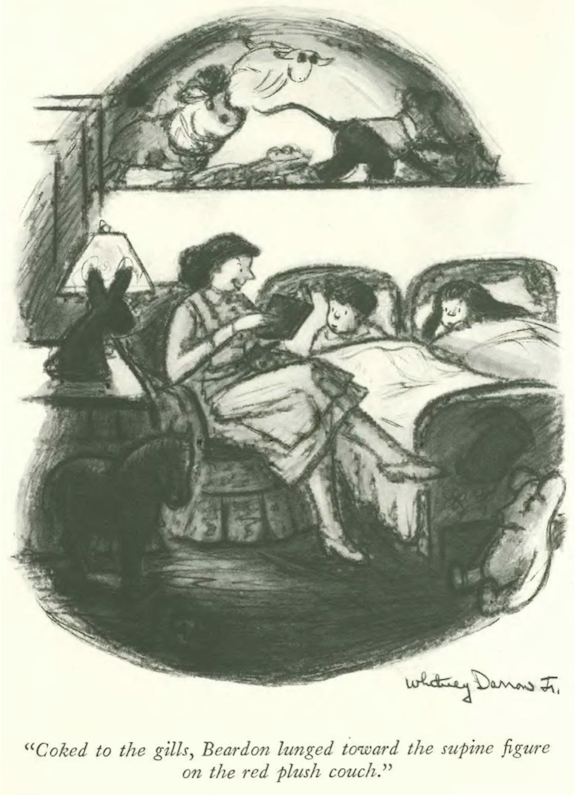
…and we close with Whitney Darrow Jr, and a bedtime story that would keep the sandman at bay…
Next Time: Vast Horizons…


One thought on “A Flivver Farewell”