Above: Posters advertising The Country Doctor, a film featuring the Dionne Quintuplets as "The Wyatt Quintuplets." (Wikipedia/imdb.com)
The Dionne Quintuplets, famed as the first quintuplets known to have survived infancy, appeared in a motion picture before their second birthday—The Country Doctor—just one example of the many ways the girls were exploited by the province of Ontario, their doctor, their father, and the companies who used their images to sell everything from toys to toothpaste.
March 21, 1936 cover by Constantin Alajalov.
The Country Doctor was the first of three 20th Century Fox films featuring the toddlers as the “The Wyatt Quintuplets.” Actor Jean Hersholt played the country doctor (“Dr. John Luke”) in all three films, his character based on Allan Roy Dafoe, the Ontario obstetrician who successfully delivered the identical quints in 1934. It was a sign of the times that no one seemed too concerned about the children’s welfare—TheNew Yorker’s John Mosher was joined by his fellow critics in generally praising the film.
MARKETING MATERNITY…The Country Doctor was the first of three 20th Century Fox films featuring the Dionne Quintuplets. Clockwise, from top left: Slim Summerville, Jean Hersholt, and John Qualen in The Country Doctor; Ontario Premier Mitchell Hepburn with the quintuplets in 1934; a 1936 book based on the film; a 1937 ad for Karo Syrup, a major sponsor of the girls and Dr. Dafoe; an array of quintuplet-related toys included paper dolls and the much sought after Madame Alexander dolls. (Wikipedia/ebay.com/facebook.com/pbs.org)
The Dionne Quintuplets were used to endorse an array of products including Quaker Oats, Colgate toothpaste, Palmolive soap, and Lysol disinfectant. Dr. Dafoe became a wealthy man due to his association with the quintuplets, while the government of Ontario saw enormous tourism potential (the girls were made wards of the province ostensibly to protect them from exploitation). At the age of four months the quintuplets were moved from the farmhouse where they were born to a compound (“Quintland”) that featured an outdoor playground designed as a public observation area.
SURROUNDED BY RICHES…at left, Allen Roy DaFoe on a postcard with the Dionne Quintuplets; tourists consult sign for the next public showing of the “Quints.”(roadtripusa.com/facebook.com)CHA-CHING…Oliva Dionne, the quintuplets’ father, ran this souvenir and refreshment stand at Quintland, where the public flocked to view the girls playing. (montrealgazette.com)
The last surviving quintuplet, Annette, died on December 24, 2025, at the age of 91. Her sister Cécile died a few months earlier, also at age of 91.
John Mosher also reviewed Mae West’s latest film, Klondike Annie. Some critics regarded it as her finest film, despite heavy censorship and the outrage of “Decency people.”
GO WEST, WEST…Mae West portrayed a kept woman who murders her keeper in self-defense and escapes to Nome, Alaska in Klondike Annie. At left, West in a scene with Son Yong; at right, with Phillip Reed. (Pinterest)
* * *
St. Katharine
Robert Benchley found Katharine Cornell’s theatrical performance in Saint Joan to be “as fine as was expected.” An excerpt:
KNOWN QUANTITIES was how Robert Benchley described the talents of stage actress Katharine Cornell. At left, Cornell as Saint Joan; at right, Cornell (1893–1974) is perhaps best known in her role as Elizabeth Barrett in the 1931 Broadway production of The Barretts of Wimpole Street. (Wikipedia)
* * *
It Begins…
On March 7, 1936, 22,000 German army troops crossed a bridge over the Rhine River and entered the Rhineland, breaking the 1919 Treaty of Versailles, which mandated a demilitarized Rhineland to ensure French safety. Despite the violation, and the fact that the German army was still weak, France and Britain took no military action. E.B. White reported:
REOCCUPATION…On March 7, 1936, German Army troops crossed a bridge over the Rhine River and entered the Rhineland for the first time since the end of World War I. The lack of response from France and Great Britain no doubt emboldened Hitler to annex Austria and occupy Czechoslovakia in 1938. (iwm.org.uk)
Howard Brubaker, in his column “Of All Things,” also noted:
* * *
Some Pretty Things
“The Talk of the Town” paid a visit to the Museum for the Arts of Decoration at the Cooper Union and found many treasures within, including a unique circular elevator.
BRIDGE TO THE PAST…The Cooper Union’s Museum for the Arts of Decoration held many treasures, including (at bottom) an Italian birdcage fashioned to resemble the Rialto Bridge; at top, rooms filled with examples from the decorative arts. (cooperhewitt.org)
The “Talk” visit included a ride up a circa 1850s elevator shaft designed by inventor Peter Cooper four years before safety elevators even existed. The design was based on Cooper’s belief that the circular shape was the most efficient.
ROUND AND SOUND…At left, entrance to Peter Cooper’s circa 1850s round elevator and the elevator’s shaft at the Cooper Union Foundation Building. The round shaft remains a central feature of the building today, now housing a modern round elevator designed in 1972. (Cooper Union Library)
* * *
Commie Cutlery
American non-fiction writer Carl Carmer published the first part of a two-part essay on the revolutionary Oneida Community, which Carmer dubbed “a materially successful communist experiment…”
This polyamorous Christian utopia disbanded before the end of the 19th century and reemerged as a joint-stock company, Oneida Community Limited, which focused on making silverware. This brief excerpt is from the first paragraph.
COHABITING COMRADES…Oneida commune members gather on the lawn in front of the Community Mansion House in in Madison County, New York, circa 1860s. Members of the community practiced free love, women and men had equal freedom in sexual expression and commitment, and children were raised communally. (collectorsweekly.com)
* * *
From Our Advertisers
Yes, take a doctor’s advice, and put some leaded gas in your car, and into the air you breathe…
…R.J. Reynolds presented three women who exemplified the “society model” trend of the 1930s…well-known debs and socialites who provided an air of prestige to a brand…especially cigarettes…
…Lorillard Tobacco Company, on the other hand, stuck with pin-up artist George Petty to push their Old Golds…
…General Motors took out the middle spread to tout their low-priced luxury automobile, the La Salle…
…the convertible La Salle looked handsome, if not a bit brisk with the top down…
…American luxury carmaker Packard proudly displayed their twelve-cylinder luxury model, but reminded readers they could have a lesser model, the 120, for a price “in the $1,000 field”…
…a couple of one-column ads…Don Herold helped Hale’s move mattresses, while fashion columnist Alma Archer employed class anxiety to promote her new book, The Secrets of Smartness and the Art of Allure…
SMARTNESS AUTHORITY Alma Archer in 1937. Archer (1898–1988) wrote a widely read column for the New York Mirror that was syndicated in more than a thousand newspapers.
…if you have been following this blog, you’ll recall the ads with angry duchesses fuming over tomato juice and rich old men fondly recalling their countrified youth via canned corn niblets…well here is one robber baron who needed some niblets pronto to quiet his rage…maybe a snifter or two of brandy would have also helped…
…on to our cartoonists, James Thurber kicked things off on page two…
…the “Goings On” section concluded on page four with this drawing by Charles Addams…
…a couple more spot drawings from the issue by Christina Malman (left) and Richard Taylor…
…Al Frueh offered this interpretation of the players in End of Summer…
…and we have Thurber again, with a hard-to-miss distraction…
…William Steig continued to explore the varieties of “Holy Wedlock”…
…Leonard Dove gave us a golddigger stranded at sea…
…Gardner Rea put a captain of industry in a tight spot…
…Ned Hilton encountered a hairy challenge…
…Eli Garson demonstrated some remarkable foot dexterity…
…while Robert Day showed a lack of dexterity a construction site…
…Charles Addams revealed a materialist in the brotherhood…
…Peter Arno’s charwomen let a sleeping dog lie…
…and we close Garrett Price, and one perceptive lad…
Above: Beginning in 1934, the President’s Birthday Balls became annual fundraisers for polio research. The Waldorf-Astoria's 1936 event (left) featured dance bands, celebrities, and formal dress. At right, a 1934 "Toga Party" birthday with FDR's Cuff Link Gang, Washington D.C. (fdrlibrary.org)
President Franklin D. Roosevelt’s birthday was a cause for annual celebration throughout the country, where cities and towns both large and small used the occasion to raise money for polio research.
February 1, 1936 cover by Roger Duvoisin.
The Jan. 30, 1936 President’s Birthday Ball marked FDR’s 54th year, featuring celebrities, dances, and a national radio address. The Waldorf-Astoria hosted an event, as did the Central Park Casino, where E.B. White found the one-hundred-dollar price tag and the dress code a bit too rich for his tastes, but not too rich for Lucy Cotton Thomas Magraw, a Manhattan social climber who represented the “Spirit of Golden Prosperity” at the Casino event.
LIKE MOTHS TO FLAME…At left, debutantes mark FDR’s birthday fundraiser at the Waldorf-Astoria in the 1930s; at right, Lucy Cotton Thomas Magraw (1891–1948) was a chorus girl from Houston who appeared in several silent films, but was best known as a Manhattan social climber and for her marriages to a series of prominent men. (wwd.com/davidkfrasier.com)
FDR himself was diagnosed with polio in 1921, which left him paralyzed from the waist down. To counter the effects of the disease, Roosevelt explored the potential benefits of hydrotherapy, establishing a rehabilitation center at Warm Springs, Georgia. Proceeds from the charity balls went to Warm Springs until Roosevelt founded the National Foundation for Infantile Paralysis in 1938. Funds raised by the foundation supported the development of a vaccine by the 1950s.
A NIGHT OF MERRIMENT…Celebrations in CCC camps in honor of FDR’s birthday became annual events, such as the one at left (illustrated by Marshall Davis) that depicted various happenings at the 1936 President’s Birthday Dance in Biloxi, Mississippi; at right, actress Jean Harlow cutting FDR’s birthday cake at the Eastbay Birthday Ball in Oakland, CA, in 1934. (newdealstories.com/facebook.com)
“The Talk of the Town” noted the role of Carl M. Byoir, a pioneering publicist, in creating the buzz around the yearly birthday balls.
CAN YOU SPARE A DIME?…Clockwise, from top left, Carl Byoir created and organized one of the world’s largest public relations firms in 1930, and was a force behind making the FDR Birthday Balls a major national event; Eleanor Roosevelt cuts the cake at a Birthday Ball, Washington, D.C., Jan. 30, 1936; Margaret Lehand, personal secretary to President Roosevelt, holds up one of the 30,000 dimes received on the morning of Jan. 28, 1938 for FDR’s National Foundation for Infantile Paralysis, which would later become the March of Dimes. (Wikipedia)COIN FOR A CAUSE…As we saw in the previous post, it was comedian Eddie Cantor who coined the phrase “March of Dimes” for the annual fundraiser for polio research. The phrase later became the official name of the National Foundation for Infantile Paralysis. (Facebook)
The Roosevelt Dime went into circulation in 1946, commemorating FDR’s role in inspiring the March of Dimes.
* * *
Rap on Scrap
Poet and author Phyllis McGinley apparently had her fill of social occasions that included interminable, tedious viewings of the hosts’ scrapbooks, photo albums, and various tchotchkes.
SPARE ME YOUR VACATION SLIDES…Phyllis McKinley would have hated Facebook. (Wikipedia)
* * *
Wise Guy
Henry F. Pringle published the first part of a three-part profile on Elihu Root, making much of the fact that Root (1845–1937) was still kicking at ninety after a lifetime of public service including two stints as Secretary of War and serving as Secretary of State under President Theodore Roosevelt. Unofficially, he advised a number of presidents and other leaders on foreign and domestic issues, giving him the imprimatur of a political “wise man.” A brief excerpt (with caricature by William Cotton):
WAR BUDDIES…U.S. Secretary of War Elihu Root (right) and his successor, William Howard Taft, c. 1904. Taft was elected U.S. President in 1908, and in 1912 Root would receive the Nobel Peace Prize. (Wikipedia)
* * *
Devastating Irony
According to critic Robert Benchley, the adaptation of Edith Wharton’s novel Ethan Frome to the stage required a precise hand, and apparently director Max Gordon delivered when it opened at the National Theatre. Excerpt:
EDITH WHARTON WOULD HAVE BEEN PROUD, according to Robert Benchley, of the stage adaptation of Ethan Frome. The cast, from left, included Pauline Lord, Raymond Massey, and Ruth Gordon. Benchley would have been well acquainted with Gordon, who was a familiar face at the Algonquin Round Table. (Facebook)
Benchley praised the performances of the principal actors Pauline Lord, Raymond Massey, and Ruth Gordon.
IN FINE FORM…Pauline Lord, Raymond Massey, and Ruth Gordon in a publicity still for Ethan Frome. (witness2fashion.com)
* * *
At the Movies
We take to the air with Howard Hawks’ Ceiling Zero, which featured an odd mix of screwball dialogue and nerve-wracking flight scenes. Critic John Mosher found the film to be well done, even though most of its action took place on the ground.
GROUNDED…Shot a shoestring budget, Warner Brothers’ Ceiling Zero, directed by Howard Hawks, staged most of the action at an airline’s headquarters rather than up in the air. From left are Pat O’Brien, James Cagney, and June Travis. (Harvard Film Archive)
Mosher was also happy to welcome Myrna Loy back to the silver screen in the “agreeable” Whipsaw.
HUSTLE AND BUSTLE…Myrna Loy and Spencer Tracy starred in action-packed crime drama Whipsaw. (Letterboxd.com)
Mosher was at a loss to explain the popularity of comedian Joe Penner, whose presence in the film Collegiate inspired impatient “mobs” to crash the windows and doors of the Paramount Theatre.
INCONSEQUENTIAL was the word John Mosher used to describe Collegiate. Clockwise, from top left, Frances Langford and Jack Oakie in a scene from Collegiate—Oakie played a man who inherits an all-girls school from his aunt; Betty Grable with Joe Penner; Grable shows off her school spirit and her famous legs in a publicity photo. (rottentomatoes.com/imdb.com)
About Joe Penner (1904–1941): Broadcast historian Elizabeth McLeod sums up Penner’s popularity as “the ultimate Depression-era zany.” Mostly forgotten today, Penner was a national craze in the mid-1930s. “There is no deep social meaning in his comedy, no shades of subtlety,” writes McLeod, “just utter slapstick foolishness, delivered in an endearingly simpering style that’s the closest thing the 1930s had to Pee-wee Herman.”
WANNA BUY A DUCK? was Joe Penner’s catchphrase. Born József Pintér in what is now Serbia, he is shown here with his ubiquitous duck, Goo Goo. According to historian Elizabeth McLeod, Penner was doomed to an early decline by the sheer repetitiveness of his format. He died in his sleep, of a heart attack, at age 36. (imdb.com)
* * *
Something Completely Different
We go from Joe Penner to George Santayana, who finished the six-hundred-page The Last Puritan after laboring on the novel for fifteen years. A brief excerpt from a Clifton Fadiman review:
WHEN WRITERS MADE THE COVER…George Santayana on the cover of Time, Feb. 3, 1936. (Time.com)
* * *
From Our Advertisers
The folks at Hormel continued their ad series pairing Hormel French Style onion soup with notable historic figures…apparently Mary, Queen of Scots was honored with some onion soup when she married the Dauphin in 1558…nearly three decades later she would lose her head under the reign of Elizabeth I…
…the opening spread of the magazine sometimes offered odd juxtapositions…
…and what was this obsession with peas?…last week (and previous weeks) the makers of Green Giant canned foods featured a “Major” obsessed with fresh peas…
…in this issue, the folks at Birds Eye presented frozen peas as a fresher alternative to canned…the ad featured their own version of a “Major,” here sharing the wonderful news about frozen peas with his cronies…
…Capitol Theatre predicted that their latest feature, Rose Marie, would be even better than Naughty Marietta…
…and apparently it was…
WHEN I’M CALLING YOOOOUUUU…The Capitol Theatre’s prediction came true—Rose Marie was a big hit, as was the duet “Indian Love Call” (it remained a signature song for both actors); at left, Nelson Eddy and Jeanette MacDonald in Rose Marie; at right, Eddy and MacDonald in 1935’s Naughty Marietta. “America’s Singing Sweethearts” made eight films together. (MGM)
…only forty hours to paradise, claimed this ad on the inside back cover…
…and on the back cover, readers were greeted by a smug, almost withering look—a fashionable woman striking a pose, one that was doubtless imitated by many in the smart set who would soon realize they were hopelessly addicted to nicotine…
…on to our cartoonists, we begin with Al Frueh and his topless tribute to George White’sScandals…
…Gregory d’Alessio drew up this trio—endomorph, mesomorph, ectomorph—for the opening pages…
…here’s a spot by Robert Day, dreaming of warmer climes…
…we join Charles Addams at the Louvre…
…and on a desert island…
…a rather strange entry by Alice Harvey, with the longest caption I’ve come across so far…
…we join William Steig’s “Small Fry” during a school day, beginning on page 24…
…and continuing onto page 25…
…here is how it originally appeared…
…In 1935, Saks Fifth Avenue installed an indoor ski slope on the men’s floor of its New York City flagship store, here illustrated by Perry Barlow…
IT WAS A THING…Ski slope inside Saks Fifth Avenue, New York, 1935. (CNN.com)
…department stores such as Macy’s often featured model homes in their household departments…Alan Dunn added a bit of color, or rather, soot, to this one…
…Helen Hokinson looked for answers at a book shop…
and Hokinson again, doing a bit of home decorating…
…it appears Morton was displaying a copy of Constantin Brancusi’s Princess X…
(sheldonartmuseum.org)
…Barbara Shermund engaged in some light banter at a cocktail party…
…and we close with a surprise visit from William Crawford Galbraith…
Above: The Cat and the Fiddle (Pete Gordon) and Mickey Mouse (a monkey in a very creepy costume) were featured in 1934's Babes In Toyland.
We close out the old year and ring in the new with a bit of song and dance from three musicals that entertained New Yorkers in the waning days of 1934.
Dec. 22, 1934 cover by Arnold Hall.
The work of composer Jerome Kern and lyricist Oscar Hammerstein II were prominent in two of those films, adapted from successful Broadway productions—the romantic comedy Music in the Air and the sentimental Sweet Adeline. Success on the stage did not necessarily translate to the screen in either case, according to critic John Mosher.
SOUR NOTES…The famed silent movie star Gloria Swanson showed off her singing chops in Music in the Air, but it wasn’t enough to save the film from becoming a box office failure. The film centered on the stormy relationship between opera star Frieda Hotzfelt (Swanson) and librettist Bruno Mahler (John Boles, pictured). (TCM)TALL ORDER…For those who recalled Helen Morgan’s tragedy-tinged Broadway performance as Addie in Sweet Adeline, Irene Dunn’s more comical take, although delivered with authority, could not hold up the pallid performances of her co-stars, including Donald Woods, right. (TCM)
And there was Babes in Toyland, a Hal Roach film headlined by the comedy duo Stan Laurel and Oliver Hardy. The film was well received by critics, including Mosher, who wrote that Babes in Toyland “was far more successful than [1933’s] Alice in Wonderland, and the children will probably be far less bored by it than they generally are by those films designed especially for them.” However, similar to Alice the costumes seem creepily crude, such as the weird rubber pig costumes and the almost terrifying Mickey Mouse, portrayed by a hapless monkey dressed to resemble the big-eared icon. It was apparently the first and last time Walt Disney allowed the Mickey Mouse character to be portrayed outside of a Disney film. No wonder.
Clockwise, from top left, Stan Laurel and Oliver Hardy with Felix Knight (Tom-Tom) and Charlotte Henry (Bo-Peep); the Three Little Pigs with the villain Silas Barnaby, portrayed by Henry Brandon; a very creepy Mickey Mouse (a monkey in costume); and Laurel and Hardy with The Cat and the Fiddle (Pete Gordon). (eofftvreview.wordpress.com/psychotronicaredux.wordpress.com/YouTube/MUBI)
* * *
Alms for the Poor
Woolworth store heiress Barbara Hutton was one of the richest women in the world in the 1930s, and her lavish lifestyle in the midst of Depression attracted the attention, and the ire, of newspaper columnist Ed Sullivan. In his “Notes and Comment,” E.B. White made this observation:
COUGH IT UP, LADY…Ed Sullivan, who in 1934 was a well-known Daily News show business columnist, thought Woolworth dime store heiress Barbara Hutton should show more concern for the needy. Known for her lavish spending during the Great Depression, in 1934 Hutton was married to a self-styled Georgian prince named Alexis Mdivani—Mdivani would be the first of Hutton’s seven husbands. Sullivan would go on to greater fame on television with the Ed Sullivan Show. (clickamericana.com/npg.org.uk)
* * *
Oh Baby
Most of us know something about the weird and somewhat tragic tale of the Dionne quintuplets, raised from infancy before the public gaze and exploited to sell everything from dolls and books to soap and toothpaste. When E.B. White made this brief mention in his “Notes and Comment,” the story of the quintuplets was still a jolly one, and their delivering physician, Dr. Allan Roy Dafoe had gone from being a country doctor to one of North America’s most trusted medical authorities. Dafoe would become the childrens’ guardian and impresario, and make a fortune marketing their story and images.
QUINTUPLE YOUR MONEY…After he delivered the Dionee quintuplets, Dr. Allan Roy Dafoe went from being a country doctor to one of North America’s most trusted medical authorities. That later translated into big profits from companies eager to cash in on the quint’s popularity, as these 1937 ads attest. (Pinterest)
* * *
In the Year 2400
“The Talk of the Town” examined the “Buck Rogers” craze, fed by a cartoon strip, a radio show, and an array of toys.
YESTERDAY’S TOMORROW…A Buck Rogers “pop-up” book was just one of the many formats that could be consumed by avid followers of the early sci-fi hero. Also pictured are a themed pocket watch and the “must have” sci-fi toy of 1934, Buck’s XZ-31 Rocket Pistol. (Pinterest/Bullock Museum)
* * *
What’s It All About, Alfie?
Art and architecture critic Lewis Mumford offered praise for Alfred Stieglitz’s latest exhibition at the photographer’s gallery, An American Place. Mumford noted Stieglitz’s “astringent quality” that rose above the philistine tastes and “stupidities” of American life.
LIFE AND WORK INTERTWINED…Clockwise, from top left: Alfred Stieglitz’s famed 1930 image of Grand Central Terminal; one of the photographer’s many images of clouds under the title Equivalent, 1930; image taken from Stieglitz’s studio/gallery window titled From My Window at An American Place, North, 1931; Dorothy Norman, circa 1931; Georgia O’Keeffe, 1933. Stieglitz, who was married to Georgia O’Keeffe, became Dorothy Norman’s mentor and lover in the late 1920s. (National Gallery of Art/Art Institute of Chicago)
* * *
From Our Advertisers
The back cover of The New Yorker was coveted by tobacco companies, the makers of Camels and Lucky Strikes (seen here) both featuring sumptuous photos of stylish women using their product, women being a key growth market for the companies…
…same for the brewers, who also sought out female consumers to bolster sales of their brands…
…Ponds continued to roll out the seeming legions of socialites and lower-tier royalty to sell their jars of cold cream…
…the magazine’s ads were often directed at middlebrow class anxieties, as we see here…
…by constrast, this ad from Bonwit Teller (graced by fashion illustrator W. Mury) took us out of the stuffy parlor and onto the beckoning beaches of the Caribbean…
…we move on to our cartoonists…all of the spot illustrations in the issue were holiday-themed, and here are a few choice examples…
…Daniel ‘Alain’ Brustlein introduced a bit of color to a monastery’s dining hall…
…James Thurber continued to explore the dynamics between the sexes…
…Barbara Shermund did a bit of dreaming with her modern women…
…Carl Rose gave us Christmas cheer, with some reservations…
…and lastly, Perry Barlow with something for the holiday procrastinator…
Above, left, a 1935 portrait of Gertrude Stein by Carl Van Vechten; right, Gertrude Stein and Alice B. Toklas arriving in New York aboard the French Line’s SS Champlain in 1934. (Library of Congress/AP)
Much of America’s literary world was abuzz about the arrival of Gertrude Stein in New York after her nearly three-decade absence from the States. Audiences were mostly receptive to Stein’s lectures, even if they were largely unintelligible, but The New Yorker would have none of it.
Nov. 17, 1934 cover by Rea Irvin.
Stein (1874–1946) visited the U.S. at the urging of friends who suggested that a lecture tour might help her gain an American audience for her work. She crisscrossed the country for 191 days, delivering seventy-four lectures in thirty-seven cities.
Writing for the Smithsonian Magazine (October 2011), Senior Editor Megan Gambino notes that publishing houses regarded Stein’s writing style as incomprehensible (Gambino writes that shortly after her arrival in the U.S., “psychiatrists speculated that Stein suffered from palilalia, a speech disorder that causes patients to stutter over words or phrases”), but in 1933 “she at last achieved the mass appeal she desired when she used a clearer, more direct voice” in The Autobiography of Alice B. Toklas. However, Stein was still best known in the U.S. for her “insane” writings, as one New York Times reporter described Stein’s work upon the writer’s arrival in New York. Excerpts from the Oct. 25, 1934 edition of the Times:
Stein had also achieved success in America via her libretto to Virgil Thomson’s opera Four Saints in Three Acts. Prior to her visit, Stein was featured in a newsreel reading the “pigeon” passage from the libretto, which James Thurber satirized in this piece titled “There’s An Owl In My Room.” Excerpts.
Here is a YouTube clip of the newsreel satirized by Thurber. Stein begins her “pigeon” reading at the 30-second mark:
If Thurber found the libretto ridiculous, it was an opinion not necessarily shared by audiences who attended Four Saints in Three Acts, which premiered in Hartford, Connecticut, before making a six-week run on Broadway.
SAINTS AND PIGEONS…The original cast of Four Saints in Three Acts, onstage at the Wadsworth Atheneum, Hartford, 1934; at right, Gertrude Stein reviews the libretto for Four Saints with American composer Virgil Thomson, 1934. (Harold Swahn/Bancroft Library, UC Berkeley)
Since Stein had never seen the opera performed, writer and photographer Carl Van Vechten convinced Stein and Toklas to fly on an airplane for the first time in order to be able to see the play in Chicago.
FLIGHT INSURANCE…Stein and Toklas were anxious about flying, so Van Vechten gave each a small Zuni fetish—a good luck charm as they prepared to board their plane at Newark. (Boatwright Memorial Library, The University of Richmond)
Thurber wasn’t the only New Yorker writer to throw shade on Stein’s visit. In his “Books” column, Clifton Fadiman described Stein as a “mamma of dada” and a “Keyserling in divided skirts” (Hermann Keyserling was a non-academic German philosopher known for his platitudinous, obscure writings). Excerpt:
Fadiman continued by excoriating Stein’s latest book, Portraits and Prayers, likening its “shrill, incantatory” quality to “the rituals of a small child at solitary play.”
* * *
Over the Rainbow
We leave Gertrude Stein for the time being and check in with Lois Long, who was sampling the fall attractions of the New York nightclub scene in “Tables for Two.” In these excerpts, the 32-year-old Long continued her pose as a much older woman (“about to settle down with a gray shawl”) as she bemoaned the bourgeoisie excess of places like the Colony, once known for its boho, speakeasy atmosphere. And then there was the Rainbow Room, with its organ blaring full blast to the delight of gawking tourists.
LOST IN NEW YORK…Lois Long lamented the demise of cafe life in Manhattan; from left, the Colony, circa 1940, which went from boho to upscale; the 21 Club, a favorite Prohibition-era haunt of Long’s where she was suddenly a nobody; and high above the city, the Rockefeller Center’s Rainbow Room, and its interminable organ music. (Pinterest/Alice Lum via Daytonian in Manhattan/nycago.org)
* * *
From Our Advertisers
Just one ad from the Nov. 17 issue (more to come below)…the latest athlete to attest to the energizing effects of Camel cigarettes…Cliff Montgomery (1910–2005) was famed for a hidden ball trick play that led one of the greatest athletic upsets—Columbia’s 7-0 win over Stanford in the 1934 Rose Bowl. Montgomery would play one year with the NFL Brooklyn Dodgers, and would later earn a Silver Star for his heroism during World War II…
…on to our cartoonists, we begin with Robert Day’s jolly illustration for the “Goings On About Town” section…
…Rea Irvin looked into fair play among the fox hunting set…
…Garrett Price gave us a tender moment among the bones at the American Museum of Natural History…
…and Peter Arno introduced two wrestlers to an unwelcoming hostess…
…on to Nov. 24, 1934 issue, and the perils of the Macy’s Thanksgiving Day Parade as illustrated on the cover by William Cotton…
Nov. 24, 1934 cover by William Cotton.
…where we find still more scorn being heaped upon Gertrude Stein. “The Talk of the Town” offered this observation (excerpt):
…and E.B. White had the last word on Stein in his Dec. 1, 1934 “Notes and Comment” column:
* * *
There Goes the Neighborhood
Returning to the Nov. 24 issue, Alberta Williams penned a lengthy “A Reporter at Large” column, titled “White-Collar Neighbors,” about the new Knickerbocker Village development in the Lower East Side. Real estate developer Fred French razed roughly one hundred buildings to build what has since been criticized as an example of early gentrification in Manhattan. Williams assessed the development after more than a year of construction, finding that despite federal funding, the leasing company had yet to rent any apartments “to Negroes or Orientals.” Although the development was meant to serve some of the families it displaced, the vast majority were forced to move back into slums due to escalating rents.
BREATHING ROOMS…Knickerbocker Village in 2019. To make way for the development, one hundred buildings were razed in the “Lung Block,” so named because of its high tuberculosis mortality rate. The development continues to be designated as affordable housing. (Wikipedia)
* * *
Dollmaker
Raised in rural Nebraska, at an early age Rose O’Neill (1874–1944) demonstrated an artistic bent, and was already a published illustrator and writer when she drew her first images of “Kewpie” around the year 1908. A German doll manufacturer began producing a doll version of Kewpie in 1913, and they became an immediate hit, making O’Neill a millionaire and for a time the highest-paid female illustrator in the world. When Alexander King penned a profile of O’Neill, Kewpies were no longer the rage, but O’Neill was nevertheless determined to find success in a new doll line. Excerpts:
QP QUEEN…Clockwise from top left, Rose O’Neill circa 1910, just before her Kewpie dolls made it big; Kewpie doll in original box, undated; as the Kewpie craze faded in the 1930s, O’Neill tried to launch a new line called Little Ho Ho, a laughing baby Buddha, but before production plans were finalized the doll factory burned to the ground; a 1935 ad for a Rose O’Neill-branded “Scootles” doll, another attempt at a comeback. (Wikipedia/Pinterest/museumobscura.com)
* * *
Last Call
Lois Long was back with another installment of “Tables for Two” and in these excerpts she found the Central Park Casino a welcome place to hang out, apparently unaware that Parks Commissioner Robert Moses had already served an eviction notice to the Casino’s owners (Moses would tear down the Casino in 1936, mostly to settle a personal vendetta). Long also found respite at the Place Piquale, which featured the musical stylings of Eve Symington.
BYE BYE…The Central Park Casino was not long for the world when Lois Long paid an enjoyable visit in November 1934. Long also found a good time at the Place Piquale, which featured the “startling,” deep voice of cabaret singer Eve Symington. (centralpark.org/Pinterest)
At the Place Piquale, Long was “grateful” to see that silent film star Louise Brooks was also a good dancer. An icon of Jazz Age flapper culture, Brooks loathed the Hollywood scene and the mediocre roles it offered, and after a stint making films in Europe she returned to the States, appearing in three more films before declaring bankruptcy in 1932. A former dancer for the Ziegfeld Follies, Brooks had turned back to dancing in nightclubs to make a living.
IT’S A LIVING…Promotional photo for the Place Piquale featuring Louise Brooks (sans her familiar flapper bob) and Dario in “Spectacular Interpretive Dances,” April 17, 1934. (books0977.tumblr.com)
…and dance remains a theme with John Mosher’s film review of the Fred Astaire and Ginger Roger musical The Gay Divorcee, which was based on the 1932 Broadway musical Gay Divorce starring Astaire and Claire Luce.
YOU WILL HAVE TO DANCE BACKWARD, IN HEELS…Ginger Rogers and Fred Astaire trip the light fantastic in The Gay Divorcee. (precode.com)
* * *
Using Her Heads
Clifton Fadiman praised Peggy Bacon’s collection of caricatures, Off With Their Heads!, which included drawings of fellow New Yorker contributors as well as various Algonquin Hotel acolytes. Excerpt:
HEAD HUNTER…Peggy Bacon offered up caricatures of forty celebrities in her new book, Off With Their Heads! Bacon (1895–1987) contributed cartoons as well as poetry and fiction to The New Yorker from 1927 to 1950. Clockwise, from top left, title page with Bacon’s self-portrait; undated photo of Bacon, likely circa 1930; caricatures of Dorothy Parker, Carl Sandburg and Heywood Broun. (villagepreservation.org/printmag.com/Wikipedia–Peter A. Juley & Son)
* * *
More From Our Advertisers
“Beautiful Vanderbilts” Mrs. Reginald Vanderbilt and Miss Frederica Vanderbilt Webb wowed one unnamed dermatologist who discovered that both had 20-year-old skin even though they were seven years apart! “Mrs. Reginald” was Gloria Morgan Vanderbilt, who was thirty when this ad was produced (Miss Frederica was apparently twenty-three). We’ve met Gloria Morgan Vanderbilt before, shilling for Pond’s—she was the maternal grandmother of television journalist Anderson Cooper, and earned her “bad mom” rep from Vanderbilt vs. Whitney, one of America’s most sensational custody trials…
…we move from skin care to who cares…in this case how many Spud cigs you smoke…hell, smoke three packs a day if you like, the cooling menthol will always keep you feeling fresh even as your lungs gradually darken and shrivel up…
…and here’s a lesson from the makers of Inecto hair dye, no doubt a company solely run by men, who schooled wives with the advice that you’d better color that gray hair pronto or your hubby will kick you to the curb…
…the New York American was a Hearst broadsheet known for its sensationalism, however it did claim Damon Runyon, Alice Hughes, Robert Benchley and Frank Sullivan among its contributors…the morning American merged with the New York Evening Journal to form the American and Evening Journal in 1937. That paper folded in 1966…
…illustrator Stuart Hay drew up this full page ad for the makers of Beech-Nut candy and chewing gum…when I was a kid we used to call this “grandpa gum”…
…on to our cartoonists, we begin with a Thanksgiving spot by Alain (Daniel Brustlein)…
…Barbara Shermund delivered another life of the party…
…George Price was finally bringing his floating man back to earth…
…Otto Soglow gave us an unlikely detour…
…Gardner Rea signaled the end to the 1933-34 Chicago World’s Fair…with a boom…
…Leonard Dove dialed up a familiar trope…
…and we close on a more pious note, with Mary Petty…
Above: Wooden Horses(detail) by Reginald Marsh, 1936. Marsh was a frequent visitor to Coney Island, a place that inspired numerous sketches and paintings. (Wadsworth Atheneum Museum of Art)
We officially kick off the summer with a visit to Coney Island, where “The Talk of the Town” took in the latest sights and amusements.
June 16, 1934 cover by Constantin Alajalov.
This excerpted “Talk” piece, attributed either to an “H. Beckett” orFrancis Steegmuller, describes a post-Prohibition Coney Island with liquor to be had (although at only three locations) and new attractions including several imported from the 1933-34 Chicago’s World’s Fair (aka “The Century of Progress”).
CLANKITY CLANK…The mechanical man referred to in the “Talk” piece was likely similar to the one pictured above in this October 1933 feature in Popular Mechanics. Like many “robots” of that era, they were often pictured smoking cigarettes. (Google books)WET YOUR WHISTLE…Beer flowed up and down the boardwalk at Coney Island, but if you wanted something stronger you had to stop by the Half Moon Hotel or one of these establishments, Childs (left) or Feltmans’. (www.coneyislandhistory.org)LEAVE SOME FOR ME…An estimated one million New Yorkers visited Coney Island on July 4, 1934 to get away from the heat of the city. (stuffnobodycaresabout.com)DIFFERING INTERPRETATIONS…In his 1934 painting, Coney Island (left), artist Paul Cadmus portrayed beachgoers as ridiculous and uncouth rabble, while Cadmus’s friend and fellow artist Reginald Marsh took a somewhat kinder approach to the same subject in his 1936 Coney Island (right). (Jon F. Anderson, Estate of Paul Cadmus, licensed by VAGA, obtained via lacma.org / Syracuse University Art Collection)
Of course it wouldn’t be Coney Island without grisly wax museum scenes inspired by the latest sensational headlines…bank robber John Dillinger was still on the run, and “little June Robles” was finally free and apparently unharmed after being kidnapped and locked in a desert cage for 19 days…
THANKS WINDY CITY…At left, the Chicago World’s Fair inspired Coney Island to build a trackless, bobsled-style “flying turns” coaster in Steeplechase Park (the wooden ride was destroyed by fire after only five years of operation). At right, a postcard image of the Eden Musee wax museum. (riverviewparkchicago.com / New York Public Library)ON THE BOARDWALK…Another Coney scene by Reginald Marsh, titled Pip and Flip, 1932. (Terra Foundation for American Art, Chicago Daniel J. Terra Collection via artblart.com)
* * *
Luck of the Irish
The Irish Hospitals’ Sweepstake (more commonly known as the Irish Sweepstakes) was established in 1930 to raise funding for hospitals in Ireland. Although lotteries were generally illegal in the U.S., millions of tickets were sold in the States, many of them in New York and New England. In his “Notes and Comment,” E.B. White wondered what would become of the lottery’s newest American winners, including former Ziegfeld Follies showgirl Alma Mamay, who won $152,000 in the Irish sweepstakes. White might have been pleased to know that Mamay moved to California, married a millionaire oil tycoon, and lived to the age of ninety-one.
CALIFORNY IS THE PLACE YOU OUGHTA BE..Ziegfeld Follies showgirl Alma Mamay took her Sweepstakes winnings and fled to California, where she married a millionaire oil tycoon. (ziegfeldfolliesgirls.com)
* * *
Rugged Individual
Matthew Alexander Henson (1866–1955) was an African American explorer who accompanied Polar explorer Robert Peary to the Arctic seven times, participating in a 1908–1909 expedition that arguably made Henson the first explorer to reach the geographic North Pole. “The Talk of the Town” caught up with Henson on the feat’s 25th anniversary.
GO NORTH YOUNG MAN…At left, Matthew Henson circa 1910. At right, photograph of Henson and four Inuit guides on the last stretch of their 1908–09 expedition, taken by Robert Peary at what they believed to be the North Pole. Henson (center) planted the flag. (Wikipedia)
* * *
POTUS Profiled
Pulitizer Prize-winning historian Henry F. Pringle published the first installment of a three-part profile of President Franklin D. Roosevelt. In this excerpt Pringle writes about FDR’s sense of humor (illustration by William Cotton):
* * *
Mattress Campers
The “About the House” column featured the latest in home-cooling devices. Couldn’t afford the zillions it would cost to install a home air-conditioner? Well the folks at Crosley—an electronics company known for its radios—offered a more affordable solution: an air-conditioned tent that could be erected over one’s bed for $150 (about $3,500 in today’s dollars):
Here is a 1934 ad for the contraption I found at worldradiohistory.com:
…and we continue with more from our advertisers, including the Broadway magazine The Stage, which offered up this idyllic scene showing what folks did in the days before air-conditioning…
…you could also escape the heat by taking to the high seas aboard the Italian liner SS Rex…
…seen below arriving in New York in this 1932 photo, the 911-foot SS Rex was the largest ship built in Italy before World War II…it was destroyed by the British RAF in 1944…
(adventures-of-the-blackgang.tumblr.com)
…you could also cool off like these two old gents, sharing a toast and some Budweisers…
…or you could get yourself a jug of applejack brandy and mix it 1:1 with pineapple juice…not sure who or what is being “saved” here…
…long before there were Nikes or Adidas, golfers could hit the links in a pair of Sportocasins…
…Hupmobile was still hanging in there, enlisting the talents of illustrator Herbert Roese to extol the comforts and the beauty of its “air-line design”… it isn’t clear why it required five middle-aged men to take her on that beautiful ride…
…the real-life bellboy Johnny Roventini made his debut in the New Yorker as the spokesman for Phillip Morris cigarettes…
…Roventini (1910–1998), who stood less than four feet tall as an adult, was working as a bellboy at the New Yorker Hotel when he was discovered by an advertising executive in 1933. Apparently the exec had Roventini shout the line “Call for Philip Morris!” and learned the bellboy could repeatedly, and on cue, vocalize a perfect B-flat tone. Representing the company for more than forty years, he helped Lucille Ball and Desi Arnaz with the initial success of I Love Lucy (Philip Morris was the show’s sponsor)…
WHAT’S HIS LINE?…TV producers Mark Goodson, left, and Bill Todman greet Johnny Roventini during a 1952 radio broadcast of their quiz show, What’s My Line? The program’s sponsor was Phillip Morris. Note Goodson and Todman both hold cigarettes. (Wikipedia)
…by the looks of it, Anne Gould (heiress daughter of Jay Gould II and Anne Douglas Graham Gould) didn’t need anyone to tell her what to smoke…
…on to our cartoons, we continue our birdwatching with Rea Irvin…and we also get…
…high-flying nuptials with Isadore Klein…
…a mismatch with George Price…
…the prospects for war with Otto Soglow…
…marital bliss with James Thurber…
…and a courtship scene, with an expiration date, from Mary Petty…
The year 1932 was a tough one for many Americans, barely scraping by in the deepening Depression. But to the suffering millions in the Soviet Union, America’s economic woes looked like a walk in the park.
Jan. 30, 1932 cover by Rose Silver.
The year marked the beginning of a catastrophic famine that swept across the Soviet countryside, thanks to the government’s bone-headed and heartless forced collectivization that caused more than five million people to perish from hunger. Those events, however, were still on the horizon when Robin Kinkead, a New York Times Moscow correspondent, ventured out into Moscow’s frigid streets in search of a lightbulb. Here is his story:
WE HAVE PLENTY OF NOTHING FOR EVERYONE…In 1930s Moscow, and in the decades beyond, much of life consisted of standing in line for everything from bread to light bulbs.MAGIC LANTERN…Russian peasants experience electricity for the first time in their village. (flashback.com)STALIN CAST A LARGE SHADOW over his subjects, even when they sought a bit of light in the darkness. Stalin and Lenin profiles served as glowers in this Soviet lightbulb, circa 1935. The first series of these bulbs were presented to the delegates of Soviet parliament of 1935, just in case they forgot who was in charge—or who might liquidate them at any moment, for any reason, or for no reason. (englishrussia.com)
* * *
One of Theirs
Miguel Covarrubias was one of the first artists to contribute to the fledgling New Yorker, and his linear style was well known to readers when he opened his latest show at New York’s Valentine Gallery. It featured works he had created during a 1931 sojourn in the East Indies. Critic Murdock Pemberton found the palette reminiscent of Covarrubias’ earlier work during the Harlem Renaissance:
GLOBETROTTER…A frequent contributor to the early New Yorker, Miguel Covarrubias traveled the world in search of inspiration. His 1932 exhibition at New York’s Valentine Gallery featured his latest work, a series of “Balinese paintings” including In Preparation of a Balinese Ceremony, at right. (sothebys.com)MAN OF MANY TALENTS…An early Covarrubias contribution to the New Yorker in the March 7, 1925 issue.
* * *
From Our Advertisers
Listerine had been around since the late 1860s, but it wasn’t marketed as a mouthwash until 1914. The brand really took off in the 1920s when it was heavily advertised as a solution for “chronic halitosis” (bad breath), so in 1930 its makers went one step further by adding a few drops of their product to one of the chief causes of bad breath. The folks at Listerine were also keen to the growing market of women smokers—note the fifth paragraph: “They seem to appeal especially to women”…
…when you run out of ideas to amuse your grandchild, drop your top hat and walking stick and let him take you for a swing on a GE fridge door…wow, admire its “all-steel sturdiness” as it slowly tips toward the unsuspecting lad…
…on to our cartoons, Rea Irvin showed readers what he thought of the latest “rosy” economic predictions…
…but with the economy still deep in the dumps, building continued to boom, per Robert Day…
…Perry Barlow gave us a fellow needing a break from the daily gloom…
…Richard Decker unveiled this crime-fighting duo…
…Alan Dunn tempered the flames of passion…
…and we close this issue with one of James Thurber’s most famous cartoons…
…on to Feb. 6, 1932…
Feb. 6, 1932 cover by Constantin Alajalov.
…and we head straight to our advertisers…and yet with another sad Prohibition-era ad, this from the makers of Red & Gold Vintages, who promised to dress up your bootleg rotgut with many fine flavorings…
…New Yorker founding editor Harold Ross couldn’t care less about the advertising department as long as it paid the bills and kept its nose out of editorial, but I wonder if a cig dropped from his lips when he glanced at this ad…
…as noted in the Listerine ad above, tobacco companies were eager to tap the growing market of women smokers…actress Sue Carol egged on the sisterhood in this ad…Carol would have a brief acting career (including 1929’s Girls Gone Wild—not quite as racy as the 1990s DVD series) before becoming a successful talent agent…
…as noted in my previous “Dream Cars” post, women were also a fast growing market for automobiles, and manufacturers—desperate for Depression-era sales—scrambled to show women all of the swell gadgets that would make driving a snap (as if men didn’t need these gadgets too)…
…and here we have an ad from Kodak that demonstrated the ease of its home movie camera, which could go anywhere, say, like the horse races in Havana…
…Havana then was a playground for wealthier Americans, and many resided at a grand hotel operated by another rich American…
…but if you remained in town, you should at least know how to get tickets to the latest show (this drawing is signed “Russell”…could it be the noted illustrator Russell Patterson?)…
…on to our cartoons, Rea Irvin again commented on the latest predictions for economic recovery…
…but Alan Dunn found one woman who wanted an adventure, not a job…
…perhaps she should hang out with one of Barbara Shermund’s “New Women,” who had a flair for the dramatic…
…as for those seeking a new life, Mary Petty considered the costs…
…Richard Decker took us to the high seas, where a thirsty yachtsman hailed a passing smuggler…
…Otto Soglow probed the sorrows of youth…
…and William Crawford Galbraith, the joys…
…and James Thurber introduced his classic dog in a big way on this two-page spread…
…and on to one more issue, Feb. 13, 1932…
Feb. 13, 1932 cover by S. Liam Dunne.
…we begin with a nerd alert—the Feb. 13 cover represented one of the magazine’s biggest departures from the original Rea Irvin nameplate, here heavily embellished within S. Liam Dunne’s design. Departures in previous issues were more subtle, Irvin himself experimented with an elongated version in the third issue (below, left). For the April 17, 1926 issue, Katharine and Clayton Knight’s* stylish illustration (center) was the first to overlap part of the nameplate, and Sue Williams’ Nov. 17, 1928 cover (right) was the first to embellish the Irvin font.
*A note on Katharine Sturges Knight and Clayton Knight. The April 17, 1926 cover (center) was the only design by the Knights published by The New Yorker. The original picture was drawn on wood by Katharine and then cut by Clayton. Their son, Hilary Knight, is also an artist, best known as the illustrator of Kay Thompson’sEloise book series.
…on to the advertisements, kicking off with this subtle appeal from the makers of the unfortunately named “Spud” menthol cigarettes…here a young woman experiences Spud’s “mouth-happiness” while attending the annual Beaux Arts Ball at the new Waldorf-Astoria…
…if you’re wondering why the Spud ad featured a guy in a powdered wig puffing on a cigarette, well the theme of the 1932 ball was “A Pageant of Old New York.” Every year had a different costume theme, and the ladies and gentlemen of the ruling classes delighted in dressing up for the occasion…
PLAYING DRESS-UP…Program for the 1932 Beaux Arts Ball, and two of the attendees, Frank Sanders and Frances Royce. (Pinterest)
…if stuffy events weren’t your thing, you could chuck the fancy duds and head to the sunny beaches of Bermuda…
…I include this Coty advertisement for its modern look — it easily could have appeared in a magazine from the 50s or even 60s…the artwork is by American fashion illustrator Ruth Sigrid Grafstrom…
…the auto show has left town, but for some reason the makers of 12-cylinder models continued to shill their products in the New Yorker…Auburn (the middle ad) built beautiful, upscale vehicles, but the Depression would drop it to its knees by 1937…Pierce Arrow would succumb the following year…Lincoln, the highest-priced of these three, would hang on thanks to the largess of parent Ford…
…New Yorker cartoonist John Held Jr. picked up some extra bucks by designing this ad for Chase and Sanborn’s…
…and on to our other cartoonists/illustrators, Reginald Marsh wrapped this busy dance hall scene around a section of “The Talk of the Town”…
…Otto Soglow was back with his Little King, and the challenges of fatherhood…
…Leonard Dove gave us a knight lost on his crusade…
…Richard Decker explored the softer side of gangster life…
…and we sign off with Peter Arno, and a little misunderstanding…
In the spring of 1928, Walt Disney collaborated with cartoonist Ub Iwerks in creating a new cartoon character, Mickey Mouse, and later that year Mickey would be featured in the first-ever post-produced sound cartoon, Steamboat Willie. The film was an immediate hit, bringing almost instant fame to Disney.
Dec. 19, 1931…A classic cover by Peter Arno.
Just three years after the birth of Mickey, Disney had already carved a place for himself in American culture, drawing the attention of millions of Mickey fans—and one critic for The New Yorker—Gilbert Seldes, who penned a profile of the “Mickey-Mouse Maker” (illustration by Hugo Gellert). Note in the second of these two excerpts how Disney was already connecting his product to patriotism and clean living through his Mickey Mouse Clubs:
CASH COW…ER…MOUSE…Left, Walt Disney poses with his famous creation in 1935; top right, the Disney family in 1915: Parents Elias and Flora Disney in back row, right; Walt is seated with sister Ruth in front; photo of Disney proves the merchandising value of his little mouse from the very start. (IMDB/PBS/The Telegraph)A THING OF NIGHTMARES…Before the television show there was a theater-based Mickey Mouse Club. Pictured above is an early meeting of the Club at a theater in Ocean Park, California. Although the Club had a million members in the U.S. by 1932, Disney pulled the plug on the clubs in 1935. They were revived through several television series in 1955-59, 1977-79, and 1989-1994 (that last class featured a number of future stars including Ryan Gosling, Britney Spears, Christina Aguilera, and Justin Timberlake). (www.vintag.es)
In his conclusion, Seldes marveled at Disney’s productivity—a new picture made every two weeks—and his seemingly endless creativity. Little could Seldes imagine that one day the man and his mouse would become a multinational mass media and entertainment conglomerate.
I’M YOUR VEHICLE, BABY…Mickey gives Minnie a ride in his cab in 1931’s Traffic Troubles. (YouTube)
You can watch 1931’s Traffic Troubles here:
* * *
Big Man on Canvas
It seems the earth almost shook when Mexican artist Diego Rivera arrived in New York for only the second one-man show at the Museum of Modern Art. His work habits, his comings and goings, and his enormous girth (modest by today’s standards) were reported in The New Yorker, including this entry in “The Talk of the Town”…
COME TO MOMA…Cover of the Museum of Modern Art’s catalog for the Diego Rivera exhibition. (MoMA)MAN AT WORK…Left, Diego Rivera at work on The Uprising, at the Museum of Modern Art, in 1931. Rivera painted five frescoes on portable supports of steel-braced cement in conjunction with his MoMA exhibition. Among the works featured was The Rivals (right), which sold for $9.76 million in 2018, overtaking an auction record for Latin American art previously set by his wife, Frida Kahlo. Her Two Nudes in the Forest sold for $8 million in 2016. (MoMA/Pinterest)
* * *
Winds of War
It’s the end of 1931, but one can already detect the rumblings of the future to come, namely world war. The former Allied and Axis powers of the First World War were all busy developing new weapons, particularly of the airborne variety that all believed would provide a decisive edge if (or rather when) the next war commenced. Japan was already making moves on China, and in just four years the Germans would reoccupy the Saarland and Italy would invade Ethiopia. E.B. White, in his “Notes and Comment,” found the current state of affairs more than a bit troubling…
PUSHING THE ENVELOPE…Wars and rumors of wars drove rapid advances in aviation in the 28 years following the Wright Brothers’ first flight. The Curtiss Aeroplane and Motor Company developed the A-8 (above) in 1930-31 to serve as a ground-attack aircraft. (ww2aircraft.net)
…and hints of the world to come could also be found in Howard Brubaker’s “Of All Things” column, where he made this observation:
Brubaker was likely referring to Franklin D. Roosevelt’s cautious approach to announcing his candidacy for president. The outcome, of course, proved quite different for the German people.
* * *
From Our Advertisers
Preparations for war drove the development of the aircraft industry, which quickly adapted its designs during peacetime for civilian purposes. This ad from United Airlines touted the advantages of plane over train travel for corporate executives. Within 30 years the airlines would indeed supplant railroads as the preferred means for business travel…
…Prohibition would remain in force until the end of 1933, so brewers like Anheuser-Busch continued finding ways to link their non-alcoholic products to the ghosts of drinking past…
…on to our cartoons, James Thurber rendered this apt portrait of our civilization…
…Barbara Shermund gave us an actress with a reputation to protect…
…and Garrett Price presented an unlikely harmonica player…
…on to our next issue, where we find more Diego Rivera…
Dec. 26, 1931 cover by Madeline S. Pereny. Artist’s note: Pereny (1893–1970) was born in Kecskemet, Hungary. A baroness, she studied at Vienna Art Academy before emigrating to the U.S. in the early 1930’s. In addition to creating cover art and illustrations for The New Yorker, she was also a cartoonist for the Disney Studios.
…and we begin with this entry from “The Talk of the Town,” attributed to James Thurber…
WHERE’S DIEGO?…in December 1931 he could be found working on his frescoes on the sixth floor of the Heckscher Building—the Museum of Modern Art’s first home. In the foreground is the Cornelius Vanderbilt mansion, demolished in 1926. (Library of Congress)GET THE POINT?…Thurber referred to Diego Rivera’sIndian Warrior, one of five frescoes Rivera created during his Museum of Modern Art exhibition.
Thurber refers to “a lady” who accompanied Rivera, most likely Frida Kahlo, who was emerging as an artist in her own right around this time.
PORTRAIT OF A LADY…Wedding photograph of Frida Kahlo and Diego Rivera, 1929. (Throckmorton Fine Art)
More on Diego could be found in the art review section, where critic Murdock Pemberton offered a cautionary message to the rabble who might not abide some of the artist’s controversial themes:
* * *
Head Cracker
In the 1920s and 30s Johnny Broderick was known as New York’s toughest cop, known for personally assaulting gangsters (and suspects) and for once facing down armed gunmen during a prison break at the Tombs. His valor won him many fans (and some detractors), making him a local celebrity and a subject of gossip columns. Reporter Joel Sayre offered his assessment of Broderick in a “Profile” for the Dec. 26 issue (illustration by Abe Birnbaum). Excerpts:
WISE GUY, EH?…Johnny Broderick (see arrow) escorts an unfortunate perp in 1927. (Public Domain)
* * *
Something to Cheer About
On the lighter side, Hollywood took a shot at Noel Coward’s 1930 comedy of manners, Private Lives. The original play featured Gertrude Lawrence and Laurence Olivier, while the Hollywood version Norma Shearer and Robert Montgomery. For once, critic John Mosher actually liked this screen adaptation:
GIVE ME THAT LOVIN’ FEELING…Norma Shearer and Robert Montgomery in the film adaptation of Noel Coward’sPrivate Lives. (TCM)
* * *
From Our Advertisers
Just one ad from the Dec. 26 issue to close out the year, and what better way to say “Merry Christmas” than with a fresh cigarette…
…on to our cartoonists, William Crawford Galbraith offered a look backstage in this two-page illustration across the bottom of “The Talk of the Town”…
…Richard Decker showed us the importance of making oneself clear, especially when aloft in a dirigible…
…Robert Day found humor in a barren landscape…
…Garrett Price offered us a cheesy predicament…
…Helen Hokinson found a man about to make an important point…
…and we end 1931 with this classic from James Thurber…
The zoos of yesteryear were joyless places, that is, if you were one of the animals. Children squealed with fear and delight at the sight of a caged lion, and many an adult had fun tossing peanuts at elephants or teasing enraged gorillas locked behind bars; but if you were a zoo animal in 1931, life was endless hours of boredom, sprinkled with moments of terror and humiliation.
Aug. 15, 1931 cover by Theodore Haupt.
It is instructive to look back 89 years and see how far we’ve come, and how far we still have to go, to see our fellow creatures as more than curiosities and amusements to be captured and gawked at, and to see their environments as something to be preserved, not only for their survival but for ours as well.
LIFE BEHIND BARS…Left, a zookeeper with chimps at the Central Park Zoo, 1936. Right, a rhino paces in a barred enclosure, 1937. (nycgovparks.org)
E.B. White paid a visit to the Central Park Zoo, and found it wanting in a number of respects:
Many zoos back then were more collections of curiosities than places where you could learn about various habitats. So when David Sarnoff, president of RCA, bagged a live opossum in the South, the critter was given a new home in an antelope enclosure, per this item in the Dec. 20, 1931 New York Times:
The Central Park Zoo was established in the 1860s as a “menagerie” behind the Arsenal, and by the turn of the century attracted millions of visitors to its displays of exotic animals.
GETTING AWAY FROM IT ALL…Postcard image of the Menagerie in Central Park, New York, 1905. (Museum of the City of New York—MCNY)ANIMAL ATTRACTION…Postcard image of folks enjoying caged birds at the Menagerie, 1905. (MCNY)O GIVE ME A HOME…In the early days of zoos, animals were presented in cages and fenced enclosures with no hint as to what their natural habitat might look like. Clockwise, from top left, “Fatima” the hippo, image from an 1896 stereograph card; a 1911 photo of a trainer and a dog perched on top of a hapless elephant; a bull bison around the turn of the century; a group of people observe animals in cages at the Central Park Menagerie, 1895. (Library of Congress/nycgovparks.org/MCNY)
* * *
He’s Your Future
The New Yorker featured two-part profile of the governor of New York, Franklin D. Roosevelt, who unbeknownst to writer Milton MacKaye would soon become the next president of the United States. Two excerpts (not continuous)…
* * *
From Our Advertisers
Ah yes, the first time I visited the Empire State Building’s observation deck (in the 1970s) a heavy smog enveloped the city (the air is much cleaner today). I like how the promoters spin disappointment into an opportunity — “The mysterious beauty of the city has a million constantly changing aspects”…
…if you were looking for bluer skies, Bermuda could have been an option if you had the means…
…or you could have stayed closer to home at a Long Island beach resort, as Helen Hokinson illustrated, and as we segue into our cartoons…
…Isadore Klein gave us a very unscientific, albeit humorous view of genetics…
…Richard Decker redefined the meaning of “volunteers”…
…and William Steig summoned the advice of Dorothy Dix, a forerunner of “Dear Abby” who was the most widely read female journalist of her time…
We move on to the Aug. 22, 1931 issue…
Aug. 22, 1931 cover by Helen Hokinson.
…in which James Thurber wrote about his experience with early television in “The Talk of the Town”…
NO CABLE BILL, YET…Charles Francis Jenkins demonstrates his “Radiovisor” console television in 1929. At right, the inner workings featured a rotating disc punctured with tiny holes, each projecting a line across the glass screen to compose an image. As Thurber noted, the pictures commonly were too dark for viewers to see anything more than silhouettes. Not to mention Thurber’s eyesight was also terrible. (earlytelevision.org)
* * *
The Other Moving Pictures
The movies still had nothing to fear from television in 1931, and Hollywood continued to draw large audiences to “Pre-Code” films that featured doses of sex and violence. Novelist Viña Delmar gained famed in 1928 with her suggestively titled book Bad Girl, so when it was adapted into a film, audiences came running—even if the screen adaptation proved to be a bit tamer than the novel that inspired it. Critic John Mosher observed:
I’M JUST A LITTLE BAD…Sally Eilers played the title character in Bad Girl with co-star James Dunn. The film won two Oscars in 1932 for Best Director (Frank Borzage) and Best Writing, Adaptation (Edwin J. Burke). (IMDB)
* * *
Chic Chapeau
The Empress Eugénie hat was named for 19th century French empress Eugénie de Montijo, who was known as a fashion trendsetter. The hat was revived in 1930 after Greta Garbo was seen wearing a version of one in the popular film Romance. E.B. White was not exaggerating when he noted (in his “Notes and Comment”) that the jaunty hat was seen on “every other head” in the city.
LOOK WHAT YOU STARTED…Greta Garbo sported an Empress Eugénie hat in the 1930 film Romance, setting off a fashion craze that persisted through much of the decade. At right, Kemp Starrett referenced the trend in this Aug. 8, 1931 cartoon in The New Yorker. (Pinterest)
* * *
From Our Advertisers
Speaking of trends, these “roughies” were all the rage among the young folks, in the dorms and on the beach…
…one trend I wasn’t aware still persisted in 1931 was a top hat and tails for an evening out among the smart set…
…according to this ad, if you were a “smart” and fashionable New Yorker, then you needed an “Inebriates” themed cocktail set…
…examples of the glassware for sale on Worthpoint…
…Dr. Seuss was still busy selling pesticide with this four-panel ad…
…on to the cartoons, we start with James Thurber…
…and Rea Irvin continued to experiment with various motifs, this time an Egyptian-themed cartoon referencing the “wine bricks” sold by enterprising vineyards during Prohibition…
…Peter Arno found a big surprise during a mansion tour…
…and we end with Otto Soglow…
…and Richard Decker…both cartoons reminded me of Al Jaffee’sSnappy Answers to Stupid Questions…
…I grew up reading Mad magazine, and always looked forward to Jaffee’s fold-ins…he just retired from Mad at the young age of 99, so we conclude with one of his Snappy Answers panels from Mad #98, Oct. 1965…
Charles Lindbergh gained worldwide fame when he flew solo across the Atlantic in 1927, but the staid Lindy had nothing on Hubert Fauntleroy Julian when it came to personality (and politics, as we shall see). The Trinidad-born Black aviator not only pushed the limits of early 20th century aviation, but did it all with style and pizzazz.
July 18, 1931 cover by Helen Hokinson. More on Helen’s 1931 travel covers in the cartoon section at the end of this blog entry.
Julian (1897-1983), known as “The Black Eagle,” left Trinidad in 1914 for Montreal, where he first learned to fly. He moved on to Harlem in 1921, where he polished his flying skills with aviator Clarence Chamberlin and practiced his parachute jumps. In the first of a two-part “Profile,” Morris Markey related Julian’s first encounter with Chamberlin:
DOING IT WITH STYLE…At left, Hugo Gellert portrait for The New Yorker “Profile;” at right, the dapper Hubert Julian in 1937 (note the monocle hanging in front of his waistcoat). (harlemworldmagazine.com)
Julian did everything with brio; during one jump in New Jersey in 1923, he played “I’m Running Wild” on the saxophone while plummeting toward the earth. Keep in mind that the first planned free-fall jump from an airplane with a packed parachute occurred just four years earlier, in 1919. Heaven only knows how Julian made it to age 85.
BRING IT ON…Julian poses with his airplane, Ethiopia I, in the 1920s. At right, a 1935 syndicated feature on Julian’s exploits. In 1931 he became the first flyer of African descent to fly coast-to-coast in the United States. (Brooklyn Eagle/Pittsburgh Courier, Feb. 2, 1935)THIS IS HOW WE DO IT…In the early days, parachute jumpers often climbed onto a wing to make their jump. Pictured here is Leslie Irvin, who on April 28, 1919, became the first aviator to make a descent with a “free type” manually operated parachute. (wondersofworldaviation.com)
During the 1930s Julian briefly headed the Ethiopian Air Corps, then returned to the States to tour as a member of an all-Black flying troupe, “The Five Blackbirds.” Incensed over comments Nazi leaders were making about Blacks and other races during World War II, Julian famously challenged Hermann Göring, commander of the Luftwaffe, to an aerial duel above the English Channel (Göring did not respond to the challenge). By contrast, Charles Lindbergh received a medal from Göring during a dinner at the American Embassy in Berlin in 1938, and praised the Nazi regime that would later go to war against his own country.
Julian was no choirboy, however, and after the war he became a licensed arms dealer, which eventually got him in trouble with the United Nations and earned him a four-month stint in jail. After his release, Julian retired, appearing on talk shows (including The Tonight Show with Johnny Carson) and hobnobbing with celebrities such as boxer Muhammad Ali.
(Louisville Courier-Journal, March 21, 1964)
* * *
I’ll Take a Dozen
“The Talk of the Town” followed its sweet tooth to a Broadway storefront where Adolph Levitt’s famed doughnut-making machine was cranking out 1,200 doughnuts an hour before hungry, wondering crowds.
MR DOUGHNUT…Clockwise, top left, doughnut machine inventor Adolph Levitt (front row, dark suit) with some chums at a train station; doughnut gawkers gather before the window at Levitt’s Mayflower Doughnuts, 1933 (photo by Martin Munkácsi); ad touting one of Levitt’s machines as a form of entertainment; and an illustration by Robert McCloskey from his beloved children’s book, Homer Price, of a doughnut machine gone berserk. (ice.org/econlife.com/Pinterest)
* * *
Surfing the Jersey Cliffs
Along with doughnut machine-watching, another fun summertime diversion was New Jersey’s Palisades Amusement Park, which was purchased in 1909 by brothers Nicholas and Joseph Schenck and transformed into one of the most visited amusement parks in the country. “The Talk of the Town” recalled its origins:
COME HITHER suggests the sign for Palisades Amusement Park, offering dancing, vaudeville and surf-bathing among other diversions. Circa-1940 postcards featured the mechanically generated surfing pool and the famed “Cyclone” roller-coaster. (Pinterest)
And these were the guys responsible for all of that fun…
Joseph (left) and Nicholas Schenck might not look like carefree sorts, but both had a knack for the entertainment world that would make them two of the most powerful executives in mid-century Hollywood. Among other things, Joseph played a key role in launching the career of Marilyn Monroe. He was, naturally, infatuated with her.
IS THAT YOUR GRANDDAUGHTER?…Joe Schenck and Marilyn Monroe are flanked by Walter Winchell and Louella Parsons at a birthday party for Winchell at Ciro’s Nightclub, May 13, 1953. (Pinterest)
* * *
Claptrap
Robert Benchley couldn’t seem to let go of his recent experience at the revived Ziegfeld Follies. In his latest theatre column, he groused about the witless rubes in the audience who clapped over the sound of the performances, including Ruth Etting’s signature “Shine on Harvest Moon.” Take it away, Bob…
HOLD YOUR APPLAUSE…PLEASE…It was impossible to hear the trademark “cry” in Ruth Etting’s voice let alone anything else over the incessant applause at Ziegfeld Theatre.
* * *
Coping With a Dry Climate
In his “Notes and Comment,” E.B. White mused over the explosion of corkscrews, flasks and other drinking accessories that were patented during Prohibition:
WHERE THERE’S A WILL…Flapper displays her garter flask in this photo from 1926. At right, a Demley “Old Snifter” corkscrew and bottle opener. (Wikipedia)
* * *
From Our Advertisers
If you needed a stiff drink and an escape from the summer heat, well the heavenly shores of Bermuda might have been your (ahem) cup of tea…
…or you could have enjoyed the merriment aboard one of Cunard’s liners, which were headed both south to Bermuda and north to Nova Scotia (note Cunard’s continuing use of New Yorker cartoonists for their ads, Peter Arno, H.O. Hofman, and this week Barbara Shermund)…
…and we have another ad from Canadian Pacific announcing its around-the-world cruise on the Empress of Britain…
…which brings us to our cartoonists, or specifically, Helen Hokinson, who featured one of her “Best Girls” — a plump, wealthy, society woman — on an around-the-world cruise of her own, chronicled on a total of 11 covers in 1931.
Today’s cover marks the mid-way point of the dowager’s journey, where she encounters a situation perhaps not described in her travel folder…
…and here are the 11 covers that take us from bon voyage in March to the customs office in November…
…and appropriately, we launch into the cartoons with one of Hokinson’s “girls” being a bit naughty, even smoking a cigarette…
…one artist we don’t see much of during the summer of 1931 was Peter Arno, and for good reason: he ended a tempestuous marriage to Lois Long (relocating to Reno to obtain the divorce) in June, then immediately got involved in a sex scandal with a socialite, all the while working on a Broadway musical. Taking up the slack were cartoonists like Barbara Shermund, who for a time could be seen as a “near doppelgänger” of Arno, according to Michael Maslin in his excellent book,Peter Arno: The Mad, Mad World of The New Yorker’s Greatest Cartoonist (also see chapter six for more on Arno’s crazy summer of ’31). I feature two from Shermund in this issue:
…moving along, Garrett Price makes me wonder if drunken driving laws were enforced in 1931…
…William Steig gave us a couple of buddies discussing their literary tastes…
…and yet another cartoon with precocious kids, this time by Alice Harvey…
…speaking of being alone, a day at the beach would not be an option according to Gardner Rea…
…and we end with A.S. Foster, and a very modern-looking cartoon not only for its style but for the fact that it features anthropomorphic animal characters, rare in the early New Yorker…
The story of Fred Nixon-Nirdlinger isn’t exactly dinner table conversation these days, but in the spring of 1931 his death at the hands of his beauty queen wife had much of America abuzz.
March 21, 1930 cover by Helen Hokinson.
Charlotte Nash, Miss St. Louis of 1923, would have passed into obscurity like so many other beauty contestants if she hadn’t married a wealthy theater owner 30 years her senior, and then divorced and remarried him, and then shot him in the head on the French Riviera.
But first, the reason I am writing about this lurid episode: here’s E.B. White in the March 21, 1931 “Notes and Comment”…
Forty-seven-year-old Fred Nixon-Nirdlinger, wealthy owner of a Philadelphia theater chain, was serving as a judge at the 1923 Miss America competition in Atlantic City when the 17-year-old “Miss St. Louis,” Charlotte Nash, caught his eye and his fancy. By February 1924 they were married…
FANCY STRIKER…Seventeen-year-old Charlotte Nash strikes a pose at the 1923 Miss America pageant in Atlantic City; belated 1924 marriage announcement in the Philadelphia Inquirer; announcement in the New York Daily News. (New York Daily News/Philadelphia Inquirer)
…Fred was furious that Charlotte did not win the title in Atlantic City. He vowed to make her a movie star and sent her off to finishing school to work on her manners and elocution…
CRADLE TO GRAVE…Fred Nixon-Nirdlinger sent his young bride to finishing school for “a touch of polishing here and there.” Little did he know that one day she would finish him too…permanently. (findagrave.com/Pittsburgh Press)
…Unfortunately, Fred forgot to tell his young bride that he already had a wife —news that came to light on a trans-Atlantic voyage to Paris, where Fred and Charlotte had planned to honeymoon. Already pregnant with his child, Charlotte nevertheless divorced Fred, but remarried him some months later after the baby was born (and after considerable wooing and groveling by the theater magnate). Fred rejoined Charlotte in France, but the second honeymoon didn’t last long either. On the evening of March 11, 1931, the intensely jealous Fred accused his young wife of trafficking with “gigilos.” After Charlotte denied the charge, Fred seized her by the neck and threatened to choke her to death.
“At some point Fred went into the kitchen for more whisky. Charlotte used the opportunity to flee to the bedroom, where she slipped a loaded pistol under her pillow. Fred’s last words to her were, “I will kill you rather than let you have an Italian lover.” Charlotte beat him to it, and as she lay on the bed she retrieved her pistol and fired. The first bullet entered just under Fred Nixon-Nirdlinger’s left eye and lodged at the base of his skull. A second bullet hit him in the chest. Two other shots went wild. Fred crumpled in a pool of blood.”
Charlotte was soon in a French jail, now a bigger star than she had ever been, or ever would be…
FINALLY GETTING SOME NOTICES…Left, detail of a March 18, 1931 New York Times account of the slaying; right, a more lurid take on the story by the July 18, 1931 edition of the Hamilton (Ohio) Evening Journal. Below, another colorful account from the San Francisco Examiner. (newspaper.com/New York Times)
During the subsequent trial, Charlotte’s defense attorneys argued that the shooting was a clear case of self-defense, and the jury agreed, acquitting the former beauty queen in just nine minutes. When she returned to the United States with her two young children, it appeared she would be entitled to a big chunk of Fred’s fortune…
…but in the end the will left her nearly penniless, so she earned what she could by telling her sensational story to the media, including this multi-installment feature she penned for the St. Louis Star and Times:
IT’S A LONG STORY…The 14th and 16th installments of Charlotte Nash’s story of her brush with fame and infamy in the St. Louis Star and Times. (newspaper.com)
Laura James notes that Charlotte might have been better off remaining in France: “The verdict was largely attributed (by the American newspapers at least) to French attitudes toward beautiful women and marriage in general (the jury included eight bachelors). But she returned to St. Louis; learned that her husband’s will left her nearly penniless; and tried to find acting jobs in Hollywood only to be snubbed Lizzie Borden-style, as Hollywood would have none of her. In the end she would declare, ‘Sometimes I’m sorry that I was ever considered beautiful. It brought me more trouble than joy.”‘
But the story doesn’t end there. Charlotte Nash Nixon-Nirdlinger (1905-2009) dropped out of public view, but would live on into the 21st century, dying at age 103 or 104 in her hometown of St. Louis, Missouri, where she rests today.
RIP CHARLOTTE. (findagrave.com)
* * *
Turkey Trot
Dorothy Parker began to detect a pattern as she continued subbing for her friend Robert Benchley’s theater review column. All of the plays she had reviewed to date were found to be uniformly terrible; she found comfort, however, in fellow critics who also viewed Broadway’s spring lineup as a flock of “little turkeys”…
BIRDS OF A FEATHER…Dorothy Parker found Broadway’s spring lineup to be uniformly terrible, and audiences mostly agreed. Clockwise, from top left, The Admirable Crichton ran for two months and 56 performances at the New Amsterdam Theatre; Grey Shadow closed after 39 performances at the New Yorker Theatre; Napi, directed and lead-acted by the diminutive Ernest Truex (pictured) lasted just 21 shows at the Longacre; The House Beautiful bested them all by staying open for 108 performances at the Apollo. A curious side note: Mary Philips, pictured on the Apollo cover, was Humphrey Bogart’s second wife. The marriage lasted ten years — 1928 to 1938. (Playbill)
Of the plays Parker reviewed, she called The Admirable Crichton “piteously dated;” of Grey Shadow, she wrote that it would be as indelicate for her to discuss the play as it would be to “go into details of my appendectomy;” Parker deemed Napi “as grubby and unpleasant a little comedy as you could want to stay away from;” and she did not find The House Beautiful all that beautiful…”The House Beautiful is, for me, the play lousy.”
Parker ended the column with her usual plea to Benchley:
* * *
Moses Parts the Swamp
In his “Notes and Comment,” E.B. White noted the destruction of trees and swampland in Van Cortlandt Park. In 1931 Robert Moses was president of the Long Island Park Commission but held political sway over so much more. What White was witnessing were preparations for the construction of the Henry Hudson Parkway and Mosholu Parkway that would split Van Cortlandt into six separate pieces. White was right about the disappearing birds: the last remaining freshwater marsh in the state, Tibbetts Brook, was dredged to accommodate construction.
HE PAVED PARADISE…Governor Franklin D. Roosevelt of New York attends a Jones Beach luncheon on July 26, 1931, as a guest of Robert Moses (far left), who was president of the Long Island Park Commission. (AP Photo)A PARK DIVIDED…The Mosholu Parkway cuts a wide swath through Van Cortlandt Park, 1936. (Museum of the City of New York)
* * *
Those Daring Young Men
Ever since Charles Lindbergh made his historic transatlantic flight in 1927, Americans were captivated by the derring-do of pilots who competed for various “firsts.” In the case of Clyde Pangborn and Hugh Herndon Jr., the goal was to to fly around the world and break the record of 20 days and 4 hours set by Germany’s Graf Zeppelin in 1929. In his “Reporter at Large” column, Morris Markey noted the many weeks of preparation by the two pilots…
A BIT OF FUN…July 1931 newspaper illustration of Clyde Pangborn, left, and Hugh Herndon Jr., with a map of the route they followed on their attempt to set a new round-the-world flight record. (AP)
Markey noted that the two pilots claimed they were setting out on their dangerous mission “for the fun of it”…
While Pangborn and Herndon were still making flight plans at their Hotel Roosevelt headquarters, Wiley Post and Harold Gatty took to the air and claimed the record of 8 days and 15 hours. Pangborn and Herndon decided to make a go of it anyway, leaving New York on July 28, 1931, in their red Bellanca named the Miss Veedol, but poor weather in Siberia caused them to abandon their quest.
There was, however, a $25,000 prize being offered by the Tokyo newspaper Asahi Shimbun to the first pilots to cross the Pacific non-stop, so Pangborn and Herndon regrouped and successfully flew the Miss Veedol across the Pacific Ocean — in 41 hours and 13 minutes. It wasn’t exactly a smooth flight; three hours after takeoff the device used to jettison the landing gear failed, prompting Pangborn to climb out onto the wing barefoot at 14,000 feet to remove the landing gear props. After several other near-mishaps — including nearly smashing into a mountain — the duo completed their historic flight with a controlled crash landing near Wenatchee, Washington.
NO WHEELS, NO PROBLEM…More than 41 hours after departing Japan, Clyde Pangborn and Hugh Herndon Jr. performed a controlled crash landing near Wenatchee, Washington, completing the first-ever nonstop flight across the Pacific Ocean. (Wired.com)STILL IN ONE PIECE…Hugh Herndon Jr., left, and Clyde Pangborn after crash-landing at Wenatchee, Wash., following their 1931 flight across the Pacific from Misawa, Japan. (Spirit of Wenatchee).
* * *
From Our Advertisers
Herndon and Pangborn made plans for their round-the-world flight while staying at the Roosevelt Hotel in Midtown…I’ve stayed there myself and enjoyed its nubby charms…as for the underground passageway to the Grand Central, it’s still there, but no longer open to the public…
…the makers of Kleenex originally marketed their tissues for makeup removal…by the 1930s, however, they saw a much bigger opportunity…
…if the Roosevelt Hotel wasn’t posh enough for you, the new Waldorf-Astoria might have been your cup of tea…
…and if you could stay at the Waldorf, you might be able to afford a Packard, which in the 1930s was a near-rival to Rolls Royce…
…I toss this one in from Goodyear because it is probably the only time an image of the Taj Mahal was used to sell tires…
…we have another lovely Carl “Eric” Erickson illustration for Camel…
…and at first glance I thought this was another two-page ad for Chesterfield cigarettes, but it appears the candy manufacturers also wanted to tie their products to exciting lifestyles…in this case, you were urged to eat candy for some quick energy…here it is implied that Schrafft’s candy will give you the energy you need for sailboating and…er…other activities…
…for comparison, Chesterfield ad from 1930…
…on to our cartoons…Otto Soglow continued the adventures of the Little King…
…Perry Barlow showed us that war is hell…
…some ringside niceties courtesy E. McNerney…
…Mary Petty reminded us that posh folks weren’t exactly known for their intellect…
…Alan Dunn examined the challenges of buying an older house…
…Helen Hokinson gave us a politically precocious young lad…
…and two glimpses into high society by Barbara Shermund…
…including their scintillating conversations about such things as ice makers…
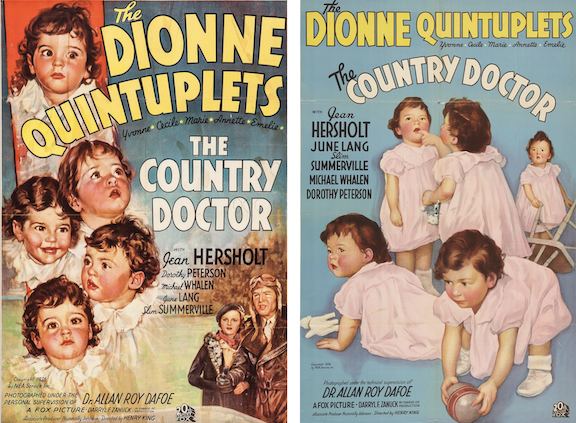
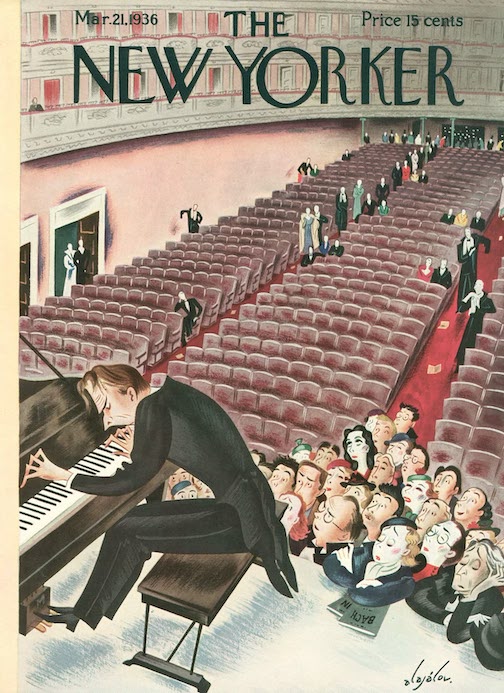
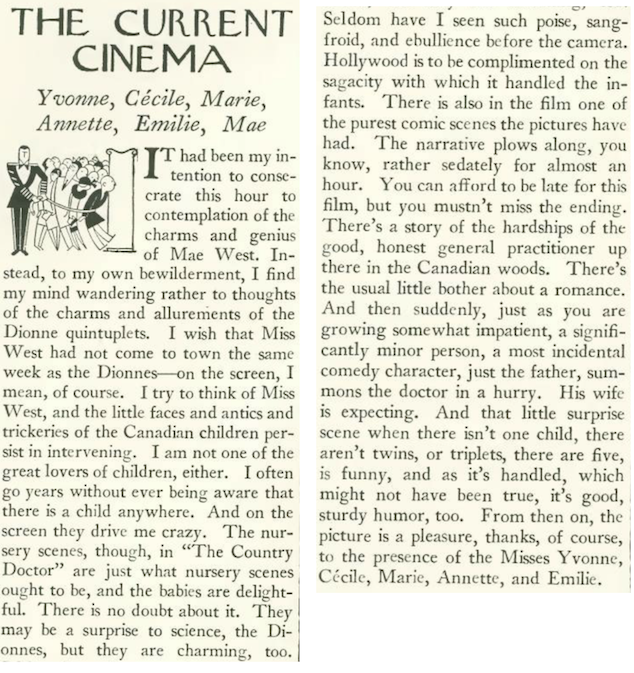
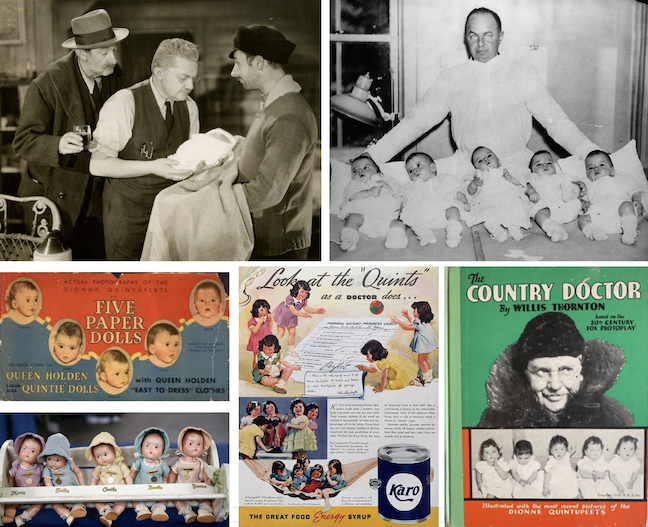
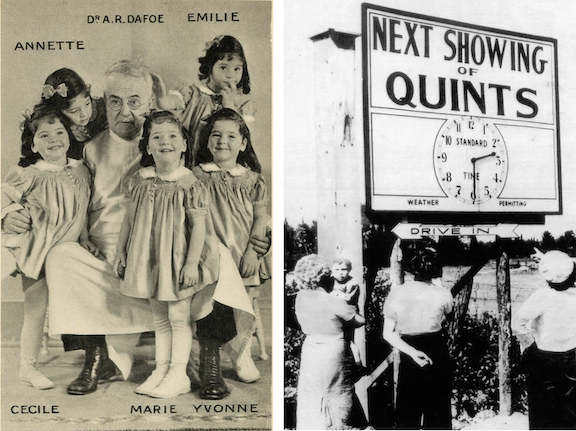
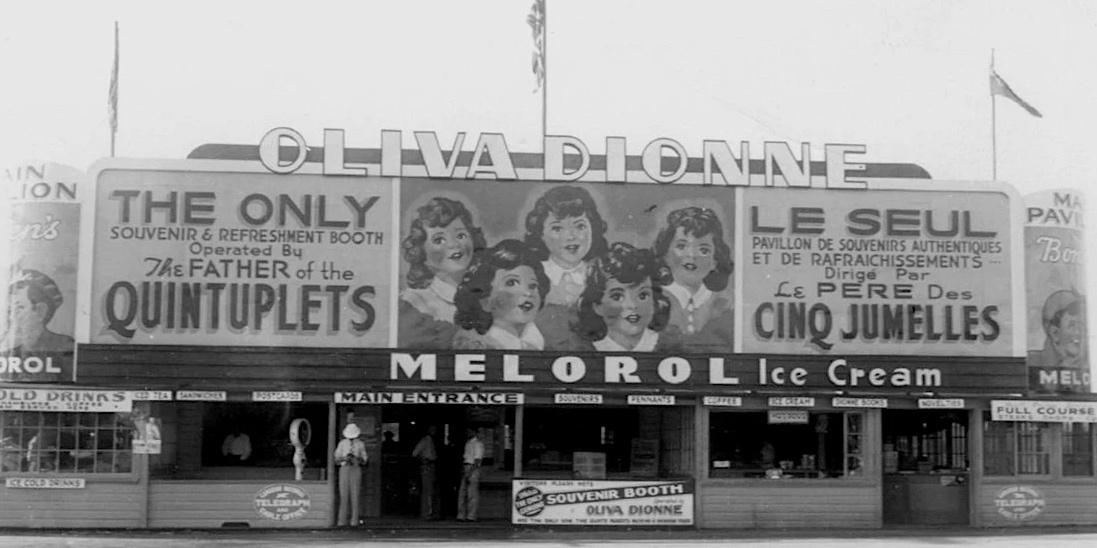
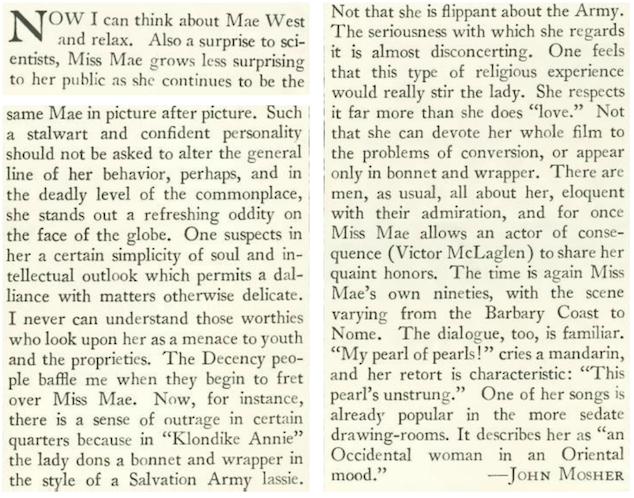
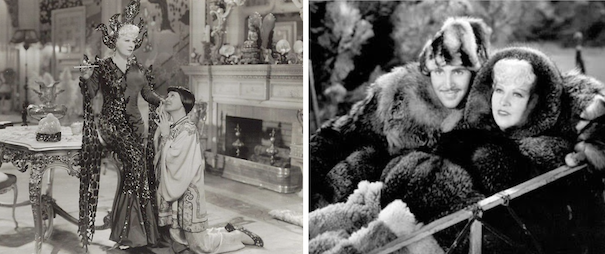
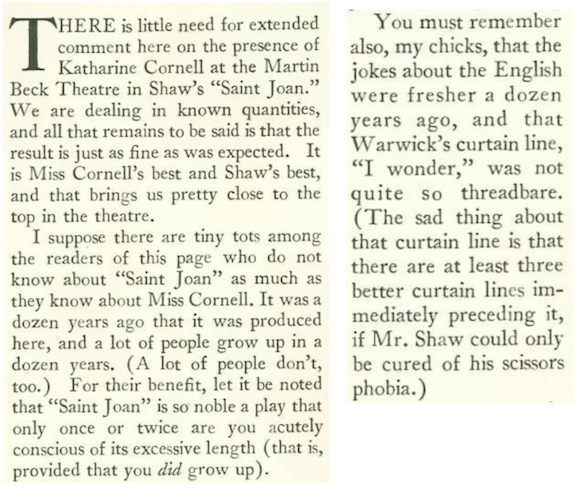
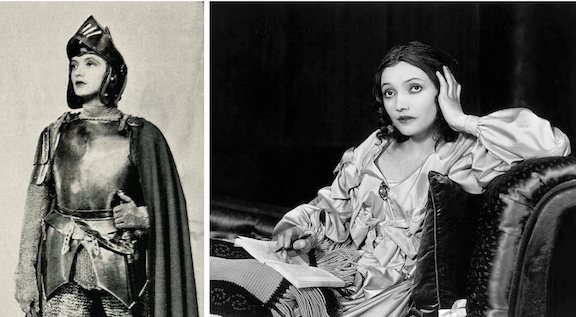
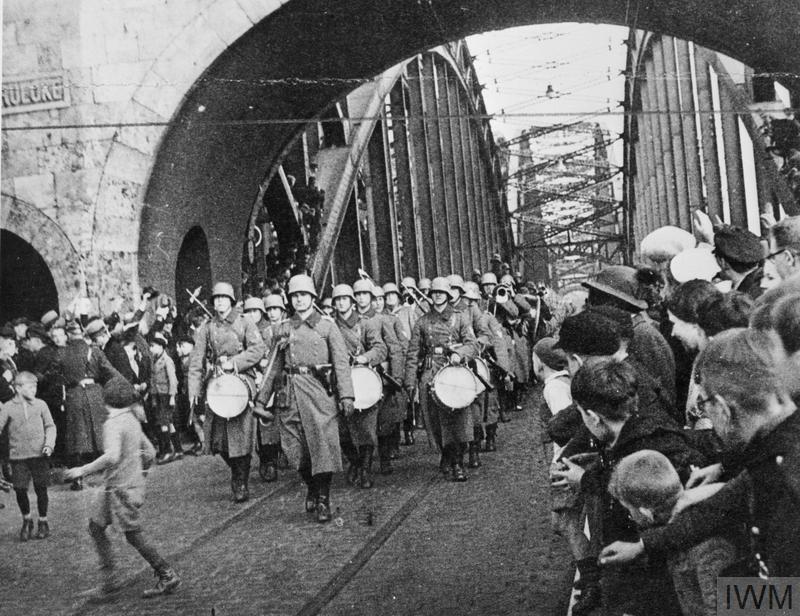
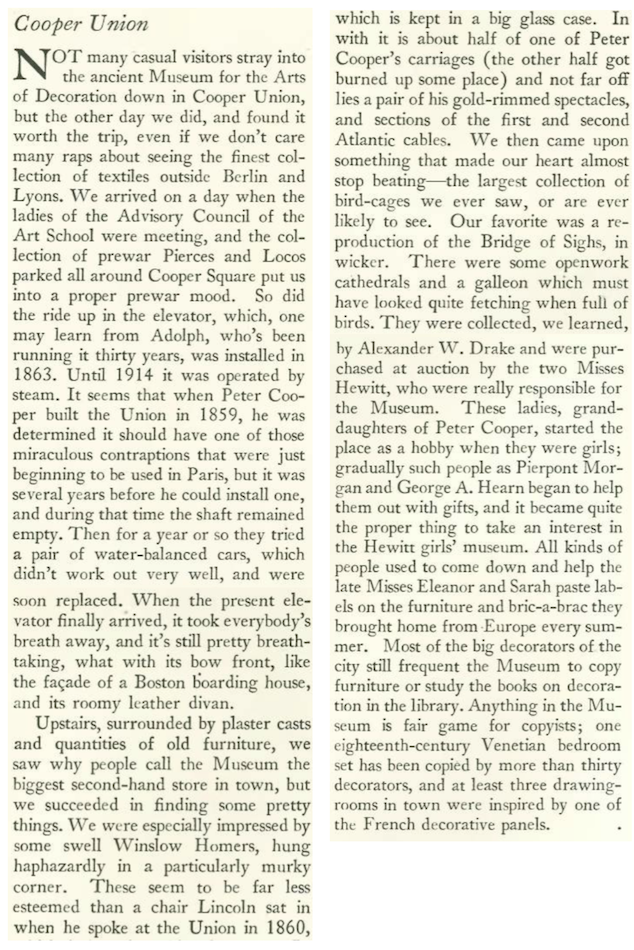
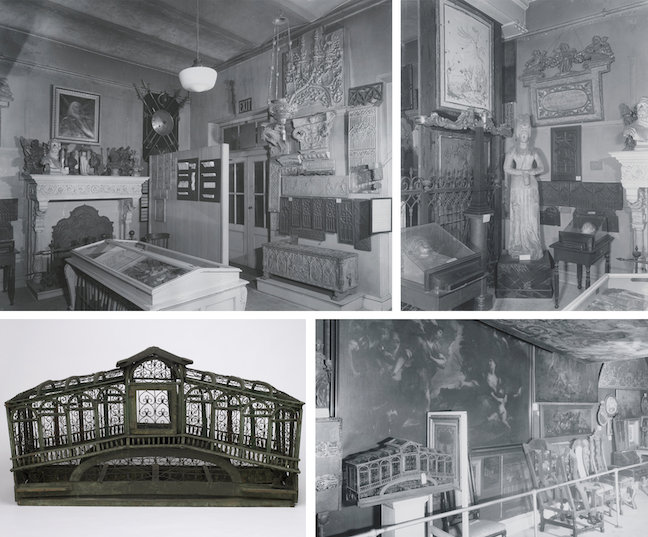

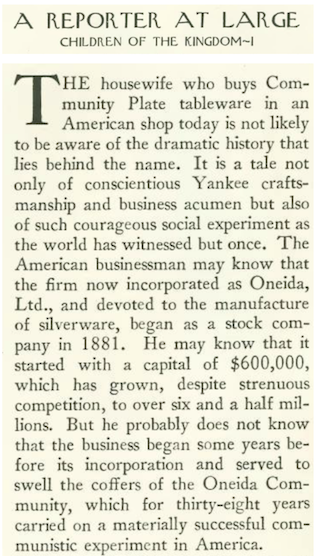
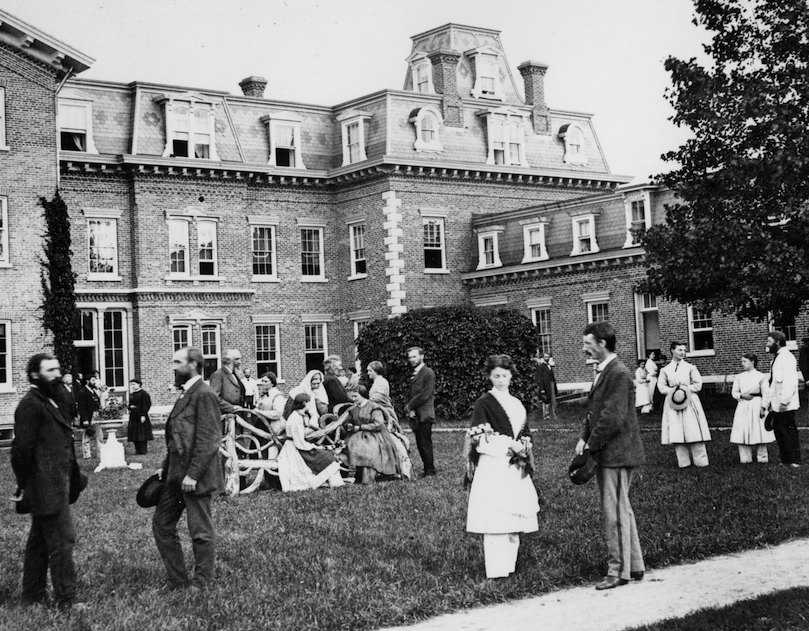
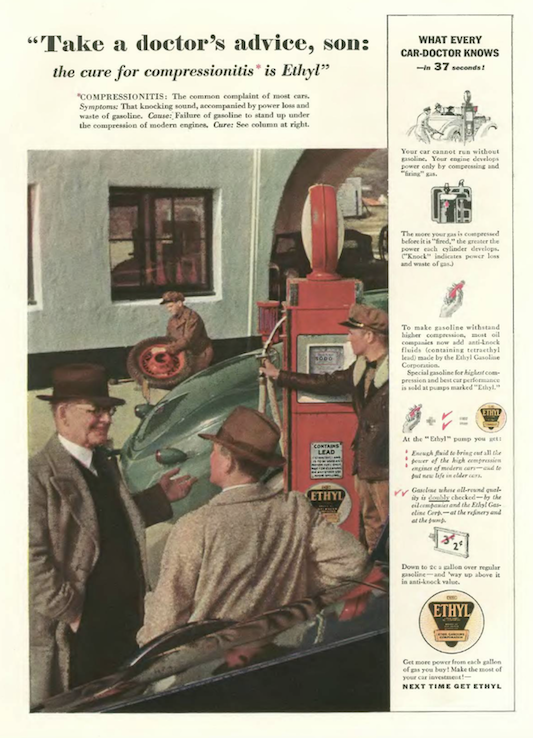
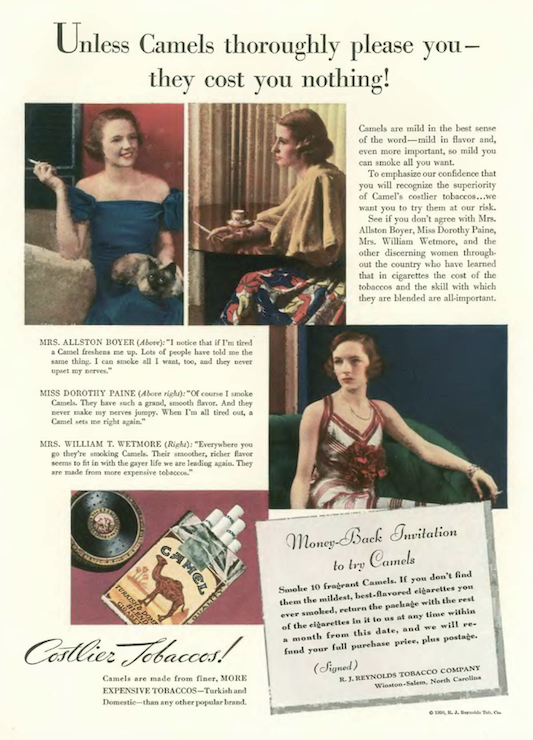
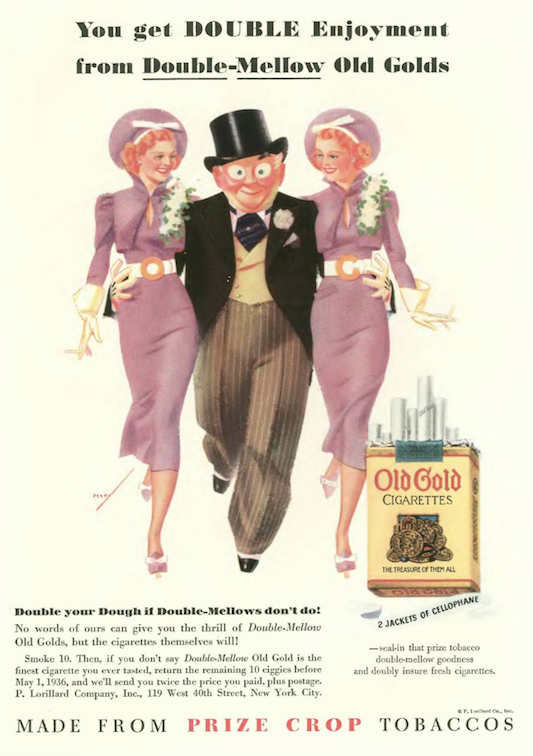
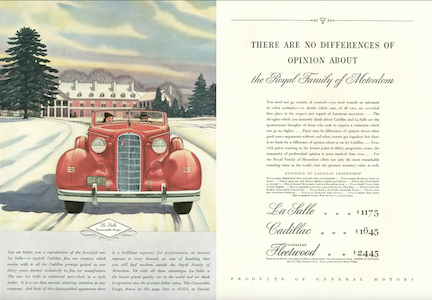
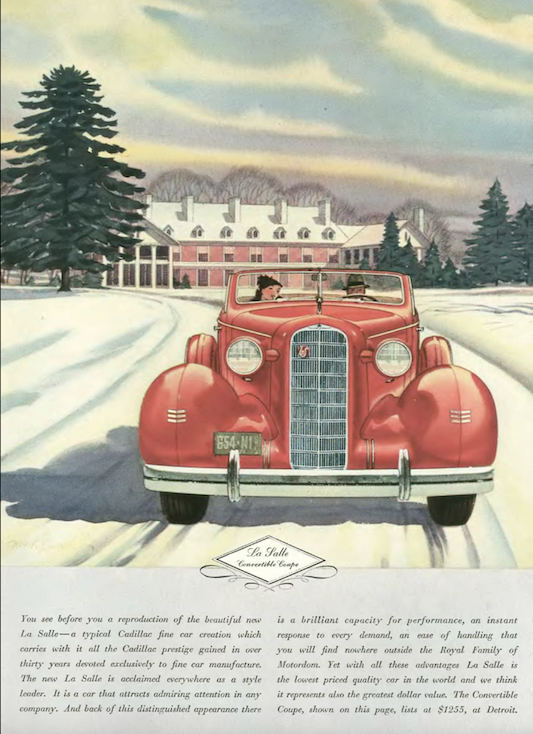
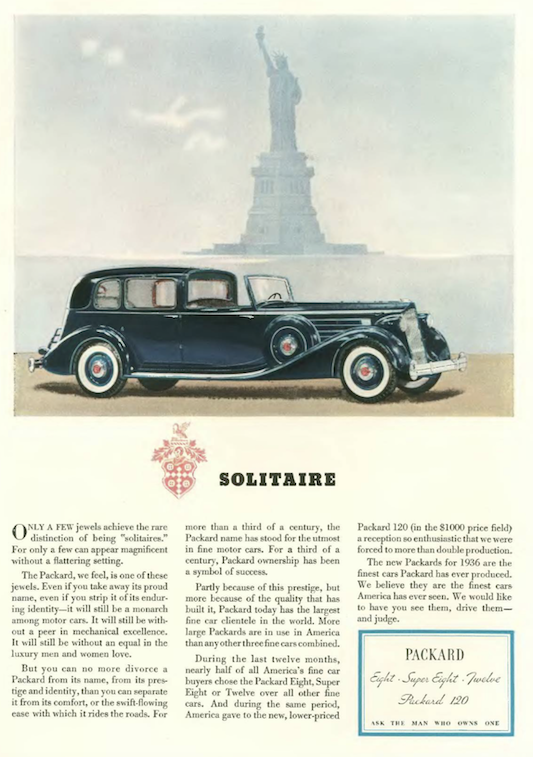
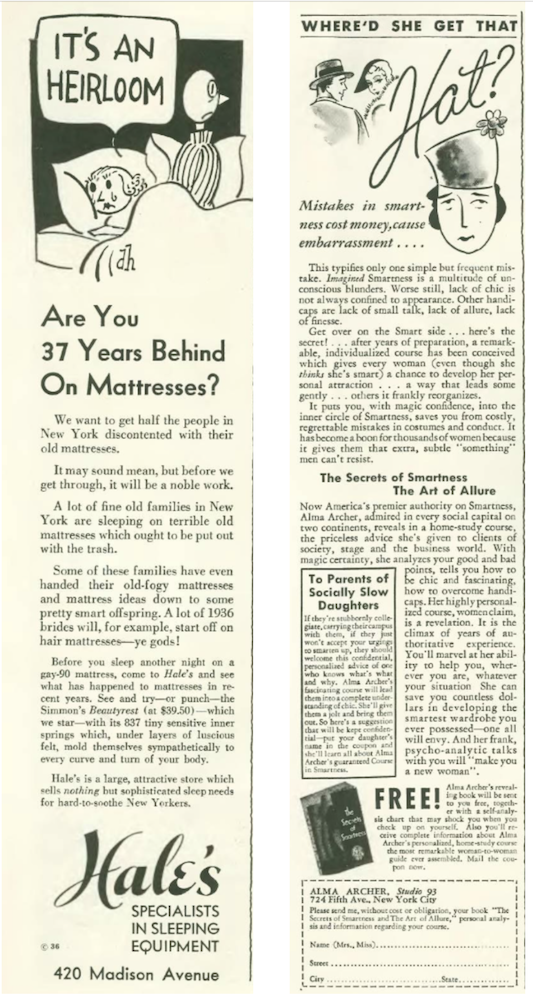
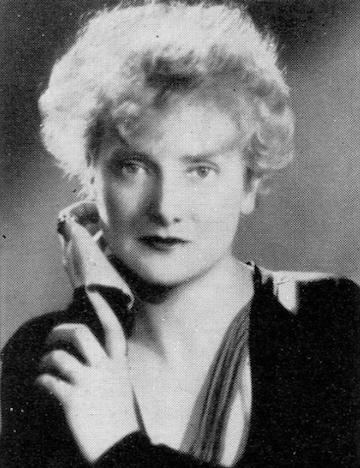
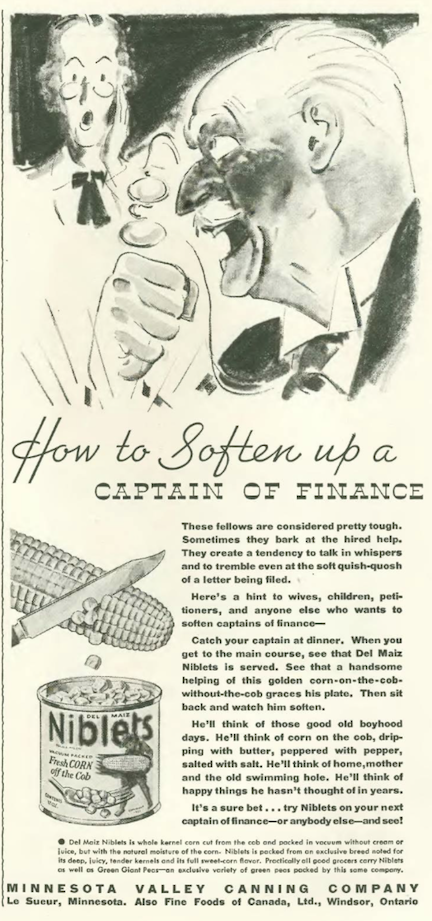
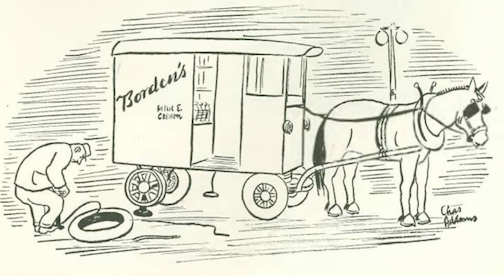
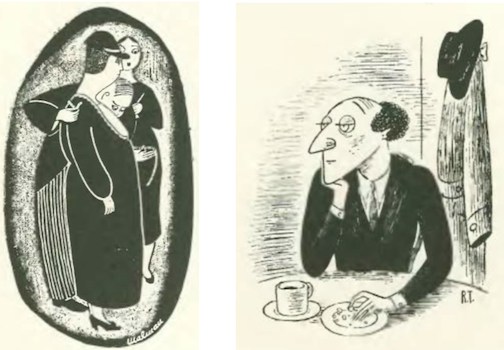
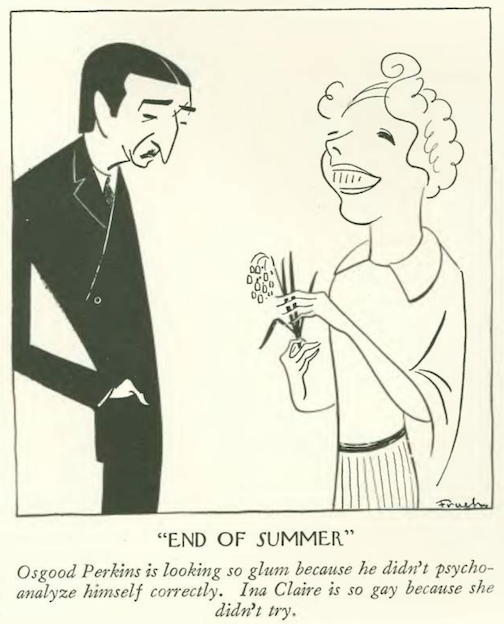
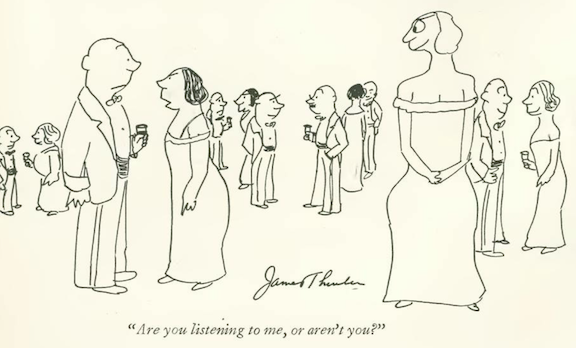
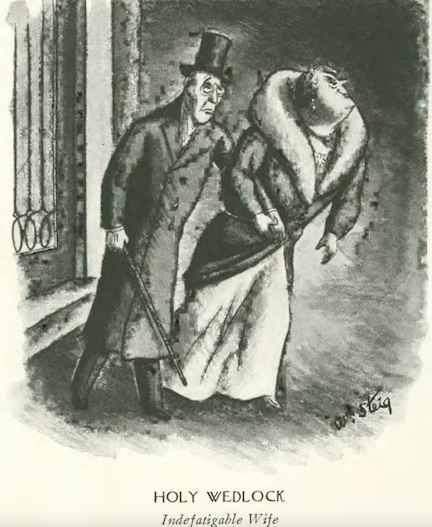
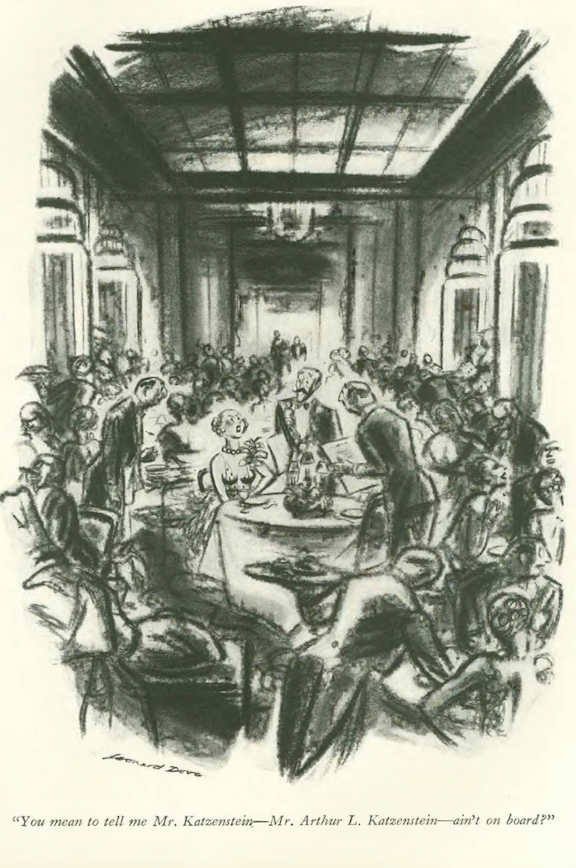
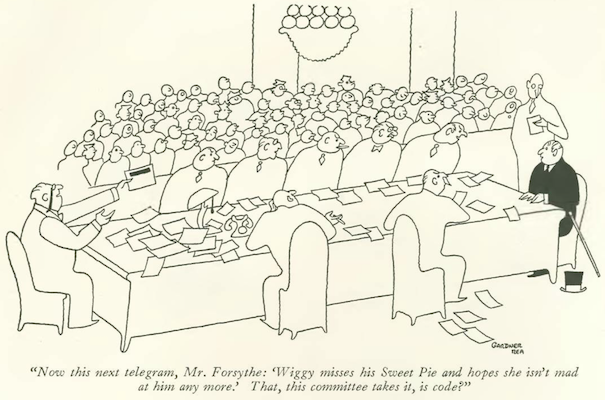
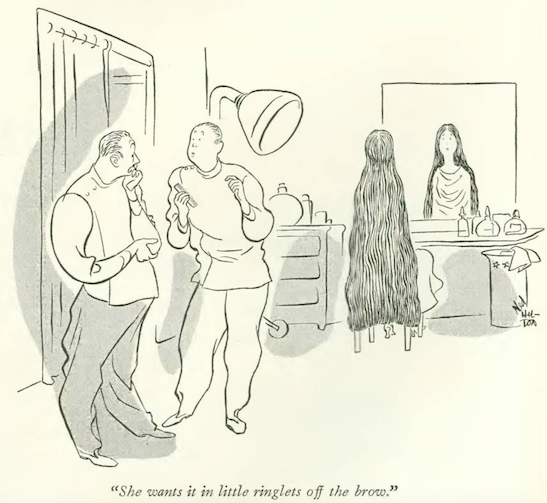
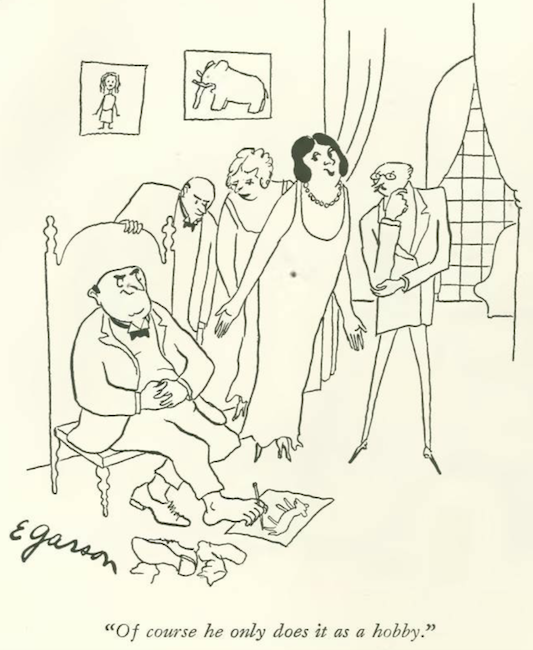
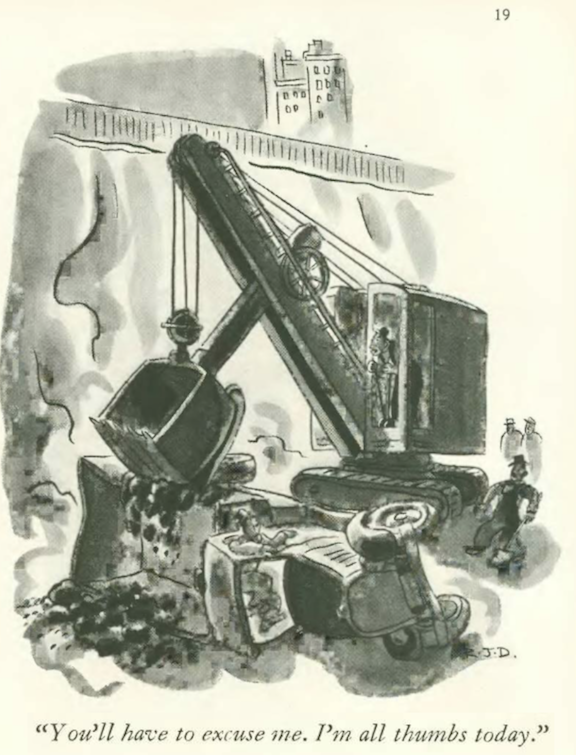
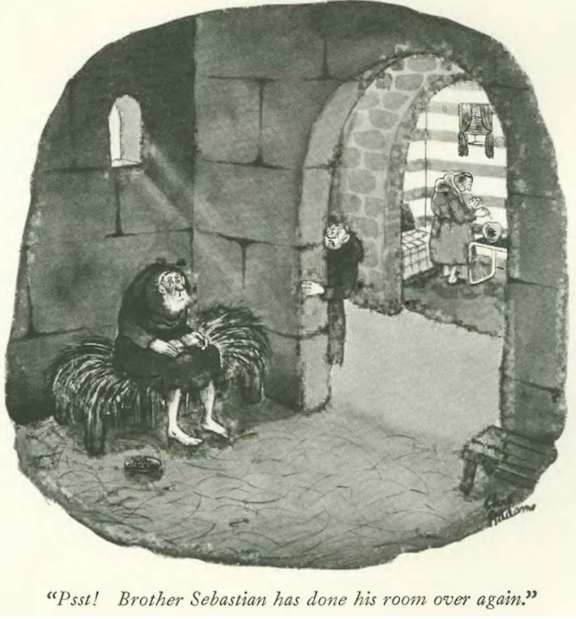
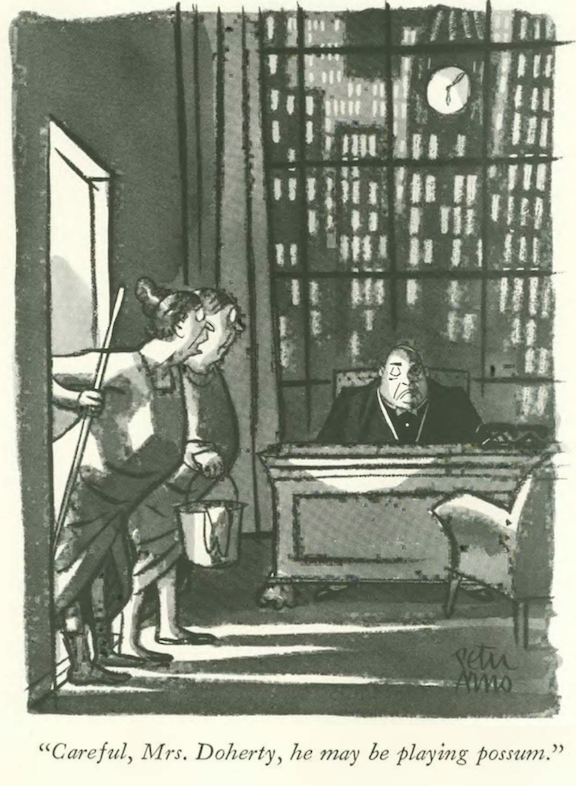
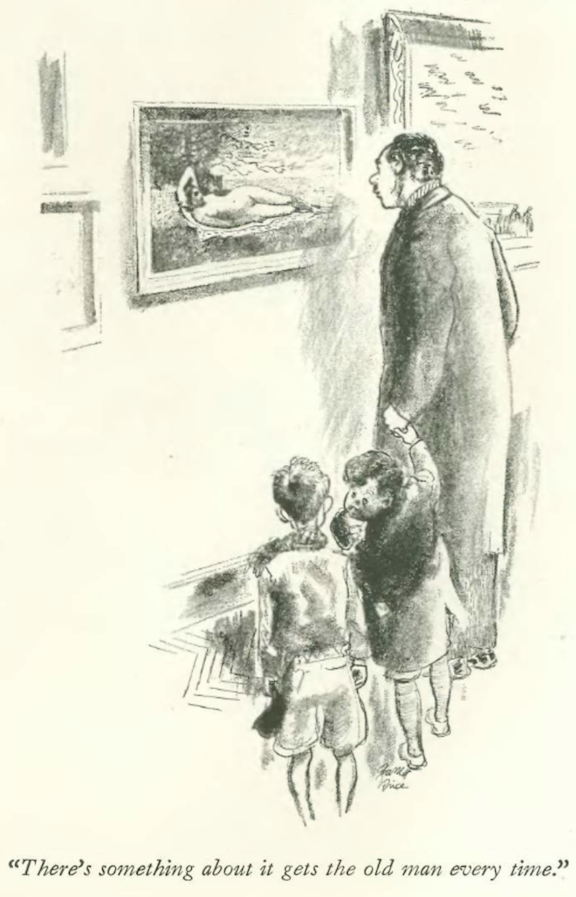
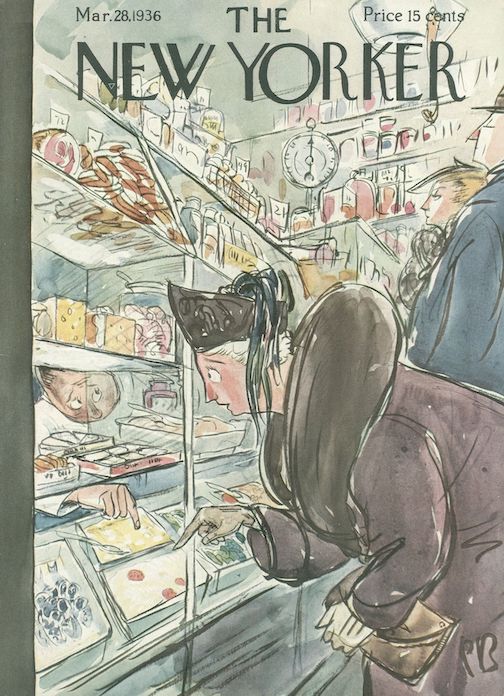
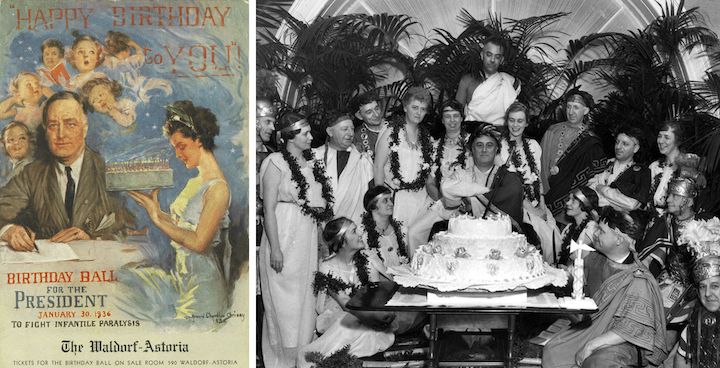
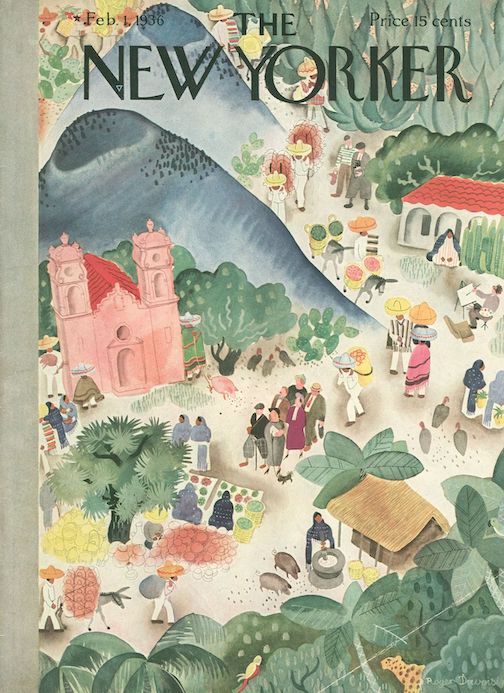
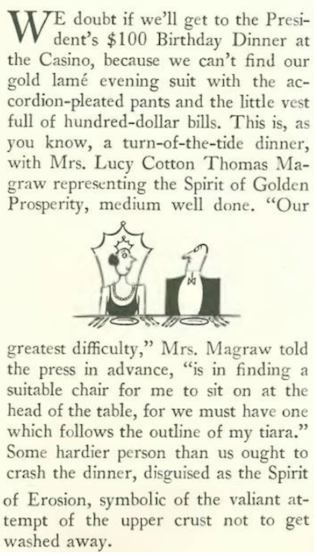
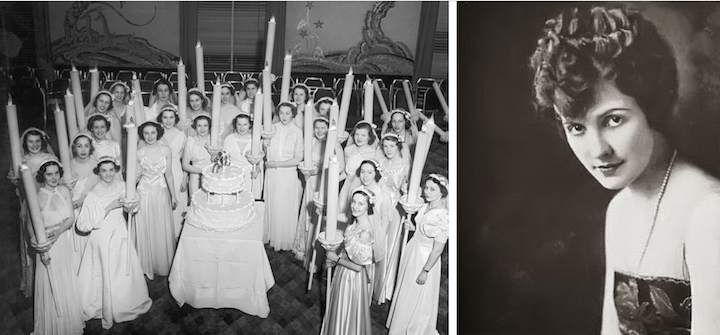
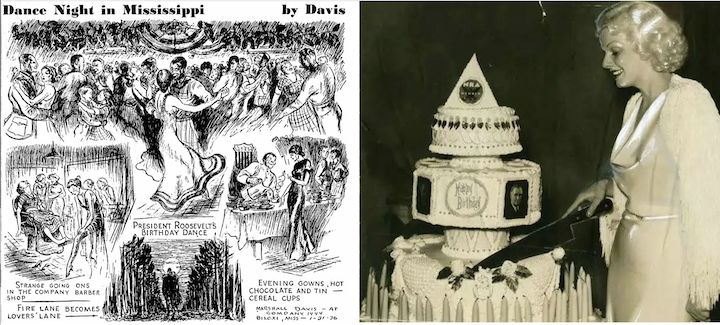
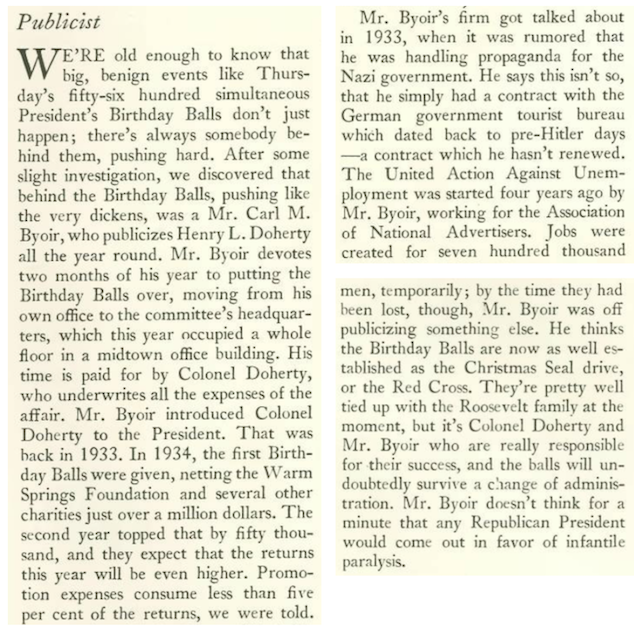
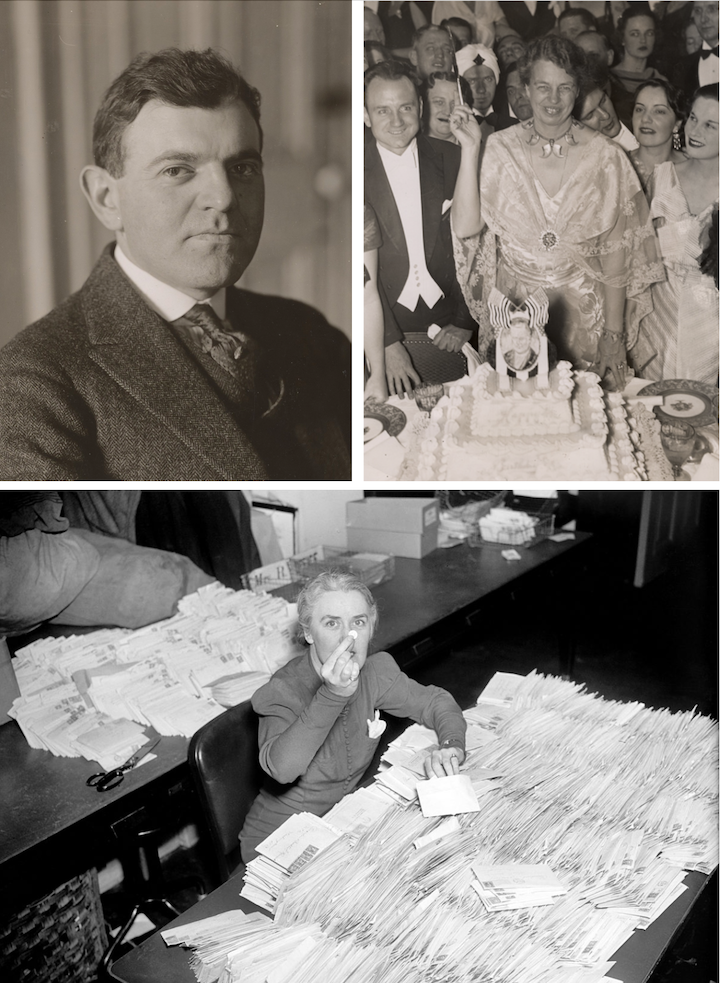
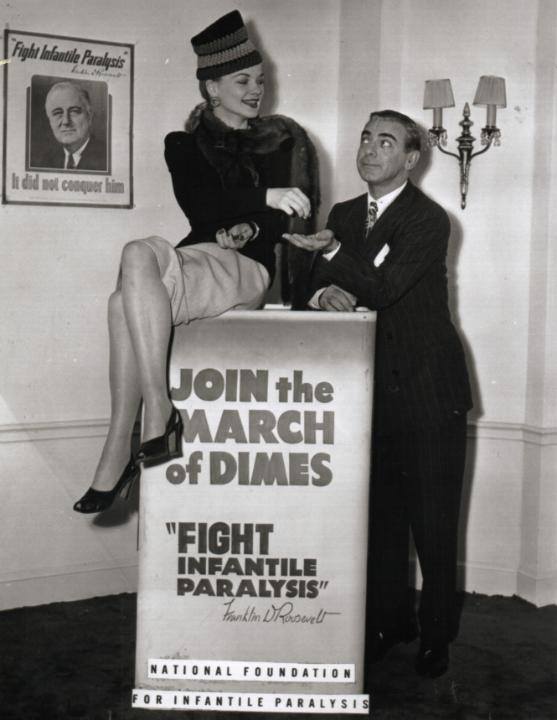
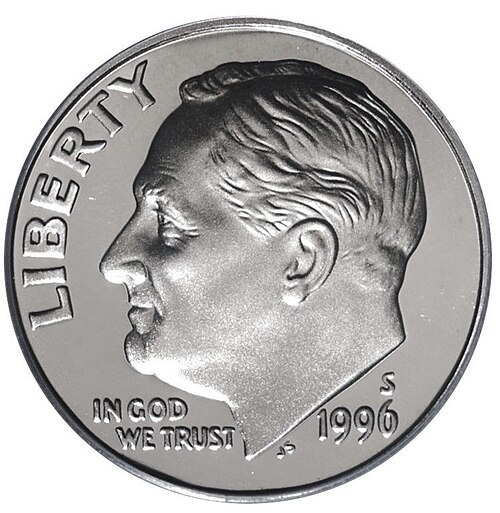
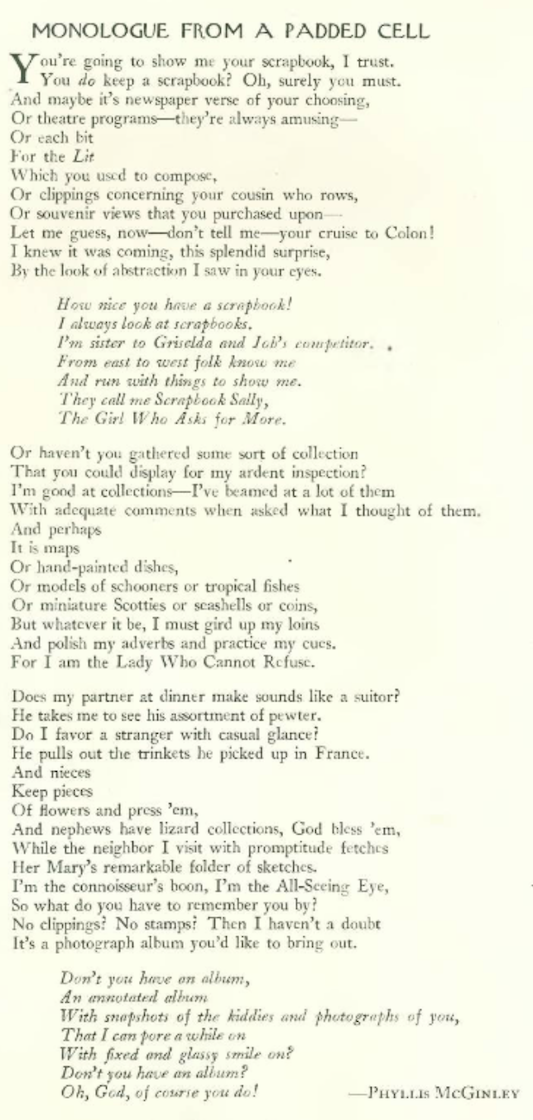
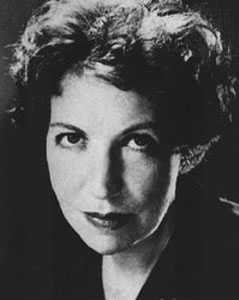
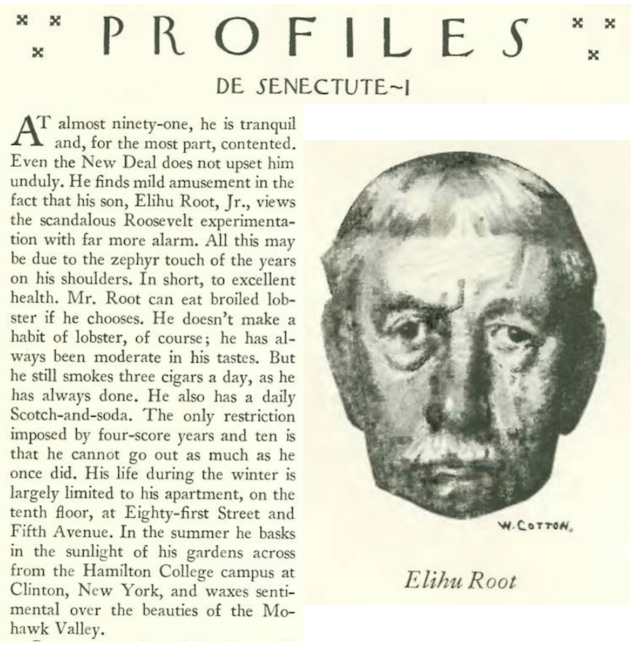
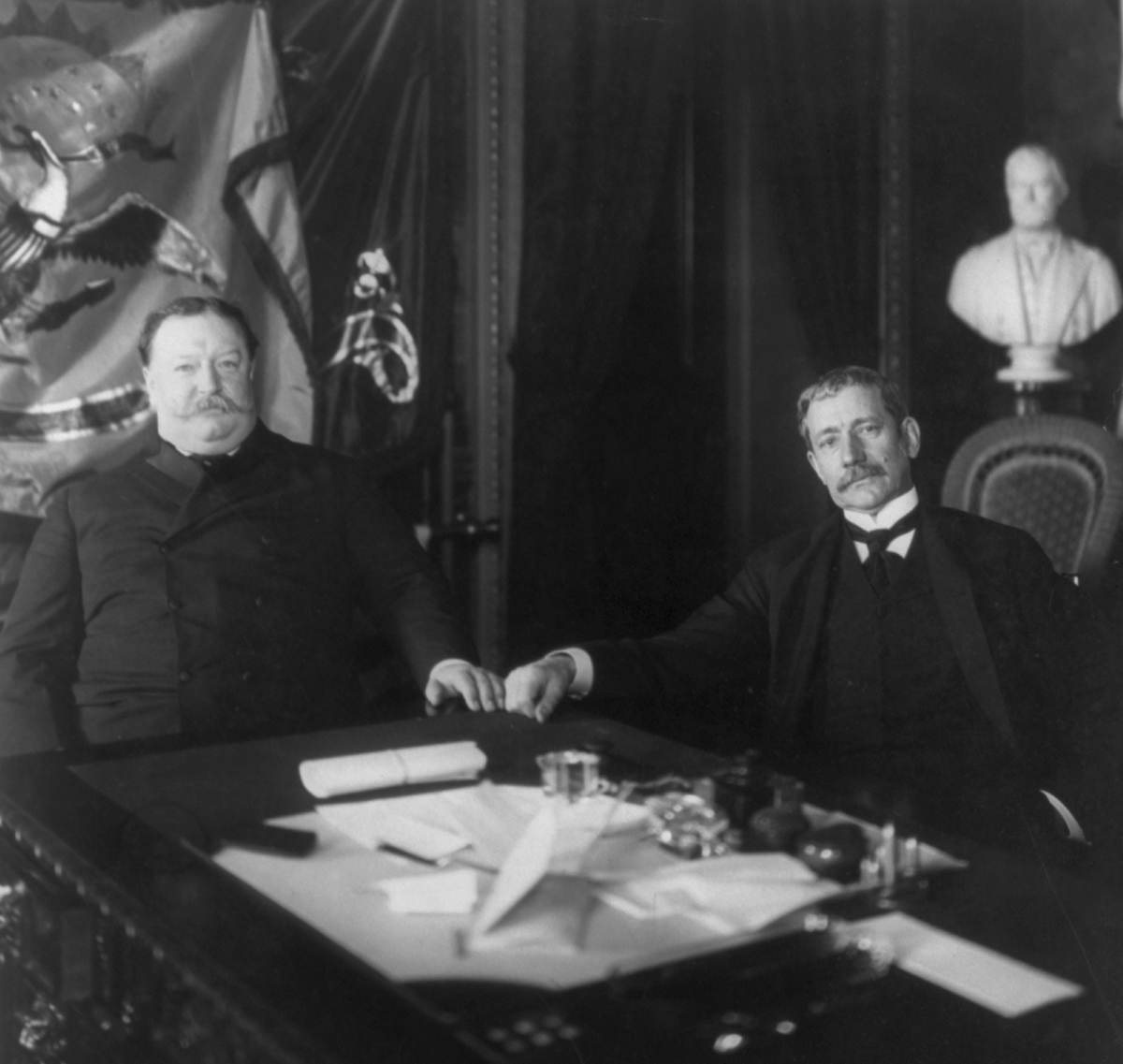
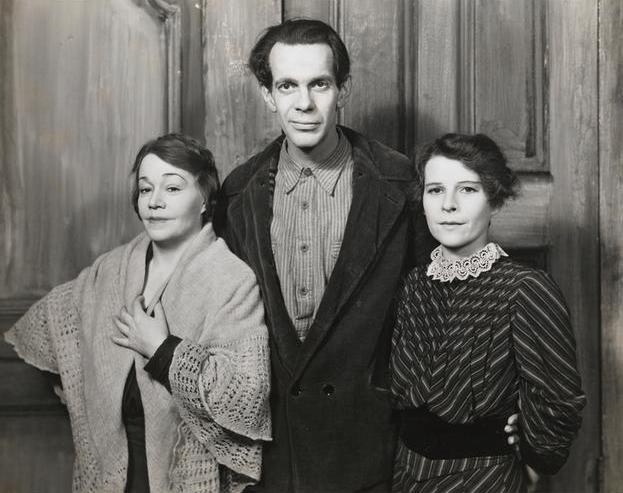
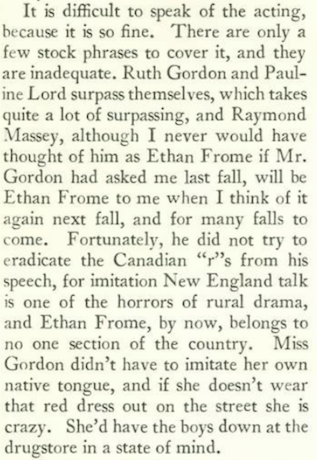
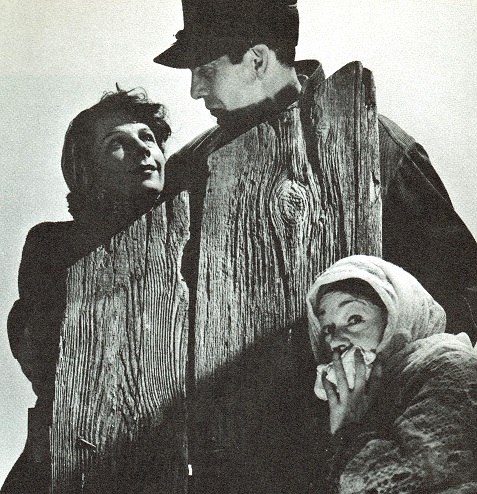
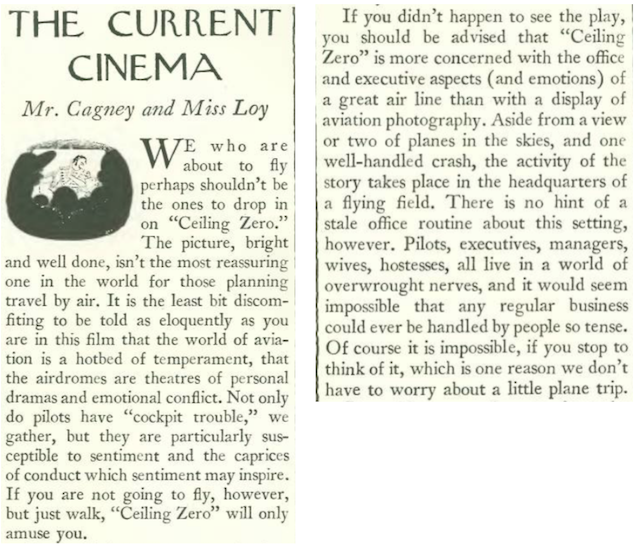
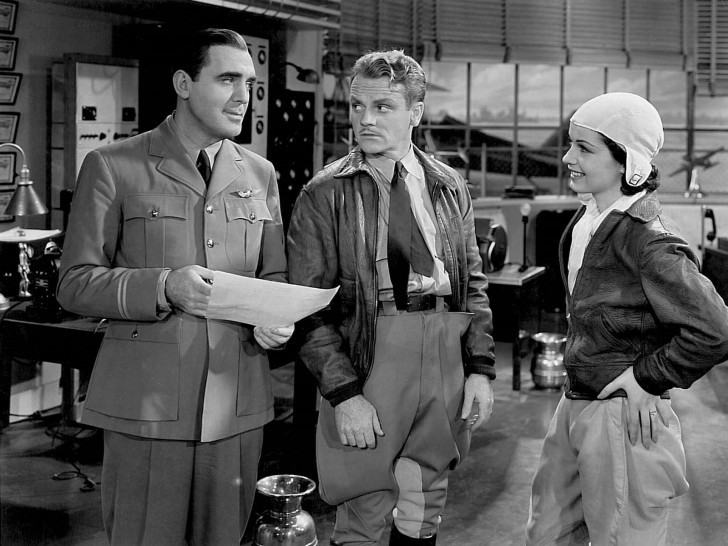
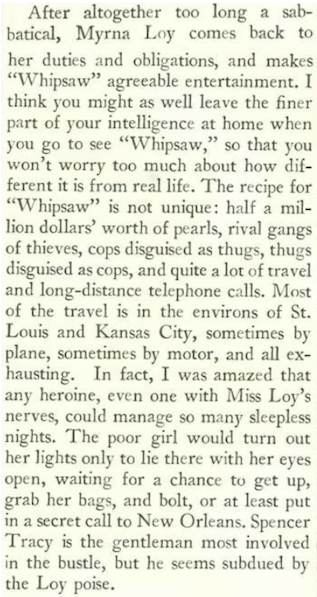
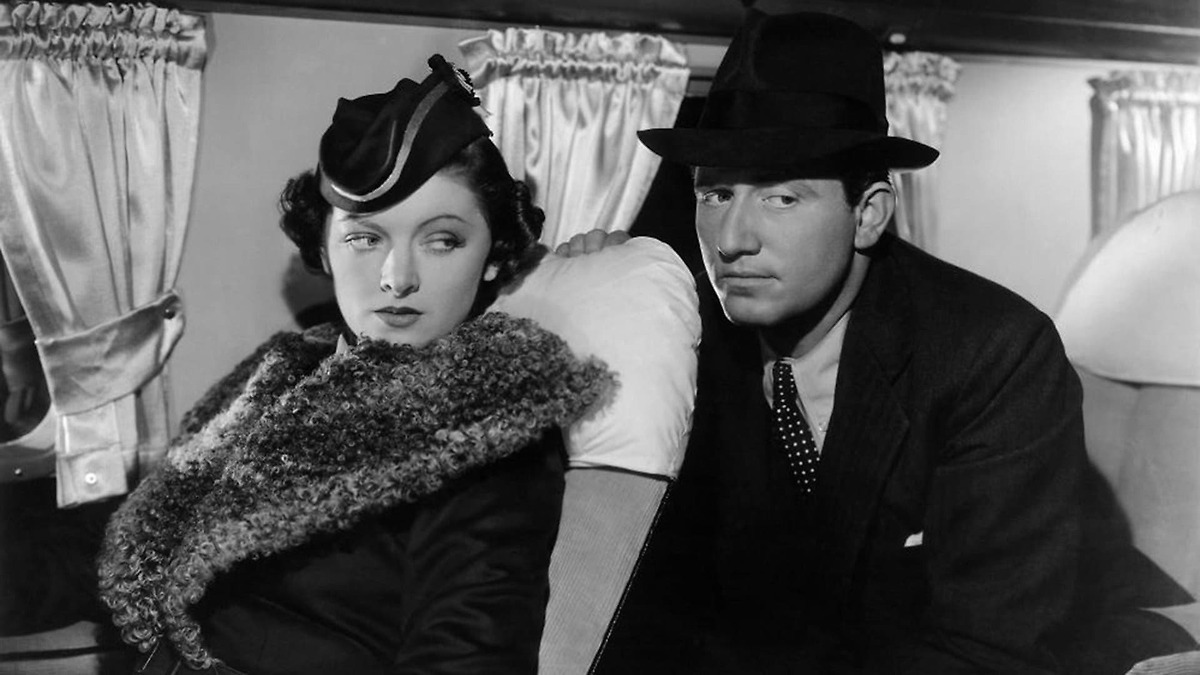
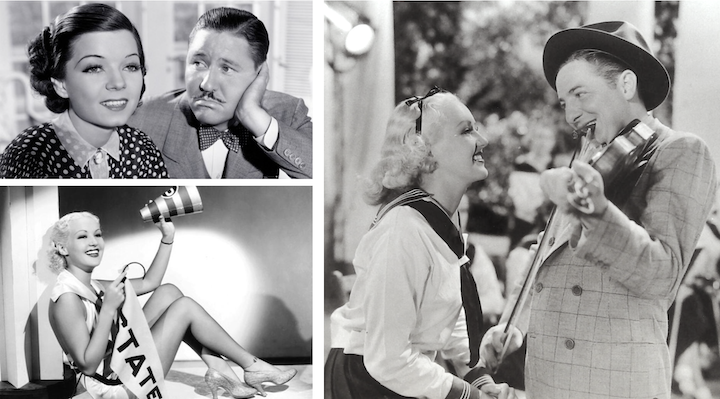
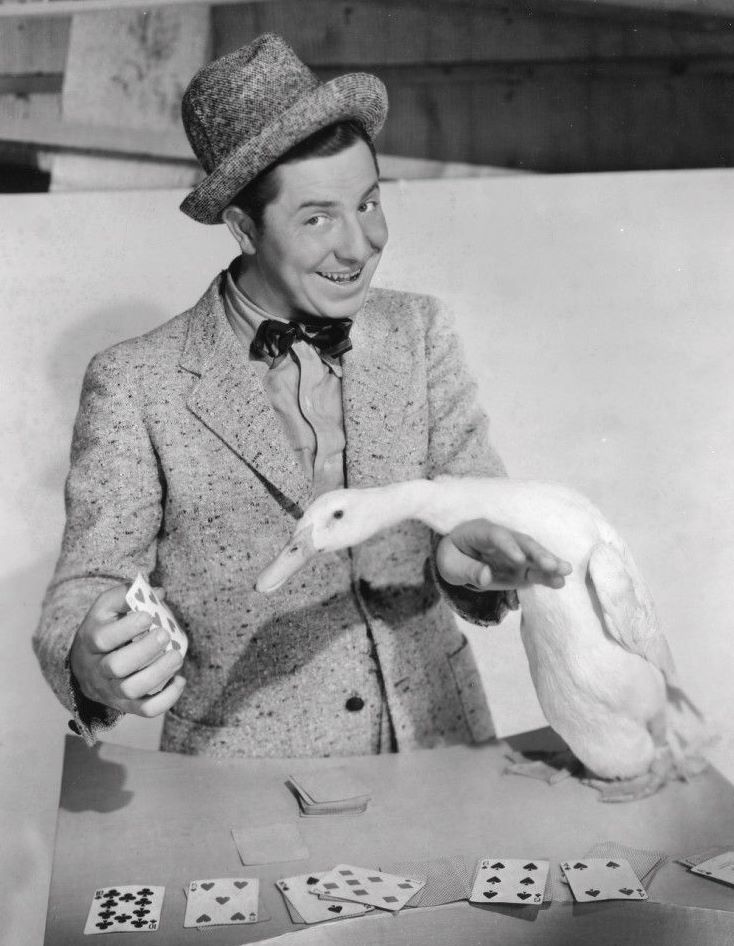
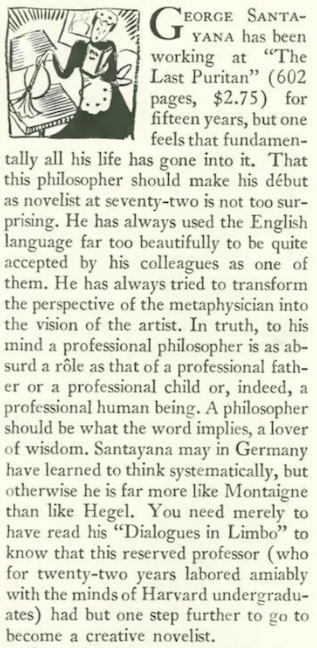
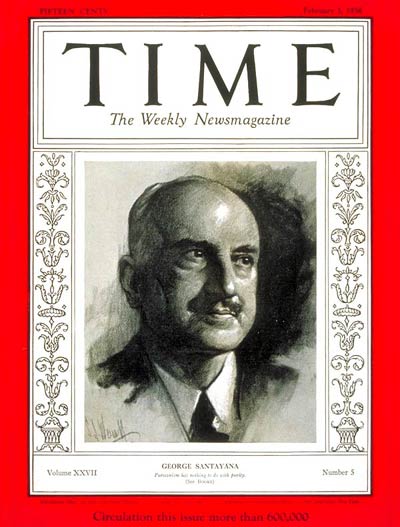
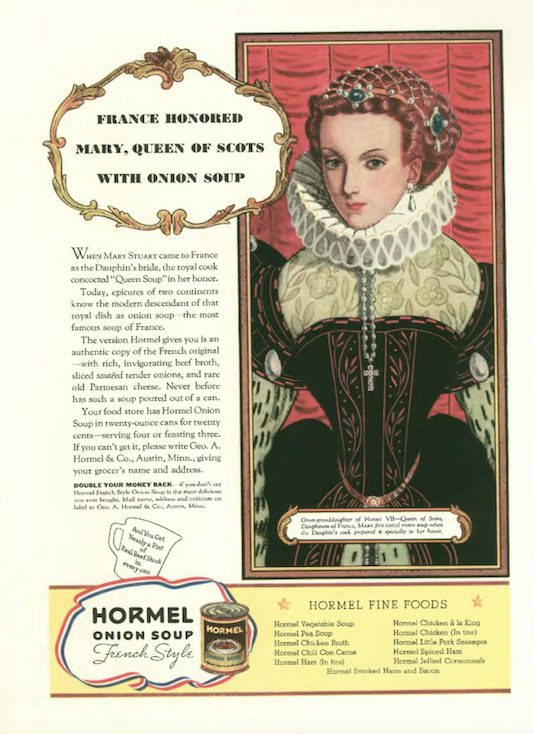
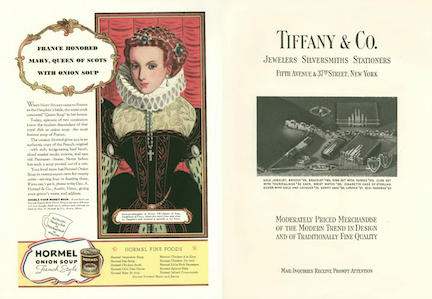
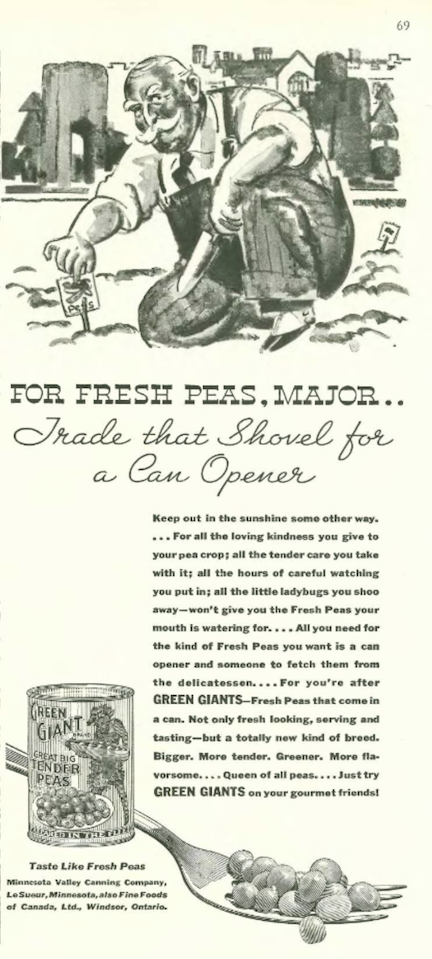
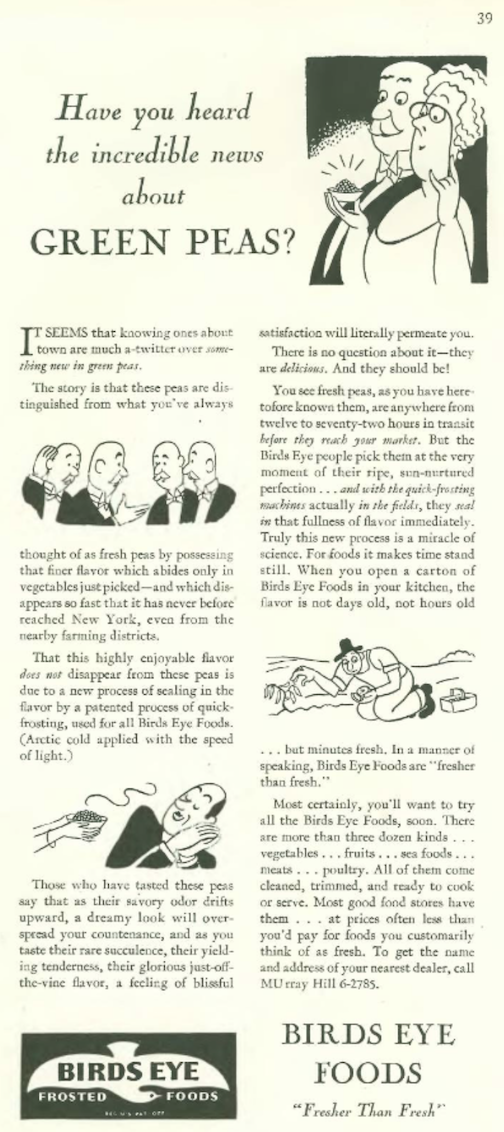
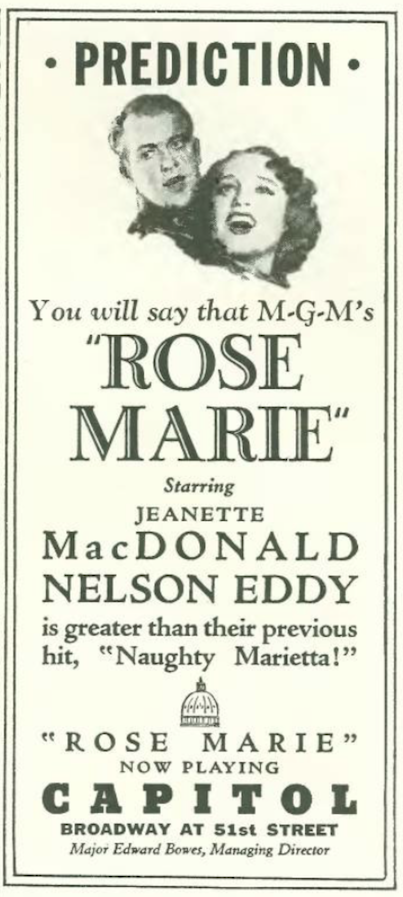
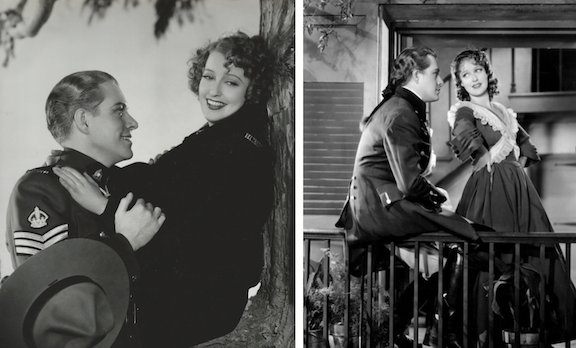
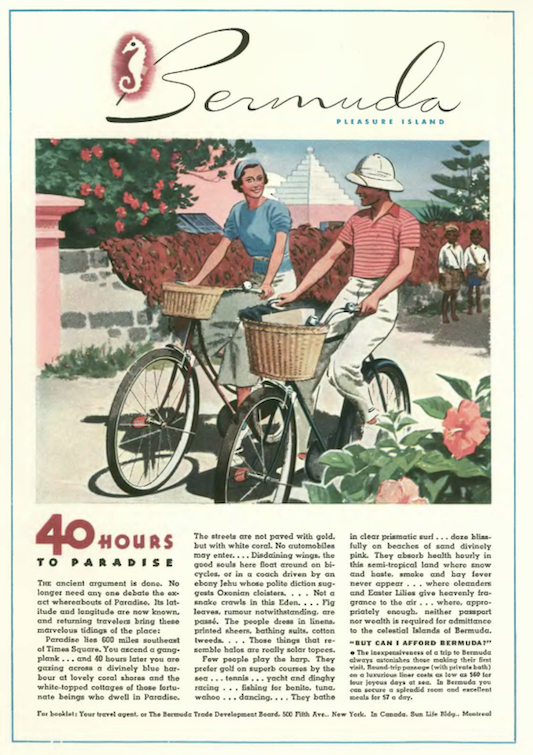
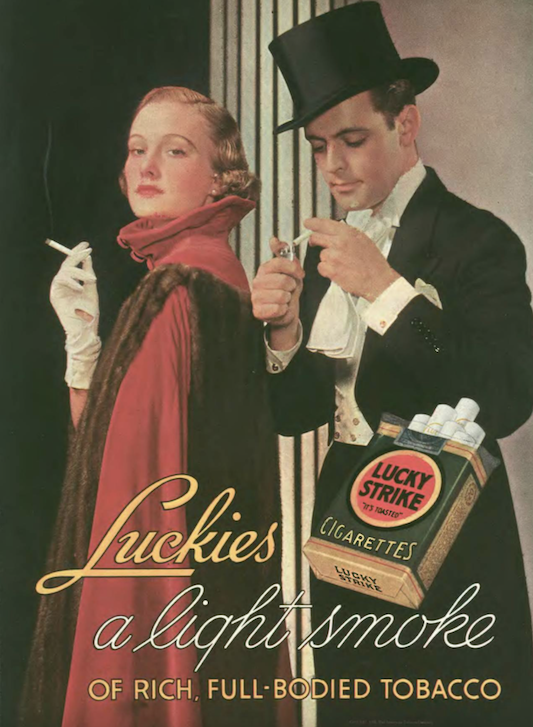
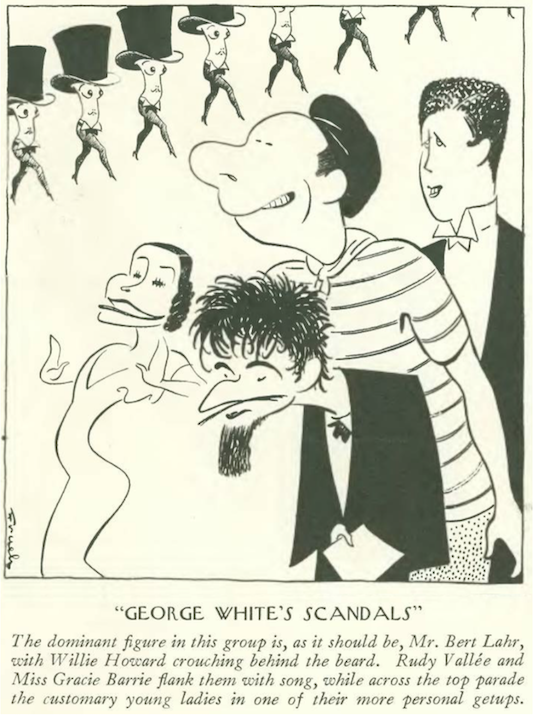
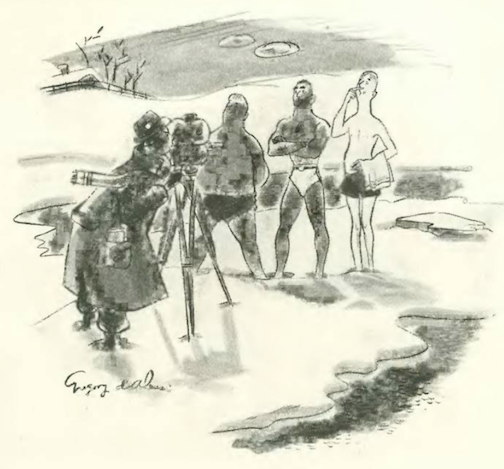
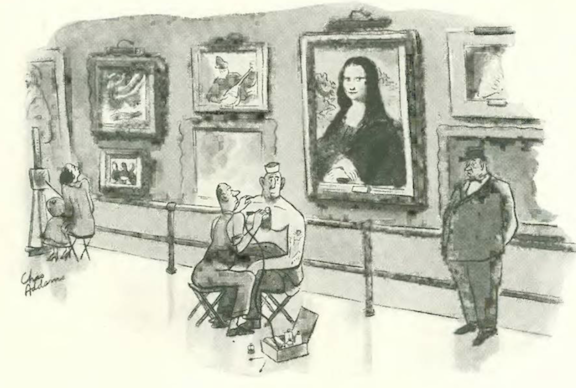
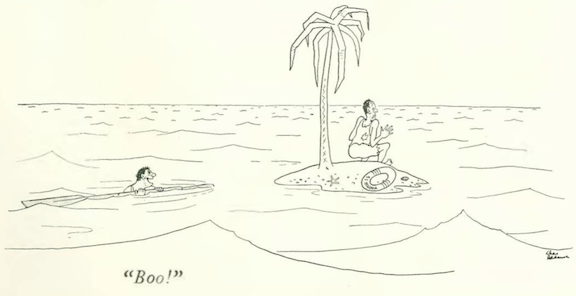
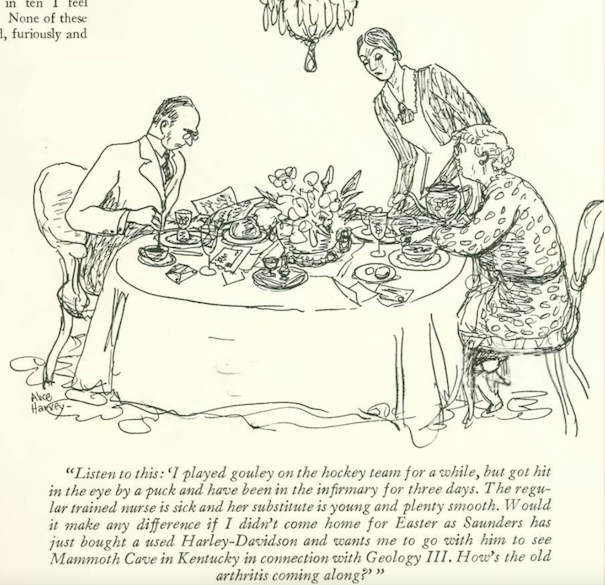
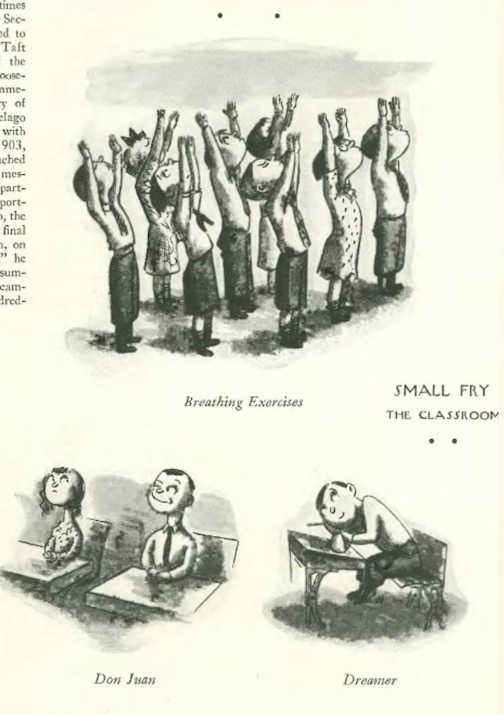
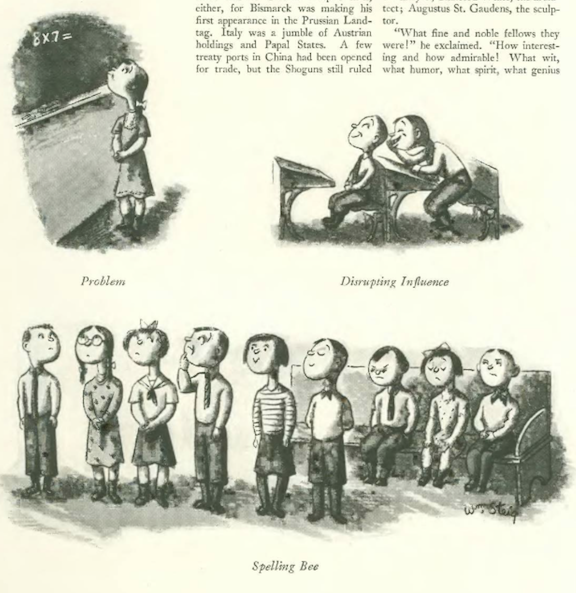
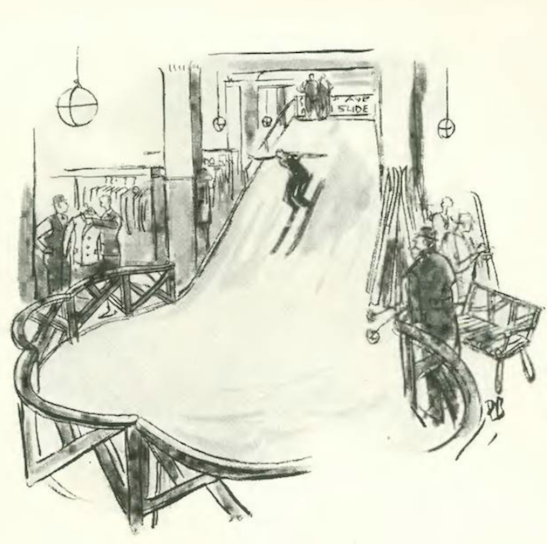
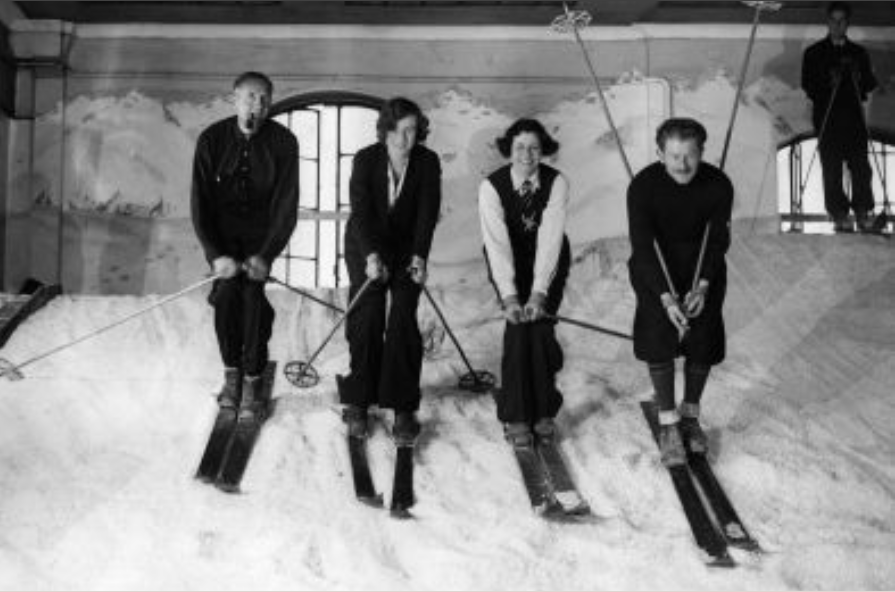
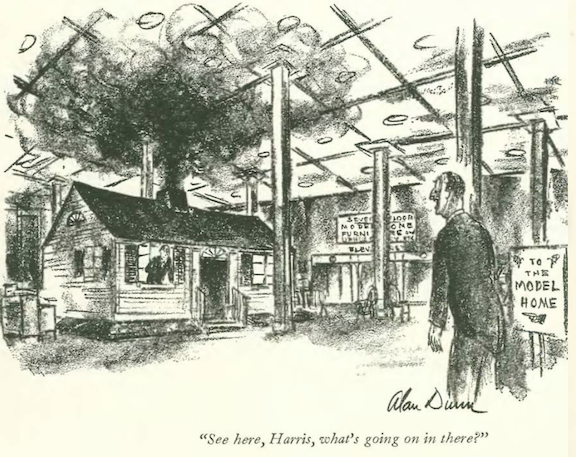
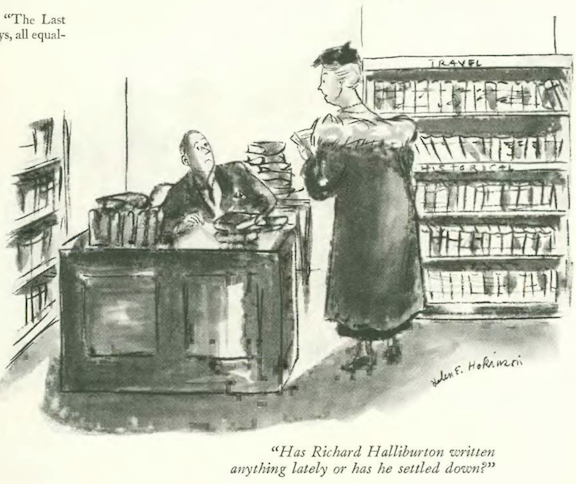
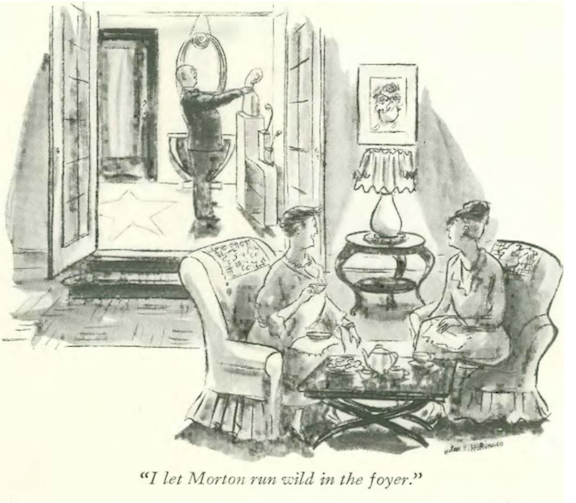
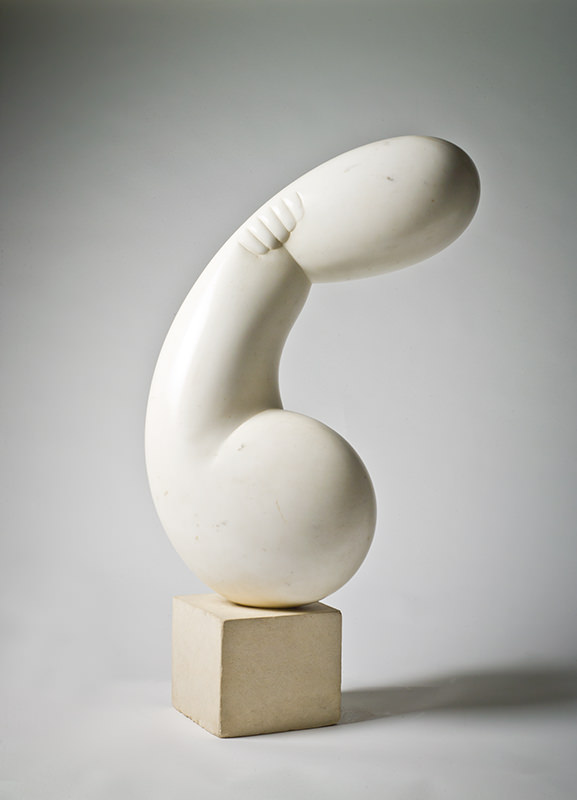
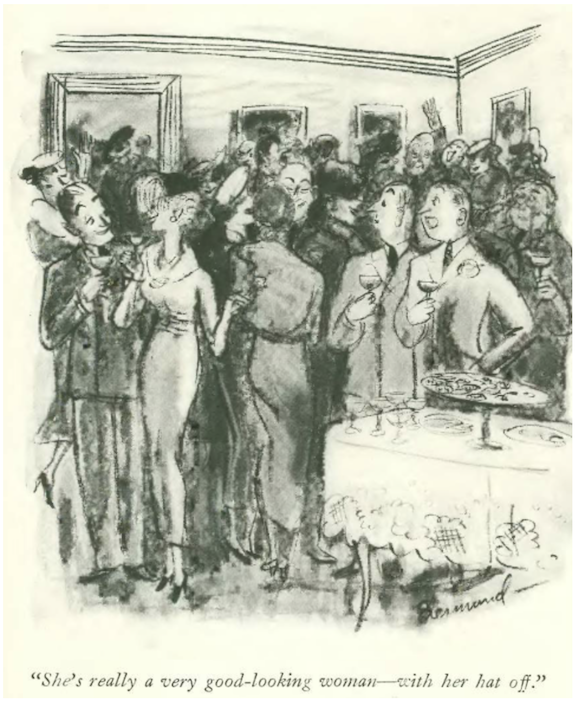
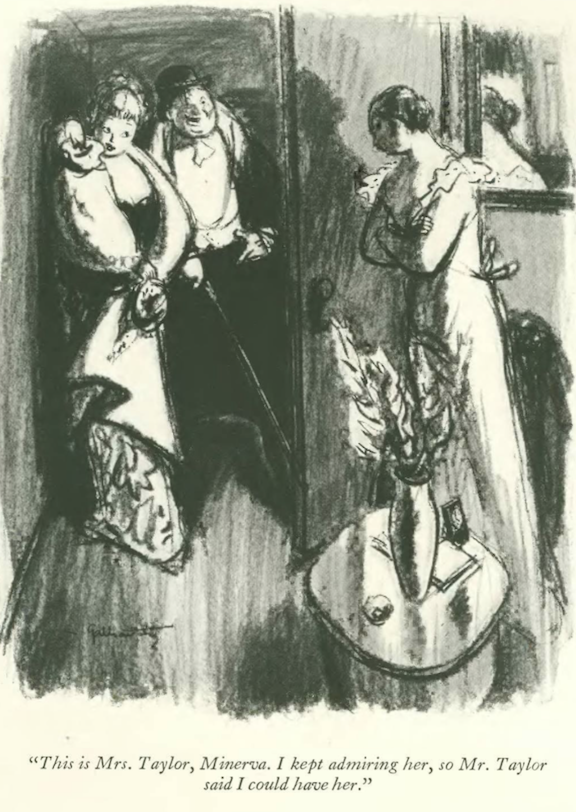
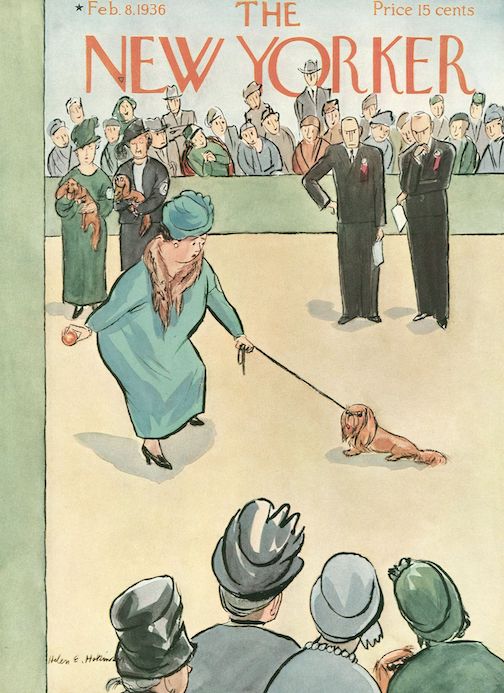


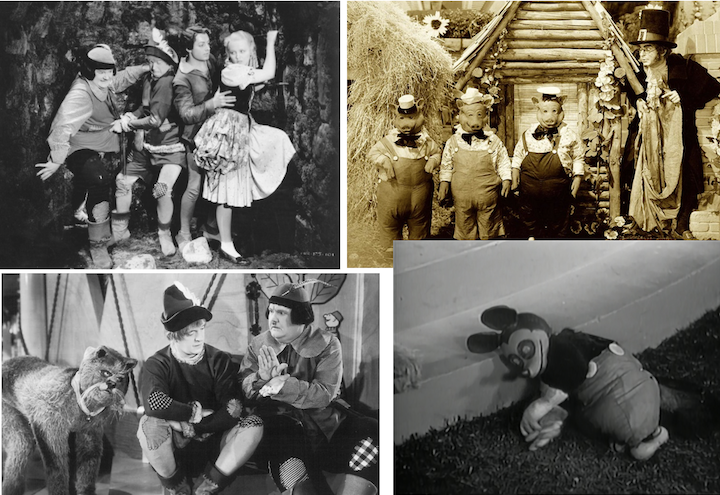

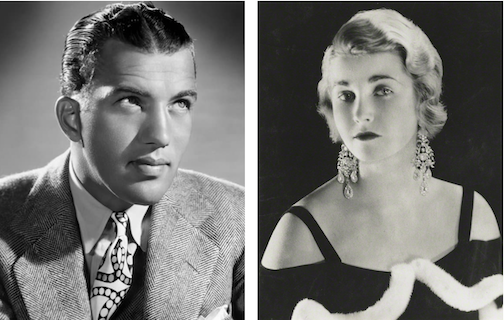


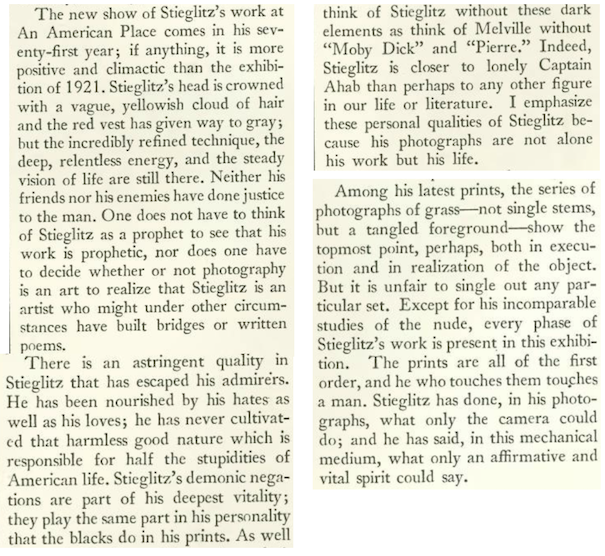
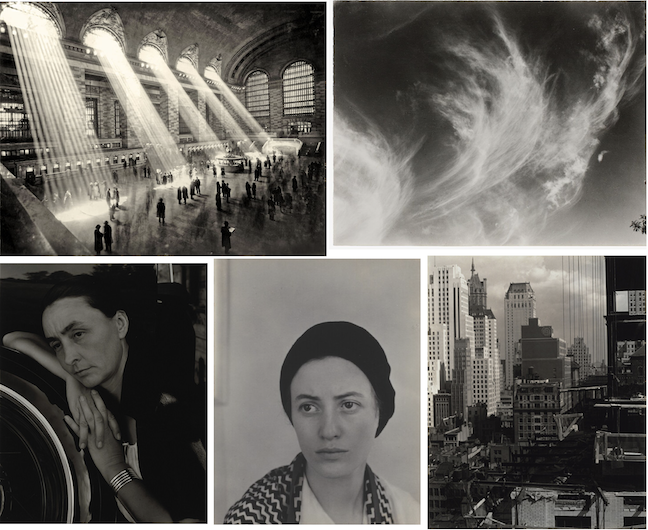

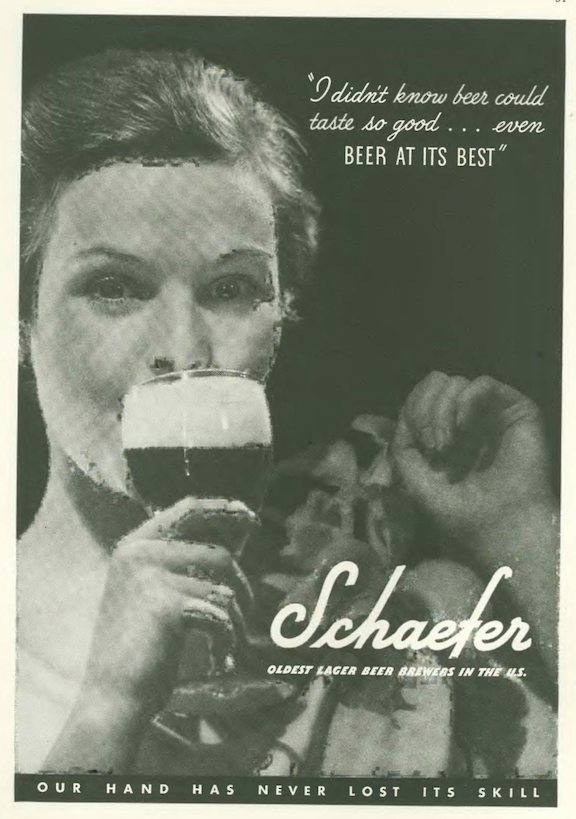


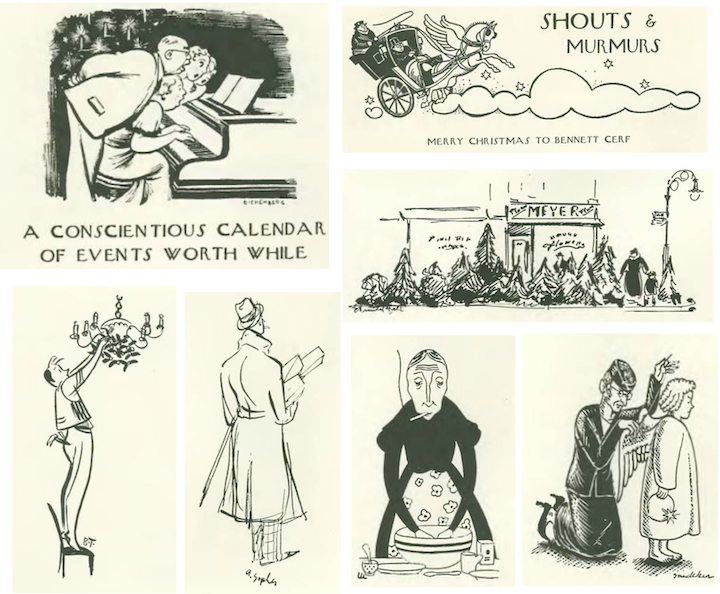
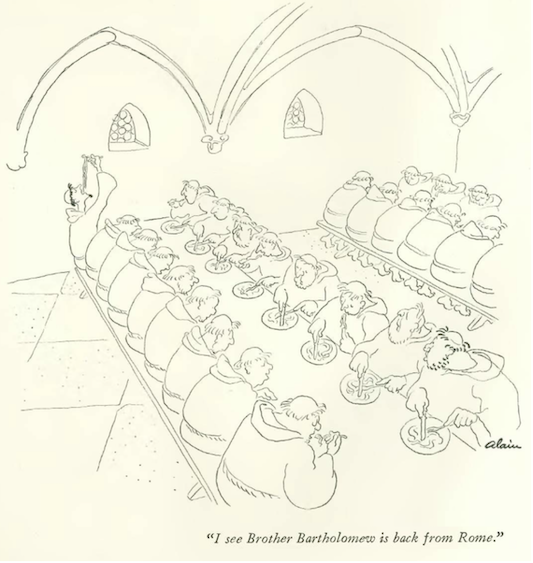


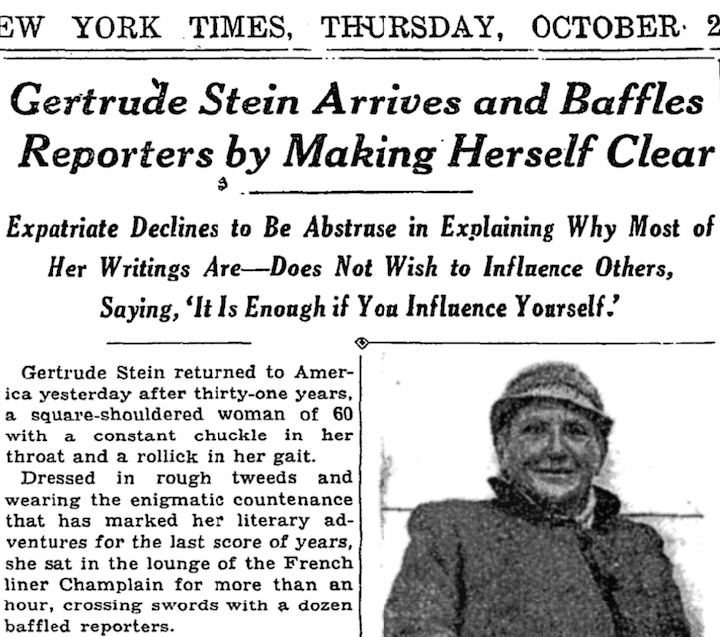

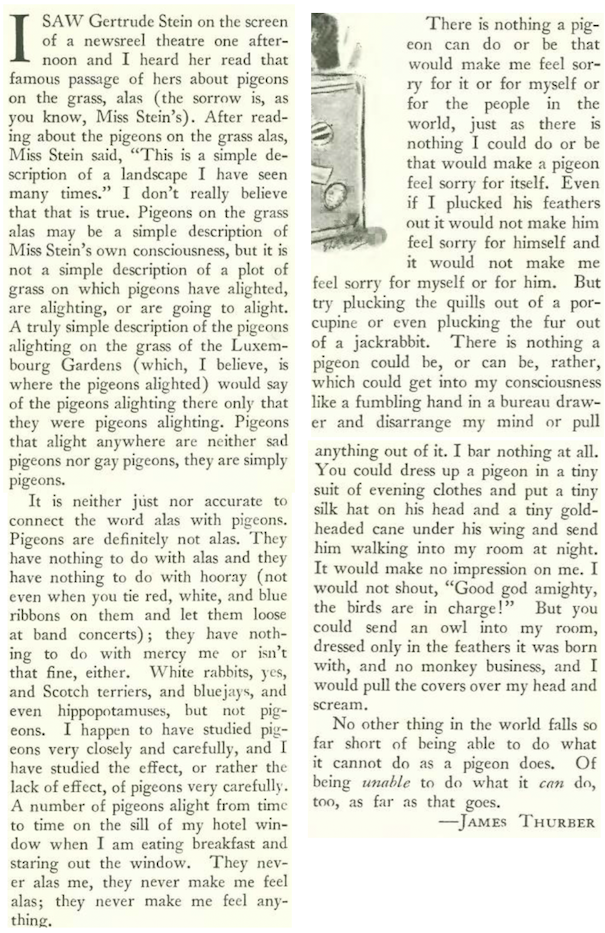
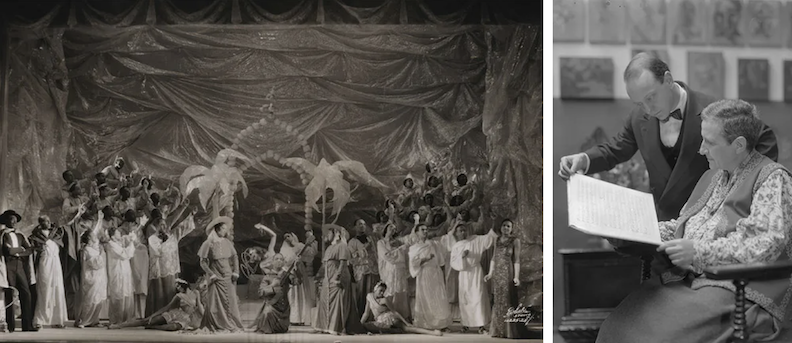
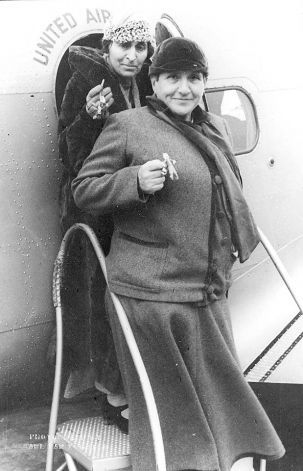

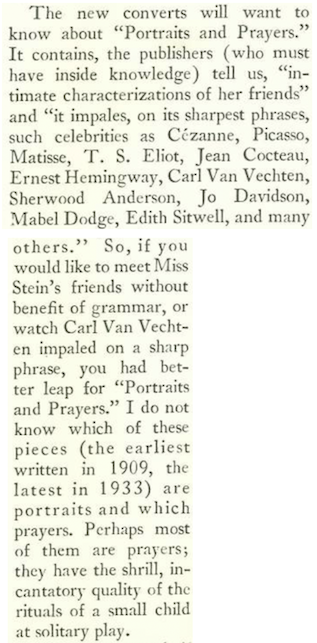


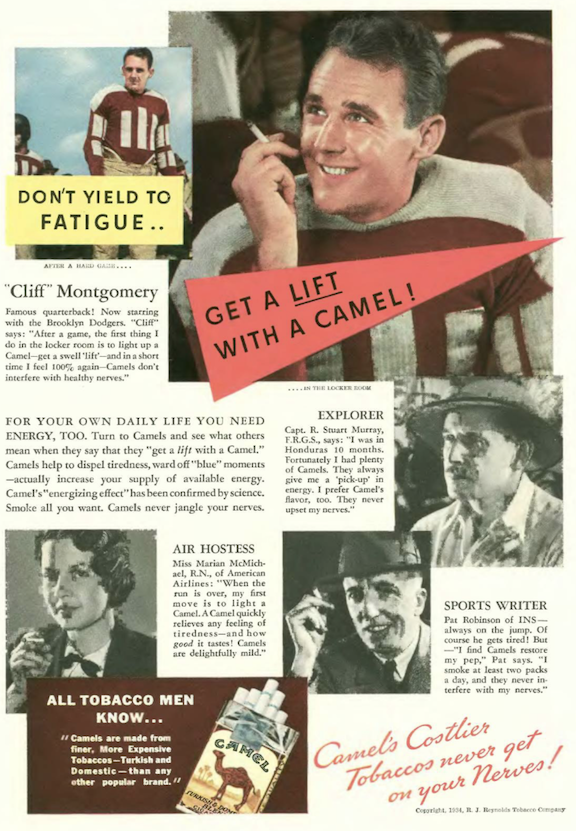
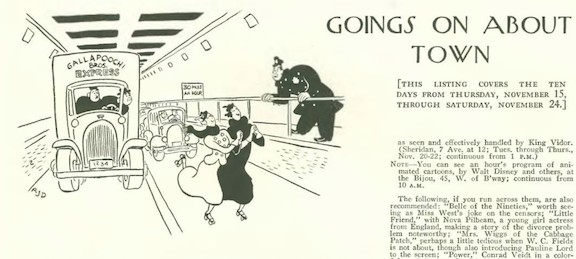
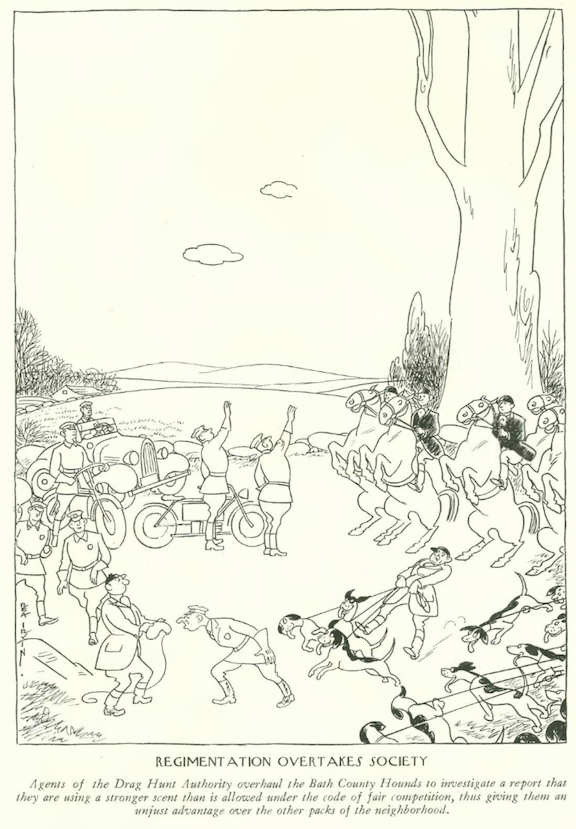


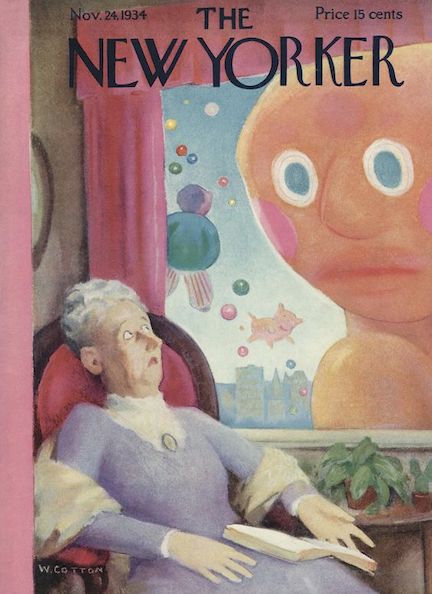


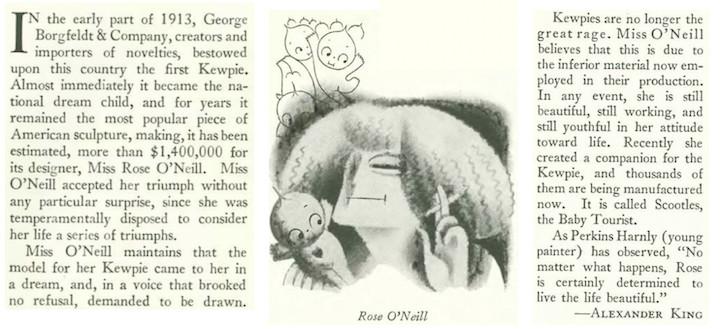


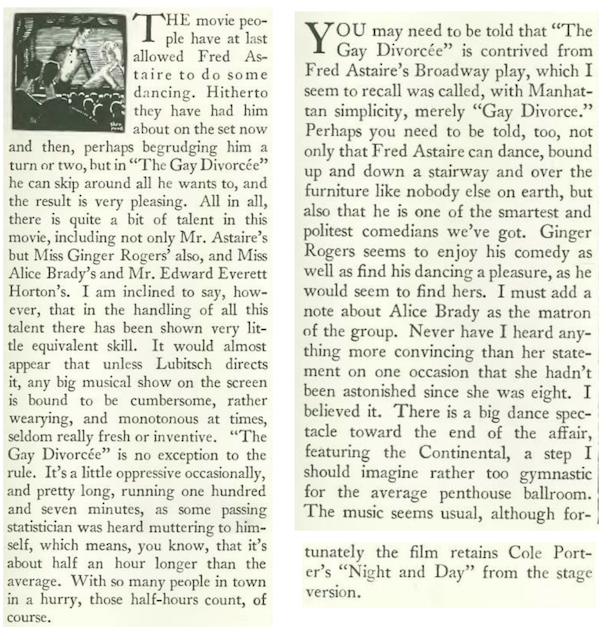
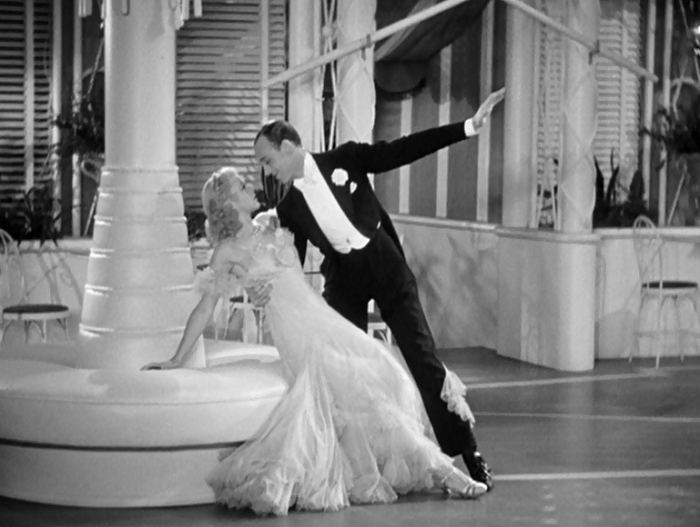


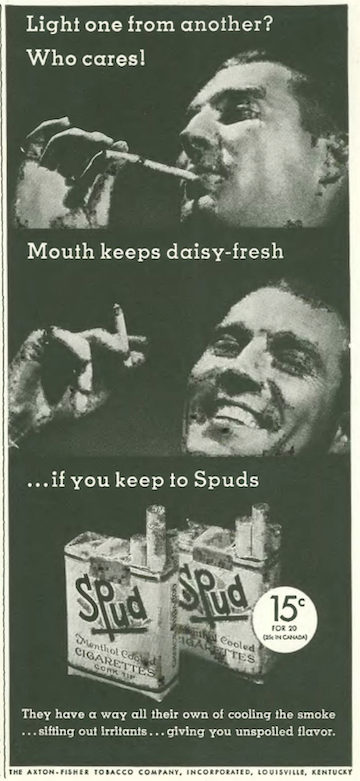

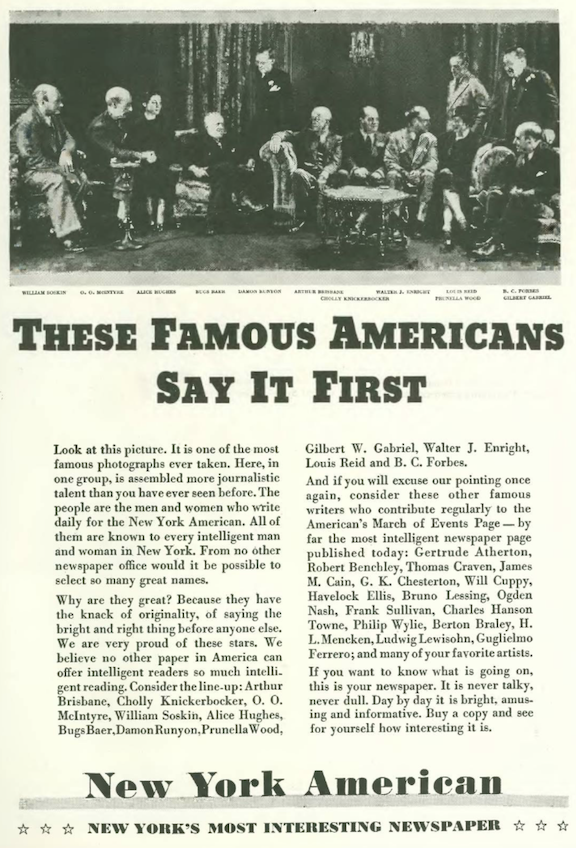
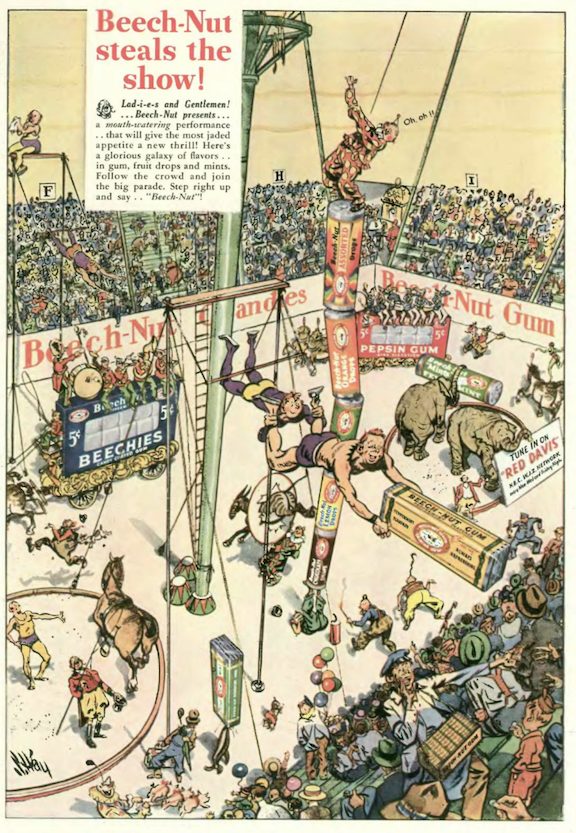
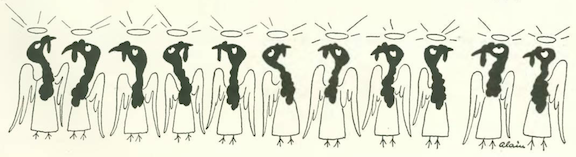


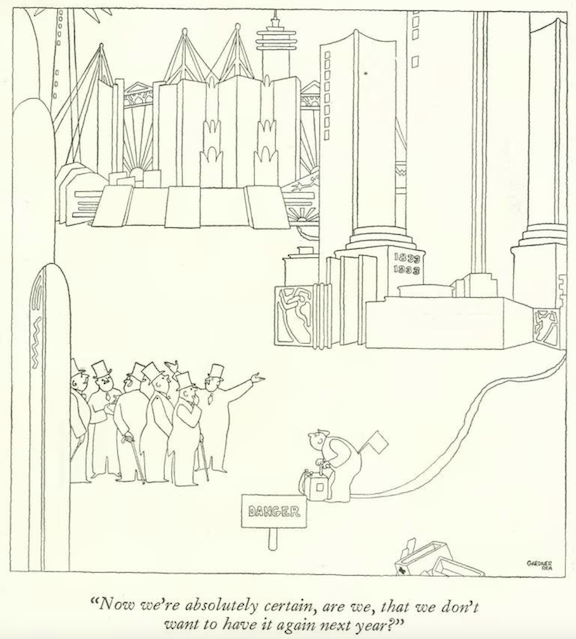
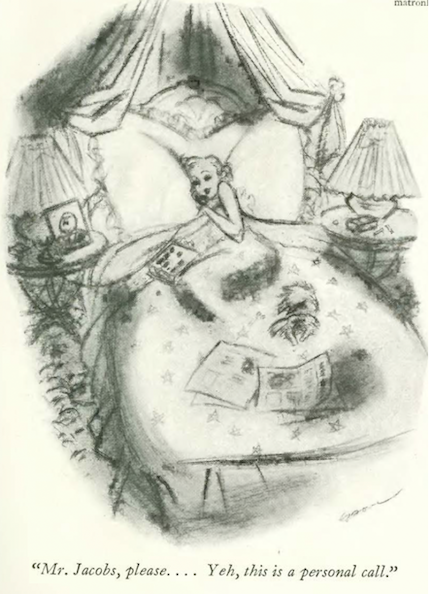
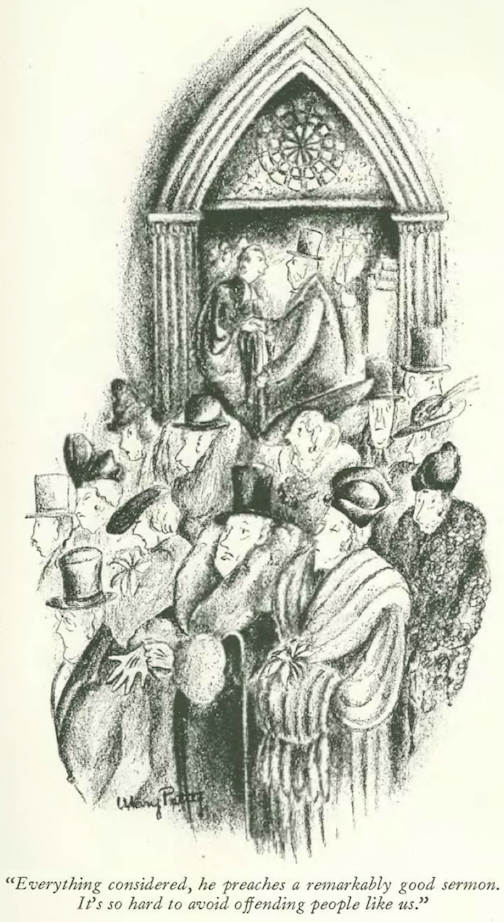

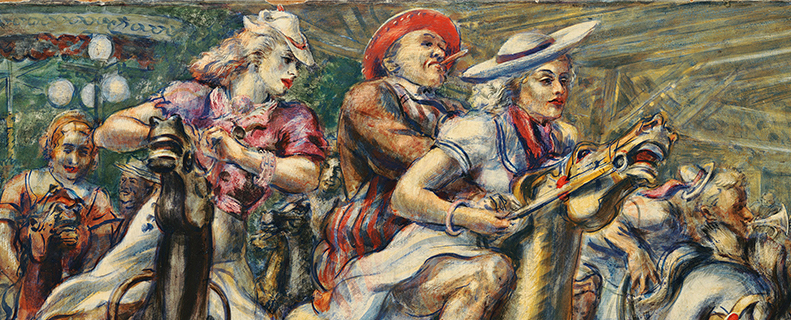


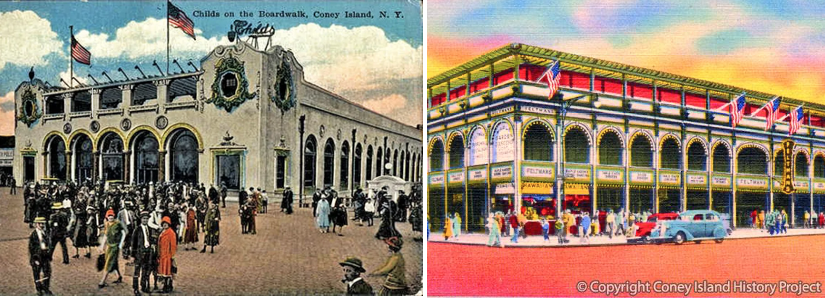
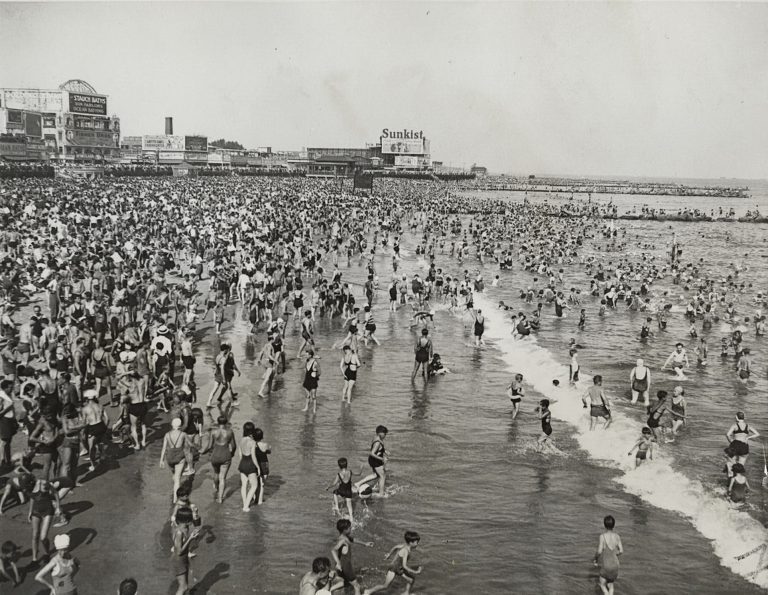


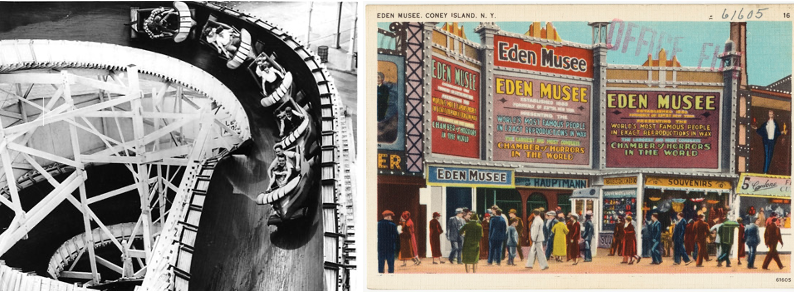


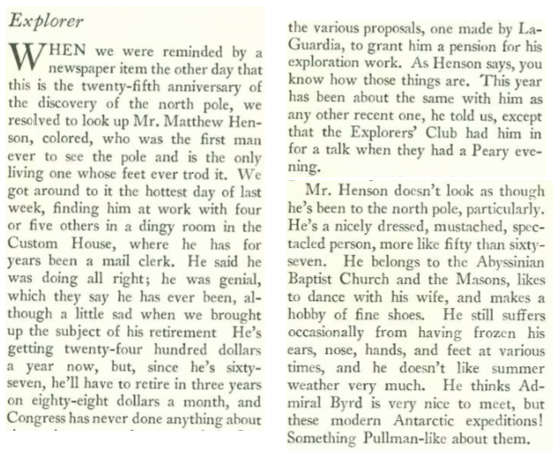
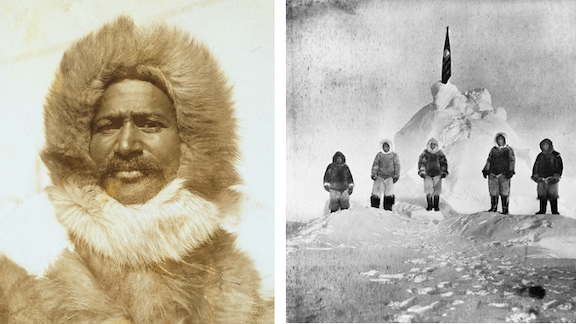


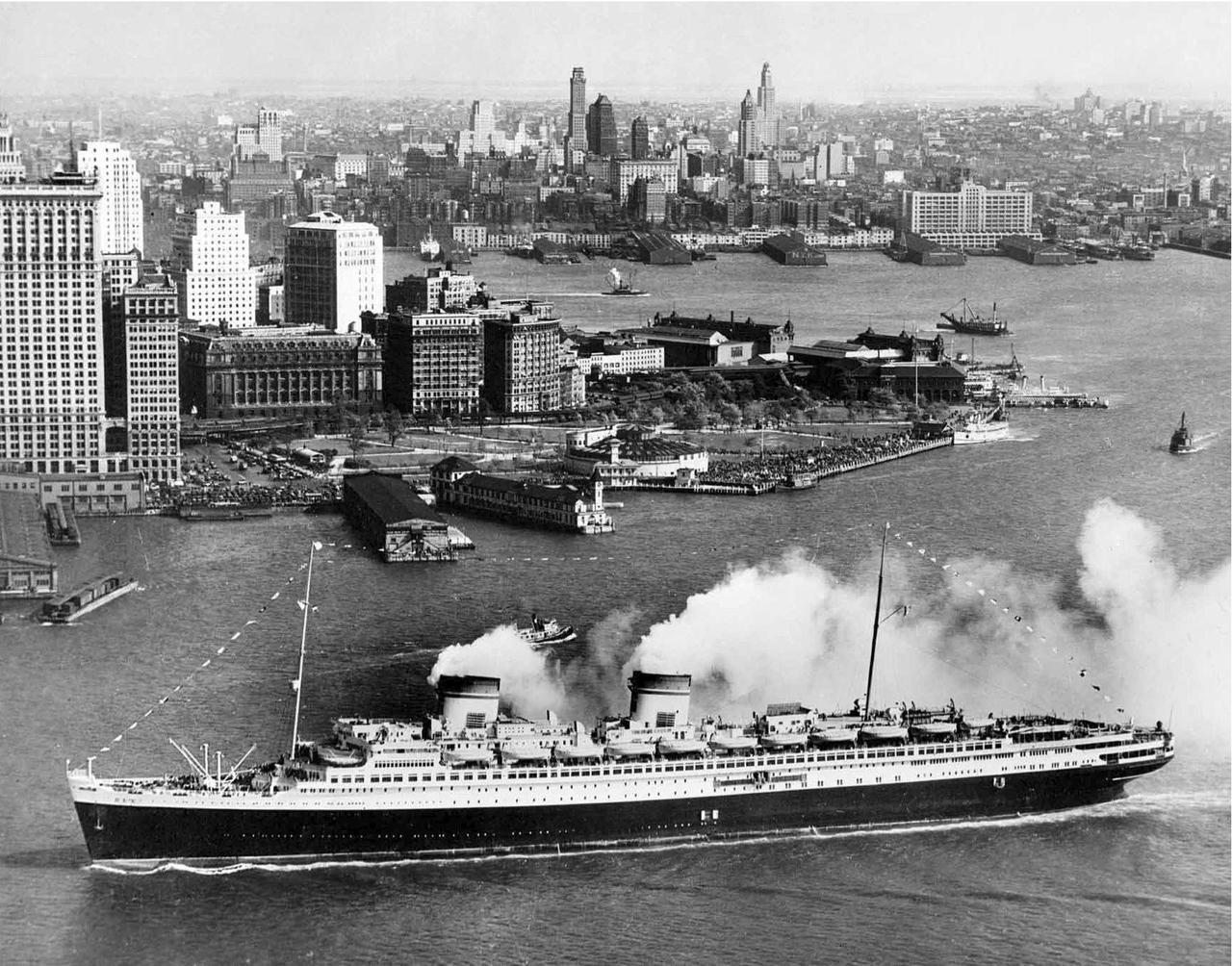
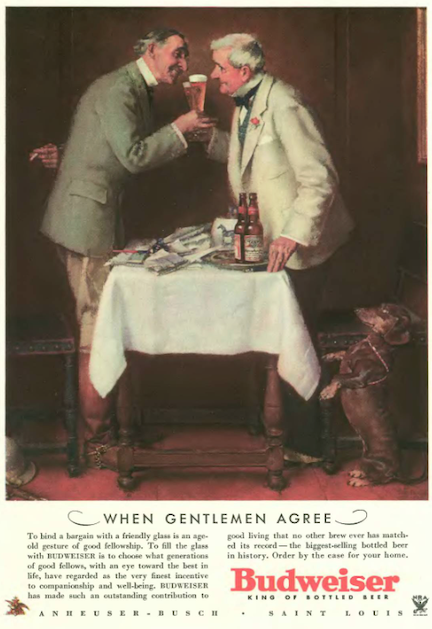

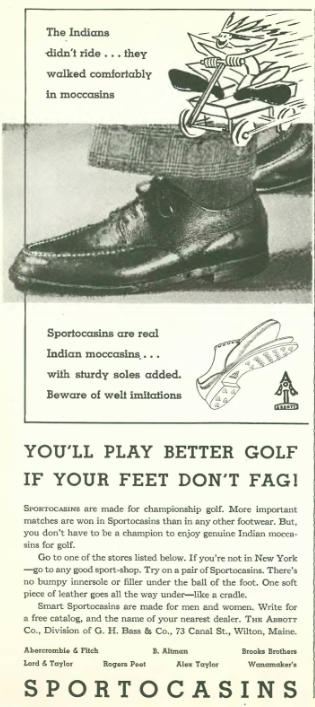
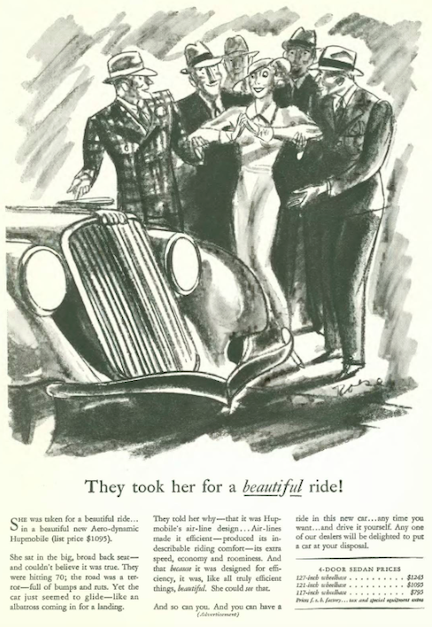


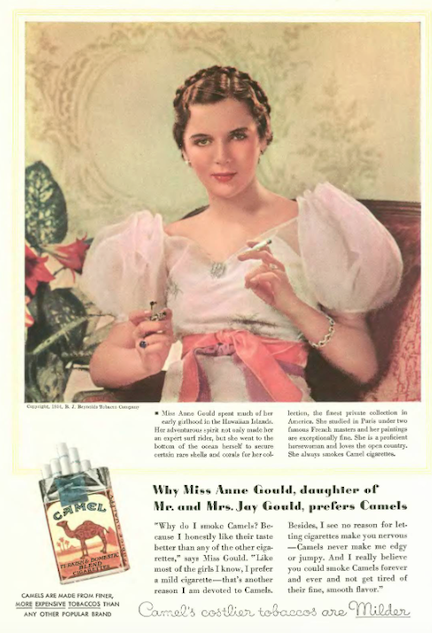

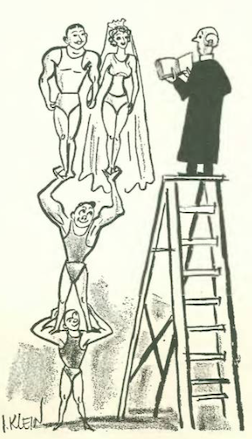
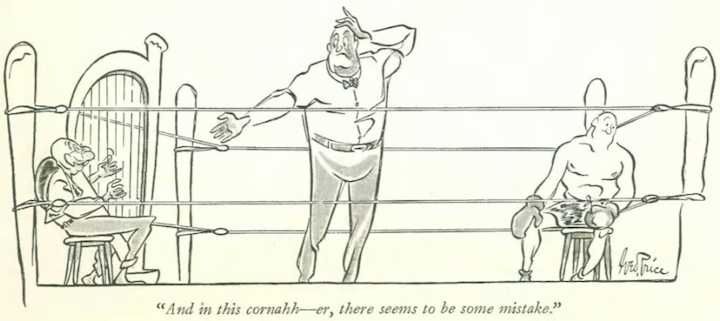
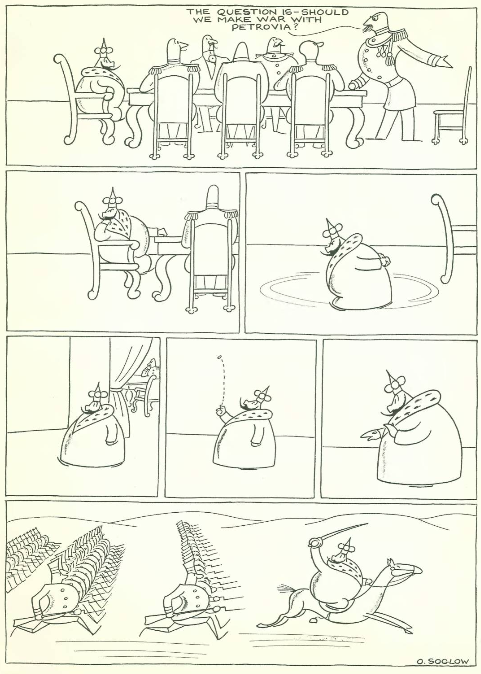
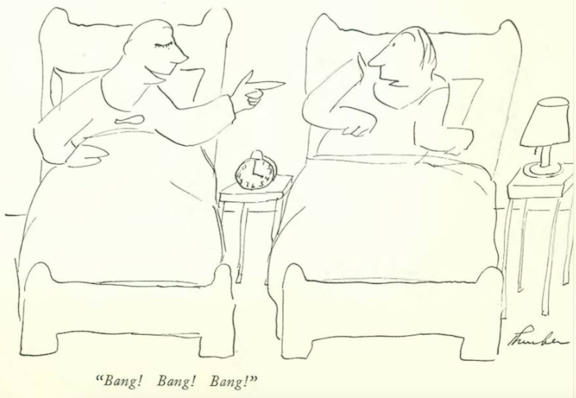


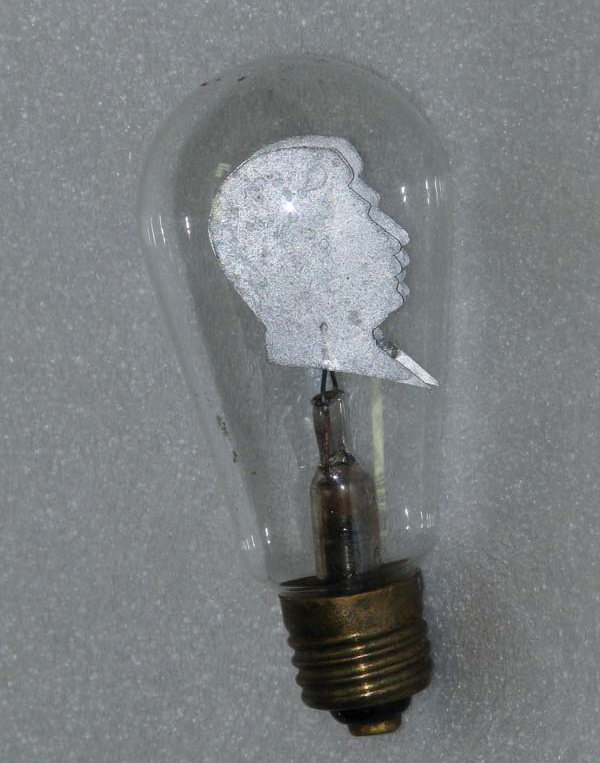


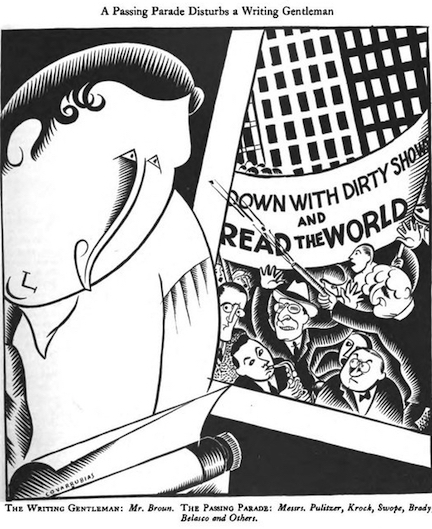
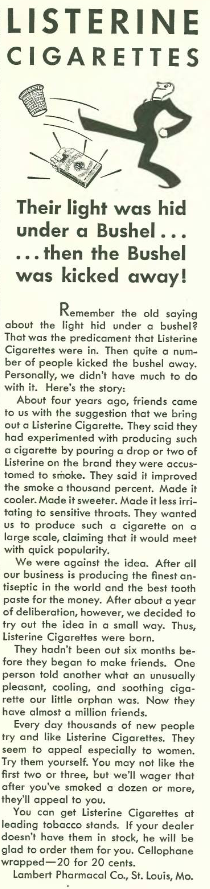
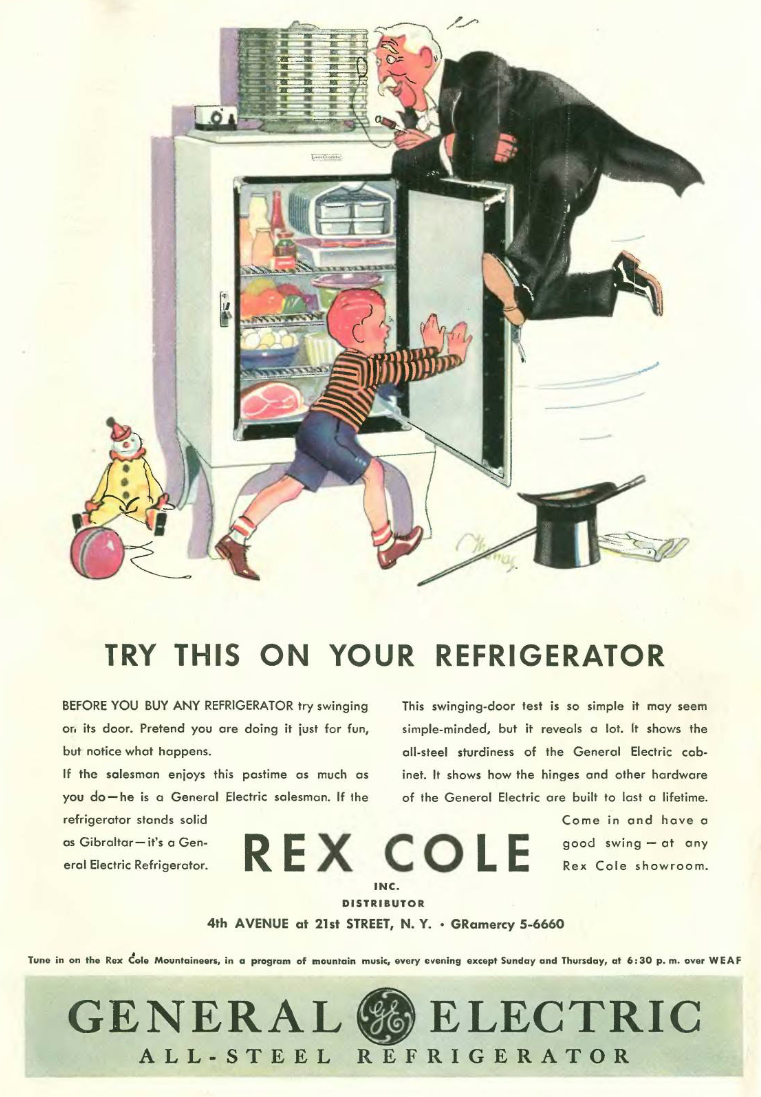


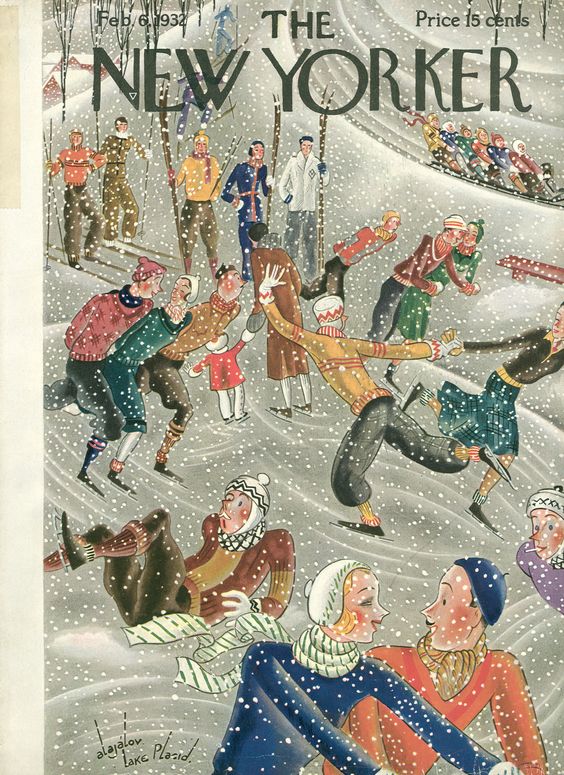
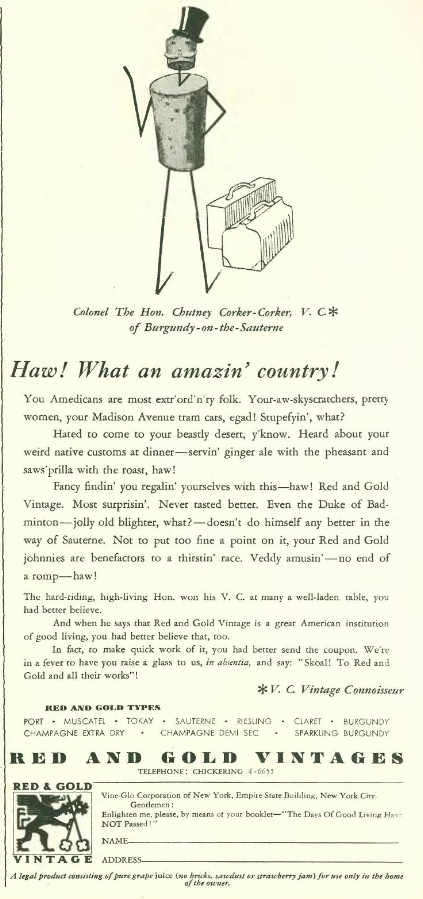


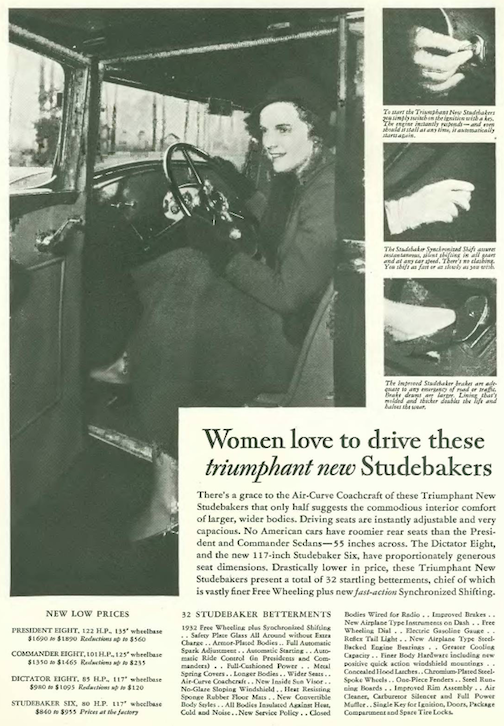
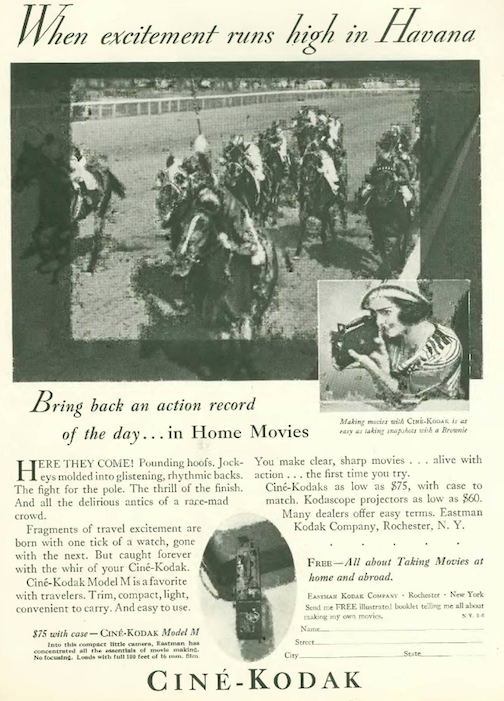
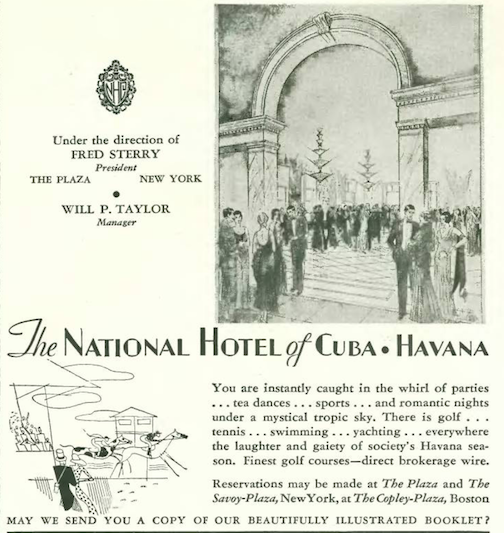


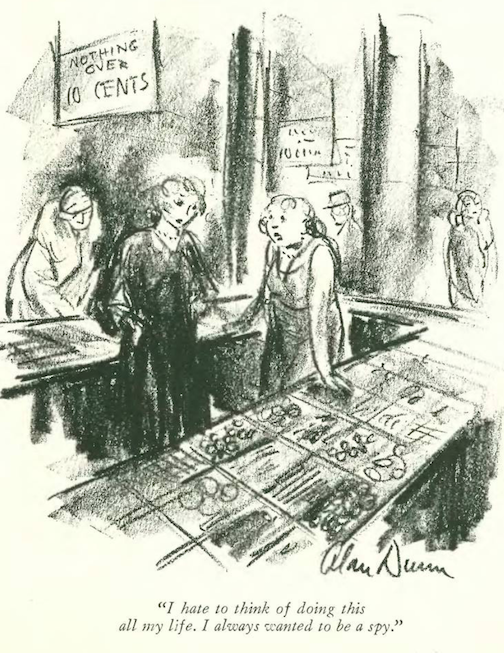


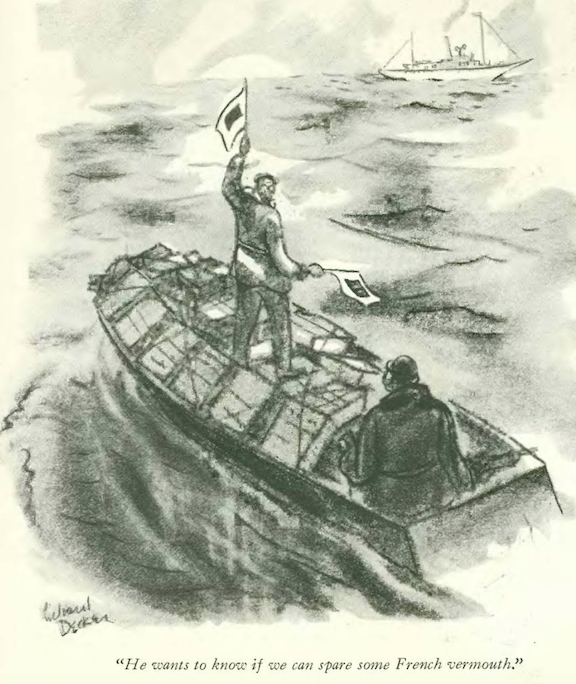


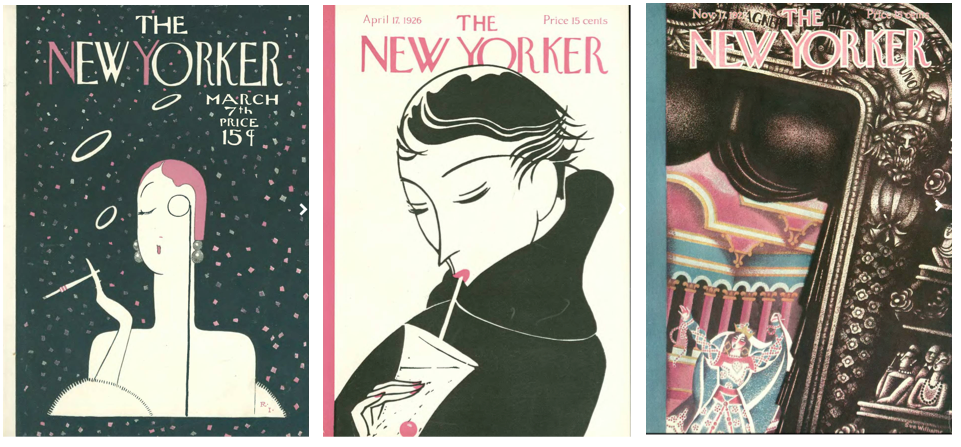


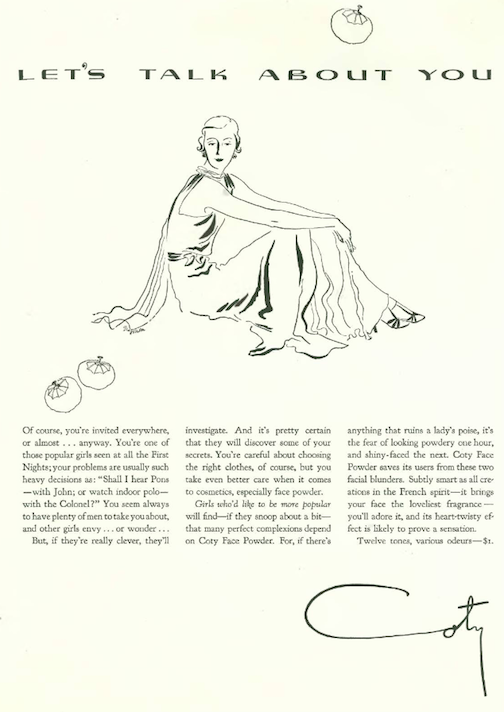


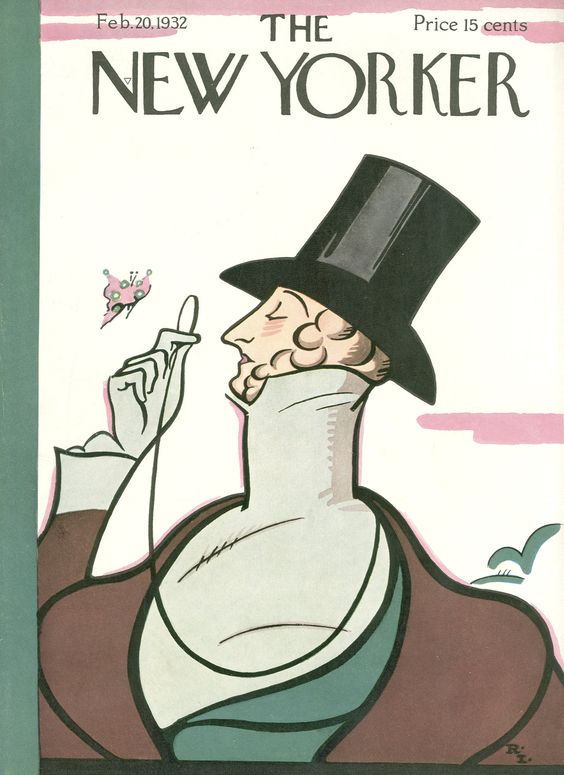


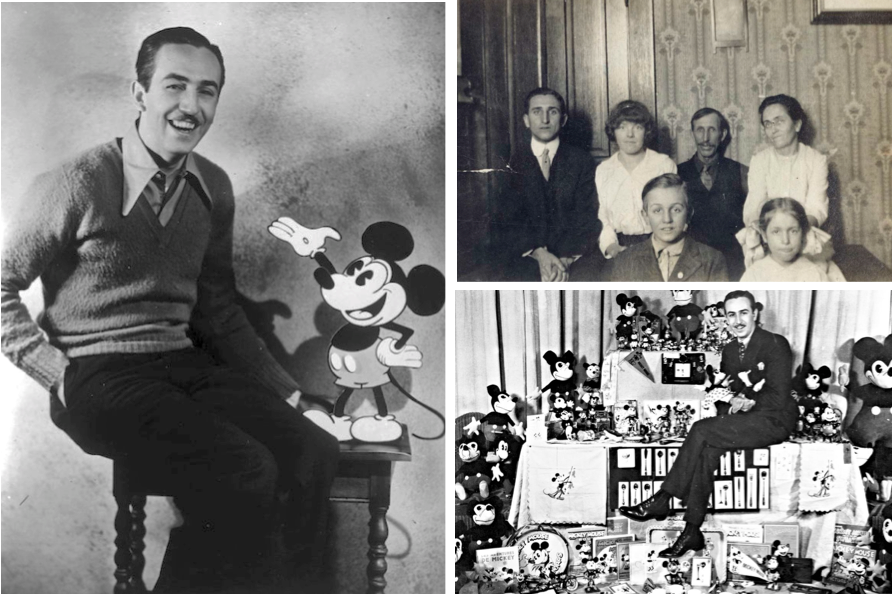
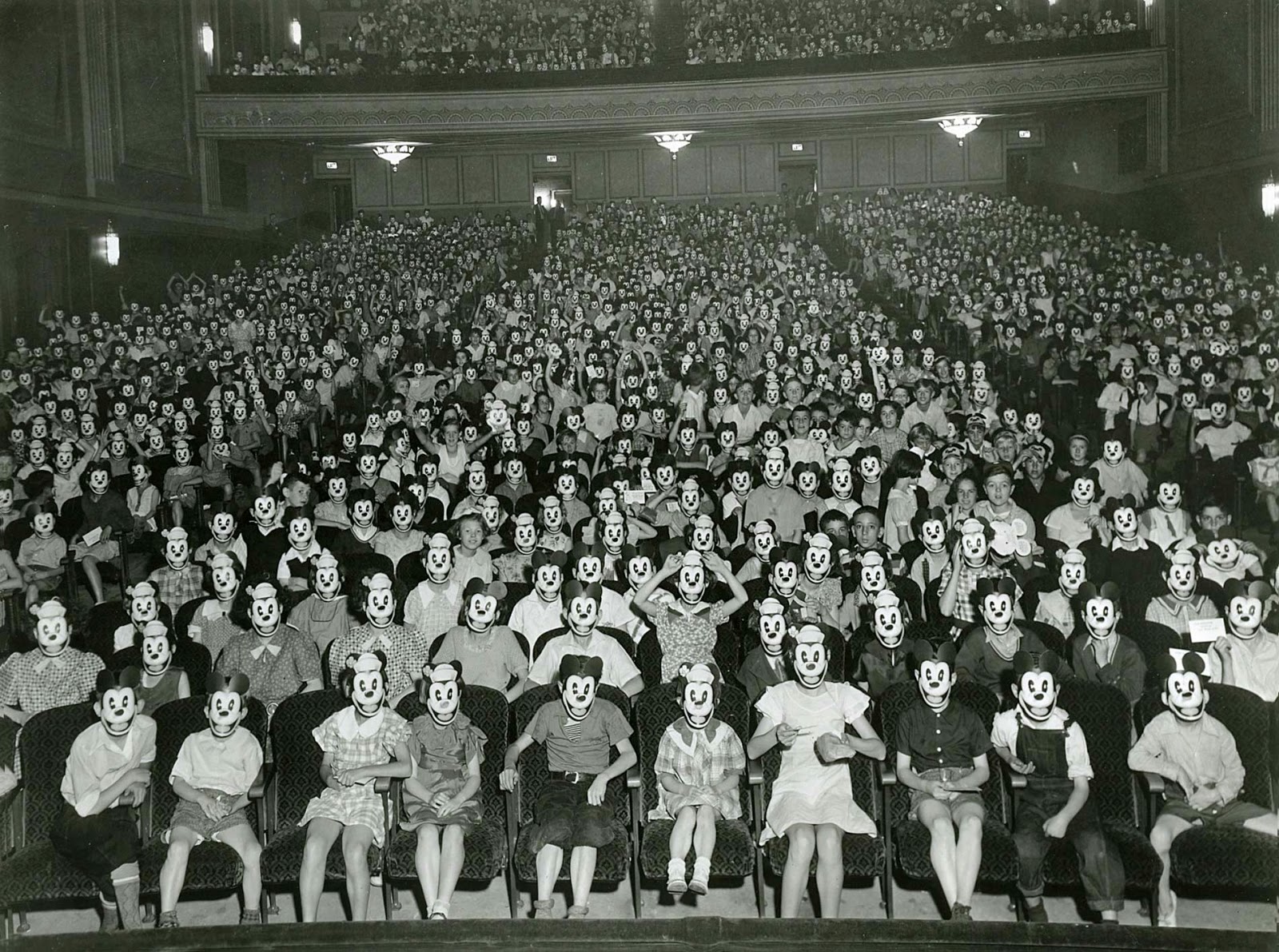
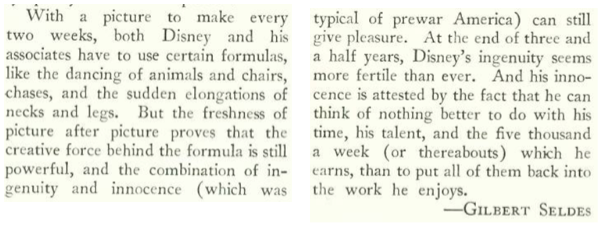
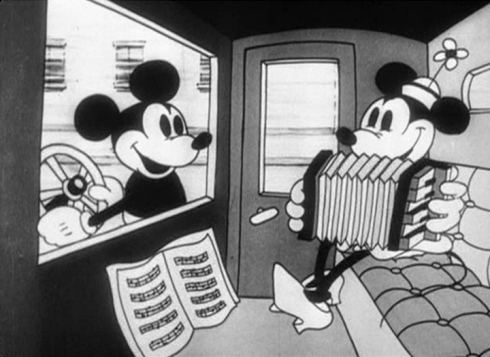
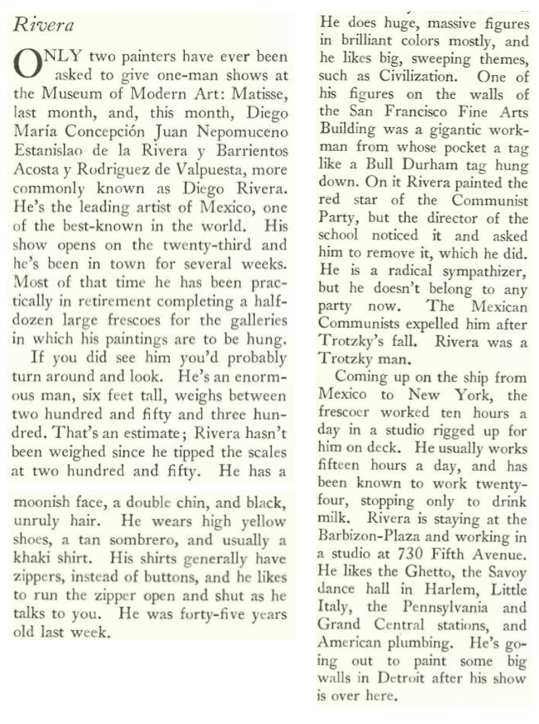
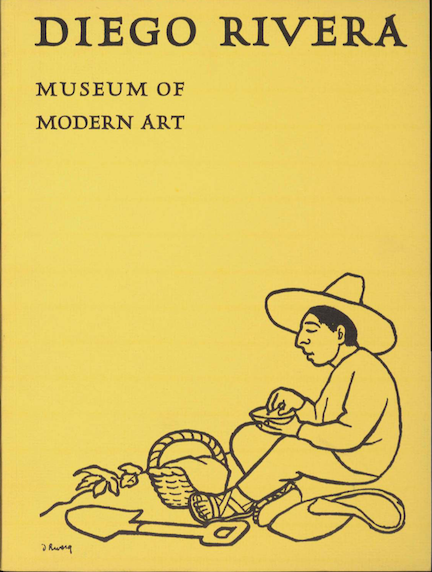
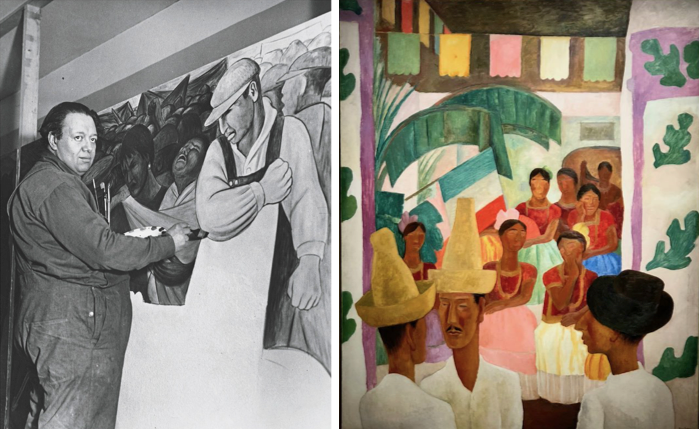
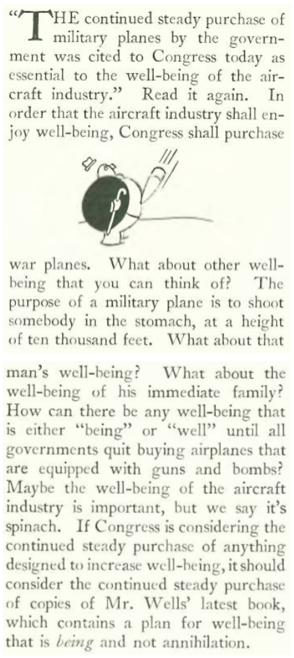

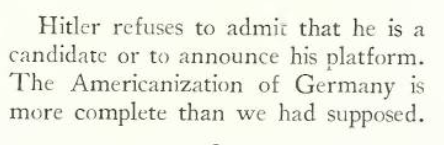
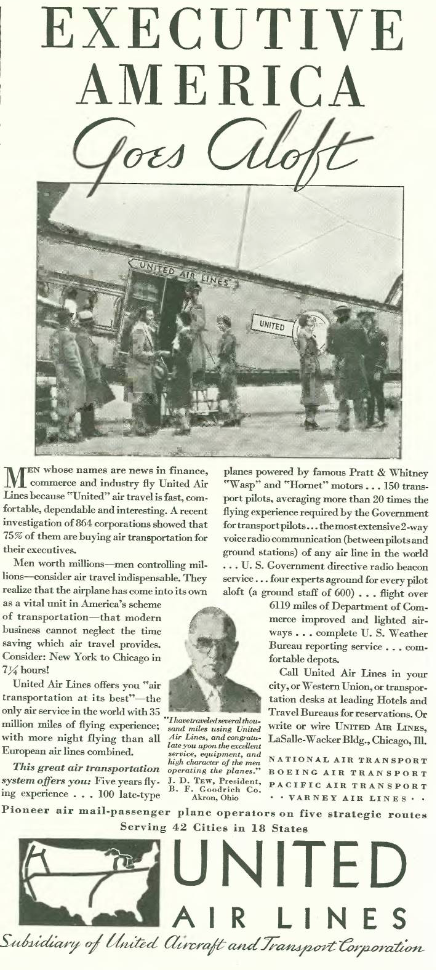
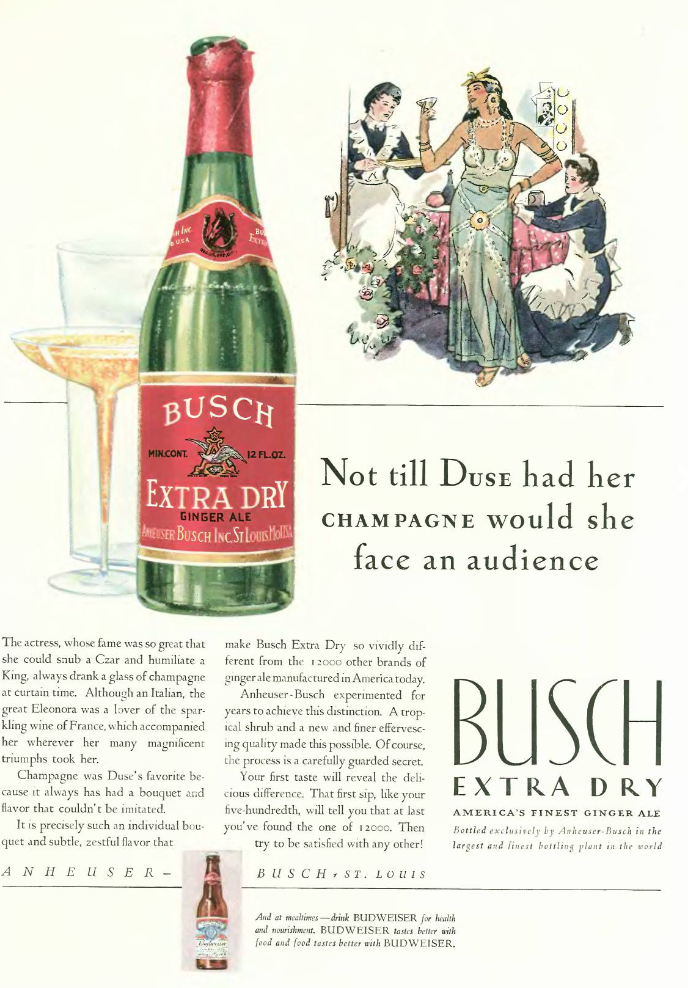
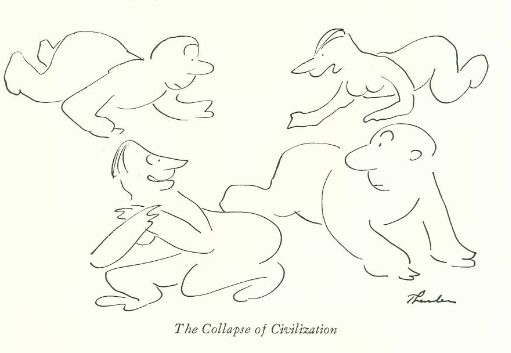

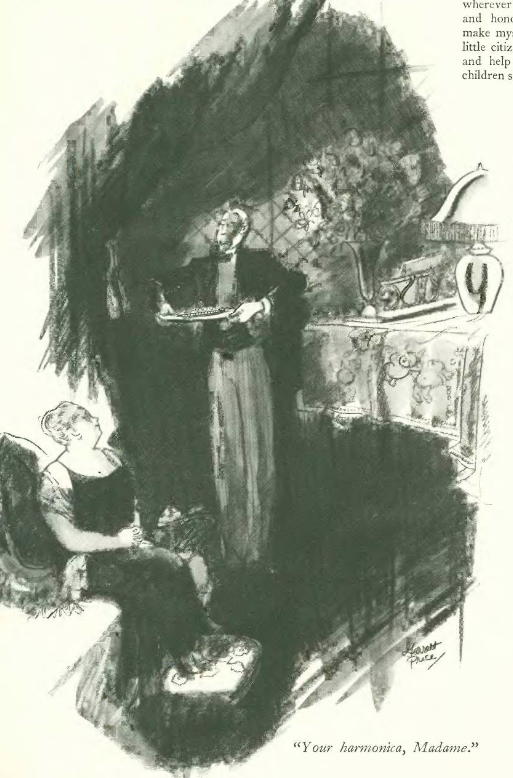


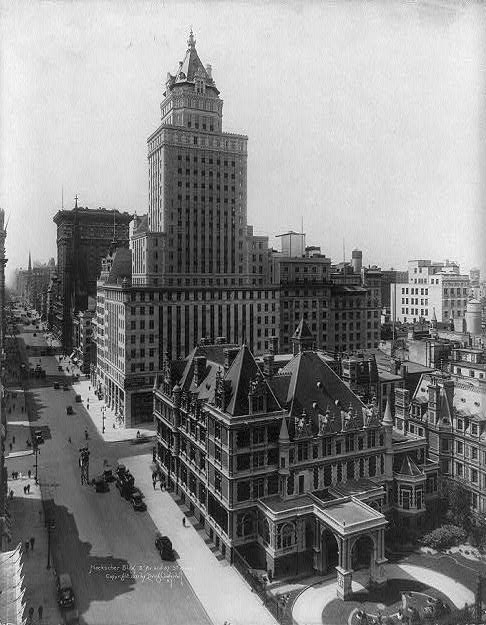
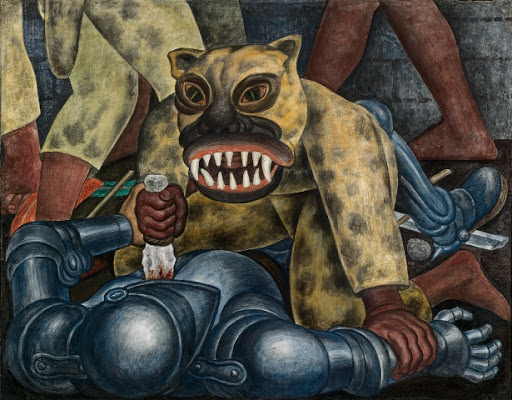

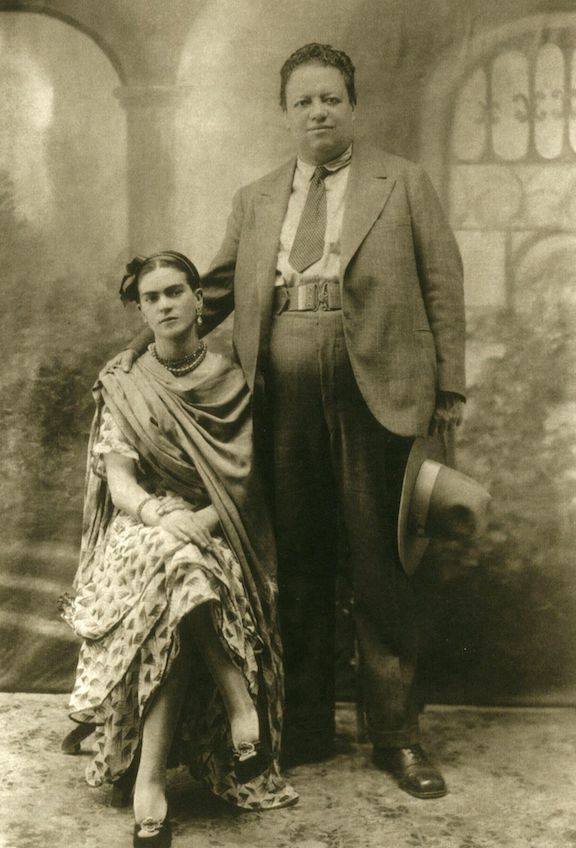
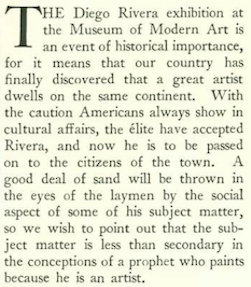
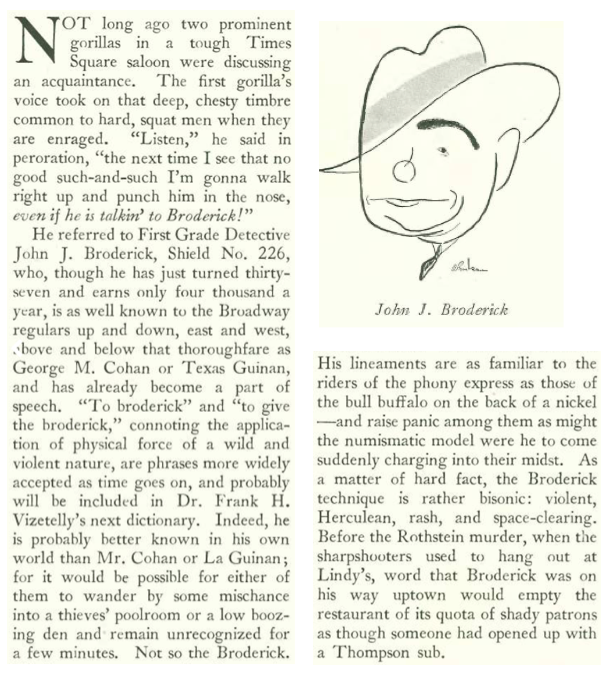
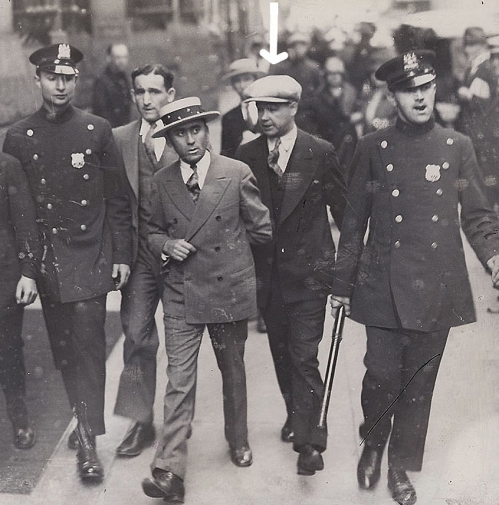
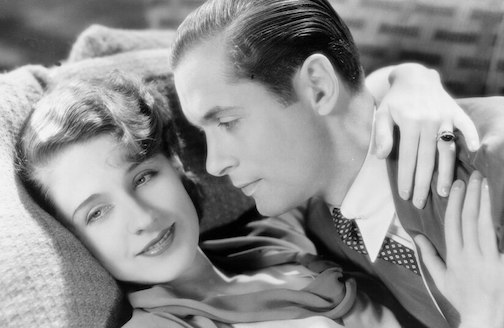


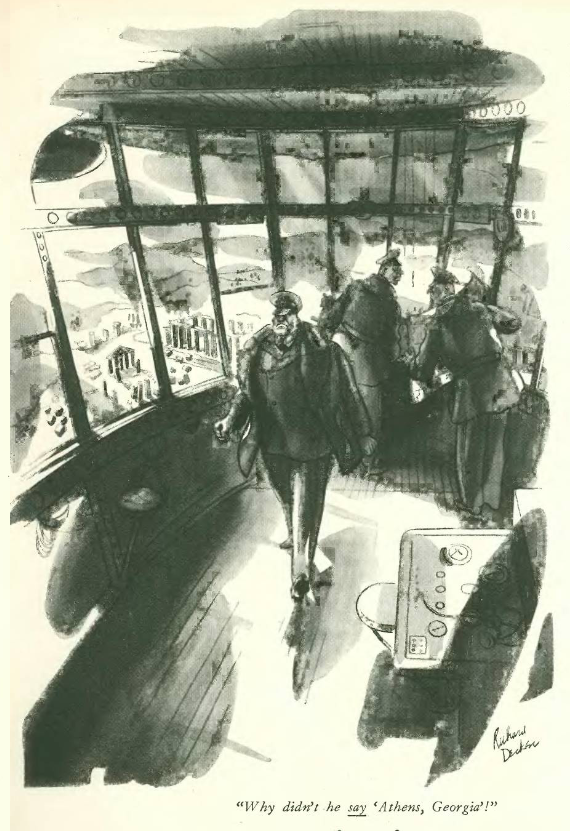

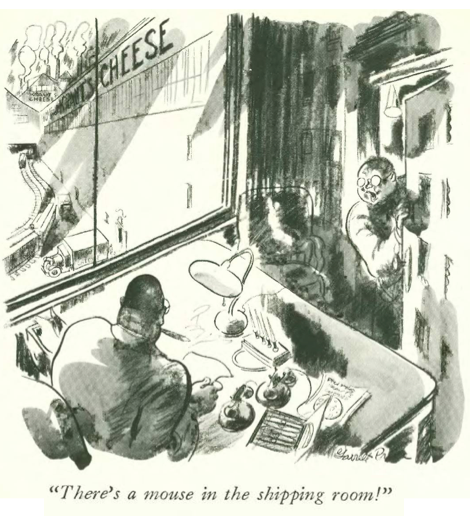

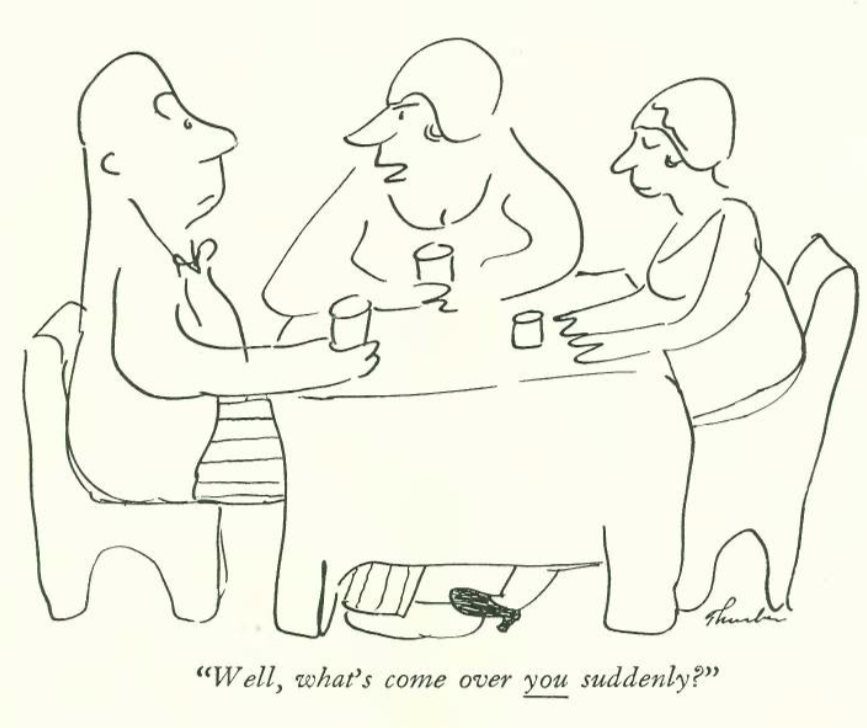

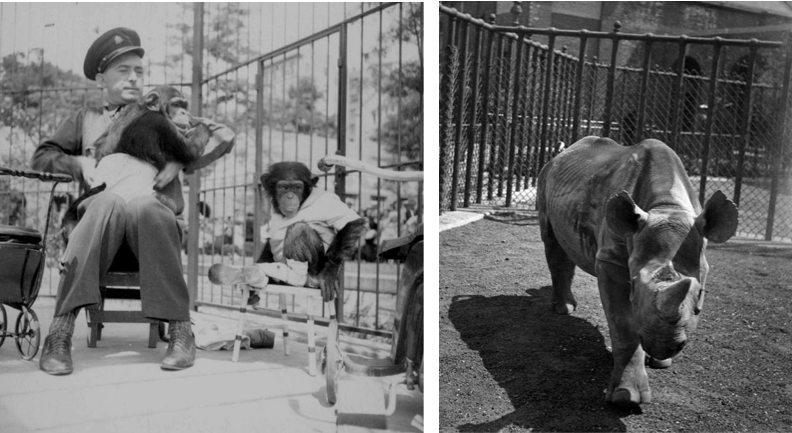
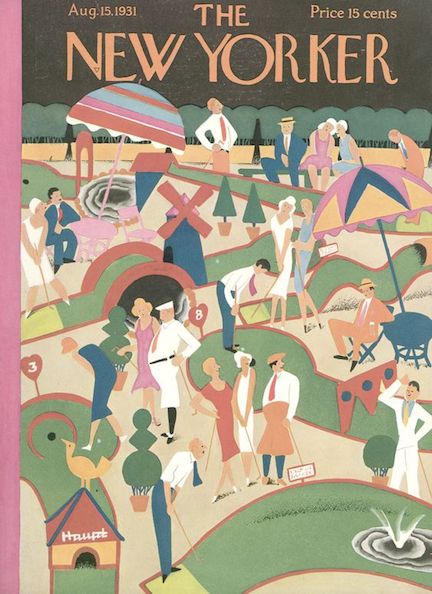


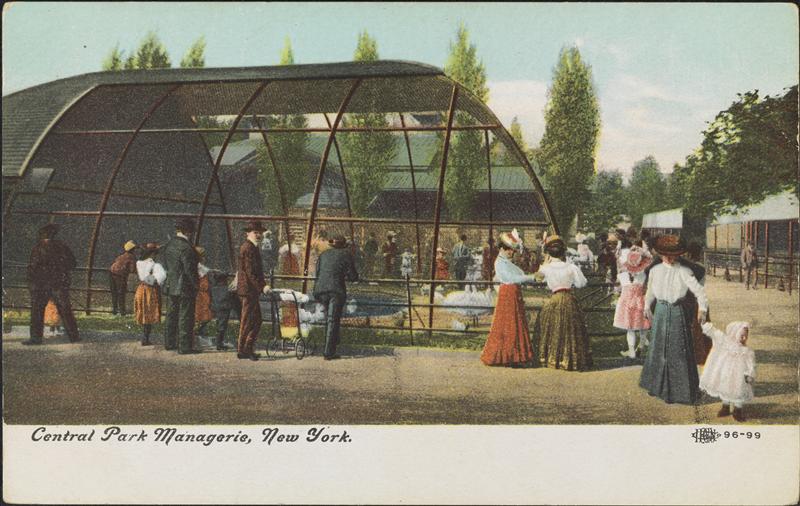
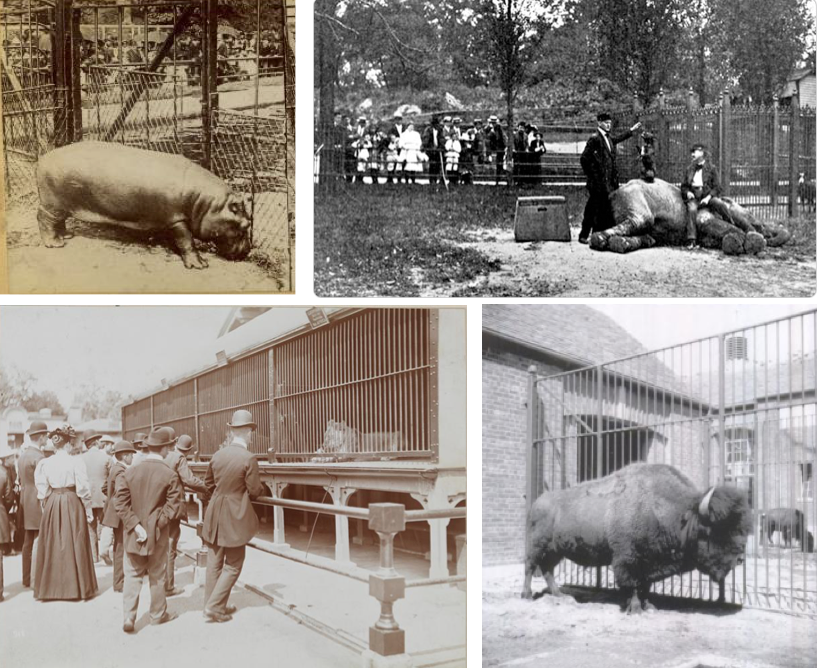
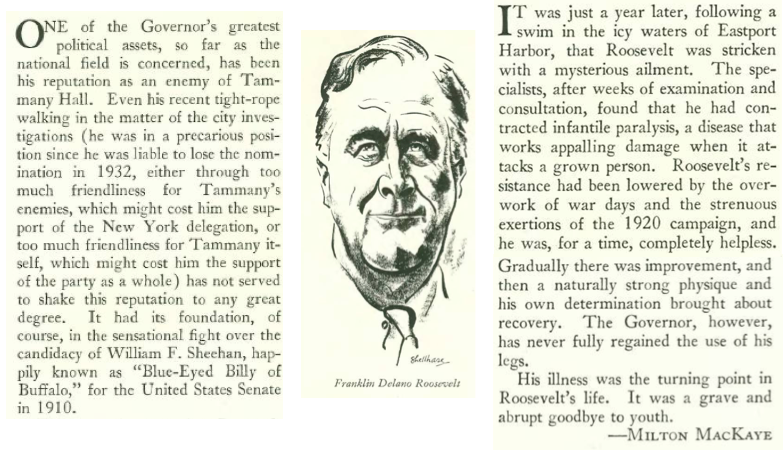


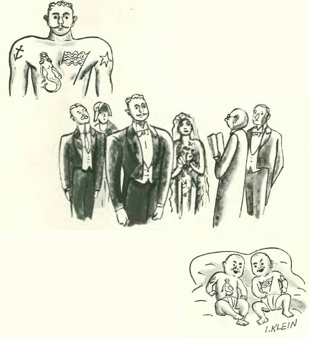
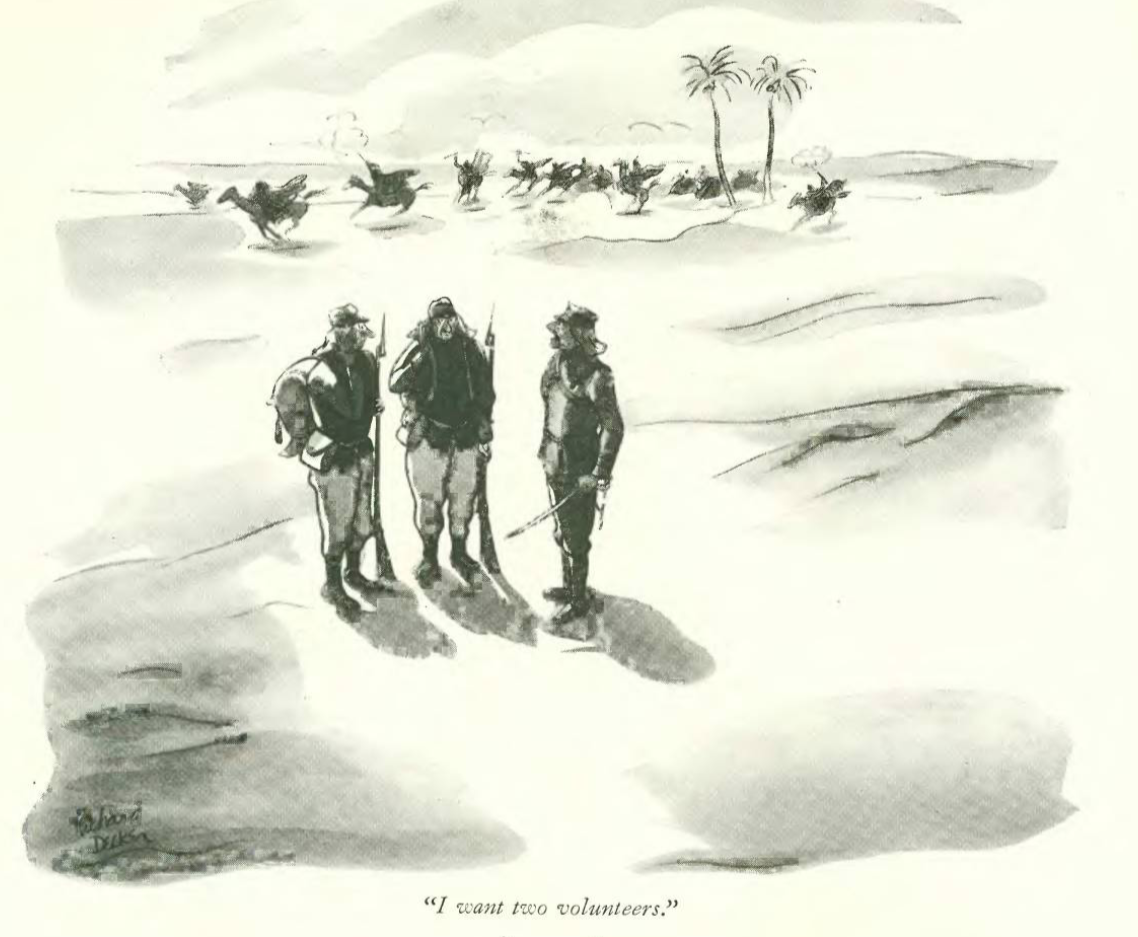
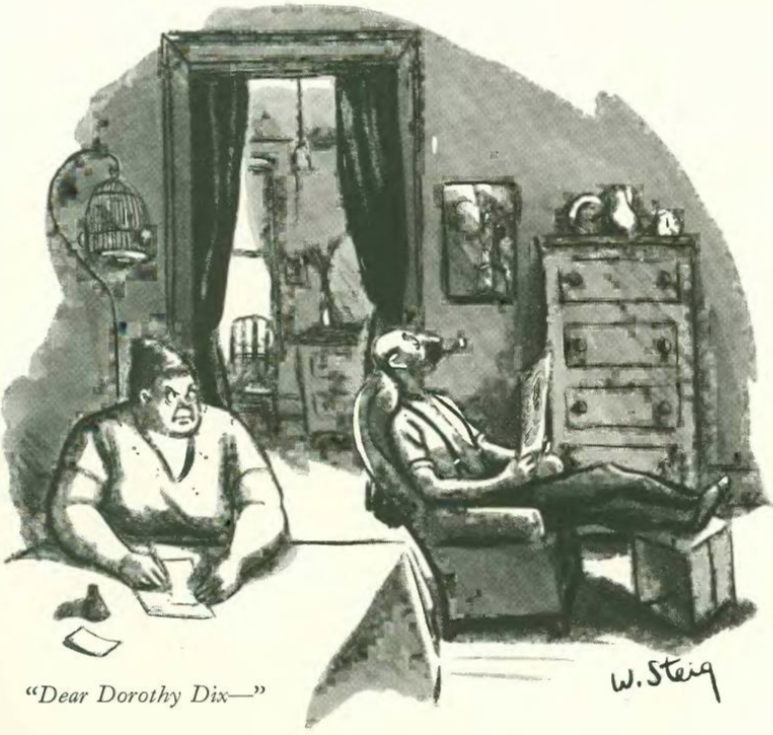
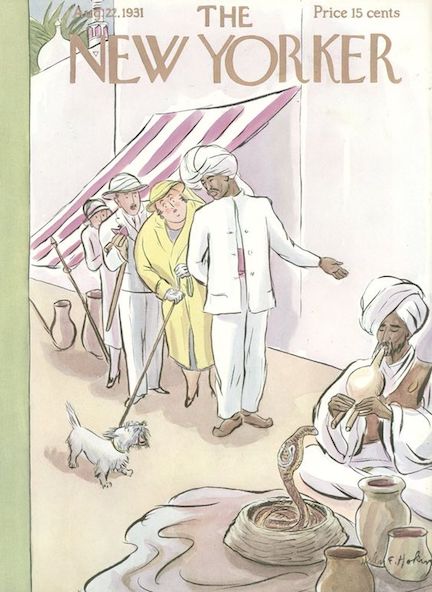
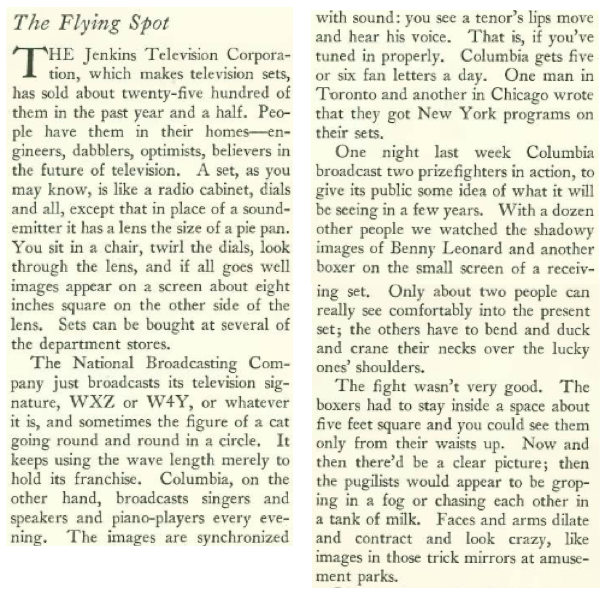

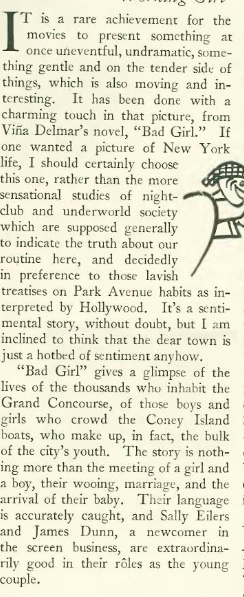
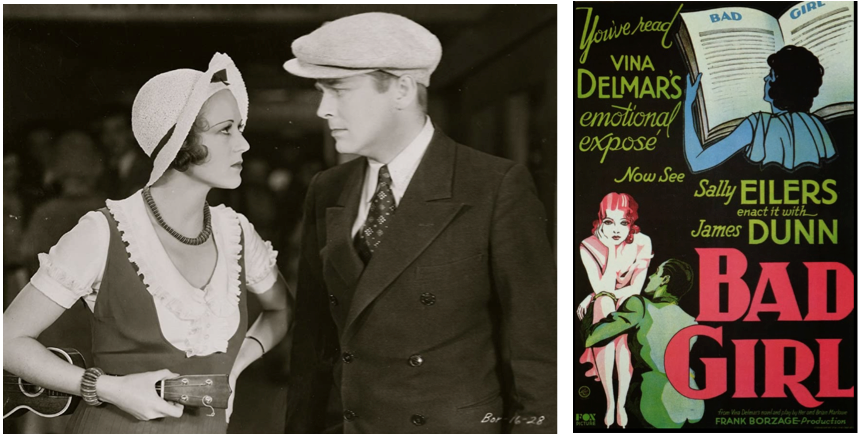

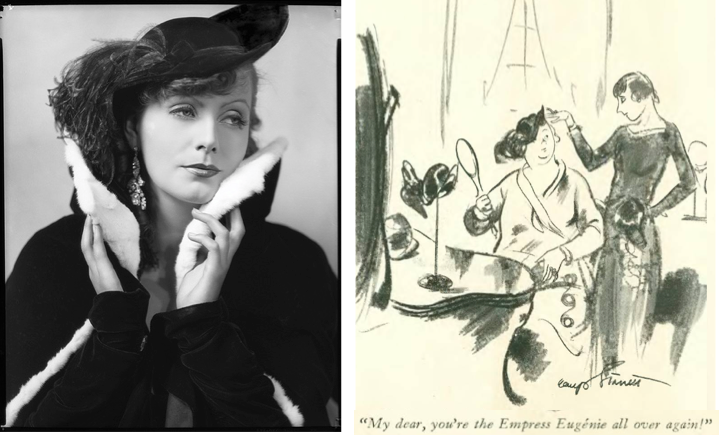

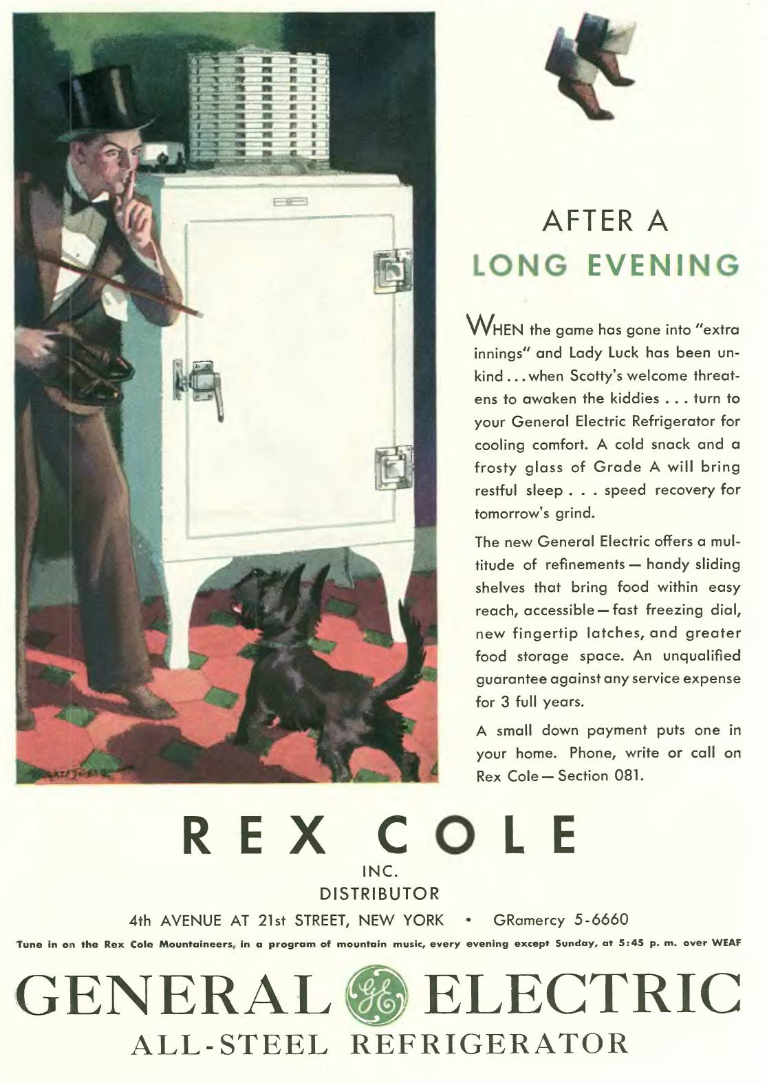
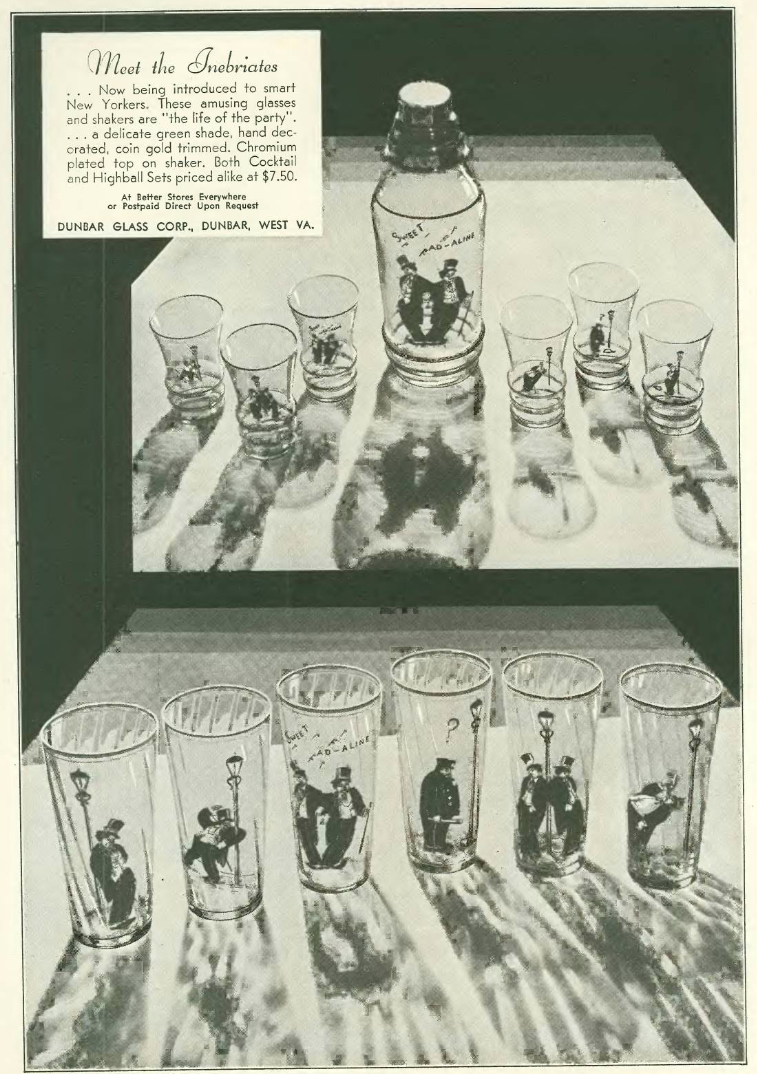
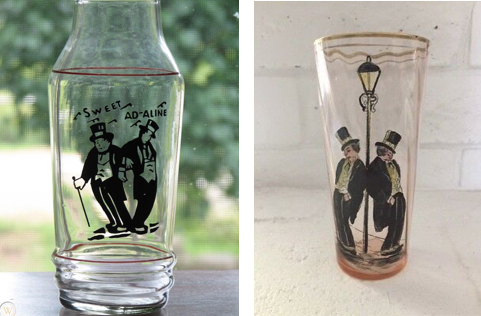
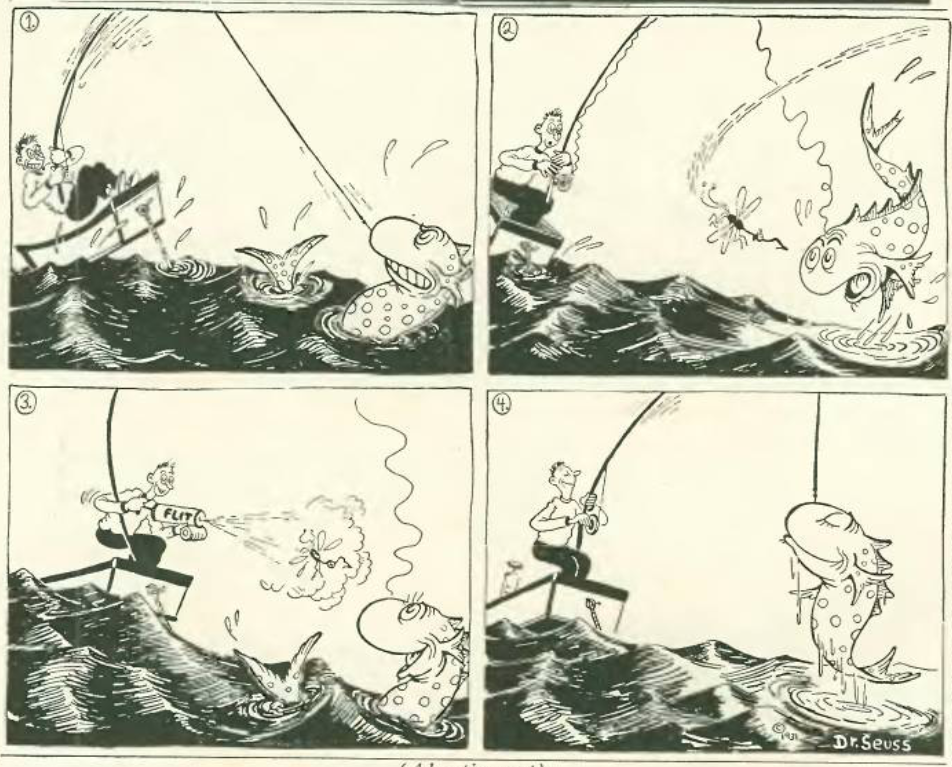


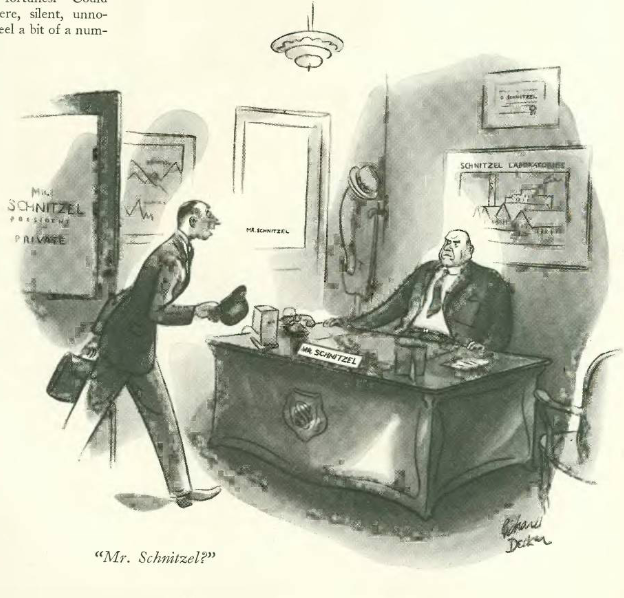

 “
“
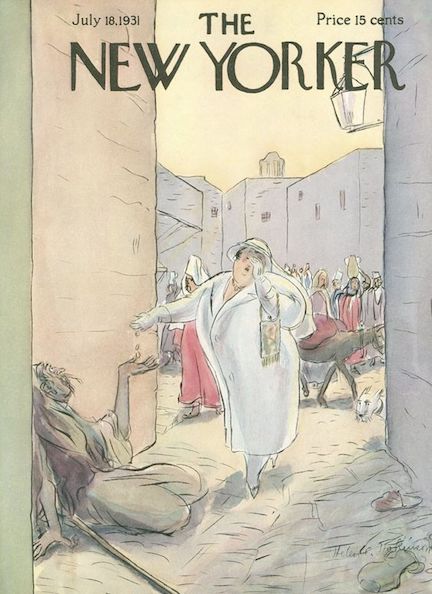


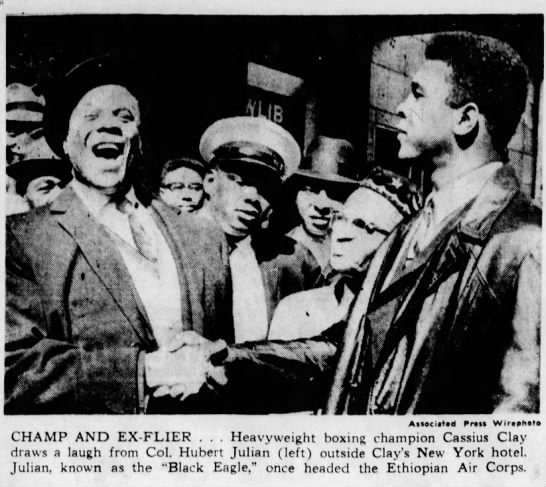


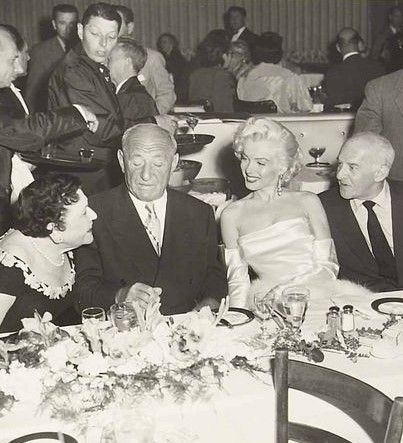


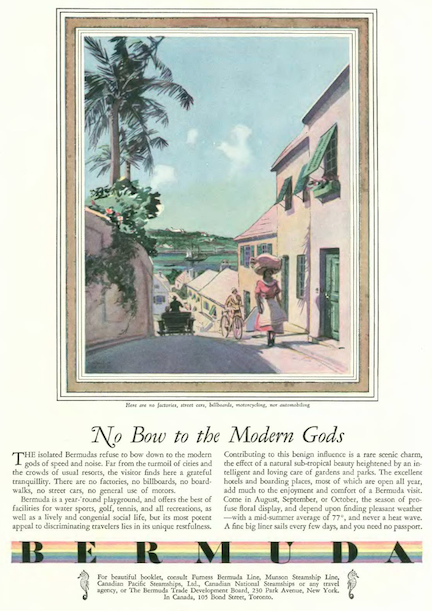
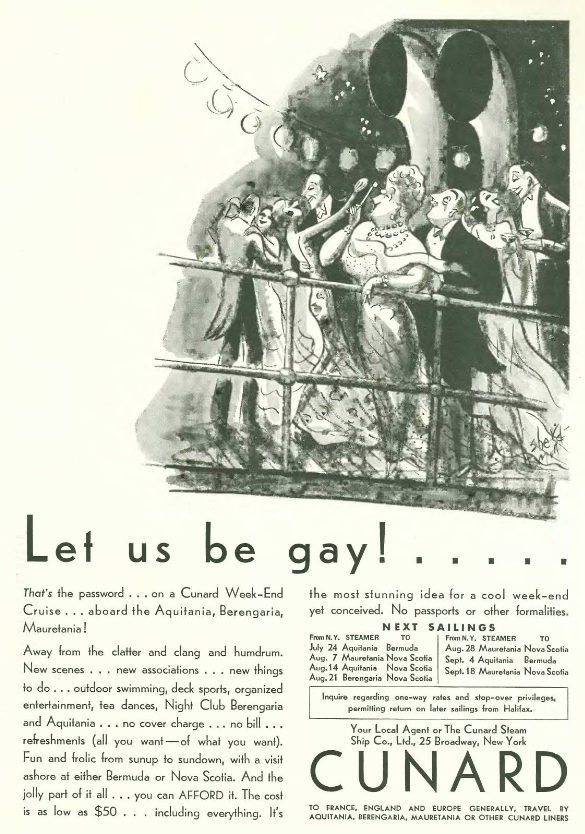

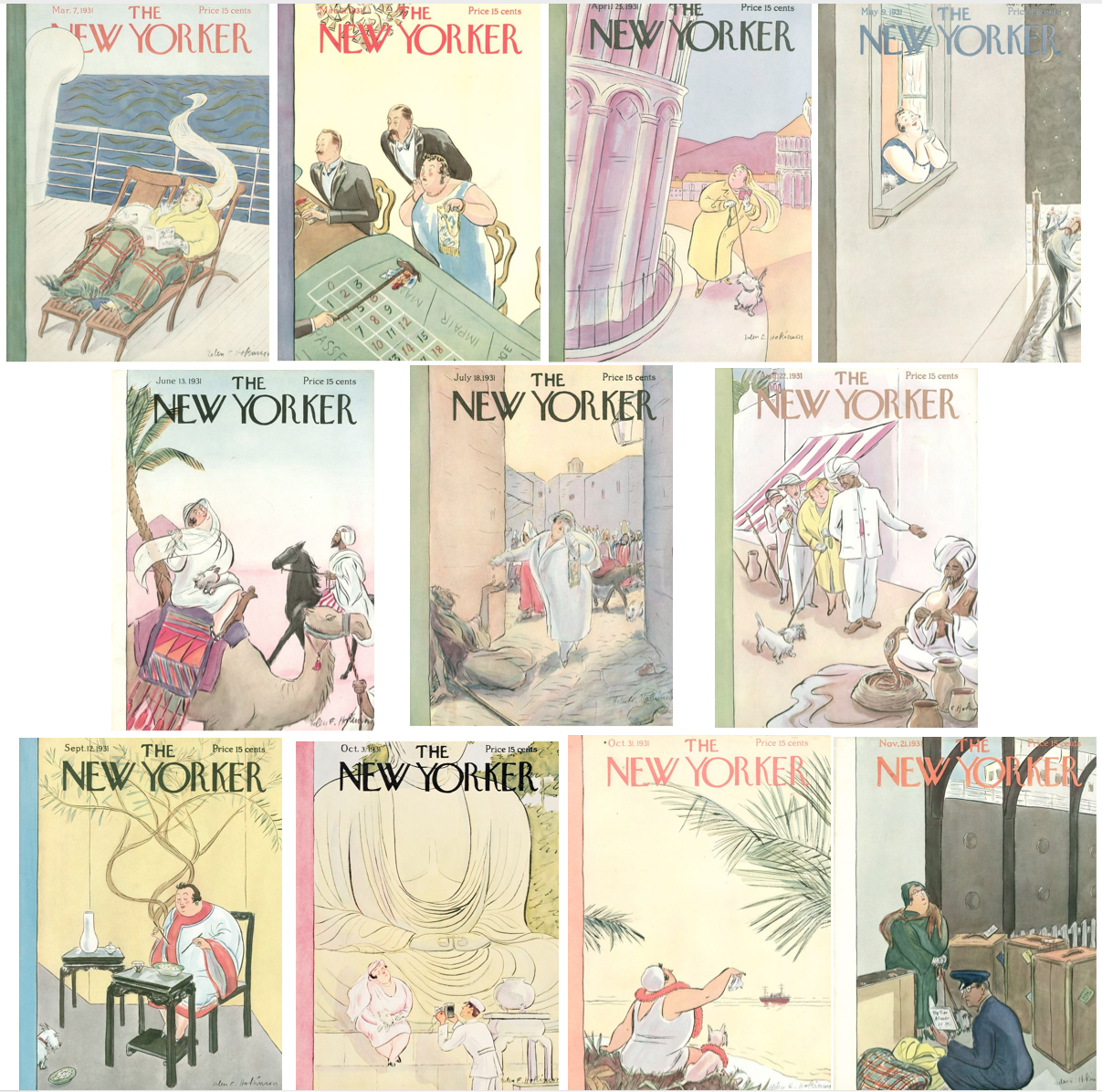
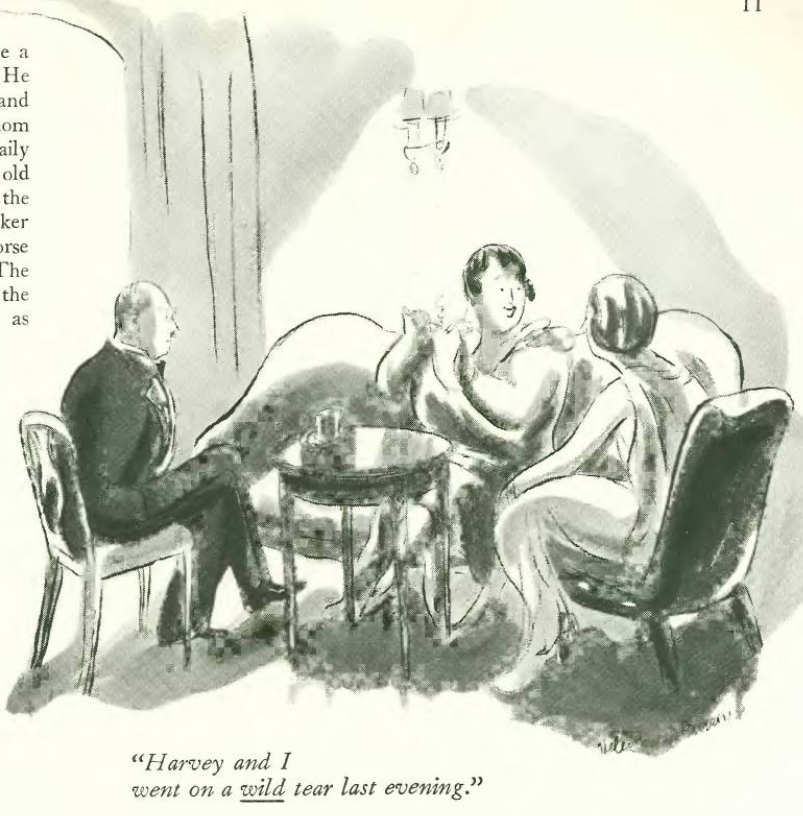
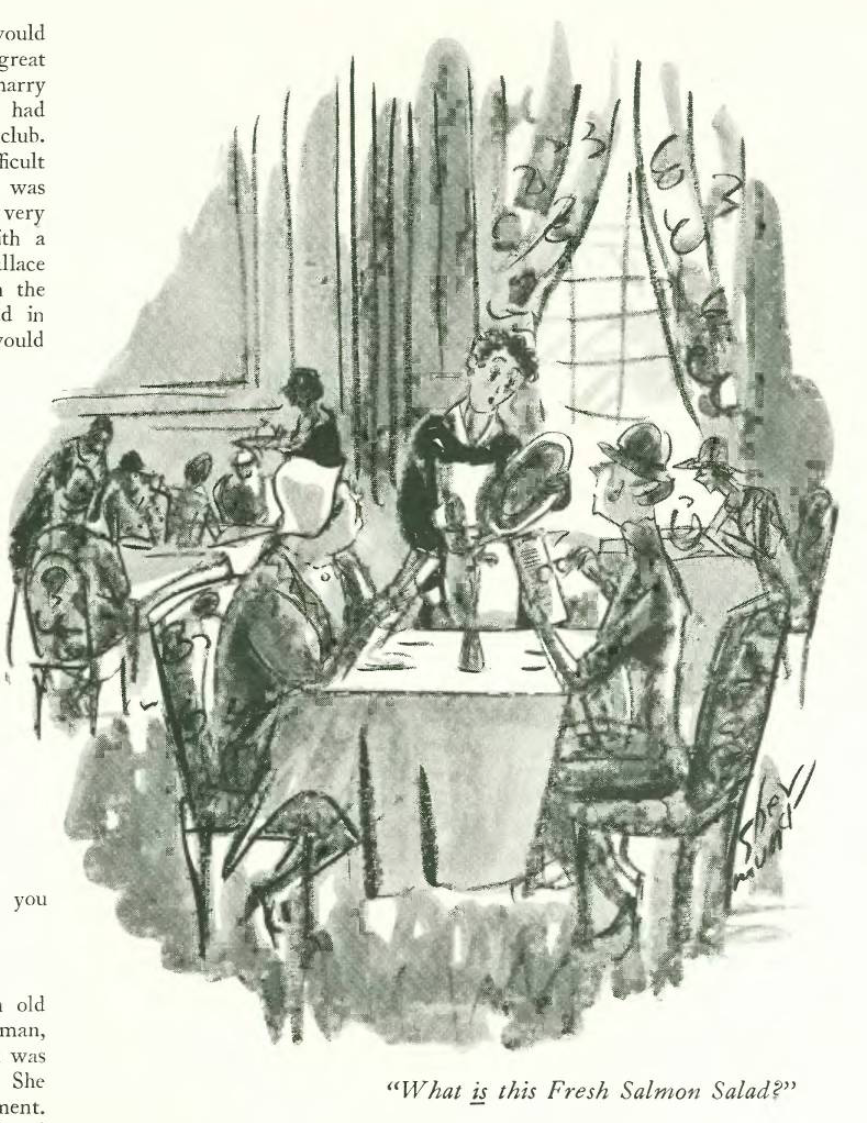



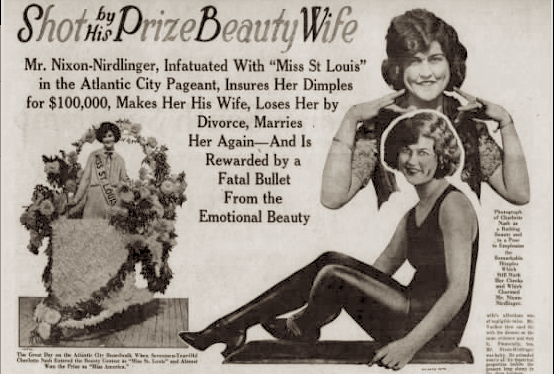


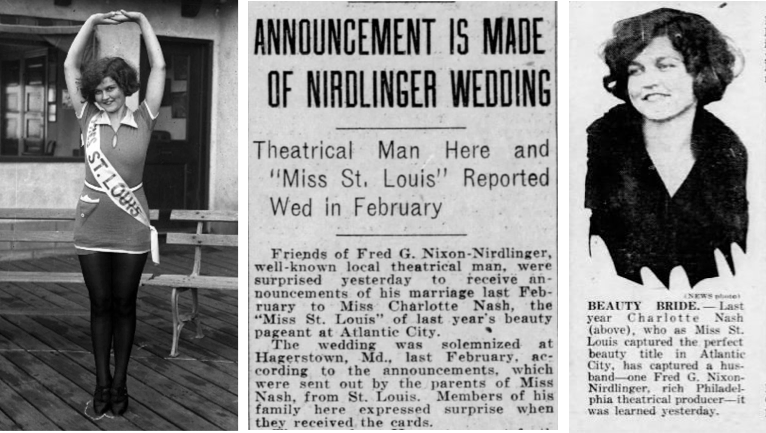
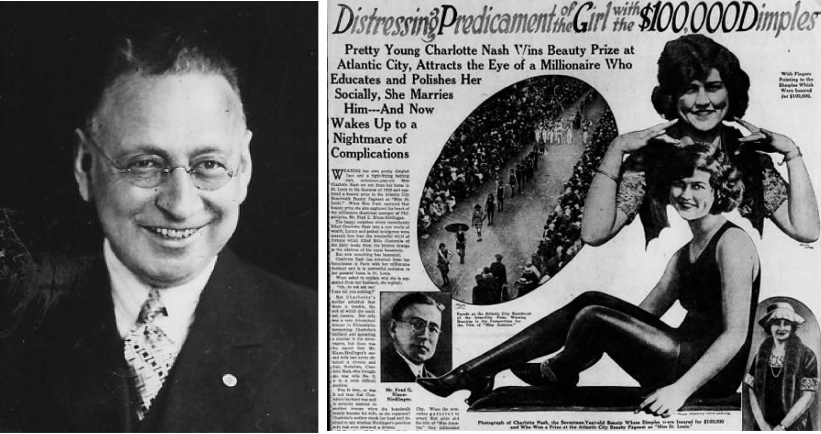
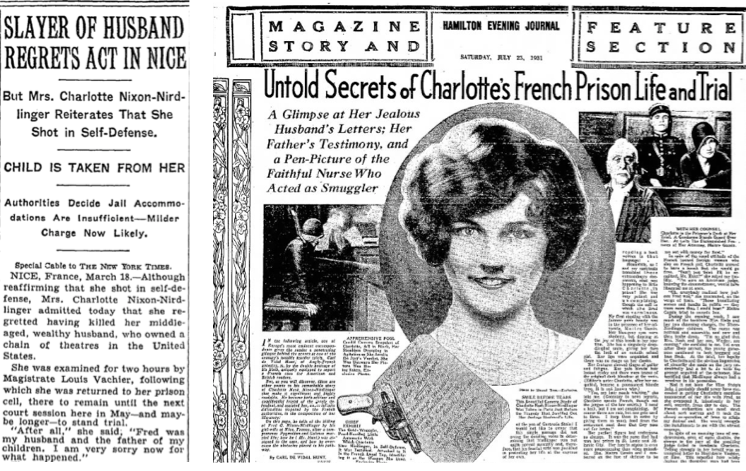
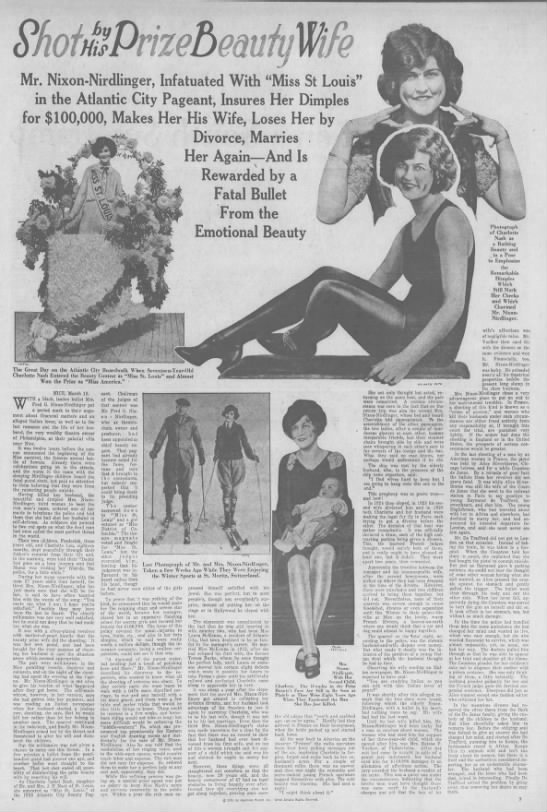


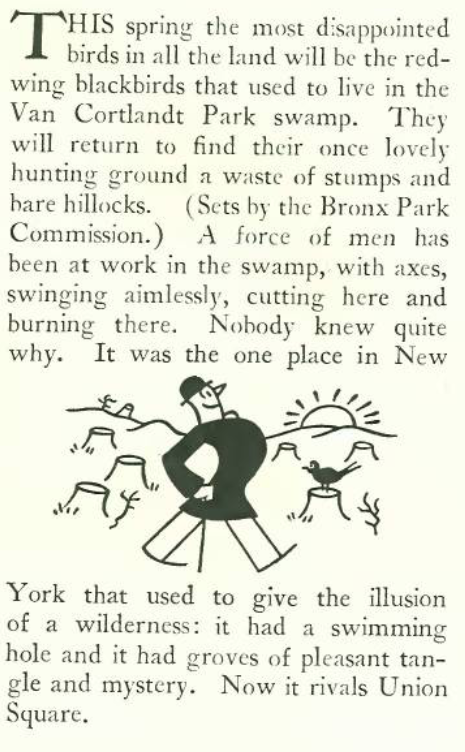
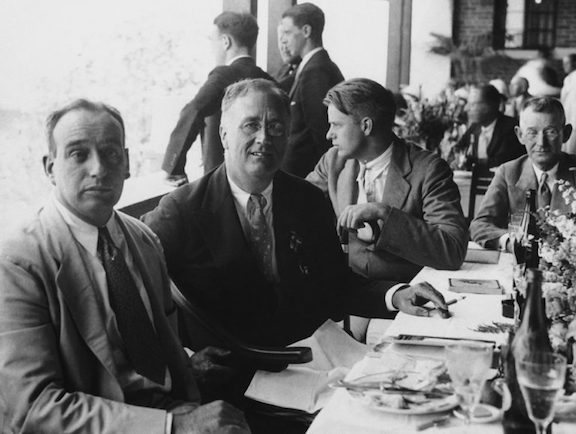



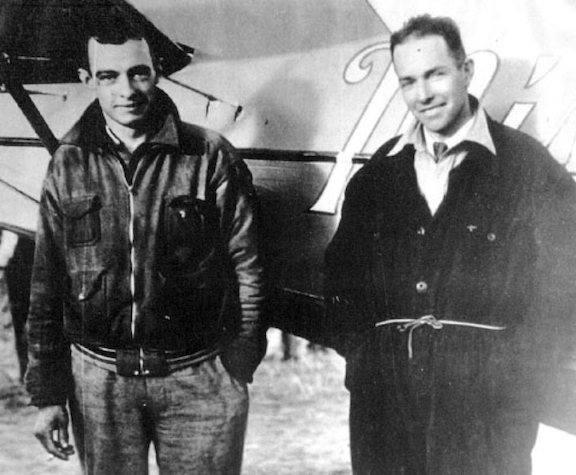


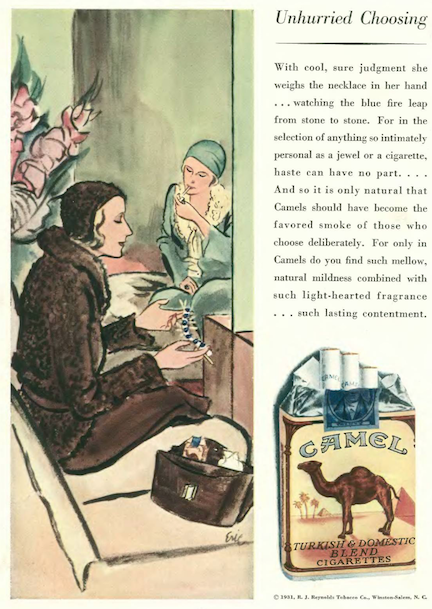


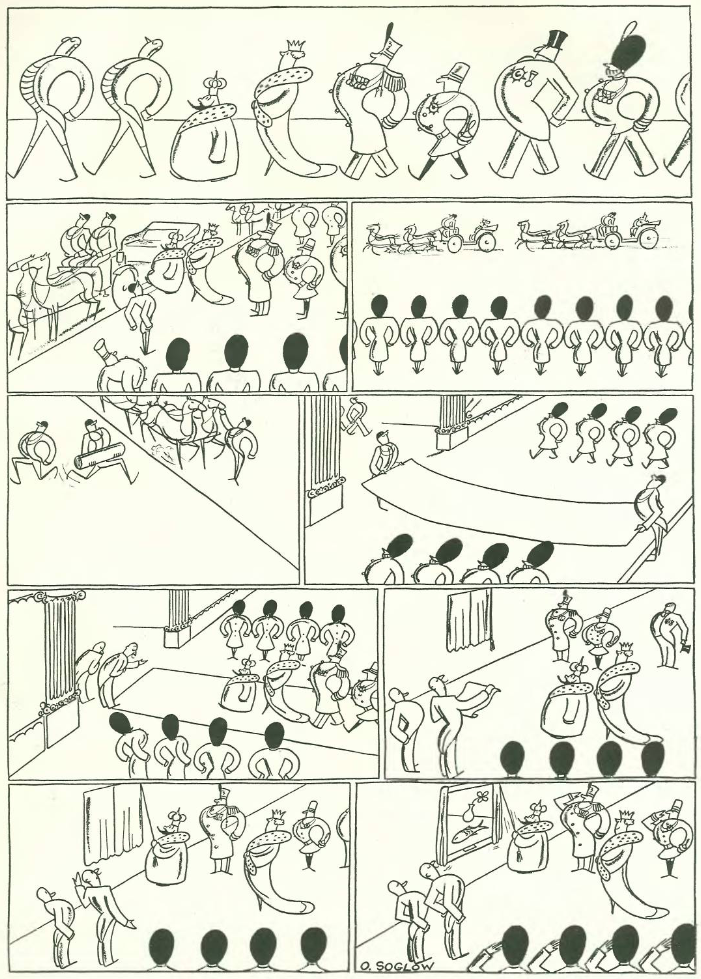


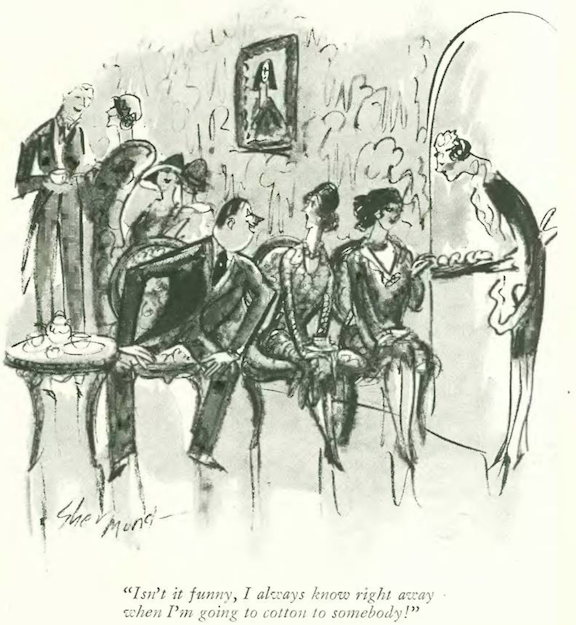
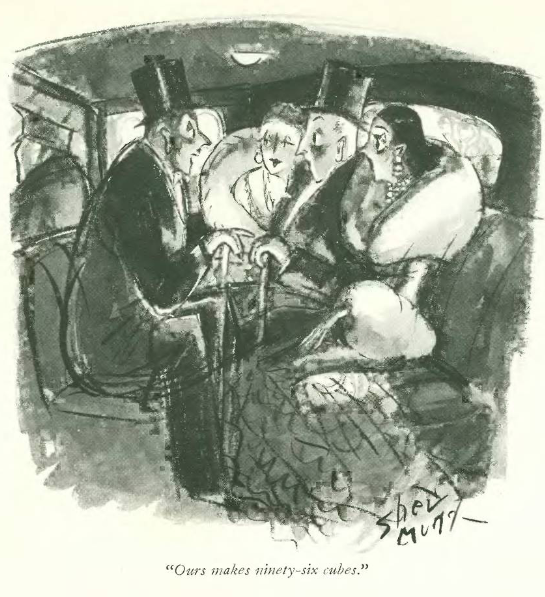
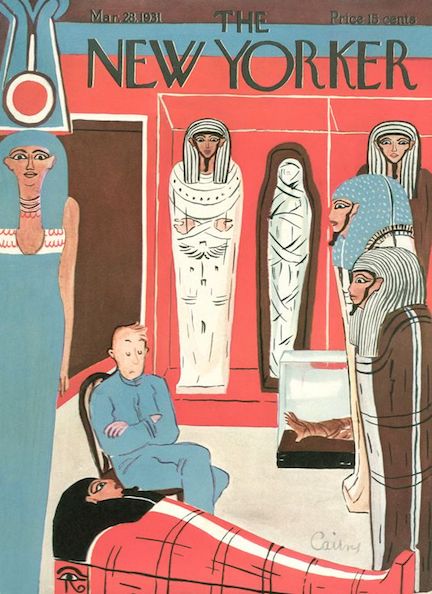
 A New Yorker State of Mind