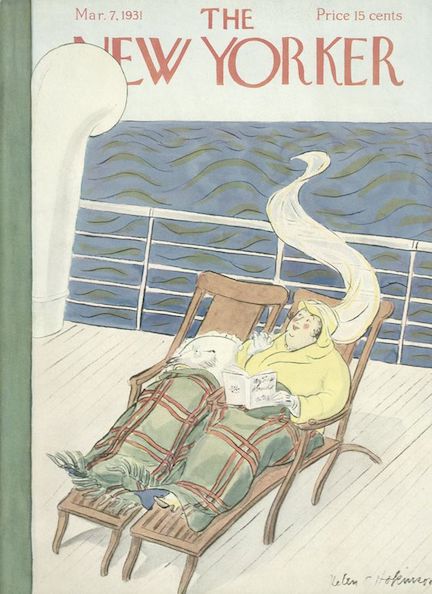
An Unmarried Woman

When New Yorker cartoonist Peter Arno hooked up with his colleague, nightlife columnist Lois Long, it was like twisting together two sticks of dynamite.

April 18, 1930 cover by Charles Donelan, his only cover for The New Yorker. See more about the artist at the end of this post.

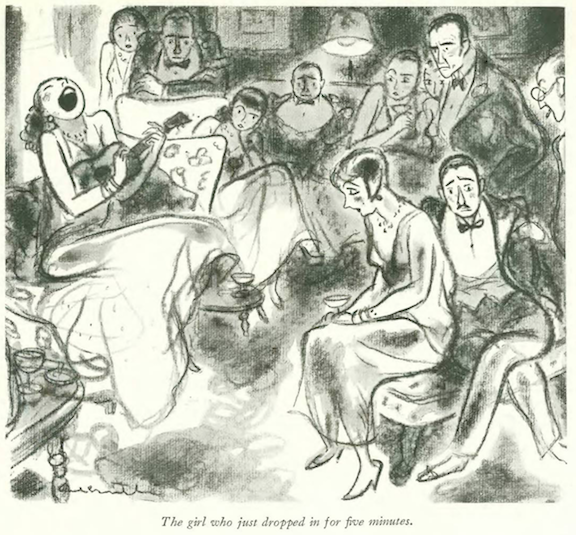
Married in 1927, they were the glamour couple at The New Yorker, and each played an outsized role in giving the early magazine a distinctive, cosmopolitan voice and look. Hard-drinking hell raisers, they both loved the Roaring Twenties nightlife in what seemed like an endless party. But when the party ended, so did their brief, volatile marriage.
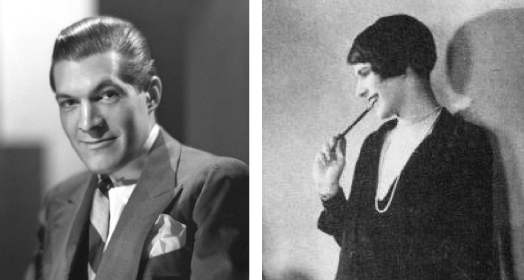
VOLATILE COMBINATION…Peter Arno and Lois Long were the toast of The New Yorker office and the toast of the town with their office romance, marriage (in 1927), and much-publicized split. The hard-partying couple separated in 1930 and divorced the following year.

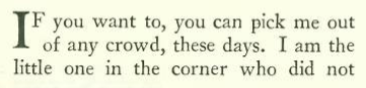
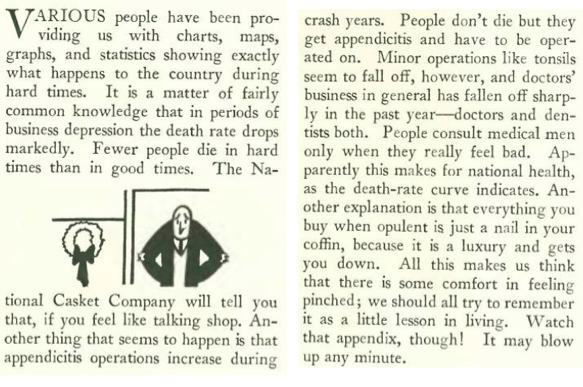
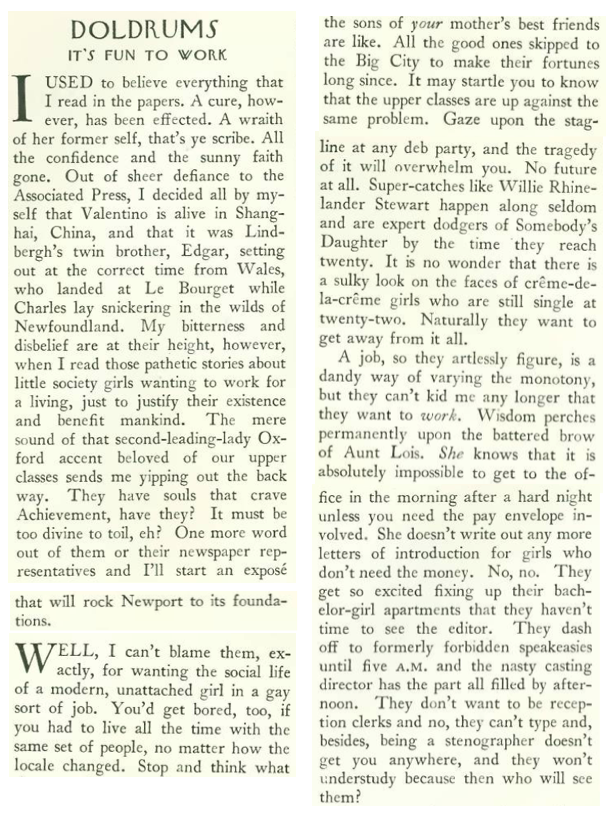
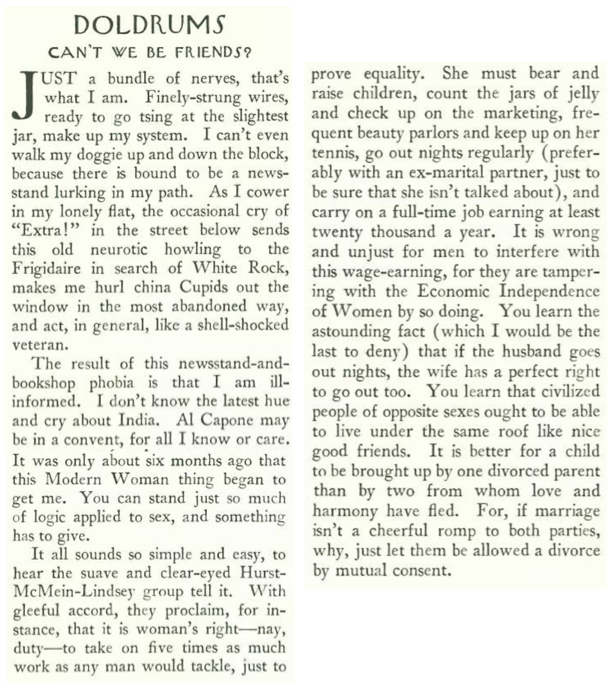
As the end of her marriage neared, the 29-year-old Long had become almost circumspect, and in a series of columns under the title “Doldrums,” she took a skeptical look at the world around her, the sad ways of the younger generation, and in this fifth installment, subtitled “Can’t We Be Friends?”, she probed the inequities of a society that encouraged women to be hard-working, super competent and attractive while men still did as they pleased (the question remains today: recall 2018, when Facebook’s Sheryl Sandberg asked women to “Lean In”).
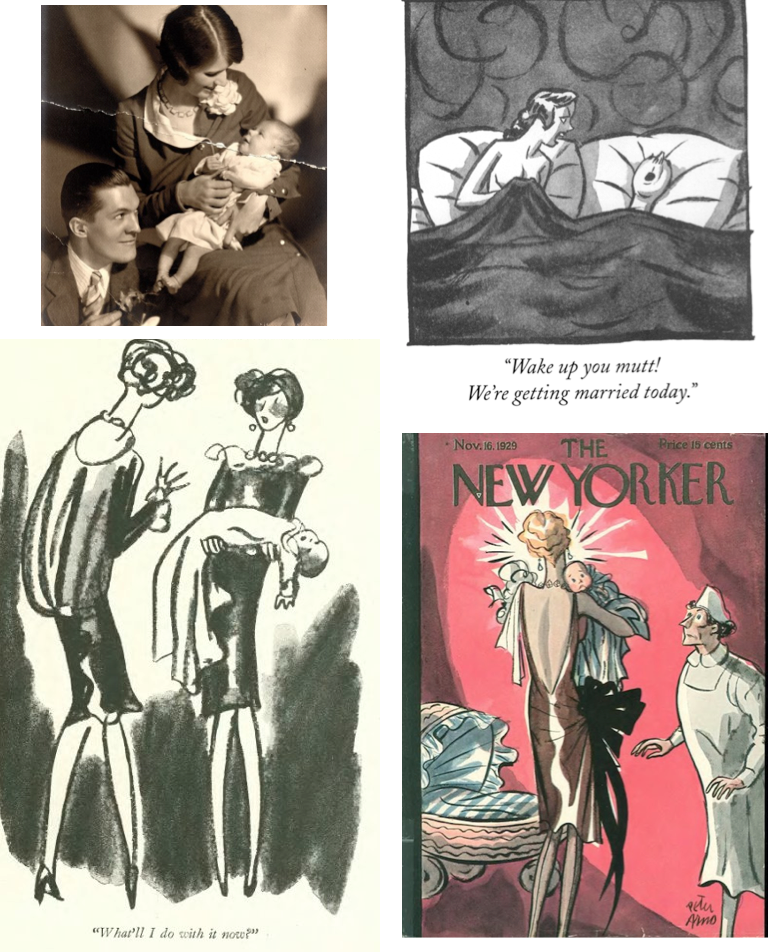
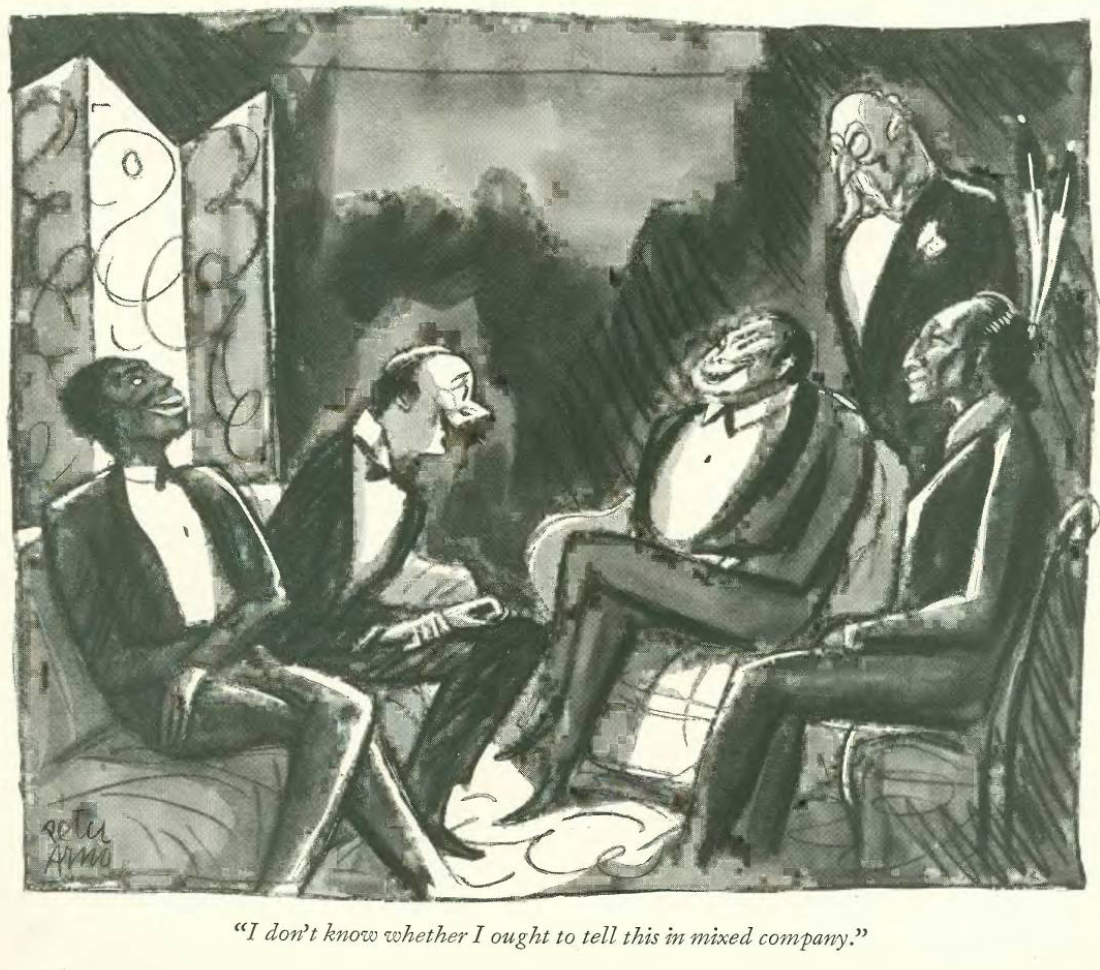
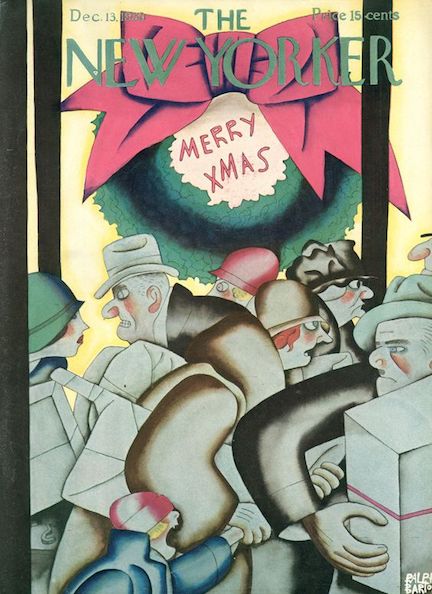
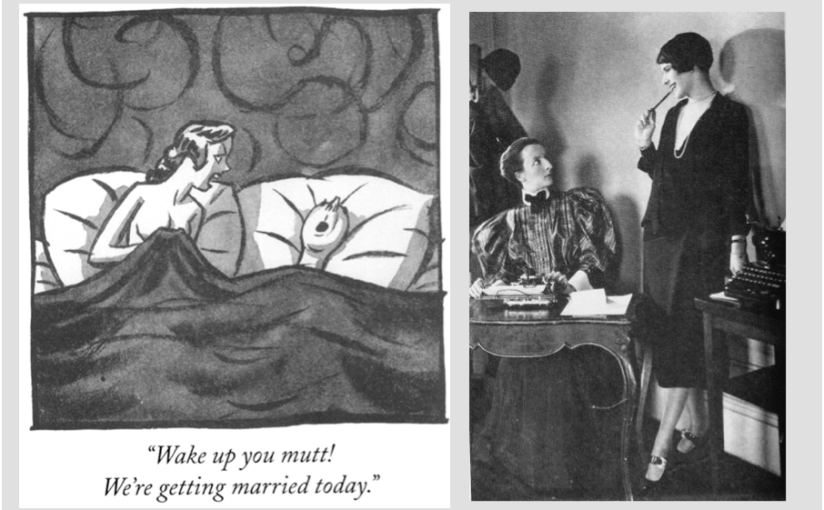
LIFE WITH LOIS…Peter Arno drew on his domestic experiences with wife Lois Long for comic inspiration. Clockwise, top left, Arno and Long with baby daughter Patricia, 1928; a wedding day wakeup call from Arno’s 1930 cartoon collection Hullabaloo; Nov. 18, 1929 cover and a Aug. 24, 1929 cartoon suggesting a lack of maternal instinct. By all accounts Long was a doting mother and grandmother.

In Vanity Fair, Ben Schwartz (“The Double Life of Peter Arno,” April 5, 2016) quotes Arno’s and Long’s daughter, Patricia (Pat) Arno, about her parents’ wild relationship: “There were lots of calls to (gossip columnist Walter) Winchell or some other columnist about nightclub fights…with my mother calling and saying, ‘Oh, please don’t print that about us,’ trying to keep their names out of the papers.”

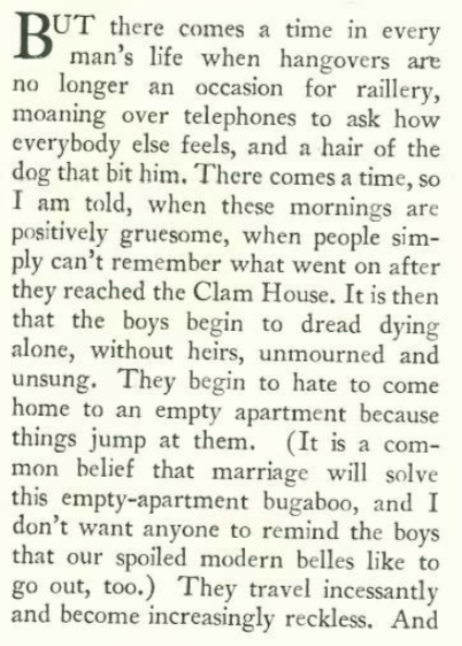
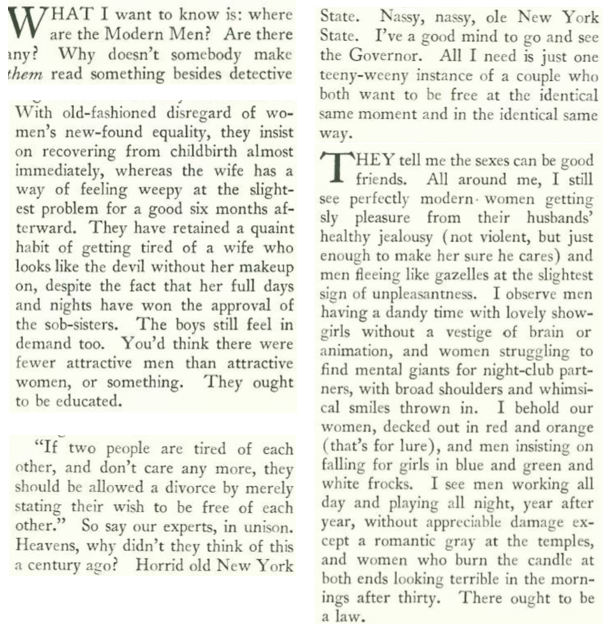
Here’s another excerpt from Long’s “Doldrums,” asking about the state of Modern Men (apologies for the missing fifth line — “novels”)…
Long had not only given up on marriage—and apparently men for the time being—but she’d also had it with the partying life. She had put her nightlife column, “Tables for Two,” on hiatus, turning her attentions to her popular fashion column, “On and Off the Avenue,” while continuing to contribute unsigned pieces to “The Talk of the Town” and occasional pieces like “Doldrums.”

In early 1931 Arno moved to Reno, Nevada, which granted quick divorces to anyone who took up residency for five months. According to a 2016 book written by New Yorker cartoonist Michael Maslin (Peter Arno: The Mad, Mad World of The New Yorker’s Greatest Cartoonist), Arno found more trouble in Reno when newspaper publisher Neely Vanderbilt accused him of having an affair with his wife, Mary, and threatened violence against Arno. Maslin writes: “Nearly lost in the whole Arno/Vanderbilt dust-up was the end of Arno and Long’s marriage. On June 29th, Lois was granted a Reno divorce on the grounds of intolerable cruelty.” I highly recommend Maslin’s book, filled with anecdotes drawn from a fascinating life lived in some of New York’s headiest times.

Vanderbilt would also divorce his wife in 1931. Mary Weir Logan Vanderbilt was the second of his seven wives.
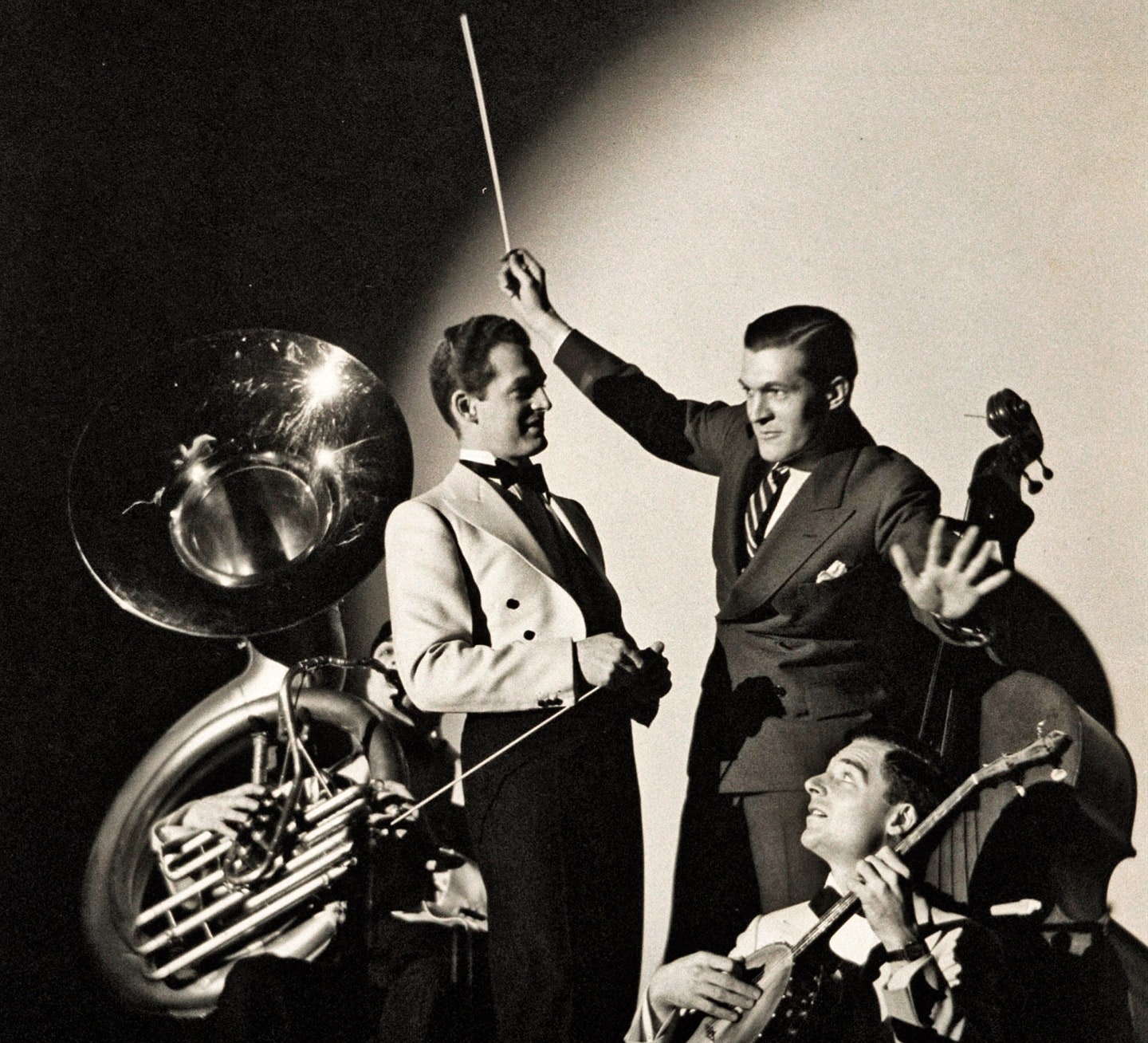
AND THE BAND PLAYED ON…On the same month as his Reno divorce (June 1931), Vanity Fair ran this photo of Arno pretending to conduct bandleader Fred Waring and two of his Pennsylvanians. (CondeNast)

Arno and Long would get joint custody of Patricia, but the child would remain living with her mother. Long had this to say about the future of her “Little Persimmon”…

 *  *  *

A Man’s World?

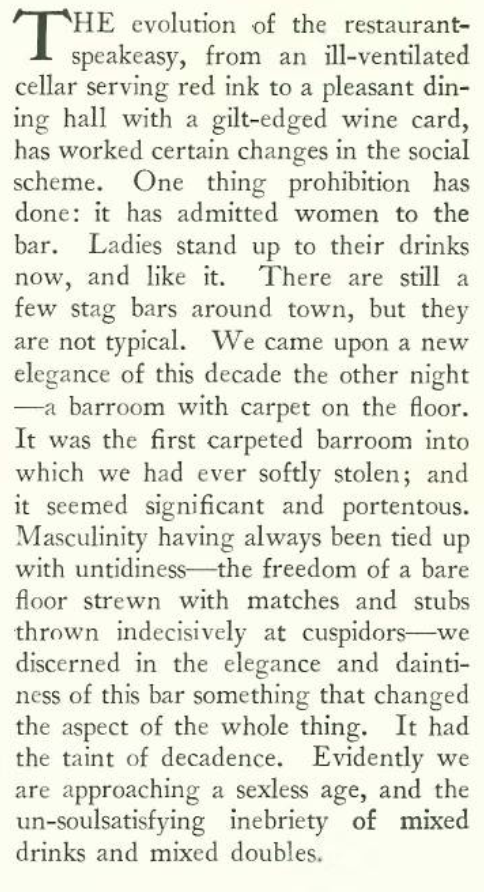
E.B. White wondered in his “Notes and Comment” after encountering a barroom (had to be a speakeasy) with a carpeted floor…
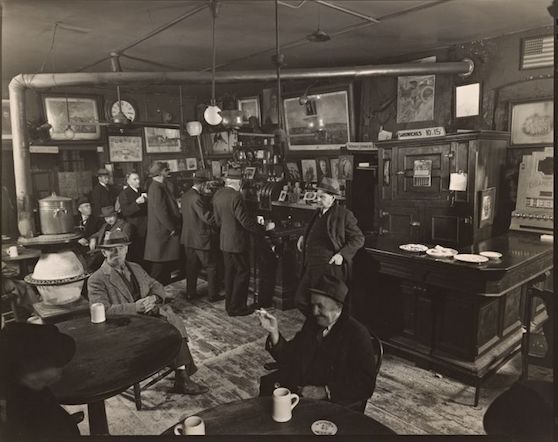
KEEPING IT REAL…Patrons relax at McSorley’s Old Ale House near Cooper Square, circa 1935. (ephemeralnewyork.wordpress.com)

 *  *  *

Long Before Social Distancing

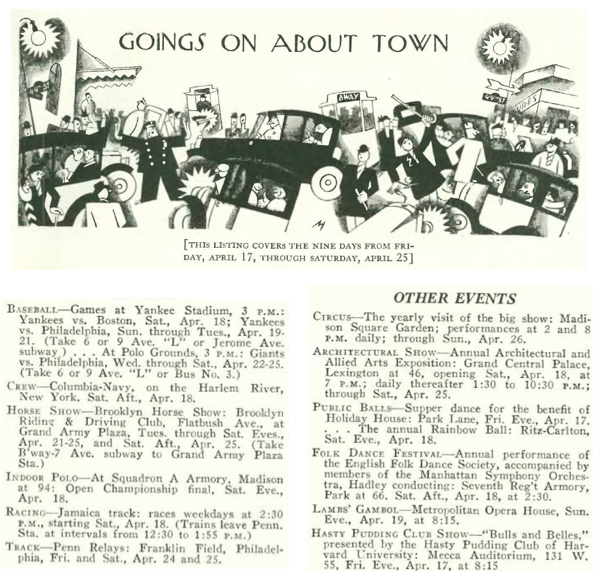
There were many diversions around the old city, including baseball games and the circus at Madison Square Garden…some clips from the “Goings On” section…
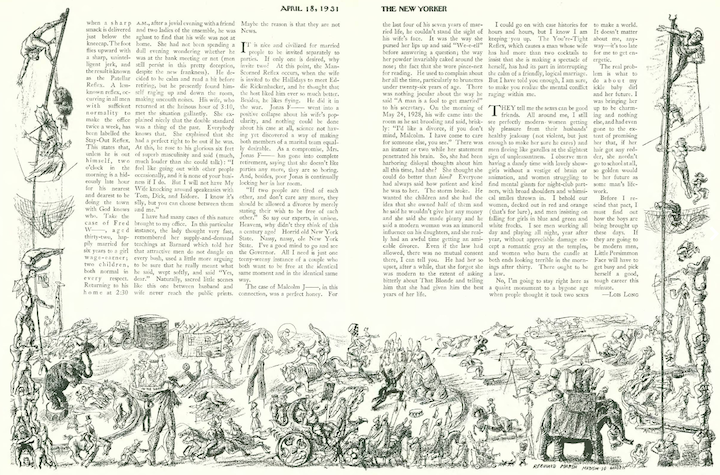
Reginald Marsh marked the arrival of the circus with a drawing that encircled pages 20-21…here is a detail…

and how the whole thing appeared…
 *  *  *

The Twain Never Met

Once a star attraction with the Ziegfeld Follies, comedian Will Rogers was also finding success on radio and in the films. His latest talkie, A Connecticut Yankee, referenced Mark Twain’s 1889 novel, A Connecticut Yankee in King Arthur’s Court, in name only, as noted by reviewer John Mosher. But then again, Rogers himself was not a Yankee, but an Okie.

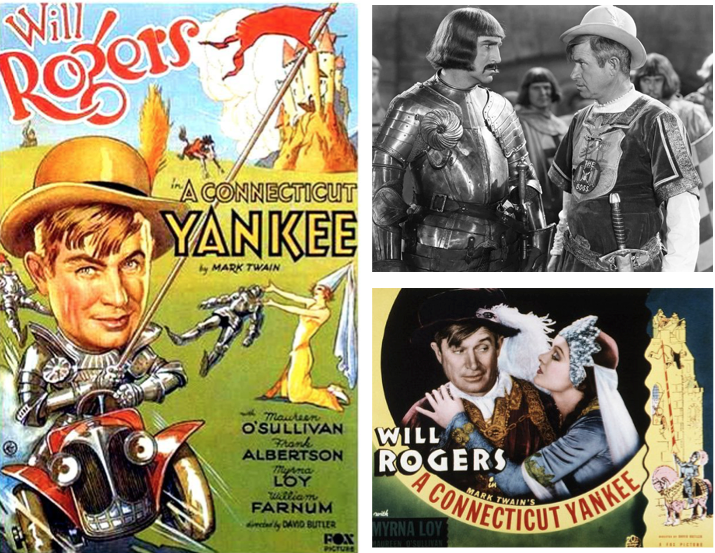
MARK WHO?…Inspired by a Mark Twain novel, 1931’s A Connecticut Yankee was mostly a Will Rogers vehicle. Top right, Sagramor (Mitchell Harris) confronts the “Connecticut Yankee” Hank Martin (Will Rogers). Below, the queen (Myrna Loy) tries to make nice with Hank. (IMDB)

 *  *  *

From Our Advertisers

If you had the time but not the means to travel to Europe (it was the Depression, after all), you might have considered a trip to “Old Québec,” just 500 miles up the road from New York City, although in those days you likely took the train, or possibly a boat, since routes between cities were still a uneven patchwork of roads…

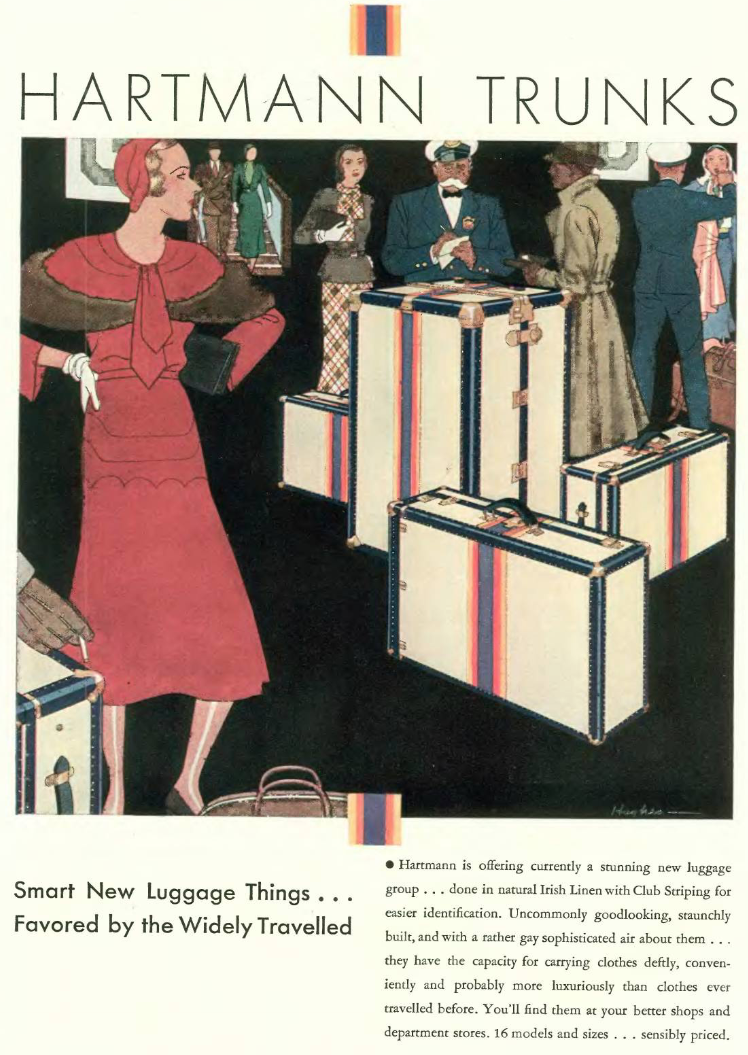
…and you could look stylish at the station or the boat dock with these handsome Hartmann trunks…
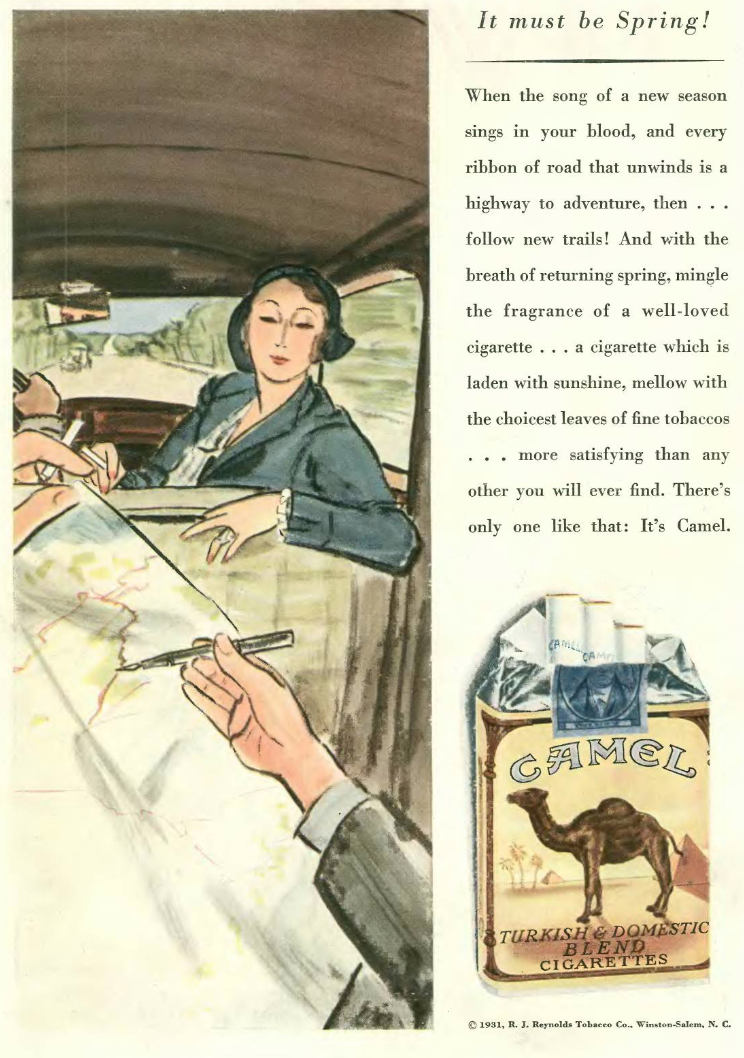
…these spring travelers opted for a car, filled with the aroma of burning tobacco…
…spring was also time for the latest Paris fashions, and Macy’s suggested you could “put one over on Paris” by donning a garment spun from from DuPont’s miracle fiber, Rayon…

…however, those operating the finer dress shops would never consider letting any synthetic hang in their windows, or touch their skin for that matter, and proudly proclaimed the latest shipments from Paris…
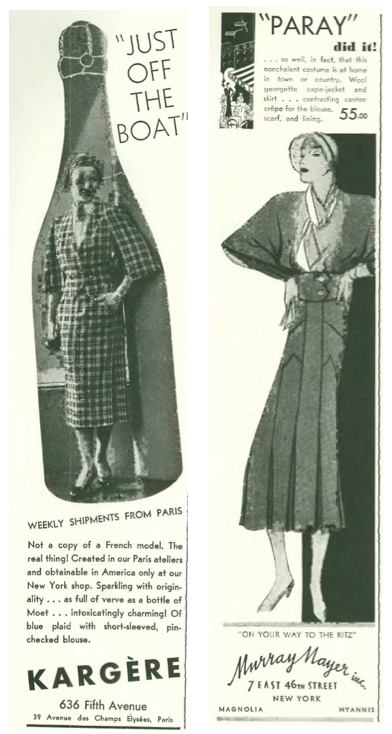
…those shopping for Paris fashions might have consulted Majorie Dork to get slim in all the right places…

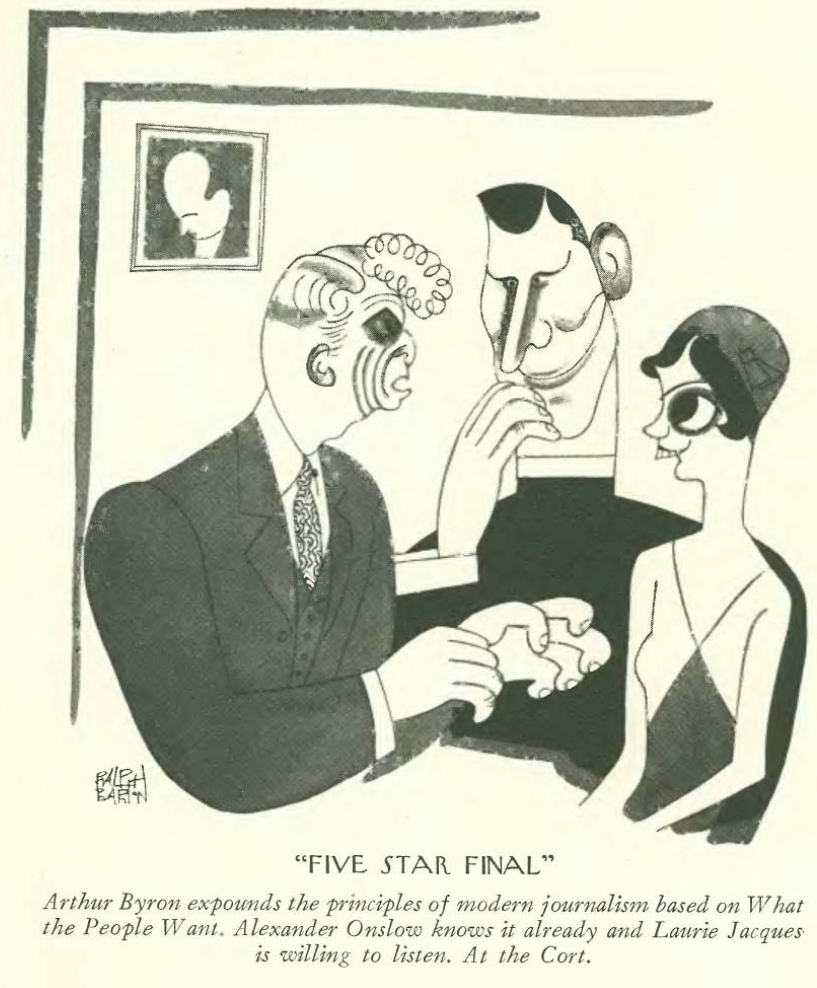
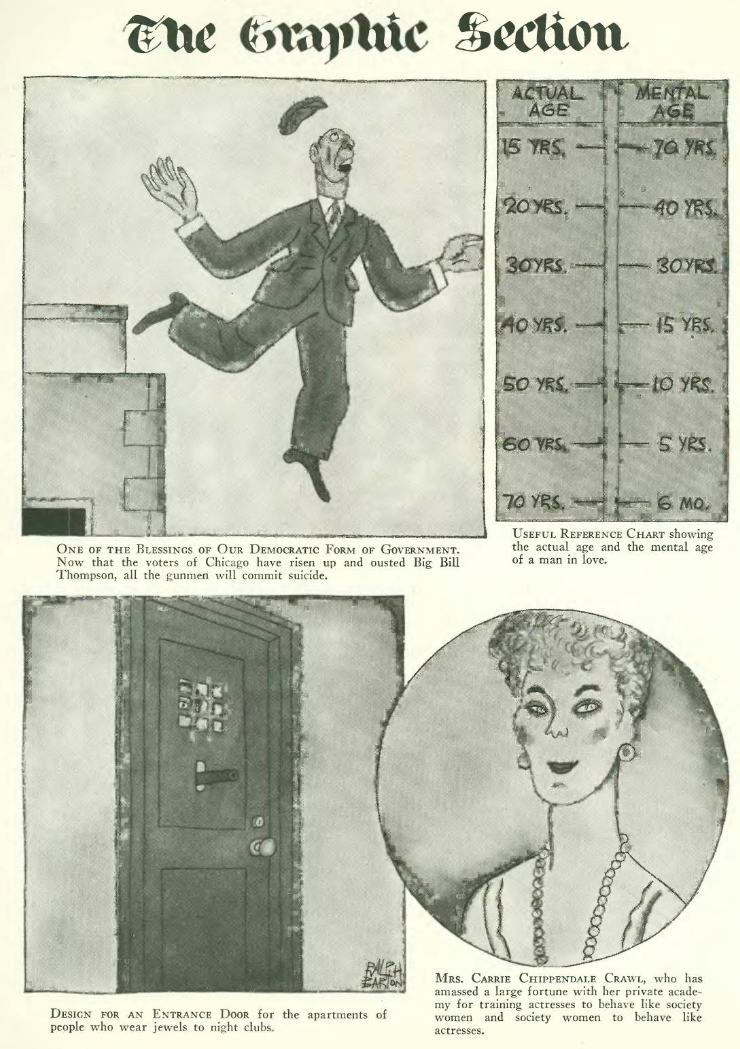
…on to our illustrations and cartoons, we have two by Ralph Barton, his “Hero of the Week”…

…and his “Graphic Section” take on the week’s news…
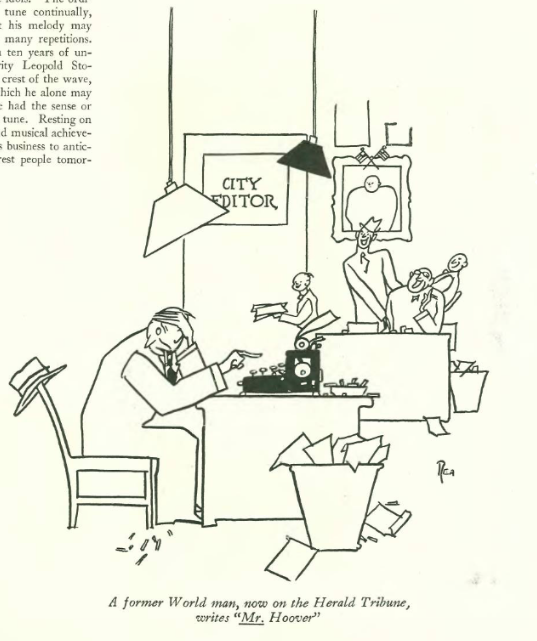
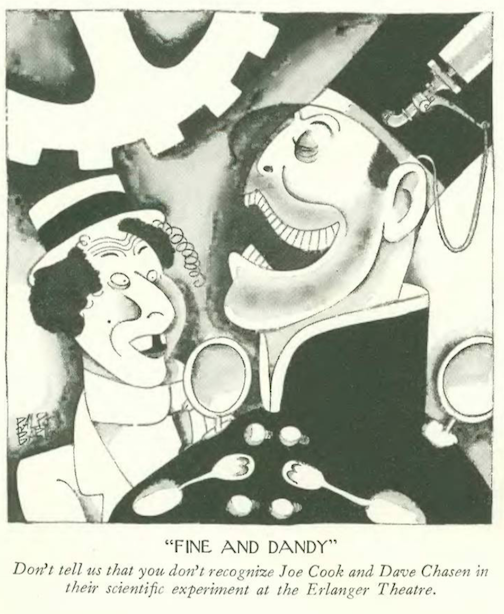
Gardner Rea kicks off our cartoons with a look at the machine age…

…Rea’s cartoon referred to the popular vaudeville comedian Joe Cook, who was known for his demonstrations of needlessly complex machines…here he is featured in the September 1931 issue of Modern Mechanics magazine…
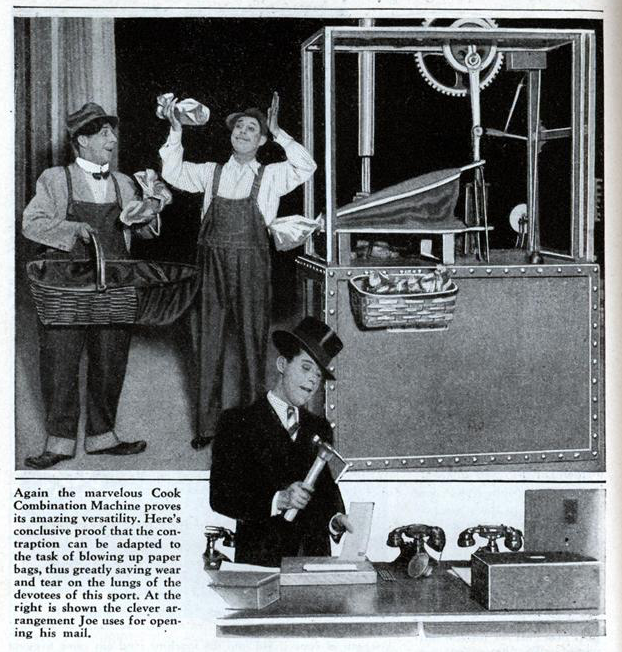
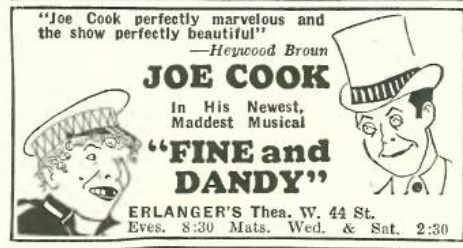
…Erlanger’s Theatre advertised Cook’s “Newest, Maddest Musical” in the back pages of The New Yorker

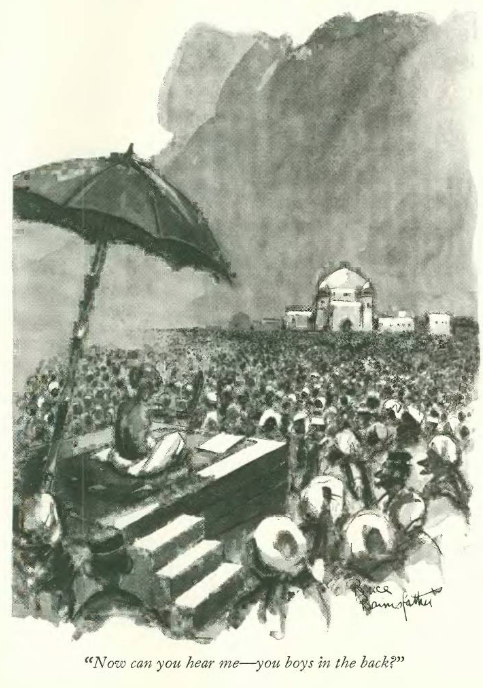
…it’s not often you find Mahatma Gandhi as the subject of a cartoon…this one is by Bruce Bairnsfather

…a unique form of stage fright was illustrated by John Floherty Jr

Jack Markow gave us a little night music…

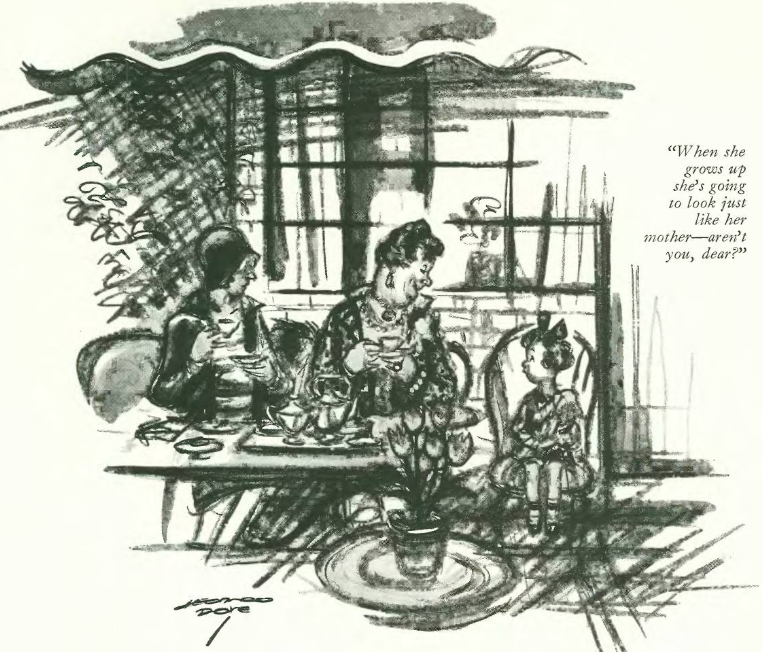
Leonard Dove and the possibly reluctant apple of someone’s eye…
…I would love to know more about this Rea Irvin cartoon, which seems to be a parody of a cartoon from the British Punch…
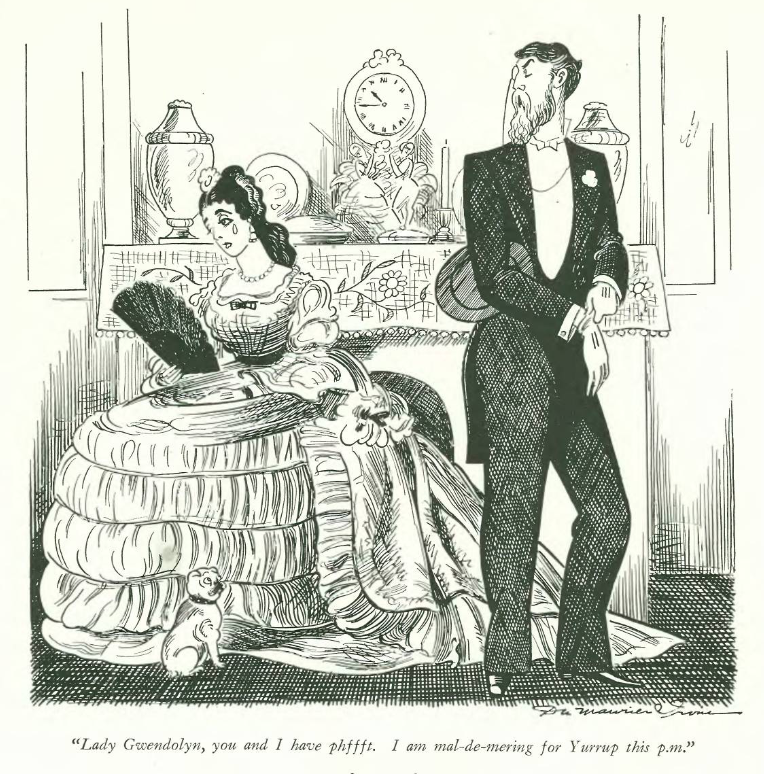
John Reehill rendered a portentous moment at the barbershop…

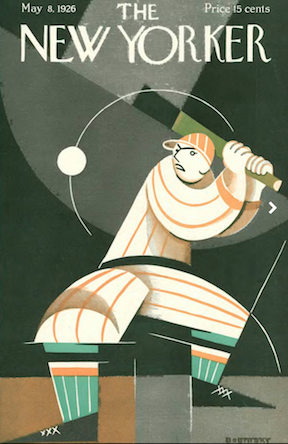
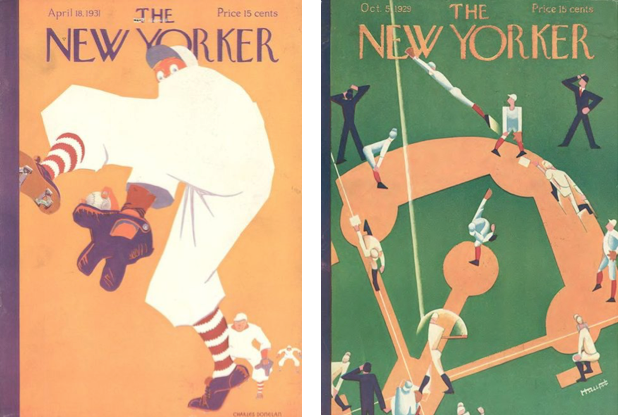
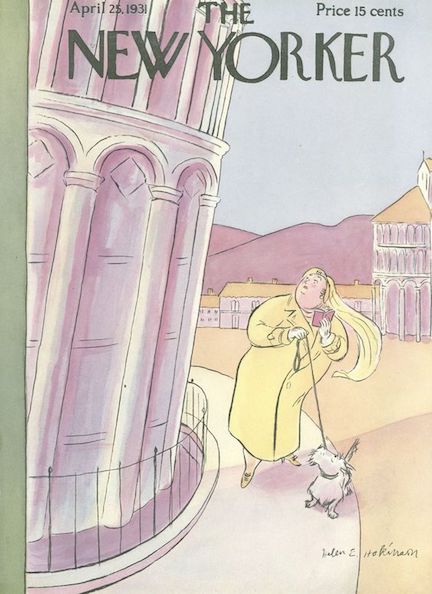
…and finally, today’s cover (bottom left) by Charles Donelan caught my eye because the early New Yorker rarely noted the existence of baseball, except in the events section. Up to this point there had been just two covers featuring baseball: May 8, 1926, by Victor Bobritsky

…and, at right, the Oct. 5, 1929 cover by Theodore Haupt...
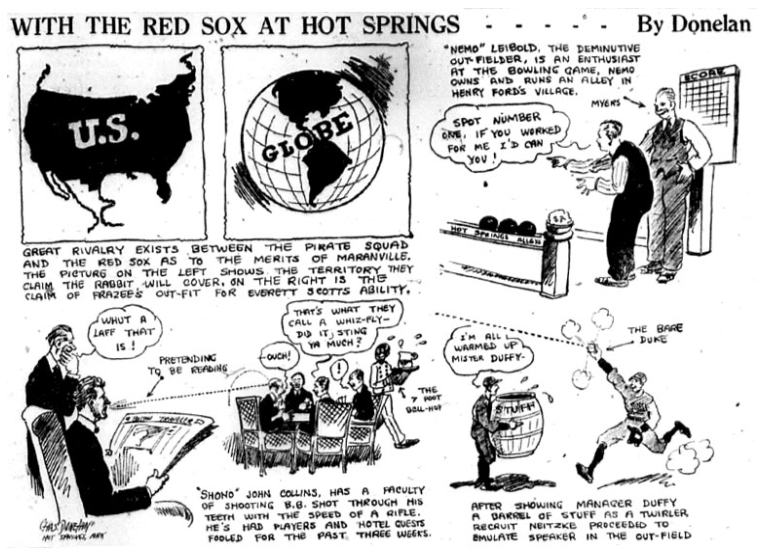
…as for the cover on the left, it would be Charles Donelan’s only New Yorker cover…throughout his career he would illustrate for various publications, including the sports section of the Boston Traveler (this is from the March 21, 1921 edition)…
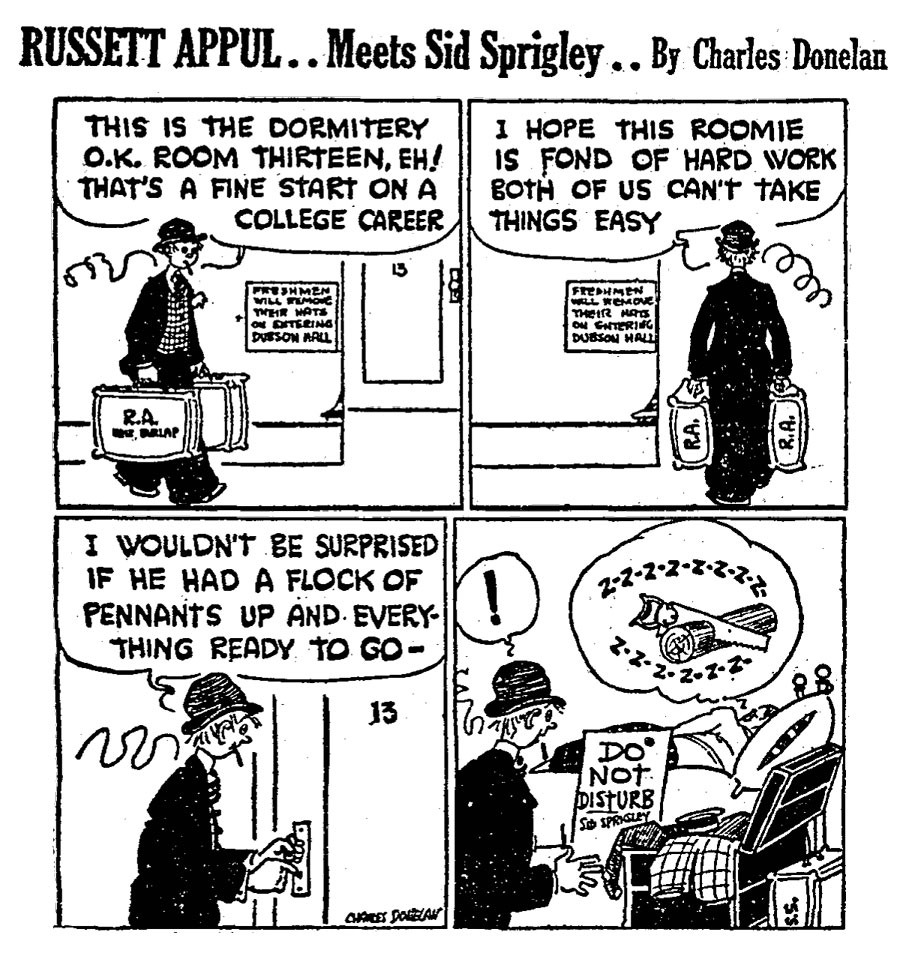
…and a comic strip featured in the Boston Globe called “Russett Appul” (this is from Oct. 11, 1929)…Donelan also performed Russett and other characters on Boston radio stations and stage shows…
Next Time: Cinema’s Underworld…
 

Age of Wonders

Despite the deepening economic depression, work continued apace on a number of large building projects that were transforming the Manhattan skyline, including the Empire State Building, which was being readied for its May grand opening.

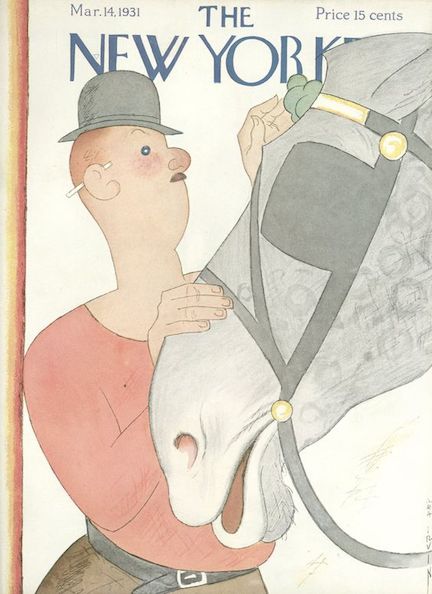
March 14, 1931 cover by Rea Irvin.

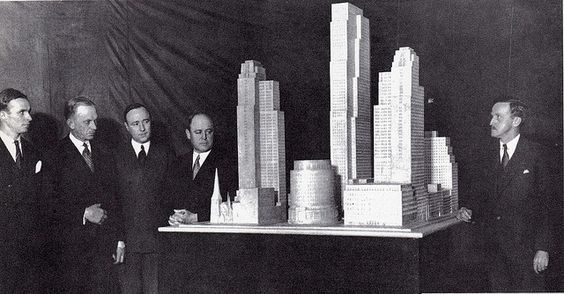
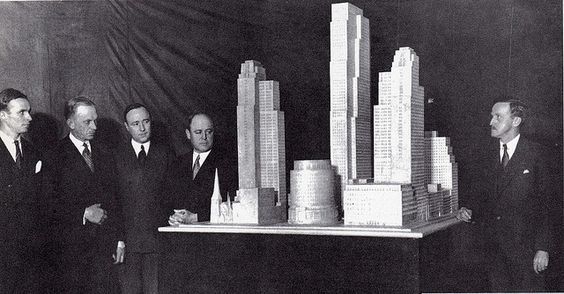
Developers also looked to the future, including the Rockefeller family, who commissioned a massive project in Midtown — 14 buildings on 22 acres — that would be one of the greatest building projects in the Depression era…

SAY ‘CHEESE’…A group of dour-looking developers unveil an early model for Rockefeller Center, March, 1931. (drivingfordeco.com)

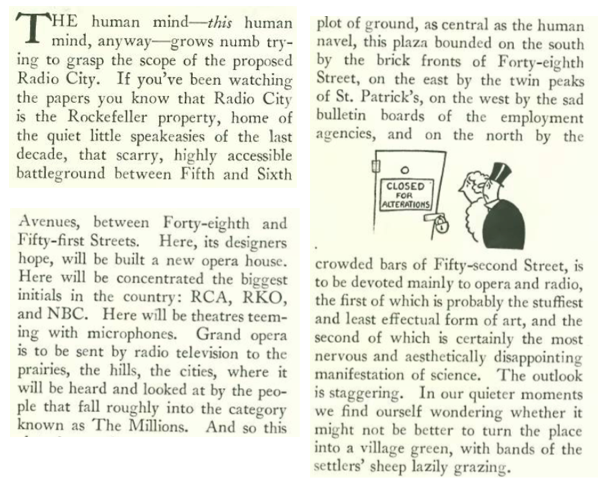
…so great that even E.B. White found the proposed Rockefeller Center difficult to fathom:

DECO DREAM…Conceptual rendering of the Rockefeller Center complex by architectural illustrator John C. Wenrich. (beyondarchitecturalillustration.blogspot.com)

 *  *  *

Star Power

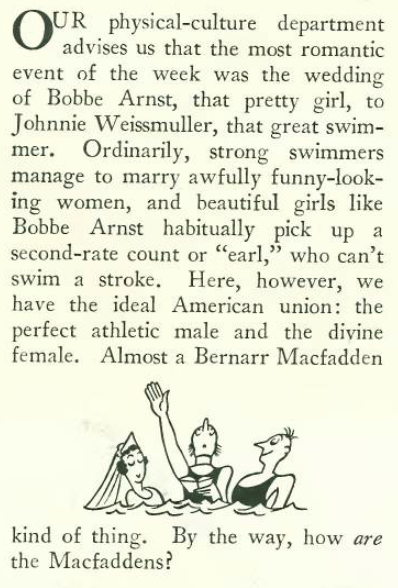
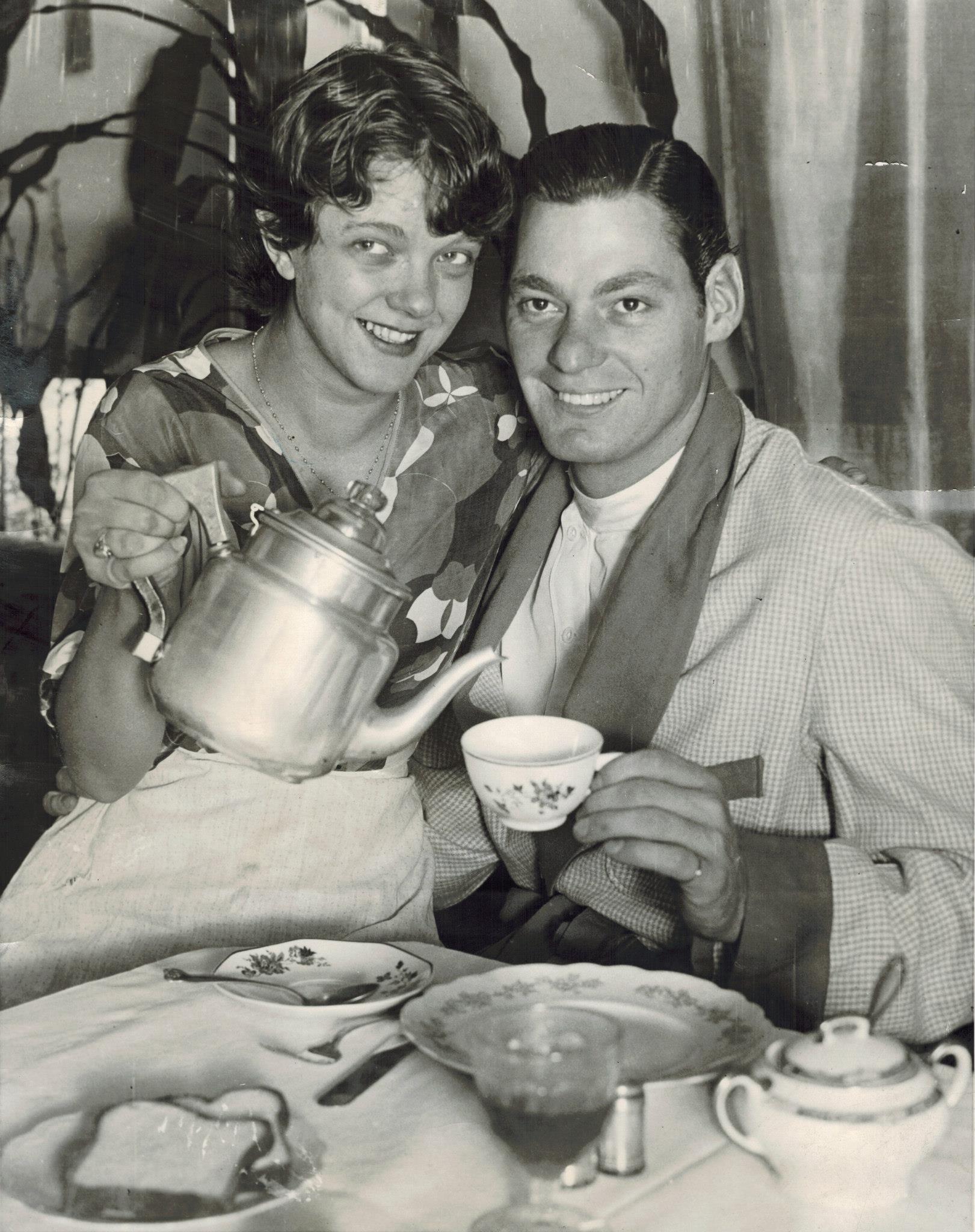
The Depression years also offered lesser diversions, and there’s nothing like celebrity culture to distract one’s mind from daily woes. For our amusement, E.B. White offered up the recent nuptials of Olympic swimmer (and future Tarzan movie star) Johnny Weissmuller and Ziegfeld singer/showgirl Bobbe Arnst…

MONKEY’S UNCLE…Newlyweds Johnny Weissmuller and Bobbe Arnst pose for photographers in 1931. The marriage would last two years. In 1932 Weissmuller would appear in his first “Tarzan” movie, Tarzan the Ape Man, and after divorcing Arnst would marry four more times. (Pinterest)

…of course there’s no better place to find celebrities than Hollywood, where Marlene Dietrich was collecting good reviews for her latest film, Dishonored. Critic John Mosher was absolutely gah gah over the German actress…

COME HITHER IF YOU DARE…Marlene Dietrich portrayed Agent X-27 in Josef Von Sternberg’s 1931 spy film Dishonored. (IMDB)

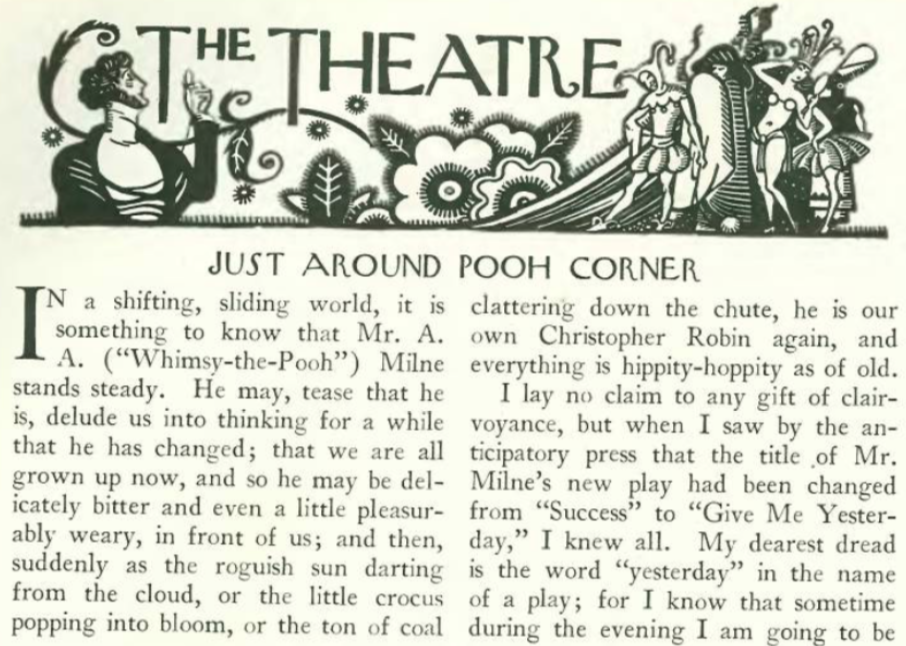
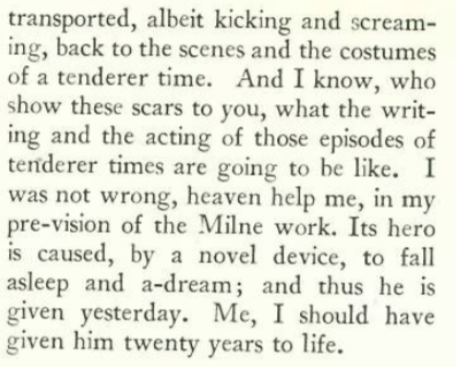
…if you preferred the stage to the screen, you could check out a show on Broadway, but if you were Dorothy Parker (subbing as theater critic for her pal Robert Benchley), you’d have trouble finding anything worth watching. Her latest review was something of a double-whammy: not only was the play a stinker, but it was written by one of Parker’s least-favorite authors, A. A. Milne

…AND MY MONEY BACK, TOO…

 *  *  *

Cinéma Vérité

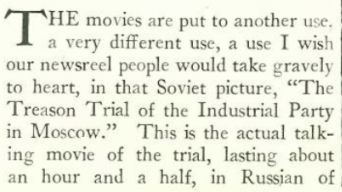
However, Dorothy Parker could have found consolation in the fact that someone, somewhere, had it a lot worse. For example, the eight defendants in a Soviet show trial, filmed for the edification of the masses and as a warning to opponents of the Bolshevik Revolution. In this warm-up for the Great Terror to come, five of the eight were condemned to death after making what were obviously forced confessions. John Mosher had this to say about the real-life horror film:

PRELUDE TO MADNESS…Scenes from the Treason Trial of the Industrial Party of Moscow. Above, filming the proceedings; below, one of the accused scientists confessing his “crimes” against the state. (moderntimes.review/YouTube)

 *  *  *

End of the World, Part II

In my last post we saw how E. B. White mourned the end of The New York World newspaper in a lengthy “Notes and Comment” entry. By contrast, White’s colleague Morris Markey wasn’t shedding any tears for a newspaper he believed had seen its better days. Markey shared his observations in his March 14 “Reporter at Large” column…

AFRAID OF THE DENTIST? Murder suspect Arthur Warren Waite, a dentist from Grand Rapids, Michigan, appeared at Criminal Courts in New York City on May 22, 1916, to face double murder charges (he poisoned his in-laws). He was sent to the electric chair at Sing Sing on May 24, 1917. According to Morris Markey, the World’s coverage of the story was the newspaper’s swan song. (Criminal Encyclopedia)

…Markey described the newspaper’s final day with veteran rewrite man Martin Green quietly typing his last story amid the tears and wisecracks of reporters suddenly out of work…

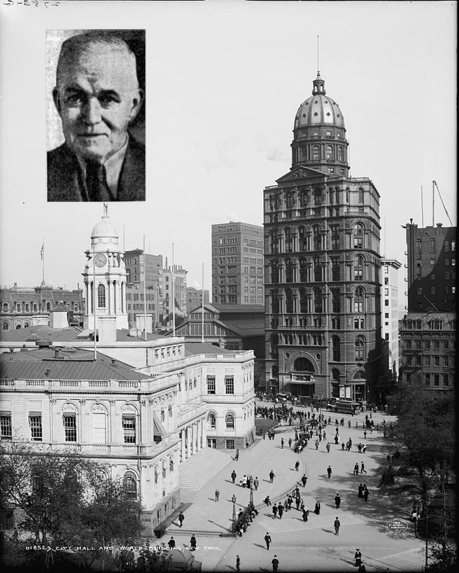
LONG GONE…Veteran rewrite man Martin Green (inset) filed his last story for The New York World on Feb. 27, 1931. Above, the New York World building was located on Manhattan’s “Newspaper Row” near City Hall. Commissioned by the newspaper’s owner, Joseph Pulitzer, the 20-story building was the world’s tallest office building when in was completed in 1890. It was demolished in 1955 to make way for an expanded car ramp entrance to the Brooklyn Bridge. (New York Times/Library of Congress)

…the end of the World was also on the mind of Gardner Rea, who contributed this cartoon to the March 21 issue: 

 *  *  *

The State of Modern Man

Lois Long continued her “Doldrums” series by looking at the condition of bachelor life in the city, and like everything else among the younger generation she found it wanting. Lois was a ripe old 29 when she wrote this, but given how radically life had changed since the Roaring Twenties, a wide gulf now separated those days from the more somber Thirties. Note how Long, who embodied flapper life in her defunct “Tables for Two” column, described herself as a “modest, retiring type” who knew nothing about men. Around this time Long was preparing to divorce husband (and New Yorker cartoonist) Peter Arno after a brief, tempestuous marriage…

 *  *  *

From Our Advertisers

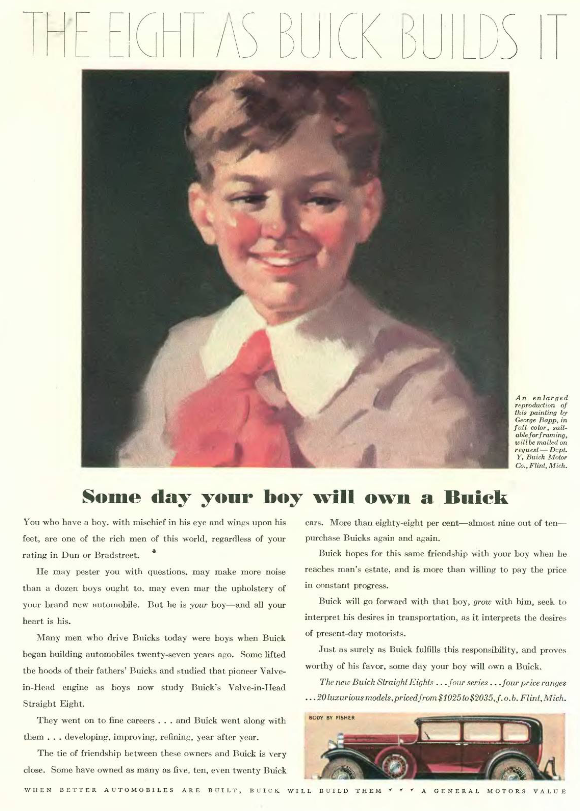
In those depressed days the makers of Buick automobiles decided to look to a brighter future, imaging how the boys of the present would be drivers of Buicks in the future…this kid probably ended up driving a tank or a Jeep rather than a Buick when 1942 rolled around…

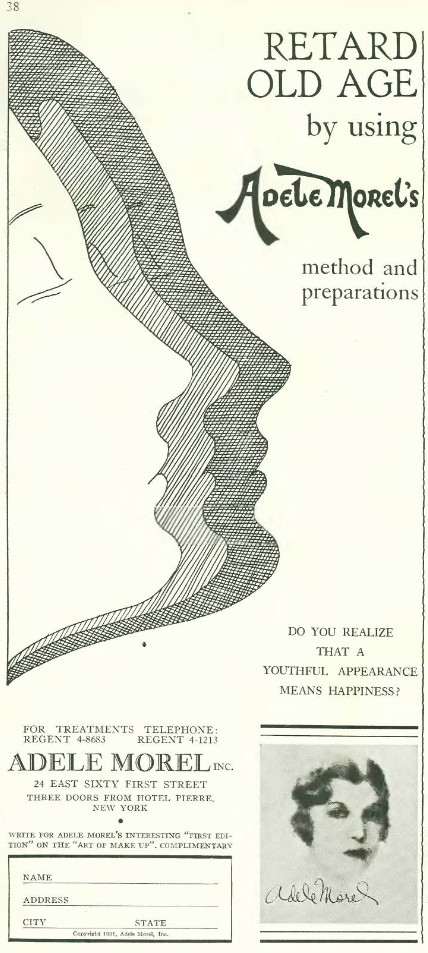
Adele Morel also wanted you to think about the future, and how to hold off those inevitable wrinkles…note the message near the bottom: “Do you realize that a youthful appearance means happiness?”…

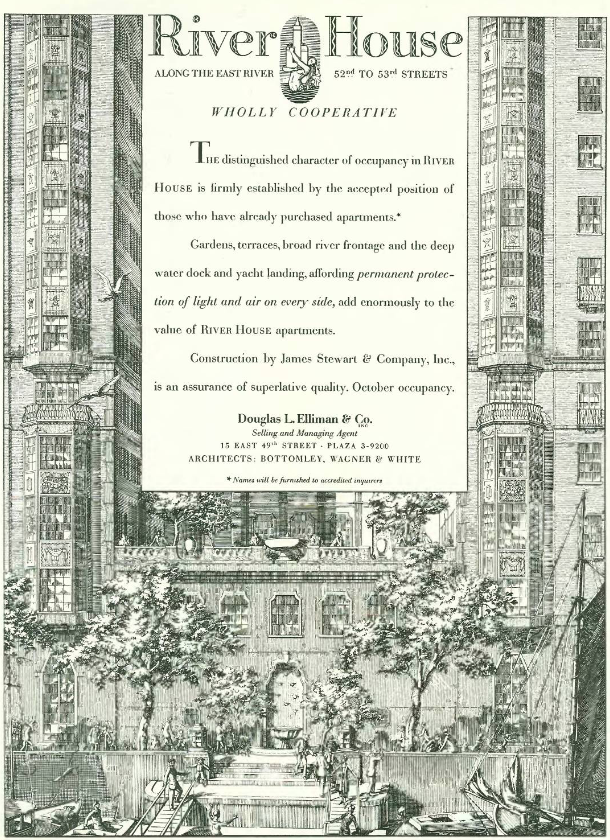
…I included this ad for River House because of its sumptuous detail…it rather resembles a 17th century European silk tapestry, and the people depicted look like they could be from that time as well…

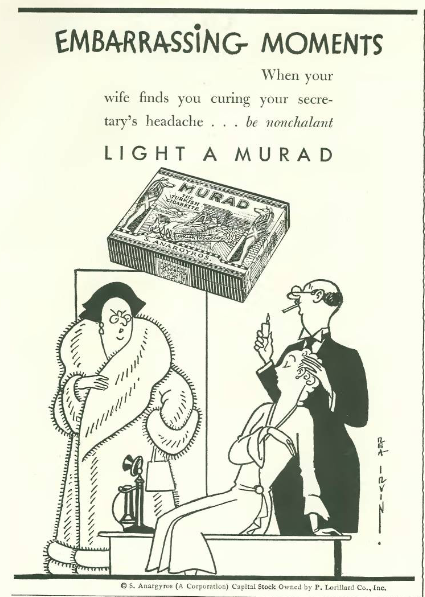
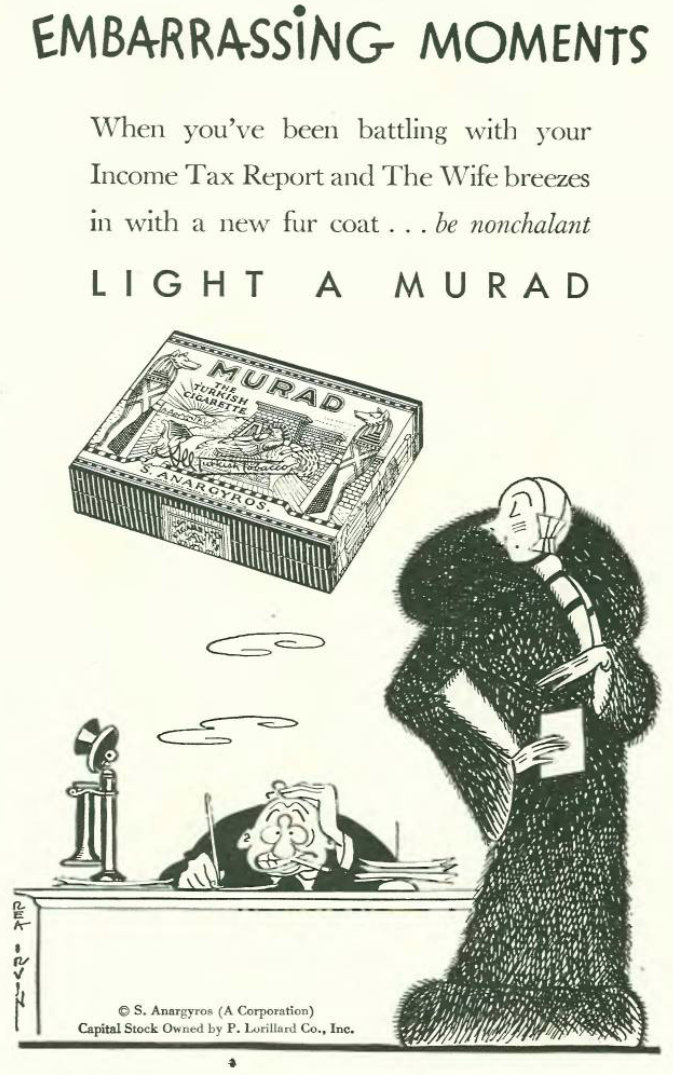
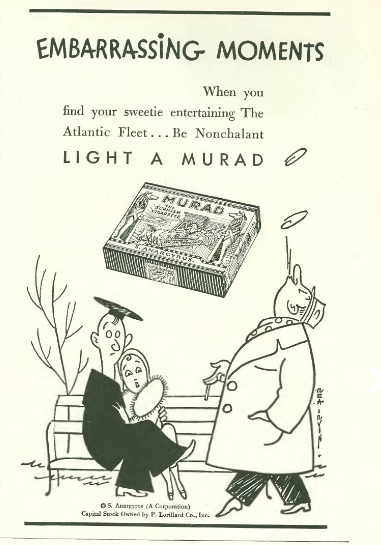
…speaking of another age, we have this Murad ad by Rea Irvin, illustrating office behavior that was quite common in the 20th century…

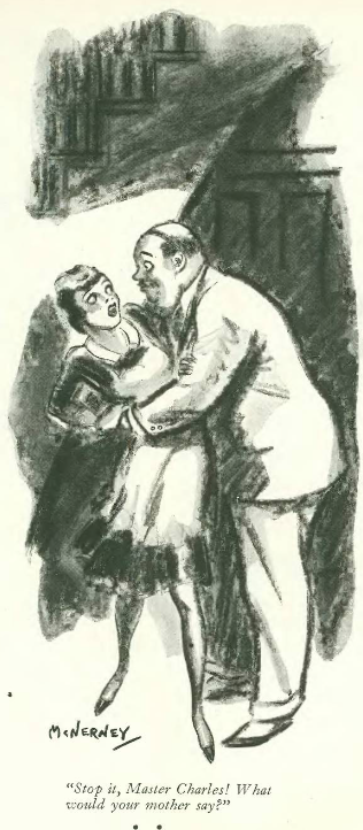
…on a related note, in the cartoons E. McNerney illustrated a “Me Too” moment…

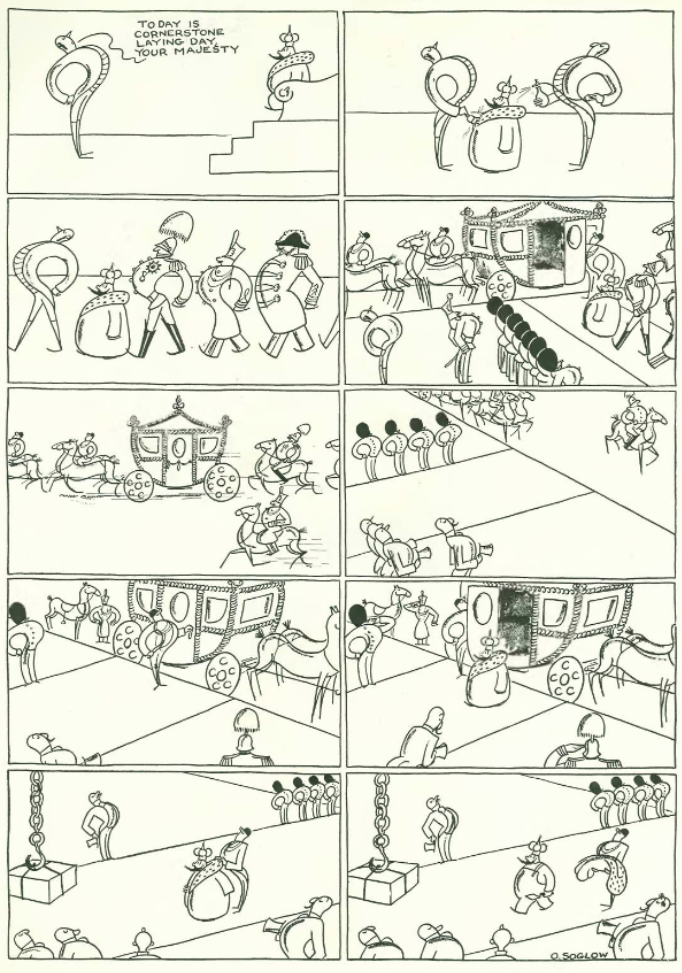
…when Otto Soglow published his first Little King strip in the June 7, 1930 issue, it caught the eye of Harold Ross (New Yorker founding editor), who asked Soglow to produce more. After building up an inventory over nearly 10 months, Ross finally published a second Little King strip, which you see below. The strip would become a hit, and would launch Soglow into cartoon stardom…

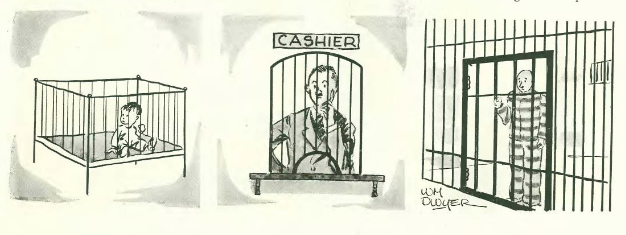
William Dwyer offered a dim view of a man’s stages of life in the first of two cartoons he contributed to The New Yorker

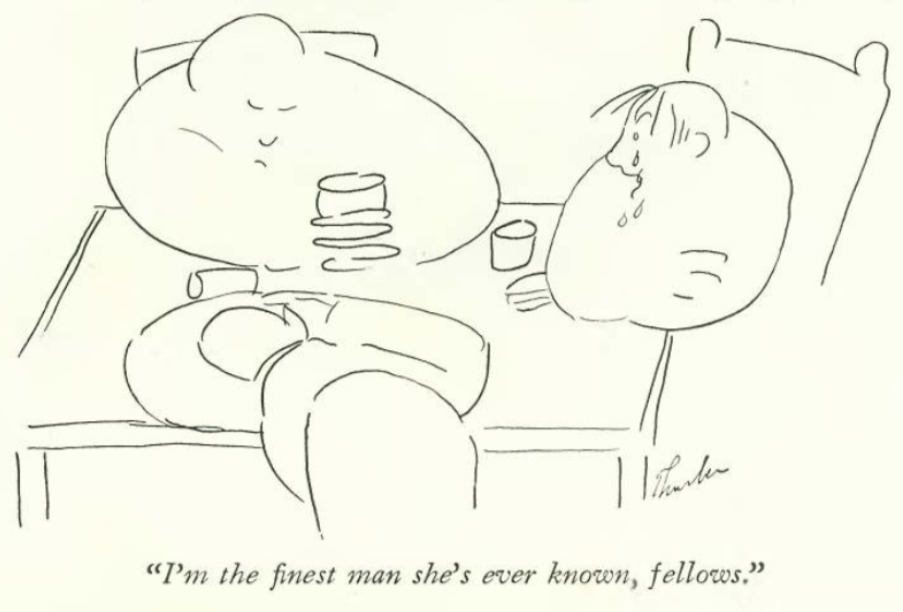
James Thurber shared tears with some sad sacks…

…in a few years Leonard Dove’s housewife would see her fears realized as another world war would loom on the horizon…

…and we end with Garrett Price, and an appreciation for fine art…

Next Time: Killer Queen…


Chaplin of the Jungle

In the 1920s and 30s the concept of the documentary film was still in its infancy, and beginning with the silent Nanook of the North (1922), the idea that a documentary and a drama were separate things was unknown to filmmakers.

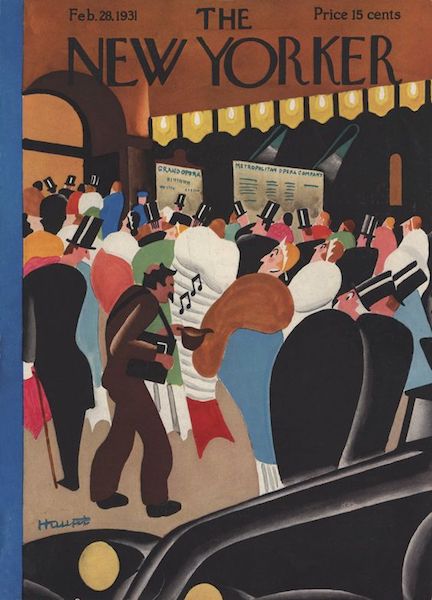
Feb. 28, 1930 cover by Theodore Haupt.

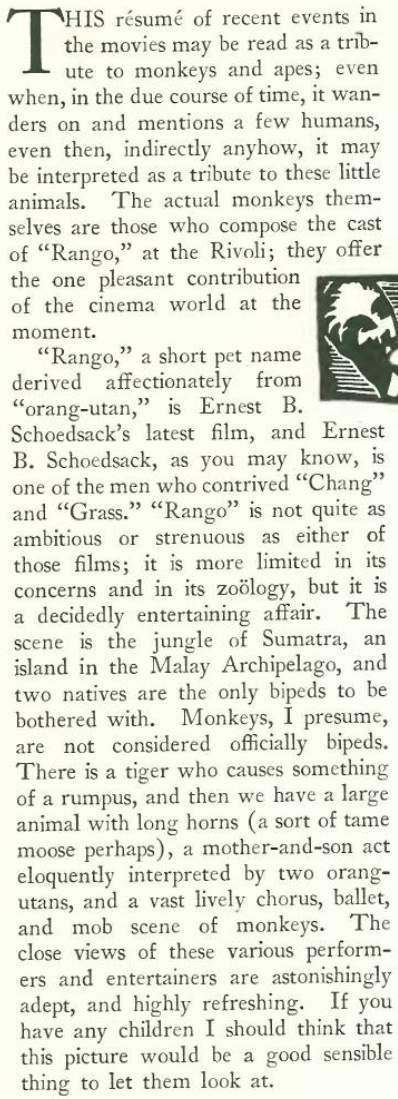
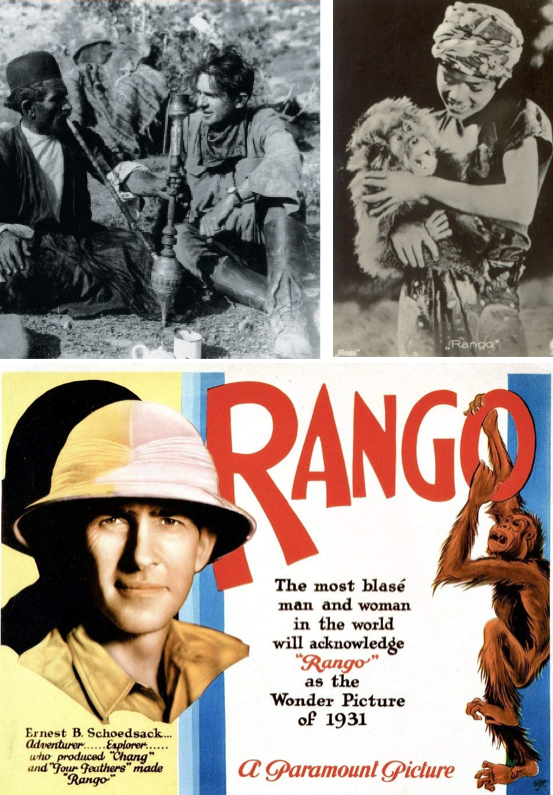
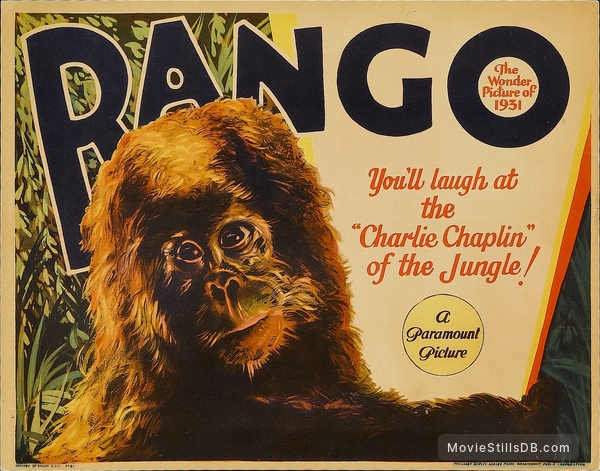
What was known, however, was the box office appeal of films that explored unknown and exotic lands, like Ernest B. Schoedsack’s 1927 blockbuster Chang, which featured a mix of staged events as well as the actual slaughter of wild animals. Audiences (and most critics) seemed little troubled that these films were a mix of fact and fiction. It was a movie, after all, and movies followed a story arc, and they had drama, and sometimes comedy. And so when Schoedsack (1893-1979) introduced audiences to an orangutan named Rango, publicists described the simian star as the “Charlie Chaplin of the Jungle.” The New Yorker’s John Mosher found the performances of the various apes “astonishingly adept”…

MONKEY BUSINESS…Clockwise, from top left, the Iowa-born Ernest B. Schoedsack cut his filmmaking teeth as a producer/director of quasi-documentaries, beginning with 1925’s Grass, which followed a caravan from Angora to Persia; a young Sumatran boy, Bin, bonds with the orangutan Rango; promotional theater card for the film. (filmaffinity.com)
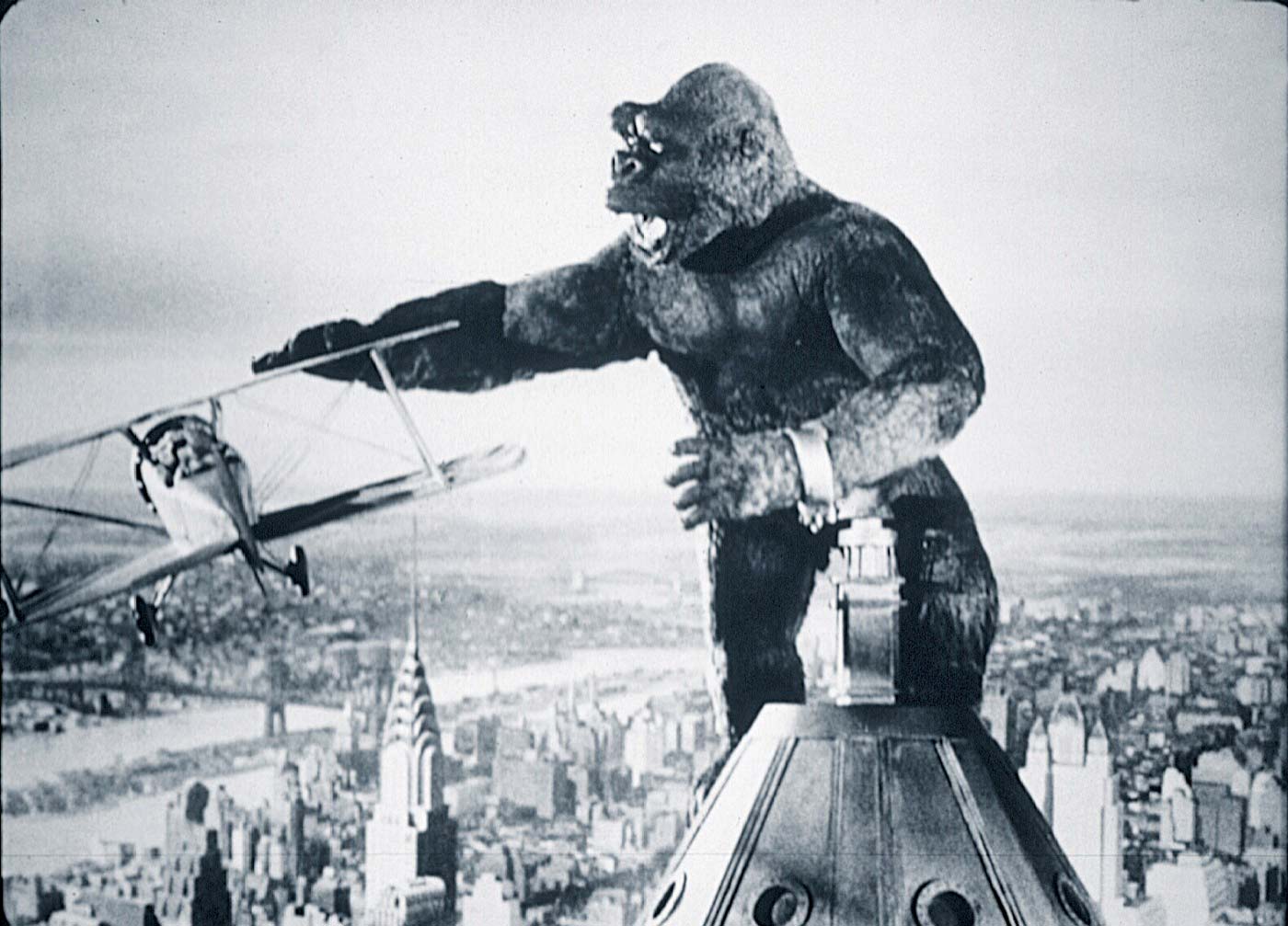
NOT SO CUDDLY…Two years after Rango, Ernest B. Schoedsack would co-produce and co-direct 1933’s King Kong, with Merian C. Cooper. (Britannica)

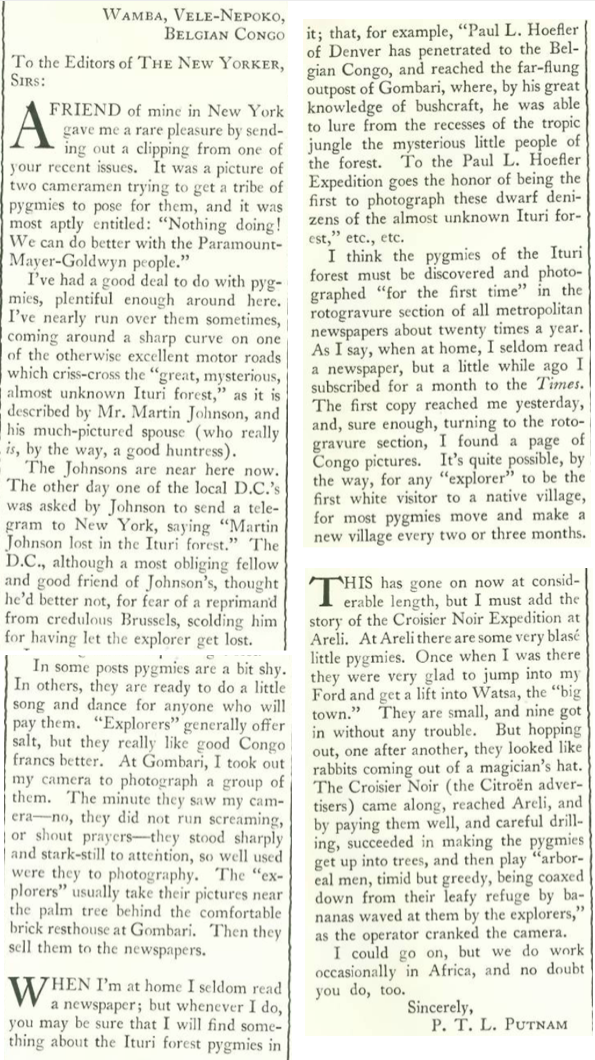
If interpretations of tropical life weren’t accurate in 1931, it wasn’t completely due to filmmakers taking dramatic license. Attitudes toward “exotic” lands and people commonly ranged from naively paternalistic to downright racist. In a letter to The New Yorker, Patrick T.L. Putnam (1904-1953) is decidedly of the former, portraying Congo pygmies as clever, amusing children who hoodwink unsuspecting “explorers”…

To Putnam’s credit, he showed a genuine interest (and respect for) in the lives of tribal peoples, and particularly the Mbuti of the Congo’s Ituri Forest. He remained in the Congo for the rest of his life. This thumbnail is the only photo I could find of Putnam:

(geni.com)

 *  *  *

Big Bill Turns Pro

In first decades of the 20th century it was still widely believed that athletic competition should be for its own sake rather than as a means for making money, so many top stars competed as amateurs. Professional golf wasn’t established until 1916, and professional leagues in basketball and football first formed in the 1920s. Amateur status was especially prized in tennis — before the “Open Era” began in 1968, only amateurs were allowed to compete in Grand Slam tournaments.

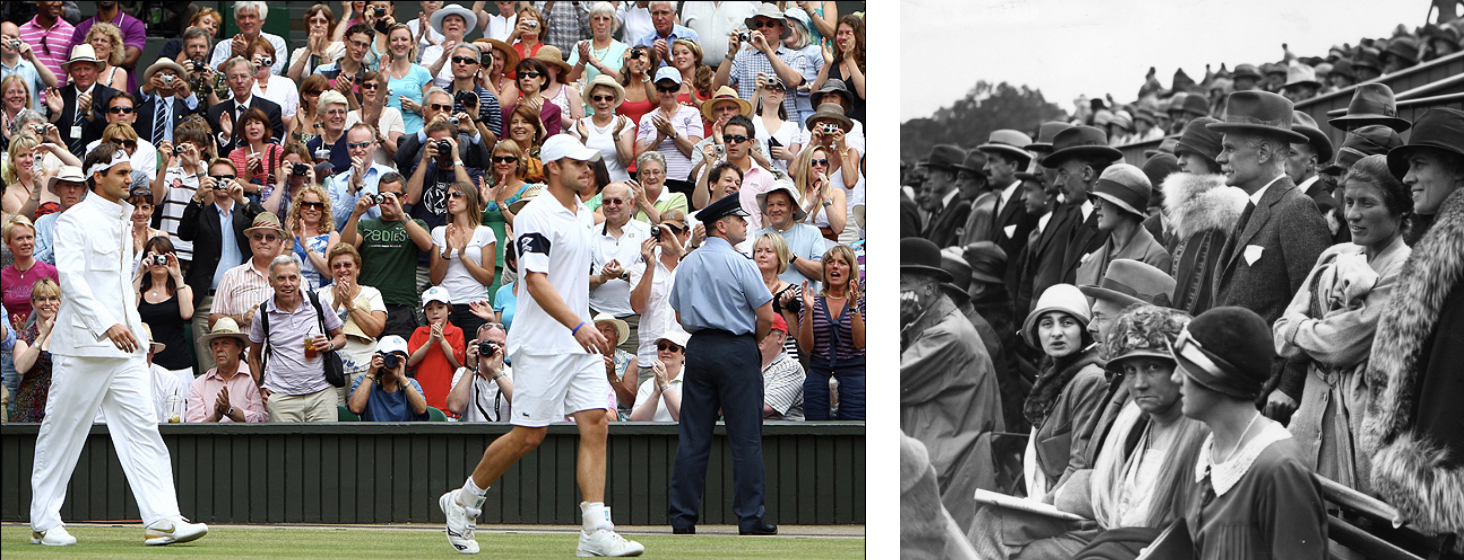
Sports promoter C. C. Pyle established the first professional tennis tour in 1926 with American and French stars playing exhibition matches in front of paying audiences. According to The New Yorker’s John Tunis, many in the crowd were finely dressed, with men in top hats and women turned out in the latest high fashion.

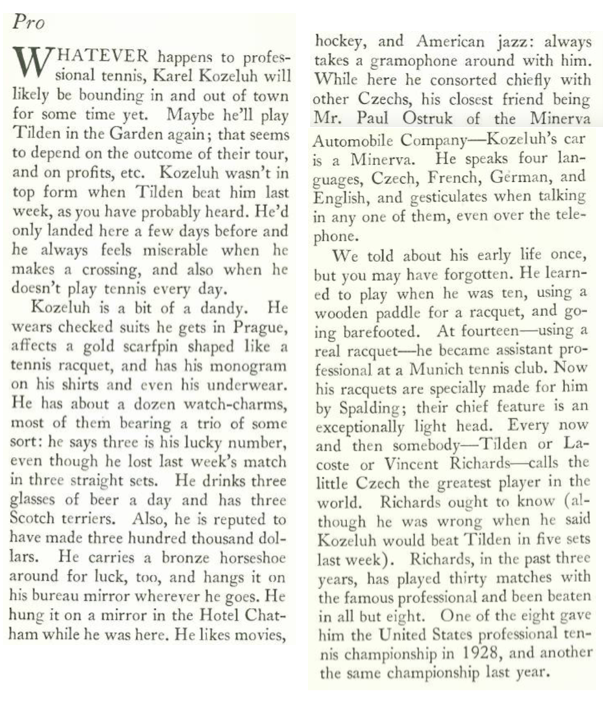
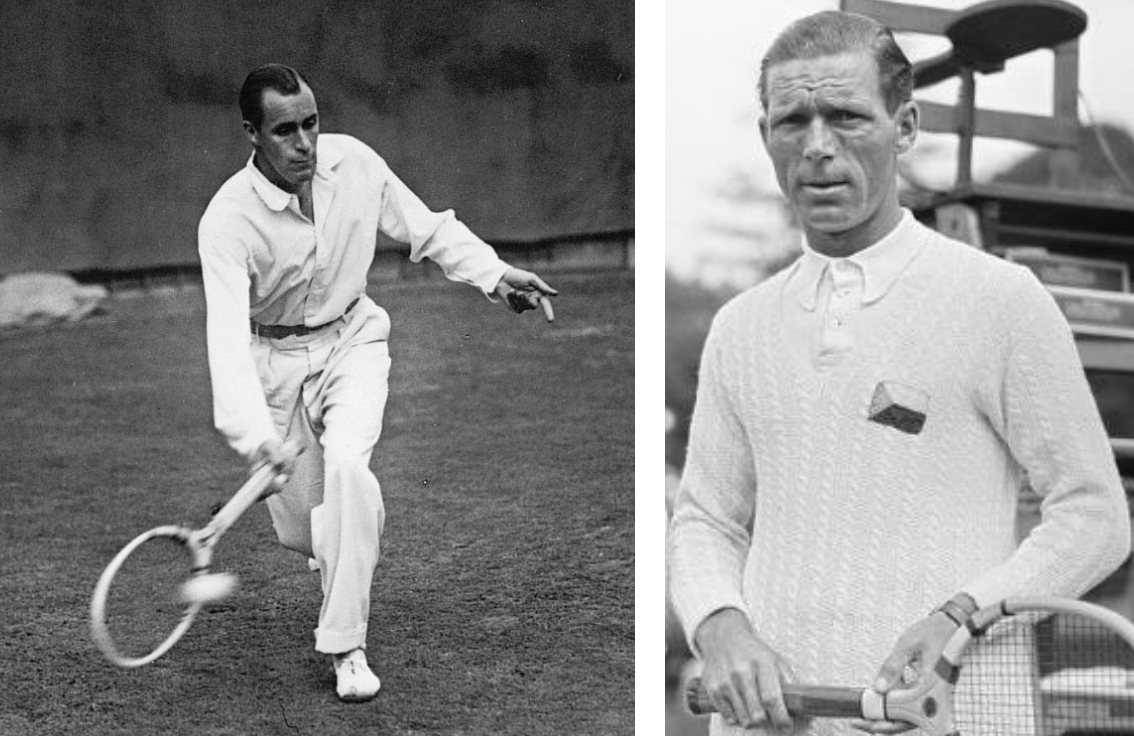
America’s top draw was “Big Bill” Tilden, the world’s number one player from 1920 to 1925 and the first American to win Wimbledon. It caused quite a stir when Tilden went pro on Dec. 31, 1930. He barnstormed across the country,  playing one-night stands with a small group of professionals including the top Czech player Karel Koželuh. “The Talk of the Town” had this to say about the fledging game of professional tennis:

BARNSTORMERS…Bill Tilden (left) and Karel Koželuh toured America and Europe with a handful of other players in a series of exhibition matches in the fledgling professional tennis circuit. (Britannica/cyranos.ch)

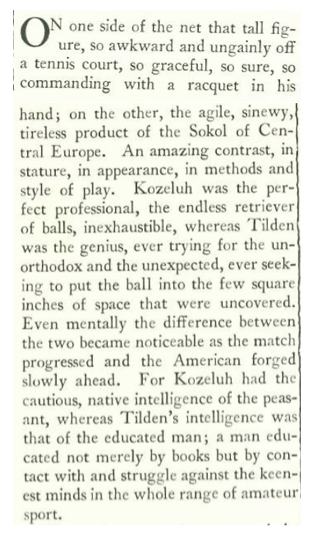
In his sports column, John Tunis offered this description of the competitors:

NOW AND THEN…At left, you can still spot a few neckties at Wimbledon as the audience watches Roger Federer and Andy Roddick enter Centre Court in 2009; at right, Wimbledon crowd in 1925. (BBC/Vintage Every Day)

 *  *  *

Triple Tripe

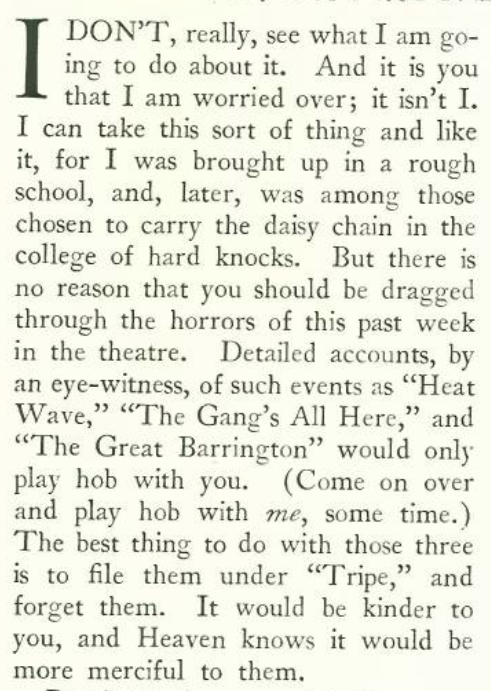
Dorothy Parker continued to sub in the theater column for her friend Robert Benchley, who was traveling abroad. She found little to like on the Great White Way, including three forgettable plays she reviewed in the Feb. 28 issue:

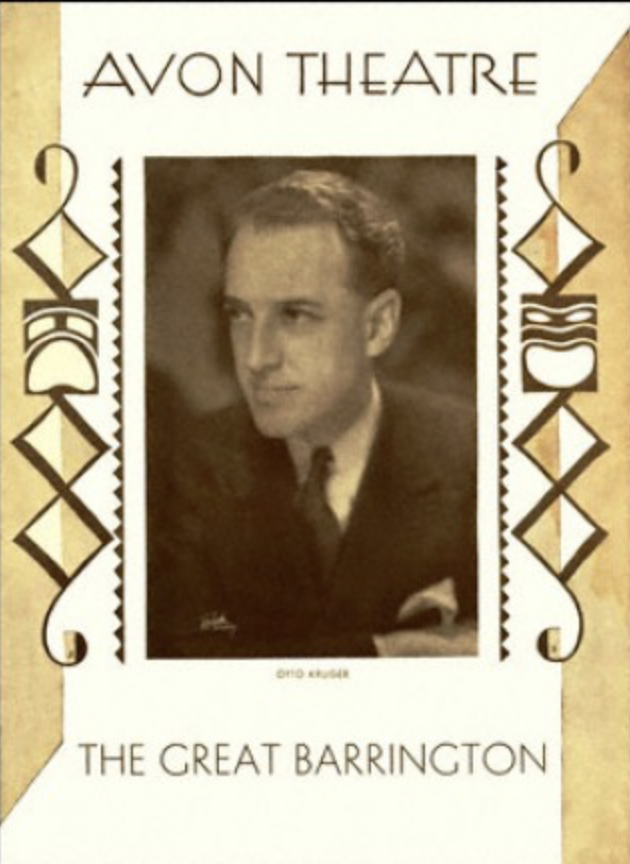
Apparently audiences agreed with Parker’s assessment. The Gang’s All Here closed after just 23 performances, The Great Barrington, after just 16. And Heat Wave was not so hot, closing after a mere 15 performances.

NOT SO GREAT…Program for 1931’s The Great Barrington. It lasted 16 performances. (IBDB)

Parker once again closed the column with a plea to her dear friend:

 *  *  *

To Swash No More

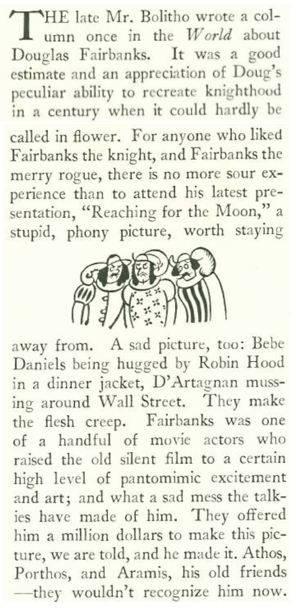
In his “Notes and Comment,” E.B. White lamented the end of Douglas Fairbanks as the swashbuckler of the silents, and rejected the talkie version of the actor in Reaching for the Moon, a film in which Fairbanks portrayed Larry Day, a Wall Street millionaire who later loses his fortune in the 1929 stock market crash.

KEEP YOUR SHIRT ON, DOUG…From left, Douglas Fairbanks in the silent era’s The Thief of Bagdad (1924); Fairbanks on an ocean cruise with Bebe Daniels in Reaching for the Moon. The 47-year-old Fairbanks was still fit enough to pose shirtless, but E.B. White wasn’t having any of it. Despite his fit appearance, Fairbanks would die of a heart attack at the end of the decade. (IMDB)

The film today is perhaps best known for its sumptuous Art Deco sets…

(IMDB)

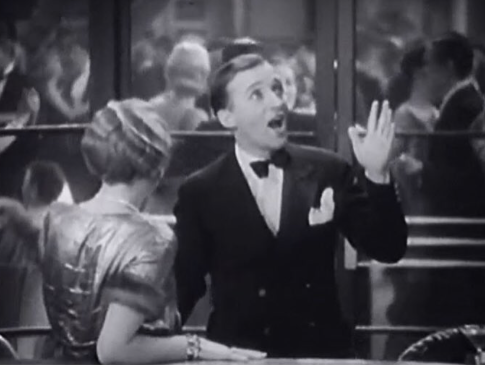
…and for one of Bing Crosby’s earliest film appearances. Reaching for the Moon was originally intended to be a musical featuring numbers by Irving Berlin, however Berlin found director Edmund Goulding difficult to work with, so only one of the original five songs recorded for the film was used, “When the Folks High Up Do the Mean Low Down,” sung by Crosby. It was filmed late at night after he had completed his gig at the Cocoanut Grove.

SINGING WITH BA-BA-BEBE…A young Bing Crosby sings “When the Folks High Up Do the Mean Low Down” with Bebe Daniels in Reaching for the Moon. (IMDB)

 *  *  *

Modern Living

E.B. White also commented on the modern world’s reliance on electric appliances, a habit a mere decade in the making since the gadgets he lists below did not exist before the 1920s:

ELECTRIC SURGE…Prior to the 1920s none of these electric appliances existed. By 1931 many homes were dependent upon them — although many country houses would have to wait for the Rural Electrification Administration (1935) and other New Deal programs get electrical service. (Pinterest)

*  *  *

From Our Advertisers

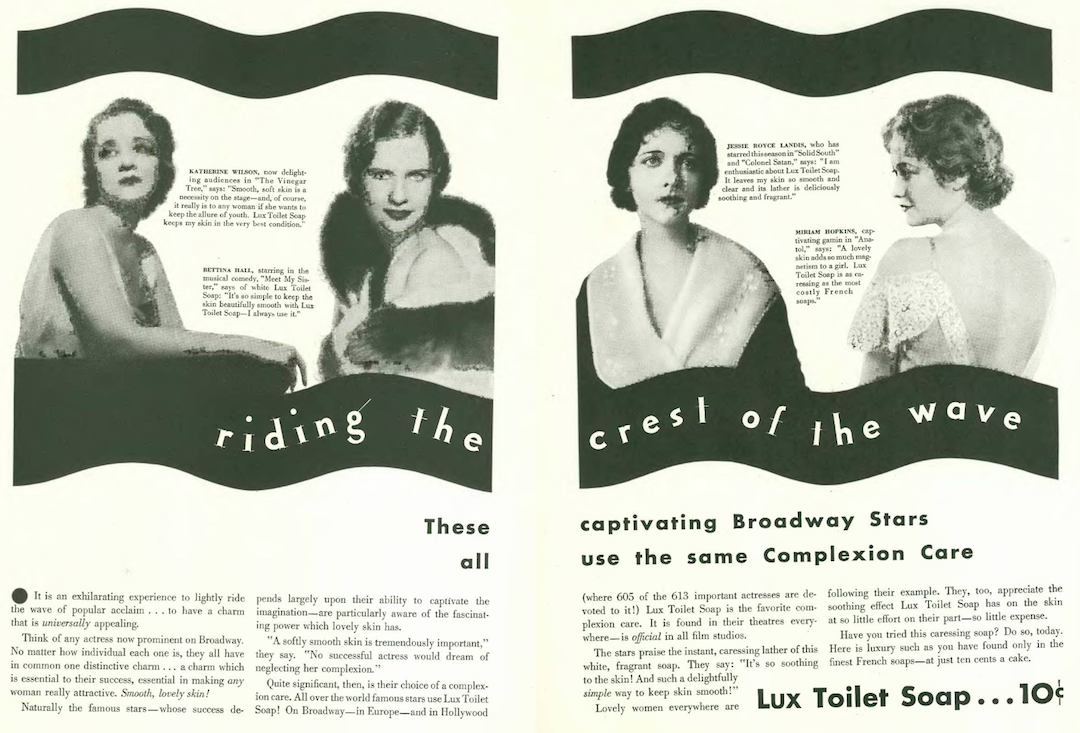
I’ve written before about Lux Toilet Soap’s celebrity-studded ad campaigns, but this two-page ad in the Feb. 28 issue caught my eye because it featured one of my favorite actresses, Jessie Royce Landis

…who appeared in two of my favorite films, both by Alfred Hitchcock: To Catch a Thief (1955) and North by Northwest (1959).

MATERNAL ROLES…Jessie Royce Landis usually played older than she was in real life. Clockwise, from top left, detail of Lux ad; Landis circa 1930; opposite Cary Grant in 1955’s To Catch a Thief; and again with Grant in 1959’s North by Northwest. In the latter film she played Grant’s mother, but in reality she was only seven years older than Grant. (IMDB)

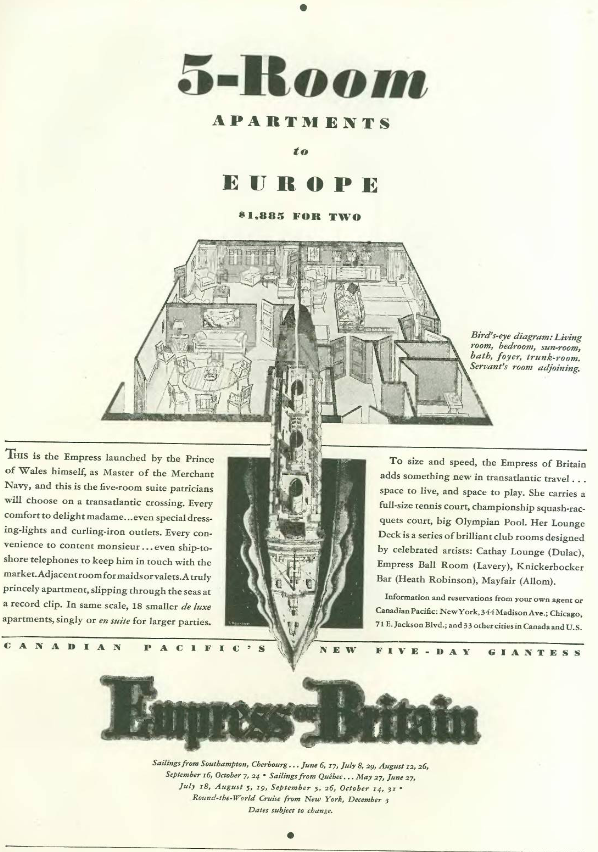
…much of the Douglas Fairbanks/Bebe Daniels film Reaching for the Moon was set on a luxury ocean liner…if the stock market didn’t get you down, you could also afford to travel in style with the Empress of Britain

…or on one of the fine ships of the French Line fleet…

…the Imperial was one of the luxury cars that could get you to the docks…

…among the stranger ads to appear in The New Yorker was this one by the maker of clay plumbing fixtures…

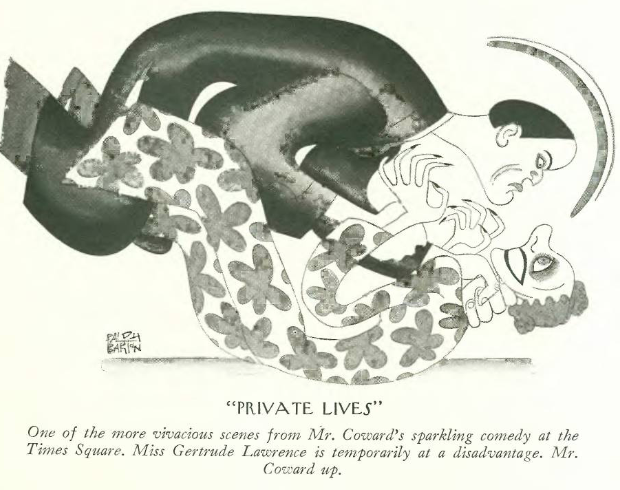
…on to our cartoonists, Ralph Barton returned with this illustration for the theater section…

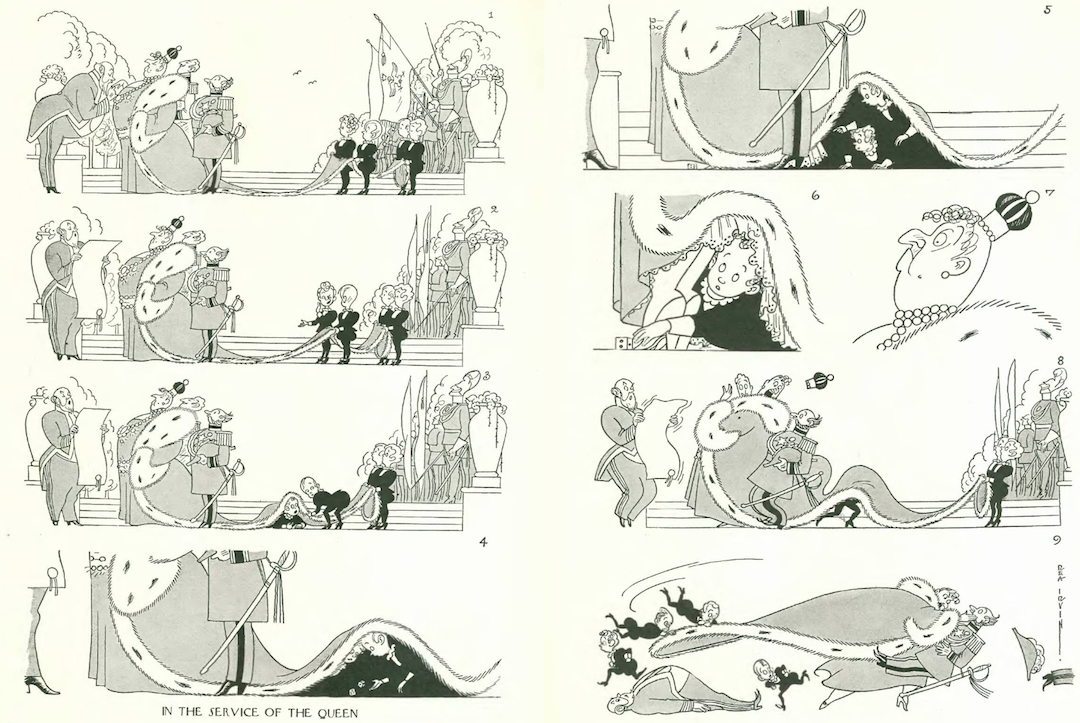
Rea Irvin brought us another of his two-page series cartoons…

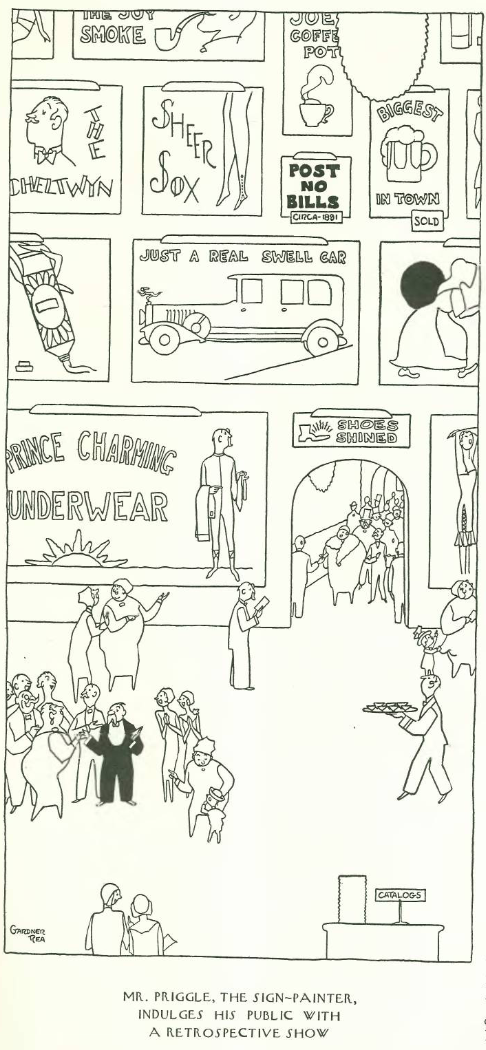
Gardner Rea commented on the state of the art world…
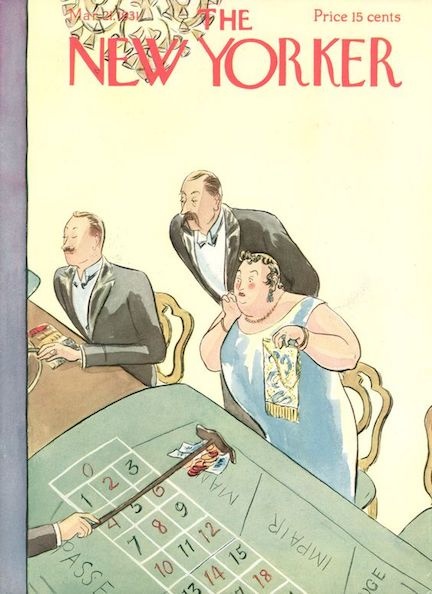
Peter Arno peered in on an unfortunate infant…

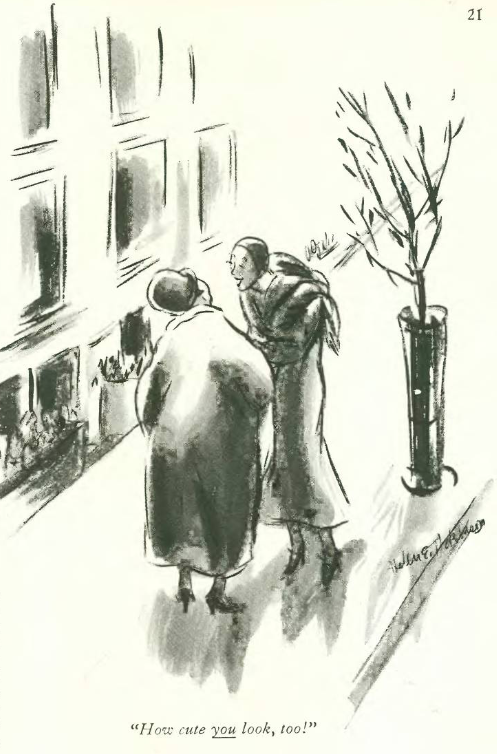
Helen Hokinson gave us this exchange along a city street…

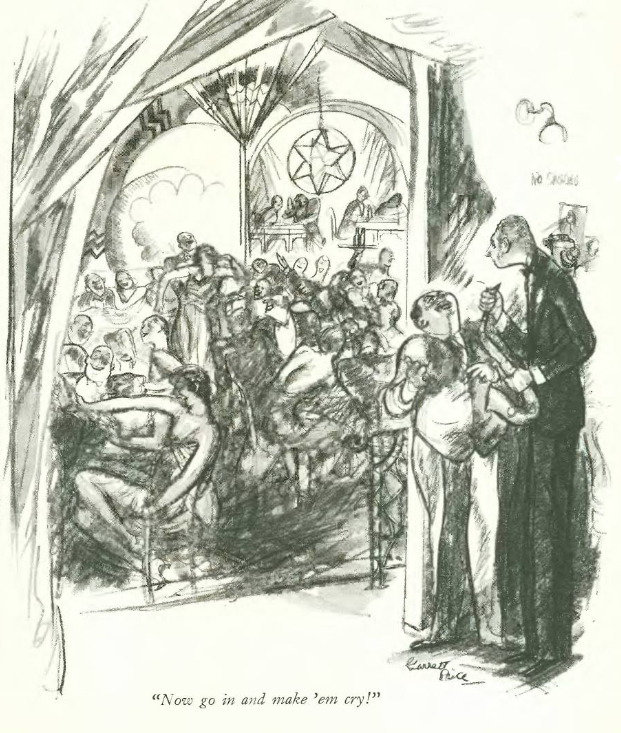
Garrett Price illustrated a tall order for a blues musician…

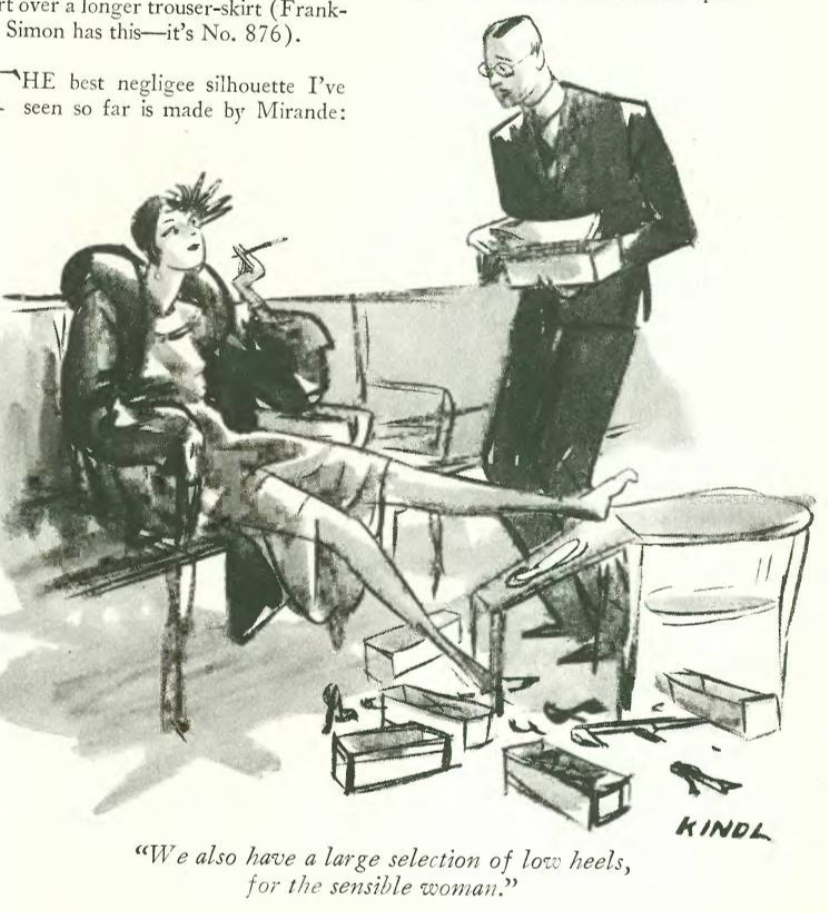
Carl Kindl found clashing styles in the shoe department…

…and James Thurber returned with a prelude to his battle of the sexes…

Next Time: The End of the World…
Super Tramp

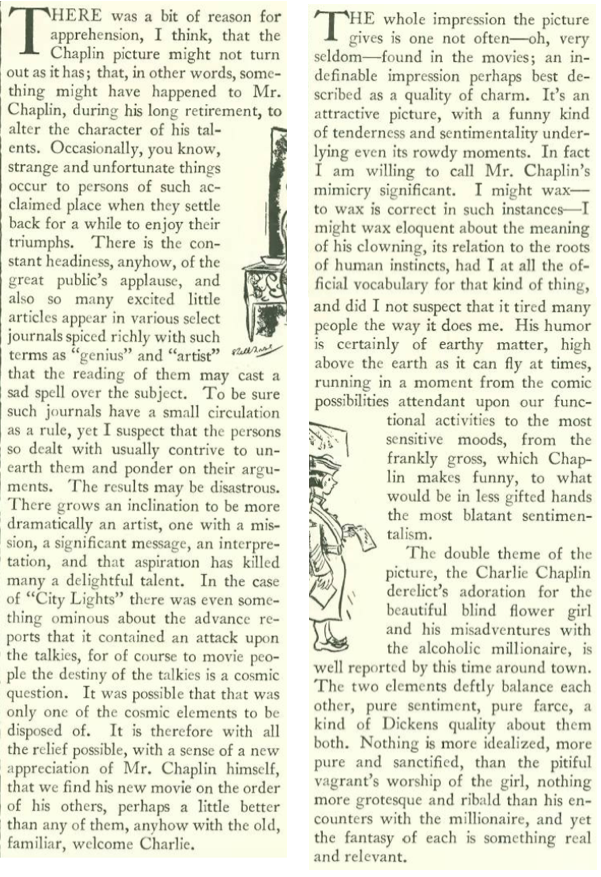
The late film critic Roger Ebert once observed that “if only one of Charles Chaplin’s films could be preserved, City Lights would come the closest to representing all the different notes of his genius.”

Feb. 21, 1931 cover by Rea Irvin, marking the New Yorker’s sixth anniversary.

The New Yorker’s film critic in 1931, John Mosher, would have agreed. Before he previewed the picture, however, Mosher feared (along with others) that the great actor and director had seen his best days…
…instead, the film proved a hit with both audiences and critics, and today is regarded as one of the greatest films ever made. It was no doubt a relief to Ebert when the film was selected by the Library of Congress for preservation in the National Film Registry.

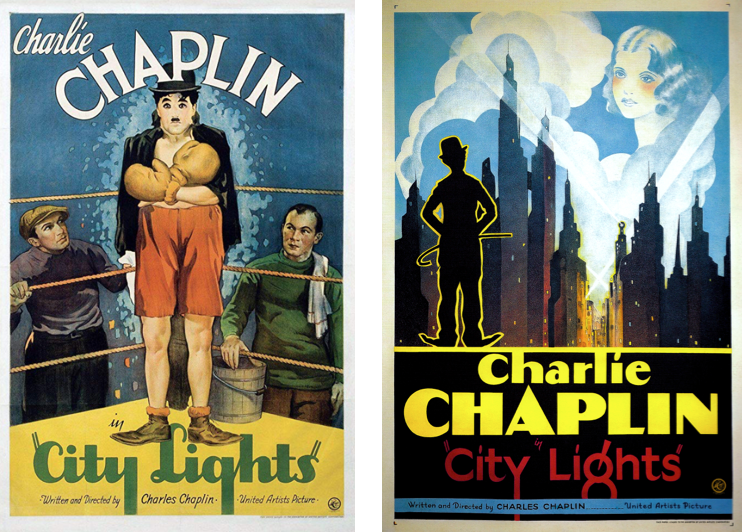
HE DOES IT ALL…United Artists issued several different types of posters to promote the film, including these two. (IMDB)
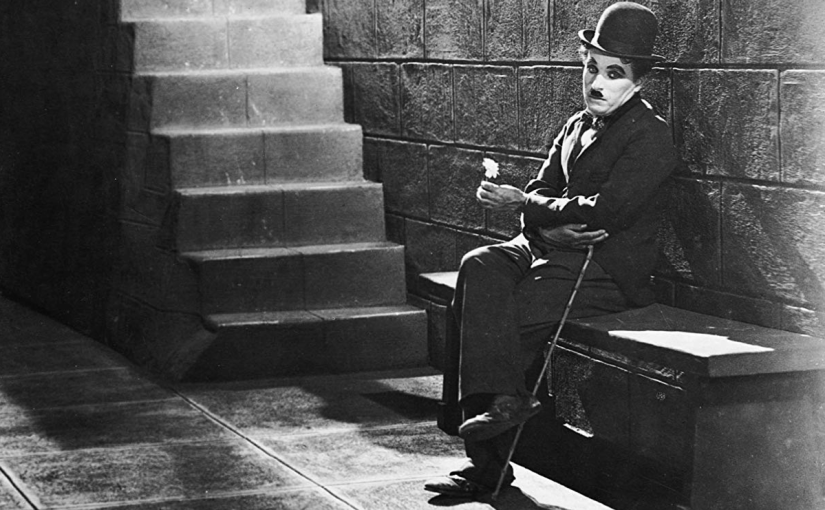
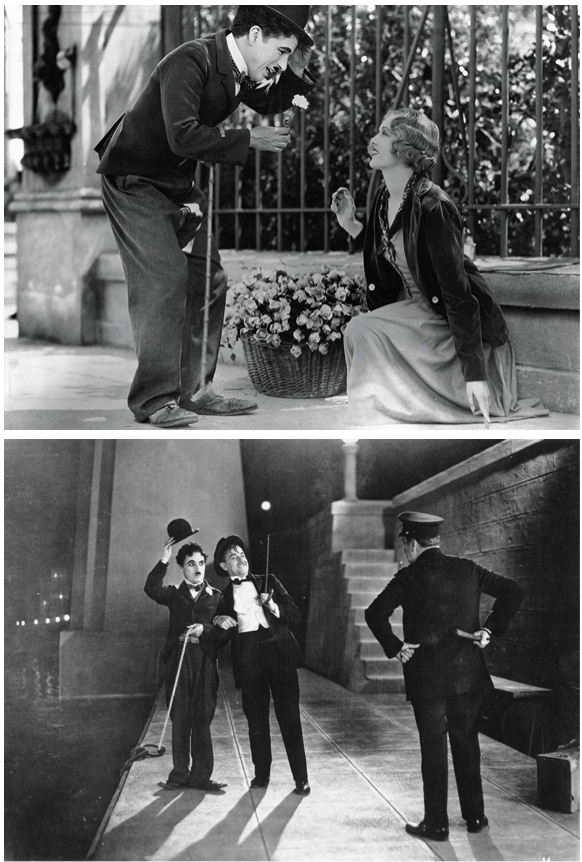
A TENDER FELLOW…The Tramp (Charlie Chaplin) encounters a blind flower girl (Virginia Cherrill) on a street corner and is instantly smitten; later that evening the Tramp saves a drunken millionaire (Harry Myers) from suicide. (IMDB)

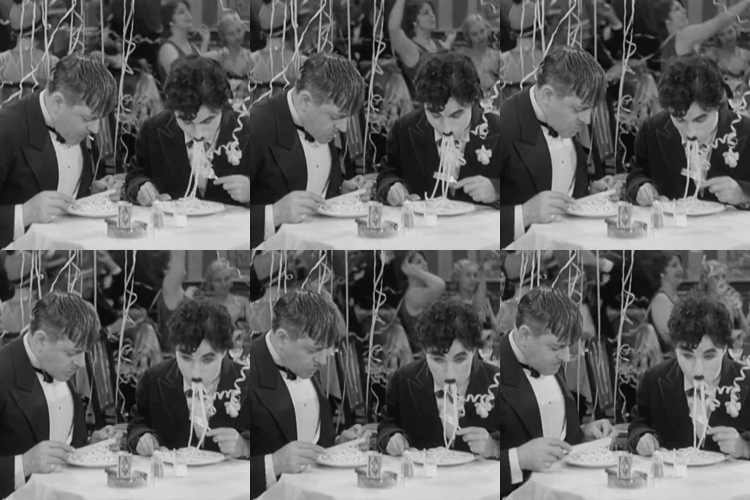
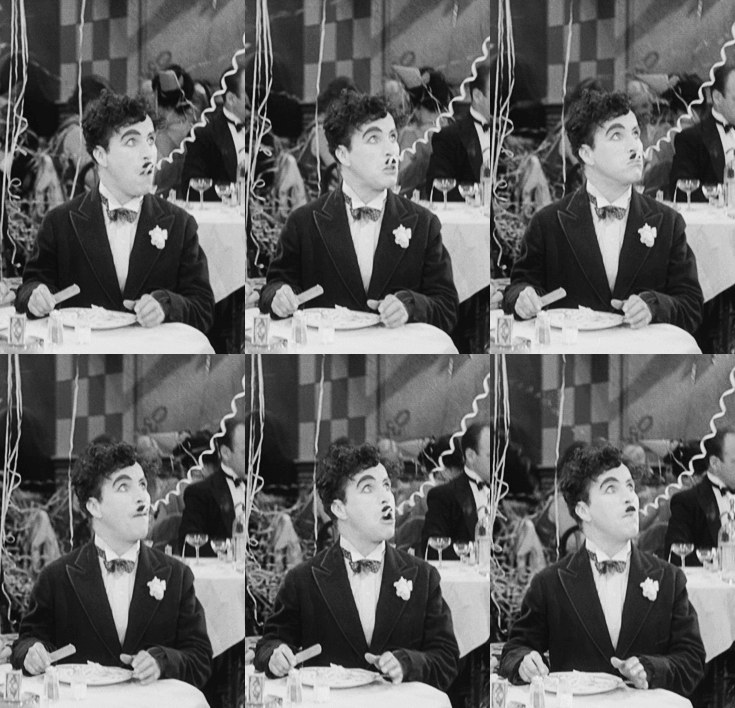
The film has its tender moments, but being a Chaplin production it also had plenty of slapstick, including this famous scene in which the Tramp and his millionaire friend go out on the town and dig into plates of spaghetti…and in the Tramp’s case, some confetti…

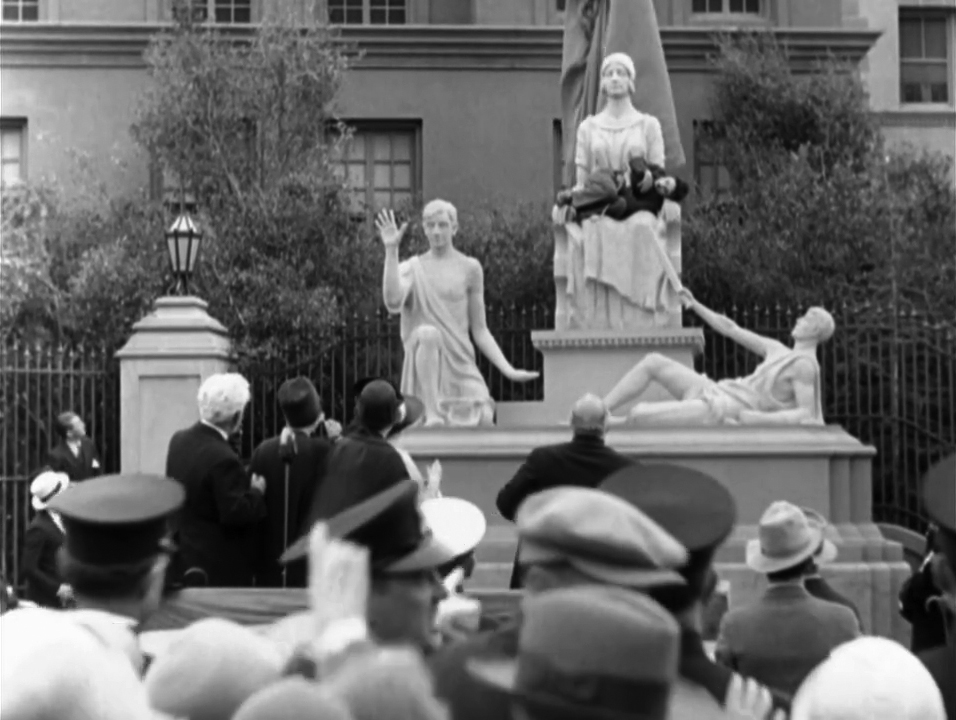
Mosher (and many other critics since) believe the opening scene of the film—in which a statue is unveiled to reveal a sleeping Tramp—was Chaplin’s attack on sound movies:

CAUGHT NAPPING…The Tramp is unveiled along with a statue in the opening scene of City Lights. (IMDB)

Although the film had a full musical score and sound effects, there was no spoken dialogue. Rather, Chaplin poked fun of the tinny-sounding talkies of the day by putting not words, but the sounds of a kazoo, into the mouths of speechifying politicians gathered at the statue’s unveiling…

For all its humor, City Lights was a serious work by a serious actor and director who sought something close to perfection. The scene in which the Tramp encounters a blind flower girl on a street corner required three hundred and forty-two takes with actress Virginia Cherrill, who was a newcomer to film.

Writing in The New Yorker, critic Richard Brody (“Chaplin’s Three Hundred and Forty-Two Takes,” Nov. 19, 2013) noted that “Chaplin didn’t have a mental template that he wanted Cherrill to match; he approaches the scene not quite knowing what he wanted.” Brody observed that the perfection Chaplin sought was one of results, and not of conformity to a preconceived schema. “He sought what provoked, in him, the perfect emotion, the perfect aesthetic response — but he wouldn’t know it until he saw it. He started to shoot in the confidence that the thing — whatever it was — would happen.” Chaplin’s technique can be seen in this clip from the Criterion Collection’s 2013 DVD release of the film. Note that this footage was shot by The New Yorker’s Ralph Barton, a close friend of Chaplin’s:

 *  *  *

Chaplin, Part Two

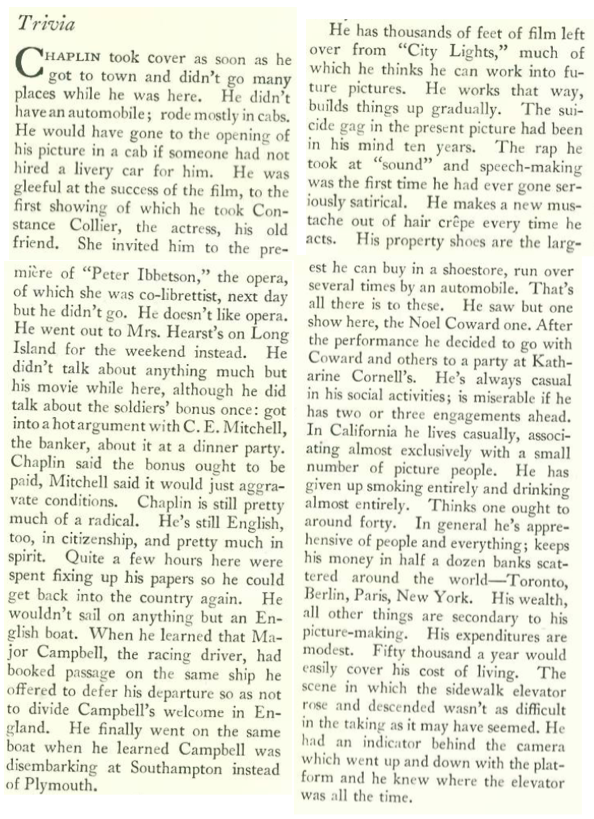
The Chaplin buzz was not confined to the movie section of the magazine, which featured more insights on the star in “The Talk of the Town.”

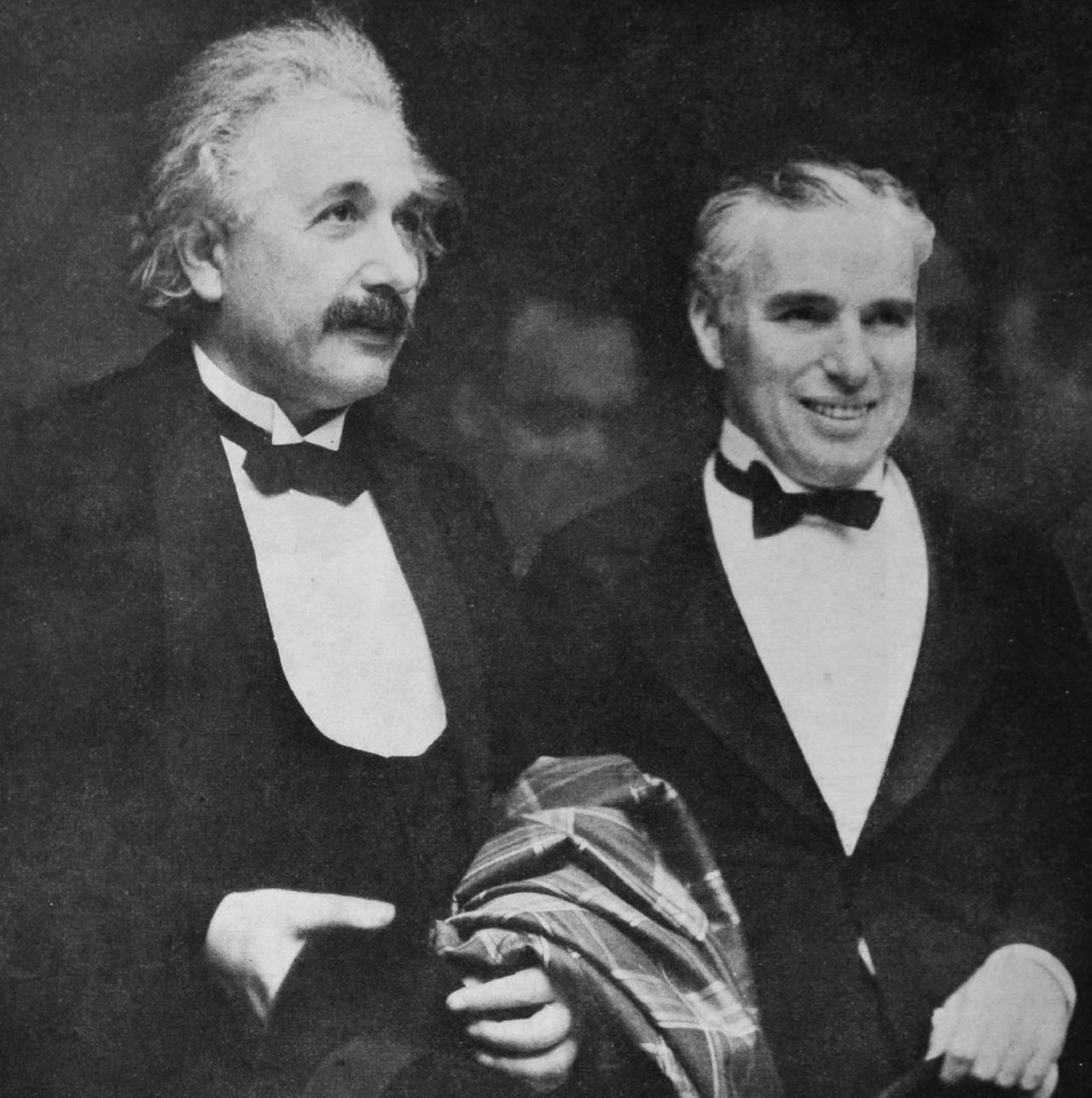
GENIUS LOVES COMPANY…Photo of Albert Einstein and Charlie Chaplin at the Los Angeles premiere of City Lights. Einstein said Chaplin was the only person in Hollywood he wanted to meet. (Wikipedia)

 *  *  *

Funny In a Different Way

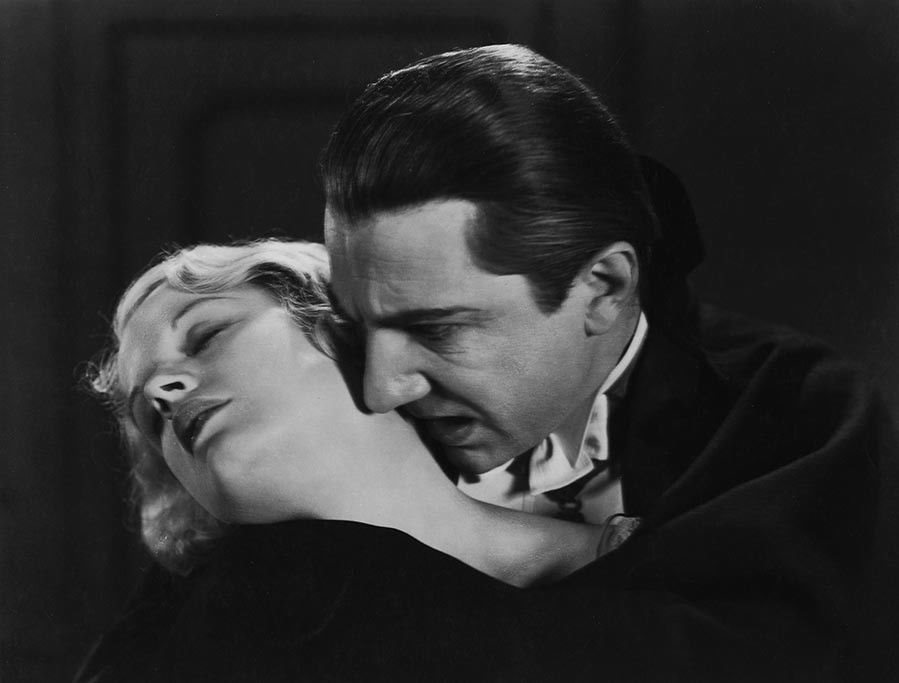
Like City Lights, Tod Browning’s Dracula is today considered a classic film. Indeed, Bela Lugosi’s timeless portrayal of the old bloodsucker set a standard for vampire flicks and horror films in general. The New Yorker’s John Mosher, however, would have none of it, dismissing the film in a single paragraph.

PAIN INTHE NECK…Count Dracula (Bela Lugosi) goes for a nibble on the fragile Mina (Helen Chandler) in 1931’s Dracula. (IMDB)

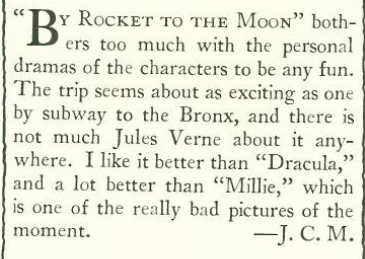
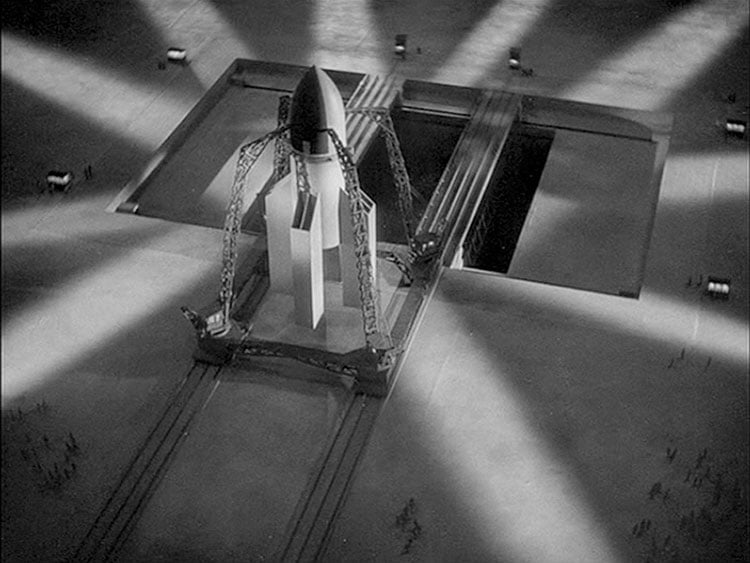
Mosher was also dismissive of Fritz Lang’s By Rocket to the Moon, originally released in German as Frau Im Mond (Woman in the Moon). The 1929 production is considered one of the first “serious” science fiction movies, anticipating a number of technologies that would actually be used in space travel decades later.

RETRO ROCKET…Fritz Lang’s Woman in the Moon would predict a number of technologies used decades later in actual space flight, including multi-stage rockets. Lang also anticipated the future in the much-acclaimed Metropolis (1927).

 *  *  *

Bored on Broadway

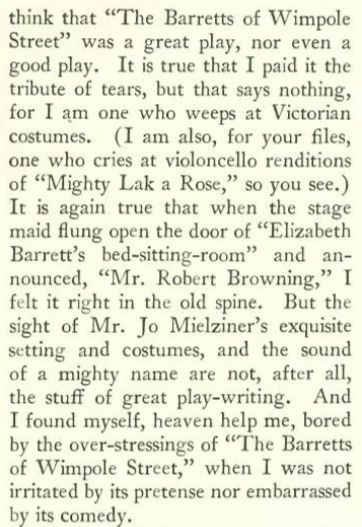
Robert Benchley was visiting friends abroad, so Dorothy Parker did what any pal would do and subbed for his theater column. As it turned out, it was not a happy task, even if she did receive complementary tickets to one of the hottest shows on Broadway:

Having dispatched Katharine Cornell’s Barretts of Wimpole Street, Parker took aim at America’s Sweetheart, based on a book by Herbert Fields with music and lyrics by Richard Rodgers and Lorenz Hart. Parker ended the savaging with a plea to her dear friend and colleague to return home soon:

THEY LAUGHED, THEY CRIED…Katharine Cornell (left) portrayed Elizabeth Barrett in Barretts of Wimpole Street. Dorothy Parker thought Cornell was a first-rate actress, but didn’t think much of her play. As for Inez Courtney (right) in America’s Sweetheart, Parker believed she did what she could, whatever that meant. (Pinterest)

*  *  *

Lest We Forget

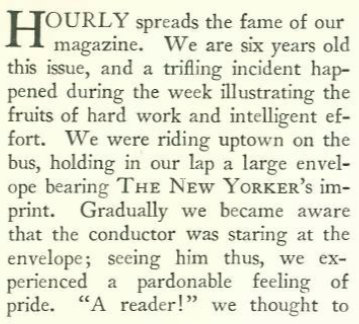
The New Yorker turned six with this issue, and in the life of any magazine, that is something to be celebrated, and especially in hindsight as our beloved publication closes in on its centenary in 2025. Some thoughts from E.B. White:

*  *  *

From Our Advertisers

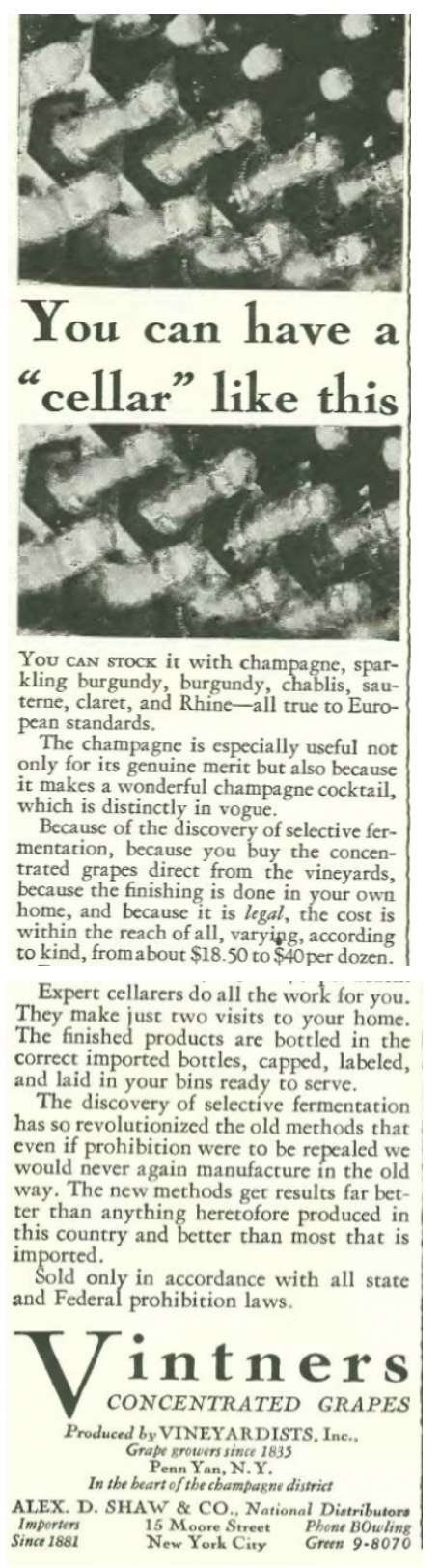
We’ve seen in past ads how Prohibition-era vintners marketed grape juice bricks that could be dissolved in water and fermented in the home. In this ad they took it a step further, sending expert cellarers direct to customers’ homes to help them create their own, perfectly legal, wine cellar…

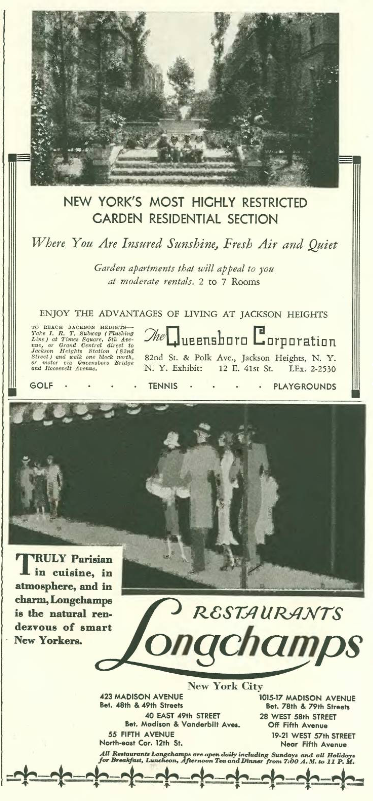
…those with wine cellars might have preferred to live in a “highly restricted” community in Jackson Heights…

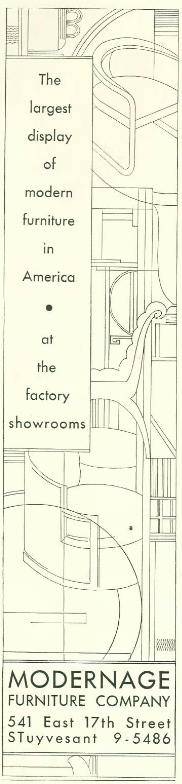
…and furnish their homes with the latest in modern furniture design…

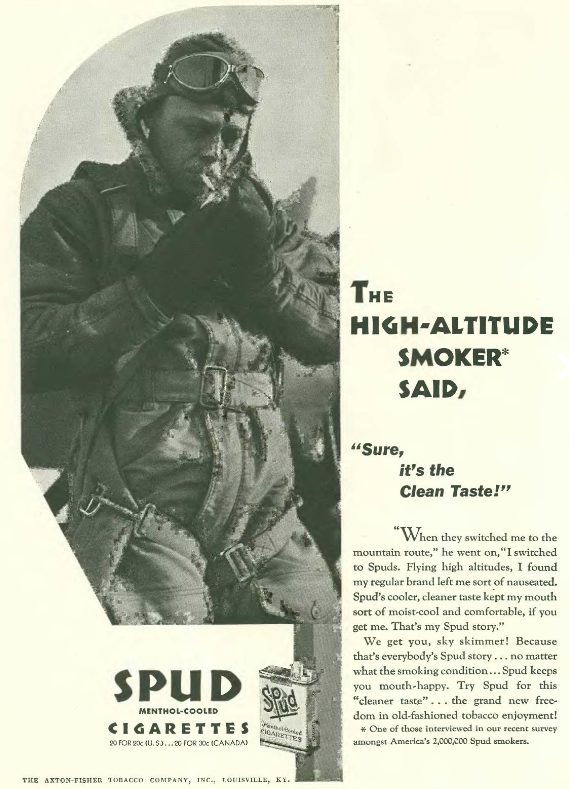
…and here we have an early example of the “macho” smoker, anticipating the arrival of his buddy, the Marlboro Man…

…on to our cartoonists, another theater section entry by one of Charlie Chaplin’s closest friends, Ralph Barton

…and cartoons by Peter Arno, who channelled Dracula via his Sugar Daddy…

Garrett Price, and the burdens of the rich…

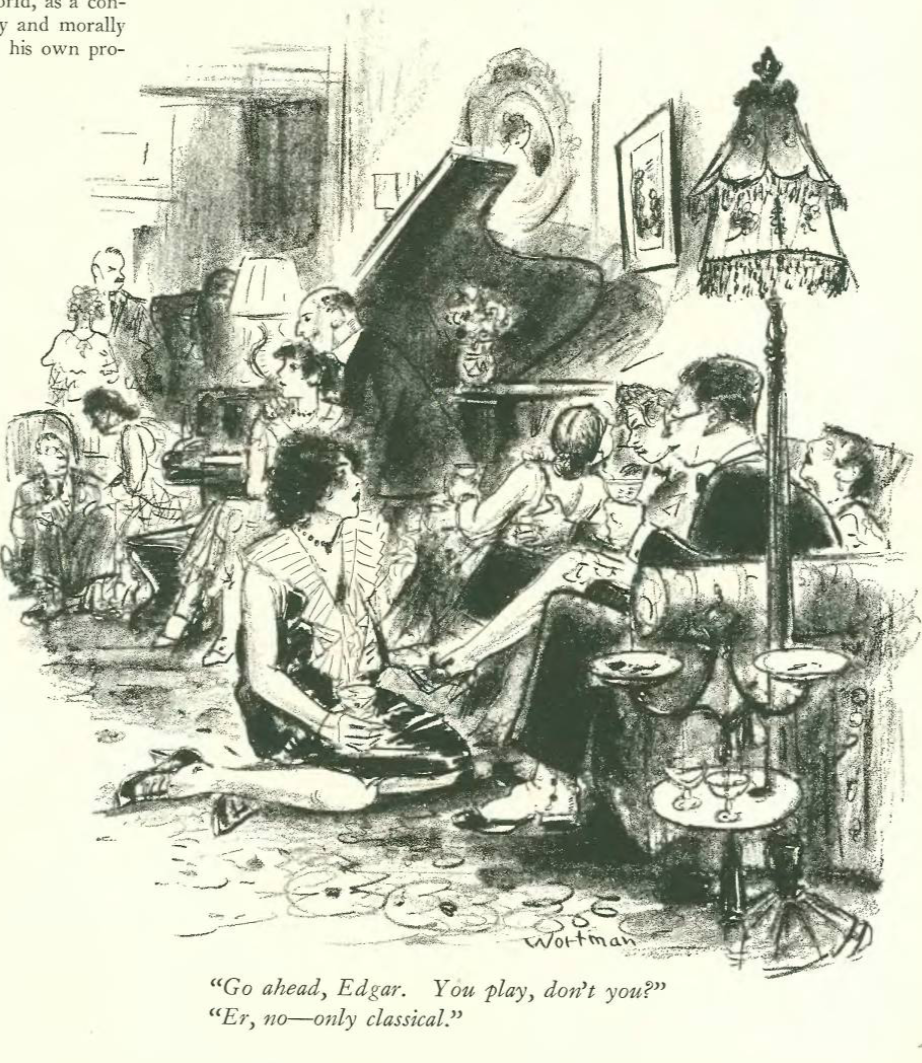
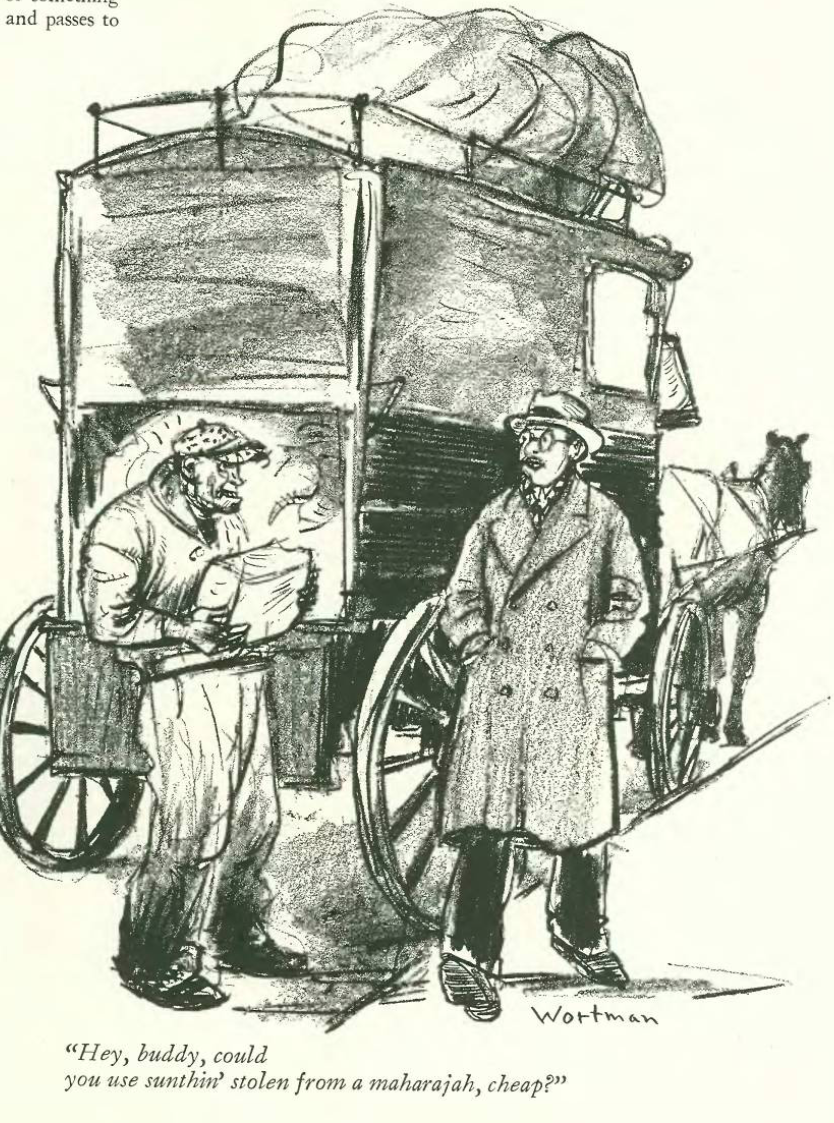
Denys Wortman examined the follies of youth…

…and we end with dear Helen Hokinson, and the miracle of birth…

Next Time: Chaplin of the Jungle…

And the Winner Is…

We lead off with a couple of winners from the Feb. 7, 1931 issue, beginning with a cover by Rea Irvin that takes measure of a lighter moment at the Westminster Kennel Club Dog Show.

Feb. 7, 1931 cover by Rea Irvin.

The 1930 Best of Show winner Pendley Calling of Blarney also took the top honor in 1931, giving the wire fox terrier back-to-back Westminster wins. Overall, terriers have dominated Westminster — wire fox terriers have won Best of Show fifteen times, with Scottish terriers a distant second, with eight wins.

TOP DOG…Pendley Calling of Blarney won back-to-back crowns in 1930-31 at Westminster Kennel Club Dog Show at Madison Square Garden. The dog’s owner, John Grenville Bates, mercifully retired the pooch after the ’31 win. (Westminster Kennel Club)
STANDARD? WHO ARE YOU KIDDING?…Standard poodle Siba won Best in Show at the 144th annual Westminster Kennel Club Dog Show on Feb. 11, 2020, at Madison Square Garden. (Reuters)

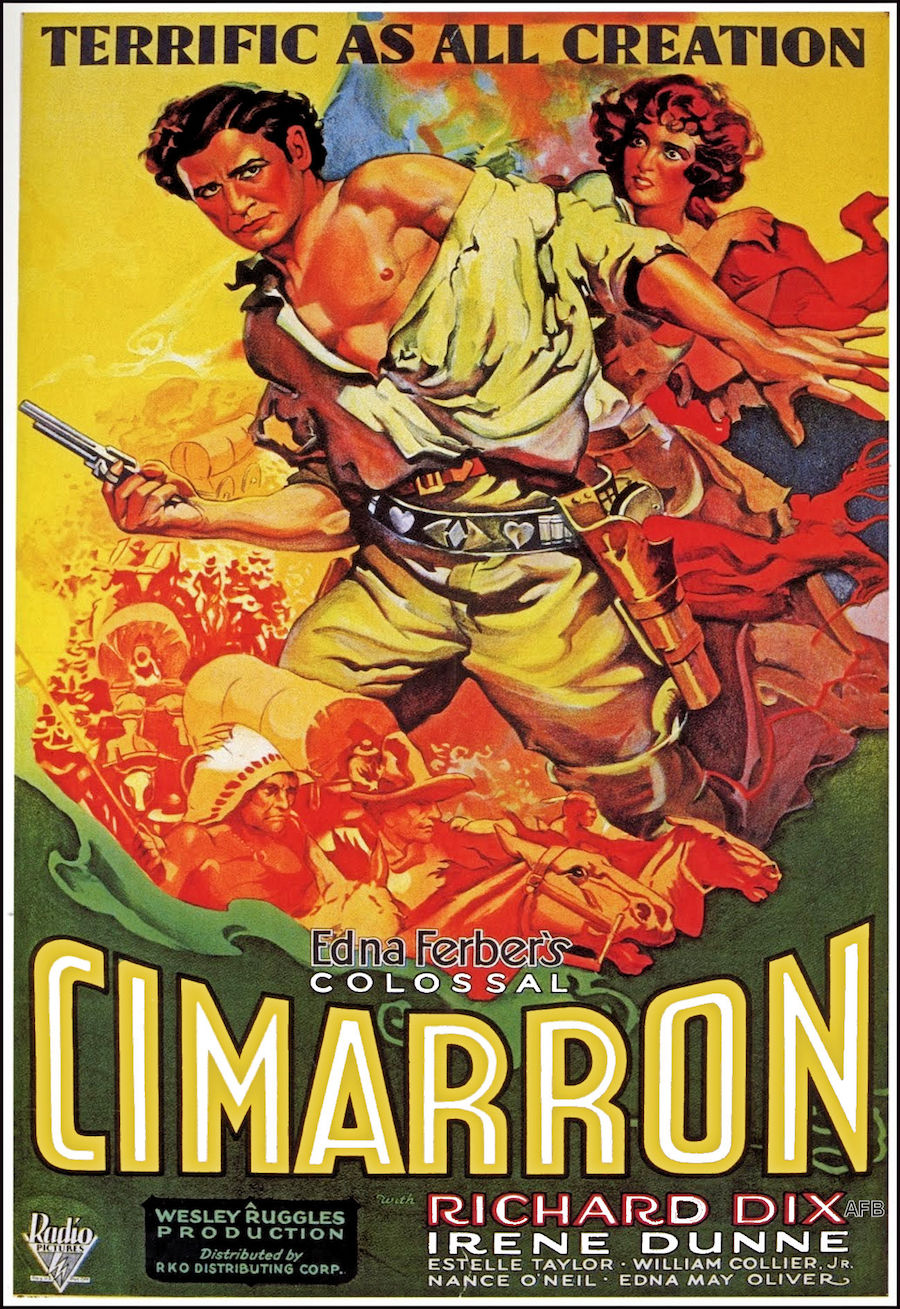
The other winner was Cimarron, the first film to receive more than six Academy Award nominations, winning three including Best Picture (then called Best Production). It was the first Western to win Best Picture, and it would be nearly sixty years until another Western, Dances with Wolves, would take the top honor.

HE LOST HIS SHIRT, TOO…

Despite some “sagging moments,” John Mosher mostly lavished praise on the film, which was showing at the Globe Theatre:

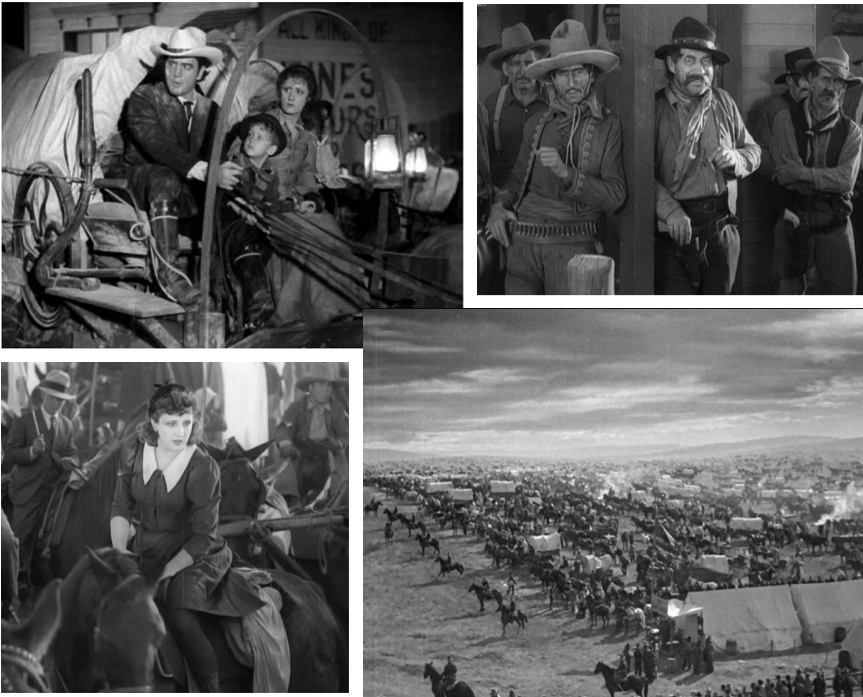
THAT’S NO WELCOME WAGON…Clockwise, from top left, Yancey and Sabra Cravat (Richard Dix and Irene Dunn) join the 1889 Oklahoma Land Rush with their son, Cim (Junior Johnston); a less-than-friendly greeting at a boomer town; wagons line up for the big land grab; a young prostitute, Dixie Lee (Estelle Taylor), outwits Yancey for a piece of prime property. (IMDB)
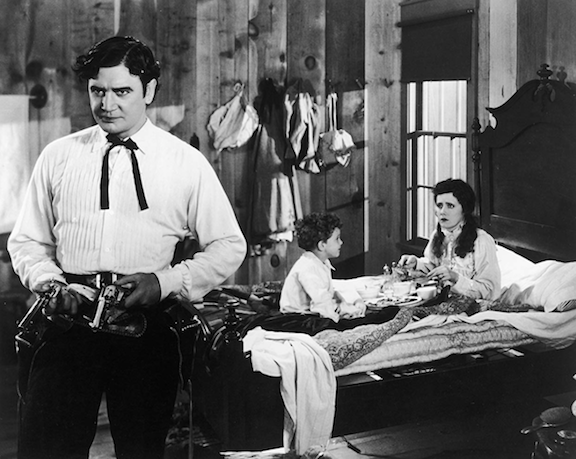
OH DEAR, THERE’S THAT LOOK AGAIN…Yancey (Richard Dix) takes it upon himself to establish order in the boomer town of Osage. On the bed are Yancey’s son, Cim (Junior Johnston) and wife Sabra (Irene Dunn). (IMDB)

 *  *  *

Handy Painter

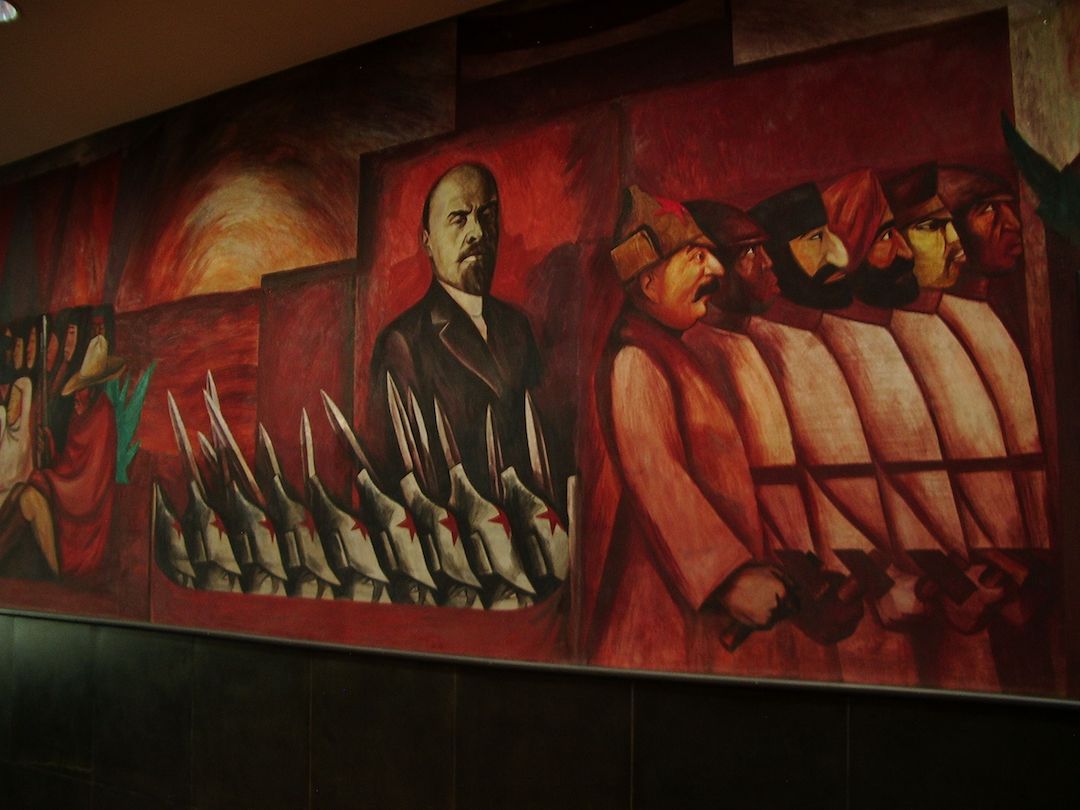
It is hard to imagine the struggles of one-handed painter José Clemente Orozco (1883-1949), who despite his handicap was able to complete huge murals in true fresco style (paint applied quickly on fresh, wet plaster), including five socially-themed frescoes at the Joseph Urban-designed New School. The murals included controversial depictions of Lenin and Stalin, but it wasn’t until the 1950s — during the McCarthy era — that school officials felt compelled to cover the images with a curtain. More protests followed, this time from faculty and students, and the curtains fell along with Joe McCarthy. “The Talk of the Town” looked in on the artist at work:

HE LOOKS FAMILIAR…José Clemente Orozco’s “The Struggle in The Occident”, 1930-1931, one of five frescoes at the New School. (Pinterest)

 *  *  *

Prescience of Mind

News reporter and author Elmer Davis submitted this humorous piece to The New Yorker doubtless thinking how preposterous, and therefore humorous, the following notion would be (a brief excerpt):

 *  *  *

Funny Cigarettes

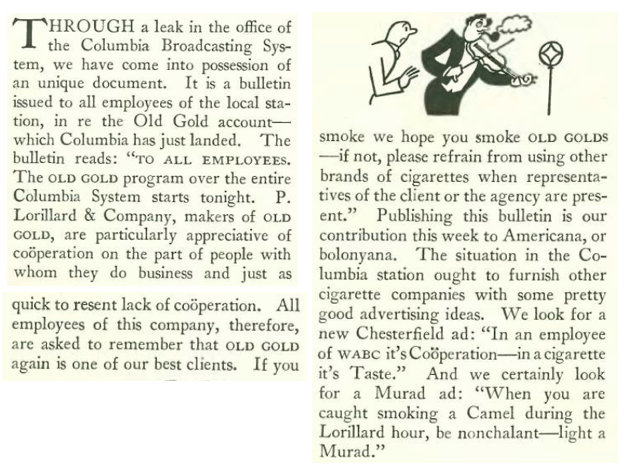
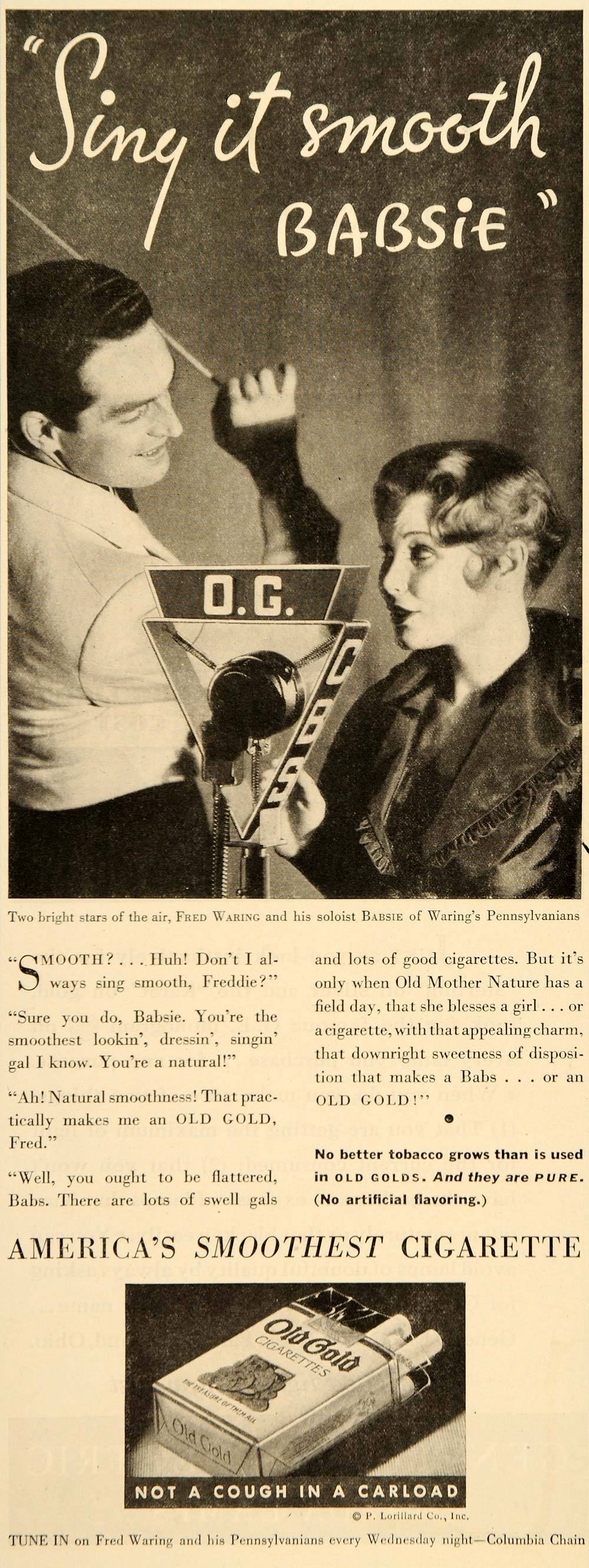
In the early years of broadcast radio (and later TV) tobacco companies rightly saw a huge gold mine in radio show sponsorships. So when CBS radio executives accepted a sponsorship from Lorillard (the makers of Old Gold), they realized they had a challenge on their hands. “Talk” explained:

COUGH ME A MELODY…The makers of Old Gold cigarettes had CBS in their clutches in this September 1933 ad featuring bandleader Fred Waring and singer Babsie. (period paper.com)

…The above “Talk of the Town” item referred to the famous Murad ads illustrated by The New Yorker’s own Rea Irvin

…while other advertisers were scaling back a bit due to the Depression, lovely full-color ads continued to flow from tobacco companies (and oil companies)…

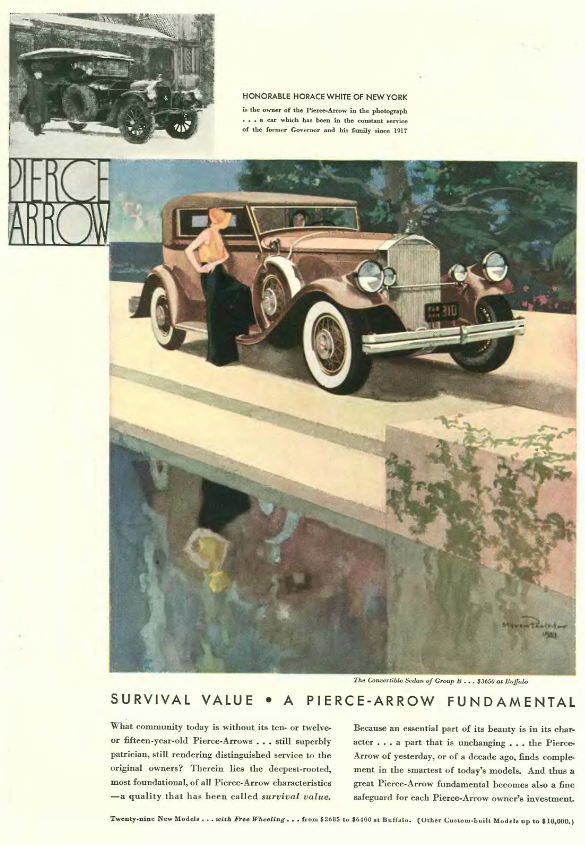
…Pierce-Arrow was also known for its sumptuous ads, but they wouldn’t save the luxury car maker from going under by the mid-1930s…

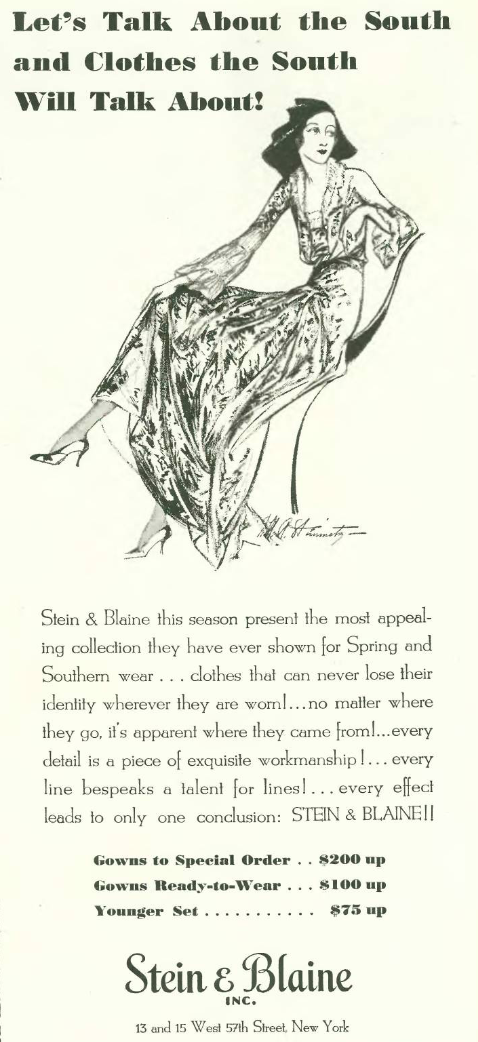
…Some less expensive black and white ads, such as this hand-lettered ad from Stein & Blaine, could be quite charming…

…speaking of charm, this ad from Arthur Murray could have used a little of it…note the stern visage of the woman, described as “typical of Arthur Murray’s staff of expert teachers”…

…on to our Feb. 7 cartoons, we have one of Peter Arno’s stock characters, the Sugar Daddy, in an awkward moment at a costume party…

…Arno’s party looked a lot more lively than this affair, illustrated by William Crawford Galbraith...

…and Carl Rose gave us this pair, who seem to having the best time of all…

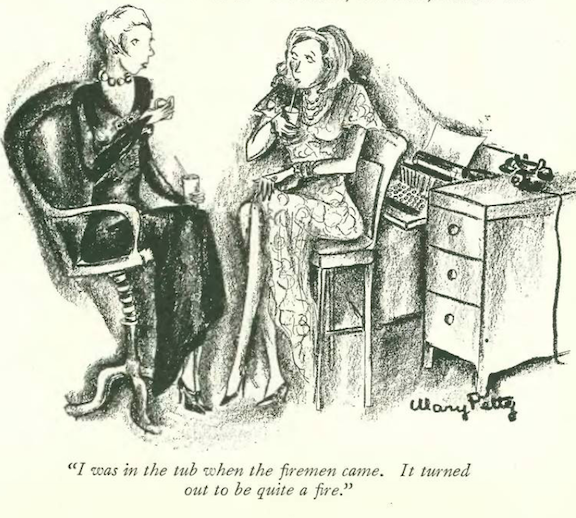
Mary Petty eavesdropped on a guileless young woman…

…and Gardner Rea paid a visit to the Met…

 *  *  *

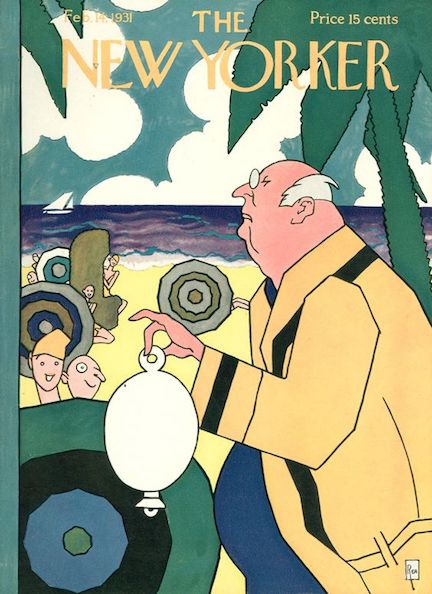
On to our Feb. 14 issue, and Gardner Rea once more…

Feb. 14, 1931 cover by Gardner Rea.

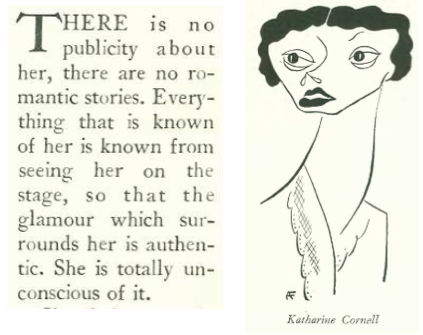
The Feb. 14 issue featured a profile of actress Katharine Cornell (1893-1974), written by cultural critic Gilbert Seldes. The caricature of Cornell is by Al Frueh. Excerpts:

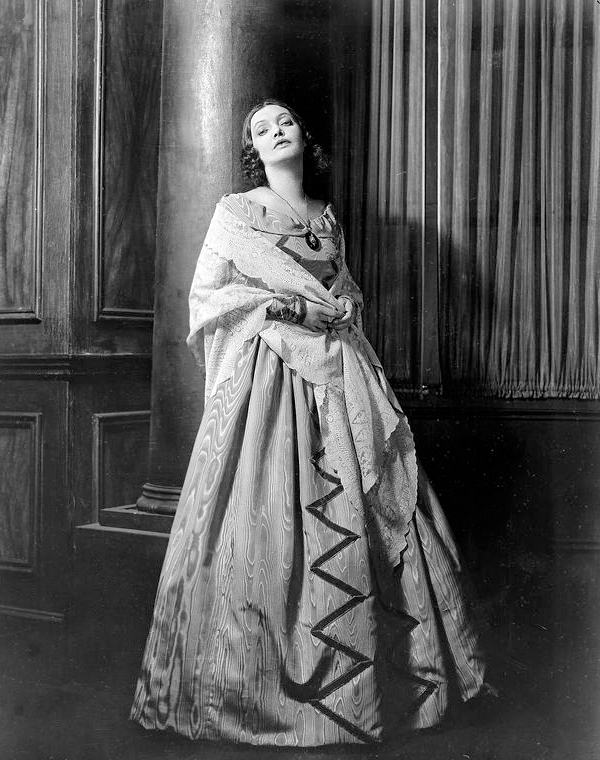
Promotional photograph of Katharine Cornell as Elizabeth Barrett in the original 1931 Broadway production of The Barretts of Wimpole Street. It was her most famous role(Theatre Magazine, March 1931)

Cornell is considered one of the greatest actors of American theater, known for her eloquence and romantic stage presence. Seldes concluded:

 *  *  *

Strange Bedfellows

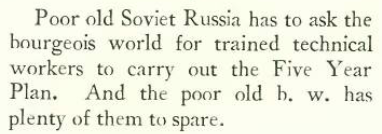
In his column “Of All Things,” Howard Brubaker referred to an exchange between American capitalists and Soviet Russians that resulted in the rapid industrialization of the Soviet Union. That actual story behind this effort is pretty amazing.

 *  *  *

Sneak Peek

Film critic John Mosher was so excited about Charlie Chaplin’s latest film that he offered this teaser to readers…

 *  *  *

From Our Advertisers

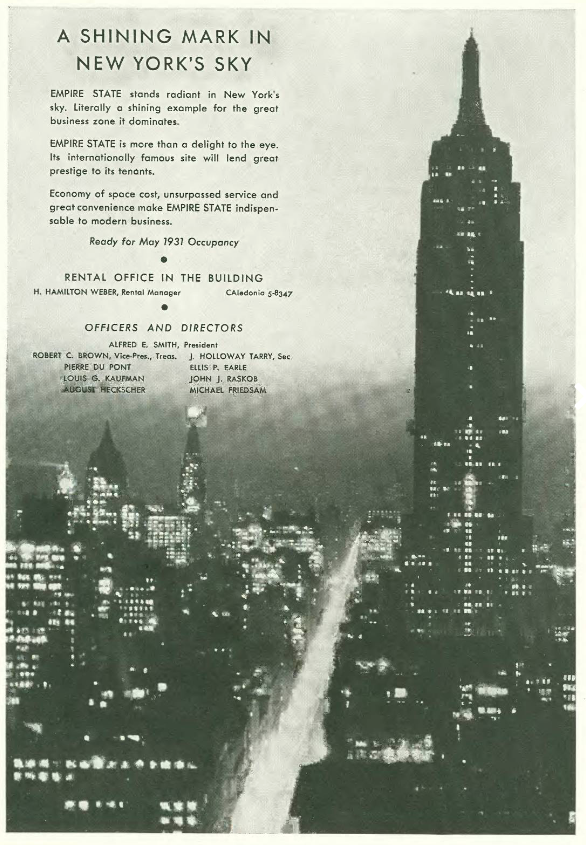
We have this ad from the developers of the Empire State Building, which was being readied for a May 1931 opening…

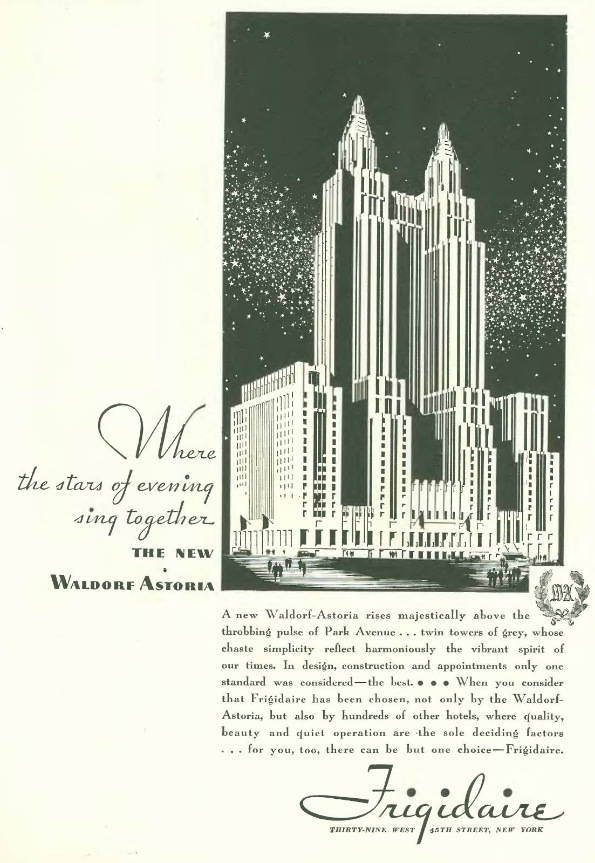
…the Empire State Building was erected on the site of the old Waldorf-Astoria Hotel. The new Waldorf-Astoria, also completed in 1931, was located more than 15 blocks away from its original site. Both the Empire State Building and the Waldorf Astoria would become Art Deco landmarks, and both shared the distinction of holding world records: the Empire State was the world’s tallest building (a record it would keep until 1970), and the Waldorf would claim the title of the world’s tallest hotel (until 1963)…

…on to our cartoonists, we have Ralph Barton contributing one of his last illustrations to the theater review section…

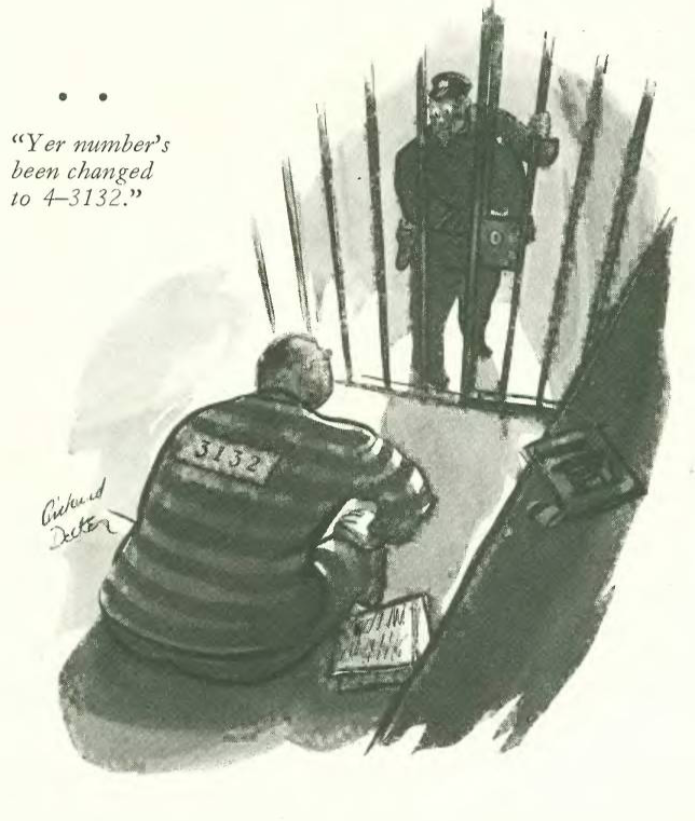
Richard Decker references a recent change in New York telephone numbers with this prison scene…

…Decker was referring to this bit of news, here interpreted by E.B. White in his Feb. 14 “Notes and Comment.”

James Thurber returned with his second-ever stand-alone cartoon for the New Yorker

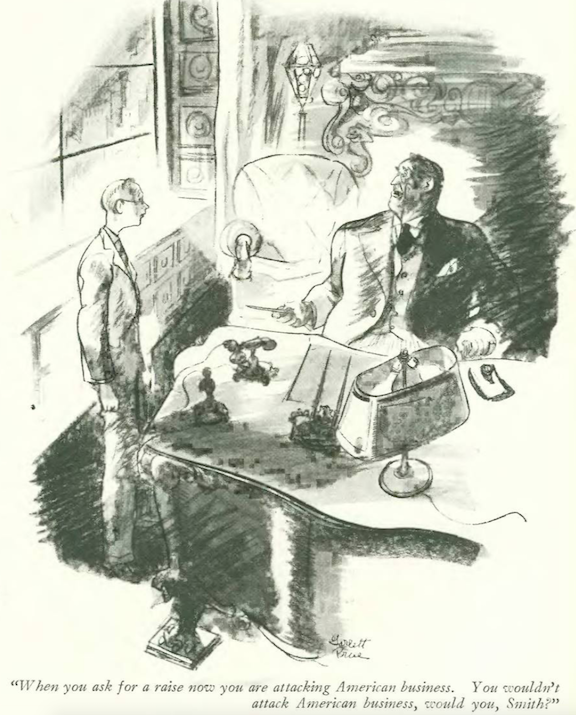
Garrett Price mined a theme that would become common in New Yorker cartoons: the tycoon vs. meek employee…

Nancy Fay gave us a glimpse of the seamier side of family life…

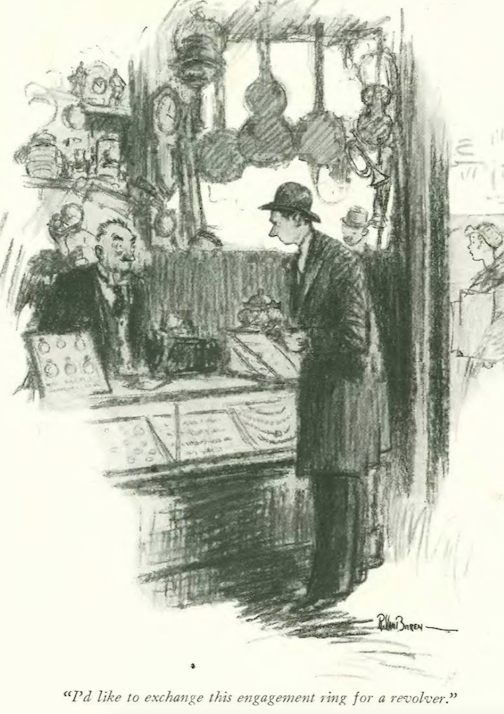
R. Van Buren goes even darker with this entry…

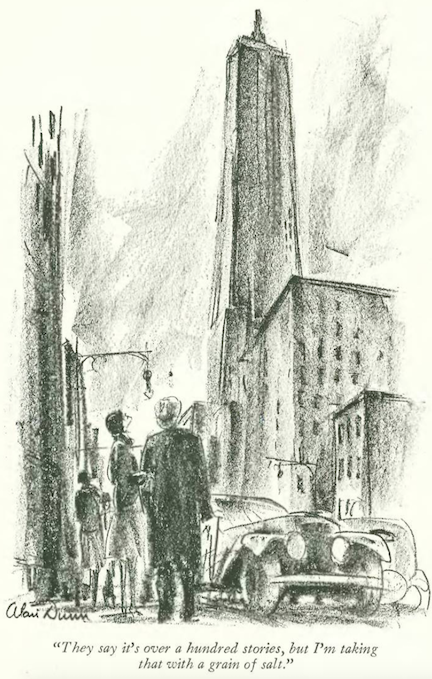
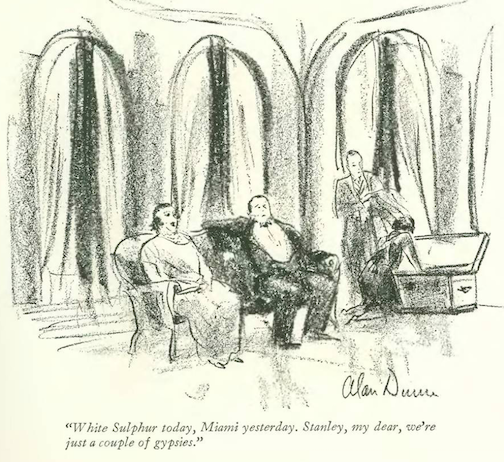
…and we end on a high note, with Alan Dunn

Next Time: Super Tramp…

Wickersham Sham

Introduce the topic of the Wickersham Commission at your next dinner party and you will most likely be answered with a puzzled silence.

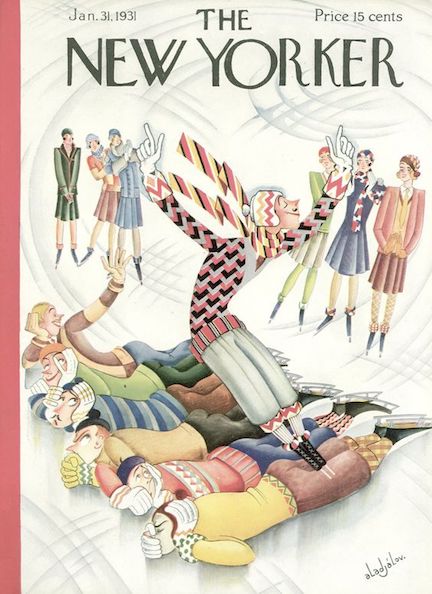
January 31, 1931 cover by Constantin Alajalov.

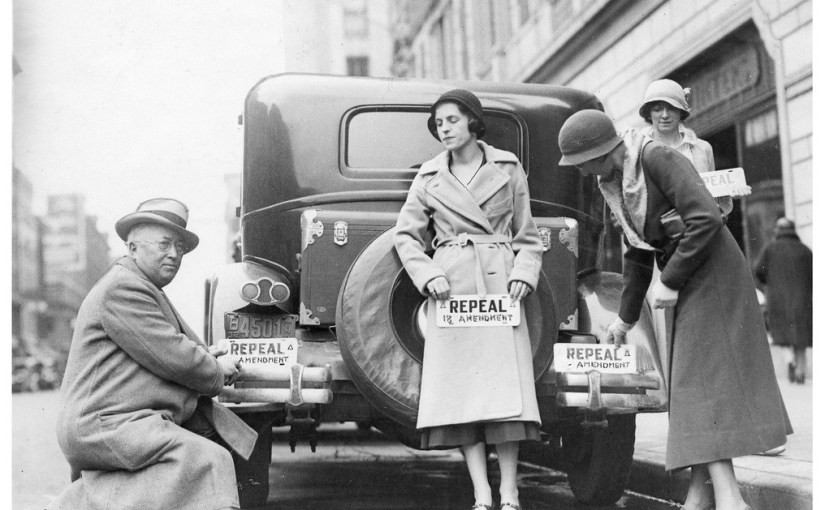
However, in January 1931 it was THE topic of the month, especially among New Yorkers keen to see the end of Prohibition, which was the focus of the commission.

Established by President Herbert Hoover, the 11-member Wickersham Commission (officially, the National Commission on Law Observance and Enforcement) was not seeking to repeal the 18th Amendment, but rather to examine the criminal justice system under Prohibition, everything from police brutality and graft to the rapid rise of organized crime.

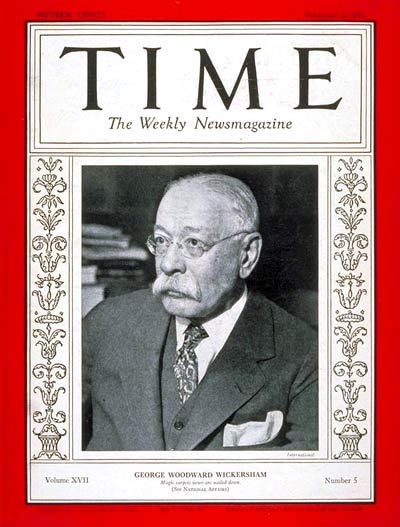
SOBER UNDERTAKING…George Wickersham was featured on Time’s Feb. 2, 1931 cover for his leadership on the National Commission on Law Observance and Enforcement, better known as the Wickersham Commission. (Time Inc.)

To the chagrin of many New Yorkers, the report (released on Jan. 7, 1931) called for even more aggressive enforcement of anti-alcohol laws.

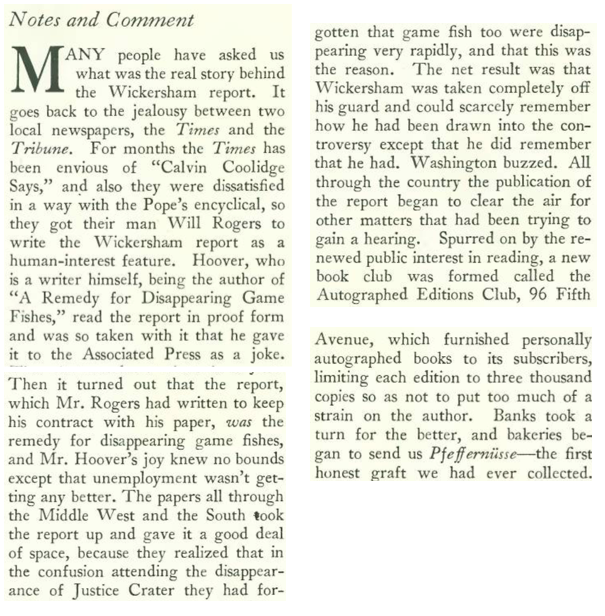
This caused such a stir that The New Yorker dedicated the entire first page of “The Talk of the Town” to a satirical commentary furnished by E.B. White. An excerpt:

LEAVE MY NAME OUT OF IT…Former US Attorney General George Woodward Wickersham, left, was tapped by President Herbert Hoover to lead the National Commission on Law Observance and Enforcement. Humorist Will Rogers weighed in on the likely outcome of the Commission’s report. (Wikipedia/PBS)

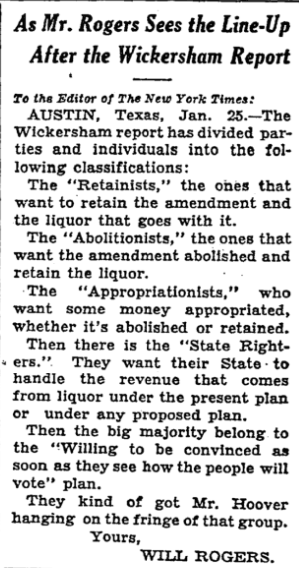
Humorist Will Rogers also commented on the report in this letter published on page 19 of the Jan. 26, 1931 edition of The New York Times…

…Algonquin Round Table co-founder Franklin P. Adams, on the other hand, summed up the Commission’s report with a poem:

Prohibition is an awful flop.
We like it.
It can’t stop what it’s meant to stop.
We like it.
It’s left a trail of graft and slime
It don’t prohibit worth a dime
It’s filled our land with vice and crime,
Nevertheless, we’re for it.

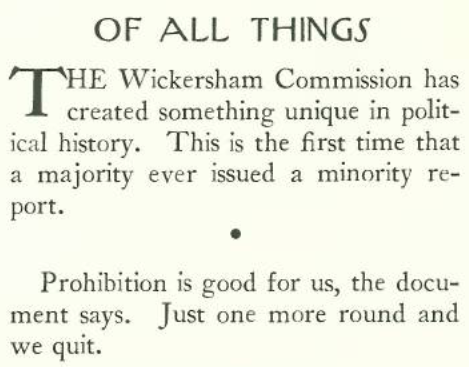
Back to The New Yorker, Howard Brubaker weighed in with his column, “Of All Things,” correctly noting that the majority of Americans wanted an end to Prohibition laws despite the Commission’s recommendations…

…and Rea Irvin gauged the mood of the parlor crowd in light of the report:

 *  *  *

Polar Plunge

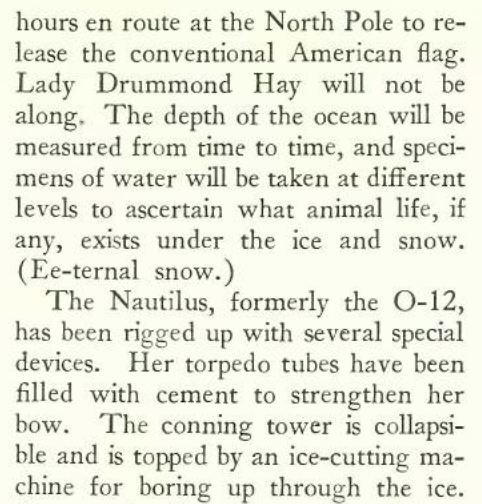
On to happier news, “The Talk of the Town” looked in on preparations for a North Pole trip by a refitted and renamed military submarine, Nautilus. An excerpt:

POLAR OBSESSED…Above, the Nautilus arrives at Plymouth, England, on June 26, 1931. It left New York City on June 4 on the first leg of a voyage that was to continue on to Spitsbergen, Norway and ultimately to the North Pole and a rendezvous with Germany’s Graf Zeppelin. At right, crew members Cornelius P. Royster, John R. Janson, and Harry Zoeller dine in the Nautilus galley, April 20, 1931. (amphilsoc.org)
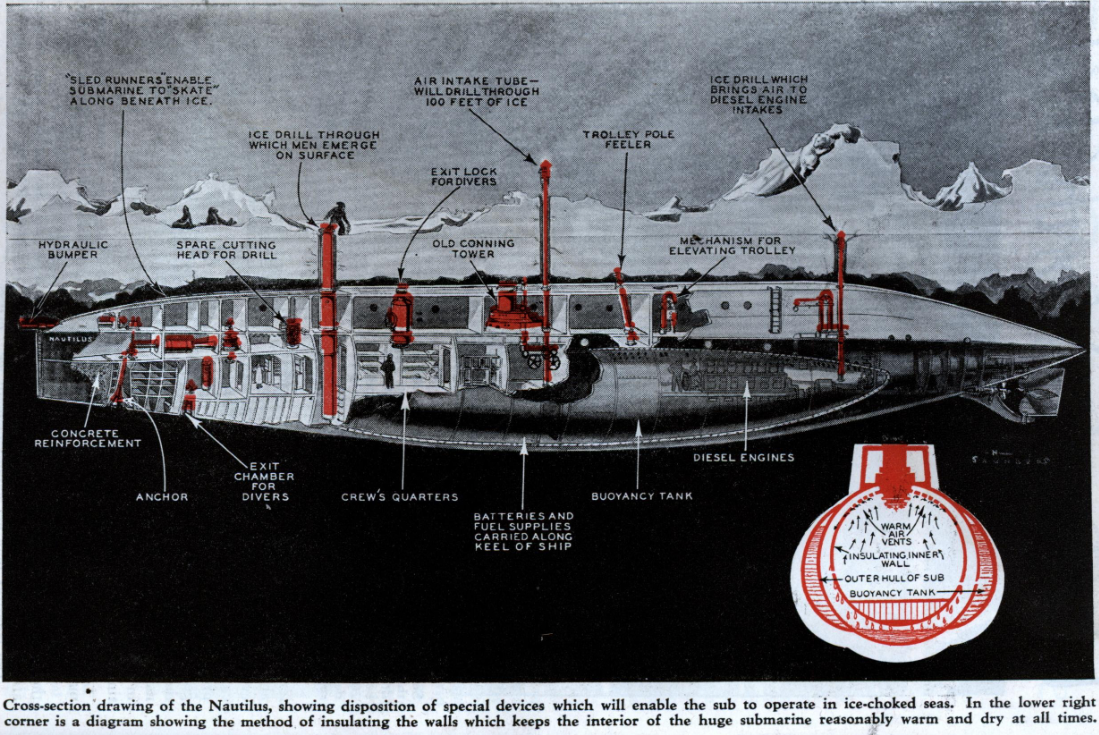
HOW IT WORKED…The June 1931 issue of Modern Mechanics asked the question, “Will the Nautilus Freeze Under the North Pole?” Stay tuned. (Modern Mechanix)

 *  *  *

Dorothy, Abridged

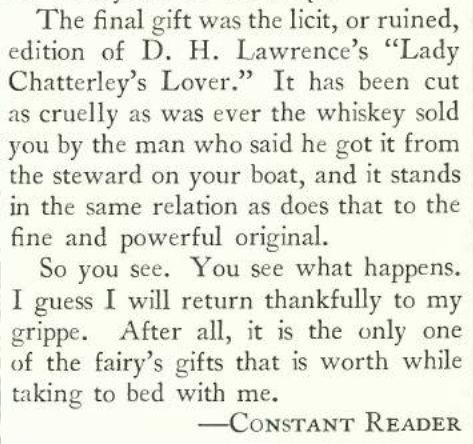
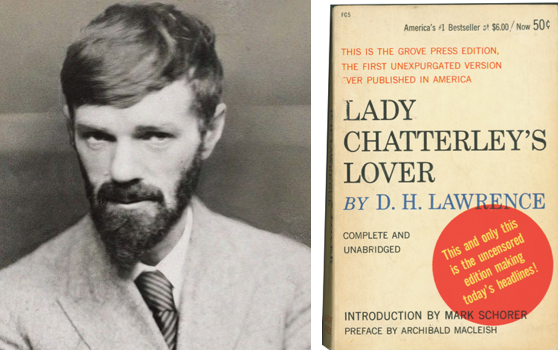
Laid up with the flu, Dorothy Parker turned to some reading during her convalescence, only to find that the books provided to her (for review) were far from uplifting. One in particular, a censored version of D.H. Lawrence’s Lady Chatterley’s Lover, was downright galling. Excerpts:

FIFTY SHADES OF EMBARRASSMENT…D.H. Lawrence’s Lady Chatterley’s Lover was published privately in 1928 and swiftly banned by the United States the following year. Amazingly, the first unexpurgated edition would not be published in the U.S. until 1959, in the edition pictured above issued by the fledgling Grove Press. (mhpbooks.com/orbooks.com)

 *  *  *

Old Before Her Time

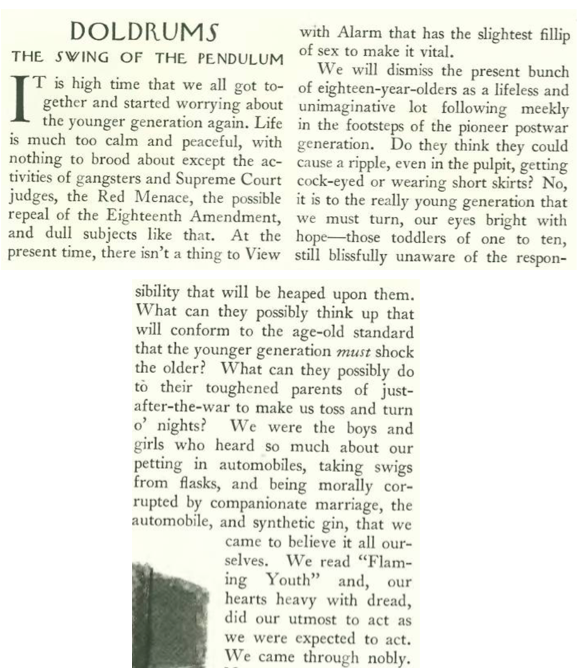
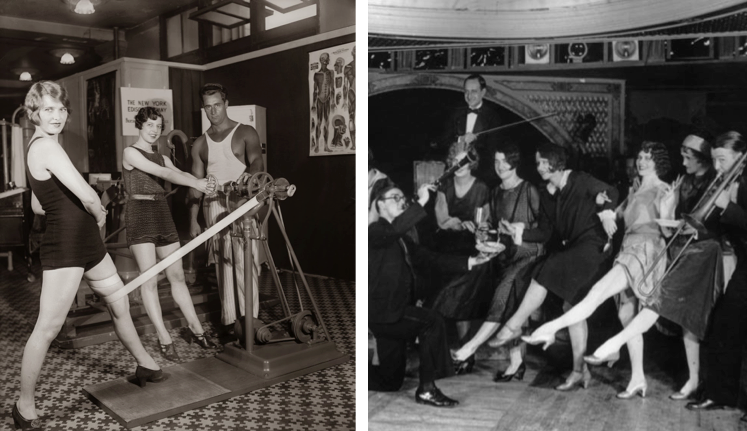
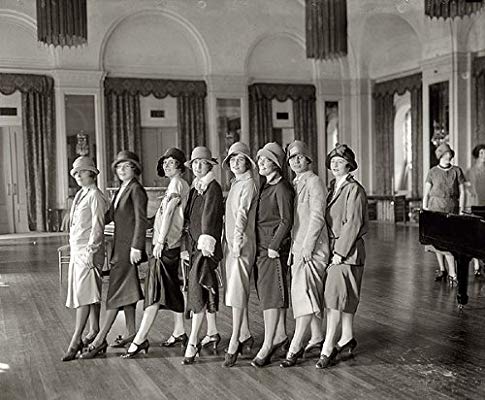
Lois Long was only 29 years old when she wrote her “Doldrums” series for The New Yorker, but the chronicler of Jazz Age nightlife who once epitomized the flapper lifestyle felt much older given how much the world had changed in just a few short years. She was particularly appalled by the younger generation’s embrace of “health and vitality” over her own generation’s lust for the party life…

GETTING THEIR KICKS…Lois Long was appalled by the new generation’s healthier pursuits, left, contrasted with the flapper lifestyle Long embodied in the 1920s. (Pinterest)

…Long was mother to a toddler at the time, and would divorce husband and New Yorker colleague Peter Arno in the spring. This, no doubt, contributed to her feeling of estrangement from the younger generation:

Endnote: Bernarr MacFadden (1868-1955), referred to above, was an early proponent of body building and healthy diets that anticipated the rise of physical culture icons such as Charles Atlas and Jack LaLanne.

*  *  *

The Last Warrior

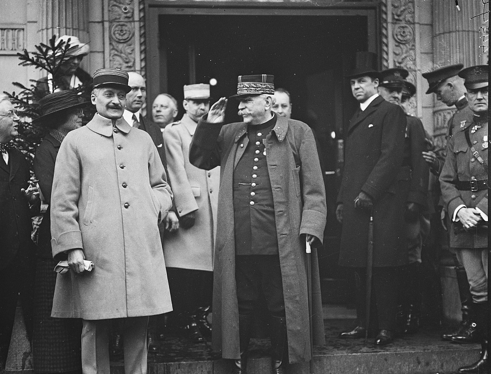
Paris correspondent Janet Flanner noted the passing of 78-year-old French Field Marshal Joseph Joffre, the last of the great World War I military leaders. Note that Flanner referred to Joffre’s war as “the world war,” since the next world war was still on the horizon.

AU REVOIR…French Field Marshal Joseph Joffre (saluting) in 1922. (Library of Congress)

 *  *  *

From Our Advertisers

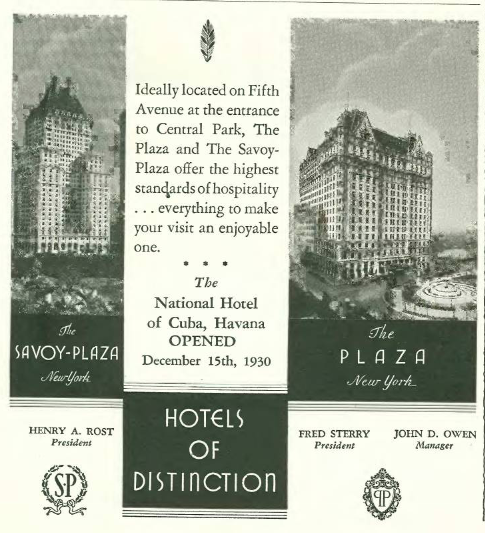
We have two of New York’s finest hotels advertised along with the newly opened National Hotel in Havana, Cuba. All three were under the same management at the time. The Cuban hotel would be heavily damaged two years later in a coup led by Fulgencio Batista. It would be restored, and eventually nationalized by Fidel Castro. The Savoy-Plaza would not be so lucky, demolished in 1965 to make way for the General Motors Building…

NOW YOU SEE IT, NOW YOU DON’T…The elegant Savoy-Plaza (left) was razed in 1965 to make way for the General Motors Building. (Wikipedia)

…and we have this lovely color ad from the makers of Alcoa aluminum chairs, which bespoke “the new vogue.” Alcoa created the market for aluminum furniture in the 1920s in an effort to increase demand for its aluminum products. It obviously worked, as all kinds of aluminum chairs and desks became ubiquitous by mid-century, especially in the workplace…

…on to our cartoonists…the Jan. 31, 1931 issue marked a big moment in New Yorker cartoons, as it featured James Thurber’s very first…

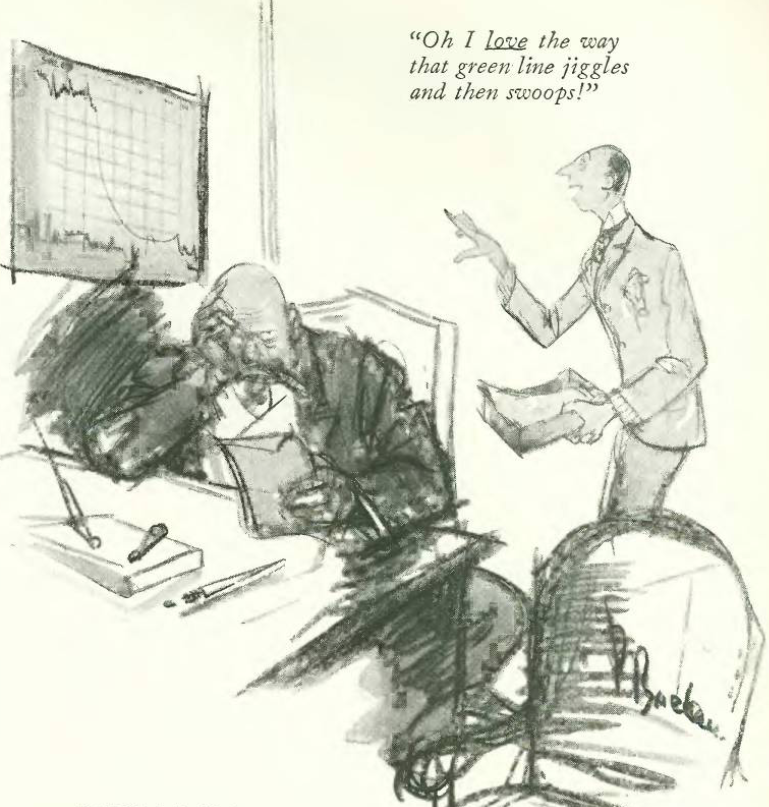
Alan Dunn showed us a man who could not be distracted from financial woes…

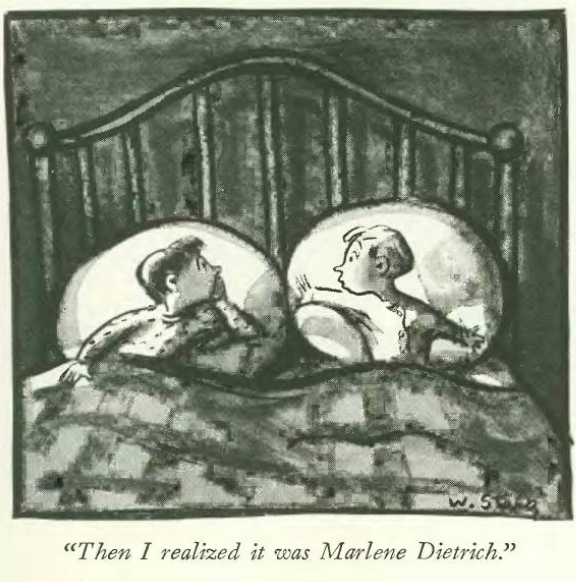
William Steig settled in as a New Yorker regular…

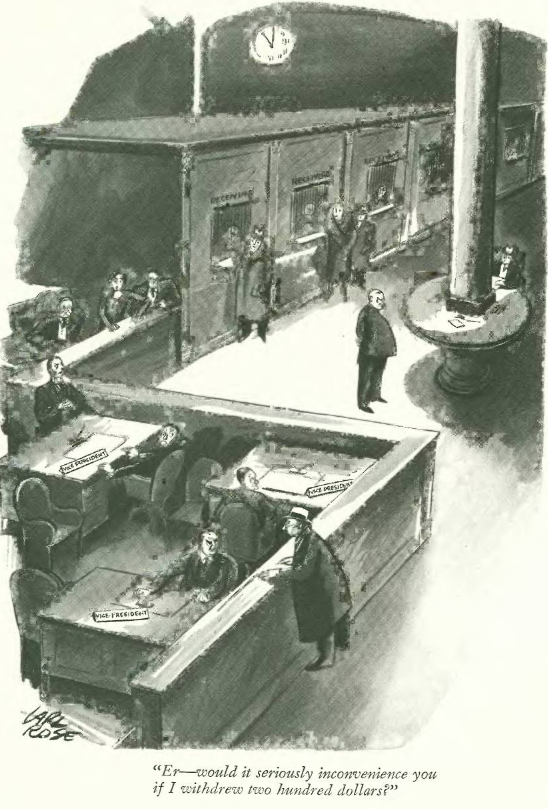
Carl Rose gave us a lot of sour faces in a bank lobby…

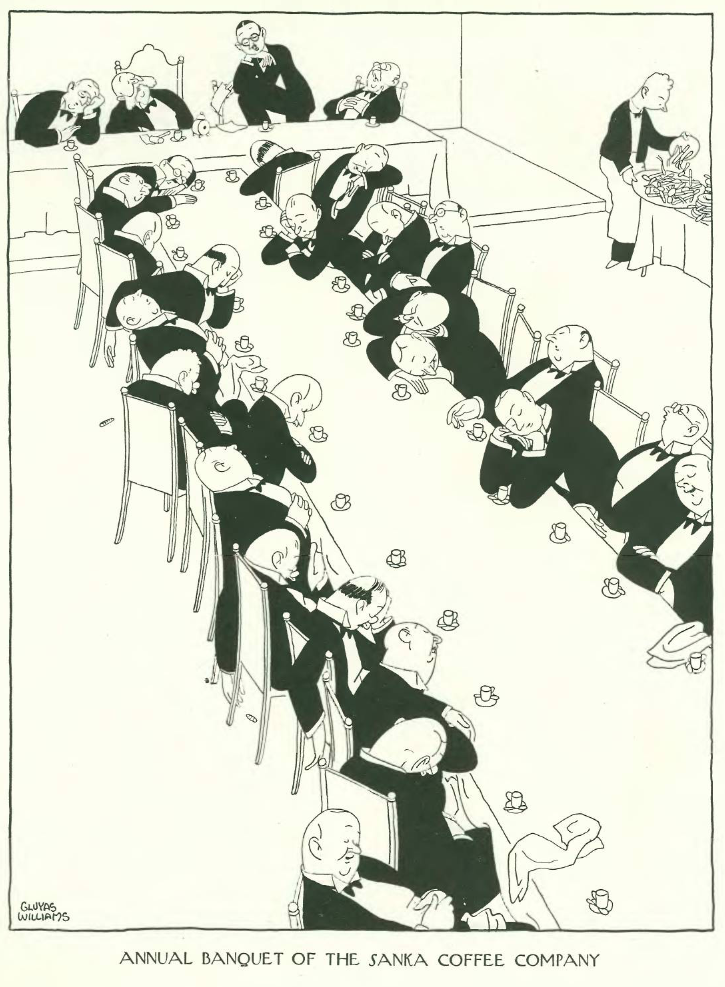
…and Gluyas Williams demonstrated the effects of decaf coffee…

…and before I go, here is a scene from the Third Academy Awards, which are referred to as the 1931 awards, although they were actually held on Nov. 5, 1930 in the Fiesta Room of the Ambassador Hotel in Los Angeles….

(oscars.com)

Next Time: And the Winner Is…


Ten Cents In Stamps

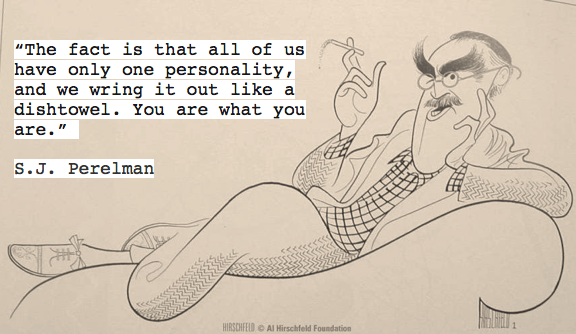
Like E.B. White, James Thurber and Dorothy Parker who came before him, S. J. Perelman was one of those New Yorker writers whose name would become synonymous with the magazine. 

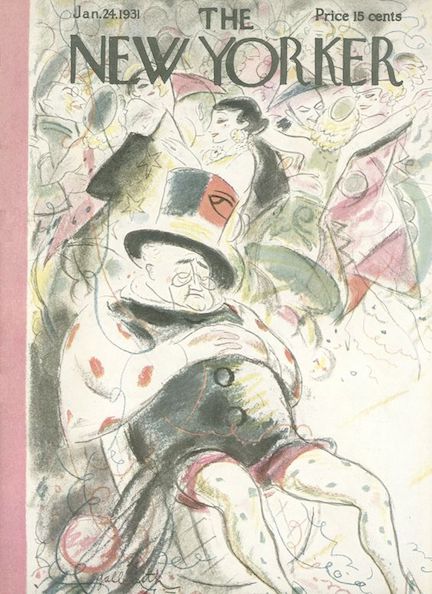
Jan. 24, 1931 cover by William Crawford Galbraith.

Perelman’s first New Yorker article, “Ten Cents in Stamps,” appeared in the Jan. 24, 1931 issue, his subject a collection of self-help and “how to” books he introduced with this Editor’s Note: “Upsetting as it may seem, all the books reviewed in the following article are genuine.”

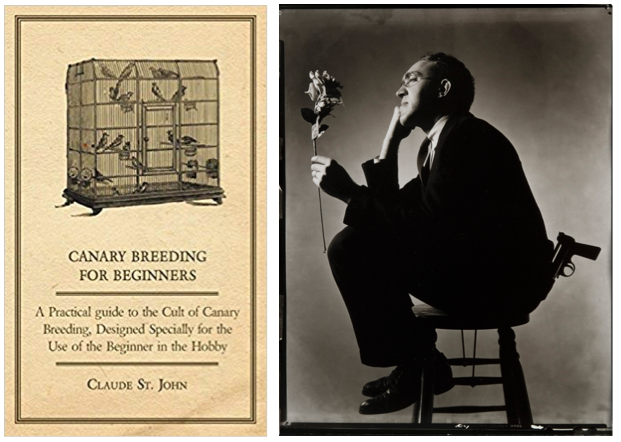
FOR THE BIRDS…S. J. Perelman (1904–1979) sampled Canary Breeding for Beginners among other titles in his first humorous short for The New Yorker. The above 1935 photograph was made by Ralph Steiner, who recalled “when I made this photograph I said ‘this is a foolish thing for two grown men to be doing with their time,’ Perelman answered: ‘We may be the only two men in the world at this moment not doing harm to anyone.'”(amazon/akronartmuseum.org)

Without further ado, some excerpts…

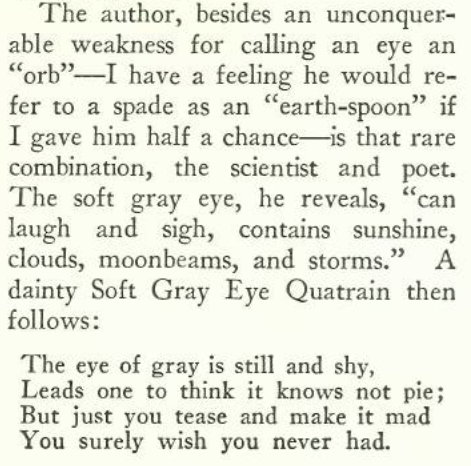
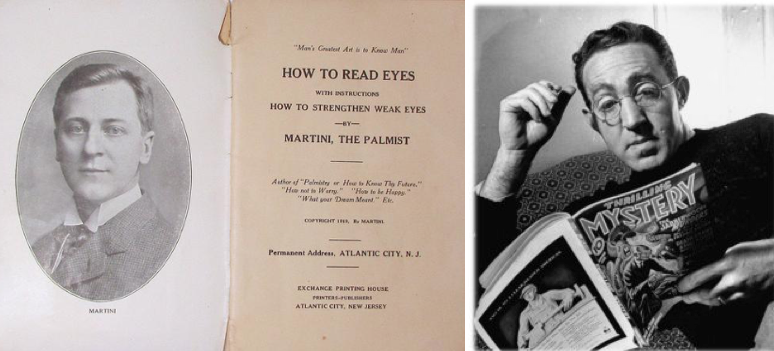
…Perelman offered us a taste of Martini’s poetic gifts…

MARTINI WITH A TWIST…S.J. Perelman wanted “a little tighter thinking” from Martini, The Palmist, in his book, How to Read Eyes. (Etsy/johnesimpson.com)

…and also sampled the wisdom of Jacob Penn, who wrote a book titled How to Get a Job Through Help Wanted Advertisements. Perelman zeroed in on the book’s appendix, which contained “Successful Model Letters”…

*  *  *

Dorothy Returns

After a long absence, Dorothy Parker returned to her immensely popular “Reading and Writing” column. Parker had been staying at an alpine sanitorium in Switzerland, providing moral support for her friends Gerald and Sara Murphy while their young son was treated for tuberculosis. Parker had originally fled to Europe (France, specifically) to write her “Great American Novel,” only to end up on the Swiss mountaintop, where she composed a long letter just recently published (2014) under the title Alpine Giggle Week. Back in New York, she returned to her typewriter and released her wit on Charles Noel Douglas, editor of Forty Thousand Sublime and Beautiful Thoughts.

A PENNY FOR YOUR THOUGHTS?…Charles Noel Douglas had 40,000 of them, Dorothy Parker discovered.(amazon/britannica.com)

 *  *  *

A ‘Tables’ Reprise

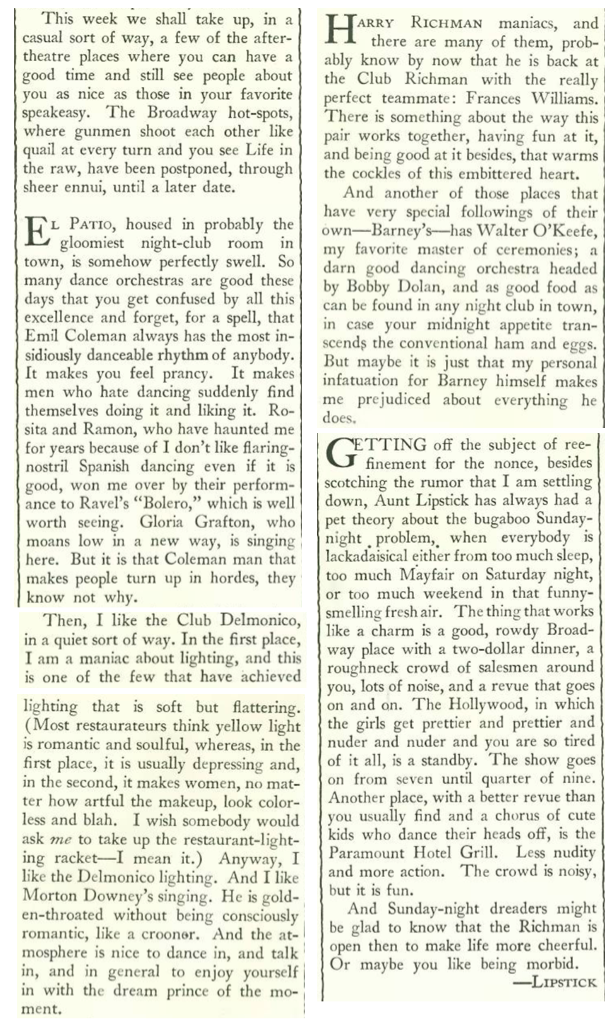
Lois Long was also back, in a way, reviving her “Tables for Two” column for on a one-off on the city’s Broadway hot-spots…

AFTER THE CURTAIN FALLS on Broadway there were plenty of nighttime diversions to keep theater crowds entertained into the wee hours.Clockwise, from top left, singer-dancer Frances Williams worked wonders with Harry Richman and his orchestra at the Club Richman; Bobby Dolan wielded a smart baton at Barney’s; and crooner Morton Downey (pictured with wife and actress Barbara Bennett)… lent his golden tenor to adoring crowds at Club Delmonico. The couple spawned the combative star of 1980s “Trash TV” Morton Downey Jr. (Pinterest)

 *  *  *

From Our Advertisers

We begin with a full page of ads for various Broadway shows…

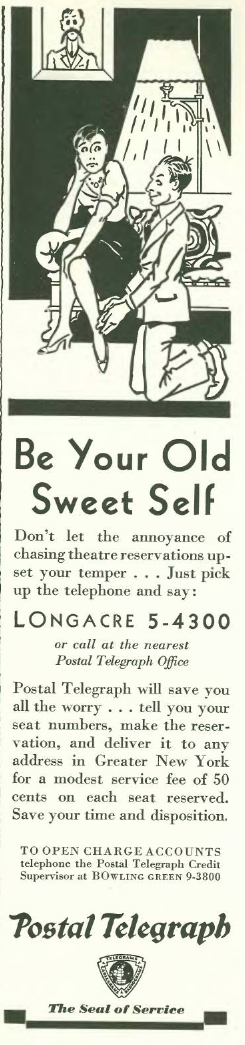
…and if you wanted to get tickets to one of those shows, here is 1931’s version of StubHub…

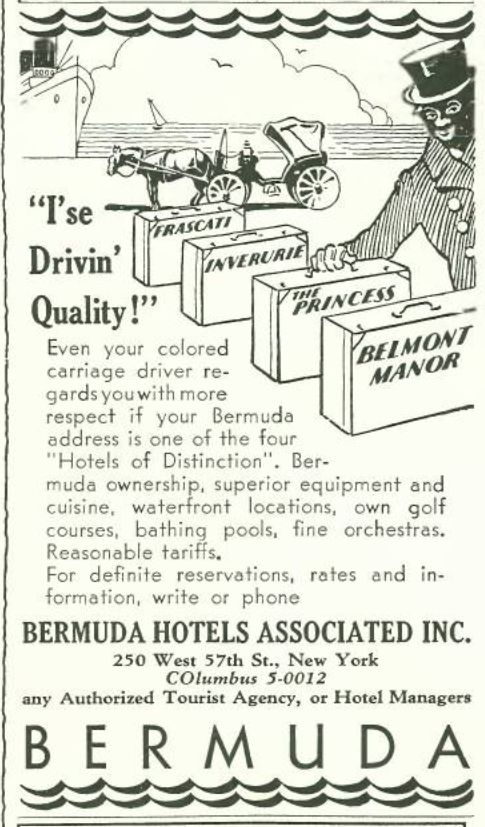
…and we are reminded that it is indeed 1931 with overtly racist ads such as this…

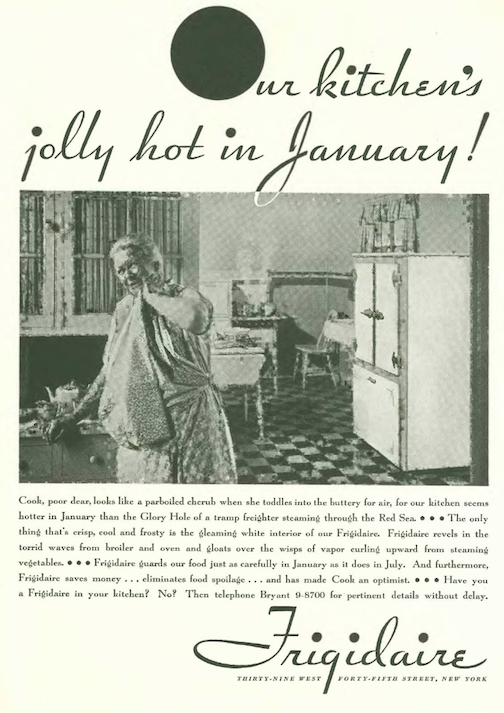
…back home, the help isn’t treated much better. “Cook” can suffer as long as the food remains fresh in the gleaming Frigidaire…

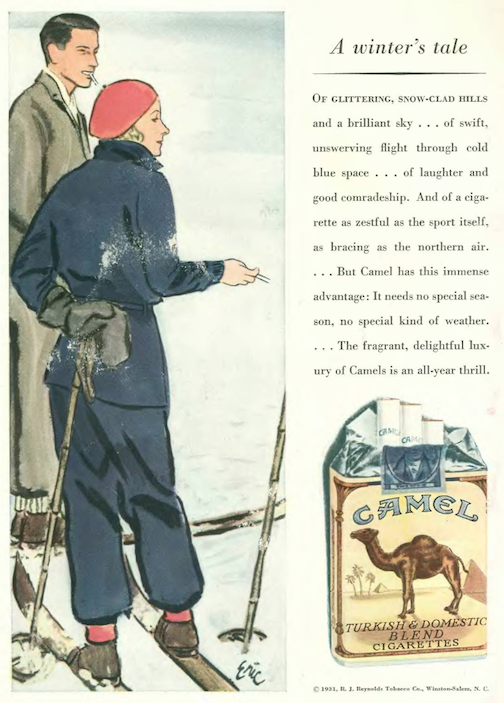
…meanwhile, our stylish Camel smokers (illustrated by Carl “Eric” Erickson) are keeping cool on the slopes…

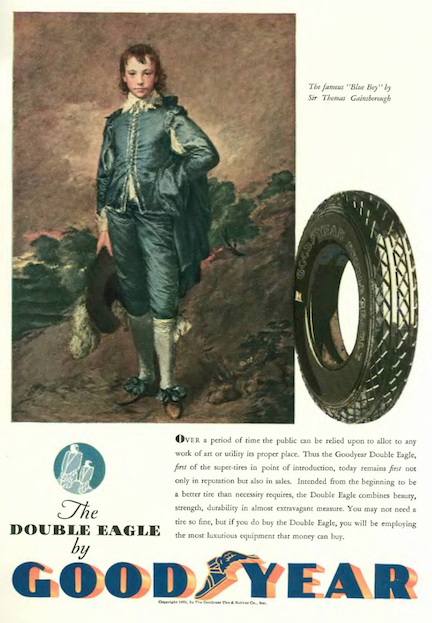
…and perhaps this is the one and only time a painting by Thomas Gainsborough is compared to a tire…

…on to our illustrators and cartoons, the editors tossed in this old spot illustration by H.O. Hofman to fill space on the events page…

…an then we have this spot (sorry, I can’t identify the artist) that imagines disastrous consequences for the Empire State Building’s “mooring mast” (which was never used as such)…

…and Ralph Barton returned to lend his artistry to the theater review section…

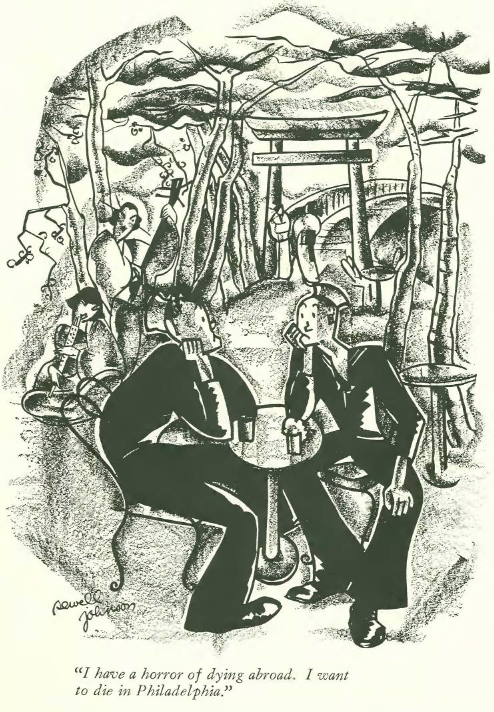
…for our cartoons, we begin with Sewell Johnson’s lone contribution to The New Yorker

Carl Rose was at the movies…

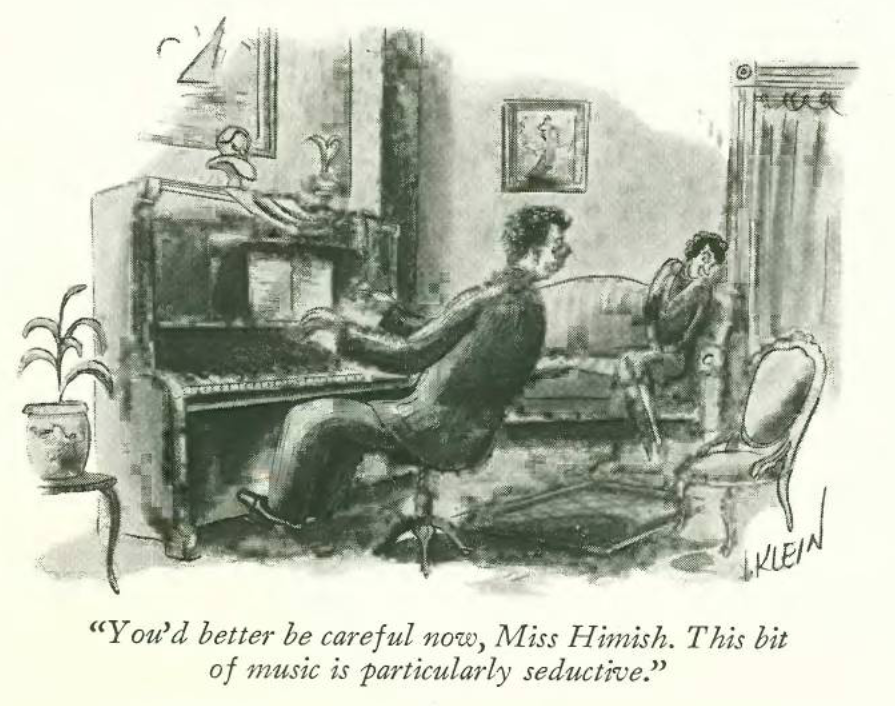
Isadore Klein warmed things up in this parlor scene…

Alan Dunn justified the existence of thriller author Edgar Wallace

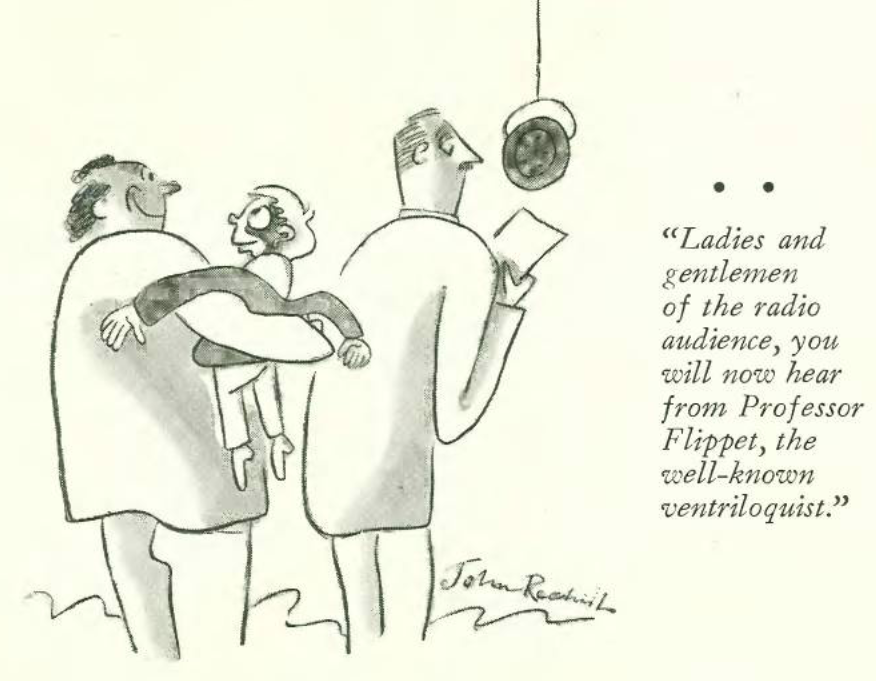
...John Reehill gave us a look at an unlikely radio act (however, from 1936 to 1956 ventriloquist Edgar Bergen and his dummy, Charlie McCarthy, would be hugely popular radio stars)…

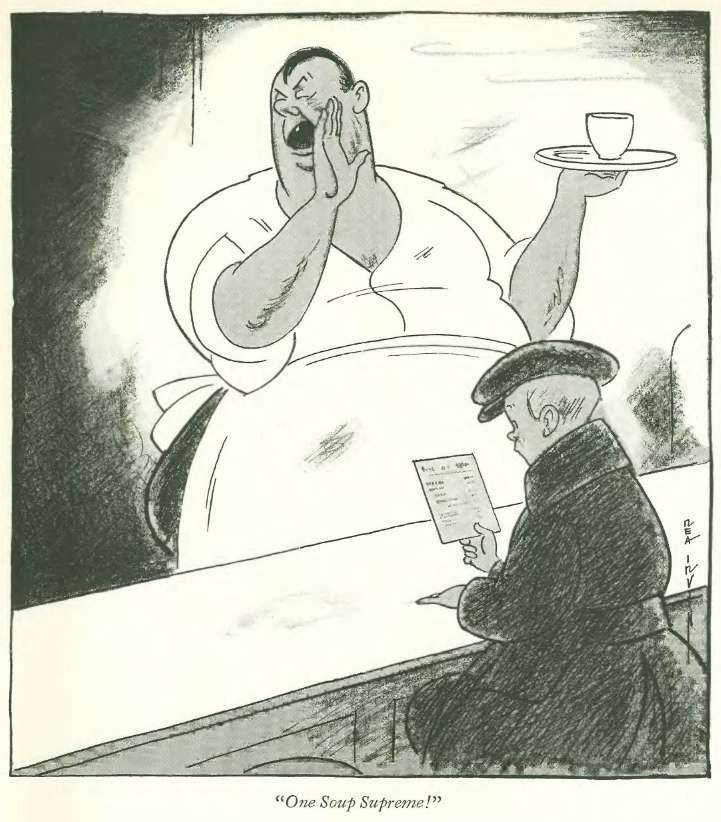
Rea Irvin paid a visit to the diner in this full-page cartoon…

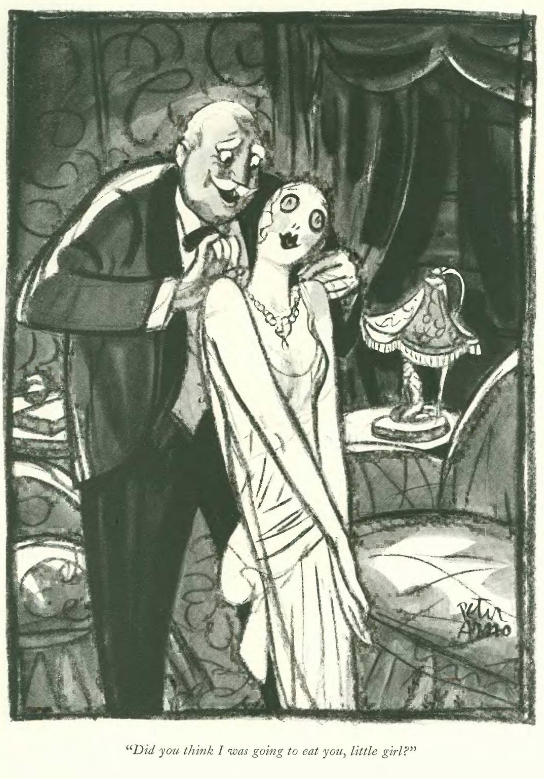
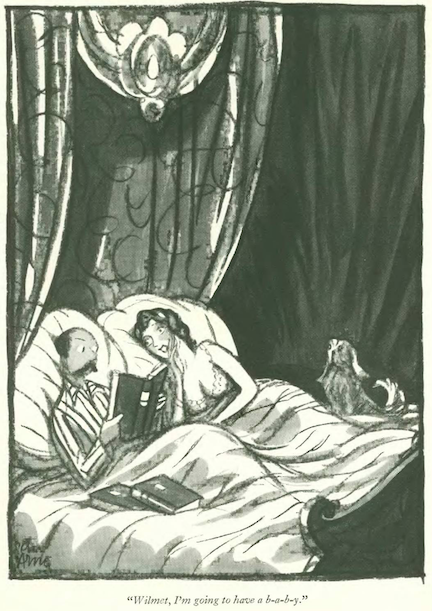
…and another full-page cartoon from Peter Arno, who looked in on an intimate moment…

Next Time: The Wickersham Sham…

Rise of the Gangster Film

During the early years of the Depression and before censorship guidelines were imposed by the Hays Code, Hollywood cranked out a slew of “Pre-Code” films filled with sex and violence, including 1931’s Little Caesar, the first “talkie” gangster film that defined the genre for decades to come.

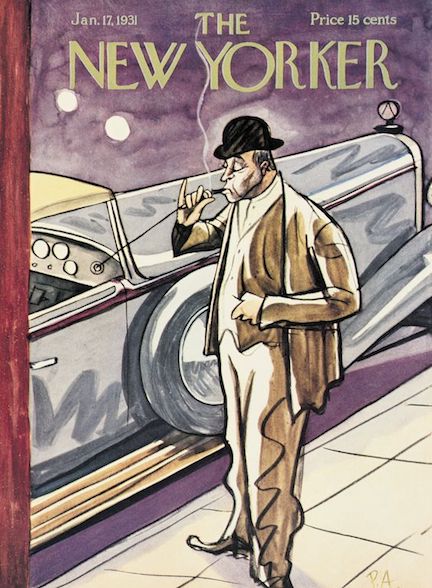
Jan. 17, 1931 cover by Peter Arno.

The Road to 1931

The New Yorker entered its sixth year in 1931, and despite the deepening Depression managed to stay afloat and even gain new subscribers. Perhaps more than ever folks needed that weekly dose of levity the magazine ably supplied.

Rea Irvin rang out the old and welcomed the new with back-to-back covers for the Dec. 27, 1930 and Jan. 3, 1931 issues. The second cover commemorated the New York Auto Salon, mentioned later in this blog entry.

That isn’t to say the magazine’s contributors donned rose-colored glasses. Rather, they commiserated with their fellow Americans:

CRANKY COUPLETS…Ogden Nash lent his droll verse to the nation’s economic woes. In 1931, while working as an editor at Doubleday, Nash submitted a number of poems to the New Yorker and spent three months working on the magazine’s editorial staff. (poeticous.com)

Over the course of 1930 many Americans, including Ogden Nash, woke to the fact that their business and political leaders were ill-suited to lift them out of the economic mess, and were likely responsible for it in the first place. At the top of the list was President Herbert Hoover, who was profiled in The New Yorker in three installments beginning with the Dec. 27 issue. This brief excerpt gives you a glimpse into a very different White House 89 years ago:

The first installment of the profile was accompanied by a Cyrus Baldridge portrait of the president (left), but the final two installments featured a less-than-flattering Abe Birnbaum rendering that first appeared in The New Yorker in the March 2, 1929 issue:

*  *  *

Vorse Was a Force

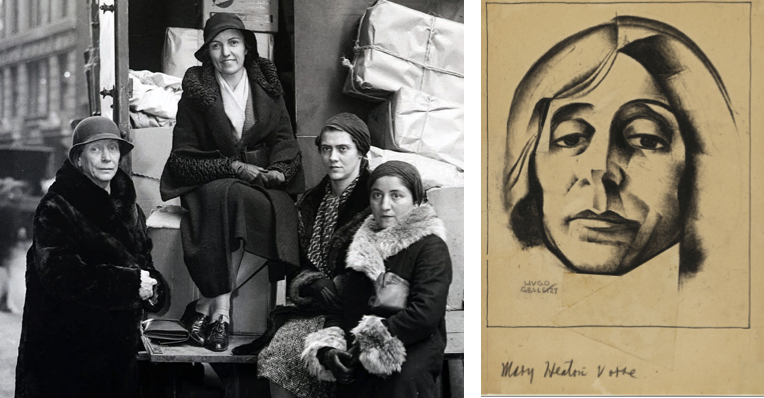
Social critic, labor activist and novelist Mary Heaton Vorse (1874–1966) was no fan of Herbert Hoover or wealthy business tycoons, and in the first decades of the 20th century joined with Lincoln Steffens and other muckraking journalists in advocating for social reform. Vorse, however, also had a background in fiction writing and in observational pieces like the one below (excerpts) in which she commented on the rustic old ladies she found everywhere in the city:

FOR THE CAUSE…Mary Heaton Vorse (left) with fellow activists preparing to leave on a relief expedition to aid striking Kentucky miners, 1932. At right, a 1925 drawing of Vorse by Hugo Gellert. (nysut.org/Smithsonian)

 *  *  *

The Mystic

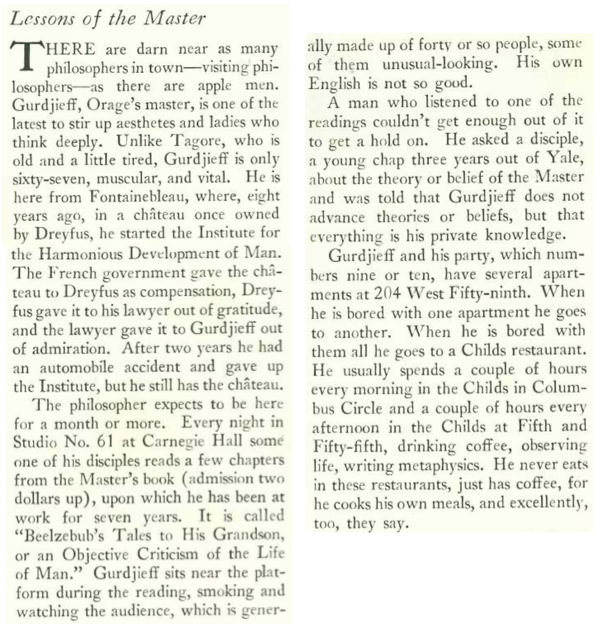
Before the Beatles made the Maharishi Mahesh Yogi a famed Transcendental Meditation guru in the 1960s, there was George Ivanovich Gurdjieff, a Russian/Greek/Armenian spiritual teacher of the “Fourth Way,” which promised a path to a higher state of consciousness and full human potential. Gurdjieff also enjoyed living in a French chateau and taking trips to New York to share his wisdom with eager Americans, including famed architect Frank Lloyd Wright. “The Talk of the Town” had these observations on the visiting mystic:

HE COULD SEE THINGS…George Ivanovich Gurdjieff, in an undated photo.

 *  *  *

Sunny Days

Forget about financial woes or spiritual dilemmas. What are you going to wear next summer? Fashion writer Lois Long (“On and Off the Avenue”) asked the question and looked to the south for some answers:

…numerous ads peppered the Dec. 27 issue urging Manhattan’s snowbirds to dress appropriately for the warmer climes…

…and operators of “PlaneTrains” promised to get them there as quickly as possible…

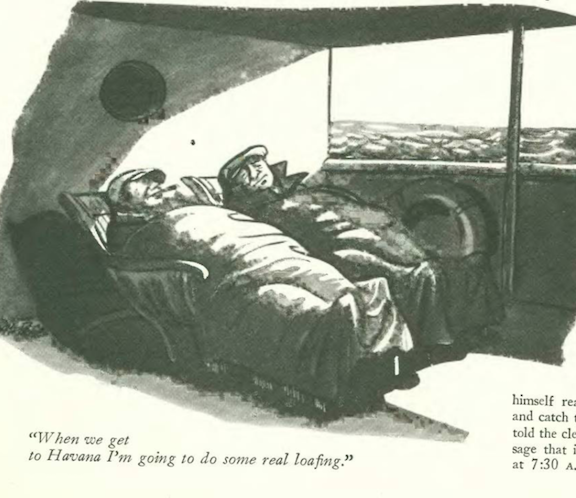
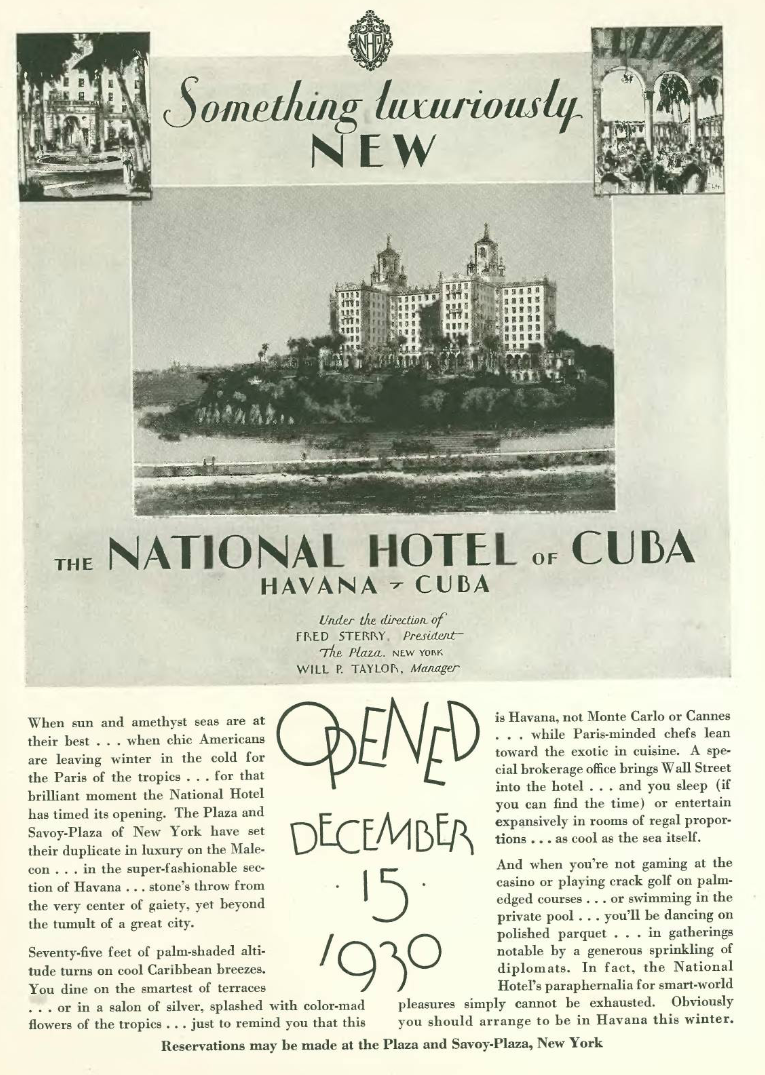
…and if you were headed to Cuba you could stay at the brand new National Hotel…

…here’s what it looked like three years ago when I was in Havana…I can guarantee you the hotel service was WAY better in 1931…

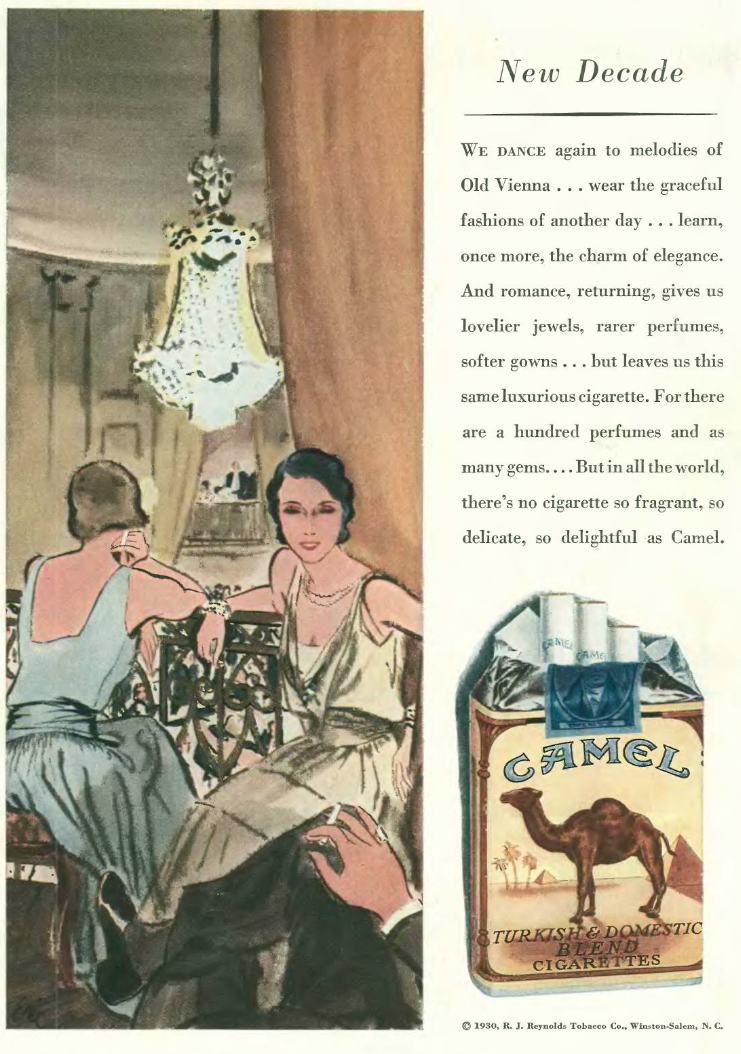
…whether home or abroad, New Yorkers were celebrating the New Year by “dancing to the melodies of Old Vienna” and smoking like chimneys…

…a popular New Year’s Eve destination was the The Roosevelt Hotel, where Guy Lombardo’s orchestra helped ring in the New Year from 1929 (radio’s first nationwide New Year’s Eve broadcast) to 1959…

I stayed at the Roosevelt Hotel in late December, and found Lombardo still presiding over the bar…

…we also find New Year’s revelry in the cartoons, with Mary Petty

Isadore Klein

Otto Soglow...

…and Leonard Dove

…and for those who stayed home, we have this scene of domestic bliss from Don Herold

 *  *  *

On to the Jan. 3, 1931 issue, we have Howard Brubaker (“Of All Things”) waxing sour on the state of the economy…

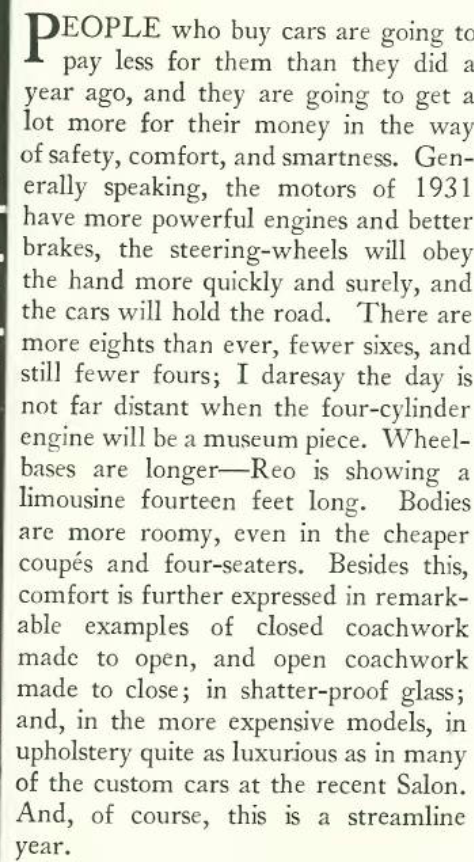
…so what a better way to cheer up than to look at shiny new cars, especially the ones almost no one could afford? The New Yorker paid another visit to the New York Automobile Salon at the Grand Central Palace…

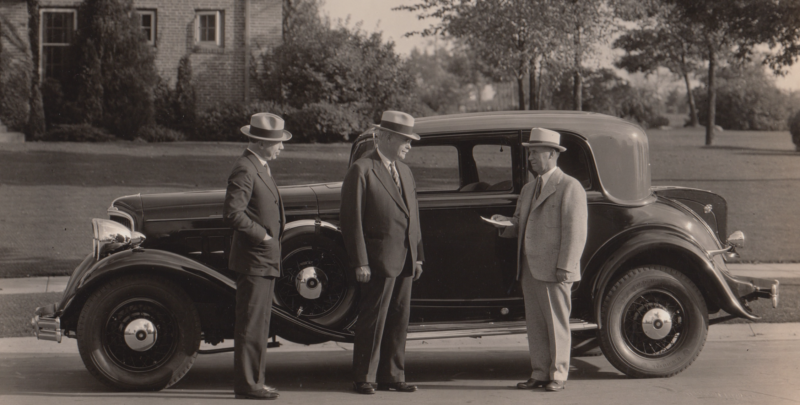
…according to the article, 1931 was “a streamline year,” and leading the way was the REO motor car company, which despite its innovative ways would drop its car line altogether in 1936 — a casualty of the Depression…

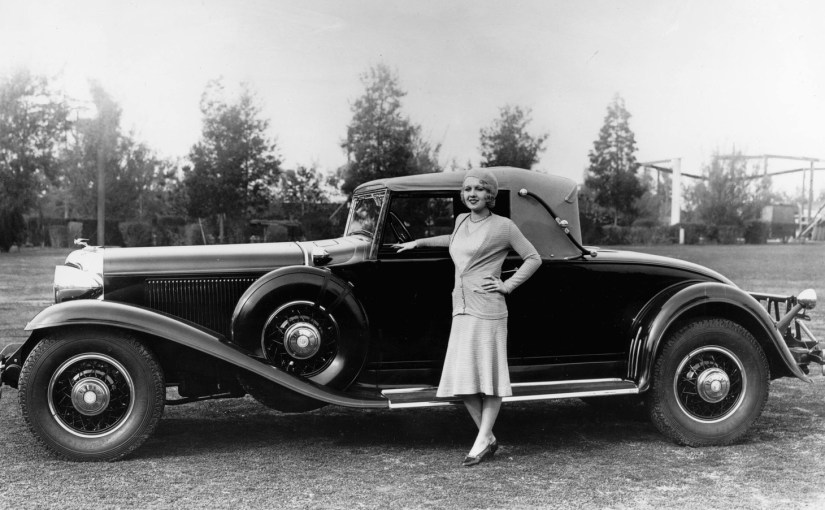
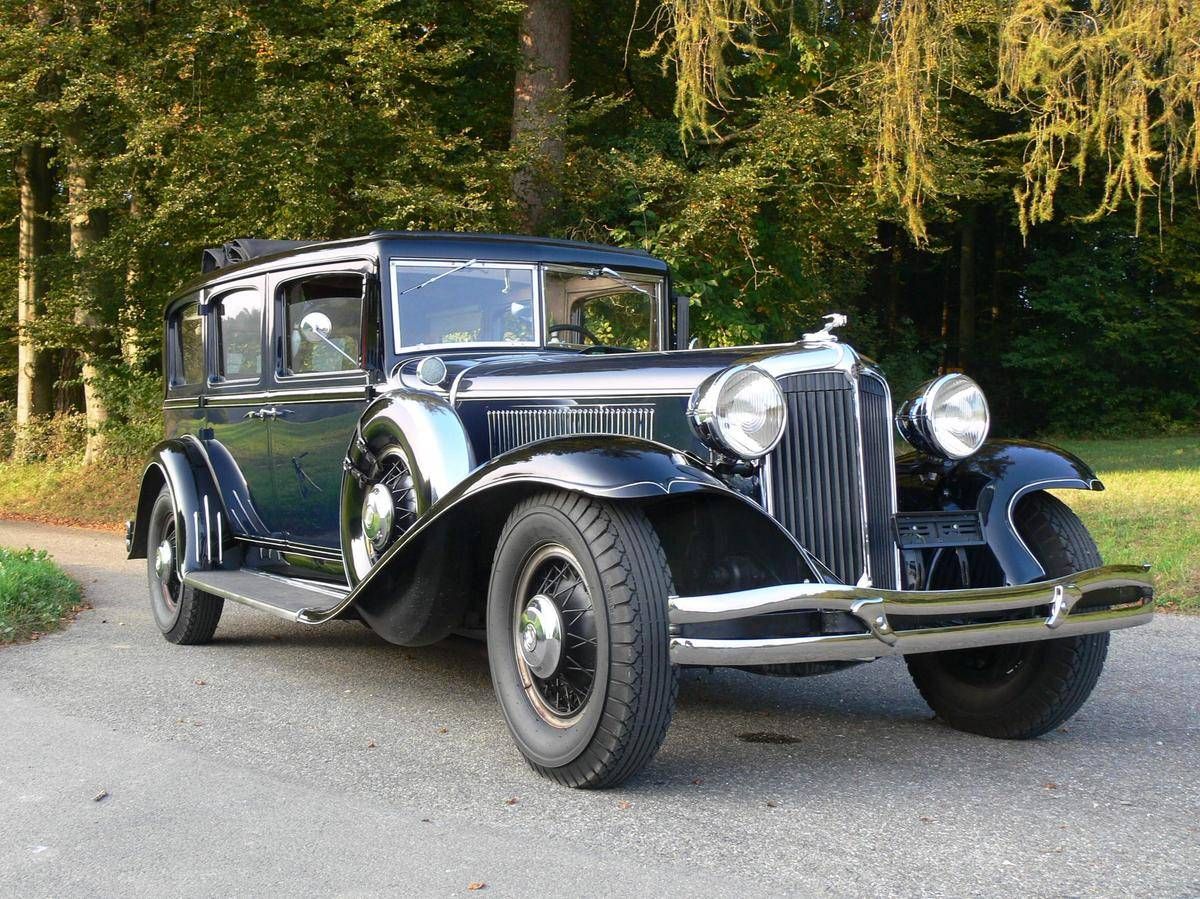
FLOWING FENDERS…The 1931 REO Royale was a trendsetter, introducing streamlining designs. The Great Depression would cause REO to abandon the manufacture of automobiles in 1936. (historicvehicle.org)

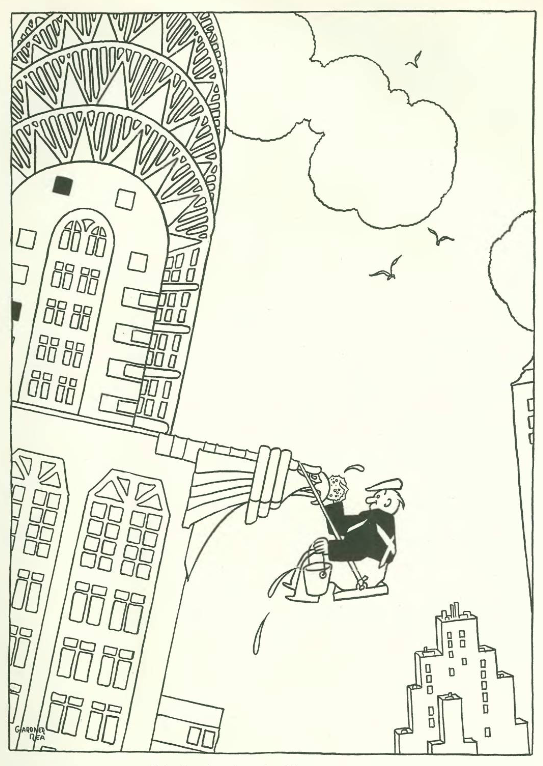
…over at the Chrysler Building, which served as that corporation’s headquarters from 1930 until the mid-1950s, new cars were on display on the building’s first two floors…

CATHEDRAL OF CARS…The first two floors of the Chrysler Building served as an auto showroom during the building’s first decade. (Wikipedia/thewelcomeblog.com)

…we segue to our advertisements, many from car companies touting their displays at the New York Automobile Salon. Like REO, Marmon was noted for various innovations, including the introduction of the rear-view mirror. It also manufactured a stunning 16-cylinder automobile that was on display at the 1931 Salon. But also like REO, the Depression proved too much for Marmon, and it was defunct by 1933…

SLEEK…The 1931 Marmon Sixteen. (RM Auctions)

…another car company that would fall to the Depression was the luxury brand Pierce Arrow. Without a lower-priced car in its lineup to provide cash flow, the company ceased operation by 1938…

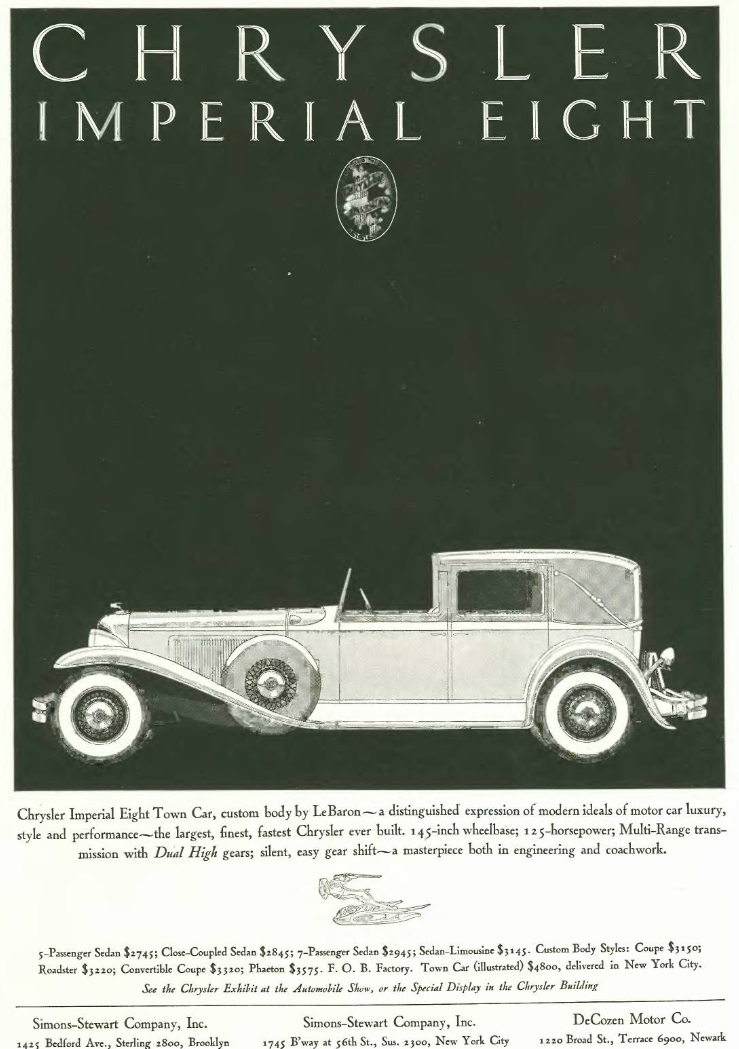
…by contrast, the Chrysler Corporation had several low-priced models to help it survive the lean years and enable it to produce its luxury model, the Imperial…

ANOTHER FIRST…Chrysler was also known for its innovative ways. A custom version of the Chrysler Imperial Eight included a dictaphone. (hemmings.com)

…the Hudson Motor Car Company is long gone, but in 1930 it was the third largest carmaker after Ford and Chevrolet, and instead of luxury it touted the affordability of its cars, especially its low-priced Essex line, priced $1,000 less than its predecessor from ten years earlier. The $595 Essex would be comparable to a $9,000 to $10,000 car today (by comparison, the 1931 Marmon or Imperial would set you back somewhere between $3,000 and $5,000, roughly equivalent to a $46,000 – $78,000 range today)…

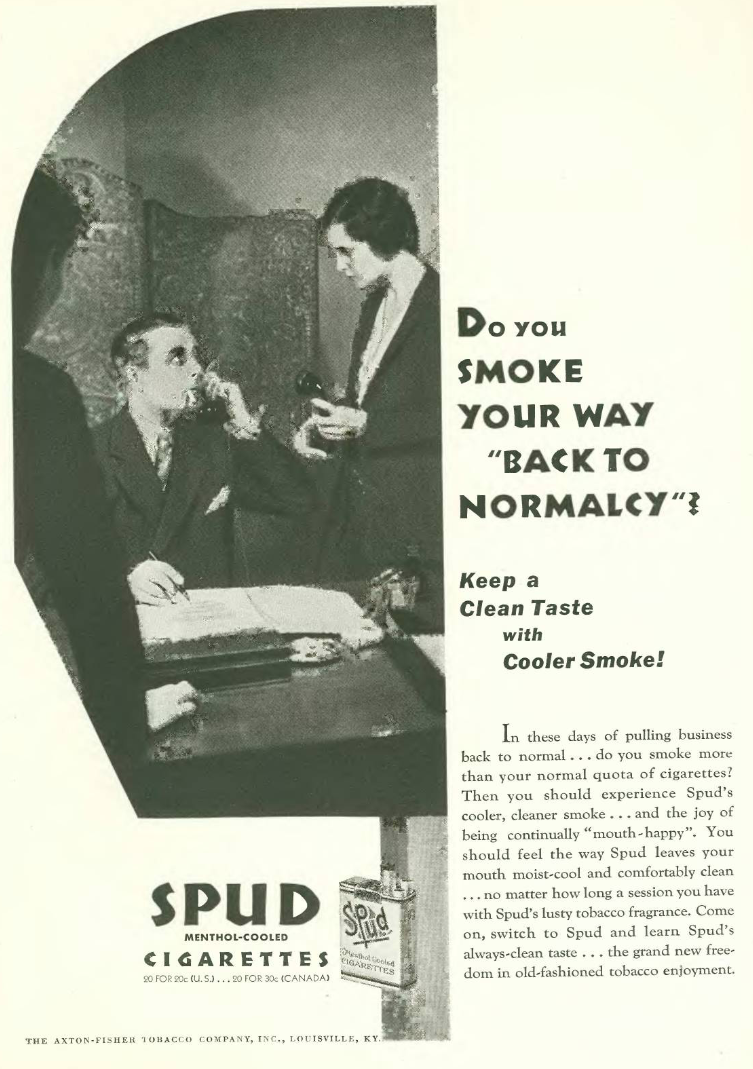
…so let’s say the Depression has wiped you out and you can’t even afford an Essex…well you could try to “smoke your way back to normalcy”…

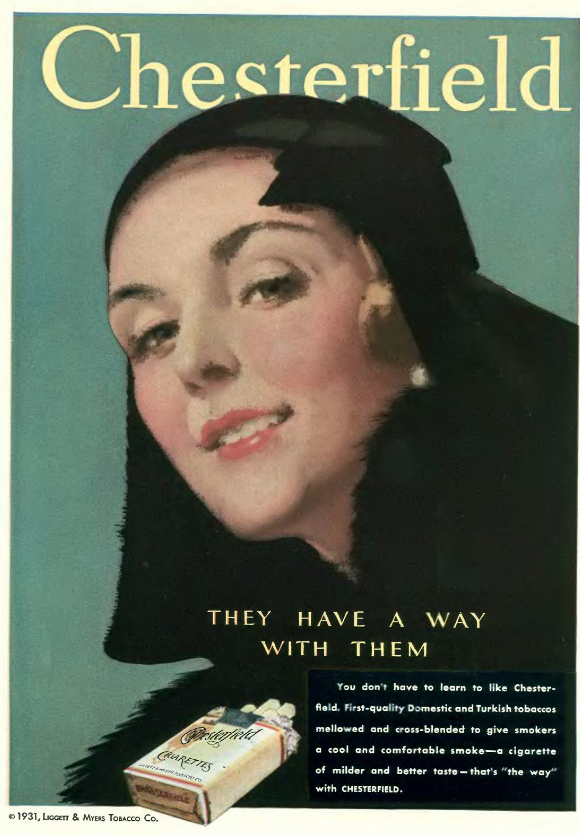
…or be like this pair, who seem content with their Chesterfields…

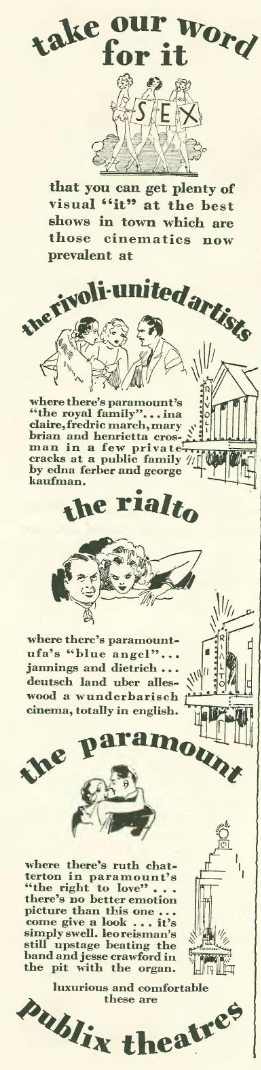
…of course the movies were another means of escape from the cruel world, and Paramount’s Publix Theatres promised plenty of sex to ease troubled minds…

PRE-CODE WORLD…During a brief period of the early sound era, many films used both sex and violence to attract audiences to theaters. The Publix Theatres ad above implied that these three films had plenty of sex, or “it” — clockwise, from top left, Fredric March ran around in his skivvies in The Royal Family of Broadway (1930); Mary Brian and Ina Claire portrayed acting sisters Gwen and Julie Cavendish in The Royal Family of Broadway; David Manners and Ruth Chatterton shared an embrace in The Right to Love (1930); and Marlene Dietrich lured a schoolmaster into a life of madness and despair in The Blue Angel (1929-30).

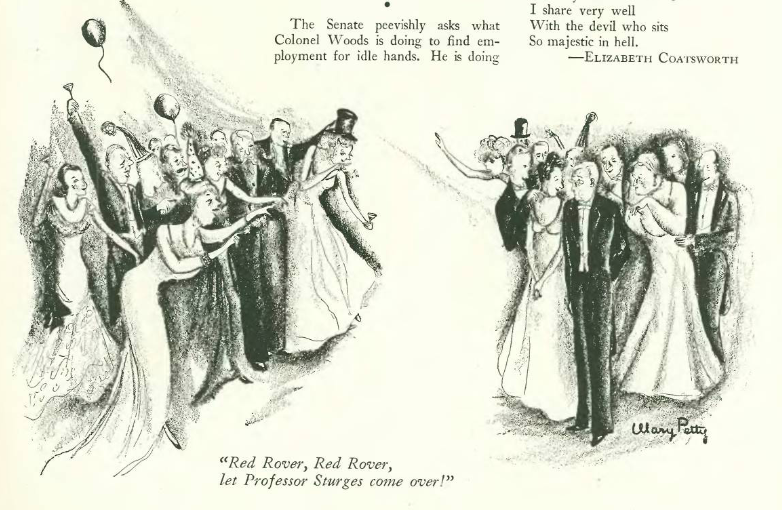
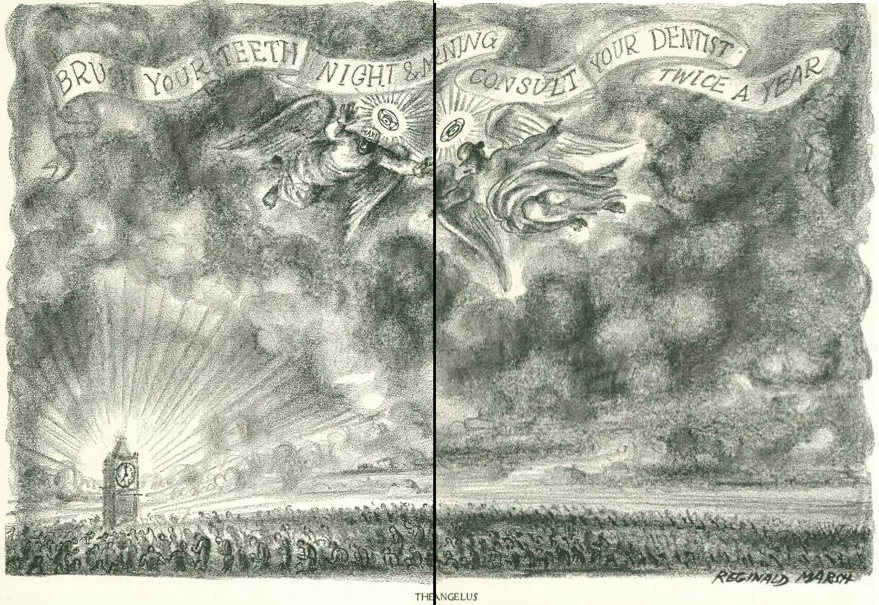
…and we close with our cartoonists…Reginald Marsh heralded the new year with this two-page spread depicting the heavens glorifying dental hygiene…

Leonard Dove inked two cartoons featuring table talk…

E. McNerney continued The New Yorker tradition of cartoons featuring sugar daddies and gold diggers…

Gardner Rea pondered the value of kitsch in a regal setting…

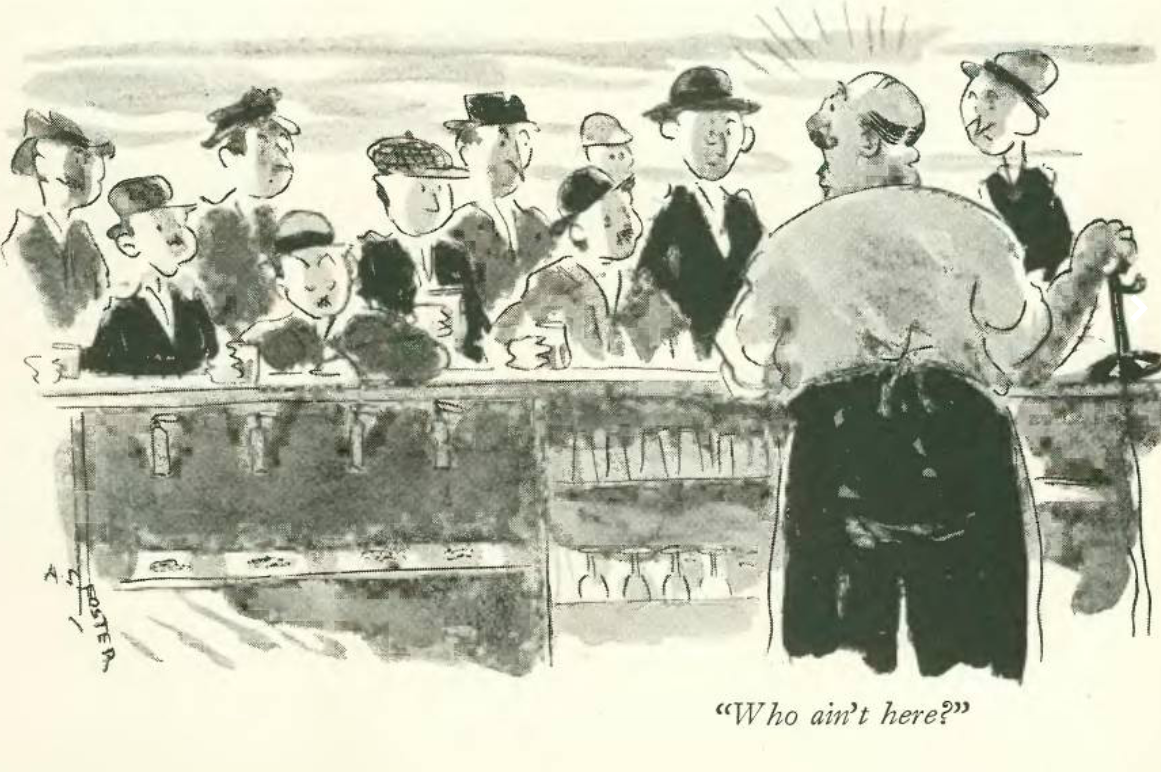
A.S. Foster looked in on a crowd of John Does at a speakeasy…

…and Lillian Reed took us shopping with a very specific request…

Next Time: Requiem For the Flapper…


Ziegfeld’s Folly

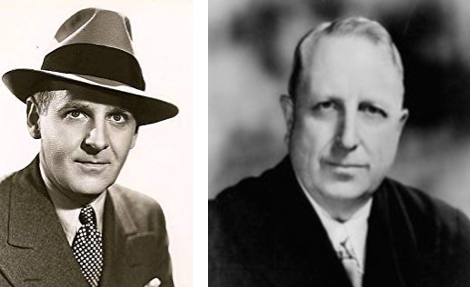
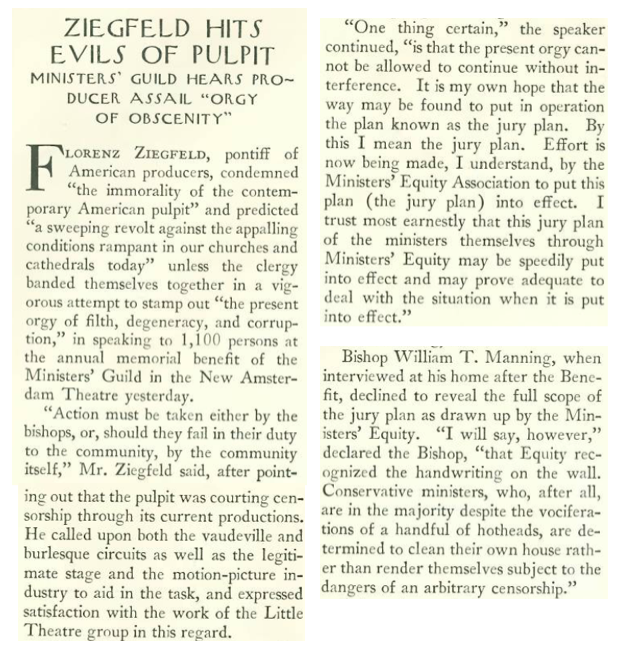
Broadway impresario Florenz Ziegfeld Jr knew how to pack a Broadway theater, and from 1907 to 1932 he staged a number of revues and plays (most notably Showboat) that featured lavish costumes and a bevy of chorus girls.

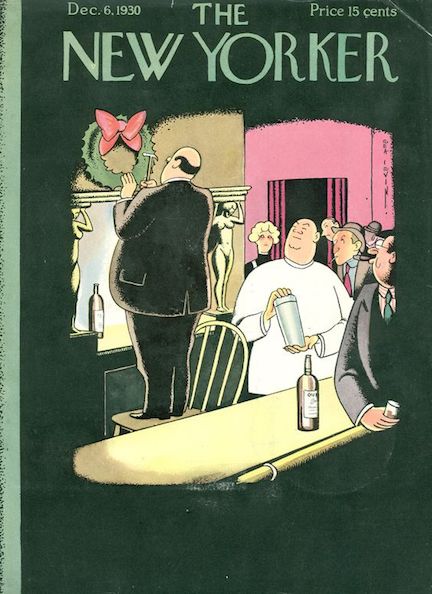
Dec. 6, 1930 cover by Rea Irvin, depicting a peephole view of a speakeasy during the holidays.

When his latest show, Smiles, hit the stage of the Ziegfeld Theatre on Nov. 18, 1930, it was greeted by an audience that had endured the first year of the Great Depression. Ziegfeld’s entertainments, on the other hand, were more associated with the high times of the Roaring Twenties. So even the popular brother-sister dance team from Omaha — Fred and Adele Astaire — seemed a bit old hat.

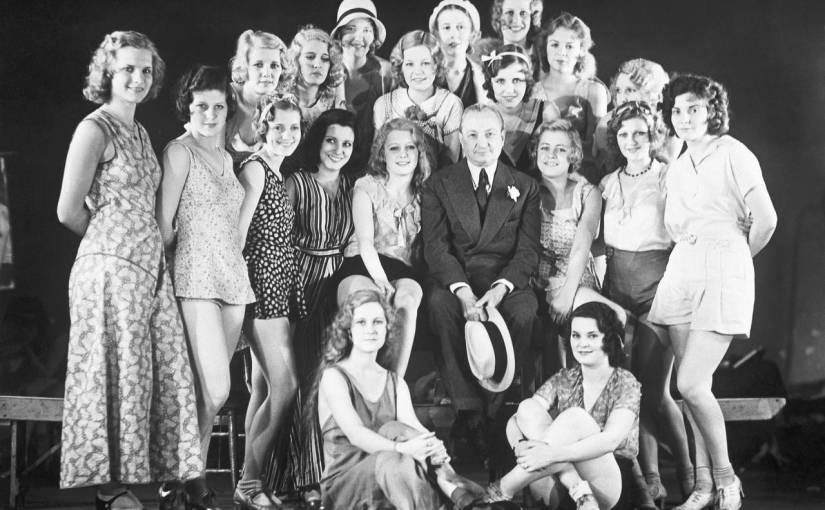
GO WITH THE FLO…Broadway impresario Florenz “Flo” Ziegfeld Jr with his Follies cast, 1931. (Wall Street Journal)

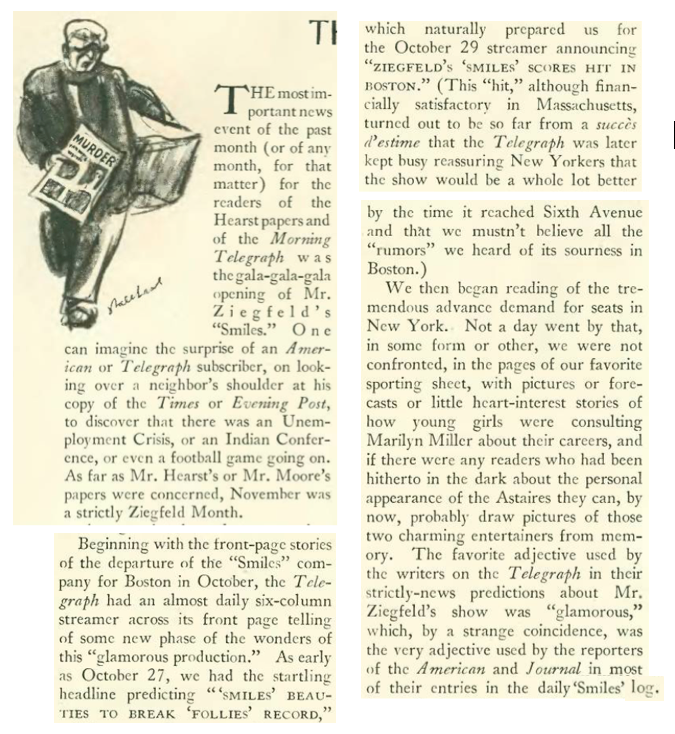
Or so it seemed to Robert Benchley, who observed in “The Wayward Press” that most of his readers could draw pictures of the Astaires from memory. But what really irked Benchley was the way William Randolph Hearst manipulated his mighty newspaper empire to promote Ziegfeld’s Smiles in a way that made the show appear to be the biggest hit of the year.

Ziegfeld Theatre was built with Hearst’s financial backing, so the media mogul was determined that the show would be a success, commanding his editors and writers to lavish praise on the tepid production, which would close in less than two months as a box office failure.

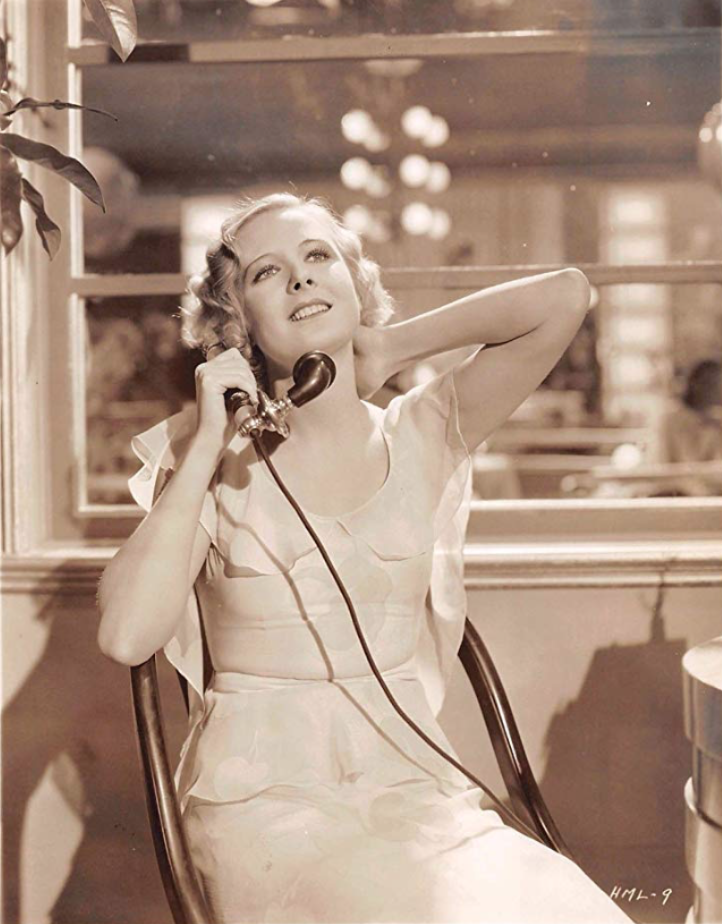
SAY CHEESE…Program for Smiles featuring Fred Astaire, Marilyn Miller and Adele Astaire. At right, publicity photo for Smiles featuring Fred and Marilyn. (Playbill/Pinterest)

For the Astaires, they were nearing the end of their 27-year collaboration — Adele would retire from the stage in 1932 to marry Lord Charles Cavendish, and in 1934 Fred would pair up with Ginger Rogers for the first of nine films they would make together for RKO. Marilyn Miller, one of the most popular Broadway stars of the 1920s and early 1930s, would also seek her fortune in films, but would only make three. Alcoholism and persistent sinus infections would cut her life short in 1936 — she would die at age 37 from complications following nasal surgery.

BRIEF CAREER…Marilyn Miller in 1931’s Her Majesty, Love, one of just three films she would make before her death in 1936. (IMDB)

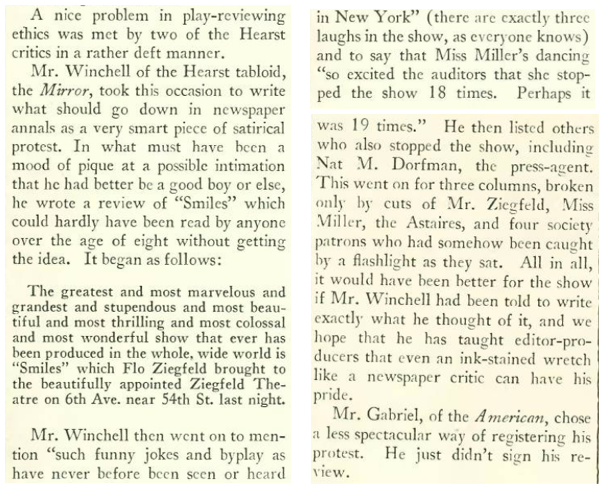
Benchley revealed how some of Hearst’s reporters responded to the edict from their boss:

TWEAKING HIS NOSE…Walter Winchell, left, registered his protest against his boss, William Randolph Hearst, by laying it on thick in his column. (IMDB/BBC)
THE FOLLY OF FOLLIES…Robert Benchley (left) cried foul regarding Hearst’s attempt to prop up a lousy show; Ogden Nash (right) found humor in the “immorality” of Ziegfeld’s productions.  (Wikipedia/Notable Biographies)

On a related note, Ogden Nash also zeroed in on Ziegfeld’s latest show, turning the tables on religious zealots who found the Follies immoral. An excerpt:

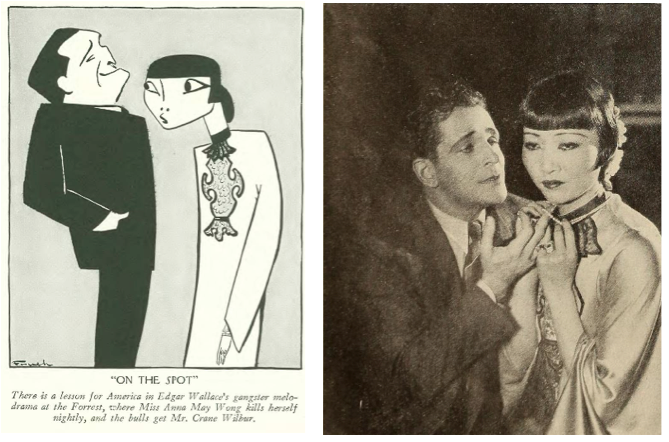
And finally, one more theater-related item: a drawing by Al Frueh highlighting the melodrama On The Spot, which ran from Oct. 29, 1930 through March 1931 at the Forrest Theatre.

BETTER THAN ZIEGFELD, THIS…At right, Crane Wilbur and Anna May Wong in the melodrama On The Spot, which opened Oct. 29, 1930 at the Forrest Theatre. (New Yorker/Pinterest)

 *  *  *

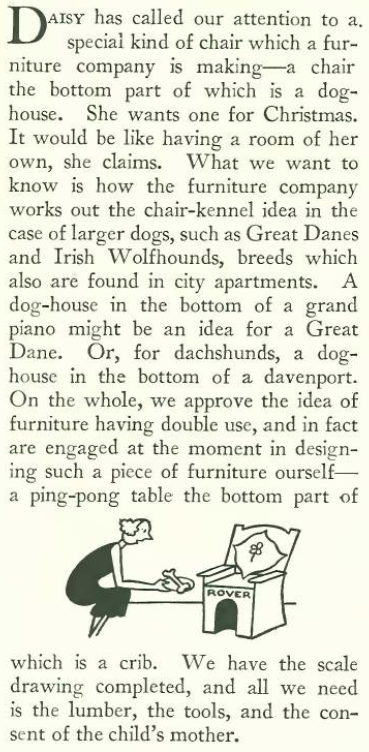
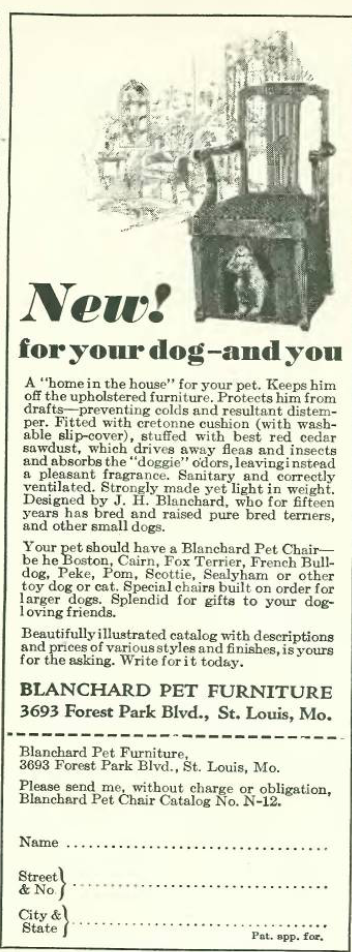
In the Dec. 6, 1930 “Notes and Comment,” E.B. White shared his observations on a new type of chair that doubled as a dog house…

…and he wasn’t making it up, because the chair he described was featured in this ad from the same issue…

 *  *  *

Drunk History

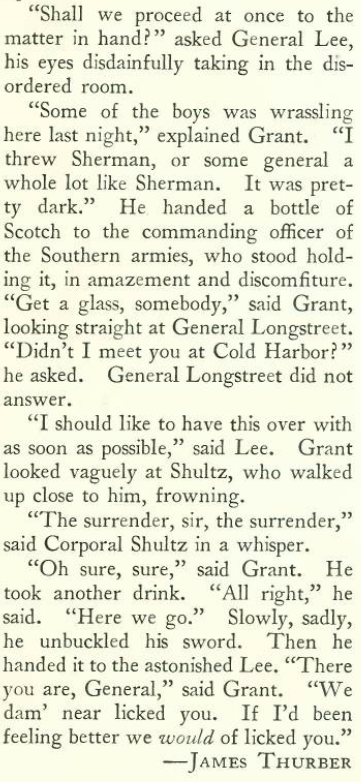
In the fall of 1930 Scribner’s magazine published a series of three articles titled “If Booth Had Missed Lincoln,” If Lee Had Not Won the Battle of Gettysburg,” and “If Napoleon Had Escaped to America.” The New Yorker’s James Thurber claimed to be the author of a fourth article, “If Grant Had Been Drinking At Appomattox.” An excerpt:

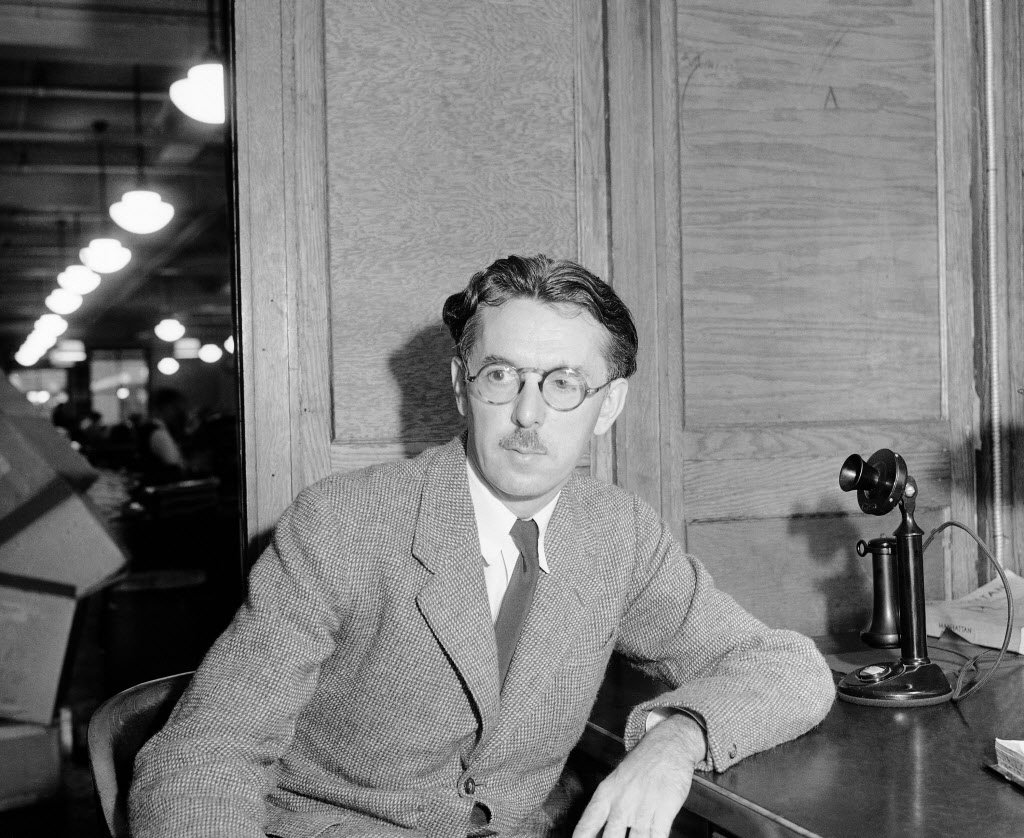
REVISIONIST…James Thurber circa 1930. (thurberhouse.org)

   *  *  *

From Our Advertisers

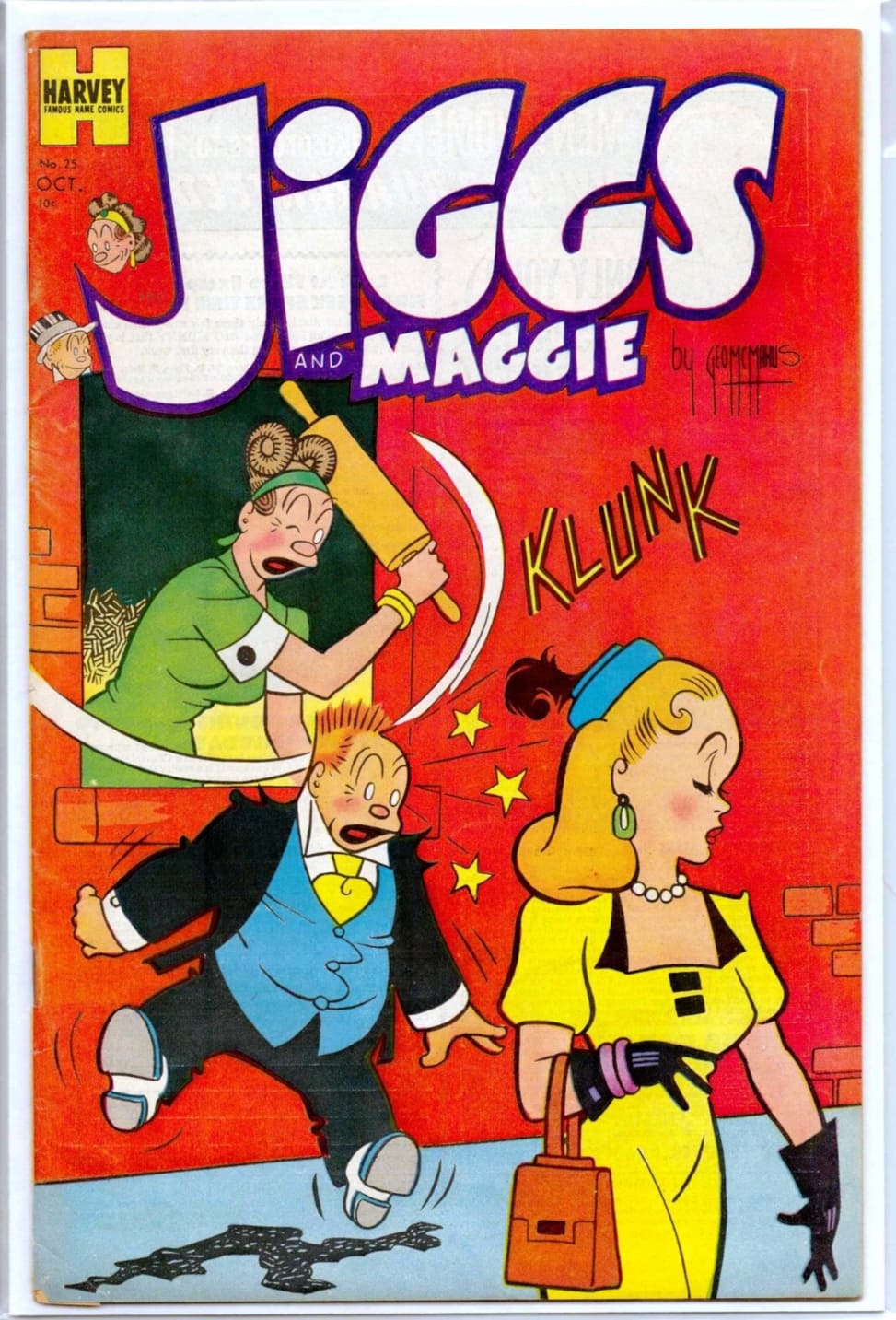
The rolling pin was often deployed as a prop — especially in the comics — to illustrate marital discord; the makers of Hoffman ginger ale used the common trope to sell their fizzy drink…

…for reference, Maggie gives it to Jiggs in this comic book cover from 1953…

(Good Girl Comics)

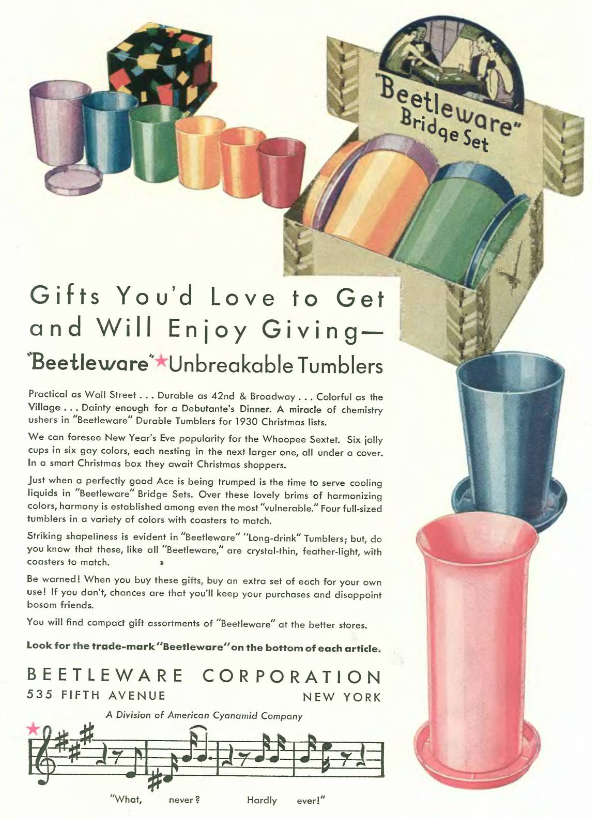
…the issue was stuffed with ads for Christmas shoppers, ranging from colorful plastic tumblers…

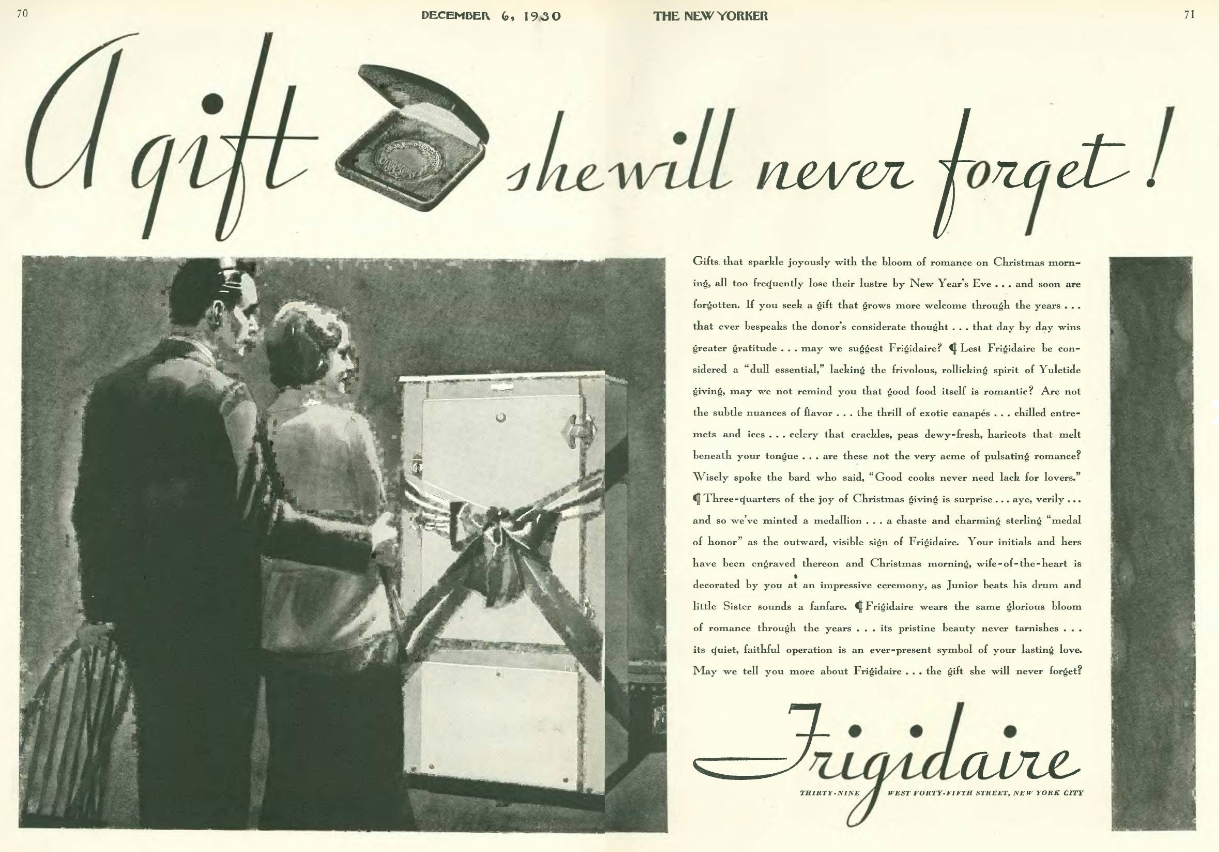
…to “unforgettable” appliances…

…to a variety of accessories at Wanamaker’s…

…Macy’s offered this pajama and robe combination for (insufferable) little boys who “strive for sartorial effect”…

…while Burdine’s of Miami urged snowbirds to purchase multiple wardrobes to remain fashionable throughout the winter season…

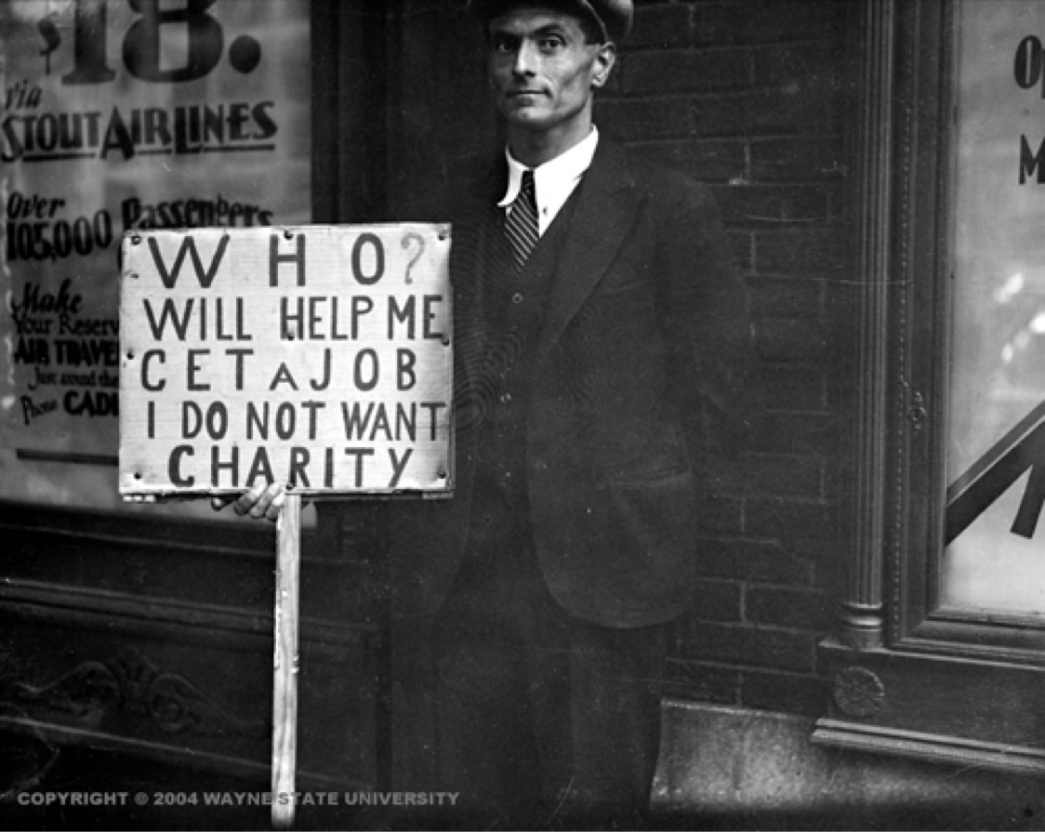
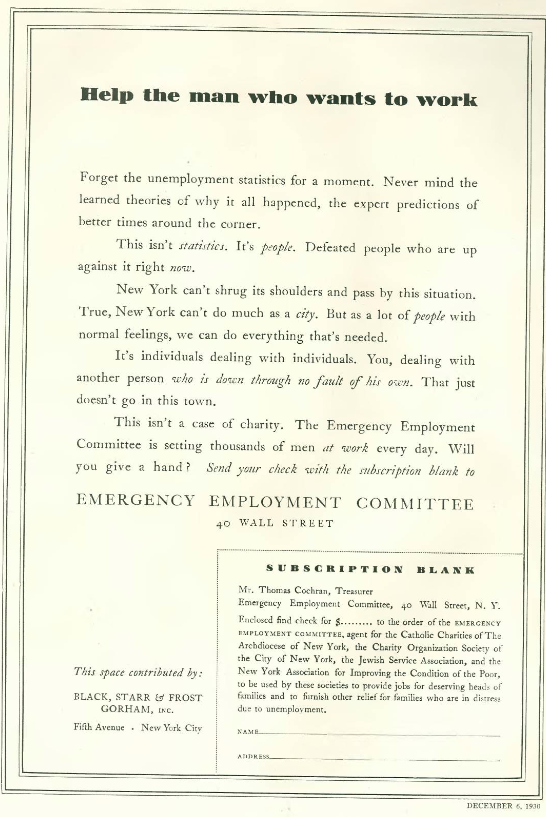
…and in stark contrast, this ad appealed for donations to help the jobless…

…our cartoons are supplied by Art Young

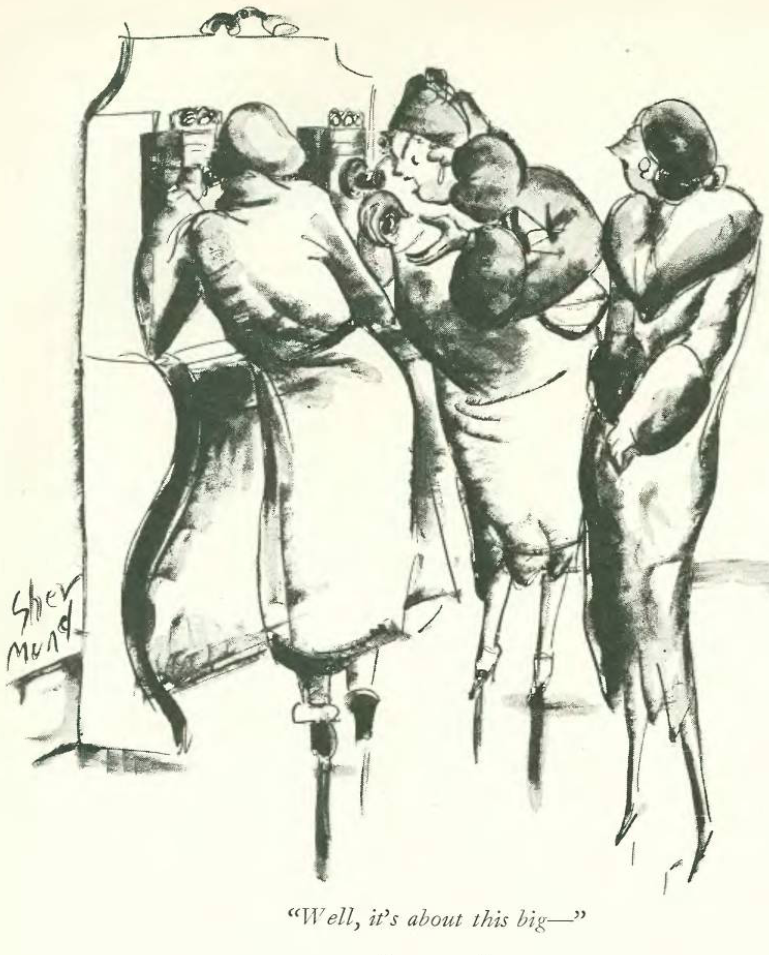
…the ever reliable Barbara Shermund

…and equally reliable Peter Arno

…and Helen Hokinson

…and we close with this gem by Garrett Price

Next Time: A Blue Angel…