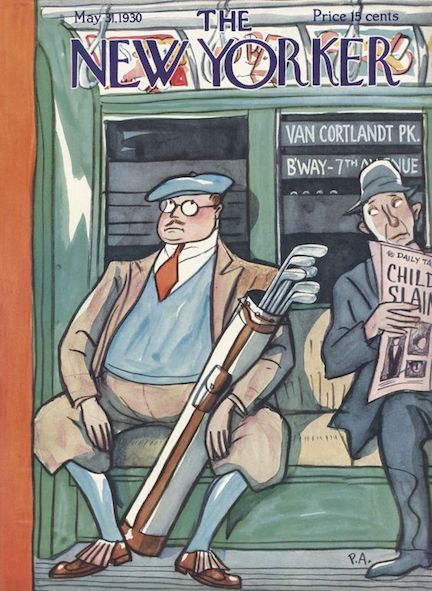
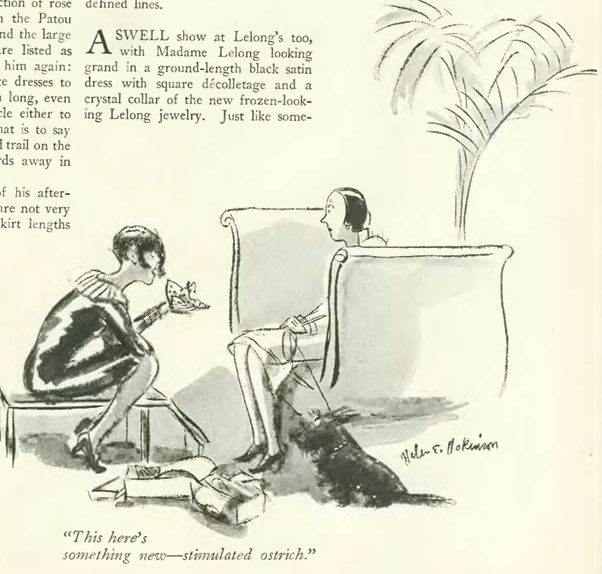
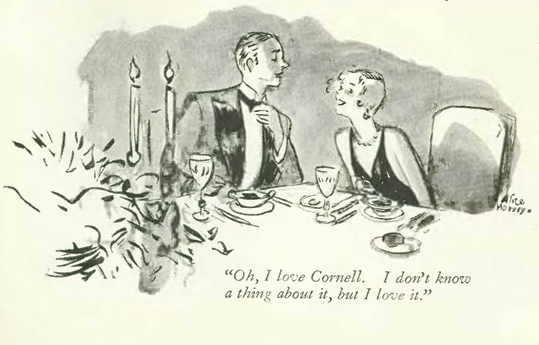
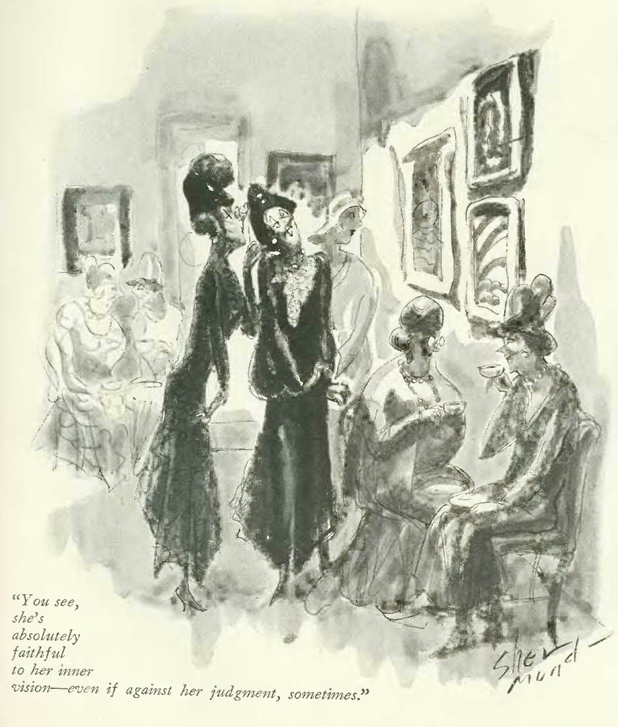
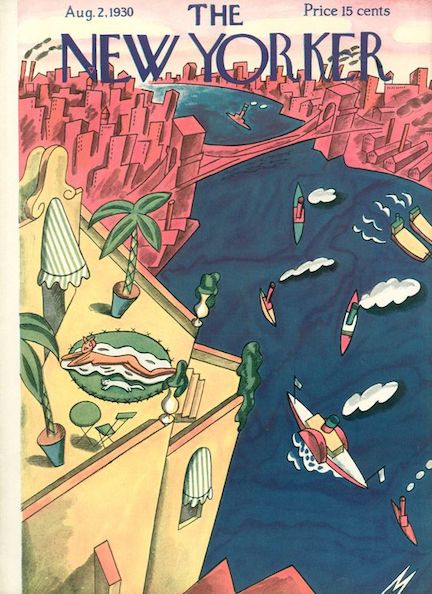
The end of Prohibition was more than three years away, but New Yorkers could already sense that the tide was quickly turning against the “drys” who had succeeded a decade earlier in enacting a nationwide ban on most alcohol production and distribution.
Aug. 2, 1930 cover by Julian De Miskey.
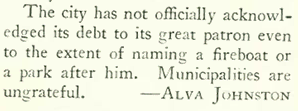
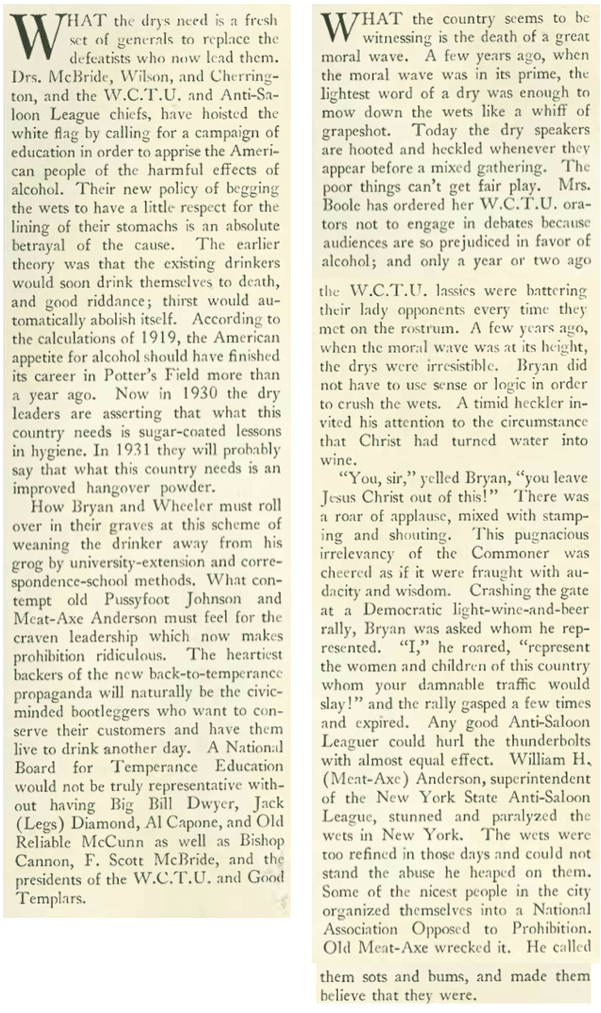
In the Aug. 2 issue Alva Johnston seemed to relish the opportunity to aim some withering fire at the retreating “drys”…
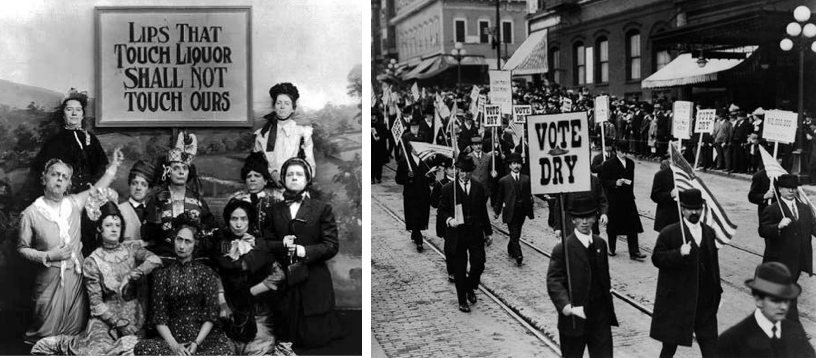
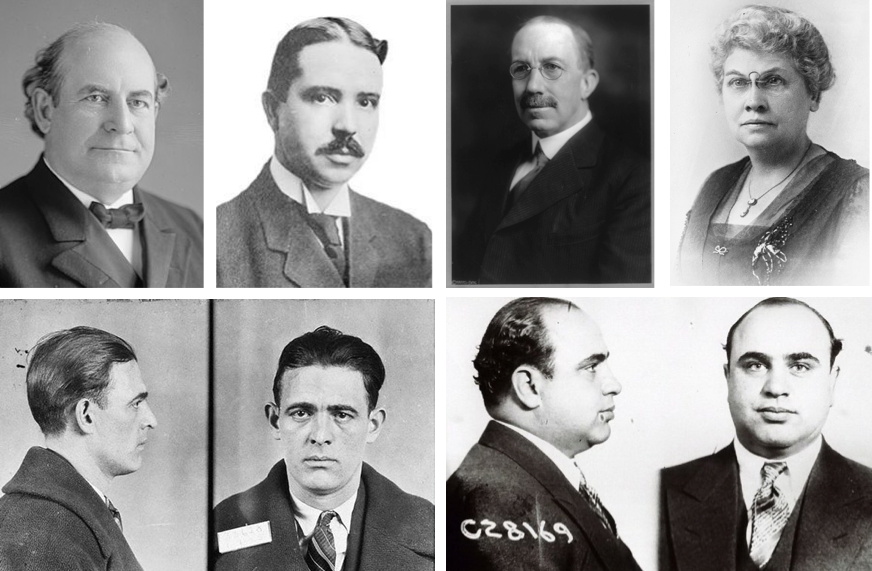
NOT EXACTLY LYSISTRATA…The Woman’s Christian Temperance Union (left) and the Anti-Saloon League were major forces behind a nationwide constitutional ban on the production, importation, transportation and sale of alcoholic beverages in the U.S. (Pinterest/PBS)
Johnston noted how the “wet” forces were even using the Bible to beat down the moral crusaders…
DIDN’T SEE THAT COMING…What began as moral crusade led to the rise of some of America’s most notorious gangsters. Top, left to right, early 20th century temperance supporters included attorney and politician William Jennings Bryan, Anti-Saloon League leaders William “Meat-Axe” Anderson and Wayne Wheeler, and Ella Boole, head of the Woman’s Christian Temperance Union; bottom, left to right, mugshots of Jack “Legs’ Diamond and Al Capone. (Wikipedia/findagrave.com/Flickr)
* * *
Clear as Mud
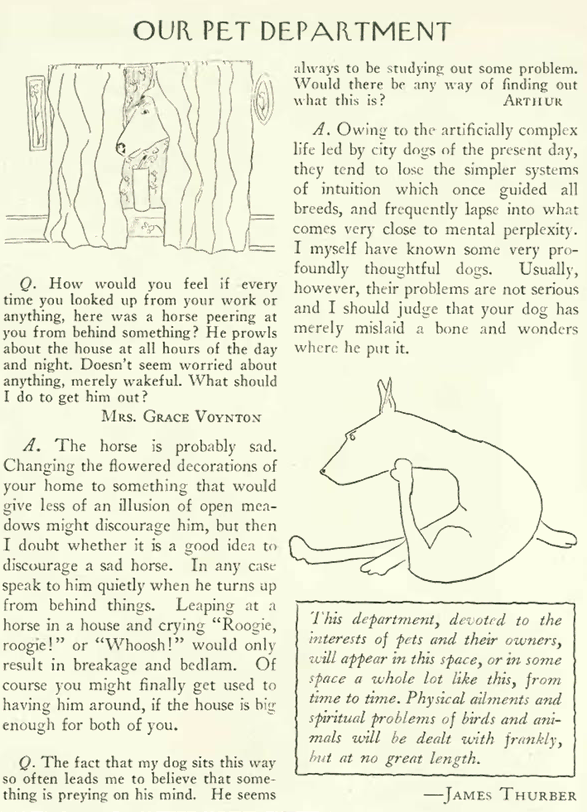
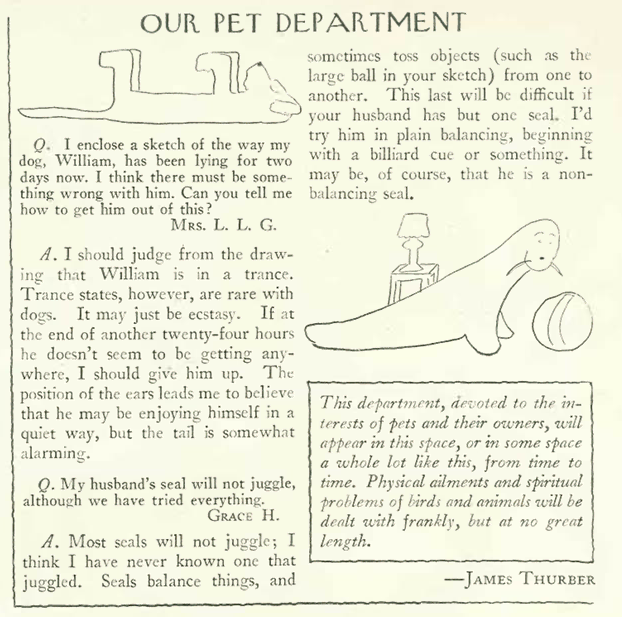
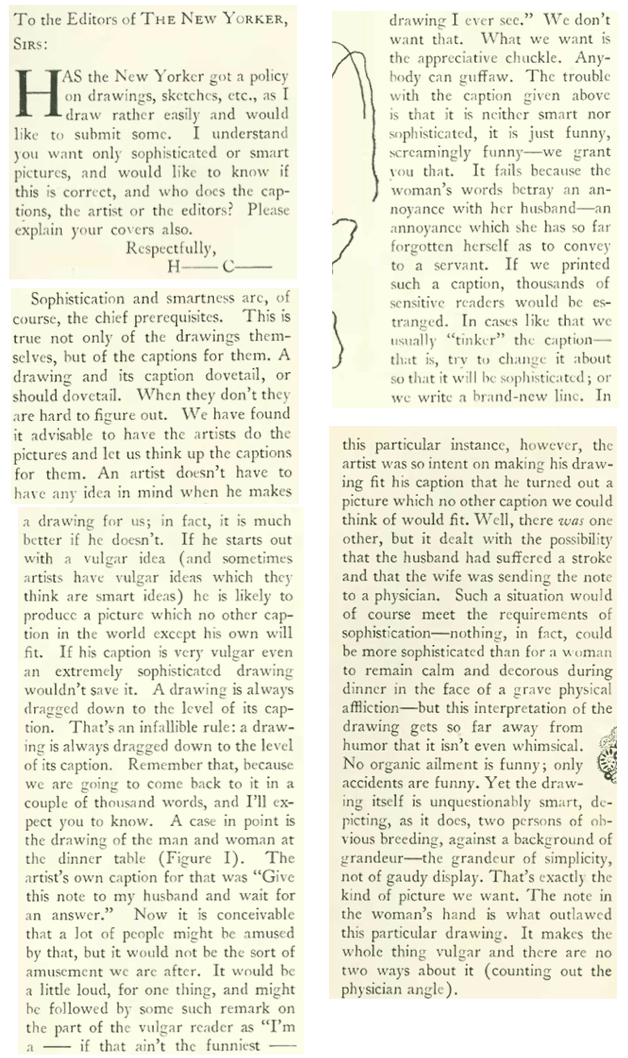
In another installment of “Answers-To-Hard-Questions Department,” James Thurber fielded a question regarding The New Yorker’s policy on drawings and sketches. Here is Thurber, posing as “Wayne Van R. Vermilye”…
* * *
Double Standard
In its first years The New Yorker looked down on the subtle and not-so-subtle racism in American life; that is, when it applied to black intellectuals and artists (Dorothy Parker’s “Arrangement in Black and White” in the Sept. 30, 1927 is a prime example). However, in its cartoons and in “Talk of the Town” shorts, working class blacks were almost always depicted as minstrel characters, mammies, pickininnies and the like. In the Aug. 2 book review section, we have an example of the former, more or less…
WITHOUT LAUGHTER…Eslanda Goode Robeson, left, in the avant-garde film Borderline (1929); Langston Hughes photographed by Carl Van Vechten in the 1930s. (columbia.edu/beinecke.library.yale.edu)
* * *
From Our Advertisers
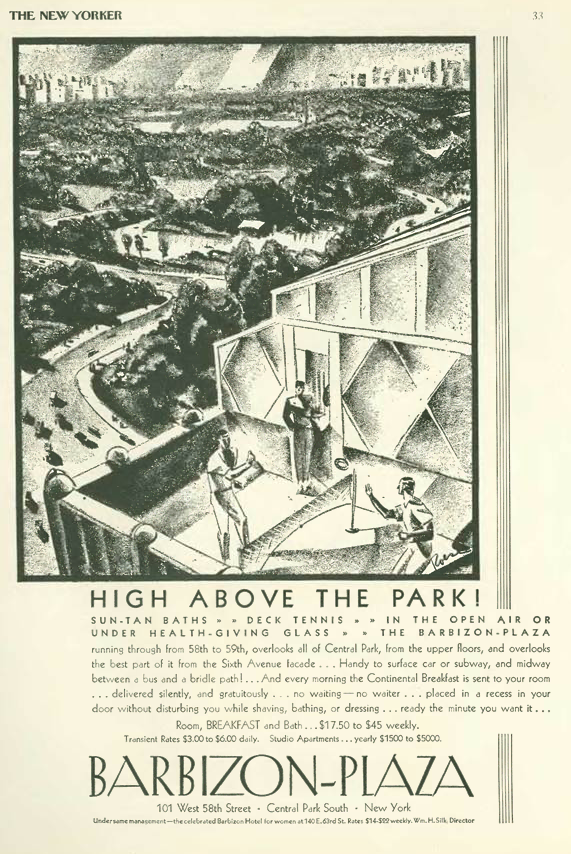
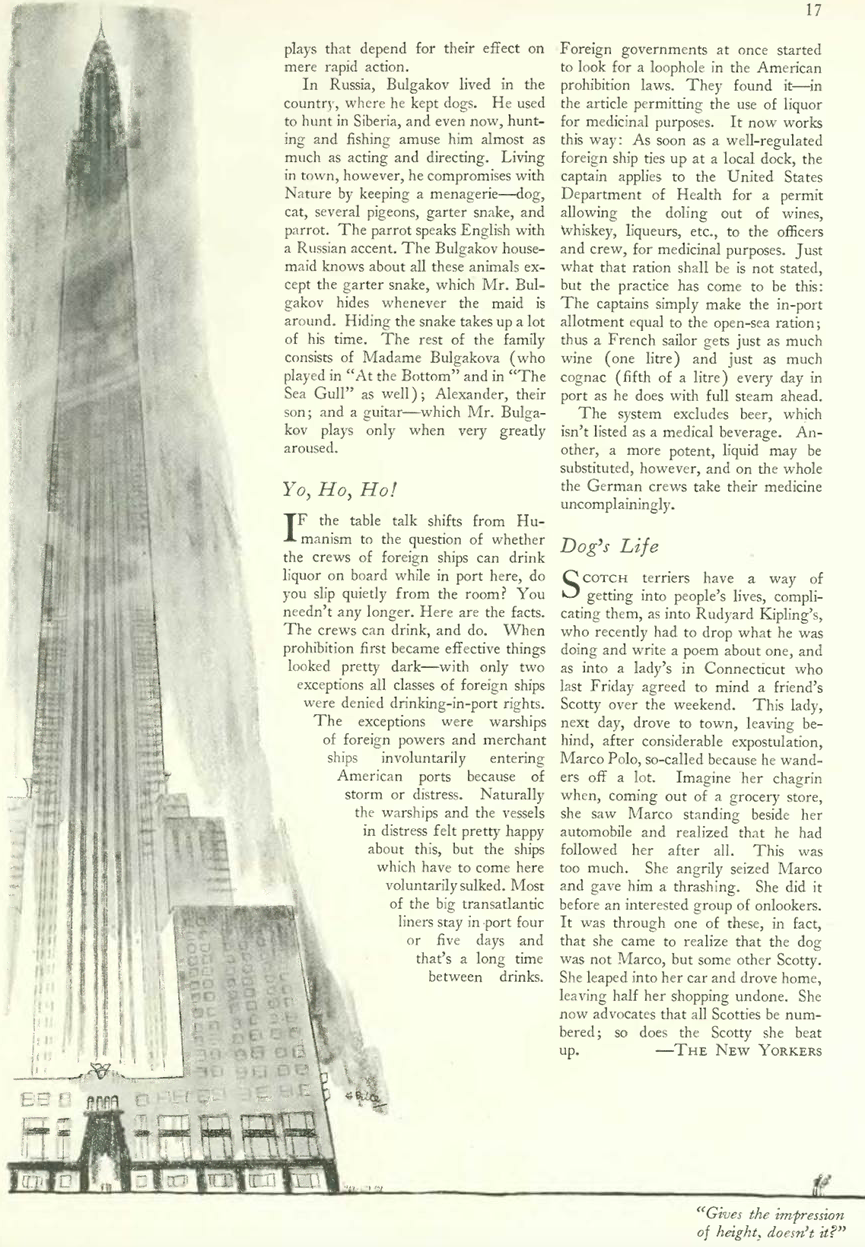
The 38-story Barbizon-Plaza Hotel was designed to appeal to artists and musicians and included soundproof practice rooms, art studios, and two performance halls. Apparently you could also enjoy a game of deck tennis on the rooftop, but one wonders how much damage one could inflict — on a car or person — with a solid rubber ring dropped from a height of nearly 400 feet…
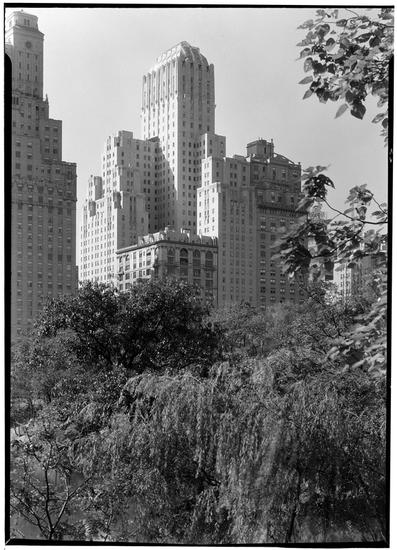
ARTLESS…The Barbizon-Plaza Hotel opened at 106 Central Park South in 1930 with 1,400 ensuite rooms. Designed to appeal to artists and musicians, the Depression put an end to that dream, and the property was foreclosed on in 1933. Donald Trump purchased the building in 1981 with the intent of tearing it down, but eventually converted it into 340 condo units and renamed it the “Trump Parc.” (MCNY)
…Lorillard Tobacco Company, the makers of Old Gold cigarettes, tapped into the popularity of crooner Rudy Vallée to move their product, boasting that like Vallée their cigarette was something of an overnight sensation (residents of Chicago, the ad noted, smoked three million Old Golds every day)…
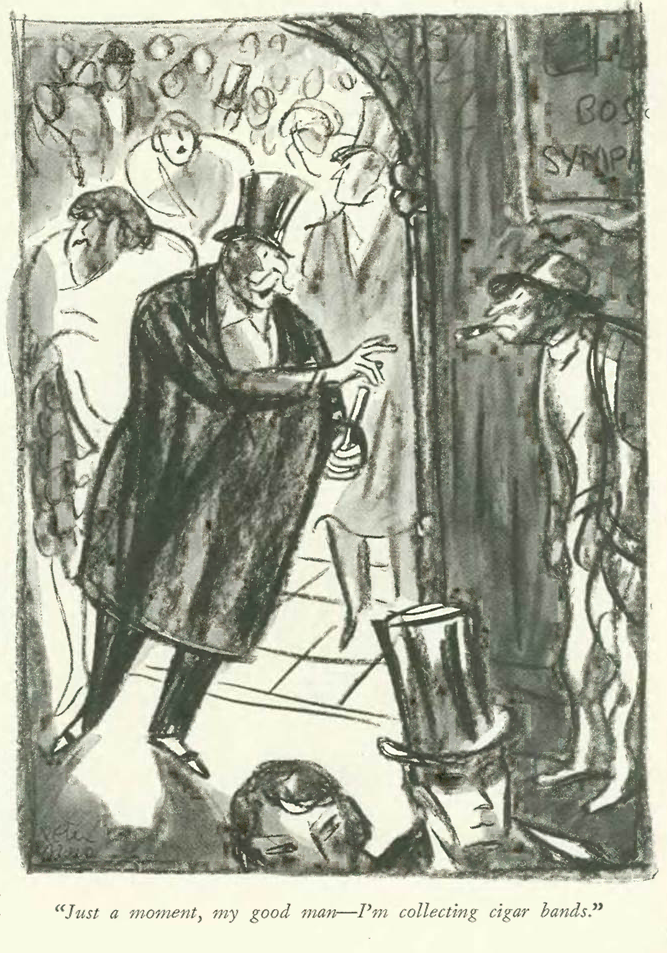
…on to our cartoons…a couple issues back, I noted how this Peter Arno drawing appeared in three consecutive issues with different captions…here it is again, and the story of the two lovers continues…
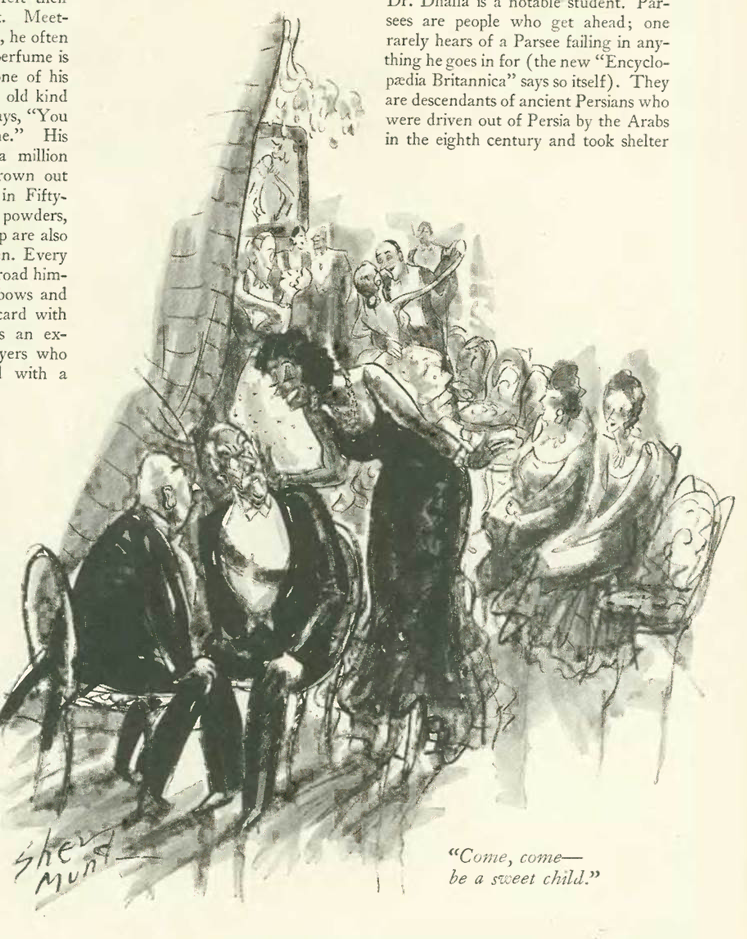
…also continuing were these full-page cartoons (originally displayed sideways) by Rea Irvin…his “Country Life in America,” scenes depicted common folks setting up camp and enjoying other other activities at the expense of country squires…
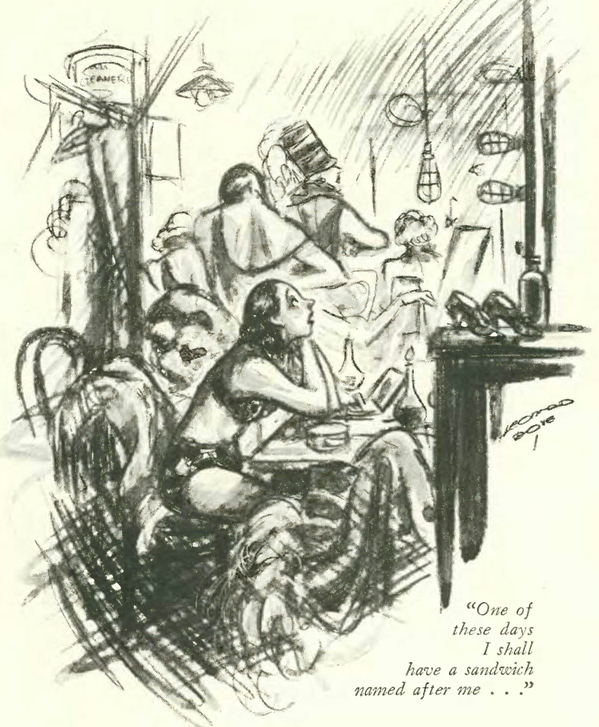
…and we end with Leonard Dove and a couple of city folk looking for some excitement in the country…
Note: the above cartoon refers to Texas Guinan’s move to country after reigning for a nearly a decade as Manhattan’s “Queen of the Nightclubs.” Facing declining fortunes, in 1929 she took her nightclub act to the quiet village of Valley Stream, New York, located just south of Queens in Nassau County. The venture quickly went bust.
Since time immemorial human beings have clung to the idea that unknown lands must surely contain vast mineral treasures.
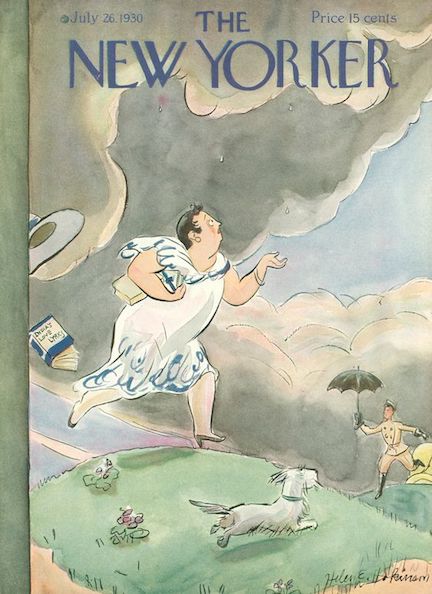
July 26, 1930 cover by Helen Hokinson.
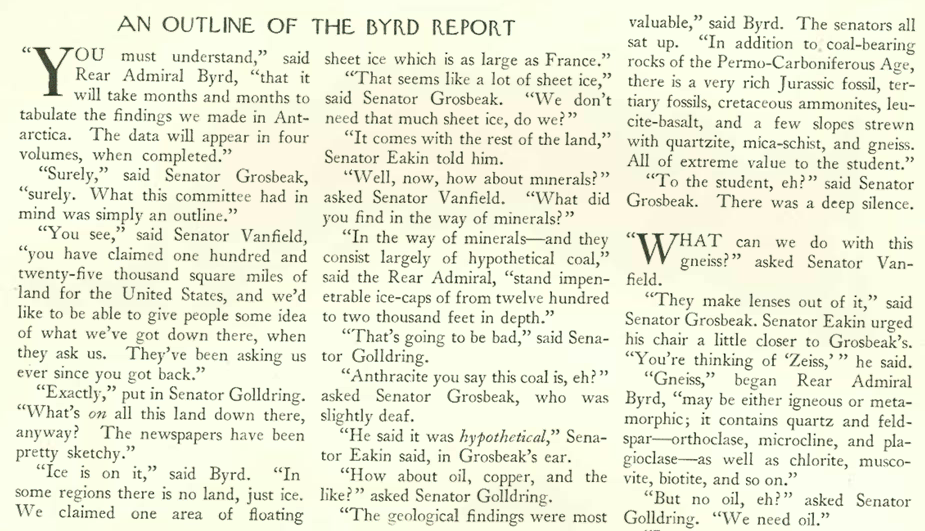
Such was the case when Admiral Richard Byrd returned from his Antarctic expedition, during which he conducted a number of geological studies. Ever ready to tweak a senator’s nose, TheNew Yorker’sJames Thurber imagined an exchange between Byrd and a U.S. Senate subcommittee that was more interested in exploitable commodities than in scientific discoveries:
HMMM, NO OIL HERE…Richard Byrd’s expedition building their “Little America” encampment at the South Pole in 1928. (osu.edu)
One passage of particular interest in this imagined exchange dealt with the speed of climate change in relation to potential mineral extraction…
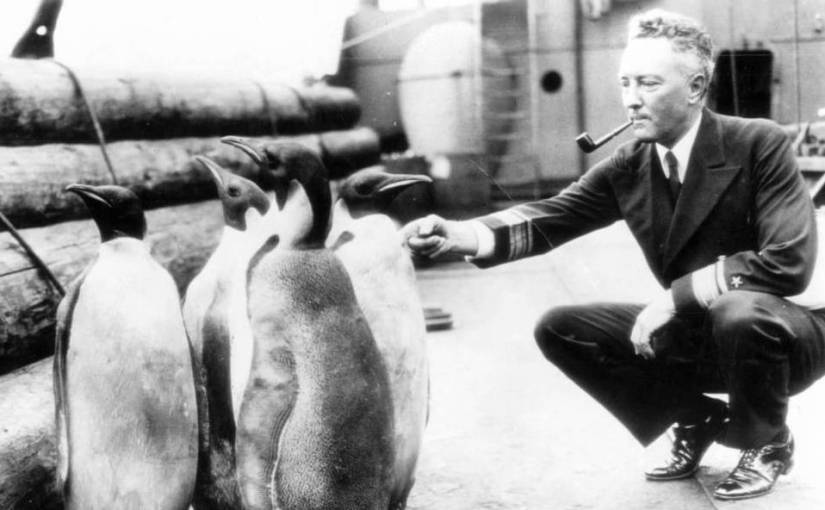
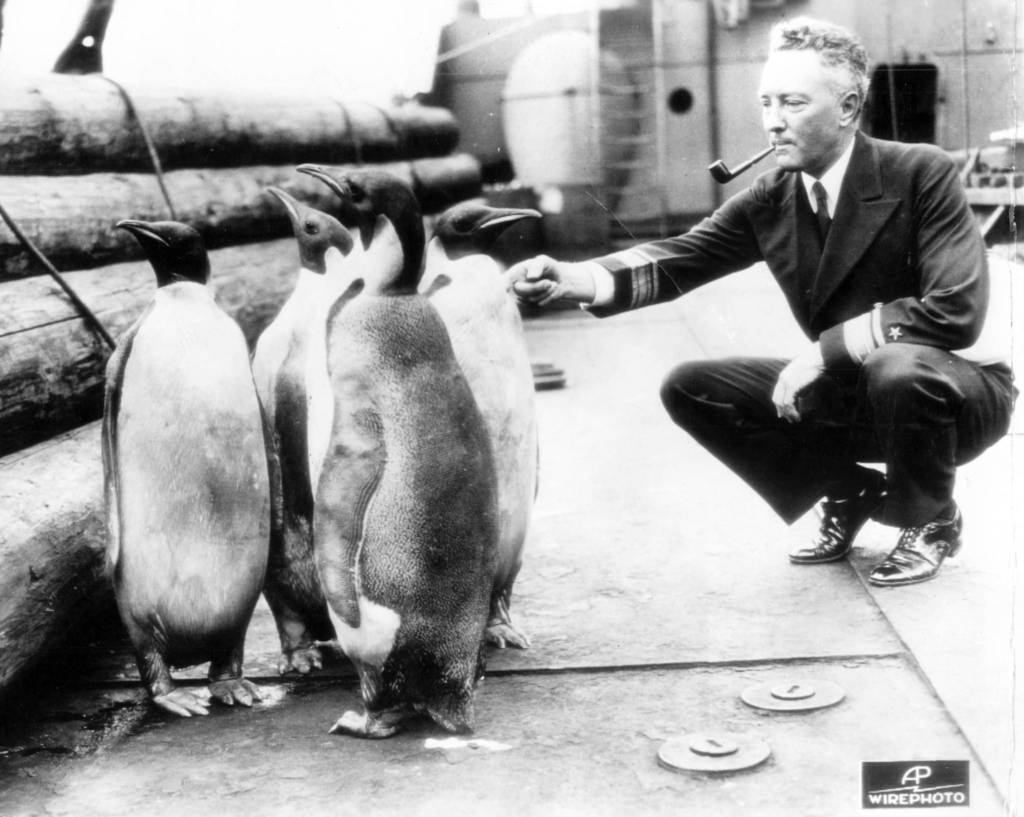
BIRDS MEET BYRD…Admiral Richard Byrd onboard the USS Bear during his second expedition to the South Pole. (Wikipedia)
* * *
Before CNN
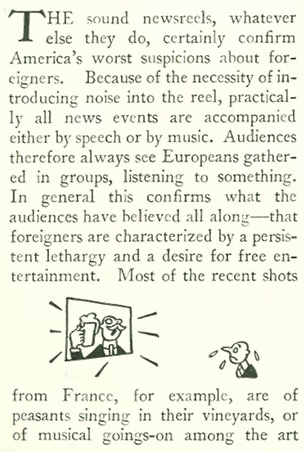
Newsreels came into their own with the advent of sound, offering moviegoers a selection of news stories from the around the world. In his “Notes and Comment,” E.B. White observed that newsreels depicted foreigners as people who just liked to hang out (note the racial slur directed at Latin Americans). White’s characterization of Germans as an indolent lot is also noteworthy, given the country was just two and half years away from Nazi takeover.
TANZEN UND TRINKEN…Kroll’s Biergarten in Berlin in September 1928; English visitors raise a glass at a beer hall in Hesse, 1929. (YouTube)
* * *
Speaking of Slurs
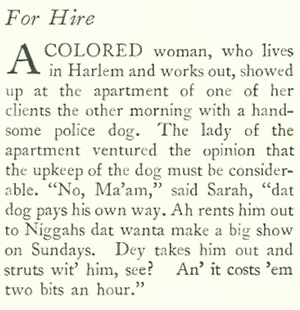
Here is what passed for a humorous anecdote in the July 26, 1930 “Talk of the Town”…
* * *
Star Power
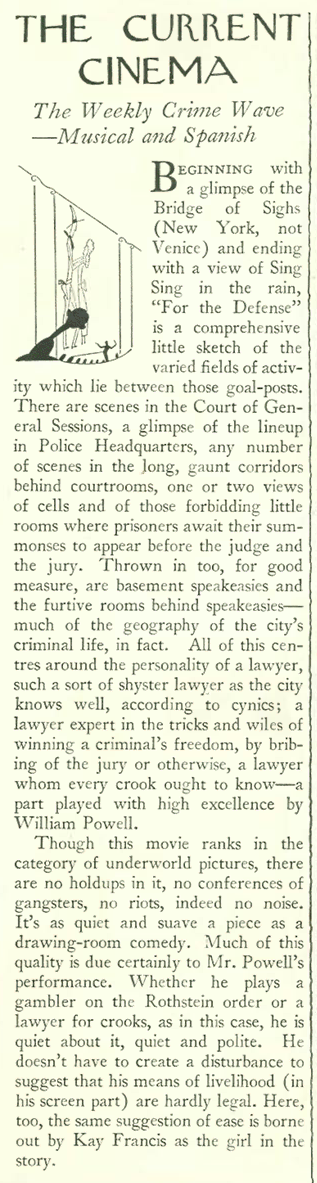
William Powell and Kay Francis were frequent co-stars, and would team up for the 1930 courtroom drama For the Defense. Powell and Francis would be two of Hollywood’s biggest stars in the 1930s.
LET’S MAKE A PICTURE…Frequent co-stars William Powell and Kay Francis in a publicity photo for 1930’s For the Defense. Francis was a longtime friend of The New Yorker’sLois Long. (IMDB)
* * *
From Our Advertisers
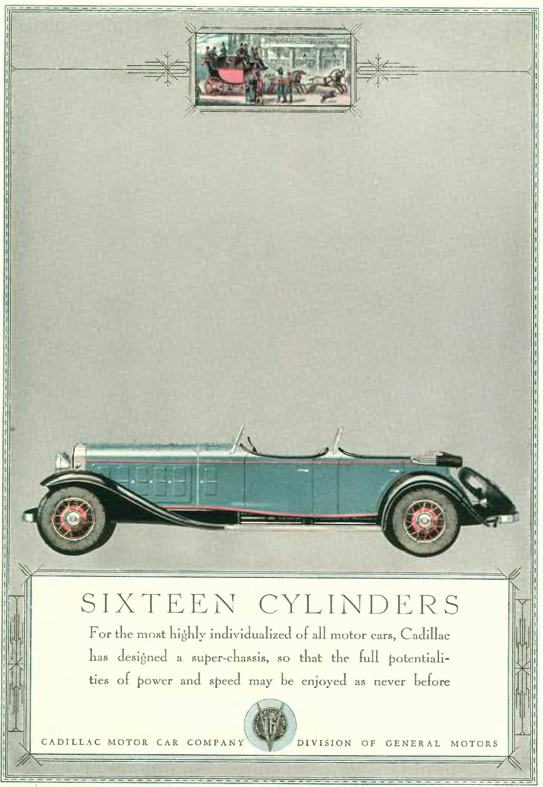
What Depression? As bread lines lengthened so did the “super-chassis” of this monster Cadillac…
…in contrast, this ad in the Aug. 2 issue questioned the necessity of a 4,000-pound car (or in the case of the 16-cylinder Cadillac, 6,500 pounds), and touted this “common sense” British import…imagine the America of today if this idea would have taken hold in the 1930s…
…we return to the June 26 issue to find an ad that would likely not appear in today’s New Yorker…
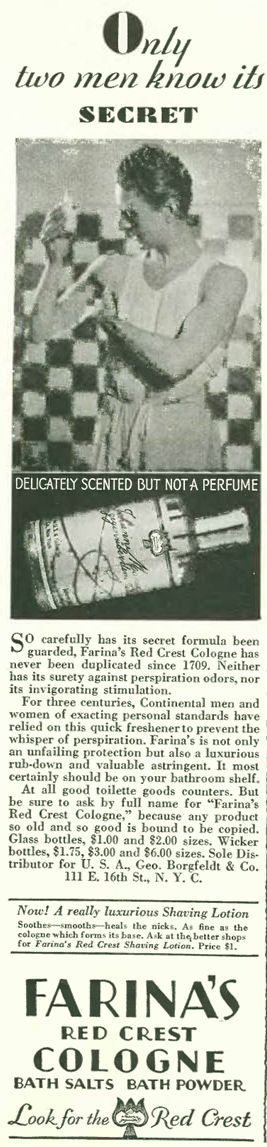
…another unlikely ad is this spot from the makers of Farina cologne featuring a skinflint applying the stuff to his armpit…yeah, I’ll take a bottle…
…and Rea Irvin continued his series of illustrations for Murad cigarettes…
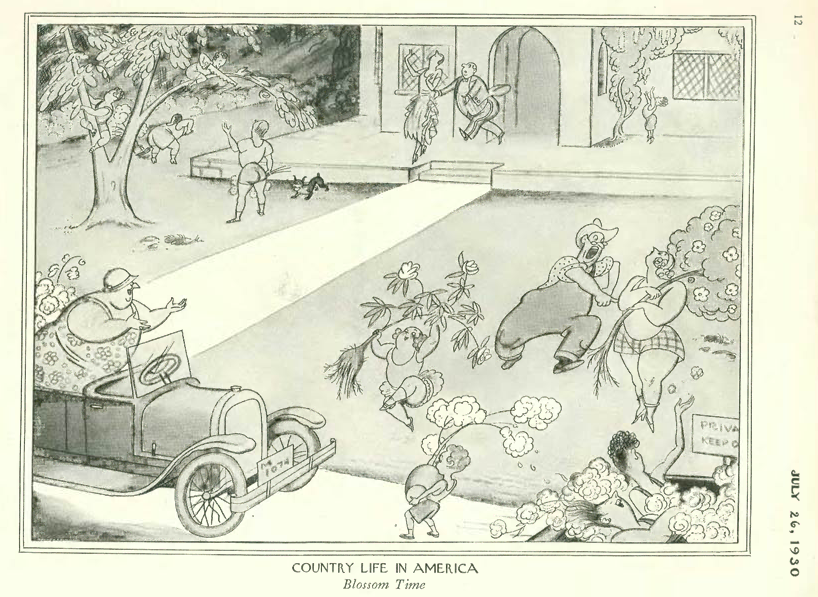
…in cartoons, Irvin gave us this interpretation of country life in a full-page panel originally featured sideways…these “Country Life in America,” scenes depicted common folks enjoying the outdoors at the expense of country squires…
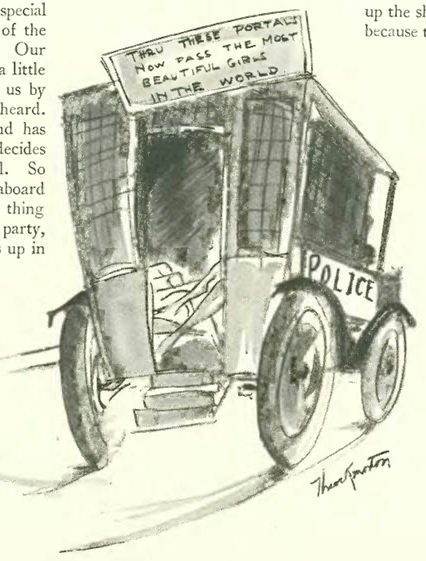
…and then we have the bohemian artist and set designer Cleon Throckmorton (1897-1965), with his one and only contribution to The New Yorker…
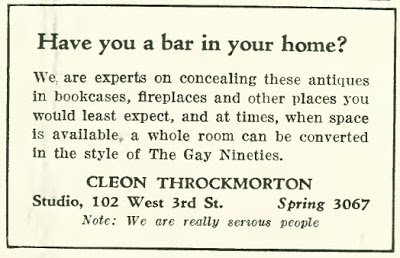
…in a previous issue (May 31, 1930) Throckmorton had placed this tiny, curious ad in a corner on page 46…
…and in the June 7, 1930 issue, he placed another ad in the bottom corner of page 94…
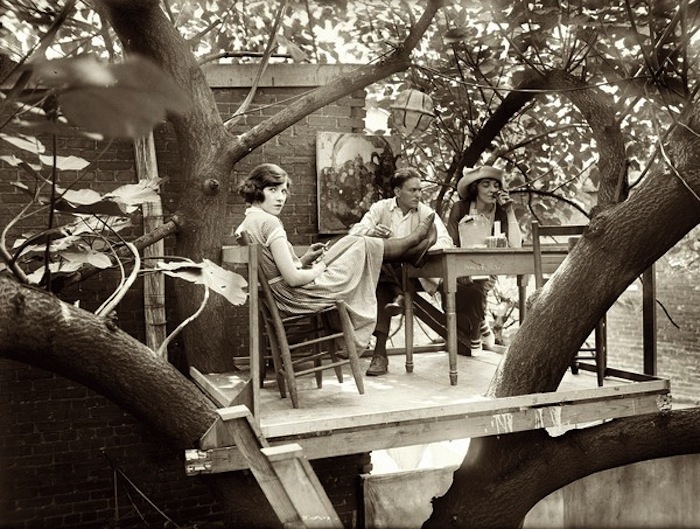
Cleon Throckmorton, well-known for his bohemian lifestyle, operated a backyard speakeasy called the Krazy Kat Club in Washington DC. He is pictured here (center) with a couple of “Klub” members in 1921. He was no slouch, however, designing 149 New York theatrical productions between 1920 and 1934. (messynessychic.com)
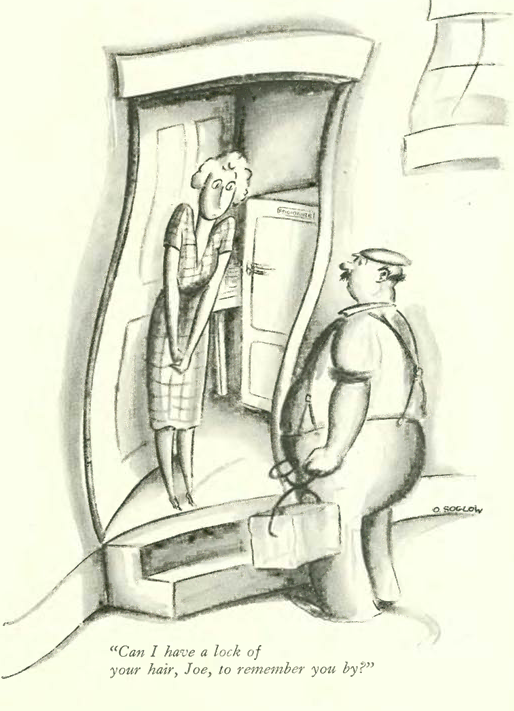
…back to our cartoons, we have Otto Soglow, who was going through a wavy period in his illustrations…
…Soglow would soon become famous for his Little King strip, but for now we’ll leave the king jokes to Peter Arno…
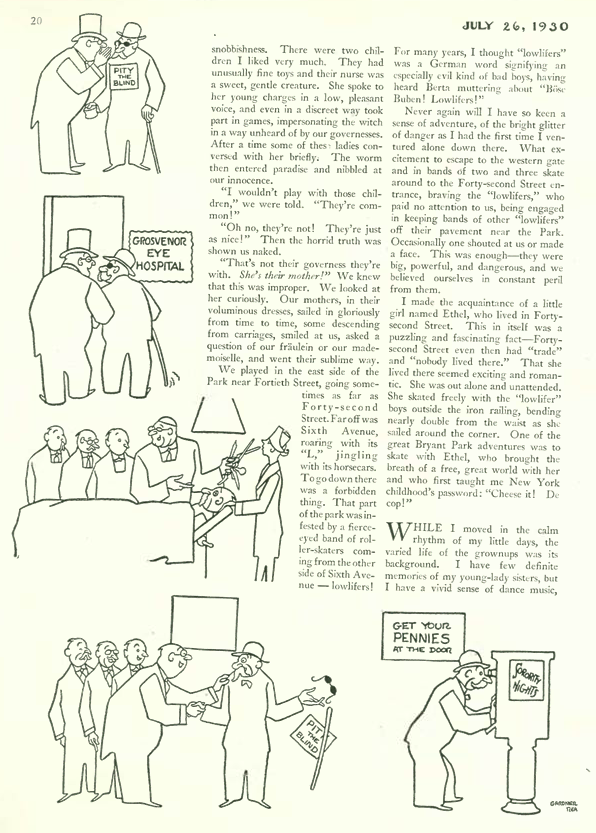
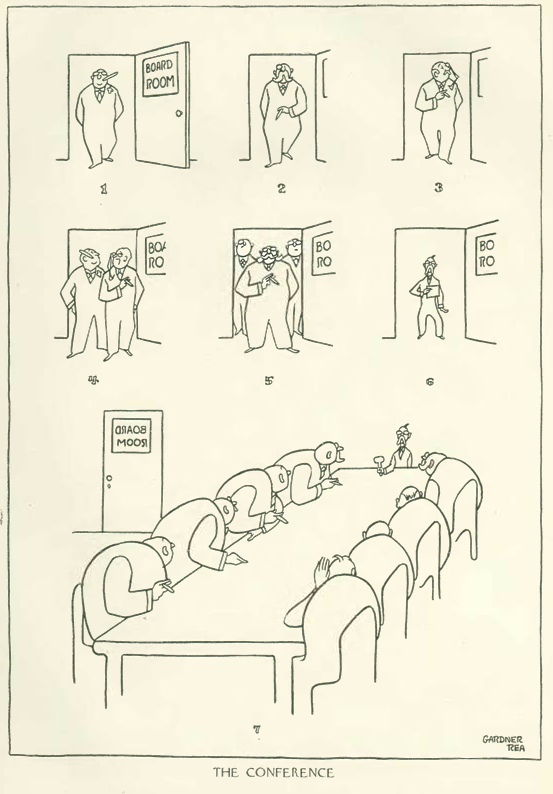
…Gardner Rea contributed this series cartoon that slid around page 20…
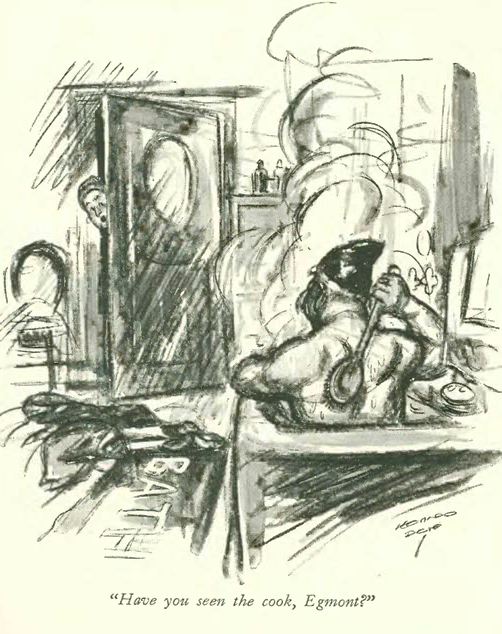
…Leonard Dove looked in on a domestic scene…
…and John Reehill contributed this weird little cartoon that reminded me a bit of the humor of Gahan Wilson…
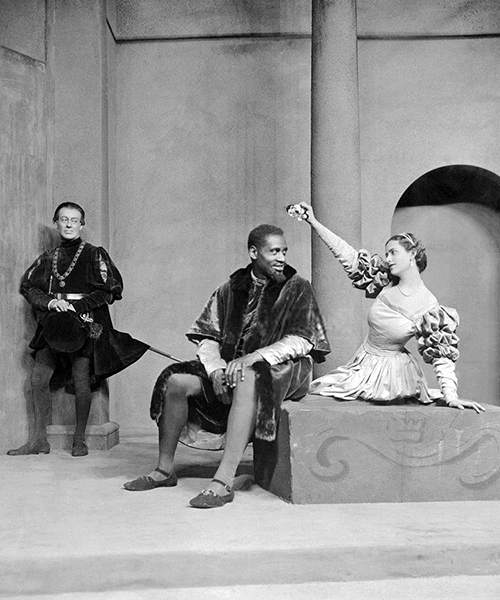
In 1930s America there were few if any opportunities for black actors to perform in mainstream stage or screen productions unless they conformed to racial stereotypes. An exception was Paul Robeson.
June 21, 1930 cover by Gardner Rea.
In 1930 Robeson (1898-1976) won rave reviews for his performance in Shakespeare’s Othello. That performance, however, took place in London, not New York, which London correspondent Anthony Gibbs took pains to point out in his dispatch for the June 21, 1930 New Yorker.
English actress Peggy Ashcroft as Desdemona and Paul Robeson as Othello in London’s Savoy Theatre production of Othello in 1930. Although only 22 at the time, Ashcroft was an established Shakespearean actress. The 32-year-old Robeson was already famous as both an athlete and actor. He was twice named a consensus All-American in football (Rutgers) and was the class valedictorian. He also received a law degree from Columbia while playing in the NFL. In 1930 he was already known to London audiences, having previously appeared in a 1928 London production of the American musical Show Boat. (theshakespeareblog.com)CENTER STAGE…Left to right: Maurice Browne (Iago), Paul Robeson (Othello) and Peggy Ashcroft (Desdemona) in Othello at the Savoy Theatre, 1930. Maurice Browne was also the play’s producer; his over-the-top portrayal of Iago and his wife’s incompetent stage direction hurt the production, but Robeson nevertheless received high praise for his performance. (britishstageandscreen.tumblr.com)
Although the performance was a triumph for Robeson, the production itself was a mess. The play’s producer, Maurice Browne, enlisted his wife, Ellen van Volkenburg, to direct (Peggy Ashcroft later called her “a pretentious dud”). Writing in The Guardian (Sept. 3, 2003), Samantha Ellis observes: “Recognising that his Othello transcended the ropey production, the audience gave Robeson 20 curtain calls. He reprised the role all over the world and never lost his pleasure in it. For Robeson, it was more than just a part: it was, as he once said, “killing two birds with one stone. I’m acting and I’m talking for the negroes in the way only Shakespeare can.”
Robeson’s Othello would not make it to New York until 1943. It would run for almost 300 performances, setting an all-time record run for a Shakespearean play on Broadway.
* * *
Restoring Order
In the aftermath of Grover Whalen’s disastrous (and sometimes violent) run as New York City Police Commissioner, E.B. White and his fellow New Yorkers welcomed the steady hand of Edward P. Mulrooney (1874-1960) to the helm:
THE COMMISH…Edward P. Mulrooney in a 1930s portrait by Edward Steichen. (Conde Nast)
* * *
The Commander
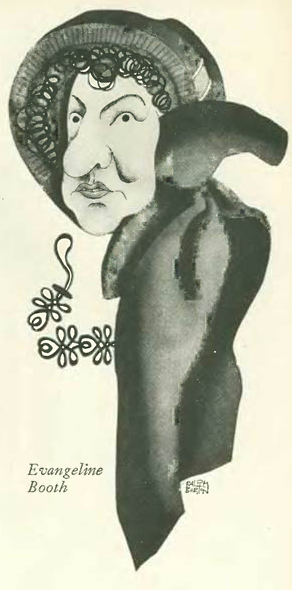
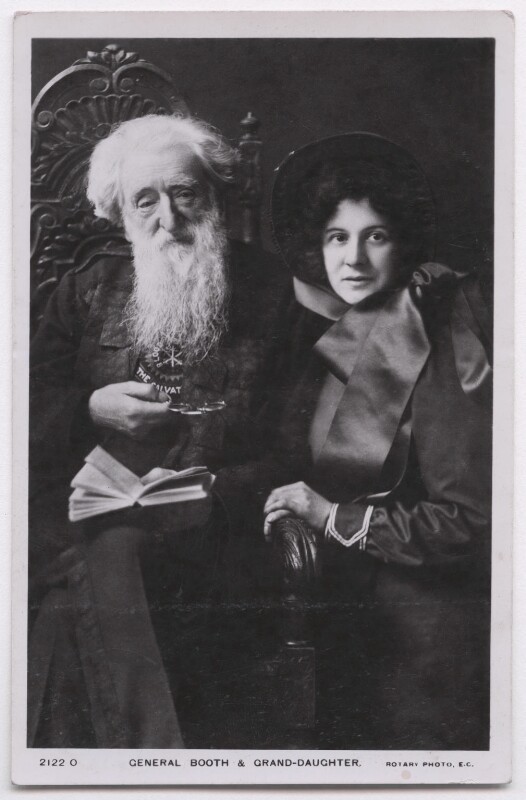
American author and lecturer Virgilia Peterson Ross profiled Evangeline Cory Booth (1865 – 1950), who would become the fourth General of the Salvation Army in 1934. She was the first woman to hold that post. An excerpt:
…Ralph Barton returned to provide this caricature for the profile, one of the last works he would create for The New Yorker before his untimely death…
HEIRESS TO A LEGACY…William Booth, an English Methodist preacher who founded The Salvation Army and became its first General, poses with his grand-daughter Evangeline Cory Booth in this 1908 postcard image. (National Portrait Gallery)
* * *
Home of the Dome
Architecture critic George “T-Square” Chappell was gladdened by the sight of scaffolding atop St. Bartholomew’s Church, which would finally get its dome to complete architect Bertram Goodhue’s vision…
NOW YOU SEE IT…Clockwise, from top left, St. Bartholomew’s Church at 325 Park Avenue, sans dome, in 1928; the church with dome in the 1950s; interior and exterior views of dome. (nyago.com/bostonvalley.com)
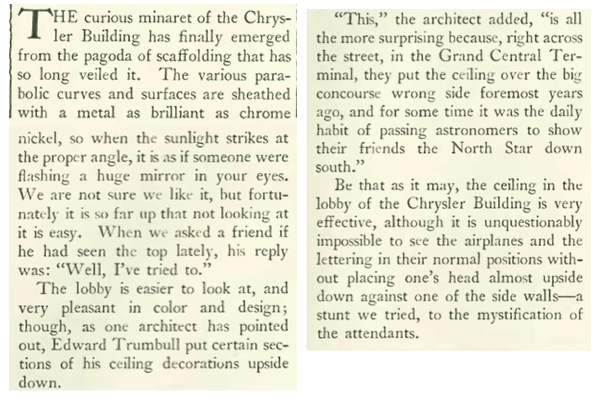
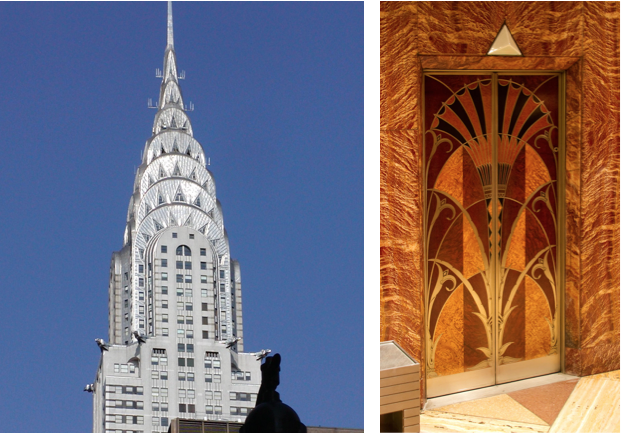
…Chappell also commented on the emergence of the Chrysler Building’s blindingly shiny dome and interior appointments…
BLINDED BY THE LIGHT…The Chrysler Building’s gleaming spire emerged in all its glory in June 1930. At right, an elevator in the building’s lobby. (Wikipedia)
* * *
Below the Belt
It wasn’t Dempsey-Tunney, but the bout between Max Schmeling (1905-2005) and Jack Sharkey (1902-1994) was the next best thing for boxing fans. The World Heavyweight Championship had been vacant since Gene Tunney’s retirement in 1928, and Sharkey and Schmeling had emerged as the sport’s No. 1 and 2 contenders.
The bout ended in a controversial decision: Although Sharkey won the first three rounds, he was disqualified after he landed a punch below the belt late in the fourth round. Schmeling became the first boxer to win the World Heavyweight Championship on a foul. The New Yorker’sNiven Busch Jr. (with illustration by Johan Bull) offered these thoughts on the fight’s disappointing outcome:
LOW BLOW…Although Jack Sharkey (far right) led after three rounds, a low blow in the fourth delivered the World Heavyweight Championship to German boxer Max Schmeling (left). Sharkey would claim the title two years later in a rematch with Schmeling. Although boxing isn’t the healthiest pursuit, both men lived into their 90s; Schmeling died in 2005 just shy of his 100th birthday. (Wikipedia/boxrec.com/thefightcity.com)
* * *
One Of Ours
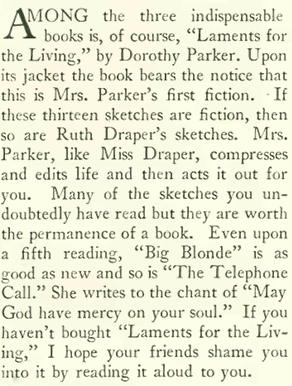
The New Yorker included this brief review of a collection of short fiction pieces by Dorothy Parker, herself a literary critic of some renown at the magazine…
DOROTHY’S LAMENTATIONS…The New Yorker’sDorothy Parker published this collection of short fiction in 1930.
…and on to our advertisers, this ad appeared on the opposite page of the review…
…speaking of ads, the makers of Marlboro cigarettes continued to sponsor gimmicky penmanship and writing contests to promote their deadly product…
…while promoters of the Empire State Building (still under construction) continued to draw on the historical significance of the building’s Midtown location…
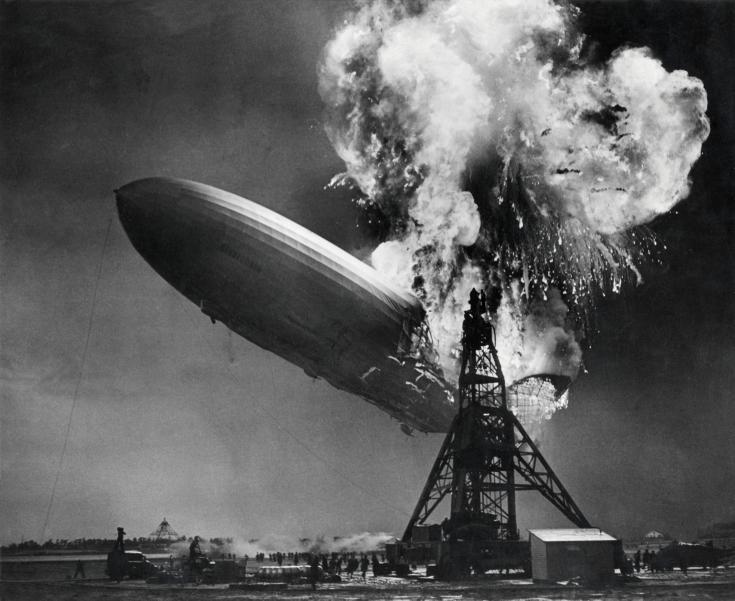
…on to our cartoons, Garrett Price pondered the very real challenge of guiding a massive Zeppelin to the planned mooring mast atop the Empire State…
…a portent of what would happen to the Hindenburg just seven years later…
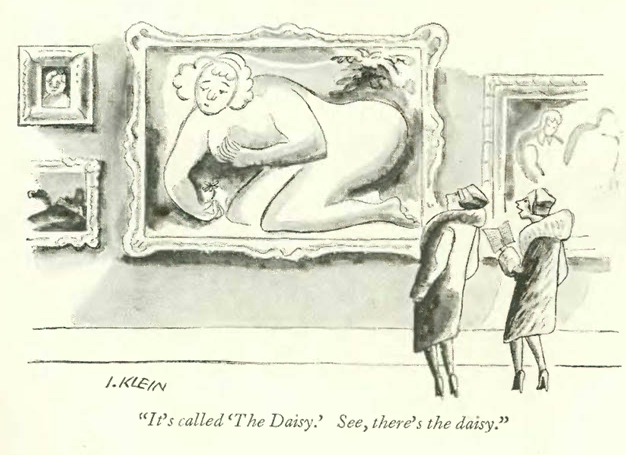
…The New Yorker’s typesetter Popsy Whitaker made clever use of his columns for this Isadore Klein entry…
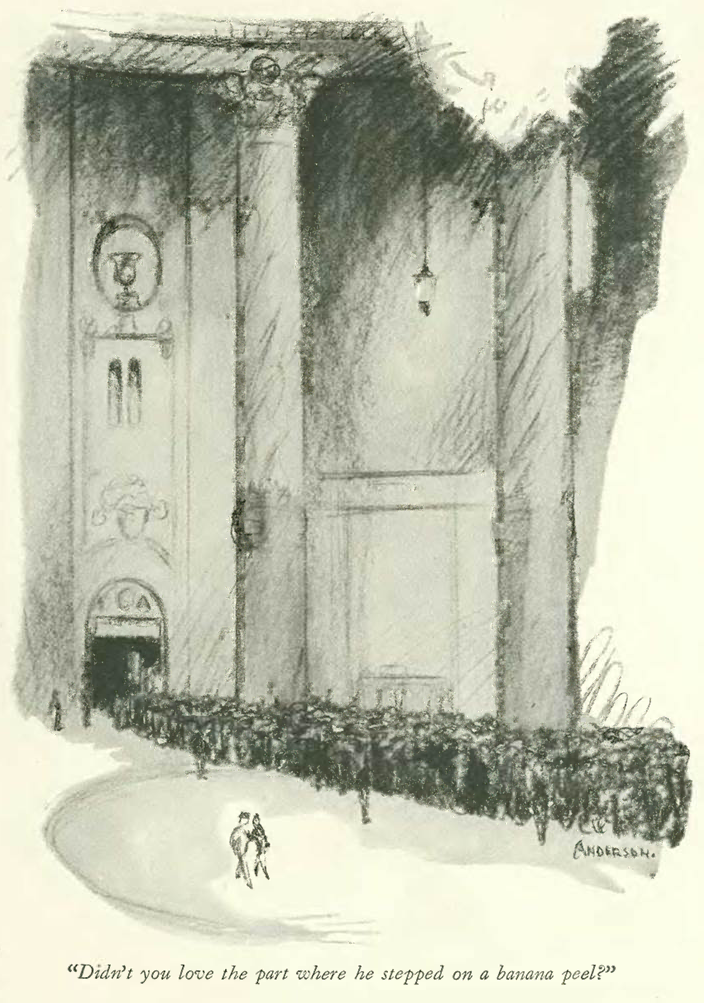
…John Murray Anderson found humor in contrasting the grand with the mundane…
…Carl Kindl eavesdropped on the small talk of a couple of ash haulers…
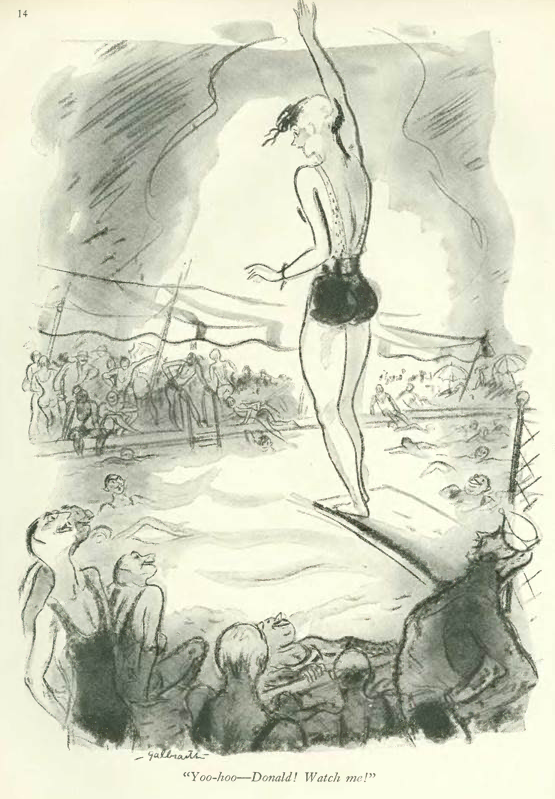
…and William Crawford Galbraith found humor at the public pool…
* * *
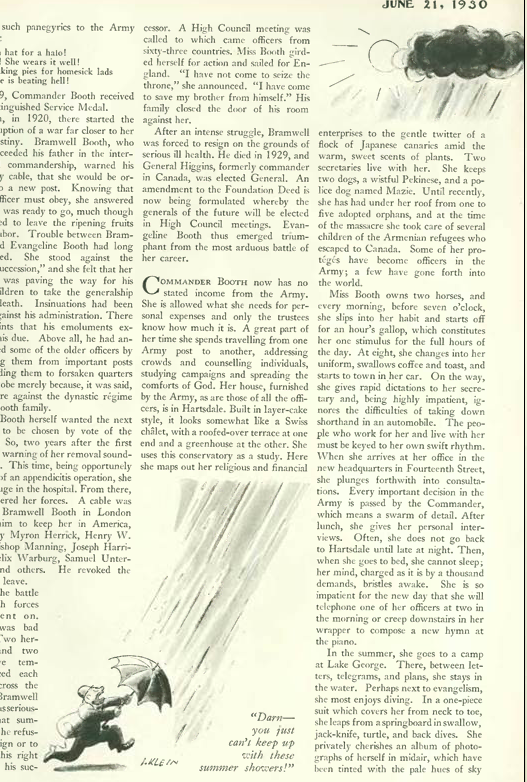
On to the June 28 issue, with a cover featuring a satirical kakemono-style illustration by Rea Irvin, who was fond of Japanese scroll art…
June 28, 1930 cover by Rea Irvin.
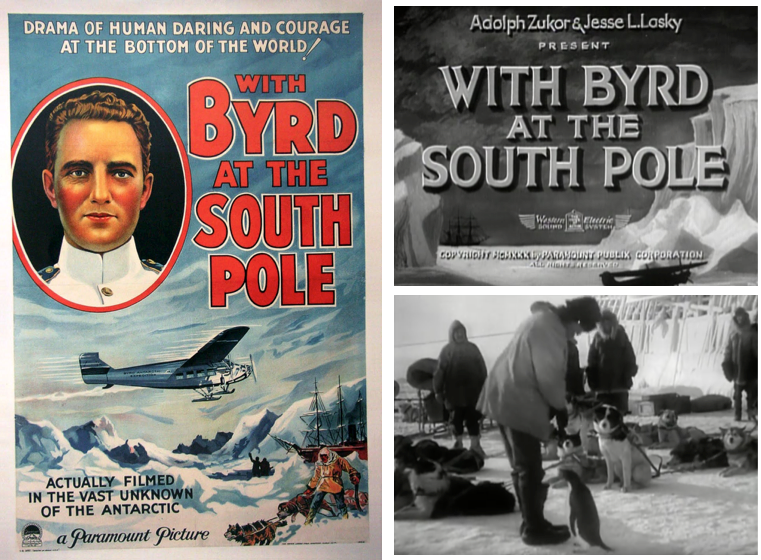
Film critic John Mosher checked out the new documentary on Admiral Richard Byrd’s expedition to the South Pole…
A BYRD WITH WINGS…A Paramount Pictures movie poster promoting the 1930 documentary With Byrd at the South Pole; still images from the film at right. (Wikipedia/YouTube)
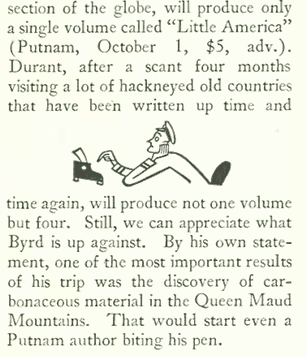
“The Talk of the Town” also made note of Byrd’s expedition and homecoming, contrasting his upcoming book, Little America, with the four-volume historical work planned by popular historian Will Durant.
In collaboration with his wife, Ariel, Durant would end up publishing an eleven-volume history of civilization (four million words across nearly 10,000 pages), written between 1935 and 1975. Will Durant was at work on a twelfth volume when he died in 1981 at age 96.
Admiral Richard Byrd’s Little America, left, and the 11-volume The Story of Civilization, by Will and Ariel Durant.
* * *
American Lenin
The June 28 profile, written by Alva Johnston, featured radical American labor organizer and Marxist politician William Z. Foster. Despite Johnston’s portrayal of Foster as something of a genial pinko, in reality Foster was a strong supporter of Joseph Stalin and a dedicated and loyal ally of the Soviet Union’s Communist Party until his death in 1961. The Soviets even gave him a state funeral, with Nikita Khrushchev personally heading an honor guard in Red Square. An excerpt of Johnston’s profile:
RED AS A ROSE…Left, a campaign photo of William Z. Foster when he headed the Communist Party ticket in the 1928 U.S. presidential election; at right, illustration of Foster for the profile, by Abe Birnbaum.
* * *
And to close…a colorful advertisement in the June 28 issue from Rex Cole…from the signature it appears to be the work of Mario Cooper, but this doesn’t look at all like his other work…
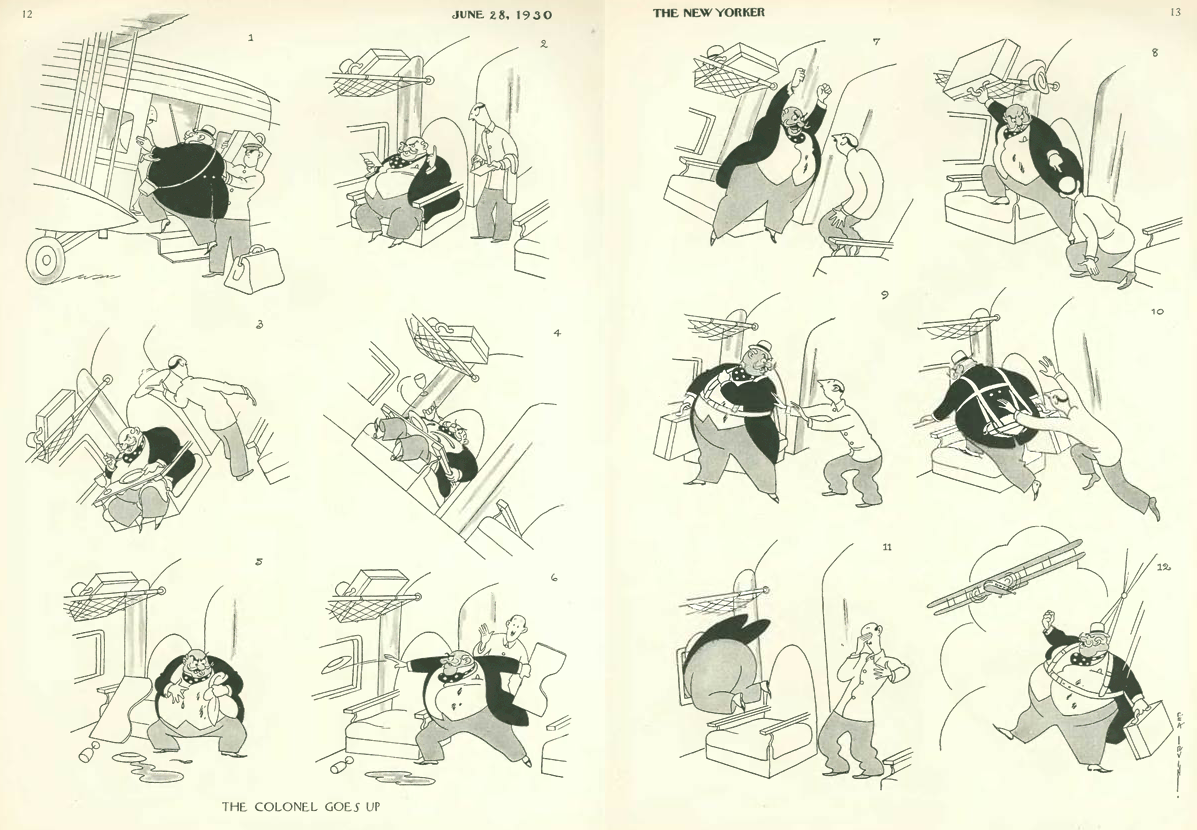
…and a two-page Rea Irvin cartoon, which demonstrates his visual storytelling skills…
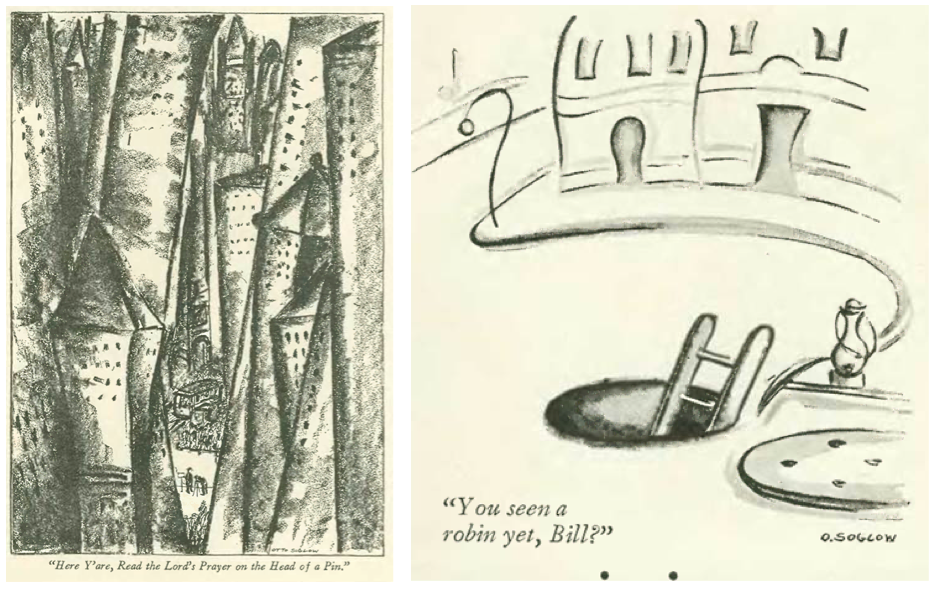
Like his New Yorker colleague Reginald Marsh, Otto Soglow trained in the “Ashcan School” of American art, and his early illustrations favored its gritty urban realism. He had his own life experience to draw upon, being born to modest means in the Yorkville district of Manhattan.
We look at two issues this week. At left, cover of March 31 issue by Peter Arno; at right, June 7 cover by Constantin Alajalov.
But Soglow (1900-1975) would soon abandon the gritty style in the work he contributed to the New Yorker…
RAGS TO RICHES…At left, Otto Soglow’s first cartoon in The New Yorker, Nov. 14, 1925, was rendered in the Ashcan style ; at right, an example of the sparer style he later adopted, one of his manhole series cartoons from March 2, 1929.
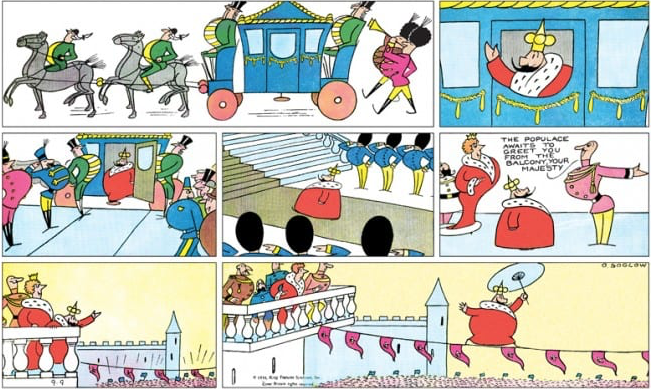
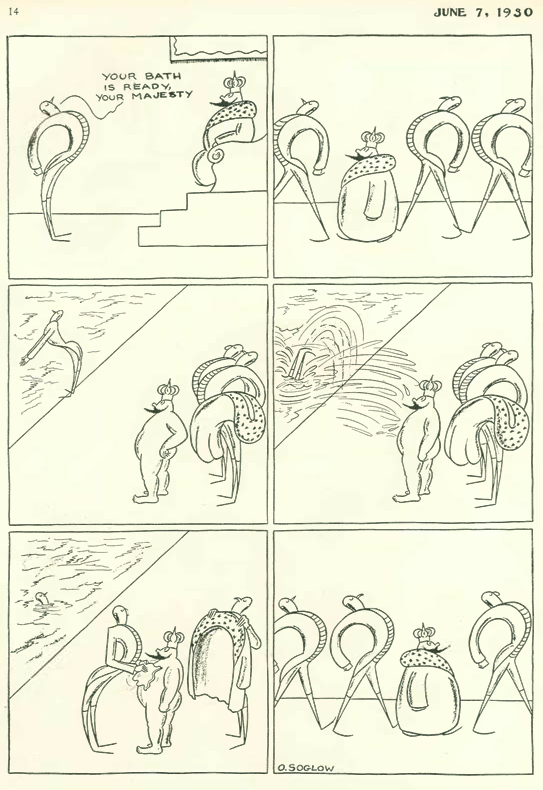
…and in the June 7, 1930 issue, Soglow would publish his first Little King strip, which would launch the 29-year-old into fame and fortune…
Did Soglow know he was on to something big with that first Little King cartoon? Well Harold Ross (New Yorker founding editor) liked what he saw, and asked Soglow to produce more. After building up an inventory over nearly ten months, Ross finally published a second Little King strip on March 14, 1931. It soon became a hit, catching the attention of William Randolph Hearst, who wanted the strip for his King Features Syndicate.
KING OF COMEDY…Otto Soglow working on an illustration for The Ambassador, a short-lived comic strip he created in 1933 for King Features Syndicate. The strip was replaced by The Little King in 1934 after Soglow fulfilled his contractual obligation to The New Yorker. (comicartfans.com)
After Soglow fulfilled his contractural obligation to The New Yorker, The Little King made its move to King Features on Sept. 9, 1934, and the strip ran until Soglow’s death in 1975. After his move to King Features, Soglow continued to contribute cartoons to The New Yorker, but with other themes.
Left, Soglow cartoon from the book Wasn’t the Depression Terrible? (1934); at right, King Features strip from Nov. 19, 1967. (Wikipedia/tcj.com)
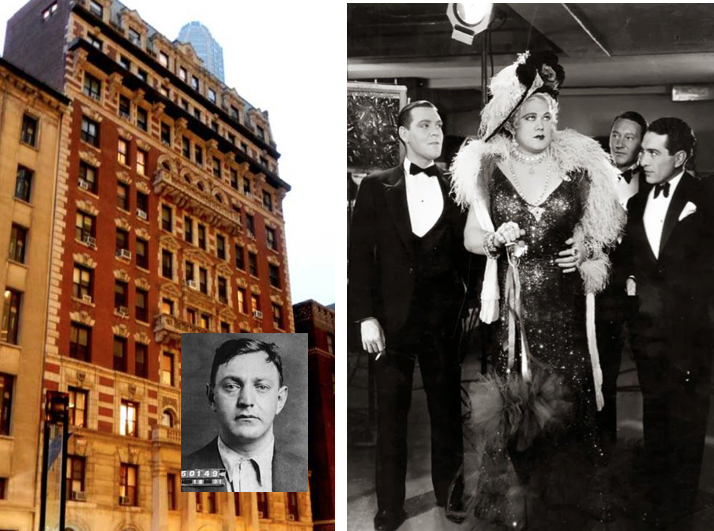
During the summer of 1925, a young writer at Vanity Fair named Lois Long would take over The New Yorker’s nightlife column, “When Nights Are Bold,” rename it “Tables For Two,” and set about giving a voice to the fledgling magazine as well as chronicling the city’s Jazz Age nightlife. There were accounts of Broadway actors mingling with flappers and millionaires at nightclubs and speakeasies, but Long also spoke out on issues such as Prohibition, taking the city’s leaders to task for raids on speakeasies and other heavy-handed tactics contrary to the spirit of the times. “Tables For Two” would go on hiatus with the June 7, 1930 issue, and appropriately so, as the deepening Depression gave the the city a decidedly different vibe. In her “final” column Long would write about the Club Abbey, a gay speakeasy operated by mobster Dutch Schultz…
PARTIED OUT…In her final nightlife column, Lois Long wrote about the new Club Abbey in the basement of the Hotel Harding (left), which was operated by mobster Dutch Schultz (inset). The club’s emcee was Gene Malin (right), Broadway’s first openly gay drag performer. The club was short-lived (as were Schultz and Malin), closing in January 1931 following a mob brawl. (infamousnewyork.com/Pinterest)
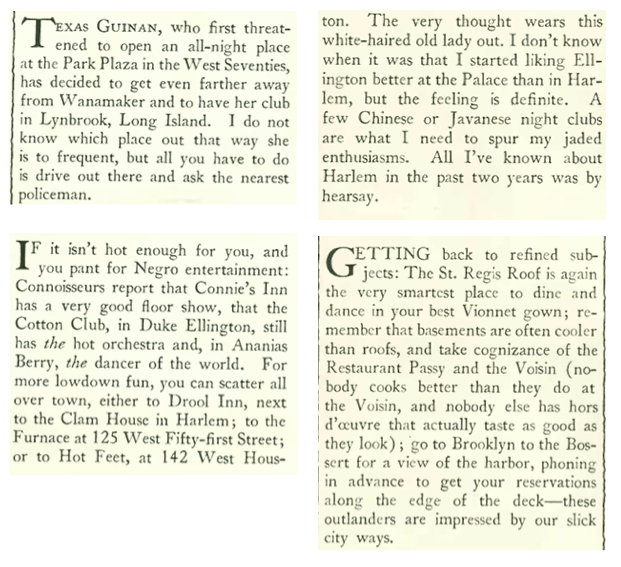
…and she would update her readers on “Queen of the Night Clubs” Texas Guinan, whose Club Intime was sold to Dutch Schultz and replaced by his Club Abbey…
FINAL ACT…Clockwise, from top left, Texas Guinan at Lynbrook, circa 1930; Joseph Urban murals on the rooftop of the St. Regis Hotel; Duke Ellington and his orchestra at the Cotton Club, circa 1930s.
Long’s column would signal a definitive end to whatever remained of the Roaring Twenties. It would also signal the end to some of those associated with those heady times. Texas Guinan’s Lynbrook plans would flop, and Gene Malin’s Club Abbey would close in less than a year. Both would both be dead by 1933—Malin would die in a car accident in 1933, and amoebic dysentery would claim Guinan that same year. Dutch Schultz would be gunned down by gangsters in 1935.
Lois Long, however, would continue to write for The New Yorker for another forty years, and would prove to be as innovative in her fashion column, “On and Off the Avenue,” as she was as a nightlife correspondent.
* * *
Gone to the Dogs
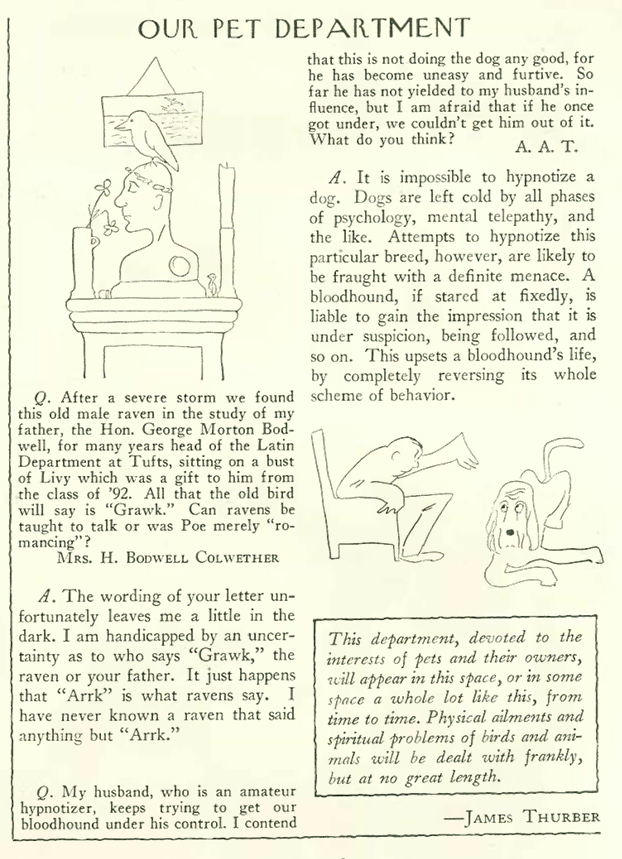
In another installment of his pet advice column (June 7), James Thurber gave us one of his classic dogs…a disinterested bloodhound…
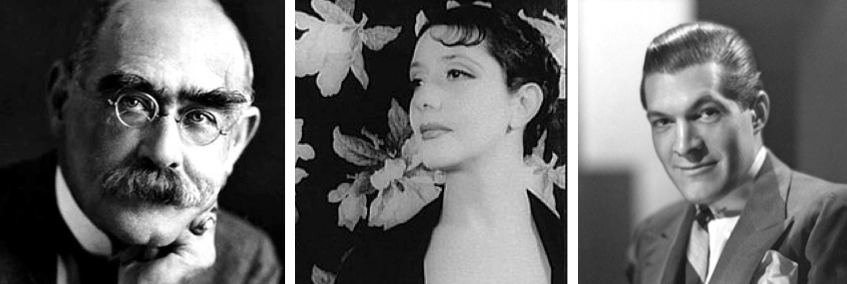
…while Thurber’s buddy and office mate E.B. White commented (in the March 31 issue) on a recent poll conducted among students at Princeton, discovering among other things that New Yorker cartoonist Peter Arno was preferred over the old masters…
FAN FAVORITES…The Princeton Class of 1930 named (from left) Rudyard Kipling, Lynn Fontanne and Peter Arno as favorite poet, actress and artist respectively in a student poll. (YouTube/Wikipedia/giam.typepad.com)
* * *
We Like It Fine, Thank You
The New Yorker dedicated a full page of the March 31 issue to a tongue-in-cheek rebuttal directed at the New York Evening Journal, which had reprinted one of Peter Arno’s cartoons to illustrate the moral cost of Prohibition. I believe the author of the rebuttal is E.B. White (note how he refers to Arno as “Mr. Aloe”).
…also in the May 31 issue, Rea Irvin changed things up, at least temporarily, with some new artwork for the “Goings On About Town” section. The entries themselves were often clever, such as this listing for a radio broadcast: PRESIDENT HOOVER—Gettysburg speech. Similar to Lincoln’s but less timely…
* * *
From Our Advertisers
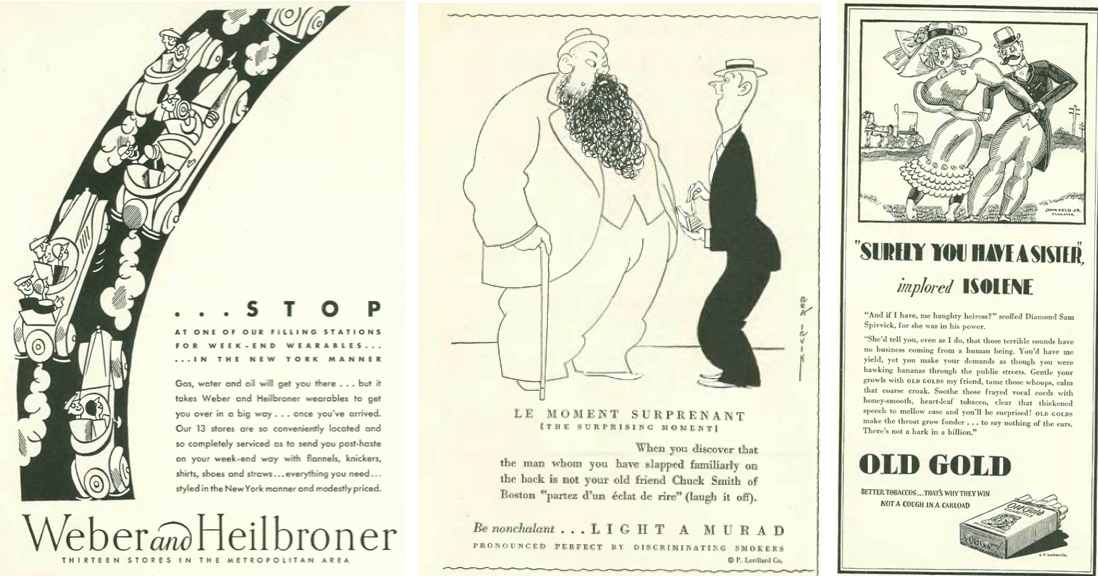
New Yorker cartoonists can be found throughout the advertisements — from left, Julian De Miskey, Rea Irvin and John Held, Jr…
…and in the June 7 issue we find an unusual ad for a used car…a sign of the times, no doubt…
…before it was associated with Germany’s Nazi Party (especially after it seized power in 1933), for thousands of years the swastika had been widely used as a religious or good luck symbol…
…Actress Clara Bow was famously pictured sporting a “good luck” swastika as a fashion statement in this press photo from June 1928, unaware that in a few years the symbol would become universally associated with hate, death and war…
From an unidentified publication dated June 6, 1928. (@JoHedwig/Twitter)
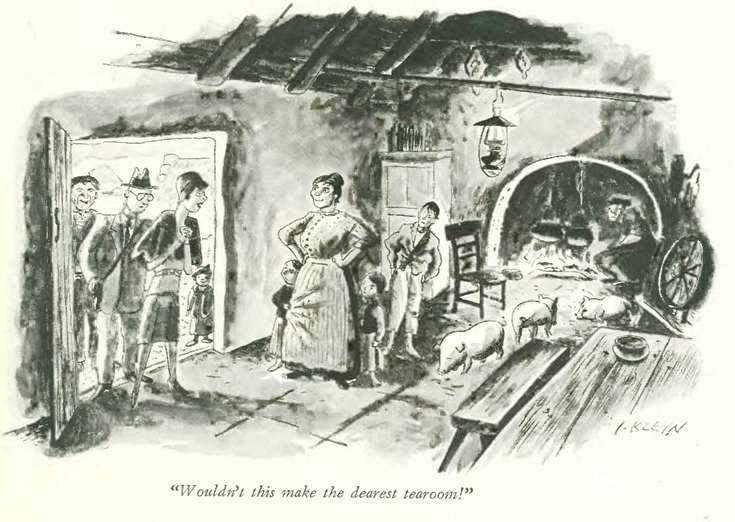
…on to our cartoons, Isadore Klein illustrated a cultural exchange…
…Garrett Price gauged the pain of a plutocrat…
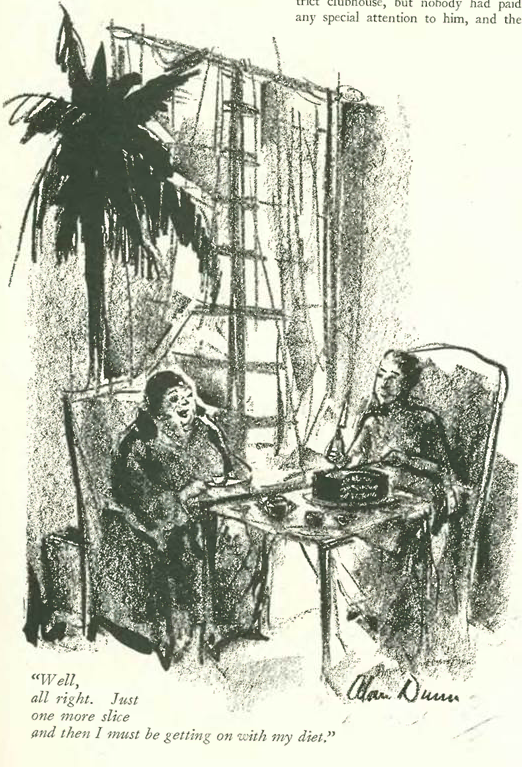
…Alan Dunn eavesdropped on some just desserts…
…Helen Hokinson found humor in the mouths of babes…
…as did Alice Harvey…
…Leonard Dove examined one woman’s dilemma at a passport office…
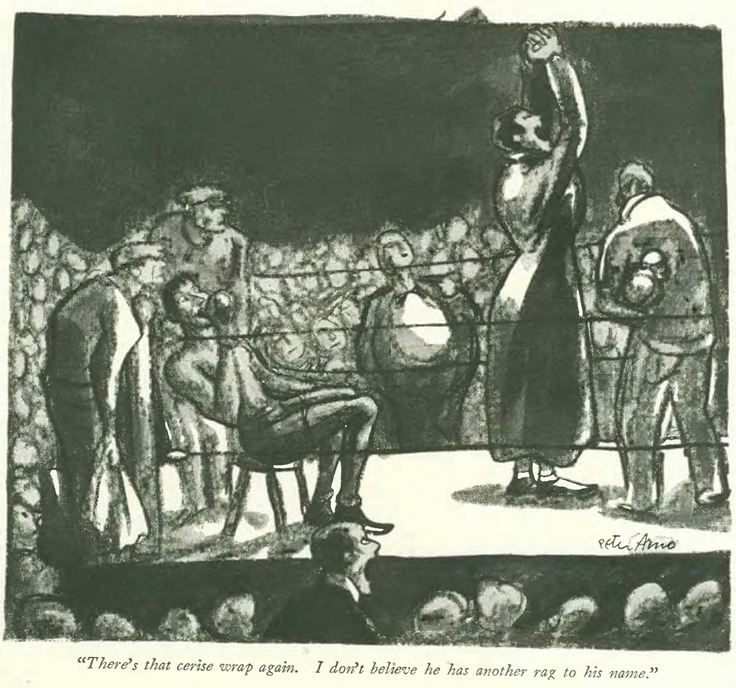
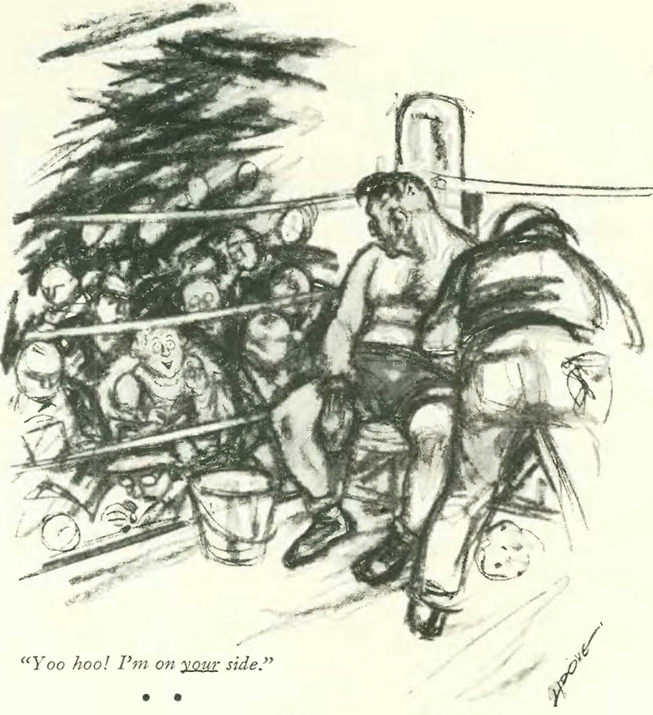
…and Peter Arno, who found some cattiness at ringside…
The New Yorker had a number of favorite punching bags, among them Grover Whalen (1886–1962), a product of Tammany Hall politics who in 1928 was appointed New York City Police Commissioner by another Tammany alumnus, Mayor Jimmy Walker.
May 17, 1930 cover by Rea Irvin.
Ironically, a mayor known for openly flouting prohibition laws had placed into office a man who would become known as a ruthless enforcer of those laws (excepting Mayor Walker, of course). Whalen was also known for fighting crimes that didn’t necessarily exist, including those committed by “Reds” organizing protests by the city’s growing numbers of unemployed.
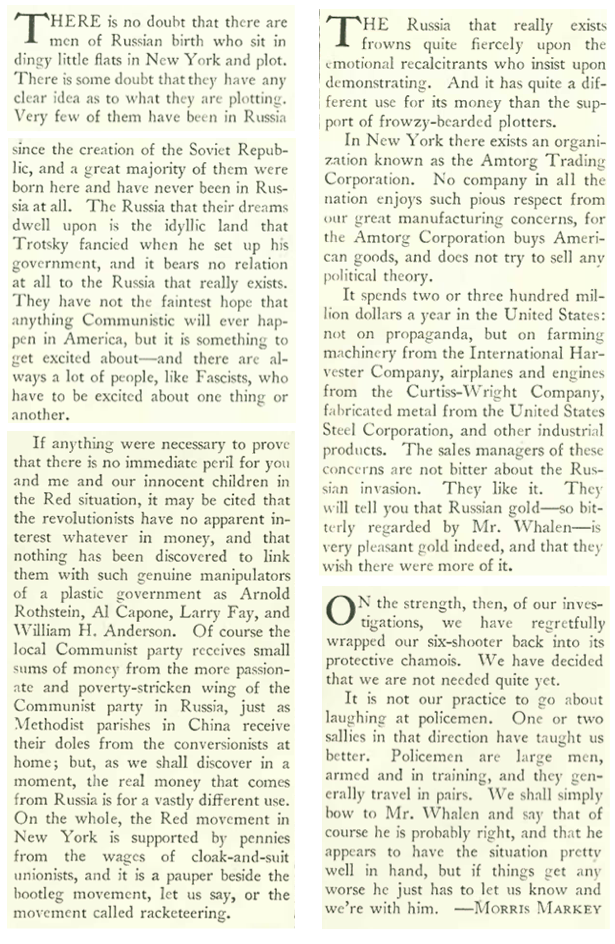
In the May 10, 1930 issue, New Yorker writer Alva Johnston penned a tongue-in-cheek assessment of America’s “Red Revolution” (see previous post). In the following issue (May 17), Morris Markey took a few swipes at Whalen’s “Crimson Menace” in his “A Reporter At Large” column:
FLYING HIGH…Mayor Jimmy Walker (second from left) and his new Police Commissioner Grover Whalen (far right) visit Mitchell Field on Long Island in 1928; portrait of Whalen circa 1930. (Amazon/WNYC)
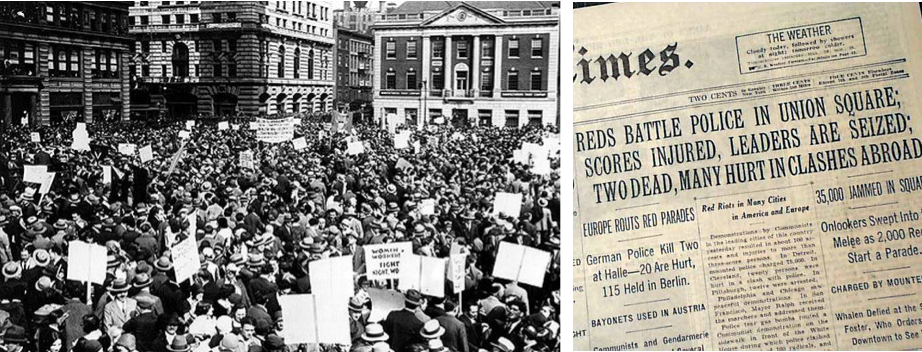
Whalen’s career as police commissioner came to an end around the time Markey’s column appeared. Whalen was under fire for how his police responded to an International Unemployment Day demonstration, where 1,000 baton-wielding police went to work on a crowd of more than 35,000 demonstrators. The New York Times reported: “From all parts of the scene of battle came the screams of women and cries of men with bloody heads and faces.”
IDLE HANDS…The International Unemployment Day demonstration in Union Square on March 6, 1930, turned ugly when a thousand baton-wielding police went to work on the protestors, identified by the New York Times as “Reds.” (libcom.org/The New York Times)
And in the May 24 issue, E.B. White took his own swipe at Whalen in his “Notes and Comment”…
In ensuing years Whalen found more peaceful pursuits, serving as New York City’s official greeter of dignitaries and organizer of ticker tape parades. In 1935 he was named president of the New York World Fair Corporation and became the face of the forward-looking 1939 New York World’s Fair.
DAWN OF A NEW DAY was the opening slogan for the 1939 World’s Fair. At left, preparing to lower the fair’s time capsule into it’s 5,000-year resting place are A.W. Robertson, Westinghouse Electric Company’s chairman of the board (left) and Grover Whalen, president of the New York World’s Fair; at right, the fair’s iconic symbols, the Trylon and Perisphere. (heinzhistorycenter.org/Flickr-Ricksoloway)
* * *
It’s In The Stars
E.B. White led off his “Notes and Comment” with thoughts on the latest trends in product endorsement, including the use of astrology to boost the sales of toothpaste and perfume:
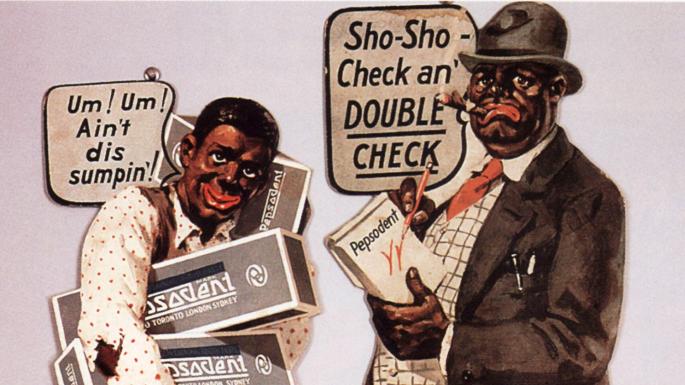
A FORTUNE IN TOOTHPASTE…The makers of Forhan’s Toothpaste promoted their Astrology Hour radio show in the Akron Beacon Journal, May 1931. At right, 1931 ad for Perfum Astrologique. (newspapers.com)THAT WAS THEN…White actors Freeman Gosden and Charles Correll portrayed Amos ’n’ Andy on the radio from 1928 to 1960. Here they shill for Pepsodent toothpaste on circa 1930 stand-up cards. (thetimes.co.uk)
* * *
More Advice on Troublesome Pets
The May 17 issue featured James Thurber’s latest advice on pet care:
…and this two-page illustration by Reginald Marsh ran along the bottom of “Talk.”
* * *
A Fighter for Rights
The May 17 issue featured the first installment of a two-part profile on social reformer Samuel Untermyer (1858-1940) titled “Little Giant.” The profile’s author, Alva Johnston, praised Untermyer’s legacy, and chided New Yorkers for not giving him his proper due. Known for defending the public trust against powerful corporations, he laid the groundwork in the U.S. for the Federal Reserve Law, the Clayton Anti-Trust Law, the Federal Trade Commission Bill and the Securities and Exchange Act. A fierce defender of Jewish rights, Untermyer served as attorney for Herman Bernstein, who filed suit against automaker Henry Ford for anti-semitic articles published in Ford’s Dearborn Independent.
Johnston concluded his two-part profile with these words:
BRING IT ON…Samuel Untermyer was known as a fierce defender of the public trust. At right, illustration that accompanied the New Yorker profile. (findagrave.com)
* * *
From Our Advertisers
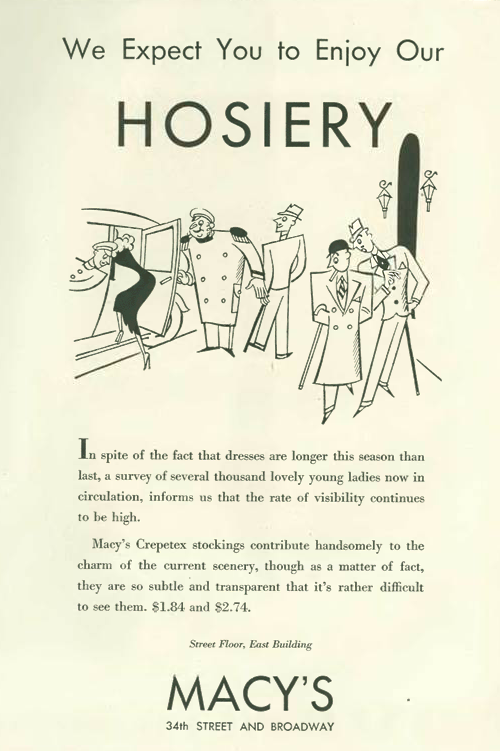
Julian De Miskey picked up some extra work with this illustration for Macy’s…
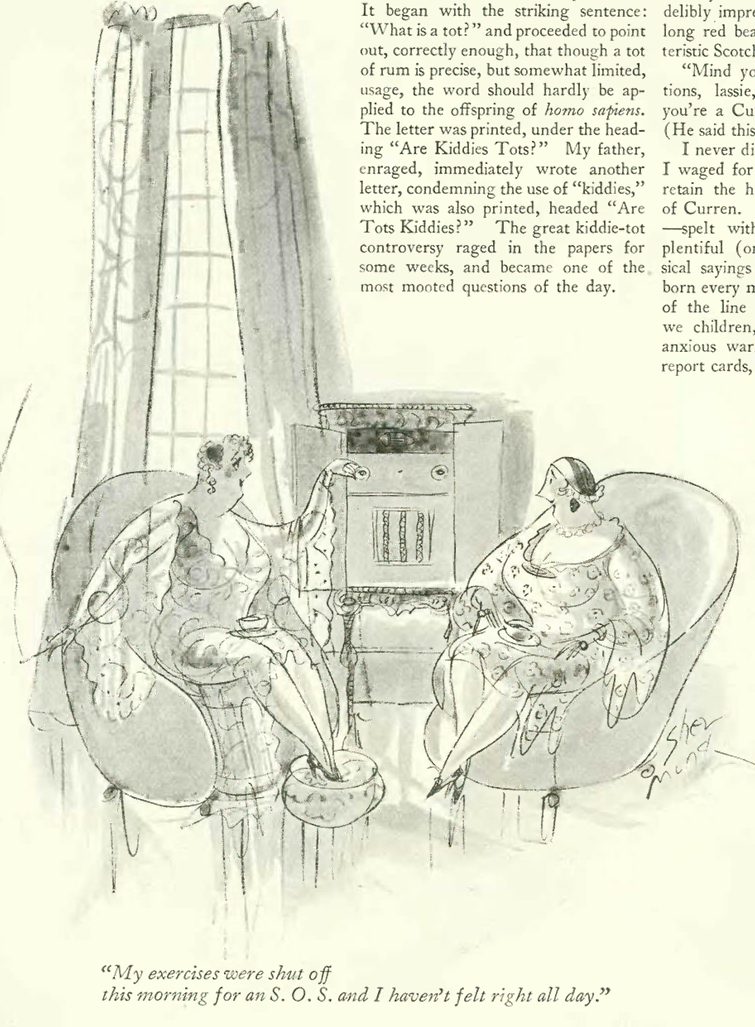
…while in cartoons, Barbara Shermund discovered the challenges of exercise by radio…
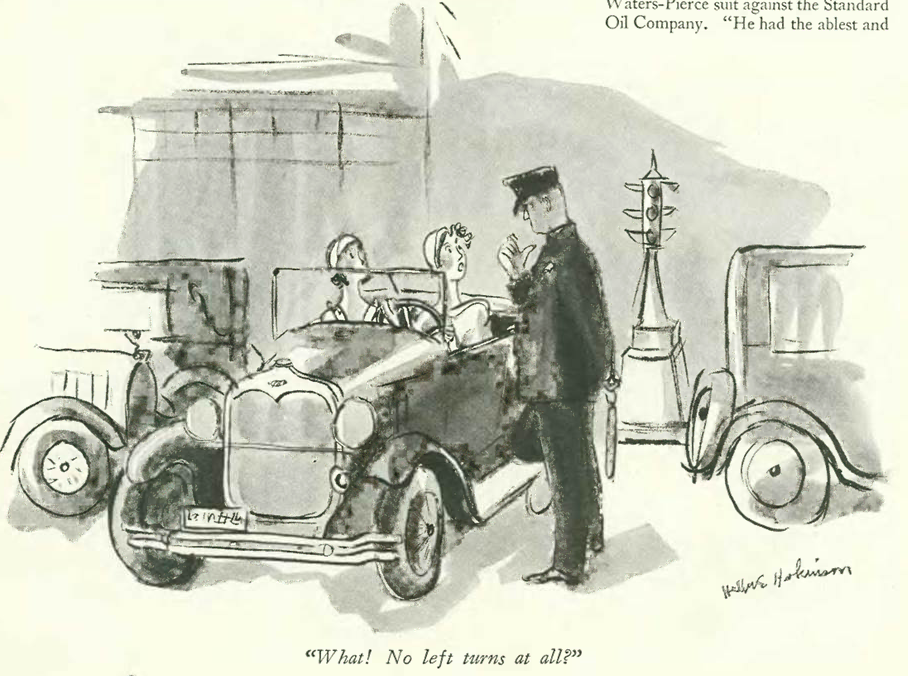
…Helen Hokinson looked at another challenge…city driving…
…Gardner Rea explored the mysteries of street food…
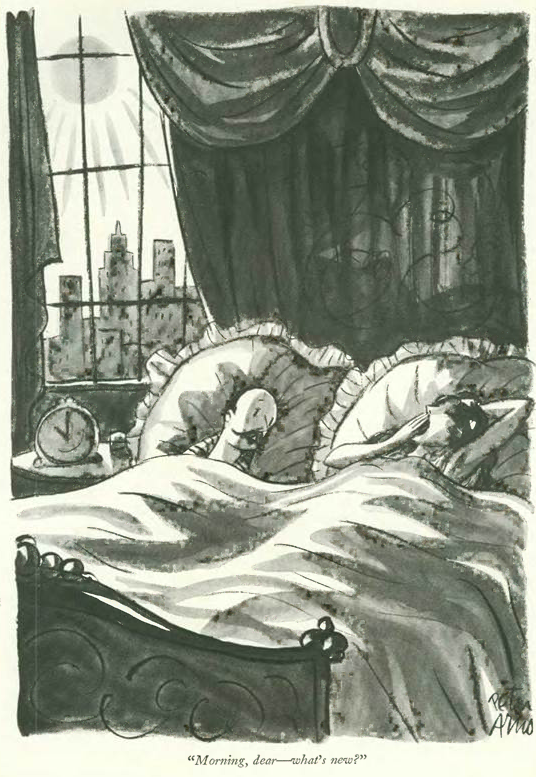
…and Peter Arno greeted one Manhattan couple at sunrise…
* * *
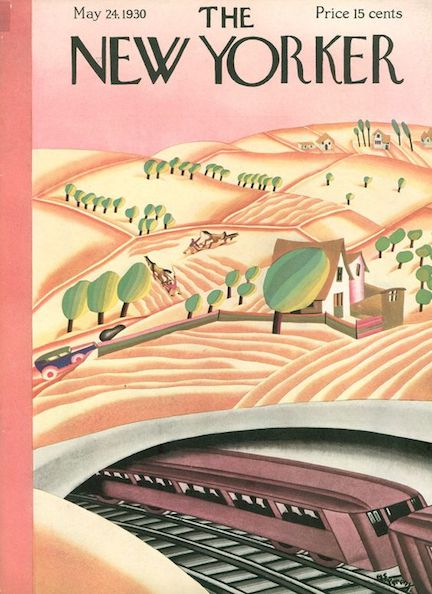
On to the May 24, 1930 issue, with a lovely cover by Madeline Pereny…
May 24, 1930 cover by Madeline Pereny.
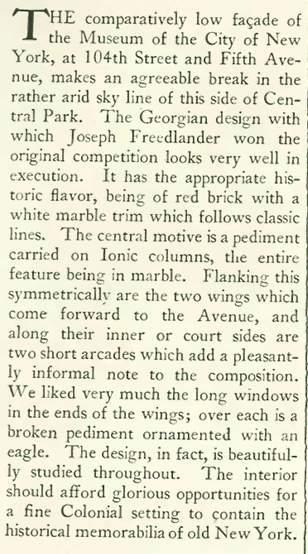
As construction continued on the Museum of the City of New York, The New Yorker’s architecture critic George Chappell liked what was taking shape:
THE STORY OF A CITY…The Museum of the City of New York opened its doors at 104th Street and Fifth Avenue in early 1932. (nyctourist.com/www.ennead.com)
* * *
From Our Advertisers
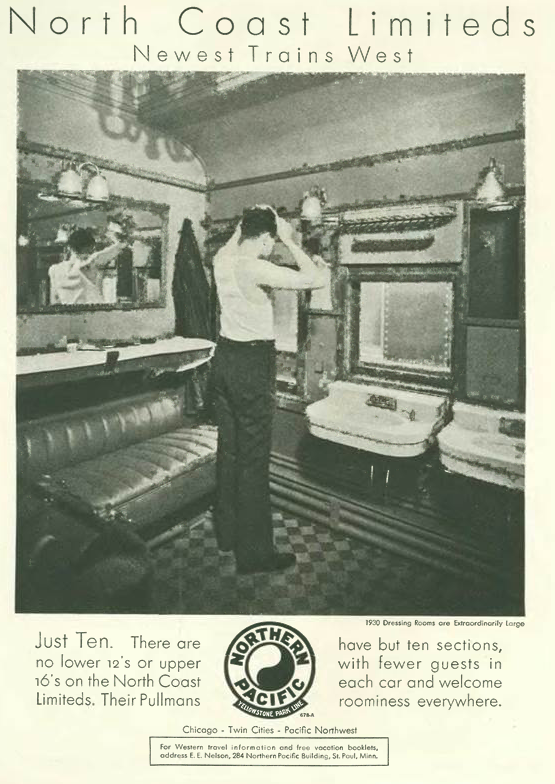
Travel by train in the States wasn’t always miserable as this ad attested…
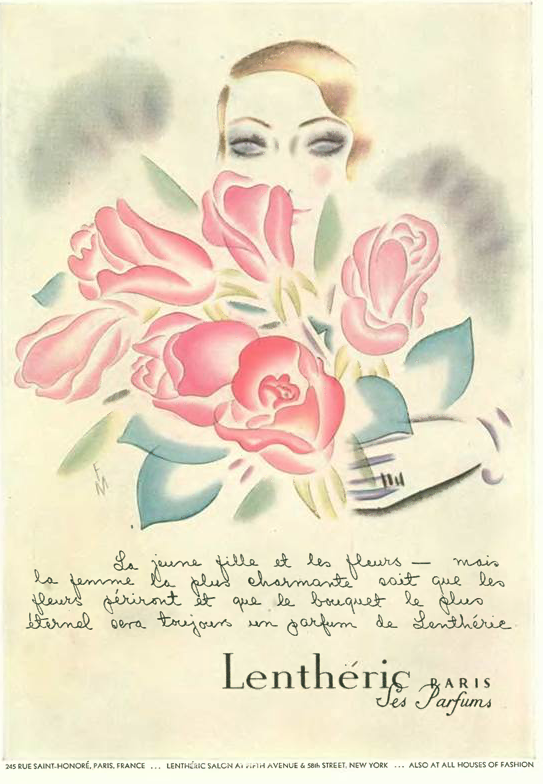
…a bit of color courtesy the Lenthéric salon…
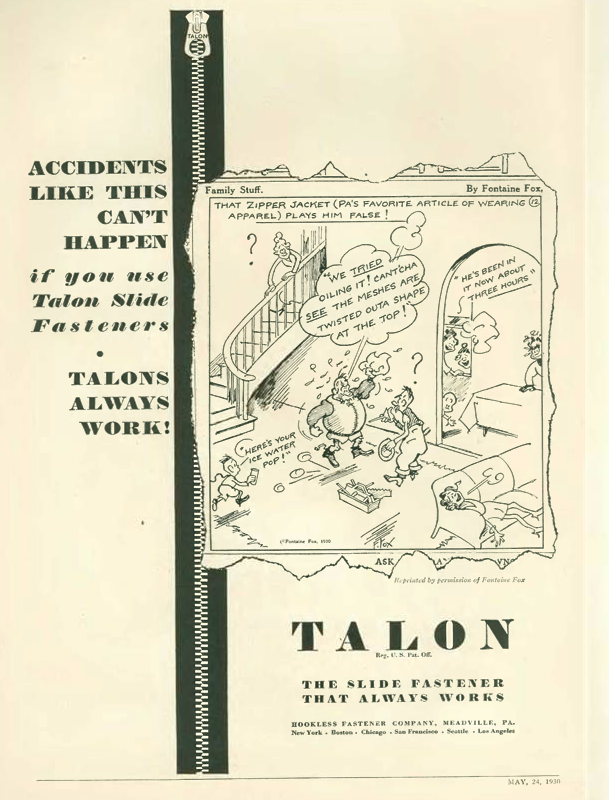
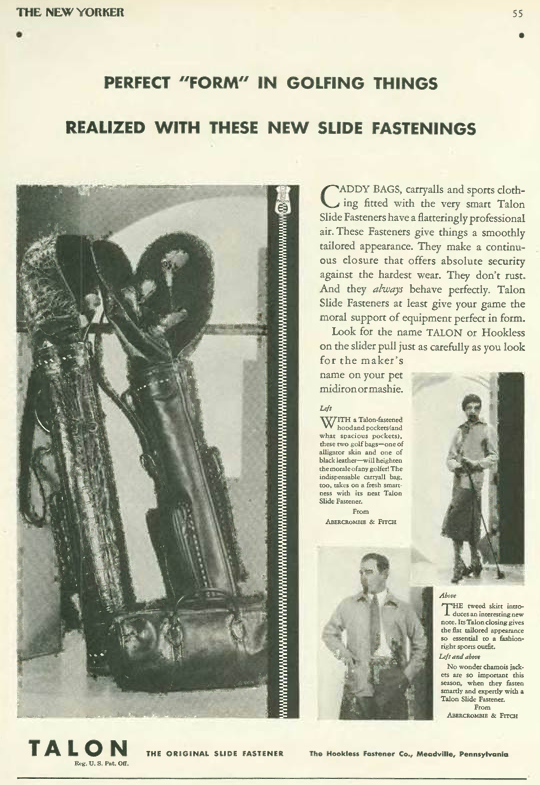
…Fontaine Fox, best known for his long-running Toonerville Folks comics, contributed this cartoon on behalf of Talon Slide Fasteners, or “zippers” as they came to be known in the late 1920s and early 30s, when they were still something of a novelty…
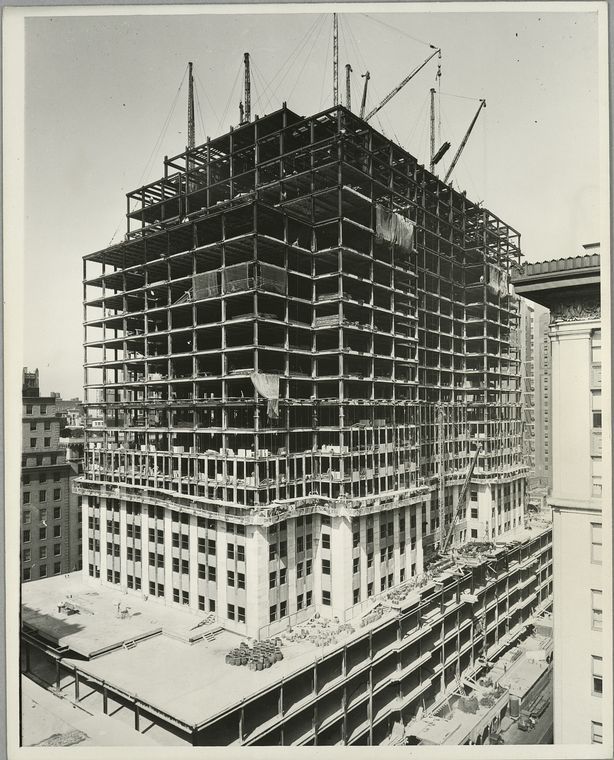
…I believe this is the first-ever image of the Empire State Building in The New Yorker, an artist’s rendering since the building wouldn’t be completed until the spring of 1931…note how this ad links the building’s site location to New York history and specifically the Astor family…
…here is how the Empire State Building looked in June 1930…
(New York Public Library)
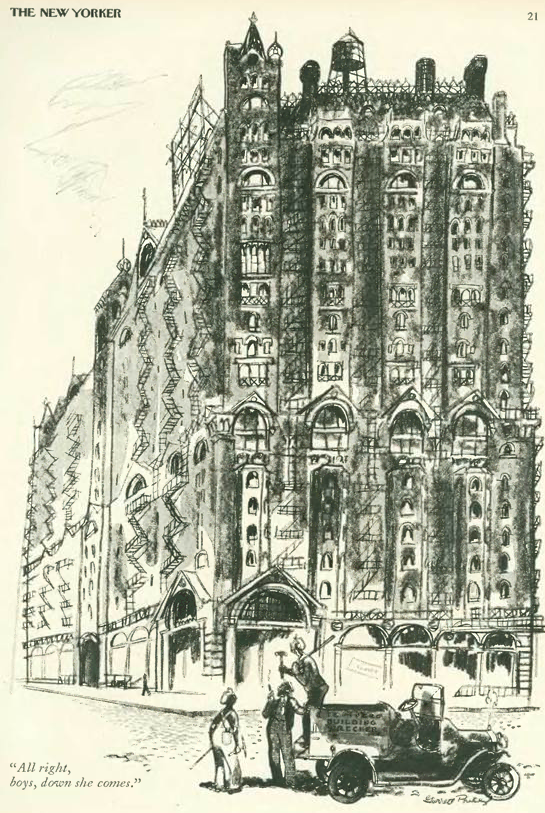
…the old Waldorf-Astoria Hotel was torn down to make way for the Empire State Building, and that provides a nice segue to our cartoons…this one by Garrett Price featured a modest work crew contemplating the razing of a building that recalled the old hotel…
…across the pond, one of Helen Hokinson’s ladies was busy trying to procure a banned book…
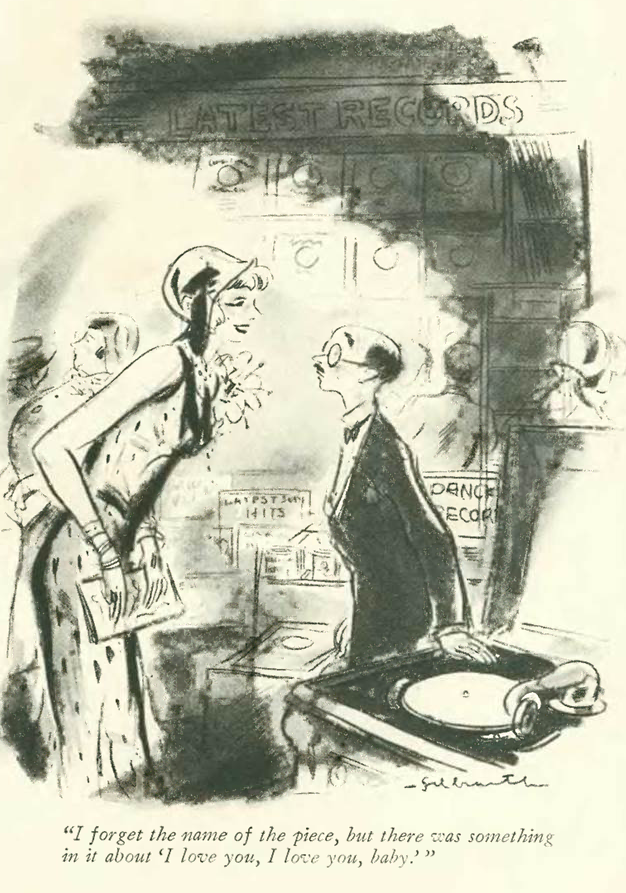
…while William Crawford Galbraith gave us a young woman in search of a love song (with the help of a seriously timid man)…
…Barbara Shermund found some bedside humor…
…and Peter Arno took us back to the nightlife, with our familiar gold-digger and sugar daddy…
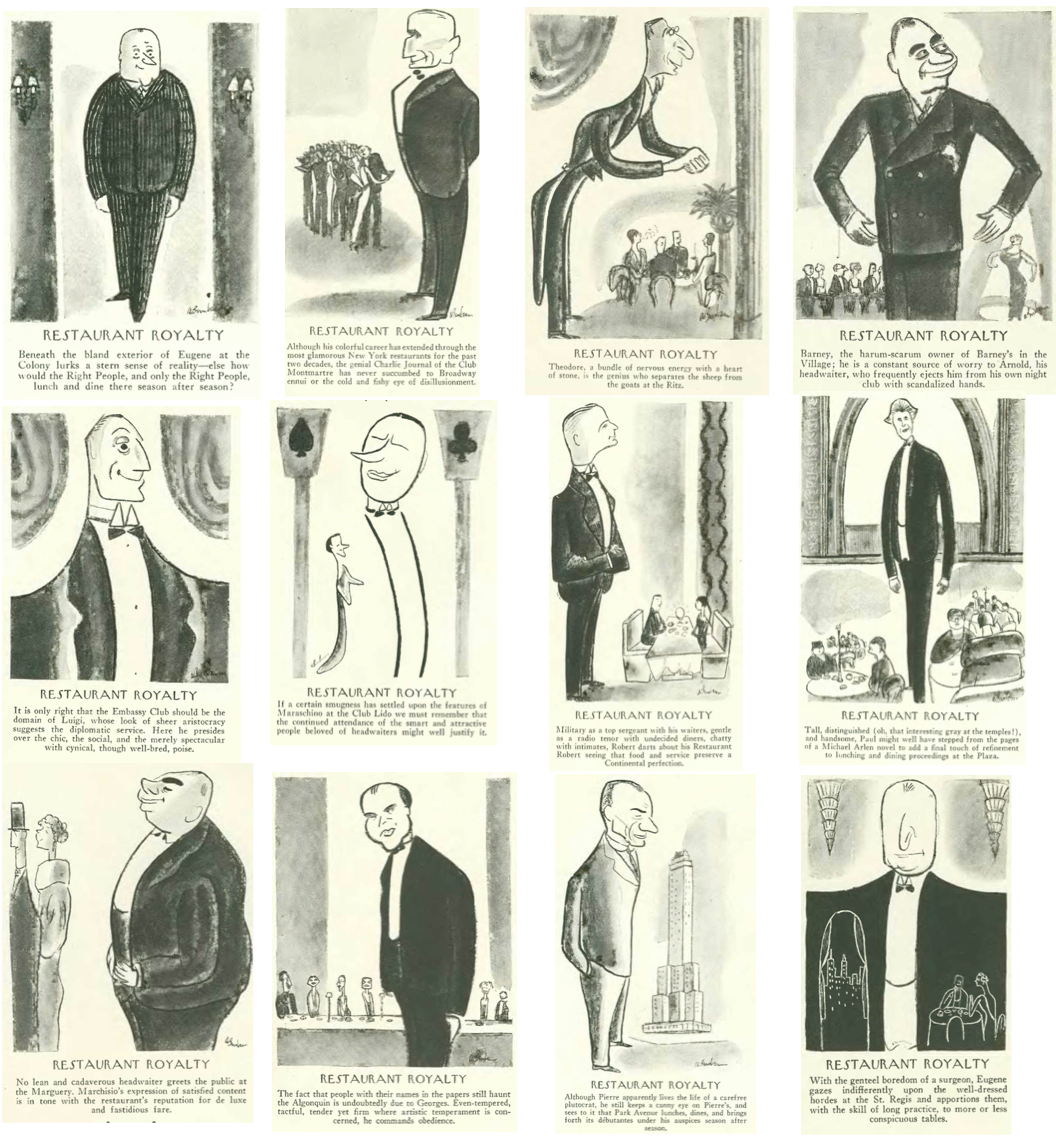
…and finally, over the course of twelve issues (Feb. 8 to May 10, 1930) Abe Birnbaum provided illustrations of New York’s “Restaurant Royalty.” These usually ran in or near “The Talk of the Town” section. Please click to enlarge.
With the Chrysler Building nearing completion and the Empire State Building beginning to rise from the old Waldorf-Astoria site, the New York City skyline was taking on the iconic form most of us now associate with the city.
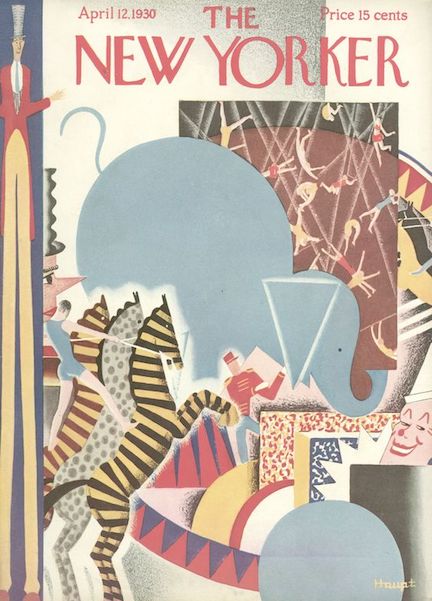
April 12, 1930 cover by Theodore Haupt.
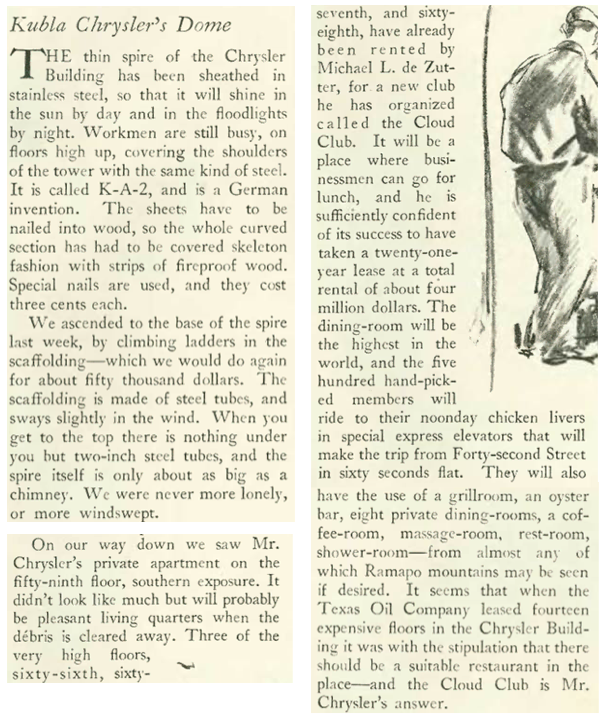
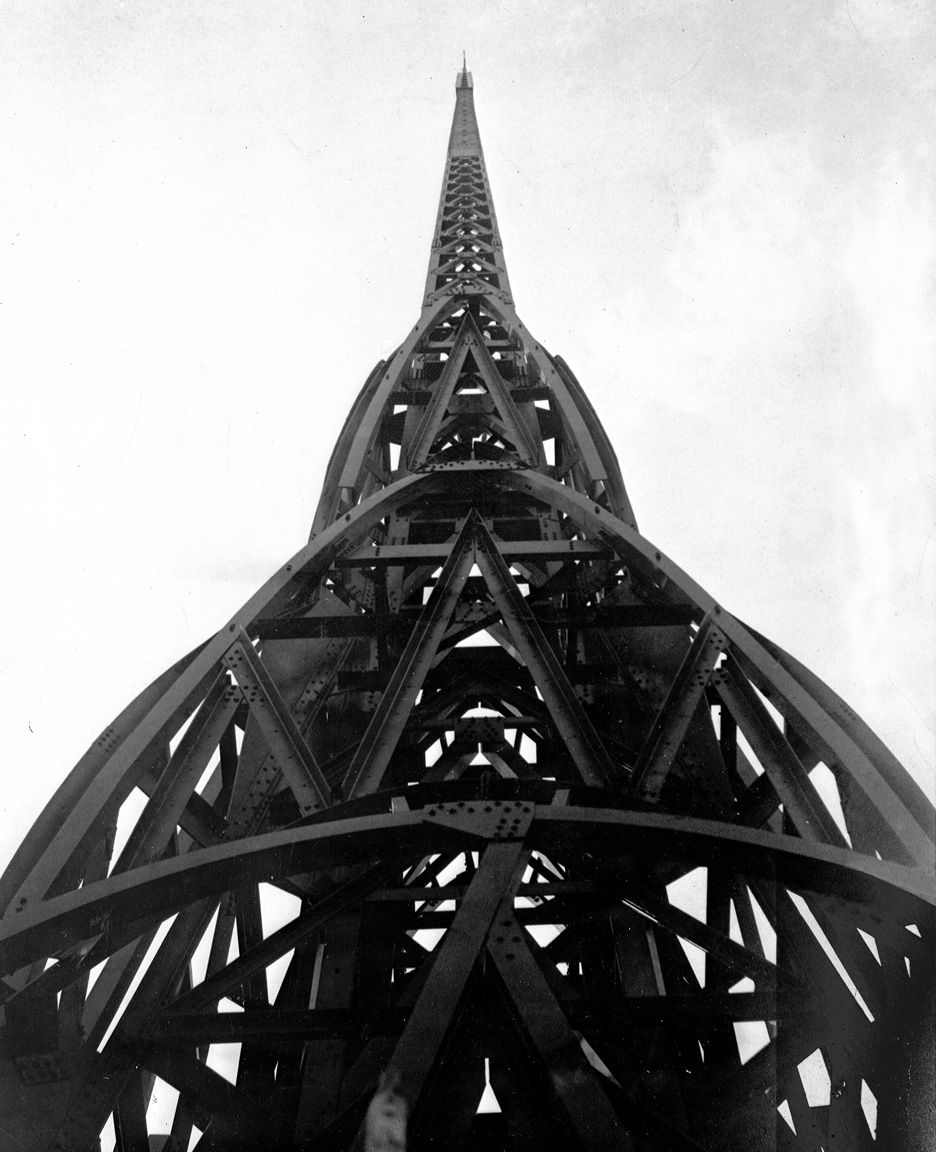
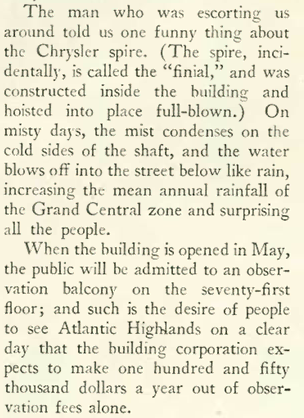
Dubbed “hot jazz in stone and steel” by modernist architect Le Corbusier, the Chrysler Building’s gleaming spire beckoned The New Yorker’s E.B. White and real estate journalist David G. Bareuther (New York Sun) to its summit for a closer look…
BARE BONES…The spire in place atop the Chrysler building, the dome awaiting its metal skin. (skyscraper.org)WHAT LIES BENEATH…The stainless steel spire still gleams atop the Chrysler Building; beneath the spire, a maze of scaffolding — navigated by E.B. White and David G. Bareuther for their “Talk of the Town” piece, supports the upper portions of the building’s dome. (yahoo.com/nygeschichte.blogspot.com)THE HIGH LIFE…The Chrysler Building’s exclusive Cloud Club was located on the 66th, 67th, and 68th floors. At one time it was the highest lunch club in the world. It closed in 1979. (decopix.com)
If you want to get a sense of what E.B. White and David Bareuther experienced during their climb through the Chrysler’s dome, take a look at this video featuring American radio personality “Opie” (Gregg Hughes) and Hidden Cities author Moses Gates…
The article also noted that an “observation balcony” would be available for visitors to the 71st floor (actually an enclosed room inside the dome), but I’m sure the expectations for revenue fell quite short, given the competition it would soon receive from the much larger, higher, open air observation deck of the Empire State Building…
REACHING FOR THE STARS…When the Chrysler Building officially opened in 1931, visitors could go up to the 71st-floor observatory (in the dome) and view the city through its triangular windows. The observatory closed in 1945. (nygeschichte.blogspot.com)
…a bit of a digression, but I couldn’t help but notice the observatory’s resemblance to this set from the 1920 silent film The Cabinet of Dr. Caligari…
(silent-volume.blogspot.com)
…and here is a terrific graphic from Popular Science (August 1930) demonstrating how the spire, which was assembled inside the dome, was raised into its final position…
…and finally, some great archival footage documenting the achievement…
* * *
Tragic Theater
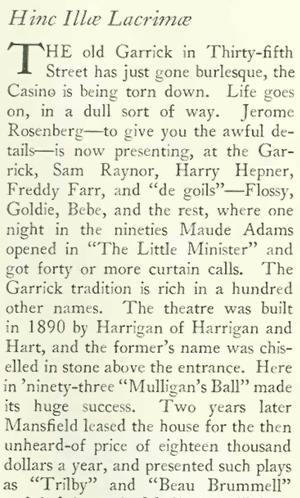
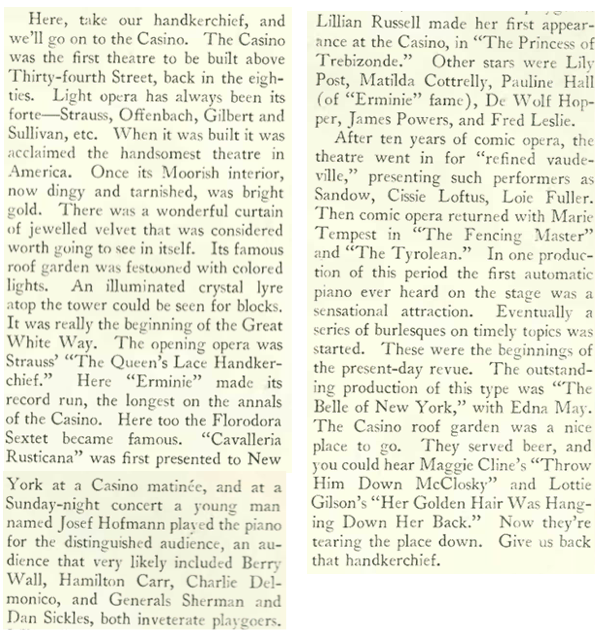
We continue our forays into the built environment of 1930 New York by looking at what was lost, including two beloved Broadway theaters. “The Talk of the Town” lamented the decline of the Garrick…
FINAL CURTAIN…Built in 1890 and originally named Harrigan’s Theatre, The Garrick closed as a playhouse in 1929. After a short run of burlesque, the building was demolished in 1932.
HEYDAY…Clockwise, from top left, circa 1910 postcard image of The Casino Theatre at Broadway & 39th; an audience on the Casino’s roof garden glimpses the performance below; interior of the Casino; the British musical comedy Floradora would become one of Broadway’s greatest hits — the New York production opened in 1900 and ran for 552 performances. (Museum of the City of New York )
* * *
From Jazz to Gothic
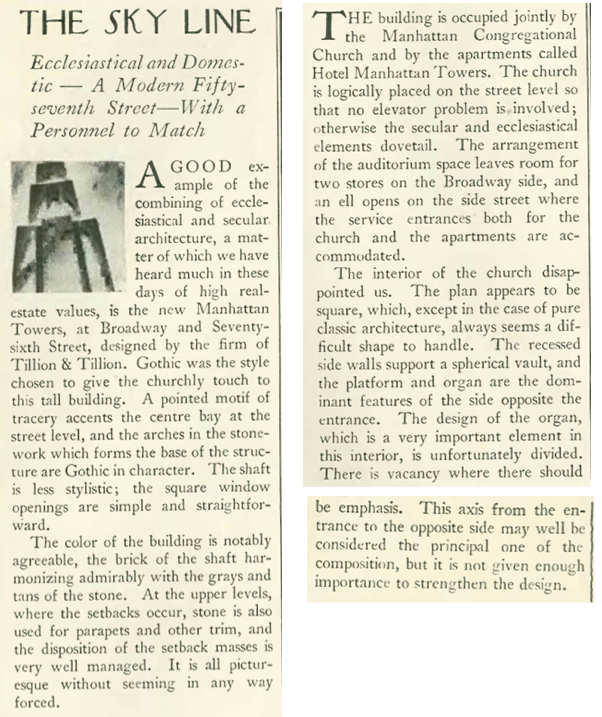
We return our gaze to the skies with three more new buildings reviewed by architecture critic George S. Chappell in his “Sky Line” column. He began with the Manhattan Towers Hotel, which thanks to the Depression would soon fall on hard times, going into foreclosure by October of 1931 and becoming a favorite gangster hideout (read more about the hotel at Daytonian in Manhattan)…
GOD AND MAMMON…Clockwise, from top left, the Manhattan Congregational Church in 1927. The church was torn down in 1928 and replaced by the Manhattan Towers Hotel at Broadway and 76th; the completed hotel, designed to wrap around the three-story Jones Speedometer Building, seen in the lower right of the photo; the first five floors of the building were dedicated to church use; after falling into disrepair, in 1980-83 the 626-room hotel was converted into 113 cooperative apartments. Note that the Speedometer Building still stands, sadly shorn of its ornamentation. (New York Public Library/Daytonian in Manhattan)
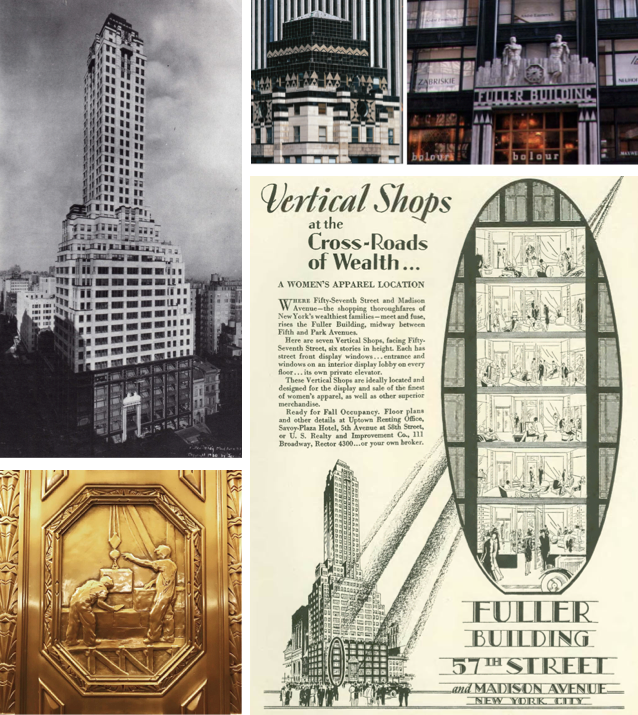
…Chappell also found much to admire in the new Fuller and Squibb buildings…
FULLER HOUSE…Clockwise, from top left, the 1929 Fuller Building was the third home of the George A. Fuller Company (its second home was the 1903 Flatiron Building); detailed views of the building’s tiled pinnacle and unique glass display windows that distinguish the building’s first six stories; an advertisement from the March 2, 1929 New Yorker that touted these gallery spaces for “superior merchandise”; detail of a coffered panel on an elevator door. (deskgram.net/nyc-architecture.com)Clockwise, from top left, entrance to the Squibb Building, now known as 745 Fifth Avenue; the cool white marble of the building’s base so admired by critic George Chappell; today, the building at dusk, the slender profile of 432 Park Avenue rising in the background. (OzBibliophile/paramount-group.com/landmarkbranding.com)
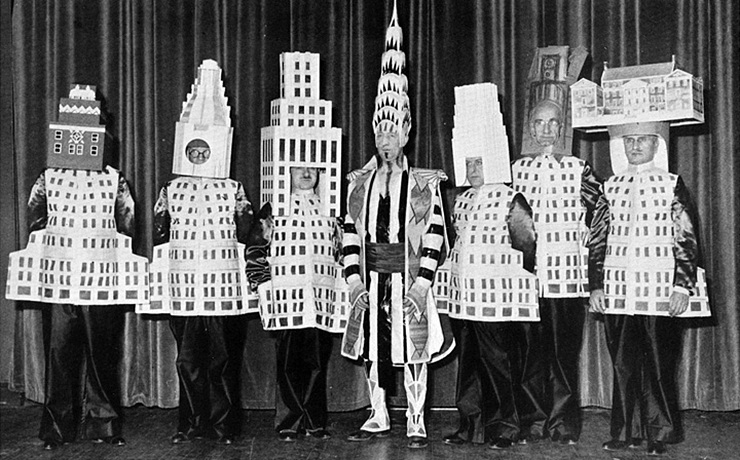
…From the Chrysler Building to the Fuller and Squibb, these new buildings, their architects, and the city’s ever-changing skyline were famously celebrated at the January 1931 Beaux Arts Ball…
HEADS IN THE CLOUDS…the Chrysler Building’s architect, William Van Alen (center), flanked by, from left to right, Stewart Walker (The Fuller Building), Leonard Schultze (The Waldorf-Astoria), Ely Jacques Kahn (The Squibb Building), Ralph Walker (1 Wall Street), D.E. Ward (The Metropolitan Tower), and Joseph H. Freelander (Museum of the City of New York). The New York Times referred to the group as “a tableau vivant of the New York Skyline.” (Van Alen Institute)
* * *
Quiet on the Set
The early days of sound movies created numerous challenges for directors who not only had to adjust the action to accommodate cumbersome microphones, but also to keep out unwanted noises or bad enunciation. “The Talk of the Town” explained…
CLOSETED…In the early days of the talkies, cameras had to be soundproofed in cabinets so their noisy motors would not be picked up by primitive sound equipment. (coloradocollege.edu/Library of Congress)
…Peter Arno illustrated the predicament of filming in nature in this cartoon from the April 5, 1930 issue…(caption: “Well, we can’t start till we get that robin out of there.”)…
* * *
One of Ours
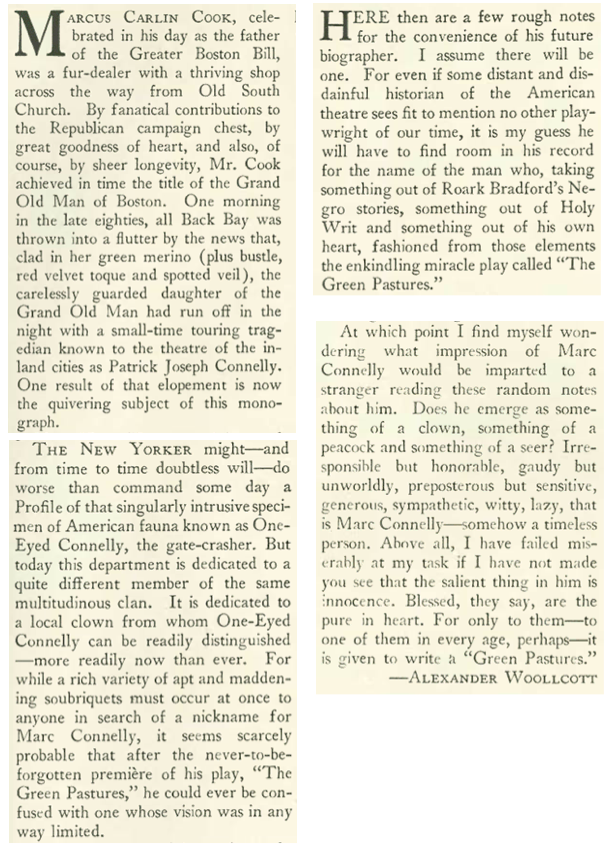
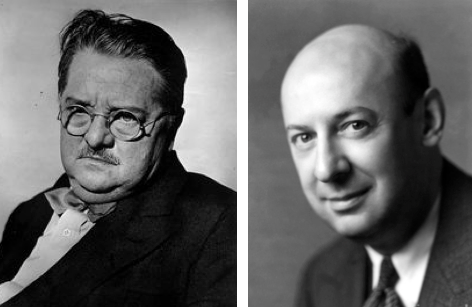
In the story of The New Yorker, Alexander Woollcott and Marc Connelly were there at the beginning as founding members of the Algonquin Round Table and advisory editors to the first issues of the magazine. Basking in the success of his latest play, The Green Pastures (for which he would receive a 1930 Pulitzer Prize for Drama), Connelly was the subject of a April 12, 1930 profile titled “Two-Eyed Connelly,” which was written by Woollcott. Some excerpts, and a caricature by Al Frueh…
FAMILIAR WITH THE SUBJECT…Alexander Woollcott, left, explored the life of his old friend Marc Connelly in the April 12 profile. (goodreads.com/Fine Art America)
* * *
The Party is Really Over
Lois Long’s column “Tables for Two,” which in the 1920s was a must-read for those interested in Jazz Age night life, appeared intermittently in its last year, and its April 12 installment was not even written by Long, but by a writer who signed the column “F.D.” — I assume this is Fairfax Downey, who tried his best to capture Long’s style…
* * *
From Our Advertisers
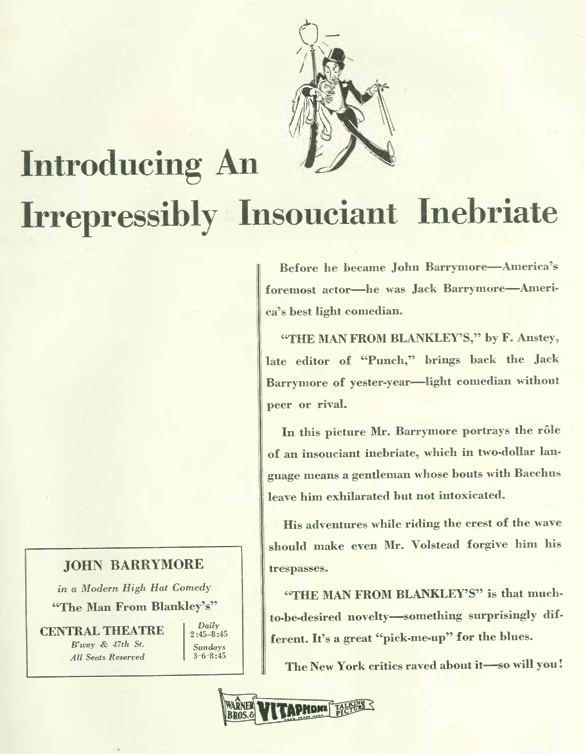
Warner Brothers opened their pocketbooks to publicize John Barrymore’s latest film, The Man From Blankey’s, which the studio described as a “Modern High Hat Comedy”…
WHEN ALCOHOLISM WAS FUNNY…Loretta Young, John Barrymore and Angella Mawby in The Man from Blankley’s. (IMDB)
…Thanks to William Randolph Hearst and his King Features Syndicate, Robert Ripley, the P.T. Barnum of the funny pages, soared to fame in the 1930s with his “Believe It or Not” panel…here he begins his 14-year run on the radio…
HELLO SUCKERS…Robert Ripley in 1930 with a drawing of “the Horned Man of South Africa.” (RIPLEY ENTERTAINMENT INC.)
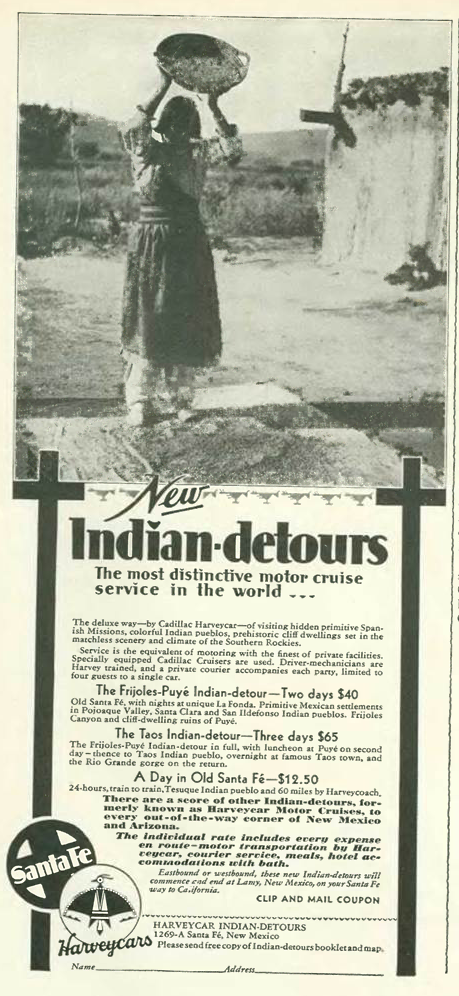
…and here’s an ad for another questionable but very American diversion — Fred Harvey’s “Indian Detours”…
WE’RE NOT IN KANSAS ANYMORE…The Fred Harvey Company was renowned for its chain of eating houses hosted by the famed “Harvey Girls” along the Atchison, Topeka & Santa Fe Railroad between 1876 and 1968. To encourage train travel (and Harvey business) in the Southwest, the Harvey company developed “Indian Detours.” The photo at left is of an “Indian Building” in Albuquerque, which featured displays of art and “live exhibits” that included Native Americans from many tribes around New Mexico. (santafeselection.com)EASY RIDER…1929 Cadillac Harvey Indian Detour Car outside La Fonda, Santa Fe. (Palace of the Governors photo archive)
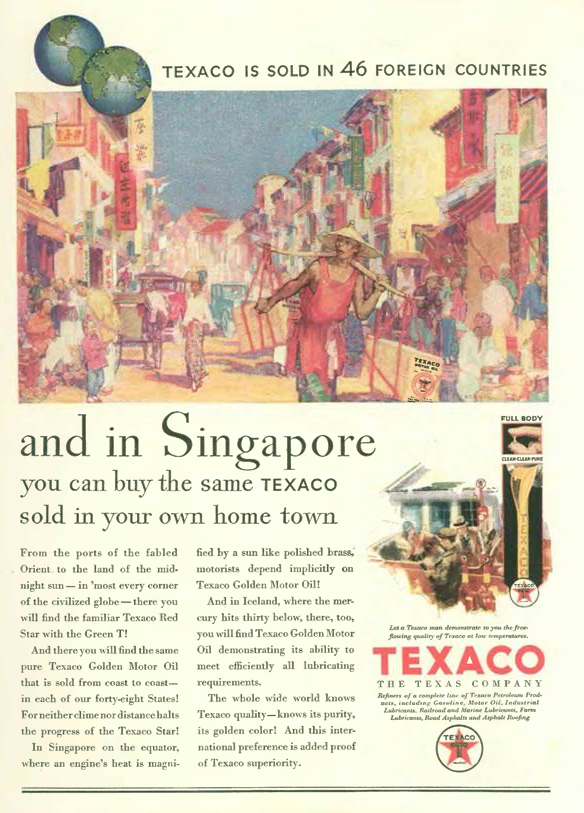
…if you preferred to travel abroad, Texaco wanted you to know that you could still gas up with their product, even in distant Singapore…
…we begin our cartoons with the spare stylings of Gardner Rea…
…and Otto Soglow…
…we find one of Helen Hokinson’s ladies on her way to fitness…
…William Crawford Galbraith showed us an enterprising young man…
…Art Young illustrated the challenges of the lecture circuit…
…and one of my all-time favorite Peter Arno cartoons…
Just three years before she would enter the White House as First Lady, Eleanor Roosevelt was familiar to some New Yorkers for her social work, but was known to most as the wife of the Governor of New York, Franklin D. Roosevelt.
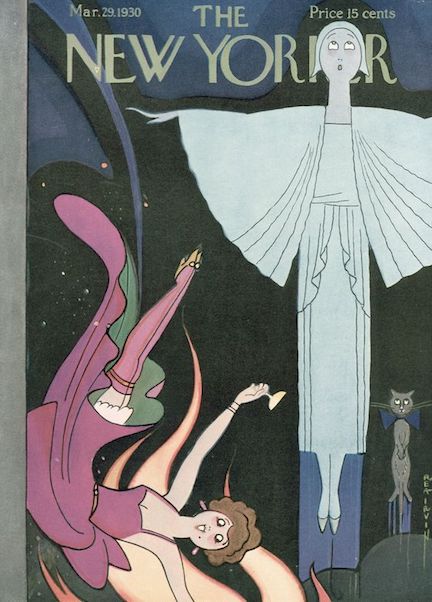
This week we look at two issues, March 29 and April 5, 1930, both with covers by Rea Irvin.
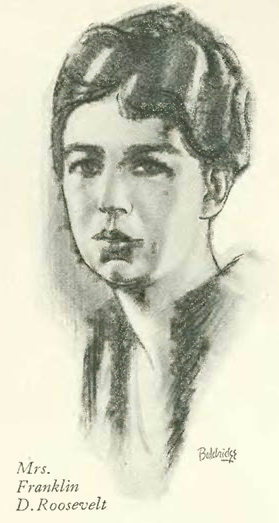
In a profile featured the April 5 New Yorker, Helena Huntington Smith looked at the life of a woman who was a niece to former President Theodore Roosevelt and a fifth cousin (once removed) to her husband Franklin. A somewhat reluctant mother (who nevertheless had six children) in a marriage that was mostly a political arrangement, Eleanor devoted considerable time and energy to social causes. Below is a brief excerpt, accompanied by an illustration of Eleanor by Cyrus Baldridge.
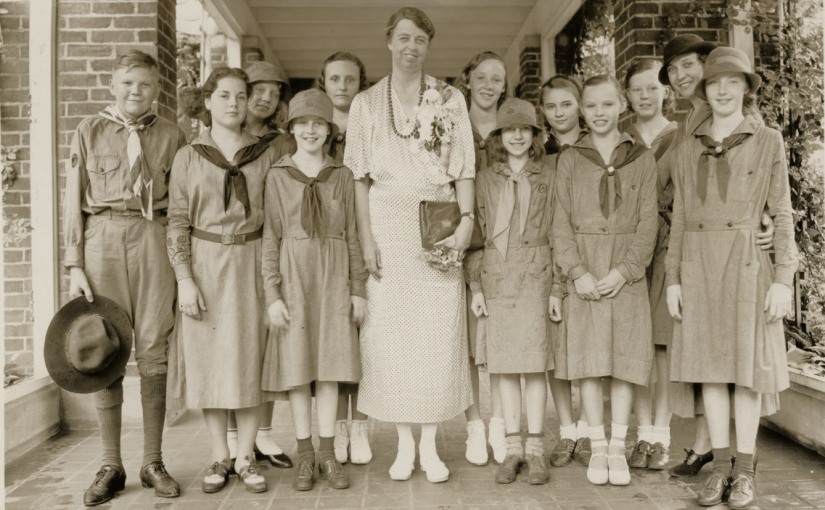
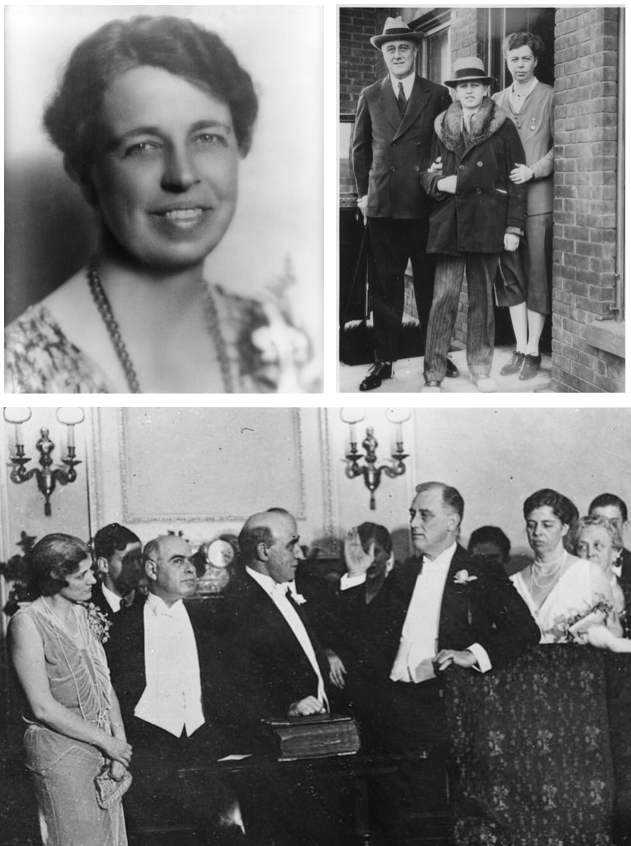
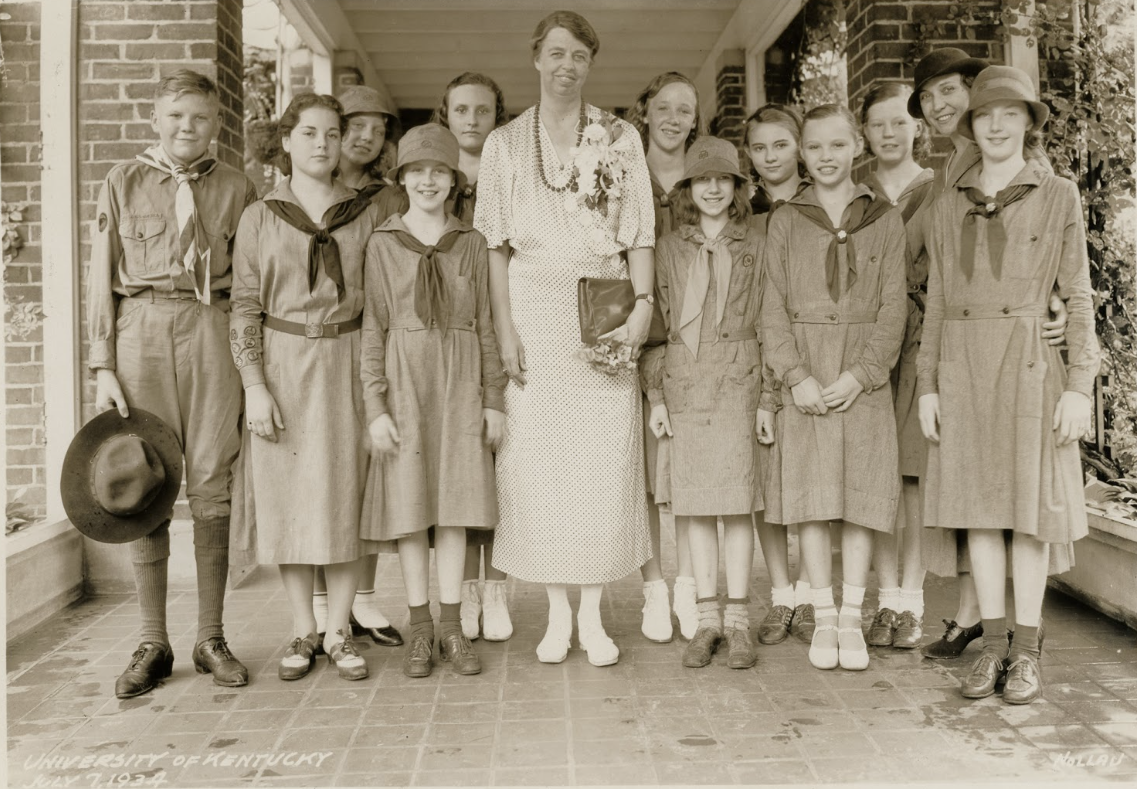
ALBANY DAYS…Clockwise, from top left: Eleanor Roosevelt in 1933; Gov. Franklin Roosevelt, Eleanor, and their youngest son, John, in Albany in 1930; FDR being sworn in as Governor of New York, January 1929. (Wikipedia/Albany Group Archive)IN HER ELEMENT…Eleanor Roosevelt with boy and girl scout volunteers at the University of Kentucky, July 1934. (eleanorroosevelt.org)
* * *
No Laughing Matter
In a surprising twist, James Thurber took a hand at writing the “A Reporter at Large” column (titled “Cop Into College Man”) in the March 29 issue, visiting a new “Police College” in New York City. In this engaging piece, Thurber seemed thoroughly engrossed in the operation…
…and particularly in the mugshots of some of the city’s most notorious criminals, including gangster Jim Flanagan, “debonair in a Bangkok hat”…
…and in the college’s museum, filled with all manner of deadly implements…
PREPPING FOR PERPS…The April 1930 edition of Popular Science featured the opening of New York’s new Police College. (Modern Mechanix)
* * *
Pluto’s Salad Days
In was something of a sensation in February 1930 when Clyde Tombaugh (1906-1997) discovered the then-planet Pluto at the Lowell Observatory in Arizona. Howard Brubaker in “Of All Things” (March 29) had this to say about the achievement:
JUST A SPECK…Clyde Tombaugh poses with the telescope through which he discovered the planet Pluto at the Lowell Observatory on Observatory Hill in Flagstaff, Ariz., 1931. At right, images of the planet (specks indicated by arrows) were all the proof Tombaugh needed to confirm his discovery. (AP/NASA)
Thanks to a 2015 flyby by NASA’s New Horizons spacecraft, we now have a better idea of what Pluto, now classified as a “dwarf planet,” actually looks like…
* * *
Dandy Doodle Mayor
Fillmore Hyde, author (and four-time national amateur squash tennis champion), penned this ditty in the March 29 issue in tribute to New York City’s dandyish mayor…
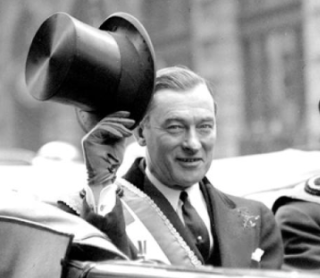
HAT’S OFF…Mayor Jimmy Walker.
* * *
Back for More
Also for the March 29 issue art critic Murdock Pemberton was back at the Museum of Modern Art — a new institution he met with skepticism when it opened in late 1929, but a place that was definitely growing on him as a destination to revel in the work of some of the world’s top modern artists, including the American Max Weber (1881-1961), whose retrospective was supposed to the big draw of MoMA’s latest show, but Pemberton seemed more impressed by French artist Aristide Maillol (1861-1944) and particularly by the Swiss-German Paul Klee (1879-1940).
AMERICAN CUBIST…Max Weber’sThe Cellist, 1917, oil on canvas, was featured in Weber’s 1930 retrospective exhibition at the Museum of Modern Art; at right, Weber seated in front of Interior with Music (1930). (Brooklyn Museum/Smithsonian)Aristide Maillol’sCrouching Woman, bronze, 1930. (MoMA)
Pemberton wrote that Klee’s show gave you “quite a feeling”…
Catalogs from Max Weber’s retrospective and Paul Klee’s exhibit at the Museum of Modern Art. (MoMA)
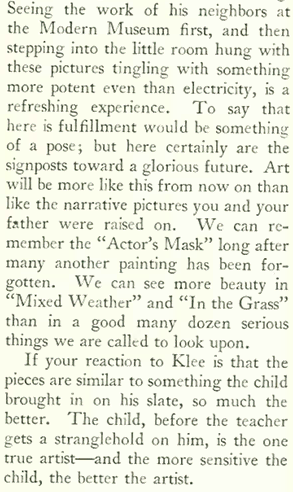
…and when he compared Klee’s work to that of the other artists, Pemberton saw something “more potent even than electricity…signposts toward a glorious future”…
A GLIMPSE OF THE FUTURE…From left, Paul Klee’sActor’s Mask, 1924, oil on canvas mounted on board; Josef Albers’ 1929 photographic portrait of Klee, 1929; Klee’s In the Grass, 1930, oil on canvas. (MoMA/Guggenheim.org)
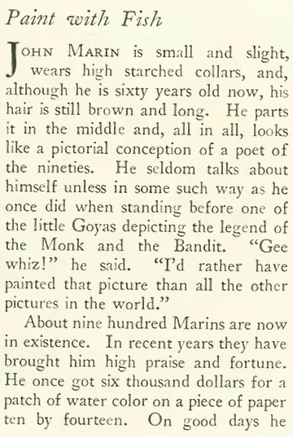
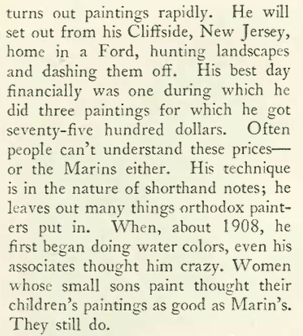
A week later, writing for the April 5 issue, Pemberton penned this piece for “The Talk of Town” about the work habits of artist John Marin…
OLD MAN AND THE SEA…John Marin in 1921, in a photograph by Alfred Stieglitz; Marin’s Bathers, 1932, oil on canvas. (mfa.org/Dallas Museum of Art)
* * *
Who Needs a Vet?
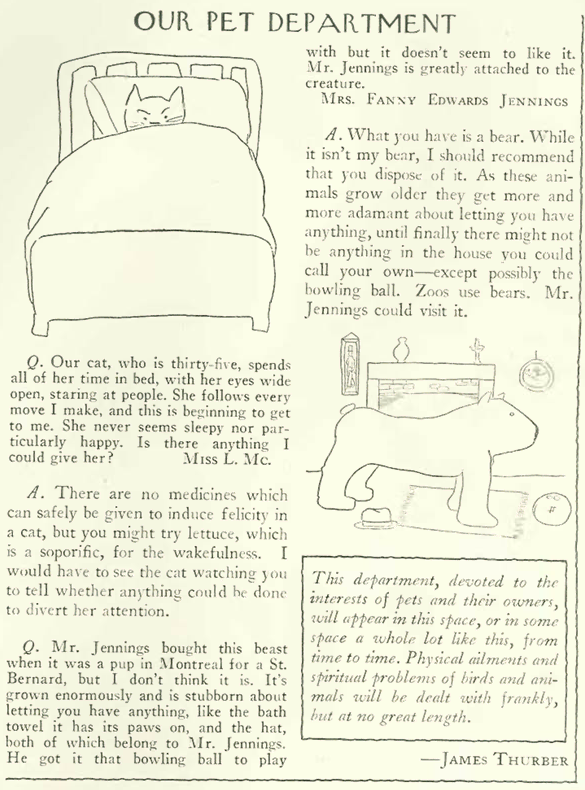
The April 5 issue featured James Thurber’s latest installment of “Our Pet Department…
* * *
Spend It Quickly
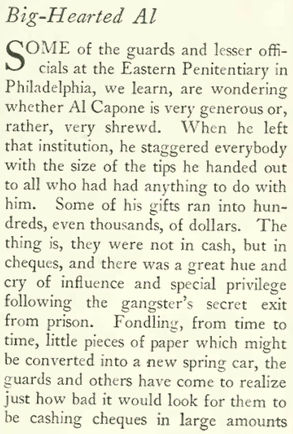
April 5’s “Talk” also featured this item about Al Capone’s release from prison in Philadelphia, lavishing money and gifts on prison employees as he made his exit from Eastern Penitentiary…
…it was no wonder, because officials at the prison didn’t treat Capone like some ordinary prisoner…
SALUTARY CONFINEMENT…Arrested outside a Philadelphia movie theater for carrying a concealed, unlicensed .38 caliber revolver, Al Capone was sentenced to a year in Eastern State Penitentiary. His last seven months were served in a cell (right) with fine furniture, oriental rugs, paintings, and a console radio, among other frills. (easternstate.org)
* * *
This Al Could Sing
Upon the DVD release of Al Jolson’s 1930 film, Mammy,Dave Kehr of The New York Times wrote that Jolson was “Simultaneously one of the most significant and most embarrassing show business figures of the 20th century.”
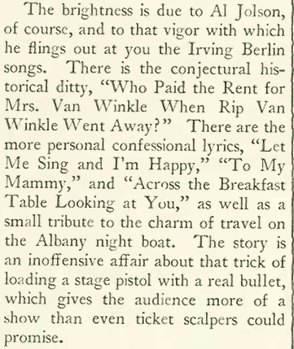
That was not view of most audiences 89 years ago, when Jolson reigned as one of America’s most famous entertainers. In his review of Mammy for the April 5, 1930 issue of The New Yorker, critic John Mosher admitted that he didn’t care for minstrel shows depicted in the film, but not for any of the reasons we would cite today…
UGH…Clockwise from top left, Al Jolson and Lois Moran in Mammy; a studio promotional poster; Jolson as a minstrel performer in the film. (IMDB)
* * *
From Our Advertisers
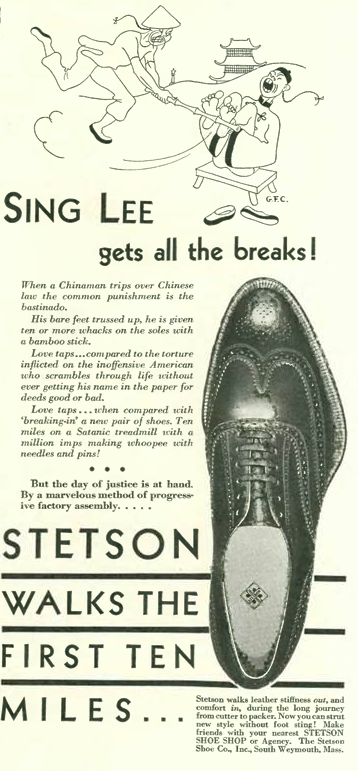
We have more racial stereotypes, this time to sell Stetson shoes…
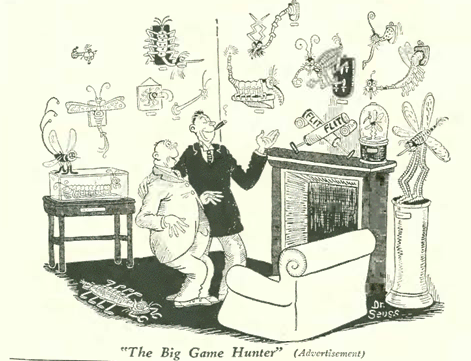
…Theodore Geisel (Dr. Seuss) continued to pay the bills by illustrating ads for Flit insecticide…
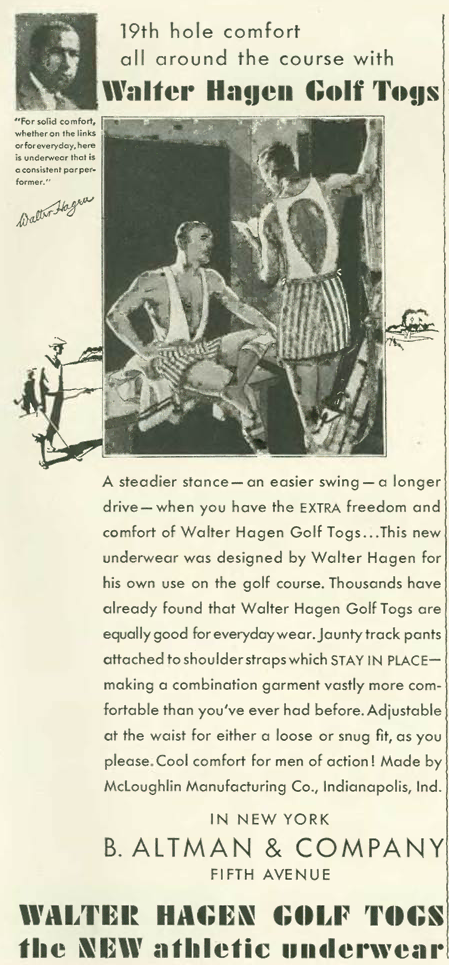
…while professional golfer Walter Hagen picked up some extra cash by launching his own line of golf underwear…
…Walter has been gone for fifty years, but you can still get his branded clothing from Dick’s Sporting Goods…
…Julian De Miskey picked up some extra work illustrating this house ad for The New Yorker…
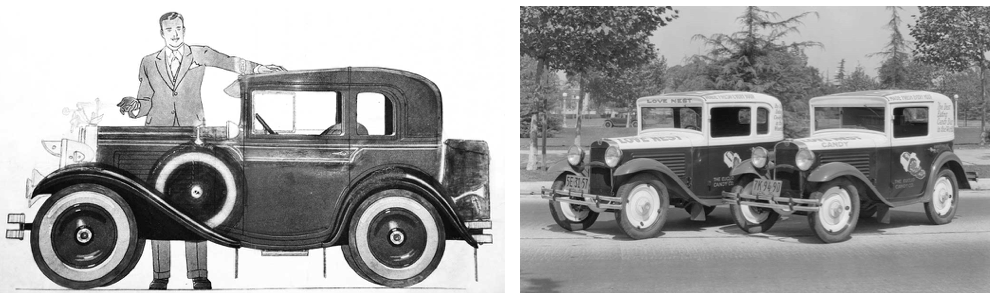
…and then we have this spot from the American Austin Car Company, which produced cars licensed from the British Austin Motor Company from 1930 through 1934…interestingly, the ad doesn’t feature the car itself…
…which looked like this…
(theoldmotor.com)
…on to our cartoons, Alan Dunn looked in on a devoted listener of S. Parkes Cadman’s Sunday radio broadcast…Cadman (1864-1936) was a British-born clergyman whose NBC radio broadcasts reached millions of listeners across America…
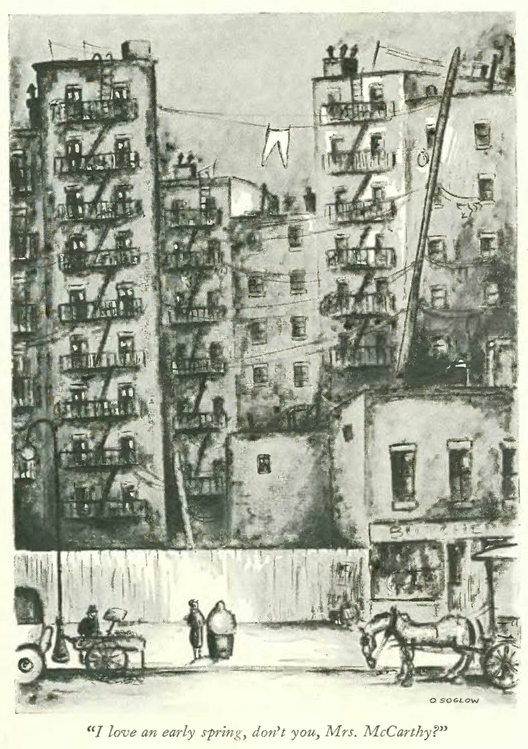
…signs of spring were noted by Otto Soglow…
…Don Herold shared an observation on stage entertainments…
…William Crawford Galbraith found unrequited love at the circus…
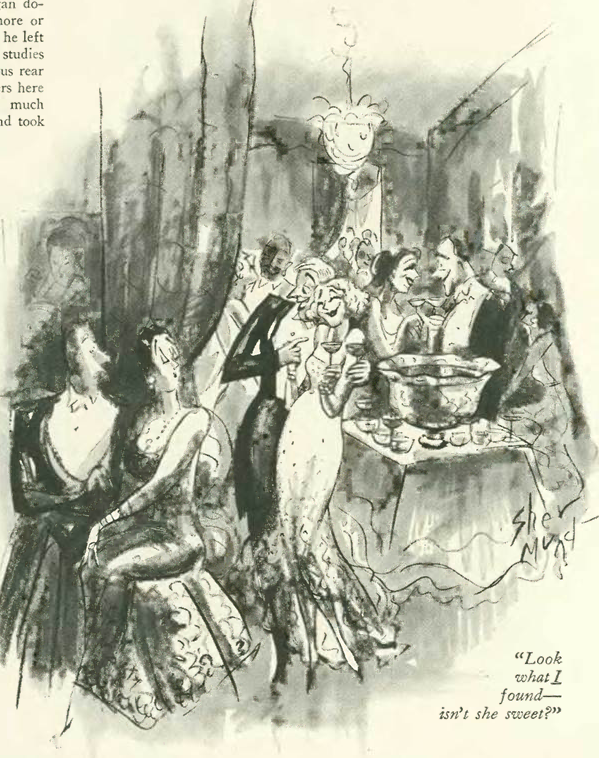
…while Barbara Shermund found a more agreeable pairing at a Manhattan cocktail party…
…Garrett Price found humor in the growing numbers of the down and out…
…and Peter Arno turned in this epic two-pager that illustrated the challenges of filming in nature…(caption: “Well, we can’t start till we get that robin out of there.”)
Imagine your favorite Hollywood actress, maybe someone like Julia Roberts,Meryl Streep or Judi Dench. You’ve followed their careers and watched most of their movies, but you’ve never heard their voices.
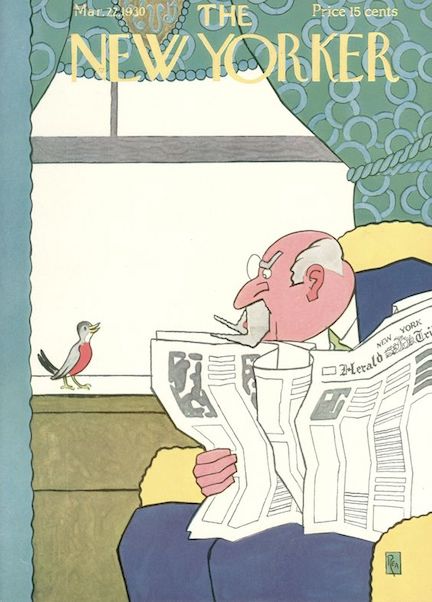
March 22, 1930 cover by Gardner Rea.
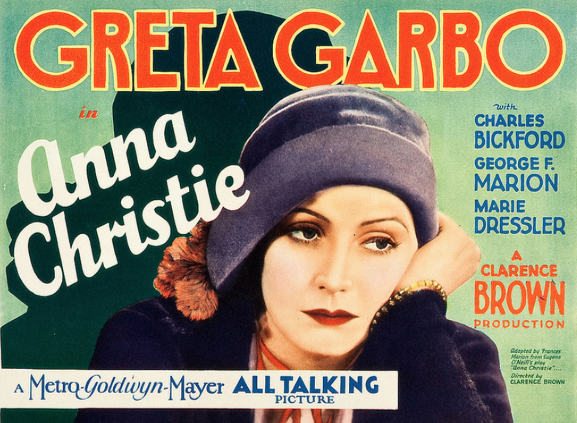
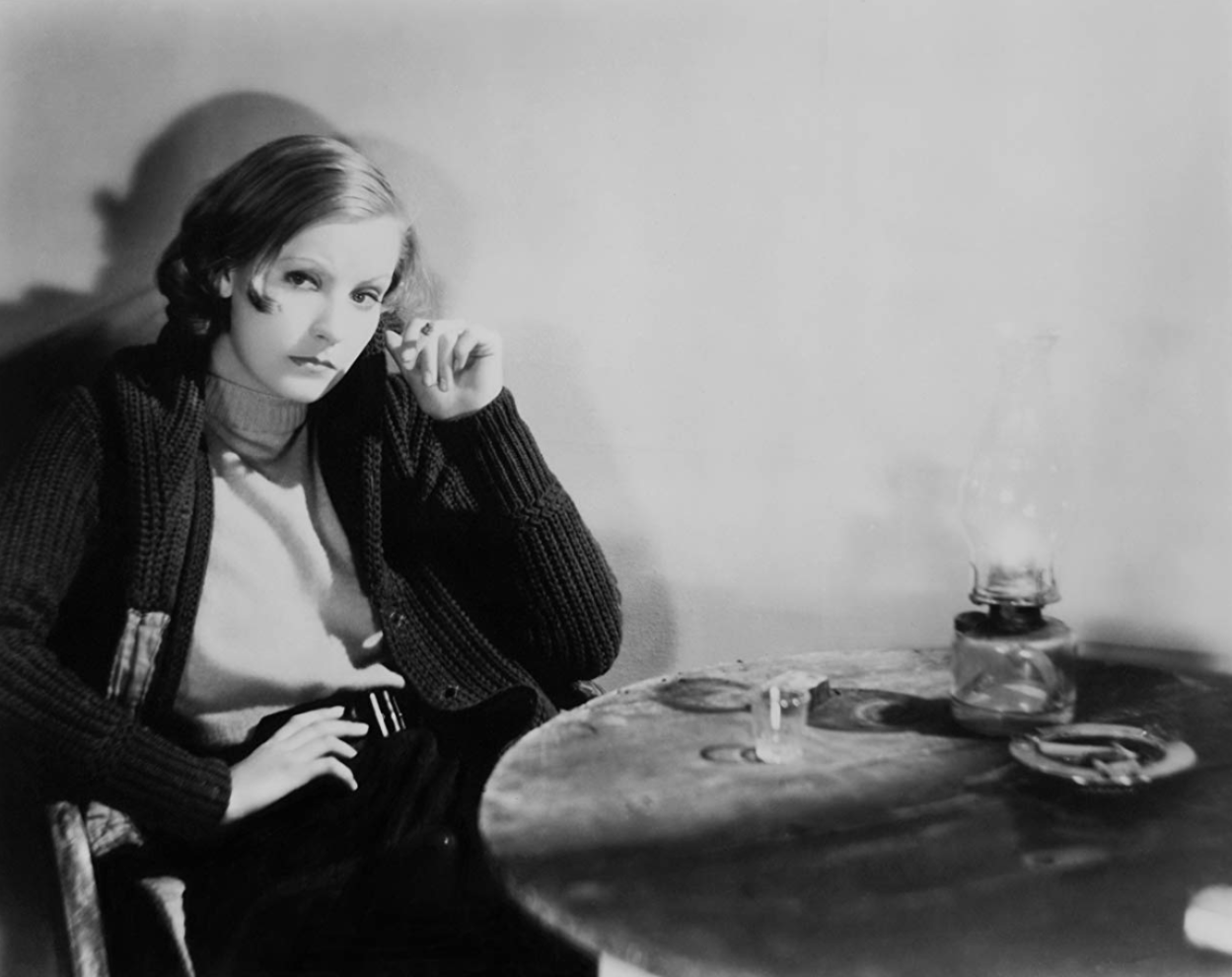
That’s what it was like for Greta Garbo fans before March 1930, when she spoke her first onscreen words in the 1930 MGM drama Anna Christie, which was adapted from a 1922 play by Eugene O’Neill.
SWEDISH SPHINX…Greta Garbo’s mask-like qualities on display in this publicity still for Anna Christie. (IMDB)
The New Yorker’s film critic John Mosher, not always a fan of Garbo’s silent work, found a “special kind of glamour” in her first talking picture, even tossing out the word “legend” to describe this Swede who avoided publicity like a bad cold…
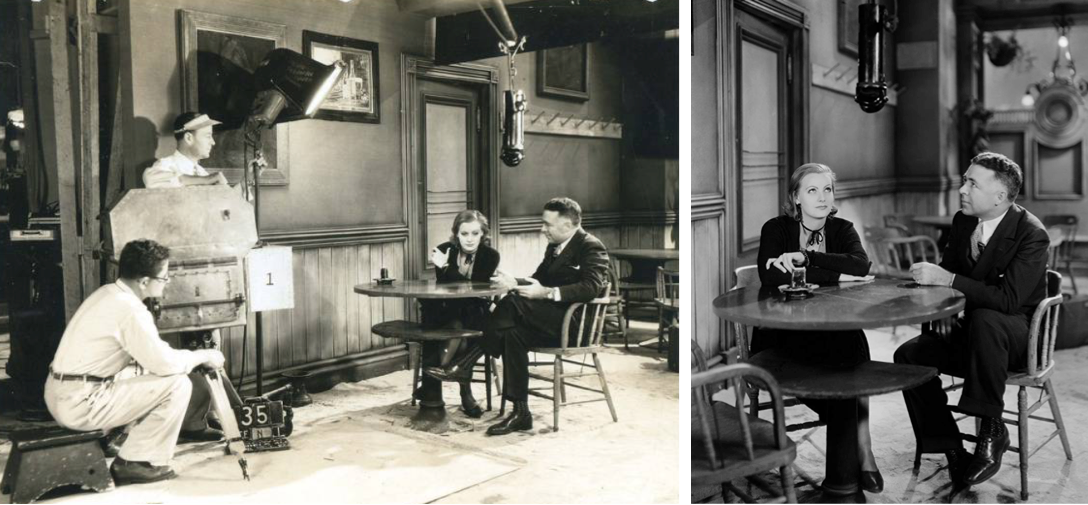
No doubt a few moviegoers saw the movie just to finally hear that voice, which Mosher described as “a surprise…a deep, low voice, a boy’s voice really, rather flat, rather toneless, yet growing more attractive as the picture advances”…
Director William H. Daniels (seated, left) with unidentified cameraman filming a scene from Anna Christie with actors Greta Garbo and Clarence Brown; at right, the actors contemplate the microphone hovering above them. Note how the camera in the first photo is contained in a soundproof case. (IMDB)
Publicized with the tag line “Garbo talks!,” Anna Christie premiered in New York City on Feb. 21 and would become the highest-grossing film of 1930. Later that year a German language version would be filmed featuring Garbo but with a different director and supporting cast.
SOUND DEBUT…Clockwise, from top left, Greta Garbo and Marie Dressler in Anna Christie; an MGM ad touting the film as one of the best pictures of the year (it would be the year’s highest-grossing, and Garbo would receive an Academy Award nomination); studio portraits of Garbo used in the film’s promotion. (IMDB)
* * *
Chicken and Cocktails
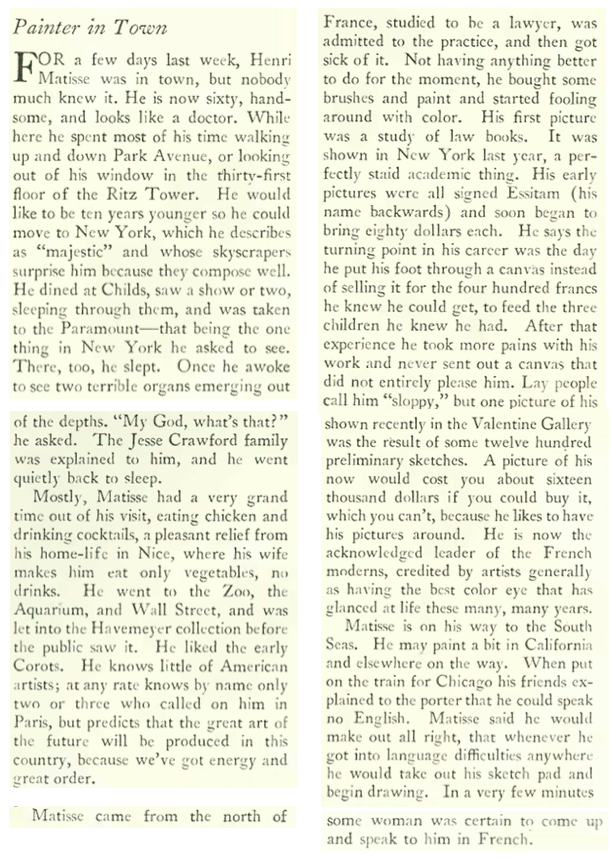
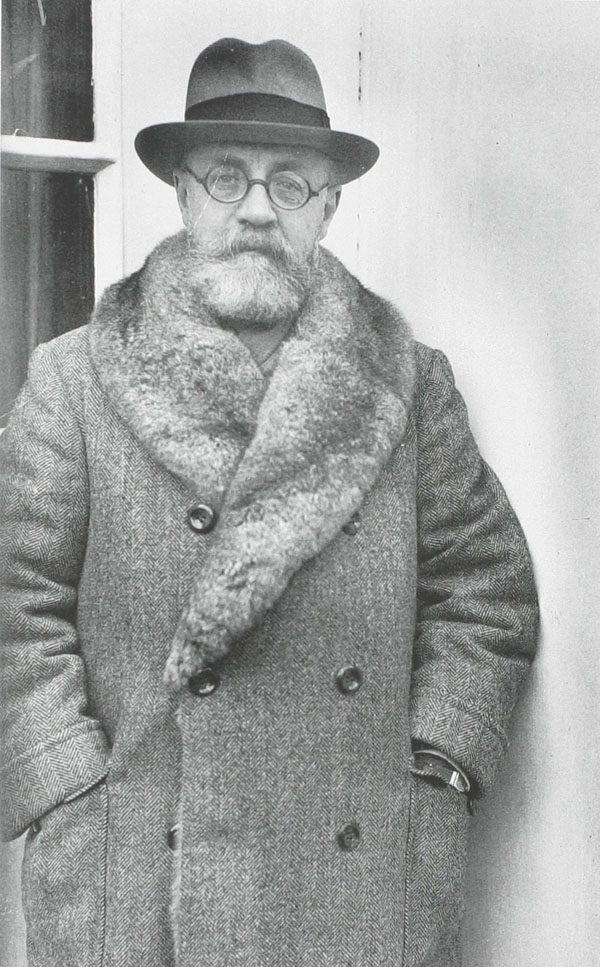
En route to the South Seas, the French artist Henri Matisse (1869-1954) paid a visit to New York City, and by all accounts had a good time there. His visit was described by Murdock Pemberton in “The Talk of the Town”…
I ♥ NEW YORK…Henri Matisse arriving in New York City on the RMS Mauretania December 15, 1930. He described the city as “majestic.” (artistandstudio.tumblr.com)NICE PLACE, THIS…Henri Matisse sitting on the brick roof terrace of 10 Mitchell Place (formerly Stewart Hall), the Queensboro Bridge glimpsed in the background. The photo was taken in 1930 by his son, Pierre Matisse, who was living in New York. At right, 10 Mitchell Place today. A framed photograph of Matisse sitting on the rooftop hangs on the wall of the building’s lobby. (Henri-matisse.net/Ephemeral New York)
* * *
The Last Page
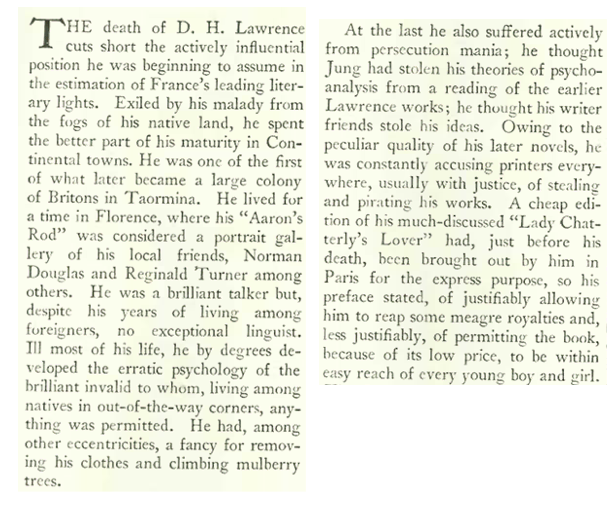
The death of author D.H. Lawrence (1885-1930) was reported to New Yorker readers by Janet Flanner, the magazine’s Paris correspondent, who briefly detailed the writer’s rather sad decline…
FLEETING DAYS…D. H. Lawrence (right) with fellow writer Aldous Huxley at Bandol, in the South of France, 1929. (Topham Picturepoint)
* * *
What Depression?
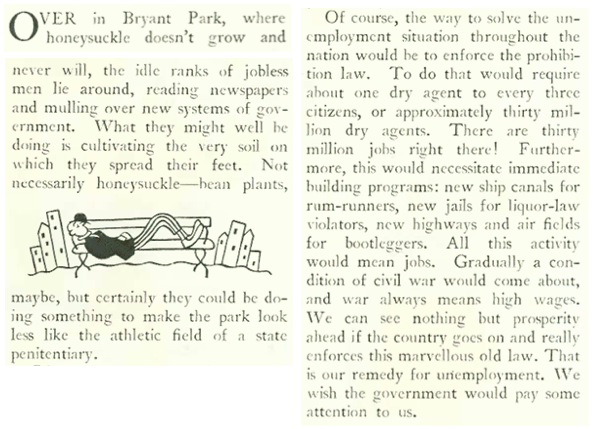
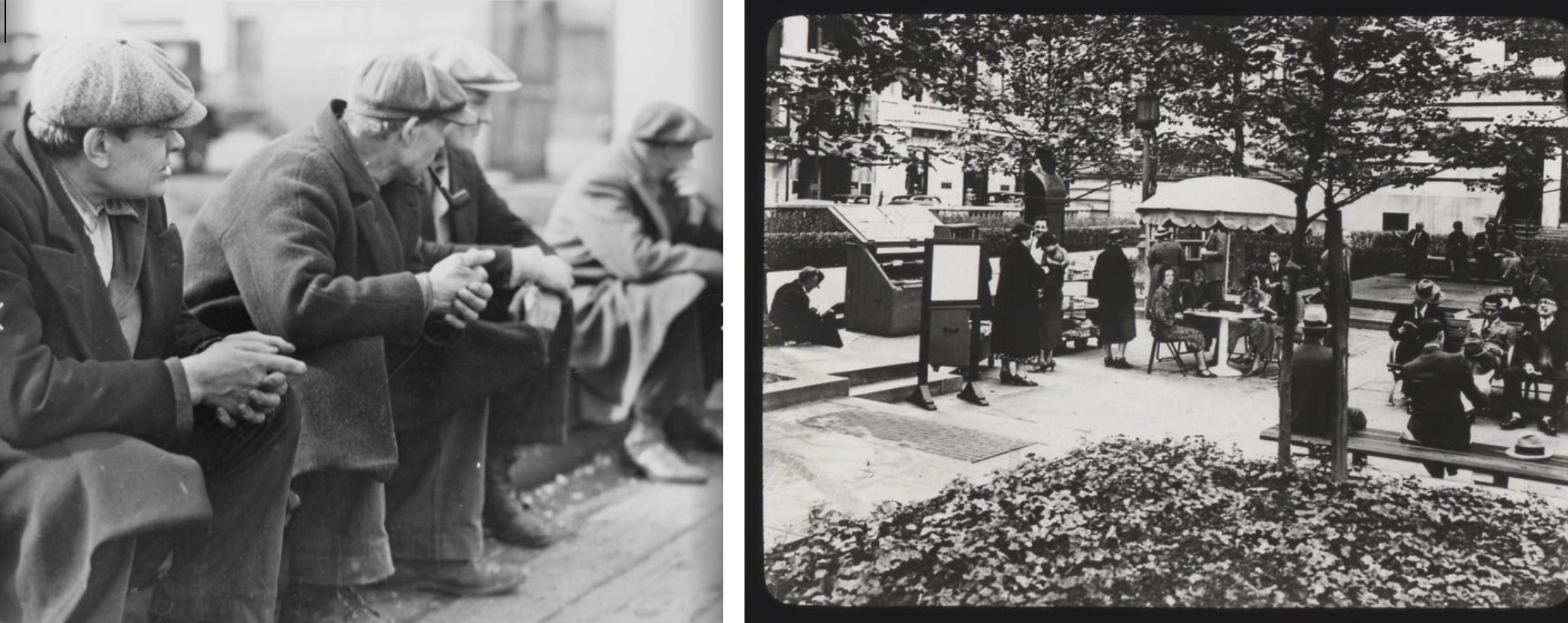
We are nearly five months into the Great Depression, yet there is little evidence in The New Yorker of the catastrophe that was unfolding across the land. And true to form, the approach to the topic was made with humor, via E.B. White in “Notes and Comment”…
KNOW ANY GOOD JOKES?…At left, unemployed New York dockworkers; at right, folks enjoying the New York Public Library’s outdoor reading room in Bryant Park, 1930s. (Lewis Hine/National Archives and Records Administration/New York Public Library)
* * *
Cathedrals of Commerce
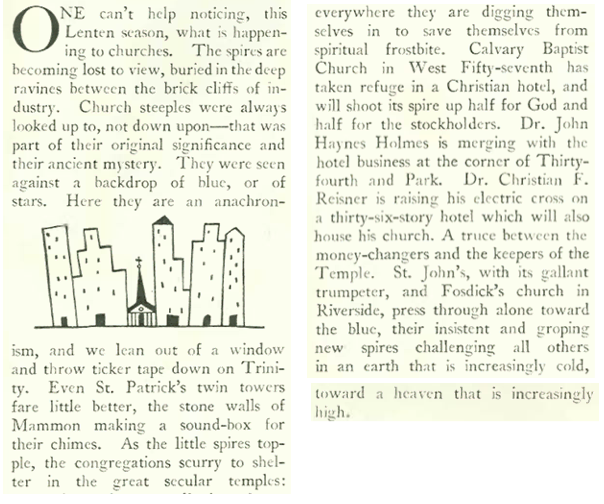
E.B. White also observed the changing skyline, and how the towering skyscrapers were quickly overshadowing the once prominent steeples of the city’s churches…
REACHING TO THE HEAVENS…Clockwise, from top left, Trinity Church Wall Street and St. Patrick’s have been eclipsed by the towers of Mammon, but St. John’s and Riverside still dominate their surroundings. (Wikipedia/St. John’s/Riverside)
* * *
The Other House of Worship
Perhaps a certain skyscraper ennui settled in, as architecture critic George S. Chappell was not all that impressed by the “huge” Lincoln Building (which today still seems huge)…
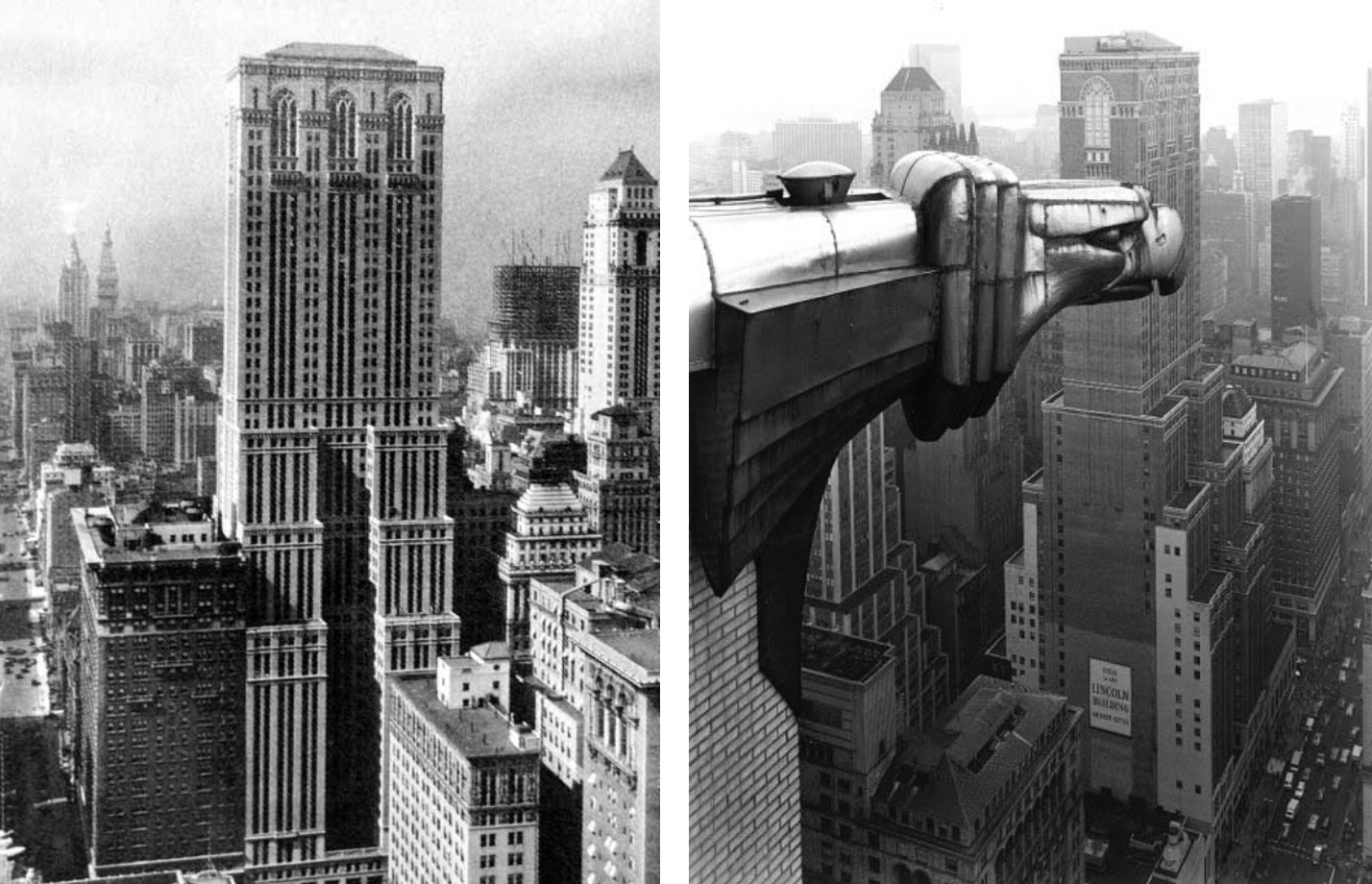
SIZE DOESN’T MATTER…Although the new Lincoln Building proved to be a massive addition to the New York skyline, its style seemed outdated in contrast to its flashy new neighbor, the Chrysler Building — one of its gargoyles, at right, seems poised to devour the Lincoln Building. (nyc-architecture.com)
* * *
From Our Advertisers
We have a bit more evidence of the Depression in the ads, including this one from Abercrombie & Fitch, with two sporting gents opting to go fishing to take their minds off the markets…
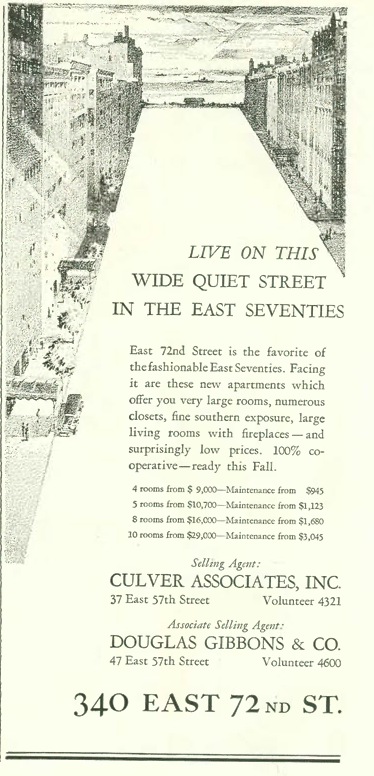
…if fishing wasn’t your thing, perhaps you just wanted to escape into the “quiet” of the wide streets in the East Seventies…
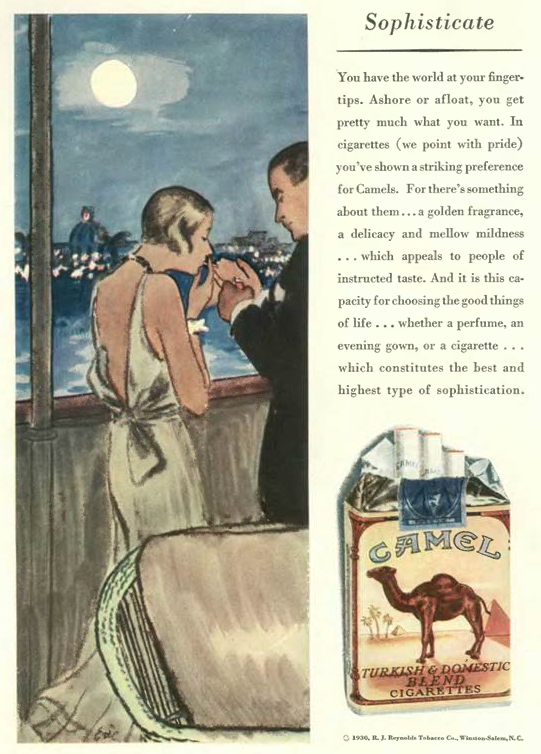
…or relax with a smoke, which artist Carl Erickson made so appealing with his Camel ad illustrations…
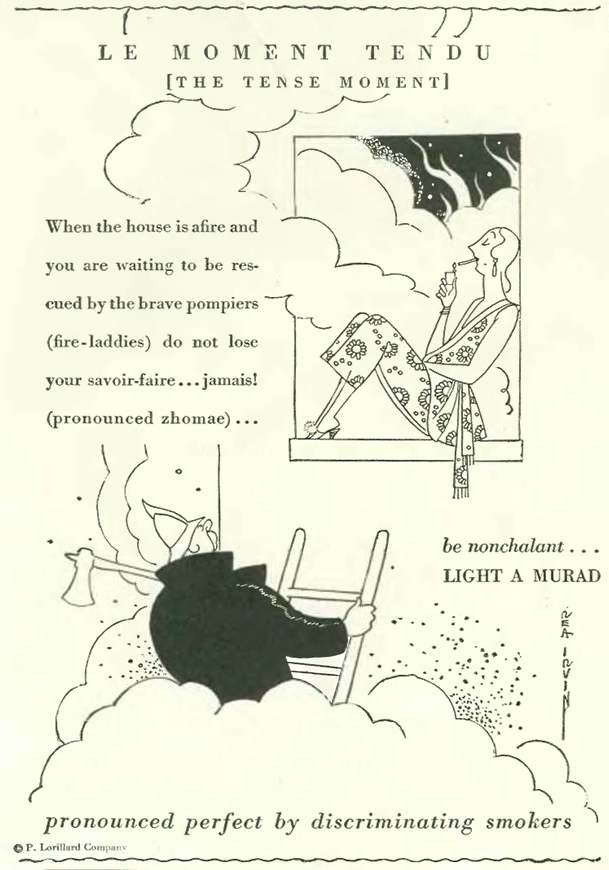
…or take the humorous route to a relaxing smoke, with this ad for Murad as illustrated by Rea Irvin…
…on to our cartoonists, Garrett Price captured the mood of the times…
…while Alfred Krakusin captured an altogether different mood…
...Leonard Dove examined the path to stardom…
…Isadore Klein pondered modern art…
…William Crawford Galbraith found an unlikely victim of religious zeal…
…Mary Petty gave us a glimpse of a doctor’s office…
On March 1, 1930, the Empire State Building was still just a bunch of sketches and blueprints, as was much of the yet-to-be-built modern cityscape of Manhattan. But as the Depression slowly worked its gnarled fingers into the American landscape, some still dreamed of the sleek, streamlined world to come.
March 1, 1930 cover by Rea Irvin.
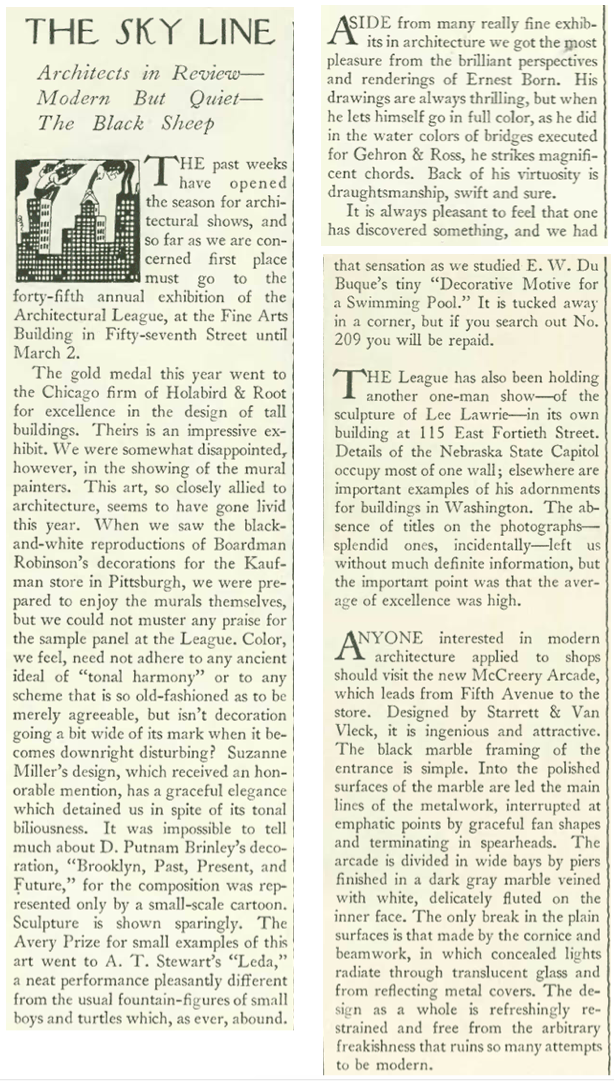
The New Yorker’s architecture critic, George S. Chappell, kept readers apprised of changes on the city’s skyline, as well as of the trends in modern design that were being displayed at various exhibitions including one held annually by the city’s Architectural League. Chappell observed:
A GLIMPSE INTO THE FUTURE…Opening pages of the Architectural League’s 45th Annual Exhibition, featuring an image of the Empire State Building. Construction had just begun on the iconic building at the site of the old Waldorf-Astoria Hotel. (mullenbooks.com)
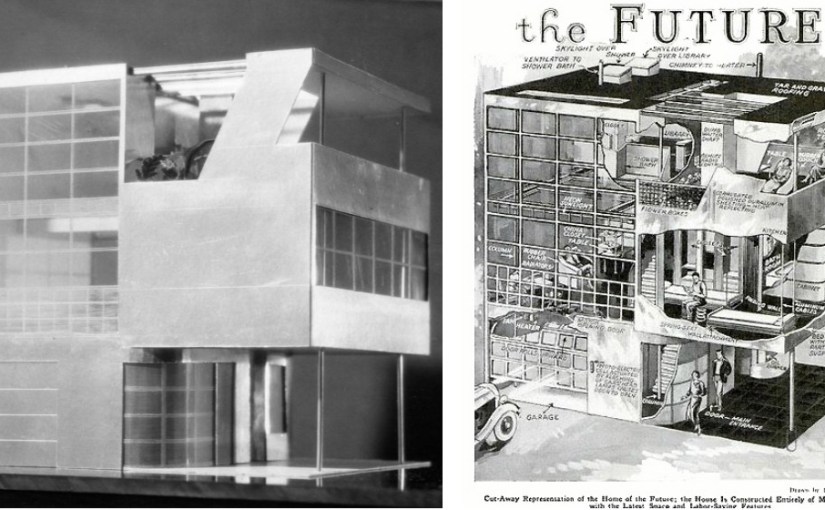
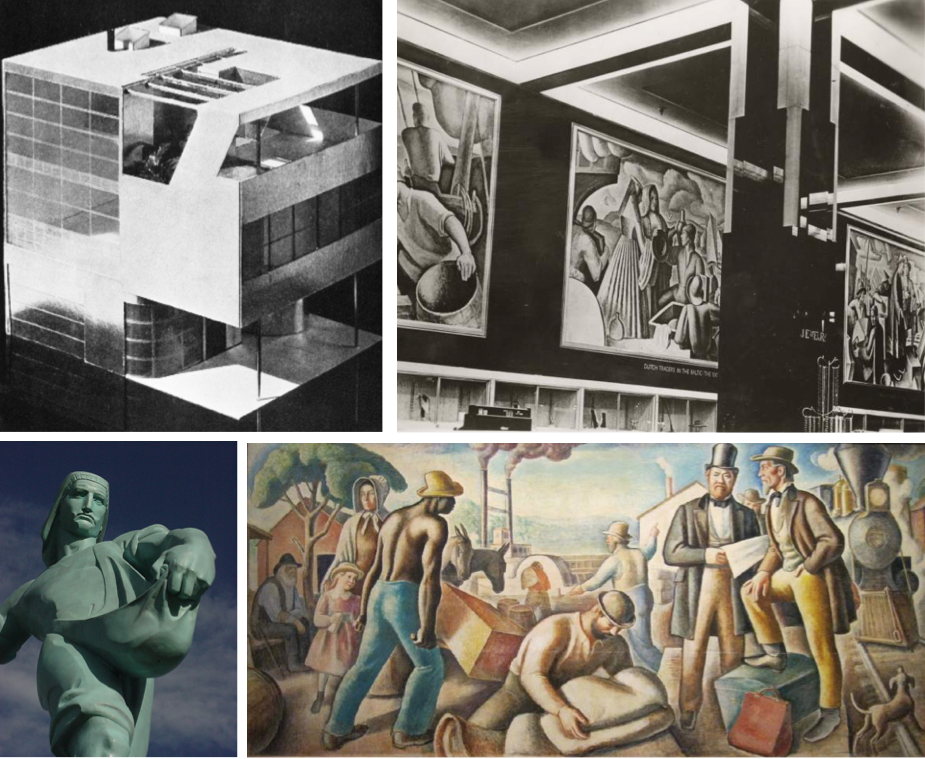
The exhibition featured a variety of projects, from the Aluminaire House in Long Island to Boardman Robinson’s murals in Pittsburgh to Bertram Goodhue’s Nebraska State Capitol featuring Lee Lawrie’s sculptures and friezes…
ECLECTIC…Model of the Aluminaire House erected in full scale for the 45th Annual Exhibition of the Architectural League of New York; Boardman Robinson’sThe History of Trade murals in Kaufmann’s Department Store, Pittsburgh; detail of one of Boardman’s 10 murals displayed at Kaufmann’s; Lee Lawrie’s “The Sower,” a 19-foot-tall bronze statue mounted on top of Bertram Goodhue’s Nebraska State Capitol in Lincoln. In 1937 Lawrie would install his “Atlas” sculpture in front of Rockefeller Center. (archleague.org/archive.triblive.com/capitol.nebraska.gov)
* * *
And Now For Something Old
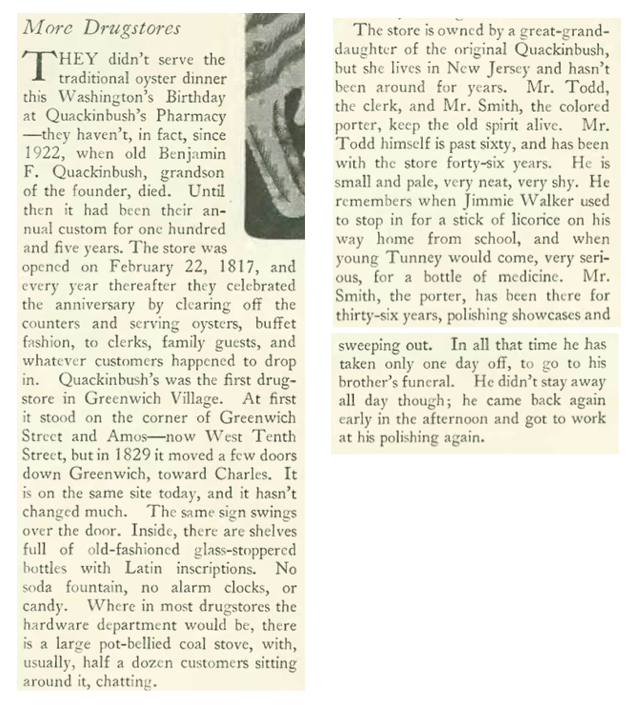
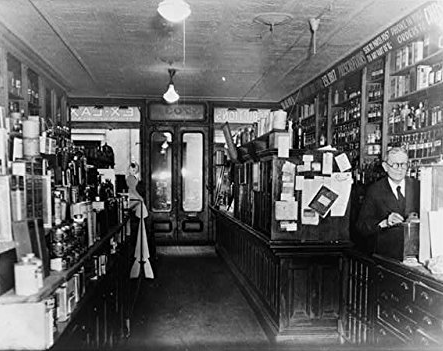
While George Chappell contemplated the world to come, “The Talk of Town” looked back in time to Greenwich Village’s oldest drugstore…
FORM FOLLOWED FUNCTION…Quackenbush Pharmacy in 1930. Manager James Todd at right. (Library of Congress)
* * *
Pet Project
The March 1 issue featured James Thurber’s second installment of “Our Pet Department”…
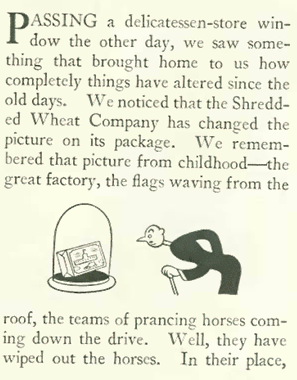
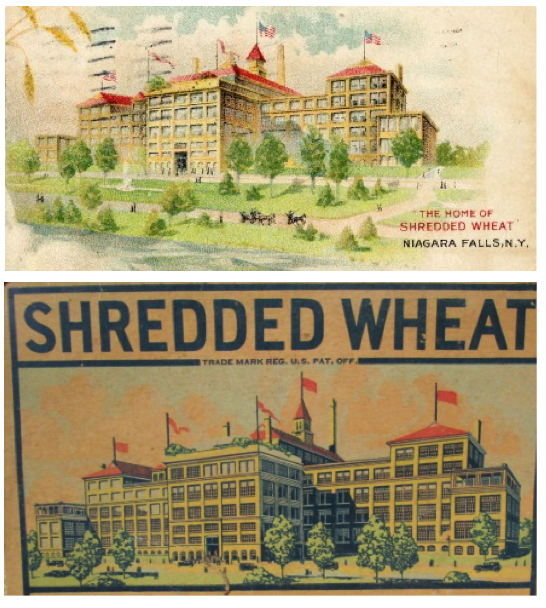
And while Thurber was doling out pet advice, his pal E.B. White was worrying over changes to the design of the Shredded Wheat box…
HORSELESS CARRIAGES replaced animal power on the packages of Shredded Wheat, much to the dismay of E.B. White. (oldshopstuff.com)
* * *
A Prince of a Guy
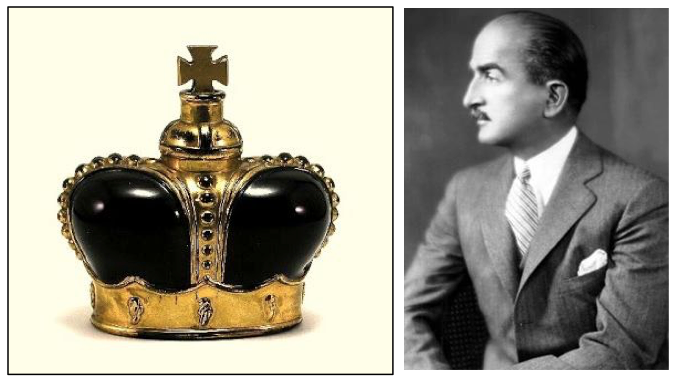
A refugee from the Bolshevik Revolution, the Georgian Prince Matchabelli (Guéorgui Vassilievitch Matchabelli) was penniless when he landed on American shores in 1924. Two years later he launched a perfume business with three scents — Ave Maria, Princess Norina, and Queen of Georgia — sold in bottles that were said to be small replicas of the Prince’s lost Georgian crown. “The Talk of the Town” paid the royal perfumer a visit for the March 1 issue:
HIS CROWNING ACHIEVEMENT…A bottle of Princess Norina perfume from 1926, and its creator, Prince Matchabelli. (Pinterest/Wikipedia)
Those who were around the late 1970s and 1980s no doubt recall the Prince Matchabelli Windsong Perfume commercials and the catchy tune that kind of stuck in your head (for better or worse)…
* * *
Low Life Revue
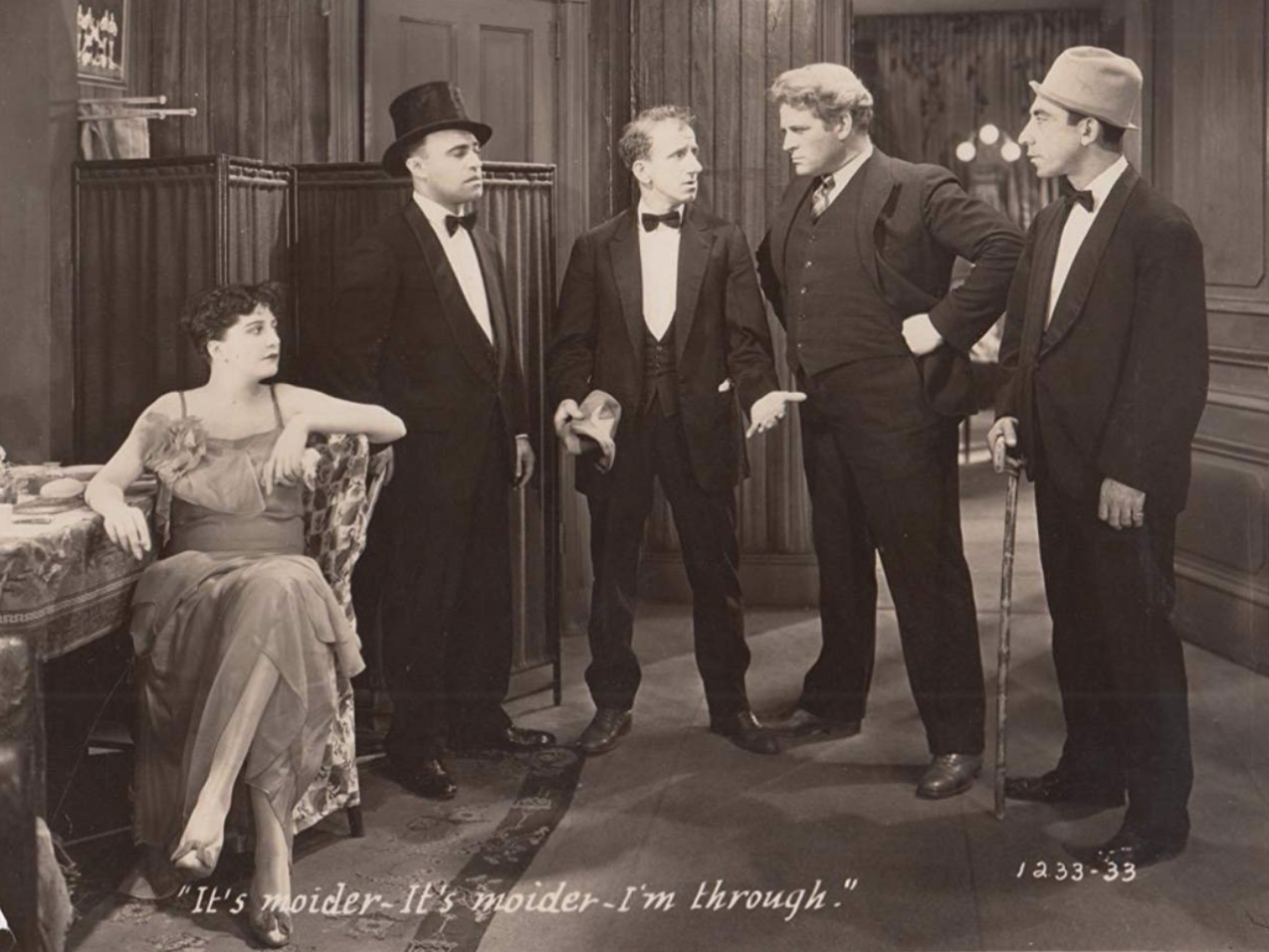
Ben Hecht continued his exploration of the hardboiled world of journalists, bootleggers, nightclub singers and other lowlifes in his screenplay for Roadhouse Nights, a film that was apparently enjoyed by New Yorker film critic John Mosher. As for Hecht, an erstwhile member of the Algonquin Round Table and occasional contributor to The New Yorker in the 1920s, the film was just one of many to follow in a Hollywood career that the former Chicago journalist held in some disdain (see recent New Yorker article by David Denby)…
IT’S MOIDER, I SAY…Helen Morgan, Eddie Jackson Jimmy Durante, Fred Kohler, and Lou Clayton in 1930’s Roadhouse Nights. (IMDB)
* * *
The Winds of Wynn
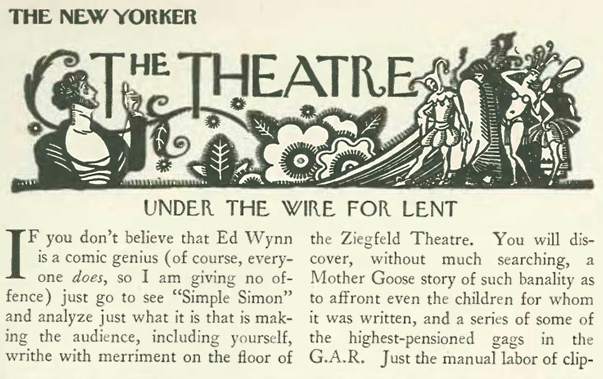
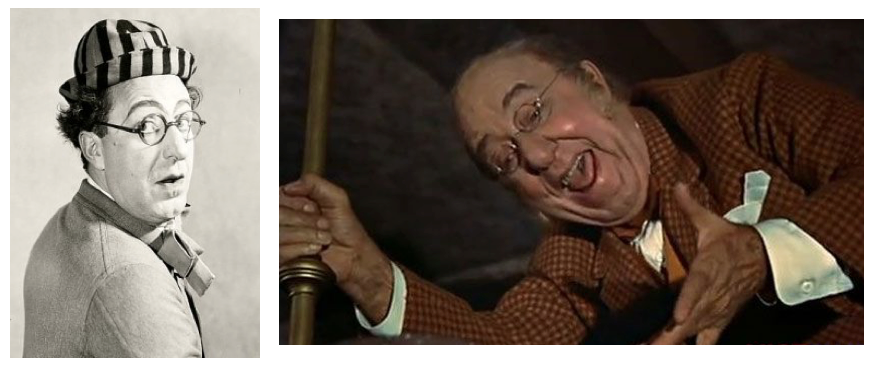
Ed Wynn wowed theater critic Robert Benchley in his portrayal of “Simple Simon” at the Ziegfeld Theatre. Wynn was one of the most popular comedians of his time, but is best known today for his portrayal of “Uncle Albert” in the 1964 Disney film Mary Poppins…
AGELESS…Ed Wynn in Simple Simon, 1930; at right as Uncle Albert in 1964’s Mary Poppins. (secondhandsongs.com/Pinterest)
* * *
He Was No Palooka
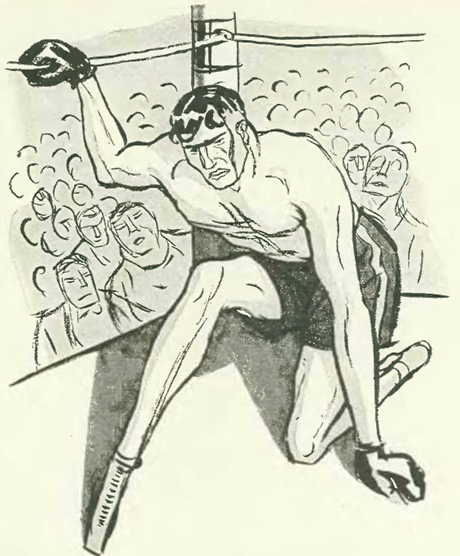
The March 1 and 9 issues of The New Yorker gave considerable ink to Niven Busch Jr’s success story of a middleweight prizefighter. Titled “K.O. Middleweight,” the two-part article was about Stanislas Kalnins, who went by the name K.O. Keenen because it would go over better with the large majority of Irishmen at the fights. Peter Arno provided the art for the piece:
From Our Advertisers
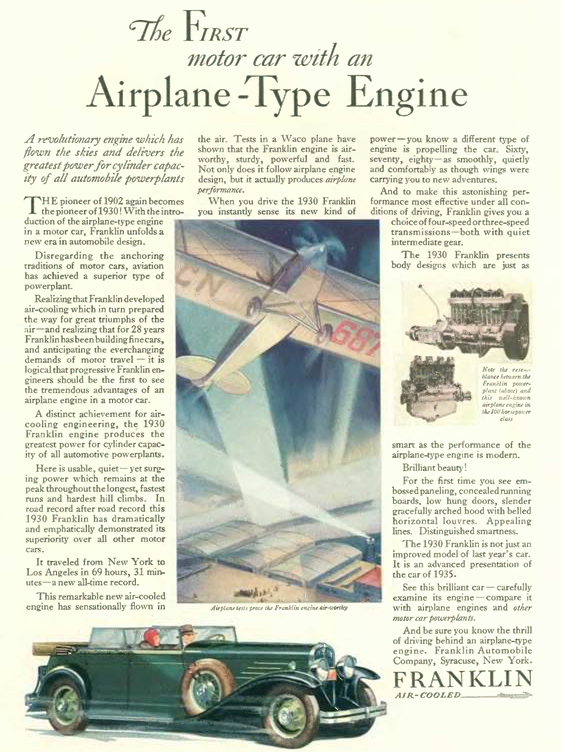
We have another ad from the Franklin motorcar company touting its air-cooled engines, which thanks to the Depression were not long for the world…
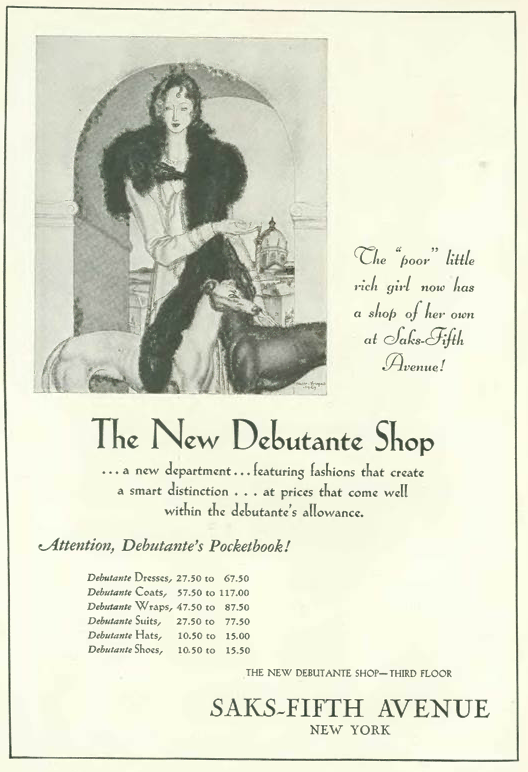
…Saks shamelessly appealed to the “poor” little rich girl in this ad aimed at aspiring debutantes…
…Lenthric perfumes offered this all-French ad to those seeking Continental refinement…
…and this ad from Talon, advertising “Slide Fasteners” before the word “zipper” came into common use…
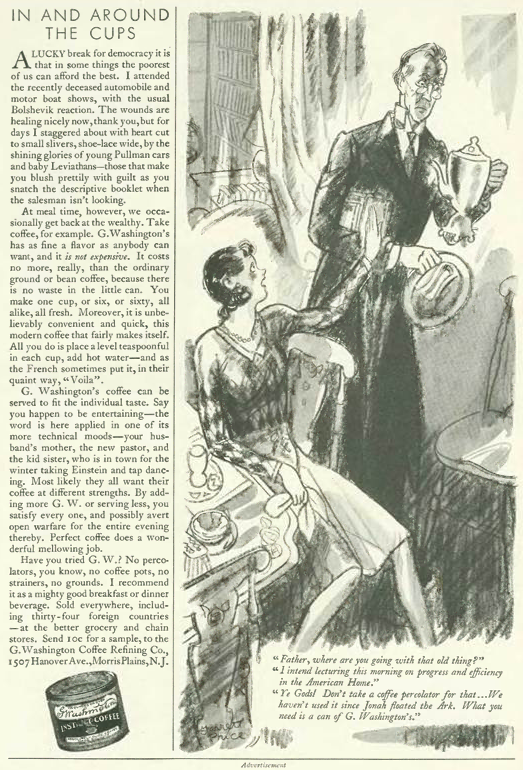
…Garrett Price was the latest New Yorker cartoonist to pick up some extra cash from G. Washington instant coffee…
…while John Held Jr. even lent his image (along with some drawings) to promote Chase and Sanborn’s coffee…
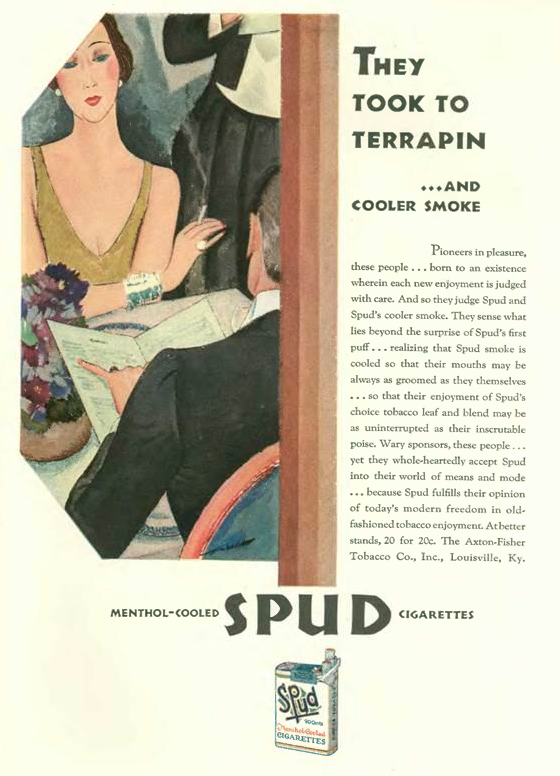
…this artist for Spud cigarettes borrowed Carl Erickson’s style from his famed Camel ads (see examples below)…
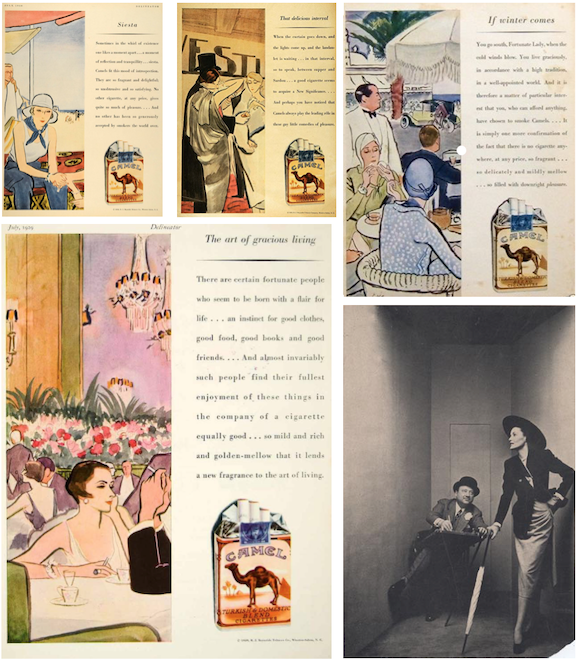
…examples of Carl “Eric” Erickson’s Camel ads from the late 1920s…
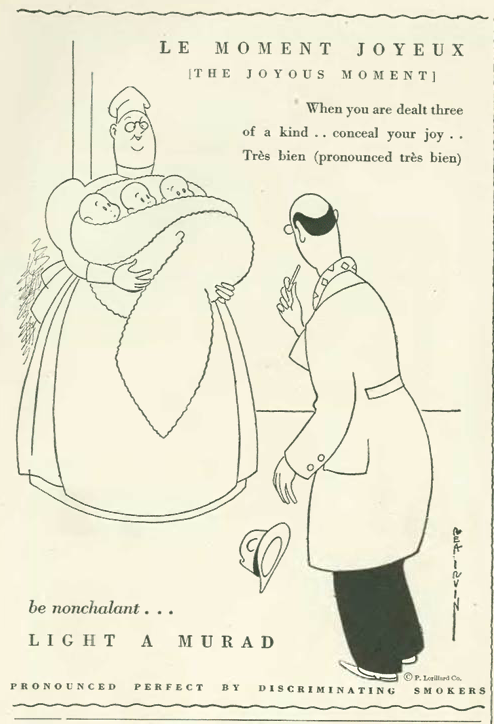
…and here we have another New Yorker cartoonist, Rea Irvin, helping the makers of Murad cigarettes move their product…
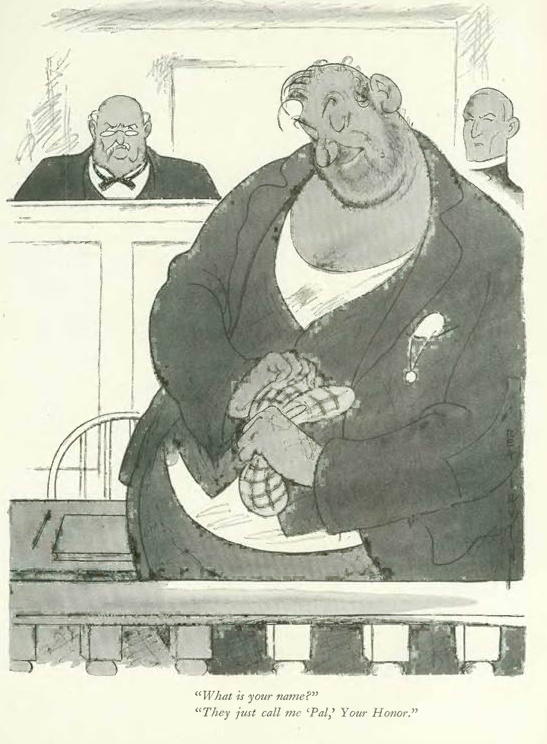
…Irvin also illustrated this cartoon for the March 1 issue…
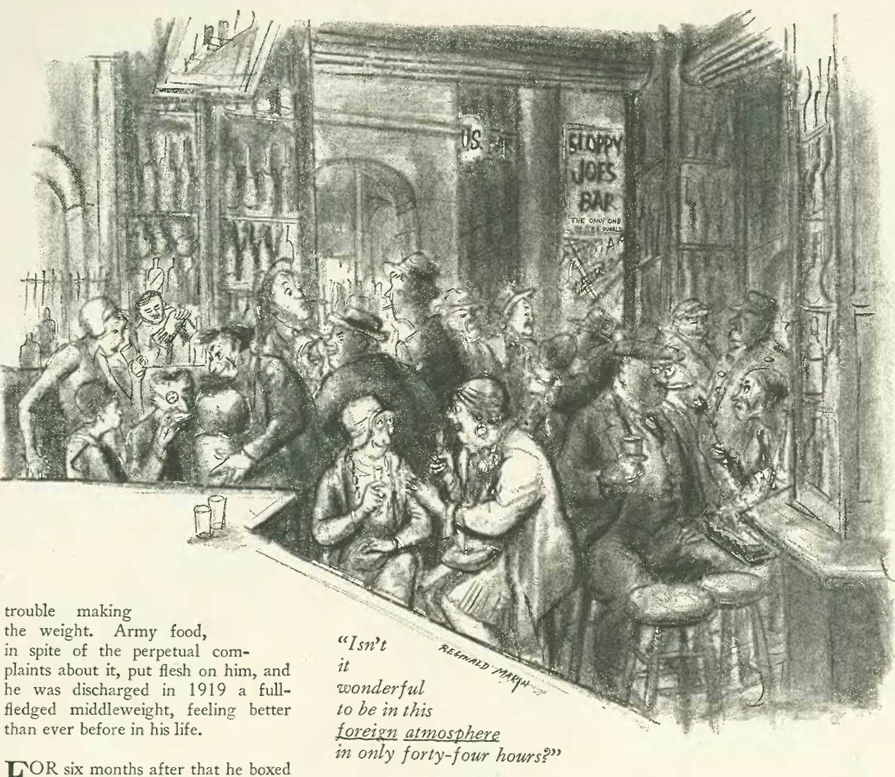
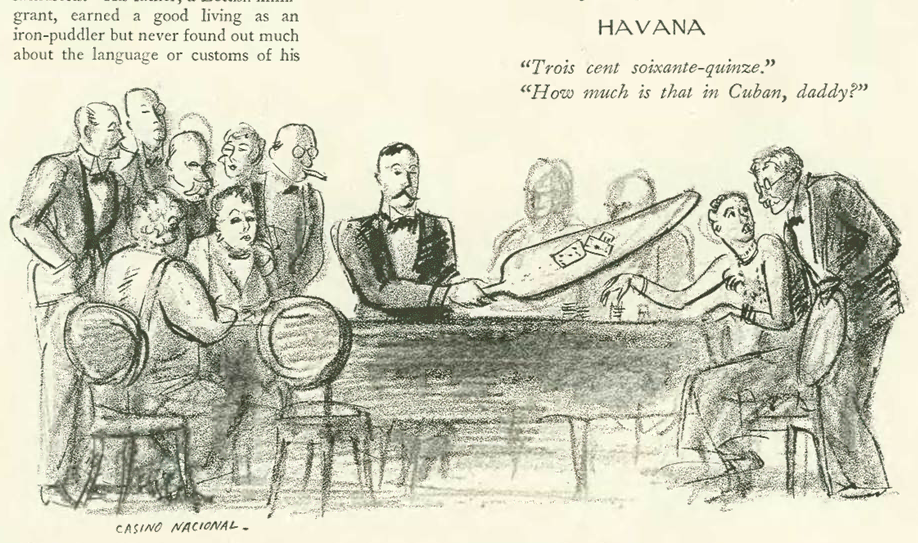
…Reginald Marsh contributed these cartoons, no doubt based on a recent winter stay in sunny Havana (I’ve been to Sloppy Joe’s, and still looks pretty much like this)…
…back stateside, Peter Arno looked in on a cultural exchange…
…and we close with two from the issue by Barbara Shermund…
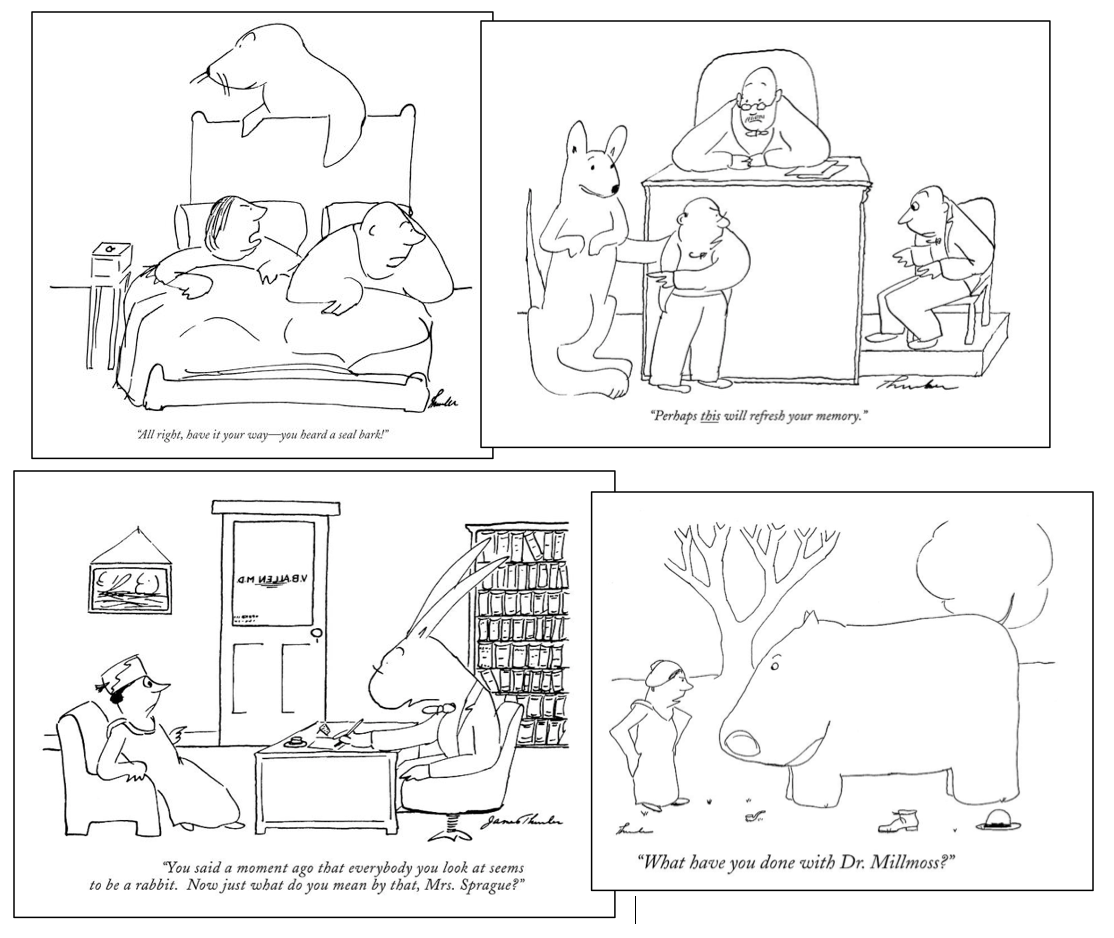
When the fifth anniversary issue of The New Yorker hit the newsstands in February 1930, the magazine was also setting down another milestone: its first-ever publication of a James Thurber cartoon* (*see comment section).
Feb. 22, 1930 cover by Rea Irvin.
Inserted into the top corner of page 25 (next to a short fiction piece by Emily Hahn), was Thurber’s first installment of his spoof on newspaper pet columns titled “Our Pet Department.”
Seeming a bit quizzical about his debut as a cartoonist, in February 1930 Thurber wrote to his friend Minnette Fritts Proctor (for whom he held lifelong romantic yearnings) that his drawings were “now coming into a strange sort of acclaim… The New Yorker is going to run a series of my animal pictures…and a concern wants me to do ads for it. Imagine!…I’m enclosing a few (pictures), which you can throw away. They’ll alarm you.”
PET WHISPERER…James Thurber, already well established as a writer at The New Yorker, made his debut as a cartoonist for the magazine in its fifth anniversary issue. The brilliant “Our Pet Department” would run through the spring in the 14 installments. (thurberhouse.org)
Animals of all sorts would pop up in Thurber’s cartoons throughout the 1930s…
Clockwise from top left, cartoons from the following issues: Jan. 30, 1932; April 6, 1935; July 14, 1934; and Feb. 13, 1937.
…and his famous dogs would make frequent appearances, including on their own cover in 1946 to coincide with that year’s Westminster Kennel Club Dog Show…
Office mate, co-author and friend E.B. White, on the other hand, assumed his usual duty of marking the magazine’s anniversary in “Notes and Comment”…
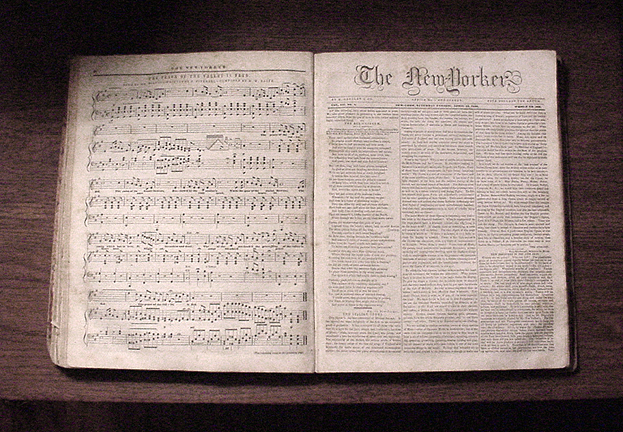
FOOD FOR THOUGHT…As E.B. White pointed out in his “Notes and Comment,” there was another, earlier New Yorker published nearly a century earlier in the 1830s by Horace Greeley, who described his periodical as “A Weekly Journal of Literature, Politics, Statistics and General Intelligence.” Greeley published his New Yorker from 1834 to 1841. (rickgrunder.com)
…and contemplated his own magazine’s contributions to the advancement of civilization…
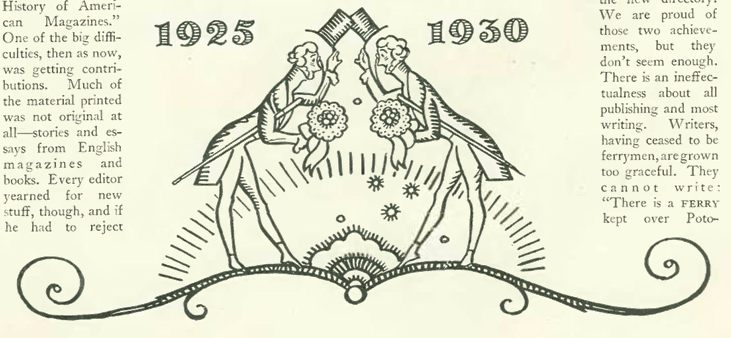
…and as E.B. White continued his tradition of marking the magazine’s anniversary, so too did Rea Irvin continue to mark the passage of time with a tip of the hat from Eustace Tilley…
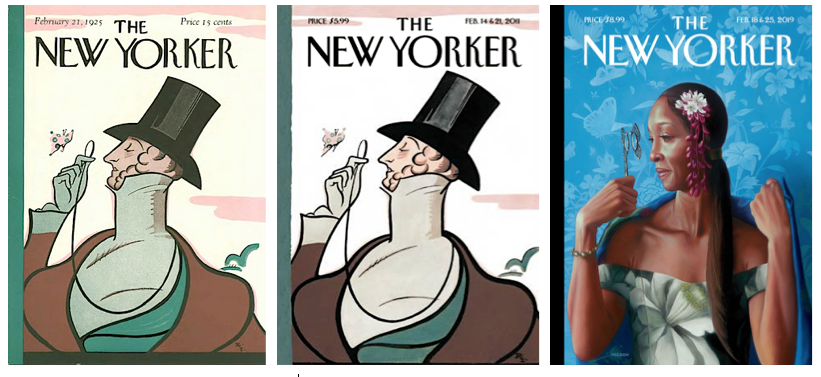
…and most prominently The New Yorker marked each anniversary with a repeat of the original Rea Irvin cover (later with some slight alterations), a tradition that continued unbroken until 1994, when a series of parodied versions of Eustace Tilley began to appear on the cover. The classic Tilley cover reappeared in the 2000s and ran frequently during that decade, but sadly made its last appearance in 2011 (see below covers from the first issue and anniversary covers from 2011 and 2019). I hope to see the Irvin cover return next year, and most certainly for the 100th anniversary in 2025. You can read more about cover’s history in Michael Maslin’s indispensable Ink Spill.
* * *
Drama Queen
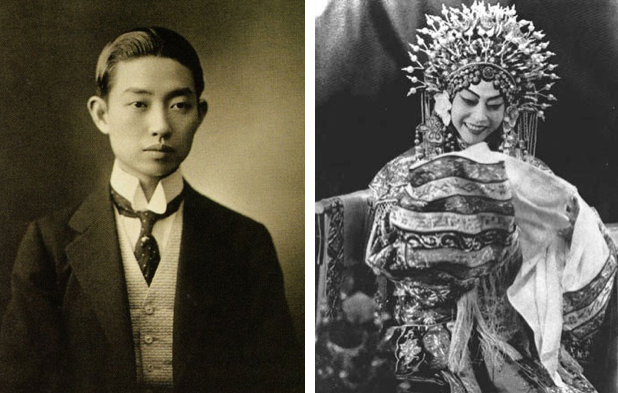
Chinese opera star Mei Lanfang (1894-1961) was known as “Queen of Peking Opera” for his graceful stage portrayals of young and middle-aged women. Considered one of China’s greatest “Dan” performers (Dan is the general name for female roles), Mei had many admirers outside of China including Charlie Chaplin, Mary Pickford and Douglas Fairbanks, who welcomed Mei to Hollywood when he toured the U.S. in 1930. The New Yorker paid Mei a visit during his stay at the Plaza Hotel in Manhattan, recounted in these excerpts from “The Talk of the Town”…
QUEEN OF PEKING OPERA, Mei Lanfang, circa 1920, and as a “Dan” in Chinese opera, circa 1930s. (people.chinesecio.com/Wikimedia)
HE’S A FAN…Charlie Chaplin greets Mei Lanfang during a 1930 visit to Hollywood. At right, Mei with his family in the early 1940s. (thatsmags.com/Wikipedia)
* * *
A Kitty With Claws
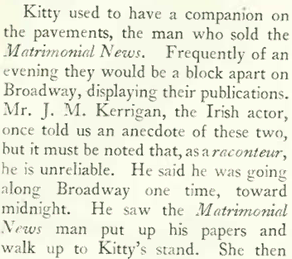
“The Talk of the Town” also featured Kitty Marion (1871-1944) in a mini-profile. The German-born Marion moved to London at age 15, where she gained some prominence as a music hall singer. She found greater fame, however, as an activist, first standing up for the rights of fellow women performers and later crusading for voting rights. In response to attacks on women protestors by police officers, Marion embraced militant activism, throwing bricks through the windows of offices and handling a number of arson and bombing attacks that were intended to harm property, not people. Arrested numerous times (and enduring 232 force-feedings while on hunger strikes) she emigrated to the U.S. after World War I and joined forces with birth control advocate Margaret Sanger. The New Yorker takes it from there…
TRANSATLANTIC ACTIVIST…A British Criminal Record Office mugshot of Kitty Marion, circa 1912; cover of Margaret Sanger’sBirth Control Review, November, 1923; Marion handing out copies of the Review on the streets of New York, 1915. (Wikipedia/Smith College/British Library)
* * *
Going Deep With Noguchi
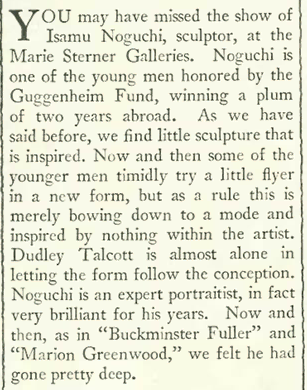
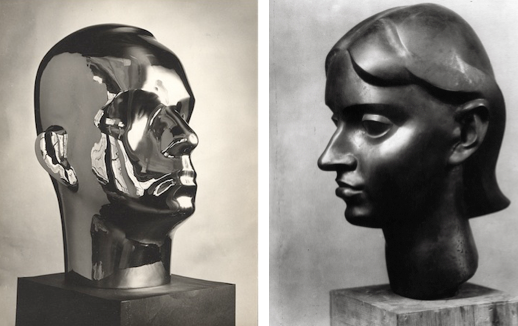
It’s hard to imagine modern decor without the influence of Isamu Noguchi, but before he inspired everything from coffee tables to lamps, he was a noted sculptor, and in 1930 he was best known for his portrait busts. New Yorker art critic Murdock Pemberton observed:
TWO HEADS ARE BETTER…Left to right, Isamu Noguchi’s portraits of architect/inventor Buckminster Fuller (1929, chrome-plated bronze) and the painter Marion Greenwood (1929, cast iron). Despite being three years short of the age requirement for a Guggenheim Fellowship, Noguchi was nevertheless awarded the grant to study stone and wood cutting and to gain “a better understanding of the human figure.” It appears the grant paid off handsomely. (noguchi.org/Smithsonian)MODERN MASTER…Collection of Noguchi lamps available from the Noguchi Museum. At right, 1947 coffee table by Herman Miller, inspired by a 1939 Noguchi design. (noguchi.org/Wikipedia)
* * *
From Our Advertisers
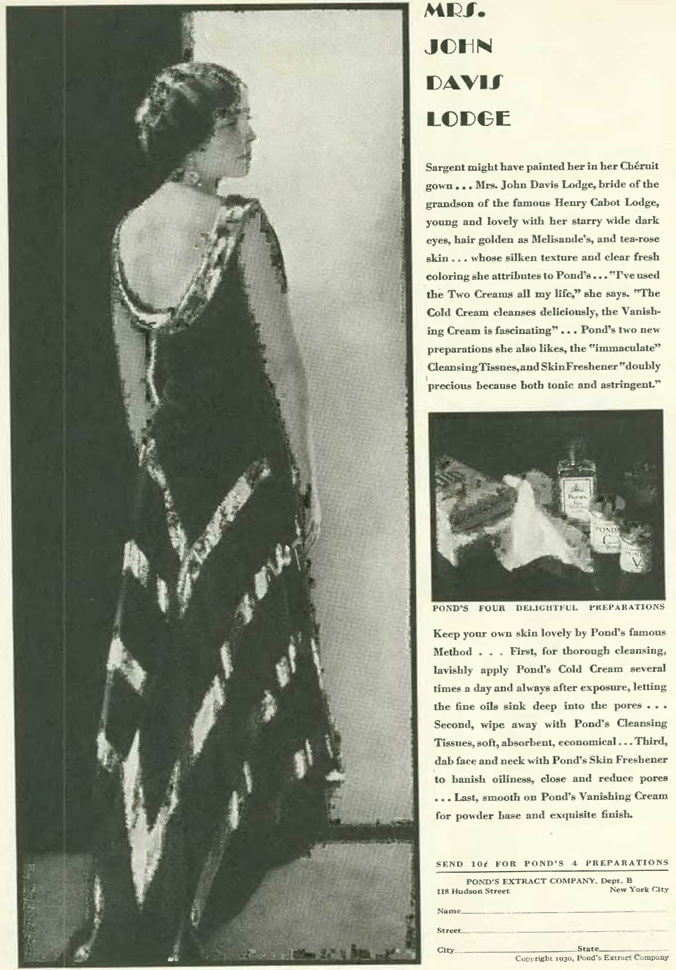
The makers of Pond’s Cold Cream continued to roll out endorsements from society figures, including a “Mrs. John Davis Lodge” (Francesca Bragiotti), described in this advertisement as possessing “starry wide dark eyes, hair golden as Melisande’s, and tea-rose skin”…
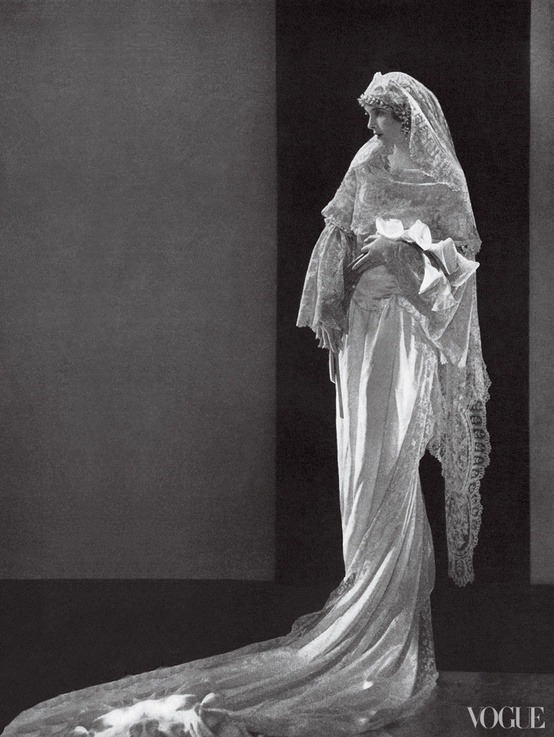
…for reference, Francesca Bragiotti’s wedding portrait, as featured in Vogue magazine, 1929…
…Doubleday Doran targeted the appropriate audience for its publication of The Second New Yorker Album, with cover illustration by Peter Arno…
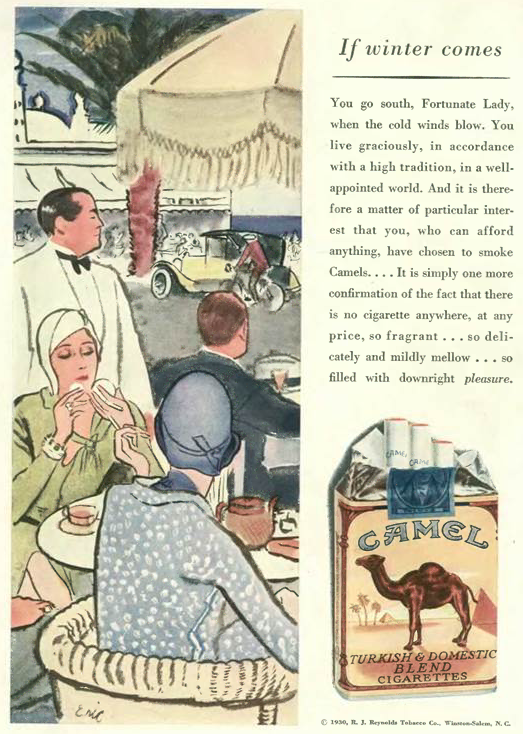
…and we have another lovely Camel ad from illustrator Carl “Eric” Erickson, who conjured up more Continental imagery as an inducement to take up a bad habit…
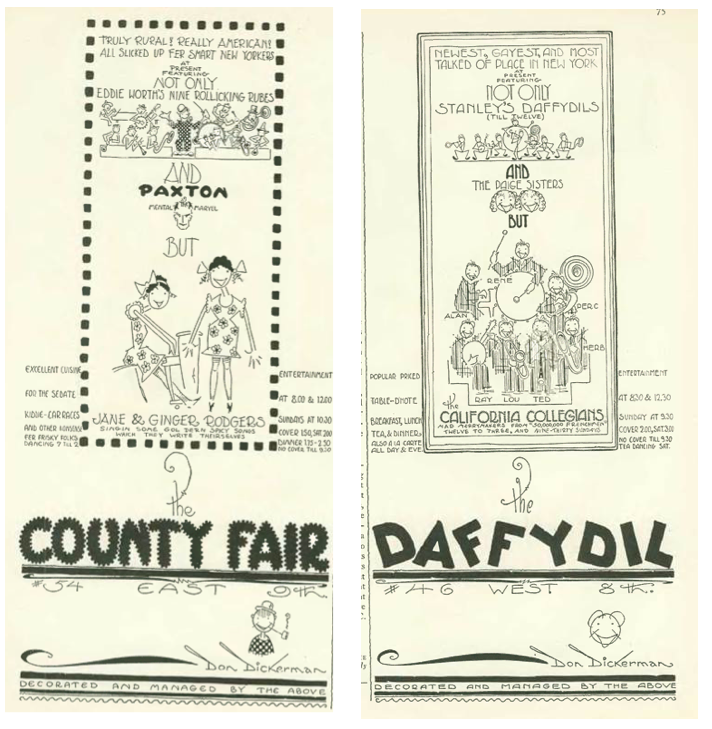
…in a recent post we looked at Don Dickerman, who operated themed restaurants in Greenwich Village. In the Feb. 22 issue he promoted his four restaurants in a series of ads (illustrated by Dickerman himself) that ran on four consecutive pages (72-75)…
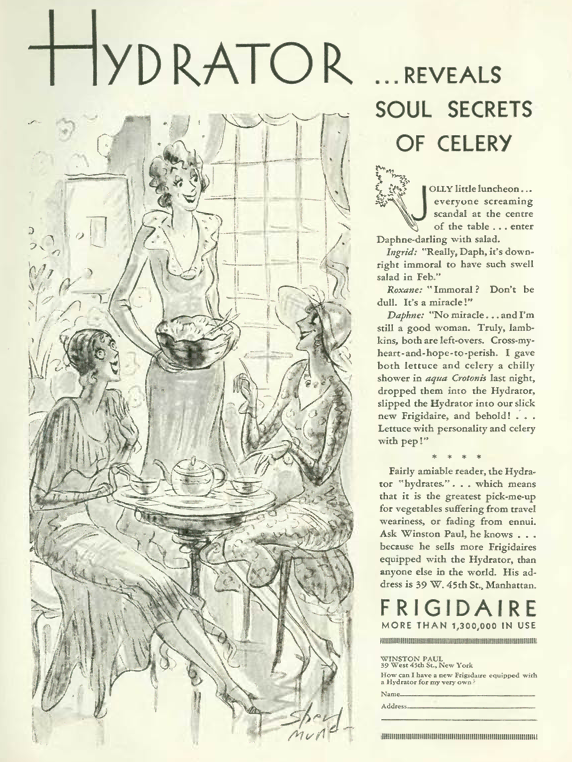
…and Barbara Shermund illustrated this ad for Frigidare…
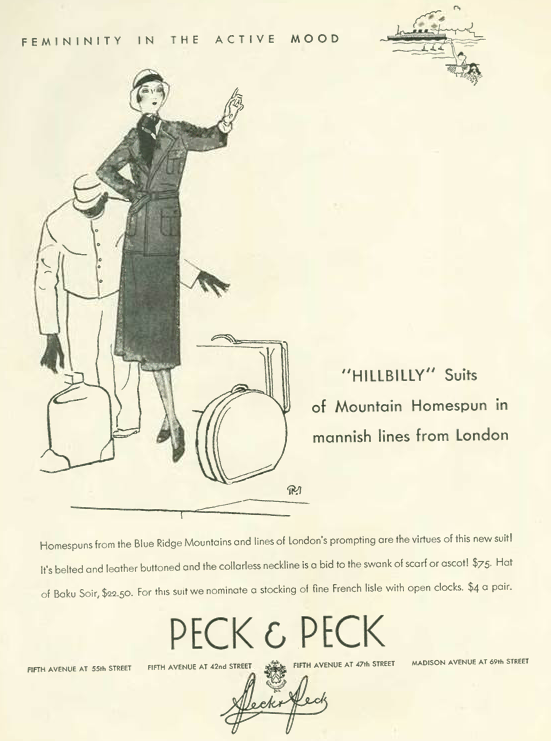
…Peck & Peck touted the “mannish lines” of its “Hillbilly” suits…
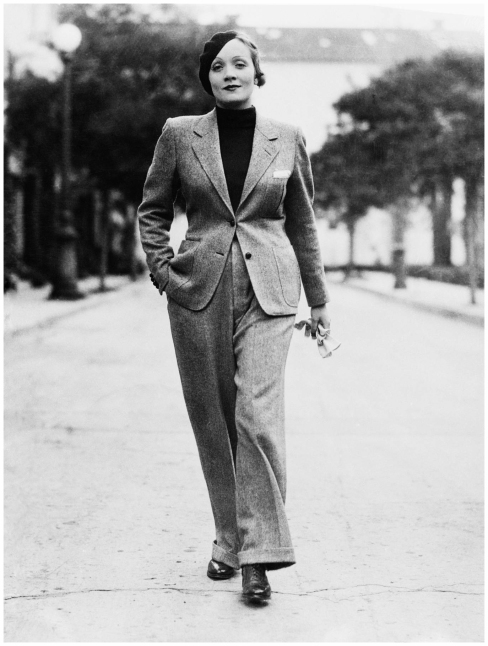
…no doubt influenced by trendsetters like Marlene Dietrich.
…and lest we forget that it’s 1930, a “Cowboys and Indians” mentality was rife in the advertising business, as seen in this ad from Mendel Trunx, proud of 20th century progress (“we’ve come a long way…”) and yet…well, read on…
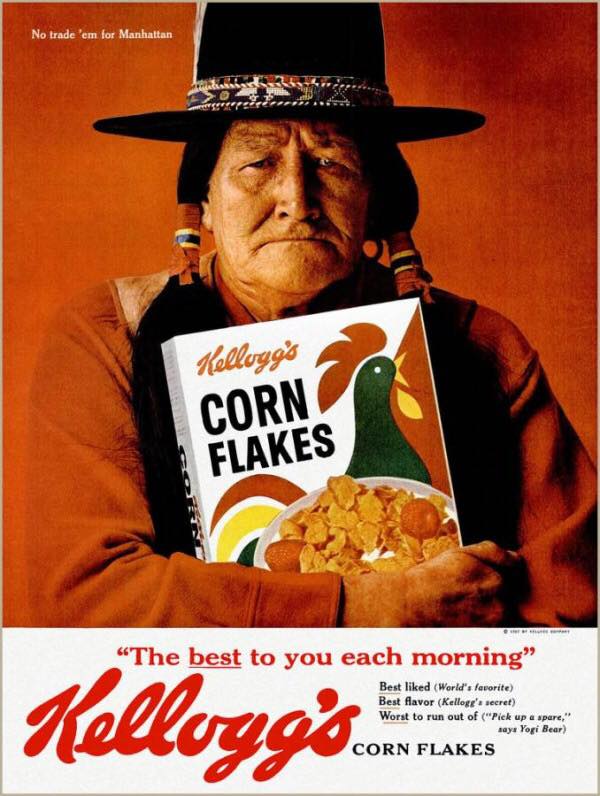
…the mentality was still alive and well 30 years later, as seen in this ad from 1962…
…and coincidently, in the same issue we have this scene illustrated by Peter Arno mixing “Redskins” and luggage, in this case, a matron who means to summon the aid of a “red cap” baggage handler…
…other cartoons included this dramatic scene courtesy William Crawford Galbraith…
…a rustic, slightly naughty woodcut by John Held Jr…
…a peek at fashion trends by Helen Hokinson…
…a look at social mores…from Alan Dunn…
…and Alice Harvey…
…and we end with Barbara Shermund, and a moment of art appreciation…




 * * *
* * *