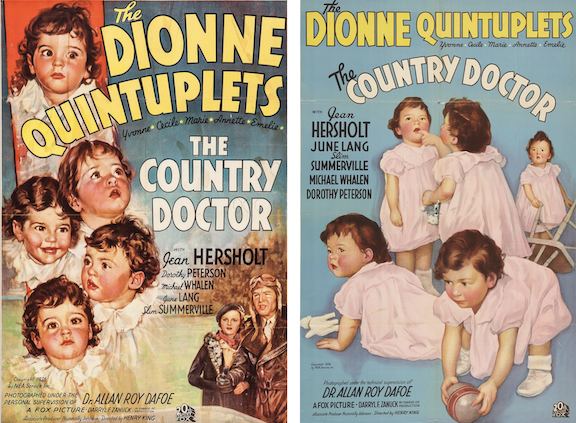
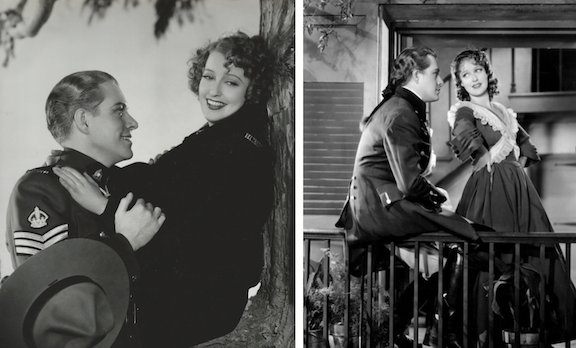
Above: Posters advertising The Country Doctor, a film featuring the Dionne Quintuplets as "The Wyatt Quintuplets." (Wikipedia/imdb.com)
The Dionne Quintuplets, famed as the first quintuplets known to have survived infancy, appeared in a motion picture before their second birthday—The Country Doctor—just one example of the many ways the girls were exploited by the province of Ontario, their doctor, their father, and the companies who used their images to sell everything from toys to toothpaste.
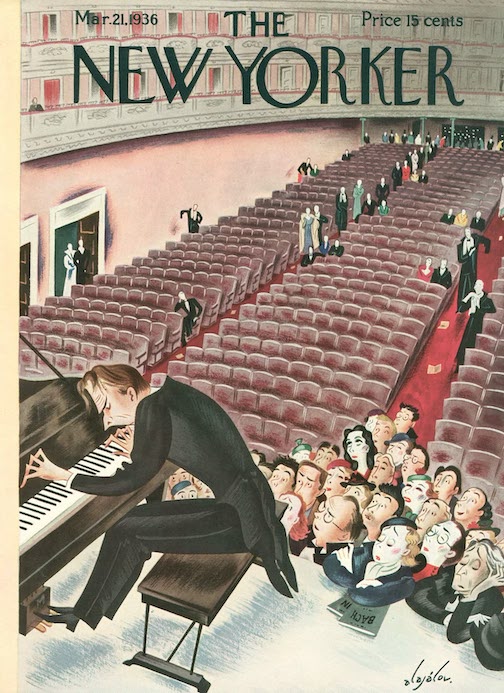
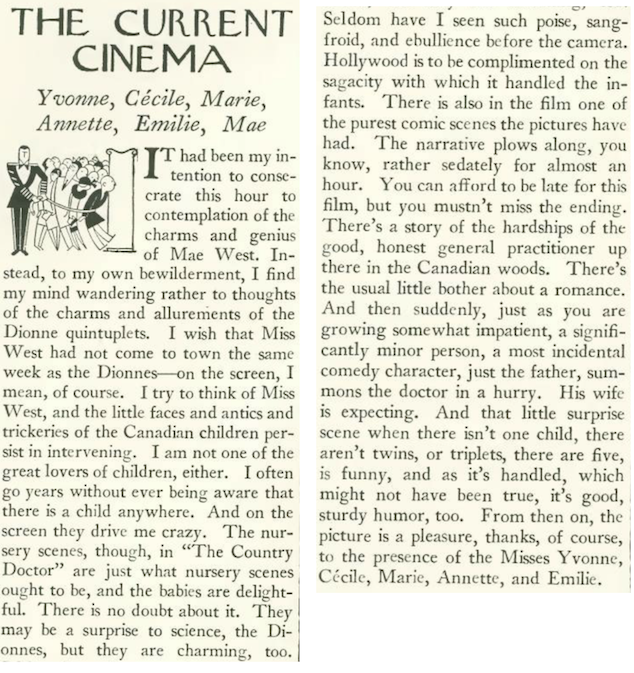
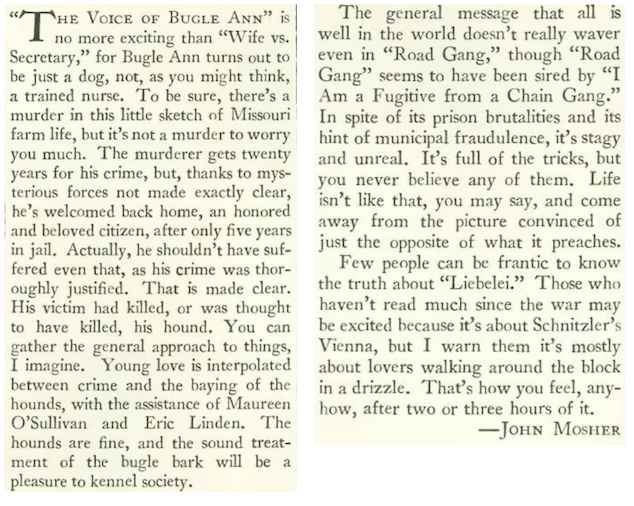
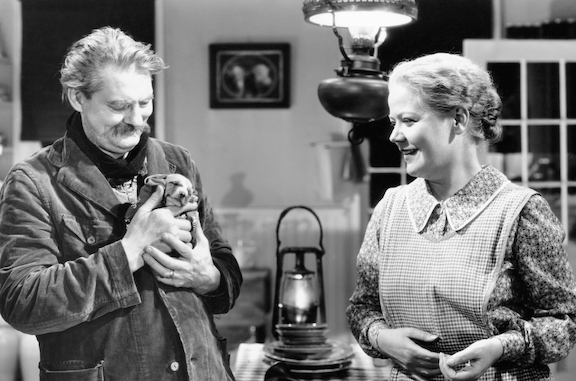
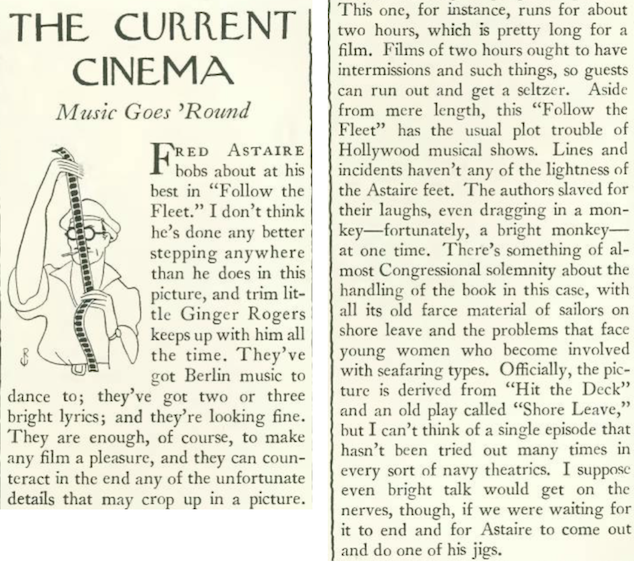
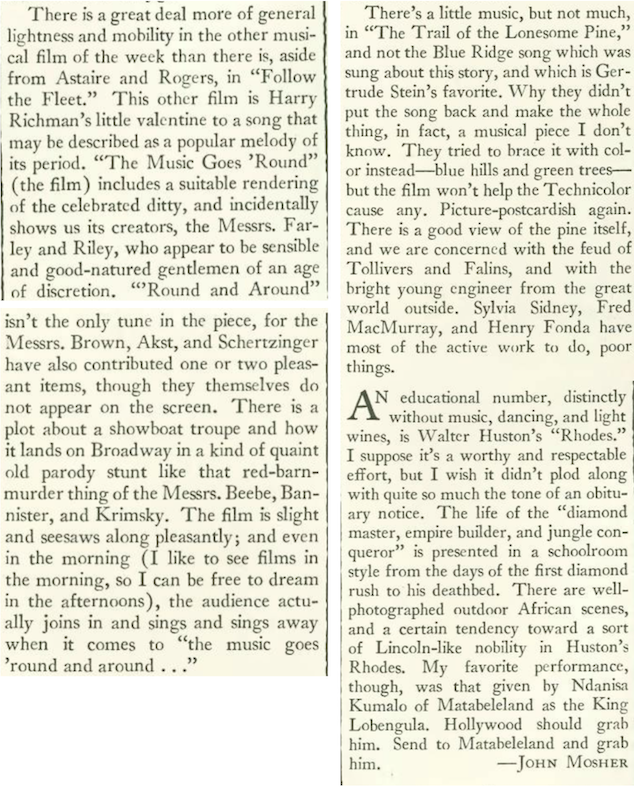
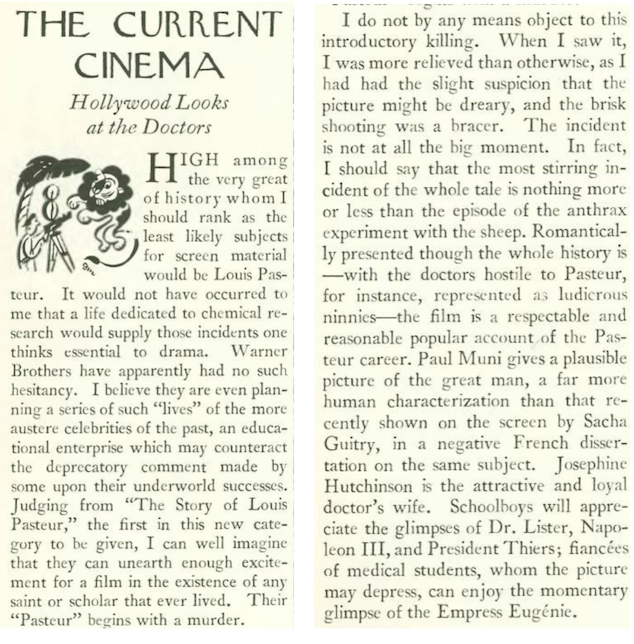
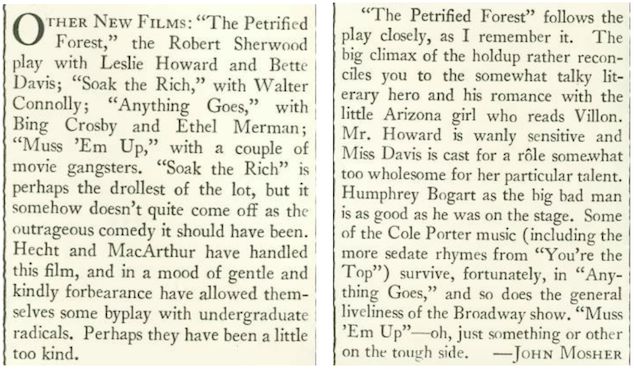
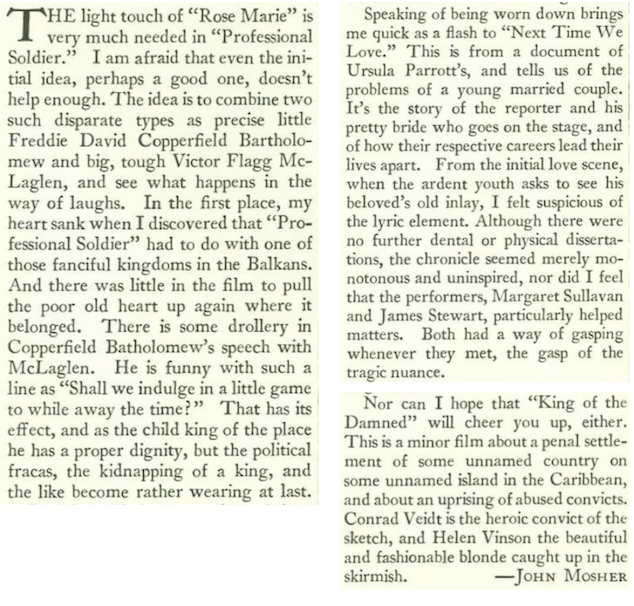
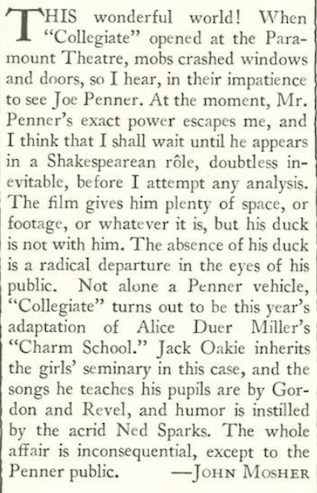
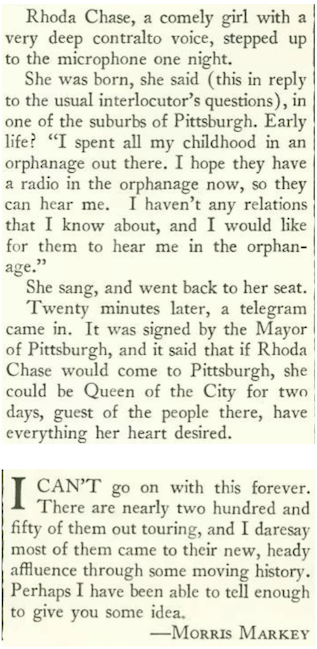
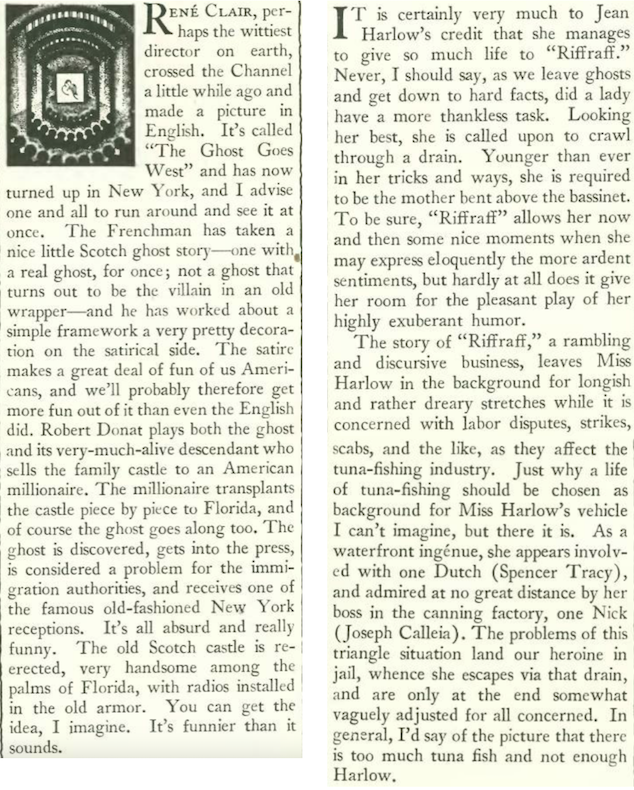
The Country Doctor was the first of three 20th Century Fox films featuring the toddlers as the “The Wyatt Quintuplets.” Actor Jean Hersholt played the country doctor (“Dr. John Luke”) in all three films, his character based on Allan Roy Dafoe, the Ontario obstetrician who successfully delivered the identical quints in 1934. It was a sign of the times that no one seemed too concerned about the children’s welfare—The New Yorker’s John Mosher was joined by his fellow critics in generally praising the film.

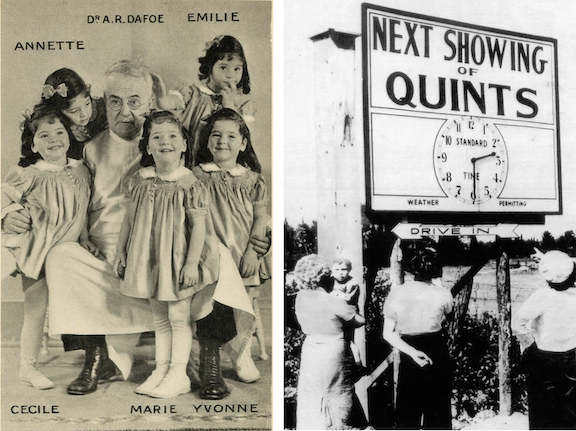
The Dionne Quintuplets were used to endorse an array of products including Quaker Oats, Colgate toothpaste, Palmolive soap, and Lysol disinfectant. Dr. Dafoe became a wealthy man due to his association with the quintuplets, while the government of Ontario saw enormous tourism potential (the girls were made wards of the province ostensibly to protect them from exploitation). At the age of four months the quintuplets were moved from the farmhouse where they were born to a compound (“Quintland”) that featured an outdoor playground designed as a public observation area.

The last surviving quintuplet, Annette, died on December 24, 2025, at the age of 91. Her sister Cécile died a few months earlier, also at age of 91.
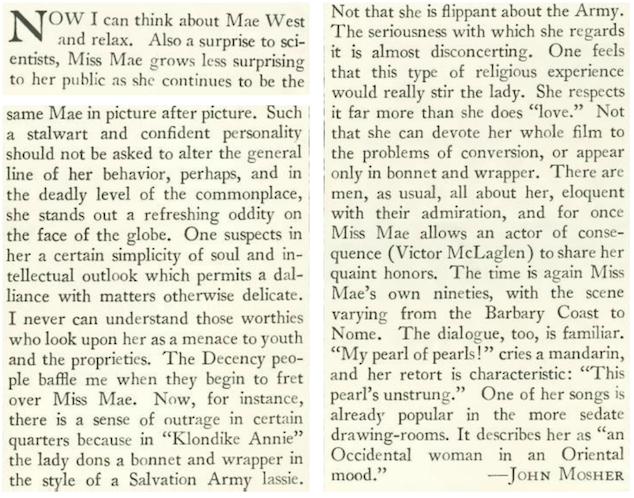
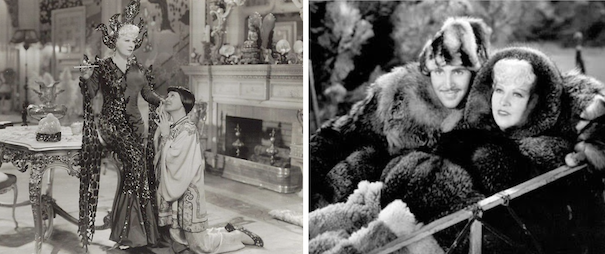
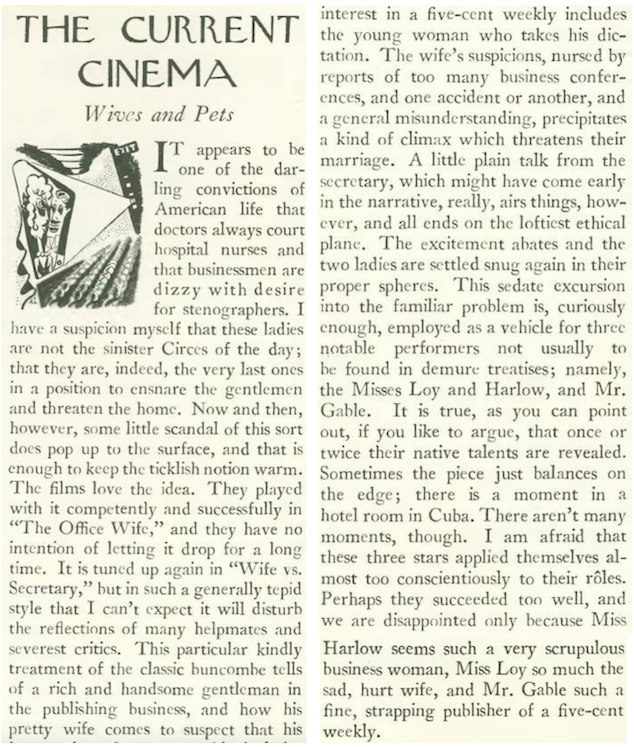
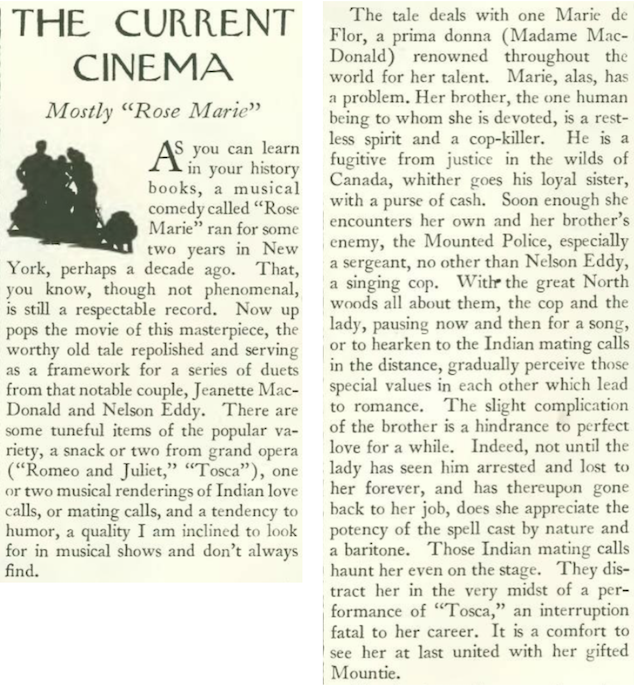
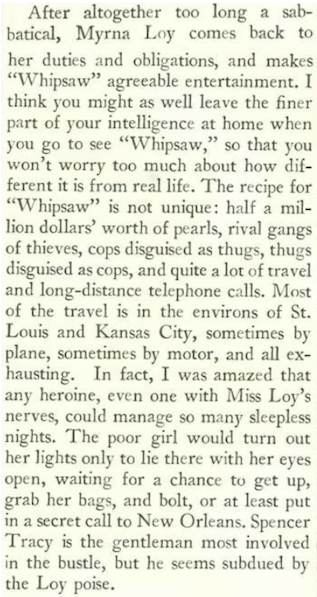
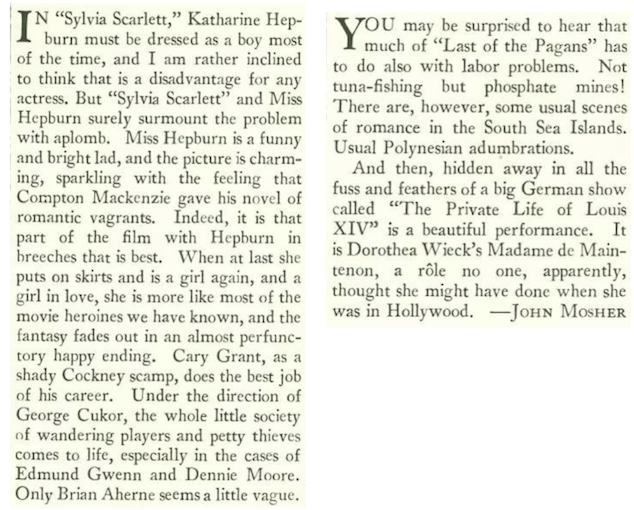
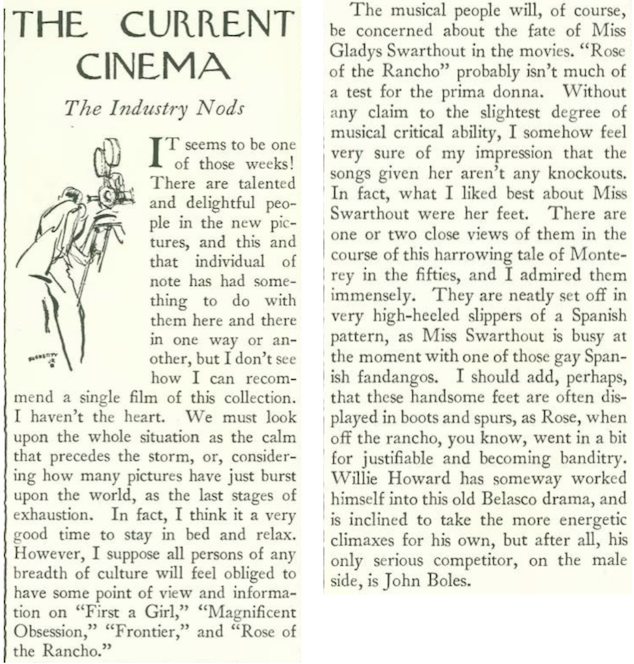
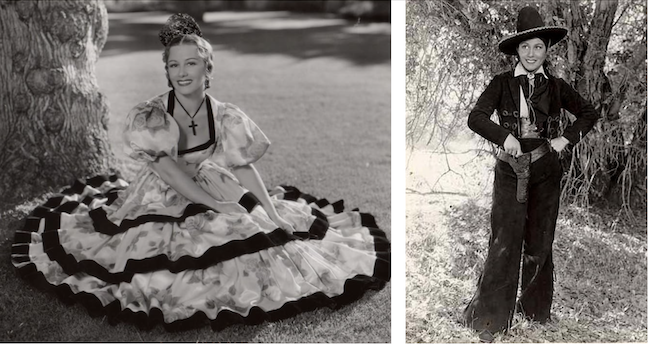
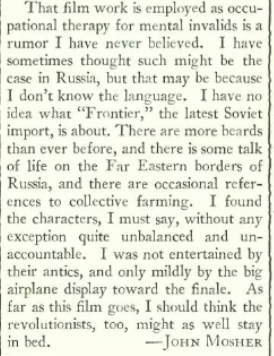
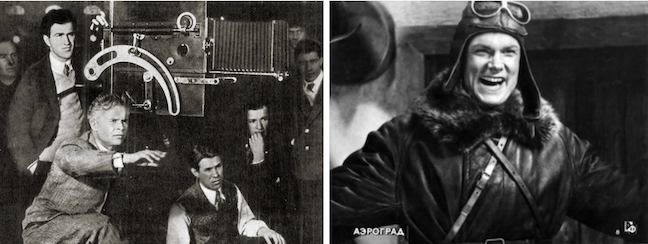
John Mosher also reviewed Mae West’s latest film, Klondike Annie. Some critics regarded it as her finest film, despite heavy censorship and the outrage of “Decency people.”
* * *
St. Katharine
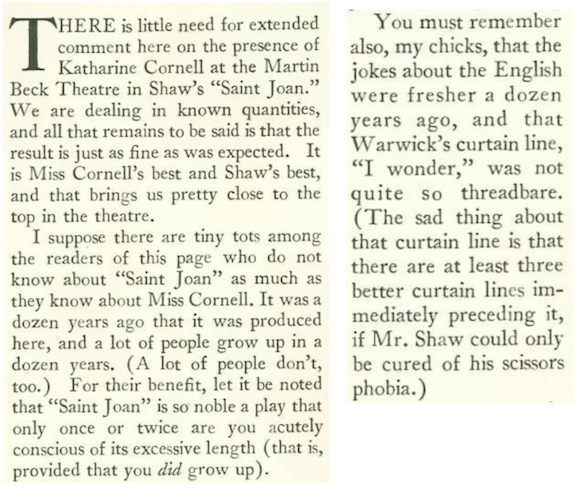
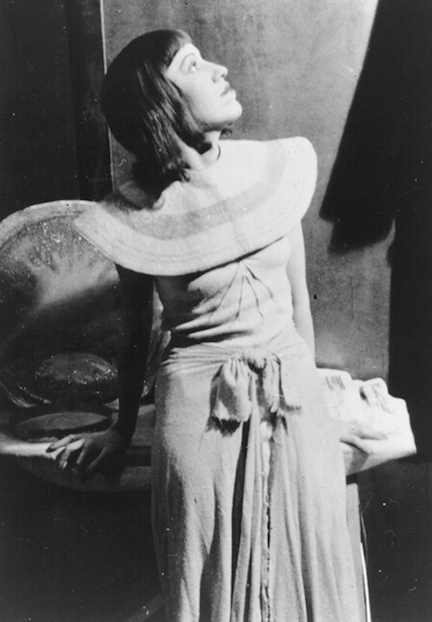
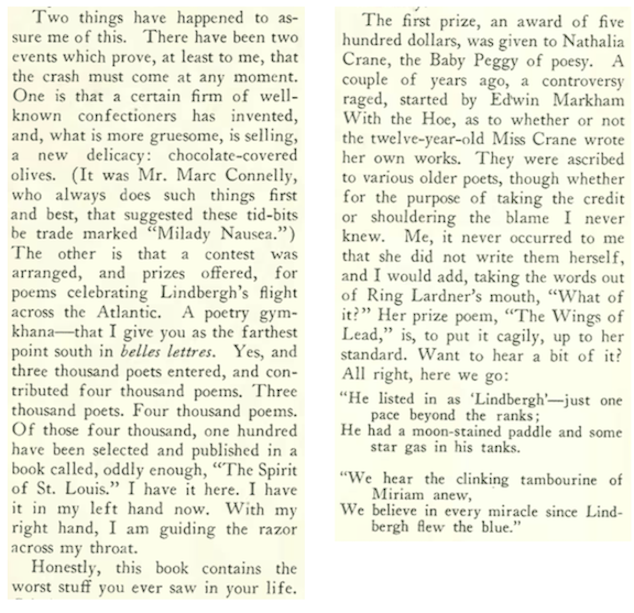
Robert Benchley found Katharine Cornell’s theatrical performance in Saint Joan to be “as fine as was expected.” An excerpt:

* * *
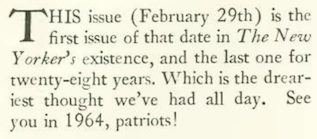
It Begins…


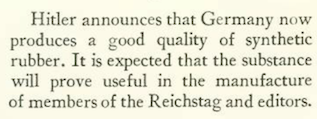
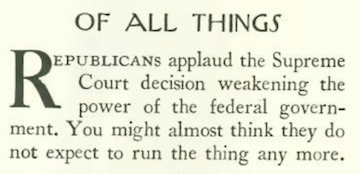
Howard Brubaker, in his column “Of All Things,” also noted:
* * *
Some Pretty Things
“The Talk of the Town” paid a visit to the Museum for the Arts of Decoration at the Cooper Union and found many treasures within, including a unique circular elevator.
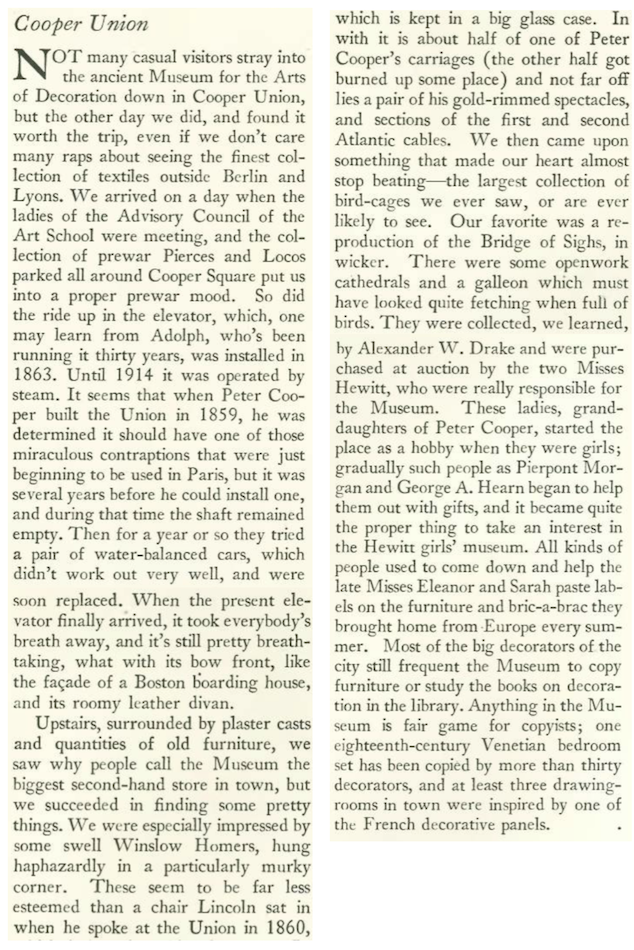

The “Talk” visit included a ride up a circa 1850s elevator shaft designed by inventor Peter Cooper four years before safety elevators even existed. The design was based on Cooper’s belief that the circular shape was the most efficient.

* * *
Commie Cutlery
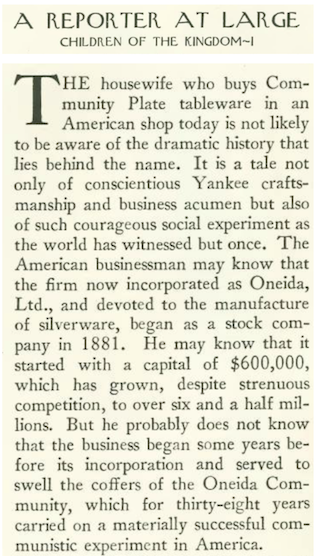
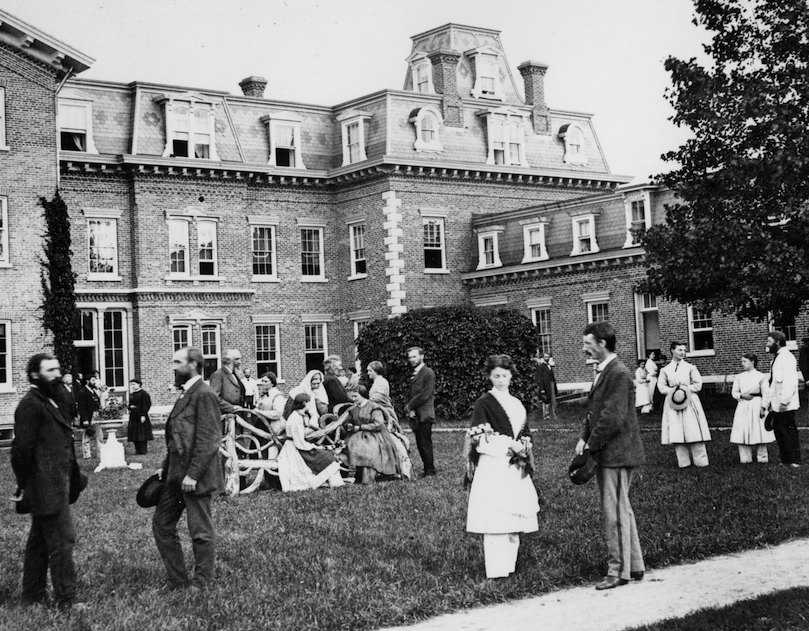
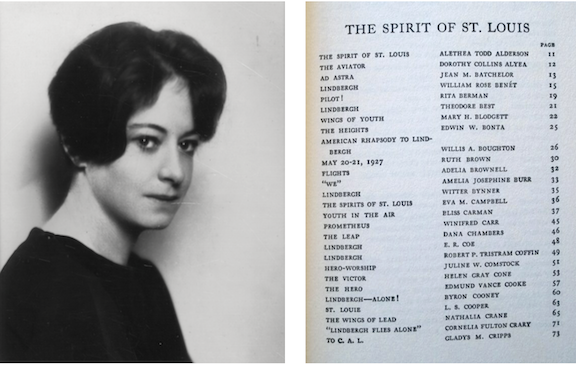
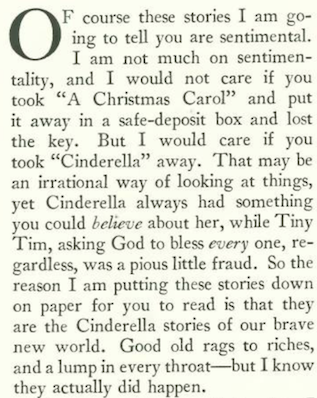
American non-fiction writer Carl Carmer published the first part of a two-part essay on the revolutionary Oneida Community, which Carmer dubbed “a materially successful communist experiment…”
This polyamorous Christian utopia disbanded before the end of the 19th century and reemerged as a joint-stock company, Oneida Community Limited, which focused on making silverware. This brief excerpt is from the first paragraph.
* * *
From Our Advertisers
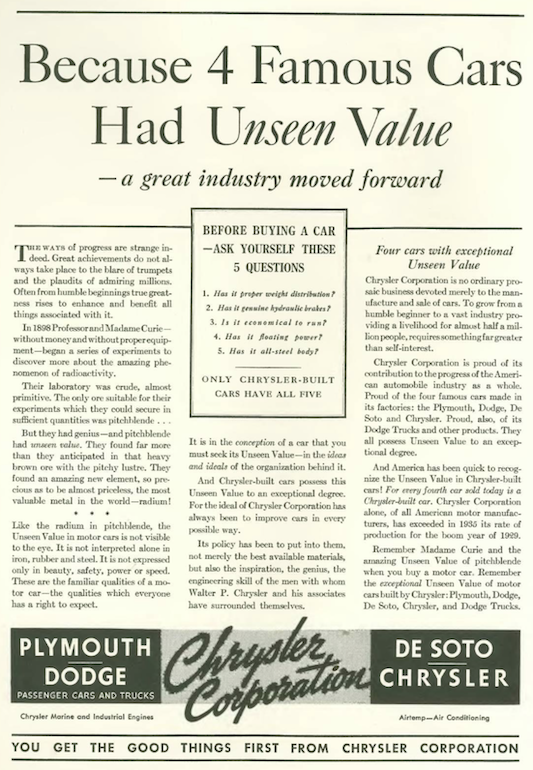
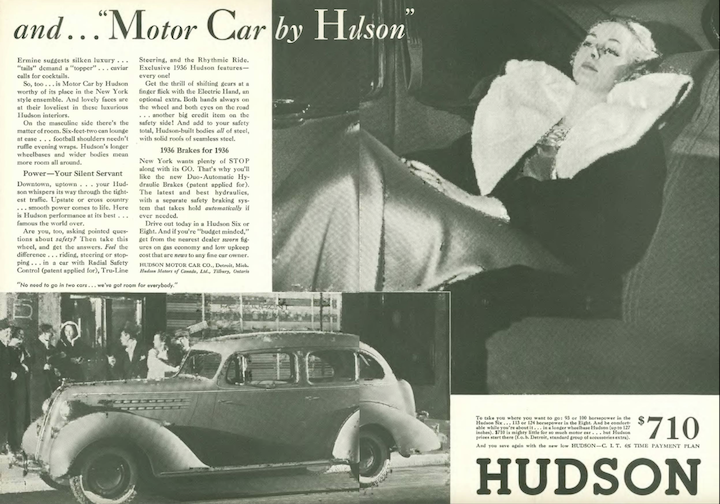
Yes, take a doctor’s advice, and put some leaded gas in your car, and into the air you breathe…

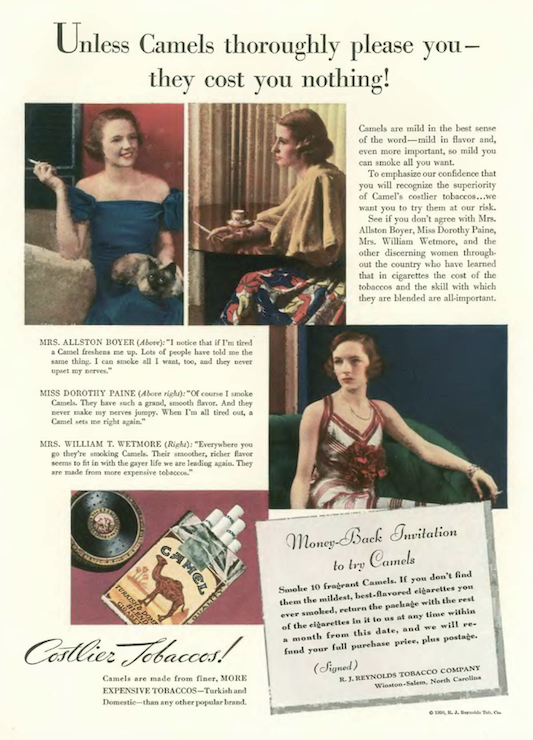
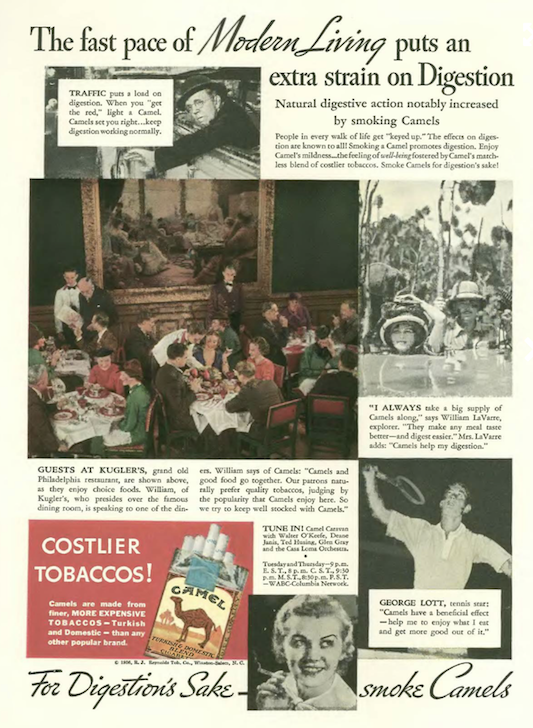
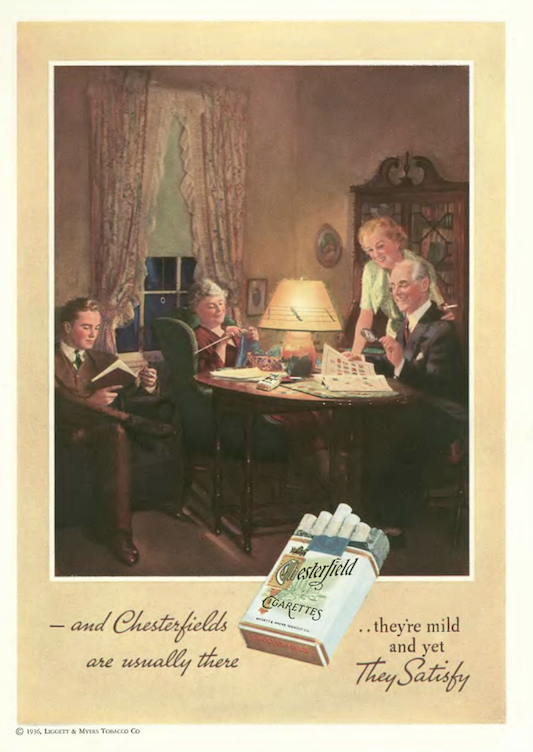
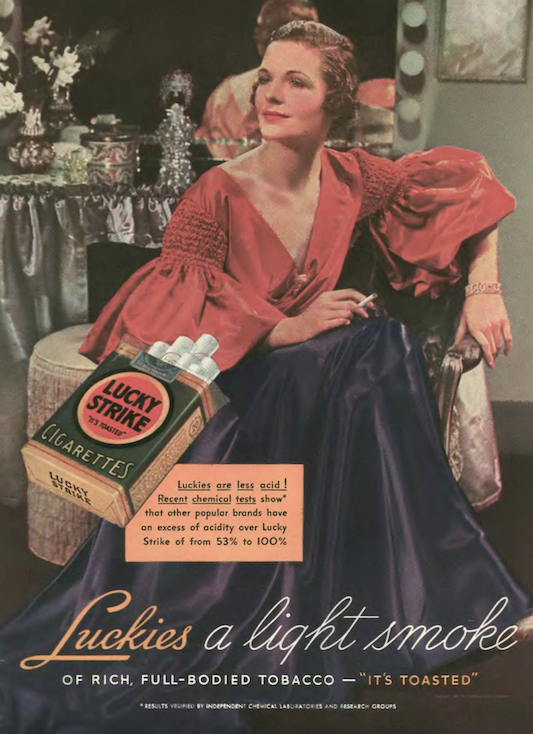
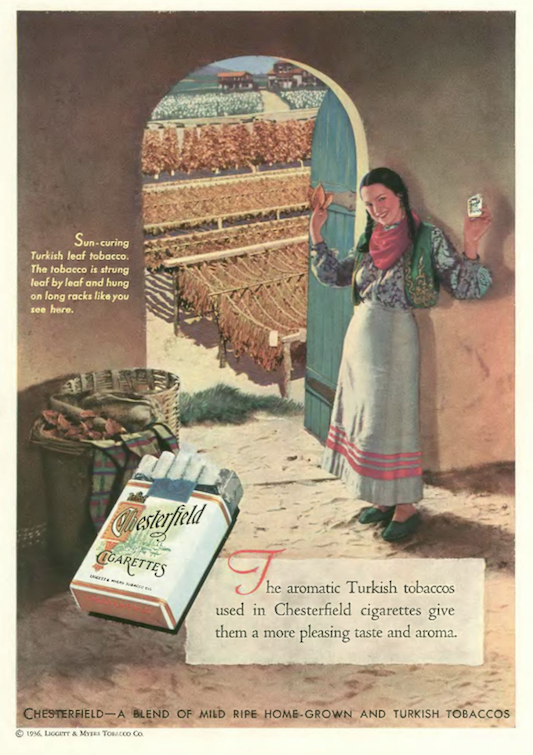
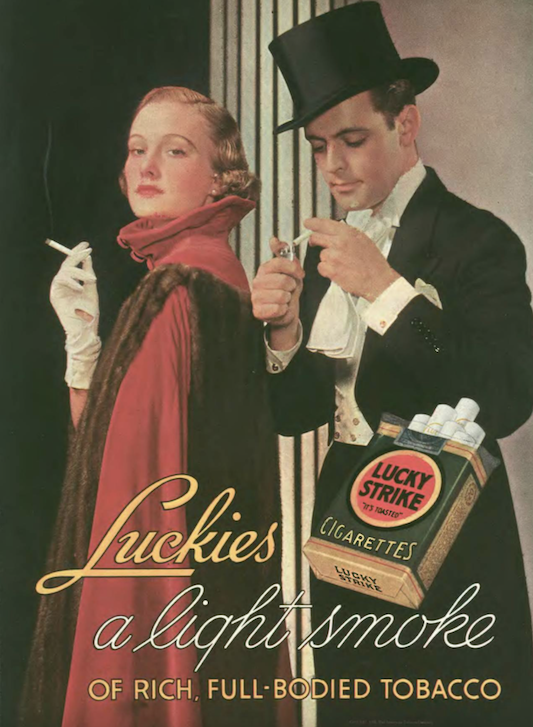
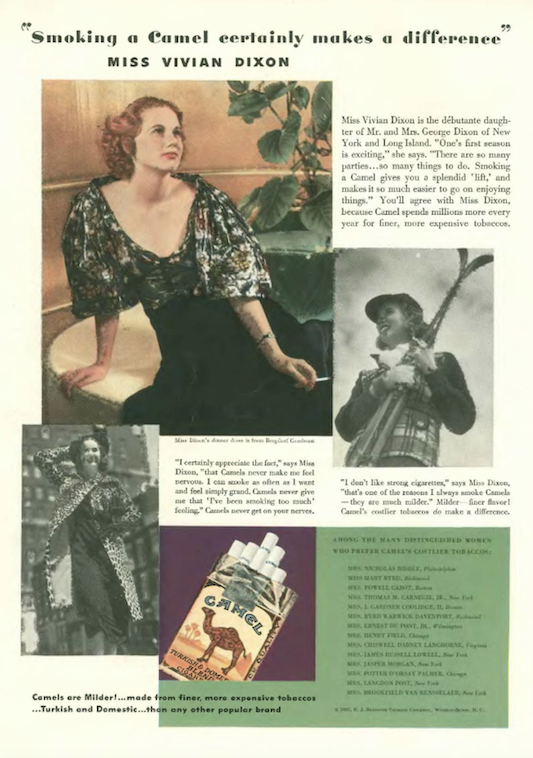
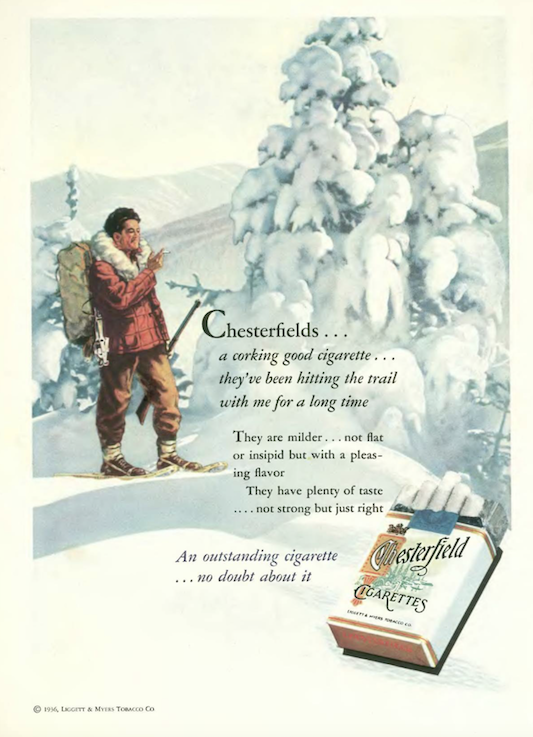
…R.J. Reynolds presented three women who exemplified the “society model” trend of the 1930s…well-known debs and socialites who provided an air of prestige to a brand…especially cigarettes…
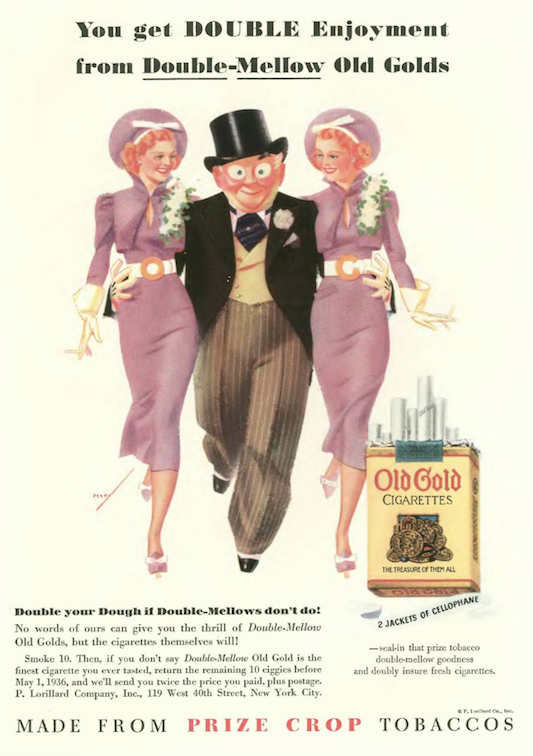
…Lorillard Tobacco Company, on the other hand, stuck with pin-up artist George Petty to push their Old Golds…
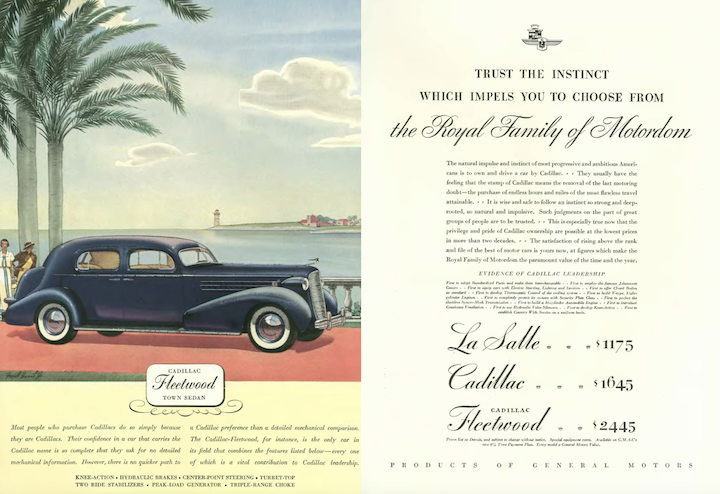
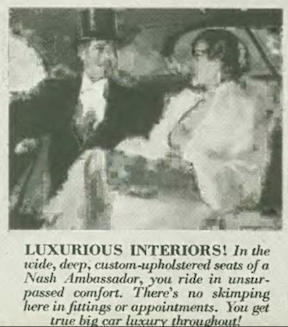
…General Motors took out the middle spread to tout their low-priced luxury automobile, the La Salle…

…the convertible La Salle looked handsome, if not a bit brisk with the top down…

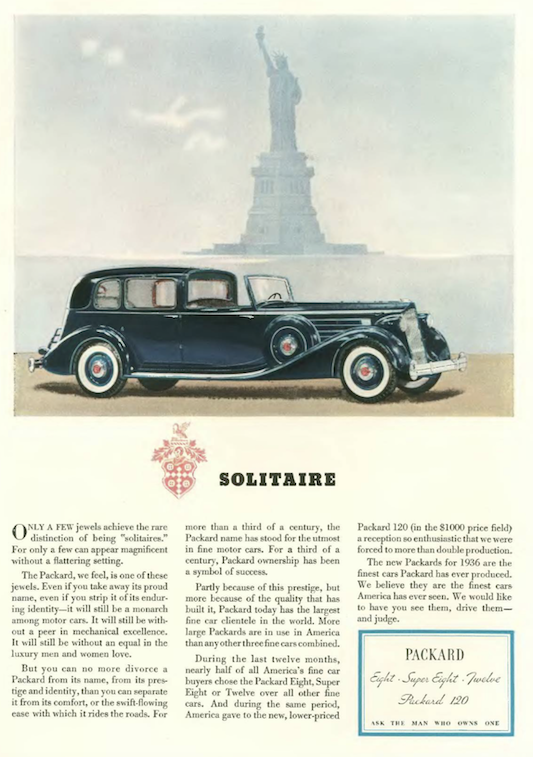
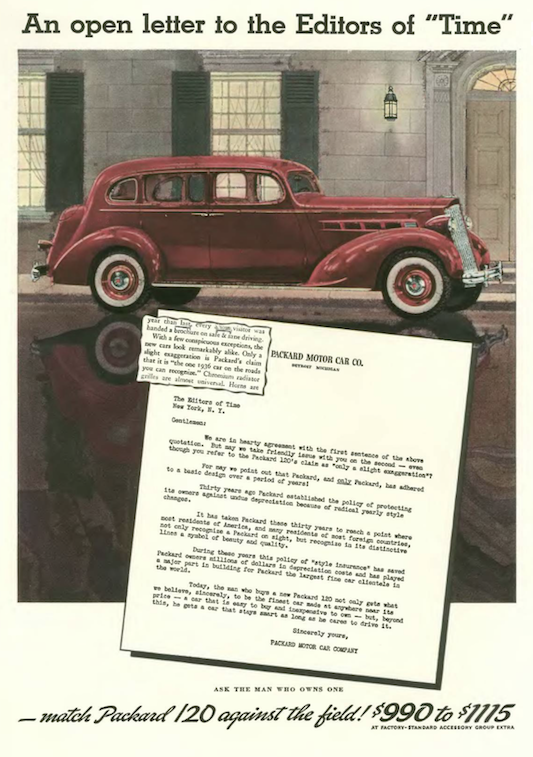
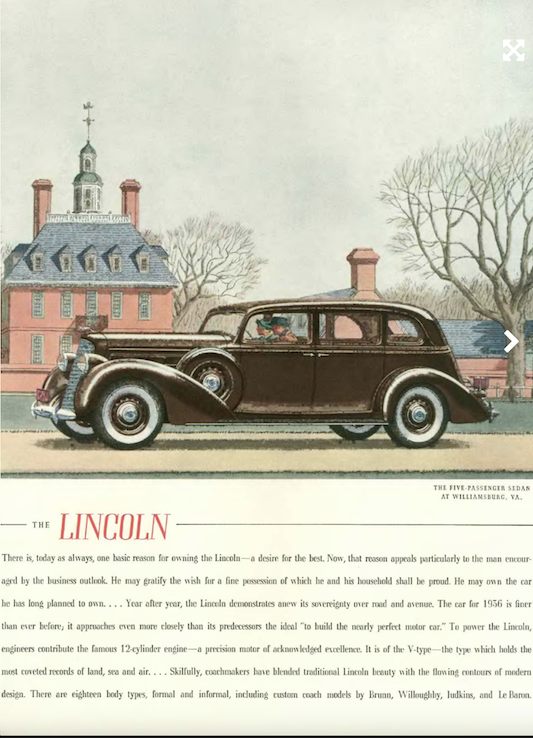
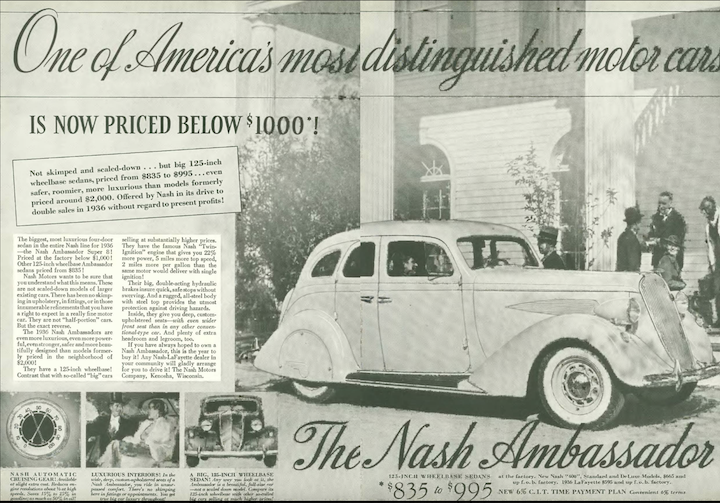
…American luxury carmaker Packard proudly displayed their twelve-cylinder luxury model, but reminded readers they could have a lesser model, the 120, for a price “in the $1,000 field”…
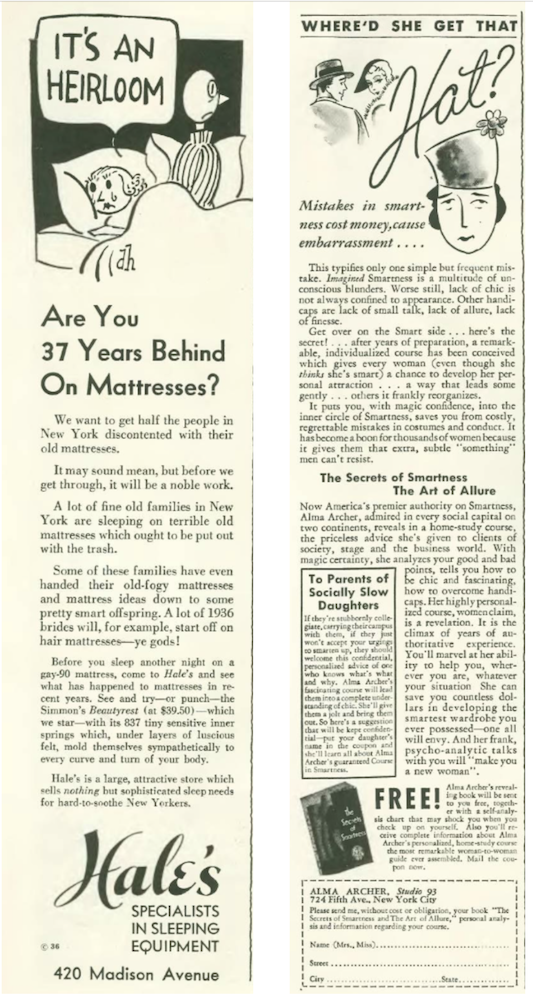
…a couple of one-column ads…Don Herold helped Hale’s move mattresses, while fashion columnist Alma Archer employed class anxiety to promote her new book, The Secrets of Smartness and the Art of Allure…

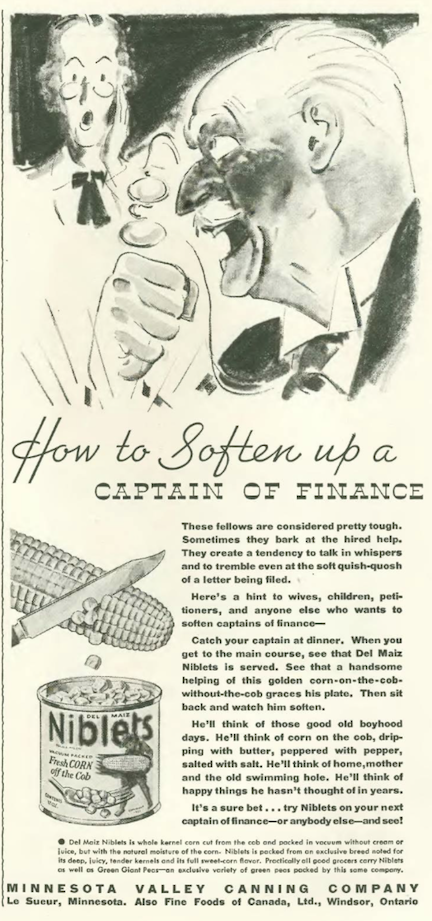
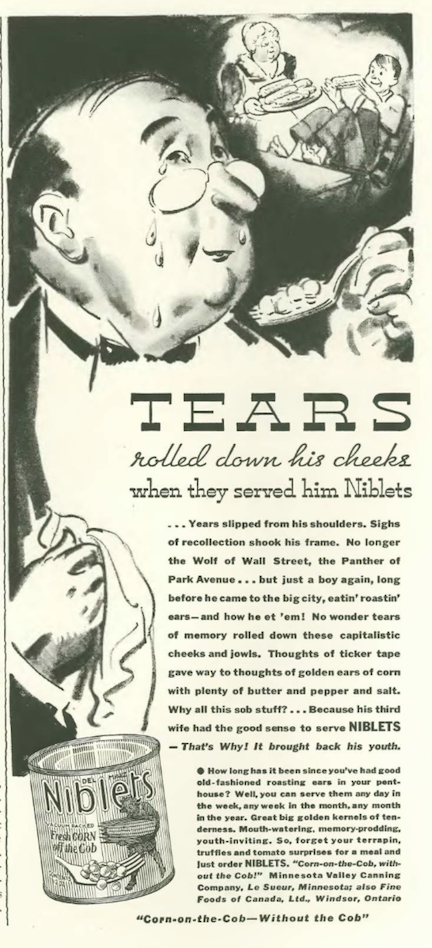
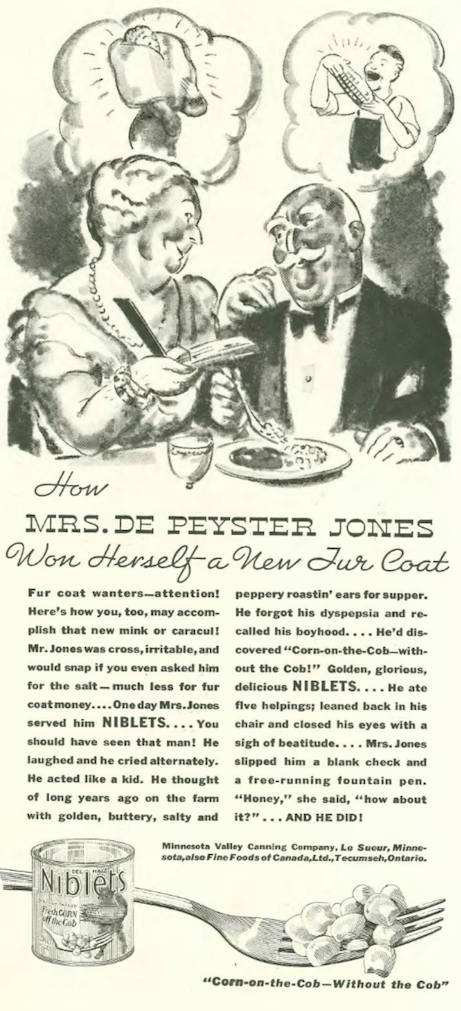
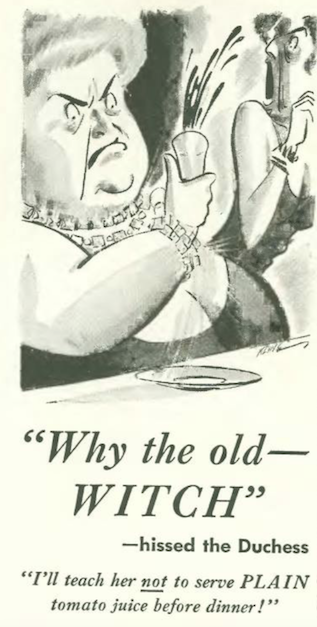
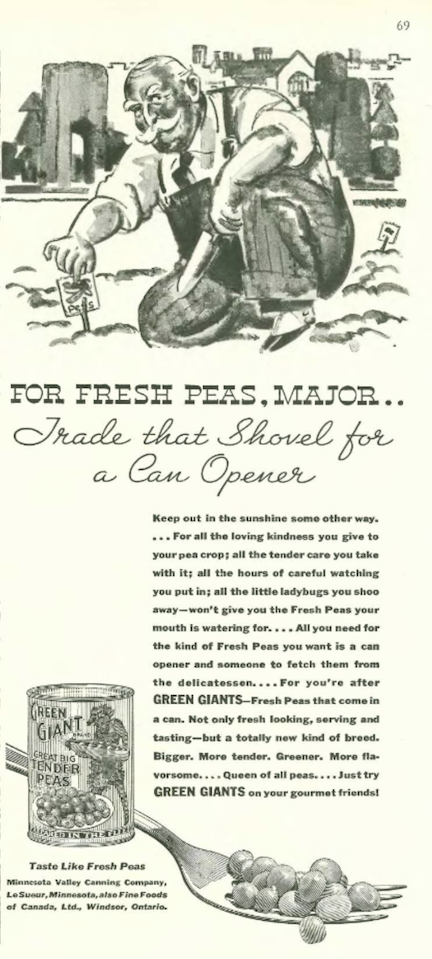
…if you have been following this blog, you’ll recall the ads with angry duchesses fuming over tomato juice and rich old men fondly recalling their countrified youth via canned corn niblets…well here is one robber baron who needed some niblets pronto to quiet his rage…maybe a snifter or two of brandy would have also helped…
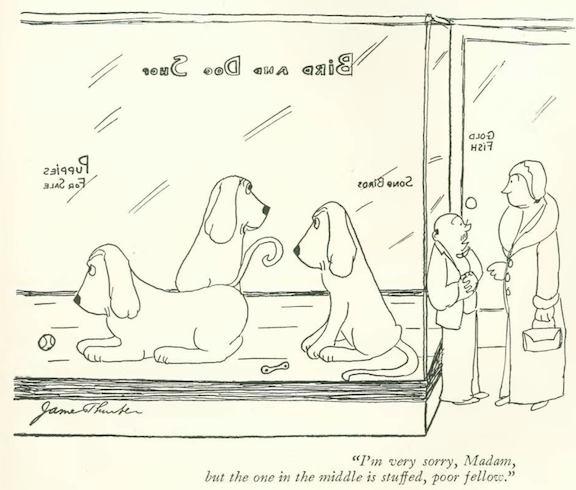
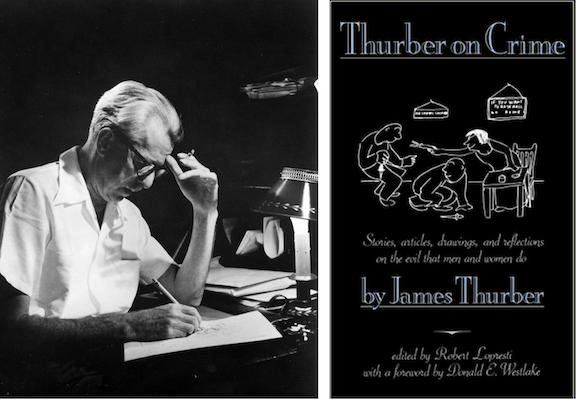
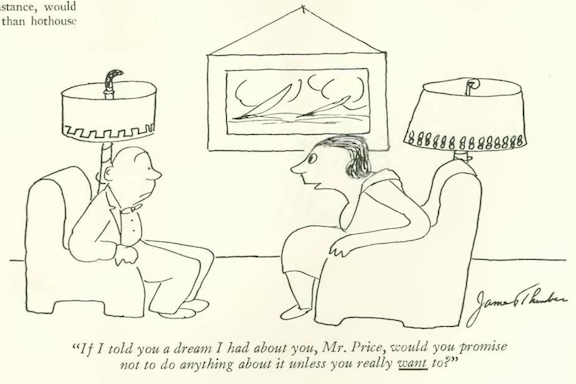
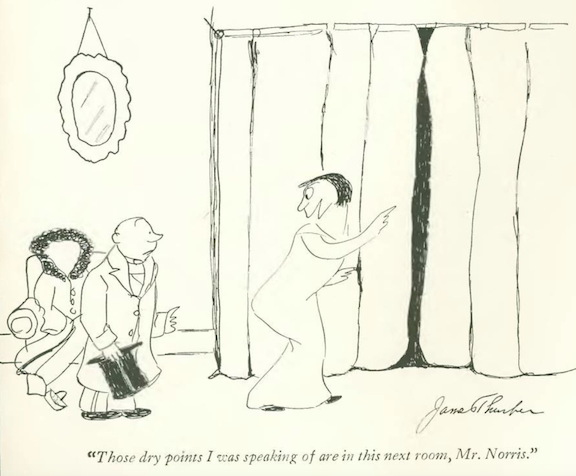
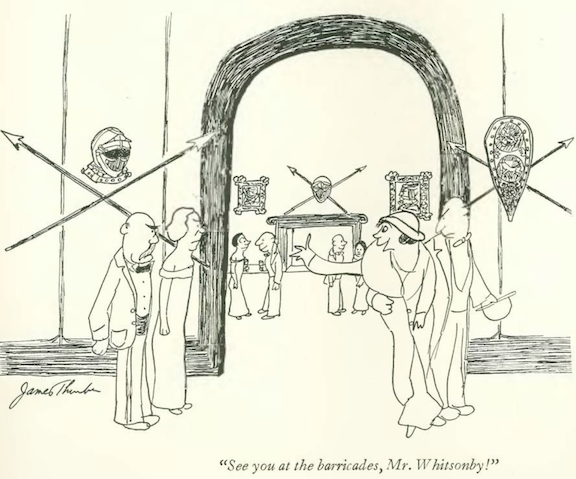
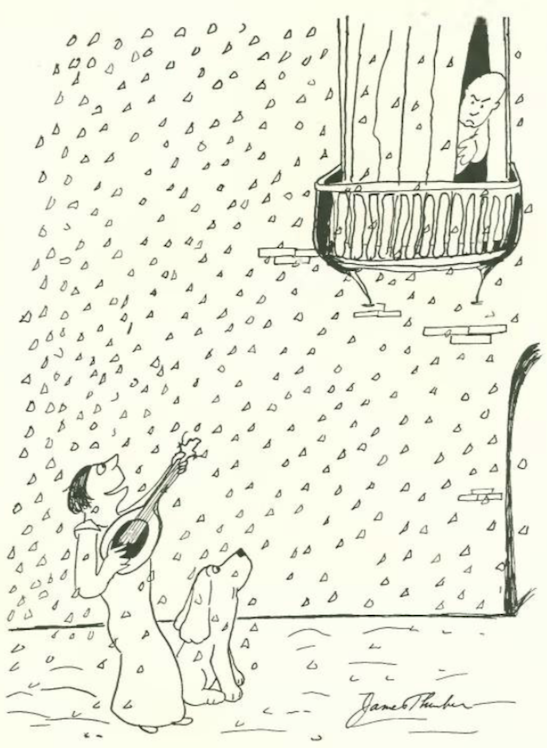
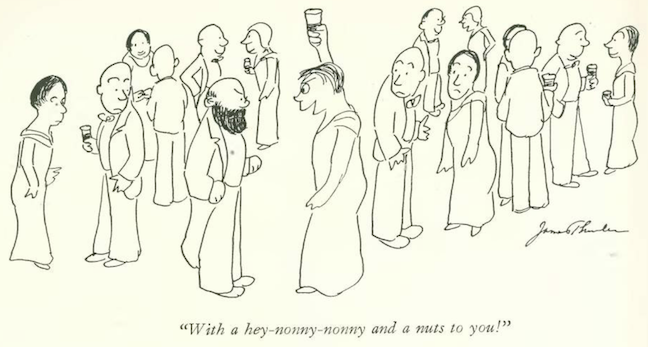
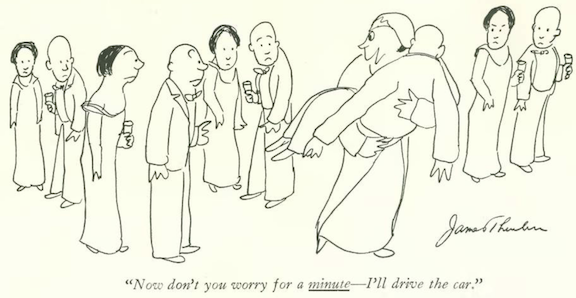
…on to our cartoonists, James Thurber kicked things off on page two…

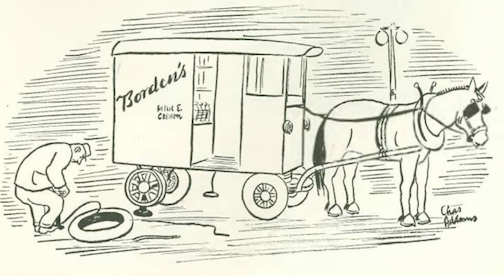
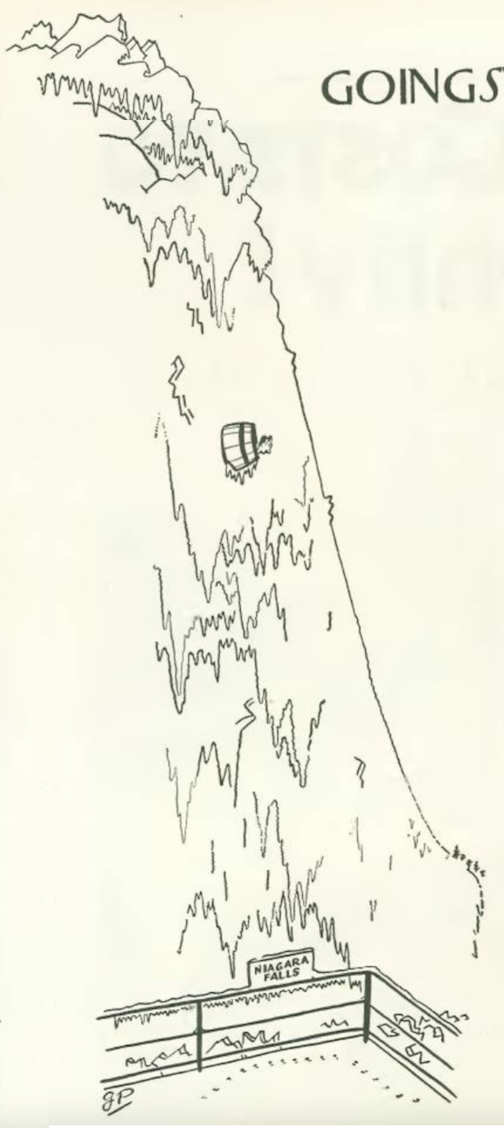
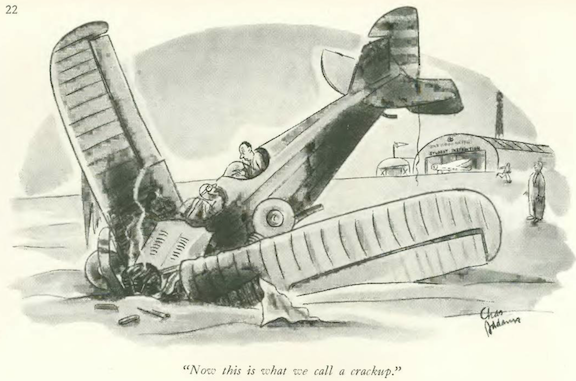
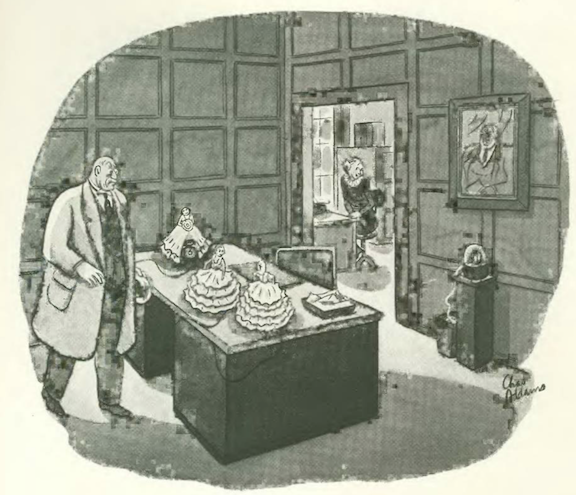
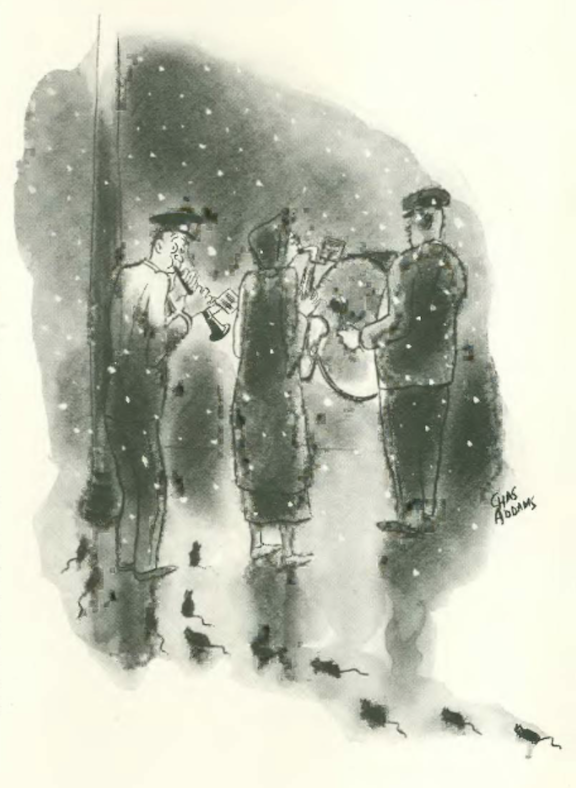
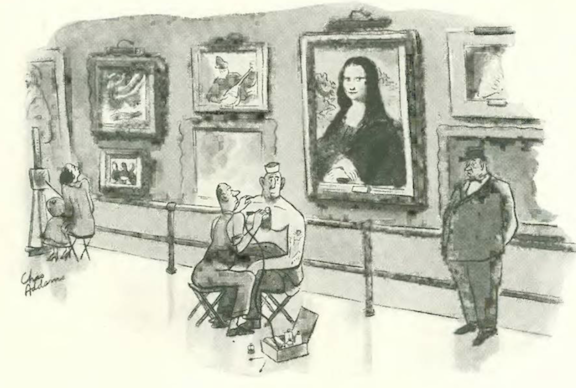
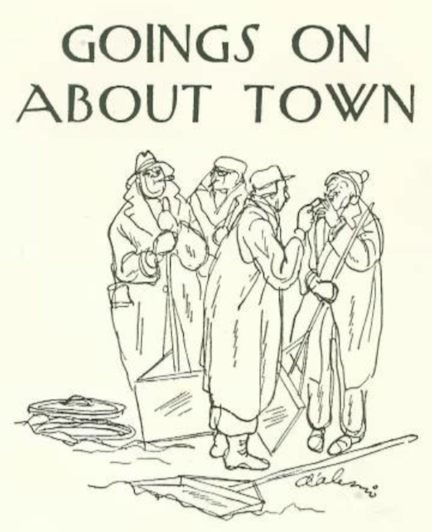
…the “Goings On” section concluded on page four with this drawing by Charles Addams…
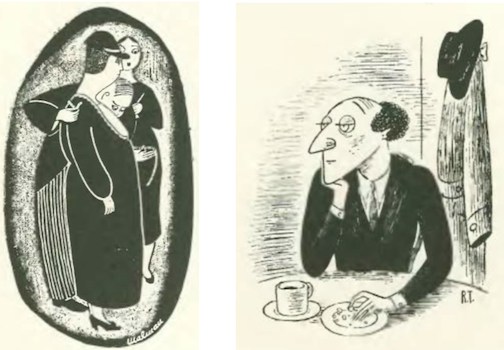
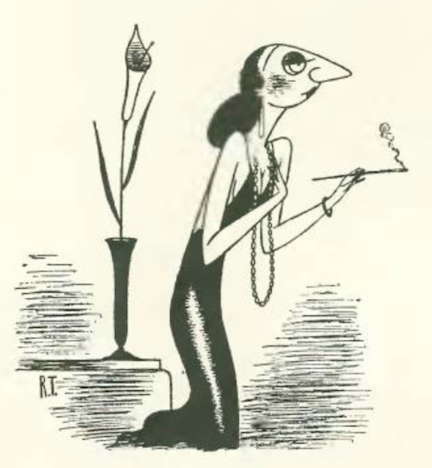
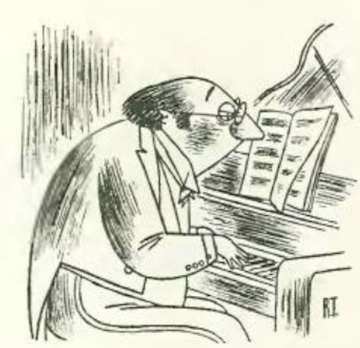
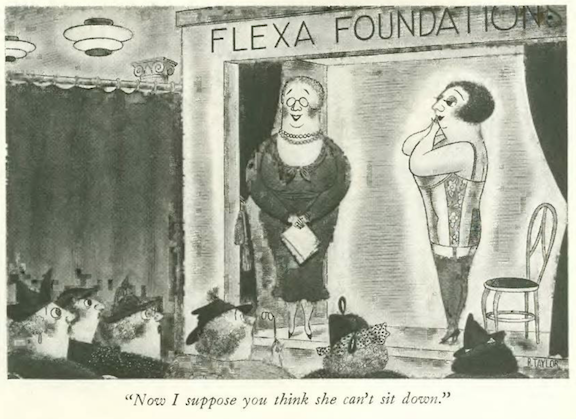
…a couple more spot drawings from the issue by Christina Malman (left) and Richard Taylor…
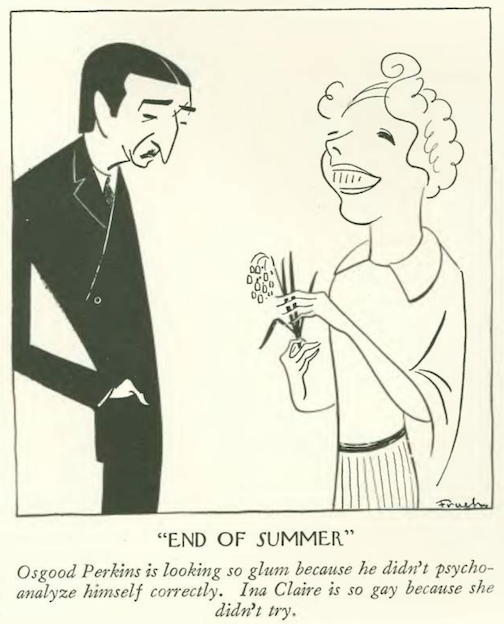
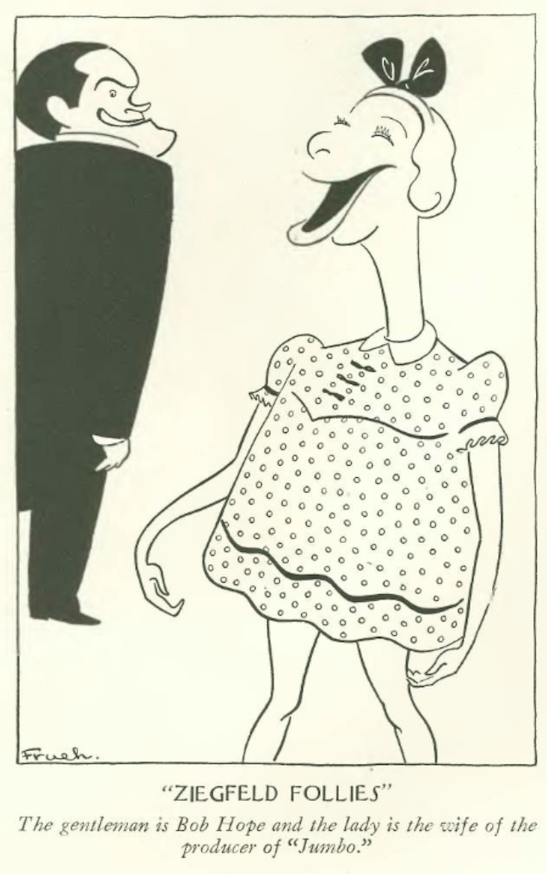
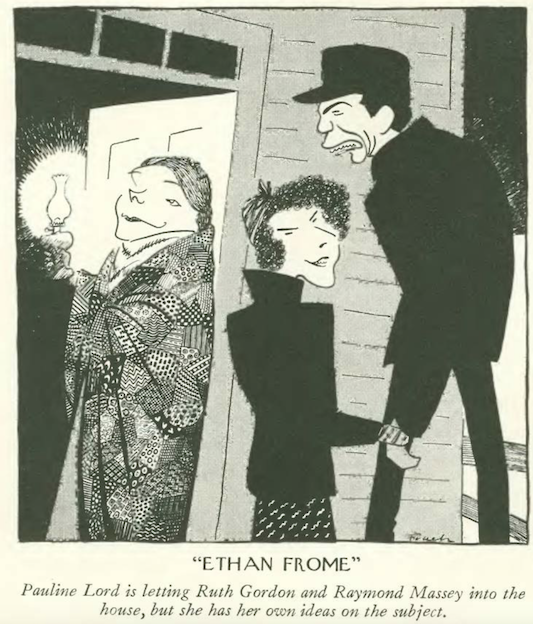
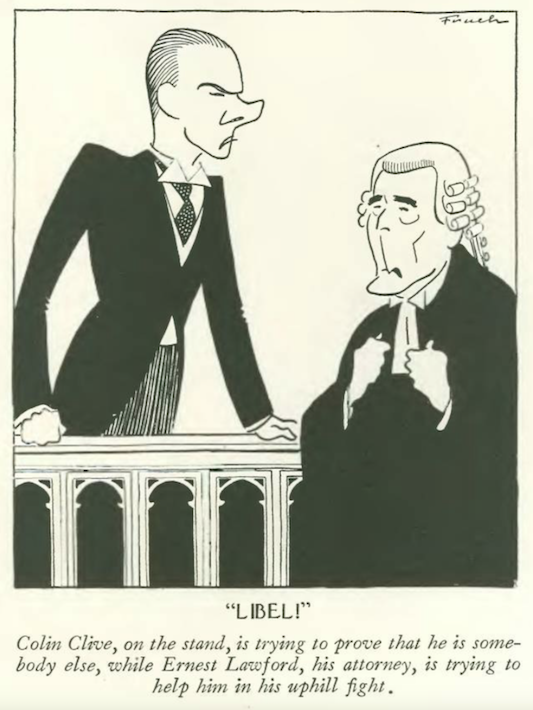
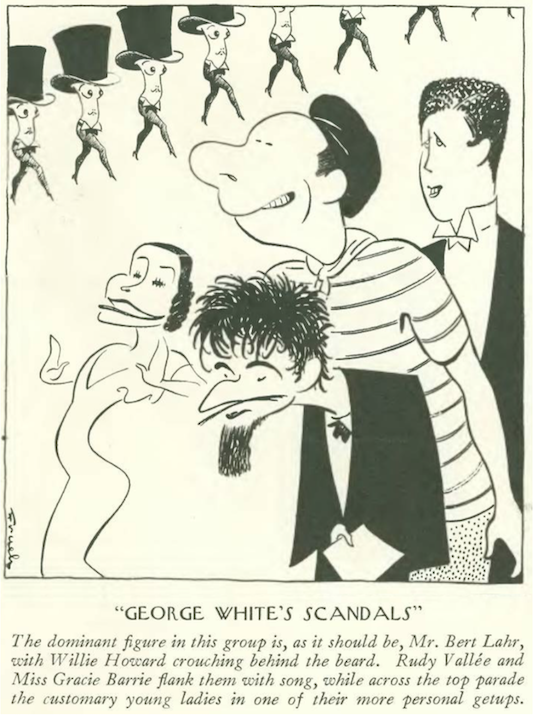
…Al Frueh offered this interpretation of the players in End of Summer…
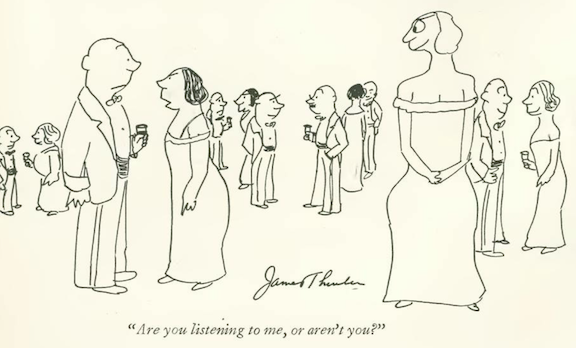
…and we have Thurber again, with a hard-to-miss distraction…
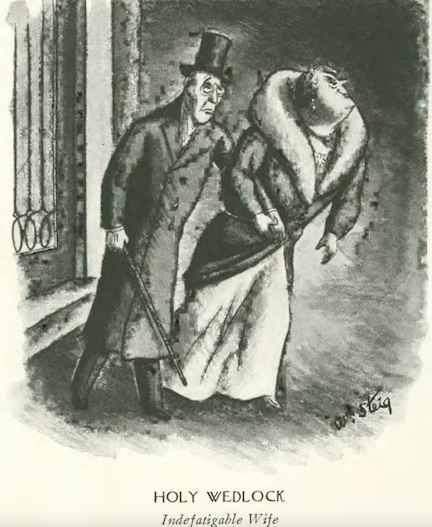
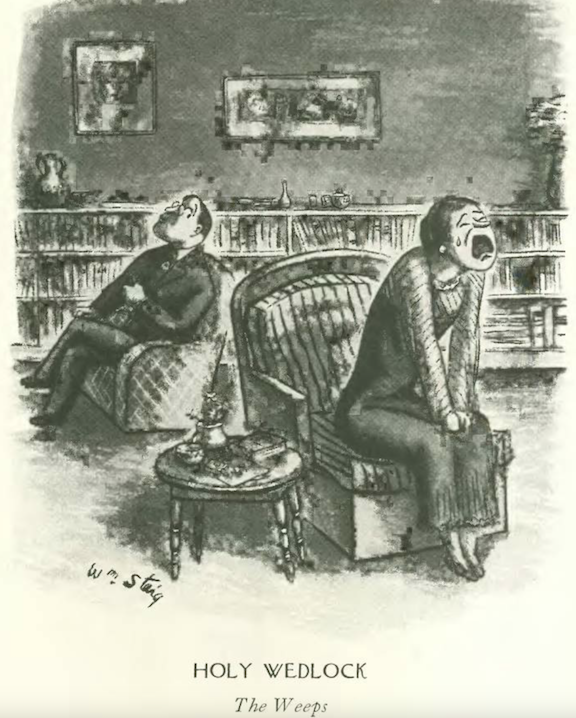
…William Steig continued to explore the varieties of “Holy Wedlock”…
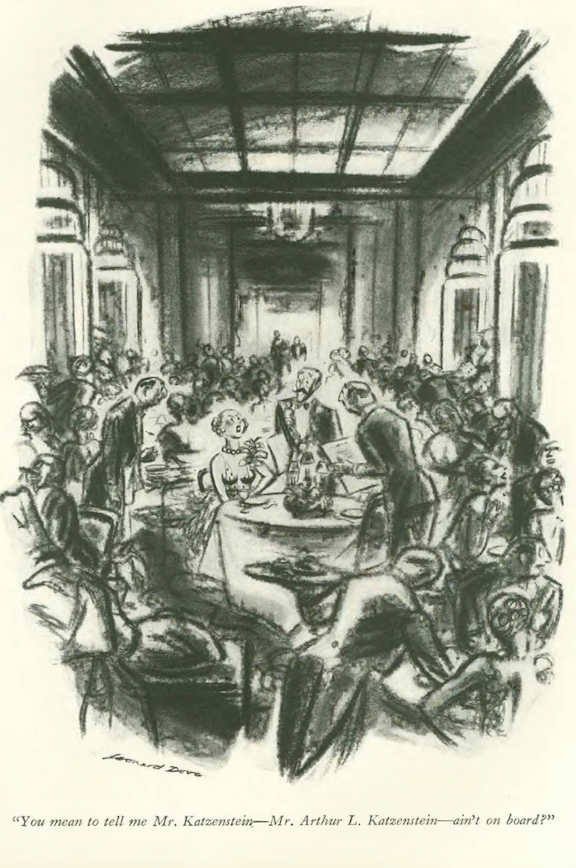
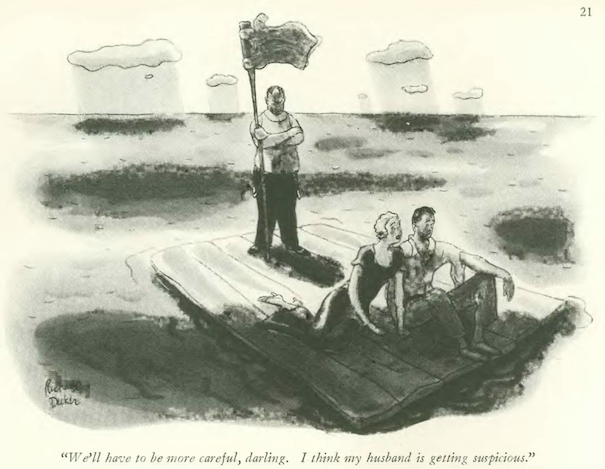
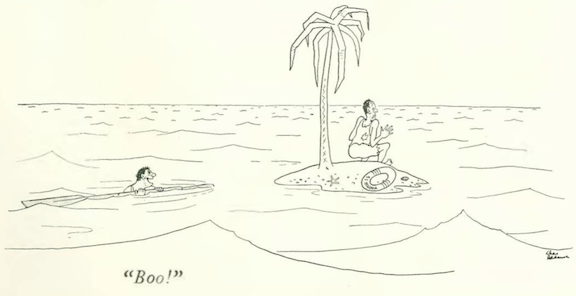
…Leonard Dove gave us a golddigger stranded at sea…
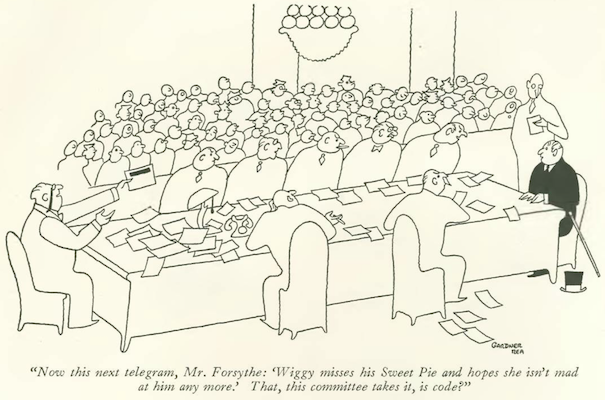
…Gardner Rea put a captain of industry in a tight spot…
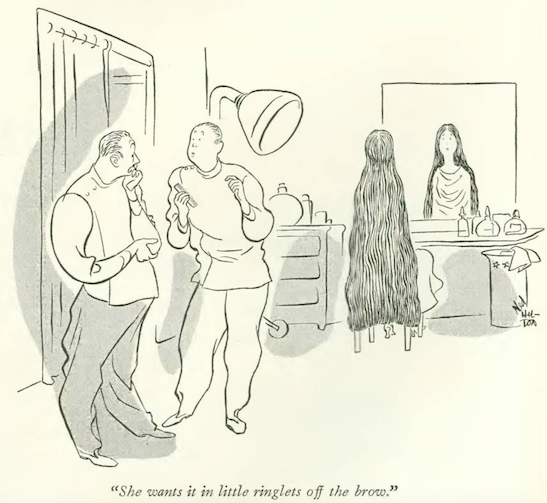
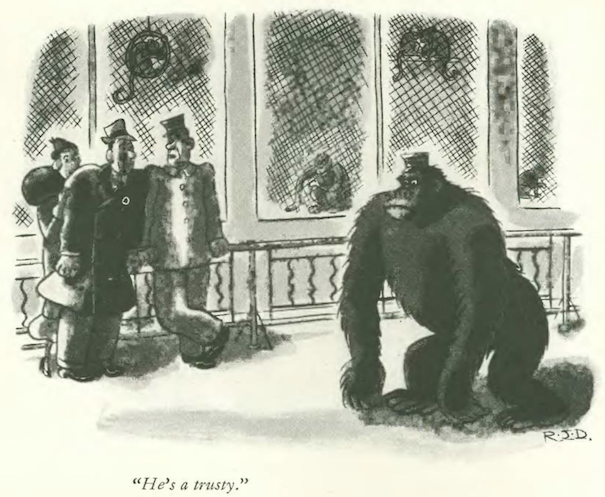
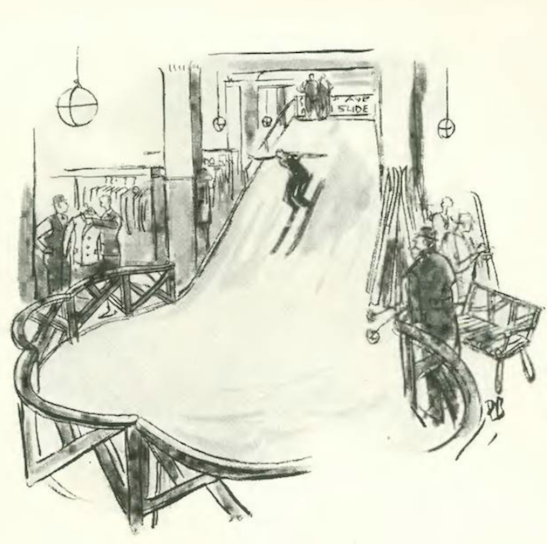
…Ned Hilton encountered a hairy challenge…
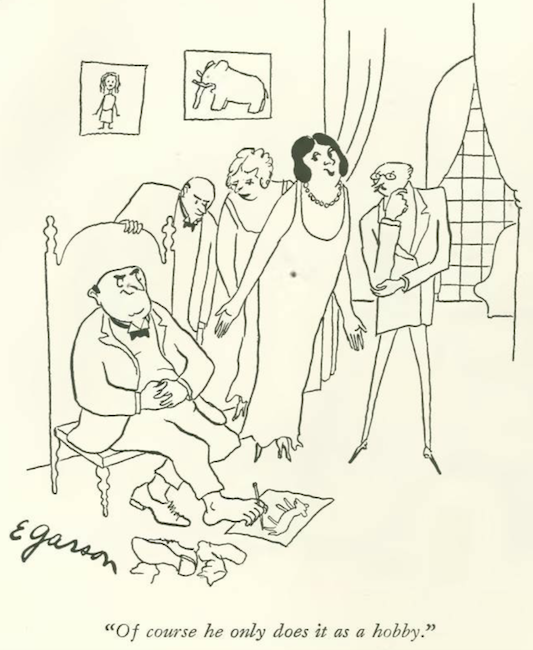
…Eli Garson demonstrated some remarkable foot dexterity…
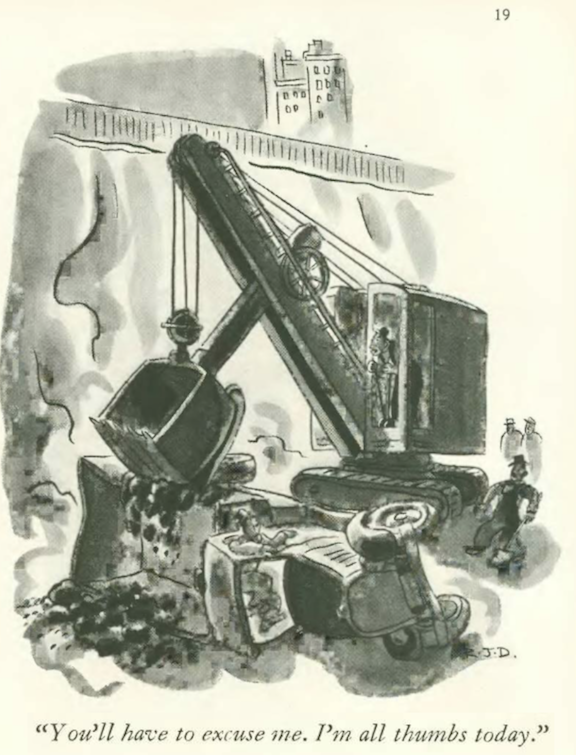
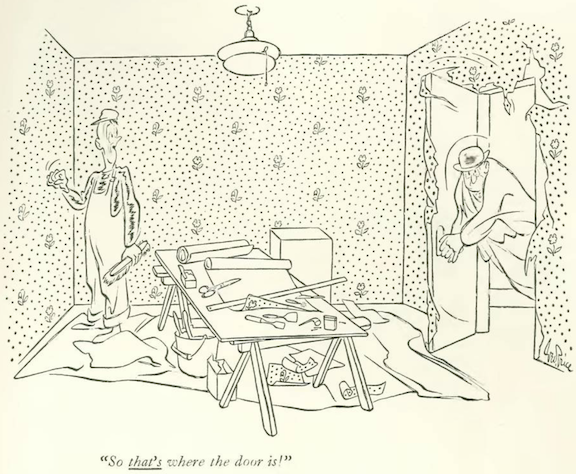
…while Robert Day showed a lack of dexterity a construction site…
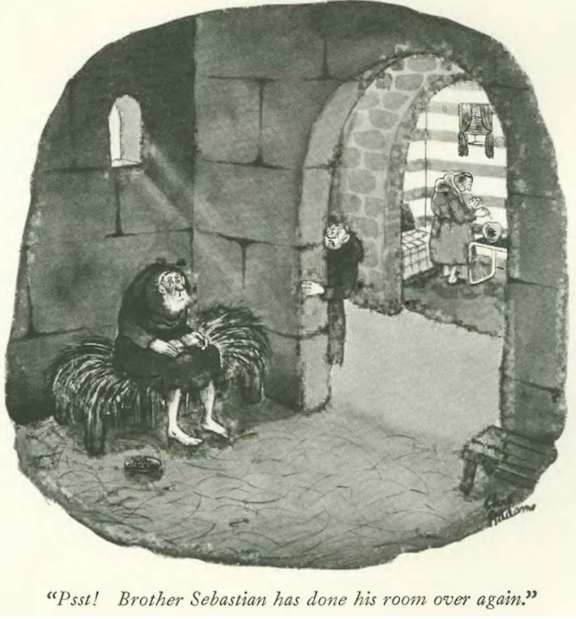
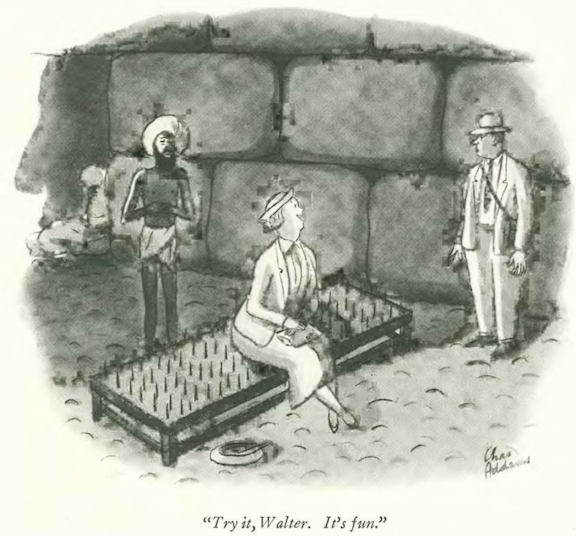
…Charles Addams revealed a materialist in the brotherhood…
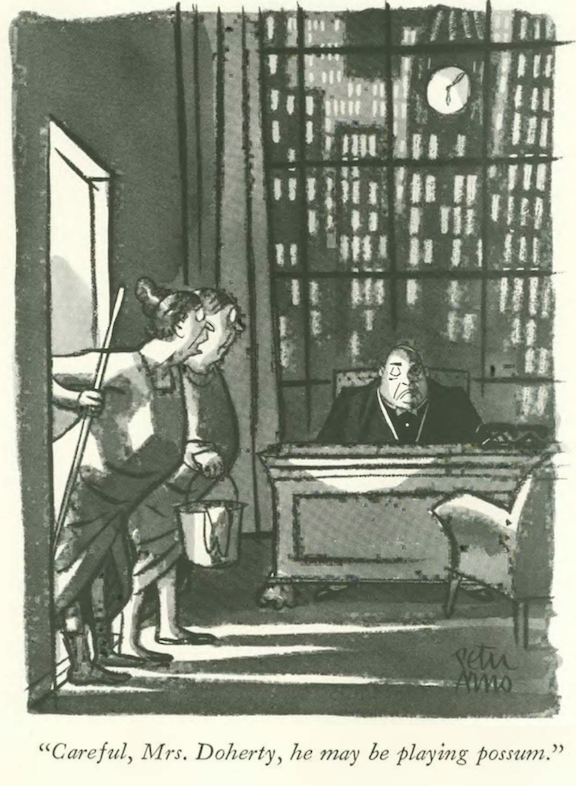
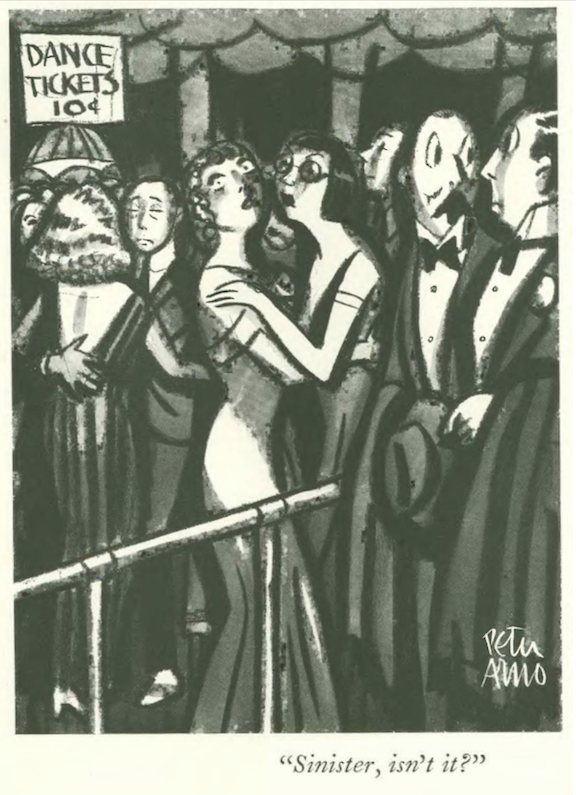
…Peter Arno’s charwomen let a sleeping dog lie…
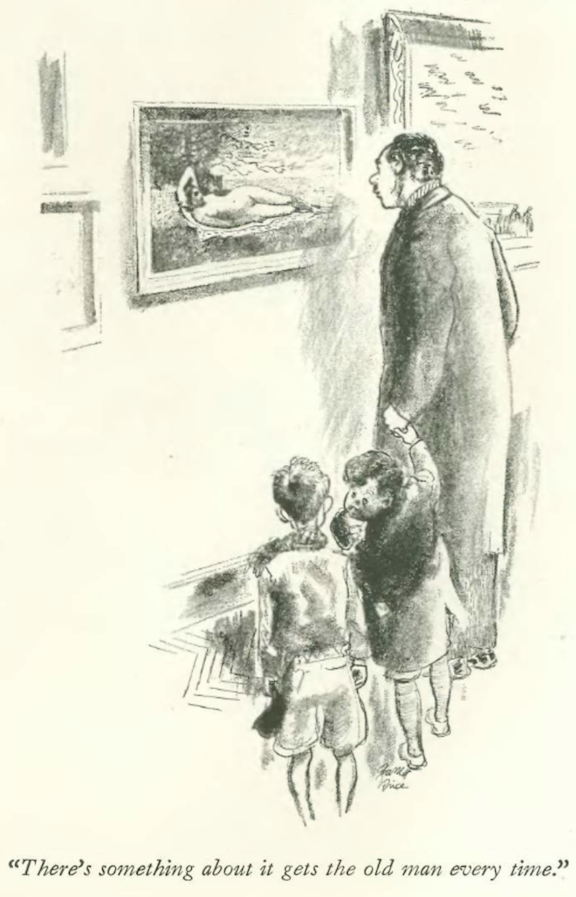
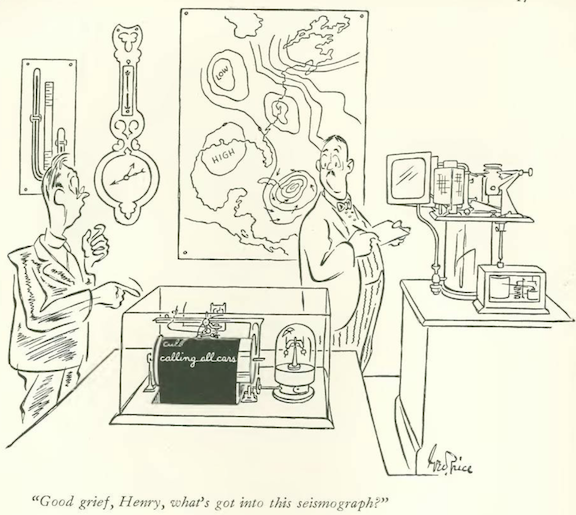
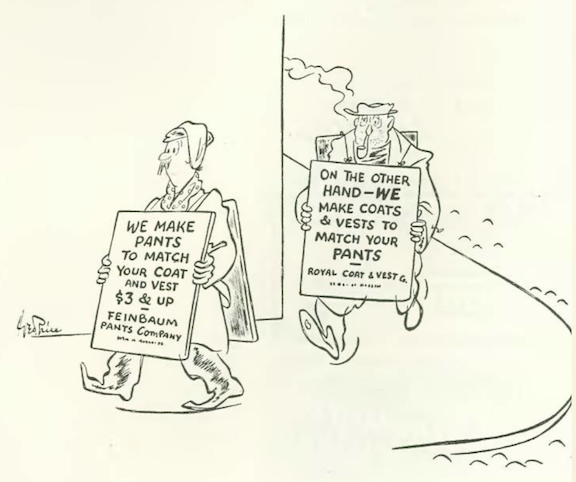
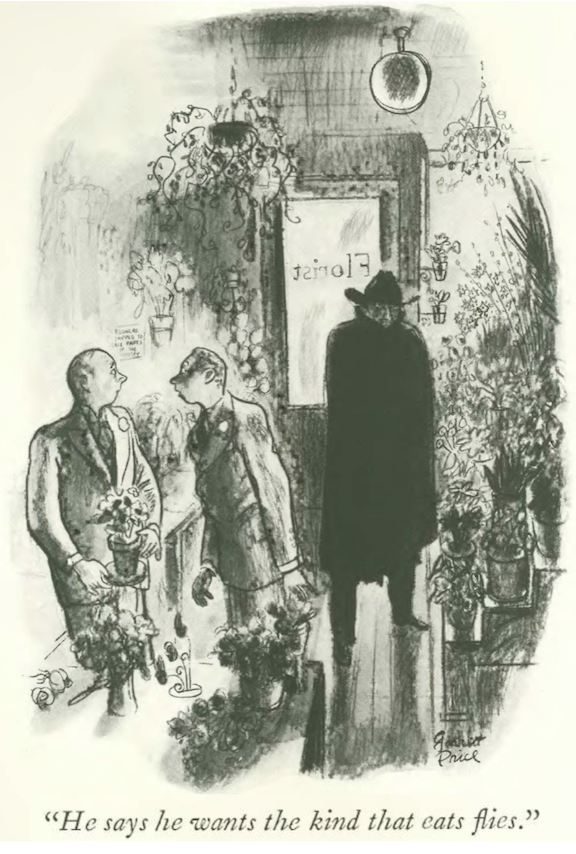
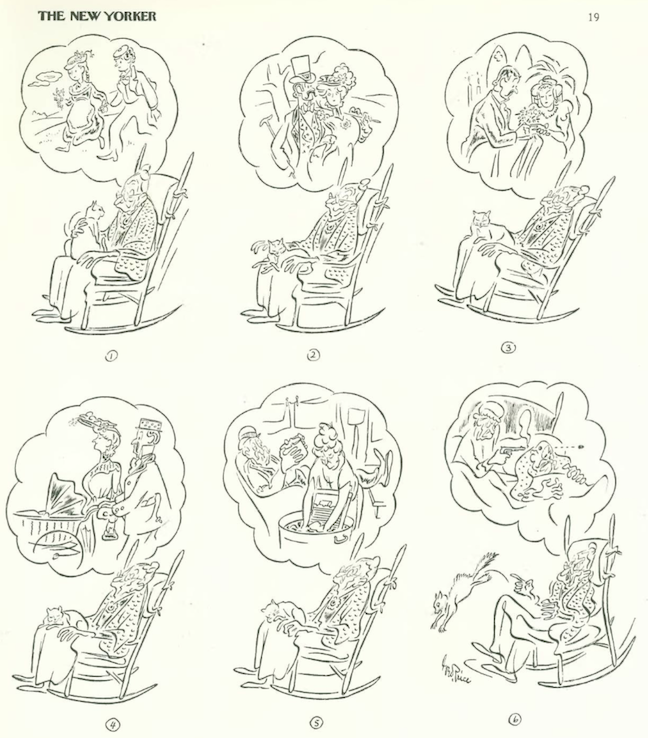
…and we close Garrett Price, and one perceptive lad…
Next Time: Star Maker…



































































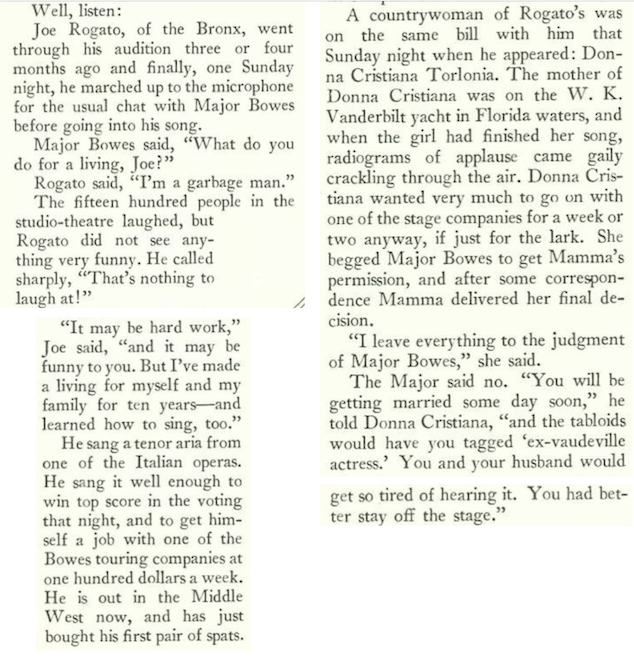
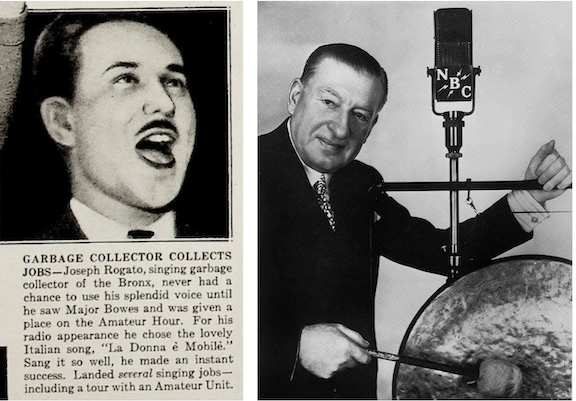
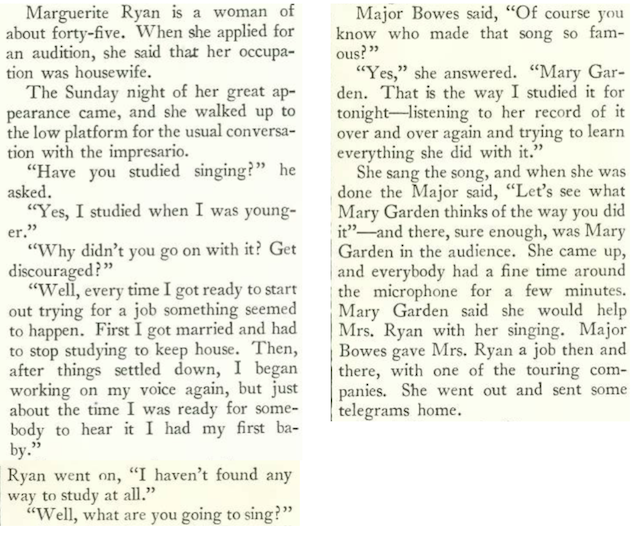
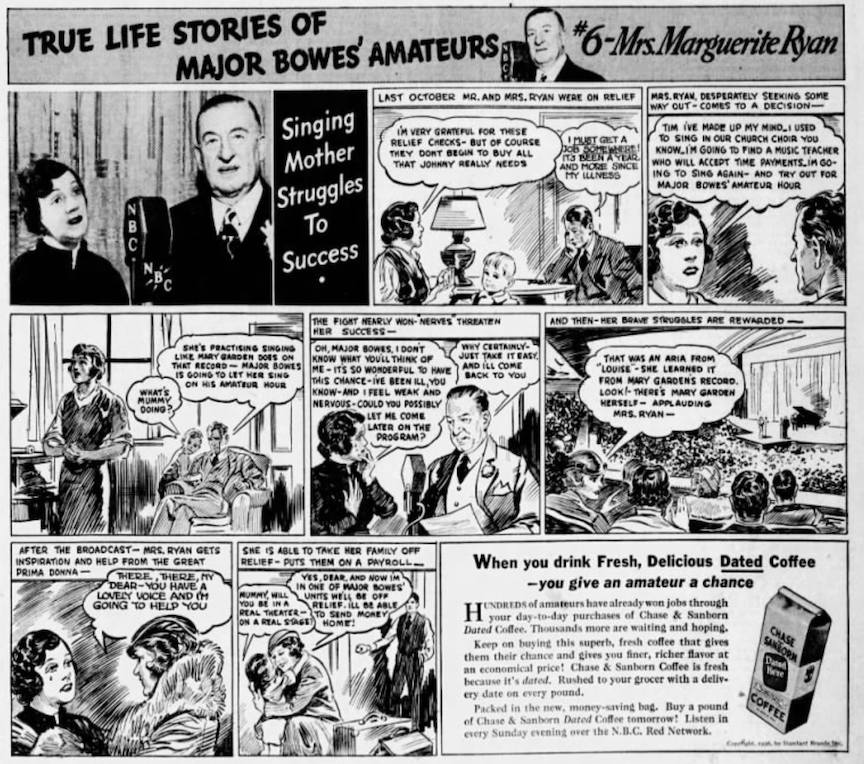










 A New Yorker State of Mind