Before we launch into the Jan. 25 issue, the rendering of the old New York Aquarium in this Sue Williams cover bears some consideration.
Jan. 25, 1930 cover by Sue Williams.
The aquarium was housed within the historic walls the South West Battery, constructed off the tip of Manhattan between 1808 and 1811 as a defense against the British. Renamed Castle Clinton in 1817 (in honor of former Mayor/Governor Dewitt Clinton), it was deeded to the city in 1823 to be used as an entertainment center. From 1855 to 1890 it served as an immigrant landing depot, then remodeled in 1896 (by the architectural firm McKim, Mead, and White) to become the popular New York City Aquarium.
FISH OUT OF WATER…Postcard image of the New York City Aquarium from the early 1900s; aerial view of the aquarium circa 1934; postcard image of aquarium interior; demolition of the aquarium in 1941, on orders from city planner Robert Moses. (thebattery.org/nycgovparks.org)
Although the aquarium proved to be a cultural and educational magnet, it stood in the way of master planner Robert Moses’s designs to build a bridge from The Battery to Brooklyn. After residents, preservationists and even Eleanor and President Franklin Roosevelt protested, the city opted instead to construct a tunnel under the East River. Nevertheless, Moses managed to get the aquarium knocked down before demolition was halted by the outbreak of World War II. After the war, Congress passed a bill declaring the site a National Monument, and preserved the walls of Castle Clinton.
HIGH AND DRY…Until it was demolished in 1941, the New York City Aquarium occupied the space in the center of Castle Clinton, which was added to National Register of Historic Places in 1966. (nps.gov)
* * *
Now, About That Band…
A play that satirized America’s enthusiasm for war—Strike Up the Band—was loved by critics but spurned by audiences when it opened in Philadelphia in 1927. Written by George S. Kaufman, with music and lyrics by George and Ira Gershwin, the play had the pedigree for success, but audiences weren’t quite ready for a show that poked fun at the U.S. military just nine years after the end of World War I (in the original play, America is goaded into declaring war on Switzerland by an American cheese tycoon).
Enter lyricist Morrie Ryskind, who reworked the script, softening its political message and remaking the war plot into a dream sequence. The revised play proved to a be hit, running for 191 performances at the Times Square Theatre. It also introduced a number of popular songs, including “The Man I Love” and “Strike Up the Band.” Robert Benchley was on hand for opening night:
TEAMWORK…Clockwise, from top, Ira (left) and George Gershwin at work circa 1930; lyricist Morrie Ryskind, who softened the tone of George S. Kaufman’s original script. (U of Michigan/Wikipedia)
Benchley noted that the antics of comedian Bobby Clark caused him to laugh so loud that his guffaws were even noted in the Herald Tribune’s review:
MAKE ‘EM LAUGH…The comedy team of Paul McCullough (left) and Bobby Clark were one of the play’s big draws. At right, Herald-Tribune illustration by Al Hirschfeld announcing the Broadway opening of Strike Up the Band. (aaronneathery.org)
* * *
Duncan Yo-Yos
We’ve seen the Duncan Sisters (Rosetta and Vivian) before in this blog, the sister vaudeville act that became famous with the 1923 hit musical Topsy and Eva, which inspired a silent 1927 film starring the duo. They were back on the screen in late 1929 with It’s a Great Life, which TheNew Yorker’sJohn Mosher found to be “pretty dreary”…
NOT SO GREAT, THIS…Clockwise from top, promotional poster for It’s a Great Life; a scene from a dance number in the film; Rosetta (in blackface) and Vivian Duncan as Topsy and Eva (characters derived from the novel Uncle Tom’s Cabin). It’s a Great Life flopped at the box office, along with the Duncan’s brief movie careers. In the years to follow the duo would became popular nightclub entertainers and would continue to perform their Topsy and Eva routine even though appearing in blackface was increasingly considered offensive. (Wikipedia/freewebs.com)
* * *
Miracle Worker
TheNew Yorker profile, written by Robert Coates, featured Helen Keller (with illustration by Hugo Gellert). A brief excerpt:
* * *
From Our Advertisers
Advertisers in the Jan. 25 issue included the new Fortune magazine, which announced its first issue with this full-page ad:
…the table of contents is fascinating, spare in descriptions of everything from “Hogs” to “Orchids”…
From left, issue No. 1, February 1930; table contents for the issue; a prototype of the magazine, September 1929. (Fortune)
…also listed in the new magazine’s table of contents was the name of a 24-year-old photographer, Margaret Bourke-White…
A photo of coal piles by Margaret Bourke-White in the first issue of Fortune magazine. At right, Bourke-White photographing atop a skyscraper circa 1930. (Fortune)
…on to our other advertisements, we have this entry from Elizabeth Arden…ads from this salon chain in the 1920s and 30s featured this ubiquitous image of a woman with a distant stare, her head tightly bound — mummy-like — as part of a firming treatment called “muscle-strapping”…
…in contrast to the rather cold, clinical look of the Elizabeth Arden ad, the Primrose House appealed more to social climbing than skin toning…
…while the makers of Pond’s cold cream continued to draw from their stable of debutantes and society ladies to move their product…
…long before there was Joe Camel, R.J. Reynolds also appealed to social climbers with a series of ads beautifully illustrated by fashion artist Carl Erickson…
…society’s smokers were advised to pack a tube of Bost toothpaste, or have their French maid do it for them…
…and once again we have an ad by Dr. Seuss for Flit insecticide that is very much of its time…
…as is this cartoon by Isadore Klein, perhaps the first in The New Yorker that depicted African Americans as something other than minstrel show stereotypes. Nevertheless, the rendering is still a bit crude — especially the boy’s face — as is the idea behind the “joke” — that a black boy could actually aspire to be a great violinist like Jascha Heifetz…
…John Reynolds explored a less troubling juxtaposition among the bohemian set…
…and we end with this peek into society life courtesy Barbara Shermund…
For nearly 100 years, giant steam locomotives (and later diesels) rumbled through the streets of Manhattan’s West Side, serving warehouses and industries via a route known as “Death Avenue.”
Jan. 18, 1930 cover by Constantin Alajalov (who apparently had just visited St. Moritz, home of the 1928 Winter Olympics).
Beginning in 1846, freight trains began operating at street level along 10th, 11th and 12th avenues. When mixed with an ever-growing crush of pedestrians, wagons, cars and trucks — hundreds were killed or mutilated, many of them schoolchildren. One of these streets, 10th Avenue, earned the moniker “Death Avenue” for its large share of fatalities. Although protests over the unsafe rail lines had been going on for decades, it wasn’t until 1929 that an agreement was reached to build an elevated rail system (which is now the popular High Line elevated park). In late December 1929 Mayor Jimmy Walker pried out the first spike at 11th Avenue and 60th Street. In “Notes and Comment,” E.B. White wryly observed:
GOOD OLD DAYS…Freight trains were introduced to the west side warehouse district in 1846. Block-long trains would run through cross streets and congested traffic, maiming and killing along the way (image at left circa 1920). At some point in the late 19th century trains were required to send a man ahead on horseback waving a red warning flag (see images at right, circa 1900); nevertheless, in the decade 1890-1900 nearly 200 deaths were recorded, mostly schoolchildren from nearby tenements. WESTSIDE COWBOYs…Clockwise, from top left, a steam locomotive rumbles down 11th Avenue near 41st Street in the 1920s; men on horseback, known as the West Side Cowboys, rode ahead of the trains to warn pedestrians. Image at top right is of cowboy William Connolly on 11th Avenue in 1932; the last ride — George Hayde led the final ride of the West Side cowboys up 10th Avenue on March 24, 1941; aerial view of the High Line from 18th Street heading north. Opened in 1934, the elevated track lifted most freight train traffic 30 feet in the air. Today the High Line serves as a mile-and-a-half-long elevated park, and is one of New York’s biggest tourist draws. (Forgotten New York/Associated Press/New York Times/thehighline.org)
A New Yorker illustrator/cartoonist who spent a lot of time hanging around the working class neighborhoods on the West Side was Reginald Marsh. One of the first cartoonists employed by The New Yorker, Marsh was also a “Social Realist” painter who had studied with the Art Students League. The prevailing theme at the League was life among the working poor, the unemployed, and the homeless, especially after the market crash of 1929. For the Jan. 18 issue Marsh contributed this cartoon featuring a Death Avenue subject…
…more than two years earlier (the Nov. 5, 1927 issue) Marsh provided this illustration of life on Death Avenue…
* * *
Birds of a Feather
And speaking of the down and out, E.B. White commented on the thousands of panicked citizens who had flocked to the New York Life Insurance Company in search of some peace of mind under the wing of its leader Darwin P. Kingsley (1857-1932). Kingsley steered the company through the market crash relatively unscathed, thanks to its investments in government bonds and real estate, and not in common stocks.
DARWIN’S LAW…Darwin P. Kingsley saw the New York Life Insurance Company through the stock market crash. The company’s assets weathered the crash thanks to investments in government bonds and real estate, and not common stocks. At right, the New York Life Building at 51 Madison Avenue, designed by architect Cass Gilbert and opened in December 1928.(retropundit.wordpress.com)
* * *
Oh Dear Me
As I’ve noted before, The New Yorker loved taking swipes at The New York Times, especially when the somewhat puritanical “Old Gray Lady” found it challenging to cover the more salacious side of life. In this case, according to E.B. White, it was the subject matter of a 1930 Broadway play Waterloo Bridge…
LES BELLES IMPURES…Actress June Walker (pictured here circa 1920) portrayed chorus girl Myra Deauville in the 1930 Broadway play Waterloo Bridge. In the play Myra finds herself out of work and stuck in London during World War I. She resorts to, um, prostitution, to support herself. (IBDB)
* * *
Nerd Alert
White also got a kick from reading accounts (presumably in the Times) about Albert Einstein’s “lecture” at the American Museum of Natural History. According to The New York Times’Michael Pollak (F.Y.I., Aug. 10, 2012), “an unruly crowd of 4,500 stampeded through the (museum) to see a movie about Einstein’s work…it became known—relatively speaking—as the “Einstein riot.”
JUST CHILLIN’…Albert Einstein circa 1930. The scientist was safely elsewhere when a science-crazed mob stormed the doors of the American Museum of Natural History, which was screening a film on the theory of relativity. (AP)
* * *
Not Ready For My Closeup
The actress Gloria Swanson (1899-1983) was a major star during the silent era who saw her career wane with the advent of the talkies, and then suddenly soar again with her unforgettable portrayal of reclusive silent film star Norma Desmond in the 1950 film Sunset Boulevard. In her profile of the actress, Helena Huntington Smith seemed to suggest that Swanson was something of an ugly duckling who managed to transcend her looks through a process of graceful maturation (Abe Birnbaum’s caricature notwithstanding). Some excerpts:
GLORIOUS FACES…Abe Birnbaum no doubt drew from images like these for his caricature of Gloria Swanson. From left, Swanson in a cloche hat in an undated photo; publicity photo for her 1928 film Sadie Thompson; publicity photo for 1929’s The Trespasser, Swanson’s first all-talking picture. (Pinterest/pixels.com)
* * *
Good-Bye and Good Luck
Not too many 33-year-olds write autobiographies, but then again Robert Graves was no typical 33-year-old. Good-Bye to All That, which Graves later described as “my bitter leave-taking of England,” was reviewed in the Jan. 18 “Recent Books” column. Note in the first paragraph how the reviewer (A.W.S.) suggested that writing about World War I (which ended less than 12 years earlier) was getting better “as the shock of the actual catastrophe wears off.” This is not unlike the writings (and films) about Viet Nam that began to emerge in the 1980s and 90s. An excerpt:
A LOT ON HIS MIND…from left, Robert Graves served in the 3rd Battalion of the Royal Welch Fusiliers in World War I (photo is probably from 1915); first edition of his autobiography Good-Bye to All That, which he published at age 33; Graves in 1935. (Oxford U/Wikipedia/fundaciorobertgraves.org)
* * *
From Our Advertisers
We begin with this elegant ad for a new art deco beauty salon at the Abraham & Straus department store on Fulton Street in Brooklyn…
…for reference, a photo of salon, from 1930…
…the Jan. 18 issue contained a slew of ads enticing New Yorkers to flee the winter and head south — smartly attired, of course — like the couple in the upper right hand corner who look fashionably disinterested as they head out for some “playtime” in Havana (love the man’s combo black tie and bucket hat)…
…and you have to hand it to the folks at Sterling, who put the chic into high-powered boat engines…
…this has to be one of the very few times, perhaps the only time, that a toilet seat was advertised in The New Yorker…note how the folks at the Church company played on consumers’ social anxieties, proffering the suggestion that an old toilet seat might be the one thing that lingers in the memories of your houseguests…
…of course a lot of people eased their anxieties by lighting up, something they didn’t have to worry about because they were told it was actually good for their health (the manufacturers of Old Golds, for example, claimed their cigarettes created a “smoke screen” that kept away colds and other “throat dangers”). Not to be left behind, the makers of Lucky Strikes claimed their “toasting” process removed “dangerous irritants”…
…speaking of Old Golds, cartoonist John Held Jr. picked up some extra pocket change with this “woodcut” illustration for the brand…
…as for Held’s fellow New Yorker cartoonists, we have some more social anxiety courtesy of Alan Dunn…
…a bit of chit chat among society ladies…Barbara Shermund looked in on a pair down in Palm Springs…
…while Helen Hokinson found her ladies contemplating new economic realities…
…and finally we have Peter Arno, and a punch line that failed to land…
With the 1920s ending with a crash, few seemed interested in looking back to that decade. Indeed, just days into the 1930s the Jazz Age seemed to belong to a distant, frivolous past.
Jan. 11, 1930 cover by Julian De Miskey.
Or at least that is how popular historian Alvin F. Harlow (1875-1963) saw it, penning this somewhat cynical, tongue-in-cheek retrospective on the “great events” of the previous year…
FLASHBACK…Historian Alvin F. Harlow (top left) recalled some of the “great events” of 1929, including (clockwise, from top right) “damnfool” dance marathons; “comic strip droolery” (clip is from Dixie Dugan, 1929); gang warfare; reckless air navigation and wayside wieneries. (jstor.org/News dog Media/nitrateville.com/Chicago/U of Washington/Nathan’s)
…Harlow continued to list the various ways folks sought relief “from the monotony of existence” in 1929…
TOO THIN?…Miss Austria, Lisl Goldarbeiter, was crowned the first Miss Universe at the “International Pageant of Pulchritude” in Galveston, Texas in 1929. The pageant actually was one of year’s big events, garnering worldwide attention. (bashny.net)
…as well as the persistence of superstition and quackery…
* * *
A Byrd Takes Wing
In 1928 and 1929 the name Richard Byrd popped up quite a bit in the pages of The New Yorker, and for good reason. In 1928 Byrd — already known for his exploits at the North Pole — began his first expedition to the Antarctic, a land that was as remote to explorers in the 1920s as the moon was to us in the 1960s. On Nov. 28-29, 1929, Byrd — along with pilot Bernt Balchen, co-pilot/radioman Harold June, and photographer Ashley McKinley — flew a Ford Trimotor to the South Pole and back in 18 hours, 41 minutes. It was such a feat that Byrd was promoted to the rank of rear admiral by a special act of Congress on December 21, 1929, making the 41-year-old Byrd the youngest admiral in the history of the United States Navy. In his “Notes and Comment,” E.B. White was still awaiting details of the heroic adventure:
ROUGHING IT…Once the expedition arrived by ship on the Antarctic coast, planes were assembled at the “Little America” base camp on the Ross Ice Shelf. This image shows Richard Byrd and his dog Igloo unpacking crates. The ships that brought the plane and other supplies can be seen in the background. (library.osu.edu)LIKE A MOONSHOT…Clockwise, from top left, a Ford Trimotor (named Floyd Bennett after the recently deceased pilot of a previous expedition) was one of three planes brought on the expedition. It sits assembled and ready to go before its historic flight over the Pole; flying over the pass near Liv’s Glacier enroute to the Pole; Richard Byrd in the library of Little America prior to the flight, with a stone from Floyd Bennett’s grave. Byrd dropped the stone, wrapped in a small American flag, over the South Pole in honor of the pilot of his 1926 North Pole expedition; the geological party (Byrd is second from right) upon returning to Little America, January, 1930; Little America in 1928, soon to be covered in snow. (library.osu.edu)
In his “Wayward Press” column, Robert Benchley commented on Byrd’s promotion, and took a shot at The New York Times (the Gray Lady was a favorite New Yorker target) for monopolizing the news of the South Pole expedition:
SNOWFALL OF A DIFFERENT SORT…Adm. Richard Byrd received a hero’s welcome in 1930 when he returned to the U.S. from Antarctica. Here he is shown being feted at a ticker tape parade in Boston. (library.osu.edu)
E.B. White also touted an endorsement by the venerable magazine The Nation, which included both Adm. Byrd and The New Yorker in its Honor Roll for 1929:
* * *
Bitter and Sweet
“The Talk of the Town” looked in on English light opera actress Evelyn Laye (1900-1996), who had just arrived in town to make her Broadway debut in the American première of Noël Coward’sBitter Sweet. “Talk” discovered that Laye “had her own notions” about how a stage actress should conduct herself:
MOSTLY SWEET…Postcard image of Evelyn Laye, circa 1933. (tuckdb.org)
Although Laye refused star billing in Bitter Sweet, she had no problem appearing in this two-page ad for Lux soap in The New Yorker’s Jan. 18. issue, hers the only full-page portrait in the ad:
…and so we segue into the ads for Jan. 11, where we find all sorts of diversions in the back pages, including an appeal to revelers for the Greenwich Village Ball (top left corner). The ad copy reads “come when you like, with whom you like—wear what you like…” and asks the question “Unconventional? Oh, to be sure—only do be discreet!”
…for reference, here is an invitation from the 1932 Greenwich Village Ball, with a list of patrons printed on the inside cover, including the “King of Greenwich Village Bohemians,” Maxwell Bodenheim, and poet Edna St. Vincent Millay’s two sisters Norma and Kathleen…
(hobohemiadotblog.wordpress.com)
…ads for private airplanes were a regular feature in The New Yorker, aviation companies assuming that at least some readers had the means to consider such a purchase…the copy in this ad emphasized the ease of flying—here is a sample from the fifth paragraph: “You take off…leave the ground in 6 seconds…climb so swiftly you are 500 feet as you pass over the fringe of the flying field…and 500 feet higher before you finish lighting a cigarette…”
…here’s a better view of the Ireland Amphibion…
(San Diego Air and Space Museum Archive)
…but for those who remained firmly on the ground, respite could be found in a nice, quiet (and affordable) office, a place where one could, perhaps, start rebuilding from the ashes of the market crash…
…and for those with a little extra scratch, they could treat themselves to the patrician comforts of a nice bathroom…
…on to our cartoons, we have a nice little culture clash courtesy of Barbara Shermund…
…Carl Rose illustrated a clash of a different sort…
…John Held Jr. was back with one of his slightly naughty “engravings”—these were favorites of founding editor Harold Ross, with his rustic tastes…
…W.P. Trent explored the strange ways of social status…
…Jack Markow looked in on life on the skids, a theme that would become more frequent as the Depression deepened…
…and after thirty installments throughout 1929, Otto Soglow’s manhole series — a one-panel gag featuring dialogue from unseen workers Joe and Bill…
…came to an end when Joe and Bill finally emerged…
The imposing of image of a fat, fearsome banker greeted readers of the Jan. 4, 1930 issue of TheNew Yorker, an apt symbol for the dawn of a new decade in a country whose fate seemed wholly in the hands of the old moneymen.
Jan. 4, 1930 cover by Rea Irvin.
However bleak the outlook, the show still had to go on, and automakers did their best to entice crowds to the National Automobile Show at the Grand Central Palace. TheNew Yorker’sNicholas Trott wrote of a “tentative modernism” on display at the show as automobile styles continued to transition from “horseless carriages” to something that looked decidedly modern. Trott’s column, illustrated by Peter Arno…
…made note of the modern angles of Art Deco that were creeping into the designs…
DAZZLING DASHES…Clockwise, from top left, the 1930 Essex sported an Art Deco instrument panel, as did the 1930 Hudson Great Eight Sedan. (hemmings.com/Free Library of Philadelphia)
…Trott also noted the increasing popularity of eight-cylinder cars (as evidenced in ads featured later in this blog post)…
TEMPLE OF TRANSPORTATION…Top left, postcard image of the Grand Central Palace exhibition building, circa 1916. At right and below, new automobiles on display at the Palace in the early 1930s. (Wikipedia/NY Daily News)
* * *
Flappers Get Flappy
Automobile designs weren’t the only changes seen on the streets of New York. In “Notes and Comment,” E.B. White lamented the introduction of “ear flaps” on women’s hats…
THEY FLOP, JUST LIKE THE STOCK MARKET…A selection of women’s hats from a 1930 Chicago Mail Order Company catalog. (elfsacks.com)
…while on the other hand, in “The Talk of the Town” White welcomed the addition of a namesake hotel to the New York skyline…
NAMESAKE…The 43-story Hotel New Yorker at 481 Eighth Avenue, by architects Sugarman and Berger, opened on January 2, 1930, with more than 2,500 rooms starting at $3.50 a night. At left, the hotel following its completion; top right, construction on the hotel began just 22 months earlier; bottom right, the Terrace Room nightclub was a popular spot for dancing in the 1930s and 40s. (The New Yorker Hotel/americanfoodroots.com)
…White noted that the “New Yorker” name seemed to be popping up everywhere…
A NEW LEASE ON LIFE…The hotel as it appears today. With the decline of train travel (the hotel was near Penn Station), the Hotel New Yorker closed in 1972 and was purchased by the Unification Church in 1975. Subsequently much of the original Art Deco detailing was lost, and the hotel’s famed Louis Jambor murals were painted over. Beginning in the mid-1990s the New Yorker Hotel Management Company launched a $100 million capital improvement project (top right). Fortunately, the Art Deco doors of the Manufacturers Trust Company offices (below) were preserved, as was company’s lobby. (Wikipedia/Daytonian in Manhattan)
…and White marveled at the building’s massive scale…
WHAT LIES BENEATH…Popular Science (April 1930) offered a view into the bowels of Hotel New Yorker, 78 feet below street level. (tparents.org)
According to Tom Miller’s excellent blog Daytonian in Manhattan, the New Yorker was the largest hotel in city: “it boasted 2,500 rooms, murals by renowned artist Louis Jambor, the largest barber shop in the world (42 chairs and 20 manicurists), 155 chefs and cooks for the five restaurants. Employing 92 telephone operators, the hotel had one of the largest switchboards in the country…Its basement power plant was the largest private plant in the United States. The Great Depression apparently never heard of the New Yorker Hotel as satin-gowned movie stars and top-hatted politicians crossed its marble-floored lobby.” (Inventor Nikola Tesla spent the last ten years of his life in near-seclusion in Suite 3327).
The Unification Church purchased the building in 1975, removing Art Deco details and painting over the Jambor murals. In 1994 the New Yorker Hotel Management Company launched what would be a $100 million capital improvement project. Miller writes that during the renovation “the original marble floors were exposed from under yards of threadbare carpeting.” And happily, “when the doors to the old Manufacturer’s Trust Company were opened, the old 1929 lobby was intact…the Jambor murals (in the Trust’s lobby) survived. The Art Deco terrazzo floors remained. And the tiled corridor to Penn Station still stretches diagonally beneath 8th Avenue, now used as storage for security reasons.”
EPHEMERAL ART…Murals by renowned artist Louis Jambor, seen in this photo of the ballroom in the 1940s. The murals were painted over in the 1970s after the hotel was acquired by the Unification Church. (The New Yorker Hotel)
* * *
Ways of Seeing
Art critic Murdock Pemberton (1888-1982) continued to ponder the meaning of the new Museum of Modern Art, which was staging its second-ever exhibition in its galleries on the 12th floor of the Heckscher Building on Fifth Avenue:
ARE WE NOT MODERN? Charles Demuth’s My Egypt, (oil on composition board, 1927) was among works featured in the Museum of Modern Art’s second exhibition, Paintings by Nineteen Living Americans. From left, cover of the exhibition catalog, a page from the catalog featuring Demuth’s painting, and as the work appears in color. (MoMA/WikiArt)
No doubt Pemberton, who came from humble Kansas roots, found it difficult to warm up to a gallery founded in November 1929 by three society women — Mary Sullivan, Lillie Bliss and Abby Rockefeller…
…and wryly suggested that perhaps another museum could be founded, “The Modernest Modern Museum,” for those who lacked clout or patronage with MoMA’s well-heeled board of directors…
Pemberton’s grumblings caught the attention of Alfred Barr Jr., the first director of the Museum of Modern Art, who sought a correction (printed in the back pages of the Jan. 4 issue) regarding some of Pemberton’s earlier observations of the museum. No doubt Barr was feeling some Rockefeller heat as well:
HERE’S MUD IN YOUR EYE…Murdock Pemberton, apparently endorsing Taylor’s Port in 1937. (observer.com)
For some insight into Pemberton’s populist views (the old meaning of the word, not the new one), the critic’s granddaughter, Sally Pemberton, had this to say in a 2012 New Yorkerinterview:
“Being from humble roots in Kansas and having worked to help support his family since he was a young boy, Murdock had a love-hate relationship with the upper echelon of society. He visited “plush hung galleries” and saw how museums treated art and artists in the nineteen-twenties and thirties, and he wanted art to be more accessible. He asked that the Met set aside a room for the work of living artists. He called for art to be displayed in libraries and universities, and in some cases to be sold in department stores. He wrote about what a wonderful thing it was when the W.P.A. put murals in post offices around the country and how that changed the American public’s perception of art.”
Ms. Pemberton is the author of Portrait of Murdock Pemberton: The New Yorker’s First Art Critic.
* * *
From Our Advertisers
More ink for the newly opened Hotel New Yorker in this advertisement on page 47…
…and with the automobile show in town, the magazine was filled with numerous splashy car ads…Franklin with its air-cooled engine, Hupmobile with its powerful eight, and Pierce-Arrow—America’s answer to Rolls Royce—would all fall victim in the 1930s to the Great Depression…
…the magazine also featured numerous ads beckoning the well-heeled to warmer southern climes, including society snowbirds seeking respite at Palm Beach…
…this ad from Flit (drawn by Dr. Seuss) seemed to recall the old filler joke from the first issues of The New Yorker, a riddle told backwards:
POP: A man who thinks he can make it in par. JOHNNY: What is an optimist, pop?
…Peter Arno offered his talents in this illustration for the theater review section…
…and this cartoon peek into society night life…
…glimpses of domestic life were provided by Perry Barlow…
PeterArno’s cover illustration for The NewYorker’s final issue of 1929 aptly captured the mood of that decade’s last days.
Dec. 28, 1929 cover by Peter Arno.
As we’ve seen in the pages of the magazine in 1928 and 1929, people were growing weary of Jazz Age frivolity even before the great crash. For example, LoisLong’s weekly “Tables for Two” column, which deftly captured the nightlife scene of speakeasies and flappers, appeared infrequently in the decade’s last years, and would disappear altogether in 1930. Once herself the epitome of the carefree flapper, Long was now a mother with a one-year-old toddler.
In his “Notes and Comment” column, E.B. White ended the decade on a humorous, if somewhat doleful note:
In “The Talk of the Town,” White also looked to the new year, which would see AlSmith’s Empire State Building rise into the air and forevermore define the city’s skyline, even if his dirigible mooring mast proved to be more of a marketing stunt than a working feature of the new skyscraper:
A LOT OF HOT AIR…Image from the August 1930 issue of ModernMechanix. The idea of transatlantic dirigibles ferrying passengers to skyscrapers seemed plausible in 1930, but in reality giant bags of flammable hydrogen, attached to wind-whipped masts above densely populated areas, proved impractical, if not downright insane. (Modern Mechanix)
“Talk” (via E.B. White) took another shot at illustrator WillyPogany, who had recently updated the drawings in AliceinWonderland, transforming little Alice into a tween flapper. This time Pogany was “taking liberties” with dear old Mother Goose:
BIG DADDY…WillyPogany’s rendering of Old King Cole left something to be desired, according to E.B. White, who found the resemblance to investment banker OttoKahn (below) rather unsettling.(comic art fans.com/thoughtco.com)
* * *
Historian FrederickLewisAllen, who would go on to write the definitive history of the 1920s in his bestselling Only Yesterday (1931), offered some tongue-in-cheek advice on how the average American could contribute to renewed economic prosperity. An excerpt:
HowardBrubaker also finished the decade on a wry note, his “Of All Things” column ending thusly:
The Dec. 28 profile (titled “The Wizard”) featured ThomasEdison, the first in a three-part series written by AlvaJohnston (with illustration by HugoGellert):
* * *
The New Hollywood
The decade would begin with a new crop of “talkie” stars that would signal a new era for Hollywood. Among the emerging stars was the young GaryCooper…
SHE LIKES THE SILENT TYPE…MaryBrian as Molly Wood and GaryCooper as the Virginian in the Victor Fleming-directed film TheVirginian. (1929) (onceuponatimeinawestern.com)
FromOurAdvertisers
The Dec. 28 issue was filled with ads that enticed readers to escape the cold of winter and head south…
…and given the new economic climate, grasping social climbers could travel to nearby Havana and still claim to have visited a foreign land…
…and Pan American Airlines offered this unique take on the market crash to entice readers to sunny Havana…
…despite the crash, the folks at R. J. Reynolds Tobacco Company still clung to the fantasy of the posh set…you might be flat broke, but you could keep a stiff upper lip while you sucked on a Camel, old sport…
…on to our illustrators, MiguelCovarrubias contributed this drawing for the theater review section…
…and our cartoons are by PeterArno…
…JohnReynolds…
…and IsadoreKlein, who gave us an appropriate image for the turn of a decade…
Construction workers line up for pay beside the first Rockefeller Center Christmas tree in New York in 1931. (ASSOCIATED PRESS)
E.B. White’s “Notes and Comment” column led off The New Yorker’s “Talk of the Town,” and as such helped set the tone for what was to follow in the magazine.
Dec. 14, 1929 cover by Theodore Haupt. Opening image: Construction workers line up for pay beside the first Rockefeller Center Christmas tree in New York in 1931. (NY Daily News)
For the Dec. 14 issue White attempted to strike a positive note in the aftermath of the stock market crash, offering a few nuggets of hope for the holiday season:
HEAVYWEIGHTS…Both President Herbert Hoover and retired prizefighter Gene Tunney offered signs of stability to a nation reeling from economic collapse. At right, Gene and Mary Tunney return to New York on the ocean liner Vulcania after 14 months in Europe. (Wikipedia/AP)
Alexander Woollcott, however, described his financial woes in his “Shouts and Murmurs” column, where he parodied newspapers that listed charity cases during the Christmas season:
BOOK-END POOR…Alexander Woollcott, in a 1939 portrait by Carl Van Vechten. (Wikipedia)
Paris correspondent Janet Flanner noted how the ripples of the market crash were being felt in Paris: Americans no longer had wads of cash to lavish on booze, jewelry, antiques and real estate:
DON’T RAIN ON OUR PARADE…The Place de la Nation, Paris, 1930. (thevintagenews.com)
Flanner added that despite the past boorish behavior of American tourists, the level of schaudenfreude among the French was remarkably low…
* * *
Sinful Diversions
For yet another sign that the Roaring Twenties were decidedly over, it appeared that even “Sex” had run its course. Theater critic Robert Benchley noted that Mae West’s scandalous 1926 play inspired a spate of shows that had little new to offer, save for amping up the salacious content: A Primer for Lovers, The Amorous Antic, and Young Sinners. Audiences were unimpressed. A Primer for Lovers closed after just 24 performances, The Amorous Antic after just eight. Only Young Sinners would survive into the spring season.
JUST LOOK WHAT YOU STARTED…”Sex” was panned by critics as vulgar, but Broadway audiences in 1926 loved it. After 375 performances police arrested Mae West on obscenity charges, which landed her in a prison workhouse for ten days. (boweryboyshistory.com)Actress Phoebe Foster (left) found success on Broadway, but not so much in The Amorous Antic, which closed after just eight performances. Dorothy Appleby (right) had better success with Young Sinners, which ran for 289 performances through August 1930. (IMDB)
* * *
Final Bows
Theater was changing in other ways too. In the late 19th and early 20th century audiences patronized various playhouses based more on their reputation and tradition than on a particular play. E.B. White, in the “Talk of the Town” noted the imminent passing of one such house, the Knickerbocker Theatre, slated for demolition in 1930. The 33-year-old theater was Broadway’s first to display a moving electric sign (1906).
A HOUSE OF GOOD REPUTE…The Knickerbocker Theatre at 1396 Broadway was built in 1896 and demolished in 1930. (Internet Broadway Database)
White noted that smaller venues like the Knickerbocker, with their own distinct character and clientele, were falling victim to big theater-owning corporations that introduced more homogeneity into the play-going scene. In White’s estimation just two old-timers remained:
Both buildings still stand. The New Amsterdam, constructed in 1902–03, is now the oldest theater on Broadway. In the 1910s and 1920s it hosted the Ziegfeld Follies on its main stage and the racier Ziegfeld Midnight Frolics on the building’s rooftop. The Music Box was constructed in 1921 by composer Irving Berlin and producer Sam H. Harris to house Berlin’s Music Box Revues.
DISNEYFIED…The New Amsterdam, constructed in 1902–03, still stands today, now operated by the Disney Company, which signed a 99-year lease with the city in 1993. When it was built it was the largest theater in New York, with a seating capacity of 1,702. (Wikipedia)IRVING’S PLACE…The Music Box Theatre at 239 West 45th Street was constructed in 1921 by composer Irving Berlin and producer Sam H. Harris to house Berlin’s Music Box Revues. It was later co-owned by Berlin’s estate and the Shubert Organization until Shubert assumed full ownership in 2007. (Wikipedia)
* * *
Stocks Down, Arno Up
Peter Arno could be found all over the Dec. 14 issue: an ad promoting his new book Peter Arno’s Parade, a blurb in the book section touting the same…this ad for Peck & Peck featuring his handiwork…
…in the cartoons, a full page with the economy as a theme…
…and this submission that was doubtless inspired by Arno’s own home life and his brief, tempestuous marriage to New Yorker colleague Lois Long…
…here’s a couple of comics featuring Milquetoast characters…this one by Garrett Price…
…and another by Leonard Dove…
…and two submissions from one of my favorite cartoonists, Barbara Shermund, so ahead of her time…
…Helen Hokinson examined a physician’s bedside manner…
…and I. Klein offered his take on the new economy…
* * *
We move right along to the Dec. 21, 1929 issue, where things seemed to turn a bit more sour…
Dec. 21, 1929 cover by Rea Irvin.
…Elmer Rice’s serialized novel, A Voyage to Purilia, finally concluded in its 11th installment in the New Yorker…and E.B. White took on a more choleric disposition in his “Notes and Comment”…
Lois Long contributed a “Tables for Two” column, a feature that had become infrequent as she turned her full attentions to her fashion column “On and Off the Avenue.” In this installment of “Tables” we get her first mention of the market calamity…
…Robert Benchley finally found something to like on Broadway, because Billie Burke was the star attraction…
SHE”S THE GOOD ONE…Billie Burke in 1933. Most of us know her today for her performance as Glinda the Good Witch of the North in the 1939 film The Wizard of Oz. (Wikipedia)
* * *
Violin Prodigy 2.0
The New Yorker raved about the twelve-year-old violinist Yehudi Menuhin when he wowed audiences at the Berlin Philharmonic earlier in the year. So when the ten-year-old Ruggiero Ricci expertly fiddled with the Manhattan Symphony, well…
YEAH, I GOT THIS…Ruggiero Ricci, about 1930, by then a touring professional. At age six Ricci began lessons with Louis Persinger, who also taught another San Francisco prodigy, Yehudi Menuhin. (Text and image, The New York Times)
* * *
Namesake
Despite the market crash, the skyline continued to change at a rapid pace, and as we enter the 1930s the city would add some of its most iconic buildings to the skyline. George Chappell, The New Yorker’s architecture critic, had this to say about the magazine’s “namesake”…
ROOMY…The New Yorker Hotel, at 481 Eighth Avenue. When the 43-story Art Deco hotel opened 1930, it contained 2,500 rooms, making it the city’s largest for many years. (Wikipedia)
* * *
Art critic Murdock Pemberton continued his quest to make sense of the upstart Museum of Modern Art…
…and the American artists showcased there…
…I would add Edward Hopper, John Sloan, Lyonel Feininger, and Rockwell Kent (also displayed at the exhibition) but then again, I have the advantage of hindsight…
* * *
From Our Advertisers
We have more New Yorker cartoonists augmenting their income through advertising, including (once again) Rea Irvin for Knox Hatters…
…Raeburn Van Buren for G. Washington’s instant coffee (also a client of Helen Hokinson’s)…
…and Helen Hokinson for Frigidaire…
…and on to cartoons for Dec. 21, Hokinson again…
…and we end with Peter Arno, and another peek into marital bliss…
The effects of the October stock market crash were finally beginning to show in the pages of the New Yorker in the last month of the 1920s.
Dec. 7, 1929 cover by Julien De Miskey.
E. B. White was doing his best to keep things light, stating in his “Notes and Comment” column that despite the “time of panic,” the ad-packed Dec. 7 issue contained a whopping 176 pages…
Advertising income for The New Yorker would drop a bit in 1930 (from $1,929,000 to $1,922,000) and would continue to decline through 1932 (down to $1,448,000) before recovering slightly in 1933 and then really taking off again in 1934. And as White noted, even if they had to borrow the 15 cents, folks would still buy the magazine: circulation would top 100,000 in 1930, and except for a dip in 1932 would steadily grow past 150,000 by decade’s end.
KEEP CALM AND CARRY ON…E.B. White in 1946. (National Endowment for the Humanities)
The magazine was stuffed with ads as well as an extended “On and Off the Avenue” —which offered advice to holiday shoppers — and the continued serialization of Elmer Rice’s novel A Voyage to Purilia (installment No. 9).
But not all was sweetness and light. The biggest economic collapse in U.S. history was simply too pervasive to ignore, and even a feeling of hopelessness was creeping into magazine — here’s an observation by Howard Brubaker in his “Of All Things” column…
…and writing under the pseudonym “Guy Fawkes,” humorist Robert Benchley found little to laugh about in his “The Wayward Press” column. He chided the media for giving the public false hopes (which he labeled “propaganda”) regarding the state of the economy, and for concealing the suicide of prominent New York banker James J. Riordan, whosedeath announcement was postponed until Riordan’s bank closed for the weekend…
MARKET CASULTY…News of the suicide of prominent New York banker James J. Riordan (left) was suppressed to avoid a run on his County Trust Company. Robert Benchley (right) criticized the newspapers for working with power brokers to feed positive economic news to the masses. (NY Daily News/amsaw.org)
The following account excerpted from the Nov. 10, 1929 New York Times reveals how a nervous banking community responded to the market crash-related suicide of Riordan:
The popular historian Frederick Lewis Allen (1890 – 1954) offered a more lighthearted take on the events surrounding the market crash in his tongue-in-cheek casual, “Liquidation Day Parade,” in which he proposed a holiday to commemorate the end of the Big Bull Market.
Allen, who also served as editor of Harper’s Magazine, would go on to write Only Yesterday, which chronicled American life in the Roaring Twenties. The 1931 book was a huge bestseller at the dawn of the Depression, and critically acclaimed, both then and now. Writing for the WashingtonPost (Nov. 28, 2007), book critic Jonathan Yardley observed: “It is testimony to both the popularity and the staying power of Only Yesterday that for more than three-quarters of a century it has remained steadily in print, and to this day enjoys sales that would please plenty of 21st-century writers.”
I CAN SEE CLEARLY NOW…in a little more than year after the Roaring Twenties came to a close, historian Frederick Lewis Allen would chronicle that decade in Only Yesterday, his most famous book. (Wikipedia/raptisrarebooks.com)
* * *
Clipped Wings
We turn back to E.B. White, The New Yorker’s most enthusiastic proponent of the aviation age. In the previous issue (Nov. 30) White had rhapsodized about a flight he took on a huge, new Fokker F-32. In the Dec. 7 “Talk of the Town” White reported that the very same plane had crashed and burned (and also noted that another plane on which he had been a passenger, a Ford Trimotor, had crashed earlier that year in Newark). White speculated that aviation would soon head in a different, safer, direction along the lines of the autogyro, a flying contraption that was widely favored by futurists of the day:
IT’S A BIRD, IT’S A PLANE…In the 1920s and 30s the autogyro — part airplane, part helicopter — was seen as the future of air transportation. From left, cover of ModernMechanics magazine from January 1930; an article on the autogyro from the March 1931 issue of Popular Science; an XOP-1 autogiro at the Naval Air Station Anacostia in Washington D.C., 1931. (modernmechanix.com/navalaviationmuseum.org) Click image to enlarge
* * *
Wonders Never Cease
“Talk” also reported the growing popularity of newsreel theaters, and marveled at the speed with which camera crews could deliver their finished product to movie screens. An example was the crash of a small plane onto the side of a YMCA (an incident also noted by White in the previous issue); a newsreel crew was able to go from scene to screen in about four hours:
BEFORE GERALDO…Fox Movietone news crew in 1930. (City of Toronto archives)
* * *
High Wire Act
The artist Alexander Calder was already well known for his wire sculptures (his colorful mobiles would come later) when he embarked on his Cirque Calder in Paris in 1926. He brought “the show” to New York in 1929, where he used everything from eggbeaters to balloons to bring his wiry performers to life. Presumably art critic Murdock Pemberton wrote this account for “Talk of the Town”…
UNDER THE TINY TOP…Invitation to a performance of Cirque Calder (1926–31) at the Hawes-Harden apartment, August 28, 1929; AlexanderCalder with Cirque Calder (1926–31), 1929; Lion Tamer and Lion from Cirque Calder (1926–31). (calder.org)
And we also have Pemberton over at his art column, where once again he tried to make sense of the new upstart Museum of Modern Art. He seemed to be surprised by the large crowds drawn to the new museum as he pondered its next show…
AMERICAN MODERN…Among works featured at MoMA’s second exhibition, Paintings by Nineteen Living Americans, were, at left, Georgia O’Keefe’sRadiator Building (1927); top right, Edward Hopper’sAutomat (1927); and Max Weber’sThree Jugs (1929). (Wikipedia/theartstack.com)
Pemberton had yet to see MoMA’s stunning second exhibition, Paintings by Nineteen Living Americans, but had to (grudgingly) conclude that the museum was filling a need…
* * *
The Toy Bazaar
From its beginnings in 1862 until the end of the 19th century, the F.A.O. Schwarz toy store was known to New Yorkers as the “Toy Bazaar,” and by 1929 was something of an institution. As part of a lengthy column featuring ideas for Christmas shoppers, The New Yorker offered some tips on what shoppers might find at the famed toy store:
FUNLAND…Left, the cover the 1929 F.A.O. Schwarz Christmas catalog; at right, the store’s location in 1929, 303 Fifth Avenue. (oldwoodtoys.com)
Some of the toys mentioned in The New Yorker article, from the 1929 F.A.O. Schwarz Christmas catalog. There’s nothing plastic here — plastics as we know them, such as polypropylene, would be developed in the 1950s:
The 1929 F.A.O. Schwarz Christmas catalog also featured a color spread of its stock of Lionel Electric Trains:
If you want to look at the entire 1929 F.A.O. Schwarz Christmas catalog, you can find it at this terrific site.
The column also offered advice on “gifts for servants,” at least for those who weren’t getting laid off due to the market crash. Note the somewhat patronizing tone, especially the final paragraph regarding nurses and governesses:
As usual, the shopping column was sprinkled with spot drawings celebrating the season: here are three from Julian De Miskey and one from Barbara Shermund:
* * *
The Bard Does the Talkies
At the movies, critic John Mosher found much to like at the Rivoli, which was screening The Taming of the Shrew featuring the husband/wife team of Douglas Fairbanks and Mary Pickford:
WILD AT HEART…Douglas Fairbanks and Mary Pickford in 1929’s The Taming of the Shrew. (IMDB)
* * *
Somerset Saga
When I first spotted this I thought it was an early edition of The New Yorker’s famed Christmas poem, but those were started by Frank Sullivan in 1932. Nevertheless, here is a clever “Saga of Somerset County” from our dear E.B. White:
* * *
From Our Advertisers
For men who hadn’t lost their shirts and had an “ingrained taste for luxury,” here was a men’s toilet set from Coty featuring a talcum shaker that would have doubled as a fine whiskey flask…
…did the folks at Bergdorf Goodman miss the news of the market crash? Read the fine print about the coming “revolution in fur fashion”…
…Helen Hokinson illustrated another ad for G. Washington instant coffee…
…Atwater Kent offered up this sumptuous appeal to holiday shoppers…
…at first glance I thought this was an ad for a luxury apartment…the copy is almost identical, save for a couple of words like “death” and “crypt”…
…on to our artists, here is a spot by Constantin Alajalov that ran along the bottom of “Talk of the Town”…
…and a sight that would become more familiar as the Depression deepened, a look at an estate sale, courtesy Helen Hokinson…
…signs of the economic collapse were starting to creep into the cartoons, including offerings by Raeburn Van Buren…
…Leonard Dove…
…and Paul Webb…
…while the economy was headed into the pits, cartoonist Peter Arno saw his fortunes soaring as he headed into a new decade. In his excellent 2016 biography, Peter Arno: The Mad Mad World of The New Yorker’s Greatest Cartoonist,Michael Maslin writes, “By the time The New Yorker’s December 7, 1929 issue hit the newsstands, its readership had, within the year, seen three Arno covers and fifty-seven of his drawings.” Maslin notes that drawing number fifty-eight, which appears below, “ended the 1920s with a bang (so to speak).” The drawing, writes Maslin, “became a lightning rod for two New Yorker camps: the (James) Thurber camp, who chose to believe Harold Ross (the magazine’s founding editor, who forbade sex as a subject) was naive in sexual matters, and the (E.B.) White camp, convinced Ross would never have let the drawing appear in the magazine if he hadn’t understood its meaning.” If you enjoy Arno’s work, or are a fan of The New Yorker, Maslin’s book is a must-read…
As a book reviewer for The New Yorker, Dorothy Parker could eviscerate any writer with the tip of her pen, and often did so.
Nov. 30, 1929 cover by Adolph K. Kronengold.
One writer, however, who received consistent praise from Parker was Ernest Hemingway, whom she first met in 1926. In the pages of the 1920s New Yorker, Parker particularly lauded Hemingway’s short story collections, In Our Time (1925) and Men Without Women (1927), which bookended his 1926 novel The Sun Also Rises (which Parker thought OK but overly hyped). When The New Yorker profiled Hemingway in the Nov. 30, 1929 issue, it naturally turned to Parker to do the honors (although Robert Benchley, a good friend of Hemingway’s, could have offered his own take on the author) :
SHE’S A FAN…Dorothy Parker was a long-time admirer of the work of Ernest Hemingway. His last work of the 1920s, A Farewell to Arms, was serialized in Scribner’s Magazine and published in September 1929. The success of that book made Hemingway financially independent. (Mugar Library/Wikipedia)
During Hemingway’s Paris years Parker actually took a boat with him to France (in 1926, along with mutual friend Robert Benchley) and so got a firsthand taste of his bohemian adventures. By the time The New Yorker profiled Hemingway, the Jazz Age was dead and Paris’s so-called “Lost Generation” was a thing of the past. Indeed, Hemingway had already been in the States for more than a year, returning in 1928 with his second wife, Pauline Pfeiffer.
Biographer Jeffrey Meyers notes in his book Hemingway: A Biography, that Hemingway of the early Paris years was a “tall, handsome, muscular, broad-shouldered, brown-eyed, rosy-cheeked, square-jawed, soft-voiced young man,” features that were not lost on Parker:
HE’S TAKING NOTES…Ernest Hemingway (left), with Harold Loeb, Lady Duff Twysden (in hat), Hemingway’s first wife Hadley Richardson, Donald Ogden Stewart (obscured), and Pat Guthrie (far right) at a café in Pamplona, Spain, July 1925. The group formed the basis for the characters in The Sun Also Rises: Twysden as Brett Ashley, Loeb as Robert Cohn, Stewart as Bill Gorton, and Guthrie as Mike Campbell. (Wikipedia)
…more from Parker on Hemingway’s magnetic appeal…
MAN ABOUT TOWN…Ernest Hemingway (far right) in 1926 in Paris, outside the city’s famous Shakespeare and Company bookshop. He is pictured here with Sylvia Beach (on his right), the shop’s founder. (Collection Lausat/Keyston-France/parisinsidersguide.com)
Although Hemingway remains widely read and revered, such a hagiography — especially from someone as reliably critical as Parker — would be unlikely today. From his safari massacres of countless animals (in pursuit of his manhood) to his mistreatment of four wives and general misogyny, he is a far more complex and controversial figure today. One thing Parker got right: his short stories have held up much better than his novels. As for the profile, Parker concluded:
* * *
Meet the Fokkers
In previous blogs we have established that E.B. White was an aviation enthusiast. He seems never to have missed an opportunity to catch a ride into the skies, so when pilots were conducting test flights of a prototype Fokker F-32 at New Jersey’s Teterboro field, he was there to file this brief for “The Talk of the Town”…
SKYTRAIN…Title card from a silent Paramount newsreel reporting on a November 1929 flight of the Fokker F-32 at Teterboro. Note how the title card uses a railroad reference (“Pullman”) as a descriptive for the passenger cabin. Indeed, early airplane passenger cabins were very much designed along the lines of Pullman cars. At right, a circa 1930 photo, possibly of a celebration of the plane’s arrival in Los Angeles. I imagine the FAA would not look kindly on this behavior today. (YouTube/petersonfield.org)
White’s enthusiasm for the aviation age is palpable in his description of the Fokker as it took off and climbed to a thousand feet:
ROUGHING IT…Passengers in Washington D.C. prepare to board what was perhaps the same plane White flew on at Teterboro. Note how they were required to walk across a muddy field to reach the plane’s entrance. The Fokker was the first four-engine commercial aircraft built in America and the largest land plane in the world at the time (there was a much larger amphibious German plane). At right, the plane’s four engines were configured back-to-back. (Wikipedia/petersonfield.org) click to enlarge
In line with The New Yorker’s stance of keeping things light, White described a scene just north of midtown, where a crowd had gathered near the site a plane crash. The pilot was killed, but a passenger managed to parachute to safety.
DOWN TO EARTH…Pilot Charles Reid died instantly when his plane slammed into a YMCA on 64th Street on Nov. 20, 1929. His passenger parachuted to safety. E.B. White referred to the crash in his “Talk” article. (digital-hagley-org)Excerpt from a Nov. 21, 1929 New York Times account of the crash. (NYTimes archives)
Speaking of crashes, the Fokker on which E.B. White was a passenger crashed a week later (Nov. 27, 1929) during a certification flight from Roosevelt Field to Teterboro Airport. No one was killed, but the aircraft was destroyed. The design itself didn’t last much longer — considered underpowered for its size, and too expensive at the dawn of the Depression, it was phased out by the end of 1930.
Perhaps after all of that flying, White needed something to calm the nerves, a subject he addressed in his “Notes and Comment” column:
THE WOMAN’S HOUR, according to E.B. White in his “Notes and Comment” column. (vinepair.com)
* * *
The Little Gallery That Could
“Talk,” via art critic Murdock Pemberton, had more to say about the new Museum of Modern Art, that is, not taking it very seriously…
UPSTART…Although New Yorker art critic Murdock Pemberton seemed dismissive of the new Museum of Modern Art, its first month’s attendance was more than 47,000 visitors. Image above from the MoMA exhibition Painting in Paris, Jan. 19-March 2, 1930. (MoMA)
* * *
Welcome to Thurber’s World
In 1931 James Thurber published his second book, The Owl in the Attic and Other Perplexities, which consisted of pieces he had done for the New Yorker, including eight stories (from Dec. 29, 1928 to Aug. 9, 1930) that featured the marital escapades of a couple in their middle thirties, the Monroes, modeled on Thurber’s real-life marriage to his wife, Althea.
The Nov. 30, 1929 issue included Thurber’s fifth installment of the Monroe saga, “Mr. Monroe Holds the Fort,” in which a fearful Mr. Monroe, left home alone (his wife was visiting her mother), imagines there are burglars in the house:
…like his famous character Walter Mitty, which Thurber would introduce in 1939, Mr. Monroe had an equally lively imagination…
The character of Mr. Monroe would see new life in the fall of 1969 when NBC debuted My World… and Welcome to It, a half-hour sitcom based on James Thurber’s stories and cartoons. The actor William Windom portrayed John Monroe, a writer and cartoonist who worked for a magazine called The Manhattanite. In the show, Monroe’s daydreams and fantasies were usually based, if sometimes loosely, on Thurber’s writings.
THURBER AS A SITCOM…The actor William Windom portrayed John Monroe, a writer and cartoonist who worked for a magazine called The Manhattanite, on the 1969-70 NBC sitcom My World… and Welcome to It. Joan Hotchkis played his wife Ellen, and Lisa Gerritsen portrayed his inquisitive daughter Lydia. (tvguidemagazine.com/sitcomsonline.com)HOME SWEET HOME…Left, the opening credits for My World… and Welcome to It featured actor William Windom (as John Monroe) entering a animated house based on James Thurber’s famous “House and Woman” cartoon, which was originally featured in the March 23, 1935 issue of The New Yorker. (mikelynchcartoons.blogspot.com)
My World… and Welcome to It was cancelled after one season. Nevertheless, it would win two Emmys: one for Windom and another for Best Comedy Series.
* * *
Thank Heaven for Maurice
Things were looking up a bit in the talking movie department thanks to the Ernst Lubitsch-directed The Love Parade, featuring recent French import Maurice Chevalier and Jeannette MacDonald. Film critic John Mosher observed:
MUCH-NEEDED LAUGHS…Jeannette MacDonald and Maurice Chevalier in The Love Parade (1929), directed by Ernst Lubitsch. (MoMA)
Mosher was much less impressed by another musical, Show of Shows, featuring an all-star cast and Technicolor that added up to little more than a “stunt”…
IS THAT ALL?…Warner Brothers Show of Shows offered “77 Hollywood Stars” and “1000 Hollywood Beauties” — 80 percent of it in Technicolor, but that wasn’t enough to impress The New Yorker’s film critic John Mosher. At right, Arte Frank Fay (l) and comic Sid Silvers in a color scene from the film. (IMDB)
* * *
A Guide to Christmas Shopping, 1929
Lois Long’s fashion column, “On and Off the Avenue,” predictably grew in length as the Christmas holiday approached, and in the Nov. 30 issue she offered advice on how to go about one’s shopping duties. Some brief excerpts:
TRAILBLAZER…Lois Long guided New Yorker readers through a list of “big, bewildering stores” in her “On and Off the Avenue” column. At left, the B. Altman department store, circa 1920s. (thedepartmentstoremuseum.org/PBS)
…Long’s column was peppered with holiday-themed spots, including this one by Julian DeMiskey…
From Our Advertisers
…we start with a couple of back page ads, including one from the National Winter Garden’s burlesque show and an ad announcing the imminent arrival of Peter Arno’sParade (just $3.50, or signed by Arno himself for $25)…
Cover and inside pages from Peter Arno’sParade. (Amazon)
…another ad hailed the arrival of The New Yorker’s second album (read more about it here at Michael Maslin’s excellent Ink Spill)…
The first and second New Yorker albums. (pbase.com/michaelmaslin.com)
…other ads, in full color, featured cultural appropriation by the Santa Fe railroad…
…bright silks available at the Belding Hemingway Company…
…silk stockings from Blue Moon…
…for our cartoons, Helen Hokinson on the challenges of holiday shopping…
…Hokinson again, at tea with her ladies…
…Barbara Shermund, and the miracle of broadcast radio crossed with the nuances of a dinner party…
…and Shermund again, with a hapless friend of a clueless family…
Just nine days after the stock market crash, three women opened a new museum on Fifth Avenue that would play a major role in defining the type of city that would emerge from the other side of the Depression and World War II.
Nov. 23, 1929 cover by Theodore Haupt.
These visionary women would borrow works from modernists of the past century — the post-impressionists — to stage the first-ever exhibit of the Museum of Modern Art. Abby Aldrich Rockefeller, along with her friends Lillie P. Bliss and Mary Quinn Sullivan, had rented six rooms on the 12th floor of the Heckscher Building, and on Nov. 7, 1929, they opened the doors to the museum’s first exhibition, simply titled Cézanne, Gauguin, Seurat, Van Gogh. The New Yorker’s art critic Murdock Pemberton was on hand for the opening:
THE FOUNDERS…Mary Sullivan, Lillie Bliss and Abby Rockefeller, known socially as “the daring ladies,” founded the Museum of Modern Art in 1929. (virginiafitzgerald.blogspot.com/MoMA)OLD AND NEW…The 12th floor of the Heckscher Building (now called the Crown Building) at Fifth Avenue and 57th Street served as the first location of the Museum of Modern Art. The 1921 building was designed by Warren and Wetmore, the same architects who designed Grand Central Terminal. Note in the foreground the rooftop of the Vanderbilt mansion, demolished in 1926 to make way for the Bergdorf Goodman department store; at right, a page from the new museum’s brochure. (Museum of the City of New York/MoMA)
The gallery rooms in the Heckscher were modest — although Abby’s husband was John D. Rockefeller Jr., she had to find funding on her own (he was opposed to the museum, and to modern art). In his review, Pemberton noted the “inferiority complex” that had already set in at the new museum, which took a preemptive swipe at the Met in its pamphlet (pictured above):
AMBITIOUS…Although the museum was small and had no curatorial departments, MoMA produced a 157-page exhibition catalogue for its first show. (Image and text courtesy MoMA)MODEST BEGINNINGS…MoMA’s first gallery spaces on the 12th floor of the Heckscher Building were indeed modest, as these photos of the first exhibition attest. (MoMA)HOW THEY LOOKED IN COLOR…Works featured in MoMA’s first exhibition included The Bedroom (1889) by Vincent Van Gogh, and Pines and Rocks (c. 1897), by Paul Cézanne. (Art Institute of Chicago/MoMA)
Pemberton attempted to set MoMA straight regarding the Met’s reputation:
HOME AT LAST…After moving three times over the course of ten years, the Museum of Modern Art finally found a permanent home in Midtown in 1939. Although Abby Rockefeller’s husband, John D. Rockefeller Jr., was initially opposed to the museum, he eventually came around and donated the land for the 1939 museum (designed by Philip L. Goodwin and Edward Durell Stone) and became one of the museum’s biggest supporters. (MoMA)
Less than three years later, the museum would point to the world to come in 1932’s Modern Architecture: International Exhibition, curated by Philip Johnson and Henry-Russell Hitchcock. The exhibition showcased an emerging architectural style that would dominate the New York skyline in the postwar years.
Top, model of Le Corbusier’s Villa Savoye from MoMA’s 1932 Modern Architecture: International Exhibition; below, model and photographs of works by Walter Gropius. Both architects would have major influences on the postwar New York skyline. (MoMA)
A footnote: The Museum of Modern Art hosts a remarkable website that features photographs of 4,875 exhibitions (plus images of catalogs and other materials) from 1929 to the present.
* * *
That’s Entertainment?
Theater critic Robert Benchley was looking for something to take his mind off the economic collapse, but he wasn’t finding it on Broadway. He found the drama Veneer to be depressing, and apparently so did a lot of other theatergoers; it closed the next month after just 31 performances at the Sam Harris Theatre:
NO LAUGHS HERE, EITHER…Joanna Roos and Osgood Perkins during a 1930 performance of the Chekhov play Uncle Vanya at the Cort Theatre. Roos was also in 1929’s Veneer, and she was singled out for praise by critic Robert Benchley, who otherwise found the play depressing. (New York Public Library)
Benchley also found little cheer in the play Cross Roads, which also closed the next month after just 28 performances at the Morosco Theatre:
FOR CRYING OUT LOUD…Actress Sylvia Sidney bawled out her lines in Cross Roads. (Photoplay, 1932)
Benchley finally found something to laugh about at the Alvin Theatre, which featured the musical comedy Heads Up! Tellingly, it ran much longer than its more somber competition: 144 performances…
CLOWNS…Victor Moore, left, and Ray Bolger delivered comic relief in Heads Up! Both actors provided much-needed levity on the Broadway stage during the Depression. (movie-mine.com/Pinterest)
* * *
Ideas for a Post-Crash Christmas
Creighton Peet (1899-1977) was best known as an author of books for young people with titles ranging from Mike the Cat (1934) to How Things Work (1941). A regular contributor to The New Yorker from 1925 to 1957, in the Nov. 23 issue Peet offered up some suggestions for a post-crash Christmas in a short piece titled “Helpful Hints for Marginaires.” An excerpt:
The recent market crash was also on the mind of Howard Brubaker. In his weekly column, “Of All Things,” he looked for divine guidance…
CAN YOU PUT IN A GOOD WORD? James Cannon Jr. was a bishop of the southern Methodist Church and a relentless advocate of Prohibition. (encyclopediavirginia.org)
…in the wake of recent elections, Brubaker also made this observation about voting rights in the South…
* * *
Solace of the Silver Screen
Americans would turn to the movies for a much-needed distraction from their economic woes, and critic John Mosher found a couple of mild diversions starring Greta Garbo and Clara Bow…
MUM’S THE WORD…Greta Garbo and Lew Ayres in The Kiss. The film was a rare silent in the new age of the talkies (although it did feature a Movietone orchestral score and sound effects). Audiences would have to wait until 1930’s Anna Christie to hear the voice of Garbo. (IMDB)PLEASE PASS THE BITTERS, DEAR…Greta Garbo and Anders Randolf trapped in a loveless marriage in The Kiss. (IMDB)
For a few laughs, moviegoers could check out Clara Bow’s second talkie, The Saturday Night Kid. A sex symbol of the Roaring Twenties, Bow’s career began to wane with the advent of the talkies and the onset of the Depression. Her kind would be eclipsed by a new type of sex symbol — the platinum blonde — embodied by the likes of Jean Harlow, who also appeared in The Saturday Night Kid, her first credited role…
SIBLING RIVALRY…Sisters Mayme (Clara Bow) and Janie (Jean Arthur) vie for the affections of next door neighbor William (James Hall) in a scene from The Saturday Night Kid. (doctormacro.com)SATURDAY NIGHT FEVER…Jean Arthur, Clara Bow, Jean Harlow and Leone Lane in a publicity photo for The Saturday Night Kid. (IMDB)
* * *
From Our Advertisers
We begin with a couple of ads featured on back-to-back pages of products that no longer exist — the first promotes the use of Ethyl gasoline to increase performance and eliminate engine knock. Ethyl (tetraethyl lead) — a big contributor to soil, air and water lead pollution — was removed from gasoline beginning in the 1970s…the Marmon Motor Car Company introduced a more affordable (under $1,000) car to New Yorker readers in 1929, but it was too late for the struggling company, which due to the Depression folded in 1933…
…this seems an unusual ad for the New Yorker, but then again perhaps the White Company hoped to reach well-heeled readers who were also owners of companies in need of such things, although it is doubtful a lot of truck-buying was taking place after the crash…
…the 1920s are considered a golden age for American road-building, but if you wanted to travel across country, the national highway system was limited to just a few, mostly two-lane routes…
…with their frayed nerves, folks were doubtless smoking like chimneys…the makers of Fatima cigarettes acknowledged the pain felt by the market crash, while nevertheless justifying the higher cost of their brand…
…the holiday season was fast-approaching, and Bergdorf Goodman was ready to set the mood…
…on the lower end of the scale, the California Fruit Growers offered up this dandy “juice extractor” as the gift to delight a loved one (with illustration by Don Herold)…
…I suppose given its quasi-medicinal (digestif) qualities, Cointreau was able to sell their product at 6% alcohol content to dry Americans (although the full- strength Cointreau, not legally available to Americans, was rated at 40%)…at right, another back page ad from Reuben’s restaurant, with more handwritten endorsements from stars including singer Helen Kane (Boop-Boop-a-Doop), cartoonist Rube Goldberg, and Paramount Studio co-founder Jesse Lasky…
…Helen Hokinson’s society women were featured in two separate ads in the Nov. 23 issue…
…and the folks at Frigidare got an extra plug thanks to Leonard Dove…
…Lois Long’s “On and Off the Avenue” column began to grow in length as the holiday season approached, peppered with spot drawings including these two by Julian De Miskey and Barbara Shermund…
…and Isadore Klein offered his own take on the holiday shopping scene…
…Rea Irvin reprised his folk-satirical approach to life at the Coolidge house…
…John Reynolds found more humor in the clash of cultures…
…Helen Hokinson contributed this very modern rendering of writer’s block…
…and Peter Arno looked in on the challenges of commuting…
…and a quick note regarding a recent issue of The New Yorker (Dec. 3, 2018)…the cover featured a reprint of a Matias Santoyo cover from April 2, 1927…very cool…
Two weeks had passed since the “Black Tuesday” collapse of share prices on the New York Stock Exchange, but the New Yorker went about business as usual, E.B. White opening his “Notes and Comment” with a complaint — not about the economy — but about a marketing ploy that had New York University shilling magazines on behalf of Funk & Wagnalls.
Nov. 16, 1929 cover by Peter Arno. No doubt Arno drew inspiration from his own domestic situation (with wife and New Yorker columnist Lois Long and their infant daughter Patricia Arno).
White mocked the contents of a letter from NYU that promised a “free” education to subscribers of Funk & Wagnalls’ middlebrow Literary Digest.
EASY-CHAIR EDUCATION…Founded in 1890 by Isaac Funk (of Funk & Wagnalls fame), the Literary Digest offered readers condensed articles from various American and European publications. The weekly magazine surpassed the one million circulation mark in 1927, but declined precipitously in 1936 after its famed (and usually reliable) presidential poll picked Alf Landon over FDR. It folded in 1938. (Pinterest)
White detailed how NYU’s director of public information promised untold riches to potential Literary Digest subscribers…
YOU CAN BE FAMOUS, FOR JUST PENNIES A DAY…E.B. White mocked an NYU letter that promoted its “hook-up” with the Literary Digest, wryly suggesting that recognition in NYU’s Hall of Fame for Great Americans was within reach of magazine subscribers. The photo above (circa 1935) shows the Hall of Fame’s colonnade, which half-encircled the university library (both designed by Stanford White) and housed 98 bronze busts. A financially strapped NYU sold its University Heights Campus, along with the Hall of Fame and library, to the City University of New York in 1973. (WPA photo via boweryboyshistory.com)
…and the not so subtle revelation that the “free” education came with a price:
Here’s Julian De Miskey’s illustration that accompanied White’s “Notes”…
* * *
The Lighter Side of Bankruptcy
Evidence of the recent stock market crash was scant in the Nov. 16 issue, save for this blurb from Howard Brubaker…
…and this short piece by Margaret Fishback, who took a characteristically lighthearted approach to the devastating news:
Fishback (1900-1985), a widely published poet and prose author from the late 1920s to the 1960s, was also a successful advertising copywriter for Macy’s and a number of other companies.
A WAY WITH WORDS…Margaret Fishback wrote a number of poetry and prose books, including Safe Conduct: When to Behave–and Why, a book of etiquette illustrated by The New Yorker’sHelen Hokinson. During the 1930s Fishback was reputed to be the world’s highest-paid female advertising copywriter. (necessaryfiction.com/Wikipedia)
* * *
We Stand Corrected
A correction of sorts was offered by Robert Benchley (aka “Guy Fawkes”) regarding one of his recent “Wayward Press” columns, in which the fatal crash of famed aviator Wilmer Stultz’s stunt plane was misattributed to drunkenness:
Following the above intro, Benchley included this letter from a representative of the Roosevelt Flying Corporation, John McK. Stuart, in which Stuart explained the real reason for the pilot’s fatal crash, and the source of a vicious rumor:
The cause of the crash, as reported in The New York Times, was attributed to two young men who begged for a ride on Stultz’s stunt plane, a Waco Taperwing, in the early afternoon of July 1, 1929. An investigation of the wreckage found shoes from both passengers jammed under a bar connected to the rudder, rendering it inoperable. In his letter, Stuart explained:
Apparently Stultz’s passengers had braced themselves during stunt maneuvers by jamming their feet under the rudder bar. According to the Times, after a couple of rolling stunts the plane began to climb again from about 200 feet when it rotated nose down and plunged into the ground. Both passengers were killed instantly. Stultz died shortly thereafter at a Long Island hospital.
BRIEF FLIGHT THROUGH LIFE…Clockwise, from top left, Wilmer Stultz (1900-1929) in undated photo; coverage of the fatal crash in the July 2, 1929 New York Times; Stultz, Amelia Earhart, and Lou Gordon feted in front of City Hall, New York City, following their successful flight across the Atlantic in June 1928. Stultz was the pilot of the Fokker Trimotor “Friendship,” aboard which Earhart became the first woman passenger to cross the Atlantic by airplane. Gordon served as the flight’s on-board mechanic. (Boston Public Library/New York Times/Amazon)
* * *
Cowardly Attack
The acclaimed English playwright and composer Noël Coward was much beloved by The New Yorker, so it pained Robert Benchley to write an unflattering review of Coward’s operetta, Bitter Sweet:
IN THE SOPRANO KEY…British musical star Evelyn Laye (1900-1996) played the leading role of Sari in Noël Coward’s Broadway production of Bitter Sweet. (From The Bygone)
* * *
Hat Shop Heroine
Another operetta — Mlle. Modiste — was getting a Broadway revival at Jolson’s 59th Street Theatre. Its star, Fritzi Scheff (1879-1954), was the subject of a short profile penned by Alison Smith. The operetta, written expressly for Scheff, premiered on Broadway in 1905 at the Knickerbocker Theatre, and enjoyed many revivals. Smith found that after nearly 25 years, Scheff still embodied the role of the hat shop girl who dreamed of being an opera singer. An excerpt:
From left, Fritzi Scheff in Mlle. Modiste (1905); Al Frueh’s caricature of Scheff for the profile; Scheff circa 1910. (Wikipedia/IMDB)
* * *
Best of Both Worlds
Although the Gothic style was quickly falling out of fashion in the age of Art Deco, architecture critic George S. Chappell found much to admire in Schultze & Weaver’s new Hotel Lexington, part of the hotel construction boom in New York’s Midtown:
STILL ATTACHED TO THE EARTH…The Lexington today, now a Marriott property, at 511 Lexington Avenue and 48th Street. (ohrllc.com)
Chappell also admired the “smart” new Stewart Building, calling it the perfect setting for “feminine luxuries”…
Sadly, the Stewart Company folded just months after the opening of its new building, an early victim of the Depression. Bonwit Teller took over the building in 1930 and stayed until 1979. It was demolished in 1980 to make way for Trump Tower.
BYGONE ELEGANCE…Stewart and Company’s metal and ceramic 5th Avenue entrance, detail, 1929; Stewart Millinery Shop, 1929 (image from Vogue); detail from ornamental frieze above the 8th story, 1929. The building was demolished in 1980 to make way for Trump Tower. Neither the frieze nor the ornate ironwork were saved. (Museum of the City of New York/Vogue via drivingfordeco.com)
* * *
A Survivor’s Tale
The New Yorker hailed Soviet writer Valentine Kataev’s debut novel, The Embezzlers, as “the first hearty and sane laugh that has been heard over the noise of Russian propaganda.” Published in 1926 and translated into English in 1929, the novel was a satire of bureaucracy in the new Soviet state. Remarkably, Kataev (1897-1986) was able to write challenging, satirical works throughout his long life and career without running afoul of Soviet authorities, or falling victim to Stalin’s terror campaigns:
SATIRICAL SOVIET…Valentine Kataev circa 1930. His 1926 debut novel, The Embezzlers, was a satire of Soviet bureaucracy. (russkiymir.ru)
Another title receiving a favorable review, Is Sex Necessary? — a spoof of popular sex manuals and how-to books — was co-written by The New Yorker’sJames Thurber and E.B. White, with illustrations provided by Thurber.
HE CAN DRAW, TOO…Although James Thurber had yet to publish one of his drawings in The New Yorker, the book Is Sex Necessary? featured 42 of them, including the illustration at right that demonstrated the male greeting posture, and below, the posture of a man who could not discern the difference between love and passion. (brainpickings.org)
* * *
Old News
Writer (and later screenwriter) David Boehm temporarily took over the history column “That Was New York” from playwright Russell Crouse and contributed the first in a series of articles featuring clippings from 18th century newspapers (with illustration by Julian De Miskey):
* * *
From Our Advertisers
The Depression was coming, but you wouldn’t know it by the ads that appeared in the Nov. 16 issue, which featured the latest in resort wear, and holiday fashions for the maid…
…the Jay Thorpe store assumed some readers had $1,250 to spare for this coat and muff (equivalent to about $18,000 today), while Udall and Ballou jewelers offered a brooch for $9,000 (or nearly $130,000 today)…
…Saks offered a “simple little tailored bag” for $5, although the one pictured in the ad would set you back $500 ($7,200 today)…
…in this clever ad for Kayser silk hosiery, illustrator Ian Oliver drew a shelf from negative space to allow the model some room to lean…
…makers of the Ronson cigarette lighter found a new use for their product, adapting it to serve as a perfume atomizer…I wonder how many women accidentally lit their hair on fire, or took a shot of perfume to the eyes when they wished to have a smoke…
…while you had the lighter handy, you could light up an Old Gold, and thanks to the lack of truth-in-advertising standards, you could do it believing that you were also warding off a winter cold…
…from the back pages we have these gems from Brunswick records, and Reuben’s restaurant, which featured written testimonials from famous clientele including the “It Girl” actress Clara Bow, cartoonist Harry Hershfield, and playwright Noël Coward …
…Dr. Seuss offered his latest take on the uses of Flit insecticide, here sprayed directly into a user’s face for maximum benefit…
…our cartoons come courtesy of Gardner Rea, who looked in on an act of charity…
…Reginald Marsh illustrated a new use for broadcast radio…
…Barbara Shermund put the “idle” in “idle rich”…
…Garrett Price gave us this lovely illustration of a casual reader…
…and Helen Hokinson went shopping with one of her society women…
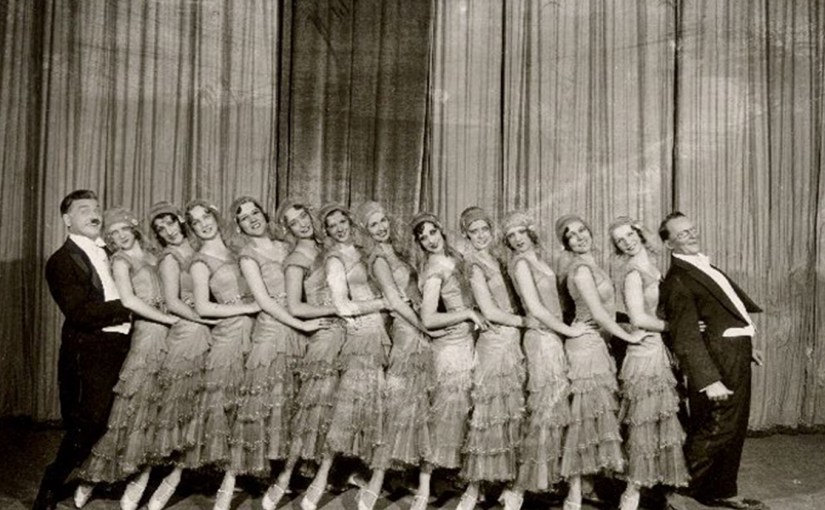

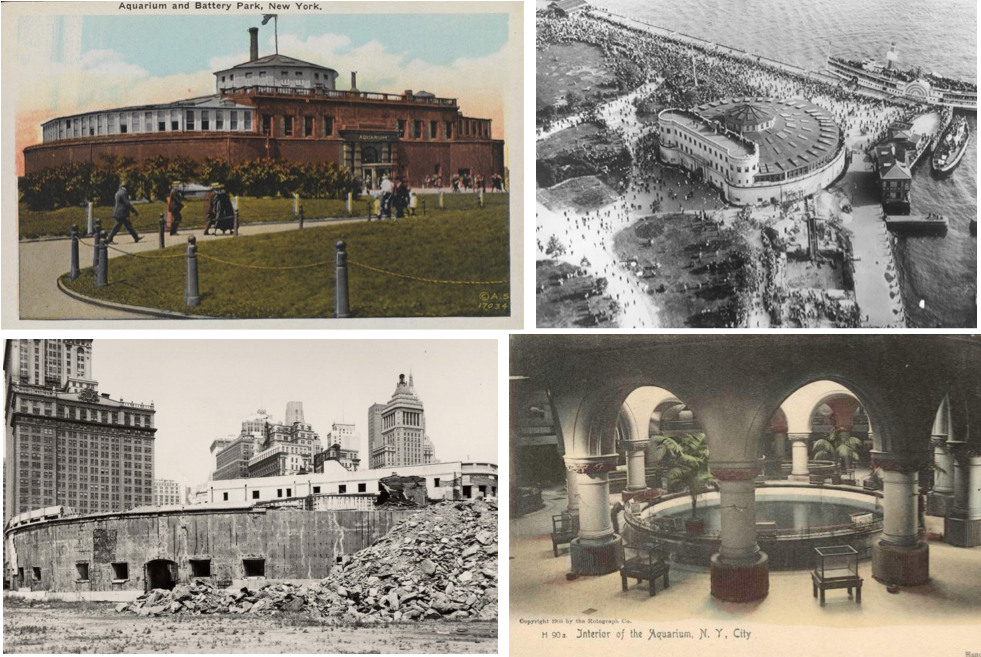


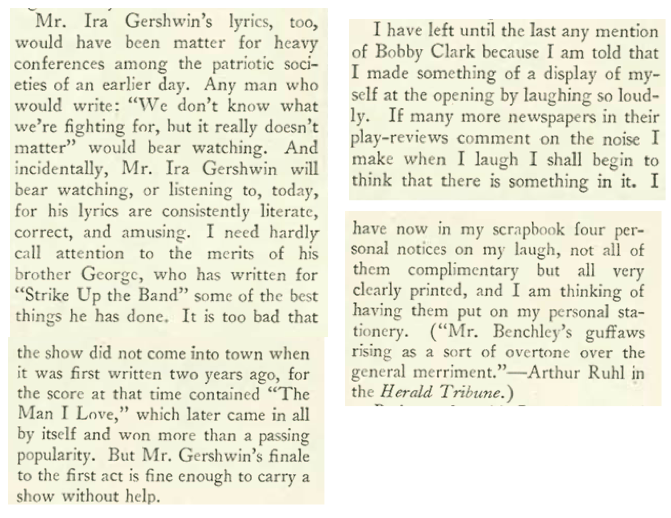
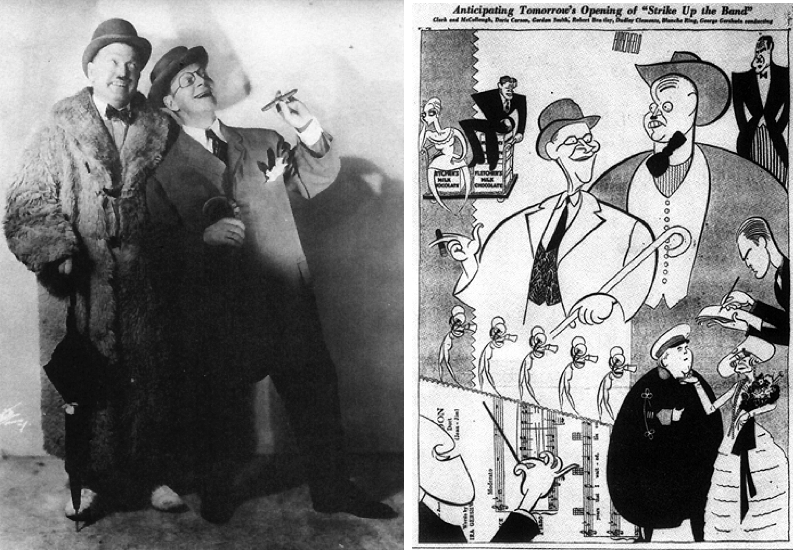
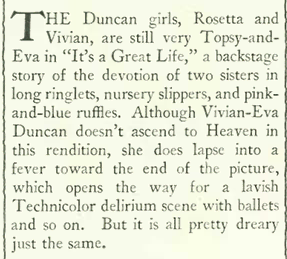

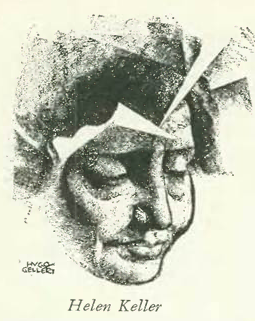

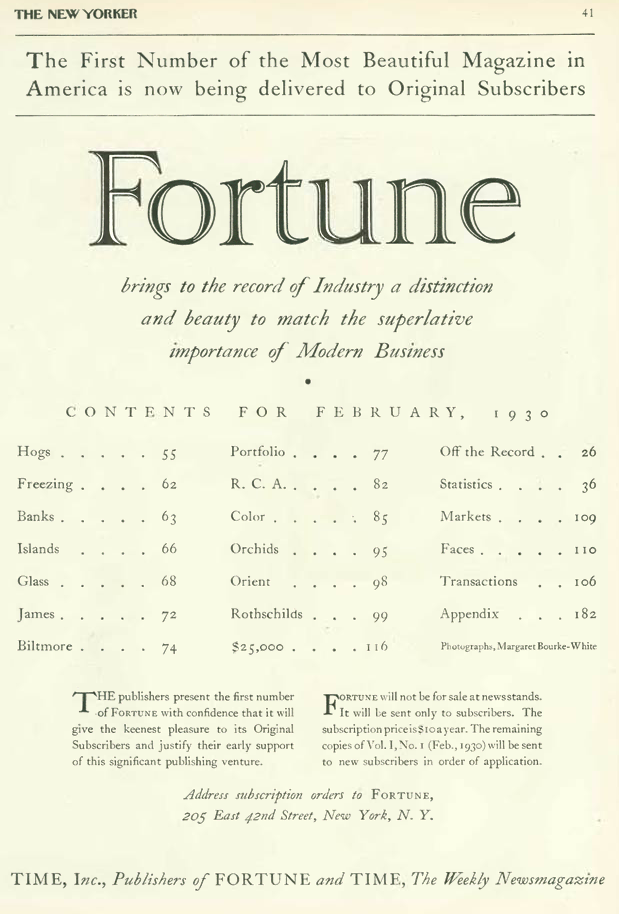

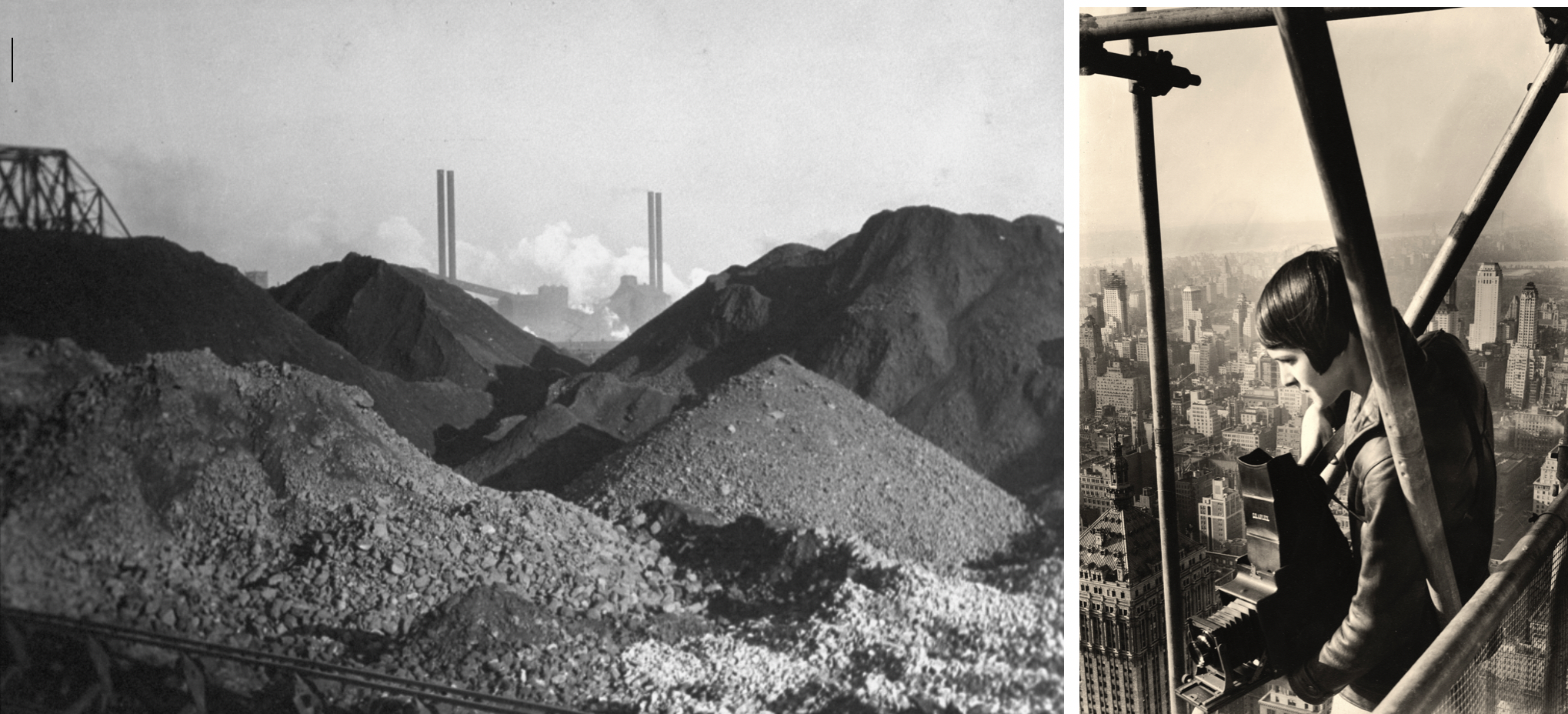
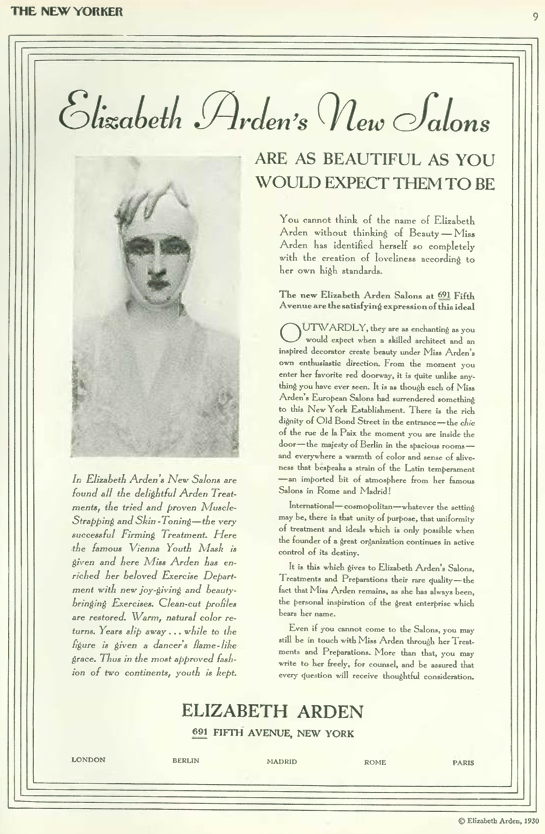


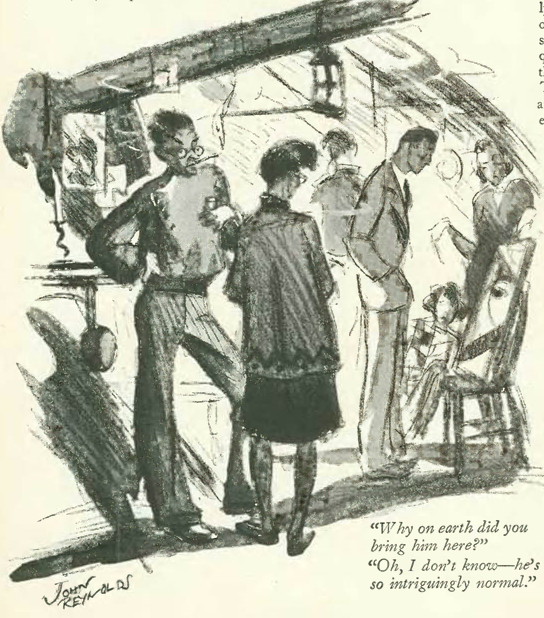

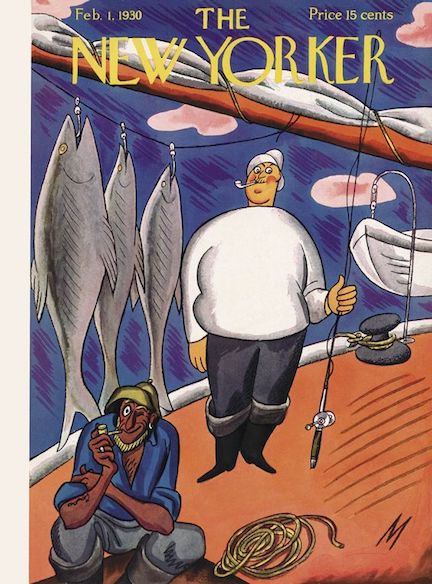


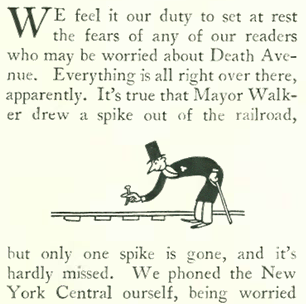


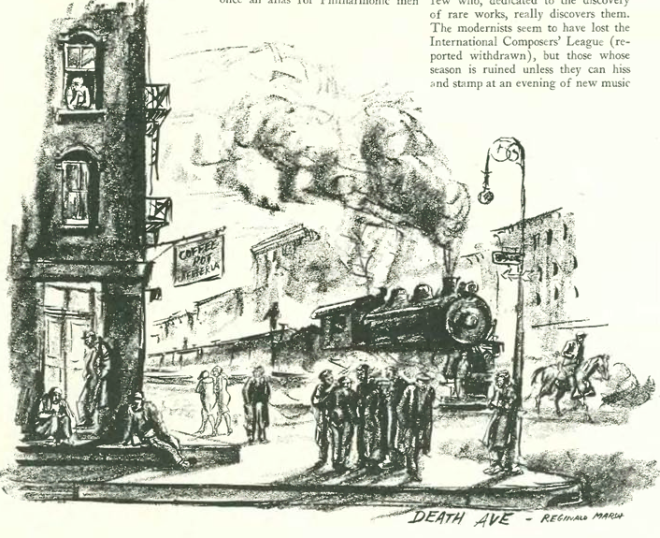
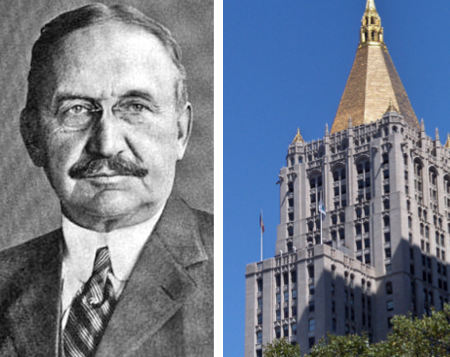


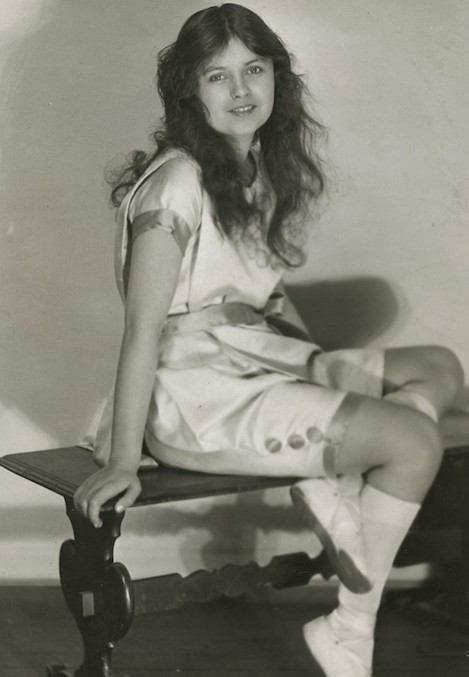

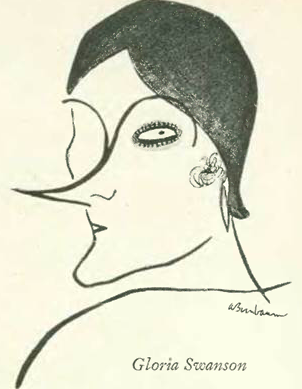


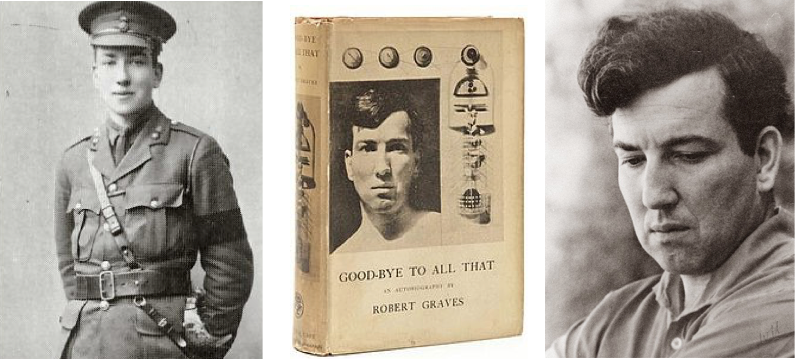
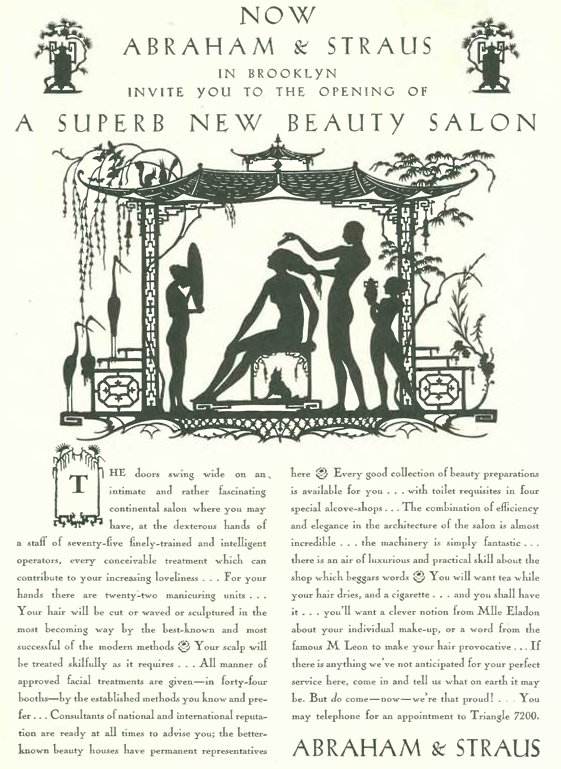


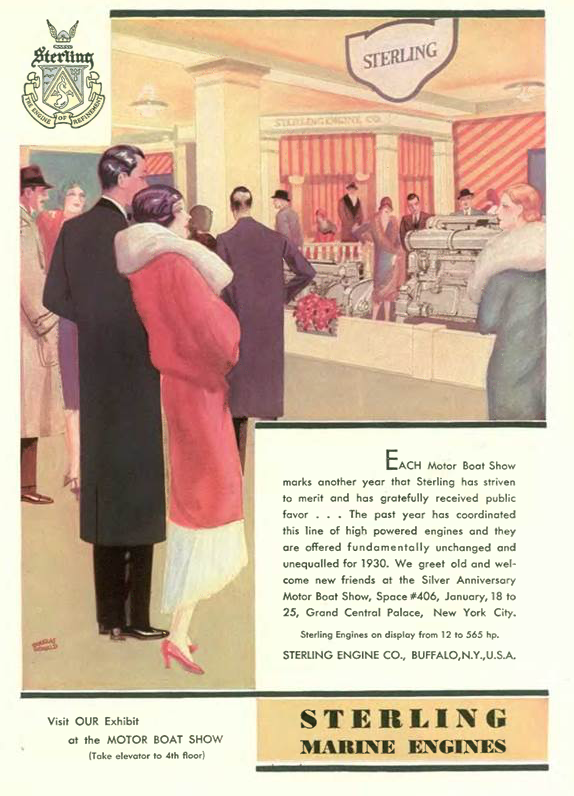

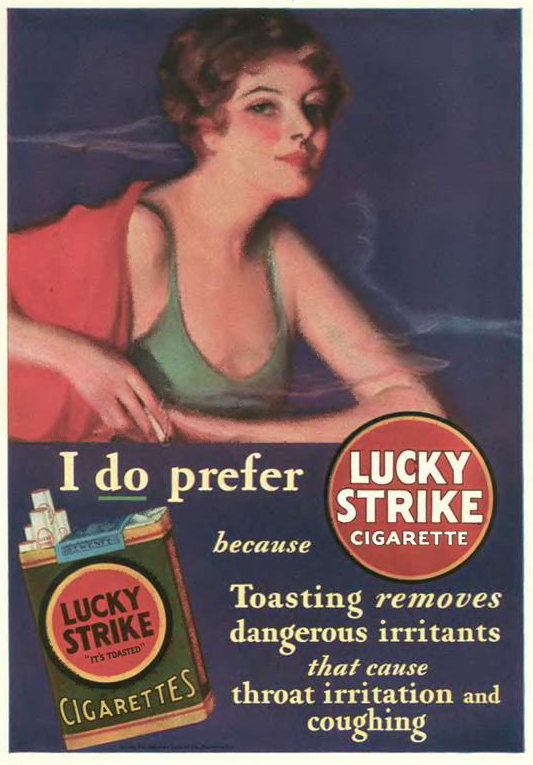
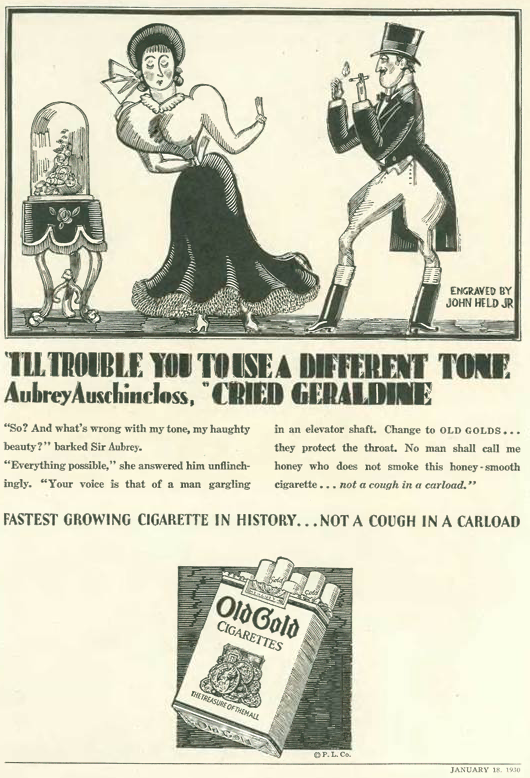
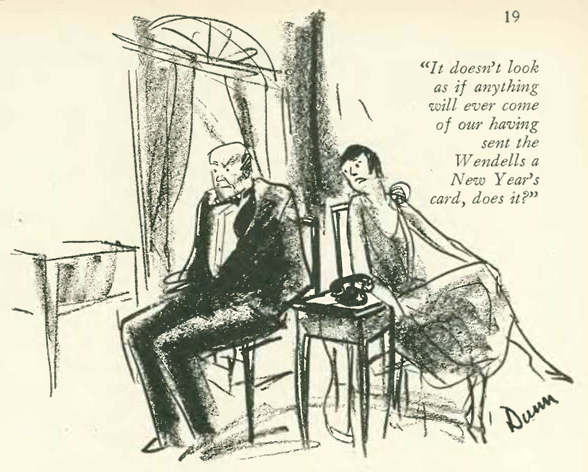

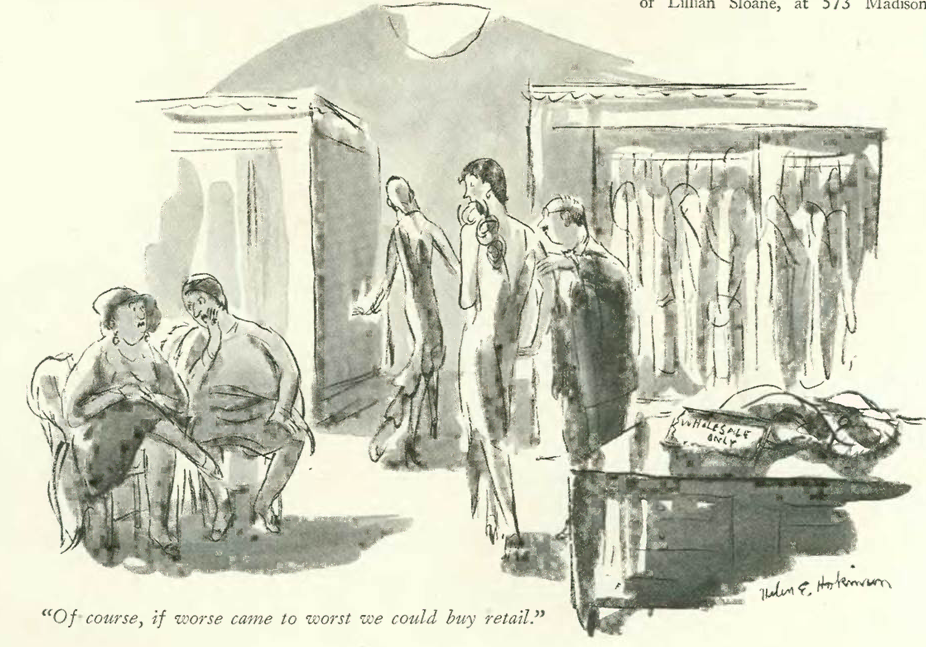
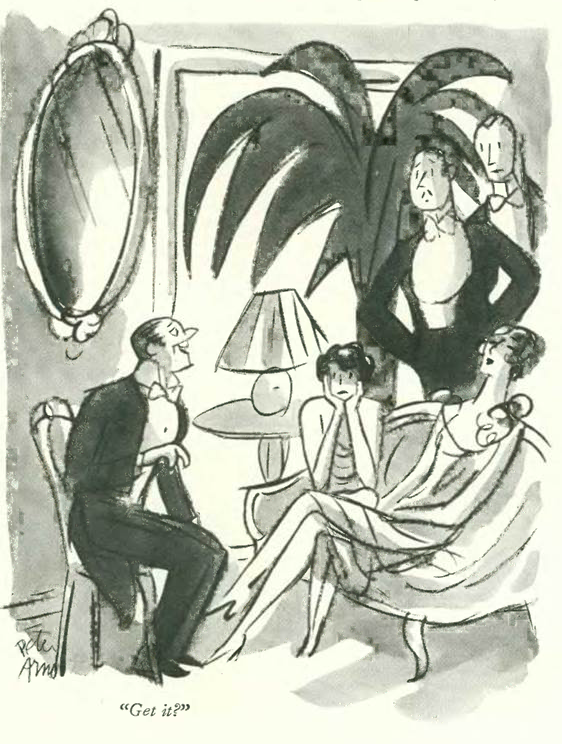

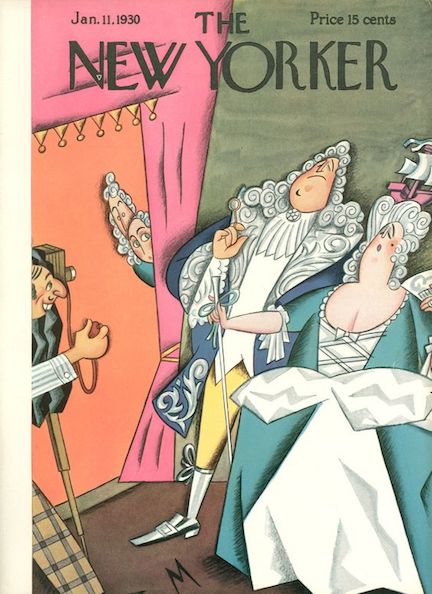
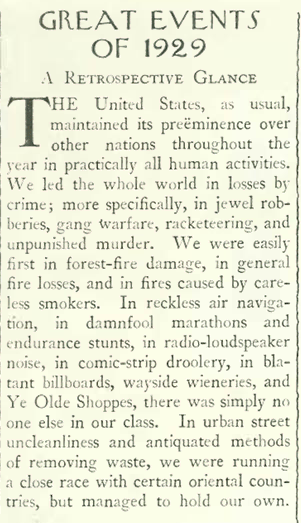
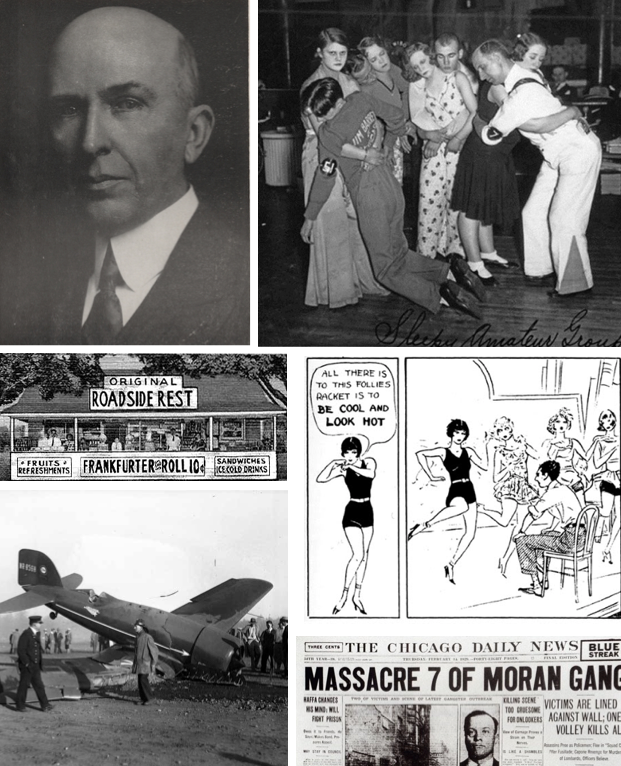

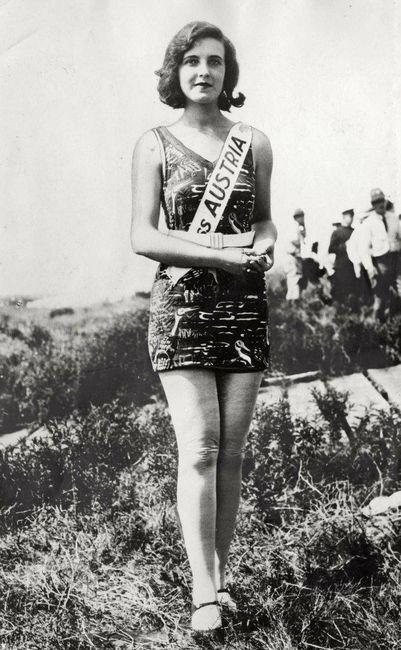



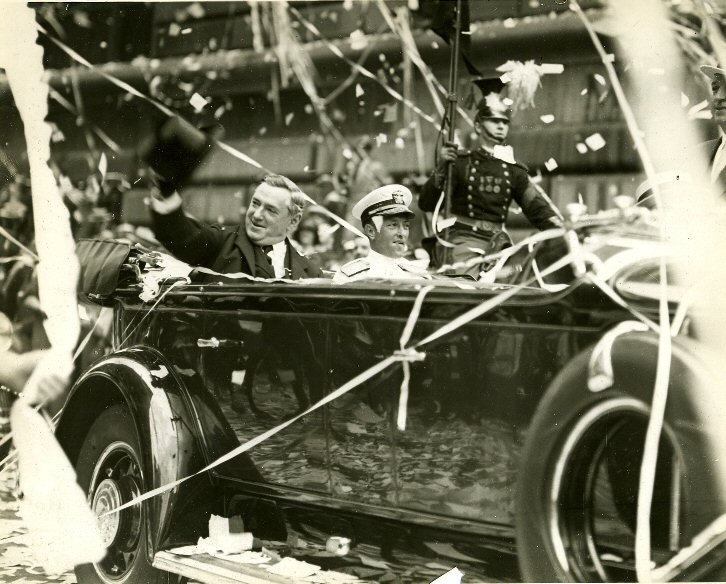


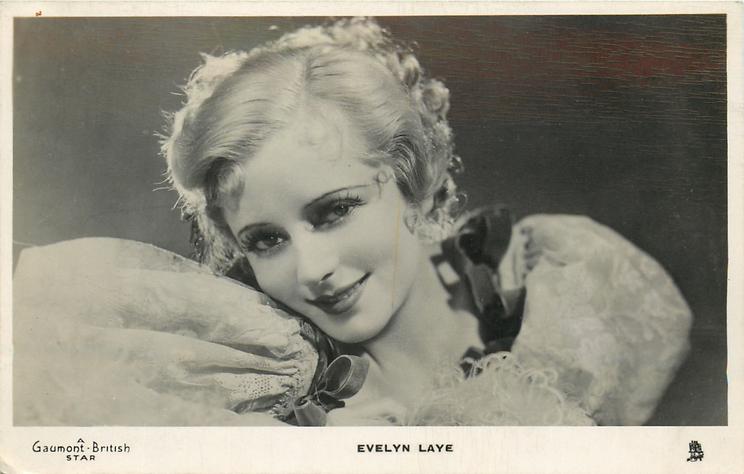


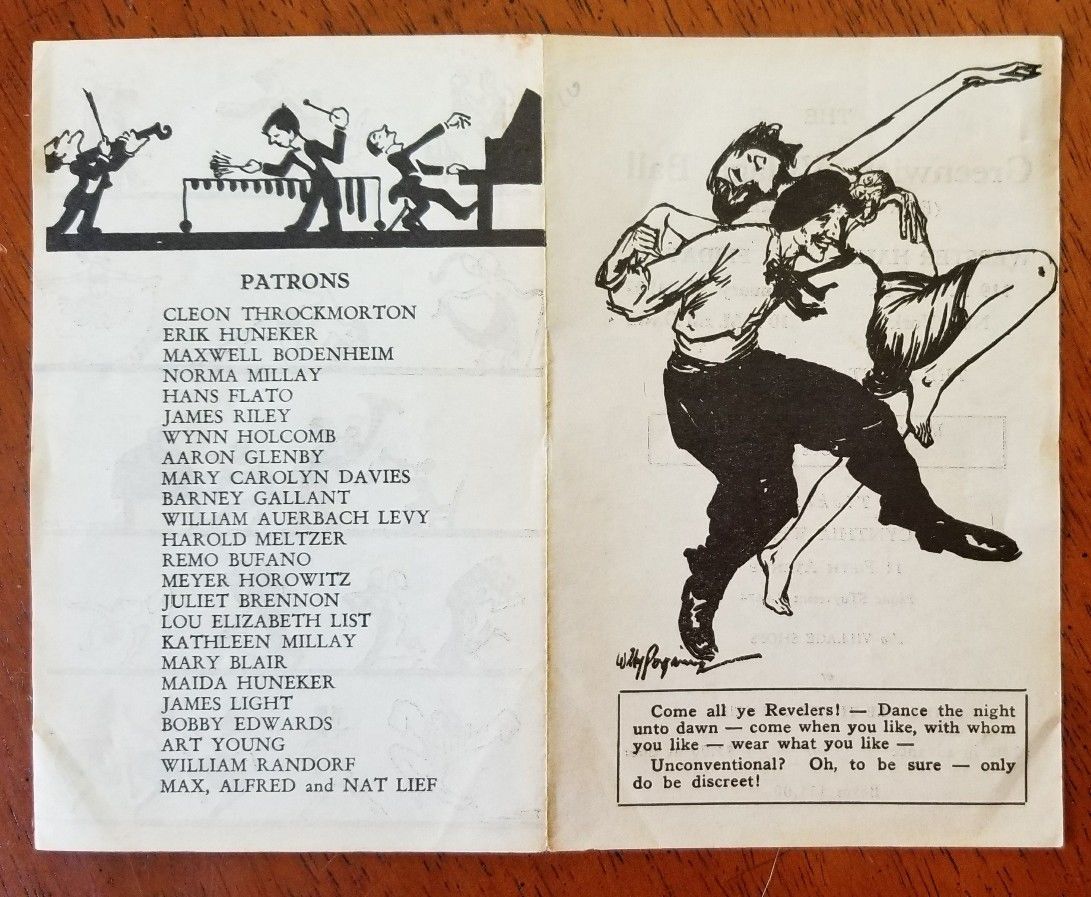
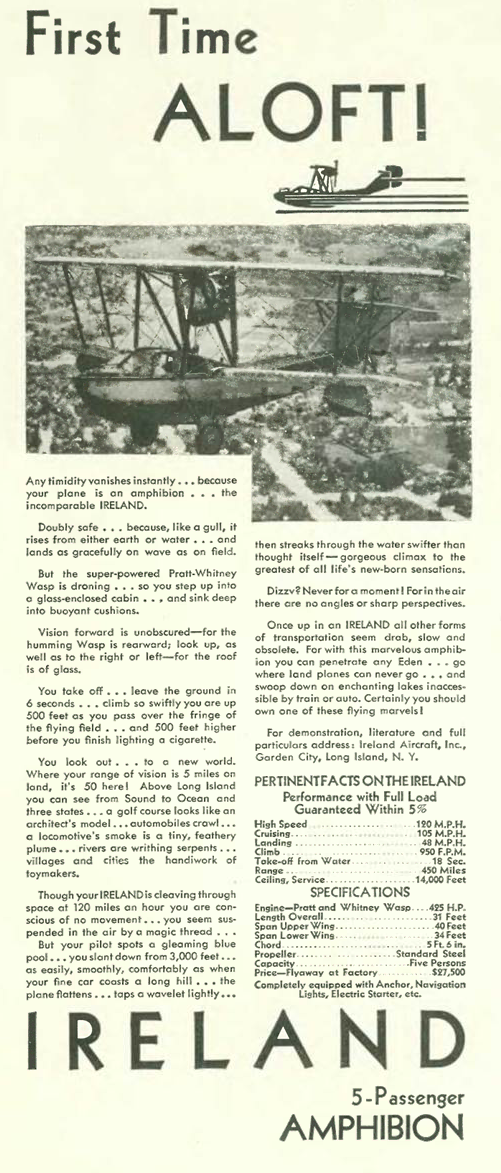
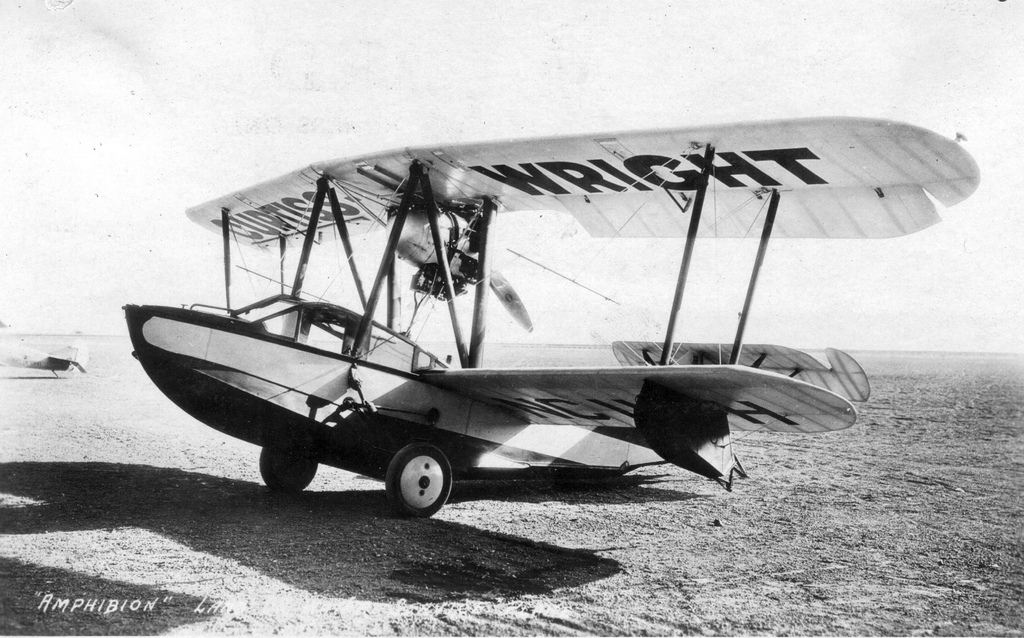
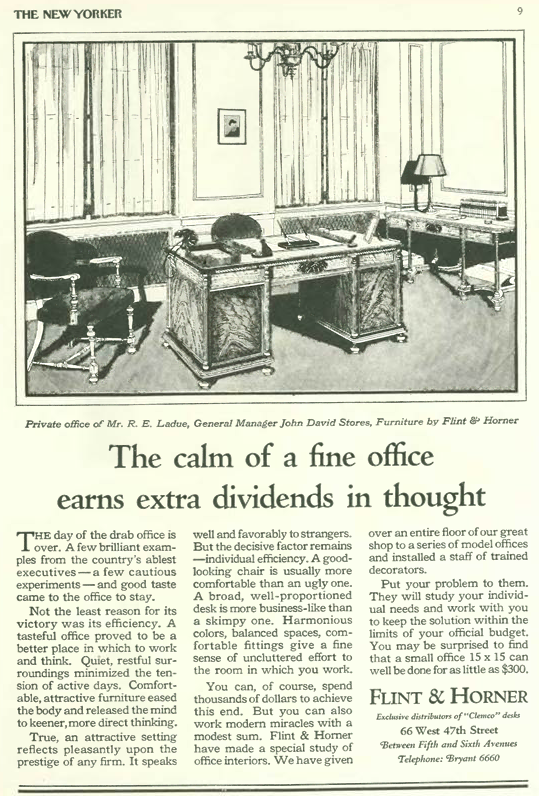
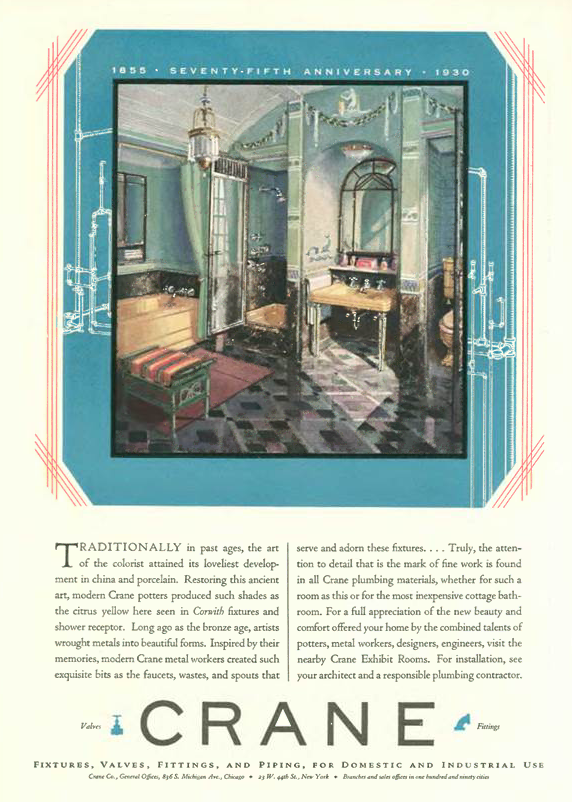
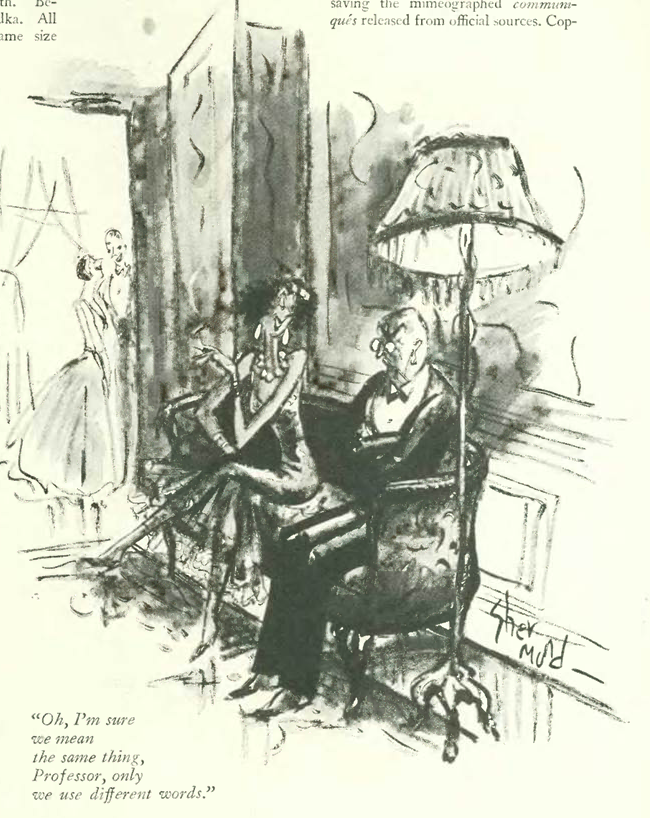
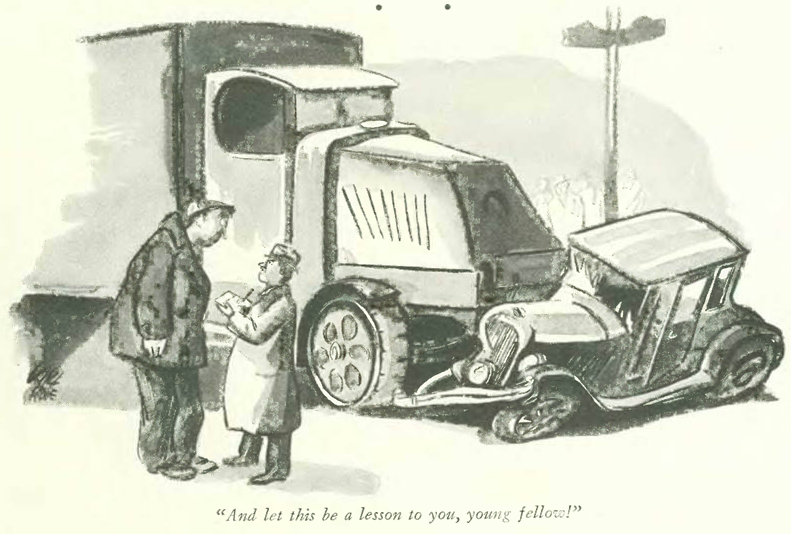
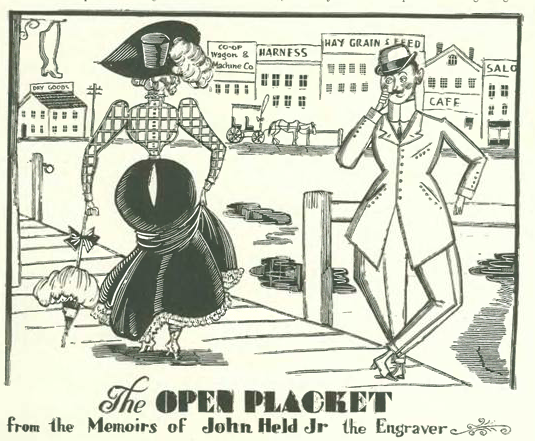
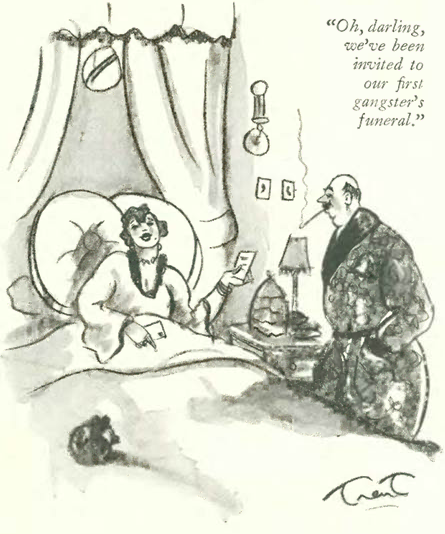
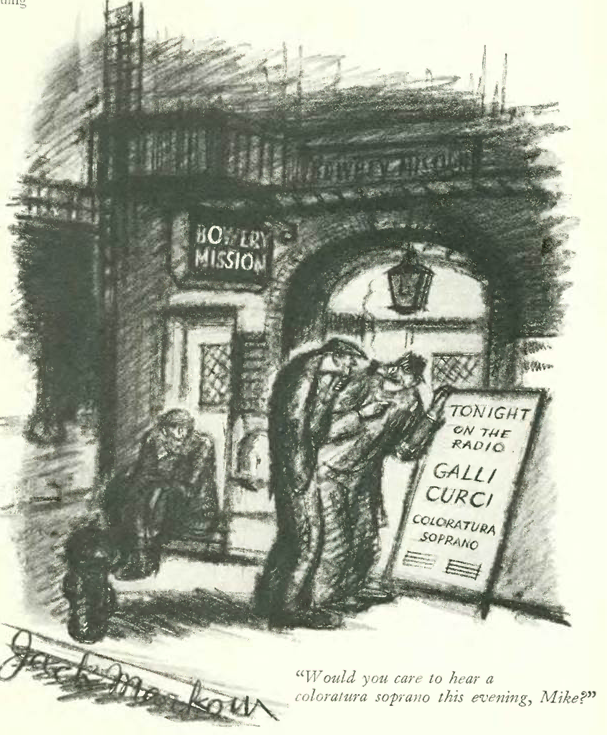
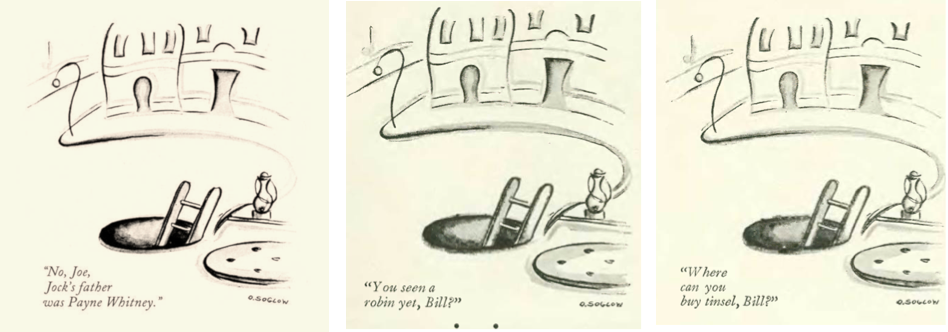


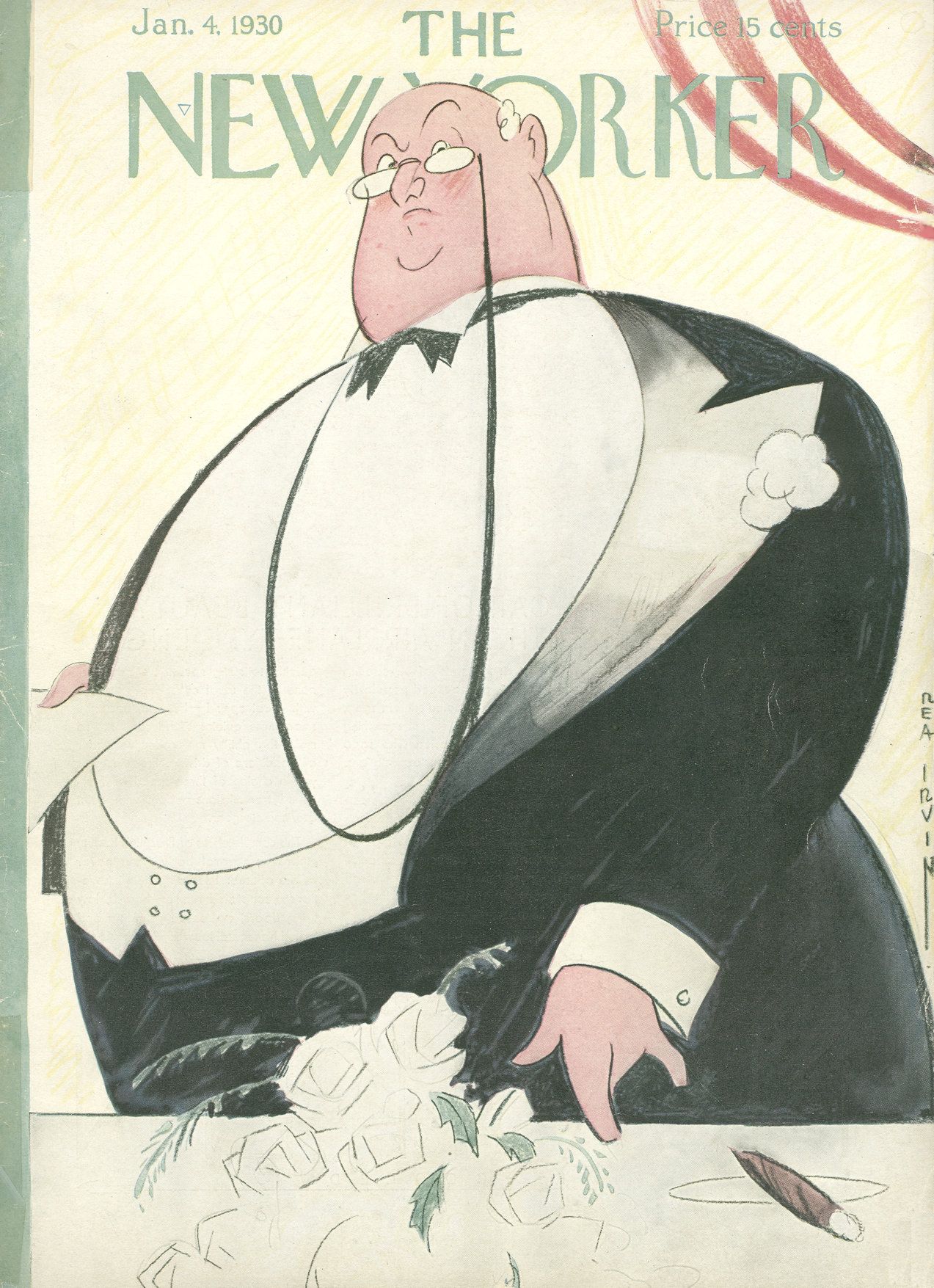


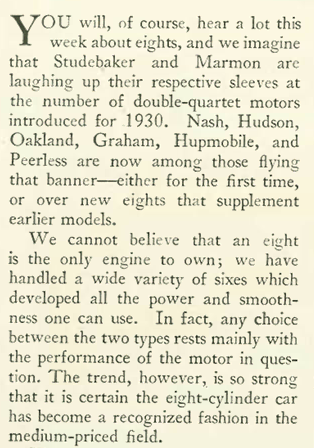


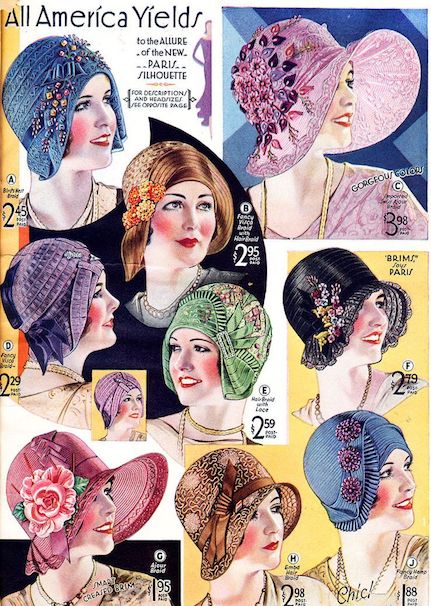
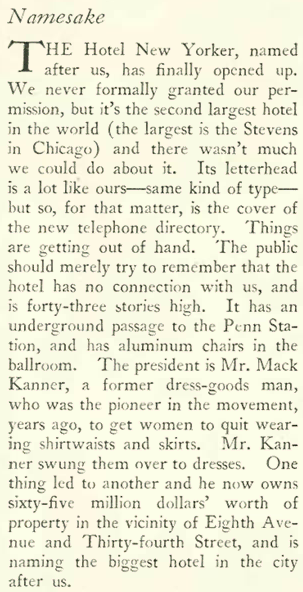


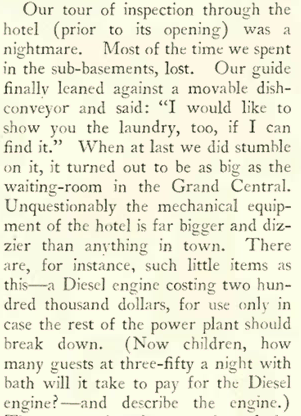

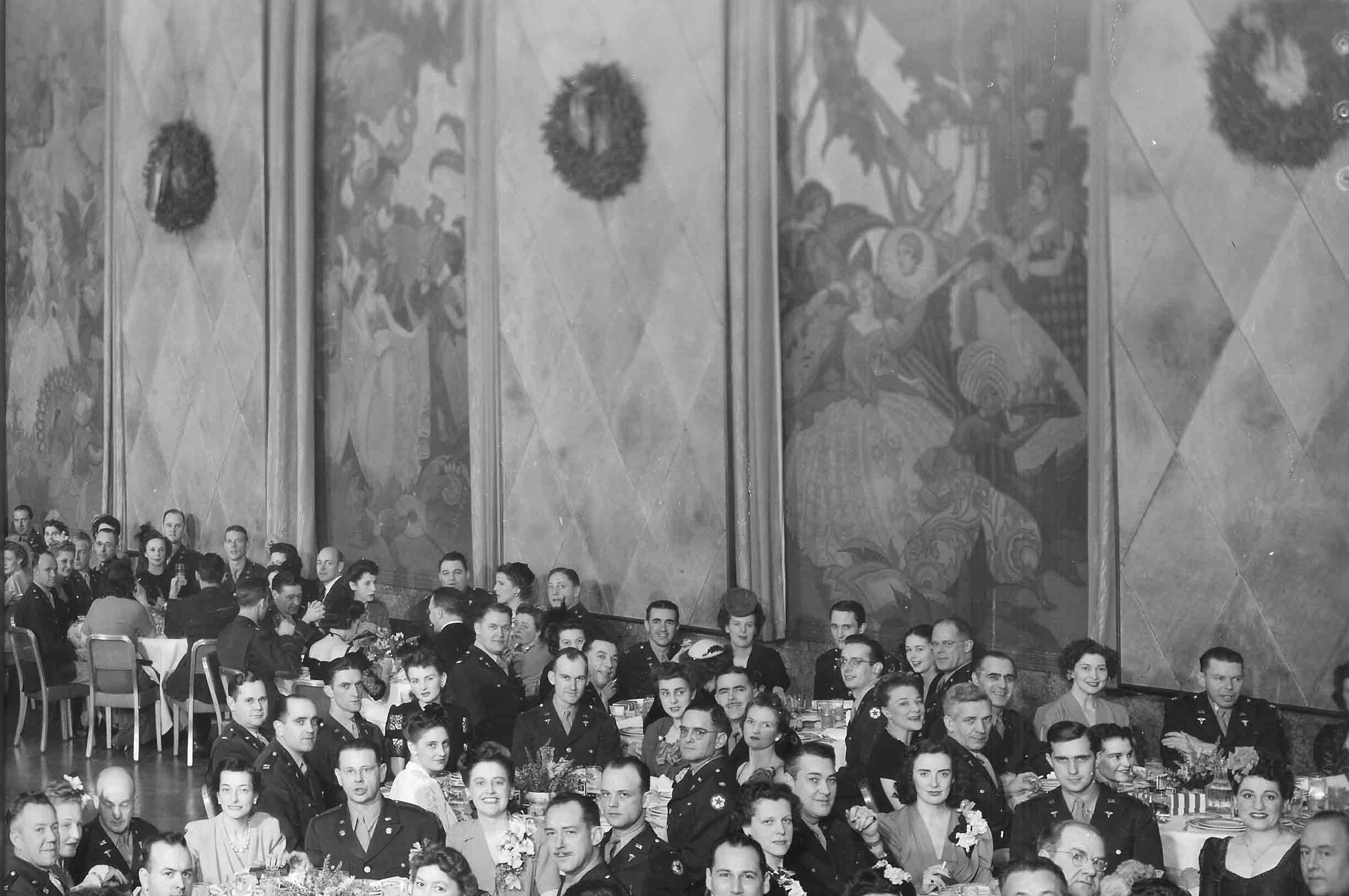

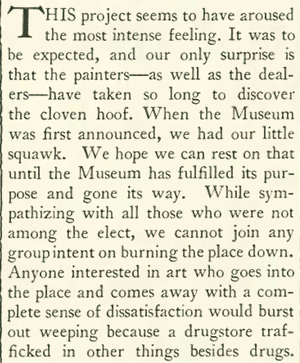
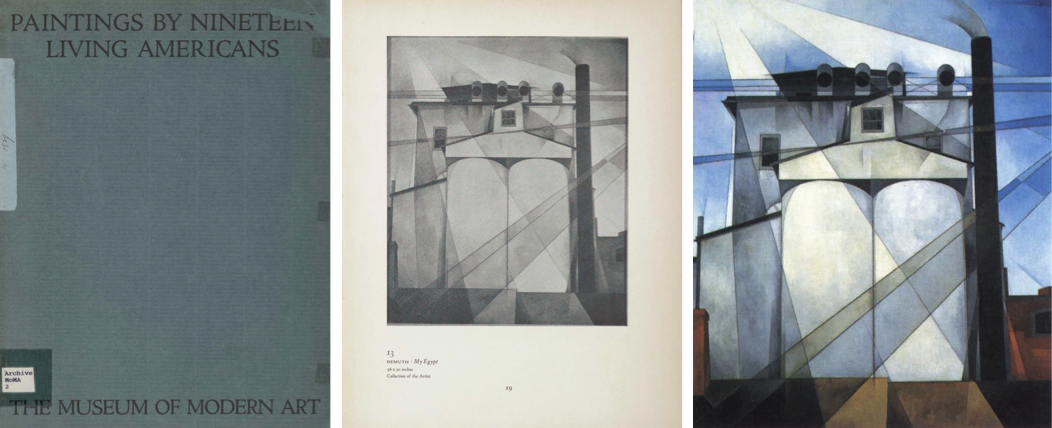
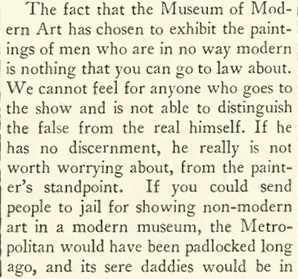


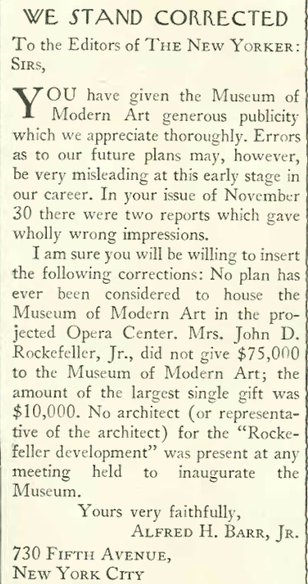
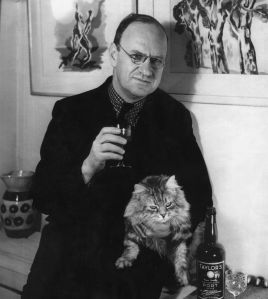
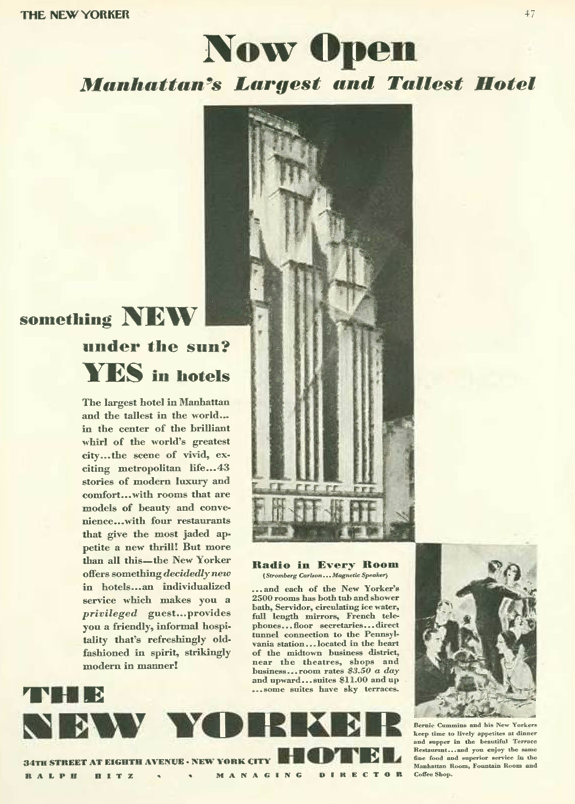

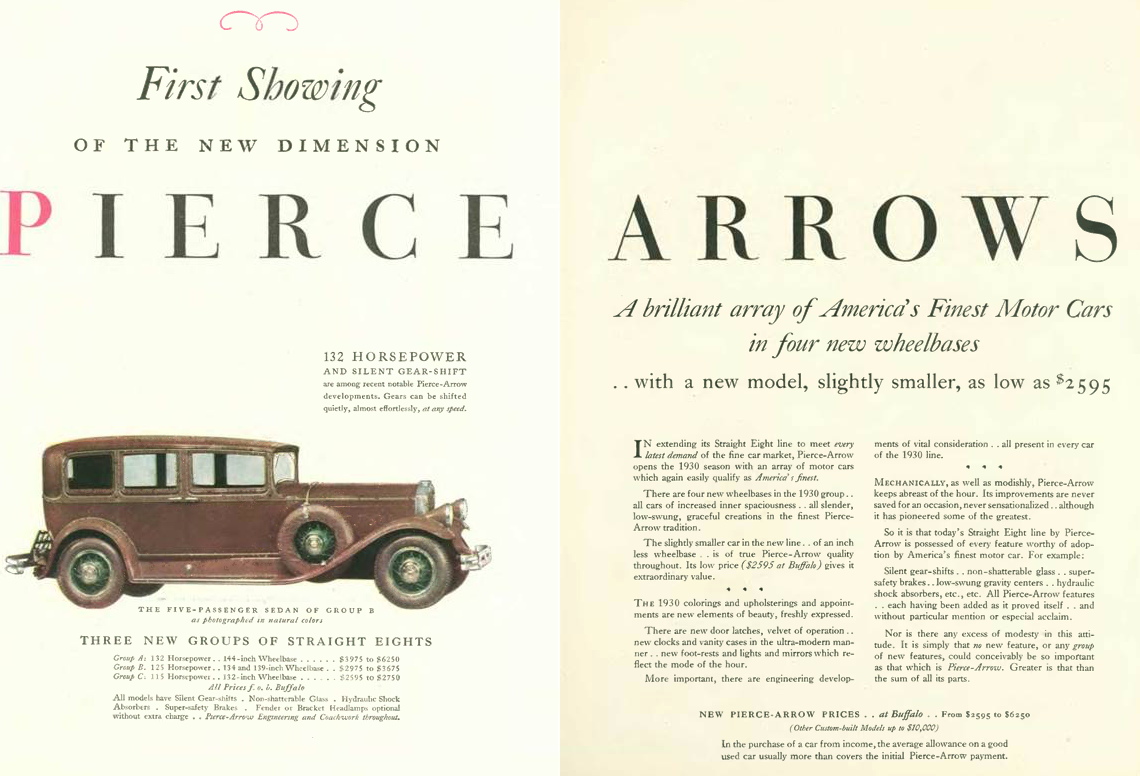


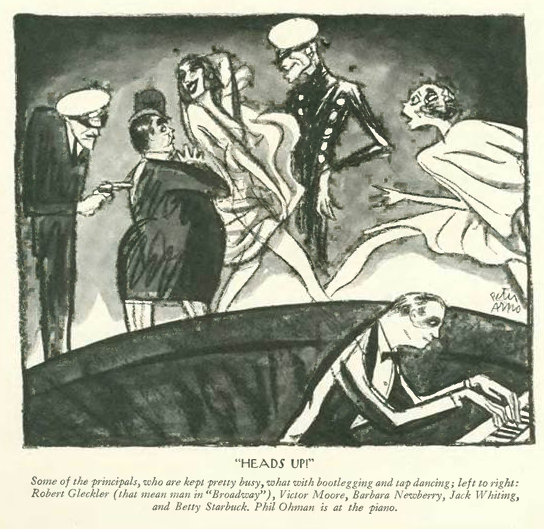
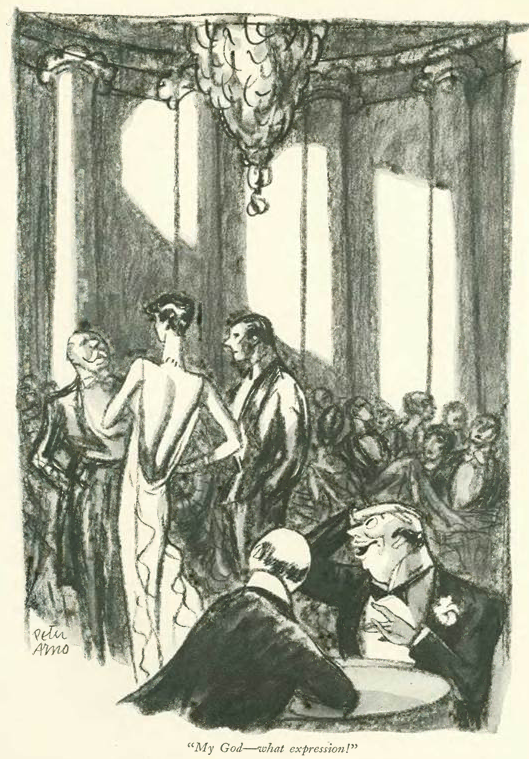
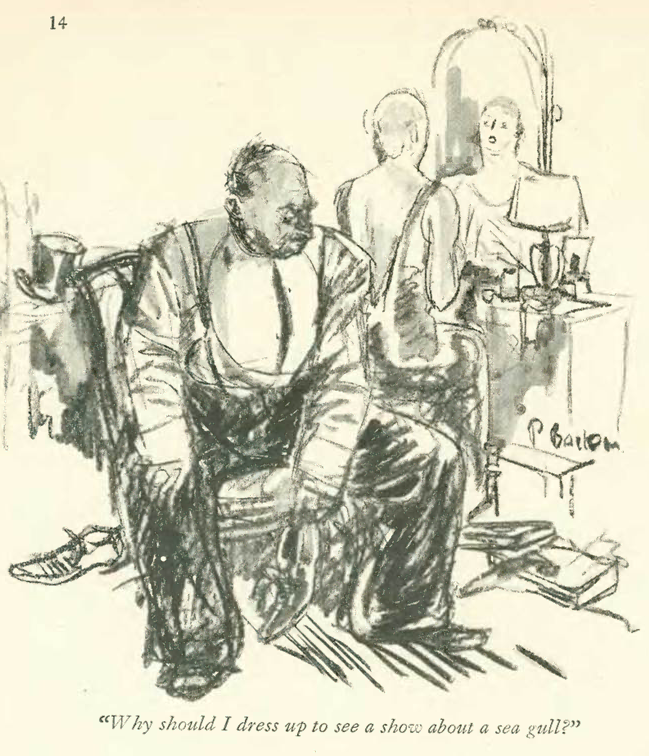

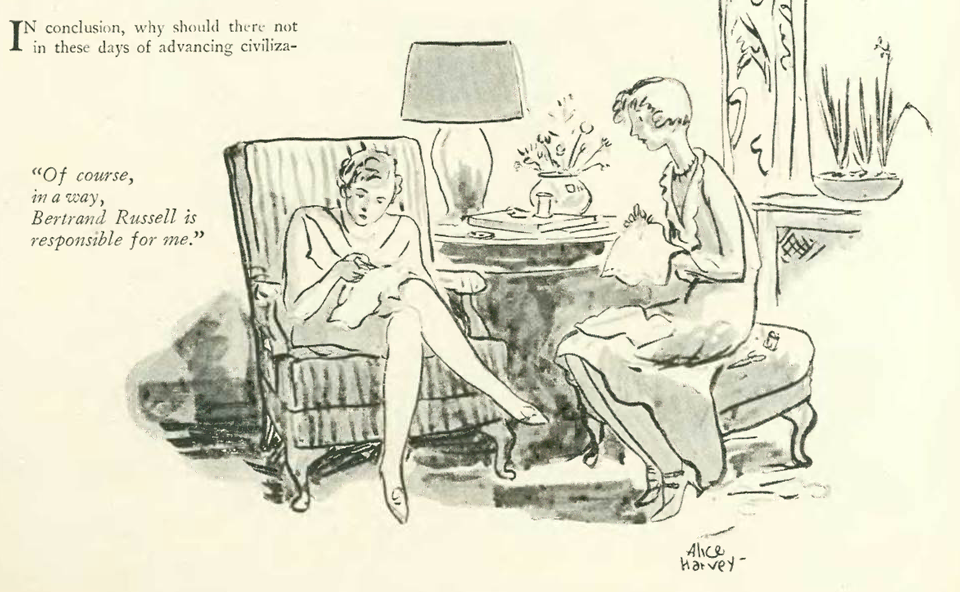


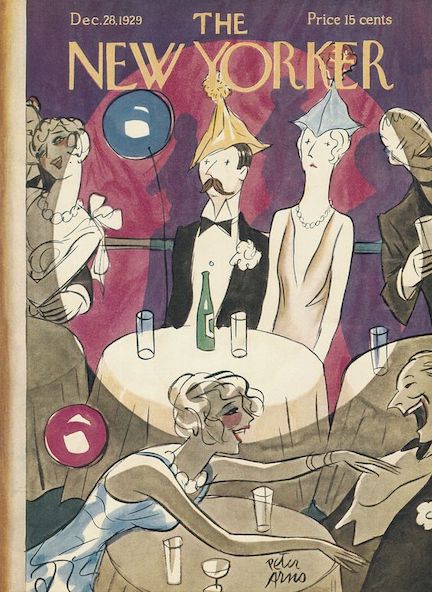
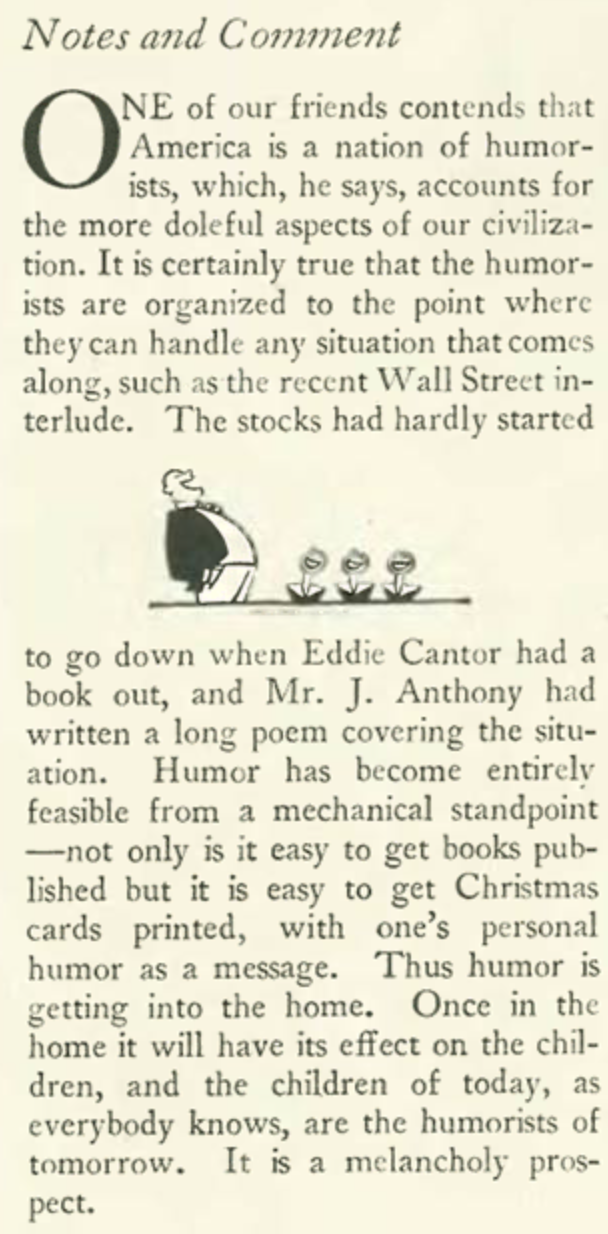

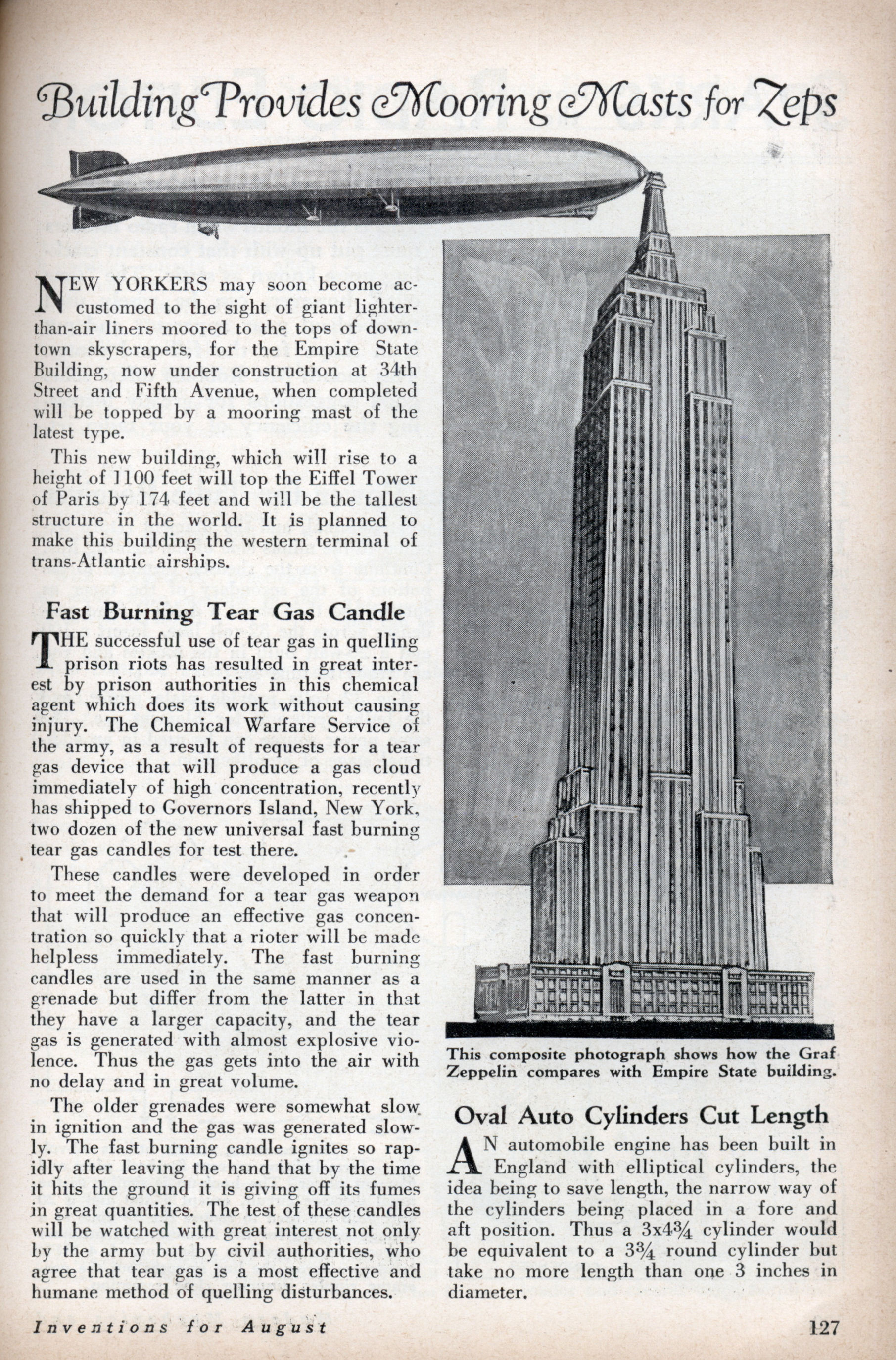
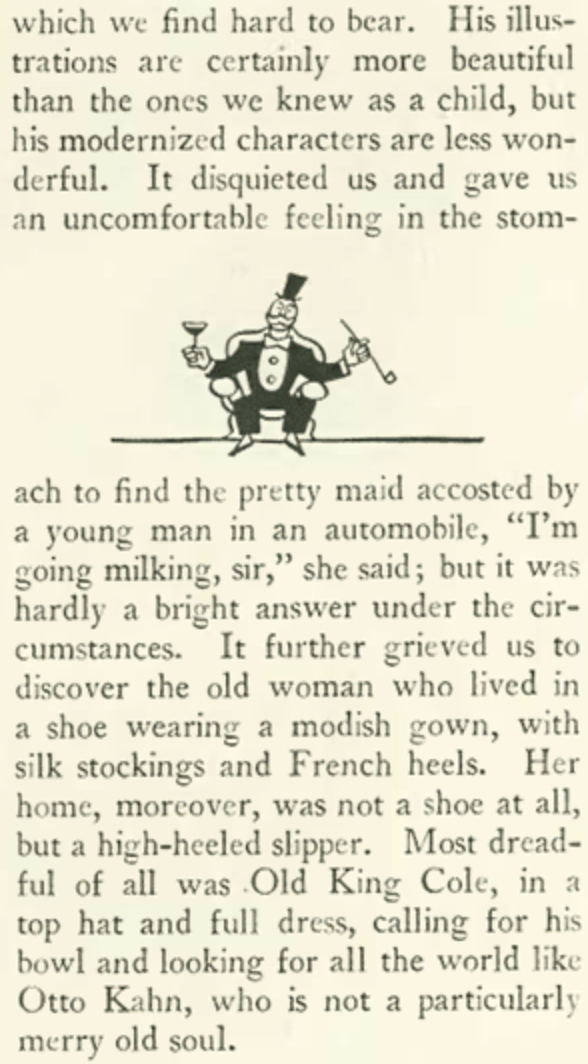
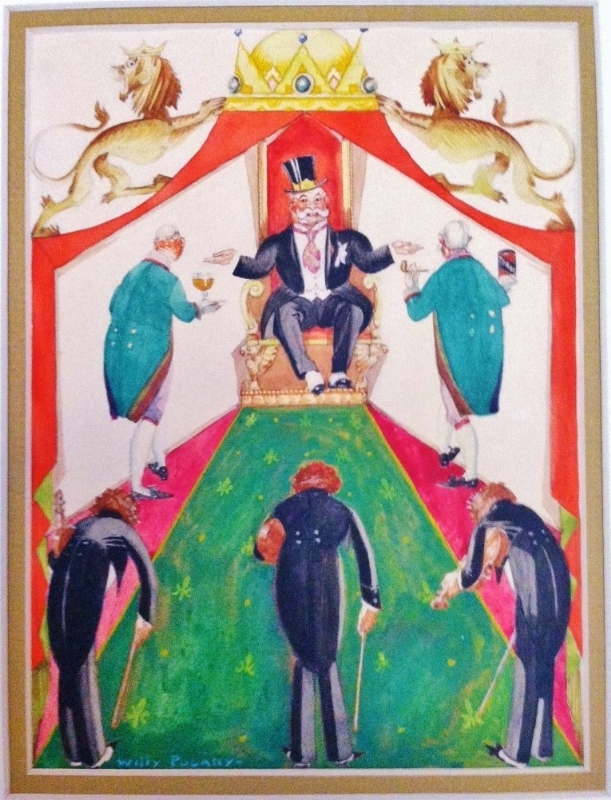
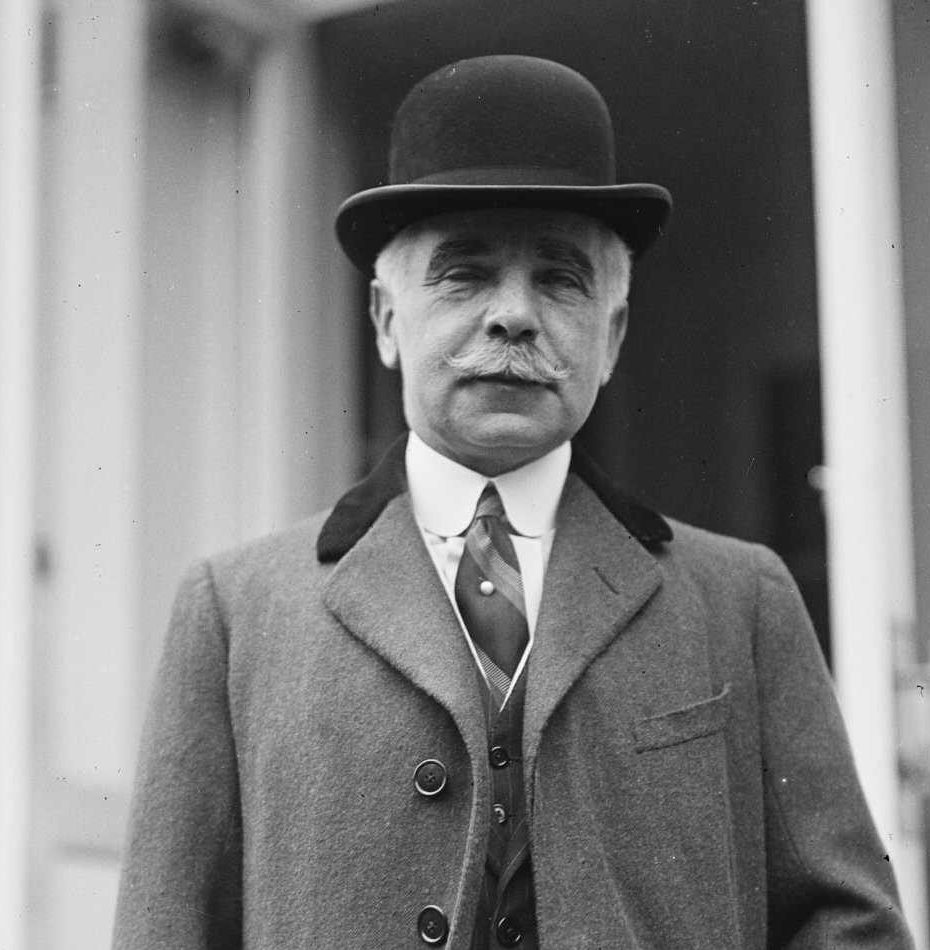


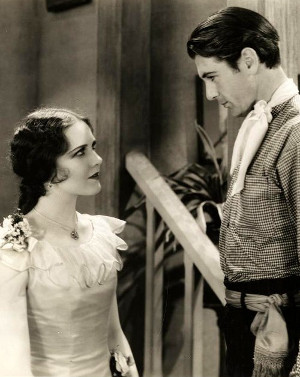


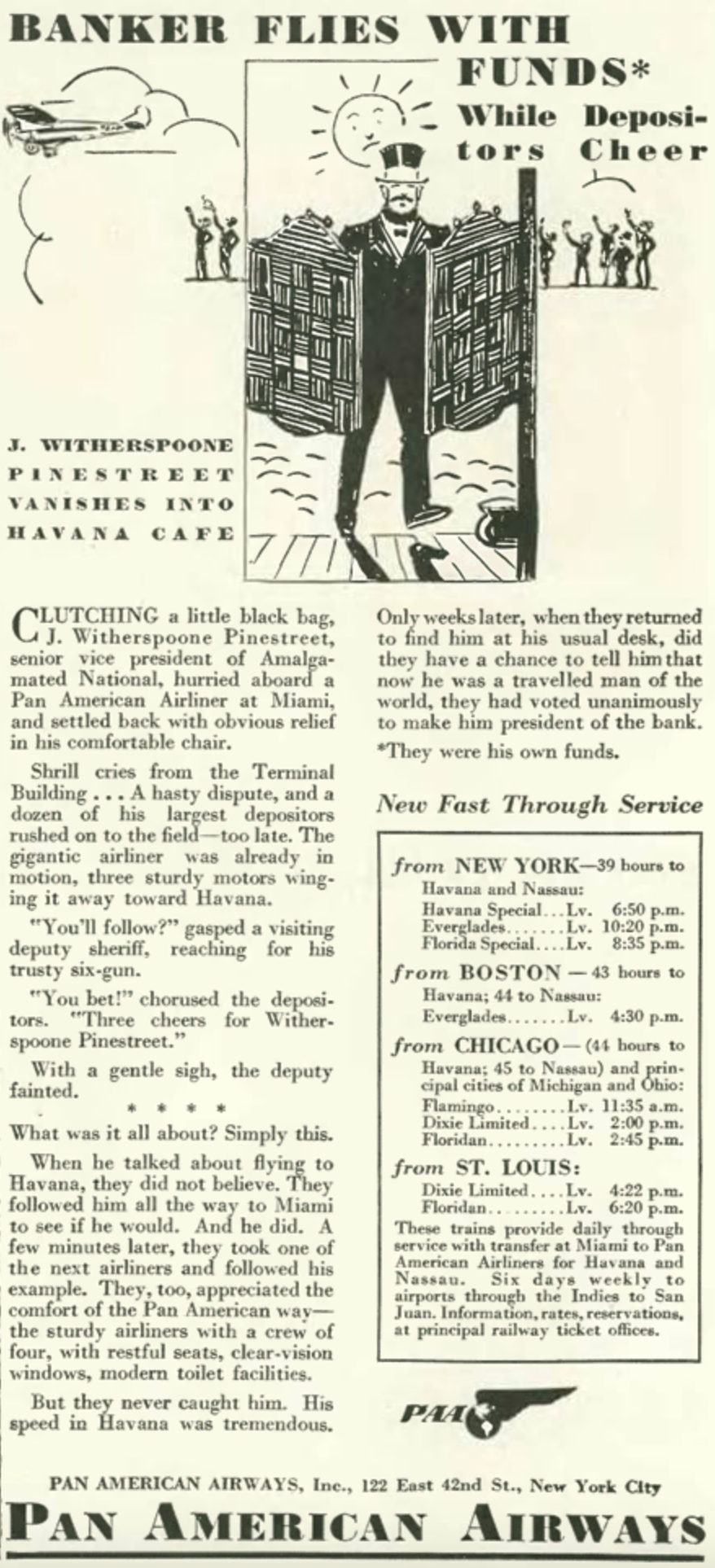
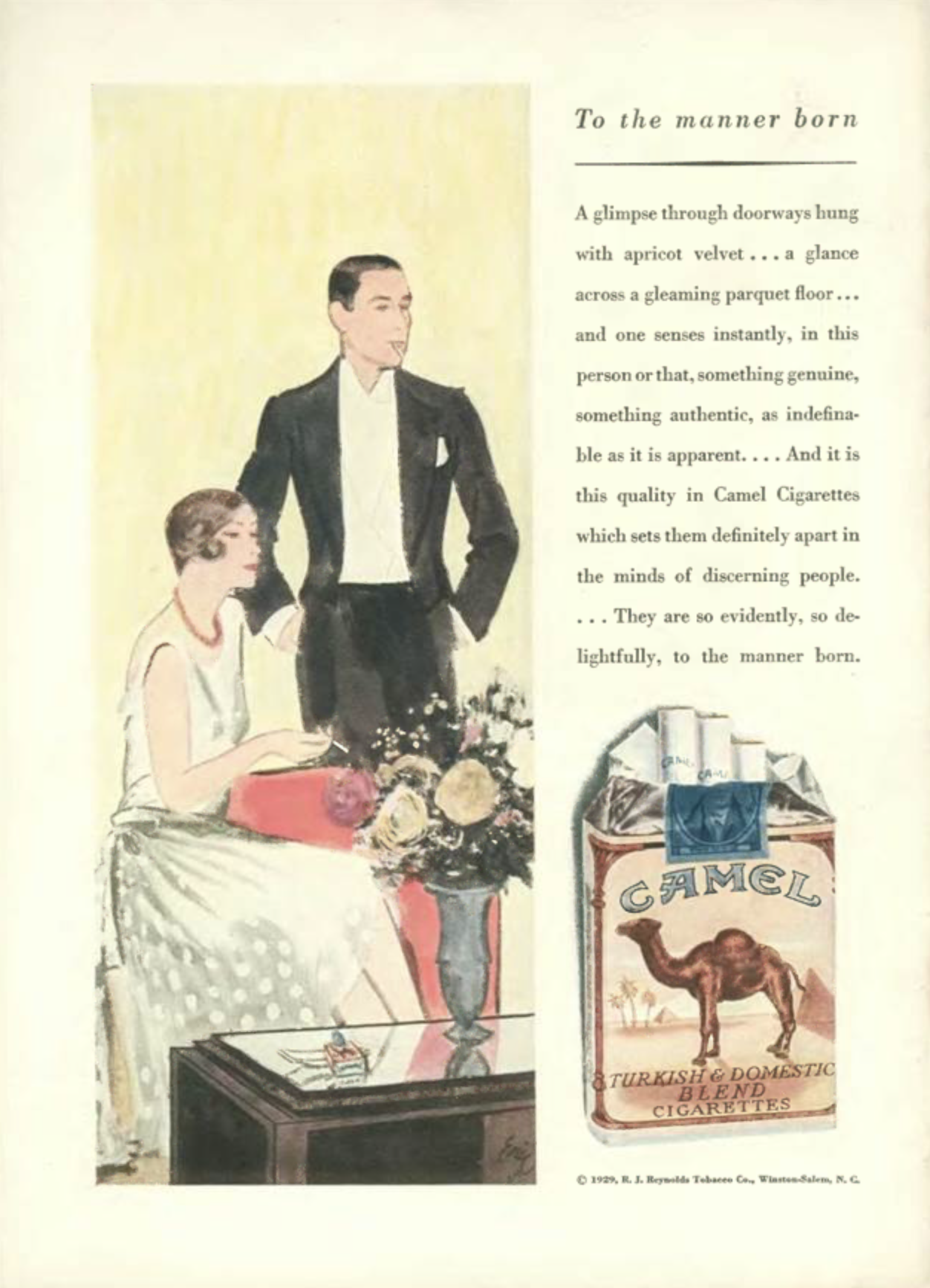

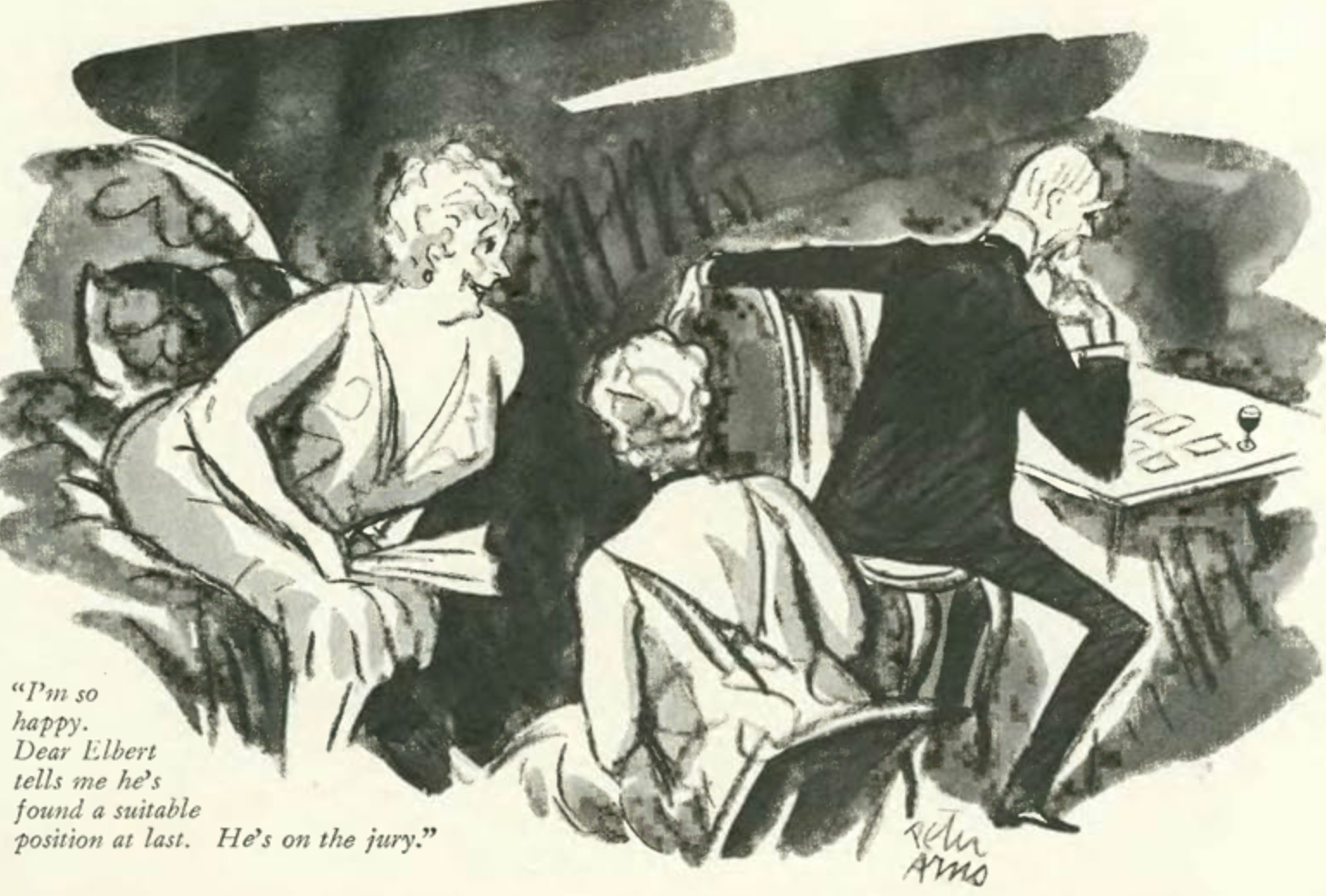





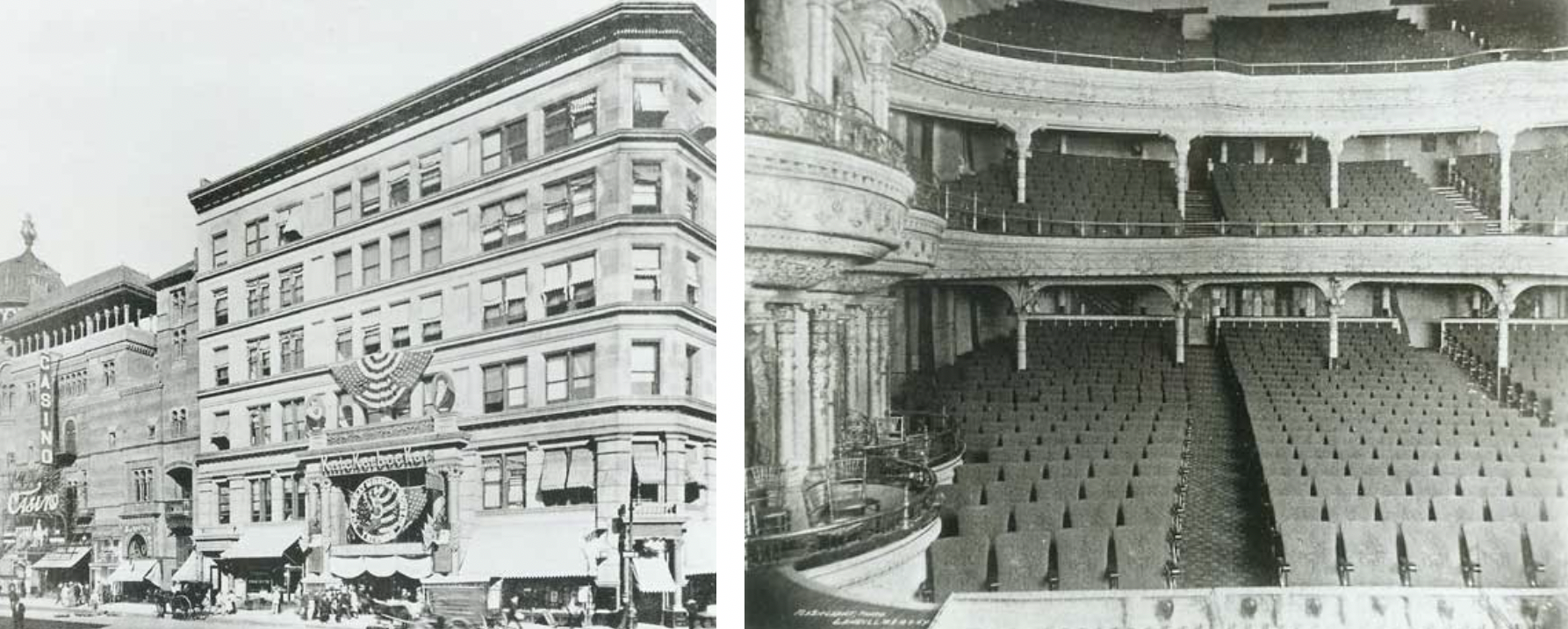


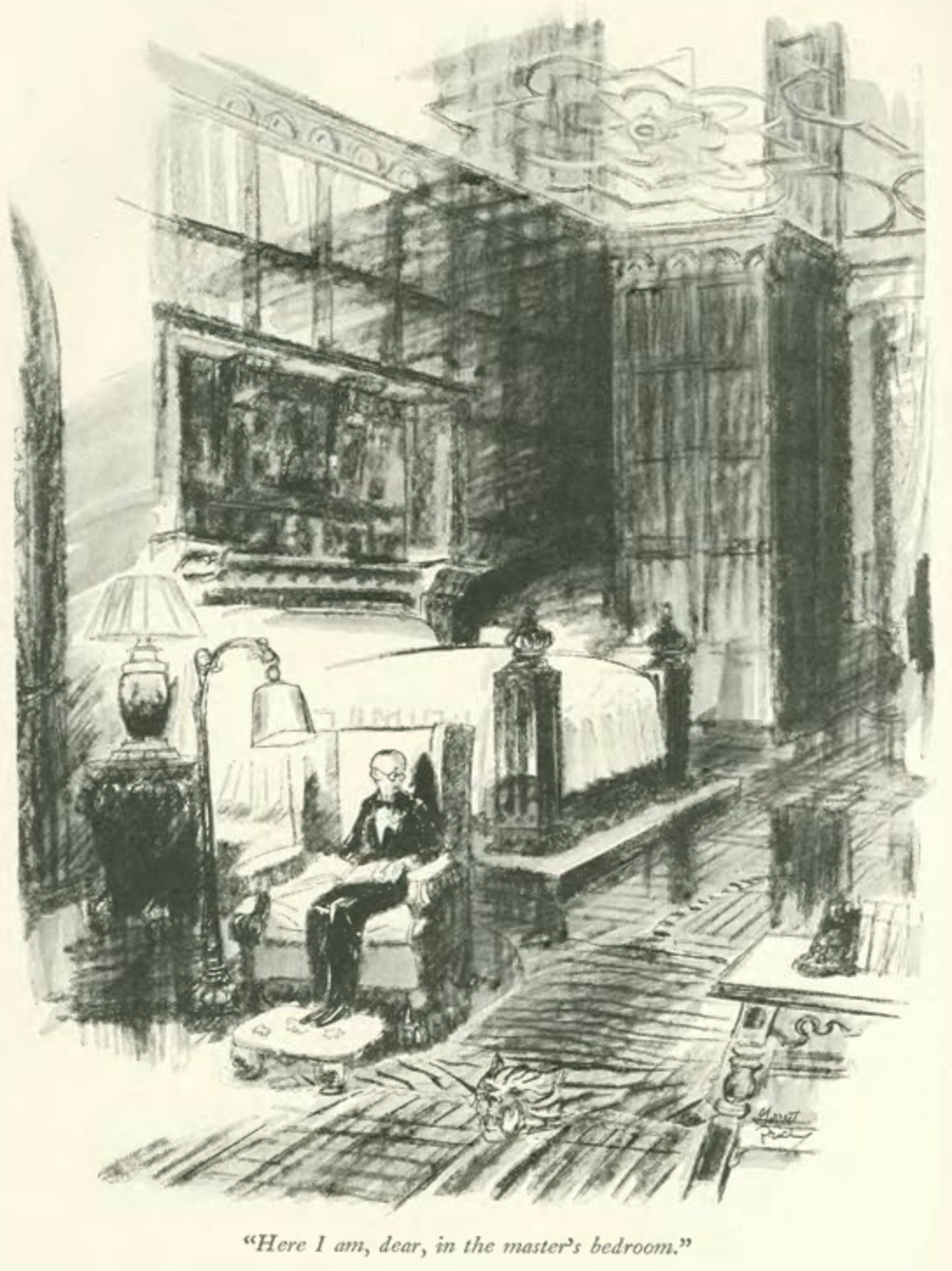
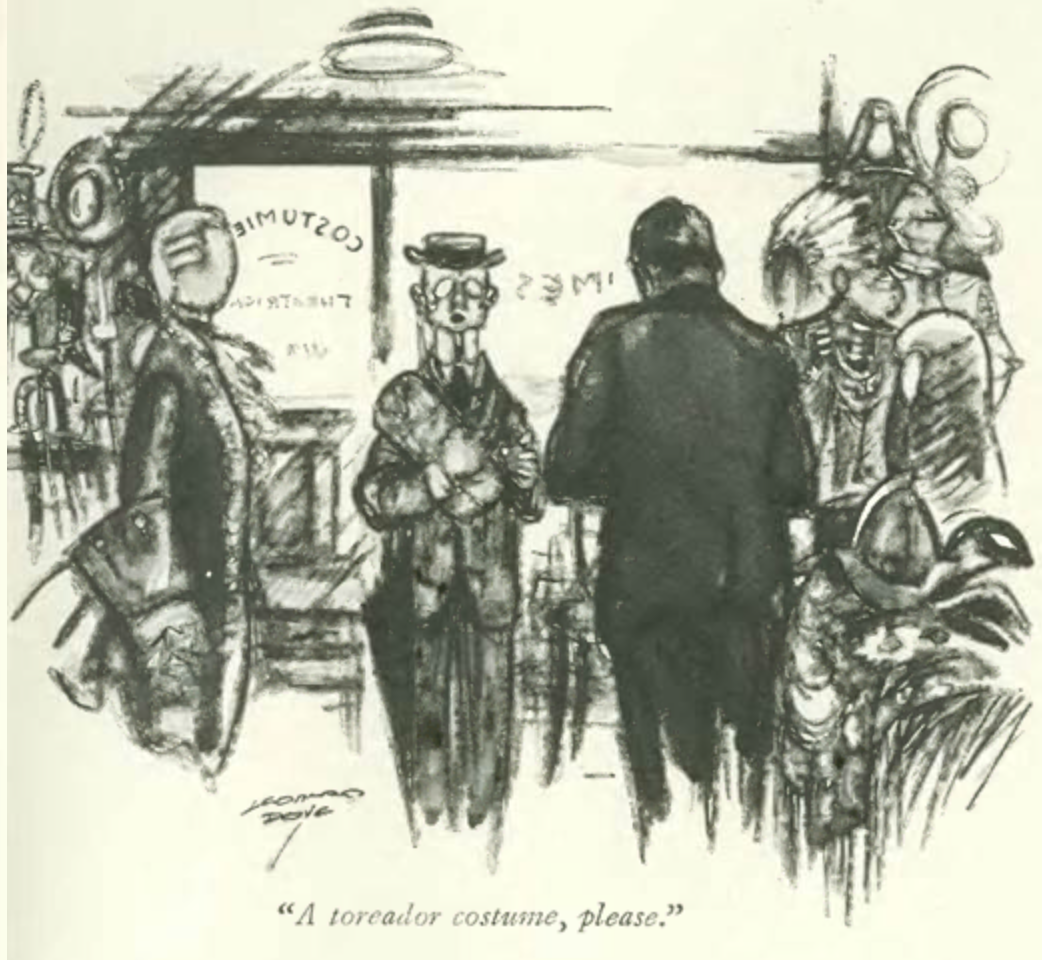
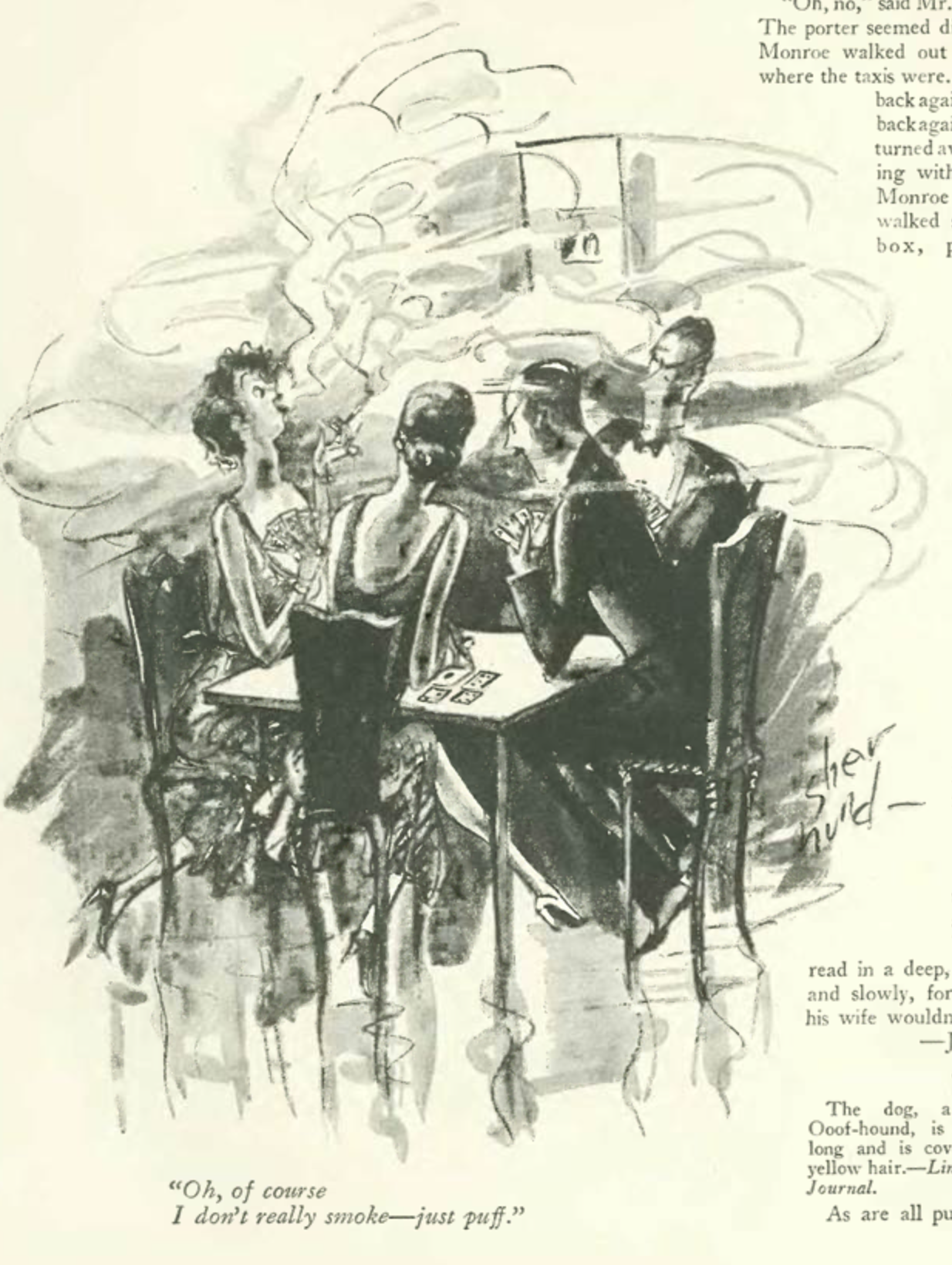

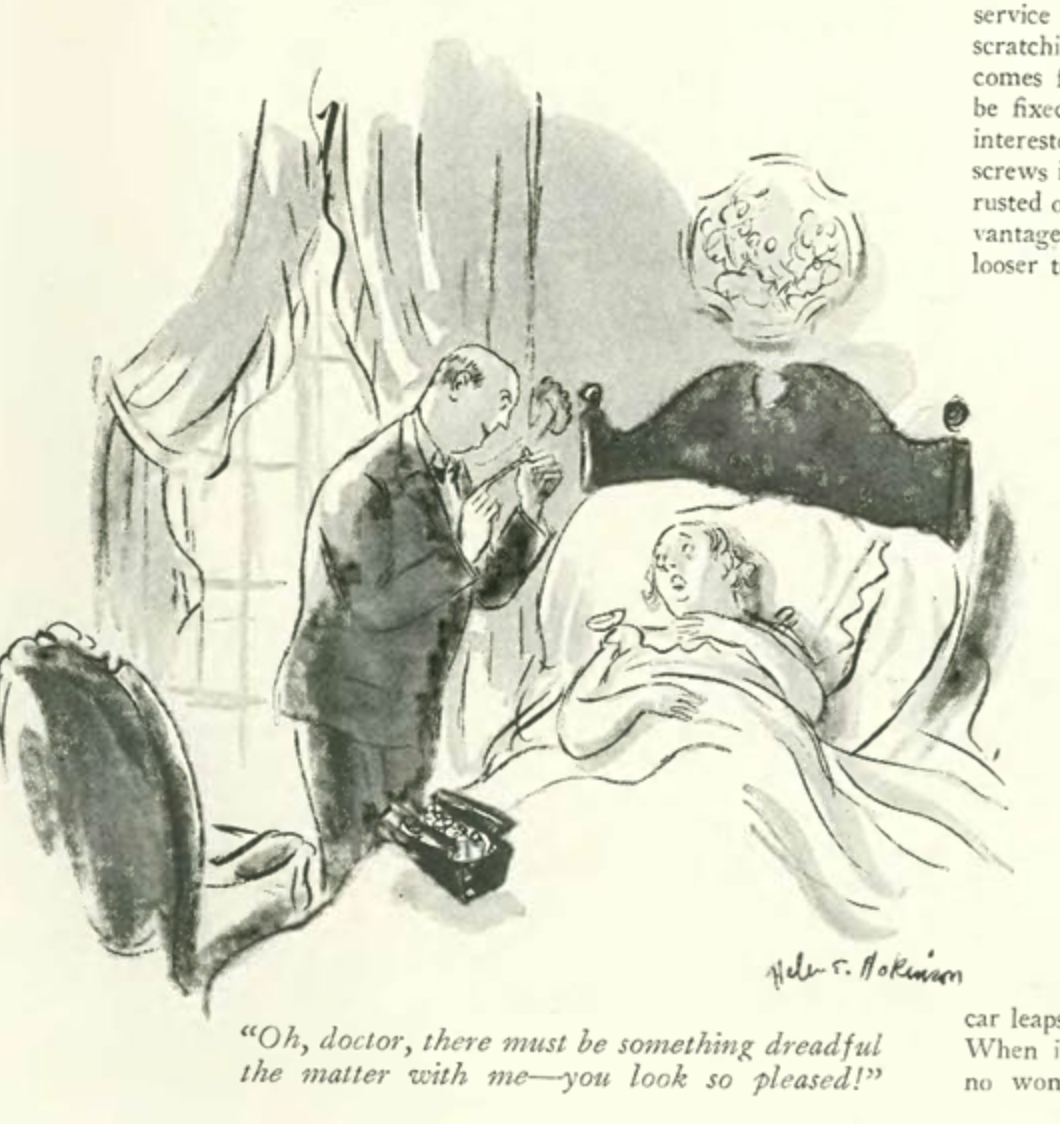


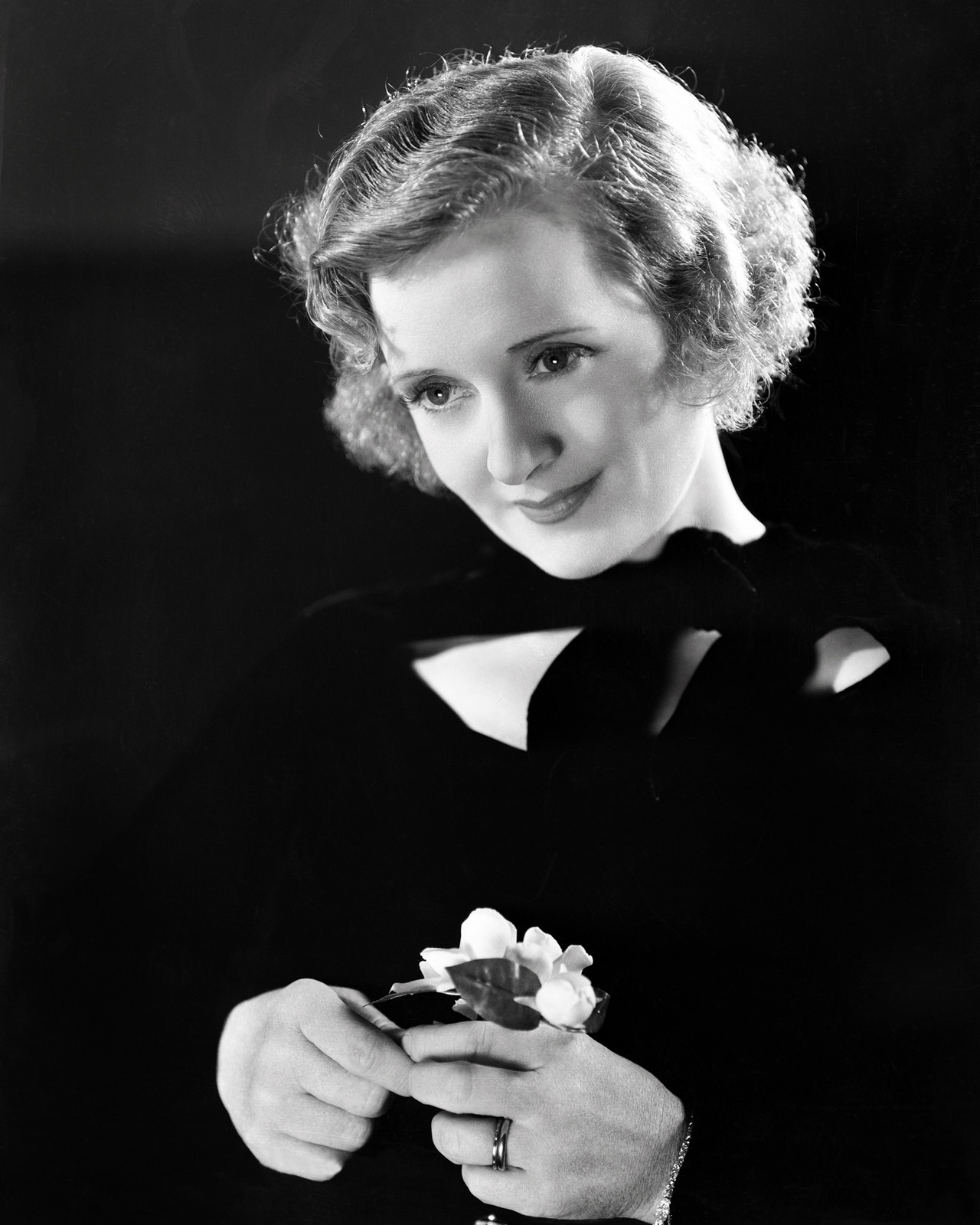




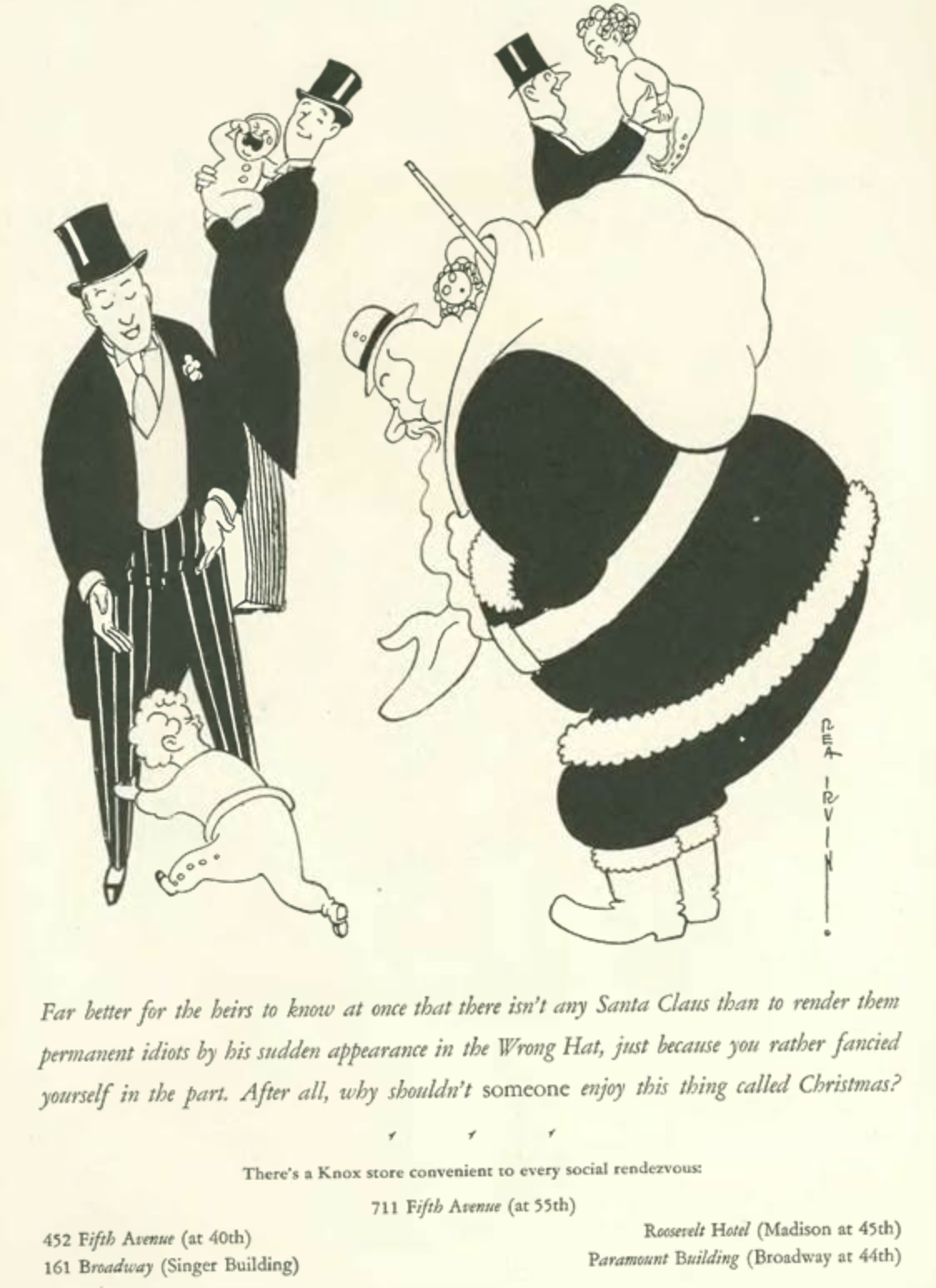
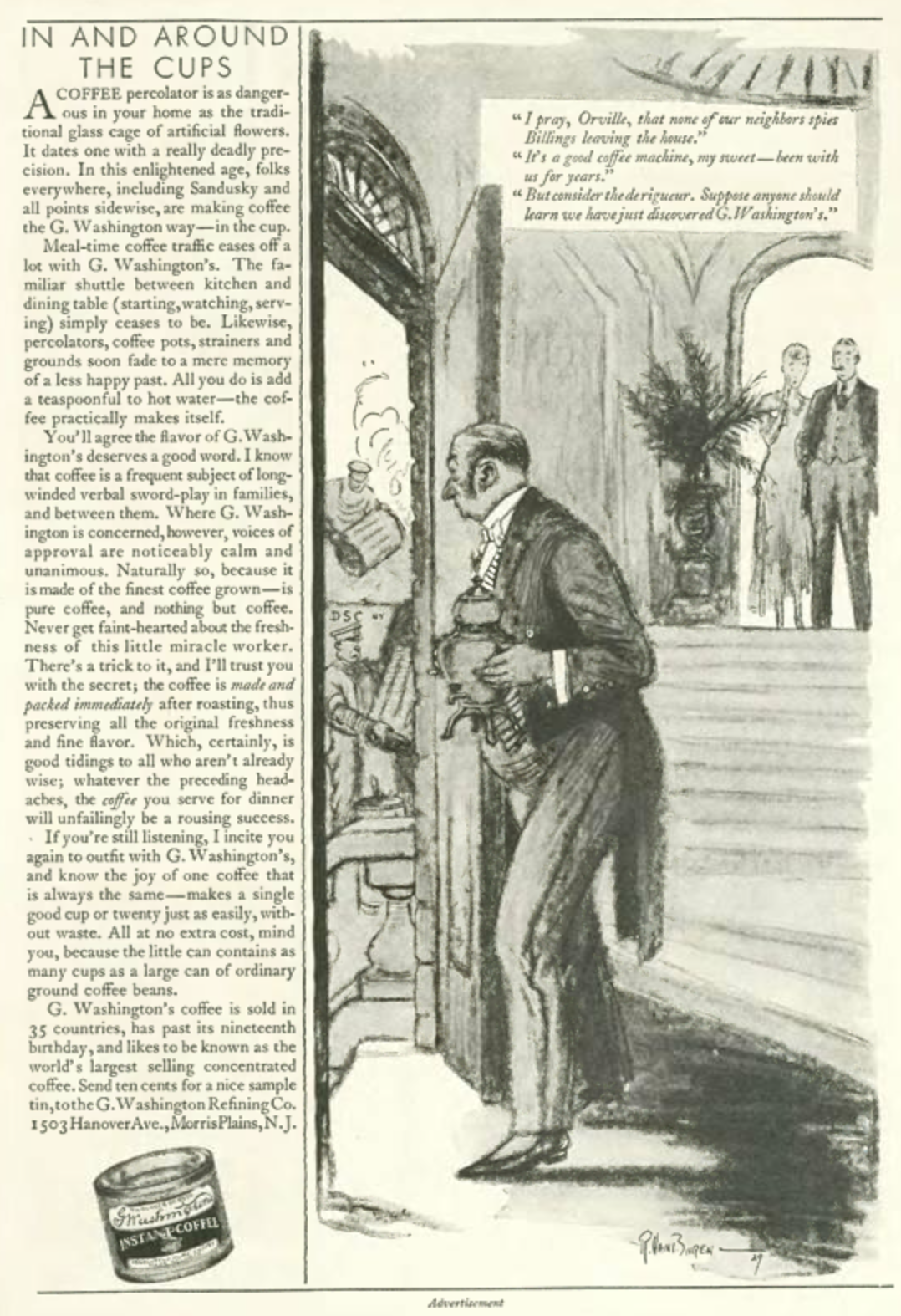


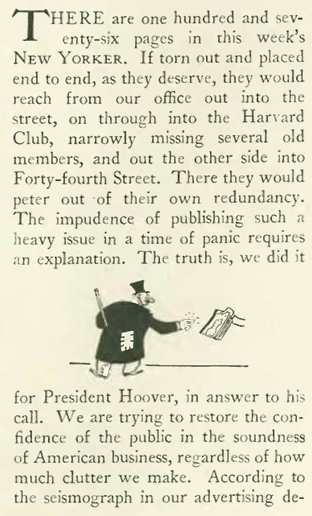
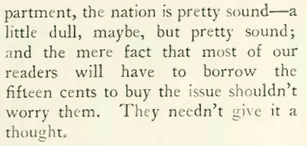

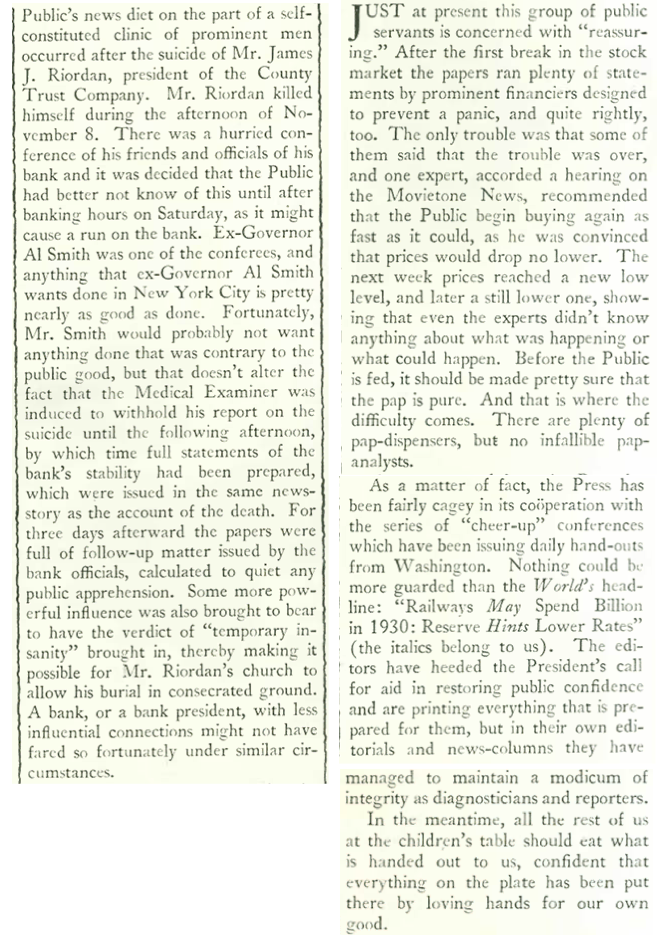


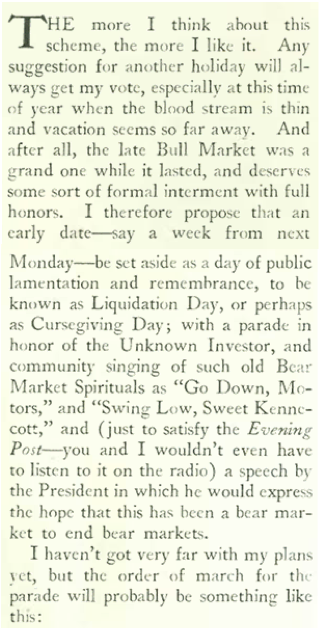
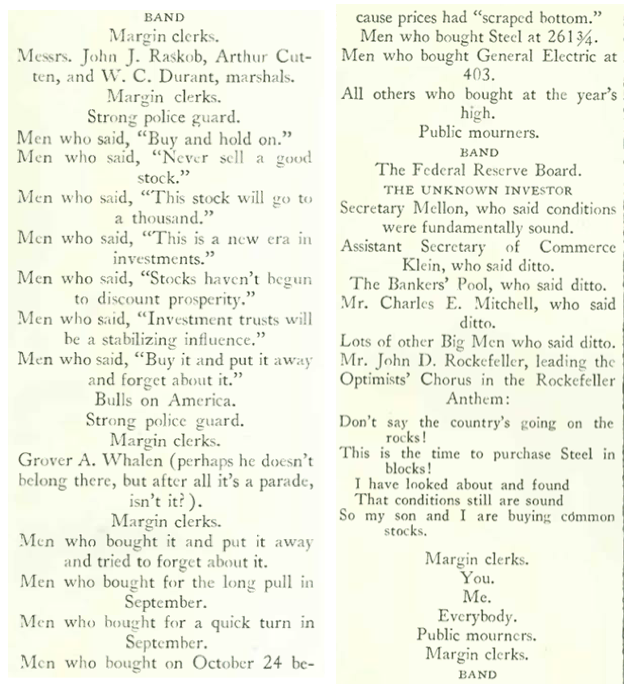
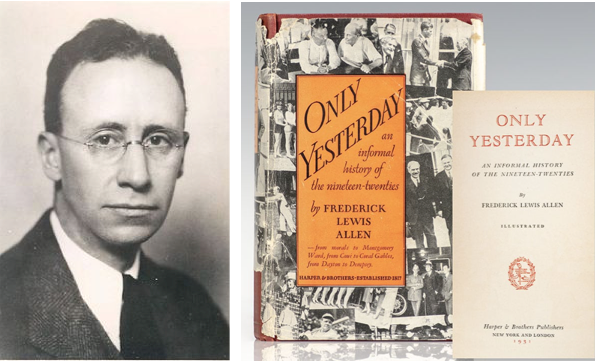
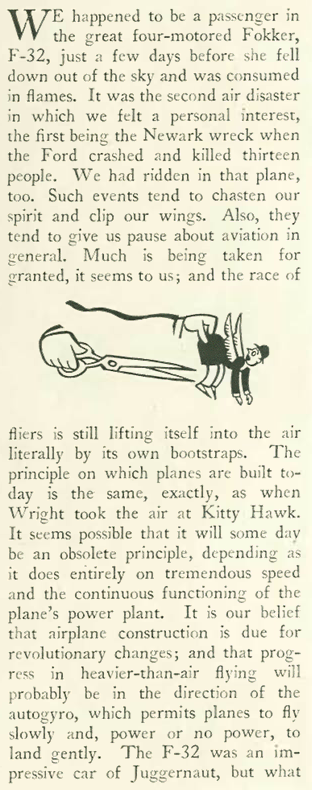

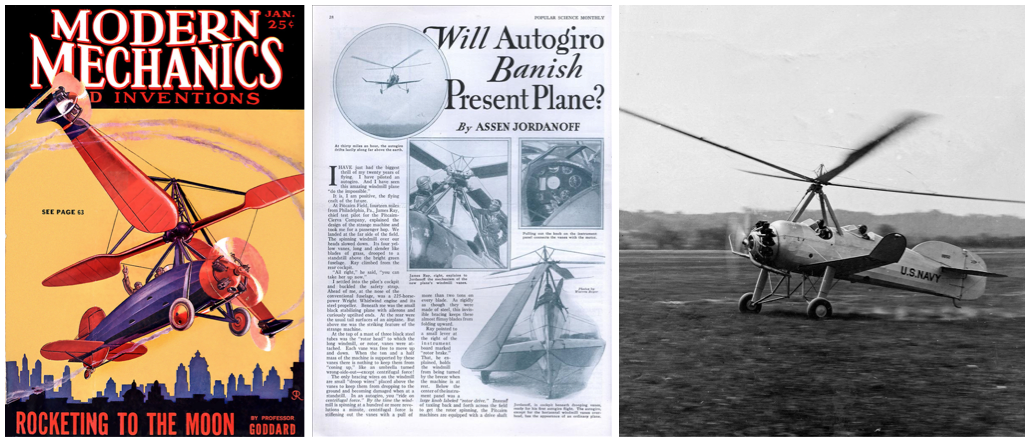
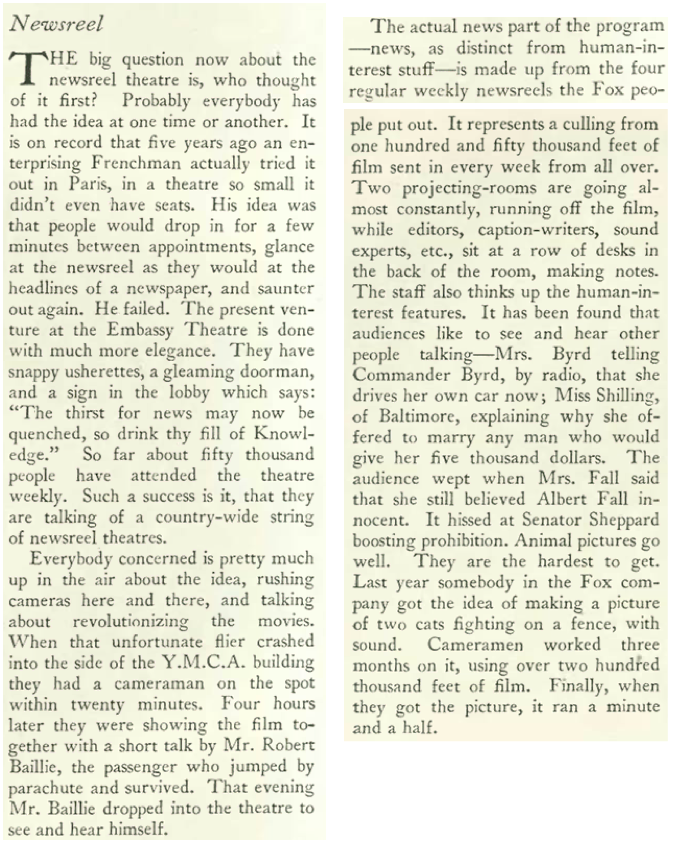
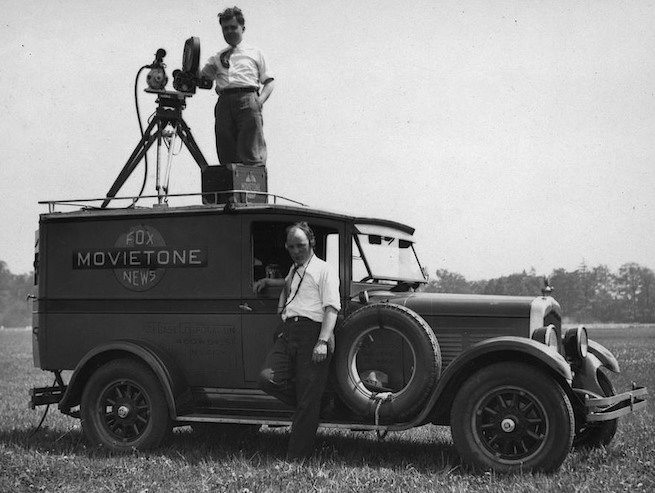
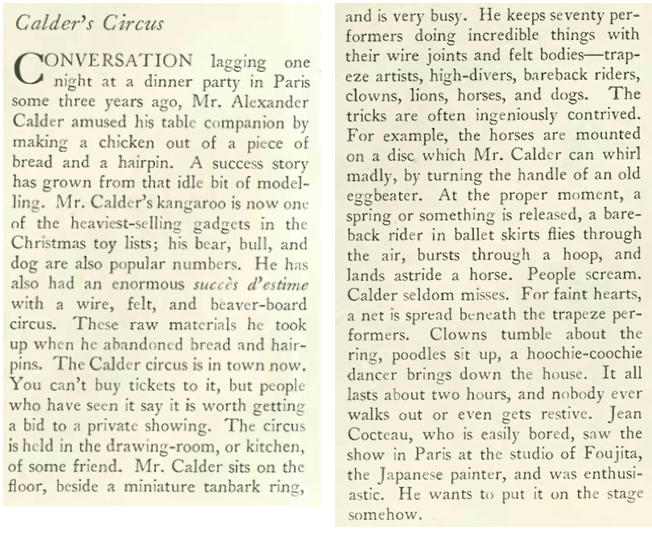


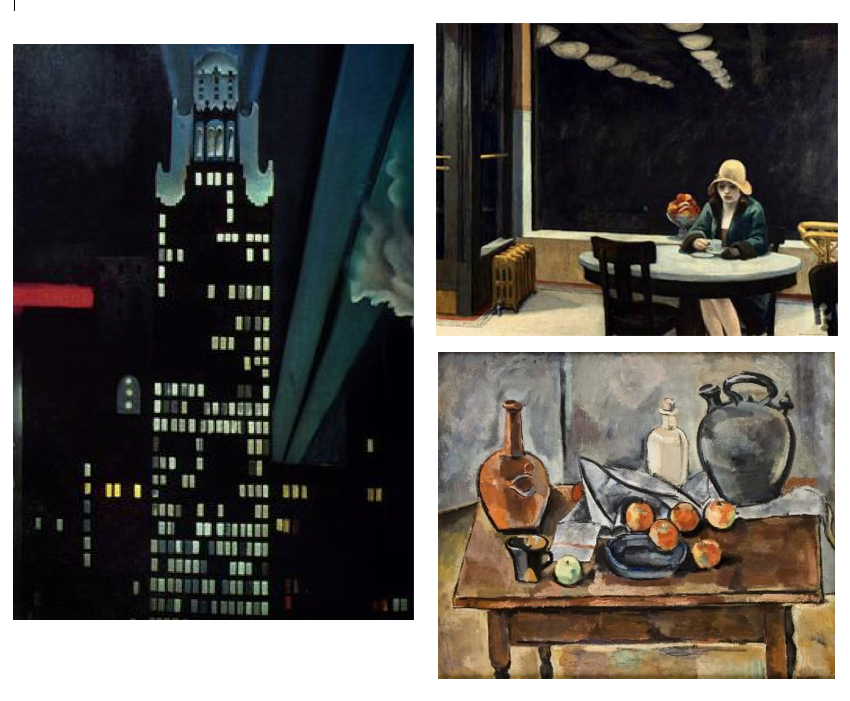
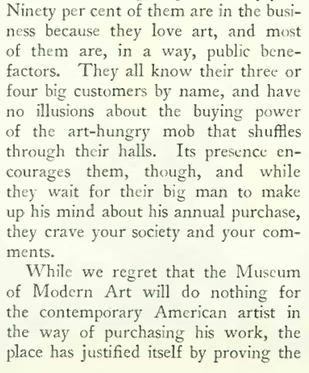
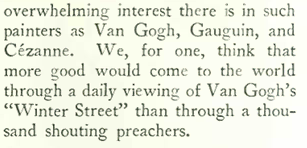


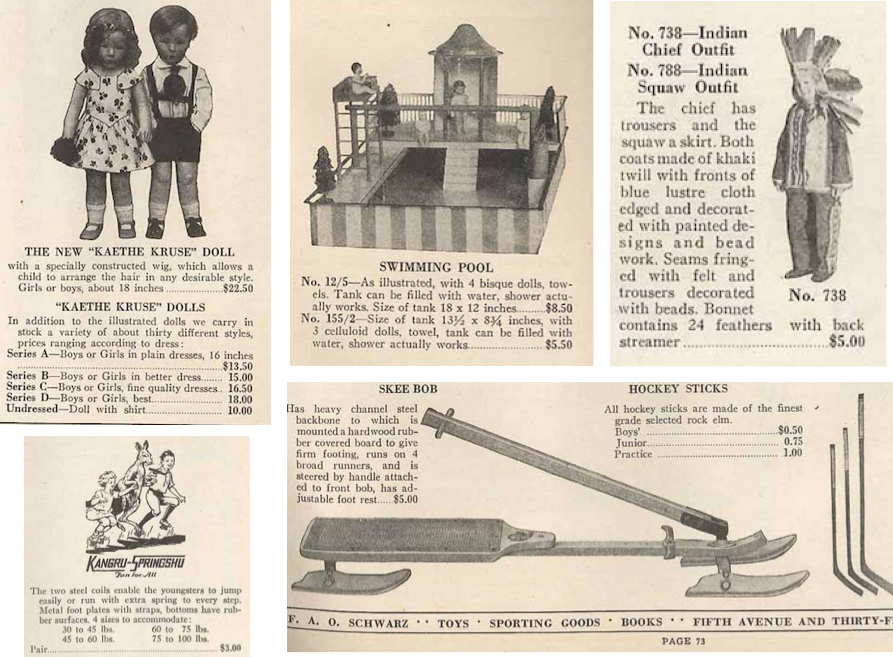
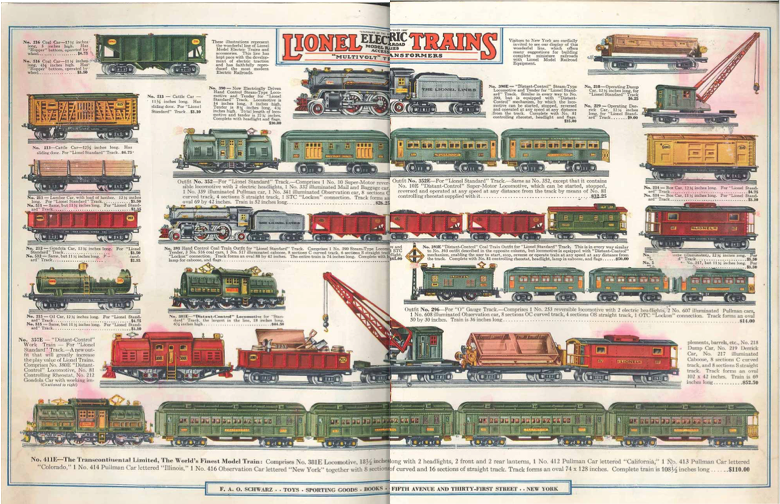
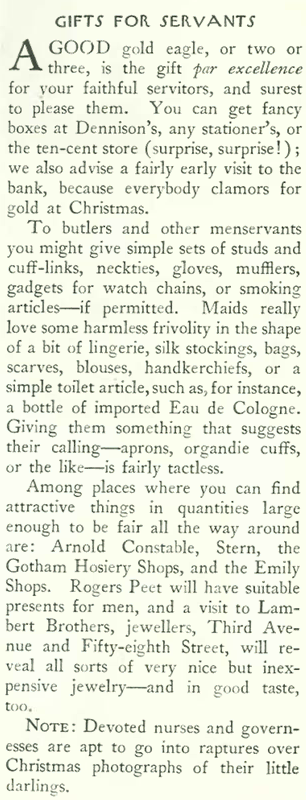
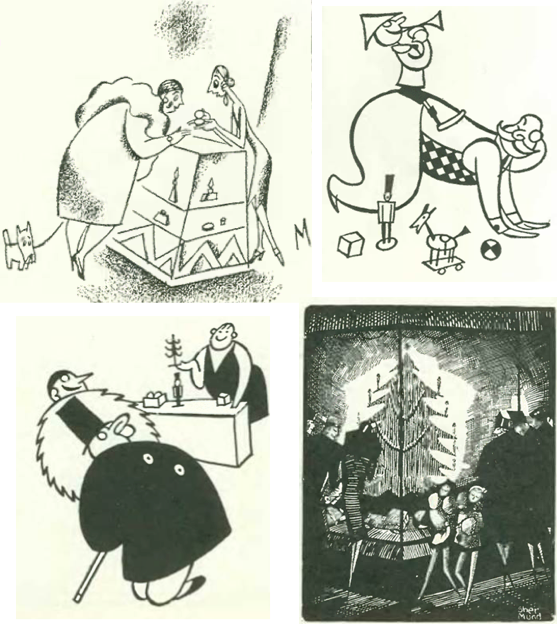

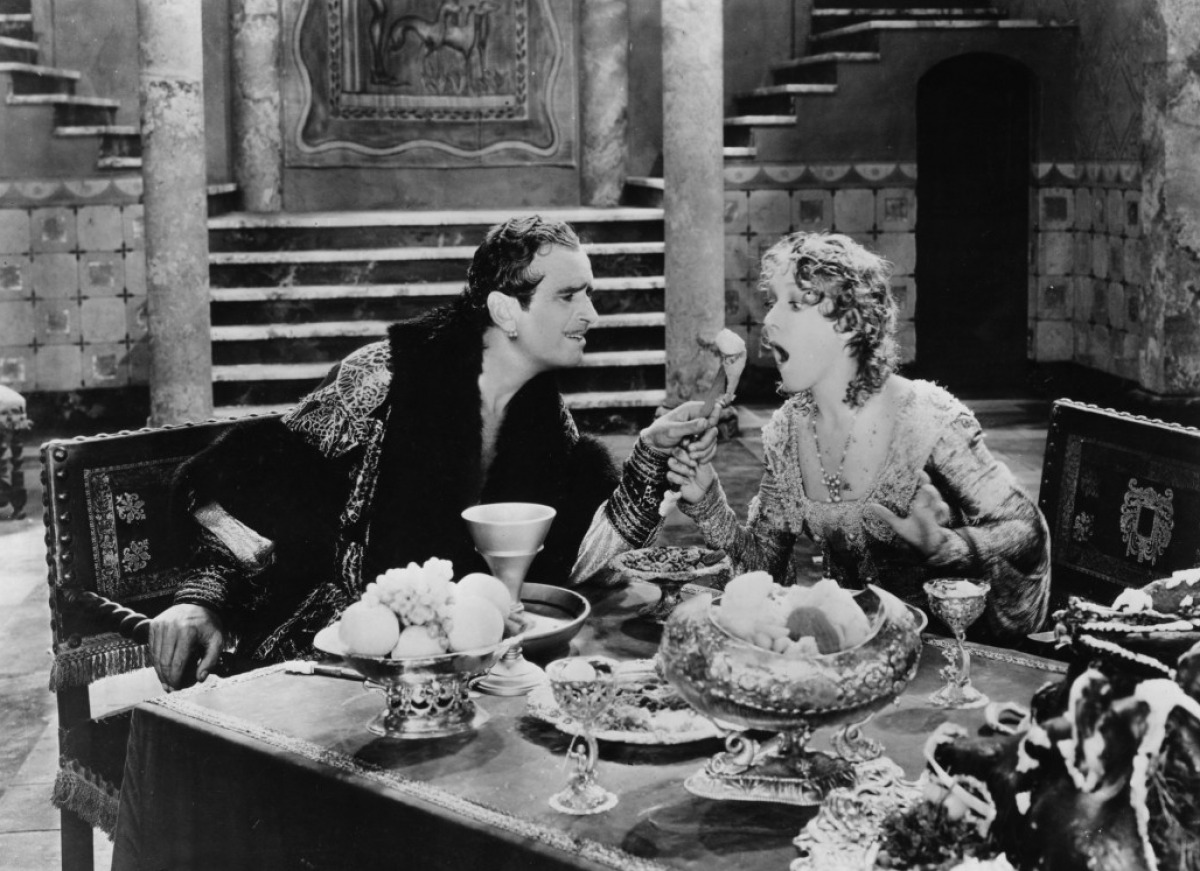
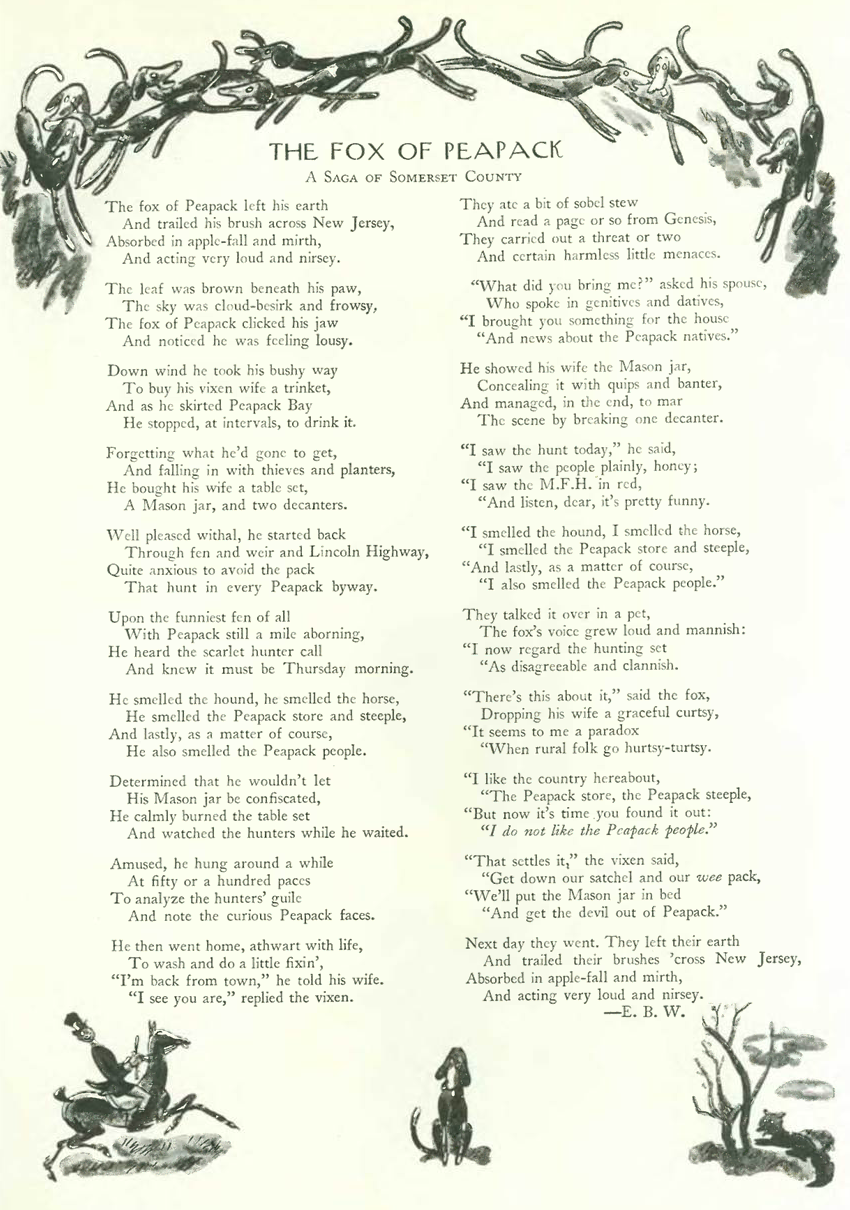
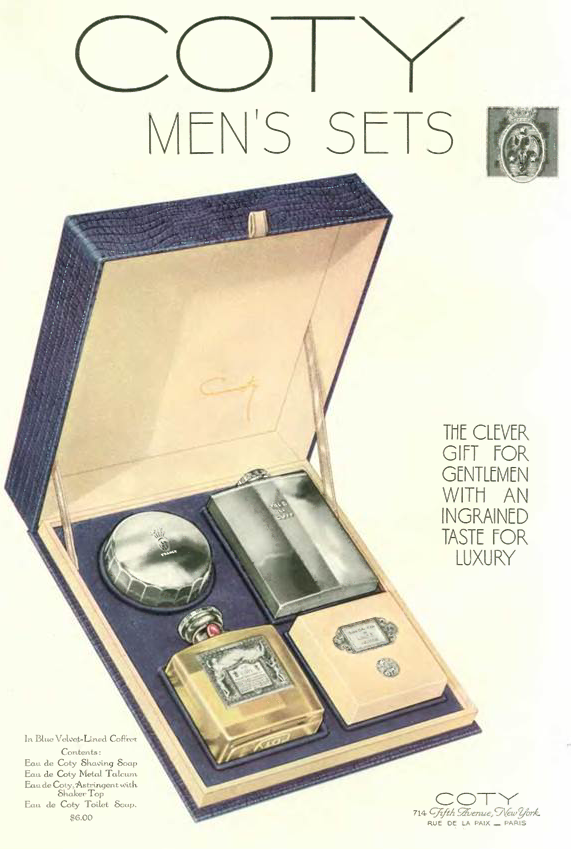

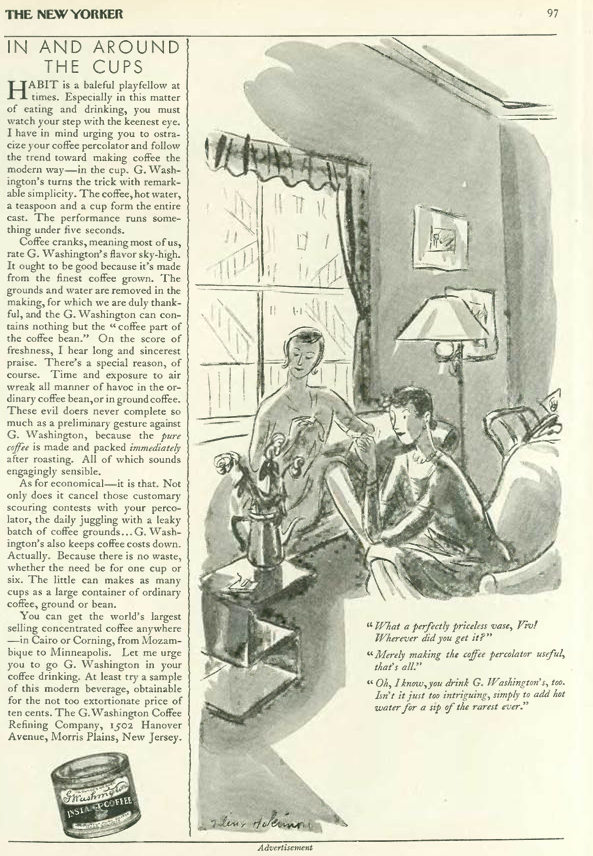



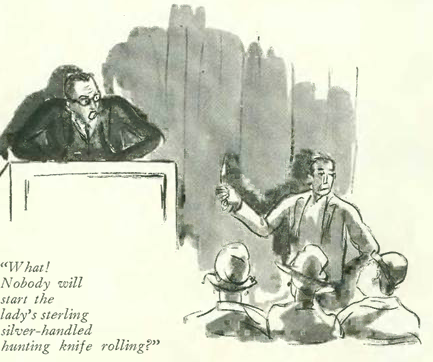
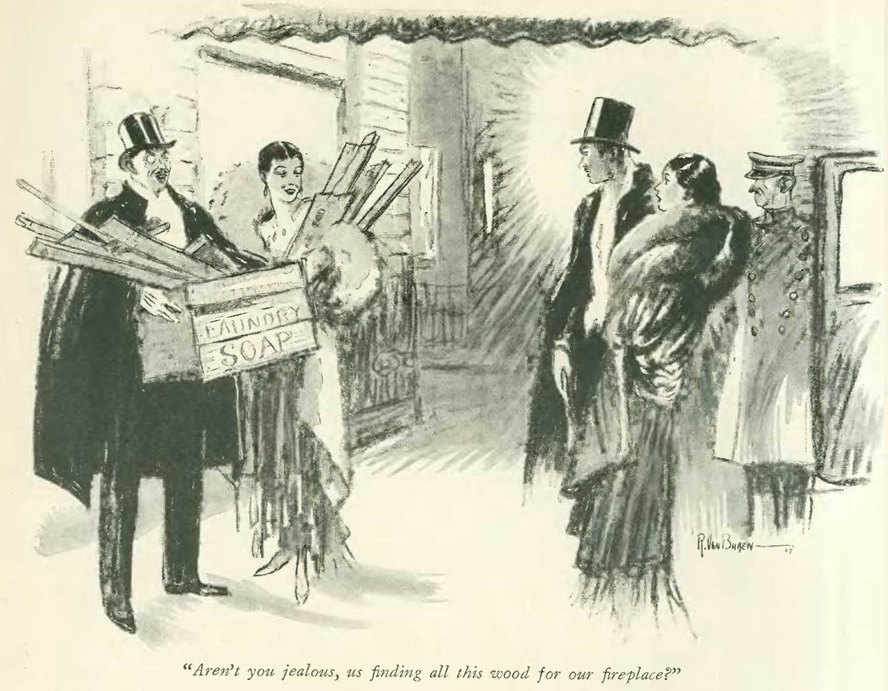
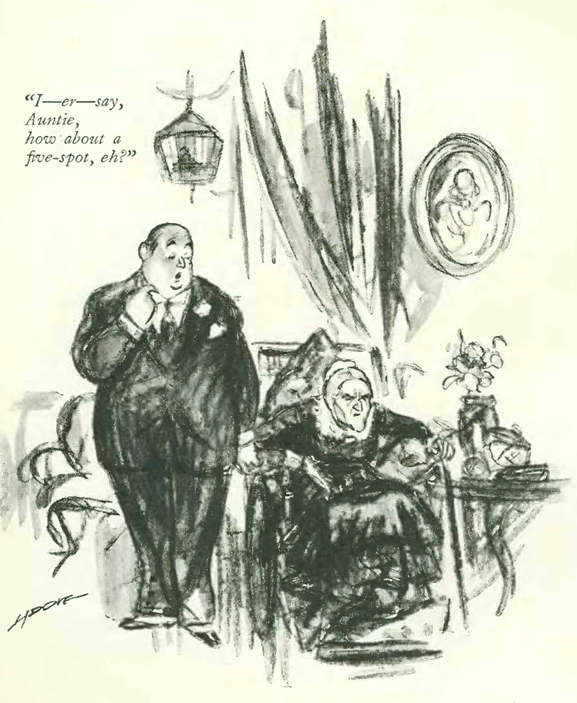

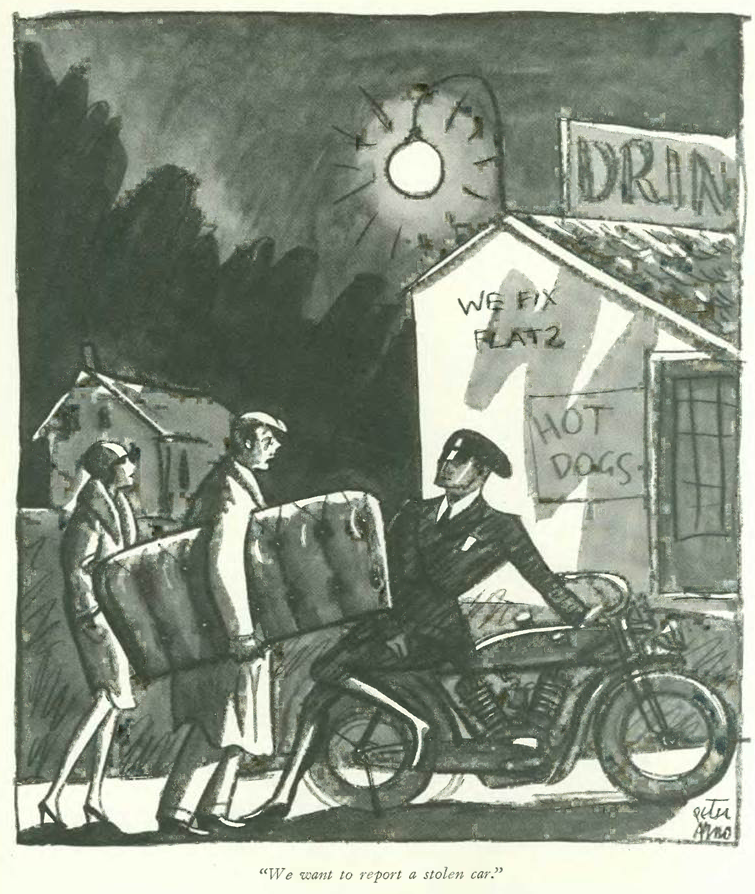
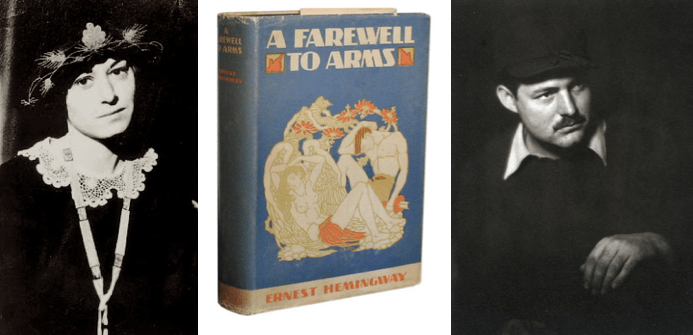
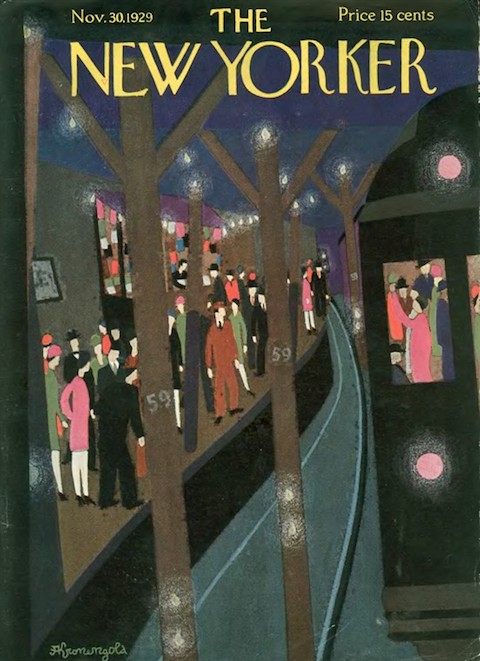
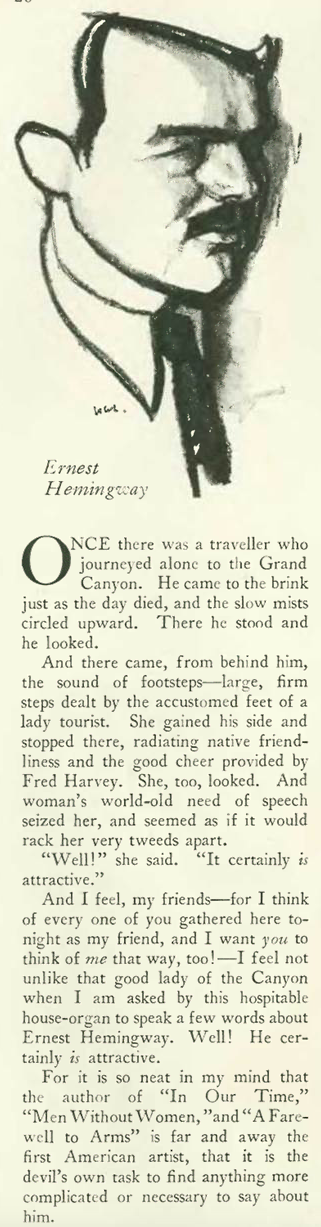

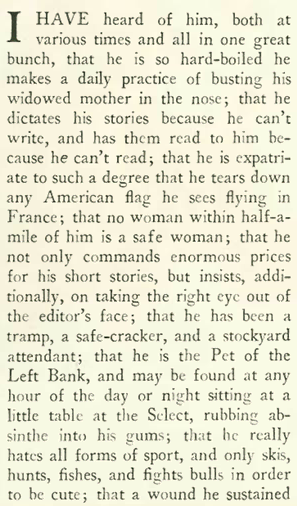
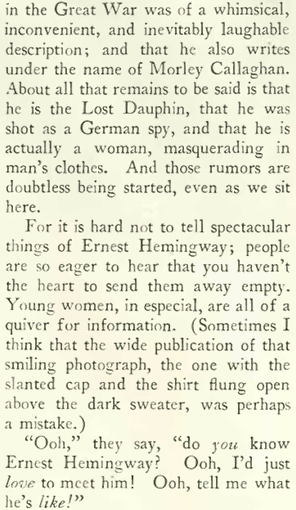
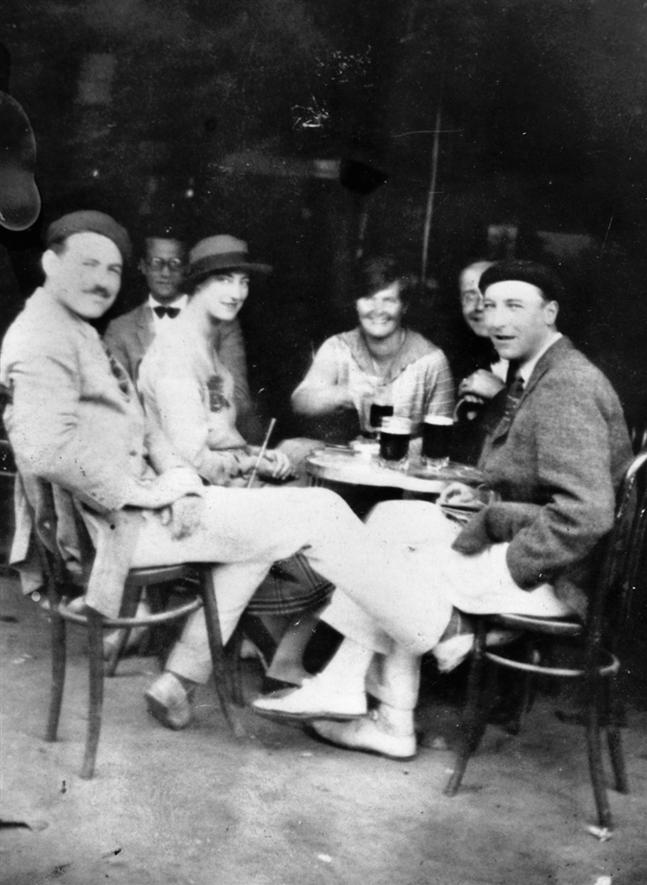


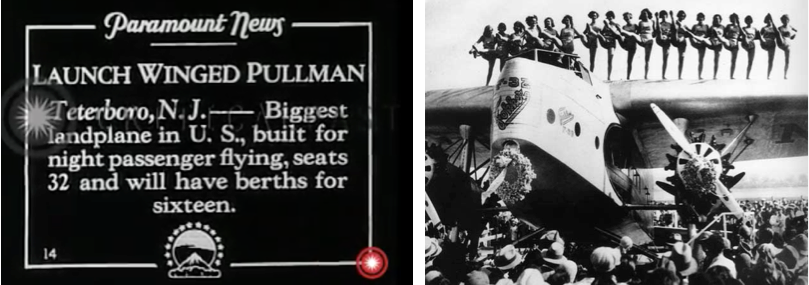


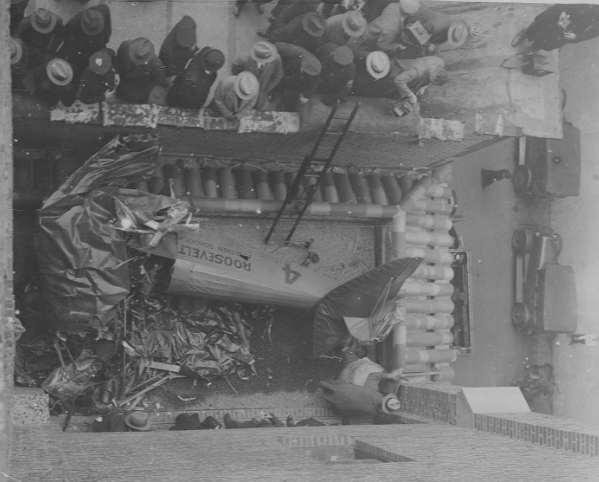


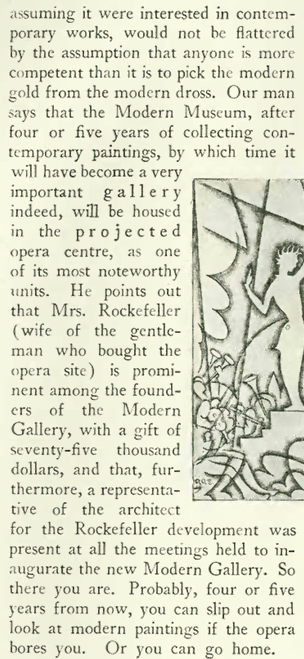
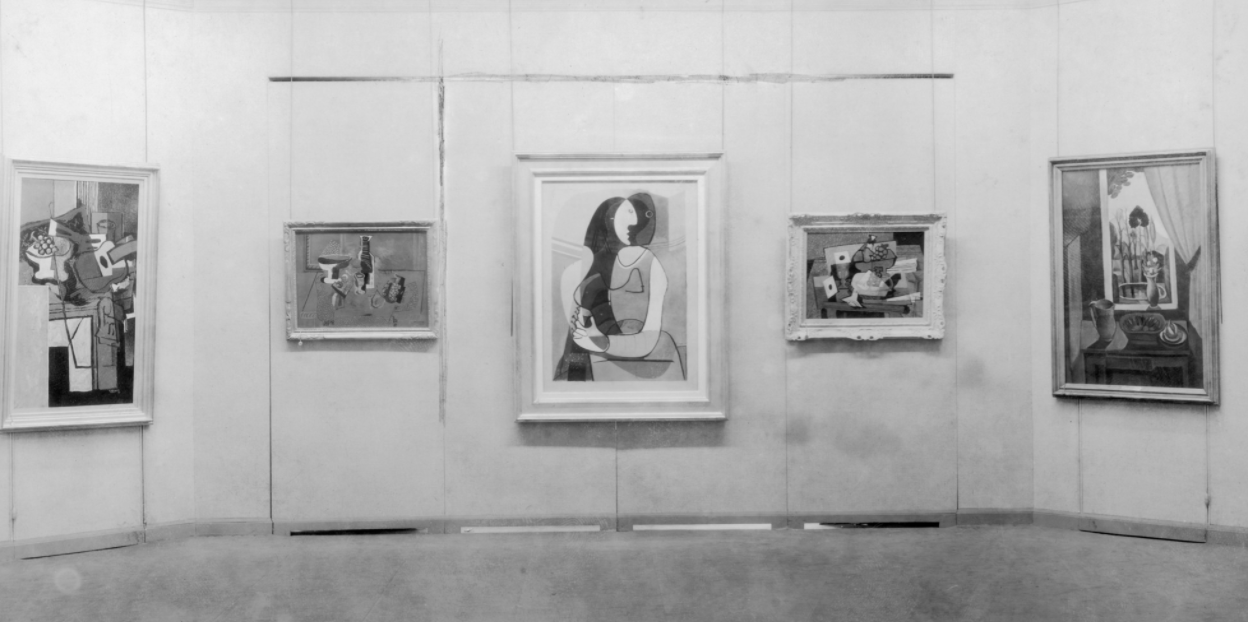

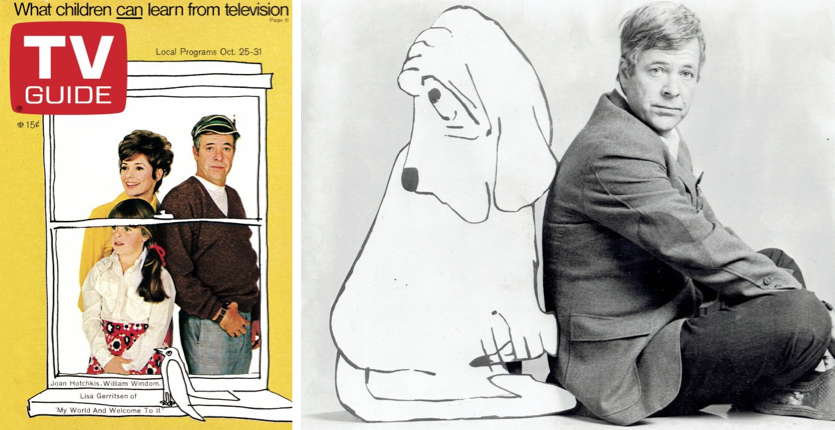

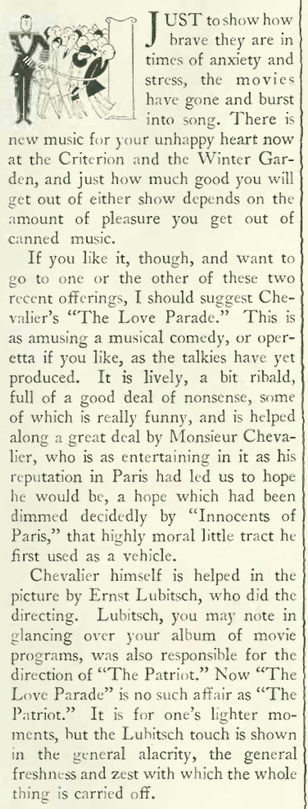

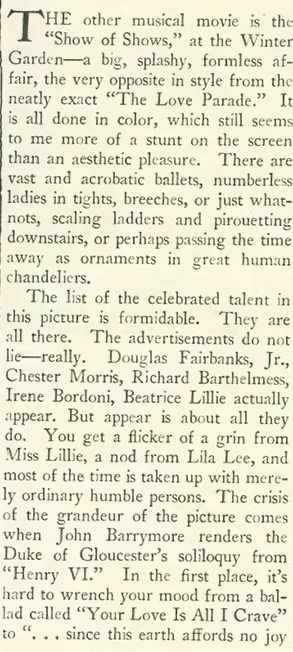


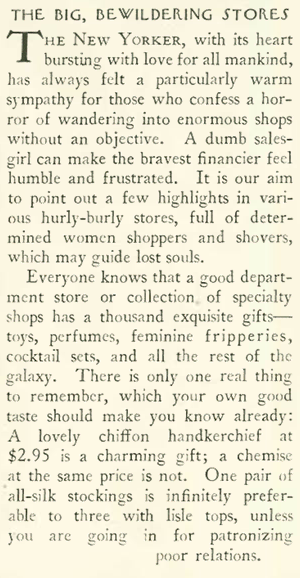
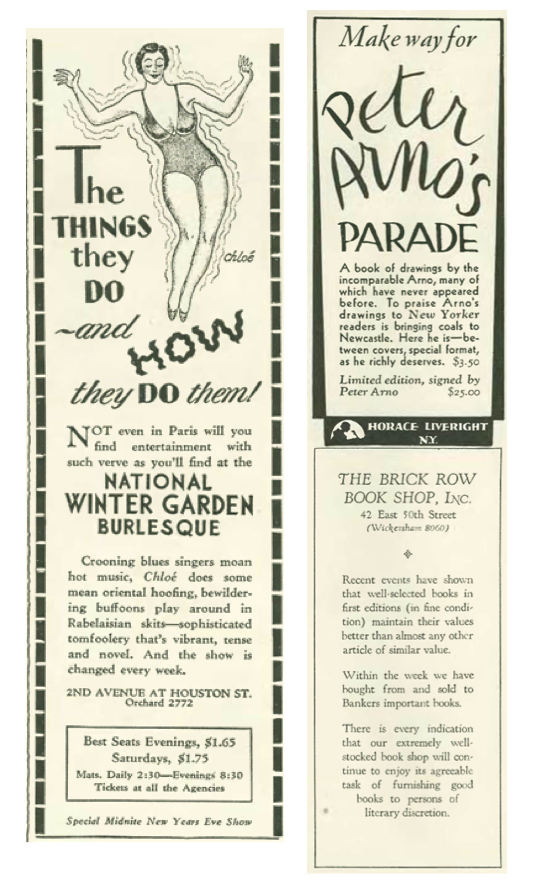
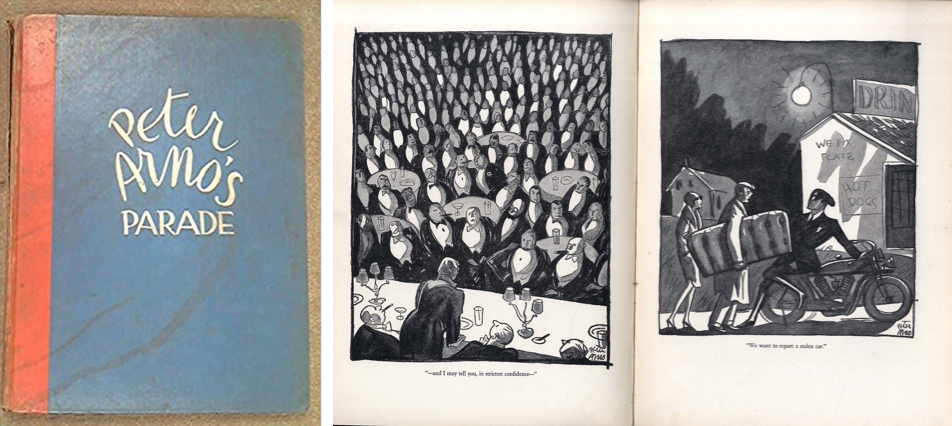
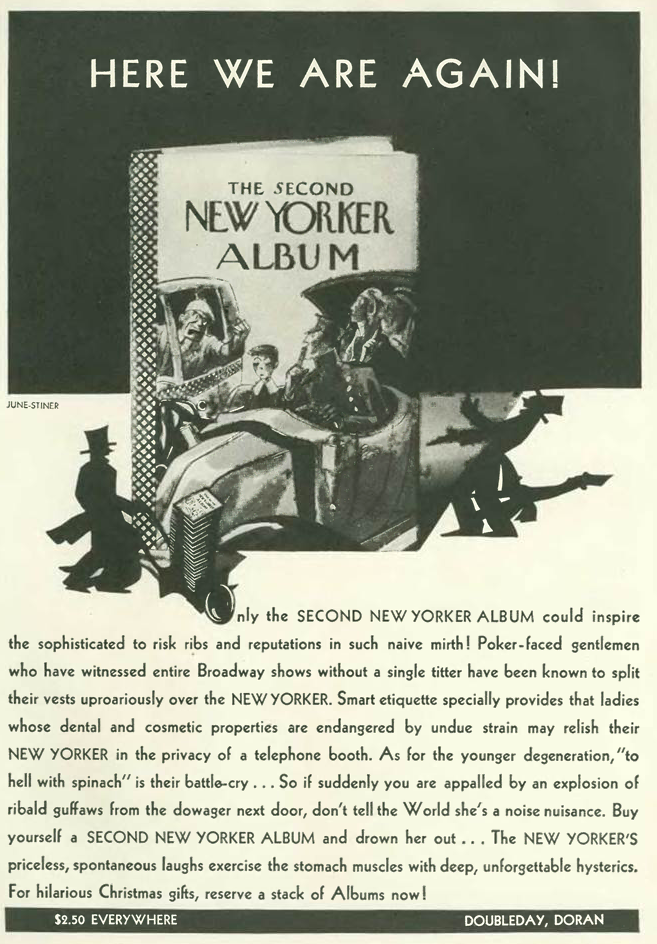

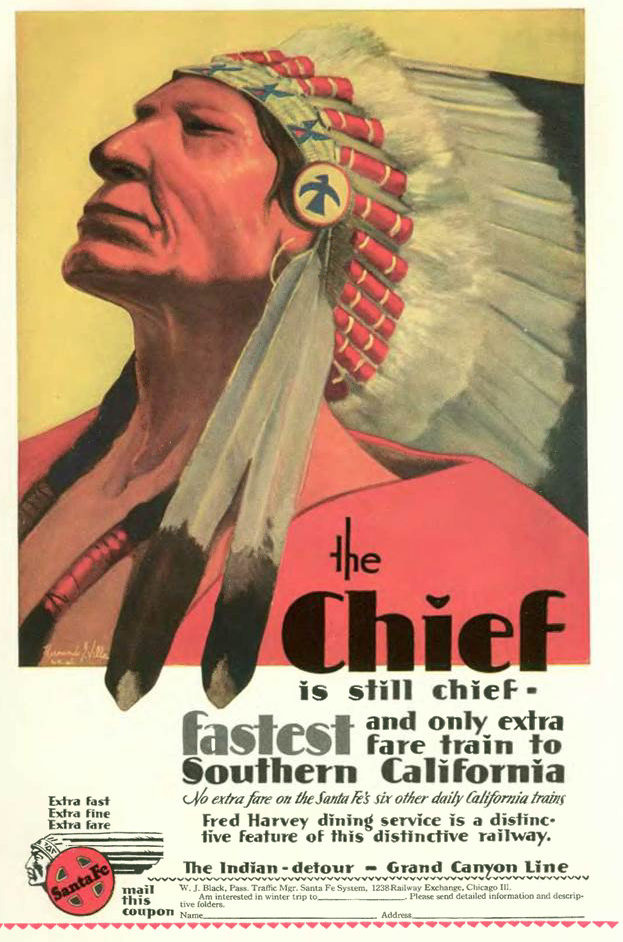
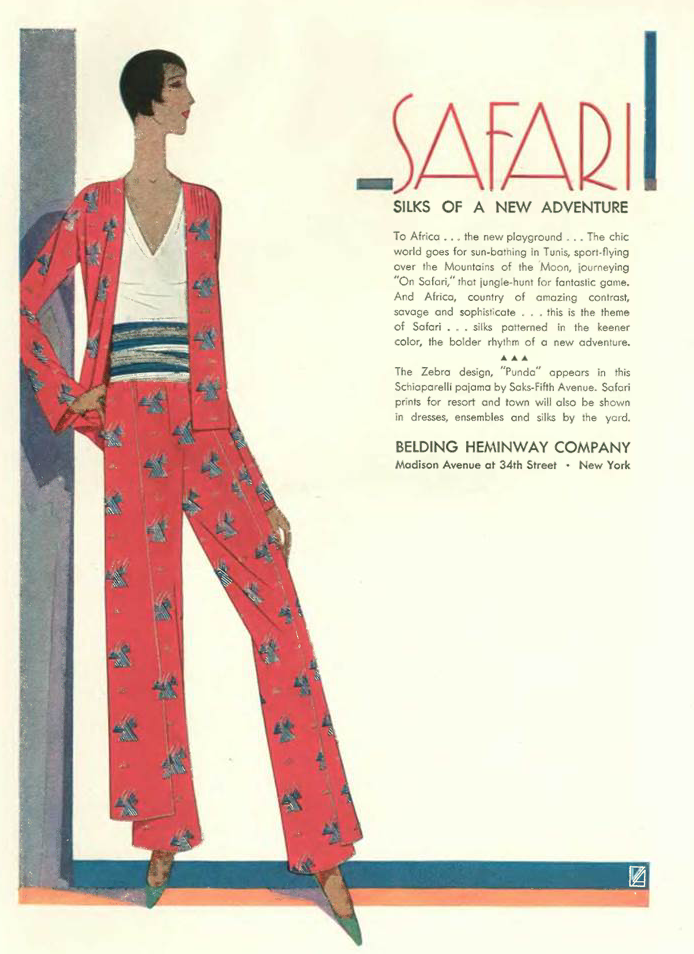

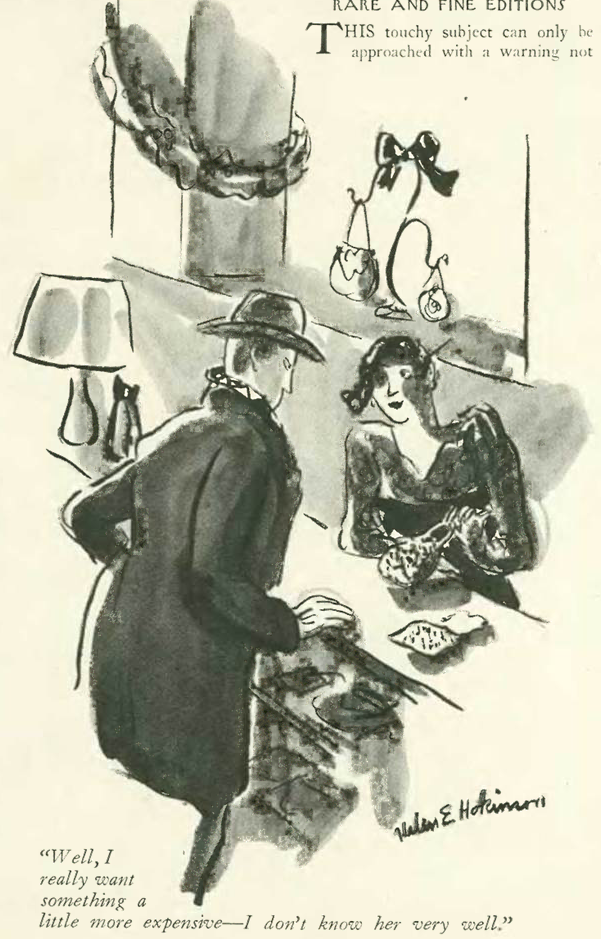


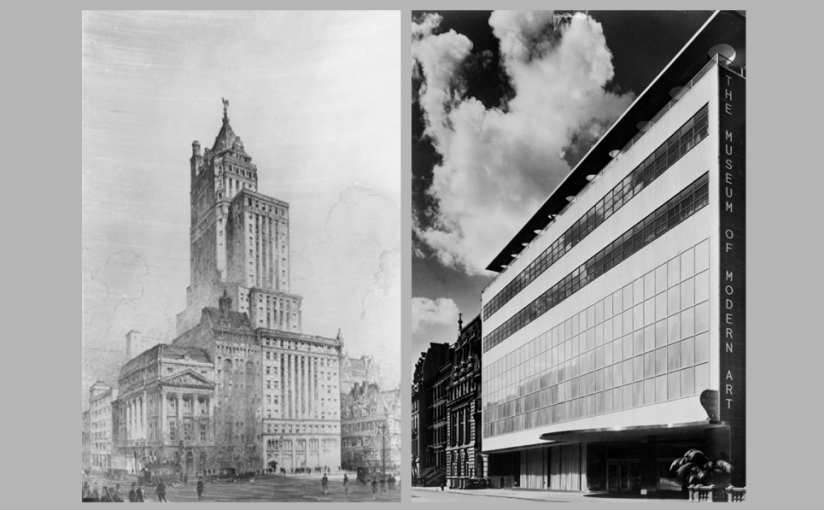

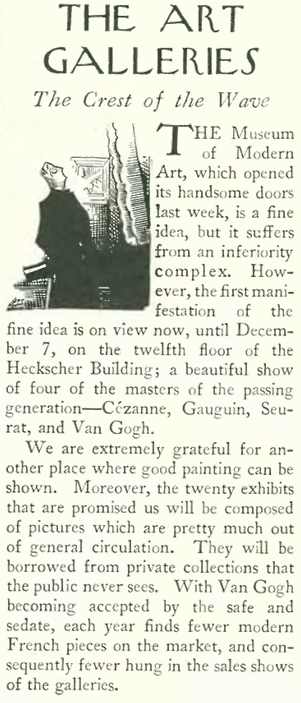

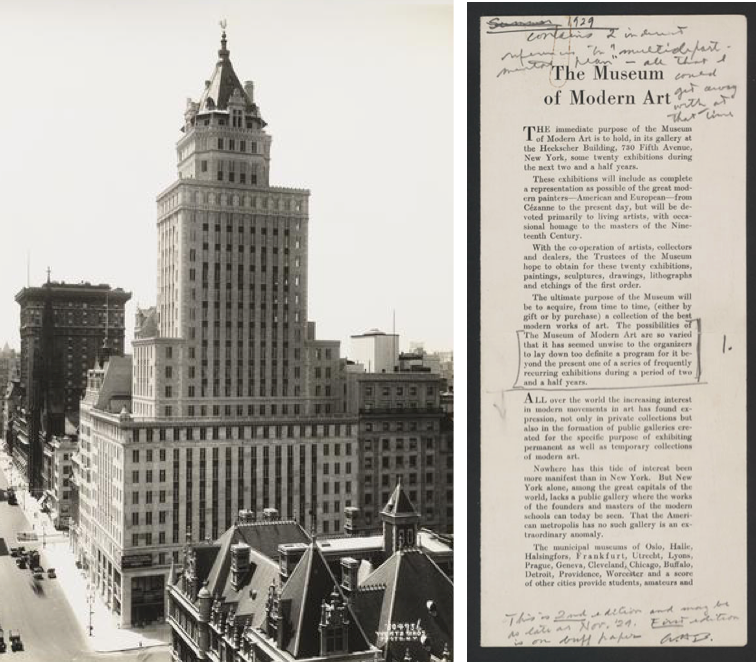


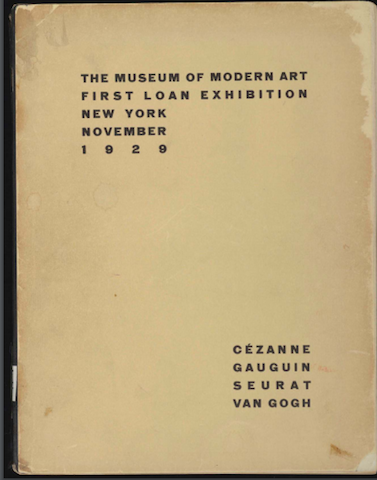

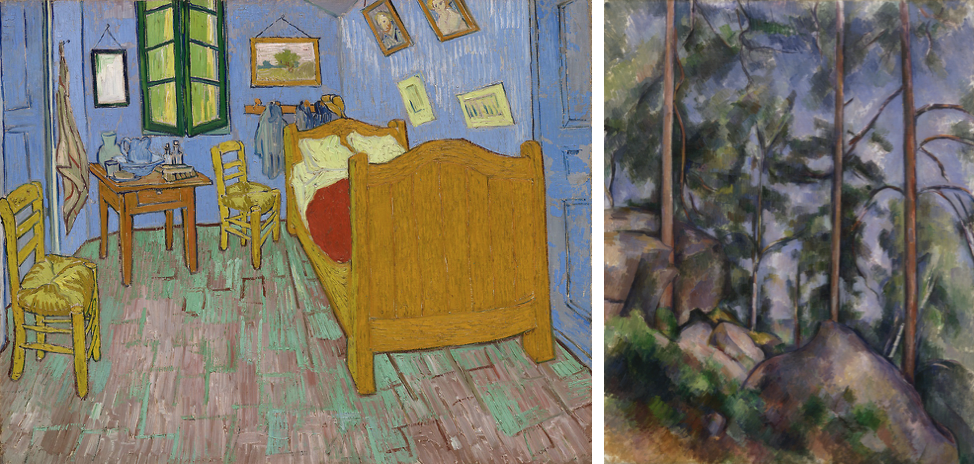
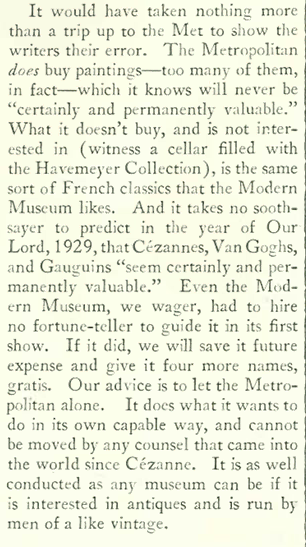

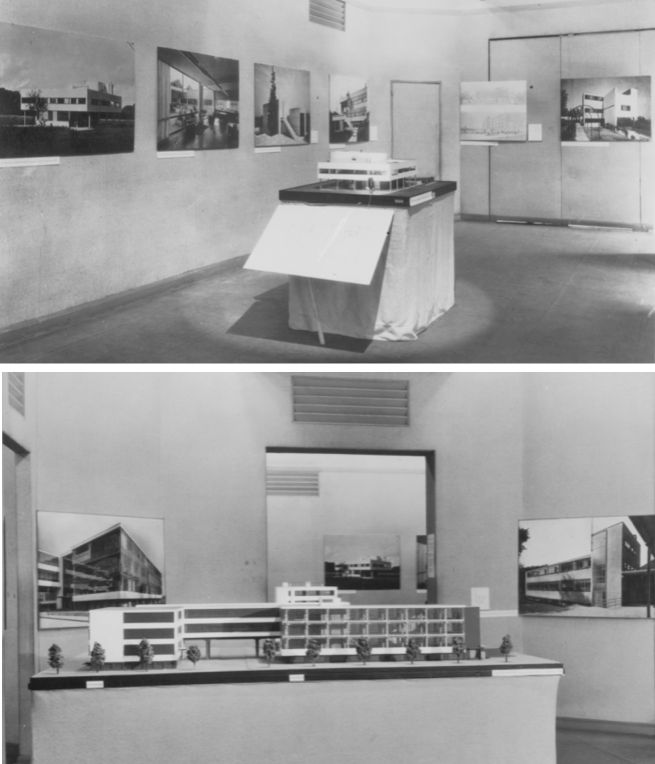




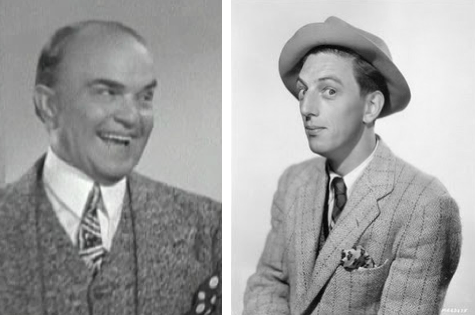

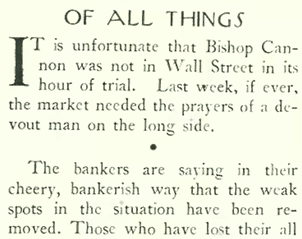


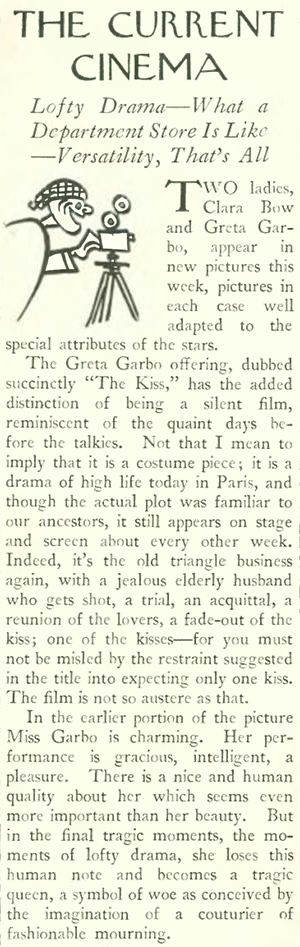


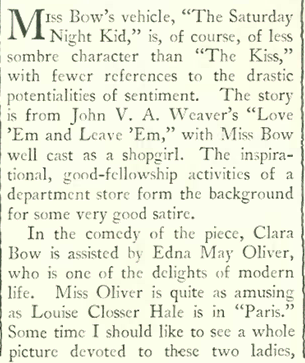
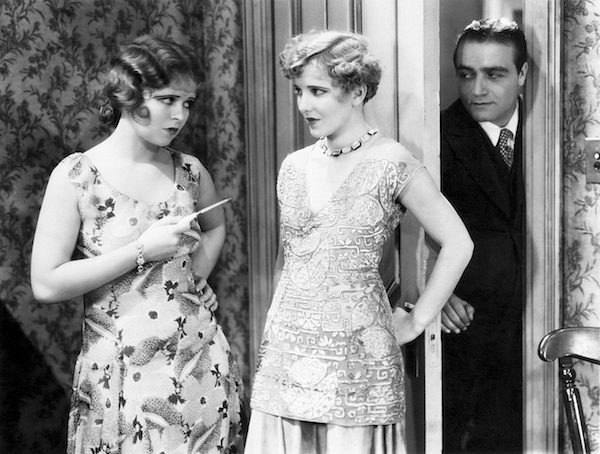
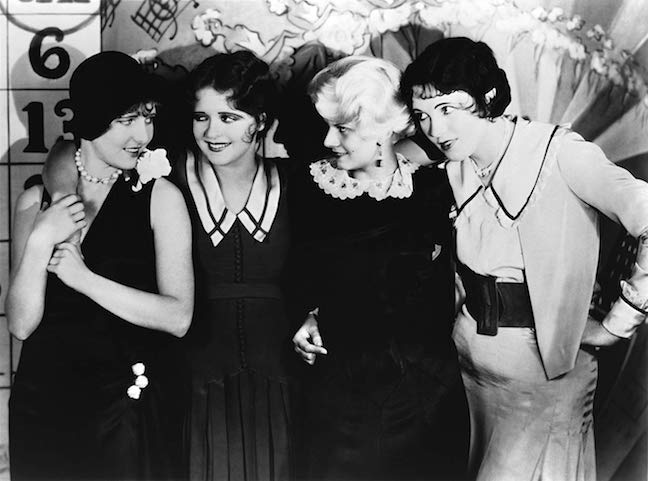

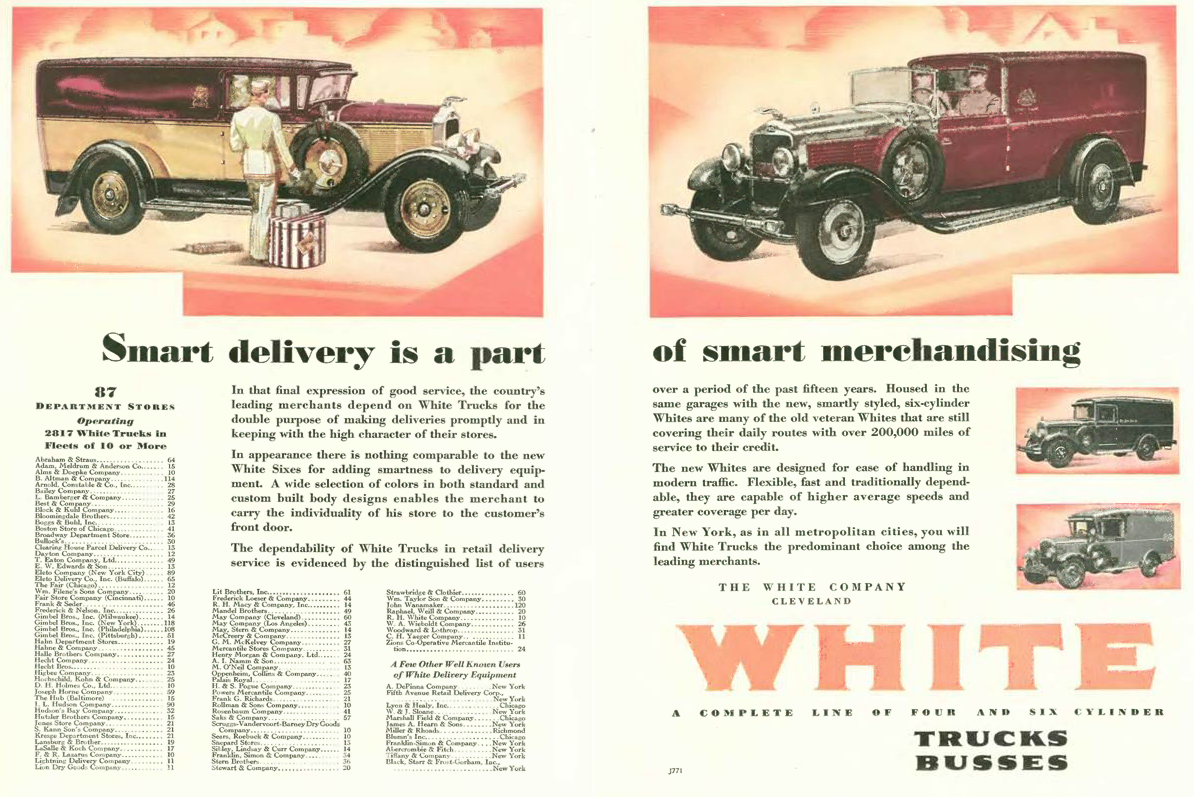


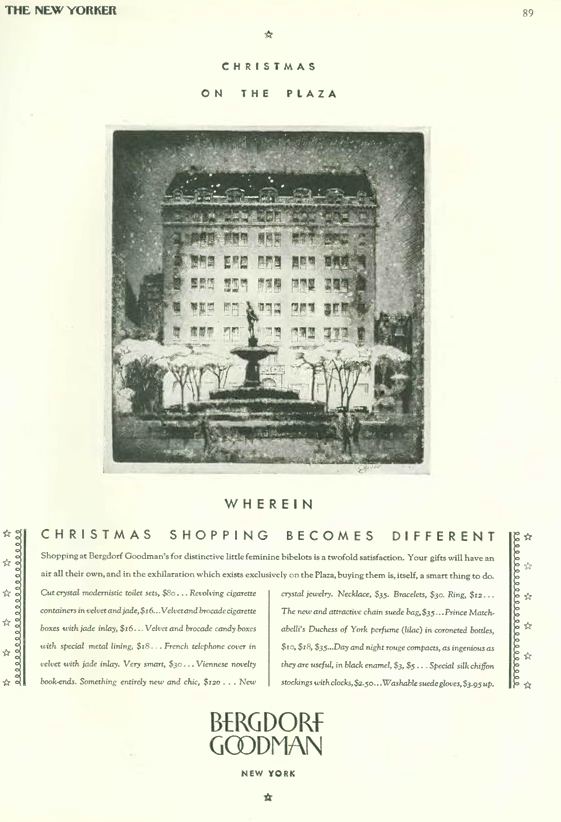
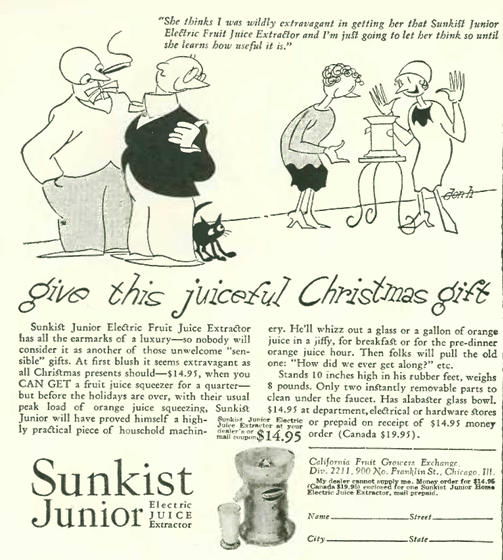
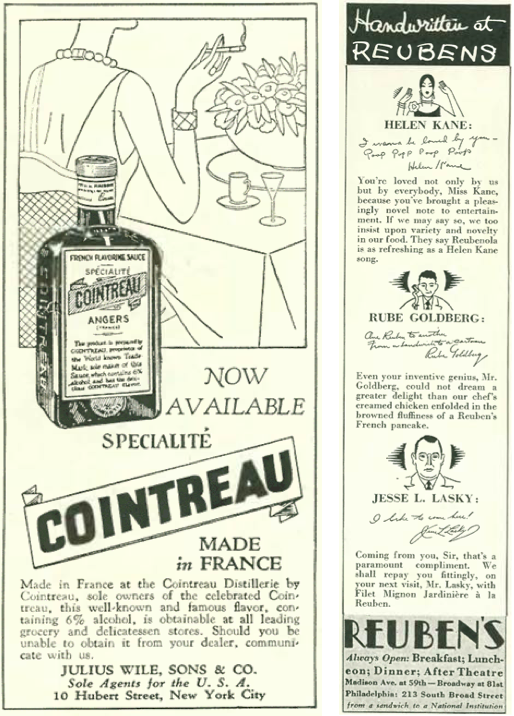
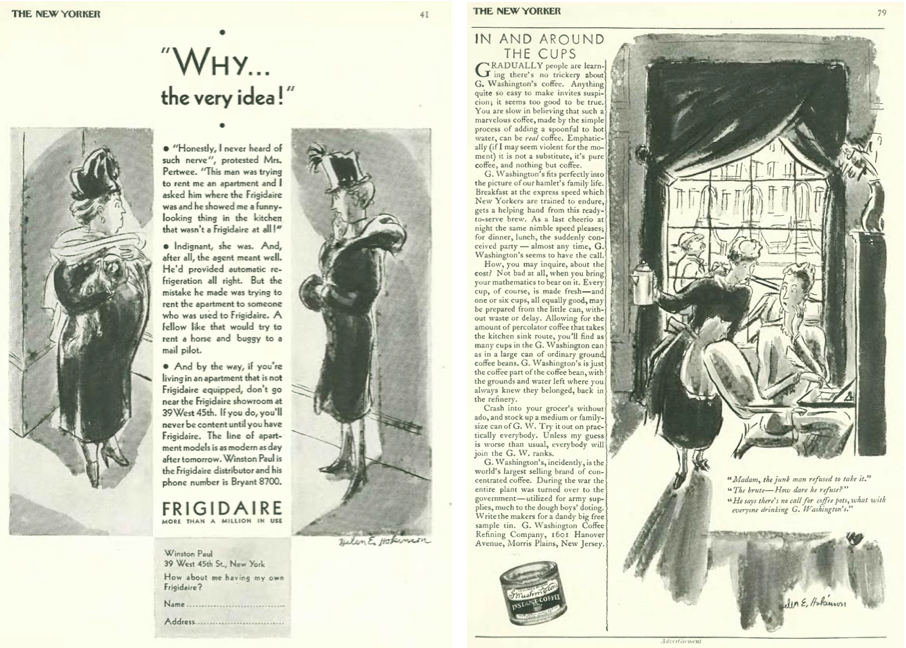


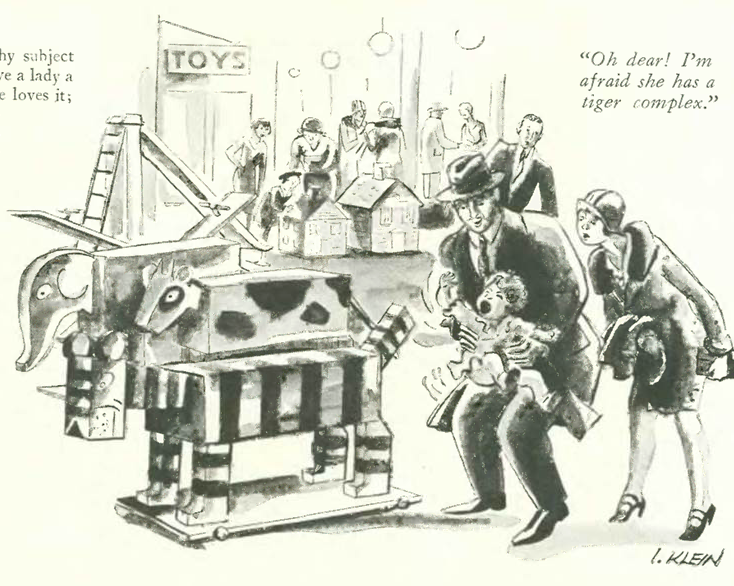
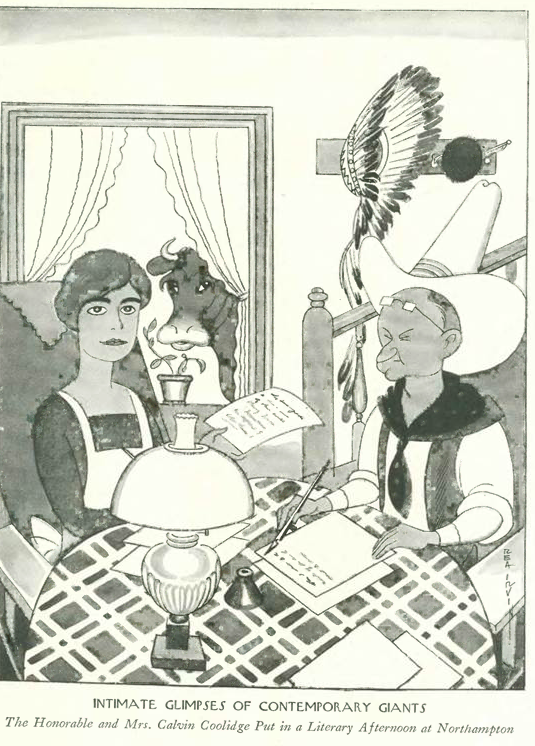

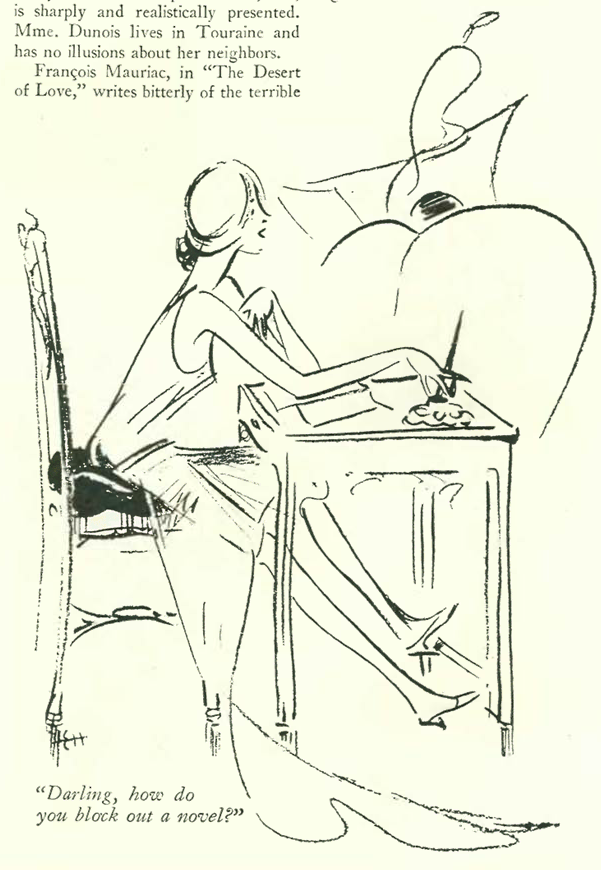
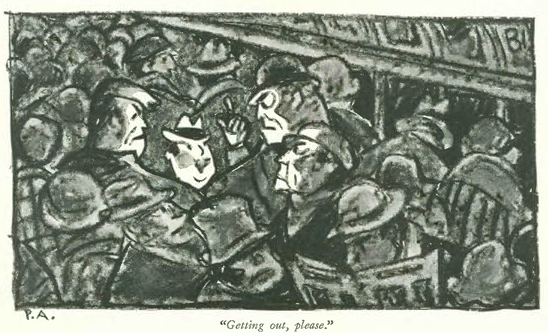
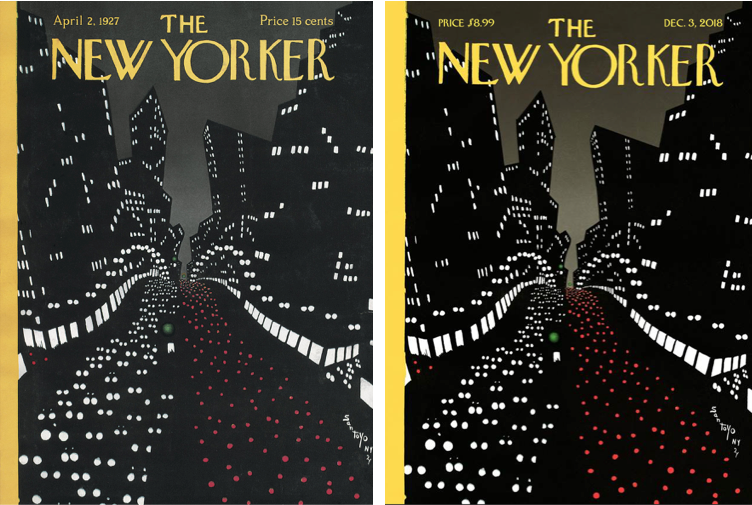


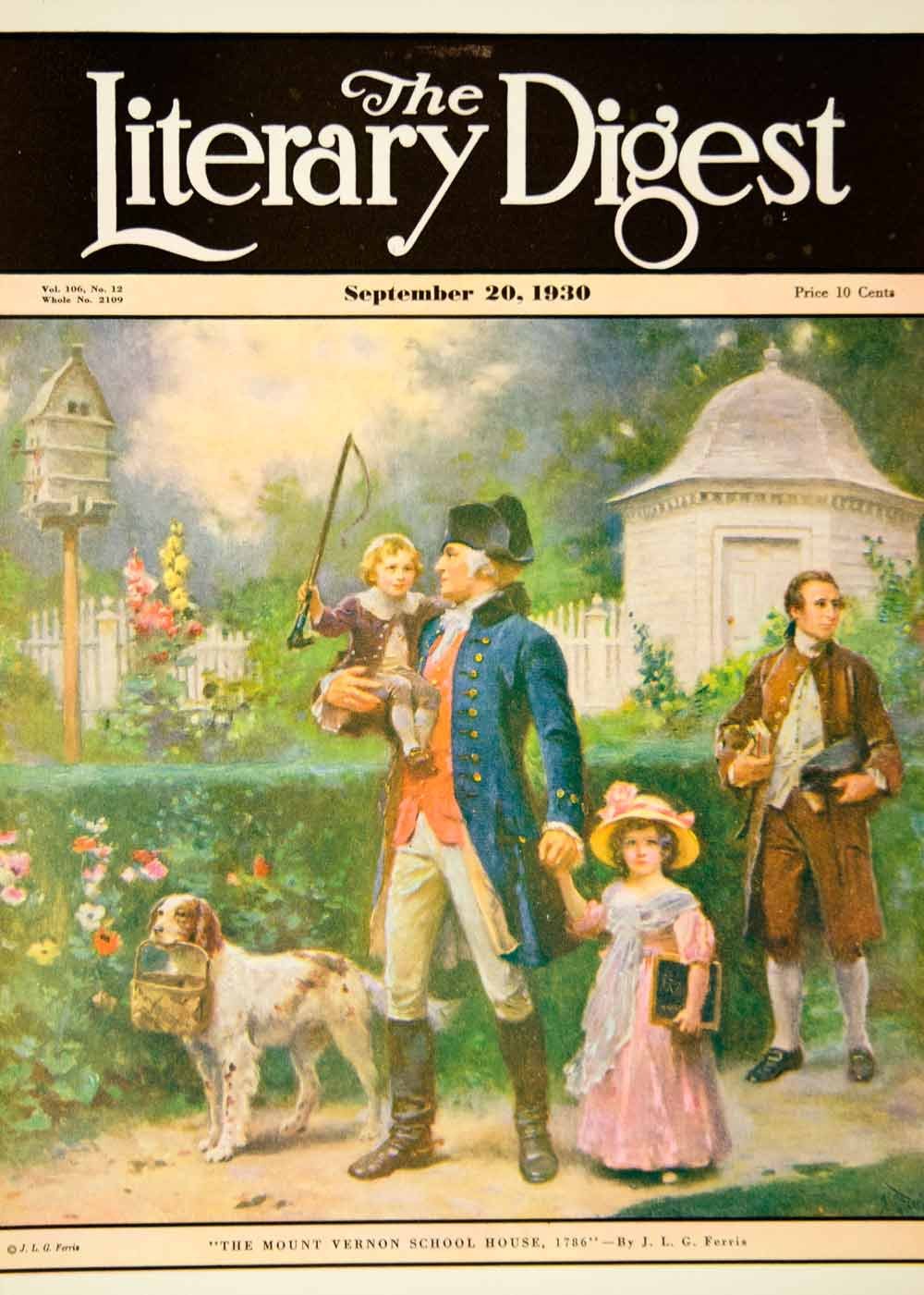
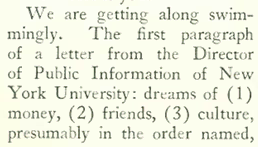


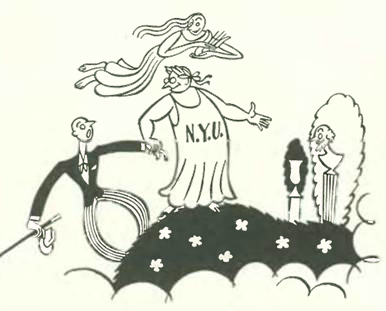

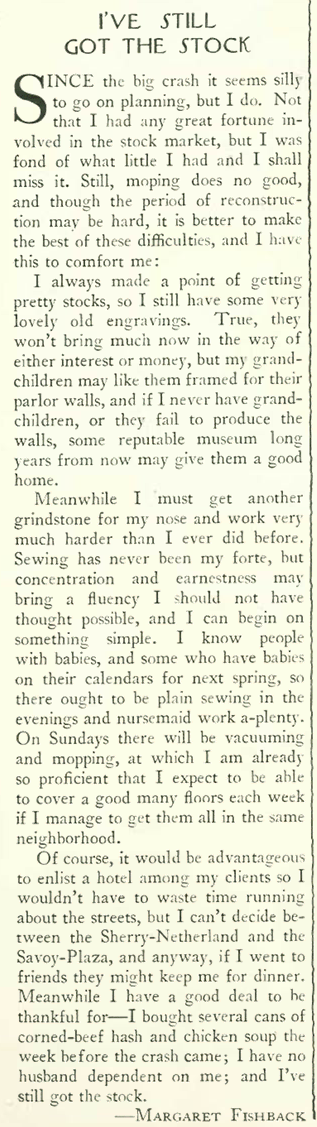
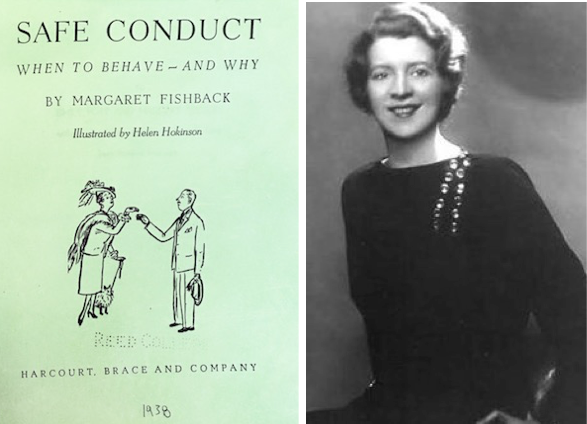
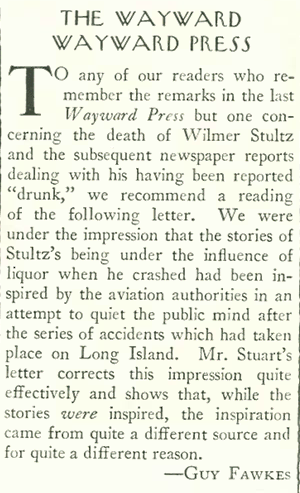

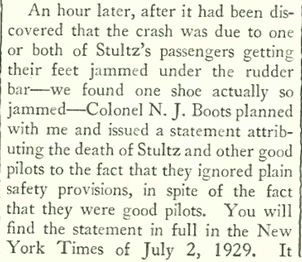

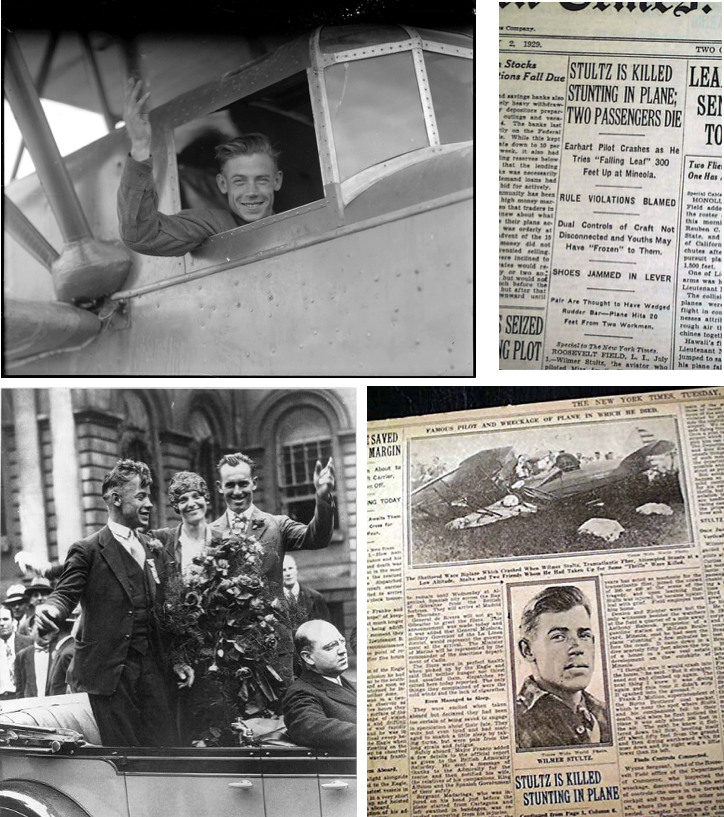
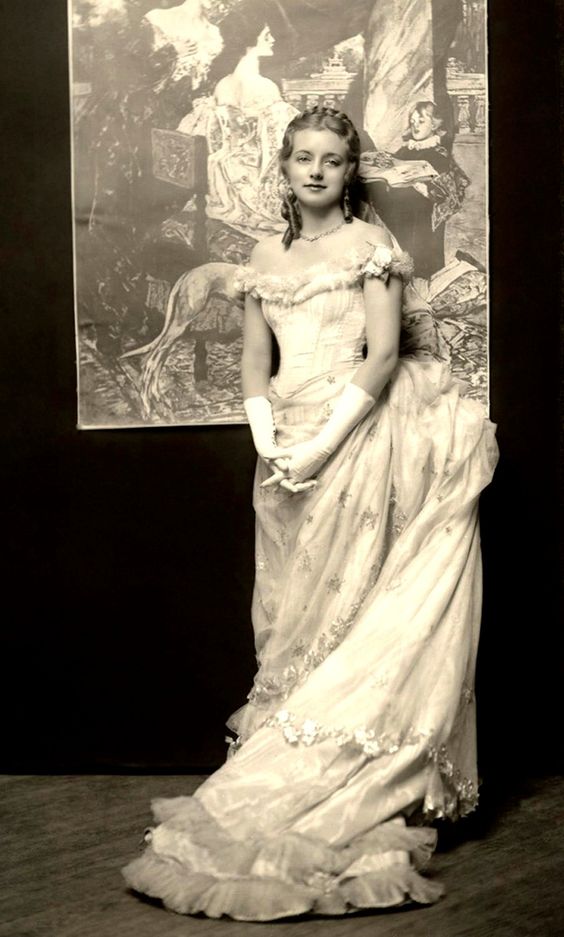
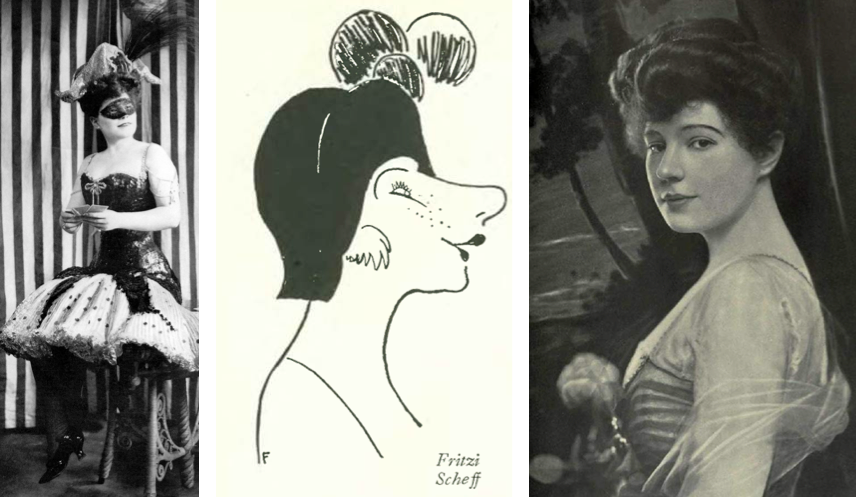

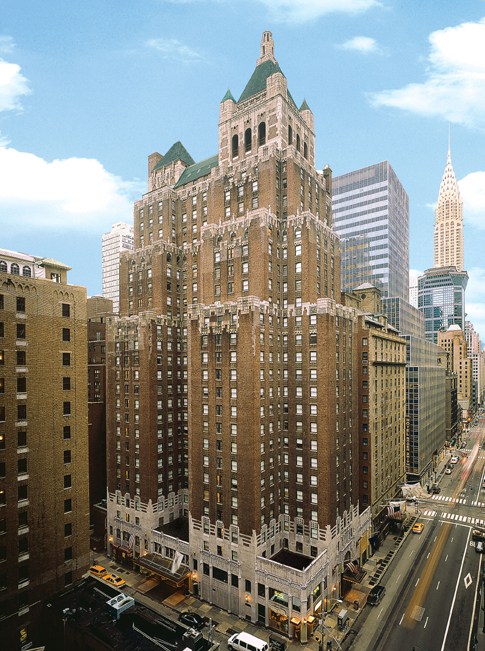
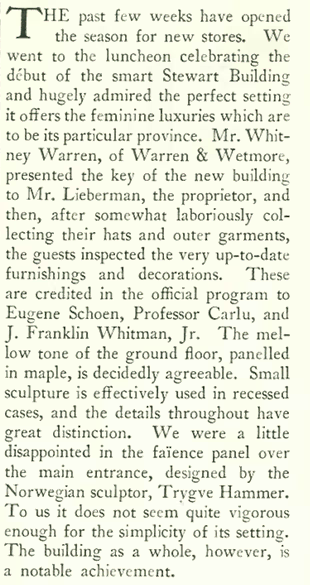
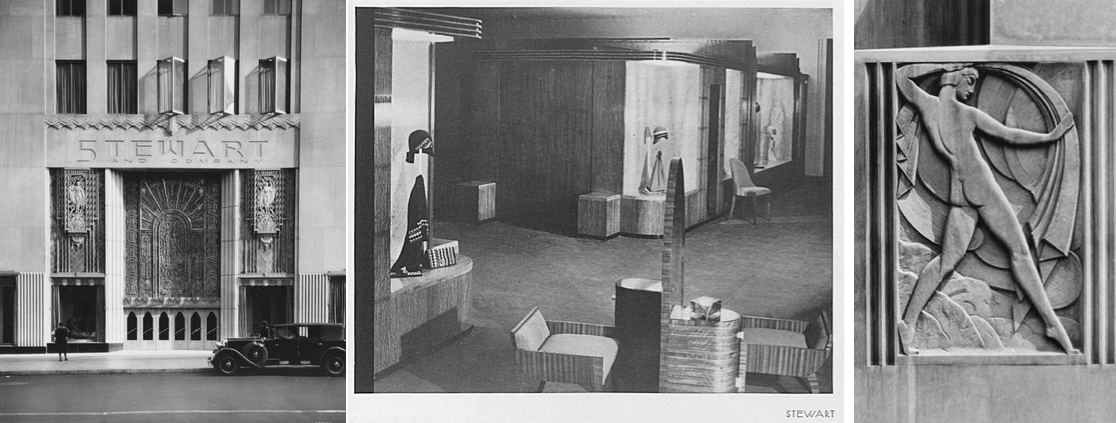
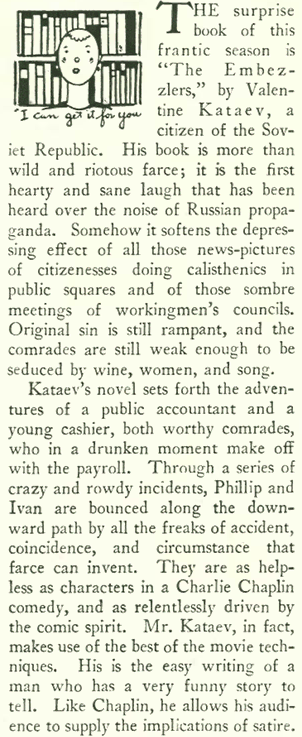

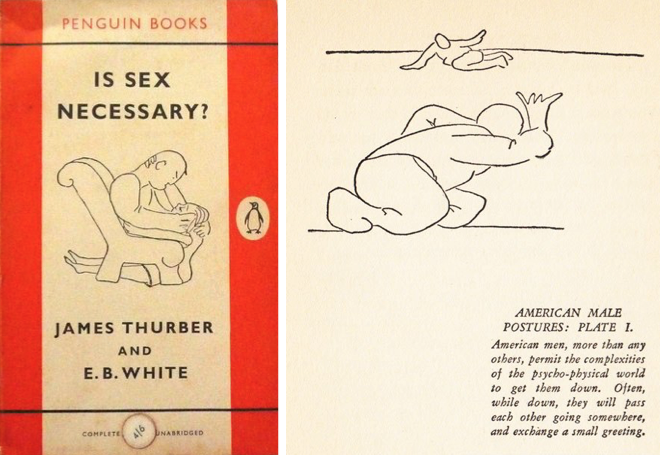

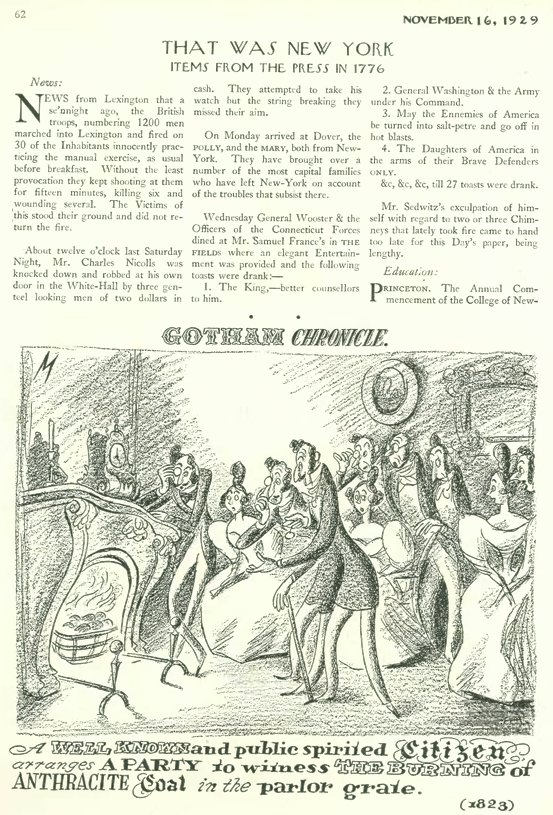
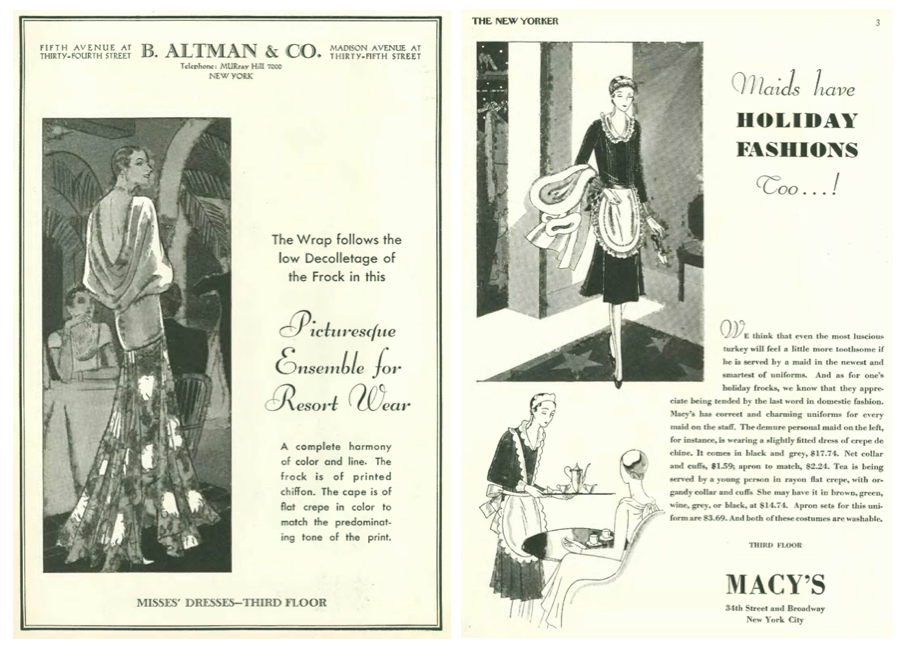

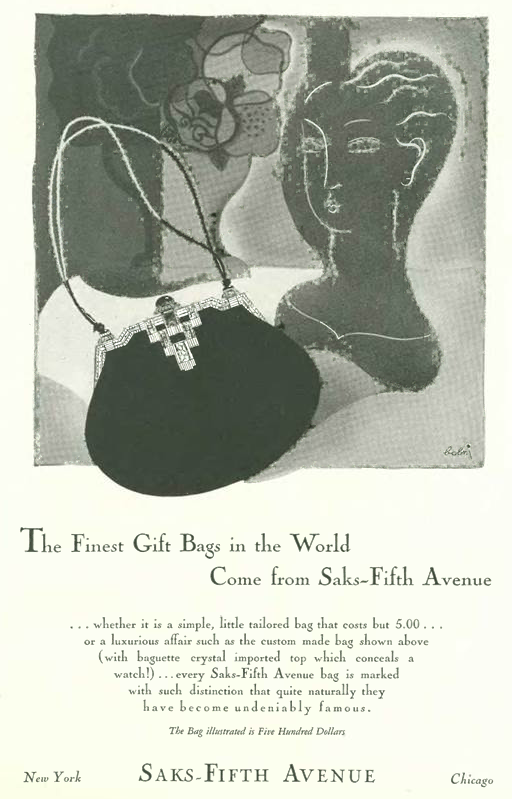

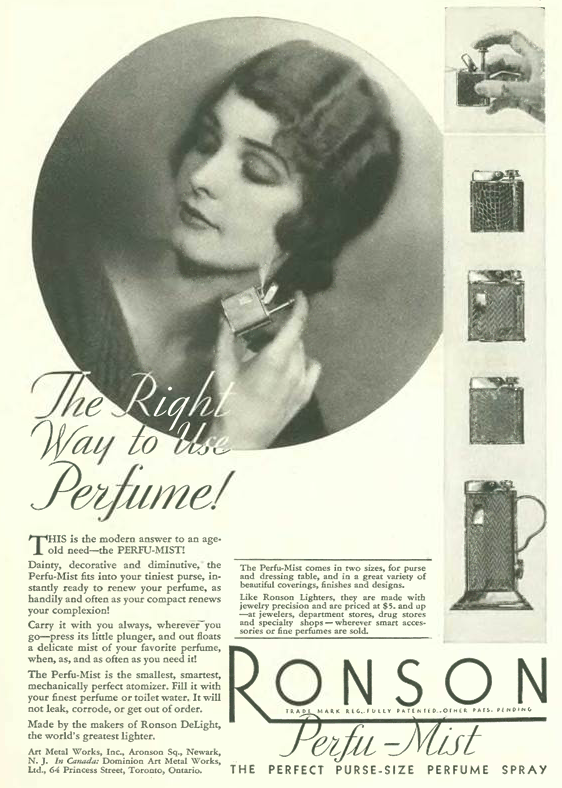

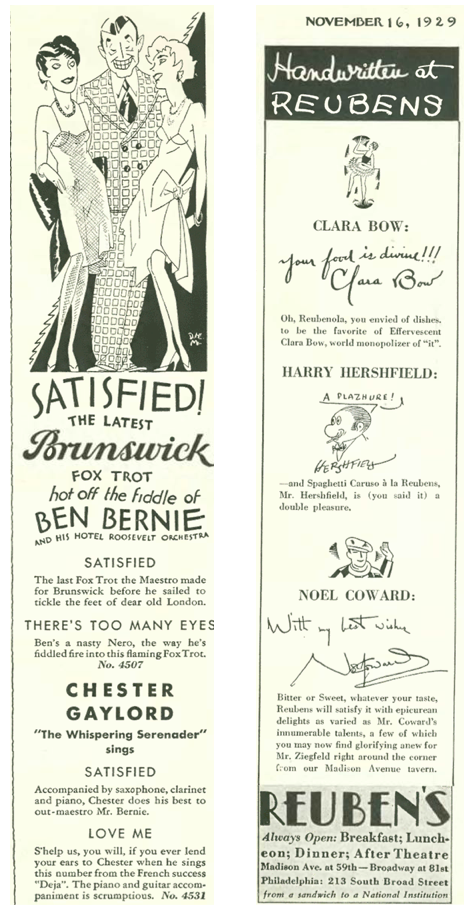

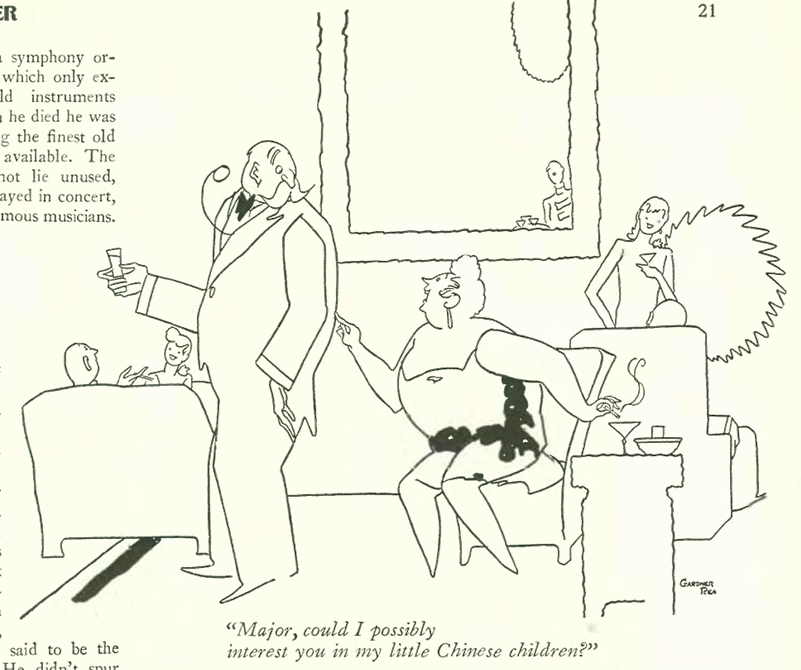
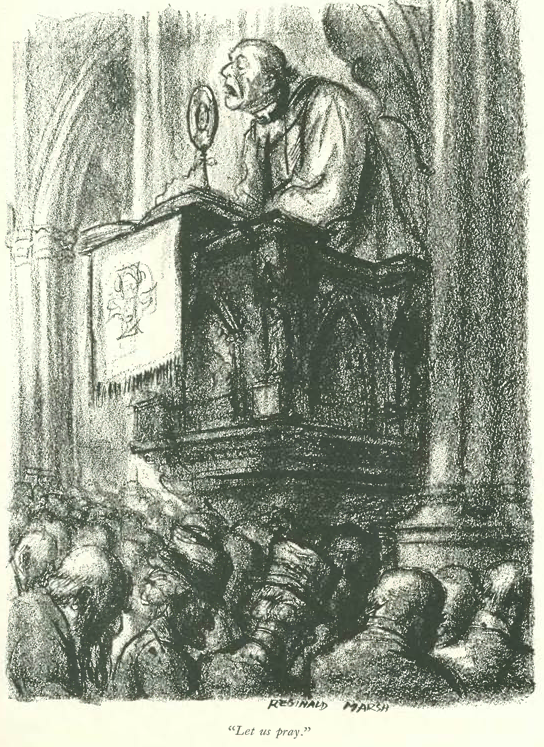

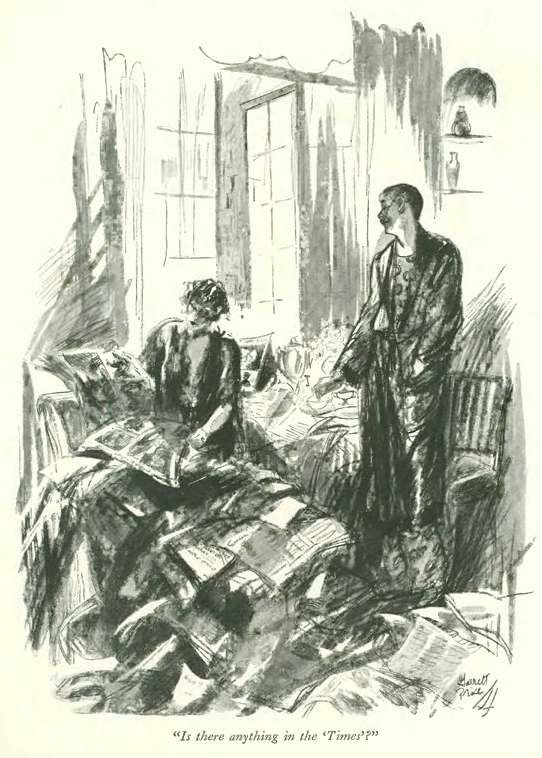

 A New Yorker State of Mind