Mirror, Mirror

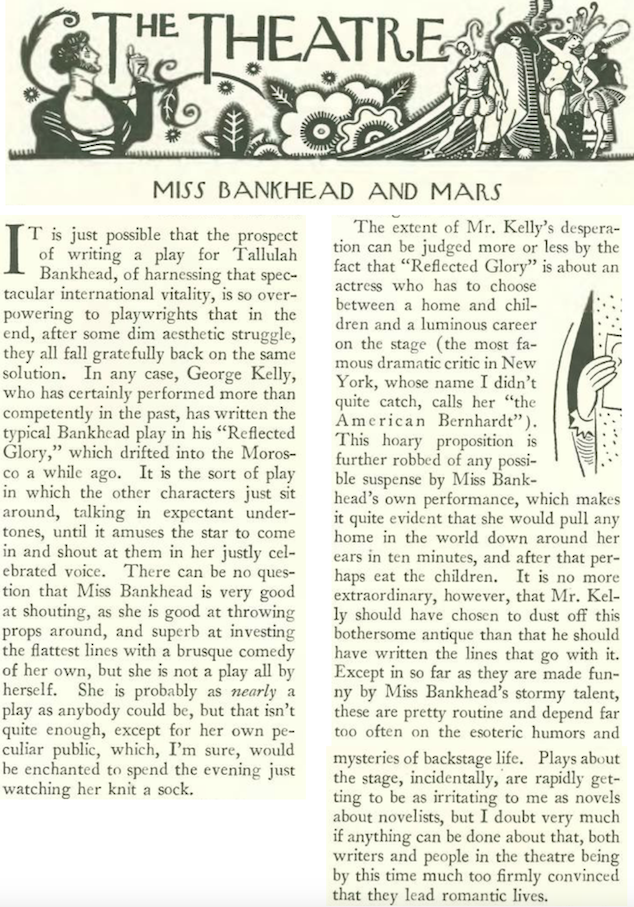
Above: In his review of Tallulah Bankhead's performance in "Reflected Glory," Wolcott Gibbs noted that she was a force to be reckoned with: ..."she would pull any home in the world down around her ears in ten minutes, and after that perhaps eat the children." (newyorker.com/facebook.com)

Broadway’s fall season was still young when the Morosco Theatre staged Reflected Glory, featuring Tallulah Bankhead in a role that mimicked her famously flamboyant lifestyle.
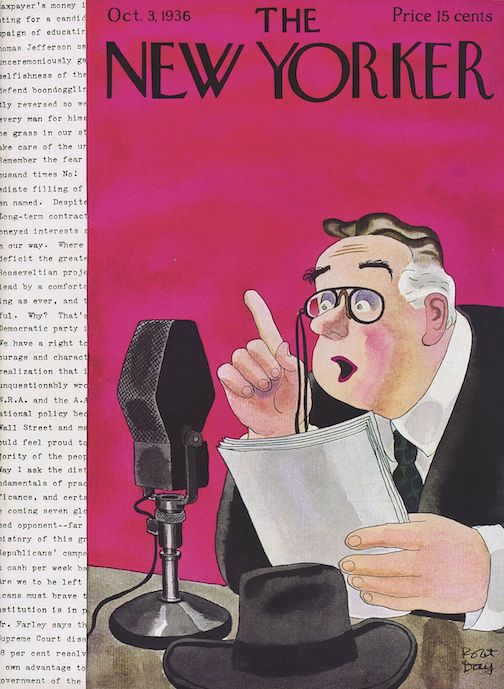
October 3, 1936 cover by Robert Day.

The play, which ran for 127 performances, was not well-received by the critics, but audiences loved it, and especially those who, in the words of critic Wolcott Gibbs, “would be enchanted to spend the evening just watching (Bankhead) knit a sock.”

Bankhead (1902–1968) also appeared in films (she won a New York Film Critics Circle award in 1944 for her performance in Alfred Hitchcock’s Lifeboat), but she was mostly known for her stage acting and her wild lifestyle—drugs, alcohol, and lots of sex with both men and women; she was candid about her vices, including the claim she smoked 120 cigarettes a day.
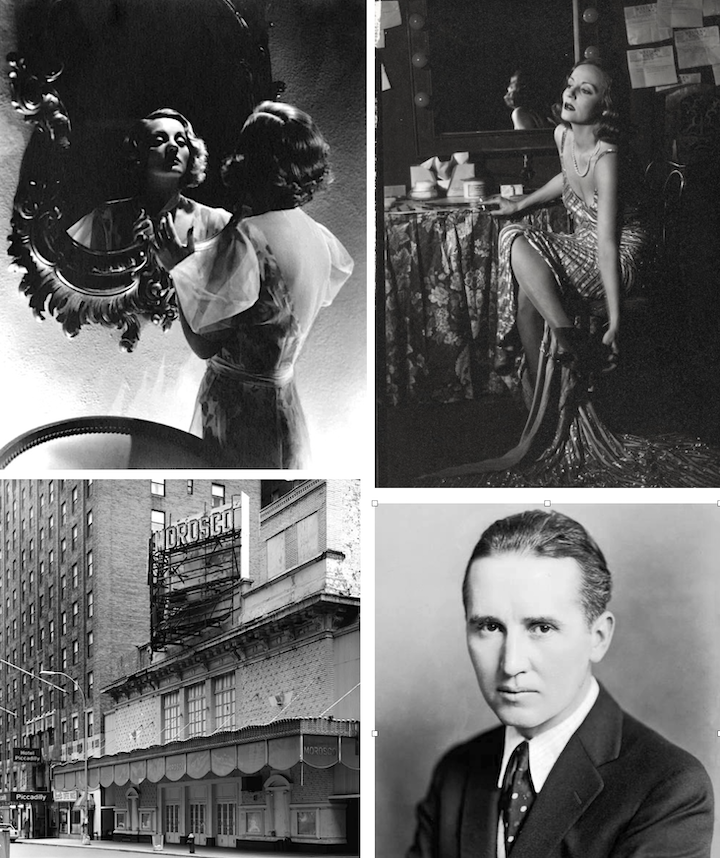
ART IMITATES LIFE…Clockwise, from top left: Tallulah Bankhead in promotional photo for Reflected Glory; Bankhead played Muriel Flood, a flamboyant, self-absorbed actress who constantly dramatizes her own life both on and off stage; author and director George Kelly wrote Reflected Glory specifically for Bankhead; Broadway’s Morosco Theatre (demolished 1982). (cinemaclassico.com/jacksonupperco.com/Wikipedia)

Early in her career Bankhead, an Alabama native, moved into the Algonquin Hotel and quickly made her way into the orbit of the famed Algonquin Round Table—so, she was well-known to Gibbs, who noted in this excerpt that Bankhead’s only competition in Reflected Glory was William Brisbane, a man with a face “as mad and vacant as the moon.”
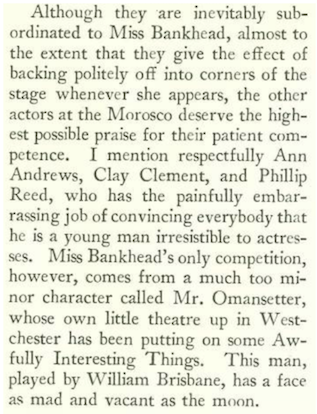
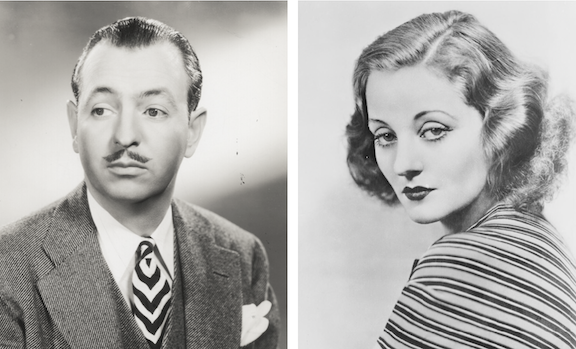
MAD MATCH…Wolcott Gibbs noted that William Brisbane was Tallulah Bankhead’s only competition in Reflected Glory. (themovieb.org/npg.org.uk)

 * * *

The Yankee Clipper

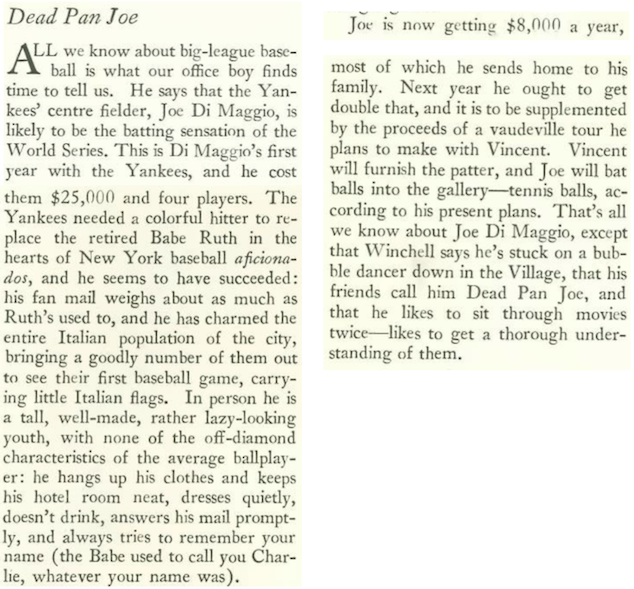
Baseball was mostly ignored in the early years of the New Yorker, but every now and then the magazine would feature a famous personality from the game, in this case Joe DiMaggio, who in 1936 would set a franchise record for rookies by hitting twenty-nine home runs (in just 138 games).
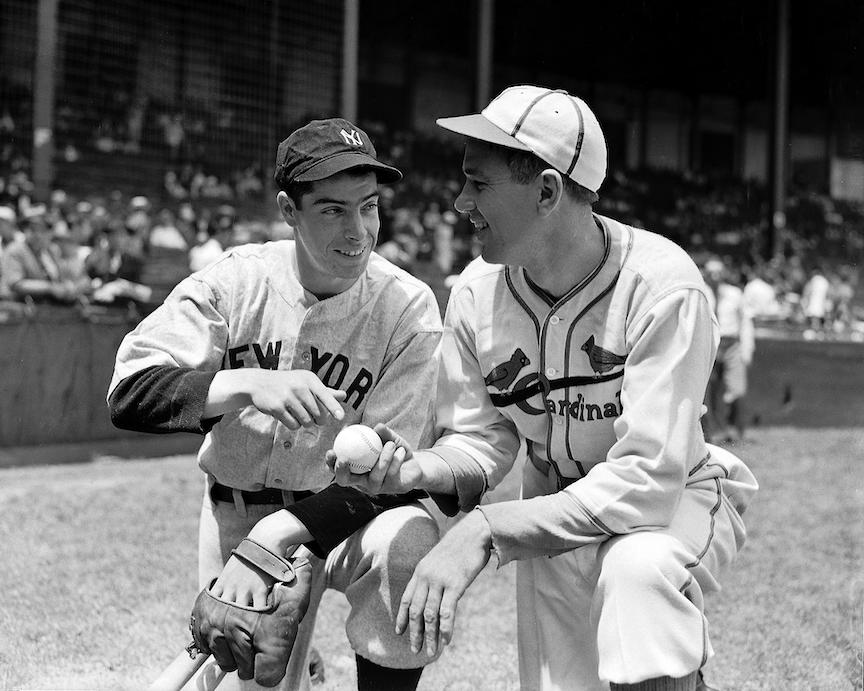
DIZZY AND JOE D…Yankees rookie Joe DiMaggio meets with Cardinals pitcher Dizzy Dean at the All-Star Game in Boston July 7, 1936. (AP Photo)

 * * *

Right of the Right

In his “Notes and Comment,” E.B. White took issue with a proposal by the New York Board of Aldermen to ban right-hand turns against a red light (the board ultimately approved the ban).
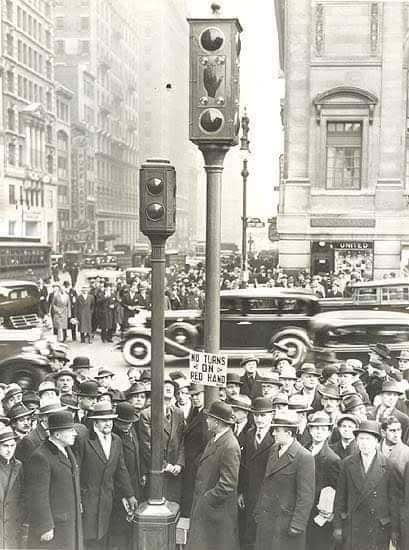
SEEING THE LIGHT…City officials examine new traffic lights on Fifth Avenue, 1933. (Golden Age Of Travel via facebook.com)

 * * *

At the Movies

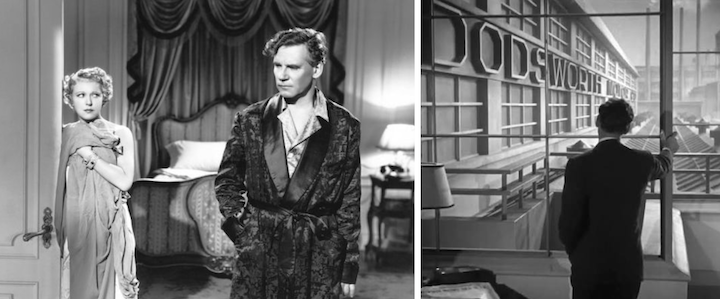
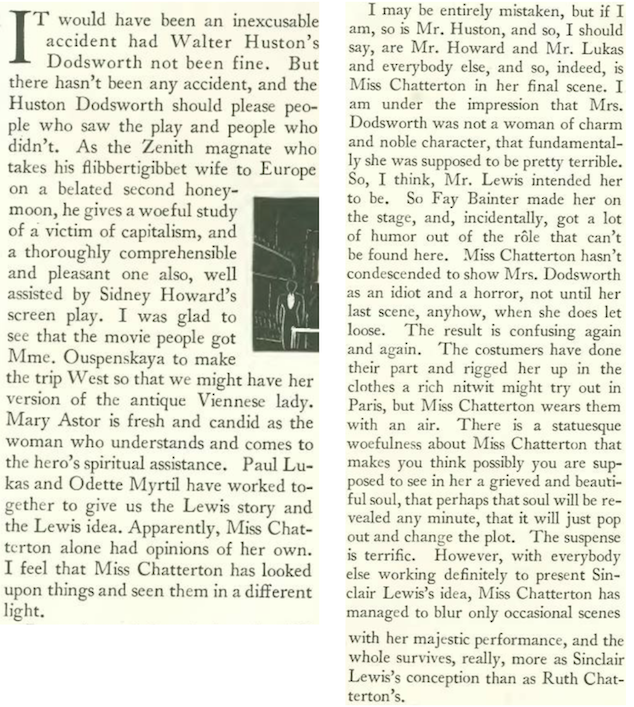
Based on a 1929 novel by Sinclair Lewis, the William Wyler-directed Dodsworth was acclaimed by critics as one of the best films of the year. New Yorker critic John Mosher wholeheartedly agreed:

SHE SAID, HE SAID…At left, Ruth Chatterton and Walter Huston portrayed a couple in a declining marriage in Dodsworth; at right, retired auto magnate Sam Dodsworth (Huston) reconsiders the life he has made for himself. (torontofilmsociety.com/YouTube.com)
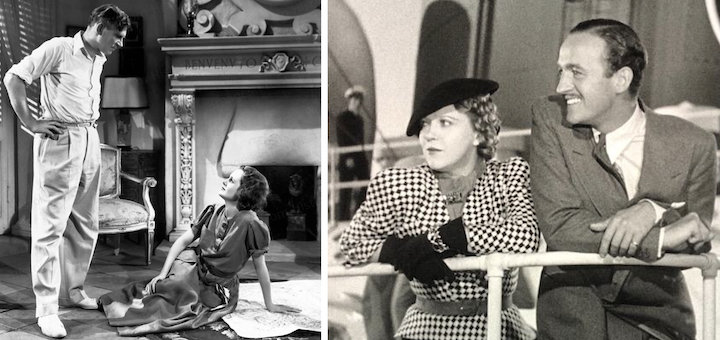
COMPLICATIONS…While travelling on the RMS Queen Mary to England, the Dodsworths find romantic companions—at left, Sam finds a soulmate in Edith Cortright (Mary Astor), while Fran flirts with a younger Englishman, Captain Lockert, played by David Niven. It was Niven’s first sizable role—he was a lieutenant in the British Army before coming to Hollywood in 1935. (eBay.com/film-foundation.org)

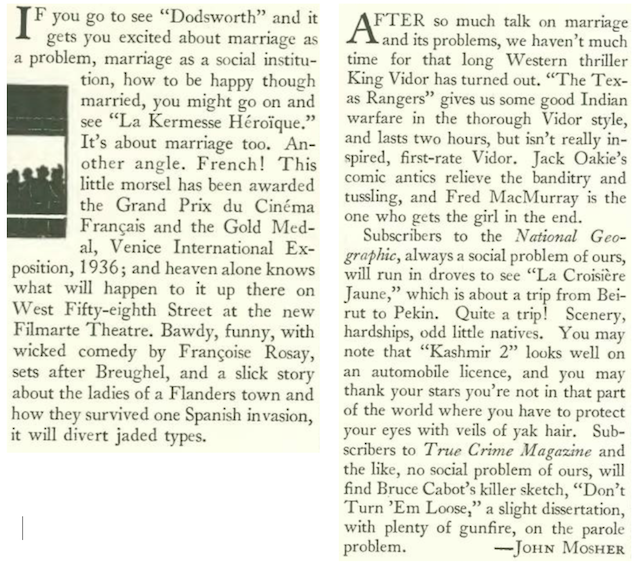
Mosher also reviewed a mixed bag of films, including the “wicked comedy” La Kermesse héroïque (Carnival in Flanders) featuring French opera star Françoise Rosay as a mayor’s wife who cleverly thwarts potential troubles from visiting Spanish soldiers.
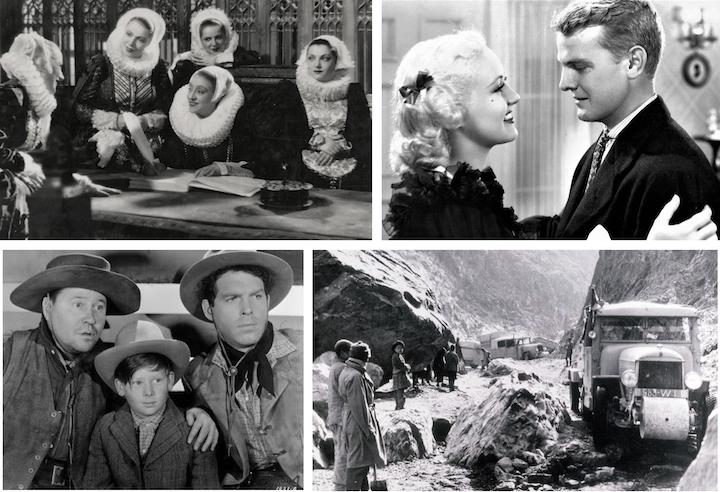
BAWDY FUN was how John Mosher described the schemes of a mayor’s wife in La Kermesse héroïque (Carnival in Flanders)—clockwise, from left: Françoise Rosay (seated) organizes the village women to tame some visiting soldiers; Betty Grable and John Arledge in the crime drama Don’t Turn ’em Loose; La Croisière Jaune (Yellow Expedition) documented a 1931-32 French trans-Asian expedition organized by Citroën to promote its rugged Kégresse track vehicles; Jack Oakie, Bennie Bartlett and Fred MacMurray in The Texas Rangers. (mubi.com/imdb.com/radiofrance.fr/csfd.cz)

 * * *

From Our Advertisers

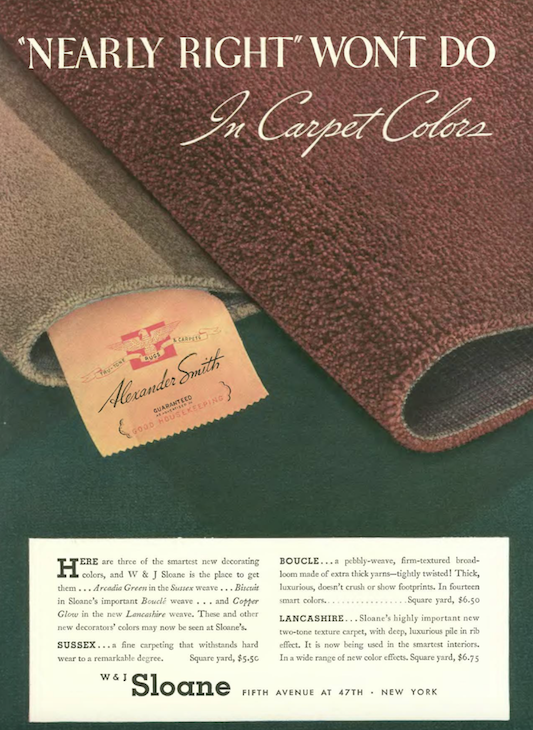
Fall advertising continued its uptick in the magazine, with many splashes of color  including this carpet ad that greeted readers on the inside front cover…
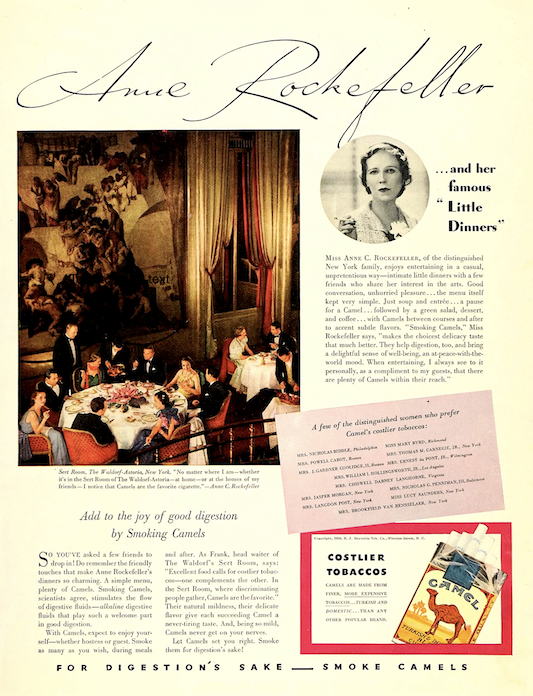
…R.J. Reynolds continued to roll out endorsements from society mavens…here Anne C. Rockefeller stated that Camels gave her “a delightful sense of well-being”…
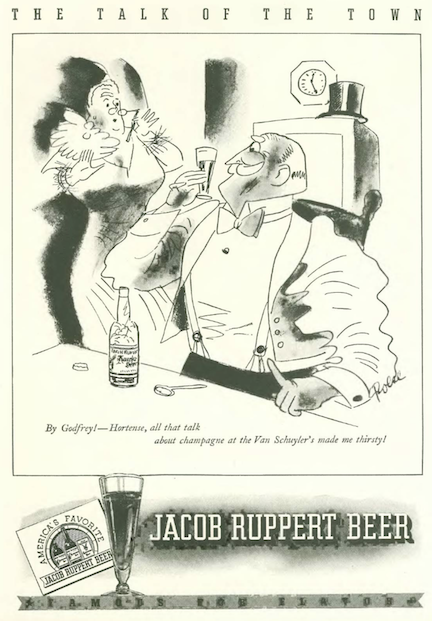
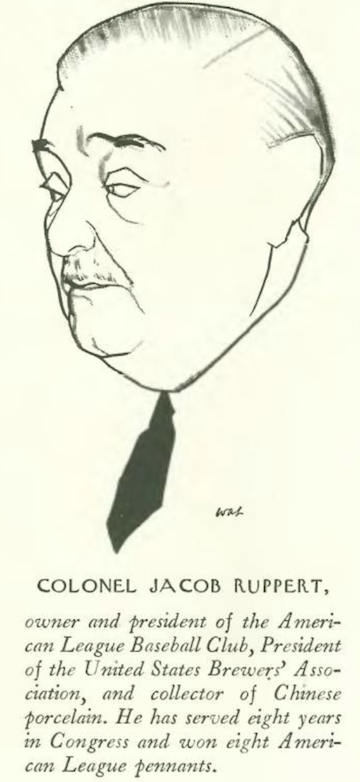
…more Colonel and Duchess archetypes turn up in this issue, on behalf of Ruppert beer…
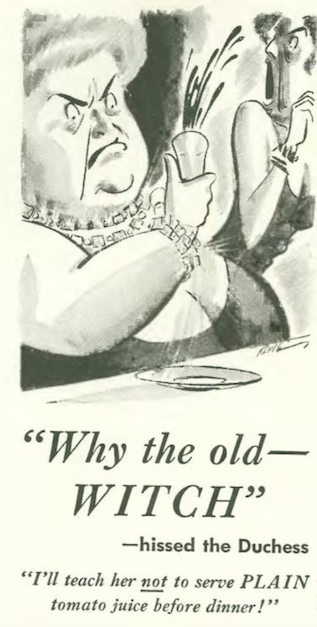
…the Warwick Hotel (Philadelphia), and College Inn tomato juice “cocktail”…College Inn had softened the appearance of their Duchess…
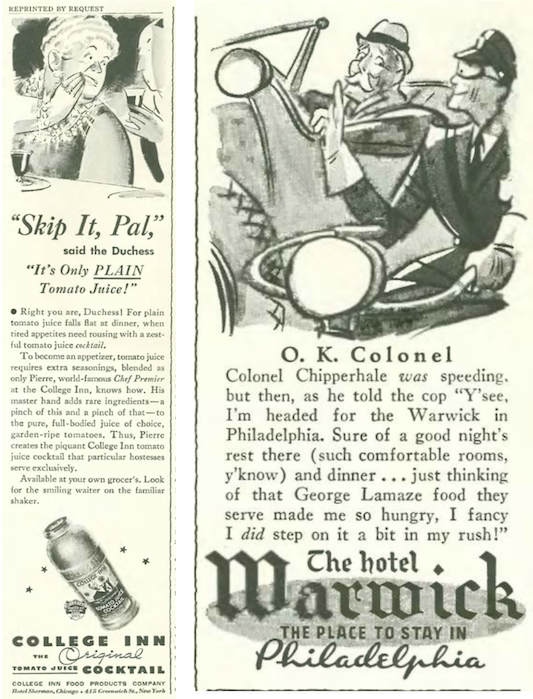
…since she was last spotted in The New Yorker in 1935 (detail)…
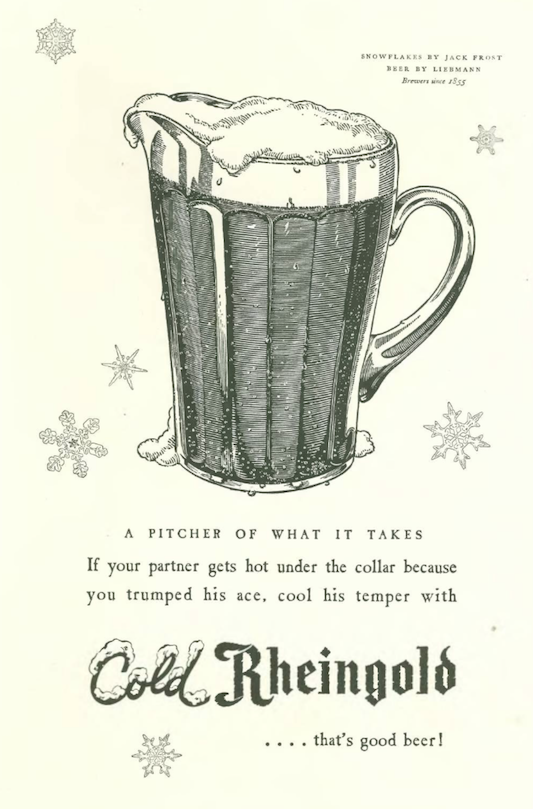
…after a blazing hot summer, the brewers of Rheingold figured this image would still appeal to parched New Yorkers…
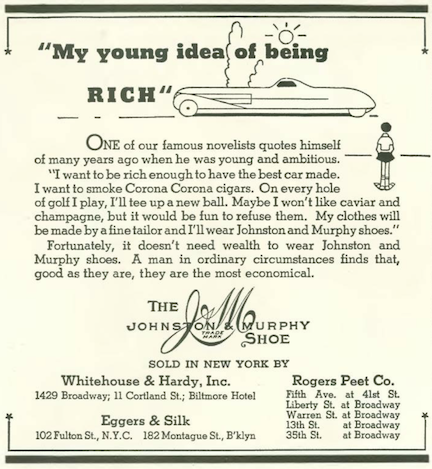
…a back of the book ad from Johnston & Murphy, quoting an unidentified author regarding some childhood wishes…
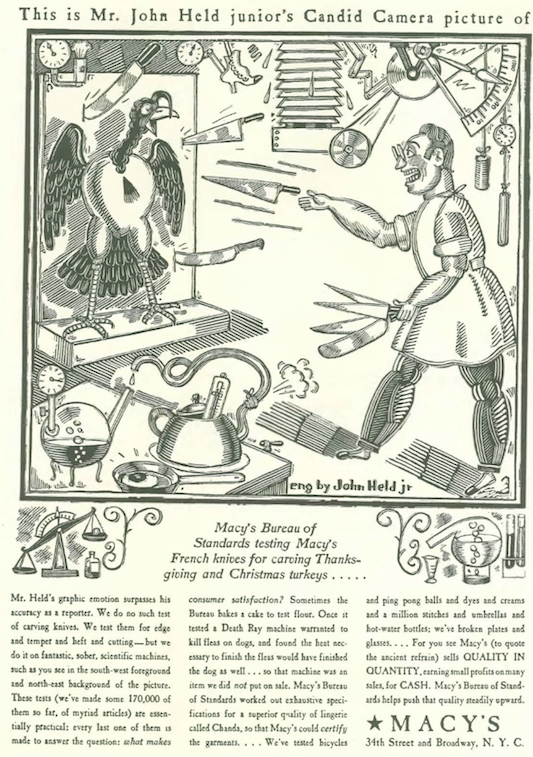
…John Held Jr. was one of the earliest contributors to The New Yorker—from 1925 to 1932 his woodcut-style cartoons and fanciful maps were frequent features…by 1936 Held had turned his talents to painting, book illustration, and the occasional advertisement, here on behalf of Macy’s…
…our illustrators and cartoonists for this issue include Christina Malman…
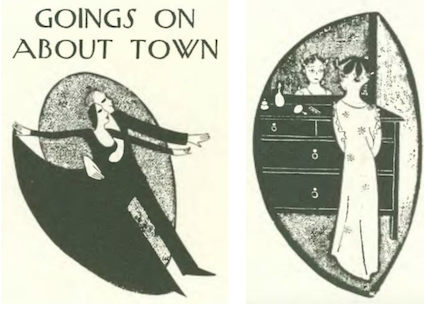
…a caricature by William Auerbach-Levy for the calendar section’s mini bio…
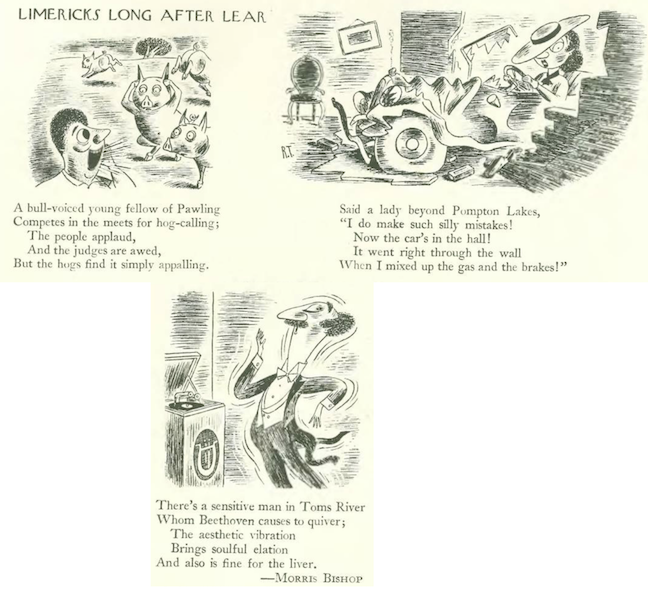
…another Richard Taylor–Morris Bishop collaboration…
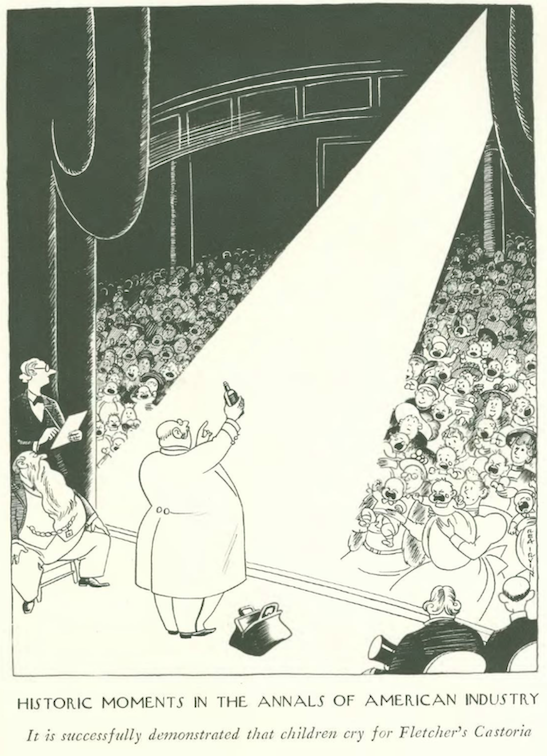
…more historic moments from American Industry, with Rea Irvin…
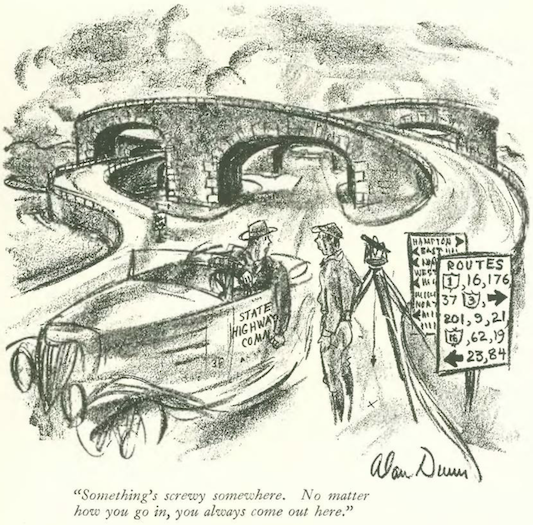
…Alan Dunn had an M.C. Escher moment on the turnpike…
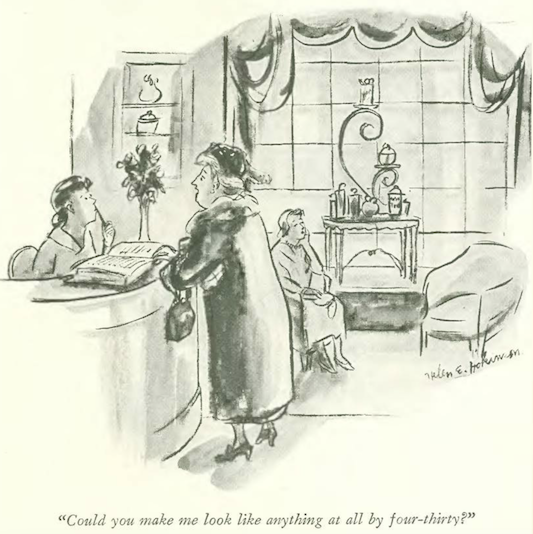
…Helen Hokinson made a big ask at the beauty parlor…
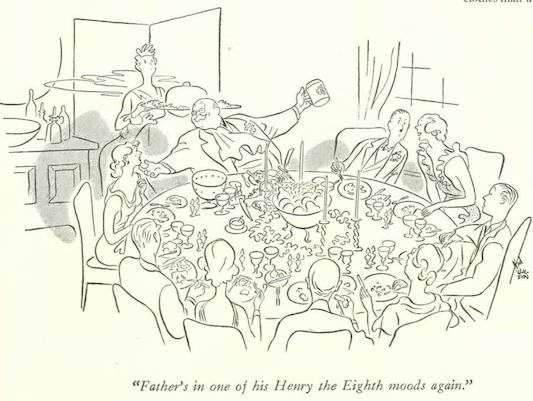
…Ned Hilton drew up a big man with a big complex…
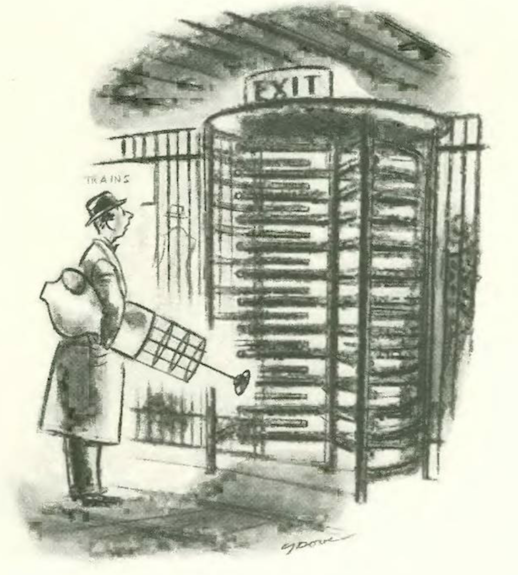
…Leonard Dove offered a challenge and a unique perspective at the subway station…
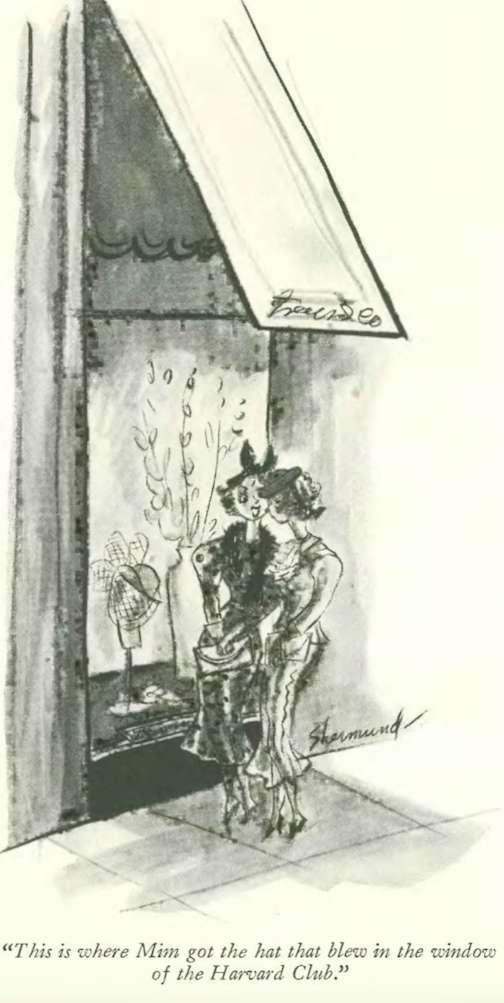
….Barbara Shermund’s modern women thrilled to the sights of Manhattan…
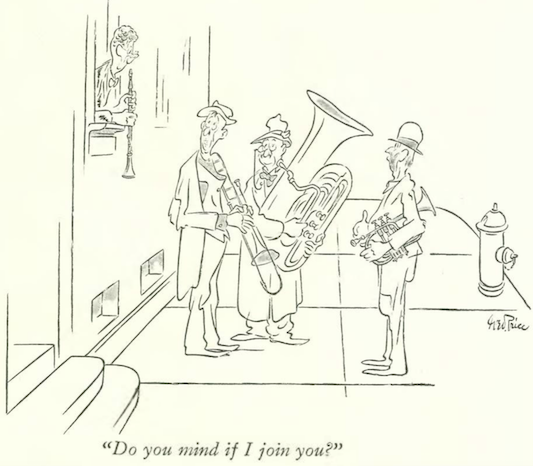
…George Price turned this trio into a quartet…
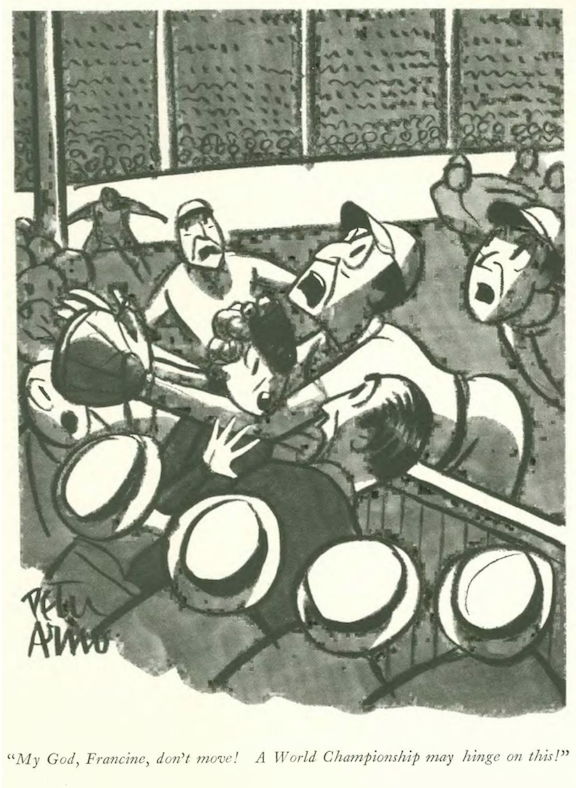
…and we close with a terrific, terrifying moment at the World Series, courtesy Peter Arno…
Next Time: Road Warriors…
Through the Looking Glass

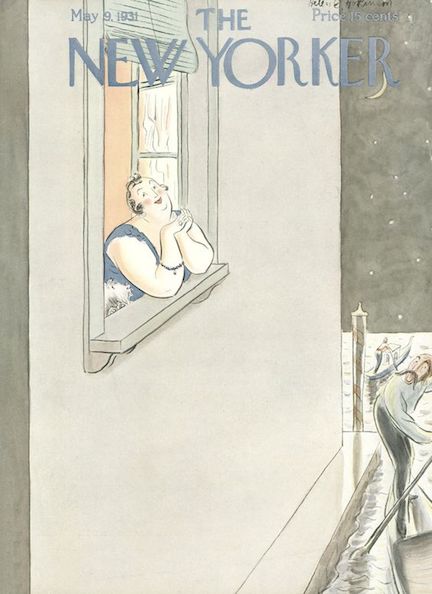
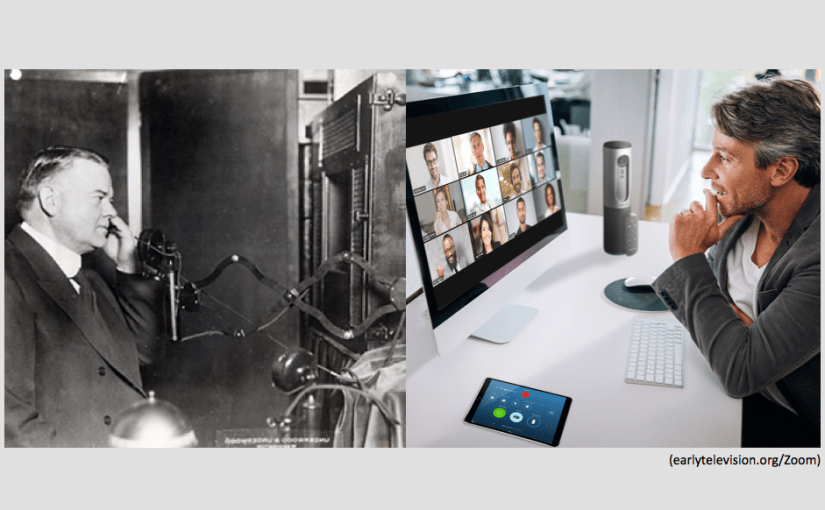
The next time you complain about a boring Zoom meeting, think about Morris Markey’s visit to New York’s Bell Laboratories in the spring of 1931, when he marveled at what was, perhaps, the “apotheosis” of American industry: a two-way video telephone.

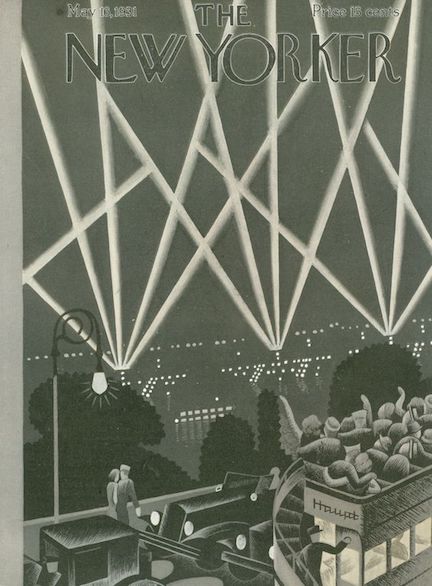
May 9, 1931 cover by Helen Hokinson.

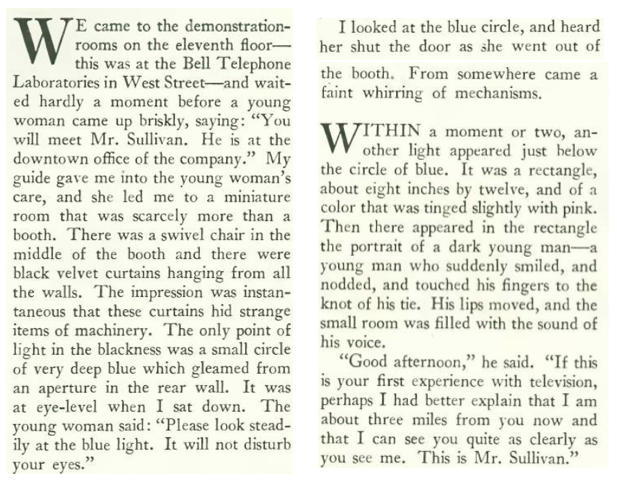
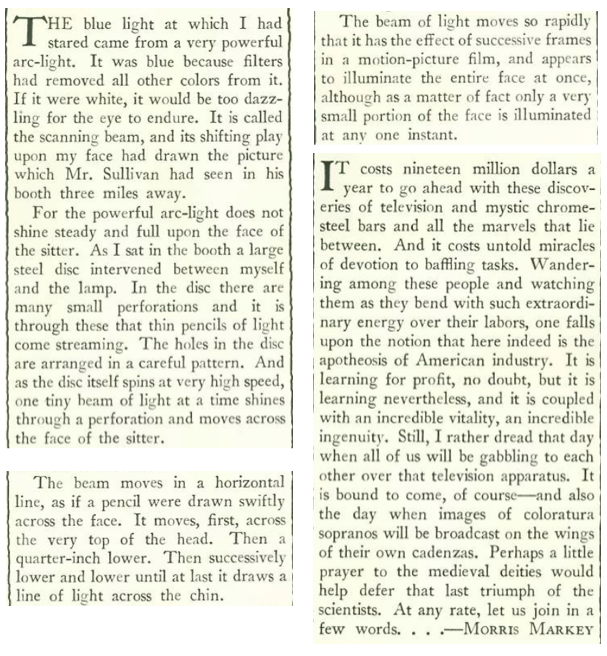
Mass-market television in the U.S. was still two decades away, but what Markey saw demonstrated in 1931 was a glimpse of the future, seeing and conversing with another man three miles away via a long wire that transmitted images from a fantastic array of spinning discs and neon tubes:

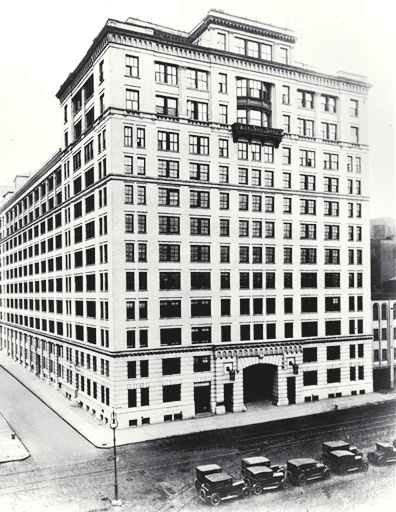
TECHNOLOGY’S MATERNITY WARD…The original Bell Labs building at 463 West Street in New York. It was the birthplace of talking movies, television, radar and the vacuum tube. (att.com)
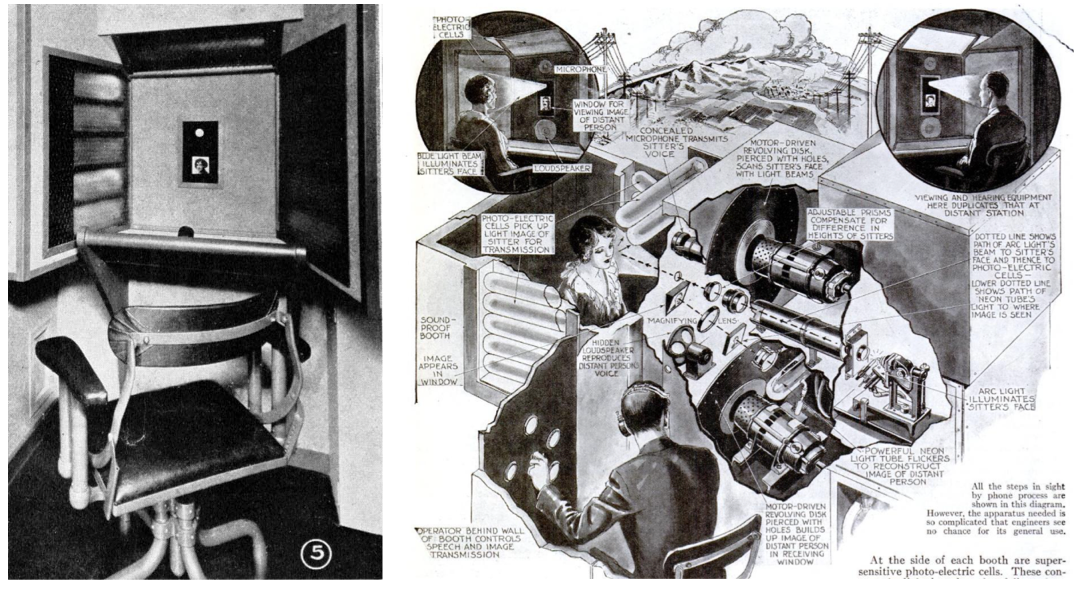
DEFINITELY NOT HI-DEF…At left, this is most likely where Morris Markey sat for the demonstration of early video phone technology. At right (click image to enlarge), a July 1930 article in Popular Science Monthly described how the transmitting apparatus worked. (earlytelevision.org/books.google.com)
BUT WILL IT SELL?…Herbert Hoover, then secretary of commerce, became the world’s first television personality in 1927 when his voice and face (inset) were transmitted to an audience at Bell Laboratories in New York City. At the time, AT&T, Bell’s parent company, was doubtful about television’s moneymaking potential. (edn.com)
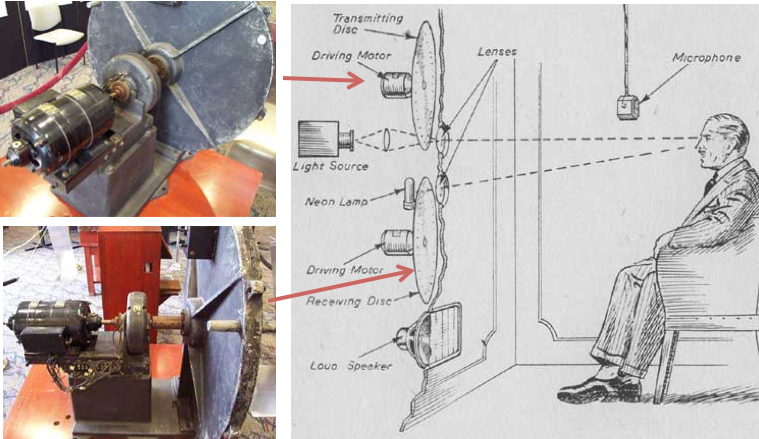
SPINNING WHEELS…Whirling metal discs, pictured at left, perforated with tiny holes, cast a series of horizontal beams of light across a viewer’s face (right), which were then transmitted to a receiver. (earlytelevision.org)

Despite its gee-whiz factor, many, including the folks at Bell Labs, seemed doubtful that the technology would come into wider use or be profitable any time soon, if ever. Markey noted that his little demonstration required many millions of dollars in research and development, but he was prophetic in suggesting that such technology might come to be dreaded if it ever came into common use.

*  *  *

Uplifting Sight

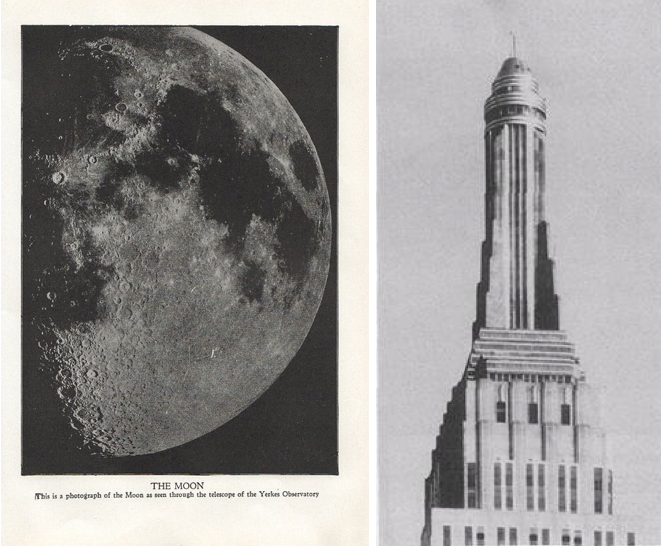
That a bra and girdle maker should become the topmost tenant at the new Empire State Building was not lost on E.B. White, who commented thusly…

…and while viewers wouldn’t actually see a giant bra atop the skyscraper, many were nevertheless interested in getting a closer look at some of the building’s details, as reported in “The Talk of the Town”…

OVER THE MOON?…The moon gained some keen competition from telescope viewers when the Empire State Building climbed its way into the sky. (Pinterest/tech-notes.tv)

 *  *  *

Channelling Marlene

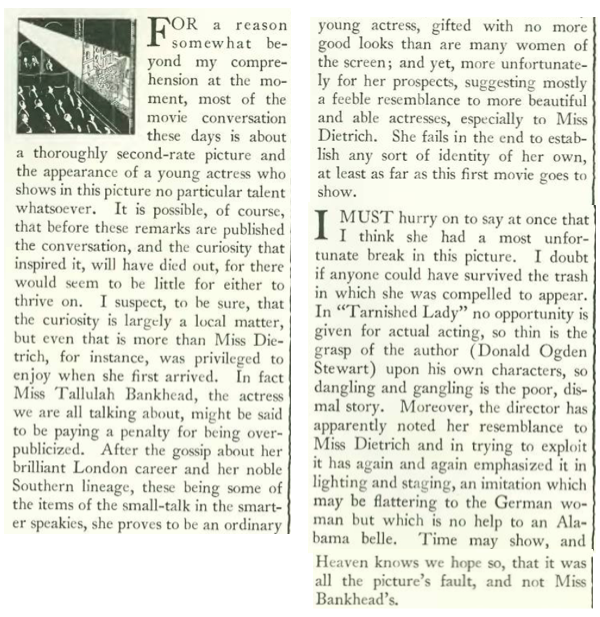
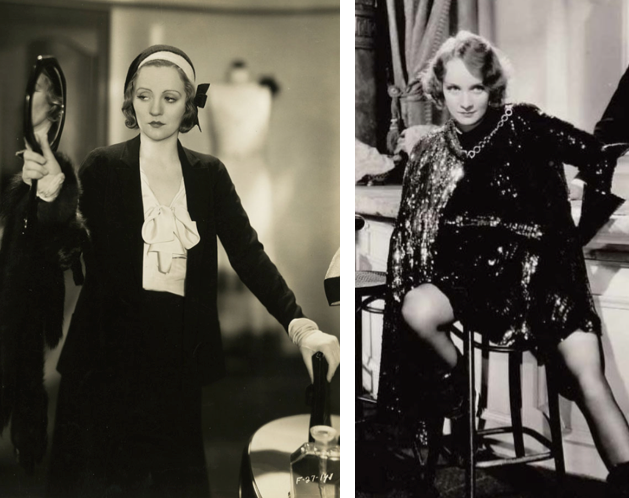
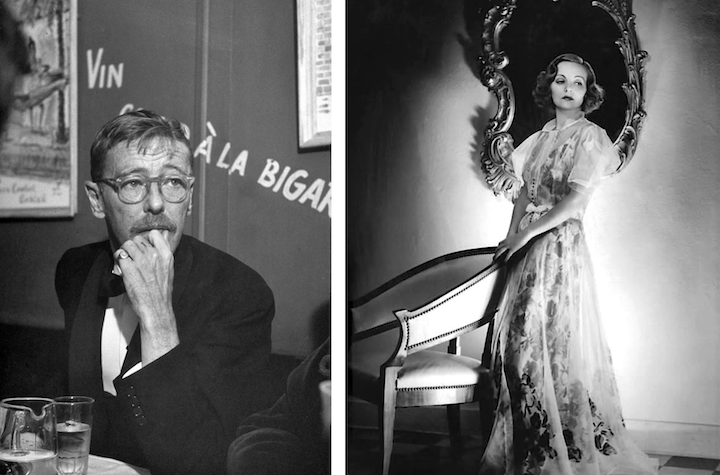
Film critic John Mosher wasn’t over the moon when it came to the acting of Tallulah Bankhead in Tarnished Lady, however he surmised it was likely the director’s fault for trying to exploit Bankhead’s passing resemblance to Marlene Dietrich. Mosher noted that lighting and staging flattering to the German actress just didn’t work with the belle from Alabama.

MIRROR, MIRROR…Tallulah Bankhead (left) might have pondered who was the fairest in the land, but The New Yorker’s John Mosher found her to be no match for German actress Marlene Dietrich (right, in 1931’s Dishonored) when it came to screen presence. (IMDB)

Despite Mosher’s blah review, Paramount touted Bankhead’s portrayal of a “tarnished lady” in this ad from the same issue:

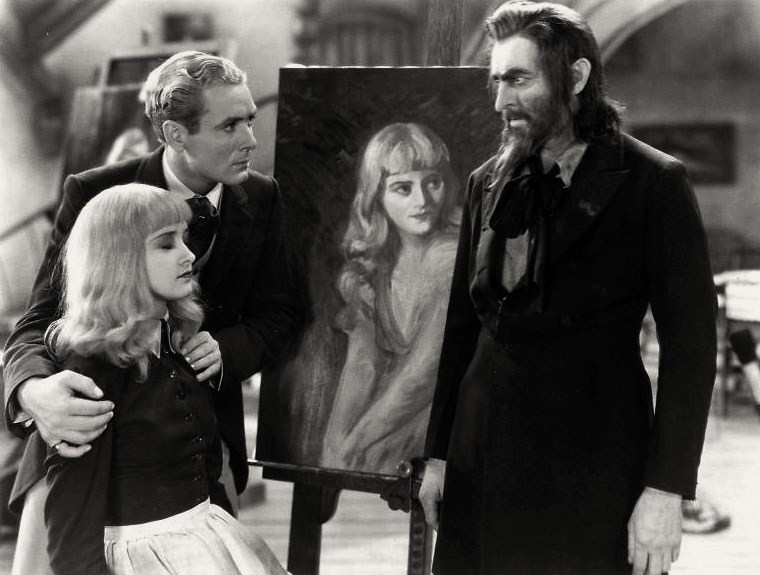
Mosher, however, found redemption in another film making the rounds, Warner Brothers’ Svengali starring John Barrymore:

YOU ARE GETTING VERRRY SLEEPY…in 1931’s Svengali, 17-year-old Marian Marsh played the artist’s model Trilby, who is transformed into a great opera star by the sinister hypnotist, Svengali, played by John Barrymore. Also pictured is Bramwell Fletcher, who portrayed Trilby’s love interest, Billee. (Wikipedia)

 *  *  *

From Our Advertisers

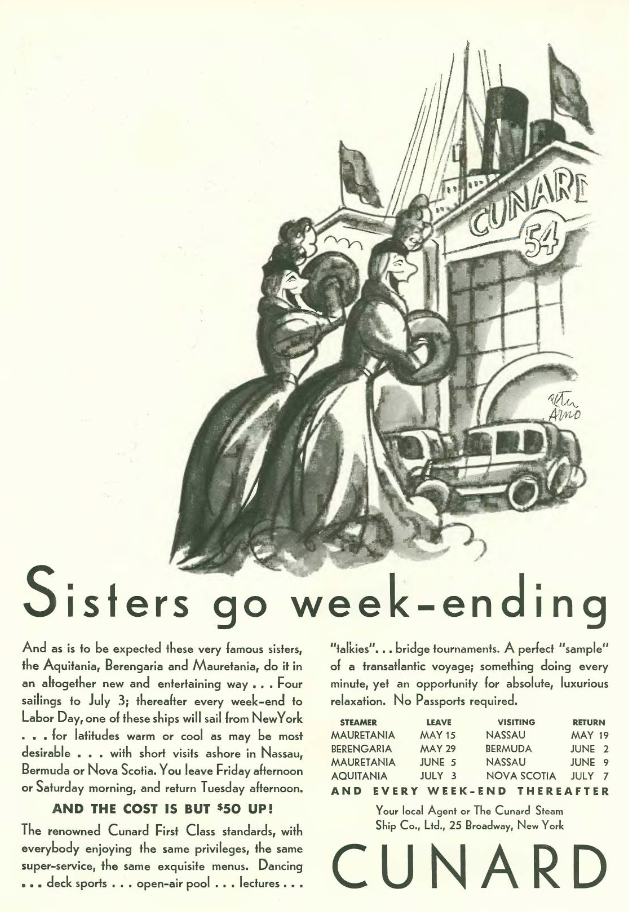
After a long absence, Peter Arno’s Whoops Sisters returned to the pages of The New Yorker, not as a cartoon panel but as shills for the Cunard Line…

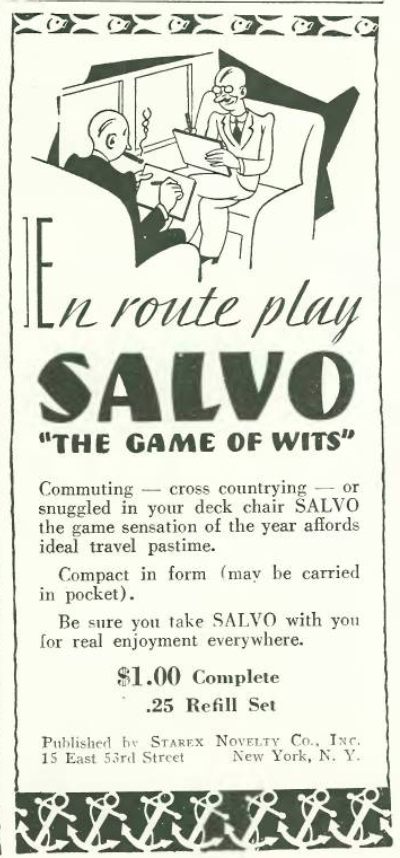
…whether traveling by boat or train, you might have considered bringing along “Salvo,” an early version of a popular game that today we call “Battleship”…

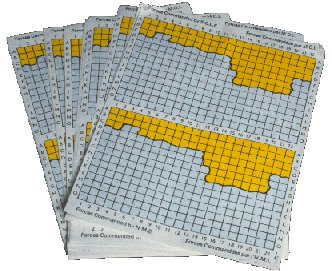
…Salvo and other Battleship-type games were originally played on pieces of paper like this…

…and here’s an ad for ice cube trays that exploited the popularity of the “Ripley’s Believe It or Not” syndicated newspaper feature…

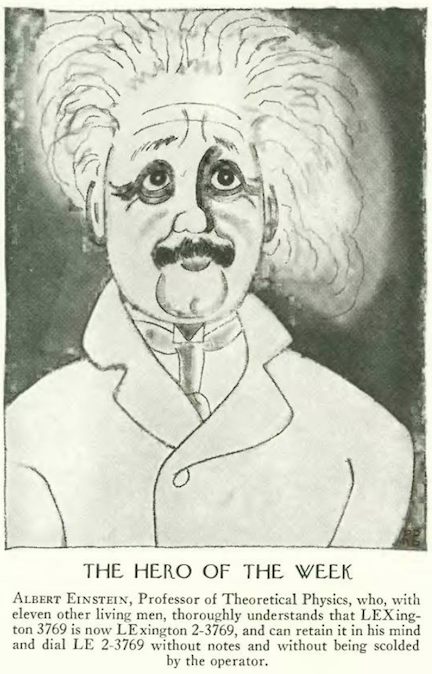
…on to our cartoonists, Ralph Barton rendered Albert Einstein as his latest “Hero”…

…and interpreted the latest headlines in his “Graphic Section”…

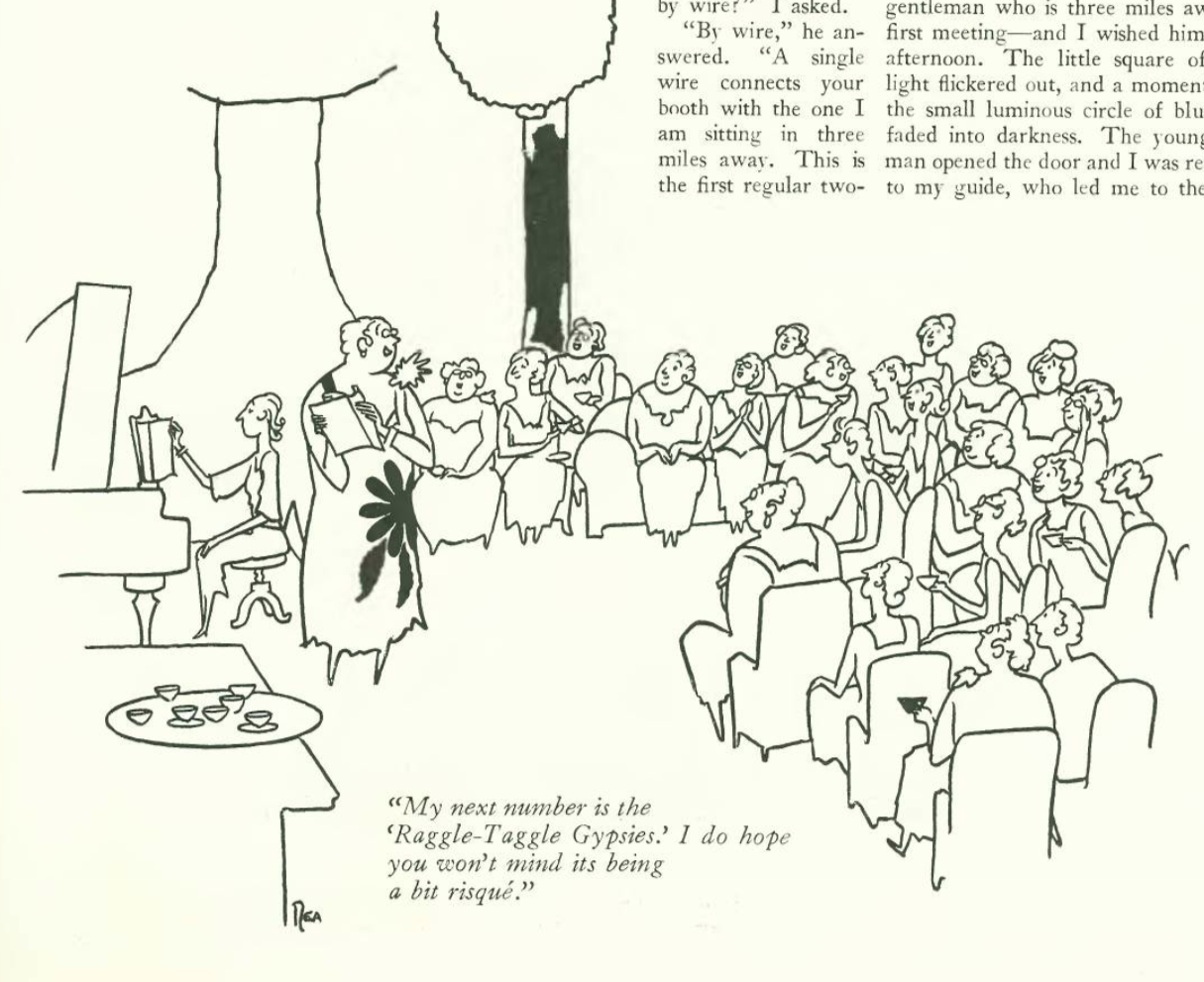
…among the delicate set, we got a bit risqué with Gardner Rea…

…and nearly apoplectic with Gluyas Williams…

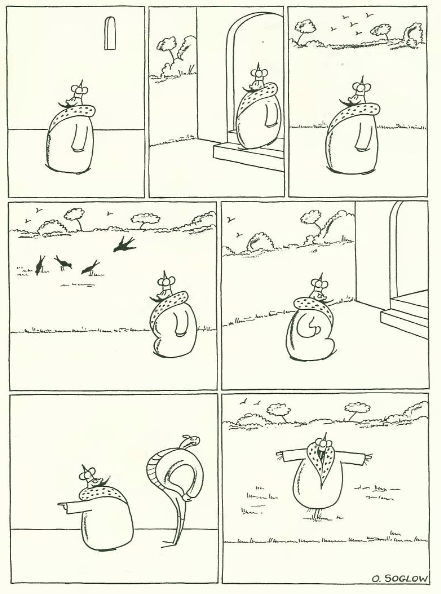
…Otto Soglow’s Little King, on the other hand, reigned with a steady hand…

…and we end with I. Klein, and a little bauble for the Missus…

Next Time: The Short Life of Two-Gun Crowley…