Jimmy Comes Home

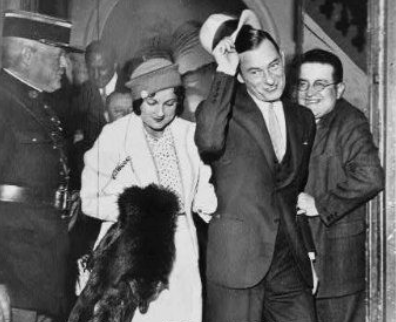
Above: Former New York Mayor Jimmy Walker and wife Betty Compton, aboard the S.S. Manhattan in 1935. (New York Daily News Archive)

The Roaring Twenties and Jimmy Walker seemed made for each other. A dandy with a taste for fine clothes, late-night parties, and Broadway showgirls, the 97th mayor of New York was a darling of the media…until the market crashed; as nest eggs evaporated along with jobs, folks quickly lost their taste for such frivolity.


November 9, 1935 cover by Daniel “Alain” Brustlein. This was the first of nine covers Brustlein created for the magazine. An Alsatian-born American artist, cartoonist, illustrator, and author of children’s books, Brustlein (1904–1996) contributed to The New Yorker under the pen name “Alain” from the 1930s through the 1950s.
Daniel “Alain” Brustlein, in an undated photo. During the height of Abstract Expressionism Brustlein became a reputable painter, exhibiting his work in New York and Paris. (derfner.org)

 *

The fall of 1935 marked three years since Walker had left office, and for nearly two of those years the city had been governed by the reformist Mayor Fiorello La Guardia. New Yorkers, it seemed, were ready for a dose of Jimmy when he returned from his European exile, hailed by a throng of media and well-wishers.

Writing for Airmail, longtime New York journalist Sam Roberts observes that the city loved Walker, “a charming hellion, a witty, self-effacing, glib humanist, far more flawed, too, and compassionate than pictured previously, a man elevated and condemned by his own character, created and ultimately consumed by his times. He conjures up the anti-Trump—a dodgy philanderer who governed by making people feel good rather than angry.”

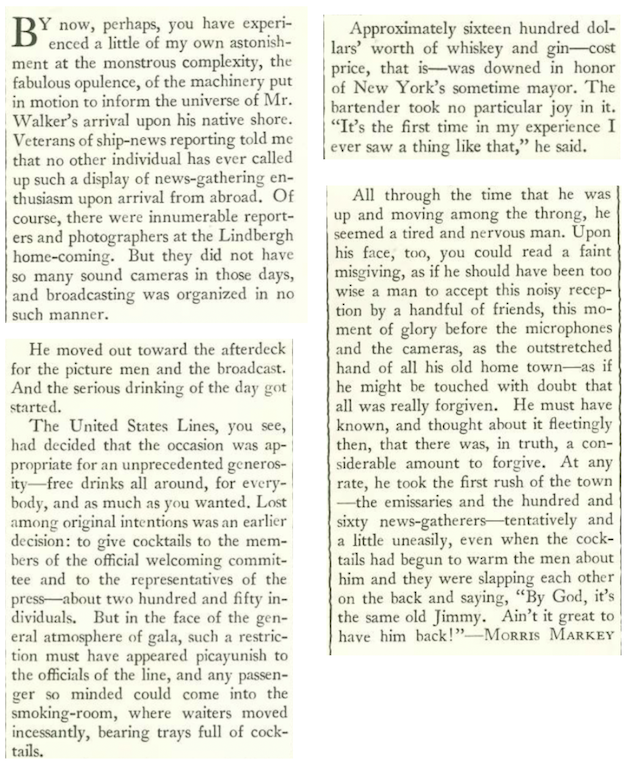
WHERE’S THE PARTY?…Former Mayor Jimmy Walker and his wife, Betty Compton, returned to New York in the fall of 1935 amid tremendous fanfare. The New Yorker’s Morris Markey noted that at least 160 media representatives were on hand for the couple’s arrival. (YouTube)

Walker (1881-1946) fled to Europe in November 1932 amid a bribery scandal that had prompted his resignation. Accompanied by Ziegfeld Follies singer Betty Compton (1906–1944)—whom he would marry in Cannes the following April—they would bounce around the continent until Walker determined that the danger of criminal prosecution had passed.

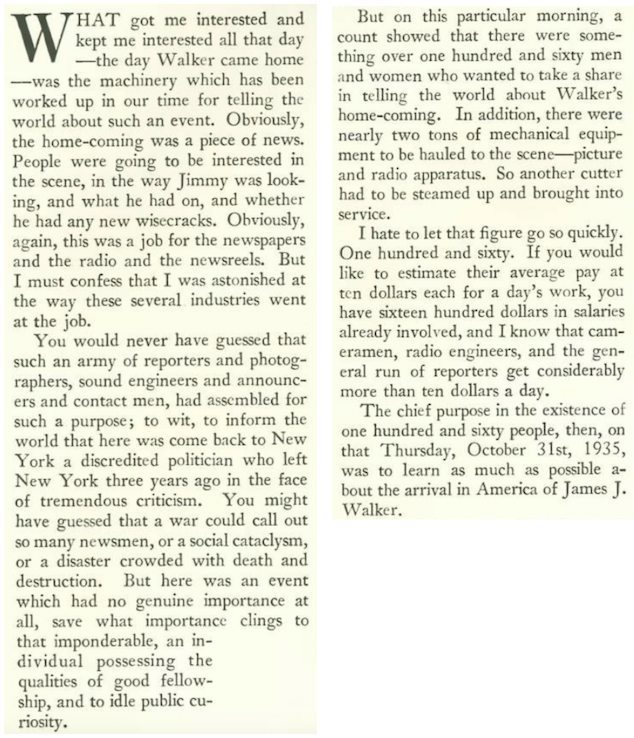
In his “A Reporter at Large” column, Morris Markey wrote about the media’s reception of the exiled mayor, “an army of reporters and photographers, sound engineers and announcers and contact men”…all assembled to inform the world of the return of a “discredited politician.”
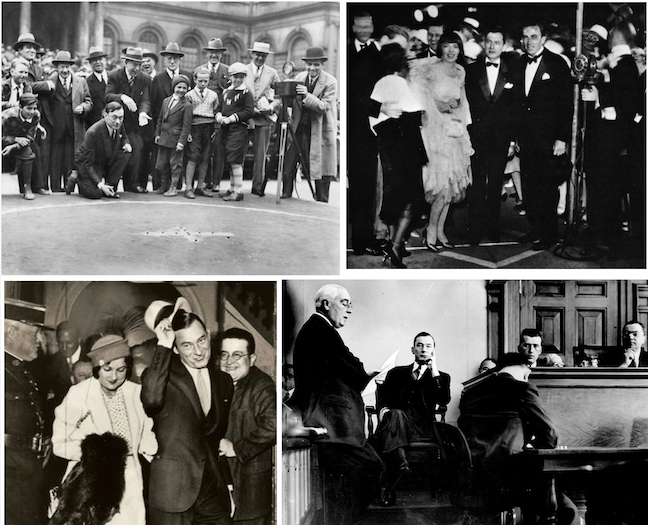
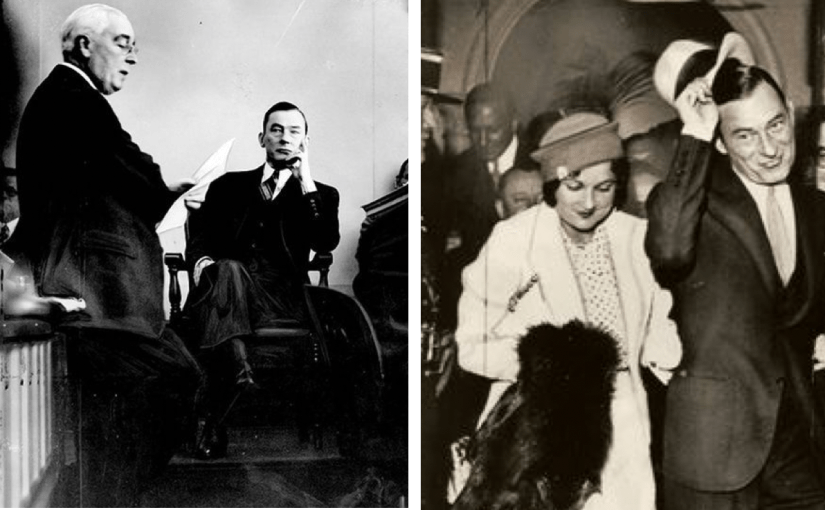
HE GOT AROUND…During his time in office from 1926 to 1932, Mayor Jimmy Walker never seemed to miss a moment in the spotlight. Clockwise, from top left, Walker presided over the first shot in the city’s annual marble tournament on June 3, 1928; with actress Colleen Moore at the 1928 premiere of her latest film, Lilac Time;  testifying on bribery charges before the investigative committee of Judge Samuel Seabury, 1932; with Betty Compton following their 1933 wedding in Cannes. (New York Times/konreioldnewyork.blogspot.com/villagepreservation.org)

Markey continued to convey his astonishment at “the monstrous complexity, the fabulous opulence, of the machinery put in motion to inform the universe of Mr. Walker’s arrival upon his native shore.” This included a massive cocktail party—hosted by The United States Lines—for more than two hundred press representatives and other officials.
After all the commotion, Walker would settle into a job as head of Majestic Records, adopt two children with Compton, and host his own radio series on WHN, Jimmy Walker’s Opportunity Hour.

Compton would divorce Walker in 1941 and remarry. Becoming ill after the birth of a son, she would die at age 38 in 1944. Walker would die two years later at age 65 of a brain hemorrhage.

CALLING ON THE ROOSEVELTS…Jimmy Walker and Betty Compton at the White House in 1937. It was pressure from FDR that led to Walker’s resignation in 1932. (Wikipedia)

 * * *

High-flying Hooplah

While New Yorkers were going gaga over Walker, folks in the Bay Area were all atwitter over the first air-mail flight across the Pacific, loading a Pan Am Clipper to the gills with all manner of collectables. E.B. White noted:
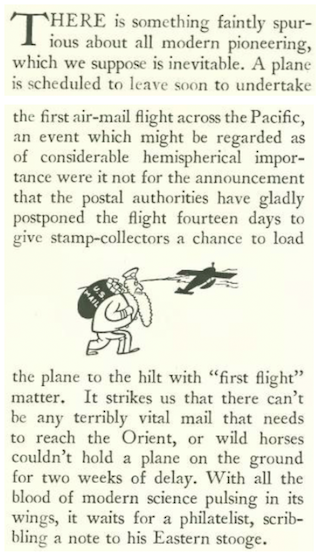
BELLYFUL…On Nov. 22, 1935, Pan American Airways made aviation history as the China Clipper lifted off from Alameda, beginning the world’s first trans-Pacific airmail service. Captained by Edwin Musick and crewed by famed navigator Fred Noonan, the Martin M-130 opened a new era of long-distance flight across the Pacific. Noonan, who charted many commercial routes across the Pacific, would go missing along with Amelia Earhart during their ill-fated flight in July 1937. (Library of Congress)

* * *

Wise Men From the East

“The Talk of the Town” visited with Soviet satirists Ilya Ilf (1897–1937) and Evgeny Petrov (1903–1942), who were in New York preparing for a ten-week road trip to California and back. On assignment as special correspondents for the newspaper Pravda, they later published a series of illustrated articles, “American Photographs,” as well as a book titled Single-Storied America (the summer 2004 issue of Cabinet Magazine features an account of their journey as well as a number of their photographs).
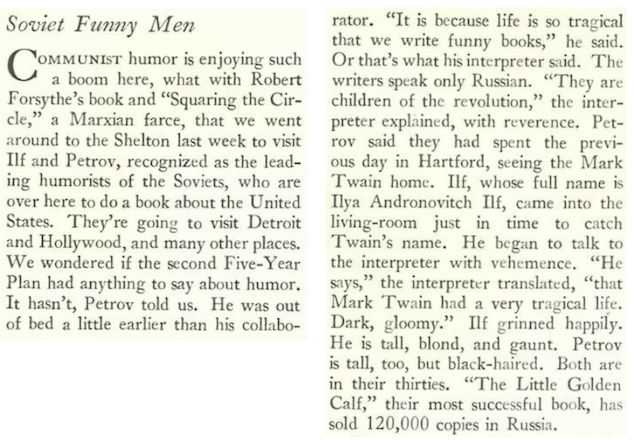
AMERICA WAS A GAS…Soviet satirists Ilya Ilf (left) and Yevgeni Petrov check out New York before heading into the American heartland on a ten-week road trip, a highlight being the countless full-service gas stations they encountered along the way. After seeing skyscrapers and mountains and other wonders, the pair agreed that the most enduring image was the one at right: “an intersection of two roads and a gasoline station against a (back)ground of wires and advertising signs.” Sadly, Ilf died two years later from tuberculosis; Petrov died in a plane crash in 1942 while working as a war correspondent. (Aleksandra Ilf archive/Cabinet Magazine)

 * * *

A Jumbo Career

Wallace Beery (1885–1949) got his start in the comedy silents of the 1910s and became a star before the sound era made him an even bigger one; by 1932 he was the world’s highest-paid actor. Alva Johnston’s profile (titled “Jumbo”) took a look at Beery’s life and career (illustration by Al Frueh). Excerpts:

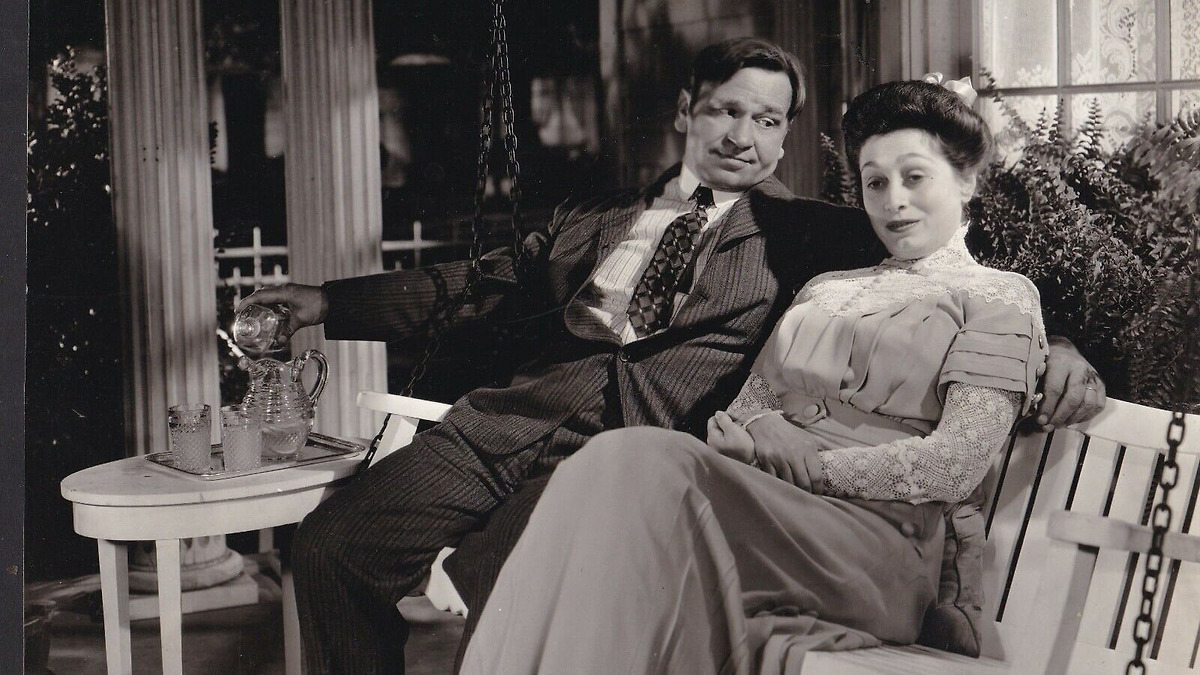
COURTING AND SPARKING…Sid Miller (Wallace Beery) spikes the lemonade as he woos Lily Davis (Aline MacMahon) in a scene from the 1935 film, Ah Wilderness! (letterboxd.com)

 * * *

A View and Corbu

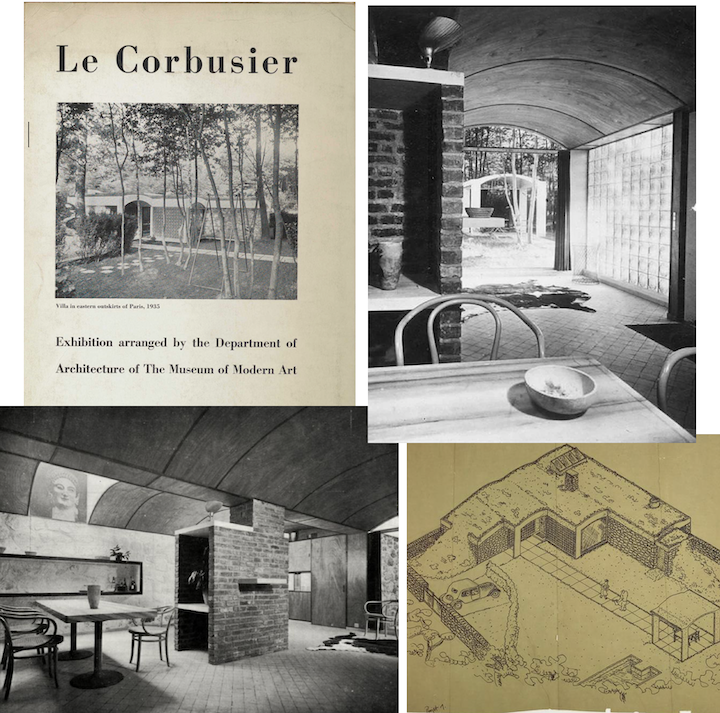
Art and design critic Lewis Mumford was well-known for his hypercritical eye, but occasionally he could be moved to rhapsodize, in this case about the opening of Fort Tryon Park, and particularly about the view it afforded visitors. He reserved his criticism for one of the latest works by Le Corbusier (aka Charles-Édouard Jeanneret), on exhibit at MoMA.
MAGNIFICENT is the word Lewis Mumford used to describe the view from Fort Tryon Park. This scene is taken from Linden Terrace to the west: a barge on the Hudson River and the Hudson Palisades beyond, with the Englewood Cliffs campus of Saint Peter’s University on the top. (Wikipedia)
IRRATIONAL?…Mumford was not pleased with Le Corbusier’s latest work, Le Petite Maison de Weekend (Villa Henfel), which was featured on the cover of the MoMA exhibition catalogue (upper left). Mumford saw the design as a pathetic escape from the architect’s renown rationalism. (MoMA/Fondation Le Corbusier)

* * *

At the Movies

It was a mixed bag at the movies for critic John Mosher, who was delighted by a Soviet take on Gulliver’s Travels, rendered with puppets engaged in a proletarian struggle…
KOMRADE GULLIVER…The Soviet stop motion-animated fantasy film, The New Gulliver, was a communist re-telling of Jonathan Swift’s 1726 novel. The film depicted Lilliput suffering under capitalist inequality and exploitation, with Gulliver enabling a proletarian revolution against the Lilliputian monarchy. (revolutionsnewstand.com)

…but Mosher was less than delighted with the latest from Hollywood, including a sedate The Three Musketeers, a “conventional” remake of D.W. Grifffith’s 1920 melodrama Way Down East, and the romcom Hands Across the Table, which the Times called “uproariously funny” but Mosher deemed barely worth a chuckle.
OUTCLASSED BY PUPPETS…John Mosher found the latest from Hollywood underwhelming. Clockwise, from top, Onslow Stevens, Moroni Olsen, and Paul Lukas in The Three Musketeers; Rochelle Hudson and Henry Fonda in Way Down East; Fred MacMurray and Carole Lombard in Hands Across the Table. (mabumbe.com/zeusdvds.com/Wikipedia)

 * * *

From Our Advertisers

The Dorothy Gray salons didn’t mince words when it came to a woman’s beauty regimen…without their help, claimed this ad, the poor “Mrs. Madison” would be “frankly plain,” with a face too wide and eyes and mouth too small…
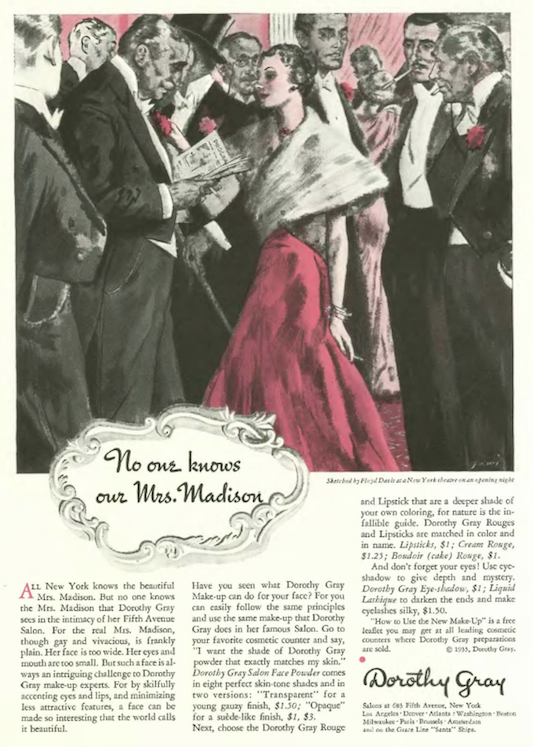
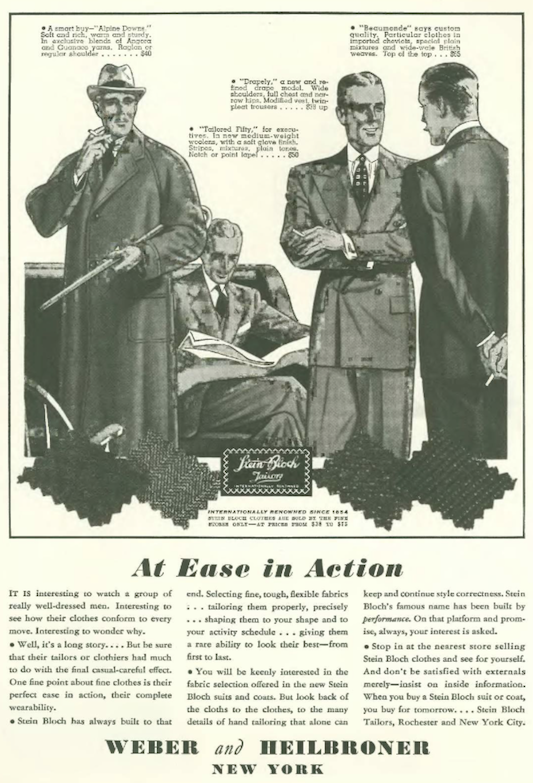
…notable in ads for men’s and women’s clothes were the presence of cigarettes…all three of the men in this spot are having a smoke in their smart attire…
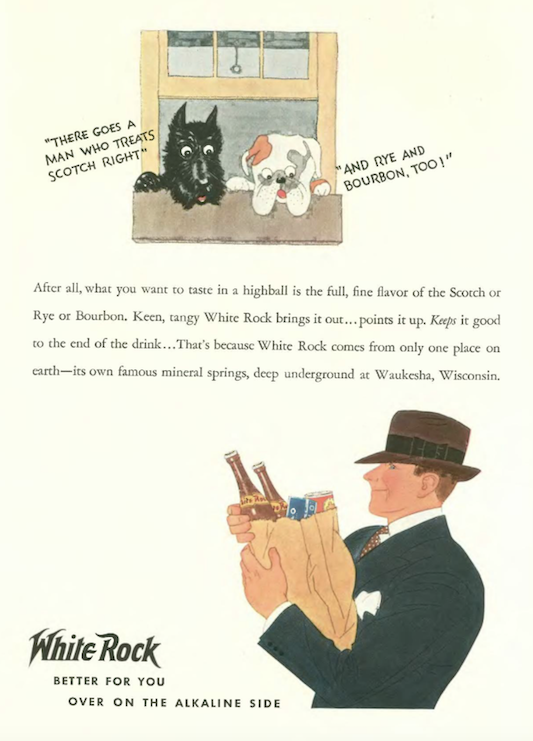
…White Rock gave their logo-bearer Psyche a rest in 1935 with a variety of ads including this one…
…the makers of Bisquit assumed their customers could read the French dialogue, or at least pretend to…

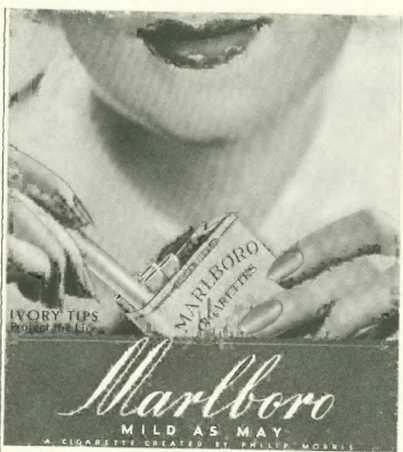
…when we (of a certain age) think of Marlboro we think of the rugged Marlboro Man, but in 1935 the brand was exclusively marketed to women…
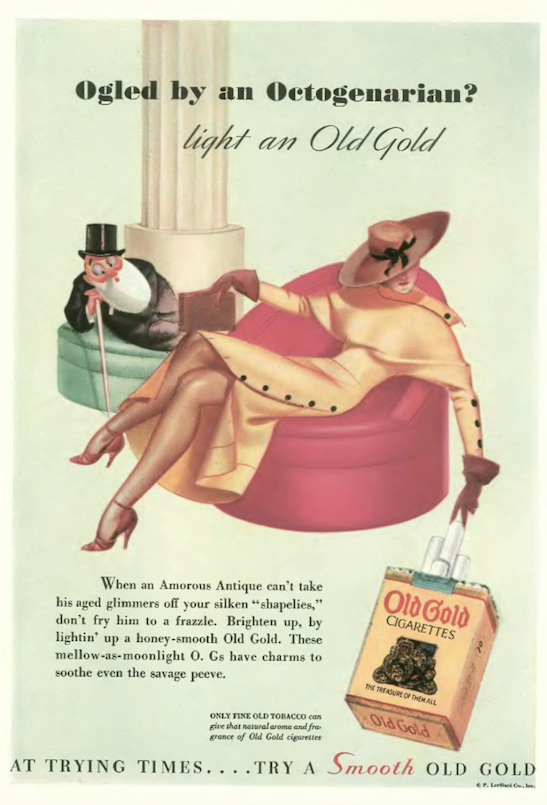
…and who knows what Old Gold’s target was here…definitely women smokers, who were the growth market, but men would take notice of the George Petty pin-up…
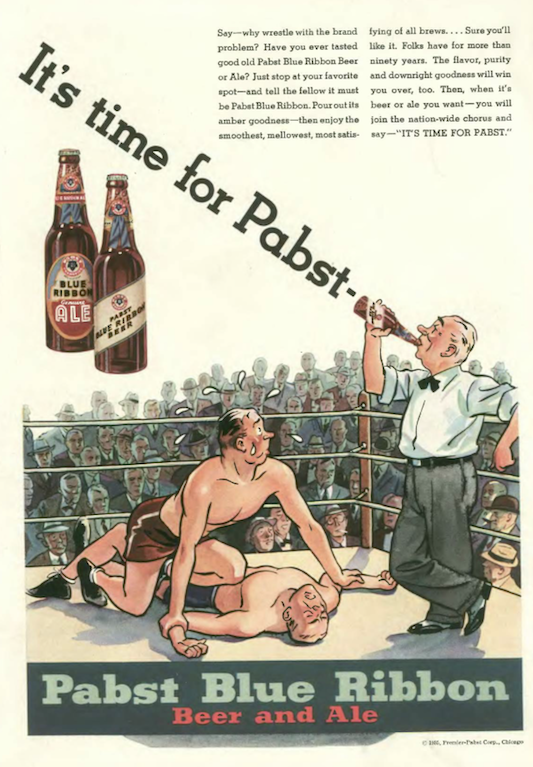
…the makers of Pabst Blue Ribbon Beer, who endured Prohibition by offering products like Pabst-ett cheese spread, were ready to grab a big market share after Repeal…
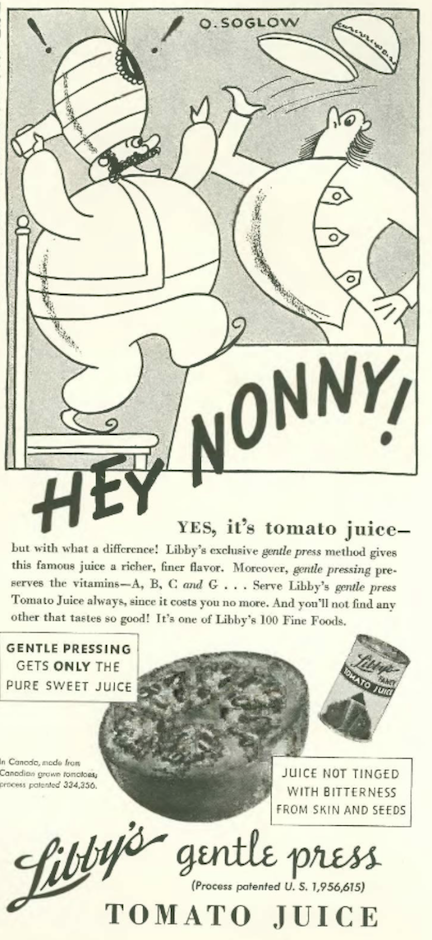
Otto Soglow, still contributing to The New Yorker despite taking his Little King to Hearst, drew up this potentate for a tomato juice spot…
…which segues to our other cartoonists, beginning with Al Frueh and his take on the latest  Broadway hit, Jubilee!

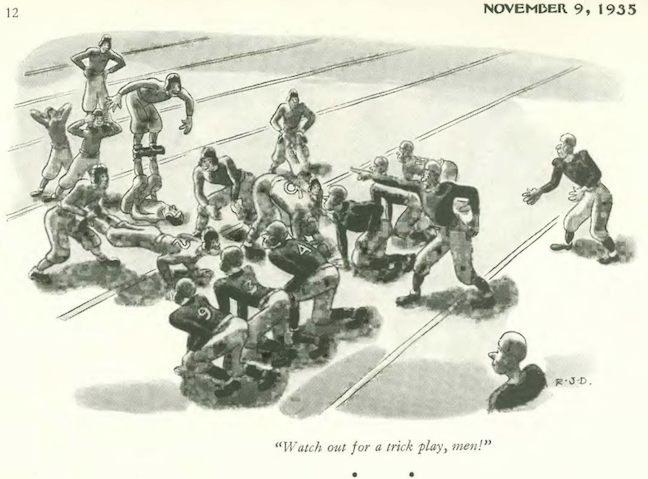
Robert Day saw action on the gridiron…

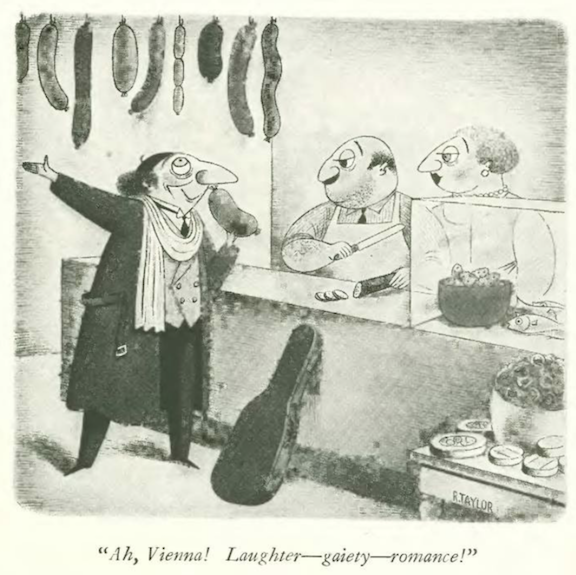
…unless I missed something, this might be Richard Taylor’s first New Yorker cartoon…
James Thurber put a unique spin on a bowling ball…

Alan Dunn was all in knots at a crime scene…
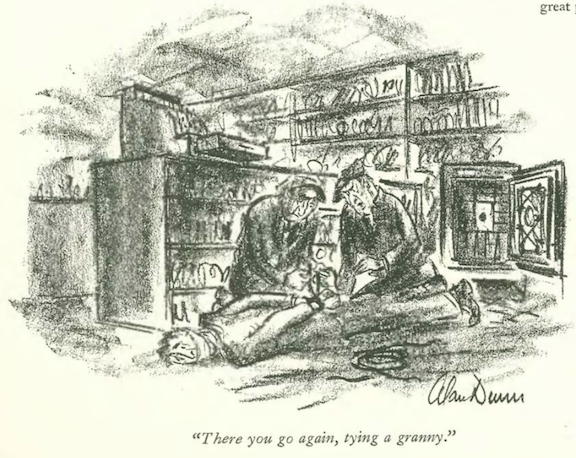
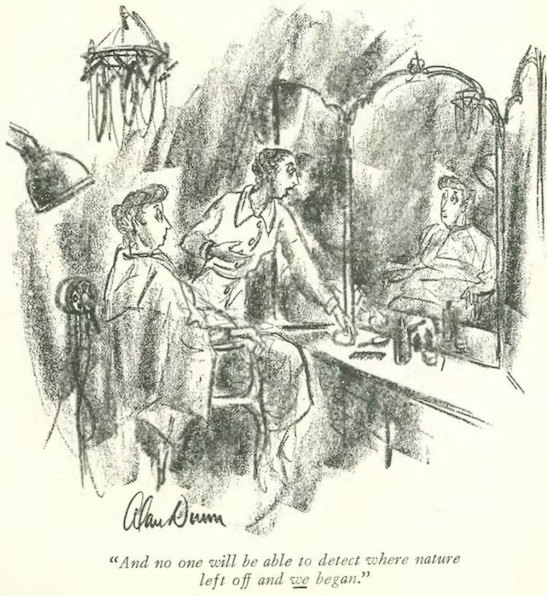
…Dunn again, pondering the wonders of a makeover…
Barney Tobey eavesdropped on a Downtown subway…

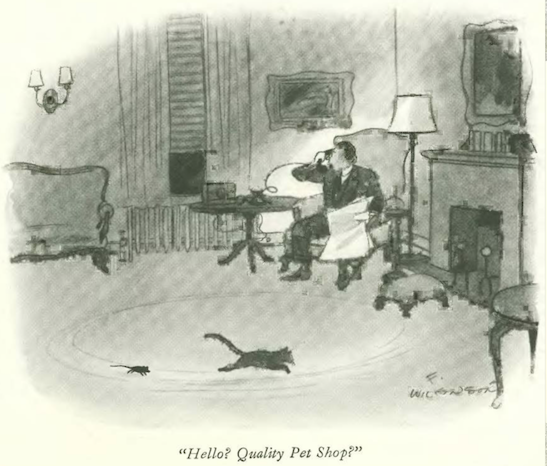
Fritz Wilkinson looked to return a defective pet…
Carl Rose needed two pages to illustrate his epic cartoon (caption added at the bottom for readability)…

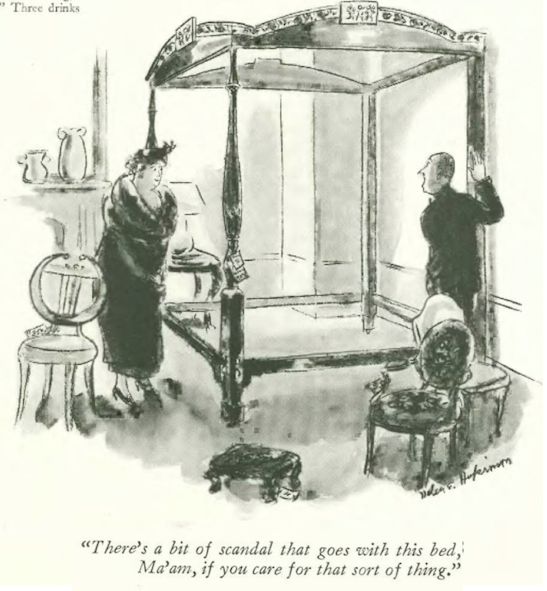
…and we close with Helen Hokinson, and a whiff of scandal…
Next Time: Seeking Decorative People…
 

Planes, Trains and Automobiles

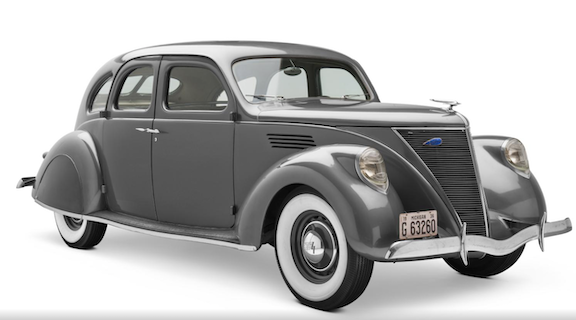
Above: Clockwise from top left—the Douglas DC-3 was introduced to airlines in 1935; Seaboard streamlined locomotive, c. 1930s; 1936 Lincoln-Zephyr; 1936 Pierce Arrow. (hushkit.net/Wikimedia/classicautomall.com)

As we’ve seen in previous issues, E.B. White often served as The New Yorker’s unofficial aviation correspondent; despite his sometimes anachronistic views on progress, he never missed a chance to hop aboard an airplane and marvel at the scene far below.

November 2, 1935 cover by Constantin Alajalov.

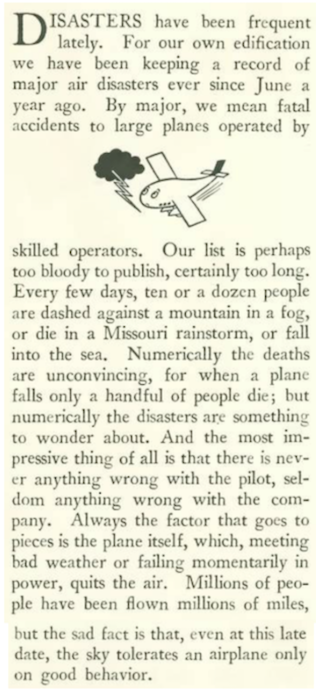
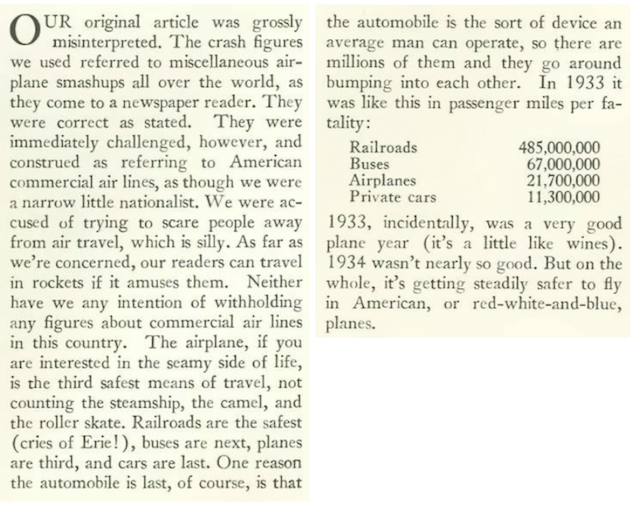
White’s enthusiasm, however, was tempered with doubts about air safety, including observations he made in an August 31, 1935 column following the deaths of Wiley Post and Will Rogers in an Alaska plane crash. Here is what he wrote then:

The aviation industry’s strong reaction to that “noisy little paragraph” apparently led to a number of subscription cancellations, prompting White to return to the topic in his Nov. 2 “Notes and Comment” column:

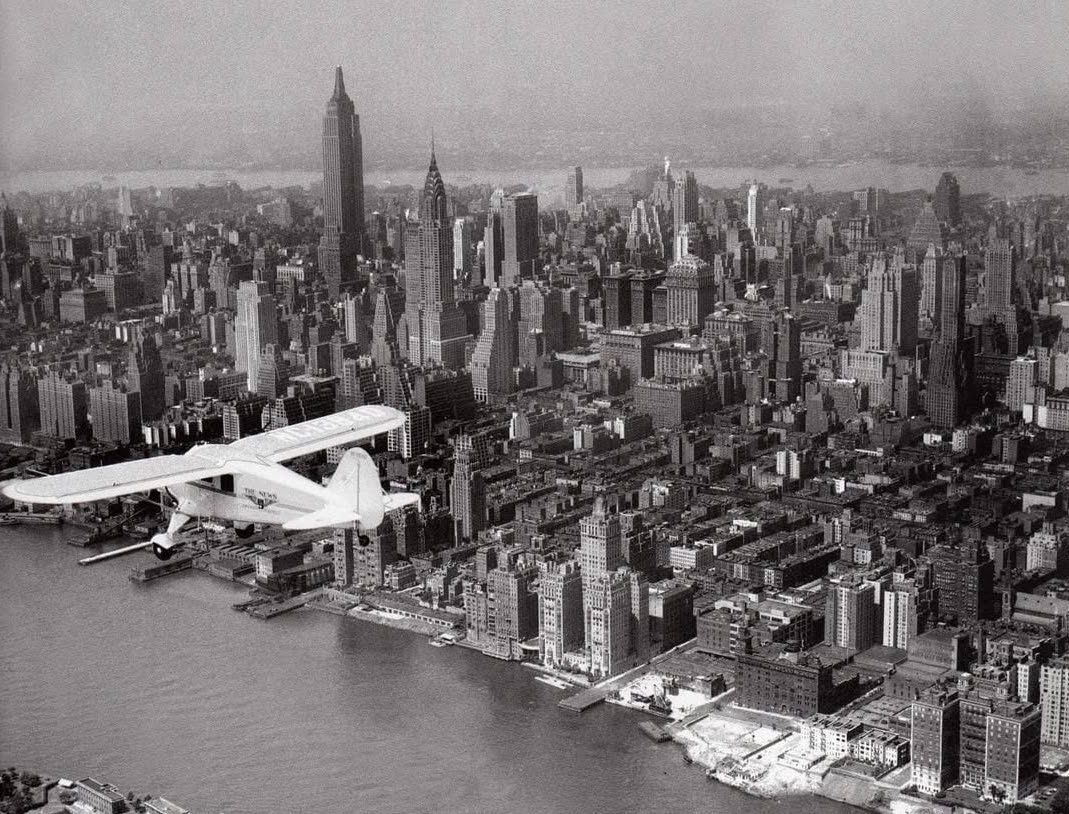
HE’D BEEN AROUND…E.B. White supported his comments on air safety by citing his many flying experiences, including soaring around the Empire State Building “on a blithe morning.” Pictured above is a New York Daily News plane flying over Manhattan in 1934. (NY Daily News)

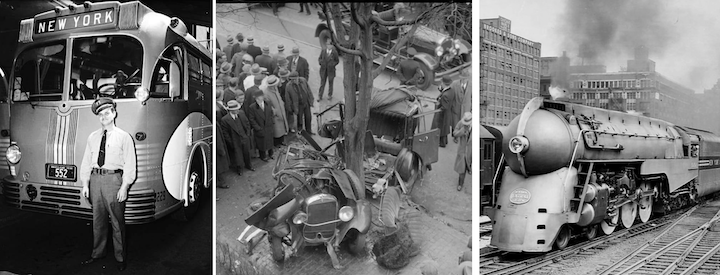
White also turned to statistics for his defense, finding that per passenger mile, railroads were still the safest mode of transportation in the country.

HOP ABOARD…According to 1933 statistics shared by E.B. White, trains were the safest mode of transportation per passenger mile, followed by buses. Automobiles were the least safe, a fact that still holds true today. From left, Greyhound bus and driver, 1937; automobile wreck, 1930s; New York Central’s 20th Century Limited leaving Chicago’s LaSalle Street station in 1938. (Facebook/Reddit/Wikipedia)

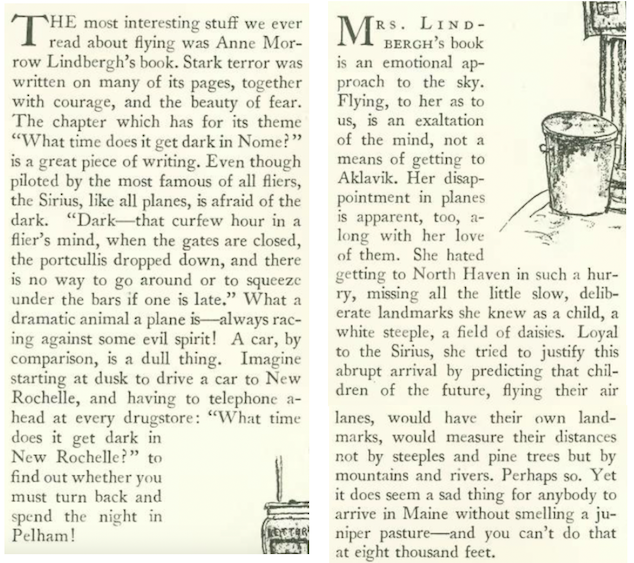
With that, White still wasn’t done with the topic, turning to none other than Anne Morrow Lindbergh for her thoughts on flying, which she shared in her latest book, North to the Orient. White noted Lindbergh’s mixed feelings about flying, about getting to places quickly and missing familiar landmarks. He also suggested that someday airline passengers would use mountains and rivers as landmarks…(I still try to do that when I fly, but at 35,000 feet it is a challenge). Today most folks are content with plugging in their earbuds and tuning out completely.

NOT YOUR EVERYDAY OUTING…In July 1931 Charles and Anne Morrow Lindbergh embarked in their Lockheed Model 8 Sirius on an often treacherous 7,100-mile journey across Canada, Alaska, Siberia and Japan in an attempt to find a commercial route to Asia for Pan American Airways. Top photo, Charles (standing on pontoon) and Anne (in the cockpit) make final preparations before the flight; bottom photo, enthusiastic crowds greet the Lindberghs upon their arrival in Japan. The Siberia-to-Japan leg was the most dangerous due to heavy fog. (historynet.com)

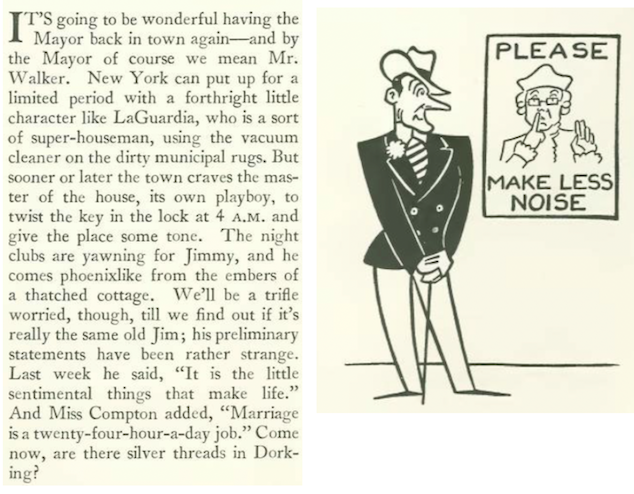
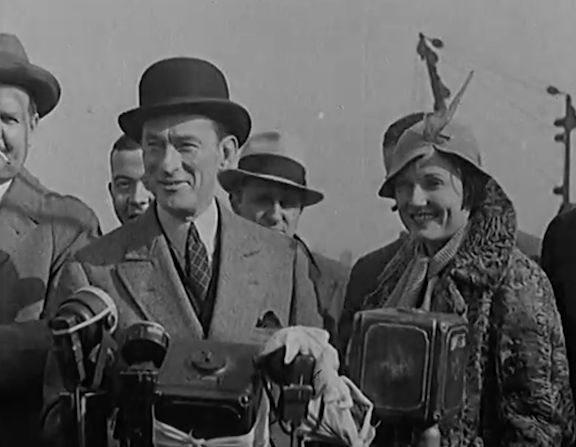
E.B. White also announced the return to the city of former Mayor Jimmy Walker, who had fled to Europe in 1932 amid corruption charges. White noted that New York’s nightclubs were eager to welcome the fun-loving Walker back to town.

SECOND ACT…Still image from a 1935 British Pathé newsreel shows the triumphant return from Europe of former Mayor Jimmy Walker and his wife, Betty Compton. (YouTube)

 * * *

A Zephyr Blows In

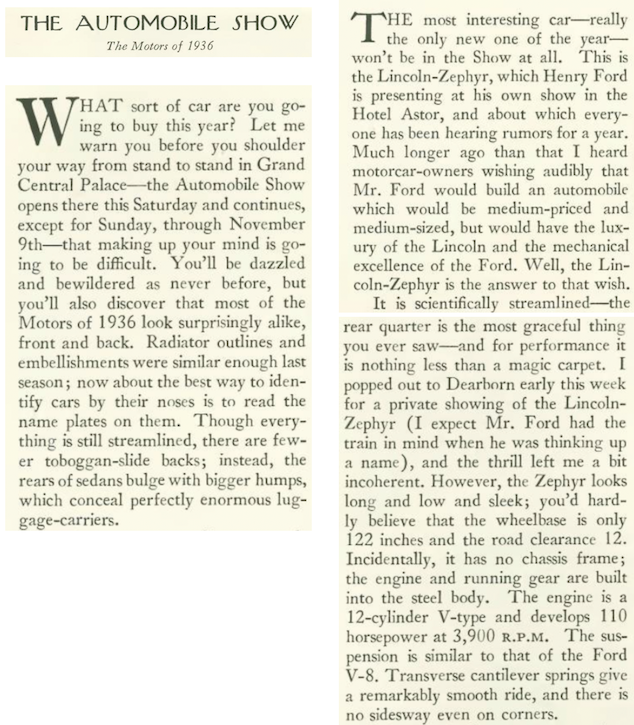
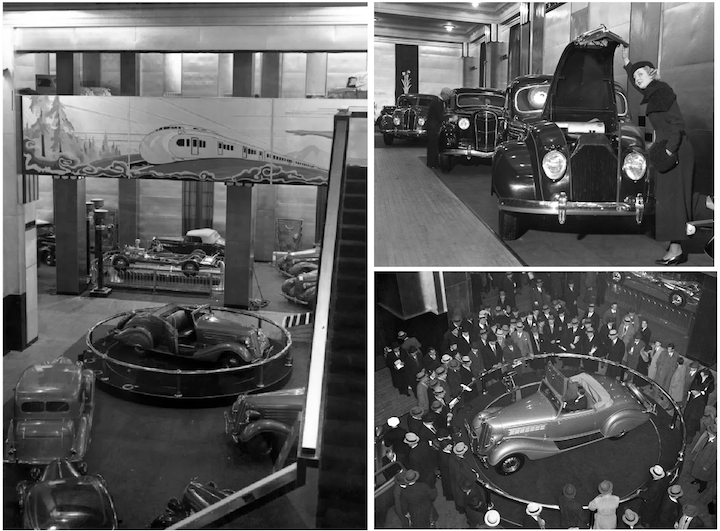
The magazine’s “Motors” correspondent (pen name “Speed”) noted the dazzling display of 1936 models at the New York Automobile Show, singling out the Lincoln-Zephyr as the year’s biggest innovation.

DECO DREAMSCAPE…Streamlining was all the rage at the 1935 New York Automobile Show at Grand Central Palace. Upper right, a woman opens the hood of a streamlining pioneer, the Chrysler Airflow. (New York Daily News)
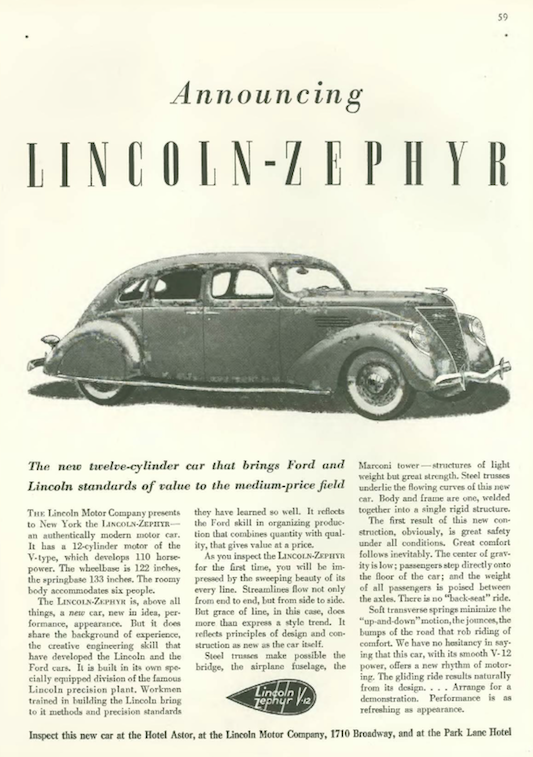
LEADER OF THE PACK…The 1936 Lincoln-Zephyr had tongues wagging at the New York Automobile Show.  (thehenryford.org)

 * * *

At the Movies

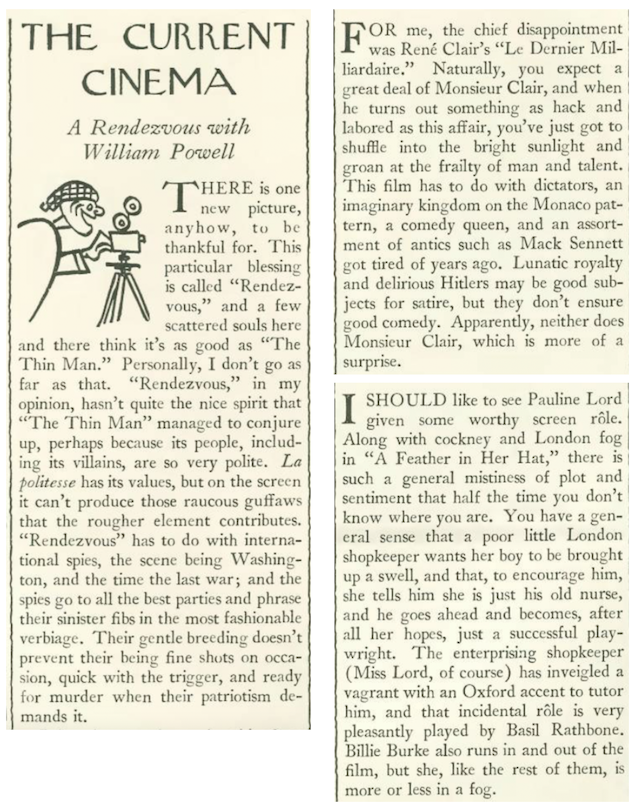
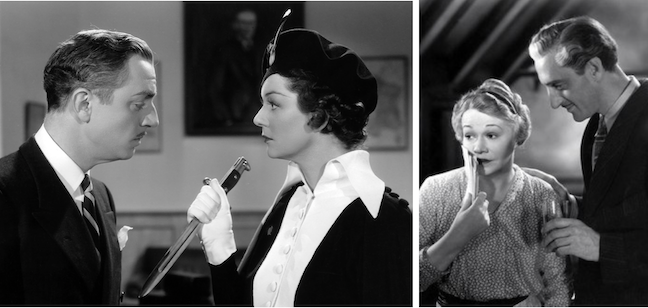
William Powell and Hollywood newcomer Rosalind Russell blessed film critic John Mosher with their spy caper, Rendezvous, while Pauline Lord got lost in the London fog with Basil Rathbone in A Feather in Her Hat.

A CAPER AND A WEEPER…At left, William Powell starred with Hollywood newcomer Rosalind Russell in Rendezvous; at right, Broadway stage actress Pauline Lord appeared opposite Basil Rathbone in A Feather in Her Hat. (1935)

Mosher also screened a French comedy, René Clair’s Le Dernier Milliardaire (The Last Billionaire), finding its slapstick approach to satire a bit dated.

DURABLE AND ADORABLE…Renée Saint-Cyr as Princess Isabelle in the French comedy Le Dernier Milliardaire (The Last Billionaire). Known for her chic comedies, Saint-Cyr (1904–2004) was a major French film star for seven decades. (Film Forum)

Finally, Mosher turned his critical eye toward a British sci-fi film, Transatlantic Tunnel. Looking forward to seeing a gee-whiz Jules Verne-type story, what Mosher found instead was a lot of sentimental “padding” and very little gee-whiz.

UNDERWATER…John Mosher looked forward to an undersea adventure, but instead got a lot of sentimental fluff in the British sci-fi film, Transatlantic Tunnel. Clockwise, from top left, movie poster for the American release; scene from the film depicting the tunnel entrance; the film showcased such futuristic conveniences as video phones (called “televisors”); a group of wealthy industrialists gather at the home of a Mr. Lloyd, a millionaire investor who used a motorized wheelchair. (Wikipedia/Reddit/cinemasojourns.com)

 * * *

No Thanks, Ernie

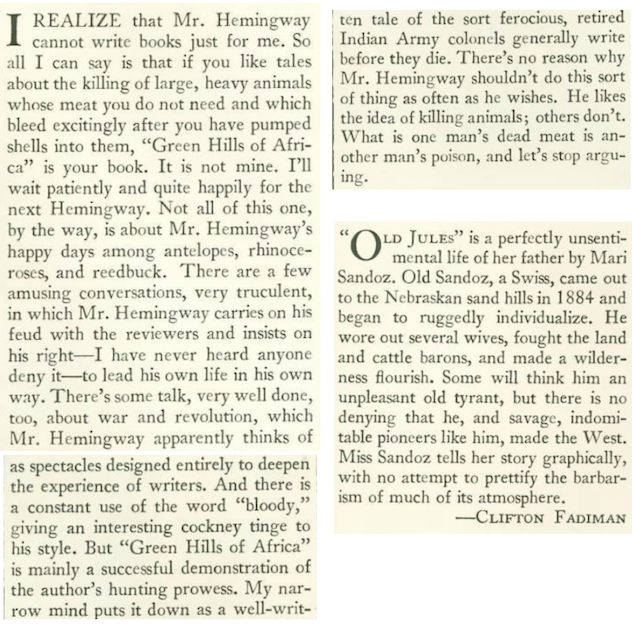
Clifton Fadiman had an armload of books to review, including an autobiography by Andre Gide (If I Die), novels by Mikhail Sholokhov (Seeds of Tomorrow) and Mari Sandoz (Old Jules), and an Ernest Hemingway tale about big game hunting (Green Hills of Africa) that Fadiman did not care for at all. Here are excerpts from a couple of the reviews:

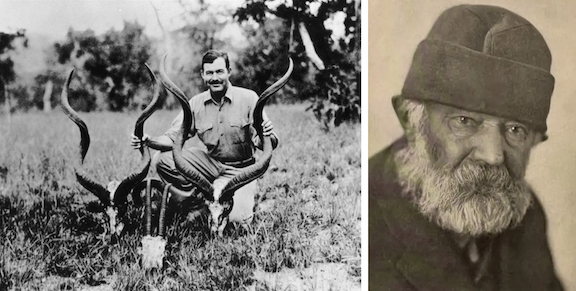
RUGGED TYPES…At left, Ernest Hemingway poses with skulls of kudu and female of sable antelope in East Africa, 1934, part of his hunting trip described in Green Hills of Africa; at right, photo of Jules Sandoz from the frontispiece of Old Jules, a biography written by his daughter Mari Sandoz. (JFK Library/U of Nebraska)

 * * *

From Our Advertisers

With the National Automobile Show in full swing at the Grand Central Palace, the issue was jammed with ads for every type and price range…the Chrysler Corporation took out this full-page spot on the opening spread to promote one of the lowest priced cars on the market…

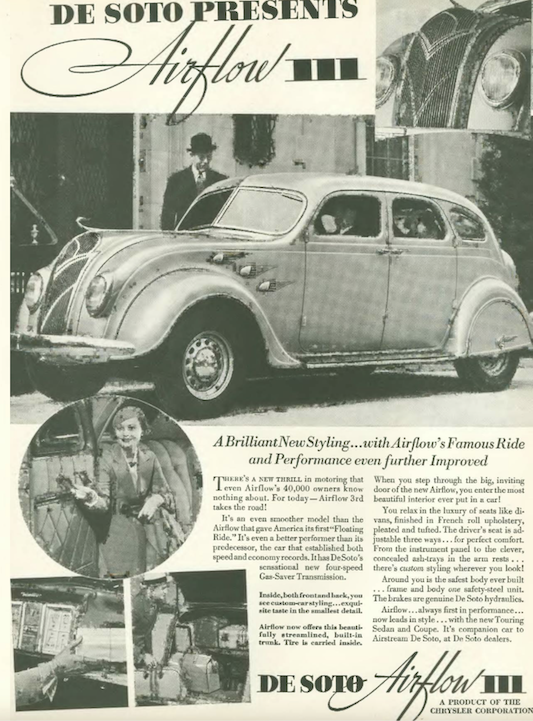
…Chrysler/DeSoto continued to tout its streamlined Airflow models…introduced in 1934, the Airflow was the first full-size American production car to use streamlining, and it featured a number of other innovations, but consumers just weren’t ready for something this radical…even with the streamlining toned down after its first year, only 55,000 units were produced during the model’s four-year run…

…on a side note, Chrysler has revived the Airflow nameplate for an electric car concept due to the marketplace in 2028…

…mentioned in Speed’s review of the Automobile Show, the Lincoln-Zephyr would find success with its aerodynamic design…

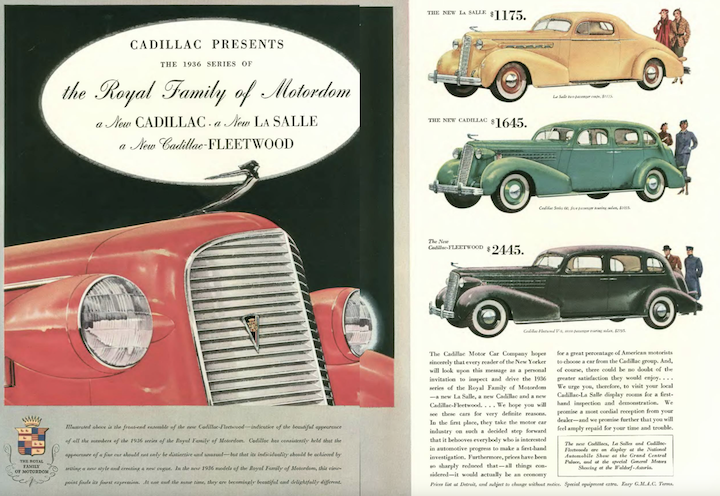
…most manufacturers were in on the streamlining trend, noticeable in the tilted grilles, low rooflines, and sweeping fenders…

…unlike the other car companies, Pierce Arrow did not produce an economy model to keep its luxury line afloat during the Depression…emphasizing its handmade quality, this American rival to Rolls-Royce went out of business by 1938…

…Goodyear got in on the Auto Show action promoting its tires for the “new and faster cars”…

…the folks at Campbell’s continued their ad series featuring upper-class women covertly serving canned soup to their society friends…in this ad, however, the hostess reveals her secret…

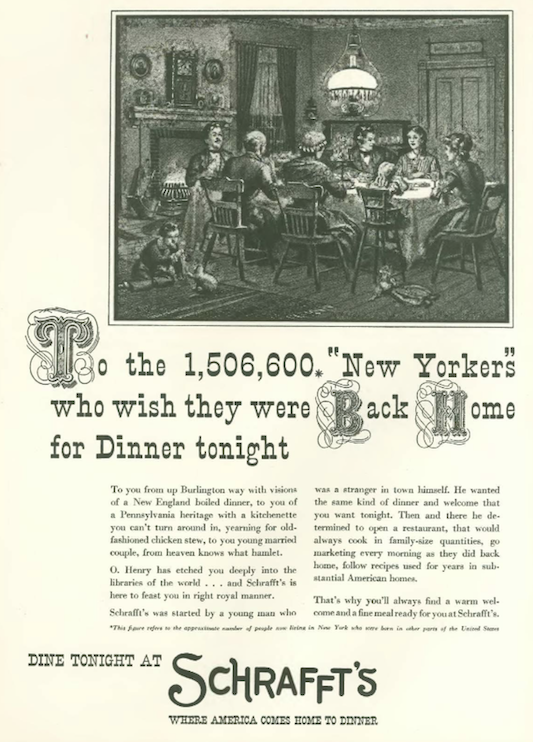
…there were no secrets to be found at Schrafft’s—its popularity increased during the Depression, when more than forty locations in the New York metro offered moderately priced “home-style” meals in an atmosphere that suggested upper-middle-class gentility…

…Long Island’s Lido Country Club tried to drum up some autumn business by promoting the “warm and lazy” sunshine of “Indian Summer”…

…the makers of King George IV Scotch used the face of Stork Club owner Sherman Billingsley to lend some nightlife cachet to their product…here’s an odd little fact: his nephew, Glenn Billingsley, was married to Leave It to Beaver actress Barbara Billingsley, who played June Cleaver on the TV series…

…this week the back cover belonged to R.J. Reynolds, with various aviators testifying to the calming effects of Camel cigarettes…the lead endorser in the ad, Frank Hawks, was famous for breaking aviation speed records until he perished in the crash of an experimental plane in 1938…

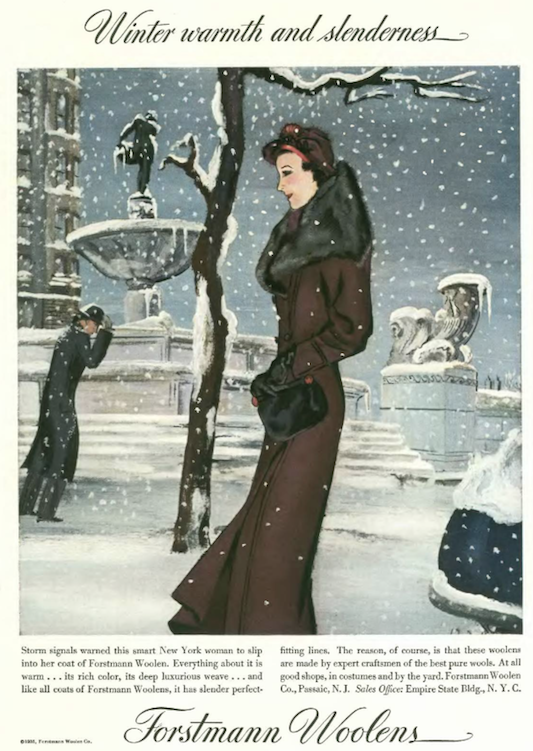
…Forstmann ads were a regular feature on the inside front cover during the fall/winter fashion season, rendered in a style made popular by illustrator Carl “Eric” Erickson

…on to our cartoonists, we open the magazine with Maurice Freed

James Thurber was busy in this issue, writing a touching character sketch of a medicine show man he greatly admired (“Doc Marlowe”)…and contributing this spot art for “Goings On About Town”…

…he also turned in this terrific cartoon…

Christina Malman livened up the Auto Show review with this spot art…

Carl Rose also paid tribute to the annual event…

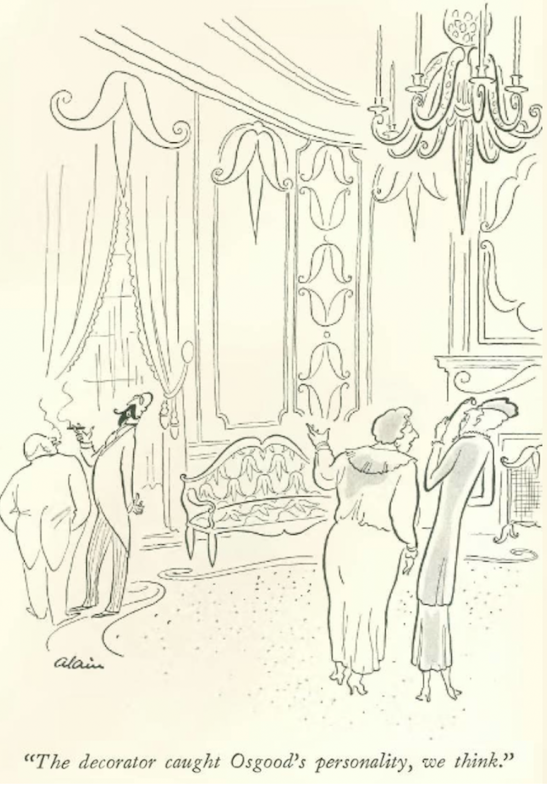
Daniel ‘Alain’ Brustlein did a bit of home decorating…

Robert Day was ready to call it a night…

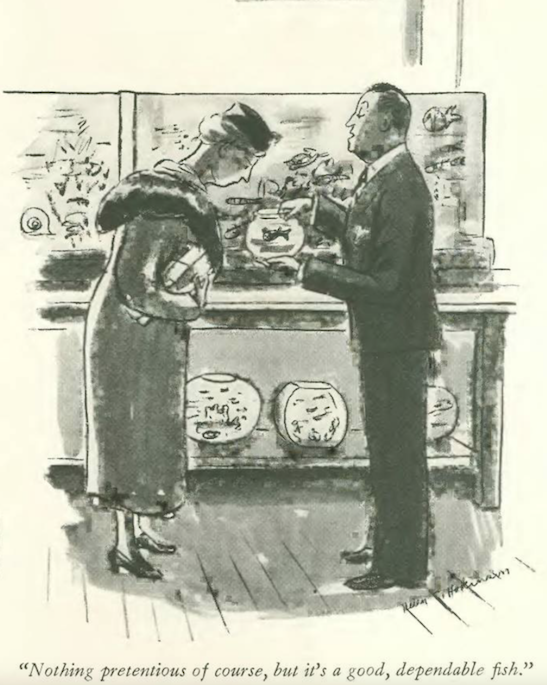
Helen Hokinson contributed two cartoons, shopping for a pet fish…

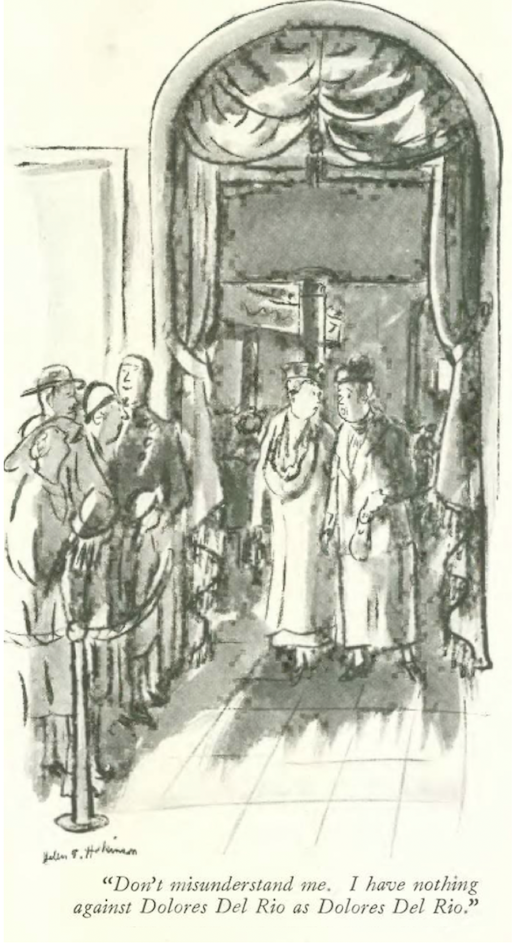
and taking in a Dolores Del Rio picture…

…no doubt Hokinson’s “girls” were commenting on the 1935 musical comedy In Caliente, featuring Mexican actress Dolores Del Rio (1904–1983)…Del Rio was the first Mexican actress to achieve mainstream success in Hollywood…

Dolores Del Rio in a scene from In Caliente. (Reddit)

…we continue with George Price, and a dedicated lumberjack…

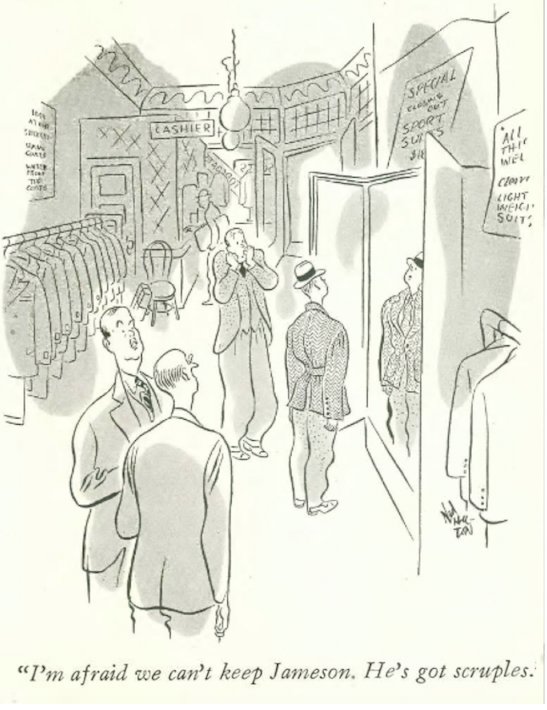
Ned Hilton discovered some honesty in the Men’s Department…

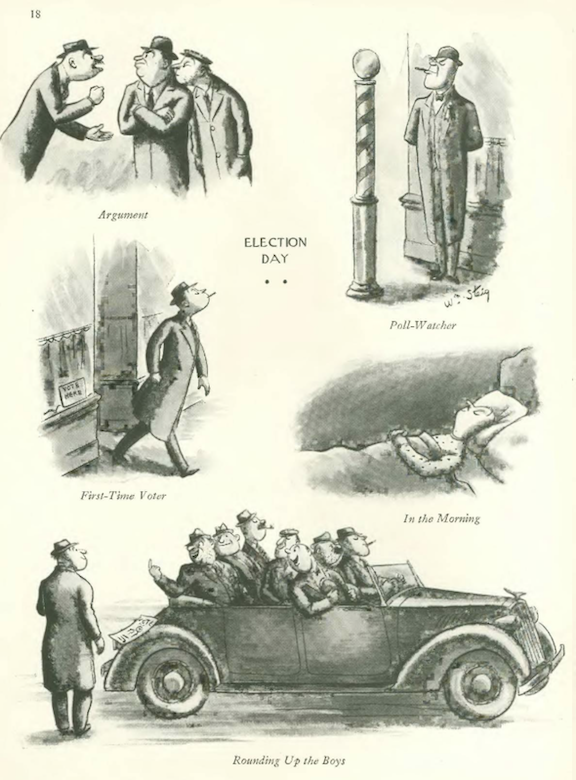
William Steig took a look around on Election Day…

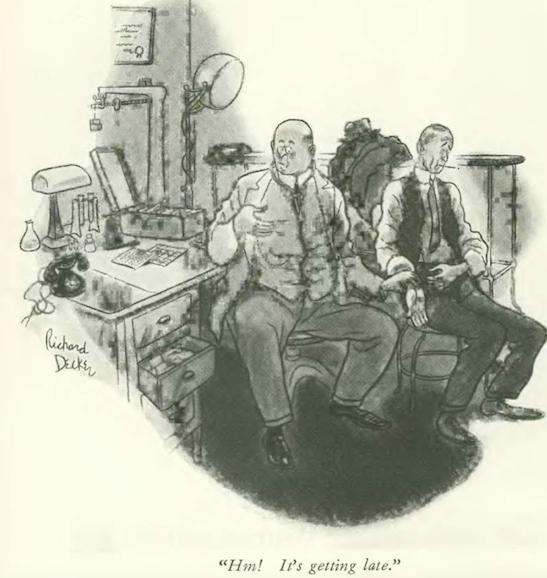
Richard Decker took the pulse of the medical profession…

…and we close with another by Decker, where seeing is not believing…

Next Time: Jimmy Comes Home…


A Centennial to Remember

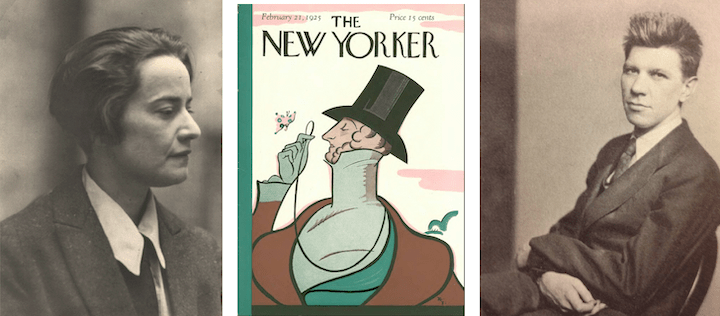
ABOVE: Although Harold Ross looms large in most accounts of the early New Yorker, his wife at the time, Jane Grant, played a major role in its conception and launch.

After a year hiatus, during which I changed jobs (yes, I’m still “hewing the wood and drawing the old wet stuff,” as Bertie Wooster would put it), I am returning to A New Yorker State of Mind, just in time for the 100th anniversary of the greatest magazine in the world.

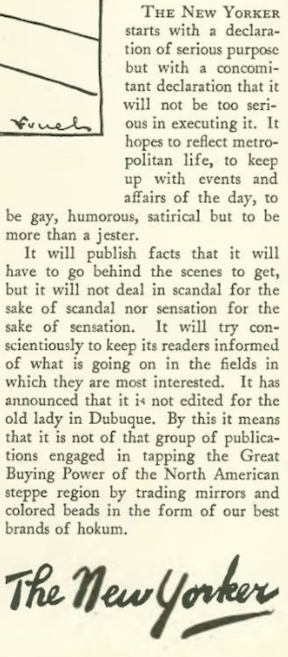
Issue #1 cover by Rea Irvin, Feb. 21, 1925.

Before I continue where I left off—the tenth anniversary issue, Feb. 15, 1935—let us mark the magazine’s centennial year with a look back at the first issue, Feb. 21, 1925.

It is remarkable that after a century the magazine still retains its character, even if it is more serious these days, and more topical, and, most egregious, still fiddling with Rea Irvin’s original designs (for more on this issue, please consult Michael Maslin’s Ink Spill. In addition to being one of the magazine’s greatest cartoonists, Maslin offers a wealth of New Yorker insight and history, including his longstanding crusade to restore Irvin’s original artwork for “The Talk of the Town,” which was removed and replaced by a contemporary illustrator’s redraw in 2017).

Although founder and editor-in-chief Harold Ross set the tone for the magazine in the first issue, famously proclaiming “that it is not edited for the old lady in Dubuque,” it was Irvin that gave the magazine a signature look that set it apart from other “smart set” periodicals of the day.

It took a few issues for the editors to sort out regular features and their order of appearance. The opening section of Issue No. 1 featured the Irvin masthead—flanked by Eustace Tilley and the night owl—and Irvin’s distinctive typeface that would introduce “The Talk of Town” for many issues to come. However, in that first issue, “Of All Things” appeared under the masthead, followed by “Talk of the Town” which was (for the first and last time) under this banner:

As for Ross’s manifesto, it appeared at the end of “Of All Things,”…

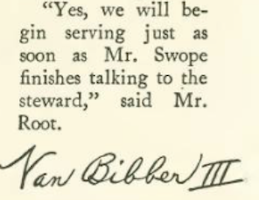
…and “Talk” ended with this signature…

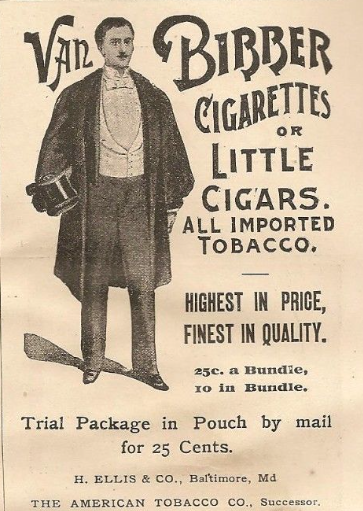
…In Defining New Yorker Humor, Judith Yaross Lee wrote that early readers of The New Yorker would have recognized the Van Bibber III persona “as a joke, a personification of Van Bibber cigarettes, whose ads targeted the devil-may-care, swagger young man about town all dressed up for the opening night. As an insiders view of the urban scene, Van Bibber’s accounts featured casual conversation—that is, talk.”

Van Bibber advertisement in Cosmopolitan, 1896.

The magazine’s very first cartoon was by Al Frueh

…and among the features that persisted through the years was “Profiles,” the first one featuring Giulio Gatti-Casazza (1869-1940), who served as Metropolitan Opera’s general manager for a record 27 seasons (1908-1935).

The profile featured this illustration by Miguel Covarrubias, the renowned Mexican painter, caricaturist, and illustrator, who was a frequent contributor to the early New Yorker.

“Goings On” also persists, sans the original artwork…

…the same goes for these sections…

…still others disappeared altogether…

…some would hang around for awhile…

…others for just a few issues…”The Hour Glass” featured brief vignettes of local personalities…

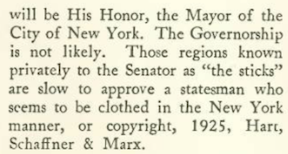
…such as the ever-fascinating antics of Jimmy Walker, who would soon be elected mayor…

…while “In Our Midst” detailed the comings and goings of other locals…

…including The New Yorker’s own Al Frueh.

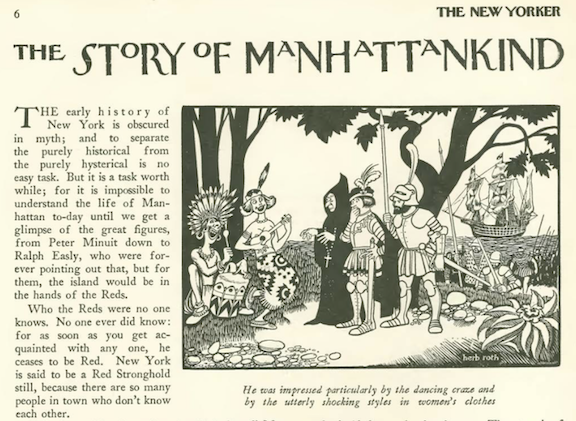
“The Story of Manhattankind” was another short-lived feature. It offered drawings by Herb Roth and tongue-in-cheek accounts of early Manhattan life replete with cartoonish Indians and bumbling settlers. It is here where the magazine took its first of many shots at William Randolph Hearst, the perceived rival and publisher of Cosmopolitan (which was more of a literary magazine in 1925).

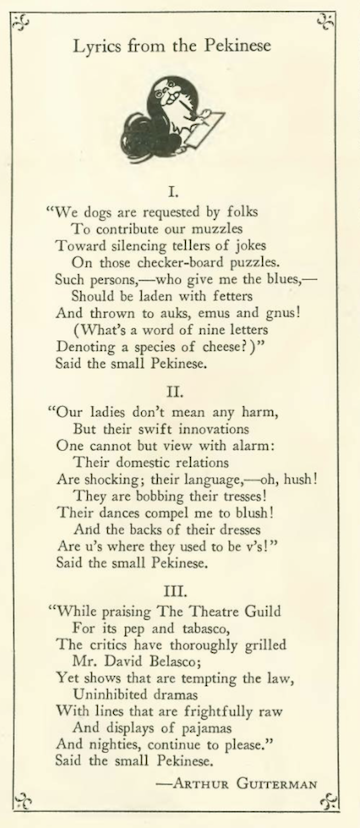
…other items that persisted through the early issues included “Lyrics from a Pekinese” by writer Arthur Gutterman, who was known for his silly poems…

…and this recurring column filler, “The Optimist”…a tired joke featured repeatedly in the first issues until Katharine Angell came on board and put an end to such nonsense…

…in those lean first months there was little advertising, making this back page ad seem out of place…

…since many of the early ads were small, signature ads for theatre and other diversions…

…the magazine also leaned heavily on full-page house ads to fill space…

…the one thing that has persisted to this day is the prominence of cartoonists and illustrators, although in the early issues some of the cartoons resembled those found in Punch, including this one by British graphic artist Alfred Leete, who was a regular contributor to such British magazines including Punch, the Strand Magazine and Tatler.

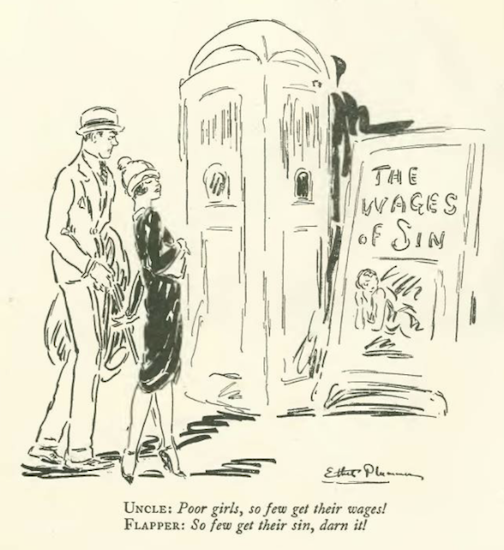
Also in the Punch style there were a number of “He-She” captioned cartoons, such as this Ethel Plummer cartoon of an “uncle” and a “flapper” looking at a theater bill for The Wages of Sin (most notably, Plummer was the first woman artist published in The New Yorker)…

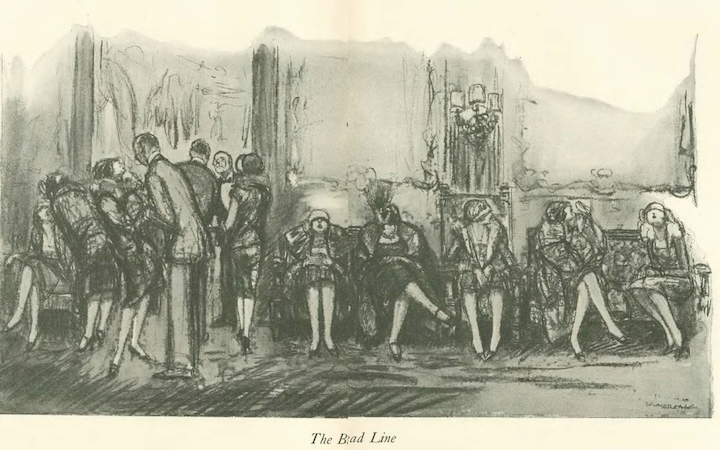
Plummer was a noted artist/illustrator in her day, as was Wallace Morgan, who contributed this two-page spread, “The Bread Line”…

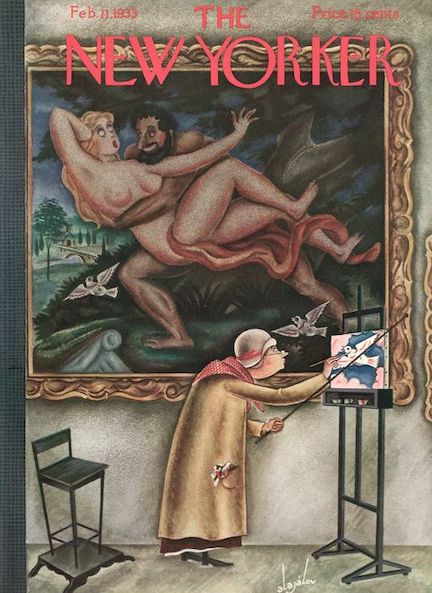
…this illustration by Eldon Kelley is notable for what it lacks…namely, clothing. Early New Yorker lore has it that Ross was somewhat puritanical, and shied away from suggestions of sex or nudity, but here it is in the first issue, what Michael Maslin refers to as “The New Yorker’s First Nipples.” 

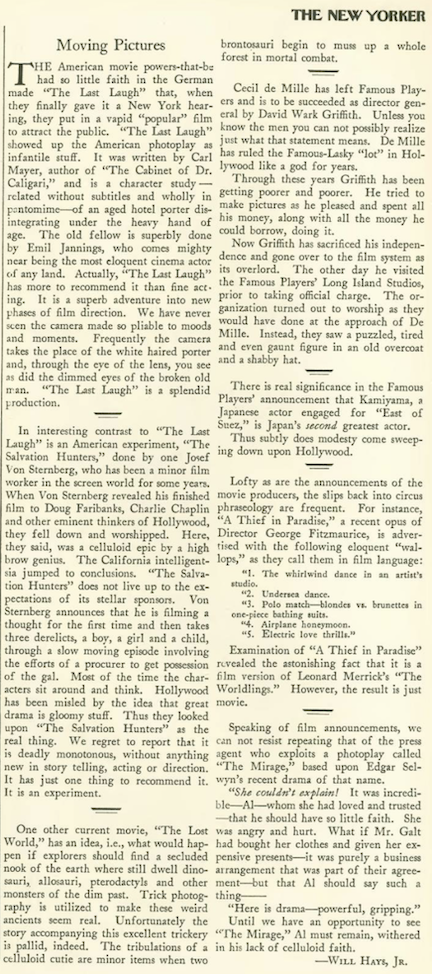
…and before I go, I am wondering about The New Yorker’s first film critic, who signed his review “Will Hays Jr.” Is this the same Hays as in the “Hays Code?” I will investigate.

Next Time: A Century and a Decade…


Belle Geste

“Nobody said not to go” was a phrase often used by Emily “Mickey” Hahn when returning from one of her far-flung and often wild adventures.

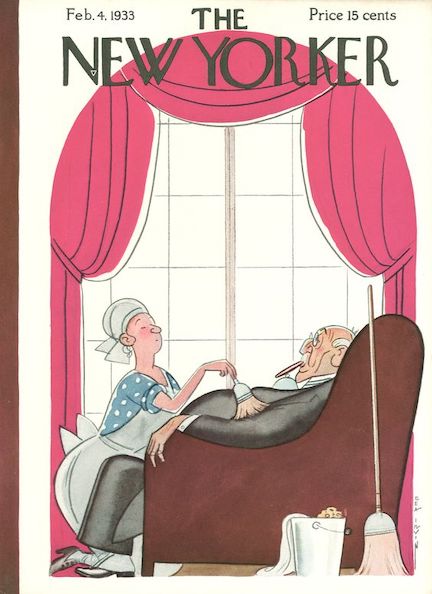
Feb. 4, 1933 cover by Rea Irvin.

And nobody ever told Hahn (1905–1997) what she could write about, and so she wrote, with brio and authority, on a variety of subjects ranging from feminism, diamond mining, and animal behavior to Chinese history and cooking. The author of 54 books, Hahn also penned a number of biographies including those of Leonardo da Vinci, Chiang Kai-shek, and D. H. Lawrence among others. In the Feb. 4 issue Hahn wrote about spending the night at a New York flophouse, not out of necessity but rather to write about the experience. Excerpts:

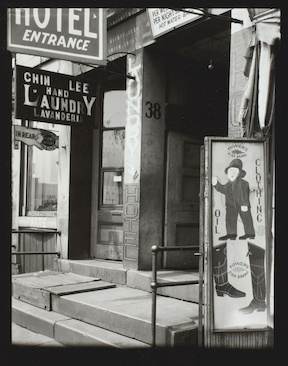
NO RITZ, THIS…Entrance to a flophouse in the Bowery, photo by Walker Evans, 1934.

In the following two excerpts, Hahn described her sleepless night, and her exit from the flophouse the following morning…

More on Emily Hahn, who defied convention from the very start of her adult life: before graduating from the University of Wisconsin in 1926 (the first woman to earn a degree in mining engineering there), she drove across the U.S. in a Model T, dressed a man. She wrote about her experiences in letters to her brother-in-law who, unbeknownst to Hahn, shared them with New Yorker editors. This would lead to a longtime relationship with the magazine, to which she would contribute nearly 200 articles (and one poem) between 1929 and 1996. She would also serve as China correspondent from 1935 to 1943.

In 1930 she traveled to the Belgian Congo, where she lived for two years with a pygmy tribe while working for the Red Cross; she later crossed Central Africa alone on foot. In his 2006 memoir, Let Me FinishRoger Angell described Hahn as the magazine’s “Belle Geste,” a woman “deeply, almost domestically, at home in the world. Driven by curiosity and energy, she went there and did that, and then wrote about it without fuss.”

AT HOME IN THE WORLD…Clockwise, from top left, Emily “Mickey” Hahn poses with her pet gibbon, Mr. Mills, in Shanghai, circa 1935; undated photo with more of her furry friends; Hahn as a teenager, circa 1920; cover photo from her 1944 book, China to Me; Hahn in 1944 with her daughter Carola, following their return from occupied China. (Wikipedia/Lilly Library, Indiana U)

 *  *  *

Chief Stooge

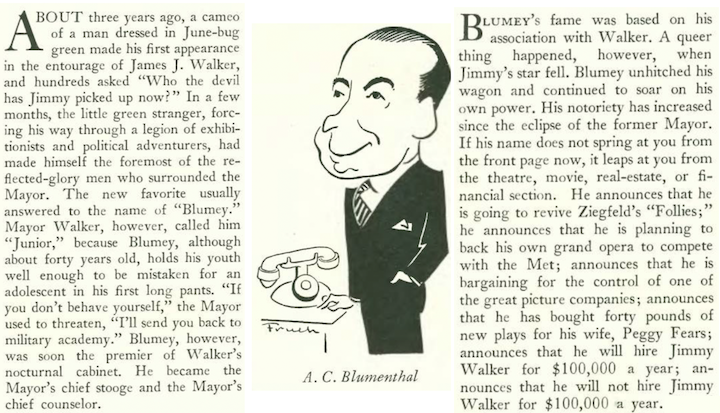
Theatrical promoter Alfred Cleveland Blumenthal (1885–1957) was well-known to New Yorkers in the 1920s and 30s as a speakeasy owner, buddy to Mayor Jimmy Walker and husband to actress Peggy Fears. Although “Blumey” is largely forgotten today, in 1933 he merited a two-part profile by Alva Johnston. Here are excerpts from the opening lines:

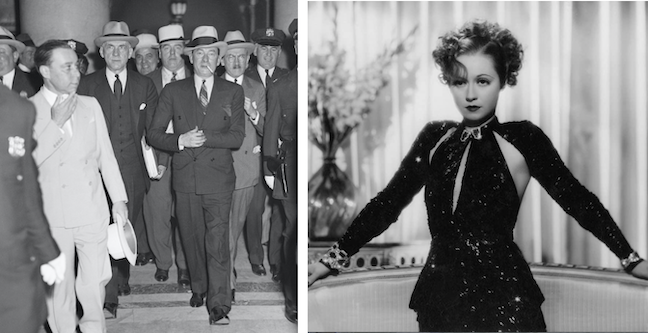
ONLY THE SHADOW KNOWS…A.C. “Blumey” Blumenthal (at left in the light suit) was often seen shadowing Mayor Jimmy Walker in his role as chief counselor and chief stooge. Here the mayor is escorted by Blumey and New York’s finest during corruption hearings in 1931. At right, Blumey’s wife Peggy Fears (1903–1994) in her most notable film role, 1935’s The Lottery Lover. Their tempestuous marriage lasted from 1927 to 1950. (avenuemagazine.com)

 *  *  *

Coward’s Ménage

Playwright Noel Coward existed in the orbit of the Algonquin Round Table, so it was doubtless challenging for Robert Benchley to critically review his friend’s work. Fortunately, Benchley found Design For Living mostly to his liking. Note how Benchley subtly refers to the play’s gay subtext, and to the fact that it mirrored the real-life relationships of the play’s trio.

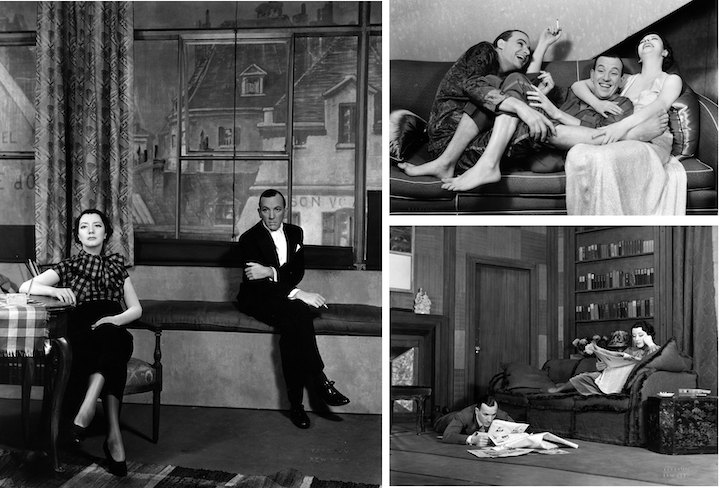
THREE’S COMPANY…A studio in Paris. A penthouse in New York. A flat in London. These were the settings for Noël Coward’s play Design for Living at the Ethel Barrymore Theatrewhich starred the wife-husband team Lynn Fontanne and Alfred Lunt and their close friend Coward in a Broadway run of 135 performances from January to May 1933. (Vandamm theatrical photos via wisc.edu)

Benchley did have a few quibbles, but reasoned there was no need to be overly critical when there was such a dearth of quality stage entertainment. Note the great caricatures by Al Frueh (below) that accompanied the review.

Benchley had a different sort of dilemma criticizing Elmer Rice’s earnestly patriotic We, the People, a play about the misfortunes of a working class family in Depression America.

Rice, who won the Pulitzer Prize for Drama in 1929, was an occasional contributor to The New Yorker from 1929 to 1931, including his sci-fi satire on the film industry, Voyage to Purila, which was serialized in eleven installments (with illustrations by Peter Arno) in The New Yorker from Oct. 12 to Dec. 21, 1929.

LET’S MAKE A MOVIE…Elmer Rice (standing) joins theatre producer Joseph P. Bickerton, Jr. (left), and Universal’s Carl Laemmle Jr. to sign a contract for the film version of Rice’s 1931 Broadway play Counsellor at Law. The film proved to a critical success. (Wikipedia)

Meanwhile, film critic John Mosher was trying his best to enjoy the latest Hollywood fare, another Broadway play adapted to the silver screen. Whistling in the Dark…

MURDER MOST AMUSING…The 1933 American pre-Code comedy-mystery film Whistling in the Dark starred Ernest Truex and Una Merkel. (IMDB)

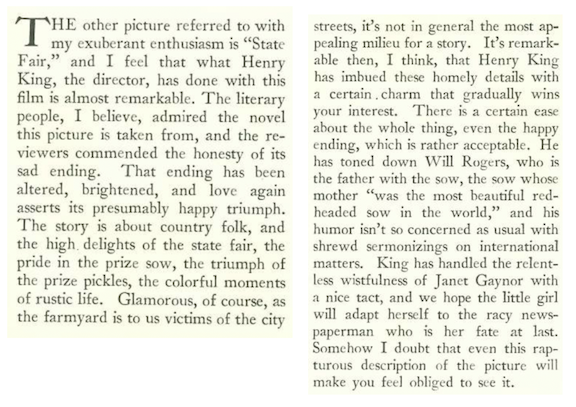
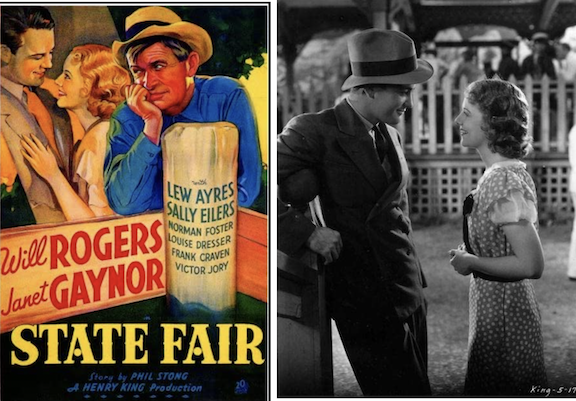
However, Mosher was surprisingly enthused by the rustic charms of Iowa country folk in State Fair…

THE TRIUMPH OF PRIZE PICKLES and other delights awaited viewers of 1933’s State Fair, which gave star billing to Will Rogers and Janet Gaynor. At right, Lew Ayres sweet-talks Gaynor at the fairgrounds. (IMDB)

 *   *   *

Form Follows Function

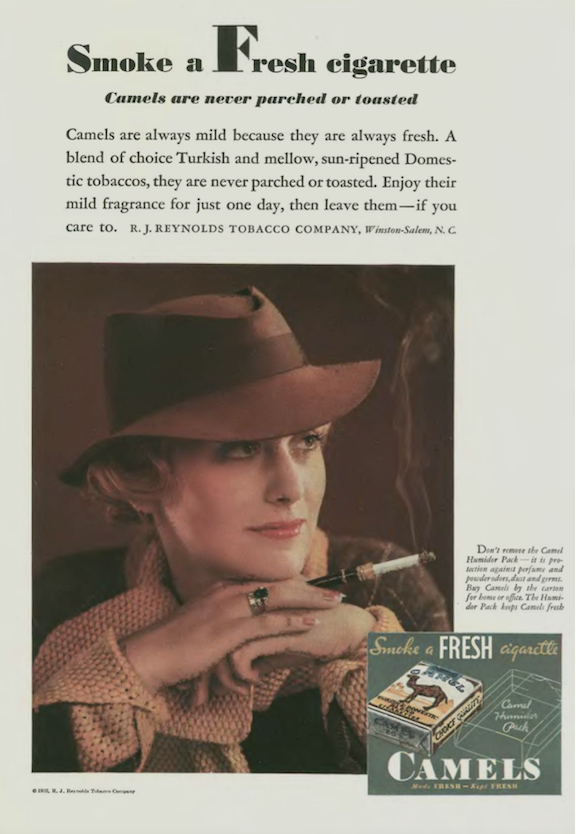
E.B. White paid close attention to all the little details of daily life, including the advertisements that appeared in The New Yorker. In “The Talk of the Town” he wrote about a Camel ad that inspired a sudden fashion trend:

…here is the Dec. 24, 1932 New Yorker ad to which White referred:

 *   *   *

From Our Advertisers

We keep our cigs lit for our first ad, from Lucky Strike, keeping it simple with their familiar slogan…

…this ad from Powers Reproduction shows us the beach caps that were all the rage in the early ’30s…

…this may look like an old car to modern eyes, but in 1933 these sweeping curves were la dernière mode in the auto world…

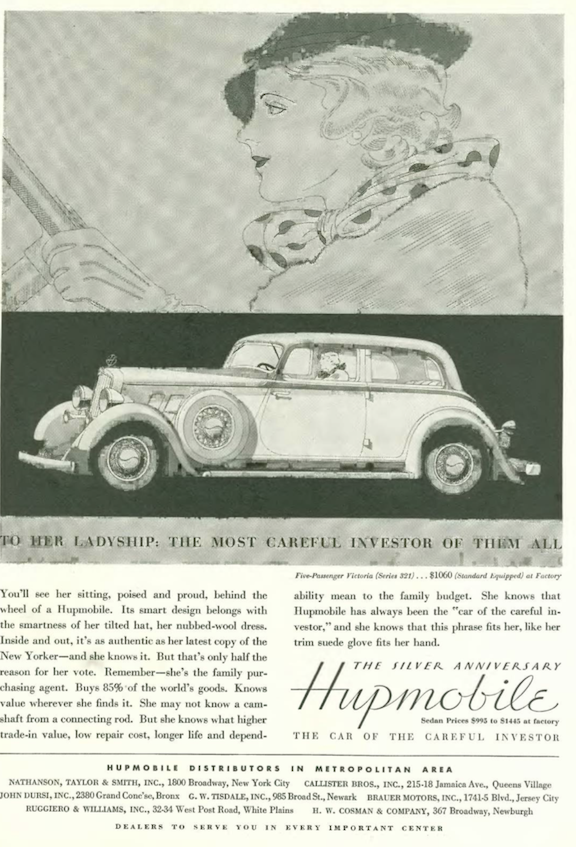
…and then there was Hupmobile, trying its best to stay relevant in the Depression…

…the company folded in 1939, but a few reminders live on…

HUP HUP HOORAY…The 1917 Hupmobile dealership at 25th and Farnam in Omaha, NE, was located along the old Lincoln Highway and is the last preserved Hupmobile dealership in the United States. On the National Register since 2014, it now houses apartments. (Flickr)

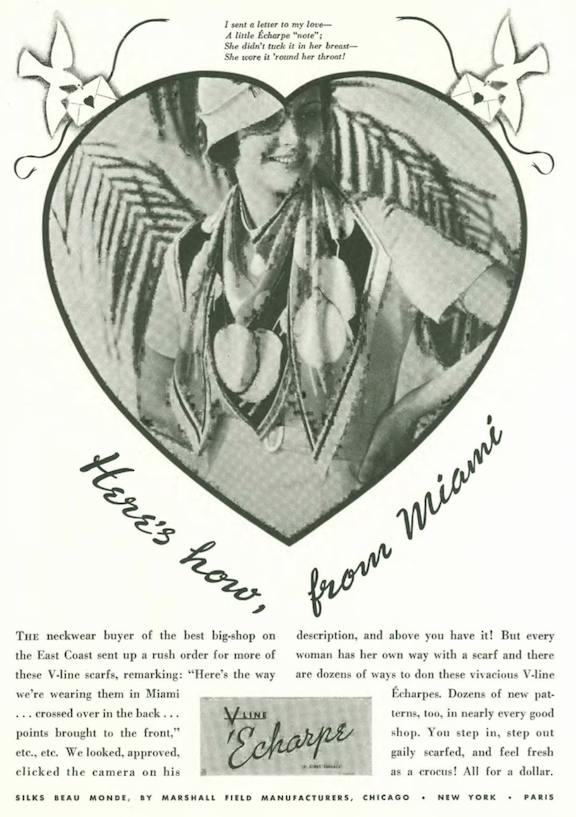
…Valentine’s Day was just around the corner, so time to buy your sweetheart something special, like this scarf that was all the rage among the Miami snowbirds…

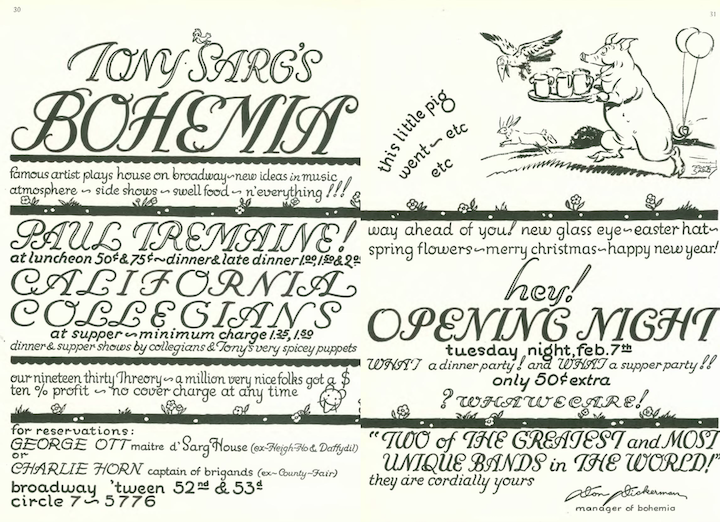
…Greenwich Village restaurateur and personality Don Dickerman took out this two-page ad to trumpet his partnership with puppeteer and illustrator Tony Sarg at the Bohemia restaurant on Broadway…

…the German-American Sarg is also known as the creator, in 1927, of the first giant balloons for Macy’s Thanksgiving Parade…

THE OLD GASBAG…Tony Sarg (upper right hand corner) and assistants painting one of his Macy’s parade balloons. (Fotograms News Photo Service via Pinterest)

…on to our cartoons, and what a big day for The New Yorker…the Feb. 4, 1933 issue featured the first captioned cartoon by Charles Addams

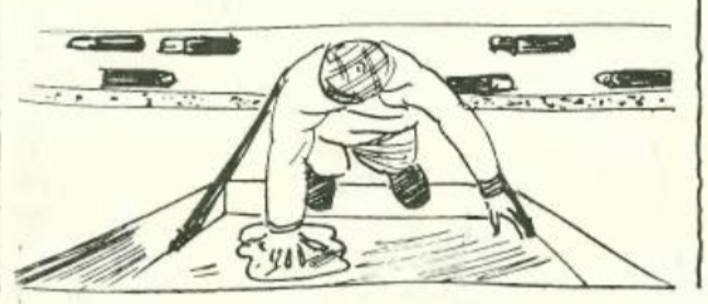
…for the record, Addams’s very first contribution to the magazine was this spot illustration (below) featured on page 65 of the Feb. 6, 1932 issue…

…one of the original contributing artists to The New Yorker, Gardner Rea, continued his skewering of America’s plutocrats…

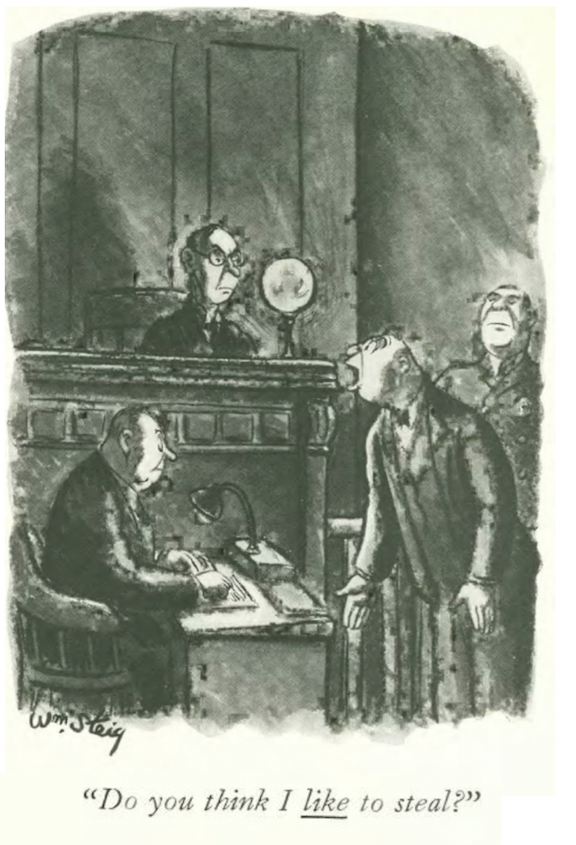
William Steig took us before the bench to make an honest plea…

James Thurber gave us another skirmish between the sexes…

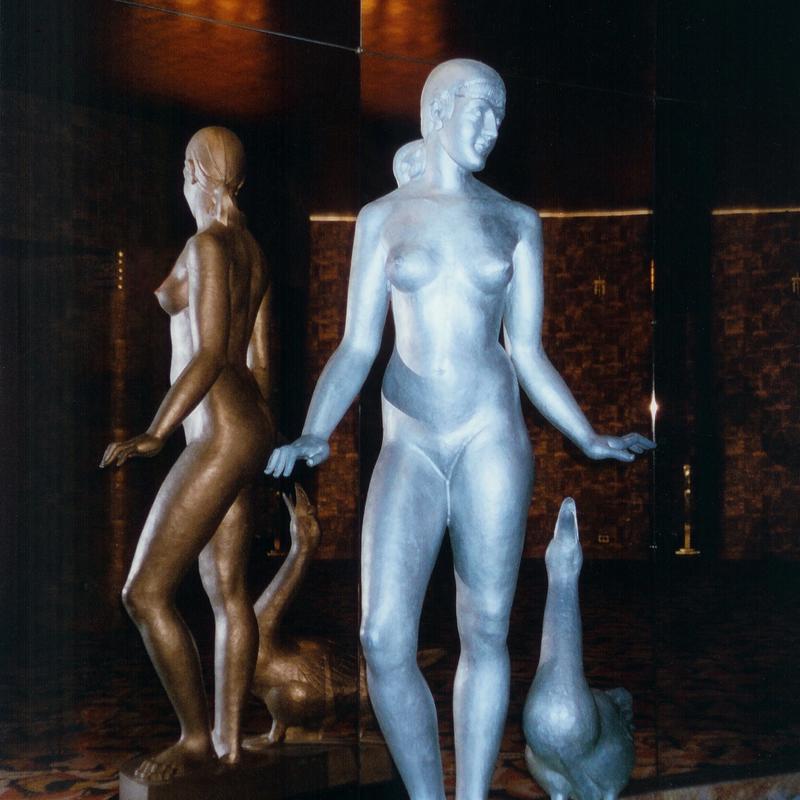
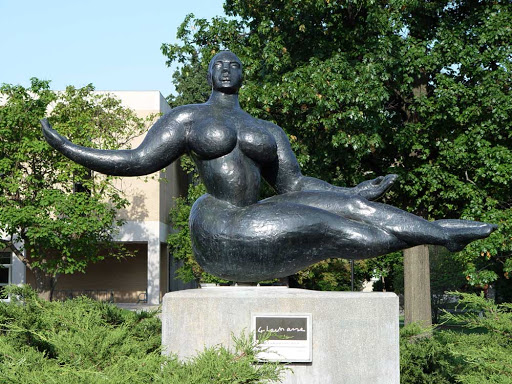
…and recalling my Jan. 12 post (about the Jan. 7, 1933 issue), in which the puritans got their knickers in a bunch over Robert Laurent’s Goose Girl sculpture in the Radio City Music Hall lobby…

…we end with Helen Hokinson, inspired by Laurent’s work…

Next Time: Role Reversal…

The Red House

From the 1930s until the 1950s, New York City was the one place where American communists almost became a mass movement.


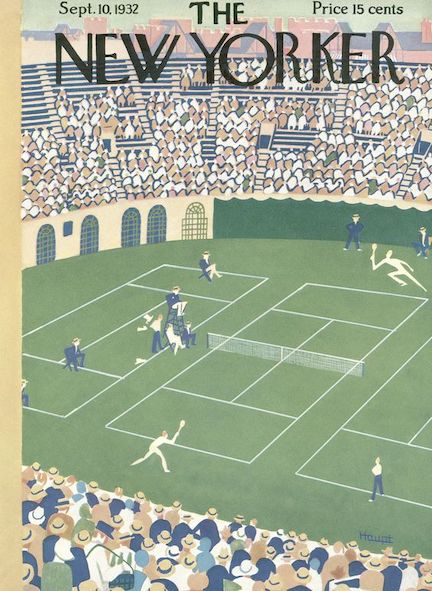
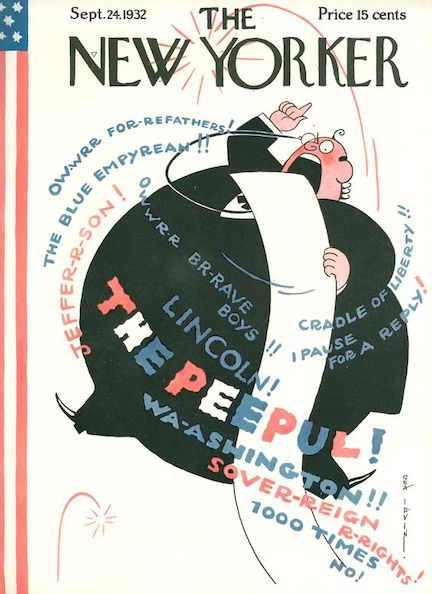
Sept. 10, 1932 cover by Theodore Haupt.

Writing in The New York Times opinion section (Oct. 20, 2017), Maurice Isserman observed how in those days New York party members “could live in a milieu where co-workers, neighbors and the family dentist were fellow Communists; they bought life insurance policies from party-controlled fraternal organizations; they could even spend their evenings out in night clubs run by Communist sympathizers…” we skip to the Sept . 17 issue in which journalist Matthew Josephson penned a report on the movement for the Reporter at Large” column titled “The Red House”…excerpts:

According to Isserman (a professor of history at Hamilton College), in 1938 the Communist Party of America counted 38,000 members in New York State alone, most of them living in New York City. A Communist candidate for president of the board of aldermen received nearly 100,000 votes that same year, with party members playing a central role in promoting trade unions.

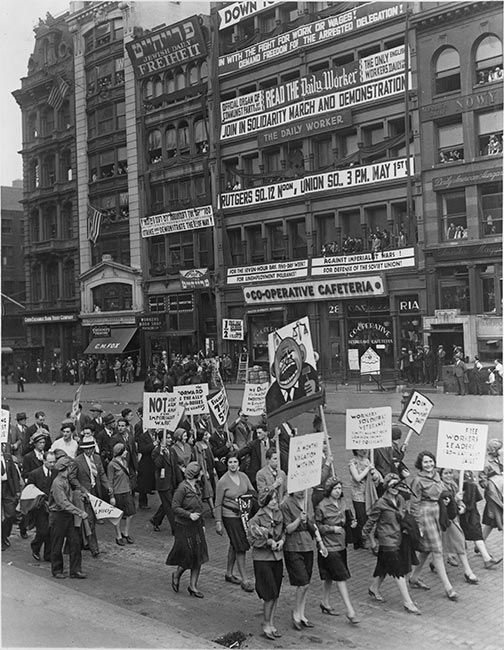
BOSS’S DAY…Communists march at Union Square against “the boss class” at a 1930 rally in New York City.  (Oxford Research Encyclopedias)
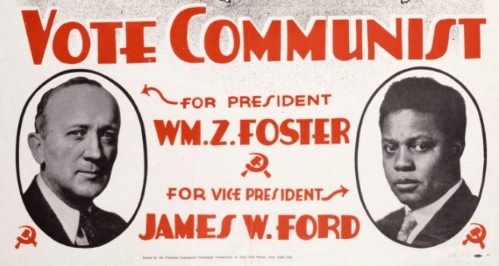
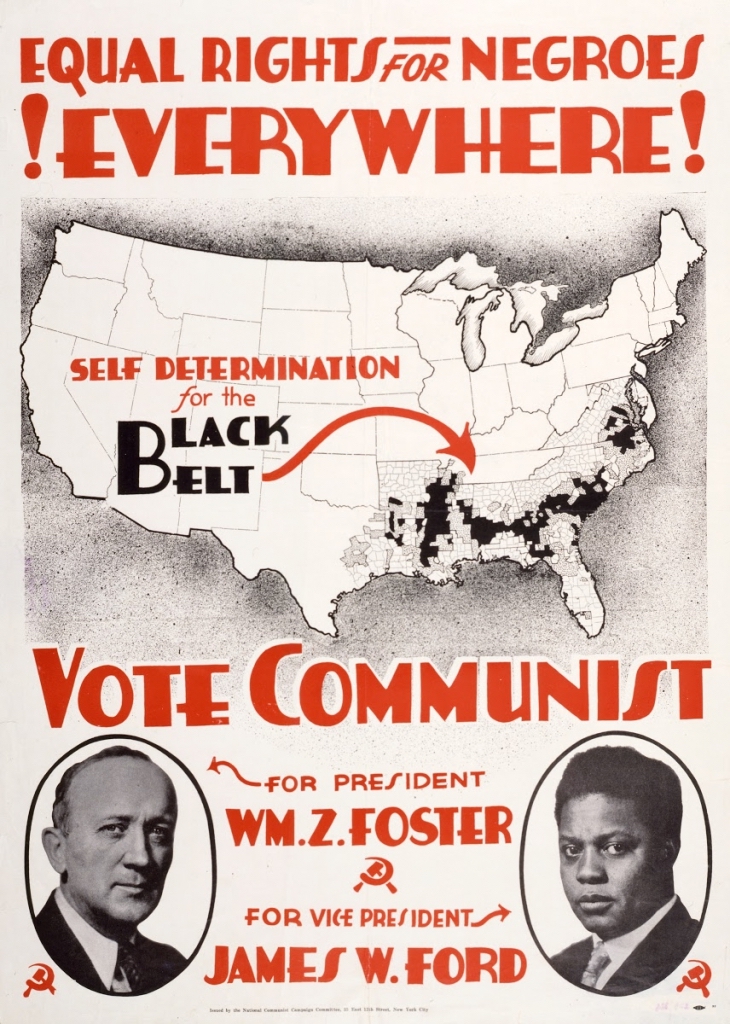
PARTY INVITATION…William Z. Foster and James W. Ford were on the Communist ticket in the 1932 U.S. presidential elections. Ford (1893–1957) was also on the 1936 and 1940 tickets as a vice-presidential candidate. (peoplesworld.org)

Josephson commented on the candidates appearing on the Communist ticket in the 1932 U.S. presidential elections, finding James W. Ford to be “much more intellectual” than his running mate:

THE HQ…Communist Party of America headquarters, 13th St., New York City, 1934; a close-up view of the Workers’ Bookshop display window in 1942. (USC Libraries/Library of Congress)
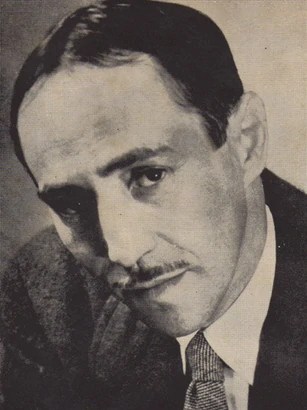
A regular New Yorker contributor, journalist Matthew Josephson (1899–1978) popularized the term “robber baron” with the publication of his 1934 book, The Robber Barons: The Great American Capitalists. (nationalbook.org)

Josephson concluded his article with observation of a party protest event, and one unmoved police officer…

Postscript: The Cold War in the 1950s and a renewed Red Scare spelled the end of the party’s heyday, as did Nikita Khrushchev’s 1956 speech that denounced the murderous legacy of his predecessor, Josef Stalin.

*  *  *

Très Chic

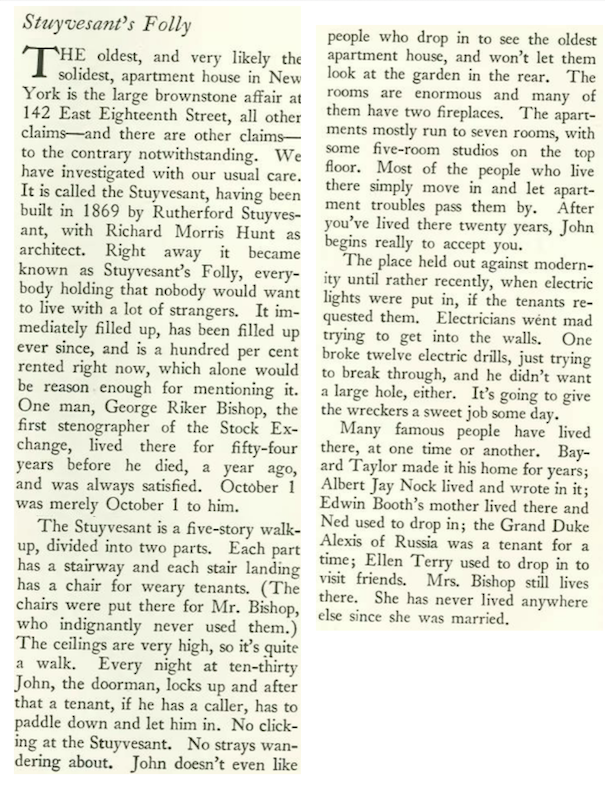
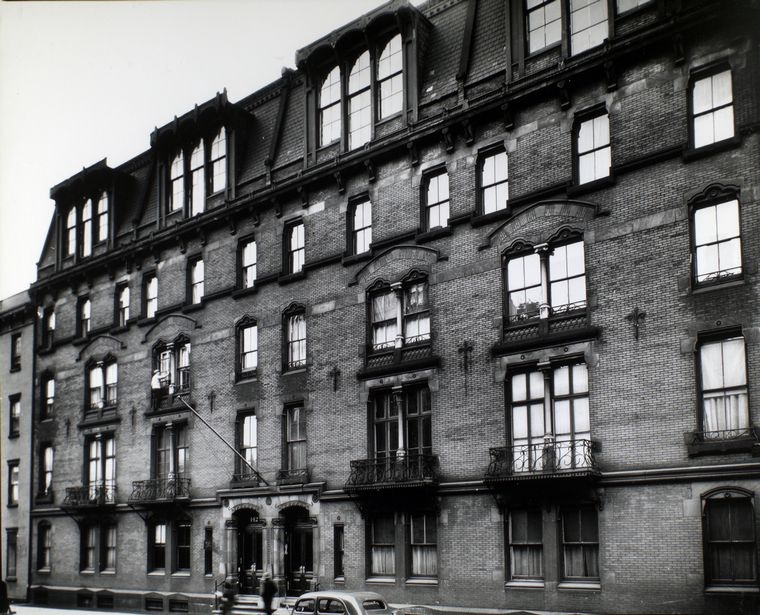
For those with means, the idea of living in the same building with other non-family humans seemed unseemly, but in 1870 Rutherford Stuyvesant hired Richard Morris Hunt to design a five-story apartment building for middle-class folks that had a decidedly Parisian flair. The Sept. 10 “Talk of the Town” explained:


According to Ephemeral New York, the apartments were initially dubbed a “folly,” but the building’s 16 apartments and four artists’ studios—located near chic Union Square—were quickly snapped up, creating a demand for more apartments. The building remained fully occupied until it was demolished in 1958. According to another favorite blog—Daytonian in Manhattan—demolition of Morris Hunt’s soundly built, sound-proof building was a challenge.

IT DIDN’T GO QUIETLY…Stuyvesant Flats at 142 East 18th Street, 1935, in a photo by Berenice Abbott. It was demolished in 1958. (New York Public Library)

*  *  *

Some Characters

I include this brief snippet of the Sept. 10 “Profile” for the jolly illustration by Abe Birnbaum of Al Smith, Jimmy Hayes and the Prince of Wales…

*  *  *

Down In Front

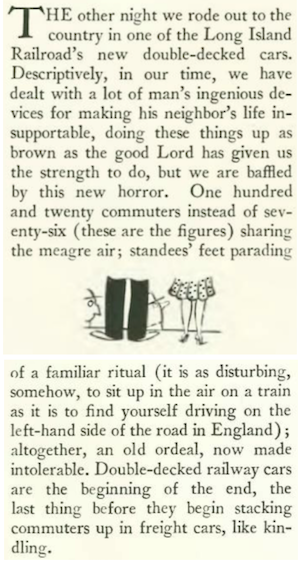
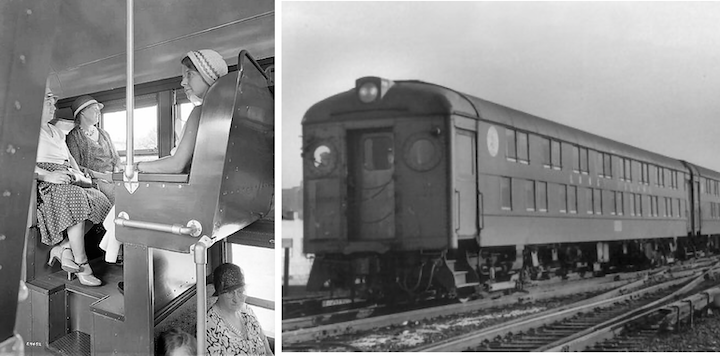
E.B. White was always on the lookout for the newfangled in the world of transportation, but this latest development by the Long Island Railroad was not a breath of fresh air…

STACK ‘EM UP…A woman wears a bemused expression (left) as she takes in her surroundings on one of the Long Island Railroad’s new double-decked cars in 1932. (trainsarefun.com)

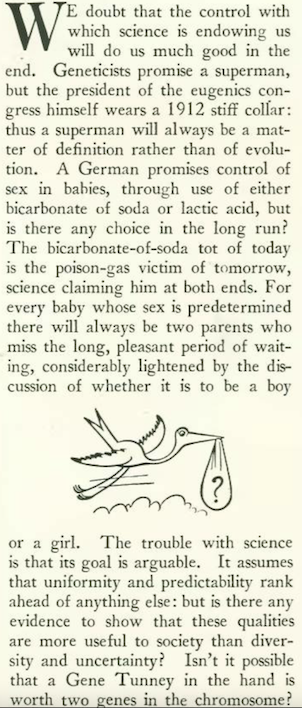
White also looked in on the latest news from the world of genetics—with hindsight we can read about these developments with a degree of alarm, since Hitler was months away from taking control of Germany…

*  *  *

Showing His Colors

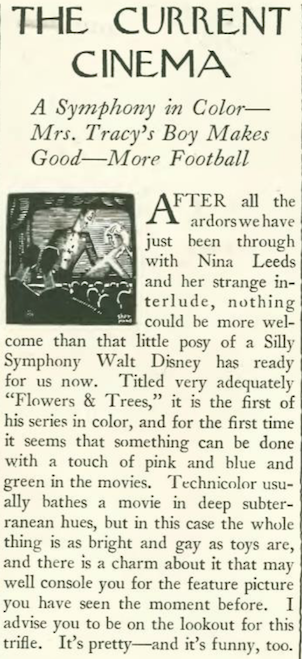
On to lighter matters, critic John Mosher enjoyed an eight-minute animated Walt Disney short, Flowers and Trees—the first commercially released film made in full-color Technicolor…

SEEING GREEN…Walt Disney’s Flowers and Trees won the very first Academy Award for Best Animated Short Film in 1932. (intanibase.com)

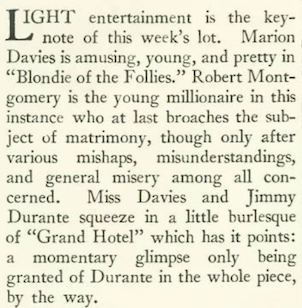
…Mosher also took in light entertainment of the live-action variety with Marion Davies and Billie Dove providing some amusement in Blonde of the Follies, although the picture could have used a bit more Jimmy Durante, billed as a co-star but making an all-too-brief appearance…

WHERE’S THE DUDE WITH THE SCHNOZ?…Billie Dove (left) starred with headliner Marion Davies in Blondie of the Follies, but another co-star, comedian Jimmy Durante, was mostly absent from the picture. (IMDB)

*  *  *

From Our Advertisers

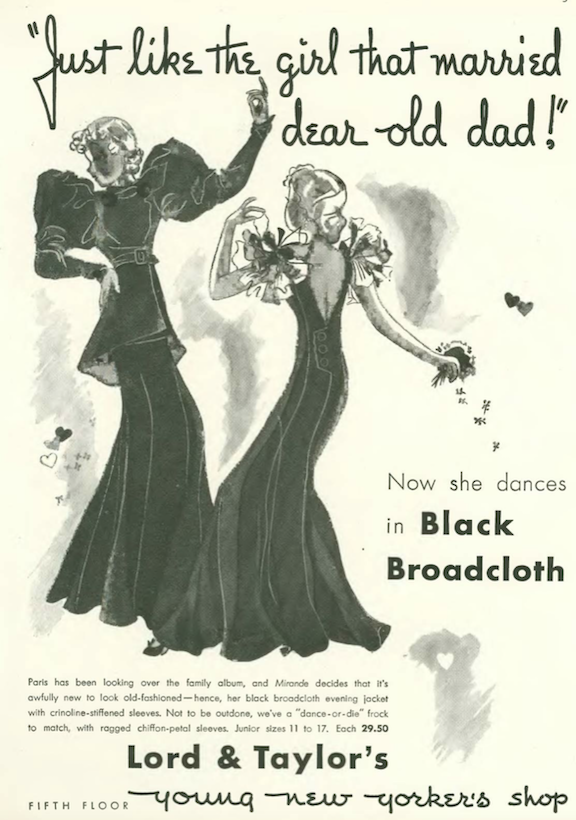
Lord & Taylor announced the return of Edwardian styles as the latest in fashion among the younger set, once again proving what goes around comes around, ad infinitum

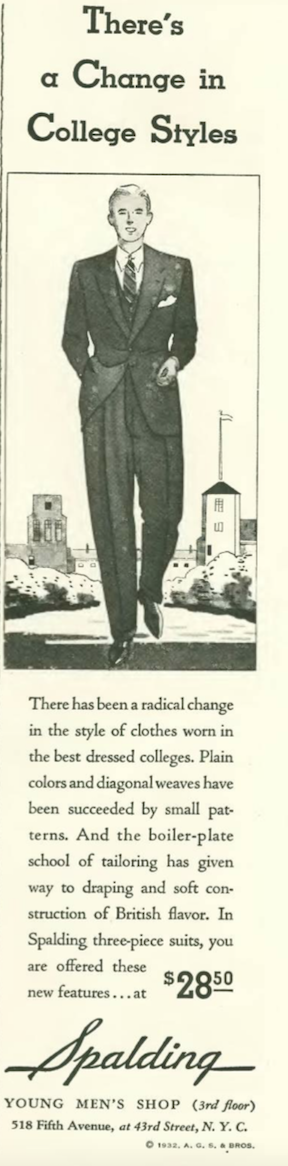
…except when it comes to “college styles”…I don’t see this look returning to our campuses anytime soon…

…the end of Prohibition was still a year away, but at least in New York it was all but over…I like the Hoffman ad and its winking line “with or without”…

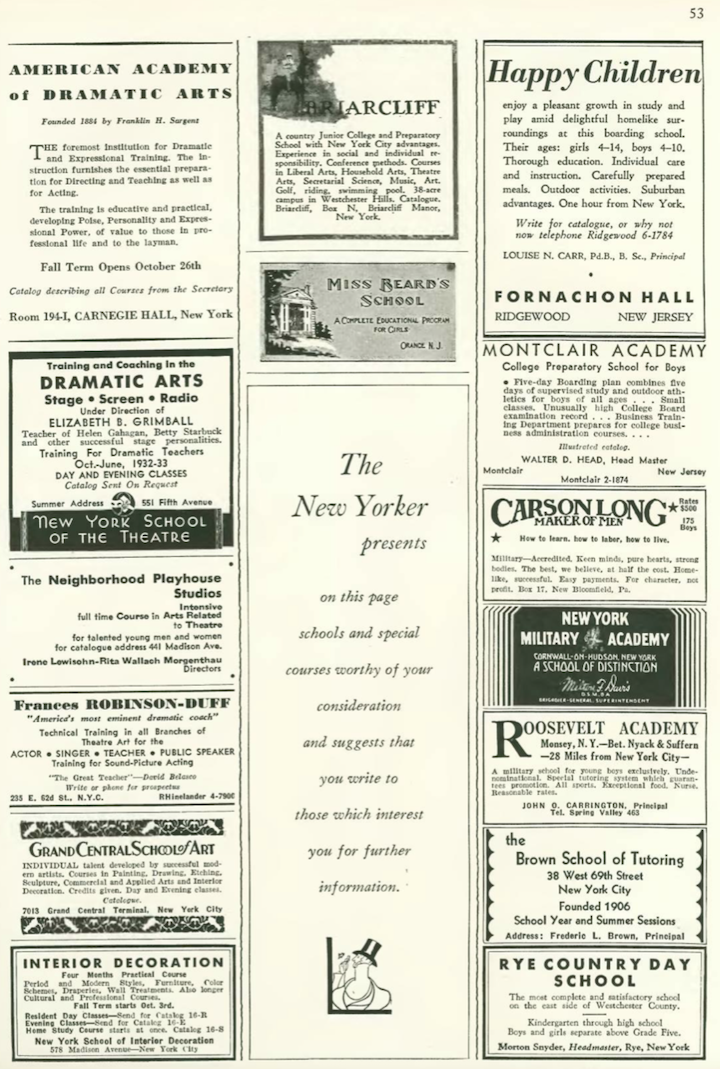
…as a courtesy to readers (and to fill a blank space) the New Yorker    “presented” a full page of signature ads touting a variety of specialty schools and courses…the Carson Long Military Academy (right hand column) closed in 2018 after 182 years of “making men”…

…on to our cartoonists and illustrators, we begin with this Isadore Klein illustration in the opening pages…

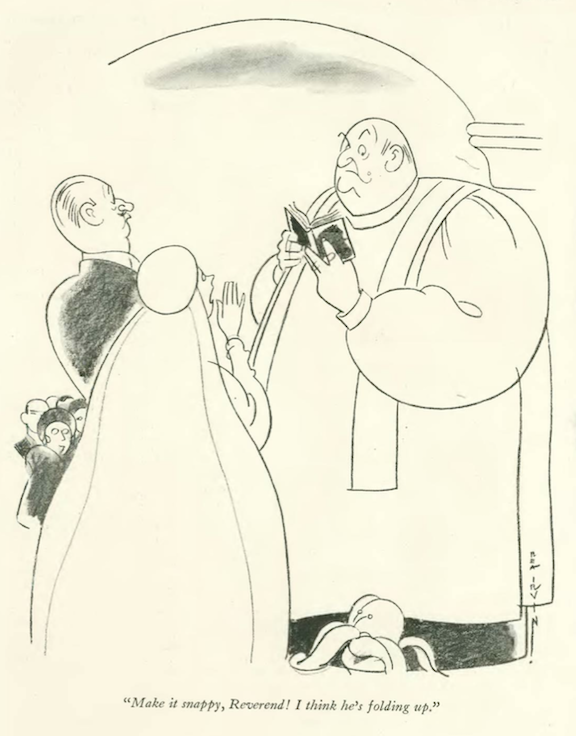
Rea Irvin gave us a nervous moment at the altar…

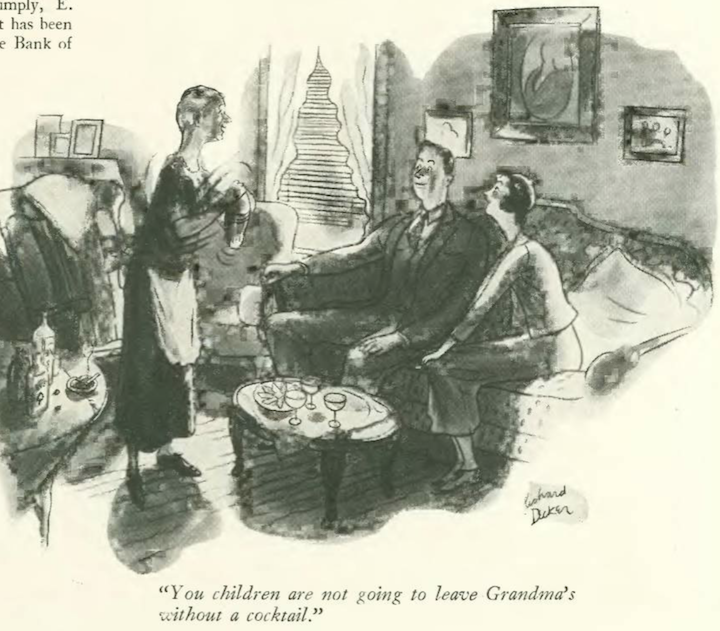
…and Richard Decker showed us one groovy grandma…

…on to the Sept. 17 issue (which we dipped into at the start)…and what a way to begin with this terrific cover by Peter Arno

Sept. 17, 1932 cover by Peter Arno.

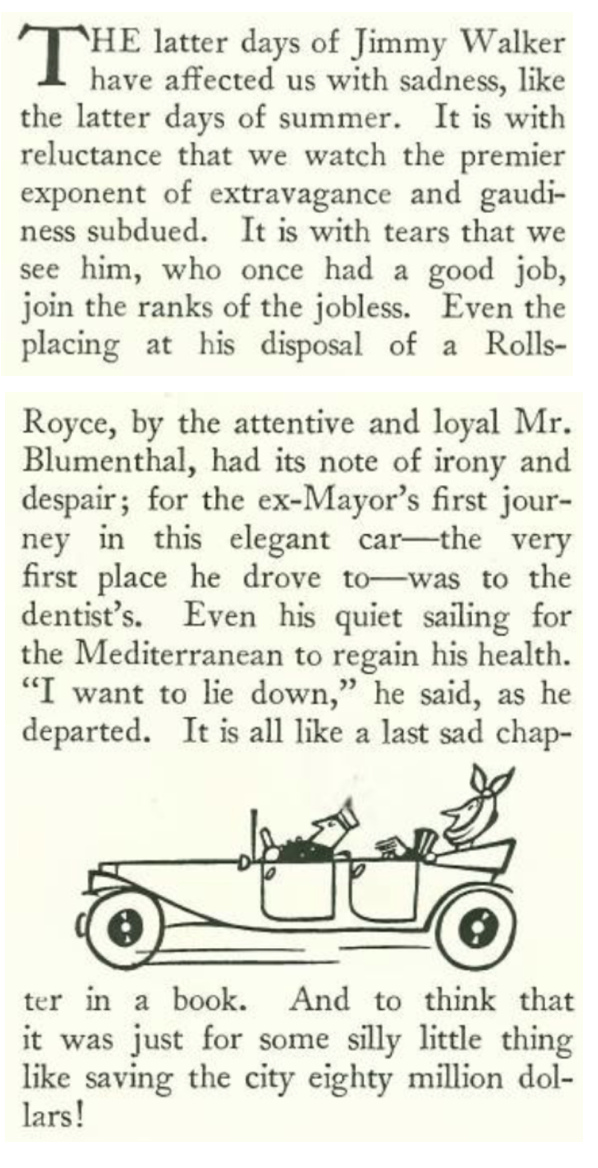
…in his “Notes and Comments,” E.B. White offered some parting words for the departing (and scandal-ridden) Mayor Jimmy Walker

THAT’S ALL FOLKS…Deposed New York Mayor Jimmy Walker skipped town shortly after he left office and caught a boat to Europe. He is seen here at his wedding to Betty Compton in Cannes, April 1933. (Library of Congress)

…and Howard Brubaker added his two cents regarding Walker and his replacement, Joseph McKee, who served as acting mayor until Dec. 31, 1932…

*  *  *

Heady Role

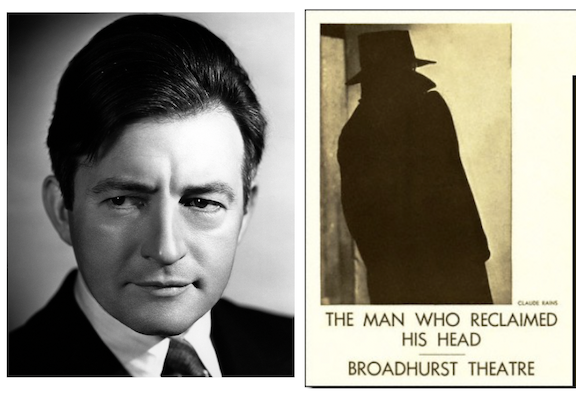
The British actor Claude Rains earned his acting chops on the London Stage before coming to Broadway, where in 1932 he appeared in The Man Who Reclaimed His HeadE.B. White was subbing for regular critic Robert Benchley, and concluded that Rains should have used his own head before agreeing to appear in such silly stuff…

NO MORE HEAD JOKES, PLEASE…Although he got a late start on his Hollywood career, Claude Rains (1889—1967) became one of the silver screen’s great character stars. (Playbill)

…and speaking of the silver screen, we turn to critic John Mosher and his review of the 1931 German film

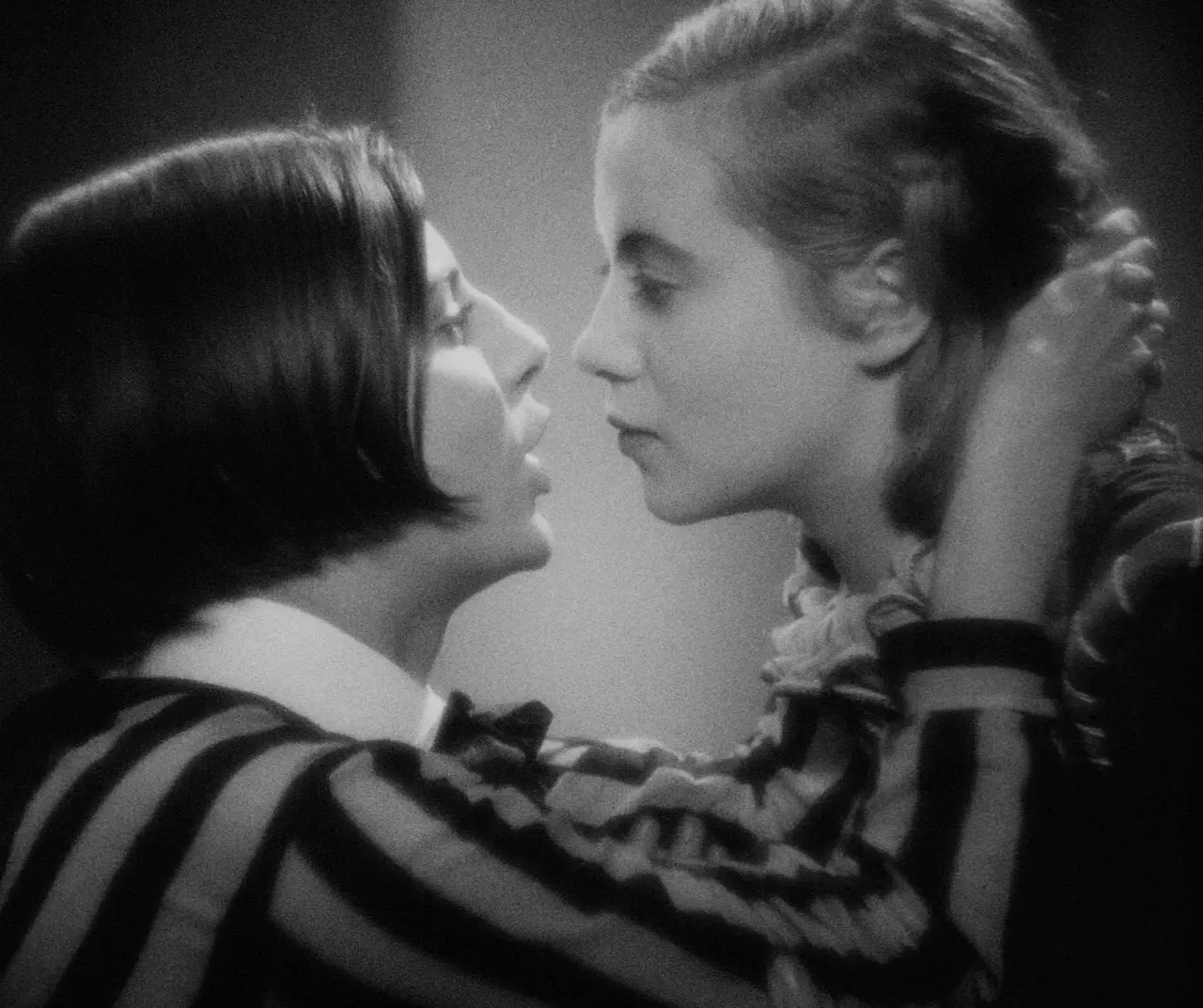
WOMEN IN REVOLT…The New York Times (in 2020) describes 1931’s  “expression of anti-fascism and a lesbian coming-out story.” The film was a success throughout Europe, but was later banned as “decadent” by the Nazi regime. Above, Ellen Schwanneke, left, and Hertha Thiele in Mädchen in Uniform. (Kino Lorber)

Mädchen in Uniform was almost banned in the U.S., but Eleanor Roosevelt spoke highly of the film, resulting in a limited US release (albeit a heavily-cut version) in 1932–33.

*  *  *

From Our Advertisers

I’m featuring this detail from an Elizabeth Arden ad because the illustrator’s style is so distinct…if someone knows the identity of the artist, please let us know (on other drawings I’ve seen a signature that looks like “coco”)…

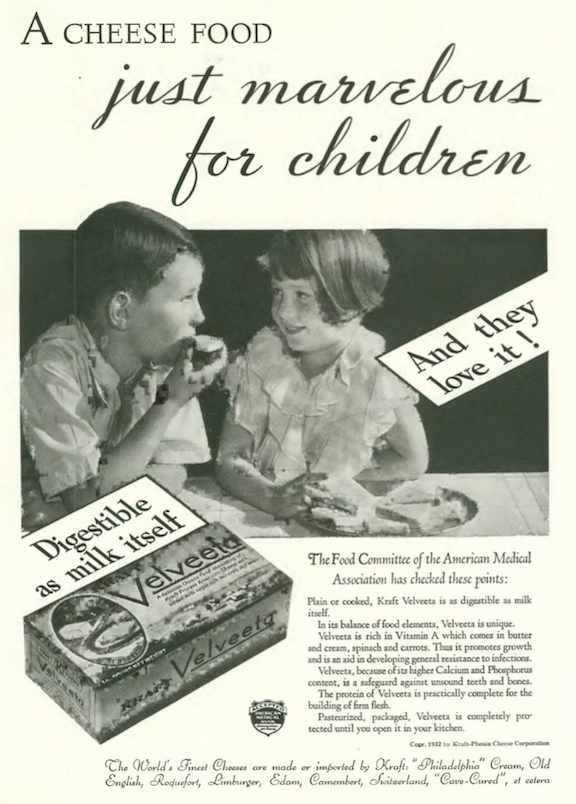
…invented in 1918, this “cheese food” made from milk, water, whey, milk protein concentrate, milkfat, whey protein concentrate and sodium phosphates—among other things—was acquired by Kraft in 1927 and marketed in the 1930s as a nutritious health food…I have to say I haven’t seen any Velveeta ads in The New Yorker as of late…

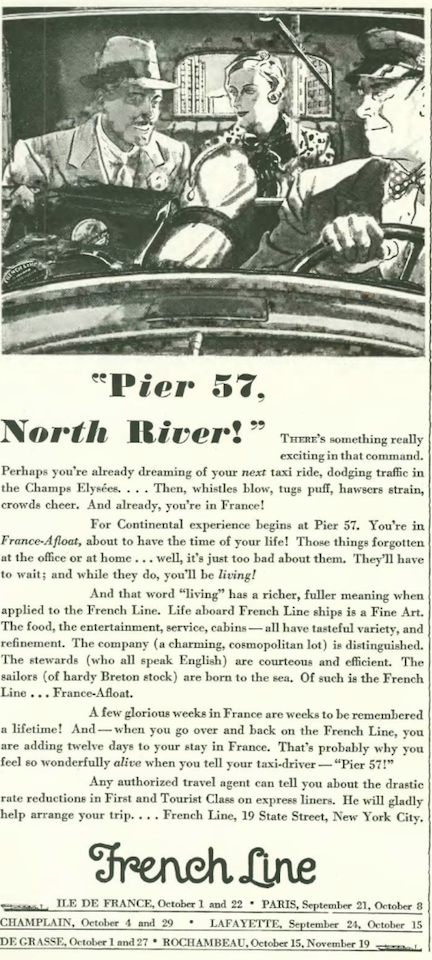
…”Pier 57, North River!” barks the successful-looking man to the admiring cabby who’s thinking “lucky dog!”…

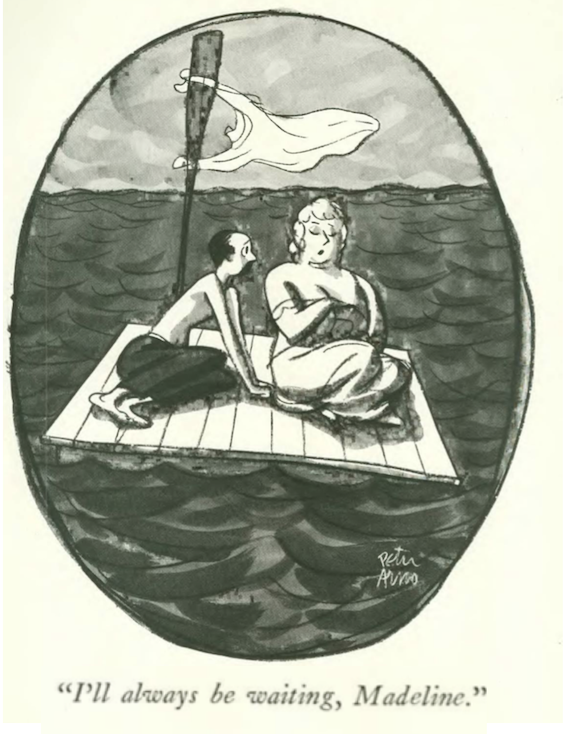
…on the other hand, Peter Arno (kicking off our Sept. 17 cartoons) gave us a Milquetoast who wasn’t getting anywhere near the French Line, or First Base…

…and speaking of the mild-mannered, James Thurber offered up this fellow…

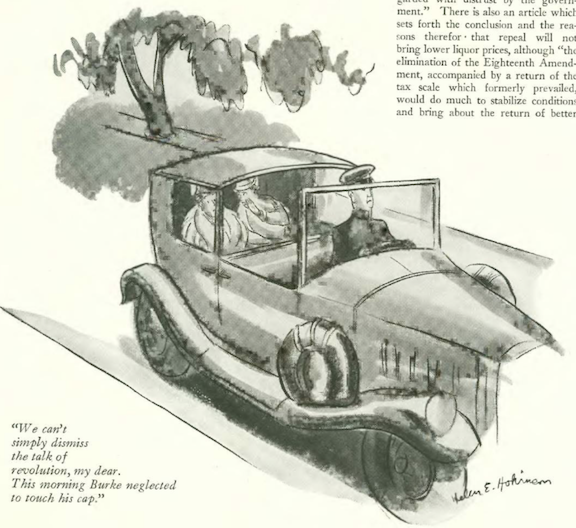
Helen Hokinson’s “girls” were perhaps wondering if their driver was among the Commies at Union Square…

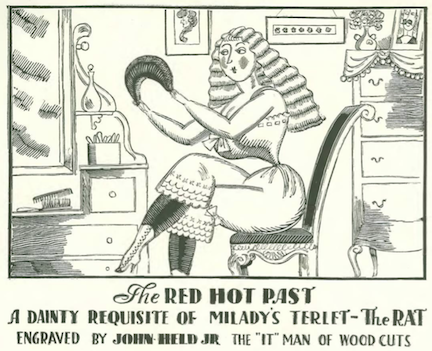
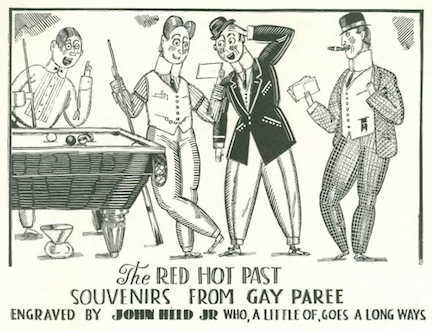
John Held Jr. entertained with another “naughty” Victorian portrait…

Robert Day, and wish unfulfilled at the zoo…

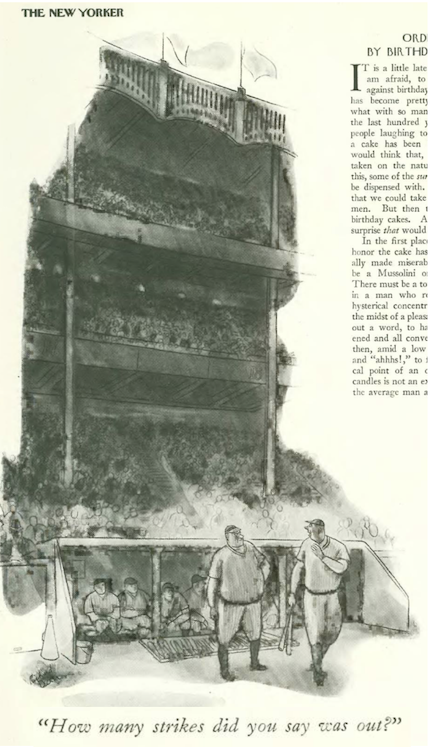
…and we close with Richard Decker, and trouble in the Yankee dugout…

Next Time: A Picture’s Worth…

Summer Indulgences

Writing under the pseudonym Guy Fawkes, Robert Benchley (1889-1945) tried to keep the newspaper industry honest through regular criticism in his “Wayward Press” column.

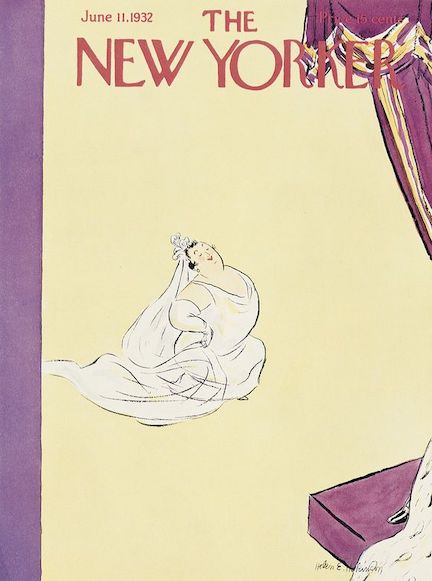
June 11, 1932 cover by Helen Hokinson.

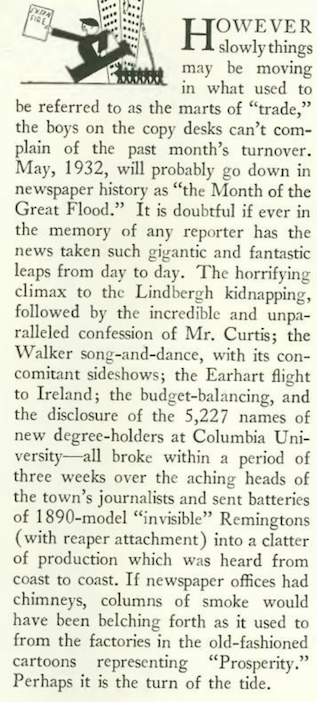
As the summer of ’32 approached, Benchley recalled the barrage of sensational headlines that dominated the month of May—everything from Amelia Earhart’s solo crossing of the Atlantic to John Curtis’ false confession in the Lindbergh baby kidnapping. Here is the opening paragraph:

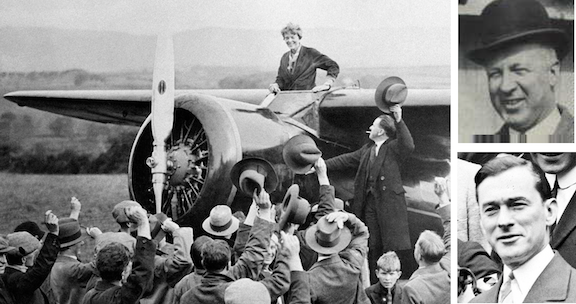
THE NOBLE AND IGNOBLE marked a busy May 1932. On May 20–21, Amelia Earhart became the first woman—and the only person since Charles Lindbergh—to fly nonstop and alone across the Atlantic. She is shown here after arriving in Culmore, Northern Ireland after her solo flight; At top, right, John Hughes Curtis, a bankrupt shipbuilder from Norfolk, Virginia, who falsely claimed he was in contact with the actual kidnappers of the Lindbergh baby, leading investigators on a wild goose chase; bottom right, Jimmy Walker’s days as mayor of New York were numbered as investigations into corruption continued. (pioneersofflight.si.edu/Wikipedia)

*  *  *

News From Texas

Lois Long filed another installment of “Tables for Two,” noting that folks at Broadway and Seventh Avenue “still own most of the motorcars that sally out of town,” with some of those cars ending up at Texas Guinan’s new La Casa Guinan on Merrick Road.

TEXAS TEA…Following the market crash of 1929, Mary Louise Cecilia “Texas” Guinan left Manhattan’s speakeasy life and in time started a new club near Valley Stream, Long Island. Formerly known as Hoffman’s, Guinan renamed the club La Casa Guinan in 1932. (liherald.com)

 *  *  *

Dud Stud

Writing under his pseudonym Audax Minor, George F. T. Ryall reported on the latest news from the track, namely the race at Belmont that produced a surprise winner.

FAIR FAIRENO scored his first major victory of 1932 in the Belmont Stakes. Unfortunately, Faireno fared less well with the fillies—he was found to be completely sterile when tried at stud.(americanclassicpedigrees.com)

*  *  *

Appreciating ZaSu

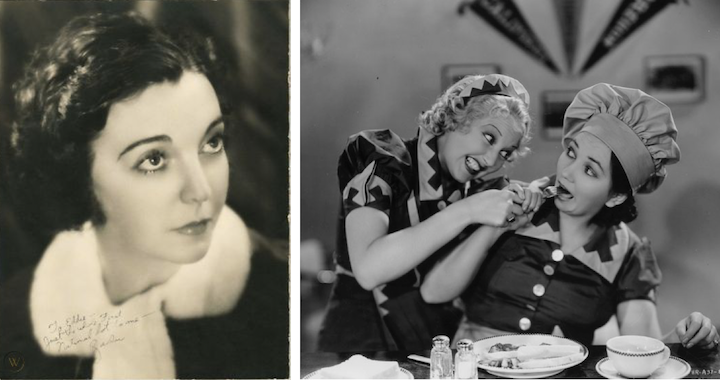
ZaSu Pitts (1894 – 1963) began her acting career in silent dramas, but moved on to comic roles with the advent of sound, most famously pairing up with Thelma Todd in a string of comedy shorts. Producer Hal Roach saw the duo as a female version of Laurel and Hardy, although Pitts and Todd’s characters were smarter and more streetwise. Pitts was also known for playing many secondary parts in B films, mostly portraying fretful spinsters. According to critic John Mosher, this typecasting did not do justice to the Pitts’ obvious talents, which were on display in 1932’s Strangers of the Evening.

UNSUNG HEROINE is how critic John Mosher described actor ZaSu Pitts, seen at left in a circa 1930 publicity photo. Anticipating Lucy and Ethel from I Love Lucy, Pitts teamed up with Thelma Todd in a string of comedy shorts in the early 1930s. Pitts was featured in dozens of films in her 50-year career, including appearances in 18 films in 1932 alone. (IMDB)

Mosher was also a big fan of Greta Garbo, her recent appearance in Grand Hotel prompting a raft of superlatives from the usually reserved critic. But in her latest outing, As You Desire Me, the enigmatic star seemed to drift a bit closer to earth.

GET OFF MY BACK…Critic John Mosher was a big fan of Greta Garbo, but her appearance in As You Desire Me was a bit of a letdown. Maybe it was the blonde wig. (IMDB)

*  *  *

From Our Advertisers

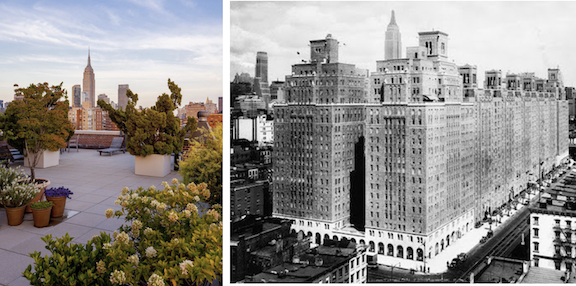
Chelsea’s London Terrace opened in 1930 as largest apartment building in the world, and it was a world unto itself, noted for its “Garden Quiet” as this ad claimed…

…and its terraces continue to provide respite from the clamor below…

NOW AND THEN…London Terrace today and in 1930. (londonterracestories.com)

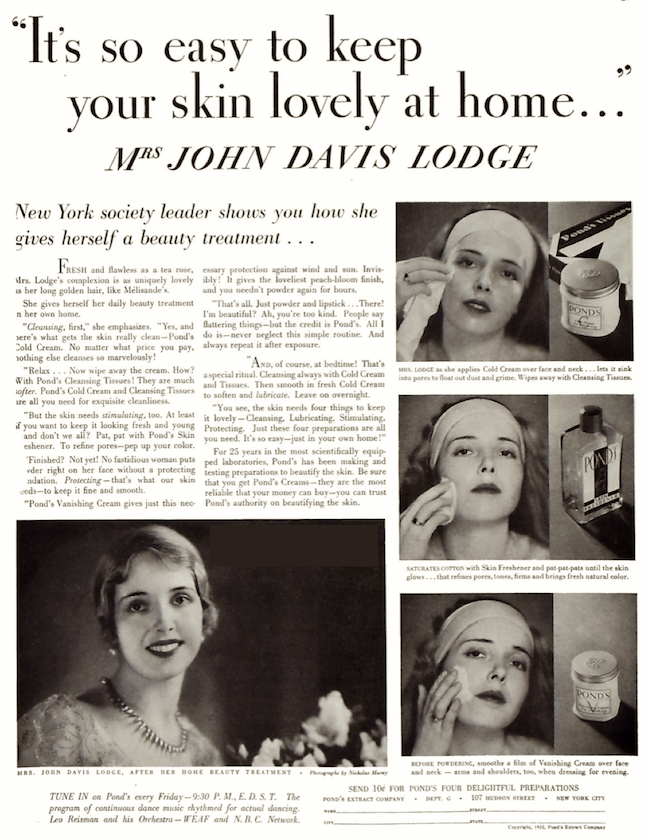
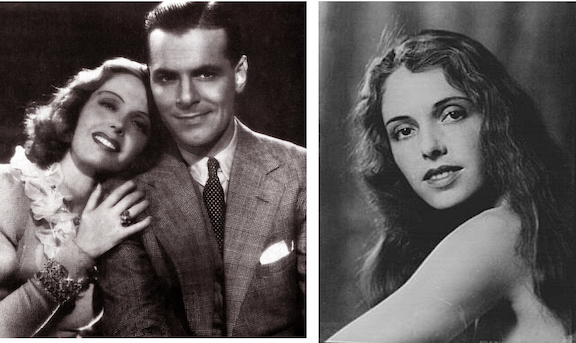
…next is another testimonial ad from Pond’s Cold Cream, this time featuring “Mrs. John Davis Lodge,” aka Francesca Braggiotti (1902-1998), an Italian dancer and actor who married fellow actor John Davis Lodge in 1929 (they co-starred in the 1938 film Tonight at Eleven)…

…A member of a prominent political family, John Davis Lodge (1903-1985) later served as governor of Connecticut, a U.S. House representative, and ambassador to Spain, Argentina, and Switzerland…

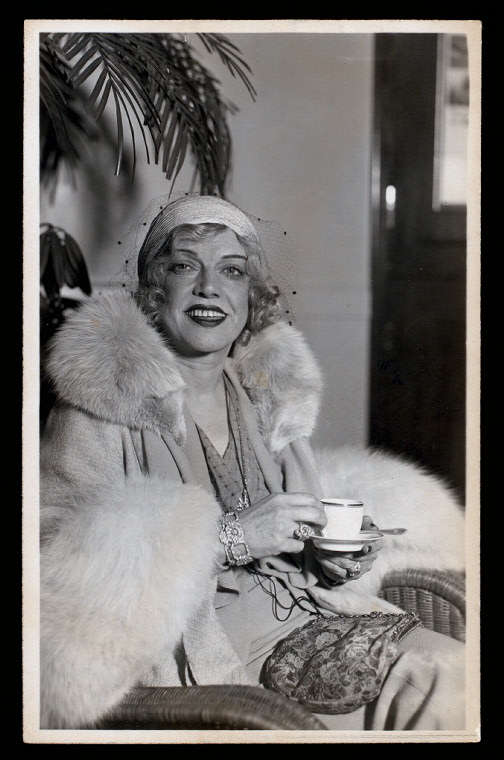
SECOND ACT… Francesca Braggiotti married fellow actor John Davis Lodge in 1929, but gave up the acting life when her husband entered politics in the 1940s. At left, the couple in 1938; at right, a 1931 portrait of Braggiotti by Arnold Genthe. The couple had two children, one of whom is Lily Lodge, co-founder of Actors Conservatory in NYC. (Wikipedia/geni.com)

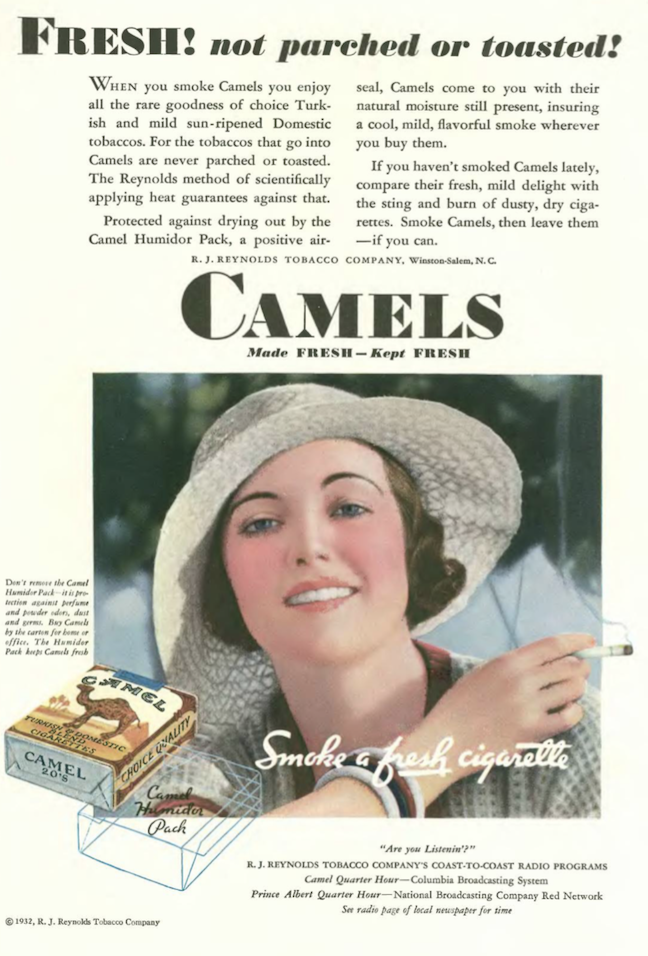
…on with the rest of the ads, we have this one from the maker of Camels, R.J. Reynolds, who took a shot at rival American Tobacco, and their “toasted” Lucky Strikes…

…and we get a dose of retrofuturism thanks to Charles Kaiser and his illustrations of life unbounded with the autogiro, a predecessor to the modern helicopter…

…and it makes a nice segue to our cartoons, beginning with Robert Day

…and the next series are of a scandalous nature, beginning with Otto Soglow’s comment on Mayor Walker’s corruption charge, and an “unnamed” whistleblower…

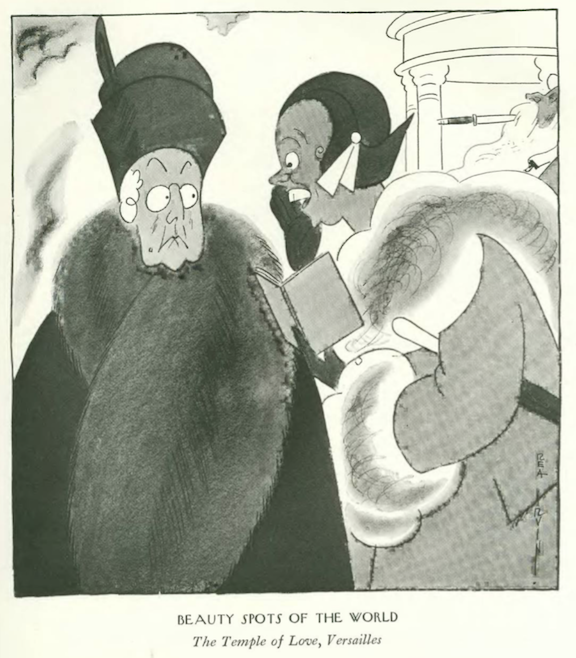
…and we have scandalous whispers for a dowager at Versailles, with Rea Irvin

…and we let our imaginations run wild with Helen Hokinson here…

…and again here…

…and we end with another James Thurber classic…

Next Time: On Detention…

Jimmy’s Jam

New York City Mayor Jimmy Walker (1881-1946) was commonly referred to as “Beau James” for his flamboyant lifestyle and his taste for fine clothes and Broadway showgirls.

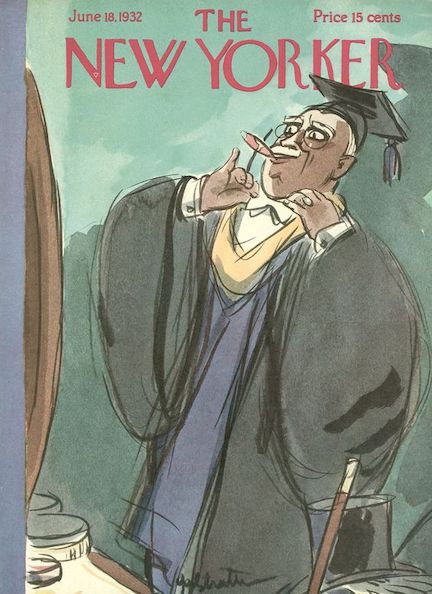
June 4, 1932 cover by Theodore Haupt.

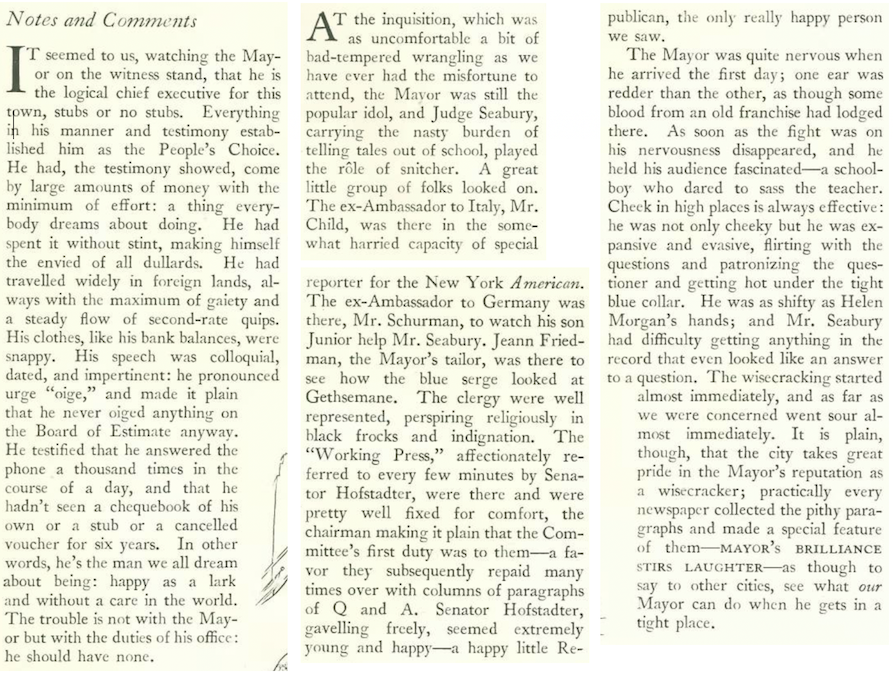
Mayor Walker was also a product of the powerful Tammany Hall machine that traded in political favors and outright bribery. When he took office in 1926, the economy was riding high, and few seemed to care that hizzoner was aloof, partying into the night (while openly flouting Prohibition laws), and taking numerous pleasure trips to Europe. He easily won reelection in 1929, but when the stock market crashed later that year his hijinks began to wear a bit thin, and reform-minded politicians like State Senator Samuel H. Hofstadter began looking into corruption in New York City. The actual investigation was led by another reformer, Samuel SeaburyThe New Yorker’s E.B. White looked in on the proceedings and its star witness, Mayor Walker.

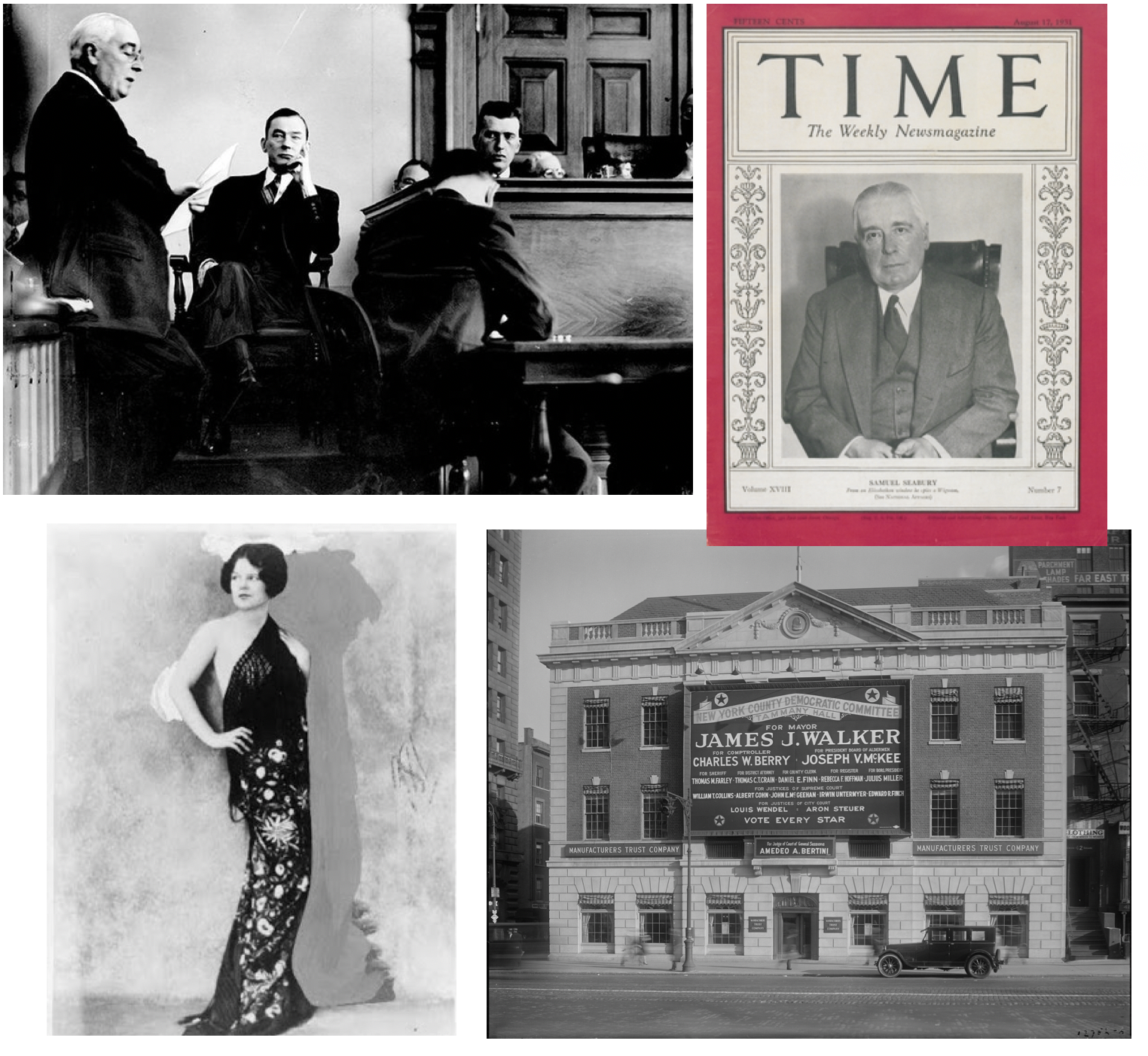
I DO NOT LIKE THIS, SAM I AM…Clockwise, from top left, Mayor Jimmy Walker was full of wisecracks during his testimony before Samuel Seabury, far left; Seabury’s role in the high-profile commission landed him on the cover of Time (Aug. 17, 1931); Tammany Hall’s support was writ large for Walker in the 1920s; Vivian Gordon was a surprise witness in the Seabury investigation, telling investigators police received bonuses for falsely arresting women on prostitution charges. After her testimony Gordon was found strangled in Van Cortland Park, leading many to believe Walker’s corruption played a role in her death. (Daily News/Time/archives.nyc/Pinterest)

Public opinion really started to turn on Walker with the death of star witness Vivian Gordon (see caption above). The final blow came from New York Governor Franklin D. Roosevelt, who like Walker was a Democrat but unlike Walker was not a Tammany product. Roosevelt was also running for president, and rightly seeing Walker as a liability, asked the mayor to resign, which he did on Sept. 1, 1932. That event was still three months away when E.B. White wrote these concluding lines:

SO LONG, SUCKERS…Eight days after he resigned from office, New York Mayor Jimmy Walker headed for Paris, where his mistress, Ziegfeld star and film actress Betty Compton, awaited with open arms. Clockwise, from top left, Compton and Walker on their wedding day in Cannes, France, April 19, 1933; and a 1920s photo portrait of Compton; Walker’s first wife, Janet Allen Walker, had sued for divorce a month earlier (March 10, 1933) claiming Jimmy had deserted her in 1928 and they had not lived together since; Walker and Compton on the deck of SS Normandie, June 17, 1936. (legacy.isle-of-wight-fhs.co.uk/IMDB/Pinterest/NYC Municipal Archives)

Eight days after Walker resigned from office he caught a boat for Paris, where his mistress, Ziegfeld star and film actor Betty Compton (1904-1944), awaited him. They married the following year in Cannes.

 *  *  *

Out of the Shadows

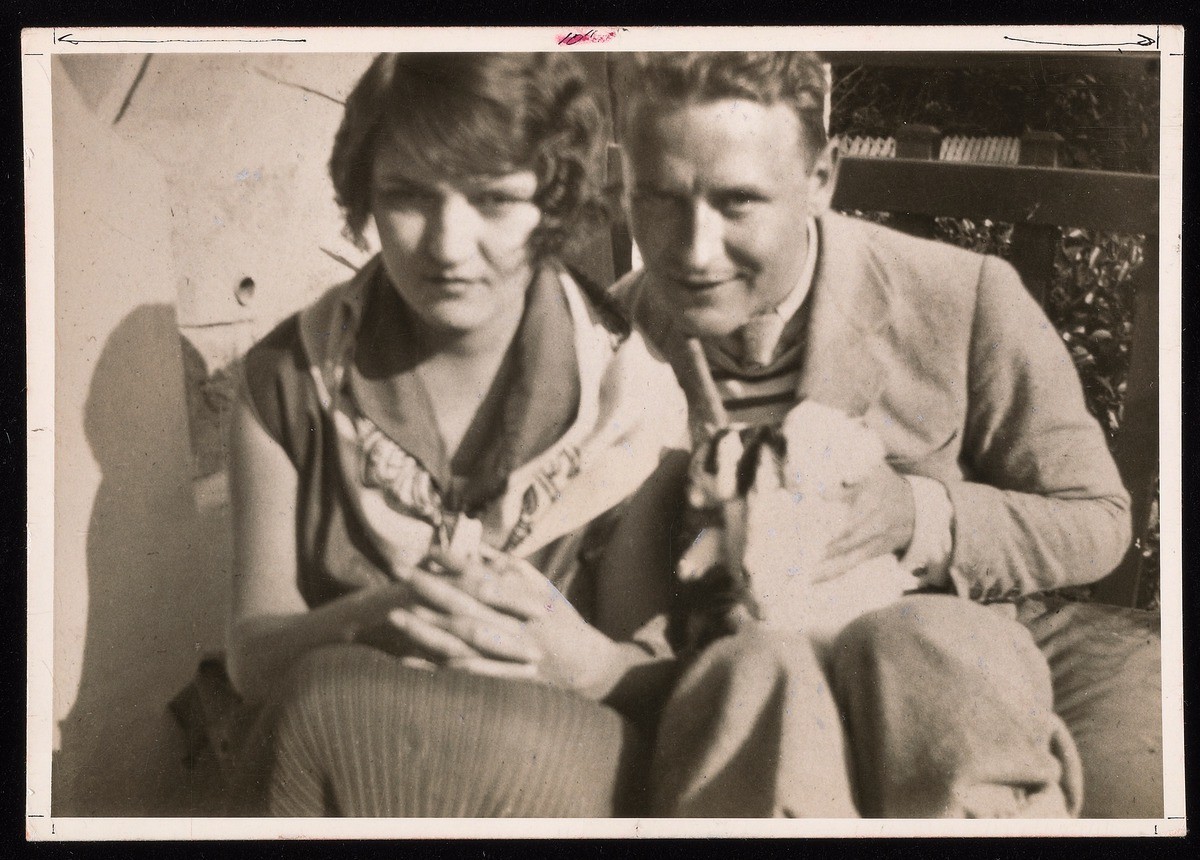
F. Scott and Zelda Fitzgerald were Jazz Age fixtures, cutting wide swaths through literary and society worlds filled with wild drinking and various infidelities. Francis Scott (1896-1940) was a chronicler of that age, most notably with The Great Gatsby, but Zelda (1900-1948) also took pen in hand, contributing short pieces to various magazines in the 1920s. By 1930 their self-destructive ways caught up with them both, and Zelda was admitted to a sanatorium in France that spring; it was the beginning of a long road of treatments that would end in her death nearly two decades later.

ALL THAT JAZZ…Zelda and F. Scott Fitzgerald (pictured here in 1926) embodied the riotous days of the Roaring Twenties. (beinecke.library.yale.edu)

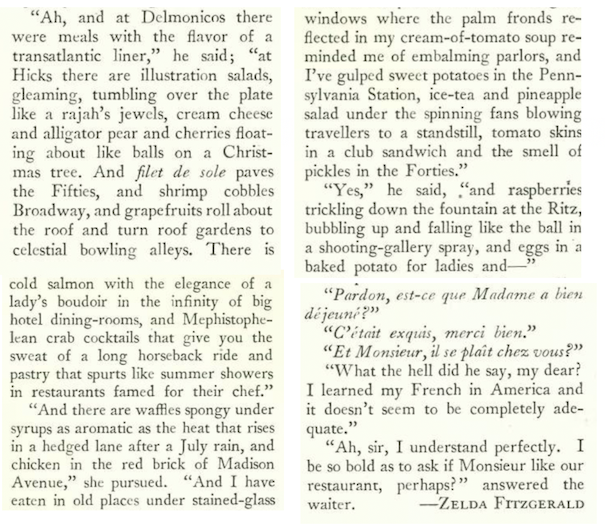
In 1932, during her stay at the Phipps Clinic (Johns Hopkins), Zelda experienced a burst of creativity, writing an entire autobiographical novel — Save Me the Waltz — in just six weeks. Sadly, it was not well-received (by critics or by her husband), and fewer than 1,400 copies of the novel were sold — a crushing blow to Zelda. However, during that same time she published a short story in The New Yorker titled “The Continental Angle.” Here it is:

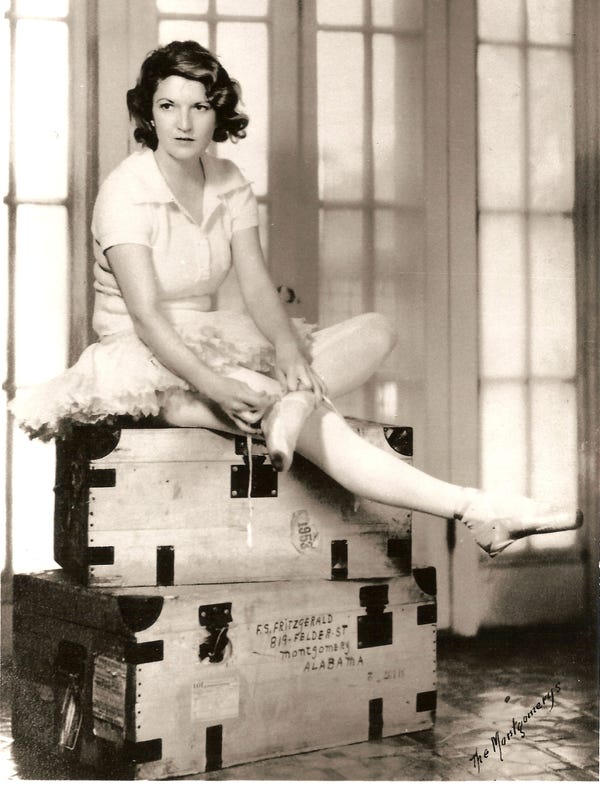
TALENTED AND TROUBLED…Zelda Fitzgerald in 1931, a year before she entered the Phipps Clinic and had a burst of creativity. (citizen-times.com)


 *  *  *

From Our Advertisers

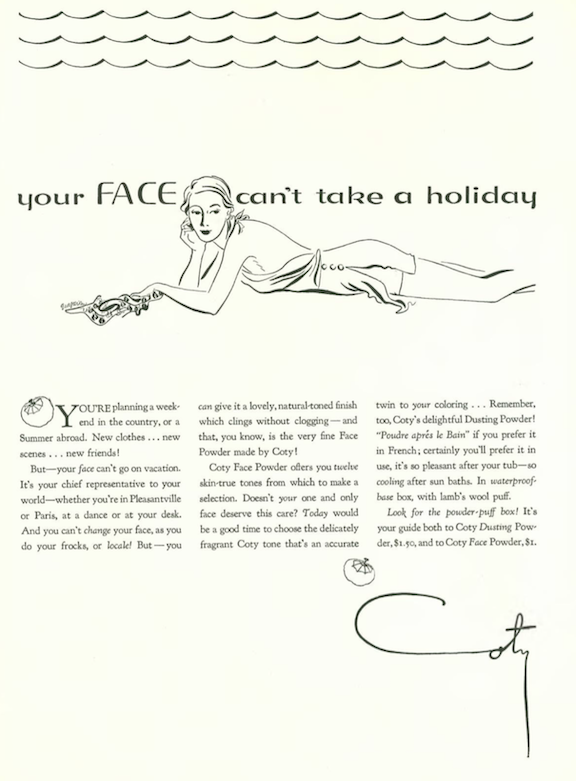
Yet another stylish and very modern-looking ad from Cody, thanks to the artistry of American fashion illustrator Ruth Sigrid Grafstrom…

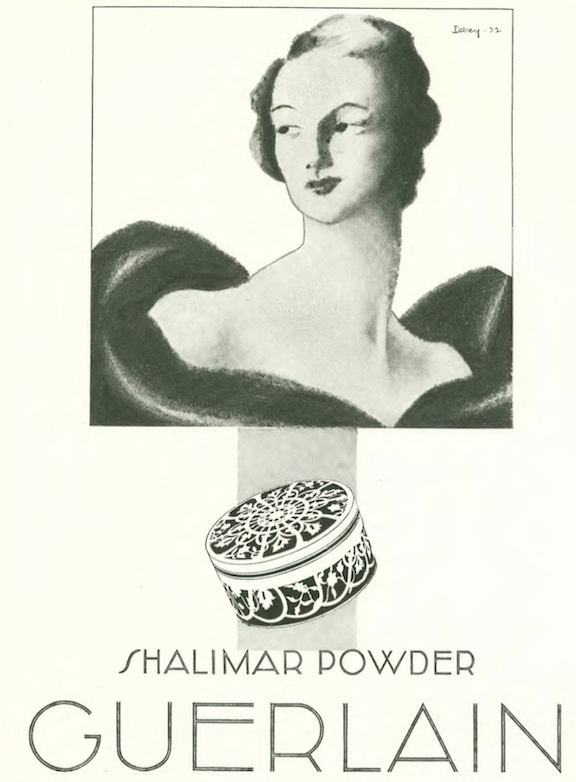
…while later on in the issue French illustrator Lyse Darcy gave his subject an Art Deco look to promote Guerlain’s face powder…

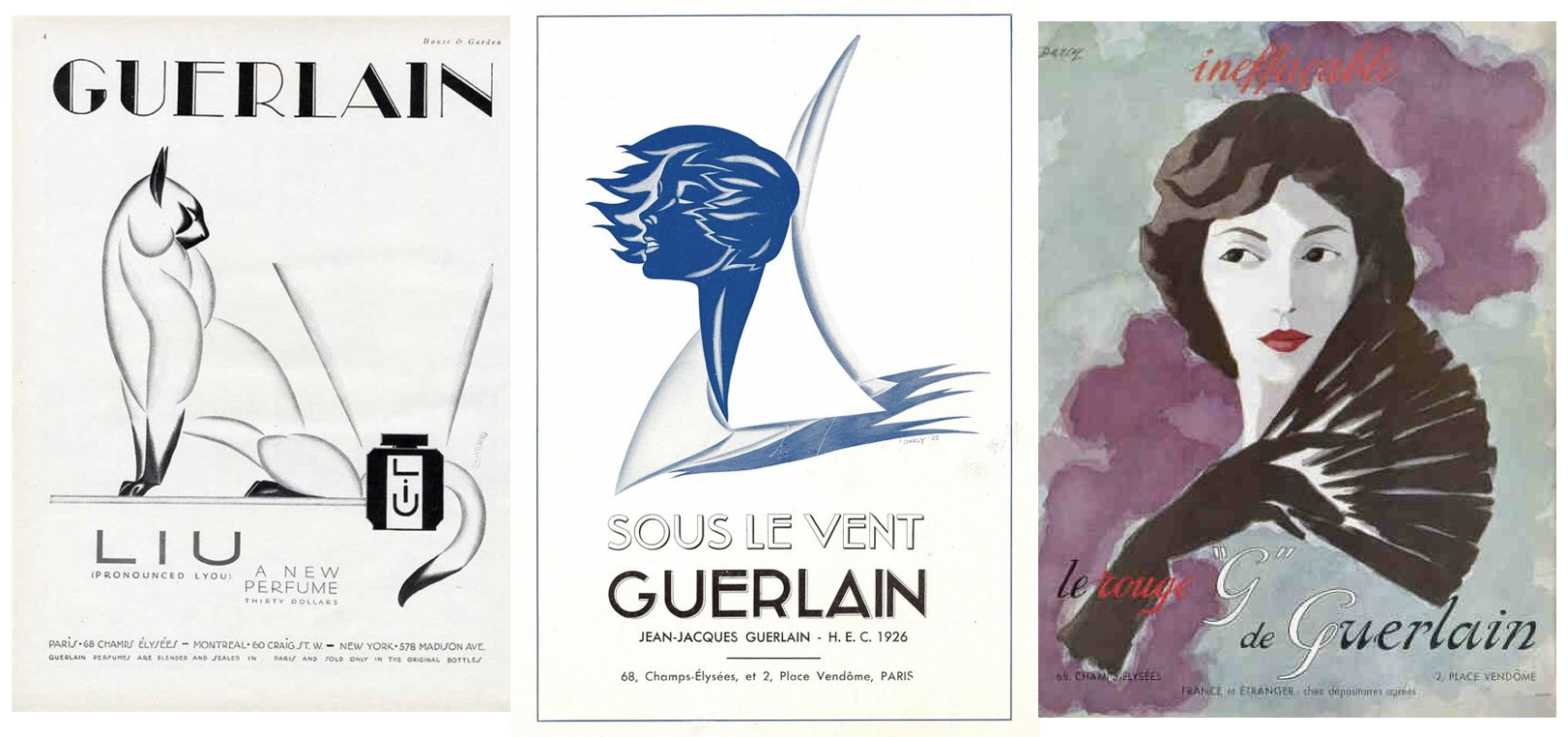
…Darcy was famed for his Guerlain ads from the 1920s to the 1950s…

From left to right, Darcy ads from 1929, 1938, 1957…

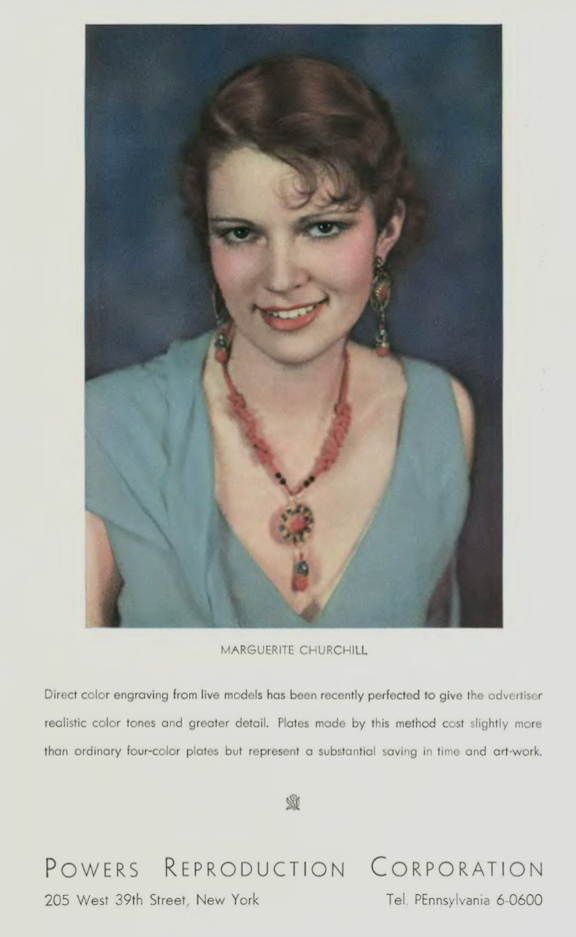
…Powers Reproduction turned to star power to promote their latest color engraving techniques…

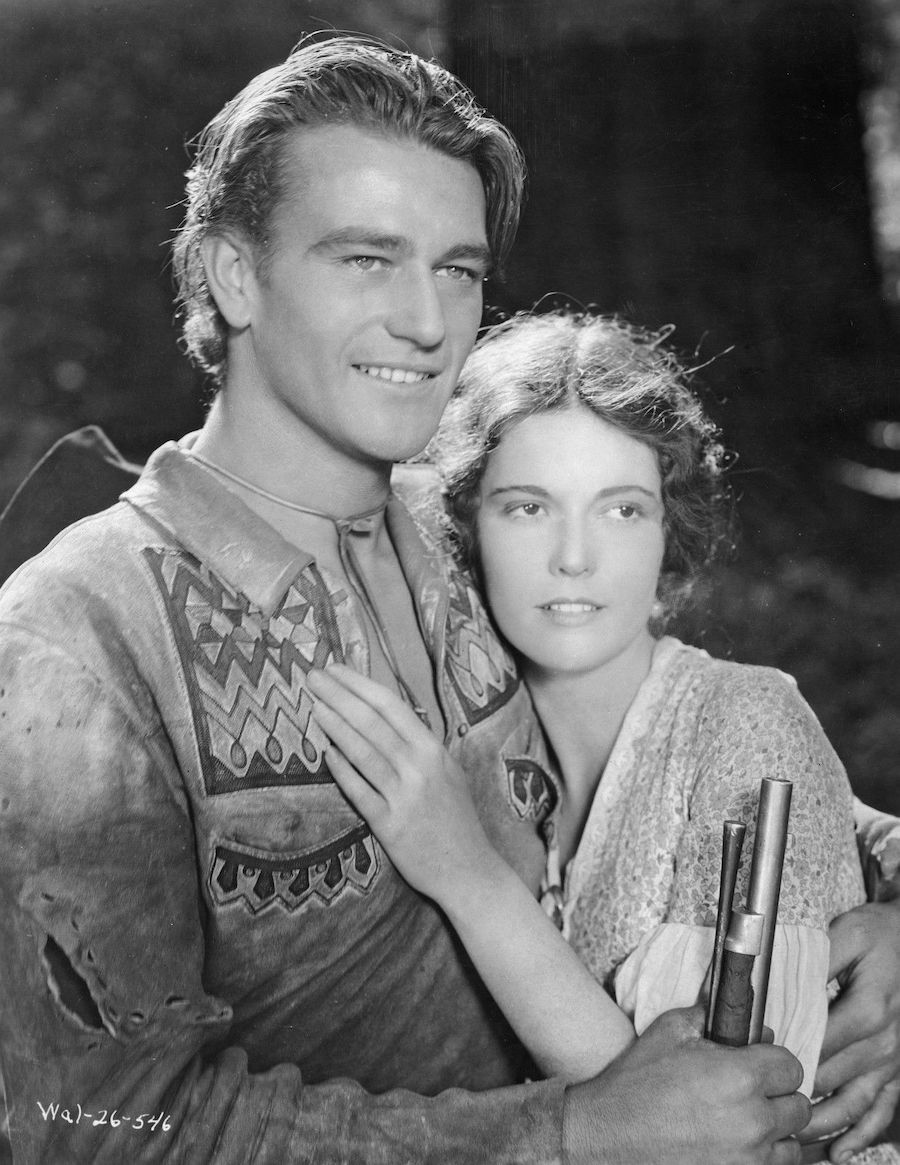
…the actor Marguerite Churchill (1910-2000) had a film career spanning 1929 to 1952, and was John Wayne’s first leading lady in 1930’s The Big Trail

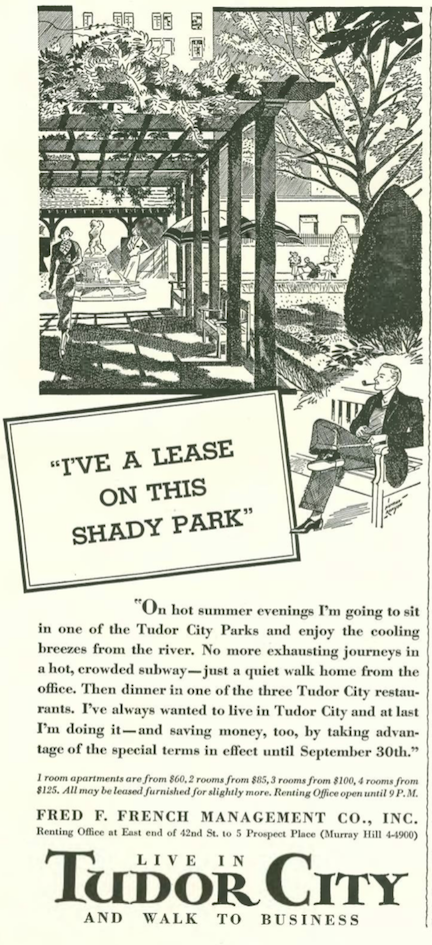
…and we head back to the city, Tudor City, to be precise, where apparently it was common in the 1930s to spot a gent in formalwear relaxing with his pipe…

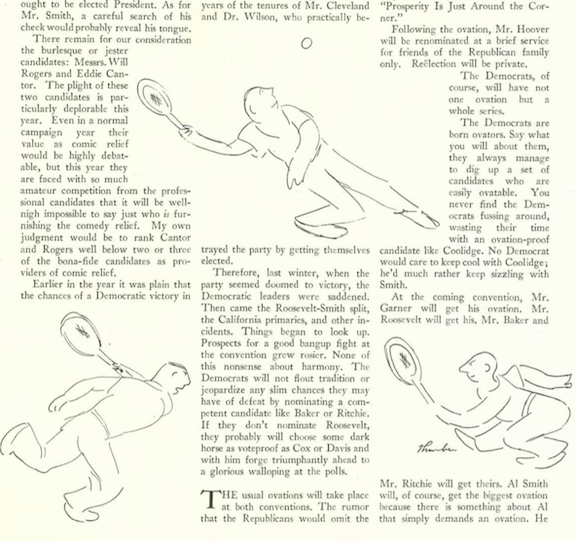
…on to our cartoons, we have James Thurber contributing some spots…

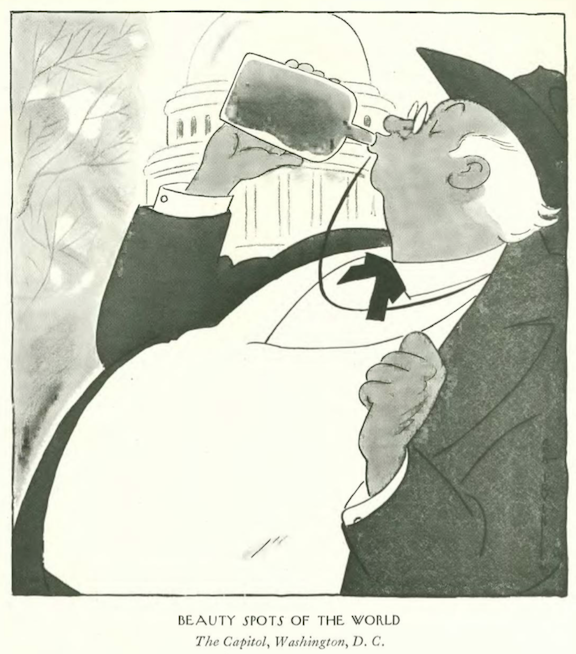
Rea Irvin continued to visit the world’s “Beauty Spots”…

Garrett Price showed us a couple looking for the “We Want Beer” parade…

…which happened three weeks earlier, on May 14, 1932…the parade was organized by none other than Mayor Jimmy Walker, who believed prohibition was making life difficult for New Yorkers…

(brookstonbeerbulletin.com)

Barbara Shermund introduced two men with bigger issues than beer on their minds…

John Held Jr. continued to plumb the depths of the naughty Nineties…

…and some more naughtiness, courtesy Gardner Rea

Next Time: Summer Indulgences…


Rooftop Romance

In the days before air conditioning, New Yorkers took to the higher rooftops in the city to escape the summer heat and reconnect with familiar entertainers.

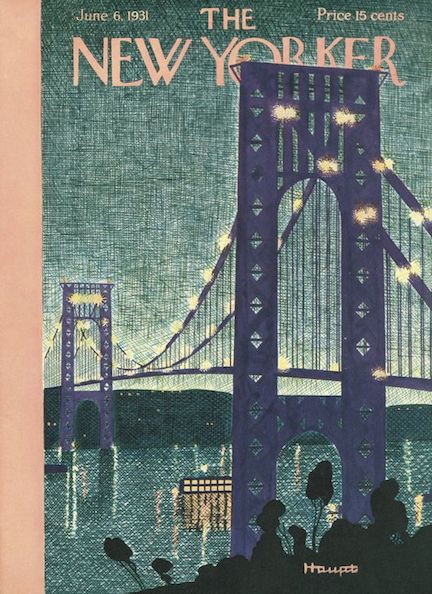
June 6, 1931 cover by Theodore Haupt. The title image is a detail from a Sept. 5, 1970 cover by Arthur Getz.

Among those reconnecting was Lois Long, who had abandoned her nightlife column “Tables for Two” the previous year but revived it in the June 6, 1931 issue, perhaps in reaction to the “boundless trouble” that had marched into her “quiet life,” namely her bitter divorce that month from cartoonist Peter Arno. Soon to be single again, Long dusted off her “Table” for another night out.

PRE-AC…As far back as the Gilded Age of the 19th century New Yorkers escaped the summer heat by seeking entertainment on one of the city’s rooftop gardens. Pictured is the Paradise roof garden atop Hammerstein’s Victoria Theatre, 1901. (MCNY)

THE BUCK STARTS HERE…It wasn’t a rooftop, but the Central Park Casino was a cool retreat from city streets, especially for Mayor Jimmy Walker, who conducted much of city business there. After reform-minded Mayor Fiorello La Guardia replaced Walker in 1934, Parks Commissioner Robert Moses had the place torn down. (New York City Parks Photo Archive)
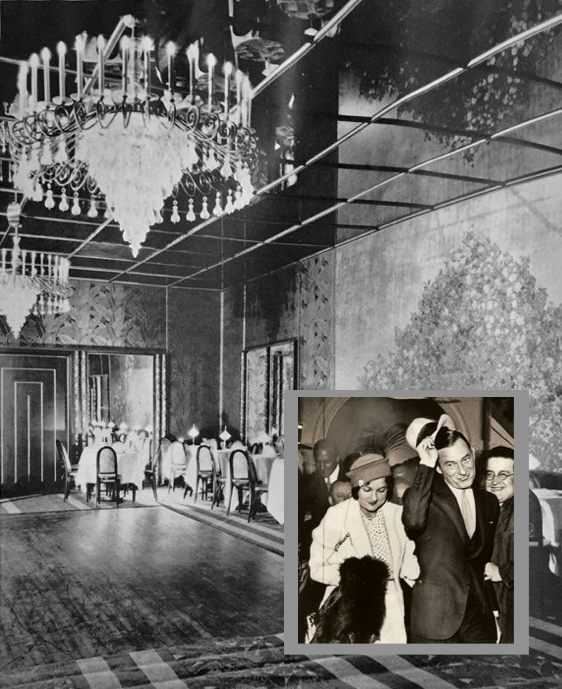
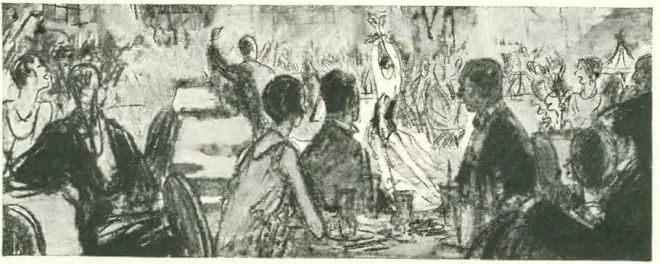
I COULD HAVE DANCED ALL NIGHT…Mayor Jimmy Walker and his mistress, showgirl Betty Compton, were often the last to leave the Casino in the wee hours of the morning, dancing in the Joseph Urban-designed black-glass ballroom (above) to the Leo Reisman Orchestra. (drivingfordeco.com)

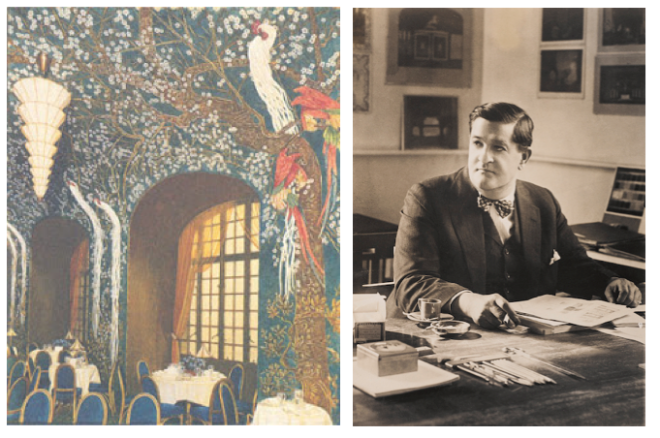
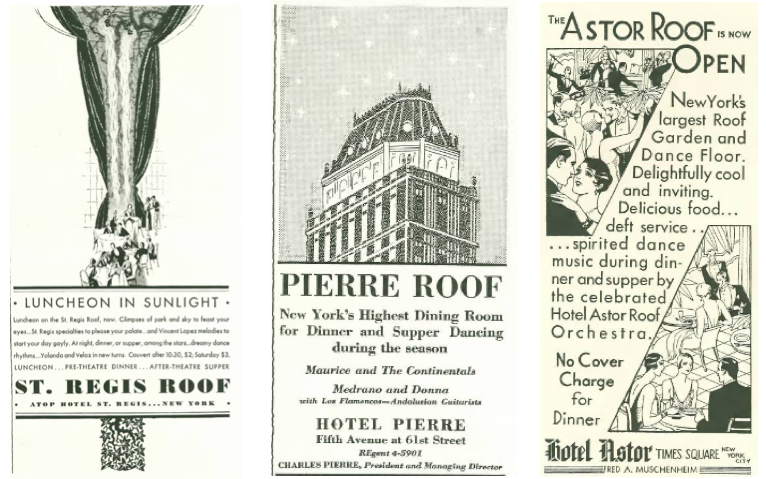
Higher up in the city, Long also paid a visit to the elegant rooftop of the St. Regis, also designed by the famed architect and theatrical designer Joseph Urban

DAZZLING…The St. Regis rooftop, designed by Joseph Urban. (flaglermuseum.us)
ANOTHER VIEW of the St. Regis rooftop as illustrated in the July 7, 1928 issue of The New Yorker by Alice Harvey. 

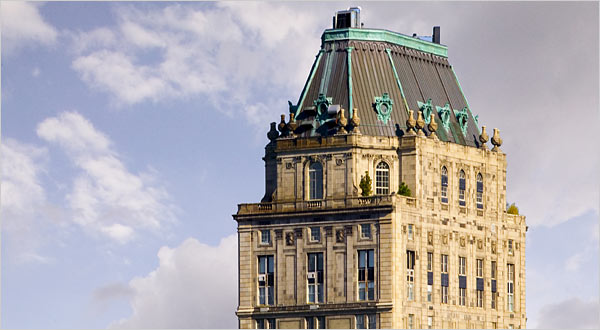
Long also visited the roof of the 42-story Hotel Pierre. The New York Sun described the top two floors as “decorated to resemble the interior of a zeppelin cabin.”

THE COOLEST…Top of the Hotel Pierre. A popular summer ballroom in the years before air-conditioning, the Pierre advertised itself as having “the highest and coolest hotel roof in Manhattan.” (NYT)

If you were in the mood for a little crooning, Rudy Vallee and his Connecticut Yankees were taking in the breeze atop the Hotel Pennsylvania, per this ad in the back pages of the June 6 New Yorker

Advertisers must have been paying attention to Long’s column, because the back pages of the following issue (June 13) had plenty of ads touting various rooftops…

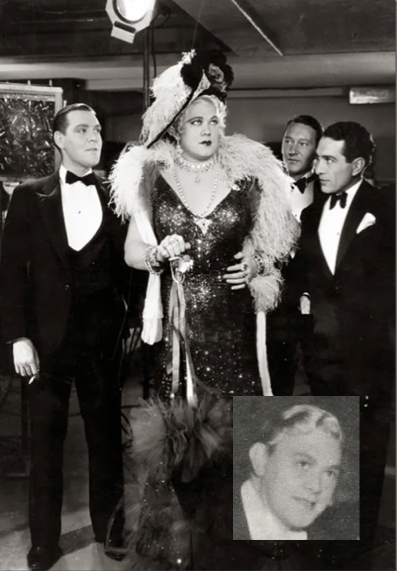
Long also sampled the offerings of less savory venues, such as the Club Argonaut, which was apparently frequented by mobsters…

NOT AMUSED…Lois Long didn’t care for the antics of Gene Malin (center, and inset) who performed in front of a tough-looking crowd at the Club Argonaut. A popular drag artist who helped ignite the “Pansy Craze” in the 1920s and 30s, Malin was one of the first openly gay performers in Prohibition-era speakeasy culture. His career ended abruptly at age 25 in a car accident. (Wikipedia)

 *  *  *

Sexy Soviet Tractors

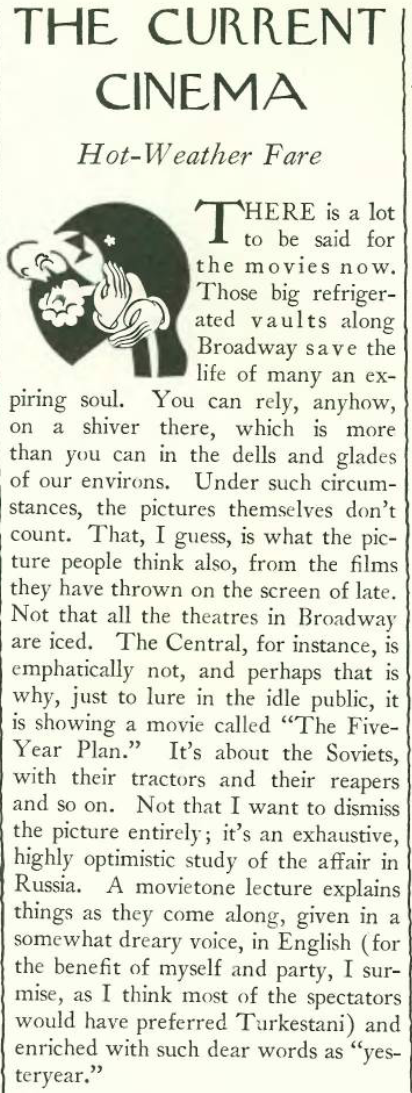
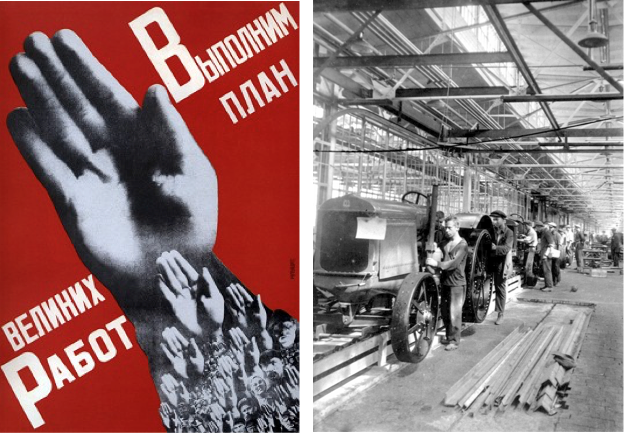
One place you could find an early form of air conditioning was at the movies (critic John Mosher referred to these theatres as “iced), and no doubt many lowered their cinematic standards just to get a few hours respite from the heat. For some unknown reason the Central Theatre thought it could entice audiences not with air-conditioning, but with a Soviet propaganda film titled The Five-Year Plan.

STAY CALM AND CARRY ON…Soviet poster for The Five Year Plan (1930), and a 1930 image of the Volograd (Stalingrad) tractor factory. You wonder how many of those chaps got wiped out by Stalin’s purges, or by the Battle of Stalingrad in 1942-43. (Wikipedia)

 *  *  *

Laughing at Death

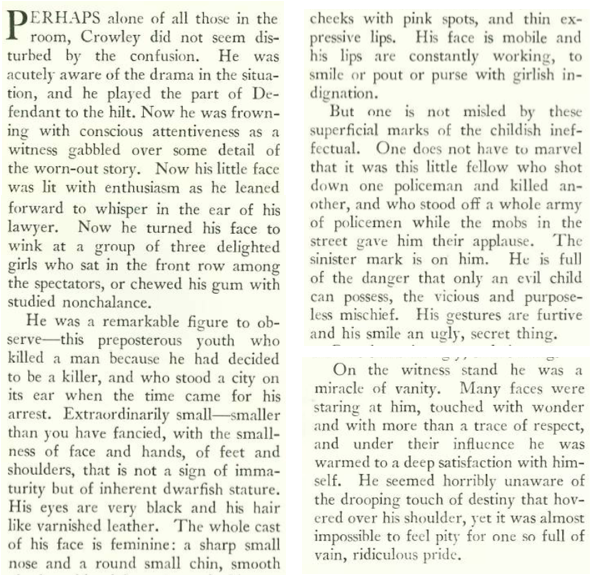
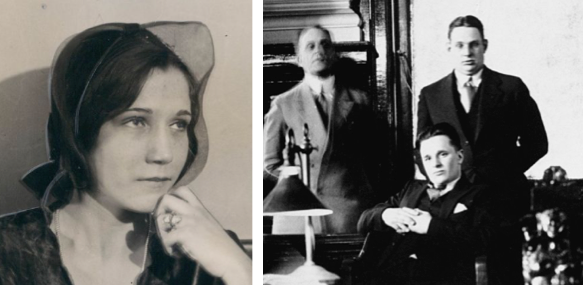
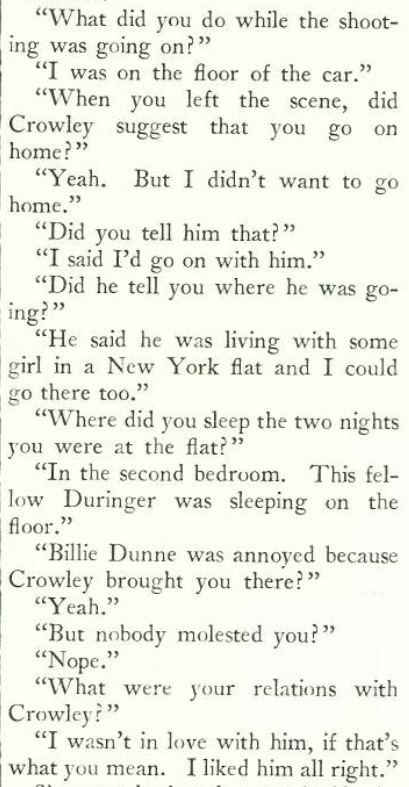
A couple of posts ago I wrote about a very public gun battle that brought diminutive killer Frances Crowley to justice (“The Short Life of Two-Gun Crowley”). In the June 6 installment of “A Reporter at Large,” Morris Markey recounted the courtroom scene where the 18-year-old Crowley winked at girls and nonchalantly chewed his gum as judge and jury determined his fate.

OH WELL…Frances Crowley’s 16-year-old girlfriend, Helen Walsh, left, was positively bored during the trial that would send her beau to Sing Sing’s electric chair. Crowley himself (shown above at the trial) seemed to be amused by the proceedings, and enjoyed the attention. (NY Daily News)

Markey also noted the unseemly behavior of Crowley’s 16-year-old girlfriend, Helen Walsh, who seemed bored by the whole thing. “She was not a creature of your world or of mine,” wrote Markey, who noted at one point that she put her hands to her face “to conceal a faint smile that sprang from some incalculable amusement within her.” Markey offered this sample of Walsh’s questioning.

 *  *  *

Summer Frost

Novelist and poet Raymond Holden penned a profile of famed poet Robert Frost, who among things apparently enjoyed apples and a bit of gossip. A brief excerpt:

 *  *  *

Dead Ball

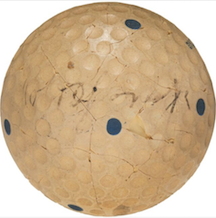
E. B. White lamented in his “Notes and Comment” the changes to the official golf ball, which was to be made slower in a time when Depression-weary businessmen could use a little lift:

GET ‘EM WHILE THEY LAST…This 1930 golf ball, signed by golf legend Bobby Jones, listed for $15,000 on eBay.

 *  *  *

From Our Advertisers

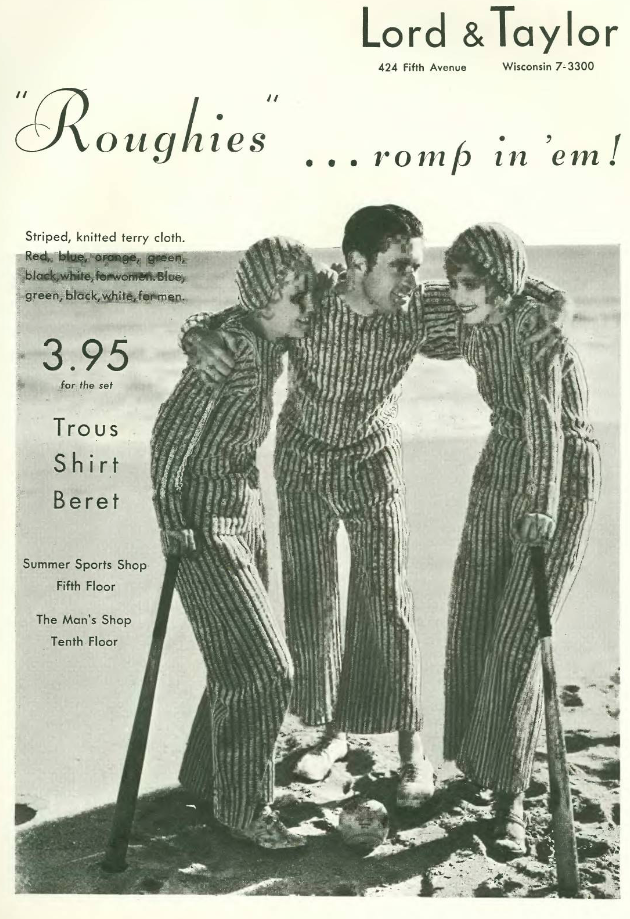
Gender-bending trends in clothing continued from the 1920s with flowing trousers for women (unthinkable a decade earlier)…

…and beach pajamas for men and women alike…

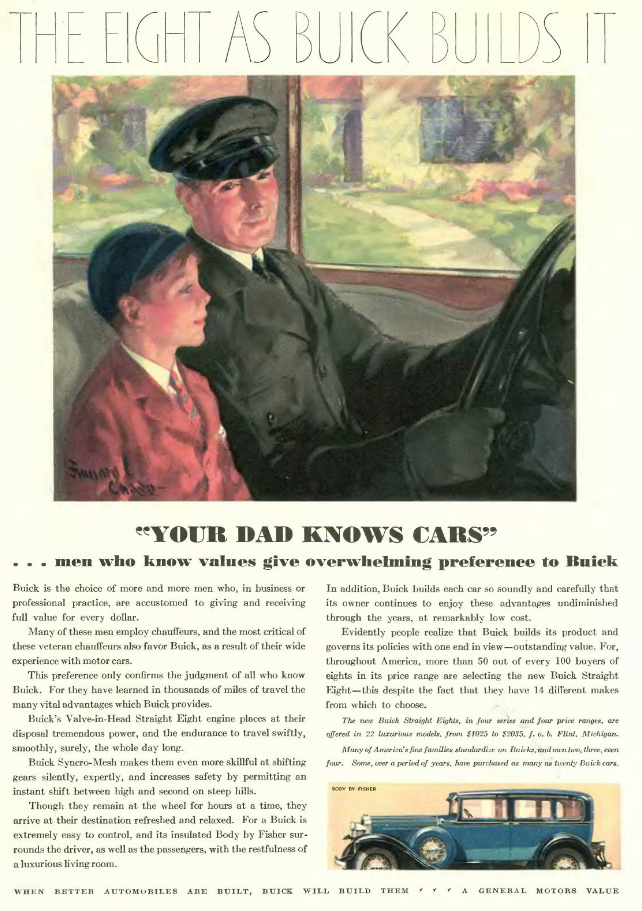
…Buick dialed up a patrician vibe with this ad that suggested a posh boy might be transported in one by the family’s driver…

…and this might be one of the first ads that linked cigarette smoking to the myth of the Western cowboy…

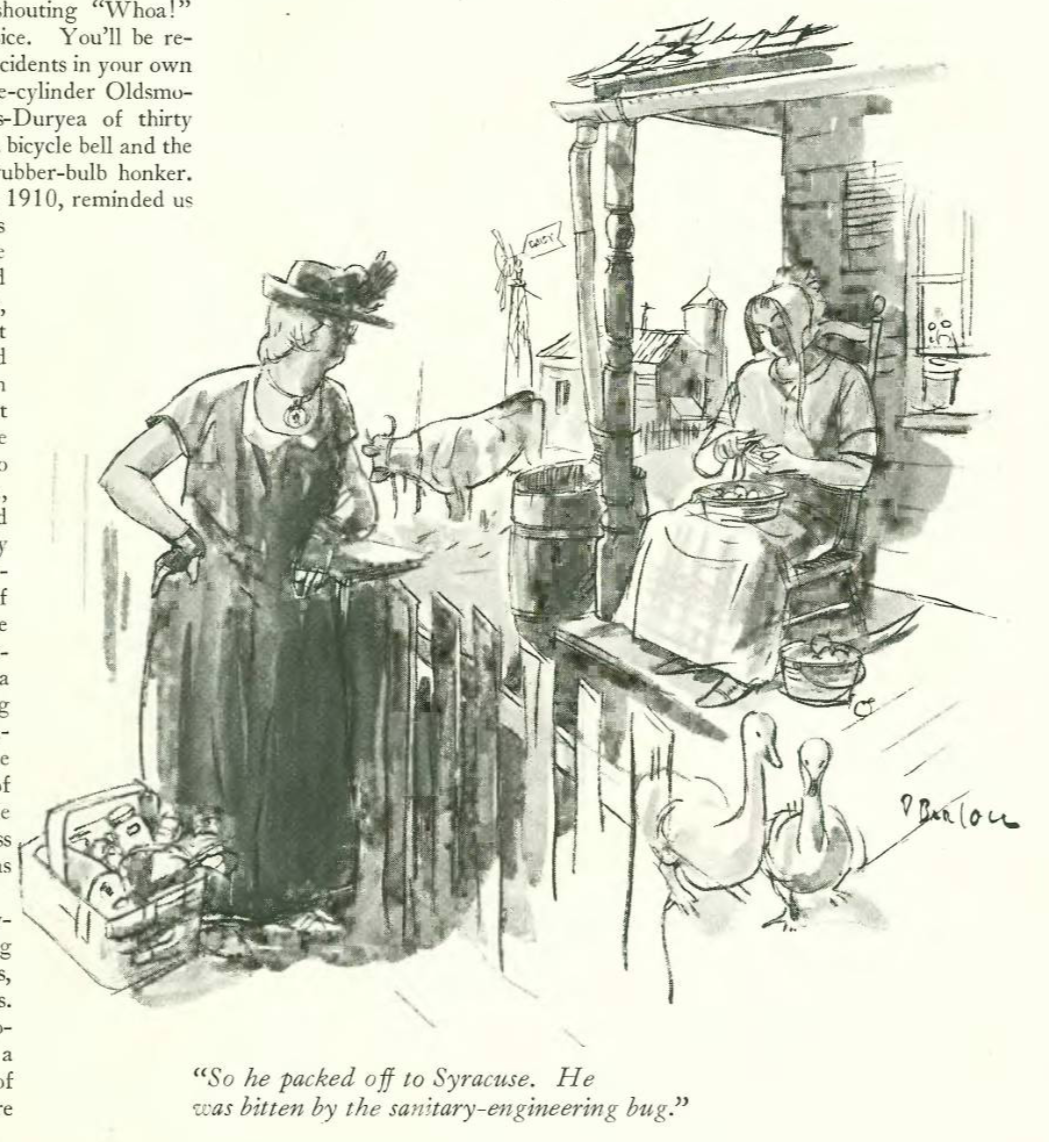
…on to our cartoons, we begin out in the country with Perry Barlow

…and Kemp Starrett, with this charming bucolic scene…

…back in the drawing room, we have this canine encounter from Leonard Dove

Helen Hokinson explored the violent side of bridge…

Barbara Shermund went into the garden to sample the trials of the rich…

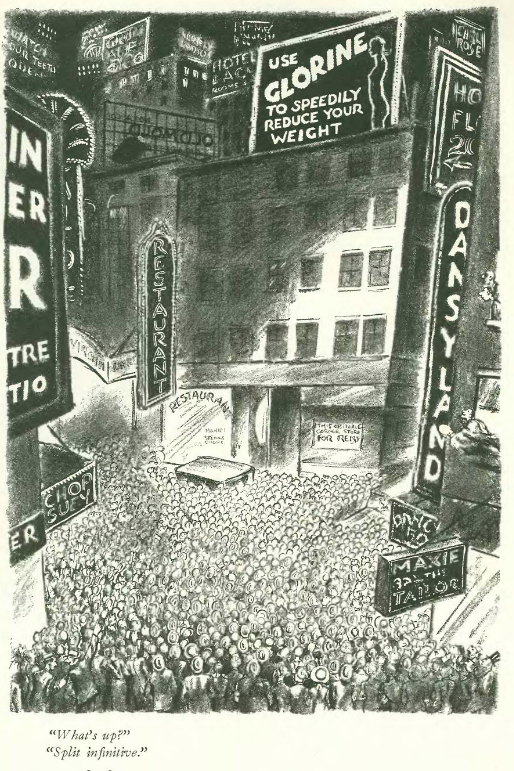
Carl Rose pondered the art of grammar in crowded places…

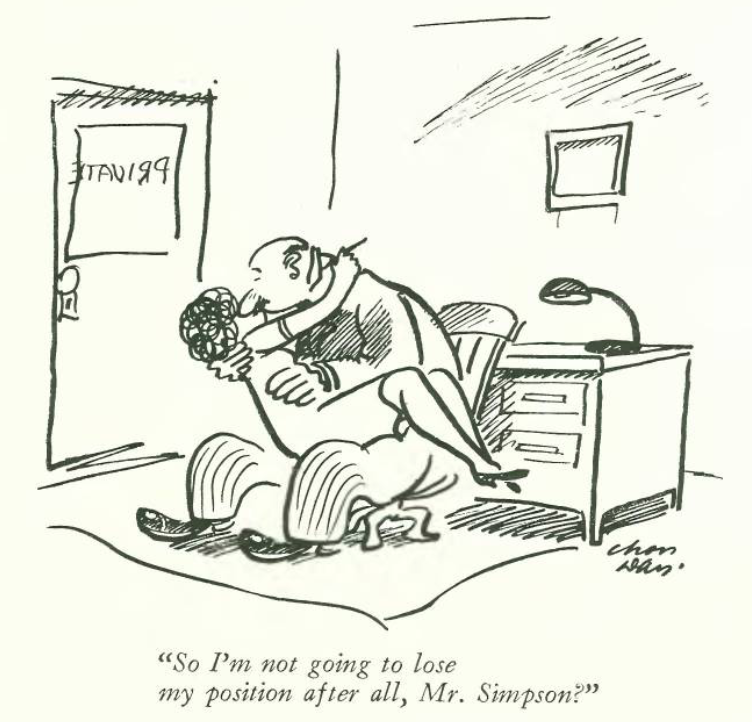
Chon Day gave us yet another take on the familiar boss vs secretary trope…

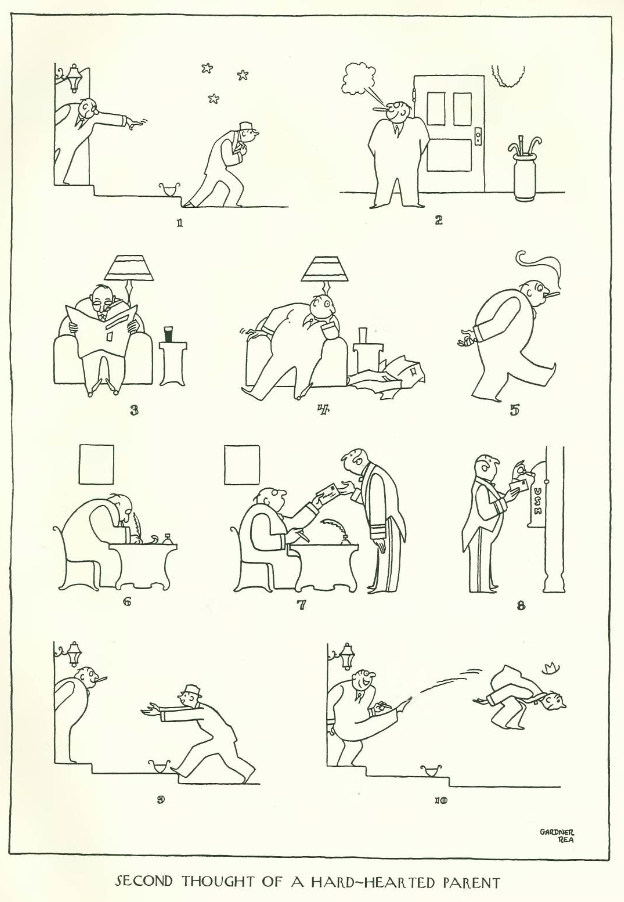
…and Gardner Rea gets the last laugh with this hapless prodigal son…

Next Time: A Star is Born…


Fear of Flying

The early New Yorker loved two things about modern life — college football and air travel. Tragedy would bring them together on the last day of March 1931.

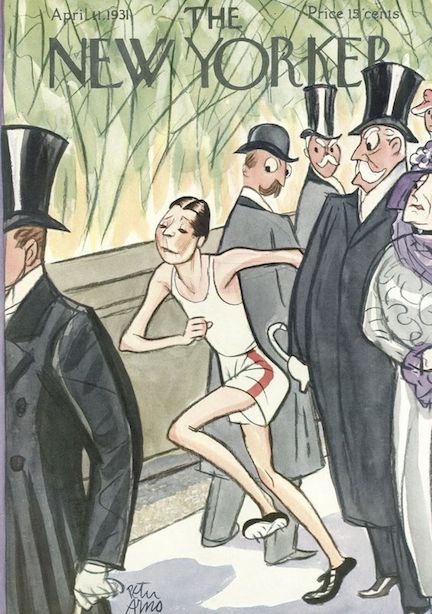
April 11, 1931 cover by Peter Arno. A brilliant cover, contrasting the skinny, lightly clad runner with one of Arno’s stock characters from the Taft era—a millionaire with a walrus mustache.

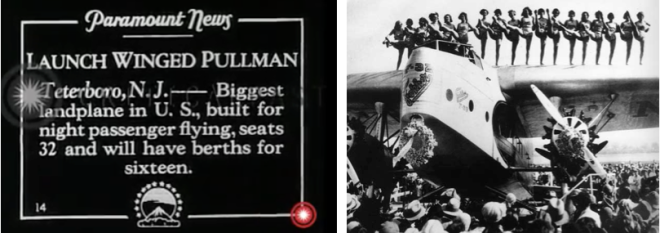
The New Yorker’s sportswriter John Tunis was especially keen on Knute Rockne’s Notre Dame football team, which played an annual rivalry game against Army at Yankee Stadium. Tunis’s colleague, E.B. White, was the flying enthusiast, never missing a chance to hop aboard a plane and marvel at the scene far below. In the Nov. 30, 1929 issue, White was eager to join passengers on a test of the Fokker F-32, and suggested that flying was becoming so routine that one could be blasé about its risks:

WHAT COULD POSSIBLY GO WRONG?…Title card from a silent Paramount newsreel reporting on a November 1929 test flight of the Fokker F-32 at Teterboro, possibly the same flight enjoyed by E.B. White. At right, a celebration of the plane’s arrival in Los Angeles. (YouTube/petersonfield.org)

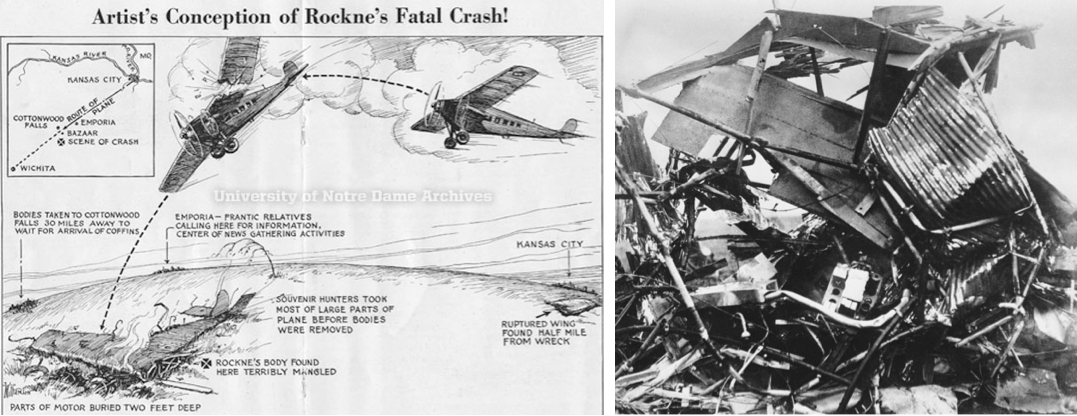
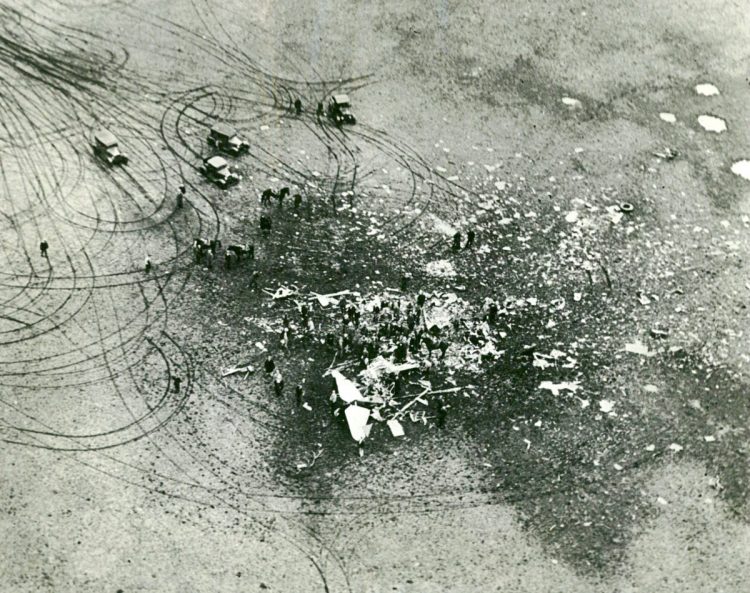
All of that exuberance came crashing down in a Kansas wheat field on March 31, 1931. It was Rockne’s fame—which The New Yorker and countless other magazines and newspapers helped to spread—that put the coach on a TWA flight to Hollywood, where director Russell Mack was filming The Spirit of Notre Dame. Rockne stopped in Kansas City, where he visited his two oldest sons, before boarding a Fokker F-10 destined for Los Angeles. About an hour after takeoff one of the airplane’s wings broke to pieces, sending Rockne and seven others to their deaths.

(University of Notre Dame) click image to enlarge

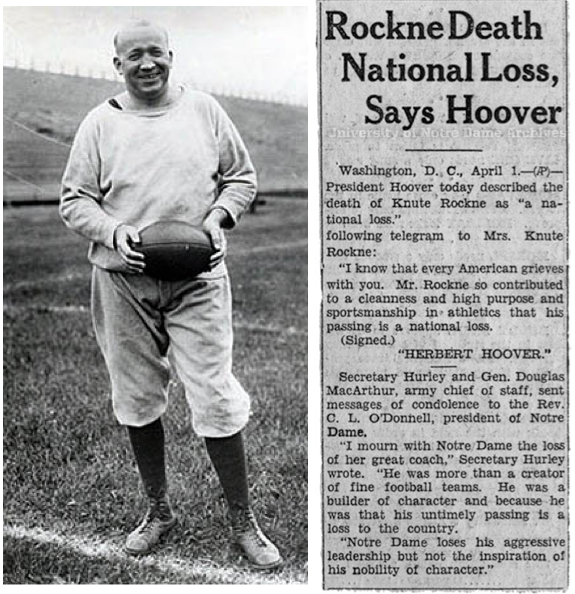
The accident rattled E.B. White. In his April 11, 1931 “Notes and Comment,” White pondered the eulogies Rockne received from President Herbert Hoover and others, calling into question the fame a college football coach could attain while achievements of college faculty go unheralded. White also seemed to have lost some of his faith in the progress of aviation, suggesting that the autogiro (a cross between an airplane and a helicopter) might be the safest way to proceed into the future:

Knute Rockne, in undated photo. (University of Notre Dame)

Ironically, it was thanks to Rockne’s fame that the aviation industry began to get serious about safety. A public outcry over the crash led to sweeping changes in everything from design to crash investigation, changes that have helped make flying one of the safest forms of transportation today.

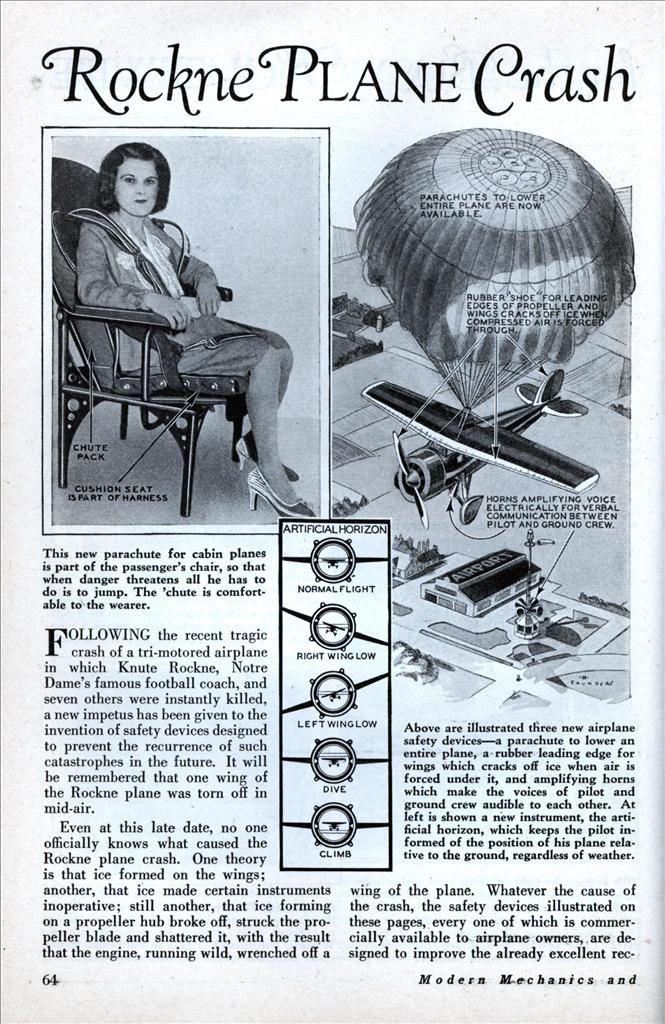
SAFETY FIRST…The crash that claimed the life of Knute Rockne resulted in a public outcry for greater safety in the air. This article in the July 1931 issue of Modern Mechanics suggested parachutes for passengers and for the plane itself. (modernmechanix.com)

As for the cause of crash, it was determined that the plywood covering one of the Fokker F-10’s wings had separated from the wing’s supporting structure — the wing had been bonded together with a water-based glue that likely deteriorated as the result of rainwater seeping into the wing.

Unfortunately, the investigation into the crash was hampered by souvenir-seekers, who carried away most of the large parts of the plane even before the bodies were removed. So much for honest Midwestern values, at least in this case.

(clickamericana.com)

 *  *  *

Give My Regards

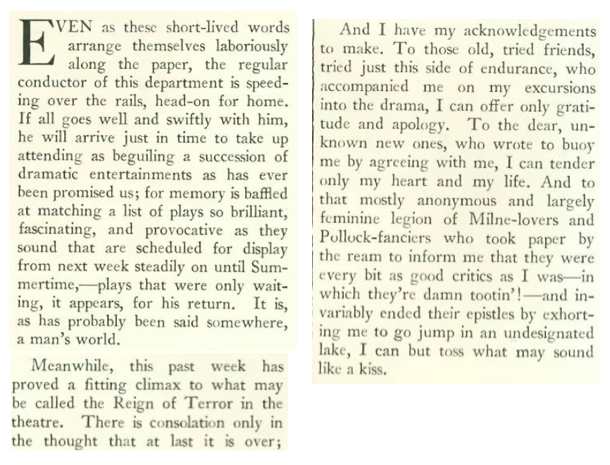
Back in Manhattan, Dorothy Parker was writing a eulogy of her own, bidding farewell to her interim role as theater critic. Parker subbed for Robert Benchley during his extended European vacation, and often noted that it was just her luck  to be stuck with a string of plays that likely comprised one of Broadway’s worst spring line-ups.

In an earlier column Parker had alluded to the fact that Benchley was in Europe, no doubt staying part of the time with their mutual friends, Gerald and Sara Murphy, at their fashionable “Villa America” at Cap d’Antibes on the French Riviera.

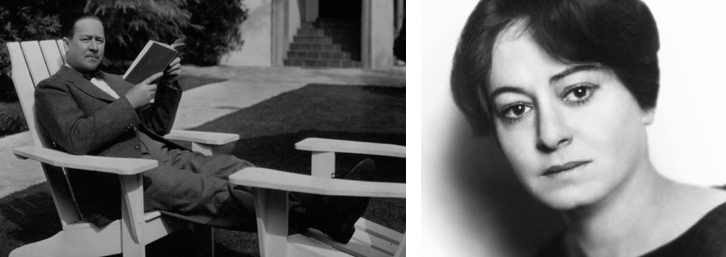
SIGHT FOR SORE EYES…Dorothy Parker was glad to have her old friend Robert Benchley back at the theater desk, she having endured a “rotten time” reviewing a long string of bad plays. (dorothy parker.com)

Hopeful to review at least one play of redeeming value before her friend returned, Parker was to be sorely disappointed as evidenced in her final review column. Of the terribly dated Getting Married, a play written by George Barnard Shaw way back in 1908, Parker was more afraid of Getting Bored, especially when Helen Westley (portraying Mrs. George Collins) entered the stage to deliver a 15-minute monologue…

Things got no better with the second play Parker reviewed, Lady Beyond the Moon, a “dull, silly, dirty play” that was frequently interrupted by various sounds from the restless audience — “comments, titters and lip-noises…” The play must have been terrible, because it closed after just fifteen performances.

As for the third play Parker reviewed, the misnamed Right of Happiness, the audience had every excuse “for displayed impatience,” yet conducted itself “like a group of little lambs.” Right of Happiness, observed Parker, “fittingly concluded the horrible little pre-Easter season…” The play closed after just eleven performances.

 *  *  *

Turning Up the Heat

If anyone thought he had a right to happiness it would have been New York Mayor Jimmy Walker, who was preparing to face a grilling from Judge Samuel Seabury. Walker loved the nightlife and left most of his duties to a bunch of Tammany Hall cronies whose activities drew the attention of reformers like Seabury and Gov. Franklin D. Roosevelt. In his “A Reporter at Large” column, Morris Markey observed:

 *  *  *

Walking Tall

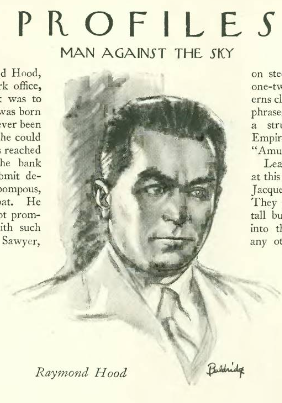
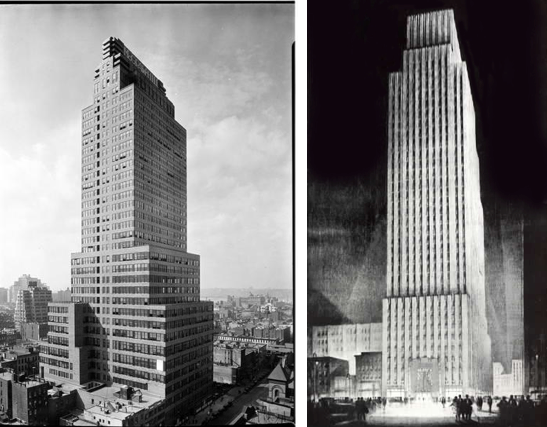
Raymond Hood (1881-1934) might have been short in stature, but he stood tall among the architects of some of New York’s most iconic skyscrapers — Rockefeller Plaza, American Radiator, Daily News, McGraw Hill (Sadly, both his career and his life were cut short when he died in 1934 at age 53 from complications related to rheumatoid arthritis). Allene Talmey, a former reporter for the New York World and managing editor of Conde Naste’s original Vanity Fair, gave Hood his due (see brief excerpt) in a New Yorker profile, with a portrait by Cyrus Baldridge:

LANDMARKS…The 1931 McGraw-Hill Building and the 1929-30 Daily News Building. (MCNY/Wikipedia)
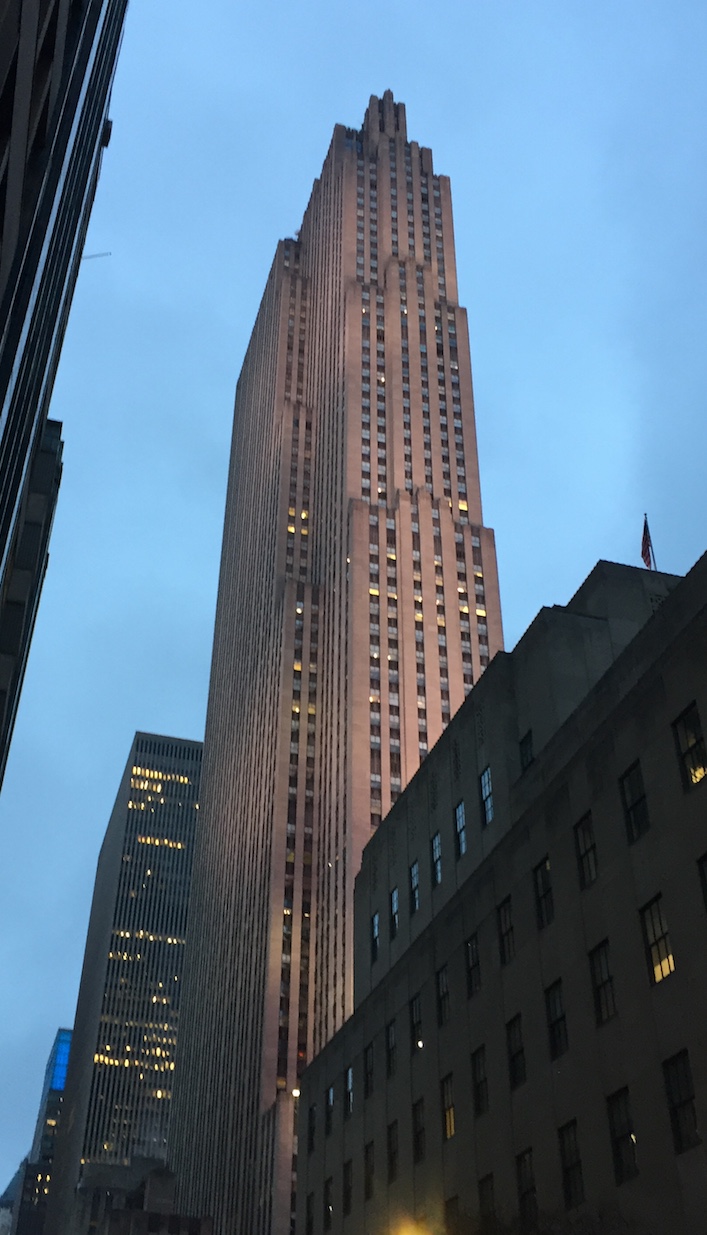
And of course, Hood’s 30 Rock. I took this last December before everything shut down.

 *  *  *

From Our Advertisers

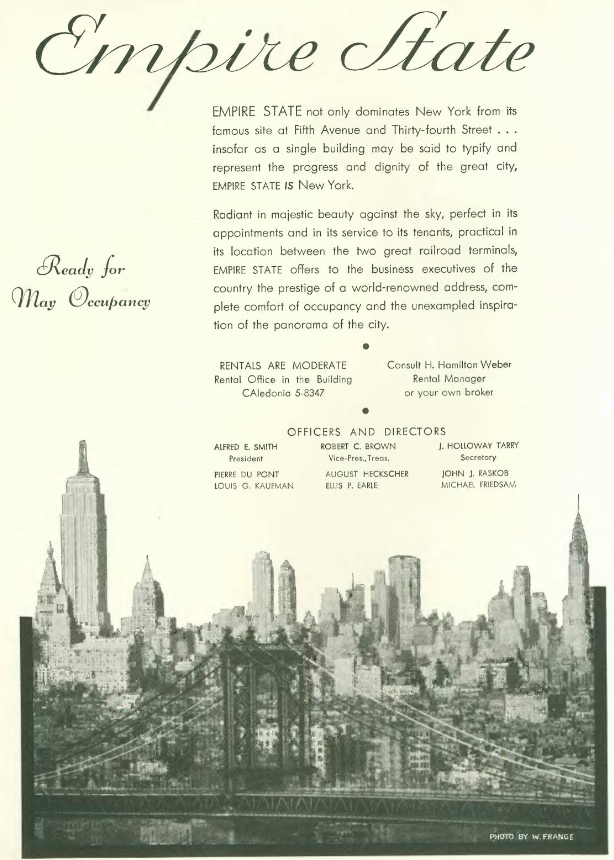
Speaking of big and tall, Al Smith and his gang took out this full page ad to announce the availability of office rentals in the world’s tallest building. Thanks to the Depression, only 23 percent of the available space in the Empire State Building was rented out in its first year. Thankfully, the building was also an instant tourist attraction, with one million people each paying a dollar to ride elevators to the observation decks in 1931, matching what the owners made in rent that year…

…for those who could afford more than a dollar ride up the Empire State’s elevators, the cooling breezes of coastal California beckoned…

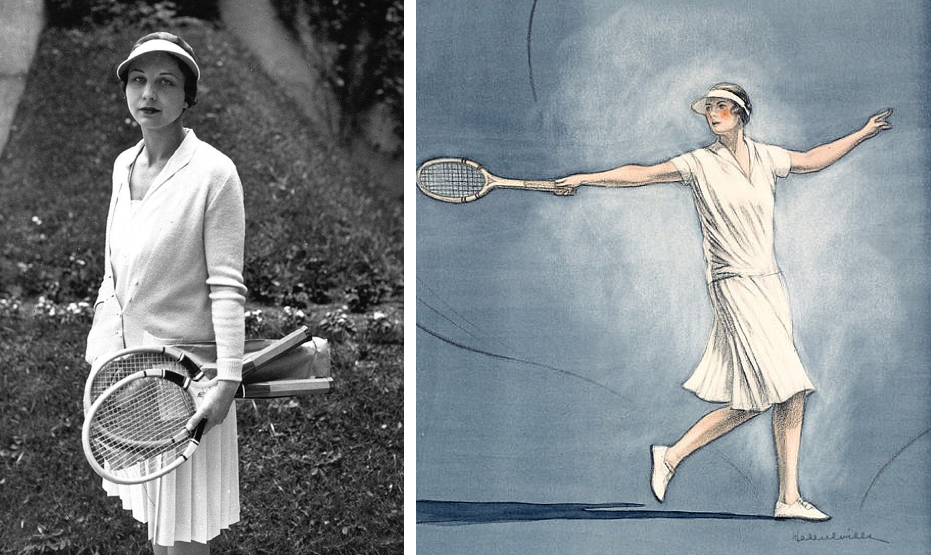
…those with even greater means and leisure time could hop on a boat to Europe…note that you could still cruise on the Olympic, the Titanic’s sister ship…also note that the illustration of the posh couple was rendered by Helen Wills (1905-1998), better known at the time as the top women’s tennis player in the world…

HELEN, MEET HELEN…American tennis star Helen Wills in 1932, and a self-portrait from the same year. Wills was the world’s top women’s tennis player for nine of the years between 1927 and 1938. She played tennis into her 80s, and sketched and painted all of her life. (Wikipedia/invaluable.com)

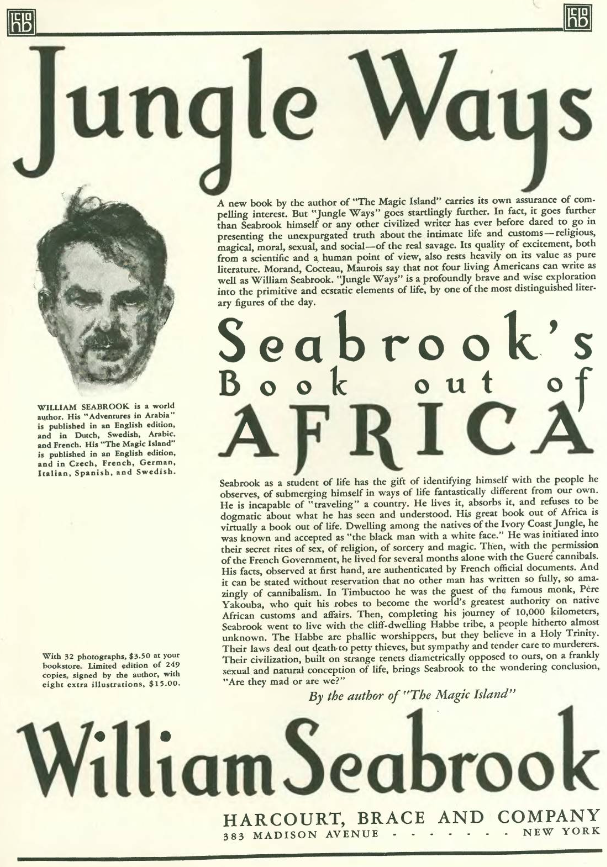
…Guess who’s coming to dinner?…hopefully not William Seabrook, who had just released his latest book on his adventures as an explorer…in Jungle Ways, Seabrook devoted an entire section to cannibalism in the French Sudan and how to cook human flesh; apparently he tried some himself…but then again by most accounts he was a weird dude who dabbled in occultism and possibly believed in zombies…Seabrook’s 1929 book, The Magic Island, is credited with introducing the concept of zombies to popular culture…

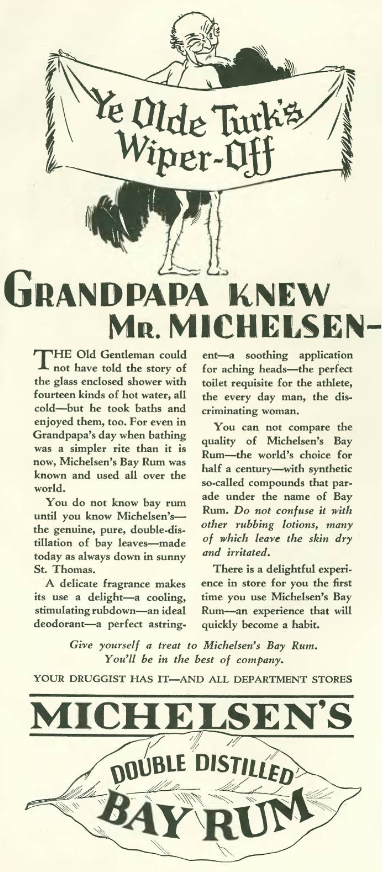
…speaking of weird, an ad for Michelsen’s “Bay Rum” body rub…

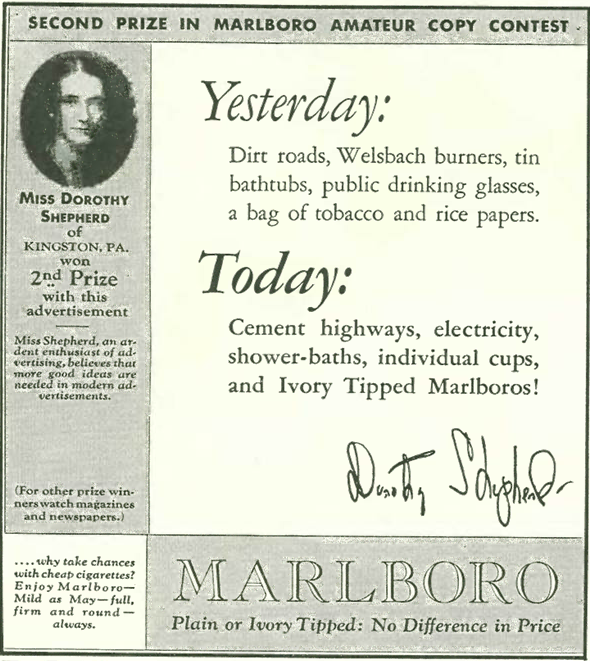
…when Marlboro cigarettes were introduced in the mid-1920s, they were marketed as “luxury” cigarettes and sold mostly at resorts and hotels. In the late 1920s, however, they were marketed as a “lady’s cigarette,” with ads in the New Yorker featuring handwriting and penmanship contests to promote the brand. This ad from November 1930 featured the “second prize” winner of their amateur copywriting contest…

…it appears marketing tactics changed a bit in 1931…still the dopey contest, but instead of real photos of winners, like the schoolmarmish “Miss Dorothy Shepherd” above, this ad featured a rather tawdry image of a model, more gun moll than schoolmarm…

…on to our cartoonists…Ralph Barton, who was with The New Yorker from Day One, had been increasing his contributions to the magazine after a notable absence from spring 1929 to summer 1930…beset by manic-depression, he would take his own life in May 1931, so what we are seeing are Barton’s last bursts of creativity before his tragic end, reviving old favorites like “The Graphic Section”…

Barbara Shermund entertained with some parlor room chatter…

Leonard Dove looked in on a couple of frisky old duffers…

William Crawford Galbraith, and a crashing bore…

John Held Jr gave us one of his “naughty” engravings…

…and two by our dear Helen Hokinson, stuck in traffic…

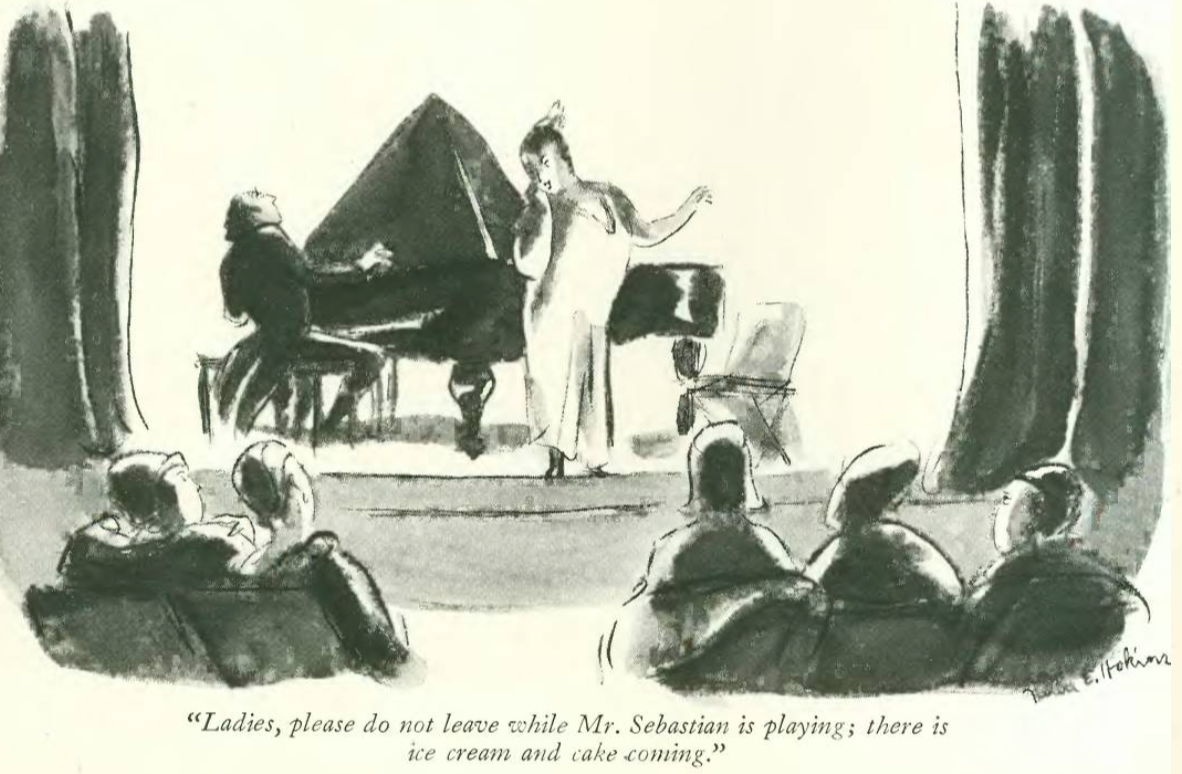
…and enjoying cake and ice cream, with a dab of culture…

Next Time: An Unmarried Woman…

Last Stand for Beau James

“Everyone in this life draws bad cards with the good. The great trouble with most of us is that we do not know when to discard quickly,” observed New York Mayor Jimmy Walker.

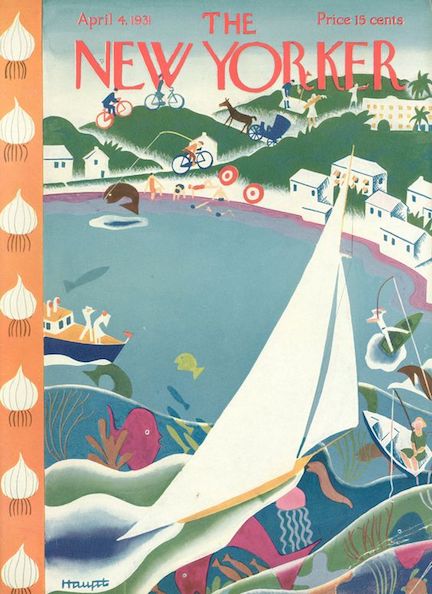
April 4, 1931 cover by Theodore Haupt.

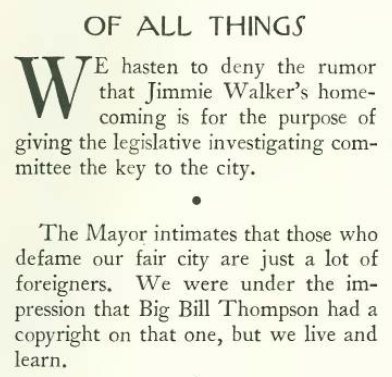
Signs that the first bad card was being turned were apparent in the April 4, 1931 edition of The New Yorker. In his weekly collection of quips — “Of All Things” — Howard Brubaker suggested that Walker — known for his frequent trips and general lack of attention to governance — had a different sort of homecoming awaiting his return from California…

…Walker was no doubt hobnobbing with the Hollywood crowd back in the Golden State…the mayor loved donning fine attire (thus the nickname “Beau James”) and enjoyed throwing lavish events for famous people…
MIGNIGHT MAYOR was one of the many nicknames New Yorkers bestowed on Mayor Jimmy Walker, known for his love of nightlife, fine clothes, and beautiful people (another nickname was “Beau James”). Although he was married at the time, he conducted a very open affair with actress Betty Compton (left), who later became his wife. At right, in his element, Walker (center) accompanies actress Colleen Moore to the October 1928 premiere of her film, Lilac Time. (IMDB/konreioldnewyork.blogspot.com)

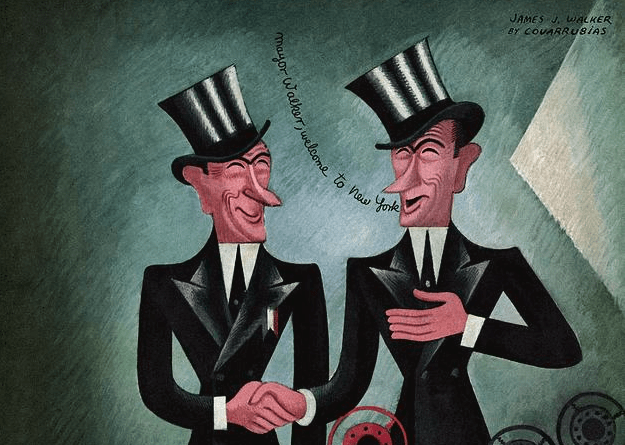
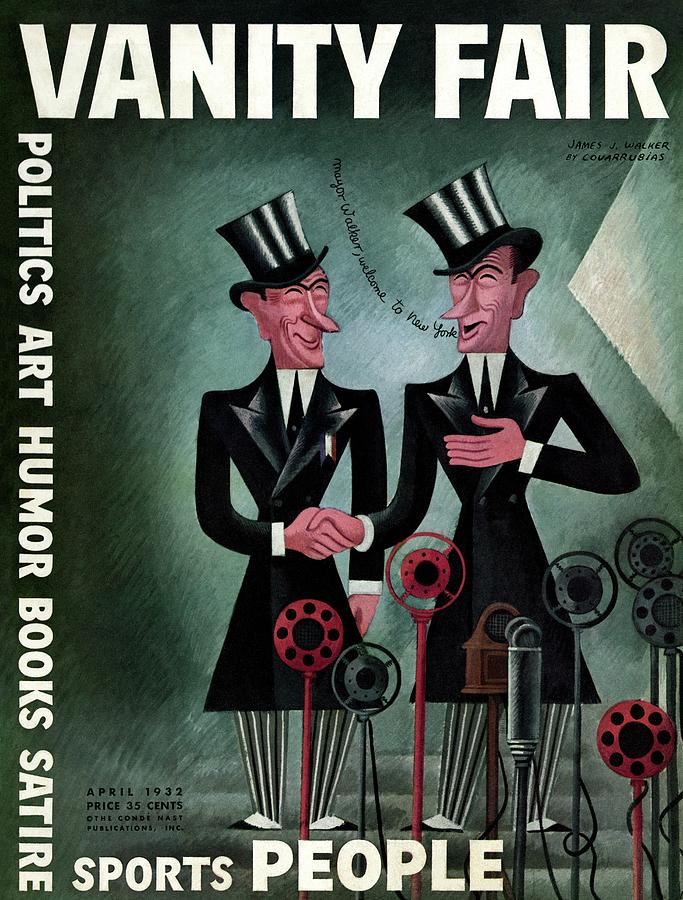
…which made him an easy target for parody, such as this 1932 Vanity Fair cover, where the mayor even welcomes himself to the city…

(Conde Nast)

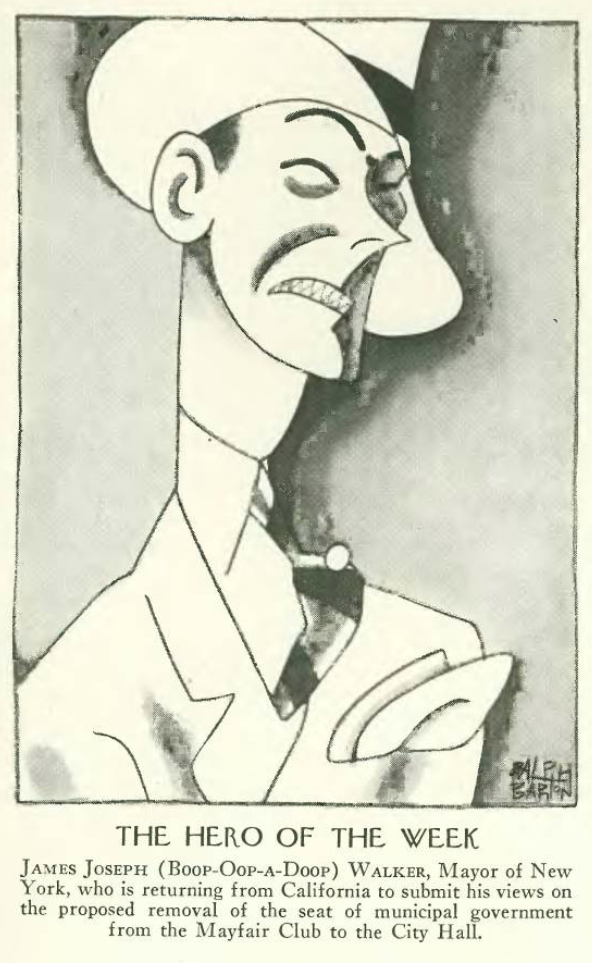
Ralph Barton revived his “Hero of the Week” feature to welcome the mayor back to the city…Barton alluded to the fact that Walker preferred conducting his office outside of the official confines:

Walker (1881-1946) made a far more interesting personality than an effective mayor. When he took office in 1926 he proved to be a terrible administrator, partying at speakeasies late into night, sleeping till noon, and leaving city matters (except the lavish ceremonies) to Tammany Hall cronies. This didn’t seem to bother voters when the economy boomed in the 1920s, and indeed they re-elected him by an overwhelming margin in 1929.

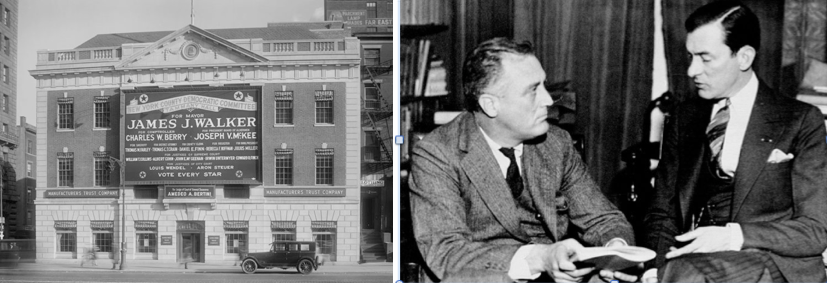
The 1929 market crash quickly changed things. The Roaring Twenties abruptly ended, and with people losing their jobs (and fortunes), the mayor’s antics didn’t seem so amusing anymore. Reform was in the air, and leading the charge was Gov. Franklin Roosevelt, who was no fan of Walker’s.

IF LOOKS COULD KILL…Gov. Franklin D. Roosevelt meets with Mayor Jimmy Walker in conference at Roosevelt’s home on E. 65th St. in December 1928; at left, campaign banner for Walker on Tammany Hall, 4th Avenue and 17th Street, Oct. 28, 1929. Walker was a product of the Tammany Hall political machine, and much of the mayor’s backroom dealings were conducted there, as well as at various speakeasies and nightclubs. (NYC Municipal Archives/NY Daily News)

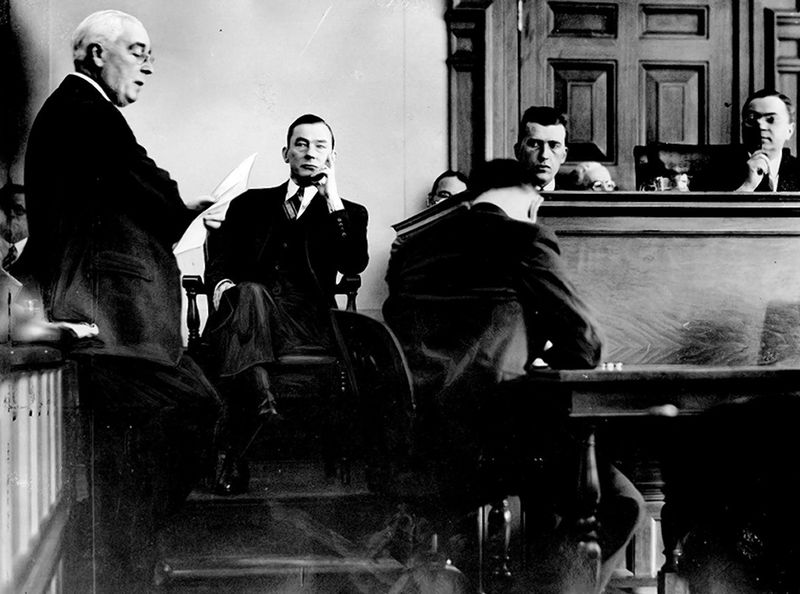
Investigations into corruption in Walker’s administration landed Walker before an investigative committee of led by Judge Samuel Seabury in 1931…

IN THE COLD LIGHT OF DAY…Mayor Jimmy Walker takes the stand in the New York County Courthouse on May 25, 1932, to answer questions from Judge Samuel Seabury (left). Thousands of New Yorkers showed up to cheer the mayor when he entered the courthouse, but those cheers soon became jeers as details of the administration’s corruption were made public. (NY Daily News).

…Mayor Walker resigned the following year and fled to Europe, where he married his mistress, Betty Compton (1904-1944) in Cannes, France, on April 19, 1933. We will revisit this tale in later issues…

SEE YA…

 *  *  *

On the Lighter Side

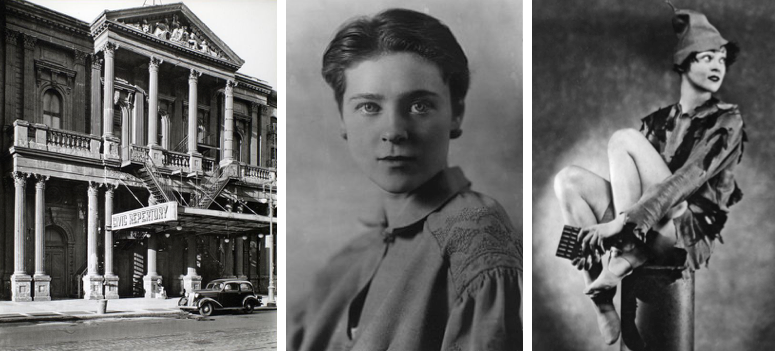
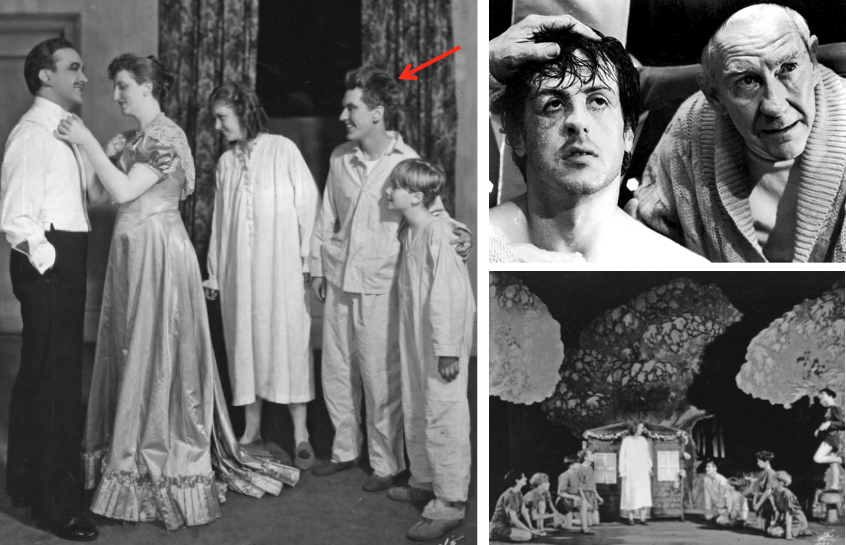
“The Talk of the Town” included this note about the play Peter Pan, which was being staged at the Fourteenth Street Theatre. Much was made of the wizardry that enabled actors to float above the audience.

Eva Le Gallienne (1899-1991), who portrayed the title character, made the theatre home of her stage company in 1926, and renamed it the Civic Repertory Theatre. Le Gallienne played the role of Peter Pan 129 times, and although the flying effects were quite hazardous, she said she “took to flying like the proverbial duck to water.”

NO STAGE FRIGHT HERE…The Fourteenth Street Theatre, originally constructed in 1866, was dubbed the Civic Repertory Theatre when Eva Le Gallienne (center) made it the home of her stage company. Le Gallienne played the role of Peter Pan 129 times on the theatre’s stage, and loved performing the dangerous flying stunts. Images of Le Gallienne from Bruce K. Hanson’s book, Peter Pan on Stage and Screen, 1904-2010. (Wikipedia/Bruce K. Hanson).
DARLINGS…The Darling family as portrayed in the Civic Repertory Theatre’s production of Peter Pan. At bottom, right, “The Wendy House” as it appeared on stage. And a bit of trivia: the young lad who portrayed John Darling (see arrow) was none other than Burgess Meredith, who would go on to a long and successful career on the stage, television (he played the Penguin in the 1960s Batman TV series), and in film, seen top right as Sylvester Stallone’s trainer Mickey in 1976’s Rocky. (Bruce K. Hanson/IMDB)

Eva Le Gallienne lived 92 years, and Burgess Meredith made it to 89. Such was not the fate of the Civic Repertory Theatre, which closed in 1934 due to the Depression. The 1866 building was demolished in 1938. Not a trace remains.

 *  *  *

Fightin’ Words

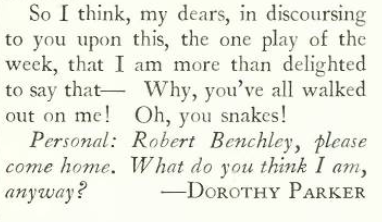
It’s really too bad Dorothy Parker didn’t stay on as theatre critic for The New Yorker (she was subbing for her friend, Robert Benchley) because her weekly forays into the middlebrow world of Broadway produced some of her most entertaining writing. For the April 4 issue Parker offered some thoughts about The Silent Witness, which ran from March to June at the Morosco Theatre.

Instead of turning cartwheels, Parker took aim at actress Kay Strozzi, “who had the temerity to wear as truly horrible a gown as ever I have seen on the American stage. … Had she not luckily been strangled by a member of the cast while disporting this garment, I should have fought my way to the stage and done her in, myself.”

She ended the review with another plea to Benchley, who was traveling abroad:

WHAT ABOUT THIS OUTFIT, DOROTHY?…I don’t have a photo of the “horrible” gown worn by Kay Strozzi (left) in The Silent Witness, so you’ll have to settle for this image of Ms. Strozzi from the 1931 film Captain Applejack. At right, and dressed to kill, Dorothy Parker posed for Edward Steichen in this 1931 portrait. (IMDB/Pinterest)

 *  *  *

Tipsy Tots

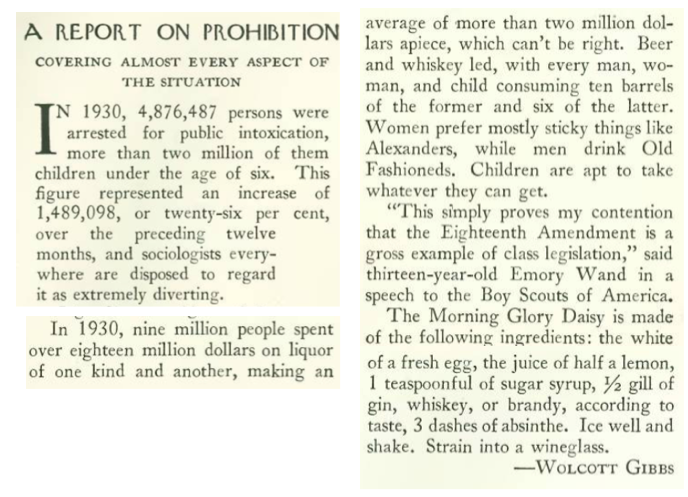
Tired of Prohibition, and its farcical enforcement, Wolcott Gibbs had some fun with the official Wickersham Report’s conclusions regarding the success of the 18th Amendment:

Wolcott Gibbs (wsj.com)

On a loftier note, we have this ode to the new Empire State Building from Price Day, Pulitzer Prize-winning reporter and noted editor of the Baltimore Sun:

The profile, written by Gilbert Seldes, featured artist Gaston Lachaise…I include a brief excerpt for personal reasons, because I first encountered this artist in the Sheldon Memorial Art Gallery’s sculpture garden in Lincoln, Nebraska (my hometown), many years ago, via his “Floating Figure”…

WEIGHTLESS…”Floating Figure” by Gaston Lachaise was cast in bronze at the end of 1934 after a retrospective held in January 1935 at the Museum of Modern Art, New York. This is one of seven casts, at the University of Nebraska’s Sheldon Memorial Art Gallery. (Lincoln Arts Council)

 *  *  *

From Our Advertisers

Pierce Arrow would struggle to promote its luxury cars in the Great Depression (and they would go under by the mid-1930s) but their advertising still harked back to the carmaker’s early days of refined travel…

…the folks at Ethyl would make that car run smoother, thanks to the lead they added to gasoline (and to the air folks were breathing)…

…tired of driving? Then hop a freighter and fire up a Chesterfield…

…or go for a more cushy ride on the French Line…
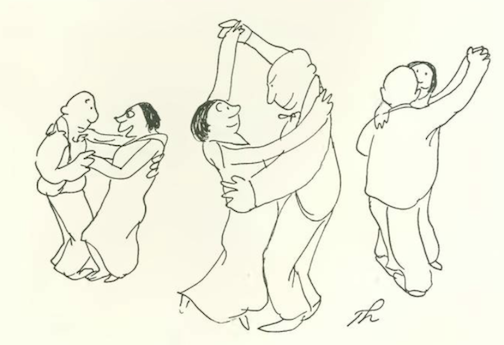
…we turn to our cartoons, and Ralph Barton’s revival of his old “Graphic Section”…

Helen Hokinson showed us the nuances of the DMV…

Leonard Dove showed us a pet on the wild side…
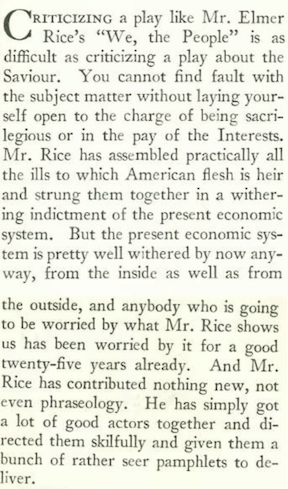
…thanks to the typography skills of The New Yorker’s layout artist Popsy Whitaker, Otto Soglow zigzagged across the pages with his Little King…
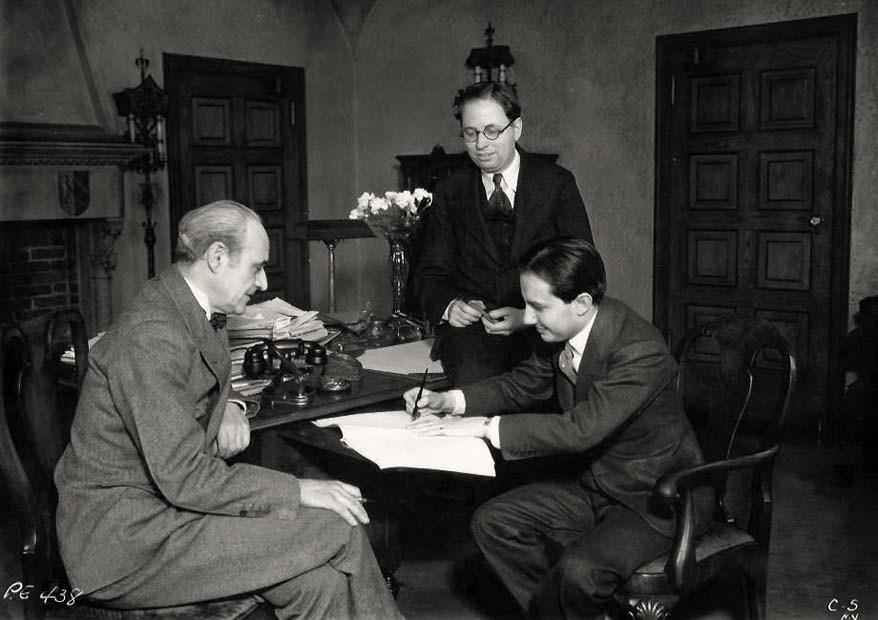
…and Gardner Rea revealed the wonders of world travel…

Next Time: Fear of Flying…