
Above: Nineteen-thirties dance class sponsored by Kraft durch Freude (Strength Through Joy), a sub-organization of the German Labour Front that sought to fulfill the totalitarian ambitions of the Nazi regime by "forming a genuine national and performance-based community of all Germans," in other words, keep them busy and distracted from reality. (bundesarchiv.de)
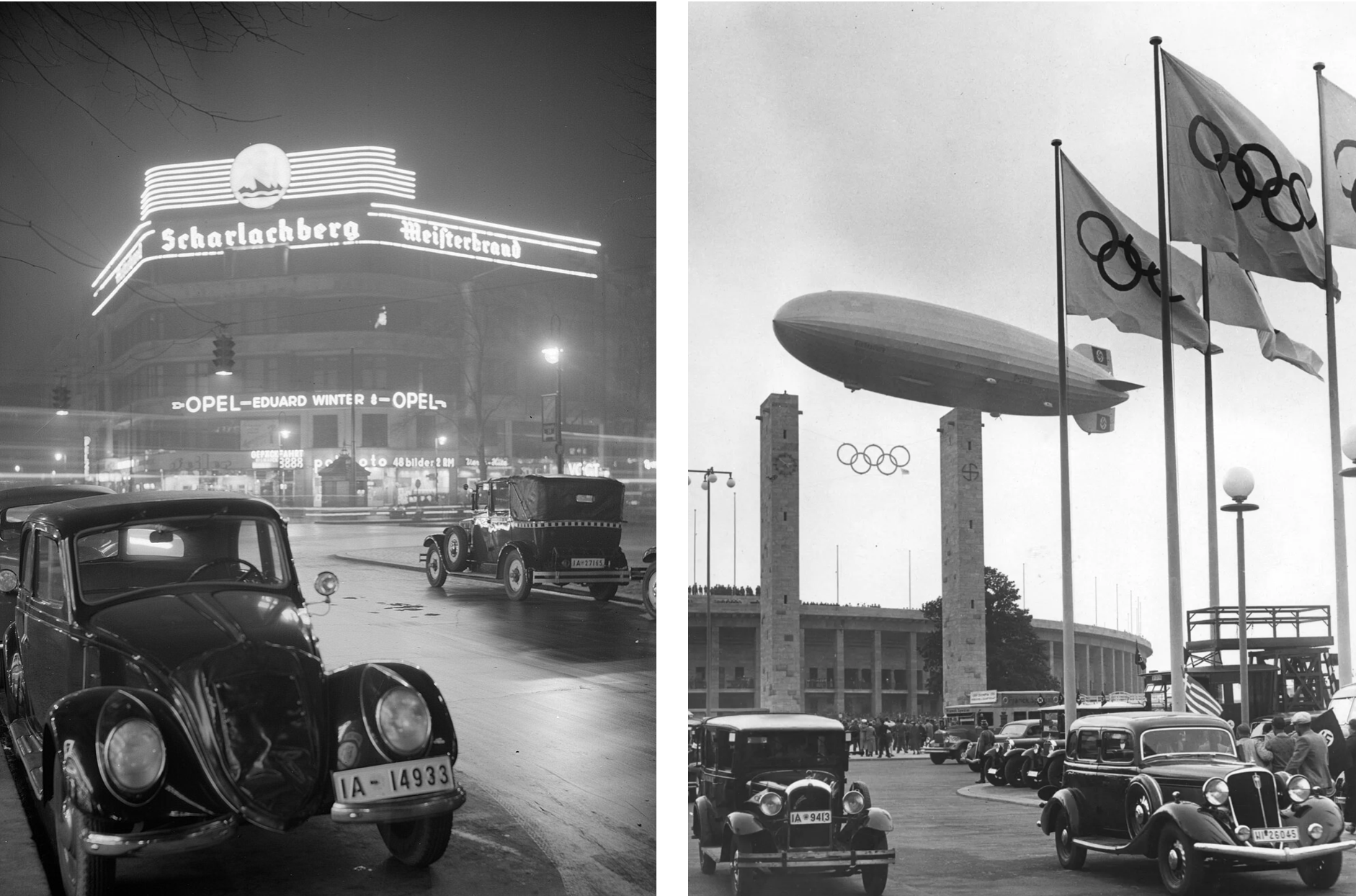
Paris correspondent Janet Flanner visited Berlin to check on that city’s preparations for the 1936 Olympic Games, an event Nazi leaders saw as a prime opportunity for some big-time propaganda.

Flanner noted Propaganda Minister Joseph Goebbels’ charge to the German people, instructing them to show the world that the German Volk were “more charming than Parisians, more lively than the Romans, more worldly than the Londoners, and more efficient than the New Yorkers.”
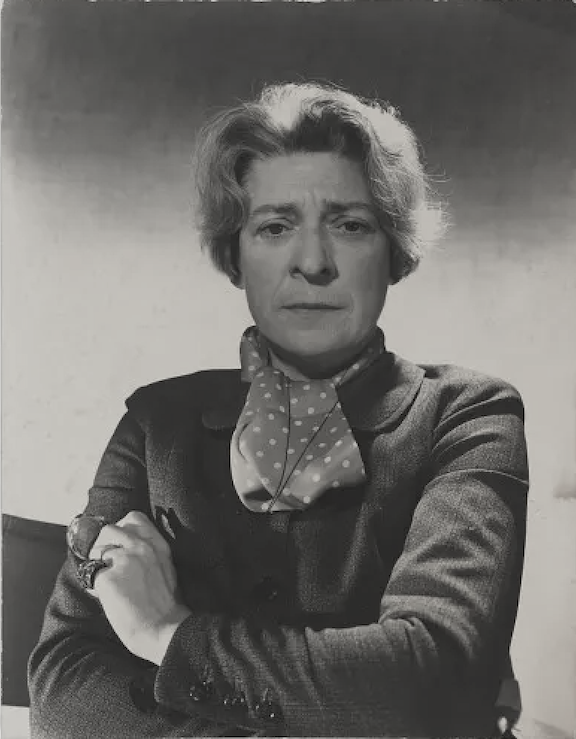
There was an ambiguous quality to Flanner’s early writings about Nazi Germany and Adolf Hitler in particular. As The New Yorker’s Andrew Marantz noted in “Takes” (Aug. 10, 2025) regarding Flanner’s 1936 profile of Hitler, “Instead of telling readers what they needed to know—that was what newspapers were for—she focused on what they might want to know…” Rather than taking sides, she reported in a cool and ironic tone. In her biography Genêt, Brenda Wineapple wrote that Flanner in her early writings “thought of herself as a high-class gossip columnist.”
Here are excerpts from the first part of Flanner’s “Berlin Letter.”


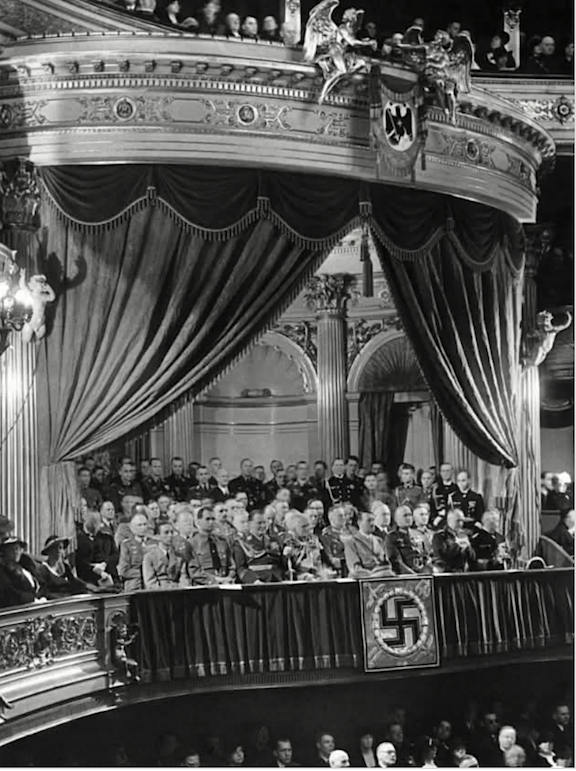
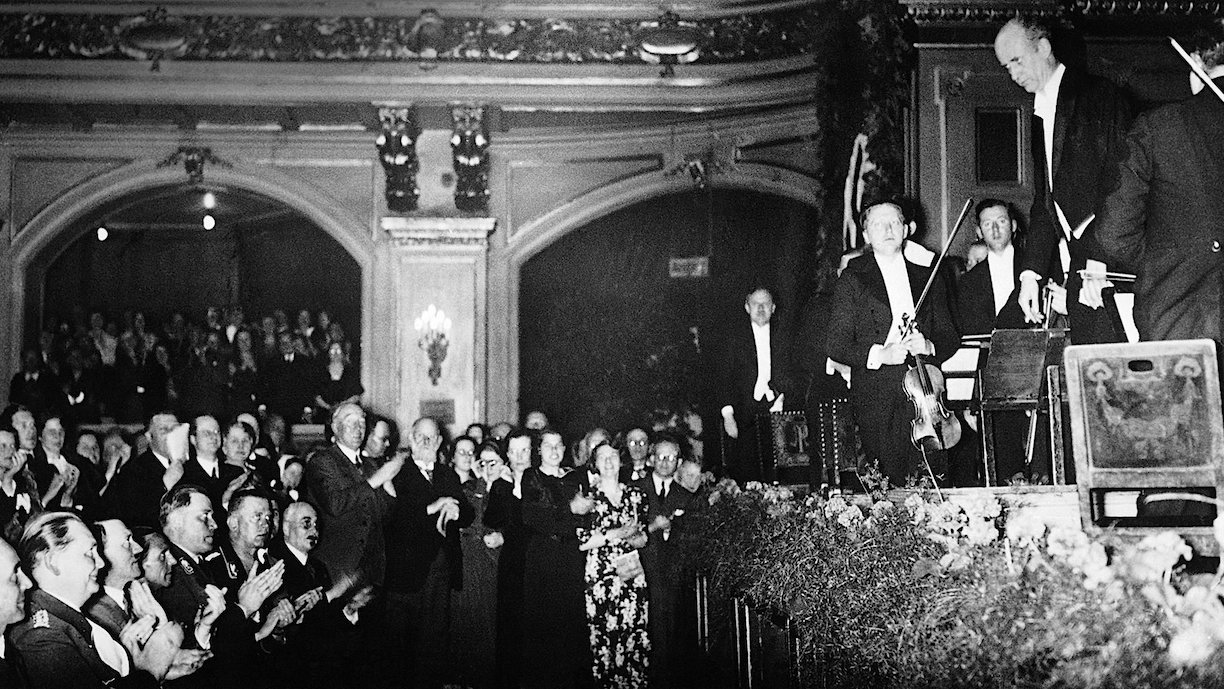
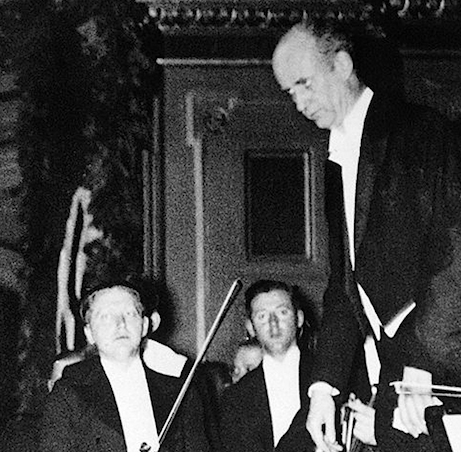
In these excerpts, Flanner wrote that the arts were overseen by Joseph Goebbels and Hermann Göring (of all people). She also noted the absence from the opera (which she rated poor under Goebbels) of the world-renowned conductor Wilhelm Furtwängler, who was in seclusion “writing an opera,” but probably wanted to be out of the limelight due to his controversial decision to stay in the Reich rather than flee like other artists and musicians. Furtwängler detested Hitler, but believed his art would wither if he left his homeland.

In a related item, Howard Brubaker (in his “Of All Things” column), had this to say about Germany’s Olympics preparations.

* * *
A Friendly Shakedown
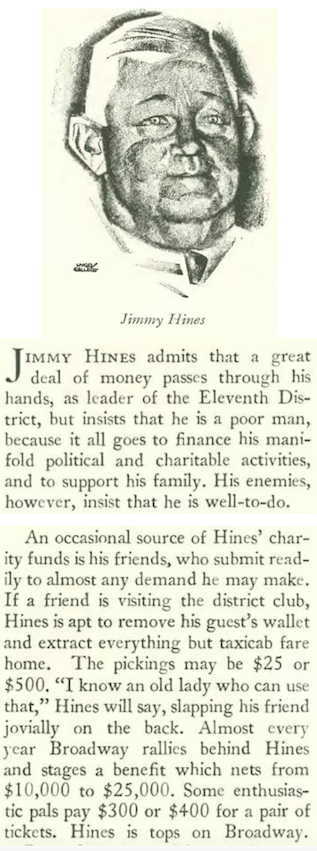
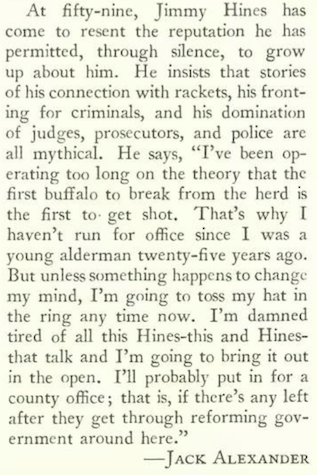
In Part Two of his profile on Tammany powerbroker Jimmy Hines, journalist Jack Alexander noted Hines’ unorthodox habit of soliciting contributions from his friends (illustration by Hugo Gellert). Excerpts:
* * *
At the Movies
“In the dreadful summer of 1932, [The New Yorker] paid me ten dollars for an anecdote. I was ripe for seduction…,” Russell Maloney once recalled. “[Then] I sent in an account of a situation that I thought would make a good Helen Hokinson picture…and got paid for that: seven dollars.”
Maloney (1910–1948) proceeded to send more ideas to The New Yorker, and enough were accepted that in 1935 he packed his bags and moved to Manhattan for a job at The New Yorker. In his ten years at the magazine he would contribute thousands of anecdotes to “The Talk of Town” as well as casuals, profiles, and countless cartoon captions. His interest in theater as well as celebrity gossip suited him well when he substituted for John Mosher as the magazine’s film critic.
So let’s see what Maloney—who would later call 1939’s The Wizard of Oz a “stinkeroo,” had to say about the latest fare from Hollywood.

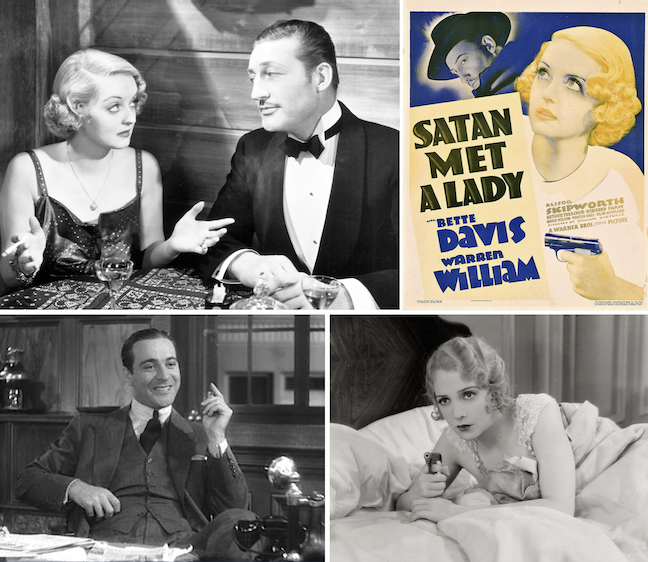
Maloney “enjoyed” The Return of Sophie Lang, with actors “baffling one another with the greatest suavity”…

…while Spendthrift, featuring actors speaking in various accents, was “perfectly dreadful.” Fortunately Suzy managed to lift the reviewer’s spirits, especially with the appearance of Jean Harlow.
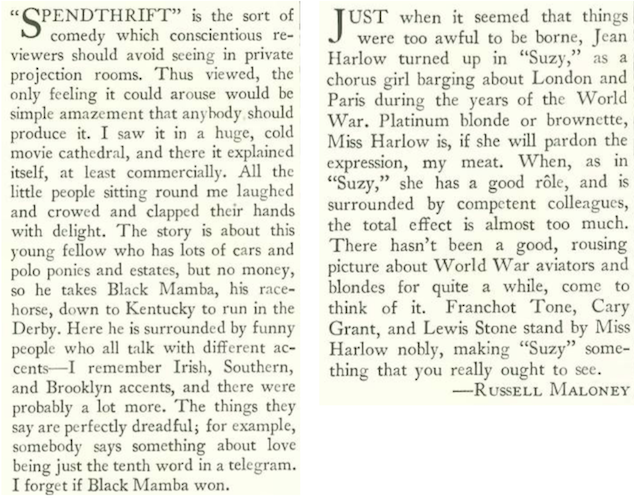
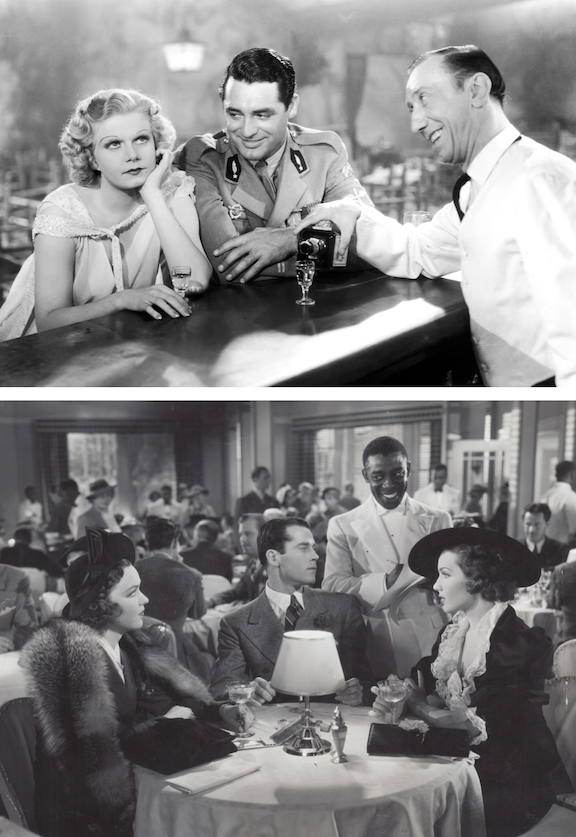
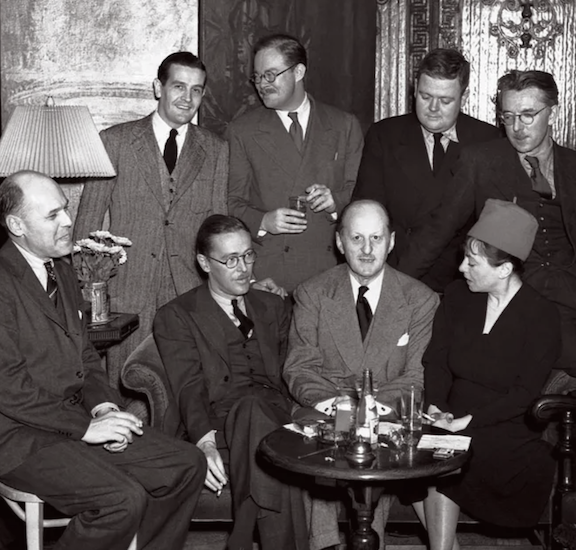
See this post from Michael Maslin’s Inkspill about Maloney’s contributions to The New Yorker. Also, check out this photo below that includes Maloney (standing next to James Thurber):
* * *
From Our Advertisers
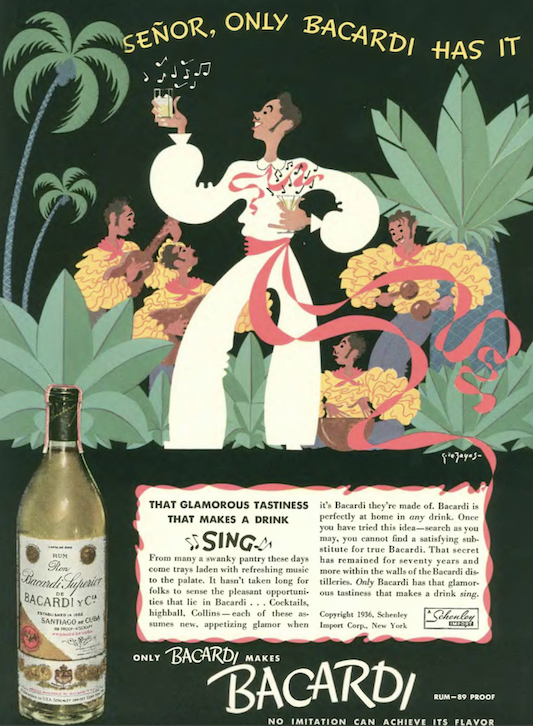
We begin with this colorful inside front cover advertisement for Bacardi rum, illustrated by George de Zayas, the younger brother of Marius de Zayas. Born in Mexico, these talented brothers took different artistic paths—Marius became a prominent avant-garde artist who collaborated with Alfred Stieglitz and others in New York, while George focused on commercial art and popular media…
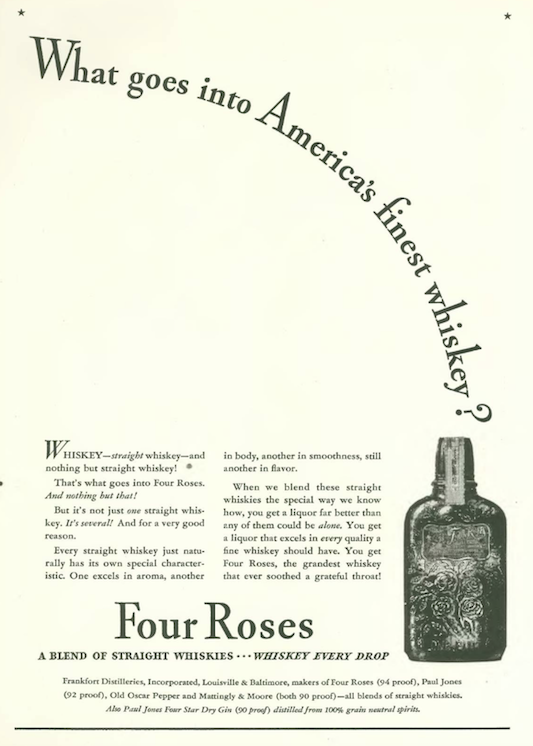
…this isn’t exactly avant-garde, but the makers of Four Roses added a modern twist to their usual traditional style…
…United Airlines offered overnight flights as well as “scenic” daylight flights from coast to coast (New York to San Francisco)…this flight typically took seventeen to nineteen hours, with refueling stops in Cleveland, Omaha, and Cheyenne/Salt Lake City…the planes were not pressurized, so they flew through the weather rather than above it…at least this plane (Boeing 247), according to the ad, had air-conditioning…

…for the more adventurous (and perhaps wealthier) traveler, you could hop aboard a Pan Am Clipper and head for Rio de Janeiro…in 1936, this flight from Miami to Rio took five days (flying in daylight only)…
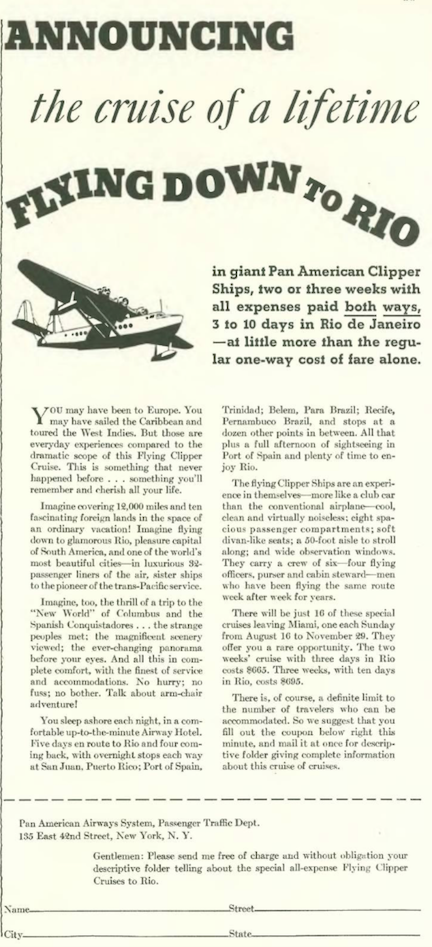
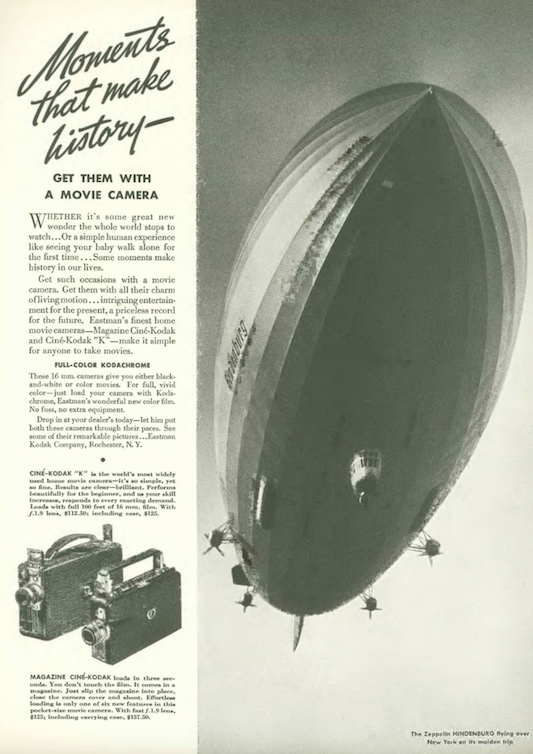
…a one-way ticket to Rio would have cost close to $11,000 in today’s dollars, while the equivalent $9,000 would get you a one-way ticket to Europe on the Hindenburg…
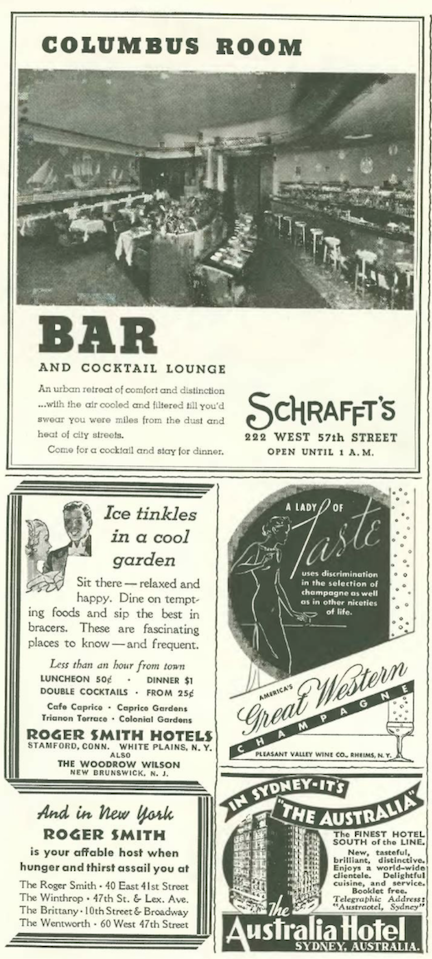
…in the back of the book we find various food and cocktail diversions…
…and some one-column tennis-themed ads…”Johnson’s Tennis Gut” referred to the material used in the Thirties to string rackets…the strings were almost exclusively made from natural animal gut—commonly called “catgut,” though they were actually made from processed and twisted sheep intestines…

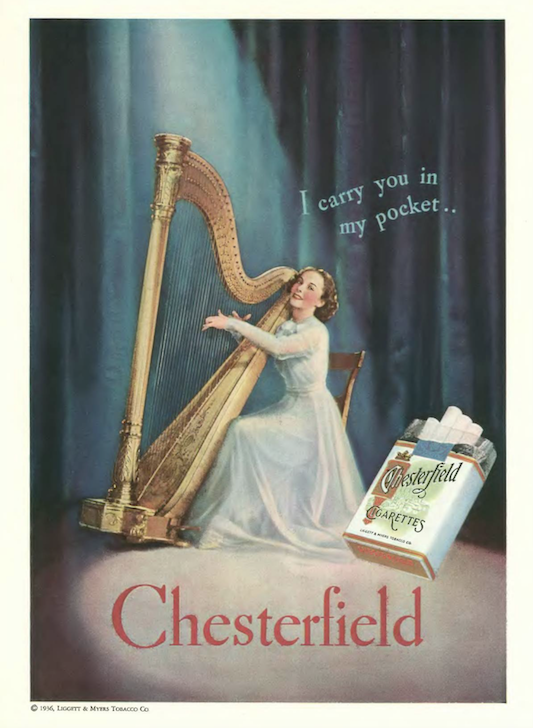
…Liggett & Myers claimed the back page to promote their Chesterfields to women smokers…one wonders if a racking cough interfered with her playing…
…on to our illustrators and cartoonists, we kick things off with spots by Adolph K. Kronengold…
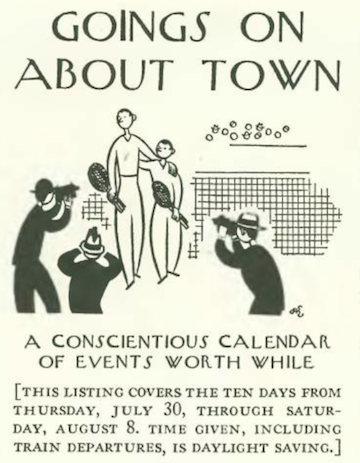
…John Groth…

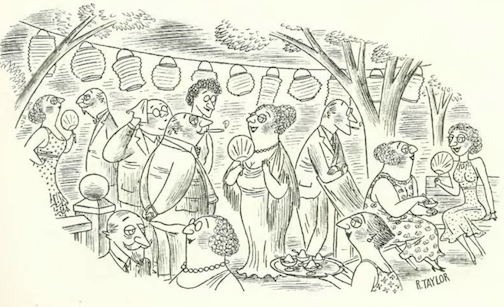
…Richard Taylor…
…Christina Malman…
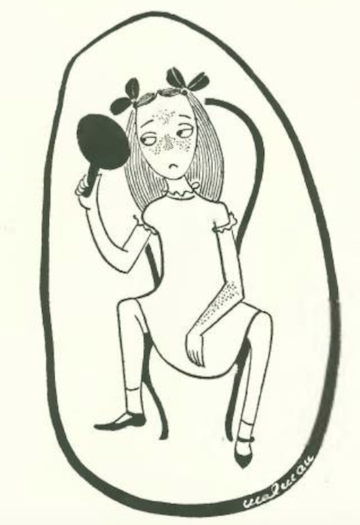
…and Victor de Pauw…

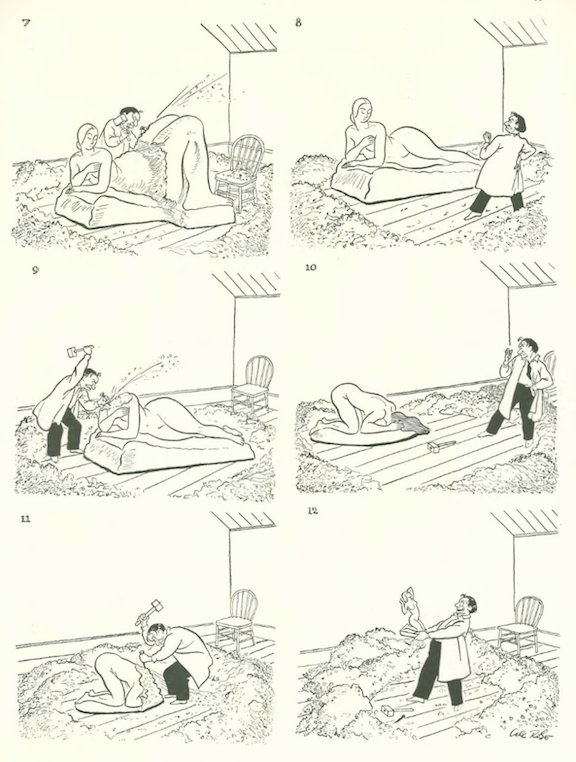
…Carl Rose took us through a sculptor’s creative stages…

…Helen Hokinson pondered a recipe for the day’s catch…

…and she checked out some summer reading (Warwick Deeping was a British writer of historical romances as well as books that defended the lifestyles of the bourgeoisie)…

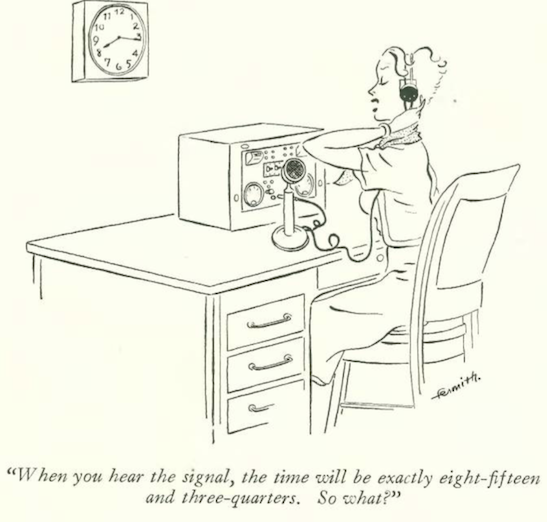
…this was F.E. Smith’s sole contribution to The New Yorker, and it’s pretty good…beyond that, I came up empty trying to find out more about the cartoonist…
…but we all know Leonard Dove (who contributed fifty-seven New Yorker covers and 717 cartoons)…here he’s keeping things quiet on the tennis court…

…and, of course, we have the great Charles Addams…

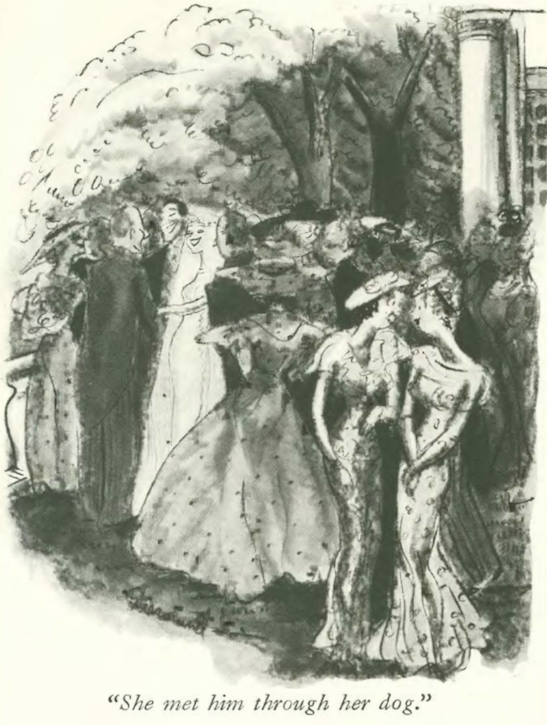
…we close with one of my favorite cartoonists, Barbara Shermund, keeping things light after the wedding…
Next Time: Men in Kilts…
 A New Yorker State of Mind