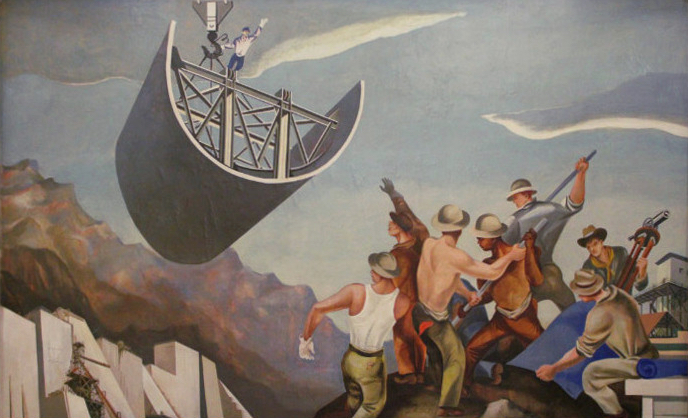
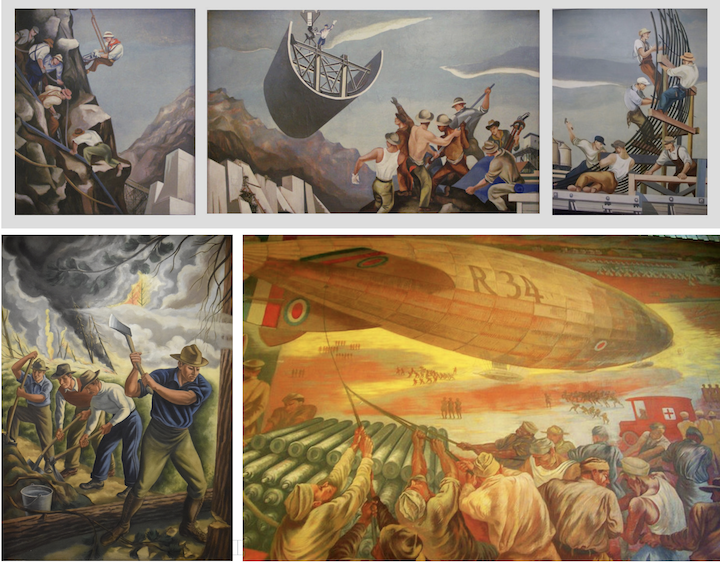
Above: Detail of a mural by William Gropper, "Construction of a Dam," 1939, located in the U.S. Department of the Interior. (gsa.gov)
Sociologist and urban design critic Lewis Mumford was well known for his strong convictions regarding the development of cities, but he also applied those convictions—namely his ideas of organic balance—while writing “The Art Galleries” column for The New Yorker.
Mumford (1895–1990) was neither a traditionalist nor a modernist, but rather a proponent of art and architecture that was human-scaled and that honestly reflected the times and places it which they were created. In his Oct. 17 column he cited Washington’s new Supreme Court Building as a prime example of sham architecture, and lamented a “certain staleness” in an exhibition of the U.S. Treasury’s Relief Art Project, which commissioned numerous murals and sculptures for installation in federal buildings. Excerpts:
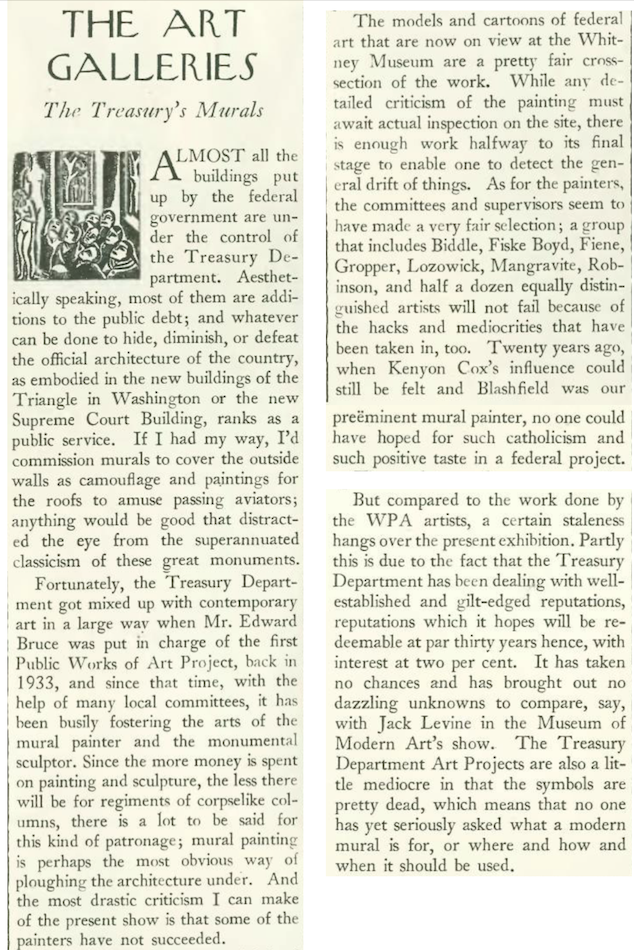
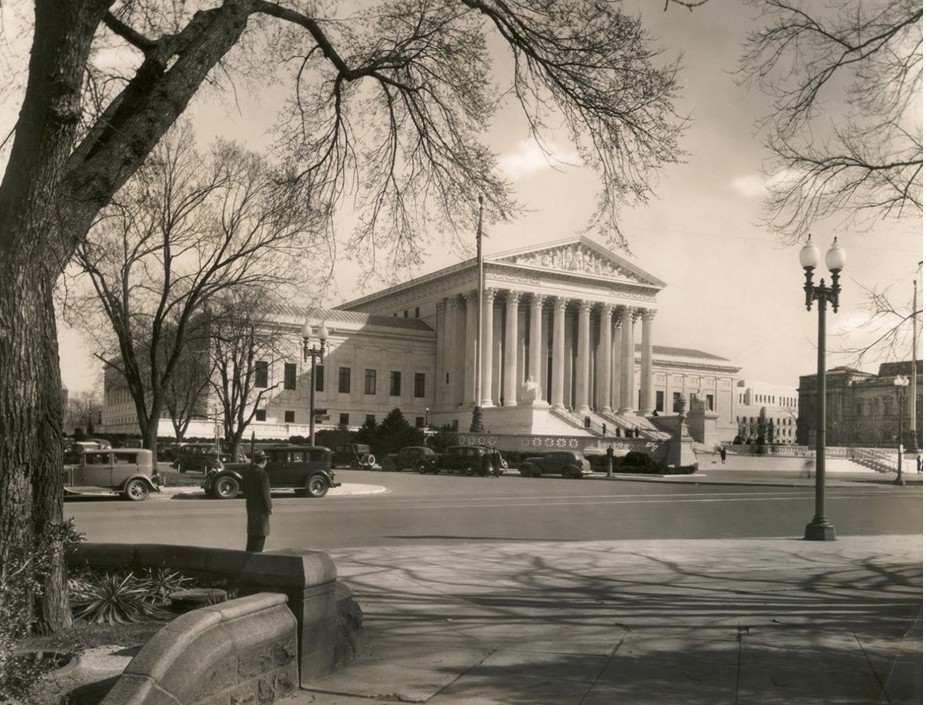
Although Mumford noted the “hacks and mediocrities” of Treasury-sponsored art, he also noted the inclusion of a number of distinguished artists. The problem, it seemed to him, was not the artists but rather the outmoded, monumental murals they were commissioned to create.
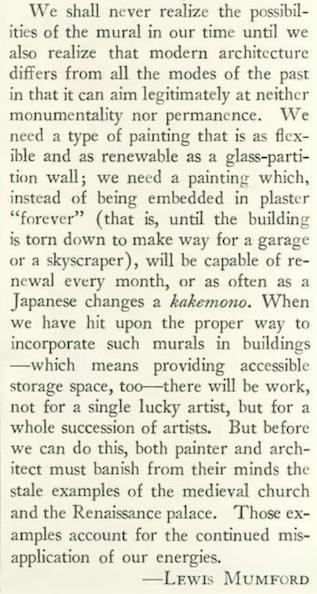
Mumford concluded: “We need a type of painting that is flexible and renewable…capable of renewal every month, or as often as a Japanese changes a kakemono.”

* * *
Been There, Done That
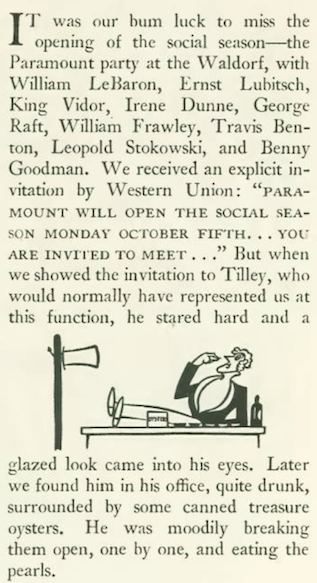
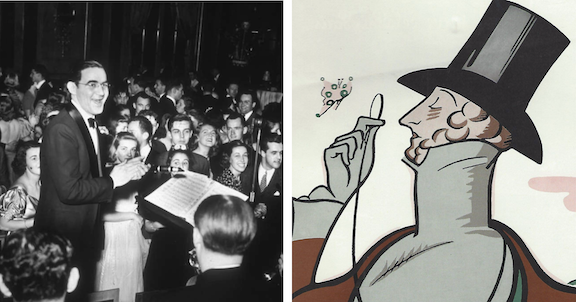
E.B. White gave voice to New Yorker mascot Eustace Tilley in 1927 when Tilley bade farewell as the author of “The Talk of the Town.” White also checked in on Tilley in a 1932 “Notes and Comment” column, recounting how Tilley almost lost his silk top hat to the tax man. Tilley turns up again in this week’s “Notes,” this time appearing quite inebriated and refusing to attend a star-studded party at the Waldorf:
* * *
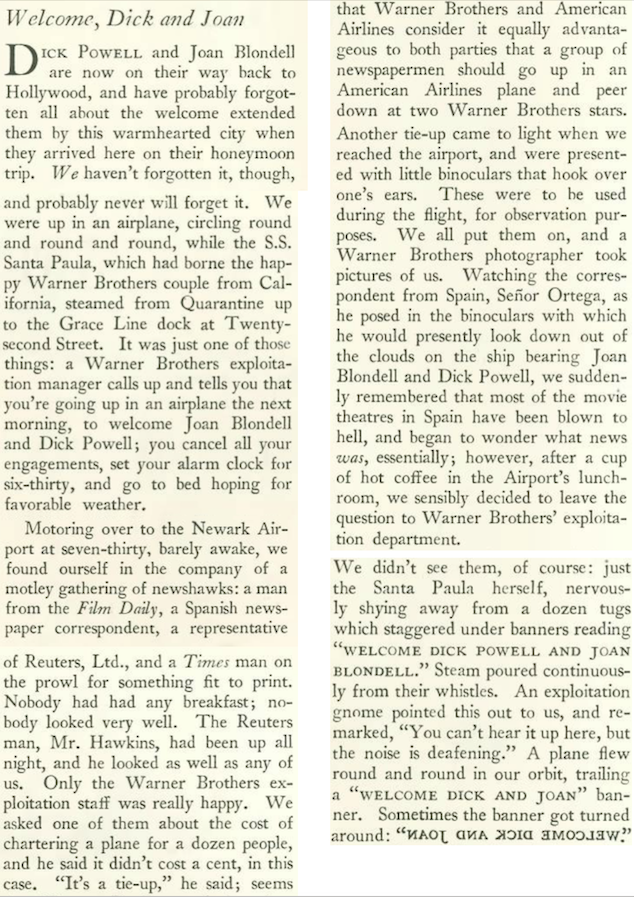
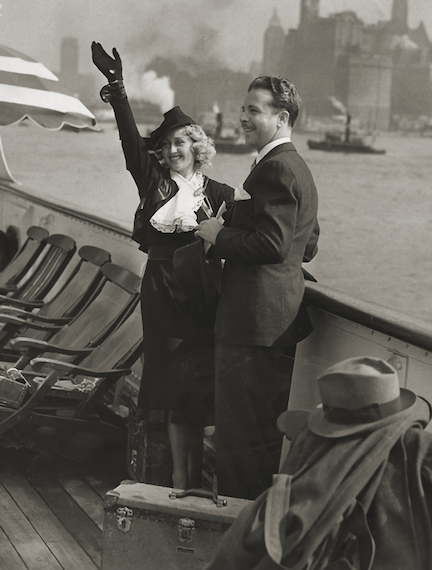
Stunt Pilots
I’m not sure which “Talk of the Town” writer went up on the airplane, but either or
* * *
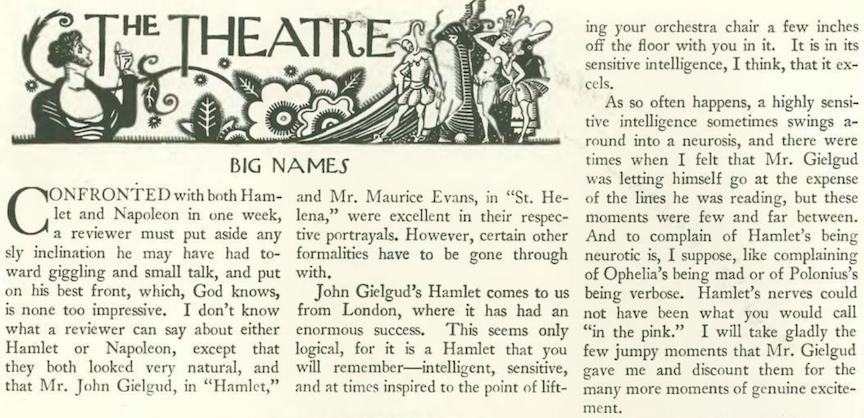
Gielgud’s Gig
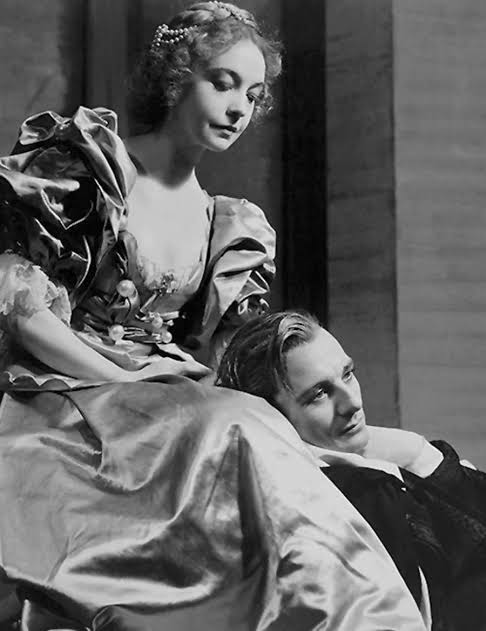
After enormous success on the London stage, John Gielgud brought his Hamlet to Broadway’s Empire Theatre, where he was paired with Lillian Gish as Ophelia. Robert Benchley was there for the action. Excerpt:
* * *
At the Movies
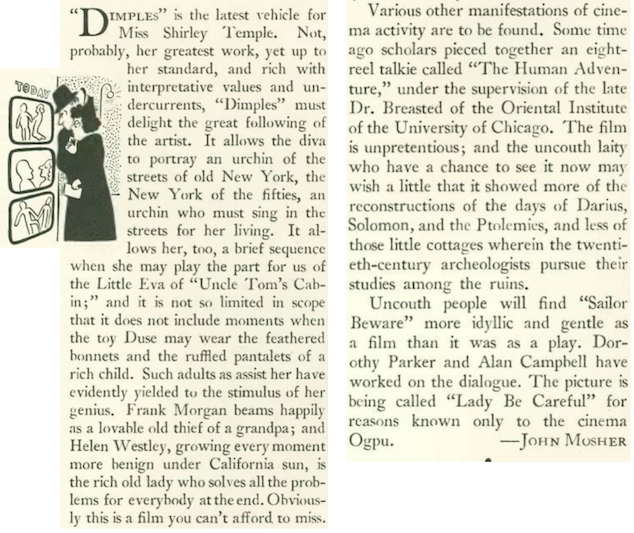
Some light fare at the cinema, with Shirley Temple cranking out her thirteenth starring role in Dimples, and Mary Carlisle teaming up with Lew Ayres for some shore leave hijinks in Lady Be Careful.
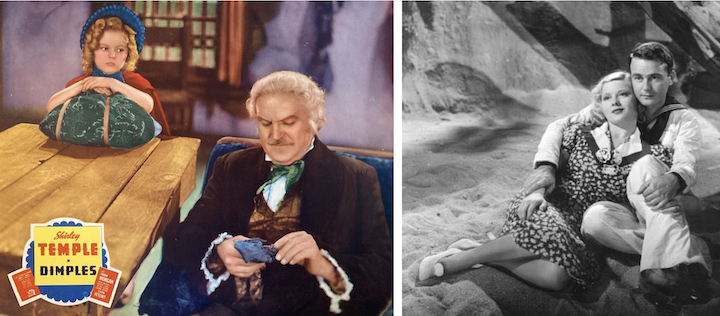
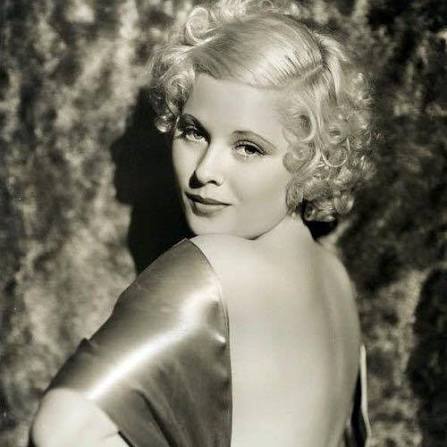
A quick note about the actress, singer and dancer Mary Carlisle (featured above): Best known for her roles as a wholesome ingénue in 1930s musical-comedies, she was with us until just eight years ago. The last surviving WAMPAS Baby Star, Carlisle died at age 104 in 2018.
* * *
Saving Face
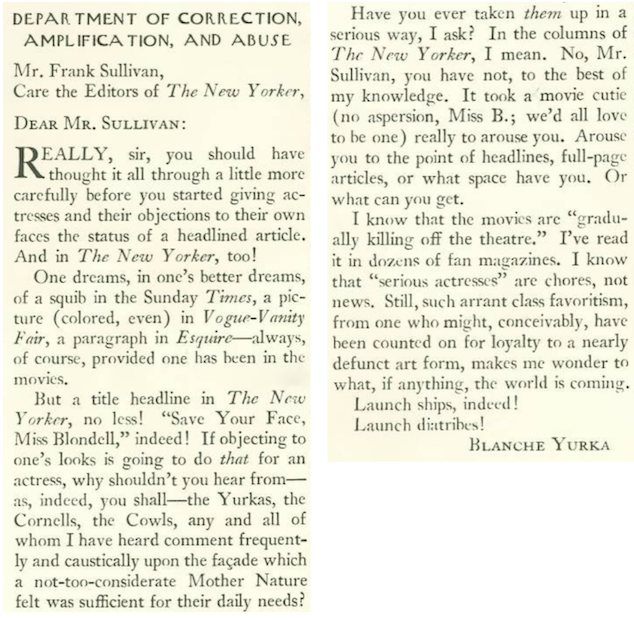
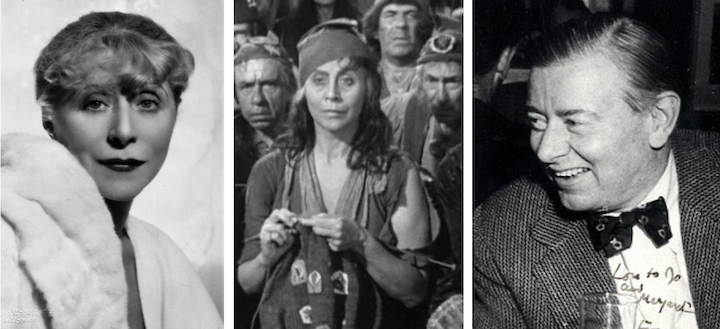
Famed stage actress Blanche Yurka had some choice words for Frank Sullivan after she read his Sept. 26 humor piece, “Save Your Face, Miss Blondell”…
* * *
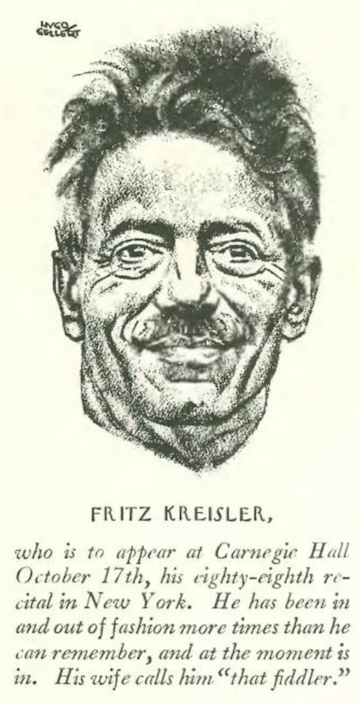
The latest mini-bio from the calendar section featured famed violinist Friedrich “Fritz” Kreisler (1875–1962)…illustration is by Hugo Gellert…
* * *
From Our Advertisers
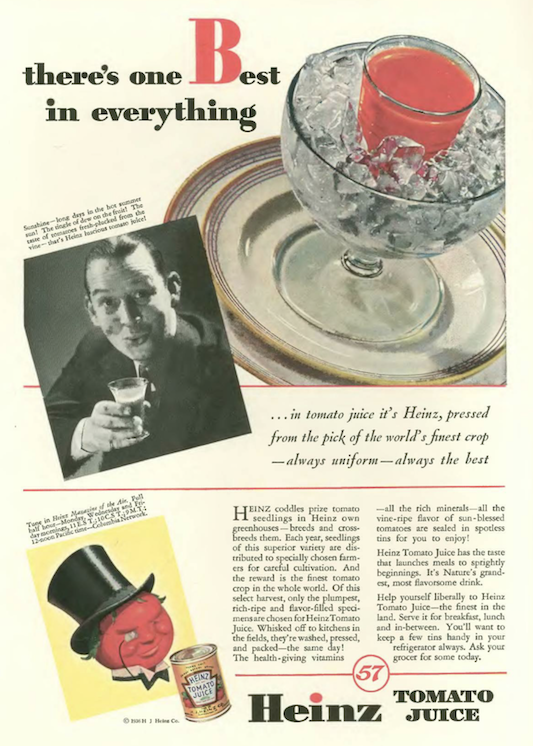
We begin with this full-page advertisement for Heinz tomato juice, which featured a photo of a man who resembled playwright/actor Noël Coward…the person in the ad is not identified, but Coward was known for endorsing products from time to time, including Bulova watches and Rheingold beer…
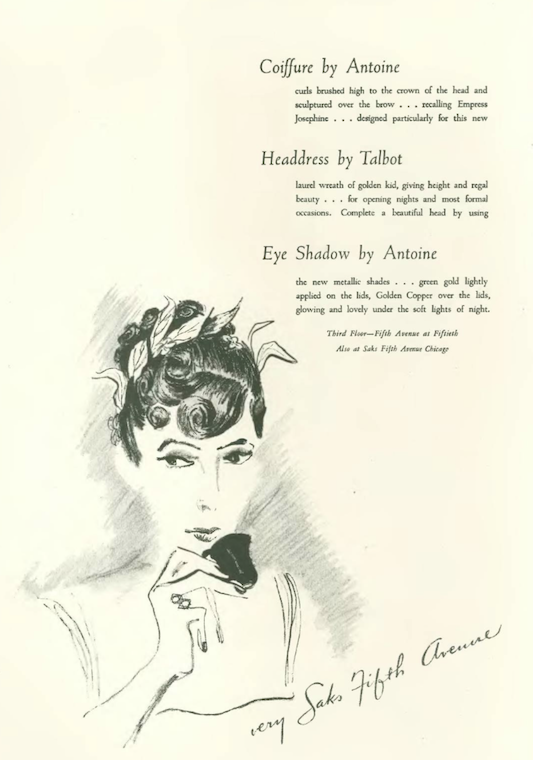
…another ad illustrated by Margaret Sommerfeld, who produced promotional artwork for Saks…
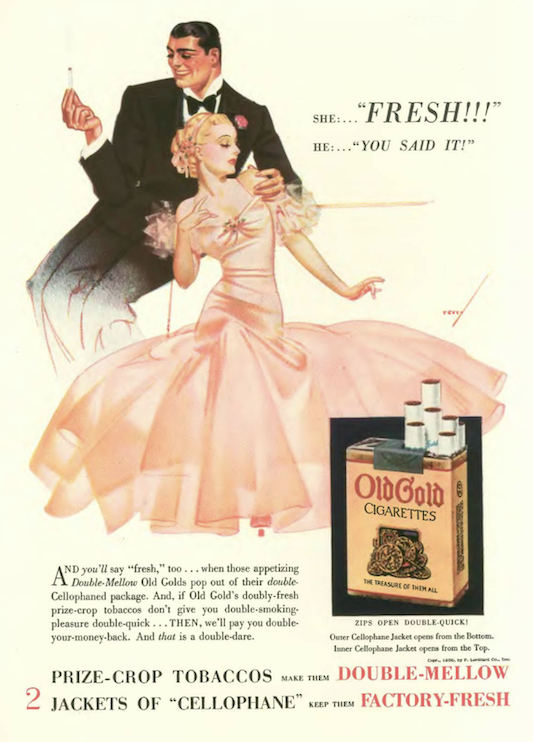
…and another full page ad for Old Gold illustrated by pin-up artist George Petty…
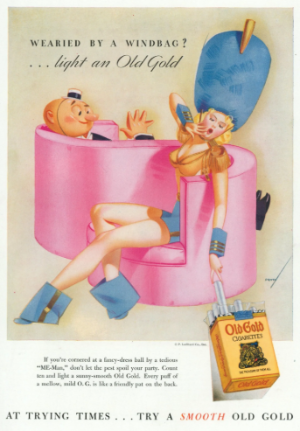
…the Old Gold ad marks a departure from a long series of Petty-illustrated ads that were more in the pin-up style and featured a leering little man rather than a handsome masher:
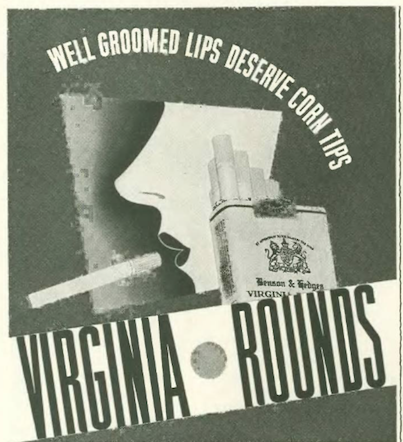
…most cigarette ads still targeted the growing market of women smokers, including this line of smokes manufactured by Benson & Hedges…
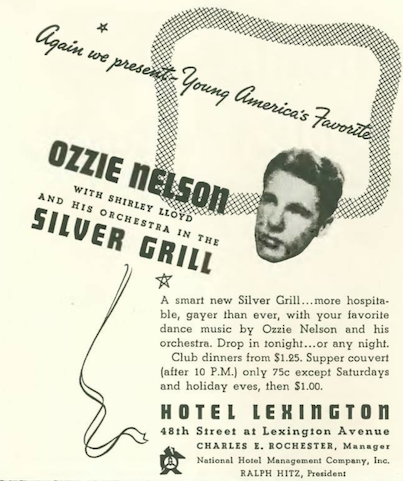
…Ozzie Nelson was a famed bandleader until he reached even greater fame on his own radio series, The Adventures of Ozzie and Harriet, launched in 1944, and his television show by the same name, which ran from 1952 to 1966…
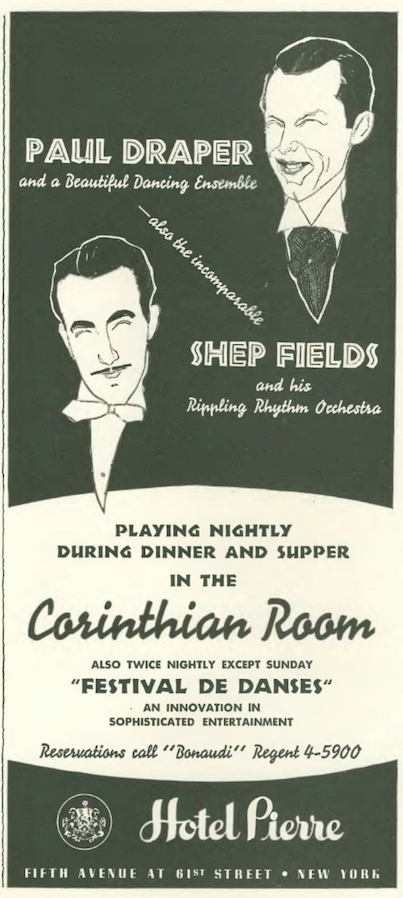
…if Ozzie Nelson wasn’t your thing, you could tap your toes to Paul Draper’s dancing ensemble or Shep Fields’ “Rippling Rhythm Orchestra” at the Hotel Pierre…
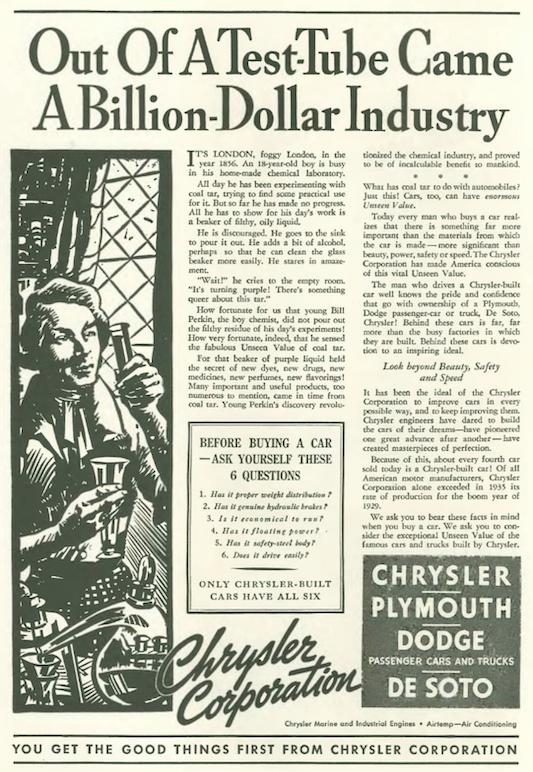
…some advertisers persisted in running wordy appeals for their products, including the execs at the Chrysler, who thought consumers could be swayed by the story of a nineteenth-century amateur chemist who accidentally refined coal tar and spawned a billion-dollar industry…
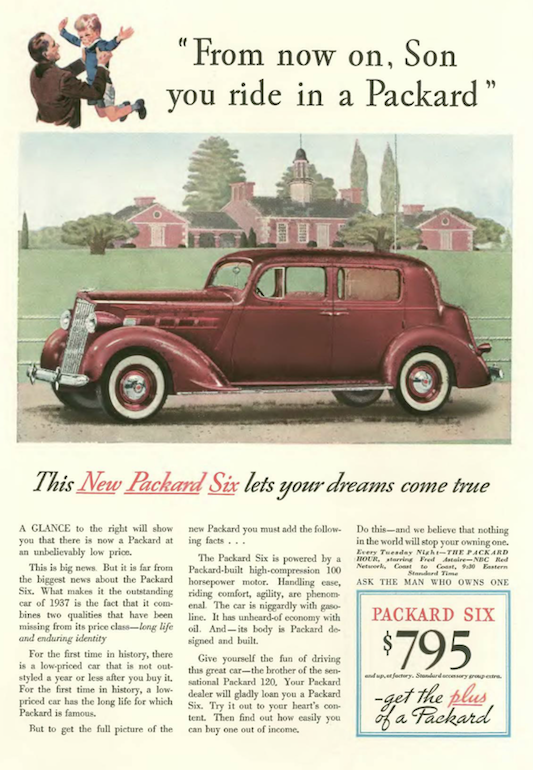
…the makers of the luxury brand Packard continued to stay afloat during the Depression by marketing lower-priced models like the Packard Six…
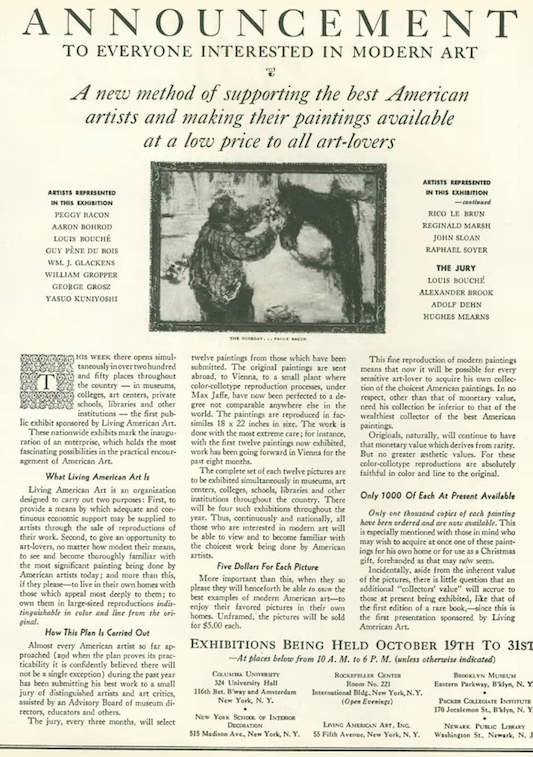
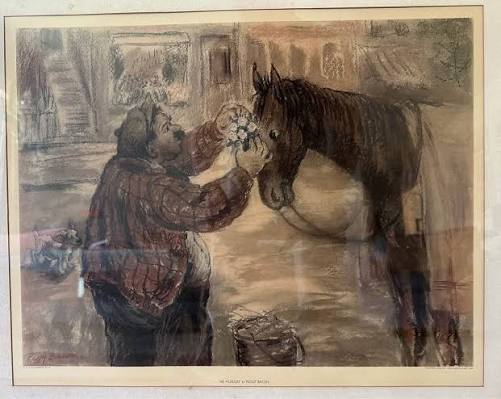
…lower-priced options were also featured in this ad from an organization called “Living American Art,” which offered “faithful” color collotype reproductions by modern artists, including New Yorker contributors Peggy Bacon and Reginald Marsh…
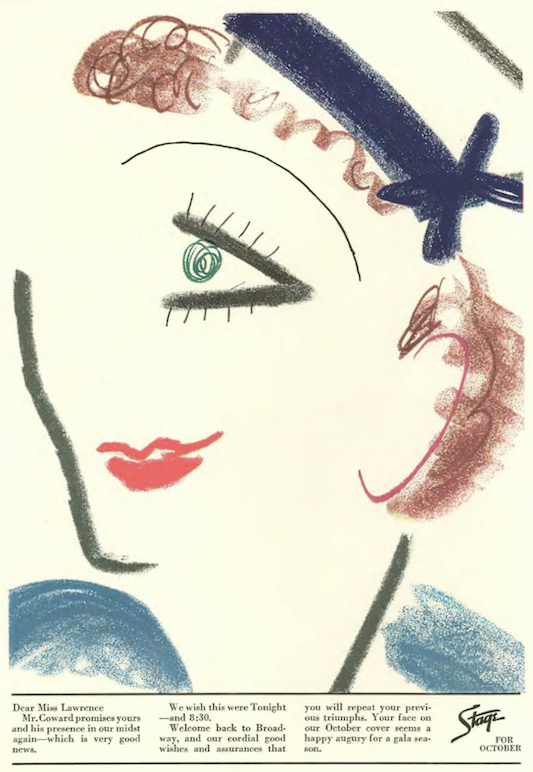
…and we have another striking Abe Birnbaum caricature (of stage actress Gertrude Lawrence) for Stage magazine…
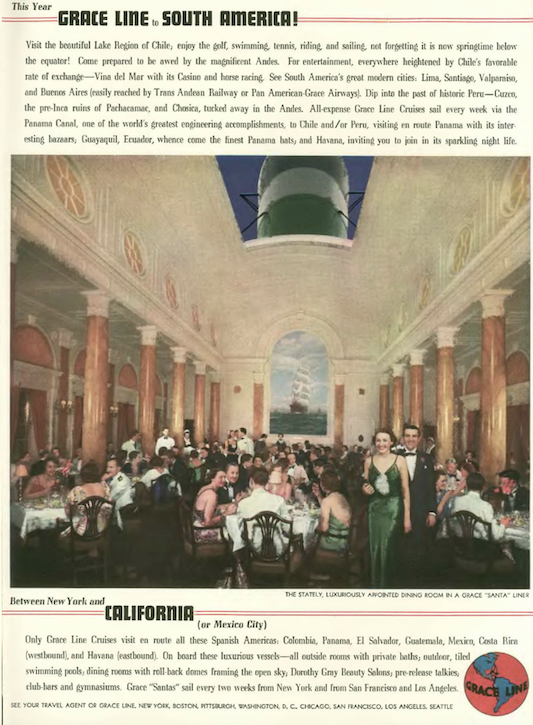
…imagine entering this dining room while aboard a Grace Line Santa liner…not a waterslide or buffet line in sight (this was the same liner that Joan Blondell and Dick Powell took on their honeymoon from California to New York)…
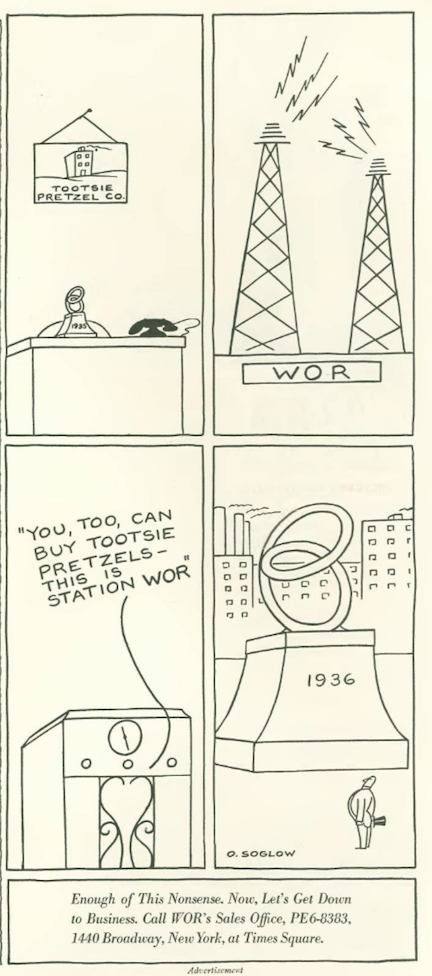
…Otto Soglow continued illustrating ads for WOR radio…
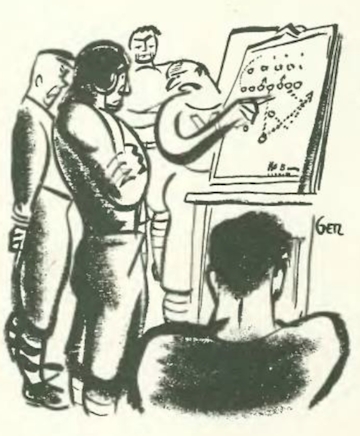
…which segues to our cartoonists, beginning with a spot by Arthur Getz…
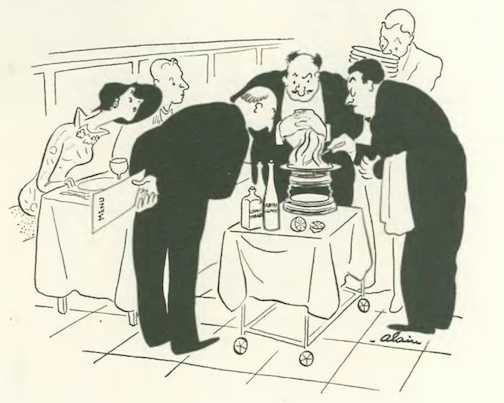
…a caption-less entry by Alain…
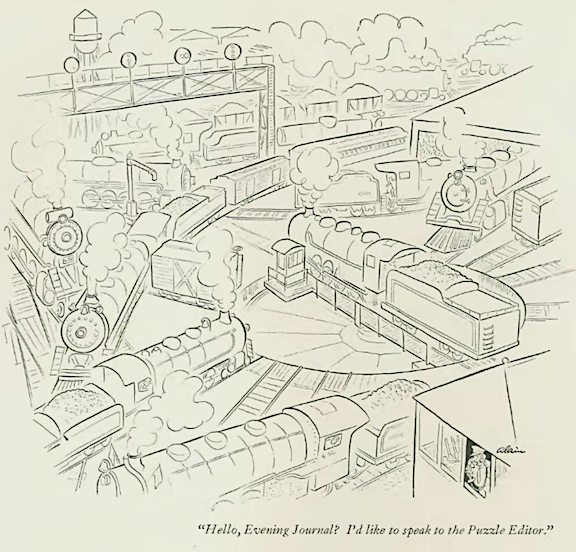
…Alain again, with a puzzling challenge…
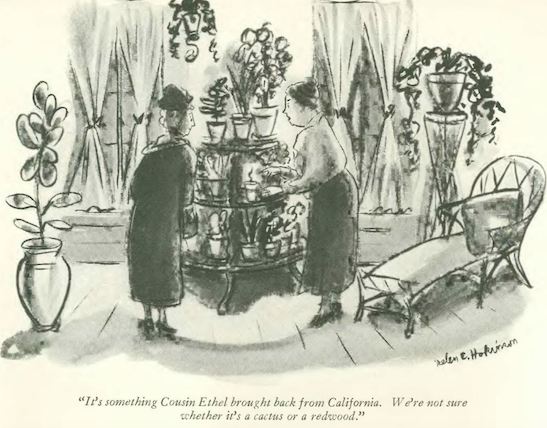
…a horticultural mystery courtesy of Helen Hokinson…
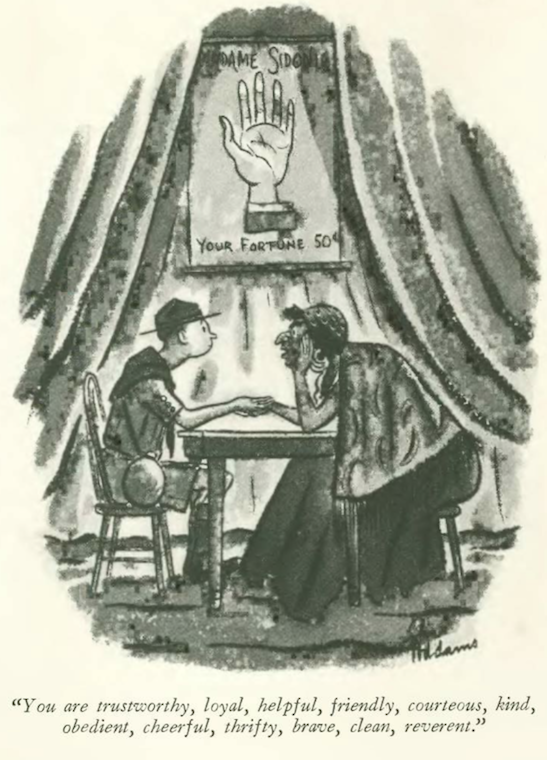
…Charles Addams presented an ideal client to this fortune teller…
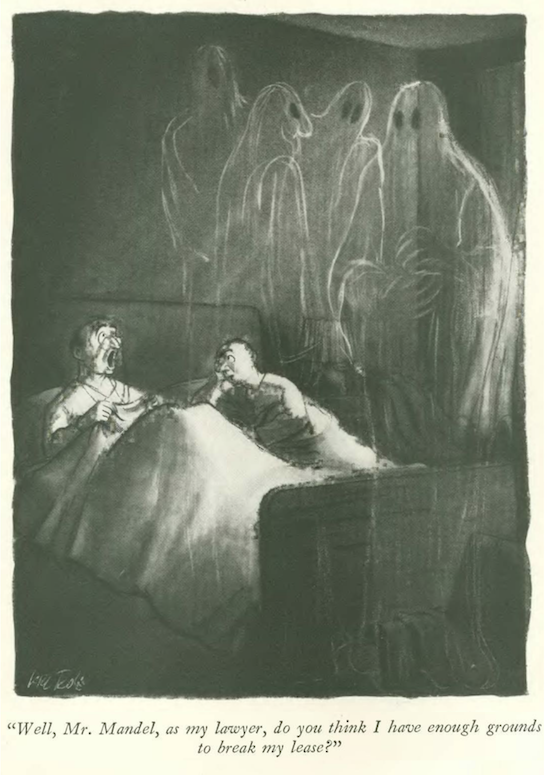
…Carl Rose got a little spooky…
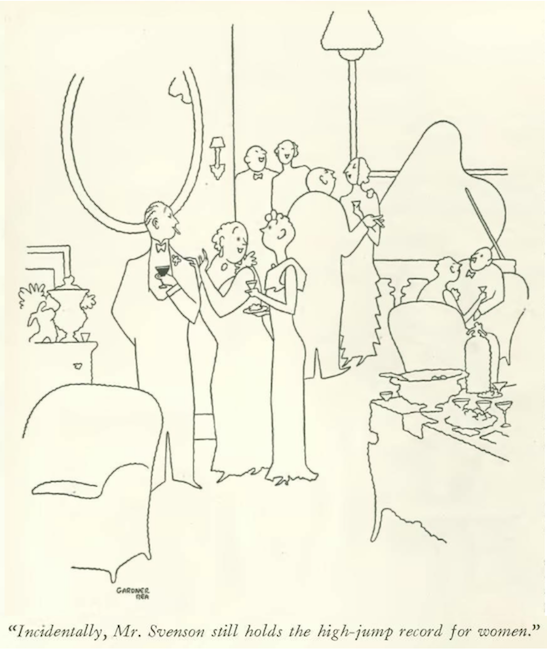
…Gardner Rea served up an Olympian boast…
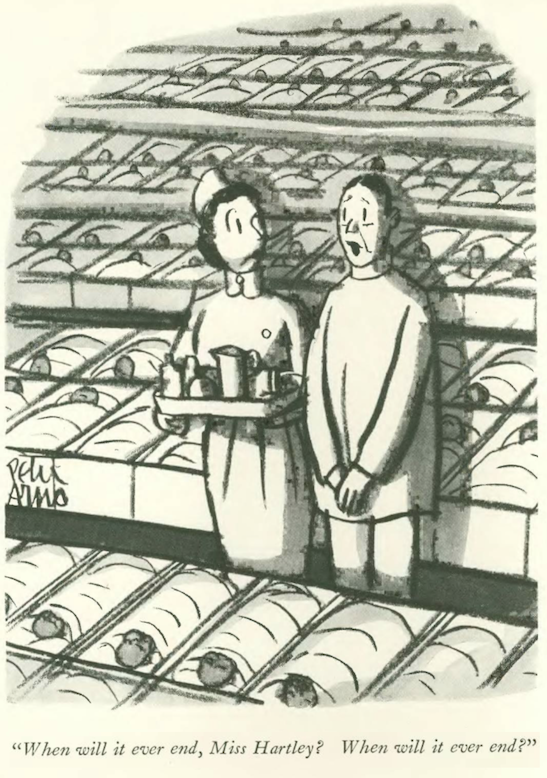
…Peter Arno drew up a doubtful doctor…
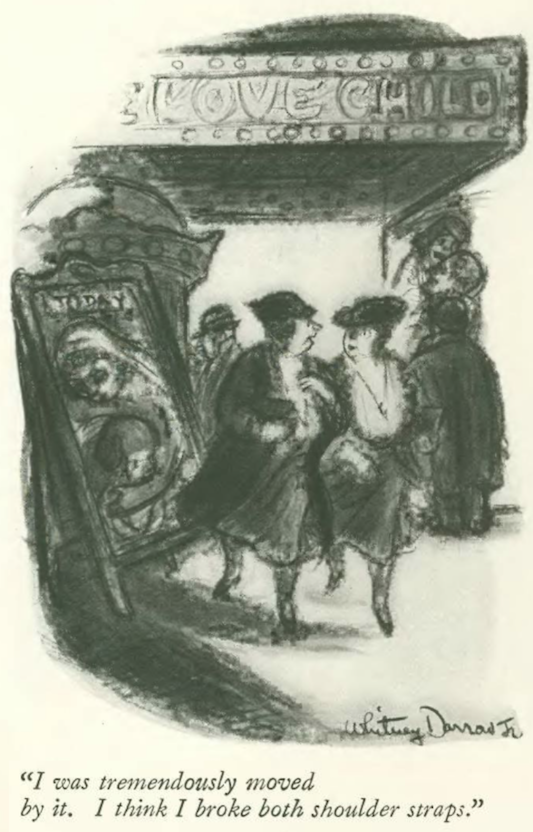
…Whitney Darrow Jr illustrated the power of motion pictures…
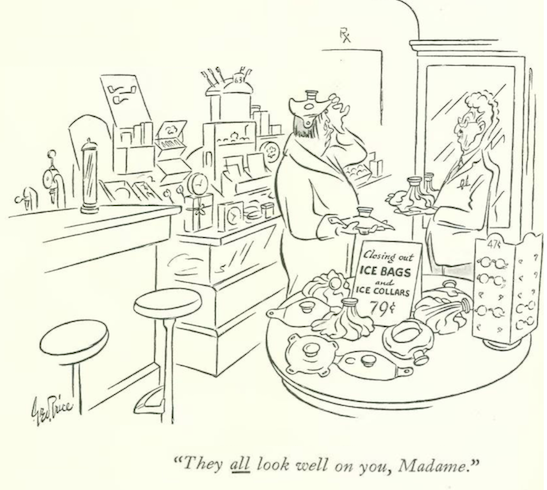
…George Price sampled the latest styles in ice bags…
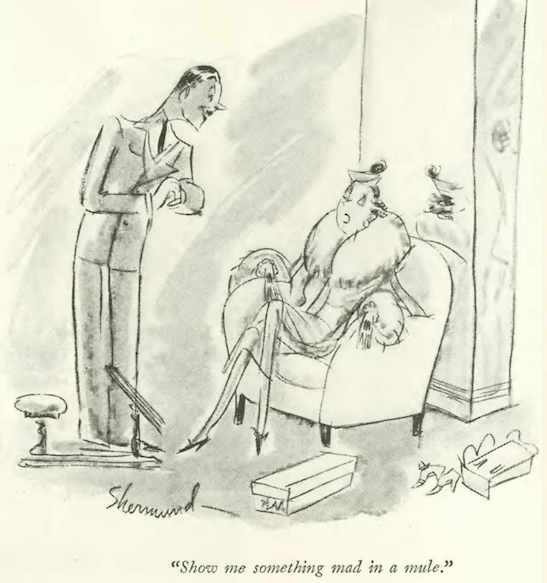
…Barbara Shermund went shoe shopping…
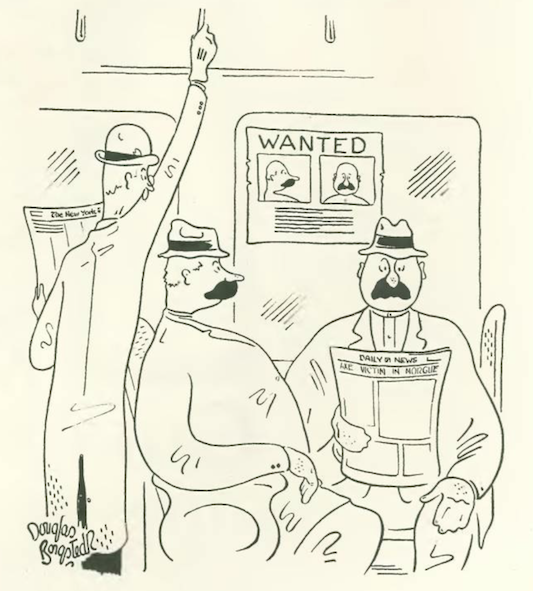
…and we close with the first New Yorker cartoon by Douglas Borgstedt (1911–2001), and a good one at that!…
Next Time: The President’s Mystery…