We close out the boiling August of 1930 with Wolcott Gibbs and his fanciful musings regarding the future offices of The New Yorker, inspired by his recent visit to the glitzy new lobby of the New York Daily News Building.
August 30, 1930 cover by Julian De Miskey.
I include a brief excerpt of Gibb’s tongue-in-cheek fantasy of the future, which inadvertently foresees The New Yorker’s current offices (see contrast of old and new above) in the gleaming glass tower now known as One World Trade Center:
THAT WAS THEN…The New Yorker’s first offices were located at 25 West 45th Street, a 16-story building erected in 1913 (it still stands). It’s almost impossible to find images of The New Yorker’s early office spaces, but you can probably get some idea from these photos of another tenant of the building, the Y.M.C.A. Dental School. (Museum of the City of New York/New York Public Library)THIS IS NOW…Almost in fulfillment of Wolcott Gibbs’ fantasy, The New Yorker today occupies offices in the Condé Nast section (images above) of the 104-story, 1,776 foot One World Trade Center (floors 20 to 44). When The New Yorker moved onto the building’s 38th floor in early 2015 (one floor above Wired), it marked the first time the magazine was located outside of a small area in Midtown. (New York Magazine/interiordesign.net)
* * *
His Bit of Earth
“The Talk of the Town” noted an increasingly rare sight along Fifth Avenue, a private garden created by Thomas Fortune Ryan that in 1930 was occupied by his son Clendenin J Ryan:
DUST TO DUST…Thomas Fortune Ryan demolished the Charles T. Yerkes mansion and its art galleries (before and after photos, top, and image of a gallery, bottom right) to make way for his private flower garden, which is visible in the bottom left hand corner of the image at top right. An apartment building erected in 1937 (bottom left) occupies the site today. (Museum of the City of New York/Alice Lum)
* * *
From Our Advertisers
Backgammon became all the rage in the 1930, so much so that one Grosvenor Nicholas, “a famous authority on backgammon,” commanded a fill-page ad from Saks…
…for reference, The New Yorker made note of Nicholas’s visit in the Sept. 6 “Talk of the Town”…
OR WATCH THE YOUTUBE VIDEO…Leila Hattersley, author of 1930s How to play the New Backgammon, teaching at a New York Club (bkgm.com)
…celebrity endorsements continued to grow in importance in the 1930s, here the famed Australian-born British actress Judith Anderson (1897-1992) marvels at the products manufactured by Angelus…
…Anderson would later be made a “Dame,” and would enjoy a long career and a long life, even appearing in 1984’s Star Trek III: The Search for Spock as the Vulcan High Priestess T’Lar…
VERSATILE…At left, Dame Judith Anderson in 1932. At right, Anderson on the set of 1984’s Star Trek III: The Search for Spock, with actor Leonard Nimoy. (Tumblr)
…this ad for Buick shows a rich gent dismissing his chauffeur, something he would probably have to do permanently as the Depression continued to ruin fortunes…
…and perhaps a lost fortune could lead to one being “difficult,” and in that case Dyers & Dyers could sooth the hurt with squab from a can…
…on to our cartoonists, we have Constantin Alajalov illustrating a scene at the Battery…
…Ralph Barton continued his interpretations of a new decade…
…some unfortunate racial humor from Al Frueh…
…an indelicate moment at the beach, courtesy Garrett Price…
…Perry Barlow looked at the challenges of city life…
…and Alan Dunn found a man with a case of the moderns…
When Apollo astronauts landed on the moon fifty years ago, many skeptics asked the question, “What good does this accomplish?”
July 12, 1930 cover by Constantin Alajálov.
New Yorker writer Morris Markey posed the same question 89 years ago about transatlantic flights, then limited to a handful of daredevils chasing various speed and distance records. Crossing the ocean in an airplane, Markey observed, was “one of the most difficult things imaginable.” He concluded that despite the heroics of a few pilots, “we are still not much nearer to transoceanic commercial service…”
TESTING THE LIMITS…In photo at left, Charles Kingsford Smith (second from left) and the crew of his airplane, Southern Cross, pause before embarking on their east-west crossing of the Atlantic in June 1930; photo at right: Dieudonné Costes (right) with Maurice Bellonte in Boston in 1930. On September 1-2, 1930, they flew the “Point d’Interrogation” from Paris to New York, the first heavier-than-air aircraft to reach New York in the more difficult westbound direction between the North American and European mainlands. (National Library of Ireland/Wikipedia)BIG THINKERS…Germany’s massive Dornier Do-X made its first test flight on July 12, 1929. A few months later, it carried a world-record 169 passengers on a 40-minute flight, an astonishing number given that the largest planes at that time rarely carried more than 20 passengers. In 1930, the Do-X took off on an international publicity tour through Europe, down the west coast of Africa, across the Atlantic to Brazil and up to New York before returning to Berlin. (Mashable)
Markey went on to detail the various obstacles facing transatlantic fliers, including fairly good odds that a plane, laden with fuel and supplies for such a journey, would crash on takeoff. He noted that a little over half of the attempts succeeded, while the others seemed doomed from the start.
ILL-ADVISED…With only 70 hours of flying experience, Montana rancher Urban F. Diteman (left, with his airplane “Golden Hind”) took off from Harbour Grace, Newfoundland, bound for London. He was never seen again; at right, the William Randolph Hearst-sponsored “Old Glory,” a Fokker F.VIIa single-engined monoplane that was used in 1927 on an attempted transatlantic flight from Old Orchard Beach, Maine to Rome, Italy. The overloaded plane and its crew were lost approximately 700 miles east of Newfoundland, where only a section of wing was recovered. (dailymontana.com/Wikipedia)
* * *
Glare of the New
Architecture critic George Chappell enthusiastically followed the construction of the world’s tallest building, but in its completion he found the Chrysler Building’s now-iconic spire to be little more than a stunt, and suggested that a covering of masonry might be in order:
MAYBE SOME VINYL SIDING?…George Chappell wasn’t too crazy about the Chrysler’s chrome dome, and also worried about the amount of steel that would clad the exterior of the Empire State Building, right, which is composed of limestone, chrome bars and aluminum panels. (Wikipedia)
* * *
Bottoms Up
In his “Notes and Comment,” E.B. White pondered the drinking habits of his fellow citizens in the tenth year of Prohibition:
MAKE THAT A DOUBLE…Finding refreshment in the dark days of Prohibition. (junkee.com)
* * *
Good Old Summertime
Along the bottom of “The Talk of the Town,” a Reginald Marsh interpretation of Coney Island fun and games…
* * *
Still the Same
Lois Long, who painted a picture of Jazz Age nightlife like no other in her “Tables for Two” column, teased her readers by disguising her identity, often claiming she was a frumpy old lady. With her “Tables” column now on hiatus, the fashionable and young Long maintained her pose, referring to herself as an “old war horse” in her fashion column “On and Off the Avenue.”
Problems of the Rich
John Mosher reviewed the 1930 American Pre-Code comedy Holiday, which told the story of a young man torn between his wild lifestyle and the tradition of his wealthy fiancée’s family. Films that explored the “problems” of the rich seemed particularly popular in the Depression years…
POOR LITTLE RICH GIRLS…Mary Astor and Ann Harding in Holiday. (IMDB)
* * *
From Our Advertisers
The makers of Pond’s Cold Cream continued its campaign of endorsements by society women, including Philadelphia socialite, philanthropist and champion horsewoman Elizabeth Altemus…
Altemus (1906-1988) was a prominent owner/breeder of Thoroughbred racehorses for more than 50 years. Her first marriage was to Jock Whitney, U.S. Ambassador to the United Kingdom, publisher of the New York Herald Tribune, and president of the Museum of Modern Art. By the looks of this 1937 portrait of Altemus, the cold cream certainly didn’t do her any harm…
Mary Elizabeth Altemus Whitney in 1937. (geni.com)
…speaking of cold cream, when Kleenex was introduced in the early 1920s, it was marketed solely as a hygienic way to remove cold cream. It wasn’t until the 1930s that the makers of Kleenex began to suggest it could also be used as a tissue in place of a handkerchief. Of course it was also a great way to dramatically expand consumption of its brand, and help usher in a new age of disposable products…
…as the Depression deepened, ads for automobiles began to change with the times, most manufacturers emphasizing the affordability of their cars over performance or prestige, as this sad little ad from Packard attested….
…in three consecutive issues (June 5, 12 and 19) Peter Arno featured the same drawing with a different caption that gave readers a very brief courtship story…
…Alan Dunn offered a glimpse of life among the newsboys…
…Leonard Dove found Americans browsing newsstands along the Seine…
…Helen Hokinson looked in on an existential crisis…
…Perry Barlow was Out West at a dude ranch…
…Barbara Shermund eavesdropped on a couple of debs…
…Garrett Price gave us an awkward encounter among the yachting crowd…
…and finally William Crawford Galbraith, and a case of domesticus interruptus…
It’s easy to get into the weeds while digging through The New Yorker archives, as it is filled with a richly interconnected cast of characters whose lives and work still resonate with us today.
March 15, 1930 cover by Rose Silver. (Please see note on this artist at the end of this blog entry)
A case in point is Bert Lahr (1895-1967), who at age 15 dropped out of high school and joined the vaudeville circuit, working his way up to top billing in Broadway musical comedies including 1930’s Flying High, which received an enthusiastic welcome from New Yorker critic Charles Brackett…
…Brackett enjoyed the “feminine beauty” offered by a George White chorus that included the “Gale Quadruplets,” described in the Playbill as “The only Quadruplets in the world appearing on the stage”…
…although in fact the Gale Quadruplets were actually two sets of twins: June and Jane, and Jean and Joan (real names were Doris, Lenore, Helen and Lorraine Gilmartin). But I digress.
What really caught Brackett’s eye were the antics of Bert Lahr:
ONLY ONE BERT…Clockwise, from top left, publicity photo of Bert Lahr from the 1931 film version of Flying High; cover of the Apollo Theatre Playbill; the Gale Quadruplets, circa 1930; Lahr as the Cowardly Lion in the 1939 film The Wizard of Oz. (Everett/Playbill/Pinterest/Wikiwand)
The Gale Quadruplets are long forgotten, but the work of Bert Lahr still lives on thanks to his role as the Cowardly Lion in The Wizard of Oz (a film, incidentally, that was panned in 1939 by New Yorker critic Russell Maloney, who called it “a stinkeroo” that showed “no trace of imagination, good taste, or ingenuity”).
Lahr also connects us to today’s New Yorker magazine, where his son, John Lahr, has been a staff writer and critic since 1992. Lahr has written a number of stage adaptions (he won a Tony award in 2002, the first drama critic to do so) as well as nearly twenty books, including a 2017 biography of his father, Notes on a Cowardly Lion: The Biography of Bert Lahr.
DRAMATIC DUO…John Lahr with his father, Bert, backstage at the Belasco Theatre in the late 1940s; John Lahr today. (NY Times/Amazon)
* * *
Greener Pastures
We remain on Broadway with another writer who was deeply connected to The New Yorker’s origins. Marc Connelly (1890-1980) was a playwright, director, producer and performer who collaborated with George S. Kaufman on five Broadway comedies in the 1920s. Connelly was also a founding member of the Algonquin Round Table, around which orbited a number of writers, critics and assorted wits who would help bring The New Yorker to life in 1925. Connelly was listed as an advisory editor on the masthead of the very first issue:
Connelly’s play, The Green Pastures (based on stories from the Old Testament), had just opened on Broadway, drawing much acclaim for both Connelly and actor Richard B. Harrison (1864-1935). “The Talk of the Town” looked in on the playwright and the actor:
DID YOU HEAR SOMETHING?...Richard B. Harrison (left) and unidentified actor in 1930’s The Green Pastures. At right, Wesley Hill as the Angel Gabriel. (blackarchives.org/ngv.vic.gov.au)FINAL BOW…Richard B. Harrison in a 1930 publicity photo for the Broadway play, The Green Pastures. At right, Harrison on the cover of the March 4, 1935, Time magazine. He died of heart failure ten days after appearing on the cover. (Henrietta Alice Metcalf Collection/Time)
Connelly would receive the 1930 Pulitzer Prize for Drama for The Green Pastures. And nearly 60 years later he would be featured in a 1987 documentary about the Algonquin Round Table (The Ten-Year Lunch) as the Table’s last survivor. It would win an Academy Award for Best Documentary Feature. During his long career Connelly would act in 21 movies, including the 1960 romantic comedy Tall Story with Jane Fonda and Anthony Perkins. He also did some TV, included a stint from 1962 to 1964 as Judge Rampell in The Defenders.
HE COULD ACT TOO…Clockwise, from top left, Marc Connelly in a 1937 photo by Carl Van Vechten; a page from the Playbill for The Green Pastures; college student June Ryder (Jane Fonda) collides on campus with Professor Charles Osmond (Marc Connelly) in the 1960 romantic comedy Tall Story. (Wikipedia/Playbill/ridesabike.com)
Also in the “Talk of the Town” section of the March 15 issue was James Thurber’s latest installment of pet advice:
* * *
Lipstick’s Lamentations
Once the place to read about wild speakeasies and other nighttime diversions of the Roaring Twenties, Lois Long’s “Tables for Two” column had quickly become anachronistic in the Depression years. Although the decade was still young, Long reminisced about her column’s “golden days” as if they had existed in some distant time, and lamented the state of the speakeasy; once a place for cheap and sordid frivolity, it had become staid and even snobbish…
THAT WAS THEN…Lois Long lamented the state of the speakeasy in 1930. Once sordid and given to frivolity, it had become a rather staid institution. (prohibition.themobmuseum.org/Time-Life)
…and Long described some of these new upscale speakeasies, where the oilcloth had been replaced with fine linen…
* * *
Ozark Oeuvre
New Yorker art critic Murdock Pemberton, in his ongoing search for America’s best artists, took another look at that once “uncouth native” from the Ozarks, Thomas Hart Benton…
PAINTING FROM THE SOIL…Cattle Loading, oil on canvas, by Thomas Hart Benton, 1930. It was one of the works viewed by critic Murdock Pemberton at the Delphic Studios in New York. (wahooart.com)
* * *
From Our Advertisers
We start off with a couple of two-page ads, the first featuring caricatures of George Gershwin and Alexander Woollcott as rendered by the great Miguel Covarrubias…
click image to enlarge
…and then we have this ad from the makers of Lux Toilet Soap, who must have had a bottomless advertising budget given all the splashy ads and celebrity endorsements…
…in the ads we also find clashes between the old and new…the new being this art deco-styled appeal for the newest form of transportation…
…and the old, the makers of the luxury car Pierce-Arrow, still harking back to its patrician origins (“The Tyranny of Tradition”)…the firm would not survive the lean years of the 1930s…
…and once again a colorful ad from Church using snob appeal to sell something as pedestrian as a toilet seat…”Toilet Seats For Better Bathrooms”…
…on to our cartoons, we have a voyeur’s perspective courtesy Helen Hokinson…
…an exploration of the generation gap by Alice Harvey…
…and this terrifically quaint encounter, rendered by Perry Barlow…
…and before we go, a note about this week’s cover artist, Lisa Rhana, a.k.a. Rose Silver (1902-1985) who illustrated several New Yorker covers in the 1920s and early 30s. Her work is included in the permanent collections at the Whitney Museum, the Museum of the City of New York, and The Metropolitan Museum of Art, which holds this watercolor (left) that graced the cover of the Jan. 30, 1932 issue:
The October 1929 stock market crash took most people by surprise, but one man, Roger Babson, knew all along it was coming…thanks to Sir Isaac Newton…
Feb. 15, 1930 cover by Peter Arno.
Babson (1875-1967) is perhaps best known today as the man who predicted the market crash and the Great Depression that followed. He employed an economic assessment tool called the “Babsonchart” that was based on Newton’s Third Law: For every action, there is an equal and opposite reaction. In the Feb. 15, 1929 “Profile” (titled “Prophet of Doom”) Henry Pringle tried to make sense of this eccentric businessman, who would go on to wage war against gravity itself:
TOLD YOU SO…Illustration by Hugo Gellert for the profile on Roger Babson, who famously predicted the stock market crash; at right, Babson circa 1930. (Gravity Research Foundation)BIG THINKER…Roger Babson dedicates the world’s largest spinning globe at Babson College in 1955; at right, the globe as it appears today. Founded by Babson in 1919, Babson College is often ranked as the most prestigious entrepreneurship college in the U.S. (babson.edu/Wikipedia)
Pringle concluded his profile on a confused note, wondering if his subject — a product of sober New England stock — could possibly be a socialist in disguise…
In any case, it is difficult to assign Babson to any one category. Some considered him a genius and visionary, while others thought him a crackpot, particularly in the late 1940s when, following the death of a grandson by drowning, he began to wage war against gravity itself. In 1948 essay “Gravity – Our Enemy Number One,” he wrote: “Broken hips and other broken bones as well as numerous circulatory, intestinal and other internal troubles are directly due to the people’s inability to counteract Gravity at a critical moment.”
That same year Babson founded the Gravity Research Foundation to expedite the discovery of a “gravity shield.” The foundation is still in operation, but rather than seeking to block gravity it works to better understand it. It continues to hold an annual essay prize contest — remarkably, five of its winners have gone on to win the Nobel Prize in physics. The essay contest’s 1971 winner was none other than physicist Stephen Hawking.
ROCK STAR…Clockwise, from top left: Roger Babson at home with a portrait of Sir Isaac Newton; Babson was the Prohibition Party’s candidate for President of the United States in 1940; Babson provided charitable assistance to unemployed stonecutters in Gloucester, Mass., during the Great Depression, commissioning them to carve inspirational inscriptions on more than 20 boulders near the abandoned settlement of Dogtown. (centennial.babson.edu/Wikipedia)
* * *
An Imperfect Romance
Born in the midst of the Jazz Age, it would seem that The New Yorker would have been a perfect fit for the most prominent chronicler of that era, F. Scott Fitzgerald. But it was mostly not to be: Fitzgerald would publish just two poems and three humorous shorts in The New Yorker between 1929 and 1937, including “Salesmanship in the Champs-Élysées” in Feb. 15 issue.
In all fairness, The New Yorker wasn’t exactly enamored of the young author. In its book review section for the May 23, 1925 issue, the magazine singled out three books for review, the first (and longest) review was devoted to James Boyd’s historical novel Drums. This was followed by a brief review of Fitzgerald’s The Great Gatsby, the reviewer writing that the book revived his interest in the author but “not in a Byronic promise he probably never had,” and referred to the character of Jay Gatsby as “a good deal of a nut.”
The following year Fitzgerald was the subject of a New Yorker profile titled “That Sad Young Man.” In the magazine’s March 12, 2017 issue, Erin Overbey and Joshua Rothman note that the profile (by John Mosher) would be called “snarky” in today’s lingo. They also point out that “Fitzgerald, for his part, appeared to take a rather snobbish view of Harold Ross’s new publication, referring to the short stories he published in it as “hors d’oeuvres.”
With that, here is one of F. Scott Fitzgerald’s “hors d’oeuvres” … “Salesmanship in the Champs-Élysées.”
SOUR GRAPES…The Champs-Elysées in 1929; F. Scott Fitzgerald with his daughter, Scottie, and wife Zelda in Paris in 1925. Despite being products of the Jazz Age, the author and The New Yorker were mostly at odds. In a letter to his daughter, Scottie, Fitzgerald advised that she expand her knowledge of literature “instead of skimming Life + The New Yorker.” (fr.wikibooks.org/Associated Press)
* * *
The Empire-less State
In his “Notes and Comment,” E.B. White pondered the possibilities of a large lot at the corner of Fifth Avenue and 34th Street previously occupied by the Waldorf-Astoria hotel. Although construction of the Empire State Building would soon commence at the site, White mused about other possibilities…
LIGHT THERE BE LIGHT…E.B. White found the newly excavated space at Fifth Avenue and 34th Street (former site of the Waldorf-Astoria) to be a refreshing change. It would be short-lived, as the first beams of the Empire State Building would begin to rise from the site in March 1930. (NYPL Digital Gallery)
* * *
Westminster People Show
Although it’s now customary to retire Westminster Kennel Club Dog Show winners, back in 1930 a wire terrier called Pendley Calling of Blarney won Best of Show in 1930 and won the title again the following year. Alice Frankforter was on hand for the event, but found the people at the show every bit as diverting as the animals. Some excerpts…
DOGGONE FUN…The 1932 Westminster Kennel Club Dog Show at Madison Square Garden. (westminsterkennelclub.org)
REIGN OF TERRIER…Wire Fox Terrier Pendley Calling of Blarney, left, won back-to-back Westminster Kennel Club Best of Show titles in 1930-31. At right, King’s Best of Show win in February 2019 made him the 15th Wire Fox Terrier in Westminster history to earn the top prize. Terriers are by far the winningest breed at Westminster. (aka.org)
* * *
Why Can’t We Be Friends?
Robert Benchley struck a pre-emptive pose in his review of a new Broadway play titled Rebound — written by his good friend (and fellow Algonquin Round Table alumnus) Donald Ogden Stewart (1894-1980) — and responded to “a chorus of yawps” that accused him of log-rolling…
A FRIEND INDEED…Robert Benchley (right) said his friendship with playwright and screenwriter Donald Ogden Stewart (left) had no influence over his review of Stewart’s latest play, Rebound. It seems Benchley was in safe territory here, since Stewart’s output was generally high in quality. Indeed, in 1940 Stewart would win an Academy Award for Best Adapted Screenplay for the The Philadelphia Story. (IMDB/theattic.space)
* * *
Georgia On His Mind
The opening of the Museum of Modern Art in late 1929 had a profound effect on The New Yorker’s art critic MurdockPemberton. In the beginning he dismissed the museum as just another place for the old money crowd to throw parties, but with the opening of its third exhibition, “Painting in Paris” — which featured an extensive display of the works of French modernists — Pemberton began to come around to the idea that this new MoMA was a place to see groundbreaking works of art. In his Feb. 15 column Pemberton looked beyond France for signs of talented modernists in the States, and found only one who stood out — GeorgiaO’Keeffe.
MOD COUPLE…Clockwise, from left, Alfred Stieglitz attached this photograph to a letter for Georgia O’Keeffe, dated July 10, 1929; Georgia O’Keeffe Exhibition of Paintings (1919-1934), at Stieglitz’s An American Place gallery, 1935; O’Keeffe’s Trees at Glorieta, New Mexico, 1929. (Beinecke Library, Yale/Georgia O’Keeffe Foundation)
* * *
From Our Advertisers
Just as hemlines were dropping after the stock market crash, so were the brims of women’s hats — the flapper caps of the 1920s now sprouted droopy ears…
…this ad for Chase and Sanborn coffee featured a weirdly distended image of the writer and humorist Irvin Cobb…
…Cobb as he actually appeared, circa 1930…
(talesofmytery.blogspot.com)
…G. Washington coffee, on the other hand, continued to draw from The New Yorker’s stable of cartoonists, including Garrett Price, for its illustrated ads…
…I was surprised to see this ad for two reasons: I wasn’t aware floss was in common use 90 years ago, or that it once came in the handle of a toothbrush…
…and then we have this sad little back page ad (just above a tiny ad for piano lessons) promoting Peggy Joyce’s ghostwritten “tell all” — Men, Marriage and Me. A former Ziegfeld girl and occasional actress who cultivated fame for fame’s sake, Joyce (1893-1957) was mostly known for her six marriages and extravagant lifestyle. By feeding the media a steady stream of scandals and other adventures (she often received reporters in her bedroom, dressed in a see-through negligee) she remained in the celebrity spotlight throughout the 1920s…
Peggy Joyce in 1923; cover of the first edition of her “tell all” — Men, Marriage and Me. Celebrated in the 1920’s as a swinging golddigger, her fame quickly evaporated into the mists of the Great Depression. (Wikipedia/Abe Books)
…speaking of celebrity, advertisers were so eager for endorsements of the famous that even “Mrs. Ring Lardner” (Ellis Abbott) got a piece of the action…
…as travel by airplane became more fashionable, automobile manufacturers increasingly paired their products with flying machines…
…for those who wished to stay on the ground, the Pickwick-Greyhound bus system featured “Nite Coaches” with 14 sleeping compartments (for 28 passengers), hot and cold water in each compartment, and hot meals served by stewards…
…on to our comics, IsadoreKlein illustrated the excitement of heavyweight boxing…
…PerryBarlow paid a visit to a writer and his dimwitted visitor…
…HelenHokinson looked in on a prep school dance…
…BarbaraShermund demonstrated the finer points of beauty…
…and we end with PeterArno, and one woman’s plan for a costume party…
A host of nature programs from Mutual of Omaha’s Wild Kingdom to Planet Earth owe their origins to a few intrepid filmmakers who 100 years ago gave Americans some of their first glimpses of life in exotic, remote regions of the world.
Feb. 1, 1930 cover by Julian De Miskey.
Among the first to do it were a couple from Kansas, Osa and Martin Johnson, who together explored unknown lands and brought back footage of the wildlife and peoples of the African continent, the South Pacific Islands and British North Borneo. Their first film, Among the Cannibal Isles of the South Seas (1918), was followed by several more, including Across the World with Mr. and Mrs. Johnson, which was released in early 1930.
The New Yorker film critic John Mosher was as eager as any audience to take in the adventures of the Johnsons, or even of someone who was inspired by the Johnsons, in this case a “Miss O’Brien” who had just released a “diverting diary” called Up the Congo. Mosher wrote about it in the Jan. 25 issue:
CONTACT…Image of a family from an unidentified Pygmy tribe posing with a European explorer in a 1921 Collier’s New Encyclopedia entry; a group of Mbuti posing with explorer Osa Johnson in 1930. (Wikipedia)
I can find no record of the film UptheCongo, however the exploits of the Johnsons are well documented thanks to the Martin and Osa Johnson Safari Museum in Chanute, Kansas, which has a treasure trove of photos and other information on the explorers.
The ad in the Feb. 1, 1930 New Yorker promoting Across the World with Mr. and Mrs. Johnson included an interesting “added attraction”…a film about Einstein’s theory of relativity that had caused a Jan. 8 “riot” at the American Museum of Natural History. That particular screening was intended for members of the Amateur Astronomers Association, but word got out and three times the invited number showed up at the museum, breaking down the lobby gates. Hard to imagine a mob today clamoring to view a science film…
Although the Johnsons made their movies under the auspices of the American Museum of Natural History, much of the footage was staged or edited to maximize the thrills (Mutual of Omaha’s Wild Kingdom did this in the 1960s and 70s, as did producers of Disney’s nature films from the 50s and 60s. The practice continues to this day on cable television).
The Johnsons also didn’t hesitate to gun down animals in the course of their movie-making…
YEP, THAT’S JUXTAPOSITION…Osa Johnson poses with a Photoplay magazine, a dead rhino, and a tribesman, circa 1930. (columbia.edu)
According to a 2011 review from Wild Film History, “in stark contrast to the conservation-themed wildlife films of today, the Johnsons approached their subjects armed with both camera and rifle, with the production including provoked behaviour, staged confrontations and animals shot to death on film. Relying heavily on cutting in kills from professional marksmen, numerous hunting scenes culminate in a heart-stopping sequence where, with the use of clever editing, the adventurous Mrs Johnson appears to bring down a charging rhinoceros with one well-aimed shot.”
Across the World with Mr. and Mrs. Johnson is presented as if the Johnsons were showing their film to a few friends in their New York City apartment. The film is a “silent with sound,” that is, scenes in the field are silent, but the cocktail party “home movie” opening has sound, including “mood music” Osa provides by turning on the radio as the film begins. For all of their film experience, the acting between Osa and Martin is wooden, as is Martin’s narration. The critic John Mosher, however, enjoyed the ride, writing in his Feb. 1 column:
If you are curious, you can watch some of the film here, including the opening home movie scene with Osa and Martin in cocktail attire…
* * *
My Kinda Town
TheNew Yorker occasionally enjoyed taking potshots at the Second City, as well as some good-natured jabs at a few of its former residents who were also denizens of the Algonquin Round Table. Here is E.B. White in the Feb. 1 “Notes and Comment”…
WINDY WITS…Chicagoans Charles MacArthur, Ben Hecht and Ring Lardner were well-known to The New Yorker crowd. (Wikipedia)
* * *
Not In This Century
This item from the Feb. 1 “Talk of the Town” is noteworthy for placing its admiration of technical achievement over any concerns for a child’s welfare. Today the couple would be arrested for this…
* * *
ThePerilsofAging
Irish-American actress and writer Patricia Collinge (1892-1974) wrote a series of short stories for The NewYorker, including this piece for the Feb. 1 issue written when she was 37 years old. It is a sad story about an older actress (37) who hoped to land the part of a younger woman. Some excerpts…
…the actress in the story is led to believe the part was intended for a woman of 28, and is crushed to learn that the agent was looking for “a young twenty-two”…
OH TO BE YOUNG…At left, Gladys Cooper, Alexandra Carlisle and 20-year-old Patricia Collinge in the Drury Lane production of Everywoman (1912); at right, Collinge in 1941. Unlike the sad actress in her short story, Collinge’s career spanned more than 60 years. (Wikipedia)
* * *
ComingAround
In previous issues art critic MurdockPemberton expressed skepticism about the new Museum of Modern of Art, founded by wealthy society women in November 1929. Pemberton held egalitarian views about art, and wondered if the old money set could create a venue for true modern artists. His review of “Painting in Paris,” MoMA’s third exhibition, seemed to allay his concerns…
PAINTING IN PARIS was the title of the Museum of Modern Art’s third exhibition featuring works by Georges Braque, Georges Rouault, Pablo Picasso, Joan Miró, Marc Chagall, Robert Delauney, Fernand Leger, Henri Matisse and Andre Derain among others. Image above is from the original exhibition at MOMA’s first home in the Heckscher Building at 730 Fifth Avenue. (MOMA)
Images above in color, from left, Pablo Picasso’sGreen Still Life Avignon (1914) and Seated Woman (1927); Georges Braque’sStill life (1927). (MOMA/WikiArt)
Pemberton expressed enthusiasm for the show’s new works that contained few traces of the familiar…
* * *
The King’s Speech
KingGeorgeV was not known for his public speaking, but when he addressed the third meeting of the London Naval Conference it was a big deal, even to American listeners who for the first time heard his voice over broadcast radio, still a very new medium in 1930…
ON THE AIR…The voice of King George V (pictured here in 1923) was broadcast across the Atlantic for the opening of the London Naval Conference at St. James’s Palace in 1930. The third in a series of five meetings, the conference was formed with the purpose of placing limits on the naval capacity of the world’s largest naval powers. (Wikipedia/Churchill Archives Centre)
* * *
Good Clean Fun?
In his theater review column, RobertBenchley lamented the state of burlesque shows at the National Winter Garden, where “leviathans of an earlier day” were being displaced by “agile wisps” in third-rate Broadway productions…
ON THE SHOULDERS OF GIANTS…from left, Viola Clifton, a fuller-figured 1890s burlesque dancer; center and right, Margaret Bourke-White photos from Minsky’s National Winter Garden, 1936. Theater critic Robert Benchley wrote that he missed the “leviathans” of an earlier age, who were replaced by girls who were nothing but “agile wisps.”(mashable.com/theguardian.com)
* * *
From Our Advertisers
Just a couple of ads from the Feb. 1 issue, including this entry from the Shelton Looms offering advice on how one should appear among the Havana social set…
…and this ad from Harper’s Bazaar, also appealing to the smart set…
…our cartoons include this two-page illustration by ReaIrvin…
…AlanDunn’s look into the challenges of running a power plant…
…at the opera with PerryBarlow…
…GardnerRea and some bedroom hinjinks…
…man vs. mouse, by PeterArno…
…and this by LeonardDove, seemingly anticipating the work of CharlesAddams…
The imposing of image of a fat, fearsome banker greeted readers of the Jan. 4, 1930 issue of TheNew Yorker, an apt symbol for the dawn of a new decade in a country whose fate seemed wholly in the hands of the old moneymen.
Jan. 4, 1930 cover by Rea Irvin.
However bleak the outlook, the show still had to go on, and automakers did their best to entice crowds to the National Automobile Show at the Grand Central Palace. TheNew Yorker’sNicholas Trott wrote of a “tentative modernism” on display at the show as automobile styles continued to transition from “horseless carriages” to something that looked decidedly modern. Trott’s column, illustrated by Peter Arno…
…made note of the modern angles of Art Deco that were creeping into the designs…
DAZZLING DASHES…Clockwise, from top left, the 1930 Essex sported an Art Deco instrument panel, as did the 1930 Hudson Great Eight Sedan. (hemmings.com/Free Library of Philadelphia)
…Trott also noted the increasing popularity of eight-cylinder cars (as evidenced in ads featured later in this blog post)…
TEMPLE OF TRANSPORTATION…Top left, postcard image of the Grand Central Palace exhibition building, circa 1916. At right and below, new automobiles on display at the Palace in the early 1930s. (Wikipedia/NY Daily News)
* * *
Flappers Get Flappy
Automobile designs weren’t the only changes seen on the streets of New York. In “Notes and Comment,” E.B. White lamented the introduction of “ear flaps” on women’s hats…
THEY FLOP, JUST LIKE THE STOCK MARKET…A selection of women’s hats from a 1930 Chicago Mail Order Company catalog. (elfsacks.com)
…while on the other hand, in “The Talk of the Town” White welcomed the addition of a namesake hotel to the New York skyline…
NAMESAKE…The 43-story Hotel New Yorker at 481 Eighth Avenue, by architects Sugarman and Berger, opened on January 2, 1930, with more than 2,500 rooms starting at $3.50 a night. At left, the hotel following its completion; top right, construction on the hotel began just 22 months earlier; bottom right, the Terrace Room nightclub was a popular spot for dancing in the 1930s and 40s. (The New Yorker Hotel/americanfoodroots.com)
…White noted that the “New Yorker” name seemed to be popping up everywhere…
A NEW LEASE ON LIFE…The hotel as it appears today. With the decline of train travel (the hotel was near Penn Station), the Hotel New Yorker closed in 1972 and was purchased by the Unification Church in 1975. Subsequently much of the original Art Deco detailing was lost, and the hotel’s famed Louis Jambor murals were painted over. Beginning in the mid-1990s the New Yorker Hotel Management Company launched a $100 million capital improvement project (top right). Fortunately, the Art Deco doors of the Manufacturers Trust Company offices (below) were preserved, as was company’s lobby. (Wikipedia/Daytonian in Manhattan)
…and White marveled at the building’s massive scale…
WHAT LIES BENEATH…Popular Science (April 1930) offered a view into the bowels of Hotel New Yorker, 78 feet below street level. (tparents.org)
According to Tom Miller’s excellent blog Daytonian in Manhattan, the New Yorker was the largest hotel in city: “it boasted 2,500 rooms, murals by renowned artist Louis Jambor, the largest barber shop in the world (42 chairs and 20 manicurists), 155 chefs and cooks for the five restaurants. Employing 92 telephone operators, the hotel had one of the largest switchboards in the country…Its basement power plant was the largest private plant in the United States. The Great Depression apparently never heard of the New Yorker Hotel as satin-gowned movie stars and top-hatted politicians crossed its marble-floored lobby.” (Inventor Nikola Tesla spent the last ten years of his life in near-seclusion in Suite 3327).
The Unification Church purchased the building in 1975, removing Art Deco details and painting over the Jambor murals. In 1994 the New Yorker Hotel Management Company launched what would be a $100 million capital improvement project. Miller writes that during the renovation “the original marble floors were exposed from under yards of threadbare carpeting.” And happily, “when the doors to the old Manufacturer’s Trust Company were opened, the old 1929 lobby was intact…the Jambor murals (in the Trust’s lobby) survived. The Art Deco terrazzo floors remained. And the tiled corridor to Penn Station still stretches diagonally beneath 8th Avenue, now used as storage for security reasons.”
EPHEMERAL ART…Murals by renowned artist Louis Jambor, seen in this photo of the ballroom in the 1940s. The murals were painted over in the 1970s after the hotel was acquired by the Unification Church. (The New Yorker Hotel)
* * *
Ways of Seeing
Art critic Murdock Pemberton (1888-1982) continued to ponder the meaning of the new Museum of Modern Art, which was staging its second-ever exhibition in its galleries on the 12th floor of the Heckscher Building on Fifth Avenue:
ARE WE NOT MODERN? Charles Demuth’s My Egypt, (oil on composition board, 1927) was among works featured in the Museum of Modern Art’s second exhibition, Paintings by Nineteen Living Americans. From left, cover of the exhibition catalog, a page from the catalog featuring Demuth’s painting, and as the work appears in color. (MoMA/WikiArt)
No doubt Pemberton, who came from humble Kansas roots, found it difficult to warm up to a gallery founded in November 1929 by three society women — Mary Sullivan, Lillie Bliss and Abby Rockefeller…
…and wryly suggested that perhaps another museum could be founded, “The Modernest Modern Museum,” for those who lacked clout or patronage with MoMA’s well-heeled board of directors…
Pemberton’s grumblings caught the attention of Alfred Barr Jr., the first director of the Museum of Modern Art, who sought a correction (printed in the back pages of the Jan. 4 issue) regarding some of Pemberton’s earlier observations of the museum. No doubt Barr was feeling some Rockefeller heat as well:
HERE’S MUD IN YOUR EYE…Murdock Pemberton, apparently endorsing Taylor’s Port in 1937. (observer.com)
For some insight into Pemberton’s populist views (the old meaning of the word, not the new one), the critic’s granddaughter, Sally Pemberton, had this to say in a 2012 New Yorkerinterview:
“Being from humble roots in Kansas and having worked to help support his family since he was a young boy, Murdock had a love-hate relationship with the upper echelon of society. He visited “plush hung galleries” and saw how museums treated art and artists in the nineteen-twenties and thirties, and he wanted art to be more accessible. He asked that the Met set aside a room for the work of living artists. He called for art to be displayed in libraries and universities, and in some cases to be sold in department stores. He wrote about what a wonderful thing it was when the W.P.A. put murals in post offices around the country and how that changed the American public’s perception of art.”
Ms. Pemberton is the author of Portrait of Murdock Pemberton: The New Yorker’s First Art Critic.
* * *
From Our Advertisers
More ink for the newly opened Hotel New Yorker in this advertisement on page 47…
…and with the automobile show in town, the magazine was filled with numerous splashy car ads…Franklin with its air-cooled engine, Hupmobile with its powerful eight, and Pierce-Arrow—America’s answer to Rolls Royce—would all fall victim in the 1930s to the Great Depression…
…the magazine also featured numerous ads beckoning the well-heeled to warmer southern climes, including society snowbirds seeking respite at Palm Beach…
…this ad from Flit (drawn by Dr. Seuss) seemed to recall the old filler joke from the first issues of The New Yorker, a riddle told backwards:
POP: A man who thinks he can make it in par. JOHNNY: What is an optimist, pop?
…Peter Arno offered his talents in this illustration for the theater review section…
…and this cartoon peek into society night life…
…glimpses of domestic life were provided by Perry Barlow…
Almost ninety years after the lights went out on the Roaring Twenties, our collective imagination of New York City still harks back to that time…the sights and sounds of nightclubs and speakeasies and Broadway lights set to the tune of the Jazz Age.
Oct. 12, 1929 cover by Adolph K. Kronengold.
And no wonder, since that decade made the city what it is today. Changing social mores, along with labor-saving electrical appliances and the ubiquitous automobile, altered the tempo of life. And this quickened pace was also reflected in the built environment, old landmarks reduced to rubble while gleaming skyscrapers rose up in their place seemingly overnight. A Victorian edifice like the Waldorf-Astoria — little more than 30 years old — seemed positively ancient to Jazz Age New Yorkers, who unceremoniously knocked it down to make way for what would become the city’s most iconic landmark.
New Yorker architecture critic George S. Chappell (aka “T-Square”) sensed that something big was on the horizon with his regular “Sky Line” updates on the city’s “tallest-building-in-the-world” contest. In the Oct. 12, 1929 issue he looked on admiringly as the Chrysler Building’s distinctive dome began to take shape:
IT’LL BE A SURPRISE…The Chrysler Building still lacked its gleaming art deco dome in this photo taken in the fall of 1929. At left is the Chanin Building, completed earlier that year. (reddit/adamunderhill.wordpress.com)
Chappell observed that the Chrysler Building’s claim as the world’s tallest would be short-lived, as plans for the Waldorf-Astoria site called for a much taller structure…
DOOMED…The old Waldorf-Astoria hotel (left), completed in 1897, was scarcely more than 30 years old when it was demolished to make way for the Empire State Building. The former governor of New York, Al Smith (inset) led the corporation that knocked down the old hotel and erected the world’s tallest building on the site. Demolition of the hotel began on October 1, 1929 (images at right). In his 2014 book The Empire State Building: The Making of a Landmark,John Tauranac observes the demolition was an arduous process, as the hotel had been constructed using more rigid material than what was found in earlier buildings. Those materials — granite, wood, and metals such as lead, brass, and zinc — were not in high demand. Most of the wood was deposited into a woodpile on nearby 30th Street or burned in a swamp. Other materials, including the granite and bronze, were dumped into the Atlantic near Sandy Hook, NJ. (New York Historical Society/New York Public Library Digital Gallery)RISING FROM THE RUBBLE…The Empire State Building under construction in 1930. When completed in 1931, the 1,250 foot (1,454 with antenna) building would claim the title as the world’s tallest. It was something of a definitive victory, as the building held that record for nearly forty years. (Museum of the City of New York)
Although Al Smith’s building seemed assured to win the “world’s tallest” title, another giant was taking shape on the drawing boards…
LAND OF THE GIANTS…City Bank-Farmers Trust Building (left), now known as 20 Exchange Place, was originally designed in 1929 to be the world’s tallest building at 846 feet, but the realities of the Depression brought it down to a more modest 741 feet, making it the fourth-tallest building in New York when it was completed in 1931. At right, the 22-year-old Century Theatre on Central Park West was demolished to make way for Irwin Chanin’s Century Apartments, also completed in 1931. (Museum of the City of New York/nyc-architecture.com)
…while we are on the subject of skyscrapers, The New Yorker reprinted this illustration by Andre De Schaub to fill in a space at the bottom of page 54 in the Oct. 12 issue…
…the drawing originally appeared in the magazine three years earlier, as a cartoon in the October 16, 1926 issue. It included a caption: “High position on Wall Street” (thanks to Michael Maslin’s invaluable Ink Spill for helping me track this one down)…
As the demolition crews picked apart the old Waldorf, E.B. White wondered why more fanfare wasn’t attached to such occasions, whether they be demolitions or ribbon-cuttings…
NEEDS MORE HOOPLA…Al Smith with his wife Catherine Dunn Smith, and two of his grandchildren at the opening ceremony of the Empire State Building, May 1, 1931. President Herbert Hoover officially dedicated the building by pressing a button in the White House that turned on the building’s lights (it was merely symbolic; they were actually turned on by some unknown maintenance worker in New York). (Museum of the City of New York)
* * *
A Novel Idea
My last post featured a brief excerpt of an Oct. 5 theater review by Robert Benchley, who sized up Elmer Rice’s new play, See Naples and Die. Rice pops up again in the Oct. 12 issue, this time as the author of A Voyage to Purilia, the first novel serialized in The New Yorker. The novel was a satire on the silent film industry, set in the fictional land of Purilia. Here is the first page of the piece, with illustrations provided by Peter Arno:
SENDING UP THE SILENTS…Elmer Rice in 1920; his satirical novel about the silent film industry, A Voyage to Purilla, was serialized in The New Yorker in 1929 and published the following year. It was re-published in the 1950s as a science fiction novel. (Wikipedia/Amazon)
* * *
Siren Song
Writer and cultural critic Gilbert Seldes trained his discerning eye on the famed torch singer and speakeasy denizen Helen Morgan, attempting to understand the hard-living singer’s allure…
Helen Morgan, circa 1930. (masterworksbroadway.com)
RIGHT AT HOME…Helen Morgan made the draped-over-the-piano look of a torch singer her signature style. (Pinterest.UK)LIGHTING UP BROADWAY…Helen Morgan (left) as Julie LaVerne in the original Broadway cast of Show Boat, 1927. It was her best-known role. At right, Morgan in Applause, 1929. (Pinterest/IMDB)
Seldes struggled to understand Morgan’s appeal, which seemed to draw from an assemblage of personas…
PLUMBING EMOTIONAL DEPTHS…Helen Morgan and Rudy Vallee in Sweet Music, 1935. (IMDB)
Seldes concluded that Morgan belonged with other artistic greats in her ability to create a sense of expectancy…
* * *
The Invention of Distracted Driving
Writing in his “Motors” column, Nicholas Trott noted the advent of the car radio, a “new complication” to an “already over-elaborate existence.” Note that Trott viewed the car radio as something to be listened to while parked — car radios were fairly controversial back then, akin to driving while texting today.
EASY TO INSTALL…New Yorker automotive critic Nicholas Trott observed that cars were now being wired to receive radio sets (you still had to buy one and install it yourself). The system above featured battery-powered vacuum tubes, a dash-mounted dial and mono speaker. (hemmings.com)
* * *
From Our Advertisers
To the refined owner of a Pierce-Arrow, a car radio would have been a crass novelty. After all, your driver was there to drive, and listen to your orders…
…unlike the Pierce-Arrow, which took pride in its heritage, the folks at Chrysler were known for their forward-thinking in design and technical innovation…
…on to some of the back page ads, we find appeals to flee the oncoming winter and escape to the golden sands of Waikiki…note the second ad, and its rather democratic invitation…
…and then we have the ads that hoped to catch the eye of the grasping Francophile, with delicacies from Louis Sherry or mock bubbly from the makers of applesauce…the second ad is particularly heartbreaking, the copy writer trying his or her best to conjure the glamour of Champagne from a bottle of apple juice. Zut!…
…fake Champagne isn’t for you? Well Leonard Dove offered us a salesman doing his best to sell a bottle of mock gin…
…returning to the ads, here’s one more from the back pages that references Harold Ross’s original prospectus for his magazine: “The New Yorker will be the magazine which is not edited for the old lady in Dubuque.” The ad is for Billy Minsky’s National Winter Garden, where the art of burlesque got its start. Despite the cheapness of the ad and the implied salaciousness, uptown New Yorkers loved “slumming” at Minsky’s burlesque, including artists and writers (Hart Crane even wrote a poem called “National Winter Garden”). No doubt a few New Yorker staffers found their way inside as well…
Clockwise from top left, Billy Minsky’s National Winter Garden; a 1920’s burlesque performer; a ticket for two to the show. (New York Post/Amazon/Pinterest)
…on to the illustrators and cartoonists, a nice street scene by Reginald Marsh…
…John Held Jr. contributed one of his famed “woodcuts” to the Oct. 12 issue. Held was an old childhood friend of New Yorker founding editor Harold Ross. It was Ross who encouraged Held to deviate from his popular flapper caricatures — he recalled how his friend had produced clever woodcuts in high school, and wanted something similar for his magazine…
A John Held Jr. illustration for Life magazine, 1927. (Library of Congress)
…Peter Arno went behind the scenes at a posh nightclub (a familiar setting for Arno)…
…Helen Hokinson found confusion at the elections…
…Perry Barlow offered up this sweet slice of family life…
…and Denys Wortman illustrated the power of the pen…
In July of 1928, war was officially banned from the earth. Or so it was hoped when the Kellogg–Briand Pact became effective on July 24, 1929.
Aug. 3, 1929 cover by Gardner Rea.
Also known as the “Pact of Paris” and more officially the “General Treaty for Renunciation of War as an Instrument of National Policy,” its authors, United States Secretary of State Frank B. Kellogg and French foreign minister Aristide Briand, gathered world powers in Paris on Aug. 28, 1928 to sign a treaty that denounced the use of war and called for the peaceful settlement of all future disputes. The New Yorker, in the opening “Notes and Comment” section of “The Talk of the Town,” took its usual “What, Me Worry?” approach to world affairs, finding the whole thing unnecessary given that (in its view) Europe was already a peaceful, even benign continent:
GIVE PEACE A CHANCE…French foreign minister Aristide Briand, Myron T. Herrick (U.S. ambassador to France), and U.S. Secretary of State Frank B. Kellogg meet in the French Foreign Office for the signing of the General Treaty for Renunciation of War as an Instrument of National Policy, August 1928; at right, Briand speaking to the assembly. (theinternationalistsbook.com//Wikipedia)
In January 1929 the U.S. Senate officially ratified the Kellogg–Briand Pact with a nearly unanimous vote, 85-1. John James Blaine, senator from Wisconsin, cast the lone dissenting vote (although four years later Blaine would author another piece of legislation that would have a much greater impact, at least at the time: the 21st Amendment, which ended Prohibition).
SURE, WHY NOT?…The U.S. Senate approved the Kellogg–Briand Pact on Jan. 15, 1929. The treaty went into effect later that year on July 24. (The New York Times)
Another item in “The Talk of the Town” made further reference to the pact…
…and Howard Brubaker, in his column “Of All Things,” made special mention of the Sino-Soviet border conflict in referencing the pact:
Brubaker mockingly suggested that the pact marked the beginning of a thousand years of peace, an inadvertently prescient remark considering that in less than four years Hitler would seize power in Germany and announce the beginning of his “Thousand Year Reich” — which we know was quite the opposite of peace. Brubaker was also off the mark with this crude observation:
Just two years after Brubaker wrote those words, Japan would invade Manchuria. And only a decade would pass before Germany and Russia would invade Poland and ignite the biggest war of all time.
PARTY POOPERS…TheNew Yorker wasn’t alone in poking fun at the Kellogg–Briand Pact. At left, the pact is mocked during the Paris Carnaval in 1929; at right, British cartoonist Sidney Conrad Strube reminded readers of the outcome of America’s earlier efforts at world peace. (Wikipedia/Pinterest) click to enlarge.WE JUST CAME TO SAY HELLO…Germany, the first signatory to the Kellogg-Briand Pact banning all war, invaded Poland just ten years after that treaty went into effect. Above, German troops parade through Warsaw after the invasion, September 28-30, 1939. (National Archives and Records Administration)
Although the pact was ridiculed for its perceived naïveté, and for the fact that it did not prevent the largest war in human history, some modern scholars see otherwise. Political scientists Oona A. Hathaway and Scott J. Shapiro observed (in 2017) that the pact “catalyzed the human rights revolution, enabled the use of economic sanctions as a tool of law enforcement, and ignited the explosion in the number of international organizations that regulate so many aspects of our daily lives.” In his recent book Enlightenment Now,Steven Pinker notes “virtually every acre of land that was conquered after 1928 has been returned to the state that lost it. Frank Kellogg and Aristide Briand may deserve the last laugh.”
* * *
Gallows Humor
Other items in “The Talk of Town” included this brief anecdote, which I doubt many would find humorous today:
* * *
On The Bowery
In the “Reporter at Large” column, Niven Busch Jr. paid a visit to “The Yellow Bowery,” as the piece was titled. Notable in this article (and in Brubaker’s quip above) is the use of term “Chinaman,” a term considered offensive today but in the 1920s was used indiscriminately for East Asians. Here it seems pejorative:
THE BLOODY ANGLE…Clockwise, from top, this bend in Chinatown’s Doyer Street was known as “The Bloody Angle” due to the numerous killings among the Tong gangs that lasted into the 1930s. Hatchets were a popular weapon of choice, leading to the creation of the expression, “hatchet man”; another perspective of Doyer Street from 1932; the street was also the site of the first Chinese language theater in New York City. (boweryboyshistory.com/Museum of the City of New York/Wikipedia)
Busch’s piece was rife with stereotypes…
…and referenced the unsolved Bowery murder of 19-year-old Elsie Sigel, a missionary in Chinatown who was found in a trunk, strangled, in 1909…
THE OTHER SIDE OF THE TRACKS…2 Doyer Street was the address of the Chinese Tuxedo Restaurant. It attracted non-Chinese patrons, particularly those who considered themselves ‘Bohemians’ as well as businessmen looking for an ‘exotic’ night on the town. And it helped that the Tuxedo was near the elevated train. (Courtesy Flickr/straatis/thelodownny.com)
* * *
It Grows on You
The rapid demolition of old New York was a recurring theme in The New Yorker of the 1920s, the magazine often wavering between nostalgia and the thrill of the new. No place was perhaps more sacred than the stately row houses of Washington Square. When news circulated that a section consisting of the old Rhinelander mansion would soon fall (for the sake of a new apartment building), “Talk” tried its best to process the change:
IT LOOMS, BUT WE GOT USED TO IT…The New Yorker once resented the intrusion of the One Fifth Avenue building (built in 1927), looming above the cobbles of the early 19th century Washington Mews. (newyorkitecture.com/Viola Mai, Washington Square News)MIND THE GAP…Clockwise, from top, just east of this row of houses stood the mansion of William Rhinelander; although TheNew Yorker noted that its demolition was imminent in 1929, the mansion stood until 1951, when it was demolished and replaced by the 20-story 2 Fifth Avenue; next to the gap between the old row houses and the apartment stands the Roger Shattuck House, No. 19 Washington Square North. The Shattuck House was the scene of one of most sensational robberies in the city’s history—in 1922. (nyc-architecture.com/Google Maps)
* * *
Old Boy
In one of my recent posts (Not Your Grandpa’s Tammany Hall) I noted a “Talk” item that described the new Tammany headquarters. In the August 3 issue the magazine introduced the patriotic society’s new leader, John Francis Curry, in a profile written by Henry F. Pringle. In the piece, titled “Local Boy Makes Good,” Pringle suggested that Curry’s old-fashioned approach to politics stood in contrast to the new image Tammany Hall was attempting to project:
Curry’s tenure would end abruptly in 1934 — the first Tammany boss to be booted out by his own followers. Curry made some bad decisions during a time when the political winds were shifting away from machine politics. It was under his leadership that Tammany backed Al Smith over the reform-minded Franklin Roosevelt for the 1932 Democratic presidential nomination. That same year, Tammany-backed New York Mayor Jimmy Walker would be forced from office amid scandal.
* * *
Well, She Didn’t Write the Script
We all know Greta Garbo as one of the greatest film stars of classic Hollywood. Her mysterious aura and subtlety of expression are still lauded by film critics today. The New Yorker, however, never seemed particularly enamored of the star’s performances. Here is a review of her 1929 silent film, The Single Standard:
THE KID STAYS IN THE PICTURE…Little Wally Albright played Greta Garbo’s son in The Single Standard. We just saw four-year-old Wally in my last post, in which he also appeared as Peggy Wood’s son in Wonder of Women. Apparently when a director needed a cute, curly head kid, they went for Wally—he appeared in seven films in 1929 alone. (Rotten Tomatoes)
* * *
From Our Advertisers
Our first advertisement (image at right) is from the back pages of the Aug. 3 issue. It announced the opening of Long Island’s Atlantic Beach Club, which featured the entertainment of Rudy Vallée and his orchestra…
CAN YOU HEAR ME NOW? Images, top to bottom, aerial view of The Atlantic Beach Club; Rudy Vallée performing with emblematic megaphone, 1929; postcard image of the Nautilus Hotel on the Boardwalk of Atlantic Beach, Long Island. (longbeachlibrary.org/YouTube)
…a brand-new car—The Ruxton— was introduced to New Yorker readers in this color advertisement that spanned four pages (click image to enlarge)…
…produced in 1929-30 by the New Era Motors company of New York, the car was marketed for its innovative front-wheel drive and its distinctive low profile (a feat accomplished by eliminating the drive shaft to the rear wheels). While most cars in the late 1920s had an average height of 6 feet (1.8 meters); the Ruxton was less than 4 and half feet (1.3 meters) high. Producers of the car hoped to sell the rights of the Ruxton to an established car manufacturer. Moon Motors of St. Louis built just 96 of the cars during regular production (from June to October, 1930) before the whole deal fell apart…
SHORT RUN…Clockwise, from top left, Ruxton logo affixed to grille; dancer Rita La Roy poses with her Ruxton, 1930; some models sported Joseph Urban color schemes designed to lengthen the appearance of the car. (allcarcentral.com/Pinterest/hemmings.com)
…if you were one of the fortunate few to own a Ruxton, you might take it for a spin on the Lincoln Highway…or maybe not. Despite the appearance of this ad, a fully paved, transcontinental highway was still an incomplete dream in 1929. Although sections of the road were quite smooth from New York to Omaha, further west things could get a bit bumpy, especially on the unpaved stretches. However, as the ad claims, what really made the road viable was the availability of regularly spaced gas stations along the way…
…I liked this ad for its sheer complexity…
…and then we have this ad from Saks, which somehow conflated new shoes with an intimate encounter with Aphrodite.,,
…on to our cartoonists, we have Helen Hokinson’s observations at “Old Narragansett…
…while out to sea, Alan Dunn found humor in a sensitive swabbie…
…Alice Harvey observed those still skeptical of human flight…
…Perry Barlow peeked in on a moonstruck woman…
…and finally, Isadore Klein visited an antique shop…
Train travel in the U.S. was at the height of its glory in the late 1920s—you could hop on train in New York City and travel to virtually anywhere in the country, even to some of the remotest towns in America’s vast hinterlands.
July 27, 1929 cover by Theodore G. Haupt.
TheNew Yorker’s managing editor, Ralph Ingersoll (1900-1985) writing in “The Talk of Town,” climbed aboard the locomotives of outbound 20th Century and an inbound Empire State trains to survey the latest technology in rail travel. What one gleans from reading this account is how much this mode of travel has declined (in the U.S.) over the past 90 years:
ROMANCE OF THE RAILS…Clockwise, from top left: Hudson locomotives served the Century and Empire State express trains; silent film star Gloria Swanson waves farewell from the observation platform as the 20th Century Limited pulls out of Grand Central during the 1920s; lounge car on the 20th Century during the 1920s; the 20th Century ready to depart Grand Central, circa 1930. (steamlocomotive.com/newyorksocialdiary.com/cruiselinehistory.com)
In terms of speed and safety, it seems little has changed since 1929, and perhaps things have actually gotten worse…
CELEBRATED LINE…The 20th Century was widely celebrated in popular culture through the 1950s. Five years after Ingersoll’s article, Howard Hawks directed the screwball comedy, 20th Century. Clockwise, from top left, the film’s stars, Carole Lombard and John Barrymore in a scene from the film; the stars pose for a publicity shot; with director Hawks along with some of the cast and crew. (austinfilm.org/greenbriarpictureshows.blogspot.com)
* * *
From 1928 until his death in 1950, the journalist Alva Johnston (1888-1950) wrote on a diverse range of topics for TheNew Yorker, including this “Reporter at Large” piece on the proliferation of barrooms in private residences, hidden from the prying eyes of Prohibition agents and sometimes furnished with the bits and pieces that once graced some of New York’s finest watering holes, including the famed Hoffman House:
POPULAR WATERING HOLE…Clockwise, from top left: The Hoffman House Hotel at Madison Square in 1885; the Hoffman House bar, which prominently displayed William-Adolphe Bouguereau’s painting Nymphs and Satyr. According to Alva Johnston’s article, the painting was the second-most popular decorative motif in New York’s finer drinking establishments; artist’s rendering of the barroom; and Bouguereau’s Nymphs and Satyr. (Museum of the City of New York/Wikipedia)
Johnston noted the clever tricks homeowners used to conceal their secret bars:
DON’T JUDGE A BOOK BY ITS COVER…Alva Johnston described how one library’s walls “had literature on one side, gin and rye on the other.” (Huffington Post)
Johnston concluded his piece on an ironic note, pointing out that the finest cocktail sets could be obtained at Kresge department stores, which were owned by one of the biggest supporters of Prohibition, S.S. Kresge:
* * *
The Sound of Peggy Wood
The Brooklyn-born Peggy Wood (1892-1978) made her stage debut in 1910 and was an established Broadway star before she made her first talking picture, Wonder of Women (a film believed to be lost). A member of the Algonquin Round Table, she was well acquainted with the New Yorker crowd. And the magazine in turn was very impressed with her acting talents, even if the picture she was in proved a bit of a downer:
RECOGNIZE HER NOW?…Clockwise, from top left: theatre card for the 1929 film, Wonder of Women;Leila Hyams and Lewis Stone in a tender moment from the film (Stone was romantically paired with much younger women in several films around that time); Peggy Wood in the 1920s; Wood as Mother Abbess in 1965’s The Sound of Music; Stone and Wood in a scene from Wonder of Women, with four-year-old child actor Wally Albright. With his waifish demeanor and curly hair, Albright was highly sought after in films needing a cute kid. He appeared in seven films in 1929 alone. In the 1930s he would appear in several Our Gang/Little Rascal shorts, and would pop up in bit roles through the 1940s and early 50s. Unlike so many other child stars, he seems to have led a normal adult life. He won the Men’s National Track and Ski Championship in 1957, and later started a successful trucking firm. (IMDB/Pinterest)
…the review continued, suggesting that Wood’s acting alone carried the picture…
…if you weren’t into weepers like Wonder of Women, you could have instead checked out The Mysterious Dr. Fu Manchu at the Rialto Theatre…
LIKE A SIDESHOW ACT…New York’s Rialto Theatre donned a masked front and door entry wrappers for the premiere of The Mysterious Dr. Fu Manchu; promotional poster; Jean Arthur and Warner Oland in the film. Oland was not the least bit Asian. A Swedish-American actor, his work in the hit film led to three more Fu Manchu movies. Oland would then go on to play another Asian character, Charlie Chan, in a string of popular movies in the 1930s until his death in 1938. (cinematreasures.org)
* * *
Just Sad
Yet another note in “Talk of the Town” describing the plight of African Americans in segregated America, without a hint of empathy:
Potters Field on Hart Island, New York, circa 1890. (Wikipedia)
* * *
From Our Advertisers
Last week B. Altman offered rugged coats for those brave souls riding in rumble seats. This week Altman rolled out some stylish wear for the enterprising pilot of 1929…
…and while you were up there, you could calm those nerves with a Chesterfield (a two-page ad that appeared regularly in TheNew Yorker)…
,,,back on the ground, the makers of Most toothpaste reminded readers to brush those tobacco stains off their teeth, apparently even while they’re smoking…
…here is another sampling of drawings by Garrett Price, rendered after a recent trip to Paris…
…our cartoons come from Leonard Dove (note the backward signature)…
…here we have A. Edwin Macon’s take on modern furniture…
…Helen Hokinson looked in on a visit to an eye doctor…
…Perry Barlow’s take on the wonders of radio…
…Rea Irvin depicted how timing is everything in an ice delivery…
…and Peter Arno peeked in on habits of the idle rich…
The re-opening of New York’s Central Park Casino in 1929 was in many ways the city’s last big party before the economy came crashing down, along with the exhuberance and frivolity of the Jazz Age.
May 25, 1929 cover by Theodore Haupt.
The Casino itself wasn’t new–it opened in 1864 as the Ladies’ Refreshment Salon (sometimes spelled “saloon”), a two-room stone cottage designed by Calvert Vaux. As Susannah Broyles writes in her excellent blog post for the Museum of the City of New York, the Victorian cottage was a place where “unaccompanied ladies could relax during their excursions around the park and enjoy refreshments at decent prices, free of any threat to their propriety.”
Central Park’s Ladies’ Refreshment Saloon opened in 1864. (daytoninmanhattan.blogspot.com)
Broyles writes that by the 1880s the salon had morphed into a far pricier destination, a restaurant called The Casino, open to both sexes. With the rare attraction of outdoor seating, “it was the place to see and be seen.”
By the 1920s the restaurant had grown a bit shabby. Then along came the city’s flamboyant mayor, Jimmy Walker (1881-1946), who saw the potential of the property as a place where he could hob-nob with wealthy and fashionable New Yorkers and openly flaunt Prohibition laws. There were others, however, who found the idea of an exclusive playground for the rich in a public park distasteful. The New Yorker observed as much in the “Notes and Comment” opening of “The Talk of the Town”…
…the “Schuyler L. Parsons” referred to above was a tireless host, prominent decorator, and a society A-lister. He is pictured here (circa 1930) with two of his closest friends, actor Charlie Chaplin and the actress, singer and dancer Gertrude Lawrence…
(Tyler Hughes Collections)
The Central Park Casino reopened its doors on June 4, 1929 at an invitation-only event. The following day it would open to the public, but as New York’s newest and most expensive restaurant it would remain closed to all but the wealthiest. As The New Yorker observed, the city was, after all, a “plutarchy,” and the populace passing by the Casino would at least be allowed “to glimpse the decadent class in the act of eating a six-dollar dinner” (nearly $90 today).
This formal announcement of the opening appeared in the May 6, 1929 issue of The New Yorker, including the time of the event—I suppose for the benefit of the 600 who actually had an invitation, or perhaps to tantalize those without such credentials…
The Casino was a playground for the rich by design, conceived in the image of the flamboyant Mayor Walker—himself a product of the Tammany Hall political machine—and executed by hotelier Sidney Solomon, who obtained the building’s lease via some Tammany-style subterfuge. Solomon hired architect and theatrical set designer Joseph Urban to transform the Casino into a glittering showpiece of Jazz Age nightlife.
Clockwise, from top left, the Central Park Casino; architect Joseph Urban; his Casino ballroom design with black-mirrored ceiling; the Casino lobby. (acontinuouslean.com/Columbia University/centralpark.com/drivingfordeco.com)
The New Yorker continued its observations on the Casino in another “The Talk of the Town” piece titled “Historical Note,” attributing the inspiration for the Casino not to Walker or Solomon, but to socialite Anthony Joseph Drexel Biddle Jr…
AN EYE FOR THE FINER THINGS…The wealthy socialite A.J. Biddle (pictured here with his first wife, Mary Lillian Duke, in 1924) trained his eye on the Central Park Casino while on the rooftop of the St. Regis Hotel pondering another Joseph Urban project. (voxsartoria.com)PARTY BOY…New York Mayor Jimmy Walker and his nighttime playground, the Central Park Casino, show here on September 10, 1935. (Britannica/ New York City Department of Parks & Recreation)
Well, as you’ve probably guessed, the party didn’t last forever. After the October 1929 stock market crash, the sight of rich folks stuffing their faces and drinking fine wines in a public park looked even more unseemly. Soon the Casino found itself in the crosshairs of Parks Commissioner Robert Moses, who detested Mayor Walker.
As for Walker himself, a growing financial scandal prompted him to resign from office on Sept. 1, 1932. He promptly fled to Europe with his mistress, Ziegfeld girl Betty Compton, and stayed overseas until the threat of criminal prosecution had passed. For Moses, it wasn’t satisfaction enough to see Walker driven from office. In 1936, despite protests from preservationists, Moses had Urban’s lovely restaurant demolished. It was replaced by a children’s playground the following year.
THE PARTY’S OVER…Crews dismantling the Central Park Casino in 1936. In 1937, the Rumsey Playground was built on the site of the Casino, and in the 1980’s the site was razed again and converted into Rumsey Playfield, where the city’s SummerStage events are now held. (Museum of the City of New York/centralpark.com)
* * *
A Drinking Life
As the Jazz Age was winding down, one of its greatest chroniclers began a brief relationship with The New Yorker. In the March 12, 2017 issue of the magazine, Erin Overbey and Joshua Rothman wrote “There’s a doomed, romantic quality to the relationship between F. Scott Fitzgerald and The New Yorker; they were perfect for each other but never quite got together.” In total, Fitzgerald published just two poems and three humorous shorts for the magazine, beginning with this piece in the May 25, 1929 issue:
Fitzgerald’s last contribution to the New Yorker would appear in the Aug. 21, 1937 issue (“A Book of One’s Own”). Following the author’s death in 1940 the magazine would feature various articles on his life and work, and in 2017—77 years after Fitzgerald’s death—the New Yorker would publish a long lost short story, “The IOU.” A fitting title for an author who sadly did not get his due while he was alive.
IOU…F. Scott Fitzgerald with daughter “Scottie” and wife Zelda, circa 1927. (The Telegraph)
* * *
One of the Gang
Among the Jazz Age artists and writers who orbited around the Algonquin Round Table (and the Central Park Casino) and chummed with the writers of the New Yorker was musician and composer George Gershwin (1898-1937) who was profiled in the May 25 issue by his friend and longtime New Yorker writer Samuel N. Behrman. The opening paragraph (with caricature by Al Frueh):
IN THE SAME ORBIT…Samuel Nathaniel Behrman (left), was an American playwright, screenwriter, biographer, and longtime writer for The New Yorker. From the late 1920s through the 1940s, he was considered one of Broadway’s leading authors of “high comedy,”His son is the composer David Behrman. At right, George Gershwin at the piano, 1929. (prabook.com/IMDB)
In the profile, Behrman observed that although Gershwin expressed a desire for privacy, he was quite capable of dashing off major works in practically any setting:
TOOTING HIS OWN HORN…Composer George Gershwin and Cincinnati Symphony Orchestra percussionist James Rosenberg holding four taxi horns used in the orchestra’s performance of An American in Paris, on Feb. 28, 1929. (Photo courtesy of Ira and Leonore Gershwin Trusts)
* * *
Scratching the Surface
Emily Hahn (1905-1997) was a prolific journalist and author who contributed at least 200 poems, articles and works of fiction to The New Yorker over an astonishing 68-year span—from 1928 to 1996. As the title suggests, I am merely scratching surface, and will devote a post to her in the near future. Here is her contribution to the May 25, 1929 issue:
PROLIFIC…A 1937 portrait of Emily Hahn taken in Shanghai, China, by Sir Victor Sassoon. The author of 54 books, Hahn is credited with playing a significant role in opening up Asia and Africa to the West through her many novels. (DeGolyer Library, SMU)
Another frequent contributor to The New Yorker was screenwriter John Ogden Whedon (1905-1991), who offered up mostly shorts from 1928 to 1938. He is best known as a television writer for such shows as The Andy Griffith Show, The Dick Van Dyke Show and Leave It to Beaver. Whedon and his wife, Louise Carroll Angell, were parents and grandparents to a number of screenwriters, including grandson Joss Whedon, creator of Buffy the Vampire Slayer and writer/director of The Avengers (2012) and its sequel Avengers: Age of Ultron (2015). An excerpt of grandpa’s writing from the May 25 issue:
* * *
From Our Advertisers
In a recent post (Waldorf’s Salad Days) I noted an ad from Lily of France that proclaimed the straight flapper figure was out, and it was now the “season of curves.” This ad from B. Altman begs to differ…
…one way to keep that straight figure was to pull on a girdle, which I’m sure felt great while one played tennis…
…our latest Lucky Strike endorser is…Mrs. Jerome Napoleon Bonaparte. Never heard of her? Well, “Mrs. Jerome” was actually a one Blanche Pierce (1872-1950) of Rochester, NY. Her second husband, Jerome Napoleon Bonaparte (the great-grandnephew of Emperor Napoleon) was something of a wastrel, having inherited a fortune and never worked at a job or profession. Blanche herself was known as a social climber…
THEY EXISTED…Jerome Napoleon Charles Bonaparte (pictured here circa 1915) was the great-grandnephew of Emperor Napoleon and a man of extreme leisure. His wife, Blanche Pierce Bonaparte (right, in a photo circa 1925), was known as a dog lover, a passion that indirectly led to her second husband’s demise. Jerome died while walking his wife’s dog in Central Park—he apparently stumbled over the dog’s leash and broke his neck. (Library of Congress)
…speaking of European nobility, here is another sad endorsement from a French noble touting the wonders of Clicquot Club ginger ale to Prohibition-strapped Americans…
…and then we have this weird “Annie Laurie” analogy used by Chrysler to sell its line of automobiles…
…the manufacturers of Studebaker, on the other hand, opted for a more direct approach, equating its automobiles with the speed and modernity of airplane flight…note how in both ads the cars are pictured with the windshields folded down to emphasize sleekness…
…on to the cartoons: we begin with this two-page entry by Rea Irvin, which makes very little sense…I get the part where the rich old man (stalked by his fearsome wife) finds a mistress (and a new wife) through the process of “checking his horse,” but the whole mermaid thing is lost on me…please click to enlarge—I’d love to have this one explained…
…Carl Rose had some fun with newfangled sound effects in the dawning age of the talkies…
…Peter Arno sketched up the cynicism of one New York dowager…
…Perry Barlow captured two women who might have been driving home from an auction at the old Waldorf-Astoria Hotel…
…and finally, a lovely illustration by Helen Hokinson of children at play…

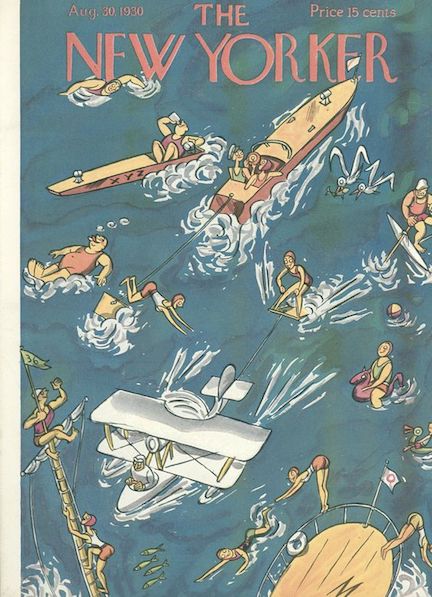
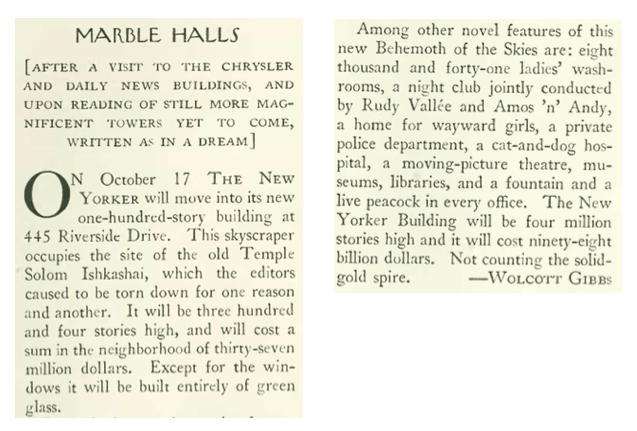


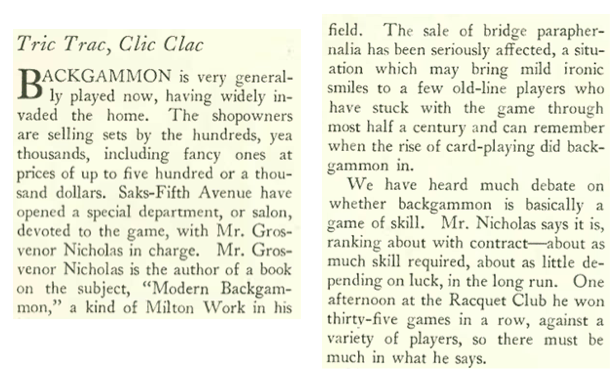


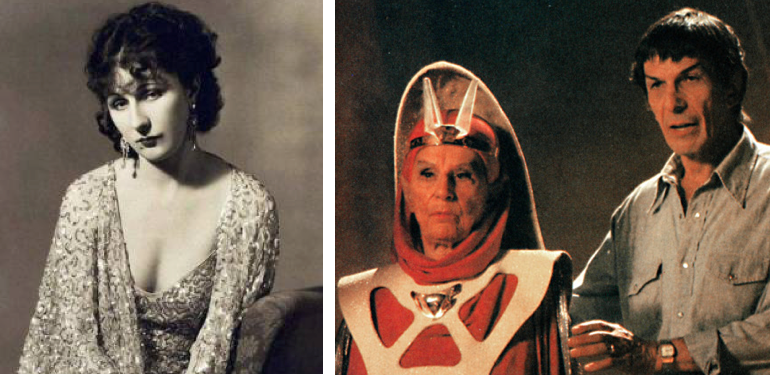

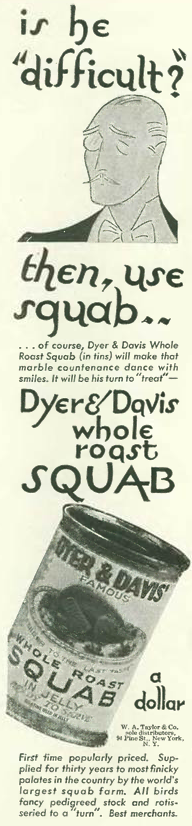
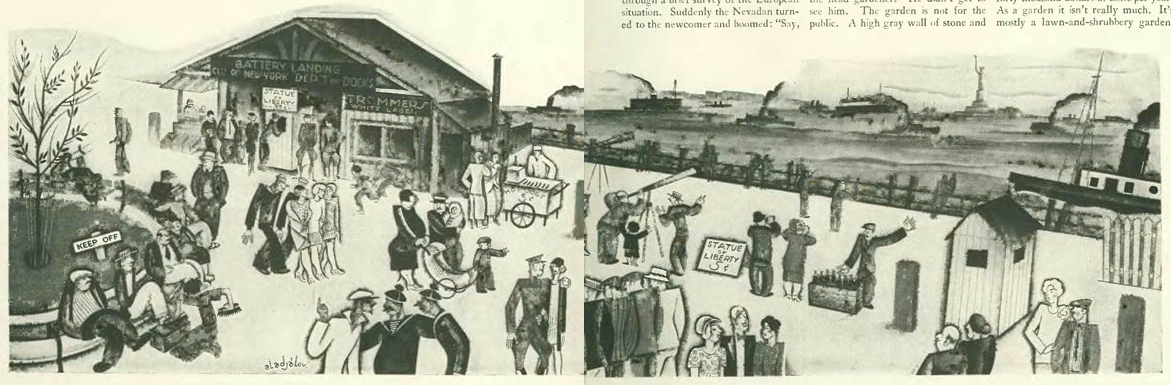
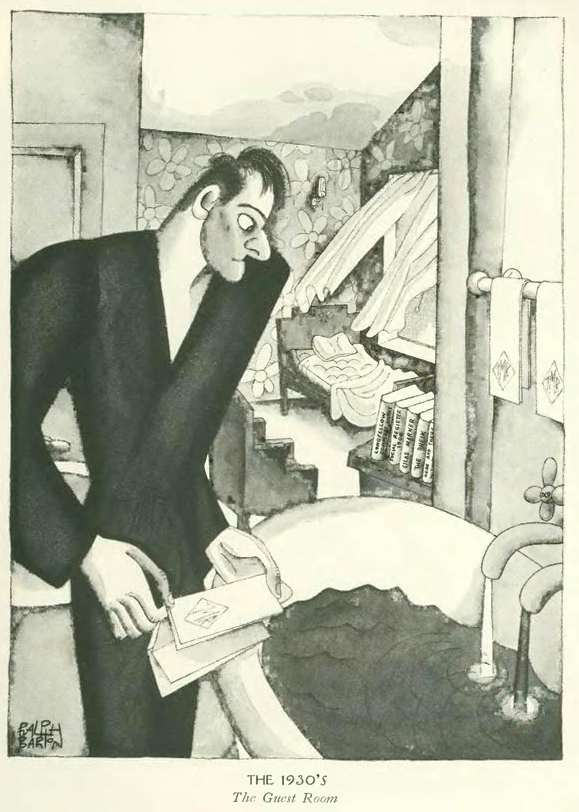
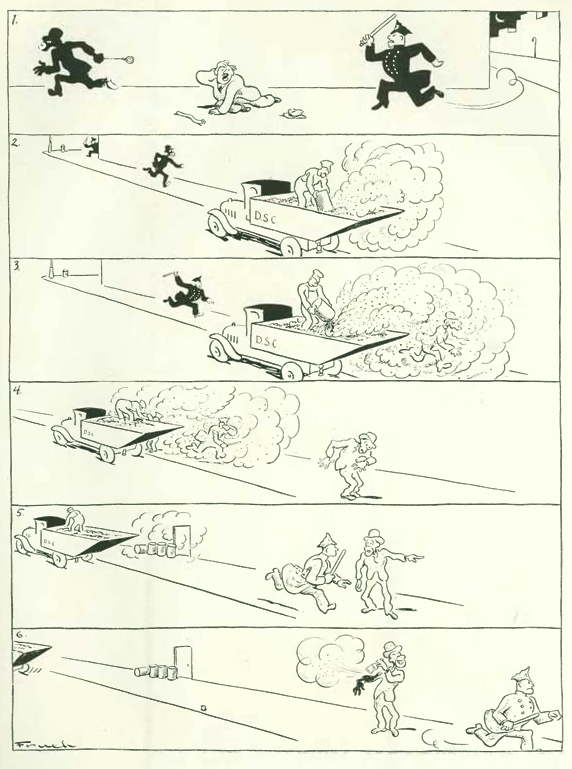
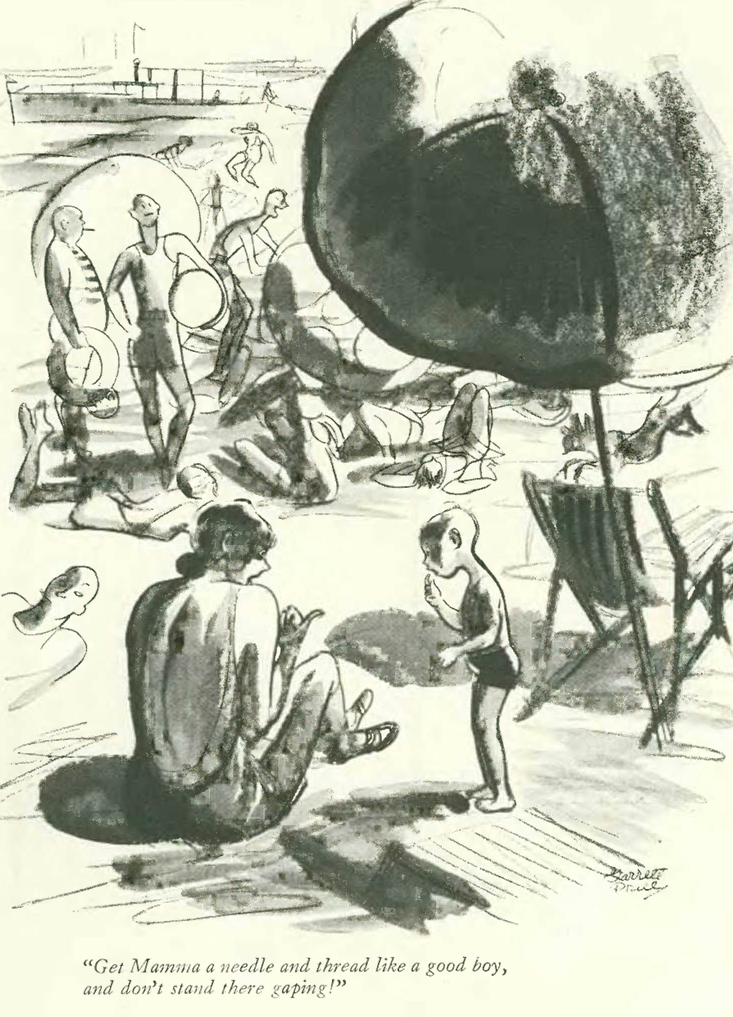

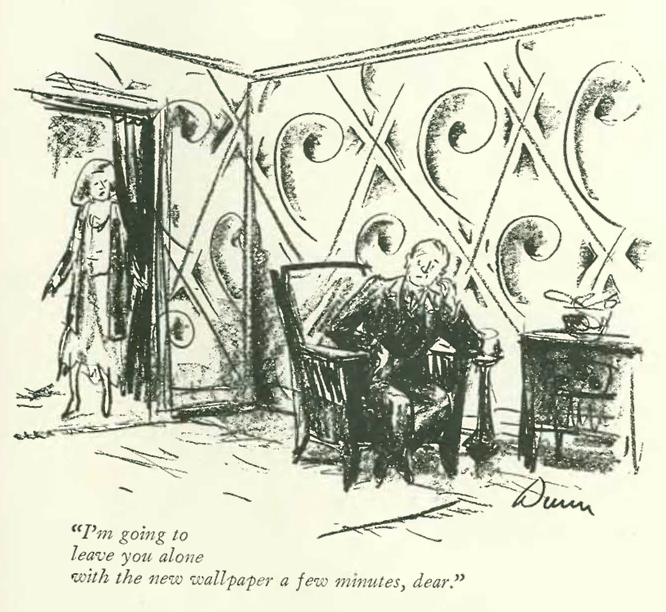


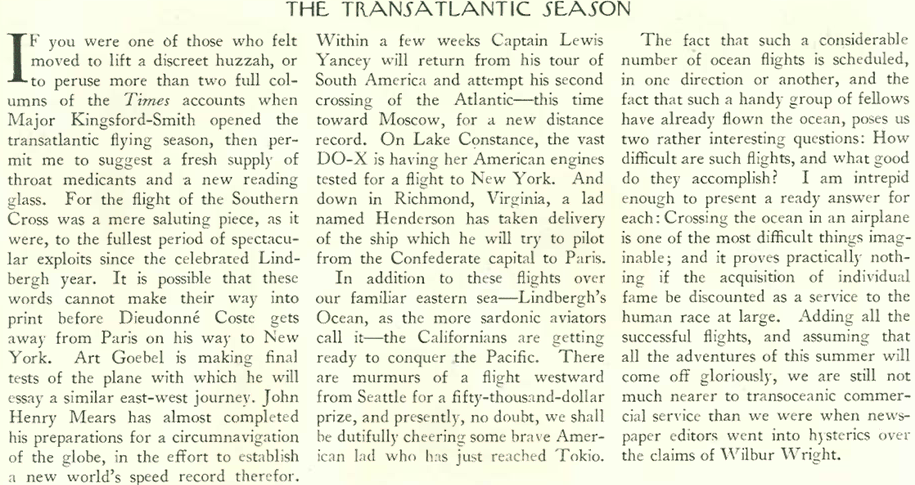
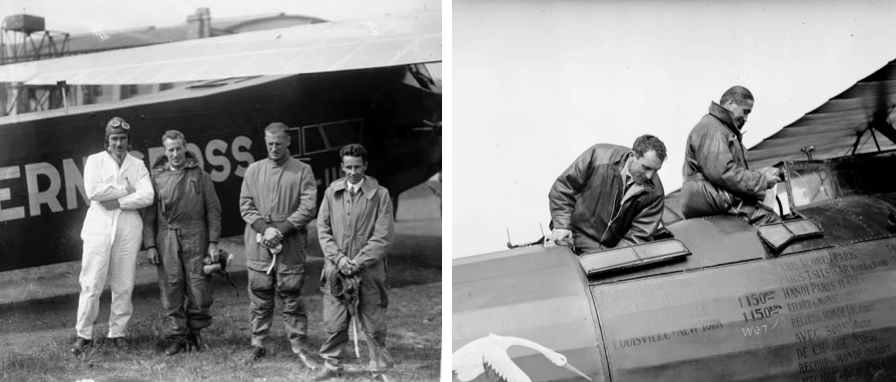
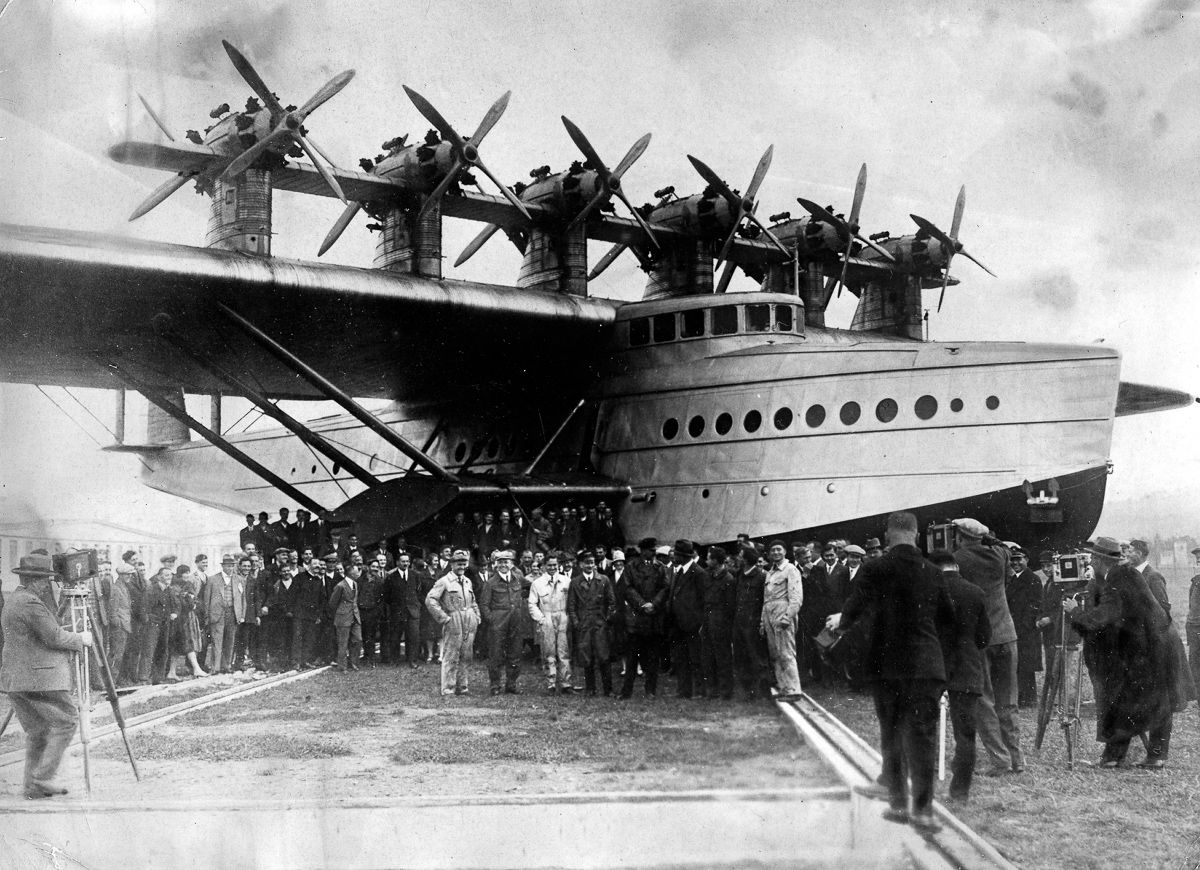

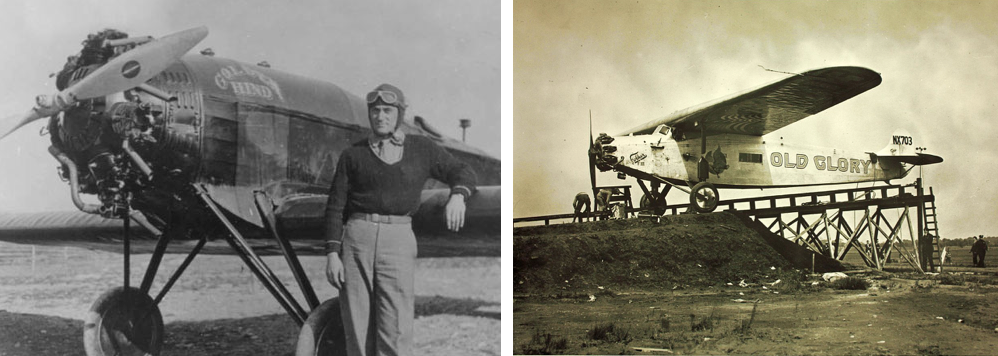

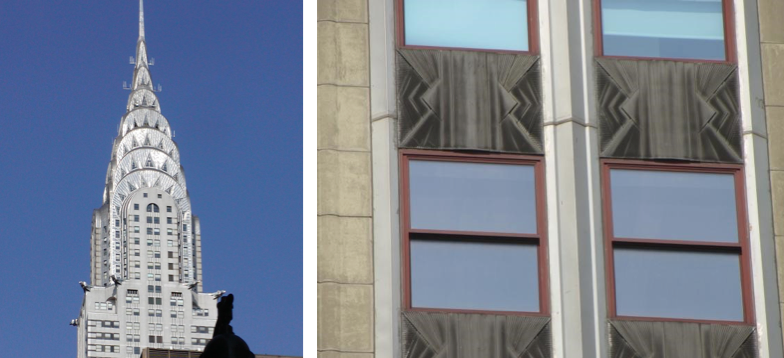


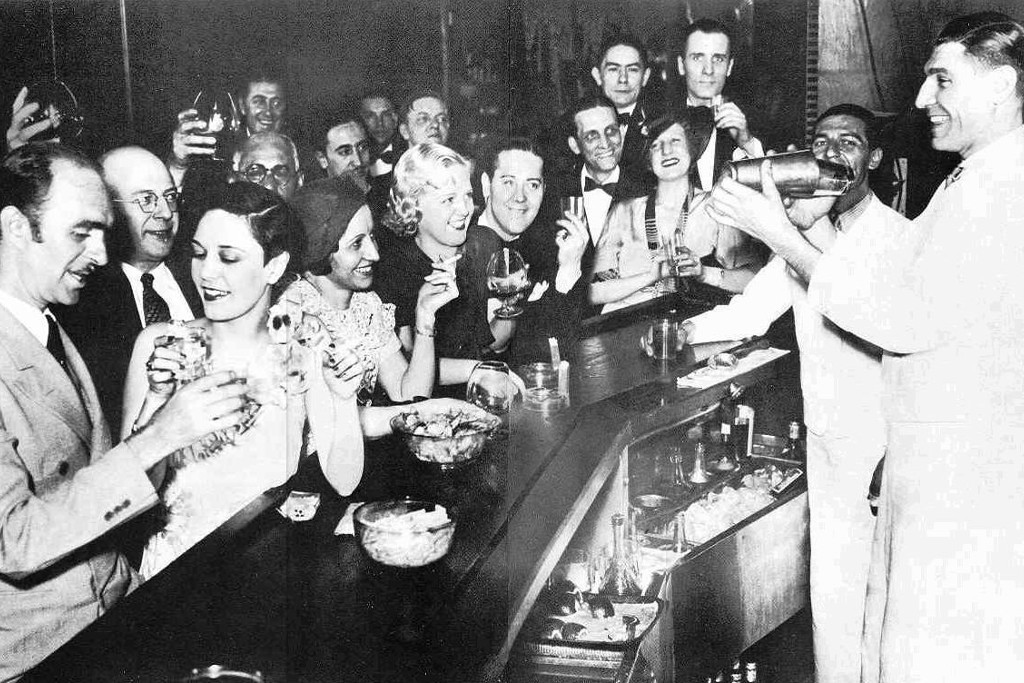
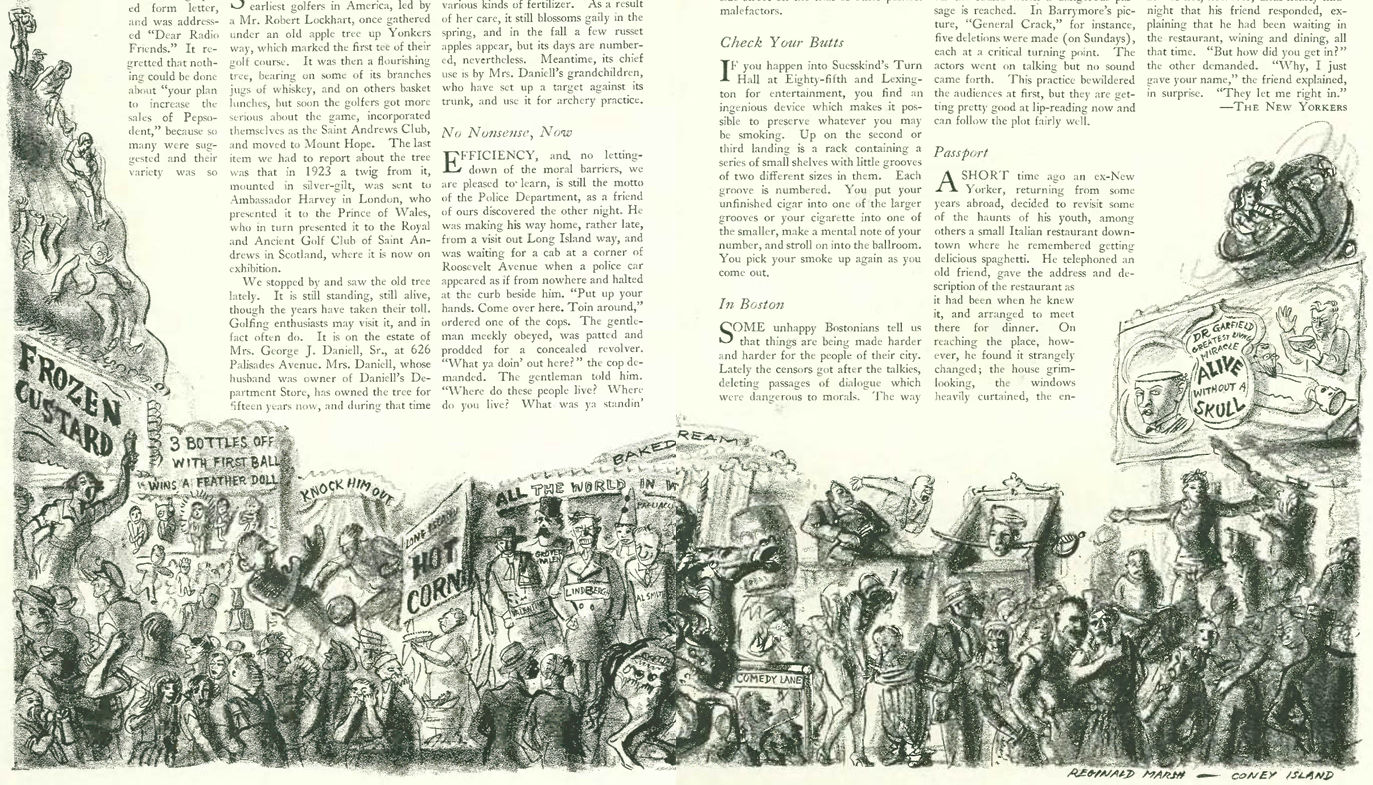


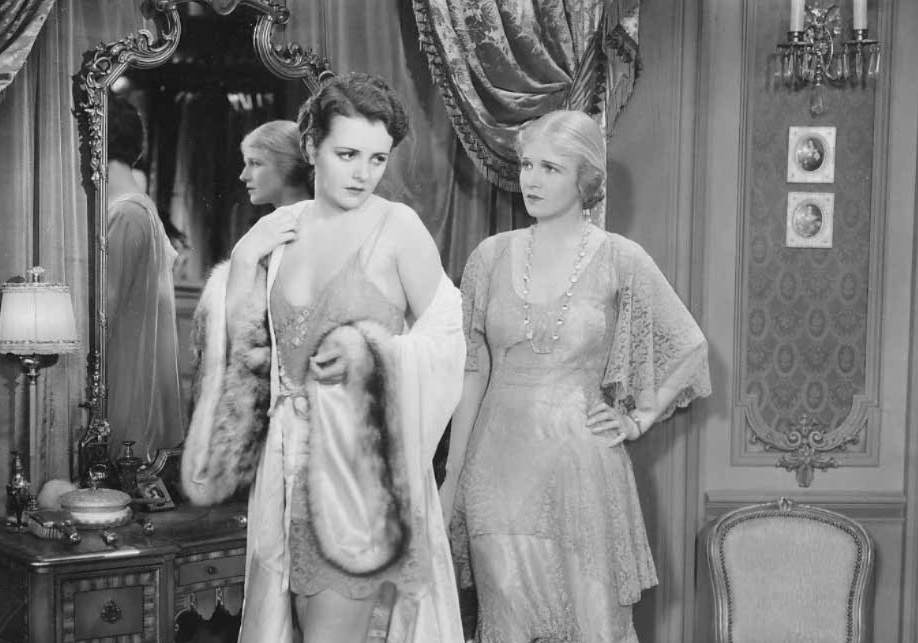
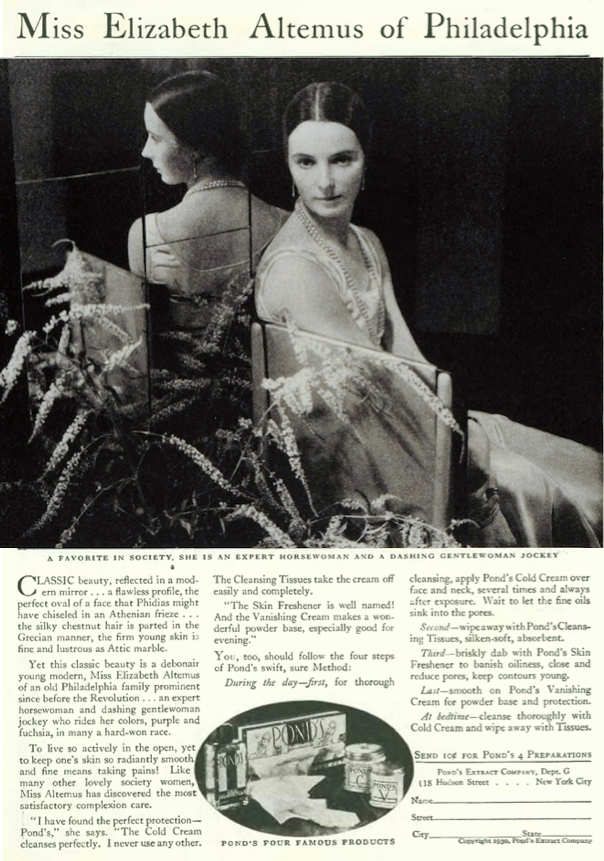
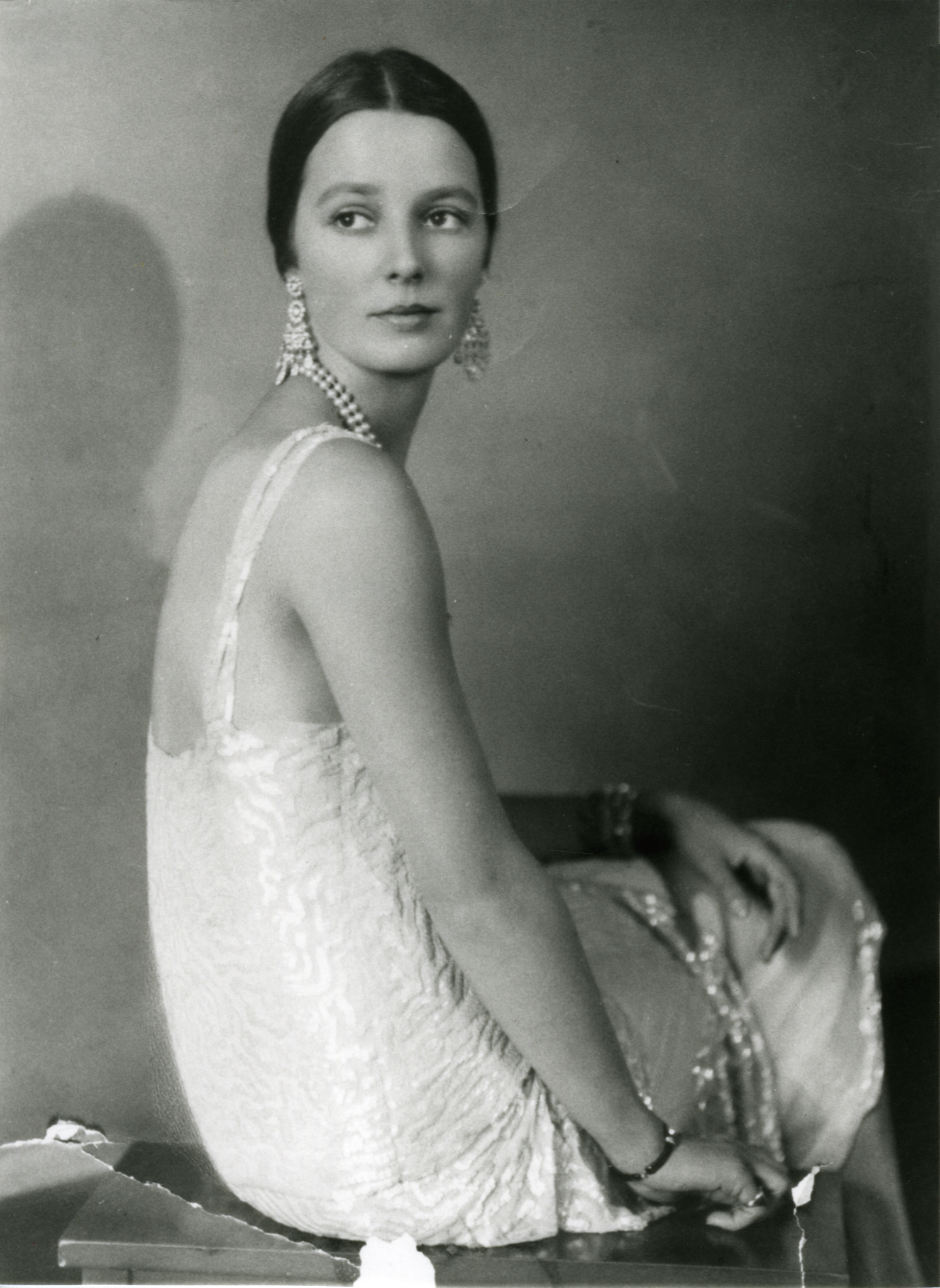


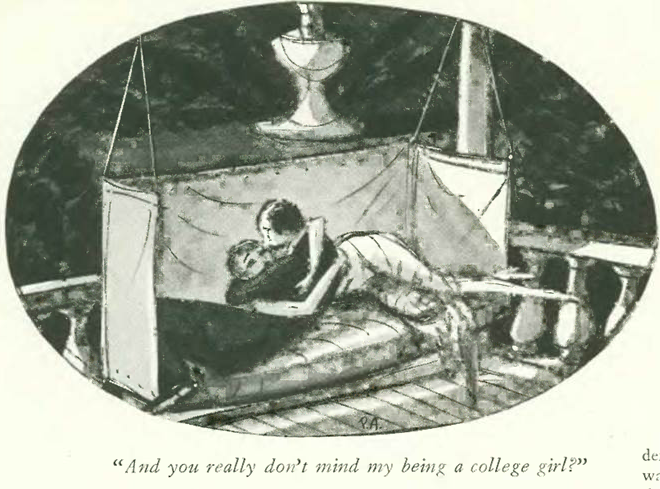


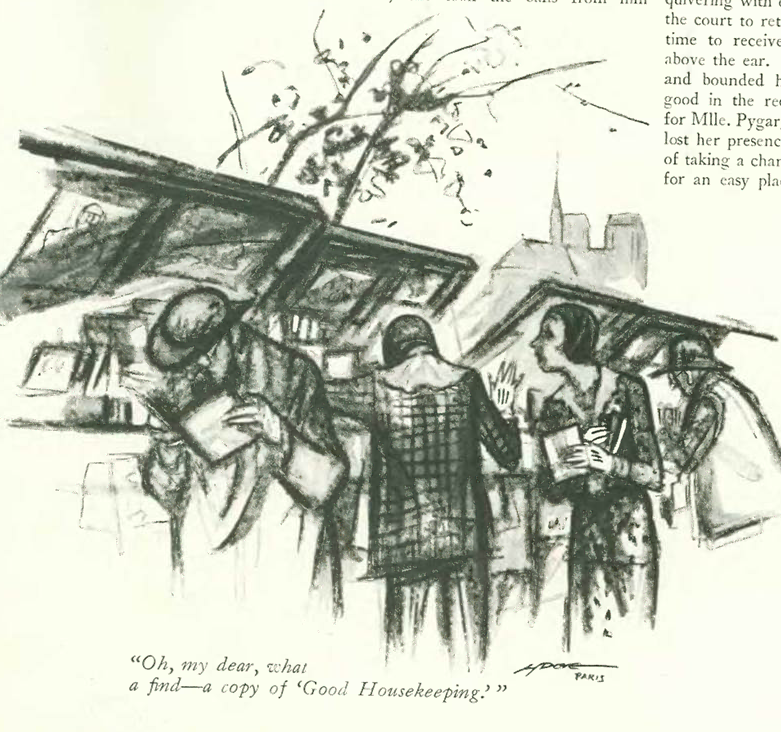

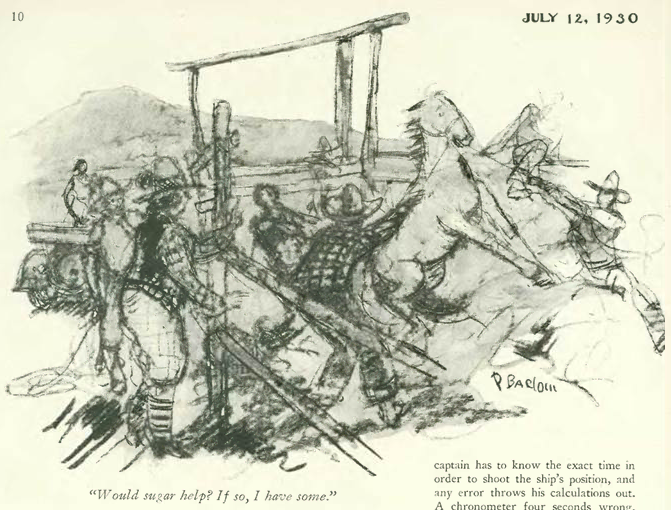

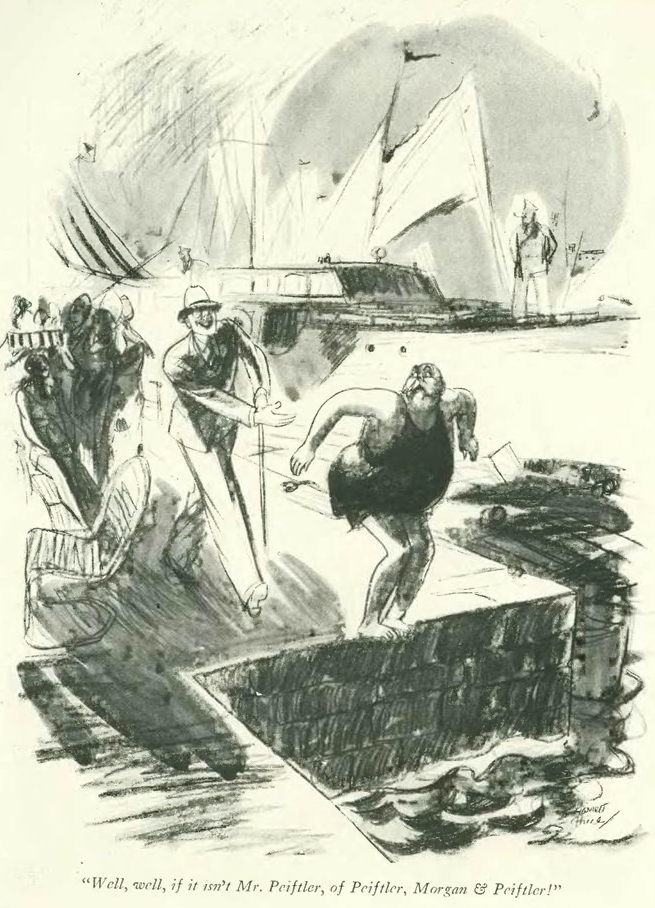

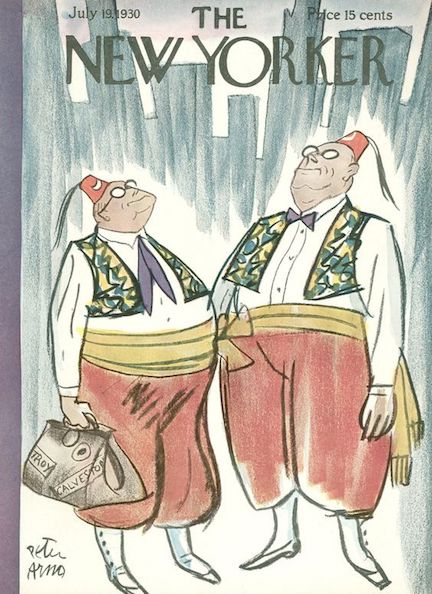


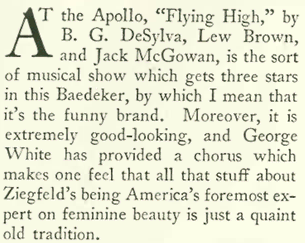


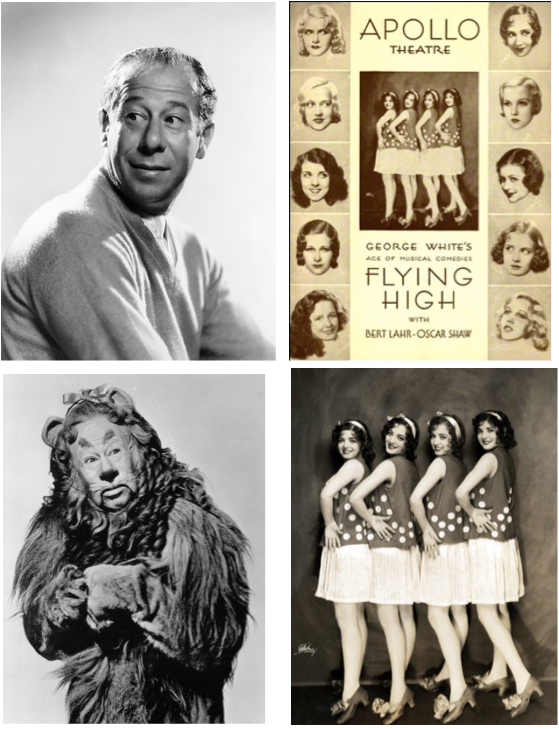


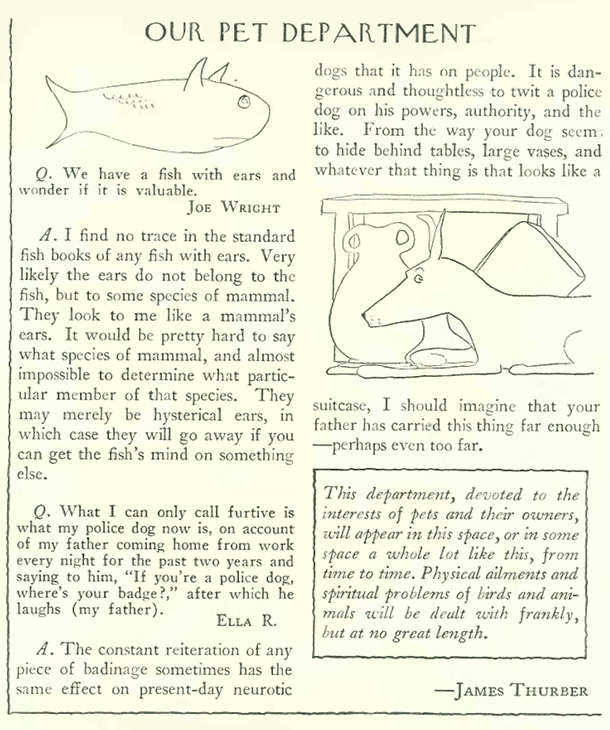


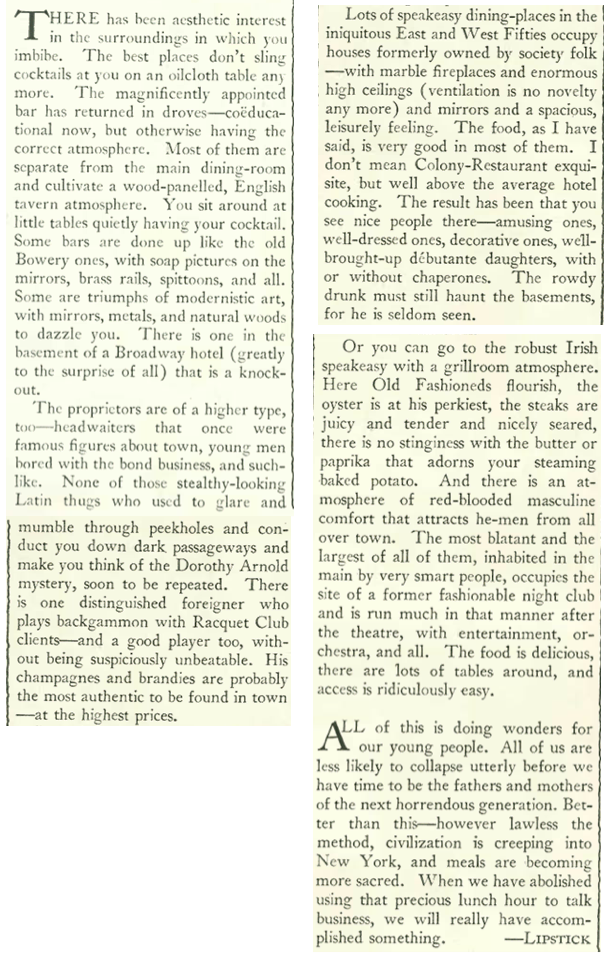
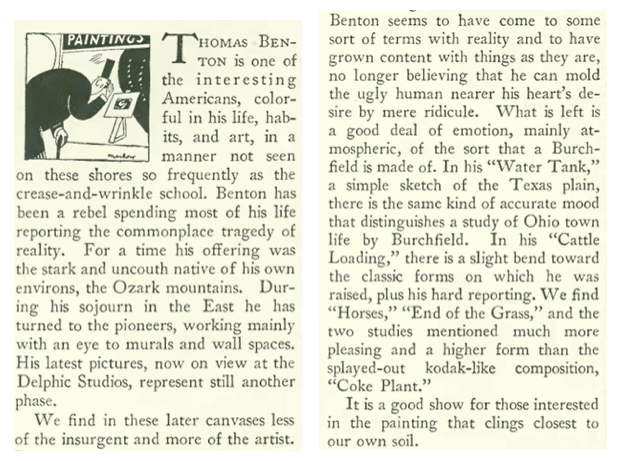
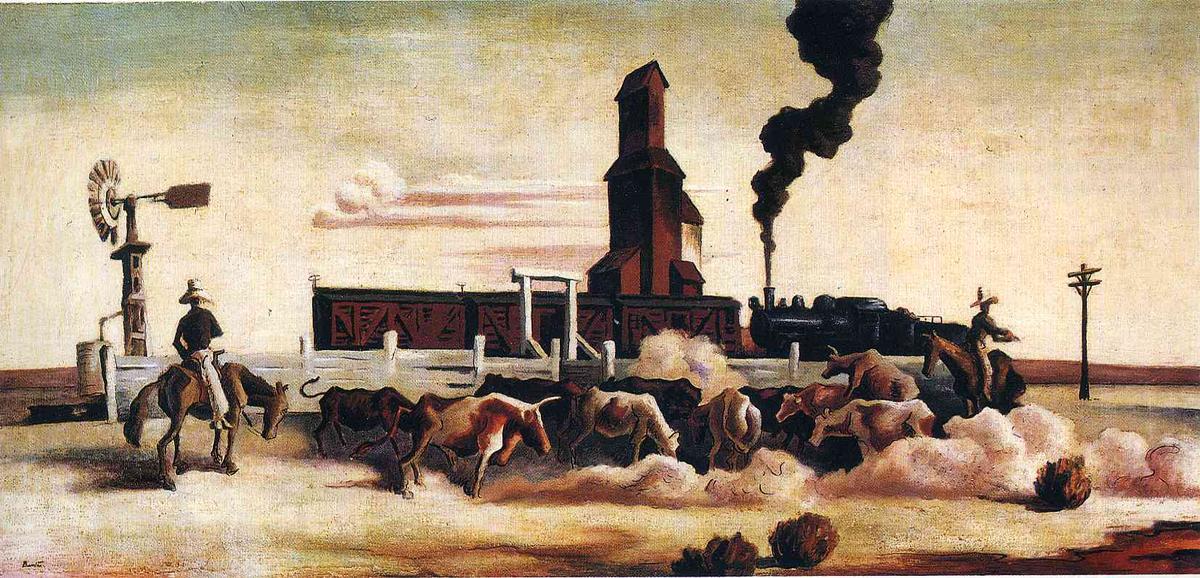
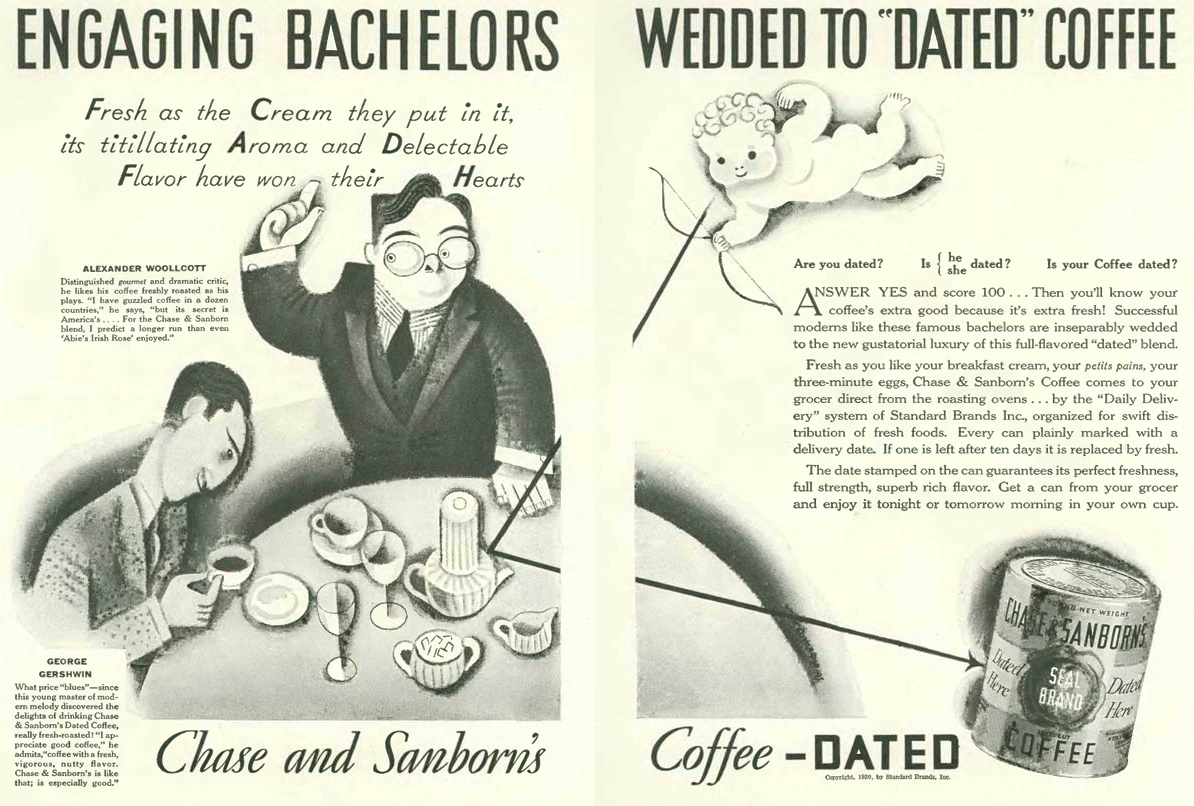

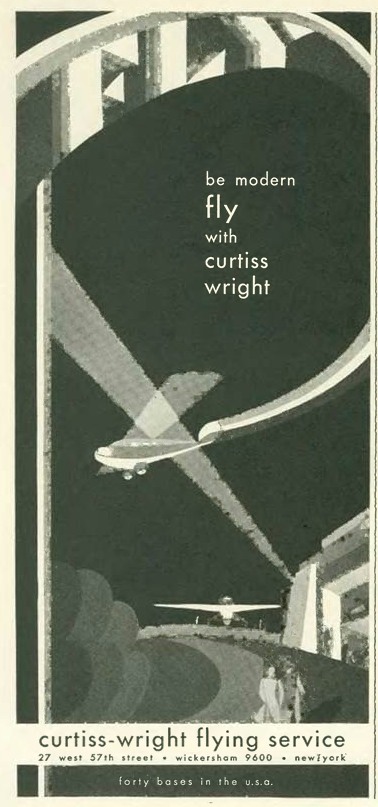

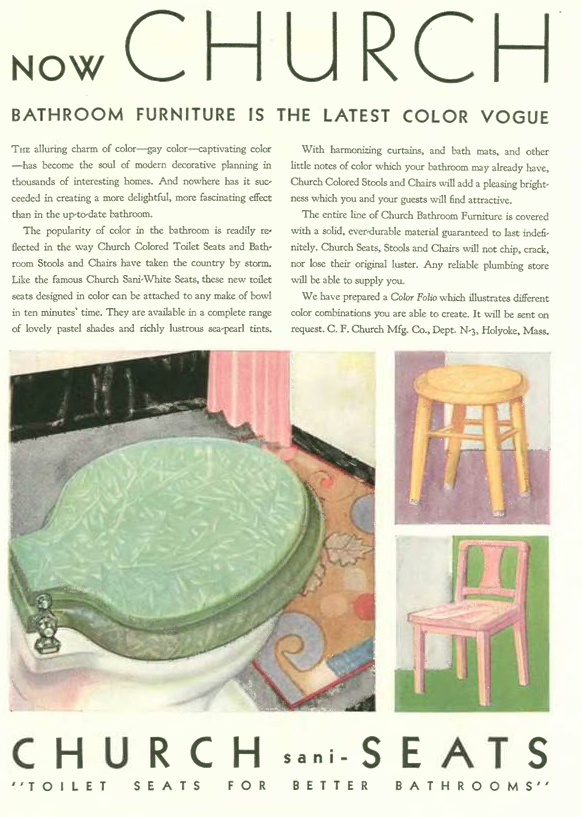


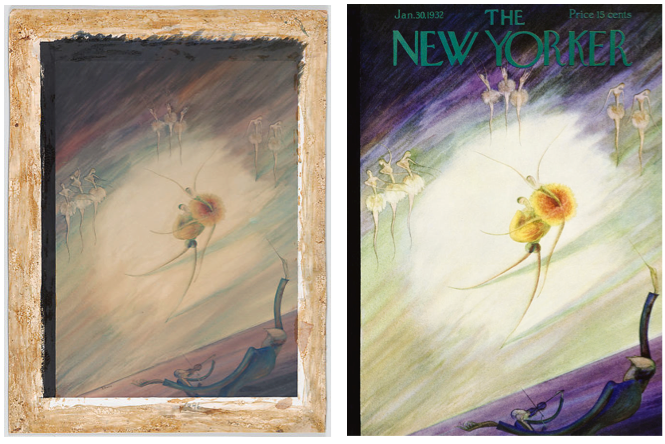
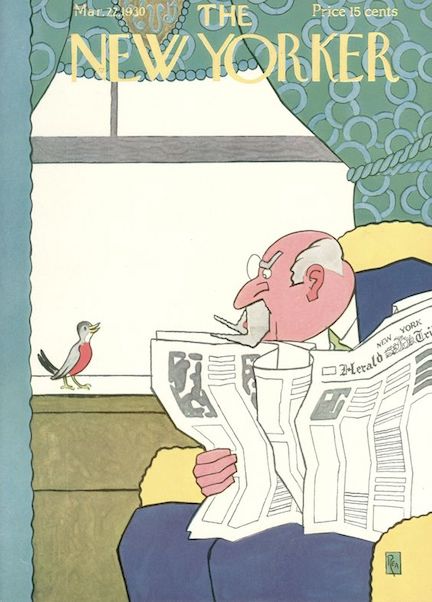

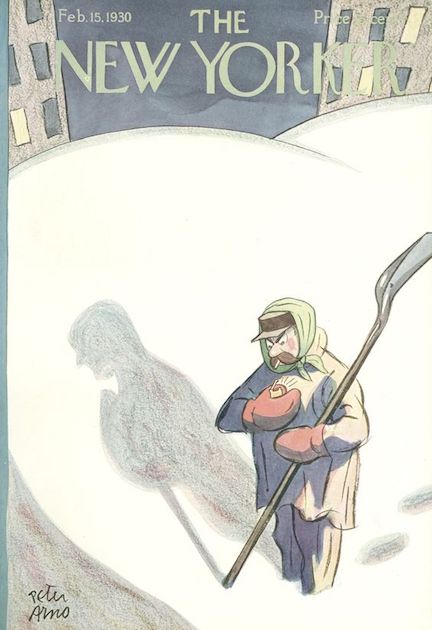

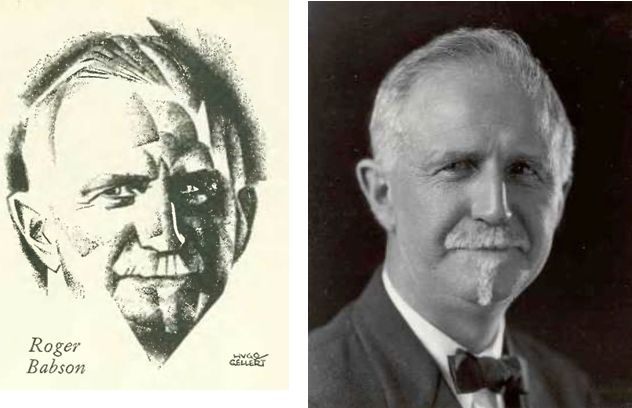



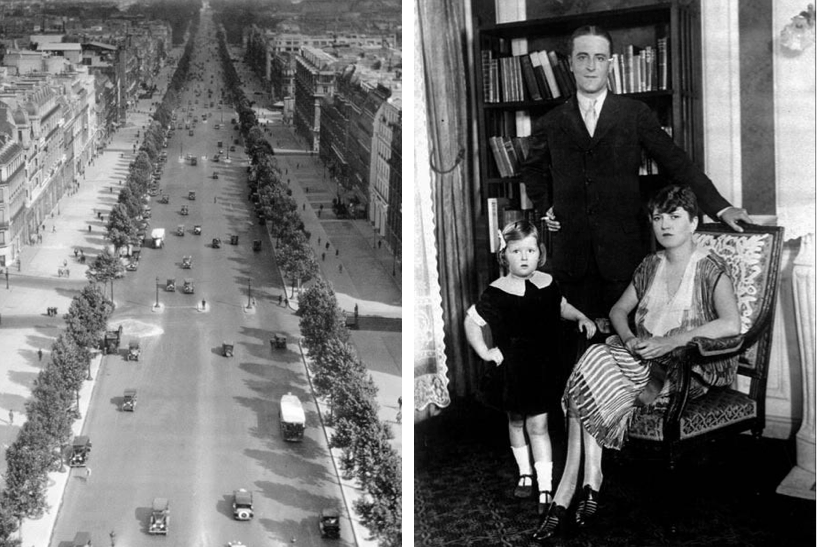

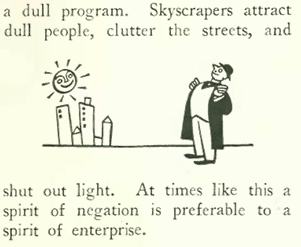
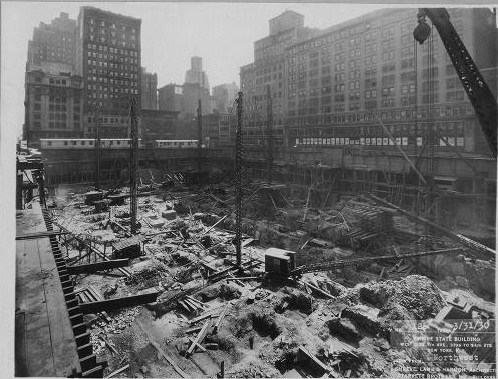
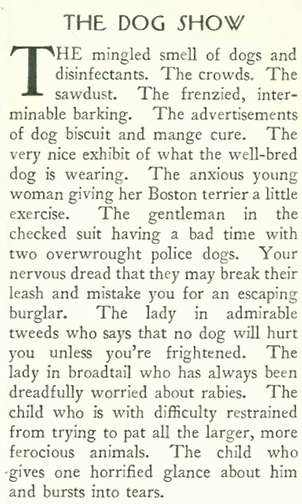


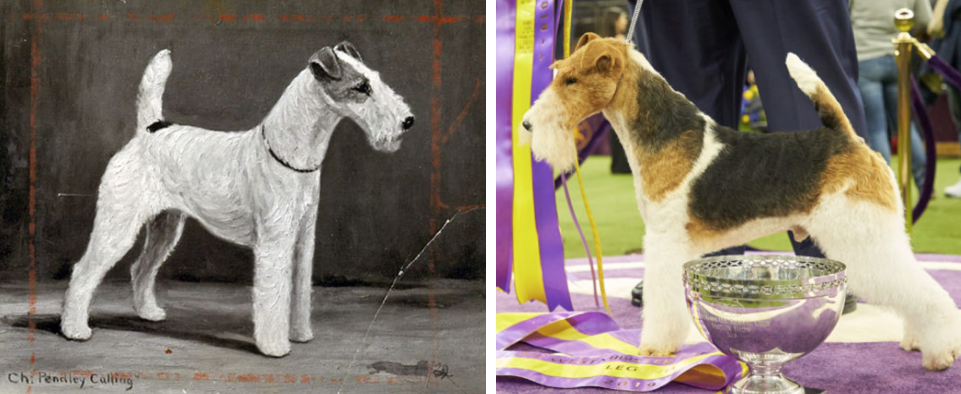


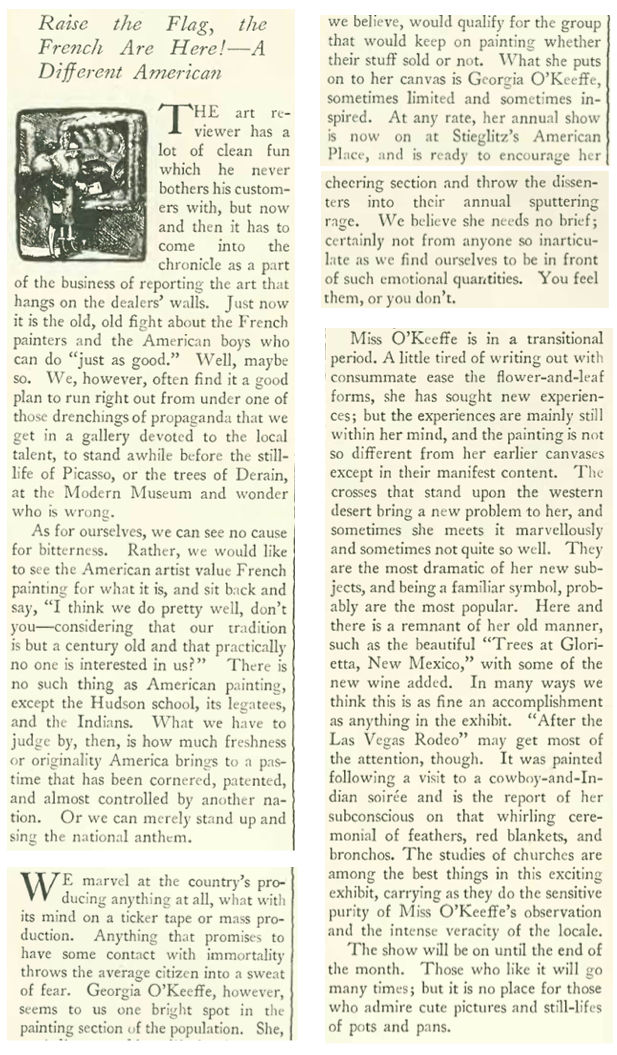
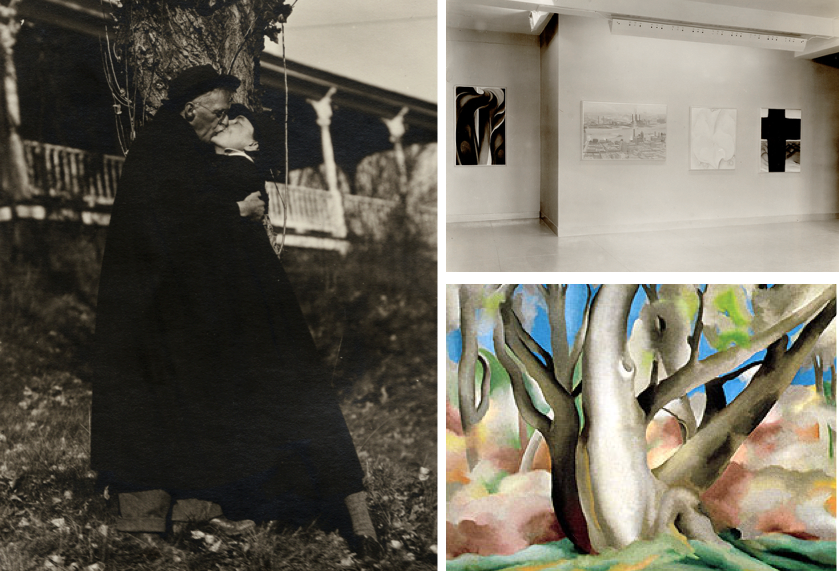


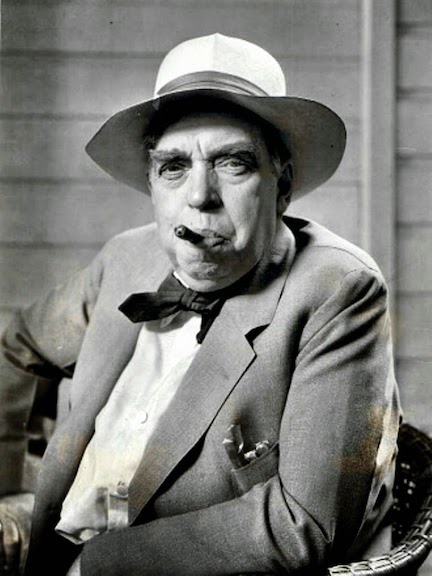
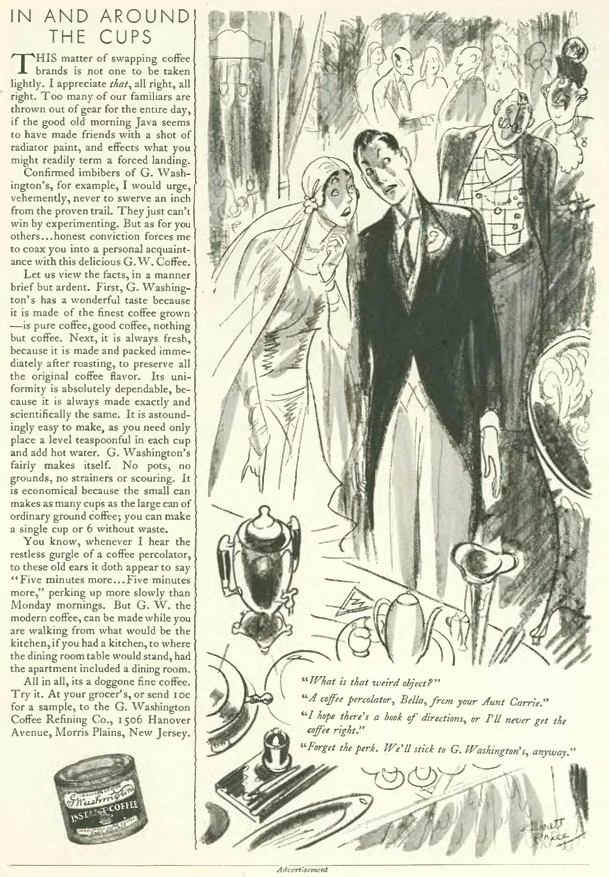


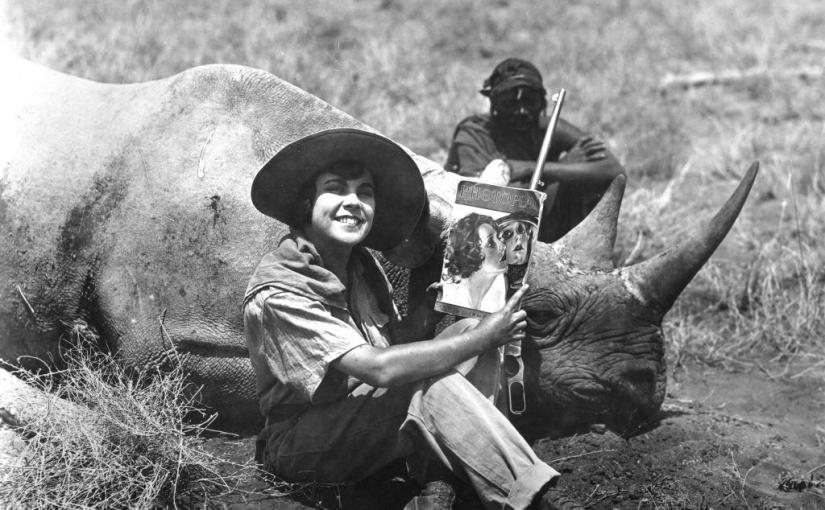
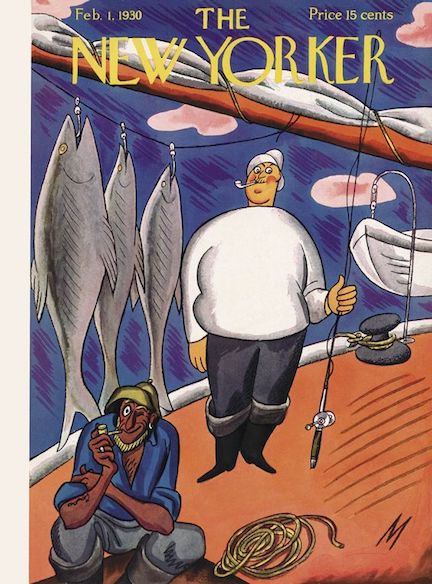
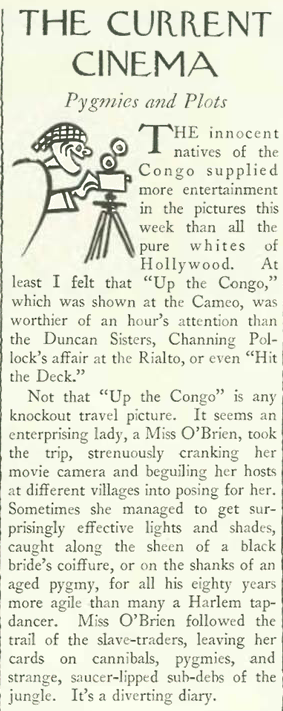

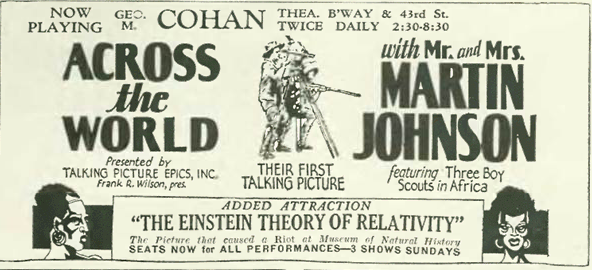
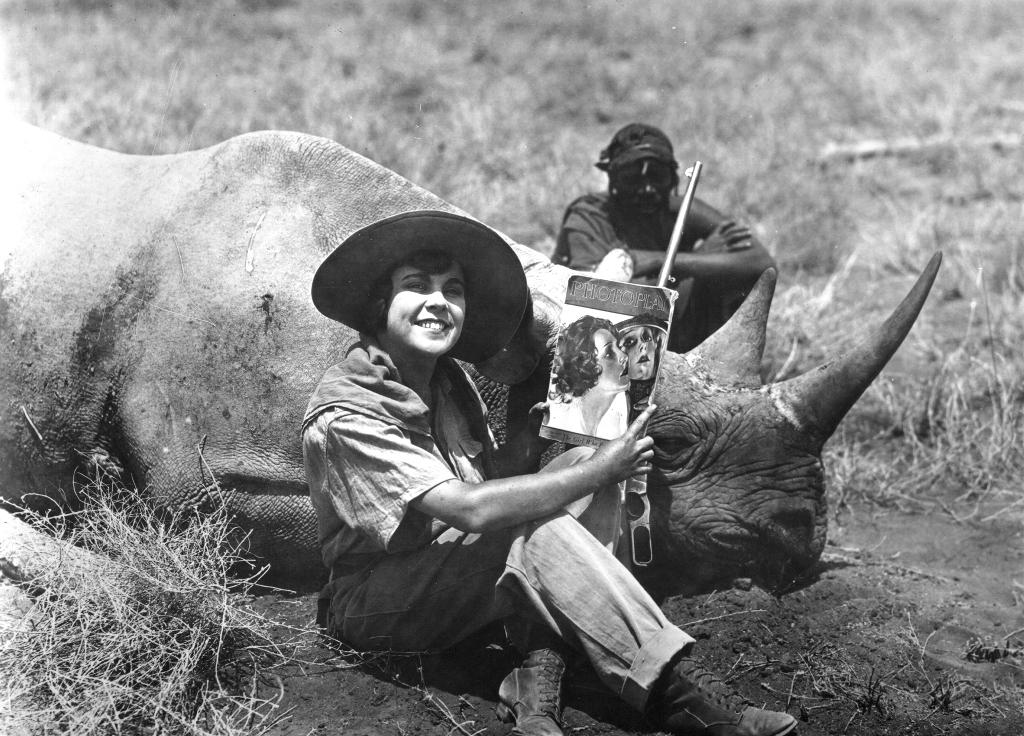
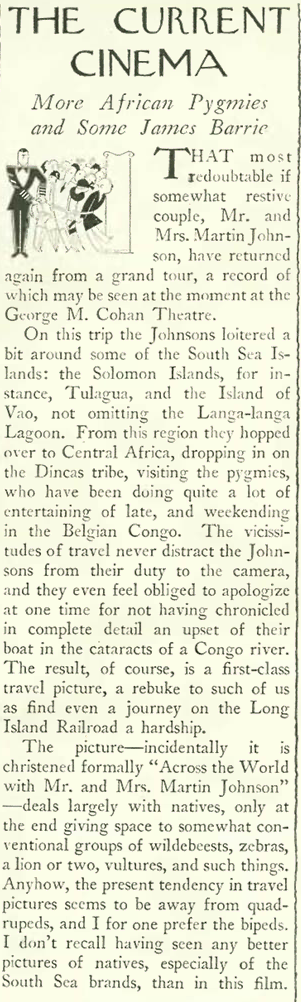
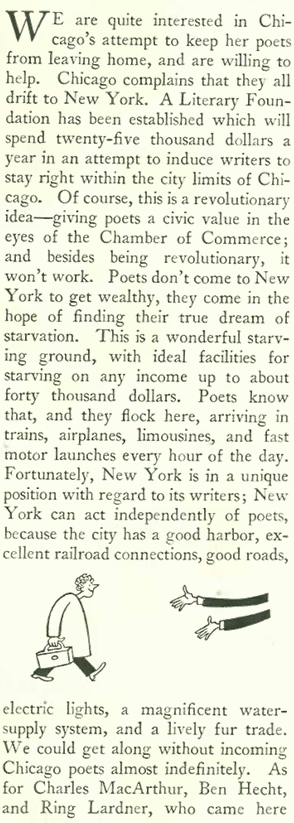
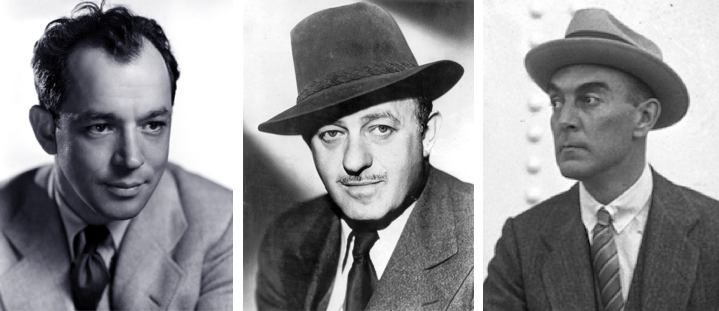




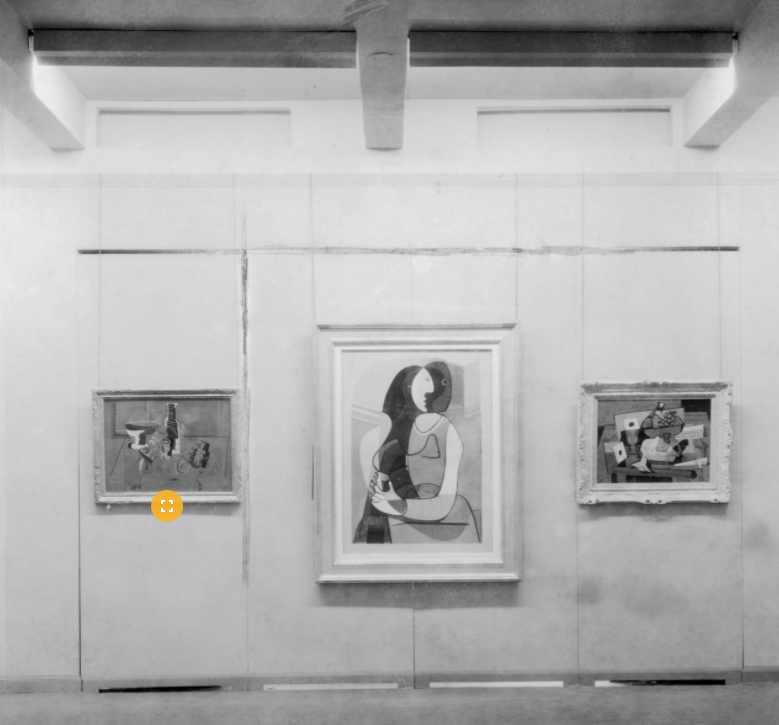


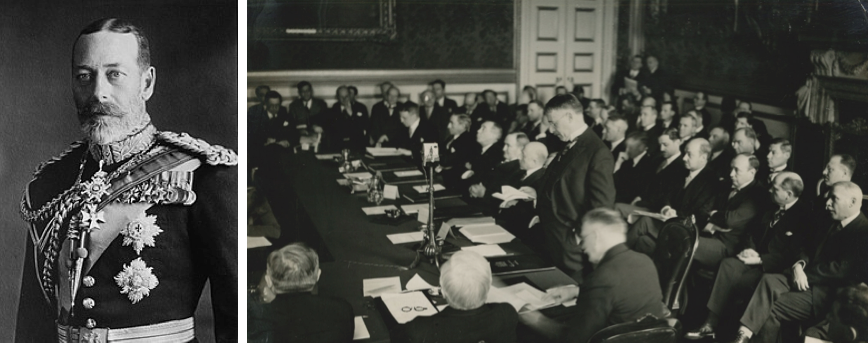

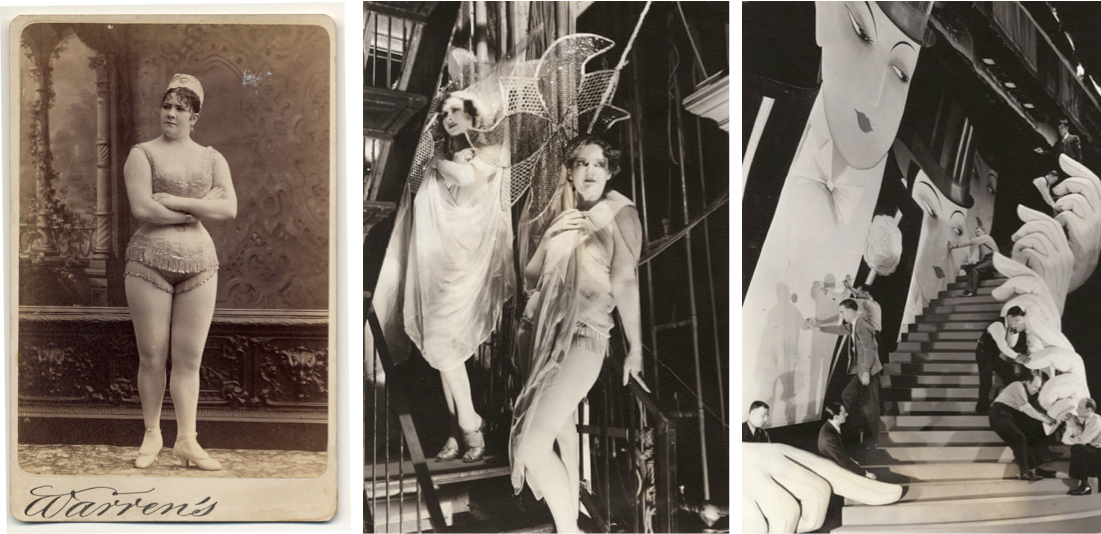

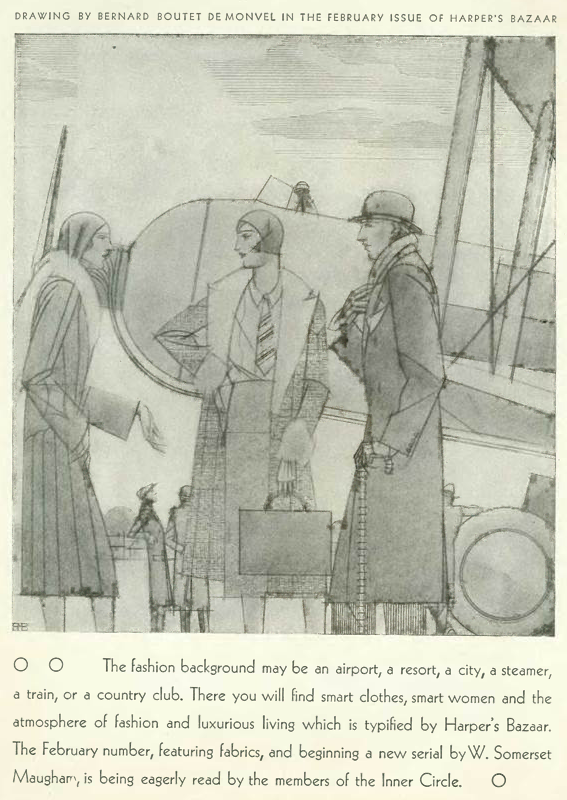


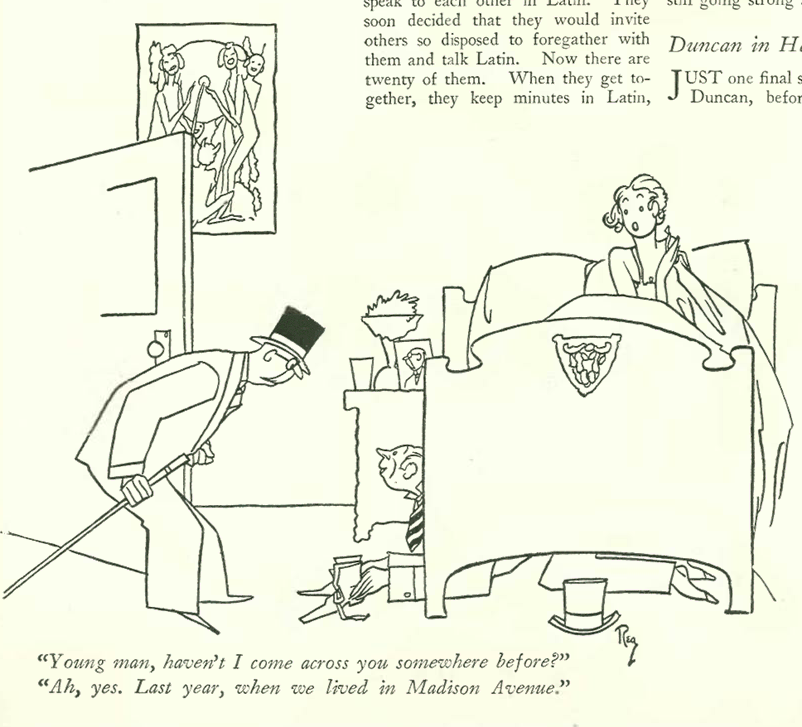
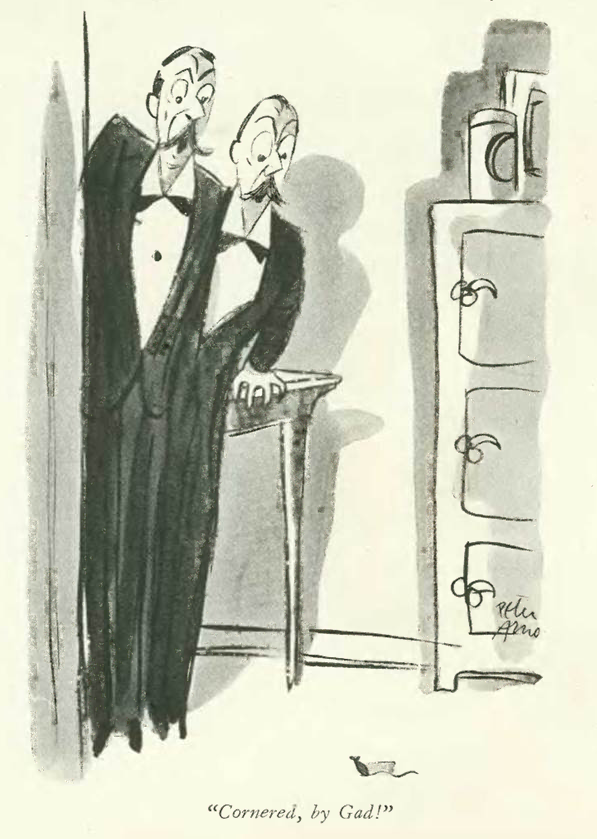
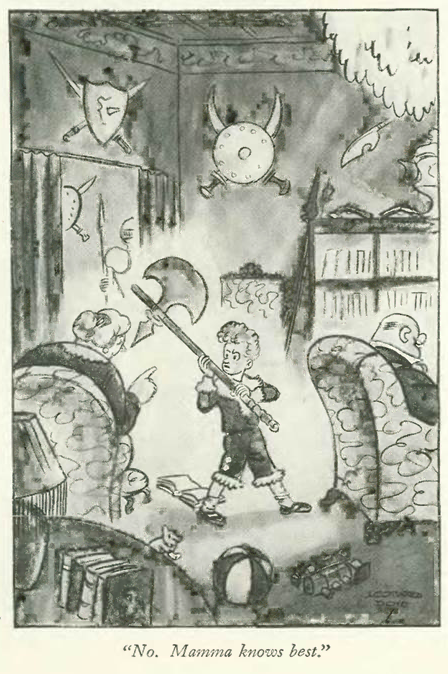


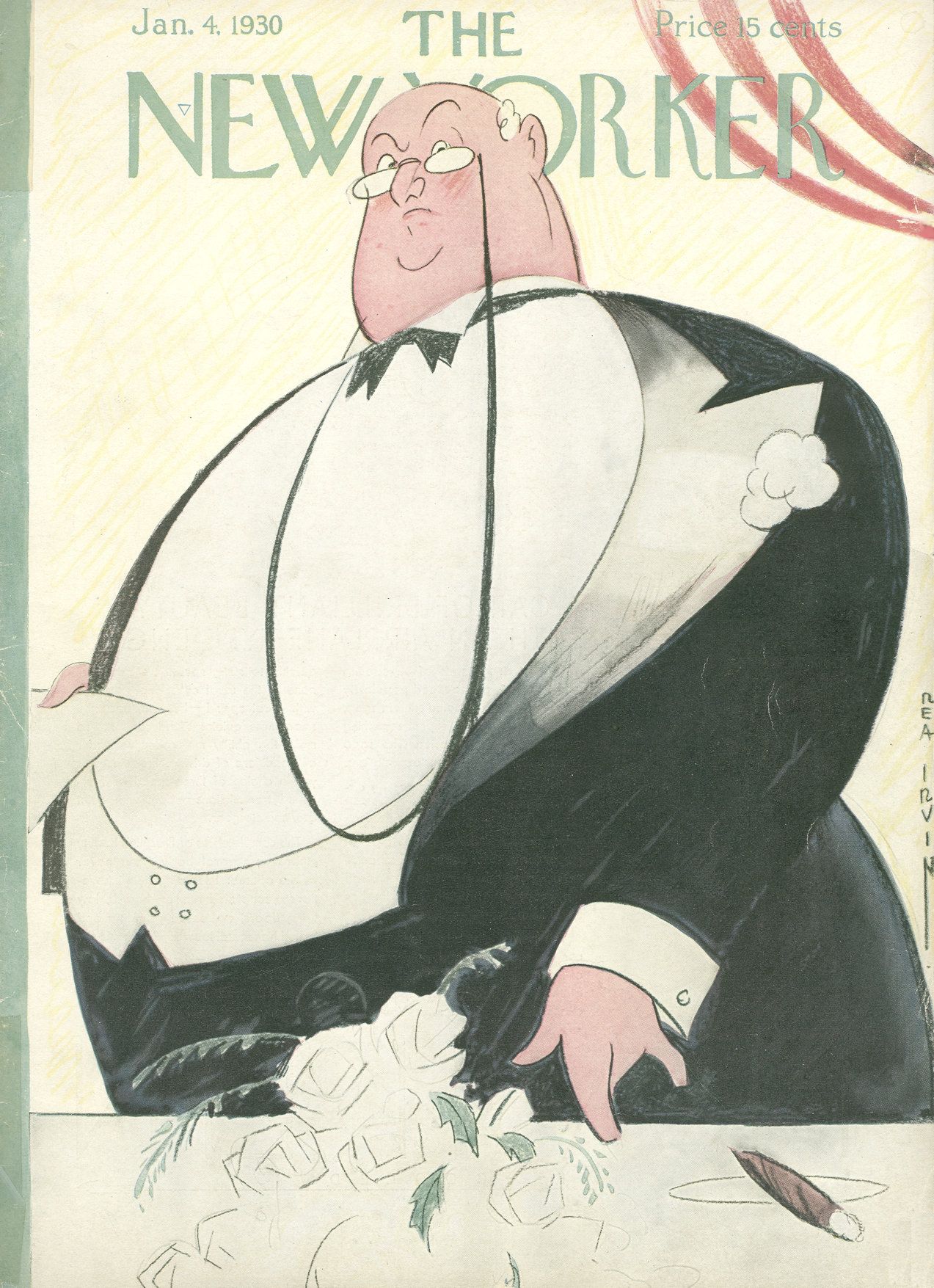


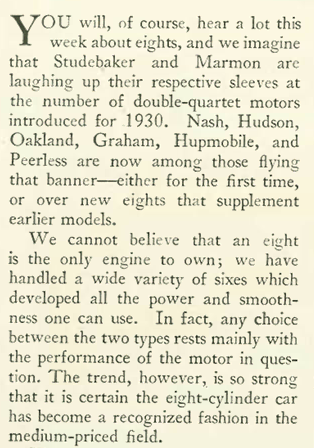


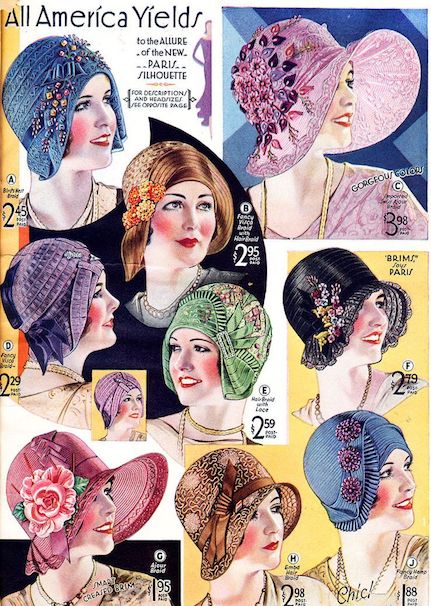
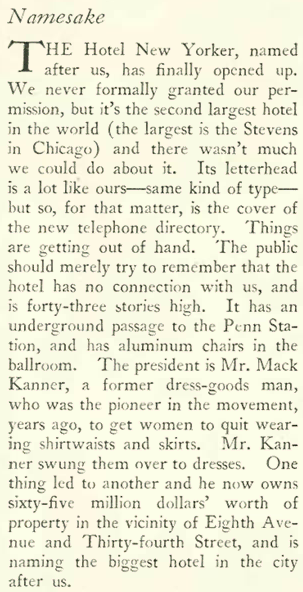


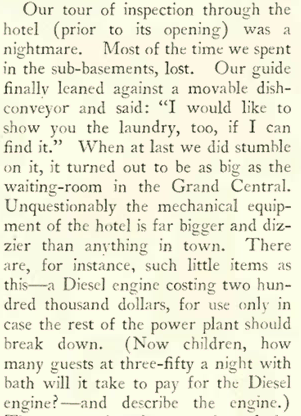

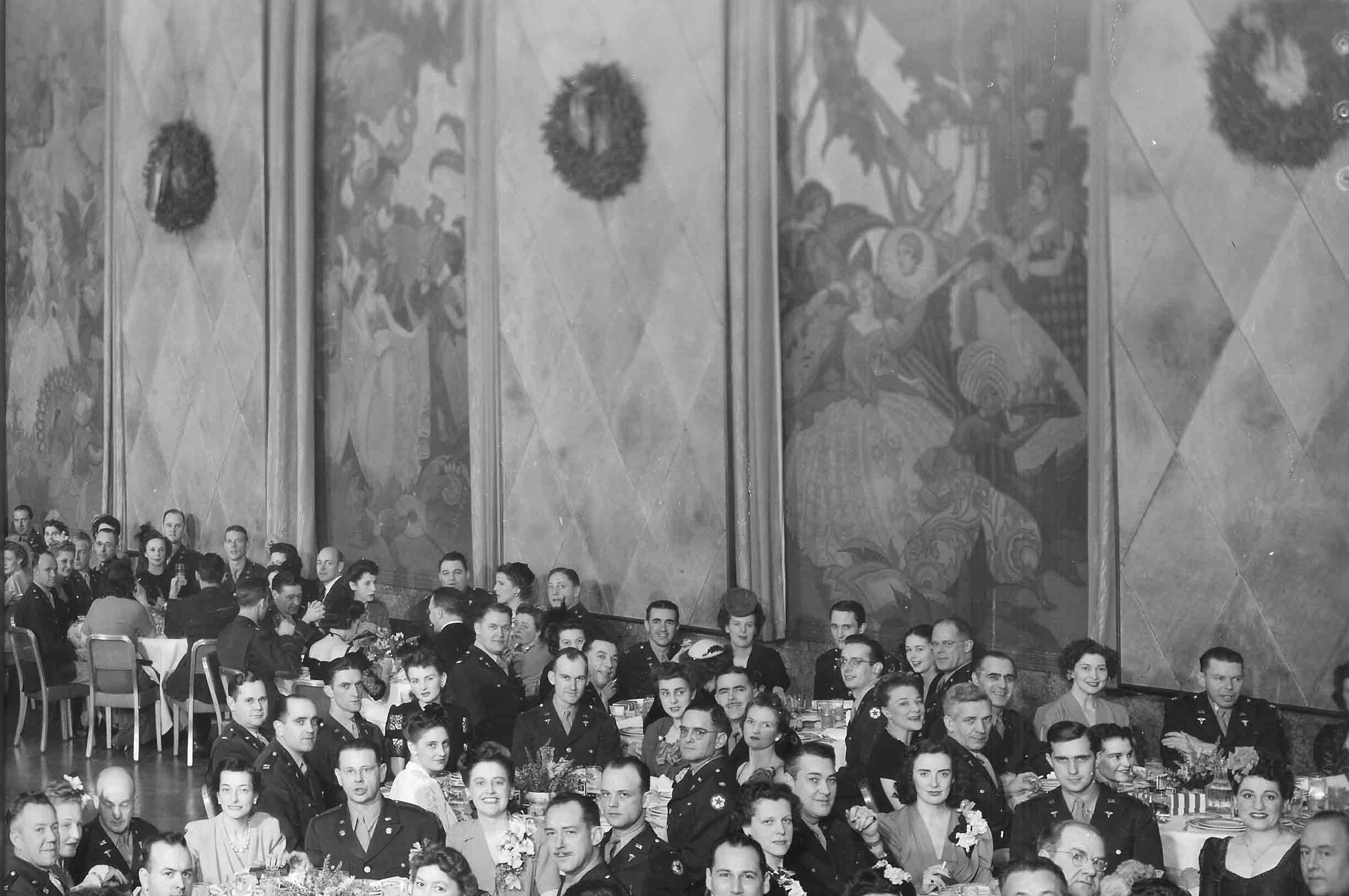

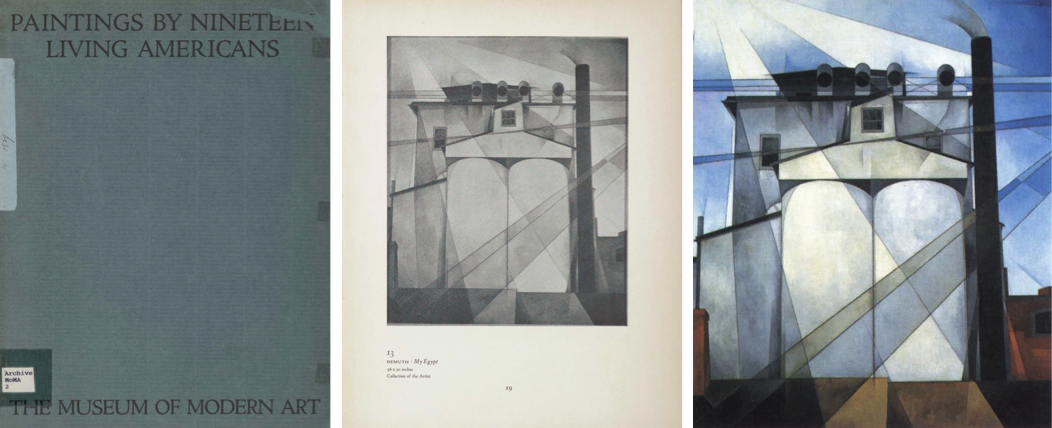


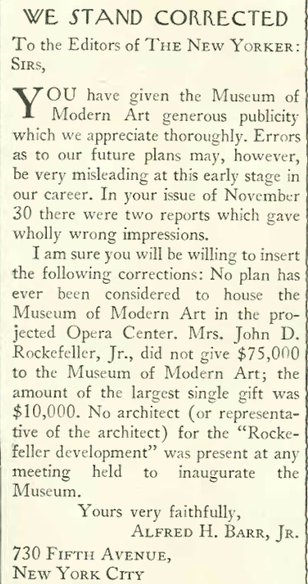
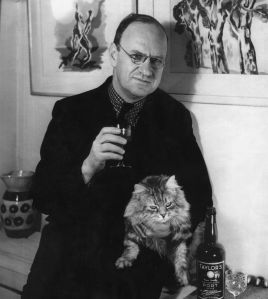
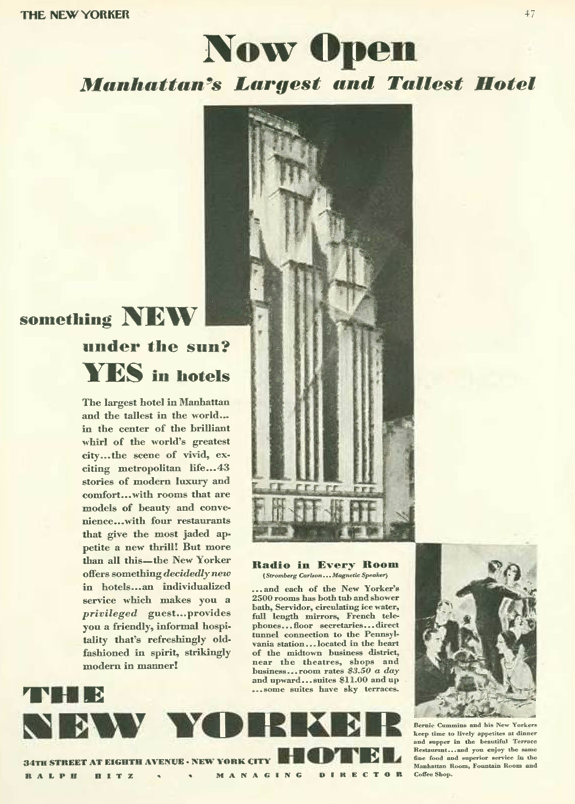

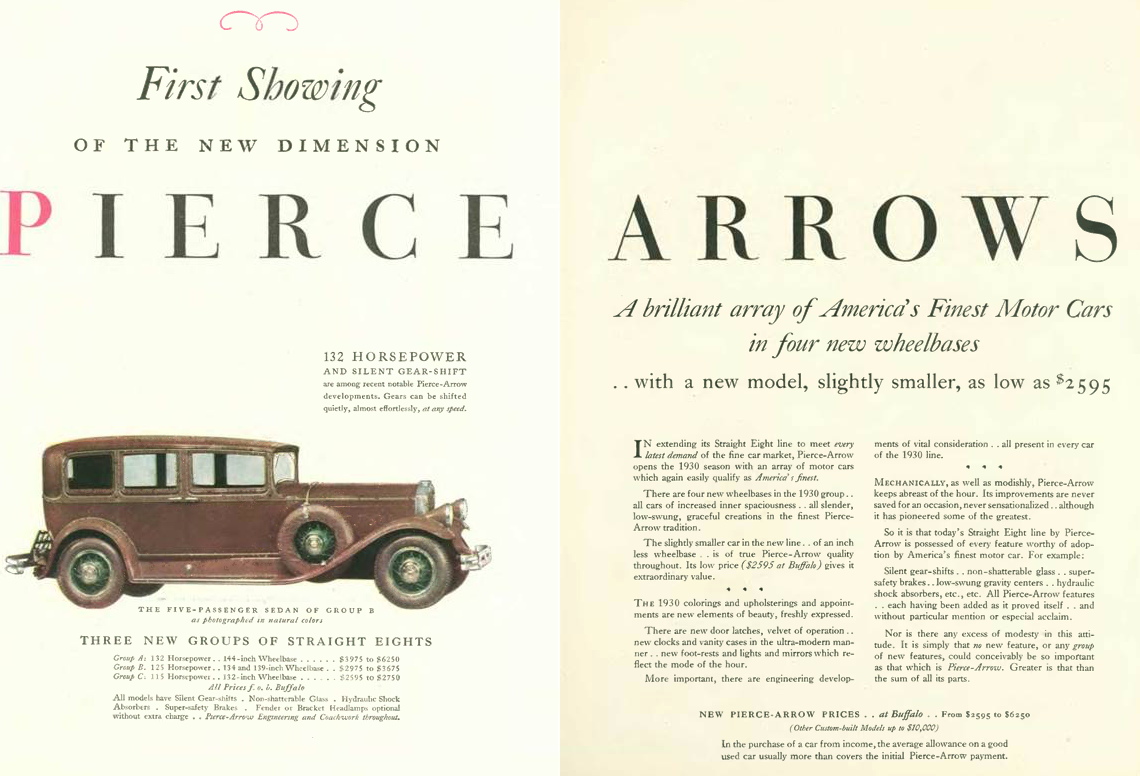


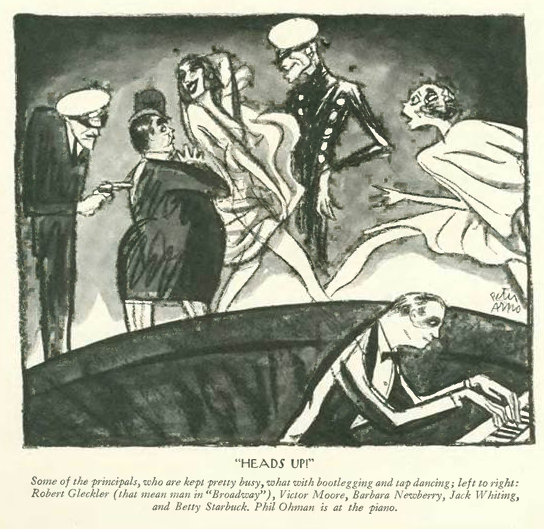
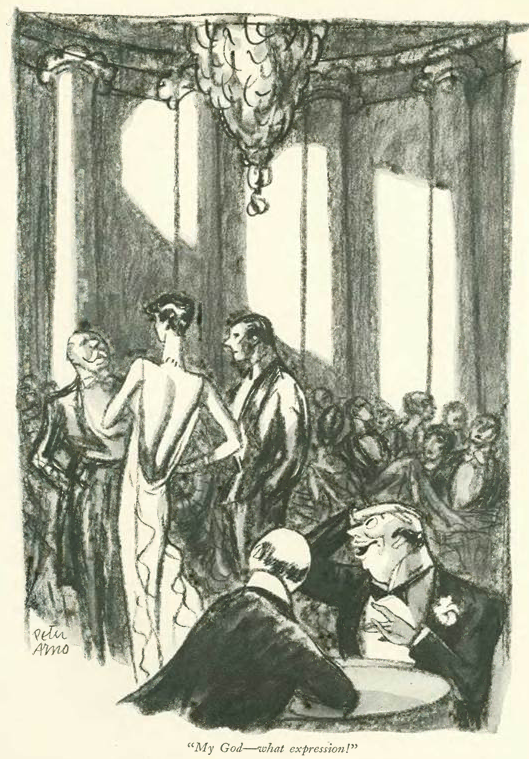
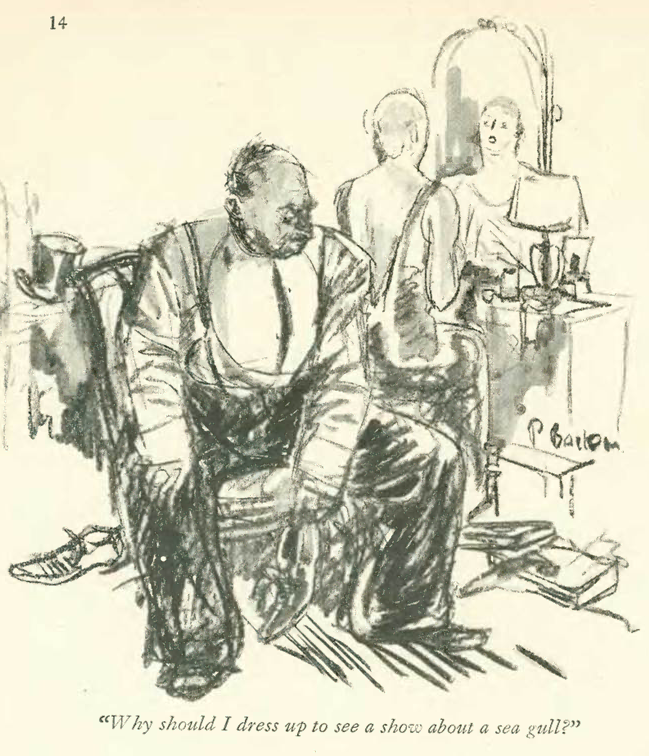

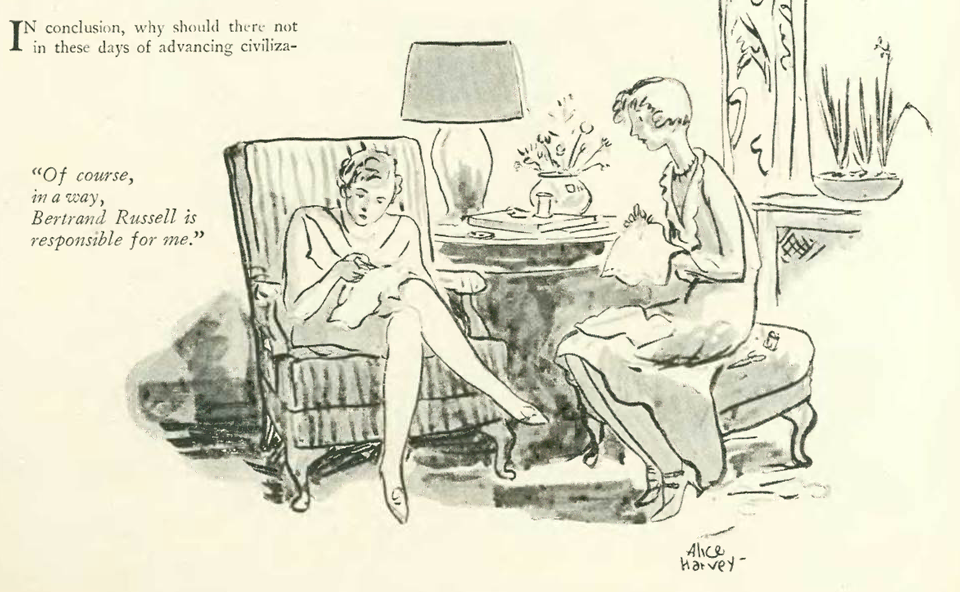

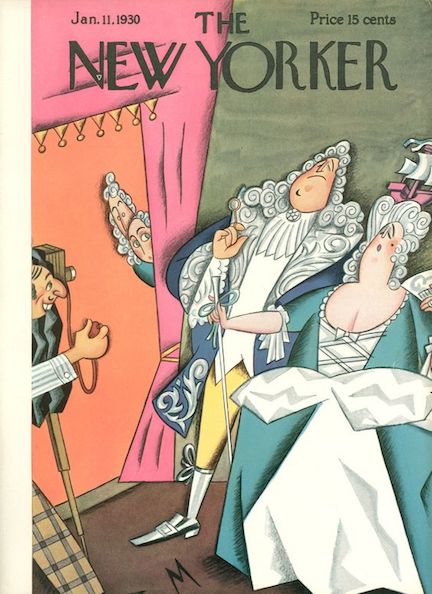

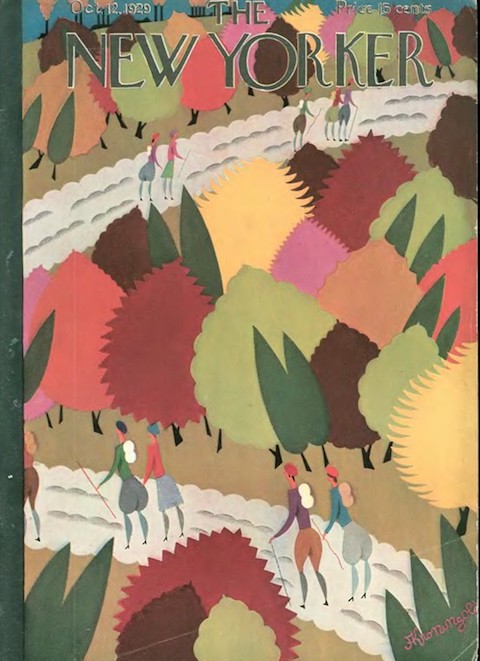


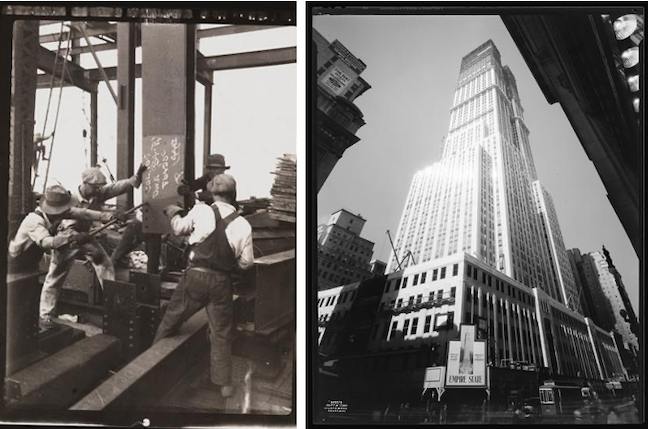


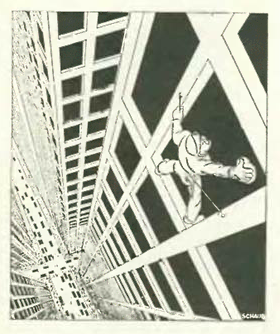
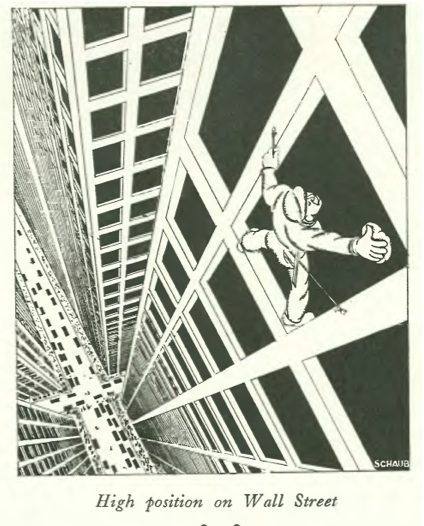
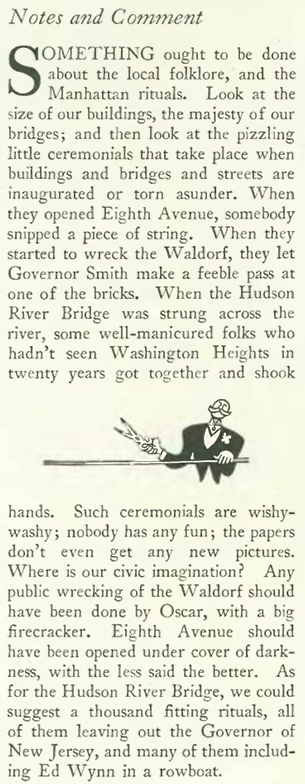

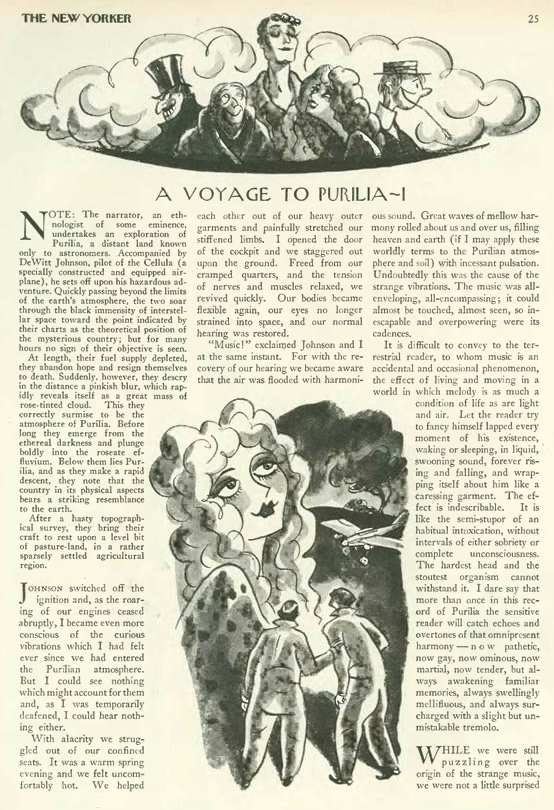
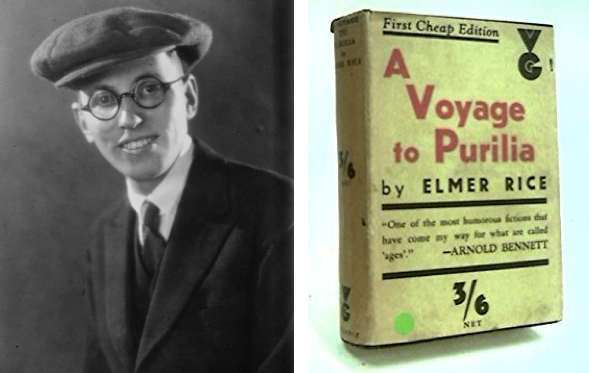

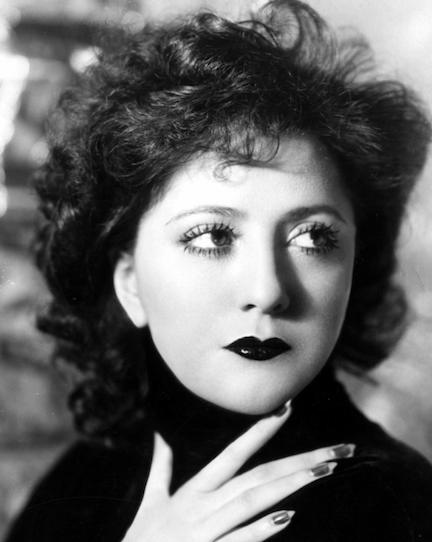
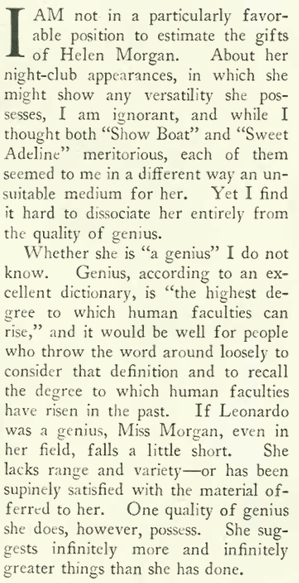

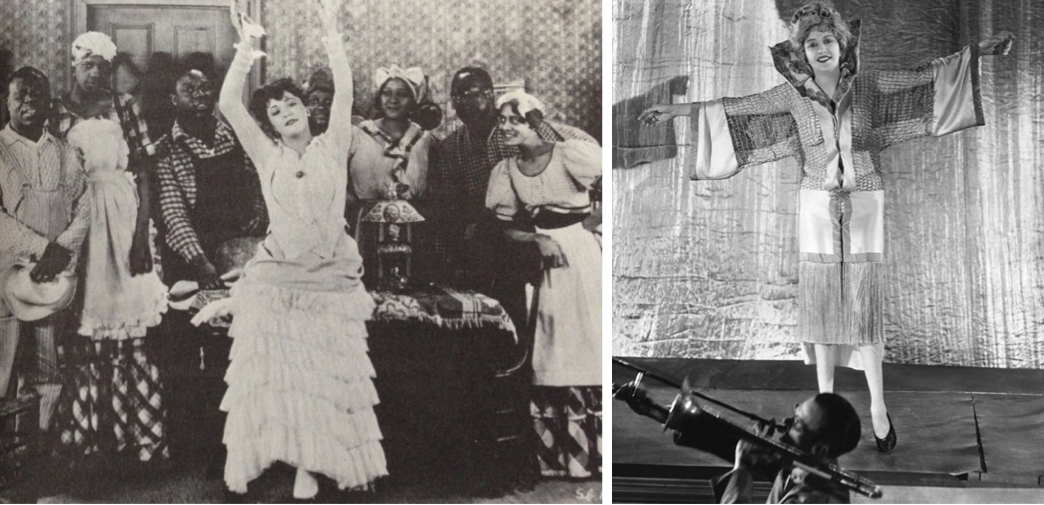


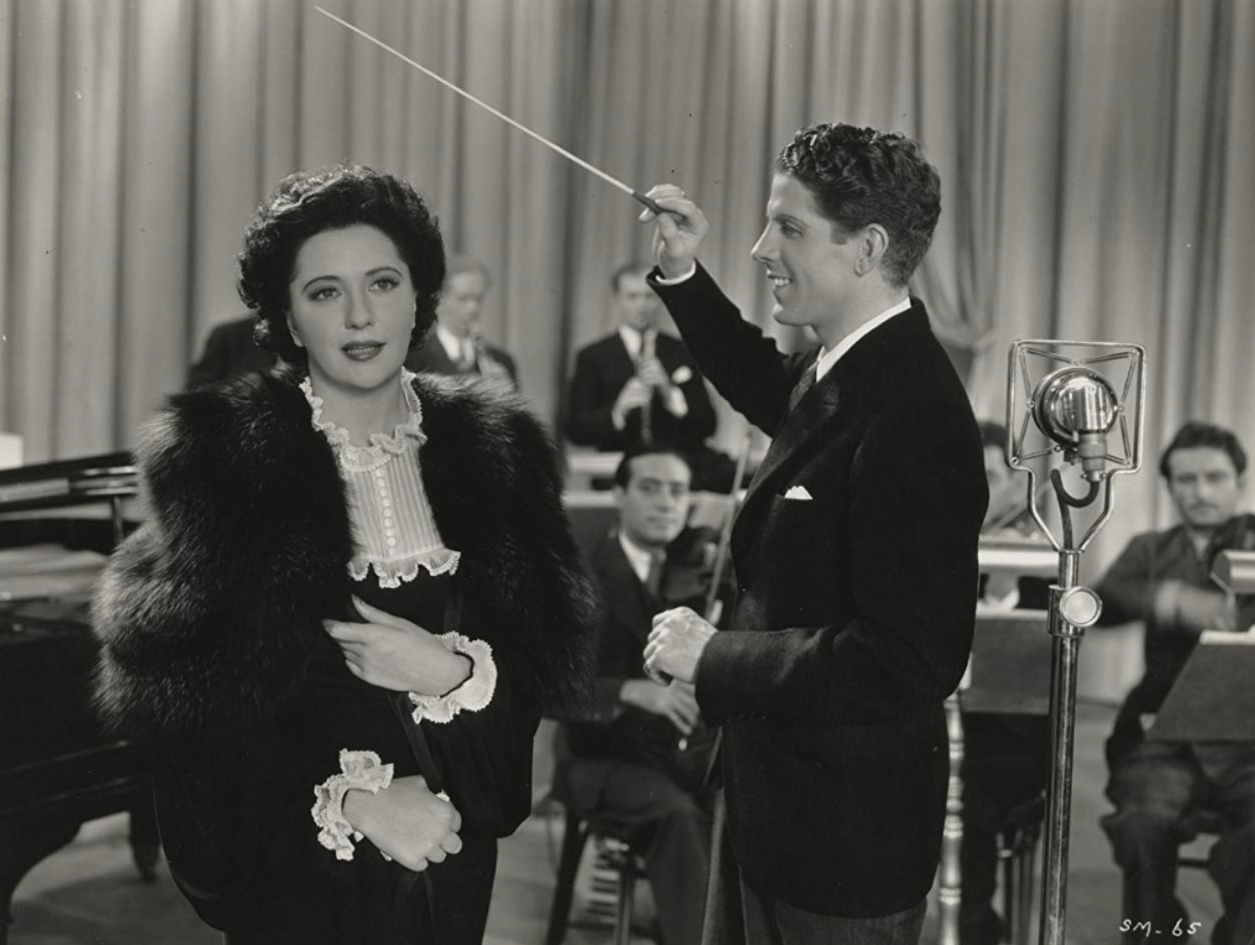
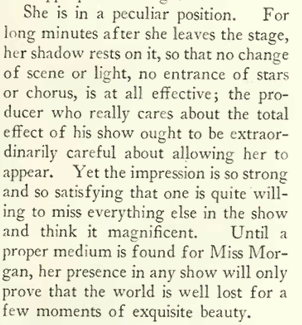


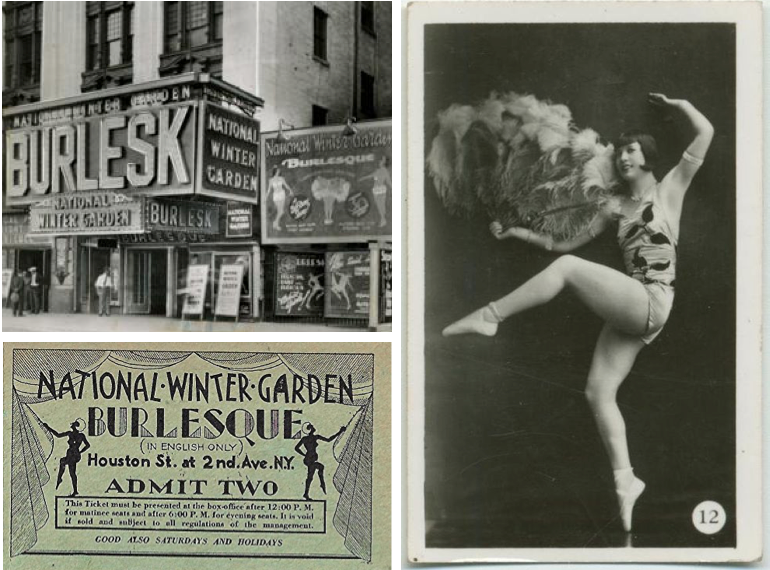


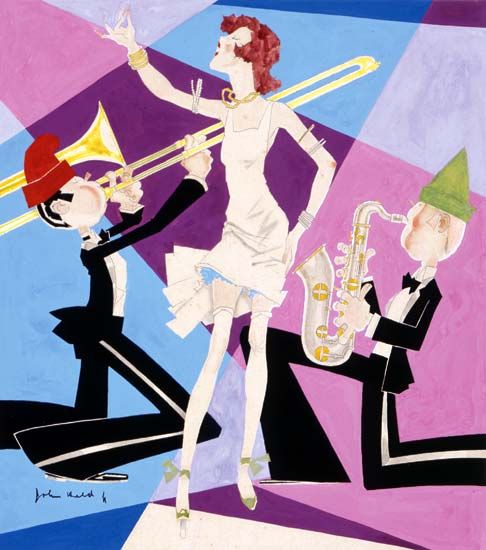
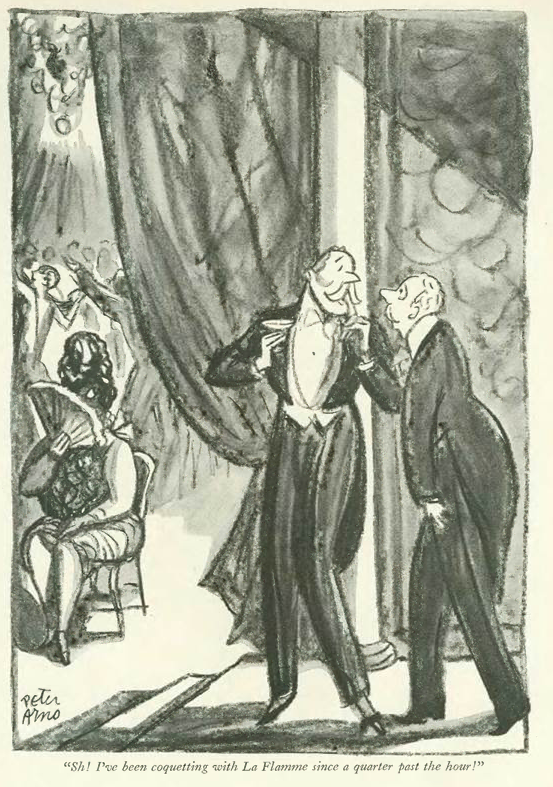

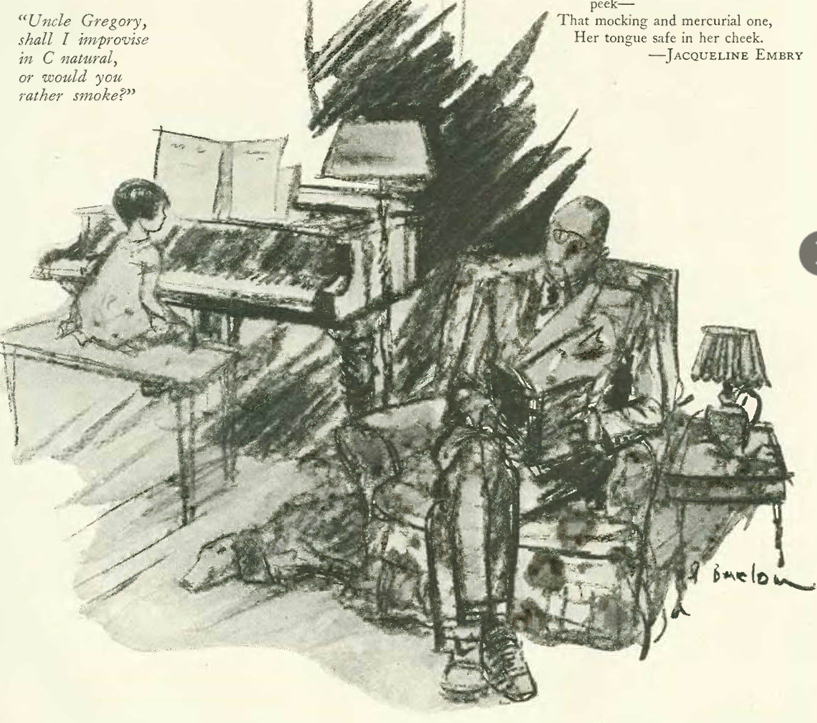




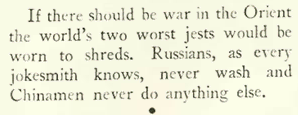

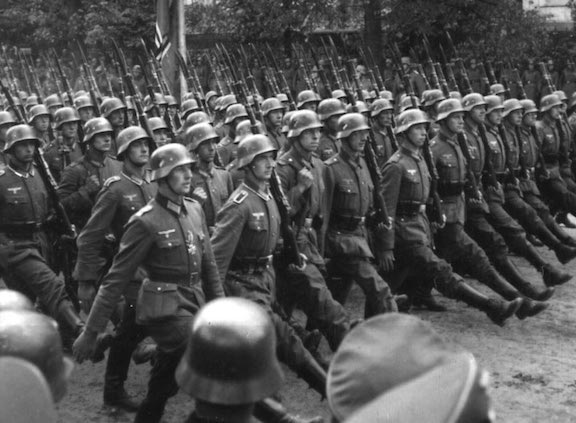

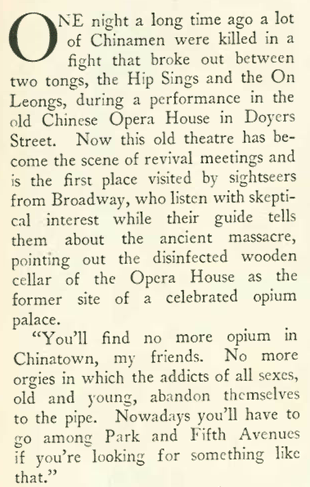

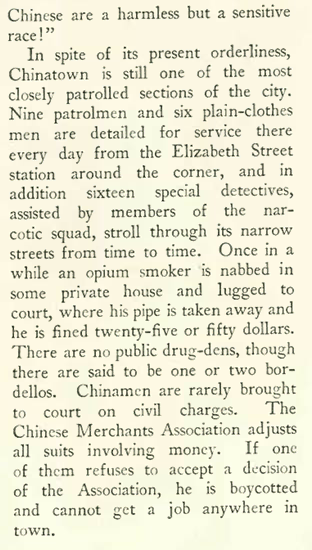

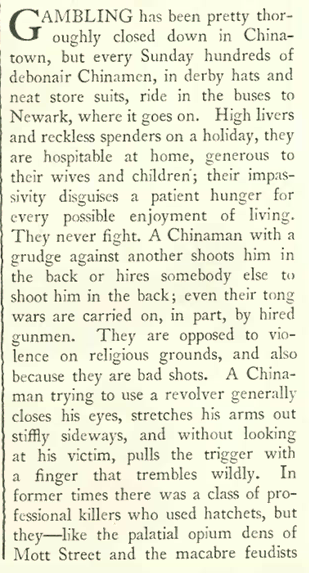

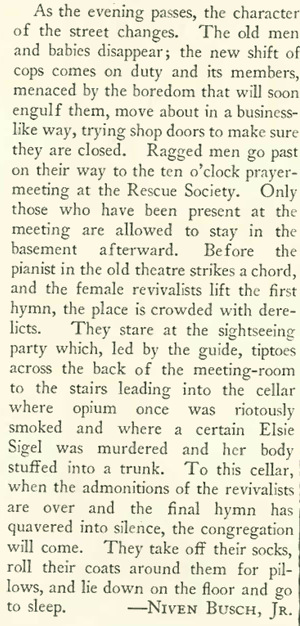
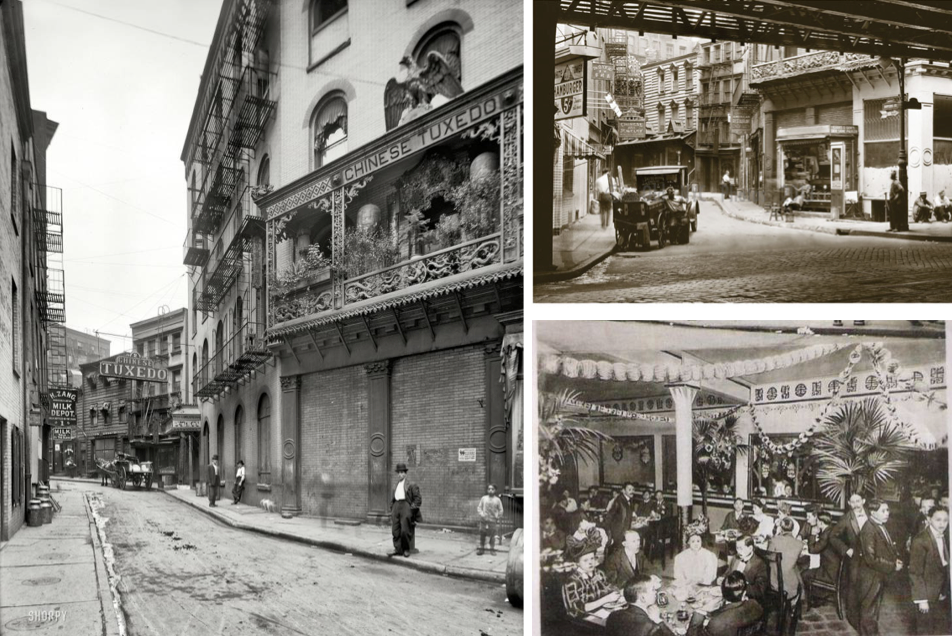


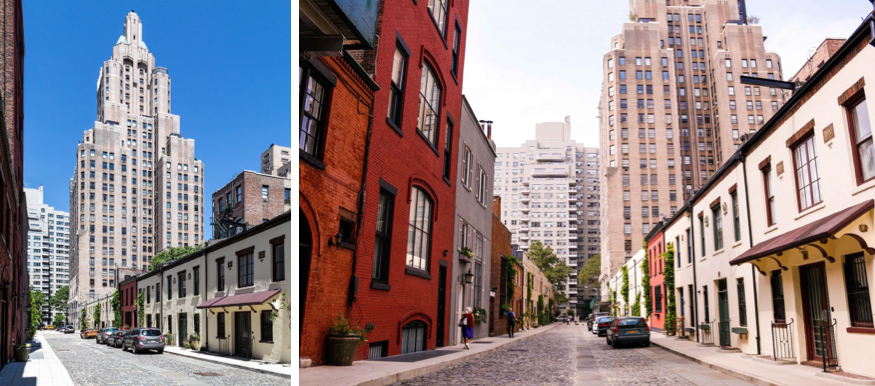

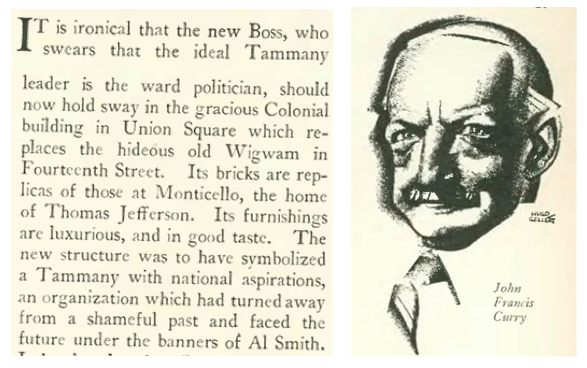


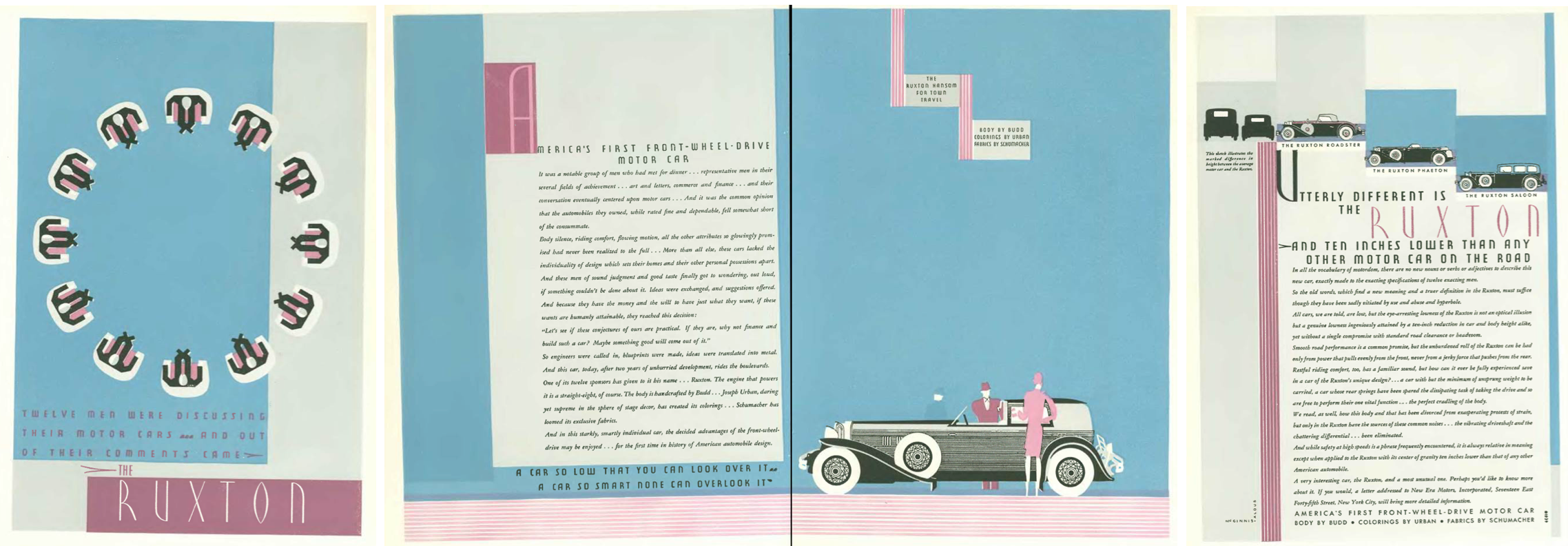


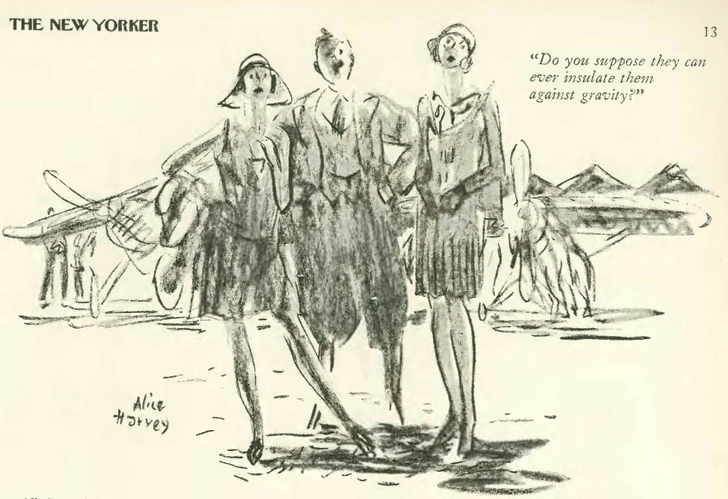
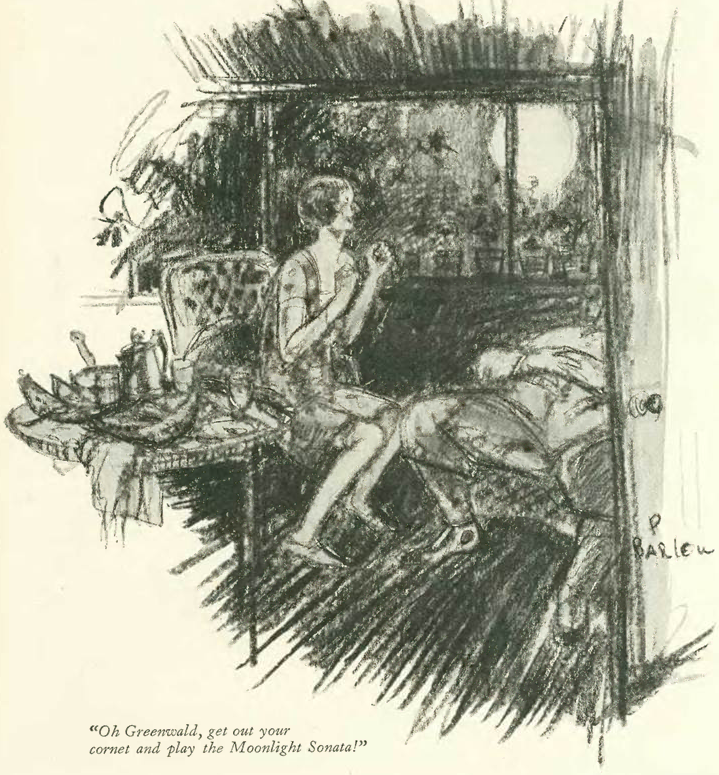
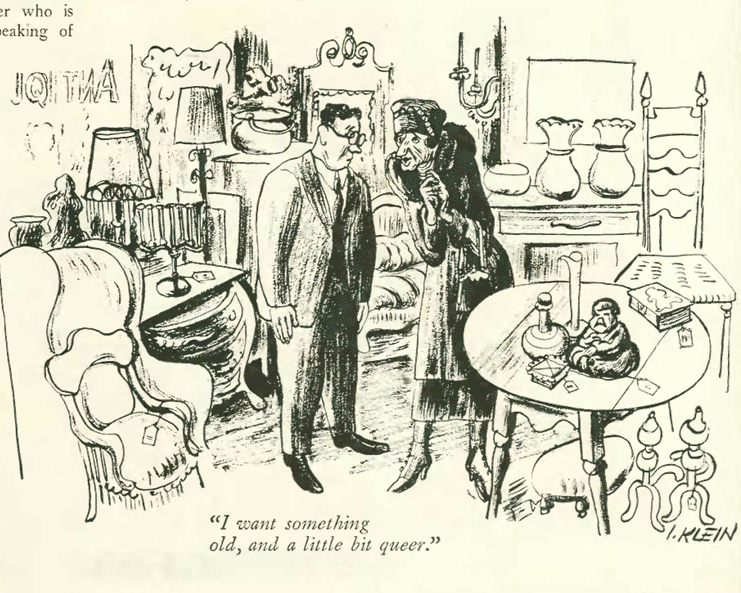


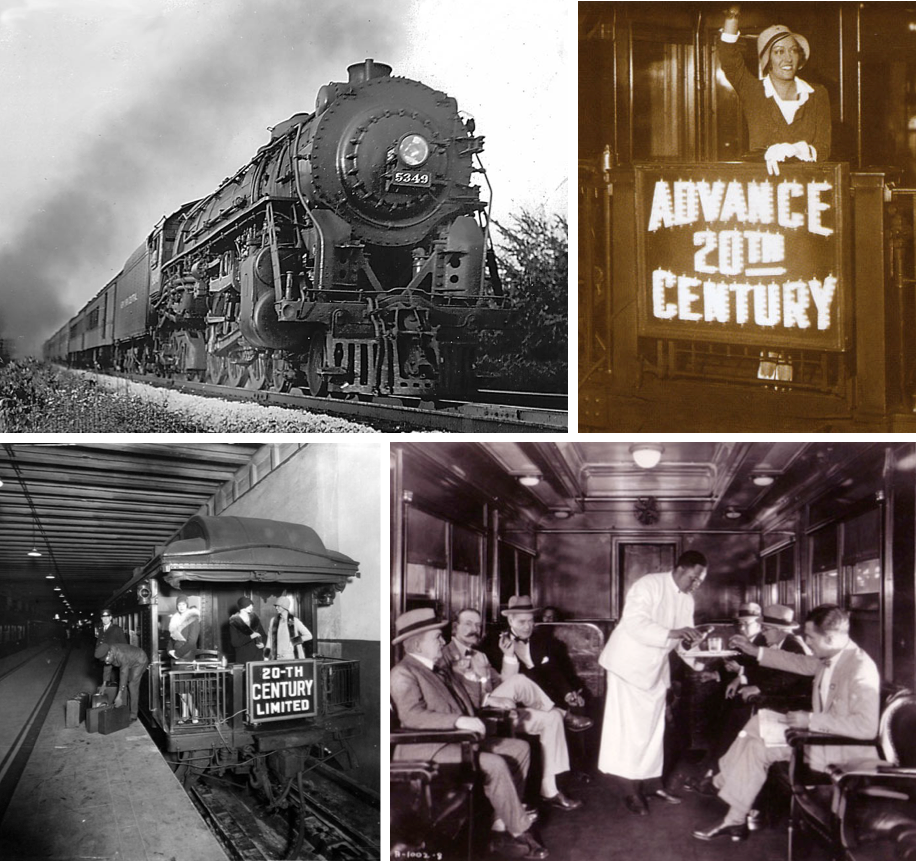



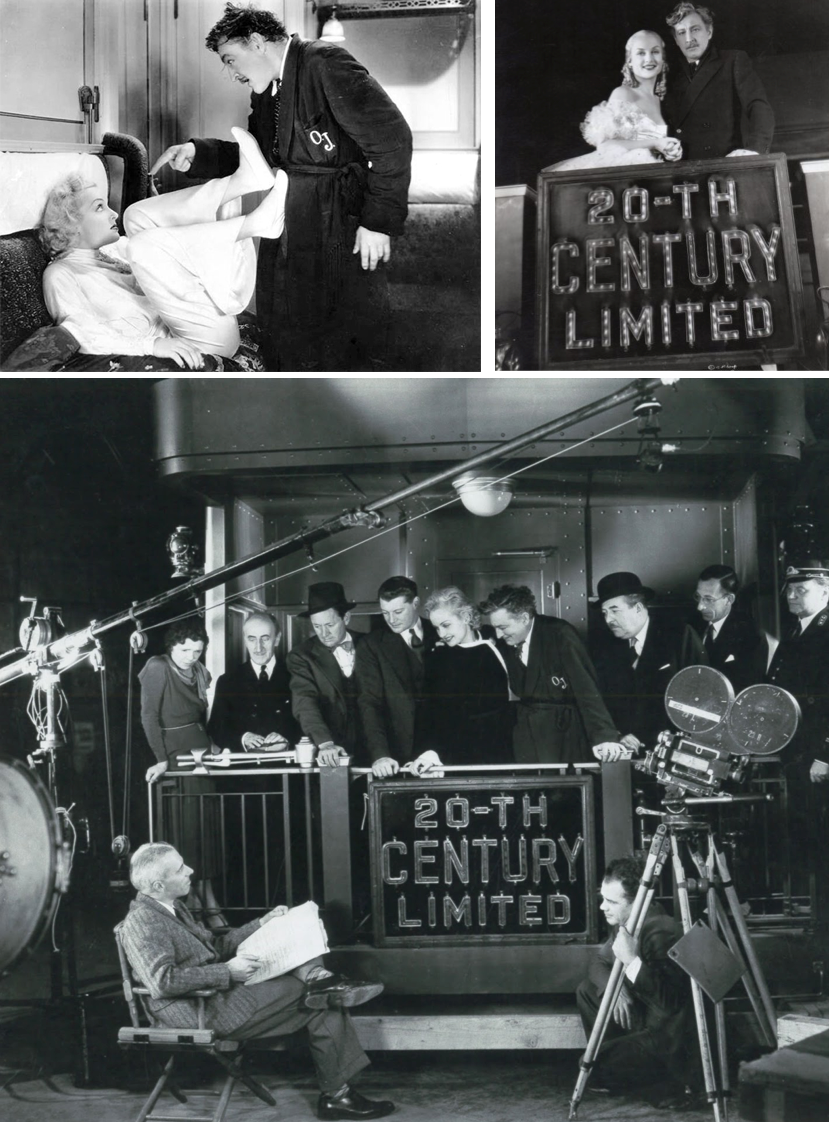
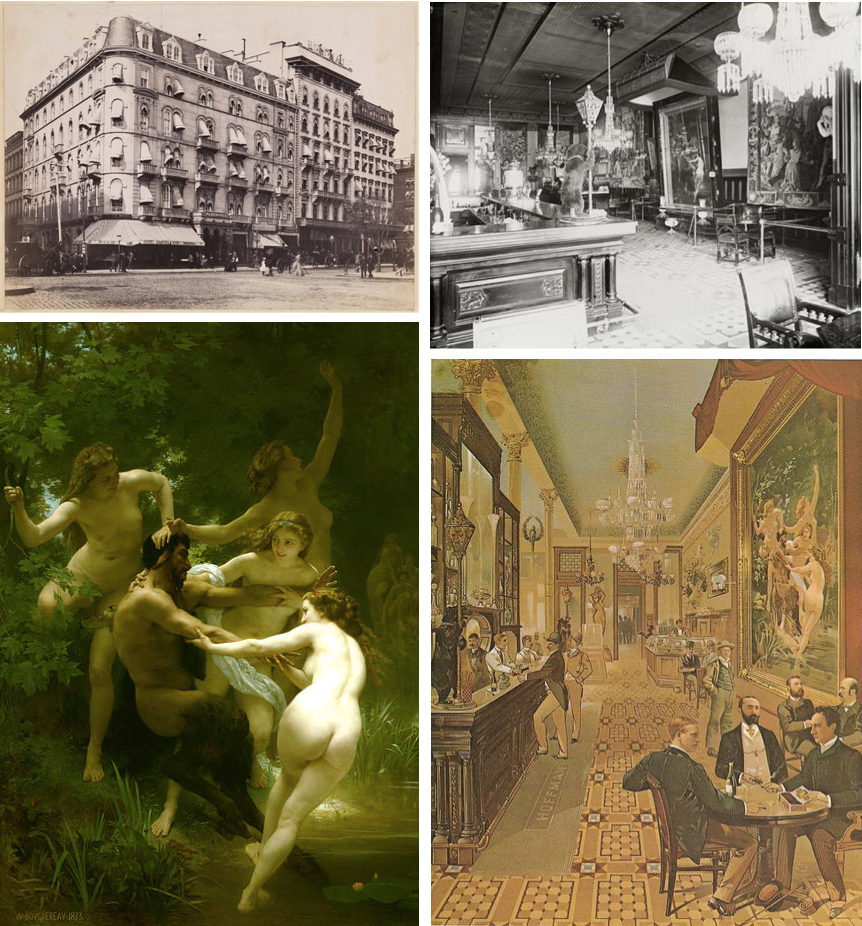

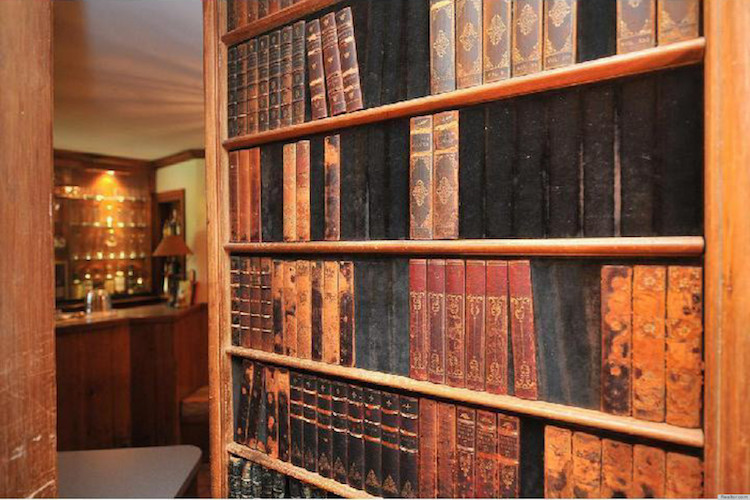
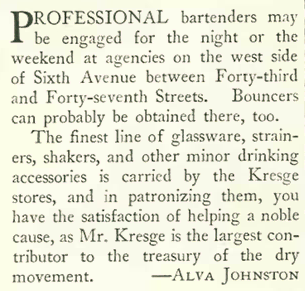
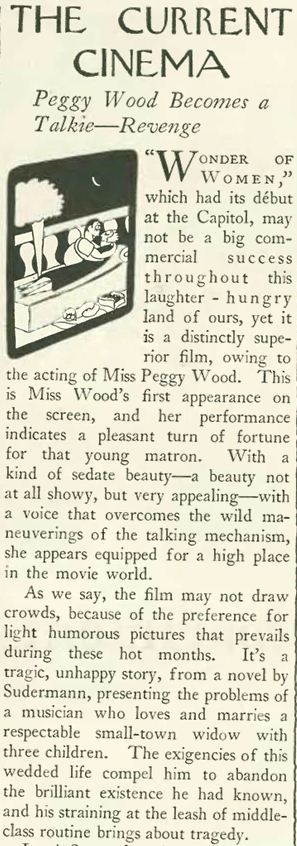




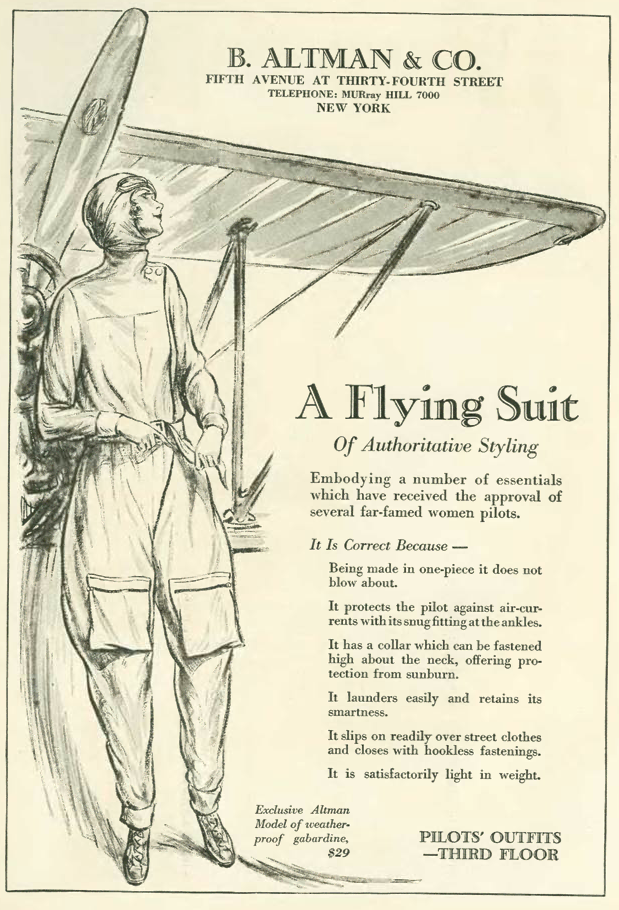

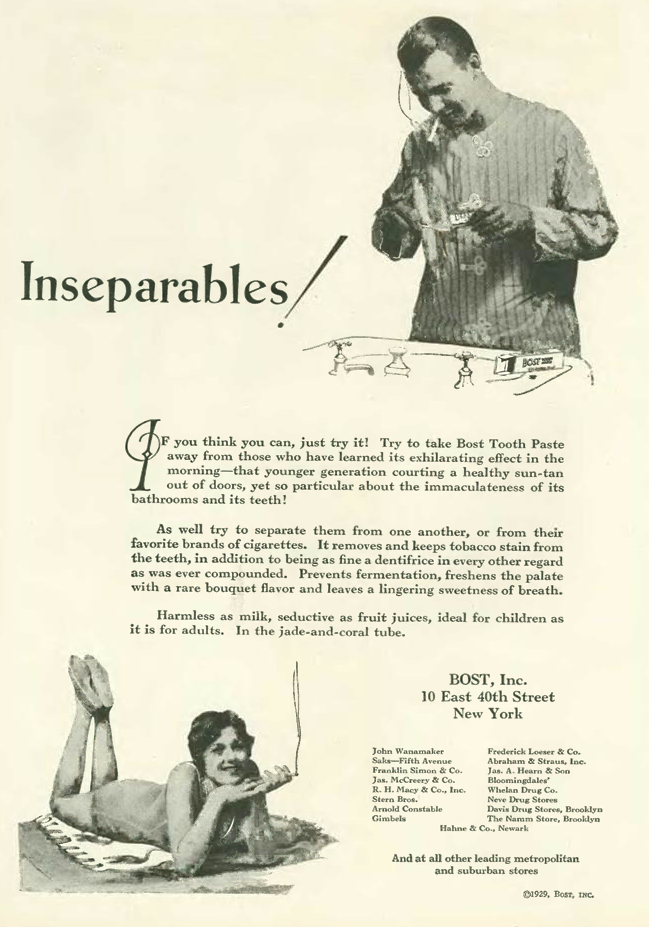
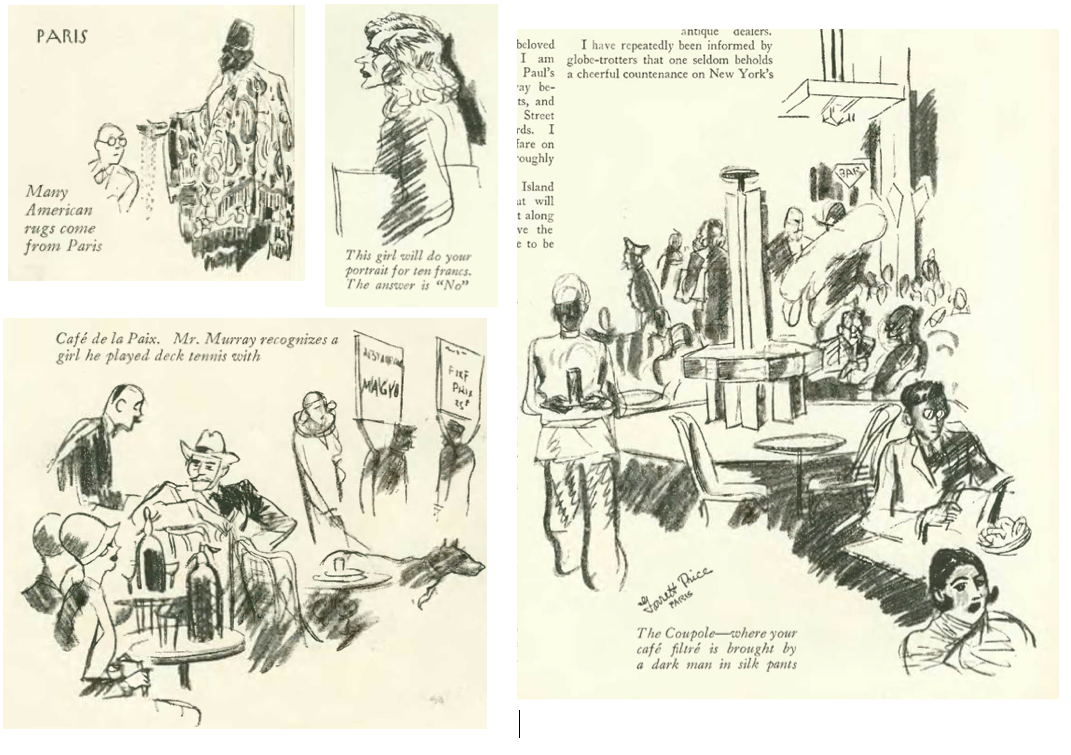
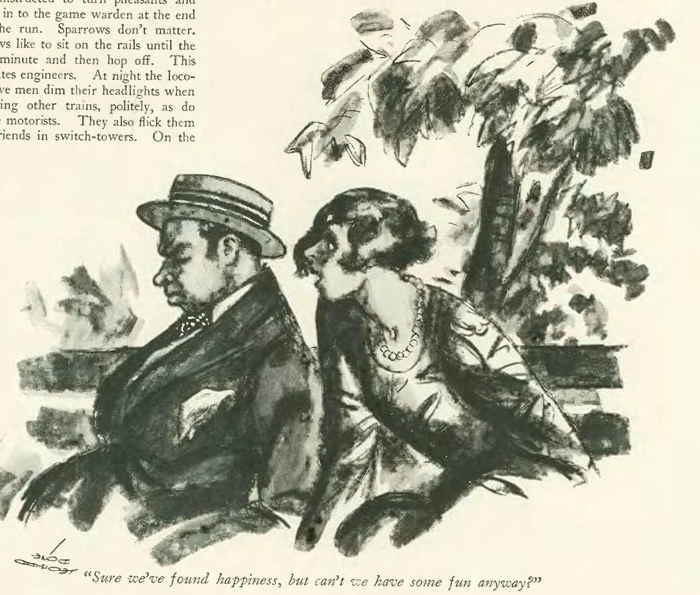
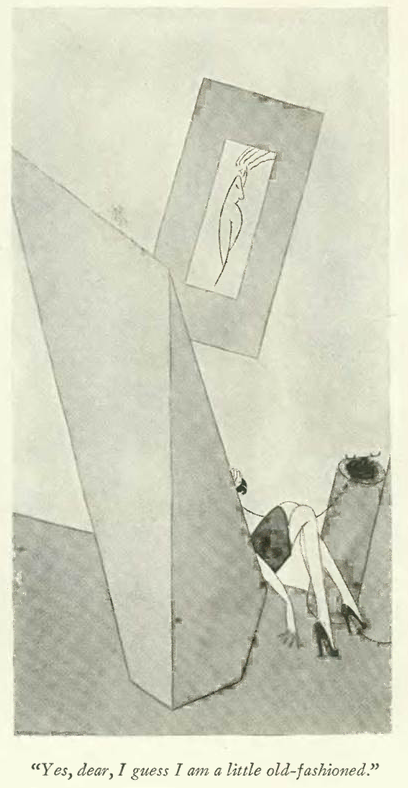
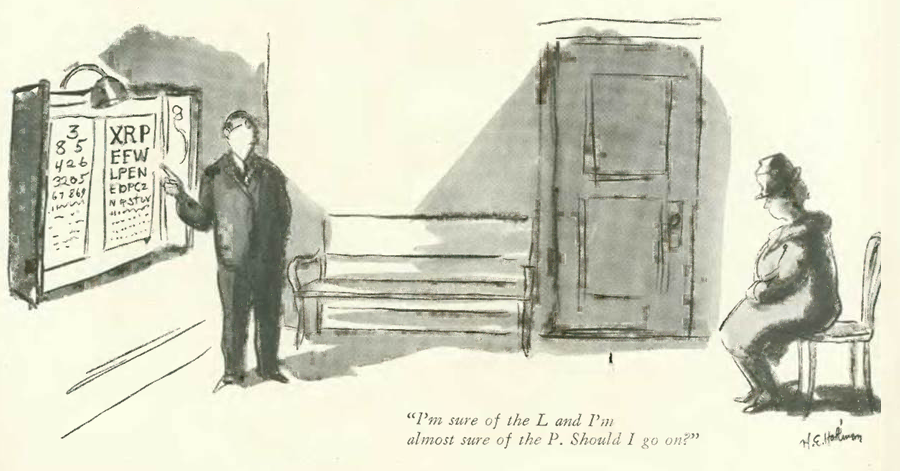

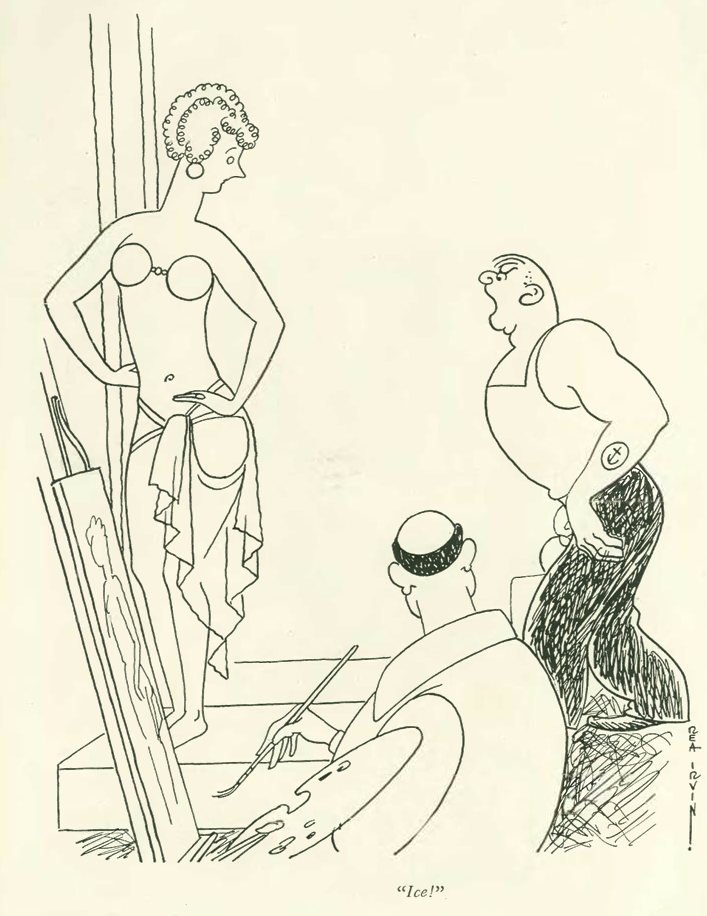


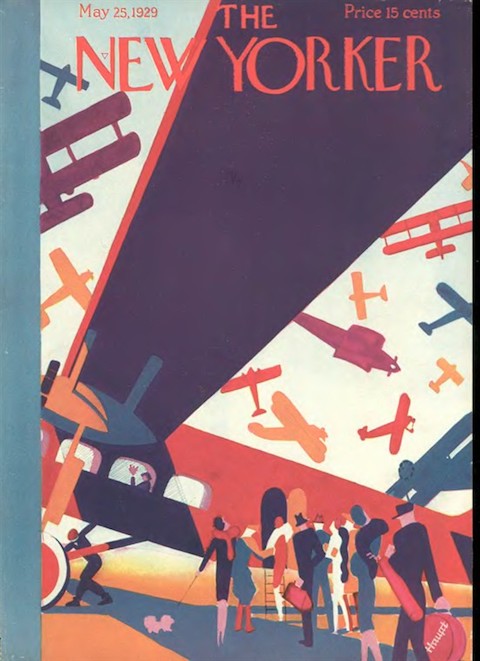
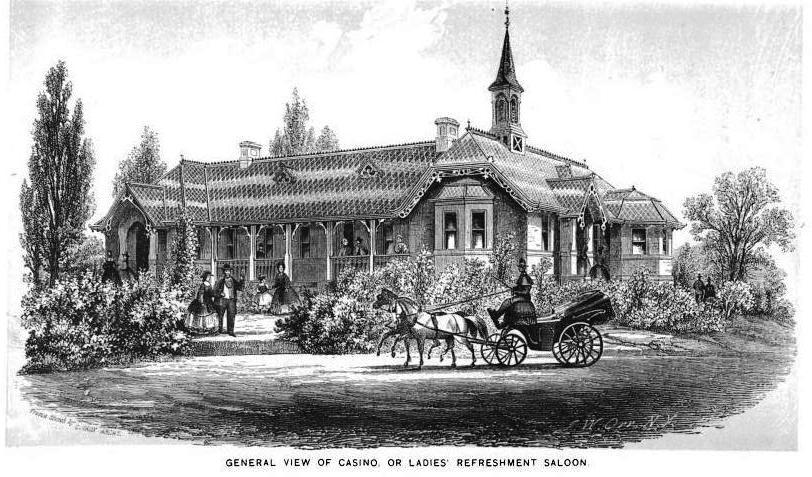

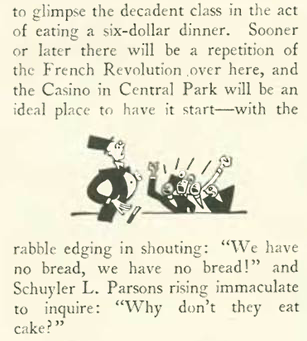
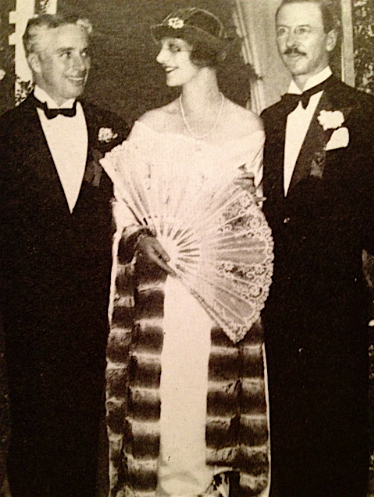



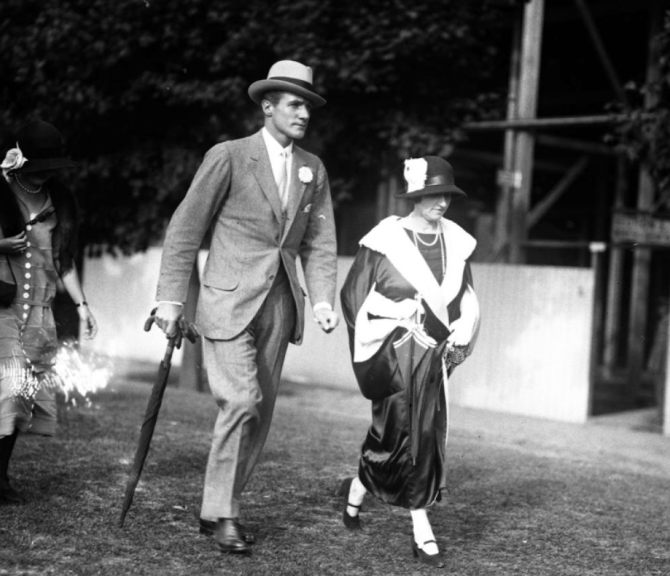

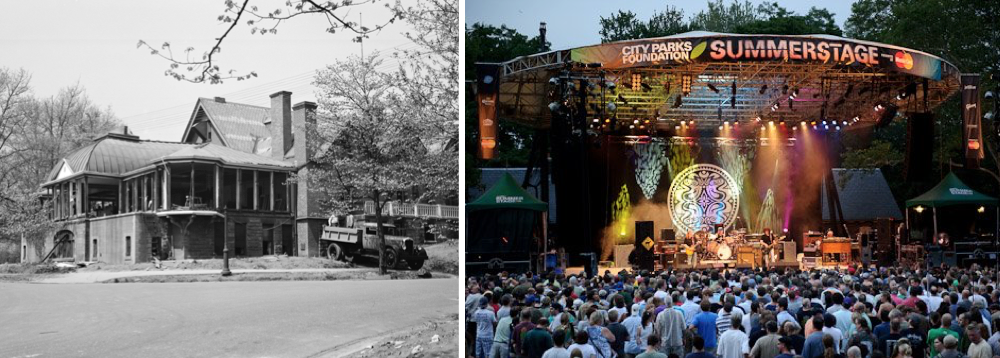

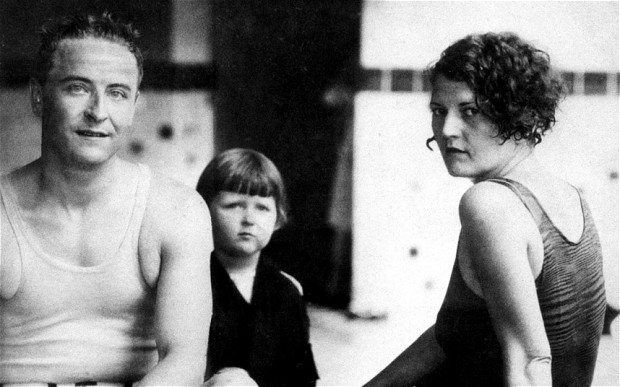
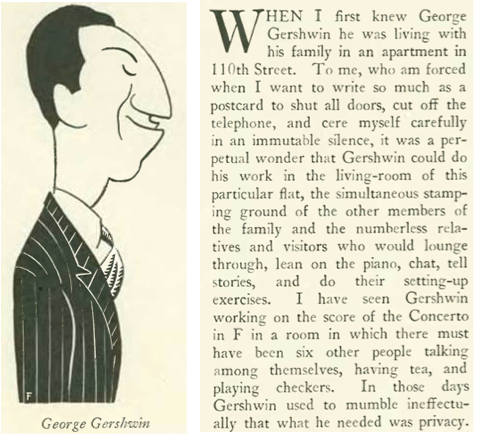
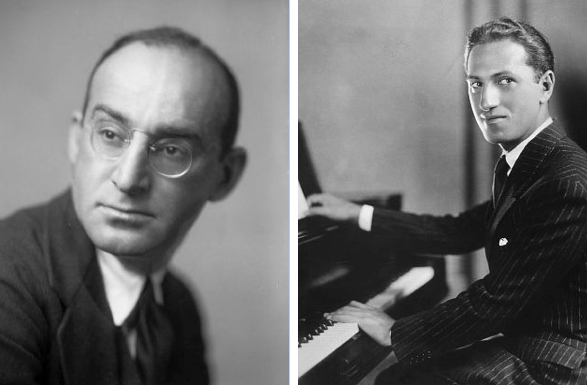
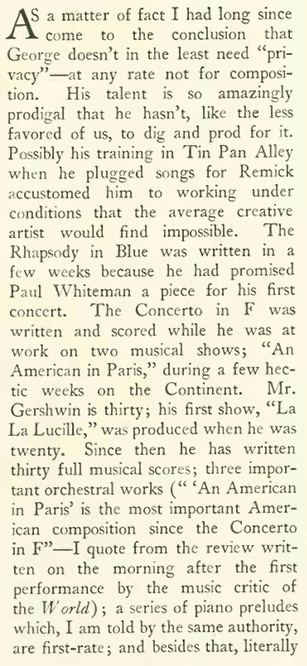

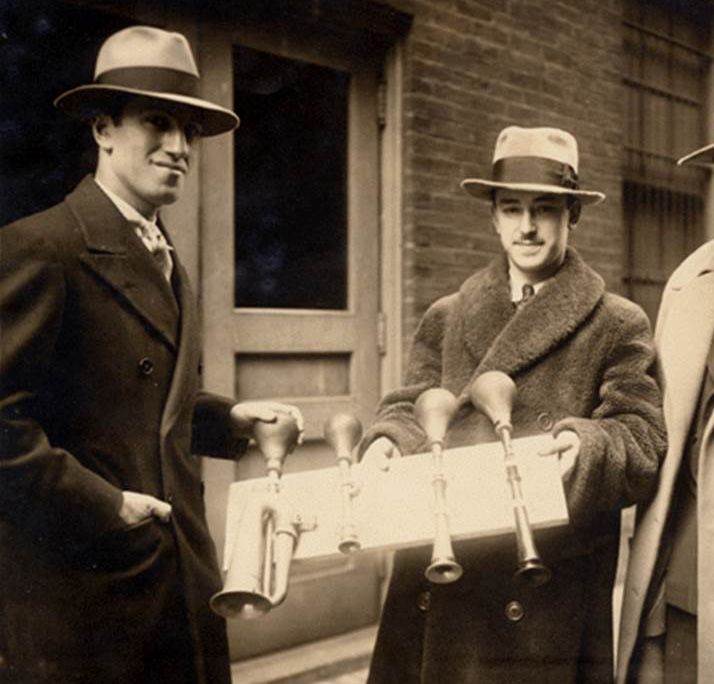
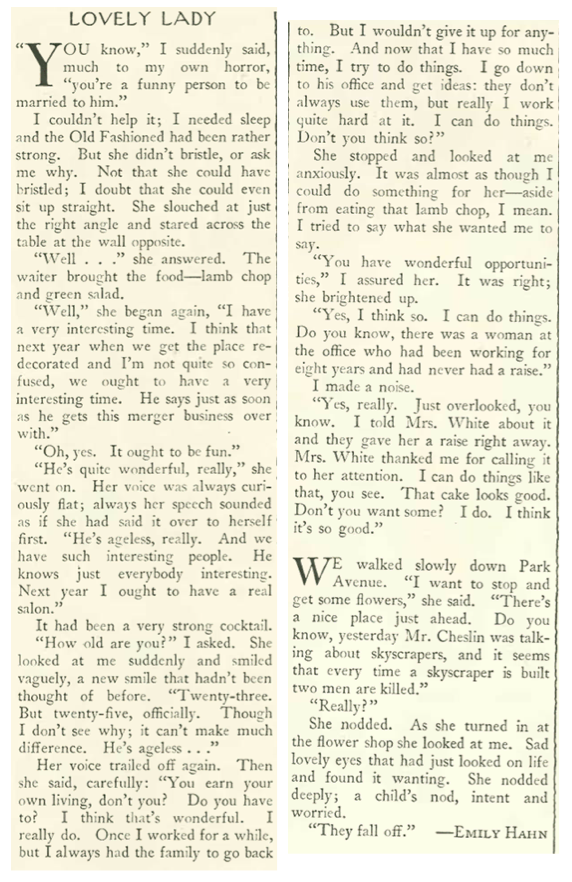

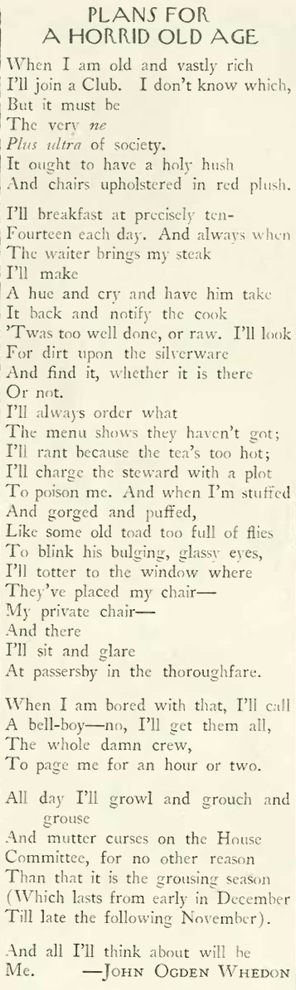
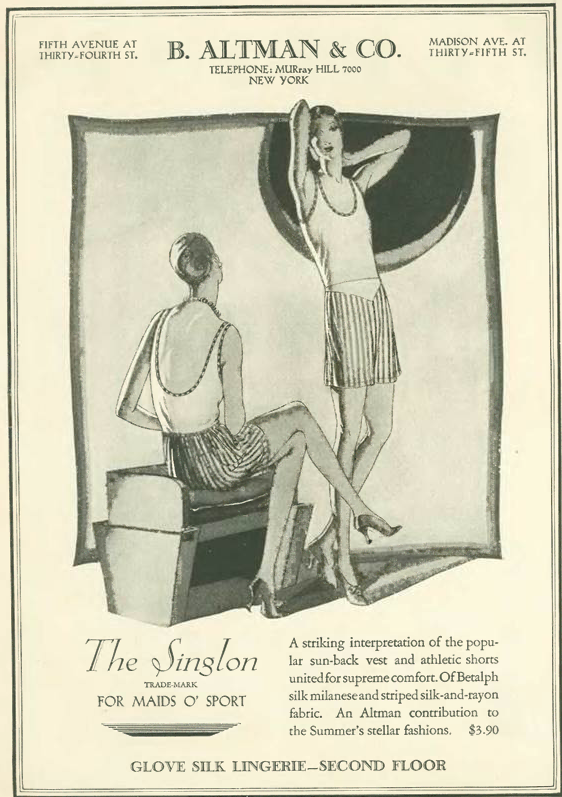
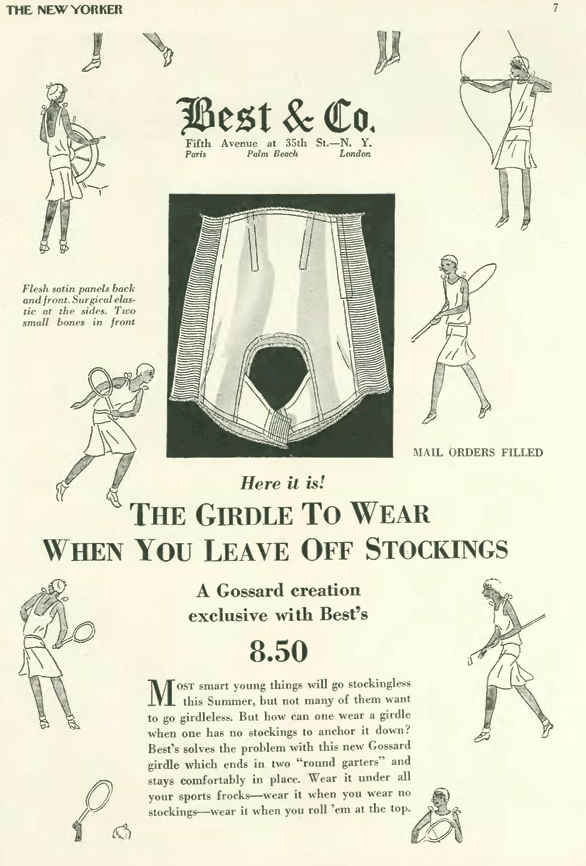

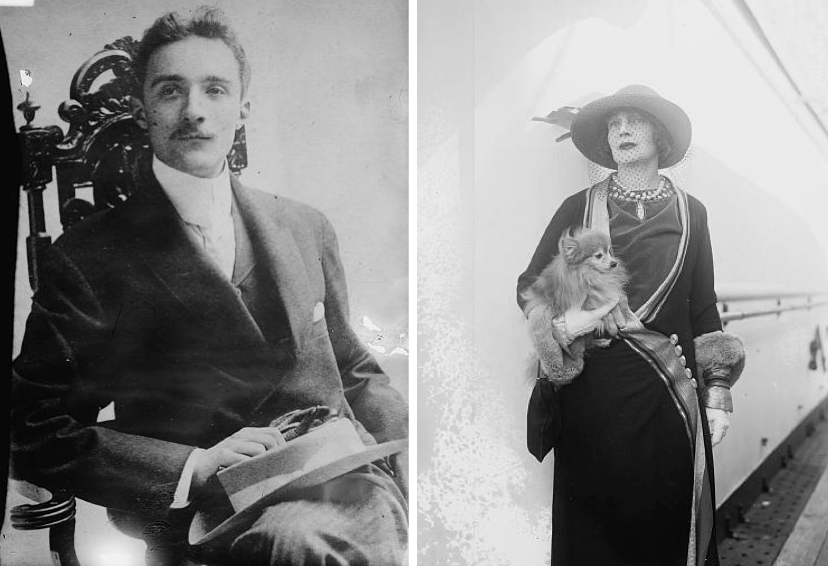
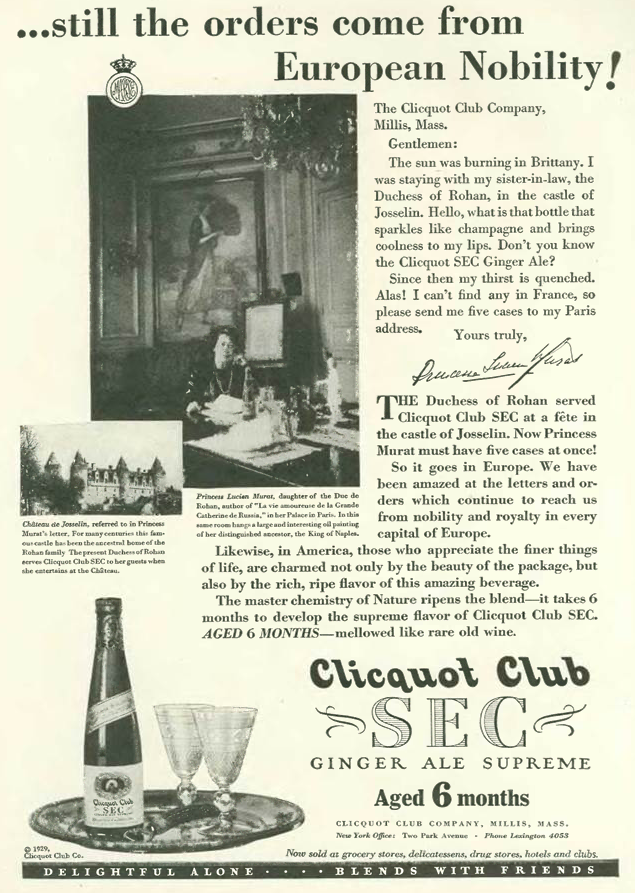
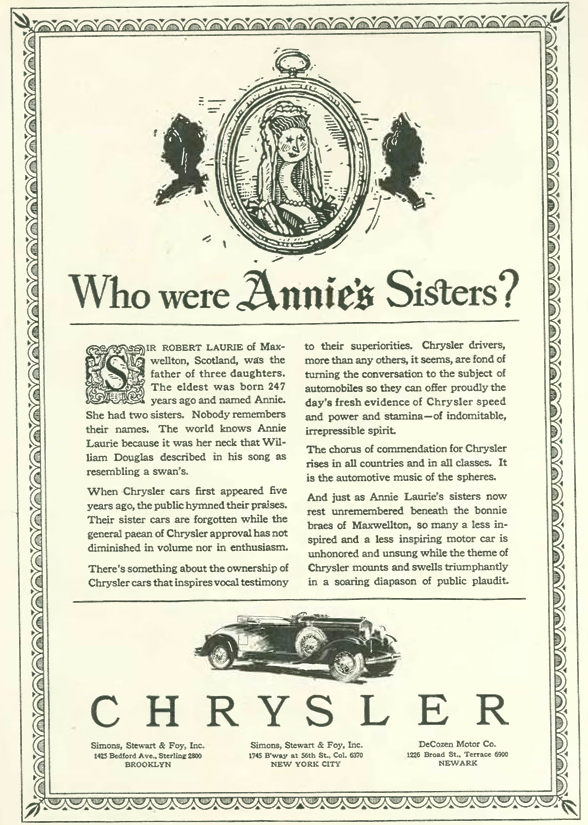




 A New Yorker State of Mind