Above: Nightlife correspondent Lois Long checked out the latest clubs as well as old-time favorites in her column "Tables for Two." From left, advertisement for Restaurant Larue; Josephine Baker in 1937; and the entrance to Monte Proser's Beachcomber, an early iteration of the tiki bar that would become ubiquitous in midcentury America. (eBay.com/Wikipedia/mytiki.life)
Part three of Janet Flanner’s profile of Adolf Hitler can be found below, but it’s time to lead with something more pleasant, namely Manhattan nightlife through the eyes of Lois Long.
March 14, 1936 cover by Rea Irvin.
In her “Tables for Two” column headlined “Nostalgic Notes,” Long checked out the new Chez Josephine Baker, the garden-like delights of Restauarnt Larue, and the French-themed Le Coq Rouge.
NEW NIGHTLIFE…Clockwise from top left, ad for Restaurant Larue; 1930s postcard showing interior of Larue; Josephine Baker, proprietor of Chez Josephine Baker; ad for Le Coq Rouge; interior of Le Coq Rouge, 1930s. (eBay/Wikipedia)
Long also noted the Beachcomber Bar, which originated in the basement of an old church, and actor Dan Healy’sBroadway Room.
MAN ABOUT TOWN…Dan Healy was a well-known master of ceremonies in the Manhattan nightlife scene. He married the famed “boop-boop-a-doop” singer (and possible Betty Boop inspiration) Helen Kane in 1939—they later opened a New York restaurant together called Healy’s Grill. (whosdatedwho.com/Facebook)
* * *
Bummed Out
E.B. White (in “Notes and Comment”) referred to confessional essays published in Esquire magazine by F. Scott Fitzgerald that frankly described his struggles with alcoholism and the decline of his literary reputation. The confessional tone of the essays (three in all, published in February, March and April 1936) proved controversial at the time.
In his first essay, “The Crack-Up,” Fitzgerald famously observed that “the test of a first-rate intelligence is the ability to hold two opposed ideas in the mind at the same time, and still retain the ability to function.”
A CRY FOR HELP?…At left, F. Scott Fitzgerald in the 1930s (top), and, apparently during happier days (below, with wife Zelda); at right, the opening page of “The Crack-Up.” (esquire.com/pbs.org)
* * *
Say What?
New Yorker writers rarely missed an opportunity to poke fun of Time magazine’s unique ways with the English language. E.B. White again, in an excerpt:
TIMEWORDS…The March 16, 1936 issue of Time, and E.B. White. (time.com/imdb.com)
* * *
Dying to Know
“The Talk of the Town” made brief mention of a rumor regarding Woolworth heiress Barbara Hutton’s health. Reports of her demise were premature; she died in 1979.
HANGING IN THERE…Barbara Hutton with husband no. 2, Count Kurt von Haugwitz-Reventlow, circa 1936. Hutton married seven times, including a brief marriage to actor Cary Grant, who was husband no. 3. (whosdatedwho.com)
* * *
Part Three
Janet Flanner completed her three-part profile of Adolf Hitler by looking into the man’s mind, if that was even possible.
OBEDIENT MASSES…Nazi dictator Adolf Hitler addresses soldiers at a rally in Dortmund, Germany, 1933. (encyclopedia.ushmm.org)
Flanner also noted the Führer’s early days as an unsuccessful painter, and an odd wedding gift to his buddy Hermann Göring:
GOOSED…Top, Adolf Hitler presented a specially painted copy of Correggio’s Leda with the Swan as a wedding gift to Hermann Göring and actress Emmy Sonnemann on April 10, 1935; below, Hitler painted this watercolor during his pre-WWI time in Munich, from May 1913 to August 1914. (Wikipedia)
* * *
China Syndrome
Supporting herself as a writer for The New Yorker, Emily Hahn’s years in Shanghai, China (1935 to 1941) were tumultuous. Living in the city’s red light district, she became romantically involved with the Chinese poet and publisher Shao Xunmei (aka Sinmay Zau) and became addicted to opium. In this excerpted short essay, Hahn described her literary encounters with Shao Xunmei (here referred to as “Pan Heh-ven”) and a passel of translators.
ENOUGH OF THAT…Emily Hahn became romantically involved with the Chinese poet and publisher Shao Xunmei (aka Sinmay Zau), but ultimately left him in order to break her opium addiction. (Wikipedia)
* * *
At the Movies
Critic John Mosher did his best to stay awake during the latest fare from Hollywood…
SPECIOUS SPECTACLE…Top, from left, Louise Fazenda, Paul Draper, Ruby Keeler, Dick Powell and Hugh Herbert in Colleen; below, Wendy Barrie and Gene Raymond in Love on a Bet. (cometoverhollywood.com/imdb.com)
Mosher also commented on a film he walked out on (The Farmer in the Dell), and considered the twentieth anniversary of Intolerance, a 1916 drama that had become a “cheap amusement.”
HO HUM…Critic John Mosher walked out of The Farmer in the Dell, mostly due to boredom—above, Frank Albertson, Jean Parker, Fred Stone and Esther Dale in the romcom The Farmer in the Dell; below, scene from D.W. Griffith’s epic silent film from 1916, Intolerance. (imdb.com/cinemafromthespectrum.com)
* * *
From Our Advertisers
The folks at Hormel once again claimed the inside front cover with this array of soups featured sideways, in full color…
…the illustrator of this Lord & Taylor advertisement hoped to superimpose a pair of shoes over a woman’s face, with less than convincing results…
…the makers of Packard automobiles sent a condescending message “To The Ladies,” promising not to “bore them” with talk of mechanical features…
…a sampling of one-column ads featured, from left, the renowned Russian Eagle cafe-bar at the Sherry-Netherland, the Modernage furniture store on East 33rd, and the Milwaukee Road railroad, which offered adventure at such places as a Montana dude ranch…
…the inside back cover featured this drawing of actress/dancer/singer June Knight by Abe Birnbaum…
…Birnbaum was a terrific artist, but his portrait of Knight was not terribly flattering…this is what she looked like in the 1930s…
June Knight (1913–1987) circa 1930s. (reddit.com)
…on to the cartoons, we kick off the issue with Canadian cartoonist Richard Taylor…
…and Taylor again, striking a pose…
…Arnold Hall contributed an example of floral marketing…
…Al Frueh contributed to “The Theatre” section…
…Jack Markow did some rubbernecking…
…Howard Baer welcomed a new tax deduction to the world…
…Perry Barlow drew up impressions of a field trip to the Hayden Planetarium…
…Barlow again…
…one of Helen Hokinson’s “girls” explained herself…
…Barbara Shermund interpreted modern dance…
…Alain sought some dish over tea with the vicar…
…and we close with James Thurber, and a penny for her thoughts…
Above: At left, the Nazi Party sought to remake Christian holidays such as Christmas into Nazi-themed, pagan events, even trying to redefine St. Nicholas as Wotan, the ancient Germanic deity; at right, Adolf Hitler rejected Christianity, calling it a Jewish plot to undermine the heroic ideals of the Aryan-dominated Roman Empire. Here he is seen meeting the nuncio to Germany, Cesare Orsenigo, on January 1, 1935. (reddit.com/Wikipedia)
For the March 7 issue we look at the second part of Janet Flanner’s profile of German dictator Adolf Hitler, in which she attempted to identify the social and political influences that led to his peculiar vision of the world.
March 7, 1936 cover by Constantin Alajalov.
Flanner noted that Hitler’s ancestors were intermarrying, pious Roman Catholic peasants, including his parents, second cousins Klara Pölzl and Alois Hitler. While Klara was a doting parent, Alois was often abusive and distant. And so it began.
MOM AND DAD…Adolf Hitler’s parents were second cousins Klara Pölzl (1860–1907) and Alois Hitler (1837–1903). Pölzl was the third wife of the much older Hitler, who was a stern, mid-level Austrian customs official. (Wikipedia)
Flanner described Hitler’s struggles as an artist (rejected twice by the Vienna Academy of Fine Arts), however his real disappointment was nationalistic; serving as a courier (and wounded) in World War I, he blamed internal traitors for Germany’s defeat. To bolster his patriotic ideals, Hitler turned to books, and particularly to poet and dramatist Friedrich Schiller (1759–1805)—the Nazis would later manipulate Schiller’s works to fit the Party’s themes of nationalism, struggle, and obedience. Hitler would further hone his world view through the works of white supremacist Count de Gobineau (1816–1882), nihilist philosopher Friedrich Nietzsche (1844–1900), and philologist Max Müller (1823–1900), whose work inadvertently contributed to the idea of a superior “Aryan” race.
REWRITING HISTORY…Clockwise, from top, a 1940 Nazi propaganda film, Friedrich Schiller— Der Triumph eines Genies, portrayed Schiller (played by actor Horst Caspar) as an idealistic Übermensch; Hitler and the Nazis were also influenced by white supremacist Count de Gobineau; philologist Max Müller; and the nihilist philosopher Friedrich Nietzsche. (film portal.de/Wikipedia)
In her conclusion, Flanner noted Hitler’s dislike of jokes at his own expense, and she was surprised that German comedian Weiss Ferdl, known for his “Führer gibes,” wasn’t in a concentration camp with cabaret singer Claire Waldorff (somehow both survived the regime and the war). Flanner also touched on Hitler’s antipathy toward Christianity.
SURVIVORS…At left, Weiss Ferdl (1883-1949) was a German actor, humorous folksinger known for his jibes at Hitler; at right, Claire Waldorff (1884-1957) was a famous cabaret singer and entertainer in Berlin, known for performing ironic songs with lesbian undertones. (Wikimedia Commons)I’LL TRY TO KILL YOU LATER…German Chancellor Adolf Hitler greets (l to r) Roman Catholic Abbot Albanus Schachleiter and Protestant Reichsbischof Ludwig Müller, outside the Frauenkirche in Nuremberg, September 1934. (Wikipedia)
* * *
Thrill Ride
In his “Notes and Comment,” E.B. White described “one of the strangest nightmares of motordom”…
THE GREAT WALL…E.B. White feared whatever might pop out of the dark tunnels on the northern stretches of Park Avenue. Clockwise, from top, an 1876 illustration of the new viaduct through the Harlem Flats; E. 108th Street pedestrian tunnel between Lexington and Park; Park Avenue Viaduct–La Marqueta. (Wikipedia/manhattanwalkblog.com/6tocelebrate.org)
* * *
Ding-dong
Robert Benchley filed a brief review of The Postman Always Rings Twice, a stage adaptation at the Lyceum Theatre of James M. Cain’s acclaimed novel. Although the play was well received by audiences, many reviewers found the subject matter distasteful. Cain would later describe the 1936 production as “a dreadful experience from beginning to end.”
SCHEMERS AND DREAMERS…Richard Barthelmess and Mary Philips portrayed star-crossed lovers in the 1936 stage production of The Postman Always Rings Twice. Philips was a noted Broadway performer and Humphey Bogart’s first wife. (Wikipedia/imdb.com)
* * *
At the Movies
Critic John Mosher commented on familiar Hollywood tropes (doctors chasing nurses, execs pursuing secretaries etc.) and offered up the “tepid” example of Wife vs. Secretary, which featured three of Tinseltown’s top stars.
MILD HIJINKS…At left, Clark Gable and Jean Harlow in a scene from Wife vs. Secretary; at right, Gable with Myrna Loy.(faintlyfamiliar.com/facebook.com)
Mosher didn’t find much excitement in the dog-themed picture The Voice of Bugle Ann, and was left flat after seeing Road Gang and the German film Liebelei.
SWEET AND SOUR…Lionel Barrymore and Spring Byington were on one side of a feud over a special dog in The Voice of Bugle Ann. (tcm.com)WELL THIS SUCKS…At left, Donald Woods and Carlyle Moore Jr. find themselves behind bars in Road Gang; at right, Paul Hörbiger and Olga Tschechowa in 1933’s Liebelei (aka Playing at Love). (rotten tomatoes.com/screenslate.com)
* * *
Language Arts
H.L. Mencken continued his exploration of American English by taking a look at past attempts to simplify spelling—most of them unsuccessful. Excerpts:
NOT ONE FOR GIMMICKS…H.L. Mencken at his desk at the Baltimore Sun.(Paris Review)
Mencken noted the Chicago Tribune’s radical approach to simplified spelling in 1934, and the lasting effects of Noah Webster’s American dictionary.
“PEDAGOGUE” was one of the milder insults cast at Noah Webster by his peers. (National Portrait Gallery)
* * *
First World Problem
Food critic Sheila Hibben looked into the complexities of tea-drinking during the cocktail hour, and vice-versa.
CHOOSE YOUR MOOD…The Plaza Hotel offered the ideal setting for whatever libation one chose at tea time. At left, the Plaza’s Persian Room, 1934, and the Palm Court, undated photo. (cooperhewitt.org/mcny.org)
* * *
Finer Things
Rebecca West was a brilliant journalist and gifted prose writer, and when she published something people took notice, including critic Clifton Fadiman, who noted her return with The Thinking Reed. A brief excerpt:
A MIGHTY PEN…Rebecca West (1892-1983) was considered one of the finest prose writers of twentieth-century England. This 1934 photograph was produced by Howard Coster. (National Portrait Gallery)
* * *
From Our Advertisers
The March 7 issue opened to this sumptuous image of luxury travel aboard the Normandie…
…the salons of Dorothy Gray returned with another tale of a magical transformation, here the plain “Miss Adams” suddenly becomes lovely and exciting thanks to the illusion of cosmetics…
…the makers of Packard automobiles took out this full page ad to gently chastise Time magazine for questioning the carmaker’s adherence to a timeless, “basic design”…
…although in Time’s defense the Packard didn’t look much different from this Lincoln…
…what did look different was the Chrysler/DeSoto Airflow, which had disappointing sales due to a streamlined design that was a bit too radical for consumers…
…actress and costume designer Kate Lawson (1894-1977) made her image available to promote washable wallpaper…
…in addition to calming nerves and boosting energy, Camels apparently aided one’s digestion, or so this ad claimed…
…Liggett & Myers stuck with the homespun approach, here three generations light up Chesterfields in the warm glow of the parlor…
…did you spot the cigarettes in the ad?…
…on to the cartoons, we have Al Frueh’s take on the Ziegfeld Follies…
…James Thurber contributed this to the calendar section…
…and Thurber again with his beloved dogs…
…George Price found a glitch at the weather bureau…
…Californians circled their wagons in the hostile Midwest, per Carl Rose…
…Alain saw a trip to the dentist in this man’s future…
…Helen Hokinson lost us in the peculiarities of needlepoint…
…Barbara Shermund found a bargain in portraiture…
…and Shermund again, in the dress department…
…and we close with Whitney Darrow Jr, and something to write about…
Above, left, Janet Flanner regards the cover of the Sept. 13, 1931 issue of The New Yorker; at right, Adolf Hitler's chosen filmmaker Leni Riefenstahl at Nuremberg's "Shovel Day" parade, 1936. (Library of Congress/Sueddeutscher Verlag)
The February 29, 1936 issue stands out from pack not only for its cover—James Thurber’s first—but also for the magazine’s first in-depth look at a man who would spark the deadliest conflict in human history.
February 29, 1936 cover by James Thurber. This was the first of six covers Thurber contributed to The New Yorker. You can see all six covers at Michael Maslin’s Ink Spill, the go-to site for all things Thurber and so much more. UPDATE: Also check Maslin’s post regarding the repeat of this cover on Sept. 4, 2023. Fascinating read!
Before we jump in…Thurber’s close friend E.B. White noted another unusual fact about this issue…
…twenty-eight years later, and a dime extra (cover by Garrett Price)…
* * *
Inside the Feb. 29 issue, The New Yorker’s Paris correspondent Janet Flanner published the first part of a three-part profile on German dictator Adolf Hitler. In this first excerpt she described the Führer’s ascetic diet and personality (caricature by William Cotton).
NAZI NUM NUMS….Adolf Hitler with one of his official food tasters, Margot Woelk, during World War II. Woelk later claimed she was the sole survivor from a group of food tasters who were summarily executed by the Red Army after the fall of Berlin. (warfarehistorynetwork.com)
Flanner described Hitler’s relationships with influential women, particularly filmmaker Leni Riefenstahl.
FRIENDS WITH BENEFITS…Adolf Hitler had influential admirers both in and outside of Germany, including, clockwise, from top left, filmmaker Leni Riefenstahl (in the white skirt described by Flanner) at the 1936 “Shovel Day” in Nuremburg; Winifred Wagner, daughter-in-law of composer Richard Wagner, in 1925; Hitler with Unity Mitford, one of six aristocratic Mitford sisters and a fanatical Nazi; Ernst Franz Sedgwick Hanfstaengl with another Mitford sister, Diana Mitford, at a 1934 Nuremberg rally. Diana as married to Oswald Mosley, leader of the British Union of Fascists, and Hanfstaengl was the son of Katharina Wilhelmina Hanfstaengl, a prominent Munich art publisher who helped finance Hitler’s rise to power. (Sueddeutscher Verlag/Wikipedia/historyreader.com)
Flanner concluded the piece with a look at Hitler’s sexuality, which seemed non-existent, and drew an ominous conclusion about his personality type.
EXPENDABLE…Ernst Röhm with Adolf Hitler in 1933. Although Hitler knew Röhm was gay, he also valued Röhm’s leadership and organizational skills, that is until his presence proved a liability. Röhm was murdered by the SS in 1934 during the “Night of the Long Knives.” (Wikipedia)
As part of a centenary series, The New Yorker’s Andrew Marantz recently looked at Flanner’s profile of Hitler, noting that she was “neither an antifascist, like her friend Dorothy Parker, nor a Fascist, like her friend Ezra Pound; she was against crude bigotry, but she was not the world’s greatest philo-Semite.”
* * *
Lamour Amour
In his “Notes and Comment,” E.B. White pointed out the challenges of expressing physical beauty over a non-visual medium like radio:
TELEGENIC…Hopefully E.B. White managed to see Dorothy Lamour on the “television waves… bumping along over the Alleghenies.” At left, publicity photo of Lamour from 1937; at right, Lamour appeared as a mystery guest on What’s My Line?, Feb. 20, 1955, seen here with host John Daly. In later years Lamour was a guest on a number of television shows, ranging from Marcus Welby, M.D. to Remington Steele. (Wikipedia/YouTube.com)
* * *
Shadow Plays
Morris Bishop (1893-1973), a noted scholar of the Middle Ages as well as a writer of light verse, offered up these lines after screening early silent films at the Museum of Modern Art. The screenings were curated by Iris Barry to showcase MoMA’s new film library and to advance the study of film as a serious art form.
TIME CAPSULES…The Museum of Modern Art was a pioneer in the study of film as a modern art form. Among the films screened at MoMA in 1936 (clockwise, from top left): famed stage actress Sarah Bernhardt as Queen Elizabeth in the Les Amours de la reine Élisabeth (The Loves of Queen Elizabeth) with Lou Tellegen, 1912; Bernhardt in the film Camille (La Dame aux camélias) with André Calmettes, 1911; Theda Bara’s 1917 take on Camille, in a scene with Alan Roscoe; Gloria Swanson in Zaza, 1923. (Wikipedia/imdb.com/YouTube.com)
* * *
A Reporter’s Chops
With so much attention given to James Thurber as a humorist, it is easy to forget that he was an experienced journalist, and that he could apply his considerable gifts as a writer to narrative non-fiction. For the Feb. 29 “A Reporter at Large” column, Thurber penned “Crime in the Cumberlands.”I can’t do it justice through excerpts, but I highly recommend giving it a read as a prime example of Thurber’s skills as a reporter.
SERIOUSLY SERIOUS WRITER…You can find both humorous and not-so-humorous crime stories (and drawings, of course) in 1991’s Thurber on Crime, edited by Robert Lopresti. “Crime in the Cumberlands” is included in the collection. (jamesthurber.org/barnesandnoble.com)
* * *
At the Movies
Not so serious were the films being churned out by Hollywood, including the Fred Astaire/Ginger Rogers toe-tapper Follow the Fleet, set to an Irving Berlin score that featured the hit “Let’s Face the Music and Dance.” Critic John Mosher was on board for the ride.
GOOD CLEAN FUN…Dance partners “Bake” Baker (Fred Astaire) and Sherry Martin (Ginger Rogers) find love during shore leave in Follow the Fleet.(Toronto Film Society)
Bandleader Harry Richman, well known in the New York nightlife scene of the 1920s and 30s, showed his acting chops in The Music Goes ‘Round…
I CAN SING TOO…Rochelle Hudson and Harry Richman in The Music Goes ‘Round. (imdb.com)
…Fred MacMurray, Sylvia Sydney, Henry Fonda and Fred Stone appeared in living color in The Trail of the Lonesome Pine–it was just the second full-length feature to be shot in three-strip Technicolor and the first to be shot outdoors in Technicolor…
LIFELIKE…Clockwise, from top left: Fred MacMurray; Sylvia Sydney; a Paramount movie poster; Henry Fonda and Fred Stone.(moviesalamark.com/imdb.com)
…the 1936 film Rhodes (aka Rhodes of Africa) featured the massive acting talents of Walter Huston and Peggy Ashcroft; not surprisingly, the subject matter of the film has not aged well…a 2015 review in The Guardianis headlined: “Rhodes of Africa: only slightly less offensive than the man himself”…
COLONIAL KLINK…Walter Huston and Peggy Ashcroft in Rhodes.(imdb.com)
* * *
From Our Advertisers
We begin with a Stage magazine ad from the inside front cover, featuring an illustration by Alexander King…
…only new-money swells would be seen doing this…old money wouldn’t dare enter the kitchen, unless they needed to sack the cook…
…on the back cover of the Feb. 29 issue you would find this elegant woman taking a break from her vanity to enjoy a “toasted” Lucky…
…we join our cartoonists, starting with this spot by Richard Taylor…
…Garrett Price got stuck over the frozen falls…
…George Price drew up a sandwich board competition…
…Al Frueh continued to illuminate “The Theatre” section…
…James Thurber posed a loaded question…
…Denys Wortman got down to some debugging…
…Carl Rose offered up another example of rugged individualism…
…Charles Addams came down to earth…
…Alain illustrated a case of jury tampering…
…Helen Hokinson demonstrated the allure of a netted hat…
…and Hokinson again, doing some early spring cleaning…
…and Barbara Shermund explored the idyll of wanderlust…
…and before we go, here is the New Yorker cover—by Helen Hokinson, Sept. 12, 1931—that was the object of Janet Flanner’s attention…
Above: A mechanic (Chester Conklin) gets caught up in his work with the help of the Tramp (Charlie Chaplin) in Modern Times. (festival-entrevues.com)
The film Modern Times was Charlie Chaplin’s last performance as “The Tramp” (or, “The Little Tramp”), a character he created more than twenty years earlier to represent a simple person’s struggle to survive in the modern world. That struggle was no more apparent than in Modern Times, a film in which the Tramp faced the dehumanizing industrial age in all its kooky complexity.
A sweet Valentine’s Day-themed cover by William Steig, February 15, 1936.
The film is notable for being Chaplin’s first picture to feature sound, and the first in which Chaplin’s voice is heard—singing Léo Daniderff’s comical song “Je cherche après Titine” (although Chaplin replaced the lyrics with gibberish). Modern Times was nevertheless filmed as a silent, with synchronized sound effects and a small amount of dialogue. Critic John Mosher appreciated the movie as being “of the old era,” not anticipating that it would become one of cinema’s most iconic and beloved films.
JUST A COG IN THE MACHINE…Clockwise, from top left: Repetitive assembly line work drives the Tramp (Charlie Chaplin) to a nervous breakdown; the steel factory is an Orwellian world where the president (Allan Ernest Garcia) constantly monitors his workers—even in the bathroom where the Tramp is caught taking a break; the company tries out a new lunch efficiency machine on the Tramp, with mixed results; iconic image of the Tramp at work. (medium.com/YouTube.com)(thetwingeeks.com)
One of the film’s best stunts involved the blindfolded Tramp rollerskating on the fourth floor of an under-construction department store; Chaplin employed a matte painting, perfectly applied on a glass pane in front of a camera, to create the illusion of a sheer drop-off. Even as an illusion, Chaplin’s skating skills were remarkable.
HIGH ANXIETY…The blindfolded Tramp (Charlie Chaplin) skates precariously close to a sheer drop-off on the fourth floor of a department store while his companion, an orphan girl known as “The Gamin” (Paulette Goddard) puts on her skates, unaware of his peril. (YouTube.com)
The model below shows how the effect was achieved, filming next to a glass-mounted matte painting to create the illusion of a sheer drop off…
(reddit.com)
In his conclusion, Mosher found the film to be “secure in its rich, old-fashioned funniness.”
Chaplin gave a happy send-off to the Tramp, who at the end of earlier films walked down the road alone. Modern Times closed with the Tramp and the Gamin walking hand in hand, dreaming of a life together.
FOND FAREWALL…Paulette Goddard joined Charlie Chaplin on the road at the end of Modern Times. Goddard became Chaplin’s third wife in 1936. (the-cinematograph.com)THE TRAMP RETURNS…World premiere of Modern Times, Feb. 5, 1936, at the Rivoli Theatre in New York City. The film was one of the top-grossing films of 1936. (Wikipedia)
A final note: The website The Twin Geeks offers an excellent synopsis and analysis of Modern Times.
* * *
Bachelor King
In his “Notes and Comment,” E.B. White wrote about the ascension to the British throne by Edward VIII following the death of his father, George V. In this excerpt, White considered a question raised by the Daily News regarding the king’s plans to marry (a question answered a few months later when Edward announced his plan to wed American divorcee Wallis Simpson, which led to a constitutional crisis and Edward’s subsequent abdication).
BUT I DON’T WANNA BE KING…The reluctant king Edward VIII would choose love over the crown when he abdicated the throne in December 1936 to marry Wallis Simpson (bottom left); E.B. White noted one woman’s suggestion that the king should marry actress Greta Garbo, since “Both have had a rough time at love.” (highland titles.com/George Eastman Museum)
* * *
By Any Other Name
“The Talk of Town” featured a profile of Arthur J. Burks, a prolific writer of pulp fiction who published everything from detective stories to science fiction under a half-dozen pseudonyms. A brief excerpt:
A CURIOUS MIND…Arthur J. Burks (1898–1974) and the cover of Astounding Stories, January 1932, which featured the first part of his two-part tale, “The Mind Master.” Burks produced around eight hundred stories for the pulps, twenty-nine of which appeared in the magazine Weird Tales. (findagrave.com/gutenberg.org)
* * *
A Day in the Life
From 1935 to 1962 Eleanor Roosevelt published a daily syndicated newspaper column titled “My Day”—through the column millions of Americans learned her views on politics, society, and events of the day as well as details about her private and public life. James Thurber couldn’t resist writing a parody—here’s an excerpt:
THE REAL DEAL…At left, sample of one of Eleanor Roosevelt’s syndicated “My Day” columns from 1938; photo of the First Lady from 1932. (arthurdaleheritage.org/Library of Congress)
* * *
At the Movies
Besides Modern Times, there were other movies of note that were given rather scant attention in Mosher’s column, including the film adaptation of The Petrified Forest starring Humphrey Bogart, Bette Davis and Leslie Howard.
Robert E. Sherwood wrote the 1934 Broadway play of the same name, which was co-produced by Howard and featured both Howard and Bogart. When it was adapted to film, Howard insisted that Bogart appear in the movie, and it made Bogart a star (he remained grateful to Howard for the rest of his life).
DANGEROUS DINER…An odd mix of patrons at a gas station cafe are taken hostage by desparate criminals in The Petrified Forest. From left are Leslie Howard, Dick Foran, Bette Davis and Humphrey Bogart. Playwright Robert Sherwood based Bogart’s character, Duke Mantee, on the the real-life criminal John Dillinger, the FBI’s first “Public Enemy #1.” (moma.org)
Other cinema diversions included the musical Anything Goes, which included songs by Cole Porter; the comedy Soak the Rich, which featured a radical who falls in love with a rich man’s daughter; and a detective film, Muss ‘Em Up, with the usual movie gangsters.
TAKE YOUR PICK…Clockwise, from top left: Ida Lupino and Arthur Treacher in the musical Anything Goes; Bing Crosby (in disguise) and Ethel Merman in Anything Goes; John Howard, Mary Taylor and Walter Connolly in the comedy Soak the Rich; Preston Foster, Maxine Jennings and Guinn “Big Boy” Williams in the detective film Muss ‘Em Up. (imdb.com/torontofilmsociety.com/zeusdvds.com)
* * *
The Amazing Race
The New Yorker periodically featured “That Was New York,” which took a detailed look at significant events in the city’s history. In this installment, Donald Moffat recalled the 1908 New York to Paris automobile race, which commenced in Times Square on February 12 with six cars representing the U.S., France, Germany and Italy. It was an extraordinary event given that motorcars were a recent invention, and roads were nonexistent in many parts of the world. A brief excerpt:
ON YOUR MARK…Cars lined up in Times Square on Feb 12, 1908 for the start of what would become a 169-day race. American George Schuster was declared the winner when he arrived in Paris on July 30, 1908, after covering approximately 10,377 miles (16,700 km). (Library of Congress)
* * *
Miscellany
Another regular feature in the early New Yorker was coverage of the New York Rangers, a team founded in 1926 by Tex Rickard after he completed construction of the third incarnation of Madison Square Garden. The Rangers were one of the Original Six NHL teams before the 1967 expansion, the others being the Boston Bruins, Chicago Blackhawks, Detroit Red Wings, Montreal Canadiens and Toronto Maple Leafs.
In this excerpt, the writer “K.B.” described the rough play against rival Detroit, which would win back-to-back Stanley Cups in 1936 and 1937.
ZESTY…The excerpt above noted that the Rangers’ Phil Watson cuffed the Red Wings’ Syd Howe “with a zest richly appreciated by the balcony.” At left, team photo of the 1935-36 New York Rangers, with star and fight instigator Phil Watson identified with arrow; at right, Syd Howe won three Stanley Cups with Detroit, winning back-to-back in 1936 and 1937, and then again in 1943. (hockeygods.com)
* * *
From Our Advertisers
General Motors’ luxury car line offered three price points (and this lovely image) to weather the Depression years, ranging from the relatively affordable La Salle to the Cadillac Fleetwood…
…the Chrysler corporation took a different approach, deploying a very wordy full-page ad that referenced history (a Madame Curie analogy) and something called “Unseen Value” to move its line of autos…
…the makers of College Inn Tomato Juice Cocktail brought back the “Duchess” with this shocking scene at the opera…
…recall last summer when College Inn featured the Duchess in a series of ads that illustrated her increasing fury over plain tomato juice…one wonders what sort of sadistic torment she had in mind for her hostess, “the old WITCH”…
…on to our cartoonists, beginning with this spot by James Thurber…
…and Thurber again, with an unwanted call to solidarity…
…William Steig explored marital bliss…
…George Price gave us a Three Stooges moment…
…I do not have the identity of this cartoonist…I will keep looking, but would love suggestions in the meantime…*update*…thanks to Frank Wilhoit for identifying the cartoonist below as John Kreuttner, also confirmed through Michael Maslin’s Ink Spill…
…Charles Addams added some frills to an executive suite…
…Otto Soglow illustrated the hazards of sleepwalking…
…Alain revealed a challenge to the publishing industry…
…Peter Arno possibly craved some sauerkraut and corned beef…
…William Crawford Galbraith was in familiar sugar daddy territory…
…Whitney Darrow Jr gave a nod to some homey surrealism…
…Barbara Shermund offered some well-weathered advice…
…and we close with Garrett Price, and a visitor more suited to Charles Addams…
Above: Eddie Cantor (left) consulting his "confidence book" in Strike Me Pink; at right, Dona Drake and the “Goldwyn Girls” performing “The Lady Dances." (cometoverhollywood.com)
You don’t hear much about him today, but in 1936 Eddie Cantor was a household name, an entertainer who seemed to do it all—comedian, actor, dancer, singer, and songwriter were just a few of his trades.
January 25, 1936 cover by Constantin Alajálov.
Critic John Mosher marveled at the energy Cantor (1892–1964) brought to his latest film, Strike Me Pink, in which Cantor played a mild-mannered manager of an amusement park infested with mobsters. The film was a “convulsion,” Mosher wrote, packed with action on “the grand scale” with occasional interludes by co-star Ethel Merman, who portrayed Cantor’s love interest.
FINDING HIS MOJO…top and below left, Eddie Cantor and Ethel Merman in Strike Me Pink. Bottom right, Cantor, Sally Eilers and Helen Lowell in a scene from the film. (Wikipedia/tcm.com/imdb.com)
Bette Davis wasn’t the only Hollywood celeb known for her peepers. After artist Frederick J. Garner published a big-eyed caricature of Cantor in 1933, those “Banjo Eyes” became Cantor’s trademark.
BANJO EYES…at left, Frederick J. Garner’s caricature of Cantor. After he published the drawing in 1933, other artists followed suit with their own interpretations of the “Banjo Eyes.” At right, movie poster for 1934’s Kid Millions. (npg.si.edu/laughterlog.com/imdb.com)
Cantor would pack a lot into his seventy-two years, a regular with the Ziegfeld Follies (he would repeat his routines in numerous films), he would also appear in other stage productions, on the radio, on television (hosting The Colgate Comedy Hour) and recording hit songs like “Makin’ Whoopee.” He wrote or co-wrote seven books, was the second president of the Screen Actors Guild, and a co-founder of the March of Dimes (Cantor came up with the name as well). He also appeared in numerous cartoons, and even wrote the Merrie Melodies/LooneyTunes theme song, “Merrily We Roll Along.”
DOWN AND OUT…Eddie Cantor was caricatured along with, from left, Al Jolson, Jack Benny and Bing Crosby in the 1950 Looney Toons short “What’s Up, Doc?” The scene depicts a low point in Bugs Bunny’s career when he spends the winter with fellow struggling actors in Central Park. (Warner Brothers)
In 1934 Cantor was depicted as a balloon in the Macy’s Thanksgiving Day Parade, the only full-size balloon to represent a real person.
MY, WHAT BIG EYES YOU HAVE…Eddie Cantor looms over the Macy’s Thanksgiving Day Parade in 1934. (Ephemeral New York)
* * *
Fishing For Buyers
The Thirty-first annual Motor Boat Show was on at the Grand Central Palace, featuring everything from yachts to tiny sailboats. Excerpts from a report by a correspondent who wrote under the name “Bosun.”
FOR LANDLUBBERS TOO…The New York Motor Boat Show began in 1905 at Madison Square Garden before moving to the resplendent surroundings of the Grand Central Palace. Clockwise from top left, undated photo from the Grand Central Palace; advertisement in Yachting magazine; a 1935 Elco Cruisette. (offthehookyachts.com/antiqueboatamerica.com)
* * *
Cultured Congress
Hard to believe that ninety years ago the U.S. House of Representatives devoted considerable time and attention to a proposed bill for a “Department of Science, Art and Literature.” E.B. White covered the hearings in an extensive two-part report for “Onward & Upward With the Arts.” Here is a brief excerpt from part one.
ARTS FANATIC is how E.B. White characterized New York Congressman William I. Sirovich (1882–1939), who proposed the establishment of a Department of Science, Art and Literature. (findagrave.com)
* * *
A Really Big Show
“The Talk of the Town” paid a visit to the Adelphi Theatre to see how preparations were going for opera-oratorio The Eternal Road. Conceived by journalist and playwright Meyer Weisgal to alert the public to the persecution of Jews in Nazi Germany, it featured a score by Kurt Weill with libretto by Franz Werfel (translated into English by Ludwig Lewisohn).
Directed by Max Reinhardt on an imposing set designed by Norman Bel Geddes, The Eternal Road would take time to produce, finally premiering at the Manhattan Opera House on Jan. 7, 1937. It ran for 153 performances.
ON THE ROAD…Key figures in the production of The Eternal Road included, from left, director Max Reinhardt, composer Kurt Weill, and set designer Norman Bel Geddes (who here bears an uncanny resemblance to New Yorker founding editor Harold Ross). (weillproject.com)DRAMA QUEEN…Among the 245 actors in the production was Lotte Lenya, who portrayed Miriam. An acclaimed Austrian singer and actress, Lenya was also Kurt Weill’s ex-wife, and is probably best known today for her role as the sadistic Rosa Klebb in the 1963 James Bond film From Russia with Love.MAKE NO LITTLE PLANS…At left, a sketch by Harry Horner of the The Eternal Road’s five-level set designed by Norman Bel Geddes for the Manhattan Opera House; at right, massive set piece from the production. (Kurt Weill Foundation kwf.org)
* * *
Location, Location, Location
“Talk” also looked at property values in the city, noting that the site occupied by the Hell Gate power plant was assessed at nearly $57 million (roughly $1.3 billion today). Excerpt:
PRIME REAL ESTATE…Artist’s rendering of the Hell Gate generating station, circa 1922. (T.E. Murray, Power Stations 1922)
* * *
A New, Improved Carmen
Music critic Robert Simon (writing for “Musical Events”) was delightfully surprised by the Met’s latest production of Carmen, and namely by the performance of Swedish mezzo-soprano Gertrud Pålson-Wettergren:
HUMOROUS AND HEROIC were just two for the adjectives Robert Simon used to describe an interpretation of Carmen by Swedish mezzo-soprano Gertrud Pålson-Wettergren (1897–1991). She made her Metropolitan Opera debut in December 1935. (Wikipedia)
* * *
At the Movies
We rejoin critic John Mosher for a look at the rest of the cinema lineup, beginning with King of Burlesque, which featured Alice Faye and “everything but the kitchen stove.”
FACES IN THE CROWD…Mosher found a film crowded with talents in King of Burlesque, including Fats Waller (performing “I’ve Got My Fingers Crossed”), Warner Baxter, and Alice Faye. (YouTube.com/IMDb.com)
Mosher found a “stimulating” gangster flick in Exclusive Story…
DRESSED TO THE NINES…Franchot Tone was clad in his usual Sunday best, here flanked by Madge Evans (left) and Louise Henry. (themovied.org)
…and a “trifling” horror movie, The Crime of Dr. Crespi…
I’M NOT DEAD YET…Evil Dr. Crespi (Erich Von Stroheim) gives fellow doctor Stephen Ross (John Bohn) a drug that induces a state of apparent death in The Crime of Doctor Crespi. (moma.org)
* * *
A Hot Hobby
St. Clair McKelway filed the second of a two-part profile on New York’s Chief Fire Marshal Thomas P. Brophy (1880-1962). McKelway wrote, “How to stop a fire is the fire chief’s problem; how it got started, that of the fire marshal, Thomas Brophy…Brophy’s specialty, however, is pyromaniacs— it is almost his hobby.” Hugo Gellert supplied the drawing.
* * *
From Our Advertisers
We begin with the inside front cover, and this colorful illustration of Fanny Brice by Abe Birnbaum for Stage magazine…
…the makers of budget automobiles such as Nash, Plymouth and Hudson were all on the same page when it came to marketing their automobiles, namely, that their products suggested luxury despite the bargain price…a “Motor Car by Hudson,” the ad proclaimed, is “worthy of its place in the New York style ensemble”…
…the makers of Pierce Arrow had a solid reputation as the Rolls-Royce of American automobiles, so they took the safety angle in this understated, hyperbole-free advertisement…(however, cheaper cars like Hudson would survive the Depression, Pierce-Arrow would not)…
…this Scotch whisky ad recalled the days when “rolled hose” could create a scandal, underscoring how things can mellow after ten years, including whisky…
…in this back cover advertisement, Vivian Dixon (apparently just eighteen years old) was the latest New York debutante to invite young women to join her in smoking Camels…
Vivian Dixon (1918-1974) circa 1940. You can read more about her here. (stoningtonboroughct.com)
…the Major continued his quest for fresh peas in this ad from the Minnesota Valley Canning Company (aka Green Giant)…
…on to our cartoonists, beginning with this spot drawing for the boat show by Constantin Alajálov…
…this spot by Abe Birnbaum broke up the text for James Thurber’s “Nine Needles” short story…
…Perry Barlow gave us a gentleman attempting to explain the subtleties of ice hockey…
…Barlow again, where seeing is not necessarily believing…
…James Thurber contributed a serenade, accompanied by dog…
…Peter Arno bid farewell to honeymooners destined for Niagara Falls and the Shredded Wheat factory…
…besides the falls, the Shredded Wheat factory was a big attraction in the early 20th century…
A 1905 postcard touting “One of the Wonders of Niagara.” (Niagara Falls Public Library)
…George Price illustrated the hazards of bargain shopping…
…and Price again, with a lucky streak in Atlantic City…
…Carl Rose continued to offer examples of rugged individualism…
…Charles Addams explored some exotic thrills…
…Mary Petty found nuance among youthful suitors…
…and Petty again, and the complexities of hat shopping…
…Alain paid a visit to the boat show…
…Ned Hilton drew up a mail-order mix-up…
…and we close with Alan Dunn, and a matter of the heart…
Above: Irene Dunn gets her head examined by Parisian doctors during a scene from the 1935 melodrama Magnificent Obsession. (letterboxd.com)
I can’t think of a better time to escape the world for a few moments and indulge in a bit of frivolity. In this case we take a brief look at a popular film that pushed the envelope of plausibility in true Hollywood style.
January 11, 1936 cover by Helen Hokinson.
Magnificent Obsession featured two of Tinseltown’s leading stars, Irene Dunn and Robert Taylor. Although many critics have called the film’s plot preposterous, it was a fan favorite—at the Radio City Music Hall premiere on Dec. 30, 1935, capacity crowds braved sub-zero weather to see it.
For a film that has been debated and discussed for decades (and remade to some acclaim in 1954 by director Douglas Sirk with Jane Wyman and Rock Hudson in the leads), critic John Mosher barely gave it a glance, feeling sorry for Dunne in her role as a tragically blinded widow.
MAGNIFICENT HAPPENSTANCE…In Magnificent Obsession,Robert Taylor played a spoiled playboy, Robert Merrick, who survives a boating accident at the expense of kindly doctor. Clockwise from top left, Taylor in a scene with Margaret Brayton; Taylor and Irene Dunn in the scene where Dunne’s character, Helen Hudson, is struck by a car and blinded; Dunn with child actor Cora Susan Collins (who incidentally passed away in April 2025 at age 98); the end of the film emphasized Merrick’s transformation from a selfish playboy into a selfless, Nobel Prize-winning man of faith and science. (roberttayloractor.blog/mubi.com/rottentomatoes.com/Facebook)
A brief synopsis: Wealthy playboy Robert Merrick (Robert Taylor) drunkenly capsizes his boat. A hospital’s only pulmotor saves his life at the expense of a beloved surgeon who dies without it. Merrick falls in love with the surgeon’s widow, Helen (Irene Dunn). While driving Helen home he makes a pass at her; she exits the car and is struck by another, losing her eyesight. Merrick conceals his identity while watching over Helen; he then follows her to Paris, where she learns her sight is gone forever. Merrick reveals his identity and proposes. Helen flees. Six years later Merrick, now a Nobel Prize-winning brain surgeon, restores Helen’s sight.
In the film’s defense, plots that stretch credibility have been around since the Greeks and deus ex machina, and consider how many films today employ “portals” of various types to get heroes out of sticky situations. Unless you’re talking about a Werner Herzog film, it’s all make believe.
HANDS OFF…John Mosher had particular scorn for the way beloved character actor Charles Butterworth (left) was used in the film. Along with Dunn, Butterworth was another “victim” of Magnificent Obsession, according to Mosher. (IMDB)
* * *
A Lot On His Mind
E.B. White had a lot to say in his Jan. 11 “Notes and Comment,” beginning with a paragraph about the impending merger of two Condé Nast publications, Vanity Fair and Vogue. The old Vanity Fair magazine, published from 1913 to 1936, was a casualty of the Great Depression, and it essentially disappeared with the merger (Condé Nast revived the title in 1983).
FADE OUT…At left, Bali Beauty by Miguel Covarrubias, on the cover of the final issue of the old Vanity Fair magazine, February 1936. Publisher Condé Nast merged VF with Vogue beginning with its March 1, 1936 issue (at right). The New Yorker, once considered a competitor of the old Vanity Fair, was itself acquired by Condé Nast in 1985. (vanity fair.com/vogue.com)
White also commented on a new book, The Ruling Clawss, which criticized The New Yorker for its “bourgeois attitude.” Interestingly, the book was produced by none other than New Yorker cartoonist Syd Hoff, who wrote and illustrated The Ruling Clawss as “A. Redfield,” a pseudonym he used in the 1930s for his contributions to The Daily Worker and other leftist causes.
HOFF IN A HUFF…Cover of the 1935 edition of The Ruling Clawss; frontispiece from a 2023 reprint of the book by The New York Review of Books. Syd Hoff (1912–2004) contributed 571 cartoons to The New Yorker between 1931 and 1975. Hoff also drew cartoons for The Daily Worker under the pseudonym “A. Redfield.” (abebooks.com/nyrb.com)
In The Ruling Clawss, Hoff (as Redfield) criticized “bourgeois humor” as an opiate of the masses, citing The New Yorker, Esquire, Judge, and Life as publications that take “the banker boys and politicians, who are the rapers of liberty and democracy,” and present them between perfume ads in whimsical situations. The bourgeoisie makes itself look human, wrote Hoff, “By exposing itself in the boudoir, or the night club, doing foolish things or saying something ‘funny’…In other words, the fascists and warmongers are little lambs who do their parts in contributing to the merriment of a nation.”
Referring to his fellow cartoonists, Hoff concluded: “the Arnos, Soglows, Benchleys and Cantors…are all talented and funny, but…and here, I believe, is the point…their comedy is all too often a whitewash for people and conditions that, in reality, are not funny.”
NO LAUGHING MATTER…Examples of Syd Hoff’s cartoons in The Ruling Clawss. (nyrb.com)
Today Hoff is probably best remembered for his children’s books, especially Danny and the Dinosaur. You can read all about his work at this website.
* * *
A Different Kind of Hoff
We move on to another Hoff, namely Mardee Hoff, who was “ungrammatically selected” by the American Society of Illustrators as the possessor of the “most perfect figure in America.” Here is an excerpt from “The Talk of the Town.”
HER BODY OF WORK…Mardee Hoff (1914–2004) possessed the best body shape in America, according to the American Society of Illustrators following a contest involving 2,600 women at New York’s Commodore Hotel. At left, Hoff on the cover of Life, Oct. 21, 1940. At right, circa 1936. (findagrave.com/Reddit)
* * *
Life With Clarence
“The Talk of the Town” noted the passing of beloved author and cartoonist Clarence Day in a lengthy tribute that highlighted his remarkable output despite crippling arthritis. Excerpts:
GOOD OLD DAYS…Clarence Day (1874–1935) developed crippling arthritis as a young adult, and spent the remainder of his life as a semi-invalid. Nevertheless, he churned out more than a dozen books, most famously Life With Father, a collection of stories from The New Yorker that were published in book form shortly after Day’s death. The New Yorker continued to publish Day’s stories through August 1937. Above, Day, circa 1920, and a first edition of Life With Father. Below, scene from the 1947 comedy film by the same name featuring William Powell, Irene Dunn, and Elizabeth Taylor. (Wikipedia/abebooks.com/IMDB)
* * *
At the Movies
In addition to Magnificent Obsession, John Mosher endured screenings of several other pictures he could not recommend, despite featuring “talented and delightful people”…
…Mosher thought the best thing about mezzo-soprano Gladys Swarthout in Rose of the Rancho was her, um, feet…
SINGING BANDIT…Gladys Swarthout, a popular Metropolitan Opera mezzo-soprano, portrayed the daughter of landowner besieged by outlaws in Rose of the Rancho. In the film she disguises herself as a man (right) and organizes a band of vigilantes to fight the outlaws. The film was one of five produced by Paramount in the 1930s featuring Swarthout. (IMDB/swarthoutfamily.org)
…and he was frankly mystified by the Soviet Russian film Frontier, featuring lots of beards, collective farms, and a big display of airplanes at the finale…
FOR THE FATHERLAND…At left, Aleksandr Dovzhenko directs the Soviet film Frontier (aka Aerograd), about a remote Siberian outpost that comes under threat of attack by the Japanese. At right, Sergey Stolyarov portrayed the pilot Vladimir Glushak, who was filled with wondrous tales about the new city of Aerograd. The film was commissioned by Joseph Stalin. (IMDB/kinorium.com)
…English actress, dancer and singer Jessie Matthews (1907–1981) also wore the pants in First a Girl, a comedy adapted from the 1933 German film Viktor und Viktoria (which was remade as Victor/Victoria in 1982 with Julie Andrews)…
SHE/HE…At left, Jessie Matthews in First a Girl, a comedy adapted from the 1933 German film Viktor und Viktoria; right top, Matthews with Sonny Hale; and, at bottom, with Griffith Jones. Mosher called the film a “dreary affair.” (IMDB/interwarlondon.com)
* * *
All Aboard
During the 1930s “Snow Trains” carried skiers from Manhattan to the Catskills, the Berkshires and other destinations. Railroads offered travel packages that helped popularize downhill skiing before World War II. Excerpts:
POLAR EXPRESS…A Snow Train arrives at Thendara Station full of skiers headed for the slopes and winter activities in Old Forge. Circa late 1930s. (northcountryatwork.org)
* * *
From Our Advertisers
We take wing with Bergdorf Goodman’s stylish “Trinidad Clipper suit…
…the folks at Nash took out the center spread to tout their inexpensive yet distinguished Ambassador…
…apparently it was distinguished enough for these toffs…
…by contrast, a more spare, minimal style is seen in this ad for Schaefer beer…
…and in this ad for Bloomingdale’s…this was tricky to reproduce, the lightness of the compass against all that black ink…
…here’s a new marketing ploy from R.J. Reynolds…smoke a half a pack of their Camels, and then send back the rest if you don’t like them…I’m guessing most folks finished them off…
…Liggett & Myers kept it simple, equating smoke in your lungs with clean, crisp winter air…
…on to our cartoonists, we begin with spots by Gregory d’Alessio…
…Daniel “Alain” Brustlein…
and Christina Malman…
…Leonard Dove looked in on an owly patient…
…Alain again, seeking an elusive promotion…
…the stages of love and marriage, per George Price…
…Helen Hokinson reconvened her ladies club…
…Barbara Shermund discussed politics…
…Mary Petty considered the price of great art…
…and Petty again, at the dress shop…
…Robert Day illustrated the benefits of “how to” books…
Above: Photo of the Hoboken Four as they appeared on the "Amateur Hour with Major Bowes" in 1935. At center is "Major" Edward Bowes, and at right is Frank Sinatra. The other three members of the Hoboken Four were Frank Tamburro, Patty Prince and Jimmy Petro. (knkx.org)
Nearly seventy years before American Idol appeared on our TV screens, a hugely successful and influential talent show filled the airwaves from NBC’s radio studios at Rockefeller Center.
January 4, 1936 cover by Constantin Alajalov.
Millions tuned in each week to the Major Bowes Amateur Hour, which got its start in 1934 at radio station WHN before moving to NBC the following year. Created and hosted by “Major” Edward Bowes (1874–1946), Bowes would chat with contestants before listening to their performances, which could be cut short by the Major’s gong (see below). For his “A Reporter at Large” column, Morris Markey paid a visit to Bowes during evening auditions at the NBC studios. Excerpts:
THE GONG SHOW…At bottom right, Edward Bowes with the gong he used to abruptly end acts he deemed poor or inept—he abandoned the prop in 1936 after receiving thousands of letters from listeners who objected to the premature termination of acts (apparently the concept was a direct inspiration for Chuck Barris’s 1970s TV program, The Gong Show). At left, a July 1936 Women’s Home Companion advertisement from the show’s sponsor, Chase & Sanborn. The ads highlighted the rags-to-riches stories of the more successful contestants. (eBay.com/Wikipedia)
Markey ended his piece noting the reality of the many contestants who, unlike Frank Sinatra, would not go on to successful entertainment careers.
STARMAKER…Clockwise, from left: Major Edward Bowes and returning Amateur Hour performer Frank Sinatra in 1943; in 1935 eleven-year-old Maria Callas performed the Madama Butterfly aria “Un bel dì vedremo,” on the Amateur Hour; actor/baritone Robert Merrill performed on the show in 1936. (winnetoba.com/mariacallasestate.com/Wikipedia)
* * *
Fleeing the Limelight
In December 1935 Charles and Anne Morrow Lindbergh secretly boarded a ship in New York and headed to England, seeking to escape the media frenzy that followed their son’s kidnapping and the subsequent trial. Thanks to connections through Anne’s family, they were able to move into a secluded estate in the Kent countryside. In his “Notes and Comment,” E.B. White explained:
HIDEOUT…From 1936 to 1938 Charles and Anne Morrow Lindbergh lived in a secluded English estate called “Long Barn.” The estate in County Kent was owned by a friend of Anne’s family. (waverlyhs.weebly.com)NOT HIS FINEST HOUR…In July 1936 Luftwaffe commander Hermann Goering (right) presented the Sword of Honor of the German Air Force to Charles Lindbergh during a visit to Berlin. Anne Morrow Lindbergh is to the far left. Goering would also present Lindbergh with a high-ranking Nazi-era civilian medal, the Service Cross of the German Eagle, during a 1938 visit. Anne presciently referred to the medal as “the albatross.” (Library of Congress)
According to White, Mayor Fiorello La Guardia cited lax police control of the media in the case of the fleeing Lindberghs. In turn, White attempted to explain the unique temperaments of Irish police officers.
GIVE US A BREAK…E.B. White noted the courage and wisdom of Irish cops, but also found their lassitude “almost theatrical.” Pictured above is Irish immigrant Patrick Leddy, who joined the NYPD in 1910 and remained on the force for more than thirty-five years. (Courtesy of Margaret Fitzpatrick Leddy via nyirishhistory.us)
A final note on the Lindberghs from Howard Brubaker, a snippet from his “Of All Things” column.
* * *
Italian Swashbuckler
The Italian fencer Aldo Naldi (1899-1965) won three gold medals and one silver at the 1920 Olympics before turning professional. According to West Coast Fencing, Aldo traveled Europe like a prizefighter, “competing in well-attended matches for cash purses…in a world of travel, glamour, drinking, womanizing, gambling and fencing, Aldo Nadi reigned supreme, going nearly eight years without a defeat.” “The Talk of the Town” was on hand for his American debut. Excerpts:
EN GARDE!…During the interwar years Aldo Nadi reigned supreme, going nearly eight years without a defeat. (dennishollingsworth.us)
“Talk” also examined the fuss being made over the Great Chalice of Antioch, which was on display at the Brooklyn Museum. Excerpts:
COULD IT BE?…Claimed to have been found in Antioch around 1900, this chalice’s plain silver bowl was ambitiously identified by some as the Holy Grail, the cup used by Christ at the Last Supper. It is displayed with the Metropolitan Museum’s Byzantium collection. (metmuseum.org)
* * *
Year, Schmear
To mark the New Year, Arthur Guiterman offered up one his humorous poems…
…Guiterman (1871–1943) was an early contributor to The New Yorker—the magazine’s very first issue, Feb. 21, 1925, featured the first installment of Guiterman’s recurring “Lyrics from the Pekinese,” which ran through the first eleven issues.
MEOW…Arthur Guiterman’s “Lyrics from the Pekinese,” featured in the first issue of The New Yorker. At right, Guiterman in an undated photo. (Library of Congress)
* * *
Before He Was Spooky
Robert Benchley’s review of the stage began on a bright note with Victoria Regina, which starred Vincent Price as Prince Albert and Helen Hayes as Queen Victoria. Benchley praised the realism Price and Hayes lent to the production. Excerpts:
A MATCH MADE ON BROADWAY…The 24-year-old Vincent Price and the 35-year-old Helen Hayes portrayed Prince Albert and Queen Victoria in Victoria Regina, which ran for 203 performances at the Broadhurst Theatre. Robert Benchley thought their casting was ideal. (Pinterest)
Benchley also sat through George White’s latest Scandals revue, finding it similar to White’s older shows—beautiful showgirls, various singers and dancers, and assorted comedians—with Bert Lahr shining above it all.
IT SEEMED LIKE OLD TIMES to Robert Benchley as he took in the latest edition of George White’sScandals. Bert Lahr (left) was among the headliners for the 1936 revue, which ran for 110 performances at the New Amsterdam Theatre before taking to the road. (Wikipedia/Playbill.com)
* * *
At the Movies
John Mosher had a busy week at the movies, finding “considerable pleasure” in the screen adaptation of Eugene O’Neill’sAh Wilderness!…
MILLER TIME…The Miller family attends a commencement ceremony that helps kick off the action in Ah Wilderness! From left, Aline MacMahon, Mickey Rooney, Spring Byington, and Bonita Granville. (IMDB)
Mosher also looked at films featuring leading actresses of the day—Barbara Stanwyck in Annie Oakley, Bette Davis in Dangerous, and Claudette Colbert in The Bride Comes Home.
A TRIO OF TALENTS…Clockwise, from top left, Claudette Colbert had her hands full with Robert Young and Fred MacMurray in The Bride Comes Home; Barbara Stanwyck took aim in Annie Oakley; and Bette Davis portrayed a down-and-out actress with trouble on her mind in Dangerous. For her performance, Davis won the Academy Award for Best Actress. (laurasmiscmusings.blogspot.com/girlswithguns.org/vanguardofhollywood.com )
* * *
Gaming the Games
In her “Paris Letter,” Janet Flanner noted the preparations for the Fourth Olympic Winter games to be held in Garmisch-Partenkirchen, Germany.
WINTER HAS ARRIVED…Adolf Hitler and his fellow Nazi thugs brought a certain chill to the 1936 Winter Games in Garmisch-Partenkirchen. Garmisch and Partenkirchen were separate communities until Hitlerforced them to merge in anticipation of the games. (arolsen-archives.org)
* * *
From Our Advertisers
From 1933 to 1939, Macy’s hosted a series of unique design exhibitions under the title “Forward House” that showcased contemporary furniture, decor, and architectural ideas…
…for reference, here is another “Forward House” advertisement from the February 1936 House & Garden magazine…
…the folks at Robbins Island Oysters employed the legend of Giacomo Casanova to market their tasty little rocks…apparently Casanova claimed that he consumed more than fifty oysters each morning to sustain his amorous adventures…
…with the holidays over, the number of ads decreased significantly, leaving readers with a mere sixty pages—less than the half the length of the fat pre-Christmas editions…the theme in the Jan. 4 issue was travel to warmer climes, these examples culled from several back of the book pages…
…the end of the holiday season did not stop tobacco companies from taking out lavish full-page advertisements targeting women smokers, this one gracing the back cover…note the implied medical endorsement at the bottom…
…we clear the air and move on to our cartoonists, beginning with spot drawings by D. Krán…
…and Christina Malman…
…one of Helen Hokinson’s girls sought an impromptu parking lesson…
…while another welcomed winter with her furry charges…
…Whitney Darrow Jr gave us a full-service information booth…
…Mary Petty illustrated a dowager with simple tastes…
…Gardner Rea was confounded at the hat check…
…Carl Rose offered up another example of rugged individualism…
…Alan Dunn served up a unique language challenge…
…Robert Day stood tall at a basketball game…
…William Crawford Galbraith was horsing around…
…Alain looked crosseyed at a store closing…
…and we close with Barbara Shermund, who sized up things at a hat shop…
Above: Left image, coloratura soprano Lily Pons with Henry Fonda in I Dream Too Much;at right, Kitty Carlisle and Groucho Marx in A Night at the Opera. (rottentomatoes.com/IMDB)
The title of this post refers to two items below, which you’ll discover as we make our way through the December 7, 1935 issue of The New Yorker.
December 7, 1935 cover by Robert Day. A longtime contributor to The New Yorker, Day (1900-1985) contributed hundreds of cartoons as well as eight covers from 1931 to 1976.Robert Day (photo from This Week anthology via Ink Spill.)
*
Our first night at the opera comes courtesy of RKO Pictures, which presented French-American coloratura soprano Lily Pons as the star of the musical rom-com I Dream Too Much. Critic John Mosher found the film enjoyable, singling out Pons for praise while chastising the screenwriters for interrupting the lively farce with some “social research.”
DREAM DATE…Clockwise, from top left: Henry Fonda in his third screen appearance as Lily Pons’ love interest in RKO’s I Dream Too Much; movie poster and publicity photo of Pons from the film; Lucille Ball (seen here with actress Esther Dale), appeared in a bit part as a gawky American teenage tourist in Paris (which was actually an RKO studio lot)…little did Ball know that one day she would own that RKO studio lot with husband Desi Arnaz as home to their Desilu Productions facility. (IMDB/Wikipedia/TCM)
Mosher also said farewell to Will Rogers in his final film, In Old Kentucky, which he found to be a “minor affair.” He also reviewed The Land of Promise, a film about Palestine that indicated to Mosher that “life there is highly successful for all present.”
THIS IS GOODBYE…Will Rogers in a scene with Dorothy Wilson in Rogers’ final film appearance, In Old Kentucky. (rotten tomatoes.com)ORIGIN STORY…According to the Israel Film Archive, Judah Leman’sThe Land of Promise “laid the cinematic groundwork for all subsequent Zionist propaganda films that would follow.” (IMDB)
* * *
E.B. White keeps us on the cinema trail with some thoughts on the film, Mutiny on the Bounty, namely a certain historical inaccuracy:
AHEAD OF HIS TIME…E.B. White noted that Roger Byam (Franchot Tone) would have to wait seventy years to learn about germ theory. In addition, the trailer for Mutiny on the Bounty (above) incorrectly referred to Tone’s character as an ensign, when in fact Tone’s role was as a midshipman. (Wikipedia)
* * *
They Had It First
The swastika was among the more popular designs incorporated into southwestern tribal art during the American tourist era (roughly 1890 to the 1930s). For the Navajo, the symbol represented humanity and life, and was used in healing rituals (it was also widely used by tribal peoples across Europe and Asia). Tourism promoters (called “hotel men” here) encouraged the symbol’s use until the 1930s, when it was increasingly associated with Germany’s Nazi Party. E.B. White explained:
TOURIST FAVORITE…Navajo blankets such as this example, made from 1864 to 1910, were popular with tourists. (Wichita State University)
* * *
Lois Long’s fashion column continued to be dominated by exhaustive Christmas shopping lists, in this issue stretching from pages 58 to 97…here are the first and last paragraphs of the column…
* * *
A Woolly Read
Perhaps your special someone was hoping for a thousand-page book under the tree; then look no further than The Woollcott Reader, a collection of stories, essays and other literary gems by New Yorker personality and former “Shouts and Murmurs” columnist Alexander Woollcott. In this excerpt, book critic Clifton Fadiman noted that a signed copy could be had for $7.50.
MY GIFT TO THE WORLD…Alexander Woollcott in 1939, as photographed by Carl Van Vechten, and the $3 brown cloth edition. (Wikipedia/Abebooks.com)
* * *
From Our Advertisers
Colorful advertisements brightened the 149 pages of the Dec. 7 issue…we begin with this colorful array from Martex…
…the women’s specialty shop Jane Engel commissioned one of the best-known commercial photographers of the day, Ruzzie Green, to capture this glamorous image…
…Caron Paris offered up this cheerful bouquet…
…the makers of White Rock were enjoying the fruits of post-Prohibition days…
…the publishers of Stage magazine highlighted Beatrice Lillie’s Broadway revue, At Home Abroad…
…the Capitol Theatre took out this full-page advertisement to tout the opening of the latest Marx Brothers film…
…here is a close-up of the ad’s “testimonials”…
…and what awaited audiences…
(Wikipedia/thedissolve.com)
…the Lord & Thomas advertising firm imitated the New Yorker style in this full-page promotion…
…now who wouldn’t want a Philco “Radiobar” for the holidays?…
…found this one on 1stdibs.com…pretty cool…
…or you could get a little something for every one of your smoking friends (likely everyone)…
…and you could keep those holiday memories alive with a swell Kodak movie camera…
…Schrafft’s must have been something like an upscale Cracker Barrel…
…house ads from The New Yorker included this Otto Soglow-illustrated full pager…
…the magazine also touted books and poems by its contributors…
…and the Seventh New Yorker Album…
…more James Thurber here in this spot drawing for the “Books” section…
…and in this cartoon filled with holiday hijinks…
…Ilonka Karasz gave us a hockey goalie to open the calendar listings…
…George Price drew up this Depression-themed drawing at the bottom of the “Goings On” section…
…a great spot drawing by Aaron Sopher (1905–1972), who is perhaps best known for his depictions of everyday life in Baltimore…it was oddly placed amidst the “Christmas Gifts” section…
…according to Michael Maslin’sInk Spill, Sopher contributed just two cartoons to the magazine, in the issues of June 15, 1929, and December 6, 1930 (pictured below)…
…back to the Dec. 7 issue, and at the Velodrome with Robert Day…
…who also visited an ill-suited Santa…
…Helen Hokinson pondered gift ideas…
…Carl Rose illustrated an unspeakable act at a progressive school…
…Mary Petty gave us a straightforward diagnosis…
…Alain asked us to ponder the fate of one man…
…Whitney Darrow Jr eavesdropped on some child philosophy…
…and we close with Peter Arno, and a groom’s surprise at the altar…
Above: Ilonka Karasz designed six children's rooms for a holiday display at Saks Fifth Avenue, featuring colorful rugs (left) and nursery screens (detail at right) among other items. In a House and Garden article, Karasz wrote: "Through new theories of design, production and distribution, [these rooms] have more vision than the manufacturer who still insists upon Little Bo-Peep." (MoMA.org/1stdibs.com)
In the Days of Yore, Christmas celebrations were largely adult- or family-centered affairs, that is until the Industrial Age enabled the mass production of toys and other goodies. Beginning in the 1870s, Macy’s began offering impressive toy displays, and even children in the hinterlands could get in on the action with a Sears catalog, the company raising its game in 1933 with the introduction its Wish Book.
November 30, 1935 cover by Alice Harvey. From 1925 to 1943, Harvey (1894–1983) contributed three covers and more than 160 drawings to The New Yorker. I highly recommend Liza Donnelly’s Very Funny Ladiesfor more about Harvey and other women cartoonists.Alice Harvey came to New York from Chicago with her friend Helen Hokinson in the early 1920s, finding early success submitting to Life, Judge and other publications before she and Hokinson joined the fledgling New Yorker in 1925. (Photo from Michael Maslin’s essential Ink Spill).
*
The New Yorker was no exception when it came to toy shopping, featuring exhaustive lists of toys, games and other items for children available at the city’s major retailers.
BEFORE ONLINE SHOPPING…A crowd of holiday shoppers outside New York’s Macy’s department store, 1939. (Vintage.es)
These lists were in the back of the book, following Lois Long’s “On and Off the Avenue” fashion column. Here are some excerpts:
KEEP THE KIDDOS BUSY…Clockwise, from top left: Bloomingdale’s offered an Optics Set, while Macy’s featured Lester Gaba’s soap sculptures (including Popeye, Olive Oyl and Wimpy), 8mm Mickey Mouse and Silly Symphony cartoons, and “Jack & Jill” portable children’s record players. (scrappyland.com/acghs.org/etsy.com/worthpoint.com)
Of course it wouldn’t be Christmas in New York without F.A.O. Schwarz, and if you shopped at Saks you could be dazzled by children’s rooms designed by Ilonka Karasz.
GIFTS FOR THE MODERN KID…At F.A.O. Schwarz you could find Foxblox and Buck Rogers costumes, while Saks featured children’s rooms and furnishings designed by Ilonka Karasz, including a colorful nursery screen. (Pinterest/invaluable.com/worthpoint.com/cooperhewitt.org/reddit.com)
* * *
Pouting Plutocrat
In his “Notes and Comment,” E.B. White took issue with J.P. Morgan’s gripes about taxation while grouse hunting in Scotland.
* * *
A City Resurrected
Founded in 1632, Williamsburg, Virginia played an important role in colonial and revolutionary America, but by the 20th century it had become a quiet and rather neglected little town. Then in 1924 the town’s rector, Rev. W.A.R. Goodwin—bolstered by the successful restoration of his parish church—approached oil tycoon John D. Rockefeller Jr. for funds to restore the entire colonial capital. As John Peale Bishop noted in these excerpts from “Onward & Upward With The Arts,” the project left some residents scratching their heads.
MY VISION, YOUR MONEY…The Rev. W.A.R. Goodwin (left), rector of Bruton Parish Church, shared his vision for Williamsburg with philanthropist John D. Rockefeller Jr; top photo, paved streets and modern utility lines were removed as part of the restoration, circa 1930; bottom photo, pre-restoration photo of Duke of Gloucester Street—all businesses located on Market Square, including these, were demolished during the restoration. (colonialwilliamsburg.org)RENEWED OR REMOVED…Clockwise, from top left, the 18th-century John Crump House was in a sad state in this 1895 photograph; the Crump House after its 1941-42 restoration; workers examine the old foundation walls of the Governor’s Palace; Williamsburg High School was demolished to make way for the Governor’s Palace reconstruction, seen in the background.(yourhistorichouse.com/colonialwilliamsburg.org)
* * *
At the Movies
John Mosher had high praise for King Vidor’s Civil War romance, So Red the Rose. Although it did not have the epic sweep (or epic length) of 1939’s Gone With The Wind, Mosher and other critics praised the film’s human qualities. It did not, however, do well at the box office.
FRANKLY, MY DEAR…a line that would have to wait for another Civil War romance…clockwise, from top left: Randolph Scott and Margaret Sullavan play kissing cousins in So Red the Rose; Mosher singled out Walter Connolly for his performance as the family patriarch; child star Dickie Moore and Sullavan in a scene from the film. (IMDB/Letterboxd.com)HIDDEN TALENTS…In two other films, Mosher found the performances of the lead actors to either be upstaged or muffled in period costume. Top, Paul Cavanagh, Miriam Hopkins, and Joel McCrea in Splendor. Below, James Cagney and Margaret Lindsay in Frisco Kid. (IMDB/TCM)
* * *
From Our Advertisers
We start with this advertisement from The Limited Editions Club, founded in New York by George Macy in 1929. The 29-year-old Macy, determined to make his living from books, focused on publishing beautifully illustrated classic titles in limited quantities, available to subscription-paying members. Illustrators of the editions have included Pablo Picasso, Henri Matisse, Reginald Marsh, Norman Rockwell and many other noted artists. The ad below includes an excerpt from a Sinclair Lewis essay that extolled the virtues of investing in fine books.
Above, frontispiece from The Limited Editions Club’s 1930 publication of Thomas De Quincey’sConfessions of an English Opium-Eater, illustrated by Zhenya Gay. (librarything.com)
…as the holidays grew near the automobile ads grew more luxurious…this Cadillac spot featured an illustration of posh tots driven by their chauffeur…
…and from Packard, an automobile designed with the assumption that you already had a liveried driver…
…colorful ads also came our way from Firestone…
…and Goodyear…these two companies were the largest suppliers of automotive tires in North America for more than 75 years…
…World Peaceways continued their series of provocative anti-war advertisements…
…Kent Ale was produced by Krueger Brewing Company, one of the first breweries to use cans that were coated with some substance referred to as “Keglined”…
…a detail from an Abercrombie & Fitch advertisement, which suggested “Nudist Glassware” as a unique gift idea for the holidays…
…while The New Yorker suggested a subscription (or three) as a gift that keeps on giving…curiously, the magazine used the talents of artist Lowell Leroy Balcom (1887-1938) to render this woodcut illustration of Eustace Tilley…
…James Thurber kicked off our cartoons with a familiar theme…
…and Victor de Pauw offered up this Macy’s Thanksgiving Day parade image to calendar section…
…what de Pauw illustrated…
To promote his Silly Symphonies animated short, “The Three Little Pigs”, Walt Disney designed a balloon based on Practical Pig (the one with the brick house). The balloon was featured in the 1934 and 1935 Macy’s Thanksgiving Day parades. (YouTube)
…William Steig stepped in for Al Frueh in providing the illustration for the “Theatre” section…
…and Steig again…
…Robert Day gave us an airhead at a balloon factory…
…Day again, with some evicted ghosts…
…Helen Hokinson went plant shopping…
…and found a surprise in the kitchen…
…Alan Dunn offered a challenge to the Salvation Army…
…Alain received a special layout for this cartoon…
…which was arranged thusly…
…Gluyas Williams was back with his look at club life…
…and we close with Rea Irvin, and the science behind a holiday feast…
…and before we go, our cover artist, Alice Harvey, was publishing New Yorker-style cartoons in Life magazine at least three years before the New Yorker got off the ground. Here is an example of her early work, published 103 years ago on December 28, 1922:
Above: Former New York Mayor Jimmy Walker and wife Betty Compton, aboard the S.S. Manhattan in 1935. (New York Daily News Archive)
The Roaring Twenties and Jimmy Walker seemed made for each other. A dandy with a taste for fine clothes, late-night parties, and Broadway showgirls, the 97th mayor of New York was a darling of the media…until the market crashed; as nest eggs evaporated along with jobs, folks quickly lost their taste for such frivolity.
November 9, 1935 cover by Daniel “Alain” Brustlein. This was the first of nine covers Brustlein created for the magazine. An Alsatian-born American artist, cartoonist, illustrator, and author of children’s books, Brustlein (1904–1996) contributed to The New Yorker under the pen name “Alain” from the 1930s through the 1950s.Daniel “Alain” Brustlein, in an undated photo. During the height of Abstract Expressionism Brustlein became a reputable painter, exhibiting his work in New York and Paris. (derfner.org)
*
The fall of 1935 marked three years since Walker had left office, and for nearly two of those years the city had been governed by the reformist Mayor Fiorello La Guardia. New Yorkers, it seemed, were ready for a dose of Jimmy when he returned from his European exile, hailed by a throng of media and well-wishers.
Writing for Airmail, longtime New York journalist Sam Roberts observes that the city loved Walker, “a charming hellion, a witty, self-effacing, glib humanist, far more flawed, too, and compassionate than pictured previously, a man elevated and condemned by his own character, created and ultimately consumed by his times. He conjures up the anti-Trump—a dodgy philanderer who governed by making people feel good rather than angry.”
WHERE’S THE PARTY?…Former Mayor Jimmy Walker and his wife, Betty Compton, returned to New York in the fall of 1935 amid tremendous fanfare. The New Yorker’sMorris Markey noted that at least 160 media representatives were on hand for the couple’s arrival. (YouTube)
Walker (1881-1946) fled to Europe in November 1932 amid a bribery scandal that had prompted his resignation. Accompanied by Ziegfeld Follies singer Betty Compton (1906–1944)—whom he would marry in Cannes the following April—they would bounce around the continent until Walker determined that the danger of criminal prosecution had passed.
In his “A Reporter at Large” column, Morris Markey wrote about the media’s reception of the exiled mayor, “an army of reporters and photographers, sound engineers and announcers and contact men”…all assembled to inform the world of the return of a “discredited politician.”
HE GOT AROUND…During his time in office from 1926 to 1932, Mayor Jimmy Walker never seemed to miss a moment in the spotlight. Clockwise, from top left, Walker presided over the first shot in the city’s annual marble tournament on June 3, 1928; with actress Colleen Moore at the 1928 premiere of her latest film, Lilac Time; testifying on bribery charges before the investigative committee of Judge Samuel Seabury, 1932; with Betty Compton following their 1933 wedding in Cannes. (New York Times/konreioldnewyork.blogspot.com/villagepreservation.org)
Markey continued to convey his astonishment at “the monstrous complexity, the fabulous opulence, of the machinery put in motion to inform the universe of Mr. Walker’s arrival upon his native shore.” This included a massive cocktail party—hosted by The United States Lines—for more than two hundred press representatives and other officials.
After all the commotion, Walker would settle into a job as head of Majestic Records, adopt two children with Compton, and host his own radio series on WHN, Jimmy Walker’s Opportunity Hour.
Compton would divorce Walker in 1941 and remarry. Becoming ill after the birth of a son, she would die at age 38 in 1944. Walker would die two years later at age 65 of a brain hemorrhage.
CALLING ON THE ROOSEVELTS…Jimmy Walker and Betty Compton at the White House in 1937. It was pressure from FDR that led to Walker’s resignation in 1932. (Wikipedia)
* * *
High-flying Hooplah
While New Yorkers were going gaga over Walker, folks in the Bay Area were all atwitter over the first air-mail flight across the Pacific, loading a Pan Am Clipper to the gills with all manner of collectables. E.B. White noted:
BELLYFUL…On Nov. 22, 1935, Pan American Airways made aviation history as the China Clipper lifted off from Alameda, beginning the world’s first trans-Pacific airmail service. Captained by Edwin Musick and crewed by famed navigator Fred Noonan, the Martin M-130 opened a new era of long-distance flight across the Pacific. Noonan, who charted many commercial routes across the Pacific, would go missing along with Amelia Earhart during their ill-fated flight in July 1937. (Library of Congress)
* * *
Wise Men From the East
“The Talk of the Town” visited with Soviet satirists Ilya Ilf (1897–1937) and Evgeny Petrov (1903–1942), who were in New York preparing for a ten-week road trip to California and back. On assignment as special correspondents for the newspaper Pravda, they later published a series of illustrated articles, “American Photographs,” as well as a book titled Single-Storied America (the summer 2004 issue of Cabinet Magazine features an account of their journey as well as a number of their photographs).
AMERICA WAS A GAS…Soviet satirists Ilya Ilf (left) and Yevgeni Petrov check out New York before heading into the American heartland on a ten-week road trip, a highlight being the countless full-service gas stations they encountered along the way. After seeing skyscrapers and mountains and other wonders, the pair agreed that the most enduring image was the one at right: “an intersection of two roads and a gasoline station against a (back)ground of wires and advertising signs.” Sadly, Ilf died two years later from tuberculosis; Petrov died in a plane crash in 1942 while working as a war correspondent. (Aleksandra Ilf archive/Cabinet Magazine)
* * *
A Jumbo Career
Wallace Beery (1885–1949) got his start in the comedy silents of the 1910s and became a star before the sound era made him an even bigger one; by 1932 he was the world’s highest-paid actor. Alva Johnston’s profile (titled “Jumbo”) took a look at Beery’s life and career (illustration by Al Frueh). Excerpts:
COURTING AND SPARKING…Sid Miller (Wallace Beery) spikes the lemonade as he woos Lily Davis (Aline MacMahon) in a scene from the 1935 film, Ah Wilderness! (letterboxd.com)
* * *
A View and Corbu
Art and design critic Lewis Mumford was well-known for his hypercritical eye, but occasionally he could be moved to rhapsodize, in this case about the opening of Fort Tryon Park, and particularly about the view it afforded visitors. He reserved his criticism for one of the latest works by Le Corbusier (aka Charles-Édouard Jeanneret), on exhibit at MoMA.
MAGNIFICENT is the word Lewis Mumford used to describe the view from Fort Tryon Park. This scene is taken from Linden Terrace to the west: a barge on the Hudson River and the Hudson Palisades beyond, with the Englewood Cliffs campus of Saint Peter’s University on the top. (Wikipedia)IRRATIONAL?…Mumford was not pleased with Le Corbusier’s latest work, Le Petite Maison de Weekend (Villa Henfel), which was featured on the cover of the MoMA exhibition catalogue (upper left). Mumford saw the design as a pathetic escape from the architect’s renown rationalism. (MoMA/Fondation Le Corbusier)
* * *
At the Movies
It was a mixed bag at the movies for critic John Mosher, who was delighted by a Soviet take on Gulliver’s Travels, rendered with puppets engaged in a proletarian struggle…
KOMRADE GULLIVER…The Soviet stop motion-animated fantasy film, The New Gulliver, was a communist re-telling of Jonathan Swift’s 1726 novel. The film depicted Lilliput suffering under capitalist inequality and exploitation, with Gulliver enabling a proletarian revolution against the Lilliputian monarchy. (revolutionsnewstand.com)
…but Mosher was less than delighted with the latest from Hollywood, including a sedate The Three Musketeers, a “conventional” remake of D.W. Grifffith’s 1920 melodrama Way Down East, and the romcom Hands Across the Table, which the Times called “uproariously funny” but Mosher deemed barely worth a chuckle.
OUTCLASSED BY PUPPETS…John Mosher found the latest from Hollywood underwhelming. Clockwise, from top, Onslow Stevens, Moroni Olsen, and Paul Lukas in The Three Musketeers; Rochelle Hudson and Henry Fonda in Way Down East;Fred MacMurray and Carole Lombard in Hands Across the Table. (mabumbe.com/zeusdvds.com/Wikipedia)
* * *
From Our Advertisers
The Dorothy Gray salons didn’t mince words when it came to a woman’s beauty regimen…without their help, claimed this ad, the poor “Mrs. Madison” would be “frankly plain,” with a face too wide and eyes and mouth too small…
…notable in ads for men’s and women’s clothes were the presence of cigarettes…all three of the men in this spot are having a smoke in their smart attire…
…White Rock gave their logo-bearer Psyche a rest in 1935 with a variety of ads including this one…
…the makers of Bisquit assumed their customers could read the French dialogue, or at least pretend to…
…when we (of a certain age) think of Marlboro we think of the rugged Marlboro Man, but in 1935 the brand was exclusively marketed to women…
…and who knows what Old Gold’s target was here…definitely women smokers, who were the growth market, but men would take notice of the George Petty pin-up…
…the makers of Pabst Blue Ribbon Beer, who endured Prohibition by offering products like Pabst-ett cheese spread, were ready to grab a big market share after Repeal…
…Otto Soglow, still contributing to The New Yorker despite taking his Little King to Hearst, drew up this potentate for a tomato juice spot…
…which segues to our other cartoonists, beginning with Al Frueh and his take on the latest Broadway hit, Jubilee!…
…Robert Day saw action on the gridiron…
…unless I missed something, this might be Richard Taylor’s first New Yorker cartoon…
…James Thurber put a unique spin on a bowling ball…
…Alan Dunn was all in knots at a crime scene…
…Dunn again, pondering the wonders of a makeover…
…Barney Tobey eavesdropped on a Downtown subway…
…Fritz Wilkinson looked to return a defective pet…
…Carl Rose needed two pages to illustrate his epic cartoon (caption added at the bottom for readability)…
…and we close with Helen Hokinson, and a whiff of scandal…
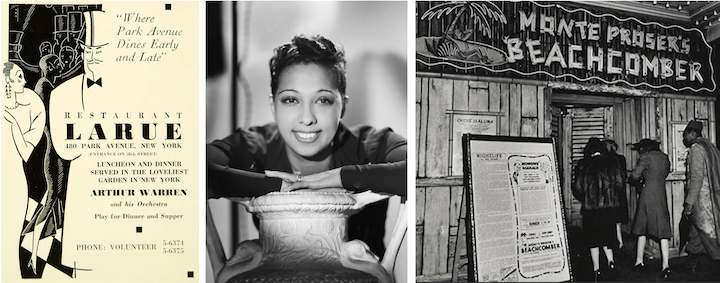
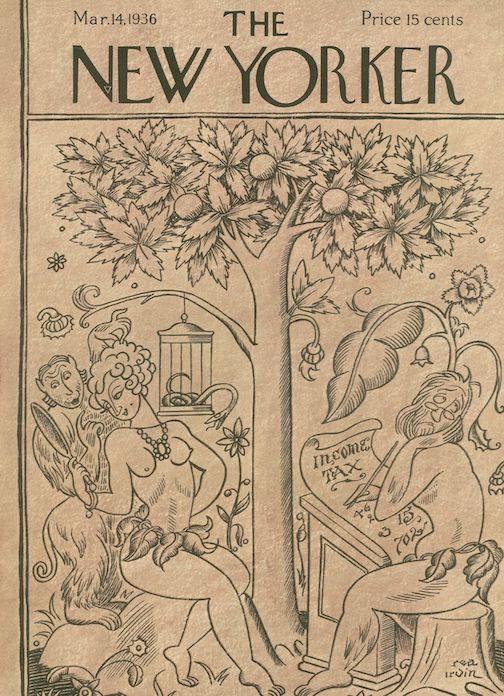
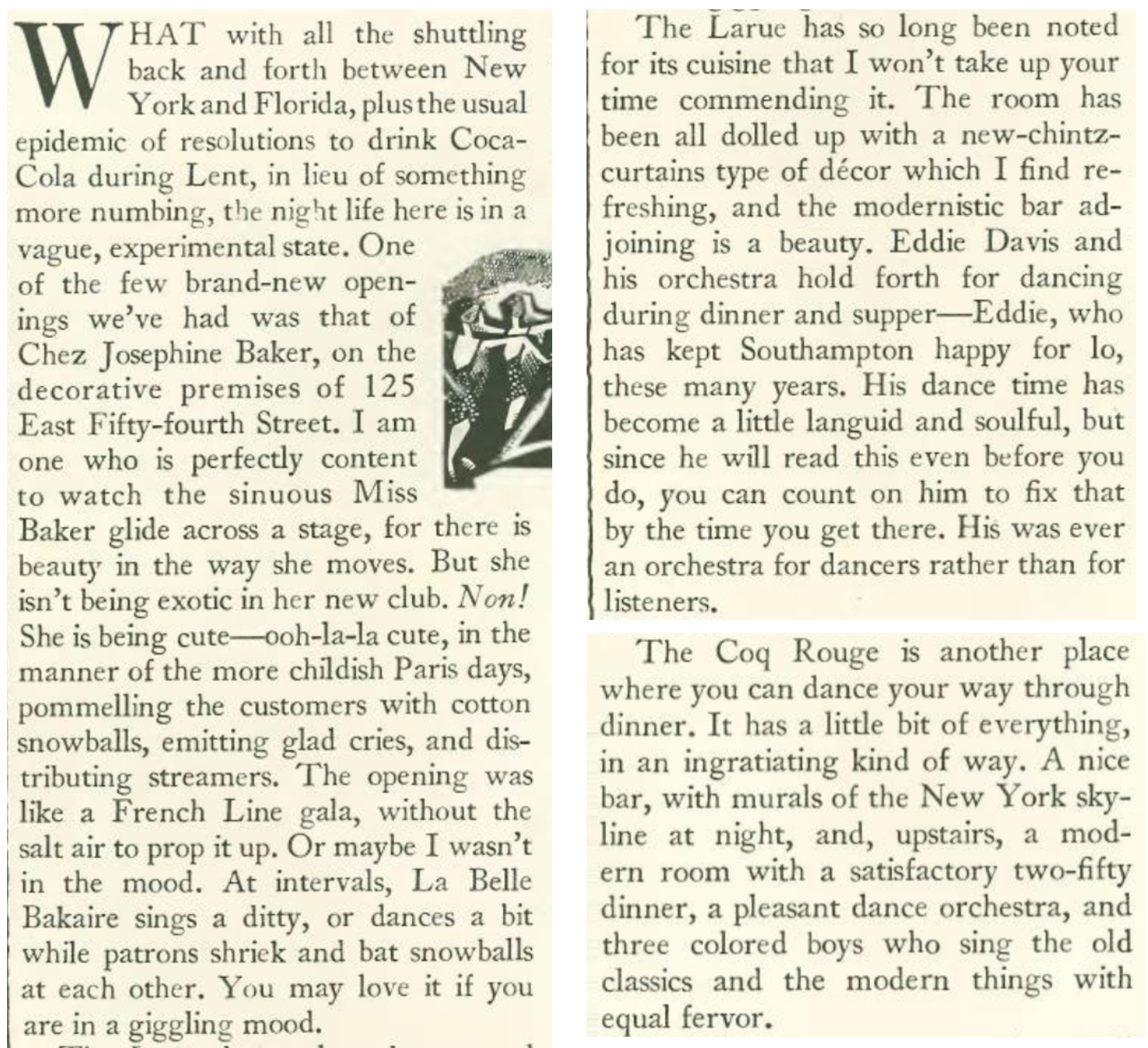
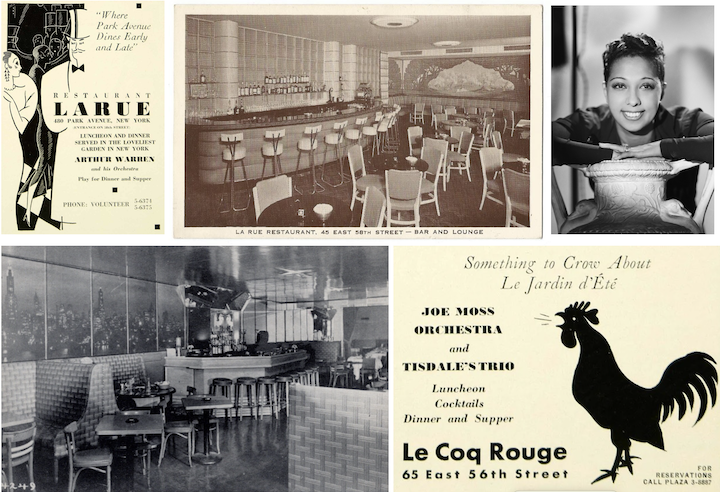
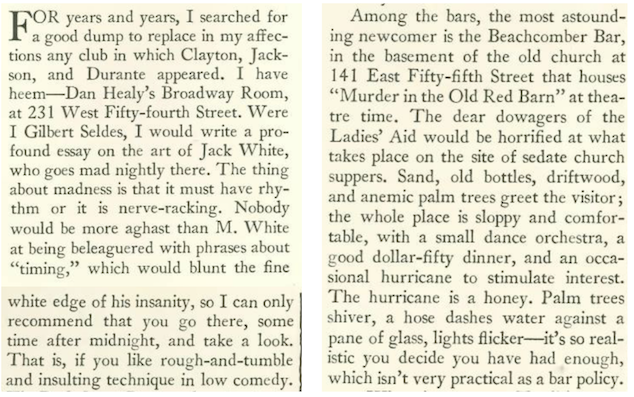
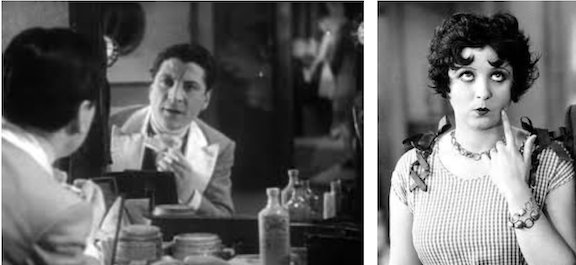
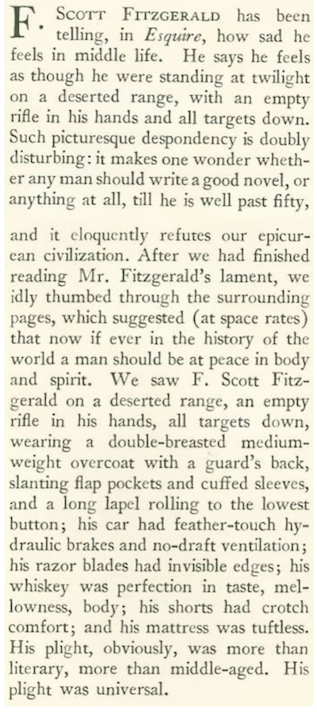
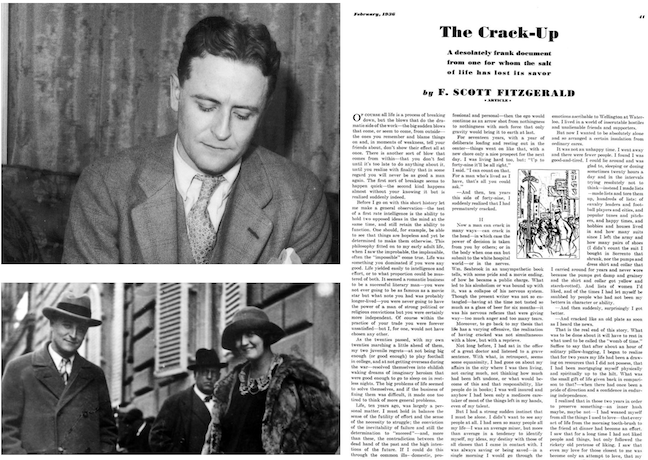
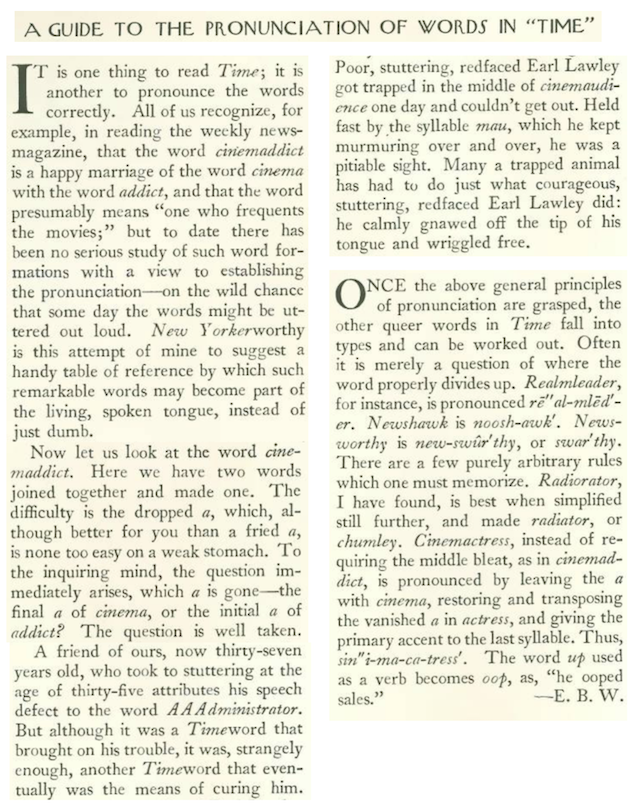
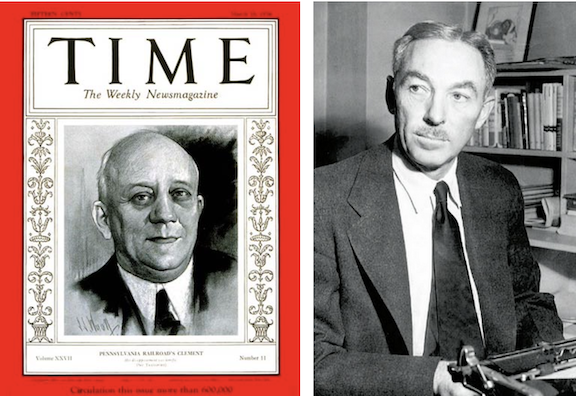
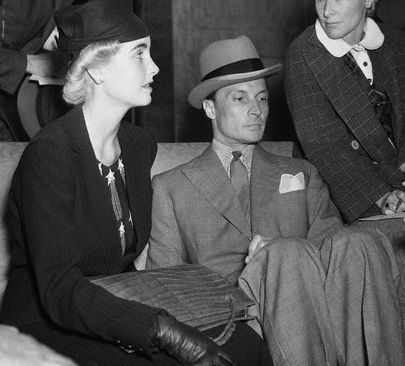
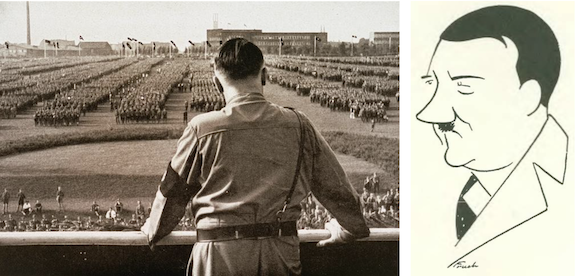

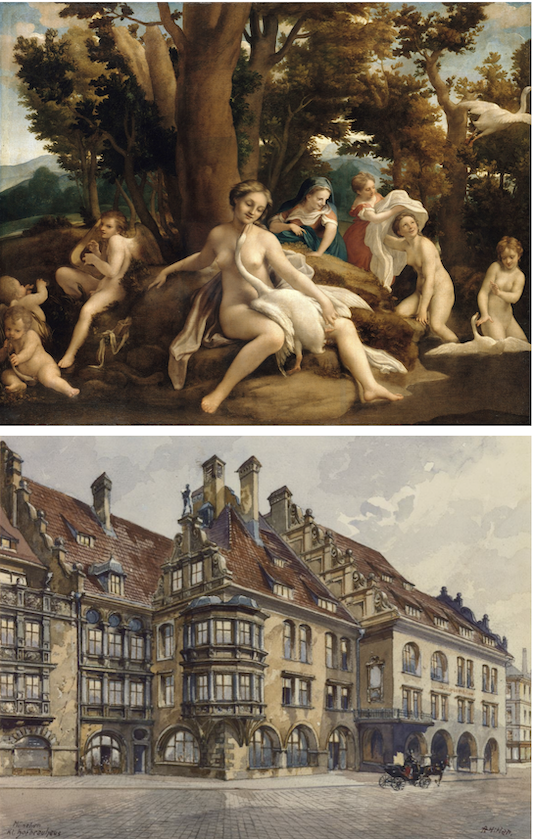
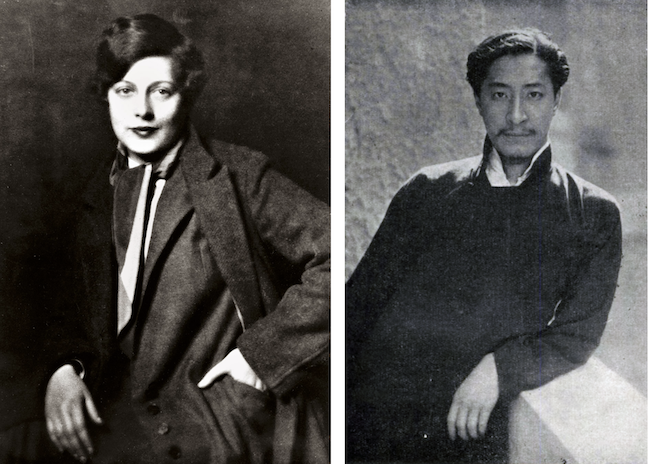
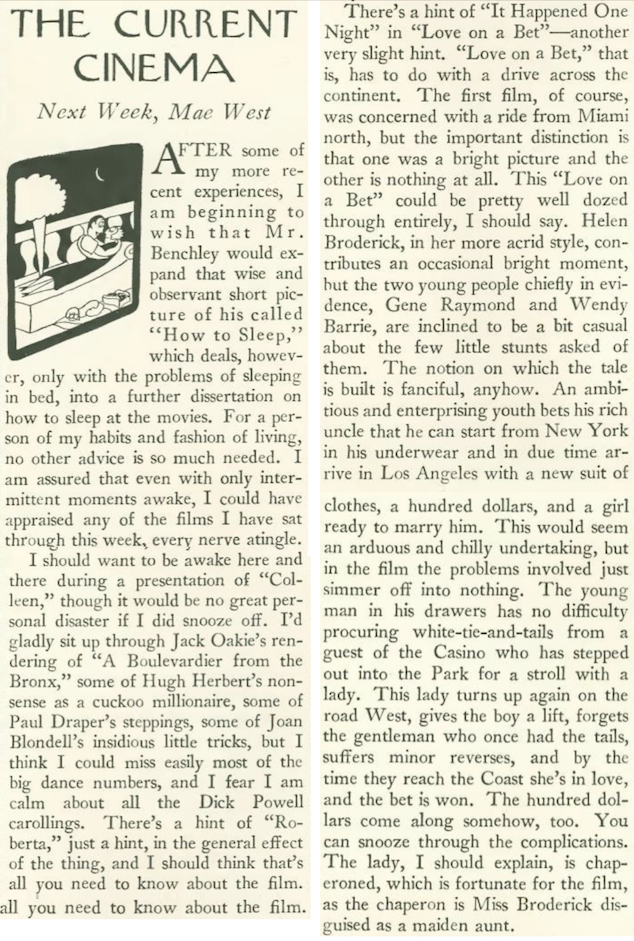
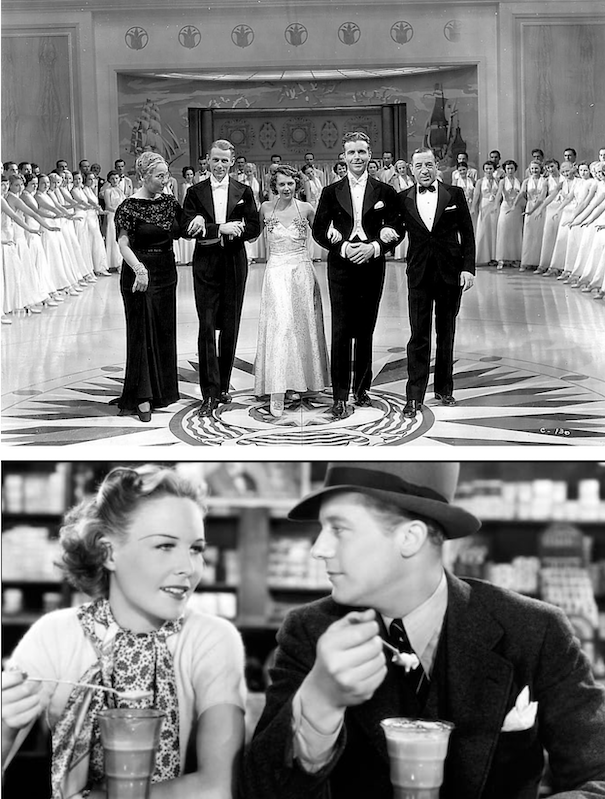
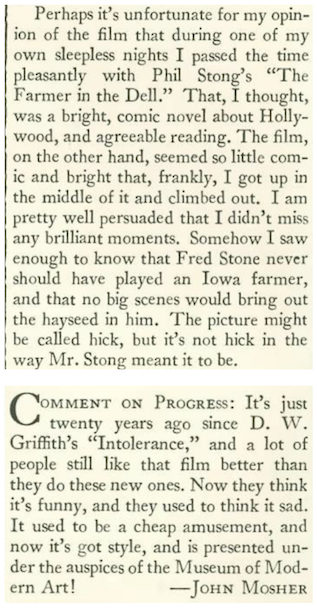
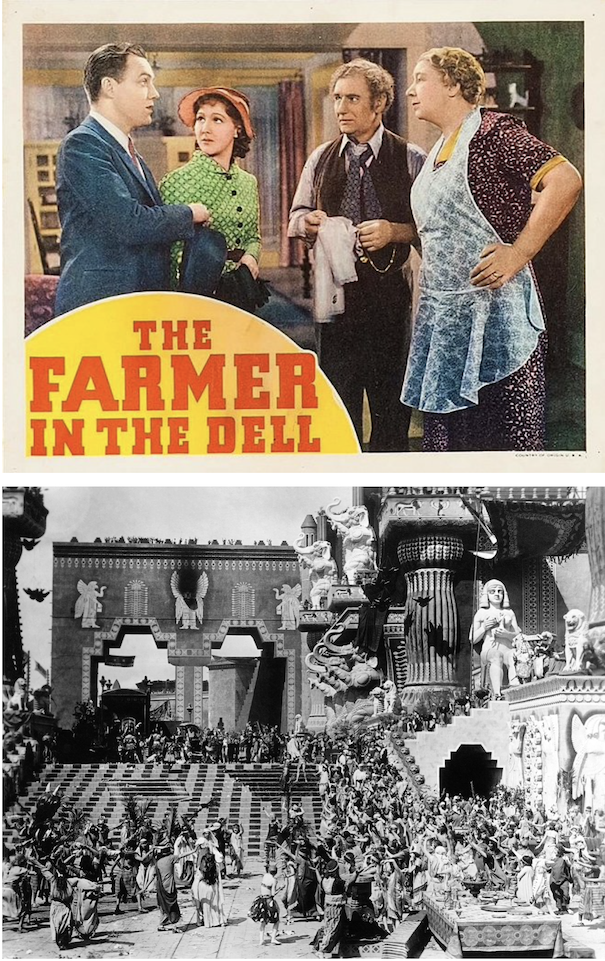
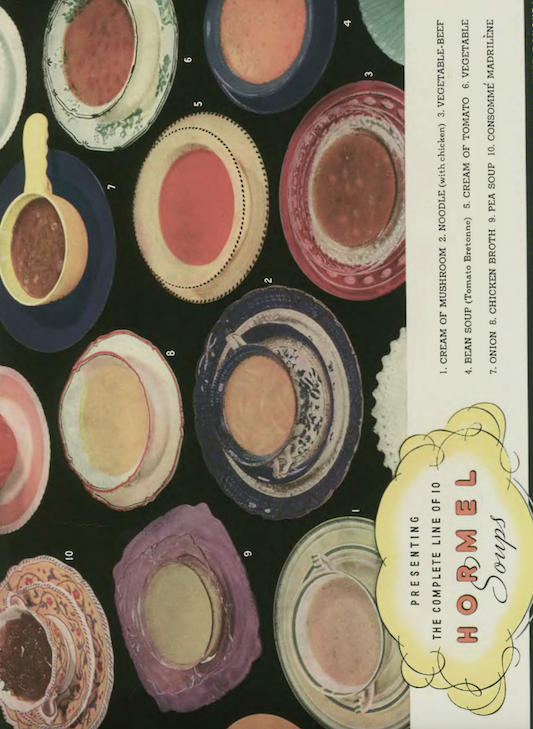
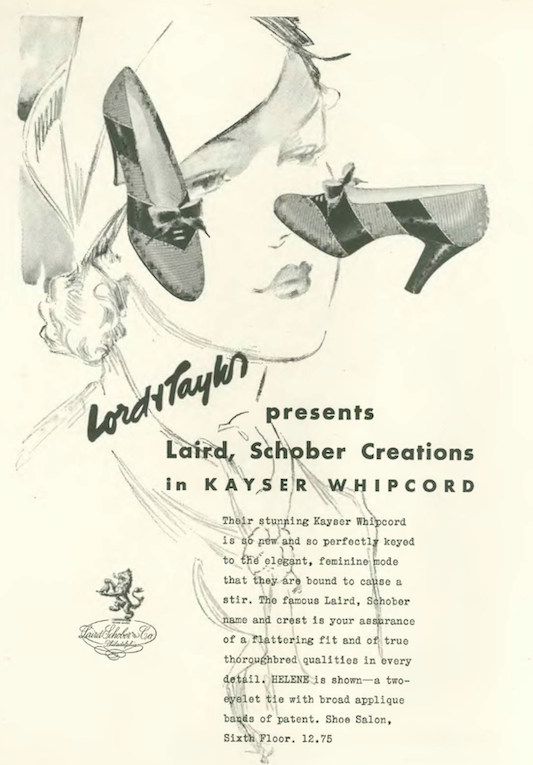
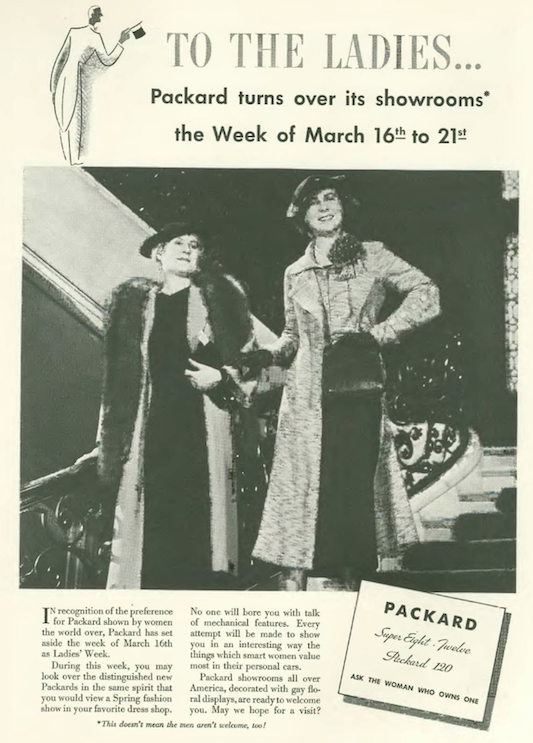
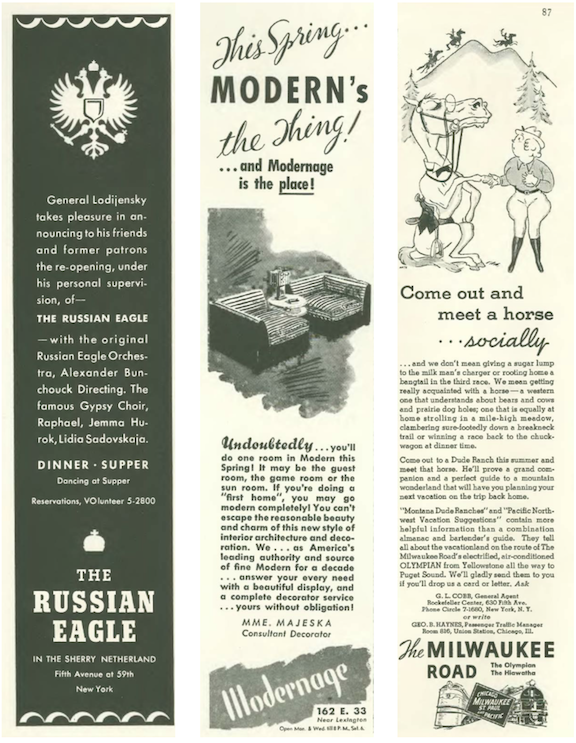
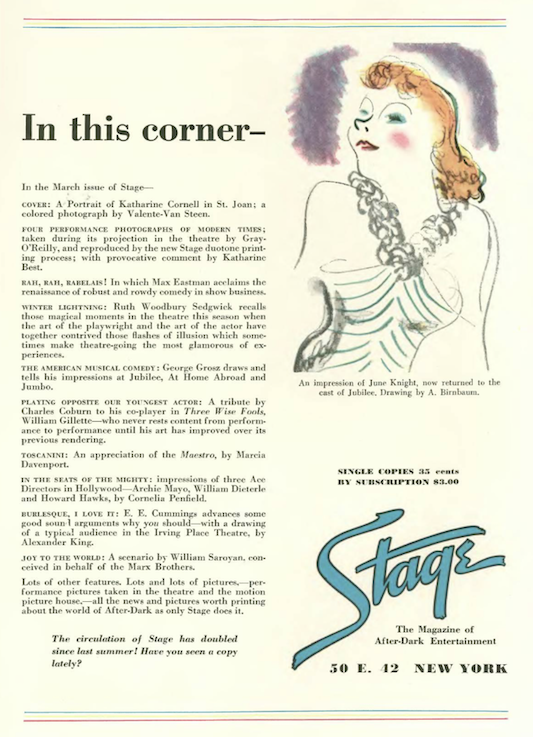

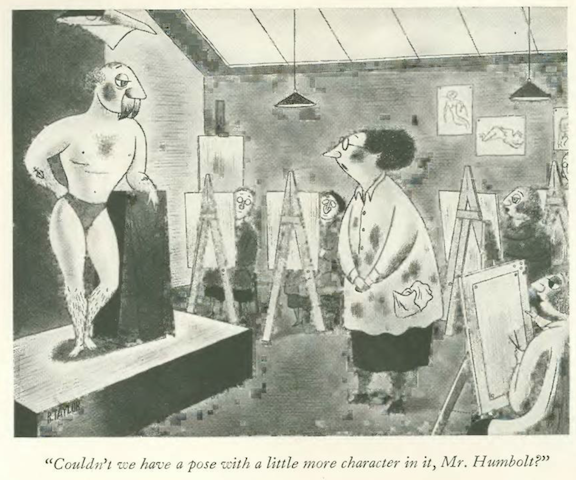
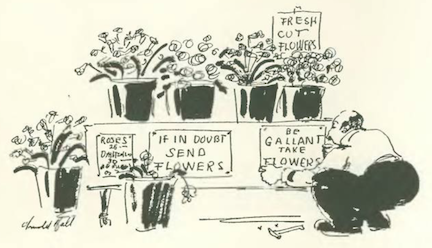
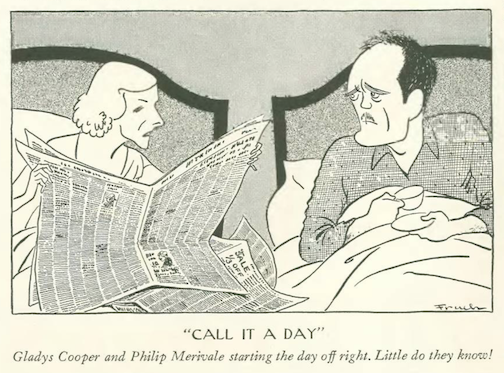
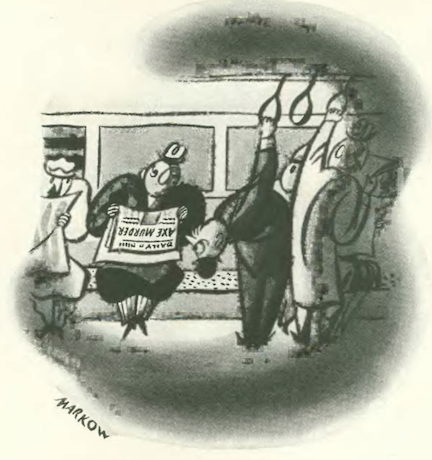
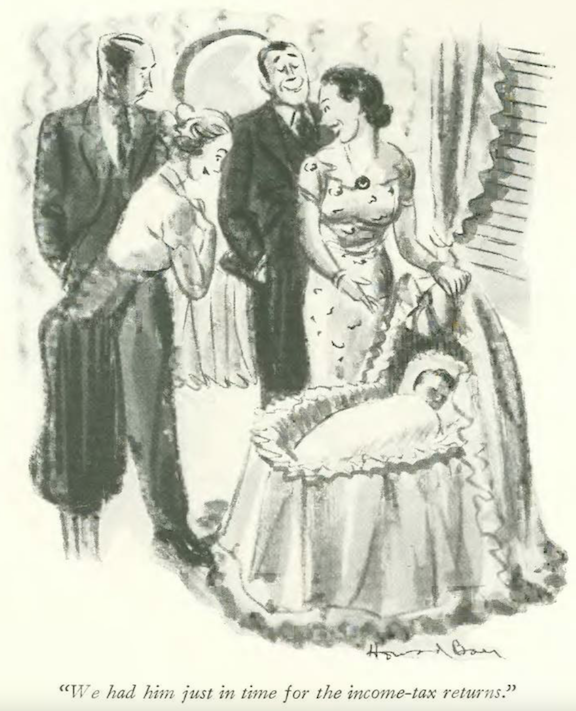
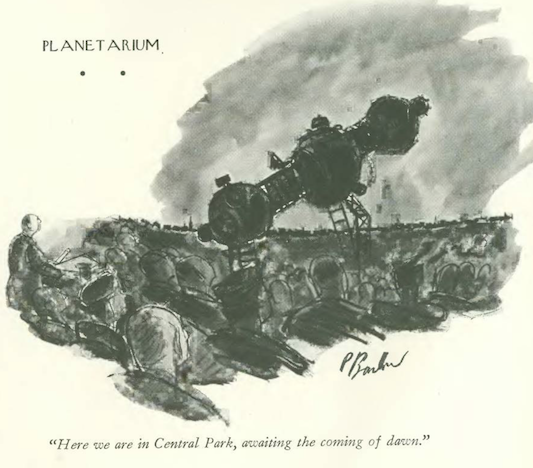
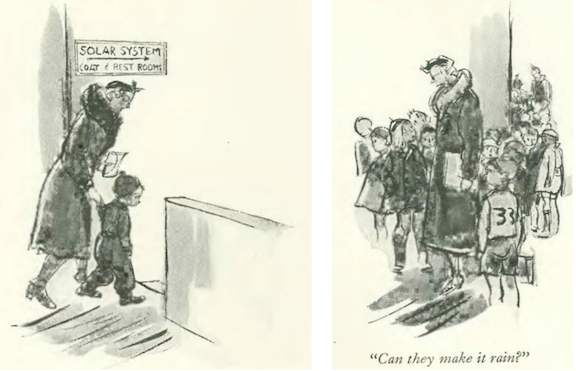
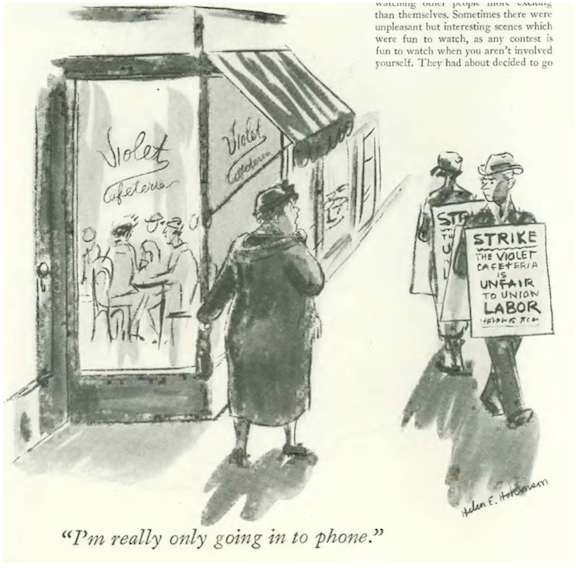
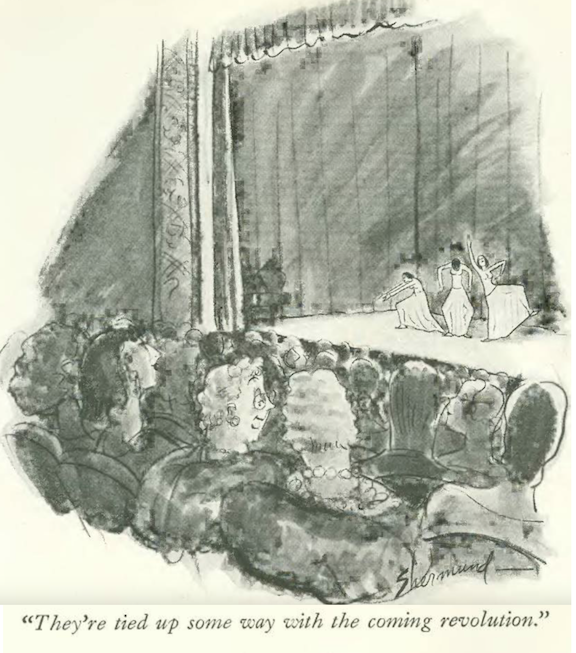
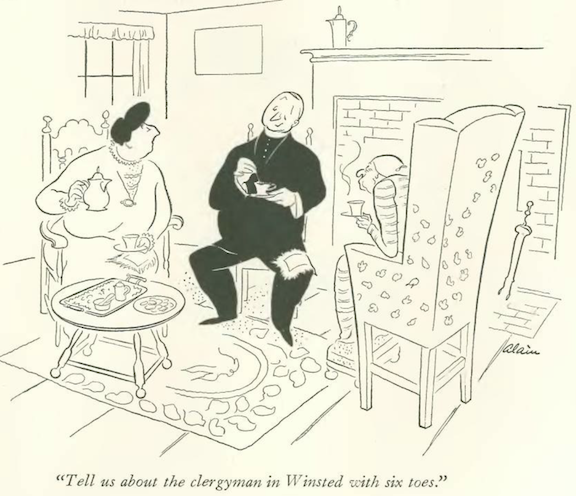
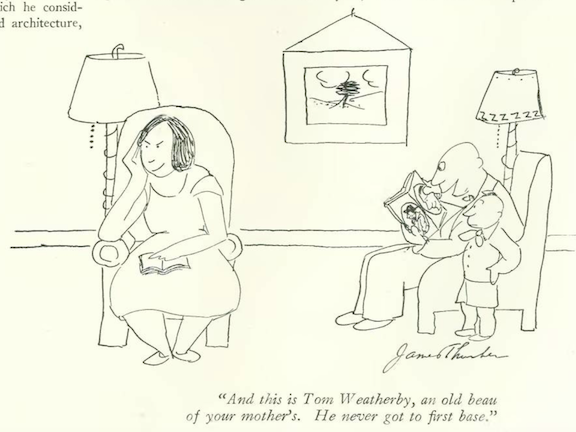
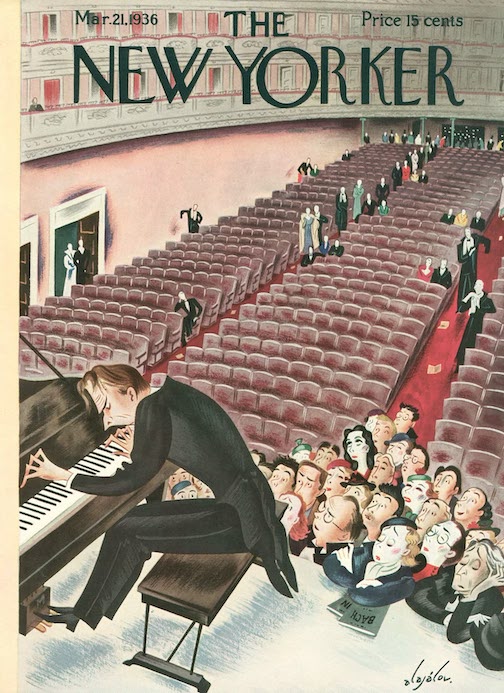
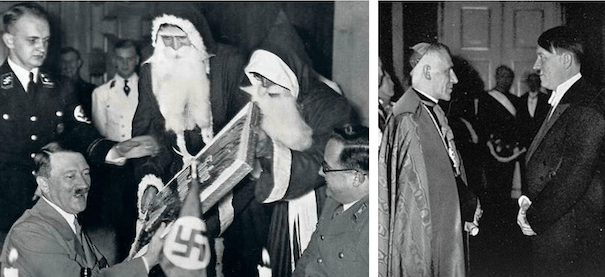
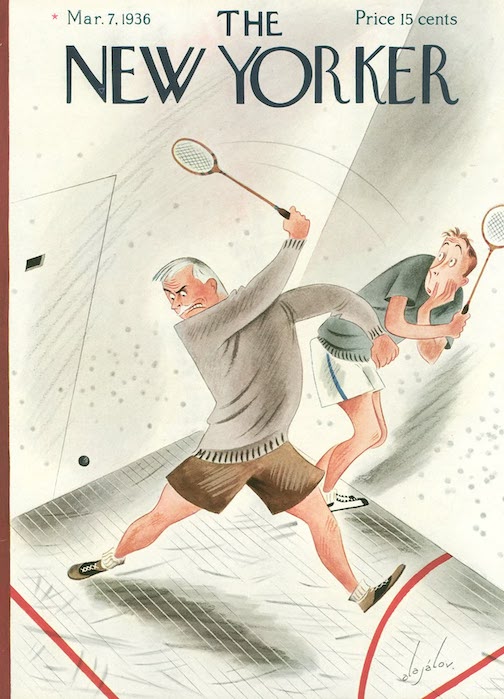
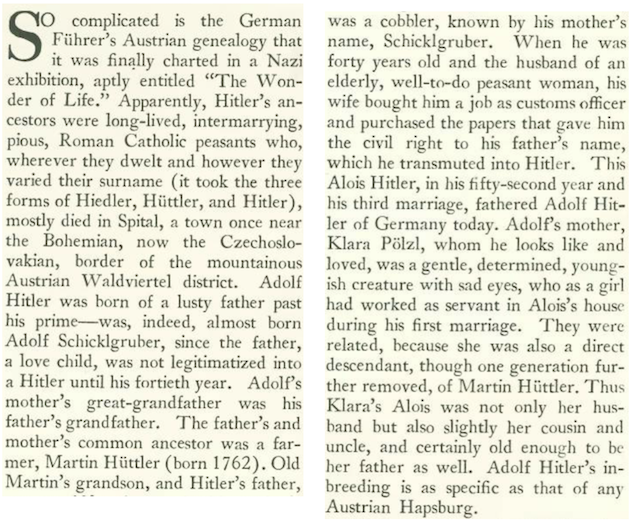
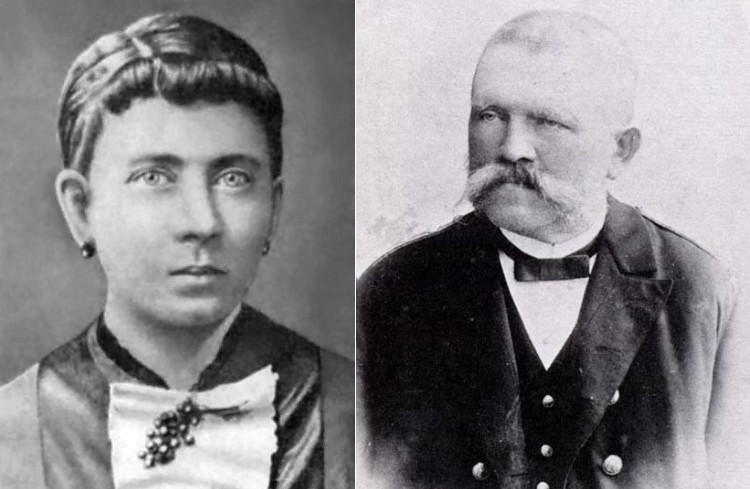
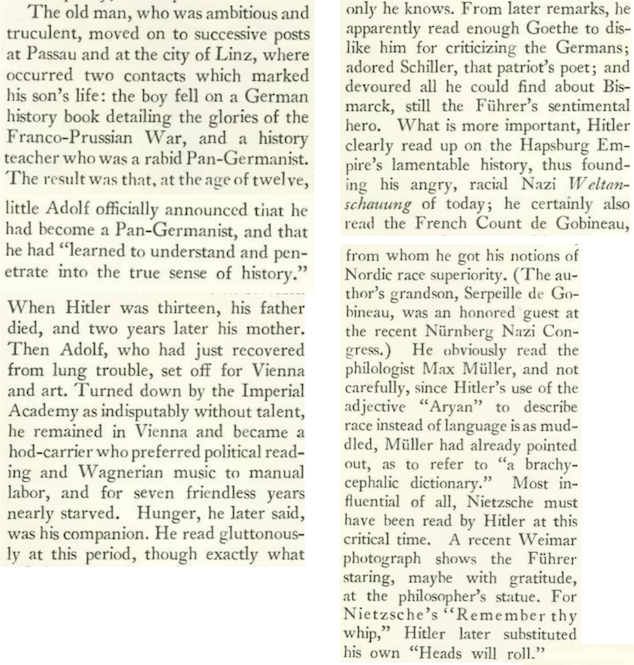
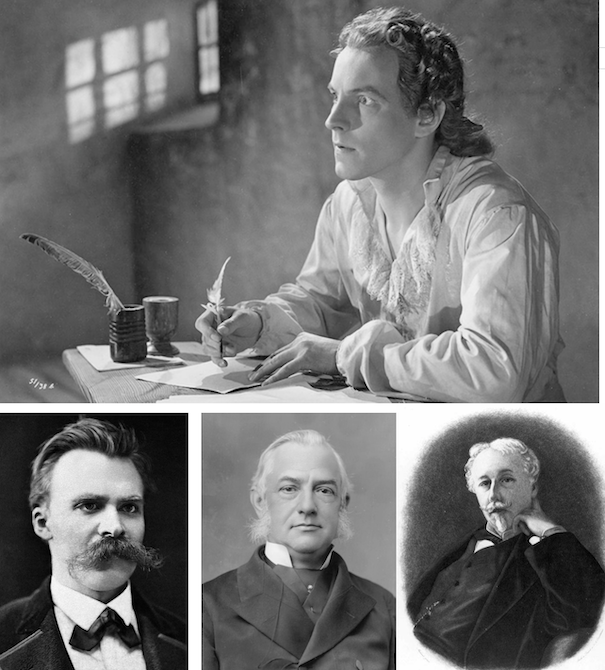
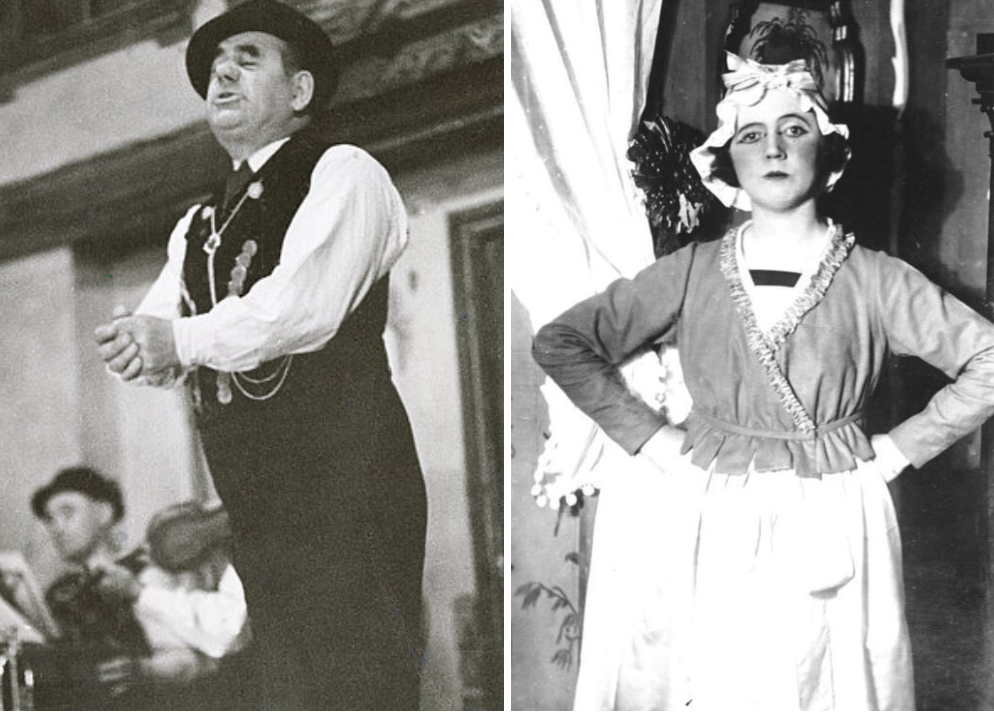

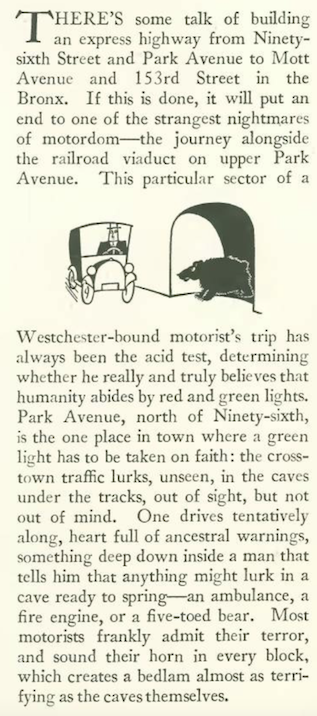
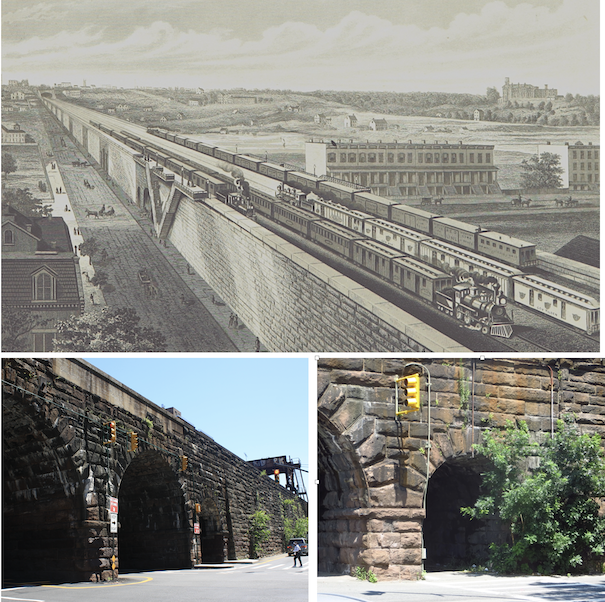
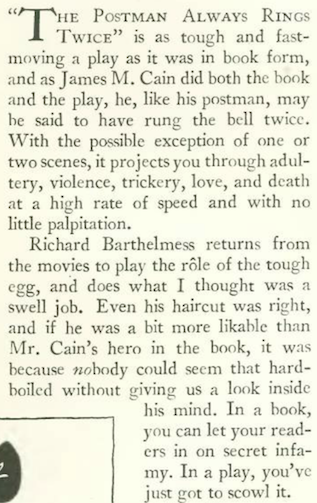
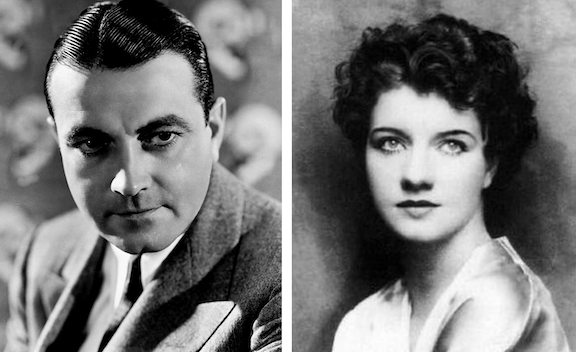
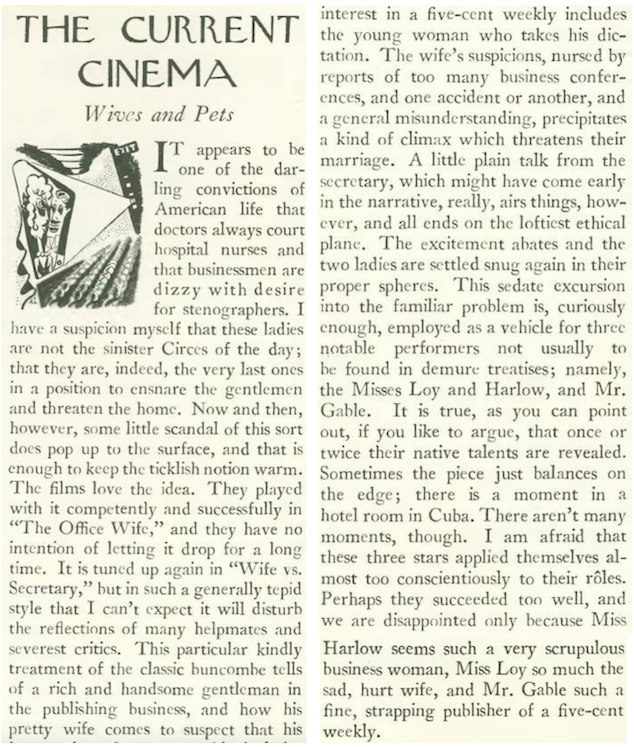
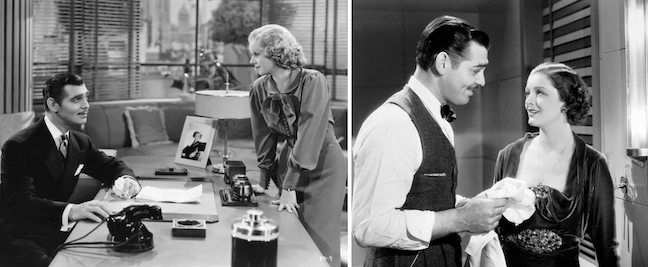
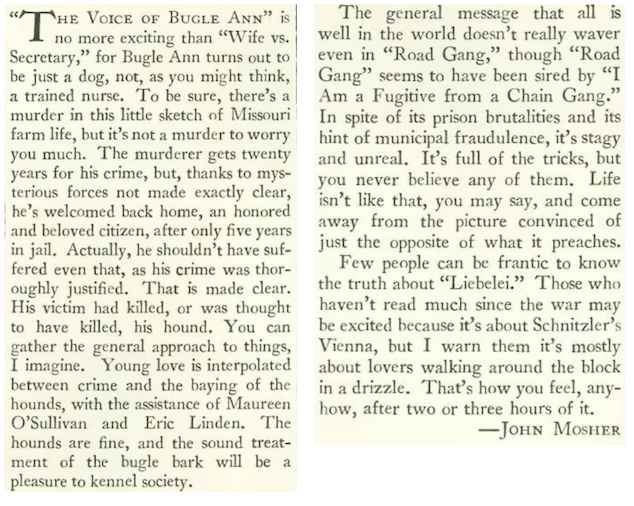
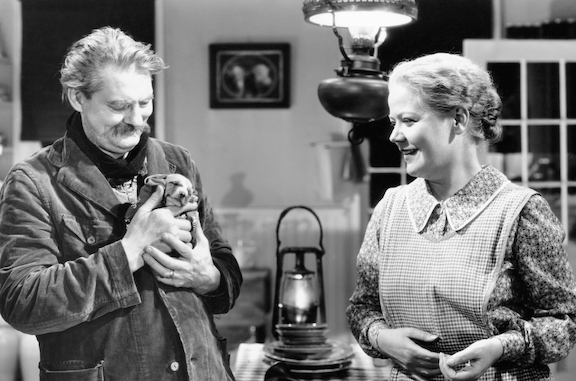
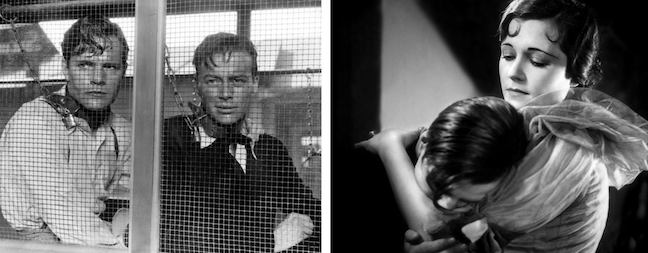
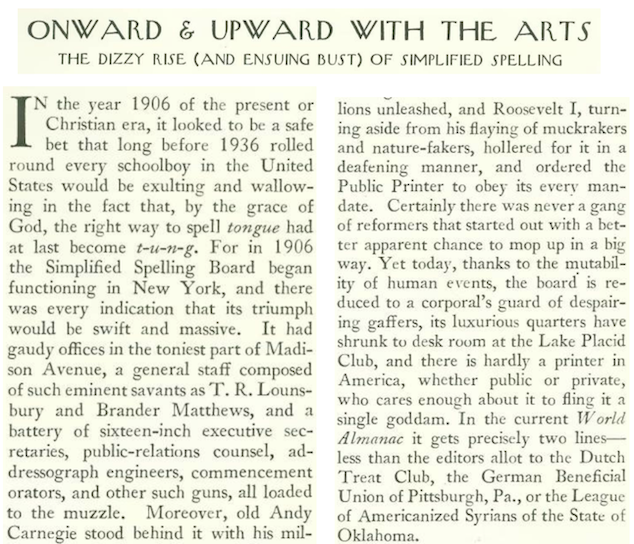
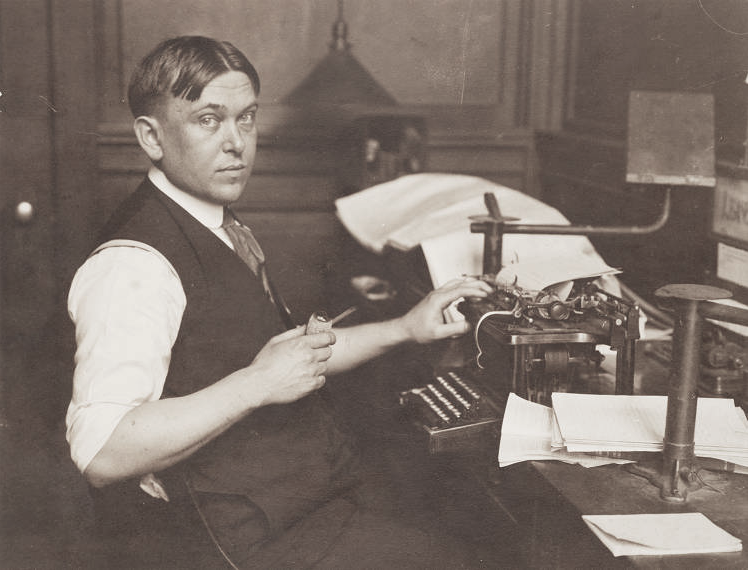
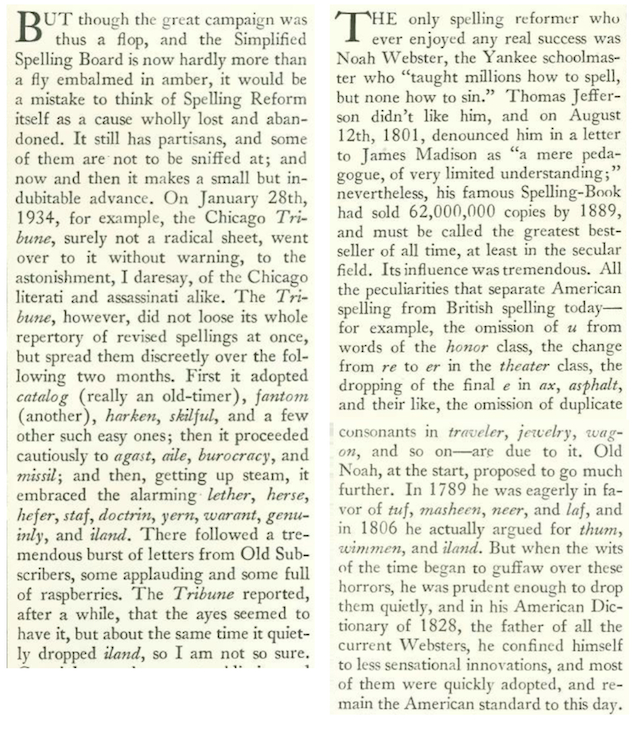

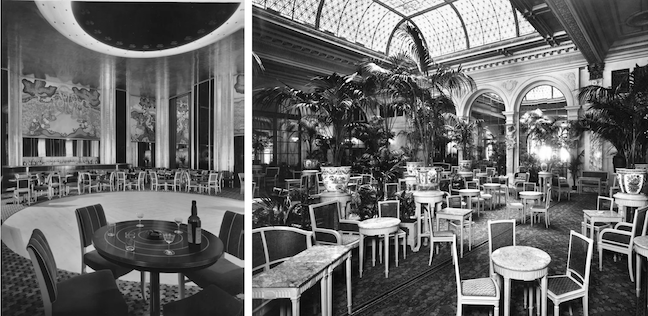
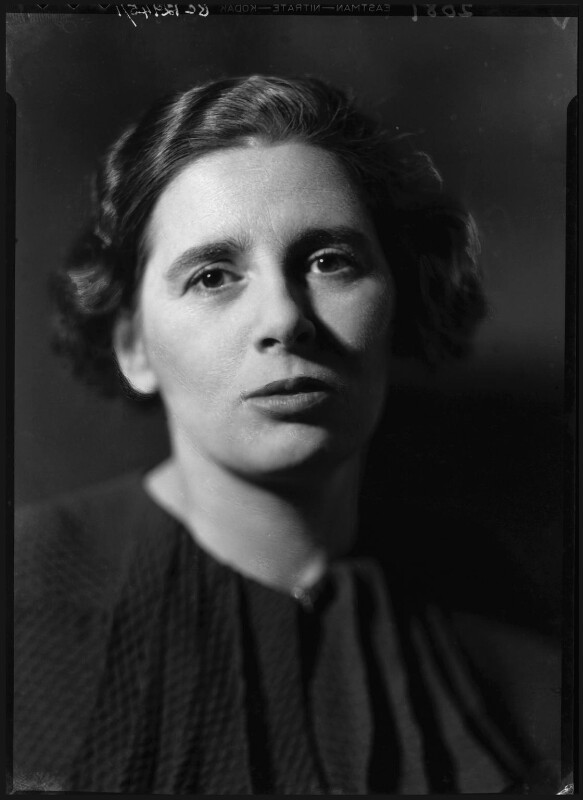
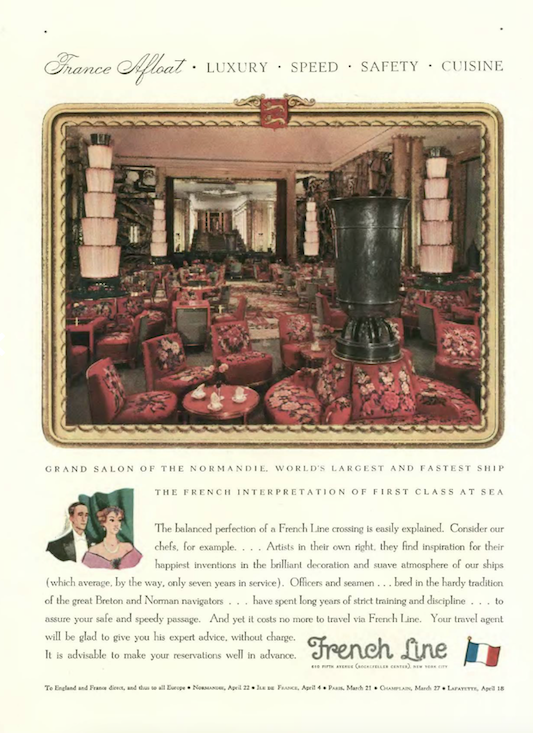
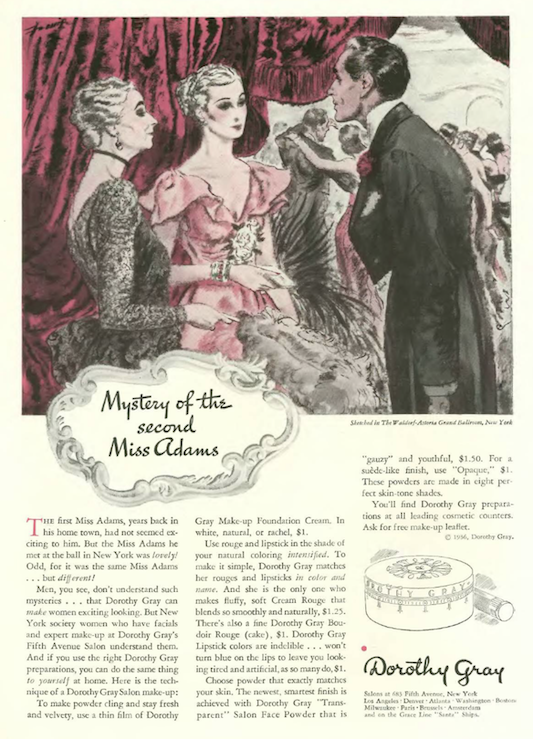
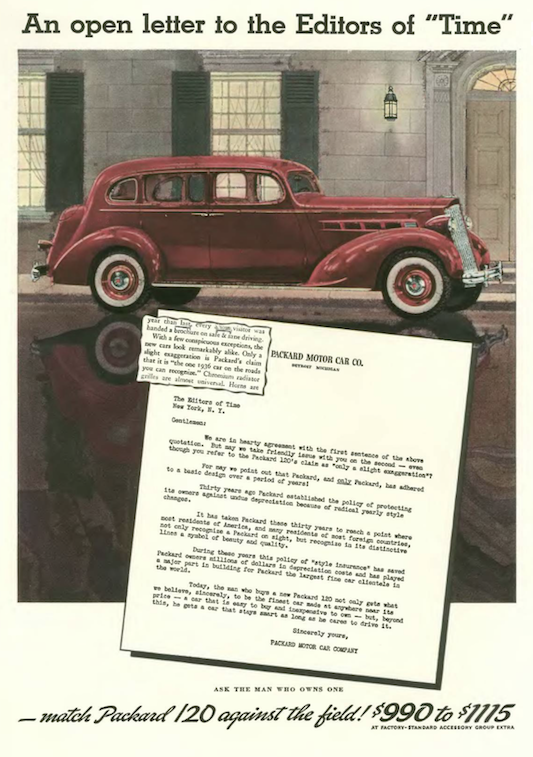
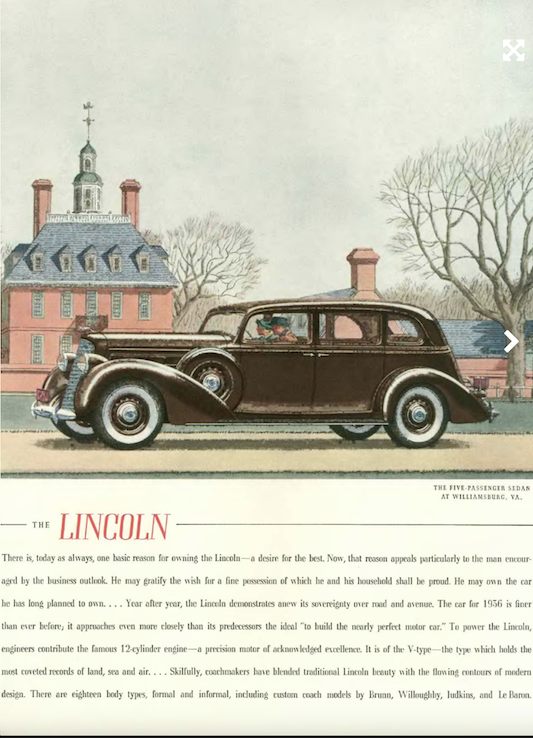
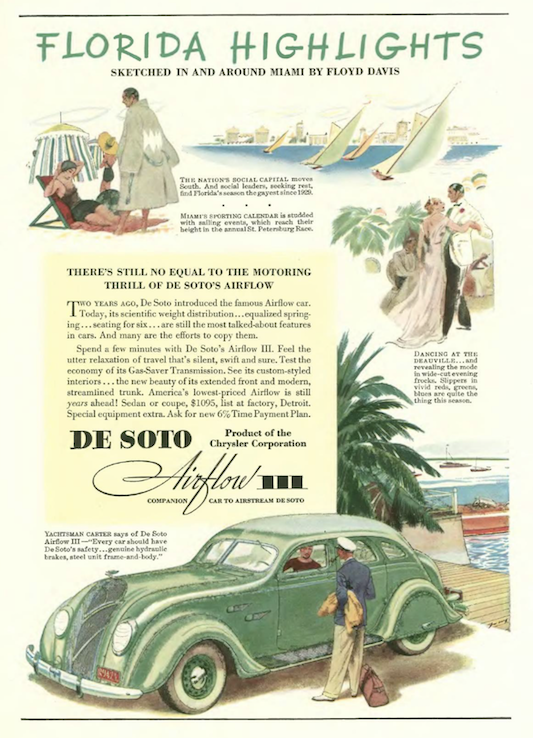
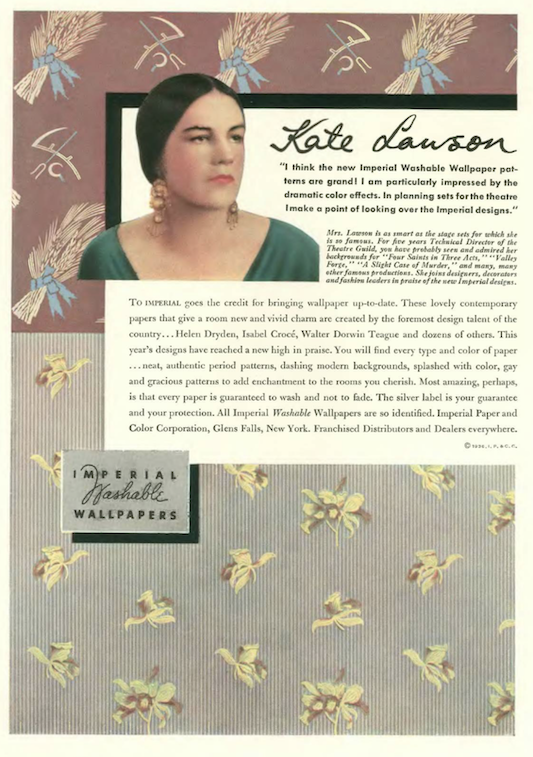
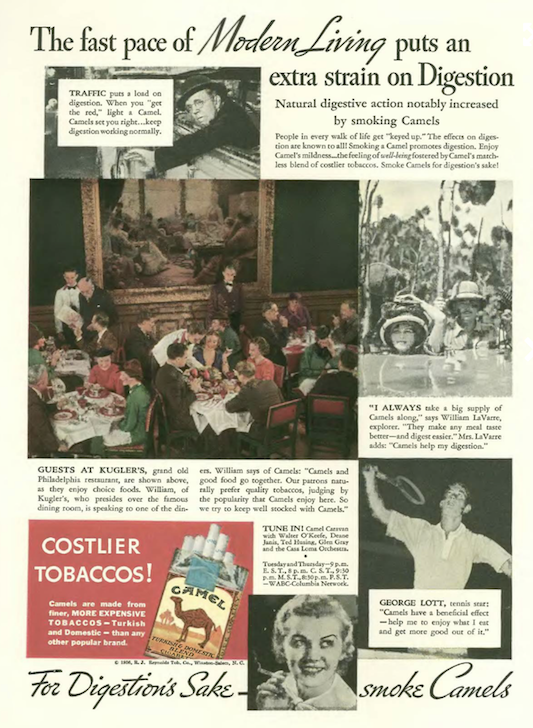
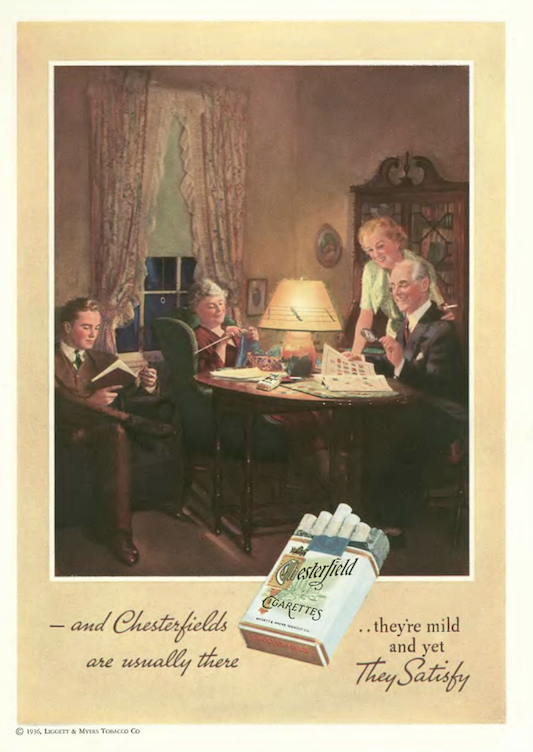
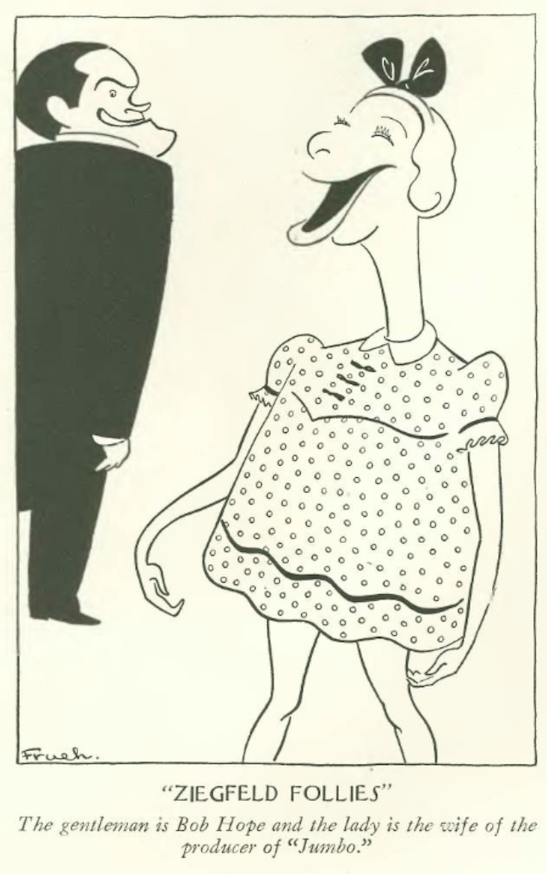
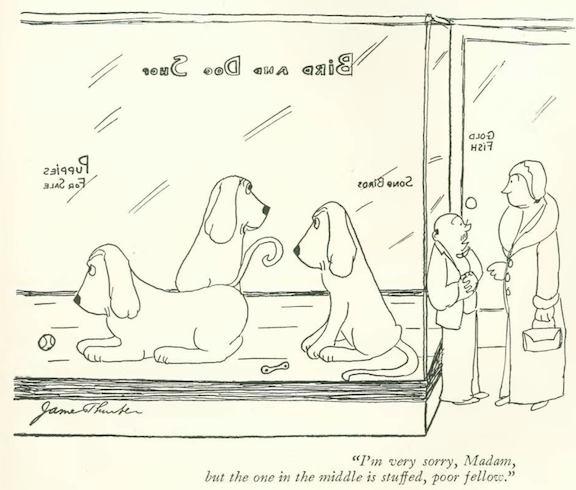
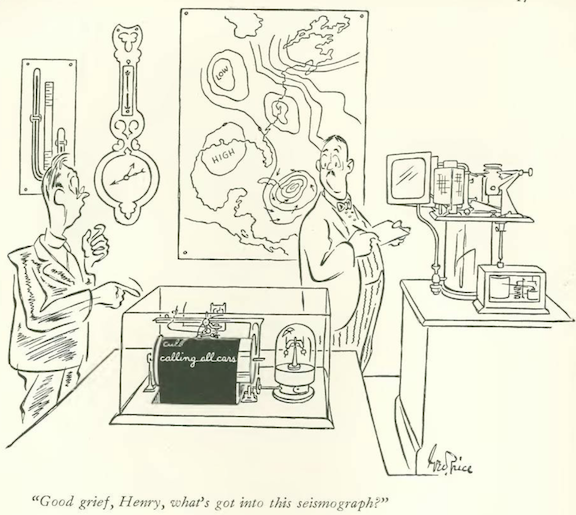
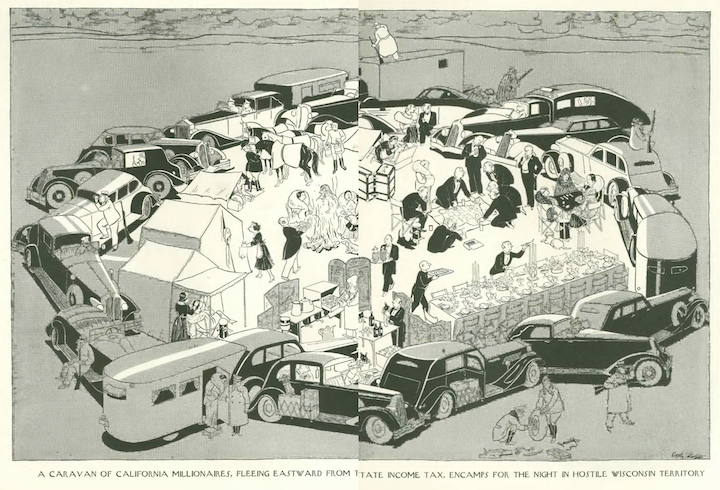
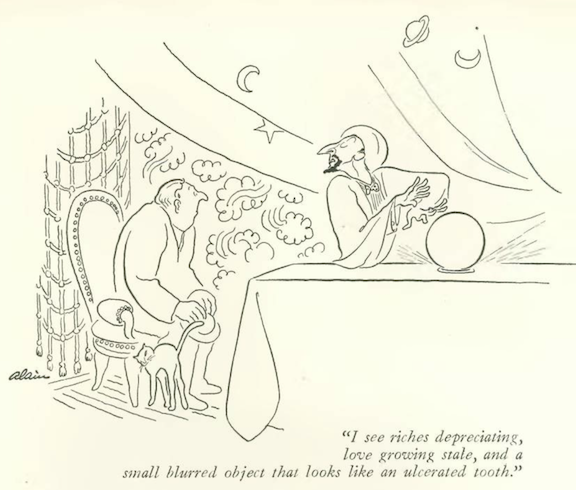
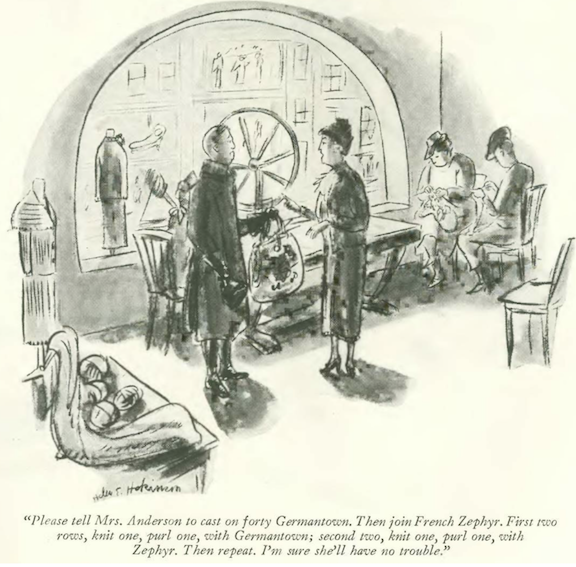
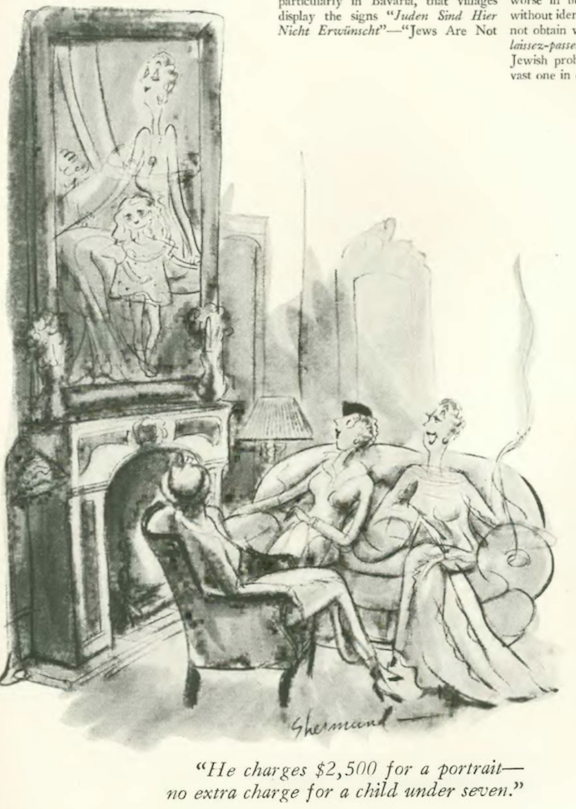
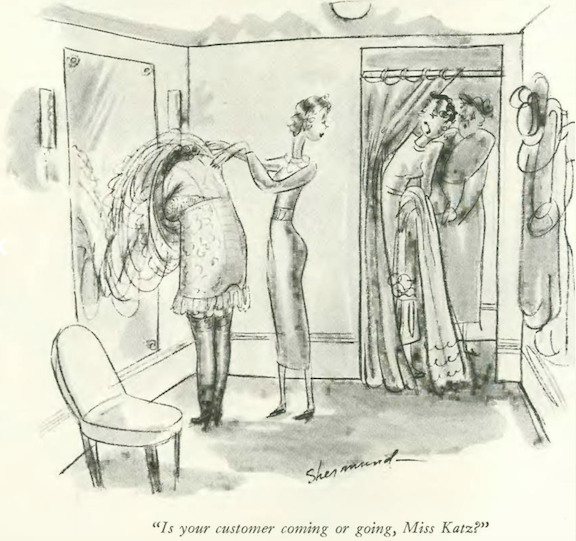
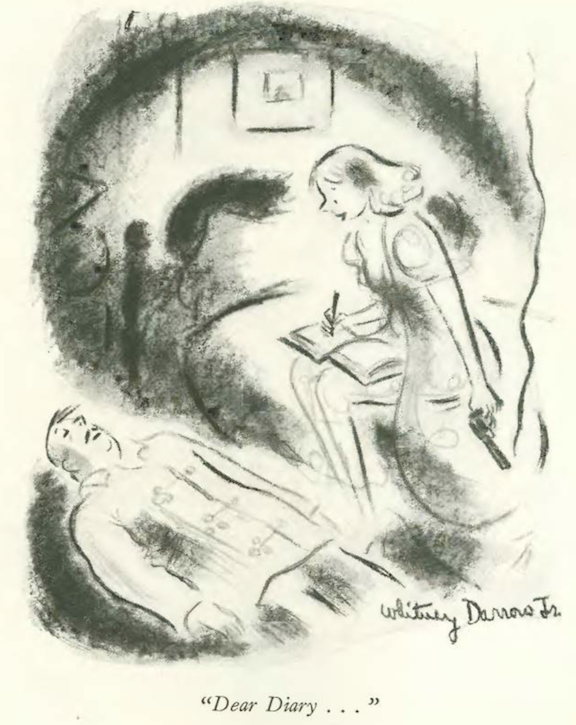
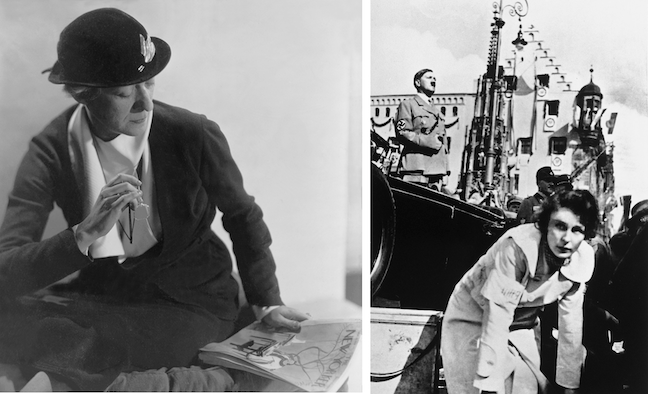
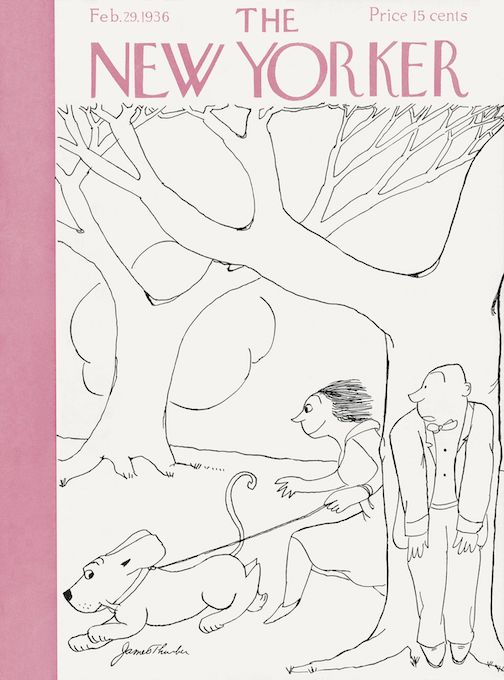
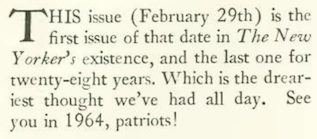

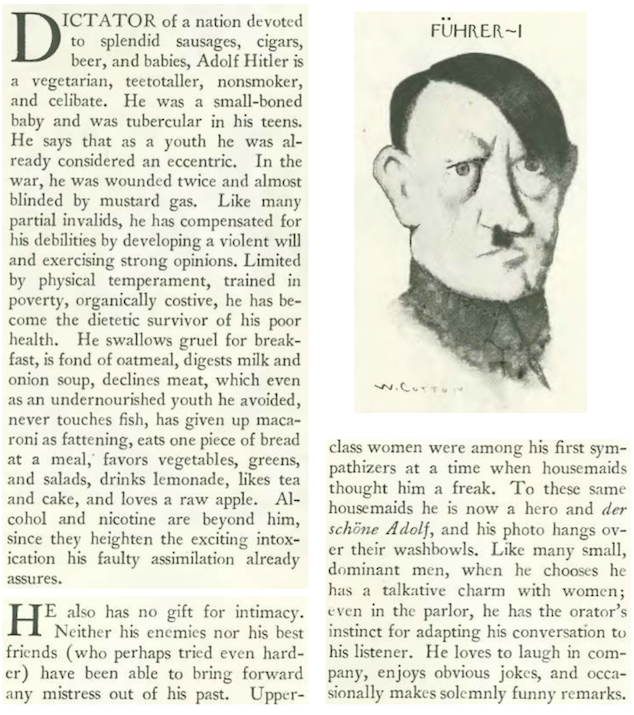
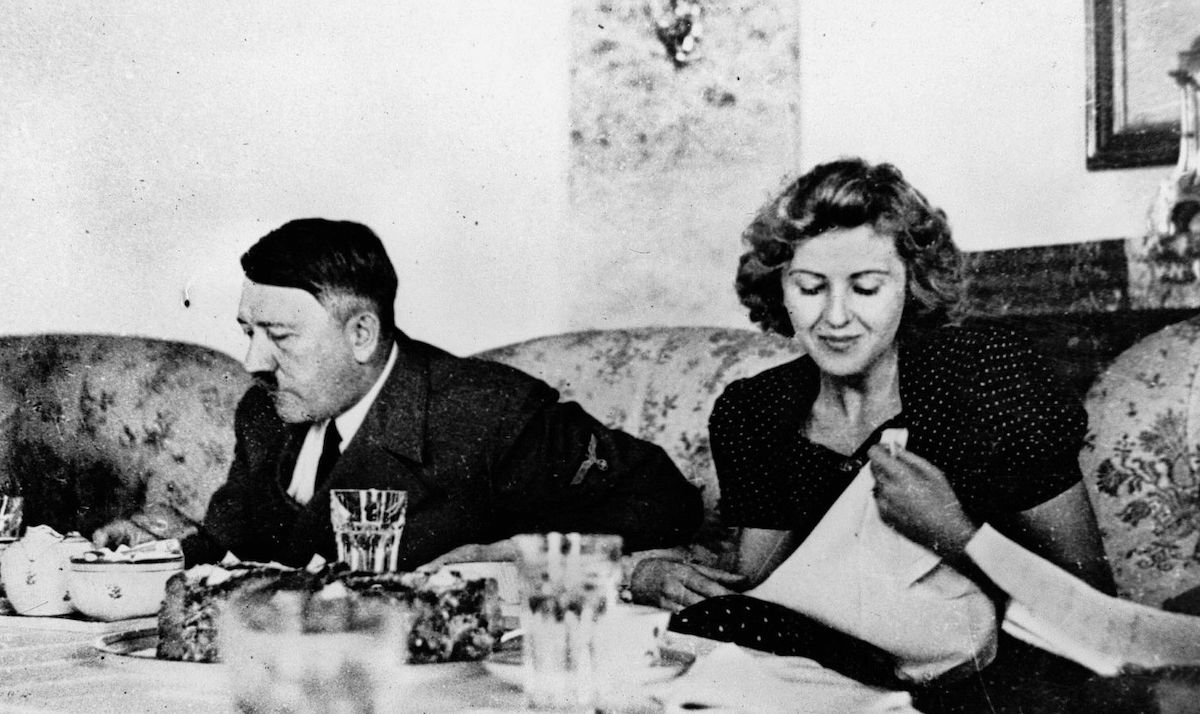
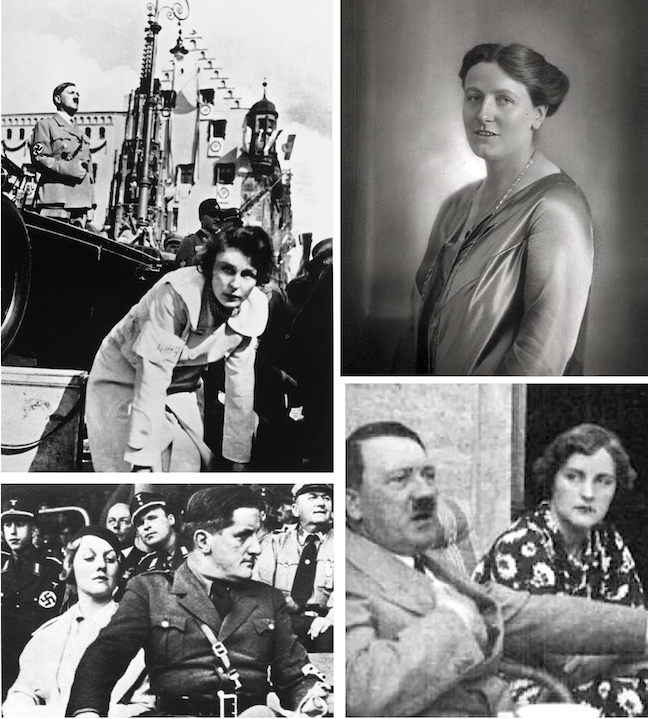

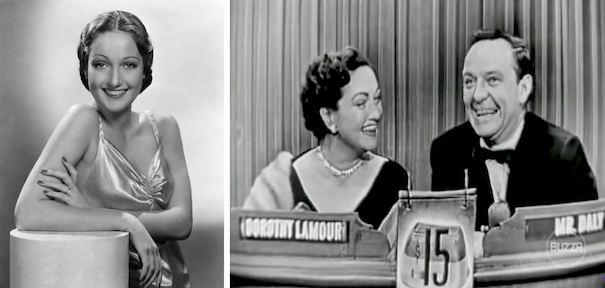
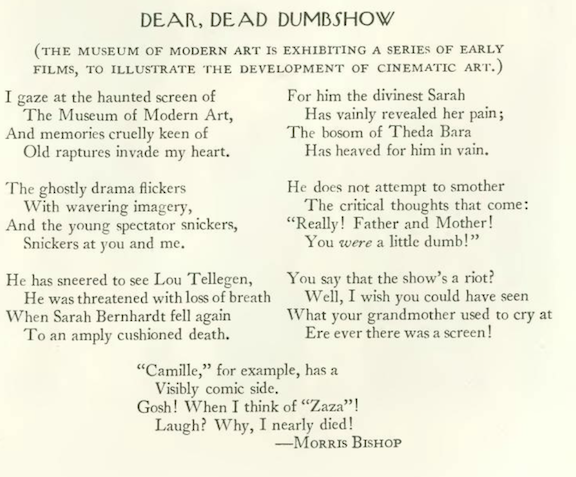
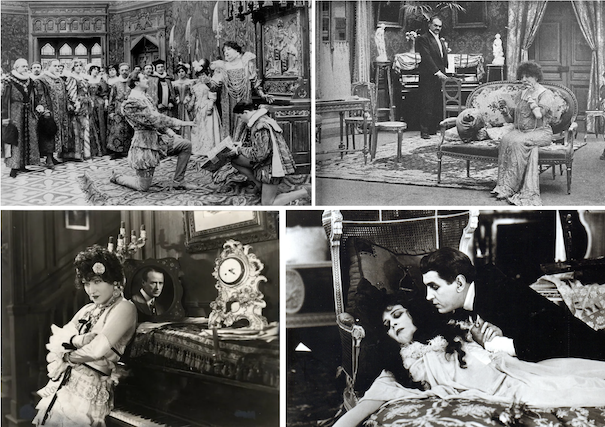

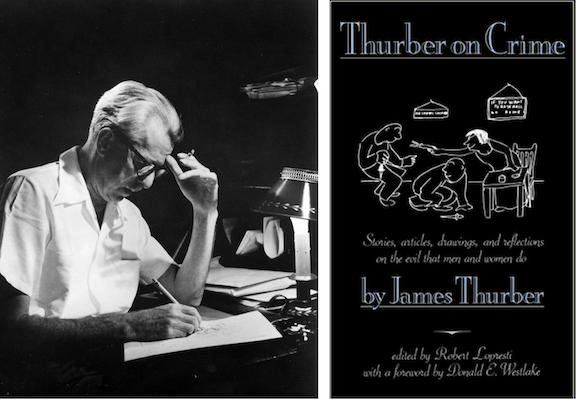
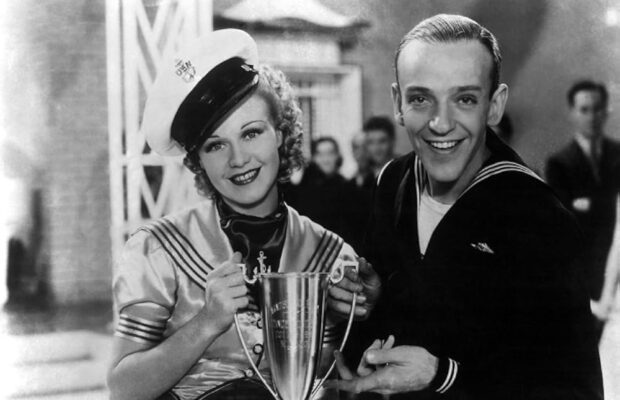
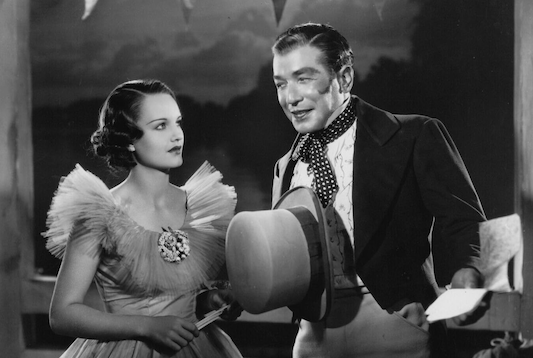
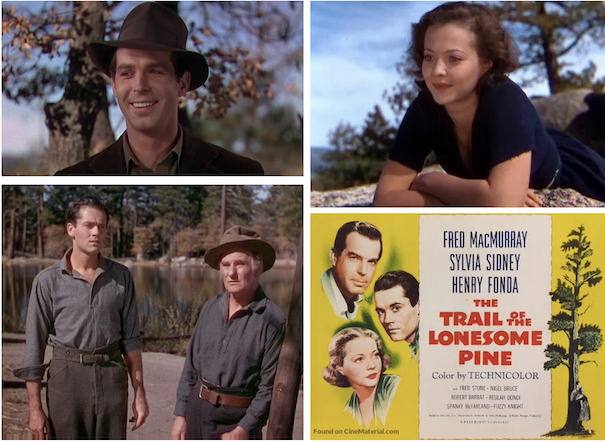
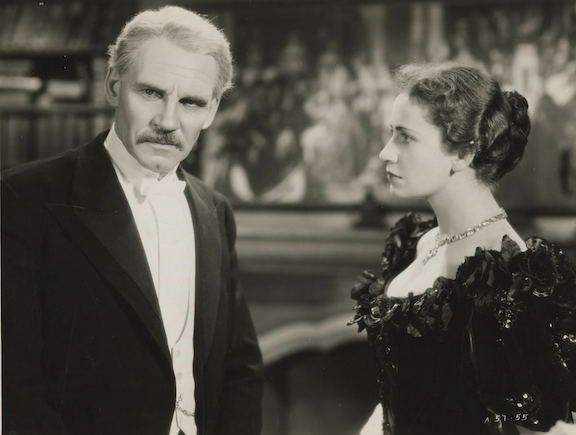
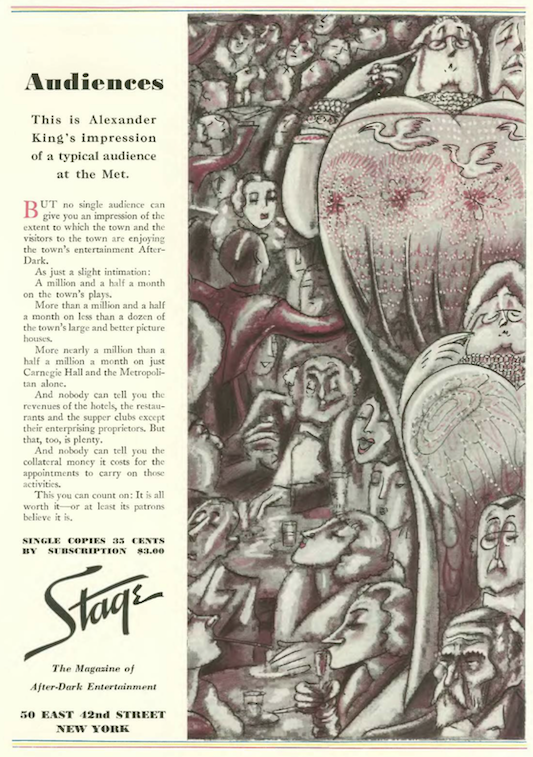
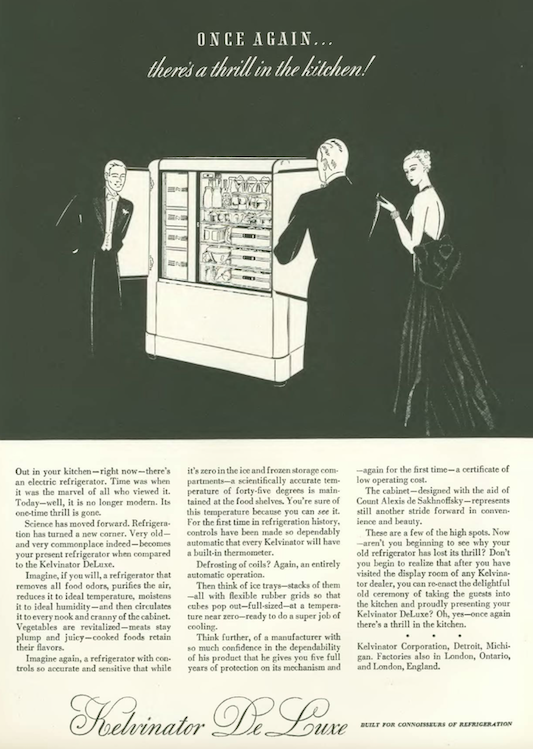
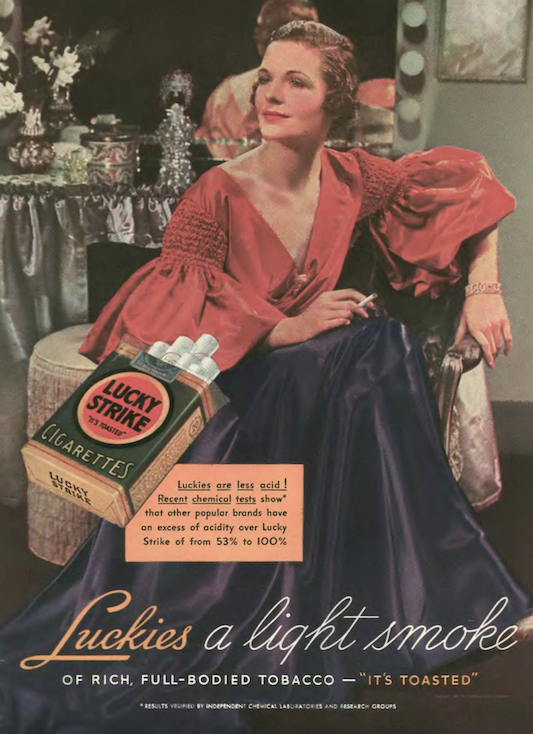
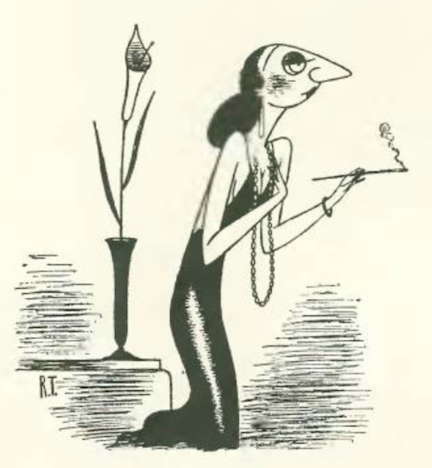
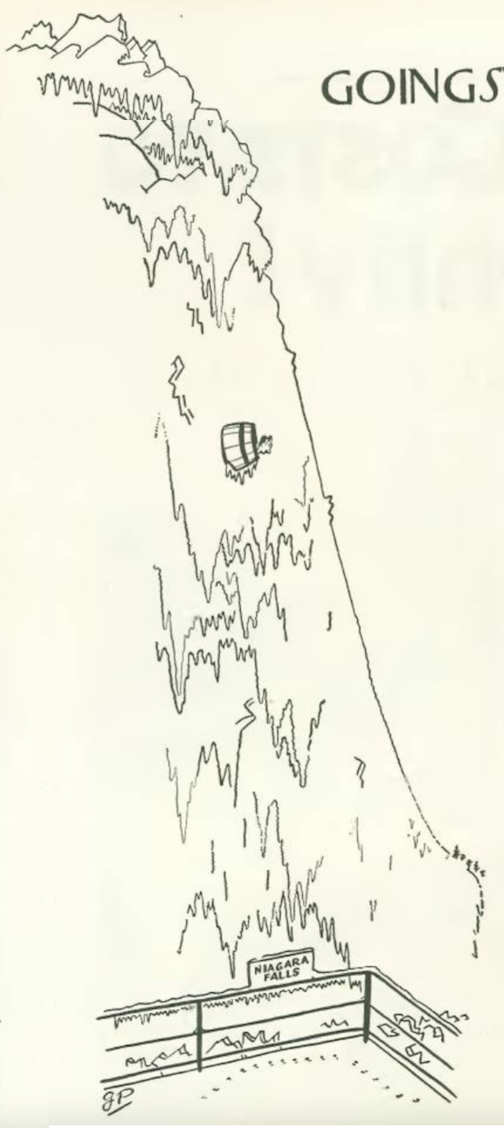
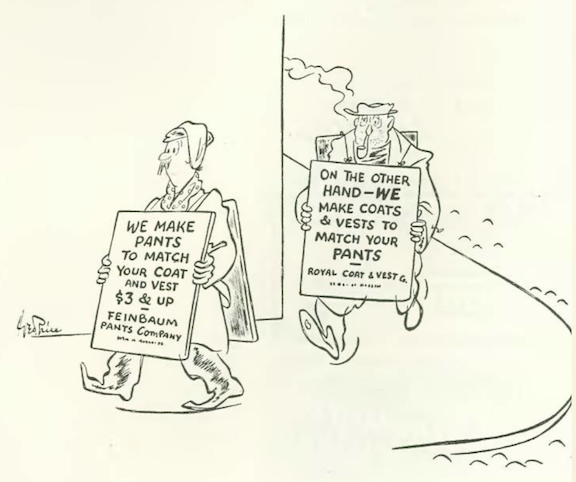
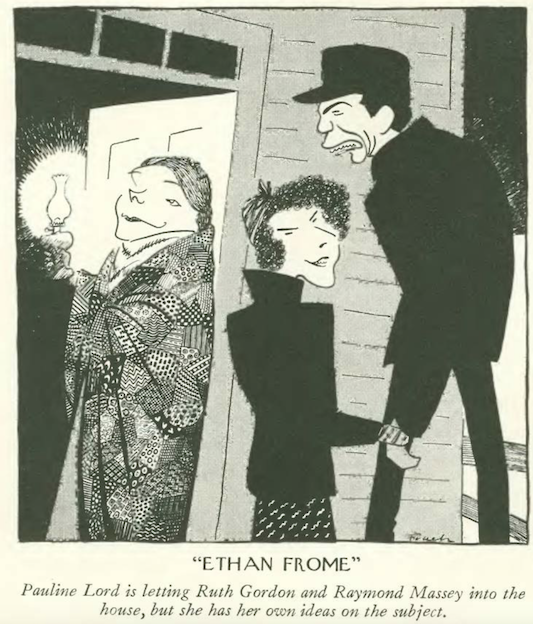
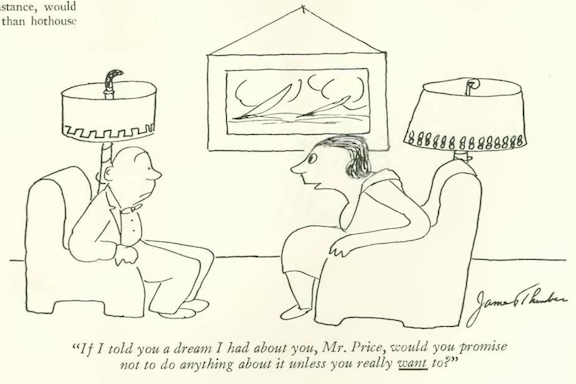
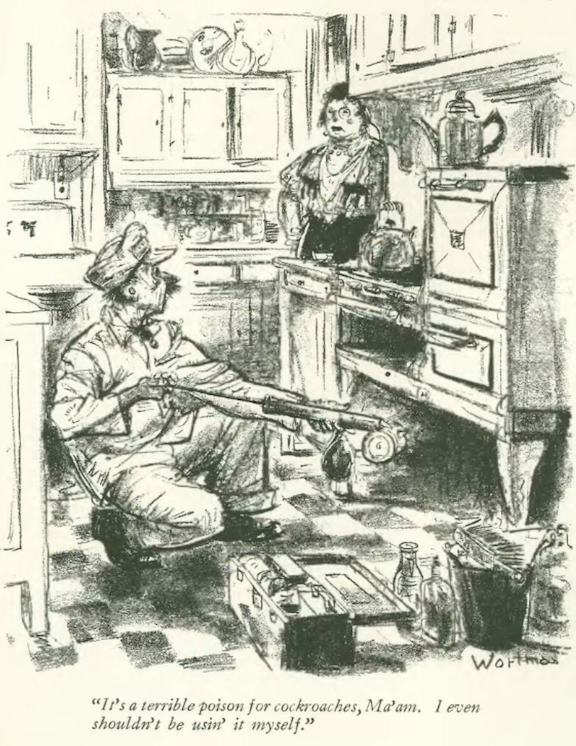
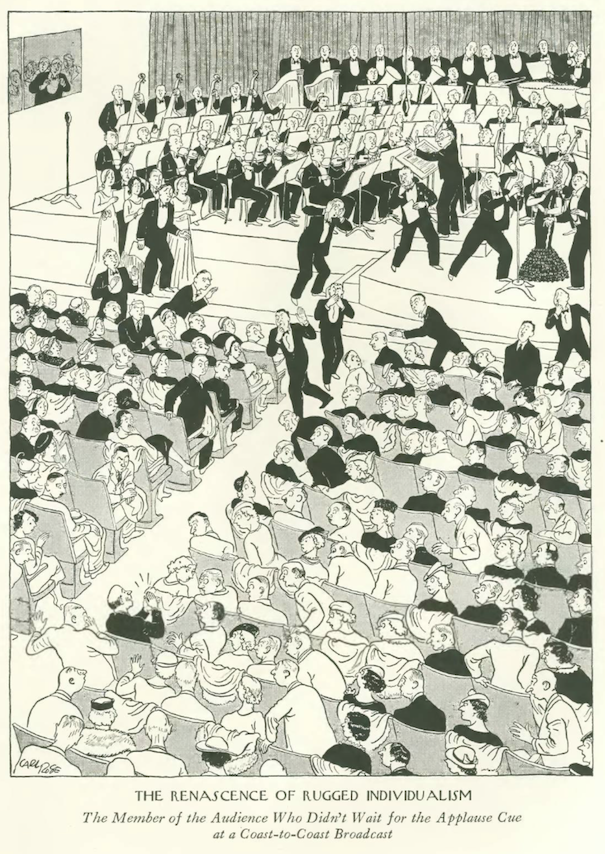
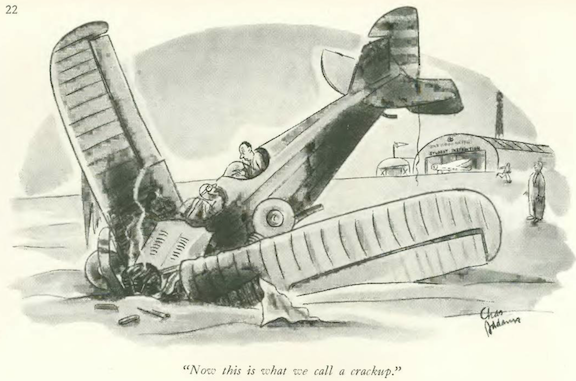
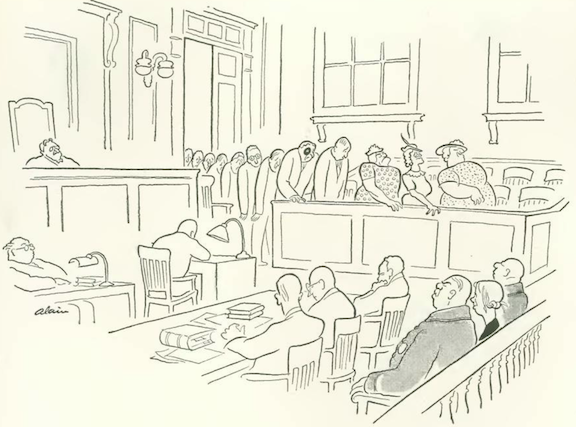
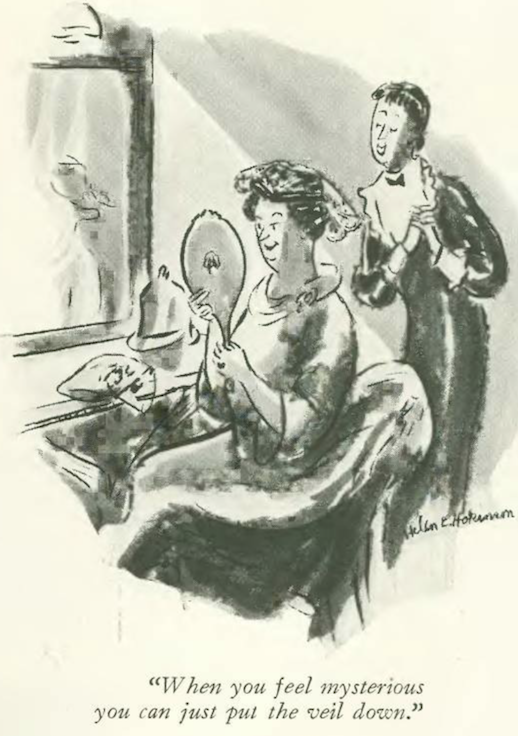
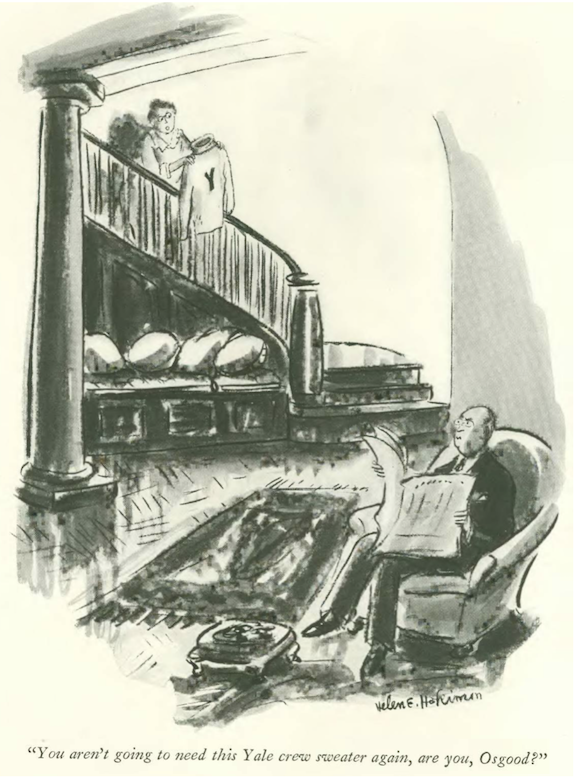
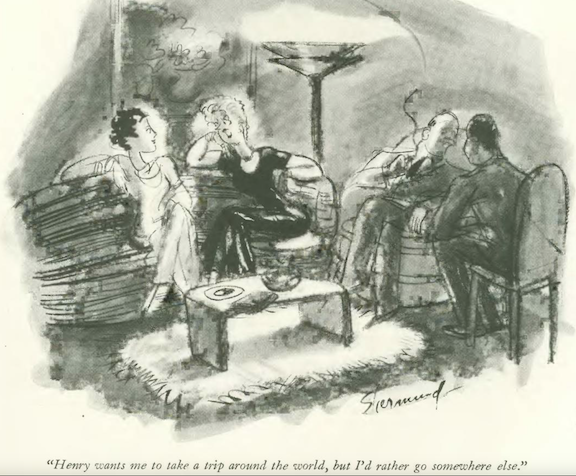
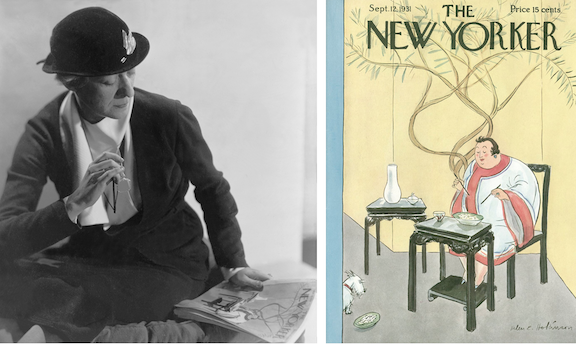

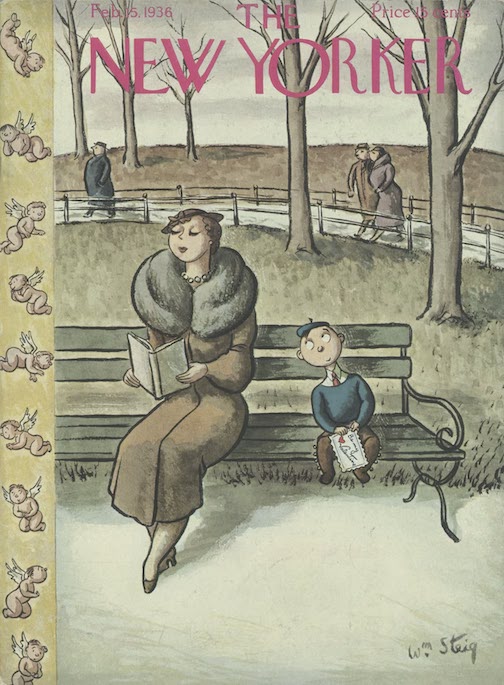
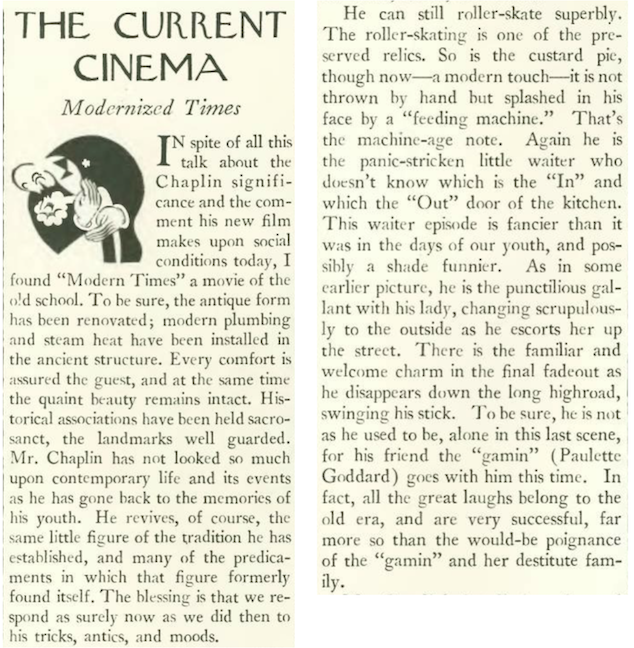
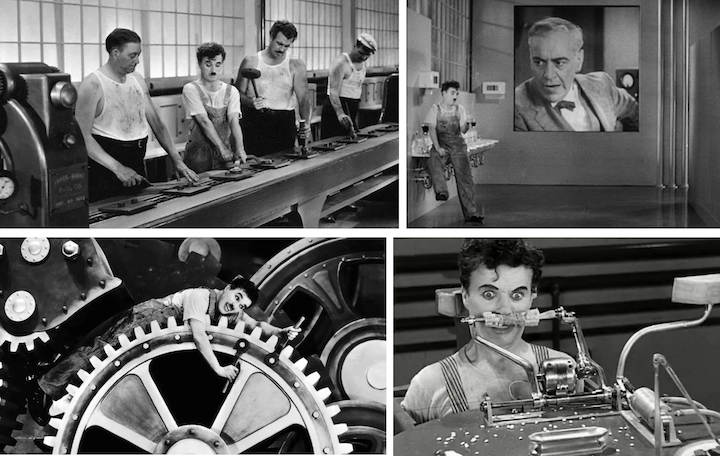
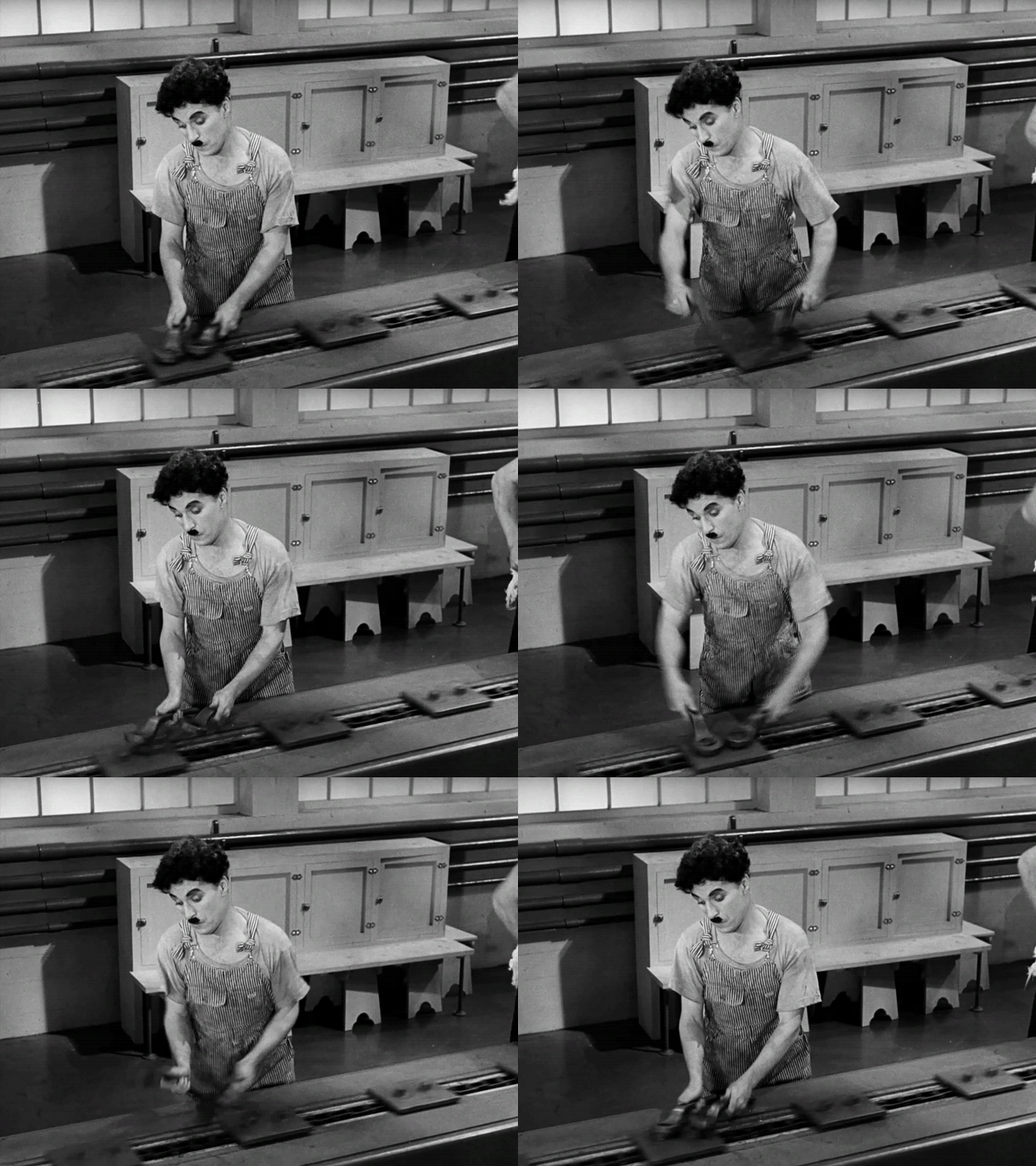
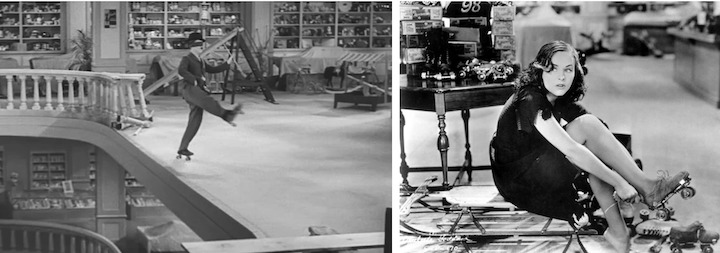
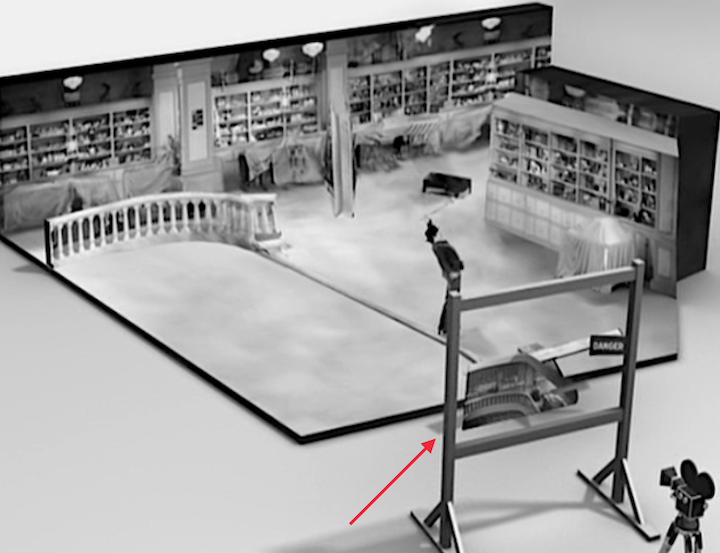
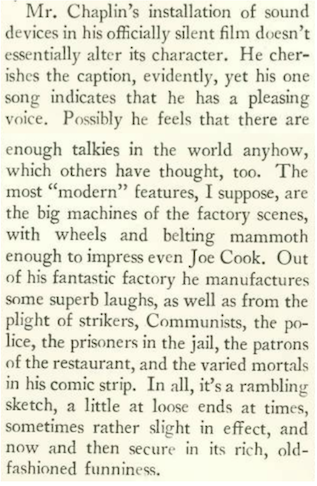
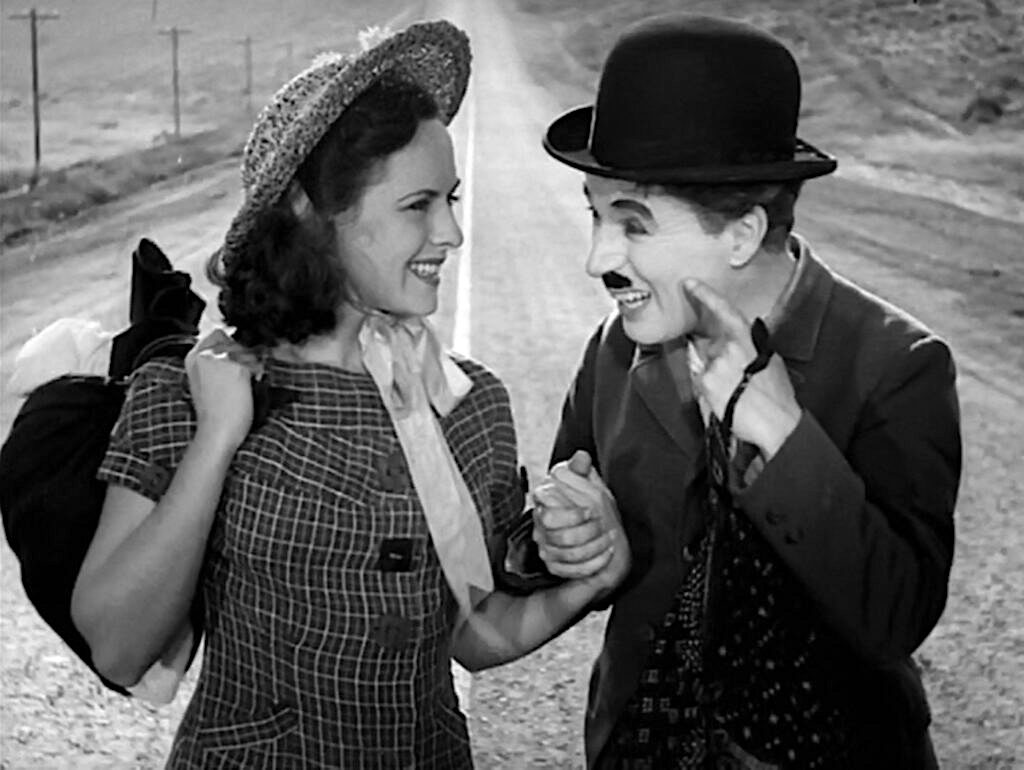
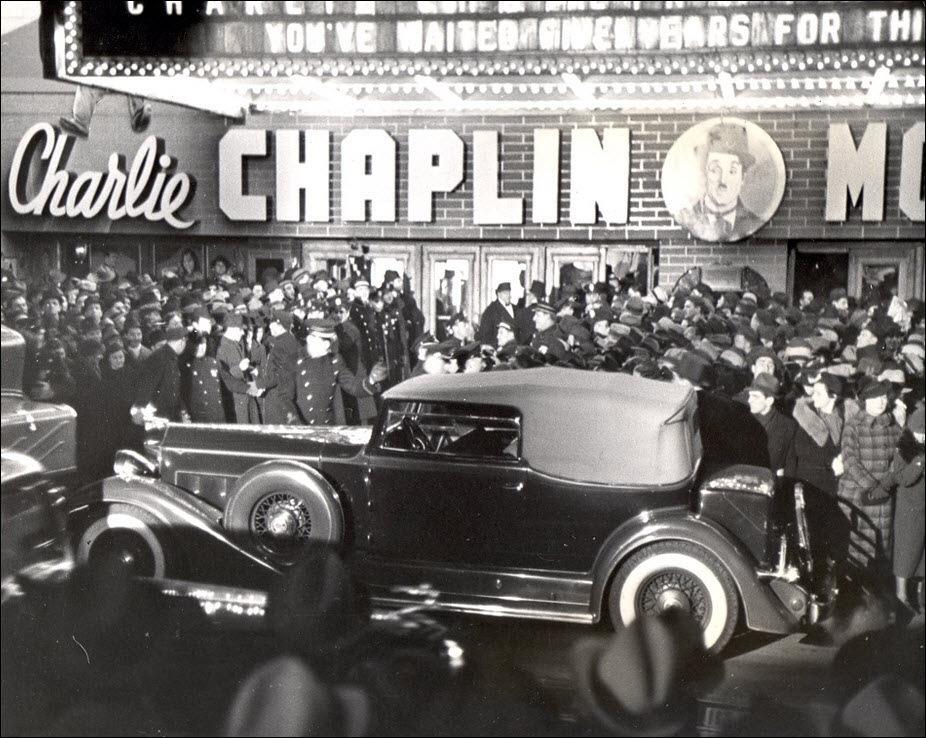
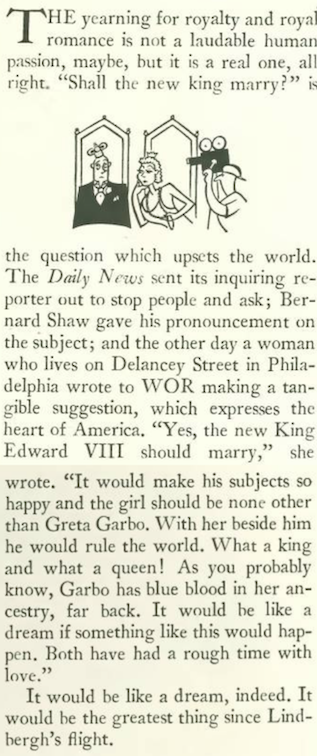
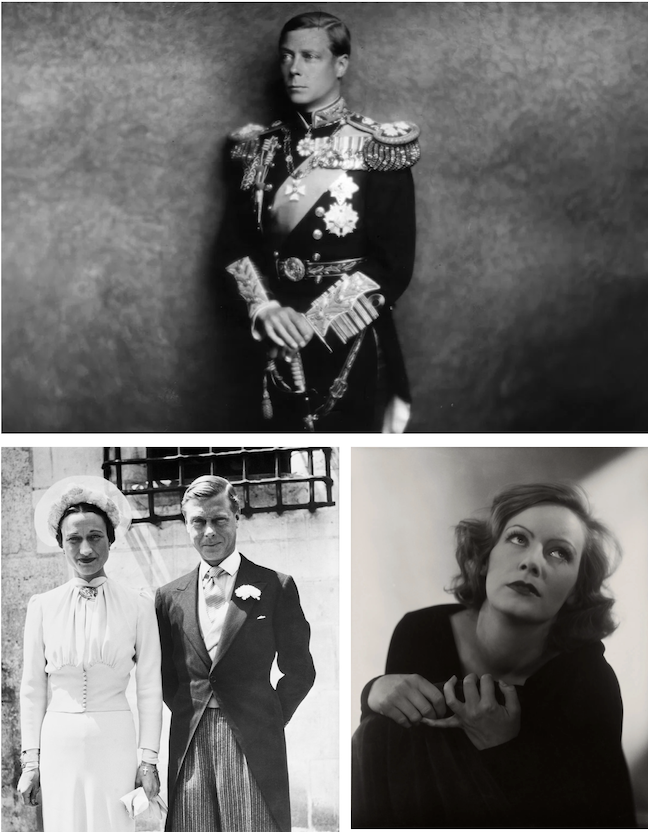
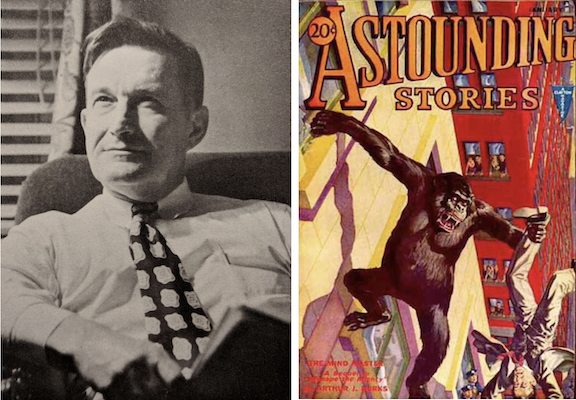
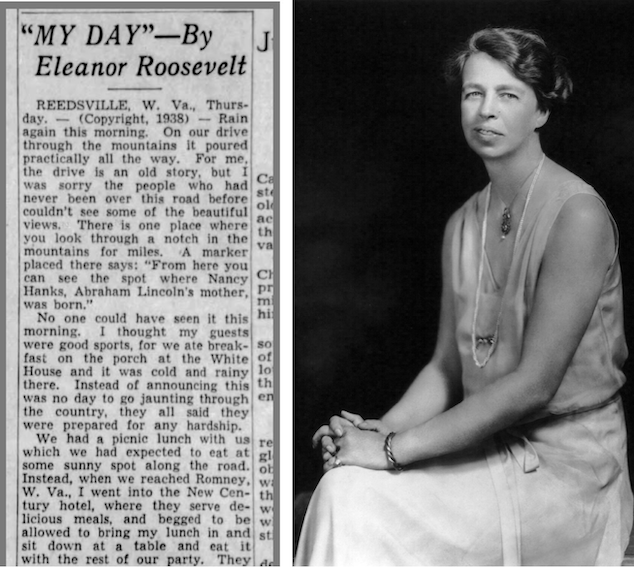
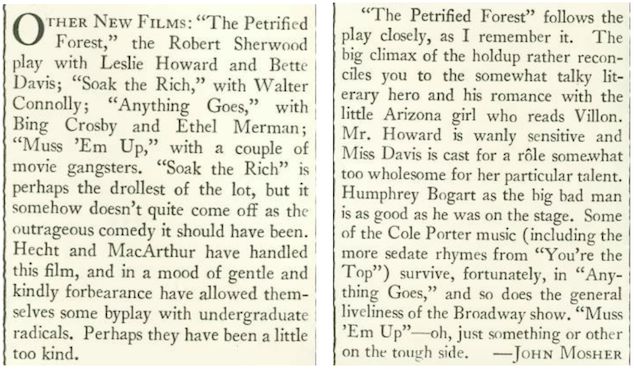
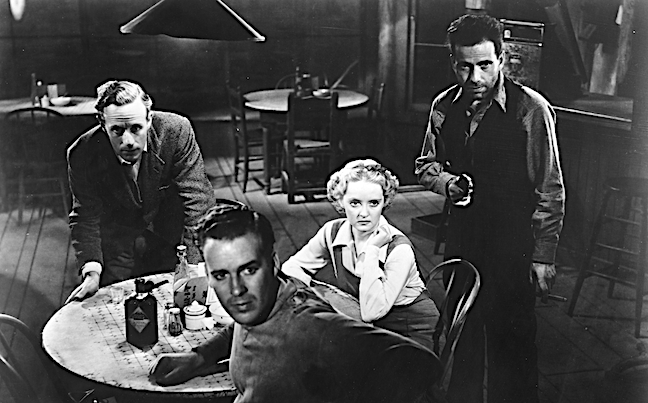
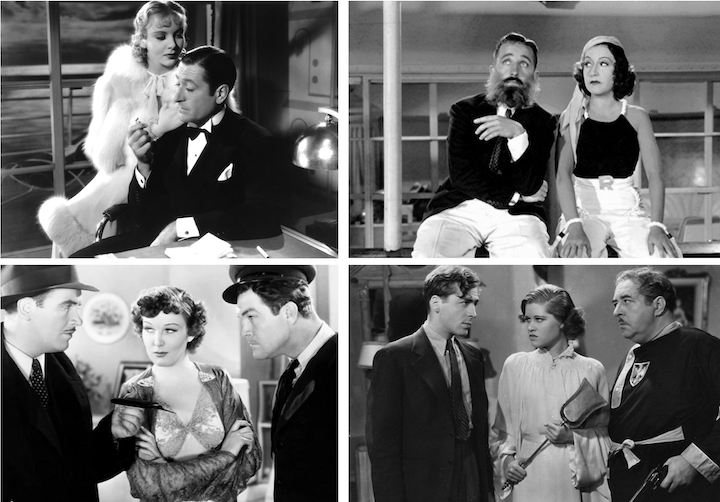
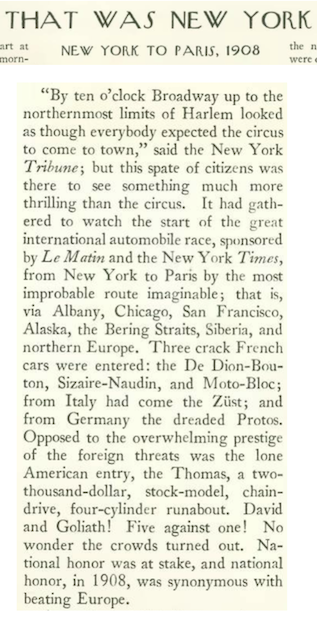
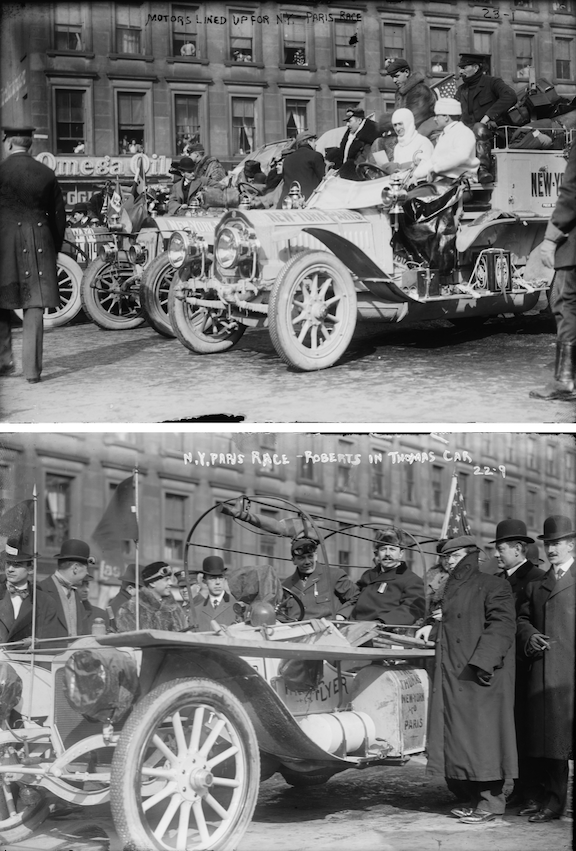
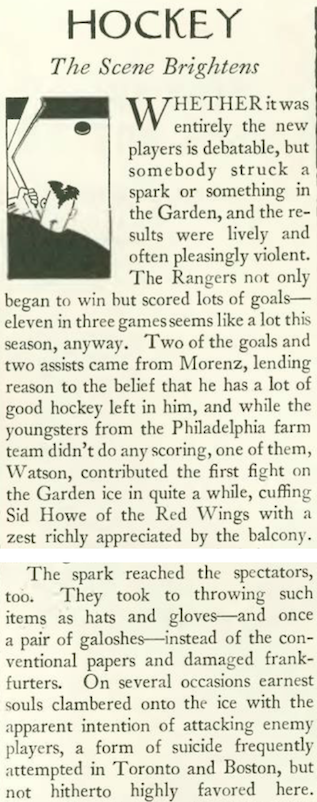
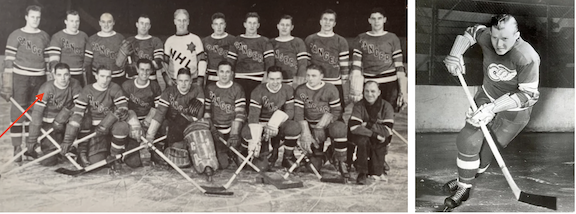
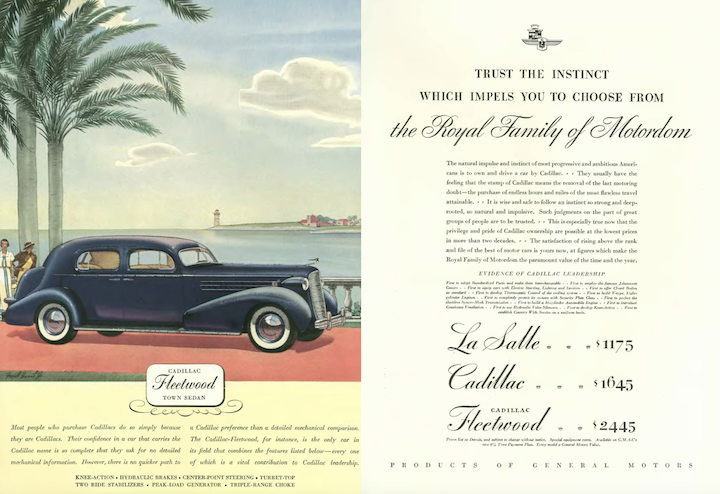
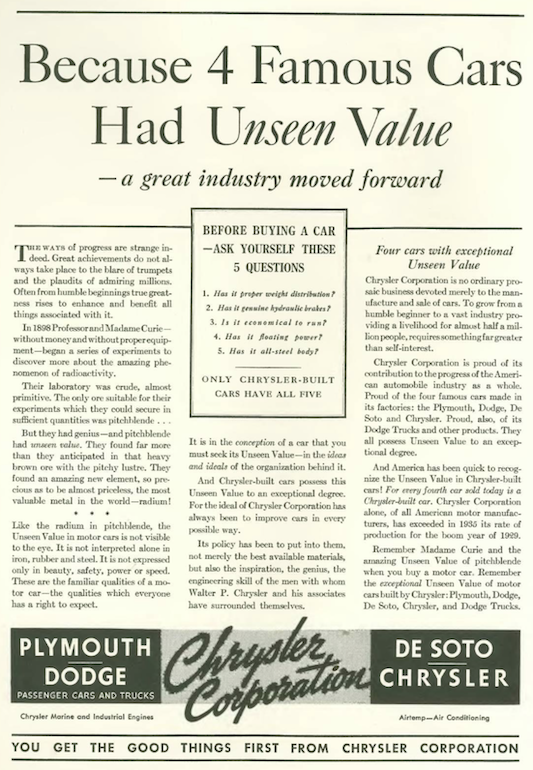
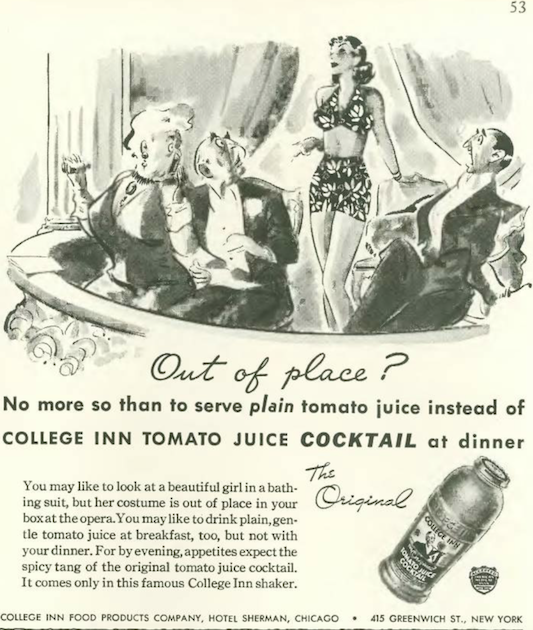
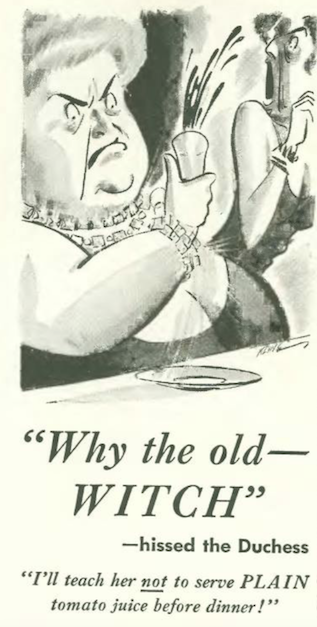

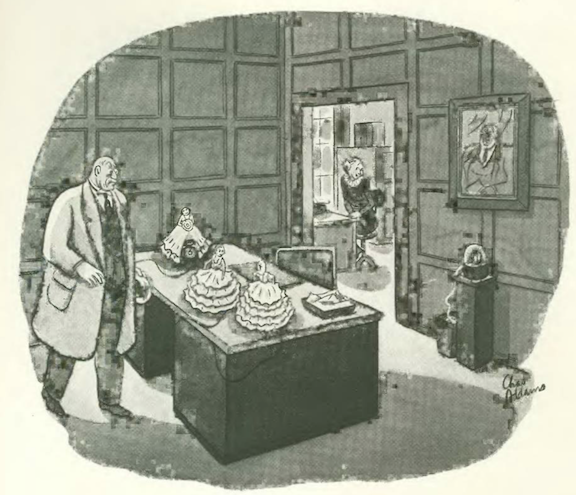
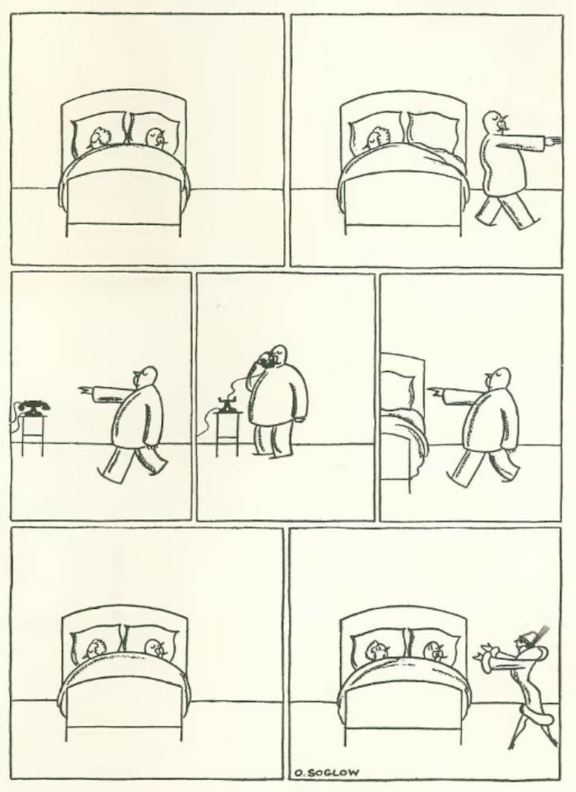
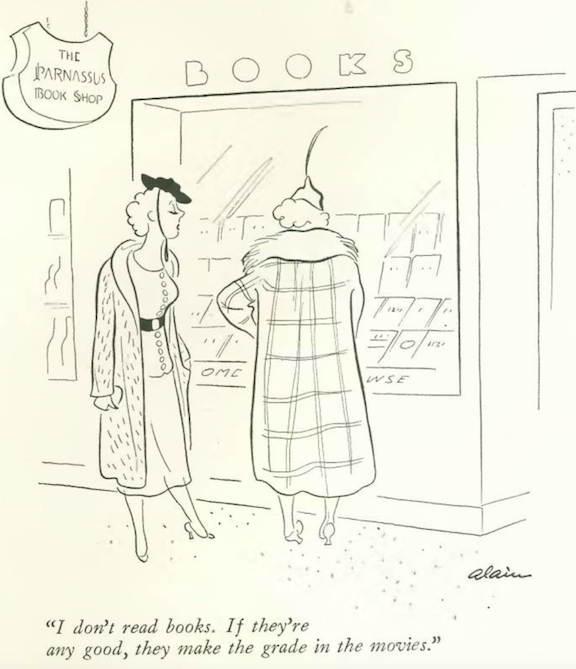
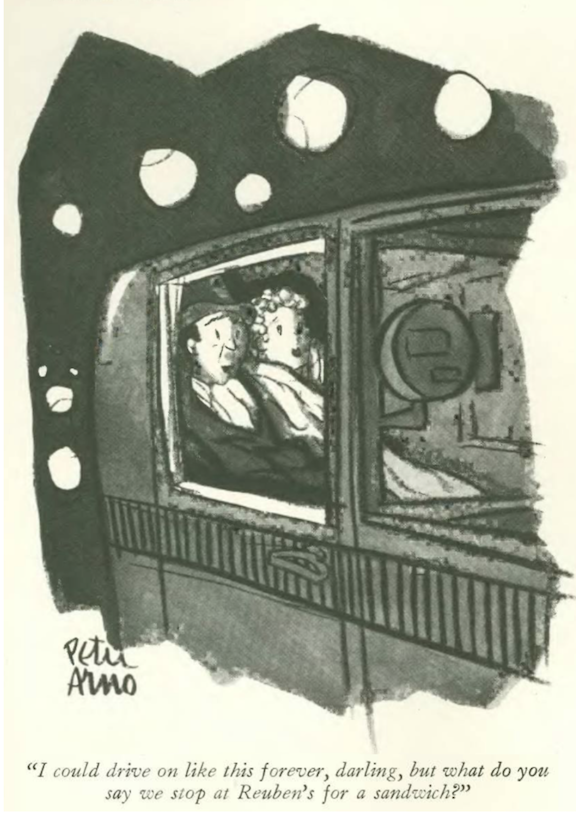
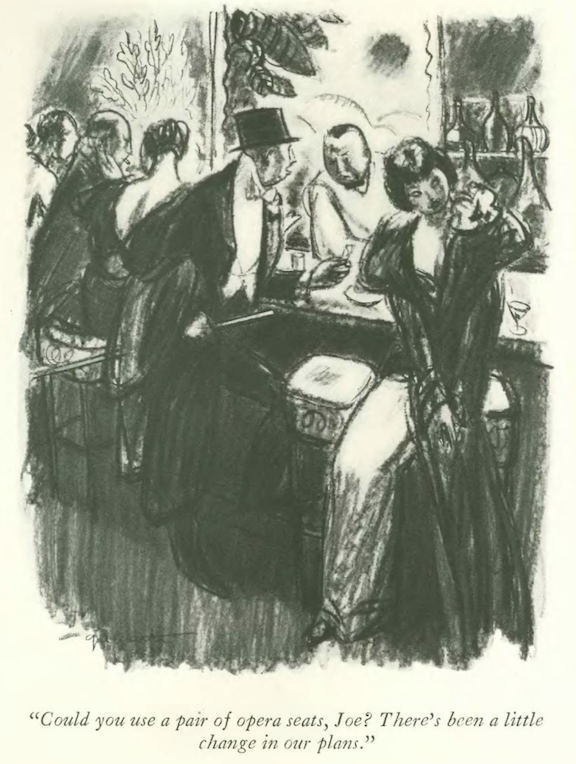
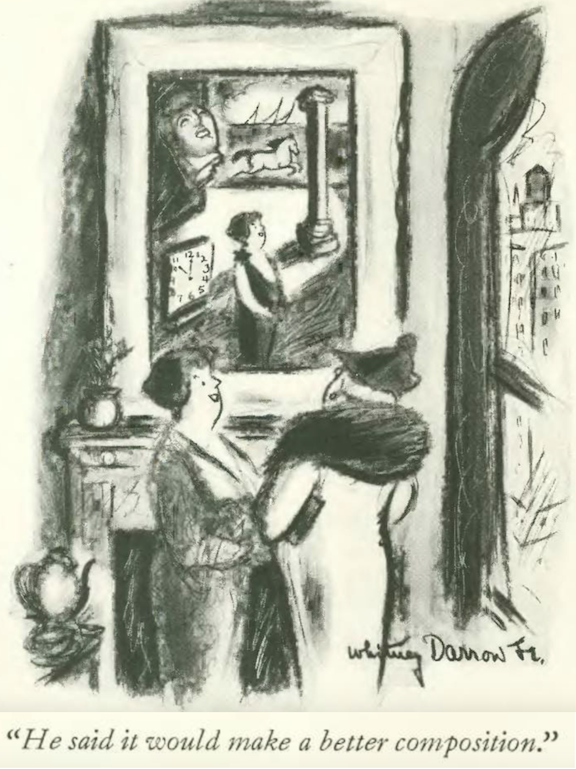
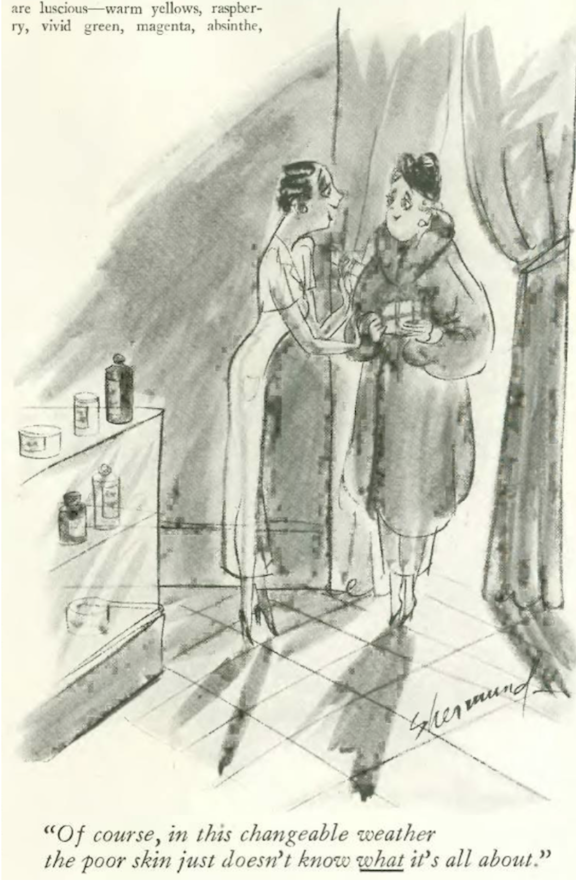
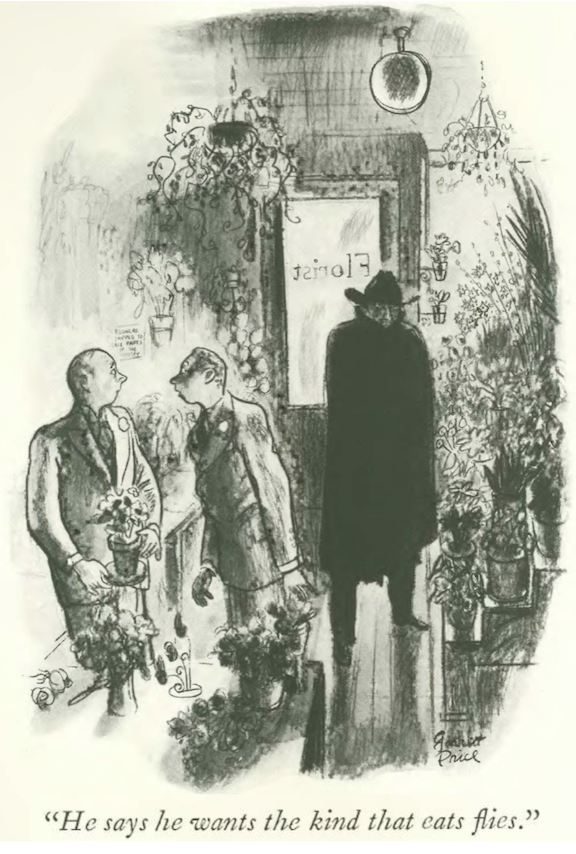
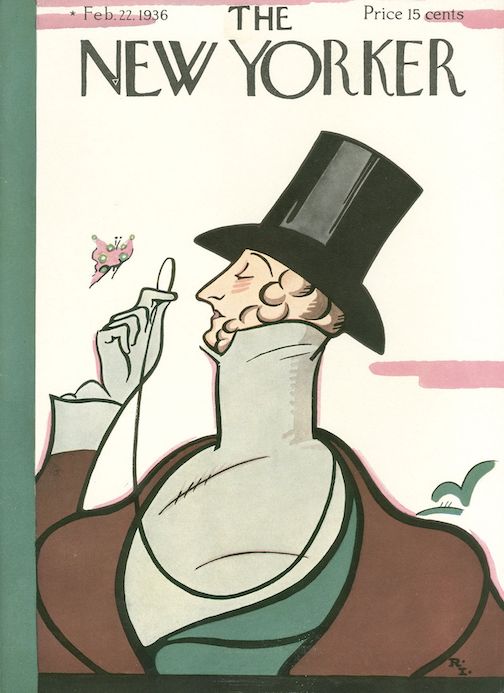
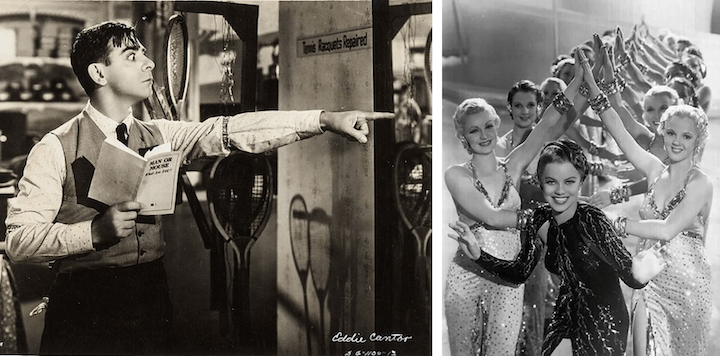
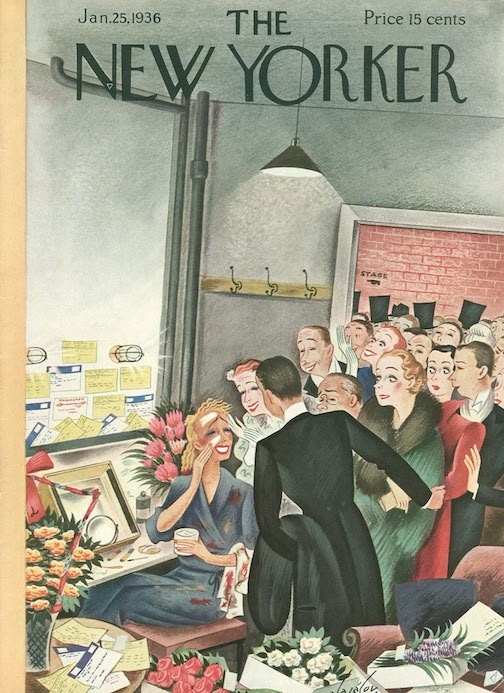
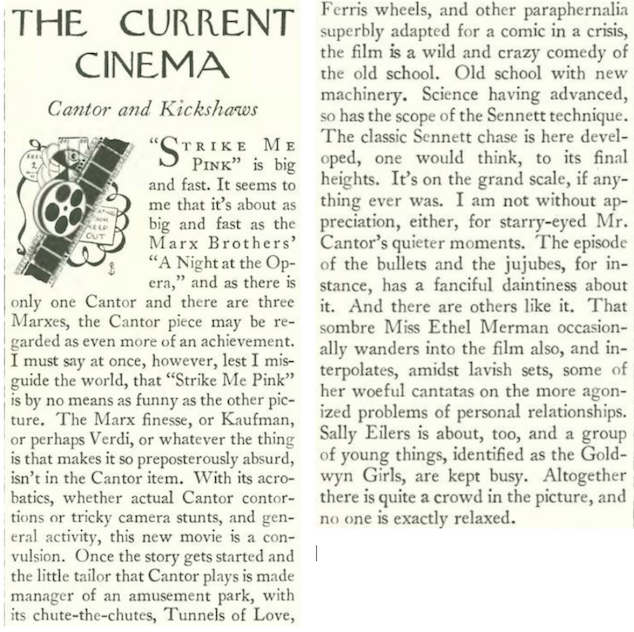
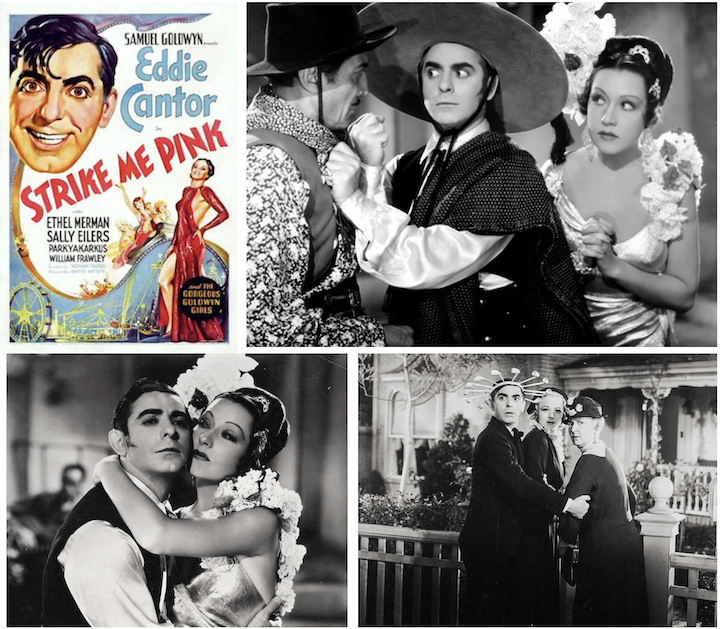
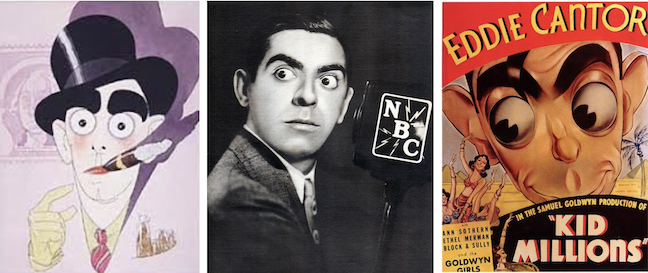

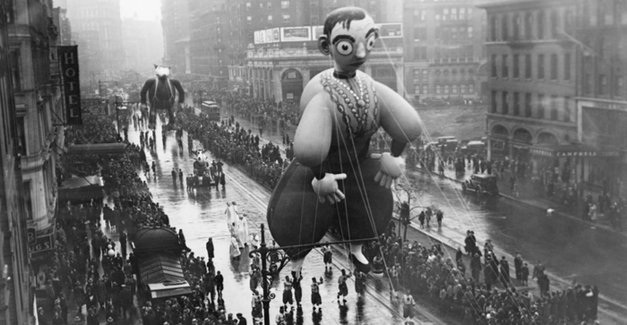
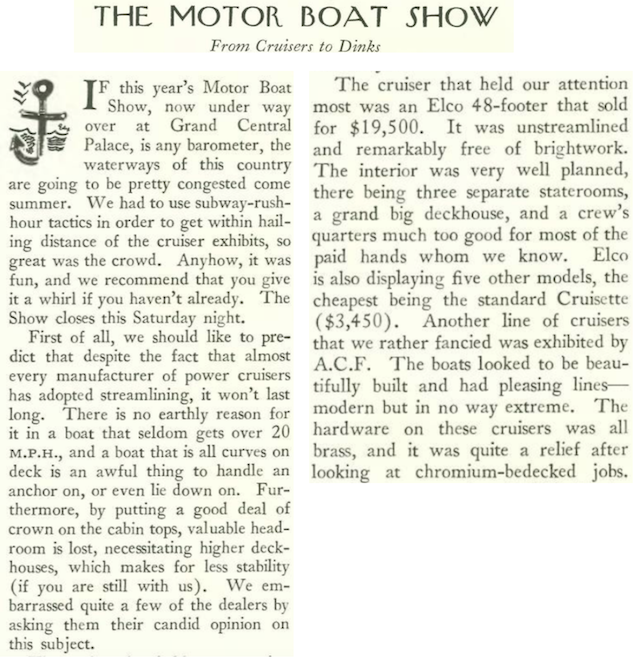
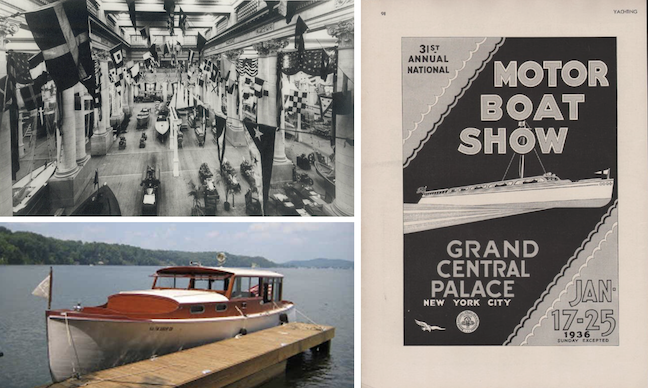
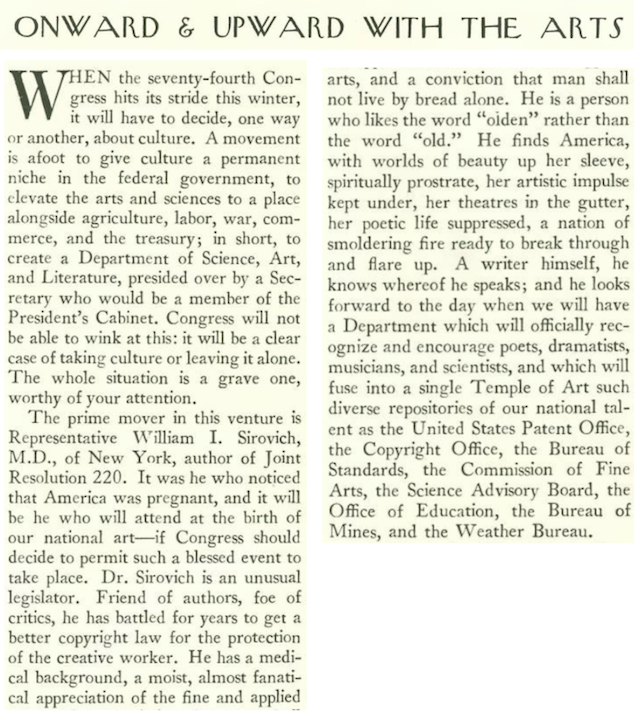
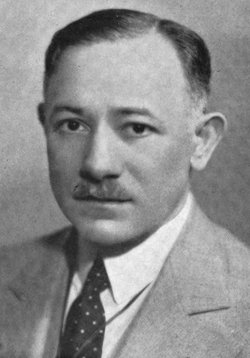
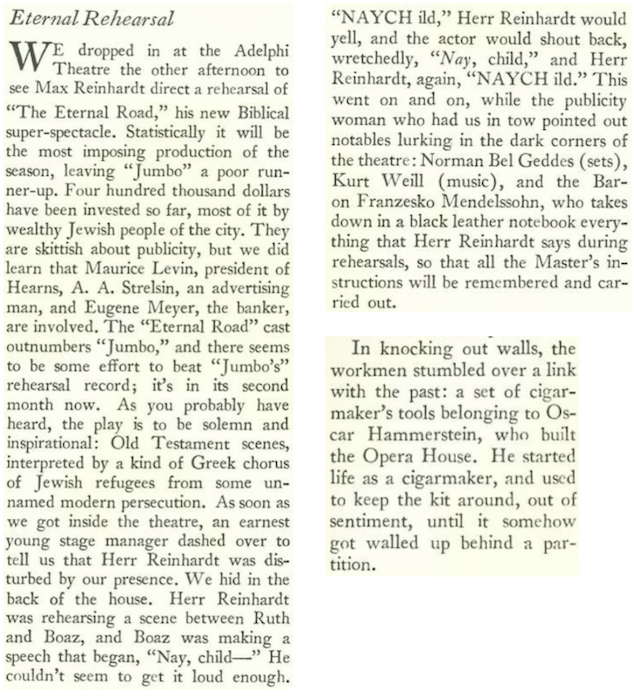
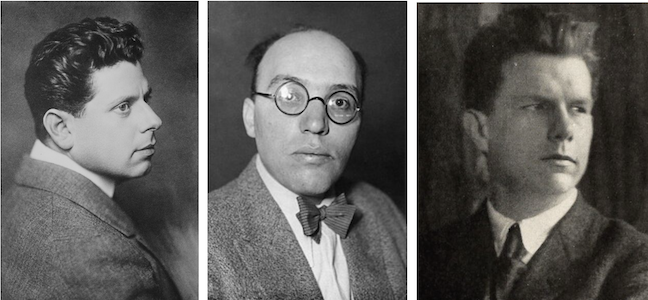
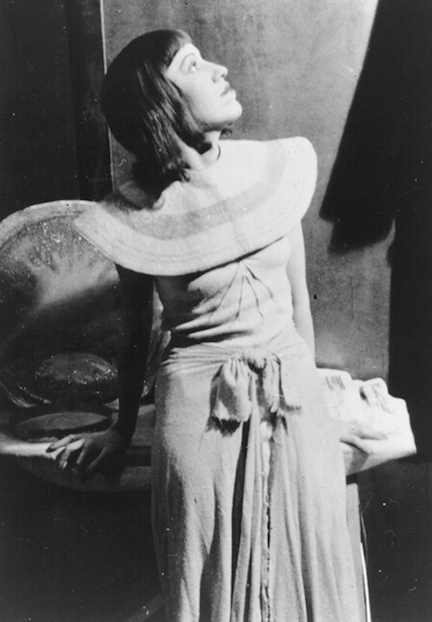
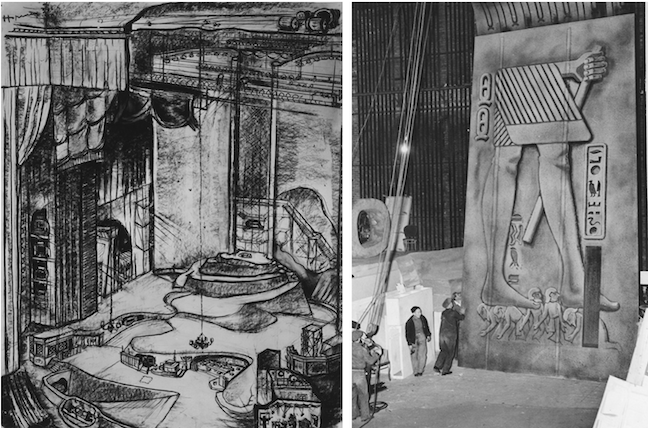
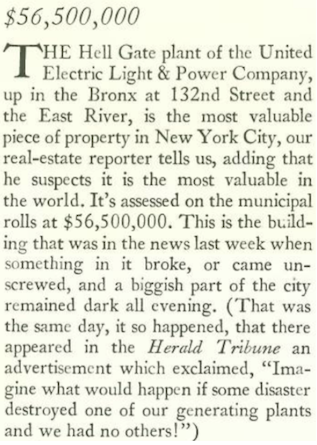
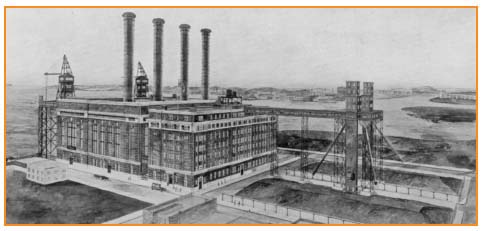
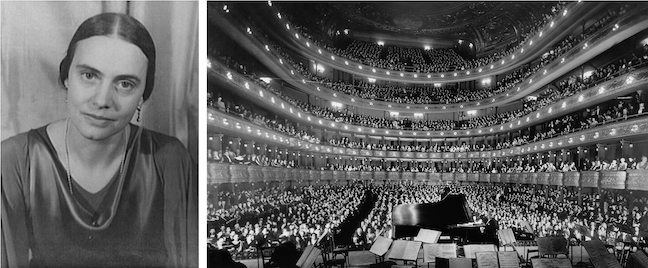
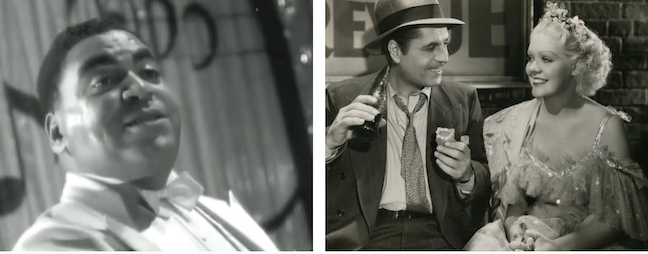
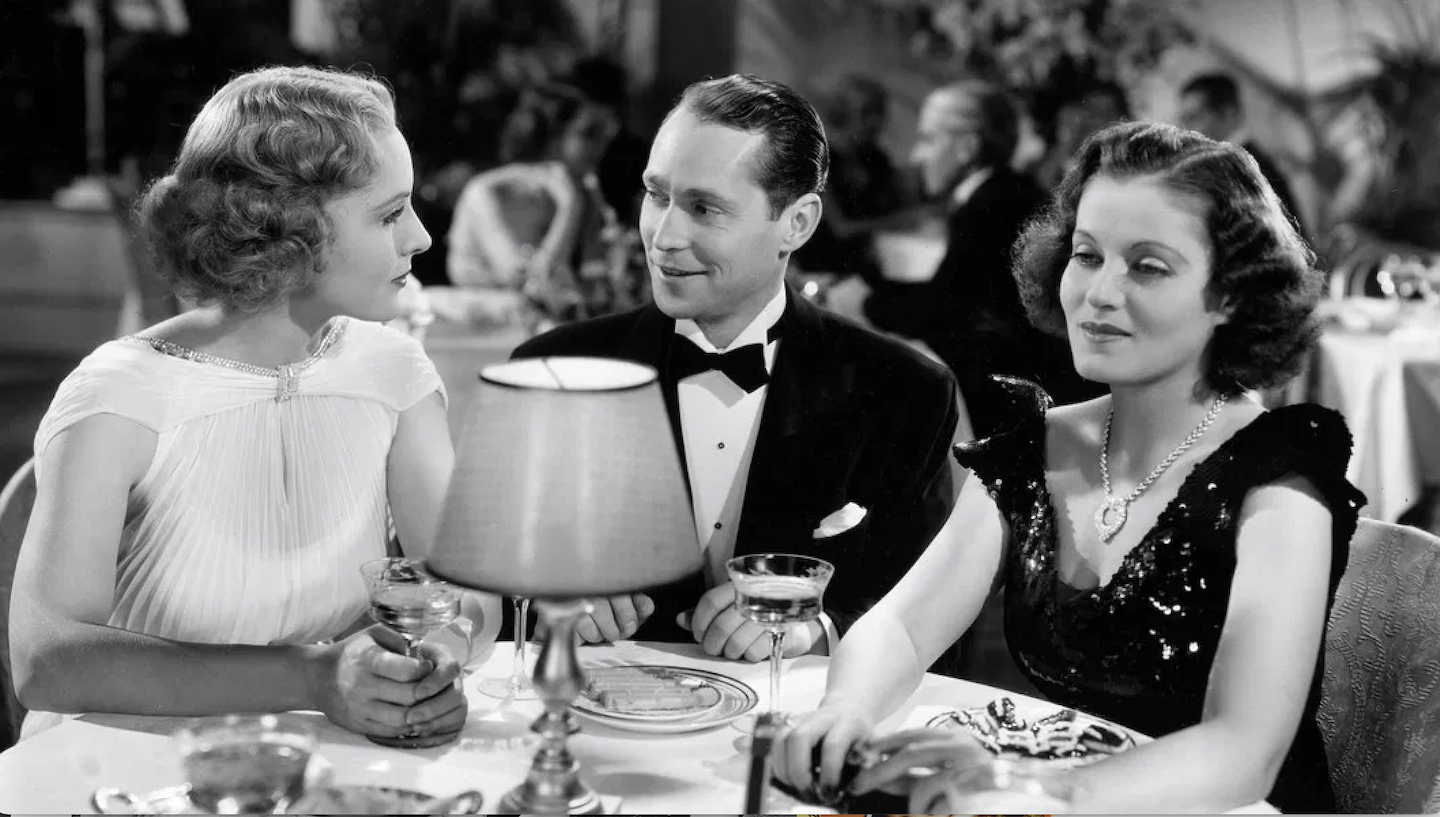
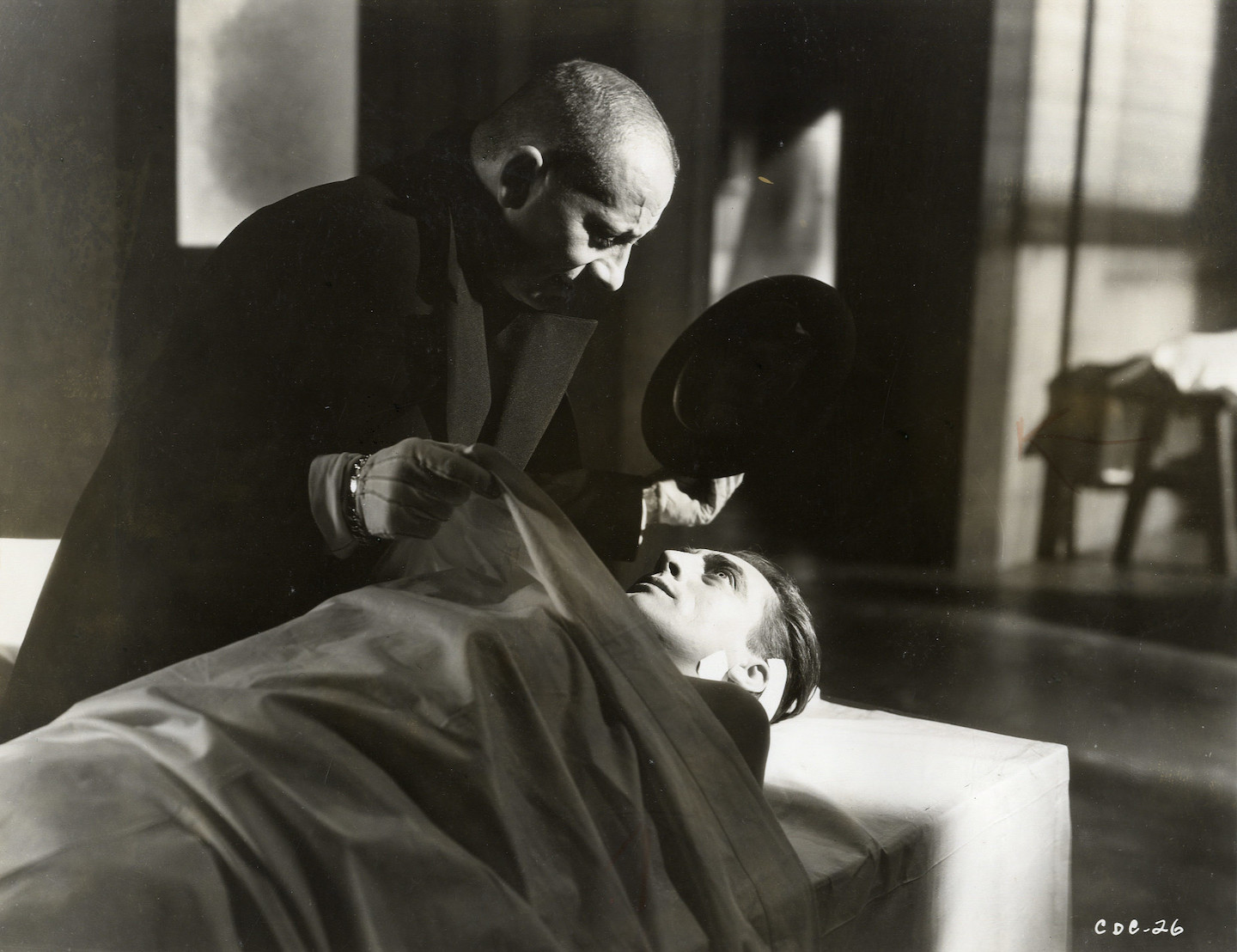
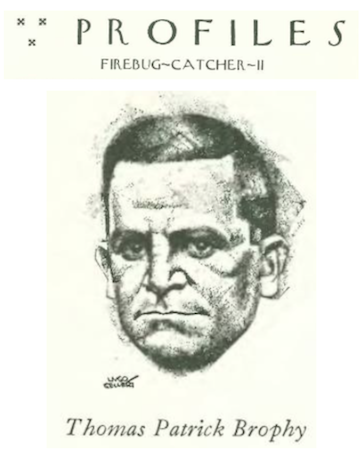
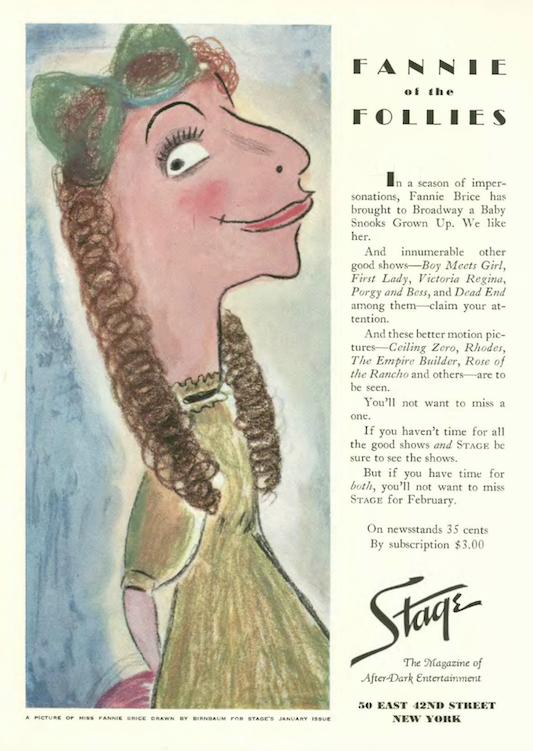
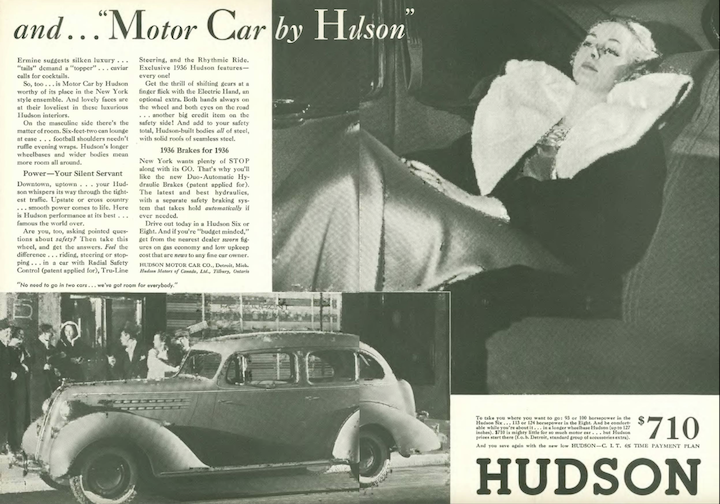
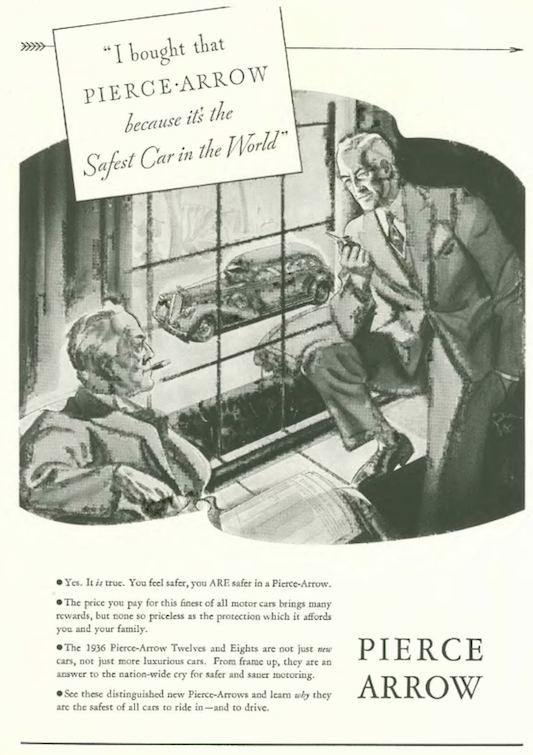
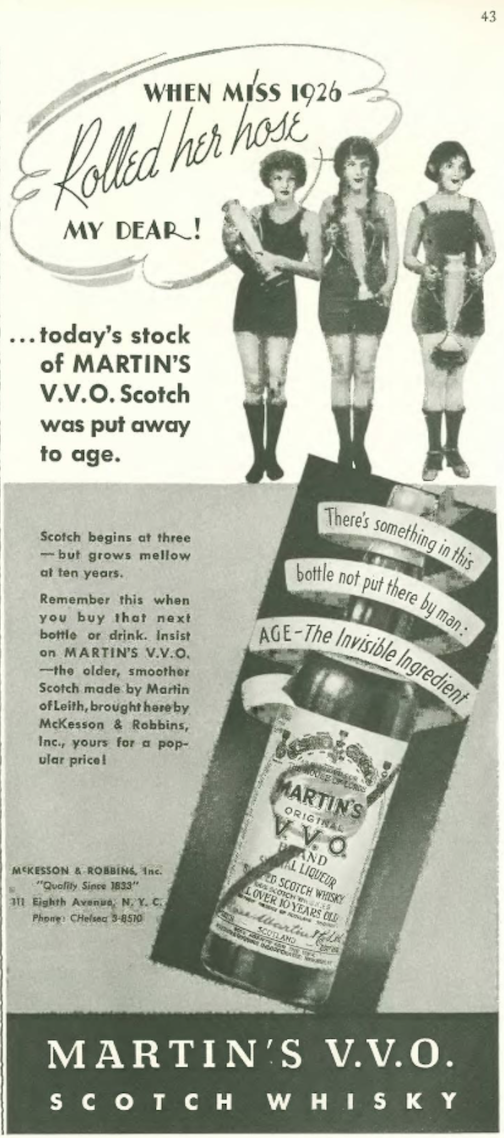
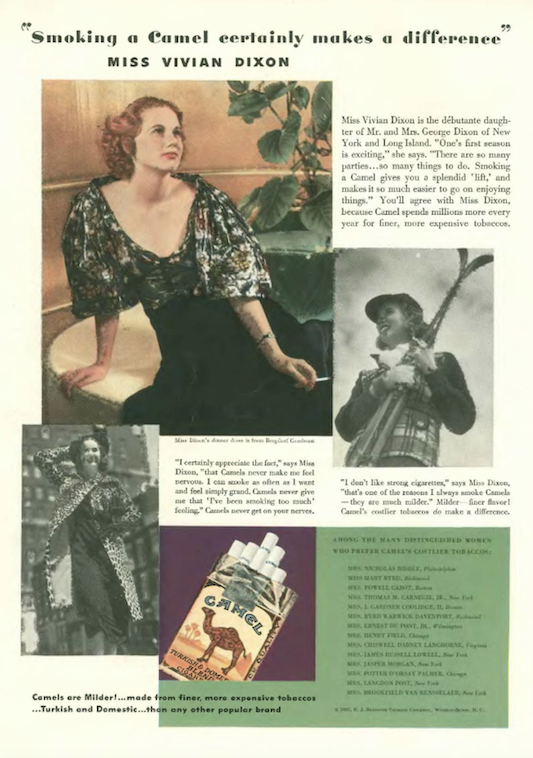
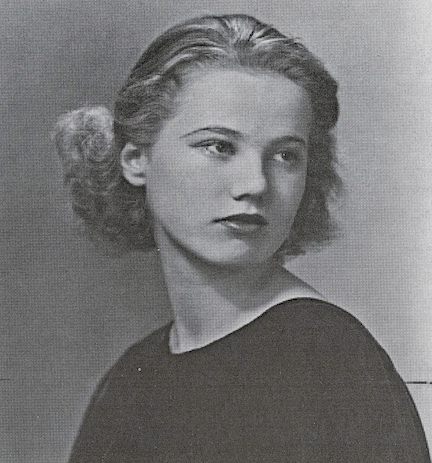
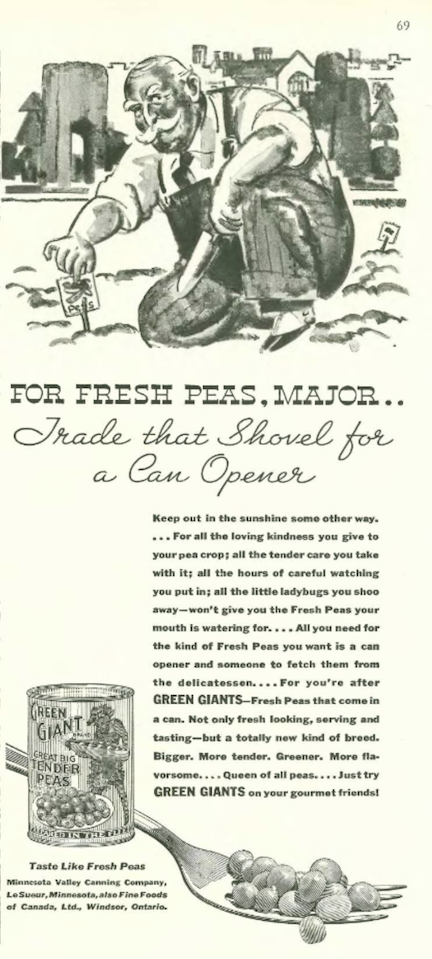
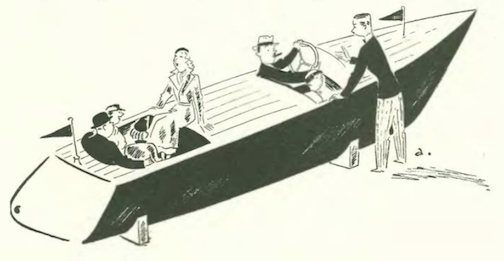

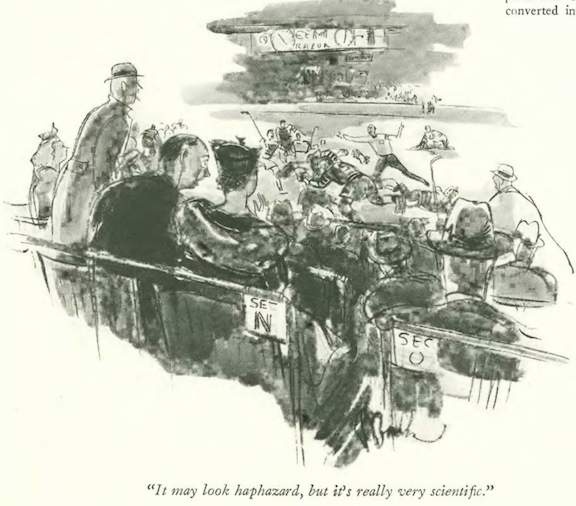
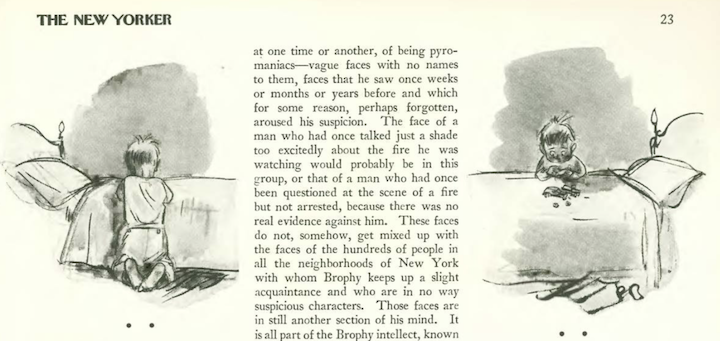
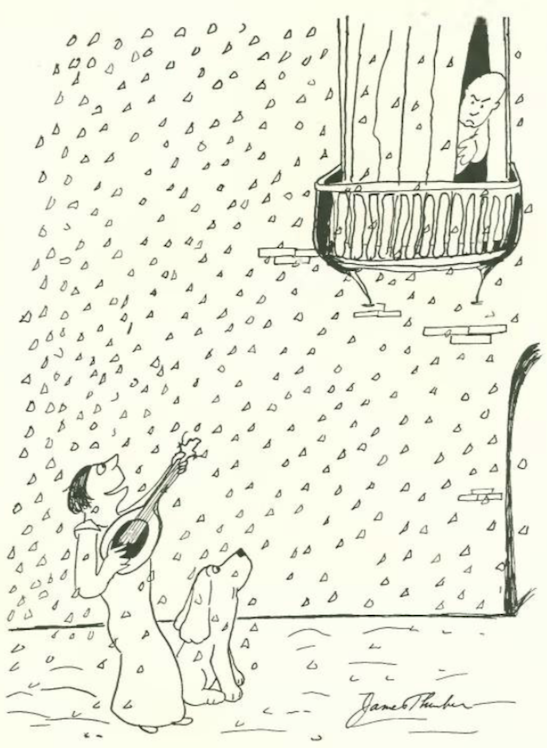

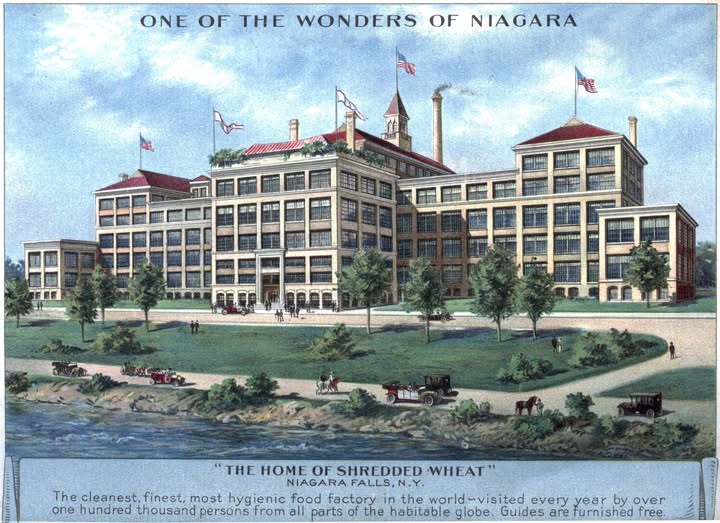
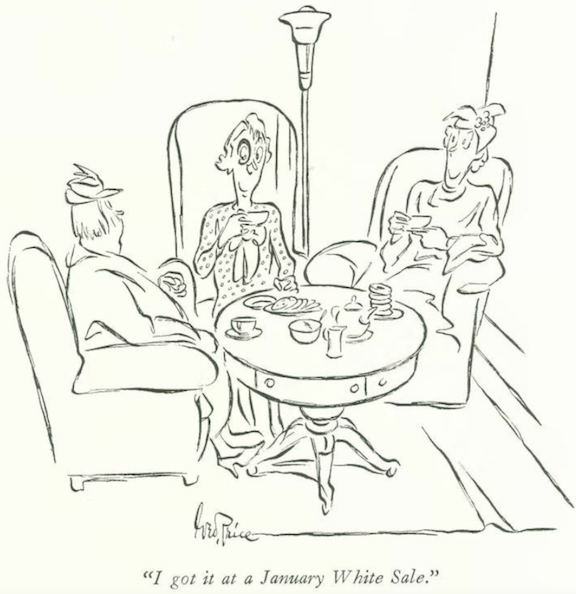
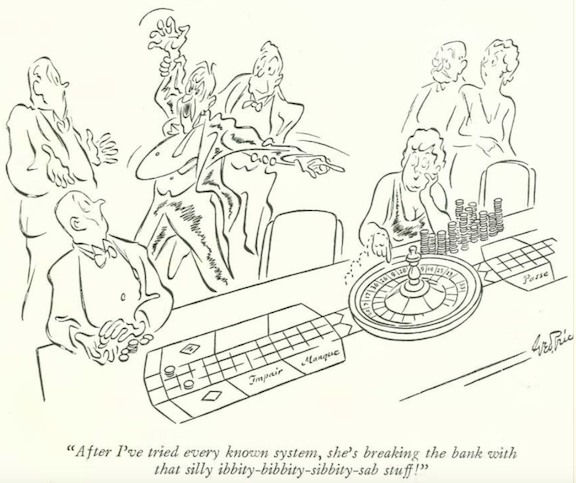
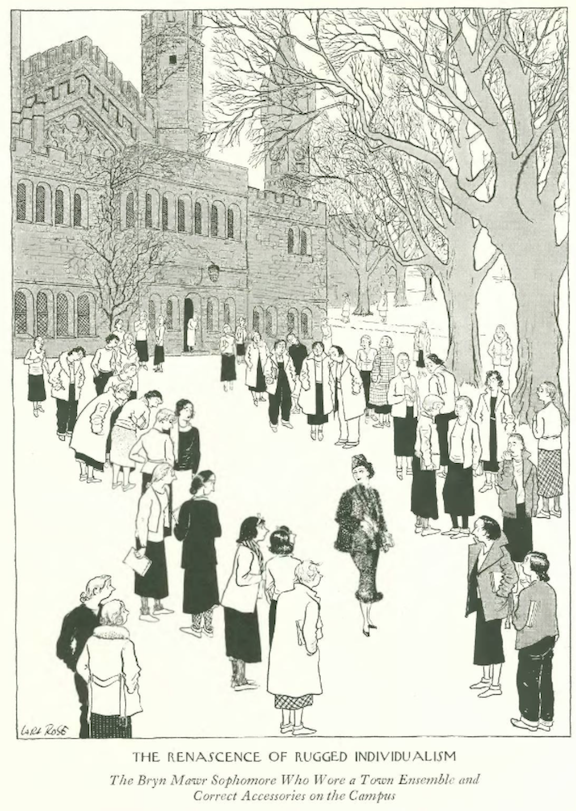
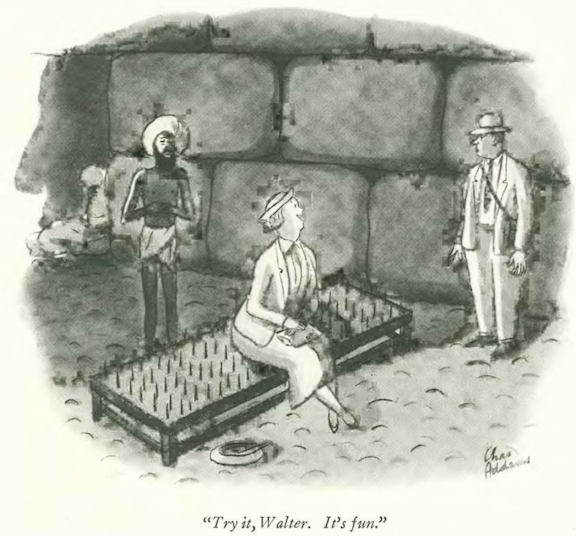
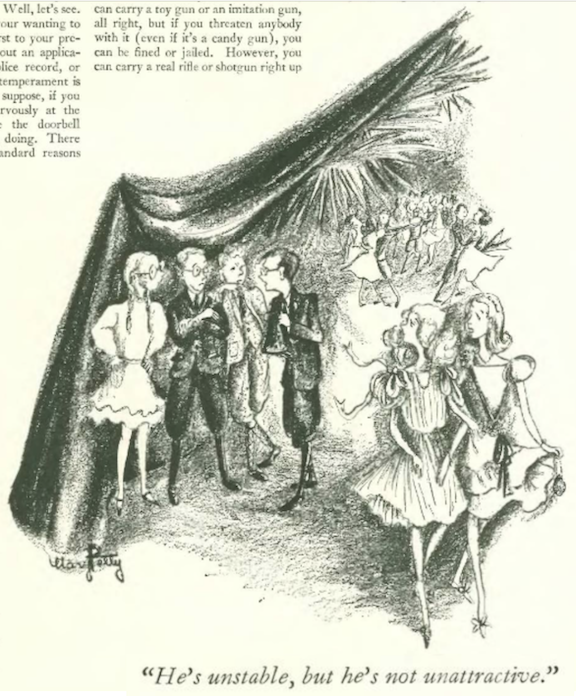
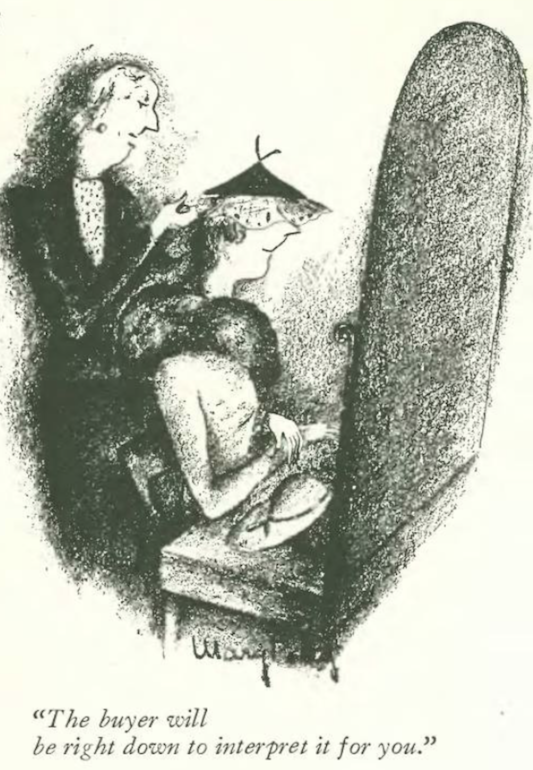
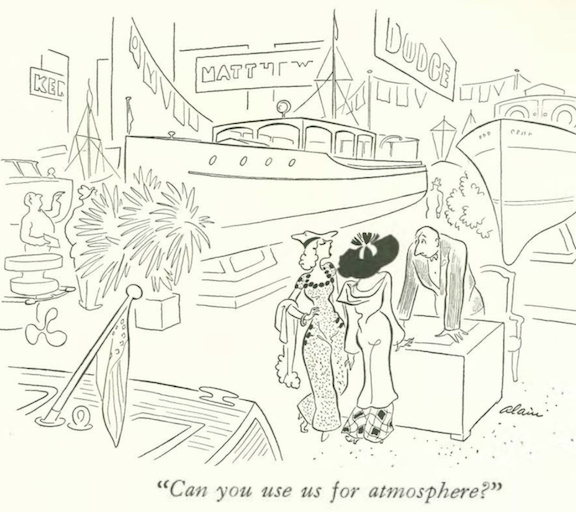
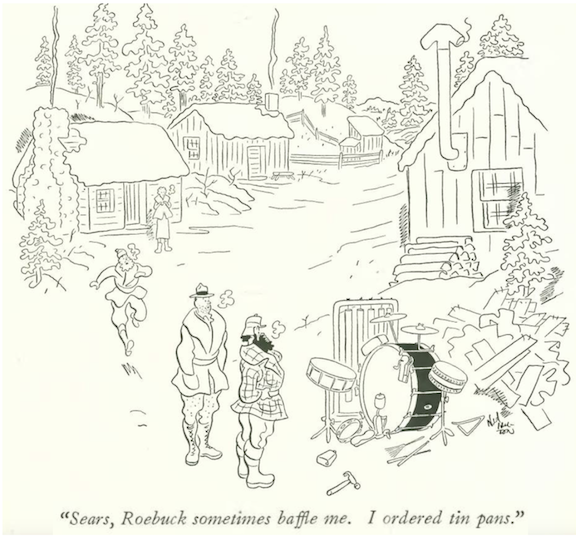
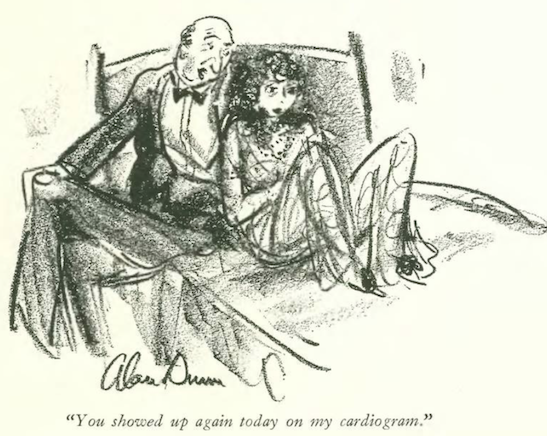

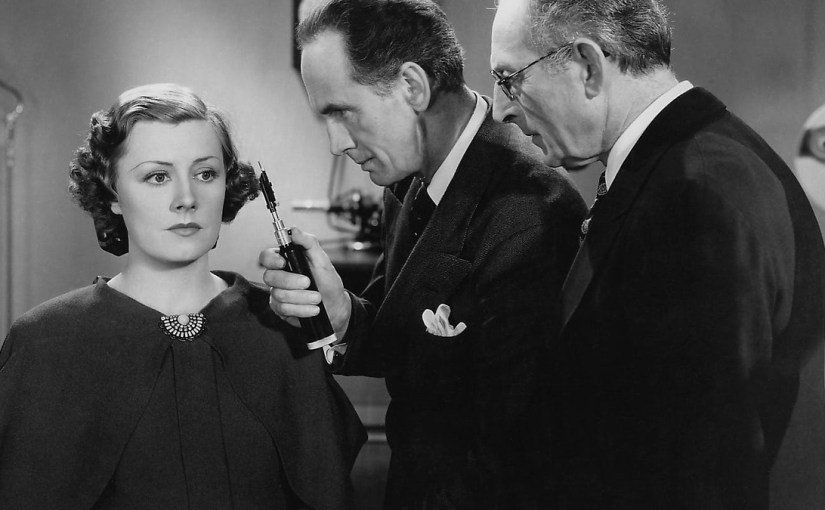

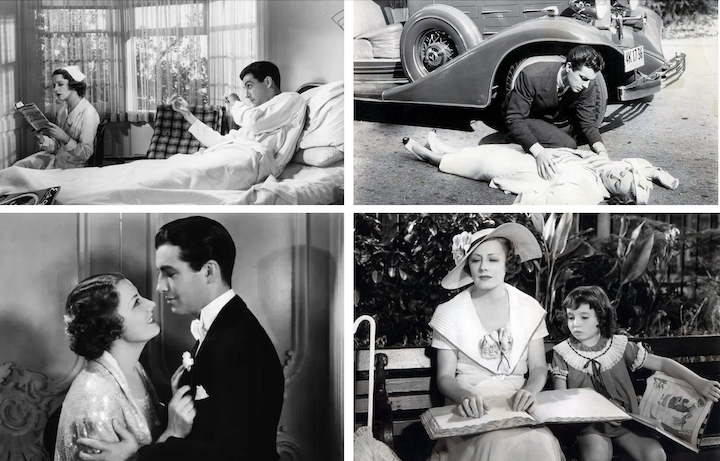
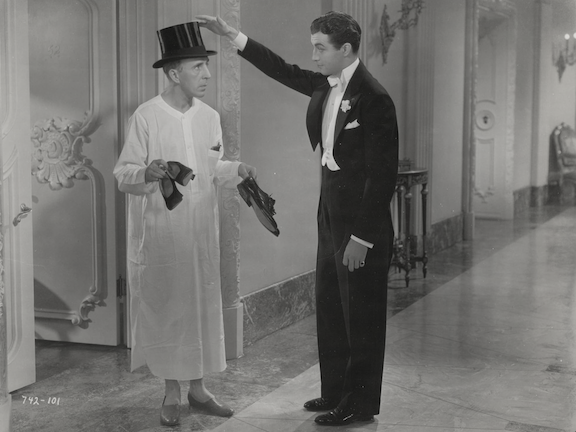
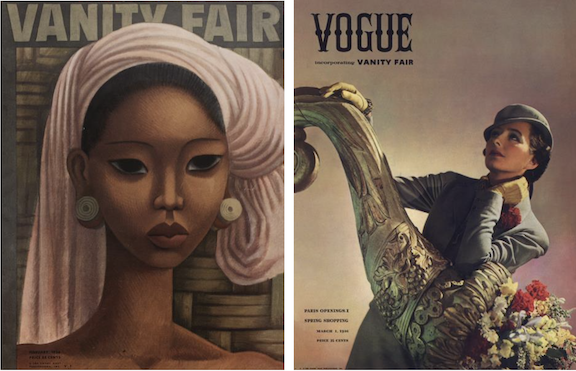
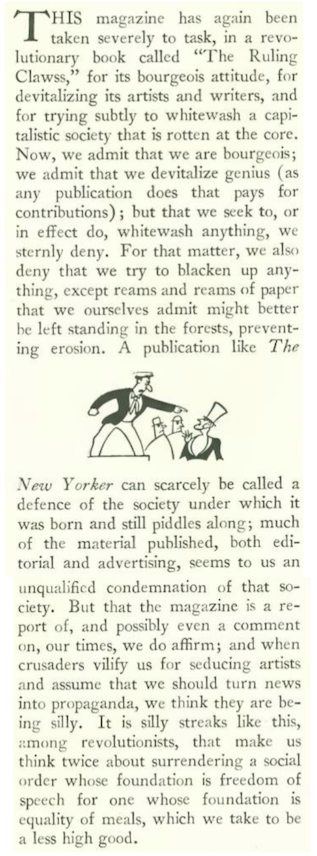
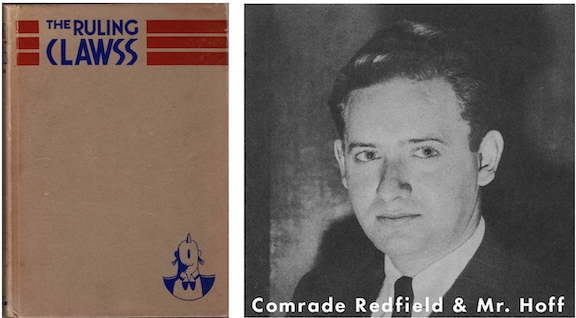
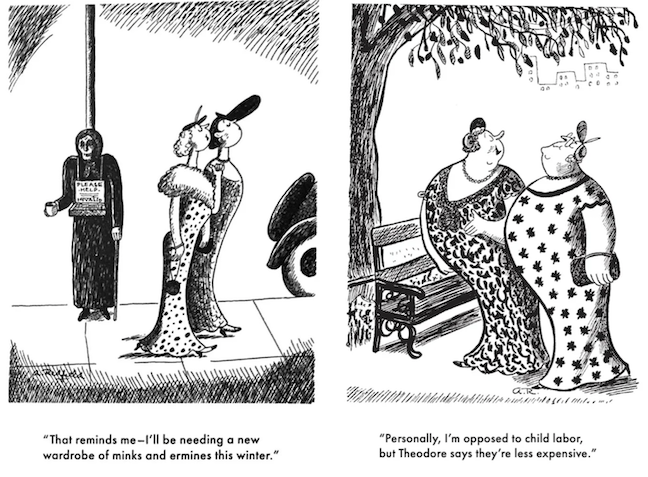
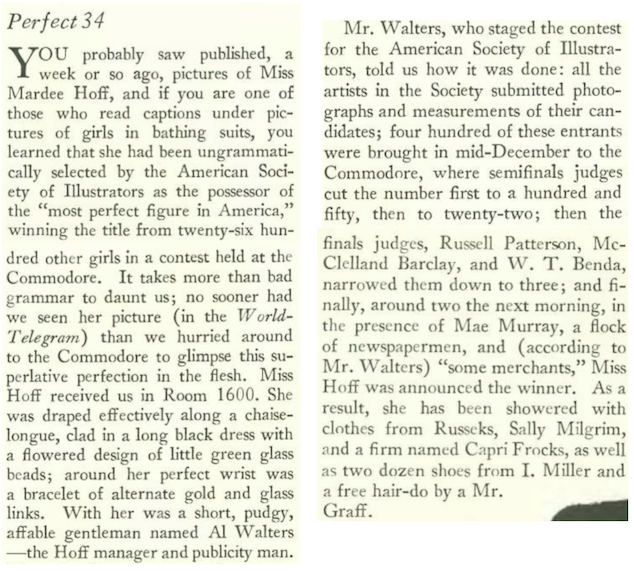
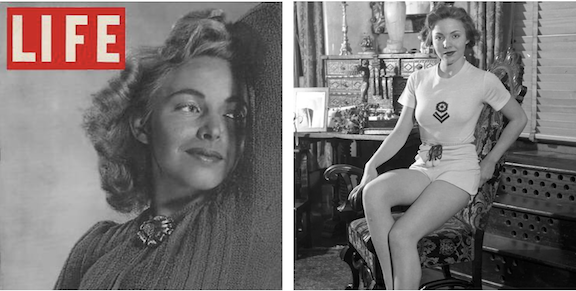
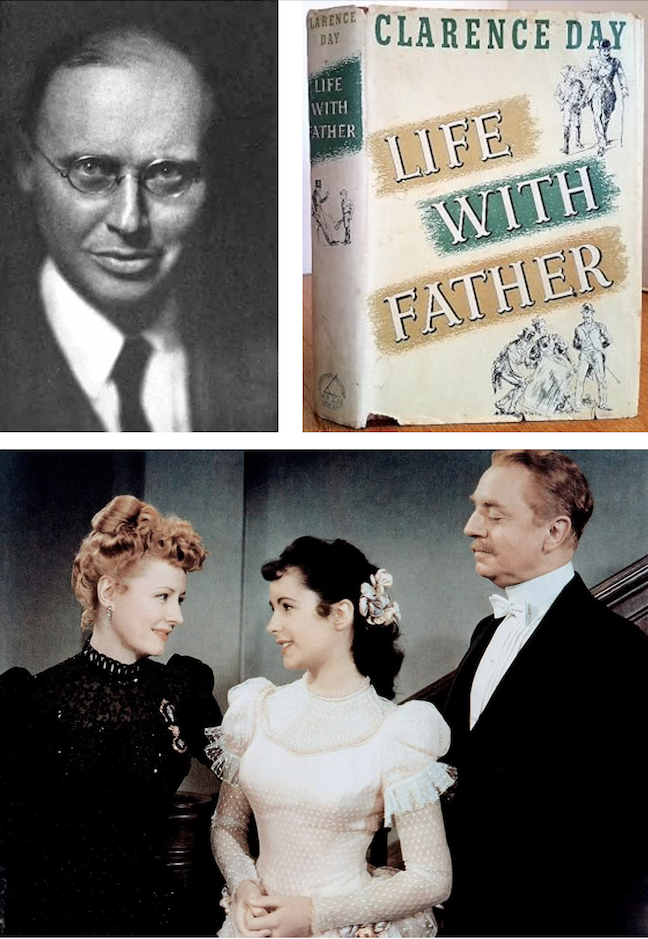
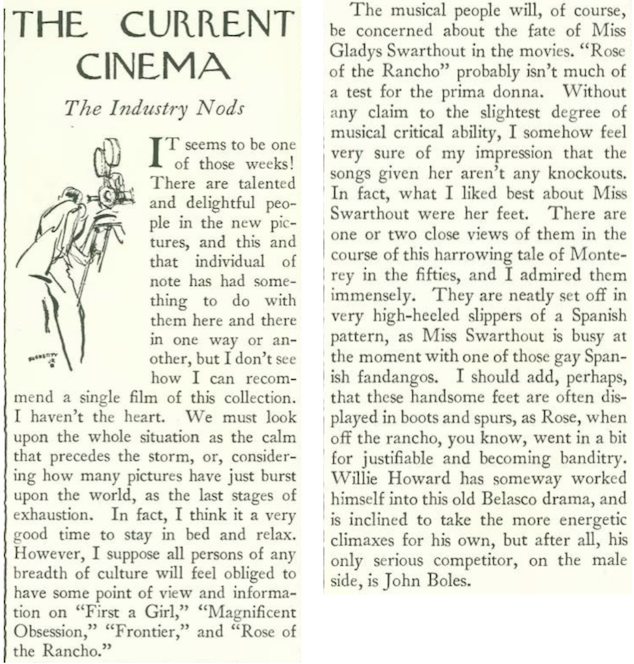
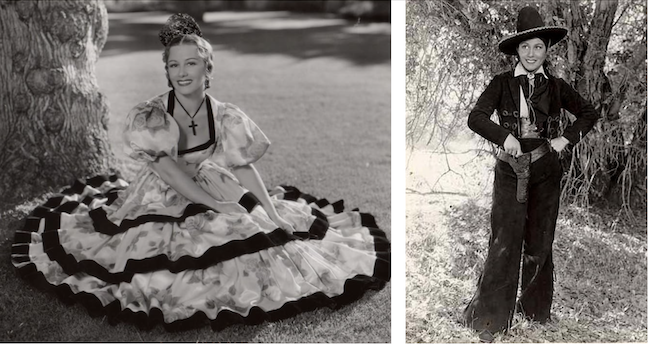
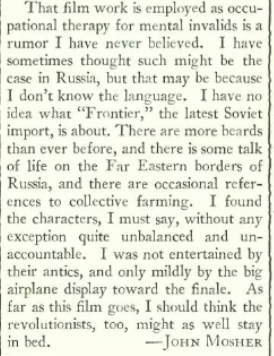
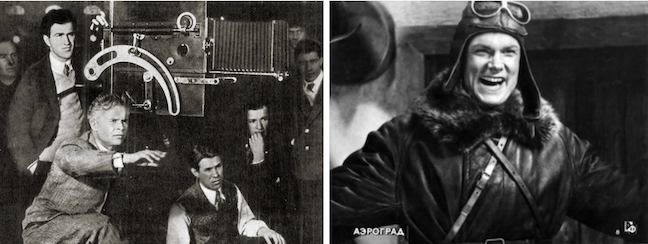
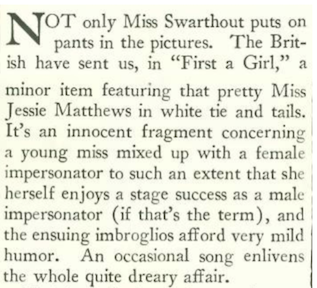
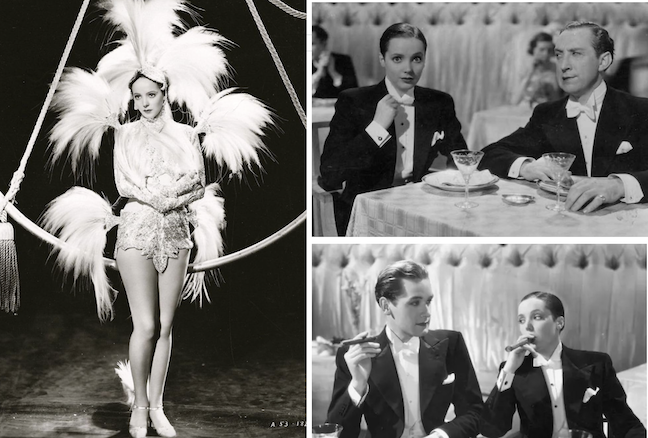
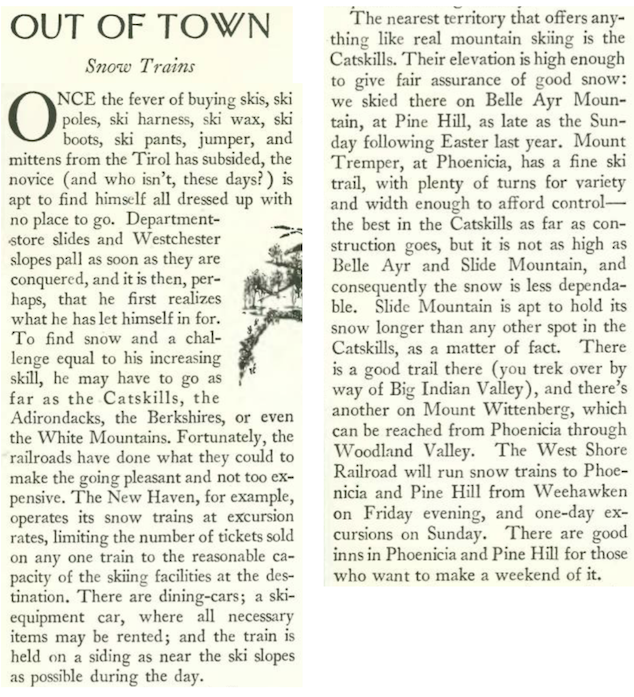
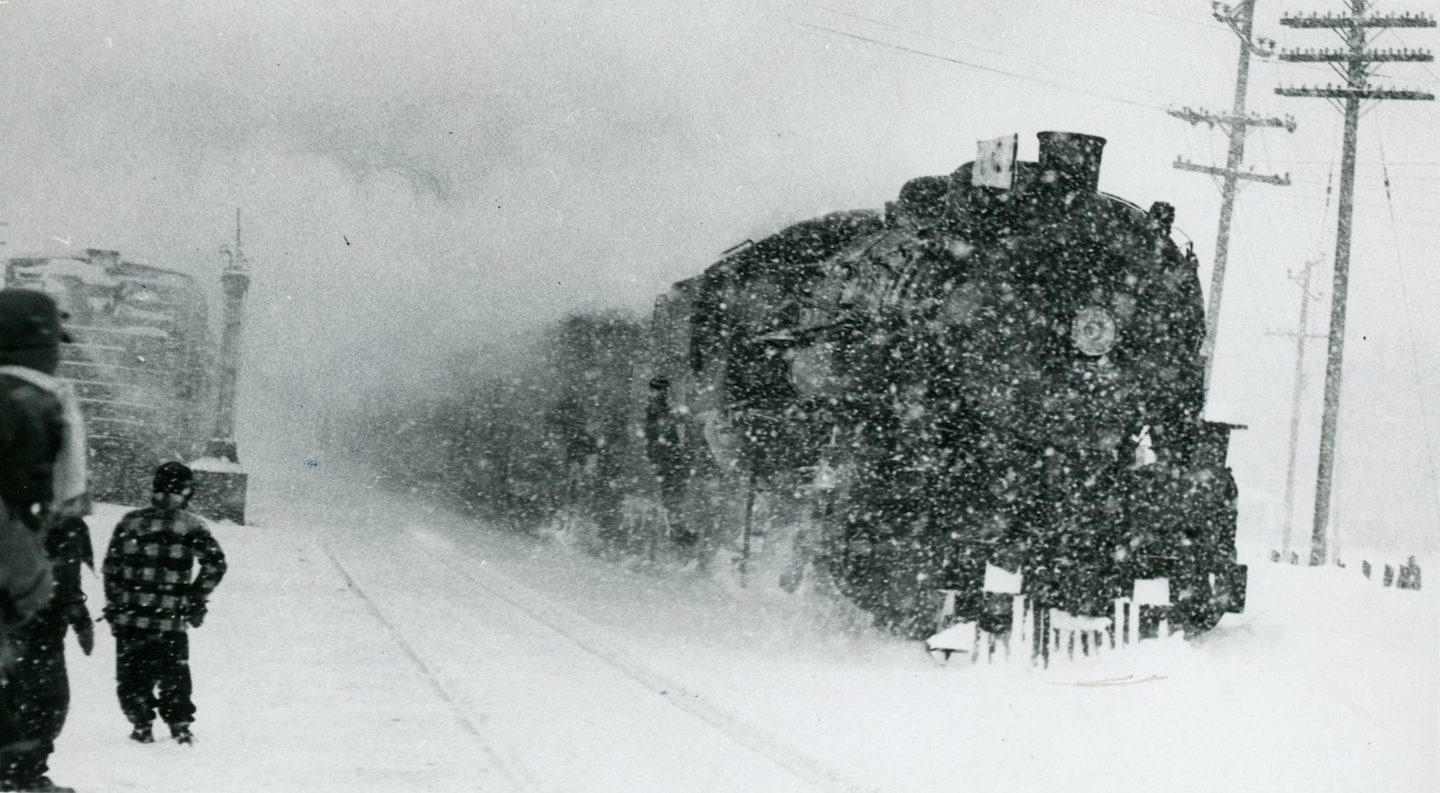
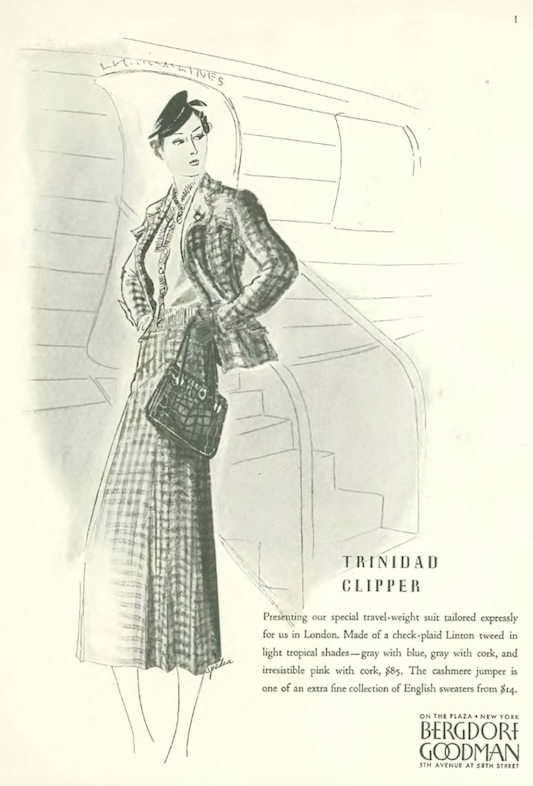
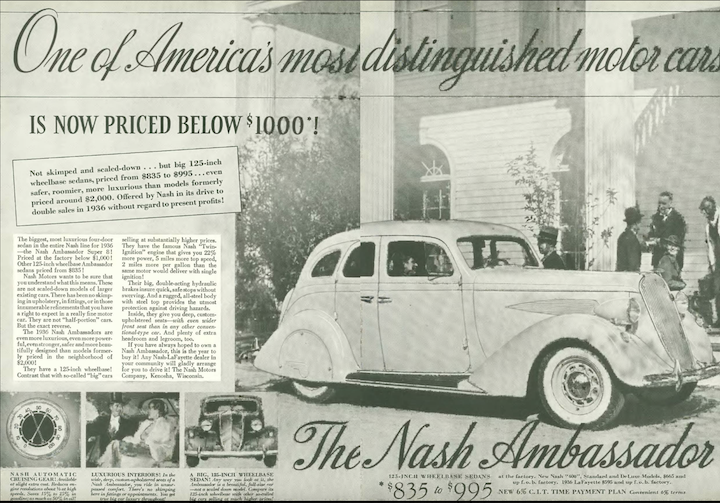
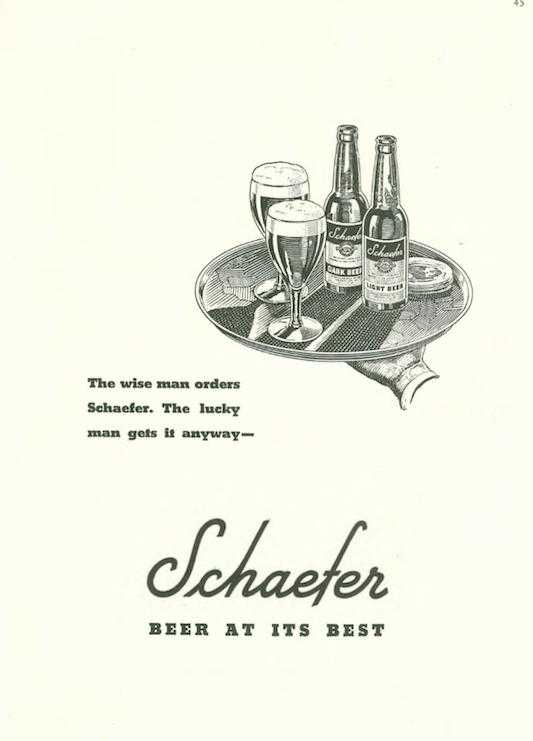


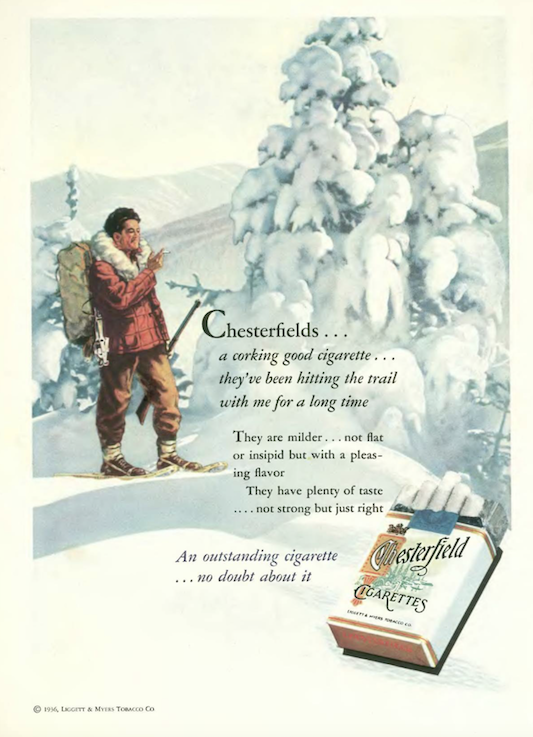
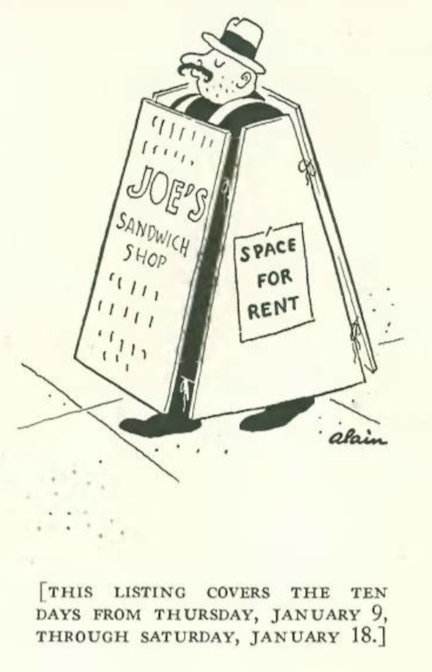
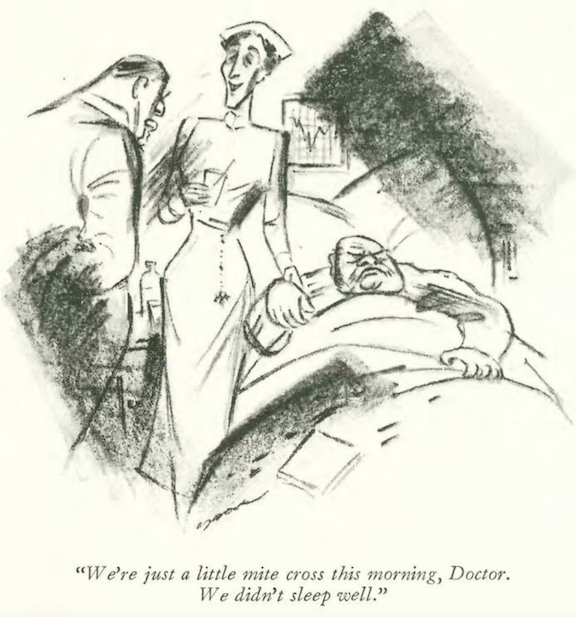
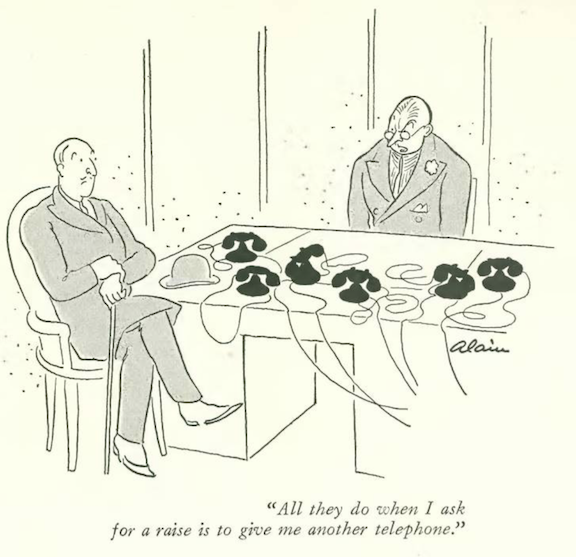
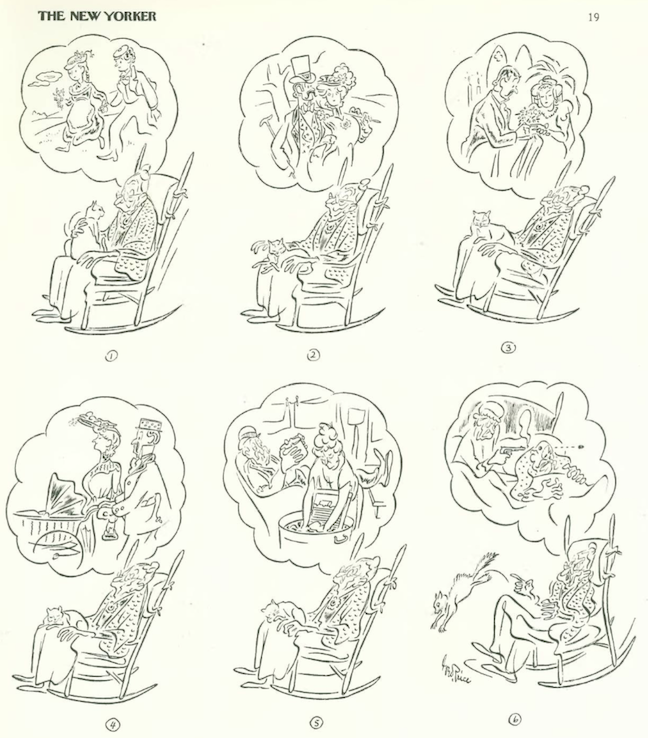
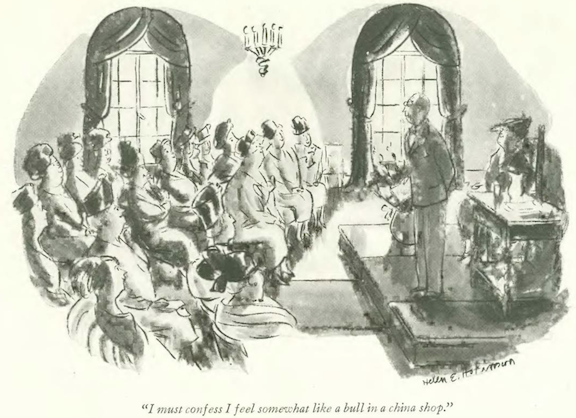
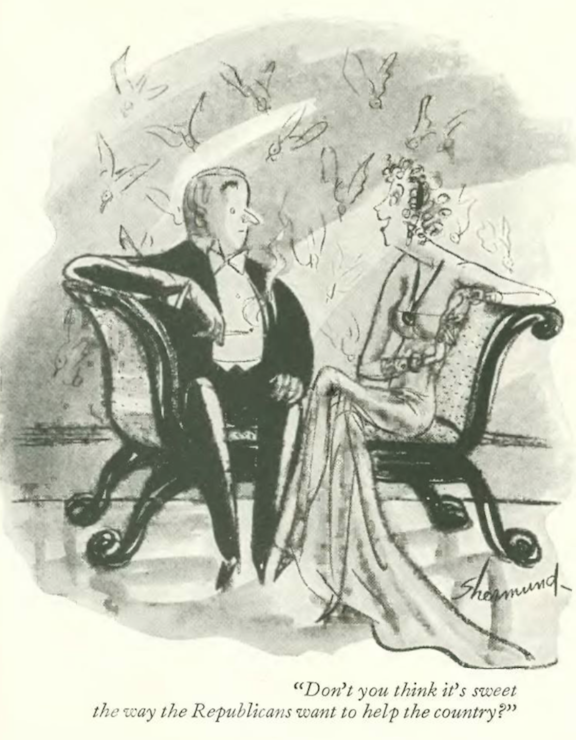
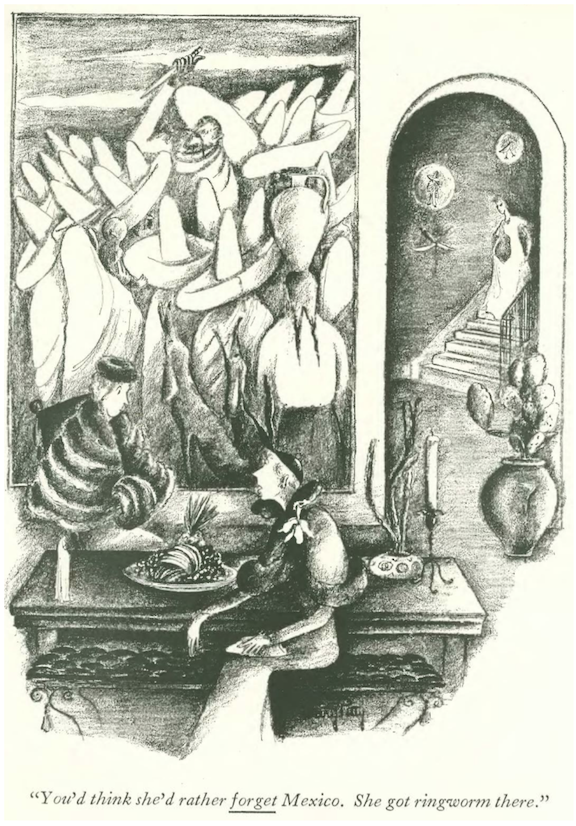
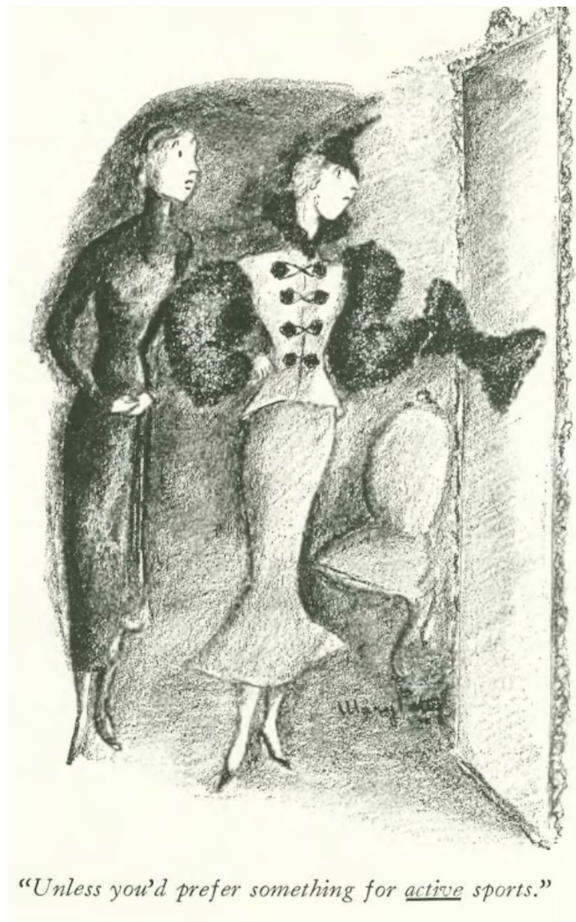
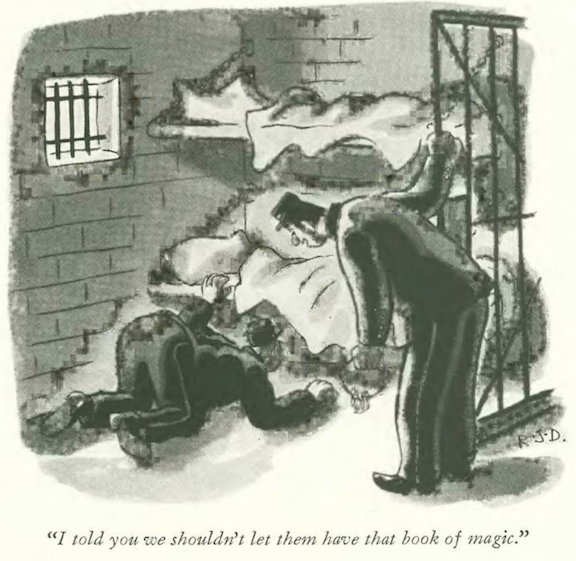
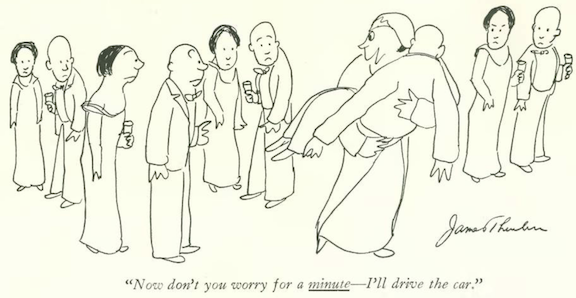

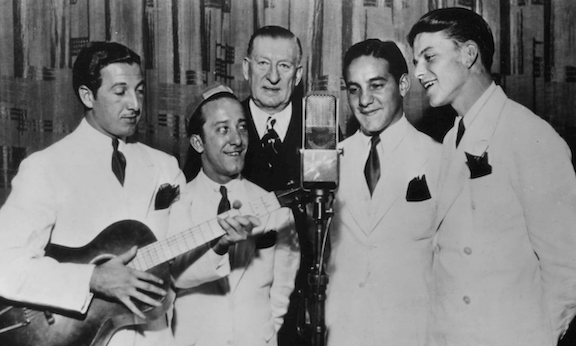
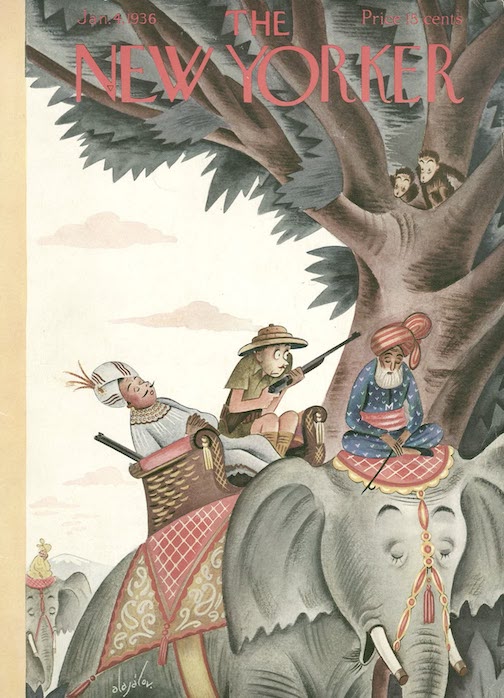
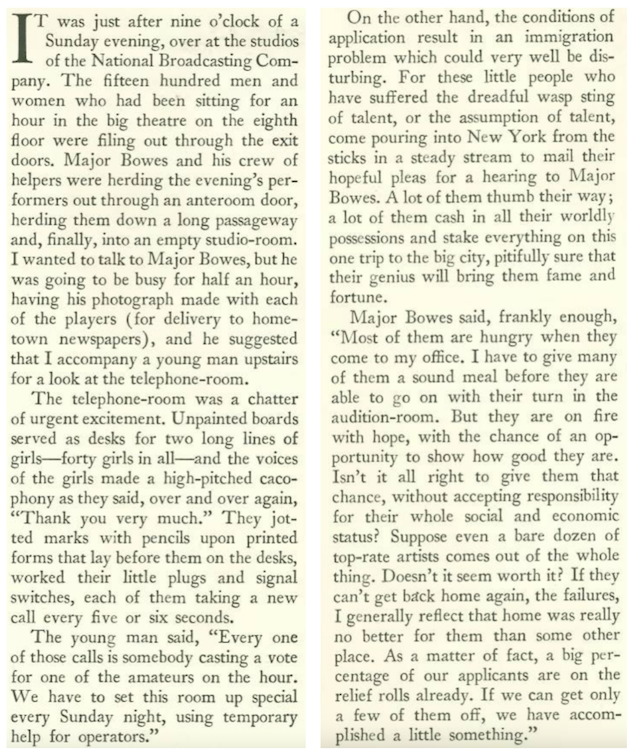
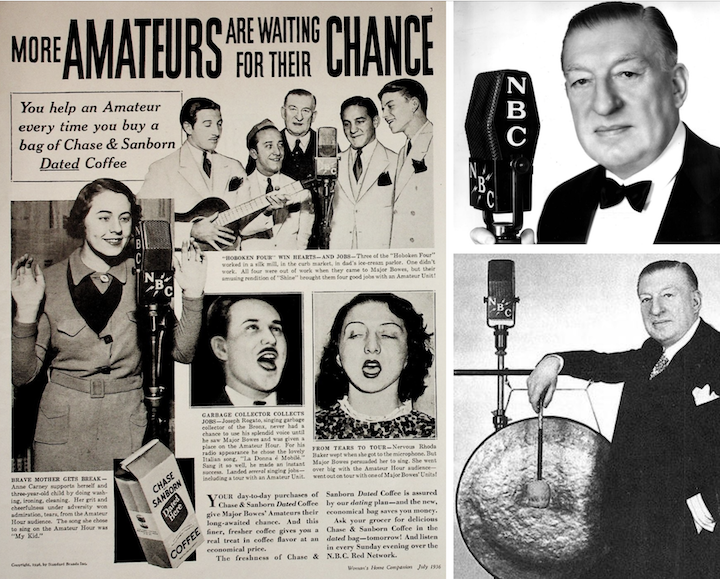
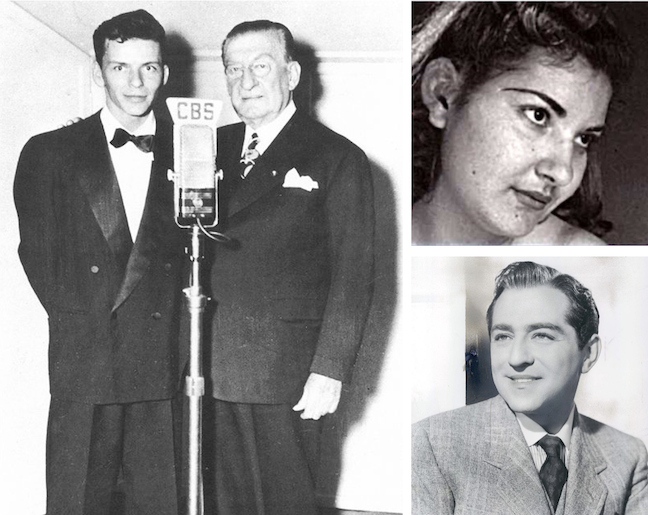

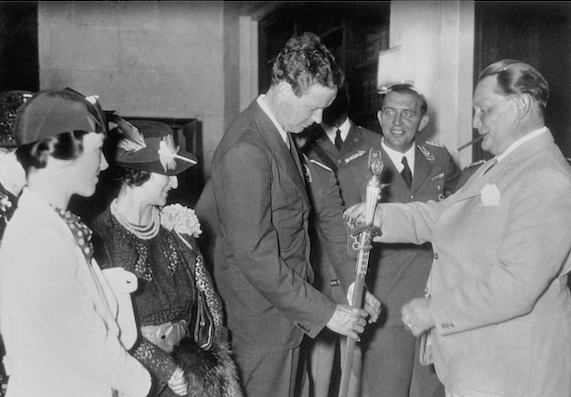

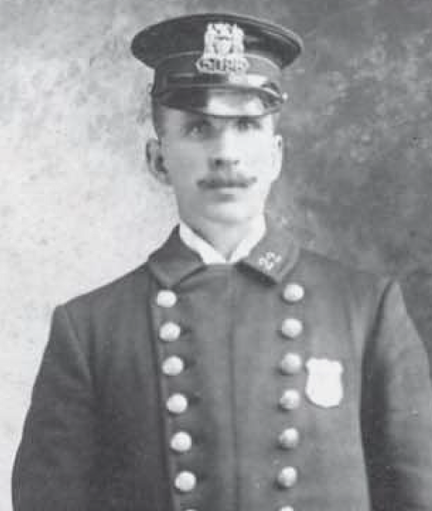
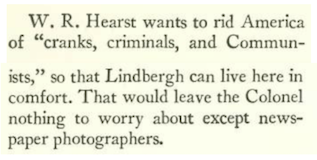
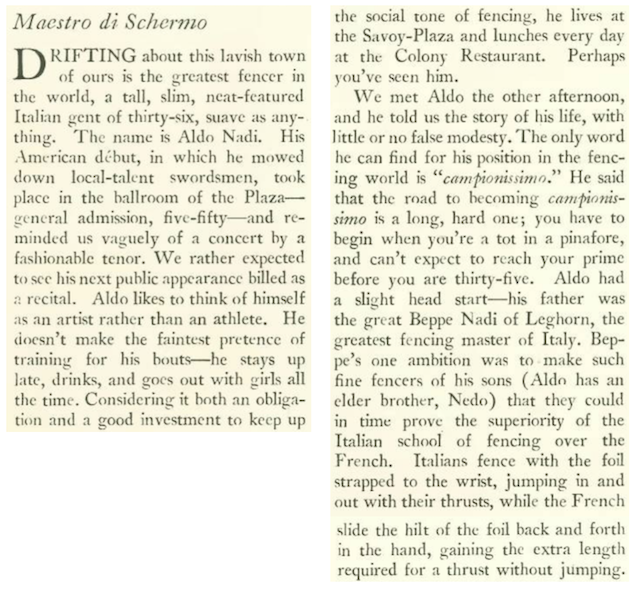
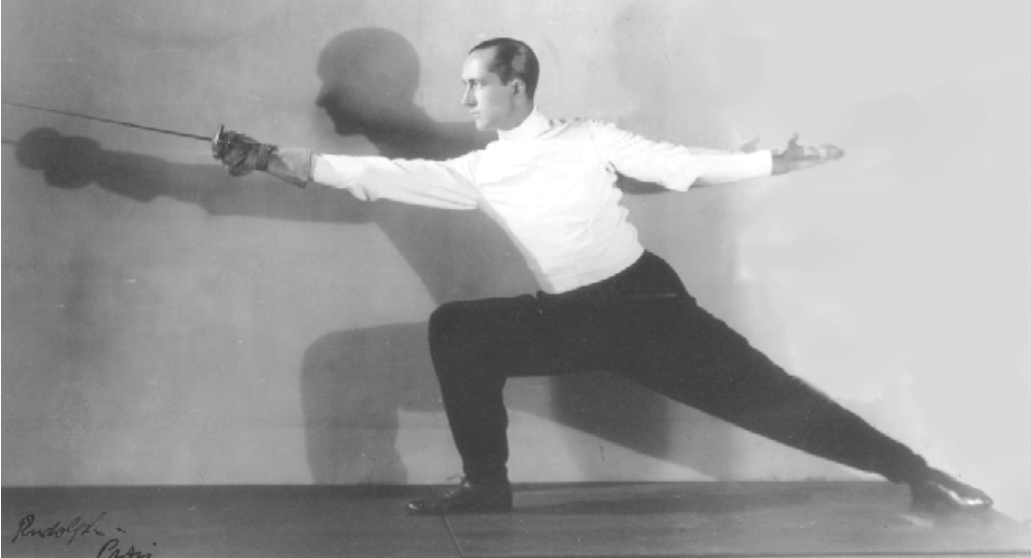
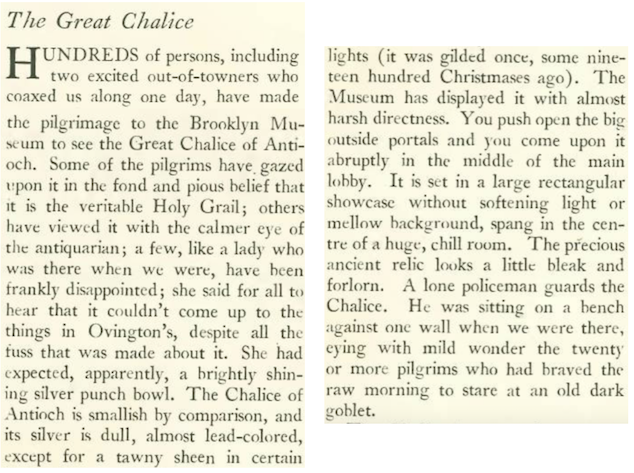

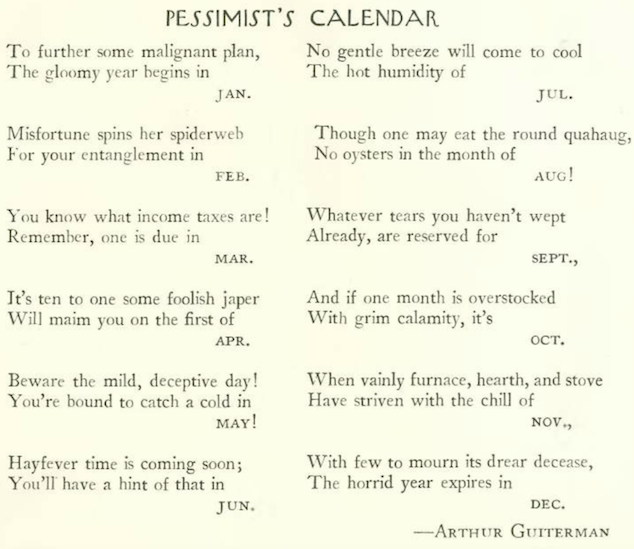
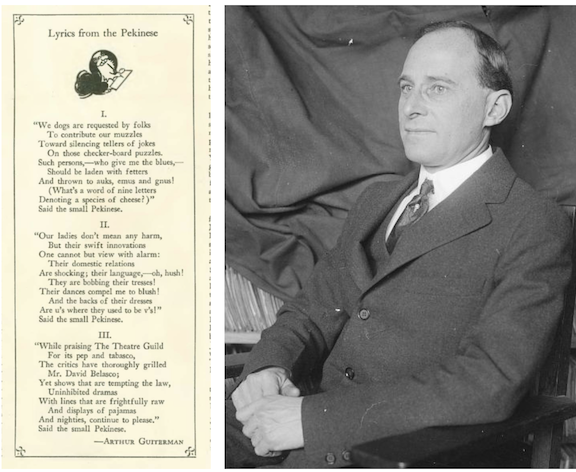

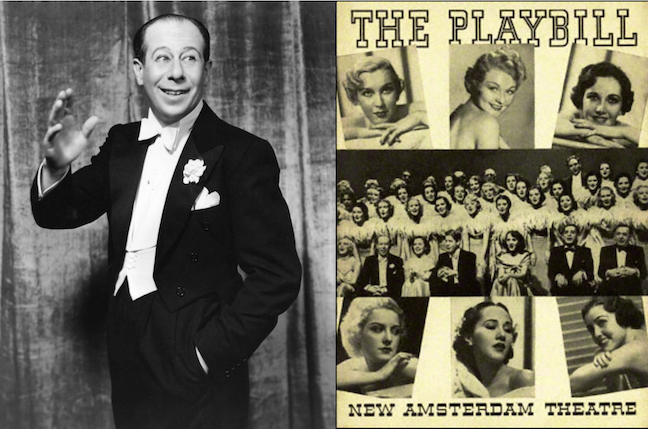


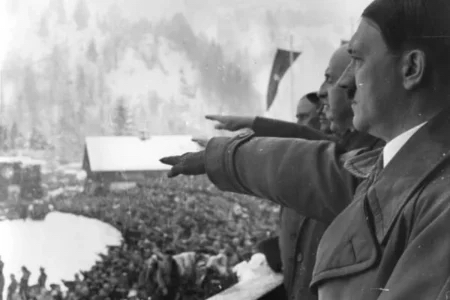

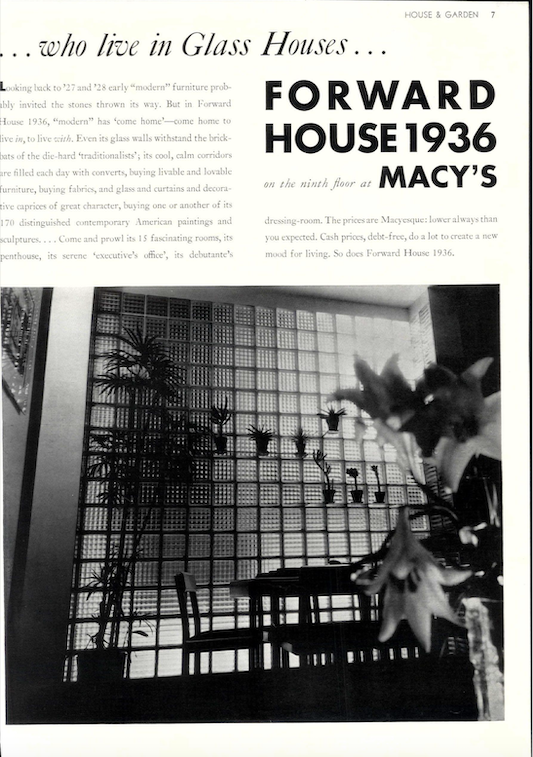

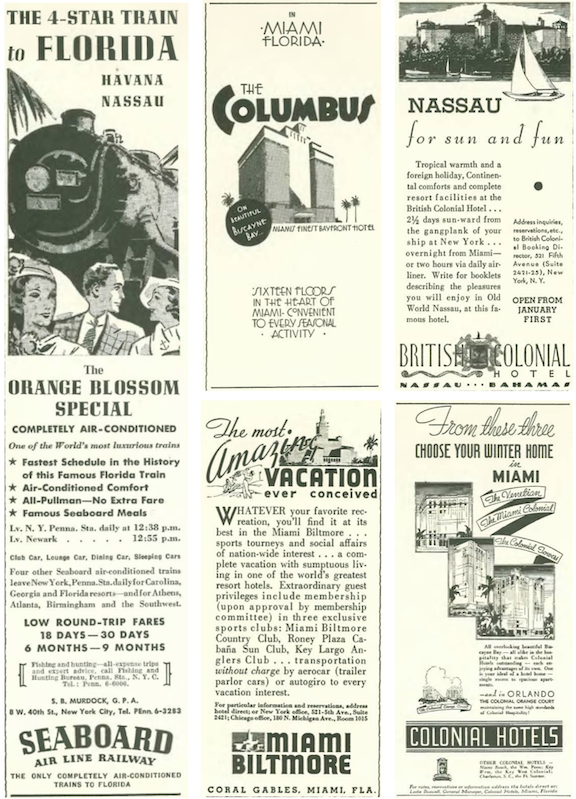
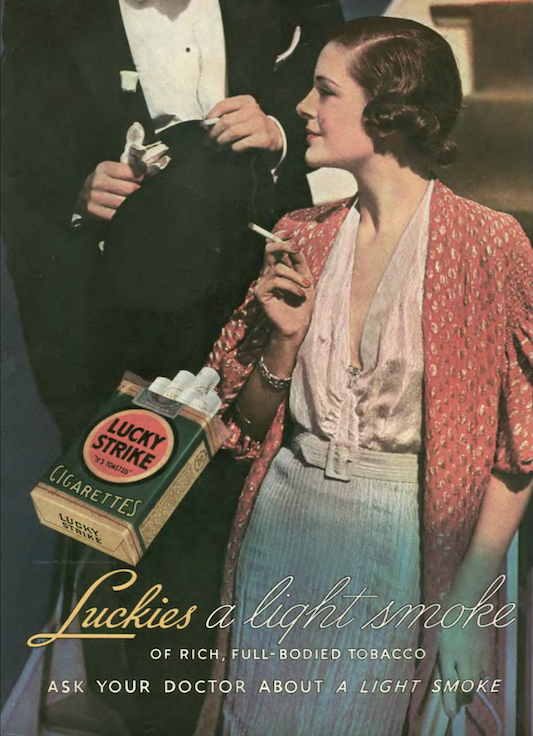

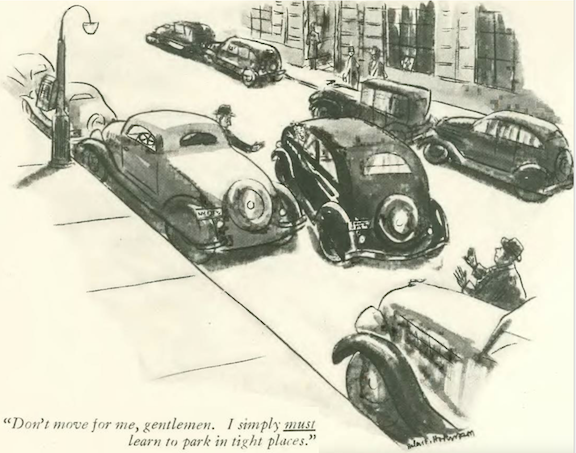
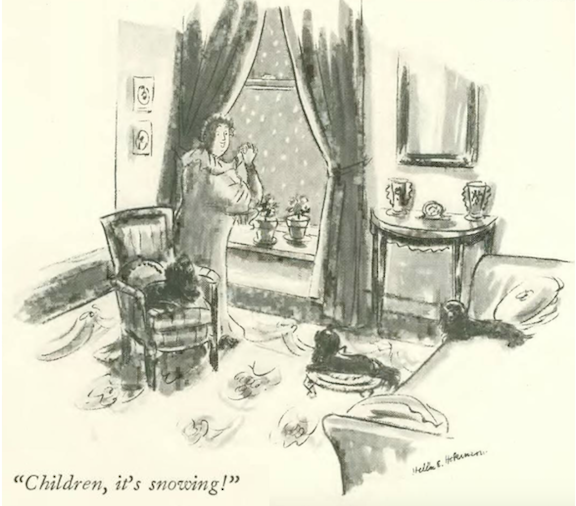


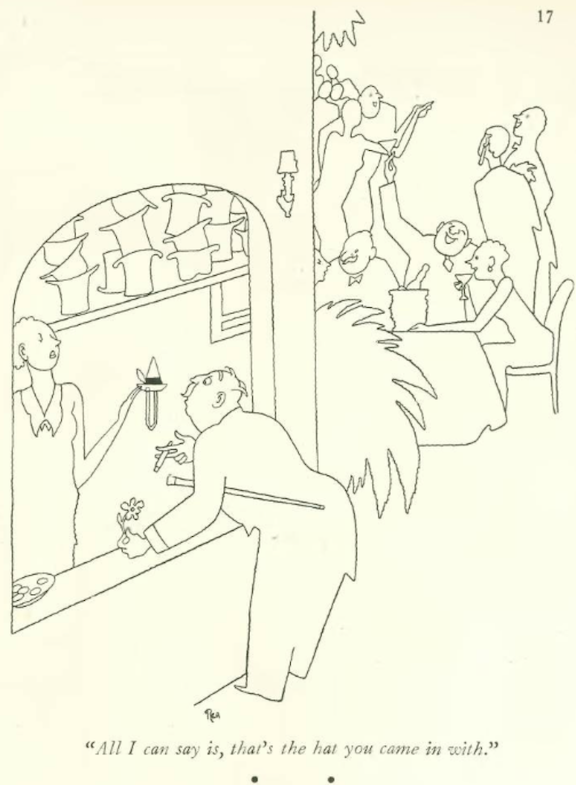
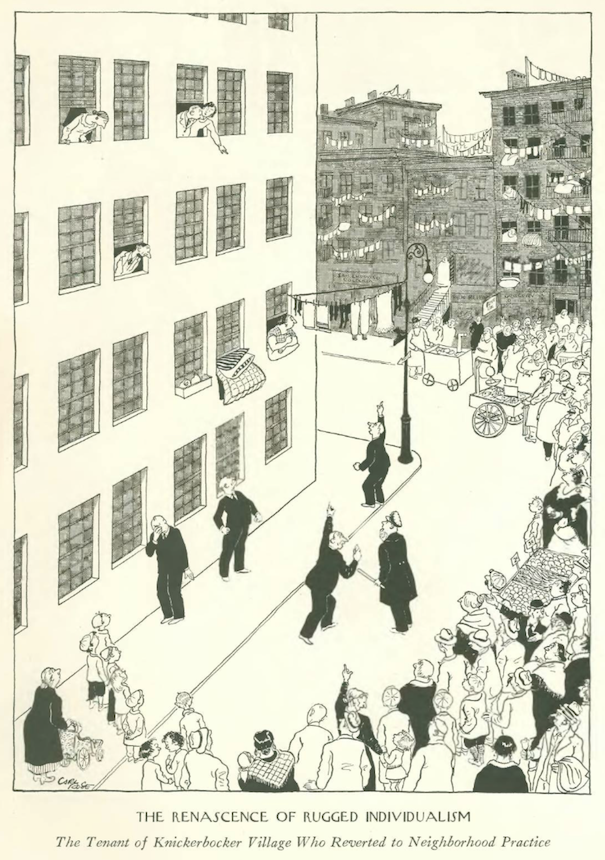
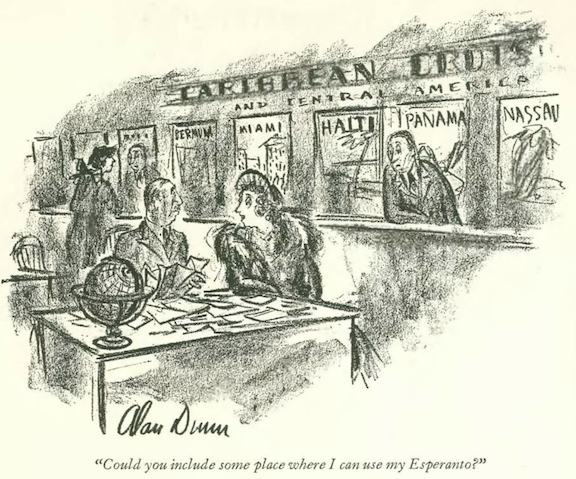
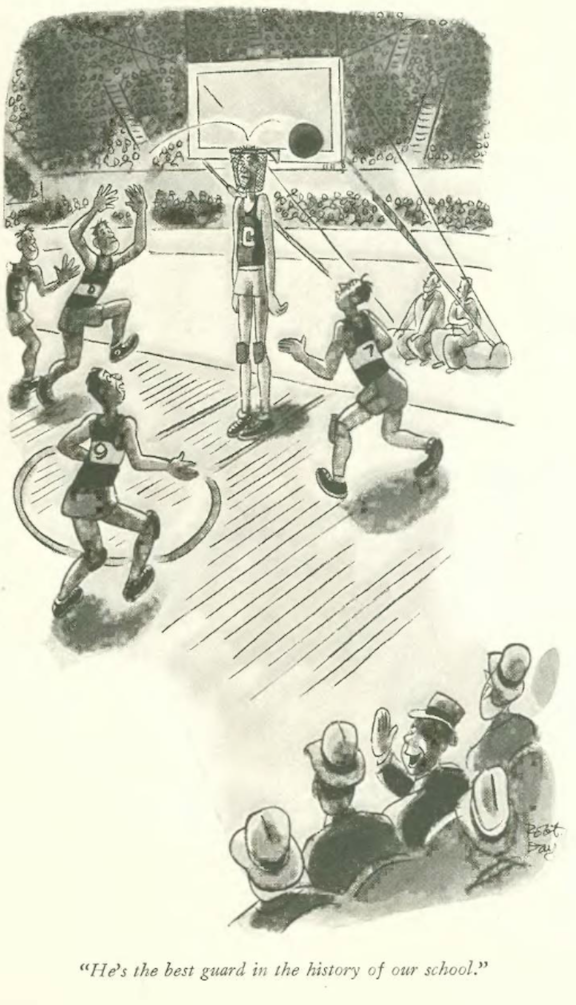

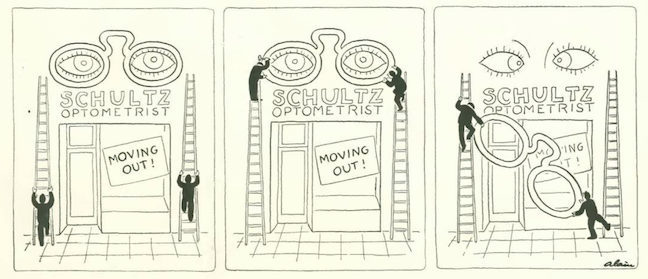
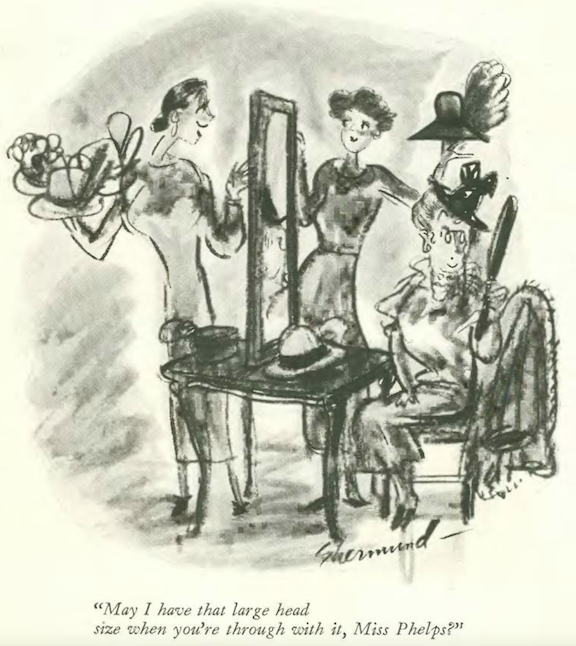
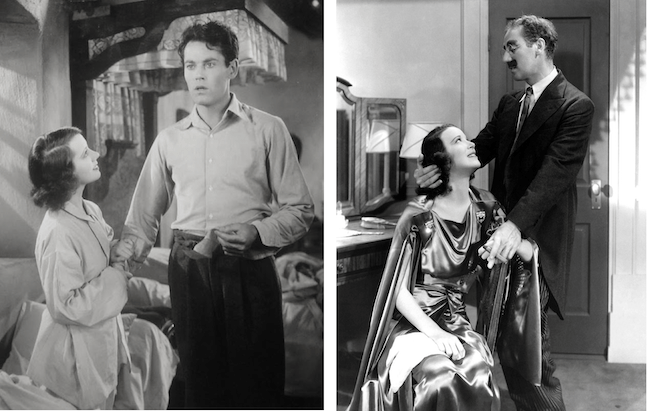
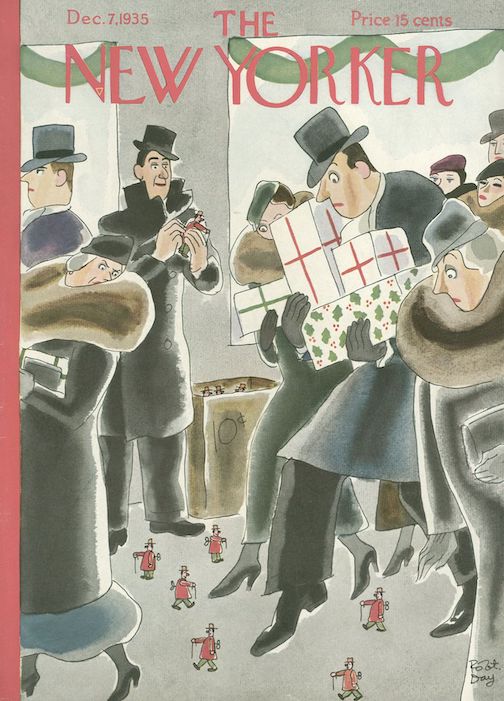
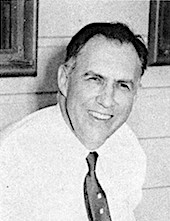
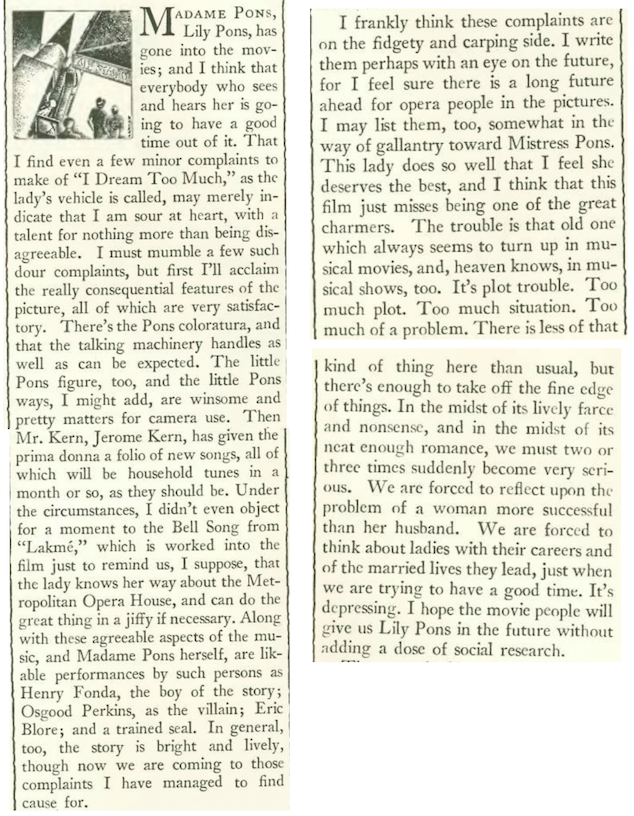
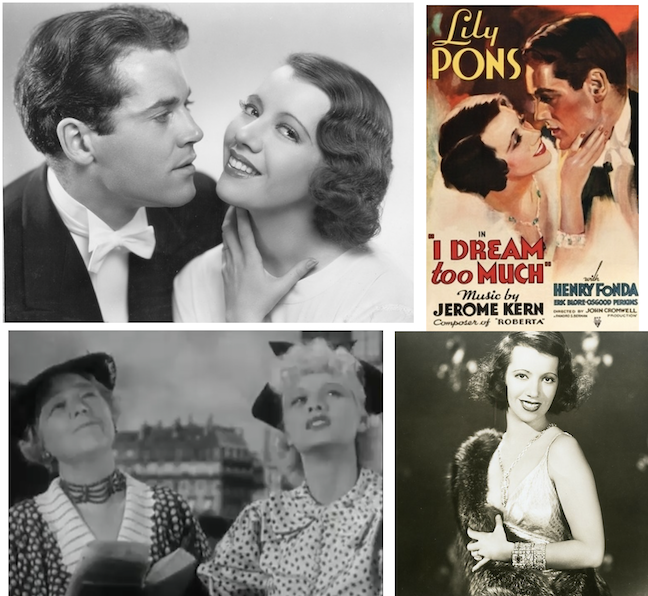

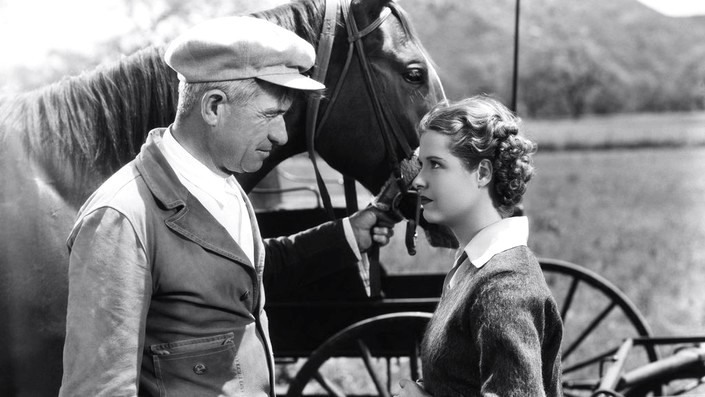
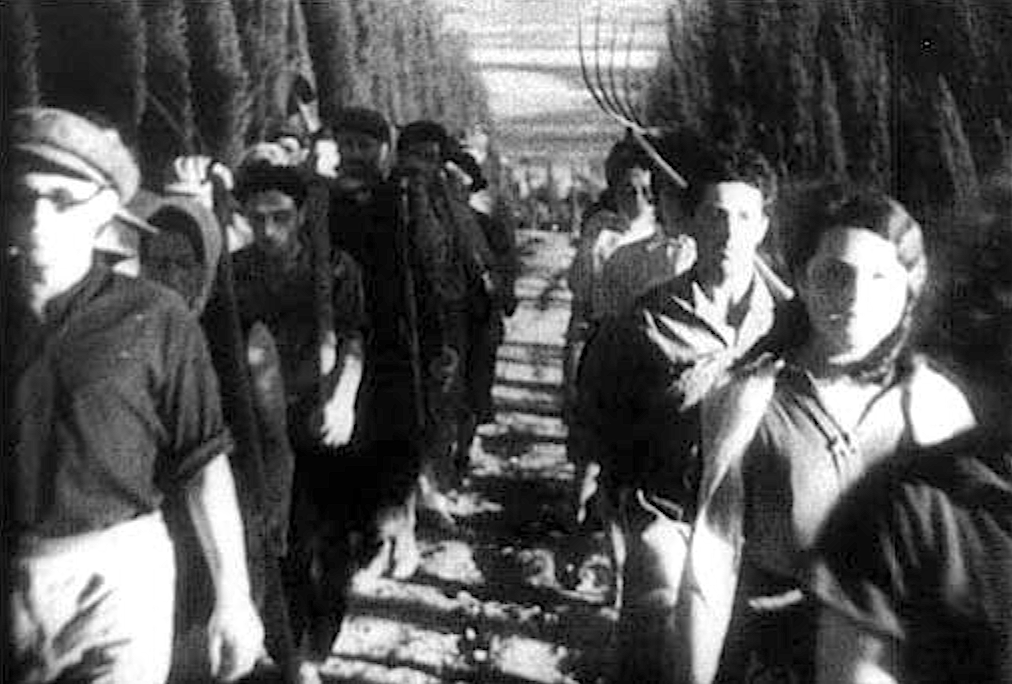
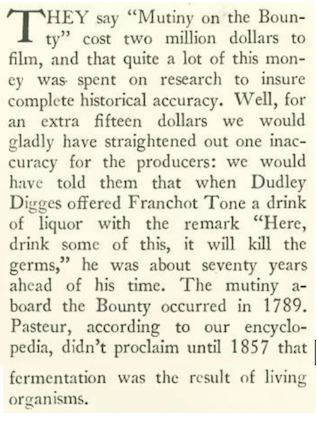

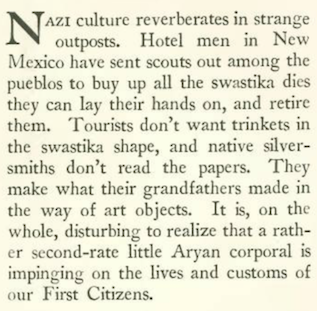

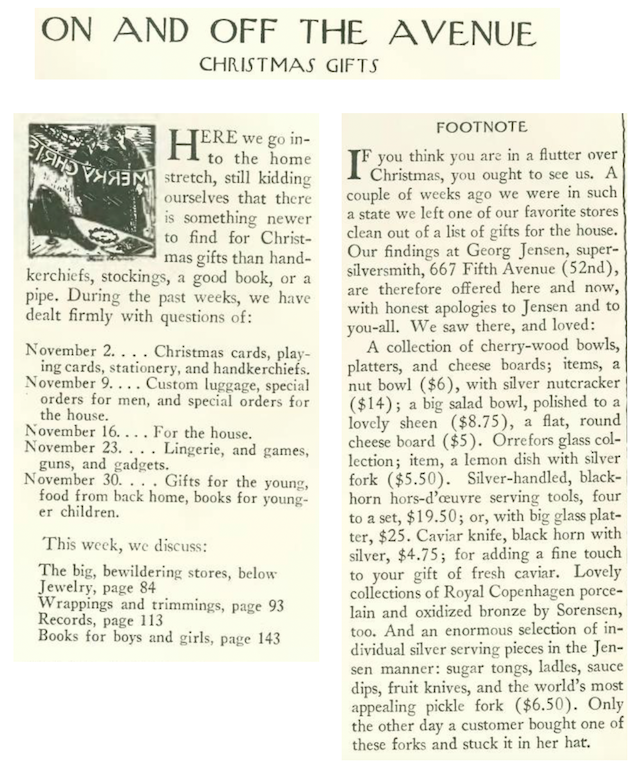

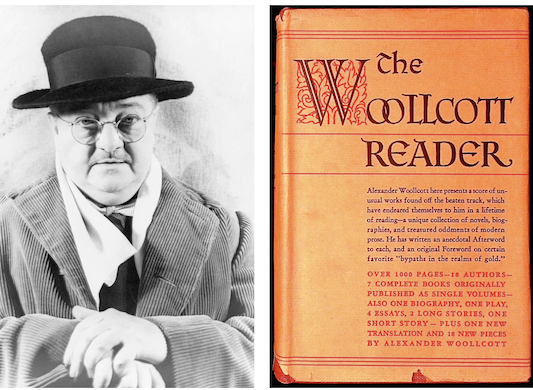
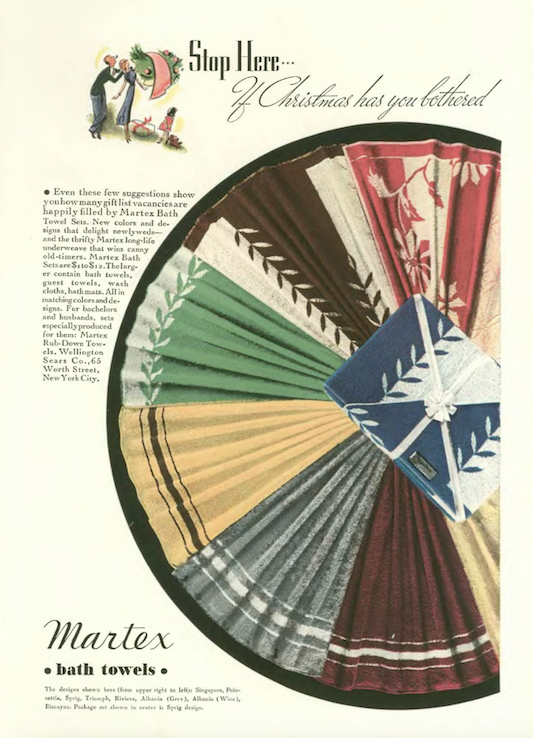

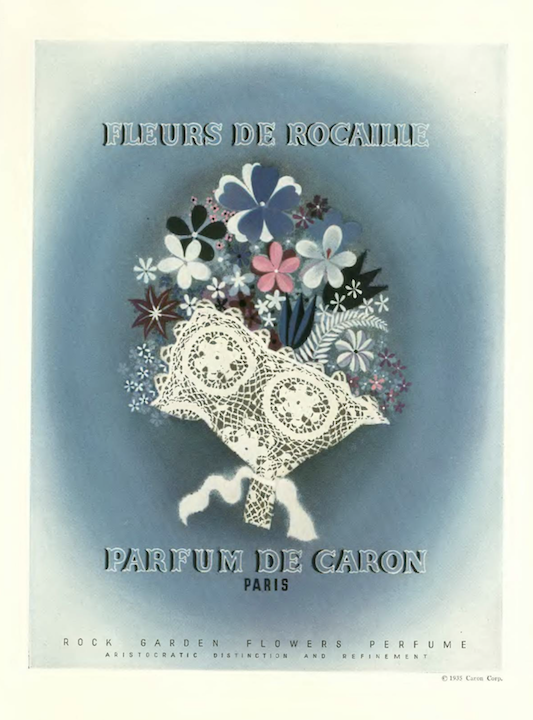

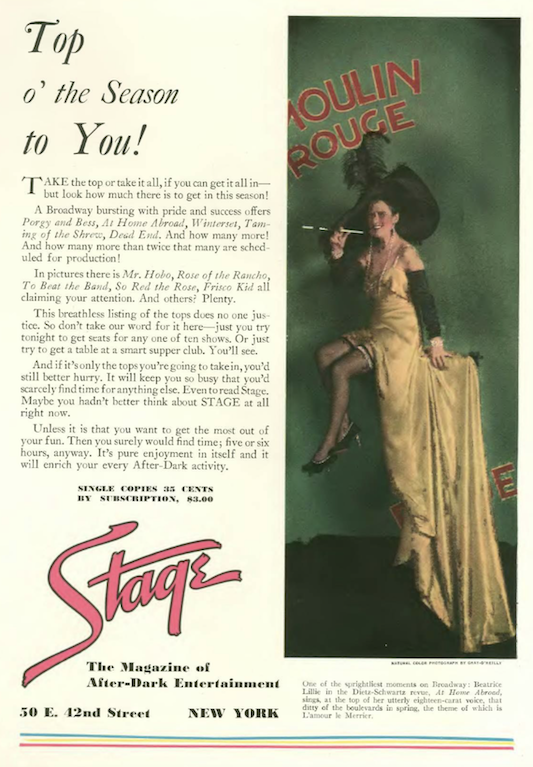
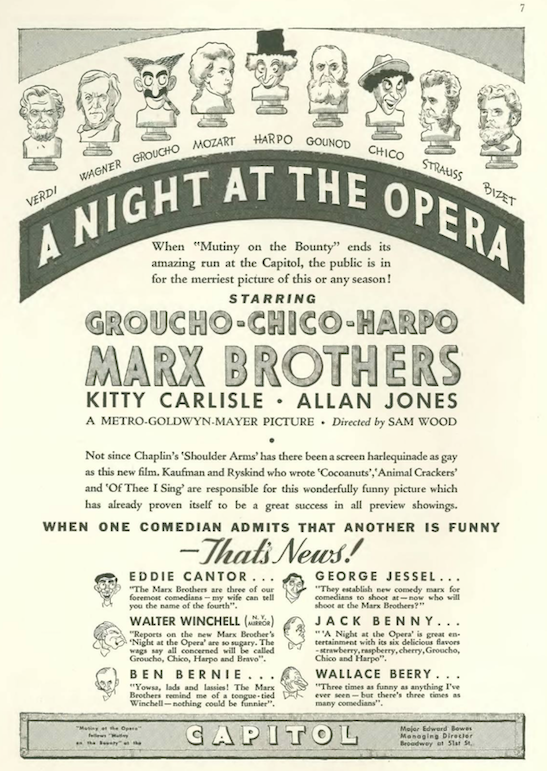

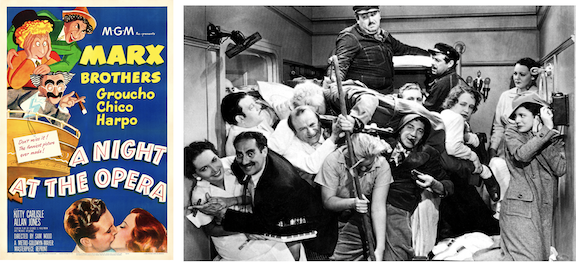
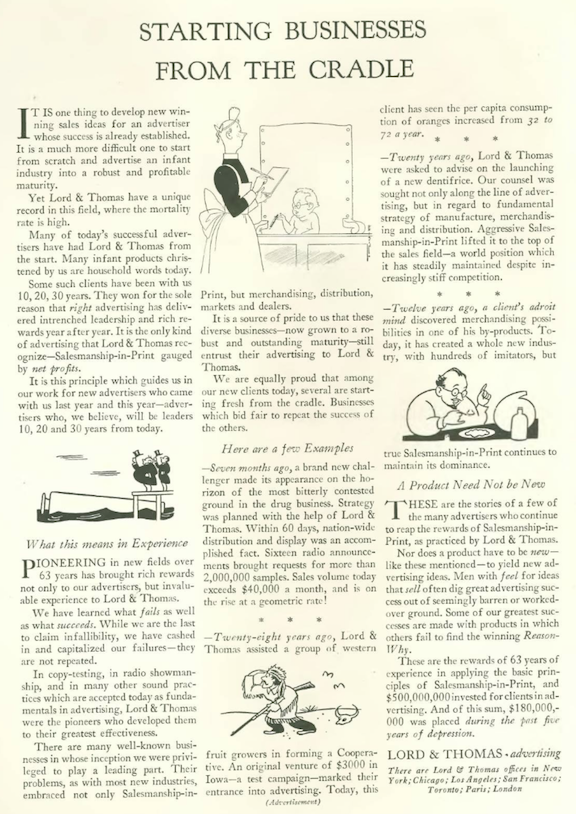


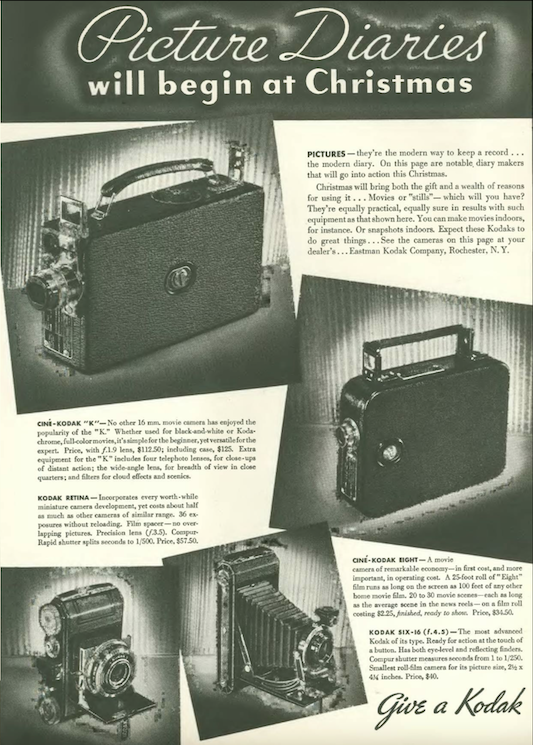
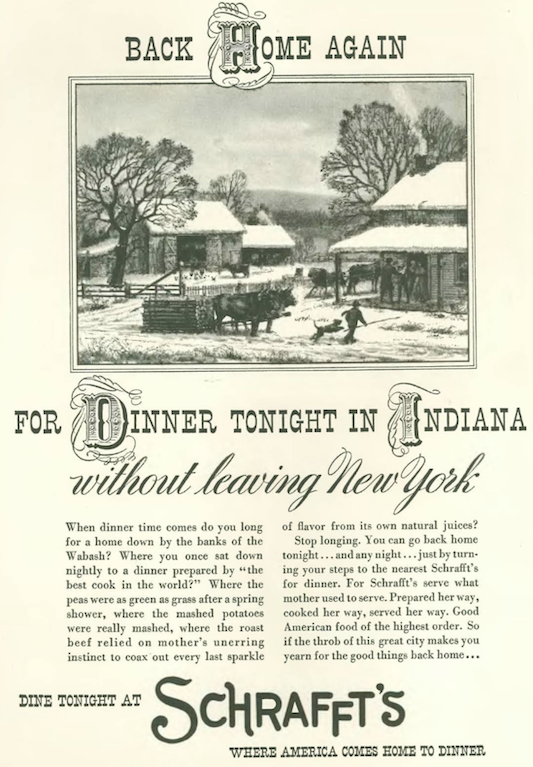
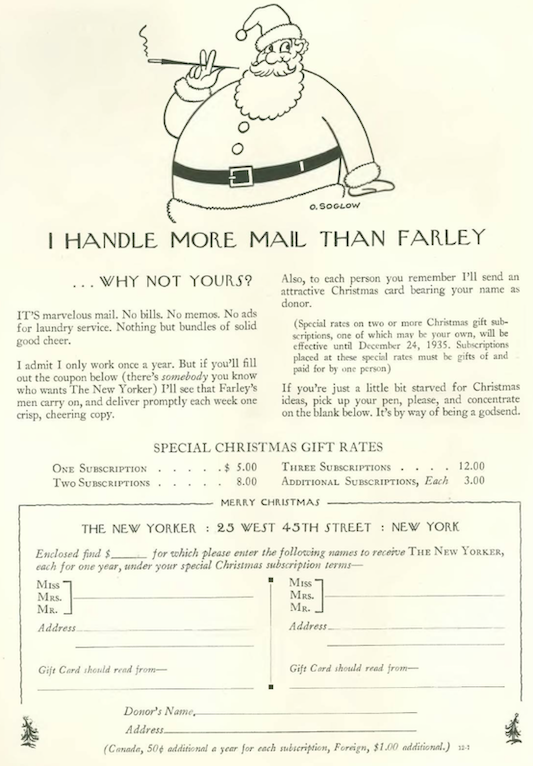
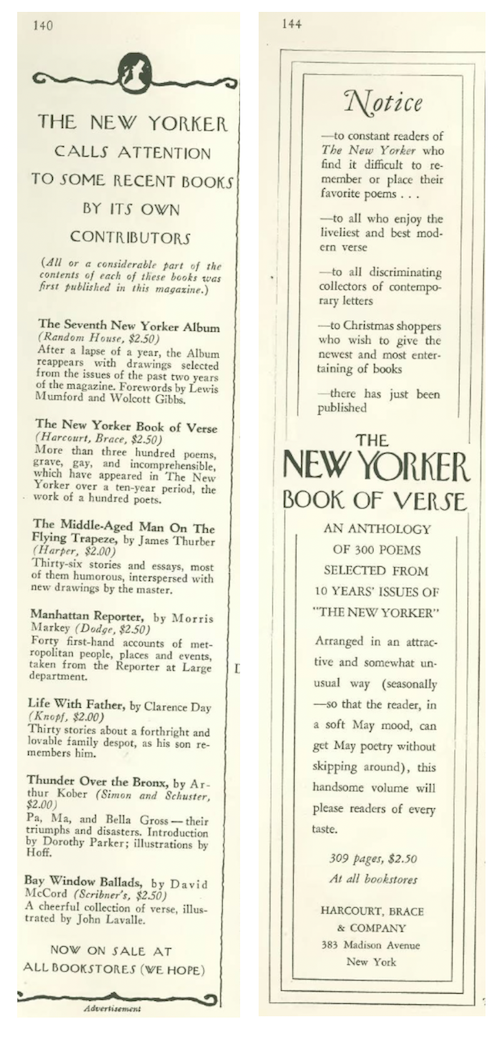
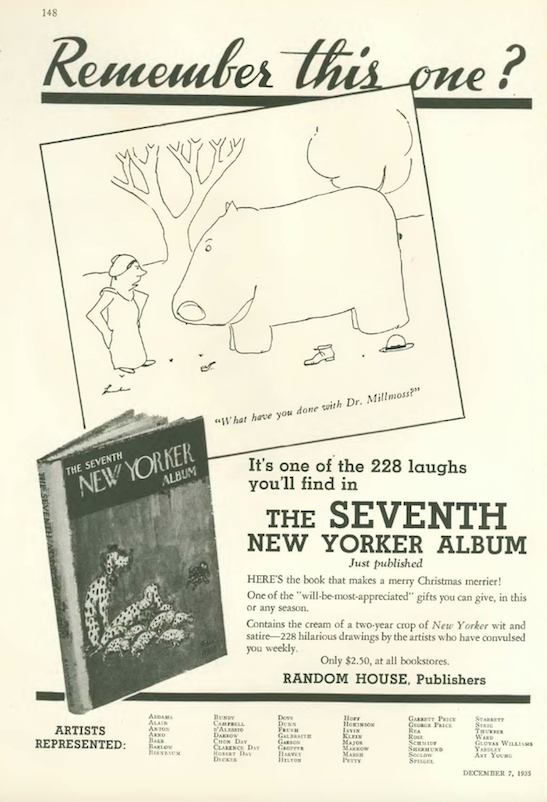

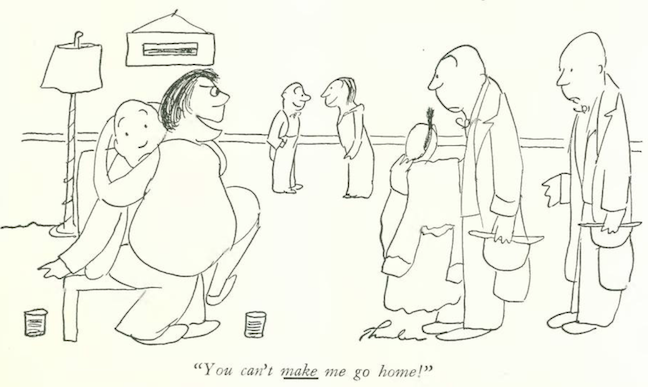


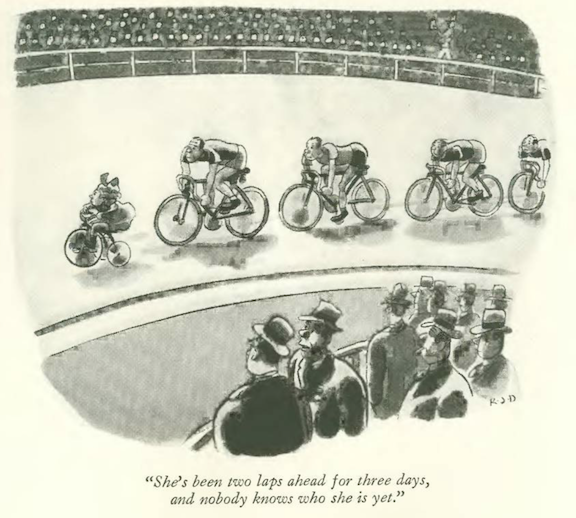

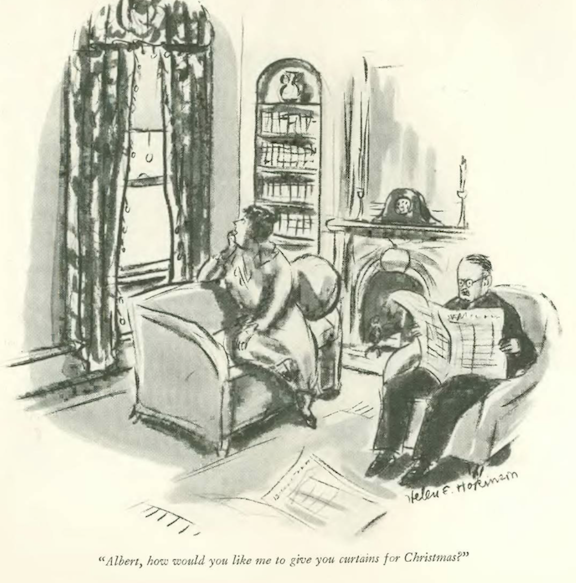

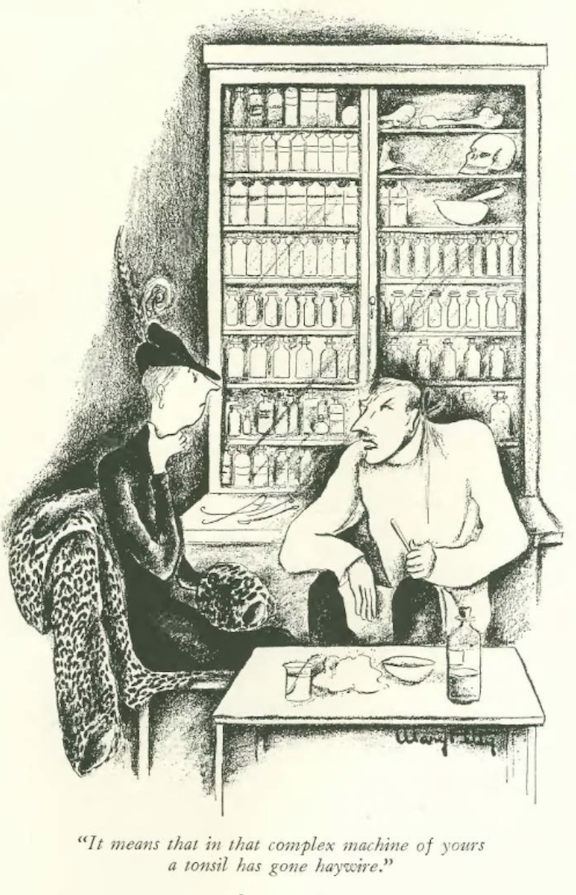
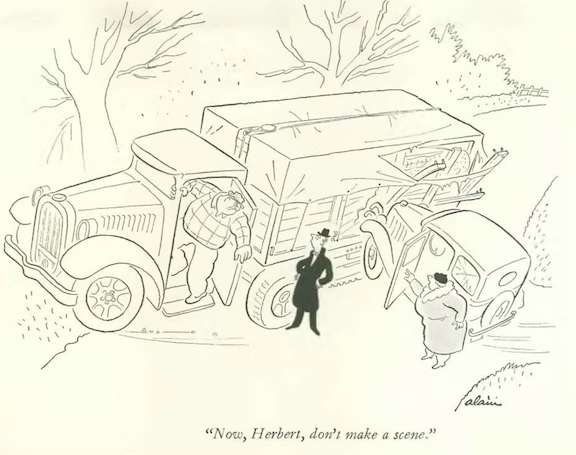
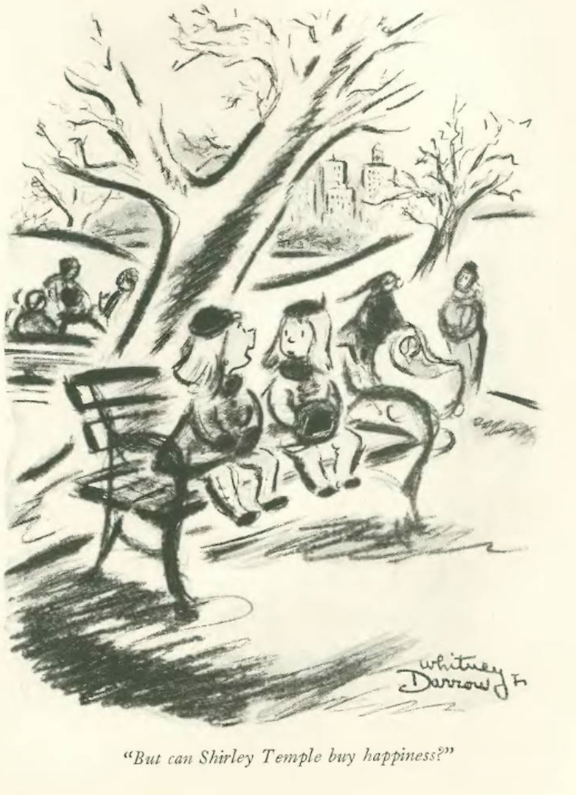


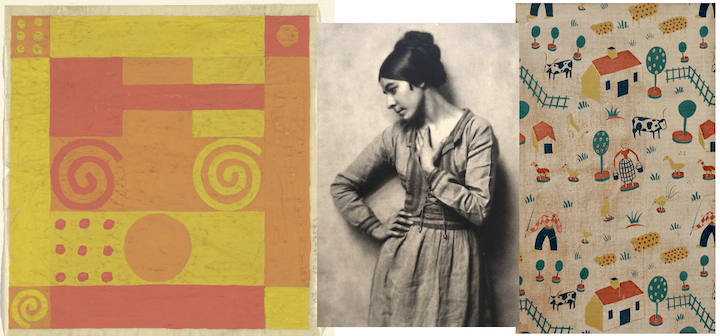
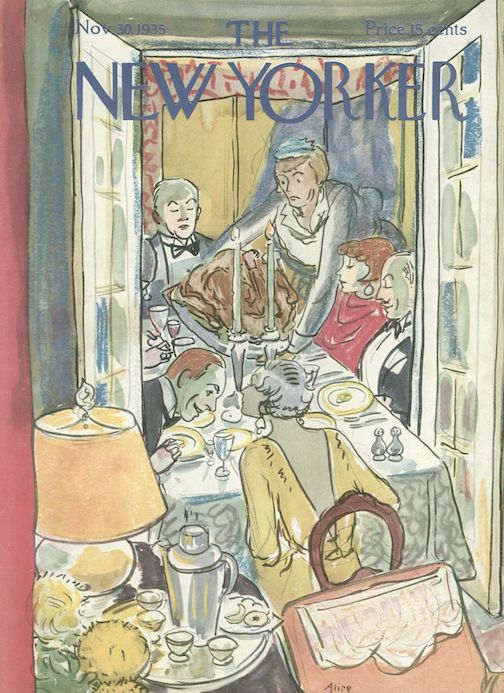
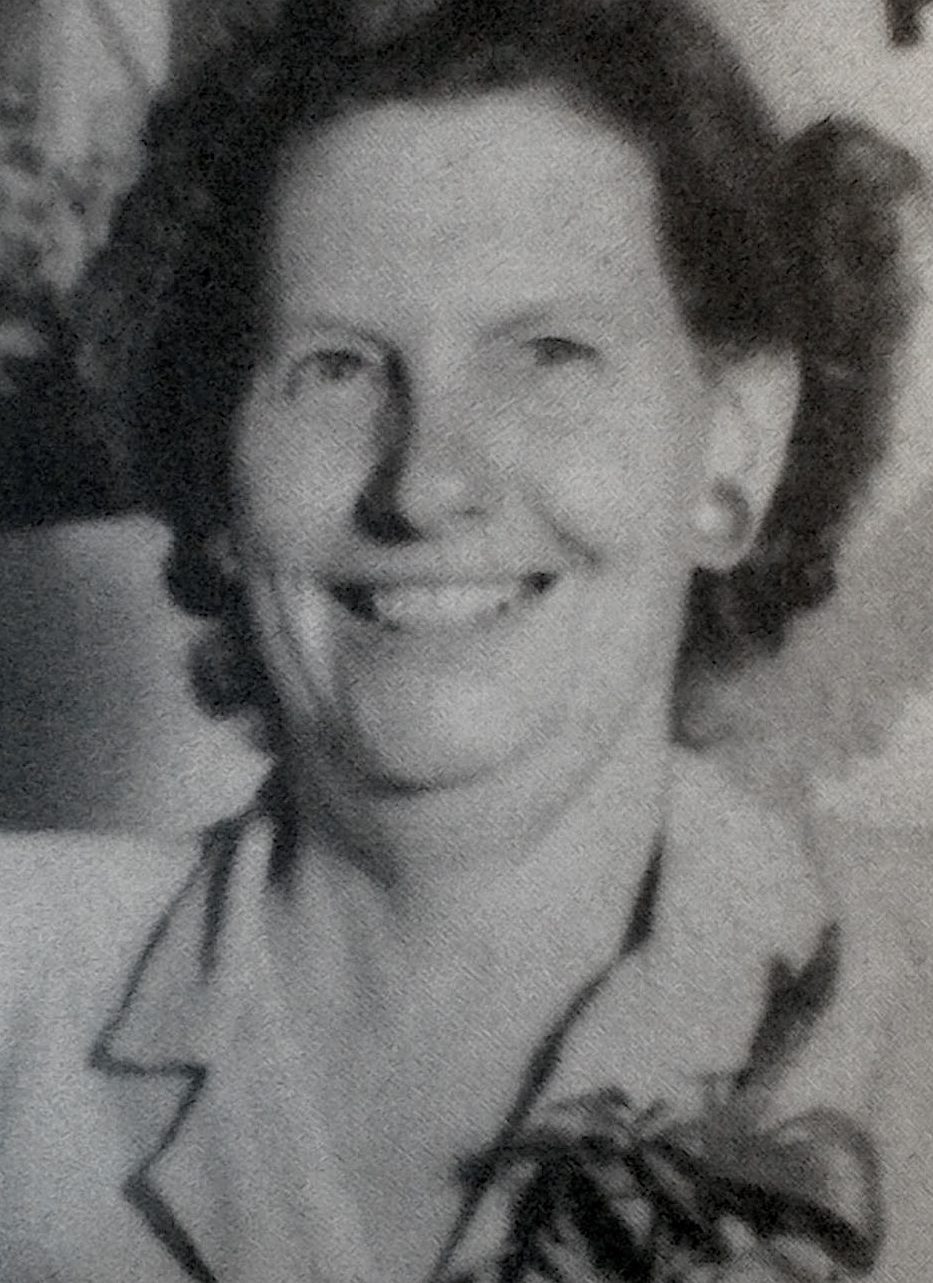
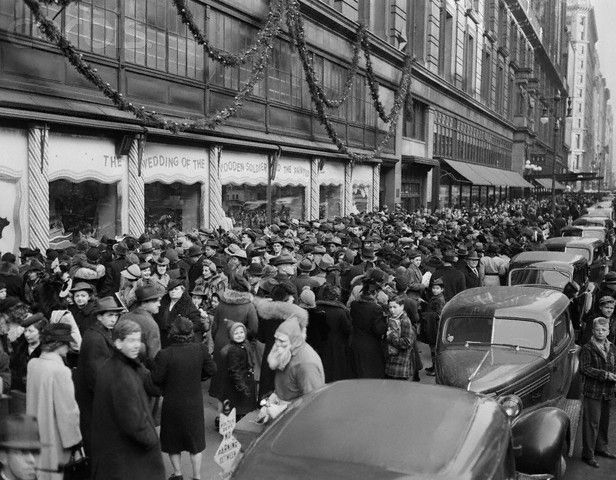




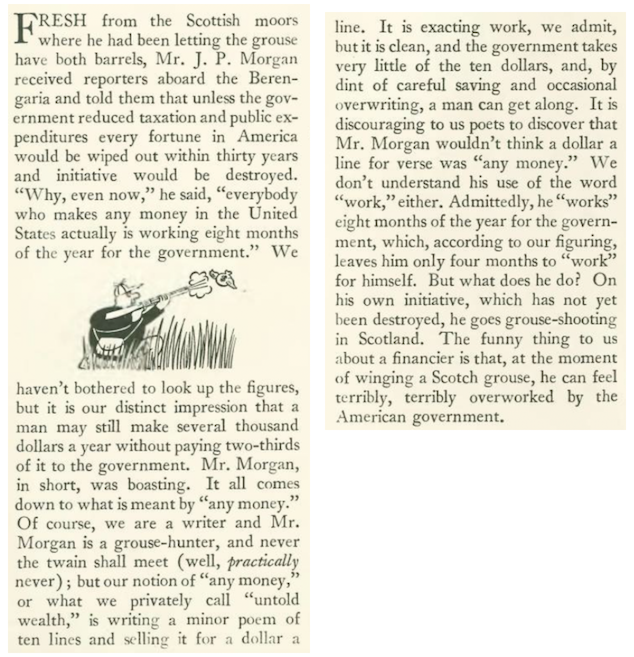

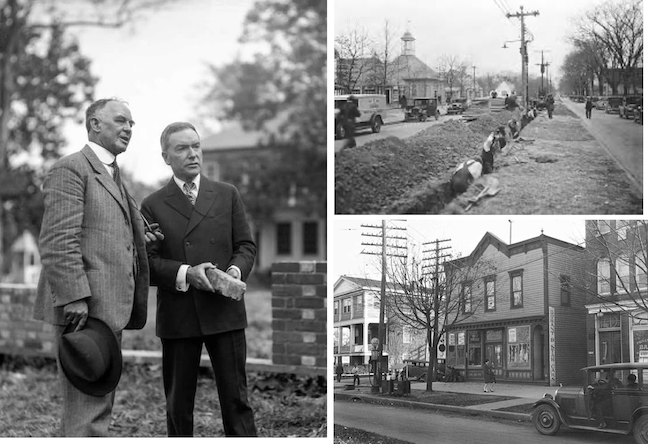

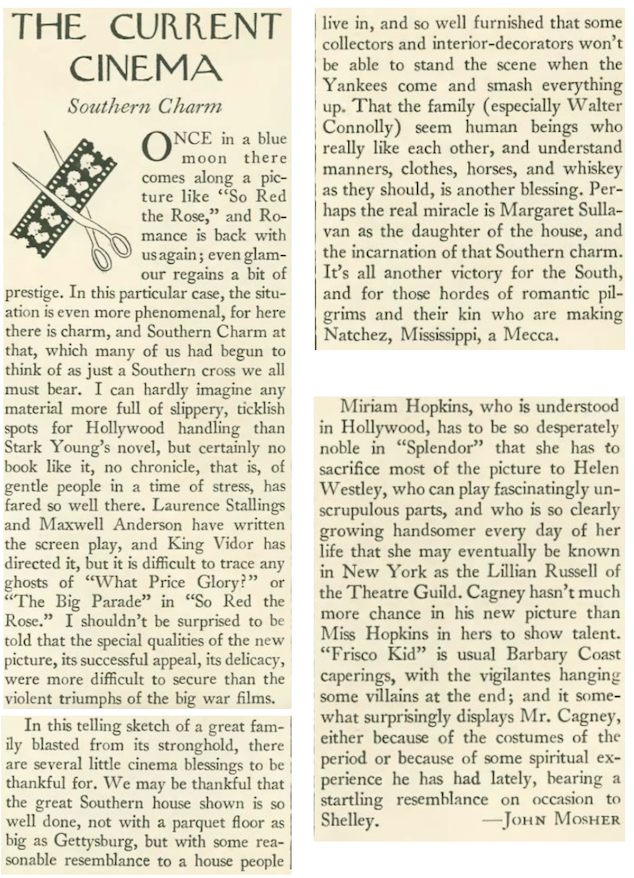
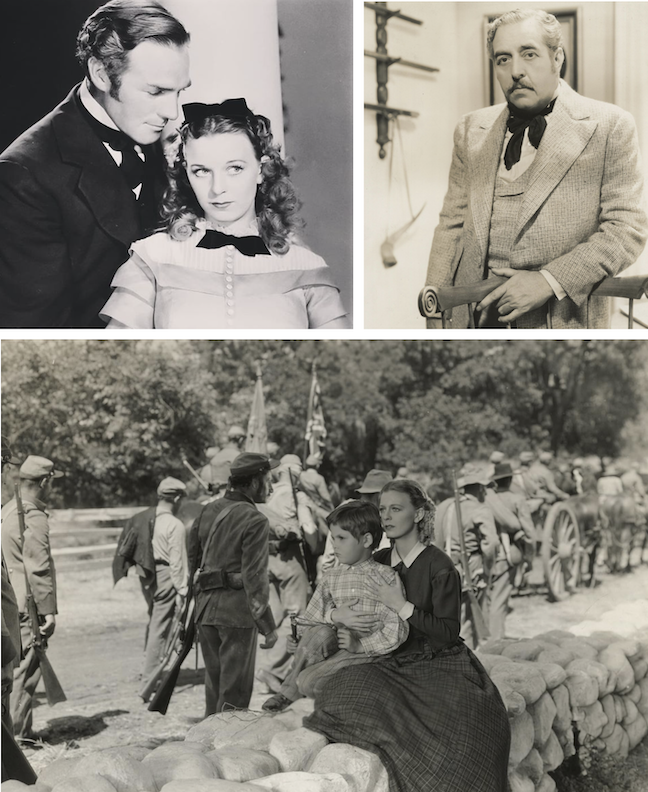
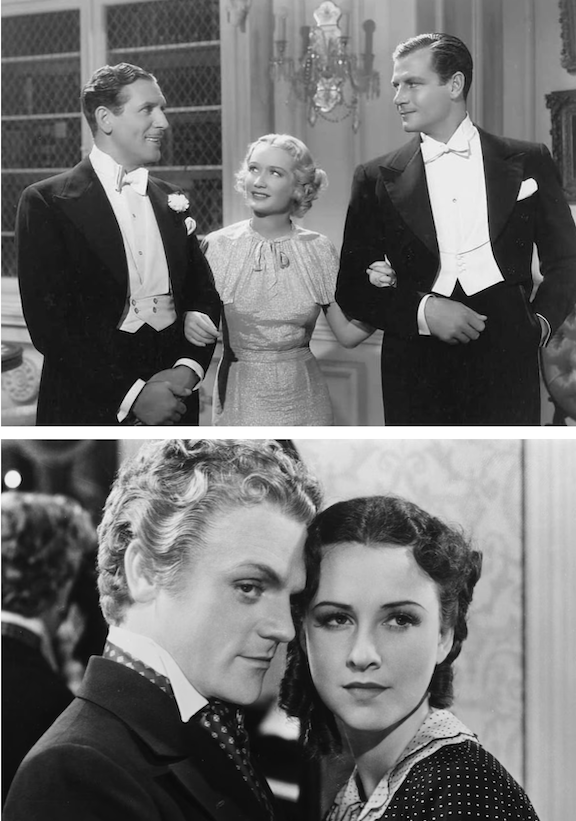
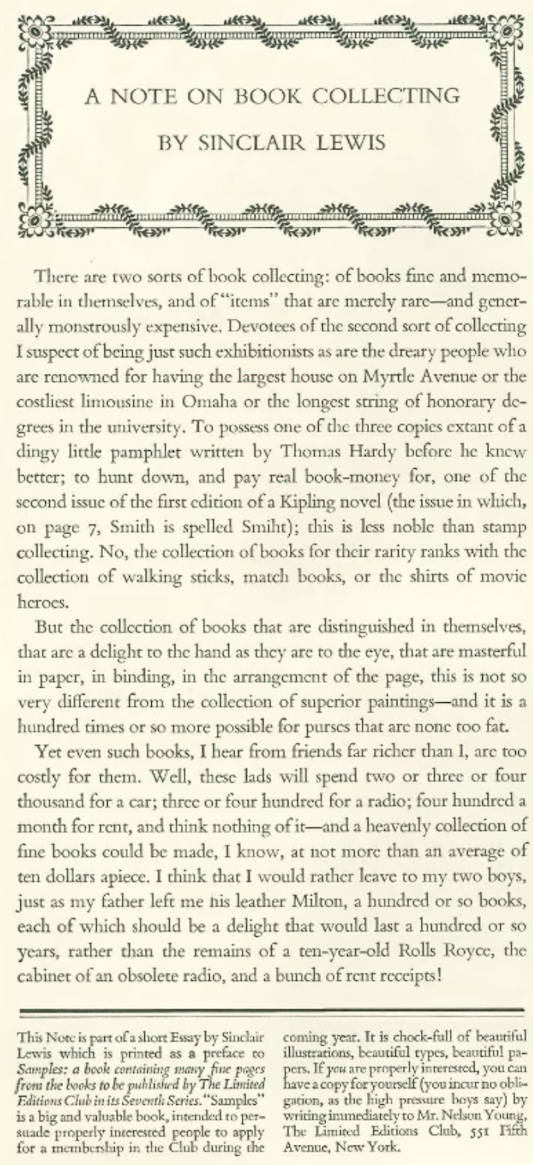


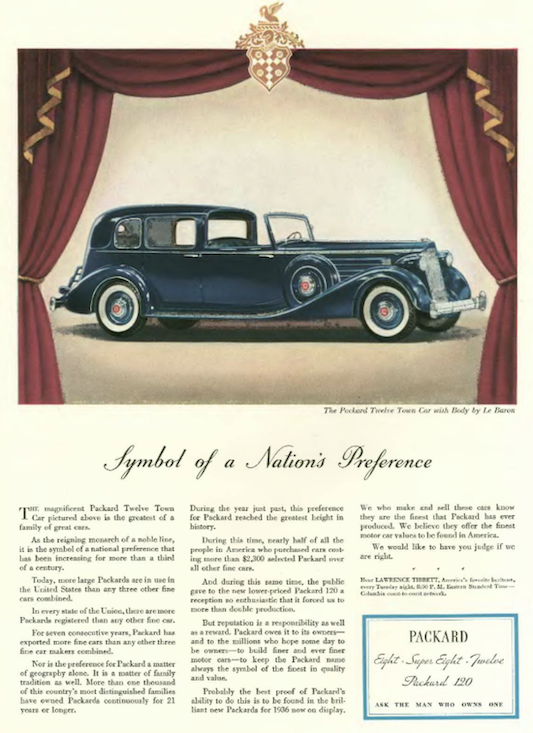

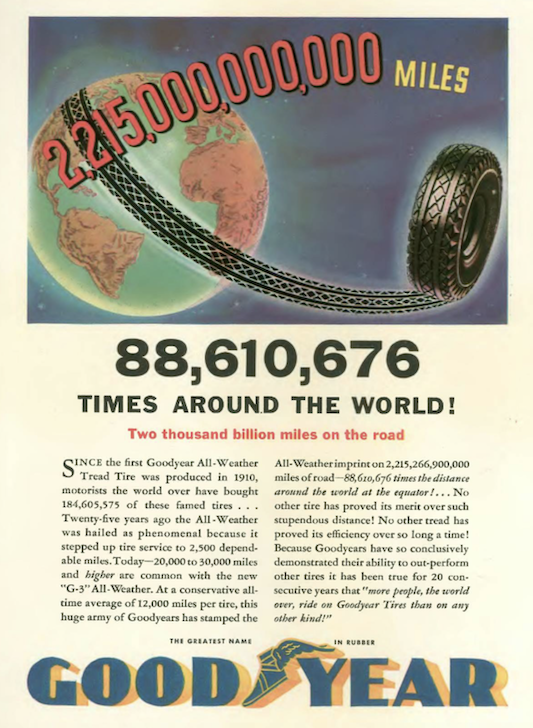

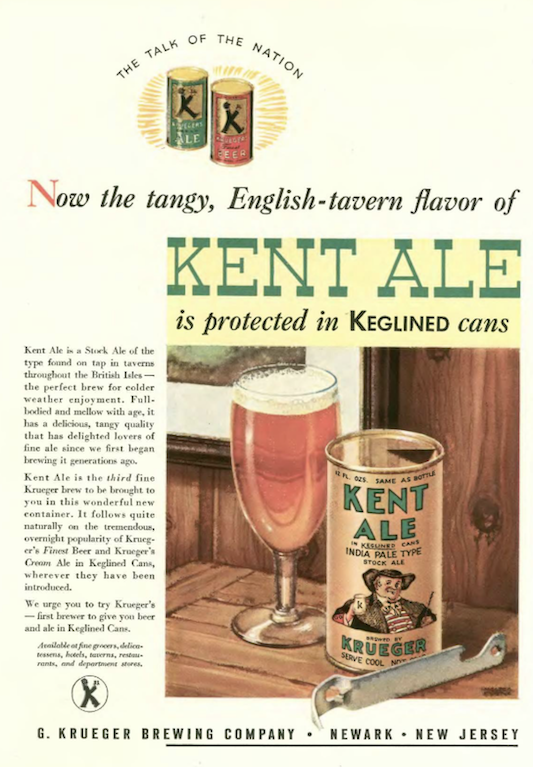
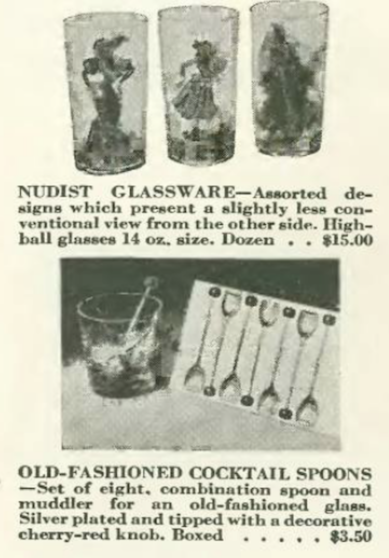
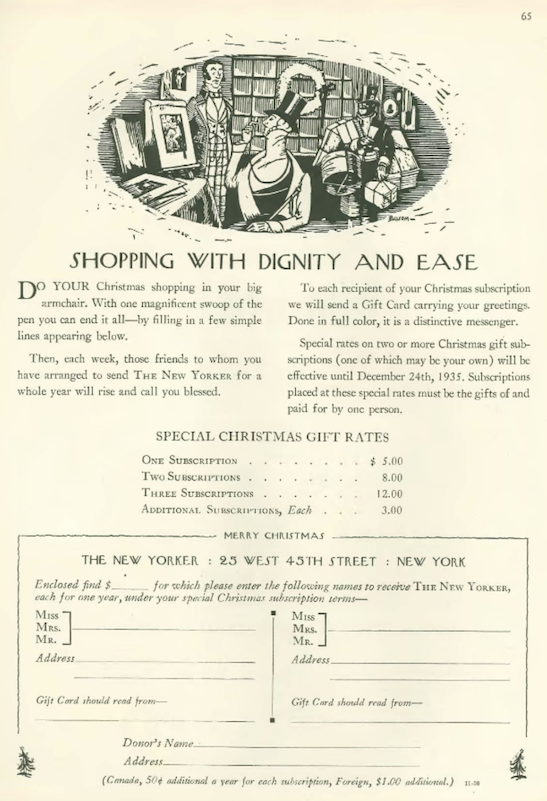
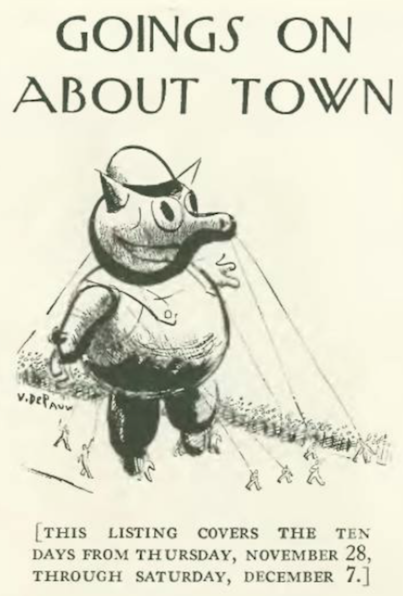
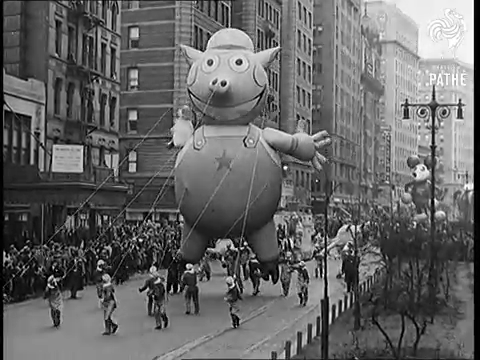

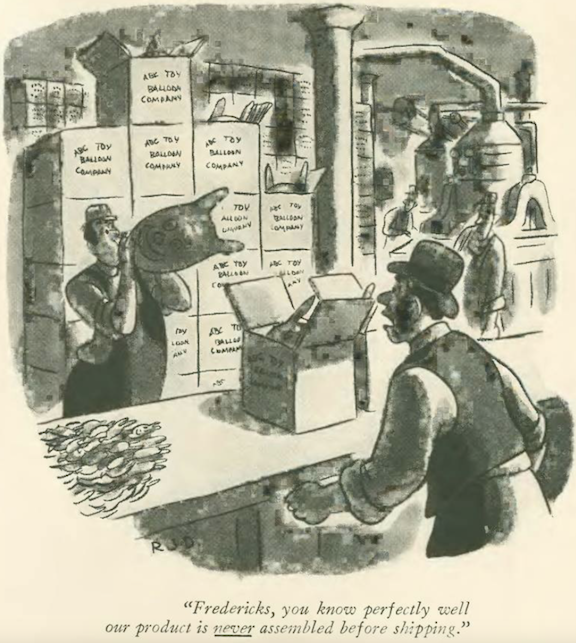

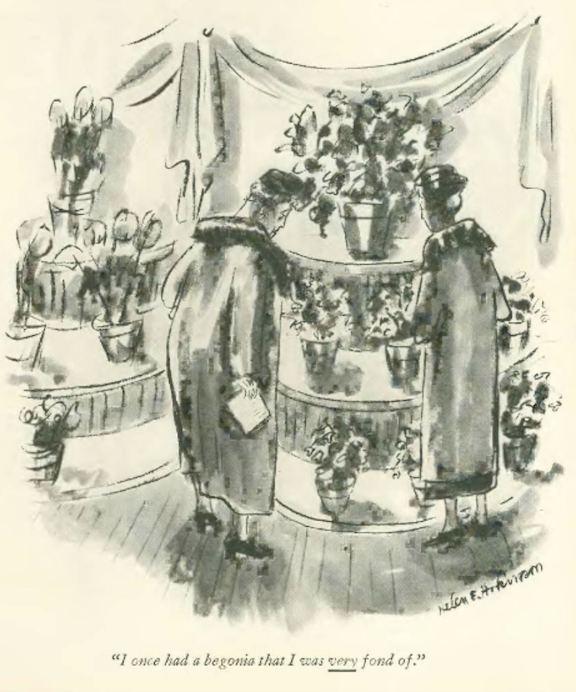
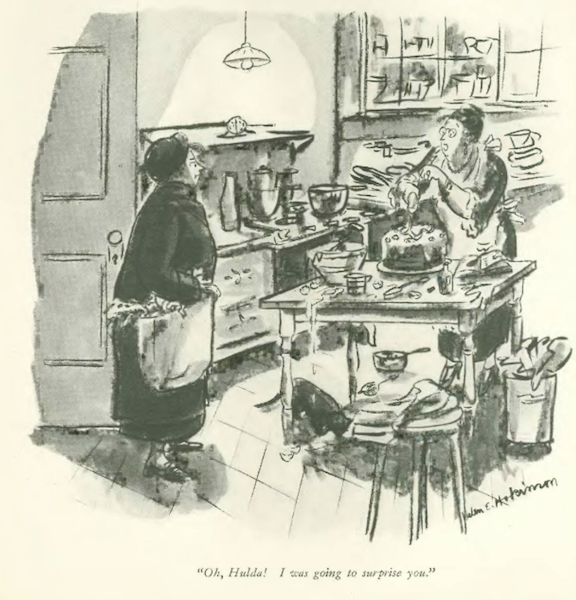
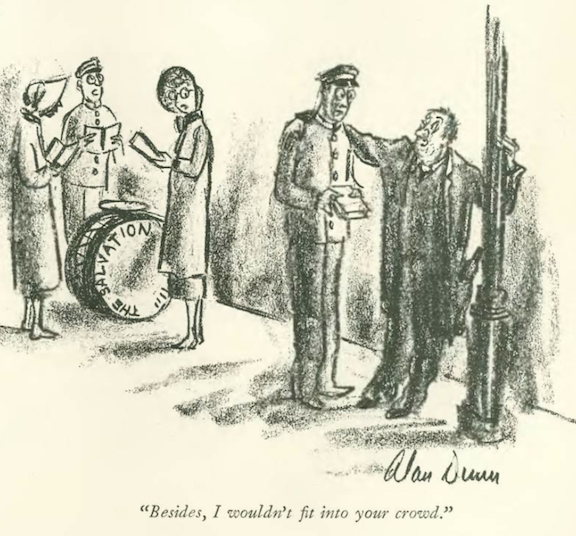
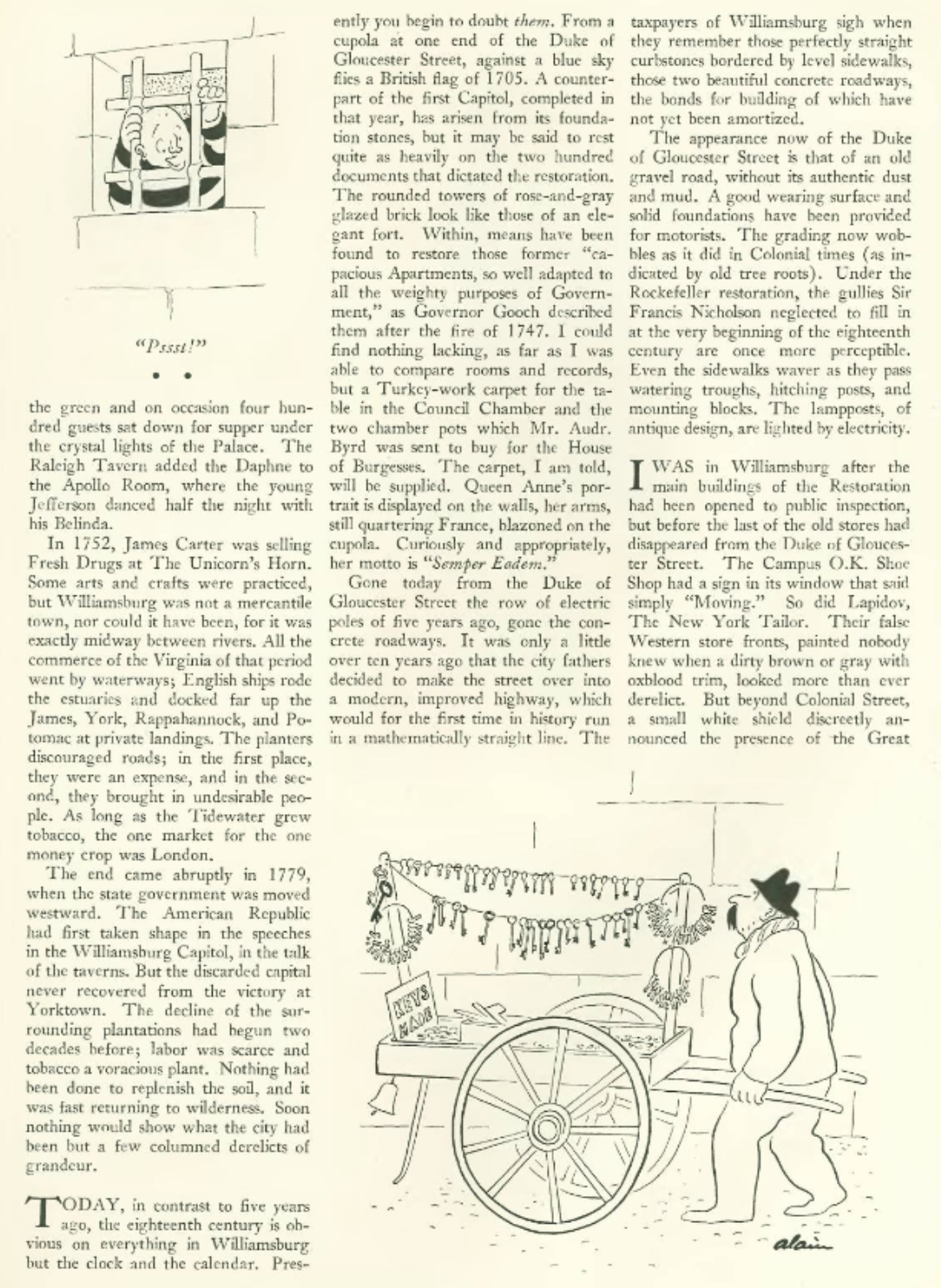
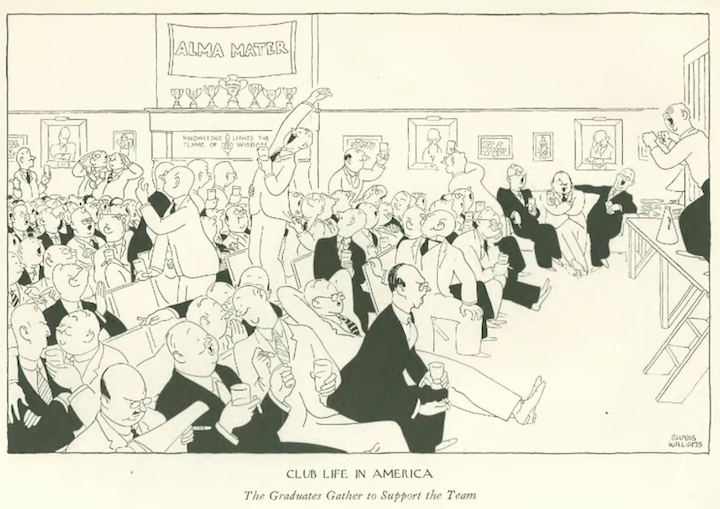
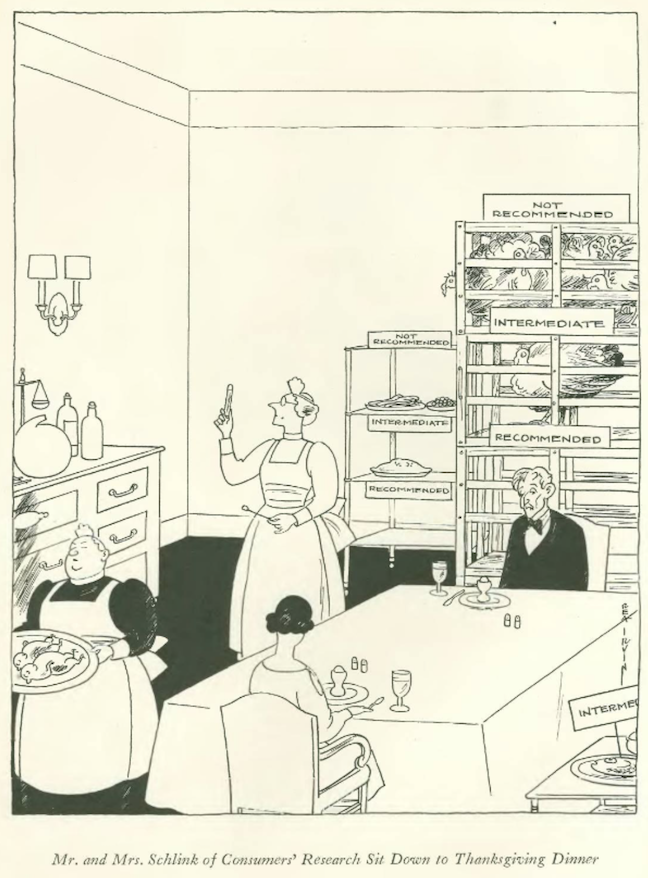
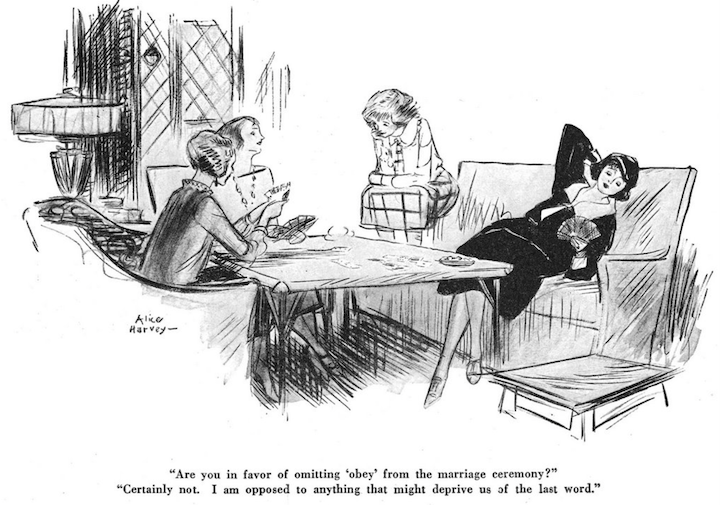




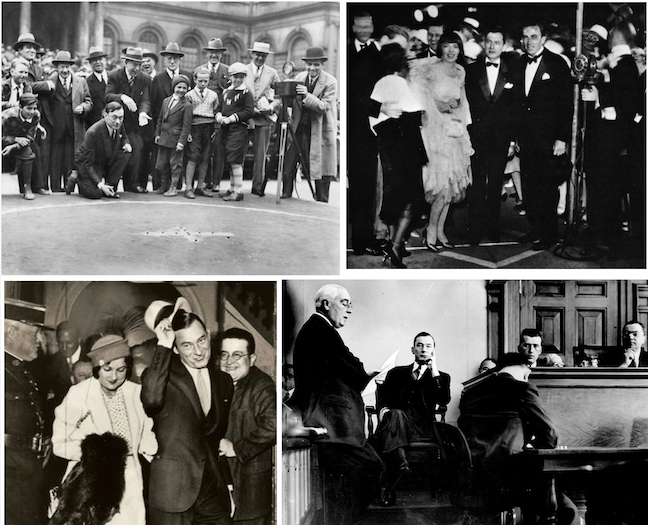




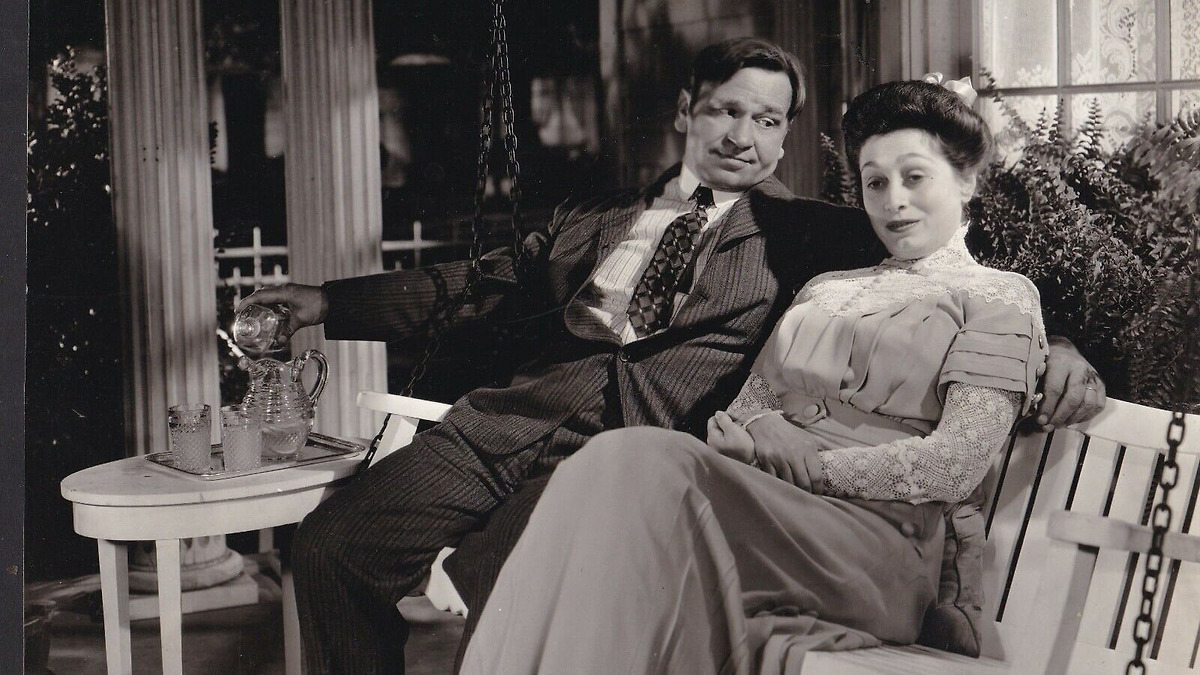



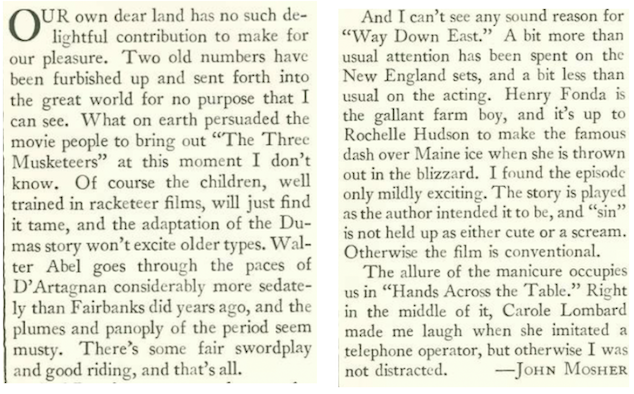

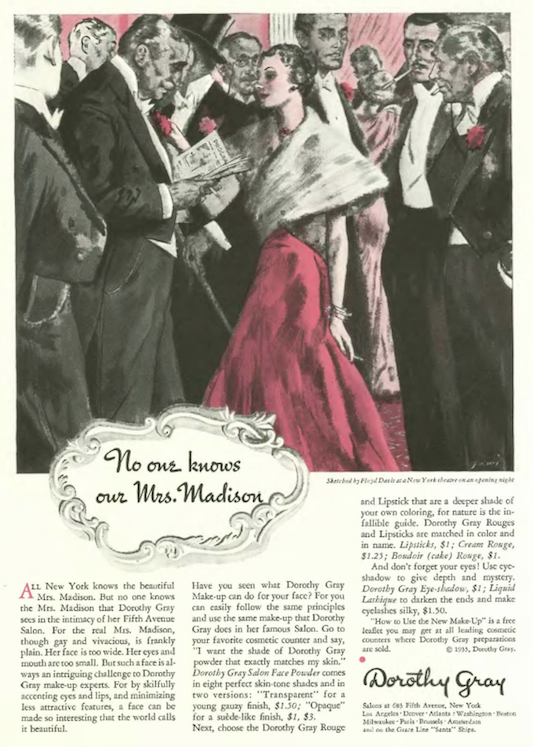
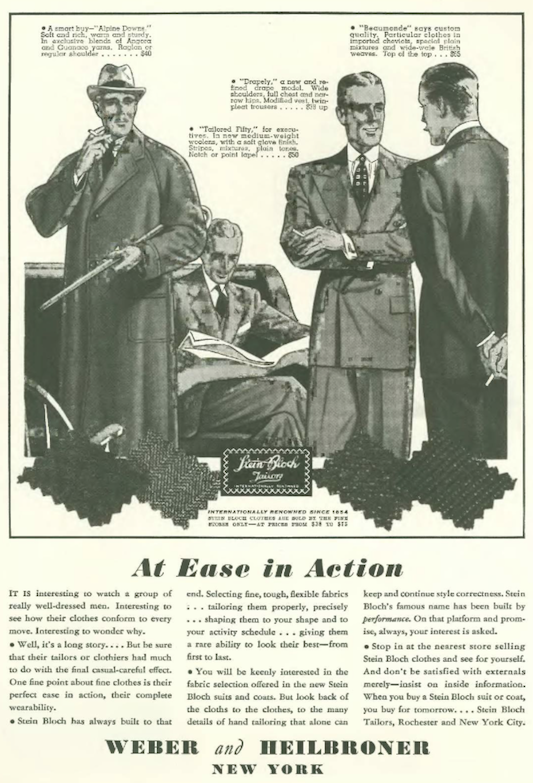
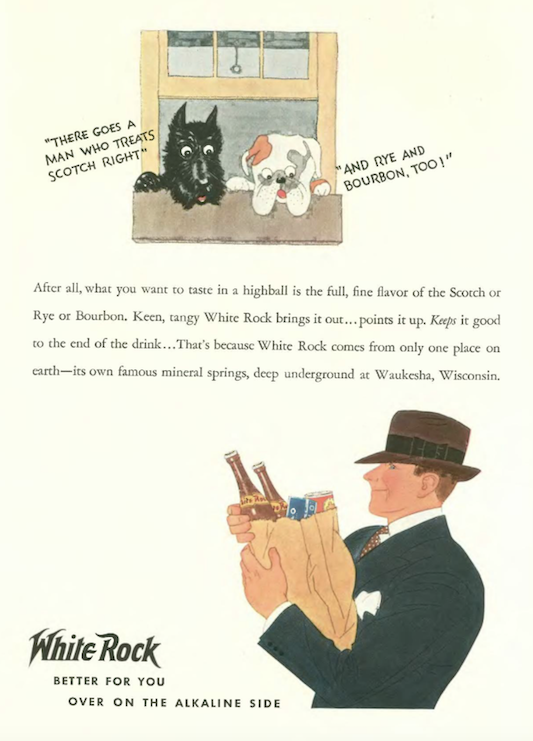


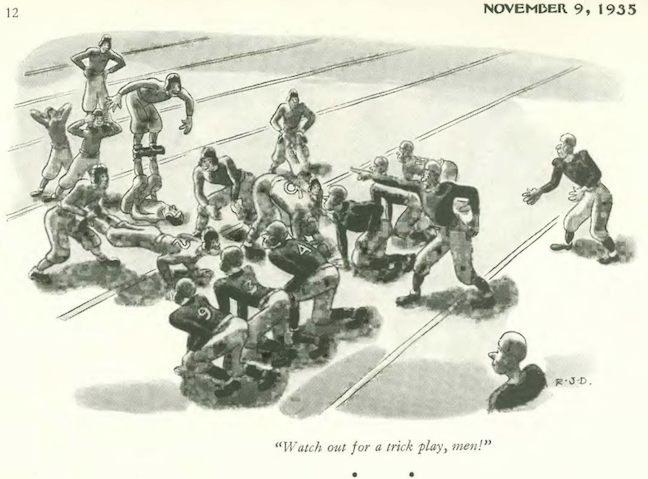
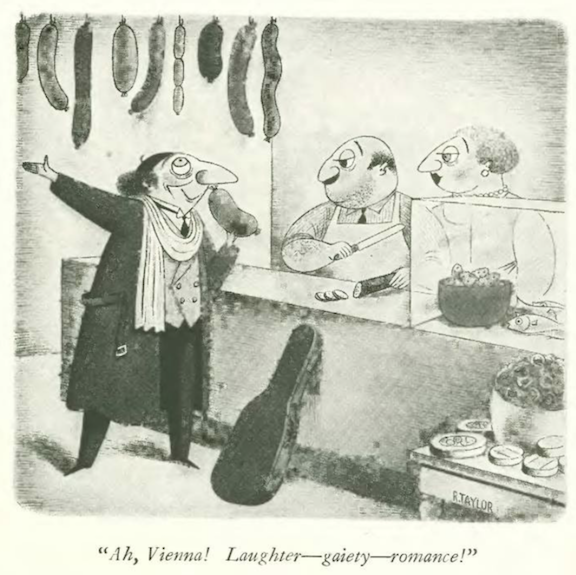

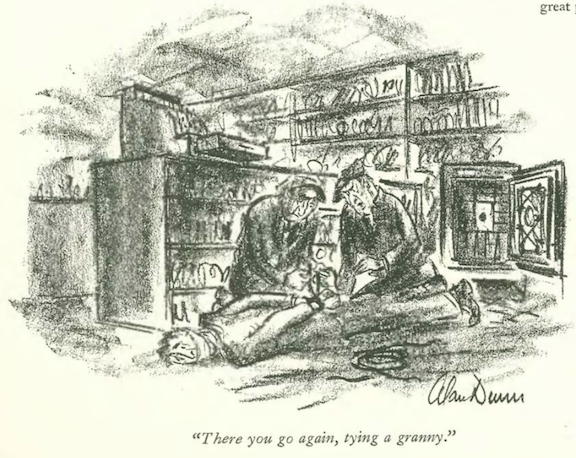
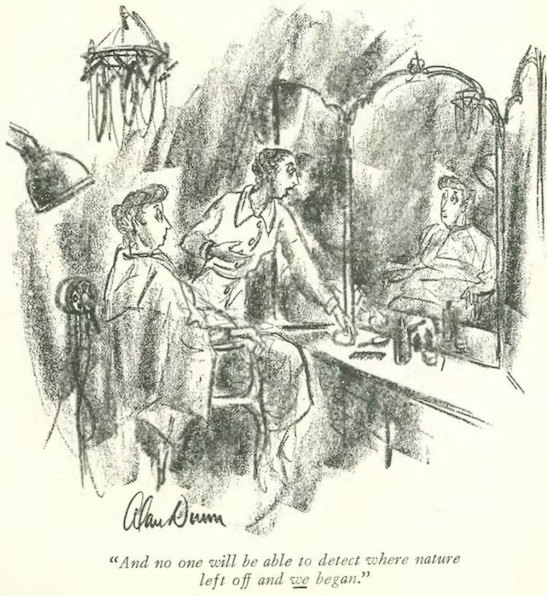

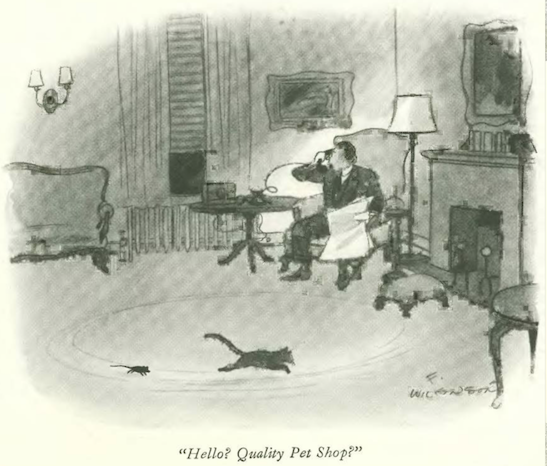

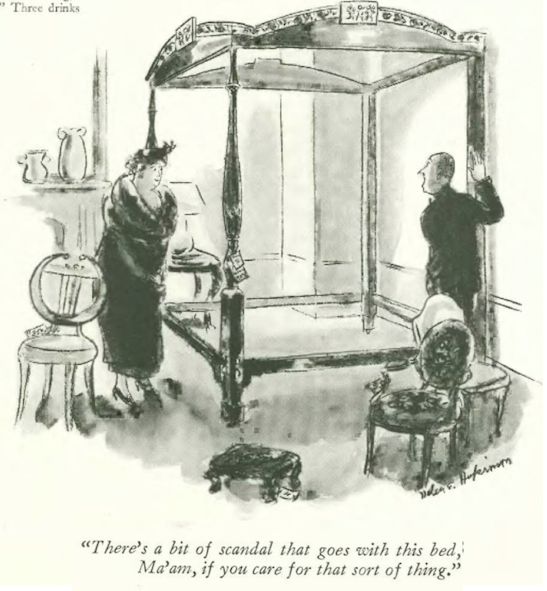
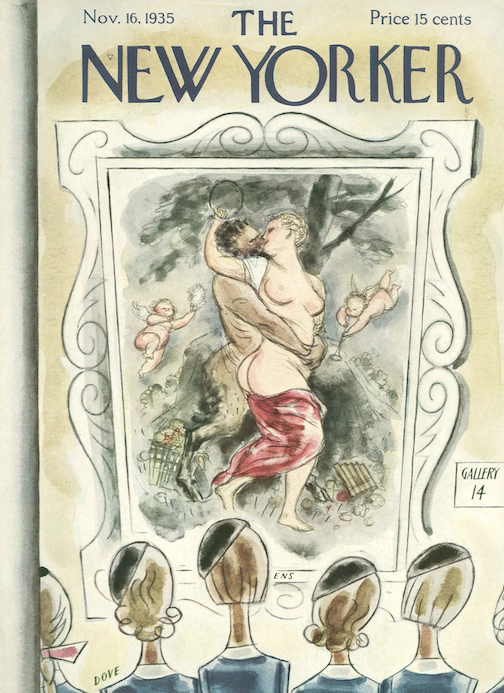

 A New Yorker State of Mind