A Changing Sky Line

Although architectural criticism was practiced by a rare few in 1926 (and even fewer today), it was prominent in the pages of The New Yorker. Lewis Mumford famously served as the magazine’s critic from the 1930s to the 1950s, and longtime critic Paul Goldberger took over the magazine’s “Sky Line” column from the mid-90s to 2011.

c37832e544c79a83494d91ea68c0329b
October 16, 1926 cover by Constantin Alajalov.

In 1926 George S. Chappell served the magazine as architecture critic under the pseudonym “T-Square.” A rare combination of architect, parodist, and journalist, he was perhaps best known for his travel series parody published under the pseudonym “Walter E. Traprock.”

In the Oct. 16, 1926 issue, Chappell took critical aim at the “cheap architecture” sprouting amidst the clamor of a rapidly changing landscape…

1

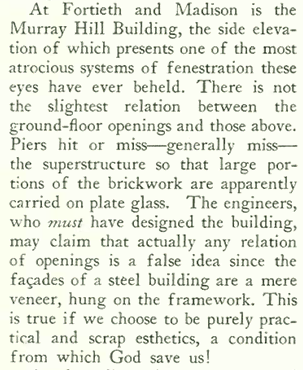
…and referred to the fenestration (the arrangement of windows and doors) of the Murray Hill Building as “atrocious.”
2

MNY329523
The Murray Hill Building. (Museum of the City of New York)
01_big
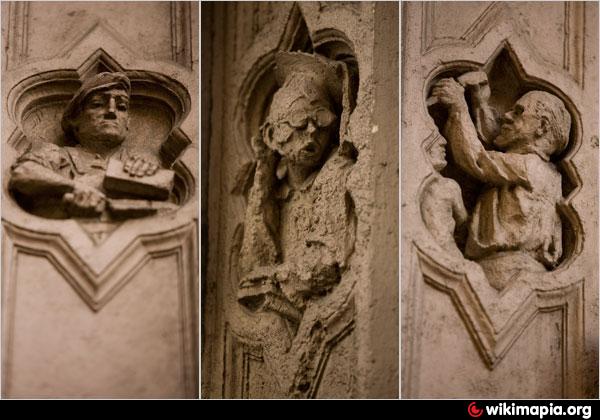
The ground-floor show windows of Murray Hill feature free-hand carvings depicting people in various trades. (Wikimapia)

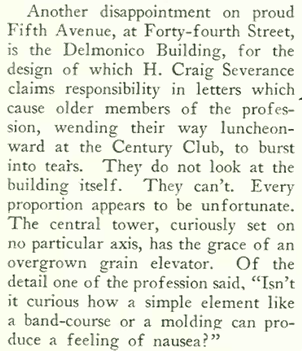
Chappell then set his sights on “another disappointment,” the Delmonico Building, which he said possessed “the grace of an overgrown grain elevator…”
3

Screenshot 2015-05-18 13.19.10
Part of Chappell’s disgust is no doubt attributable to the fact that the beloved old Delmonico Building at Fifth Avenue and 44th Street (left, photo from The Brickbuilder, 1899), was razed in 1925 and replaced by the “overgrown grain elevator” at right. (Google Maps screen image)

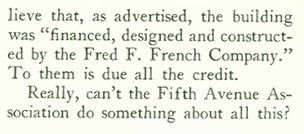
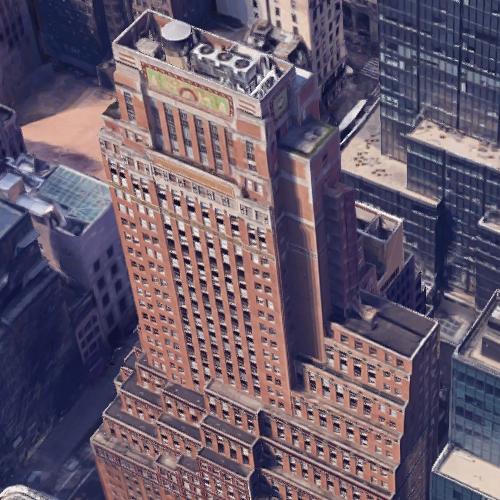
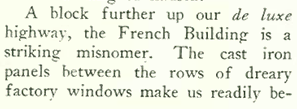
He then moves on to the landmark French Building with its “dreary factory windows”…
4

4.1

The French Building. (Google Maps)
Fred_French_building_entrance
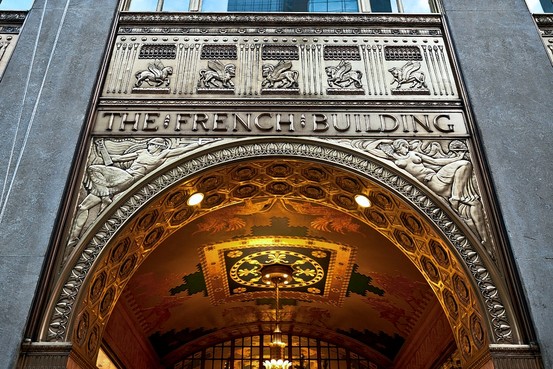
The 5th Avenue entrance to the French Building. (omnidisc)

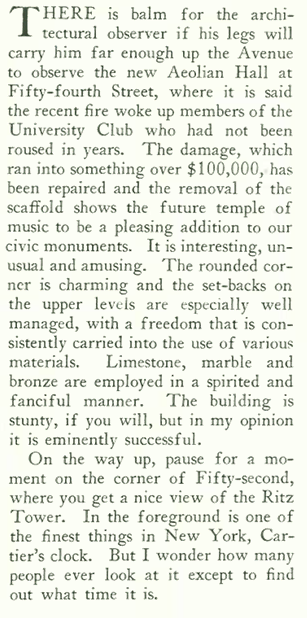
So what did Chappell prefer? Read on…
5

aeoliean 1-13-1927
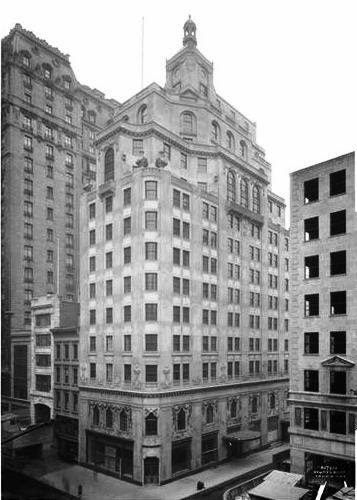
Aeolian Hall on Fifth Avenue, constructed on a site formerly occupied by the William Rockefeller mansion. (Museum of the City of New York)
P2810035
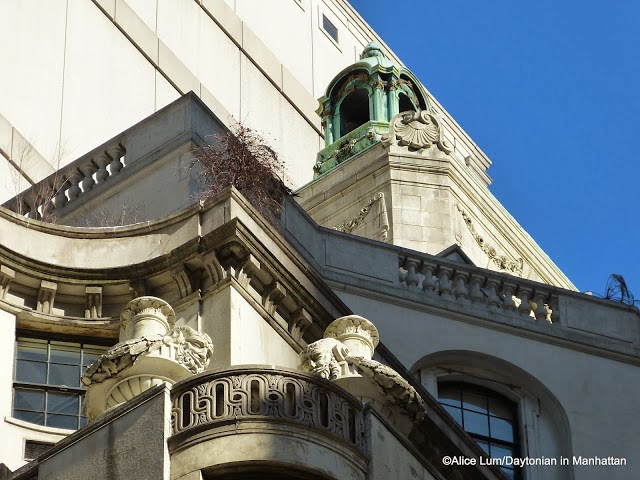
Detail of the upper stories of Aeolian Hall. (Daytonian in Manhattan)
20512108023_f7771faf39_b
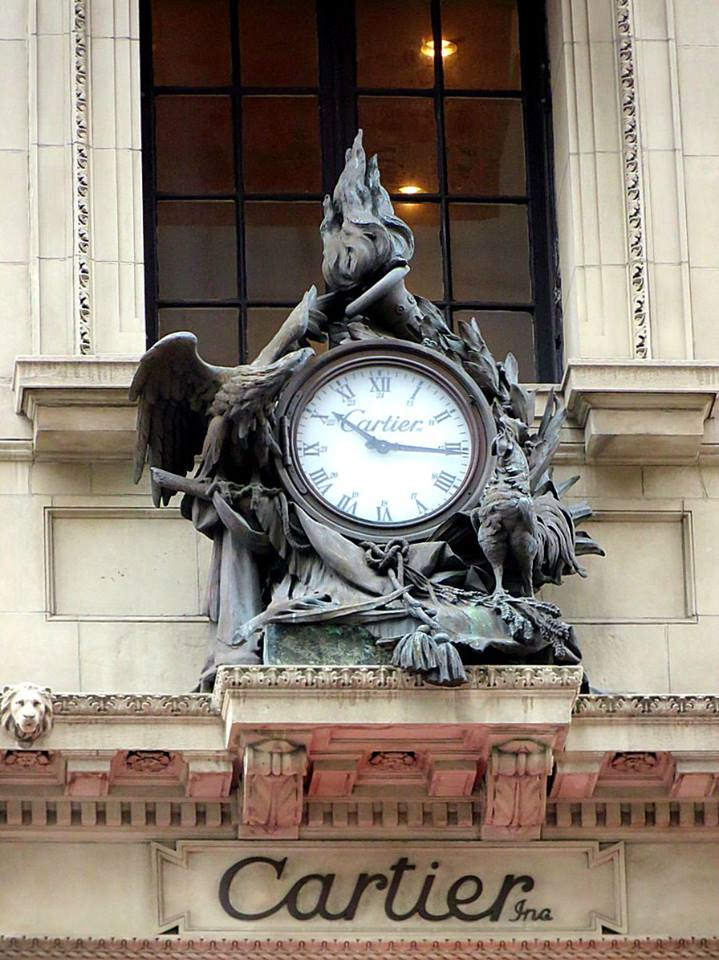
Cartier’s clock on Fifth Avenue (Pinterest)

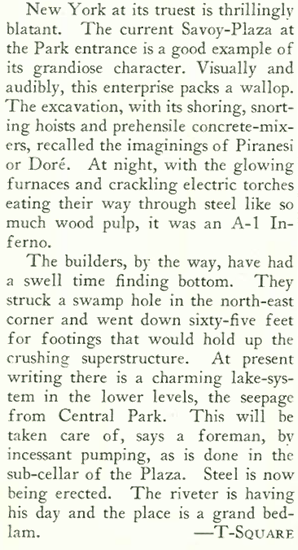
Despite Chappell’s oft disapproving gaze, in the end he (along with other editors and writers at The New Yorker) could not help but be caught up in the thrill of one of the city’s grandest building booms…
7

Other items of note in the Oct. 16 issue, this ad promoting the first-ever “New Yorker book,” a collection of “Profiles” by Waldo Frank, who wrote under the pen name “Search-light”…

Screen Shot 2016-03-31 at 9.55.06 AM

And finally this picturesque ad for Marmon automobiles. The company was defunct by 1933.

Screen Shot 2016-03-31 at 9.55.42 AM

Next time: A Royal Flush…
Screen Shot 2016-03-31 at 9.58.22 AM


Fight Night in Philly

We skip ahead to the Oct. 2, 1926 issue to look at one of the big events of that year–the Dempsey-Tunney heavyweight prize fight (I’m not skipping issues…Sept. 25 appears later in this blog).
652f917918402a71eb86f6671c9f228a
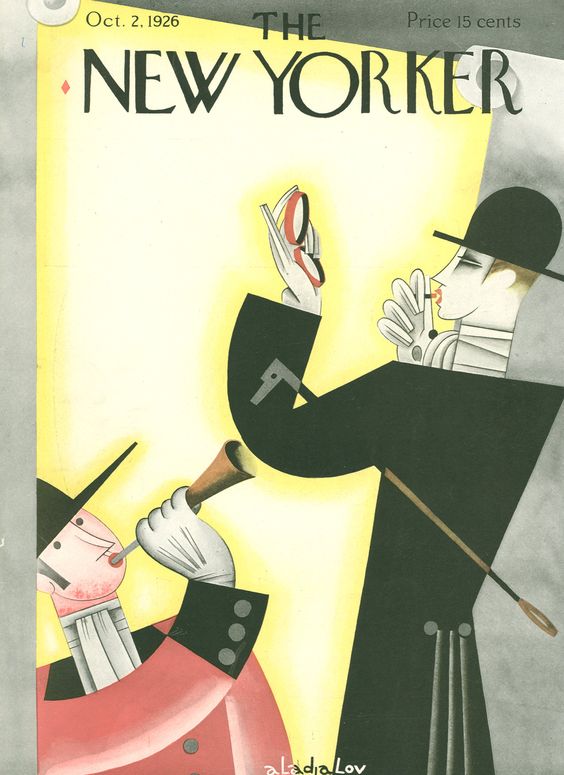
Oct. 2, 1926 – Issue # 85 – Cover by Constantin Alajalov. (Once again, note the ongoing comic reference to androgyny in 20’s fashion)
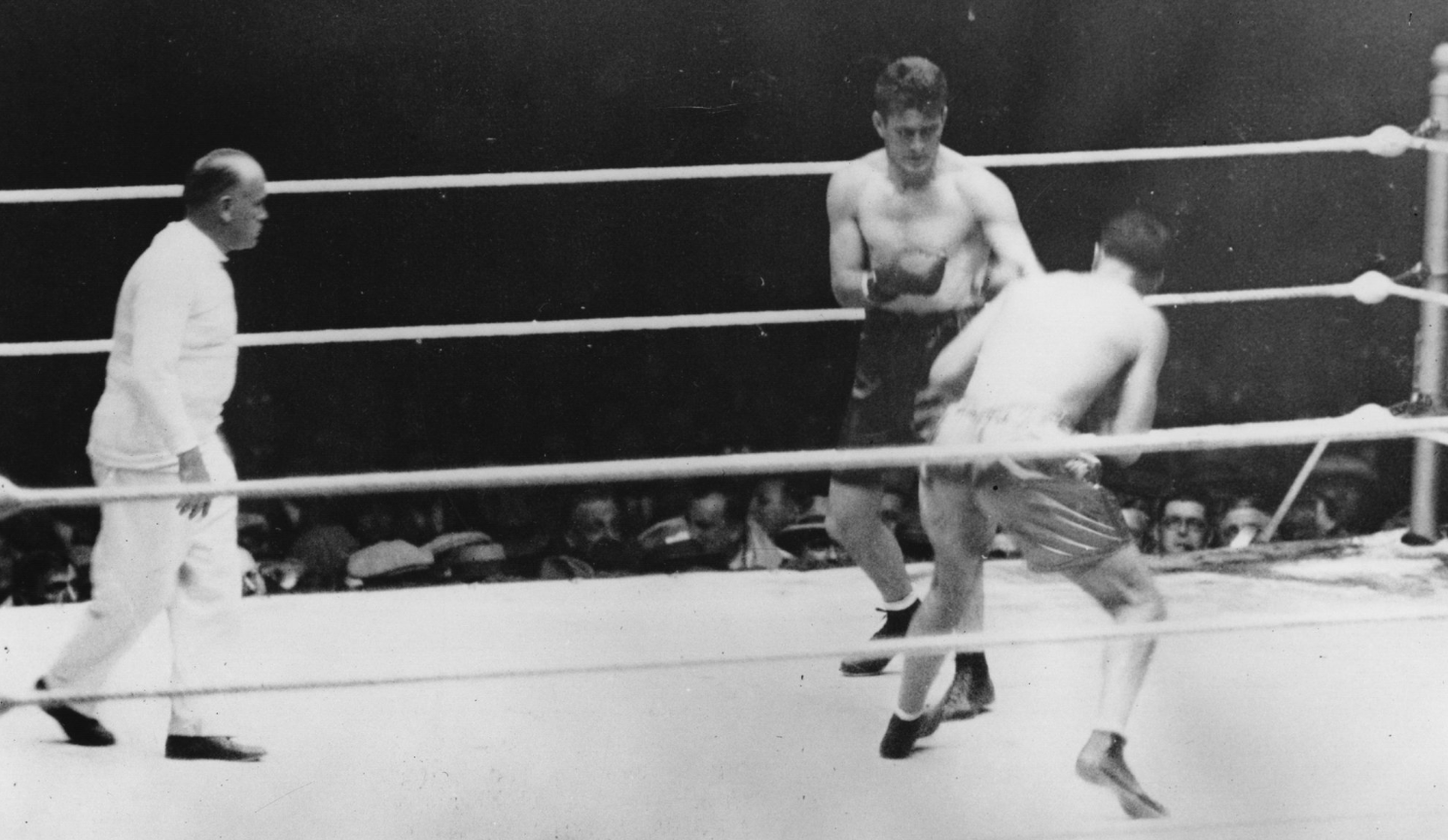
Heavyweight boxing was a big part of the American sports scene in the 1920s, and two giants of the sport, Jack Dempsey and Gene Tunney, dominated the headlines in the late 1920s thanks to much-heralded bouts in Philadelphia in 1926 and a rematch in Chicago the following year (which would include the famous “long count” incident).
Screen Shot 2016-02-26 at 12.30.40 PM
An estimated 135,000 fans packed Sesquicentennial Stadium in Philadelphia for the Dempsey-Tunney bout. (NYTimes)
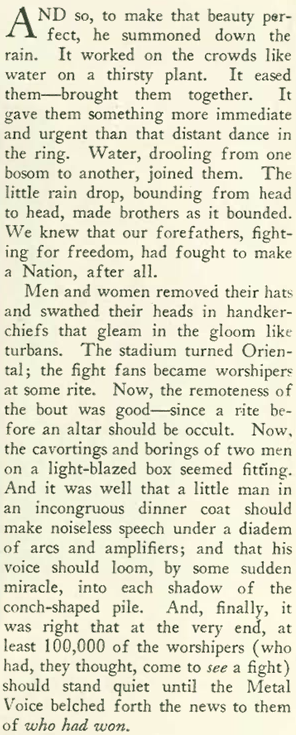
The New Yorker joined in on the hoopla, publishing a lengthy account of the match by Waldo Frank (aka “Search-light”), who trained his jaded eye on the whole affair:
Screen Shot 2016-02-25 at 4.28.32 PMScreen Shot 2016-02-25 at 4.28.39 PM
MediaStream.ashx
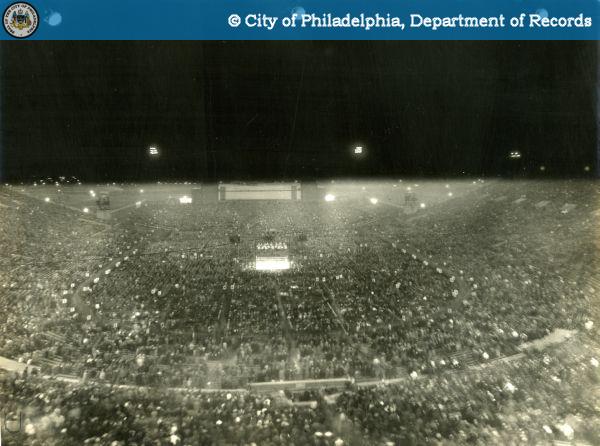
VIEW FROM THE CHEAP SEATS…a rain-soaked throng at the Dempsey-Tunney fight in Philadelphia. (City of Philadelphia)
According to the New York Times, the crowd included such notables as Charlie Chaplin, cowboy movie star Tom Mix and the English Channel swimmer Gertrude Ederle.
Screen Shot 2016-02-26 at 12.13.08 PM
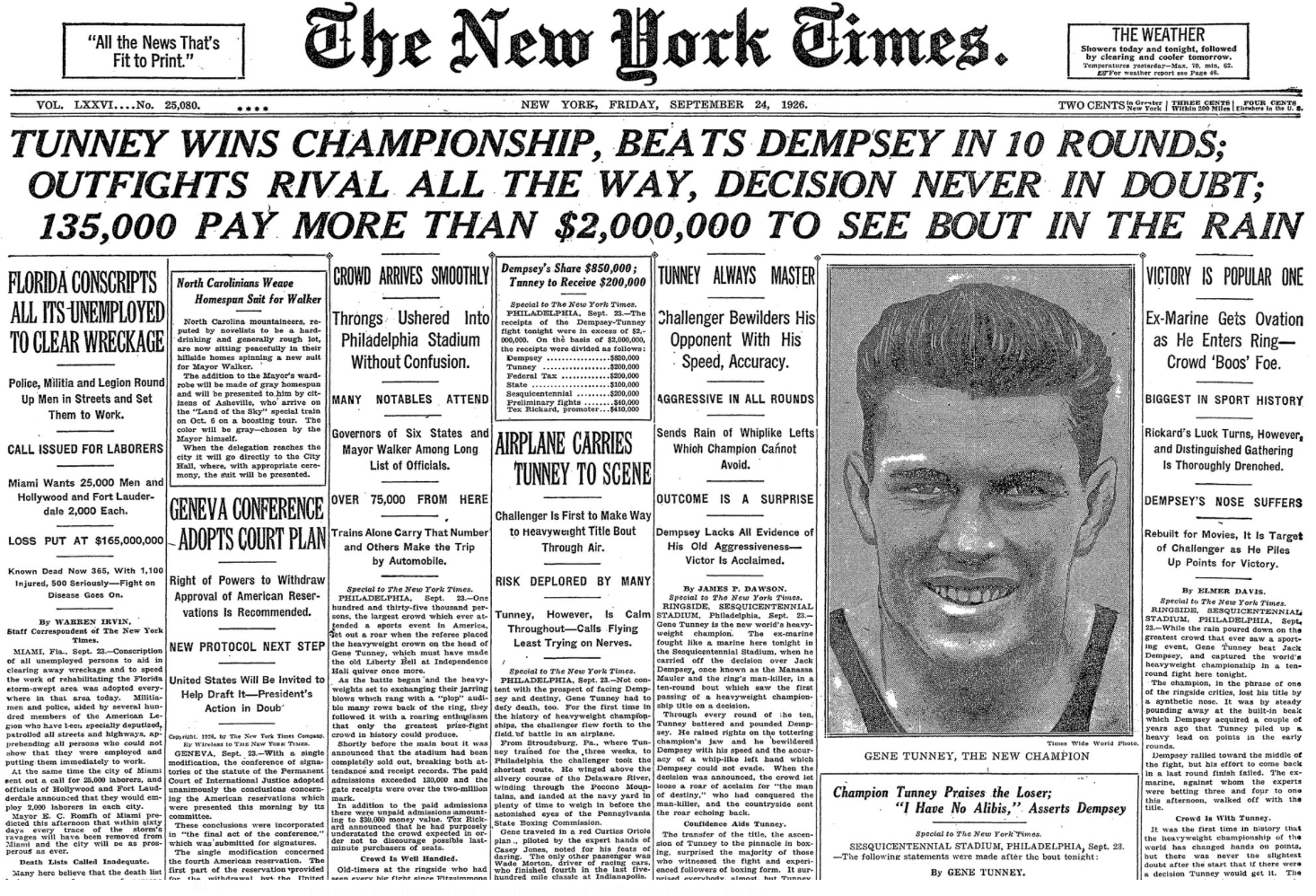
Coverage of Tunney’s victory by unanimous decision took up three-quarters of the front page of The New York Times, and also filled most of pages 2 through 7. (The New York Times)
But in typical fashion, Waldo was less than dazzled, finding the rain an apt metaphor for a spectacle mostly unseen by those in attendance:
Screen Shot 2016-02-25 at 4.27.50 PM
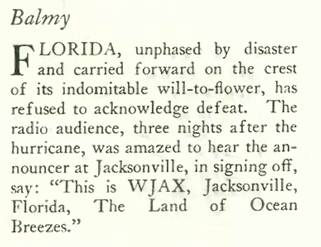
Never one to wallow in tragedy, the magazine made a brief (and oddly droll) reference in “The Talk of the Town” to a hurricane that hit Miami and its environs (it killed 372 people and injured more than 6,000):
Screen Shot 2016-02-25 at 4.16.52 PM
Other items of note in the issue included this examination of country vs. city life by cartoonist Barbara Shermund…
Screen Shot 2016-02-25 at 4.21.56 PM
…and this cartoon by Al Frueh commenting on the challenges of Manhattan’s rapidly changing cityscape:
Screen Shot 2016-02-25 at 4.18.53 PM
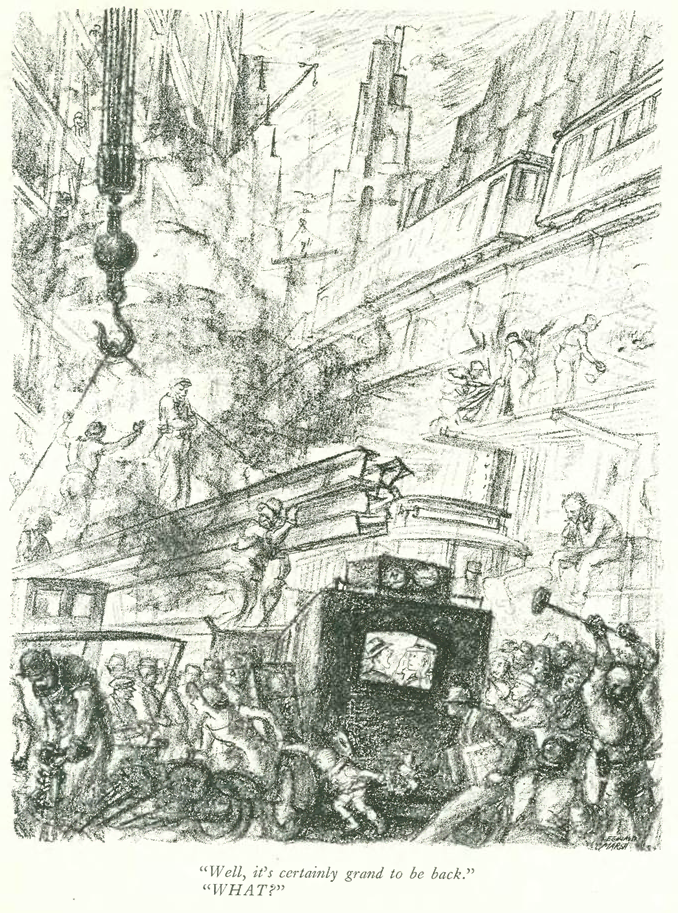
The changing city was also on the mind of Reginald Marsh in this illustration he contributed to the Sept. 25, 1926 issue of the magazine:
Screen Shot 2016-02-25 at 4.02.32 PM
Back to the Sept. 25 issue, which featured an update from Paris correspondent Janet Flanner…
d9f3d5507a7bade4fc28276d12a63260
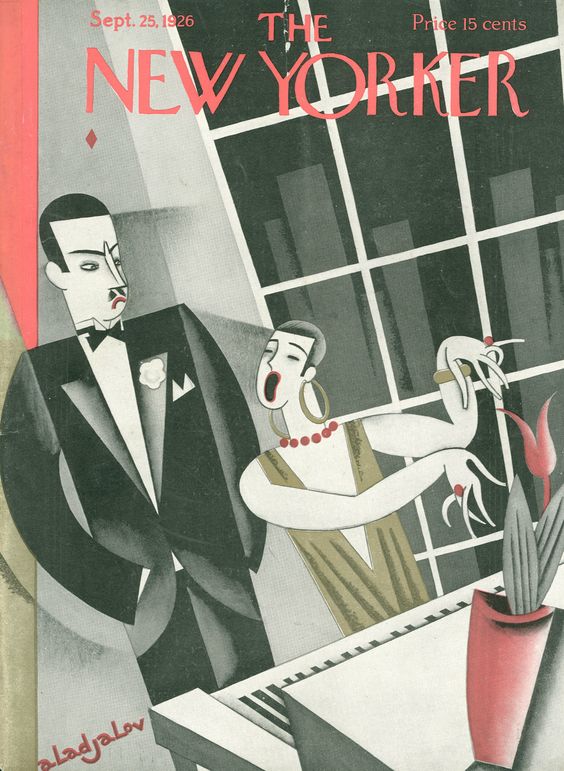
Sept. 25, 1926 – Issue # 84 – Cover by Constantin Alajalov.
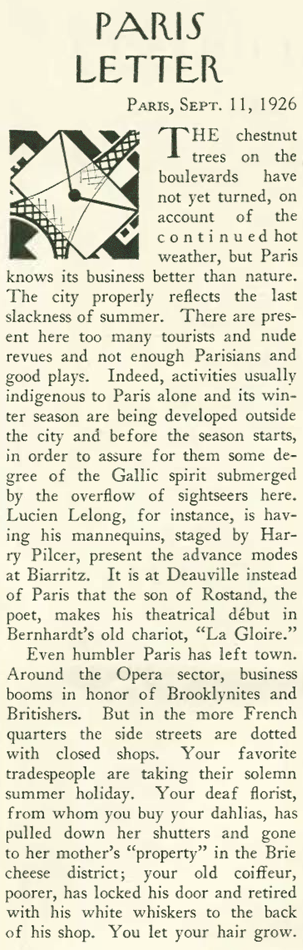
…who commented on the large number of American tourists crowding the city just as the locals were fleeing for their long, late summer holidays:
Screen Shot 2016-02-25 at 4.07.13 PM
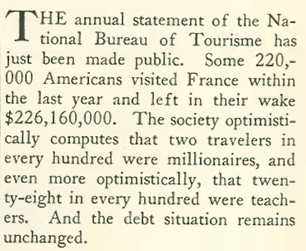
She offered some numbers to back up her observations:
Screen Shot 2016-02-25 at 4.07.43 PM
3333095832_f6a6fd78cb_o
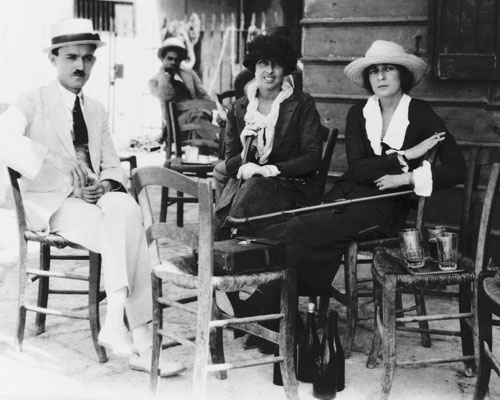
Janet “Genêt” Flanner (right) and longtime companion Solita Solano (center) in Paris, 1921. Solano was a well-known writer and drama critic for the New York Tribune. (Vintage Everyday)

And finally, a cartoon by Rea Irvin exploring the trials of the idle rich:

Screen Shot 2016-02-25 at 4.01.32 PM
 Next Time: Do Gentlemen Prefer Blondes?
848d031119e0d470956ce963e6e7fb62