Hit of the Century

NINETY YEARS AGO, when former Chicago reporters Ben Hecht and Charles MacArthur sat down to write The Front Page, they might have sensed they had a Broadway hit in the making, but probably had no idea their play would still grace a Broadway stage well into the 21st century.

August 25, 1928 cover by Leonard Dove.

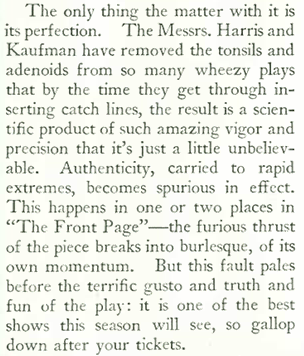
The Front Page made a big splash on the Great White Way when it premiered on August 14, 1928 at Times Square Theatre. Featuring a story about tabloid newspaper reporters on the police beat, the play’s wisecracking, rapid-fire dialogue (which would become a staple of Hollywood’s screwball comedies), was a big hit with audiences, and with E.B. White, who reviewed the play in the Aug. 25, 1928 New Yorker:

DREAM TEAM…The Front Page was written by former Chicago reporters Ben Hecht (left) and Charles MacArthur (center) and produced by Jed Harris (at right, in a 1928 photo used on the cover of Time magazine). Hecht, an occasional New Yorker contributor, would go on to a successful career as a screenwriter, director, producer and playwright. Like Hecht, screenwriter/playwright MacArthur was friends with members of the Algonquin Round Table. He was married to actress Helen Hayes, with whom he adopted a son, James MacArthur (“Danno” on TV’s Hawaii 5-0). Harris was responsible for some of Broadway’s most successful productions in the ’20s and ’30s including Uncle Vanya, Our Town and The Crucible. (IMDB, Kentucky Digital Library, Time)
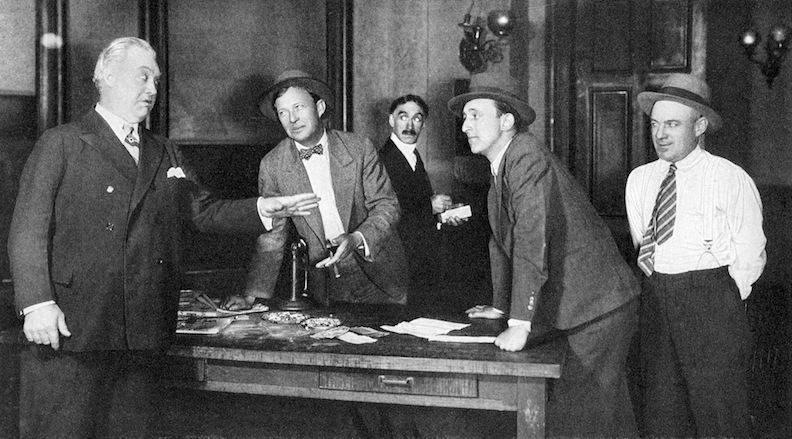
TROUBLE IN WINDY CITY…Set entirely in a dingy press room of Chicago’s Criminal Courts Building, The Front Page featured reporters who passed the time playing poker and exchanging wisecracks—until a convicted killer escapes jail and makes things lively. Worried about his chances for re-election, the crooked Mayor, played by George Barbier, far left, confronts three reporters — Murphy (Willard Robertson), Endicott (Allen Jenkins), and McCue (William Foran). In the background is Claude Cooper, as the crooked Sheriff Hartman. (Theatre Magazine, August 1928) 

White was so taken by the play, in fact, that he found it to be nearly perfect, like a scientific instrument of exacting precision. And considering how many times the play has been adapted to stage and screen (most recently on Broadway in 2016), he was probably right. It still plays pretty well after all these years:

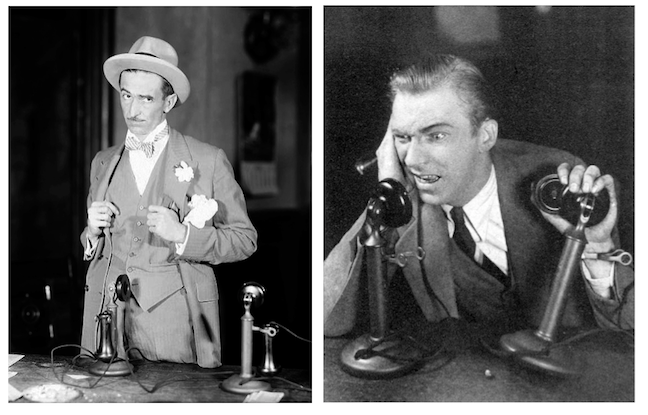
WISE GUYS…Promotional photographs of Osgood Perkins as Walter Burns (left) and Lee Tracy as Hildy Johnson in the 1928 Broadway production of The Front Page. (Theatre Magazine, August 1928) 
ENTER, STAGE RIGHT…Escaped prisoner Earl Williams (George Leach) surprises reporter Hildy Johnson (Lee Tracy) in The Front Page. (Theatre Magazine, August 1928) 

The play was restaged four more times on Broadway — 1946, 1969, 1986 and 2016 — the 2016 production starred Nathan Lane as Walter Burns, John Slattery as Hildy Johnson and John Goodman as Sheriff Hartman. Film adaptions included The Front Page in 1931 and His Girl Friday (directed by Howard Hawks) in 1940 — the latter added a twist to the play by changing the Hildy character to a woman, played by Rosalind Russell as the ex-wife of Walter Burns (Cary Grant). The play returned to the big screen in 1974 as The Front Page, directed by Billy Wilder and starring Jack Lemmon as Hildy and Walter Matthau as Walter Burns.

Still Some Fight Left in Him

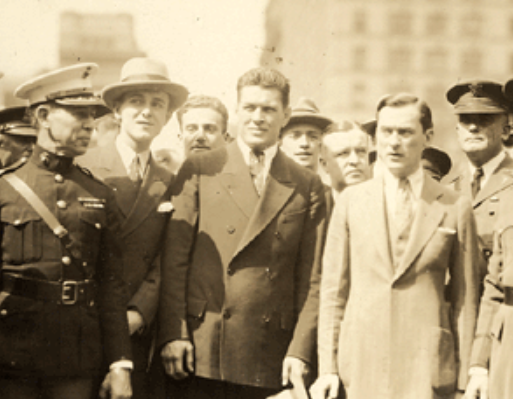
Although boxer Gene Tunney had retired from the ring, he was still making headlines fighting off a different foe: the paparazzi.

Tunney’s engagement to Connecticut socialite and Carnegie heiress Polly Lauder was front-page news across the country, and photographers were eager to capture a photo of the couple, who up until the announcement had enjoyed a mostly secret romance. “The Talk of the Town” described the couple’s attempts to elude a persistent press:

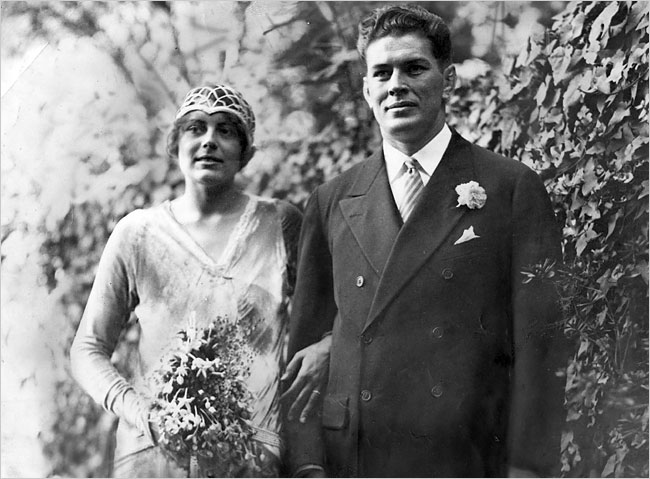
MAYBE IT’S QUIETER OVER HERE…21-year-old Polly Lauder Tunney and 31-year-old Gene Tunney after marrying in Rome on Oct. 3, 1928. The marriage would last 50 years. (Wikipedia)

In September 1928 the couple took separate trips to Rome and married in a small ceremony on Oct. 3. Unfortunately, they attracted the attentions of Rome’s original paparazzi: According to The New York Times “the scene after the wedding looked mighty like a riot as clothes were torn and cameras smashed in a melee of photographers jostling to capture images of the couple.”

After traveling in Europe they returned to the U.S. and made their home in North Stamford, Connecticut, where they restored an 18th century farmhouse and raised Hereford cattle and sheep. They would be married 50 years until Tunney’s death at age 81 in 1978. Polly continued to live at her home in Stamford until her death in 2008 at age 100.

 *  *  *

Dorothy Recuperates

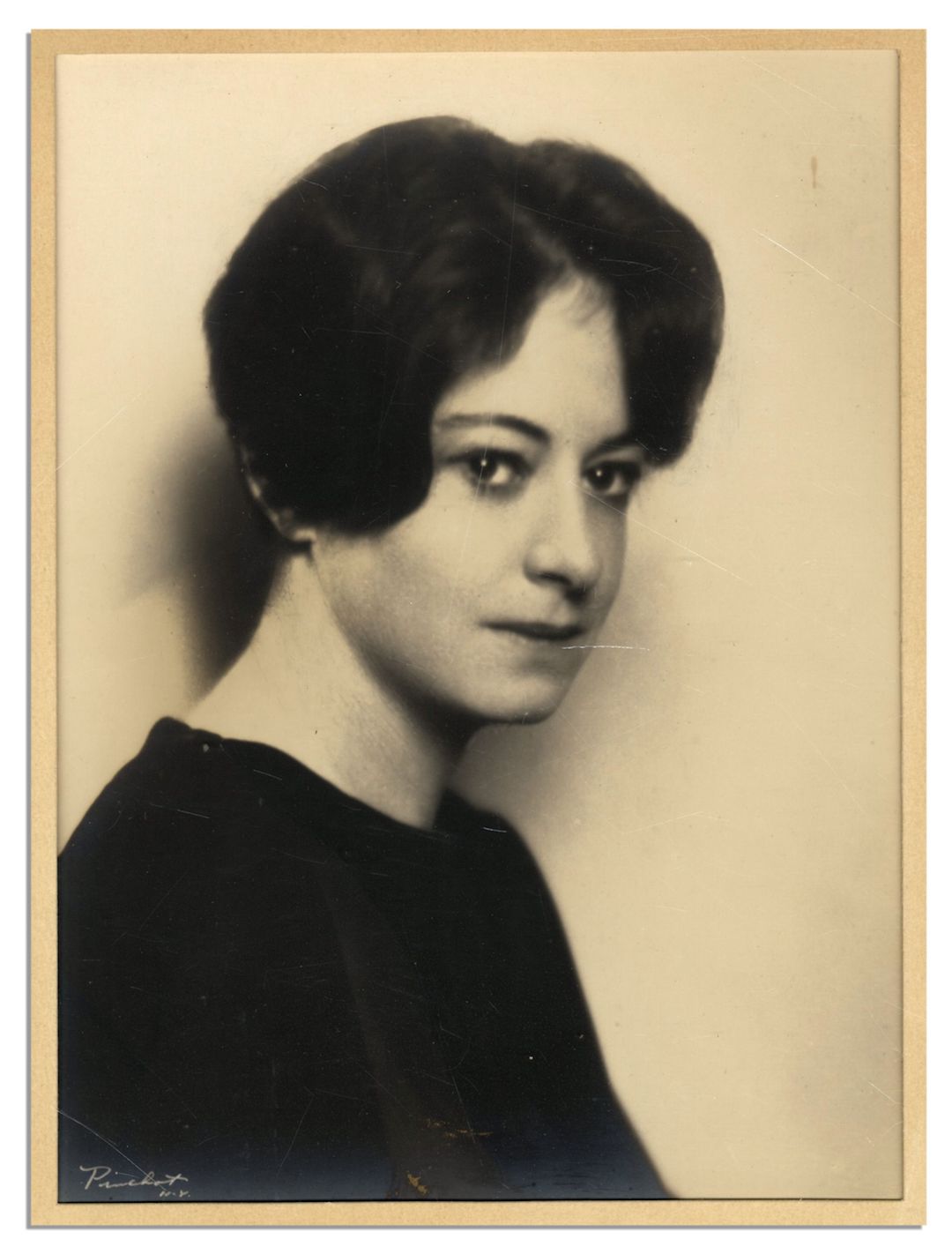
Dorothy Parker’s “Constant Reader” signature at the end of the book review section was absent during part of the summer of 1928 as she was recuperating from an appendectomy. Fortunately her rapier wit remained intact when she returned in the Aug. 25 issue…

Dorothy Parker in 1928 (natedsanders.com)

…where she found the strength to skewer The Lion Tamer, the latest novel by romance writer E.M. Hull:

I’D RATHER BE IN SURGERY…E.M. Hull’s The Lion Tamer. Dodd, Mead and Co. 1928. (yesterdaysgallery.com)

*  *  *

Long Before Starbucks

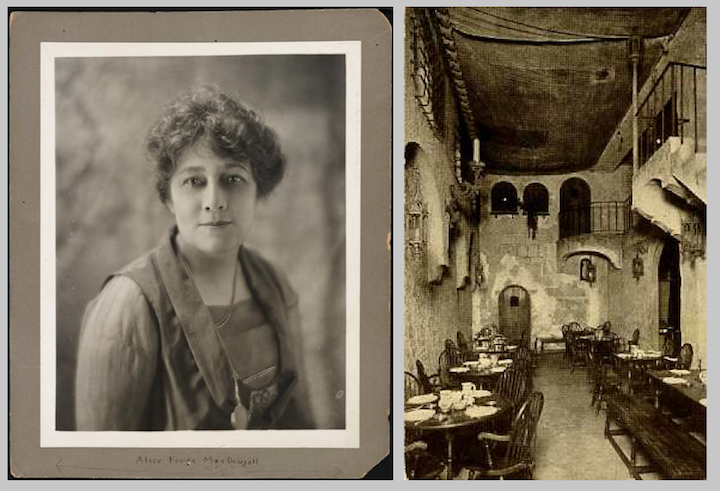
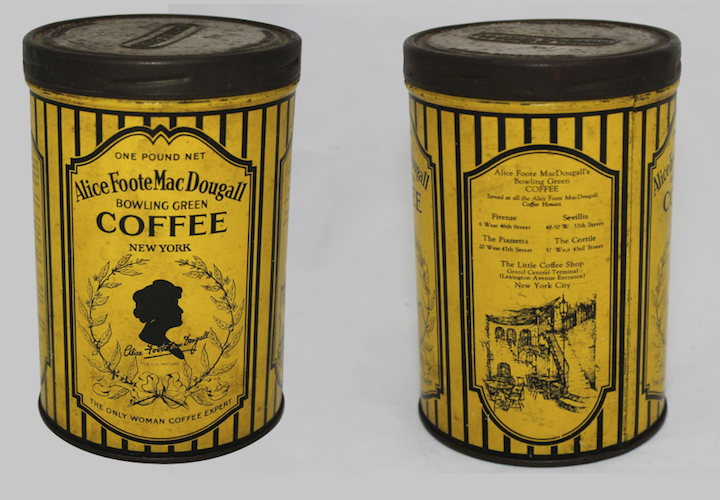
If you were a New Yorker in the 1920s, this cartoon by Rea Irvin would make perfect sense, because nearly everyone knew that Alice Foote MacDougall was the queen of New York’s coffee scene, a one-woman Starbucks of her day.

According to Jan Whitaker, writing for the blog Restaurant-ing Through History, MacDougall kept a carefully crafted persona. In numerous magazine stories crafted by her publicity agent, “she was widely known as the poor widow with three children who built a coffee wholesaling and restaurant empire on $38.”

MacDougall was actually from a distinguished New York City family, and her coffee wholesaling career began in 1909 after her husband’s death. Whitaker writes: “In the 1920s she was said to be the only woman expert in coffee grading and blending in the U.S. She opened her first eating place, The Little Coffee Shop, in Grand Central Station in New York in December 1919. Waffles were the specialty in her homey café which was decorated with a plate rail and shelves holding decorative china. (Evidently tips were good, because MacDougall had the nerve to charge her waitresses $10 a day to work there.) By 1927 she had signed a $1 million lease for her fifth coffee house, Sevillia, at West Fifty-seventh Street. Her places became known for their Italian-Spanish scene setting. The reason, she said, was that it provided a way to disguise long, narrow spaces.”

BEANS TO RICHES…Alice Foote MacDougall, ca. 1910. At right, Sevillia, at West Fifty-seventh Street, in the late 1920s. (restaurant-ingthroughhistory.com)
TIN GOLD…Canisters of Alice Foote MacDougall’s famed coffee, ca. 1927. (ruby lane.com)

 *  *  *

The Friendly Skies

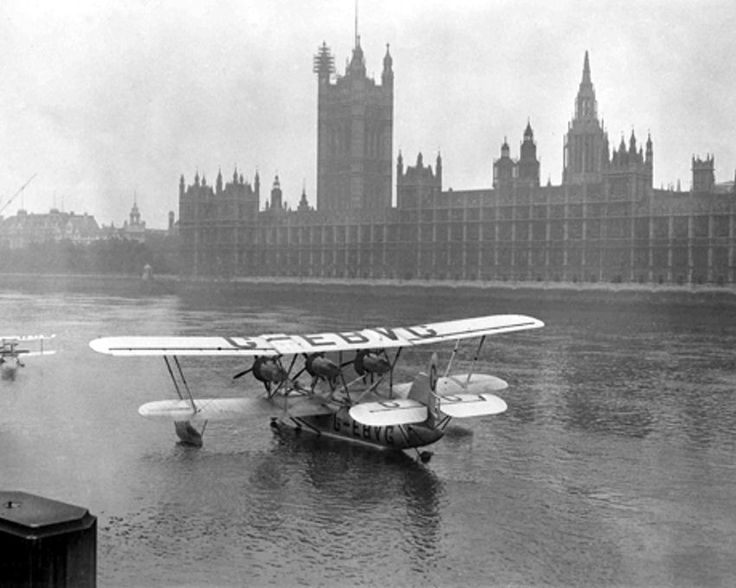
E.B. White made another appearance in the Aug. 25 issue, this time with a poem describing his recent flight from London to Paris aboard an Imperial Airways trimotor biplane. If White seems to rhapsodize a bit here (especially to jaded fliers of the 21st century), it is understandable, considering that White’s flight to France was only 25 years removed from the Wright Brothers at Kitty Hawk. It was still something miraculous:

TOP, the Imperial Airways “Calcutta” trimotor flying boat on the Mediterranean, 1928. Below, the “Calcutta” moored on the River Thames in 1928. (Claude Boullevraye de Passillé / AP)

 *  *  *

Missing the Boys of Summer

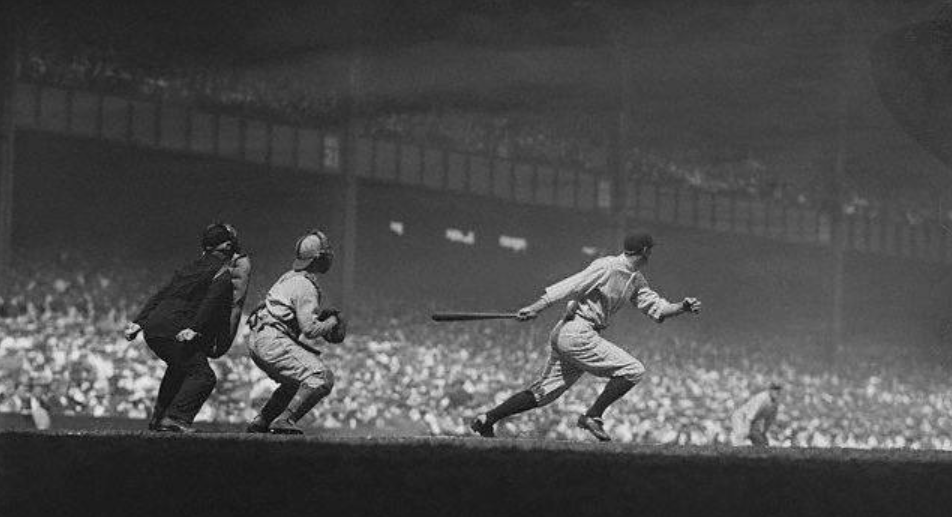
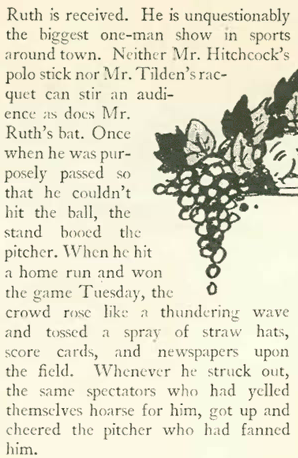
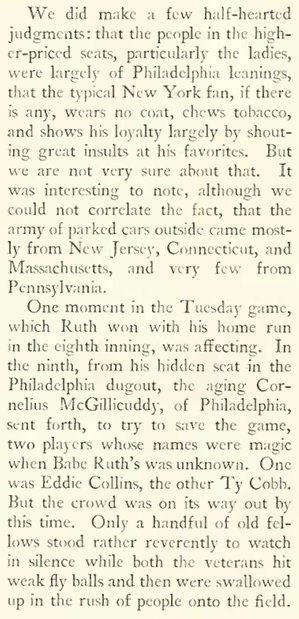
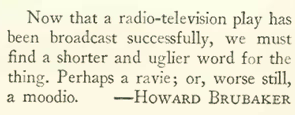
The New Yorker continued to ignore the sport of baseball in its pages, even though it enthusiastically covered almost everything else: college football, hockey, tennis, golf, lacrosse, polo, rowing and yacht racing. Strange because the New York Yankees had one of the winningest lineups in baseball (Murderer’s Row, with sluggers Babe Ruth and Lou Gehrig), had won the 1927 World Series, and were poised to win it again in 1928. Unless I missed something, the first mention of baseball in the 1928 New Yorker was this bit in Howard Brubaker’s Aug. 25 “Of All Things” column:

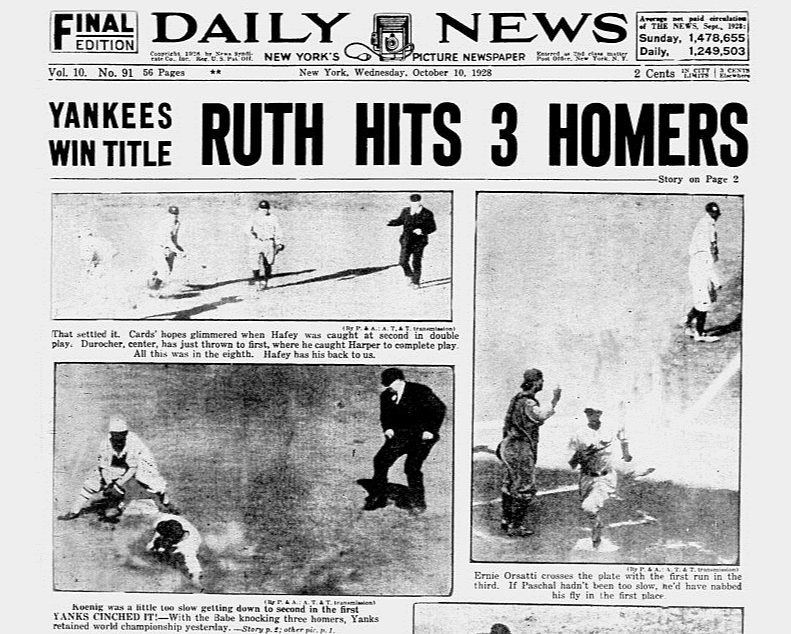
The Yankees would sweep the favored St. Louis Cardinals in the ’28 World Series.

From Our Advertisers

This creepy advertisement from the Aug. 25 issue comes courtesy of the Clark Lighting Company. The tagline, “Clark Always Works,” has a double meaning, the ad copy suggesting that a woman is so simple (described here as a “little minx”) that she will be captivated by the very flick of a lighter:

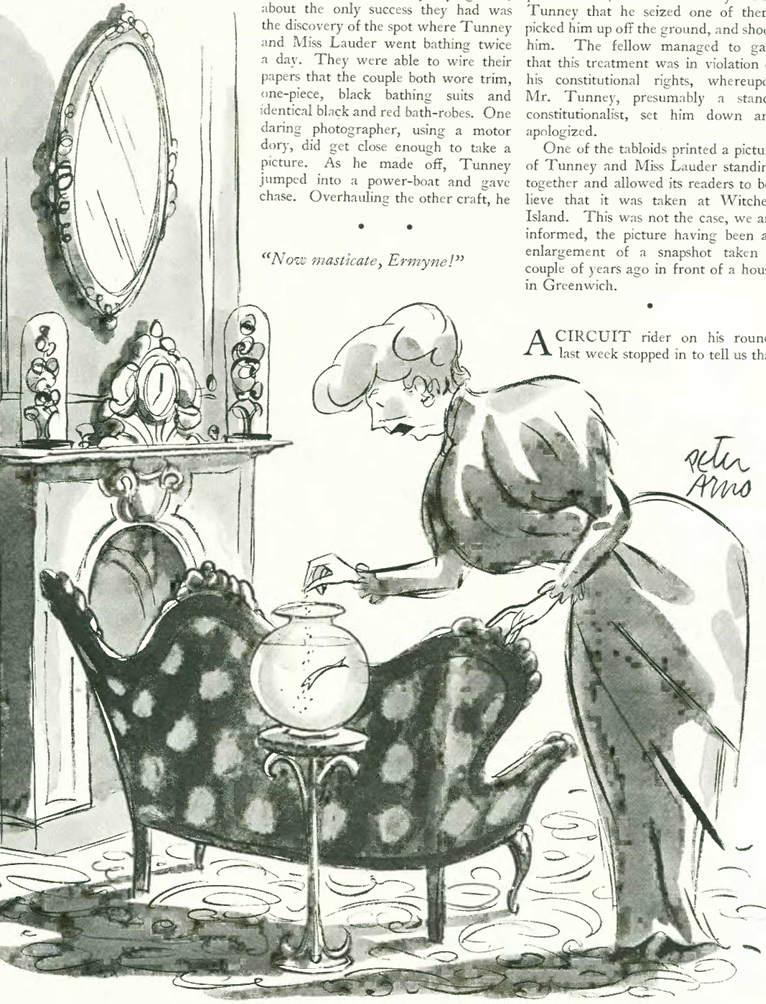
Our cartoon is by Peter Arno, who was making light of a diet fad from the late 19th and early 20th century (hence the woman’s age and dress) made famous by Horace Fletcher, who was known as the “Great Masticator” for his diet that involved chewing each mouthful of food a minimum of 100 times. The cartoon’s caption reads: “Now masticate, Ermyne!”

Next Time: Dorothy Parker Goes to the Movies…

To the Air

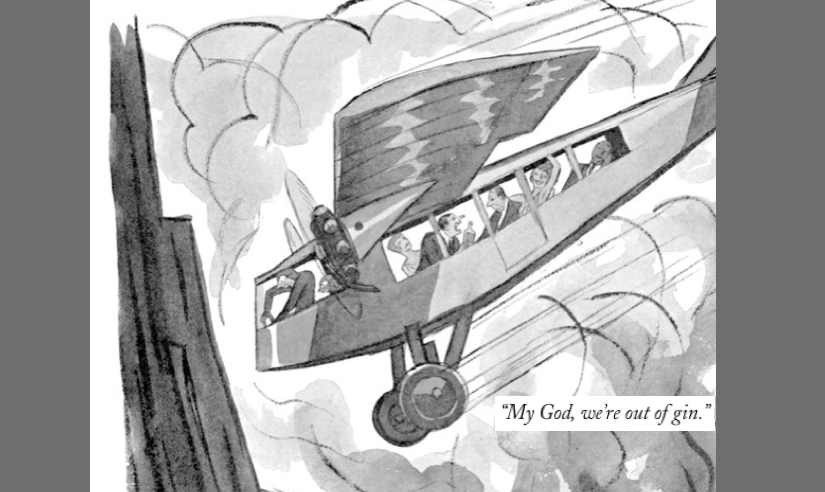
New Yorker writers in the 1920s by and large displayed a resistance to popular enthusiasms when they looked around at the changing the world, but when it came to advancements in aviation, they tended to drop the casual pose and get all dreamy-eyed.

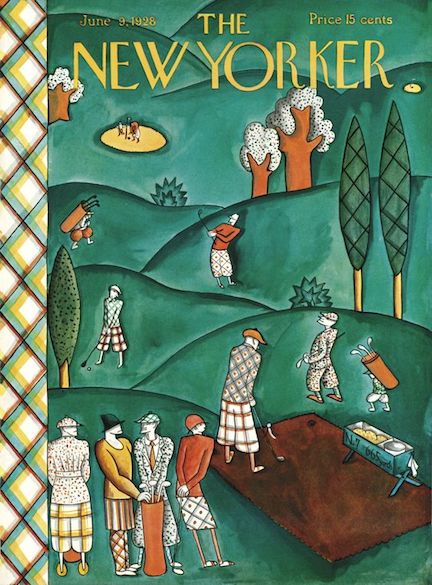
June 2, 1928 cover by Sue Williams.

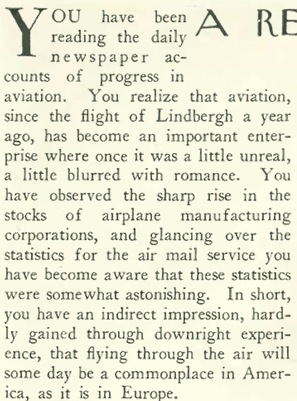
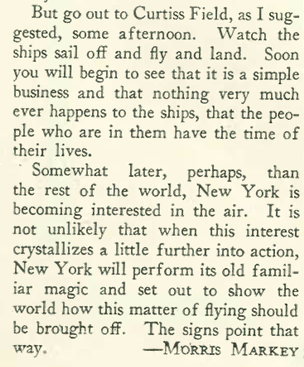
Such was the case with even a clear-headed writer like Morris Markey, who in his “A Reporter at Large” column looked at our progress in aviation. Public interest in air travel grew dramatically after Charles Lindbergh’s 1927 Atlantic crossing, as did the expansion of air mail and passenger service and the growth of private plane ownership. As Markey noted in this opening paragraph, for all the advances in American aviation, the Europeans were well ahead in establishing regular passenger service, as it had become “commonplace”:

FORERUNNER…In 1920s the Boeing Model 40 served as a U.S. mail plane. The single-engined biplane was also the first aircraft built by the Boeing company to carry passengers. Note the pilot was still seated in the open air, behind the passenger compartment. Many early pilots were unhappy when the next generation of planes forced them into an enclosed cockpit. (Boeing)

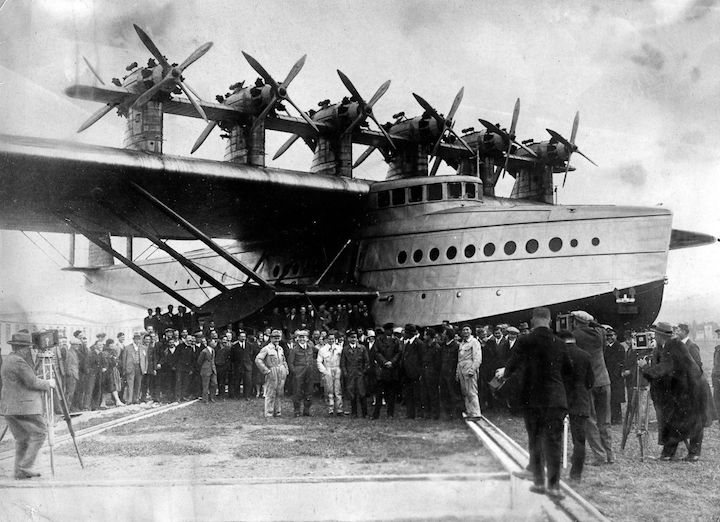
To get some sense of European (and specifically German) aviation superiority, look no further than the Dornier Do-X, a massive seaplane developed by the Germans in the mid-1920s that began regular passenger service in July 1929. While America’s biggest planes could carry 12 to 18 passengers, the spacious and luxurious Do-X could comfortably seat 70 to 100 passengers and included a dining salon, smoking lounge and wet bar. A few months after its first flight the Do-X broke a world record by carrying 169 passengers—astonishing when one considers only 25 years had passed since the Wright Brothers at Kitty Hawk.

BEHEMOTH…169 people flew aboard the Dornier Do-X on October 21, 1929. The plane’s hull was made of aluminum, but the sides were made of heavy duty linen cloth coated with aluminum paint. (Ullstein Bild)
MAKING HISTORY…Excited passengers—169 of them—await take-off on October 21, 1929. Powered by a dozen engines, take-off weight for the Do-X was more than 61 tons. Note the crew members atop the craft manually turning the propellers—all 12 of them—to circulate the oil in the engines prior to take-off. (Ullstein Bild)
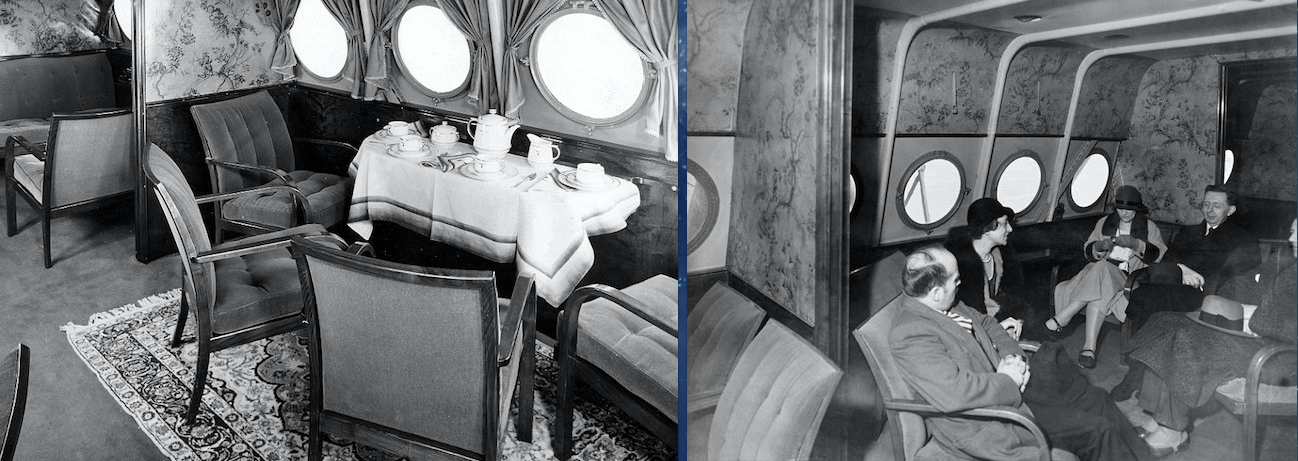
LEGROOM NOT OPTIONAL…The dining salon (left) and a passenger compartment in the Dornier Do-X. (Ullstein Bild)
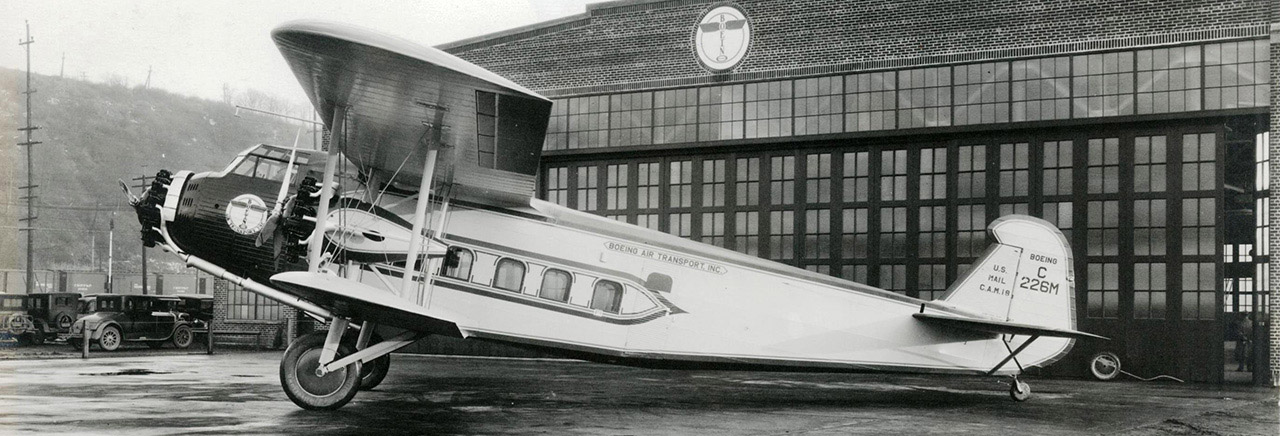
MODEST, BUT NICE…Over in America, the 1928 Boeing Model 80 carried passengers in a spacious cabin appointed with leather upholstery, reading lamps, forced-air ventilation, and hot and cold running water. The first version carried 12 people, and it was followed by a larger, 18-passenger Model 80A, which made its first flight on Sept. 12, 1929. The plane’s fuselage was made of welded-steel tubing covered with fabric, and its wooden wingtips were removable so the airplane could fit into the primitive hangars along its route. (Boeing)
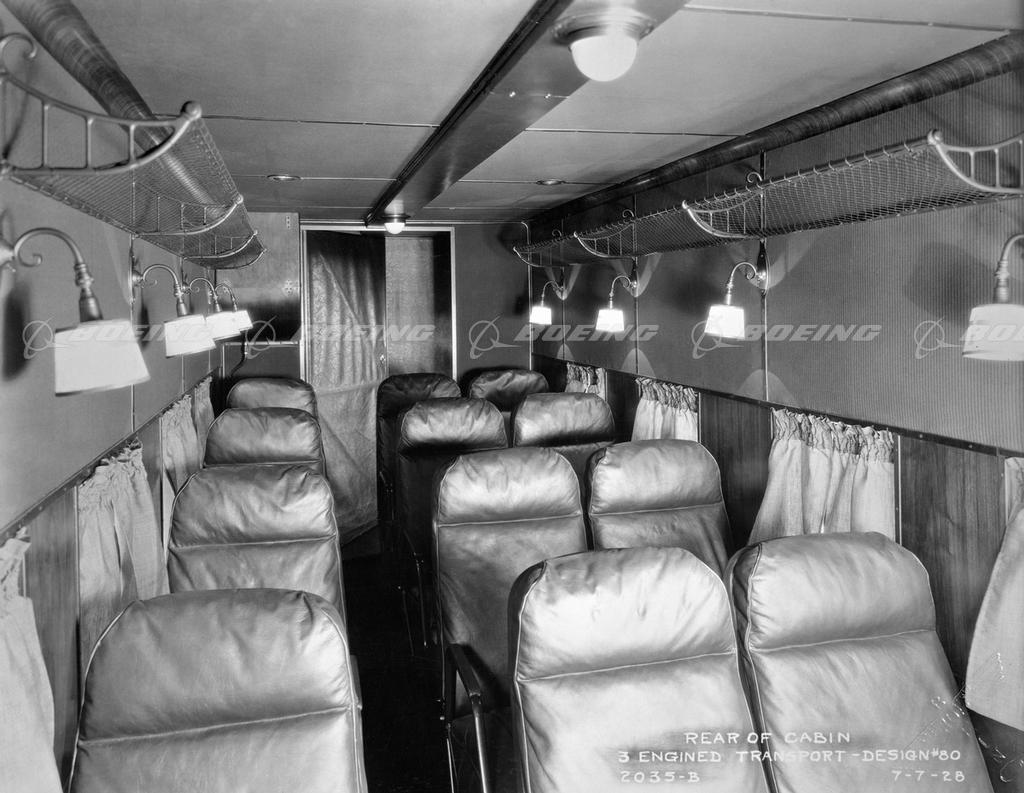
COZY…Interior of the Boeing Model 80. Ellen Church, a registered nurse, convinced Boeing managers that women could work as stewards, so nurses serving aboard the Model 80A became aviation’s first female flight attendants. (Boeing)

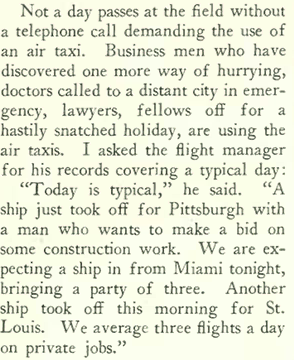
Markey noted the growing interest in commuter flights among business executives. What seemed like a high demand to Markey was an average of three commuter flights a day.

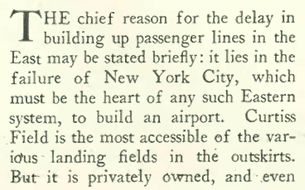
Markey also lamented New York’s lag in building up passenger service, especially when air travel was growing leaps and bounds in the Midwest and West, and especially in rival Chicago:

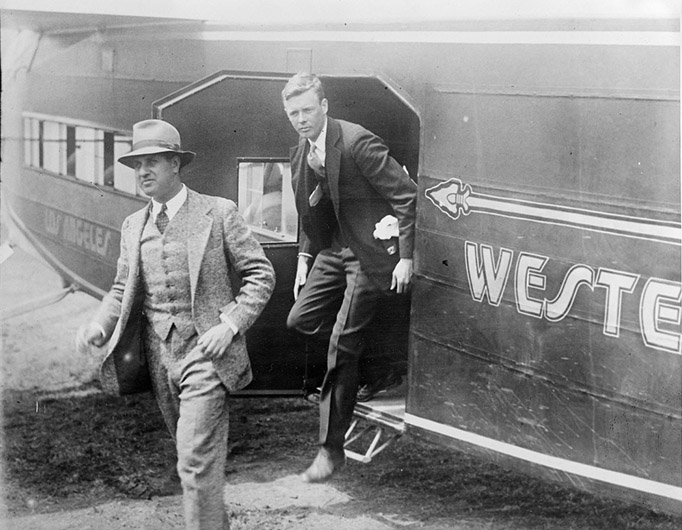
BIRTH OF TWA…Harry Guggenheim and Charles Lindbergh step off a Western Air Express Fokker F-10 in 1928. Diplomat, publisher and philanthropist, Guggenheim provided funding to mail carrier Western Air Express in 1927 in an effort to create a “model airline” that was safe, dependable and economically feasible. By 1930 Western was the nation’s largest airline. It was short-lived, however; in 1930 Postmaster General William Folger Brown forced it to merge with Transcontinental Air Transport, creating Transcontinental and Western Airlines, or TWA. (Boston Public Library)
NO TSA LINES HERE…Passengers board a Western Air Express Fokker F-10 in the late 1920s. The Fokker F-10 was called “The Queen of the Model Airline,” but it fell out of favor after a much-publicized March 31, 1931 crash in Kansas that killed eight people, including football coaching legend Knute Rockne. (birthofaviation.org)
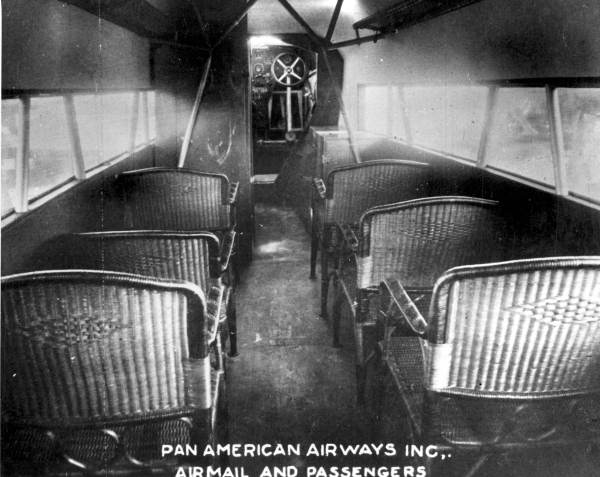
NO FRILLS…Passenger compartment of a Fokker F-10. (birthofaviation.org)
HERE’S LUCY…Actress Lucille Ball was all smiles after a flight on a Western Air Express Fokker F-10. (birthofaviation.org)

Markey also noted the modest number of planes in private hands, but expected private ownership to increase dramatically in the coming months:

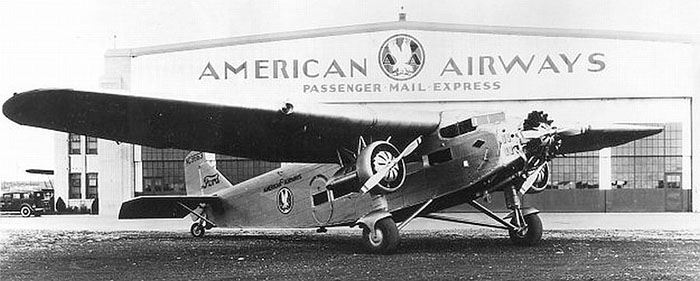
TIN GOOSE…Henry Ford briefly got into the aviation business with his company’s popular Ford Trimotor. Dubbed the “Tin Goose,” it was the first all-metal, multi-engine transport in the United States and the first plane designed primarily to carry passengers (12) rather than mail. It was the first plane to be used for transcontinental passenger service, as well as the first plane to fly over the South Pole. The Great Depression would end the plane’s short but successful run—a total of 199 were produced. (birthofaviation.org)
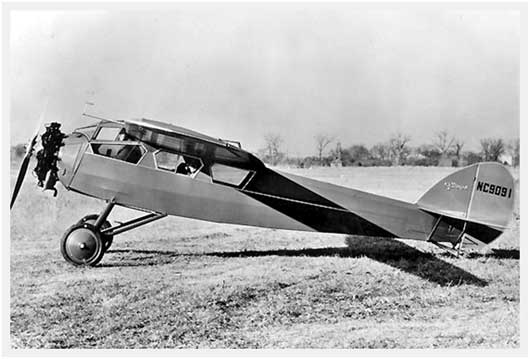
BE YOUR OWN LINDBERGH…Looking for your own set of wings? The 1929 Cessna Model AW was just around the corner. (airpigz.squarespace.com)

Although Markey lamented the slow growth of New York aviation, he was nevertheless dazzled by the “ships” taking to the skies at Curtiss Field.

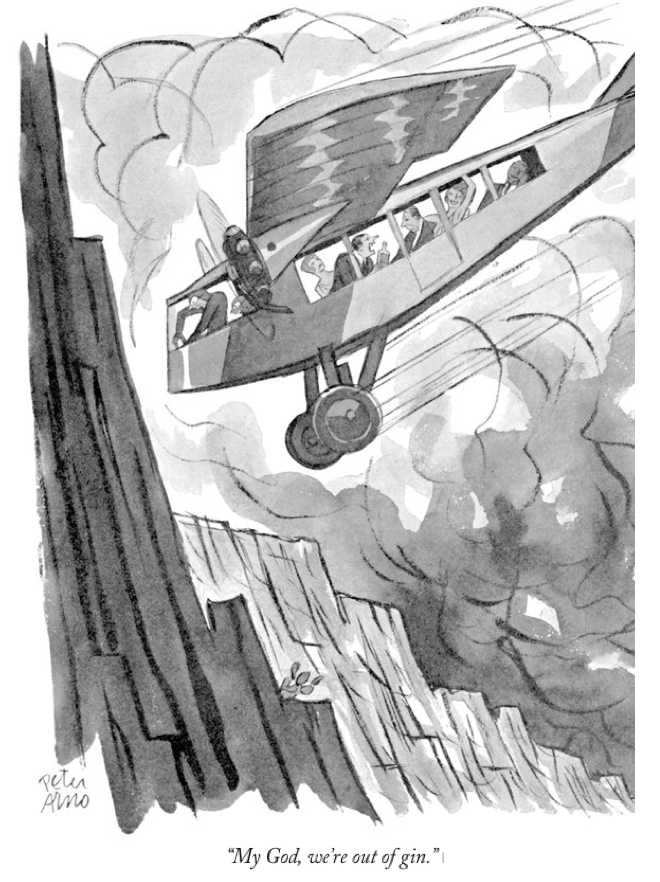
Jumping ahead a couple of years, New Yorker cartoonist Peter Arno offered this view of passenger flight (in a Fokker F-10), the passengers in this case a bunch of silly toffs (April 12, 1930).

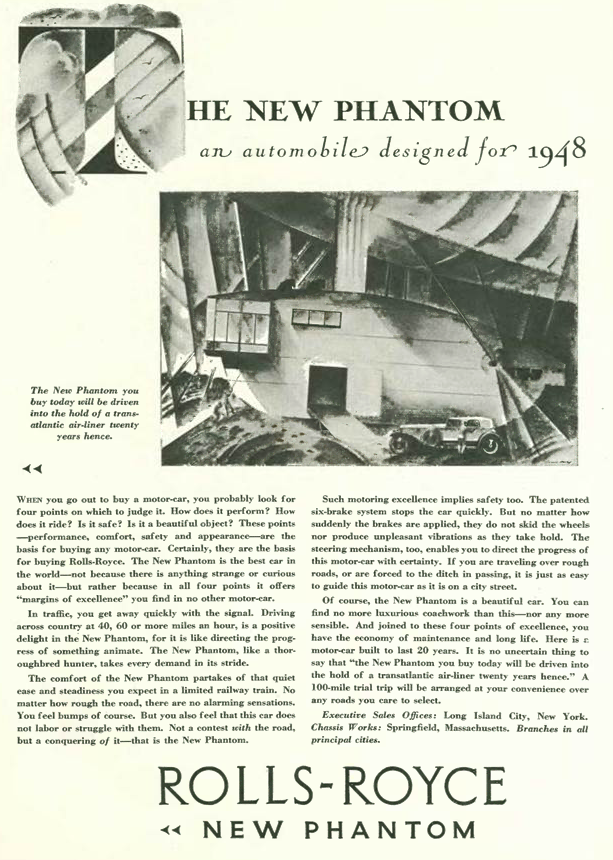
And back to the June 2, 1928 issue, we find this ad for Rolls Royce that offered a vision of a future airliner—in the year 1948. Since the artist had no clue what the future would hold, he conjured up this contraption that looked like a streamlined Noah’s Ark attached to a huge zeppelin.

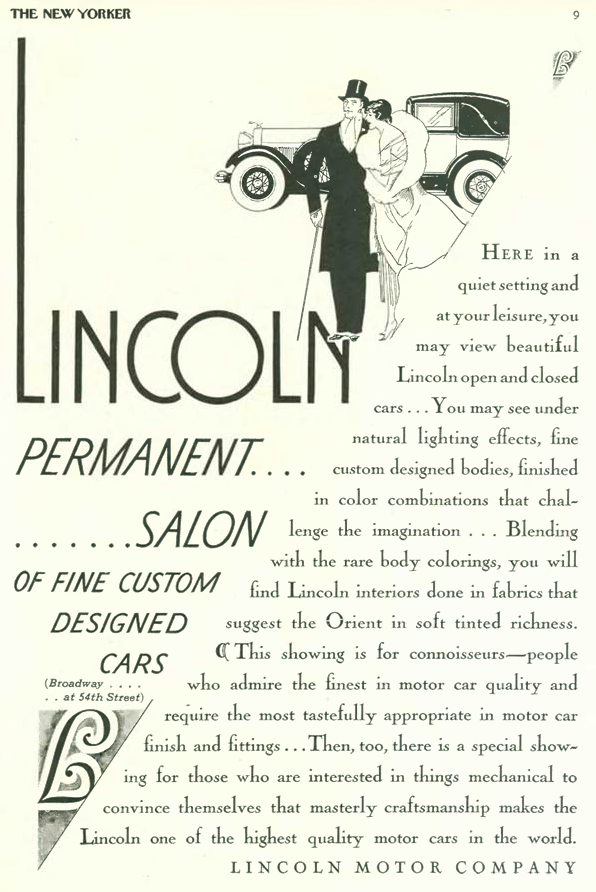
And just for kicks (and contrast), this ad for Lincoln was all about tradition, except for the nice typographical flourish on the letter “L” —a definite nod to modernism.

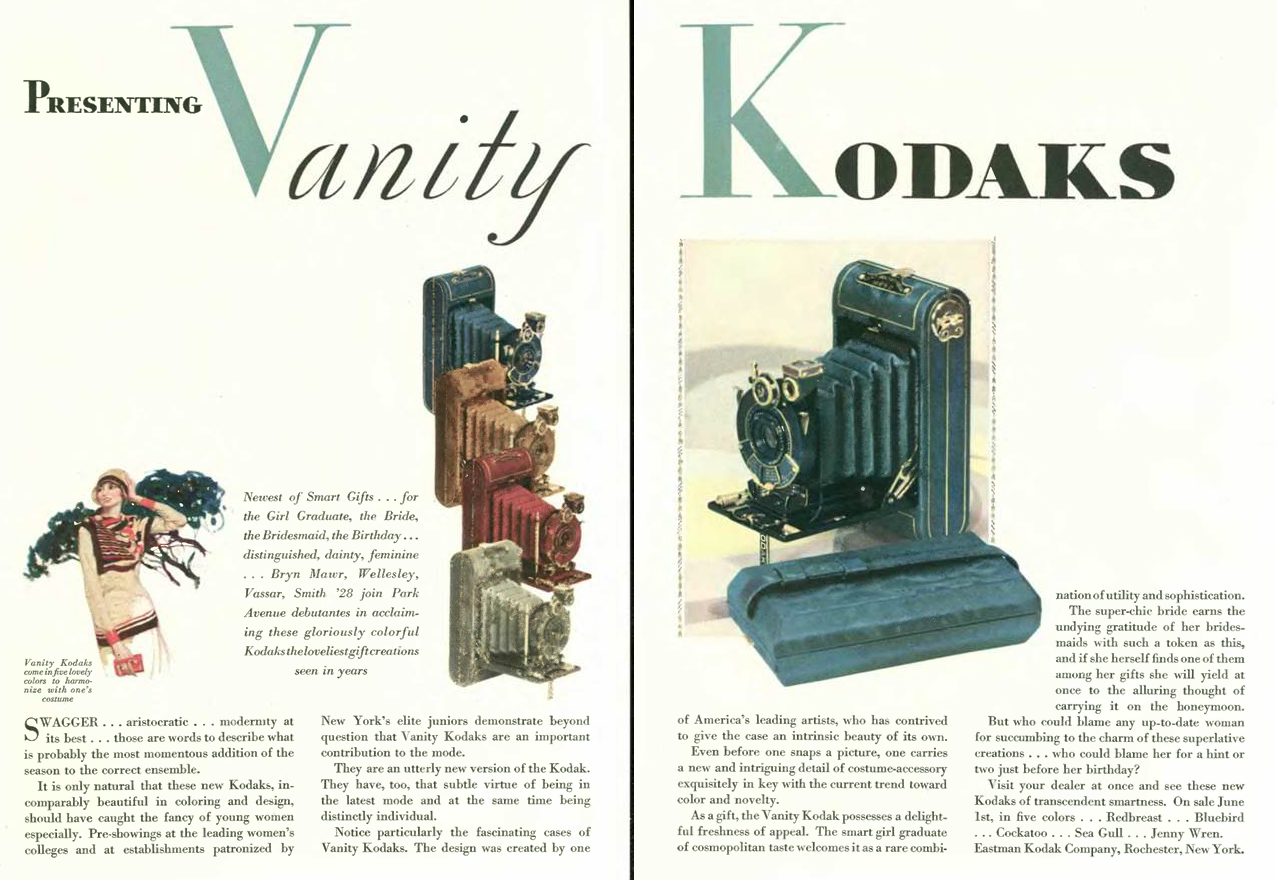
And if you thought novelty in our gadgets is a fairly recent thing, check out these portable Kodak cameras that were available in five colors. From automobiles to typewriters, manufacturers in the 1920s were discovering that color distinguished their products and even drove demand (click image to enlarge).

Advertisers could also create demand by appealing to readers’ cravings for status. The following ad for a Lord and Burnham greenhouse is an especially egregious example of the use of status shaming to sell a product. Note how the foursome in the illustration, presumably all greenhouse owners, look at the man without a greenhouse as though he’s a child molester or worse.

Before Green Eggs and Ham

In 1928 ads for Flit insecticide began to appear in the New Yorker, illustrated by none other than Theodore “Dr. Seuss” Geisel. This is the first Flit ad to appear in the magazine, in the June 2, 1928 issue:

In the 1920s people didn’t seem too concerned about the toxicity of the products they used (for example, we’ve seen Lysol used in feminine hygiene and as a birth control method). Although the Flit ads aimed to be humorous, it still seems odd to imply that one might gargle with the insecticide. As we shall see, subsequent Flit ads will show the product being sprayed indiscriminately over food, children, pets etc.

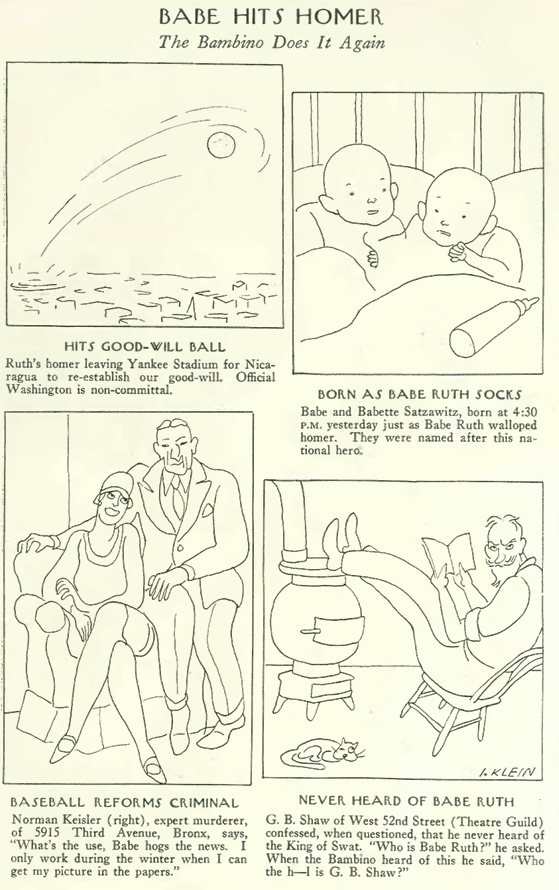
Taking a Shot at the Babe

The cartoonist Isadore Klein had some fun with the hyperbole often attached to the athletic feats of the Sultan of Swat:

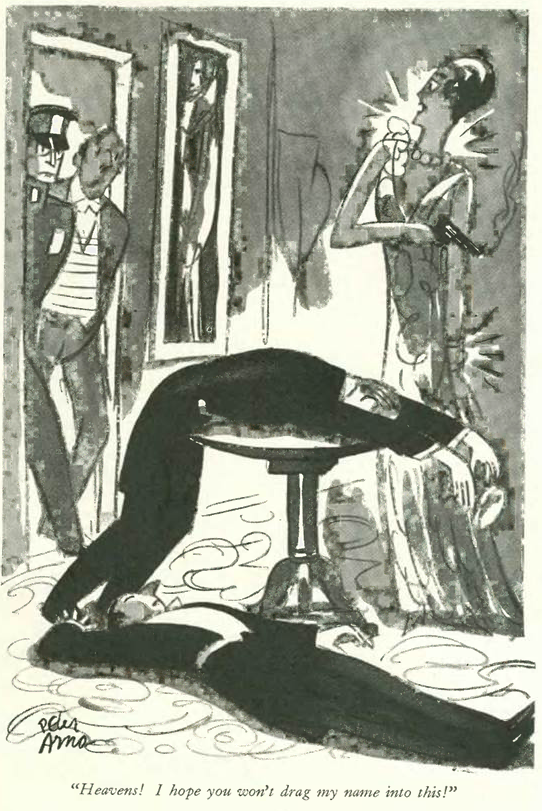
And finally, Peter Arno looked at murder among the upper classes:

Next Time: The Russians Are Coming…


Guess Who’s Coming to Dinner

Gene Tunney was not your typical boxer. Holder of the heavyweight title from 1926 to 1928, he defeated his rival Jack Dempsey in 1926 and again in 1927 in the famous “Long Count Fight.” But Tunney was no Palooka—he preferred to be known as a cultured gentleman, and made a number of friends in the literary world including George Bernard Shaw, Ernest Hemingway and Thornton Wilder.

d30ba2edfc3289f6c04c8dfd337ef06c
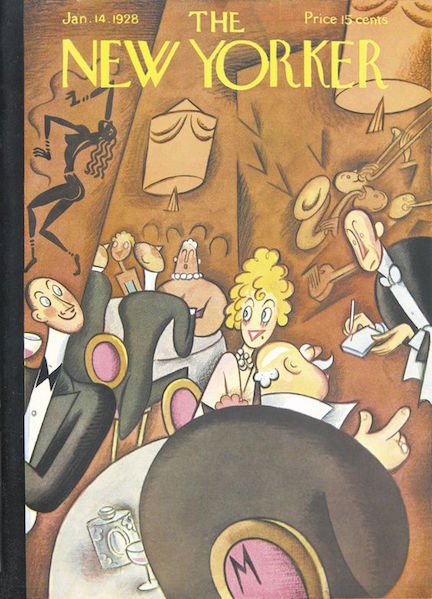
January 14, 1928 cover by Julian de Miskey.

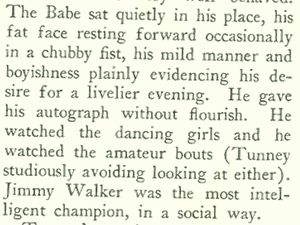
So when given the opportunity to say a few words, Tunney made the most of it, including at a dinner hosted by boxing and hockey promoter Tex Rickard to honor champions in various sports. The New Yorker’s E.B. White was there tell us about it:

screen-shot-2017-02-10-at-12-52-28-pm

d2cf24cb8345bcbf47135ea359d6eaa4
FETED FOR FEATS…World champion athletes are shown here from top row, left to right; Babe Ruth (baseball), Gene Tunney (boxing), Johnny Weissmuller (swimming), Bill Cook (hockey). On the bottom row is from left to right, Bill Tilden (tennis), Bobby Jones (golf), Fred Spencer and Charlie Winters (six-day bicycle race).

While Tunney was doubtless composing his thoughts at the banquet table, baseball legend Babe Ruth was wishing he could be someplace else…

screen-shot-2017-02-10-at-12-53-12-pm

…like hanging out with his old buddy Jack Dempsey…

ruthdempsey
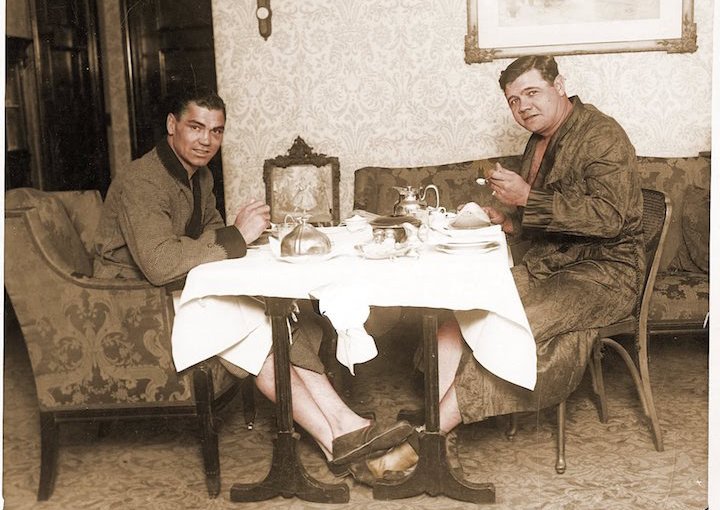
BREAKFAST OF CHAMPIONS…Babe Ruth having breakfast with his friend, heavyweight boxing champion Jack Dempsey, at Ruth’s residence at the Ansonia Hotel in New York City, 1927. Dempsey reigned as the champ from 1919 until 1926, when he was defeated by Gene Tunney. (captainsblog.info)

Instead, the Babe would have to listen to a surprise speech by Tunney, who sought to prove to those in attendance that he had brains to match his brawn. No doubt to the relief of many in attendance, New York City’s flamboyant mayor, Jimmy Walker, was able to return the proceedings to party mode.

screen-shot-2017-02-10-at-12-54-25-pm

screen-shot-2017-02-14-at-3-00-04-pm
THAT’LL DO, GENE, THAT’LL DO…Newly crowned heavyweight boxing champion Gene Tunney (center) meets with New York City Mayor Jimmy Walker (right) at City Hall, September 1926. (josportsinc.com)

 *  *  *

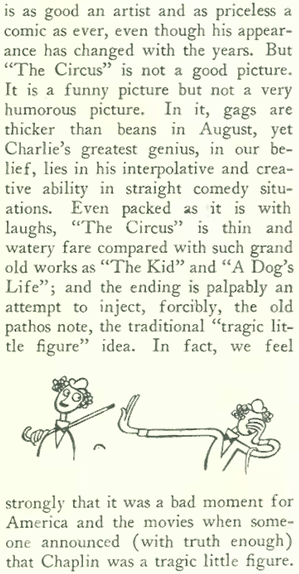
The New Yorker writers found little to like about Hollywood, but Charlie Chaplin could always be counted on to knock out a humorous film. At least most of the time. Here is what “The Talk of the Town” had to say about his latest, The Circus:

screen-shot-2017-02-10-at-12-48-54-pm

screen-shot-2017-02-10-at-12-49-02-pm

LIGHTEN UP, CHARLIE…Merna Kennedy, Charlie Chaplin and Harry Crocker in The Circus. (1928). (Turner Classic Movies)

 *  *  *

Give ‘Em Dirty Laundry

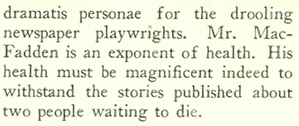
In these days of clickbait and other news designed to attract our prurient interest, we can look back 89 years a see that the tabloids were doing much of the same, particularly in Bernarr Macfadden’s New York Graphic, which was making the most of the final days of death row inmates Ruth Snyder and Judd Gray. “The Talk of the Town” (likely Robert Benchley) made this observation:

screen-shot-2017-02-10-at-12-49-34-pmscreen-shot-2017-02-10-at-12-49-56-pm

screen-shot-2017-02-14-at-4-48-21-pm
TSK, TSK…Evangelist Aimee Semple McPherson (left), received a tidy sum to write about convicted murderer Ruth Snyder for the New York Evening Graphic. (Wikipedia/Murderpedia)

Former lovers Snyder and Gray were sentenced to death in 1927 for the premeditated murder of Snyder’s husband (they went to the electric chair at Sing Sing prison on Jan. 12, 1928). Newspapers across the country sensationalized their trial, but the Graphic went the extra step by paying large sums to celebrity correspondents, including evangelist Aimee Semple McPherson, to write about the sordid case. Sister Aimee used her Graphic column to encourage young men to “want a wife like mother — not a Red Hot cutie.” Semple McPherson herself would later be accused of an affair, but then what else is new in the business of casting stones?

screen-shot-2017-02-15-at-10-57-28-am
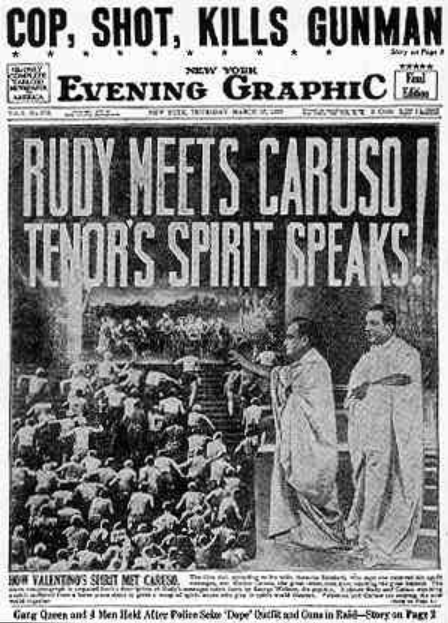
FAKE NEWS…Before the National Enquirer and Weekly World News (and Facebook, Twitter, Instagram etc.), Benarr Mcfadden’s Evening Graphic was the tabloid of choice among the less discerning. This issue from March 17, 1927, depicted silent actor Rudolph Valentino meeting the famed tenor Enrico Caruso in heaven. The Graphic was famous for these “Composographs,” — images cut and pasted together using the heads or faces of current celebrities and glued onto staged images created by employees in Macfadden’s studio. (bernarrmacfadden.com)

 *  *  *

Even His Skivvies?

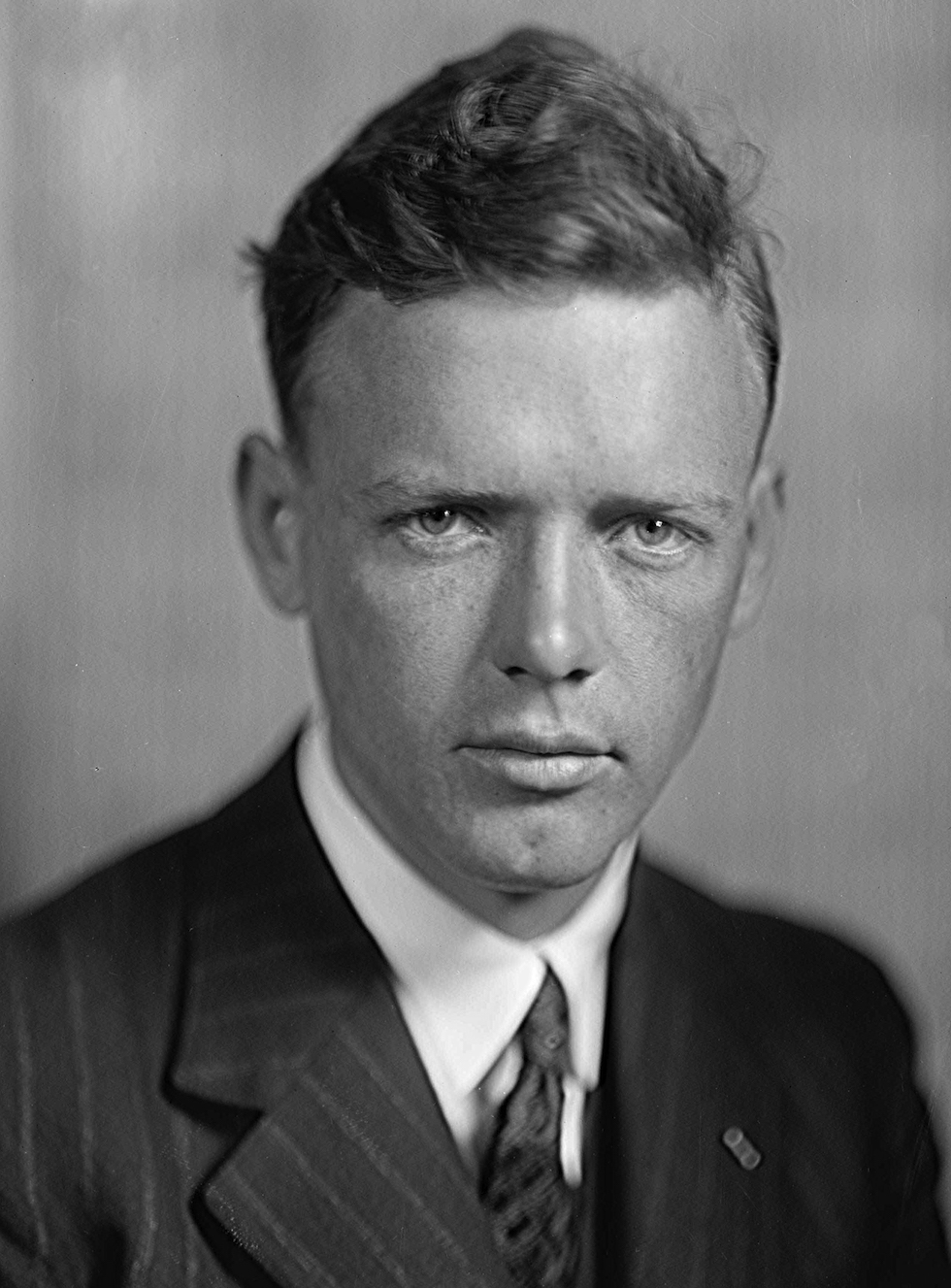
We can also look back 89 years and see that people were just as celebrity-crazed then as they are now. Charles Lindbergh could barely keep the clothes on his back while being pursued by adoring mobs, according to “The Talk of the Town”…

screen-shot-2017-02-10-at-12-50-39-pm

col_charles_lindbergh
KEEP YOUR HANDS OFF MY BVDS

 *  *  *

Kindred Spirits

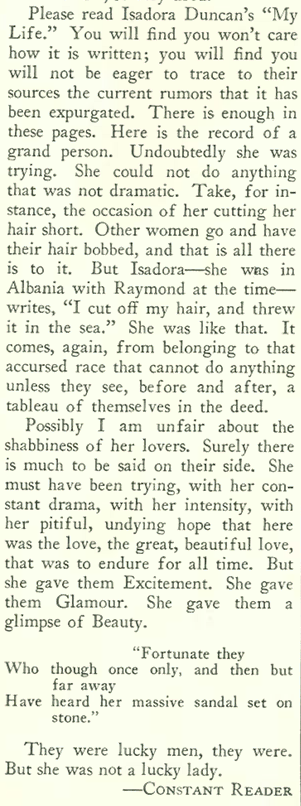
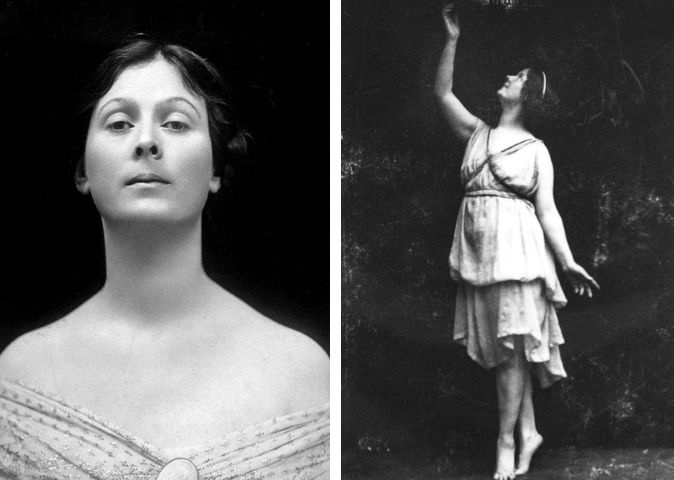
Dorothy Parker wrote a vigorous, even impassioned defense of the late dancer Isadora Duncan in her column, “Reading and Writing.” Parker reviewed Duncan’s posthumously published autobiography, My Life, which she found “interesting and proudly moving” even if the book itself was “abominably written,” filled with passages of “idiotic naïveté” and “horrendously flowery verbiage.” In this “mess of prose” Parker also found passion, suffering and glamour—three words that Parker could have used to describe her own life.

Parker elaborated on the word “glamour,” which she thought had been cheapened in her day to something merely glittery and all surface. True glamour, wrote Parker, was that of Isadora Duncan, coming from her “great, torn, bewildered, foolhardy soul.” Parker concluded with this plea:

screen-shot-2017-02-10-at-1-06-00-pm

Isadora Duncan circa 1910 (left), and Duncan in a publicity photo circa 1903. (Wikipedia)

 *  *  *

New Kid on the Block

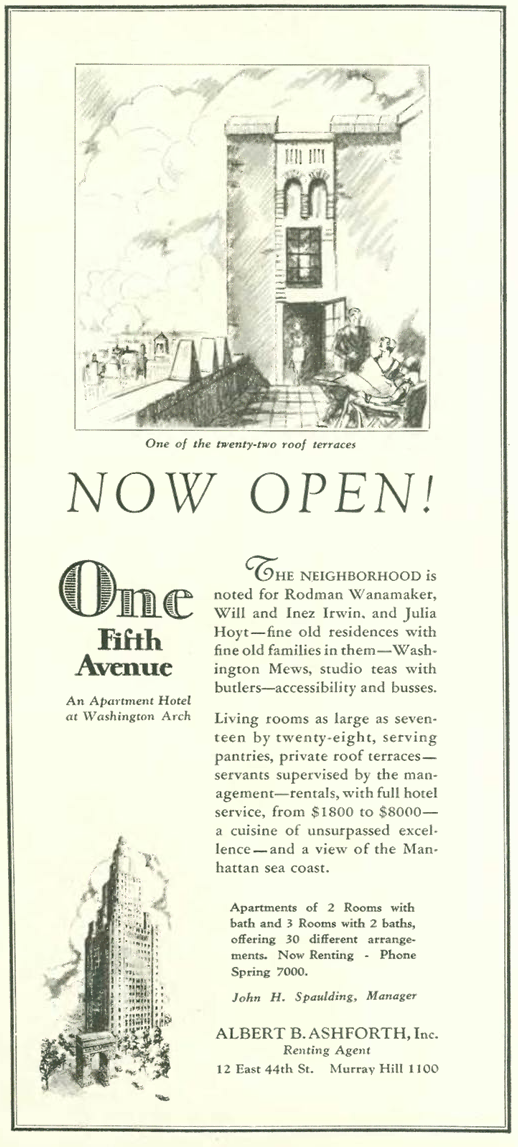
Yet another high-rise dwelling was available to Jazz Age New Yorkers—One Fifth Avenue in Greenwich Village. One Fifth Avenue was an apartment with the word “hotel” attached to justify its 27-story height. To meet zoning requirements, the apartments had “pantries” instead of kitchens. But then again, your “servant” would fetch your dinner anyway…

screen-shot-2017-02-10-at-1-00-01-pm

one-fifth-avenue-december-1928
GOING UP…The art deco landmark One Fifth Avenue signaled a dramatic change from the four-story mansions that once occupied the site.  (New York Public Library)

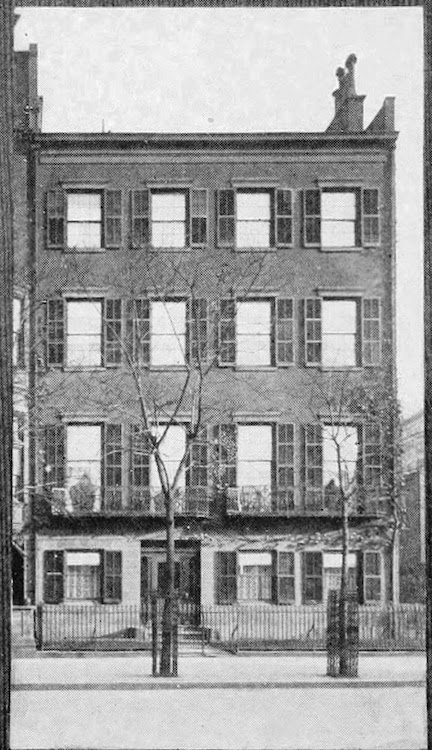
Historical note: One Fifth Avenue marked a dramatic change in the character of Washington Square, one of the most prestigious residential neighborhoods of early New York City. A previous occupant of the One Fifth Avenue site was the brownstone mansion of William Butler Duncan. In addition to One Fifth Avenue, the residences at 3, 5, and 7 Fifth Avenue were also demolished to make way for the new art deco “apartment hotel.”

01-fifth_william-butler-duncan
DUST TO DUST…The William Butler Duncan residence at One Fifth Avenue. (daytoninmanhattan)

*  *  *

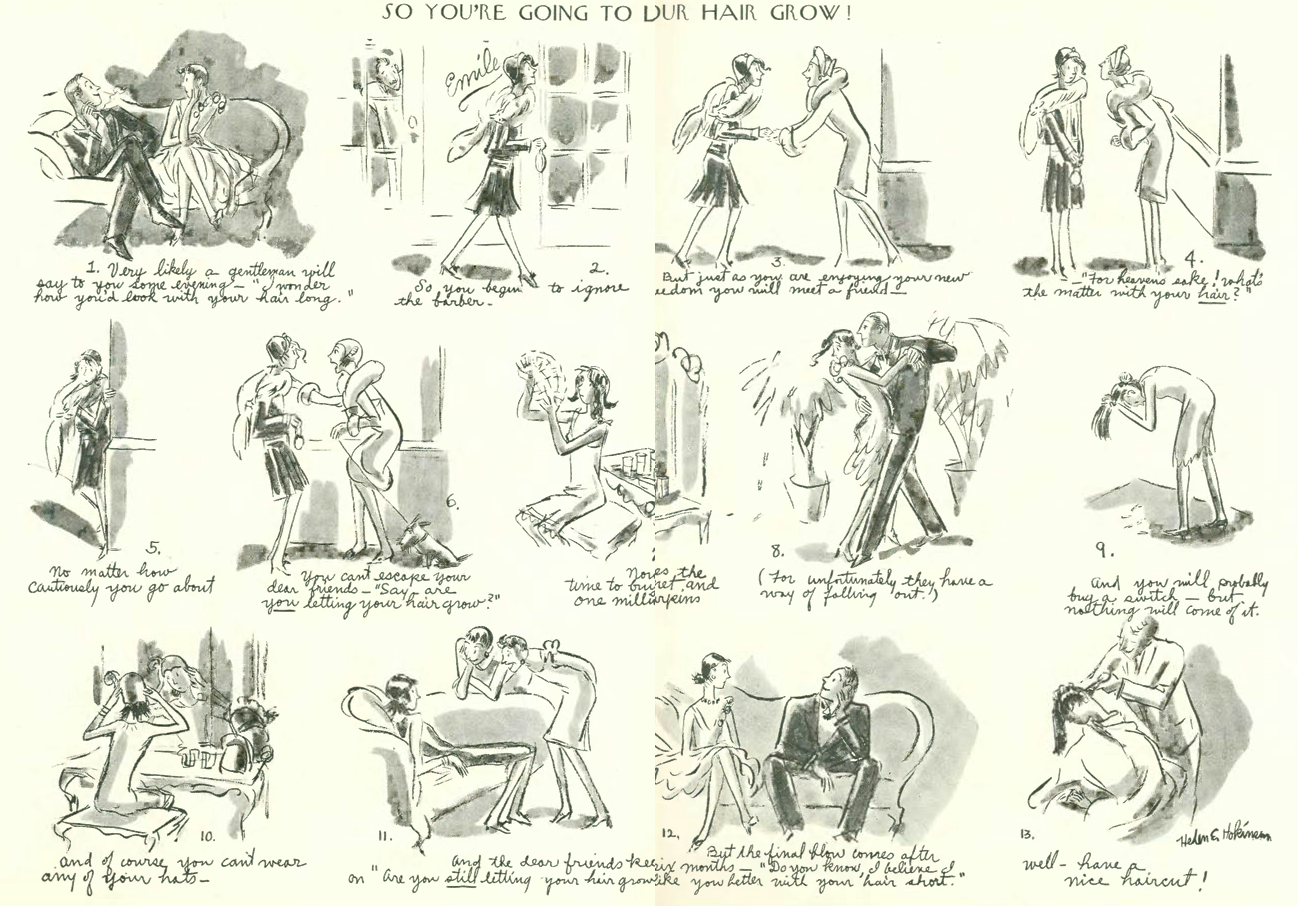
To close, a two-page spread by Helen Hokinson exploring one woman’s challenge with the “flapper bob” (sorry about the crease in the scan–that is how it is reproduced in the online archive). Click the image to enlarge.

screen-shot-2017-02-10-at-12-56-38-pm

And a bit of fun on the streetcar, courtesy of cartoonist Leonard Dove…

screen-shot-2017-02-10-at-12-57-46-pm

…and a confession, from Otto Soglow…

Next Time: Machine Age Bromance…

986198649aa5ada2614b8158443db596


Wits of the Round Table

Two big voices from the famed Algonquin Round Table were prominently featured in the Oct. 1 and Oct. 8, 1927 issues of the New Yorker–journalist and champion of the underdog Heywood Broun wrote his own “Profile” under the title, “The Rabbit That Bit the Bulldog,” and Dorothy Parker served up biting satire in “Arrangement in Black and White,” a clever exposé of racism among the fashionably “open-minded” upper classes.

488a50459a792547010d30e8bfe5ddf4
October 1, 1927 cover by Gardner Rea.

The Rabbit That Bit the Bulldog

Hiding under the signature “R.A.”, Heywood Broun (1888–1939) was merciless as his own profiler, describing himself as a coward, hypochondriac, and a slob (there is truth to the latter, however, as friends often likened him to “an unmade bed”).

screen-shot-2016-12-08-at-9-06-52-am

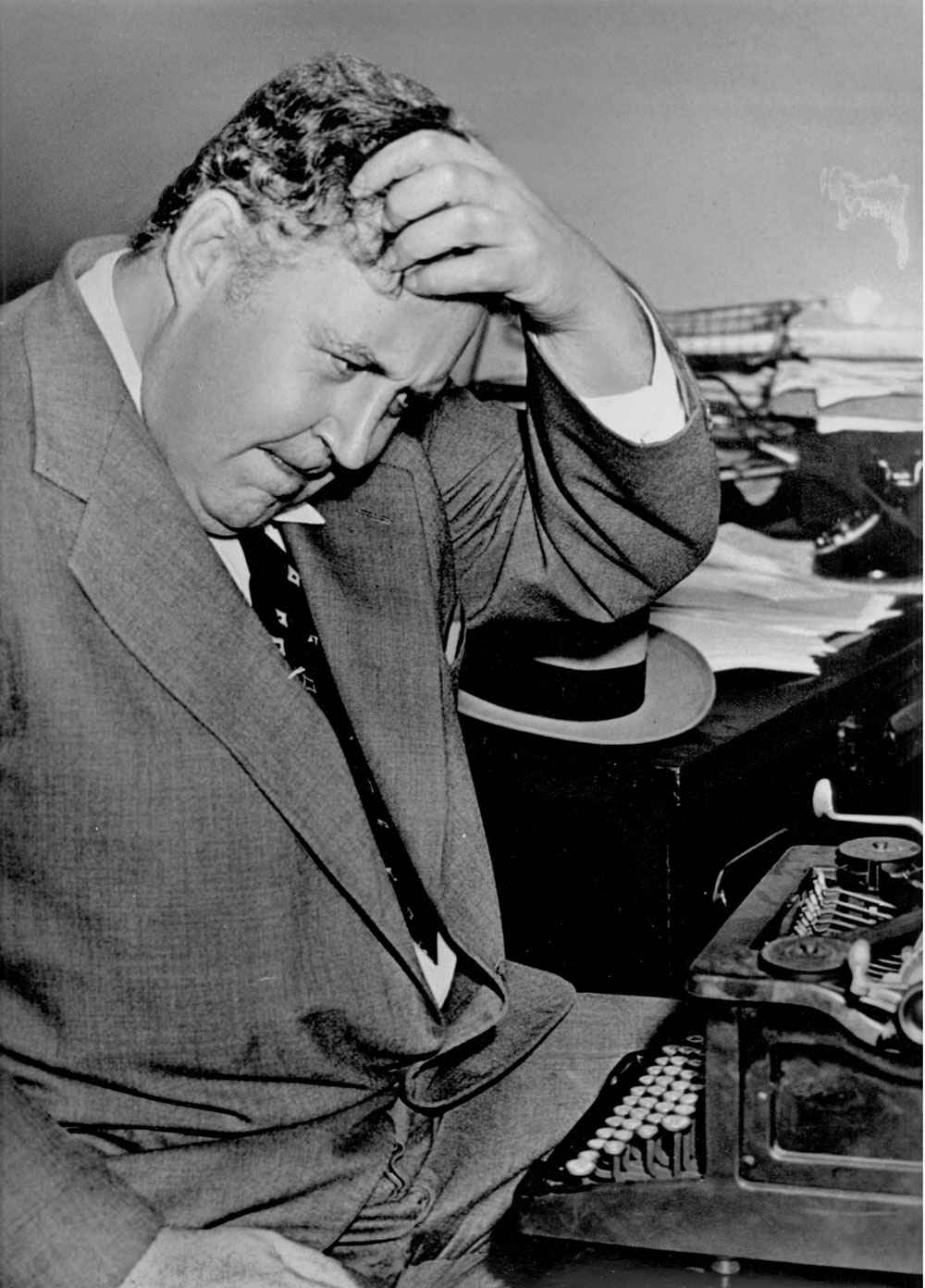
Broun cut his teeth in journalism as a sportswriter and war correspondent. In 1921 he went to work for the New York World, where he penned his popular syndicated column “It Seems to Me.” Broun’s New Yorker “Profile” was written after he was fired from the World following a disagreement with his editor over his critical commentary on the sentencing of anarchists Sacco and Vanzetti. Broun would move on to The Nation, where he would write a regular column, “It Seems to Heywood Broun,” that would offer criticism on a number of topics including his former employer, the World.

Heywood Broun. (Denver Newspaper Guild)

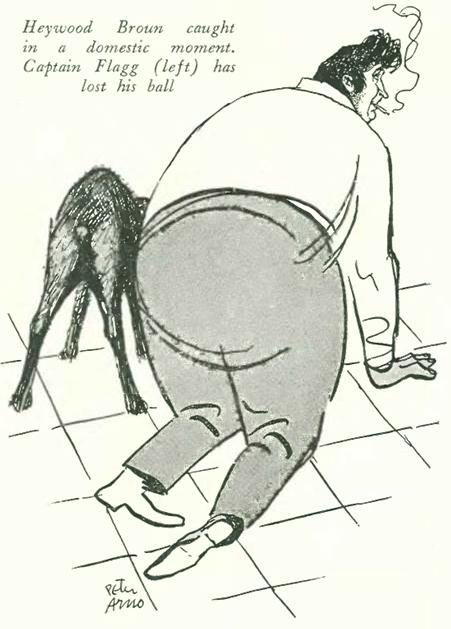
The New Yorker profile included this caricature by Peter Arno…

screen-shot-2016-12-06-at-9-46-21-am

…a portrayal Broun claimed was inaccurate due to his “habitual stoop,” among other faults…
screen-shot-2016-12-06-at-9-52-23-am

screen-shot-2016-12-06-at-9-52-34-am

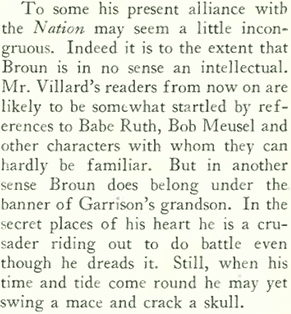
…and he mused about his future with the Nation, and how that august publication would square with his various foibles…
screen-shot-2016-12-06-at-9-52-45-am

…and as for his personal appearance and habits, Broun weighed in thusly…

screen-shot-2016-12-06-at-9-55-18-am

Broun married social activist Ruth Hale in 1917. A son born the following year, Heywood Hale Broun, would have a long and successful career as an author, sportswriter, commentator and actor.

*  *  *  *  *

The Long Count

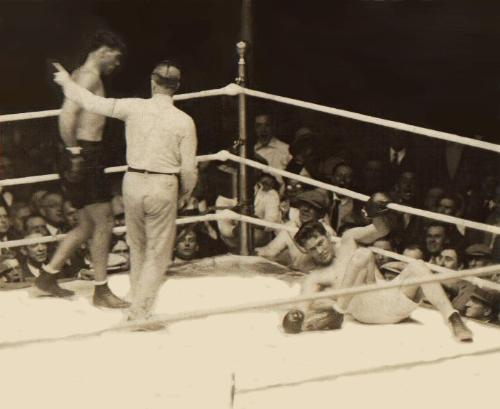
Oddly, The New Yorker had little to say about the famous Chicago rematch between heavyweight boxers Gene Tunney and Jack Dempsey, which Tunney won after the controversial “long count.” The fight took place under new rules that gave a fallen fighter ten seconds to rise to his feet, but the count would not begin until his opponent moved to a neutral corner.

tumblr_mti3g257h11rnxl9do1_500
DAZED AND CONFUSED…Referee Dave Barry motions Jack Dempsey to a neutral corner before he begins his count. Gene Tunney got back up and went on to win the fight. (Chicago Tribune archive photo)

Although Tunney dominated the fight, Dempsey unleashed a flurry in the seventh round that knocked Tunney to the canvas–it was the first time in Tunney’s career that he’d been knocked down. Instead of going immediately to a neutral corner, Dempsey just stood and observed his opponent for several seconds until finally retreating. Those extra seconds proved just enough time to allow Tunney to return to his feet and eventually win the bout. To one observer quoted in “The Talk of Town,” those extra seconds really dragged…

screen-shot-2016-12-06-at-9-44-49-am

screen-shot-2016-12-06-at-9-44-55-am

From the Ad Department

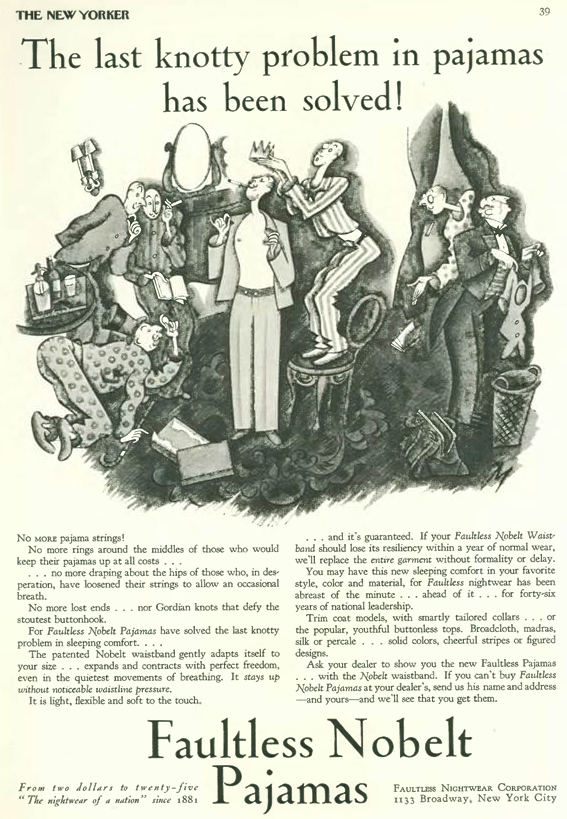
We feature this Julian de Miskey-illustrated advertisement for Faultless Nobelt Pajamas. Apparently these special PJs had some sort of newfangled rubber elastic band…

screen-shot-2016-12-06-at-9-57-42-am

…and this cartoon from the Oct. 1 issue featured Helen Hokinson’s ditsy society women at New York’s Fashion Week…

screen-shot-2016-12-06-at-9-43-37-am

 *  *  *  *  *

Dorothy Takes On the Snobs

In the Oct. 8 issue, our other Round Table wit, Dorothy Parker, took aim at the less savory aspects of society women in her short fiction piece, “Arrangement in Black and White.”

f19964a9d1e1b6179fe2715bb3b1aa72
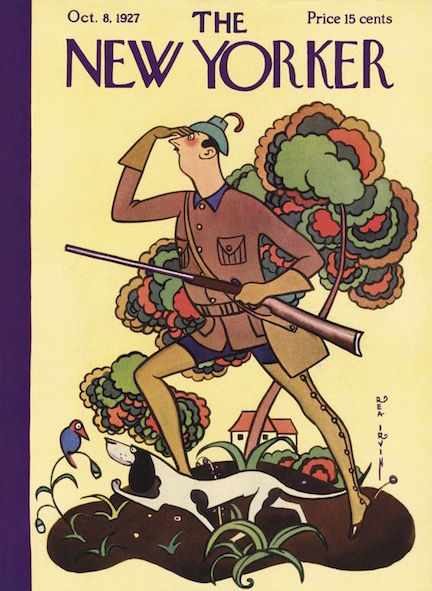
October 8, 1927 cover by Rea Irvin.

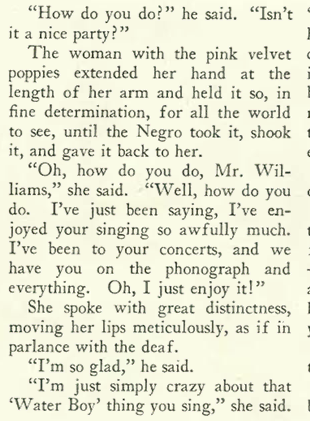
Parker began her piece by introducing us to a woman who enters a party wearing a wreath of “pink velvet poppies” in her golden hair. In short order she asks the party’s host to “pretty please” introduce her to the party’s guest of honor, an African American singer named Walter Williams.

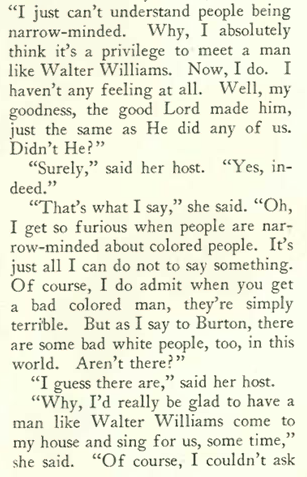
The woman with the pink velvet poppies goes on to tell her host that she came to the party alone because her husband, Burton, preferred not to socialize with “colored people”–but she however was “simply crazy” about some of them. “They’re just like children–just as easy-going, and always singing and laughing and everything.” Before she met the singer she observed to the host:

screen-shot-2016-12-06-at-1-18-25-pm

screen-shot-2016-12-06-at-1-19-09-pm

screen-shot-2016-12-06-at-1-16-57-pm
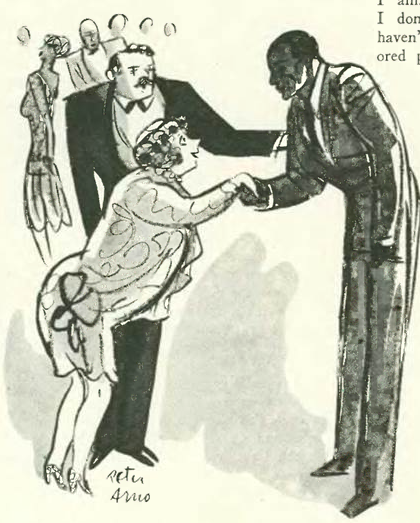
The woman with the pink velvet poppies meets the singer Walter Williams, as illustrated by Peter Arno.

Then the woman with the pink velvet poppies meets Walter Williams:

screen-shot-2016-12-06-at-1-19-42-pm

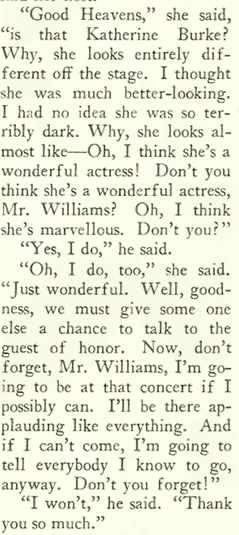
She continues to patronize the guest of honor, then notices a stage actress at the party:

screen-shot-2016-12-08-at-12-32-44-pm

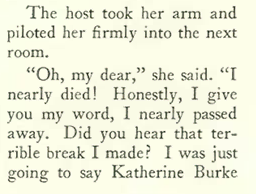
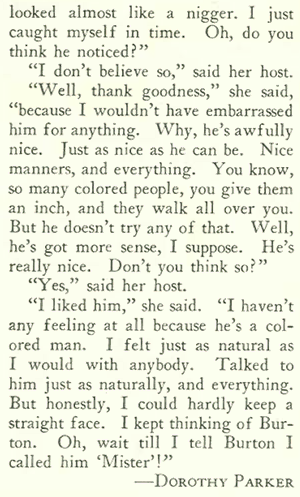
Finally, the host guides the woman with the pink velvet poppies away from Walter Williams…

screen-shot-2016-12-06-at-1-21-59-pm

screen-shot-2016-12-06-at-1-22-30-pm

05325779fdf286303013d76dc9e89388
BITING WIT…Dorothy Parker in the 1920s.

We will see more of Dorothy Parker in issues to come as she continues to take aim at the pretentious, hypocritical, self-absorbed snobs of the Jazz Age and beyond.

Baseball’s Lament

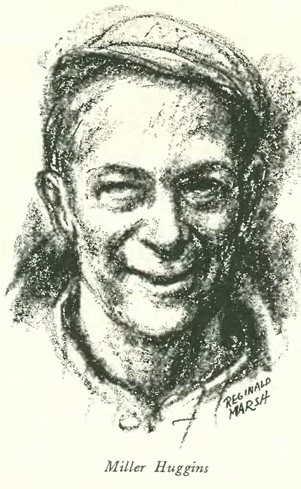
The Oct. 1 and 8 issues covered yacht racing, polo, tennis, golf and college football, but still no baseball. The 1927 New York Yankees would be one of the greatest teams of all time, but as the World Series commenced all we got from The New Yorker was a personality profile of Yankees manager Miller Huggins in the Oct. 8 issue (with a drawing by Reginald Marsh)…screen-shot-2016-12-06-at-1-24-05-pm

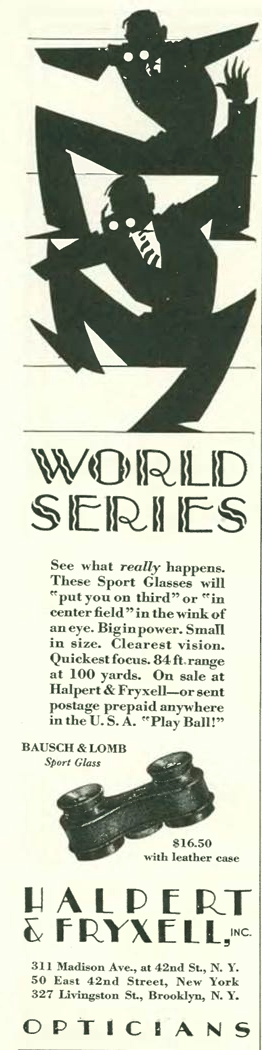
…and this advertisement for “Sport Glasses” for those attending the World Series…

screen-shot-2016-12-06-at-4-34-19-pm

Perhaps The New Yorker had no one on staff who could competently write about baseball. The strangest reference to the game was this article about polo, but for some reason it was illustrated with baseball images. Perhaps the editors felt sheepish about their lack of baseball coverage, and offered these illustrations by Howard Baer as a token acknowledgement…

screen-shot-2016-12-06-at-1-28-18-pm

At any rate, we end with this cartoon by Julien de Miskey, who like his colleagues explored the comic richness of wealthy old men paired with their young mistresses…

screen-shot-2016-12-06-at-1-16-04-pm

Next Time: The Ephemeral City…

f19964a9d1e1b6179fe2715bb3b1aa72


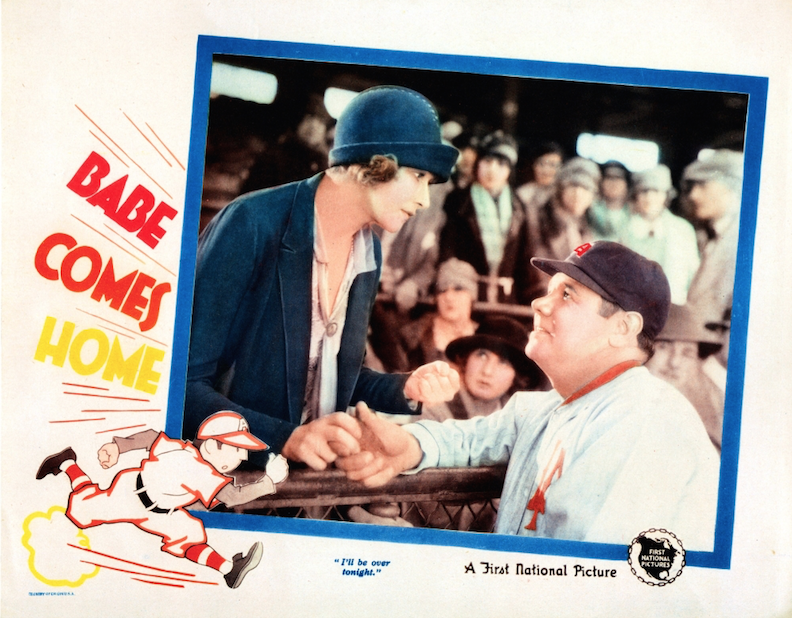
Babe Comes Home

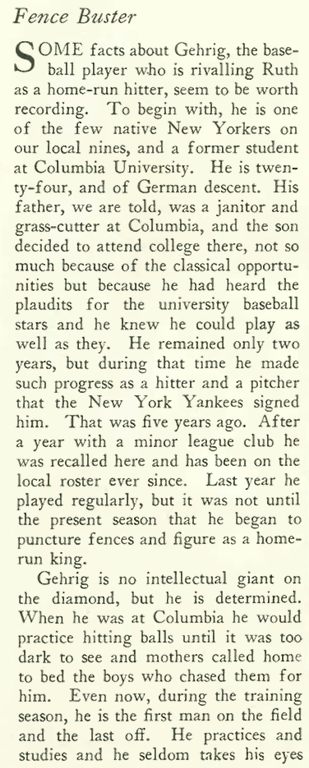
After months of reporting on polo, golf, tennis and yacht races, The New Yorker finally mentioned baseball–sort of–reviewing a movie featuring Babe Ruth and penning a brief piece about Lou Gehrig in “The Talk of the Town.”

447032a734d61215ca61a95a205dd7da
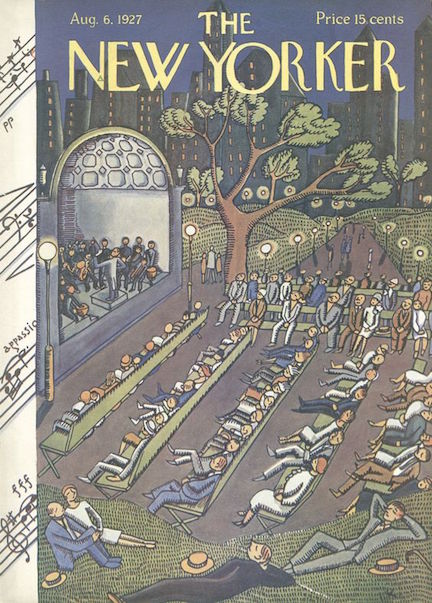
August 6, 1927 cover by Ilonka Karasz.

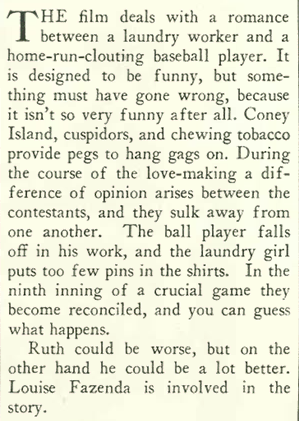
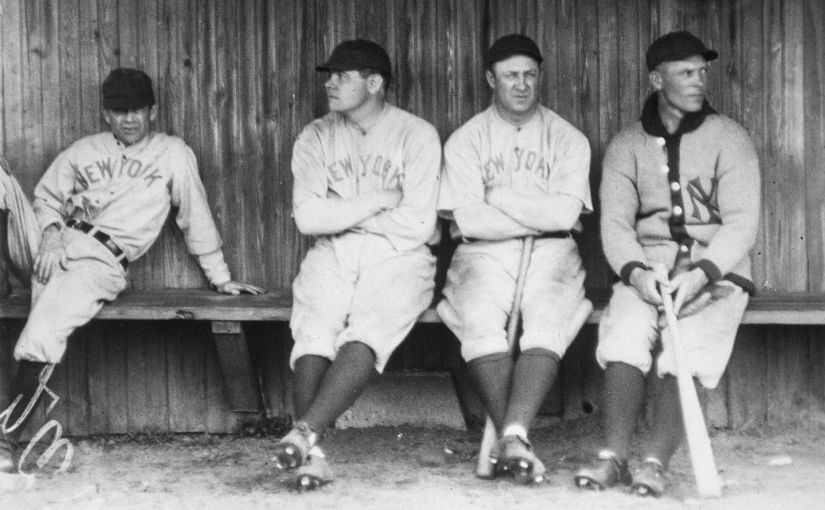
But the magazine still made no mention of the incredible season that was shaping up for the legendary 1927 New York Yankees, or the feats of its feared  “Murderer’s Row” lineup. Although widely considered to be the best baseball team in the history of major league baseball, The New Yorker up to this point had given more ink to the game of ping pong. But we’ll take what we can get, namely Babe Ruth’s acting performance in Babe Comes Home…

screen-shot-2016-11-07-at-12-50-00-pm

screen-shot-2016-11-07-at-12-50-10-pm

screen-shot-2016-11-11-at-12-51-20-pm
BETTER STICK TO BASEBALL…Lobby card for the 1927 film, Babe Comes Home, featuring Anna Q. Nilsson and The Bambino himself. (posterscancollections.com)

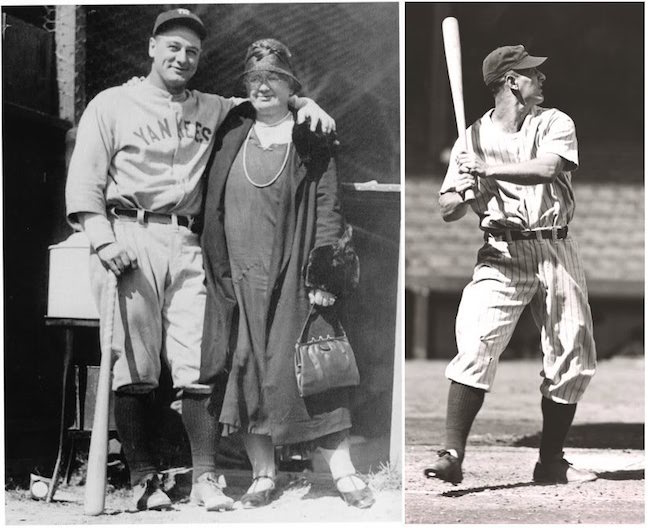
…and over in “The Talk of the Town” section the editors looked at another Yankee slugger, Lou Gehrig, who besides his hitting ability was Ruth’s opposite…

screen-shot-2016-11-07-at-12-32-32-pm

screen-shot-2016-11-07-at-12-32-51-pm

image5-9
MOM & APPLE PIE…Lou Gehrig and his mother, Christina, in 1927. (baseballfever.com)

 *  *  *

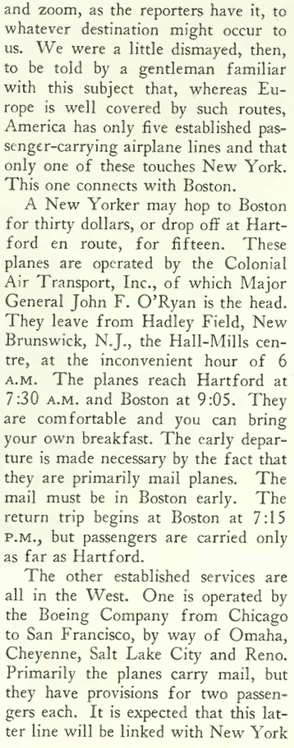
With the hullabaloo over Charles Lindbergh’s transatlantic flight, more Americans were becoming interested in flying as an actual travel option, although in August 1927 New York City had only one established passenger line:

screen-shot-2016-11-07-at-12-37-24-pm

screen-shot-2016-11-07-at-12-37-30-pm

screen-shot-2016-11-07-at-12-37-45-pm

eastbostonairport018-2562
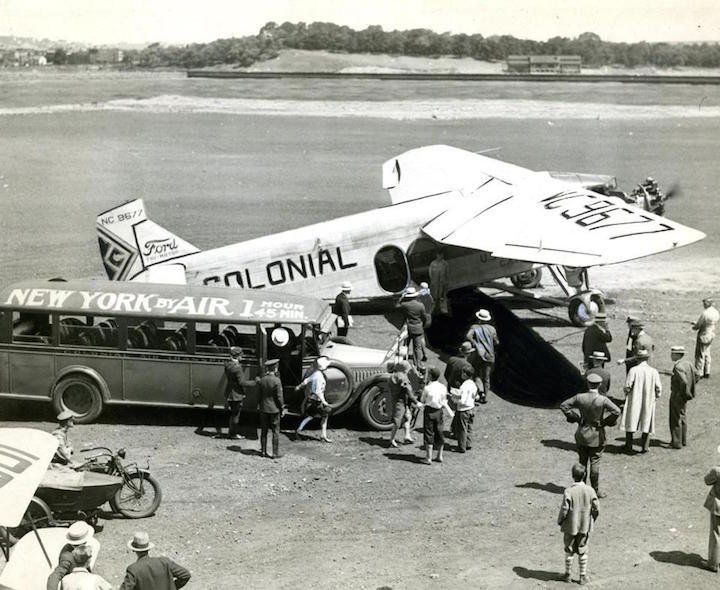
HUMBLE BEGINNINGS…On April 15, 1927, Colonial Air Transport (a predecessor of American Airlines) began passenger service between Boston and New York City. (Boston Globe)
pic04
SORRY, NO WI-FI…National Air Transport, a predecessor of United Airlines and a prime mail carrier, brought the Travelair 5000 to their minimal fleet in 1927 to add passenger revenue to its Midwestern and Western hops that linked Chicago, Omaha, Cheyenne, Salt Lake City, Reno and San Francisco. (traveler.com)

 *  *  *

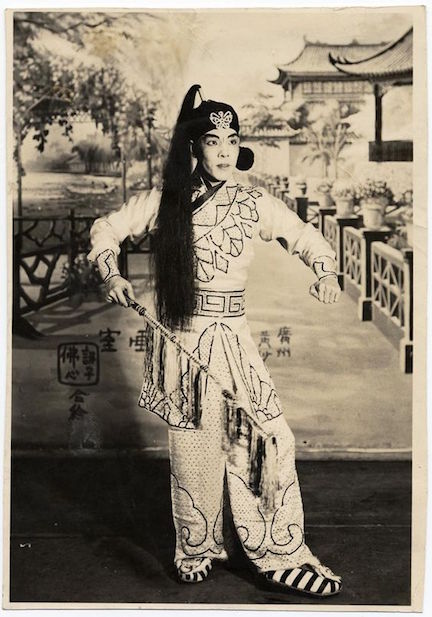
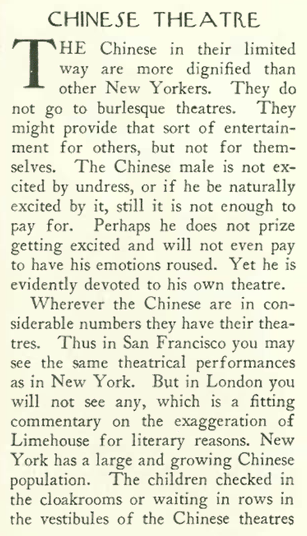
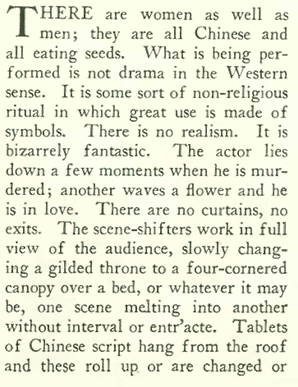
The August  6 issue also featured this strange little review in “Talk” about the popularity (or fad) of attending Chinese theater. Note how the writer described it as an exotic curiosity, as though the Chinese actors were as unknowable as Martians. I suppose it didn’t occur to the writer that you could actually speak to these performers, and have them explain the meanings of the various rituals.

7d5022414f367319b77659cba19591ac
OFF-BROADWAY…Actor Ma Shi-tsang posing with a riding crop in a 1920s publicity photo. Chinese theater actors performed in U.S. cities with large Chinese populations, including San Francisco and New York. (cdlib.org)

chinese-stephen-graham

screen-shot-2016-11-07-at-12-43-42-pm

screen-shot-2016-11-07-at-12-44-19-pm

screen-shot-2016-11-07-at-12-44-28-pm

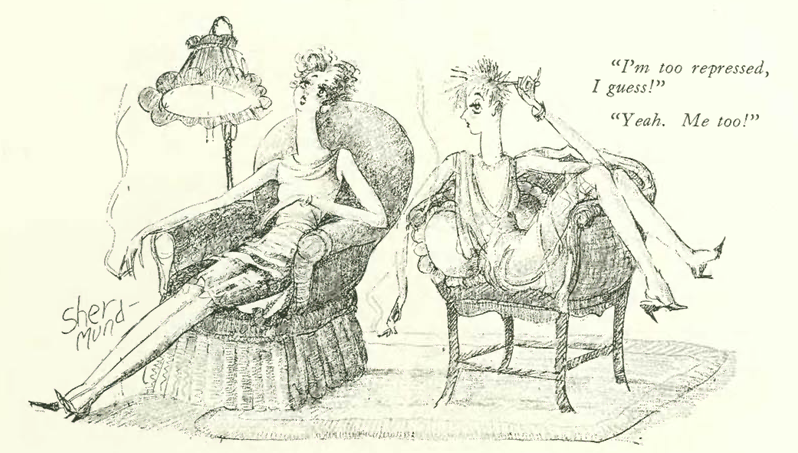
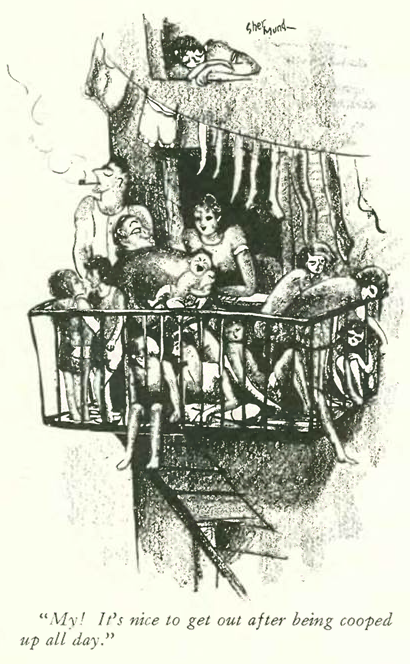
And to close, a couple of cartoons from the issue by Barbara Shermund that illustrated two very different aspects of New York society:

screen-shot-2016-11-02-at-1-15-19-pm

screen-shot-2016-11-02-at-1-14-57-pm

Next Time: An Office Romance…

30e6d833482958226738b30ce4244558


Those Jaunty Jalopies

The January 8, 1927 issue of the New Yorker was all over the 27th Annual Motor Show at the Grand Central Palace, both in its lengthy review of the show and the many automobile ads throughout its pages.

02a20a11df95c233092dc64bfc8f2b3c
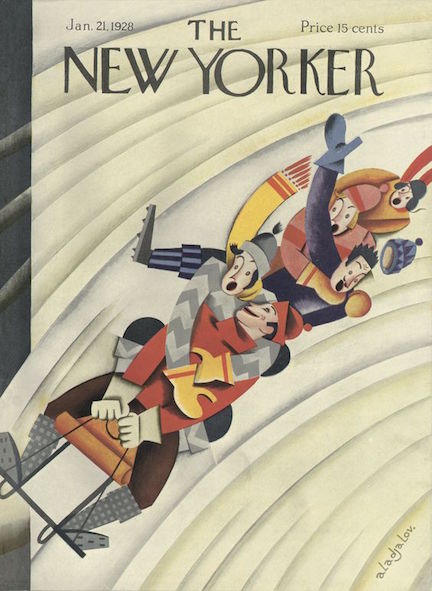
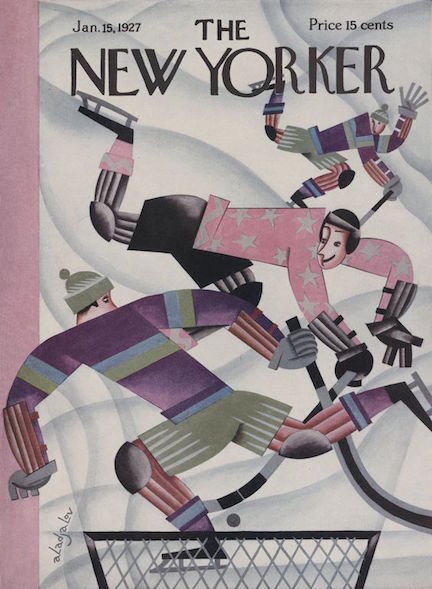
January 8, 1927 (Issue # 99) cover by Ilonka Karasz.

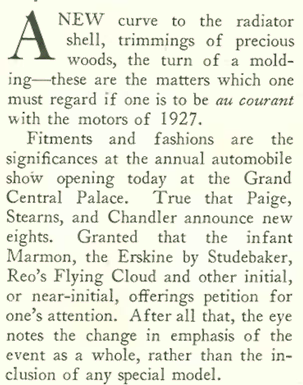
Auto manufacturers discovered early on that cars didn’t need to advance technologically from year to year as long as there were superficial changes–trimmings and such–to dazzle the consumer:

Screen Shot 2016-06-02 at 3.29.54 PM

Screen Shot 2016-06-02 at 3.29.13 PM
Helen Hokinson added this touch to the issue devoted to the auto show.
1927_Roadster_Model-90
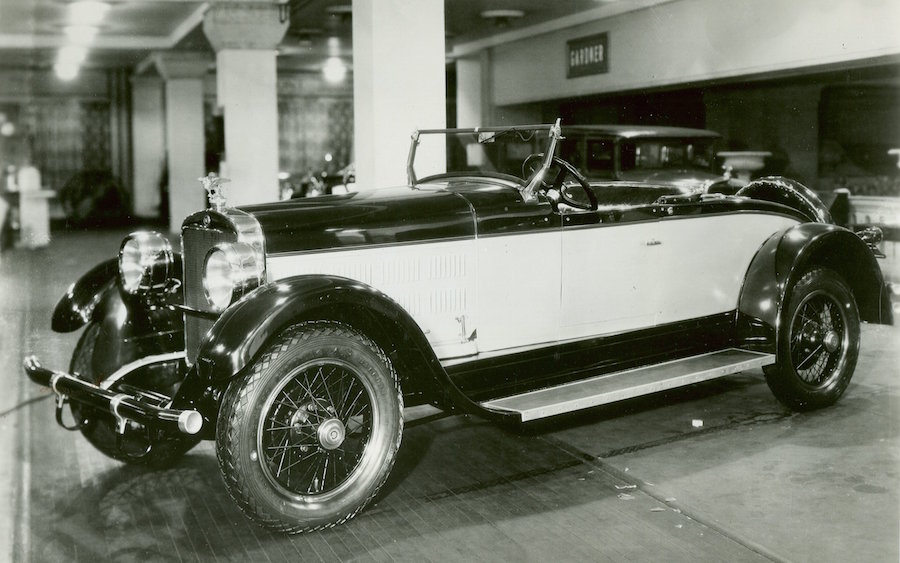
A 1927 Gardner Model 90 Roadster on display at the 27th Annual New York Motor Show at Grand Central Palace. (gardnermotorcars.com)

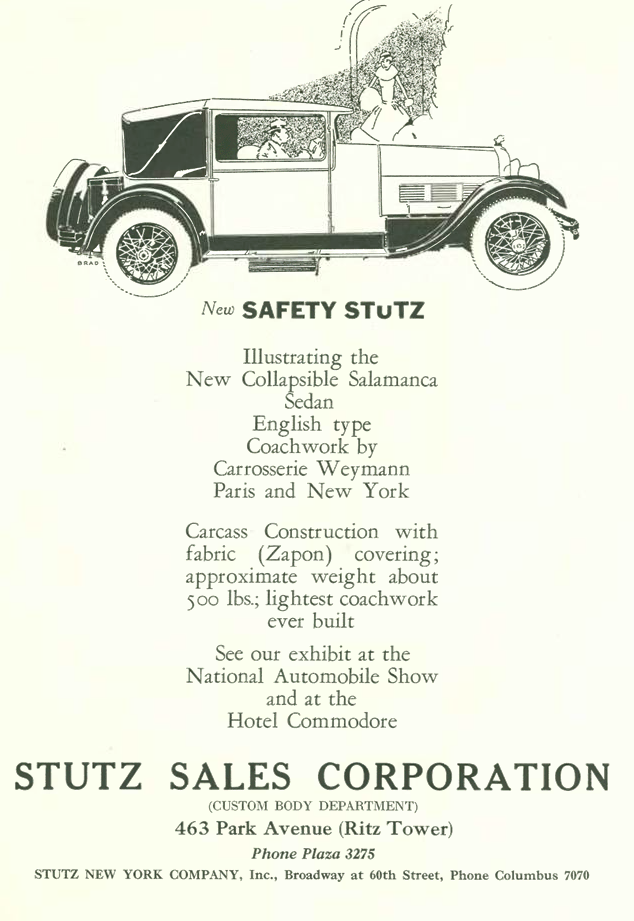
Advertisements in the New Yorker ranged from snobbish appeals to Francophiles…

Screen Shot 2016-06-02 at 3.32.48 PM…to those who might be concerned about safety. Although cars weren’t very fast, they were fast enough to kill, and their plentiful numbers often overwhelmed a city with rudimentary traffic control.

Screen Shot 2016-06-02 at 3.32.07 PM

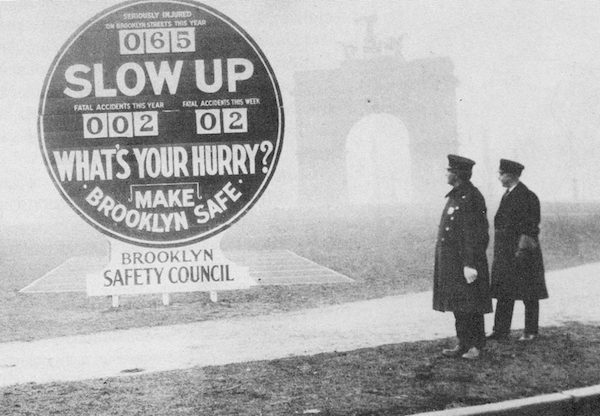
In his book, One Summer: America, 1927, Bill Bryson writes that New York in 1927 was the most congested city on earth. It contained more cars than the whole country of Germany, while at the same 50,000 horses (and wagons) still clogged the streets. More than a thousand people died in traffic accidents in the city in 1927, four times the number today.

slowupbrooklyn
THE DEATH-O-METER … was a 20-foot sign installed near Grand Army Plaza in 1927. It tallied traffic accidents and fatalities in the borough and reminded motorists to slow down at the traffic circle. (Ephemeral New York)

Traffic control was still in its infancy in the 1920s. Seven ornate bronze towers, 23 feet high, were placed at intersections along Fifth Avenue from 14th to 57th Streets starting in 1922. By 1927 smaller, simpler lights were mounted on street corners and the system of green, yellow and red was generally adopted.

491px-62646_253114161496208_2059581299_n_zpsf6a62b6c
Bronze traffic signal tower designed by Joseph H. Freedlander at 42nd Street and Fifth Avenue, 1922. (stuffnobodycaresabout.com)

Keeping with the motorcar theme, the issue also featured a profile (written by Lurton Blassingame) of Walter P. Chrysler, founder of the new car company that bore his name (Chrysler founded his company in June 1925 after acquiring and reorganizing the old Maxwell Motor Company). In just three years a famous New York City landmark bearing his name would pierce the skyline.

I recently noted that the fall 1926 editions of the New Yorker barely mentioned baseball, even though the Yankees made it to the World Series that year. No doubt the Black Sox scandal of 1919 still lingered in the minds of many fans. Morris Markey’s “Reporter at Large” column in the Jan. 8, 1927 issue suggested that the game, “no more important than the circus,” was still dishonest, thanks in part to its collusion with the newspapers:

Screen Shot 2016-06-02 at 3.27.58 PM

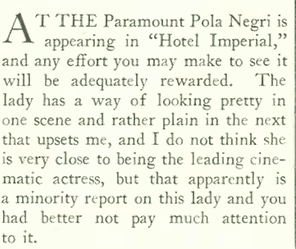
Baseball might have been down and out, but actress Pola Negri still maintained her place in the spotlight with her latest film, Hotel Imperial.

Screen Shot 2016-06-02 at 3.36.15 PM

zoom_1418768545_hotel_imperial@2x
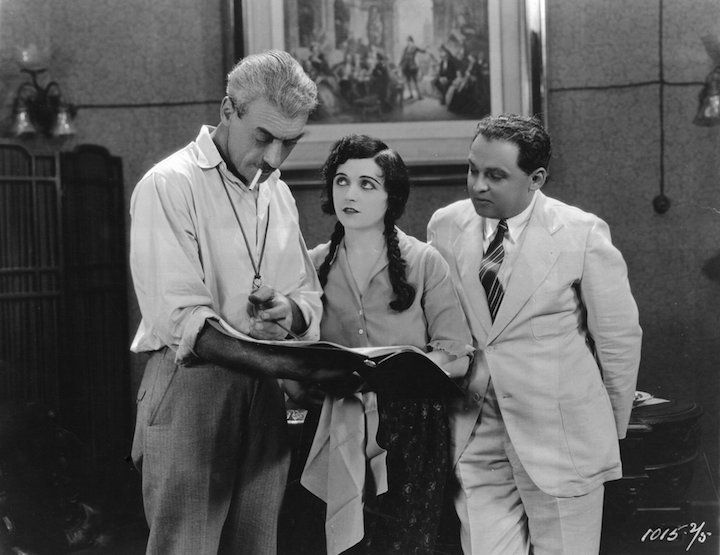
Actress Pola Negri consults on a script with director Mauritz Stiller (left) on the set of Hotel Imperial. (MOMA)

Next Time: Bad Hootch…

8d2aebbb715d1dad58142be9b1bce88f