Above: At left, the Nazi Party sought to remake Christian holidays such as Christmas into Nazi-themed, pagan events, even trying to redefine St. Nicholas as Wotan, the ancient Germanic deity; at right, Adolf Hitler rejected Christianity, calling it a Jewish plot to undermine the heroic ideals of the Aryan-dominated Roman Empire. Here he is seen meeting the nuncio to Germany, Cesare Orsenigo, on January 1, 1935. (reddit.com/Wikipedia)
For the March 7 issue we look at the second part of Janet Flanner’s profile of German dictator Adolf Hitler, in which she attempted to identify the social and political influences that led to his peculiar vision of the world.
March 7, 1936 cover by Constantin Alajalov.
Flanner noted that Hitler’s ancestors were intermarrying, pious Roman Catholic peasants, including his parents, second cousins Klara Pölzl and Alois Hitler. While Klara was a doting parent, Alois was often abusive and distant. And so it began.
MOM AND DAD…Adolf Hitler’s parents were second cousins Klara Pölzl (1860–1907) and Alois Hitler (1837–1903). Pölzl was the third wife of the much older Hitler, who was a stern, mid-level Austrian customs official. (Wikipedia)
Flanner described Hitler’s struggles as an artist (rejected twice by the Vienna Academy of Fine Arts), however his real disappointment was nationalistic; serving as a courier (and wounded) in World War I, he blamed internal traitors for Germany’s defeat. To bolster his patriotic ideals, Hitler turned to books, and particularly to poet and dramatist Friedrich Schiller (1759–1805)—the Nazis would later manipulate Schiller’s works to fit the Party’s themes of nationalism, struggle, and obedience. Hitler would further hone his world view through the works of white supremacist Count de Gobineau (1816–1882), nihilist philosopher Friedrich Nietzsche (1844–1900), and philologist Max Müller (1823–1900), whose work inadvertently contributed to the idea of a superior “Aryan” race.
REWRITING HISTORY…Clockwise, from top, a 1940 Nazi propaganda film, Friedrich Schiller— Der Triumph eines Genies, portrayed Schiller (played by actor Horst Caspar) as an idealistic Übermensch; Hitler and the Nazis were also influenced by white supremacist Count de Gobineau; philologist Max Müller; and the nihilist philosopher Friedrich Nietzsche. (film portal.de/Wikipedia)
In her conclusion, Flanner noted Hitler’s dislike of jokes at his own expense, and she was surprised that German comedian Weiss Ferdl, known for his “Führer gibes,” wasn’t in a concentration camp with cabaret singer Claire Waldorff (somehow both survived the regime and the war). Flanner also touched on Hitler’s antipathy toward Christianity.
SURVIVORS…At left, Weiss Ferdl (1883-1949) was a German actor, humorous folksinger known for his jibes at Hitler; at right, Claire Waldorff (1884-1957) was a famous cabaret singer and entertainer in Berlin, known for performing ironic songs with lesbian undertones. (Wikimedia Commons)I’LL TRY TO KILL YOU LATER…German Chancellor Adolf Hitler greets (l to r) Roman Catholic Abbot Albanus Schachleiter and Protestant Reichsbischof Ludwig Müller, outside the Frauenkirche in Nuremberg, September 1934. (Wikipedia)
* * *
Thrill Ride
In his “Notes and Comment,” E.B. White described “one of the strangest nightmares of motordom”…
THE GREAT WALL…E.B. White feared whatever might pop out of the dark tunnels on the northern stretches of Park Avenue. Clockwise, from top, an 1876 illustration of the new viaduct through the Harlem Flats; E. 108th Street pedestrian tunnel between Lexington and Park; Park Avenue Viaduct–La Marqueta. (Wikipedia/manhattanwalkblog.com/6tocelebrate.org)
* * *
Ding-dong
Robert Benchley filed a brief review of The Postman Always Rings Twice, a stage adaptation at the Lyceum Theatre of James M. Cain’s acclaimed novel. Although the play was well received by audiences, many reviewers found the subject matter distasteful. Cain would later describe the 1936 production as “a dreadful experience from beginning to end.”
SCHEMERS AND DREAMERS…Richard Barthelmess and Mary Philips portrayed star-crossed lovers in the 1936 stage production of The Postman Always Rings Twice. Philips was a noted Broadway performer and Humphey Bogart’s first wife. (Wikipedia/imdb.com)
* * *
At the Movies
Critic John Mosher commented on familiar Hollywood tropes (doctors chasing nurses, execs pursuing secretaries etc.) and offered up the “tepid” example of Wife vs. Secretary, which featured three of Tinseltown’s top stars.
MILD HIJINKS…At left, Clark Gable and Jean Harlow in a scene from Wife vs. Secretary; at right, Gable with Myrna Loy.(faintlyfamiliar.com/facebook.com)
Mosher didn’t find much excitement in the dog-themed picture The Voice of Bugle Ann, and was left flat after seeing Road Gang and the German film Liebelei.
SWEET AND SOUR…Lionel Barrymore and Spring Byington were on one side of a feud over a special dog in The Voice of Bugle Ann. (tcm.com)WELL THIS SUCKS…At left, Donald Woods and Carlyle Moore Jr. find themselves behind bars in Road Gang; at right, Paul Hörbiger and Olga Tschechowa in 1933’s Liebelei (aka Playing at Love). (rotten tomatoes.com/screenslate.com)
* * *
Language Arts
H.L. Mencken continued his exploration of American English by taking a look at past attempts to simplify spelling—most of them unsuccessful. Excerpts:
NOT ONE FOR GIMMICKS…H.L. Mencken at his desk at the Baltimore Sun.(Paris Review)
Mencken noted the Chicago Tribune’s radical approach to simplified spelling in 1934, and the lasting effects of Noah Webster’s American dictionary.
“PEDAGOGUE” was one of the milder insults cast at Noah Webster by his peers. (National Portrait Gallery)
* * *
First World Problem
Food critic Sheila Hibben looked into the complexities of tea-drinking during the cocktail hour, and vice-versa.
CHOOSE YOUR MOOD…The Plaza Hotel offered the ideal setting for whatever libation one chose at tea time. At left, the Plaza’s Persian Room, 1934, and the Palm Court, undated photo. (cooperhewitt.org/mcny.org)
* * *
Finer Things
Rebecca West was a brilliant journalist and gifted prose writer, and when she published something people took notice, including critic Clifton Fadiman, who noted her return with The Thinking Reed. A brief excerpt:
A MIGHTY PEN…Rebecca West (1892-1983) was considered one of the finest prose writers of twentieth-century England. This 1934 photograph was produced by Howard Coster. (National Portrait Gallery)
* * *
From Our Advertisers
The March 7 issue opened to this sumptuous image of luxury travel aboard the Normandie…
…the salons of Dorothy Gray returned with another tale of a magical transformation, here the plain “Miss Adams” suddenly becomes lovely and exciting thanks to the illusion of cosmetics…
…the makers of Packard automobiles took out this full page ad to gently chastise Time magazine for questioning the carmaker’s adherence to a timeless, “basic design”…
…although in Time’s defense the Packard didn’t look much different from this Lincoln…
…what did look different was the Chrysler/DeSoto Airflow, which had disappointing sales due to a streamlined design that was a bit too radical for consumers…
…actress and costume designer Kate Lawson (1894-1977) made her image available to promote washable wallpaper…
…in addition to calming nerves and boosting energy, Camels apparently aided one’s digestion, or so this ad claimed…
…Liggett & Myers stuck with the homespun approach, here three generations light up Chesterfields in the warm glow of the parlor…
…did you spot the cigarettes in the ad?…
…on to the cartoons, we have Al Frueh’s take on the Ziegfeld Follies…
…James Thurber contributed this to the calendar section…
…and Thurber again with his beloved dogs…
…George Price found a glitch at the weather bureau…
…Californians circled their wagons in the hostile Midwest, per Carl Rose…
…Alain saw a trip to the dentist in this man’s future…
…Helen Hokinson lost us in the peculiarities of needlepoint…
…Barbara Shermund found a bargain in portraiture…
…and Shermund again, in the dress department…
…and we close with Whitney Darrow Jr, and something to write about…
Above: A mechanic (Chester Conklin) gets caught up in his work with the help of the Tramp (Charlie Chaplin) in Modern Times. (festival-entrevues.com)
The film Modern Times was Charlie Chaplin’s last performance as “The Tramp” (or, “The Little Tramp”), a character he created more than twenty years earlier to represent a simple person’s struggle to survive in the modern world. That struggle was no more apparent than in Modern Times, a film in which the Tramp faced the dehumanizing industrial age in all its kooky complexity.
A sweet Valentine’s Day-themed cover by William Steig, February 15, 1936.
The film is notable for being Chaplin’s first picture to feature sound, and the first in which Chaplin’s voice is heard—singing Léo Daniderff’s comical song “Je cherche après Titine” (although Chaplin replaced the lyrics with gibberish). Modern Times was nevertheless filmed as a silent, with synchronized sound effects and a small amount of dialogue. Critic John Mosher appreciated the movie as being “of the old era,” not anticipating that it would become one of cinema’s most iconic and beloved films.
JUST A COG IN THE MACHINE…Clockwise, from top left: Repetitive assembly line work drives the Tramp (Charlie Chaplin) to a nervous breakdown; the steel factory is an Orwellian world where the president (Allan Ernest Garcia) constantly monitors his workers—even in the bathroom where the Tramp is caught taking a break; the company tries out a new lunch efficiency machine on the Tramp, with mixed results; iconic image of the Tramp at work. (medium.com/YouTube.com)(thetwingeeks.com)
One of the film’s best stunts involved the blindfolded Tramp rollerskating on the fourth floor of an under-construction department store; Chaplin employed a matte painting, perfectly applied on a glass pane in front of a camera, to create the illusion of a sheer drop-off. Even as an illusion, Chaplin’s skating skills were remarkable.
HIGH ANXIETY…The blindfolded Tramp (Charlie Chaplin) skates precariously close to a sheer drop-off on the fourth floor of a department store while his companion, an orphan girl known as “The Gamin” (Paulette Goddard) puts on her skates, unaware of his peril. (YouTube.com)
The model below shows how the effect was achieved, filming next to a glass-mounted matte painting to create the illusion of a sheer drop off…
(reddit.com)
In his conclusion, Mosher found the film to be “secure in its rich, old-fashioned funniness.”
Chaplin gave a happy send-off to the Tramp, who at the end of earlier films walked down the road alone. Modern Times closed with the Tramp and the Gamin walking hand in hand, dreaming of a life together.
FOND FAREWALL…Paulette Goddard joined Charlie Chaplin on the road at the end of Modern Times. Goddard became Chaplin’s third wife in 1936. (the-cinematograph.com)THE TRAMP RETURNS…World premiere of Modern Times, Feb. 5, 1936, at the Rivoli Theatre in New York City. The film was one of the top-grossing films of 1936. (Wikipedia)
A final note: The website The Twin Geeks offers an excellent synopsis and analysis of Modern Times.
* * *
Bachelor King
In his “Notes and Comment,” E.B. White wrote about the ascension to the British throne by Edward VIII following the death of his father, George V. In this excerpt, White considered a question raised by the Daily News regarding the king’s plans to marry (a question answered a few months later when Edward announced his plan to wed American divorcee Wallis Simpson, which led to a constitutional crisis and Edward’s subsequent abdication).
BUT I DON’T WANNA BE KING…The reluctant king Edward VIII would choose love over the crown when he abdicated the throne in December 1936 to marry Wallis Simpson (bottom left); E.B. White noted one woman’s suggestion that the king should marry actress Greta Garbo, since “Both have had a rough time at love.” (highland titles.com/George Eastman Museum)
* * *
By Any Other Name
“The Talk of Town” featured a profile of Arthur J. Burks, a prolific writer of pulp fiction who published everything from detective stories to science fiction under a half-dozen pseudonyms. A brief excerpt:
A CURIOUS MIND…Arthur J. Burks (1898–1974) and the cover of Astounding Stories, January 1932, which featured the first part of his two-part tale, “The Mind Master.” Burks produced around eight hundred stories for the pulps, twenty-nine of which appeared in the magazine Weird Tales. (findagrave.com/gutenberg.org)
* * *
A Day in the Life
From 1935 to 1962 Eleanor Roosevelt published a daily syndicated newspaper column titled “My Day”—through the column millions of Americans learned her views on politics, society, and events of the day as well as details about her private and public life. James Thurber couldn’t resist writing a parody—here’s an excerpt:
THE REAL DEAL…At left, sample of one of Eleanor Roosevelt’s syndicated “My Day” columns from 1938; photo of the First Lady from 1932. (arthurdaleheritage.org/Library of Congress)
* * *
At the Movies
Besides Modern Times, there were other movies of note that were given rather scant attention in Mosher’s column, including the film adaptation of The Petrified Forest starring Humphrey Bogart, Bette Davis and Leslie Howard.
Robert E. Sherwood wrote the 1934 Broadway play of the same name, which was co-produced by Howard and featured both Howard and Bogart. When it was adapted to film, Howard insisted that Bogart appear in the movie, and it made Bogart a star (he remained grateful to Howard for the rest of his life).
DANGEROUS DINER…An odd mix of patrons at a gas station cafe are taken hostage by desparate criminals in The Petrified Forest. From left are Leslie Howard, Dick Foran, Bette Davis and Humphrey Bogart. Playwright Robert Sherwood based Bogart’s character, Duke Mantee, on the the real-life criminal John Dillinger, the FBI’s first “Public Enemy #1.” (moma.org)
Other cinema diversions included the musical Anything Goes, which included songs by Cole Porter; the comedy Soak the Rich, which featured a radical who falls in love with a rich man’s daughter; and a detective film, Muss ‘Em Up, with the usual movie gangsters.
TAKE YOUR PICK…Clockwise, from top left: Ida Lupino and Arthur Treacher in the musical Anything Goes; Bing Crosby (in disguise) and Ethel Merman in Anything Goes; John Howard, Mary Taylor and Walter Connolly in the comedy Soak the Rich; Preston Foster, Maxine Jennings and Guinn “Big Boy” Williams in the detective film Muss ‘Em Up. (imdb.com/torontofilmsociety.com/zeusdvds.com)
* * *
The Amazing Race
The New Yorker periodically featured “That Was New York,” which took a detailed look at significant events in the city’s history. In this installment, Donald Moffat recalled the 1908 New York to Paris automobile race, which commenced in Times Square on February 12 with six cars representing the U.S., France, Germany and Italy. It was an extraordinary event given that motorcars were a recent invention, and roads were nonexistent in many parts of the world. A brief excerpt:
ON YOUR MARK…Cars lined up in Times Square on Feb 12, 1908 for the start of what would become a 169-day race. American George Schuster was declared the winner when he arrived in Paris on July 30, 1908, after covering approximately 10,377 miles (16,700 km). (Library of Congress)
* * *
Miscellany
Another regular feature in the early New Yorker was coverage of the New York Rangers, a team founded in 1926 by Tex Rickard after he completed construction of the third incarnation of Madison Square Garden. The Rangers were one of the Original Six NHL teams before the 1967 expansion, the others being the Boston Bruins, Chicago Blackhawks, Detroit Red Wings, Montreal Canadiens and Toronto Maple Leafs.
In this excerpt, the writer “K.B.” described the rough play against rival Detroit, which would win back-to-back Stanley Cups in 1936 and 1937.
ZESTY…The excerpt above noted that the Rangers’ Phil Watson cuffed the Red Wings’ Syd Howe “with a zest richly appreciated by the balcony.” At left, team photo of the 1935-36 New York Rangers, with star and fight instigator Phil Watson identified with arrow; at right, Syd Howe won three Stanley Cups with Detroit, winning back-to-back in 1936 and 1937, and then again in 1943. (hockeygods.com)
* * *
From Our Advertisers
General Motors’ luxury car line offered three price points (and this lovely image) to weather the Depression years, ranging from the relatively affordable La Salle to the Cadillac Fleetwood…
…the Chrysler corporation took a different approach, deploying a very wordy full-page ad that referenced history (a Madame Curie analogy) and something called “Unseen Value” to move its line of autos…
…the makers of College Inn Tomato Juice Cocktail brought back the “Duchess” with this shocking scene at the opera…
…recall last summer when College Inn featured the Duchess in a series of ads that illustrated her increasing fury over plain tomato juice…one wonders what sort of sadistic torment she had in mind for her hostess, “the old WITCH”…
…on to our cartoonists, beginning with this spot by James Thurber…
…and Thurber again, with an unwanted call to solidarity…
…William Steig explored marital bliss…
…George Price gave us a Three Stooges moment…
…I do not have the identity of this cartoonist…I will keep looking, but would love suggestions in the meantime…*update*…thanks to Frank Wilhoit for identifying the cartoonist below as John Kreuttner, also confirmed through Michael Maslin’s Ink Spill…
…Charles Addams added some frills to an executive suite…
…Otto Soglow illustrated the hazards of sleepwalking…
…Alain revealed a challenge to the publishing industry…
…Peter Arno possibly craved some sauerkraut and corned beef…
…William Crawford Galbraith was in familiar sugar daddy territory…
…Whitney Darrow Jr gave a nod to some homey surrealism…
…Barbara Shermund offered some well-weathered advice…
…and we close with Garrett Price, and a visitor more suited to Charles Addams…
Above: Photo of the Hoboken Four as they appeared on the "Amateur Hour with Major Bowes" in 1935. At center is "Major" Edward Bowes, and at right is Frank Sinatra. The other three members of the Hoboken Four were Frank Tamburro, Patty Prince and Jimmy Petro. (knkx.org)
Nearly seventy years before American Idol appeared on our TV screens, a hugely successful and influential talent show filled the airwaves from NBC’s radio studios at Rockefeller Center.
January 4, 1936 cover by Constantin Alajalov.
Millions tuned in each week to the Major Bowes Amateur Hour, which got its start in 1934 at radio station WHN before moving to NBC the following year. Created and hosted by “Major” Edward Bowes (1874–1946), Bowes would chat with contestants before listening to their performances, which could be cut short by the Major’s gong (see below). For his “A Reporter at Large” column, Morris Markey paid a visit to Bowes during evening auditions at the NBC studios. Excerpts:
THE GONG SHOW…At bottom right, Edward Bowes with the gong he used to abruptly end acts he deemed poor or inept—he abandoned the prop in 1936 after receiving thousands of letters from listeners who objected to the premature termination of acts (apparently the concept was a direct inspiration for Chuck Barris’s 1970s TV program, The Gong Show). At left, a July 1936 Women’s Home Companion advertisement from the show’s sponsor, Chase & Sanborn. The ads highlighted the rags-to-riches stories of the more successful contestants. (eBay.com/Wikipedia)
Markey ended his piece noting the reality of the many contestants who, unlike Frank Sinatra, would not go on to successful entertainment careers.
STARMAKER…Clockwise, from left: Major Edward Bowes and returning Amateur Hour performer Frank Sinatra in 1943; in 1935 eleven-year-old Maria Callas performed the Madama Butterfly aria “Un bel dì vedremo,” on the Amateur Hour; actor/baritone Robert Merrill performed on the show in 1936. (winnetoba.com/mariacallasestate.com/Wikipedia)
* * *
Fleeing the Limelight
In December 1935 Charles and Anne Morrow Lindbergh secretly boarded a ship in New York and headed to England, seeking to escape the media frenzy that followed their son’s kidnapping and the subsequent trial. Thanks to connections through Anne’s family, they were able to move into a secluded estate in the Kent countryside. In his “Notes and Comment,” E.B. White explained:
HIDEOUT…From 1936 to 1938 Charles and Anne Morrow Lindbergh lived in a secluded English estate called “Long Barn.” The estate in County Kent was owned by a friend of Anne’s family. (waverlyhs.weebly.com)NOT HIS FINEST HOUR…In July 1936 Luftwaffe commander Hermann Goering (right) presented the Sword of Honor of the German Air Force to Charles Lindbergh during a visit to Berlin. Anne Morrow Lindbergh is to the far left. Goering would also present Lindbergh with a high-ranking Nazi-era civilian medal, the Service Cross of the German Eagle, during a 1938 visit. Anne presciently referred to the medal as “the albatross.” (Library of Congress)
According to White, Mayor Fiorello La Guardia cited lax police control of the media in the case of the fleeing Lindberghs. In turn, White attempted to explain the unique temperaments of Irish police officers.
GIVE US A BREAK…E.B. White noted the courage and wisdom of Irish cops, but also found their lassitude “almost theatrical.” Pictured above is Irish immigrant Patrick Leddy, who joined the NYPD in 1910 and remained on the force for more than thirty-five years. (Courtesy of Margaret Fitzpatrick Leddy via nyirishhistory.us)
A final note on the Lindberghs from Howard Brubaker, a snippet from his “Of All Things” column.
* * *
Italian Swashbuckler
The Italian fencer Aldo Naldi (1899-1965) won three gold medals and one silver at the 1920 Olympics before turning professional. According to West Coast Fencing, Aldo traveled Europe like a prizefighter, “competing in well-attended matches for cash purses…in a world of travel, glamour, drinking, womanizing, gambling and fencing, Aldo Nadi reigned supreme, going nearly eight years without a defeat.” “The Talk of the Town” was on hand for his American debut. Excerpts:
EN GARDE!…During the interwar years Aldo Nadi reigned supreme, going nearly eight years without a defeat. (dennishollingsworth.us)
“Talk” also examined the fuss being made over the Great Chalice of Antioch, which was on display at the Brooklyn Museum. Excerpts:
COULD IT BE?…Claimed to have been found in Antioch around 1900, this chalice’s plain silver bowl was ambitiously identified by some as the Holy Grail, the cup used by Christ at the Last Supper. It is displayed with the Metropolitan Museum’s Byzantium collection. (metmuseum.org)
* * *
Year, Schmear
To mark the New Year, Arthur Guiterman offered up one his humorous poems…
…Guiterman (1871–1943) was an early contributor to The New Yorker—the magazine’s very first issue, Feb. 21, 1925, featured the first installment of Guiterman’s recurring “Lyrics from the Pekinese,” which ran through the first eleven issues.
MEOW…Arthur Guiterman’s “Lyrics from the Pekinese,” featured in the first issue of The New Yorker. At right, Guiterman in an undated photo. (Library of Congress)
* * *
Before He Was Spooky
Robert Benchley’s review of the stage began on a bright note with Victoria Regina, which starred Vincent Price as Prince Albert and Helen Hayes as Queen Victoria. Benchley praised the realism Price and Hayes lent to the production. Excerpts:
A MATCH MADE ON BROADWAY…The 24-year-old Vincent Price and the 35-year-old Helen Hayes portrayed Prince Albert and Queen Victoria in Victoria Regina, which ran for 203 performances at the Broadhurst Theatre. Robert Benchley thought their casting was ideal. (Pinterest)
Benchley also sat through George White’s latest Scandals revue, finding it similar to White’s older shows—beautiful showgirls, various singers and dancers, and assorted comedians—with Bert Lahr shining above it all.
IT SEEMED LIKE OLD TIMES to Robert Benchley as he took in the latest edition of George White’sScandals. Bert Lahr (left) was among the headliners for the 1936 revue, which ran for 110 performances at the New Amsterdam Theatre before taking to the road. (Wikipedia/Playbill.com)
* * *
At the Movies
John Mosher had a busy week at the movies, finding “considerable pleasure” in the screen adaptation of Eugene O’Neill’sAh Wilderness!…
MILLER TIME…The Miller family attends a commencement ceremony that helps kick off the action in Ah Wilderness! From left, Aline MacMahon, Mickey Rooney, Spring Byington, and Bonita Granville. (IMDB)
Mosher also looked at films featuring leading actresses of the day—Barbara Stanwyck in Annie Oakley, Bette Davis in Dangerous, and Claudette Colbert in The Bride Comes Home.
A TRIO OF TALENTS…Clockwise, from top left, Claudette Colbert had her hands full with Robert Young and Fred MacMurray in The Bride Comes Home; Barbara Stanwyck took aim in Annie Oakley; and Bette Davis portrayed a down-and-out actress with trouble on her mind in Dangerous. For her performance, Davis won the Academy Award for Best Actress. (laurasmiscmusings.blogspot.com/girlswithguns.org/vanguardofhollywood.com )
* * *
Gaming the Games
In her “Paris Letter,” Janet Flanner noted the preparations for the Fourth Olympic Winter games to be held in Garmisch-Partenkirchen, Germany.
WINTER HAS ARRIVED…Adolf Hitler and his fellow Nazi thugs brought a certain chill to the 1936 Winter Games in Garmisch-Partenkirchen. Garmisch and Partenkirchen were separate communities until Hitlerforced them to merge in anticipation of the games. (arolsen-archives.org)
* * *
From Our Advertisers
From 1933 to 1939, Macy’s hosted a series of unique design exhibitions under the title “Forward House” that showcased contemporary furniture, decor, and architectural ideas…
…for reference, here is another “Forward House” advertisement from the February 1936 House & Garden magazine…
…the folks at Robbins Island Oysters employed the legend of Giacomo Casanova to market their tasty little rocks…apparently Casanova claimed that he consumed more than fifty oysters each morning to sustain his amorous adventures…
…with the holidays over, the number of ads decreased significantly, leaving readers with a mere sixty pages—less than the half the length of the fat pre-Christmas editions…the theme in the Jan. 4 issue was travel to warmer climes, these examples culled from several back of the book pages…
…the end of the holiday season did not stop tobacco companies from taking out lavish full-page advertisements targeting women smokers, this one gracing the back cover…note the implied medical endorsement at the bottom…
…we clear the air and move on to our cartoonists, beginning with spot drawings by D. Krán…
…and Christina Malman…
…one of Helen Hokinson’s girls sought an impromptu parking lesson…
…while another welcomed winter with her furry charges…
…Whitney Darrow Jr gave us a full-service information booth…
…Mary Petty illustrated a dowager with simple tastes…
…Gardner Rea was confounded at the hat check…
…Carl Rose offered up another example of rugged individualism…
…Alan Dunn served up a unique language challenge…
…Robert Day stood tall at a basketball game…
…William Crawford Galbraith was horsing around…
…Alain looked crosseyed at a store closing…
…and we close with Barbara Shermund, who sized up things at a hat shop…
Above: Critic Lewis Mumford was not ecstatic about his visit to the newly opened Frick Collection, unhappy with the museum's crowd-control regulations that limited his view of Giovanni Bellini's masterpiece, St Francis in Ecstasy, among other things. (wikiart.org/communitydevelopmentarchive.org)
Considered one of the finest museums in the U.S., the Frick Collection on the Upper East Side of Manhattan was established in 1935 to preserve steel magnate Henry Clay Frick’s priceless 14th- to 19th-century European paintings as well as the Frick house and its furnishings. When it opened to the public on Dec. 16, 1935, museum staff distributed timed-entry tickets to prevent crowding, and therein lay the rub for New Yorker critic Lewis Mumford.
December 28, 1935 cover by William Cotton. Exclusively a cover artist for The New Yorker, Cotton (1880–1958) produced fifty-five covers for the magazine.
The timed tickets, along with ropes that forced visitors to follow a defined path, spoiled the museum’s debut for Mumford, who was one of its few detractors. In these excerpts Mumford addressed the crowd control measures, and criticized the furniture and other “bric-a-brac” that further served to obstruct his viewing pleasure:
ROPES AND BRIC-A-BRAC presented obstacles to Mumford’s visit at the opening of the Frick Collection. Clockwise, from top left, view of the Frick mansion, circa 1935; installation view of the Living Hall, 1935; West Gallery, 1935; invitation to the opening of The Frick Collection, 1935. (businessinsider.com/Frick Art Reference Library Archives)
The Frick’s recent renovation and expansion has also had its detractors; after enduring a long and contentious proposal review process and five years of renovation and construction, the Frick reopened to the public in April 2025. It seems most attendees appreciate the changes.
OLD AND NEW…The Frick Collection’s home today, with expansion to the right. (untappedcities)
Mumford also took a look at the latest work by ceramic sculptor Russell Aitken (1910-2002), comparing his work to that of a cartoonist. Aitken was a rather odd duck in the art world, renowned both for his quirky sculptures as well as for his exploits as a big game hunter.
KILLER ARTWORK…Russell Aitken had eclectic tastes, to say the least, ranging from creating cutesy ceramics and cartoonish enamels to murdering Cape buffalo. Top left, Virgins of Mogambo, enamel on metal, 1935; bottom left, The Cactus Kid, ceramic, 1932. At right, midcentury whiskey ad featuring Aiken as a big game hunter. (Cleveland Museum of Art/findagrave.com)
It’s always a little dicey to review the work of a colleague, but in the case of Peter Arno, Mumford had mostly praise, some of it quite high, that is except for Arno’s “white-whiskered major” which Mumford characterized as a “lazy, pat form.”
Thankfully Arno ignored Mumford’s criticism and continued to draw his “white-whiskered major.” Here he is in a delightful 1937 cartoon featured on one of my favorite New Yorker-related sites, Attempted Bloggery:
Caption reads: “I Only Kill For Food.”
* * *
Shock of the New
E.B. White, ever skeptical of newfangled inventions, saw no reason why TheNew Yorker’s old ice-filled water cooler needed to be replaced by a “rattling” electric one:
* * *
O Tannenbaum
Two decades before Rockefeller Plaza raised its giant Christmas tree (or before Rockefeller Center even existed), New Yorkers gathered around a “Tree of Light” at Madison Square. “The Talk of the Town” remembered:
TREE OF LIGHT…America’s first outdoor Christmas tree lighting apparently occurred in Madison Square Park in 1912 (the “Talk” excerpt cited 1911). Bowery Boys History notes that “the organizers knew they were doing something unique, but probably did not realize the special significance of the event. Their 70-foot-tall imported tree from the Adirondacks, festooned with lights from the Edison Company, would be the first outdoor community Christmas tree in the United States.” (Library of Congress )
According to Bowery Boys History, in 1912 “this ‘Tree of Light’, mounted in cement, was such a novelty that almost 25,000 people showed up that night [Christmas Eve] to witness it and enjoy an evening-long slate of choral entertainment.” The following year, The New York Times reported that the Salvation Army took over the event, offering up “10,000 hot sausages and 10,000 cups of hot coffee” for the crowds.
The celebration was sparked by social activists seeking to draw attention to the needs of the city’s poor. On Christmas Day, 1912, the Times ran extensive coverage, and noted the charitable tone of the event in this excerpt:
* * *
Honor Roll
Joseph P. Pollard and W.E. Farbstein covered a two-page spread, listing individuals of “Special Distinction” in honor of the New Year…here is a brief excerpt:
* * *
Best (and Worst) of Broadway
Robert Benchley reviewed the hits and misses of the fall Broadway season, and admitted he had become something of a softhearted theatre critic after spending six months in Hollywood.
MEET THE GANG…Among the plays recommended by Robert Benchley was Dead End, which opened at the Belasco Theatre on Oct. 28,1935 and ran for 687 performances before closing on June 12, 1937. The play featured an impressive set design by Norman Bel Geddes (top) and introduced the Dead End Kids (aka the Bowery Boys), various teams of young actors who made 89 films and three serials for four different studios during their 21-year film career. The photo above shows the original six Dead End Kids—front row, from left, Huntz Hall, Gabriel Dell, Leo Gorcey and Billy Halop; back row, Bobby Jordan and Bernard Punsly. (deadendmusical.com)
* * *
At the Movies
New Yorkers could nurse their holiday hangovers with a variety of films, ranging from the “very pleasant” The Perfect Gentleman to the “overdressed” Captain Blood, which featured a young Errol Flynn as a rather gentle pirate. As for the late year’s most anticipated film, A Tale of Two Cities, critic John Mosher found a few bright spots between his yawns, including praise for Blanche Yurka’s standout performance as Madame DeFarge.
GENTLE MAN AND GENTLE PIRATE…At left, Forrester Harvey and Frank Morgan in The Perfect Gentleman; at right, Errol Flynn and Olivia de Havilland in Captain Blood. The film launched the 26-year-old Flynn and the 19-year-old de Havilland into Hollywood stardom, and marked the beginning of Flynn’s swashbuckler image. (MGM/IMDB)I’M LOSING MY HEAD OVER YOU…Clockwise, from top left, Sydney Carton (Ronald Colman) would lose his noggin to the guillotine in a scheme to save Lucie Manette (Elizabeth Allan) in A Tale of Two Cities; veteran theater actress Blanche Yurka, who learned to knit for her acclaimed role as Madame Defarge, is shown here in a front row seat before the guillotine—it was Yurka’s first film role; at the bottom, the execution scene at the Place de la Révolution. (bluray.com/michaelbalter.substack.com)
If piracy and revolution were “too much for your holiday nerves,” Mosher suggested the latest Shirley Temple film, The Littlest Rebel, featuring the superstar moppet dancing her way through the Civil War (and, unfortunately, performing a scene in blackface). Also on tap was the the musical comedy, Coronado.
SEEKING A PRESIDENTIAL PARDON, little Virgie Cary (Shirley Temple) asks President Lincoln (Frank McGlynn Sr.) to bestow mercy on her Confederate father in The Littlest Rebel; below, Alice White, Leon Errol and Jack Haley in the musical comedy Coronado. Haley is best known today as the Tin Man in 1939’s The Wizard of Oz. (whitehousehistory.org/themovieb.org)
* * *
From Our Advertisers
We look in on our advertisers, beginning with this from Stage magazine…the actor portraying Nero is likely from the play Achilles Had a Heel, which closed after just eight performances…
…John Mosher wasn’t wowed by MGM’s A Tale of Two Cities, even if the Capitol Theatre promised a spectacle with “a cast of 8,000″…
…this back of the book ad promised entertainment by “Society Amateurs” selected from the “Sunday Evening Debut Parties”…
…the brewers of Guinness promoted the health benefits of their product for the New Year…
…and the makers of Camels continued to print testimonials touting the invigorating effects of their cigarettes…
…on to our cartoonists, with William Steig taking stock of the Christmas haul…
…Helen Hokinson’s girls were looking for the hottest show in town…
…Barney Tobey was the latest cartoonist to take a shot at the boss-secretary trope…
…Otto Soglow gave us a singing fish…
…George Price came across a landscaping challenge…
…Whitney Darrow Jr focused on a visit to the optometrist…
…Robert Day gave us a party pooper too pooped to party…
…and Peter Arno offered a glimpse into his active nightlife…
Above: Left image, coloratura soprano Lily Pons with Henry Fonda in I Dream Too Much;at right, Kitty Carlisle and Groucho Marx in A Night at the Opera. (rottentomatoes.com/IMDB)
The title of this post refers to two items below, which you’ll discover as we make our way through the December 7, 1935 issue of The New Yorker.
December 7, 1935 cover by Robert Day. A longtime contributor to The New Yorker, Day (1900-1985) contributed hundreds of cartoons as well as eight covers from 1931 to 1976.Robert Day (photo from This Week anthology via Ink Spill.)
*
Our first night at the opera comes courtesy of RKO Pictures, which presented French-American coloratura soprano Lily Pons as the star of the musical rom-com I Dream Too Much. Critic John Mosher found the film enjoyable, singling out Pons for praise while chastising the screenwriters for interrupting the lively farce with some “social research.”
DREAM DATE…Clockwise, from top left: Henry Fonda in his third screen appearance as Lily Pons’ love interest in RKO’s I Dream Too Much; movie poster and publicity photo of Pons from the film; Lucille Ball (seen here with actress Esther Dale), appeared in a bit part as a gawky American teenage tourist in Paris (which was actually an RKO studio lot)…little did Ball know that one day she would own that RKO studio lot with husband Desi Arnaz as home to their Desilu Productions facility. (IMDB/Wikipedia/TCM)
Mosher also said farewell to Will Rogers in his final film, In Old Kentucky, which he found to be a “minor affair.” He also reviewed The Land of Promise, a film about Palestine that indicated to Mosher that “life there is highly successful for all present.”
THIS IS GOODBYE…Will Rogers in a scene with Dorothy Wilson in Rogers’ final film appearance, In Old Kentucky. (rotten tomatoes.com)ORIGIN STORY…According to the Israel Film Archive, Judah Leman’sThe Land of Promise “laid the cinematic groundwork for all subsequent Zionist propaganda films that would follow.” (IMDB)
* * *
E.B. White keeps us on the cinema trail with some thoughts on the film, Mutiny on the Bounty, namely a certain historical inaccuracy:
AHEAD OF HIS TIME…E.B. White noted that Roger Byam (Franchot Tone) would have to wait seventy years to learn about germ theory. In addition, the trailer for Mutiny on the Bounty (above) incorrectly referred to Tone’s character as an ensign, when in fact Tone’s role was as a midshipman. (Wikipedia)
* * *
They Had It First
The swastika was among the more popular designs incorporated into southwestern tribal art during the American tourist era (roughly 1890 to the 1930s). For the Navajo, the symbol represented humanity and life, and was used in healing rituals (it was also widely used by tribal peoples across Europe and Asia). Tourism promoters (called “hotel men” here) encouraged the symbol’s use until the 1930s, when it was increasingly associated with Germany’s Nazi Party. E.B. White explained:
TOURIST FAVORITE…Navajo blankets such as this example, made from 1864 to 1910, were popular with tourists. (Wichita State University)
* * *
Lois Long’s fashion column continued to be dominated by exhaustive Christmas shopping lists, in this issue stretching from pages 58 to 97…here are the first and last paragraphs of the column…
* * *
A Woolly Read
Perhaps your special someone was hoping for a thousand-page book under the tree; then look no further than The Woollcott Reader, a collection of stories, essays and other literary gems by New Yorker personality and former “Shouts and Murmurs” columnist Alexander Woollcott. In this excerpt, book critic Clifton Fadiman noted that a signed copy could be had for $7.50.
MY GIFT TO THE WORLD…Alexander Woollcott in 1939, as photographed by Carl Van Vechten, and the $3 brown cloth edition. (Wikipedia/Abebooks.com)
* * *
From Our Advertisers
Colorful advertisements brightened the 149 pages of the Dec. 7 issue…we begin with this colorful array from Martex…
…the women’s specialty shop Jane Engel commissioned one of the best-known commercial photographers of the day, Ruzzie Green, to capture this glamorous image…
…Caron Paris offered up this cheerful bouquet…
…the makers of White Rock were enjoying the fruits of post-Prohibition days…
…the publishers of Stage magazine highlighted Beatrice Lillie’s Broadway revue, At Home Abroad…
…the Capitol Theatre took out this full-page advertisement to tout the opening of the latest Marx Brothers film…
…here is a close-up of the ad’s “testimonials”…
…and what awaited audiences…
(Wikipedia/thedissolve.com)
…the Lord & Thomas advertising firm imitated the New Yorker style in this full-page promotion…
…now who wouldn’t want a Philco “Radiobar” for the holidays?…
…found this one on 1stdibs.com…pretty cool…
…or you could get a little something for every one of your smoking friends (likely everyone)…
…and you could keep those holiday memories alive with a swell Kodak movie camera…
…Schrafft’s must have been something like an upscale Cracker Barrel…
…house ads from The New Yorker included this Otto Soglow-illustrated full pager…
…the magazine also touted books and poems by its contributors…
…and the Seventh New Yorker Album…
…more James Thurber here in this spot drawing for the “Books” section…
…and in this cartoon filled with holiday hijinks…
…Ilonka Karasz gave us a hockey goalie to open the calendar listings…
…George Price drew up this Depression-themed drawing at the bottom of the “Goings On” section…
…a great spot drawing by Aaron Sopher (1905–1972), who is perhaps best known for his depictions of everyday life in Baltimore…it was oddly placed amidst the “Christmas Gifts” section…
…according to Michael Maslin’sInk Spill, Sopher contributed just two cartoons to the magazine, in the issues of June 15, 1929, and December 6, 1930 (pictured below)…
…back to the Dec. 7 issue, and at the Velodrome with Robert Day…
…who also visited an ill-suited Santa…
…Helen Hokinson pondered gift ideas…
…Carl Rose illustrated an unspeakable act at a progressive school…
…Mary Petty gave us a straightforward diagnosis…
…Alain asked us to ponder the fate of one man…
…Whitney Darrow Jr eavesdropped on some child philosophy…
…and we close with Peter Arno, and a groom’s surprise at the altar…
Above: Cover of Sinclair Lewis's 1935 novel about a fascist takeover of America, It Can't Happen Here. At right, 22,000 people attended a Nazi rally at Madison Square Garden on February 20, 1939. (Wikipedia/Reddit)
Ninety years ago Sinclair Lewis published It Can’t Happen Here, a dystopian novel that responded to the rise of fascism in Europe as well as to American demagogues like Louisiana Senator Huey Long.
October 26, 1935 cover by Roger Duvoisin. Duvoisin (1900–1980) was a Swiss-born American writer and illustrator best known for children’s picture books. He illustrated 32 covers for The New Yorker, along with five cartoons. Duvoisin won the Caldecott Medal in 1948 (along with author Alvin Tresselt) for White Snow, Bright Snow.
In his 2016 New Yorker article, “Getting Close to Fascism with Sinclair Lewis’s ‘It Can’t Happen Here,'” journalist Alexander Nazaryan notes how Lewis was arguing for journalism and civic education as essential pillars of democracy. The title of Lewis’s book, Nazaryan observes, suggests that ‘It’ was something more subtle: “a collective apathy, born of ignorance, and a populace that can no longer make the kind of judgments that participatory democracy requires.”
Lewis’s novel also made book critic Clifton Fadiman sit up and take notice. Here are excerpts from the first part of his review:
HOME-GROWN…American fascism was represented by organizations such as the German American Bund, the Silver Legion of America, and radio hostCharles Coughlin, who opposed the New Deal and promoted conspiracy theories and antisemitic views. Clockwise, from top left: Nearly a thousand uniformed men wearing swastika arm bands and carrying Nazi banners parade past a reviewing stand in New Jersey on July 18, 1937. The New Jersey division of the German-American Bund had opened the 100-acre Camp Nordland at Sussex Hills; Huey Long in 1935, the same year he was assassinated; Nazi rally at Madison Square Garden in 1939. (AP/Wikipedia)
If you zoom in on the photo at bottom right, you can’t help but notice the woman in the black hat, who seems a little unsure about what she is doing, especially in front of a camera…the woman to her right appears to be hiding her face.
Here is more of Fadiman’s review (click to enlarge). It’s worth a read.
WE’VE BEEN WARNED…Published nearly seventy years apart, Sinclair Lewis’s It Can’t Happen Here (1935) and Philip Roth’sThe Plot Against America (2004) both explored the dangers of fascism in the United States. (pulitzer.org/Wikipedia/Nancy Crampton via stanford.edu)
* * *
It Was Happening There
In her “Letter from Paris,” Janet Flanner was noting “increasing Fascist sentiment and sympathy” in her adopted city:
OVER THERE…The French Popular Party (Parti populaire français, PPF) was a French fascist and anti-semitic political party led by Jacques Doriot before and during World War II. Formed in June 1936, with an estimated 120,000 members by 1937, it is generally regarded as the most collaborationist party of France. (thefrenchhistorypodcast.com)
* * *
All Talk
Marion Sayle Taylor (1889–1942) was the popular host of a radio advice show, The Voice of Experience. Margaret Case Harriman (1901–1966) penned a two-part profile of Taylor titled “The Voice.” I’ve included the opening lines to Part One here:
IF ONLY SHE KNEW…Margaret Case Harriman, left, circa 1936, profiled Marion Sayle Taylor before his misdeeds were revealed. (Vogue Archive/eleanorbritton.blogspot.com/Oregon Encyclopedia)
After reading both parts of Harriman’s profile piece, it appears she wasn’t yet aware that Taylor was more than a radio personality; he was also dishonest, manipulative, and opportunistic, according to a biography by Dick and Judy Wagner featured in the Oregon Encyclopedia. For example, Harriman reported (likely from Taylor’s official bio) that Taylor’s first wife, Pauline, had died in childbirth, when in fact she was quite alive and suing him for divorce that same year. Taylor also divorced his second wife, Jessie, who sued him in 1936 after he deceived her about another woman. Not surprisingly, his radio image as a reliable marriage counselor was damaged irretrievably.
FALSE ADVERTISING…A streetcar, possibly in Newark, N.J., advertising a lecture by Taylor, circa 1931. In addition to hiding a previous prison record, Taylor also falsely reported that he had studied at several universities (he did not earn a Ph.D, as the redundant title claims in the above photo). It appears Taylor also kept much of the money he solicited for charitable causes. (Oregon Encyclopedia)
* * *
Selling Pooh
Commercial cross-marketing of children’s books with toys and other products had its origins in the late nineteenth century with Alice’s Adventures in Wonderland, and in the first years of the 20th century Beatrix Potter’sPeter Rabbit series inspired everything from dishes and wallpaper to board games and dolls—in 1903 Peter Rabbit was the first fictional character to be made into a patented stuffed toy.
Then came another character from British children’s literature, A.A. Milne’sWinnie-the-Pooh. In January 1930, Stephen Slesinger (1901–1953) purchased U.S. and Canadian merchandising, television, recording, and other trade rights to the Winnie-the-Pooh works from Milne (for $1,000, plus royalties), marketing a wide range of products. For the column “Onward & Upward With the Arts,” St. Clair McKelway paid a visit to Slesinger at the Park Avenue offices of Winnie-the-Pooh Association, Inc. Excerpts:
KEEP YER SHIRT ON…The Parker Brothers were the first to feature Winnie-the-Pooh in color for a 1932 board game. Stephan Slesinger added the iconic red t-shirt to Pooh for the game and a children’s record, a look that was later adopted by the Disney Corporation when it acquired the rights from Slesinger’s widow and daughter in 1961. (thedisneyclassics.com)FUNNIES MAN…At left, Stephan Slesinger in an undated photo. Slesinger was a radio, television and film producer, and a curator of comic strip characters including Alley Cop, Captain Easy, Buck Rogers and Blondie, among others; at center, a record of “Winnie-the-Pooh Songs,” 1932; an ad for the Red Ryder BB gun—in 1938 Slesinger created the comic strip Red Ryder along with artist Fred Harmon. (alchetron/yesterdaysgallery.com/Port Isabel Press)
In another excerpt, McKelway gave us an idea of the scope of Slesinger’s Pooh empire:
* * *
At the Movies
Critic John Mosher found few thrills in the latest fare from Hollywood, offering his views of Admiral Richard Byrd’sInto Little America and the musical Metropolitan, featuring famed baritone Lawrence Tibbett.
FOR THE BYRDS…At left, lobby card for Into Little America; at right, Alice Brady and Lawrence Tibbett in Metropolitan. (eBay.uk/rottentomatoes.com)
With a screenplay by Ben Hecht and Charles MacArthur and direction by Howard Hawks, one would hope for some rough and tumble in a film about Gold Rush San Francisco. Instead, Mosher found the trappings of Barbary Coast rather mild. This was doubtless due in part to the Hays Code that curtailed the sex and violence portrayed in films of the 1920s and early 1930s.
TAKING A SPIN…Miriam Hopkins runs the roulette wheel as Edward G. Robinson looks on in Barbary Coast. A brief 2019 review in the Harvard Film Archive praised the film’s Gothic feel created by the “evocative portrayal of early San Francisco as a foggy labyrinth of rickety boardwalks and ominous, sky-high ship masts…” (harvardfimarchive.org)
One might think that a film featuring the destruction of Pompeii would have some thrills, however RKO’s The Last Days of Pompeii proved to be a “temperate affair” in Mosher’s eyes, “one of the great bores of the moment.” The Dick Powell/U.S. Navy vehicle Shipmates Forever didn’t prove to be any better.
HOT TIMES IN POMPEII?…John Mosher called The Last Days of Pompeii “one of the great bores of the moment,” including the “drearily enacted” eruption of Vesuvius in which “Paper temples fall and there is a bit of bustle, and that is all there is to that.” Mosher did single out Basil Rathbone’s performance as an urbane Pontius Pilate, “a Pontius Pilate with a Long Island manner.” (tcm.com)GO GET ‘EM DICK…The U.S. Naval Academy provided the setting for the musical Shipmates Forever, featuring Dick Powell as a crooner who ultimately chooses the Navy over a singing career. (tcm.com)
* * *
From Our Advertisers
We begin with the inside front cover, where the folks at Fisher touted their innovative “Turret Top” design…Body by Fisher began as a separate company in 1908, specializing as an automobile coach builder…although acquired by General Motors in 1926, the Fisher brand was promoted until the 1980s…
…there were many fall and winter fashion ads in this issue, including this continuing series by Russeks promoting Rayon fabrics…and women smoking, no doubt considered a sign of sophistication…
…Guerlain perfume ads featured the unmistakable style of illustrator Lyse Darcy…
…the Heyward/Gershwin production of Porgy and Bess made a splash in this ad for Stage magazine…
…World Peaceways often used terrifying imagery to promote their anti-war messages…this ad was on the inside back cover…
…and as you closed the magazine, the back cover greeted you with this stylish appeal to smoke Luckies…
…on to our cartoonists, starting with Al Frueh in the Theatre section…
…and Frueh again, in this interesting arrangement…
…George Price was featured twice…
…with scenes of domestic life as only Price could render…
…and speaking of distinctive, no one did it quite like the great James Thurber…
…Robert Day gave us two Republicans looking in on the progress of the New Deal…
…Carl Rose bid farewell to a writer sick of his peace and quiet…
…Whitney Darrow Jr illustrated a literary exchange on a park bench…
…and I close with today’s New Yorker cover artist, Roger Duvoisin—here is his cover for White Snow, Bright Snow, which won the Caldecott Medal in 1948.
Above: Left image: Todd Duncan (Porgy) and Anne Brown (Bess), in the 1935 Broadway production of Porgy and Bess. Right image: John Bubbles (Sportin’ Life) and Brown. (Photos courtesy the Ira & Leonore Gershwin Trusts)
The 1935 Broadway production of Porgy and Bess is widely regarded as one of the most successful American operas of the twentieth century, but when it opened at the Alvin Theatre on Oct. 10, 1935, reviews were mixed, including the one penned by Wolcott Gibbs.
October 19, 1935 cover by William Crawford Galbraith. The New York Times (Oct. 9, 1935) made this observation about the rodeo at Madison Square Garden: “New York, which for several days has been vaguely aware of an impending rodeo because of a profusion of ten-gallon hats along Eighth Avenue and a sign in a beauty parlor, ‘Welcome, Cowgirls,’ will see the real thing this morning.”
Now you would think a work by composer George Gershwin, with a libretto written by DuBose Heyward (author of the 1925 novel Porgy) and lyricist Ira Gershwin, would be a sure hit. Some critics did praise the production, which ran for 124 performances, but others criticized themes and characterizations of Black Americans that were created by white artists.
MIXED REVIEWS…The original Catfish Row set for Porgy and Bess as seen at Broadway’s Alvin Theatre (now the Neil Simon Theatre) in 1935. (Billy Rose Theatre Collection, New York Public Library Digital Gallery)
This wasn’t the first time Porgy was adapted to the stage. It was originally produced in 1927 by Heyward and his wife, Dorothy, at the Guild Theatre in New York. The Heywards insisted on an African-American cast—an unusual decision at the time—and enlisted newcomer Rouben Mamoulian to direct. The play ran a total of fifty-five weeks.
ORIGIN STORY: Porgy: A Play in Four Acts, was a 1927 play by Dorothy Heyward and DuBose Heyward, adapted from the short novel by DuBose. (Wikiwand)
Gibbs preferred the original Porgy to the Gershwin–Heyward production, admitting that he simply did not care for “the operatic form of singing a story.”
continued…
TAKING THEIR BOWS…George Gershwin greets an audience after a performance of Porgy and Bess. Behind Gershwin are his brother, Ira Gershwin (left), and librettist and Porgy author DuBose Heyward (partially hidden, at right). (umich.edu)
The Moss Hart/Cole Porter musical comedy Jubilee! premiered at Broadway’s Imperial Theatre on Oct. 12, 1935, just two days after the Porgy and Bess premiere. Gibbs dubbed this show “heat-warming and beautiful.”
THE BEGUINE BEGINS…Inspired by the Silver Jubilee of Britain’s George V, the musical comedy Jubilee! told the story of a fictional royal family. The play featured such hit songs as “Begin the Beguine” and “Just One of Those Things,” which have become part of the American Songbook. (ovrtur.com)ROYAL HIJINKS…At left, June Knight as Karen O’Kane and Charles Walters as Prince James in Jubilee!; at right, Mary Roland (the Queen) encounters “Mowgli” (Mark Plant) in Act I. (ovrtur.com)
Note: In the last issue (Oct. 12) we saw an ad for an around-the-world luxury cruise on the Franconia.Cole Porter and Moss Hart—with their families, friends, and assistants—sailed on a previous Franconia cruise, possibly in 1934, with the intention to write a new musical while on the trip. Apparently some of the songs and scenes in Jubilee! were inspired by their ports of call.
* * *
Steering Clear
“The Talk of the Town” commented on the “steer-wrestlers” that were featured at the Madison Square Garden rodeo. Since steer-wrestling was also called “bulldogging,” it caused considerable consternation among New York animal lovers.
A BIG HOWDY…Cowgirls From the Madison Square Garden Rodeo With Millicent Hearst, 1932. (texashistory.unt.edu)
* * *
Much Ado About FDR
The Conference on Port Development of the City of New York took issue with President Franklin D. Roosevelt’s foreign trade policies, particularly his strict stance on neutrality, which the Conference believed was detrimental to foreign trade. This was likely related to the October 1935 Italian invasion of Ethiopia. E.B. White offered this satirical poem in reaction to the trade spat.
Howard Brubaker also chimed in on the trade issue, and on other unsettling developments in Europe:
* * *
Puppy Love
Critic and poet Cuthbert Wright (1892–1948) was moved to write poetry after visiting a dog cemetery that also welcomed animals of all stripes. Here are excerpts of the opening and closing lines:
PET PROJECT…Cuthbert Wright was moved to verse after his visit to a pet cemetery, possibly the Hartsdale Pet Cemetery in Westchester. (Wikipedia/parenthetically.blogspot.com)
* * *
Man and Machine
Art and culture critic Lewis Mumford is back this week, this time taking a look at the work of French artist Fernand Léger (1881–1955), who created a form of cubism known as “tubism,” regarded today as a forerunner of the pop art movement of the mid-1950s and the 1960s.
It is no surprise that the humanist Mumford, who sought an “organic balance” in everyday design, found Léger’s machine-like works alienating and sterile, representing an “aesthetic poverty.”
TOTALLY TUBULAR…Clockwise, from top left, works of Fernand Léger cited by Lewis Mumford: The City, 1919; photo of Léger, circa 1930s; from the 1918–1923 series Mechanical Elements, 1920; Composition in Blue, 1920–27. (Philadelphia Museum of Art/The Met Collection/Art Institute of Chicago, Charles H. and Mary F. S. Worcester Collection)
* * *
Disappointment in O’Hara
That is how Clifton Fadiman titled his “Books” column after reviewing John O’Hara’s latest novel, Butterfield 8.
O’Hara (1905–1970) wasn’t just any old scribbler. A prolific short-story writer, he has often been credited with helping to invent The New Yorker’s short story style. Praised by the likes of F. Scott Fitzgerald and Ernest Hemingway, O’Hara cranked out two bestsellers before the age of thirty. One was the acclaimed Appointment in Samarra (which was praised by Fadiman). The other was BUtterfield 8, the novel Fadiman found disappointing (Hemingway, on the other hand, blurbed, “John O’Hara writes better all the time.”). Here are a couple of brief excerpts from Fadiman’s review:
Fadiman concluded his review with a note to the author: “Why not let Jean Harlow have it, Mr. O’Hara, and start a fresh page?”
Well, Harlow didn’t get it, but twenty-five years later Elizabeth Taylor would reluctantly take on the role of Gloria Wandrous, and win the Academy Award for Best Actress.
YOU AGAIN?…Laurence Harvey and Elizabeth Taylor played on and off lovers in 1960’s Butterfield 8.John O’Hara did not participate in writing the adaptation, and the film’s plot bore only a slight resemblance to his novel. However, after the film’s release more than one million paperback copies of the novel were sold. (aiptcomics.com)
* * *
At The Movies
We begin this section with an excerpt from “The Talk of the Town,” which covered the “International World Première” of the Warner Brother’s adaptation of A Midsummer Night’s Dream. The film opened worldwide on October 9, 1935 in London, Sydney, Vienna and at New York’s Hollywood Theatre, where crowds turned out to get a glimpse of the stars.
RUBBERNECKERS…A Midsummer Night’s Dream premiere at the Hollywood Theatre in New York City on October 9, 1935. (britannica.com)
Film critic John Mosher praised Joe E. Brown’s performance as Flute, as well James Cagney’s portrayal of Bottom, and lauded the “magnificent group of clowns” that formed the remainder of The Players. Here are excerpts from his review (note I included the entirety of Otto Slogow’s delightful spot drawing):
THE LOVERS…Left to right: Ross Alexander (Demetrius), Olivia de Havilland (Hermia), Dick Powell (Lysander) and Jean Muir (Helena) meet cute and confused in A Midsummer Night’s Dream. (TCM.COM)THE SEVEN STOOGES…Bottom (James Cagney) and his fellow Players prepare to perform a stage play about the death of Pyramus and Thisbe which turns into a farce. From left, in front, Joe E. Brown (Flute), Cagney, and Otis Harlan (Starveling); in the back are, from left, Hugh Herbert (Snout), Arthur Treacher (Epilogue) and Dewey Robinson (Snug) as The Players in A Midsummer Night’s Dream. Frank McHugh (Quince) can be seen behind the wall in back. (IMDB)DANCING THE NIGHT AWAY…Fairie scene from A Midsummer Night’s Dream. (Facebook)
Mosher also reviewed the romantic comedy I Live My Life, which he found to be a satisfying satire on the lives of the rich.
MATCHING WITS…Bored socialite Kay Bentley (Joan Crawford) has a tempestuous romance with idealistic archaeologist Terry O’Neill (Brian Aherne) in I Live My Life. (IMDB)
* * *
From Our Advertisers
Readers ninety years ago opened the Oct. 19 issue to this two-page spread featuring the latest in fall/winter fashions…the ad on the right from Bergdorf Goodman featured stage and screen actress Gladys George donning a full-length silver fox fur…
…George (1904–1954) was appearing at Henry Miller’s Theatre in the play Personal Appearance…she was featured in this testimonial ad for Schrafft’s in the theatre’s Playbill…
(playbill.com)
…the folks at Packard took out this colorful two-page spread to promote their more affordable model, the 120…the move to more affordable models helped the luxury carmaker weather the lean years of the Depression…
…there is a strange quality to these Arrow Shirt advertisements…what are the they looking at?…apparently something amusing as the man applies mustard to a hotdog, but it isn’t the vendor, who looks down at his cart…
…R.J. Reynolds continued its Camel campaign featuring accomplished athletes who got a “lift” from smoking…the ad also included a couple of regular folks at the bottom, who claimed the cigarettes were so mild “You can smoke all you want”…
…Old Gold continued to enlist the talents of George Petty to illustrate their full-page ads…
…here’s a couple of back of the book ads touting Irish whisky and Ken-L-Ration dog food…note how the Scottish terriers speak in “dialect”…Ken-L-Ration was a leading dog food brand in the 1930s, thanks to their use of horse meat rather than “waste meat”…
…on to our cartoonists, we start with Al Frueh enhancing the “Theatre” page…
…James Thurber showed us a man at odds with the times…
…Barbara Shermund kept us up to date on the modern woman…
…Whitney Darrow Jr offered a challenge to Helena Rubinstein (note the woman on the right—she could have been drawn by Helen Hokinson)…
…Gluyas Williams checked in on the lively proceedings of a book club…
…Helen Hokinson went looking for a good winter read…
…Gilbert Bundy offered an alarming scenario on the top of p. 31…
…and we close with Peter Arno, and an eye-raising encounter…
Above: W.C. Fields was a well-known juggler and vaudeville performer decades before he became even more famous in the movies of the 1930s.
William Claude Dukenfield was a vaudeville juggler who distinguished himself from other “tramp acts” by adding sarcastic asides to his routines. Internationally known for his juggling skills, by the turn of the century the man who billed himself as “The Eccentric Juggler” would become much better known by another name: W.C. Fields.
Feb. 2, 1935 cover by Roger Duvoisin.
In the first of a three-part profile, Alva Johnston pondered the secret behind Fields’ genius, an “inborn nonchalance” that he considered “the rarest of gifts.” Johnston surmised that some of that genius derived from the volatile relationship Fields had with his father, and the street-smarts he gained as a runaway at age eleven. It is no surprise, however, that these childhood stories of hardship were significantly embellished by the great wit himself.
A STAR IS FORMED…Clockwise, from top left, W.C. Fields in his youth; Fields was an internationally known juggler, seen here in his vaudeville days in the early 1900s; Fields made his screen debut in 1915, seen here in his second film, Pool Sharks (1915); Fields with Carol Dempster in Sally of the Sawdust, a 1925 silent comedy film directed by D. W. Griffith. (Pinterest/YouTube)
Johnston also described Fields’ acting style and demeanor, noting that the actor’s asides were likely inspired by his mother, Kate Spangler Felton, who was known for her doorstep witticisms.
NINETEEN THIRTY-FIVE WAS A GOOD YEAR for W.C. Fields, who starred in It’s a Gift (right), released the previous December, and in the 1935 screen adaptation of Charles Dickens’sDavid Copperfield, as the character Wilkins Micawber. (MGM/IMDB)
* * *
Macabre Diversions
In the days before television and the internet, folks got their dose of the sensational and macabre from the tabloids, or, on occasion, in real life. Before crime or accident scene investigations became more sophisticated, it was not uncommon for crowds to mob grisly death scenes, including the car containing the bullet-riddled bodies of notorious bank robbers Bonnie Parker and Clyde Barrow. Their Ford automobile, pocked with 112 bullet holes, became a popular traveling attraction at fairs, amusement parks, and, in February 1935, at a car dealer’s showroom in Missouri. E.B. White explained:
BEFORE THE INTERNET, folks got their ghoulish thrills by rubbernecking at famous crime scenes. At left, a crowd gathers around the bullet-riddled car belonging to Bonnie and Clyde. According to one account, at the scene of the police ambush on Louisiana State Highway 154, nearly everyone collected souvenirs including shell casings and bloody pieces of clothing from Bonnie and Clyde. One man even tried to collect Clyde’s left ear with a pocket knife; at right, unidentified man standing next to the “death car.” (KXAN/unt.edu)
* * *
Saar Kraut
Janet Flanner mused on the recent plebiscite in the Saarland, which following World War I was seized from Germany and placed under the governance of a League of Nations commission. Much to the dismay of the French, the majority German population voted to return the Saar region to Germany, and its Nazi leadership.
* * *
Over the Rainbow
In a previous column, Lois Long took aim at the Rockefeller Center’s new Rainbow Room, dismissing it as a tourist trap filled with interminable strains of organ music. In her latest column, Long retracted some of that vitriol, finding the entertainment (and, one supposes, the food) more to her liking.
THE ‘INCORRIGIBLE’ Beatrice Lillie (left) delighted Lois Long and audiences in the Rainbow Room on the 65th floor of Rockefeller Center; at right, ballroom dancers Lydia and Joresco take to the floor in the then newly opened Rainbow Room, 1934. (Pinterest/#rainbowroomnyc)
* * *
From Our Advertisers
As Lois Long mentioned in “Tables for Two,” British actress and singer Beatrice Lillie was appearing at in the Rainbow Room on the 65th floor of Rockefeller Center; according to the ad below, also featured were ballroom dancers Lydia and Joresco and bandleader Jolly Corburn…
…at first I though this was Alfred Lunt and Lynn Fontanne shilling for Luckies, but the resemblance isn’t quite there, plus I’m not aware of the Broadway legends ever endorsing any product, let alone cigarettes…
…the folks at Hormel continued to feature notable Frenchmen who were known to enjoy French onion soup, although this particular image doesn’t do much for one’s appetite…
…the Bermuda Trade Development Board continued to feature colorful ads that enticed New Yorkers away from the late winter blahs…
…this ad for Schaefer is a bit odd…I guess the artist wanted to suggest a handbill, and therefore tilted the image it at an angle, unsuccessfully, one might add…
…The Theatre Guild once again called upon the talents of James Thurber to advertise their latest production…
…which segues into our cartoons, with Thurber once more…
…Al Frueh did his part to promote the stage with this illustration for the theatre section…
…Otto Soglow offered his spin on pairs figure skating…
…Gardner Rea explored the world of art appreciation…
…Helen Hokinson aptly supplied this cartoon for Lois Long’s fashion column…
…Whitney Darrow Jr. showed us the consequences of classified advertising…
…Barbara Shermund clued us in on the latest gossip…
…and we close with Peter Arno, and one butcher’s cold greeting…
For its Sept. 23, 1933 issue The New Yorker continued its serialization of James Thurber’s autobiography, My Life and Hard Times…
Sept. 23, 1933 cover by Abner Dean.
Part Seven, titled “College Days,” included Thurber’s reminiscences of an economics class and the challenges one “Professor Bassum” faced in keeping a star football tackle academically eligible:
DEAR OLD ALMA MATER…James Thurber attended The Ohio State University from 1913 to 1918. Clockwise, from top left, the football team during Thurber’s time featured some smart players as well, including All-American quarterback/halfback Gaylor “Pete” Stinchcomb (left) and All-American halfback Chic Harley (right); Thurber’s drawing of the dim-witted tackle Bolenciecwez from My Life and Hard Times; OSU University Hall circa 1910; Thurber drawing of an OSU botany professor who “quivered with frustration” over Thurber’s inability to see through a microscope. (Ohio State/Wikipedia)
* * *
From Our Advertisers
We begin with the makers of White Rock, who touted the international appeal of their home-grown product, here enjoyed by an old warrior and his much-younger mistress who were busy keeping the colonies in line in Southeast Asia…
…speaking of colonial exploitation, here’s Frank Buck keeping his nerves steady smoking Camels as he lugs “tons of rhinos, tigers, and gorillas across the Pacific” to live out their lives in cramped, fetid cages…
…hey there New York sophisticates of 1933!…we have just the place for you, where only the BEST PEOPLE are apartment hunting, far from the din of immigrants, the unemployed, and other undesirables…
…if you wanted to hang out with the best people, you could get yourself exact copies of the latest Paris fashions from Saks Fifth Avenue…
…or if you were on a tighter budget, you could check out the wares at Wanamaker’s, who trumpeted their “fashion-firsts” on this ad on page 41 followed by a double-spread on the following pages…
…James Thurber lent his talents to the makers of Fisher car bodies…in the early days of automobile production Fisher made car bodies for a number of GM cars as well as for Packard, Studebaker, Hudson and other manufacturers…in 1926 it was absorbed by GM as an in-house coach-building division…
…on to our cartoons, we take a boat ride with Robert Day…
…discover the perils of historical research with Barbara Shermund…
…Daniel ‘Alain’ Brustlein offered a new perspective on portrait painting…
…Helen Hokinson found a Red among the blue bloods…
…and a wee conundrum in the hat department…
…Gardner Rea pulled out all stops in this patriotic tableau…
…on to the Sept. 30, 1933 issue…
Sept. 30, 1933 cover by William Cotton.
…in which journalist Robert Wohlforth contributed a profile on poet and writer James Weldon Johnson (1871–1938), a key figure of the Harlem Renaissance most widely known today for the lyrics of the Negro National Anthem, “Lift Every Voice and Sing.” A brief excerpt with illustration by Hugo Gellert:
LIFT EVERY VOICE...James Weldon Johnson, photographed by Carl Van Vechten, 1932. (Library of Congress)
* * *
Mexican Morass
E.B. White took on the movie review duties and landed himself a doozy—Sergei Eisenstein’sThunder Over Mexico. The famed Soviet filmmaker had come to the U.S. in 1930 to make a film for Paramount, but when the deal fell through American socialist author Upton Sinclair and others invited Eisenstein to make an artistic travelogue exploring the themes of life and death in Mexico. More than thirty hours of film was shot before the project was abandoned and Eisenstein returned to the USSR. The footage was later cut into three films, including Thunder Over Mexico. White was less than pleased with the film’s “butchered” edits.
LIFE AND DEATH IN MEXICO…Avant-garde Soviet filmmaker Sergei Eisenstein shot more than 30 hours of film in Mexico without producing a final product. An independent Hollywood producer, Sol Lesser, later produced two short features and a short subject culled from the footage—Thunder Over Mexico, Eisenstein in Mexico, and Death Day; these were released in 1933-34. Clockwise, from top left, poster for the film, the film featured scenes of cinematic beauty as well as brutal violence; Eisenstein visiting Mexican artists Diego Rivera and Frida Kahlo; Eisenstein directing a scene from the film. (IMDB/www.otago.ac.nz)
* * *
Dreaming in Color
In this “Talk of the Town” entry, attributed to James Thurber, we learn of various wonders at the National Electrical Exposition at Madison Square Garden, including a “Clavilux Color Organ” designed for home use. Excerpts:
EINE KLEINE LICHT MUSIK…Danish musician Thomas Wilfred (top) constructed his first Clavilux in 1919. Sitting at a large console, Wilfred could control infinite color projections. His first public performance was in New York in 1922 (top right), featuring an abstract light show audiences compared to an aurora borealis. Bottom right, the Clavilux Junior was developed for home use, operated with special glass records, each hand-painted with a distinct composition that would create the projected image. (cdm.link/Yale University Art Gallery)
This YouTube video offers some idea of the effect:
* * *
More From Our Advertisers
Warm, idealized images of American life, in the vein of Norman Rockwell, were popular among advertisers seeking to reassure Depression-era consumers…here we have the avuncular scientist working to ensure that your Packard is not only reliable as transportation, but also a place of solace…
…this same idea was conveyed by the makers of Goodyear tires…
…this ad on page 55 for Guerlain’s Shalimar Powder somewhat recalls the art deco style of Tamara de Lempicka…
…but flip the page and you are brought back to reality with Shefford’s “Snappy Cheese”…
…you needed to lay off the cheese, however, if you wanted to take up a Ry-Krisp diet, endorsed here by Sylvia Ulback, better known at the time as “Sylvia of Hollywood” — in 1933 she was one of the most famous voices on radio…
STRETCH FOR SUCCESS…Norwegian-born Sylvia Ulback (1881–1975) was a Hollywood fitness guru from 1926 until 1932. Known as Sylvia of Hollywood, she abandoned the Tinseltown scene after publishing a “tell all” book about her clients titled Hollywood Undressed (1931). From 1933 to 1936 she appeared on the radio show, Mme. Sylvia, a 15-minute beauty and celebrity broadcast sponsored by Ry-Krisp, and she also published three health and fitness books, including 1939’s Streamline Your Figure. (youmustrememberthispodcast.com)
…on to our cartoons, Alan Dunn discovered a budding Picasso…
…another cryptic cartoon by James Thurber was featured in the “Talk of the Town” section…
…Whitney Darrow Jr gave this dowager an off-stage surprise…
…E. Simms Campbell put a snag in an old yarn…
…and we end with Peter Arno, and an old walrus feeling his oats…
James Thurber was well established as a New Yorker writer and cartoonist by 1933, but his fame would grow with the publication of the autobiographical My Life and Hard Times, serialized in The New Yorker beginning with the July 8 issue.
July 8, 1933 cover by William Cotton.
And what a beginning. “The Night the Bed Fell In” recounts the comically absurd events that took place in the wee hours at the Thurber family home in Columbus, Ohio. Beginning with his father’s decision to sleep in the attic, the story introduces a cast of characters including cousin Briggs Beall and his mother, Clarissa. Excerpts:
Briggs’ mother also had fears of impeding calamity…
ALL IN THE FAMILY…Clockwise, from top left, James Thurber (center, back row) with his family circa 1915; the Thurber house that provided the setting for “The Night the Bed Fell In”; Thurber’s illustration of cousin Briggs Beall; cover of the 1933 first edition of My Life and Hard Times. (thurberhouse.org)
Need more Thurber? Longtime New Yorker cartoonist and author Michael Maslin recounts a 1986 pilgrimage to the Thurber house in this Ink Spill entry from 2018. You should also check out Maslin’s regular Thurber Thursday feature for more insights into the world of this beloved humorist.
* * *
The Naked Truth
Once upon a time a Baptist and a Presbyterian got together and created a magazine promoting nudism. The Baptist, IlsleySilias Boone (1879–1968), was founding father of the American Sunbathing Association—later reorganized as the American Association for Nude Recreation. His ally in advancing the cause of nudism, Presbyterian minister Henry Strong Huntington Jr (1882-1981), was the first president of the International Nudist Conference. “The Talk of the Town” laid bare the world of these randy clergymen.
DON’T GET UP…Baptist minister Ilsley Silias Boone (top, left) partnered with Presbyterian minister Henry Strong Huntington Jr on The Nudist (right). The magazine was published from 1933 to 1963. Later issues were published under the title Sunshine & Health. (flickr.com)
* * *
His Kind of Town
In his “Shouts & Murmurs” column, Alexander Woollcott recounted his trip to Chicago, ostensibly to see the Century of Progress (the 1933 World’s Fair) but was sidelined along the way by various diversions, including a visit with poet Edna St. Vincent Millay. An excerpt:
WAYLAID…Alexander Woollcott stopped by to see the poet Edna St. Vincent Millay before finally making his way to Chicago’s Century of Progress, which featured such spectacles as this Chrysler exhibition. Photo of Woollcott was taken upon his return from Europe in January 1933. Photo of Millay is by Carl Van Vechten, 1933. (Wikipedia/eBay/chicagology.com)
* * *
From Our Advertisers
Prohibition wouldn’t be officially repealed until Dec. 5, 1933, but that didn’t stop New Yorkers from enjoying their favorite adult beverage, including this pair. What on earth is that man on the left doing? It appears he’s opening a bottle of White Rock (glimpsed between his legs), but why with his back turned?…
…the folks at Packard were consistent in promoting the durability and longevity of their premium automobiles…
…and it’s no coincidence that the makers of Goodyear tires featured a 1933 Packard to tout the durability of their product…
…speaking of durability, the ever-reliable Gardner Rea kicks off our cartoons…
…Mary Petty eavesdropped on the latest social event…
…the battle of the sexes continued in James Thurber’s world…
…Barbara Shermund shared the lamentations of a modern woman…
…and Garrett Price, likely inspired by a recent trip abroad, gave us this homesick tourist…
…and the cover of the July 15, 1933 issue…
July 15, 1933 cover by Garrett Price.
…in which Thurber continued his tales from My Life and Hard Times with “The Car We Had to Push”…also in the issue was a profile of “Bolshevik Businessman” Peter Bogdanov, written by foreign correspondent William C. White. An excerpt:
From 1930 to 1934 Bogdanov (1882–1939) headed the Amtorg Corporation, which helped the struggling Soviet economy establish valuable business and diplomatic relations with the United States. It is no surprise that like many who helped the Soviet cause, Bogdanov was eventually arrested on trumped-up charges and executed by Stalin’s henchmen. In March 1956 he was posthumously “rehabilitated.”
WORKING TOWARD AN EARLY RETIREMENT…Peter Bogdanov, circa 1920s. (Wikipedia)
* * *
On the Lighter Side
While millions in the Soviet Union were dying of famine and other Stalin-inspired atrocities, Americans were keeping their Depression-era spirits up at the movies, including critic John Mosher, who called the latest Mickey Mouse cartoon “a beautiful thing”…
THE MOUSE THAT ROARED…Mickey Mouse hobnobs with celebrities of the day including Harold Lloyd, Charlie Chaplin and Greta Garbo in his latest picture, Gala Premiere. (IMDB)
* * *
More From Our Advertisers
I once had a relative in New Jersey who drank a tall can of Schaefers every day, on orders from his doctor…
…the makers of Coca-Cola continued to tout their product in full-page New Yorker ads…
…recalling the Packard ad from the previous issue, the cheapest Packard model would set you back $2,150…you could instead get this swell Plymouth Six for just $455 and head down to the waterfront, where, according to this salesman, “men are men”…
…and while on the waterfront you might be able to bum a smoke and maybe some caviar from a sailor named Hugh…
…and now we take a stroll in the park with Otto Soglow’s “Little King”…
…and find romance along with other hot dishes at the automat, courtesy Whitney Darrow Jr…
…adrift with Carl Rose, and a man unlucky in love…
…Peter Arno played hide and seek with an escaped con…
…and we end where we began, with James Thurber at his best…
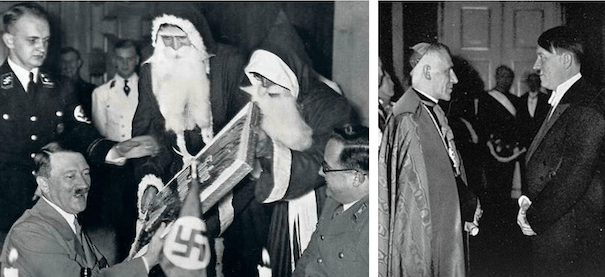
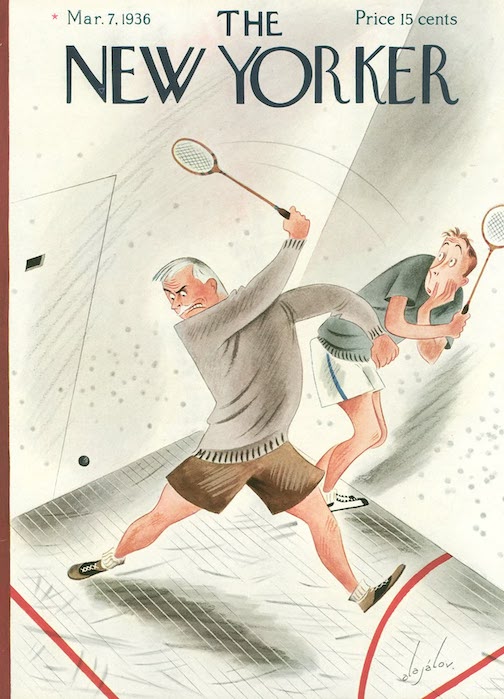

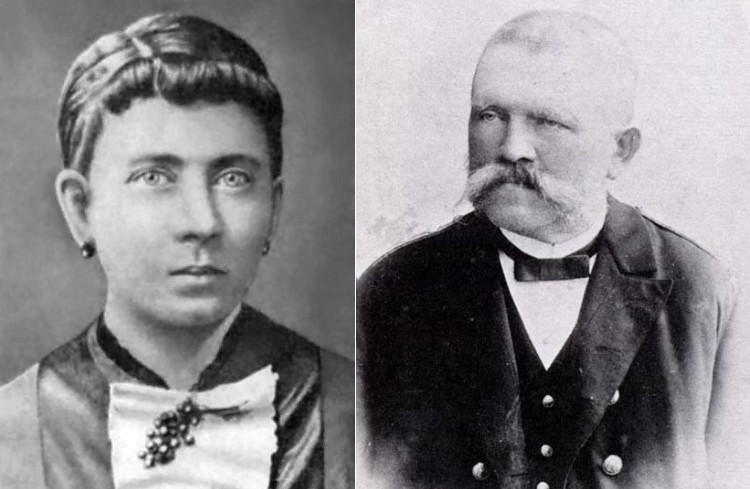
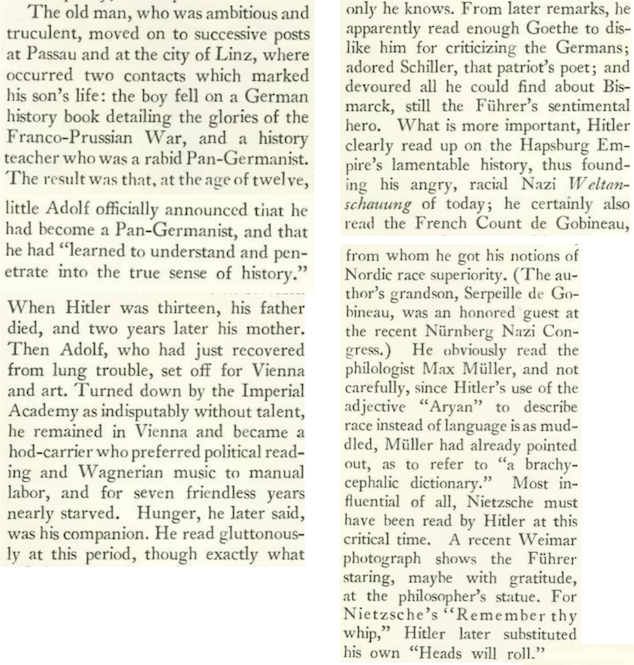
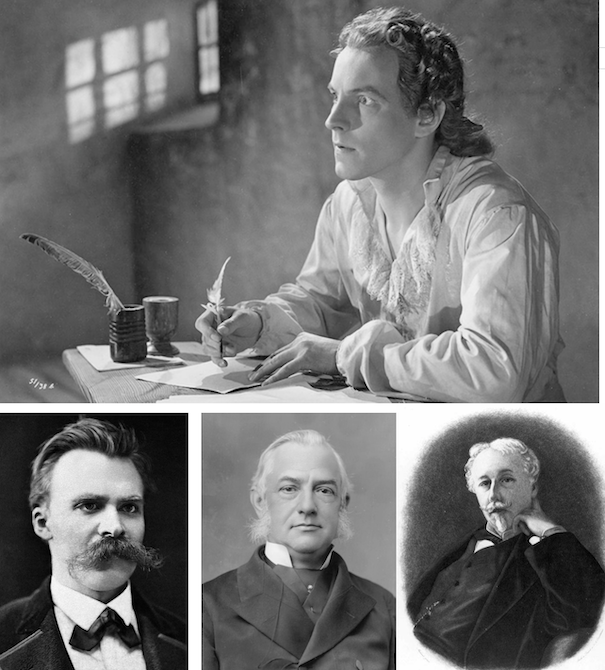
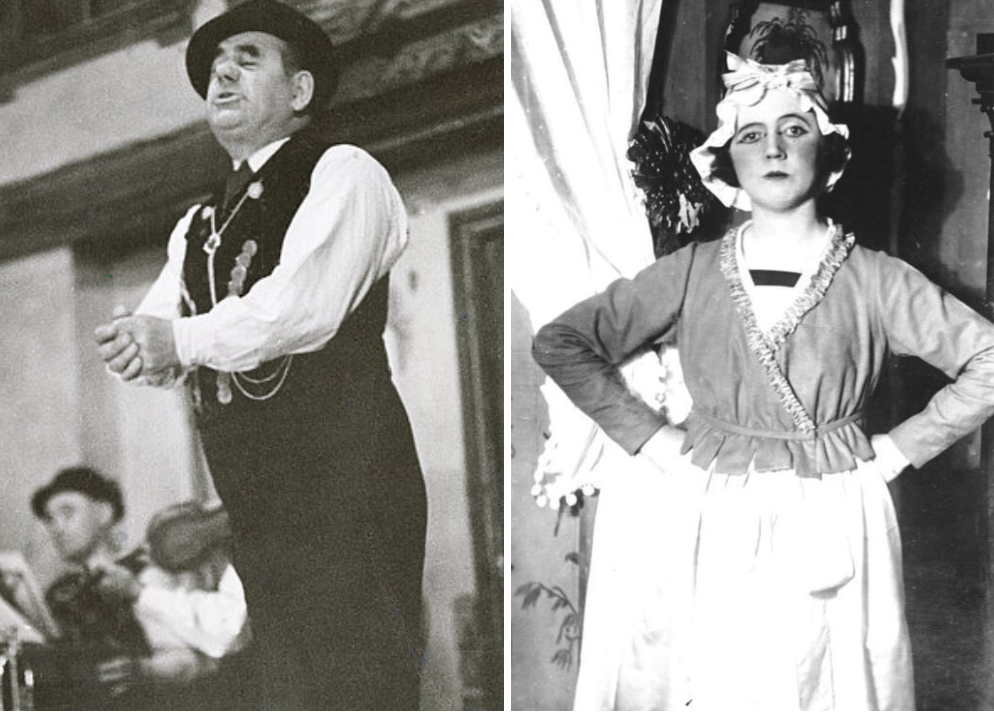

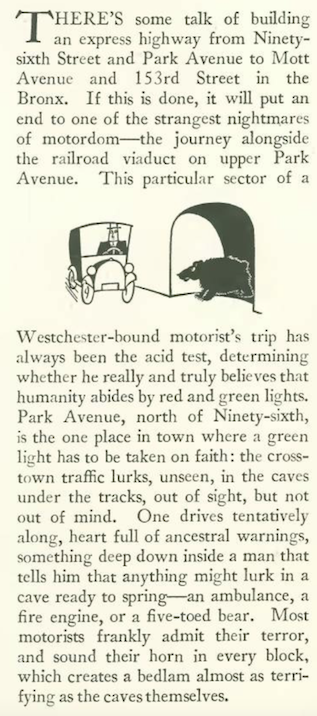
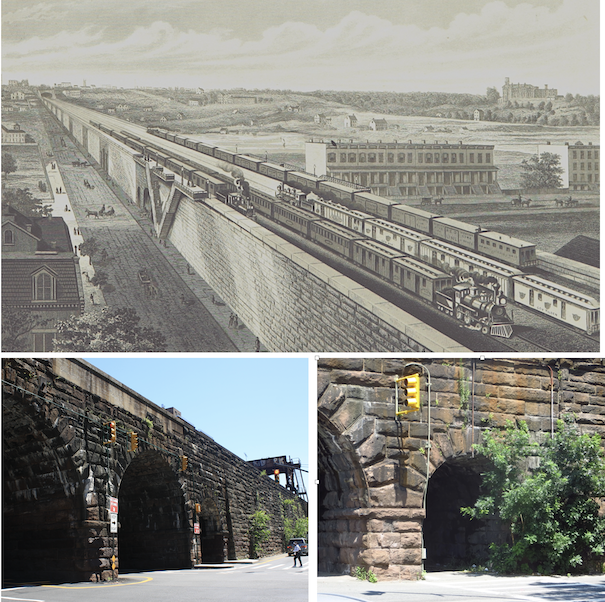
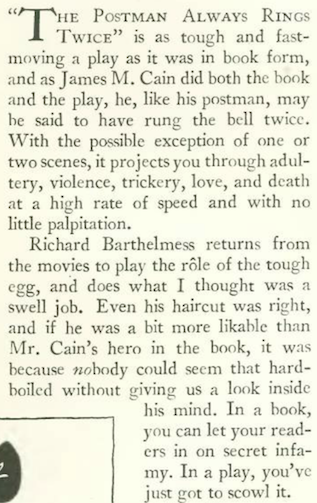
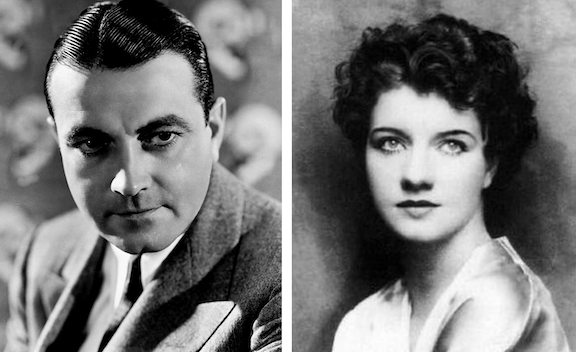
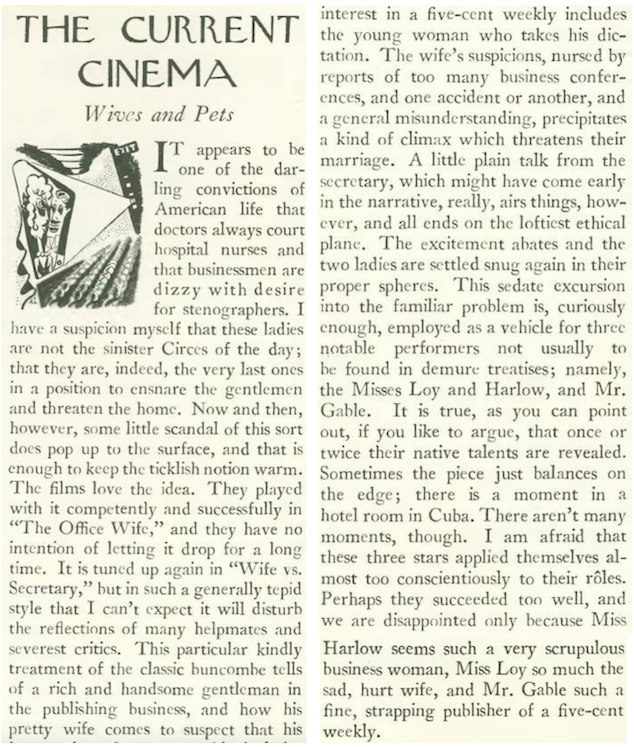
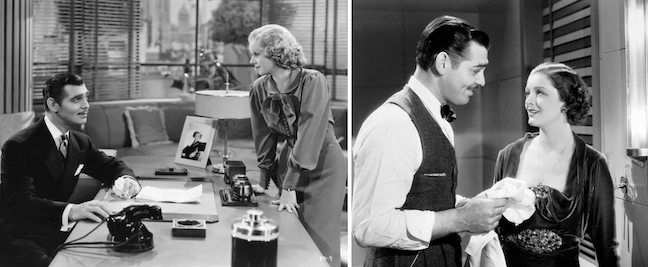
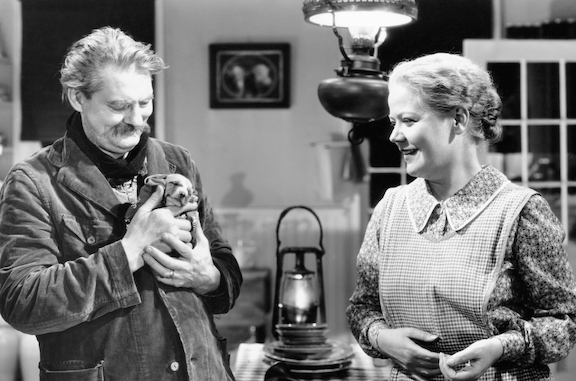
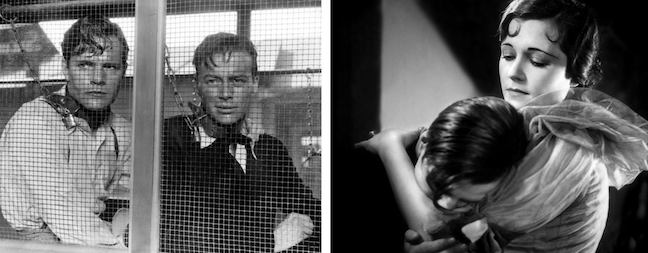
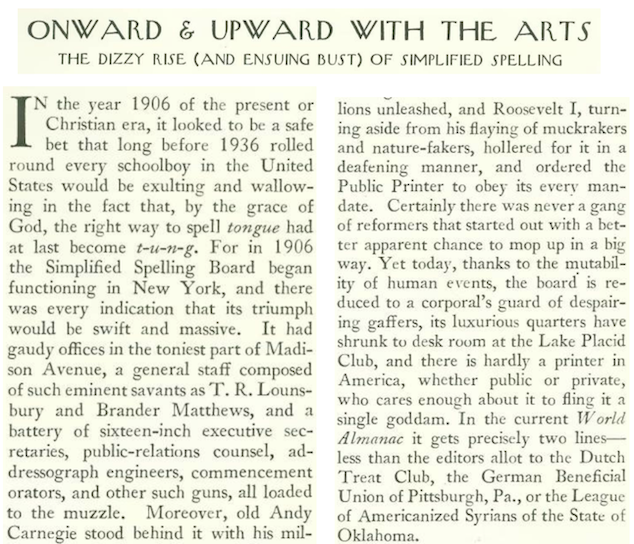
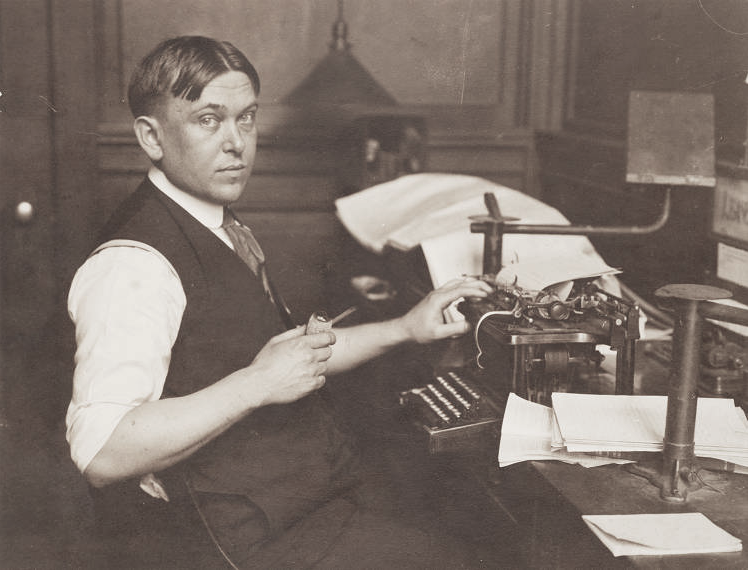
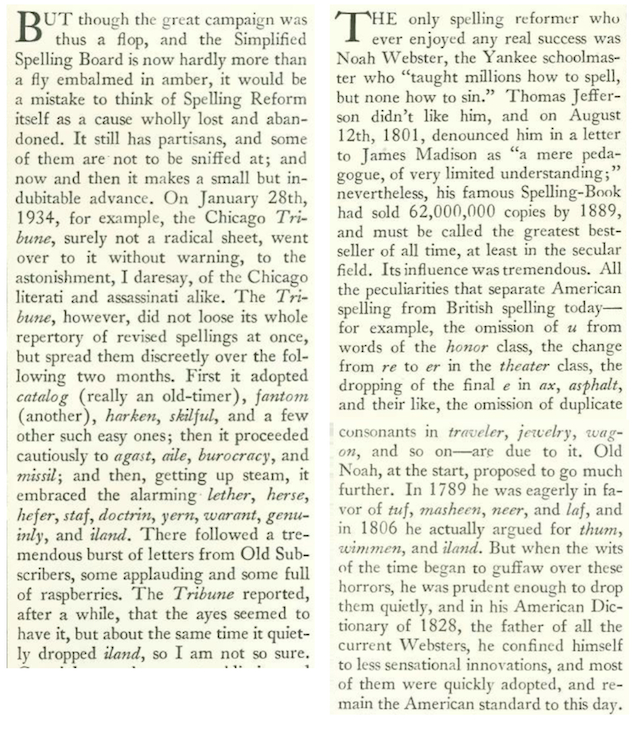

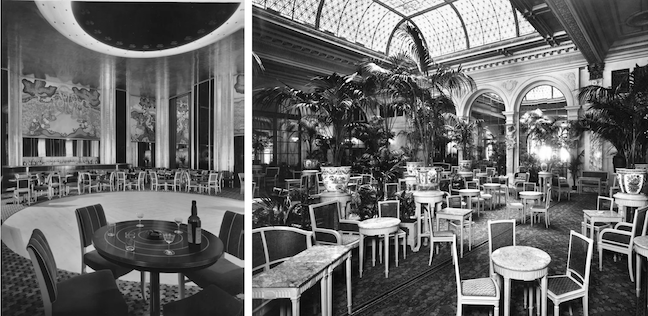
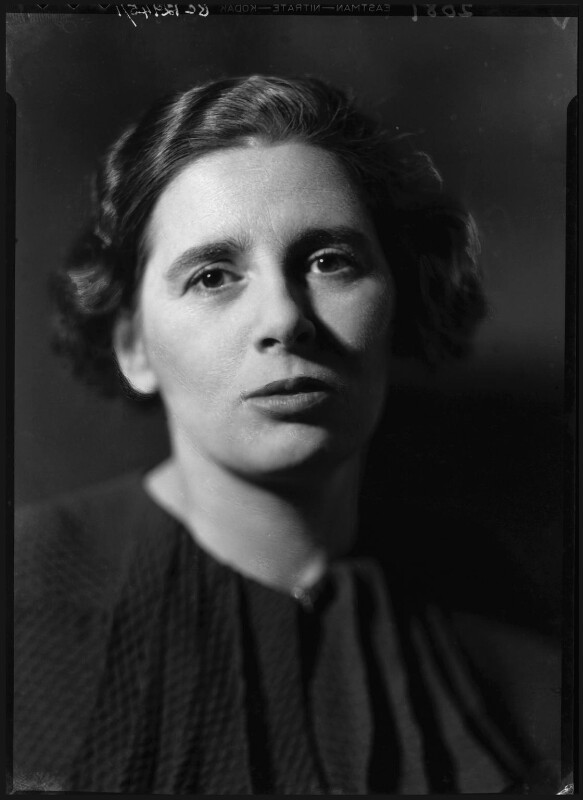
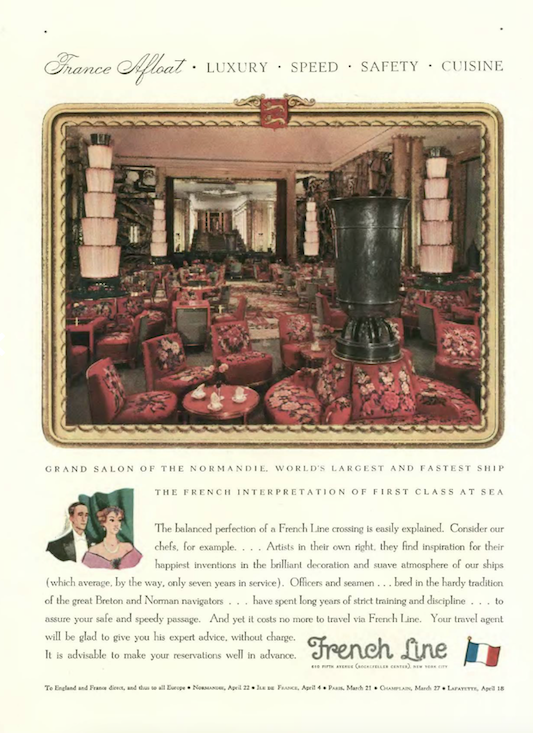
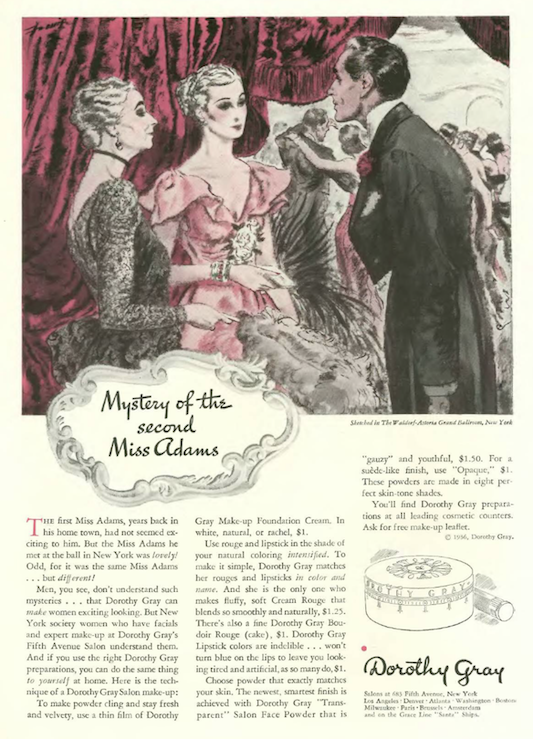
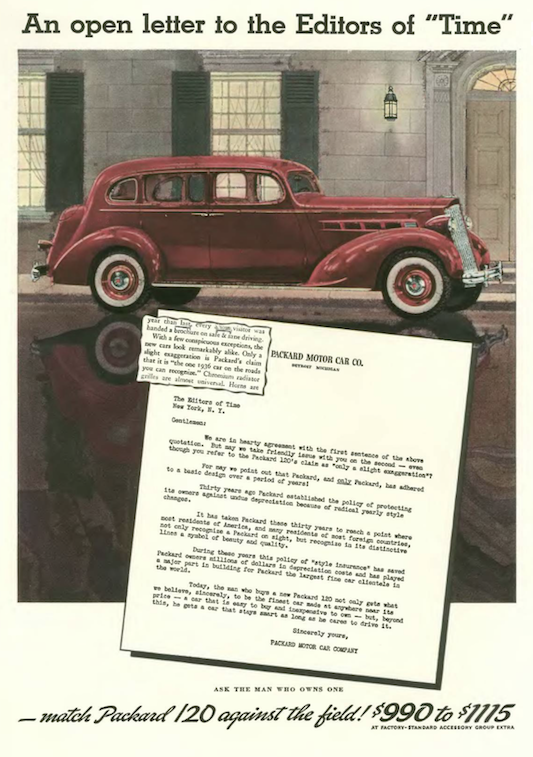
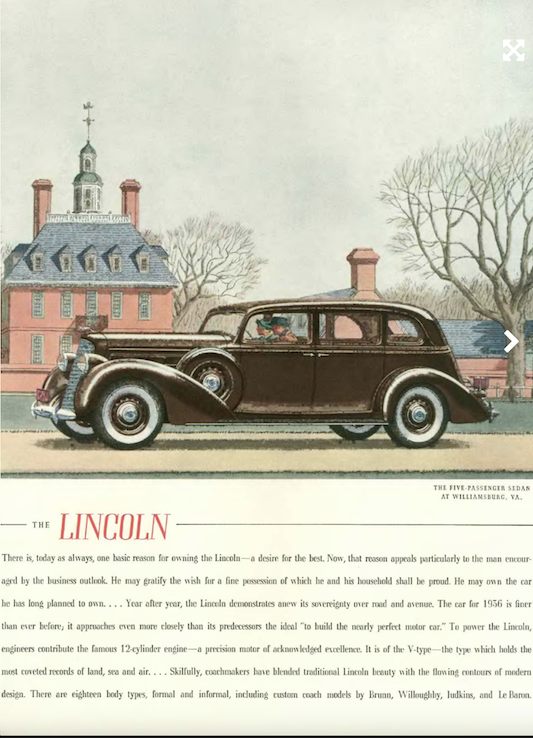
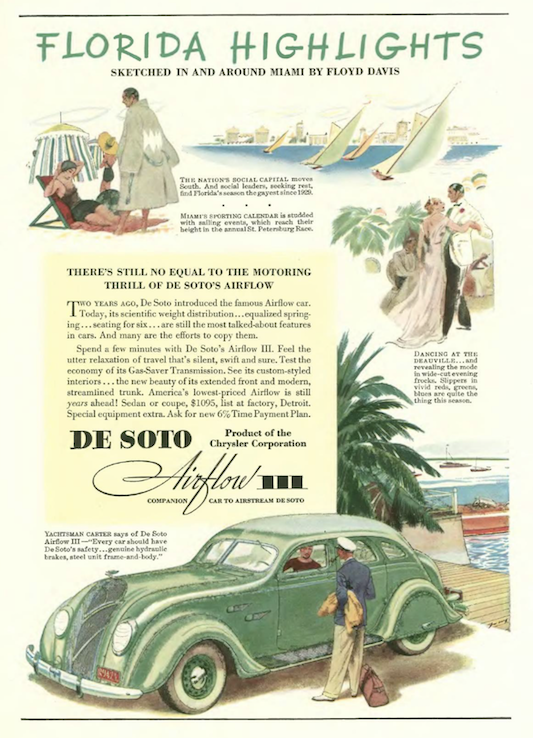

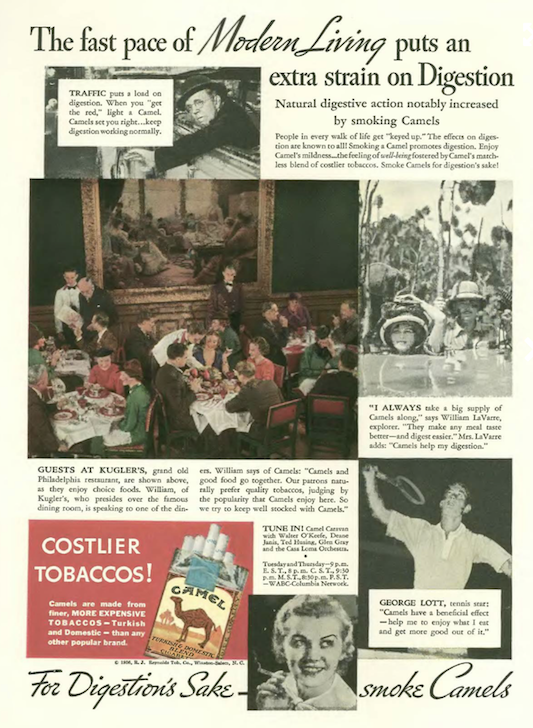
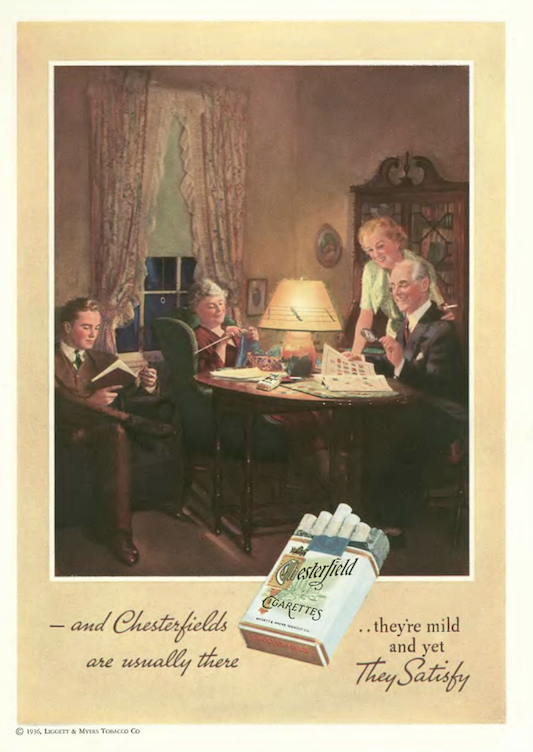
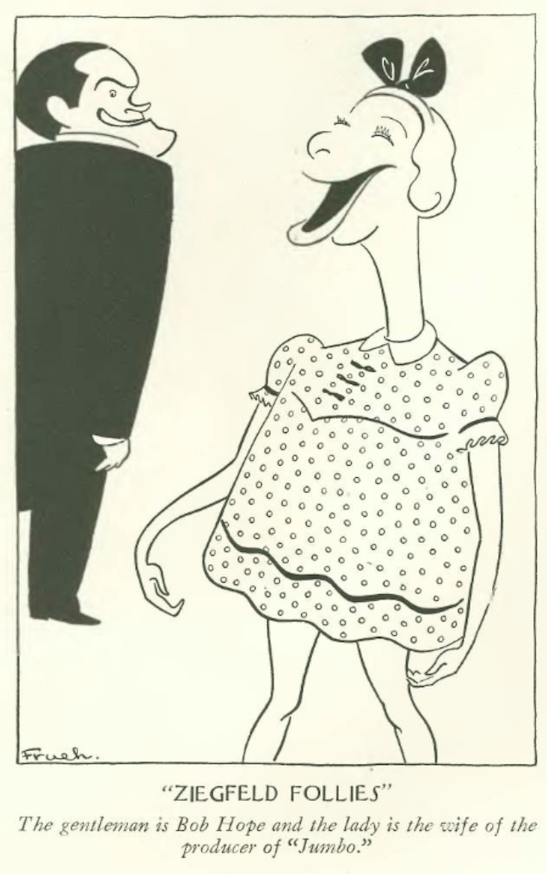
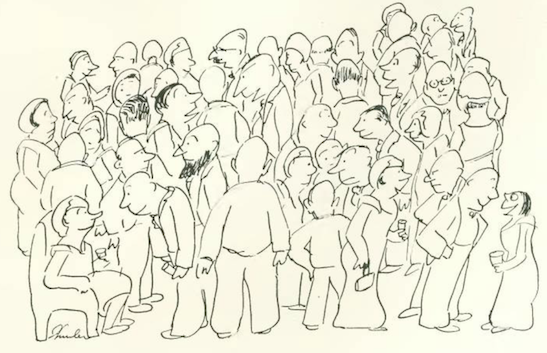
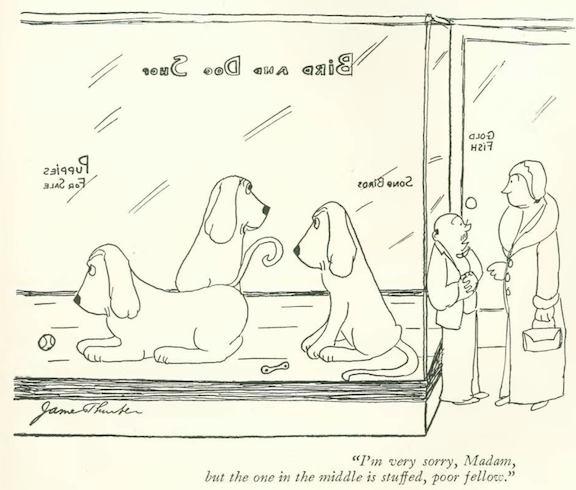
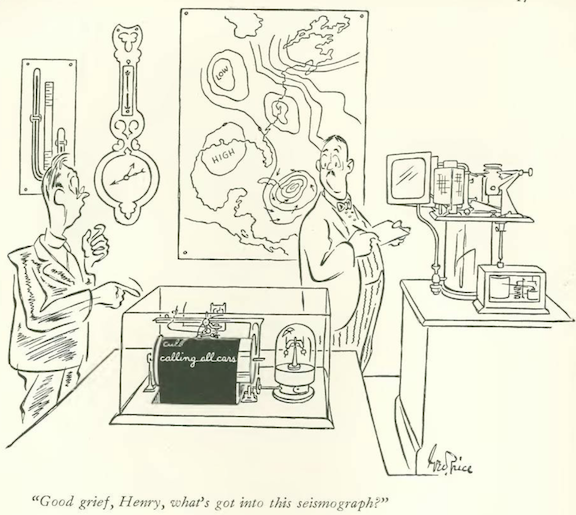
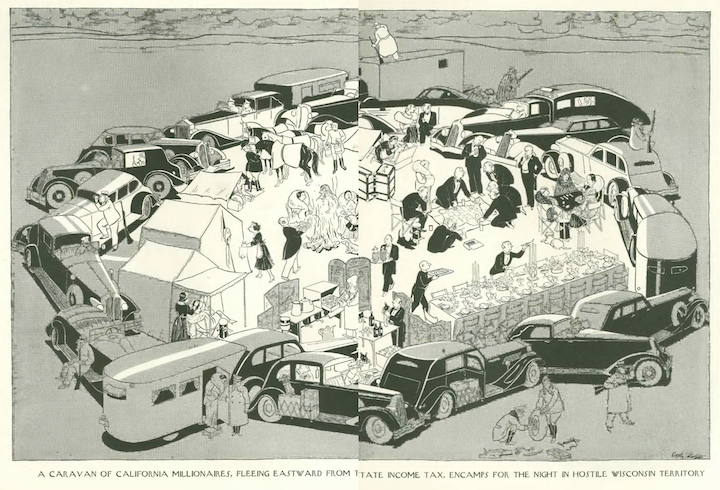
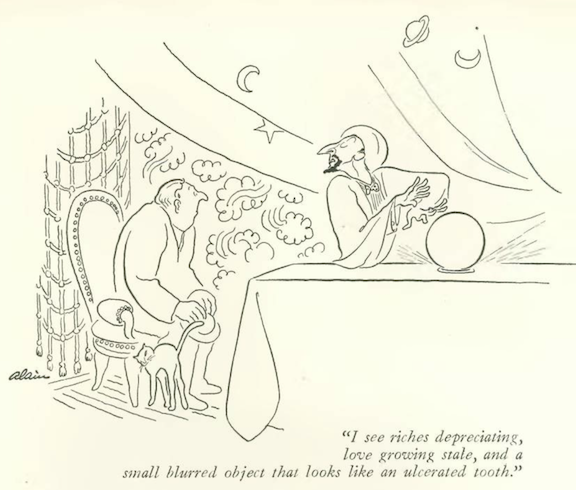
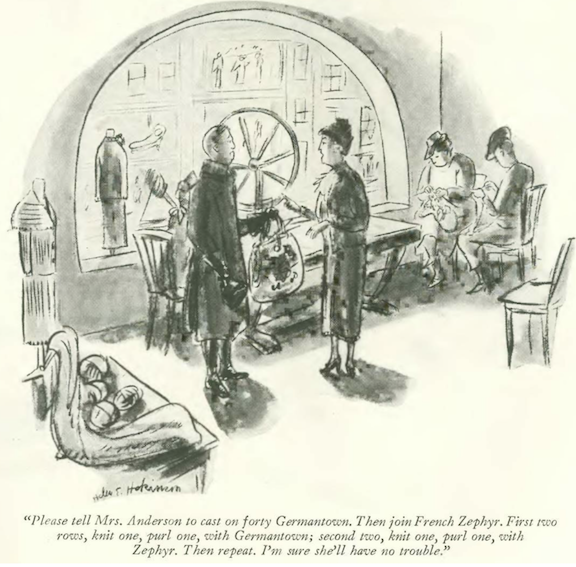
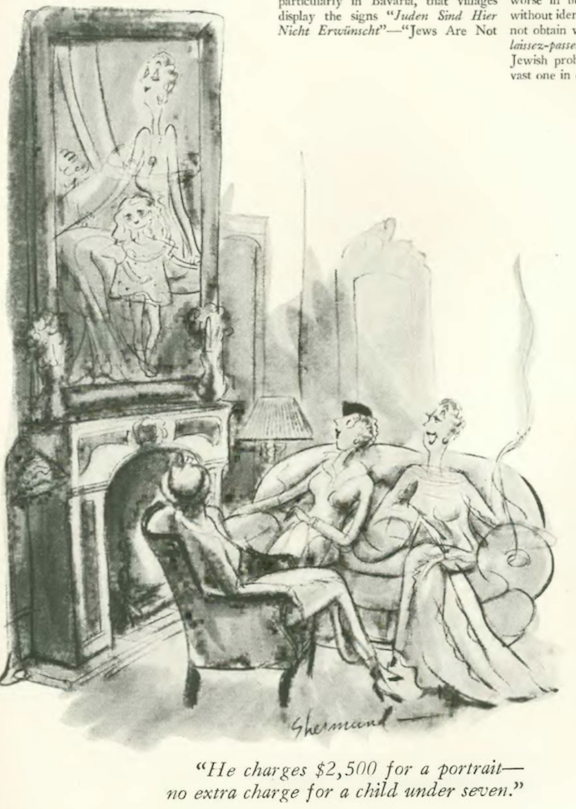
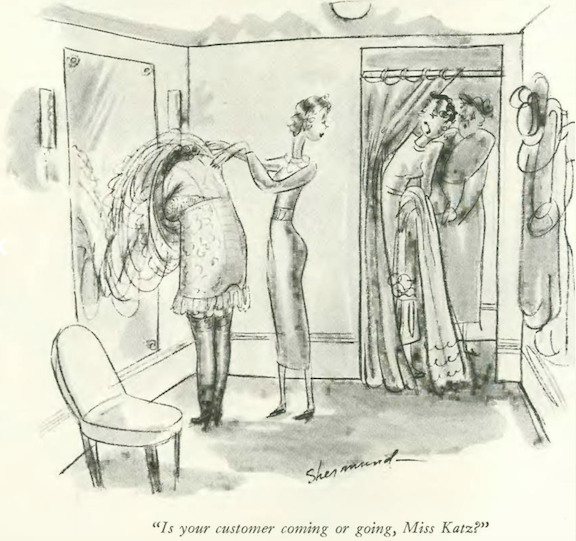
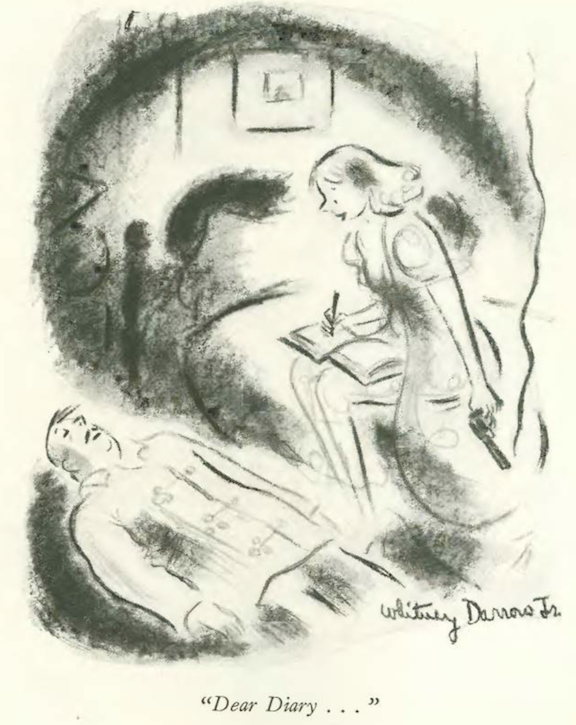

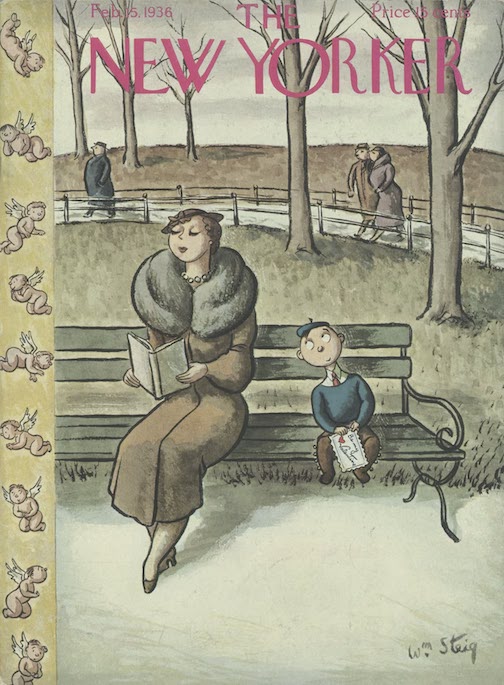
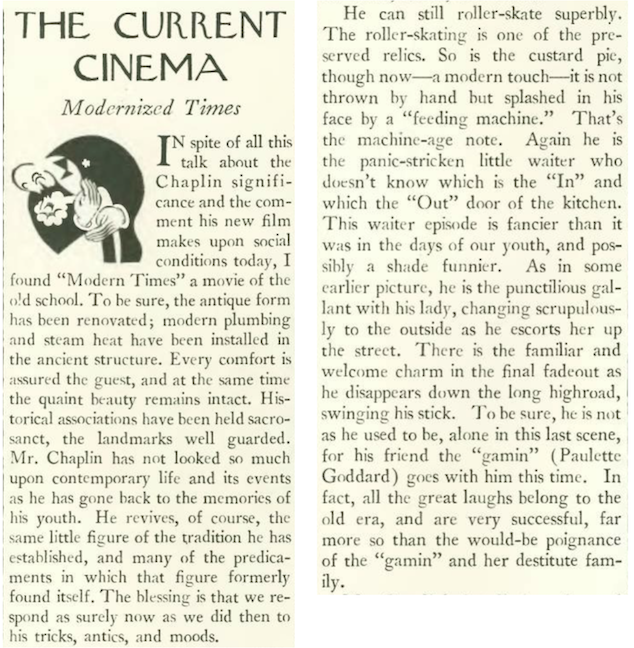

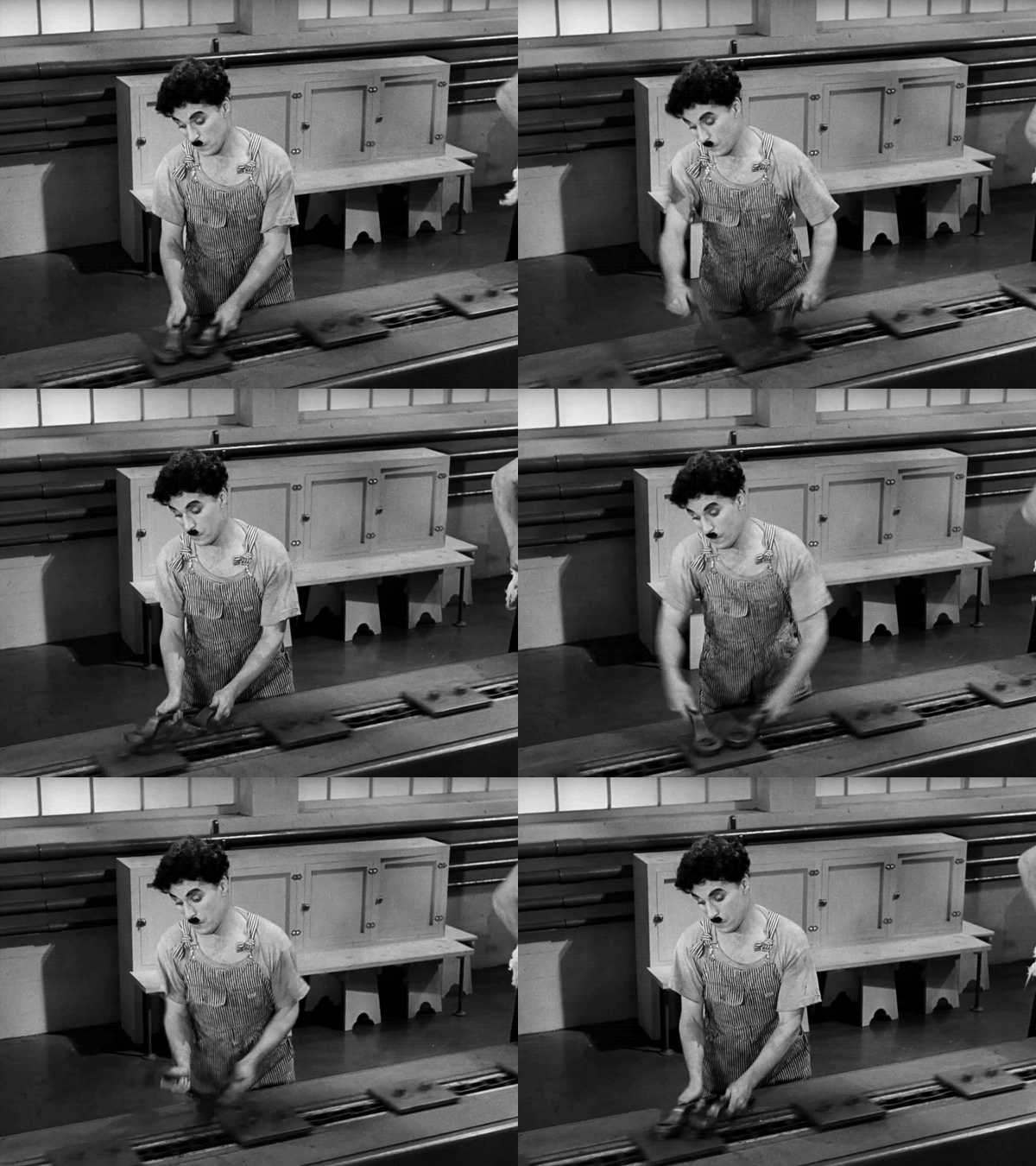
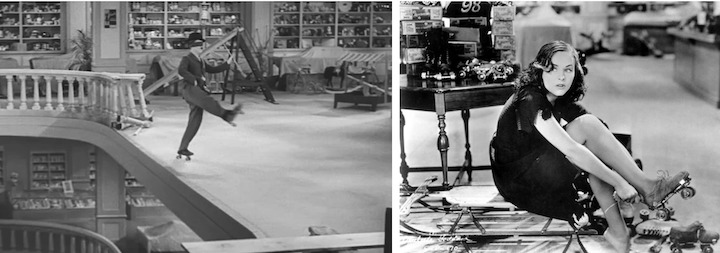
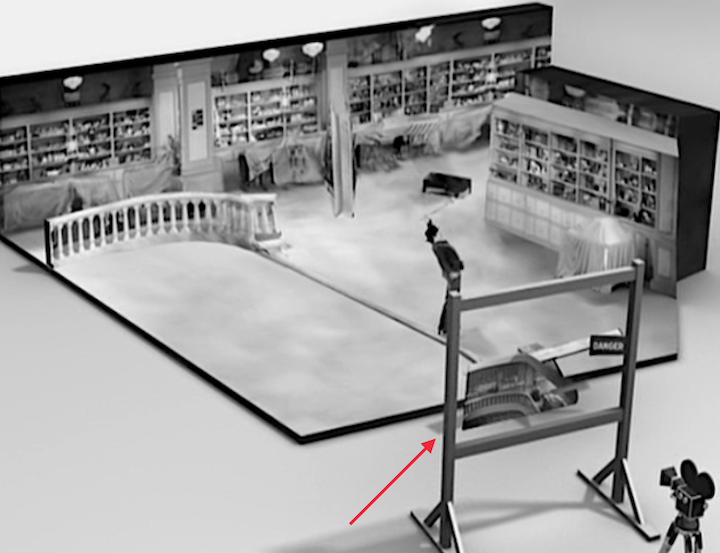
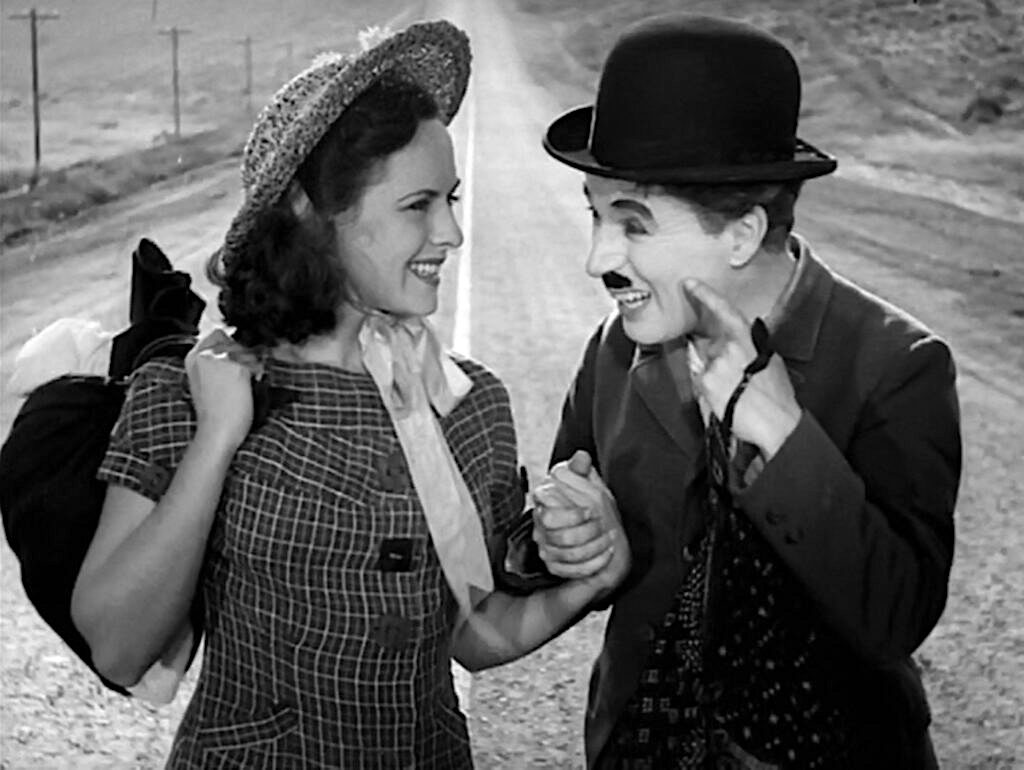
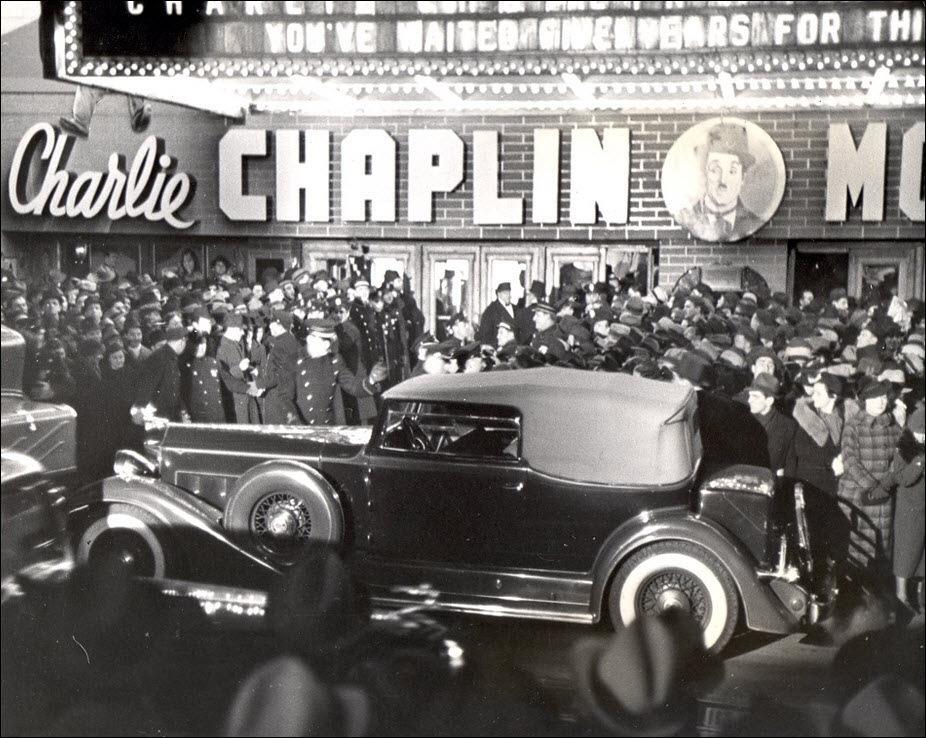
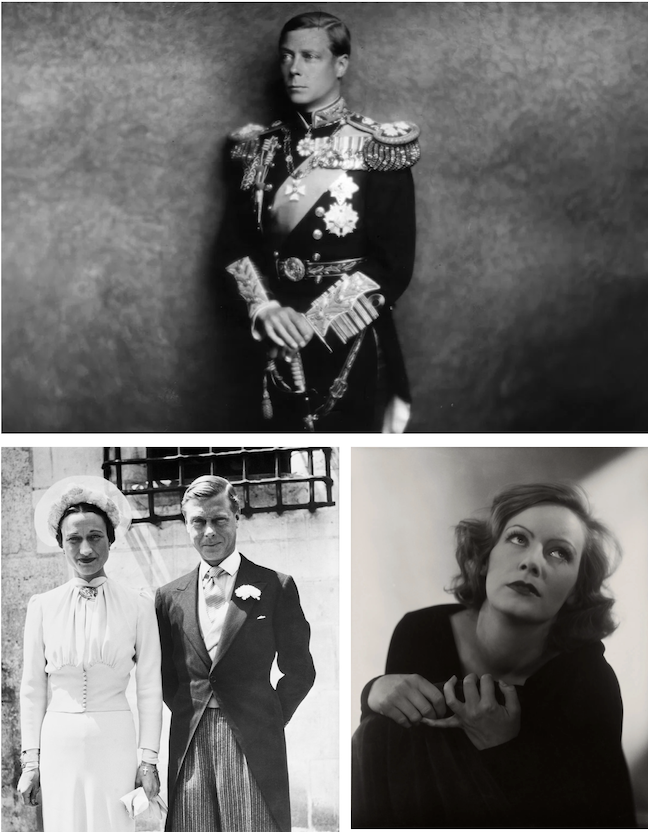
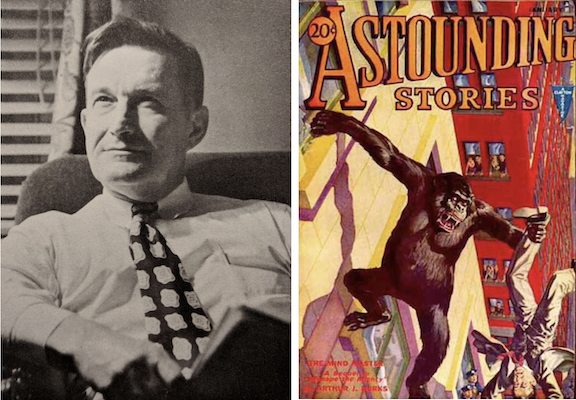
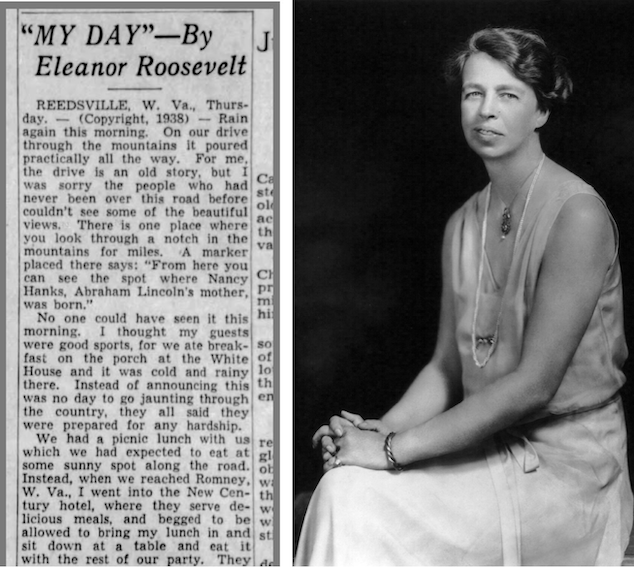
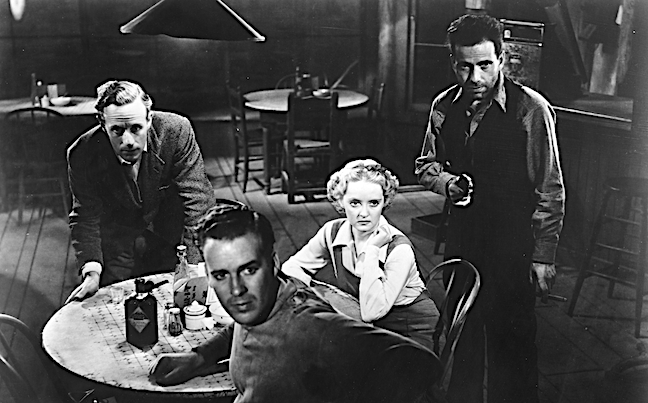
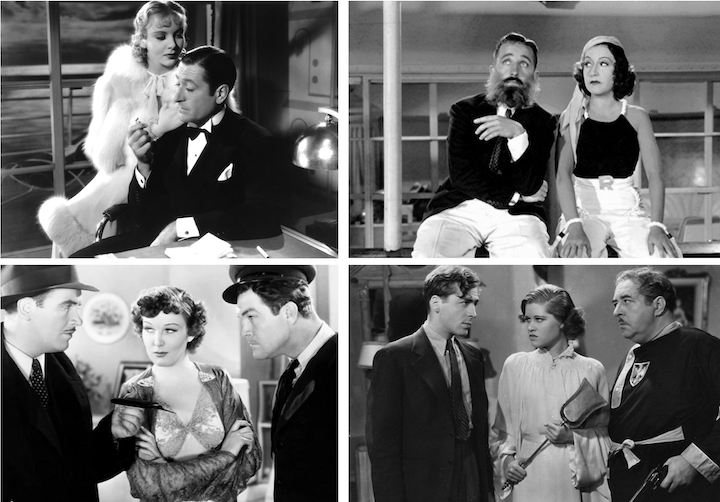
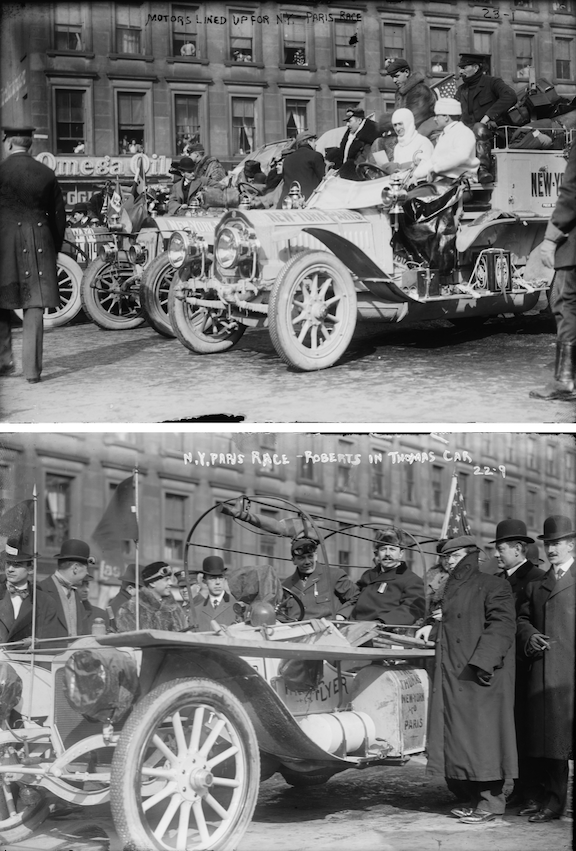
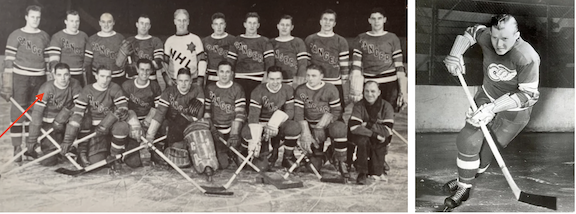
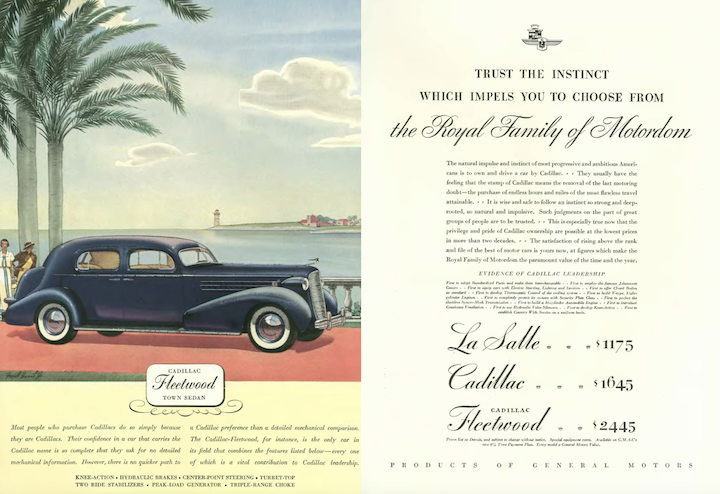
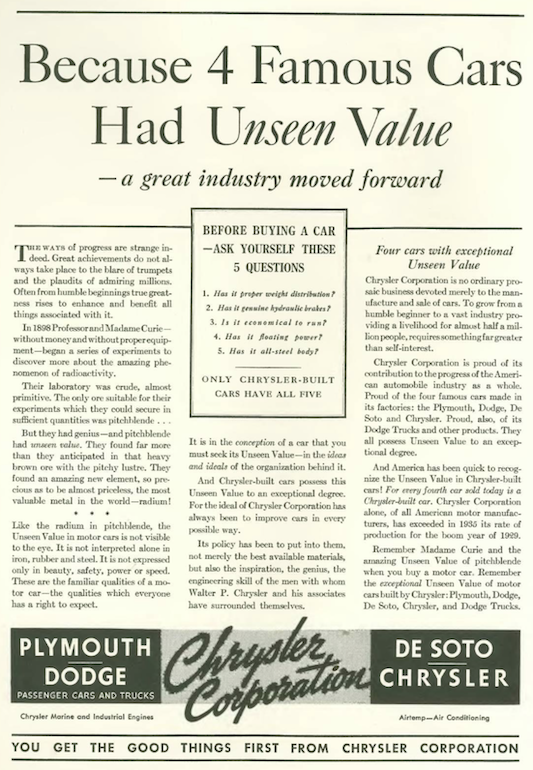
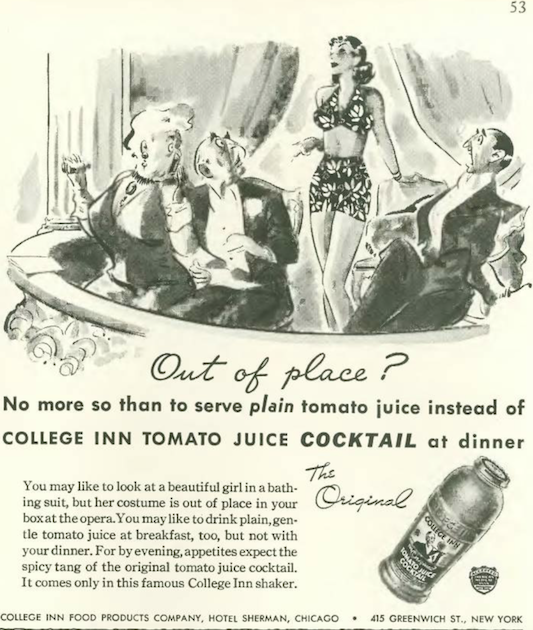
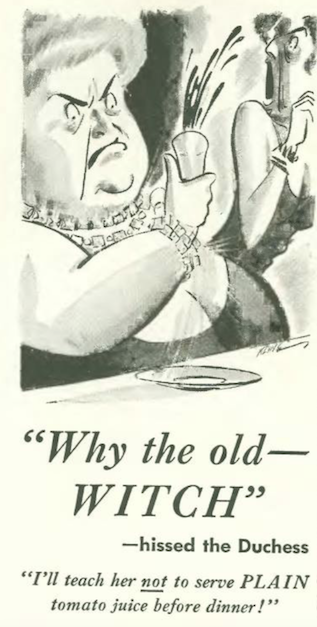

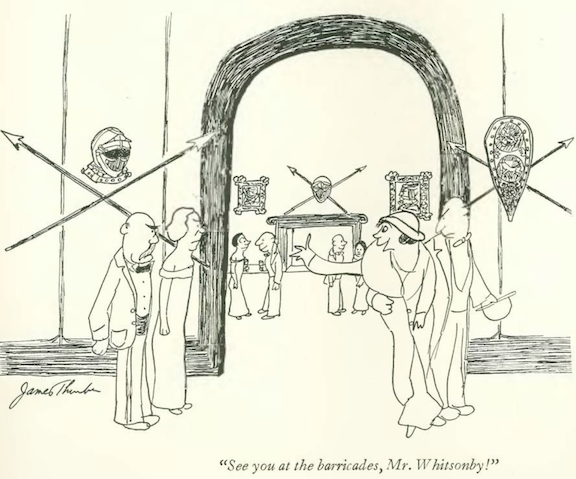
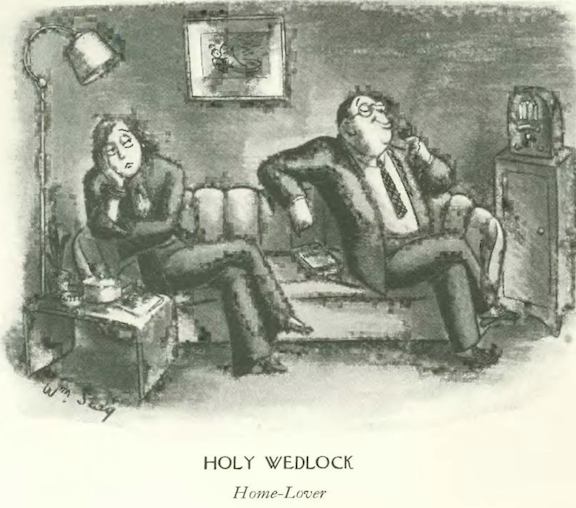
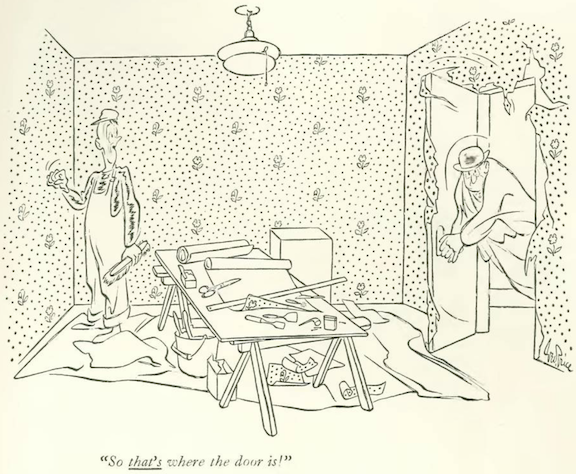
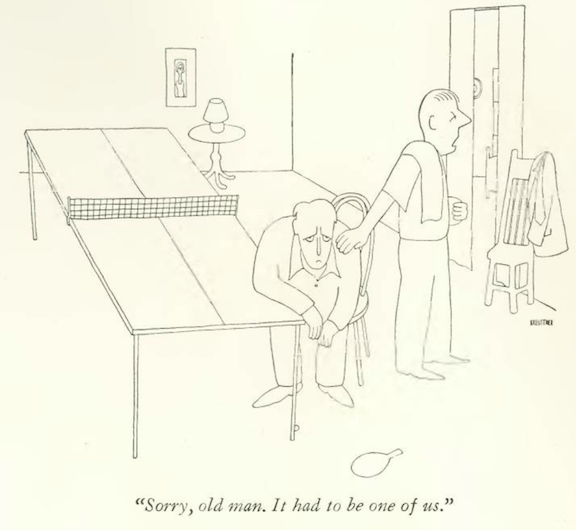
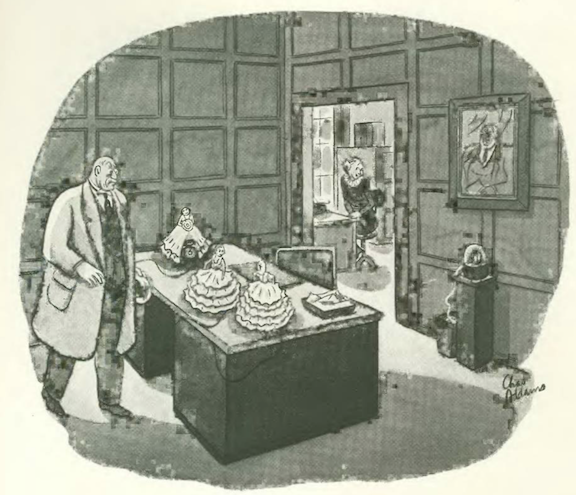
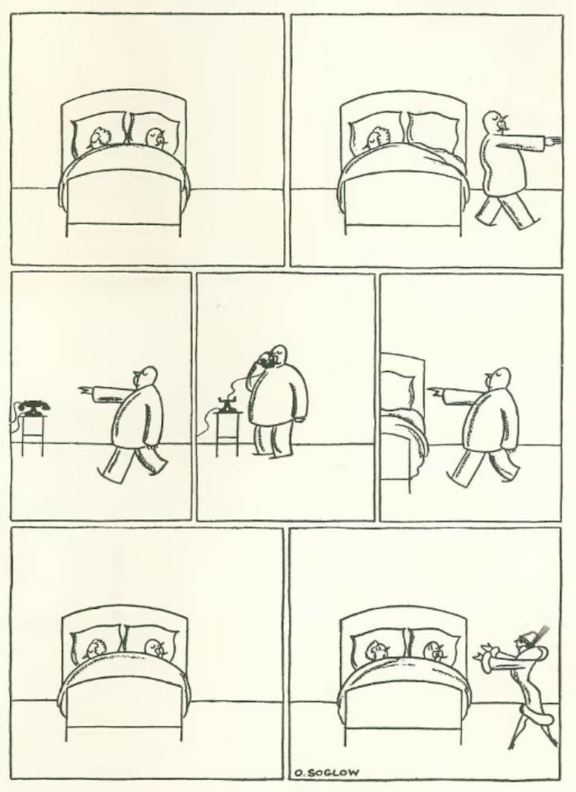
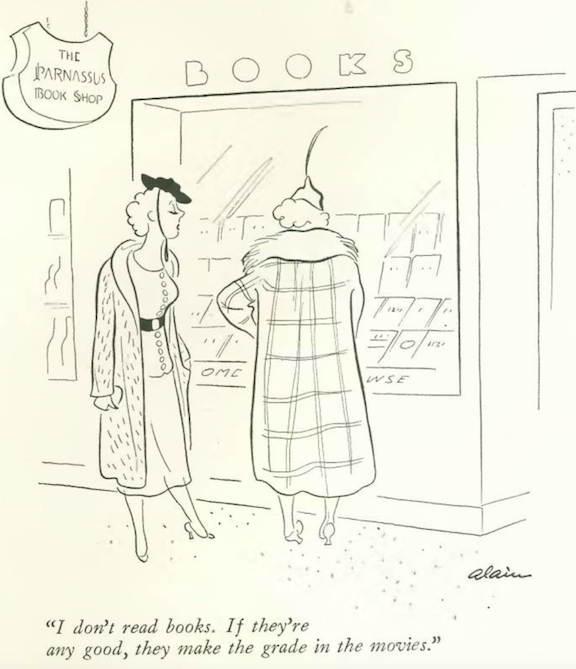
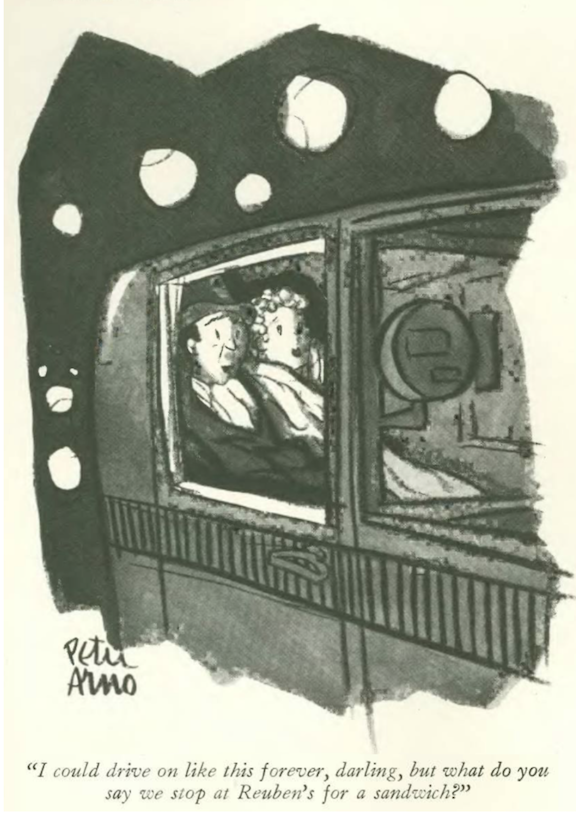
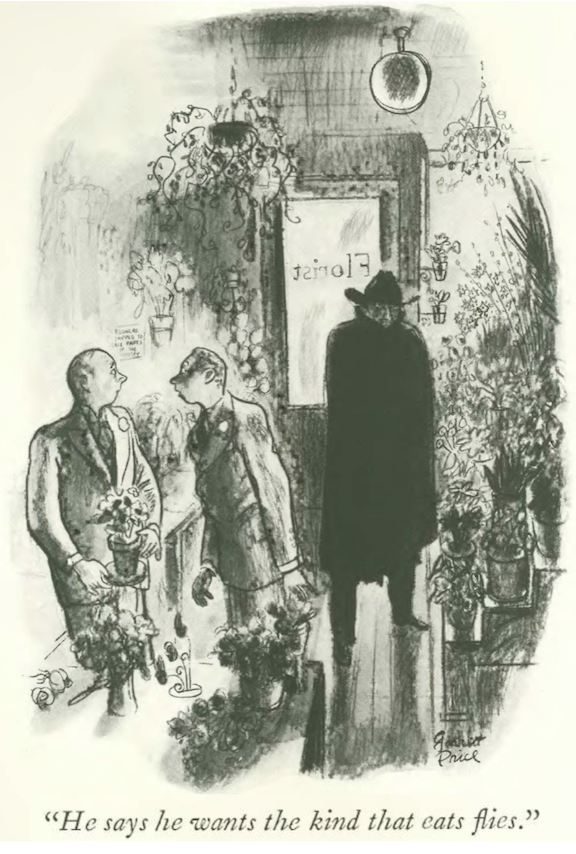
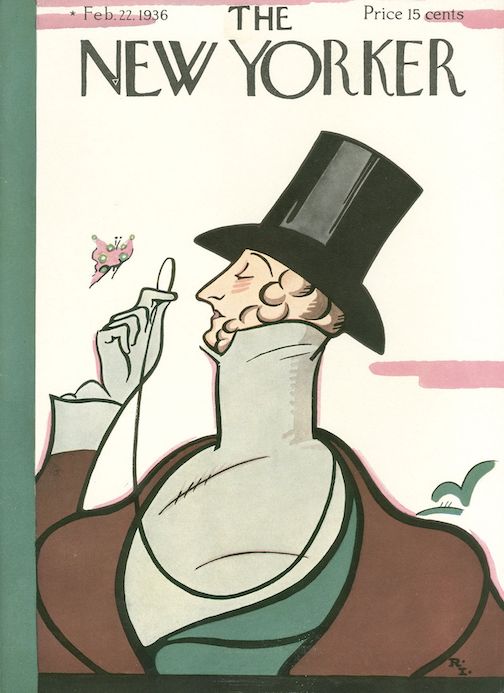
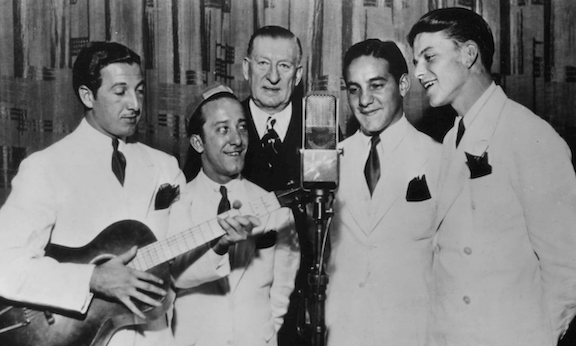
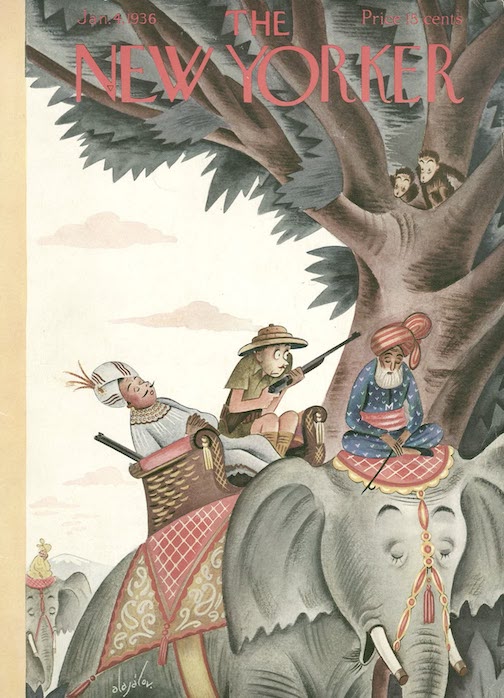
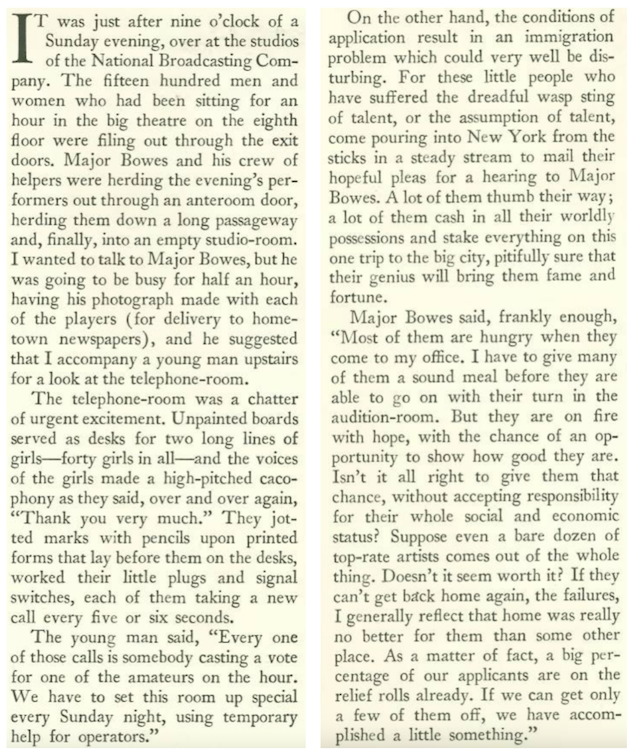
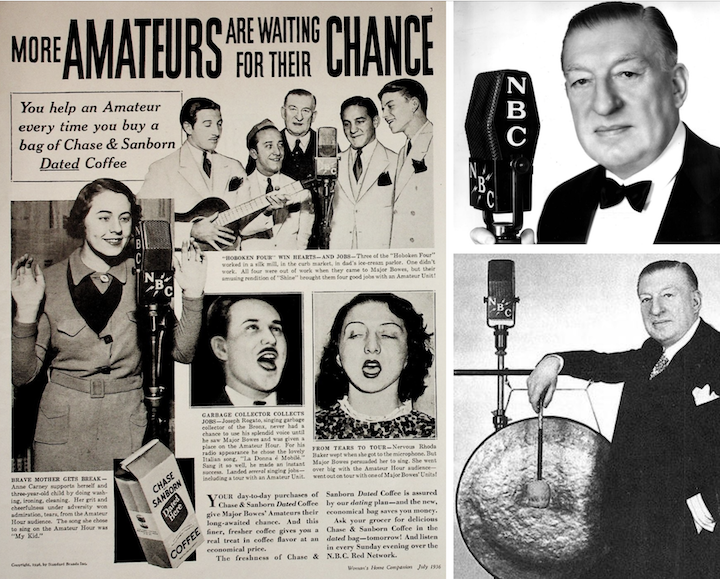
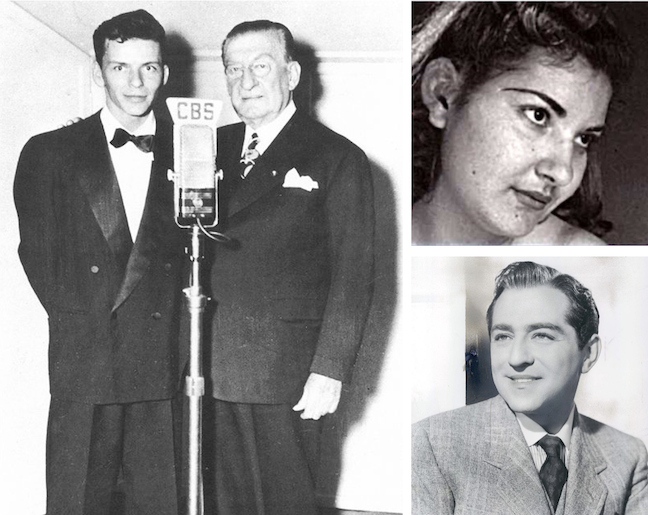

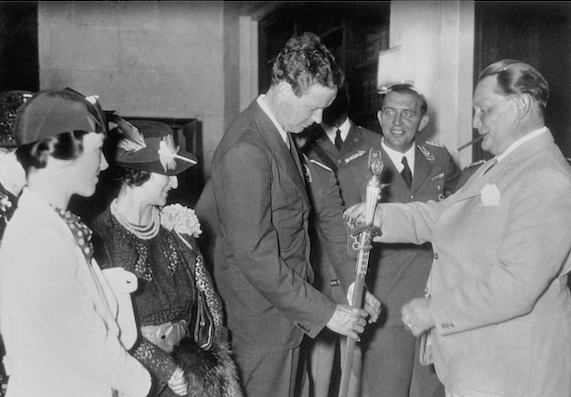

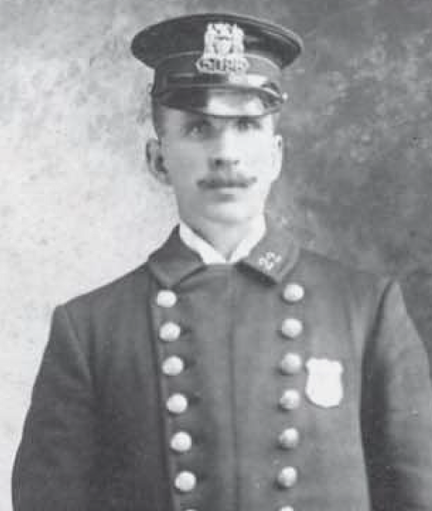
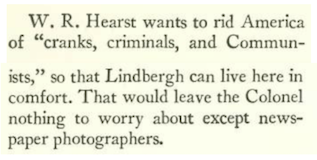
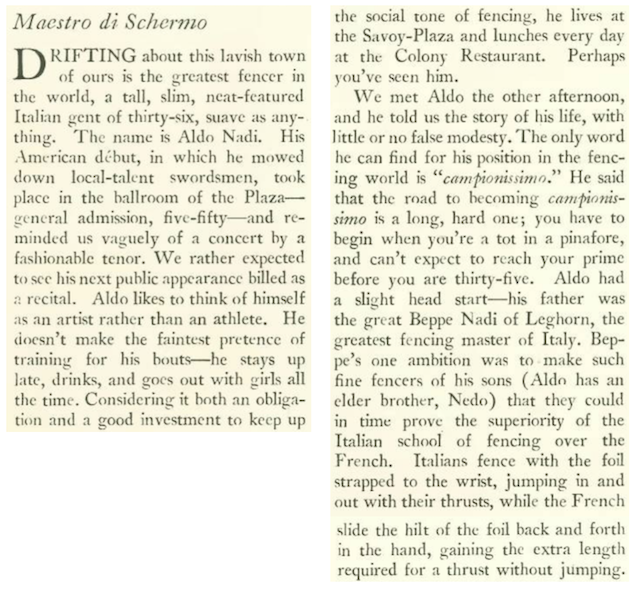
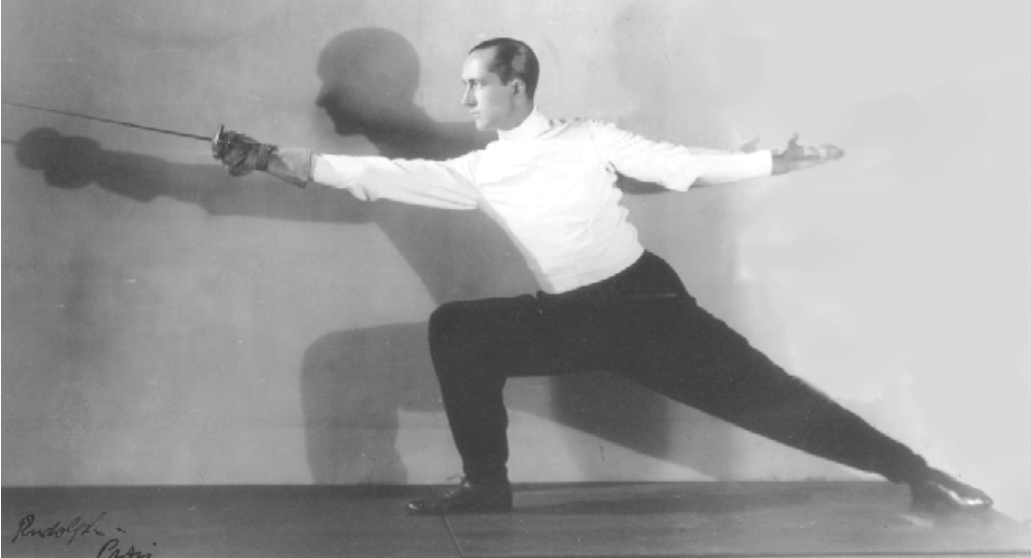
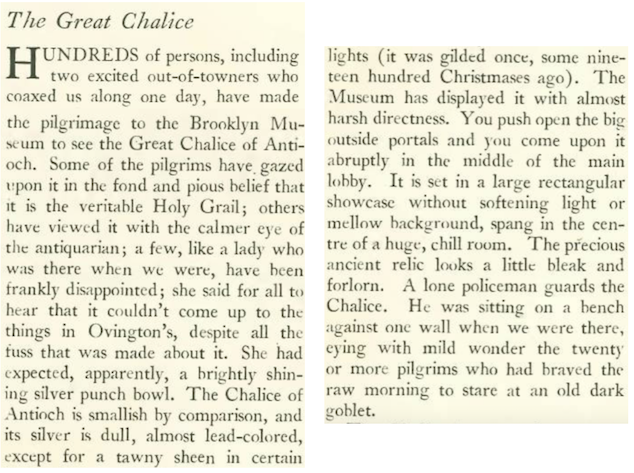
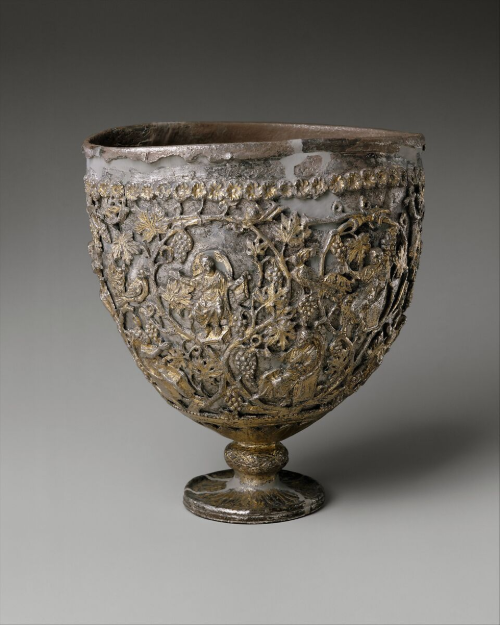
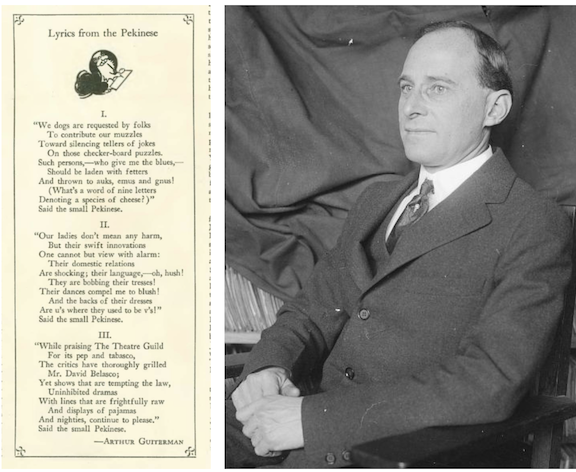
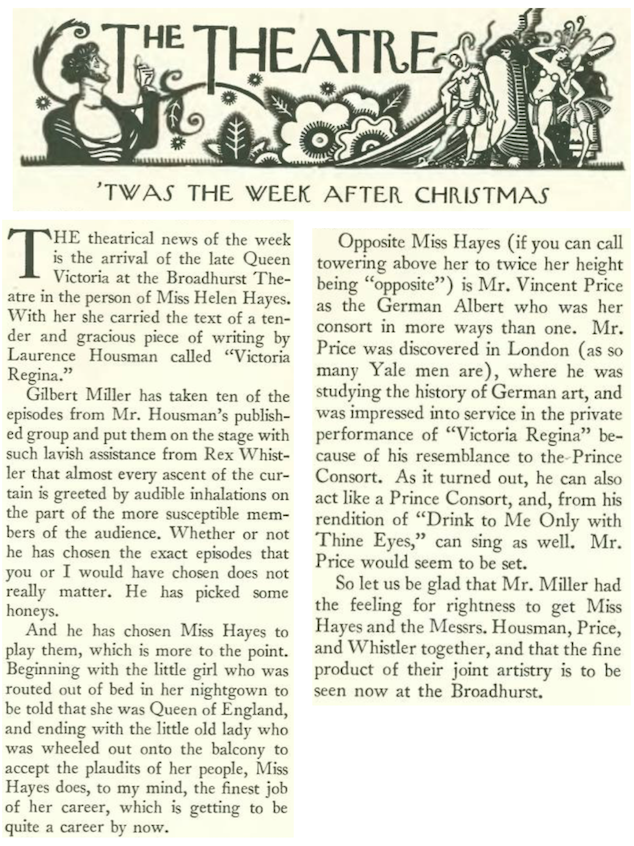

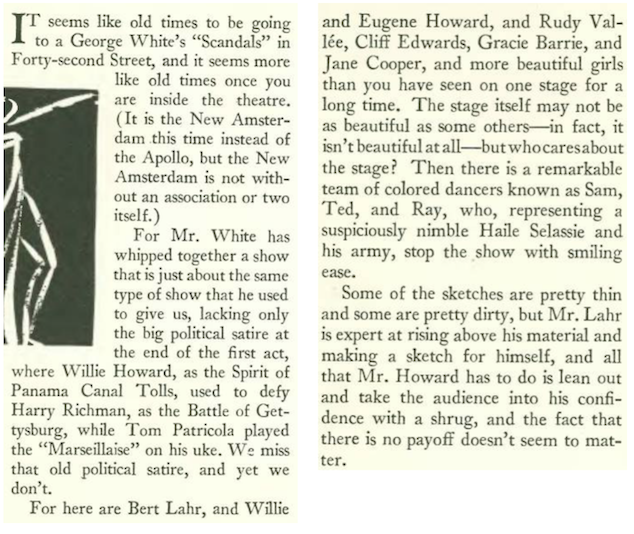
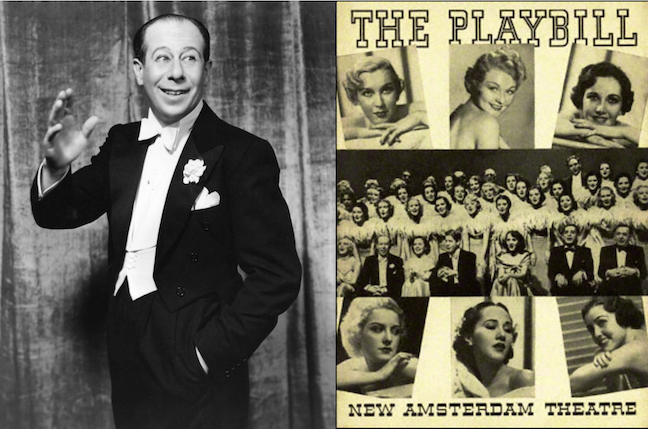
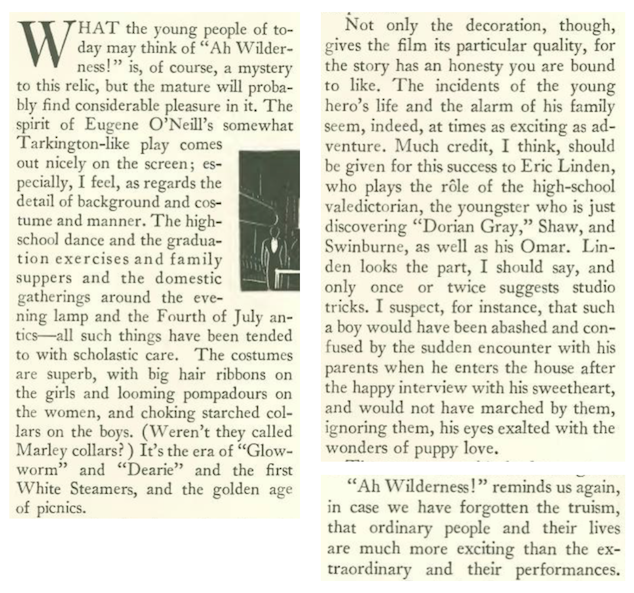

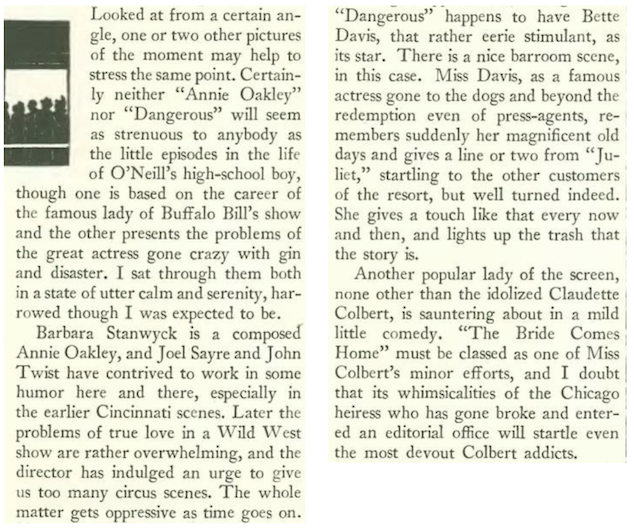

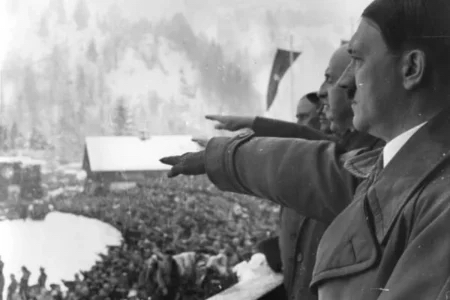

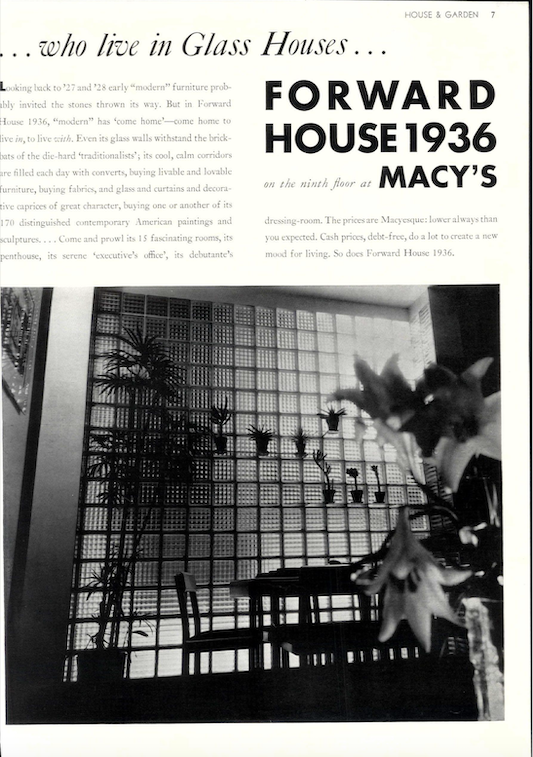

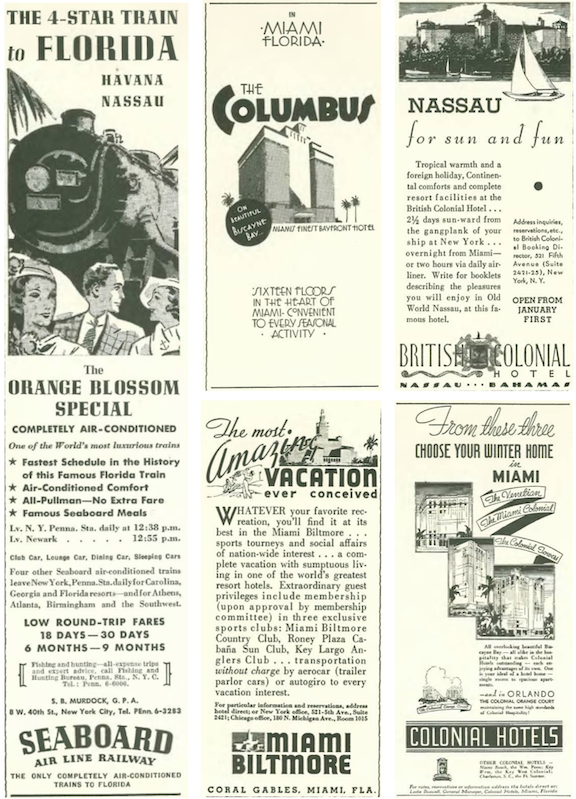
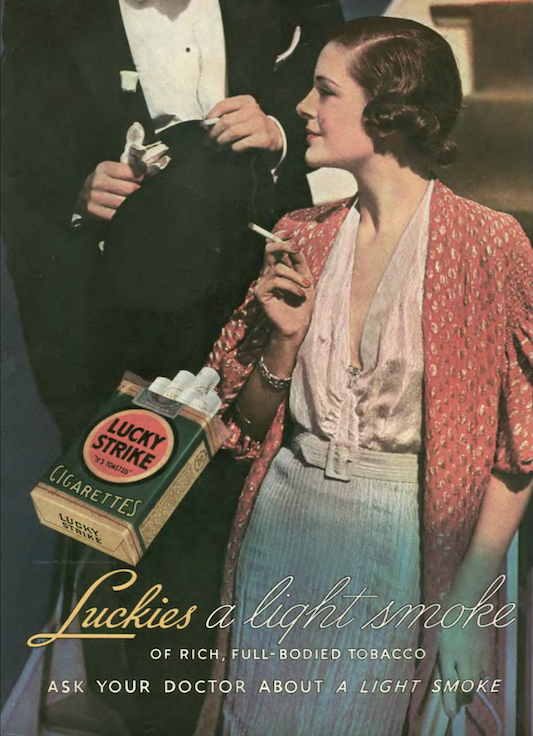

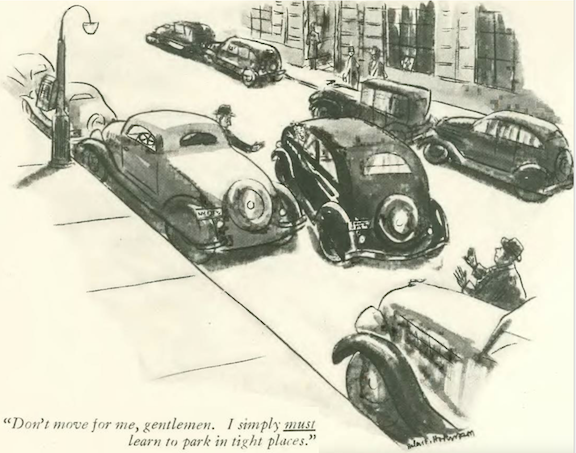
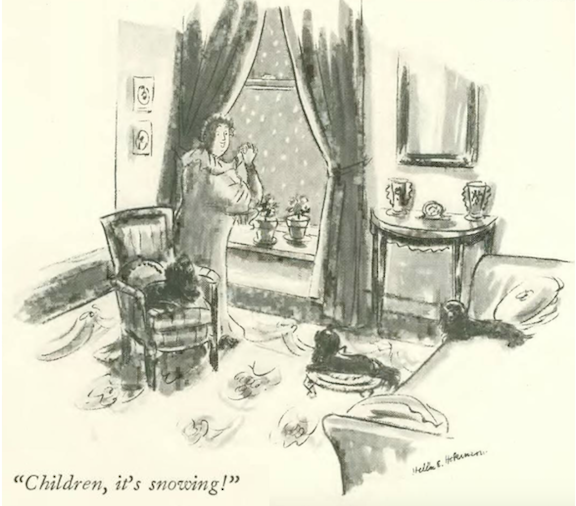


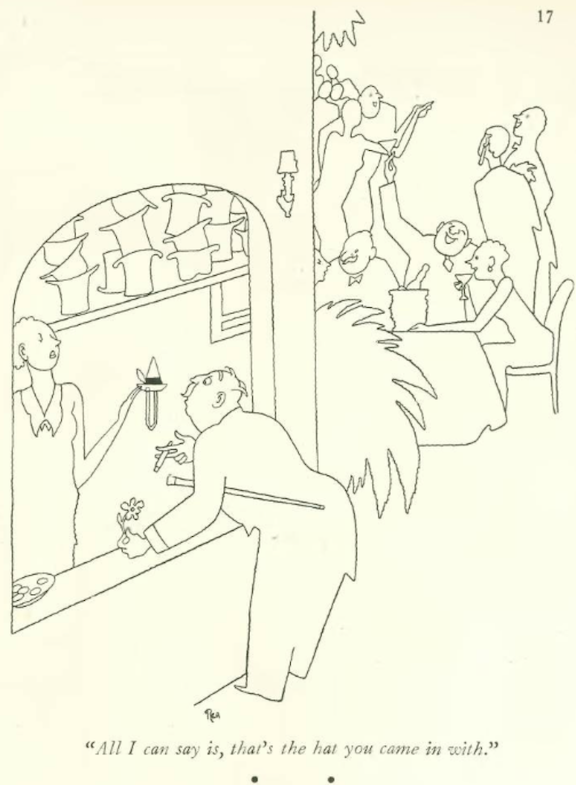
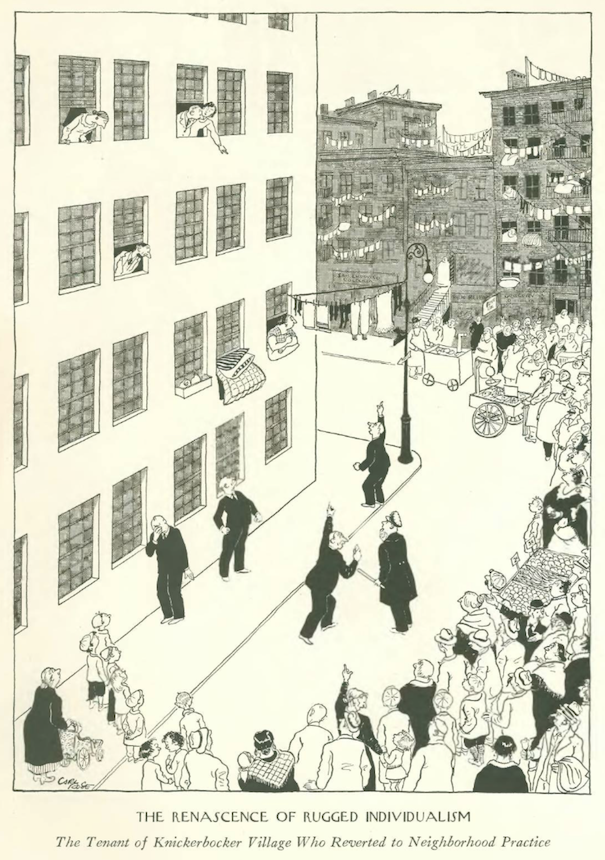
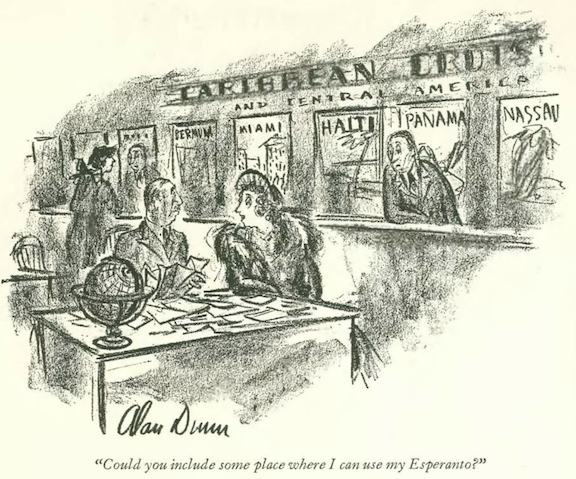
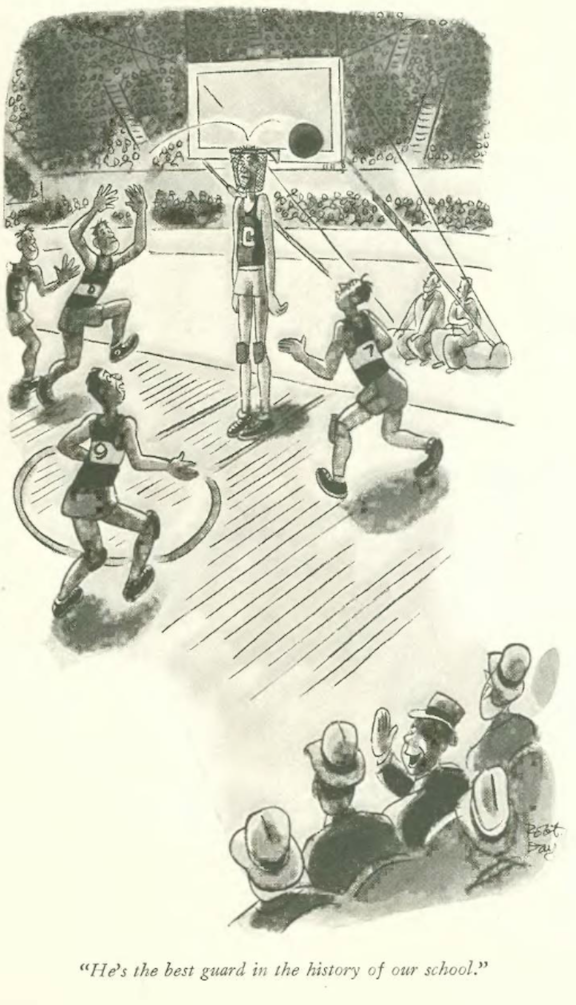

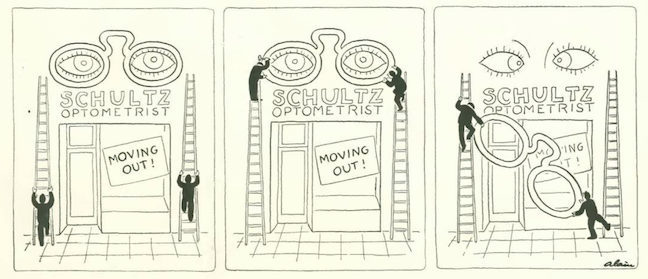
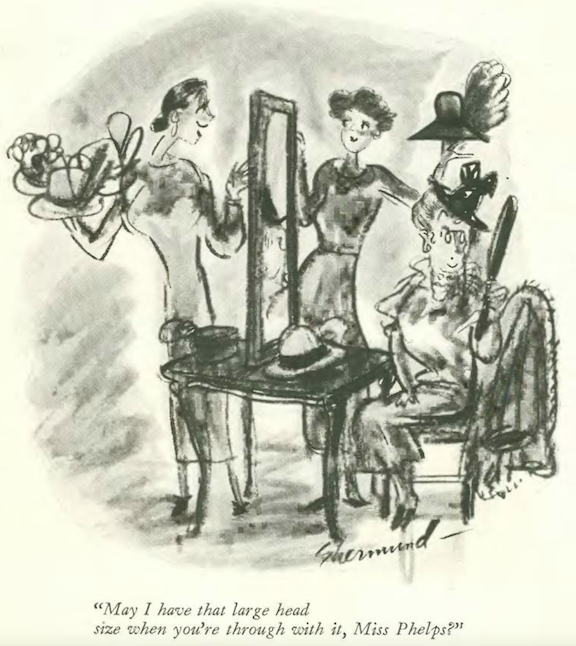

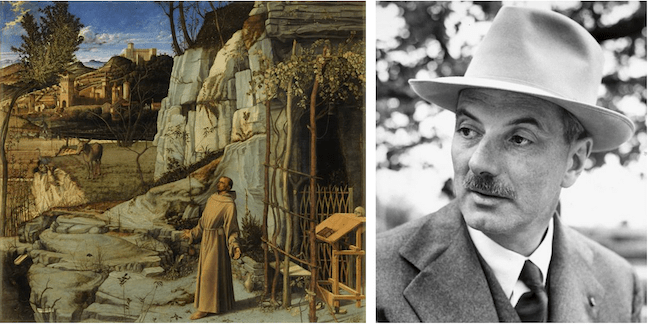
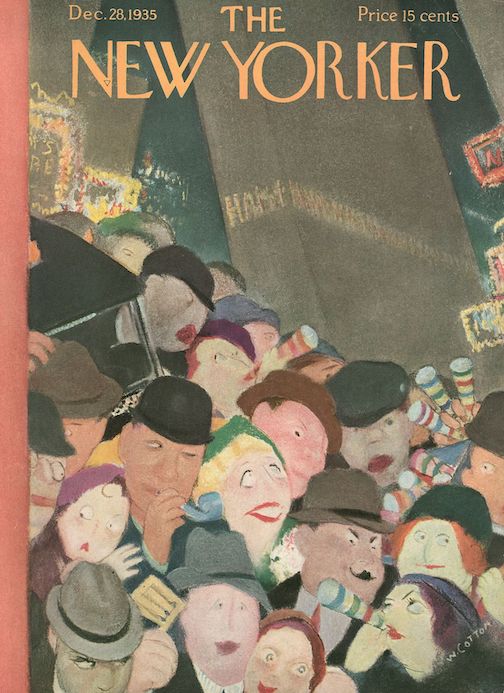
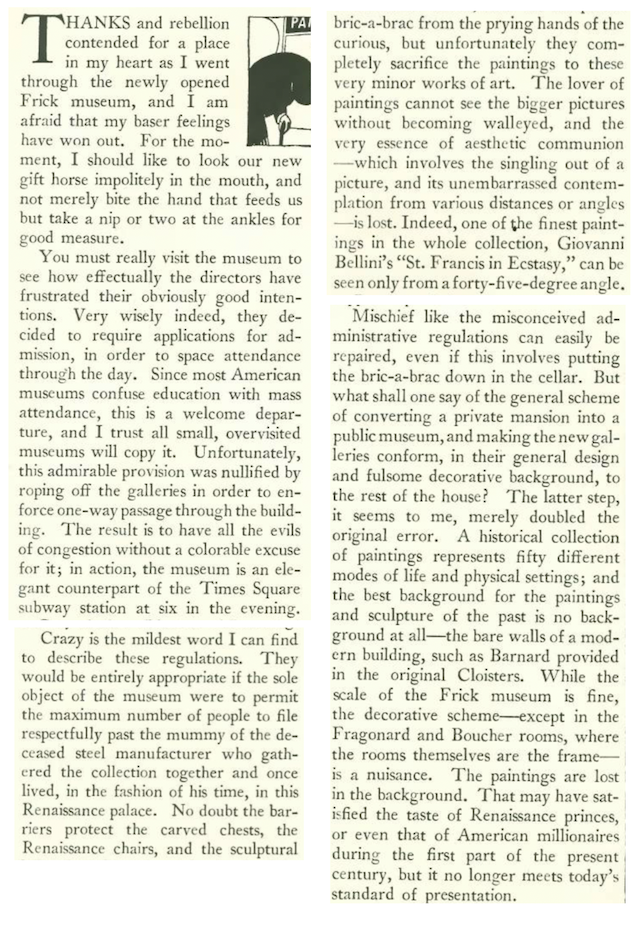
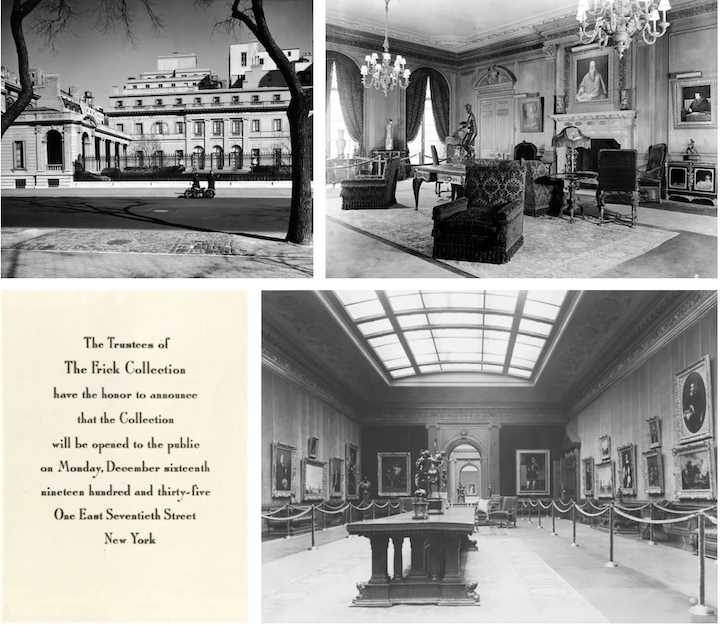
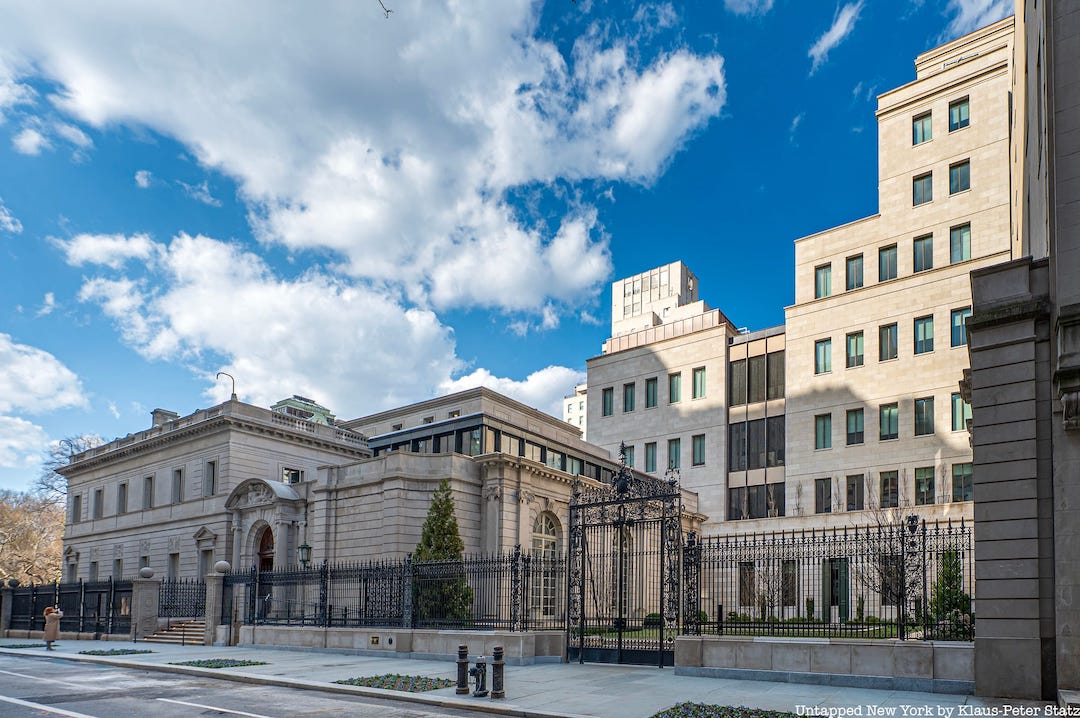
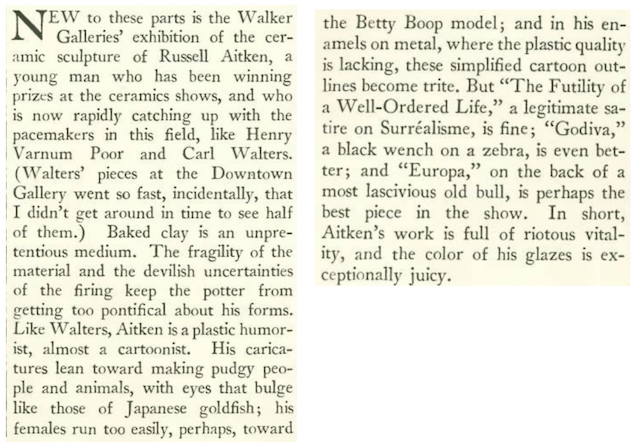

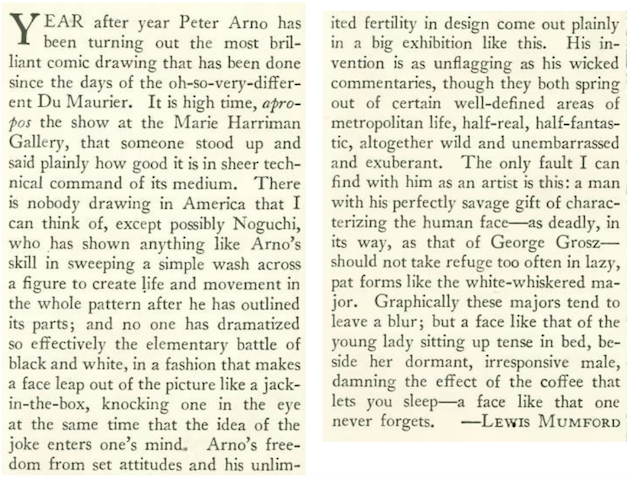
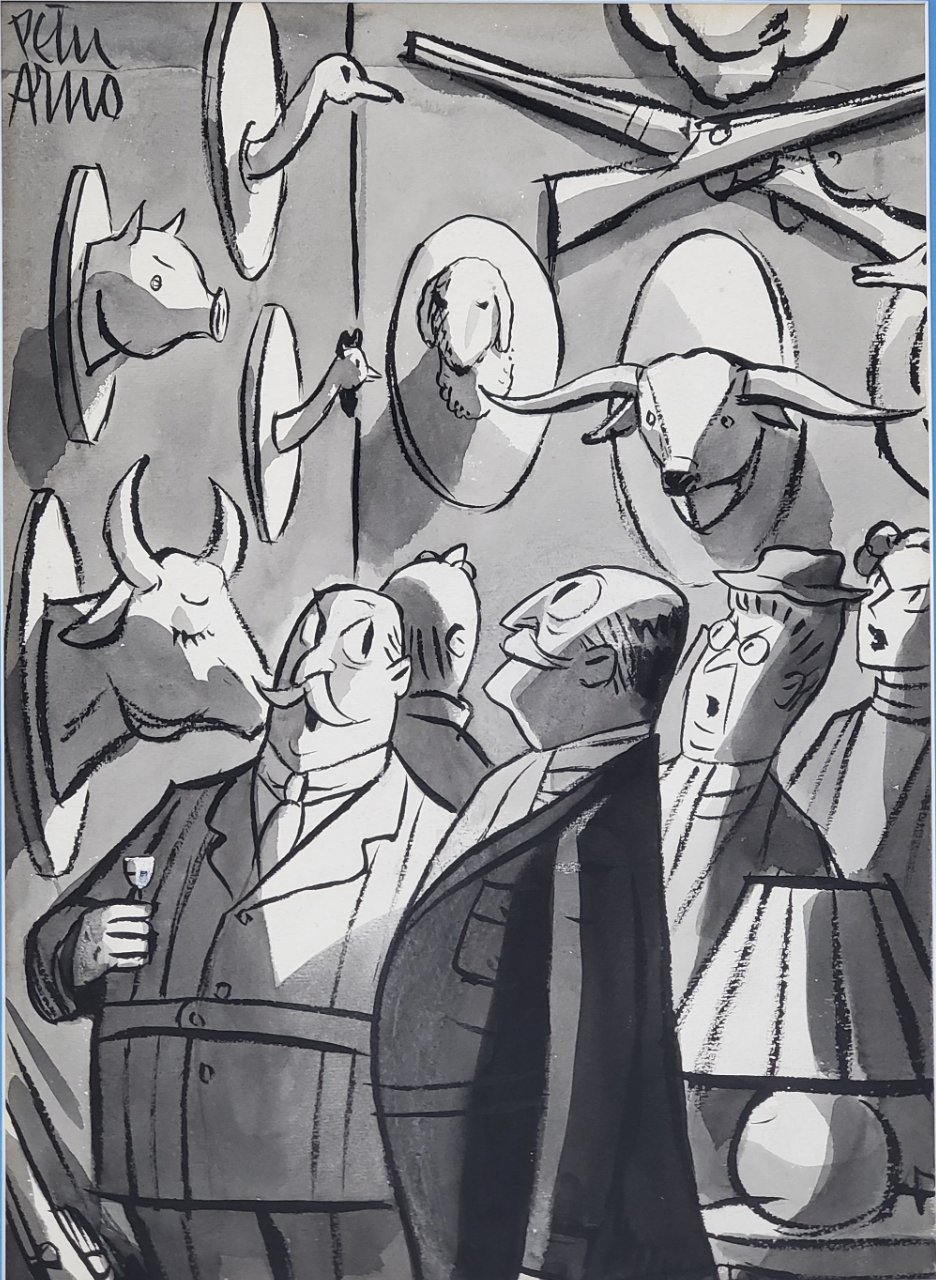
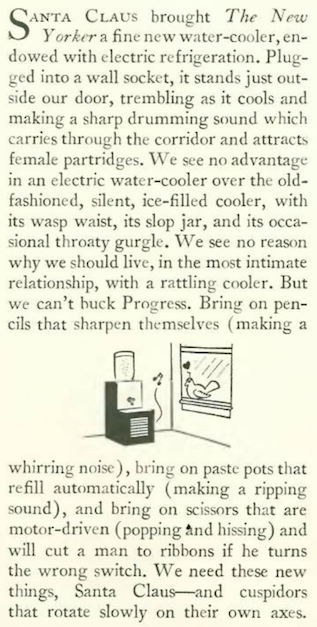
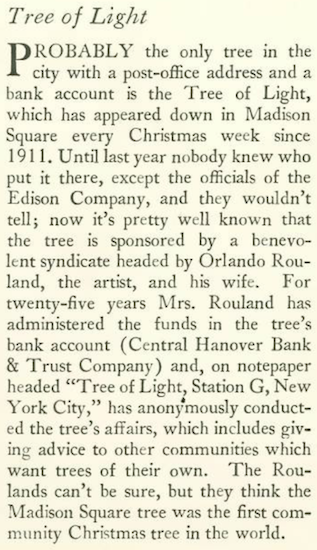
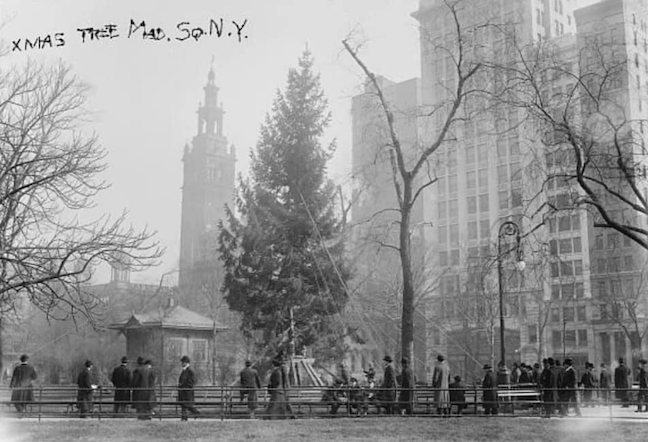
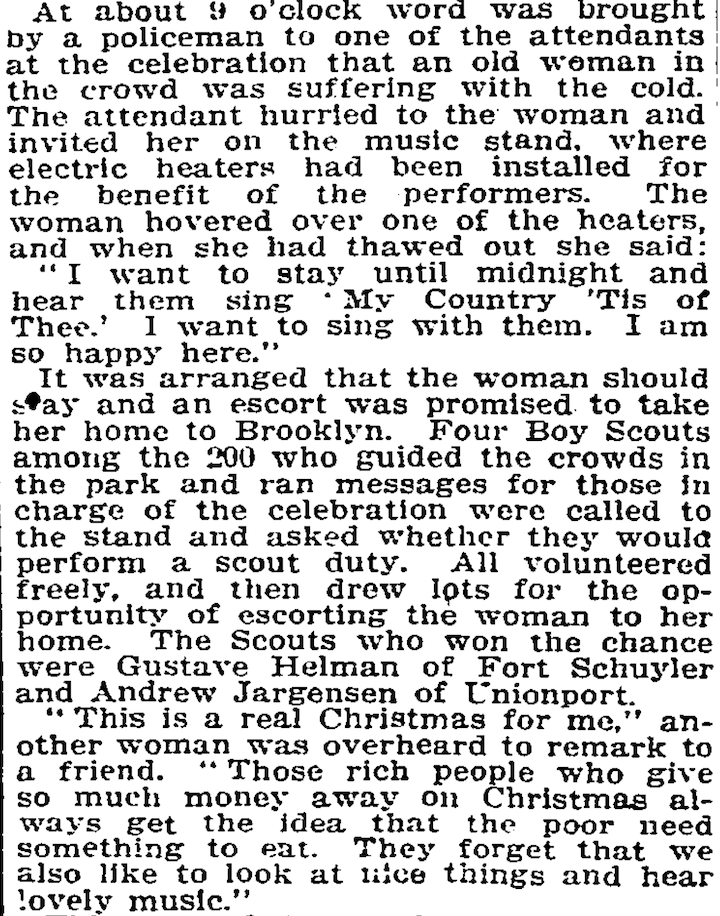
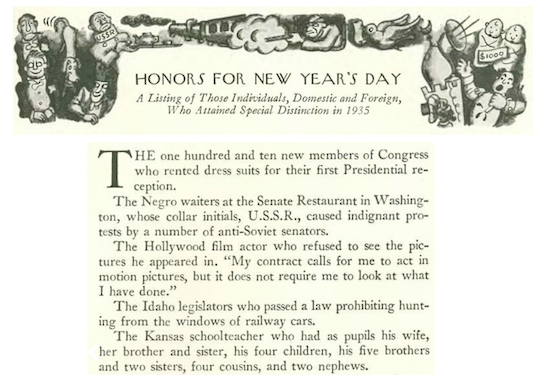

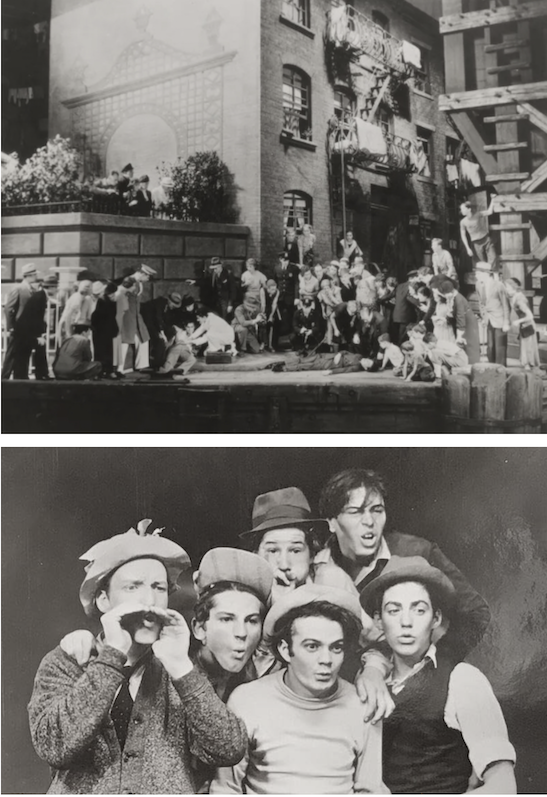
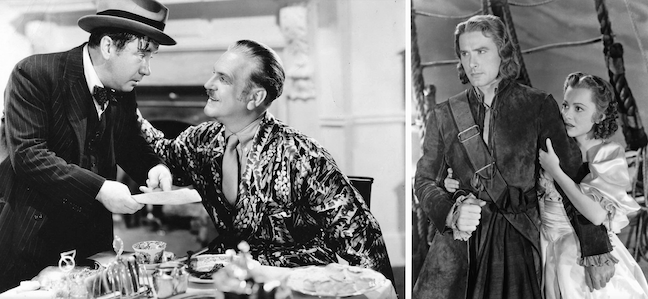
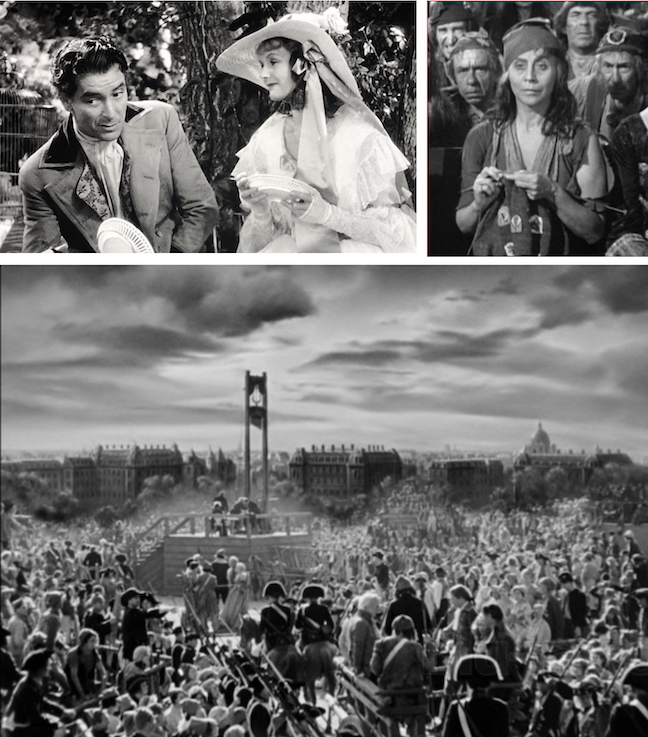
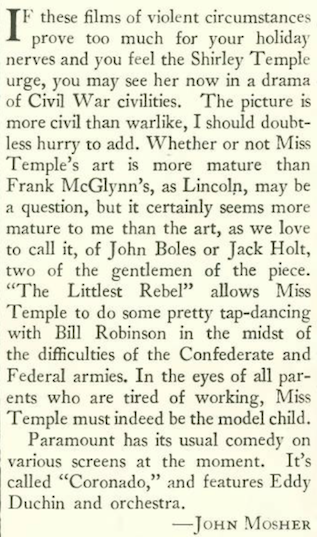
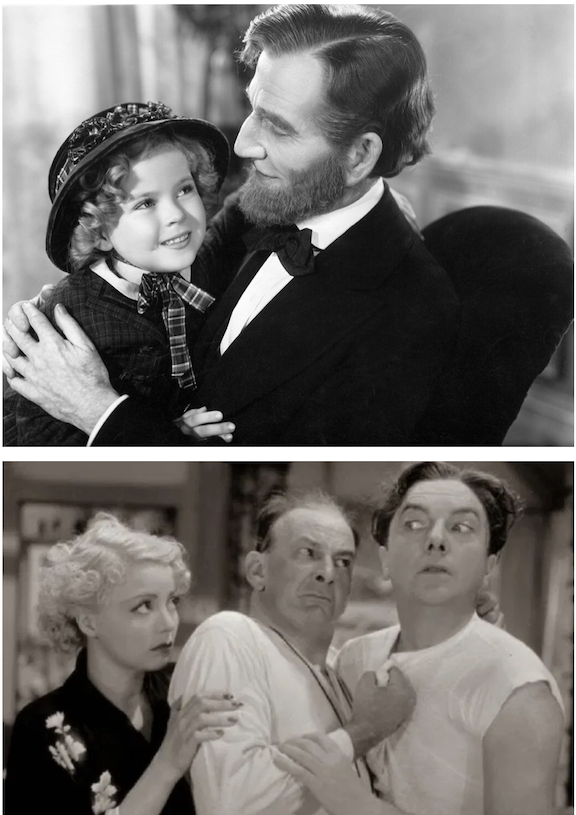
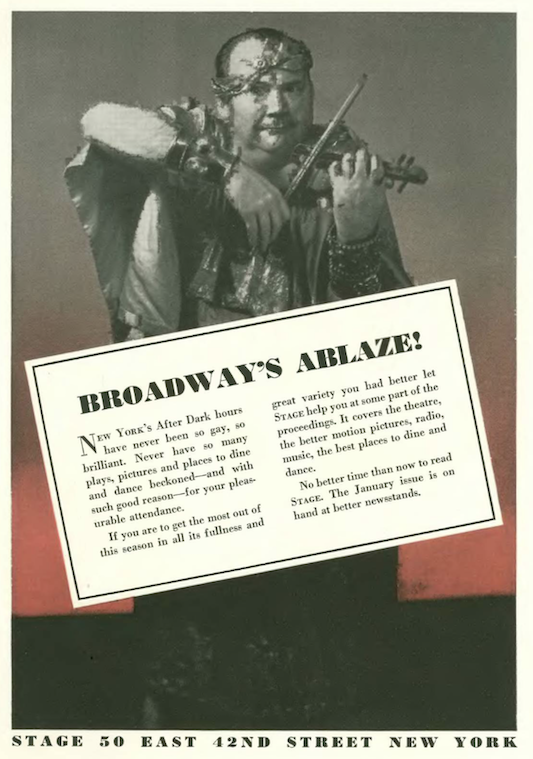
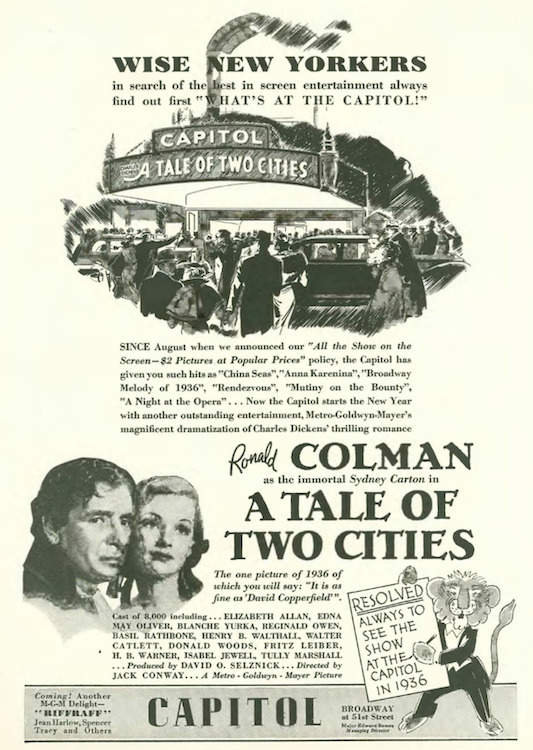
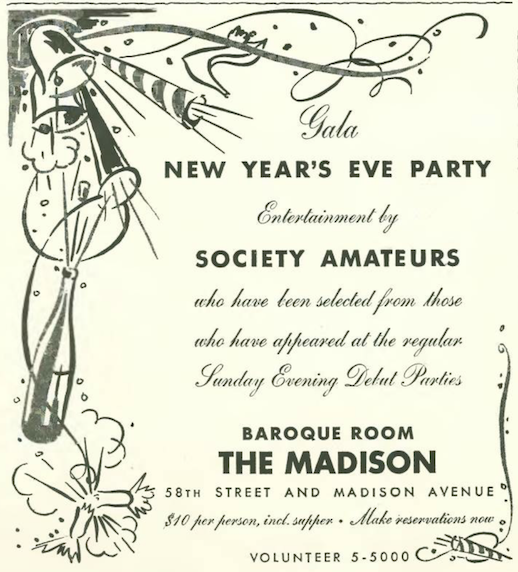

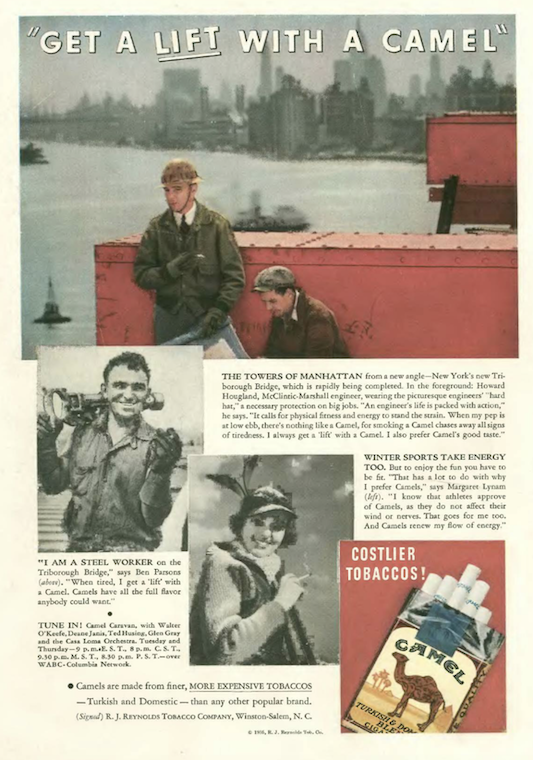
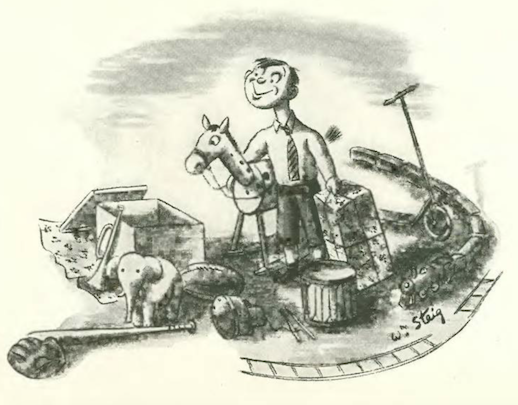
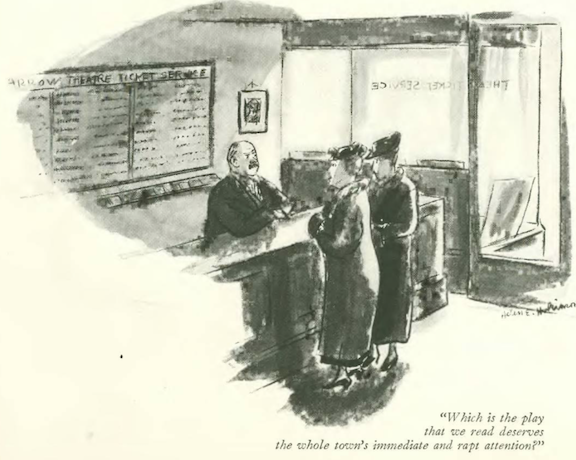
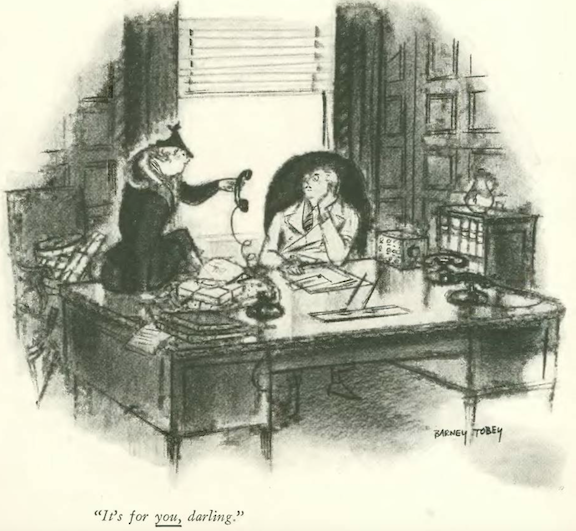
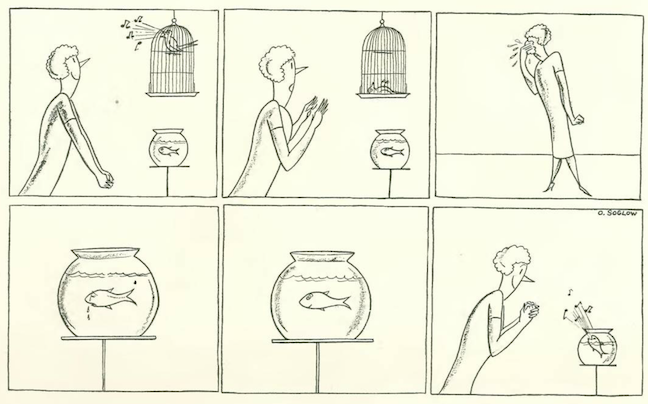
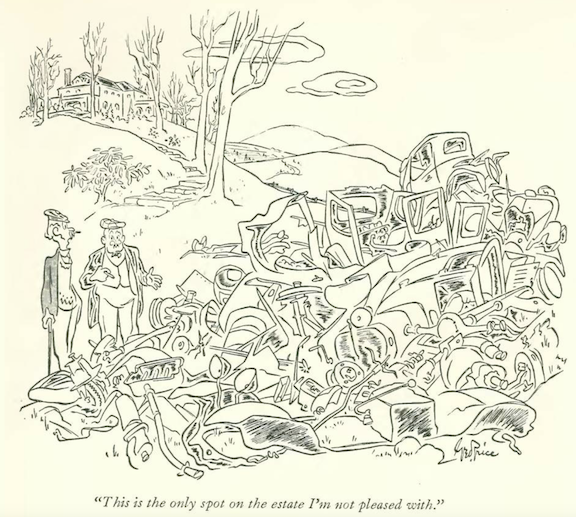
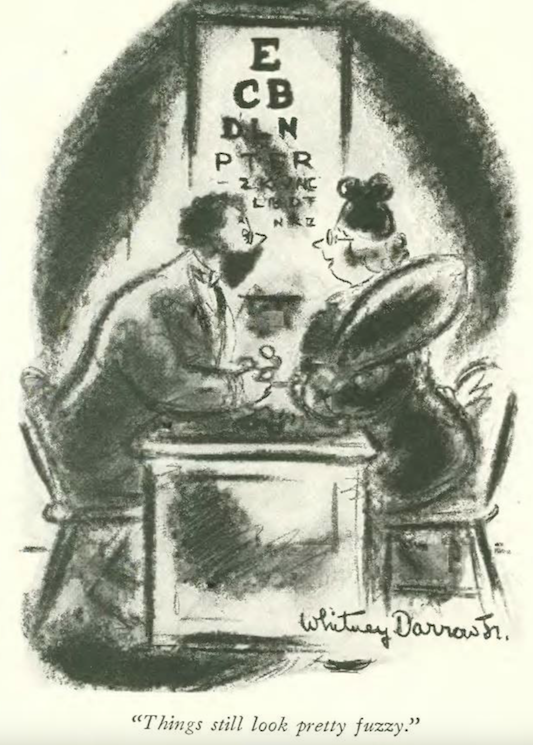
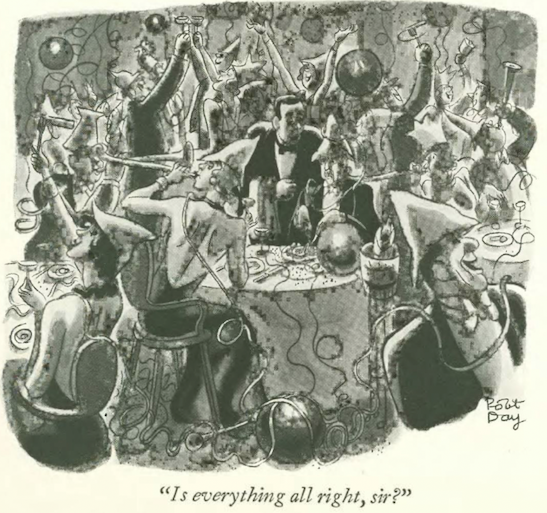
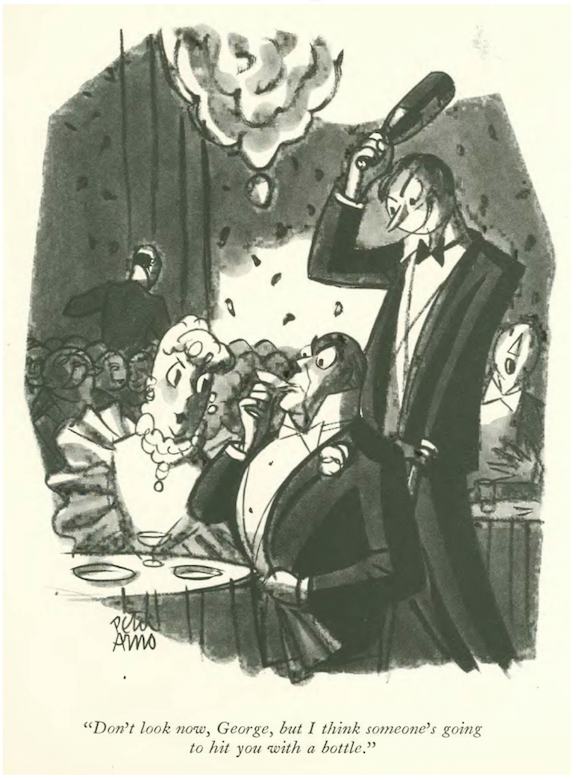
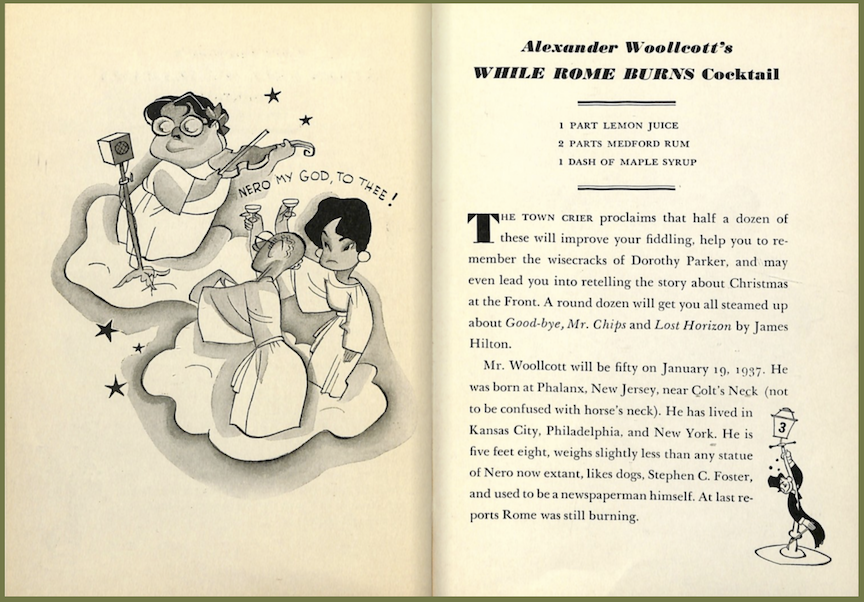
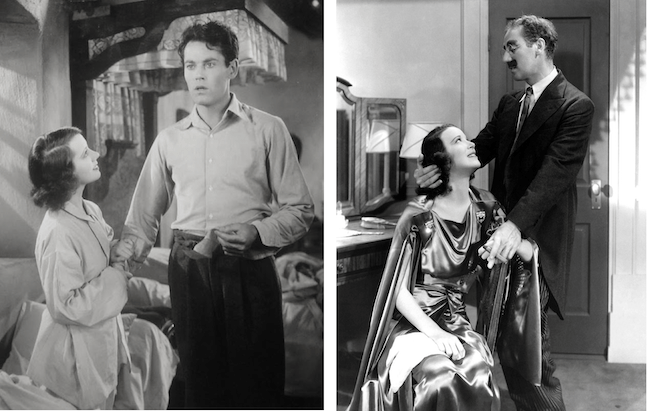
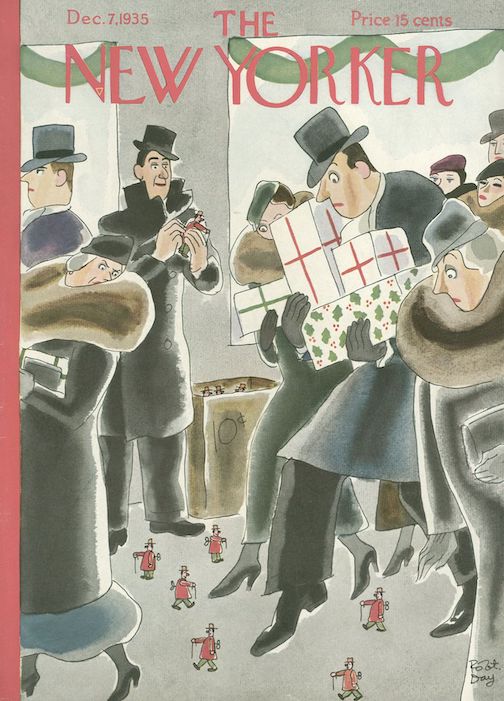
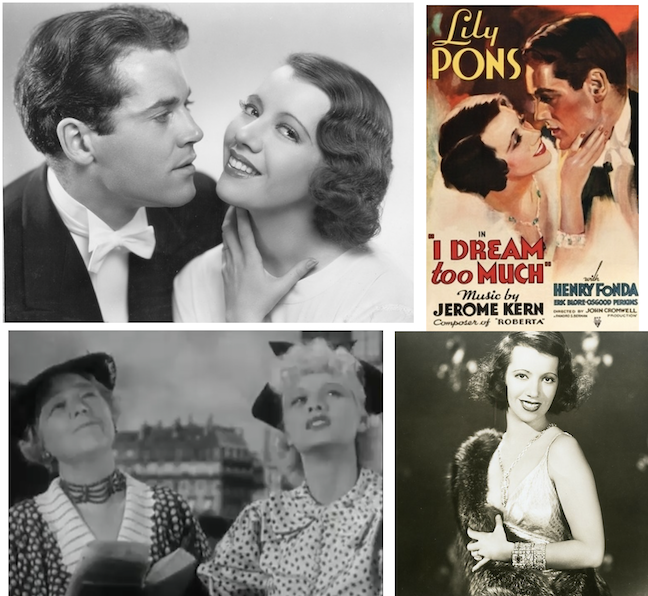

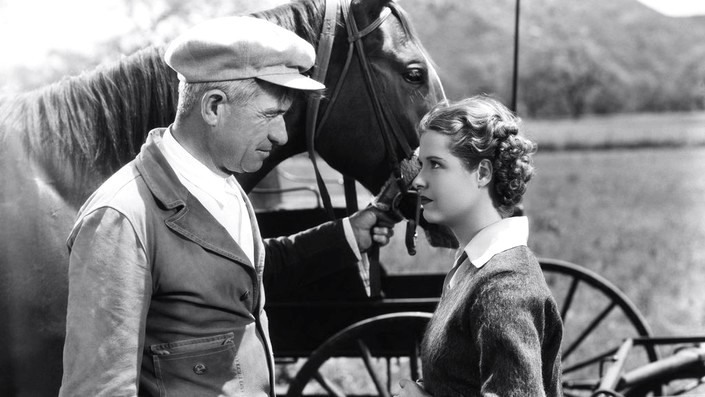
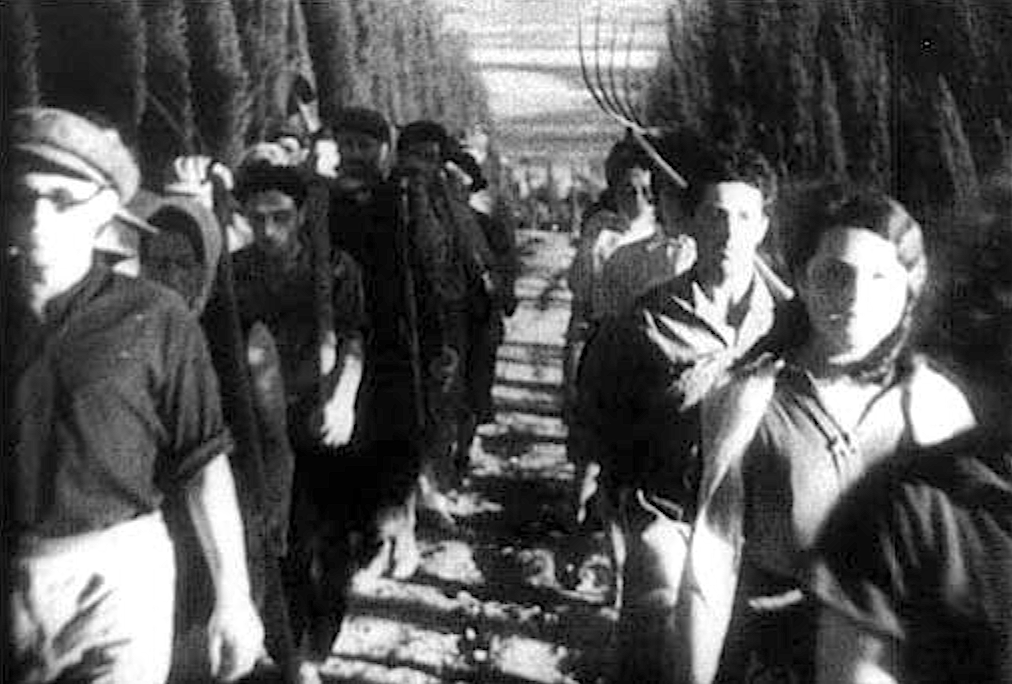
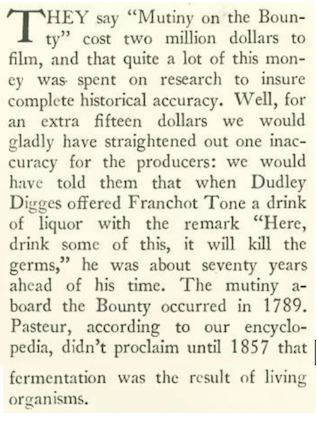

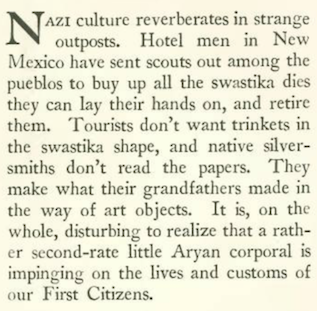

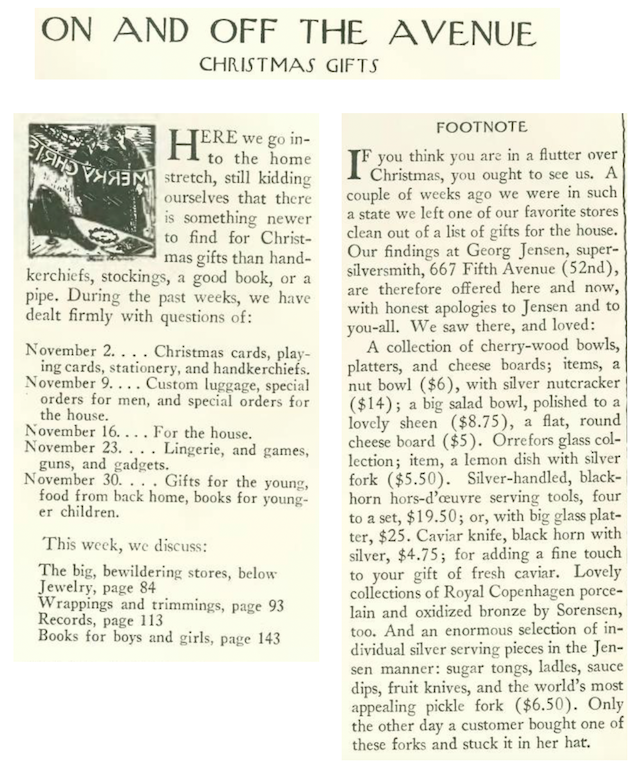

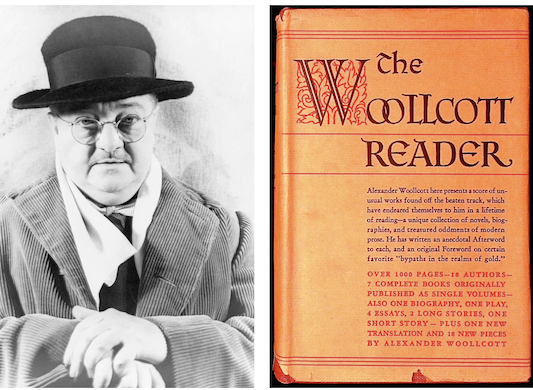




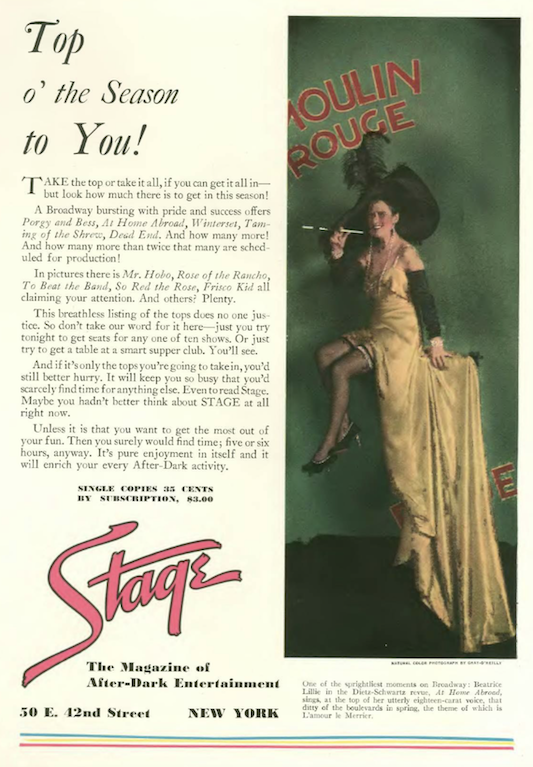
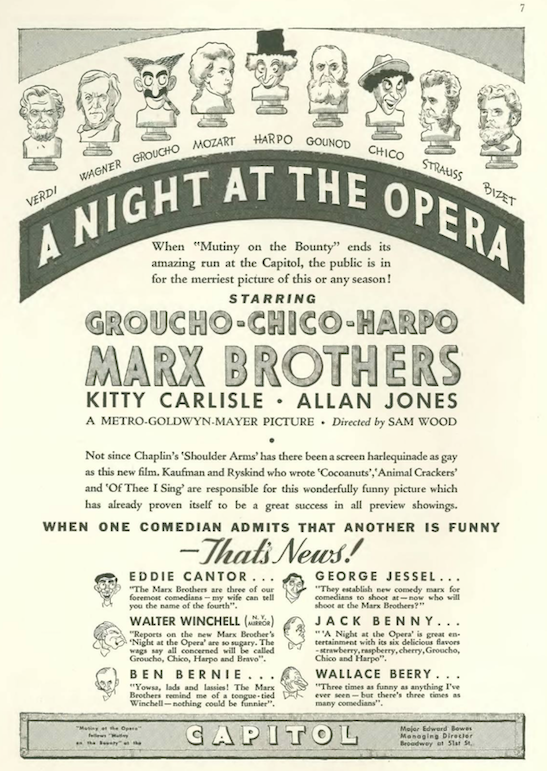

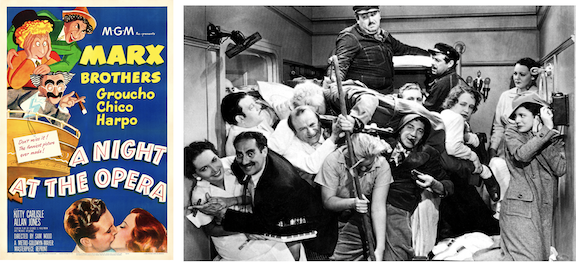
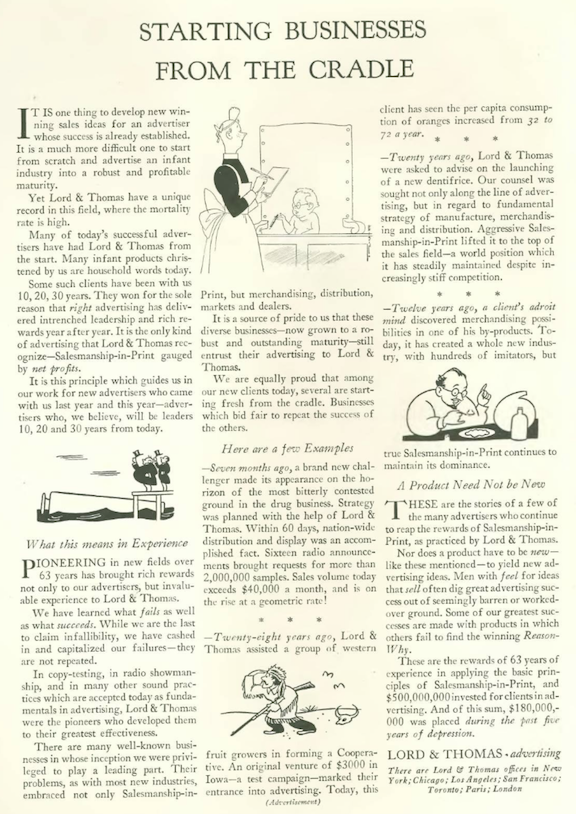


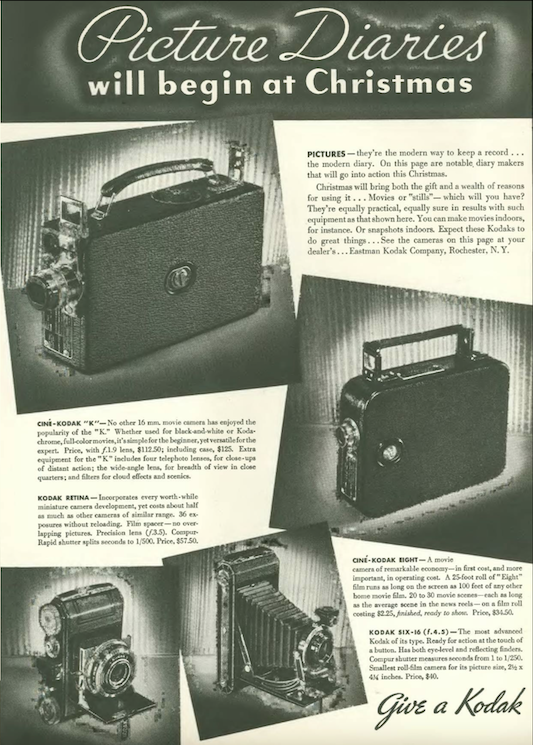
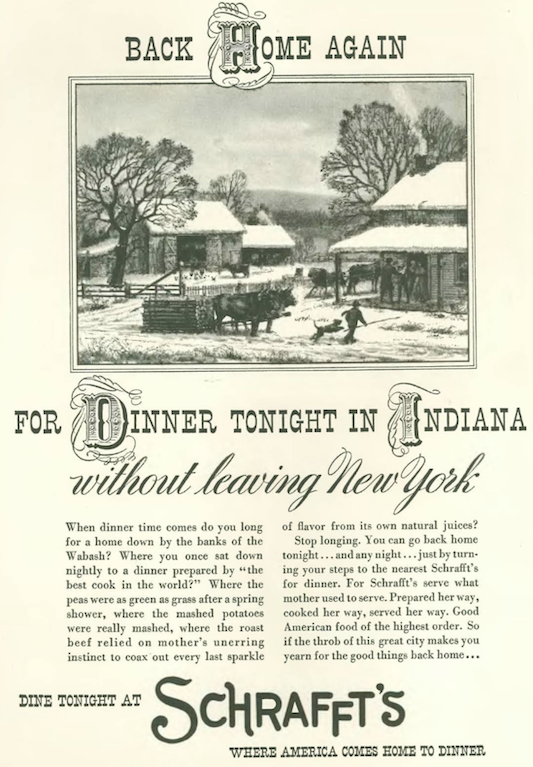
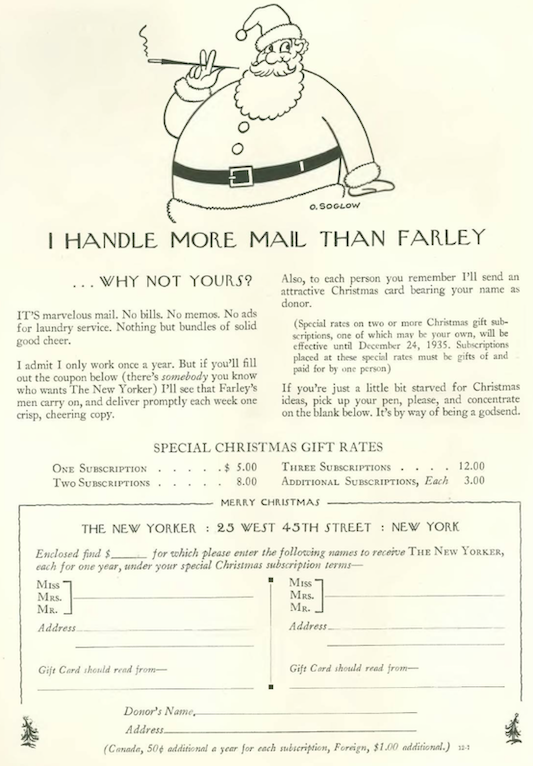
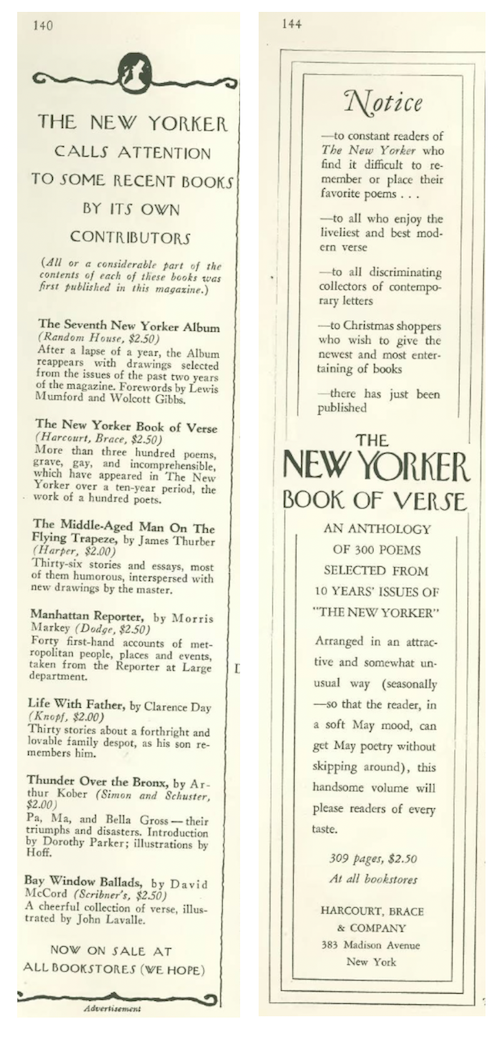
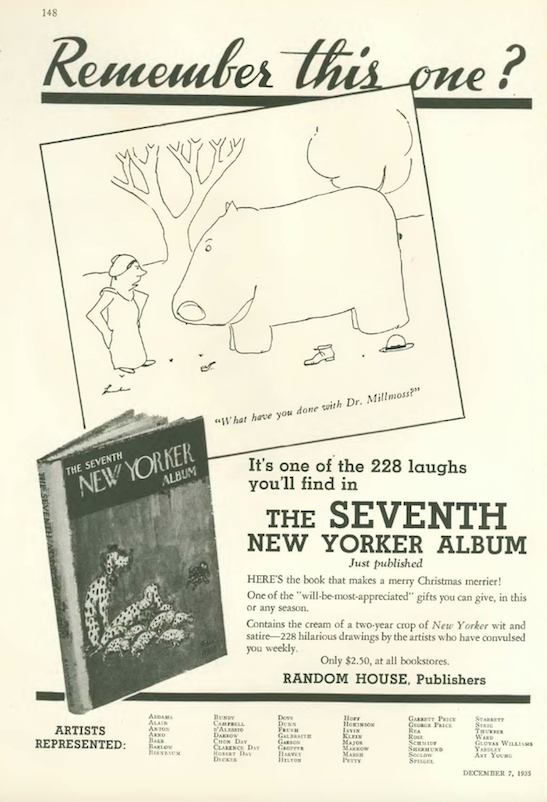

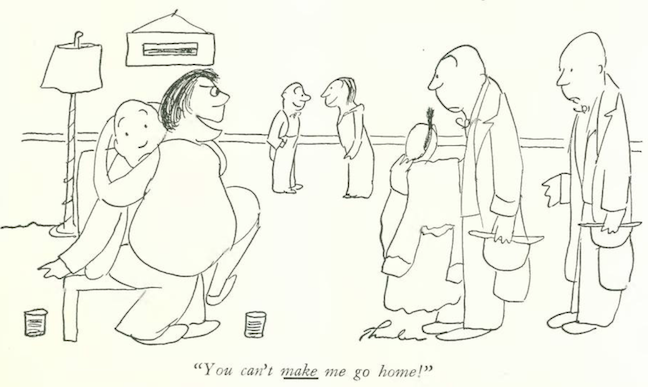


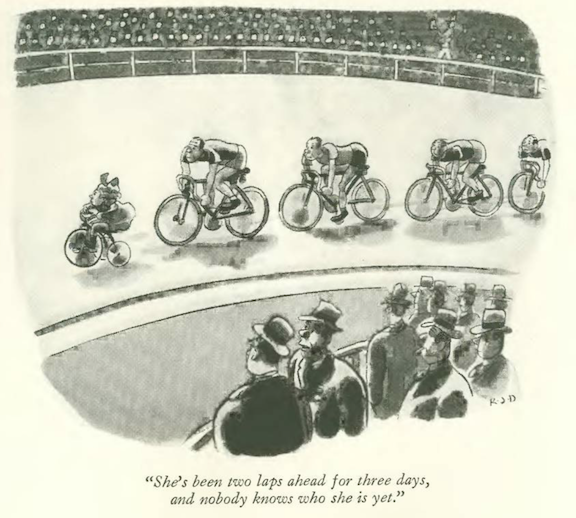

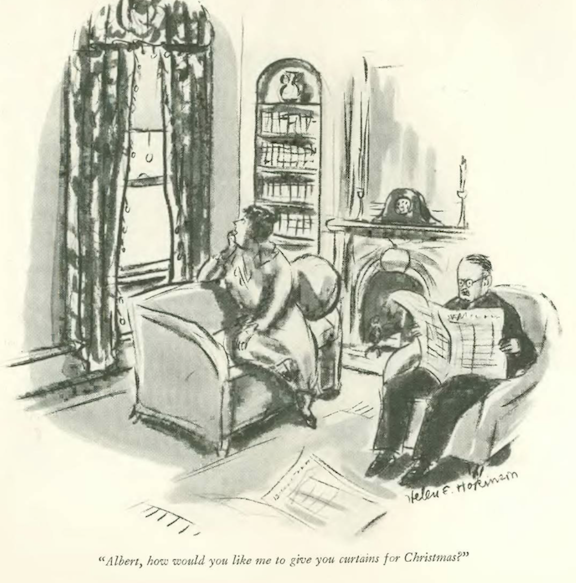

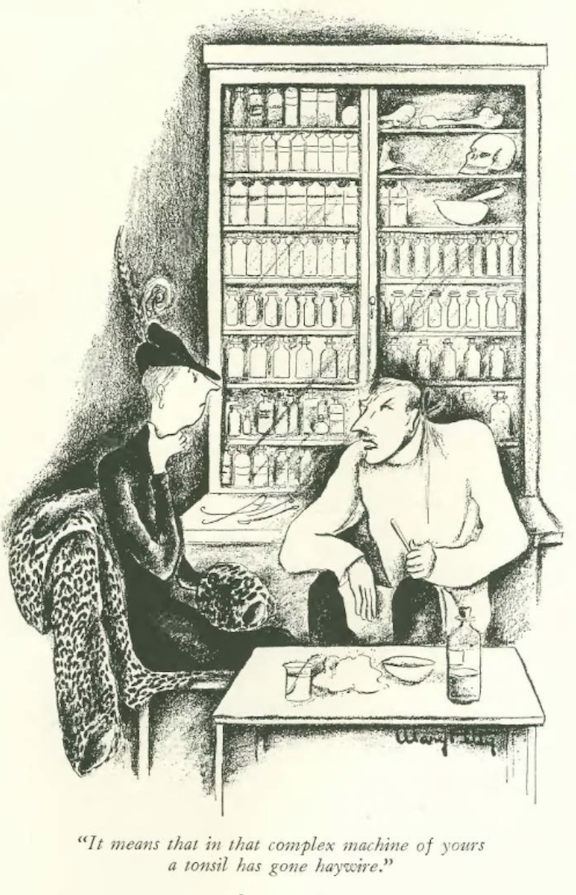
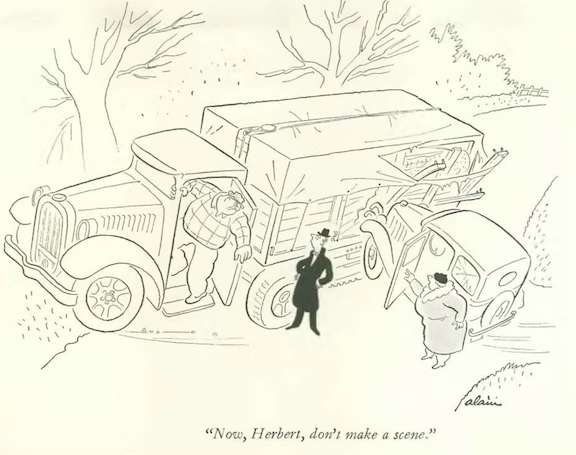
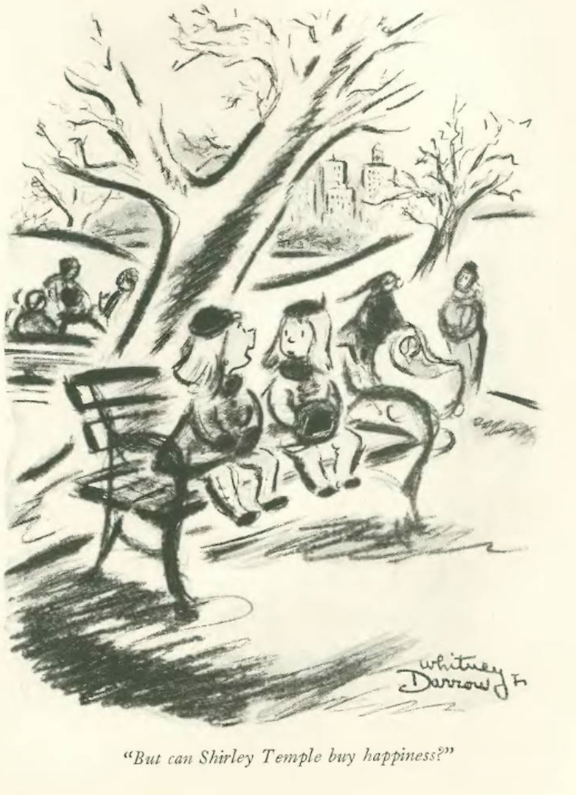


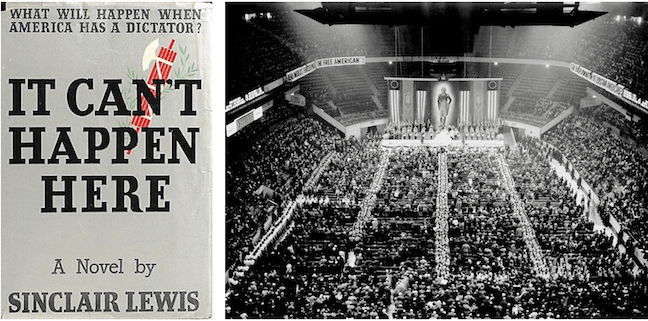
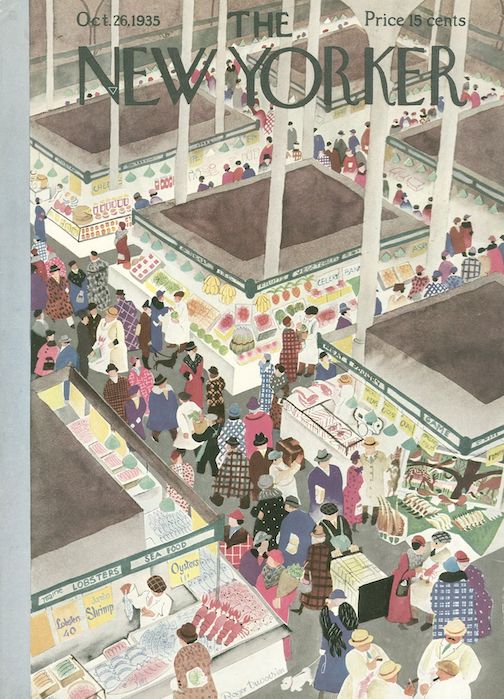
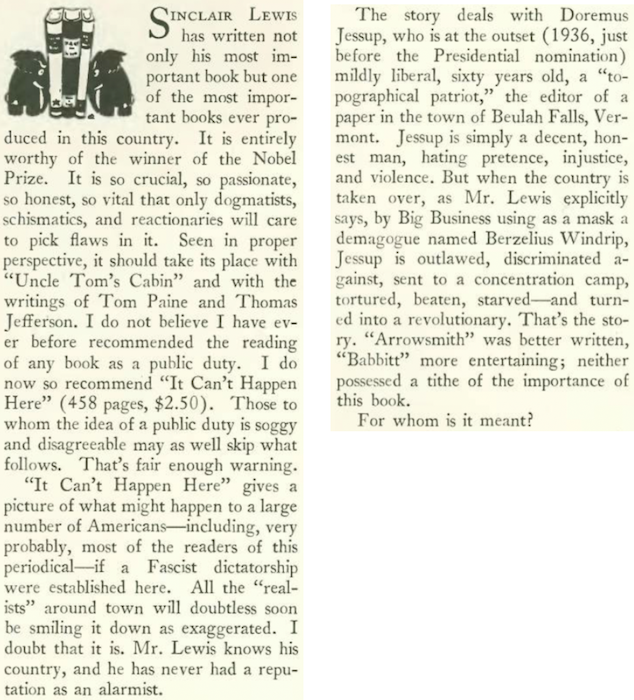
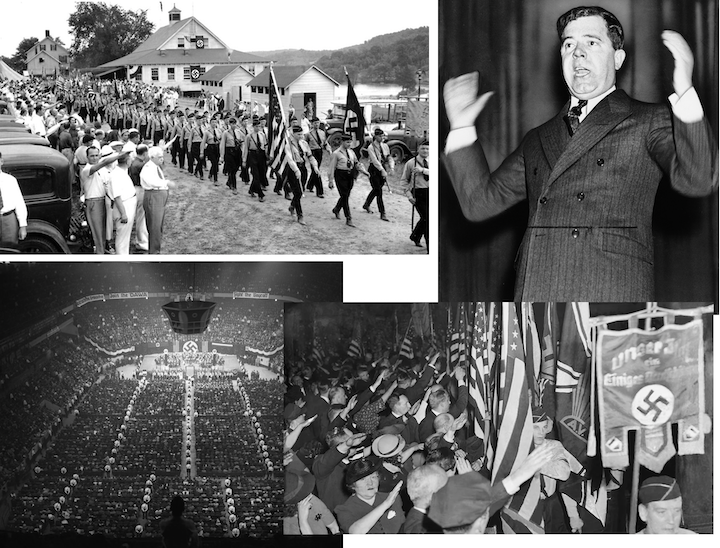

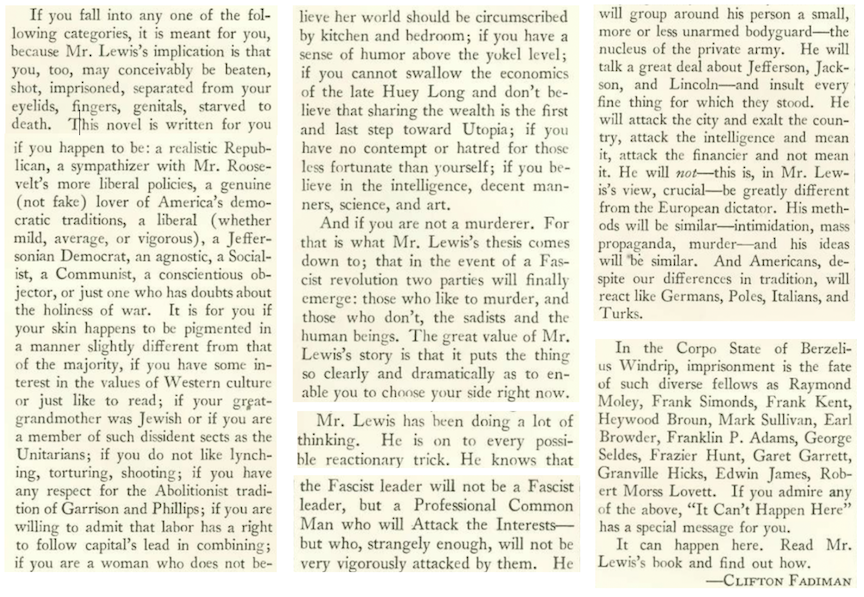


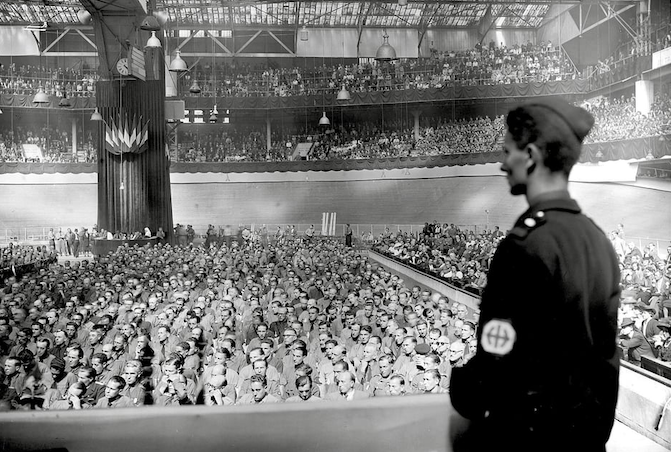

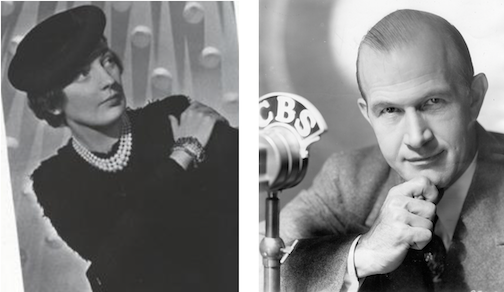
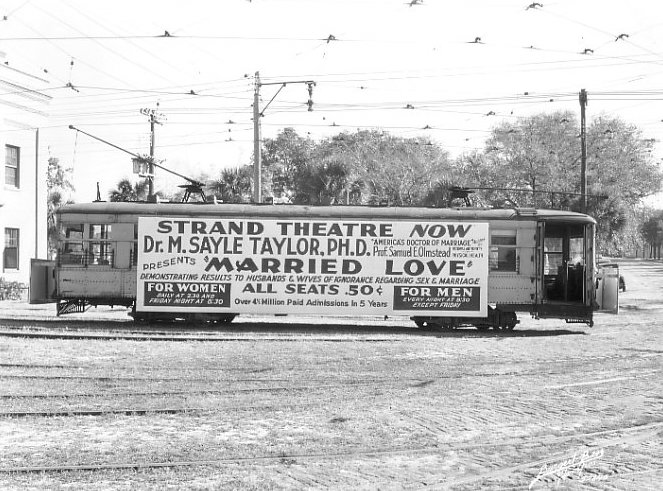
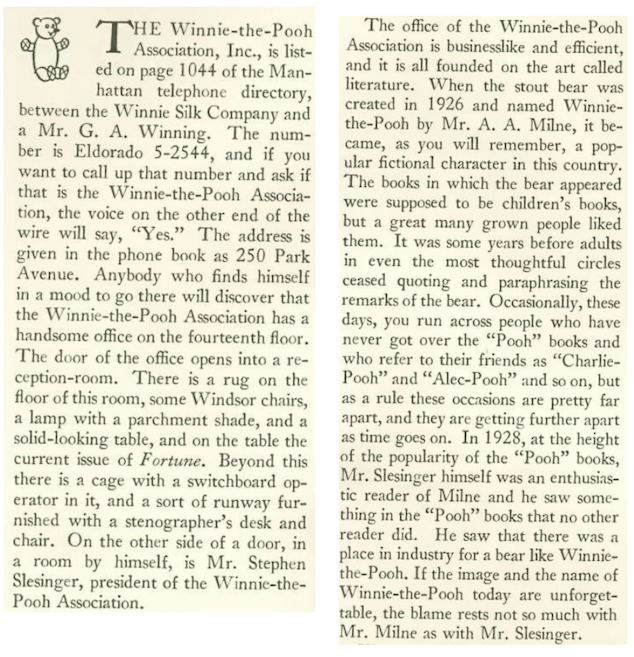
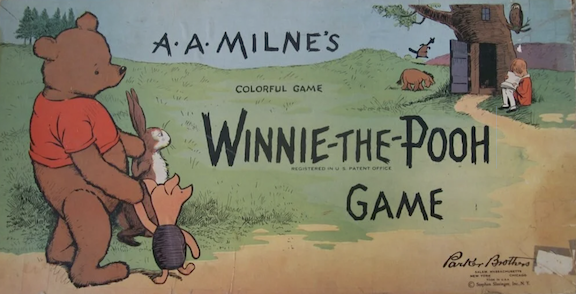


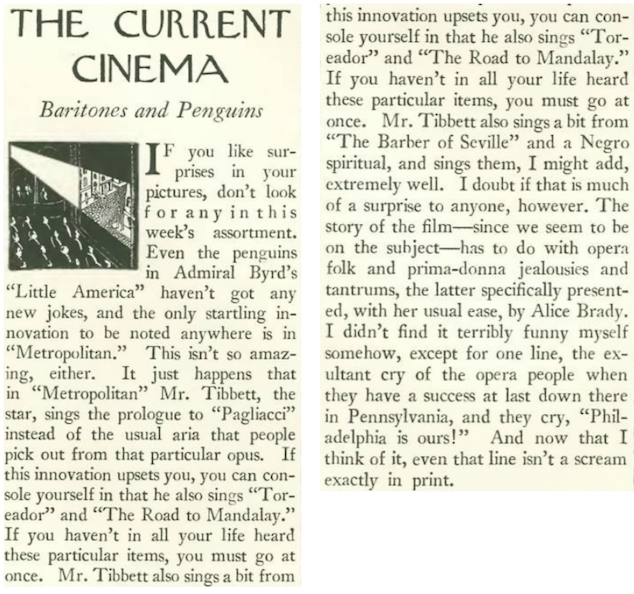

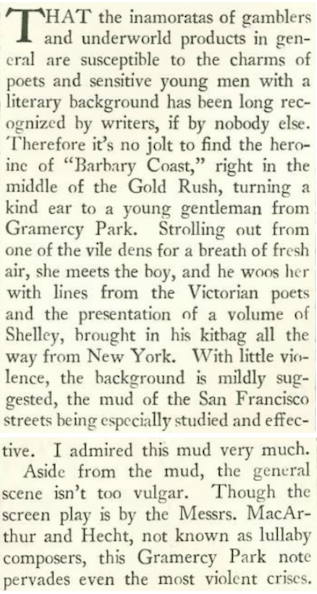


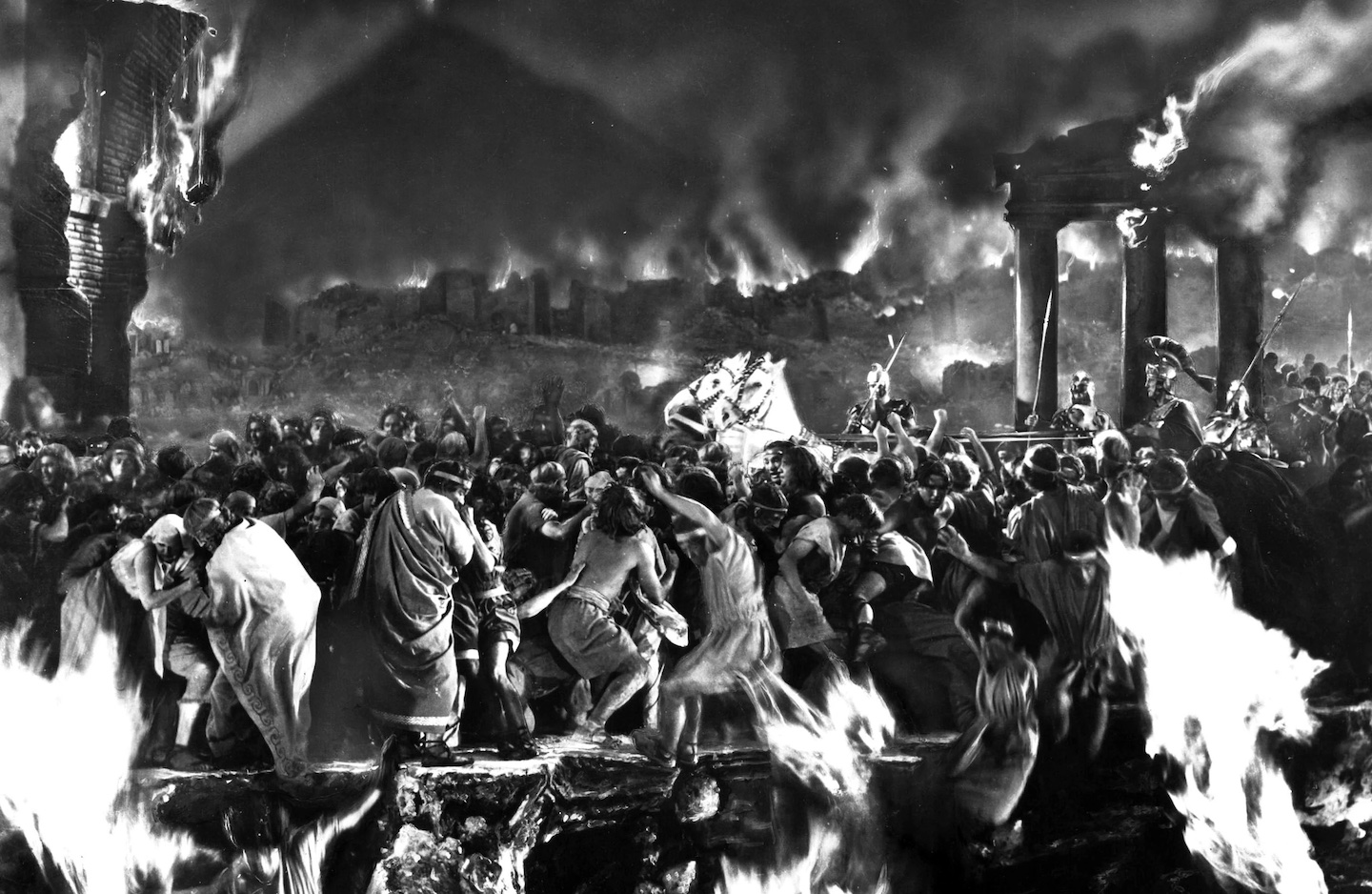
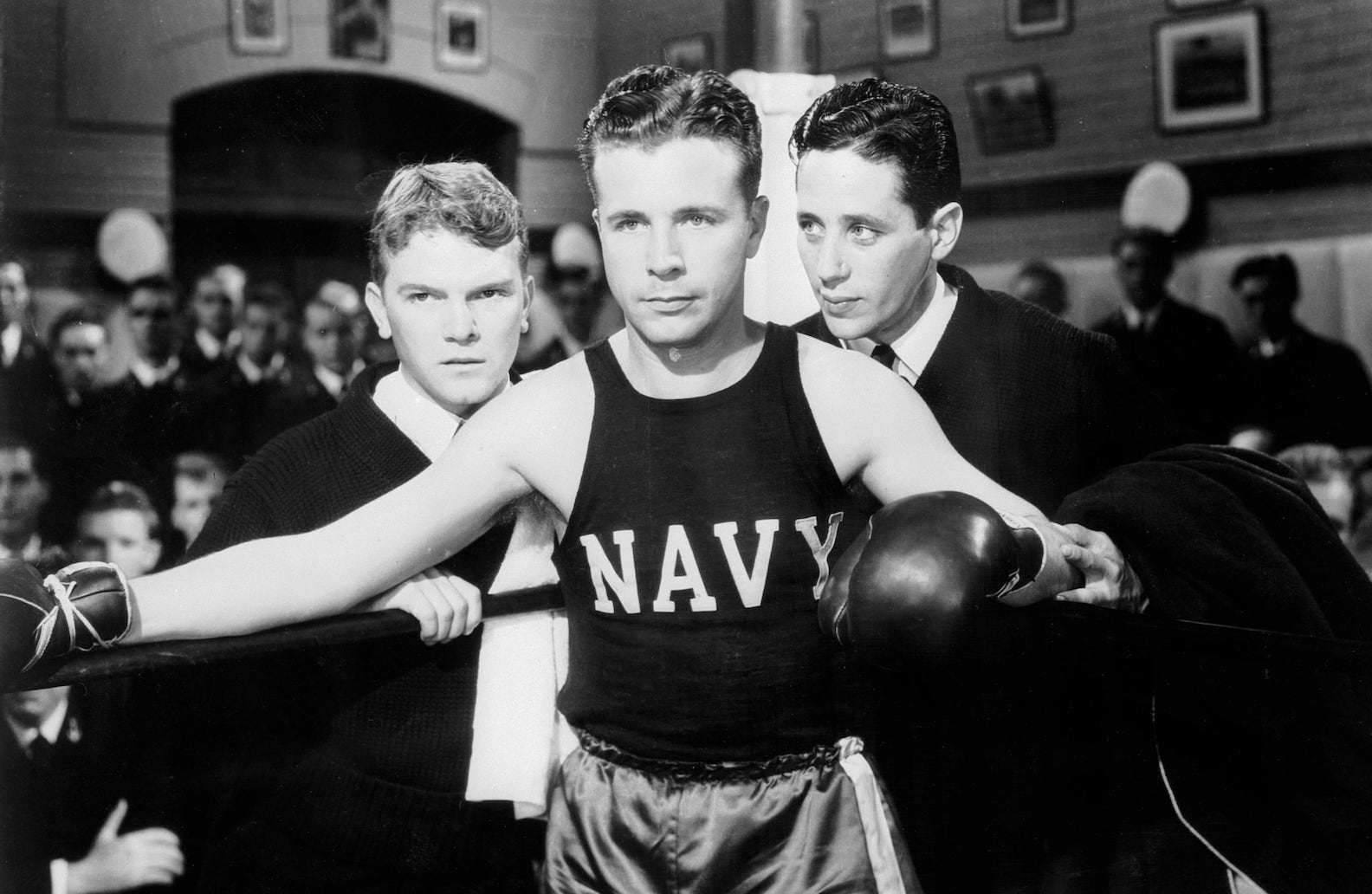

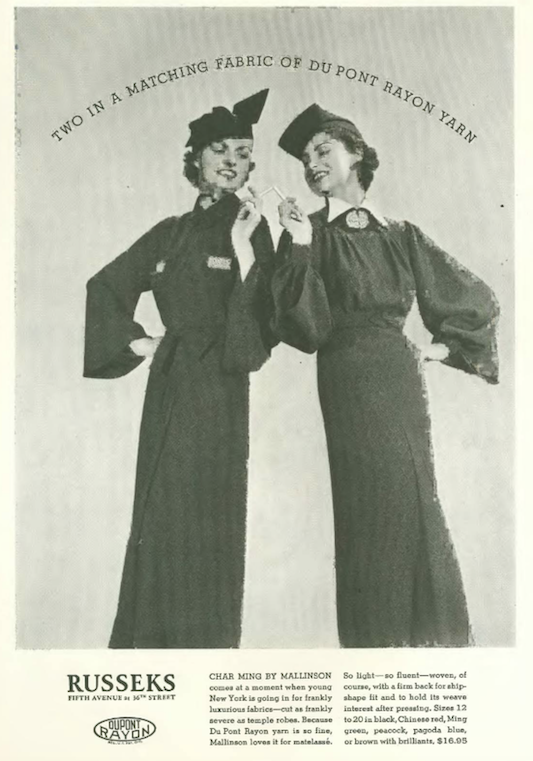
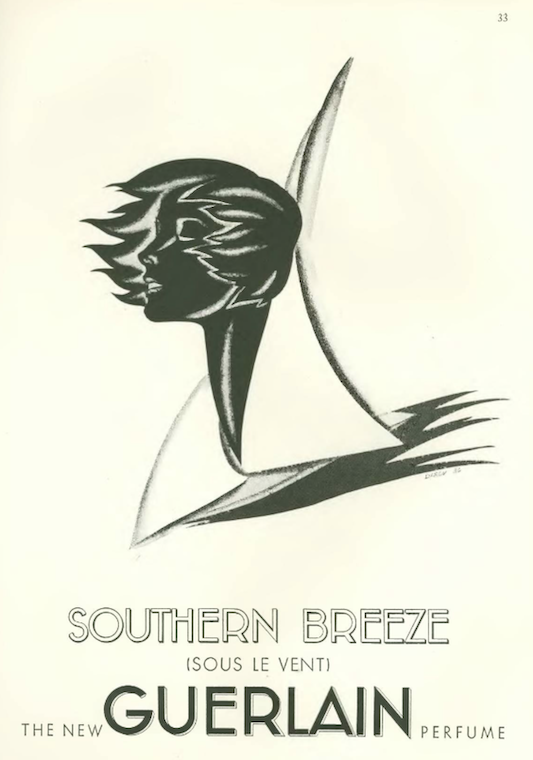


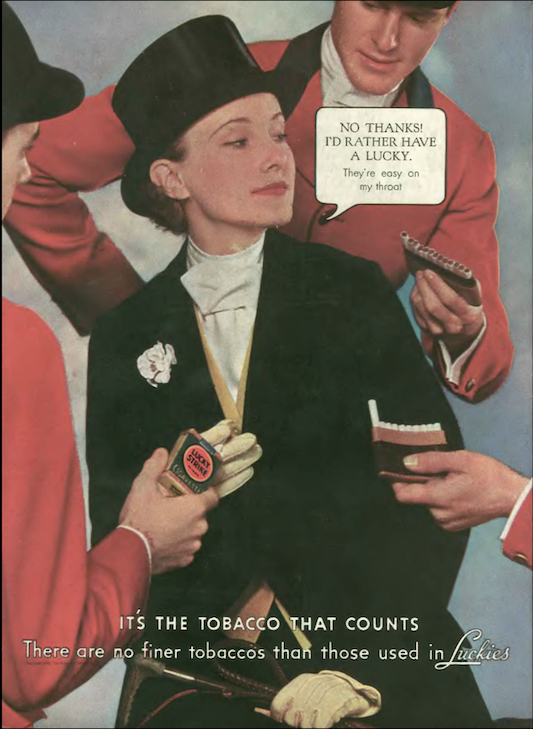
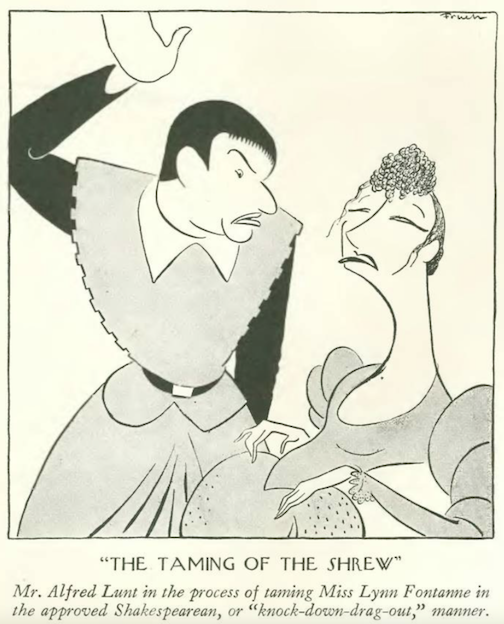
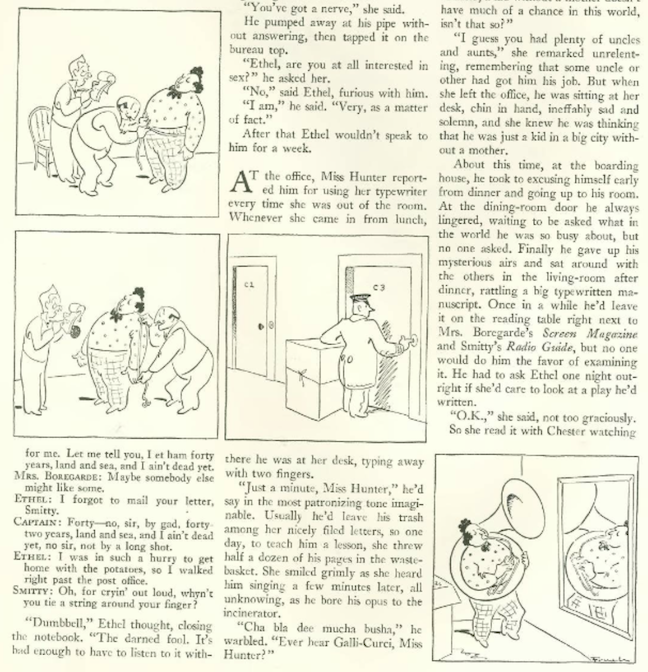
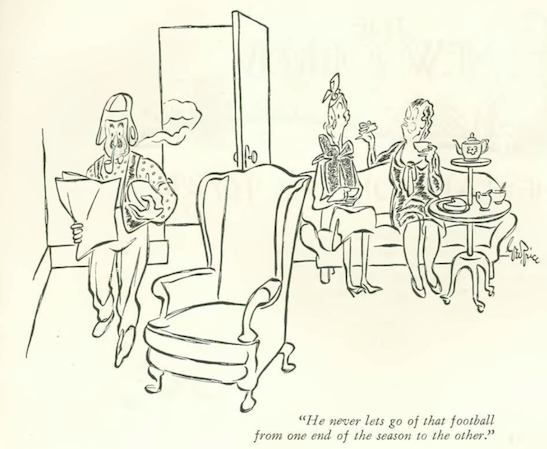
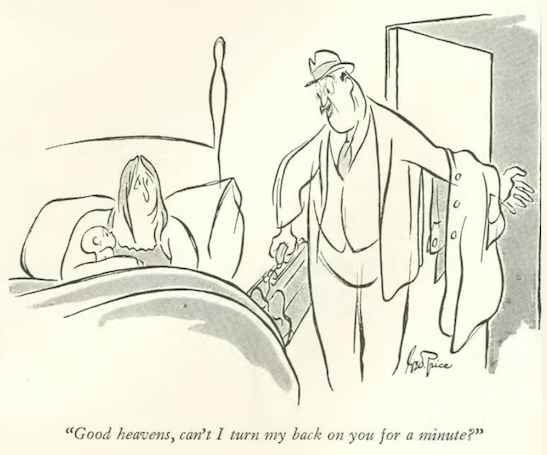
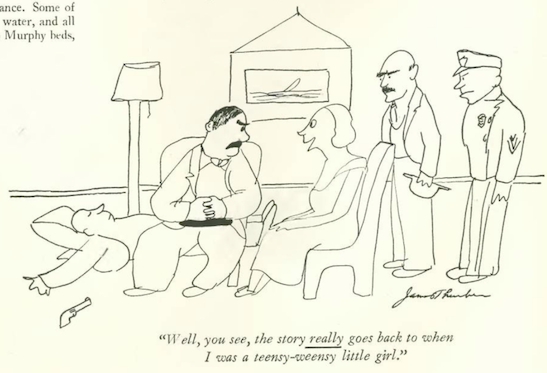
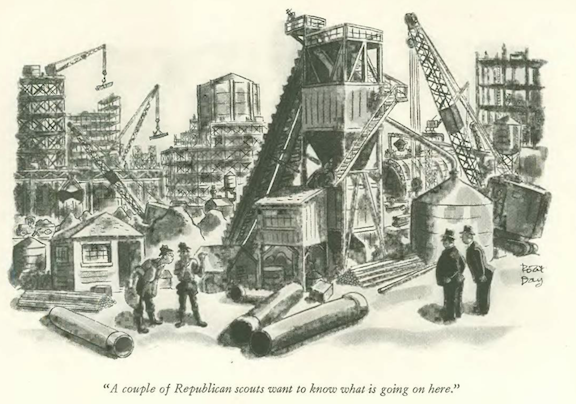

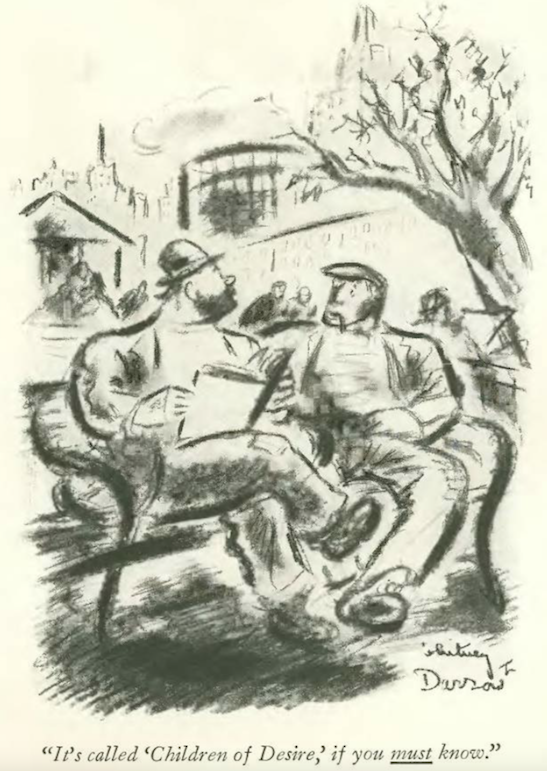


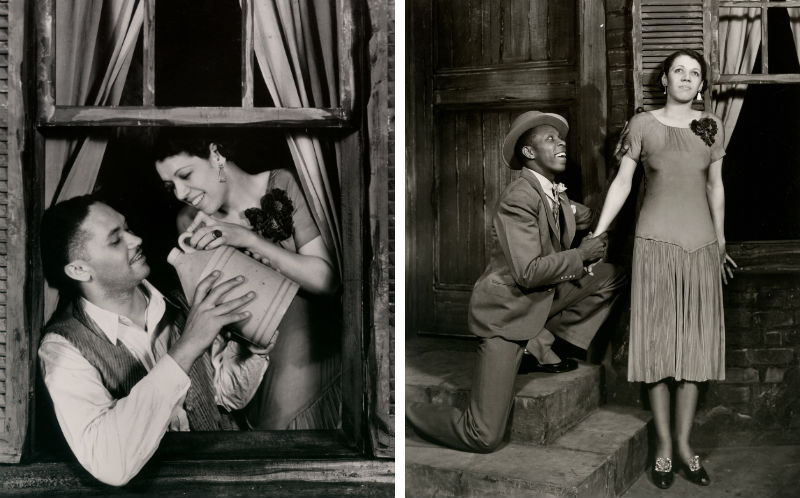
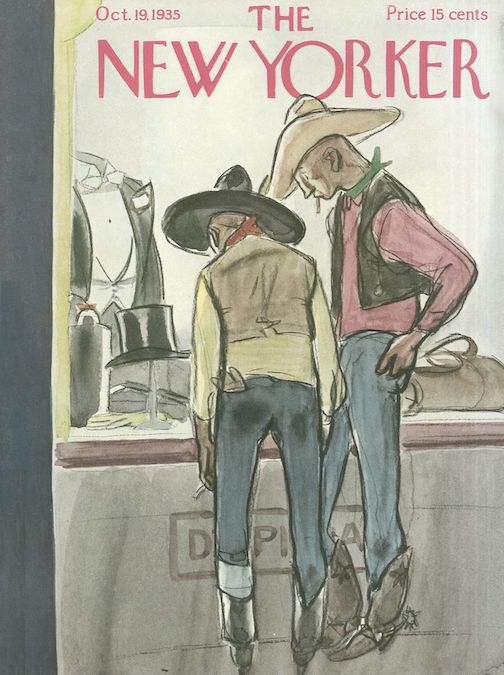
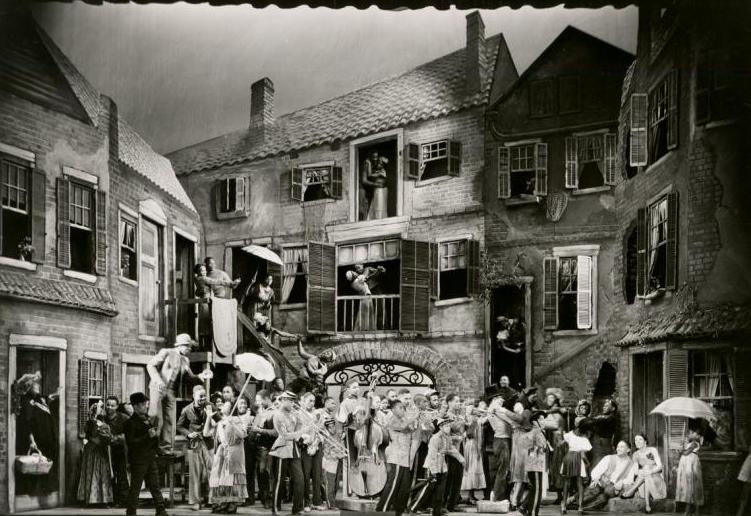
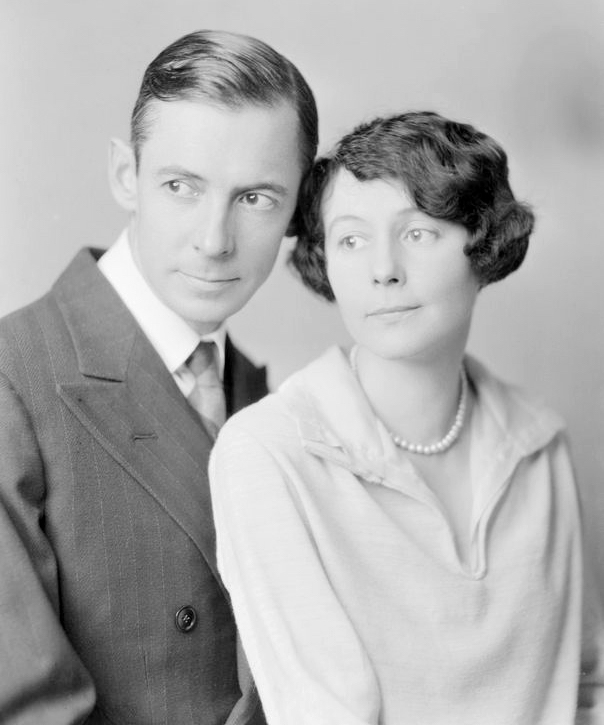
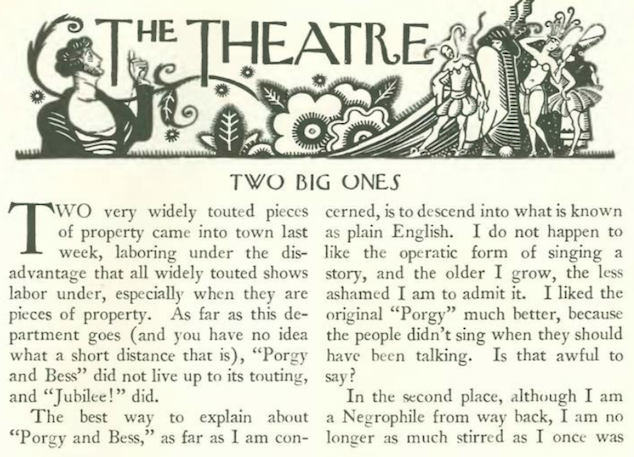
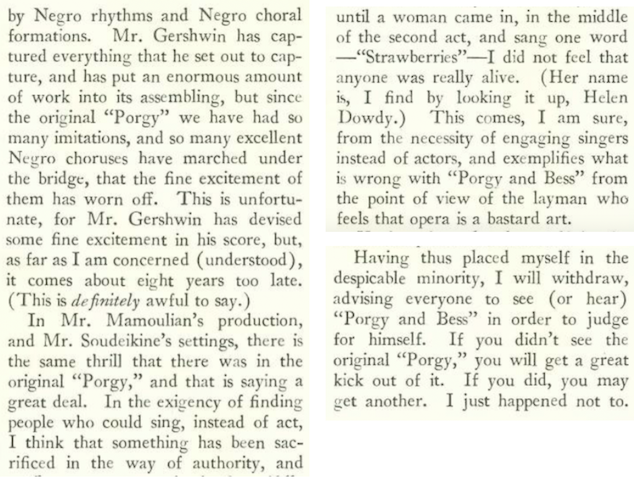


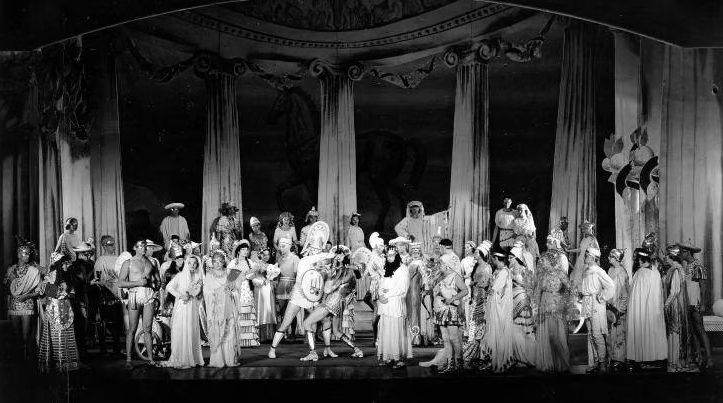

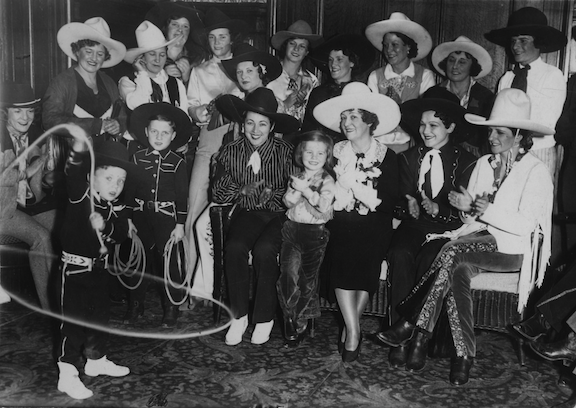
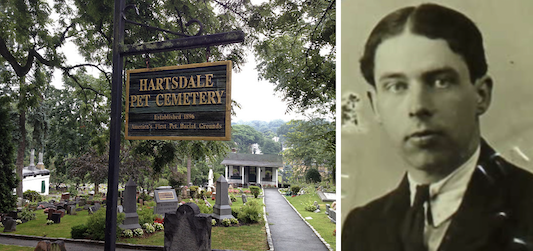
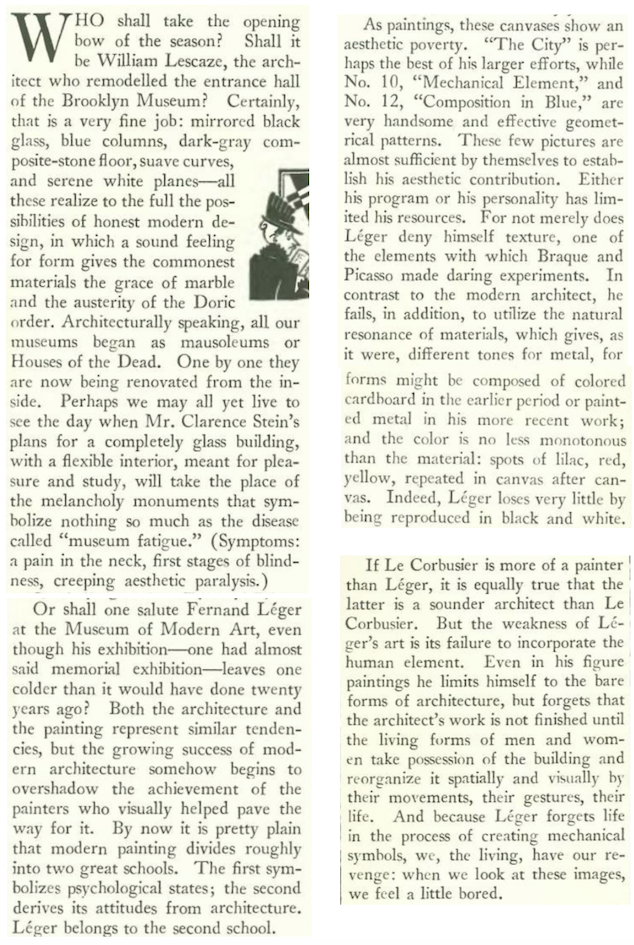

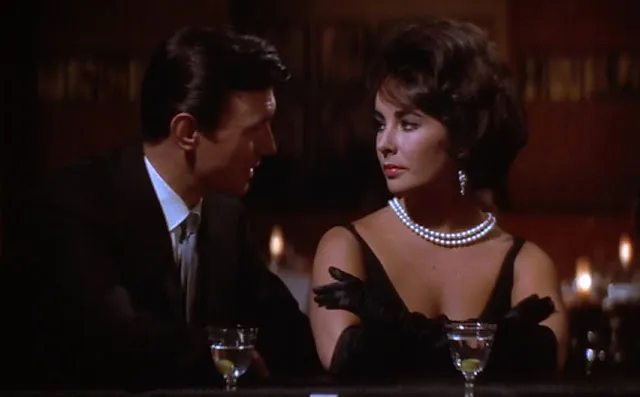


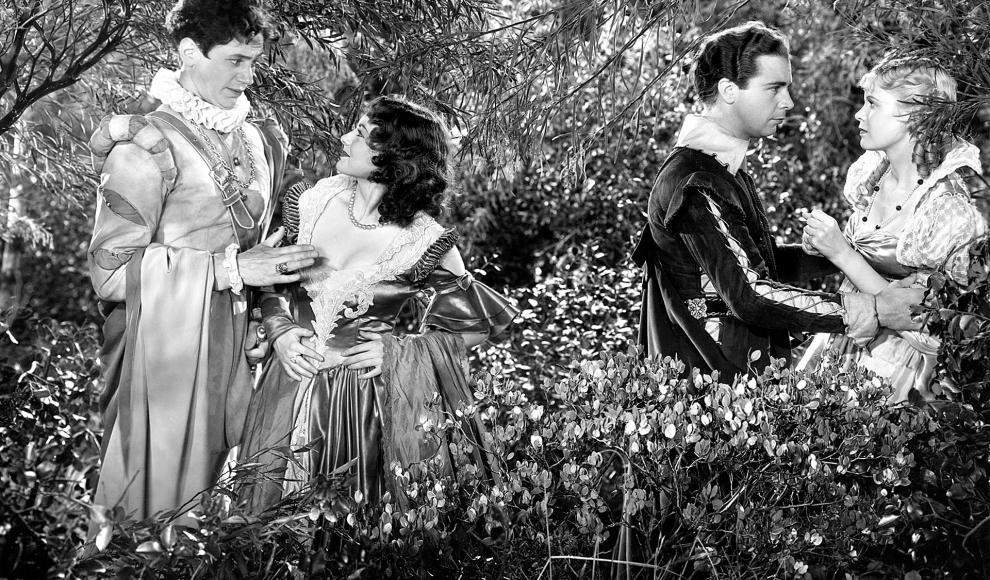

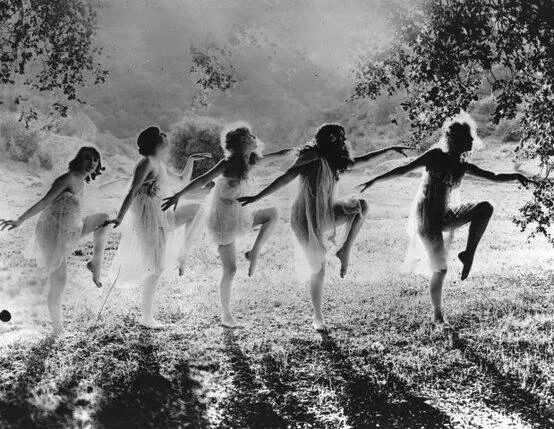
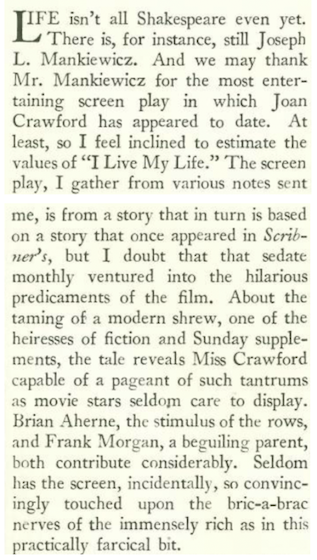
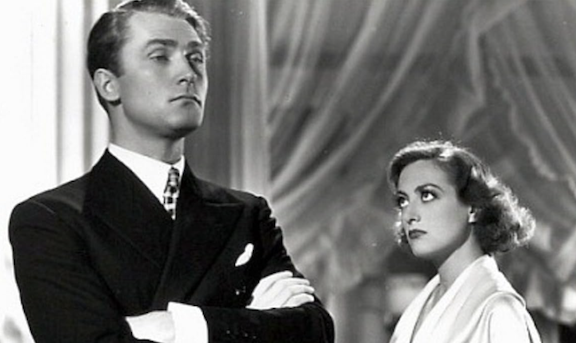
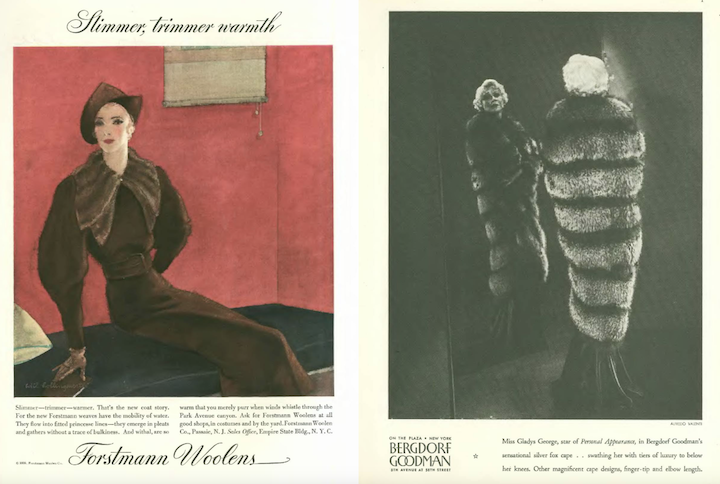
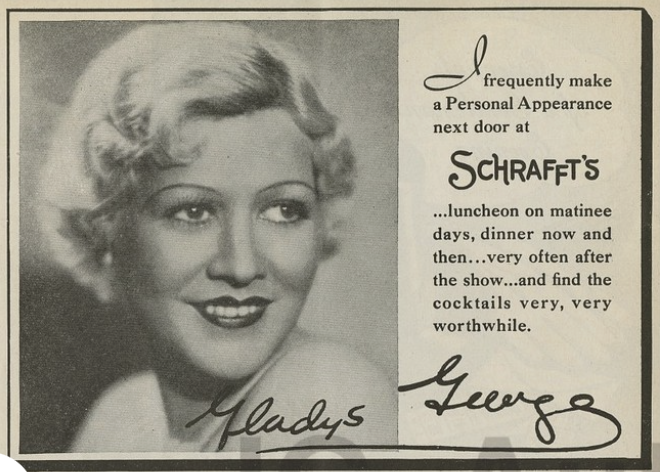

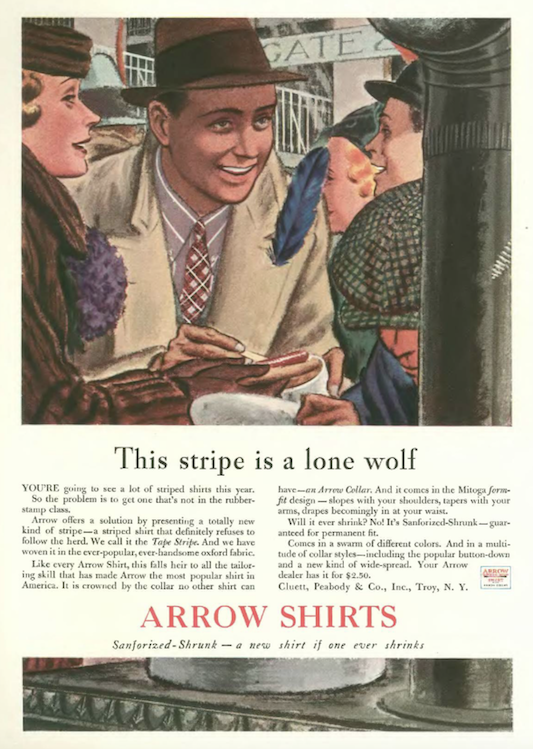
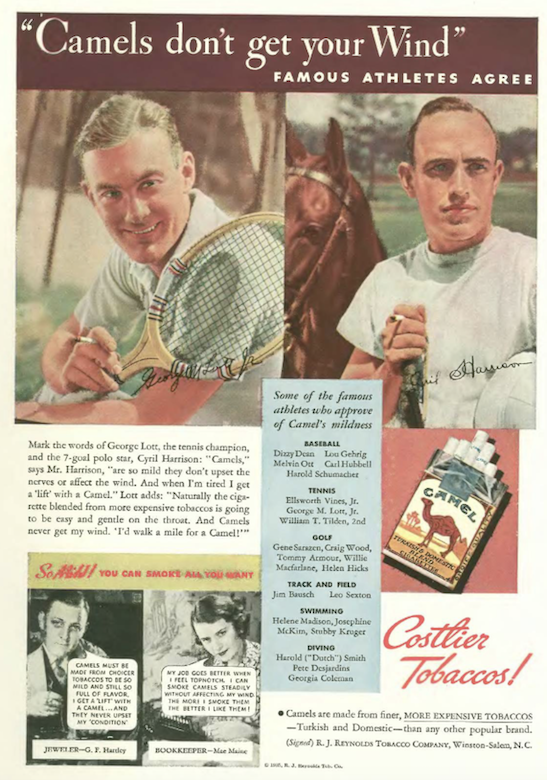


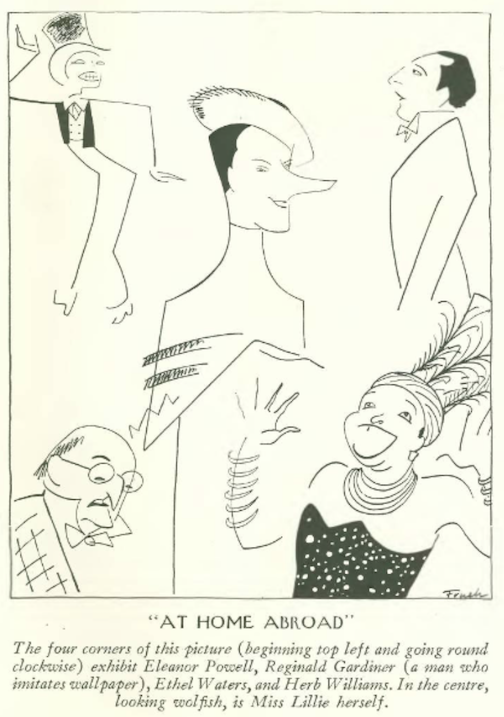
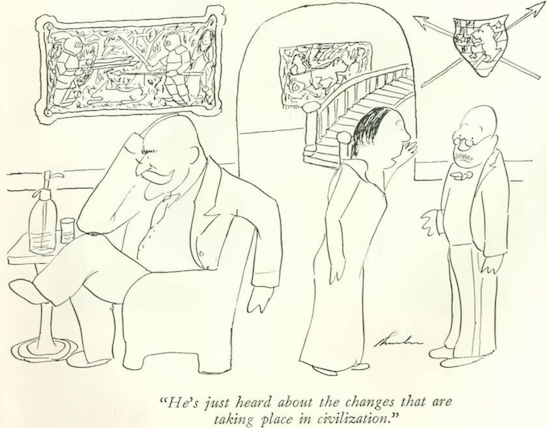

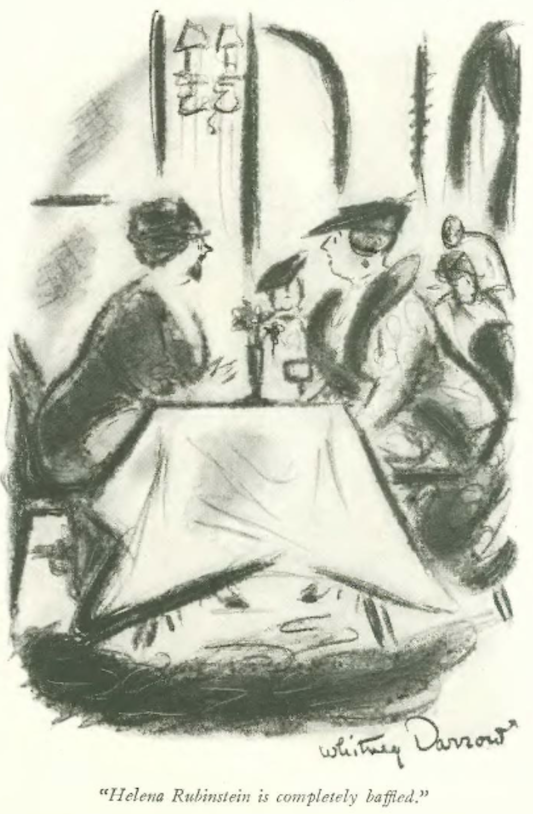
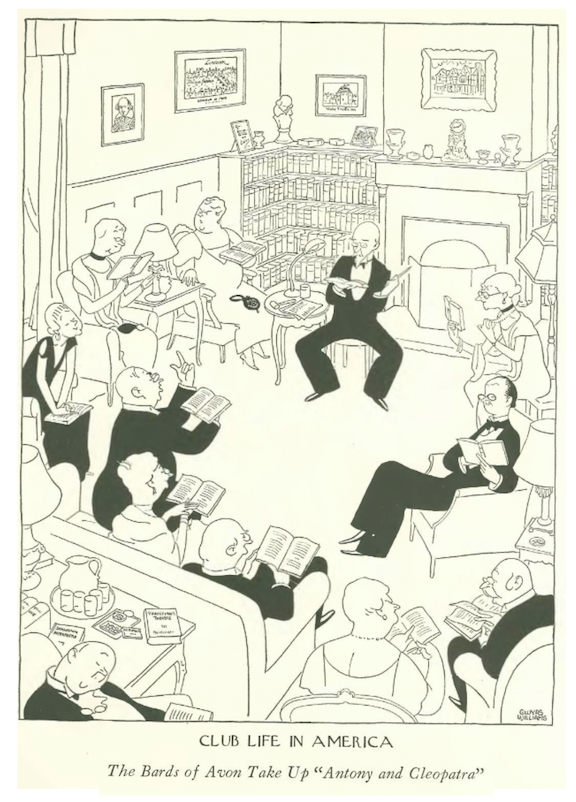

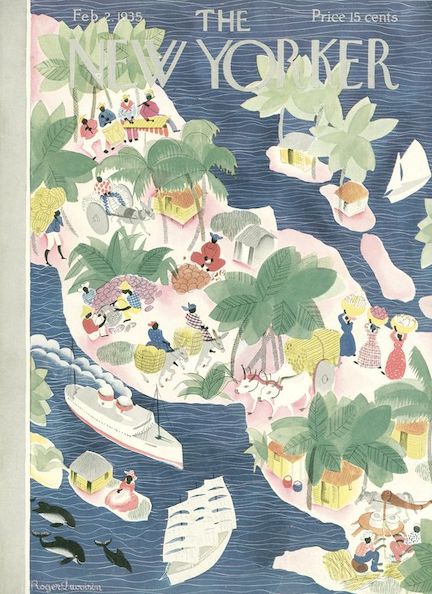

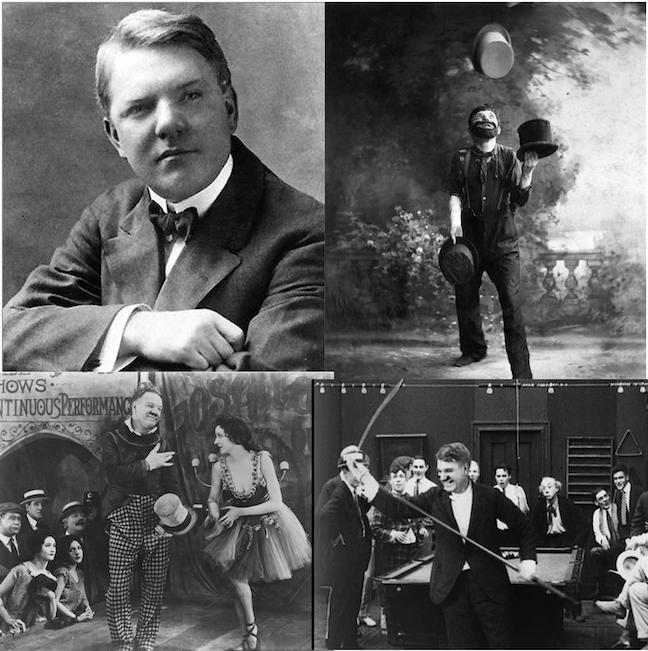


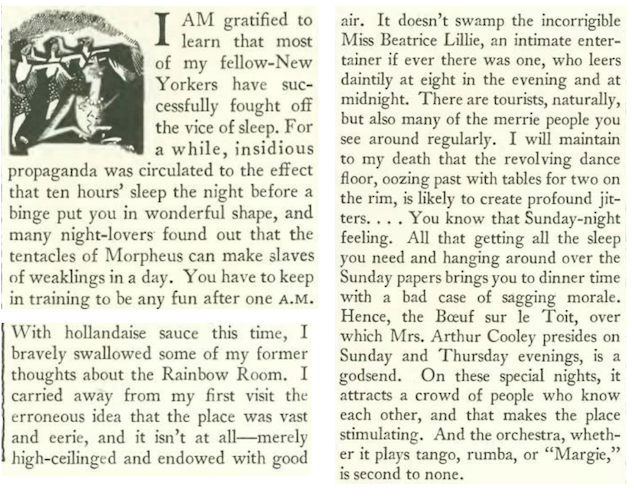
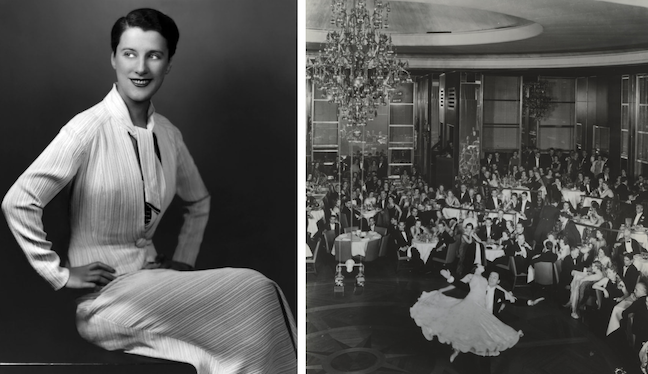
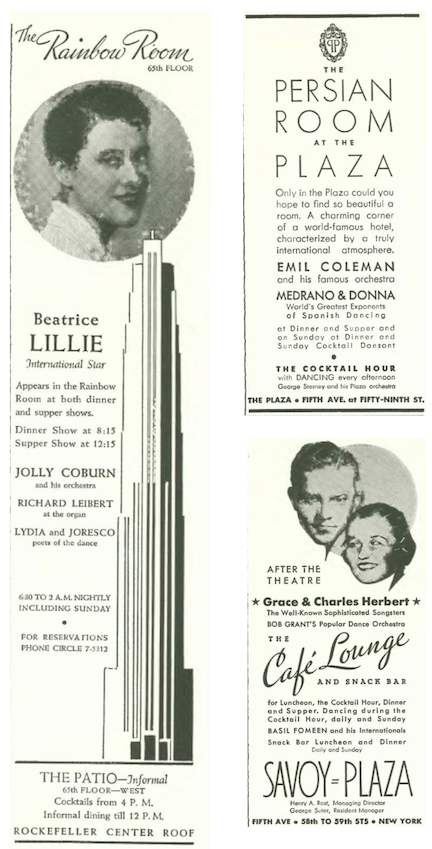


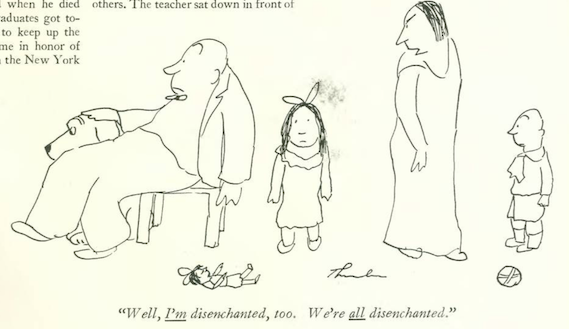

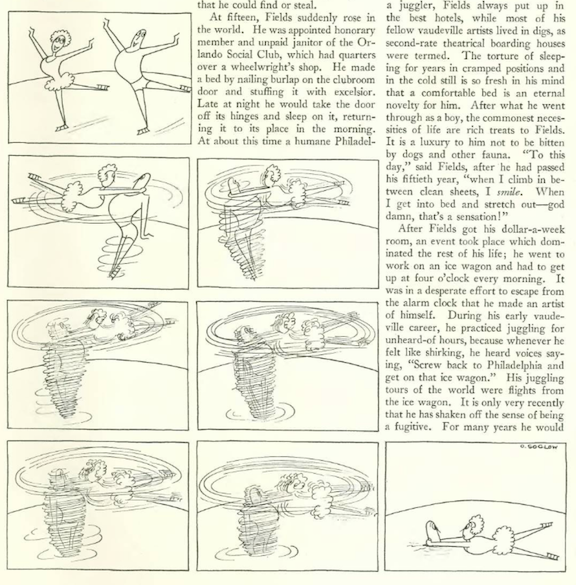


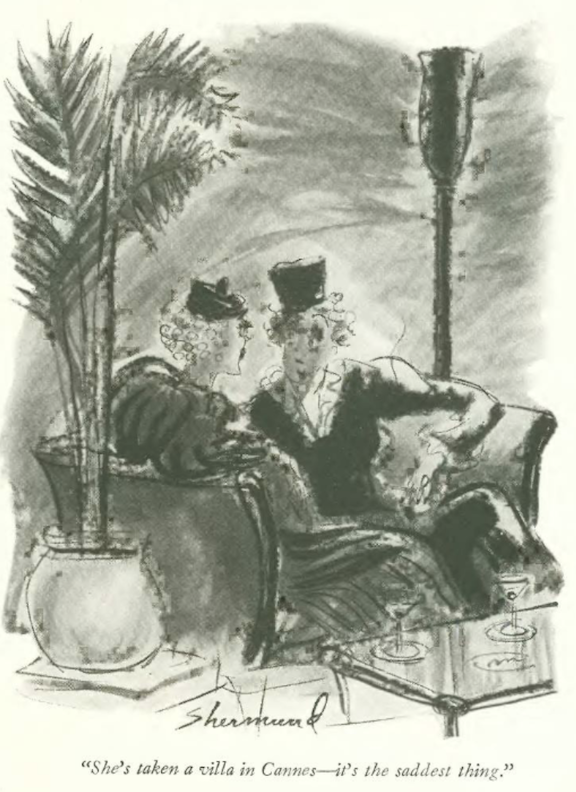


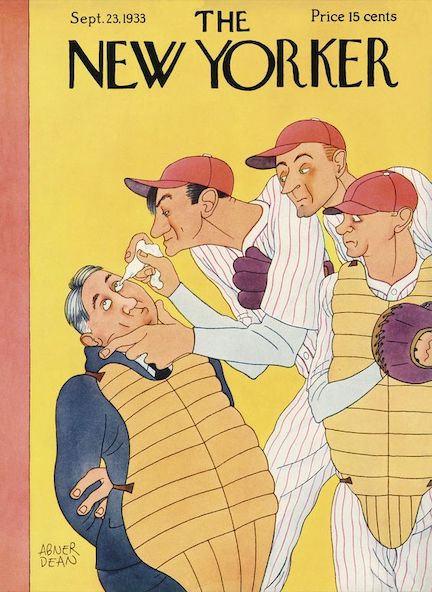

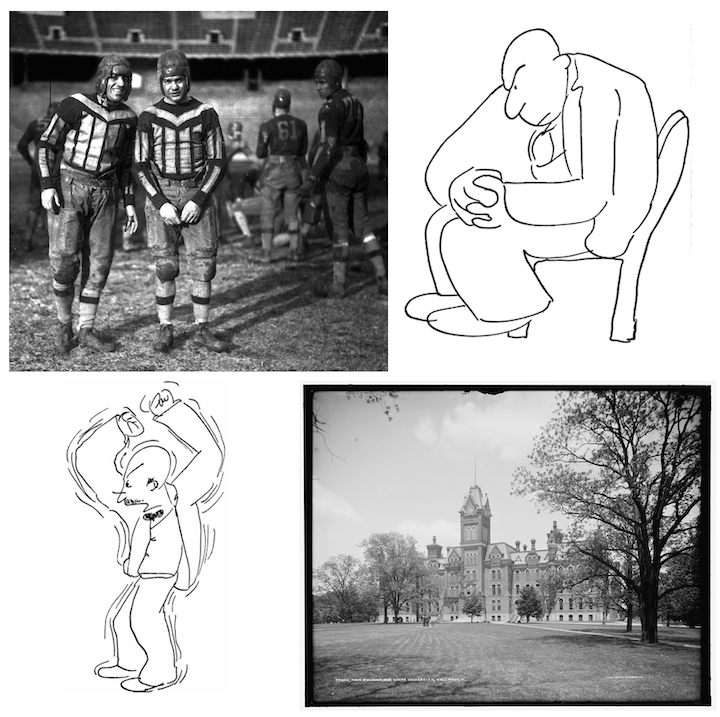

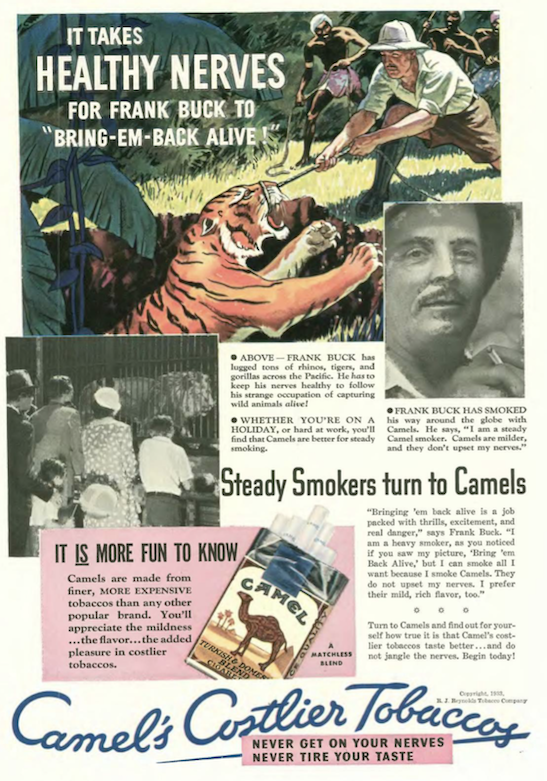

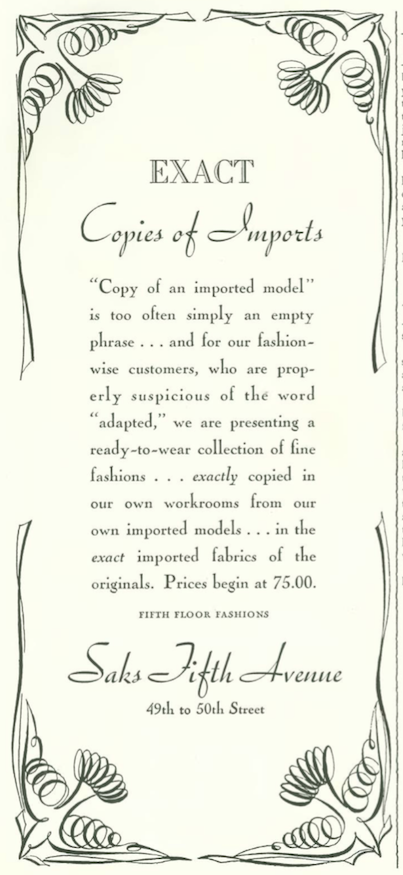
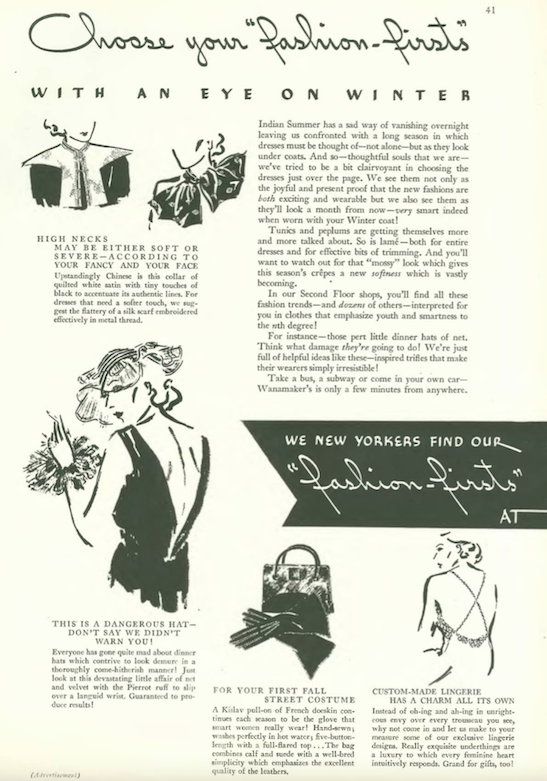
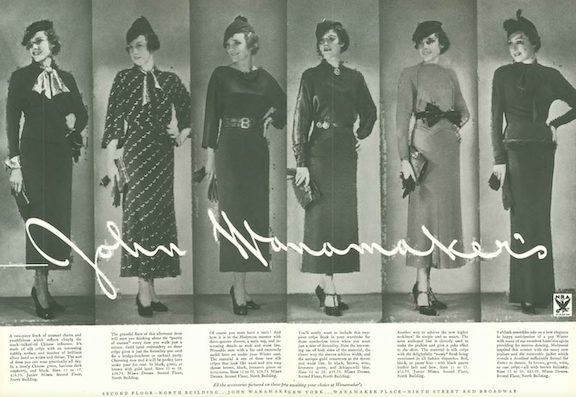
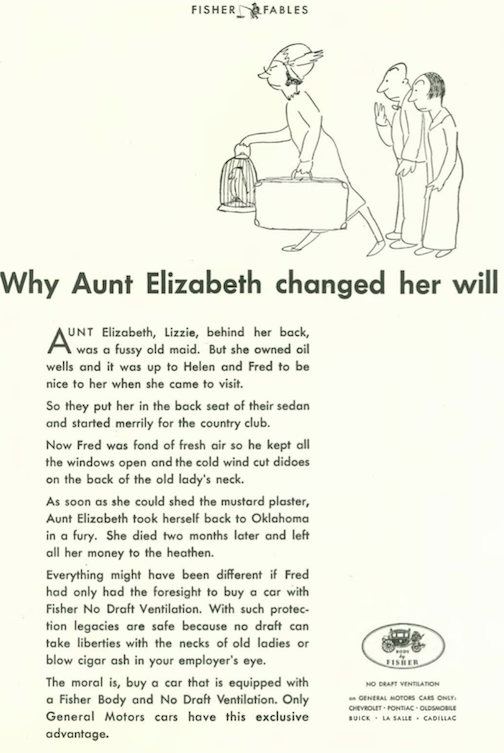


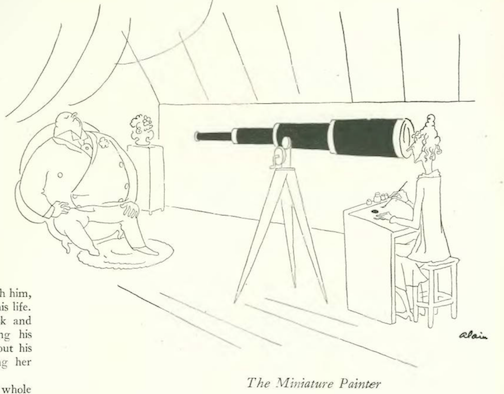

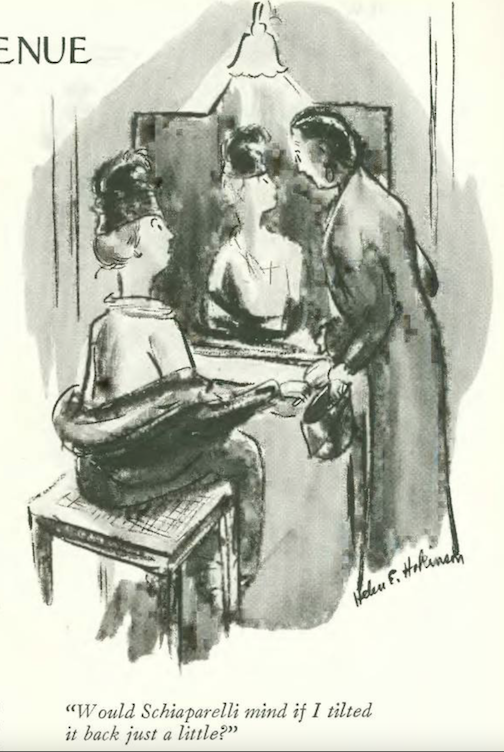
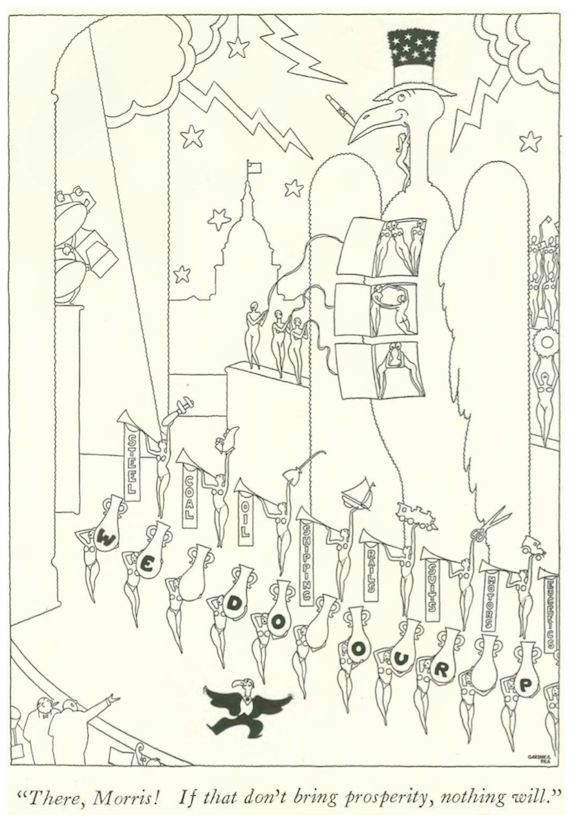
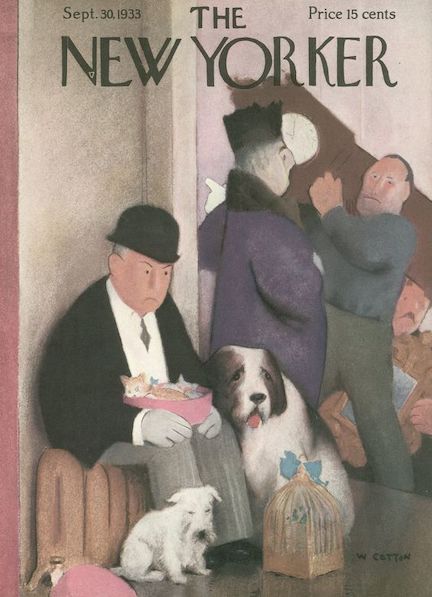
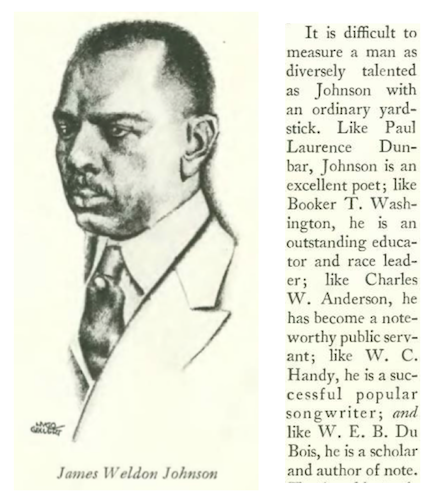

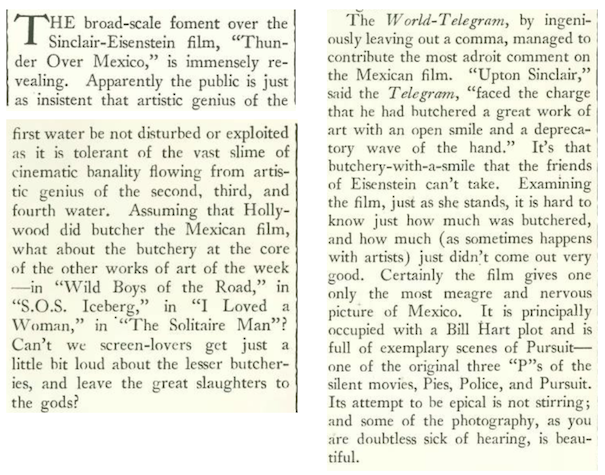
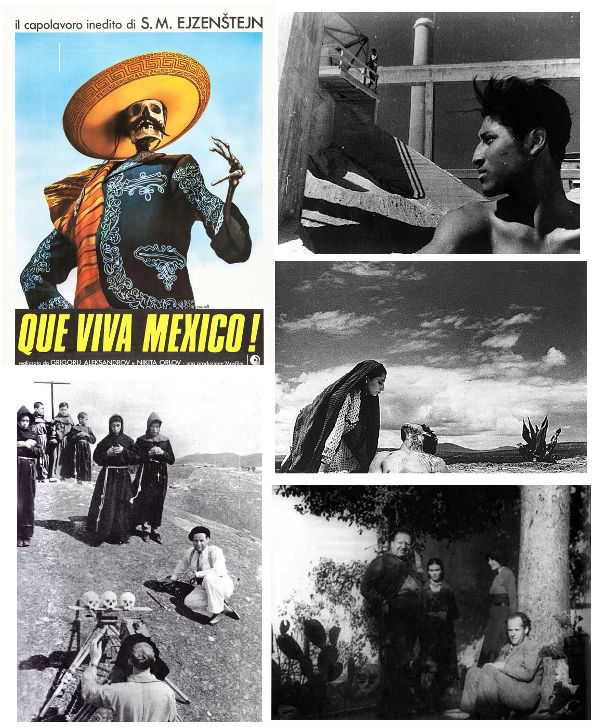


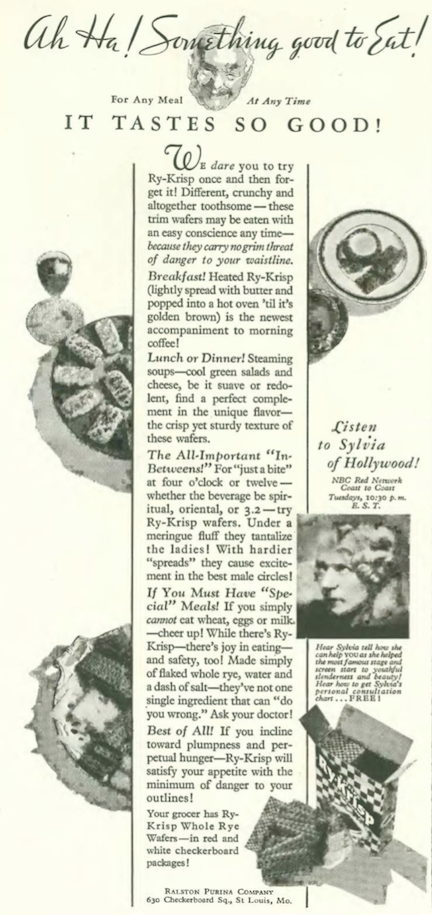
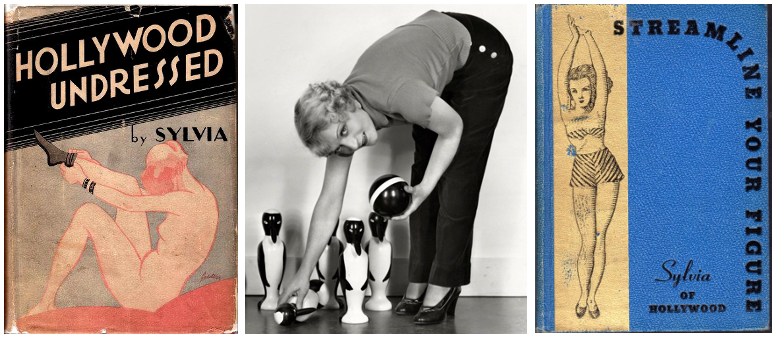

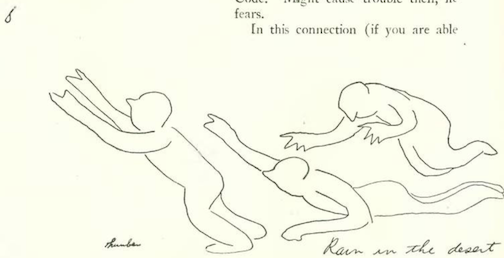


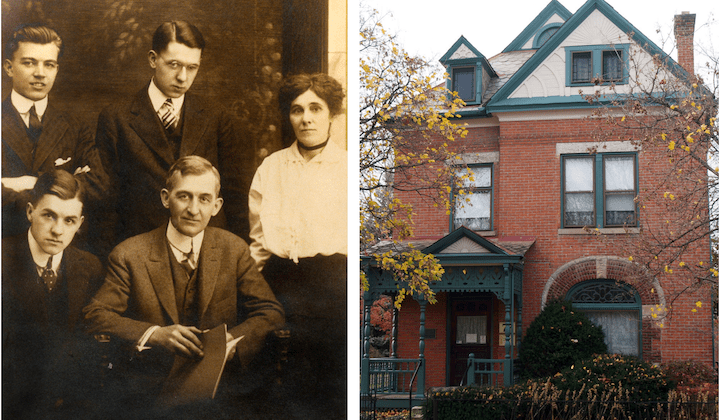
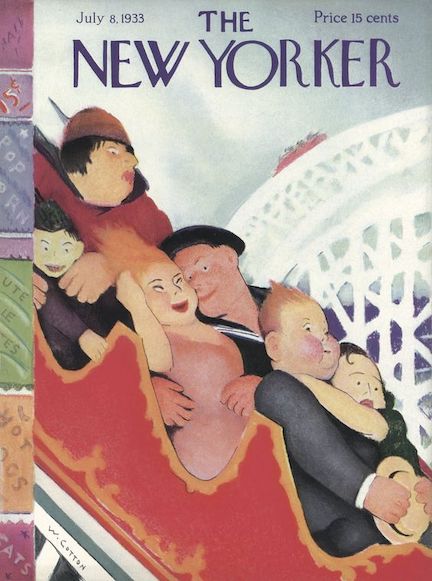
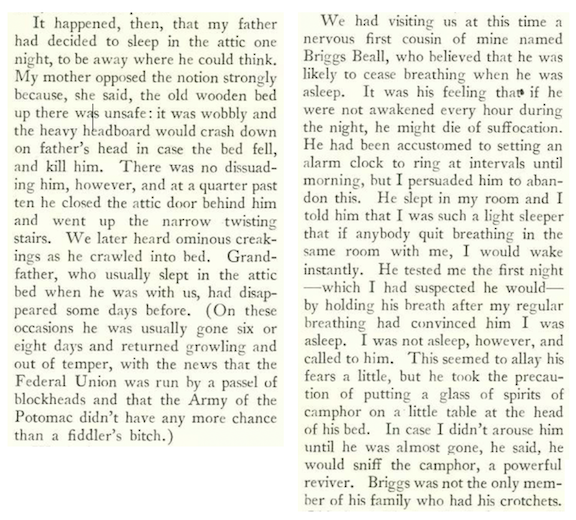

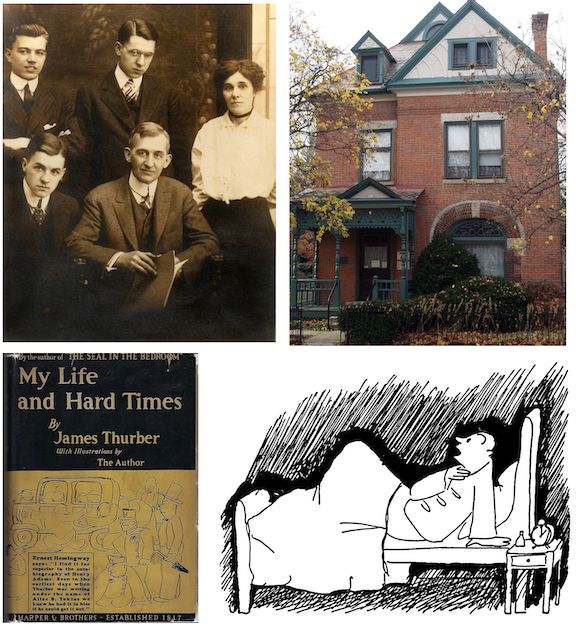


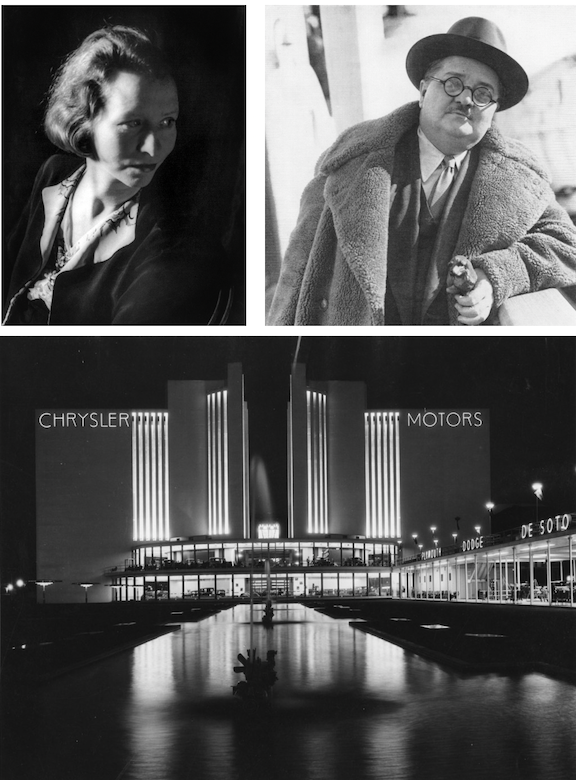

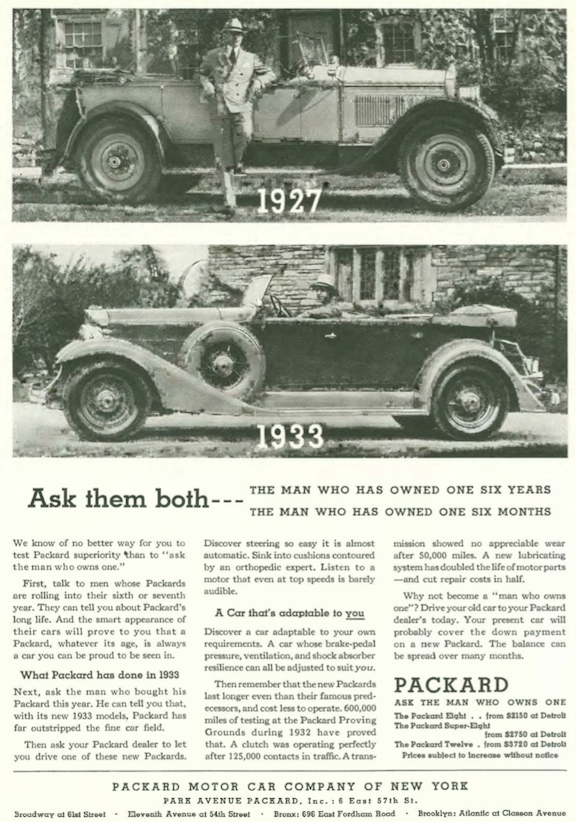

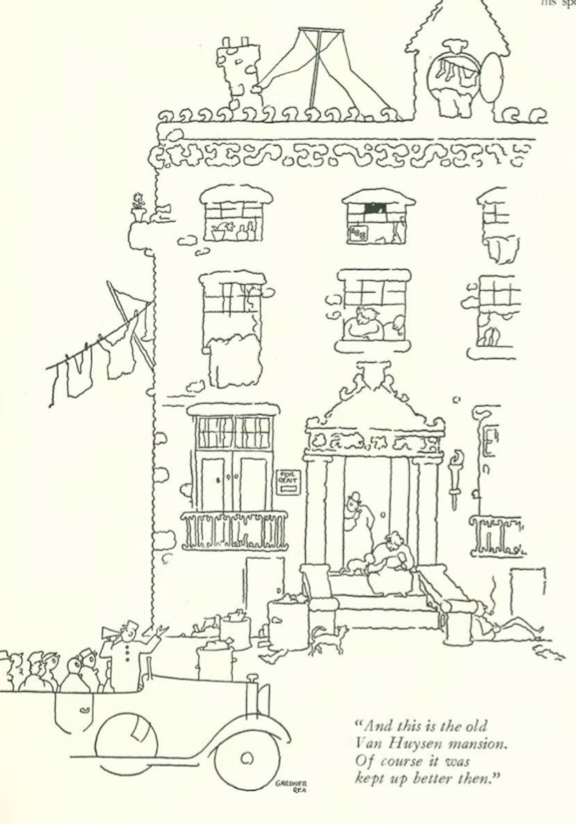


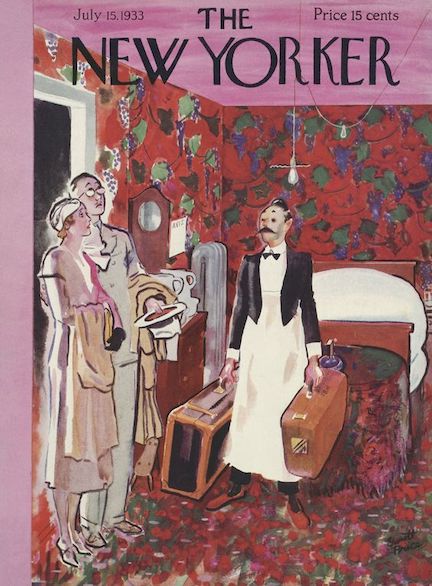


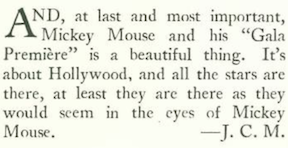
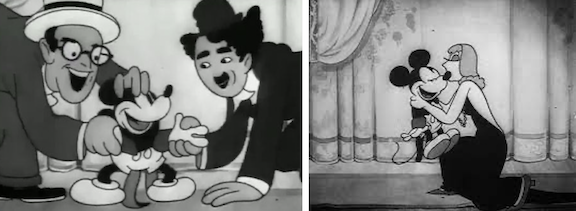
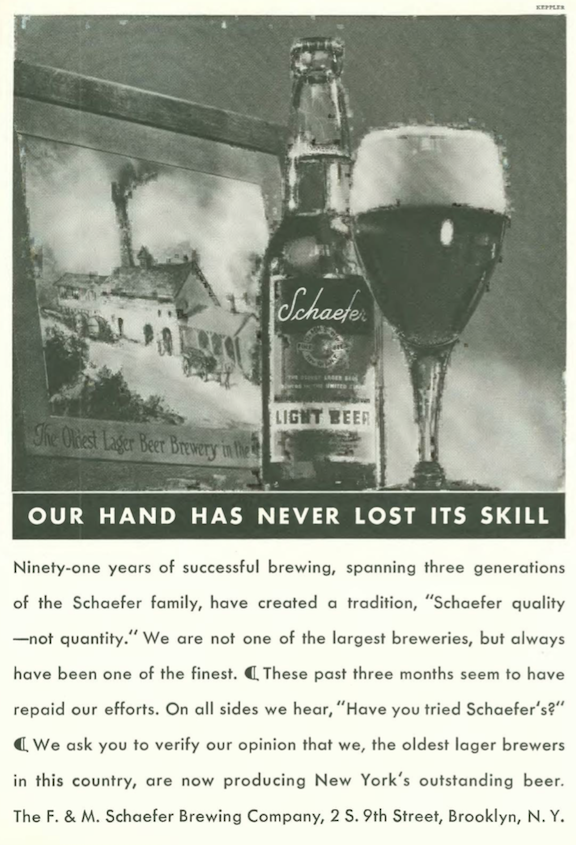



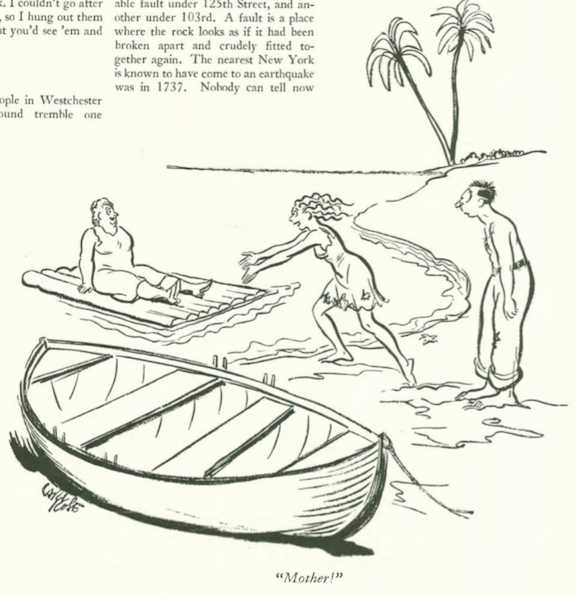
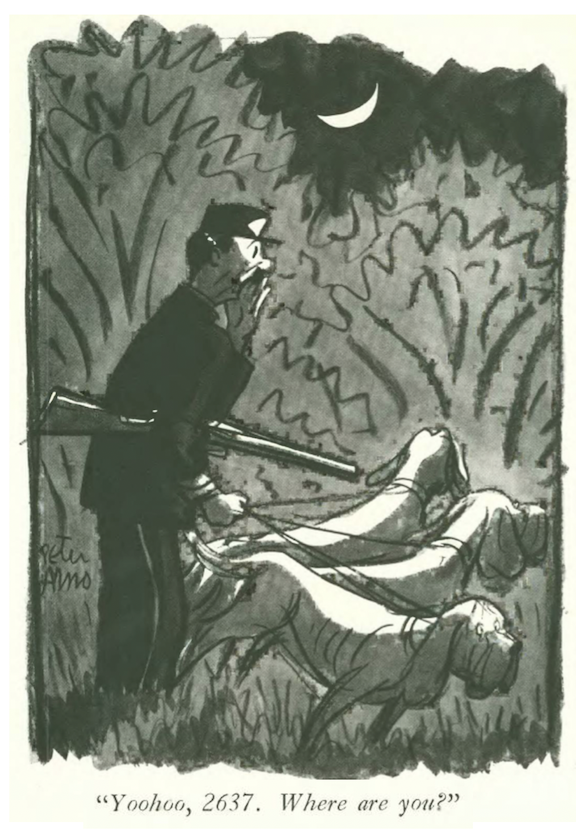
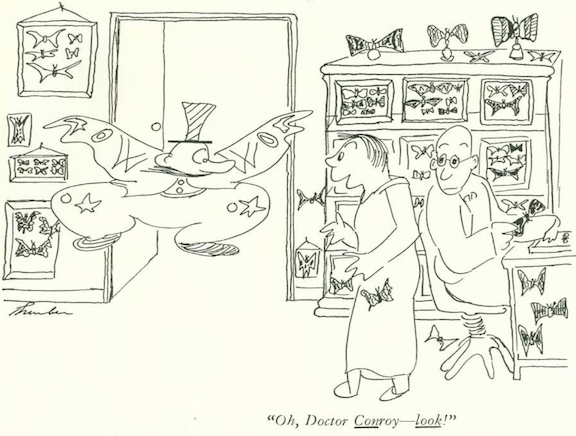

 A New Yorker State of Mind