Tens of thousands of commuters daily cross the George Washington Bridge, but in the din of modern commuting few give nary a thought to a span that was once considered a modern marvel.
May 3, 1930 cover by Rose Silver.
Twice as long as any previous suspension bridge when it opened in 1931, the George Washington Bridge’s main span of 3,500 feet (1,100 m) would be the world’s longest until it was surpassed by San Francisco’s Golden Gate Bridge in 1937. The New Yorker’s “Talk of the Town” (entry most likely by E.B. White) checked on the bridge’s progress for the May 3 issue:
MEN OF STEEL…Some 107,000 miles of wire were used in cables made by John A. Roebling’s Sons Company for the George Washington Bridge — the same firm also supplied wire for the Brooklyn Bridge 60 years earlier (John Roebling and his son, Washington, also designed and built the Brooklyn Bridge). Clockwise, from top, employees of John A. Roebling’s Sons pose atop cable bundles; bottom right, the bridge’s four main cables were each composed of a single strand carried back and forth across the river 61 times. Each strand itself is a bundle of 434 individual wires; bottom left, worker poses atop completed cable. (Flickr/Pinterest)BY ANY OTHER NAME…Known as the Hudson River Bridge during its construction, the George Washington Bridge opened to traffic in 1931. During the first full year of operation in 1932 more than 5.5 million vehicles used the original six-lane roadway — today it is the world’s busiest motor vehicle bridge, carrying more than 100 million vehicles per year. Although the steel towers are iconic today, the original plan called for them to be clad in stone. (Wikipedia)
* * *
A Cabin in the Sky
Other signs of modern life were being seen in Midtown, where an “Aircraft Salon” hosted by the Aeronautical Chamber of Commerce was taking place at Madison Square Garden.
Nicholas Trott was on hand to take in the exhibits, noting that advances in aviation included the use of metal bodies (instead of fortified cloth) and greater attention to interior decoration:
SIGNED, SEALED, DELIVERED…An attendee of the New York Aircraft Salon received a special postal stamp, and an autograph from aviator Cy Caldwell, at the Madison Square Garden show. (Joe Krantz)
Trott noted that designs of passenger compartments, still in their infancy, suggested something between automobile and nautical motifs:
SORRY, NO HEADPHONES…Clockwise, from top left, a Curtiss Condor 18 and its interior appointments; a Fokker Trimotor featured dining in its cabin. As peaceful as the scene appears, the noise from the motors must have been unbearable. (Wikipedia/dutch-aviation.nl)
Trott also commented on the debate surrounding metal vs. fabric in the construction of airplanes. Before 1930 most planes were constructed of wood covered with fabric (which were much lighter than metal craft). Although as early as 1920 the National Advisory Committee for Aeronautics declared metal to be superior to wood, only five percent of aircraft in 1930 were of all-metal construction.
DON’T CALL ME WOODY…This eight-passenger Consolidated Fleetster was a rare example of metal construction in early 1930. The wings, however, were still fashioned from wood. (Aeronautical Chamber of Commerce 1931 Aircraft Yearbook)
* * *
Road to Nowhere
The New Yorker’s enthusiasm for modern marvels did not extend to the West Side Highway, a project that would extend from the late 1920s to the early 1950s. Here is E.B. White’s take on the opening of the highway’s first section:
White’s observations were somewhat prescient — constructed in tight confines, the road’s on-ramps proved too narrow and the turns too tight for use by large trucks. The roadway also lacked proper maintenance, and just two decades after it was completed a section of the highway collapsed under the weight of an asphalt-laden truck. The roadway was demolished between 1977 and 1989. Read more here about the West Side Highway’s surprising history at the Museum of the City of New York.
THE ROAD NOT TAKEN, TAKEN…Left, West Side Express Highway and Piers 95-98, photographed by Berenice Abbott from 619 West 54th Street on Nov. 10, 1977; West Side Highway Ramp at 23rd Street reveals Art Deco ornamentation. Detail of photo by Jan Staller, 1978. (Museum of the City of New York)
* * *
For Pet Lovers
Our latest installment of James Thurber’s “Our Pet Department” column…
* * *
Hate Couture
The New Yorker’s Paris correspondent, Janet Flanner, using the pen name “Hippolyta,” contributed this profile of François Coty (1874-1934), a French perfumer and businessman. Flanner’s profile (the introduction included below) described Coty’s rags-to-riches rise in the perfume industry, and touched on his life as a sometime journalist and politician.
What doesn’t come across in the profile is Coty’s extreme right-wing stance on politics and his virulent anti-Semitism, which was often expressed in his newspaper, Figaro. Three years after Flanner’s profile Coty would co-found Solidarité Française, a fascist, paramilitary organization, and a year after that he would be dead of an aneurysm.
François Coty circa 1930. (aperfumeblog.com)
* * *
From Our Advertisers
The New Yorker’s bottom line reaped benefits from the big aviation show at Madison Square Garden…
…and even if you weren’t selling airplanes or flying lessons, you could still get in on the action…
…also from the fashion world, this colorful entry from Onyx Hosiery…
…and this weird ad from Saks, advertising shoes and a party dress but dominated by a caricature of designer Joseph Hergesheimer…
…on to our cartoons…Helen Hokinson paid a visit to the aviation show…
…on the domestic front, Garrett Price examined the challenges of home decor…
…Al Frueh offered an ironic twist on a room with a view…
…Peter Arno once again found humor in the partying life…
Just three years before she would enter the White House as First Lady, Eleanor Roosevelt was familiar to some New Yorkers for her social work, but was known to most as the wife of the Governor of New York, Franklin D. Roosevelt.
This week we look at two issues, March 29 and April 5, 1930, both with covers by Rea Irvin.
In a profile featured the April 5 New Yorker, Helena Huntington Smith looked at the life of a woman who was a niece to former President Theodore Roosevelt and a fifth cousin (once removed) to her husband Franklin. A somewhat reluctant mother (who nevertheless had six children) in a marriage that was mostly a political arrangement, Eleanor devoted considerable time and energy to social causes. Below is a brief excerpt, accompanied by an illustration of Eleanor by Cyrus Baldridge.
ALBANY DAYS…Clockwise, from top left: Eleanor Roosevelt in 1933; Gov. Franklin Roosevelt, Eleanor, and their youngest son, John, in Albany in 1930; FDR being sworn in as Governor of New York, January 1929. (Wikipedia/Albany Group Archive)IN HER ELEMENT…Eleanor Roosevelt with boy and girl scout volunteers at the University of Kentucky, July 1934. (eleanorroosevelt.org)
* * *
No Laughing Matter
In a surprising twist, James Thurber took a hand at writing the “A Reporter at Large” column (titled “Cop Into College Man”) in the March 29 issue, visiting a new “Police College” in New York City. In this engaging piece, Thurber seemed thoroughly engrossed in the operation…
…and particularly in the mugshots of some of the city’s most notorious criminals, including gangster Jim Flanagan, “debonair in a Bangkok hat”…
…and in the college’s museum, filled with all manner of deadly implements…
PREPPING FOR PERPS…The April 1930 edition of Popular Science featured the opening of New York’s new Police College. (Modern Mechanix)
* * *
Pluto’s Salad Days
In was something of a sensation in February 1930 when Clyde Tombaugh (1906-1997) discovered the then-planet Pluto at the Lowell Observatory in Arizona. Howard Brubaker in “Of All Things” (March 29) had this to say about the achievement:
JUST A SPECK…Clyde Tombaugh poses with the telescope through which he discovered the planet Pluto at the Lowell Observatory on Observatory Hill in Flagstaff, Ariz., 1931. At right, images of the planet (specks indicated by arrows) were all the proof Tombaugh needed to confirm his discovery. (AP/NASA)
Thanks to a 2015 flyby by NASA’s New Horizons spacecraft, we now have a better idea of what Pluto, now classified as a “dwarf planet,” actually looks like…
* * *
Dandy Doodle Mayor
Fillmore Hyde, author (and four-time national amateur squash tennis champion), penned this ditty in the March 29 issue in tribute to New York City’s dandyish mayor…
HAT’S OFF…Mayor Jimmy Walker.
* * *
Back for More
Also for the March 29 issue art critic Murdock Pemberton was back at the Museum of Modern Art — a new institution he met with skepticism when it opened in late 1929, but a place that was definitely growing on him as a destination to revel in the work of some of the world’s top modern artists, including the American Max Weber (1881-1961), whose retrospective was supposed to the big draw of MoMA’s latest show, but Pemberton seemed more impressed by French artist Aristide Maillol (1861-1944) and particularly by the Swiss-German Paul Klee (1879-1940).
AMERICAN CUBIST…Max Weber’sThe Cellist, 1917, oil on canvas, was featured in Weber’s 1930 retrospective exhibition at the Museum of Modern Art; at right, Weber seated in front of Interior with Music (1930). (Brooklyn Museum/Smithsonian)Aristide Maillol’sCrouching Woman, bronze, 1930. (MoMA)
Pemberton wrote that Klee’s show gave you “quite a feeling”…
Catalogs from Max Weber’s retrospective and Paul Klee’s exhibit at the Museum of Modern Art. (MoMA)
…and when he compared Klee’s work to that of the other artists, Pemberton saw something “more potent even than electricity…signposts toward a glorious future”…
A GLIMPSE OF THE FUTURE…From left, Paul Klee’sActor’s Mask, 1924, oil on canvas mounted on board; Josef Albers’ 1929 photographic portrait of Klee, 1929; Klee’s In the Grass, 1930, oil on canvas. (MoMA/Guggenheim.org)
A week later, writing for the April 5 issue, Pemberton penned this piece for “The Talk of Town” about the work habits of artist John Marin…
OLD MAN AND THE SEA…John Marin in 1921, in a photograph by Alfred Stieglitz; Marin’s Bathers, 1932, oil on canvas. (mfa.org/Dallas Museum of Art)
* * *
Who Needs a Vet?
The April 5 issue featured James Thurber’s latest installment of “Our Pet Department…
* * *
Spend It Quickly
April 5’s “Talk” also featured this item about Al Capone’s release from prison in Philadelphia, lavishing money and gifts on prison employees as he made his exit from Eastern Penitentiary…
…it was no wonder, because officials at the prison didn’t treat Capone like some ordinary prisoner…
SALUTARY CONFINEMENT…Arrested outside a Philadelphia movie theater for carrying a concealed, unlicensed .38 caliber revolver, Al Capone was sentenced to a year in Eastern State Penitentiary. His last seven months were served in a cell (right) with fine furniture, oriental rugs, paintings, and a console radio, among other frills. (easternstate.org)
* * *
This Al Could Sing
Upon the DVD release of Al Jolson’s 1930 film, Mammy,Dave Kehr of The New York Times wrote that Jolson was “Simultaneously one of the most significant and most embarrassing show business figures of the 20th century.”
That was not view of most audiences 89 years ago, when Jolson reigned as one of America’s most famous entertainers. In his review of Mammy for the April 5, 1930 issue of The New Yorker, critic John Mosher admitted that he didn’t care for minstrel shows depicted in the film, but not for any of the reasons we would cite today…
UGH…Clockwise from top left, Al Jolson and Lois Moran in Mammy; a studio promotional poster; Jolson as a minstrel performer in the film. (IMDB)
* * *
From Our Advertisers
We have more racial stereotypes, this time to sell Stetson shoes…
…Theodore Geisel (Dr. Seuss) continued to pay the bills by illustrating ads for Flit insecticide…
…while professional golfer Walter Hagen picked up some extra cash by launching his own line of golf underwear…
…Walter has been gone for fifty years, but you can still get his branded clothing from Dick’s Sporting Goods…
…Julian De Miskey picked up some extra work illustrating this house ad for The New Yorker…
…and then we have this spot from the American Austin Car Company, which produced cars licensed from the British Austin Motor Company from 1930 through 1934…interestingly, the ad doesn’t feature the car itself…
…which looked like this…
(theoldmotor.com)
…on to our cartoons, Alan Dunn looked in on a devoted listener of S. Parkes Cadman’s Sunday radio broadcast…Cadman (1864-1936) was a British-born clergyman whose NBC radio broadcasts reached millions of listeners across America…
…signs of spring were noted by Otto Soglow…
…Don Herold shared an observation on stage entertainments…
…William Crawford Galbraith found unrequited love at the circus…
…while Barbara Shermund found a more agreeable pairing at a Manhattan cocktail party…
…Garrett Price found humor in the growing numbers of the down and out…
…and Peter Arno turned in this epic two-pager that illustrated the challenges of filming in nature…(caption: “Well, we can’t start till we get that robin out of there.”)
It’s easy to get into the weeds while digging through The New Yorker archives, as it is filled with a richly interconnected cast of characters whose lives and work still resonate with us today.
March 15, 1930 cover by Rose Silver. (Please see note on this artist at the end of this blog entry)
A case in point is Bert Lahr (1895-1967), who at age 15 dropped out of high school and joined the vaudeville circuit, working his way up to top billing in Broadway musical comedies including 1930’s Flying High, which received an enthusiastic welcome from New Yorker critic Charles Brackett…
…Brackett enjoyed the “feminine beauty” offered by a George White chorus that included the “Gale Quadruplets,” described in the Playbill as “The only Quadruplets in the world appearing on the stage”…
…although in fact the Gale Quadruplets were actually two sets of twins: June and Jane, and Jean and Joan (real names were Doris, Lenore, Helen and Lorraine Gilmartin). But I digress.
What really caught Brackett’s eye were the antics of Bert Lahr:
ONLY ONE BERT…Clockwise, from top left, publicity photo of Bert Lahr from the 1931 film version of Flying High; cover of the Apollo Theatre Playbill; the Gale Quadruplets, circa 1930; Lahr as the Cowardly Lion in the 1939 film The Wizard of Oz. (Everett/Playbill/Pinterest/Wikiwand)
The Gale Quadruplets are long forgotten, but the work of Bert Lahr still lives on thanks to his role as the Cowardly Lion in The Wizard of Oz (a film, incidentally, that was panned in 1939 by New Yorker critic Russell Maloney, who called it “a stinkeroo” that showed “no trace of imagination, good taste, or ingenuity”).
Lahr also connects us to today’s New Yorker magazine, where his son, John Lahr, has been a staff writer and critic since 1992. Lahr has written a number of stage adaptions (he won a Tony award in 2002, the first drama critic to do so) as well as nearly twenty books, including a 2017 biography of his father, Notes on a Cowardly Lion: The Biography of Bert Lahr.
DRAMATIC DUO…John Lahr with his father, Bert, backstage at the Belasco Theatre in the late 1940s; John Lahr today. (NY Times/Amazon)
* * *
Greener Pastures
We remain on Broadway with another writer who was deeply connected to The New Yorker’s origins. Marc Connelly (1890-1980) was a playwright, director, producer and performer who collaborated with George S. Kaufman on five Broadway comedies in the 1920s. Connelly was also a founding member of the Algonquin Round Table, around which orbited a number of writers, critics and assorted wits who would help bring The New Yorker to life in 1925. Connelly was listed as an advisory editor on the masthead of the very first issue:
Connelly’s play, The Green Pastures (based on stories from the Old Testament), had just opened on Broadway, drawing much acclaim for both Connelly and actor Richard B. Harrison (1864-1935). “The Talk of the Town” looked in on the playwright and the actor:
DID YOU HEAR SOMETHING?...Richard B. Harrison (left) and unidentified actor in 1930’s The Green Pastures. At right, Wesley Hill as the Angel Gabriel. (blackarchives.org/ngv.vic.gov.au)FINAL BOW…Richard B. Harrison in a 1930 publicity photo for the Broadway play, The Green Pastures. At right, Harrison on the cover of the March 4, 1935, Time magazine. He died of heart failure ten days after appearing on the cover. (Henrietta Alice Metcalf Collection/Time)
Connelly would receive the 1930 Pulitzer Prize for Drama for The Green Pastures. And nearly 60 years later he would be featured in a 1987 documentary about the Algonquin Round Table (The Ten-Year Lunch) as the Table’s last survivor. It would win an Academy Award for Best Documentary Feature. During his long career Connelly would act in 21 movies, including the 1960 romantic comedy Tall Story with Jane Fonda and Anthony Perkins. He also did some TV, included a stint from 1962 to 1964 as Judge Rampell in The Defenders.
HE COULD ACT TOO…Clockwise, from top left, Marc Connelly in a 1937 photo by Carl Van Vechten; a page from the Playbill for The Green Pastures; college student June Ryder (Jane Fonda) collides on campus with Professor Charles Osmond (Marc Connelly) in the 1960 romantic comedy Tall Story. (Wikipedia/Playbill/ridesabike.com)
Also in the “Talk of the Town” section of the March 15 issue was James Thurber’s latest installment of pet advice:
* * *
Lipstick’s Lamentations
Once the place to read about wild speakeasies and other nighttime diversions of the Roaring Twenties, Lois Long’s “Tables for Two” column had quickly become anachronistic in the Depression years. Although the decade was still young, Long reminisced about her column’s “golden days” as if they had existed in some distant time, and lamented the state of the speakeasy; once a place for cheap and sordid frivolity, it had become staid and even snobbish…
THAT WAS THEN…Lois Long lamented the state of the speakeasy in 1930. Once sordid and given to frivolity, it had become a rather staid institution. (prohibition.themobmuseum.org/Time-Life)
…and Long described some of these new upscale speakeasies, where the oilcloth had been replaced with fine linen…
* * *
Ozark Oeuvre
New Yorker art critic Murdock Pemberton, in his ongoing search for America’s best artists, took another look at that once “uncouth native” from the Ozarks, Thomas Hart Benton…
PAINTING FROM THE SOIL…Cattle Loading, oil on canvas, by Thomas Hart Benton, 1930. It was one of the works viewed by critic Murdock Pemberton at the Delphic Studios in New York. (wahooart.com)
* * *
From Our Advertisers
We start off with a couple of two-page ads, the first featuring caricatures of George Gershwin and Alexander Woollcott as rendered by the great Miguel Covarrubias…
click image to enlarge
…and then we have this ad from the makers of Lux Toilet Soap, who must have had a bottomless advertising budget given all the splashy ads and celebrity endorsements…
…in the ads we also find clashes between the old and new…the new being this art deco-styled appeal for the newest form of transportation…
…and the old, the makers of the luxury car Pierce-Arrow, still harking back to its patrician origins (“The Tyranny of Tradition”)…the firm would not survive the lean years of the 1930s…
…and once again a colorful ad from Church using snob appeal to sell something as pedestrian as a toilet seat…”Toilet Seats For Better Bathrooms”…
…on to our cartoons, we have a voyeur’s perspective courtesy Helen Hokinson…
…an exploration of the generation gap by Alice Harvey…
…and this terrifically quaint encounter, rendered by Perry Barlow…
…and before we go, a note about this week’s cover artist, Lisa Rhana, a.k.a. Rose Silver (1902-1985) who illustrated several New Yorker covers in the 1920s and early 30s. Her work is included in the permanent collections at the Whitney Museum, the Museum of the City of New York, and The Metropolitan Museum of Art, which holds this watercolor (left) that graced the cover of the Jan. 30, 1932 issue:
On March 1, 1930, the Empire State Building was still just a bunch of sketches and blueprints, as was much of the yet-to-be-built modern cityscape of Manhattan. But as the Depression slowly worked its gnarled fingers into the American landscape, some still dreamed of the sleek, streamlined world to come.
March 1, 1930 cover by Rea Irvin.
The New Yorker’s architecture critic, George S. Chappell, kept readers apprised of changes on the city’s skyline, as well as of the trends in modern design that were being displayed at various exhibitions including one held annually by the city’s Architectural League. Chappell observed:
A GLIMPSE INTO THE FUTURE…Opening pages of the Architectural League’s 45th Annual Exhibition, featuring an image of the Empire State Building. Construction had just begun on the iconic building at the site of the old Waldorf-Astoria Hotel. (mullenbooks.com)
The exhibition featured a variety of projects, from the Aluminaire House in Long Island to Boardman Robinson’s murals in Pittsburgh to Bertram Goodhue’s Nebraska State Capitol featuring Lee Lawrie’s sculptures and friezes…
ECLECTIC…Model of the Aluminaire House erected in full scale for the 45th Annual Exhibition of the Architectural League of New York; Boardman Robinson’sThe History of Trade murals in Kaufmann’s Department Store, Pittsburgh; detail of one of Boardman’s 10 murals displayed at Kaufmann’s; Lee Lawrie’s “The Sower,” a 19-foot-tall bronze statue mounted on top of Bertram Goodhue’s Nebraska State Capitol in Lincoln. In 1937 Lawrie would install his “Atlas” sculpture in front of Rockefeller Center. (archleague.org/archive.triblive.com/capitol.nebraska.gov)
* * *
And Now For Something Old
While George Chappell contemplated the world to come, “The Talk of Town” looked back in time to Greenwich Village’s oldest drugstore…
FORM FOLLOWED FUNCTION…Quackenbush Pharmacy in 1930. Manager James Todd at right. (Library of Congress)
* * *
Pet Project
The March 1 issue featured James Thurber’s second installment of “Our Pet Department”…
And while Thurber was doling out pet advice, his pal E.B. White was worrying over changes to the design of the Shredded Wheat box…
HORSELESS CARRIAGES replaced animal power on the packages of Shredded Wheat, much to the dismay of E.B. White. (oldshopstuff.com)
* * *
A Prince of a Guy
A refugee from the Bolshevik Revolution, the Georgian Prince Matchabelli (Guéorgui Vassilievitch Matchabelli) was penniless when he landed on American shores in 1924. Two years later he launched a perfume business with three scents — Ave Maria, Princess Norina, and Queen of Georgia — sold in bottles that were said to be small replicas of the Prince’s lost Georgian crown. “The Talk of the Town” paid the royal perfumer a visit for the March 1 issue:
HIS CROWNING ACHIEVEMENT…A bottle of Princess Norina perfume from 1926, and its creator, Prince Matchabelli. (Pinterest/Wikipedia)
Those who were around the late 1970s and 1980s no doubt recall the Prince Matchabelli Windsong Perfume commercials and the catchy tune that kind of stuck in your head (for better or worse)…
* * *
Low Life Revue
Ben Hecht continued his exploration of the hardboiled world of journalists, bootleggers, nightclub singers and other lowlifes in his screenplay for Roadhouse Nights, a film that was apparently enjoyed by New Yorker film critic John Mosher. As for Hecht, an erstwhile member of the Algonquin Round Table and occasional contributor to The New Yorker in the 1920s, the film was just one of many to follow in a Hollywood career that the former Chicago journalist held in some disdain (see recent New Yorker article by David Denby)…
IT’S MOIDER, I SAY…Helen Morgan, Eddie Jackson Jimmy Durante, Fred Kohler, and Lou Clayton in 1930’s Roadhouse Nights. (IMDB)
* * *
The Winds of Wynn
Ed Wynn wowed theater critic Robert Benchley in his portrayal of “Simple Simon” at the Ziegfeld Theatre. Wynn was one of the most popular comedians of his time, but is best known today for his portrayal of “Uncle Albert” in the 1964 Disney film Mary Poppins…
AGELESS…Ed Wynn in Simple Simon, 1930; at right as Uncle Albert in 1964’s Mary Poppins. (secondhandsongs.com/Pinterest)
* * *
He Was No Palooka
The March 1 and 9 issues of The New Yorker gave considerable ink to Niven Busch Jr’s success story of a middleweight prizefighter. Titled “K.O. Middleweight,” the two-part article was about Stanislas Kalnins, who went by the name K.O. Keenen because it would go over better with the large majority of Irishmen at the fights. Peter Arno provided the art for the piece:
From Our Advertisers
We have another ad from the Franklin motorcar company touting its air-cooled engines, which thanks to the Depression were not long for the world…
…Saks shamelessly appealed to the “poor” little rich girl in this ad aimed at aspiring debutantes…
…Lenthric perfumes offered this all-French ad to those seeking Continental refinement…
…and this ad from Talon, advertising “Slide Fasteners” before the word “zipper” came into common use…
…Garrett Price was the latest New Yorker cartoonist to pick up some extra cash from G. Washington instant coffee…
…while John Held Jr. even lent his image (along with some drawings) to promote Chase and Sanborn’s coffee…
…this artist for Spud cigarettes borrowed Carl Erickson’s style from his famed Camel ads (see examples below)…
…examples of Carl “Eric” Erickson’s Camel ads from the late 1920s…
…and here we have another New Yorker cartoonist, Rea Irvin, helping the makers of Murad cigarettes move their product…
…Irvin also illustrated this cartoon for the March 1 issue…
…Reginald Marsh contributed these cartoons, no doubt based on a recent winter stay in sunny Havana (I’ve been to Sloppy Joe’s, and still looks pretty much like this)…
…back stateside, Peter Arno looked in on a cultural exchange…
…and we close with two from the issue by Barbara Shermund…
When the fifth anniversary issue of The New Yorker hit the newsstands in February 1930, the magazine was also setting down another milestone: its first-ever publication of a James Thurber cartoon* (*see comment section).
Feb. 22, 1930 cover by Rea Irvin.
Inserted into the top corner of page 25 (next to a short fiction piece by Emily Hahn), was Thurber’s first installment of his spoof on newspaper pet columns titled “Our Pet Department.”
Seeming a bit quizzical about his debut as a cartoonist, in February 1930 Thurber wrote to his friend Minnette Fritts Proctor (for whom he held lifelong romantic yearnings) that his drawings were “now coming into a strange sort of acclaim… The New Yorker is going to run a series of my animal pictures…and a concern wants me to do ads for it. Imagine!…I’m enclosing a few (pictures), which you can throw away. They’ll alarm you.”
PET WHISPERER…James Thurber, already well established as a writer at The New Yorker, made his debut as a cartoonist for the magazine in its fifth anniversary issue. The brilliant “Our Pet Department” would run through the spring in the 14 installments. (thurberhouse.org)
Animals of all sorts would pop up in Thurber’s cartoons throughout the 1930s…
Clockwise from top left, cartoons from the following issues: Jan. 30, 1932; April 6, 1935; July 14, 1934; and Feb. 13, 1937.
…and his famous dogs would make frequent appearances, including on their own cover in 1946 to coincide with that year’s Westminster Kennel Club Dog Show…
Office mate, co-author and friend E.B. White, on the other hand, assumed his usual duty of marking the magazine’s anniversary in “Notes and Comment”…
FOOD FOR THOUGHT…As E.B. White pointed out in his “Notes and Comment,” there was another, earlier New Yorker published nearly a century earlier in the 1830s by Horace Greeley, who described his periodical as “A Weekly Journal of Literature, Politics, Statistics and General Intelligence.” Greeley published his New Yorker from 1834 to 1841. (rickgrunder.com)
…and contemplated his own magazine’s contributions to the advancement of civilization…
…and as E.B. White continued his tradition of marking the magazine’s anniversary, so too did Rea Irvin continue to mark the passage of time with a tip of the hat from Eustace Tilley…
…and most prominently The New Yorker marked each anniversary with a repeat of the original Rea Irvin cover (later with some slight alterations), a tradition that continued unbroken until 1994, when a series of parodied versions of Eustace Tilley began to appear on the cover. The classic Tilley cover reappeared in the 2000s and ran frequently during that decade, but sadly made its last appearance in 2011 (see below covers from the first issue and anniversary covers from 2011 and 2019). I hope to see the Irvin cover return next year, and most certainly for the 100th anniversary in 2025. You can read more about cover’s history in Michael Maslin’s indispensable Ink Spill.
* * *
Drama Queen
Chinese opera star Mei Lanfang (1894-1961) was known as “Queen of Peking Opera” for his graceful stage portrayals of young and middle-aged women. Considered one of China’s greatest “Dan” performers (Dan is the general name for female roles), Mei had many admirers outside of China including Charlie Chaplin, Mary Pickford and Douglas Fairbanks, who welcomed Mei to Hollywood when he toured the U.S. in 1930. The New Yorker paid Mei a visit during his stay at the Plaza Hotel in Manhattan, recounted in these excerpts from “The Talk of the Town”…
QUEEN OF PEKING OPERA, Mei Lanfang, circa 1920, and as a “Dan” in Chinese opera, circa 1930s. (people.chinesecio.com/Wikimedia)
HE’S A FAN…Charlie Chaplin greets Mei Lanfang during a 1930 visit to Hollywood. At right, Mei with his family in the early 1940s. (thatsmags.com/Wikipedia)
* * *
A Kitty With Claws
“The Talk of the Town” also featured Kitty Marion (1871-1944) in a mini-profile. The German-born Marion moved to London at age 15, where she gained some prominence as a music hall singer. She found greater fame, however, as an activist, first standing up for the rights of fellow women performers and later crusading for voting rights. In response to attacks on women protestors by police officers, Marion embraced militant activism, throwing bricks through the windows of offices and handling a number of arson and bombing attacks that were intended to harm property, not people. Arrested numerous times (and enduring 232 force-feedings while on hunger strikes) she emigrated to the U.S. after World War I and joined forces with birth control advocate Margaret Sanger. The New Yorker takes it from there…
TRANSATLANTIC ACTIVIST…A British Criminal Record Office mugshot of Kitty Marion, circa 1912; cover of Margaret Sanger’sBirth Control Review, November, 1923; Marion handing out copies of the Review on the streets of New York, 1915. (Wikipedia/Smith College/British Library)
* * *
Going Deep With Noguchi
It’s hard to imagine modern decor without the influence of Isamu Noguchi, but before he inspired everything from coffee tables to lamps, he was a noted sculptor, and in 1930 he was best known for his portrait busts. New Yorker art critic Murdock Pemberton observed:
TWO HEADS ARE BETTER…Left to right, Isamu Noguchi’s portraits of architect/inventor Buckminster Fuller (1929, chrome-plated bronze) and the painter Marion Greenwood (1929, cast iron). Despite being three years short of the age requirement for a Guggenheim Fellowship, Noguchi was nevertheless awarded the grant to study stone and wood cutting and to gain “a better understanding of the human figure.” It appears the grant paid off handsomely. (noguchi.org/Smithsonian)MODERN MASTER…Collection of Noguchi lamps available from the Noguchi Museum. At right, 1947 coffee table by Herman Miller, inspired by a 1939 Noguchi design. (noguchi.org/Wikipedia)
* * *
From Our Advertisers
The makers of Pond’s Cold Cream continued to roll out endorsements from society figures, including a “Mrs. John Davis Lodge” (Francesca Bragiotti), described in this advertisement as possessing “starry wide dark eyes, hair golden as Melisande’s, and tea-rose skin”…
…for reference, Francesca Bragiotti’s wedding portrait, as featured in Vogue magazine, 1929…
…Doubleday Doran targeted the appropriate audience for its publication of The Second New Yorker Album, with cover illustration by Peter Arno…
…and we have another lovely Camel ad from illustrator Carl “Eric” Erickson, who conjured up more Continental imagery as an inducement to take up a bad habit…
…in a recent post we looked at Don Dickerman, who operated themed restaurants in Greenwich Village. In the Feb. 22 issue he promoted his four restaurants in a series of ads (illustrated by Dickerman himself) that ran on four consecutive pages (72-75)…
…and Barbara Shermund illustrated this ad for Frigidare…
…Peck & Peck touted the “mannish lines” of its “Hillbilly” suits…
…no doubt influenced by trendsetters like Marlene Dietrich.
…and lest we forget that it’s 1930, a “Cowboys and Indians” mentality was rife in the advertising business, as seen in this ad from Mendel Trunx, proud of 20th century progress (“we’ve come a long way…”) and yet…well, read on…
…the mentality was still alive and well 30 years later, as seen in this ad from 1962…
…and coincidently, in the same issue we have this scene illustrated by Peter Arno mixing “Redskins” and luggage, in this case, a matron who means to summon the aid of a “red cap” baggage handler…
…other cartoons included this dramatic scene courtesy William Crawford Galbraith…
…a rustic, slightly naughty woodcut by John Held Jr…
…a peek at fashion trends by Helen Hokinson…
…a look at social mores…from Alan Dunn…
…and Alice Harvey…
…and we end with Barbara Shermund, and a moment of art appreciation…
As a book reviewer for The New Yorker, Dorothy Parker could eviscerate any writer with the tip of her pen, and often did so.
Nov. 30, 1929 cover by Adolph K. Kronengold.
One writer, however, who received consistent praise from Parker was Ernest Hemingway, whom she first met in 1926. In the pages of the 1920s New Yorker, Parker particularly lauded Hemingway’s short story collections, In Our Time (1925) and Men Without Women (1927), which bookended his 1926 novel The Sun Also Rises (which Parker thought OK but overly hyped). When The New Yorker profiled Hemingway in the Nov. 30, 1929 issue, it naturally turned to Parker to do the honors (although Robert Benchley, a good friend of Hemingway’s, could have offered his own take on the author) :
SHE’S A FAN…Dorothy Parker was a long-time admirer of the work of Ernest Hemingway. His last work of the 1920s, A Farewell to Arms, was serialized in Scribner’s Magazine and published in September 1929. The success of that book made Hemingway financially independent. (Mugar Library/Wikipedia)
During Hemingway’s Paris years Parker actually took a boat with him to France (in 1926, along with mutual friend Robert Benchley) and so got a firsthand taste of his bohemian adventures. By the time The New Yorker profiled Hemingway, the Jazz Age was dead and Paris’s so-called “Lost Generation” was a thing of the past. Indeed, Hemingway had already been in the States for more than a year, returning in 1928 with his second wife, Pauline Pfeiffer.
Biographer Jeffrey Meyers notes in his book Hemingway: A Biography, that Hemingway of the early Paris years was a “tall, handsome, muscular, broad-shouldered, brown-eyed, rosy-cheeked, square-jawed, soft-voiced young man,” features that were not lost on Parker:
HE’S TAKING NOTES…Ernest Hemingway (left), with Harold Loeb, Lady Duff Twysden (in hat), Hemingway’s first wife Hadley Richardson, Donald Ogden Stewart (obscured), and Pat Guthrie (far right) at a café in Pamplona, Spain, July 1925. The group formed the basis for the characters in The Sun Also Rises: Twysden as Brett Ashley, Loeb as Robert Cohn, Stewart as Bill Gorton, and Guthrie as Mike Campbell. (Wikipedia)
…more from Parker on Hemingway’s magnetic appeal…
MAN ABOUT TOWN…Ernest Hemingway (far right) in 1926 in Paris, outside the city’s famous Shakespeare and Company bookshop. He is pictured here with Sylvia Beach (on his right), the shop’s founder. (Collection Lausat/Keyston-France/parisinsidersguide.com)
Although Hemingway remains widely read and revered, such a hagiography — especially from someone as reliably critical as Parker — would be unlikely today. From his safari massacres of countless animals (in pursuit of his manhood) to his mistreatment of four wives and general misogyny, he is a far more complex and controversial figure today. One thing Parker got right: his short stories have held up much better than his novels. As for the profile, Parker concluded:
* * *
Meet the Fokkers
In previous blogs we have established that E.B. White was an aviation enthusiast. He seems never to have missed an opportunity to catch a ride into the skies, so when pilots were conducting test flights of a prototype Fokker F-32 at New Jersey’s Teterboro field, he was there to file this brief for “The Talk of the Town”…
SKYTRAIN…Title card from a silent Paramount newsreel reporting on a November 1929 flight of the Fokker F-32 at Teterboro. Note how the title card uses a railroad reference (“Pullman”) as a descriptive for the passenger cabin. Indeed, early airplane passenger cabins were very much designed along the lines of Pullman cars. At right, a circa 1930 photo, possibly of a celebration of the plane’s arrival in Los Angeles. I imagine the FAA would not look kindly on this behavior today. (YouTube/petersonfield.org)
White’s enthusiasm for the aviation age is palpable in his description of the Fokker as it took off and climbed to a thousand feet:
ROUGHING IT…Passengers in Washington D.C. prepare to board what was perhaps the same plane White flew on at Teterboro. Note how they were required to walk across a muddy field to reach the plane’s entrance. The Fokker was the first four-engine commercial aircraft built in America and the largest land plane in the world at the time (there was a much larger amphibious German plane). At right, the plane’s four engines were configured back-to-back. (Wikipedia/petersonfield.org) click to enlarge
In line with The New Yorker’s stance of keeping things light, White described a scene just north of midtown, where a crowd had gathered near the site a plane crash. The pilot was killed, but a passenger managed to parachute to safety.
DOWN TO EARTH…Pilot Charles Reid died instantly when his plane slammed into a YMCA on 64th Street on Nov. 20, 1929. His passenger parachuted to safety. E.B. White referred to the crash in his “Talk” article. (digital-hagley-org)Excerpt from a Nov. 21, 1929 New York Times account of the crash. (NYTimes archives)
Speaking of crashes, the Fokker on which E.B. White was a passenger crashed a week later (Nov. 27, 1929) during a certification flight from Roosevelt Field to Teterboro Airport. No one was killed, but the aircraft was destroyed. The design itself didn’t last much longer — considered underpowered for its size, and too expensive at the dawn of the Depression, it was phased out by the end of 1930.
Perhaps after all of that flying, White needed something to calm the nerves, a subject he addressed in his “Notes and Comment” column:
THE WOMAN’S HOUR, according to E.B. White in his “Notes and Comment” column. (vinepair.com)
* * *
The Little Gallery That Could
“Talk,” via art critic Murdock Pemberton, had more to say about the new Museum of Modern Art, that is, not taking it very seriously…
UPSTART…Although New Yorker art critic Murdock Pemberton seemed dismissive of the new Museum of Modern Art, its first month’s attendance was more than 47,000 visitors. Image above from the MoMA exhibition Painting in Paris, Jan. 19-March 2, 1930. (MoMA)
* * *
Welcome to Thurber’s World
In 1931 James Thurber published his second book, The Owl in the Attic and Other Perplexities, which consisted of pieces he had done for the New Yorker, including eight stories (from Dec. 29, 1928 to Aug. 9, 1930) that featured the marital escapades of a couple in their middle thirties, the Monroes, modeled on Thurber’s real-life marriage to his wife, Althea.
The Nov. 30, 1929 issue included Thurber’s fifth installment of the Monroe saga, “Mr. Monroe Holds the Fort,” in which a fearful Mr. Monroe, left home alone (his wife was visiting her mother), imagines there are burglars in the house:
…like his famous character Walter Mitty, which Thurber would introduce in 1939, Mr. Monroe had an equally lively imagination…
The character of Mr. Monroe would see new life in the fall of 1969 when NBC debuted My World… and Welcome to It, a half-hour sitcom based on James Thurber’s stories and cartoons. The actor William Windom portrayed John Monroe, a writer and cartoonist who worked for a magazine called The Manhattanite. In the show, Monroe’s daydreams and fantasies were usually based, if sometimes loosely, on Thurber’s writings.
THURBER AS A SITCOM…The actor William Windom portrayed John Monroe, a writer and cartoonist who worked for a magazine called The Manhattanite, on the 1969-70 NBC sitcom My World… and Welcome to It. Joan Hotchkis played his wife Ellen, and Lisa Gerritsen portrayed his inquisitive daughter Lydia. (tvguidemagazine.com/sitcomsonline.com)HOME SWEET HOME…Left, the opening credits for My World… and Welcome to It featured actor William Windom (as John Monroe) entering a animated house based on James Thurber’s famous “House and Woman” cartoon, which was originally featured in the March 23, 1935 issue of The New Yorker. (mikelynchcartoons.blogspot.com)
My World… and Welcome to It was cancelled after one season. Nevertheless, it would win two Emmys: one for Windom and another for Best Comedy Series.
* * *
Thank Heaven for Maurice
Things were looking up a bit in the talking movie department thanks to the Ernst Lubitsch-directed The Love Parade, featuring recent French import Maurice Chevalier and Jeannette MacDonald. Film critic John Mosher observed:
MUCH-NEEDED LAUGHS…Jeannette MacDonald and Maurice Chevalier in The Love Parade (1929), directed by Ernst Lubitsch. (MoMA)
Mosher was much less impressed by another musical, Show of Shows, featuring an all-star cast and Technicolor that added up to little more than a “stunt”…
IS THAT ALL?…Warner Brothers Show of Shows offered “77 Hollywood Stars” and “1000 Hollywood Beauties” — 80 percent of it in Technicolor, but that wasn’t enough to impress The New Yorker’s film critic John Mosher. At right, Arte Frank Fay (l) and comic Sid Silvers in a color scene from the film. (IMDB)
* * *
A Guide to Christmas Shopping, 1929
Lois Long’s fashion column, “On and Off the Avenue,” predictably grew in length as the Christmas holiday approached, and in the Nov. 30 issue she offered advice on how to go about one’s shopping duties. Some brief excerpts:
TRAILBLAZER…Lois Long guided New Yorker readers through a list of “big, bewildering stores” in her “On and Off the Avenue” column. At left, the B. Altman department store, circa 1920s. (thedepartmentstoremuseum.org/PBS)
…Long’s column was peppered with holiday-themed spots, including this one by Julian DeMiskey…
From Our Advertisers
…we start with a couple of back page ads, including one from the National Winter Garden’s burlesque show and an ad announcing the imminent arrival of Peter Arno’sParade (just $3.50, or signed by Arno himself for $25)…
Cover and inside pages from Peter Arno’sParade. (Amazon)
…another ad hailed the arrival of The New Yorker’s second album (read more about it here at Michael Maslin’s excellent Ink Spill)…
The first and second New Yorker albums. (pbase.com/michaelmaslin.com)
…other ads, in full color, featured cultural appropriation by the Santa Fe railroad…
…bright silks available at the Belding Hemingway Company…
…silk stockings from Blue Moon…
…for our cartoons, Helen Hokinson on the challenges of holiday shopping…
…Hokinson again, at tea with her ladies…
…Barbara Shermund, and the miracle of broadcast radio crossed with the nuances of a dinner party…
…and Shermund again, with a hapless friend of a clueless family…
Two weeks had passed since the “Black Tuesday” collapse of share prices on the New York Stock Exchange, but the New Yorker went about business as usual, E.B. White opening his “Notes and Comment” with a complaint — not about the economy — but about a marketing ploy that had New York University shilling magazines on behalf of Funk & Wagnalls.
Nov. 16, 1929 cover by Peter Arno. No doubt Arno drew inspiration from his own domestic situation (with wife and New Yorker columnist Lois Long and their infant daughter Patricia Arno).
White mocked the contents of a letter from NYU that promised a “free” education to subscribers of Funk & Wagnalls’ middlebrow Literary Digest.
EASY-CHAIR EDUCATION…Founded in 1890 by Isaac Funk (of Funk & Wagnalls fame), the Literary Digest offered readers condensed articles from various American and European publications. The weekly magazine surpassed the one million circulation mark in 1927, but declined precipitously in 1936 after its famed (and usually reliable) presidential poll picked Alf Landon over FDR. It folded in 1938. (Pinterest)
White detailed how NYU’s director of public information promised untold riches to potential Literary Digest subscribers…
YOU CAN BE FAMOUS, FOR JUST PENNIES A DAY…E.B. White mocked an NYU letter that promoted its “hook-up” with the Literary Digest, wryly suggesting that recognition in NYU’s Hall of Fame for Great Americans was within reach of magazine subscribers. The photo above (circa 1935) shows the Hall of Fame’s colonnade, which half-encircled the university library (both designed by Stanford White) and housed 98 bronze busts. A financially strapped NYU sold its University Heights Campus, along with the Hall of Fame and library, to the City University of New York in 1973. (WPA photo via boweryboyshistory.com)
…and the not so subtle revelation that the “free” education came with a price:
Here’s Julian De Miskey’s illustration that accompanied White’s “Notes”…
* * *
The Lighter Side of Bankruptcy
Evidence of the recent stock market crash was scant in the Nov. 16 issue, save for this blurb from Howard Brubaker…
…and this short piece by Margaret Fishback, who took a characteristically lighthearted approach to the devastating news:
Fishback (1900-1985), a widely published poet and prose author from the late 1920s to the 1960s, was also a successful advertising copywriter for Macy’s and a number of other companies.
A WAY WITH WORDS…Margaret Fishback wrote a number of poetry and prose books, including Safe Conduct: When to Behave–and Why, a book of etiquette illustrated by The New Yorker’sHelen Hokinson. During the 1930s Fishback was reputed to be the world’s highest-paid female advertising copywriter. (necessaryfiction.com/Wikipedia)
* * *
We Stand Corrected
A correction of sorts was offered by Robert Benchley (aka “Guy Fawkes”) regarding one of his recent “Wayward Press” columns, in which the fatal crash of famed aviator Wilmer Stultz’s stunt plane was misattributed to drunkenness:
Following the above intro, Benchley included this letter from a representative of the Roosevelt Flying Corporation, John McK. Stuart, in which Stuart explained the real reason for the pilot’s fatal crash, and the source of a vicious rumor:
The cause of the crash, as reported in The New York Times, was attributed to two young men who begged for a ride on Stultz’s stunt plane, a Waco Taperwing, in the early afternoon of July 1, 1929. An investigation of the wreckage found shoes from both passengers jammed under a bar connected to the rudder, rendering it inoperable. In his letter, Stuart explained:
Apparently Stultz’s passengers had braced themselves during stunt maneuvers by jamming their feet under the rudder bar. According to the Times, after a couple of rolling stunts the plane began to climb again from about 200 feet when it rotated nose down and plunged into the ground. Both passengers were killed instantly. Stultz died shortly thereafter at a Long Island hospital.
BRIEF FLIGHT THROUGH LIFE…Clockwise, from top left, Wilmer Stultz (1900-1929) in undated photo; coverage of the fatal crash in the July 2, 1929 New York Times; Stultz, Amelia Earhart, and Lou Gordon feted in front of City Hall, New York City, following their successful flight across the Atlantic in June 1928. Stultz was the pilot of the Fokker Trimotor “Friendship,” aboard which Earhart became the first woman passenger to cross the Atlantic by airplane. Gordon served as the flight’s on-board mechanic. (Boston Public Library/New York Times/Amazon)
* * *
Cowardly Attack
The acclaimed English playwright and composer Noël Coward was much beloved by The New Yorker, so it pained Robert Benchley to write an unflattering review of Coward’s operetta, Bitter Sweet:
IN THE SOPRANO KEY…British musical star Evelyn Laye (1900-1996) played the leading role of Sari in Noël Coward’s Broadway production of Bitter Sweet. (From The Bygone)
* * *
Hat Shop Heroine
Another operetta — Mlle. Modiste — was getting a Broadway revival at Jolson’s 59th Street Theatre. Its star, Fritzi Scheff (1879-1954), was the subject of a short profile penned by Alison Smith. The operetta, written expressly for Scheff, premiered on Broadway in 1905 at the Knickerbocker Theatre, and enjoyed many revivals. Smith found that after nearly 25 years, Scheff still embodied the role of the hat shop girl who dreamed of being an opera singer. An excerpt:
From left, Fritzi Scheff in Mlle. Modiste (1905); Al Frueh’s caricature of Scheff for the profile; Scheff circa 1910. (Wikipedia/IMDB)
* * *
Best of Both Worlds
Although the Gothic style was quickly falling out of fashion in the age of Art Deco, architecture critic George S. Chappell found much to admire in Schultze & Weaver’s new Hotel Lexington, part of the hotel construction boom in New York’s Midtown:
STILL ATTACHED TO THE EARTH…The Lexington today, now a Marriott property, at 511 Lexington Avenue and 48th Street. (ohrllc.com)
Chappell also admired the “smart” new Stewart Building, calling it the perfect setting for “feminine luxuries”…
Sadly, the Stewart Company folded just months after the opening of its new building, an early victim of the Depression. Bonwit Teller took over the building in 1930 and stayed until 1979. It was demolished in 1980 to make way for Trump Tower.
BYGONE ELEGANCE…Stewart and Company’s metal and ceramic 5th Avenue entrance, detail, 1929; Stewart Millinery Shop, 1929 (image from Vogue); detail from ornamental frieze above the 8th story, 1929. The building was demolished in 1980 to make way for Trump Tower. Neither the frieze nor the ornate ironwork were saved. (Museum of the City of New York/Vogue via drivingfordeco.com)
* * *
A Survivor’s Tale
The New Yorker hailed Soviet writer Valentine Kataev’s debut novel, The Embezzlers, as “the first hearty and sane laugh that has been heard over the noise of Russian propaganda.” Published in 1926 and translated into English in 1929, the novel was a satire of bureaucracy in the new Soviet state. Remarkably, Kataev (1897-1986) was able to write challenging, satirical works throughout his long life and career without running afoul of Soviet authorities, or falling victim to Stalin’s terror campaigns:
SATIRICAL SOVIET…Valentine Kataev circa 1930. His 1926 debut novel, The Embezzlers, was a satire of Soviet bureaucracy. (russkiymir.ru)
Another title receiving a favorable review, Is Sex Necessary? — a spoof of popular sex manuals and how-to books — was co-written by The New Yorker’sJames Thurber and E.B. White, with illustrations provided by Thurber.
HE CAN DRAW, TOO…Although James Thurber had yet to publish one of his drawings in The New Yorker, the book Is Sex Necessary? featured 42 of them, including the illustration at right that demonstrated the male greeting posture, and below, the posture of a man who could not discern the difference between love and passion. (brainpickings.org)
* * *
Old News
Writer (and later screenwriter) David Boehm temporarily took over the history column “That Was New York” from playwright Russell Crouse and contributed the first in a series of articles featuring clippings from 18th century newspapers (with illustration by Julian De Miskey):
* * *
From Our Advertisers
The Depression was coming, but you wouldn’t know it by the ads that appeared in the Nov. 16 issue, which featured the latest in resort wear, and holiday fashions for the maid…
…the Jay Thorpe store assumed some readers had $1,250 to spare for this coat and muff (equivalent to about $18,000 today), while Udall and Ballou jewelers offered a brooch for $9,000 (or nearly $130,000 today)…
…Saks offered a “simple little tailored bag” for $5, although the one pictured in the ad would set you back $500 ($7,200 today)…
…in this clever ad for Kayser silk hosiery, illustrator Ian Oliver drew a shelf from negative space to allow the model some room to lean…
…makers of the Ronson cigarette lighter found a new use for their product, adapting it to serve as a perfume atomizer…I wonder how many women accidentally lit their hair on fire, or took a shot of perfume to the eyes when they wished to have a smoke…
…while you had the lighter handy, you could light up an Old Gold, and thanks to the lack of truth-in-advertising standards, you could do it believing that you were also warding off a winter cold…
…from the back pages we have these gems from Brunswick records, and Reuben’s restaurant, which featured written testimonials from famous clientele including the “It Girl” actress Clara Bow, cartoonist Harry Hershfield, and playwright Noël Coward …
…Dr. Seuss offered his latest take on the uses of Flit insecticide, here sprayed directly into a user’s face for maximum benefit…
…our cartoons come courtesy of Gardner Rea, who looked in on an act of charity…
…Reginald Marsh illustrated a new use for broadcast radio…
…Barbara Shermund put the “idle” in “idle rich”…
…Garrett Price gave us this lovely illustration of a casual reader…
…and Helen Hokinson went shopping with one of her society women…
The New Yorker offices at 25 West 45th Street were a long walk from Wall Street, but the panic that gripped the city beginning on Oct. 24 spread quickly through the borough. What the panic was about, however, wasn’t exactly clear.
Nov. 2, 1929 cover by Constantin Alajalov.
There was fear in the air, and a hint of doom, when E.B. White submitted his “Notes and Comment” section for the Nov. 2 issue. Having filed his column sometime between October 24 (“Black Thursday”) and October 29, 1929 (“Black Tuesday”), he weighed the mood of his city against the reassurances offered by politicians, bankers and pundits…
TELLERS OF TALES…As the New York Stock Exchange headed toward collapse, President Herbert Hoover, Thomas Lamont (head of the Morgan Bank) and prominent journalist Arthur Brisbane offered assurances that all was well. (Wikipedia/bhg.com)
…and expressed schadenfreude over “a fat land quivering in paunchy fright” and some satisfaction in confirming his suspicions that “our wise and talky friends” on Wall Street really didn’t know what they were talking about:
THEY MADE A MESS OF THE ECONOMY, TOO…Sweeping the floor of the New York Stock Exchange after the Wall Street crash of 1929. (Wikipedia)
It seems White might have believed the worst was over, and that Wall Street would get back to its gambling spirit…
TALES OF TWO CITIES…The Brooklyn Daily Eagle proclaimed panic in its late edition on “Black Thursday,” Oct. 24; however, a day after the “Black Tuesday” crash of Oct. 29, The New York Times offered a more optimistic outlook for the days ahead.
In “The Talk of Town” we find the first use of the word “Depression” in The New Yorker as it is related to the economic collapse…
BUSTED…Crowds gather on Wall Street following news of the stock market crash. (Library of Congress)
* * *
Mr. Blue Sky
On the subject of stocks, “Talk” also featured this mini profile (written by Robert Coates) of Roland Mulville Smythe (1855-1930), who specialized in buying and selling old and obsolete stocks. Nicknamed “No Telephone” Smythe for his dislike of the device, he began his trade in obsolete securities and banknotes sometime around 1880…
MARKET GLEANER…Title page of Roland Smythe’s 1929 book, Valuable Extinct Securities. The notation beneath his portrait reads “No Telephone.” (worthpoint.com)
Coates told the story of a Yonkers doctor who used what he thought were worthless stock certificates (from an abandoned coal mine) to paper the walls of his study. Thanks to Smythe’s meticulous record-keeping, when a new lode was discovered at the mine, the doctor learned his wallpaper was worth $14,000 (equivalent to about $200,000 today)…
WALL STREET JUNKER…Share bought by Roland M. Smythe in 1899 and signed by him on the reverse side. At right, unusual obituary headline for an unusual man. (scripophily.org)
…Coates concluded by describing Smythe’s aversion to the telephone, and his talent for bowling…
* * *
Rise of the Machine
Ironically, the National Business Show was staging a big exhibition in Midtown while the economy was collapsing Downtown. James Thurber was on hand at the Grand Central Palace to take in the wonders of the machine age…
NOT MY TYPE…Manufacturers of the Underwood typewriter staged a typing competition at the 1929 National Business Show at the Grand Central Palace. From left are George Hossfield, Stella Willins (with her typewriter “Timmy”), Irma Wright and Albert Tangora. Hossfield, the men’s champion, could type 157 words a minute. The women’s champion — and the world’s champion typist of the 1930s — Willins once typed 128 words a minute for an entire hour without a mistake. She could type 240 words per minute from memorized lines. (oztypewriter.blogspot.com)
…Thurber seemed as impressed by the machines as by the “very prettiest girls” who were on hand to demonstrate them…
LOOKS COMPLICATED…At left, National Cash Register touted its business machines in this ca. 1930 ad; at right, a woman demonstrates a mimeograph machine in the 1920s. (Pinterest)SHOCK OF THE NEW…At left, these young operators contemplate the operation of an IBM Type 80 horizontal Hollerith card sorter. The woman appears less than thrilled by the mechanical beast; at right, a woman operates a IBM 405 Alphabetic Accounting Machine, ca. 1934. It could process 150 cards a minute and keep track of multiple sums while printing data on continuous-sheet forms. (officemuseum.com/computerhistory.org)
* * *
What a Strange Trip It’s Been
This brief “Talk” entry by Alfred Richman related a story from a traveling salesman just returned from Moscow. Among the highlights of his visit was a Soviet movie that “featured” America’s Sweetheart, Mary Pickford, in the title role…
In the 1920s, silent film stars Mary Pickford and Douglas Fairbanks were perhaps the most famous couple in the world. That included in the Soviet Union, where moviegoers preferred American films over their own avant-garde fare (while on the other hand, the New Yorker found Soviet films to be far more advanced than Hollywood’s). While vacationing in Moscow in 1926, Pickford and Fairbanks visited a Russian film studio with director Sergei Komarov, who cleverly captured enough footage of the two to weave them into a silent comedy titled A Kiss from Mary Pickford (Potseluy Meri Pikford). The film was a spoof on Hollywood fame, finding humor in a loveless man’s chance meeting (and kiss) with Mary Pickford, and his sudden and unexpected attractiveness to the opposite sex.
FUN WHILE IT LASTED…At left, Soviet film poster for Sergei Komarov’sA Kiss From Mary Pickford, featuring Russian actors Anel Sudakevich and Igor Ilyinsky (in the center photos) with various cameos by Mary Pickford and Douglas Fairbanks; at top, Soviet movie posters featuring Fairbanks and Pickford; bottom right, the couple feted by Russian fans, who presented Pickford with the headdress. The year 1929 would mark the end of such films in the Soviet Union — as Stalin began forced collectivization, he declared that Soviet cinema should only satisfy “the basic demands of the proletarian collective farm mass viewer.” Remarkably, Komarov and the actors Sudakevich and Ilyinsky would survive the years of Stalinist terror that would follow, even living to old age. (IMDB/transmediale.de/Facebook fan site)
* * *
Fire and Ice
Back stateside, New Yorker film critic John Mosher took in the talking film debut of the hugely popular stage actress Lenore Ulric (1892-1970). Known on Broadway for her portrayals of fiery women, she tried, it seems unsuccessfully, to bring some of that heat to Frozen Justice, which was set in Alaska during the Klondike Gold Rush…
FEMME FATALE…Lenora Ulric, who made less than 20 films, was known for her work on the stage. At left, Ulric taking a break from her Broadway work in the early 1930s; center, magazine ad for Frozen Justice; at right, Ulric as the half-Eskimo Talu in Frozen Justice. (Pinterest/IMDB)
* * *
Right Ho, Plummie (CORRECTION: Not So, Plummie)
I incorrectly attributed this poem in the Nov. 2 issue to British humorist P.G. Wodehouse…
…thankfully, an alert reader kindly pointed out that “Ode to Peter Stuyvesant” isn’t by Wodehouse, but by another person with the initials P.G.W. — Philip G. Wylie.
HE COULD BE FUNNY, TOO…Short story writer, screenwriter and satirist Philip G. Wylie in an undated photo. (Wikipedia)
* * *
From Our Advertisers
We begin with the back pages, where toaster wars were being waged by the makers of the “Toastmaster” and Thomas Edison’s “Automaticrat”…
…for some in the posh set, the days of fine dining at places like Maillard’s (with this all-French ad) would be coming to an end thanks to the market crash…actually, Maillard’s itself would come to an end in the 1930s, thanks to the Depression…
…stage, film (and later television) actress and dancer Queenie Smith was the latest celeb to tout the wonders of Lux Toilet Soap…
Queenie Smith circa 1930. (IMDB)
…here’s an unusual way to sell shock absorbers…I’m wondering if this is supposed to be a sugar daddy and a chorus girl trying to make hay in the back seat of a car without Houdaille shocks…
…a couple more ads from the back pages, the ones on the left appeal to women’s fitness, while the ad on the right tries its best to push a product that was fast going the way of the horse and buggy. Spats — devised in the late 19th century to protect one’s shoes and socks (then called stockings) — went out of fashion in the 1930s, no doubt because most streets were now paved and you didn’t have to worry about a passing wagon splashing mud and horseshit all over your shoes and ankles…
…and indeed, now you could have Goodrich Zippers, in smart new colors…
…and speaking of colors, a couple of richly toned ads for Arrow Shirts…
…and Camel cigarettes…
…on to our illustrators and cartoonists…spot drawings — sprinkled throughout the magazine — were often a foot in the door for aspiring contributors (Peter Arno and Charles Addams are just two examples). Below is a collection of spot drawings from the Nov. 2 issue, mostly from established artists including Barbara Shermund, Alice Harvey, Julian De Miskey, Gardner Rea, Johan Bull and I. Klein. The New Yorker also recycled old cartoons for spots, including the illustration below (third row, second one down) by Shermund of the young woman on telephone, which originally appeared in the July 16, 1927 issue with the caption, “Hold the line a minute, dear—I’m trying to think what I have on my mind.”
…Arno continued to provide illustrations for Elmer Rice’s serialized novel, A Voyage to Purilia…
…and Julian De Miskey illustrated G. Marston’s entry for the ongoing “That Was New York” column…
…our cartoons come from Barbara Shermund…
…Gardner Rea, having a political moment…
…for reference, a photo of Mayor Jimmy Walker…
brookstonbeerbulletin.com
…Shermund again, on the joys of parenthood…
…Peter Arno’s take on Jazz Age chivalry…
…and perhaps the timeliest entry of all, from Leonard Dove…
James Thurber and E.B. White shared an office at the New Yorker that has been described as “the size of a hall bedroom.” This proximity doubtless supported a rich exchange of ideas that coalesced in their 1929 bestseller, Is Sex Necessary? Or, Why You Feel the Way You Do.
Sept. 28, 1929 cover by Julian De Miskey.
A spoof of popular sex manuals and how-to books that dealt with Freudian theories, the book featured chapters (alternately written by Thurber and White) that delved into pseudo-sexual conditions such as “Frigidity in Men” — the title of a chapter by White excerpted in the Sept. 28, 1929 issue of The New Yorker…
Expanding on the condition known as “recessive knee,” White coined the term “Fuller’s retort,” and claimed it was “now a common phrase in the realm of psychotherapy”…
THE ARTIST EMERGES…Although James Thurber had yet to publish one of his drawings in The New Yorker magazine, Is Sex Necessary? featured 42 of them, including the illustration at right that demonstrated the male greeting posture. (brainpickings.org)
No other editor besides founder Harold Ross did more to give The New Yorker its shape and voice than Katharine Angell, who recommended to Ross the hiring of both White and Thurber. It is worth noting that White would marry Angell in the same month, November 1929, as the publication of Is Sex Necessary? In their case, sex was necessary, as Katharine would give birth to their son, Joel White, the following year.
DYNAMIC TRIO…Katharine Angell (inset) would be instrumental in bringing both E.B. White (left) and James Thurber to The New Yorker. (Pinterest/Wikipedia)
* * *
A New Rabbit Hole
In other news from the world of publishing, “The Talk of the Town” (also largely a product of Thurber and White) noted the publication of a new edition of Alice in Wonderland that featured a re-drawn Alice with bobbed hair and the slender profile of a 1920s flapper. White mused:
NEW ALICE, MEET OLD ALICE…A 1929 edition of Alice and Wonderland featured a Jazz Age Alice (left) as rendered by Willy Pogany. At right, Sir John Tenniel’s original Alice, from the 1866 edition. (comicartfans.com/girlmuseum.org)
* * *
Rise of the Boob Tube
Also in “Talk,” it was reported that the BBC would be putting television on the air “five times a week for a half an hour.” The broadcasts, on a single channel, featured speeches, comic monologues and popular songs. The technology did not allow sound and image to be transmitted together, so “viewers” (there were only a handful of sets) first heard each piece in audio, followed by a mute moving image:
COMMERCIAL-FREE…Early television promotor Sydney Moseley (left) and two employees of the Baird Television Development Co. watch the inaugural television broadcast on a “Noah’s Ark Televisor,” Sept. 30, 1929. The televisor was the invention of British TV pioneer John Logie Baird (1888-1946). (scienceandmediamuseum.org.uk)
* * *
Mutt & Jeff & Peggy
This odd little item in “Talk” focused on the literary interests of Peggy Hopkins Joyce, an actress and dancer best known for her lavish lifestyle and multiple marriages and affairs. She was a Kardashian of her day — famous for being famous. Despite her flamboyant ways, Joyce seemed to have some rather pedestrian tastes, at least when it came to her reading pleasure…
JEEVES, BRING ME SOME LIGHT READING…Peggy Hopkins Joyce (left) might have preferred the high life, but her tastes in reading seemed more of the rabble. She is pictured here in her Hollywood debut, the 1926 silent film The Skyrocket. The film bombed, and Joyce made just one more screen appearance before moving on to other things. (Bizarre Los Angeles/mycomicshop.com)
* * *
Ring Cycle
Ring Lardner contributed a casual titled “Large Coffee,” in which he checks into a hotel to escape life’s distractions and get some writing done. The piece consisted of diary entries largely concerned with Lardner’s inability to get a proper order of coffee. He began with an editor’s note that described how his corpse was found in the room, along with the diary. Some excerpts:
COFFEE AND CIGARETTES helped fuel the genius of writer Ring Lardner. (Brittanica)
* * *
Master of the Screwball
Preston Sturges (1898-1959) was known for taking the screwball comedy and turning into something more than a simple farce. Reviewer Robert Benchley saw the potential in this young Broadway producer, whose second play, Strictly Dishonorable, opened to great acclaim:
KEEPING IT LIGHT…Tullio Carminati as Count Di Ruvo and Muriel Kirkland as Isabelle Parry in Broadway’s Strictly Dishonorable, 1929. Producer Preston Sturges reportedly wrote the hit play in just six days. (Museum of the City of New York)
* * *
Have No Fear
Morris Markey (1899-1950) often took on the lurid and sensationalist reporting of his day in a column he established at The New Yorker titled “Reporter at Large.” In his Sept. 28 column titled “Fear, Inc.” Markey chided everyone from the newspapers and Hollywood to the headline-grabbing NYC Police Commissioner Grover Whalen, and painted a picture of organized crime that was less violent and glamorous, and a lot more mundane…
MAKE SURE YOU GET MY GOOD SIDE…NYC Police Commissioner Grover Whalen loved to make headlines with his “get tough on crime” approach. He was was famously quoted as saying, “There is plenty of law at the end of a nightstick.” (wnyc.org)
Markey suggested that rather than screeching tires and blazing Tommy guns, most of the crime in the city was just the humdrum of making money…
Sadly, Markey himself would meet a violent end, dying of a gunshot wound at the age of 51. It is unclear whether it was self-inflicted.
* * *
The Last Laugh
The year 1929 saw the passing of Minnie Marx, the beloved mother of the Marx Brothers comedy troupe. Alexander Woollcott offered this tribute in his “Shouts and Murmurs” column…
MY LITTLE CLOWNS…Minnie Marx with her sons, The Marx Brothers, circa 1920. (Find a Grave)
* * *
From Our Advertisers
Harper’s Bazar began weekly publication in 1867, catering to women in the middle and upper classes. The magazine was a frequent advertiser in the upstart New Yorker, no doubt perceiving a considerable overlap among its readers. This full page ad in the Sept. 28 issue of the New Yorker featured a column by the Bazar’s Paris fashion correspondent, Marjorie Howard…
…no doubt The New Yorker’s own fashion editor, Lois Long (1901-1974), read her rival’s column with great interest, and, like the magazine she wrote for, Long was the young upstart compared to the veteran Howard (1878-1958). However, according to future New Yorker editor William Shawn, Long was the superior writer. Upon Long’s death in 1974, Shawn said “Lois Long invented fashion criticism,” adding that she “was the first American fashion critic to approach fashion as an art and to criticize women’s clothes with independence, intelligence, humor and literary style.” Here is a brief excerpt from Long’s fashion column, “On and Off the Avenue,” in the Sept. 28 issue…
OF A FASHION…Majorie Howard (left) served as fashion editor for Harper’s Bazar in the late 1920s and 1930s. Lois Long (right) wrote the New Yorker fashion column, “On and Off the Avenue,” from 1927 to 1970. (findagrave.com/Vassar College)
…looking at some of the ads from the magazine’s back pages, here’s one from Scribner’s announcing the publication of A Farewell to Arms (a first edition for only $2.50)…
…the back pages of The New Yorker near the theater section were filled with signature ads promoting various entertainments…
…this ad from Kargère referenced an exchange from Oscar Wilde’sThe Picture Of Dorian Gray: “They say that when good Americans die they go to Paris,” chuckled Sir Thomas…” Really! And where do bad Americans go to when they die?” inquired the Duchess. “They go to America,” murmured Lord Henry…
…several ads and filler illustrations from the Sept. 28 issue featured posh folks dressed for fox hunting season, the makers of Spud cigarettes among them…
…this ad from Frigidaire featured an illustration by Herbert Roese, whose style at the time somewhat resembled Peter Arno’s…
and Arno’s full-page contribution to the Sept. 28 issue…
…another artist at The New Yorker who along with Arno often received a full page for her work was Helen Hokinson, here looking in on life at Columbia U…
…and there were artists who were lucky to get any space at all, including Kent Starrett, who probably drew on his own experiences at The New Yorker’s front office for this entry…
…and finally, Garrett Price illustrated the challenges of the “house call”…
When Charles Lindbergh gunned his Wright Whirlwind engine on Roosevelt Field and took to the skies on his historic flight, he sparked such an interest in flying that just two years later that very same field was hosting huge weekend crowds that came to marvel at the airborne wonders of a new age.
August 31, 1929 cover by Theodore Haupt.
Writing for “The Talk of the Town,” James Thurber was on hand to take in the spectacle, noting how the announcer sold air-mindedness to the mob “in great clamorous phrases and resonant assurances.” Among those taking their first flight was a “Mr. Galleger, aged 101.” Thurber also observed:
AIRBORNE SPECTACLES…Clockwise, from top, a 1931 aerial view looking southeast at a group of Army twin-engine biplane bombers overflying Roosevelt Field; parachute records were broken when 14 men and 2 women leaped from a Sikorsky bombing plane at Roosevelt Field in November 1929 (in the photo they seem to be standing precariously close to the plane’s whirling blades); Jack Cope waved to onlookers in Chicago before he performed a 15,000 foot jump in 1929. (tripod.com/Worthpoint/Chicago Tribune)
Although there were thrills galore up in the sky, Thurber seemed equally impressed by the spectacle on the ground…
THE SUN GOD…Clockwise, from top, a 1928 photo of biplanes lined up by a row of hangars at Roosevelt Field; the spectacle of mid-air refueling was demonstrated above Roosevelt Field by Texaco Oil’s Spokane Sun God. (Tom Heitzman/barnstmr.blogspot.com/Wikipedia)
One of the big attractions was Texaco Oil’s Spokane Sun God, which traveled around the country to demonstrate the art of mid-air refueling. Note in the excerpt below (second paragraph) how the Sun God’s pilot communicated with his ground crew: He tossed some notes—tied to a heavy piece of lead(!)—out of the airplane’s window. It nearly landed in a crowd of onlookers…
AND HOW WAS YOUR DAY?…For some perspective, the first attempt at refueling in mid-air was made in 1921. In the photo above, Wesley May climbs from the lower biplane to the upper while carrying a 5-gallon can of fuel strapped to his back. After lifting himself onto the wing, he worked his way between the wings and into the cockpit. He then poured the fuel into the engine. (Seattle Museum of Flight)
* * *
Falling Short
As I noted in a previous post (The Last Summer), the race to build the tallest building was erroneously reported by The New Yorker as a man against himself (namely, architect William Van Allen). In the Aug. 31 issue, the magazine’s “Talk of the Town” corrected the error, and added another curious note about another plan to build an “airplane lighthouse” taller than the Eiffel Tower…
As noted above, Col. Edward Howland Robinson Green (son of the notorious miser Hetty Green) wanted to build a thousand-foot tower on his estate in Massachusetts. Here is what he settled for instead:
WORK-LIFE BALANCE…Edward Green, radio enthusiast and son of the miserly Hetty Green, erected huge radio towers at his Massachusetts estate in the 1920s to operate an early broadcast station, WMAF. (Wikipedia)
* * *
When Trains Fly
Cashing in on the enthusiasm over aviation, the City of New York promoted its elevated train system as an “Air Line.” According to “Talk”…
Click on the video below to take a ride on the “L”. Most of the 1929 footage begins at 4:47…
* * *
Haw Haw
One more “Talk” item: a self-referential piece in which The New Yorker pondered its “mission” as a humor magazine…
* * *
Audax Minor
For more than five decades, George Francis Trafford Ryall (1887-1979) wrote the horse racing column for the New Yorker under the pseudonym Audax Minor. He published his first column on July 10, 1926, and his last on Dec. 18, 1978. He was the writer of longest record at the magazine when he died at age 92 in 1979 (52 years, a record that has been shattered by the nearly 98-year-old Roger Angell, who has published in the New Yorker from 1944 to 2018).
According to Ryall’s obituary in the New York Times, he adopted the nom de plume Audax Minor in a nod to Arthur F. B. Portman, who wrote about racing in England under the name of Audax Major. Ryall’s writing was so entertaining that many of his readers had never even been to a racetrack. According to Brendan Gill in his book, Here at the New Yorker, “(Ryall’s) world is a romantic fiction and they (the readers) are grateful when they learn that, with his green tweeds, his binoculars hung smartly athwart his chest, and his jaunty stride, Ryall resembles a character out of some sunny Edwardian novel.” An excerpt of his column from the Aug. 31 issue, with illustrations by Johan Bull:
A DAY AT THE RACES…At left, a crowded second floor dining area in the clubhouse at Saratoga, 1929; a postcard image of the track, with expanded clubhouse at left, circa 1929. (Saratoga Springs Historical Museum/Boston Public Library)
* * *
Shut Out
As I’ve noted before, the New Yorker covered nearly every imaginable sport except baseball. Here is a rare mention of the game in Howard Brubaker’s “Of All Things” column:
The Cubs would win the NL pennant, but they would fall to the Philadelphia Athletics in the 1929 World Series.
Rough and Ready
When Fiorello La Guardia challenged incumbent Jimmy Walker for New York City mayor in 1929, the city’s voters were presented with two colorful candidates who could not have been more different in their styles. Walker, a product of Tammany Hall, was a svelte dandy with a taste for the refined, whereas the reform-minded La Guardia was often coarse and unkempt. If they had anything in common, it was their dislike of Prohibition. La Guardia was featured in the Aug. 31 profile, written by Henry F. Pringle. Some excerpts:
JUST TRY TO STOP ME…Congressman Fiorello La Guardia pouring beer in his office during Prohibition, when he served New York’s 20th district in U.S. House of Representatives. (La Guardia Wagner Archives)
* * *
Praise for the King
TheNew Yorker’s film critic John Mosher found most of Hollywood’s output to be pedestrian, but occasionally he saw a bright spot, including King Vidor’s latest production, Hallelujah:
William E. Fountaine, Nina Mae McKinney and Daniel Haynes in Hallelujah. The 17-year-old McKinney was the first African-American actress to hold a principal role in a mainstream film, and the first African-American actor to sign a long-term contract with a major studio—MGM. (IMDB)
As for another film, Paramount’s The Sophomore, Mosher probably felt a bit obligated to say something nice, since it was a derived from a story by humorist Corey Ford, an early contributor to The New Yorker and part of the Algonquin Round Table orbit:
BOY MEETS GIRL…Lobby card for The Sophomore. (IMDB)
* * *
A Bright Interval
The New Yorker gave a brief but approving mention of Nancy Hoyt’s latest book, Bright Intervals, in its book review section…
Hoyt was a member of a socially prominent but deeply troubled family that included her recently deceased sister, the poet and writer Elinor Wylie (I wrote about the Hoyt family in my post Generation of Vipers). Characters in Hoyt’s novels often resembled the women in her family.
Nancy Hoyt in an undated photo by Sherril Schell. (Conde Nast/Amazon)
* * *
From Our Advertisers
It was back to college time, and Macy’s had a thrifty new fall lineup ready for the “Junior Deb”…
…and on the less thrifty side, Best & Company offered these new looks for fall…
…note in the above ad that the first model is Virginia Maurice, the very same model we encountered in a recent post (The Last Summer) posing for Chesterfield cigarettes…
Model Virginia Maurice posed for this 1929 Chesterfield ad, illustrated by artist Charles Edward Chambers.
…the other model in the Best & Company ad, Babs Shanton, also wasn’t averse to taking money from the tobacco companies…
Undated newspaper ad for Lucky Strikes featuring Babs Shanton, a sometime performer with the Ziegfeld Follies and a singer with the Lucky Strike Dance Orchestra. (Stanford University)
…the makers of Studebakers tried to add sex appeal in this ad for their President Roadster. The artist was obviously challenged to work all of the necessary elements into the picture—car, swimming pool, diving board—not to mention the block of superfluous text where the steps to this impossibly long diving board should have been located…
…and sex not only sold cars…its also sold printing services…
…instead of sex, the promoters of Tudor City chose strangulation to get their pitch across, equating a man’s daily train commute to death at the gallows (“Danny Deevers” refers to a character in a Rudyard Kipling poem who is hanged for murder)…
…the gawkers at Roosevelt Field weren’t the only folks with their heads in the clouds…an ad for Flit insecticide by Dr. Seuss…
…this ad for Raleigh cigarettes, which appeared on the back cover of the Aug. 31 issue, assumed that folks were so familiar with their mascot that no further explanation was needed…
…here is a 1929 ad from House Beautiful that featured the same mascot with the Van Dyke beard…both ads were rendered by French illustrator Guy Arnoux…
…on to our cartoonists…Helen Hokinson contributed this two-page spread on the challenges of visiting an old friend (click to enlarge)…
…Peter Arno looked in on a cheapskate at a posh restaurant…
…Bruce Bairnsfather visited the talkies…
…Justin Herman examined the literary life of the street…
…Carl Kindl explored an awkward moment from the annals of technological advancements…
…and Isadore Klein illustrated the hazards of the tonsorial trade…


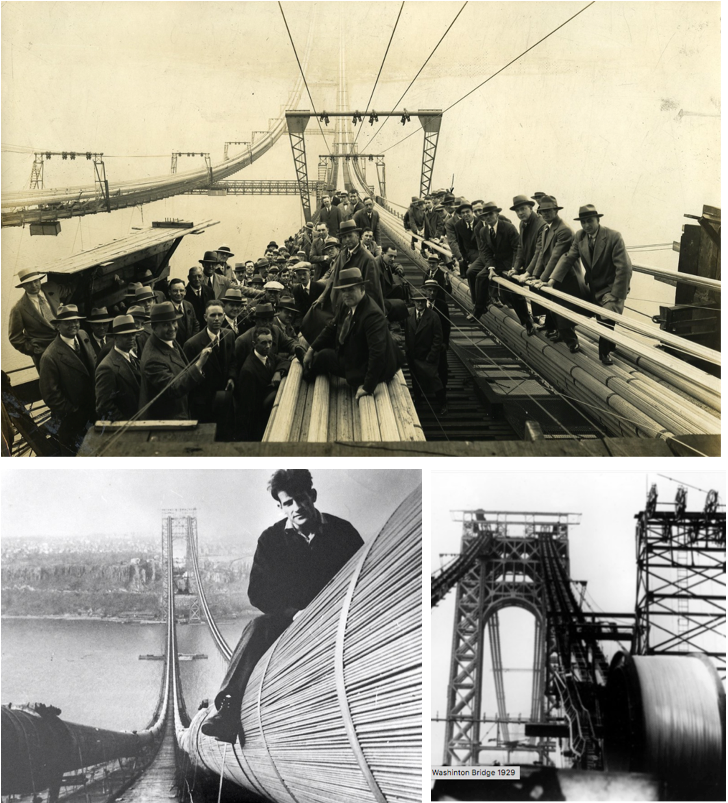

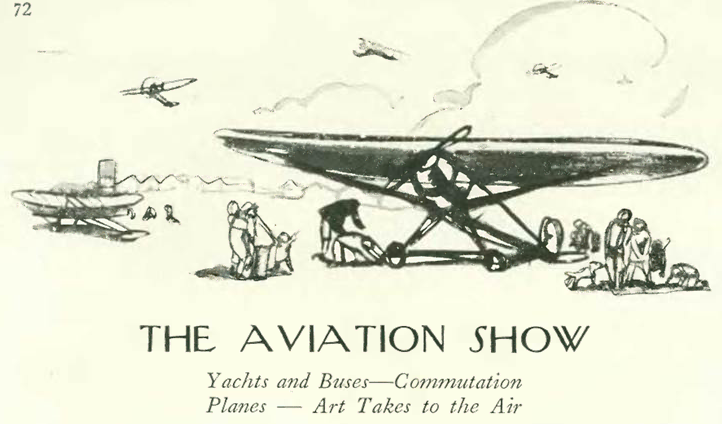

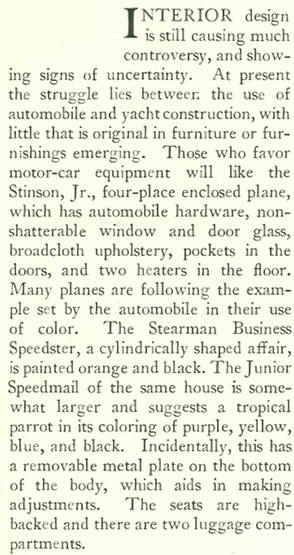


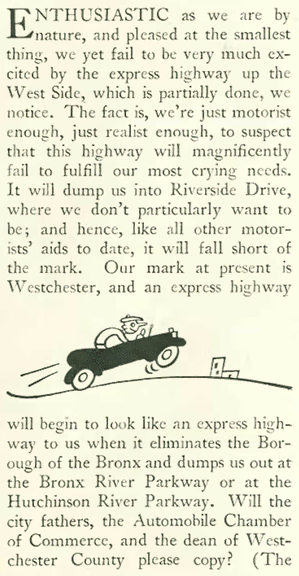

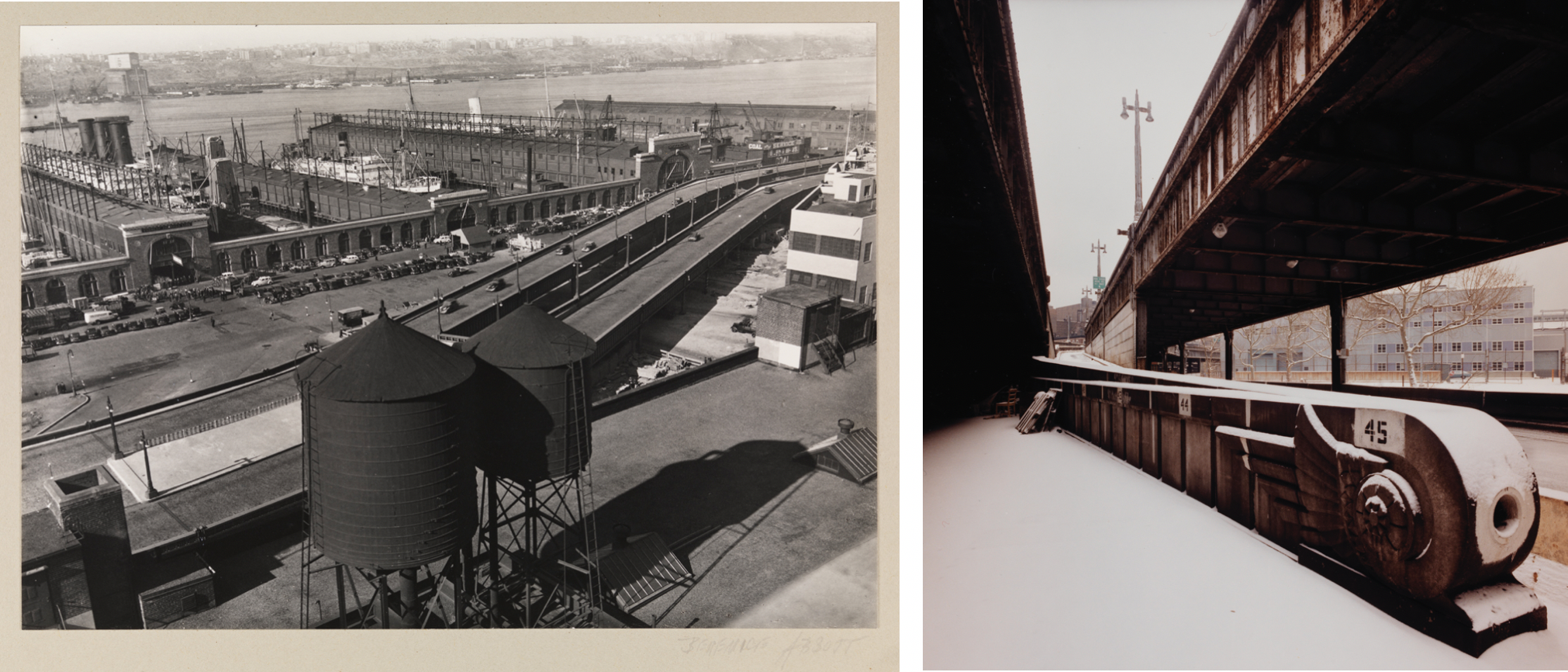
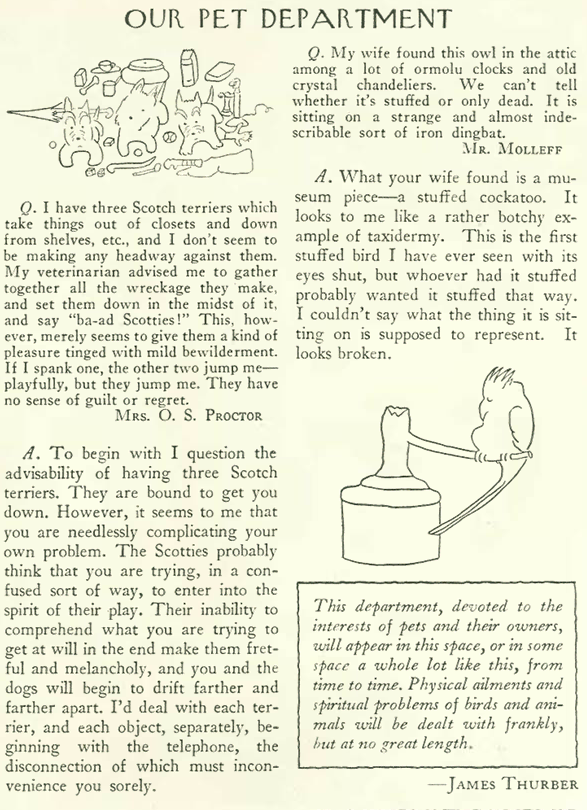


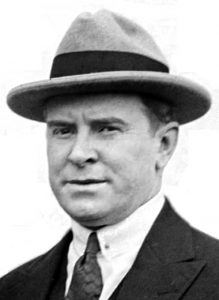
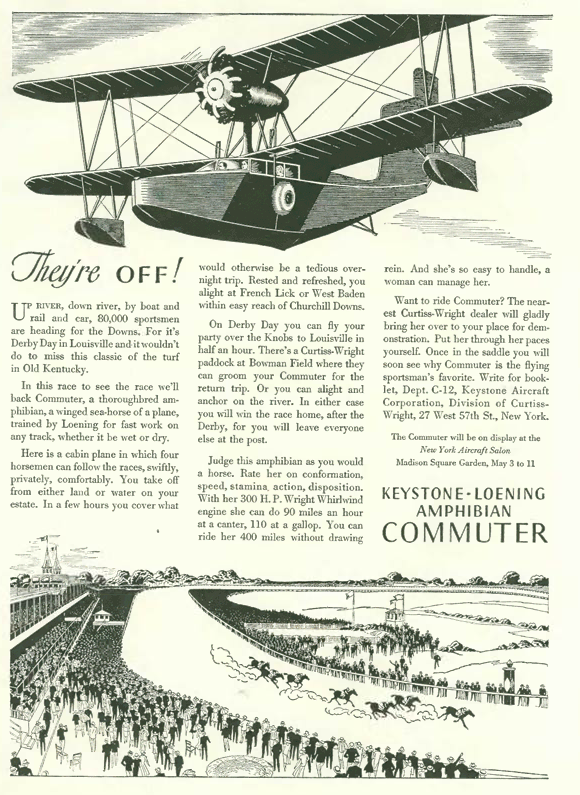
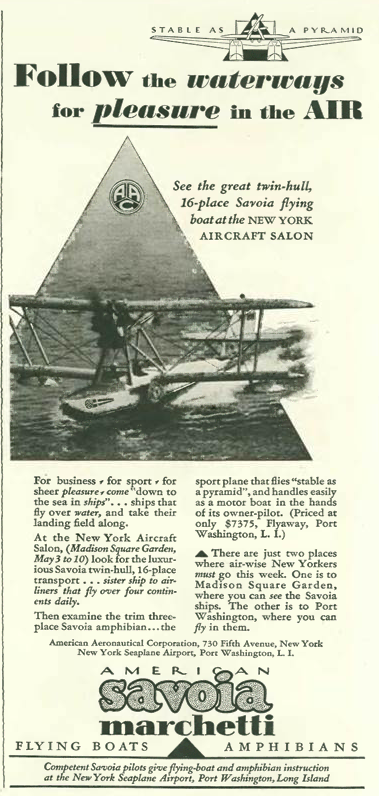

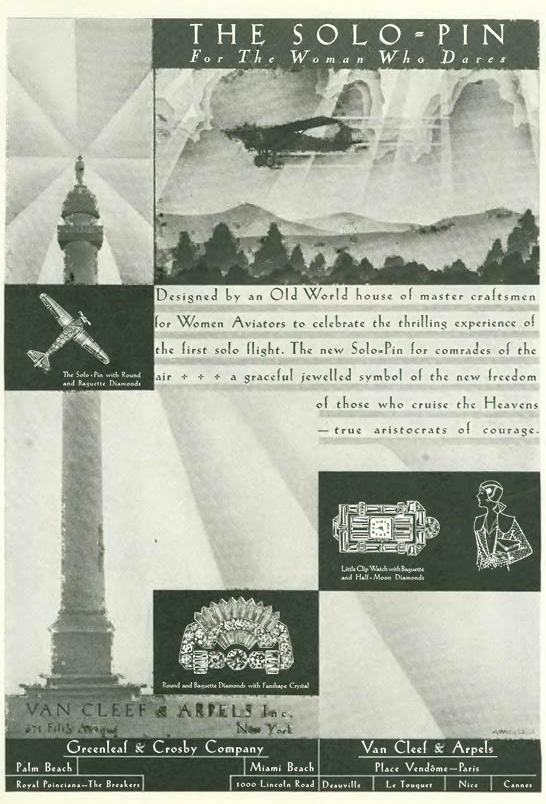
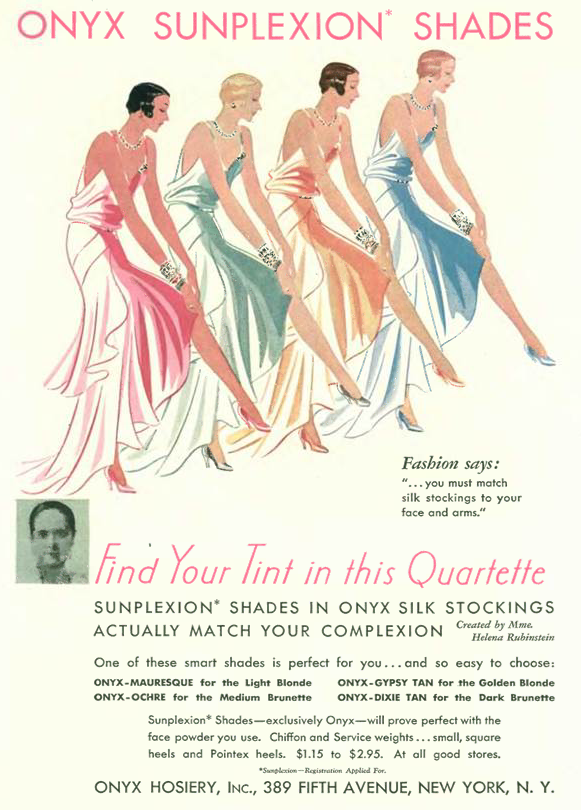
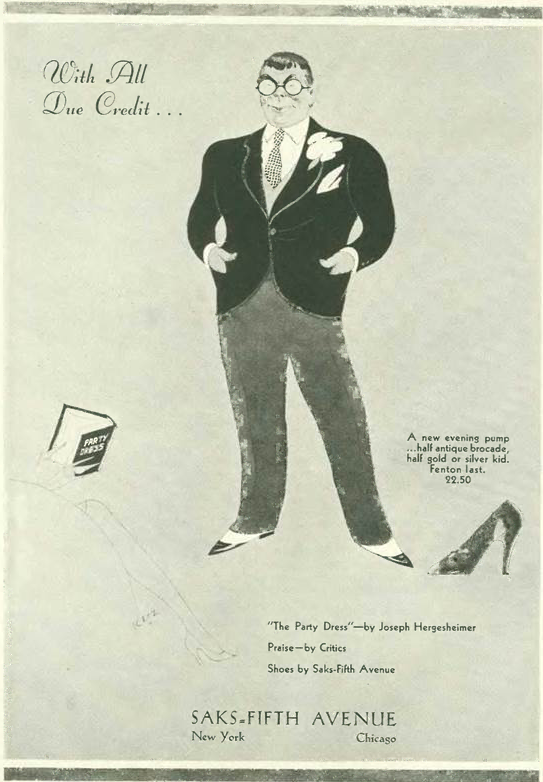

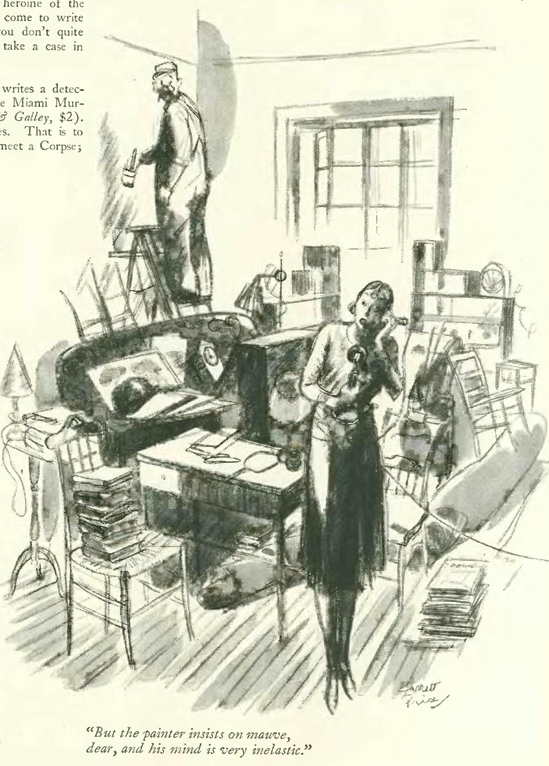
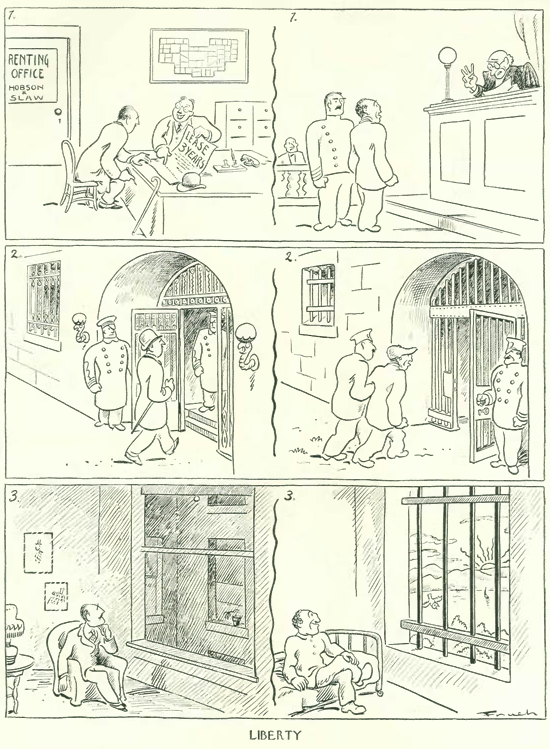
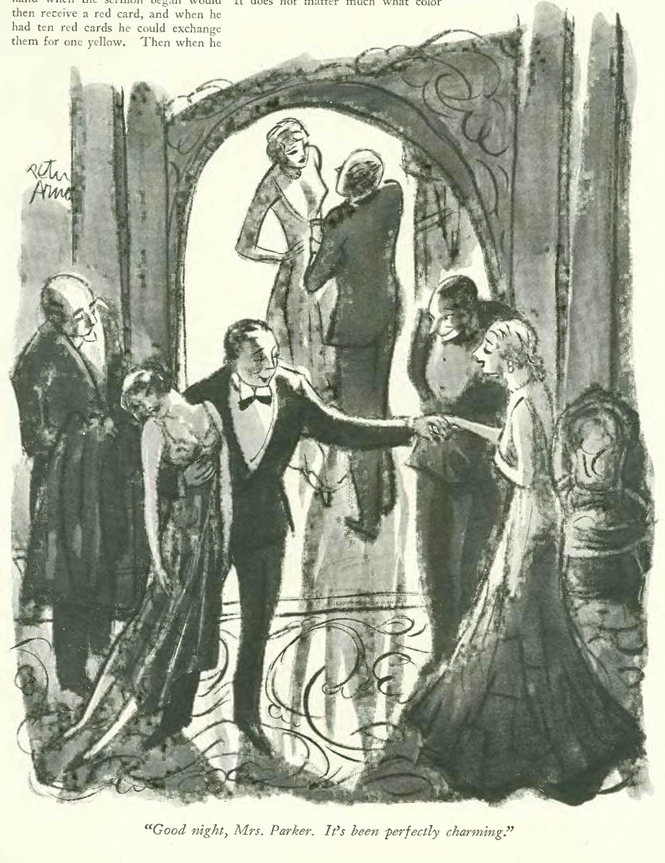

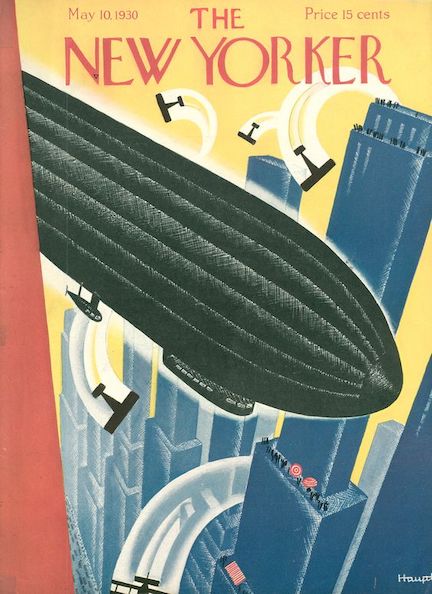
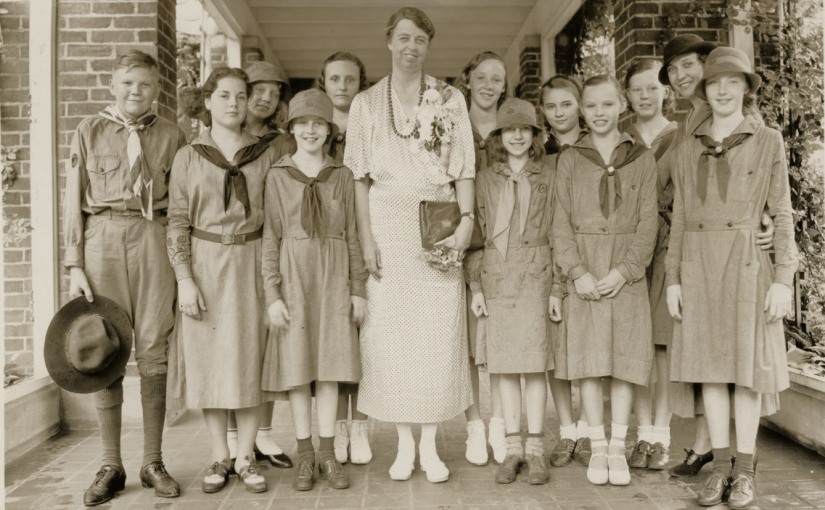

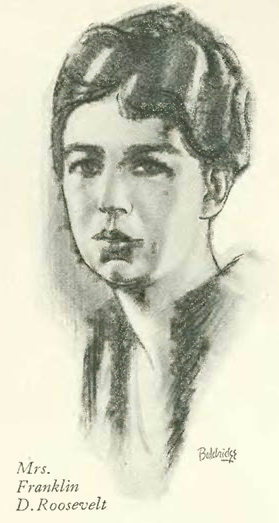

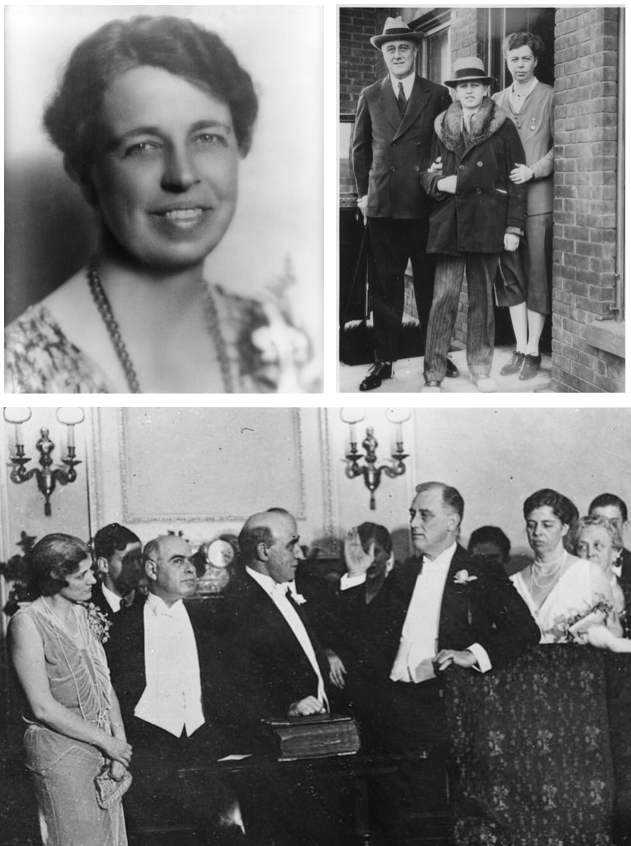
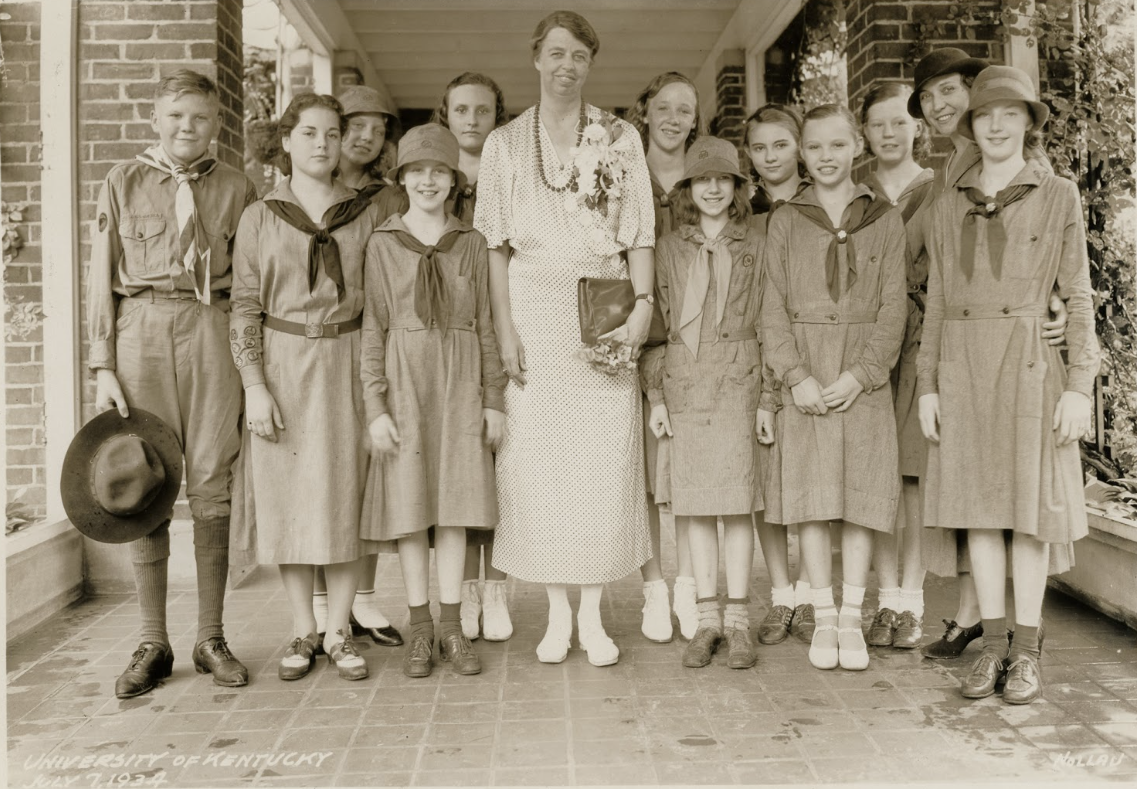


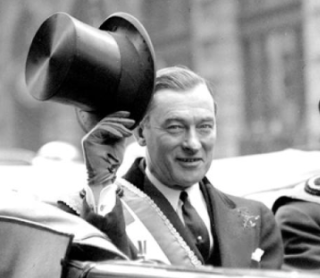



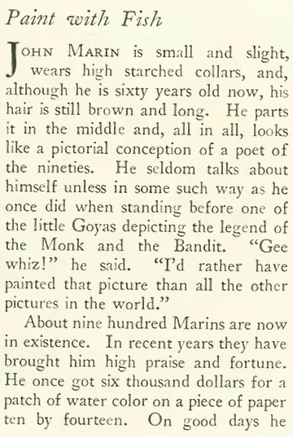
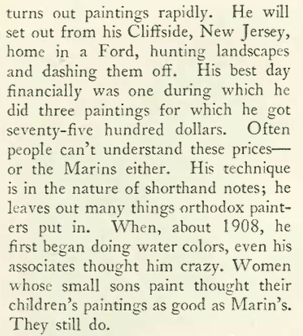

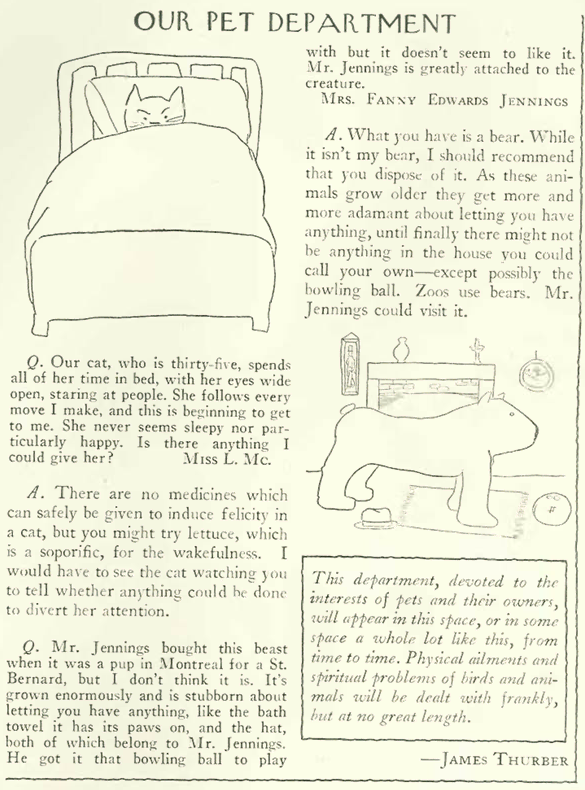
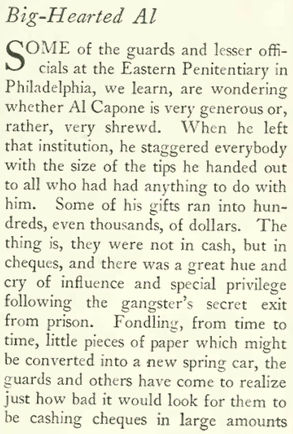


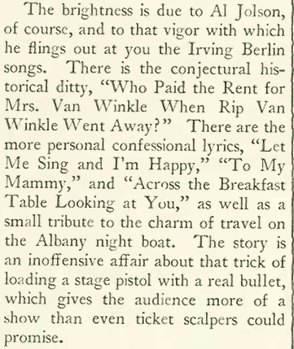

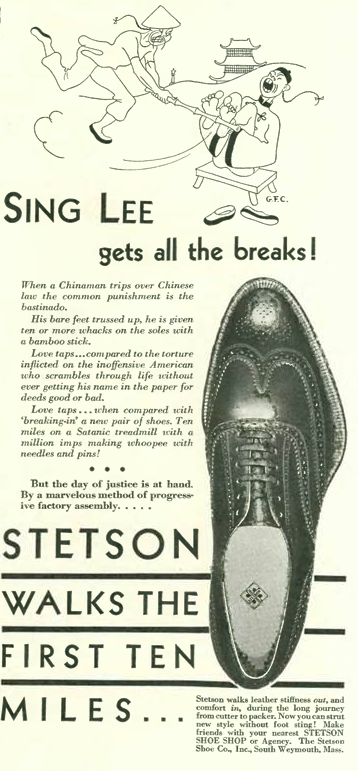
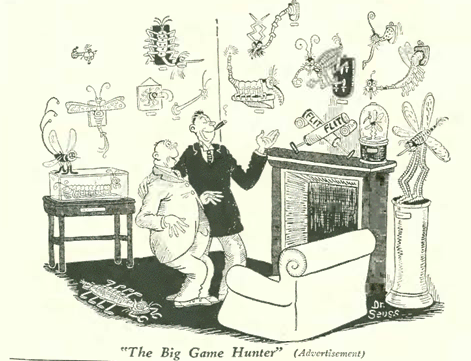
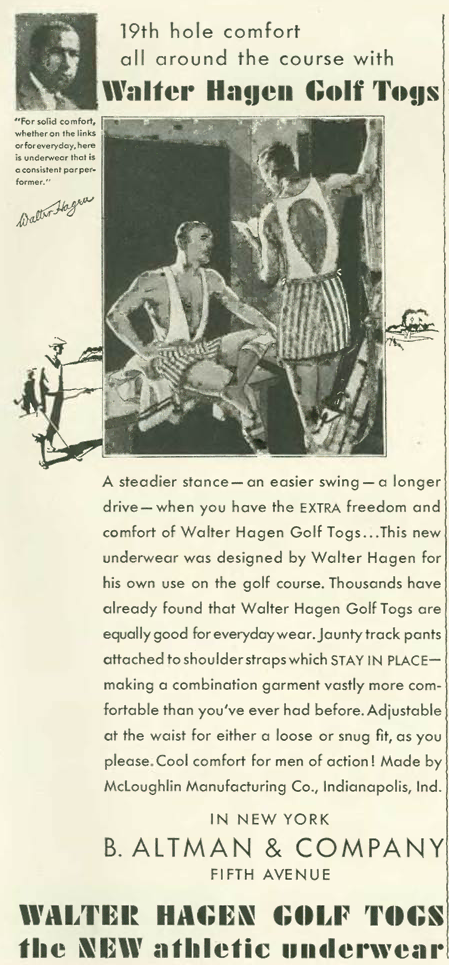


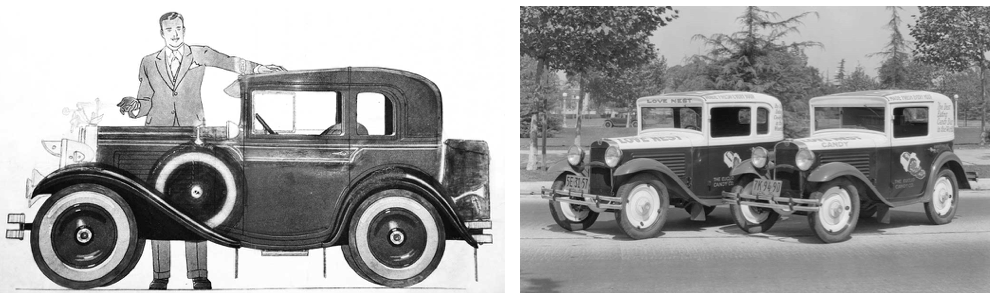

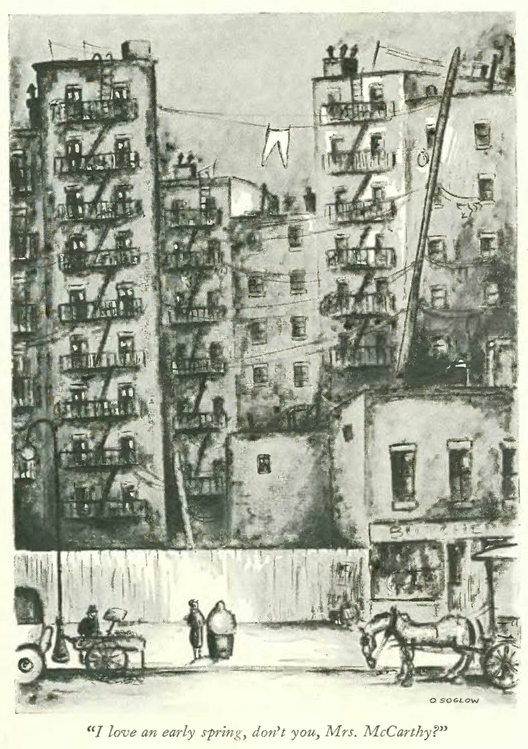


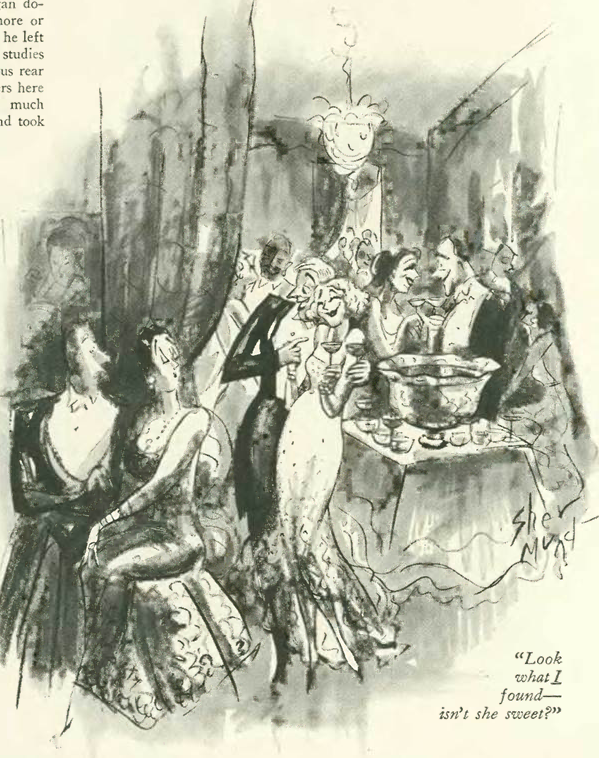


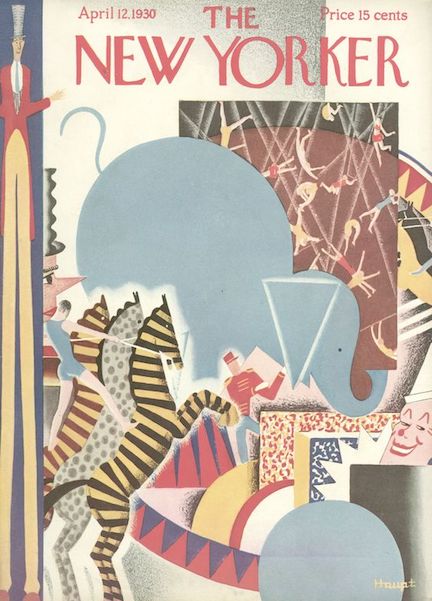




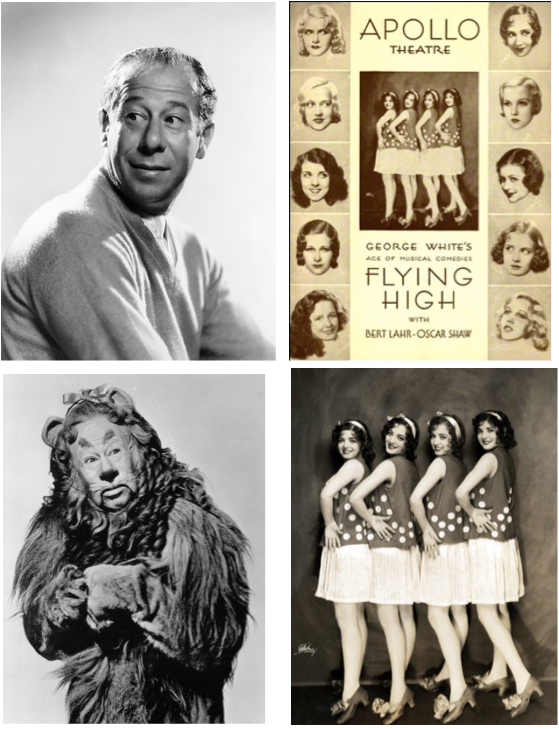


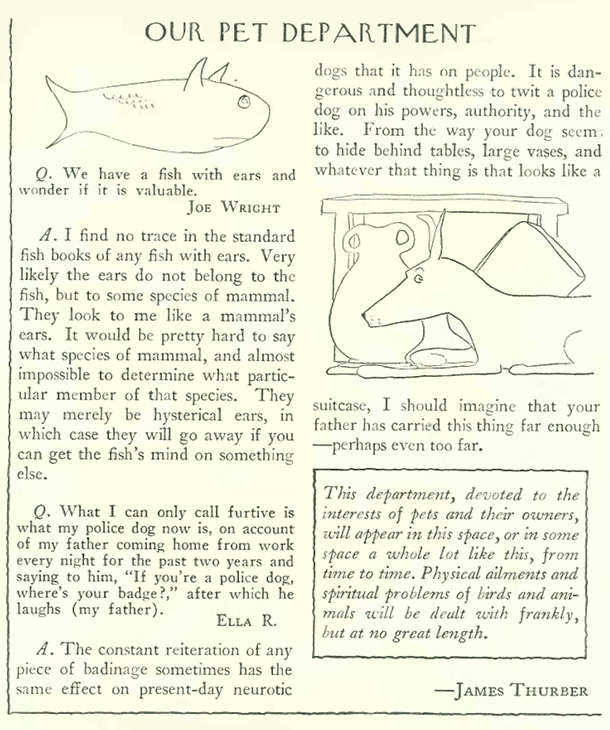


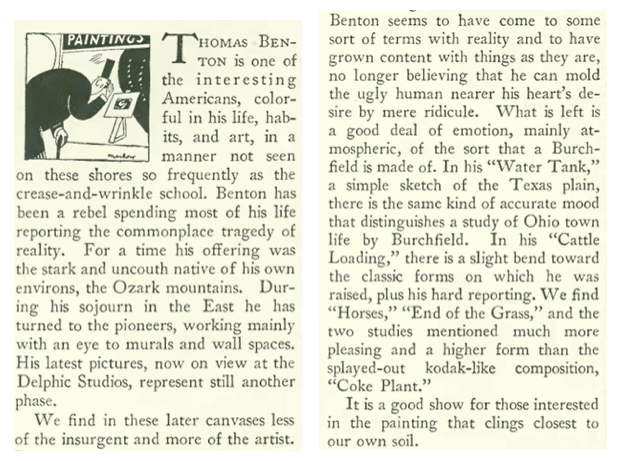
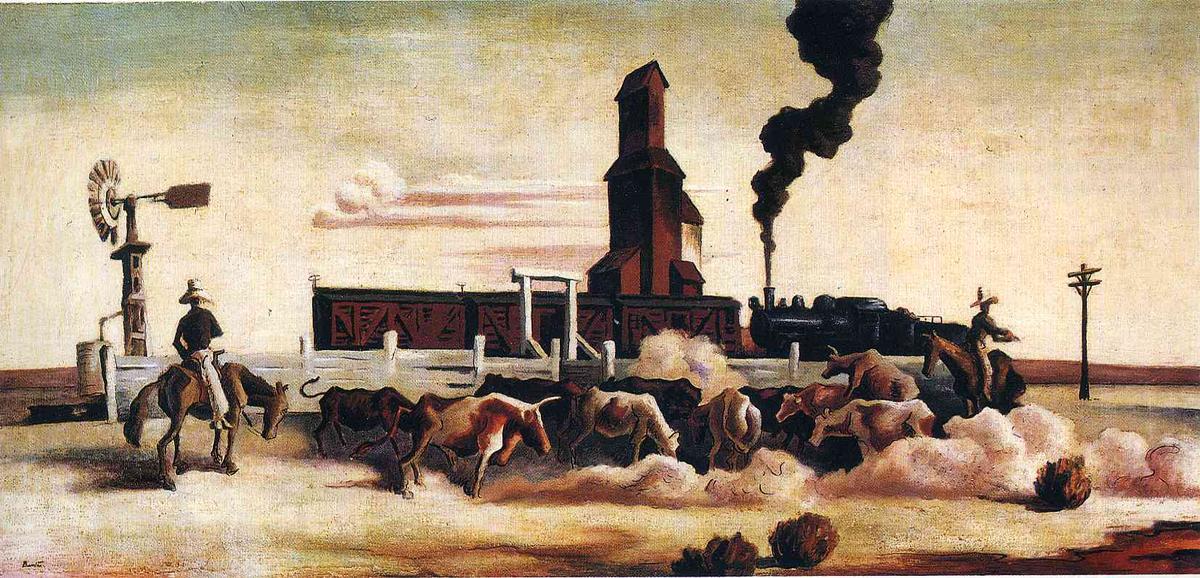
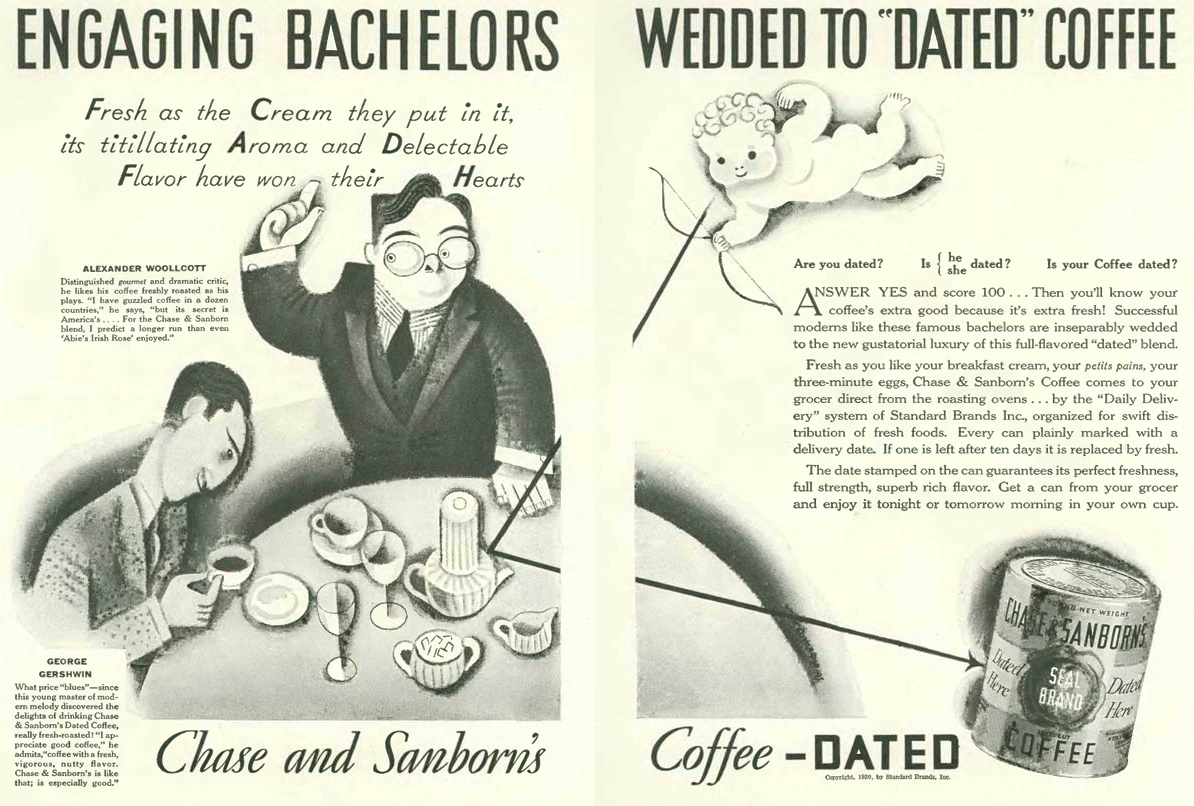

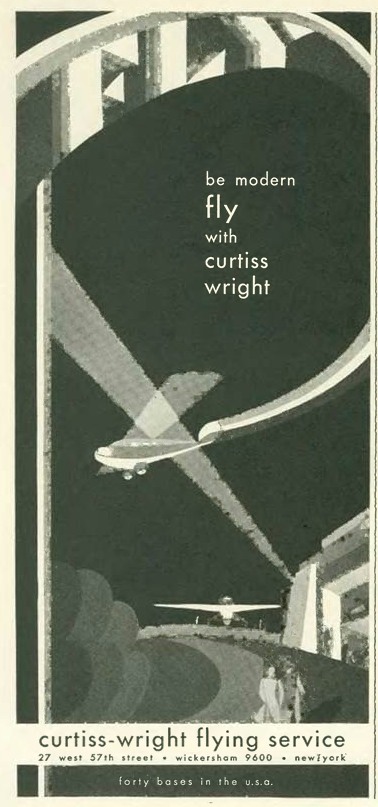




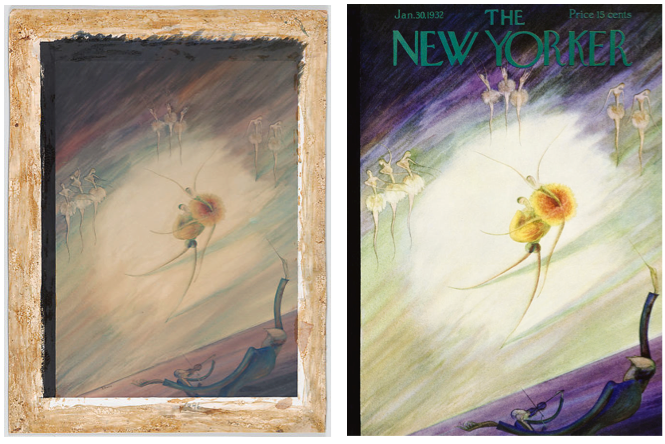
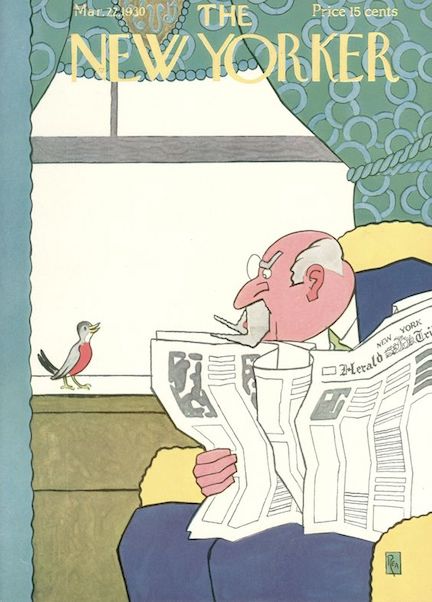
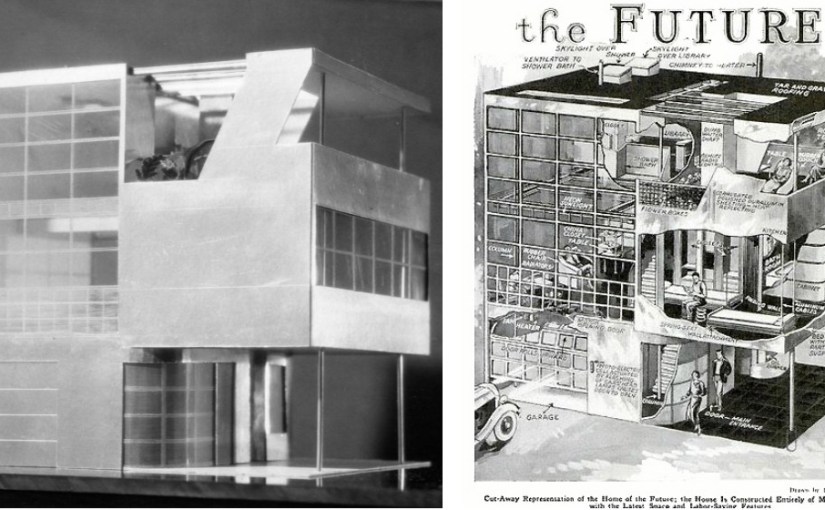

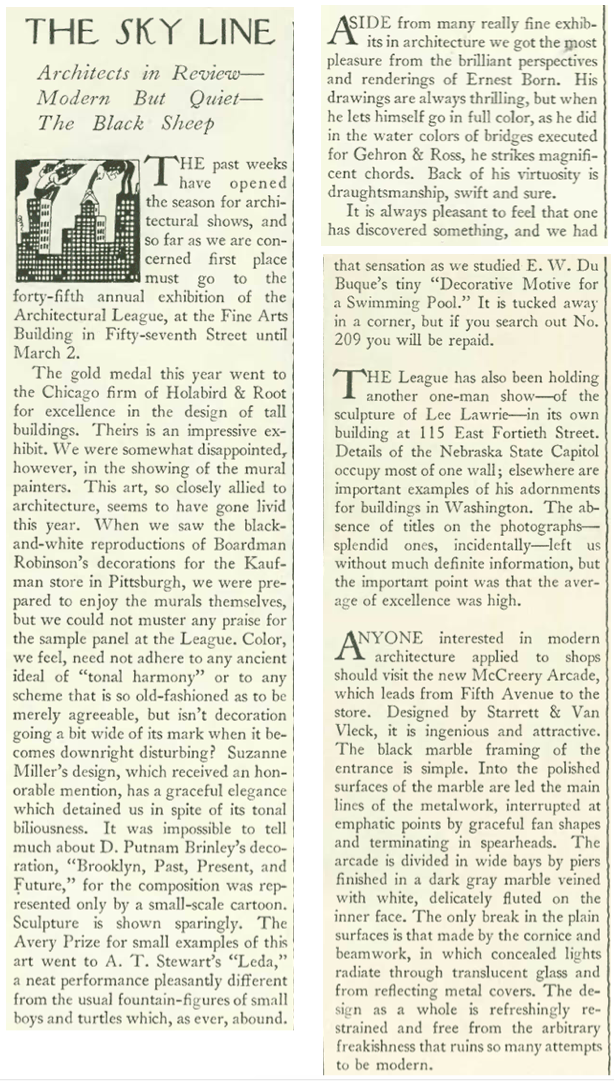

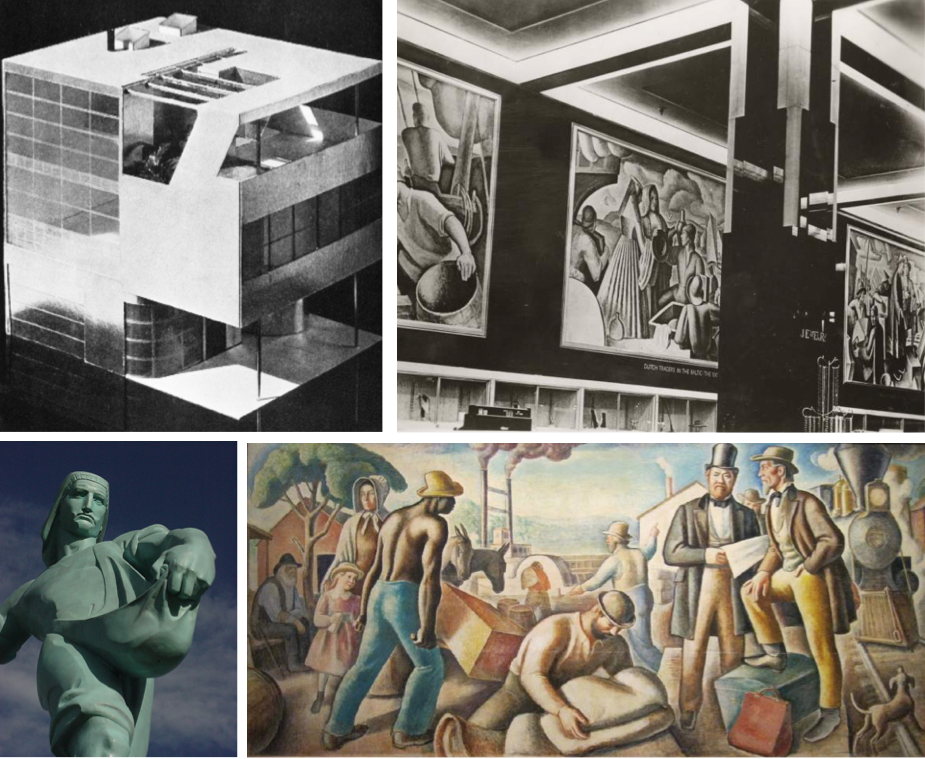
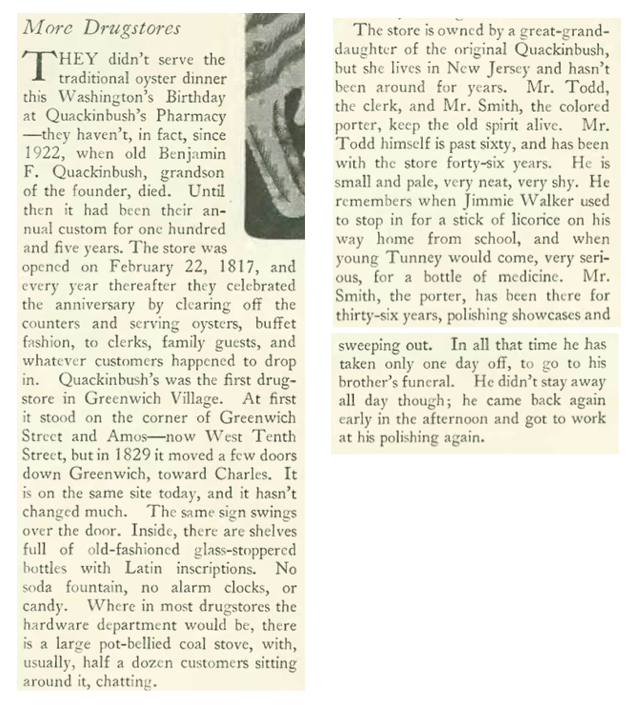
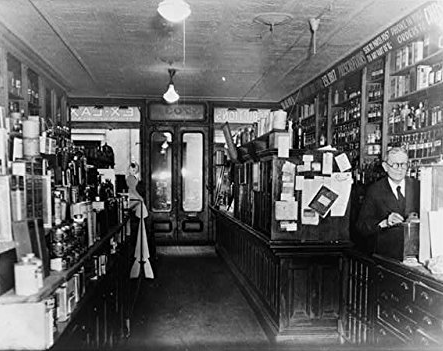

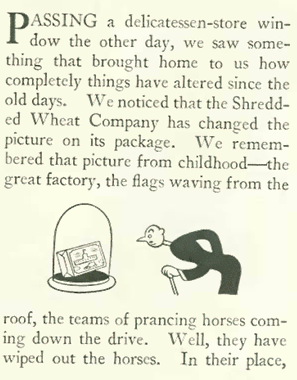

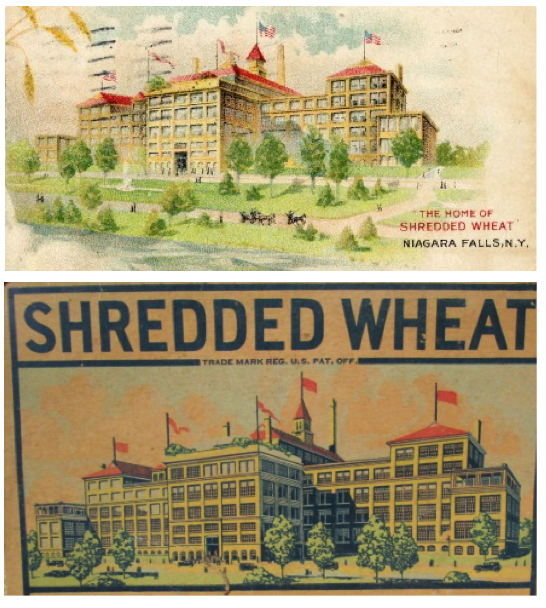

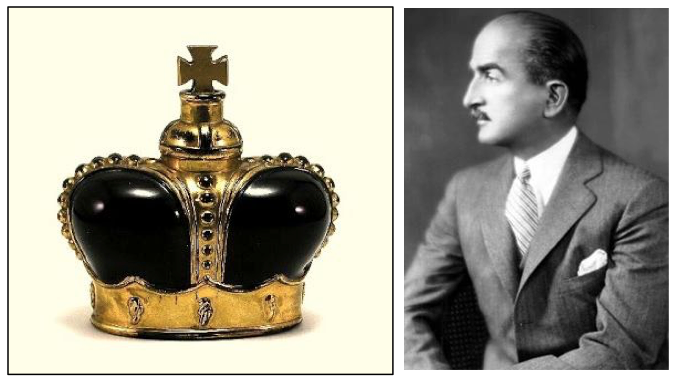

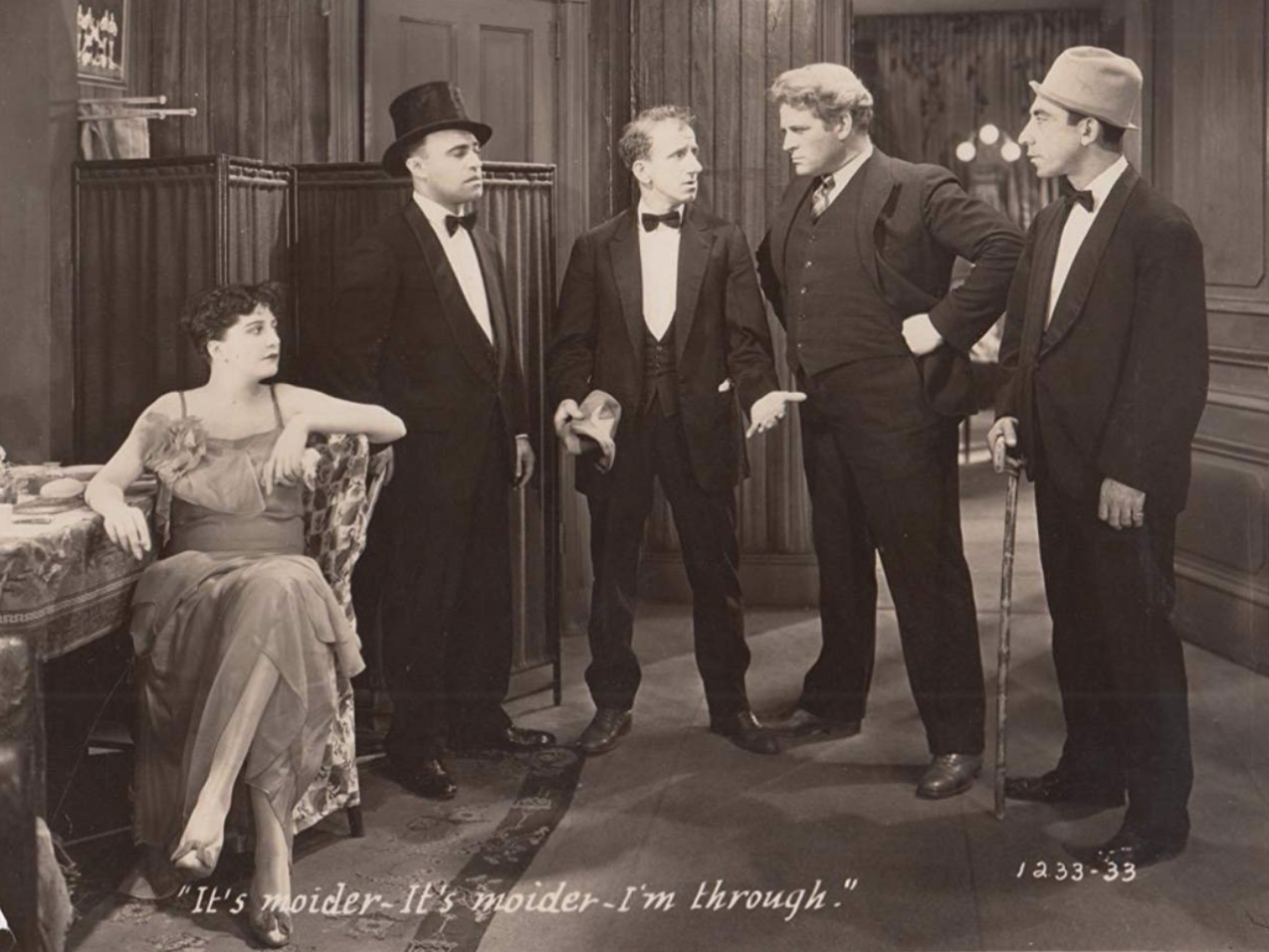
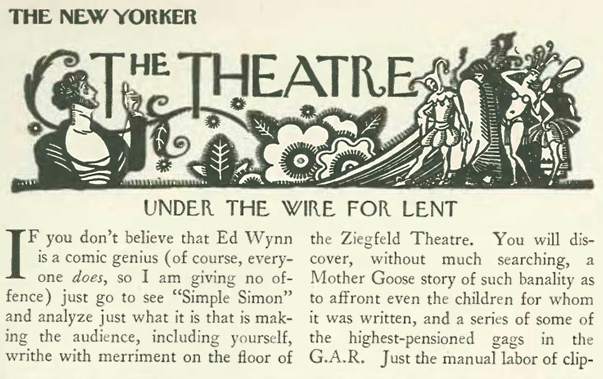

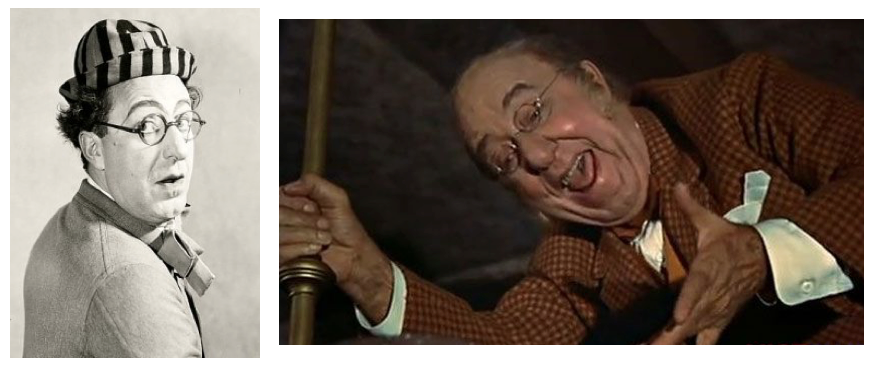
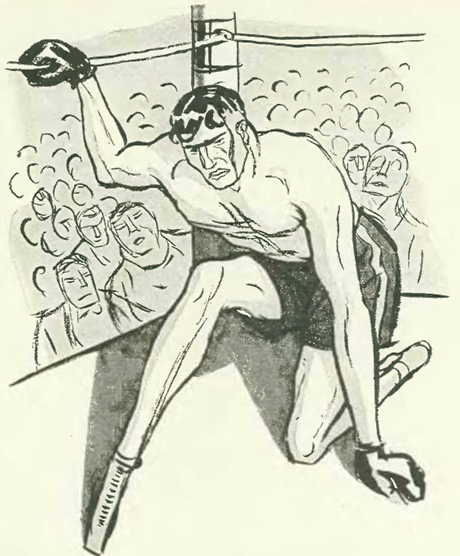
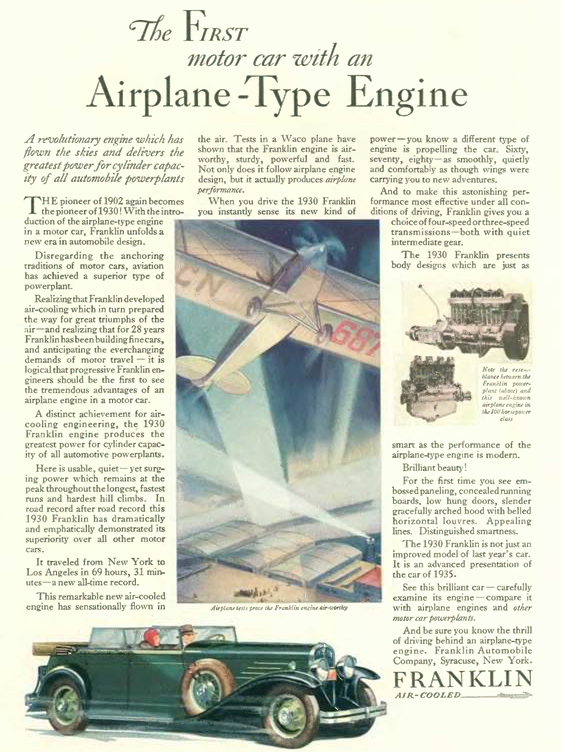
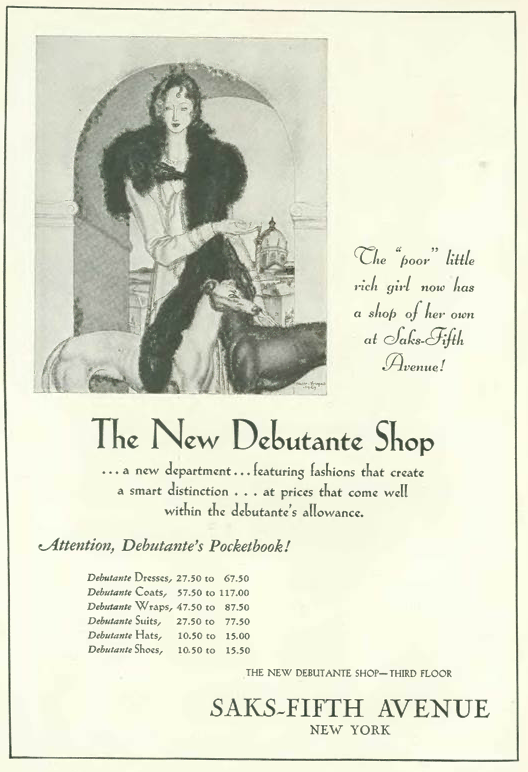

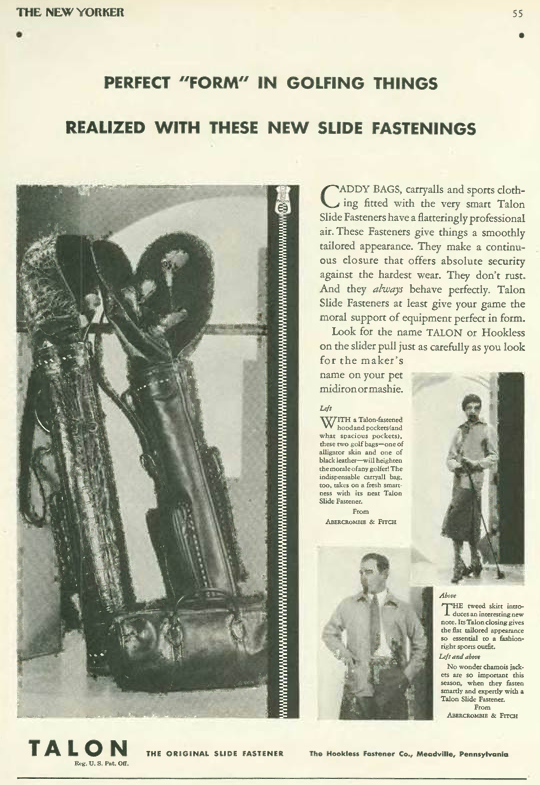
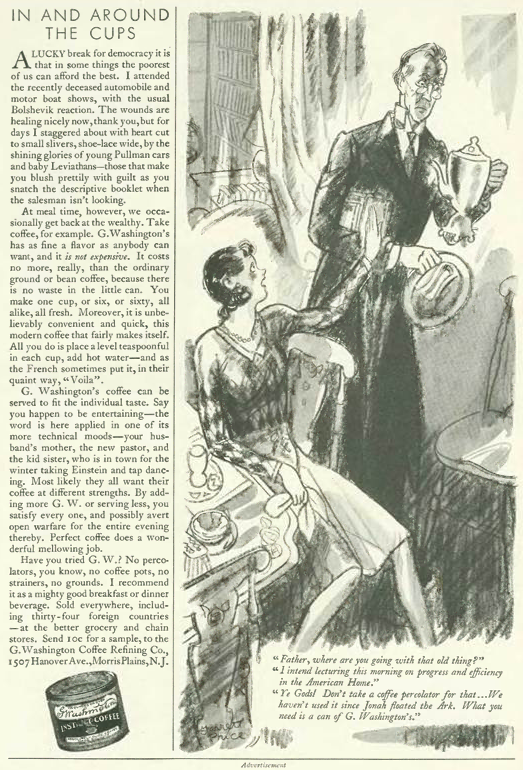

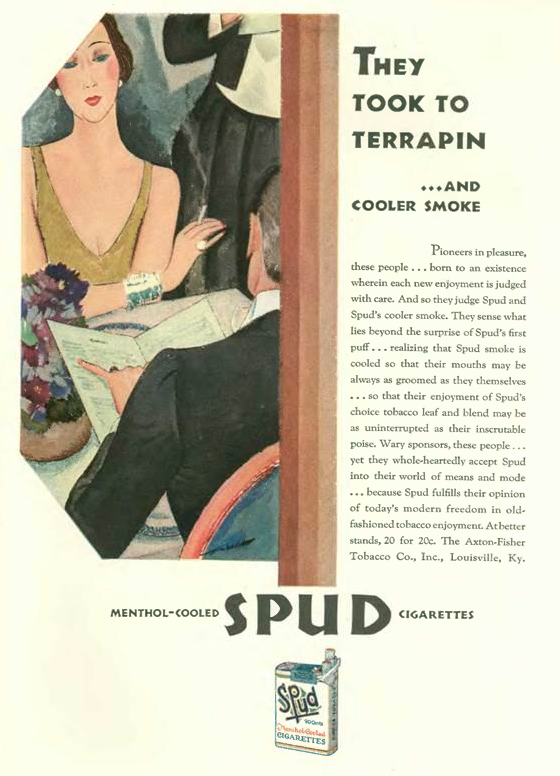
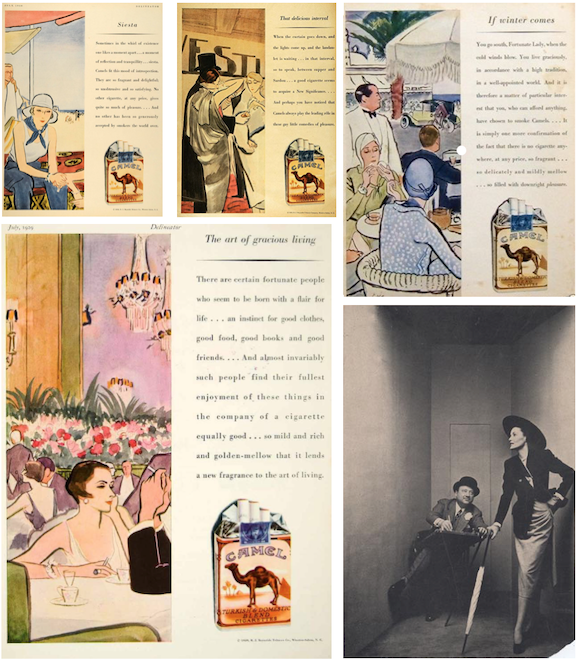
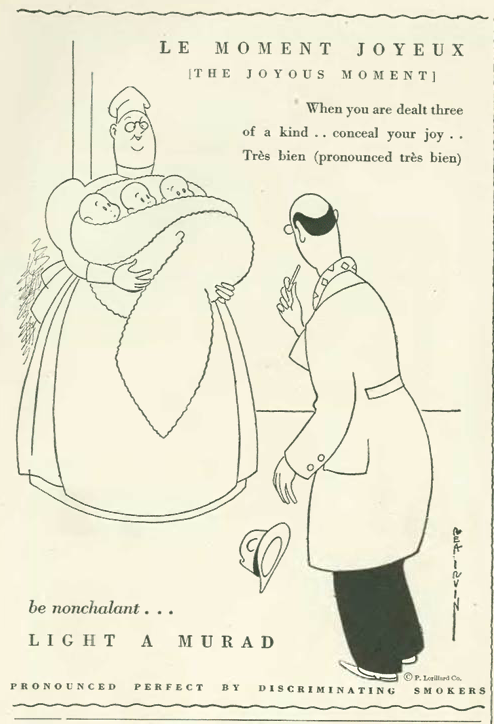
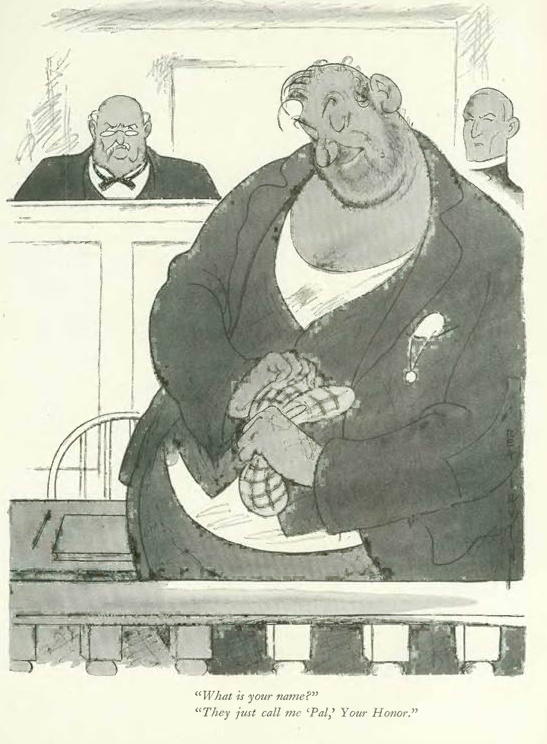
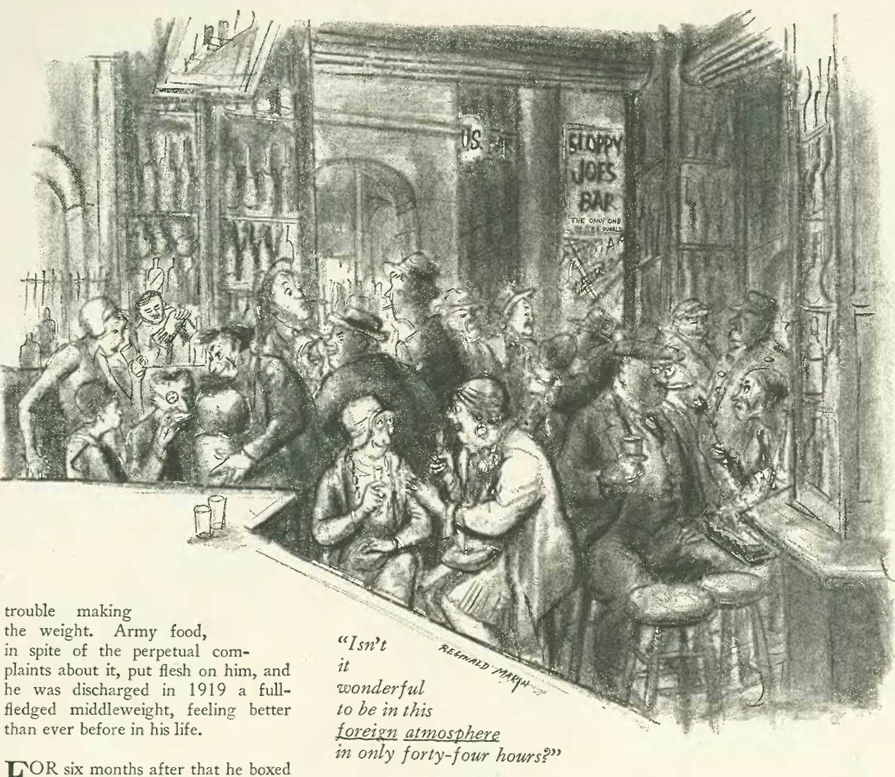
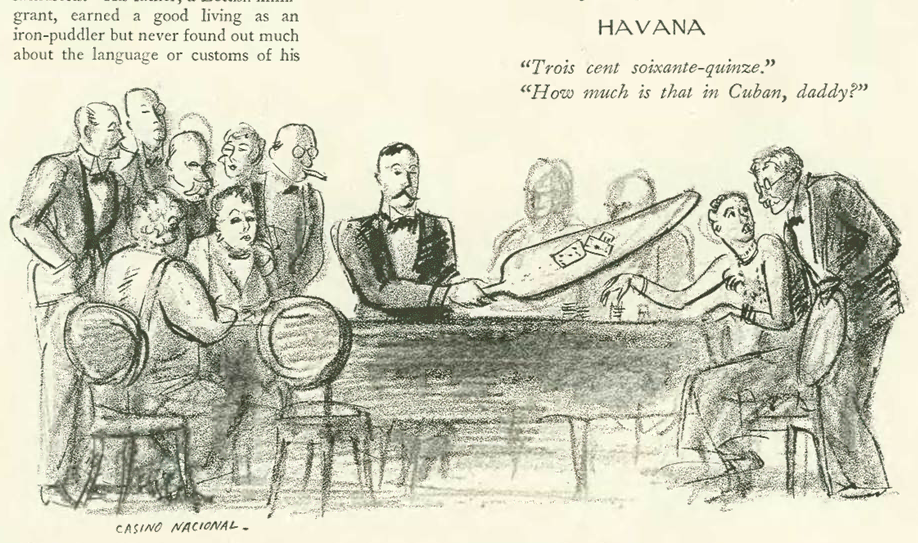
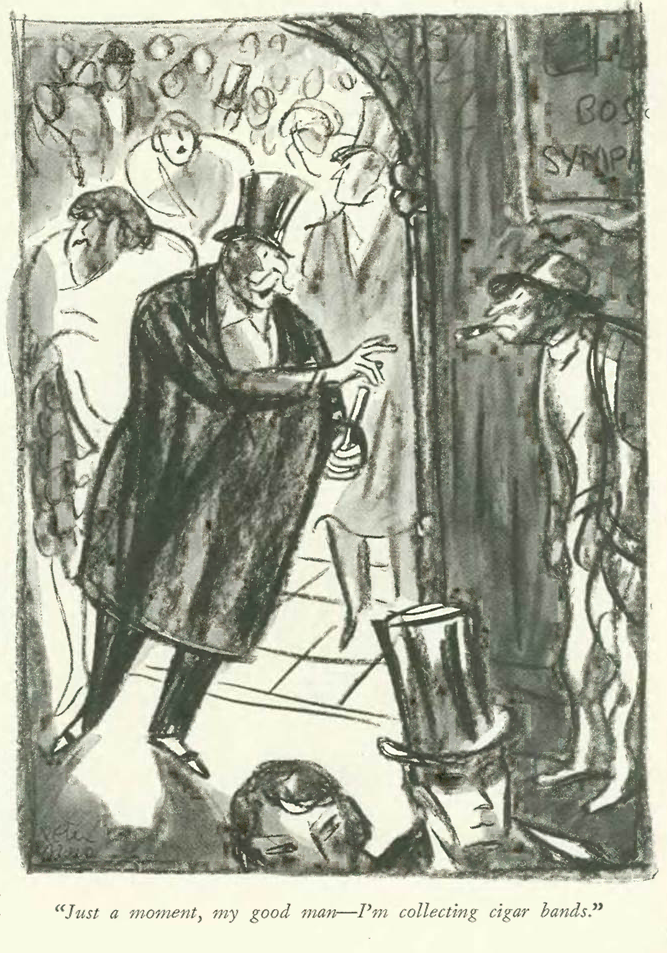

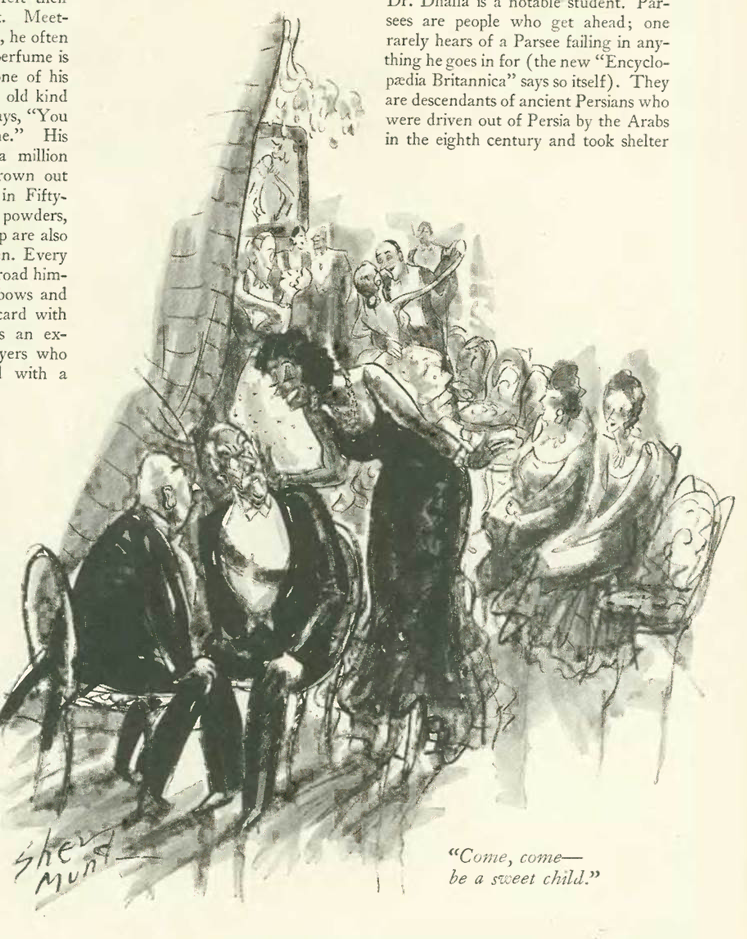


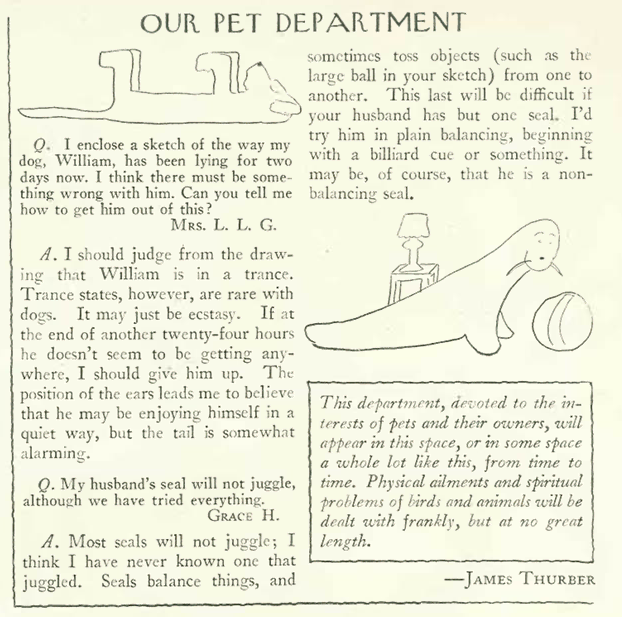
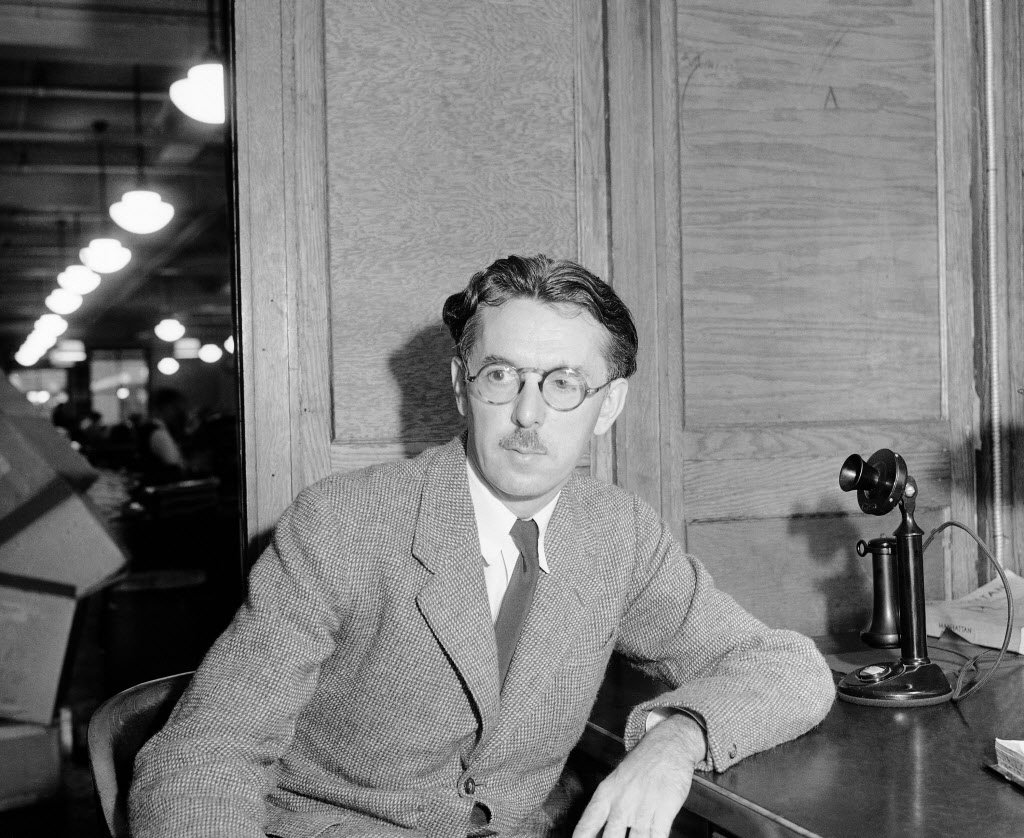
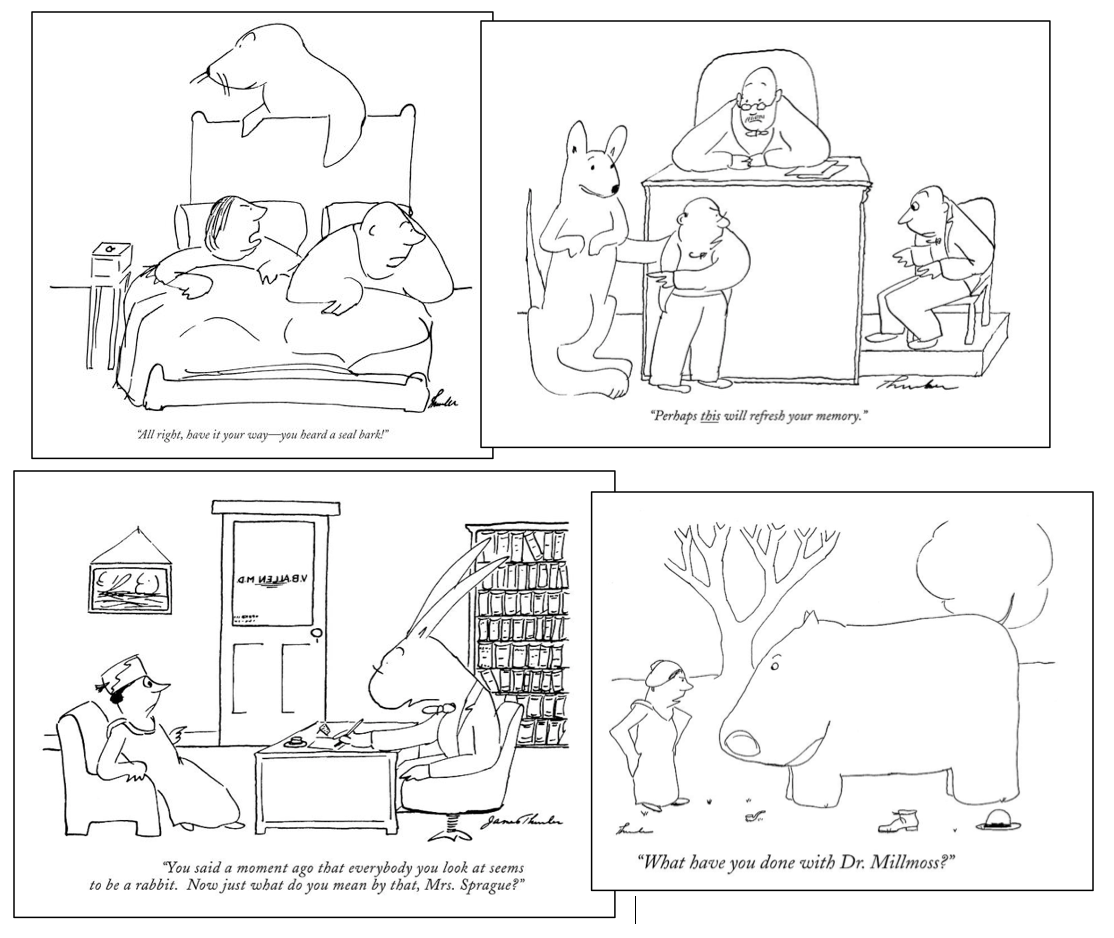


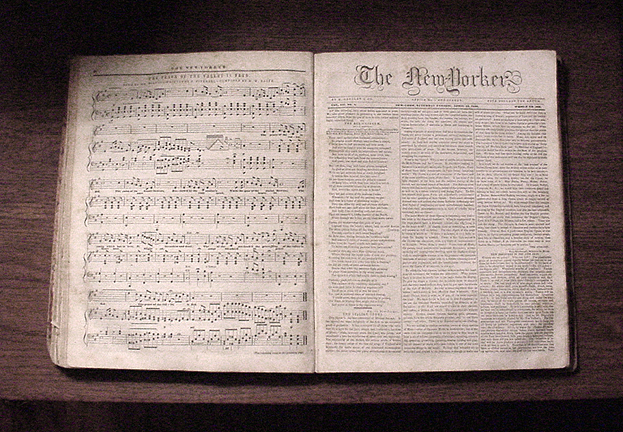


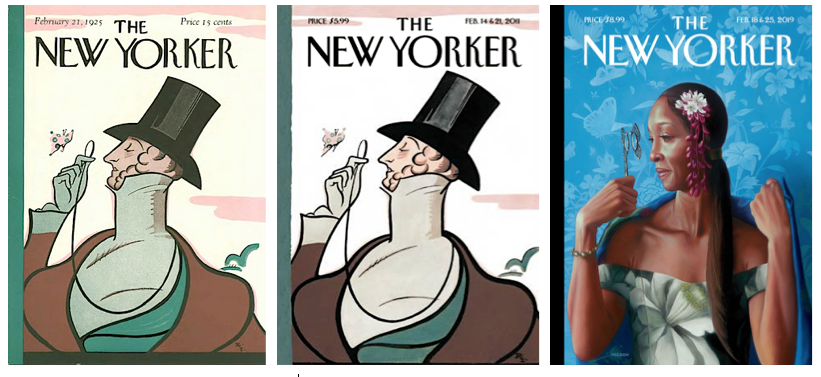

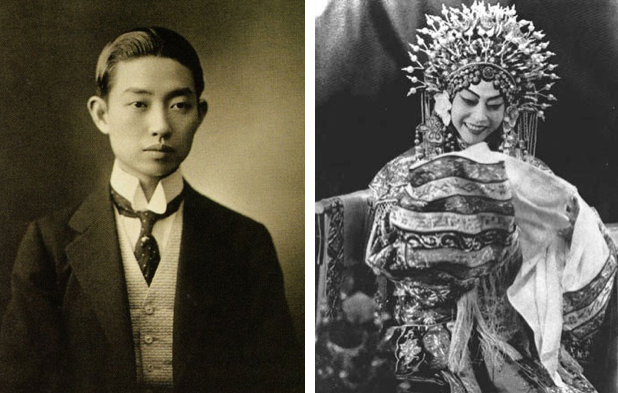
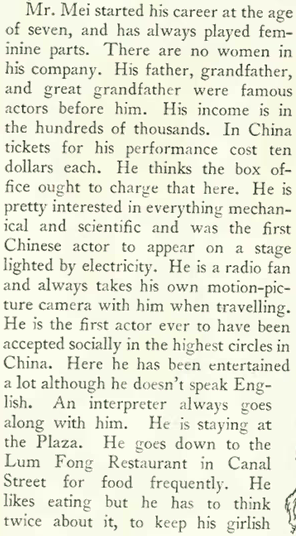


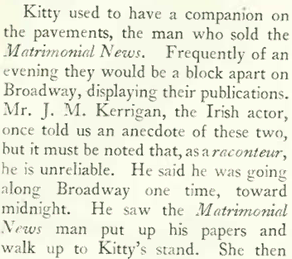


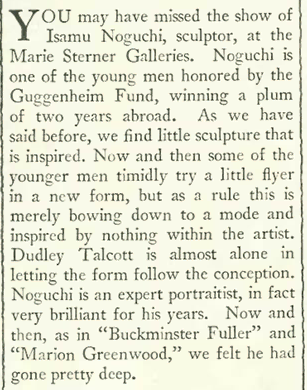
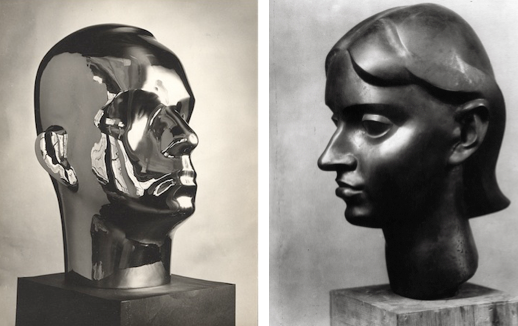

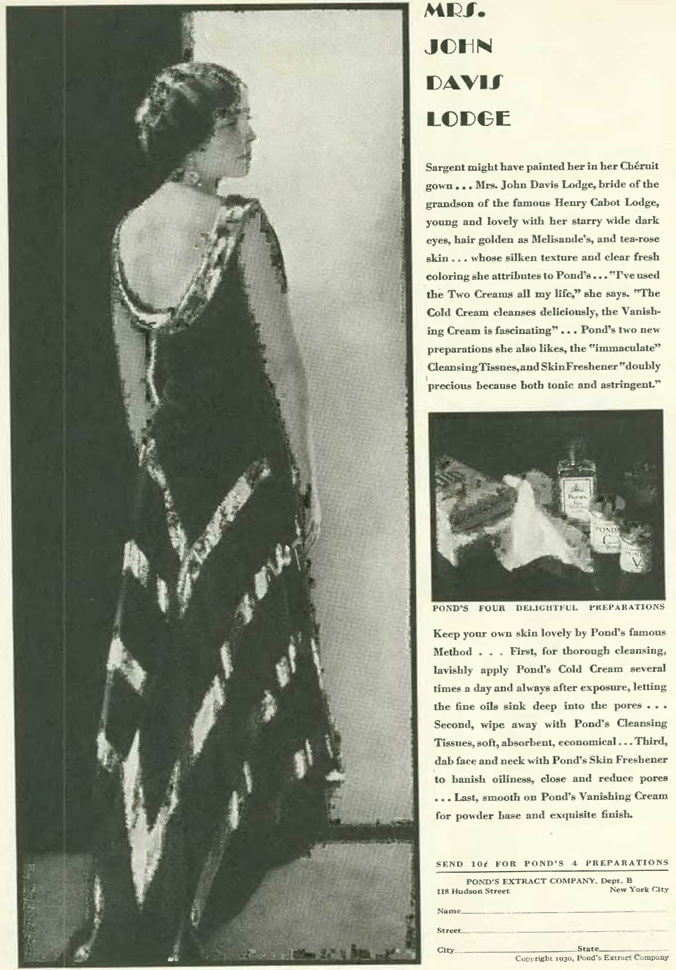
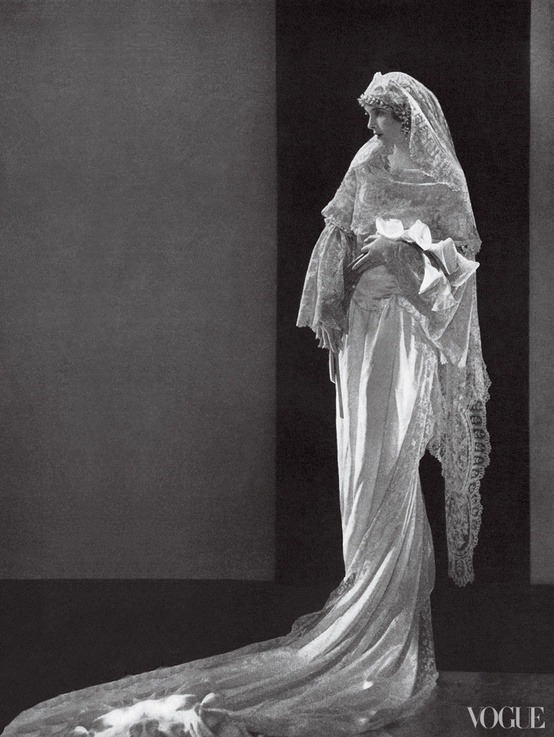

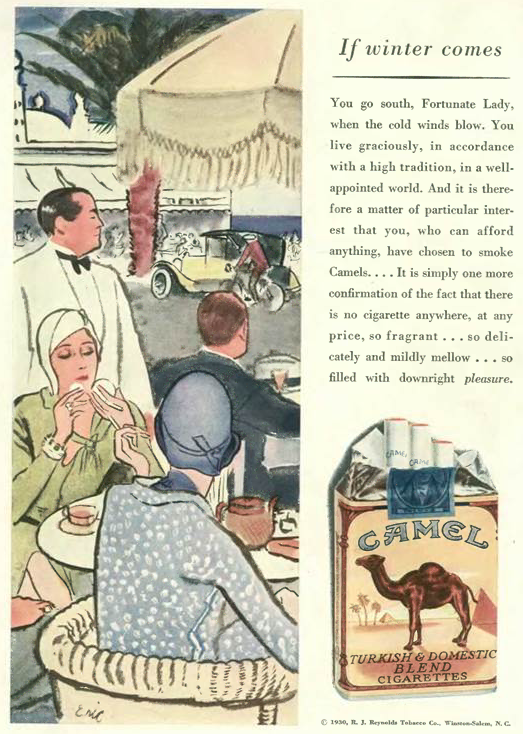

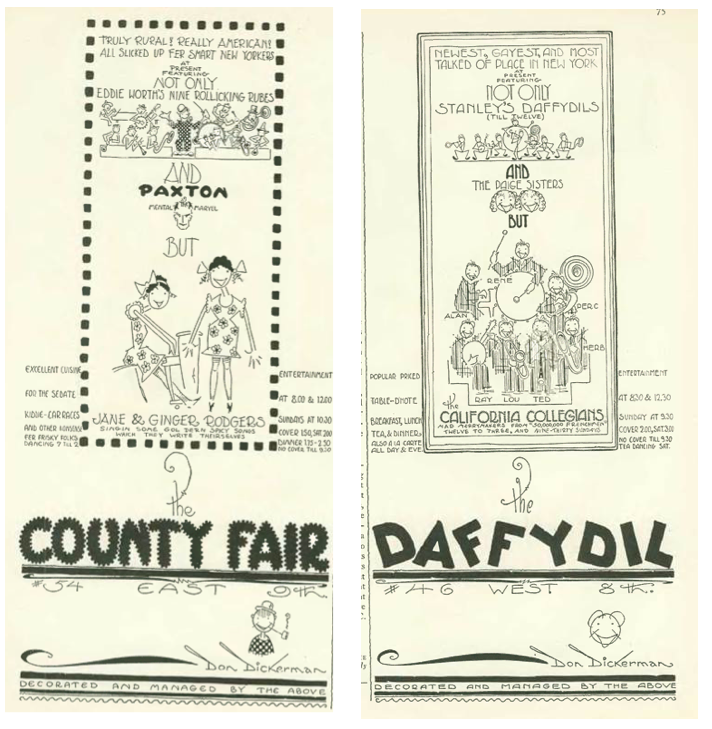
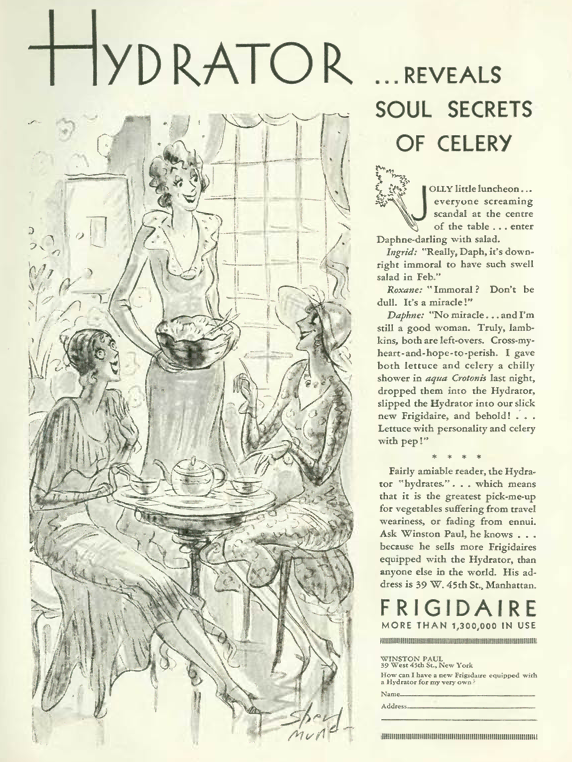
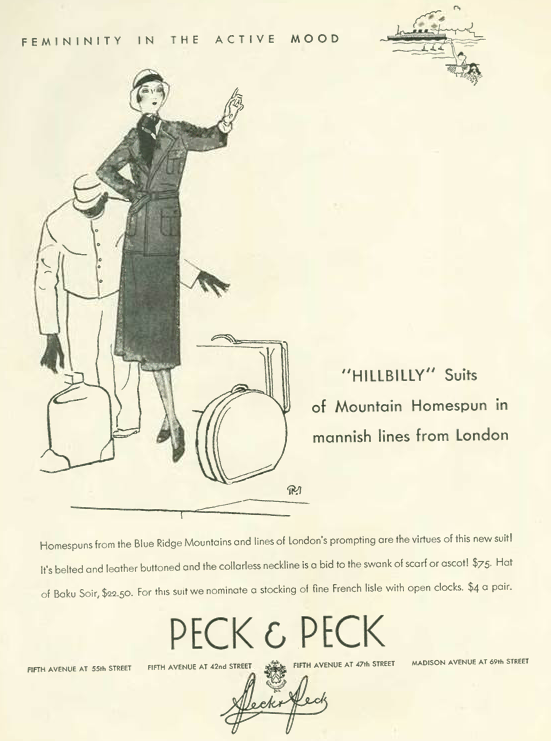
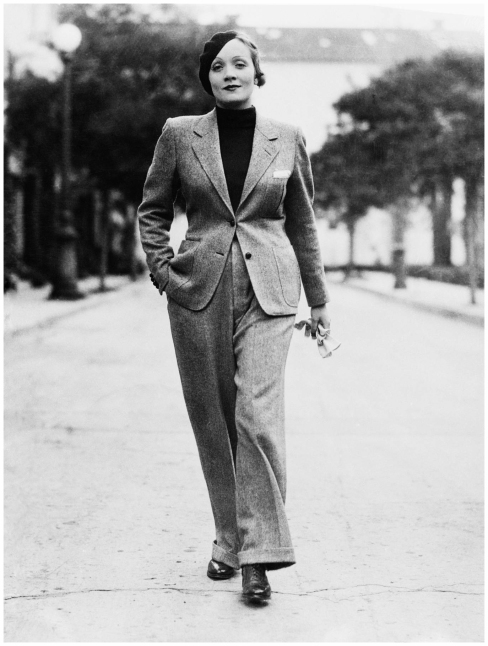



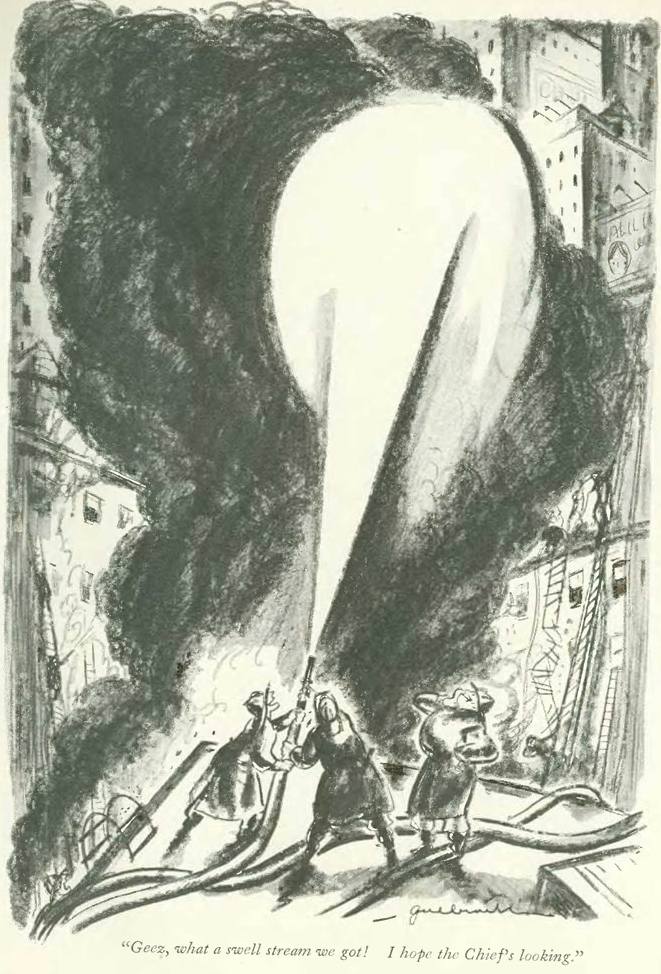

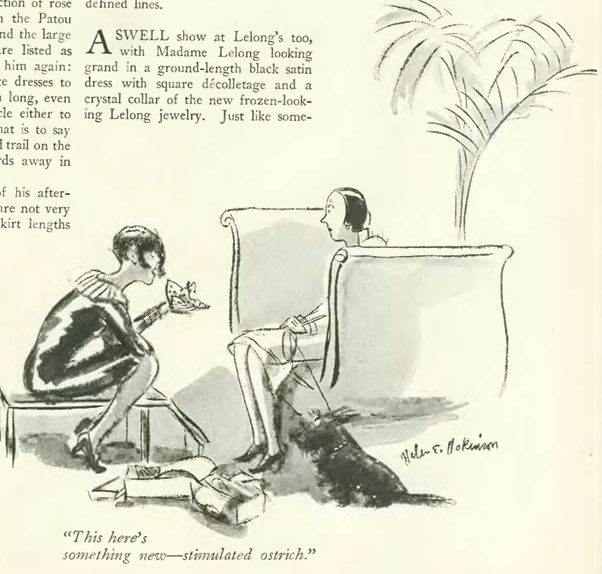

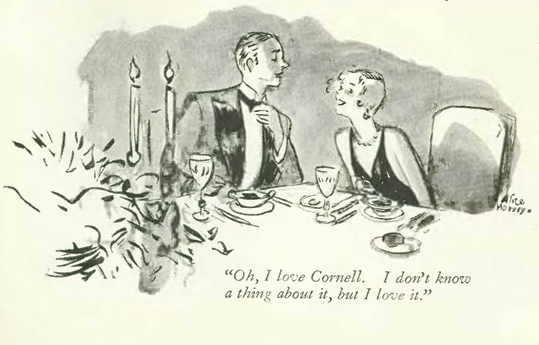
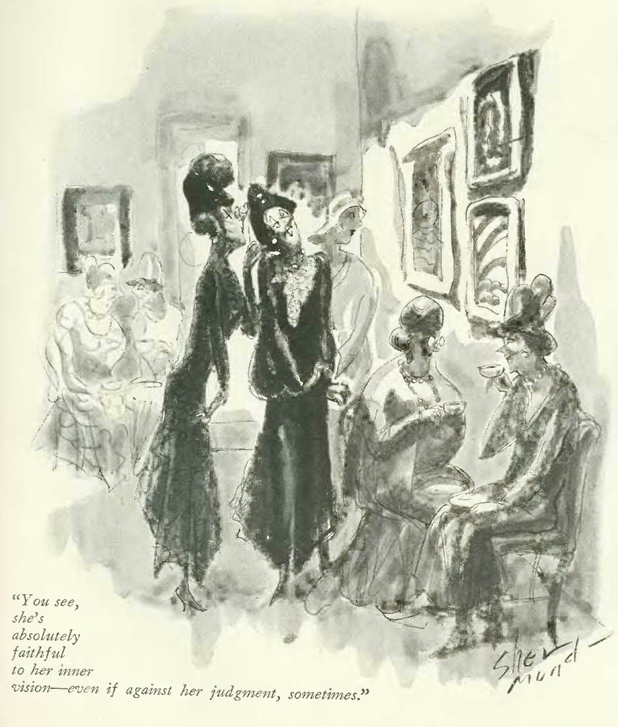
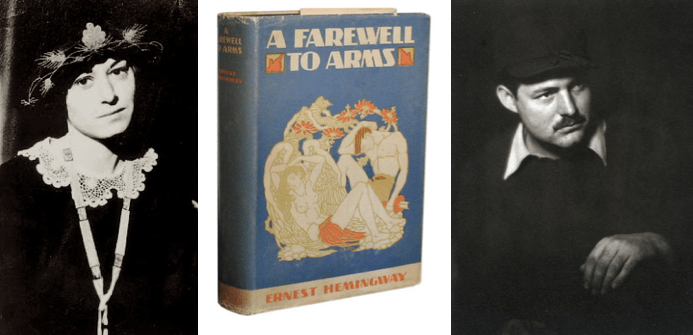
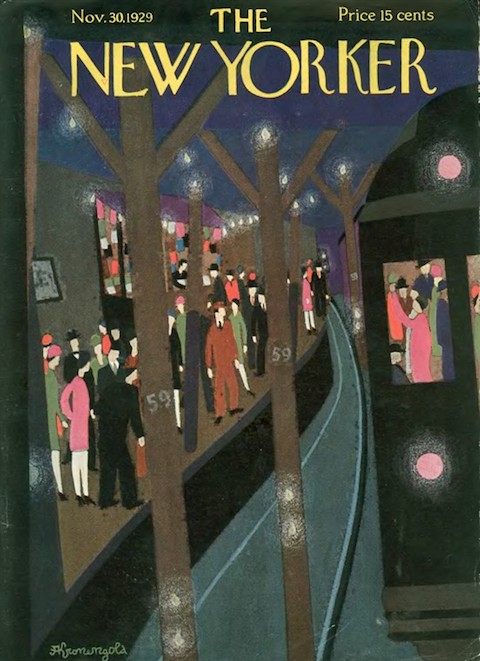
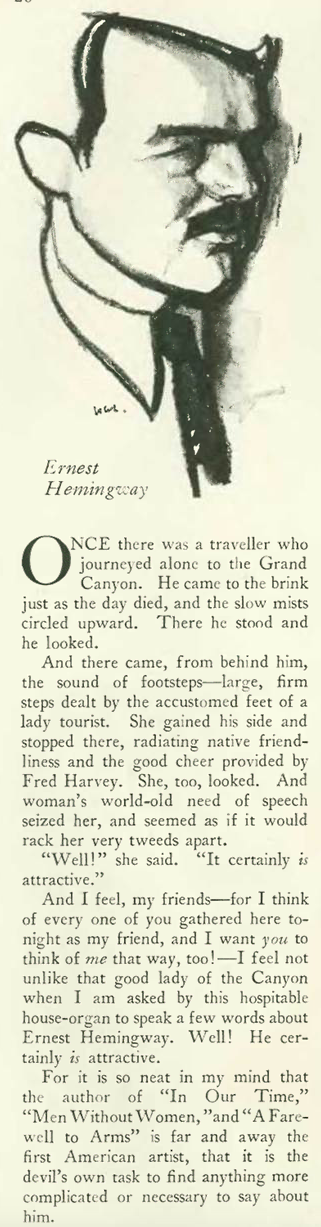

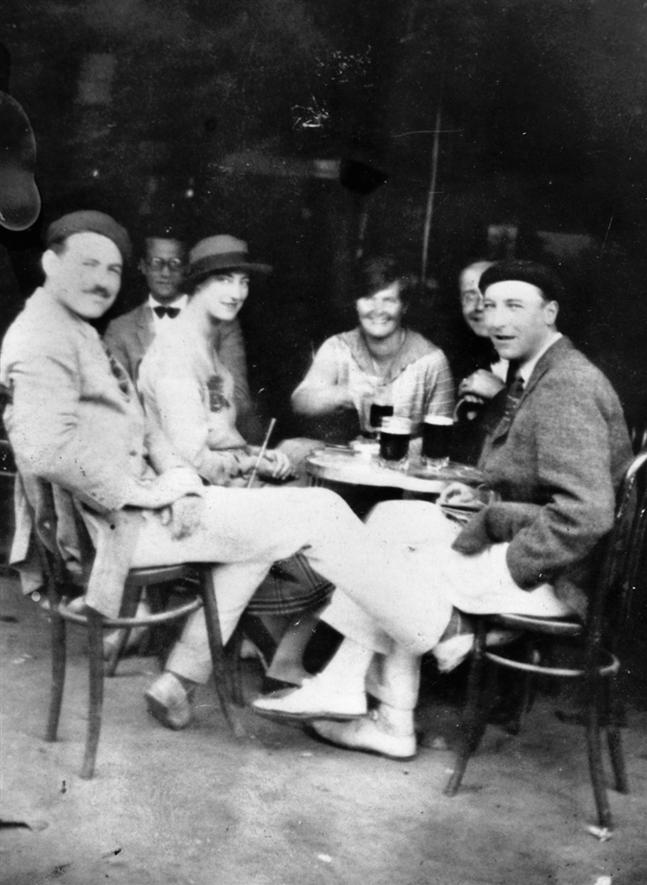


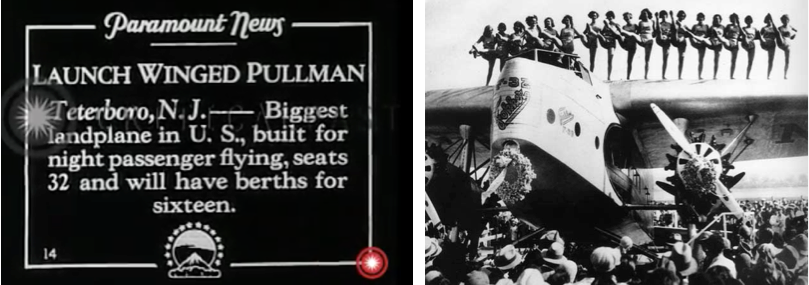


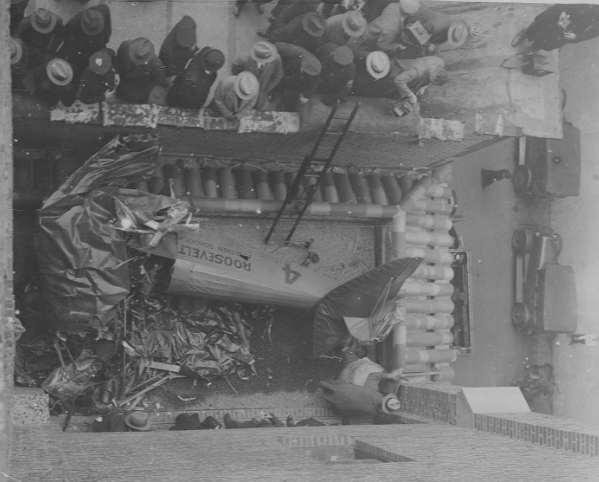


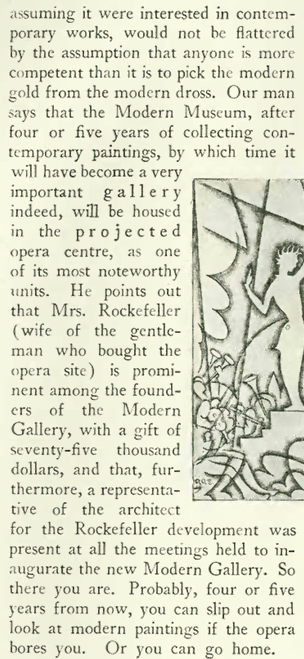
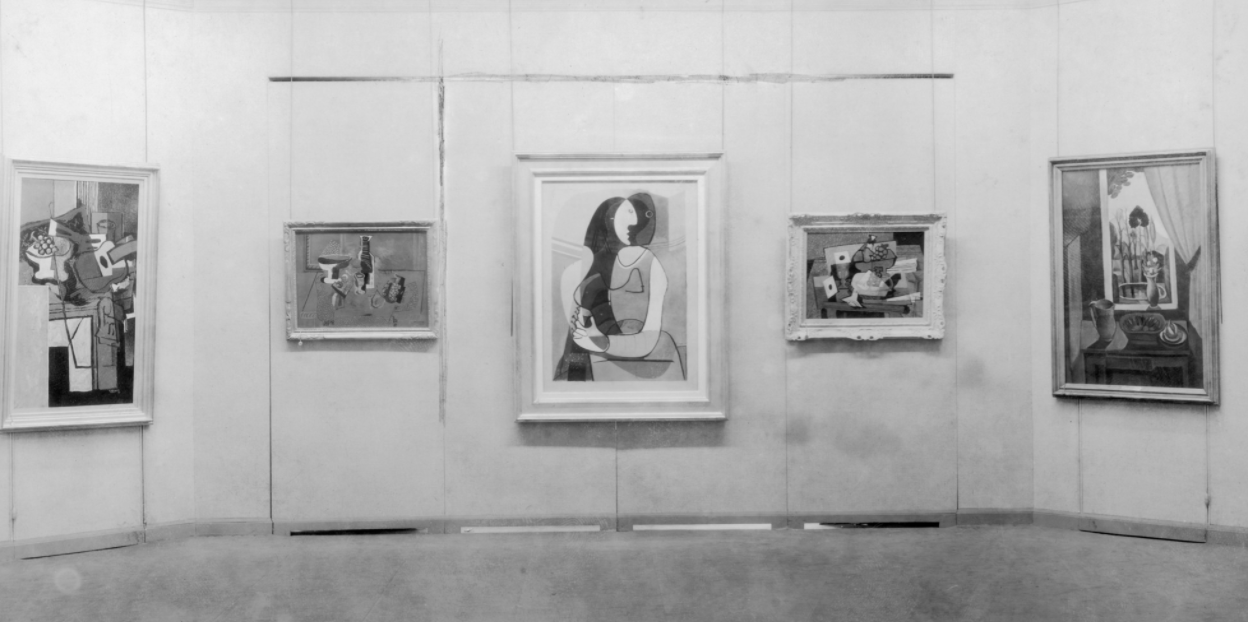

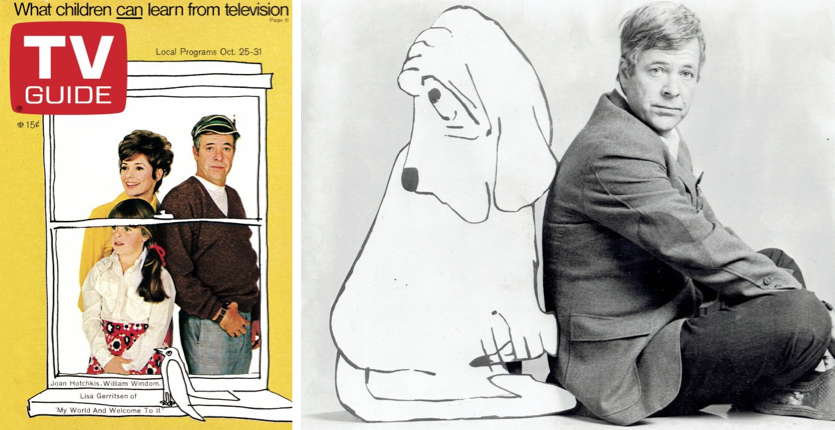




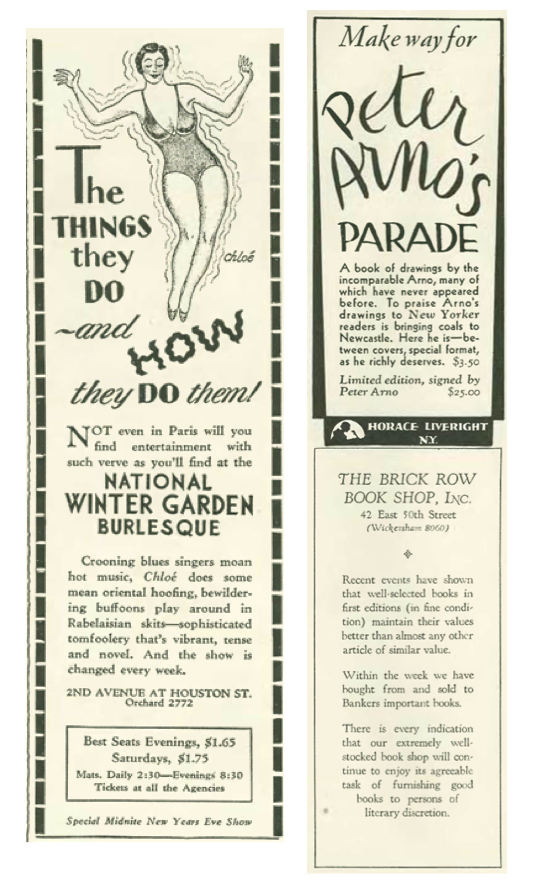
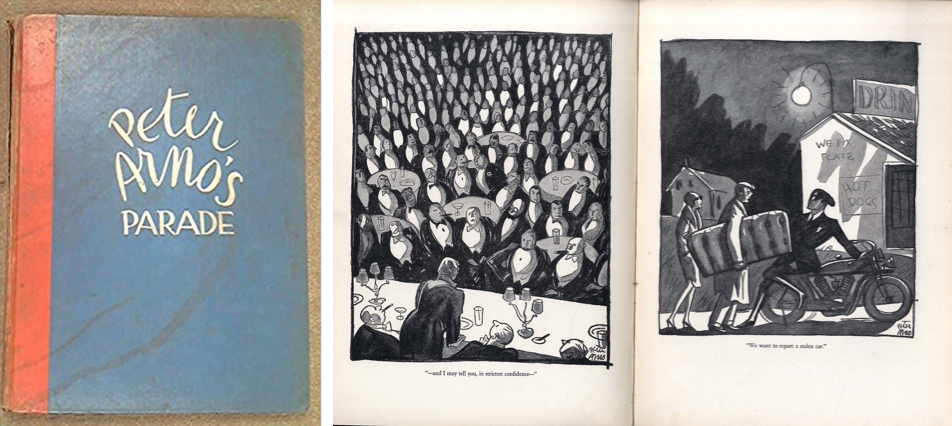
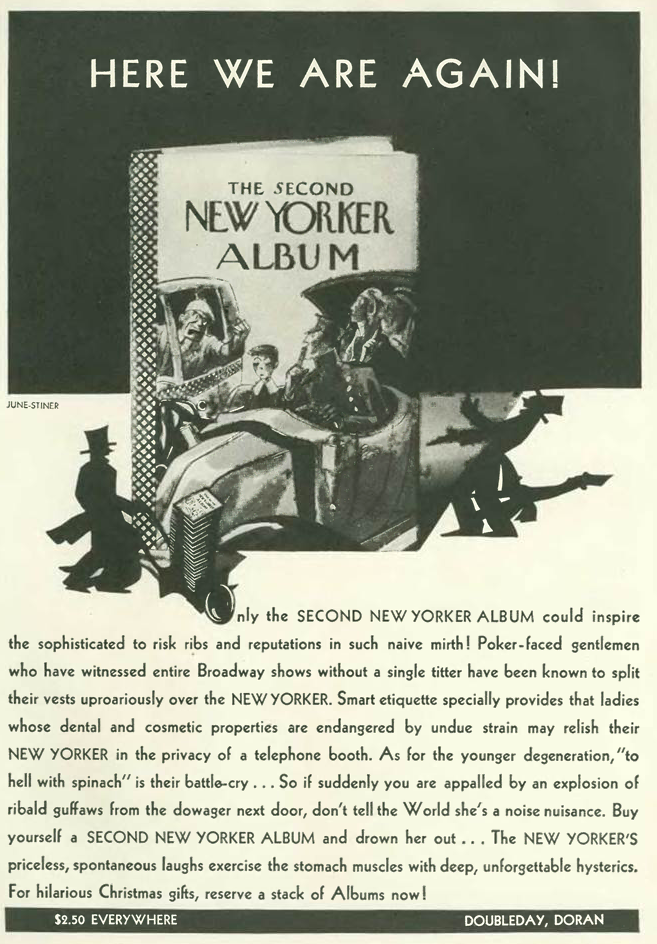

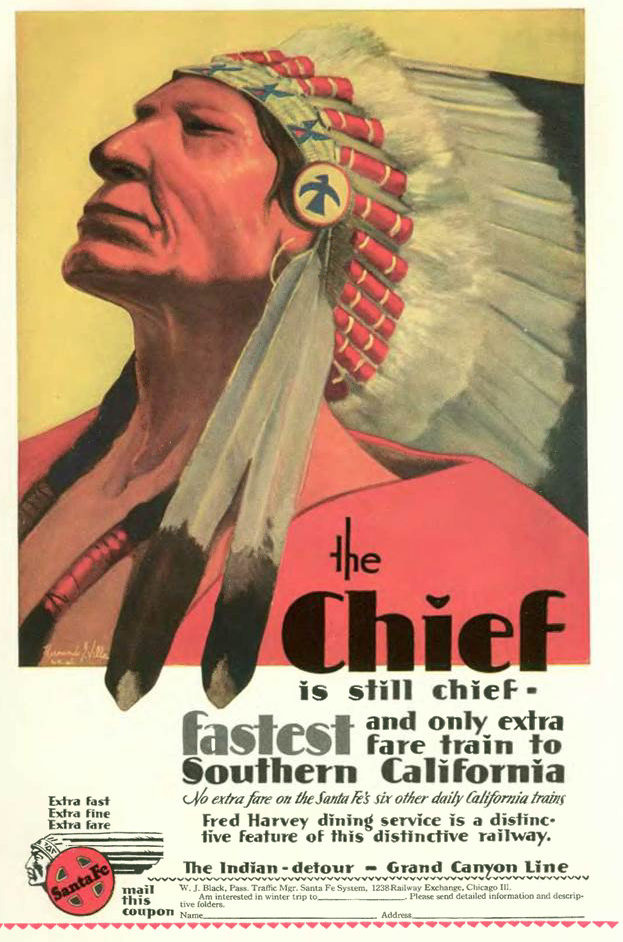
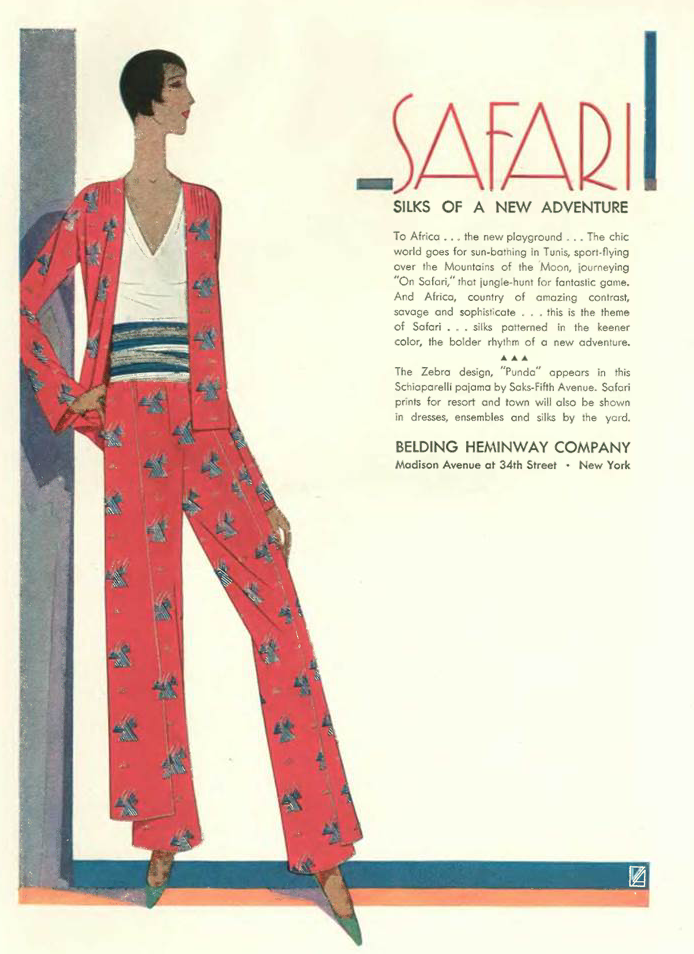

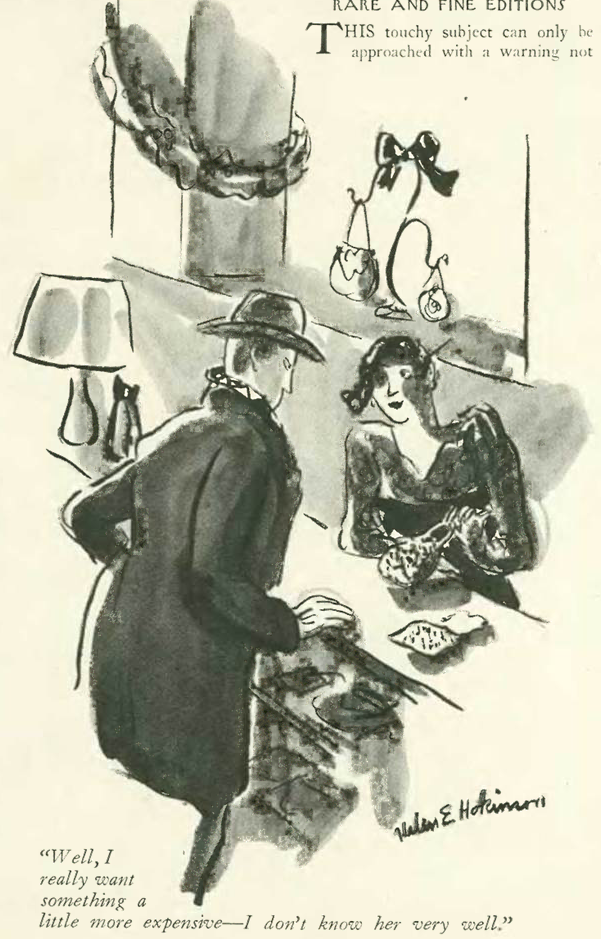


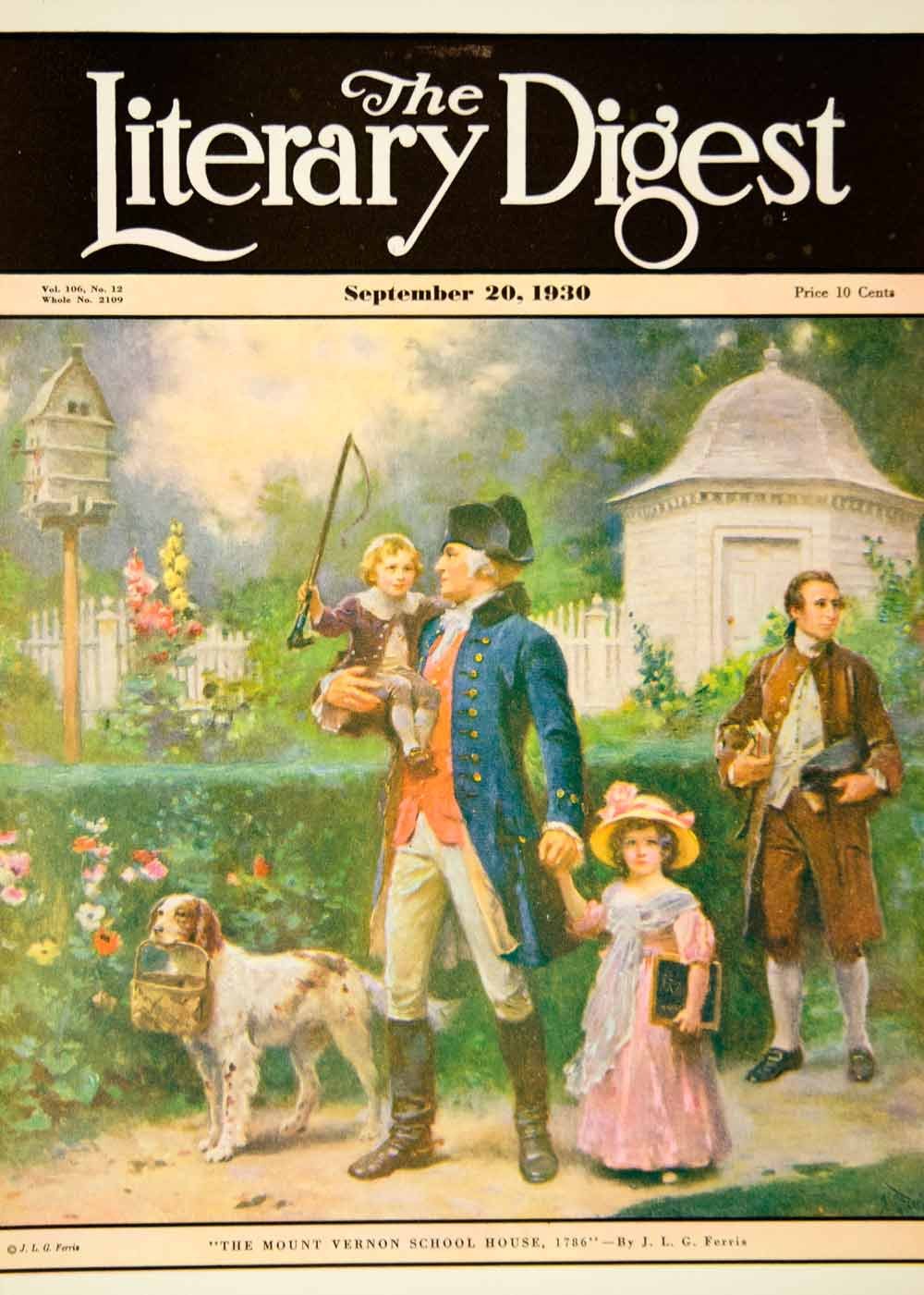


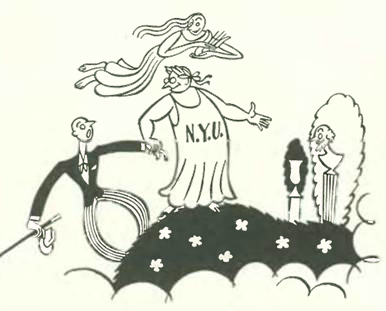

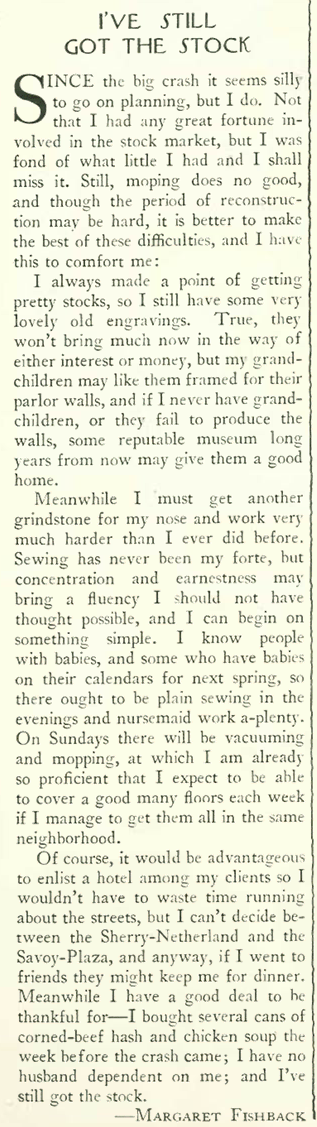
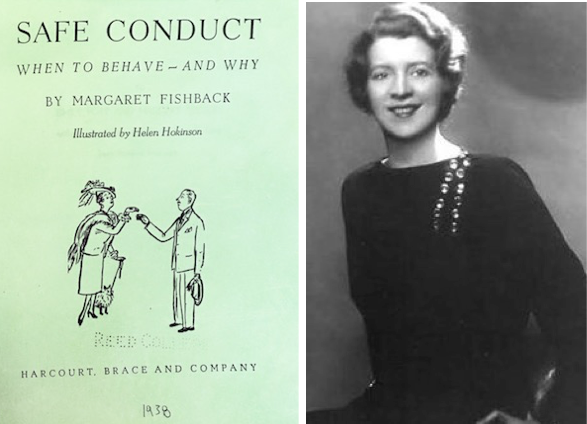


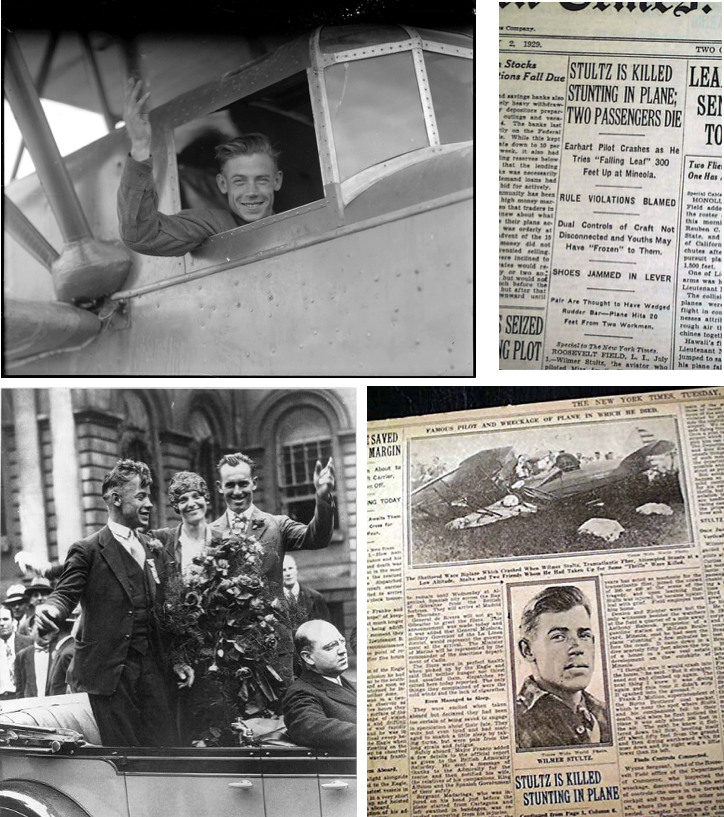
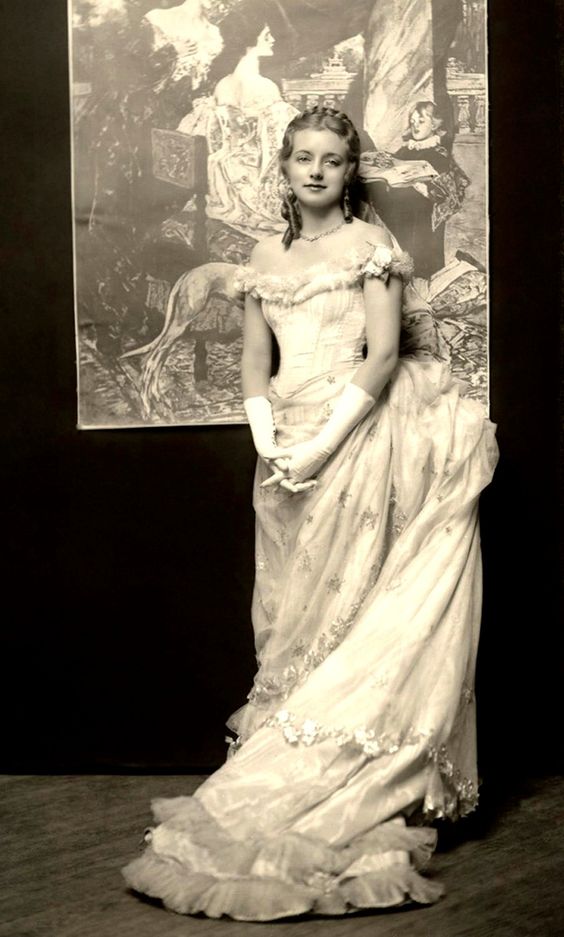
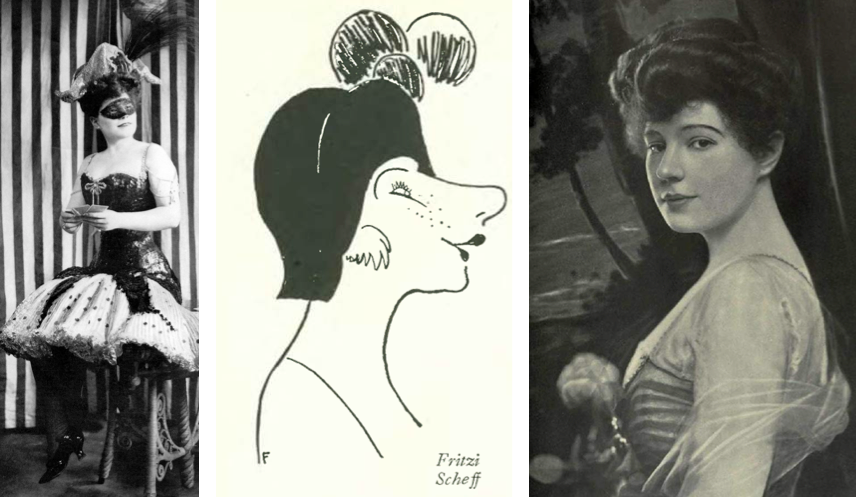

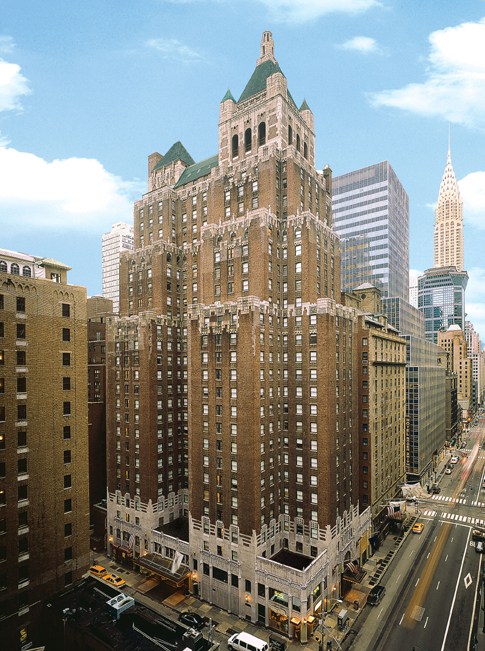
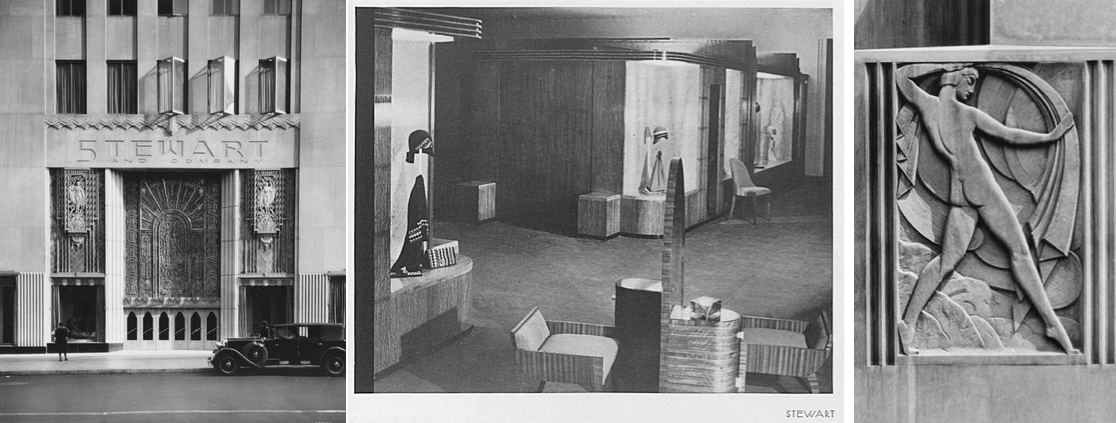

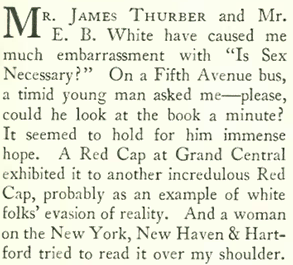
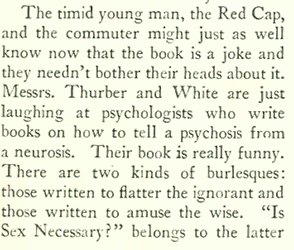
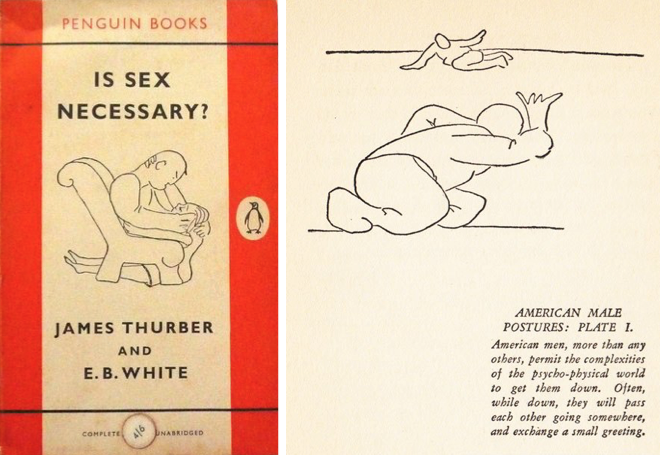

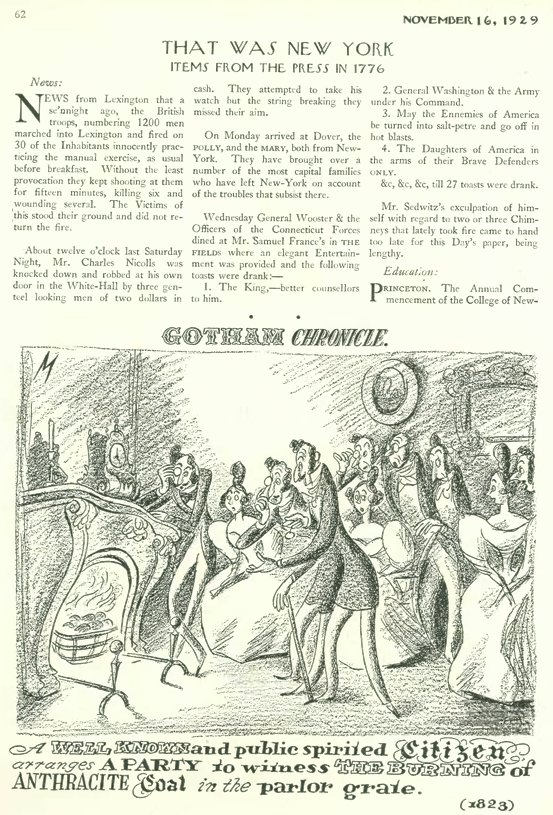
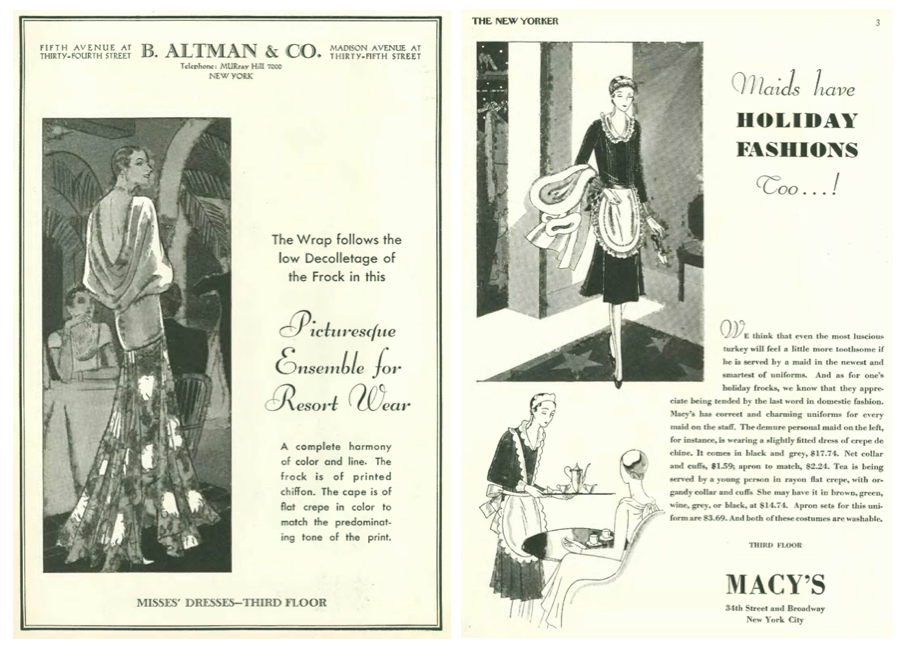

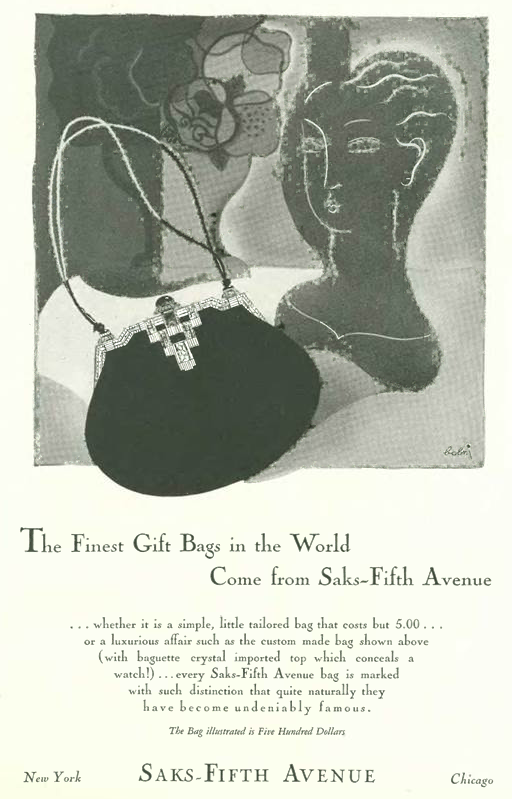

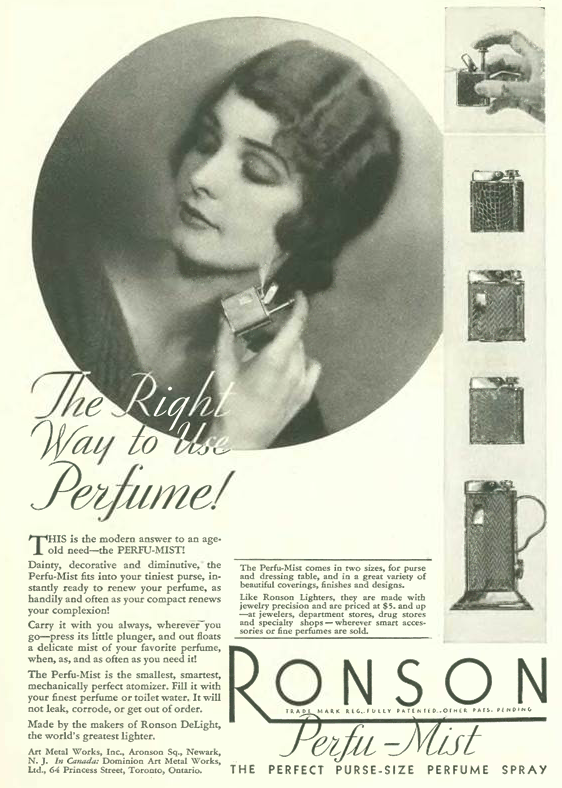

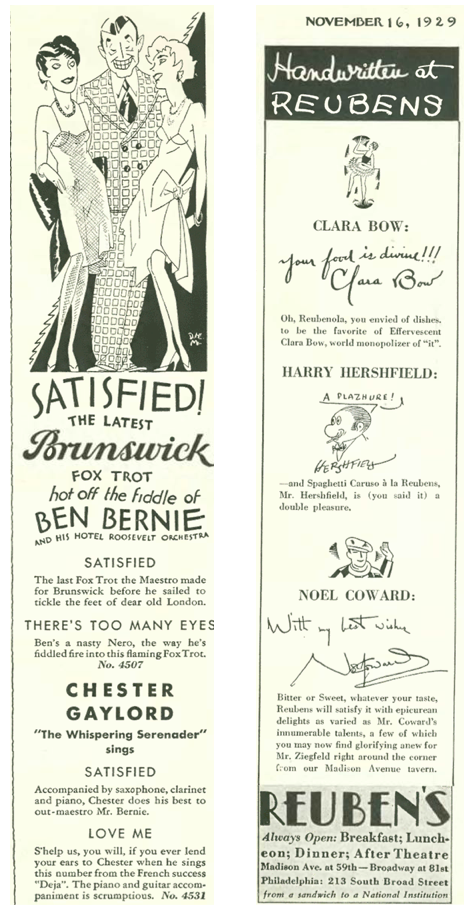

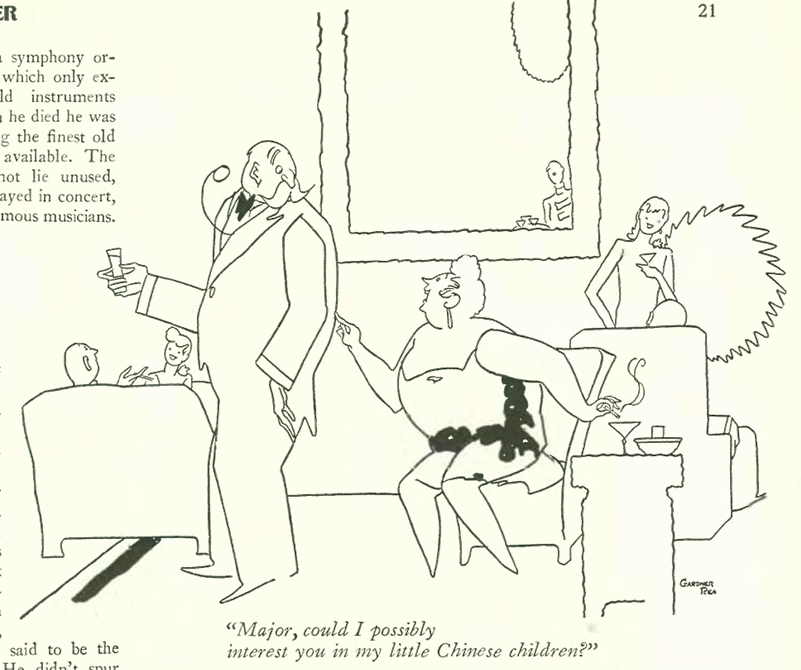
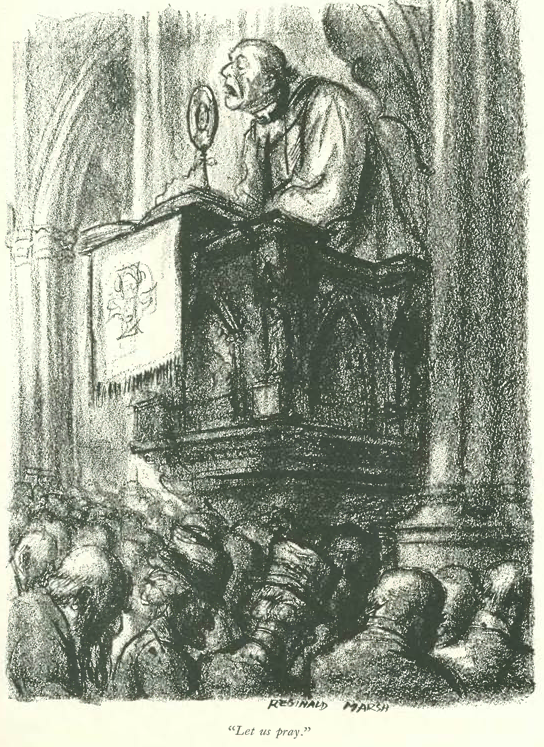

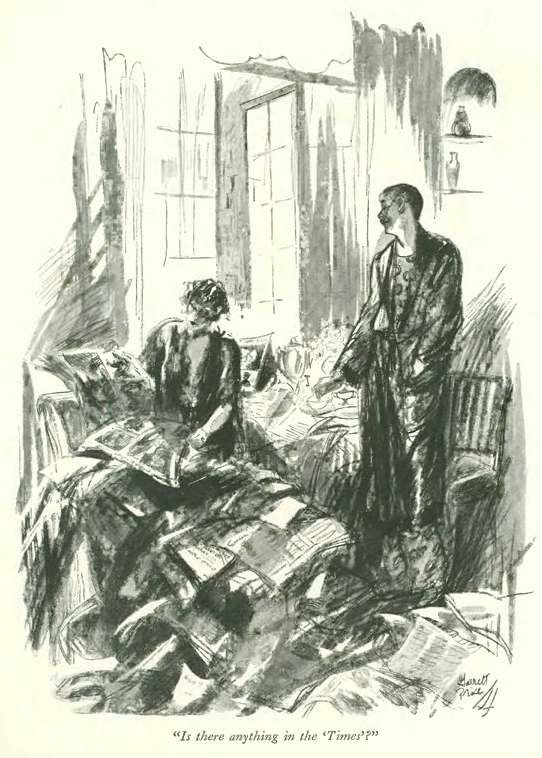


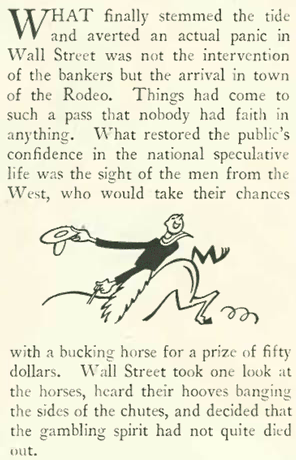








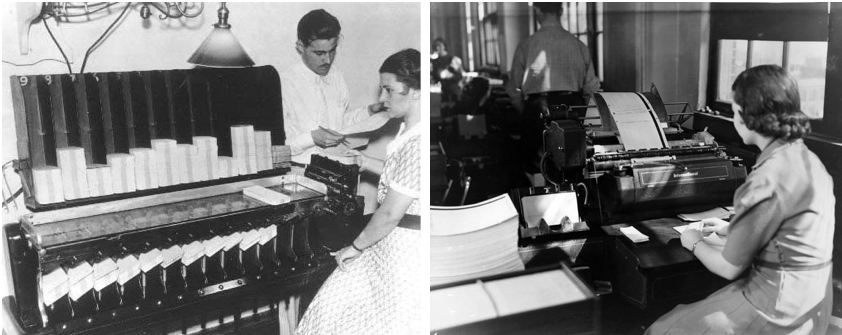


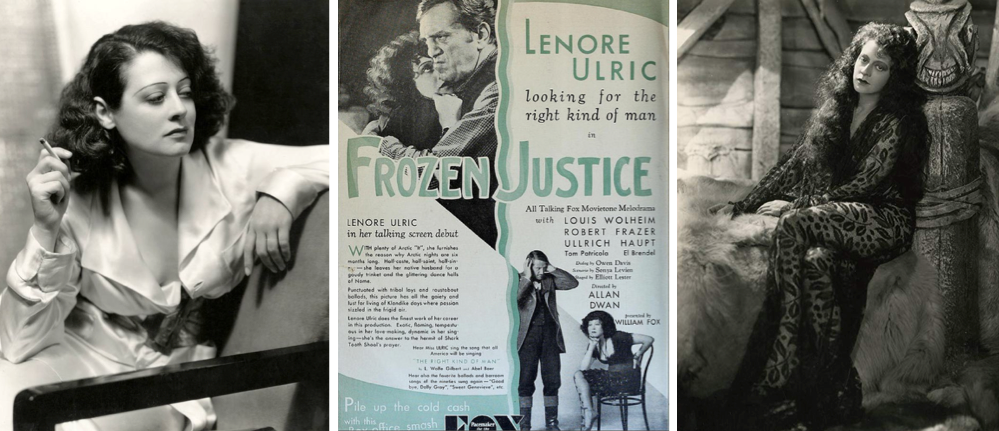




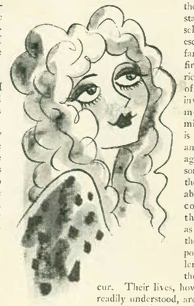


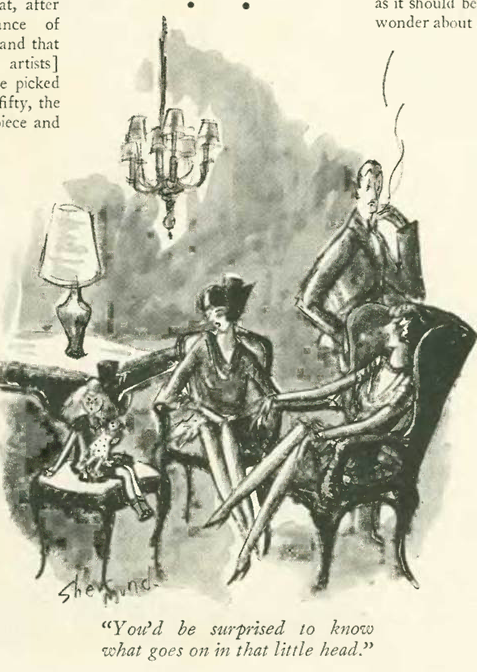



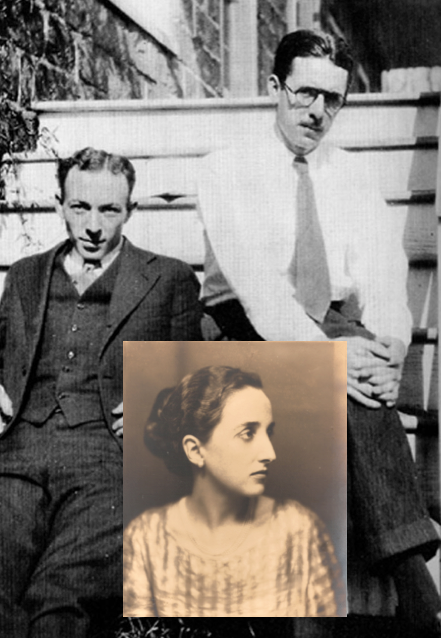


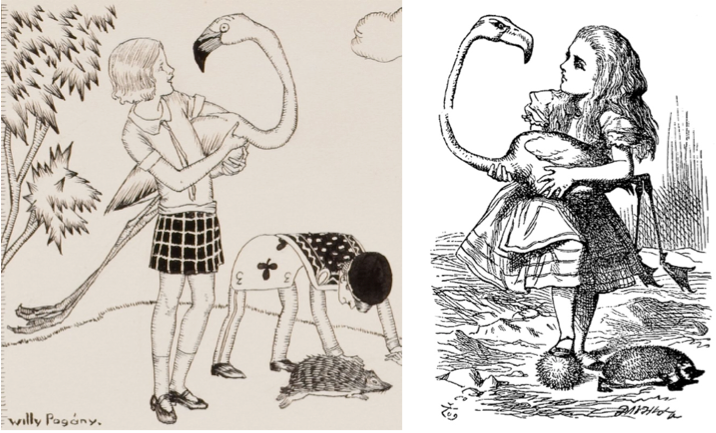
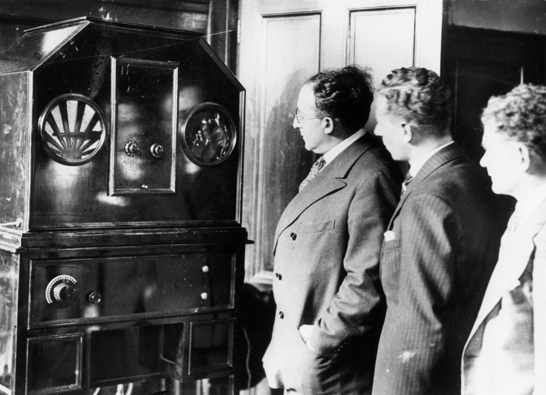





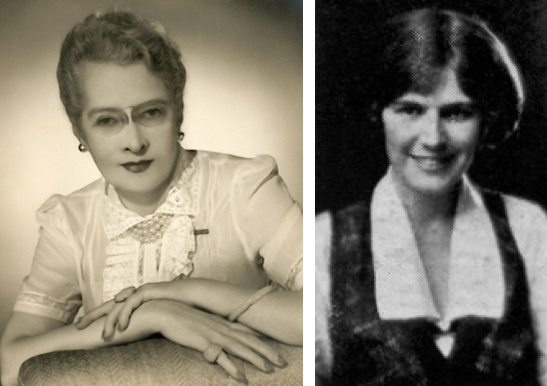


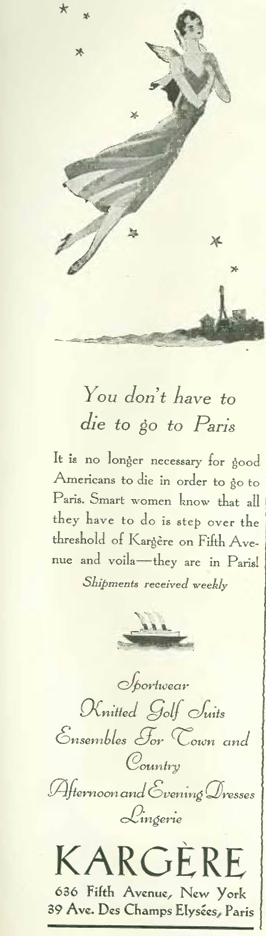


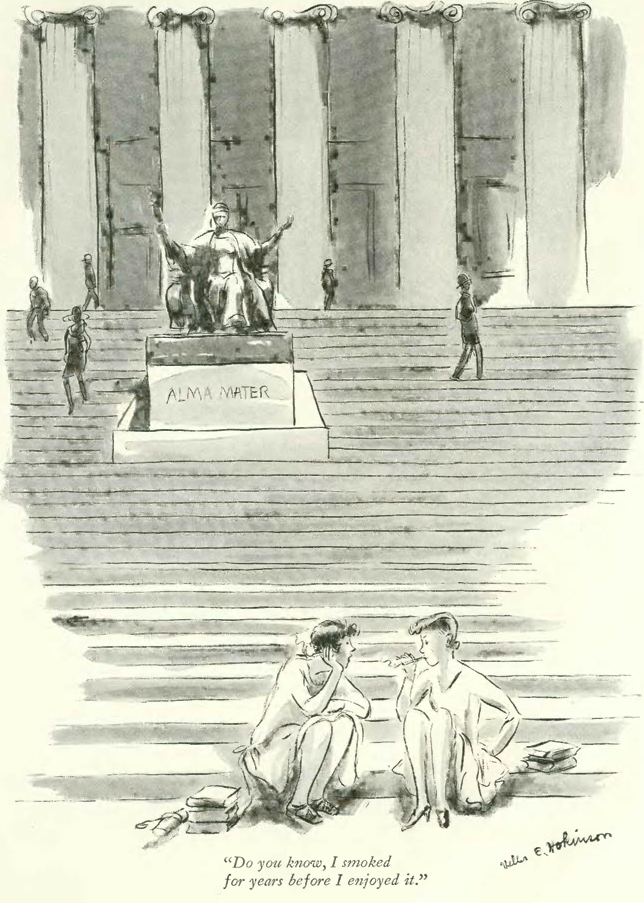

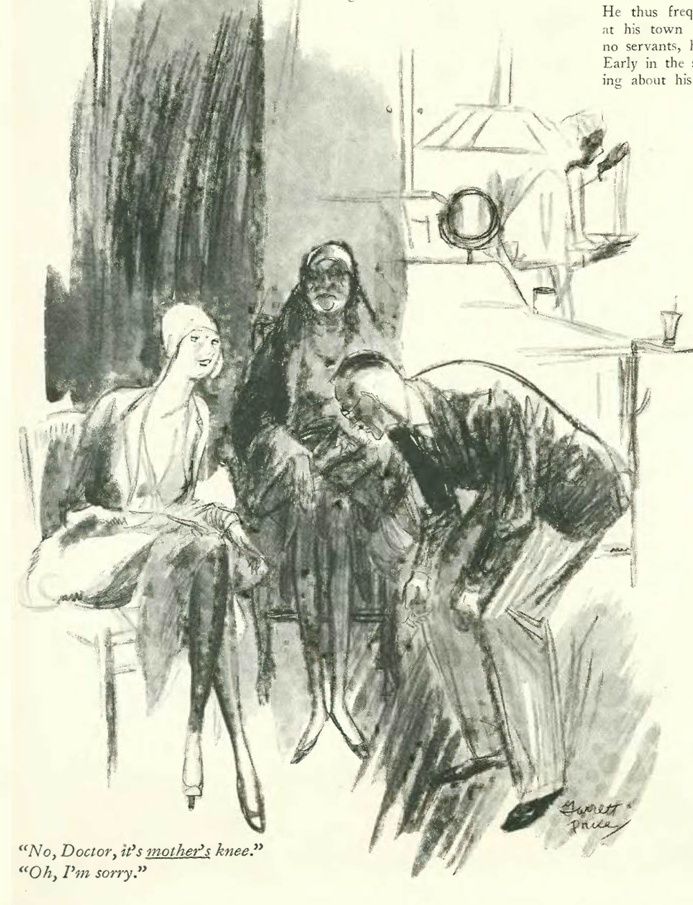


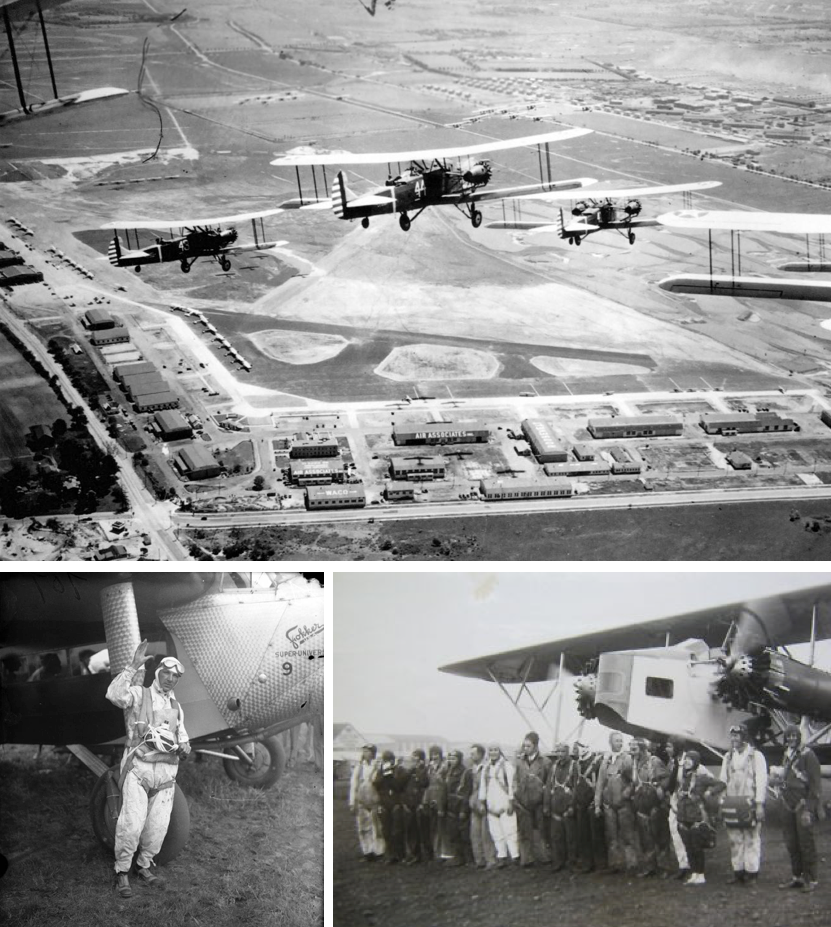

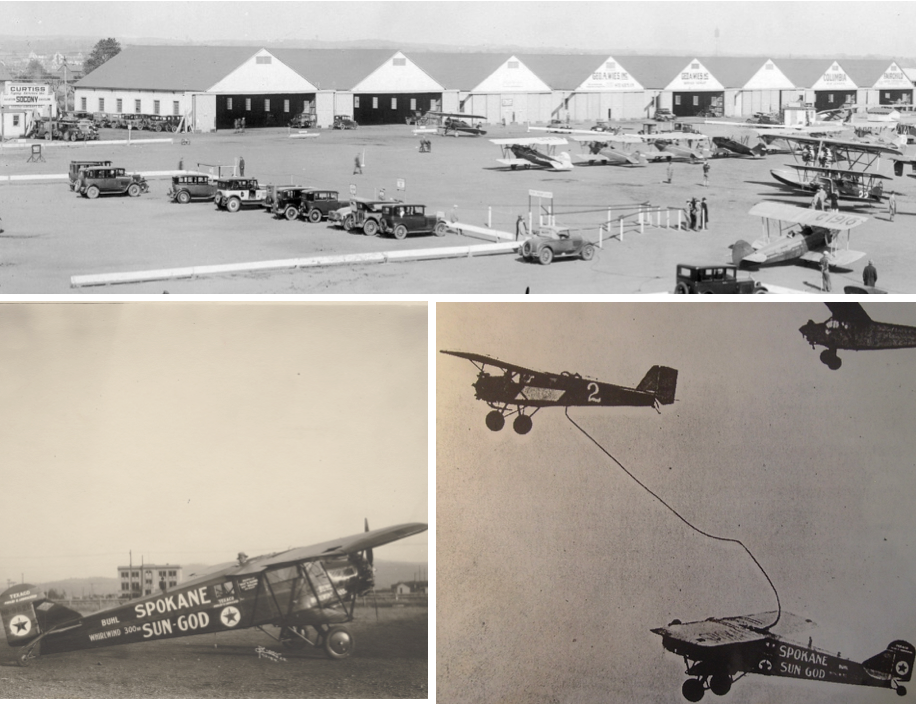


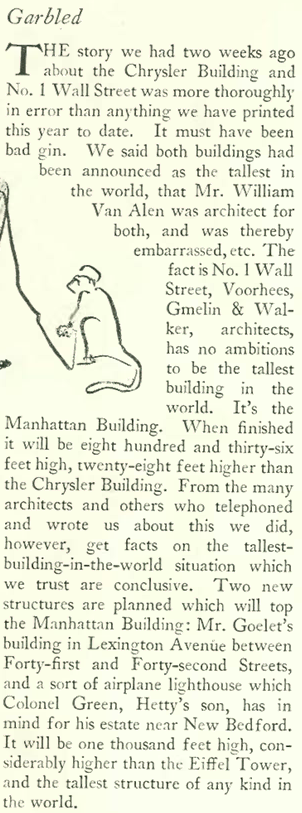
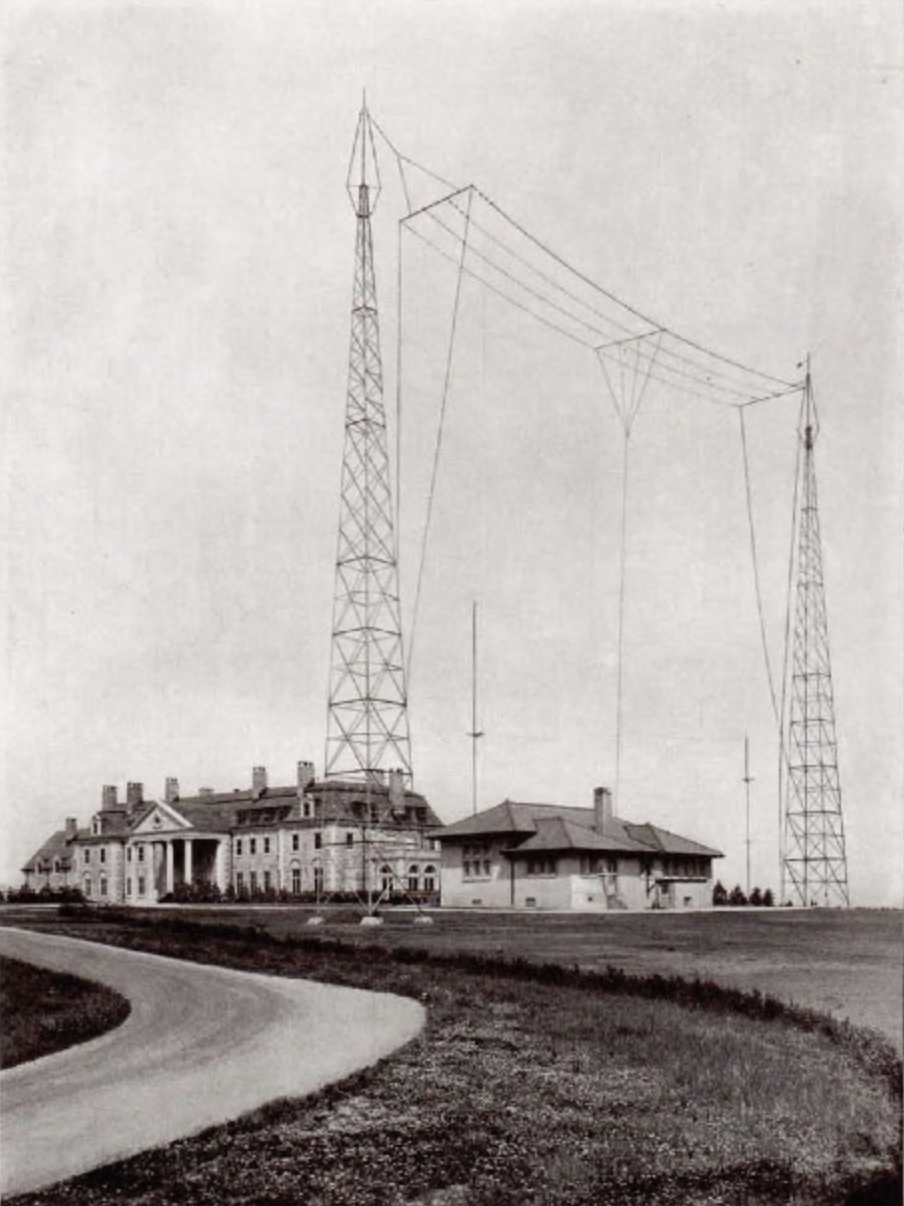
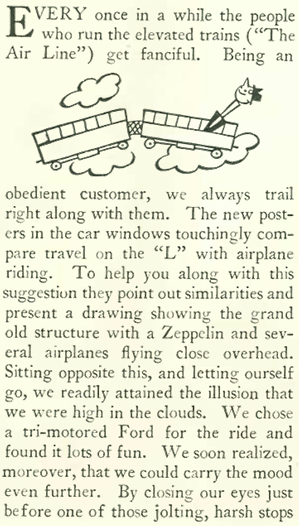


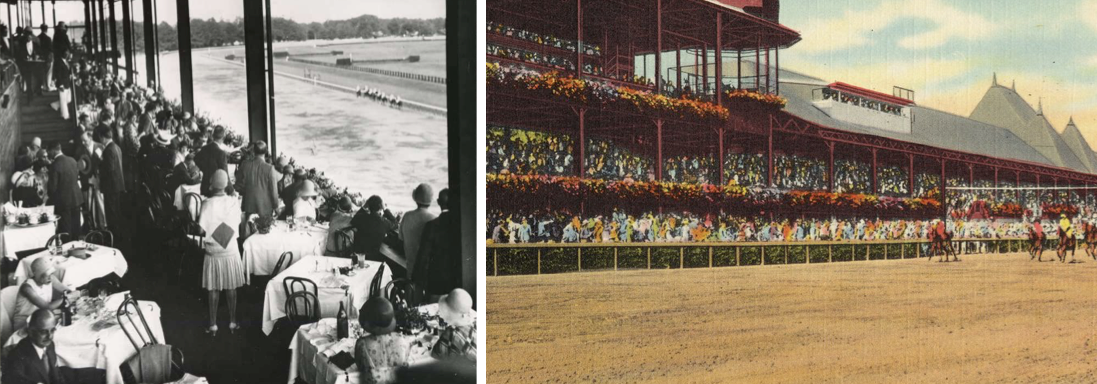
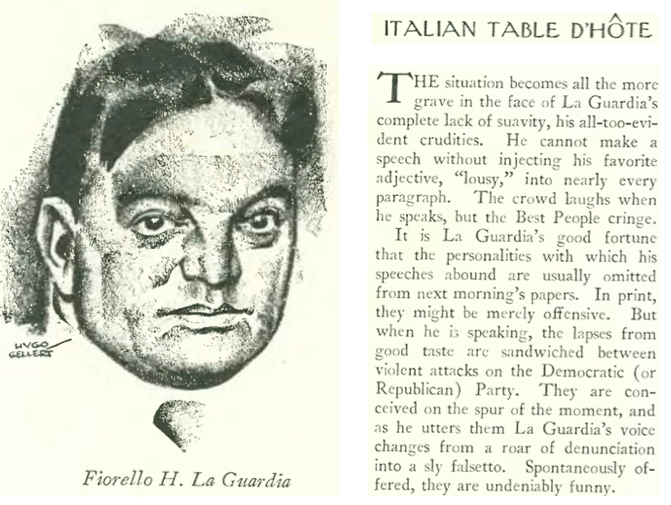


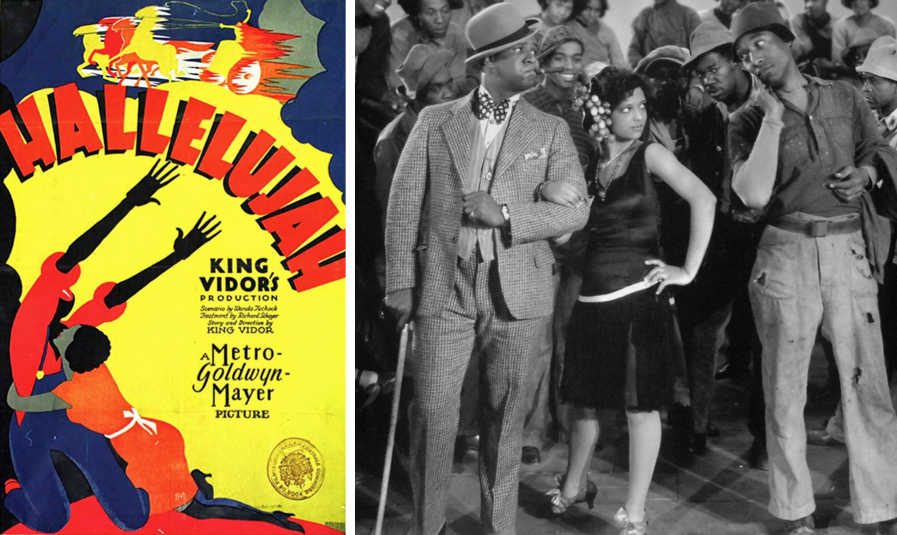
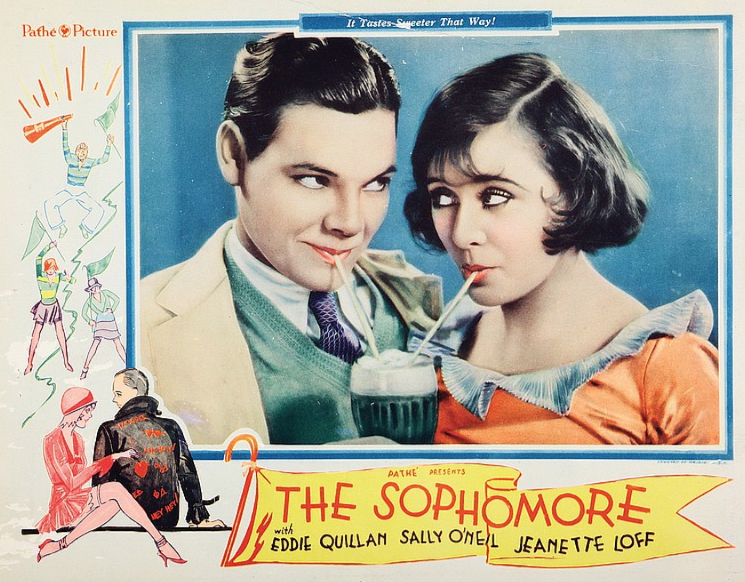

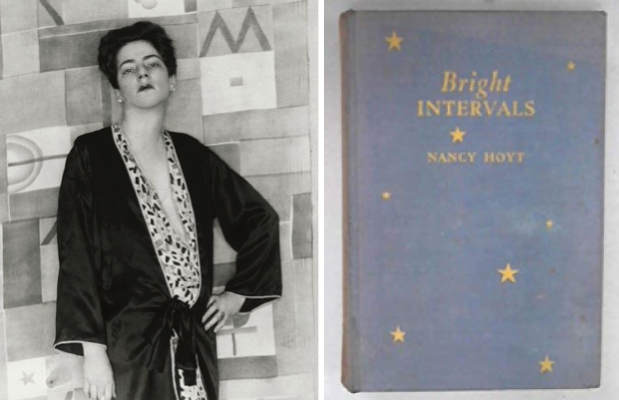
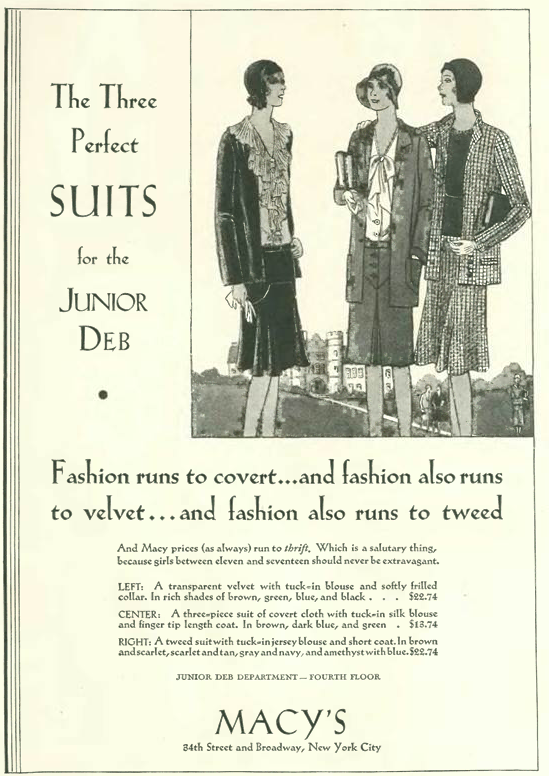


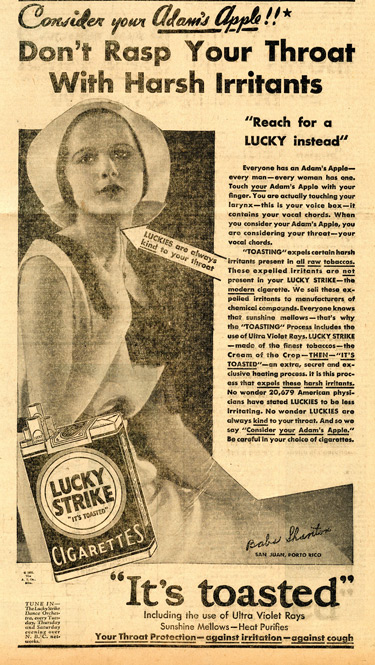


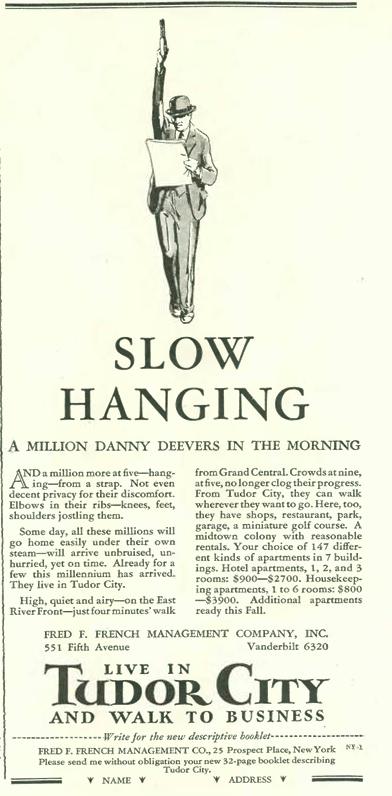

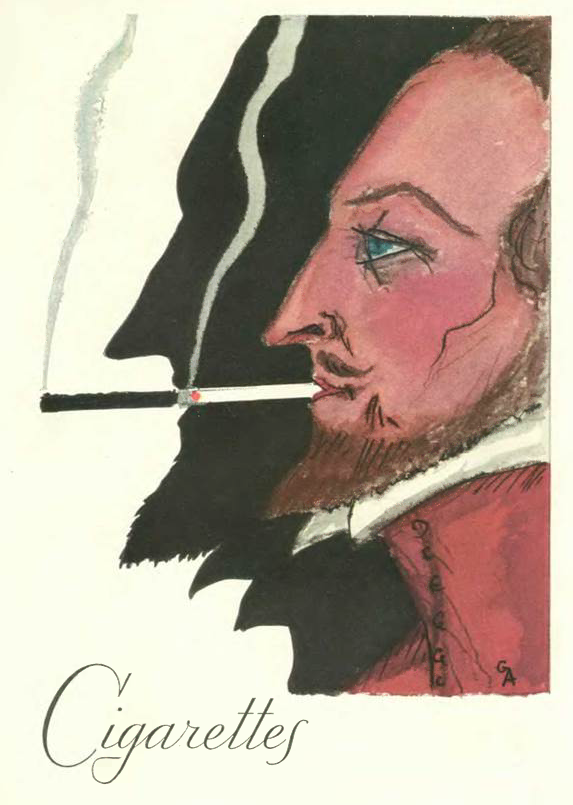


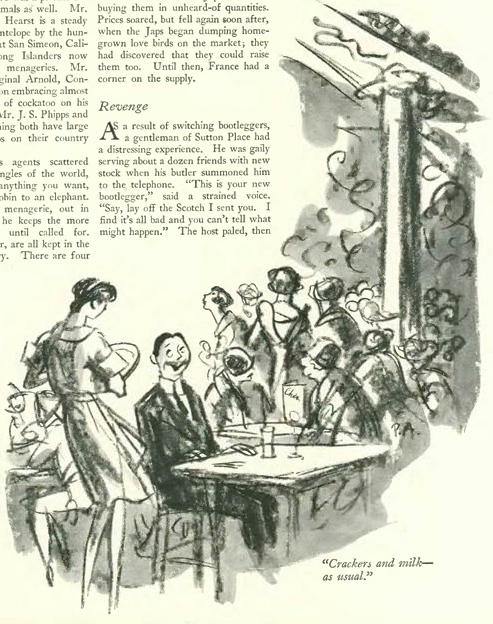


 A New Yorker State of Mind