Isle of Ill Repute

The penitentiary on Blackwell's Island, later named Welfare Island, in the 1910s. Today it is known as Roosevelt Island. (NYC Municipal Archives)

Until the reform Mayor Fiorello La Guardia took up the reigns at City Hall in 1934, weak or non-existent leadership in city government, coupled with Tammany graft and corruption, had allowed all sorts of institutions to go off the rails.

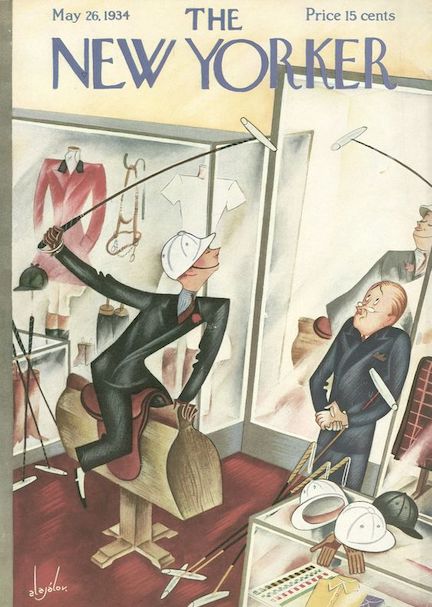
May 26, 1934 cover by Constantin Alajalov.

The New York City Department of Corrections was a prime example, so La Guardia tapped the no-nonsense assistant director of the Federal Bureau of Prisons, Austin H. MacCormick (1893–1979) to clean up Corrections, and MacCormick didn’t waste any time going after the No. 1 target: Welfare Island. Previously known as the notorious Blackwell’s Island, MacCormick described its cellblocks as a “vicious circle of depravity” unfit for humans, a place where some inmates lacked basic food and shelter while others, including a pack of gangsters and thugs who essentially ran the place, lived in grand style.

In late January, 1934, MacCormick led a well-organized raid on Welfare Island, finding littered cells full of drug addicts and large caches of weapons. According to an account in Time (Feb. 5, 1934), sixty-eight prisoners virtually ran the place. “They cowed their guards through outside political influence. They sold to some 500 inmates the best of vegetables and meats. Star boarders prepared this food in their own cells, and the prison library of more than 1,000 volumes had entirely vanished as cooking fuel. Since the food was looted from the prison commissary, the other 1,200 prisoners virtually starved on greasy cold stews.”

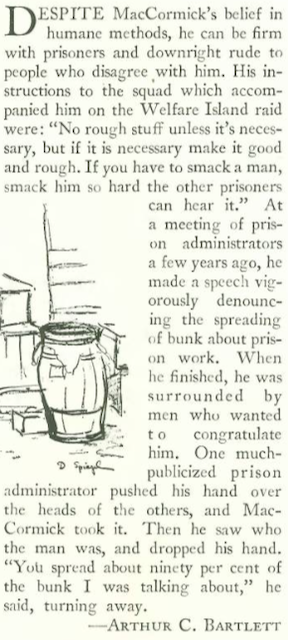
In his profile of the “The Four-Eyed Kid,” Arthur C. Bartlett attempted to shed some light on what made this stubborn Scotsman tick. Excerpts:

KIBOSH…After taking office in January 1934, New York’s Commissioner of Corrections Austin H. MacCormick wasted no time in cracking down on the vice and corruption that was rampant on Welfare Island (pictured at right in 1934). (ceanational.org/NYPL)
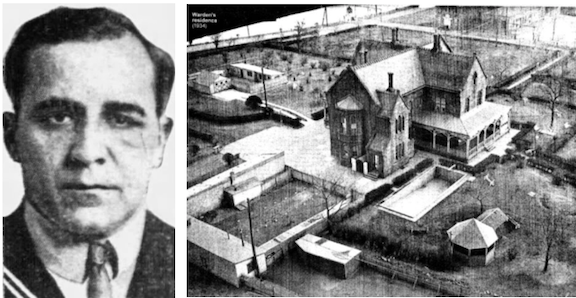
INSIDE JOB…Mobster Joie Rao lived a lavish lifestyle while incarcerated at Welfare Island. Wielding more power and authority than the warden himself, Raio fed steak to his pet dog and maintained a staff of servants to cater to his every whim. Not that the warden had it all that rough; his home (at right) featured an in-ground pool. (Pinterest/rihs.us)
READ ALL ABOUT IT…The New York Daily News (left) and the New York Times offered extensive coverage of the raid in their Jan 25, 1934 editions. (Pinterest/NY Daily News/NYT)

MacCormick literally wrote the book on prison reform. His The Education of Adult Prisoners (1931) called for the introduction of fundamental academic education in prison systems that would provide inmates with the intellectual tools needed for everyday life. His “four goals” included vocational, health, cultural and social education.

MacCormick broke up the gangster ring at Welfare Island and eventually transported its remaining inmates to the newly built prison at Rikers Island. The Welfare Island prison was torn down and replaced by Goldwater Hospital, today the Coler Specialty Hospital on Roosevelt Island. For a little more insight into MacCormick’s tactics, here is the conclusion to Bartlett’s profile:

ALL ABOARD…Welfare Island (now Roosevelt Island) was once accessible by taking a trolley halfway across the Queensboro bridge, where passengers would take an elevator (contained in the structure in the top image) down to the island. (Greater Astoria Historical Society/rooseveltislander.blogspot.com)

 * * *

You’re Next

Last week we looked at Robert Moses’s plans for Riverview Park, which would quickly sweep away the yacht clubs on the Hudson. Another playground for the rich, the Central Park Casino, would soon be next, as E.B. White correctly surmised.

STICKER SHOCK…It has been suggested that Robert Moses determined to tear down the Central Park Casino after being presented a $27 dinner bill for four persons (roughly $500 today), but in reality Moses hated the Casino’s most famous denizen, the deposed Mayor Jimmy Walker. It’s too bad Moses didn’t appreciate the Joseph Urban’s stunning interiors (the ballroom, right), that crumbled with the building when it was razed in 1936. (NYC Department of Parks & Recreation)

 * * *

Schenck’s Schlock

In the 1920s and 30s documentary and docudrama filmmaking was still in its infancy, and for every Nanook of the North (1922)—still considered one of the best documentary films of all time—there were dozens of schlocky films like Harry Schenck’s Beyond Bengal, reviewed here by John Mosher for the New Yorker.

The film must have made quite an impression around the New Yorker’s offices, or at least one particular scene that depicted a British scientist, a “Miss Joan Baldwin,” coming down with a fever, rather unconvincingly. Both Mosher and E.B. White (below) found her performance intriguing:

WHAT A CROC…Clockwise, from top left, movie poster for Beyond Bengal; early in the film a scientist, “Miss Joan Baldwin,” is suddenly (and unconvincingly) seized by tropical fever—the remainder of the film entails Harry Schenck’s attempt to return Baldwin to civilization; Schenck accompanies Baldwin across a crocodile-infested river, shooting at anything that moves while the “natives” swim ahead, perilously clearing a path through the sea of crocs; back in civilization, Schenck and Baldwin prepare to head home. The whole film is available on YouTube, if you’re up for that sort of thing. (IMDB/YouTube)

 * * *

From Our Advertisers

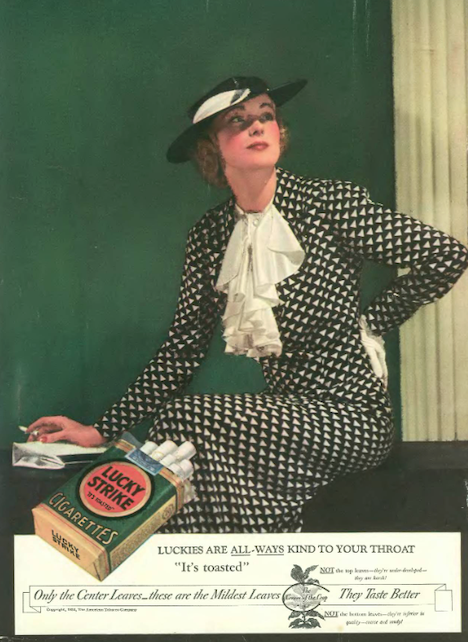
We kick off with the latest installment from Lucky Strike, and another smartly dressed customer…

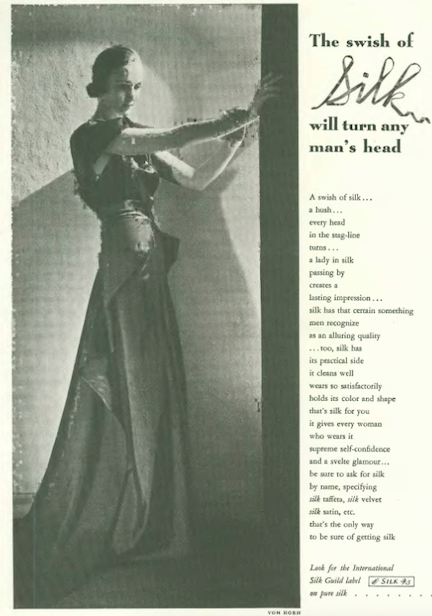
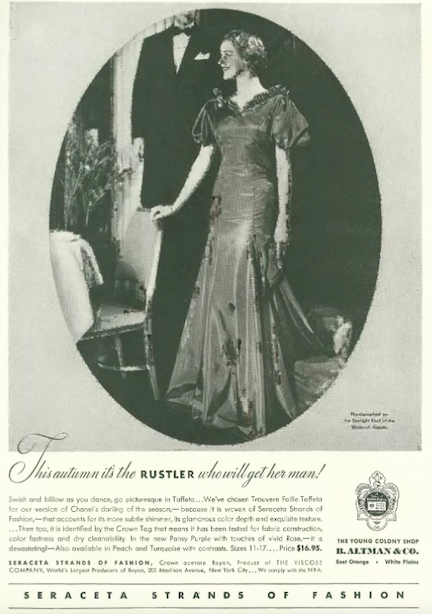
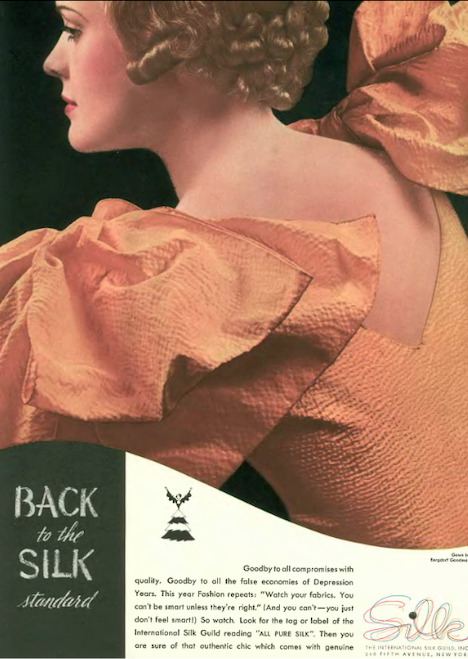
…the silk merchants struck back against the synthetics with this splash of color…

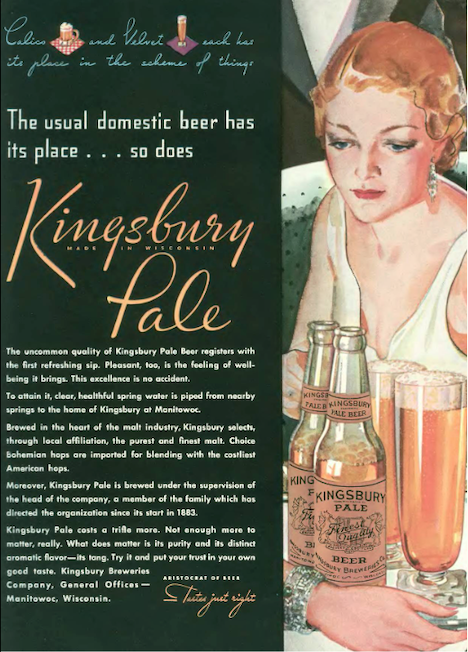
…the makers of Kingsbury Pale offered up some color of their own, although the illustration itself is a bit strange, what with the molten bubbles in the beer bottles, the bejeweled, disembodied arm that somehow supports them, and the woman who isn’t even looking at the beer…perhaps she was hoping for a cocktail or Champagne…

…there’s no doubting this fellow’s enthusiasm for a glass of Rheingold…

…Wamsutta Mills enlisted the aid of a “fat man” to prove the durability of their sheets…
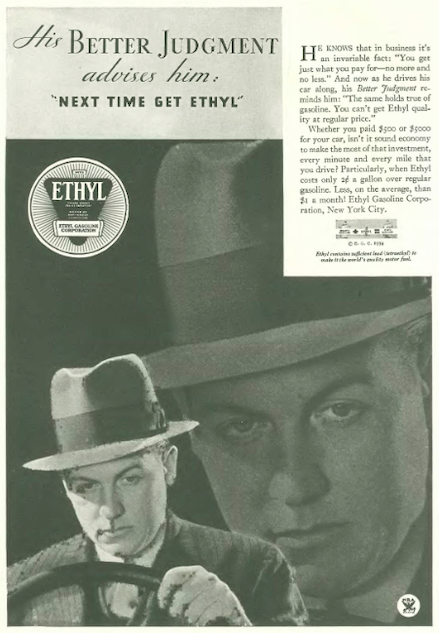
…and what drives a man to commit murder? In this case, neglecting to pay the extra two cents for leaded gasoline…

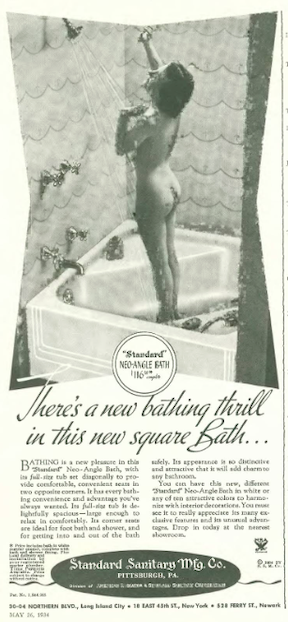
…I wonder if the Hays Code extended to advertising…looks like the new “Neo-Angle Bath” caused the folks at Standard Sanitary Manufacturing to lose their inhibitions…

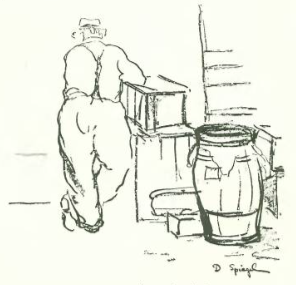
…on to our cartoonists, we begin with some spot art by Doris Spiegel (1901-1996), who was especially known for her depictions of street life…

George Price supplied this bit of merriment for the event listings…

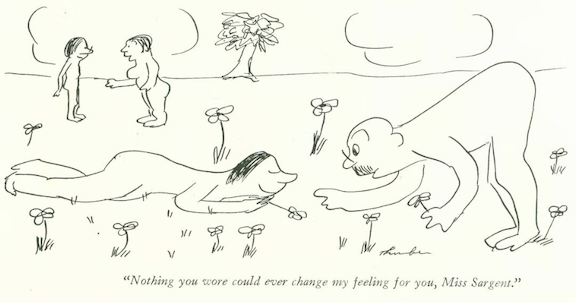
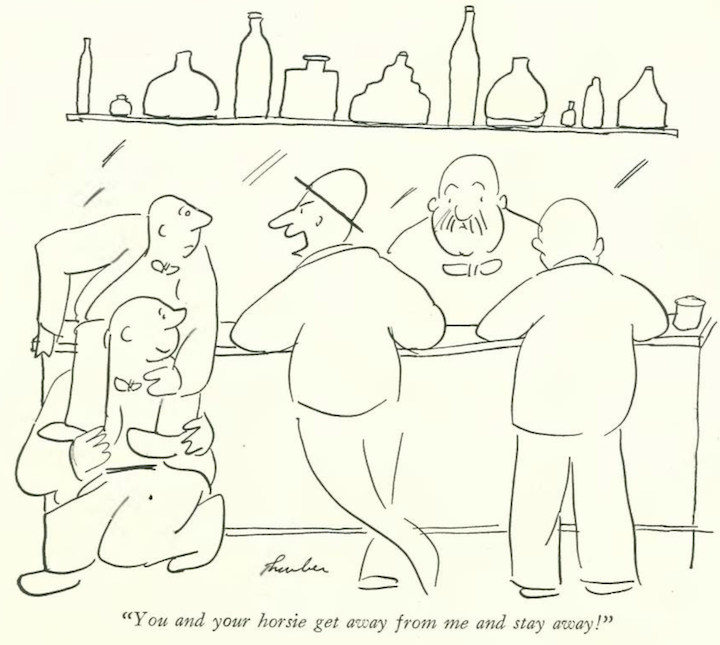
as did James Thurber

…Thurber again, this time baring it all…

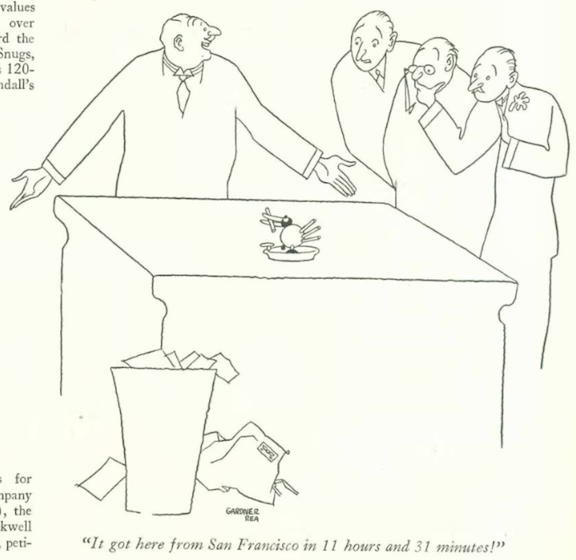
…it appears that same day delivery, for even a mere trifle, is nothing new…per Gardner Rea

Alain (Daniel Brustlein) gave us a film editor with the sad task of censoring Joan Blondell

…tame by today’s standards, this 1932 promotional photo of Blondell for the film Three on a Match was later banned by the Motion Picture Production Code…

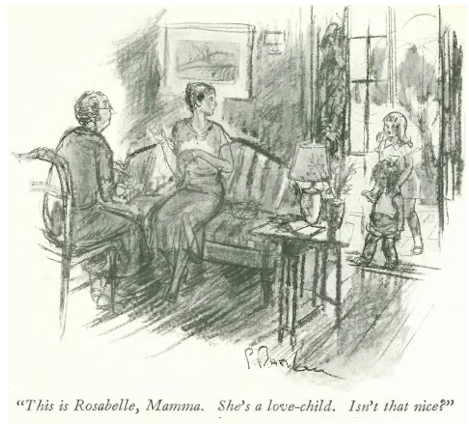
…and we close with Perry Barlow, and more wisdom from the mouth of babes…

Next Time: The High Life…

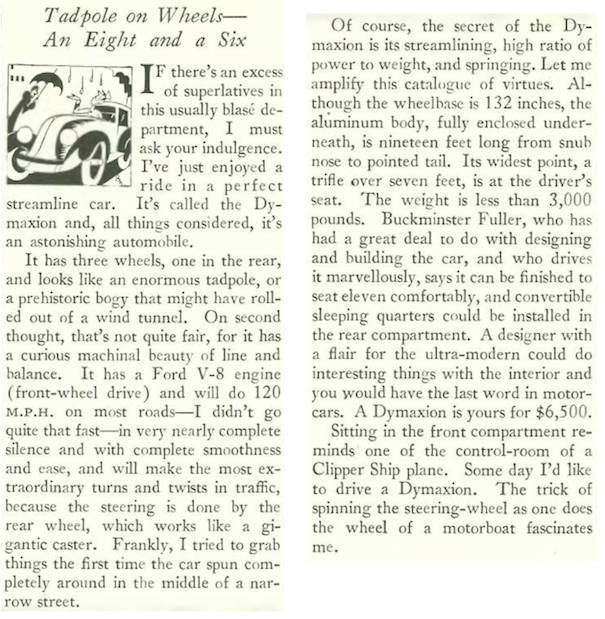
A Tadpole on Wheels

Above: British architect Norman Foster's 2010 recreation of R. Buckminster Fuller's 1933 Dymaxion car. (Wikipedia)

Despite the limitations of 1930s technology, a few architects and designers were hell-bent on building a streamlined future that until then was mostly the stuff of movies and science fiction magazines.

May 5, 1934 cover by Rea Irvin.

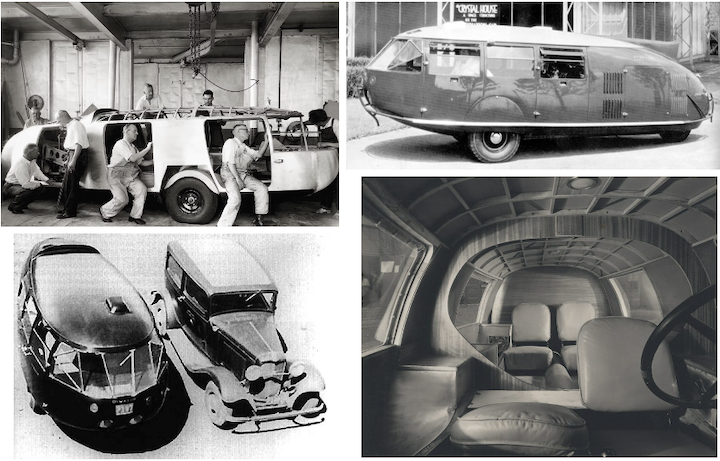
One of them was R. Buckminster Fuller (1895–1983), architect, designer, and futurist probably best known today as the inventor of the geodesic dome (think Disney’s Epcot Center). In the 1930s Fuller was all about a concept he called Dymaxion. Derived from the words dynamic, maximum, and tension, when applied to architecture and design it would supposedly deliver maximum gain from minimal energy input. The writer of the New Yorker article (pseud. “Speed”) was fascinated by the Dymaxion’s motorboat-type steering, no coincidence since Fuller intended to adapt his futuristic car for use on and under the water, as well as in the air.

THE SHAPE OF THINGS TO COME…Clockwise, from top left: Workers at a Bridgeport, Conn., plant creating the first of three Dymaxion cars; the Dymaxion at Chicago’s 1933 Century of Progress exposition—the car was involved in a fatal accident at the fair; interior view of the Dymaxion; using the same engine and transmission as a Ford sedan (pictured), the Dymaxion offered three times the interior volume with half the fuel consumption and a 50 percent increase in top speed. (Buckminster Fuller Institute/Poet Architecture)
THINKING WITHOUT THE BOX…In 1927 R. Buckminster Fuller (pictured) developed a Dymaxion House, a “Dwelling Machine” that would be the last word in self-sufficiency. Although the aluminum house was intended to be mass-produced, flat-packaged and shipped throughout the world, the design never made it to market (however its ideas influenced other architects); at right, a Fuller geodesic dome at Disney’s Epcot Center in Florida. (archdaily.com/Wikipedia)

The 1933 Century of Progress exposition in Chicago was supposed to be a major showcase for Fuller, but when professional driver Francis Turner was killed while demonstrating the first prototype of the Dymaxion, the car’s prospects dimmed considerably. According to an article by Stephanie d’Arc Taylor (cnn.com Oct. 30, 2019), during the demonstration a local politician tried to drive his own car close to the Dymaxion—to get a better look—and ended up crashing into the unwieldy prototype, which rolled over, killing the driver and injuring its passengers. “The politician’s car was removed from the fracas before police arrived, so the Dymaxion was blamed for the accident,” writes Taylor, who notes that the rear wheel–powered car, though unconventional, was not necessarily the problem. However, “the thing that made the Fuller death-mobile singularly deadly was the fact it was also steered by the rear wheel, making it hard to control and prone to all kinds of terrifying issues.”

That history did not stop architect Norman Foster from building a replica of the Dymaxion in 2010. Foster worked with Fuller from 1971 to 1983, and considers Fuller a design hero.

GIVING IT ANOTHER GO…Architect Norman Foster with his 2010 recreation of the Dymaxion. To build a new Dymaxion, Foster sent a restorer to the National Automobile Museum in Reno, Nevada (home of the only surviving Dymaxion, Car No. 2), and after thousands of photos and measurements Foster had the car recreated using only materials available in 1933: Foster’s Dymaxion consists of an ash frame sheathed in hand-beaten aluminum, mounted on the chassis of an old 1934 Ford Tudor Sedan. (CNN/The Guardian)

According to Taylor, Foster cleaved so closely to Fuller’s original designs that he refers to his creation as a fourth genuine Dymaxion—not a replica. “The car is such a beautiful object that I very much wanted to own it, to be able to touch as well as contemplate the reality for its delight in the same spirit as a sculpture,” said Foster. “Everything in (the car) was either made in 1934, or recreated using techniques and materials that Bucky would have had access to in that period.”

 * * *

Meanwhile, At The Tracks…

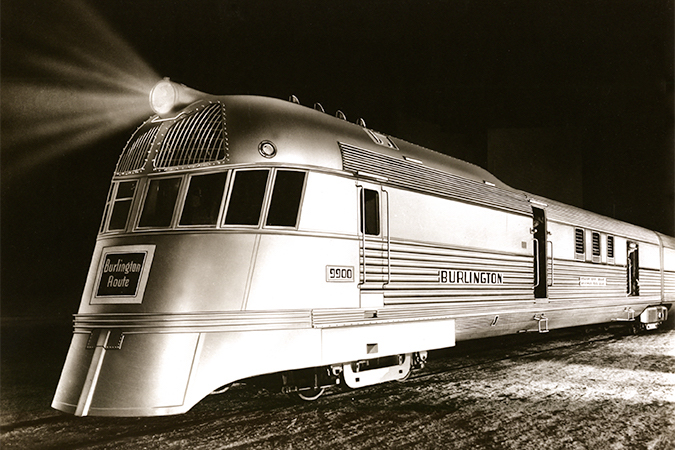
If Fuller’s attempt at the streamlined future was a bit of bust, the Burlington railroad was making a splash with its gleaming new Zephyr. E.B. White reported:

ZOOM ZOOM…The Burlington Zephyr set a speed record for travel between Denver and Chicago when it made a 1,015.4-mile (1,633 km) non-stop “Dawn-to-Dusk” dash in 13 hours 5 minutes at an average speed of almost 78 mph (124 km/h). In one section of the run it reached a speed of 112.5 mph. Following a promotional tour that included New York, it was placed in regular service between Kansas City, Missouri, and Omaha and Lincoln, Nebraska, on November 11, 1934. Other routes would be added later in the Midwest and West. (BNSF)

…we continue with E.B. White, here with some observations regarding Mother’s Day and bank robber/murderer John Dillinger, who had escaped from prison in March 1934 and was on the FBI’s Most Wanted List…

I REMEMBER MAMA…John Dillinger posed with Lake County prosecutor Robert Estill, left, in the jail at Crown Point, Ind. while he awaited his trial for murder in January 1934. Dillinger would escape from the jail in March and would be on the lam until July, when FBI agents would gun him down outside a Chicago movie theatre. (NY Daily News)

…and a last word from White, about an important change at Radio City:

 * * *

Voice In The Wilderness

A combination of newsreel footage, documentary, and reenactment, Cornelius Vanderbilt Jr’s Hitler’s Reign of Terror played to capacity crowds for two weeks in New York City, despite the refusal of the state’s censor to license the film. Disinherited by his parents when he became a newspaper publisher, Vanderbilt was a determined journalist, covertly filming scenes in Nazi Germany and even briefly encountering Adolf Hitler outside the Reichstag, where Vanderbilt yelled to Der Führer, “And what about the Jews, Your Excellency?” (Hitler ignored the question and referred Vanderbilt to one of his lackeys). Unfortunately, Vanderbilt wasn’t much of a filmmaker, and although he warned Americans about the emerging threat in Germany, few took the film, or his warning, seriously, including John Mosher:

UNHEEDED…Audiences flocked to see Cornelius Vanderbilt Jr’s Hitler’s Reign of Terror, but critics dismissed the rather amateurish film—Film Daily scoffed at the film’s prediction that Hitler’s Germany was a future threat to world peace; at right, in the film Vanderbilt confronted “Hitler” in a recreation. (TMDB/Library of Congress)

 * * *

From Our Advertisers

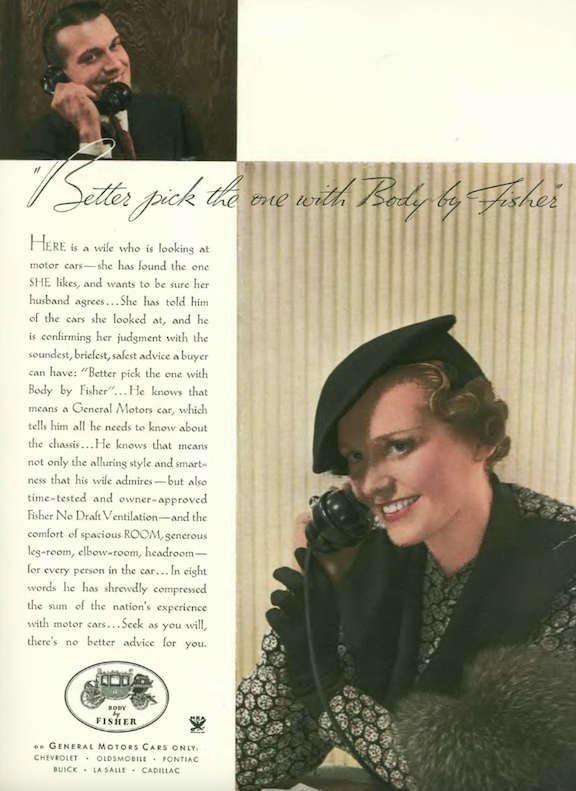
It wouldn’t seat eleven people like a Dymaxion, but a Body by Fisher (coach builder to General Motors) certainly impressed this young woman…but better check with the hubby just in case…

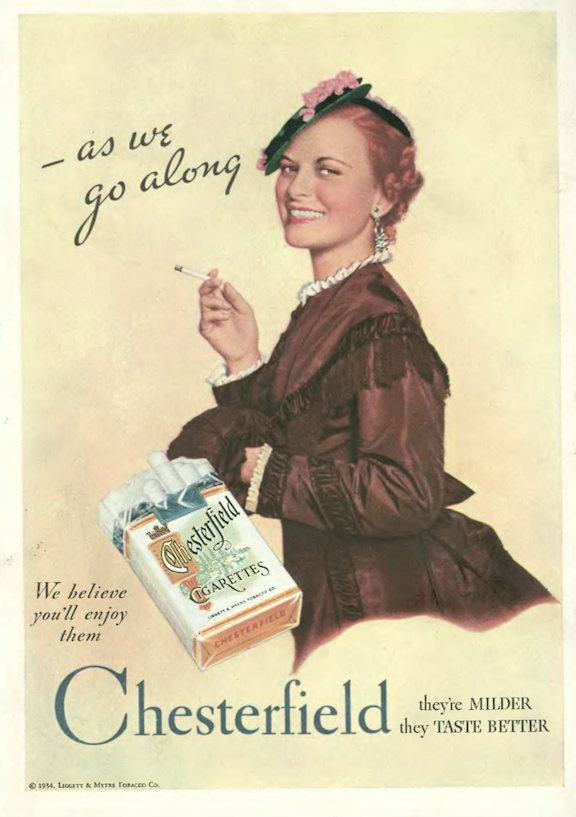
…in this next ad, we find what looks like the same woman, perhaps celebrating her decision with a nice smoke…

…this spot seems out of place in the New Yorker, like it snuck over from Better Homes & Gardens...

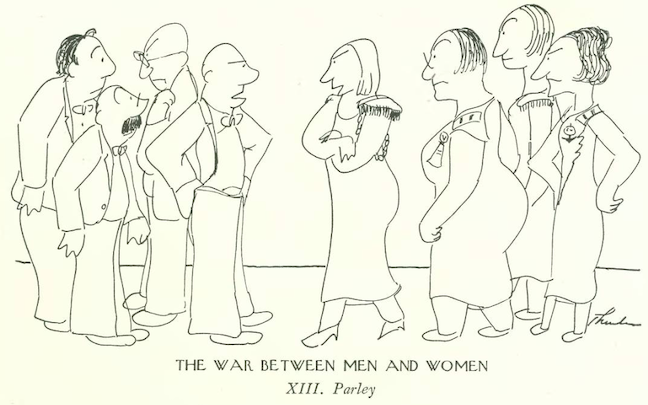
…on to our cartoons…with James Thurber’s war of the sexes over, life returned to normal…

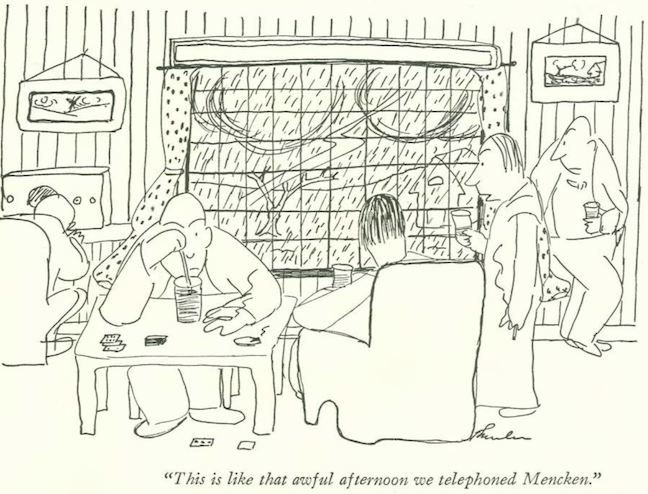
…and both sides shared in the gloom of a rainy afternoon…

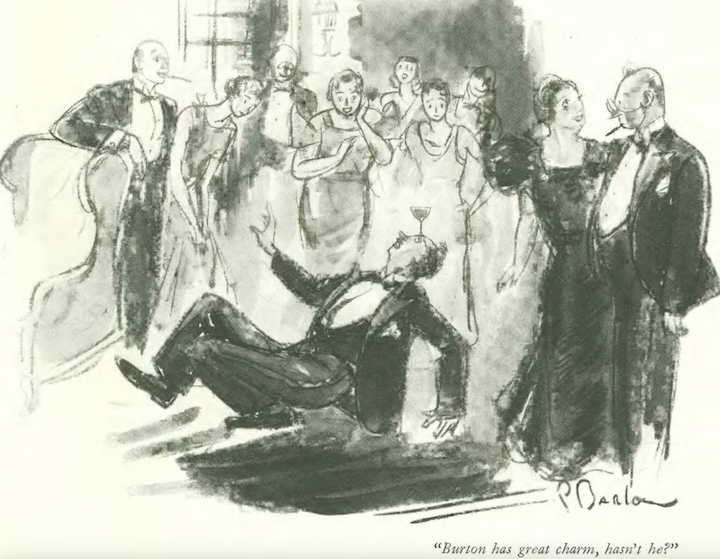
…by contrast, Perry Barlow brightened things up with this life of the party…

…but a good time doesn’t always translate over the airwaves, per George Price

Alain illustrated the consequences of losing one’s nest egg…

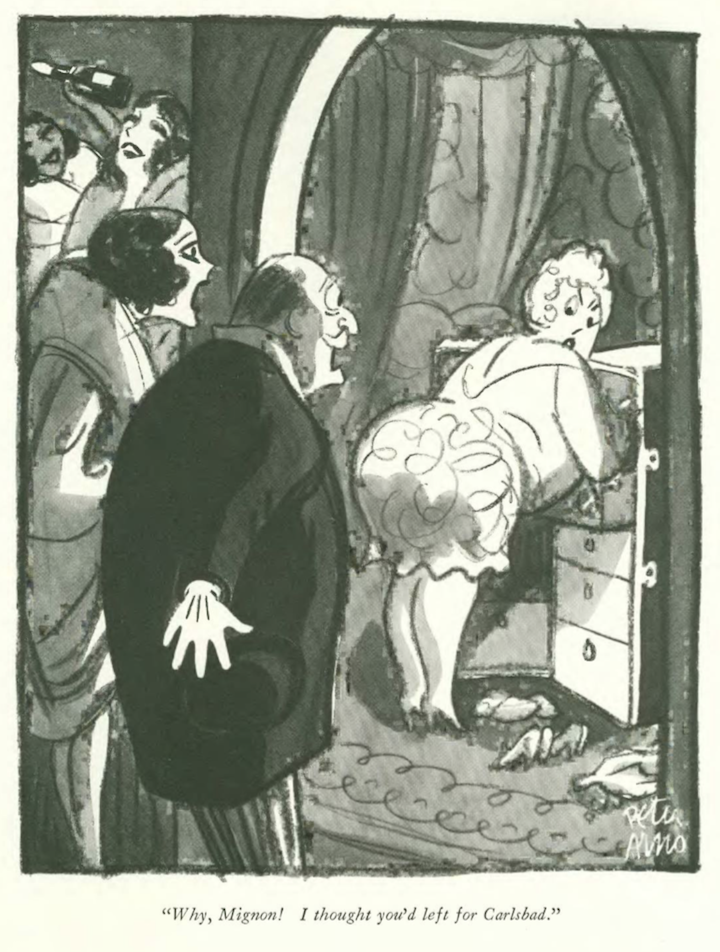
Peter Arno didn’t leave any room for dessert…

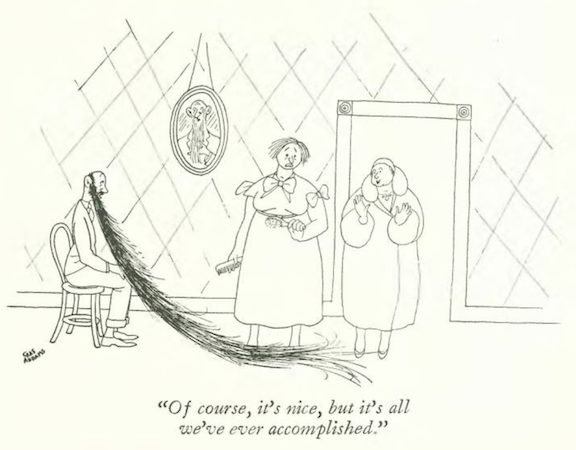
…and Charles Addams returned, a macabre cast of characters still percolating in his brain…

…on to May 12, 1934…

May 12, 1934 cover by Leonard Dove.

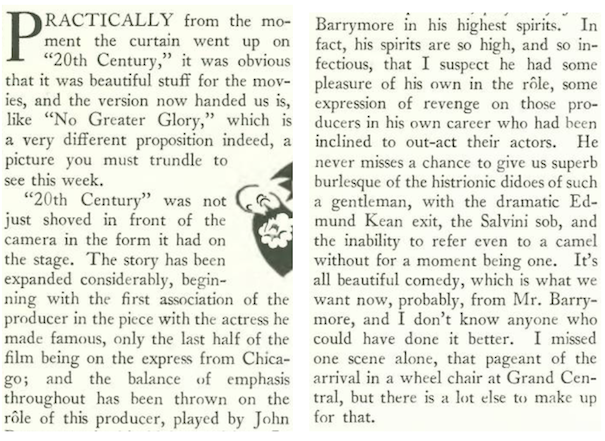
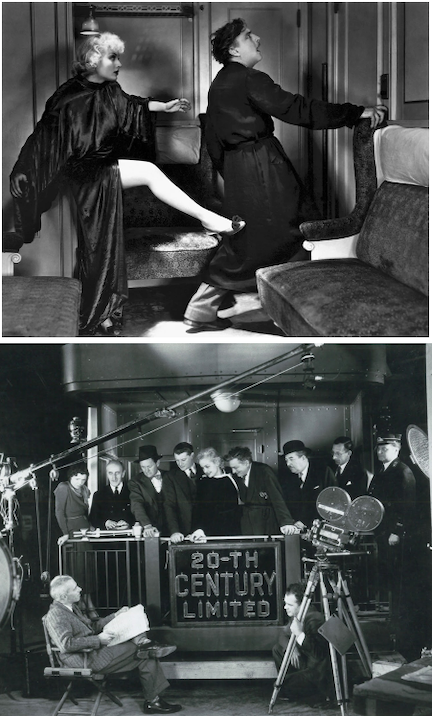
…and back to the movies, this time critic John Mosher found more cheery fare in 20th Century, a pre-Code screwball comedy directed by Howard Hawks and starring John Barrymore and Carole Lombard. Battling alcohol abuse since age 14, Barrymore nevertheless managed to display his rare genius as a comedian and turned in what is considered to be his last great film performance.

GETTING HER KICKS…Top, Carole Lombard delivers a swift one to John Barrymore in the screwball comedy 20th Century. Below, director Howard Hawks with the cast. (greenbriarpictureshows.blogspot.com)

 * * *

Playing the Ponies

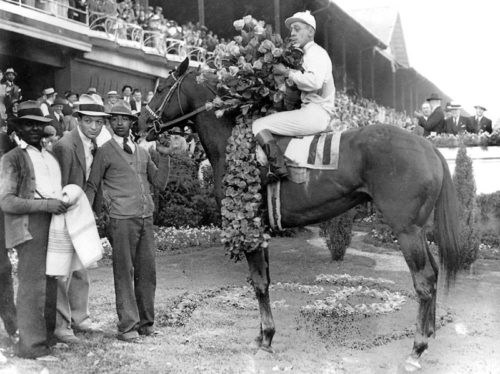
Horse racing correspondent George F. T. Ryall (pseud. “Audax Minor”) considered a losing wager at the Kentucky Derby in his column, “The Race Track.”

A HORSE OF COURSE…Jockey Mack Garner rode Cavalcade to victory at the 1934 Kentucky Derby. (Appanoose County Historical Society)

 * * *

More From Our Advertisers

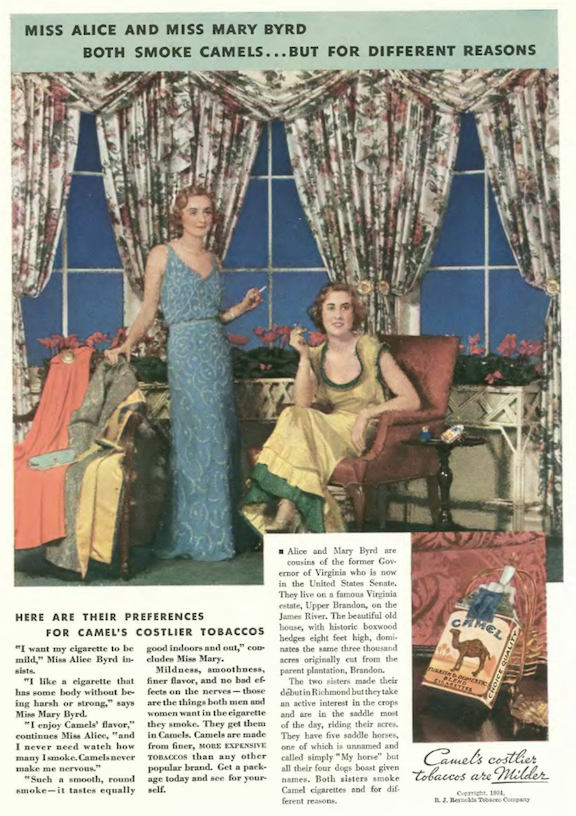
We begin with Camel cigarette endorsers Alice and Mary Byrd, residents of Virginia’s famous Brandon plantation and cousins of Virginia Senator and Governor Harry F. Byrd, known for his fights against the New Deal and his “massive resistance” to federally mandated school desegregation...

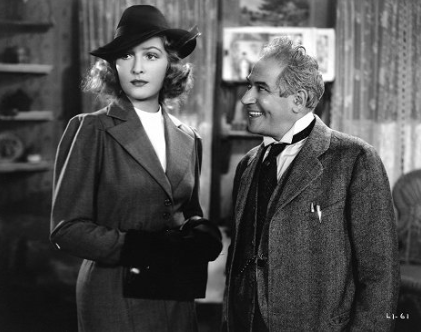
…also to the manor born, Whitney Bourne, a New York deb who would go on to a brief stage and film career that would end when she married her first husband (diplomat Stanton Griffis) in 1939…

AN EYE FOR STYLE…Whitney Bourne in a scene with Solly Ward in 1937’s Flight From Glory. Named in 1933 as one of America’s best dressed women, Bourne was a noted New York socialite, skier, golfer and tennis player as well as an occasional actress.

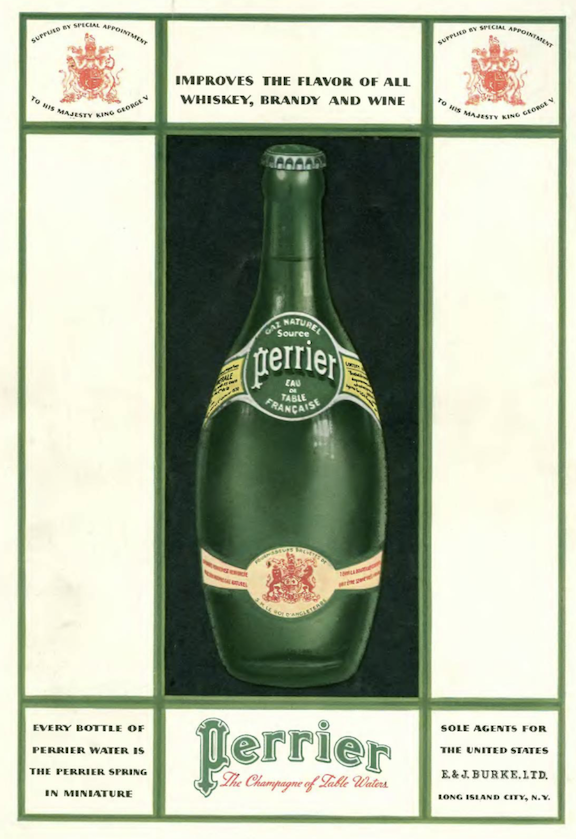
…we move along from the effervescent Whitney Bourne to the sparkling waters of Perrier…

Gardner Rea followed other New Yorker cartoonists by illustrating an ad for Heinz…

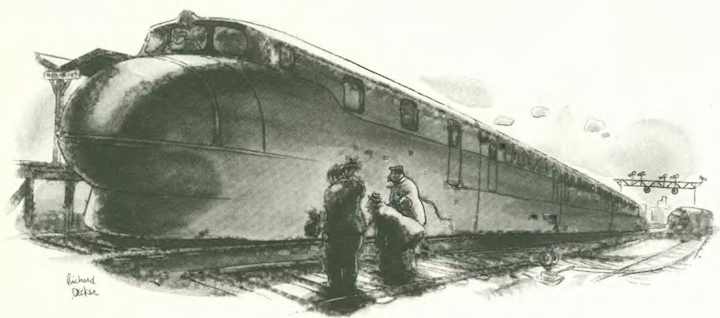
…which brings is to more cartoons, where according to Richard Decker, the move to streamlined trains wasn’t welcomed by everyone…

Carl Rose illustrated this two-page spread with an imagined right-wing response to the recent left-wing May Day parades…

William Steig eavesdropped onto a saucy little conversation…

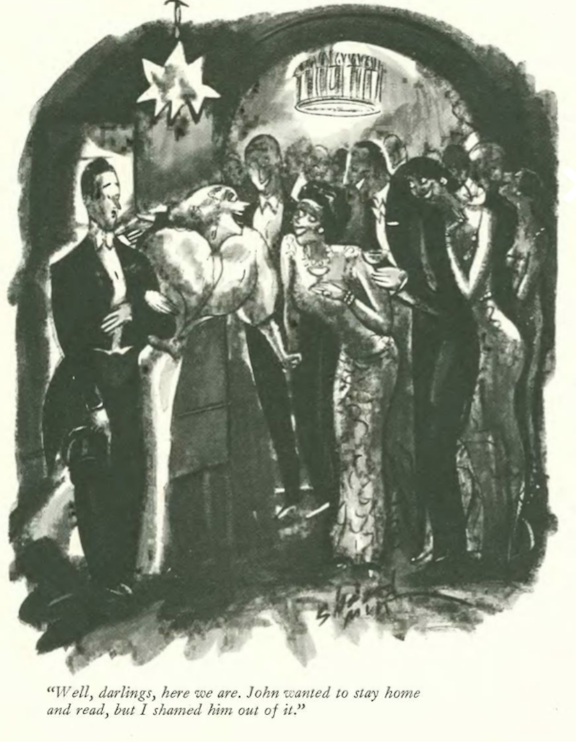
Barbara Shermund continued her explorations into the trials of the modern woman…

James Thurber was back to his old tricks…

…and we conclude our cartoons with Eli Garson, and a new perspective…

Before I close, a bit of housekeeping. The first issues in 1925 sometimes ended “The Talk of the Town” with…

…but on May 23, 1925, “Talk” signed off with —The New Yorkers. That continued until the March 31, 1934 issue (below), the last time the New Yorker signed off “The Talk of the Town” with —The New Yorkers:

Next Time: Moses Parts a Yacht Club…


Through the Looking Glass

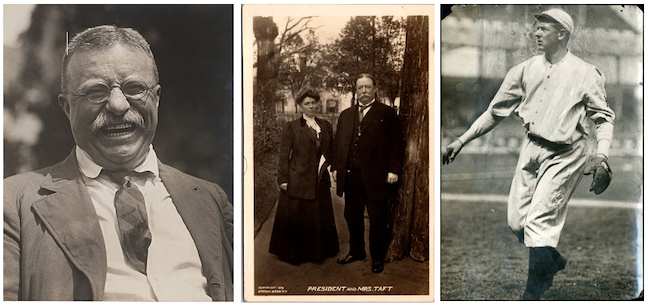
Above, from left: When Teddy Roosevelt announced in 1912 that he would run for president against his former VP, William Howard Taft, Brown Brothers sent photographer Charles Duprez to Oyster Bay to take this famous photo; President Taft and his wife, Helen “Nellie” Taft, in 1909; famed New York Giants pitcher Christy Mathewson warms up before a game, circa 1912. (liveauctioneers.com/cabinetcardgallery.com/psacard.com)

Before there were photo agencies like Magnum or archives such as Getty Images there was a company named Brown Brothers, the world’s first stock photo agency founded by Arthur and Charles Brown in New York City in 1904.

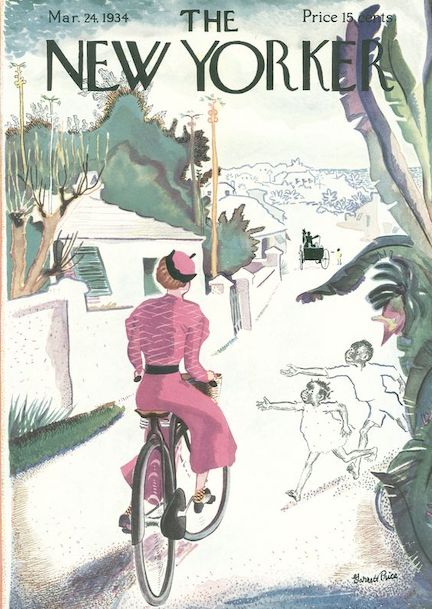
March 24, 1934 cover by Garrett Price.

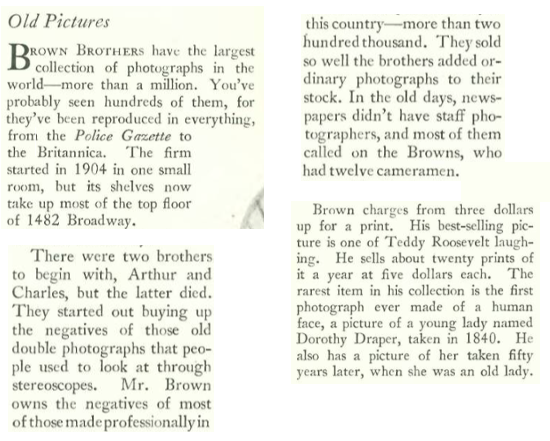
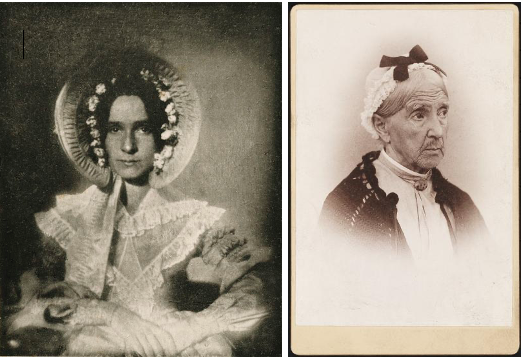
“The Talk of the Town” looked in on Brown Brothers, “the largest collection of photographs in the world—more than a million,” including a famous image of Teddy Roosevelt and the first photographic portrait of a woman’s face.

Brown Brothers photos could be seen everywhere in the early 20th century—their staff of twelve photographers provided images to New York newspapers at a time when the technology for publishing photos in the dailies was in its infancy and most papers didn’t employ staff photographers. Even the venerable New York Times hired the Browns to cover news events until they established their own team of photographers.

LITTLE DID DOROTHY DRAPER KNOW that she would become world famous when she sat for this photo (left) taken by her brother Dr. John W. Draper in his Washington Square studio at NYU in 1839 or 1840. Dorothy had to sit unblinking for the 65-second exposure—apparently her brother dusted her face with white flour to enhance the contrast. The Drapers still go down in history as creators of the oldest photo of a woman; at right, Dorothy Draper in the 1890s, in a photograph taken by her nephew. (boweryboyshistory.com/MCNY)
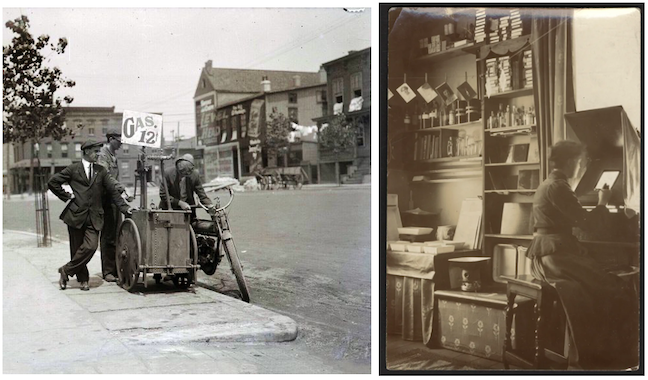
ONE IN A MILLION…The early 20th century image at left is just one of as many as three million images amassed in the Brown Brothers archive; at right, a Brown Brothers archivist at work. (Pinterest/sportscollectorsdigest.com)

Note: The Brown Brothers’ archive of photos and negatives went up for sale in 2014, and was ultimately acquired by Leland’s in 2020.

 * * *

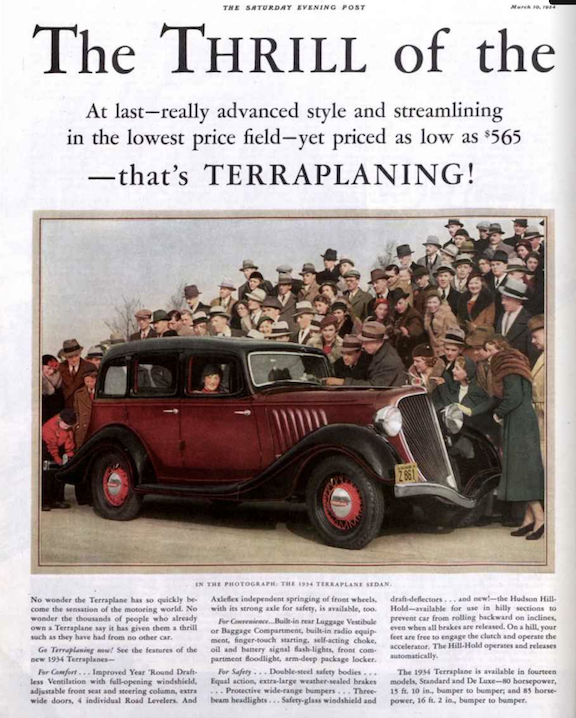
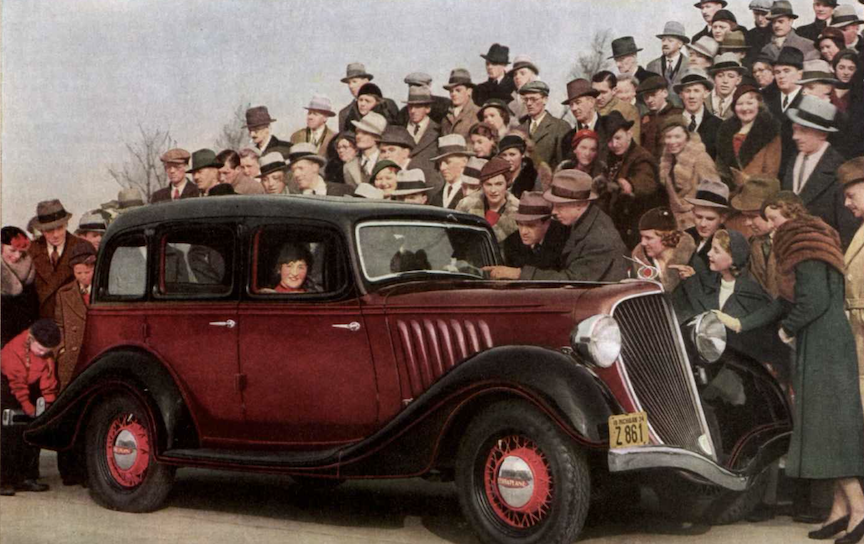
De Terraplane!

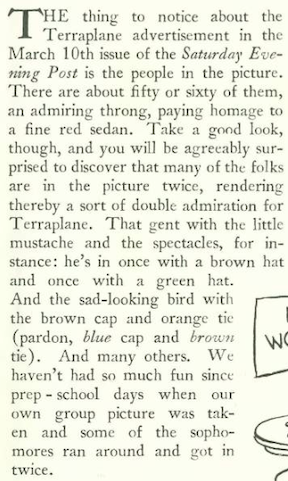
E.B. White (in “Notes and Comment”) was also looking at a photo, or rather scrutinizing one that was featured in a Saturday Evening Post advertisement for Hudson’s Terraplane:

…here is the ad from the Post

…and a closer look at the image, which had White seeing double.

(Both images courtesy The Saturday Evening Post)

 * * *

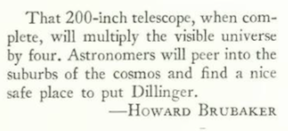
Escape Artist

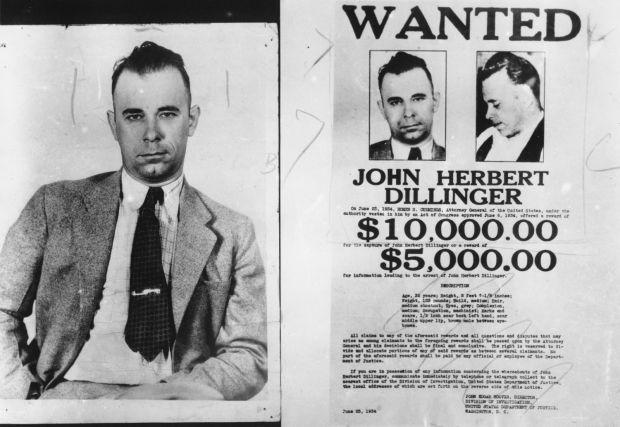
In his “Of All Things” column, Howard Brubaker included the following item about a new telescope, ostensibly to set up a quip about John Dillinger’s recent prison break (his second):

YOUR DAYS ARE NUMBERED…The FBI issued this “Wanted” poster of gangster John Dillinger— “Public Enemy No. 1″—in June 1934. The Feds gunned him down a month later. (AP Photo)

 * * *

Playing Nice

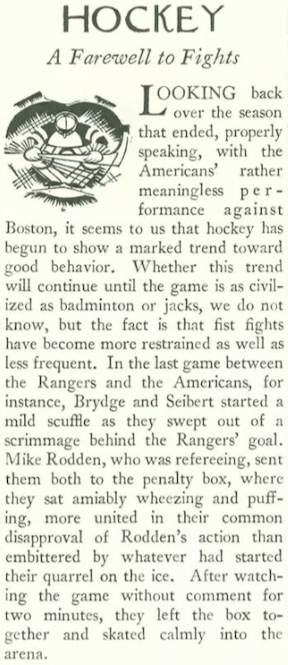
The New Yorker commented on the trend toward fewer fights in the world of hockey, and although fighting in general ebbed a bit through mid-century, it nevertheless remained a staple of the game. Indeed the New York Rangers founder, Tex Rickard, who also promoted boxing at Madison Square Garden, knew quite well that hockey fights were one reason folks attended the games.

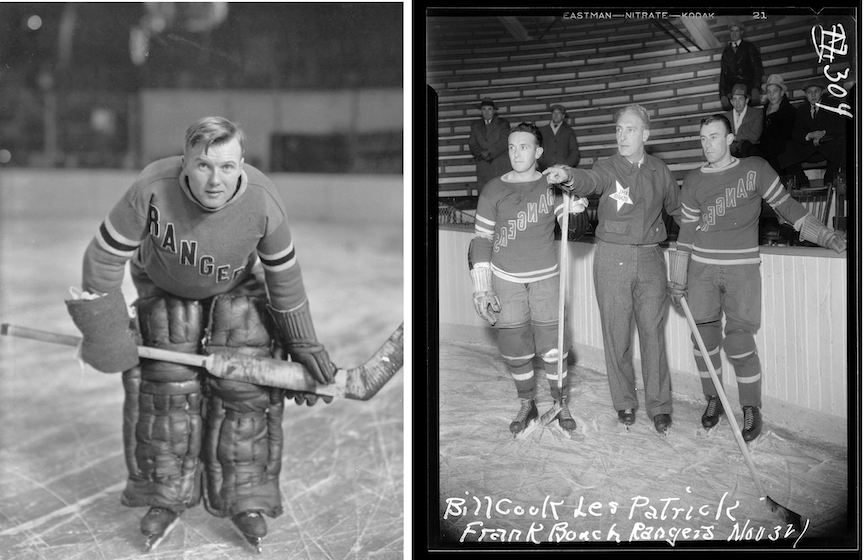
FACE OFF?…At left, goaltender Andy Aitkenhead of the New York Rangers padded his legs and arms but put his clean-shaven mug on the line in December 1934— it wasn’t until 1959, 42 years into the NHL’s existence, that a league goalie wore a mask on the ice. At right, New York Rangers captain Bill Cook (right) flanks coach and manager Lester Patrick alongside Frank Boucher on the ice at the Chicago Stadium in November of 1934. (Pinterest)

 * * *

From Our Advertisers

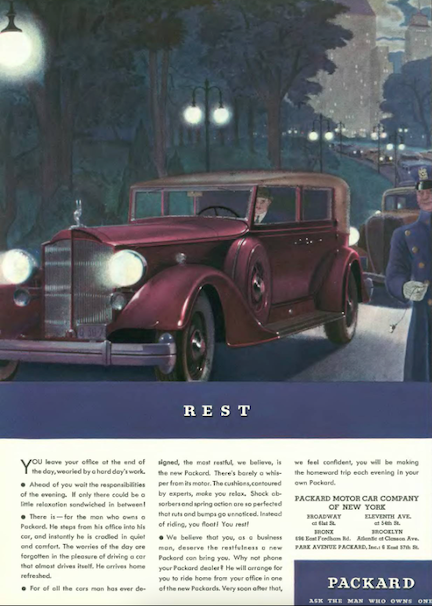
We begin with this sumptuous ad from Packard, appealing to those who could afford to own this luxury brand…

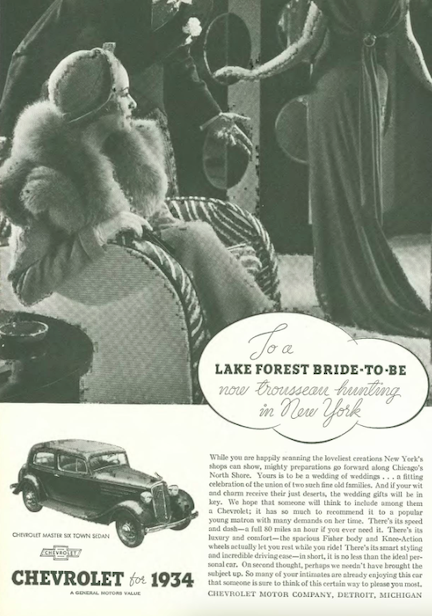
…if you couldn’t afford a Packard, you could rest assured that even a well-heeled deb could be happy with a Chevy…

…the folks at Powers Reproduction continued to tout the wonders of their color photography, even if their cake looked less than appetizing…

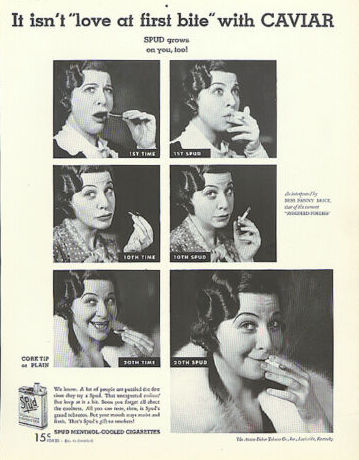
Fanny Brice was appearing with the 1934 Ziegfeld Follies on Broadway, so the folks at Spud jumped on her celebrity bandwagon…

…while R.J. Reynolds was suggesting we replace our chewed up pencils with a nice Camel cigarette…now, don’t you feel better?…

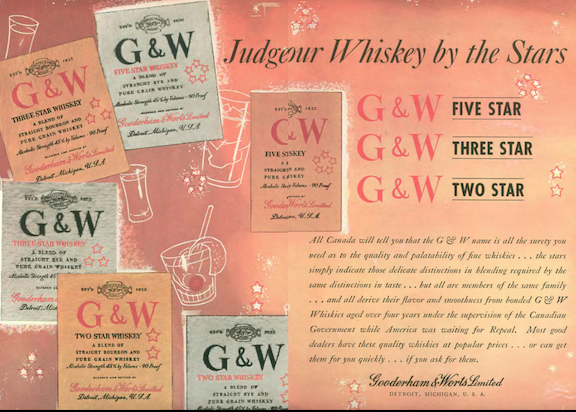
…the Canadian distillery giant Gooderham & Worts offered all sorts of options to calm our jangled nerves in this two-page spread…

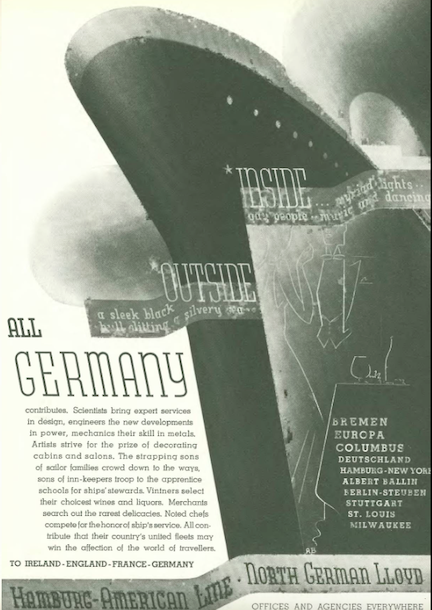
…while the Germans continued to entice us onto their cruise ships perfected by science and featuring “the strapping sons of sailor families”…hmmm…

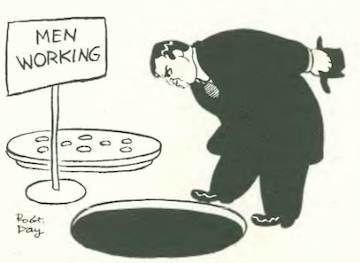
…in 1934 the New Yorker began featuring mostly wordless cartoons on the opening page of “The Talk of the Town,” including this one by Robert Day featuring Mayor Fiorello LaGuardia checking up on city employees…

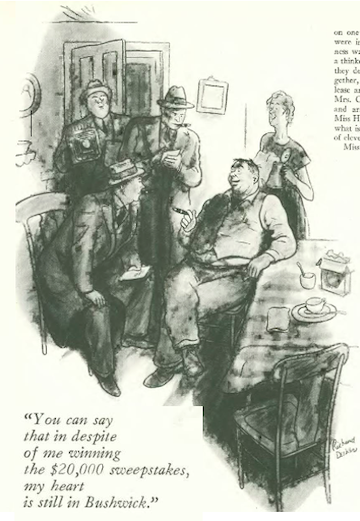
Richard Decker gave us an Irish Sweepstakes winner from Brooklyn who displayed some modesty and media savvy…

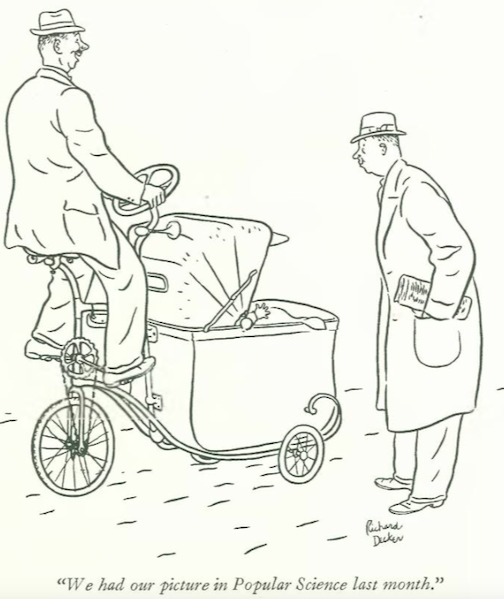
…Decker again, with the latest in perambulators…

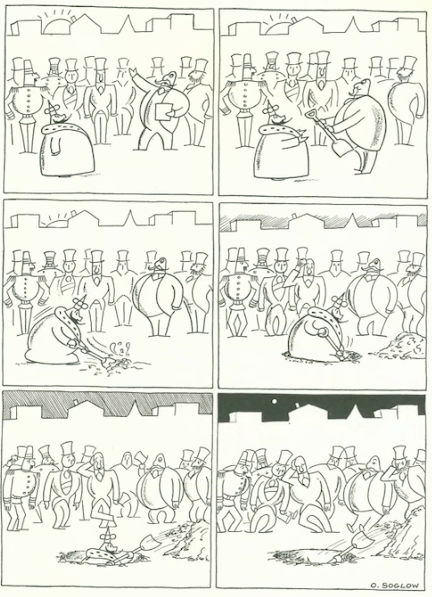
Otto Soglow’s Little King put his back into a ceremonial groundbreaking…

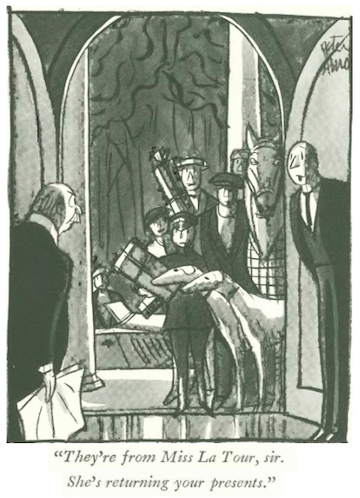
Peter Arno’s sugar daddy received some not-so-happy returns…

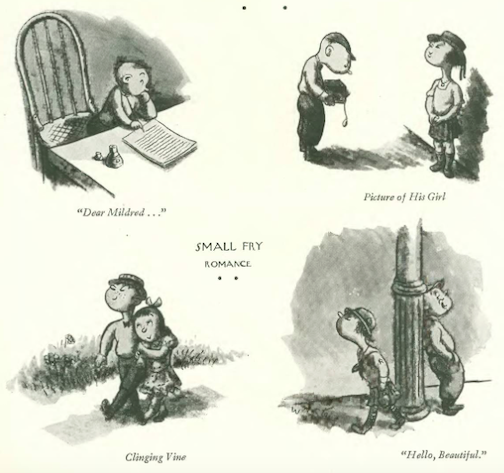
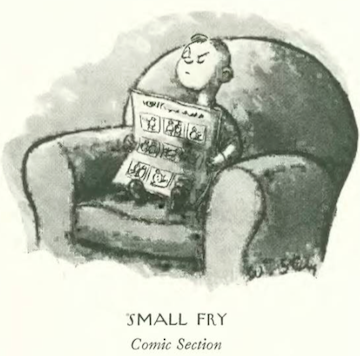
…one of William Steig’s “Small Fry” was doing some serious reading…

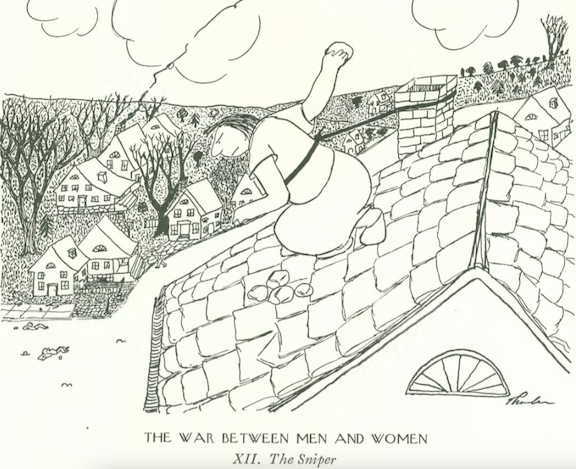
…and James Thurber’s war continued from the rooftops…

…on to March 31, 1934…

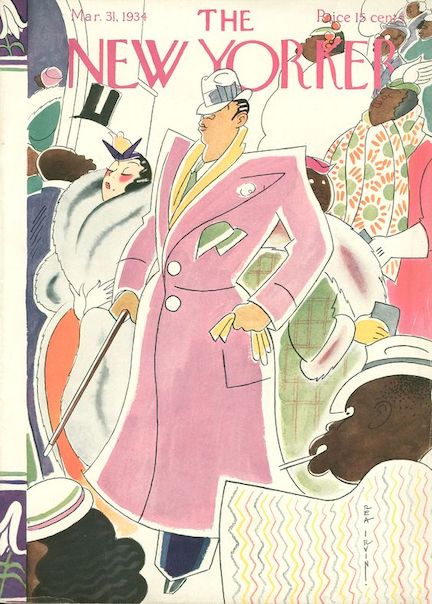
March 31, 1934 cover by Rea Irvin.

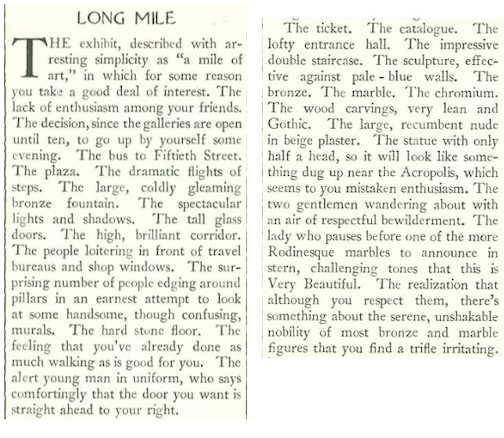
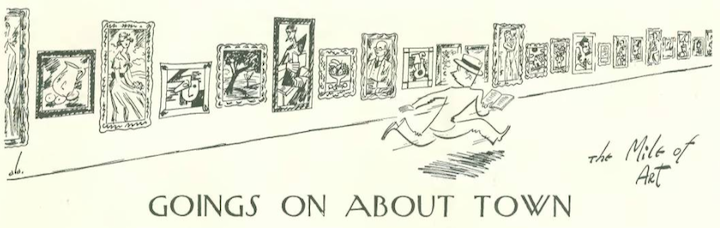
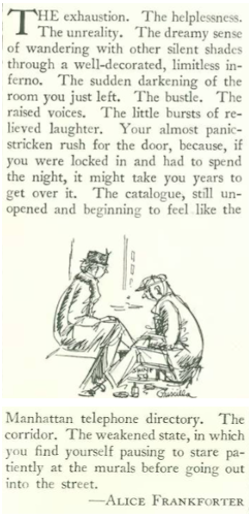
…where we find Alice Frankforter covering an exhibition dubbed “A Mile of Art.” I’m guessing critic Lewis Mumford passed on this opportunity to offer some blistering commentary. As for Frankforter, she found the spectacle puzzling, if not irritating. An excerpt:

Constantin Alajalov offered his perspective on the art world stunt with this bit of spot art…

…and more from Frankforter, now reaching a state of exhaustion and near-delirium as she approached the end of the exhibit:

 * * *

Biblical Babbitts

Frank Buchman’s First Century Christian Fellowship (aka the Oxford Group) meeting in New York featured a lot of people chuckling and bubbling, but all that forced conviviality left critic Edmund Wilson feeling “quite morose.” Writing for the “A Reporter at Large” column, Wilson looked in on the group as they awaited Buchman’s arrival at a preliminary rally. The column was subtitled, “Saving the Better Classes and Their Butlers.” An excerpt:

Like other critics at the time, Wilson saw “Buchmanism” as bourgeois optimism and boosterism, interested more in converting the souls of the wealthy and celebrated rather than serving the needs of poor.

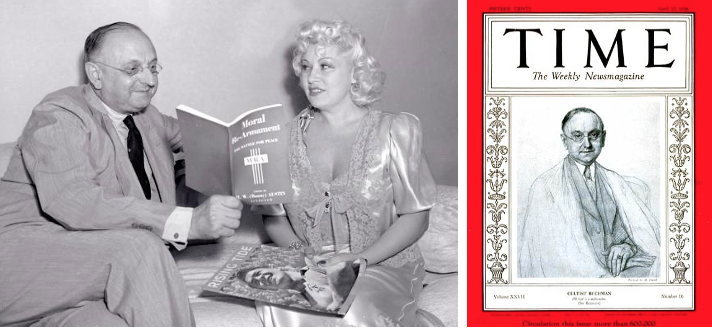
ODD COUPLE…Frank Buchman liked to be seen with the rich and famous. In 1939 he asked for a half hour of Mae West’s time, ostensibly to get this photo of him sharing some wisdom from his “Moral Re-assessment” booklet. West seems less than enamored by the encounter, regarding Buchman as some sort of alien creature; right, Buchman on the cover of April 20, 1936 edition of Time, which identified him as “Cultist Buchman.” (maewest.blogspot.com/Time)

 * * *

Carnegie’s Couture

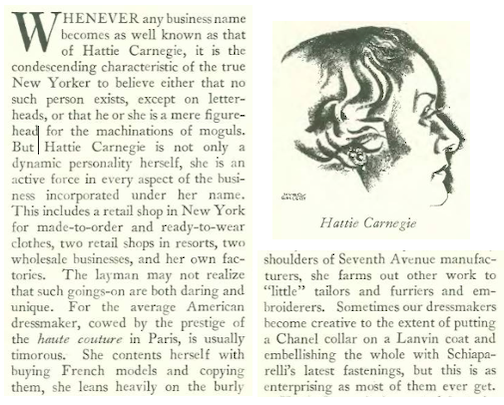
Vogue magazine fashion editor Nancy Hardin and the New Yorker’s fashion editor Lois Long teamed up on a profile about Hattie Carnegie (1889 -1956) titled “Luxury, Inc.” Born Henrietta Kanengeiser in Vienna, Carnegie immigrated with her family to New York in 1900; nine years later she adopted the name “Carnegie” after Andrew Carnegie, the richest person in America. Through hard work and an inherent instinct for what American women desired, she built a fashion design business that thrived in Depression and catered to stars and celebrities including Tallulah Bankhead, Joan Fontaine, Lucille Ball, and Joan Crawford. An excerpt, with illustration by Hugo Gellert:

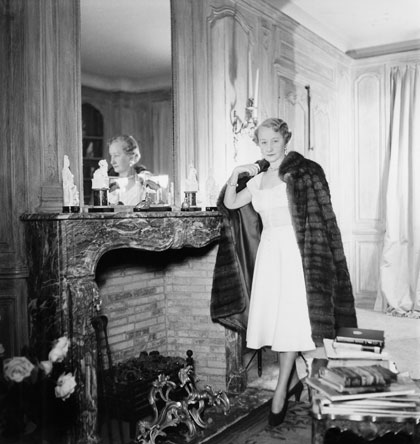
FUR SURE…Hattie Carnegie posing for a 1951 Vogue magazine photo. (Vogue)

 * * *

Steampunk Dream

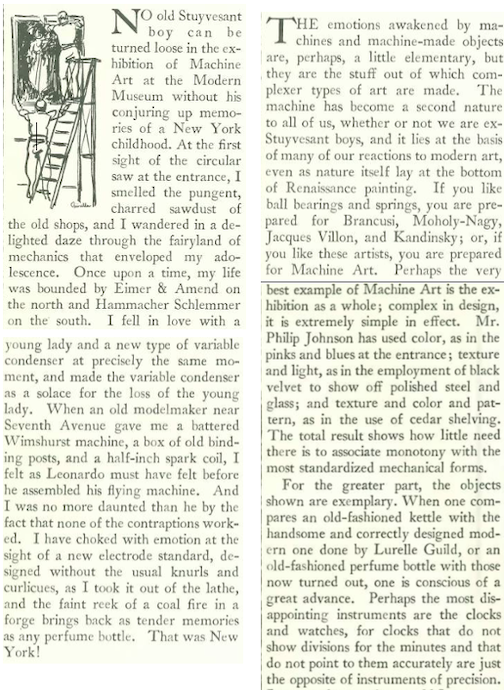
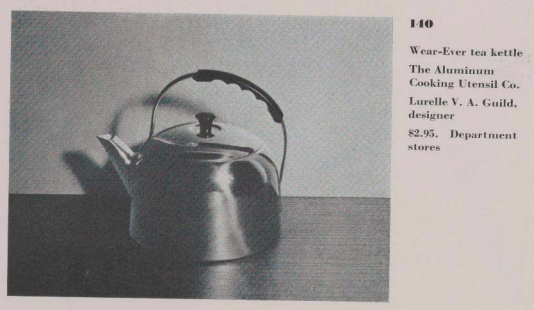
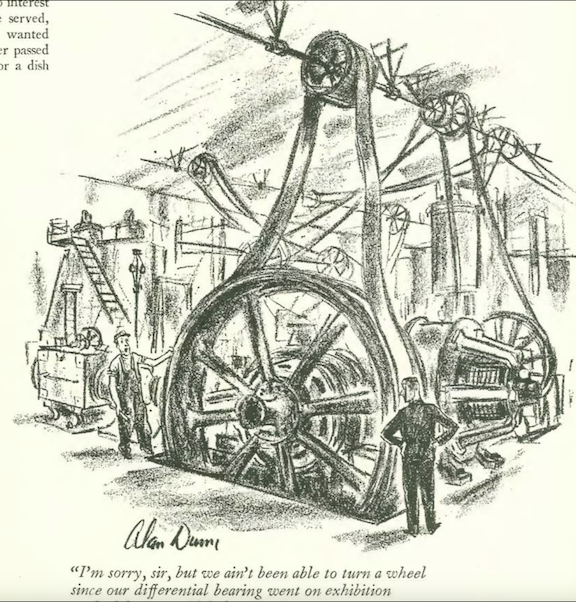
In my previous entry I featured Robert Coates’s observations on the new Machine Art exhibition at the Museum of Modern Art. For the March 31 issue critic Lewis Mumford, celebrant of the simple and unpretentious, waxed nostalgic over the novel exhibit:

I’M A LITTLE TEAPOT that made a big advance in the design world, according to critic Lewis Mumford. (MoMA)

Alan Dunn was also inspired by the exhibit, as evidenced in this cartoon from the April 7 issue…

 * * *

More From Our Advertisers

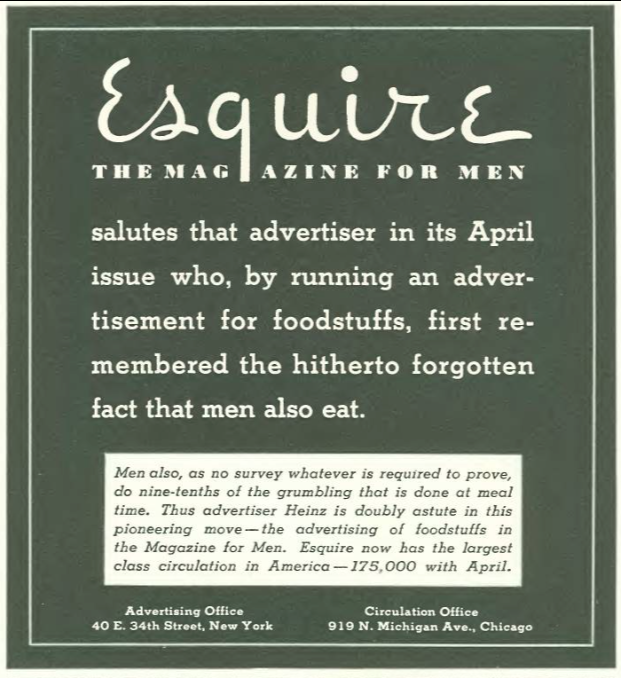
Founded in October 1933, the men’s magazine Esquire took off with a bang, and the publishers were not shy about boasting of its early success…

…cover of the April 1934 issue, featuring the mustachioed mascot Esky…based on a drawing by cartoonist E. Simms Campbell, Esky was featured on the cover in various situations until 1961…

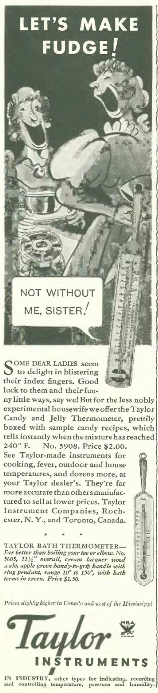
Peter Arno’s “Whoops Sisters” appeared sixty-three times in the New Yorker between 1926 and 1927 before Arno retired them (they occasionally popped up in other publications, and in a 1931 Cunard ad)…it seems odd that they would make an appearance in a cheap thermometer ad in 1934…at any rate, it is difficult to tell if this is by Arno or by a clever forger…

…there’s no mistaking the cartoonist behind this ad…

…and this one by Otto Soglow

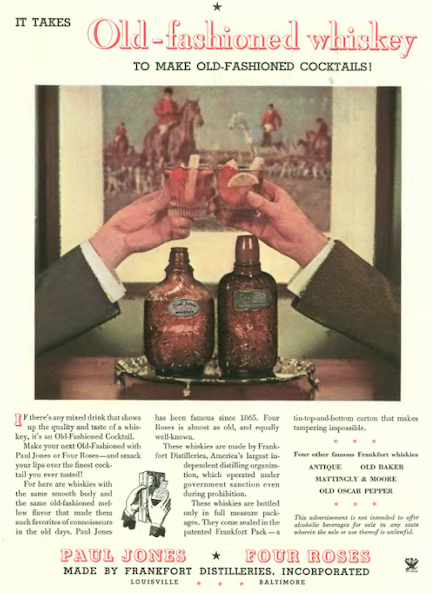
…and we close our advertising section by raising a glass to Frankfort Distilleries…

…on to our March 31 cartoons, and a lineup of New Yorker regulars Abe Birnbaum

Barbara Shermund

Mary Petty

…and James Thurber, with a break in the battle…

Next Time: America’s Sweetheart…

On Detention

Twentieth century New York saw a lot of paradise paved (see Moses, Robert), but there is one spot in New York that saw paradise reclaimed—not from a parking lot but from an eleven-story prison that once stood at 10 Greenwich Avenue.

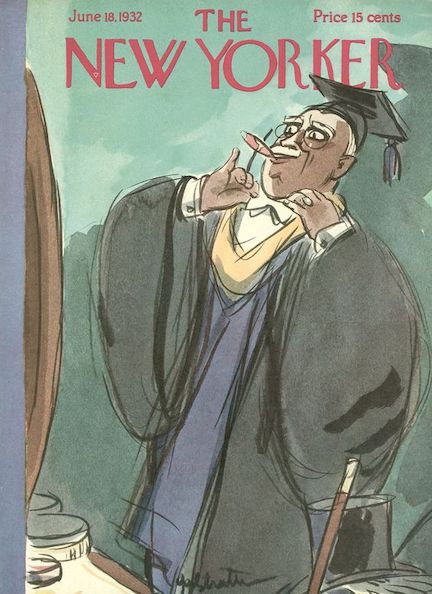
June 18, 1932 cover by William Crawford Galbraith.

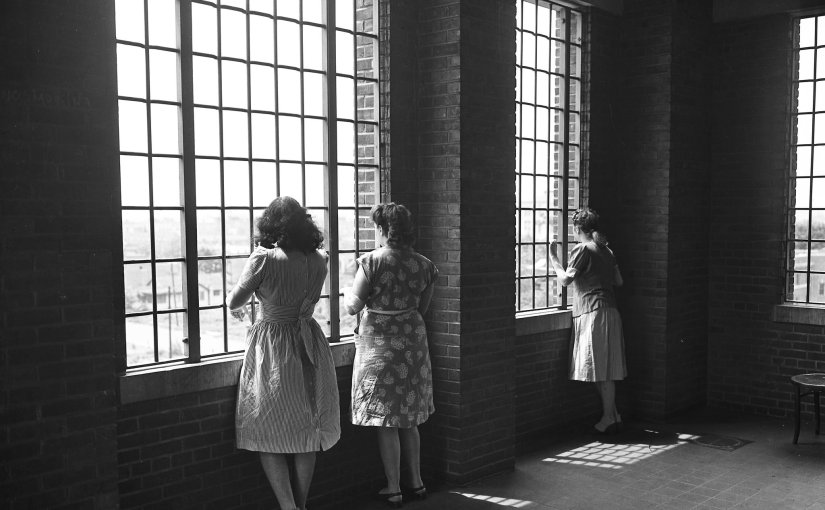
The Jefferson Market Garden in Greenwich Village was once the site of a women’s prison designed to be a more humane corrections facility, but between its opening in 1932 and its closing in 1971 the Women’s House of Detention went from noteworthy to notorious.

It was designed by a firm known for its Art Deco buildings—Sloan and Robertson—and although it still looked rather stark and institutional on the inside, attempts were made to gussy it up with artworks commissioned by the WPA. The New Yorker’s E.B. White found a certain “sanitary elegance” to the place.

WELCOME INMATES!…When the Women’s House of Detention opened in 1932 it focused on more humane practices, including vocational training and other reform measures. Clockwise from top right, a 1938 photo shows how the prison once loomed over the Sixth Avenue El;

by the late 1960s the jail had become squalid, overcrowded and violent. He wrote: “I can still hear the desperate pleas of inmates shouting through the windows as I walked home from school every day.”

BIG, BAD HOUSE…Clockwise from top, left, protestor outside the New York Women’s House of Detention at the Prisoners’ Rights and “Free the Panther 21” demonstration in 1970; illustrious inmates at the prison included Ethel Rosenberg (pictured Aug. 8, 1950), Angela Davis, and Valerie Solanas (who shot Andy Warhol in 1968); demonstrators outside the prison in 1970; 1956 publicity still taken by the Department of Corrections. (Diana Davies via Smith College/

In the late 1960s Village residents began holding town hall meetings to discuss the removal of the overcrowded prison, many complaining of the friends and families of inmates who lingered outside day and night, yelling up to their loved ones behind bars. The protests were successful; the prison closed in 1971 and was demolished three years later.

A BIT OF EARTH…Top photo is an overhead view of the Jefferson Market Garden, planted on the site of the former Women’s House of Detention. Below, a verdant pathway takes a turn through Jefferson Market Garden. Photos courtesy of amny.com and Jefferson Market Garden.

 *  *  *

How Dry I Ain’t

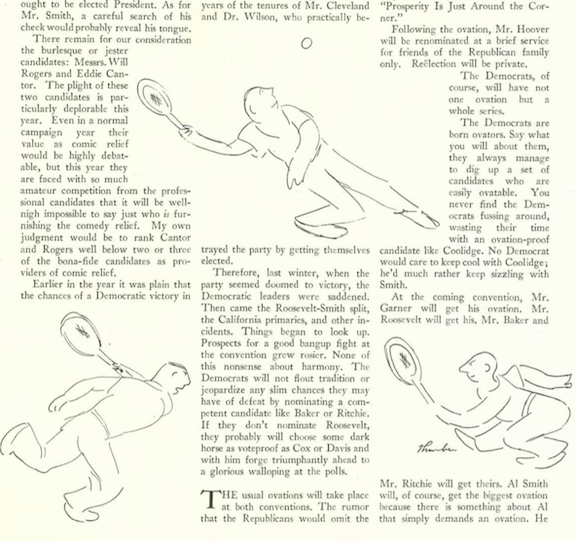
Franklin D. Roosevelt was a canny politician, seemingly able at times to please both sides of a divisive issue. This was the case in 1932, when teetotaling New Yorkers touted FDR’s long record of supporting such causes as the Anti-Saloon League, while city dwellers such as E.B. White knew better…

LIBERAL LIBATION…Franklin D. Roosevelt was an enthusiastic drinker, especially of his famed martinis. (thrillist.com)

*  *  *

From Our Advertisers

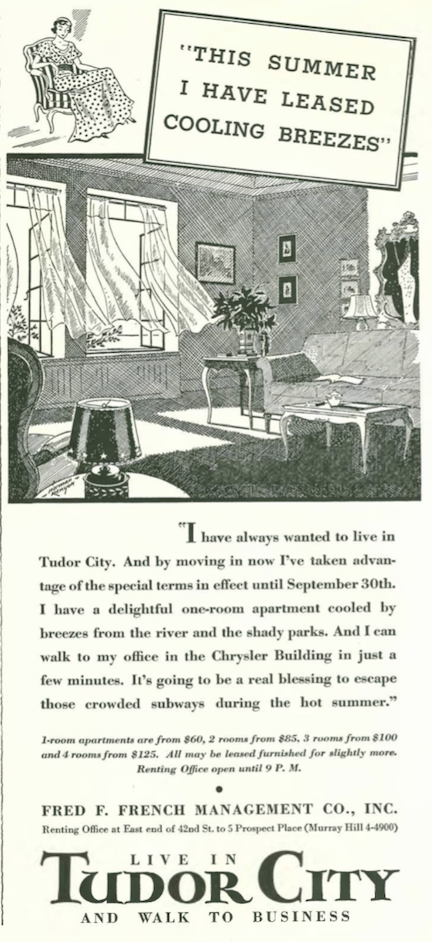
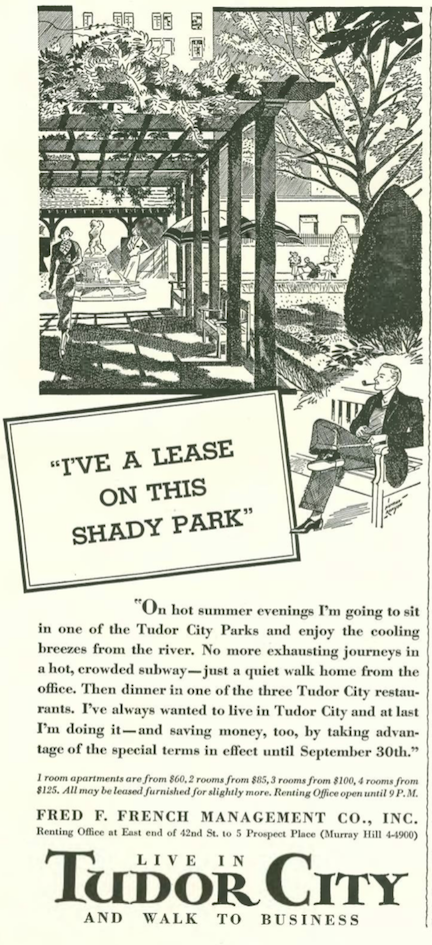
In the days before air conditioning, most folks had to rely upon whatever cooling breezes they could channel into their homes, and apparently in Tudor City they could find some relief from the East River, at least when the wind was blowing from that direction…

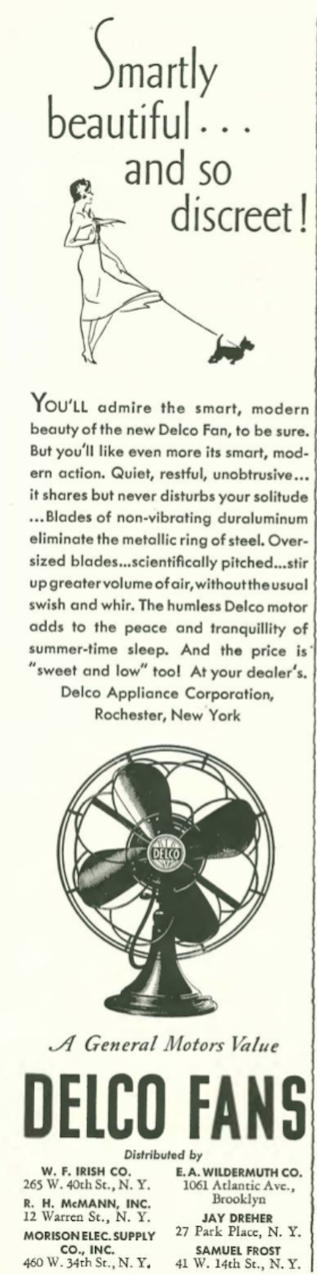
…if the wind wasn’t in your favor, you could switch on an electric fan, an appliance that didn’t come into common use until the 1920s…this ad also demonstrated the power of the dictum “sex sells,” even if applied subtly…

…it would be awhile before air-conditioning became common, but in 1932 you could at least keep your goodies cool with a GE refrigerator, its radiating coils offering a novel way to disperse this smoker’s emissions…

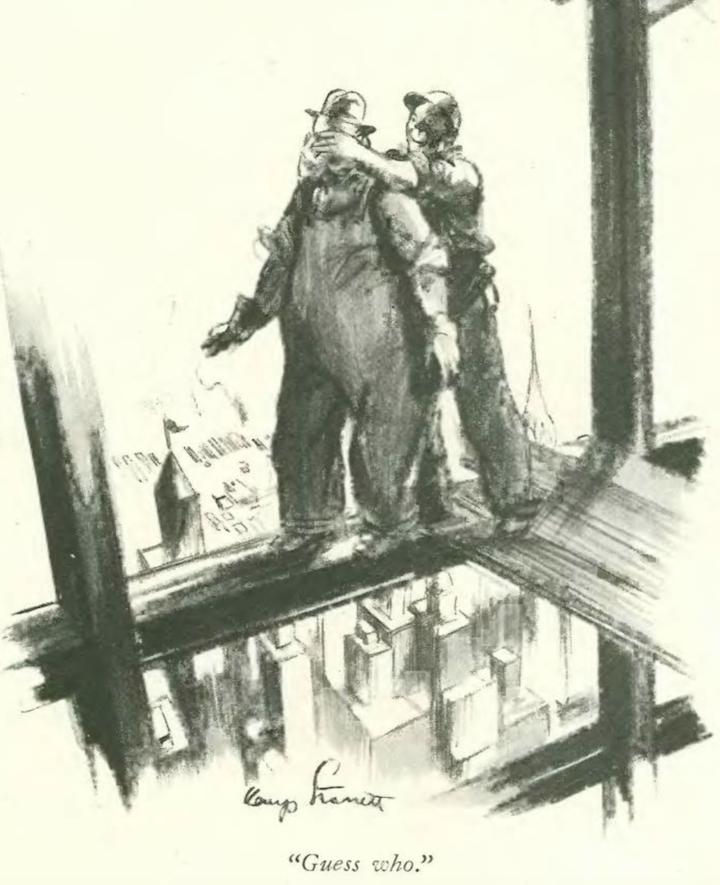
…we jump to our cartoons, with Kemp Starrett in some mixed company…

Garrett Price illustrated the peril one faced when driving through Chelsea, where one could encounter freight trains at street level…

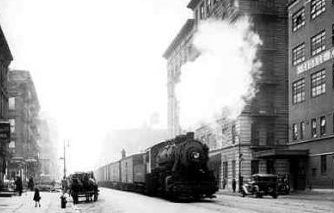
…for almost one hundred years this street-level freight line on 11th Avenue—known as “Death Avenue”—claimed the lives and limbs of hundreds of (mostly poor) New Yorkers…

HEADS UP!…the Hudson River Railroad at 11th Avenue and West 41st Street. (forgotten-ny.com)

…happily, we move on to June 25, 1932…

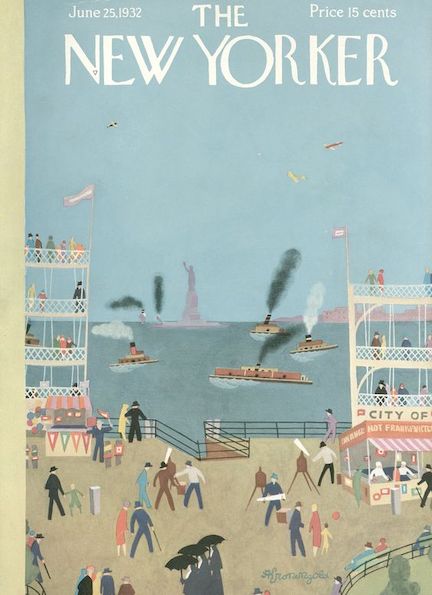
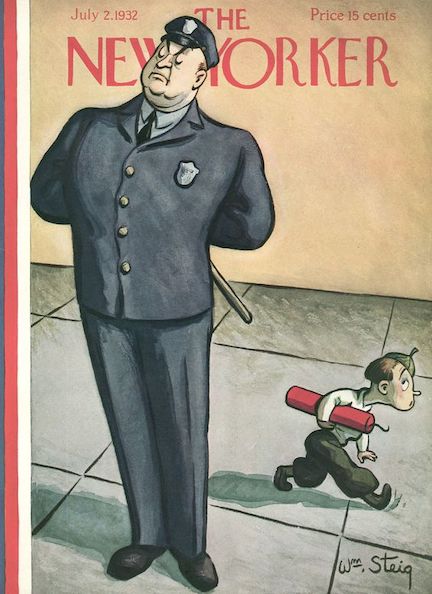
June 25, 1932 cover by Adolph K. Kronengold.

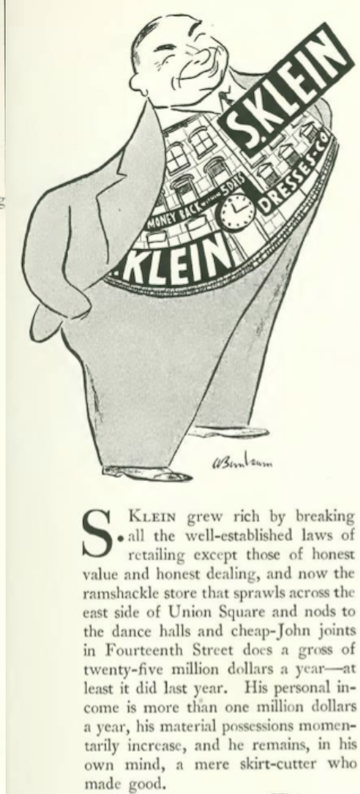
…which featured a profile of Samuel Klein (1886-1942), founder of Union Square’s discount department store S. Klein, famous for its “bargain bins.” The profile included this column-busting caricature of Klein as rendered by Abe Birnbaum

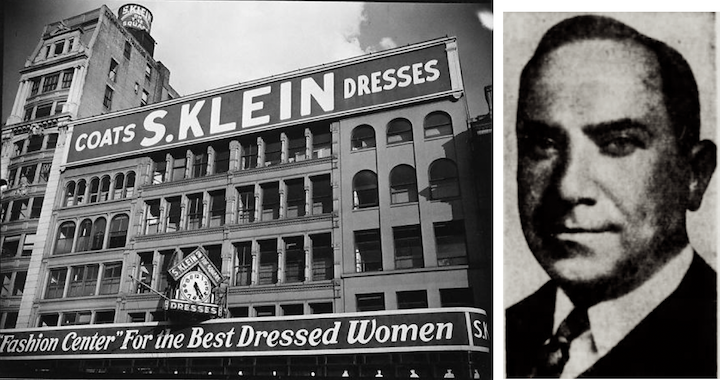
YOU COULDN’T MISS IT…The S. Klein Department Store was a Union Square fixture from 1910 to its closing in 1975. At right, undated photo of founder Samuel Klein. The building is long gone, the Zeckendorf Towers now occupying the site. (theclio.com/bklyn.newspapers.com)

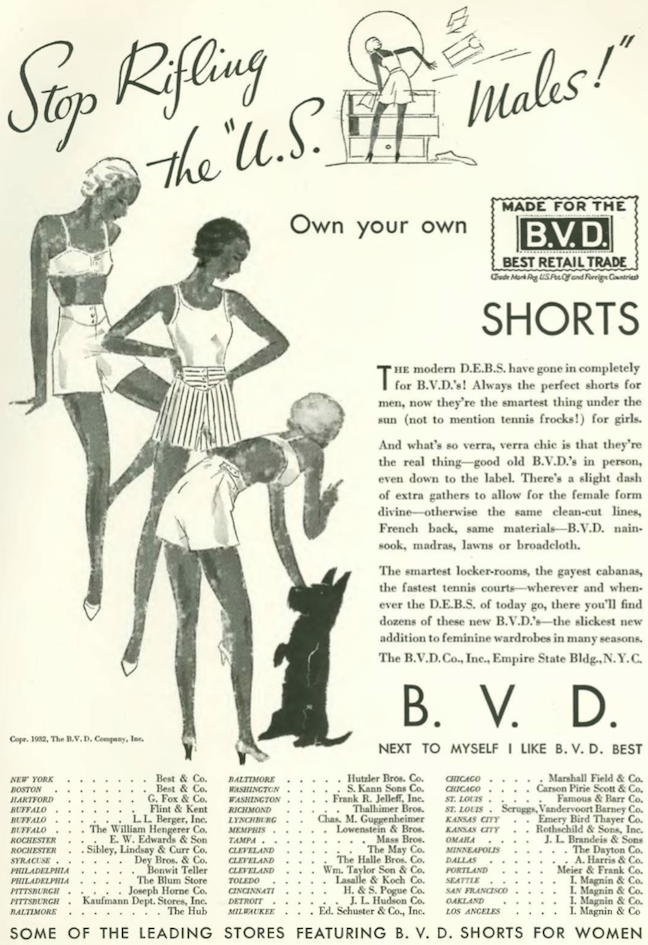
…and we roll right into our advertisements, and this spot from the makers of B.V.D.s, who found a new market for men’s shorts and continued the 1920s trend toward a more casual, androgynous look among “modern debs”…

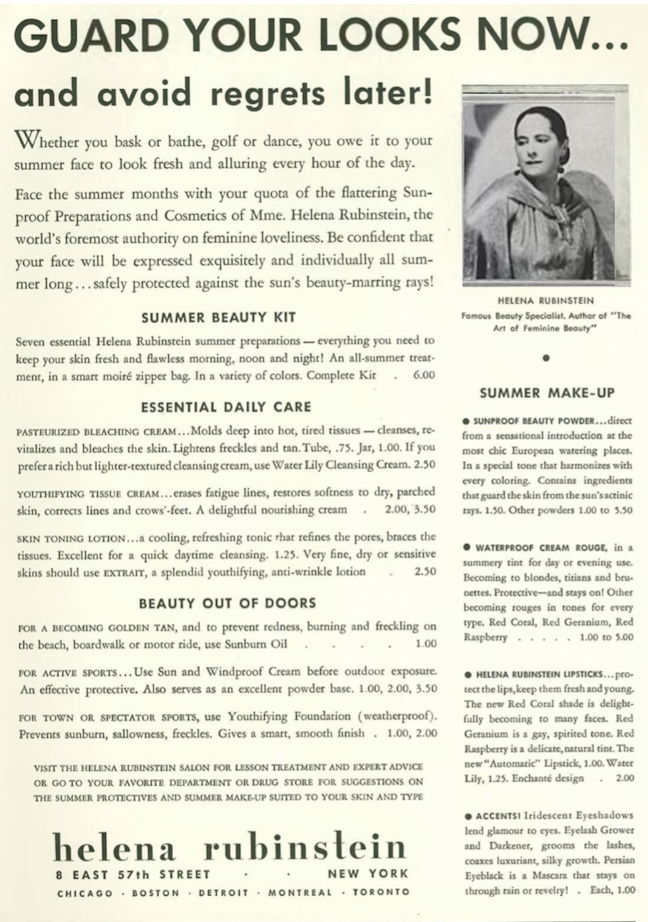
…you likely wouldn’t catch Helena Rubinstein wearing B.V.D.s., busy here shaming women into using her line of beauty products…

…on to our cartoons, we have this spot illustration by James Thurber

…and another travelogue image from Rea Irvin

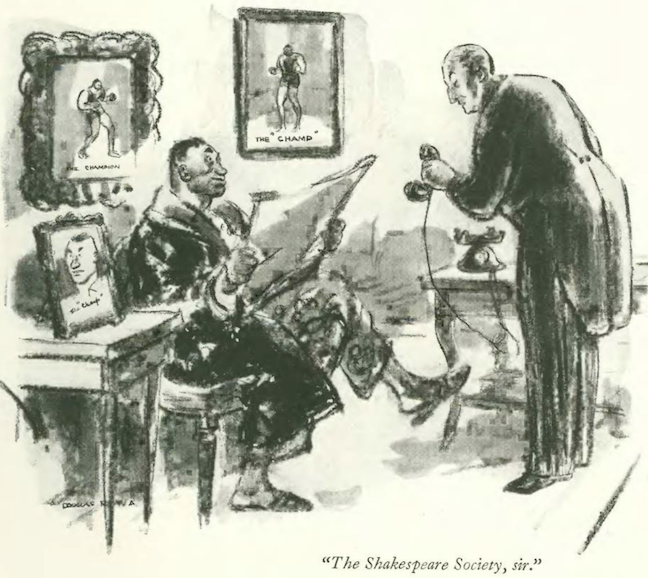
Douglas Ryan gave us an unlikely Shakespeare lover (unless the boxer was Gene Tunney)…

…and we end with a bit of Prohibition humor from Gardner Rea

Next Time: Help Wanted

Jimmy’s Jam

New York City Mayor Jimmy Walker (1881-1946) was commonly referred to as “Beau James” for his flamboyant lifestyle and his taste for fine clothes and Broadway showgirls.

June 4, 1932 cover by Theodore Haupt.

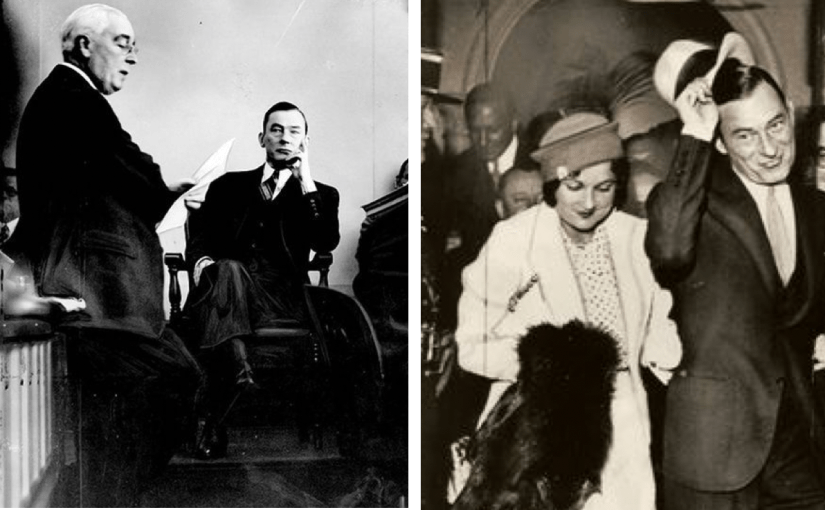
Mayor Walker was also a product of the powerful Tammany Hall machine that traded in political favors and outright bribery. When he took office in 1926, the economy was riding high, and few seemed to care that hizzoner was aloof, partying into the night (while openly flouting Prohibition laws), and taking numerous pleasure trips to Europe. He easily won reelection in 1929, but when the stock market crashed later that year his hijinks began to wear a bit thin, and reform-minded politicians like State Senator Samuel H. Hofstadter began looking into corruption in New York City. The actual investigation was led by another reformer, Samuel SeaburyThe New Yorker’s E.B. White looked in on the proceedings and its star witness, Mayor Walker.

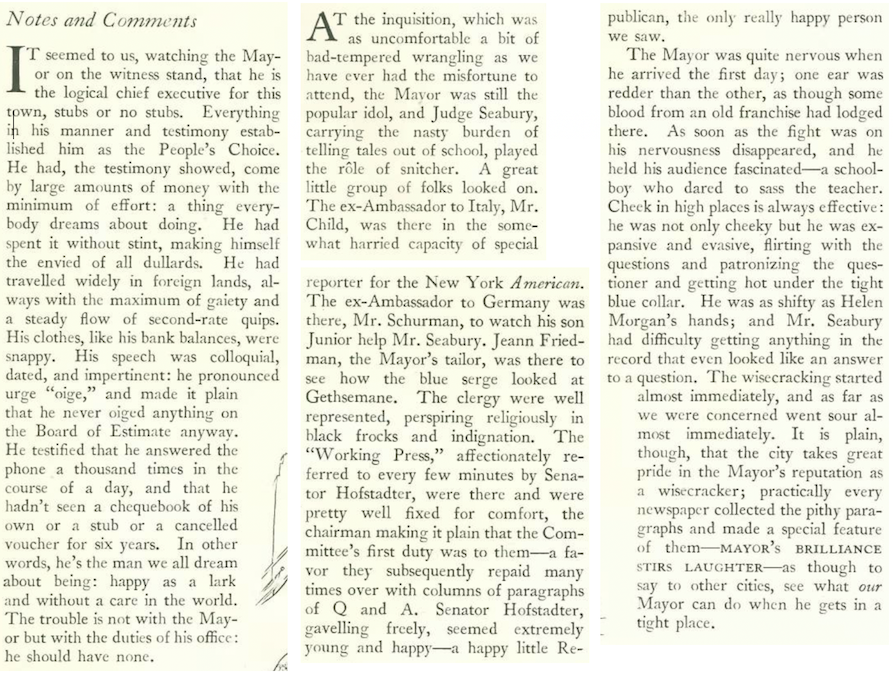
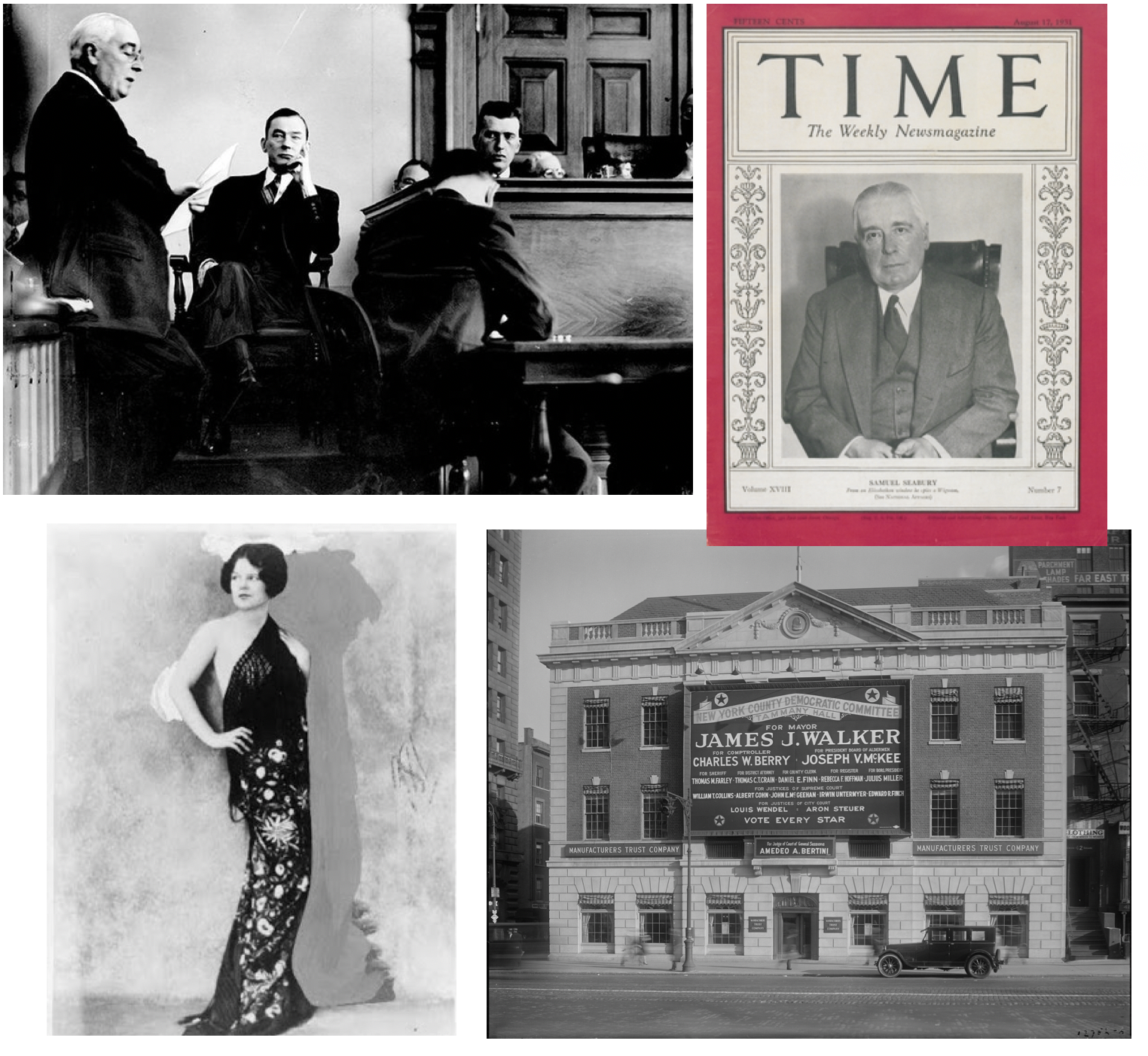
I DO NOT LIKE THIS, SAM I AM…Clockwise, from top left, Mayor Jimmy Walker was full of wisecracks during his testimony before Samuel Seabury, far left; Seabury’s role in the high-profile commission landed him on the cover of Time (Aug. 17, 1931); Tammany Hall’s support was writ large for Walker in the 1920s; Vivian Gordon was a surprise witness in the Seabury investigation, telling investigators police received bonuses for falsely arresting women on prostitution charges. After her testimony Gordon was found strangled in Van Cortland Park, leading many to believe Walker’s corruption played a role in her death. (Daily News/Time/archives.nyc/Pinterest)

Public opinion really started to turn on Walker with the death of star witness Vivian Gordon (see caption above). The final blow came from New York Governor Franklin D. Roosevelt, who like Walker was a Democrat but unlike Walker was not a Tammany product. Roosevelt was also running for president, and rightly seeing Walker as a liability, asked the mayor to resign, which he did on Sept. 1, 1932. That event was still three months away when E.B. White wrote these concluding lines:

SO LONG, SUCKERS…Eight days after he resigned from office, New York Mayor Jimmy Walker headed for Paris, where his mistress, Ziegfeld star and film actress Betty Compton, awaited with open arms. Clockwise, from top left, Compton and Walker on their wedding day in Cannes, France, April 19, 1933; and a 1920s photo portrait of Compton; Walker’s first wife, Janet Allen Walker, had sued for divorce a month earlier (March 10, 1933) claiming Jimmy had deserted her in 1928 and they had not lived together since; Walker and Compton on the deck of SS Normandie, June 17, 1936. (legacy.isle-of-wight-fhs.co.uk/IMDB/Pinterest/NYC Municipal Archives)

Eight days after Walker resigned from office he caught a boat for Paris, where his mistress, Ziegfeld star and film actor Betty Compton (1904-1944), awaited him. They married the following year in Cannes.

 *  *  *

Out of the Shadows

F. Scott and Zelda Fitzgerald were Jazz Age fixtures, cutting wide swaths through literary and society worlds filled with wild drinking and various infidelities. Francis Scott (1896-1940) was a chronicler of that age, most notably with The Great Gatsby, but Zelda (1900-1948) also took pen in hand, contributing short pieces to various magazines in the 1920s. By 1930 their self-destructive ways caught up with them both, and Zelda was admitted to a sanatorium in France that spring; it was the beginning of a long road of treatments that would end in her death nearly two decades later.

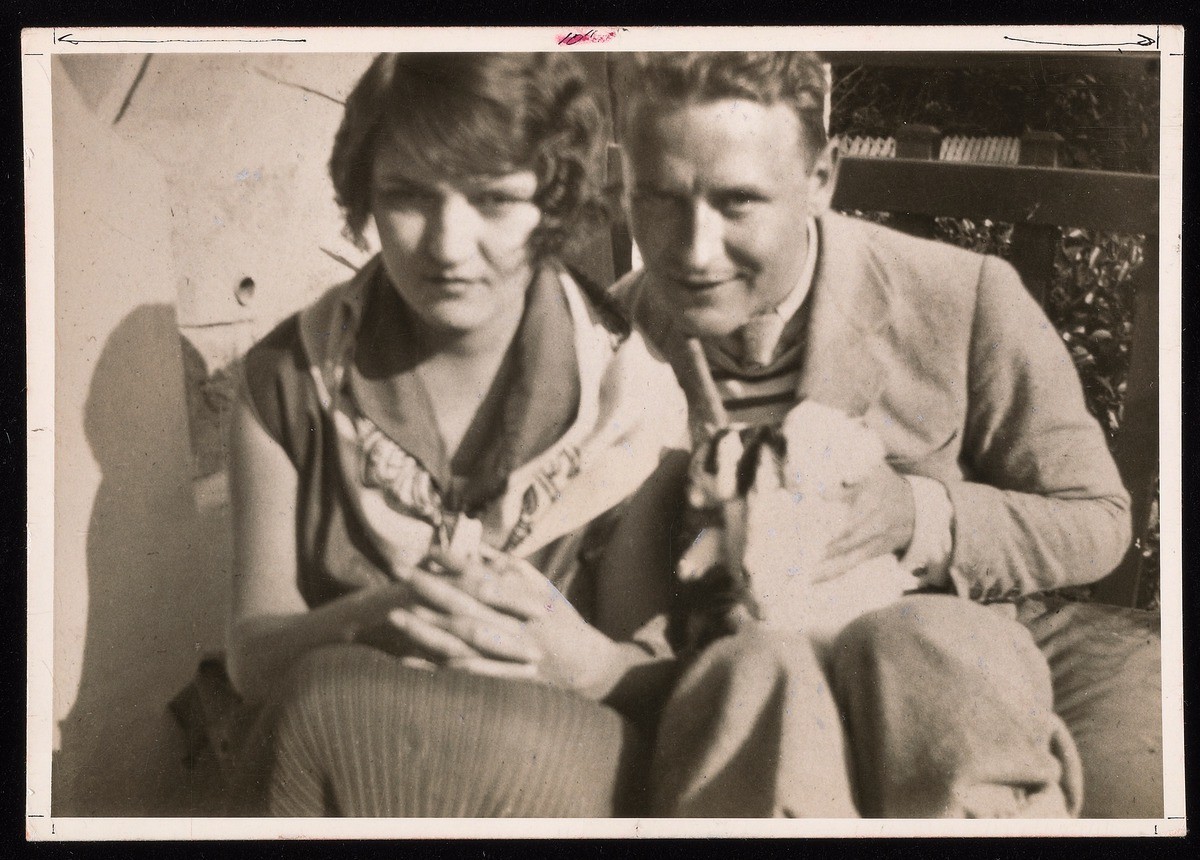
ALL THAT JAZZ…Zelda and F. Scott Fitzgerald (pictured here in 1926) embodied the riotous days of the Roaring Twenties. (beinecke.library.yale.edu)

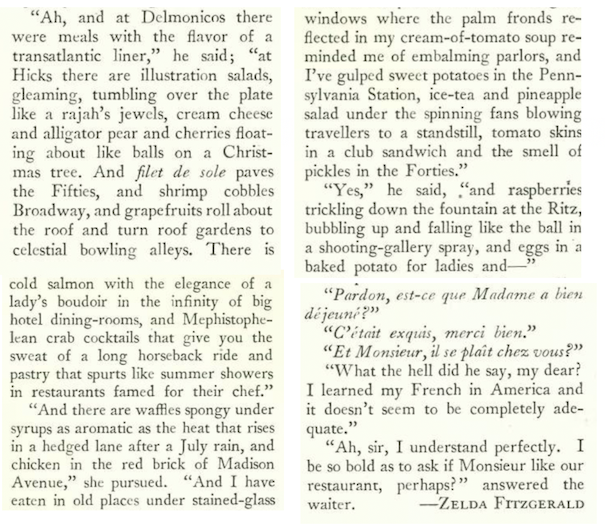
In 1932, during her stay at the Phipps Clinic (Johns Hopkins), Zelda experienced a burst of creativity, writing an entire autobiographical novel — Save Me the Waltz — in just six weeks. Sadly, it was not well-received (by critics or by her husband), and fewer than 1,400 copies of the novel were sold — a crushing blow to Zelda. However, during that same time she published a short story in The New Yorker titled “The Continental Angle.” Here it is:

TALENTED AND TROUBLED…Zelda Fitzgerald in 1931, a year before she entered the Phipps Clinic and had a burst of creativity. (citizen-times.com)


 *  *  *

From Our Advertisers

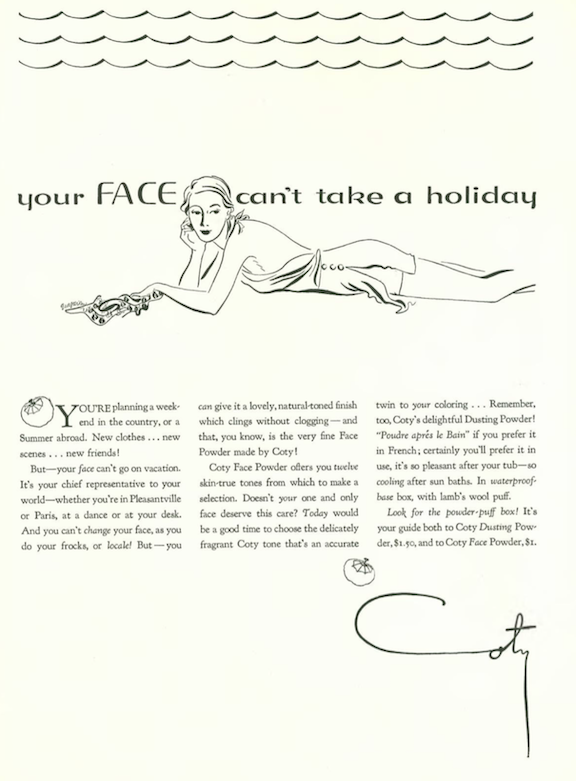
Yet another stylish and very modern-looking ad from Cody, thanks to the artistry of American fashion illustrator Ruth Sigrid Grafstrom…

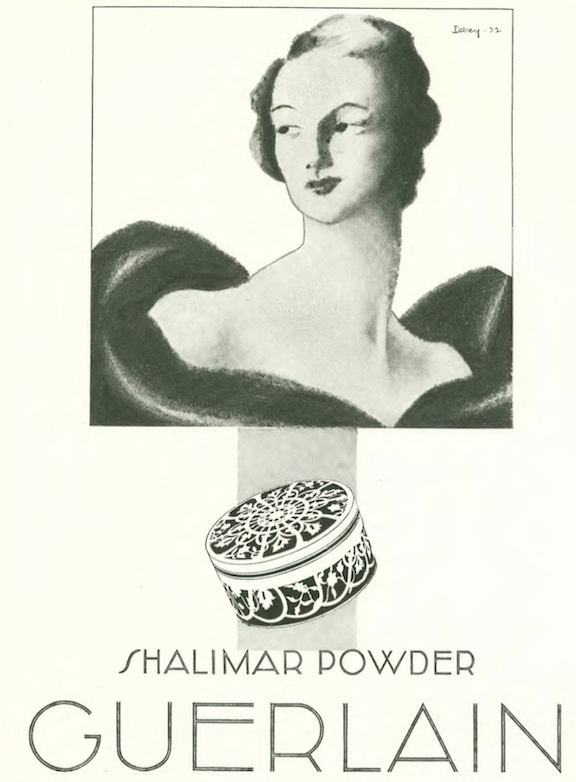
…while later on in the issue French illustrator Lyse Darcy gave his subject an Art Deco look to promote Guerlain’s face powder…

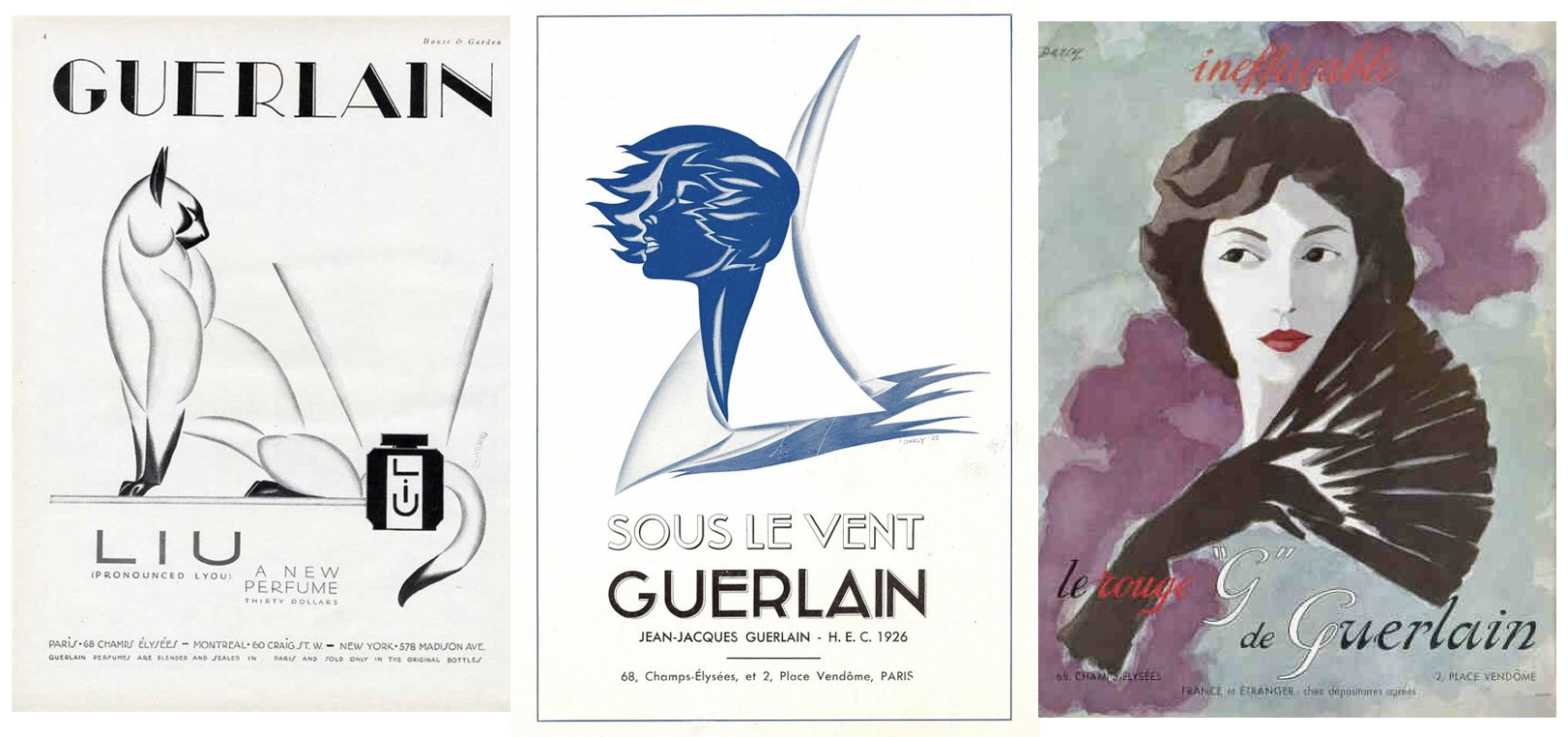
…Darcy was famed for his Guerlain ads from the 1920s to the 1950s…

From left to right, Darcy ads from 1929, 1938, 1957…

…Powers Reproduction turned to star power to promote their latest color engraving techniques…

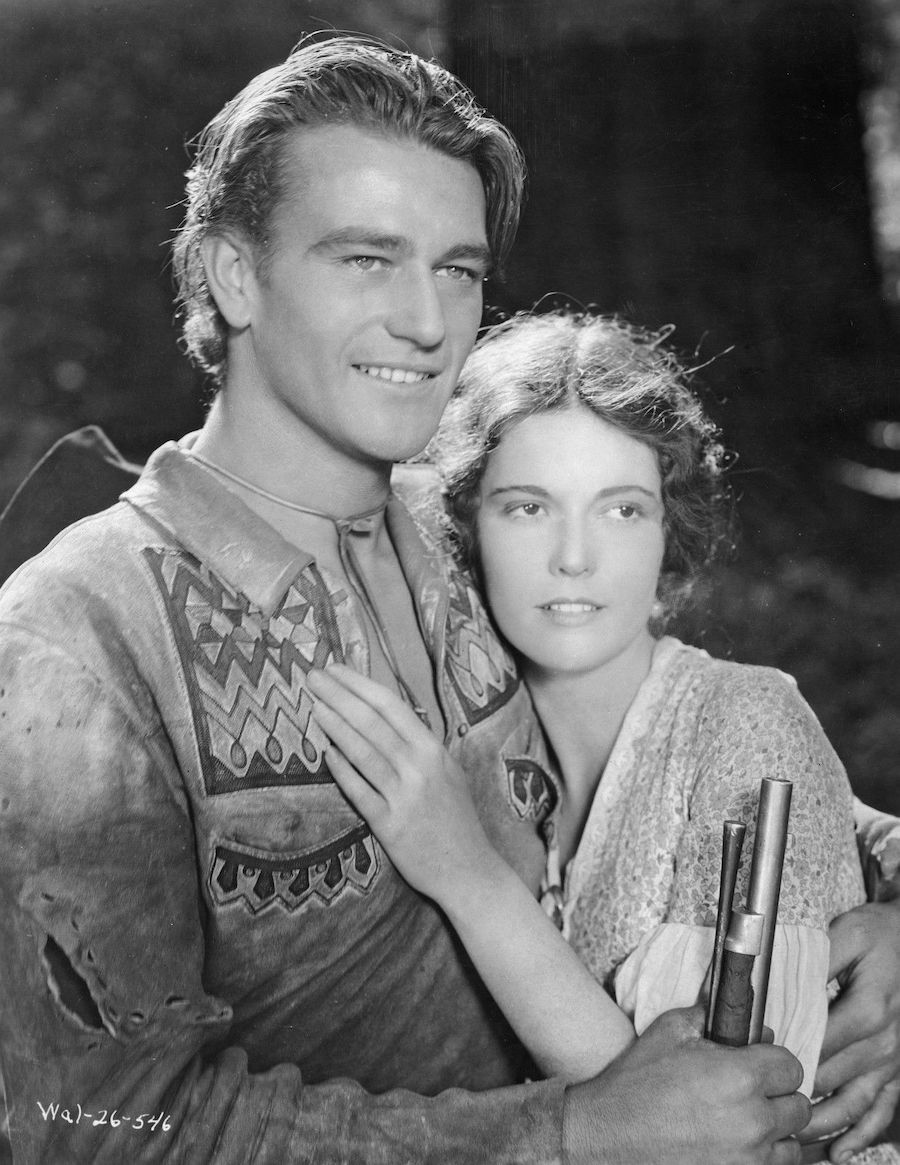
…the actor Marguerite Churchill (1910-2000) had a film career spanning 1929 to 1952, and was John Wayne’s first leading lady in 1930’s The Big Trail

…and we head back to the city, Tudor City, to be precise, where apparently it was common in the 1930s to spot a gent in formalwear relaxing with his pipe…

…on to our cartoons, we have James Thurber contributing some spots…

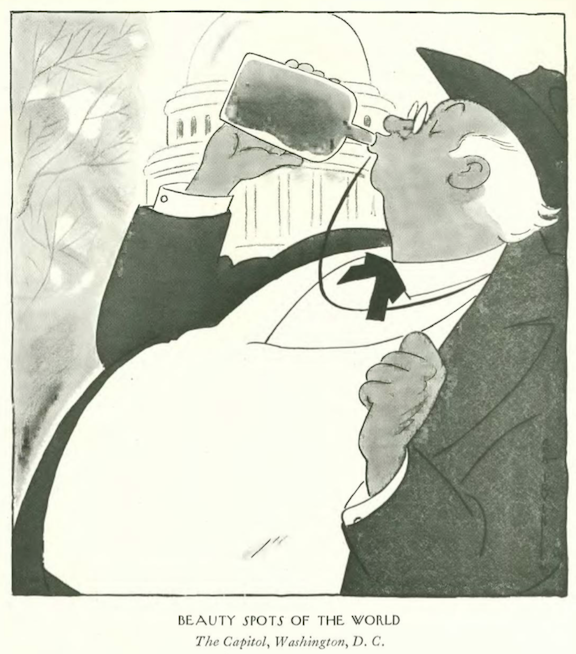
Rea Irvin continued to visit the world’s “Beauty Spots”…

Garrett Price showed us a couple looking for the “We Want Beer” parade…

…which happened three weeks earlier, on May 14, 1932…the parade was organized by none other than Mayor Jimmy Walker, who believed prohibition was making life difficult for New Yorkers…

(brookstonbeerbulletin.com)

Barbara Shermund introduced two men with bigger issues than beer on their minds…

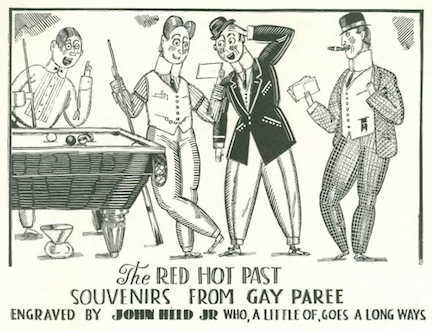
John Held Jr. continued to plumb the depths of the naughty Nineties…

…and some more naughtiness, courtesy Gardner Rea

Next Time: Summer Indulgences…


A Visit to Minskyville

During the 1930s few people could afford the luxury of a Broadway show, but a trip to “Minskyville” was in reach of nearly anyone looking to escape the gloom of the Depression, at least for a few hours.

May 28, 1930 cover by Constantin Alajalov.

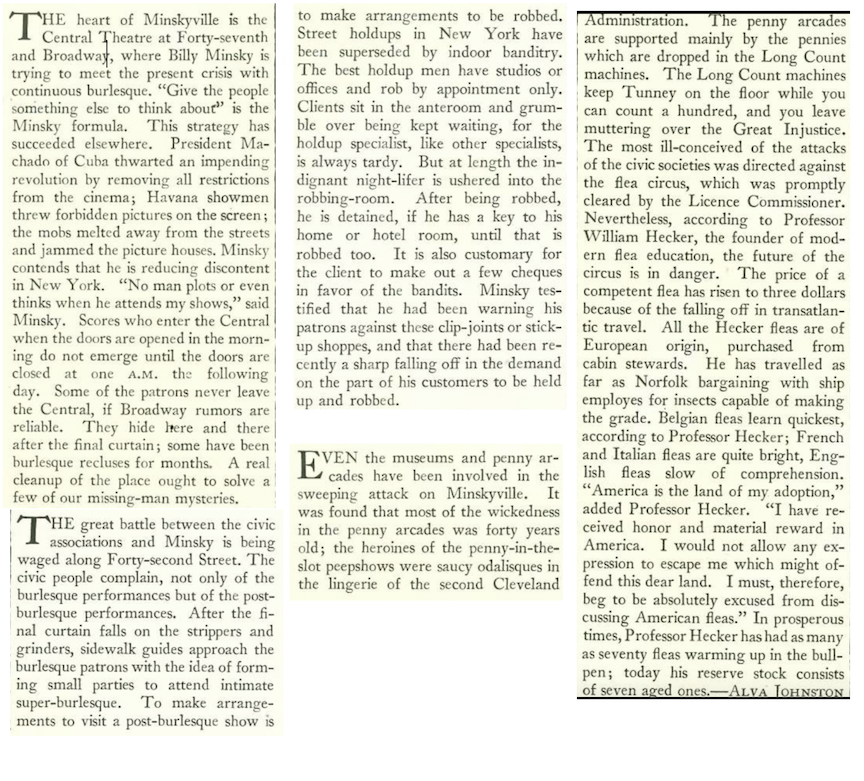
The Minsky family—brothers Billy, Herbert, Morton and Abe—built the beginnings of a New York burlesque empire, writes actress, author and documentarian Leslie Zemeckis: “Abe, the eldest, started showing racy films in a nickelodeon theater on the Lower East Side. His father—believing that if his son was gonna be a perv, he might as well make real money at it—bought the National Winter Garden theater on Houston Street near Second Avenue (where a Whole Foods stands today), and gave Abe the sixth floor to run his burlesque shows.” Alva Johnson paid a visit to Houston Street and environs for the “A Reporter at Large” column:

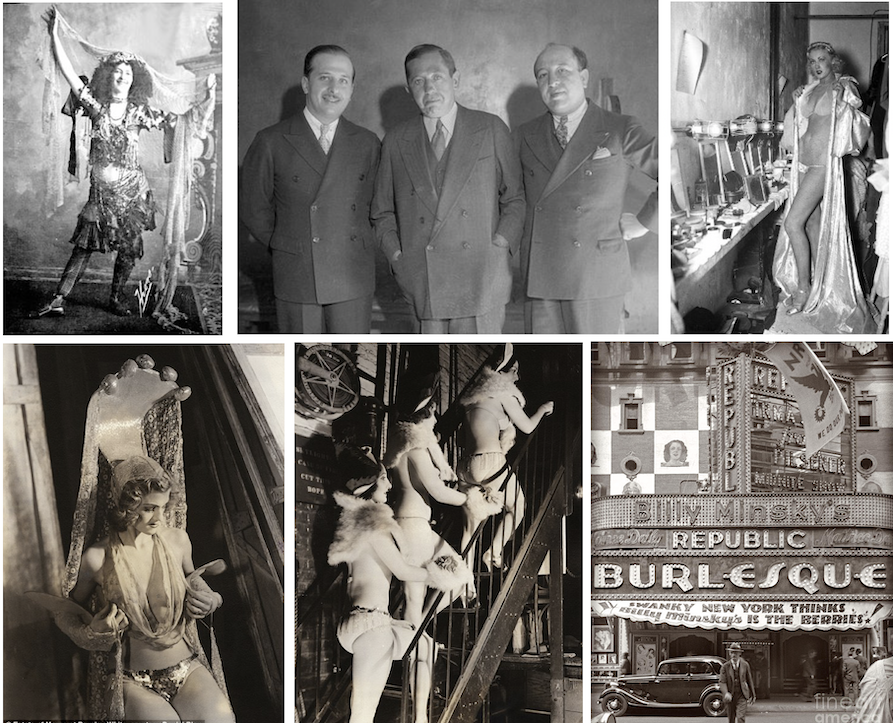
LITTLE EGYPT, aka Farida Mazar Spyropoulos, top left, both titillated and scandalized crowds at the 1893 Chicago World’s Fair (really?); clockwise, from center top, three of Minsky Brothers – Billy, Morton and Herbert; the Minsky Brothers owned several burlesque theaters in New York, including Minsky’s Oriental on 51st Street and Broadway, where stripper Julie Bryan was a top draw in 1936; Billy Minsky brought the Minsky brand to Broadway when he leased the Republic Theatre on 42nd Street in 1931; the last two images are by Margaret Bourke-White, backstage at the Republic in 1936. (Wikipedia/Daily News/Estate of Margaret Bourke-White)
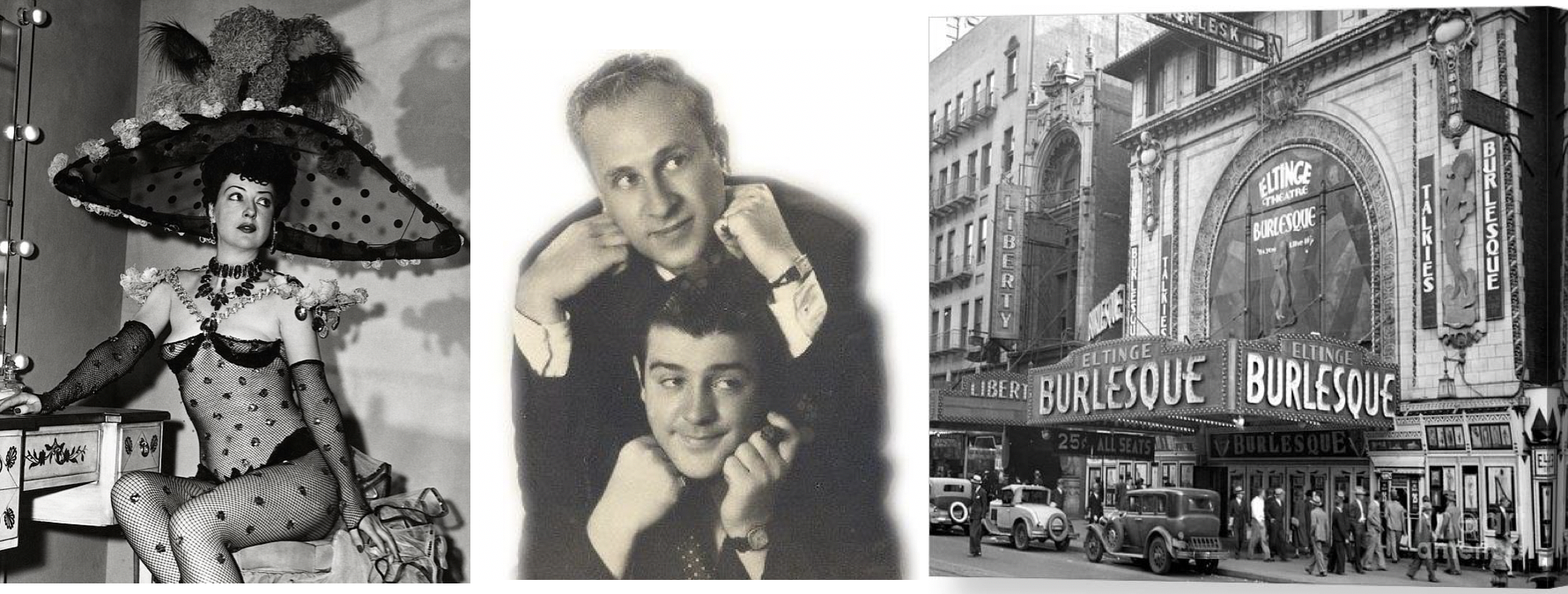
NEED A CAREER?…Well, in the 1930s an aspiring dancer or comedian could earn some chops on the burlesque stage. Gypsy Rose Lee (aka Rose Louise Hovick), left, who became the world’s most famous stripper (as well as an actress, author and playwright), was one of the biggest stars of Minsky’s Burlesque; breaks between burlesque performances were commonly filled by comedians, including Abbott and Costello (pictured above in their 1930s burlesque days), who first worked together in 1935 at the Eltinge Burlesque Theater on 42nd Street, at right.

According to Zemeckis, “burlesque caught on among the recent immigrants of the Lower East Side. The shows were cheap, the humor broad, and the allure of beautiful, barely-clothed women transcended language barriers.” But if striptease wasn’t your thing, Minskyville offered plenty of other diversions:

ONE LUMP OR TWO?…Minskyville’s entrepreneurs (top images) added a modern twist to the study of head bumps and cranium size — called Phrenology — with the electronic “Psycograph” (sic); at bottom, Prof. William Heckler’s Trained Flea Circus at Hubert’s Museum on West 42nd Street attracted some gents itching to see Heckler’s fleas in action; according to Alva Johnston, Minskyville’s penny arcade peepshows (such as the one at bottom right) would take your penny or nickel in exchange for photos of a woman old enough to give your grandpa the glad eye. (Museum of Questionable Medical Devices/sideshowworld.com)
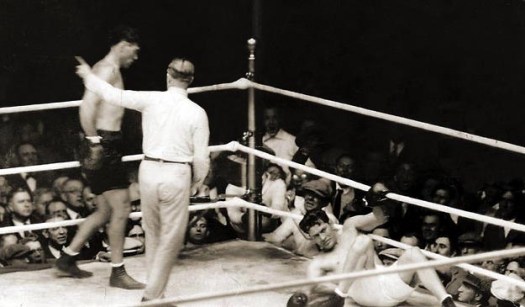
LET’S SEE THAT AGAIN…Folks who didn’t want to look at forty-year-old photos of bathing beauties could check out the most popular attraction at Minskyville’s penny arcades — a clip from the famed Long Count Fight, a 1927 rematch between world heavyweight champion Gene Tunney and former champ Jack Dempsey, which Tunney won in a unanimous decision despite being knocked down in the seventh round. It was, and is, the subject of endless debate. (www.wbaboxing.com )

*  *  *

Not a Gearhead

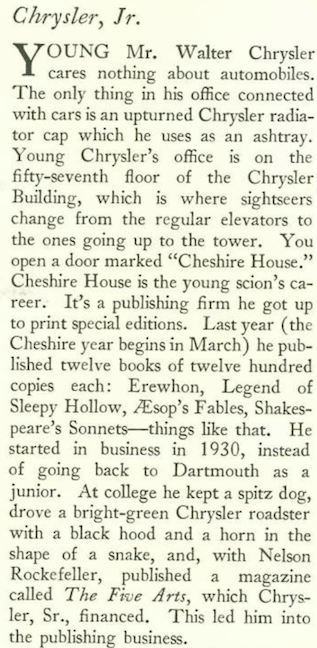
“The Talk of the Town” noted that young Walter P. Chrysler, Jr. preferred arts and literature over things that went zoom:

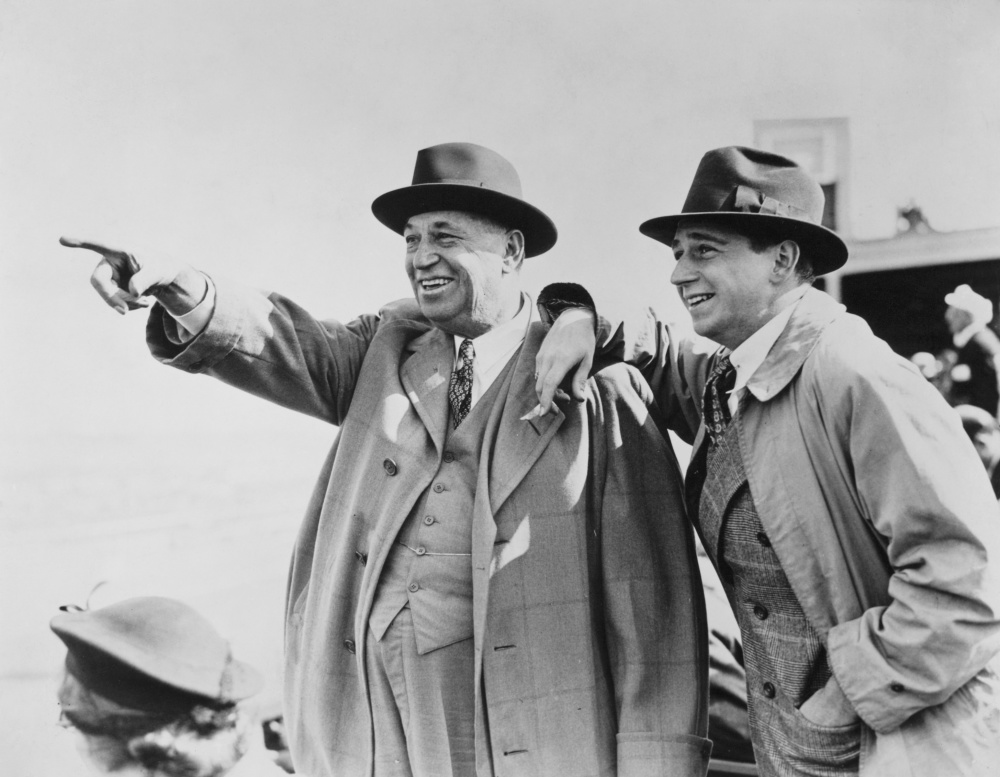
SOMEDAY THIS WILL ALL BE YOURS, RIGHT?…Walter P. Chrysler Sr. and Walter P. Chrysler Jr. share a father-son moment in 1930. Junior Chrysler devoted much of his life to building a multimillion-dollar collection of paintings (some of which were later found to be forgeries) and made substantial forays into collecting stamps, rare books and glassworks. He also produced a movie, The Joe Louis Story, released in 1953. (chrysler.org)

 *  *  *

Rat-a-tat

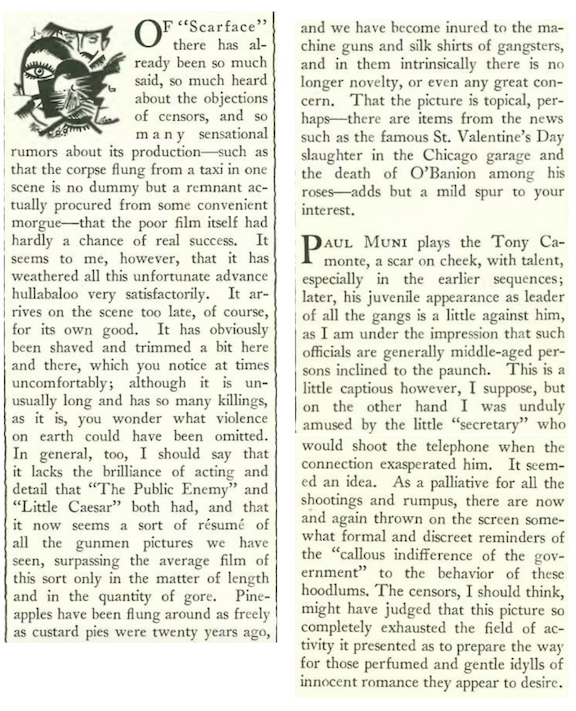
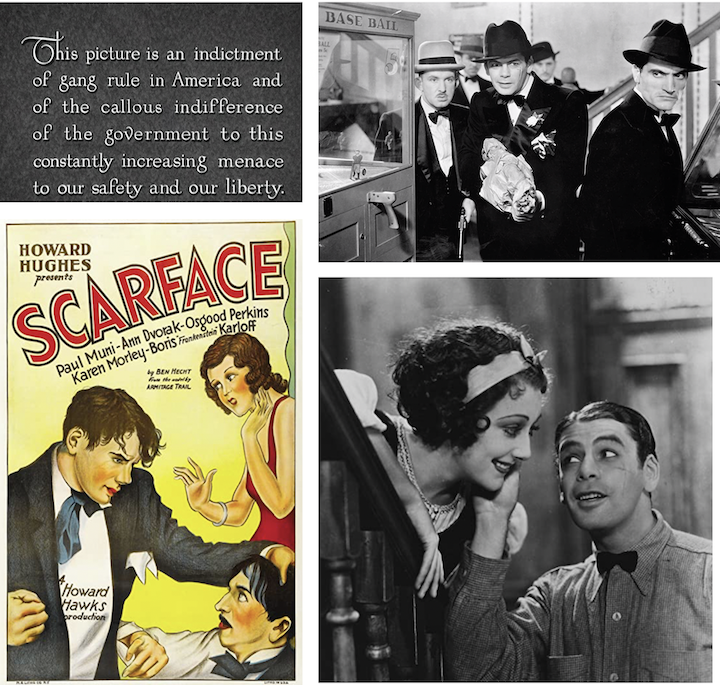
Today most movie lovers associate Scarface with the 1983 Brian DePalma film (starring Al Pacino), but the original Scarface in 1932 was far more influential in that it helped define the American gangster film genre. Directed by Howard Hawks and produced by Hawks and Howard Hughes, the screenplay was penned by early New Yorker contributor Ben Hecht. Mild by today’s standards, the film’s violent scenes caused it to be banned by many theaters around the country. Along with 1931’s Little Caesar and The Public Enemy, Scarface is regarded as among the most significant gangster films. Here is what critic John Mosher thought of it:

JUST IN CASE YOU GET THE WRONG IDEA…Also known as Scarface: The Shame of the Nation, this 1932 gangster film opened with some cautionary words (top left). Clockwise, from top right, gangster “Tony” Camonte (Paul Muni) is flanked by his cronies during a hit on a rival; Tony (Muni) shows his softer side with his dear sister Francesca (Ann Dvorak). United Artists promotional poster (note how Boris Karloff was billed with a reference to his 1931 Frankenstein role). (IMDB)

 *  *  *

From Our Advertisers

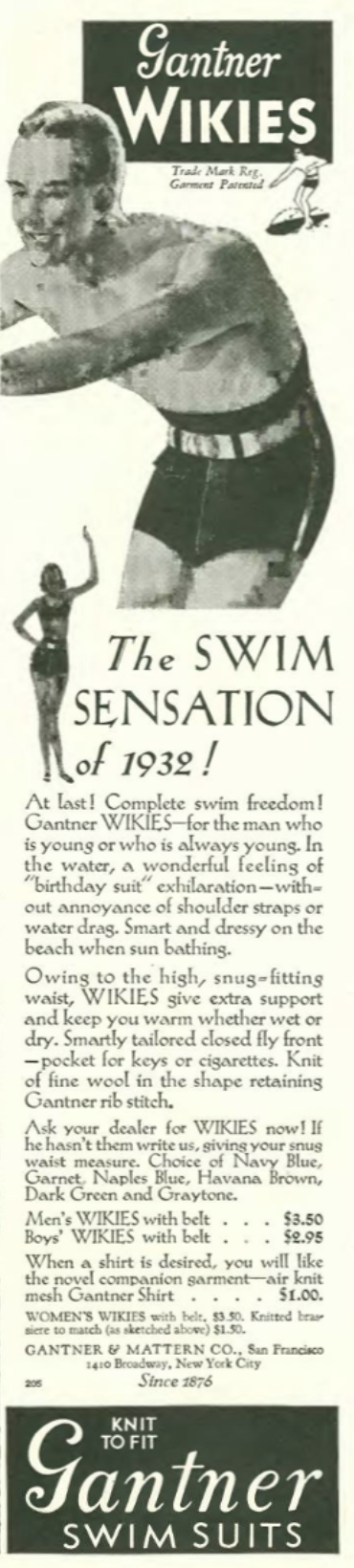
Just when I thought it was safe to go back into the water, out comes another line of wool swimsuits. I honestly can’t imagine how they must have felt, especially when wet and clinging to your skin after you left the water…

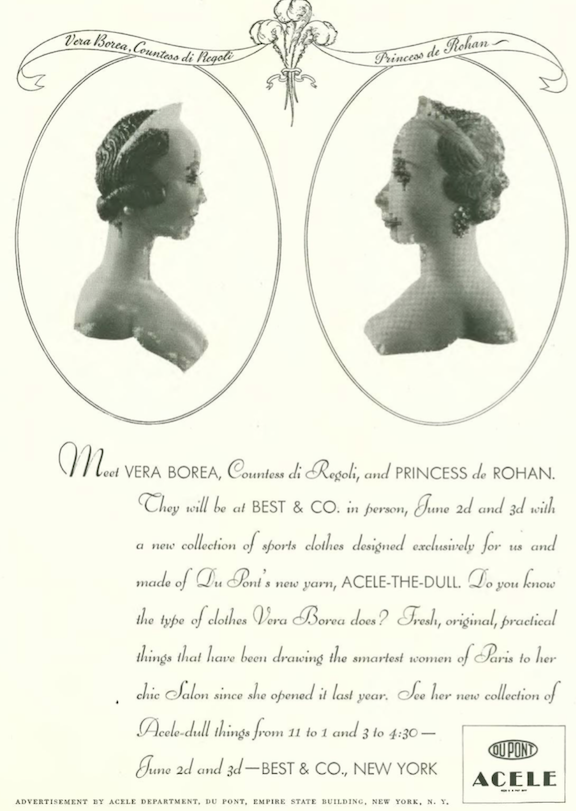
…the ad below from DuPont was just the sort of thing that drove New Yorker fashion critic Lois Long nuts…a couple of downscale royals shilling their fashion lines to an unsuspecting public…the paychecks from DuPont must have been substantial enough for these bluebloods to publicly embrace synthetics…

TWO HEADS ARE BETTER THAN ONE…Here is the real Countess Borea de Buzzaccarini Regoli, left, and the Princess de Rohan, who played to America’s insatiable thirst for nobility while shilling for a chemical company. (Wikimedia)

…if you had the money and the steady nerves, you could have hopped aboard an almost 32-hour flight to the West Coast assured that a “coordinated mechanism” of men and machine would get you there in one piece…

…perhaps you could have steadied your nerves by dragging on a Tally-Ho — for some weird reason the Lorillard Tobacco Company (who also made Old Gold) thought some folks might prefer an oval-shaped cigarette (I include the remainder of the back-page ads for context)…

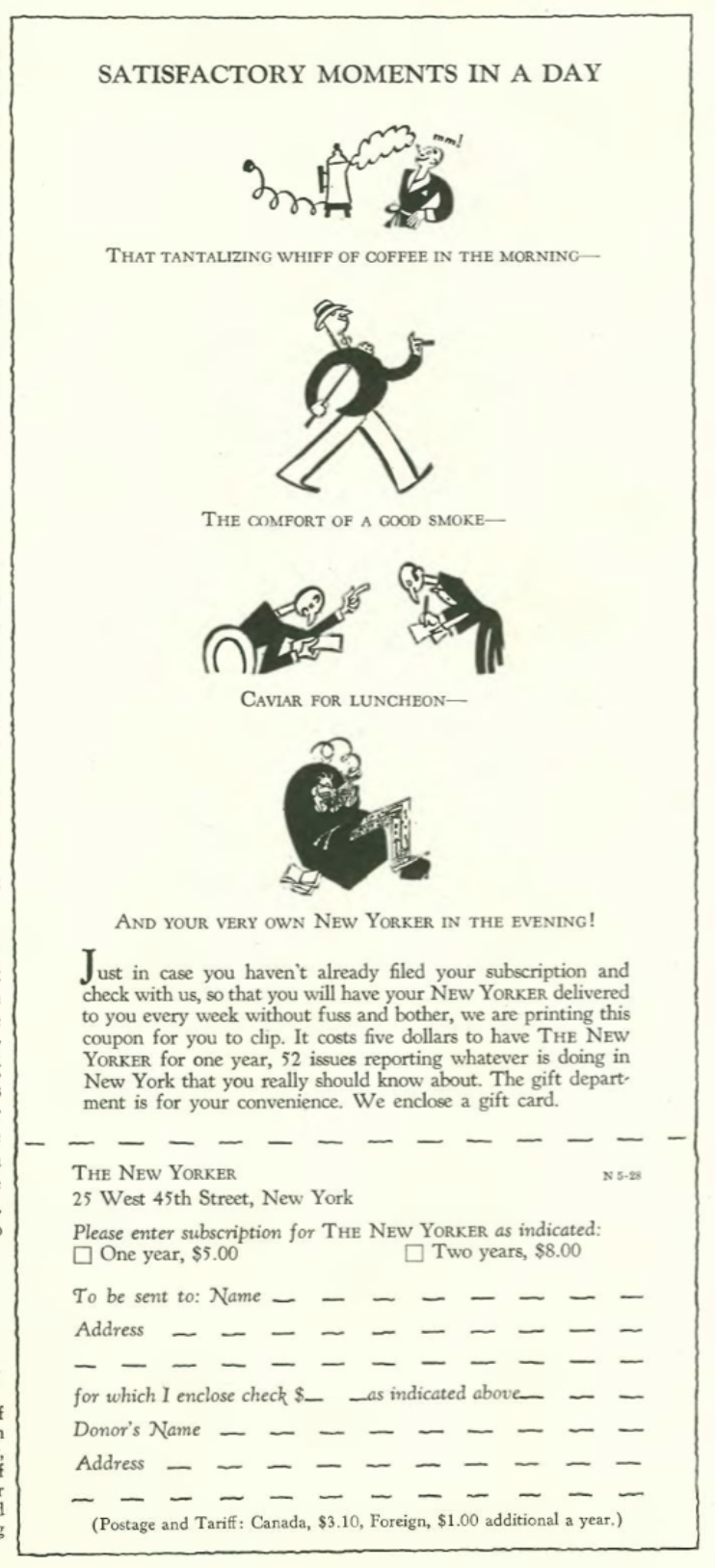
…despite the Depression, The New Yorker was holding its own in sales and subscriptions, but it never hurt to place a house ad every now and then to convince a few who might be holding out…

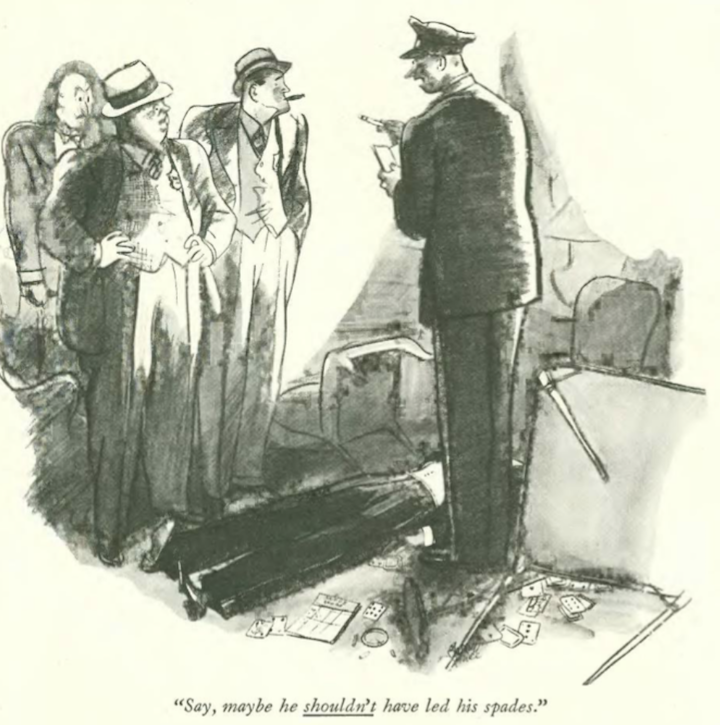
…on to our cartoons, Garrett Price showed us the result of a bad hand…

James Thurber offered up this spot illustration in the opening pages…

…and this terrific cartoon…

Gardner Rea demonstrated the perils of summoning the dead…

…the departed soul mentioned in Rea’s cartoon was prolific British crime writer, journalist and playwright Edgar Wallace (1875-1932), who wrote 175 novels, 24 plays, and countless articles in newspapers and journals in his relatively short life. He is most famous today as the co-creator of the film King Kong…

PRODUCTIVE SCRIBBLER…Edgar Wallace. (Wikipedia)

…and we end with this gem from Kemp Starrett, and some high-jinks…

Next Time: Jimmy’s Jam…


Under the Boardwalk

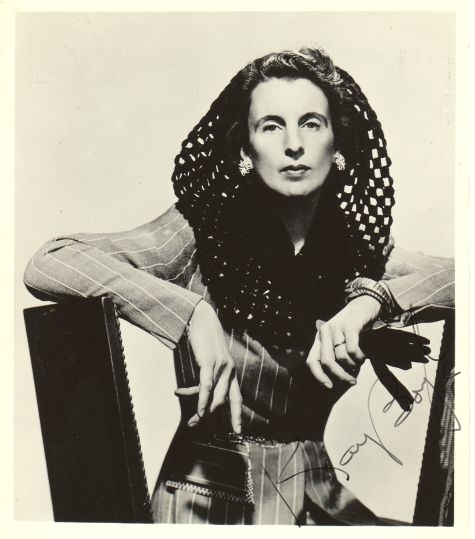
Kay Boyle was thirty and still cutting her teeth as a writer and political activist when The New Yorker published her short story “Black Boy,” told through an unnamed narrator who recalls a childhood visit to the seaside.

May 14, 1930 cover by Bela Dankovsky.

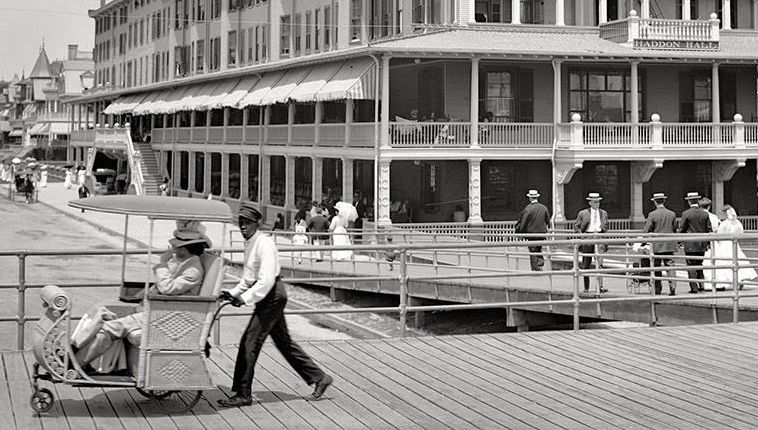
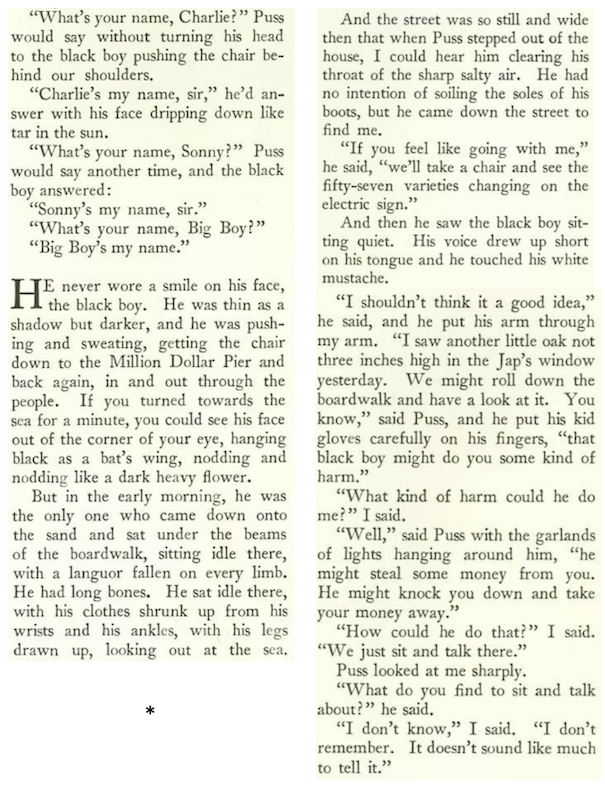
The narrator remembers the days when she rode her horse along the beach while her grandfather watched from a rolling chair, pushed along the boardwalk by various young Black boys. In the following excerpts, the grandfather asks one of the boys for his name, but is it clear he doesn’t really want to get to know him, and through his teasing suggests he isn’t even worthy of an identity. Later in the story the girl befriends the boy, who dwells beneath the boardwalk and dreams of a better life. When the grandfather learns of this budding friendship, he warns about the possibility of harm coming from the boy (two excerpts):

THE LONG, CHAOTIC LIFE of writer and activist Kay Boyle (1902–1992) ranged from fights against racism and fascism in the 1930s to protests against the Vietnam War in the 1960s and against nuclear weapons into the 1990s. (1941 photograph by George Platt Lynes, courtesy The Kay Boyle Papers, Morris Library, Southern Illinois University)

The final paragraphs describe how the girl falls from her horse, and the shocking consequences of the boy coming to her aid.

SEPARATE AND NOT EQUAL…Kay Boyle employed a boardwalk setting in her 1932 short story “Black Boy” to underscore the stark divisions between races in American society. Clockwise, from top left, a 1914 postcard from Atlantic City; on the Atlantic City Boardwalk, circa 1905; sheet music for a popular 1905 song; a dour-looking group being pushed along the Atlantic City Boardwalk, circa 1905. (seesaw.typepad.com/bygonely.com/reddit.com)

 *  *  *

Potemkin Park

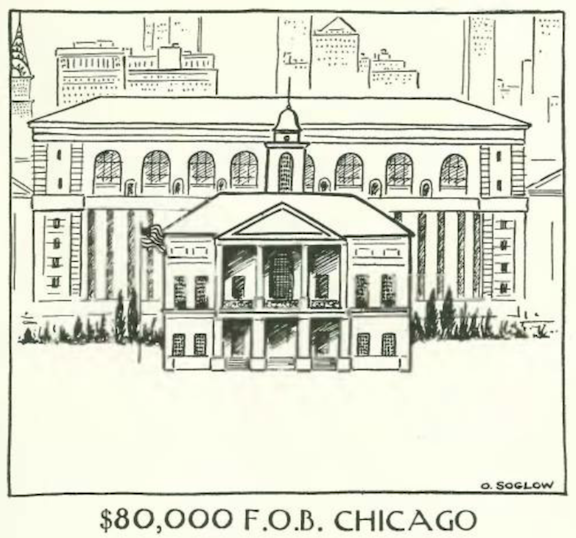
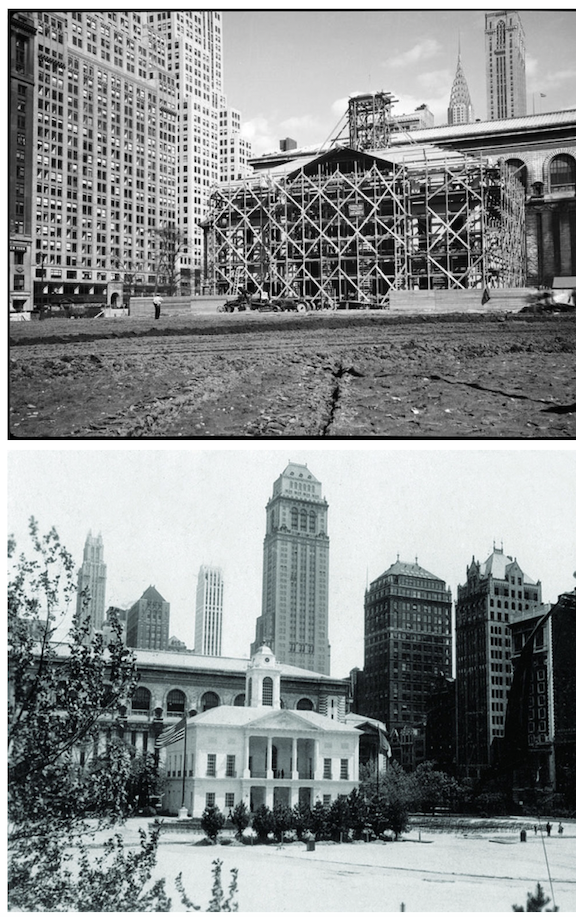
In his “Notes and Comment,” E.B. White questioned the need, and appropriateness, of a wood and plaster Federal Hall replica in Bryant Park, which at the time was a neglected patch of land behind the New York Public Library and a favorite spot for the city’s homeless, their numbers rapidly growing during one of the worst years of the Depression (unemployment hovered near 25 percent). Otto Soglow commented, via cartoon:

To add insult to injury, the area around the replica was fenced off and required an admission fee of 25 cents. White commented:

ERECTILE DYSFUNCTION…This flimsy Federal Hall replica erected in Bryant Park in 1932 symbolized some of the problems that beset New York City in one of the worst years of the Depression. Under Mayor Jimmy Walker, the committee in charge of the replica was filled with corrupt Tammany cronies who quickly depleted the committee’s funds. It is no surprise that the replica was unpopular, especially with its admission fee of 25 cents, roughly equivalent to $5 today (consider that sales clerks in 1932, if they were lucky to have a job, earned perhaps $15 a week). (Museum of the City of New York)

 *  *  *

Intermural Murals

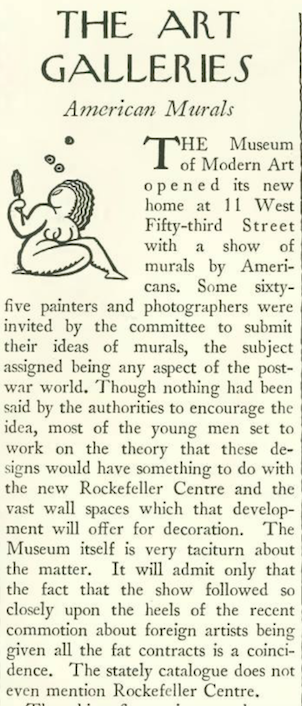
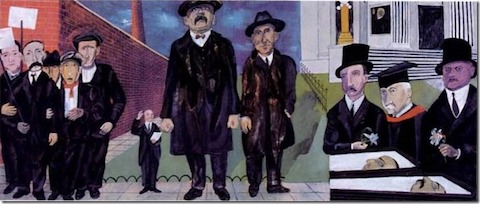
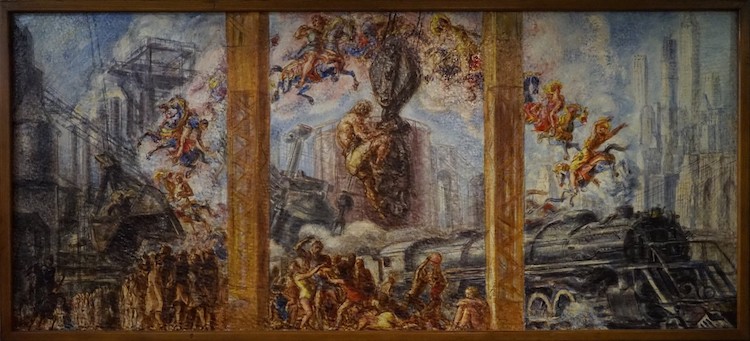
Art critic Murdock Pemberton approached the Museum of Modern Art’s newest exhibition of American muralists with a bit of suspicion, although he was correct in surmising that the Rockefeller Center was shopping for muralists, but as we now know it was not an American, but a Mexican artist (Diego Rivera) who would enter that scene and stir things up.

Among other works, MoMA visitors viewed Ben Shahn’s study for a three-part composition titled “The Passion of Sacco and Vanzetti”…

(MoMA)

…and a work by The New Yorker’s own Reginald Marsh titled “Post-War America”…

(MoMA)

 *  *  *

Boop’s Boo-Boo

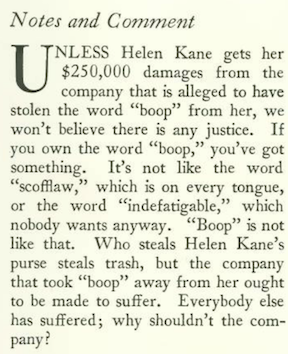
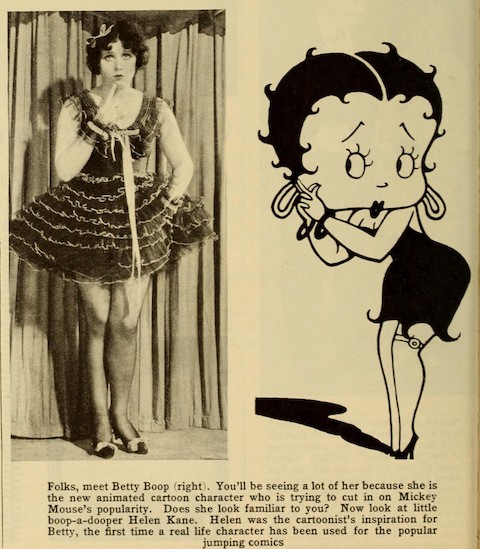
We return to E.B. White and his musings regarding actress and singer Helen Kane (1904–1966), who filed a $250,000 (equivalent to nearly $5 million in 2021) infringement lawsuit against cartoonist Max Fleischer and Paramount Studios, claiming that the popular Betty Boop character was based on Kane’s personality and image.

BOOP SCOOP…Comparison between Helen Kane and the cartoon star Betty Boop was published in Photoplay’s April 1932 issue, one month before Kane’s lawsuit was filed. The suit was settled two years later, the court finding insufficient evidence to support Kane’s claim. (Wikipedia)

 *  *  *

From Rags to Rackets

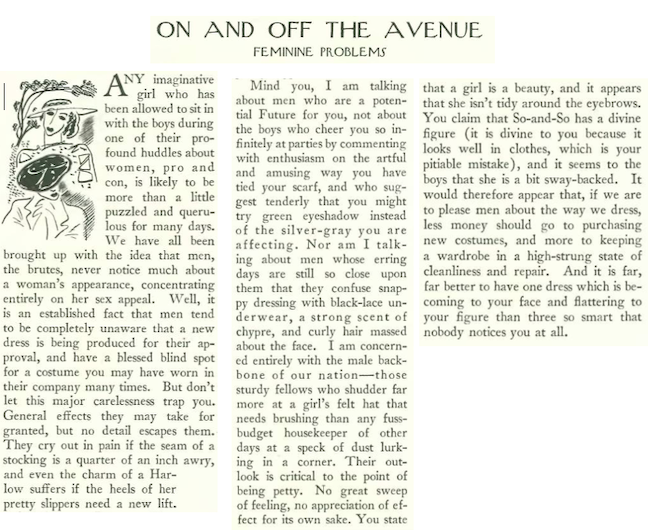
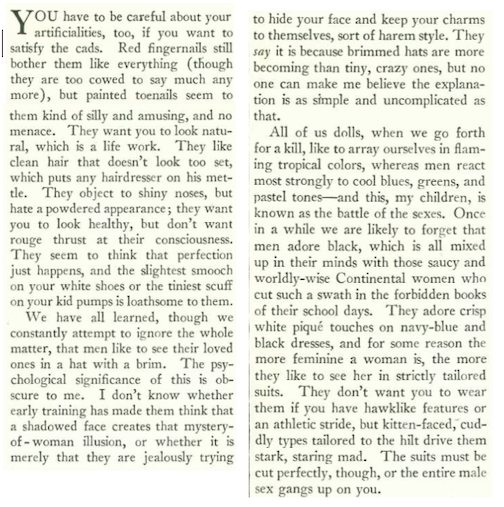
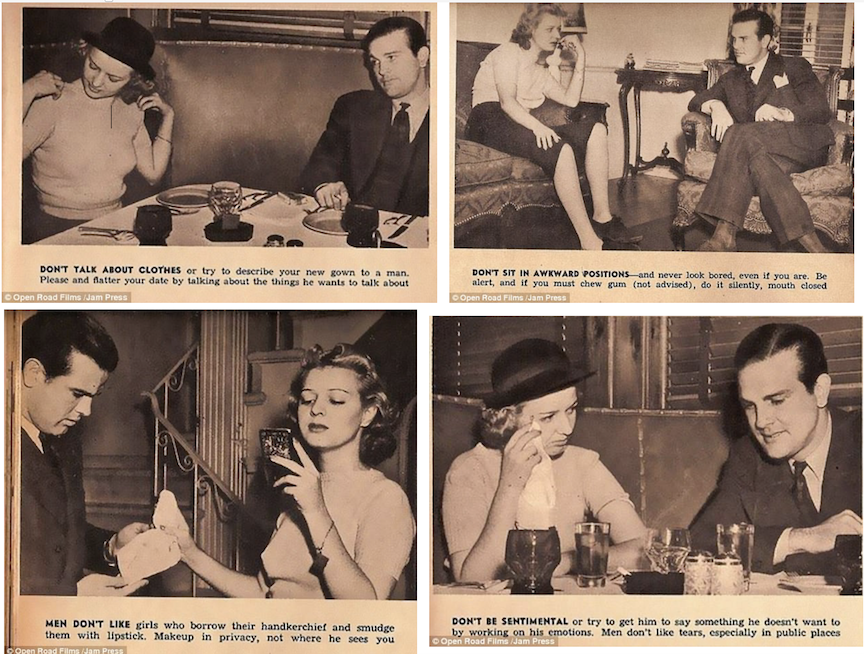
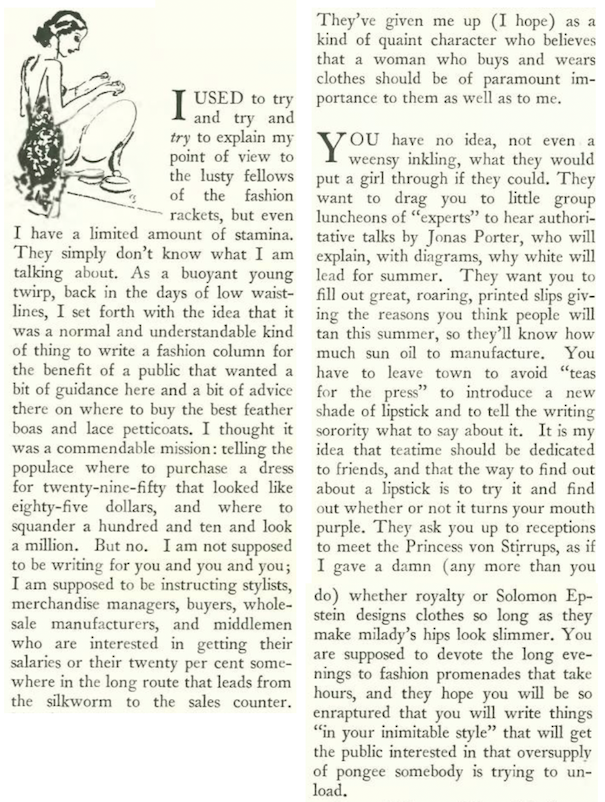
Lois Long lived at the center of the 1920s speakeasy scene, but while she partied she also kept a critical eye on her surroundings, and when she later moved on to fashion criticism (“On And Off The Avenue”) she maintained the same combination of enthusiasm and shrewdness as she took aim at the “lusty fellows of the fashion rackets”…

JUST BROWSING, THANKS…Lois Long kept a skeptical eye on the New York fashion “racket” in the 1930s. Above, an unidentified model sporting a red velvet ensemble during a fashion show in 1933. (New York Daily News)

 *  *  *

From Our Advertisers

We begin with yet another insecticide-themed cartoon from Dr. Seuss, this time using the experimental medium of television to get his point across…

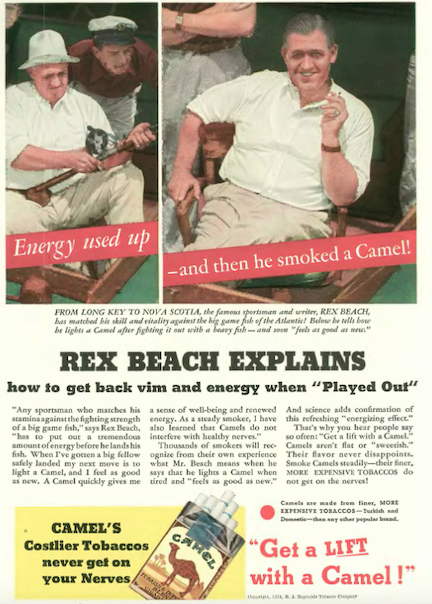
…R.J. Reynolds continued to push their Camels on the growing market of women smokers, here mixing their product with a basket of fruit to suggest freshness and vitality…

…the folks at B. Altman touted their new outdoor furniture line, placing it in a setting available to a very select few New Yorkers…

…we kick off the cartoons with Peter Arno at his best…

Alice Harvey gave voice to one woman’s thoughts on children…

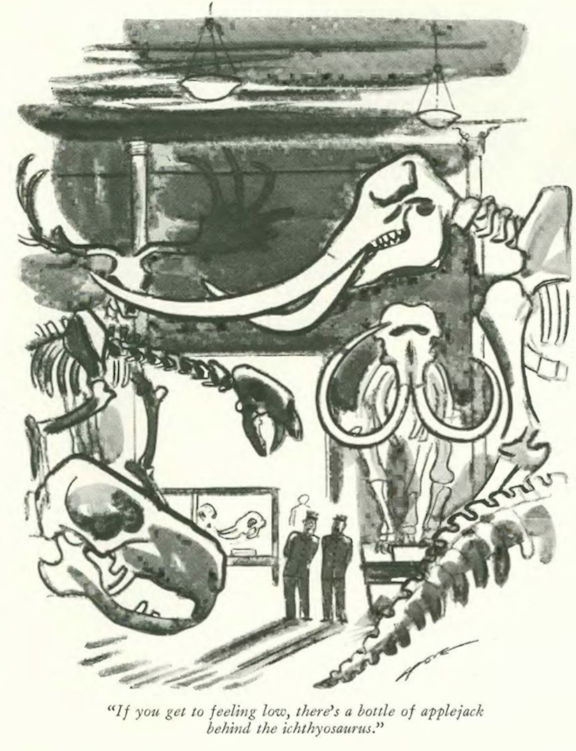
Leonard Dove found spirits dwelling among dusty bones…

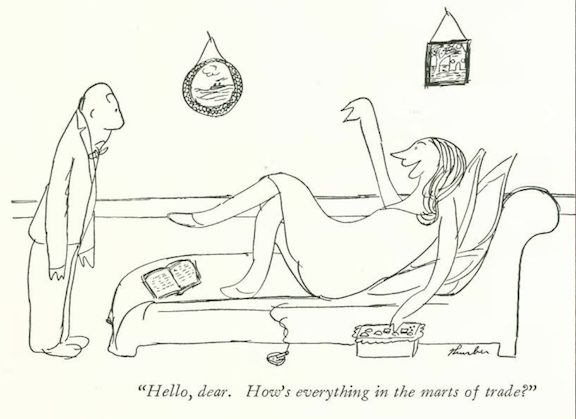
James Thurber gave us his take on the housewife eating bonbons trope…I’m not suggesting that Thurber was the first to illustrate this stereotype, but I’m not finding any references to housewives and bonbons predating the 1950s…something for a dissertation out there, if it hasn’t already been done…

William Steig continued his exploration into the world of the Small Fry, offering up a rare image of baseball in the early New Yorker

…and we close the May 14 issue with Isadore Klein, and one sidewalk salesman looking for a bonafide endorsement…

…on to May 21, 1932…

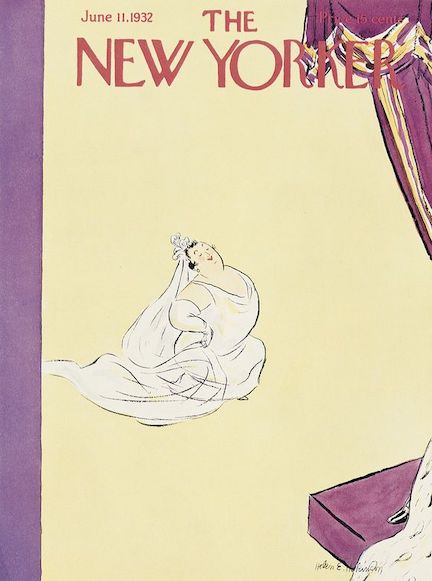
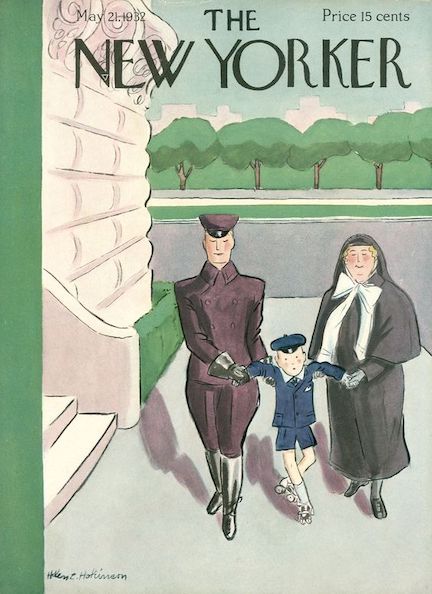
May 21, 1932 cover by Helen Hokinson.

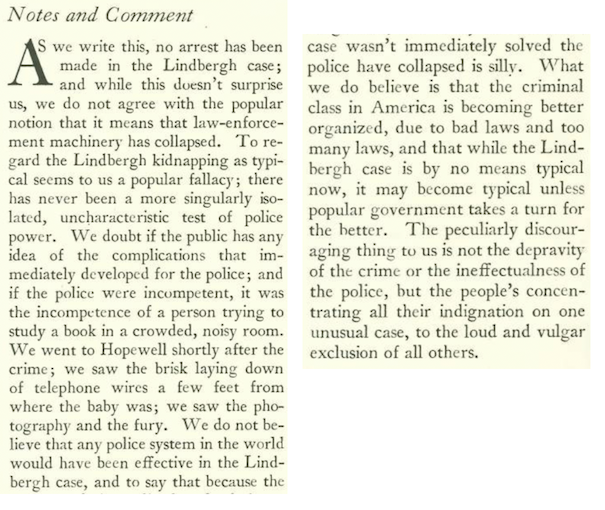
…where we find E.B. White sharing his thoughts on the Lindbergh kidnapping and its tragic result…

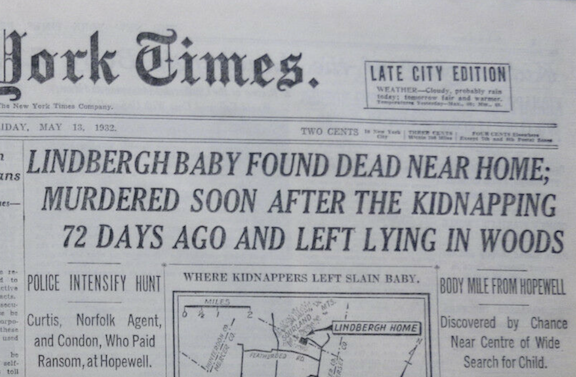
BAD NEWS ON THE DOORSTEP…News of the death of Charles and Anne Lindbergh’s kidnapped baby transfixed the country in the spring of 1932. (New York Times)

 *  *  *

No Immaculate Conception, This

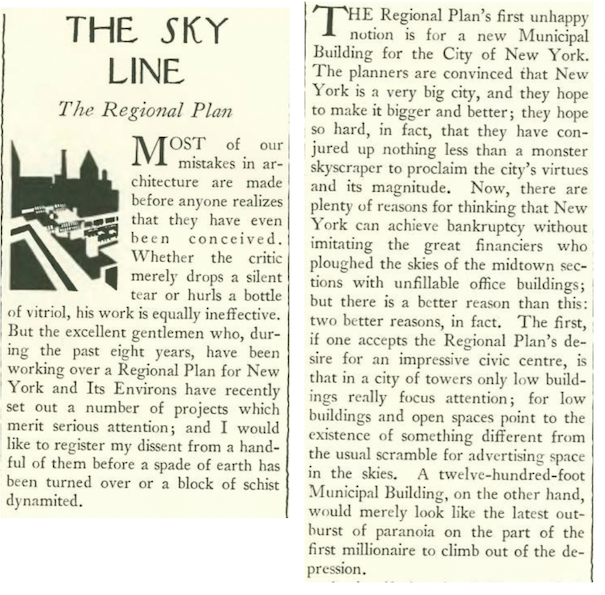
It must have been hard to be Lewis Mumford, so knowledgable in the arts, architecture and city planning, and yet rather helpless in encouraging thoughtful growth in a place that spouted buildings like mushrooms and paved roads (thanks to Robert Moses) almost as fast as cars could drive across them. These excerpts offer some of Mumford’s thoughts on the matter:

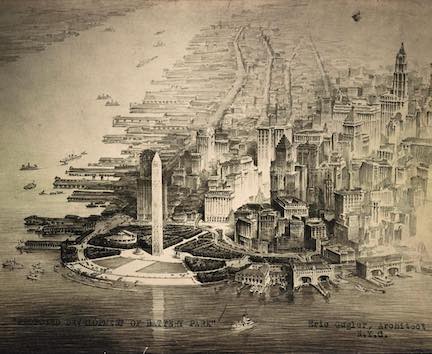
For Mumford’s second point, he soundly denounced a plan to place an obelisk in Battery Park. The 1929 proposal called for an 800-foot obelisk at the junction of Broadway and Greenwich Street:

OVER COMPENSATING, PERHAPS…Designed by architect Eric Gugler, the proposed granite obelisk for Battery Park would have been windowless, 80 feet square at its base and rising to a height of 800 feet. Thankfully it was never, ahem, “erected.” (NYC Urbanism @nycurbanism) 

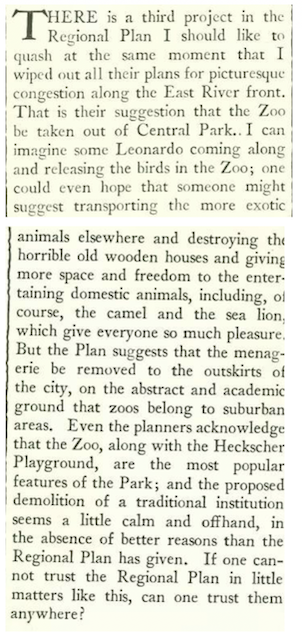
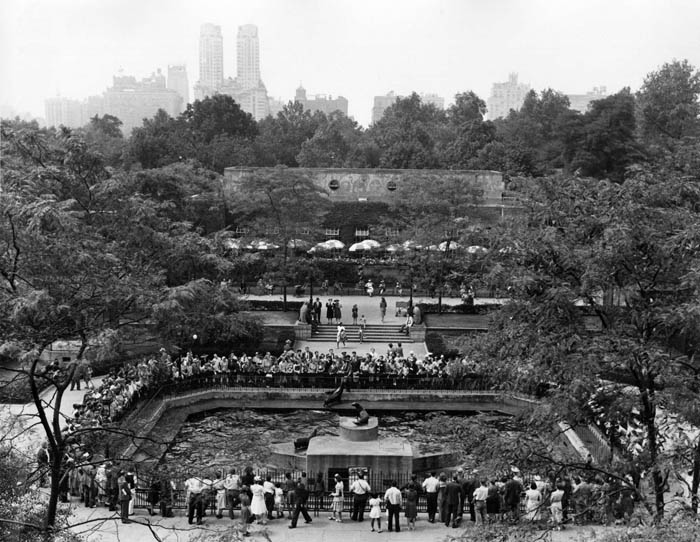
Mumford also addressed the matter of the Central Park Zoo, and its proposed relocation:

Happily for Mumford, and for former Gov. Al Smith (see caption), the zoo would be revitalized and remain in Central Park.

MIRACLES OF MOSES…Although Lewis Mumford would often be at odds with the powerful park commissioner Robert Moses, it was Moses who ensured that the Central Park Zoo would remain in the park. The remodeled zoo opened with great fanfare on December 2, 1934, and Moses’ old friend and political mentor Al Smith was designated honorary zookeeper. Smith, who lived just across from the zoo at 820 Fifth Avenue, visited almost daily. Structured as a quadrangle with a sea lion pool at its center, the Central Park Zoo is pictured above in August 1942. (nycgovparks.org)

 *  *  *

From Our Advertisers

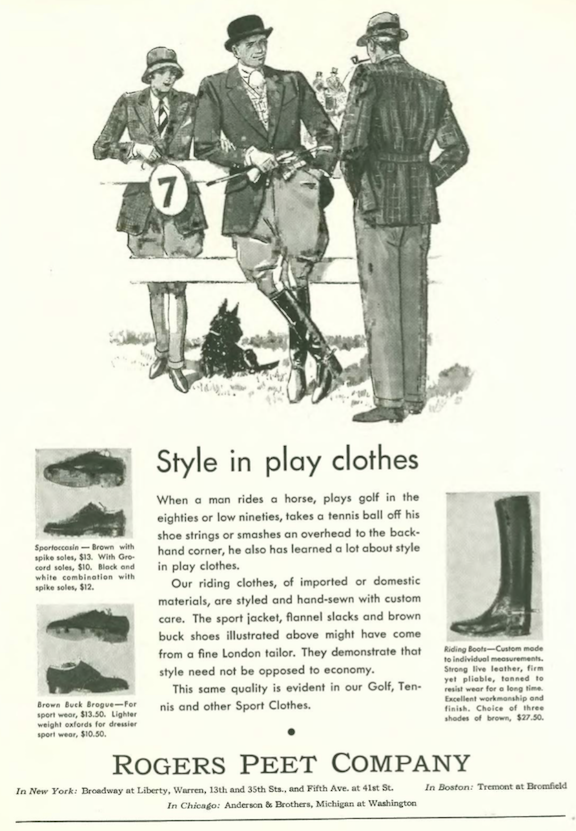
Many advertisers played to the Anglophilic tendencies of New Yorker readers, particular ones selling garments to the sporting gentry who aped their British cousins in such pursuits as polo and dressage…here we have “play clothes” from the menswear company Rogers Peet…

…and this swell get-up (below) from Henri Bendel…both Peet and Bendel were well-known in the 1930s. Cole Porter even referred to both companies in his songs…here is the refrain from “I Introduced” (from the 1919 show Hitchy-Koo):

…”I presented Mister Peet to Mister Rogers”…

and even more famously Porter wrote these lines in his 1934 song “You’re the Top”:

…”You’re a Bendel Bonnet / a Shakespeare Sonnet”…

…Rogers Peet closed its doors in the 1980s, and Bendel folded in 2019…

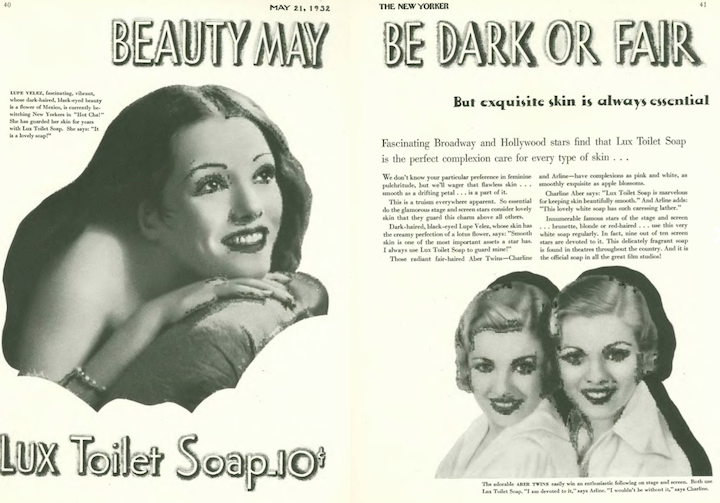
…even during the Depression, almost anyone could spring for a ten-cent bar of Lux soap, and over the years it was famous for its splashy ads (two-page spreads in The New Yorker were common) and dozens of celebrity endorsements…Lux isn’t as dominant in the U.S. today, but it remains a major international brand, now sold and marketed by the British multinational Unilever, especially in Asia…back to 1932, the Lux ad below featured Lupe Velez — known as “The Mexican Spitfire,” she was a big star in the 30s but is perhaps best known today for her sad, tragic death in 1944…the Lux ad also displayed the Aber Twins — a Ziegfeld act that featured Arlene and Charlene Aber who weren’t really twins but sisters born 18 months apart…

…if you lived in New York in the 1920s and early 30s you probably would have known about the sometime artist/designer Don Dickerman and his themed Greenwich Village restaurants — especially The Pirate’s Den — which inspired this line of highball glasses (yeah, Prohibition was still around, but who cared?)…sadly these glasses didn’t help save The Pirate’s Den, which thanks to the Depression went bankrupt in 1932…

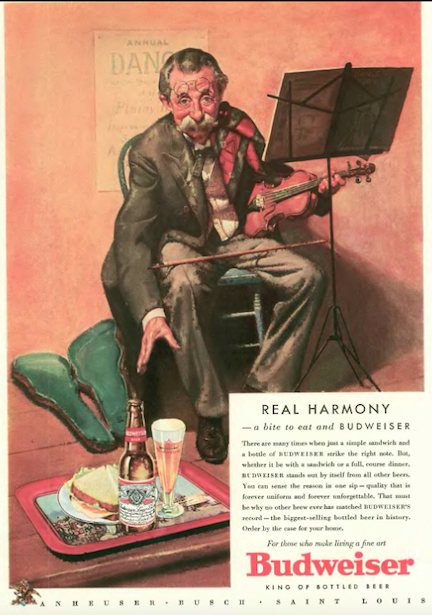
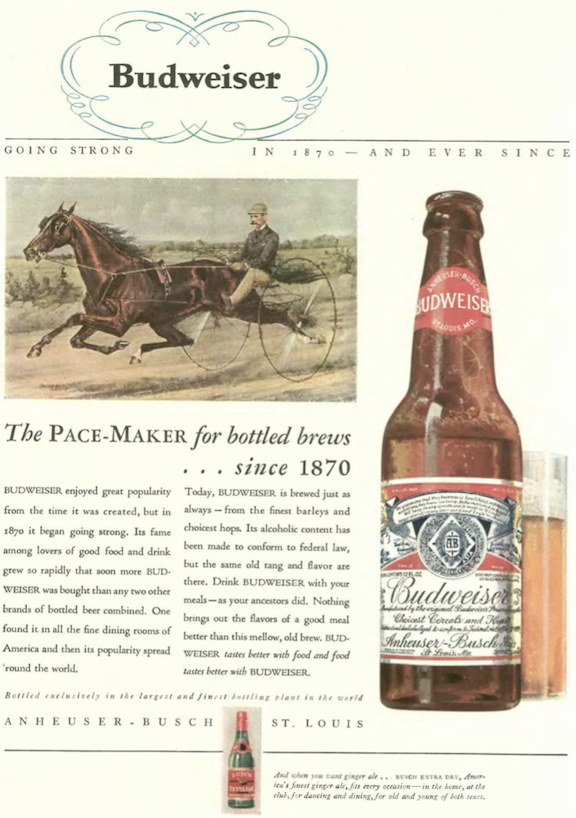
…speaking of Prohibition, Anheuser-Busch took advantage of laws that allowed for the production of near-beer containing one-half percent alcohol…

…if you couldn’t drink you could still eat to your heart’s content, that is if you were this fat cat and not some starving fellow in a bread line…

…on to our cartoons, Helen Hokinson took us pet shopping…

Garrett Price offered up a stereotype in a courtroom setting…

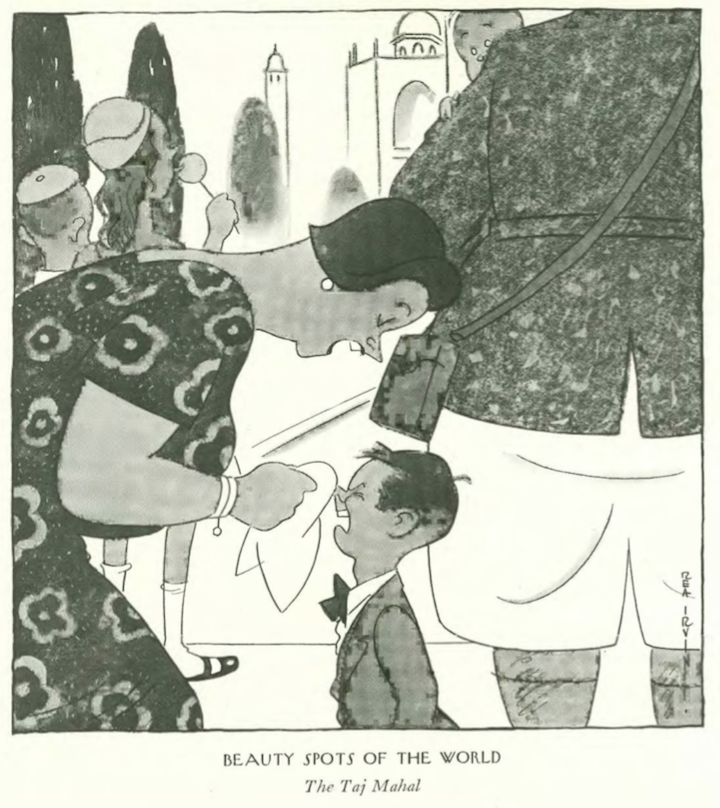
…and reminiscent of humor in the vein of Ralph Barton, Rea Irvin launched a series of the world’s “beauty spots”…

Next Time: A Visit to Minskyville…


High Anxiety

The New Yorker profiled authors, composers, civic and world leaders and other notables in its early years, but every so often it would turn the spotlight on a member of the working class.

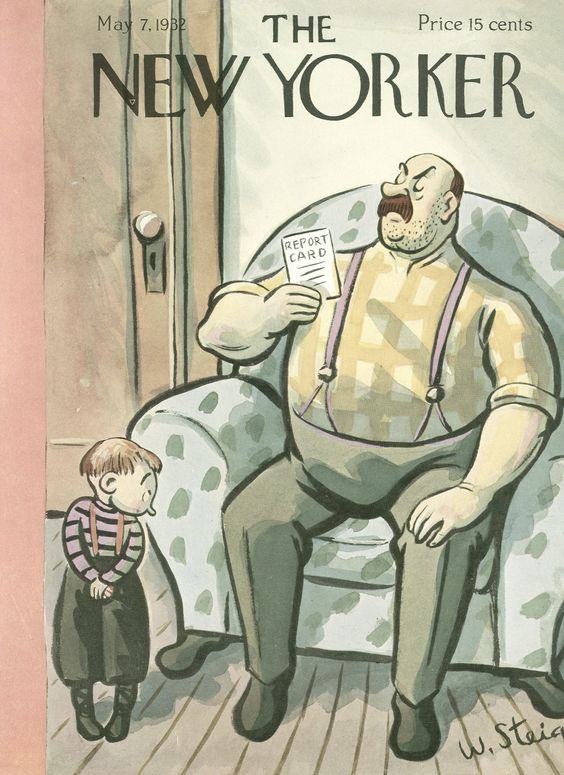
May 7, 1932 cover by William Steig, the first of 117 covers he would contribute to the magazine over his long life and career.

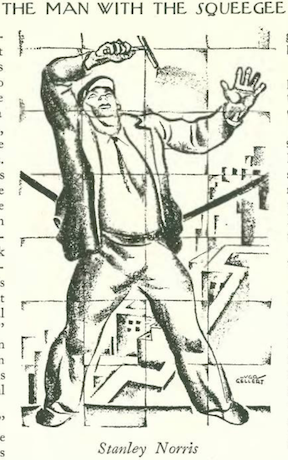
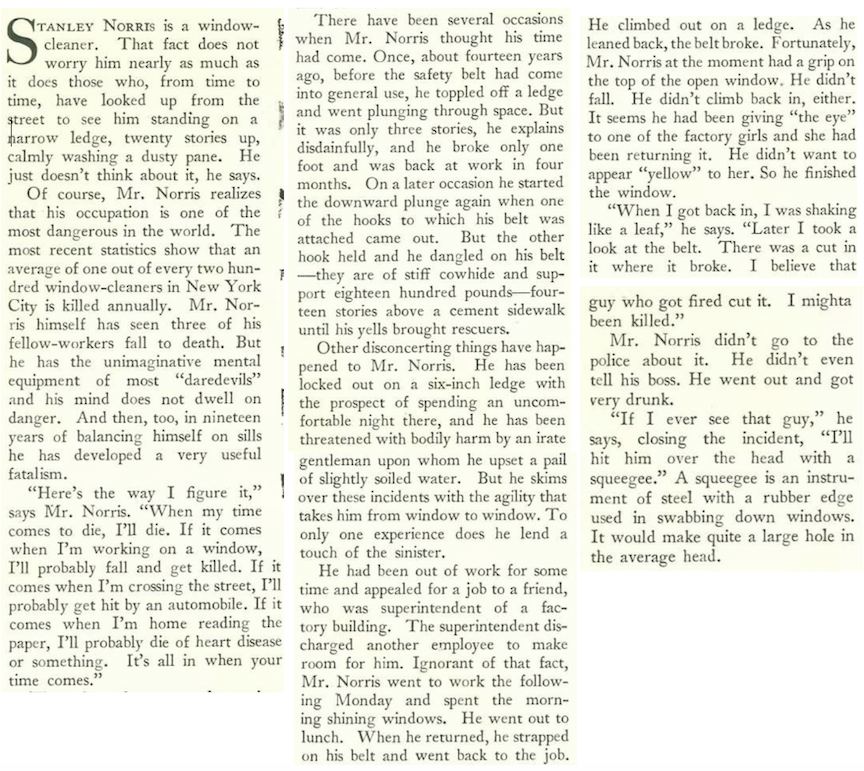
“The Man With The Squeegee,” a profile written by journalist (and later, playwright) Russel Crouse, detailed the life and work of Stanley Norris, a son of Polish immigrants who daily defied death as a window cleaner on Manhattan’s skyscrapers.

Profile illustration by Hugo Gellert

Below is an excerpt that includes a couple of Norris’ harrowing experiences high above the city streets:

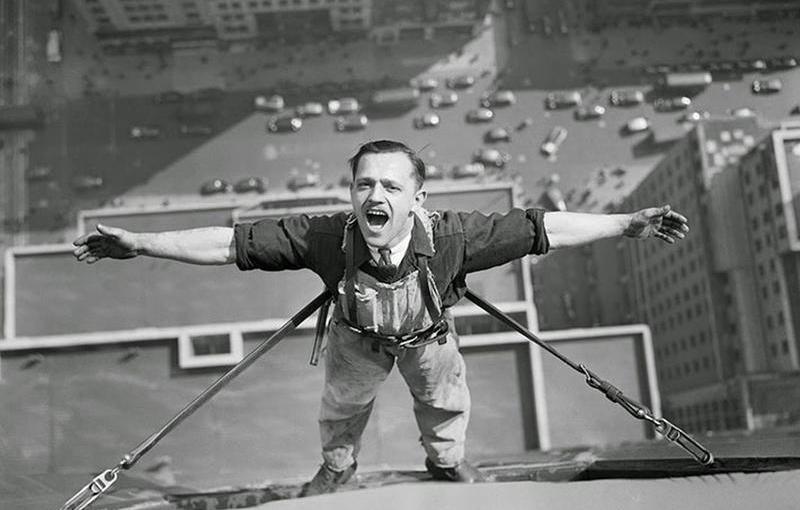
LOOK MA, NO HANDS!…Clockwise, from top left…attached to the side of the Empire State Building, just two leather straps separated this brave window washer from oblivion in March 1936; a lone worker confronts his task in 1935; window washers in 1930; window washers on the 34th street side of the building, January 1932. There are 6,400 windows on the Empire State Building, and each worker averaged 76 panes per day. (retronaut.com/cnn/considerable.com/reddit)

During the 1930s one out of every 200 window cleaners in New York City fell to their deaths annually. In the previous decade, more than 80 fell to their deaths. In another excerpt, Norris recalled one of those unfortunate deaths.

 *  *  *

Vintage Whines

E.B. White enjoyed both wine and spirits, but like many of his fellow Americans he was growing sick and tired of Prohibition, and in his “Notes and Comment” looked abroad for a better way to live.

White concluded the entry with this observation…

…which referenced the sad grape “bricks” folks could order by mail…

Grape growers sold these bricks with a warning that they were not to be used for fermentation — a warning that kept them within the law. Naturally both seller and consumer understood that the end product would likely be something stronger than grape juice.

(vinepair.com)

Where White did procure his cocktails is revealed later in “Notes” — he tells us of an encounter with a night-club host while out walking with his wife, Katharine White, and toddler Joel.

SOMETIMES E.B. JOINED THEM…Katharine White taking baby Joel for a stroll with the White’s beloved Scotty Daisy in New York City, 1931. (brainpickings.org)

 *  *  *

News Stooges

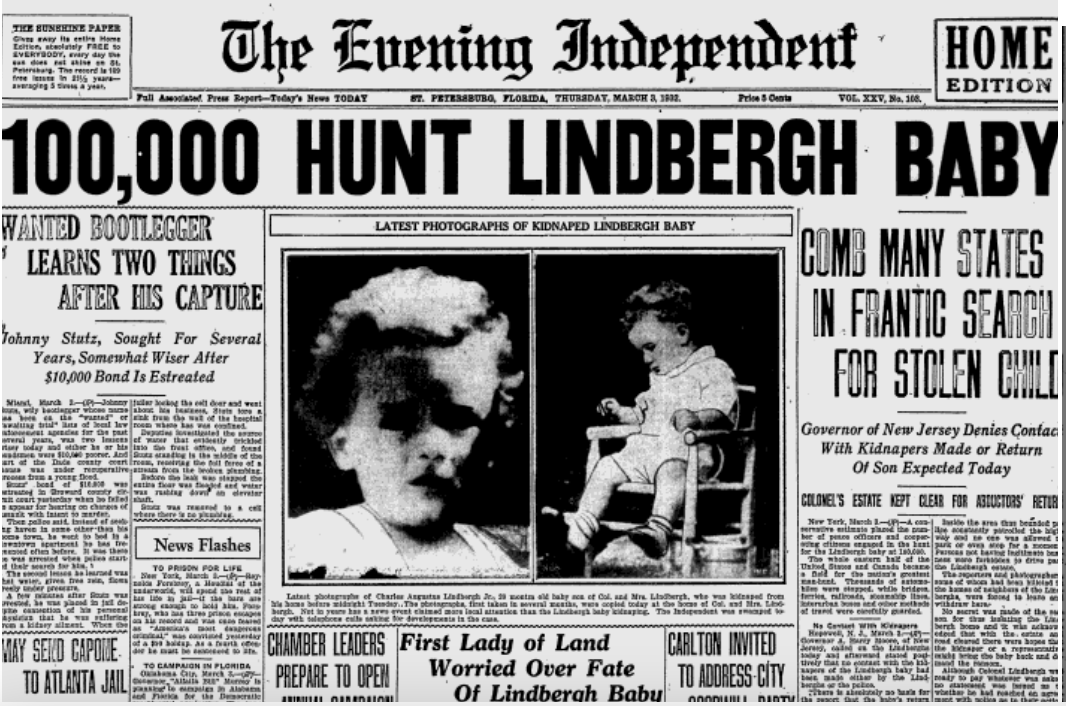
In “The Wayward Press” column, Robert Benchley (writing under the pseudonym Guy Fawkes) took the newspapers to task for their tasteless reporting on the Lindbergh baby kidnapping, and their general sullying of a once proud profession (Benchley himself was an experienced journalist):

TRAGEDY SELLS…The kidnapping of Charles and Ann Lindbergh’s infant son, Charles Jr., dominated headlines across the country in the spring of 1932. This March 3 edition of the St. Petersburg (Fla.) Evening Independent ran this headline just two days after the boy’s disappearance. The body of Charles Jr. was found on May 12, 1932. (Pinterest)

 *  *  *

Rising Stars

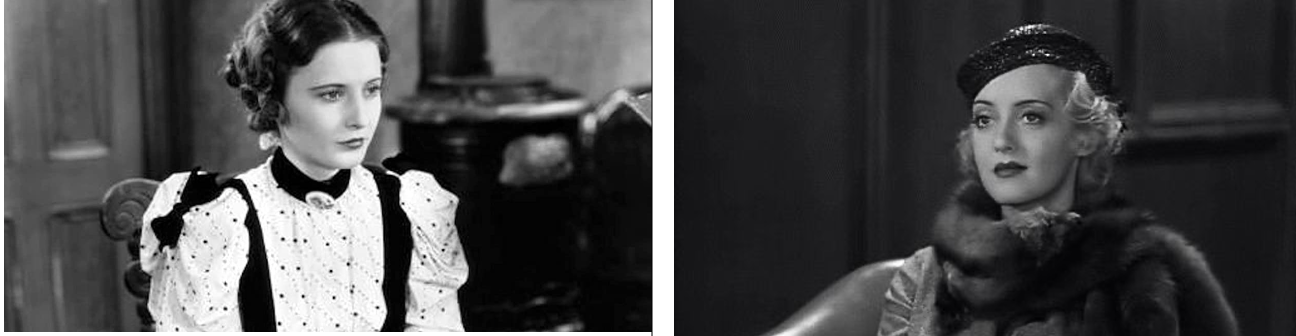
The pre-Code drama So Big!, based on Edna Ferber’s 1924 Pulitzer Prize-winning novel, featured two iconic Hollywood actors, but in 1932 only one of them, Barbara Stanwyck, was a bankable star. The film also featured the soon-to-be-famous Bette Davis, who had a much smaller role but was nevertheless grateful to be cast in a prestigious Barbara Stanwyck film. For critic John Mosher, the film proved to be a breakout role for Stanwyck.

SO BIG!…Barbara Stanwyck (left) was a marquee attraction in 1932, but Bette Davis would soon emerge as another major star in the Warner Brothers universe. (IMDB)

 *  *  *

From Our Advertisers

Clothes spun from cotton have been around for thousands of years, but this B. Altman advertisement suggests they were relatively novel for summer wear, at least among the upper orders. Both men and women wore wool bathing suits up until the 1930s, so perhaps there was something new about this cool, casual material…

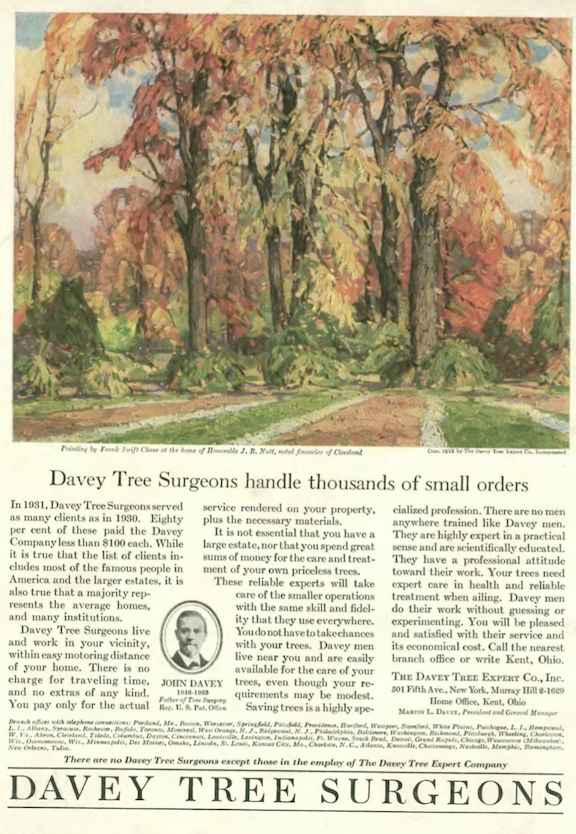
…no doubt the landed gentry helped keep the Davey Tree Surgeons in business during the Depression, but in those lean times it didn’t hurt to reach out to those with modest means…

…they did something right, because this 141-year-old company still thrives today, the ninth-largest employee-owned company in the U.S…

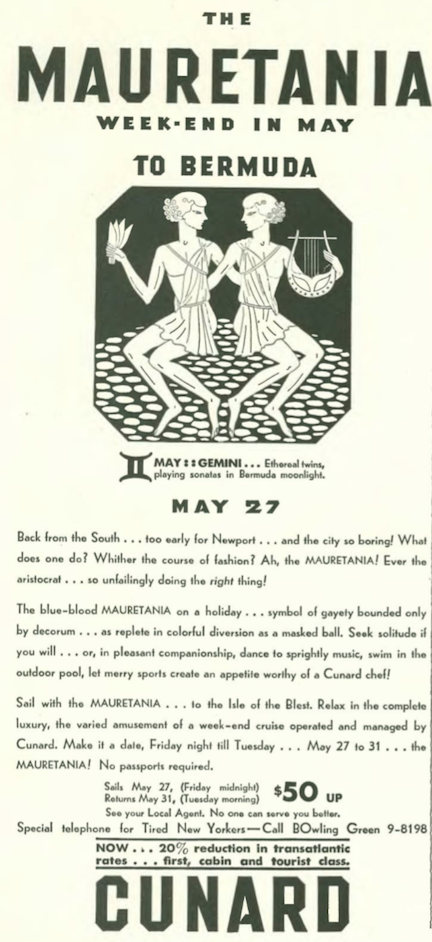
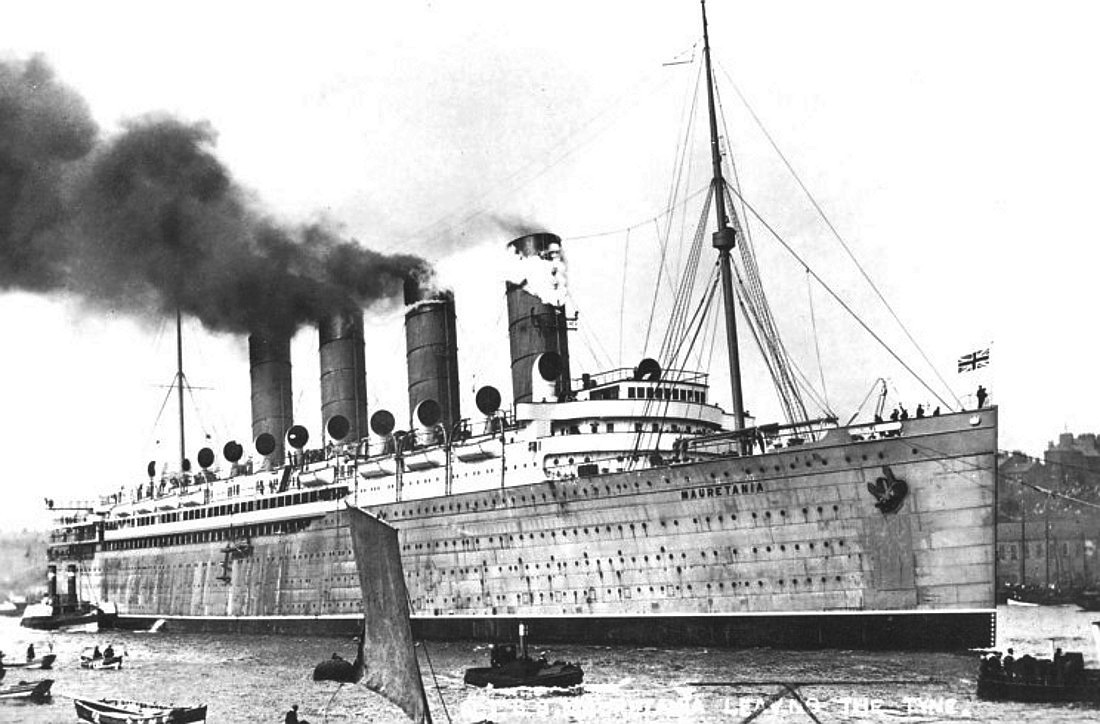
…launched in 1906, the RMS Mauretania was beloved for her Edwardian elegance and style, but as sleeker ships came into service in 1930, the Mauretania was removed from Atlantic crossings and relegated to running shorter cruises from New York to Nova Scotia and Bermuda…

OLD RELIABLE…The RMS Mauretania was the world’s largest and fastest ship after it left the Port of Liverpool in 1906. The liner was scrapped in 1935-37, much to the dismay of many of its former passengers, including President Franklin D. Roosevelt. (Wikipedia)

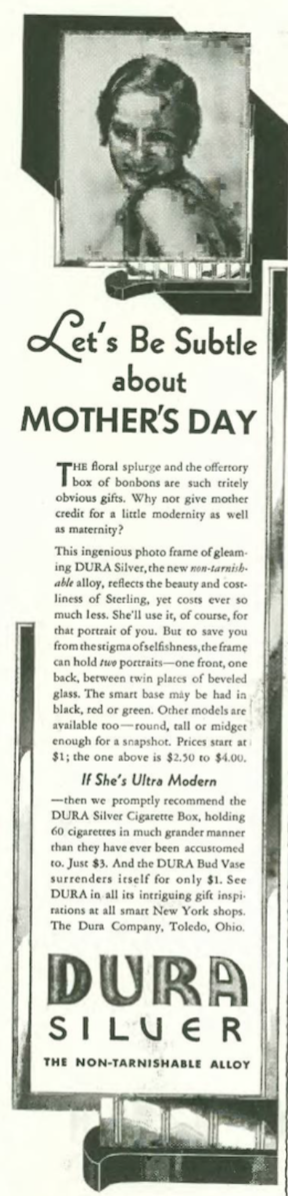
…with Mother’s Day around the corner, one company suggested a silver cigarette box as a suitable gift…

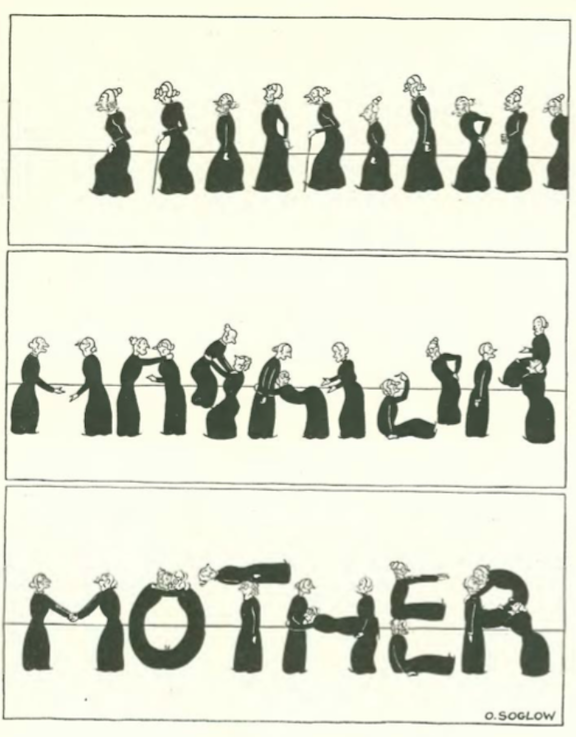
…on to our cartoons, Otto Soglow marked the upcoming holiday with this choreographed group…

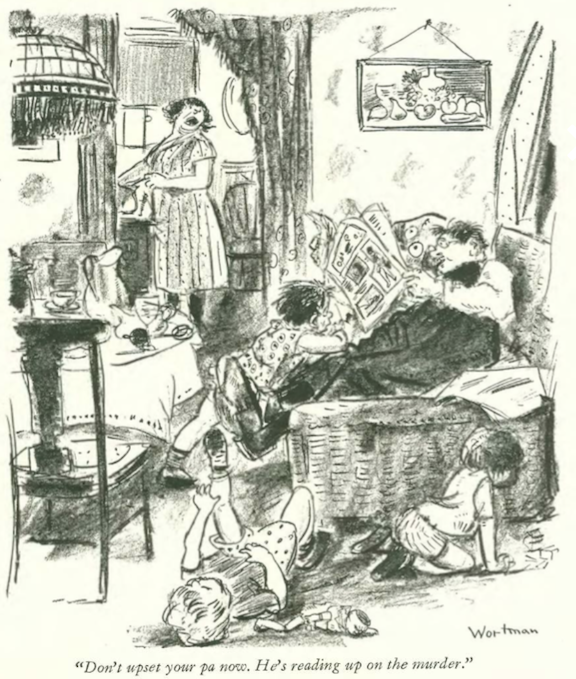
Denys Wortman gave us another side of motherhood…

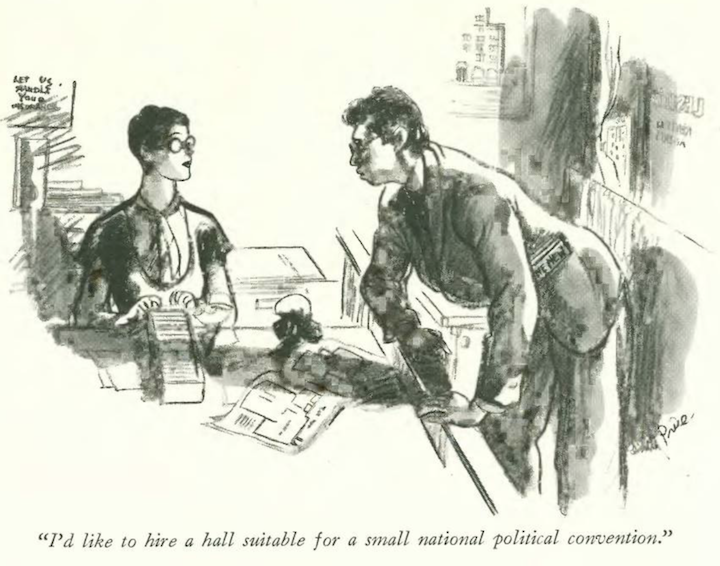
…other women were busy organizing political gatherings, per Garrett Price

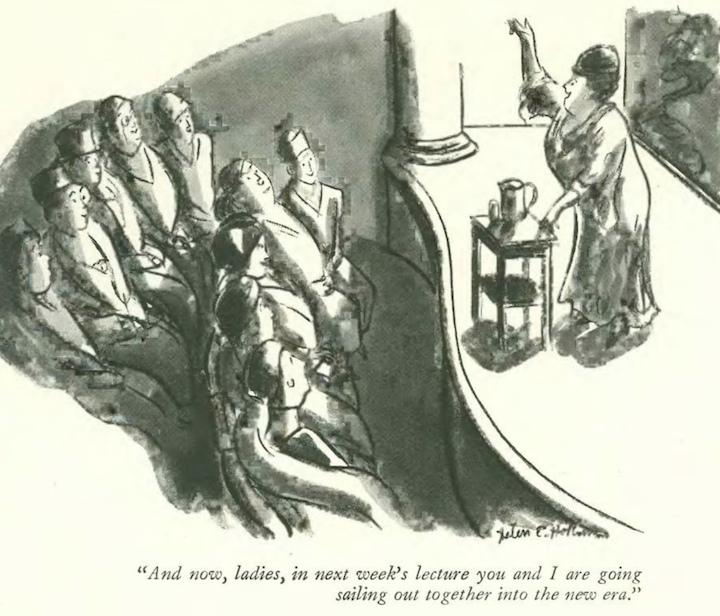
…and Helen Hokinson

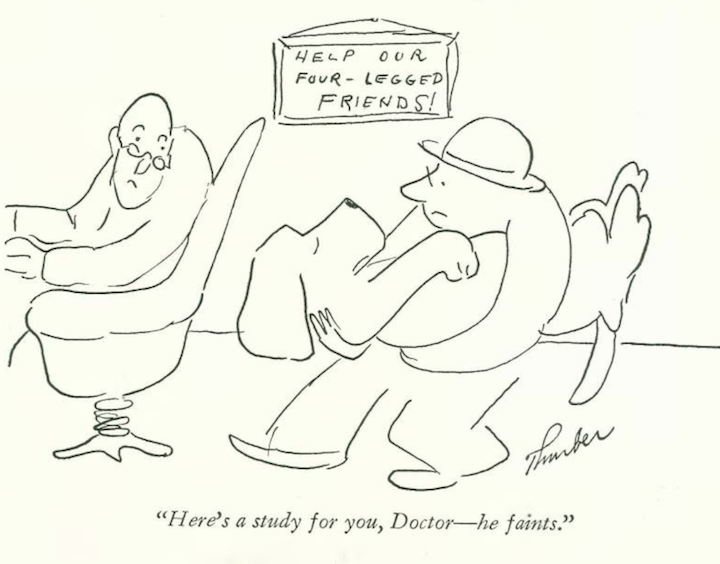
James Thurber gave us a dog in distress…

Robert Day illustrated the dilemma of two bootleggers…

…and Barbara Shermund takes us out…

Next Time: Under the Boardwalk…


The Mouse That Roared

In the spring of 1928, Walt Disney collaborated with cartoonist Ub Iwerks in creating a new cartoon character, Mickey Mouse, and later that year Mickey would be featured in the first-ever post-produced sound cartoon, Steamboat Willie. The film was an immediate hit, bringing almost instant fame to Disney.

Dec. 19, 1931…A classic cover by Peter Arno.

Just three years after the birth of Mickey, Disney had already carved a place for himself in American culture, drawing the attention of millions of Mickey fans—and one critic for The New Yorker—Gilbert Seldes, who penned a profile of the “Mickey-Mouse Maker” (illustration by Hugo Gellert). Note in the second of these two excerpts how Disney was already connecting his product to patriotism and clean living through his Mickey Mouse Clubs:

CASH COW…ER…MOUSE…Left, Walt Disney poses with his famous creation in 1935; top right, the Disney family in 1915: Parents Elias and Flora Disney in back row, right; Walt is seated with sister Ruth in front; photo of Disney proves the merchandising value of his little mouse from the very start. (IMDB/PBS/The Telegraph)
A THING OF NIGHTMARES…Before the television show there was a theater-based Mickey Mouse Club. Pictured above is an early meeting of the Club at a theater in Ocean Park, California. Although the Club had a million members in the U.S. by 1932, Disney pulled the plug on the clubs in 1935. They were revived through several television series in 1955-59, 1977-79, and 1989-1994 (that last class featured a number of future stars including Ryan Gosling, Britney Spears, Christina Aguilera, and Justin Timberlake). (www.vintag.es)

In his conclusion, Seldes marveled at Disney’s productivity—a new picture made every two weeks—and his seemingly endless creativity. Little could Seldes imagine that one day the man and his mouse would become a multinational mass media and entertainment conglomerate.

I’M YOUR VEHICLE, BABY…Mickey gives Minnie a ride in his cab in 1931’s Traffic Troubles. (YouTube)

You can watch 1931’s Traffic Troubles here:

 *  *  *

Big Man on Canvas

It seems the earth almost shook when Mexican artist Diego Rivera arrived in New York for only the second one-man show at the Museum of Modern Art. His work habits, his comings and goings, and his enormous girth (modest by today’s standards) were reported in The New Yorker, including this entry in “The Talk of the Town”…

COME TO MOMA…Cover of the Museum of Modern Art’s catalog for the Diego Rivera exhibition. (MoMA)
MAN AT WORK…Left, Diego Rivera at work on The Uprising, at the Museum of Modern Art, in 1931. Rivera painted five frescoes on portable supports of steel-braced cement in conjunction with his MoMA exhibition. Among the works featured was The Rivals (right), which sold for $9.76 million in 2018, overtaking an auction record for Latin American art previously set by his wife, Frida Kahlo. Her Two Nudes in the Forest sold for $8 million in 2016. (MoMA/Pinterest)

 *  *  *

Winds of War

It’s the end of 1931, but one can already detect the rumblings of the future to come, namely world war. The former Allied and Axis powers of the First World War were all busy developing new weapons, particularly of the airborne variety that all believed would provide a decisive edge if (or rather when) the next war commenced. Japan was already making moves on China, and in just four years the Germans would reoccupy the Saarland and Italy would invade Ethiopia. E.B. White, in his “Notes and Comment,” found the current state of affairs more than a bit troubling…

PUSHING THE ENVELOPE…Wars and rumors of wars drove rapid advances in aviation in the 28 years following the Wright Brothers’ first flight. The Curtiss Aeroplane and Motor Company developed the A-8 (above) in 1930-31 to serve as a ground-attack aircraft. (ww2aircraft.net)

…and hints of the world to come could also be found in Howard Brubaker’s “Of All Things” column, where he made this observation:

Brubaker was likely referring to Franklin D. Roosevelt’s cautious approach to announcing his candidacy for president. The outcome, of course, proved quite different for the German people.

*  *  *

From Our Advertisers

Preparations for war drove the development of the aircraft industry, which quickly adapted its designs during peacetime for civilian purposes. This ad from United Airlines touted the advantages of plane over train travel for corporate executives. Within 30 years the airlines would indeed supplant railroads as the preferred means for business travel…

…Prohibition would remain in force until the end of 1933, so brewers like Anheuser-Busch continued finding ways to link their non-alcoholic products to the ghosts of drinking past…

…on to our cartoons, James Thurber rendered this apt portrait of our civilization…

Barbara Shermund gave us an actress with a reputation to protect…

…and Garrett Price presented an unlikely harmonica player…

…on to our next issue, where we find more Diego Rivera

Dec. 26, 1931 cover by Madeline S. Pereny. Artist’s note: Pereny (1893–1970) was born in Kecskemet, Hungary. A baroness, she studied at Vienna Art Academy before emigrating to the U.S. in the early 1930’s. In addition to creating cover art and illustrations for The New Yorker, she was also a cartoonist for the Disney Studios.

…and we begin with this entry from “The Talk of the Town,” attributed to James Thurber

WHERE’S DIEGO?…in December 1931 he could be found working on his frescoes on the sixth floor of the Heckscher Building—the Museum of Modern Art’s first home. In the foreground is the Cornelius Vanderbilt mansion, demolished in 1926. (Library of Congress)
GET THE POINT?…Thurber referred to Diego Rivera’s Indian Warrior, one of five frescoes Rivera created during his Museum of Modern Art exhibition.

Thurber refers to “a lady” who accompanied Rivera, most likely Frida Kahlo, who was emerging as an artist in her own right around this time.

PORTRAIT OF A LADY…Wedding photograph of Frida Kahlo and Diego Rivera, 1929. (Throckmorton Fine Art)

More on Diego could be found in the art review section, where critic Murdock Pemberton offered a cautionary message to the rabble who might not abide some of the artist’s controversial themes:

 *  *  *

Head Cracker

In the 1920s and 30s Johnny Broderick was known as New York’s toughest cop, known for personally assaulting gangsters (and suspects) and for once facing down armed gunmen during a prison break at the Tombs. His valor won him many fans (and some detractors), making him a local celebrity and a subject of gossip columns. Reporter Joel Sayre offered his assessment of Broderick in a “Profile” for the Dec. 26 issue (illustration by Abe Birnbaum). Excerpts:

WISE GUY, EH?…Johnny Broderick (see arrow) escorts an unfortunate perp in 1927. (Public Domain)

 *  *  *

Something to Cheer About

On the lighter side, Hollywood took a shot at Noel Coward’s 1930 comedy of manners, Private Lives. The original play featured Gertrude Lawrence and Laurence Olivier, while the Hollywood version Norma Shearer and Robert Montgomery.  For once, critic John Mosher actually liked this screen adaptation:

GIVE ME THAT LOVIN’ FEELING…Norma Shearer and Robert Montgomery in the film adaptation of Noel Coward’s Private Lives. (TCM)

 *  *  *

From Our Advertisers

Just one ad from the Dec. 26 issue to close out the year, and what better way to say “Merry Christmas” than with a fresh cigarette…

…on to our cartoonists, William Crawford Galbraith offered a look backstage in this two-page illustration across the bottom of “The Talk of the Town”…

Richard Decker showed us the importance of making oneself clear, especially when aloft in a dirigible…

Robert Day found humor in a barren landscape…

Garrett Price offered us a cheesy predicament…

Helen Hokinson found a man about to make an important point…

…and we end 1931 with this classic from James Thurber

Next Time: Thurber’s Dogs…

The Wayward Press

Robert Benchley is remembered today as an American humorist, and his funny side was on display in his New Yorker theater reviews and other contributions. It was his background as a journalist, however, that shown through in his column “The Wayward Press.”

Oct. 10, 1931 cover by Theodore Haupt.

Benchley’s more serious side as a reporter (though still sprinkled with wit) demonstrated his ability to expose the conspiratorial nature of the 1930s press — which seemed to be in bed with moneyed interests — and decry its insatiable appetite for sensationalism. His October 10 column took aim at the coverage of the death of banking heir Benjamin Collings, who was murdered on Long Island Sound while aboard his yacht, Penguin. The investigation went on for weeks with scant developments, but that didn’t stop the newspapers from trying to squeeze every ounce of blood from this turnip.

The New York Daily News milked the incident for all its worth, the heading of this first article featuring photos of the slain Benjamin Collings (far left), his widow (and briefly a suspect) Lillian Collings, as well as an image of their five-year-old daughter, Barbara. According to Lillian, all three were sleeping aboard the family yacht Penguin when two men paddled a canoe up to their boat. When Ben went on deck to confront the pair, these “pirates” (as she called them) seized control of the boat, and threw Ben overboard. According to Lillian, the men forced her into the canoe, then cut the Penguin’s anchor and set it adrift with little Barbara still on board. While the girl was quickly rescued by another yachtsman, the “pirates” deposited Lillian in a moored motorboat on Oyster Bay before disappearing into the night. The Suffolk County DA found Lillian’s account unbelievable, and newspapers subsequently described her story as bizarre and illogical. The Daily News headline below indicates Lillian’s family wanted her interrogation to end…

…lacking any other details, the Daily News nevertheless kept the story alive with features such as this one below that described Five Stages in Life of Mrs. Benjamin Collings, Widowed by Yacht Murder

…and in case readers still wanted more, the paper rehashed the whole thing in photos in its Sept. 12 edition…

A few days after the yacht incident the body of Ben Collings washed up on the North Shore, his hands bound and his skull bashed in. The Suffolk County DA then began hauling in pairs of suspects who somewhat matched Lillian’s description—a 50-year-old man with gray hair and a skinny teenager—but none were quite right. The crime has never been solved.

Benchley concluded his column with some quotations which he “did not believe”…

 *  *  *

And Now For Something Ironic…

In his “Notes and Comment,” E.B. White teased New York Stock Exchange President Richard Whitney for blaming the market crash on “human vanity and selfishness,” when it was indeed those qualities that drove the markets in the first place. Before the decade was out Whitney would succumb to the very vices he named, and would serve three years and four months at Sing Sing for embezzlement.

HE DID TIME, THEN HE DID SOME MORE TIME…Richard Whitney made the cover of the Feb. 26, 1934 issue of Time magazine for his work as president of the New York Stock Exchange. At left, Whitney in 1937. He was sentenced to five to ten years for embezzlement, but was released early from Sing Sing for good behavior. He went on to a simpler life, managing a dairy farm and then a textile company before his death in 1974 at age 86. (Wikipedia/Time)

 *  *  *

The What Goes Up Department

E.B. White also commented on the latest edition of the Goodyear Blimp, christened Columbia, which he spotted hanging around the Empire State Building. Note E.B. White’s last line

Columbia was flying around the Empire State Building because Goodyear was running a sightseeing service in which passengers paid $3 for a 15-minute flight around Manhattan. The blimp also performed publicity stunts such as delivering newspapers to a man standing on the Empire State’s mooring mast—that particular stunt was supposedly a test to see if airships could anchor on the mast for passenger loading and unloading (and as we know, they couldn’t and wouldn’t).

Just four months after White watched Columbia hover over Manhattan, the airship would indeed bust into a thousand pieces, meeting its demise near the Queens airport (today’s LaGuardia). Caught in unexpected high winds, Columbia dipped into the ground, tearing off its landing gear and bending its propellers. The ground crew tried to secure the blimp but an updraft ripped the airship from their hands and sent it sailing over Flushing Bay.

As Columbia once again drifted back over land, the 23-year pilot Prescott Dixon ordered his chief mechanic, John Blair, to pull a rip cord that would release most of the air from the blimp. As Blair reached from the cabin for the cord the blimp shifted, and Blair fell to his death. Columbia then knocked two men off a warehouse roof (injuring them), then struck a factory and some power lines before crashing along the tracks of the Long Island Railroad. Dixon survived after being extricated from the crumpled gondola.

CHRISTENED WITH A BOTTLE OF LIQUID AIR, the Goodyear Blimp Columbia was readied for its inaugural flight over Akron, Ohio, in July 1931.
A SHORT LIFE…Just seven months after its inaugural flight, Columbia crashed near Flushing Bay on Feb. 12, 1932. (kathrynsreport.com)

 *  *  *

When Bridges Were Crowd-Pleasers

“The Talk of the Town” announced the imminent opening of the Jeffreys Hook Bridge, to be known thence as the George Washington Bridge:

BREAK OUT YOUR TOP HAT…New Yorkers turned out in droves to mark the official opening of the George Washington Bridge on Oct. 24, 1931. Gov. Morgan F. Larson of New Jersey, left, and Gov. Franklin D. Roosevelt of New York, right, did the ribbon honors at the dedication. (New Haven Register/AP)

 *  *  *

They Couldn’t Say ‘Hooters’ Either

In these coarser times it is hard to believe that 89 years ago the word “bosom” was a “no-no” on the nation’s airwaves, per this “Talk” item…

 *  *  *

An Actor’s Actor

Theater critic Robert Benchley wasn’t the only one who noticed the talents of newcomer Charles Laughton in his New York stage debut — Hollywood would immediately come calling for the 32-year-old English actor:

WE’LL KEEP HIM…Cicely Oates as Annie Marble and Charles Laughton as William Marble in the 1931 play Payment Deferred. (Museum of the City of New York)

 *  *  *

Kinda Long For Being Short

Humorist Frank Sullivan claimed to be following the trend for shorter short stories by turning in this piece with an editor’s note longer than the story itself:

 *  *  *

Lurid Lit

Our dear Dorothy Parker is back with another of her entertaining book columns, and in this installment we have her taking on the world of literary and not-so-literary sex romps. Excerpts:

DIRTY LITTLE BOOKS?…The three books featured in Dorothy Parker’s column included, from left, Young and Healthy by Donald Henderson Clarke (issued here under a different title in a pulp 1948 Novel Library edition); Theodore Wilde’s Moonblind, which featured a hermaphrodite character and homosexual encounters; and although attributed to Anonymous, Lady Chatterley’s Husbands was actually written by Anthony Gudaitis, aka Anton Gud, who often wrote anonymously for erotica publisher Samuel Roth. Although it was publicized as a sequel to D.H. Lawrence’s Lady Chatterley’s Lover, Gud’s book actually had less sex than the Lawrence original. After all, in the sequel Lady Chatterley gets tired of horny old Mellors. (Goodreads/Amazon)

…and before we leave Dorothy, please note her last line in the review, where she quotes Carl Rose’s famed 1928 cartoon (with caption by E.B. White)…

 *  *  *

From Our Advertisers

Just a couple quick ones (I will have more in the next installment)…this Lord & Taylor ad (illustrated by Mildred Oppenheim Melisse) showed young New Yorkers how to look smart for the fall (Lord & Taylor, the oldest department store in the United States (founded 1826), recently closed all 38 of its stores due to the pandemic, and it was announced in August that Lord & Taylor would be liquidated. Apparently its name will continue as an online-only business…

…and Helen Hokinson offered this illustration of one of her “girls” shilling for Frigidaire refrigerators…

…and two more from Helen in the Oct. 10 cartoons…

…exploring men’s attitudes toward the opposite sex…

Garrett Price visited a seemingly unappetizing banquet…

Kemp Starrett gave us a man looking at life on the bright side…

William Steig explored home decor…

Barbara Shermund found some bedtime gossip…

…and recalling our earlier “Talk” item regarding bosoms, here’s Peter Arno

Next Time: Monkey Business…