Risky Business

The Irish American gangster JackLegsDiamond was often referred to as the “clay pigeon of the underworld” due to surviving several attempts on his life.
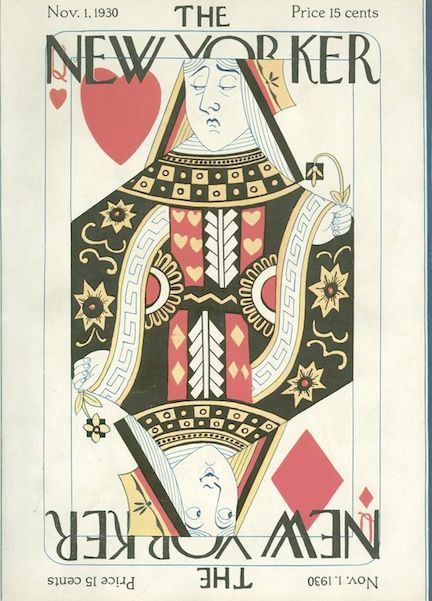
Nov. 1, 1930 cover by Rea Irvin.

In his “Reporter at Large” column, Morris Markey checked up on the fleet-footed bootlegger, adored by the public for his various brushes with the law and escapes from sure death. In his opening paragraph, Markey referred to one of the attempts on Diamond’s life: On October 12, 1930, he survived being shot five times at Manhattan’s Hotel Monticello:

Markey’s column attempted to remove some of the glamour from Diamond’s flamboyant life, a life that would be cut short about a year later in an Albany rooming house…
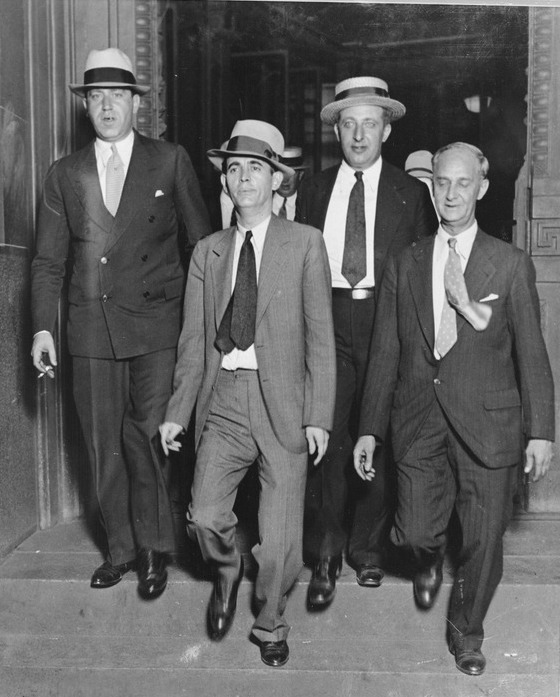
OUT WITH THE BOYS…Legs Diamond leaves the federal court in New York with his attorney and a couple of cronies on Aug. 8, 1931, after being convicted of owning an unlicensed still and conspiring to violate Prohibition laws. (digitalcommonwealth.org)
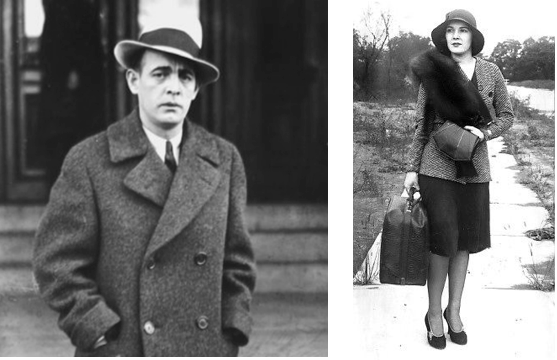
BEDFELLOWS…Legs Diamond had a number of mistresses, but the best known was Marion “Kiki” Roberts, who was with Diamond shortly before he was slain. (The Mob Museum/Pinterest)
DEADLY TRIO…Clockwise, from top left, Legs Diamond is comforted by his wife, Alice Kenny Diamond, after being shot three times at a roadhouse near Cairo, NY, on April 27, 1931. His enemies finally succeeded in killing him on Dec. 18, 1931, shooting him three times in the back of the head in an Albany rooming house. Alice would be shot and killed less than two years later, possibly by Diamond’s enemies to keep her quiet. And sadly, The New Yorker’s “Reporter at Large” columnist Morris Markey would also meet a violent end, dying of a gunshot wound to the head in 1950. Whether it was by his hand or another’s, it was never determined. (Albany Archives/NY Times)

An afternote: Enemies would finally catch up to Legs Diamond and kill him on Dec. 18, 1931. Diamond’s wife, Alice Kenny Diamond, would be shot and killed less than two years later. Diamond’s mistress and former Ziegfeld Follies performer Marion “Kiki” Roberts would return to the stage and cash in on her notoriety. In 1937 it was reported she was the big draw in a touring “Crazy Quilt” burlesque revue. And according to the writer William Kennedy, who wrote about Diamond in his 1975 novel Legs, the last record of Kiki Roberts was in Boston in the 1940s, where “she was still appearing as ‘Jack (Legs) Diamond’s Lovely Light o’ Love.’ ”

Here is newsreel footage of Diamond’s mistress Marion “Kiki” Roberts, shortly after the gangster’s death. In this brief interview with a Boston reporter (and with her mother at her side) Roberts advises girls to “live good clean lives and obey their parents wishes.” Note how it appears she is reading from cue cards.

 *  *  *

Chitty Chitty Bang Bang

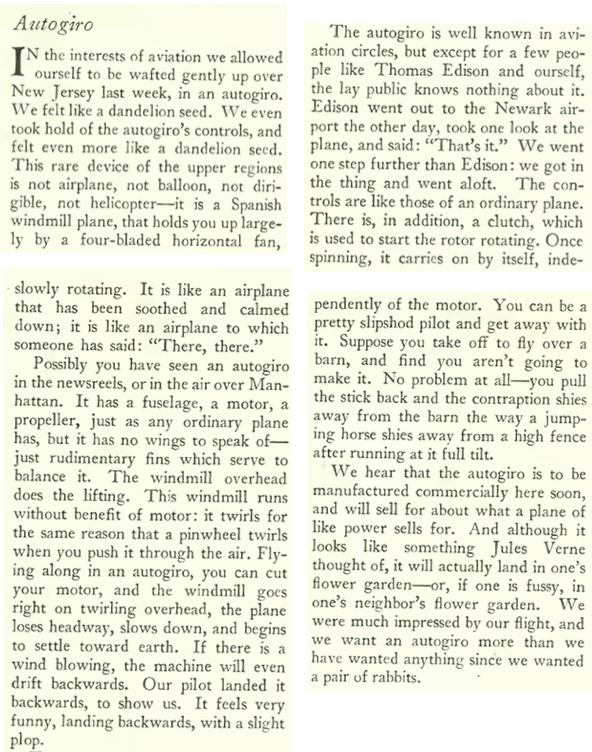
A precursor to the helicopter, the autogyro was considered by many to be the next logical step in aircraft development, and especially in the development of smaller craft that could serve as safe, affordable transportation options for commuters. The New Yorker’s E.B. White, an aviation enthusiast, demonstrated to readers the wonders of this aircraft:

EASY AS PIE…A Cierva Autogiro C30 takes flight circa 1933. (findmypast.co.uk)

 *  *  *

Baker’s Big Show

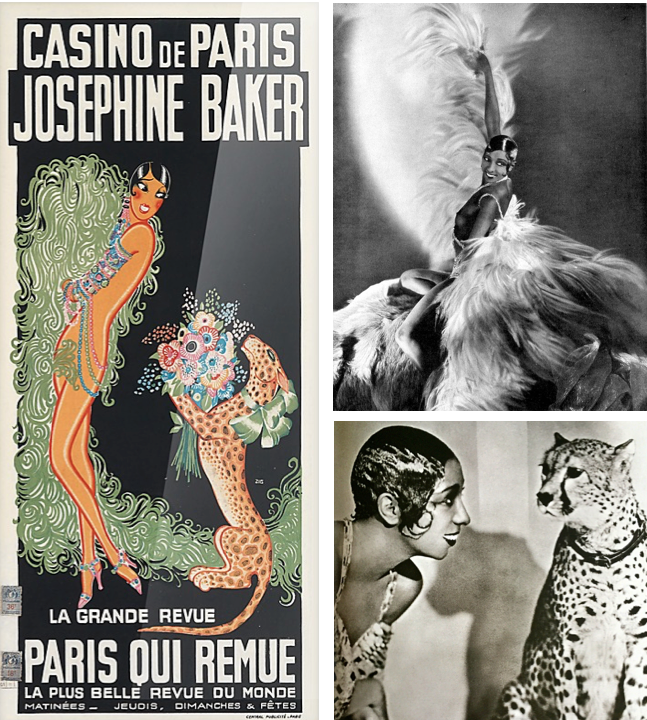
Nineteen-year-old American-born French entertainer Josephine Baker became an instant symbol of Jazz Age Paris when she starred in La Revue Nègre in October 1925. Her erotic dance routines wowed Paris audiences, and she quickly moved on to the famed Folies Bergère. In 1930 she opened a new show at the Casino de Paris that also featured her pet cheetah, Chiquita. The New Yorker’s Janet Flanner was there to take it all in:

HEAR THE THUNDER…Nineteen-year-old Josephine Baker took Paris by storm when she appeared in La Revue Nègre at the Théâtre des Champs-Élysées in October 1925. (harleminmontmartre.paris/artphotolimited.com)
HEAR ME ROAR…The New Yorker’s Janet Flanner was wowed by Josephine Baker’s newest show at the Casino de Paris that also featured her pet cheetah, Chiquita. (pictorem.com/vam.ac.uk/artphotolimited.com)

 *  *  *

Grim Reminder

Despite the deepening Depression across the country, few mentions of it were made in the pages of The New Yorker. Howard Brubaker, in his “Of All Things” column, offered this not-so-gentle reminder:

 *  *  *

From Our Advertisers

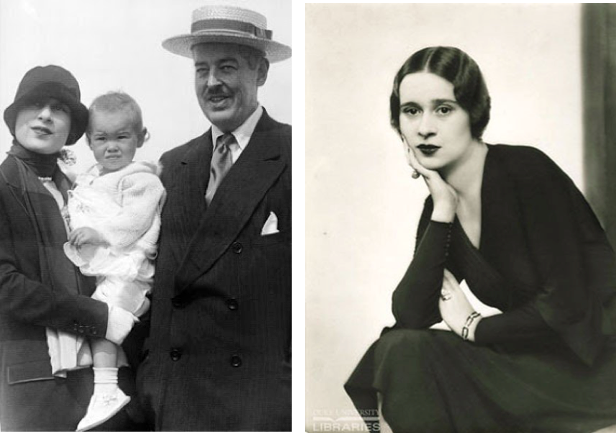
We feature Gloria Morgan Vanderbilt, a Swiss-born American socialite shilling for Pond’s cold cream. At the time of this ad she was the mother of six-year-old Gloria Vanderbilt (who would become a famous fashion designer and artist and the mother of CNN’s Anderson Cooper)…
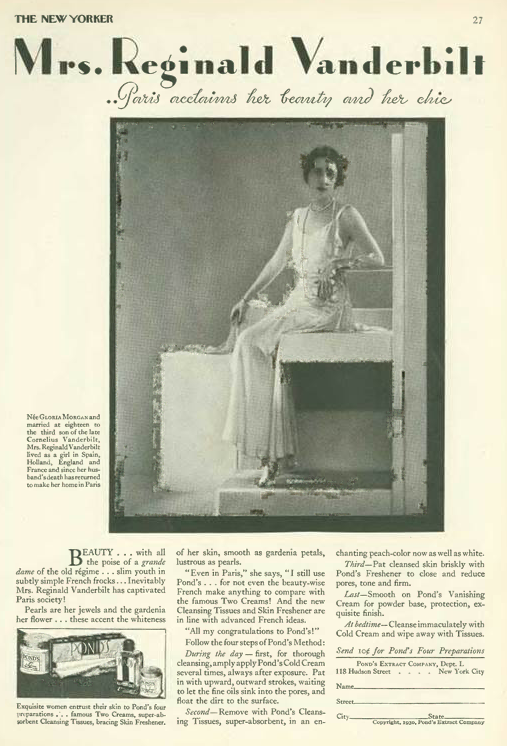
POOR LITTLE RICH GIRLS…Gloria Morgan Vanderbilt and her husband, Reginald Claypoole Vanderbilt with daughter Gloria, circa 1924-25. Reginald died in 1925, and a famous custody battle over little Gloria (who recently died at age 95) would take place in 1934. At right, portrait of Gloria Morgan Vanderbilt by Dorothy Wilding, 1933. (Perkins Library, Duke University)

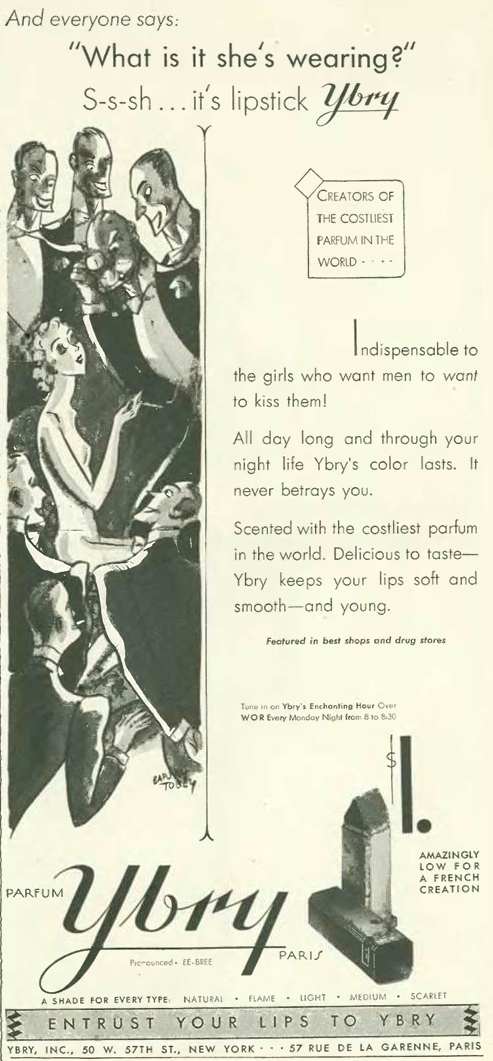
…the makers of Ybry lipstick apparently did not have the budget to garner a patrician endorsement, so they settled for this illustration by New Yorker cartoonist Barney Tobey

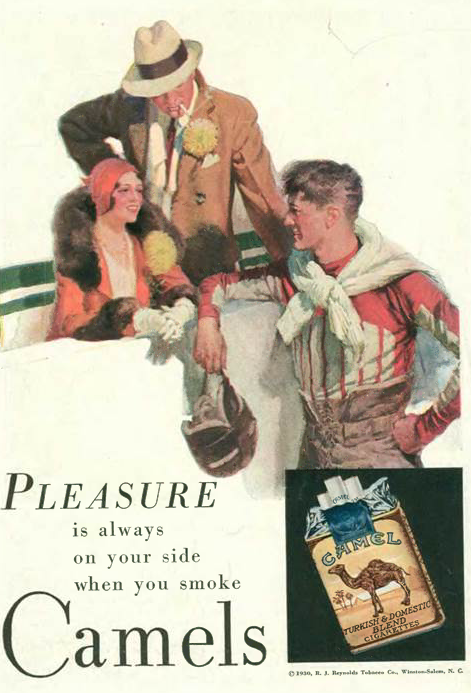
…and we have another lovely color ad from R.J. Reynolds, once again linking cigarettes to athletic prowess…
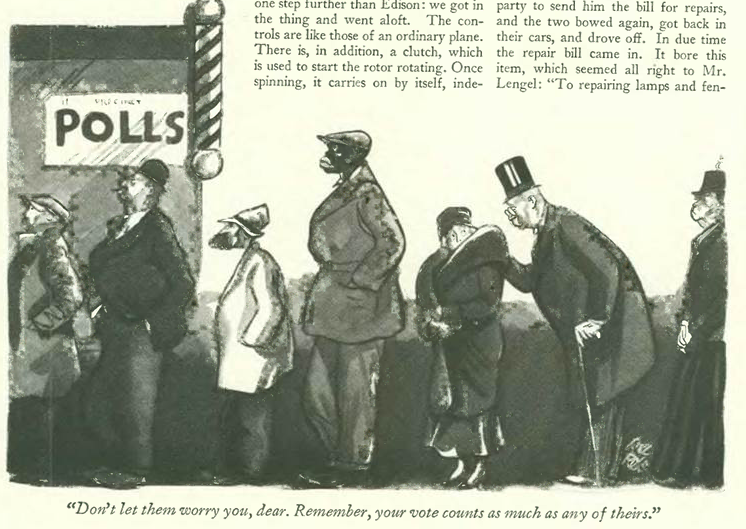
…on to our cartoons, we mark election season with Carl Rose

Barbara Shermund explored the generation gap…

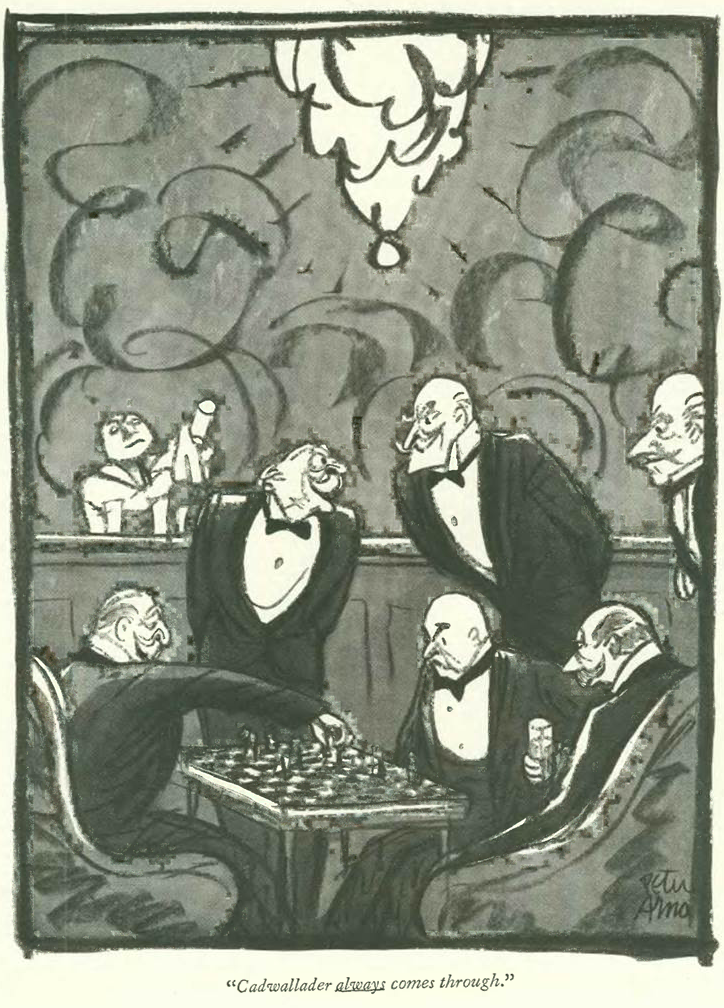
Peter Arno gathered his sugar daddies for a game of chess…
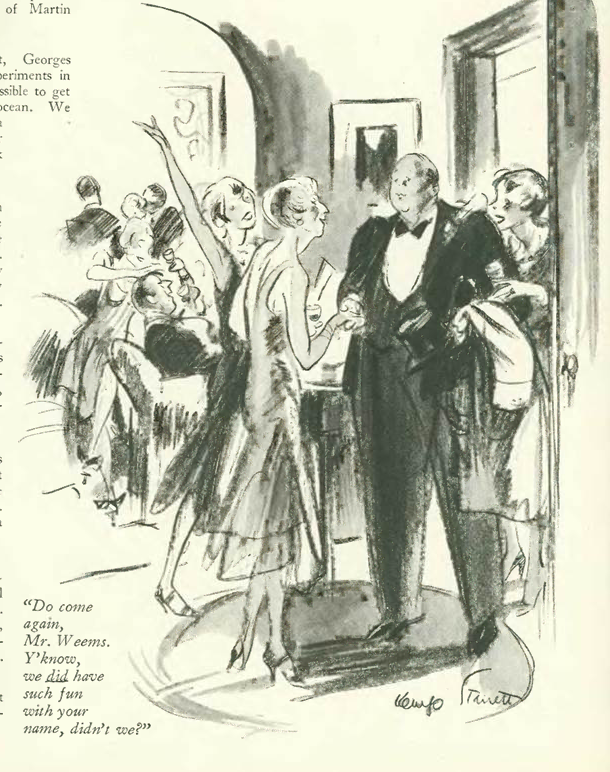
Kemp Starrett introduced us to an unlikely life of the party…
Alan Dunn examined the influences of popular cinema…

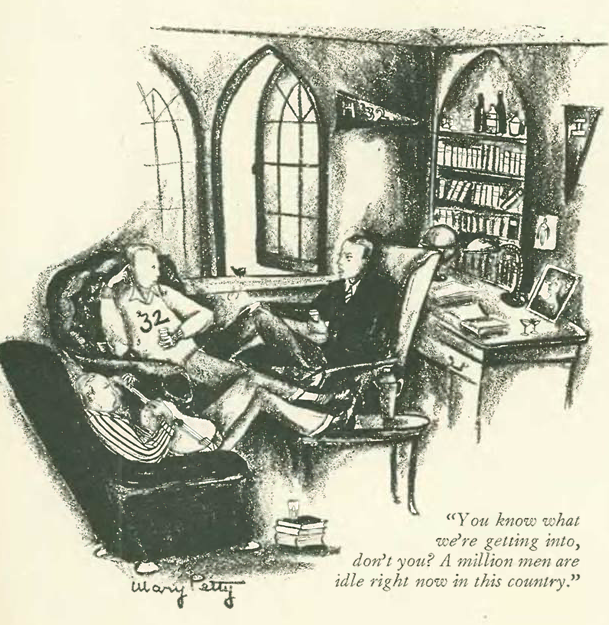
Mary Petty gave us an Ivy League perspective of the Great Depression…
…and Arno again, with a cartoon that was featured along with The New Yorker’s “Wayward Press” column…

Next Time: Body and Soul…
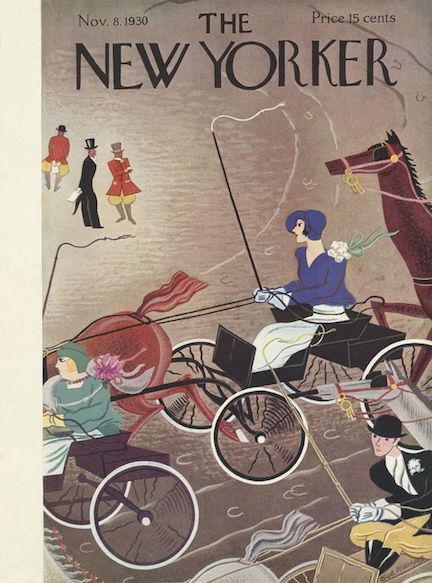
 

Ghosts of Gotham

Since I am posting this on the night before All Hallow’s Eve, let’s take a quick look back 89 years at Halloween 1930 through the pages of the Oct. 25, 1930 issue of The New Yorker

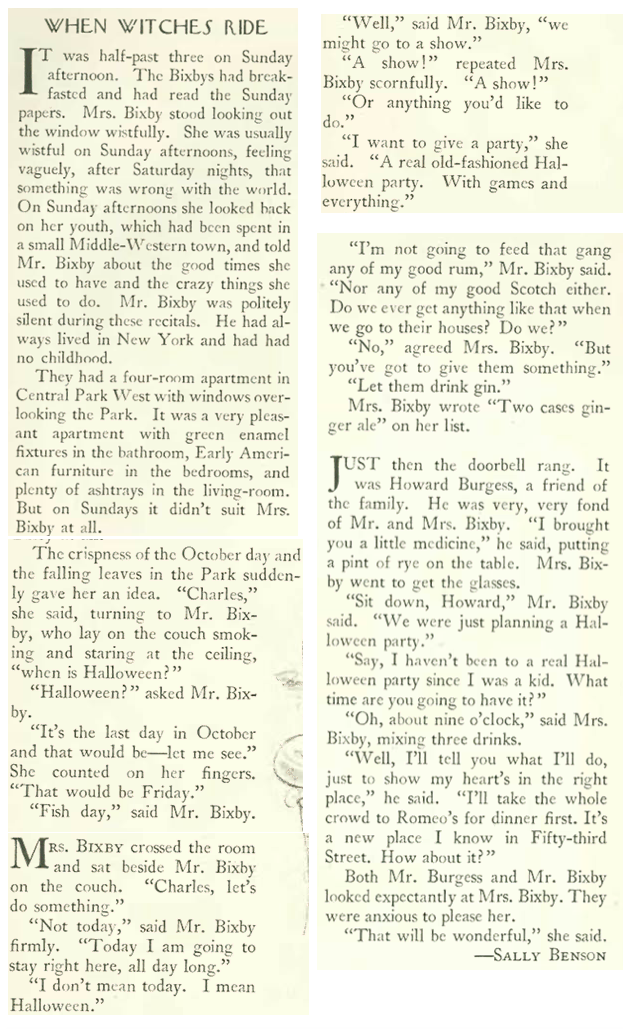
…which featured a short story (excerpted below) by Sally Benson, who would write a series of shorts for The New Yorker in 1941-42 that were later published in her book, Meet Me in St. Louis. Note how Prohibition laws seemed to pose no obstacle to the Bixbys’ party plans:

Benson’s Meet Me in St. Louis would be adapted into a popular 1944 film starring Judy Garland. One of the film’s highlights featured the Halloween hijinks of Tootie and Agnes Smith (Margaret O’Brien and Joan Carroll).

BOO!…Margaret O’Brien and Joan Carroll go trick-or-treating in 1944’s Meet Me in St. Louis. (Comet Over Hollywood)

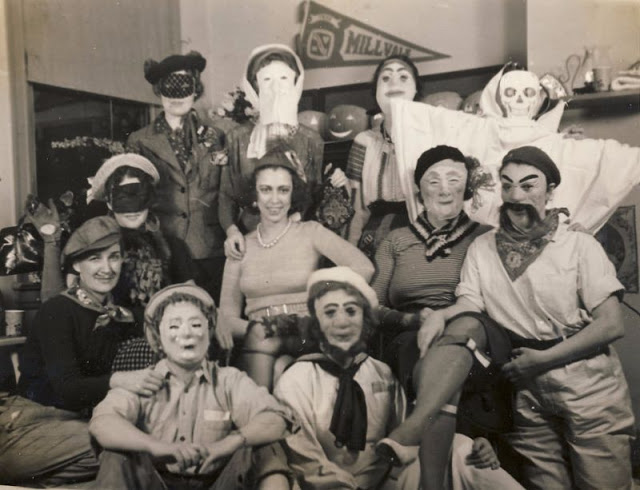
…Halloween revels were also popular with the college kids…

(Vintage Everyday)

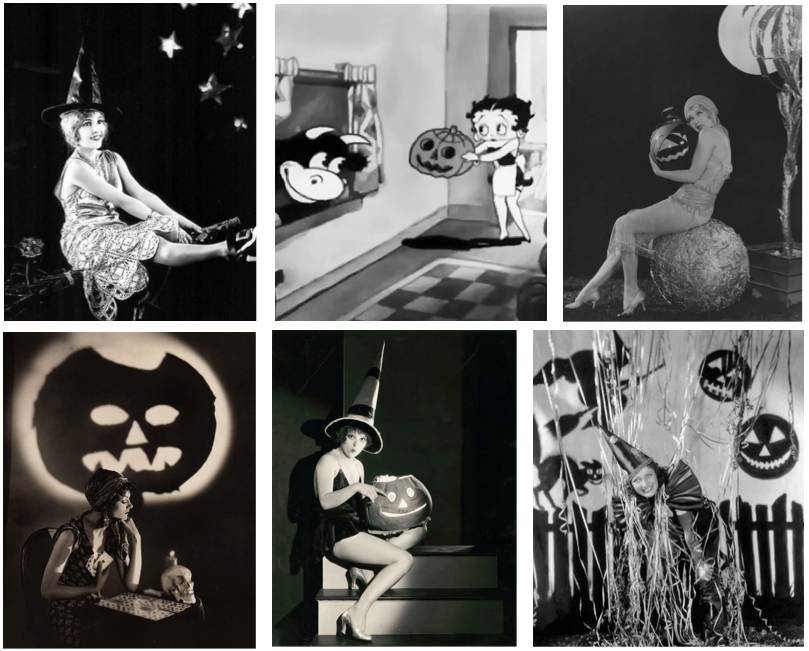
…and of course Hollywood got in on the act, each studio issuing pinup-style images of major female stars to newspapers and magazines …

Clockwise, from top left, Bessie Love (ca. 1920s), a still from a 1933 Betty Boop cartoon, Anita Page, Joan Crawford, Clara Bow, and Myrna Loy. (Vintage Everyday/YouTube)

…the pages of the Oct. 25 issue contained other references to the holiday, including these Julian de Miskey spot drawings…

…and there were also ads offering both parties and party treats to those seeking some Halloween fun…

 *  *  *

Not Exactly Whale Watching

On to our issues, the Oct. 15, 1930 edition featured a strange account (in “The Talk of the Town”) of a man who travelled the country with an embalmed whale carcass, which apparently drew large crowds wherever it was displayed.

Oct. 15, 1930 cover by Peter Arno. As I noted in my previous post, it seemed everyone was lighting up in the 1930s.

The account is disgusting on a number of levels (the last line: “People simply love whales”). During my research I learned that these “whale tours” continued into the 1970s.

SAVE THE WHALES…in this case, by pumping the animal with gallons of formaldehyde.

For further reading, author Lydia Pyne offers some history on this strange phenomenon at Not Even Past.

 *  *  *

From Our Advertisers

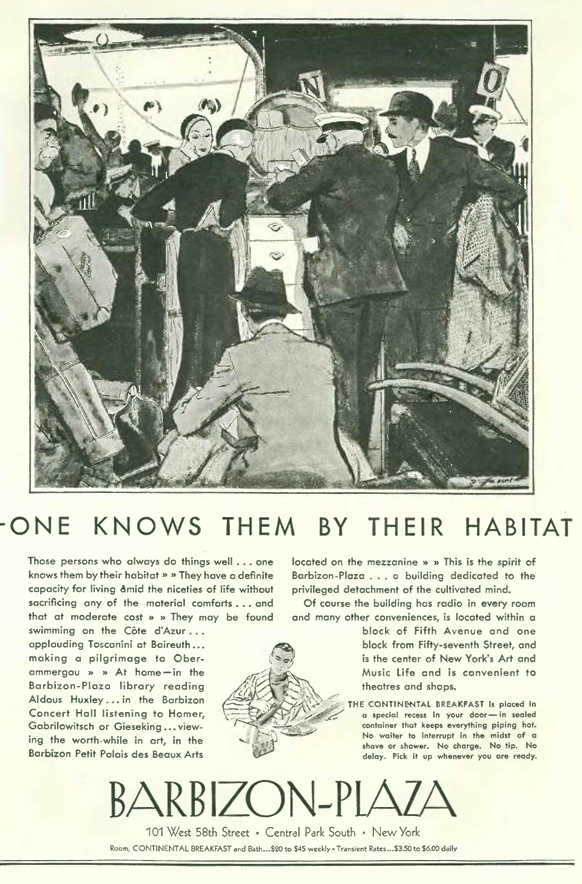
The owners of the new Barbizon-Plaza Hotel at 106 Central Park South tried their best to lure the smart set (especially artists and musicians) to this “habitat” designed especially for them. Unfortunately, artists and musicians were as broke as everyone else, and the property was foreclosed on in 1933…

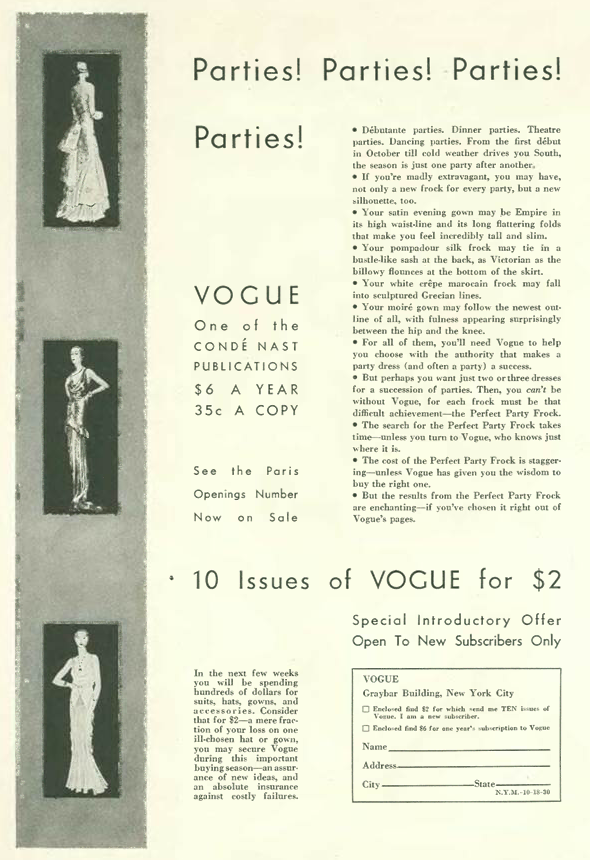
…and we have another appeal to the smart set, this one from the publishers of Vogue magazine (now a sister publication to the New Yorker, as both are now owned by Condé Nast)…

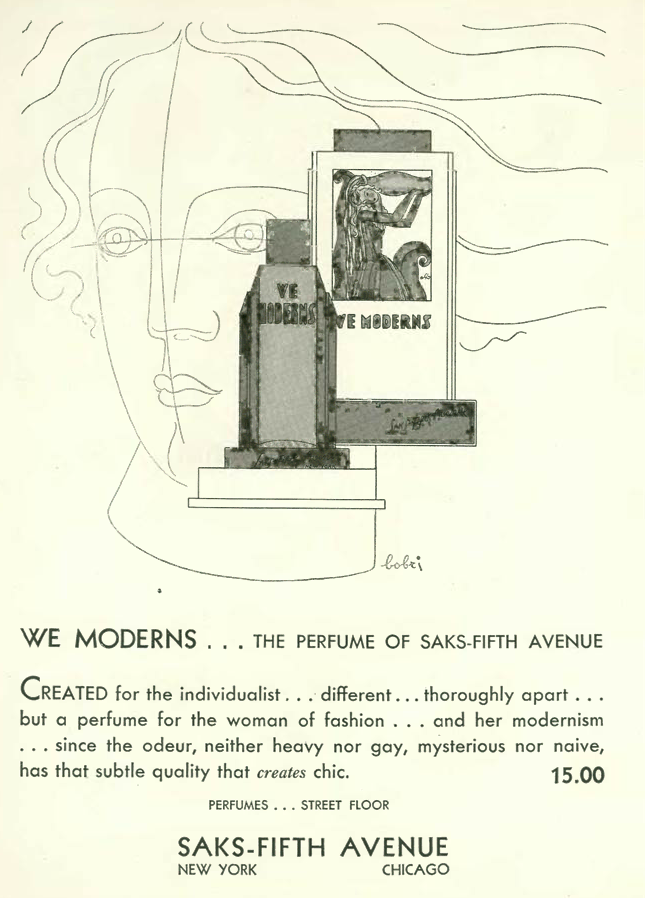
…and one more appeal to fashionable sorts, this time perfume in a bottle shaped like an art deco skyscraper…

…here is what one version of the bottle looked like in 1928, similar to ad above. According to the blog Cleopatra’s Boudoir, the We Moderns perfume was sold from 1928 to 1936 in bottles made in Czechoslovakia. The bottle below was made from glass, enamel (label), and the early plastic Bakelite (cover and base)…

(Perfume Bottles Auction)

…on to our color ads, I like this one because RCA induced the inventor of wireless radio, Guglielmo Marconi, to endorse their “Radiola”…

…and we have a beautiful illustration by Ellis Wilson for Dodge Boats…

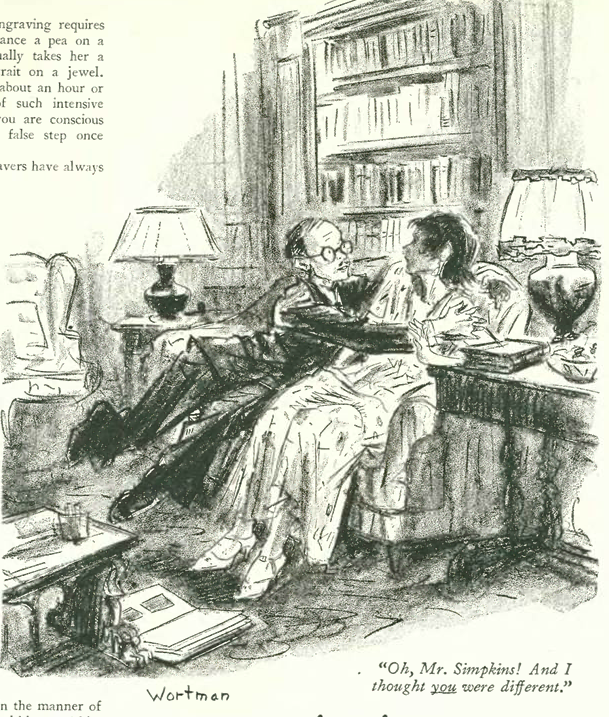
…on to our cartoons, we begin with Denys Wortman

…here’s the art of Rea Irvin on a full page…

Helen Hokinson kept up the tradition of New Yorkers looking down on those backward Bostonians…

Alan Dunn, illustrating the sunlamp fad of the 20s and 30s…

…and Jack Markow, checking on the progress of the Empire State Building…

On to the Oct. 25 issue, and the Broadway opening of the comedy Girl Crazy…

Oct. 25, 1930 cover by Rea Irvin.

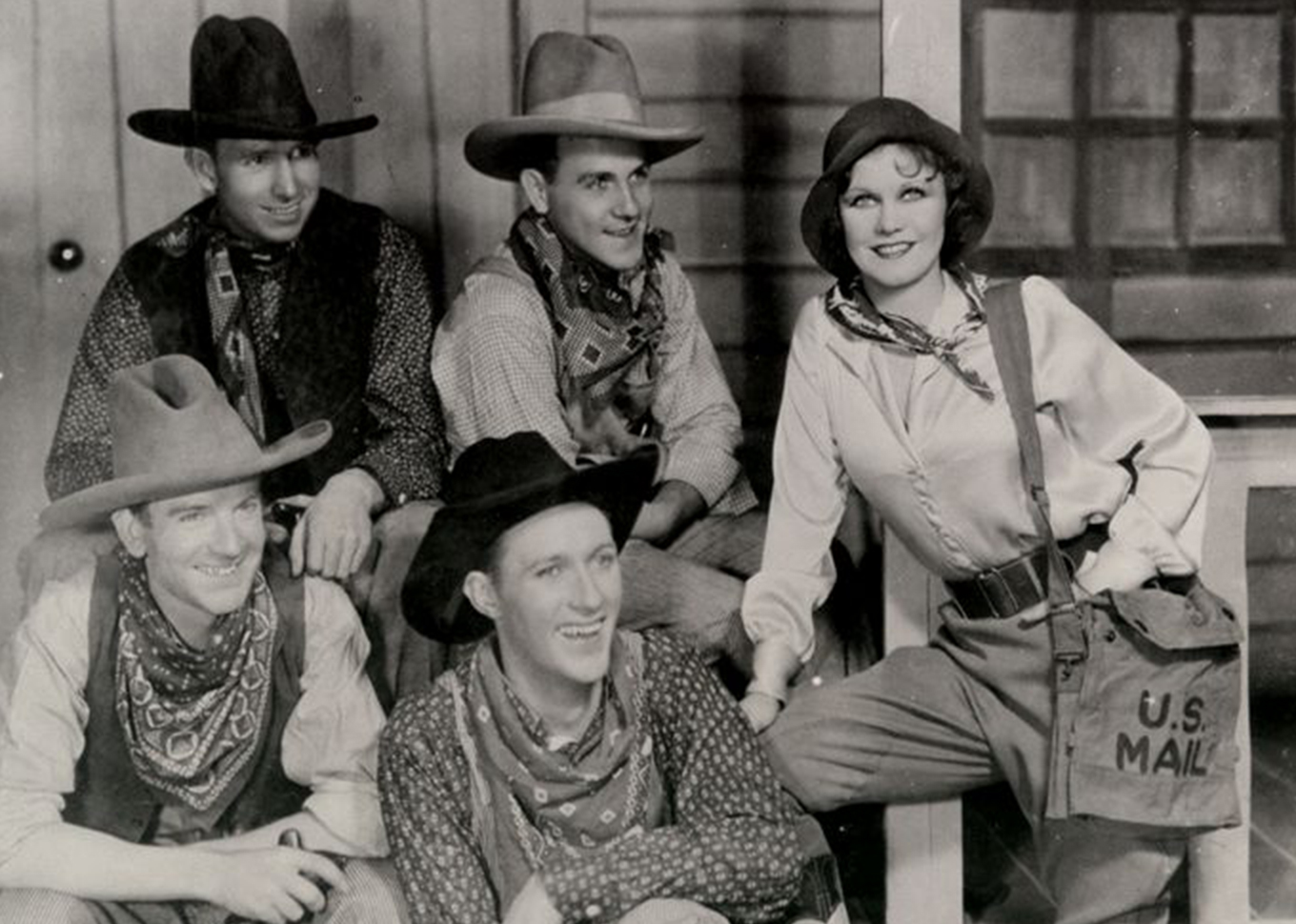
…which featured Ginger Rogers and Ethel Merman introducing the many hits from George Gershwin’s score including “I Got Rhythm” and ‘Embraceable You.” The plot was simple: a young New York playboy is banished by his family to a dude ranch in Arizona to keep him out of trouble…where of course he finds trouble. The orchestra for the Broadway performance included such talents as Benny Goodman, Glenn Miller, Jimmy Dorsey, Jack Teagarden, and Gene Krupa.

THEY SEEM SANE ENOUGH…Above, poster for the Broadway musical Girl Crazy. Below, Ginger Rogers poses with fellow stage actors. (gershwin.com)

 *  *  *

More from Our Advertisers

Ads from the Oct. 25 issue included this recurring one from the promoters of the Empire State Building, marking progress through various historical vignettes…

…the ad accurately depicted the building’s progress, measured against these images below…

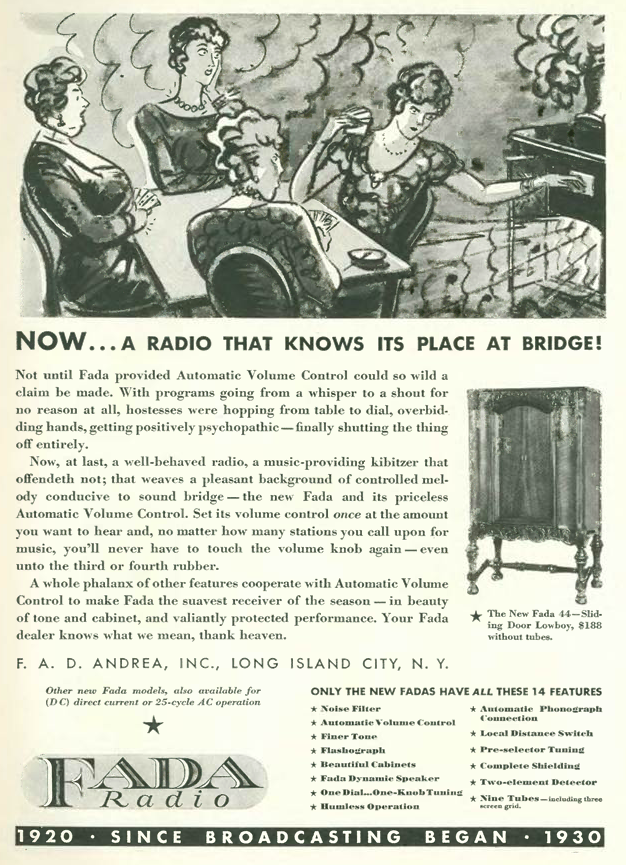
…and we have more radio ads…no endorsement from Marconi here, but the makers of Fada claimed their receiver was far less annoying than their rivals…

…while Atwater Kent touted the convenience of its new “Quick-Vision Dial”…

…as I’ve previously noted, backgammon was all the rage in 1930, so much so that this clothier even advertised a special frock for the game…

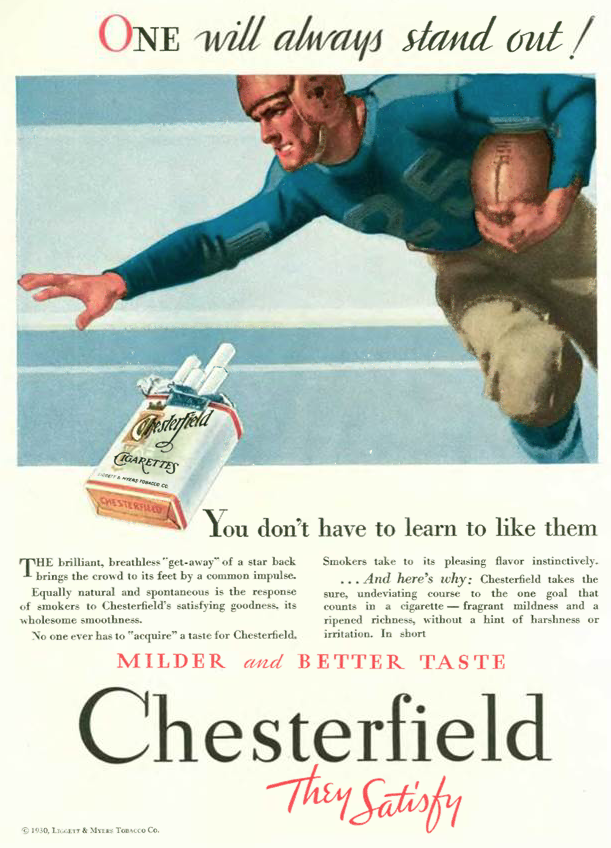
…and what would the 1930s be without smoking tied to athletic prowess…

…and remembering friends and family in California in 2019 as they battle wildfires across that great state…

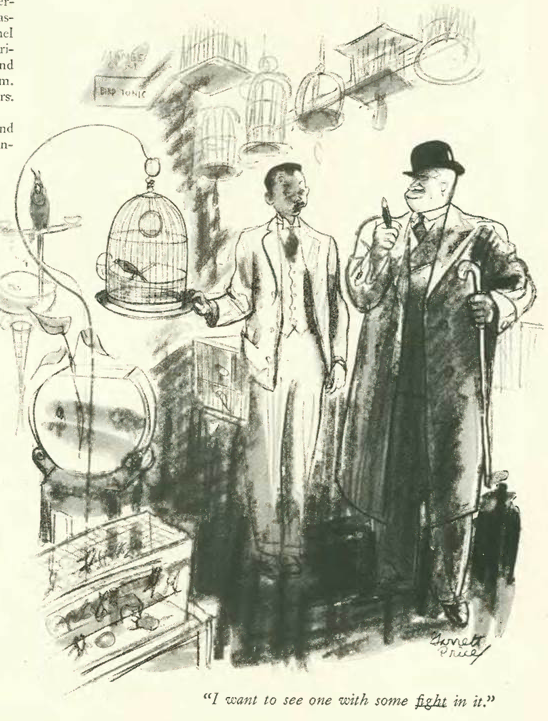
…on to our cartoons, Garrett Price introduced us to a man with a peculiar taste in pet canaries…

Barbara Shermund illustrated the startling views afforded by rail travel…

…and Peter Arno leaves us in a moment of religious ecstasy…
Next Time: Risky Business…

Will It Play In Peoria?

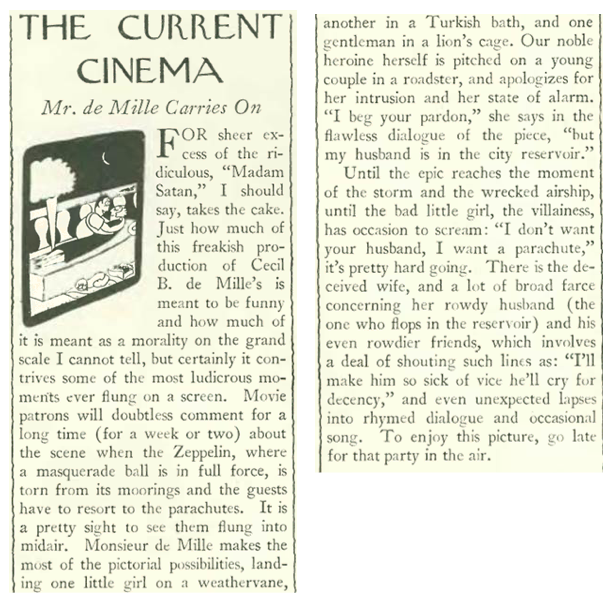
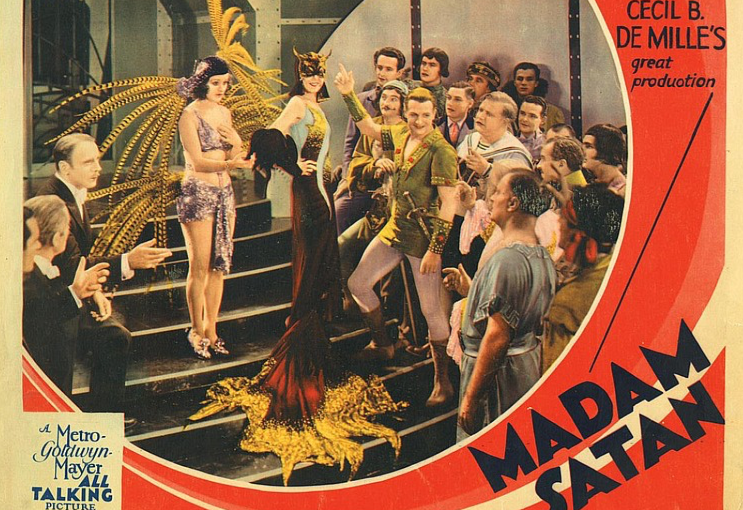
Cecil B. DeMille was known for his epic films (e.g. The Ten Commandments, 1923 and 1956) and cinematic showmanship, but in 1930 he puzzled his audiences with a very weird pre-Code musical, Madam Satan.

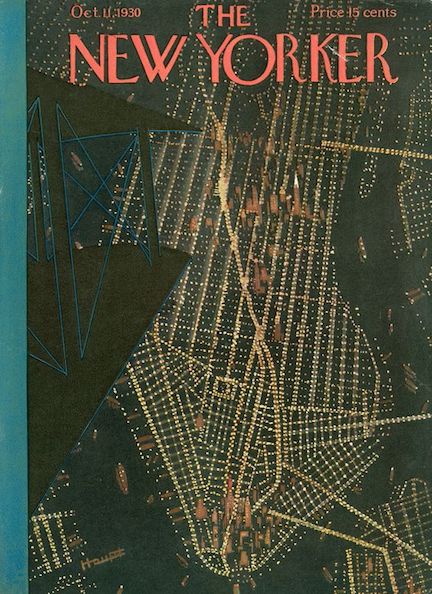
Oct. 11, 1930 cover by Theodore Haupt.

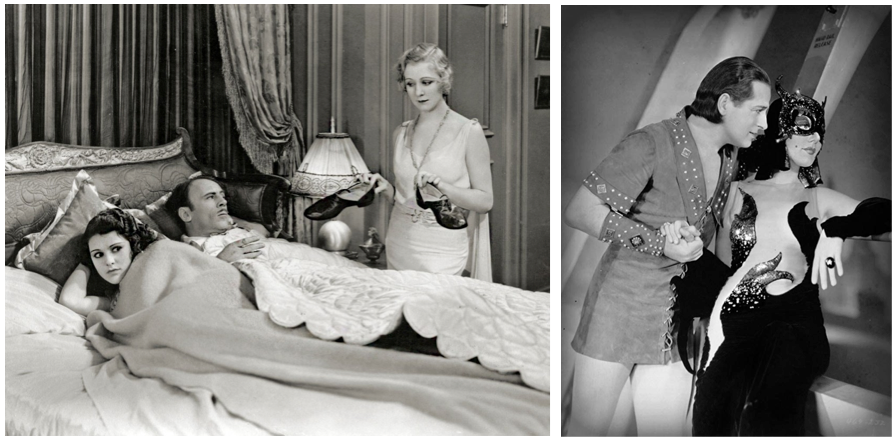
The film centered on a wealthy couple, Angela and Bob Brooks (played by Kay Johnson and Reginald Denny). Bob is unfaithful to his wife (a common pre-Code theme), and she attempts to lure him back by disguising herself as a mysterious devil woman at a masquerade ball held aboard a dirigible. Quite a plot indeed. Here’s what The New Yorker’s John Mosher had to say about it.

(IMDB)

PAJAMA GAMES…Lillian Roth, Roland Young, and Kay Johnson in Madam Satan. At right, Reginald Denny falls for the charms of his wife (Kay Johnson), disguised as a devil woman at a masked ball held aboard a giant dirigible. (IMDB/cecilbdemille.com)
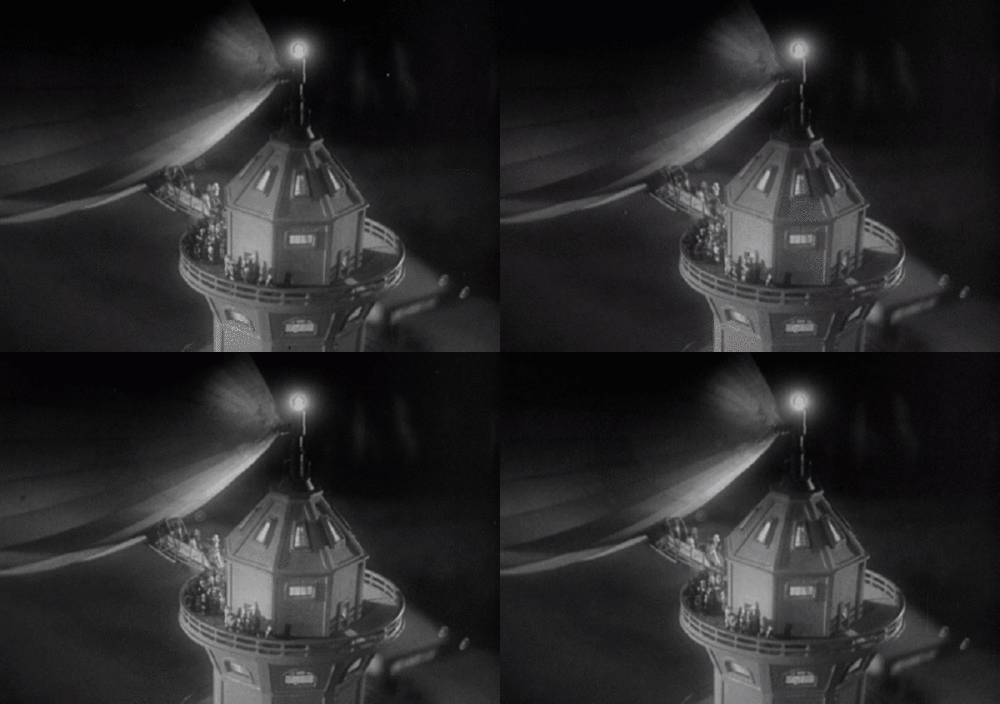
AIRHEADS…Via a giant mooring mast, partygoers board a dirigible for the masquerade ball in Madam Satan. Curiously, developers of the Empire State Building (which was under construction) envisioned a similar use for the mast that would top out their tower. In reality, winds that whipped around high towers would have prevented this type of boarding. (twitter.com)
SOMEONE CALL THE FAA…At right, the lavish masquerade ball aboard a giant dirigible in Madam Satan. At right, the dirigible is damaged by lightning in a scene that foreshadowed the Hindenberg disaster of 1937. (cecilbdemille.com/precode.com)
SEEMS PLAUSIBLE…In a silly ending to a silly film, partygoers float on parachutes away from the damaged dirigible. (twitter.com)

*  *  *

Let Them Eat Cake

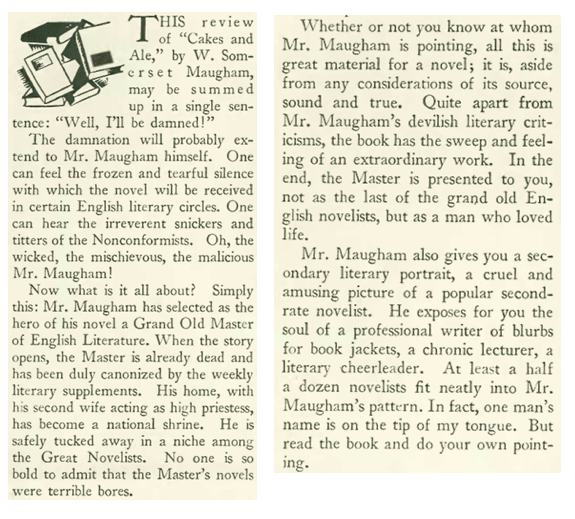
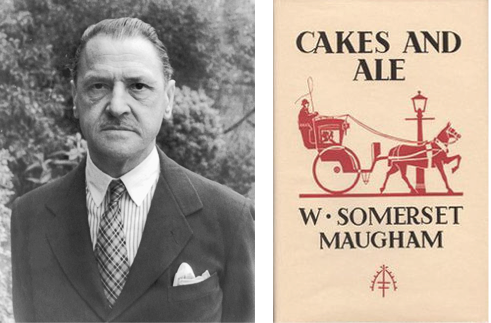
Somerset Maugham regarded his comic novel, Cakes and Ale, to be his favorite. The book took aim at snobs as well as at the legacy of one overrated, late-Victorian writer—a character many believe was based on the recently departed Thomas Hardy (Maugham denied the inspiration). The New Yorker had this to say about Cakes and Ale:

THROW HARDY INTO THE DUSTBIN…Somerset Maugham as photographed by Carl Van Vechten in 1934. (Wikipedia)

 *  *  *

He Meant What He Said

Howard Brubaker, in his “Of All Things” column, found humor in the words of a rising figure in German politics, you know who…

 *  *  *

Throw Him a Softball

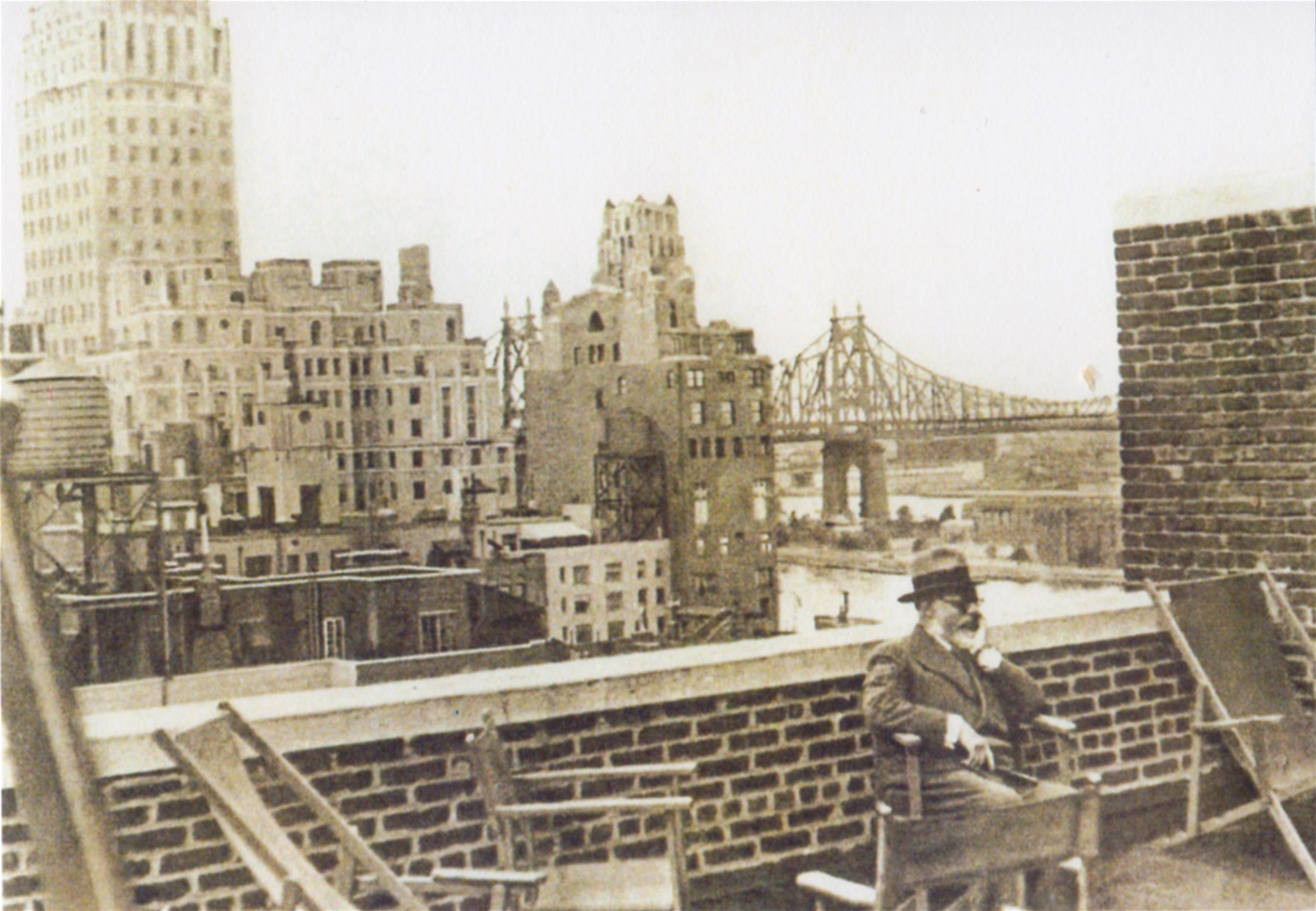
The famed French artist Henri Matisse paid a visit to New York City, and according to this account in “The Talk of Town,” seemed to be seeking some peace of mind…

AN OPPOSITE VIEW…Henri Matisse struck a thoughtful pose atop a Manhattan apartment at 10 Mitchell Place in 1930. The Queensboro Bridge can be glimpsed in the background. (ephemeralnewyork.wordpress.com)

 *  *  *

Still Barred From the Bar

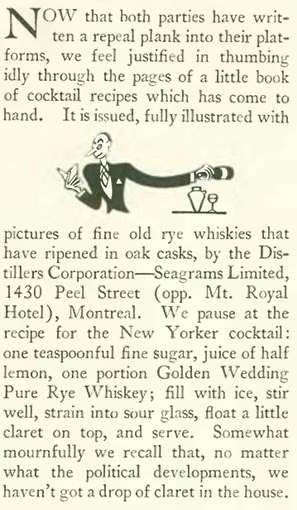
We are still about three years away from the official repeal of the 18th Amendment, but as we know the partying continued in houses and speakeasies across the great city. E.B. White, in his “Notes and Comment,” wistfully recalled the days when good booze was legal:

White did find some cheer in the pro-wet platforms of the two major parties…

A GIMLET IN EVERY POT…The major political parties in 1932’s U.S. presidential race were represented by incumbent Herbert Hoover (Republican) and Franklin D. Roosevelt (Democratic). Both favored repeal of the 18th Amendment. Pictured at the center, a New Yorker cocktail, the object of E.B. White’s longing. (Wikipedia)

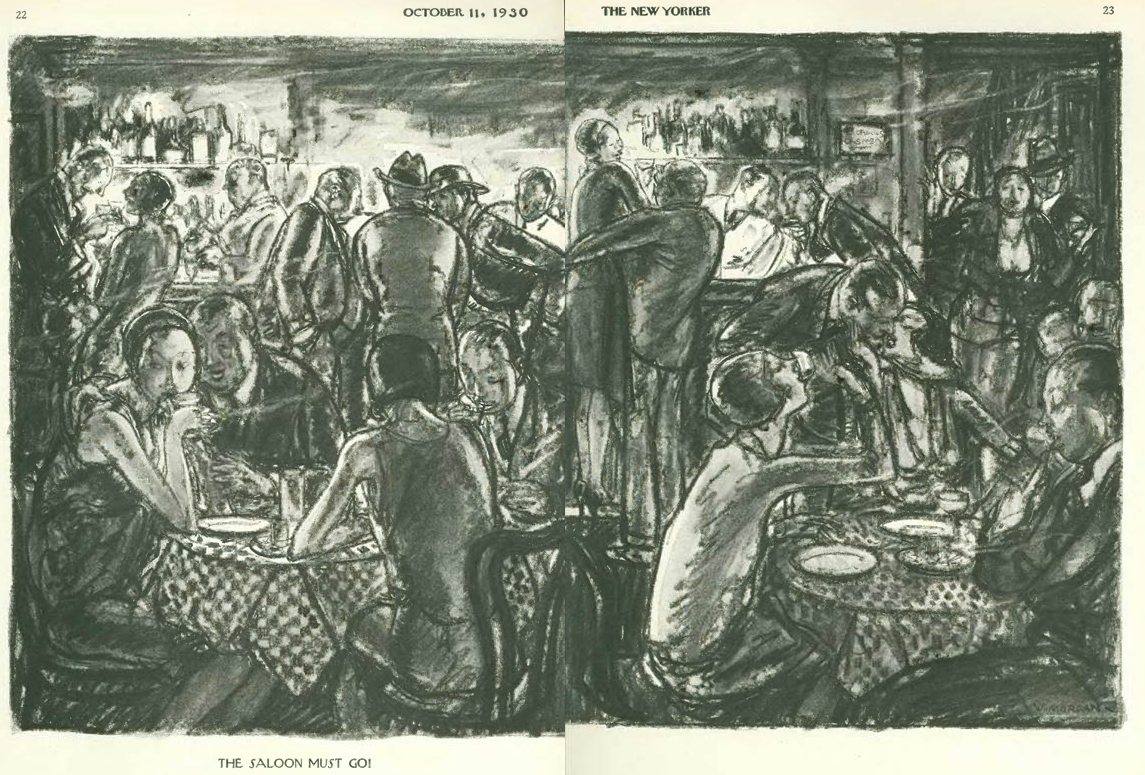
And while we are on the subject, we have this Wallace Morgan illustration of a lively speakeasy with the ironic caption, “The Saloon Must Go!” — referencing an old Anti-Saloon League Slogan.

You didn’t have to go to a speakeasy if you wanted a glass of wine. During Prohibition American winemakers found a lucrative loophole by selling perfectly legal concentrated grape juice (called “wine bricks”) to home brewers and bootleggers alike.

According to an article in the Smithsonian, winemakers marked the wine bricks with warnings that they were “for non-alcoholic consumption only.” However, the package would also bear a note explaining how to dissolve the brick in a gallon of water, and yet another “warning” instructing the buyer not to leave the jug in a cool cupboard for 21 days, lest it turn into wine.

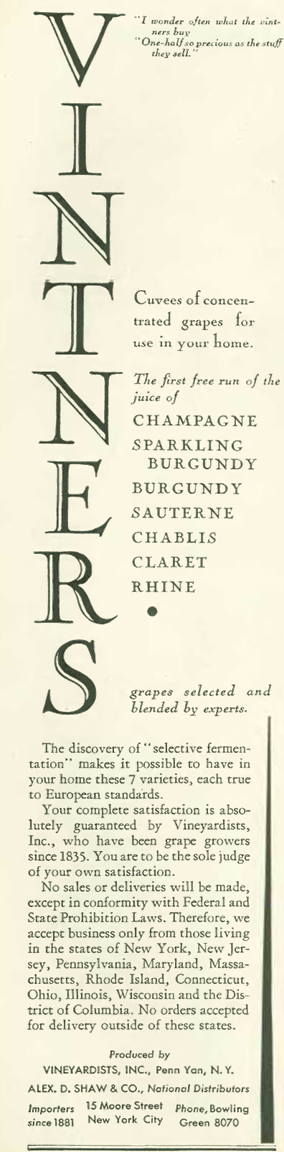
Here’s an ad in the Oct. 11, 1930 New Yorker that not-so-subtly offered a selection of varietals…

Here’s what a wine brick looked like:

A wine brick from San Francisco’s Vino Sano company. The label reads: “Each Brick dissolve in one gallon of water. To prevent fermentation, add 1-10% Benzoate of Soda.” Yeah right. (vinepair.com)

 *  *  *

From Our Advertisers

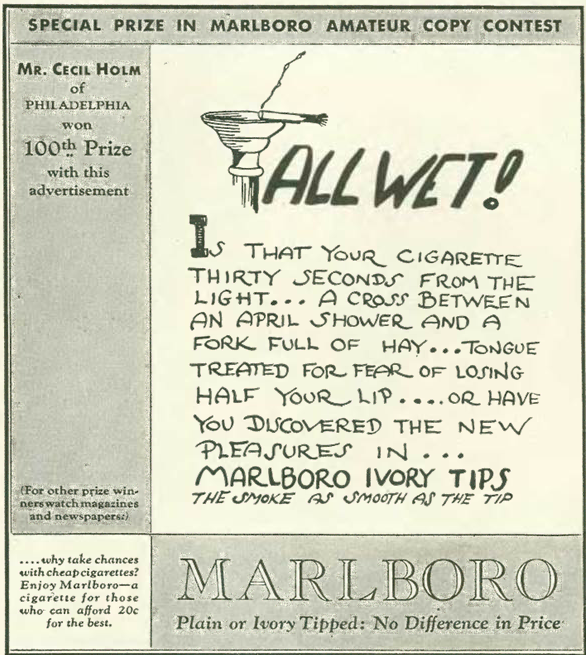
No doubt Prohibition caused more than a few people to take up smoking. Women adopted the habit in droves during the Roaring Twenties, and by the Depression it seemed everyone was lighting up. Advertisers explored various ways to market cigarettes, and long before the Marlboro Man made the scene, that brand pushed its product through a series of dopey handwriting and essay contests,,,

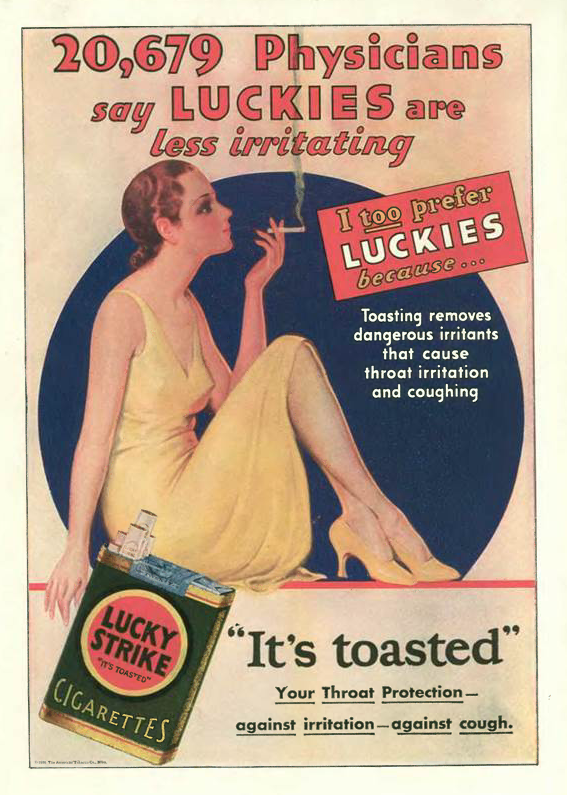
…the makers of Luckies used a combination of sex and bogus health claims to sell their products…

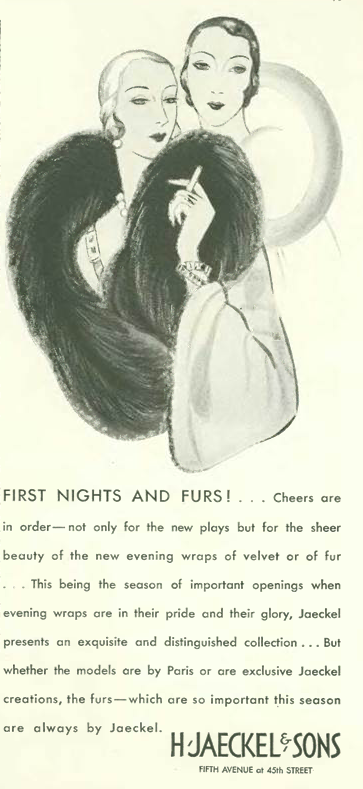
…cigarettes were not confined to ads by tobacco companies; here they are accessories to fine furs…

…even The New Yorker’s spot illustrations (this by Frank McIntosh) featured smokers…

…as did cartoons, such as this one by Barbara Shermund in the Oct. 4 issue…

…and we have one more ad, this one from Chrysler, which acknowledged the new world of the Great Depression, but only through use of careful euphemisms (The New Yorker editorial side practiced much of the same)…

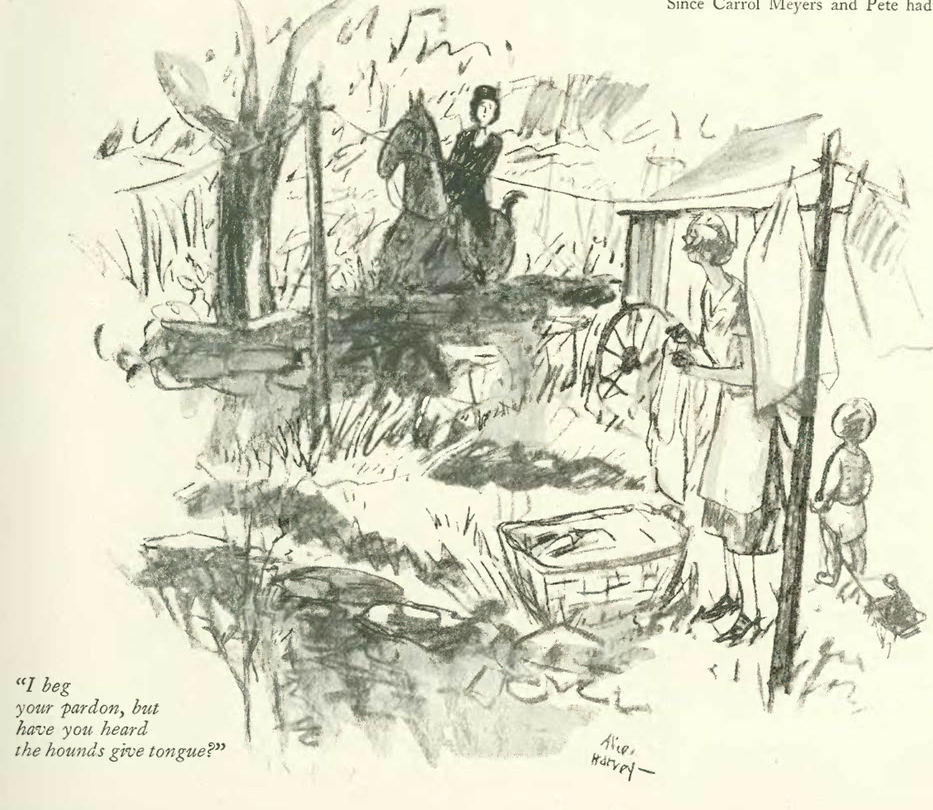
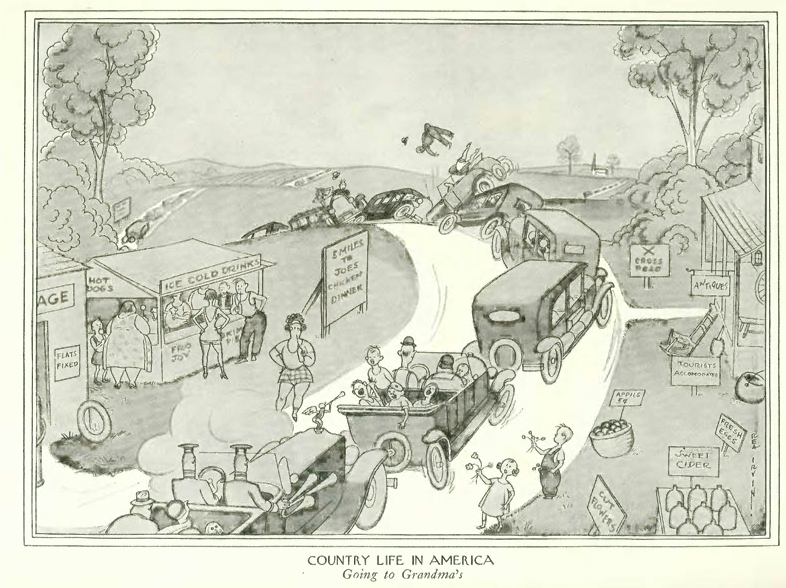
…on to our cartoons, beginning with an exploration of city vs. country life, by Alice Harvey

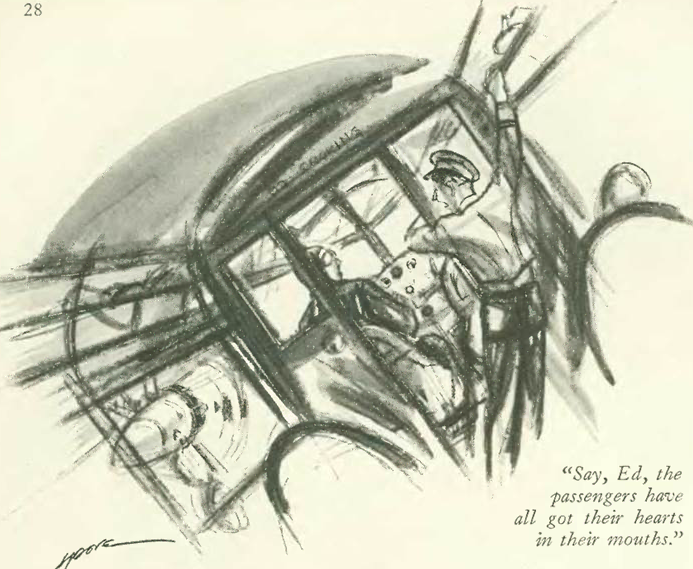
…a depiction of what commuter flying was actually like in 1930, thanks to Leonard Dove

…a glimpse at modern parenting, with Helen Hokinson

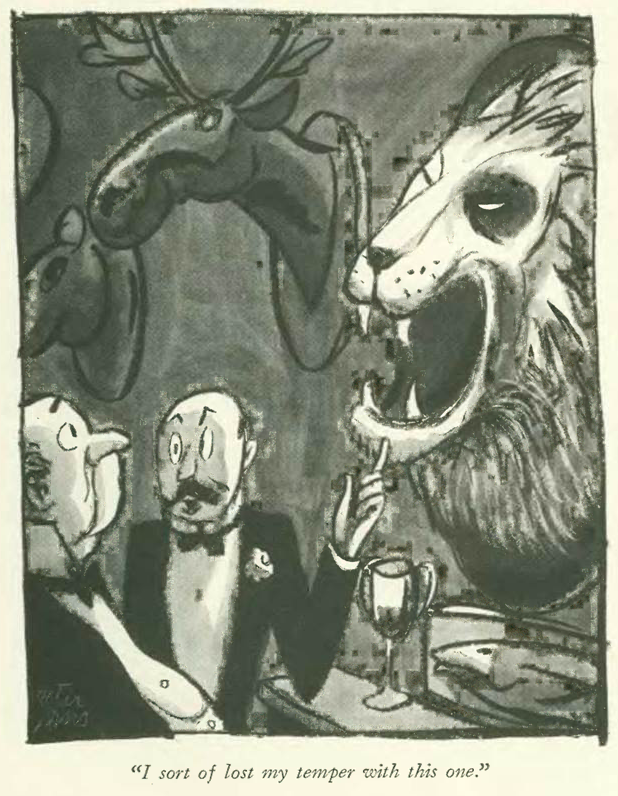
…humor in a gentleman’s drawing room, courtesy Peter Arno

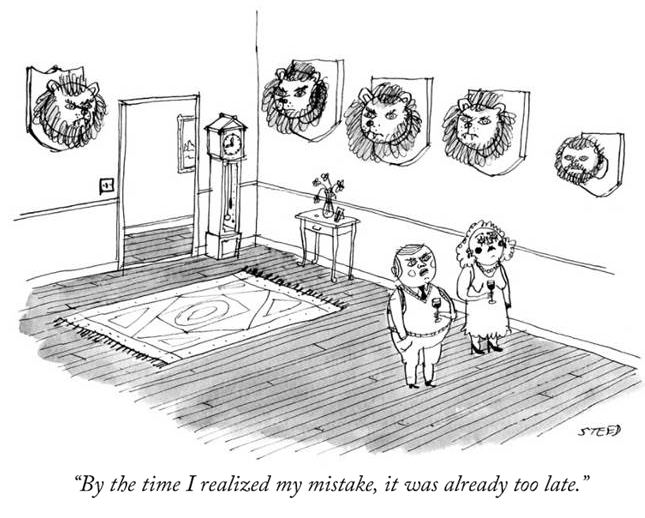
…and 89 years later, a hilarious update on the subject by Edward Steed in the Sept. 9, 2019 issue…

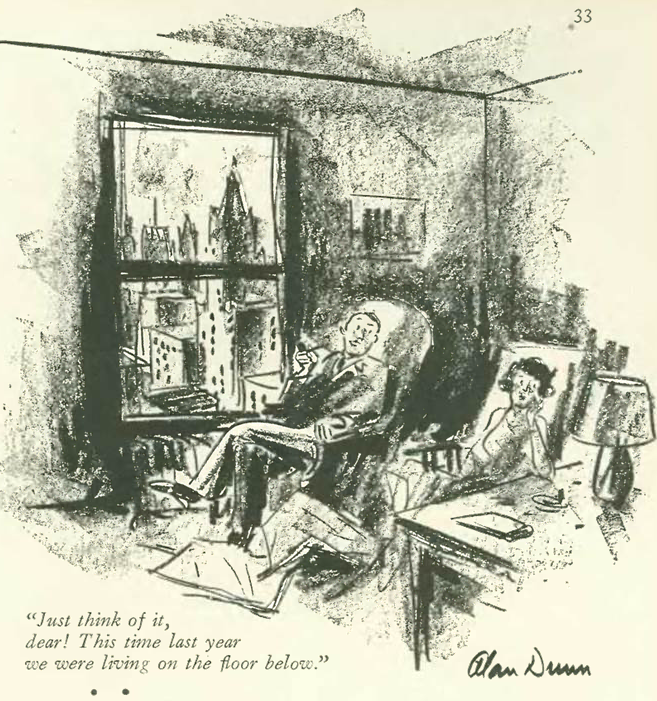
…and finally, the joys of urban life brought to us by Alan Dunn

Next Time: Ghosts of Gotham…

Leatherheads

One thing you won’t see in today’s New Yorker magazine is extensive coverage of college football (more likely you’ll see an indictment of the game). In the magazine’s first years, however, that sport was enthusiastically embraced.

Oct. 4, 1930 cover by Rea Irvin.

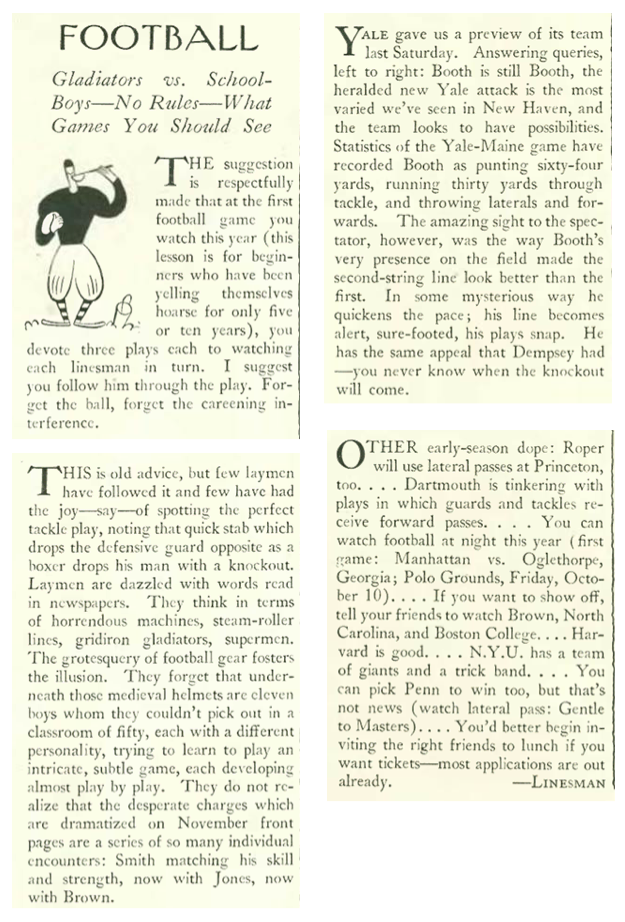
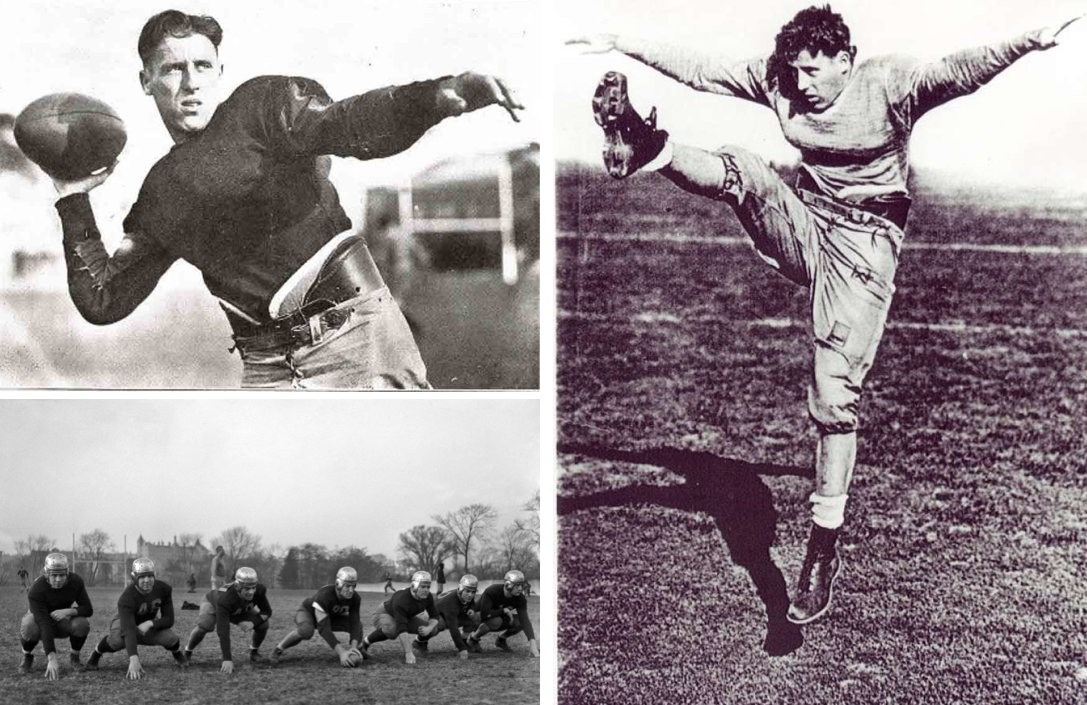
A writer identified by the alias “Linesman” assessed the early season’s prospects, and noted the return of Yale’s Albie Booth (1908–1959) to the field. Booth became famous during the previous season for his spectacular play against Army: Booth led Yale to an upset victory by scoring all of the team’s points (two rushing touchdowns, a 65-yard punt return for a touchdown, and three extra point kicks). Newsreels featuring the game sported the caption, “Booth 21, Army 13.”

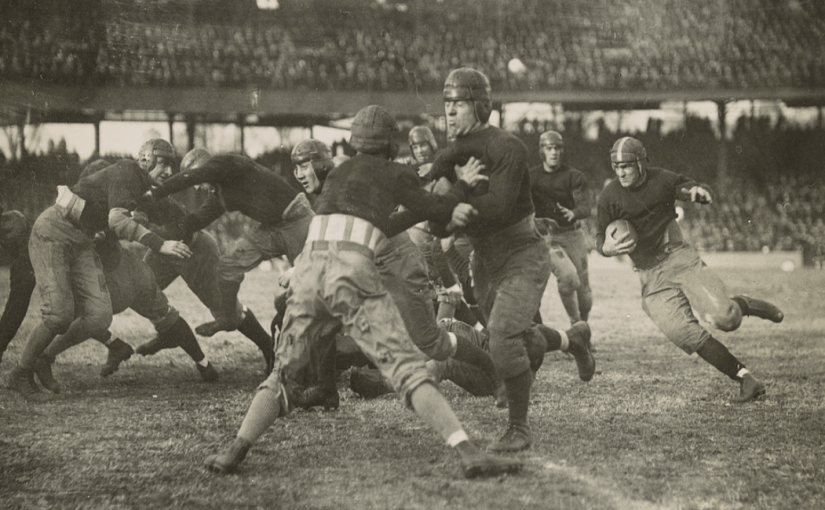
GOOD THINGS COME IN SMALL PACKAGES…Top and left, only 5 feet 6 inches tall and 144 pounds, Albie Booth nevertheless could do it all on offense – running, passing, kicking. He was elected to the College Football Hall of Fame in 1966. Bottom, left, Fordham’s famed “Seven Blocks of Granite,” in 1936. In the days before he became a legendary coach, Vince Lombardi  served as one of those seven blocks (he is third from the left). (footballfoundation.org/yaledailynews.com/Associated Press)

 *  *  *

Foul Ball

While The New Yorker geared up to cover the college football season (as well as everything from Badminton to yacht racing), it continued to ignore professional baseball, mentioning its existence only in passing, such as this observation shared by Howard Brubaker in “Of All Things”…

Footnote: Simeon Fess (1861-1936) was a Republican Senator from Ohio known as an apologist for a very unpopular Republican Party.

  *  *  *

Not For The Kiddies

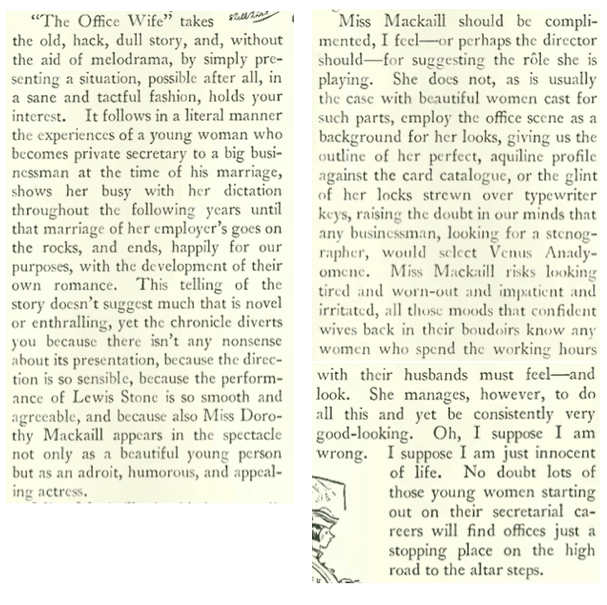
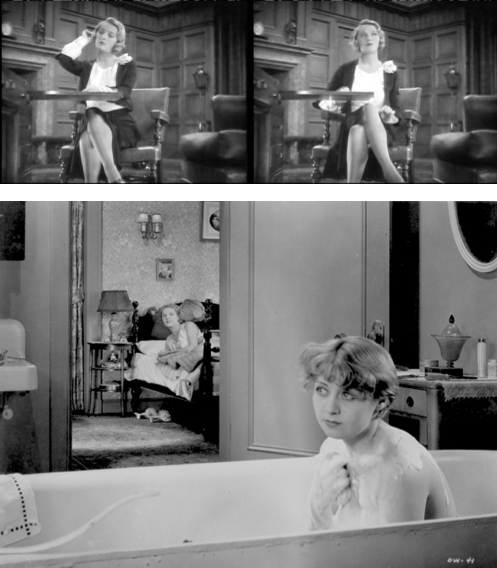
The Office Wife was a romantic drama featuring such “pre-Code” themes as infidelity and workplace hanky-panky. The film was the talking picture debut of Joan Blondell, who would become a big star in the 1930s and enjoy a long career that would include numerous appearances on television through the 1970s. Here are excerpts from John Mosher’s review of the film:

SHE TALKS! SHE BATHES! At top, Anne Murdock (Dorothy Mackaill) practices her charms in The Office Wife. Below, Anne’s younger sister Katherine (Joan Blondell) has a soak in the tub. It would be Blondell’s talking picture debut. (11east14thstreet.com/classicmoviefavorites.com)
SEX SELLS…Warner Brothers played up the salacious aspects of The Office Wife to generate interest among movie theater operators. (Pinterest)

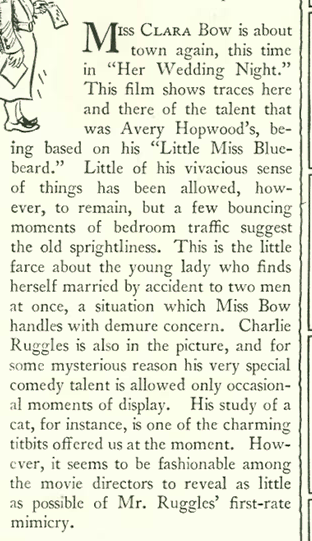
While Joan Blondell was on the verge of a meteoric rise, one of the silent era’s biggest stars and sex symbols, Clara Bow (known as the “It Girl,”) was seeing her popularity wane in the sound era. After Her Wedding Night (reviewed here by Mosher) she would make just four more films before she would retire from the pictures at the ripe age of 28.

DOWN BUT NOT OUT…From left, Richard ‘Skeets’ Gallagher, Ralph Forbes and Clara Bow observe the hijinks of Charles Ruggles in 1930’s Her Wedding Night. Bow’s enormous popularity would quickly wane in the era of talking pictures. (IMDB)

*   *   *

Twin Peaks

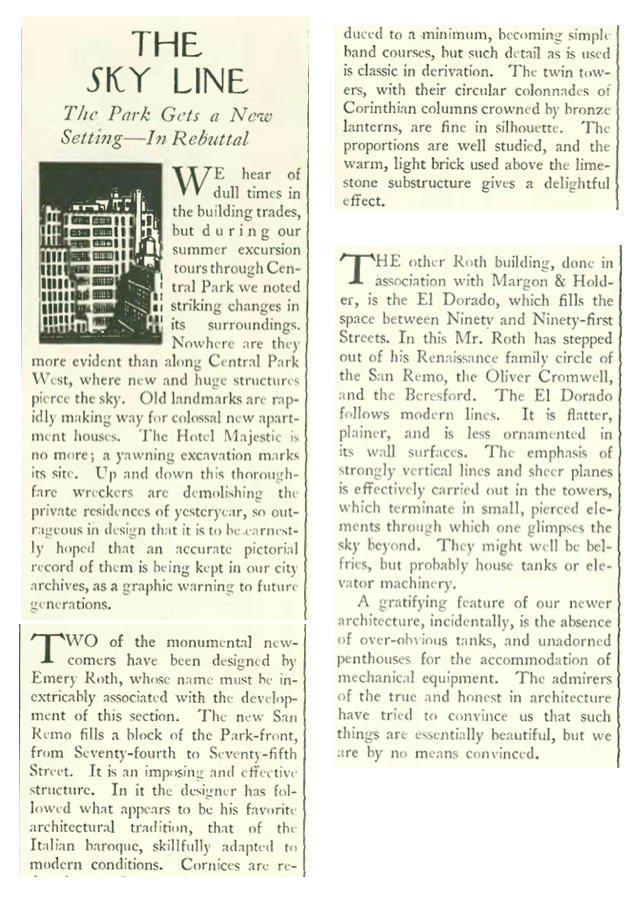
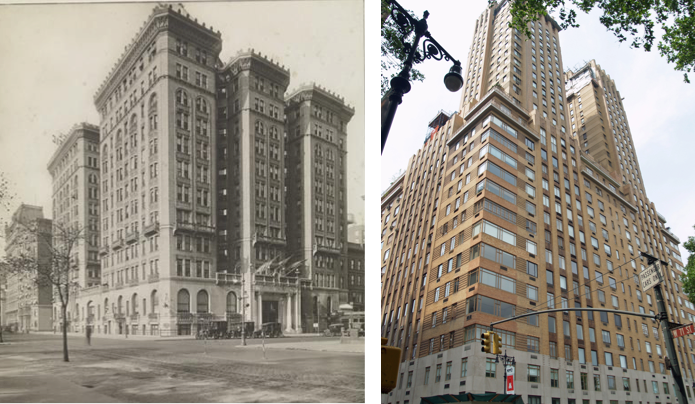
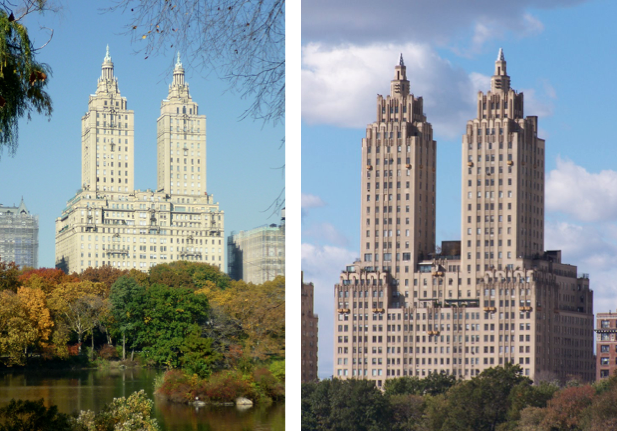
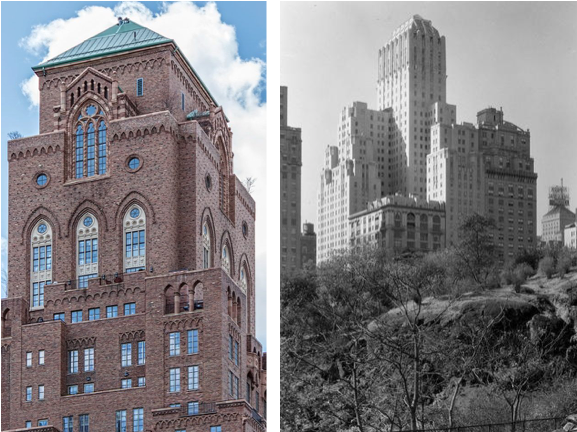
Architecture critic George Chappell chronicled the latest changes to the skyline surrounding Central Park, most notably Emery Roth’s landmark San Remo and El Dorado.

THIS TOWN AIN’T BIG ENOUGH FOR THE TWO OF US…New York’s original Hotel Majestic (left) stood for just 35 years before it was razed to make way for its bigger Art Deco successor, at right. (Pinterest/Wikipedia)
FRATERNAL TWINS…Architect Emery Roth designed both the San Remo at 145 Central Park West (left) and the El Dorado at 300 Central Park West. (Wikipedia/mapio.net)

 *  *  *

From Our Advertisers

“Cultural hotels” of the 1920s and 30s catered to college students as well as young professionals engaged in music or the visual arts. Two of these hotels shared the Barbizon name, and one in particular on East 63rd Street served as a combination charm school and dorm for young women who wanted a safe New York retreat while they pursued school or professional opportunities. For decades it would be home to many celebrities including Candice Bergen, Joan Crawford, Cybill Shepherd, Joan Didion, and Grace Kelly…

CULTURAL SIBLINGS…Opened in 1927, The Barbizon at 140 East 63rd Street (left) served for many decades as a female-only residential hotel, housing many celebrities before they became famous including Candice Bergen, Joan Crawford, Cybill Shepherd, Joan Didion, and Grace Kelly. At right, the Barbizon-Plaza, which opened in May 1930, was noted as the first music-art residence center in the U.S. (newyorkitecture.com/Museum of the City of New York)

…of course not everyone could afford the excitement of life among the rich and famous…some had to settle for lesser thrills…

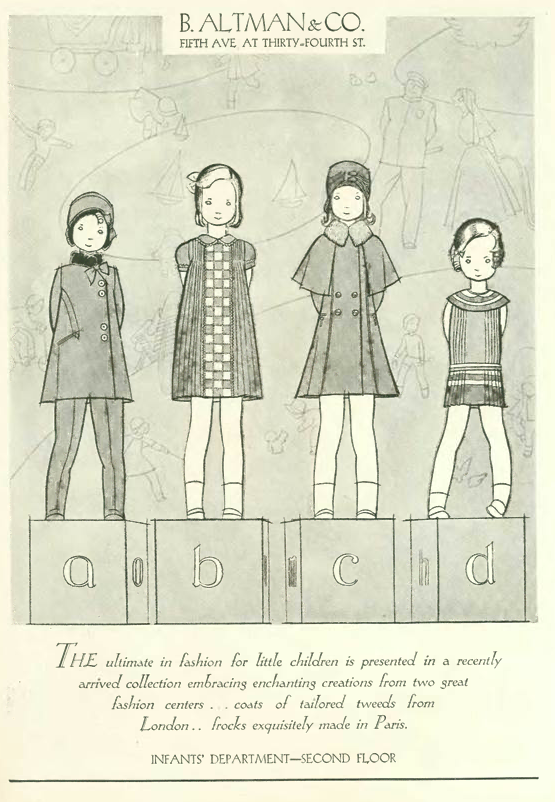
…on the other hand, these posh tots appeared to be destined for the Barbizon crowd…you can even sense that feeling of entitlement in their vacant little eyes…

…and for something completely different, another weird Flit ad, with Dr. Seuss

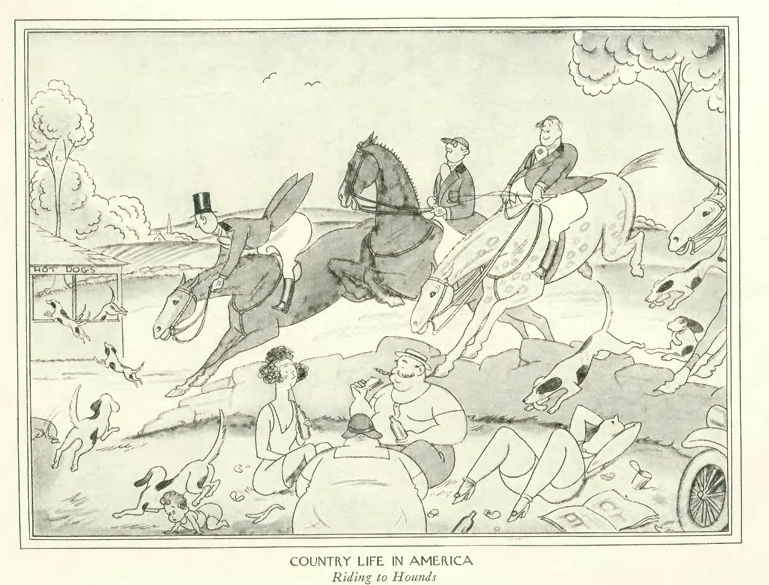
…on to our cartoons, another day in the country with Rea Irvin

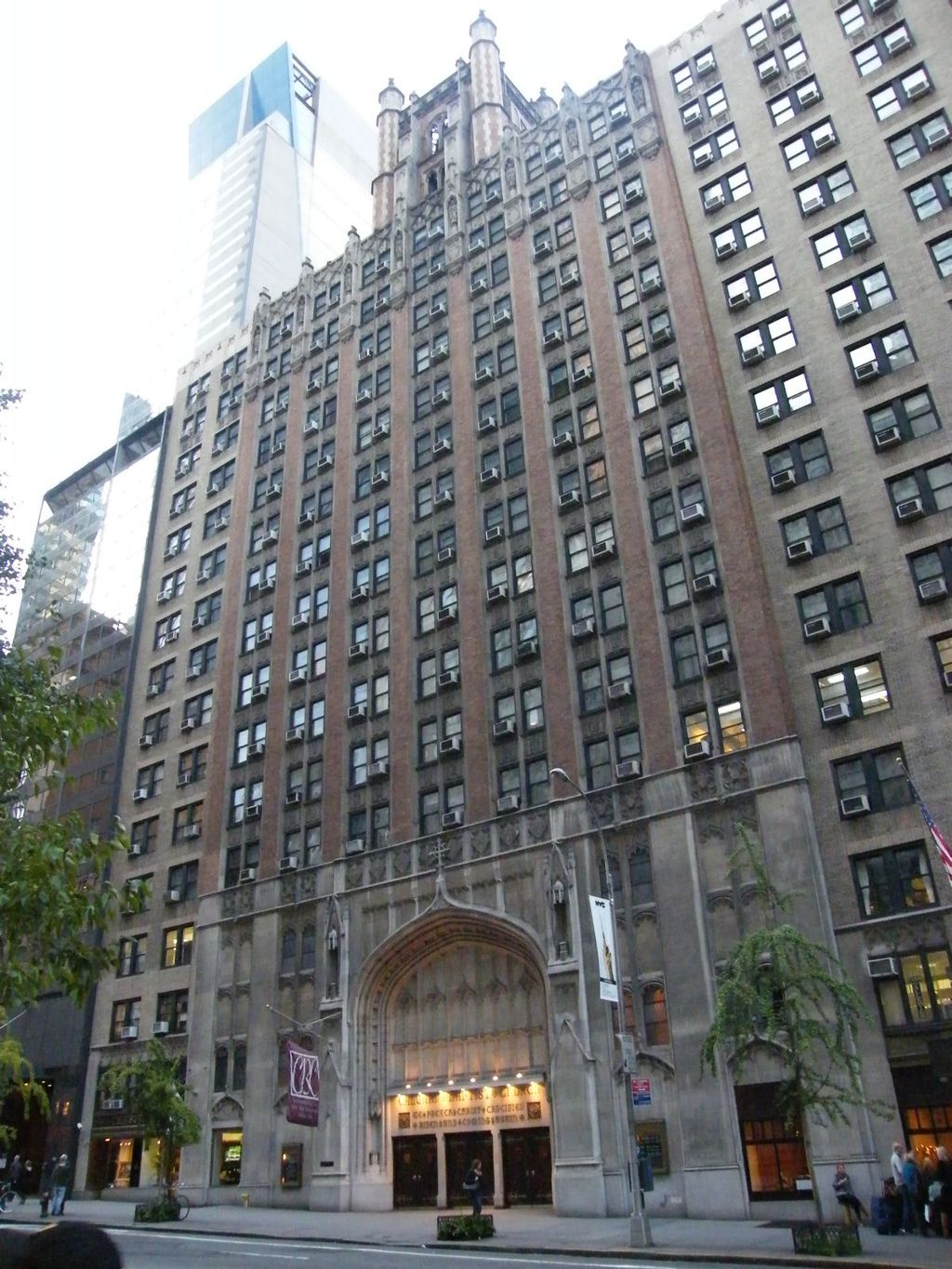
Alan Dunn found a young couple living above one of the city’s “skyscraper churches,” the result of valuable Manhattan church property being developed into a combinations of churches and hi-rise apartments…

…an example of a “skyscraper church” is Calvary Baptist Church at 123 West 57th…

(Wikipedia)

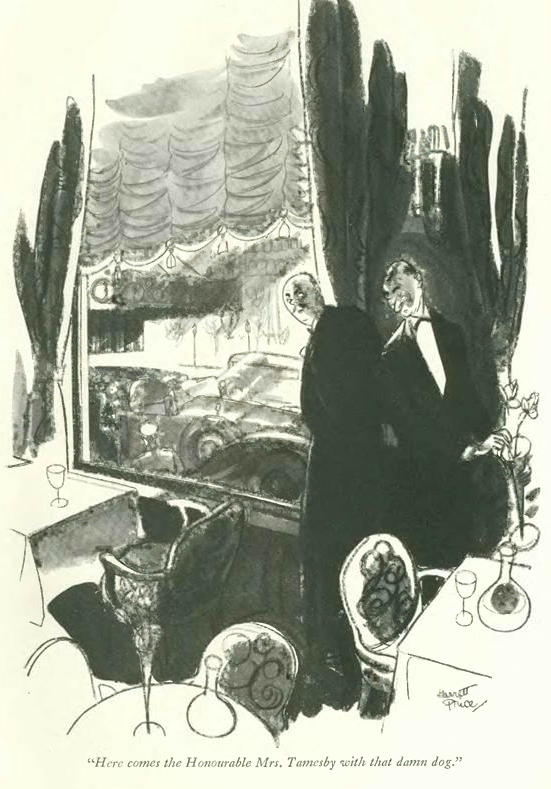
…closer to the street, we have a couple of high society waiters with low opinions of man’s best friend, courtesy Garrett Price

Barbara Shermund looked in on some gossip (paying special attention to the smoking habits of the smart set)…

…and we end with Robert Love’s sole contribution to The New Yorker

Next Time: Will It Play In Peoria?…

Lights, Camera, Action

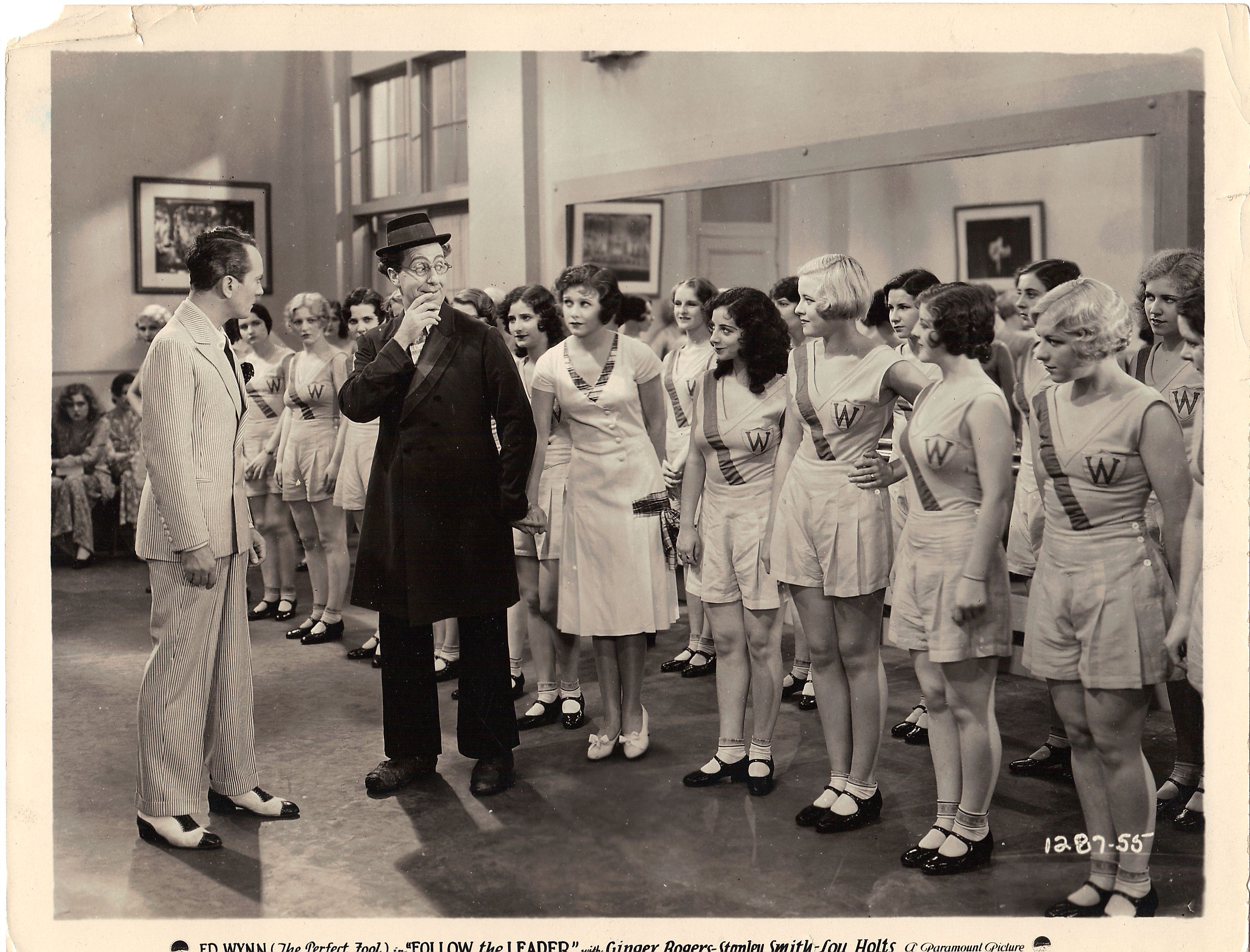
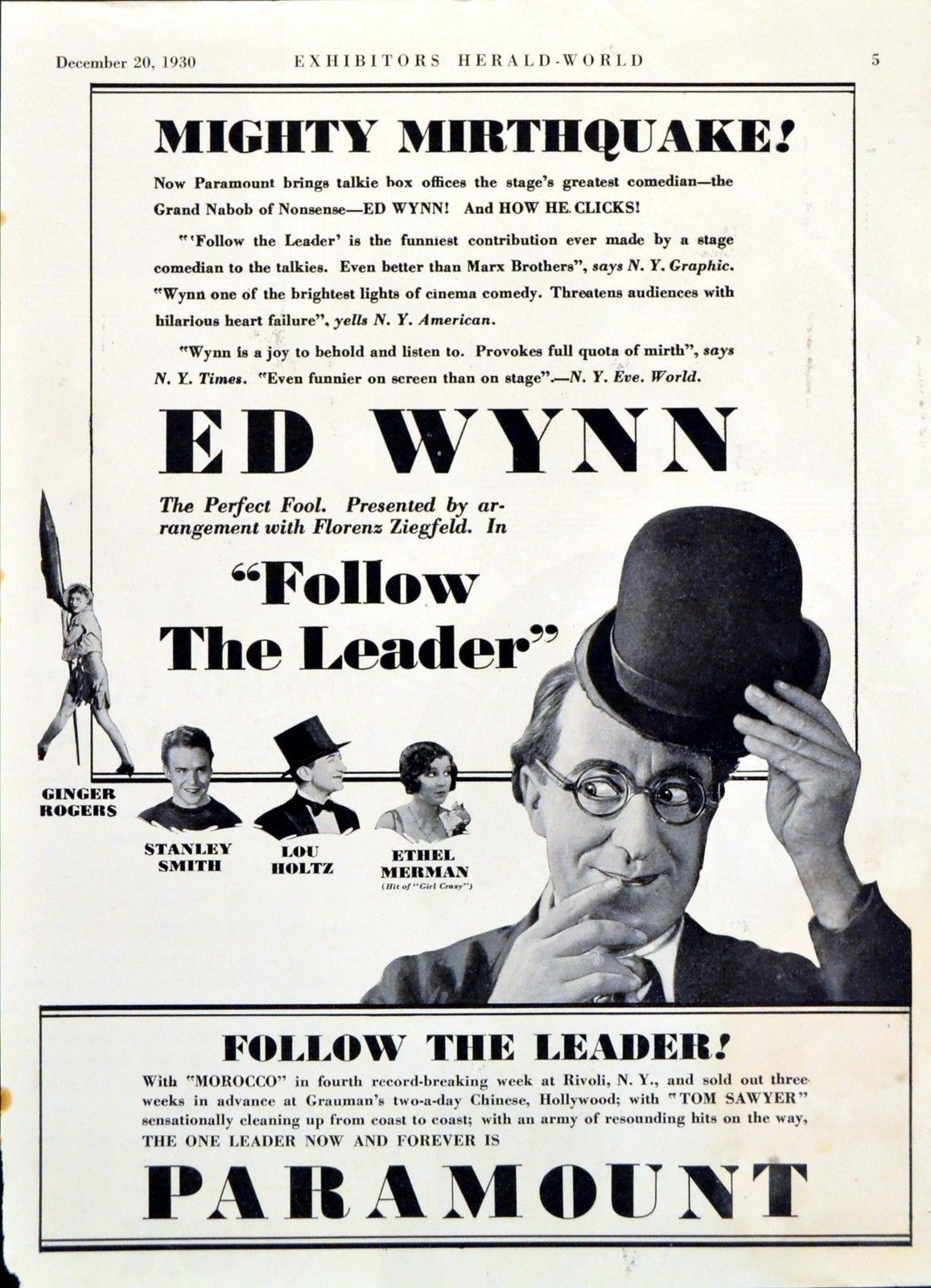
Comedian Ed Wynn began his long acting career on a vaudeville stage in 1903, and beginning in 1914 his giggly voice would delight Broadway crowds flocking to the Ziegfeld Follies. So when he stepped in front of a movie camera for a talking picture, it was something of a sensation.

September 27, 1930 cover by Sue Williams.

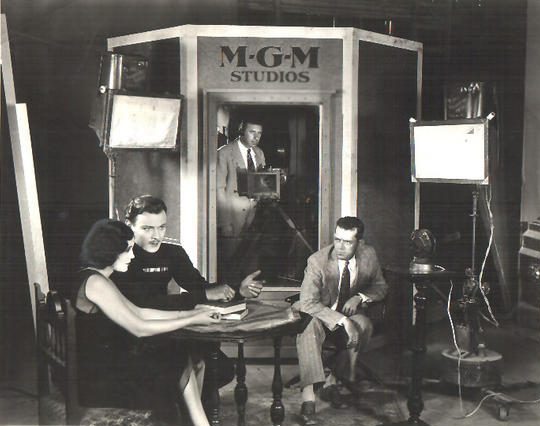
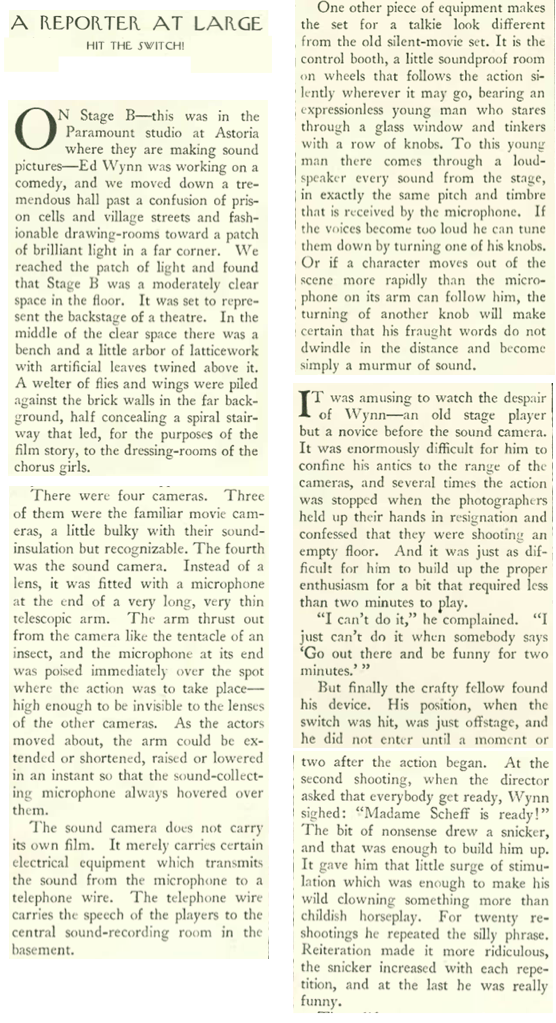
It was not an easy transition for the stage veteran. As you can see from Morris Markey’s account below in “A Reporter at Large,” the early talkies presented all manner of challenges and restrictions for stage actors accustomed to a bit more freedom of movement and expression.

SCANDALOUS BUNCH…Ed Wynn (in hat) portrayed a character he developed on Broadway — “Crickets” — in his film debut Follow the Leader. At left is actor Stanley Smith, and at center, holding Wynn’s hand, is a brunette Ginger Rogers, with chorus girls from George White’s Scandals. (IMDB)

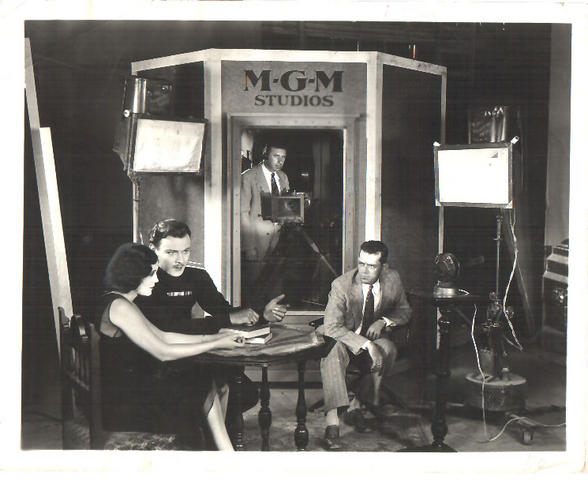
PAY NO ATTENTION TO THE MAN BEHIND THE WINDOW…Noisy cameras were enclosed in soundproof boxes in the early days of the talkies. Above, Woody Van Dyke directs Raquel Torres and Nils Asther in 1930’s The Sea Bat. (nilsasther.blogspot.com)
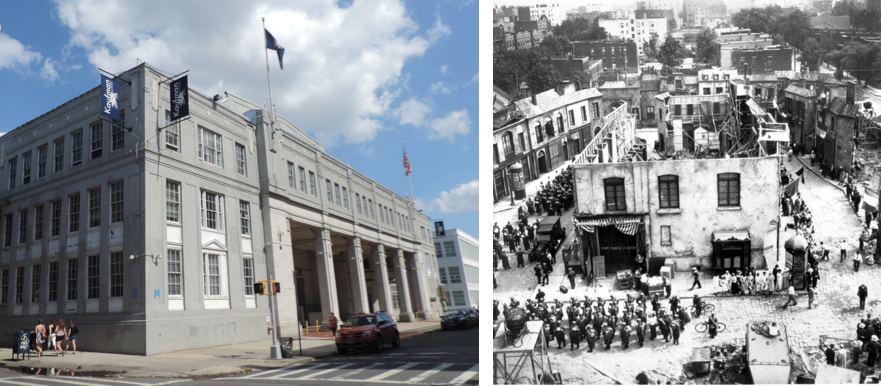
TINSELTOWN IN QUEENS…For his article, Morris Markey visited the set of Follow the Leader at Astoria Studios in Queens. The original studio building, at 35th Avenue, is on the National Register of Historic Places. Although Paramount moved its movie operations to Hollywood in the early 1930s, the studio continued to be used for both film and television productions. At right, a bit of Paris was erected in the midst of Queens for the filming of 1929’s The Gay Lady. (Wikipedia/Kaufman Astoria Studios)
FILM DEBUT…A December 1930 magazine advertisement touting Ed Wynn’s first motion picture. (IMBD)

 *  *  *

False Modesty?

In Morris Markey’s second installment of his profile on Charles Lindbergh, Markey suggested that Lindbergh’s aversion to publicity might be a pose…

NO WI-FI, BUT YOU COULD SMOKE…Top, the posh set take wing with TWA circa 1930; below, passengers prepare to board an American Airways Curtiss Condor II in 1933. (historydaily.org/Sweezey Pictures/Ken Sweezey)

…and also wondered how much credit Lindbergh could take for sparking the aviation industry, given that flying was still an activity reserved for a very few…

…Markey also noted a “lively rumor” that Lindbergh wanted to be President…

…fortunately Lindbergh did not give truth to the rumor, or fulfill the alternate history created by Philip Roth in his 2004 novel The Plot Against America

HANGIN’ WITH A BAD CROWD…Top, Charles Lindbergh accepts a ceremonial sword from Hermann Göring during a 1936 visit to Nazi Germany; below, right, Lindbergh in Germany, 1937. Philip Roth’s novel imagined Lindbergh’s election to the Presidency in 1940 and its chilling results. (Reddit/The New Yorker/Goodreads)

 *  *  *

Bad Moon Rising

In 1930 few, if anyone, were aware of Lindbergh’s proclivities toward nationalism and antisemitism. And lacking a crystal ball, Markey’s New Yorker colleague, Howard Brubaker, had little reason to be alarmed by the federal elections in Germany, which gave the Nazis the second largest number of seats in the Reichstag. In his “Of All Things” column, Brubaker quipped:

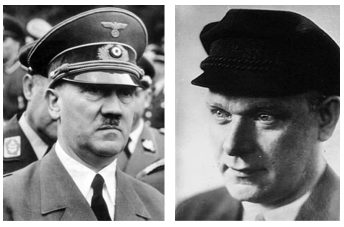
INCOMPATIBLE…As Howard Brubaker noted in “Of All Things,” the fascists led by Adolf Hitler, left, and the communists led by Ernst Thälmann (right) made big gains in the 1930 German elections. After gaining power in 1933, Hitler would arrest Thälmann and later have him shot. (Wikipedia)

*  *  *

Gummed to Death

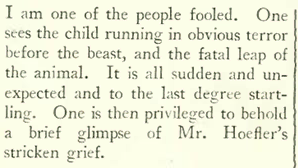
The New Yorker’s John Mosher took in the latest travelogue to exploit and misrepresent life on the African savannah. Africa Speaks included a scene depicting a fatal attack on a “native boy” by a lion —  an attack that was actually staged at a Los Angeles zoo and involved a toothless lion…

STRANGE INDEED…At left, movie poster for Africa Speaks; top right, Pygmy drummers in the film; bottom right, explorer Paul Hoefler getting closer to nature. (IMDB/Wikimedia)

*  *  *

From Our Advertisers

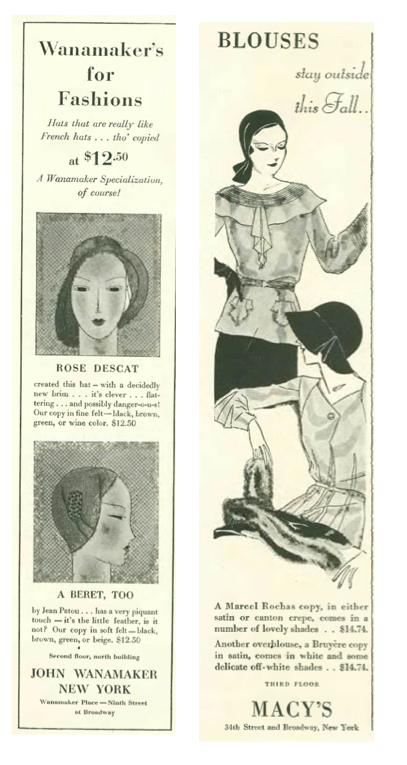
When Paris unveiled is spring and fall fashions, large department stores were always quick to respond with “copies”…

…while the higher end boutiques offered originals to “poor little rich girls”…

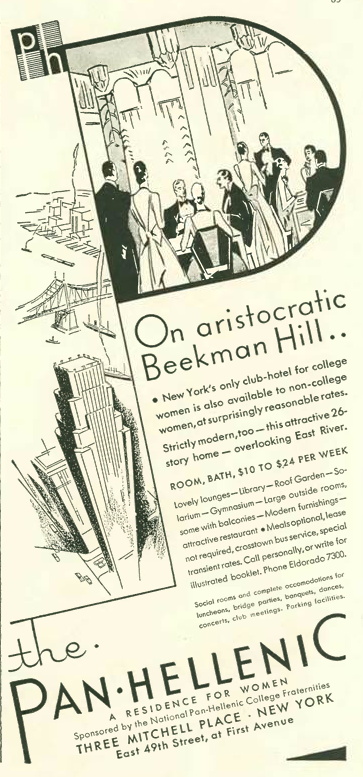
…perhaps some of these “poor little rich girls” socialized at the Panhellenic, a “club-hotel for college women”…

…and here are some views of the Panhellenic House, circa 1929…

Center, The Panhellenic House, at First Avenue and 49th Street; at left, the solarium; at right, a ballroom. (Avery Library/Museum of The City of New York)

…the makers of Old Gold cigarettes had some of the weirdest ads to push their smokes, including this one…

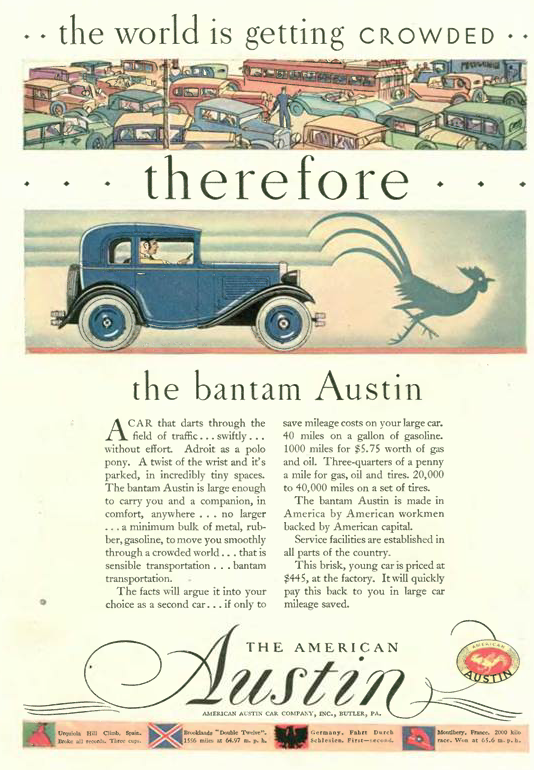
…and one wonders what the world would be like (and especially the U.S.) if car buyers would have favored a more compact version of the motorcar going forward…

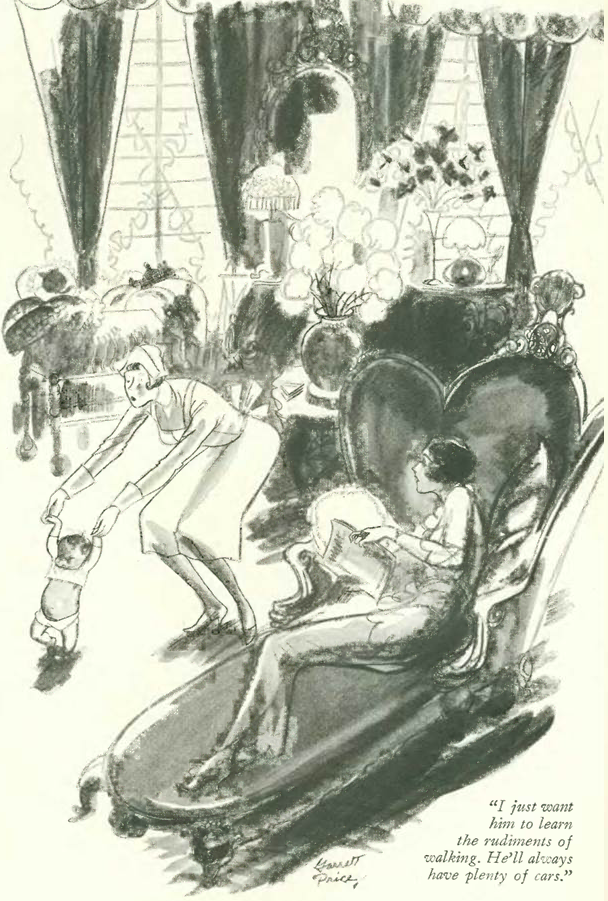
…on to our cartoons…we begin with parenting tips from the posh set, courtesy Garrett Price

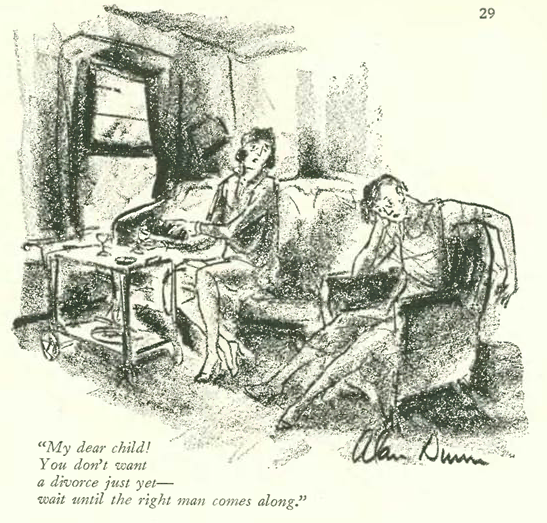
Alan Dunn explored modern matrimony…

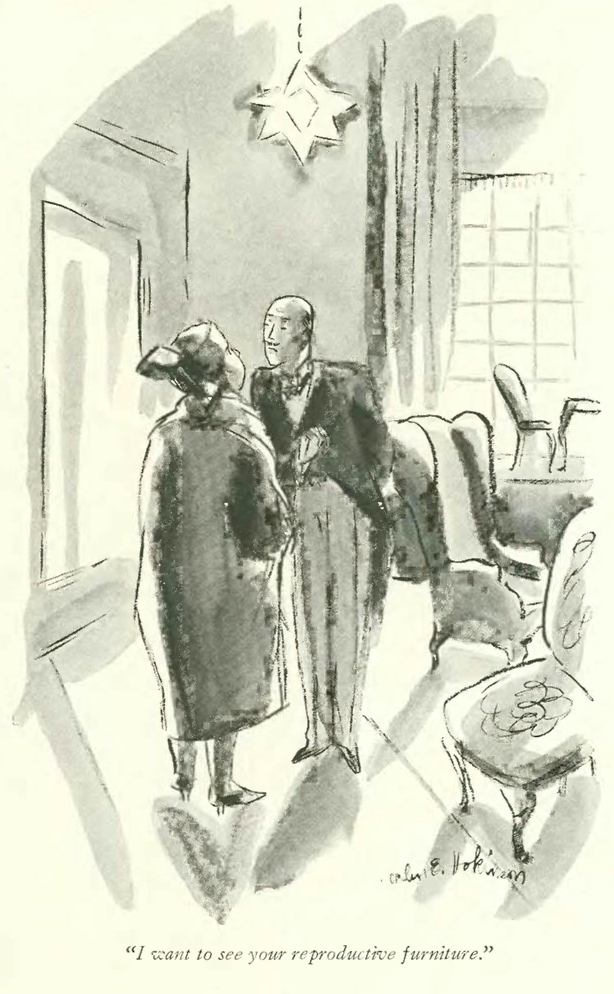
…one of Helen Hokinson’s ladies demonstrated a unique taste in furniture…

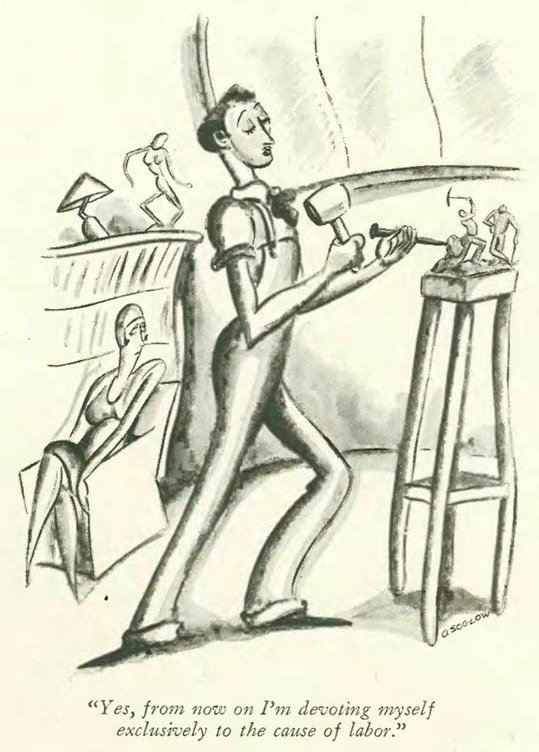
Otto Soglow continued to explore humor in a wavy fashion…

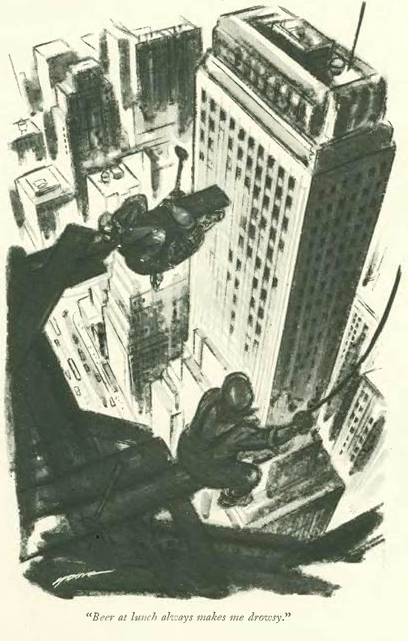
…and we close with this vertiginous view provided by Leonard Dove

Caption: “Beer at lunch always makes me drowsy.”

Next Time: Leatherheads…


The Flying Misanthrope

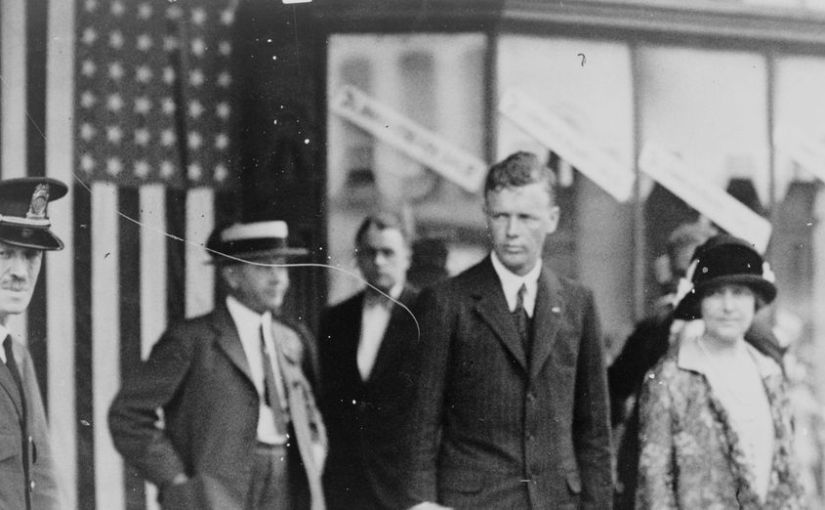
When Charles Lindbergh returned to New York after his solo, history-making transatlantic flight, he was mobbed by thousands of fans and adored by many millions more. The feeling was not mutual.

Sept. 20, 1930 cover by Theodore Haupt.

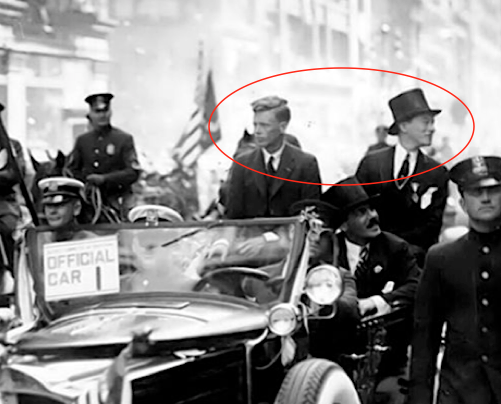
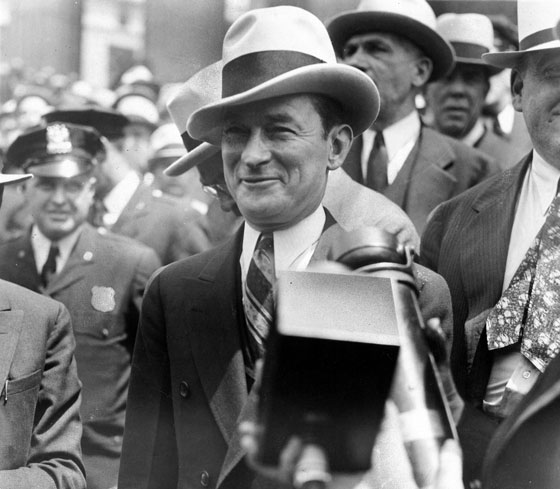
This image from his June 13, 1927 ticker-tape parade says it all, a disinterested, almost hostile-looking Lindbergh contrasted with that crowd-loving dandy, Mayor Jimmy Walker:

Detail of larger photograph. (Associated Press)

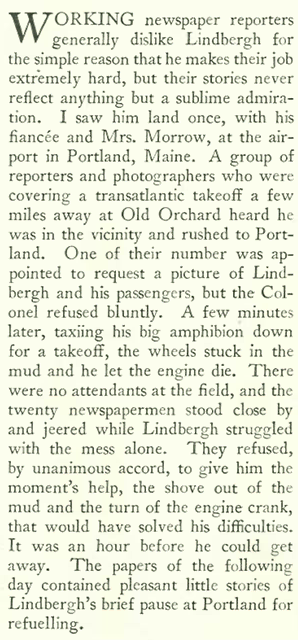
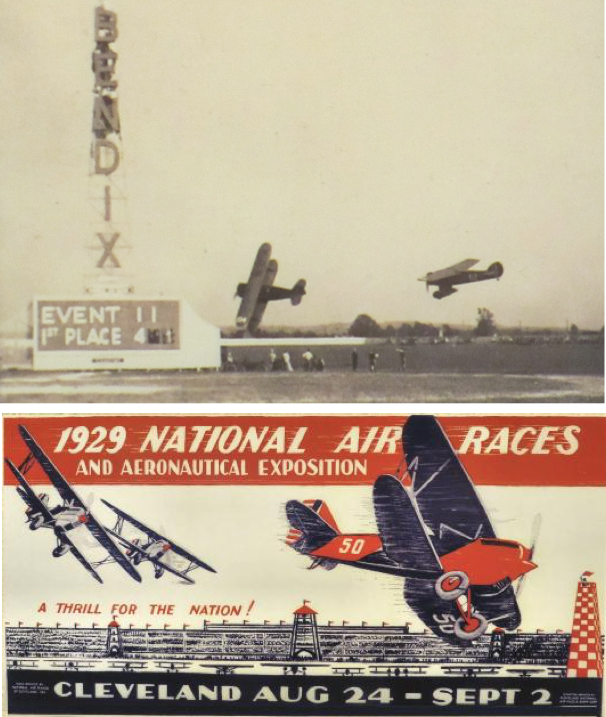
Morris Markey checked in on the famed flyboy three years later in a two-part profile for the New Yorker. Markey observed how Lindbergh had become “sucker-sour,” a phrase that described how someone could suddenly go wild “at the ceaseless procession of staring faces.” I encourage you to read the excerpt below about Lindbergh’s appearance at the 1929 Cleveland Air Races, where in a fit of temper he nearly forced a passenger plane to lose control and crash:

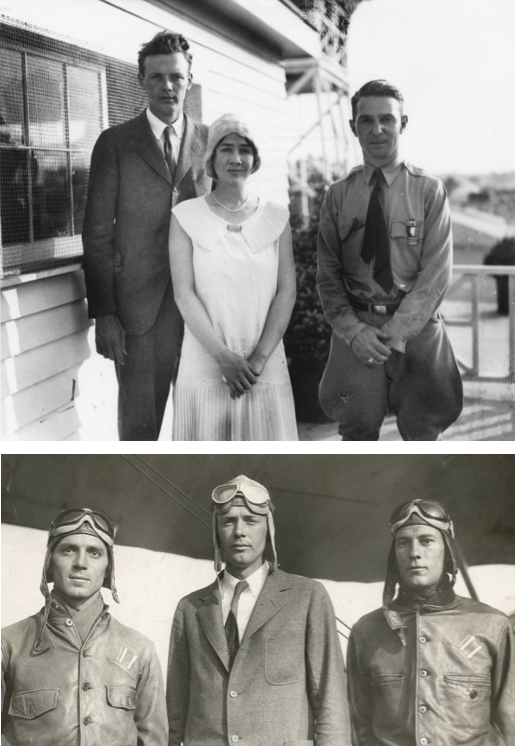
SAY CHEESE…Top photo, Charles and Anne Lindbergh pose with Cliff Henderson at the 1929 Cleveland National Air Races. Henderson was the managing director of the National Air Races and was often described as “the Barnum of aviation.” Below, Lindbergh flanked by Navy flyers Frederick Kivette and Frank O’Beirne at the 1929 air races. (Smithsonian)

Because he was a national hero of nearly saint-like dimensions, newspaper reporters did not dare to report on his antics at the Cleveland Air Races (so far, The New Yorker account is the only one I can find of the incident). Needless to say, he was not popular among members of the fourth estate:

WHAT COULD POSSIBLY GO WRONG?…Fliers raced around a closed course near a crowded grandstand at the 1929 National Air Races in Cleveland. (Western Reserve Historical Society)

 *  *  *

Innocents Abroad

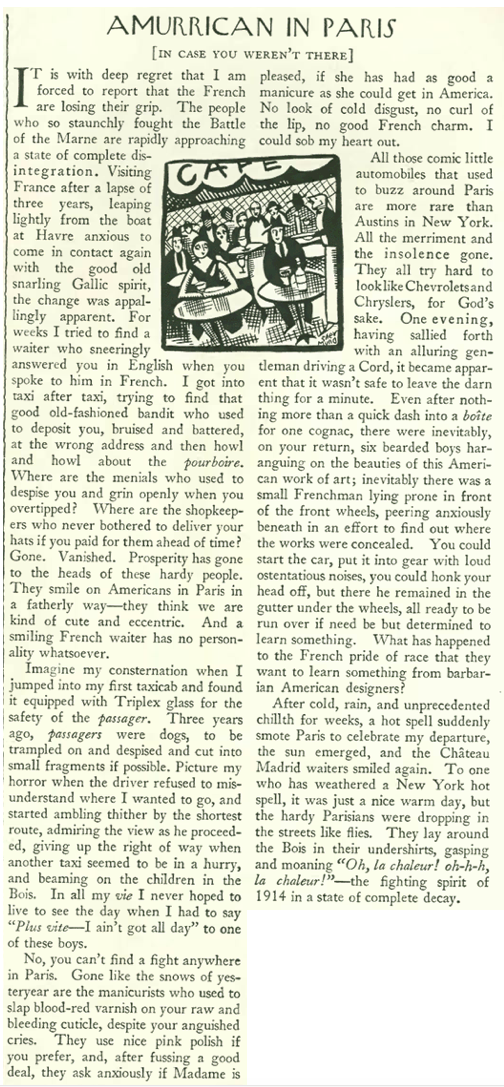
It was a nice surprise to find Lois Long once again writing under her pen name “Lipstick” in this casual piece (excerpted below) on Parisian life. I was also surprised to find the term “Amurrican” in the headline — I always thought it was a more recent derivation of redneck-speak…

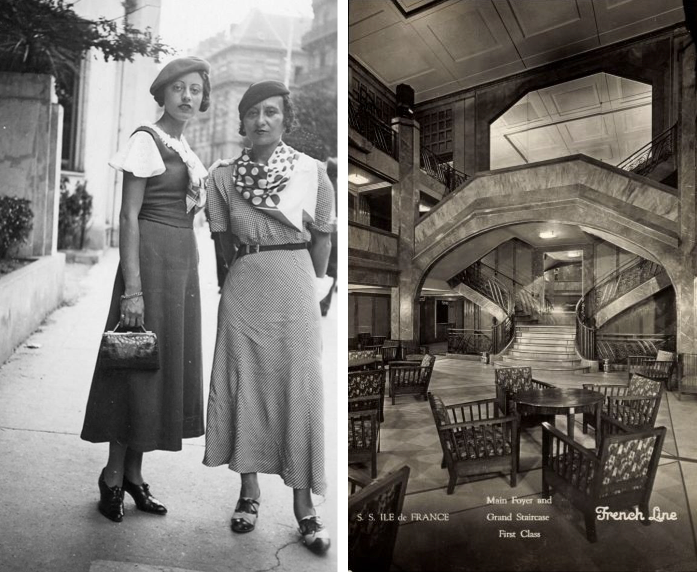
OVER THERE…Left, a fashionable pair on the streets of Paris circa 1930; right, main staircase and grand foyer of the Ile de France. (Pinterest/akpool.co.uk)

 *  *  *

Imbiber in Chief

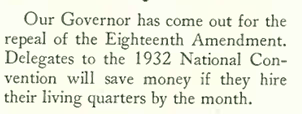
No doubt many a New Yorker enjoyed this bit of news from Howard Brubaker (in his column, “Of All Things”) regarding New York Governor Franklin D. Roosevelt, who later as president would preside over the end of Prohibition.

LEADING BY EXAMPLE…FDR and a gin martini. (Time/Life)

 *  *  *

From Our Advertisers 

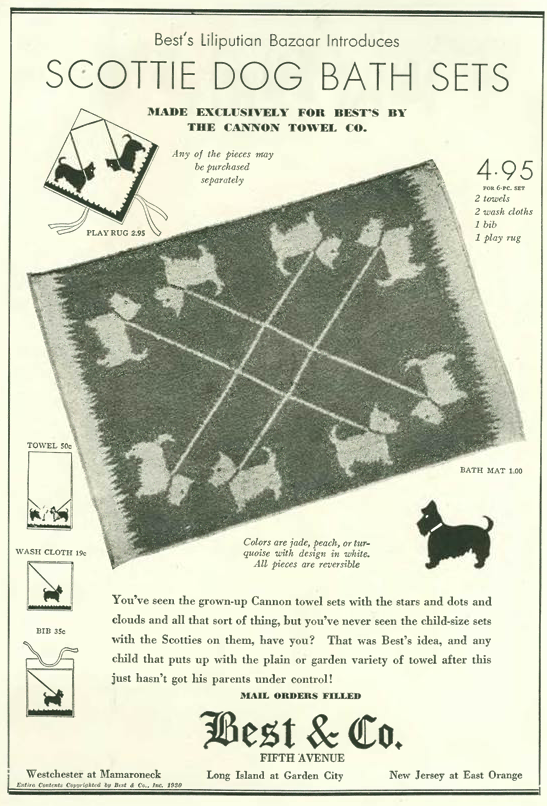
The Scottish Terrier was one of the most popular dog breeds in 1930s America (in addition to martinis, FDR was also fond of Scotties, including his loyal companion Fala), and you could show your love for the breed with bath sets from Best & Company…

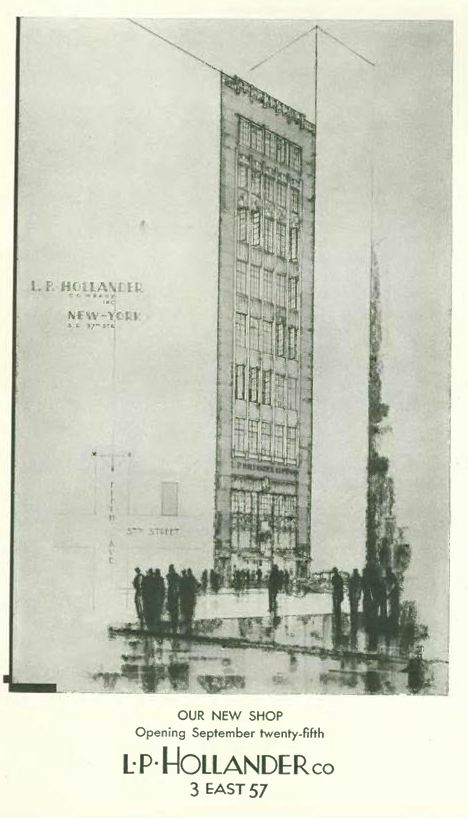
…the handsome L.P. Hollander Company Building (designed by William Lamb) at 3 East 57th began life in 1930 as a women’s fashion boutique…

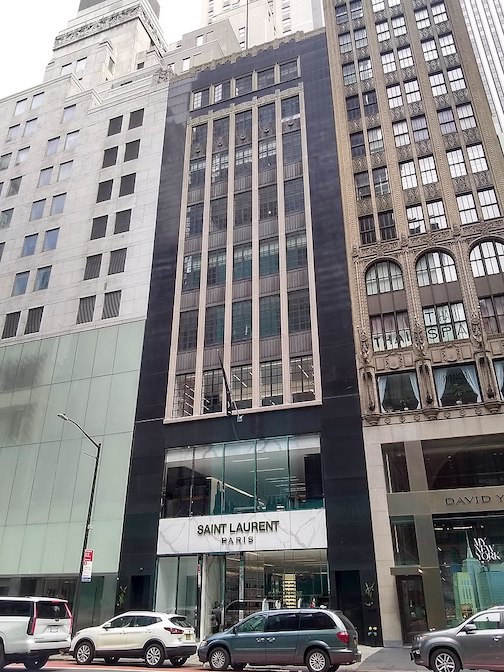
…and today it serves as the Fifth Avenue home to Yves Saint Laurent…

(Wikipedia)


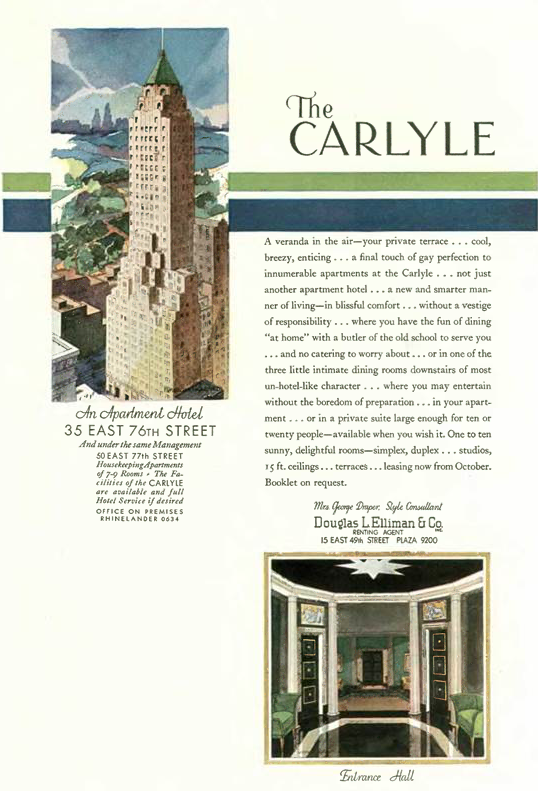
…another exclusive New York destination, the Carlyle, opened as a luxury residential hotel in 1930, only to go into receivership in 1931 thanks to the deepening Depression. In the postwar years it would rise to prominence and become a favorite haunt of the Kennedy family. The Carlyle is also home to the Bemelmans Bar, which is decorated with murals painted by Ludwig Bemelmans depicting his storybook character, Madeline, in Central Park…

…the Carlyle’s cozy Bemelmans Bar…

(TripAdvisor)

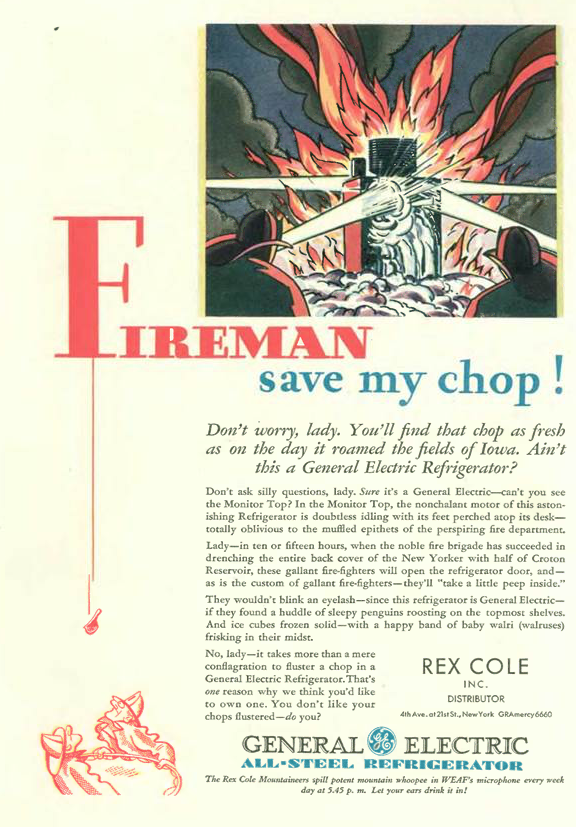
…this next one goes in my terrible ads file…did the makers of this GE refrigerator really want to depict it bursting into flames?…

…it is 1930, and we are at the dawn of the age of plastics, and in this case “Beetleware” tumblers made from an early type of plastic formed from a urea formaldehyde powder developed in England and licensed to American Cyanamid …so bottom’s up!…

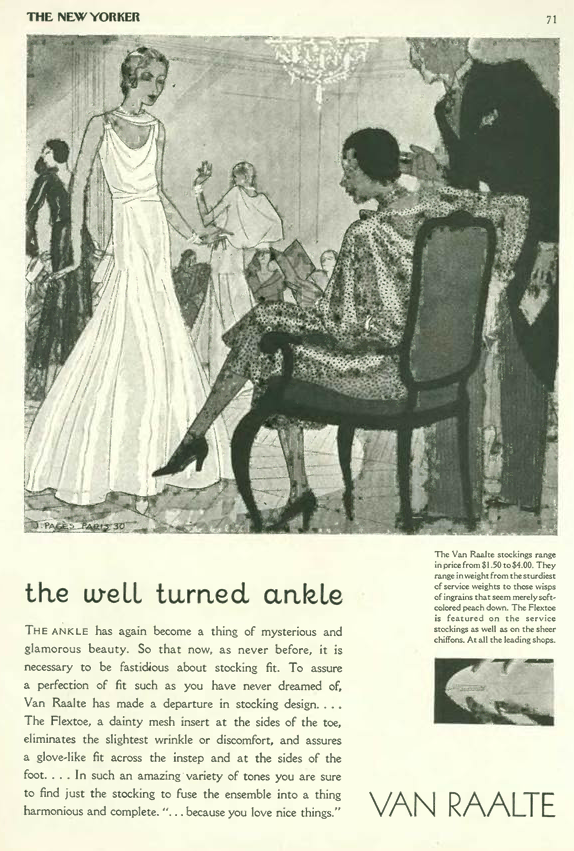
…the makers of Van Raalte stockings hoped to revive the sex appeal of the ankle…

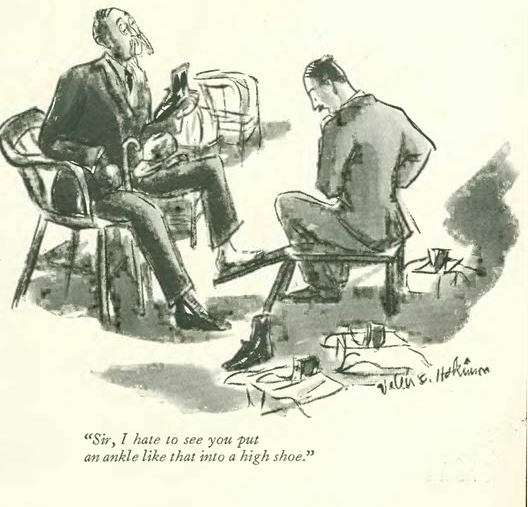
…which provides a good segue to our cartoons, this one by Helen Hokinson, which was actually featured on the page opposite the stocking ad…

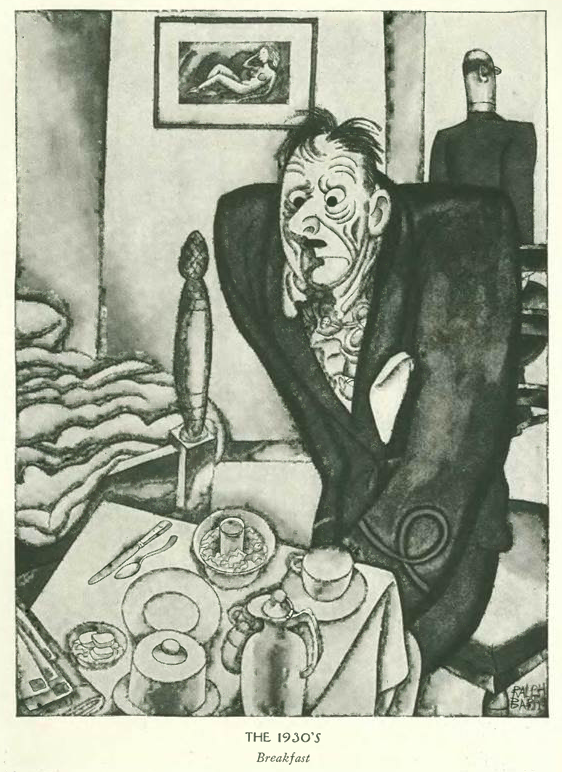
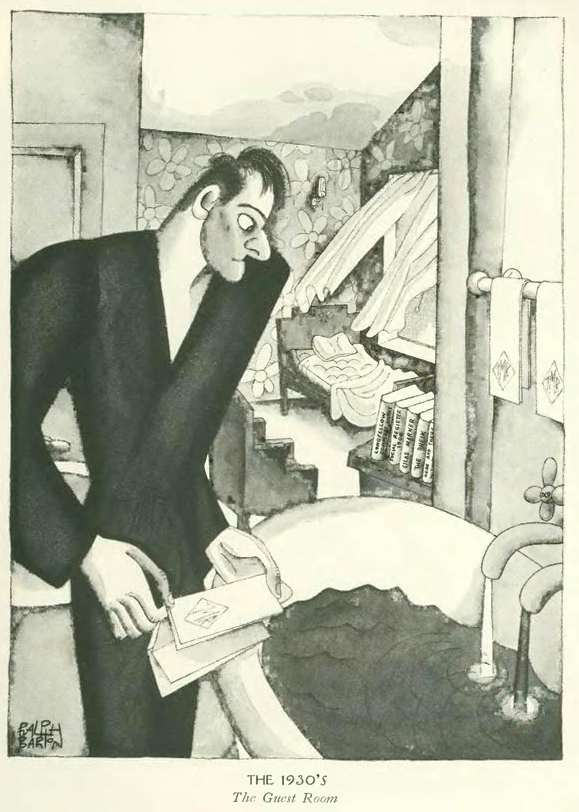
Ralph Barton continued his series on the 1930’s…

Alan Dunn took his work to new heights…

Gardner Rea had fun with the garden club set (English-American S. Parkes Cadman was a pioneer Christian radio broadcaster in the 1920s and 30s)…

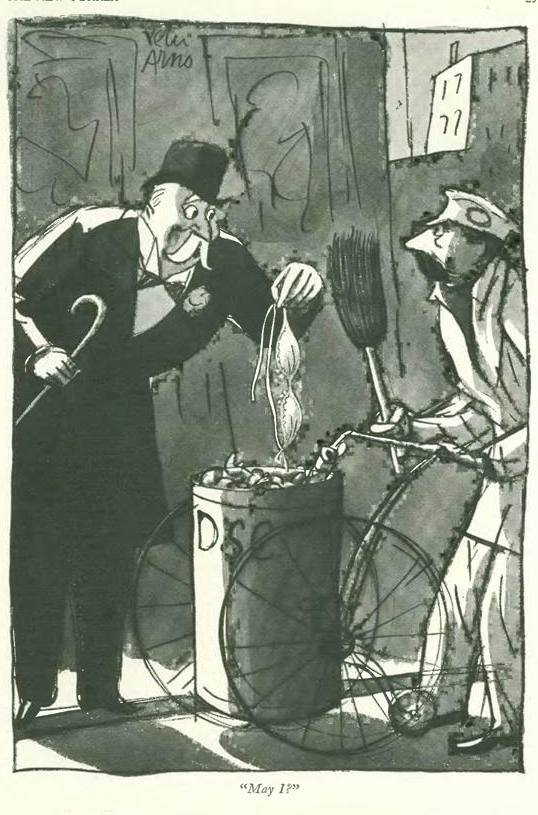
…while Peter Arno illustrated this cultural exchange on the streets of New York…

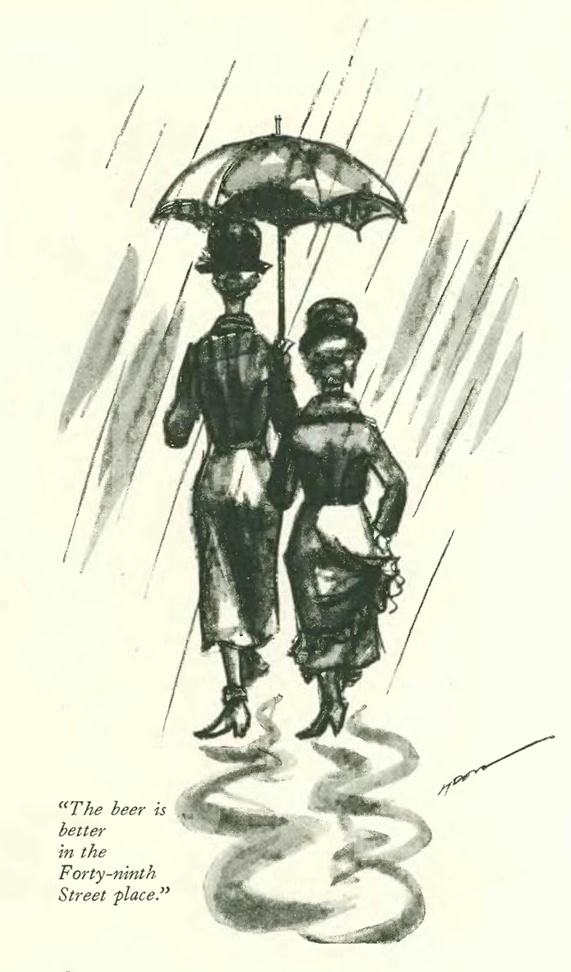
…and we end with Leonard Dove, and a walk in the rain…

Next Time: Lights, Camera, Action…


Animal Crackers

Above image: Groucho Marx, Margaret Dumont, and Lillian Roth in the Marx Brothers second film, Animal Crackers, 1930 (IMDB)

The Marx Brothers were famous for a string of hit films in the 1930s, but some of the comedy on which those films were based went all the way back to the days of vaudeville and 1920s Broadway.

Sept. 6, 1930 cover by Peter Arno.

Animal Crackers was their second film (the first was 1929’s The Cocoanuts), and the last to be adapted from one of their stage shows. It was also the last Marx Brothers movie to be filmed at Paramount’s Astoria Studio in Queens before the brothers headed for Hollywood.

MUSICAL CIRCUS…Animal Crackers began as a Broadway stage production in 1928 before moving to film in 1930; from left to right: Groucho, Harpo, Chico and Zeppo in a publicity photo for the stage version of Animal Crackers. (www.georgeskaufman.com)

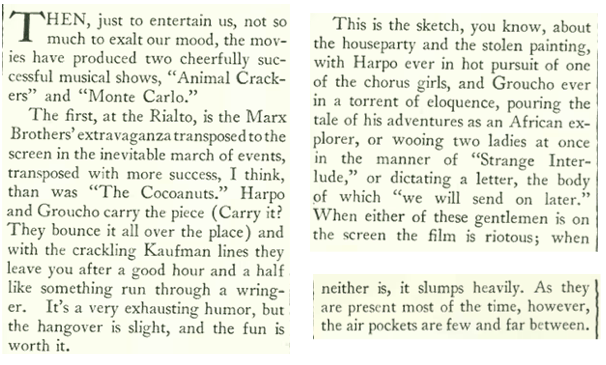
The New Yorker’s John Mosher reviewed the film version, which was playing at the Rialto Theatre:

SO LONG, NEW YORK…Animal Crackers was the second and final Marx Brothers movie to be filmed at Astoria Studios in Queens; from left, Chico, Zeppo, Groucho and Harpo Marx pose for a 1930 publicity photo. (IMDB)

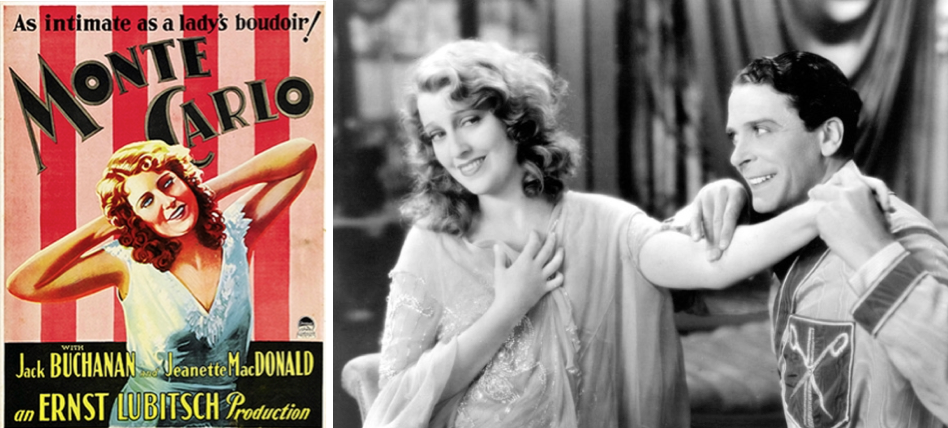
Always partial to European directors, Mosher found Ernst Lubitsch’s Monte Carlo among the better films playing in the late summer.

OH YOU CAD!…Jeanette MacDonald and Jack Buchanan in Monte Carlo. (IMDB)

 *  *  *

Fox in the Hen House

“The Talk of the Town” made light of Mayor Jimmy Walker’s plan to “rid the city of graft.” Ironically, Jimmy himself would be drummed out of office two years later for accepting bribes…

WHAT ME WORRY? Yes maybe. Mayor Jimmy Walker in 1930. (nymag.com)

 *  *  *

From Our Advertisers

We have another lovely illustration from Carl “Eric” Erickson promoting the joys of smoking unfiltered cigarettes…

…these small ads for apartments in the back pages of the magazine promoted the bucolic vistas in Westchester…

Images of Fleetwood Hills from The American Architect, June 1926.

…and European-style living on East 44th Street…

The Beaux-Arts Apartments (which still stand) consisted of buildings on both sides of E. 44th Street. (Museum of the City of New York)

…as for cartoons, Peter Arno continued this running gag…

…as did Rea Irvin in another tableaux (originally running sideways, full page) featuring the clash of country bumpkins and city elites…

Garrett Price looked in on the burdens of the wealthy…

…and Barbara Shermund caught some small talk at a cafe…

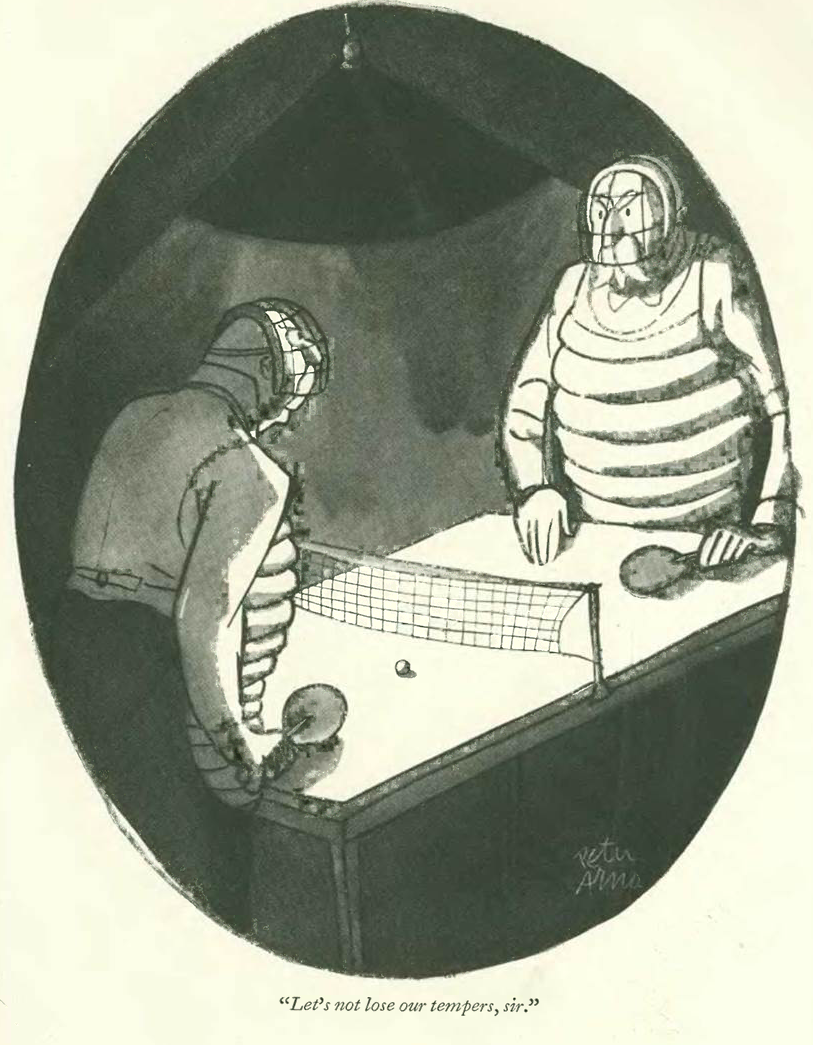
…back to Peter Arno, and a heated game of table tennis…

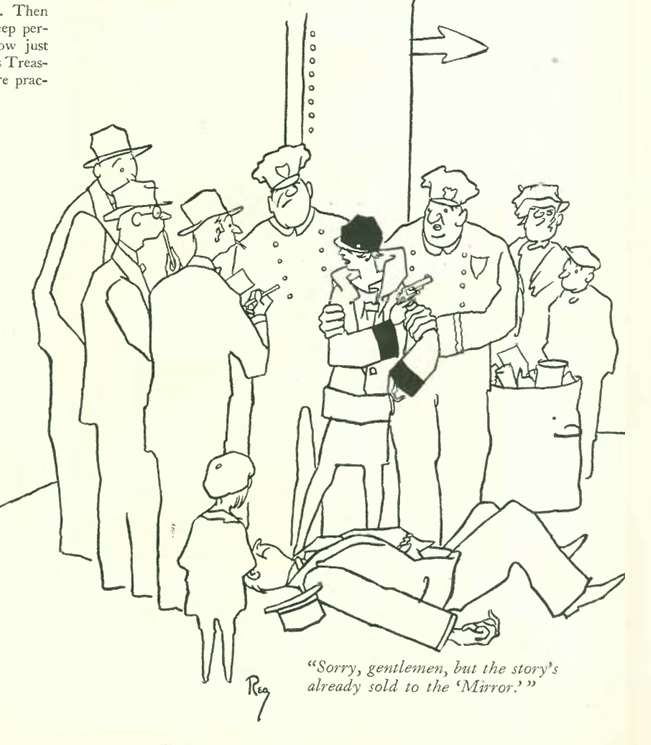
…and Gardner Rea, witness to modern-day crime reporting…

On to the Sept. 13, 1930 issue…

Sept. 13, 1930: yet another satirical kakemono cover by Rea Irvin.

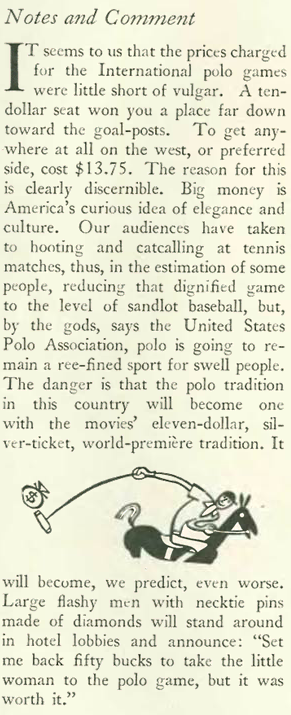
As I’ve noted many times before, the early New Yorker covered every sport under the sun (and especially elite sports such as yacht racing, tennis and badminton, golf and polo) but to my knowledge never covered a major league baseball game in its then five-year existence. Here, E.B. White, in his “Notes and Comment,” complains about the high price of tickets to polo matches…

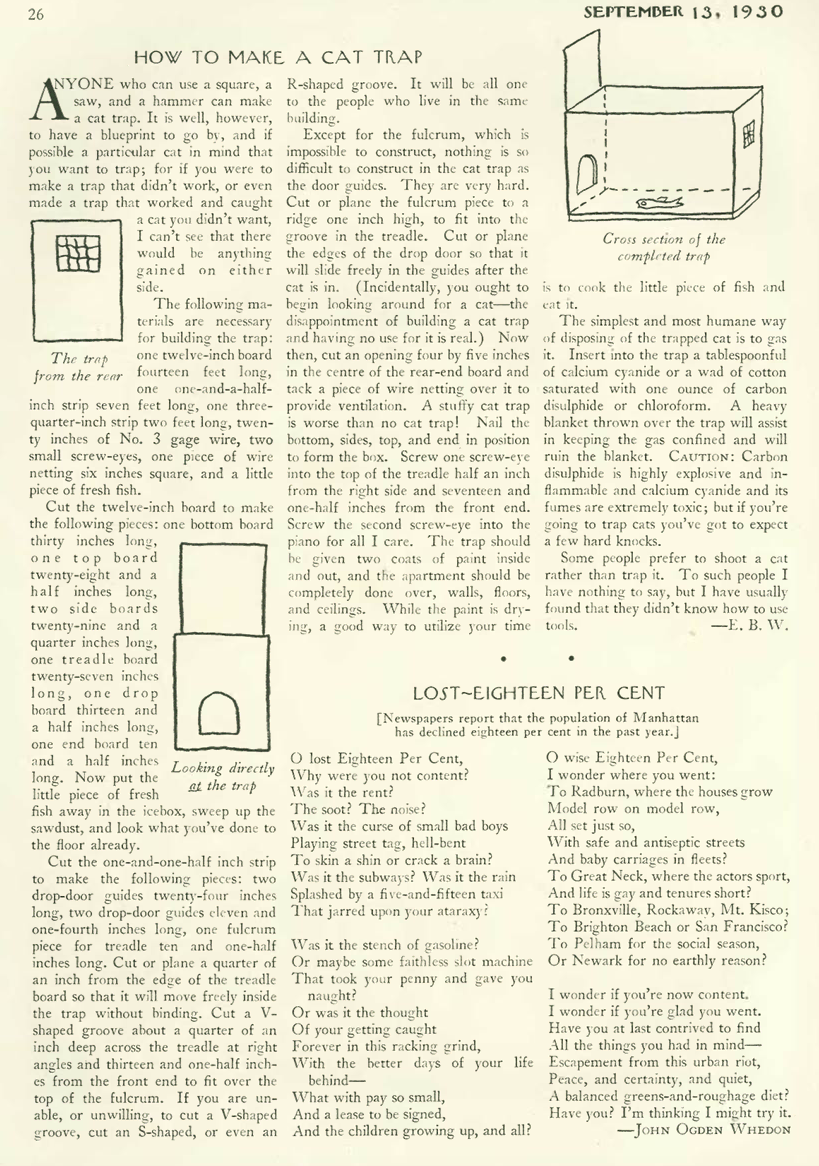
…White, a well-known dog lover, offered a rather cruel solution to a problem cat in this feature:

 *  *  *

Oh Never Mind

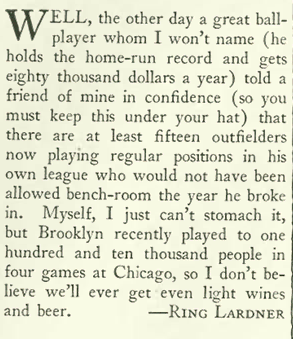
At first glance I thought this might actually be an article about a baseball game, but alas, it was a column by Ring Lardner (titled “Br’er Rabbit Ball”) that showed little enthusiasm for the game (the 1919 “Black Sox” scandal apparently soured his love for baseball). Excerpts:

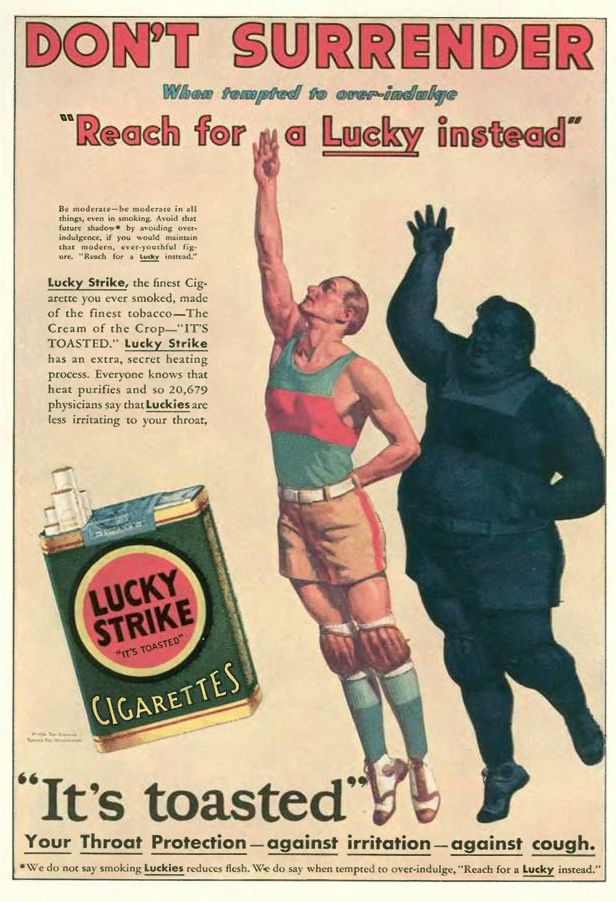
Speaking of sports, we move to the advertisements and the helpful folks from Lucky Strike, who wanted to help you get in shape with a smoke…

…and another ad for Flit insecticide by Dr. Seuss, featuring an elephant that looked a lot like the future Horton, and some unfortunate racist imagery…

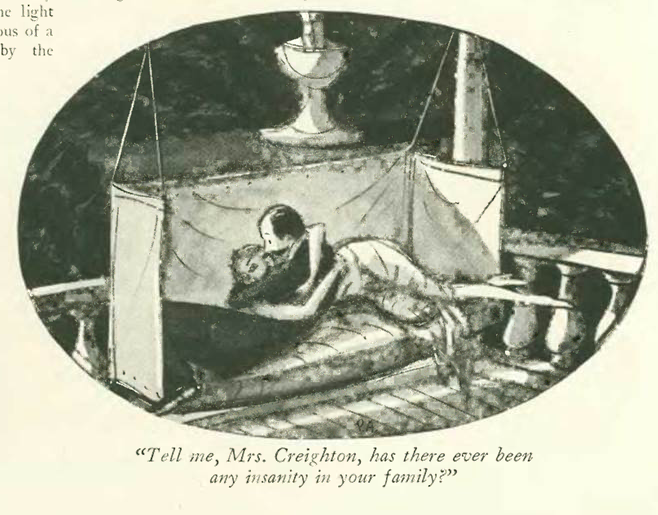
…yet another Peter Arno repeat with a new caption…

…and another in a series of 1930’s images by Ralph Barton

…a maritime dilemma, courtesy Garrett Price

…and apartment shopping with Constantin Alajalov

Next Time: The Flying Misanthrope…

Marble Halls

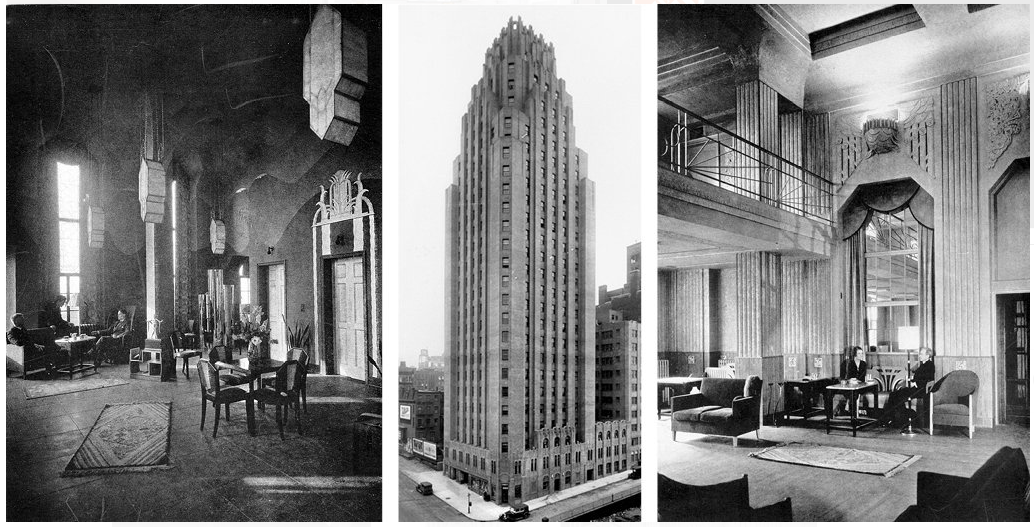
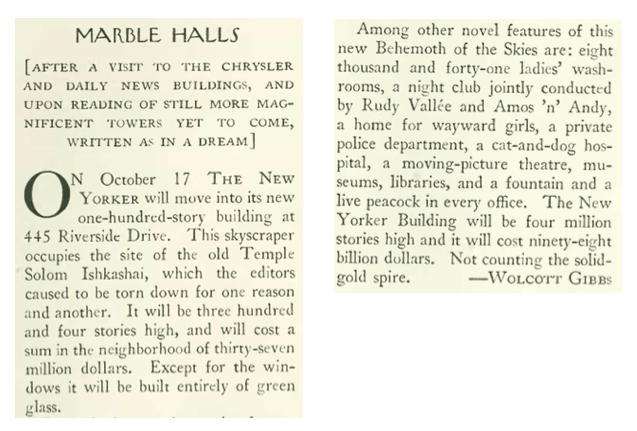
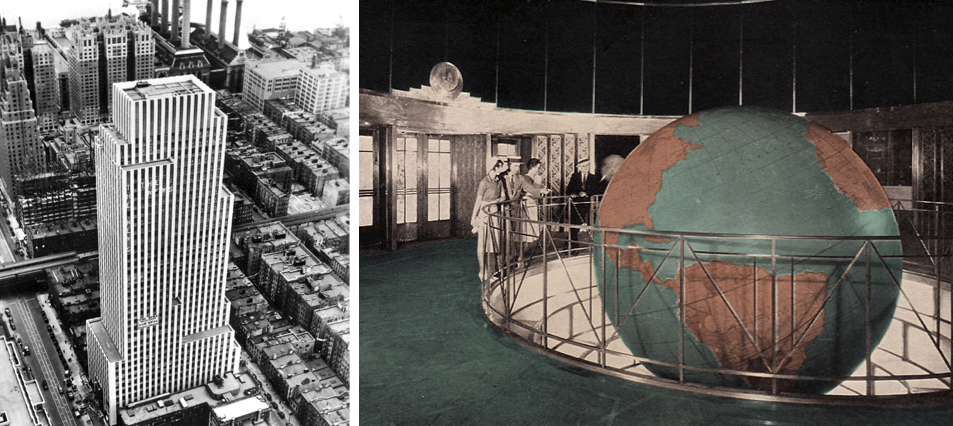
We close out the boiling August of 1930 with Wolcott Gibbs and his fanciful musings regarding the future offices of The New Yorker, inspired by his recent visit to the glitzy new lobby of the New York Daily News Building.

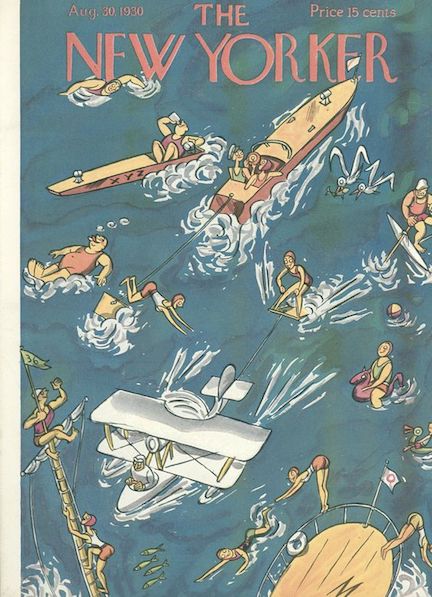
August 30, 1930 cover by Julian De Miskey.

I include a brief excerpt of Gibb’s tongue-in-cheek fantasy of the future, which inadvertently foresees The New Yorker’s current offices (see contrast of old and new above) in the gleaming glass tower now known as One World Trade Center:

THAT WAS THEN…The New Yorker’s first offices were located at 25 West 45th Street, a 16-story building erected in 1913 (it still stands). It’s almost impossible to find images of The New Yorker’s early office spaces, but you can probably get some idea from these photos of another tenant of the building, the Y.M.C.A. Dental School. (Museum of the City of New York/New York Public Library)
THIS IS NOW…Almost in fulfillment of Wolcott Gibbs’ fantasy, The New Yorker today occupies offices in the Condé Nast section (images above) of the 104-story, 1,776 foot One World Trade Center (floors 20 to 44). When The New Yorker moved onto the building’s 38th floor in early 2015 (one floor above Wired), it marked the first time the magazine was located outside of a small area in Midtown. (New York Magazine/interiordesign.net)

 *  *  *

His Bit of Earth

“The Talk of the Town” noted an increasingly rare sight along Fifth Avenue, a private garden created by Thomas Fortune Ryan that in 1930 was occupied by his son Clendenin J Ryan:

DUST TO DUST…Thomas Fortune Ryan demolished the Charles T. Yerkes mansion and its art galleries (before and after photos, top, and image of a gallery, bottom right) to make way for his private flower garden, which is visible in the bottom left hand corner of the image at top right. An apartment building erected in 1937 (bottom left) occupies the site today. (Museum of the City of New York/Alice Lum)

 *  *  *

From Our Advertisers

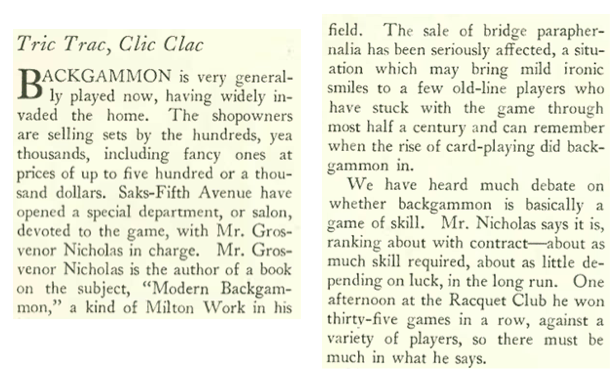
Backgammon became all the rage in the 1930, so much so that one Grosvenor Nicholas, “a famous authority on backgammon,” commanded a fill-page ad from Saks…

…for reference, The New Yorker made note of Nicholas’s visit in the Sept. 6 “Talk of the Town”…

OR WATCH THE YOUTUBE VIDEO…Leila Hattersley, author of 1930s How to play the New Backgammon, teaching at a New York Club (bkgm.com)

…celebrity endorsements continued to grow in importance in the 1930s, here the famed Australian-born British actress Judith Anderson (1897-1992) marvels at the products manufactured by Angelus…

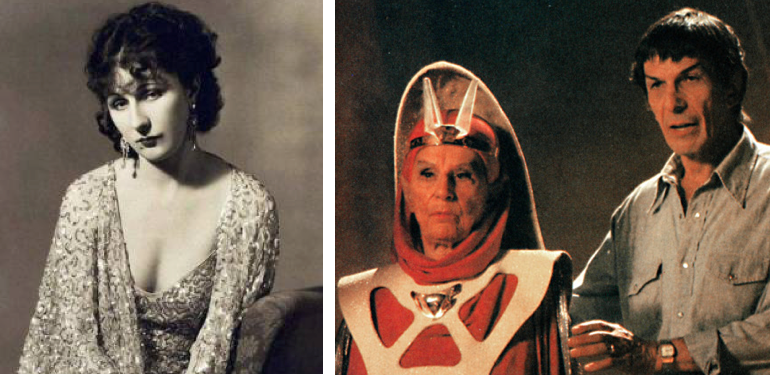
…Anderson would later be made a “Dame,” and would enjoy a long career and a long life, even appearing in 1984’s Star Trek III: The Search for Spock as the Vulcan High Priestess T’Lar…

VERSATILE…At left, Dame Judith Anderson in 1932. At right, Anderson on the set of 1984’s Star Trek III: The Search for Spock, with actor Leonard Nimoy. (Tumblr)

…this ad for Buick shows a rich gent dismissing his chauffeur, something he would probably have to do permanently as the Depression continued to ruin fortunes…

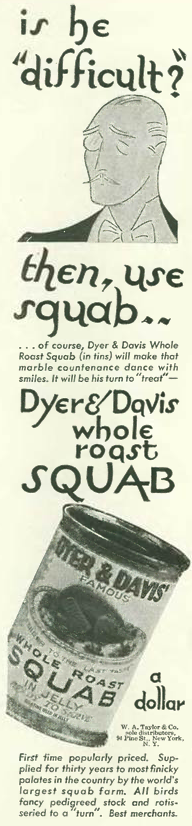
…and perhaps a lost fortune could lead to one being “difficult,” and in that case Dyers & Dyers could sooth the hurt with squab from a can…

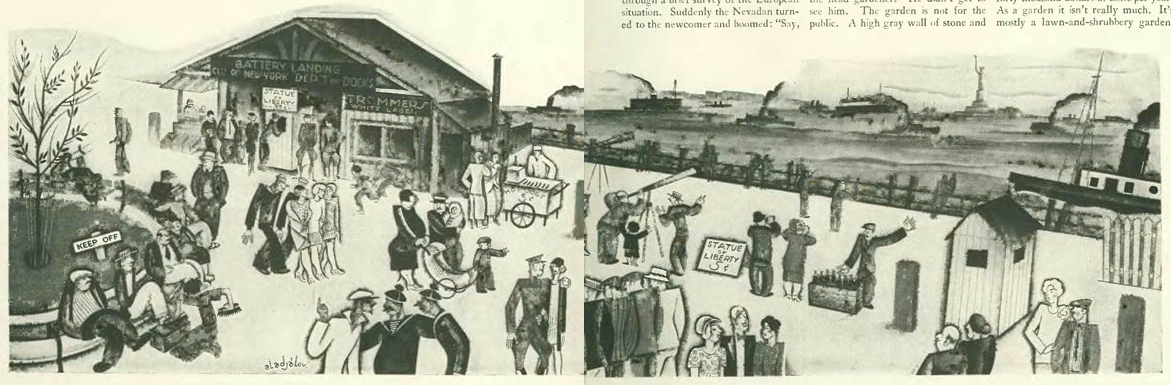
…on to our cartoonists, we have Constantin Alajalov illustrating a scene at the Battery…

Ralph Barton continued his interpretations of a new decade…

…some unfortunate racial humor from Al Frueh

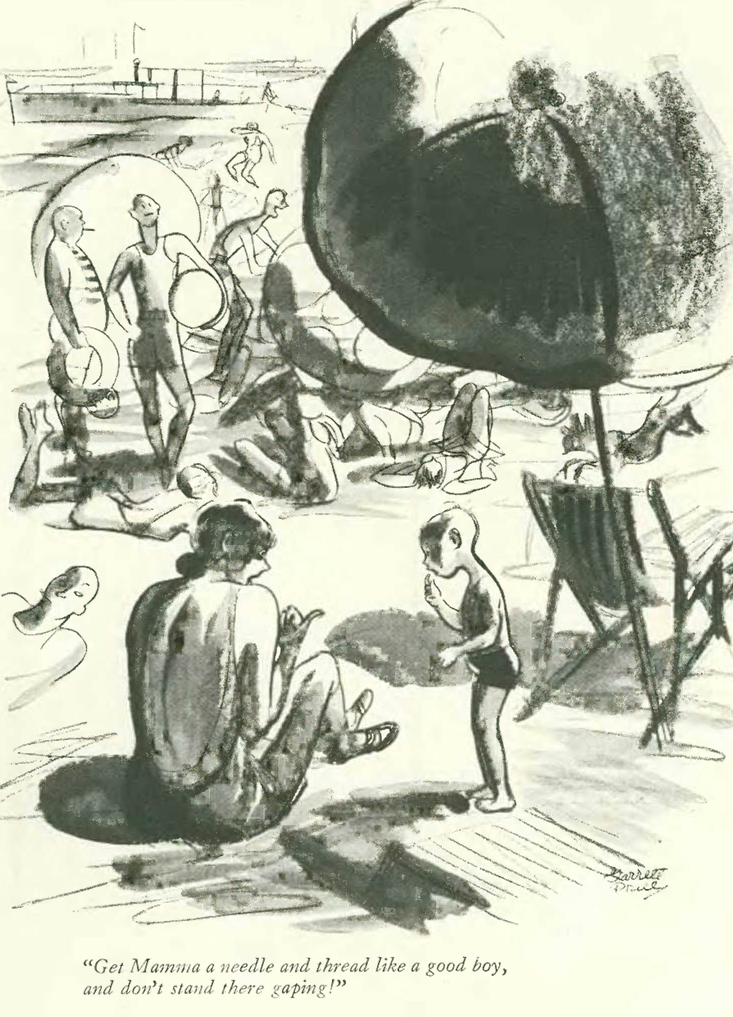
…an indelicate moment at the beach, courtesy Garrett Price

Perry Barlow looked at the challenges of city life…

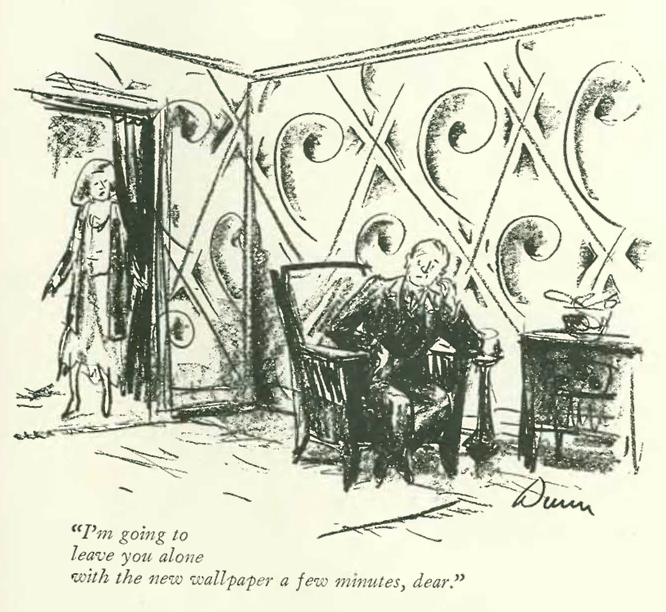
…and Alan Dunn found a man with a case of the moderns…

Next Time: Animal Crackers…

Hell’s Angels

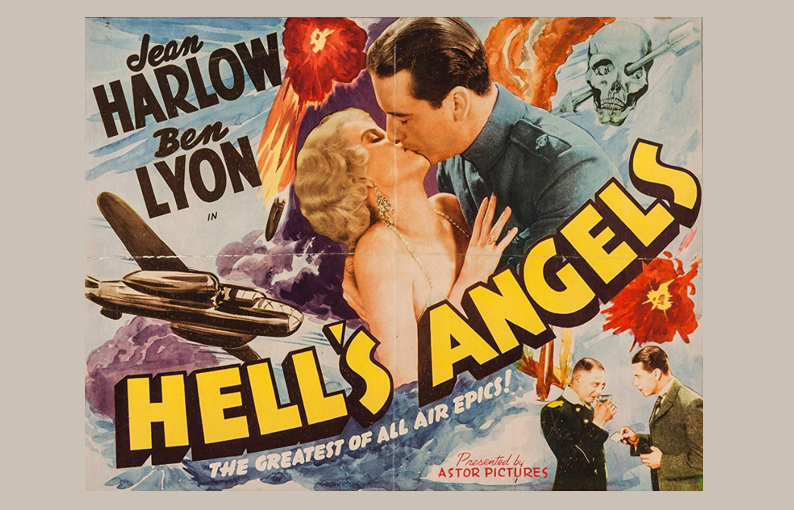
Among the films in 1930 that marked a new era in motion pictures was Howard Hughes’s epic war film Hell’s Angels. 

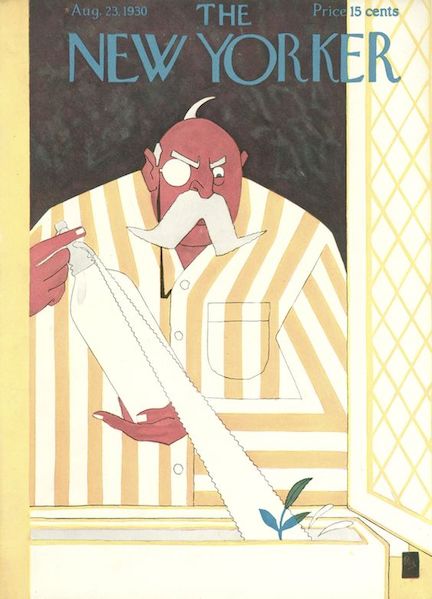
August 23 cover by Gardner Rea.

Originally shot as a silent, Hughes (1905-1976) retooled the film, and over a period of three years (1927-30) poured much of his own money into making what many consider to be Hollywood’s first sound action movie. The film also introduced audiences to 19-year-old Jean Harlow (1911-1937), handpicked by Hughes to replace Norwegian actress Greta Nissen in the lead role (Nissen’s accent posed a problem for the talkies). The film would make Harlow an instant star, propelling her to worldwide fame as the “Platinum Blonde” sex symbol of the 1930s.

Beset by delays due to Hughes’s incessant tinkering, the movie was famously expensive. For example, a total 137 pilots were used in just one flying scene at the end of the film. In addition to monetary costs, the filming also claimed the lives of three pilots and a mechanic, and Hughes himself would fracture his skull during a stunt flying attempt.

PRE-CODE…Before Will Hays imposed his moral code on Hollywood, films in the early thirties were frank with sexual references, as the image at left attests. When Howard Hughes switched the filming of Hell’s Angels to sound, he replaced Norwegian actress Greta Nissen with 19-year-old Jean Harlow (seen with co-star Ben Lyon). Harlow’s first major film appearance would make her an overnight star; at right, Frank Clarke and Roy Wilson flying an S.E.5A (front) and a Fokker D.VII (back, note camera) in the filming of Hell’s Angels. (Wikipedia)

The New Yorker’s John Mosher found the action scenes enticing, but the acting left something to be desired…

COSTLY VENTURE …This Sikorsky S-29A (left), repainted to represent a German Gotha bomber, would crash into the California hills during filming (right), killing mechanic Phil Jones, who failed to bail out along with the pilot. (Northrop Grumman)
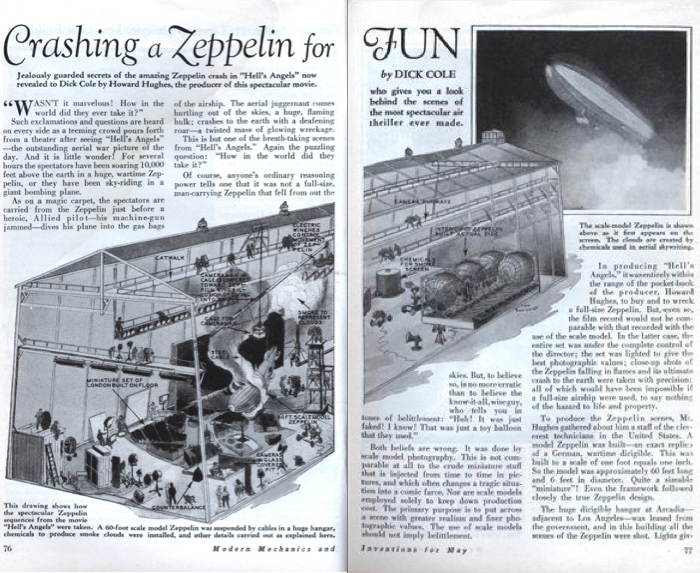
GEE WHIZ…The media often reported on the progress of the film, such as in this May 1930 article in Modern Mechanics and Inventions that detailed a $1 million sequence in which a fighter dives his plane into the top of a Zeppelin, causing it to explode and crash to earth. (Modern Mechanix)

We skip ahead briefly to the Aug. 30 issue, in which “The Talk of Town” featured a mini profile of Howard Hughes and his film. Note how Hughes’s extravagance is described through his frequent use of long-distance telephone calls:

A STAR IS BORN…19-year-old Jean Harlow and Ben Lyon in 1930’s Hell’s Angels. (IMDB/Pinterest)

*  *  *

A Whale of a Movie

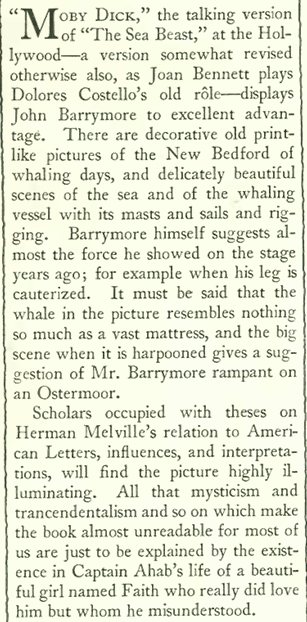
Critic John Mosher also took in a film adaptation of Herman Melville’s Moby Dick, a very loose adaptation that excluded the novel’s central character, Ishmael, and invented a love story for the maniacal Capt. Ahab…

A WHALE OF A STORY…From left, Noble Johnson as Queequeg, John Barrymore as Ahab, and Walter Long as Stubbs in 1930’s Moby Dick. At right, top, the whale puts the hurt on a boat; bottom, Joan Bennett as Faith, a contrived love interest for the old salt. (IMDB)

 *  *  *

Daily Dazzle

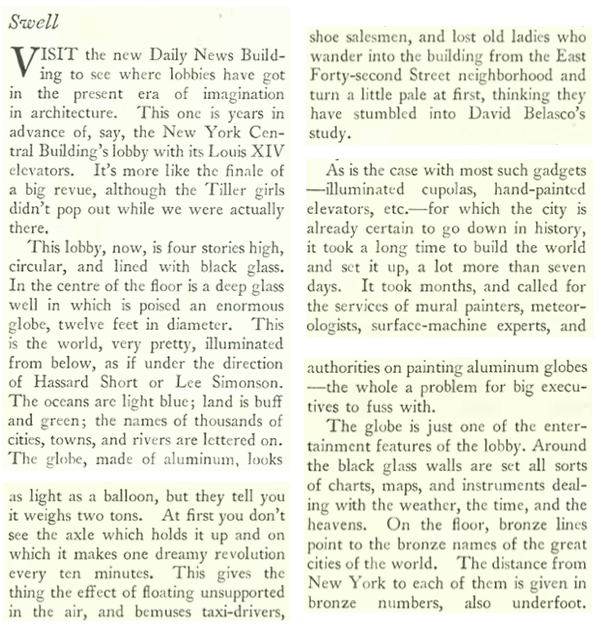
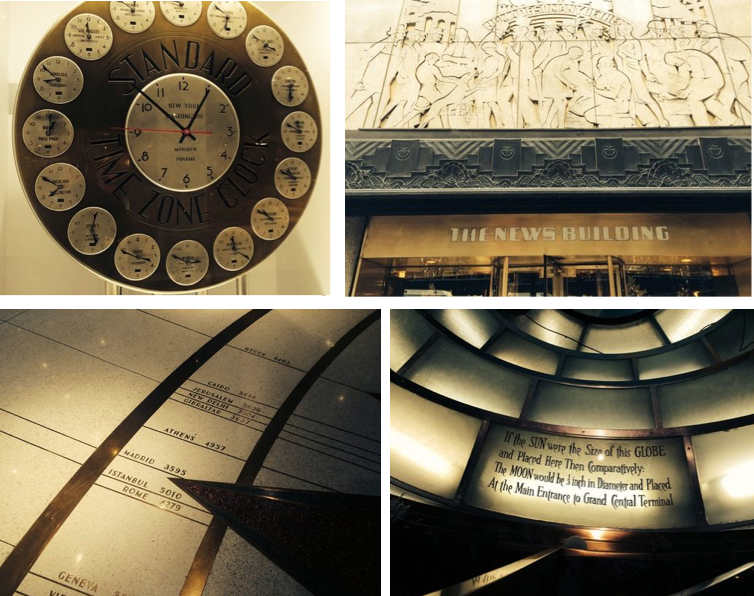
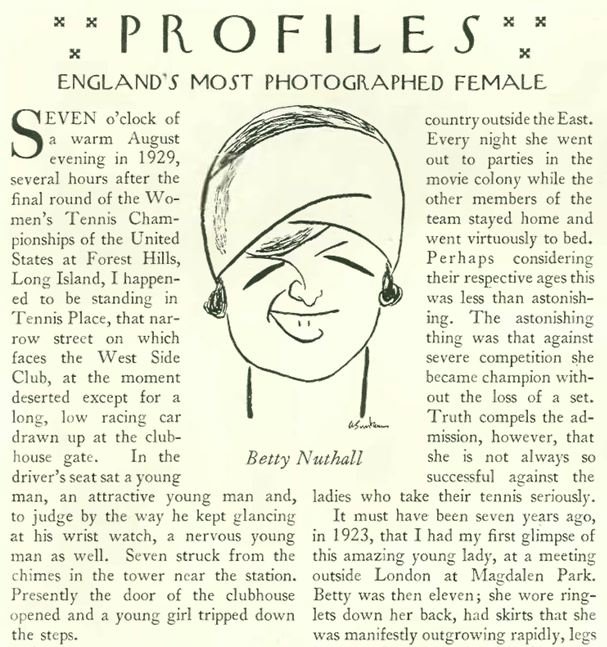
“The Talk of the Town” gushed over the lobby of the new Daily News Building, likening it to the glitz of a Broadway revue:

HOME FOR CLARK KENT…The Daily News Building served as the model for the headquarters of the fictional Daily Planet, the building where Superman worked as mild-mannered Clark Kent; at right, an image from 1941 of the lobby, dominated by the world’s largest indoor globe. (Wikipedia/Public Domain)
A LOBBY FOR LEARNING…The lobby includes an array of clocks, top left, that give the time in various global destinations. (Luke J. Spencer via atlasobscura.com)

 *  *  *

A Busboy’s Dream

Charles Pierre Casalasco left his life as a busboy in Corsica and studied haute cuisine in Paris before arriving at the shores of Manhattan in the early 1900s. He became a renowned headwaiter who by 1929 garnered enough financial backing from New York’s most powerful families to construct the exclusive Hotel Pierre. Writing under her pseudonym, “Penthouse,” New Yorker columnist Marcia Davenport described the building’s apartments to eager readers:

FUN WHILE IT LASTED…The 41-story, 714-room Hotel Pierre officially opened in October 1930 to great fanfare. The party would be short-lived, as the deepening Depression would force the hotel into bankruptcy just two years later. At right, photo of the Rotunda, before a 2017 remodeling. (New York Public Library)

 *  *  *

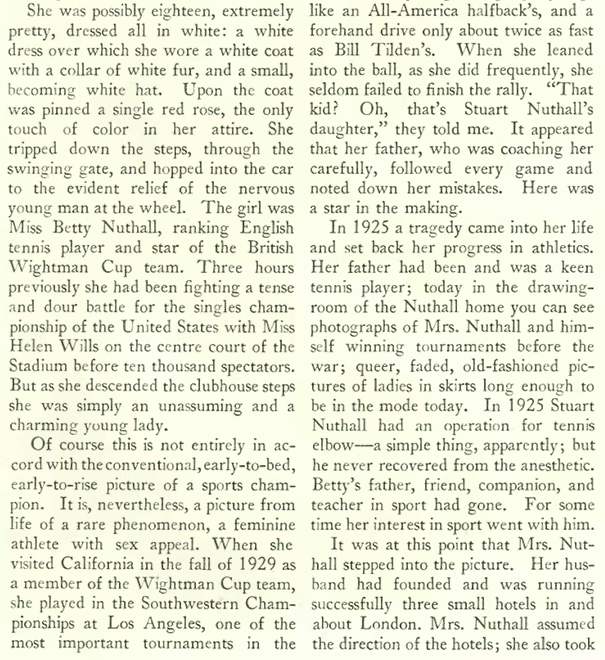
So Much For Title IX

Then as now, women athletes were held to a separate set of standards, not only judged for their athletic abilities, but also for their “sex appeal,” as John Tunis suggests more than a few times in his profile of English tennis champion Betty Nuthall (1911-1983). Excerpts:

HOW’S THAT BACKHAND?…Betty Nuthall greets American tennis star Bill Tilden in September 1930; on the cover of Time after winning the 1930 U.S. Open. (Digital Commonwealth/Time Inc.)

 *  *  *

Free Expression

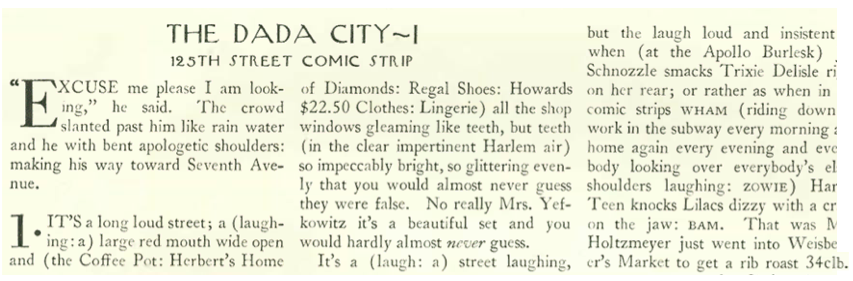
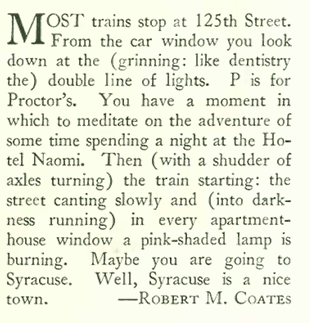
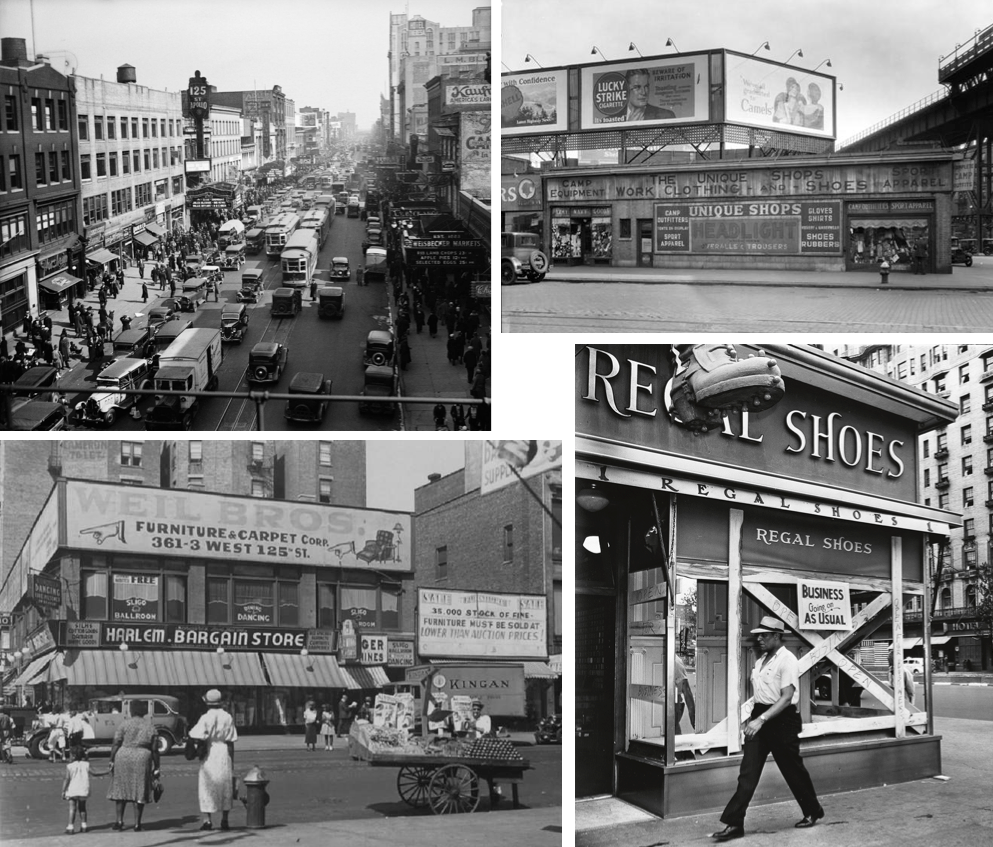
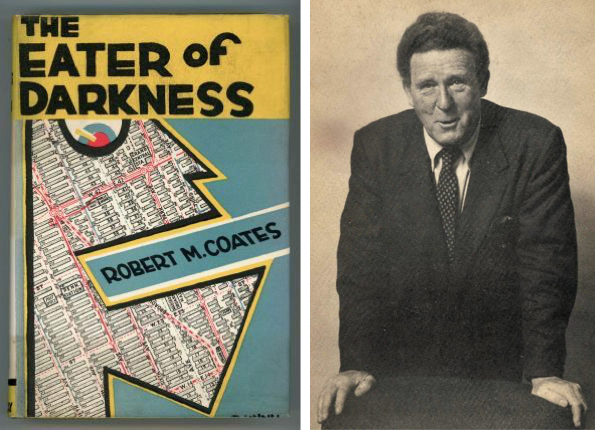
Robert Myron Coates (1897–1973) was a writer of experimental, expressionistic novels who later became a longtime art critic for The New Yorker (he is credited with coining the term “abstract expressionism” in 1946). In the Aug. 23 issue he contributed the first installment of “Dada City,” here describing street life in Harlem. Excerpts:

STREET LIFE…Scenes around Harlem’s 125th Street, clockwise from top left: the Apollo Theatre marquee punctuates a busy street scene in 1935; NW corner of 125th and Broadway, 1930; Regal Shoes storefront, 1940s, photo by Weegee; 125th and St. Nicholas Avenue in 1934. (Skyscraper City/Museum of the City of New York)
AMERICAN ORIGINAL…Robert M. Coates’s The Eater of Darkness (1926) has been called the first surrealist novel in English. (Goodreads)

 *  *  *

From Our Advertisers

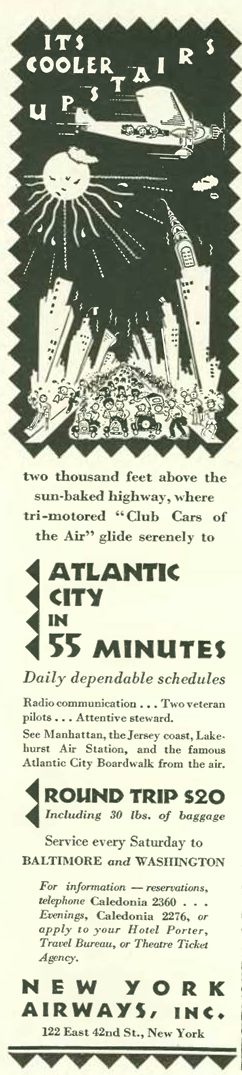
New Yorkers who were still enduring the brutal summer of 1930 could find relief, if they could afford it, on a New York Airways flight…

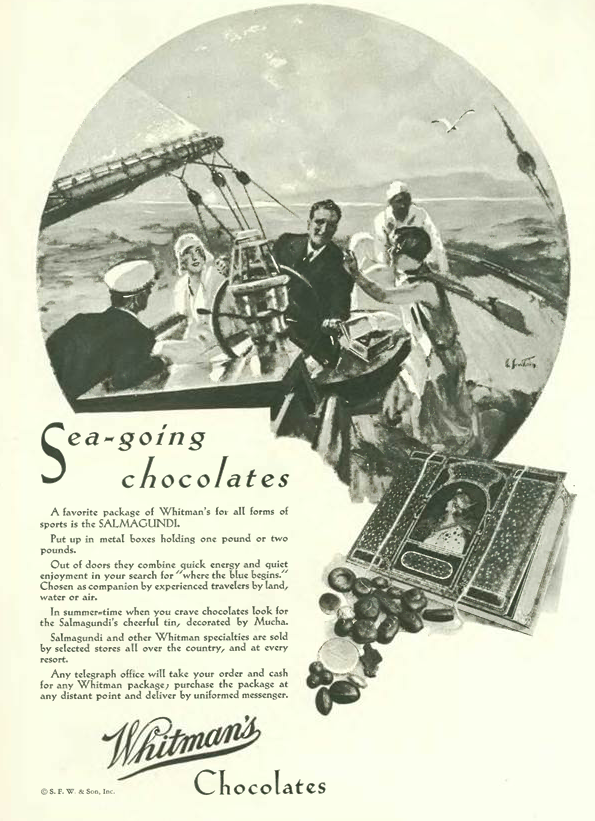
…or if you had the means, you could take your yacht out to sea, like this chap in a coat and tie who calmly steers with one hand while offering a box of chocolates to his guests with the other…

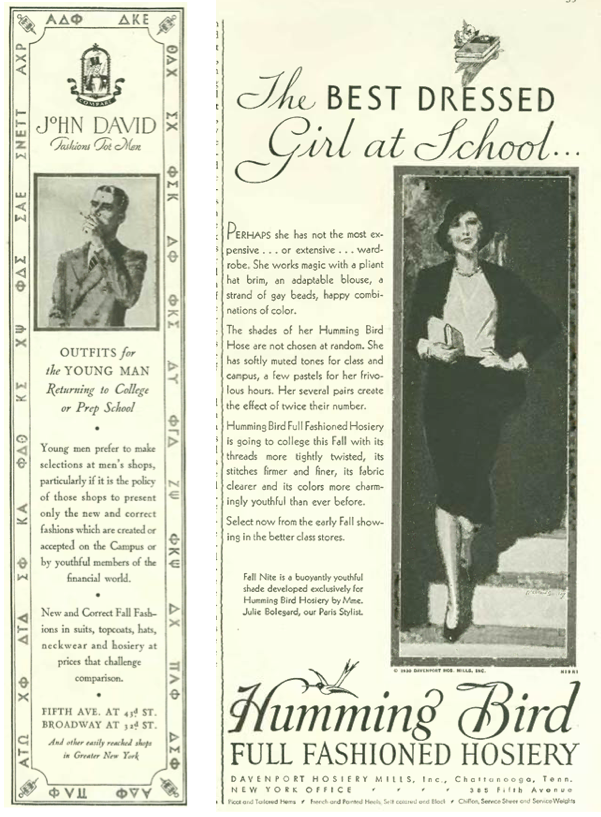
…our sailor wasn’t the only one dressed to nines…here are two ads offering suggestions to young folks returning to college or prep school…
…for comparison, this is how a group of college students at Columbia University dress today…

(Columbia University)

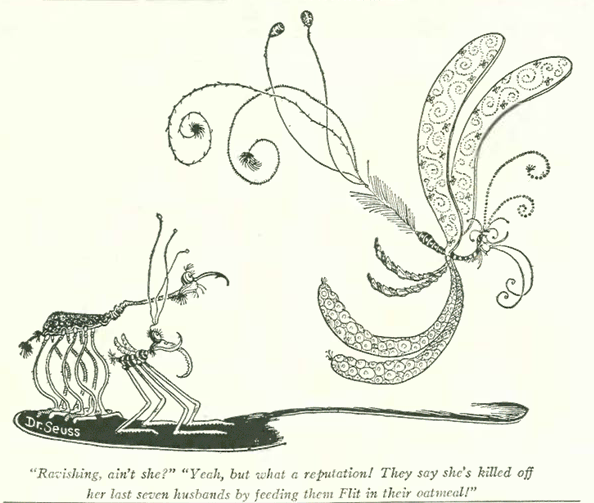
Dr. Seuss continued to crank out drawings on behalf of Flit insecticide…

…and on to cartoons, yet another rerun (the sixth) of this Peter Arno drawing with a new caption (Dorothy Dix was a popular advice columnist)…

…and another look at country life courtesy Rea Irvin (originally printed sideways on a full page)…

…and another country scene, this time among the toffs, thanks to Garrett Price

…back in the city, some parlor room chatter as depicted by Barbara Shermund

…downtown, Isadore Klein looked at the economic challenges of peep shows…

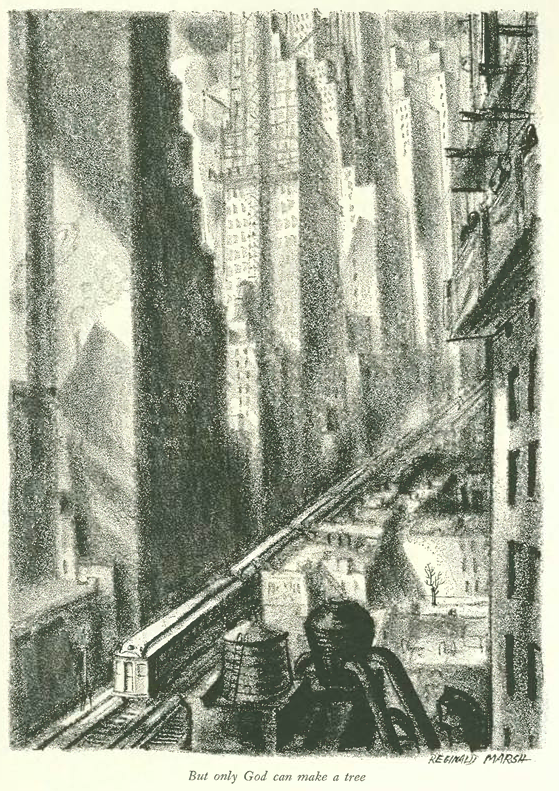
…and we close with this reflection on city life, by Reginald Marsh

Next Time: Marble Halls…

The Little King

Like his New Yorker colleague Reginald Marsh, Otto Soglow trained in the “Ashcan School” of American art, and his early illustrations favored its gritty urban realism. He had his own life experience to draw upon, being born to modest means in the Yorkville district of Manhattan.

We look at two issues this week. At left, cover of March 31 issue by Peter Arno; at right, June 7 cover by Constantin Alajalov.

But Soglow (1900-1975) would soon abandon the gritty style in the work he contributed to the New Yorker…

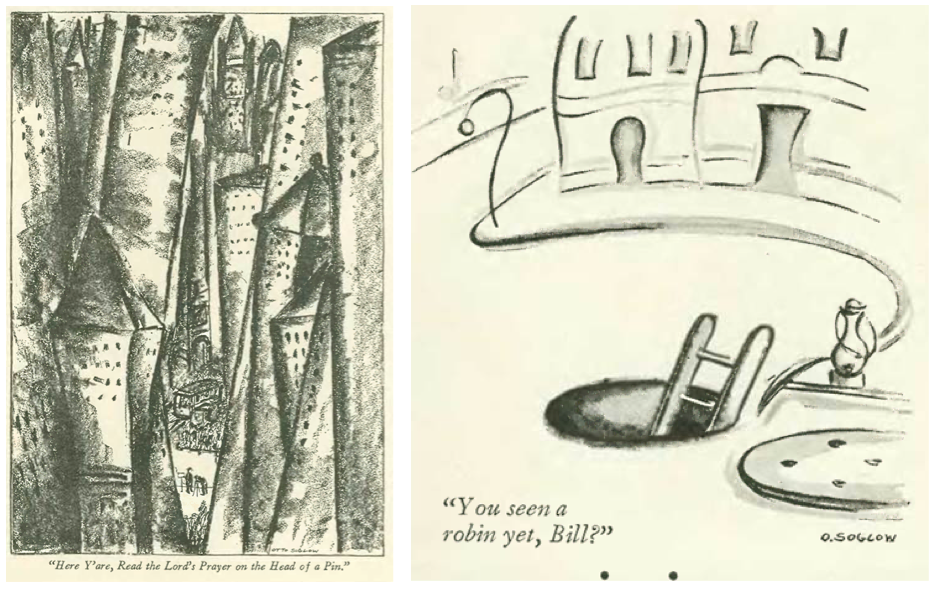
RAGS TO RICHES…At left, Otto Soglow’s first cartoon in The New Yorker, Nov. 14, 1925, was rendered in the Ashcan style ; at right, an example of the sparer style he later adopted, one of his manhole series cartoons from March 2, 1929.

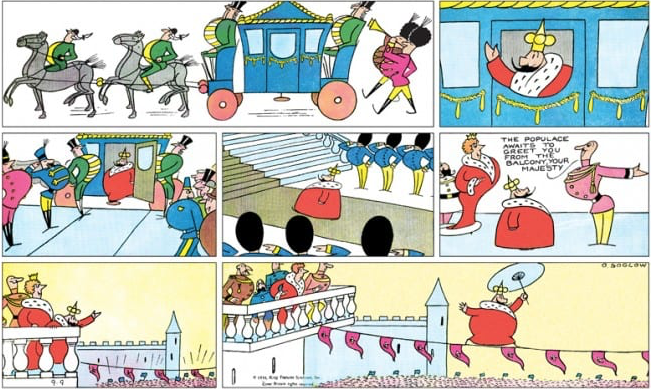
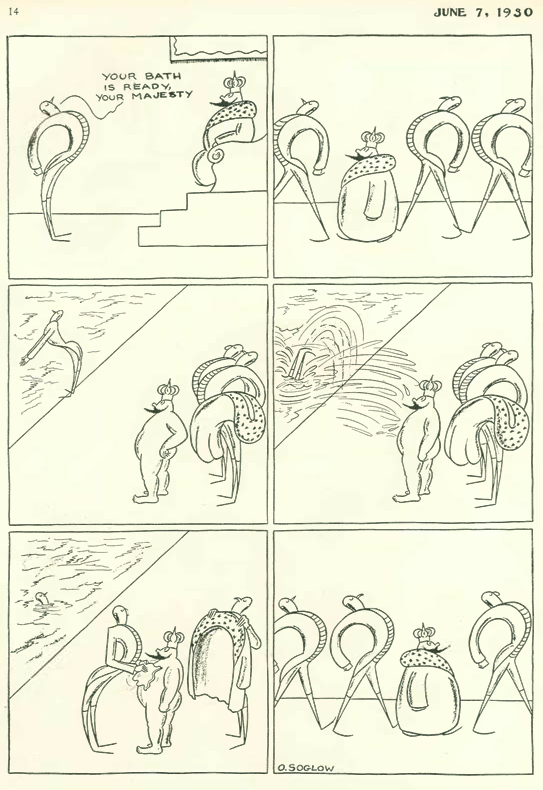
…and in the June 7, 1930 issue, Soglow would publish his first Little King strip, which would launch the 29-year-old into fame and fortune…

Did Soglow know he was on to something big with that first Little King cartoon? Well Harold Ross (New Yorker founding editor) liked what he saw, and asked Soglow to produce more. After building up an inventory over nearly ten months, Ross finally published a second Little King strip on March 14, 1931. It soon became a hit, catching the attention of William Randolph Hearst, who wanted the strip for his King Features Syndicate.

KING OF COMEDY…Otto Soglow working on an illustration for The Ambassador, a short-lived comic strip he created in 1933 for King Features Syndicate. The strip was replaced by The Little King in 1934 after Soglow fulfilled his contractual obligation to The New Yorker. (comicartfans.com)

After Soglow fulfilled his contractural obligation to The New Yorker, The Little King made its move to King Features on Sept. 9, 1934, and the strip ran until Soglow’s death in 1975. After his move to King Features, Soglow continued to contribute cartoons to The New Yorker, but with other themes.

Left, Soglow cartoon from the book Wasn’t the Depression Terrible? (1934); at right, King Features strip from Nov. 19, 1967. (Wikipedia/tcj.com)

You can read more about Soglow and The Little King in The Comics Journal.

 *  *  *

The Party’s Definitely Over

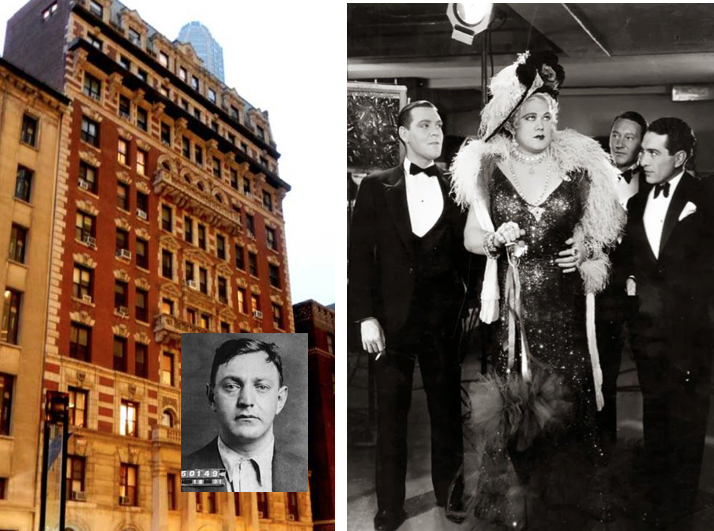
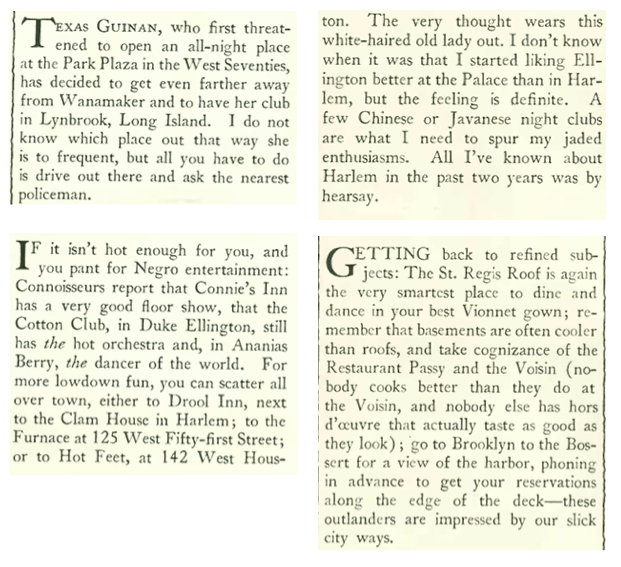
During the summer of 1925, a young writer at Vanity Fair named Lois Long would take over The New Yorker’s nightlife column, “When Nights Are Bold,” rename it “Tables For Two,” and set about giving a voice to the fledgling magazine as well as chronicling the city’s Jazz Age nightlife. There were accounts of Broadway actors mingling with flappers and millionaires at nightclubs and speakeasies, but Long also spoke out on issues such as Prohibition, taking the city’s leaders to task for raids on speakeasies and other heavy-handed tactics contrary to the spirit of the times. “Tables For Two” would go on hiatus with the June 7, 1930 issue, and appropriately so, as the deepening Depression gave the the city a decidedly different vibe. In her “final” column Long would write about the Club Abbey, a gay speakeasy operated by mobster Dutch Schultz

PARTIED OUT…In her final nightlife column, Lois Long wrote about the new Club Abbey in the basement of the Hotel Harding (left), which was operated by mobster Dutch Schultz (inset). The club’s emcee was Gene Malin (right), Broadway’s first openly gay drag performer. The club was short-lived (as were Schultz and Malin), closing in January 1931 following a mob brawl. (infamousnewyork.com/Pinterest)

…and she would update her readers on “Queen of the Night Clubs” Texas Guinan, whose Club Intime was sold to Dutch Schultz and replaced by his Club Abbey…

FINAL ACT…Clockwise, from top left, Texas Guinan at Lynbrook, circa 1930; Joseph Urban murals on the rooftop of the St. Regis Hotel; Duke Ellington and his orchestra at the Cotton Club, circa 1930s.

Long’s column would signal a definitive end to whatever remained of the Roaring Twenties. It would also signal the end to some of those associated with those heady times. Texas Guinan’s Lynbrook plans would flop, and Gene Malin’s Club Abbey would close in less than a year. Both would both be dead by 1933—Malin would die in a car accident in 1933, and amoebic dysentery would claim Guinan that same year. Dutch Schultz would be gunned down by gangsters in 1935.

Lois Long, however, would continue to write for The New Yorker for another forty years, and would prove to be as innovative in her fashion column, “On and Off the Avenue,” as she was as a nightlife correspondent.

 *  *  *

Gone to the Dogs

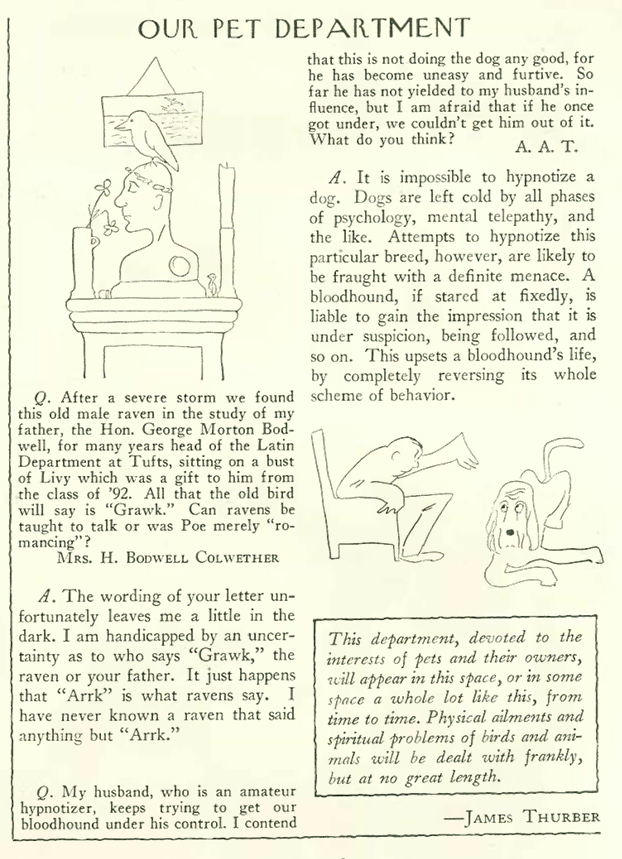
In another installment of his pet advice column (June 7), James Thurber gave us one of his classic dogs…a disinterested bloodhound…

…while Thurber’s buddy and office mate E.B. White commented (in the March 31 issue) on a recent poll conducted among students at Princeton, discovering among other things that New Yorker cartoonist Peter Arno was preferred over the old masters…

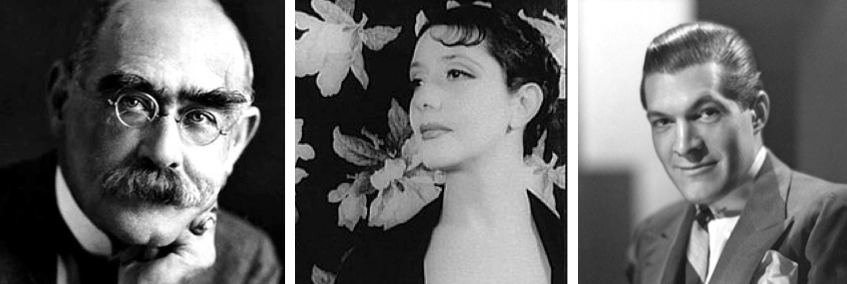
FAN FAVORITES…The Princeton Class of 1930 named (from left) Rudyard Kipling, Lynn Fontanne and Peter Arno as favorite poet, actress and artist respectively in a student poll. (YouTube/Wikipedia/giam.typepad.com)

 *  *  *

We Like It Fine, Thank You

The New Yorker dedicated a full page of the March 31 issue to a tongue-in-cheek rebuttal directed at the New York Evening Journal, which had reprinted one of Peter Arno’s cartoons to illustrate the moral cost of Prohibition. I believe the author of the rebuttal is E.B. White (note how he refers to Arno as “Mr. Aloe”).

…also in the May 31 issue, Rea Irvin changed things up, at least temporarily, with some new artwork for the “Goings On About Town” section. The entries themselves were often clever, such as this listing for a radio broadcast: PRESIDENT HOOVER—Gettysburg speech. Similar to Lincoln’s but less timely…

*  *  *

From Our Advertisers

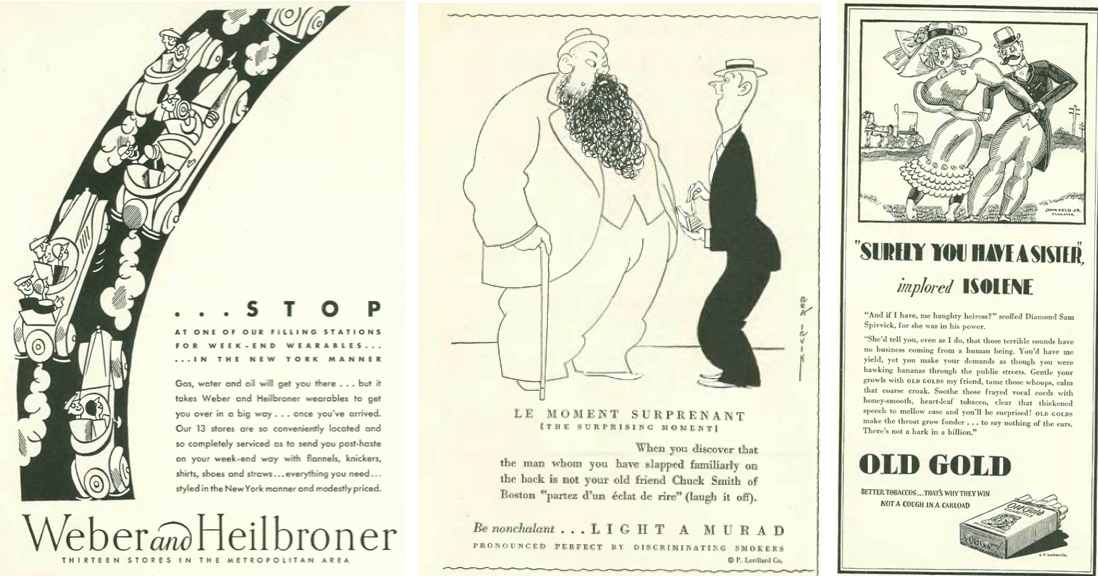
New Yorker cartoonists can be found throughout the advertisements — from left, Julian De Miskey, Rea Irvin and John Held, Jr

…and in the June 7 issue we find an unusual ad for a used car…a sign of the times, no doubt…

…before it was associated with Germany’s Nazi Party (especially after it seized power in 1933), for thousands of years the swastika had been widely used as a religious or good luck symbol…

…Actress Clara Bow was famously pictured sporting a “good luck” swastika as a fashion statement in this press photo from June 1928, unaware that in a few years the symbol would become universally associated with hate, death and war…

From an unidentified publication dated June 6, 1928. (@JoHedwig/Twitter)

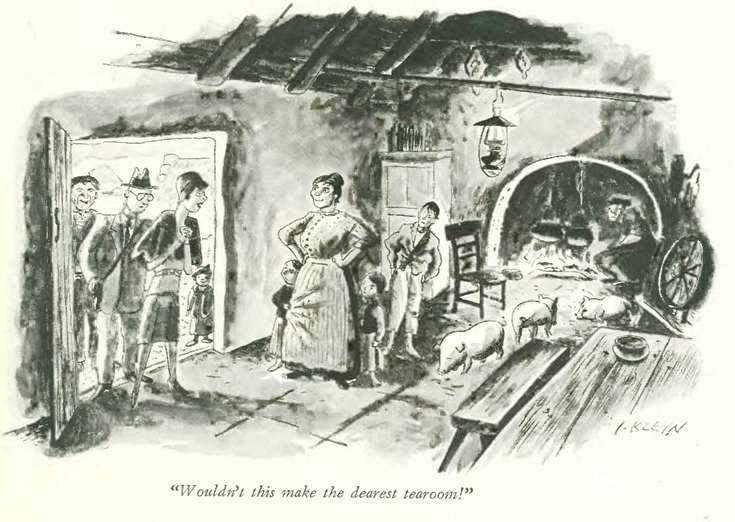
…on to our cartoons, Isadore Klein illustrated a cultural exchange…

Garrett Price gauged the pain of a plutocrat…

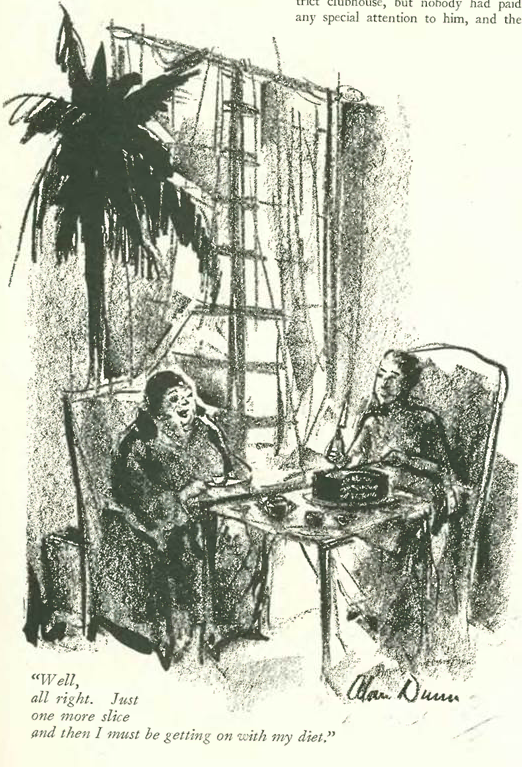
Alan Dunn eavesdropped on some just desserts…

Helen Hokinson found humor in the mouths of babes…

…as did Alice Harvey

Leonard Dove examined one woman’s dilemma at a passport office…

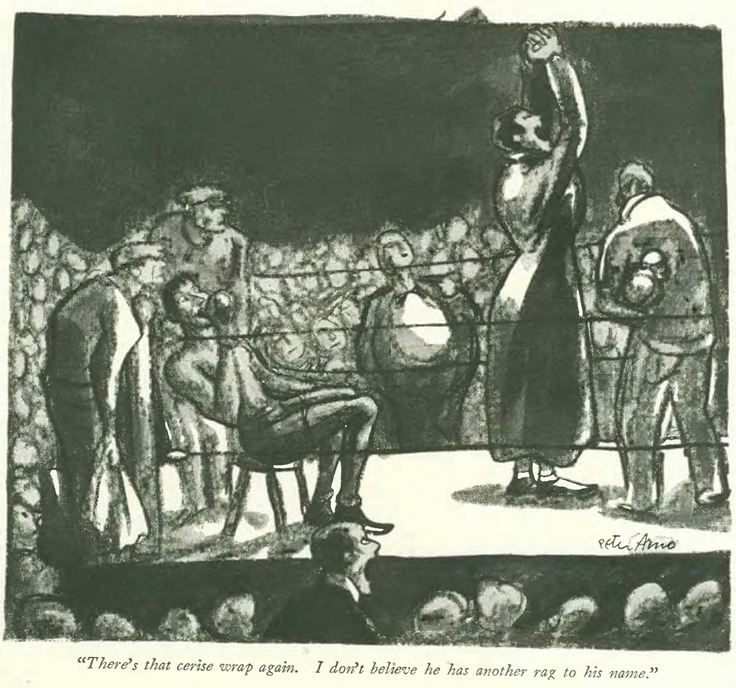
…and Peter Arno, who found some cattiness at ringside…

Next Time: Germany’s Anti-Decor…