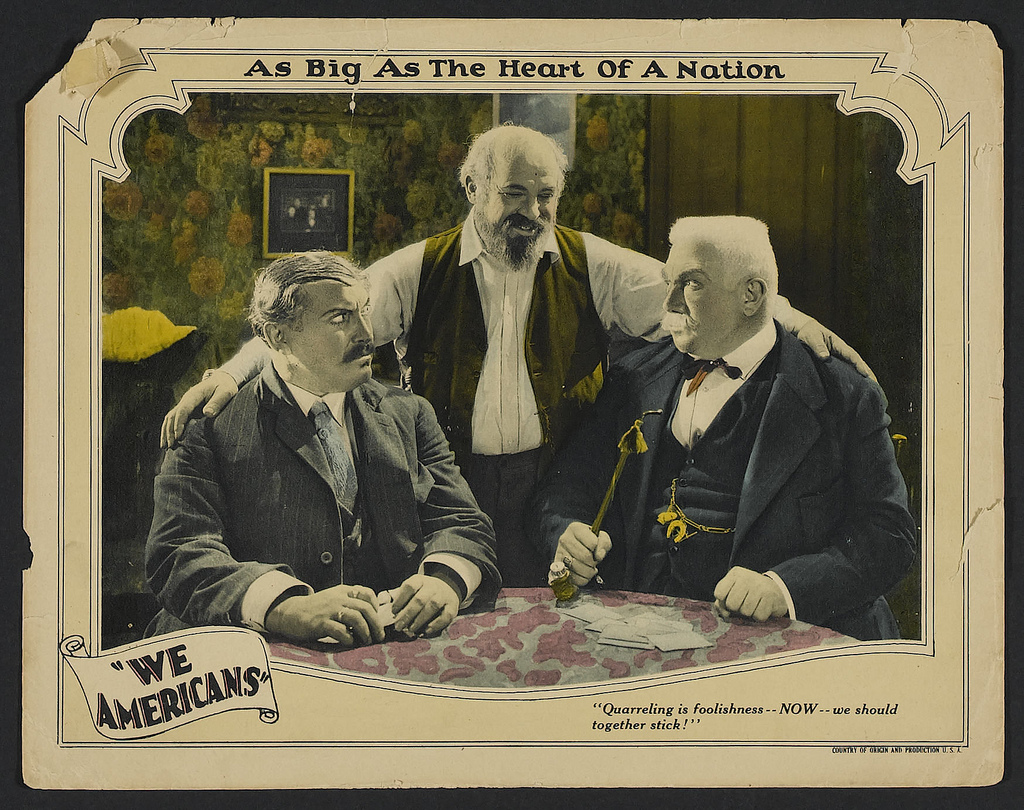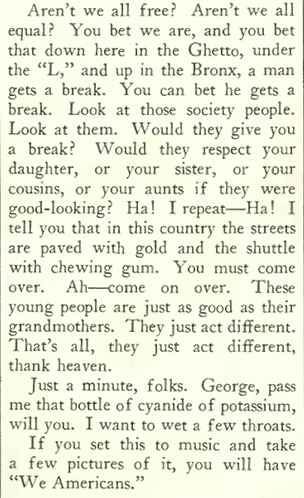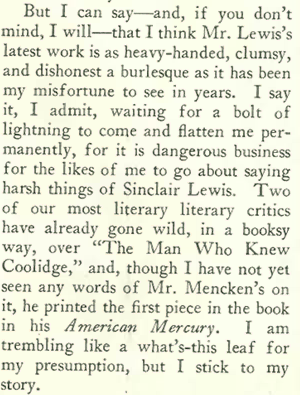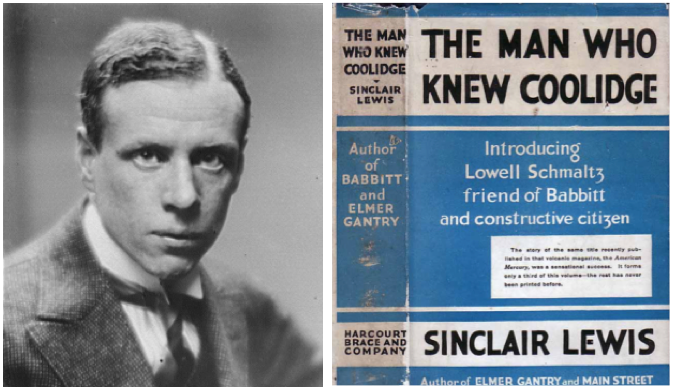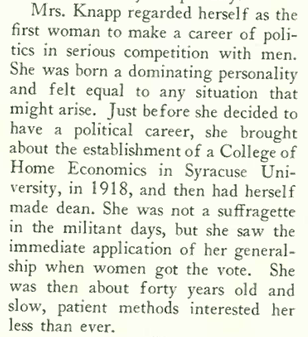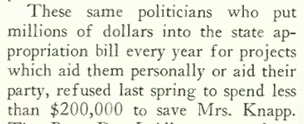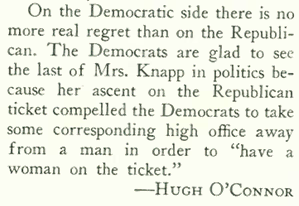
Two Years Young

The New Yorker celebrated its 2nd anniversary by once again using the Rea Irvin cover from its first issue, which depicted a dandified character–soon to be dubbed “Eustace Tilley”–that would become a mascot of sorts for the magazine.

e5c3fabc5f1612a71442c78a3c71d654
February 19, 1927: 2nd anniversary issue cover by Rea Irvin.

For more than 90 years it has been a tradition to feature the original cover every year on the issue closest to the anniversary date of February 21, although on several occasions a newly drawn variation has been substituted, including several “alternative” covers for last year’s 90th anniversary issue. This one in particular, by Carter Goodrich, is appropriate for our times:

CV1_TNY_02_23_15Goodrich.indd

The magazine included this embellishment on the opening page of “The Talk of the Town” (also repeated from the previous year)…

Screen Shot 2016-07-21 at 4.54.08 PM

…and the editors opened with a somewhat tongue-in-cheek boast of the young magazine’s improving fortunes:

Screen Shot 2016-07-21 at 4.55.17 PM

Screen Shot 2016-07-21 at 4.56.04 PM

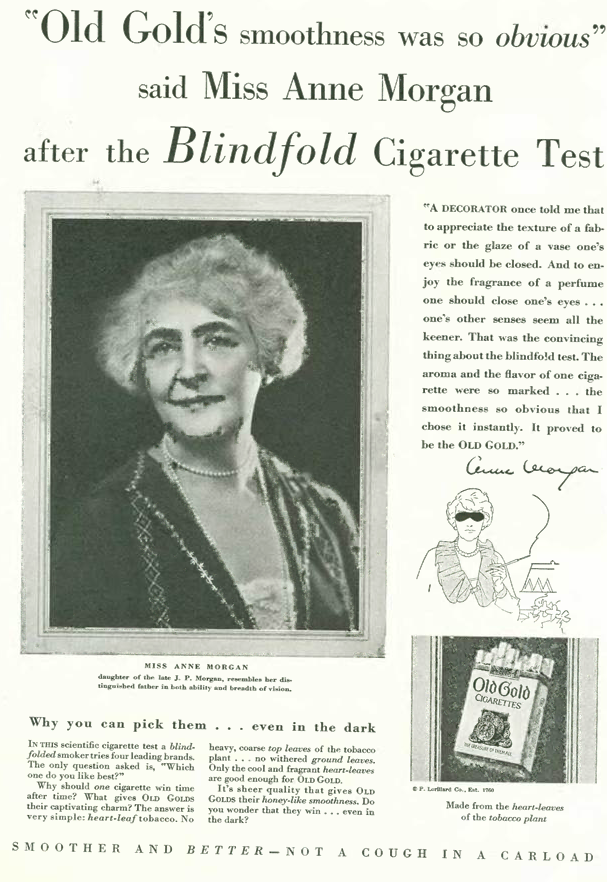
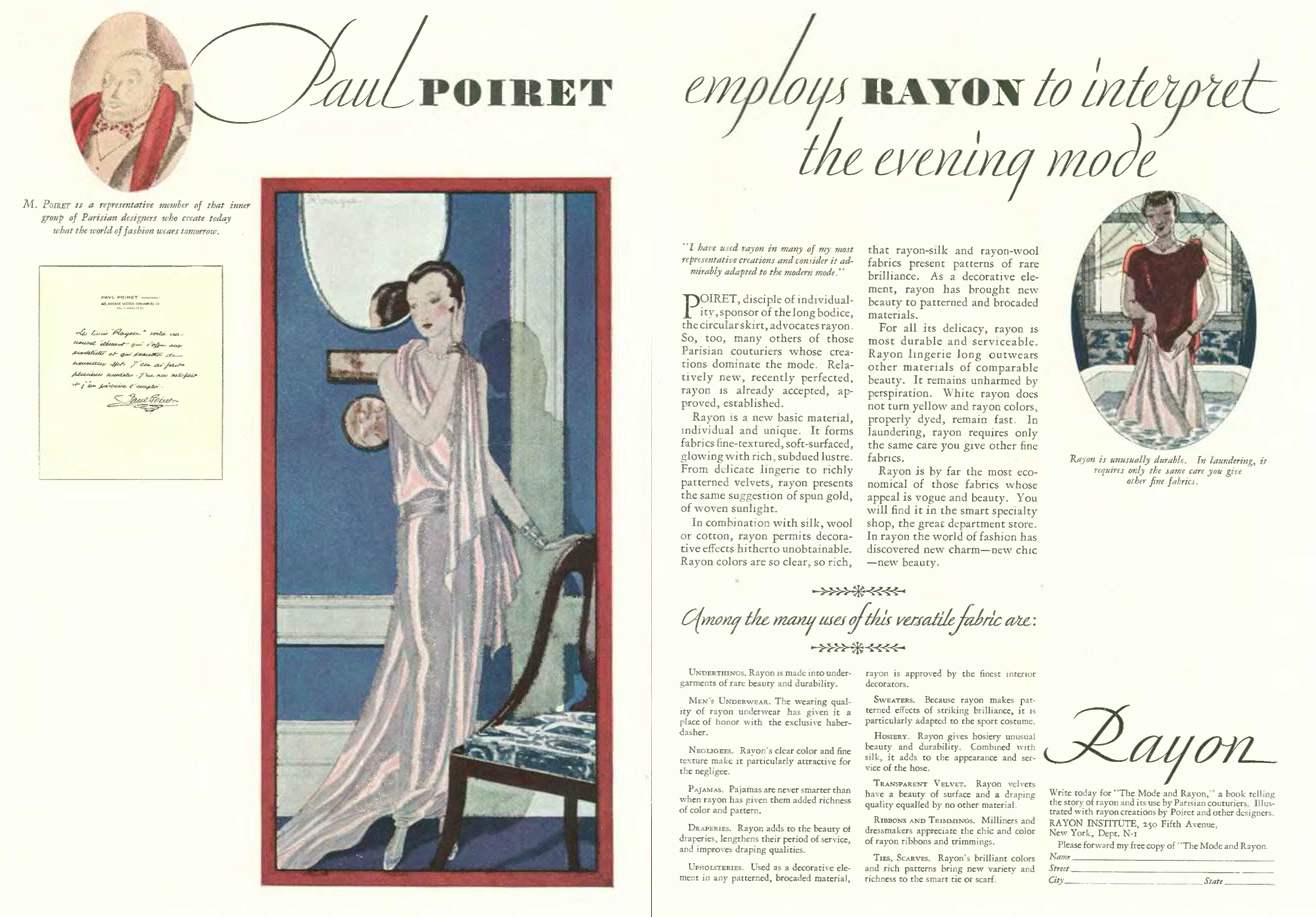
The boasts about advertising were legitimate. Apparently the people at Rolls Royce felt that the magazine was worth a full-page, weekly advertisement. Note the third paragraph of the ad, third to to the last line: How many car makers today, or any at time for that matter, would tout that their car “meets every traveling situation blandly?”

Screen Shot 2016-07-22 at 9.02.21 AM

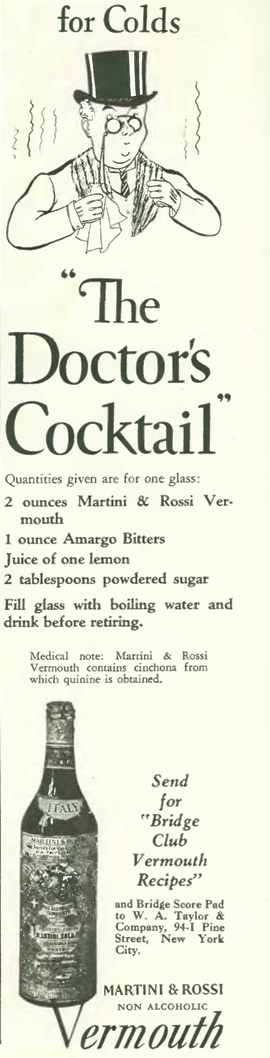
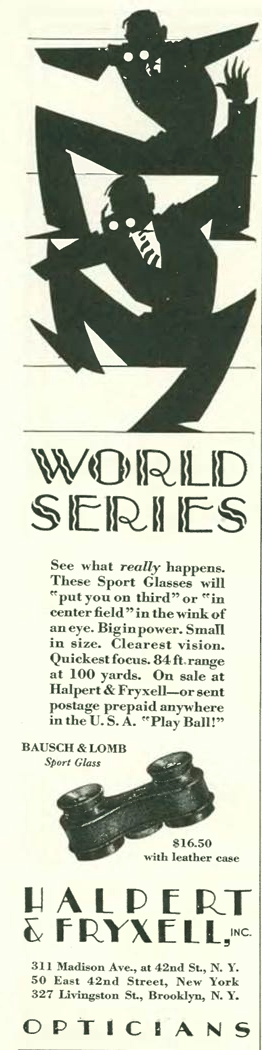
While on the topic of ads, this one from the back pages caught my eye:

Screen Shot 2016-07-22 at 9.24.12 AM

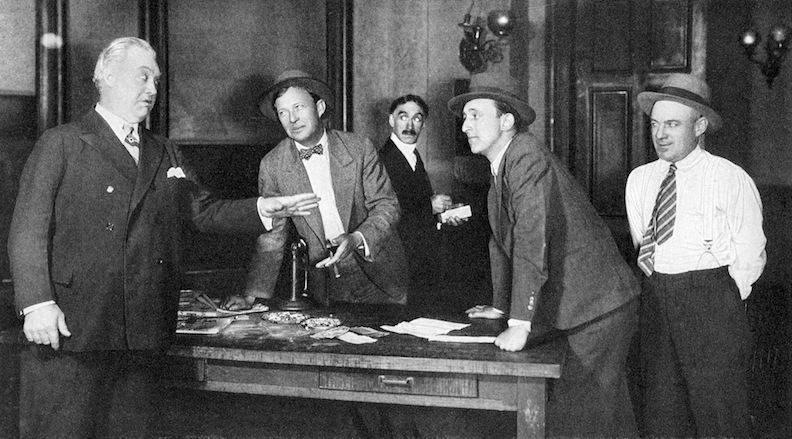
Most of us have heard of vaudeville teams like the Marx Brothers and Laurel & Hardy, but there were many others who drew big audiences but who are mostly forgotten today, including the trio of Clayton, Jackson and Durante.

clayton-jackson-and-durante0001
Jimmy Durante (center) performing with his vaudeville partners Eddie Jackson (right) and Lou Clayton. (New York Public Library)

Of the three, Jimmy Durante would go on to the greatest fame. Known for his gravelly voice, clever wordplay and his prominent nose (which he dubbed “the Schnozzola”), Durante would find great success in radio, film, and in early television. The singer, pianist and comedian would appear on many variety shows in the 1950s and 60s. Although he died in 1980, today he is still known to audiences young and old alike thanks to his appearance as the narrator in the animated Frosty the Snowman (1969), which is still broadcast every year during the Christmas season and is distributed through countless DVDs and streaming services.

Screen Shot 2016-07-22 at 1.26.10 PM
GOOD NIGHT, Mrs. Calabash, wherever you are…the animated Jimmy Durante in Frosty the Snowman (1969), and in a 1964 publicity photo. (YouTube/Wikipedia)
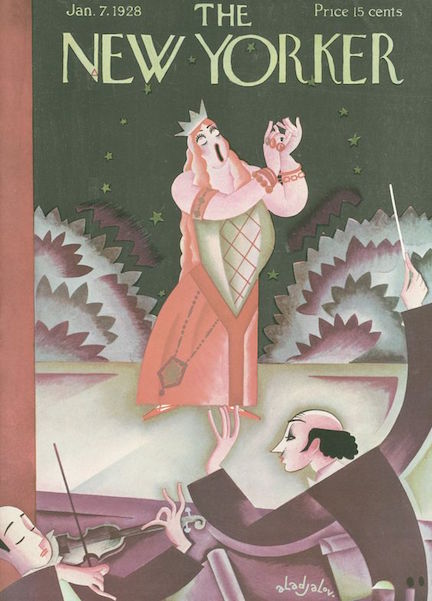
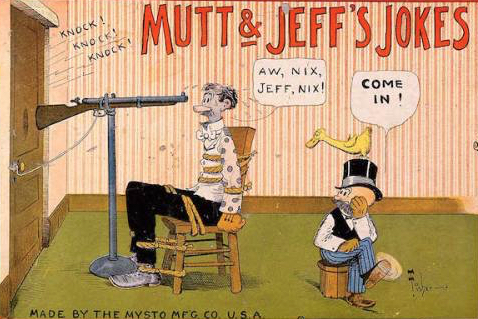
*  *  *  *  *

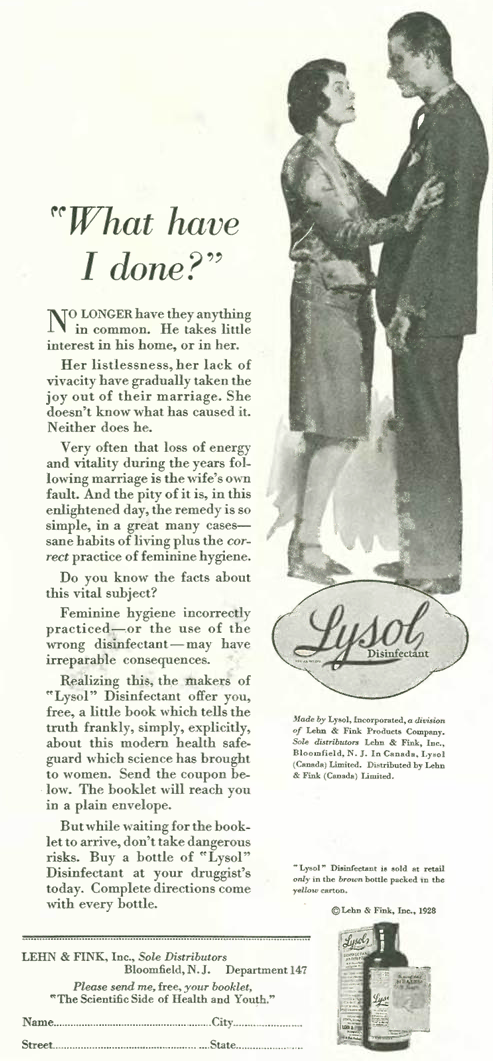
On to more advertising, and a less savory topic. Beginning in the 1920s, Lysol was advertised for use in feminine hygiene as a guard against “odors,” a term that was widely understood as a euphemism for contraception. According to Andrea Tone (Devices and Desires) by 1940 it had become the most popular birth control method in the country. Unfortunately for many women, Lysol contained cresol (derived from coal tar) which could cause severe inflammation and even death:

Screen Shot 2016-07-22 at 9.03.33 AM

Also popular (and a lot less harmful) in the 1920s was sheet music featuring the latest songs. So sidle up to the piano with your guy or gal and belt out one of these favorites:

Screen Shot 2016-07-22 at 9.26.21 AM

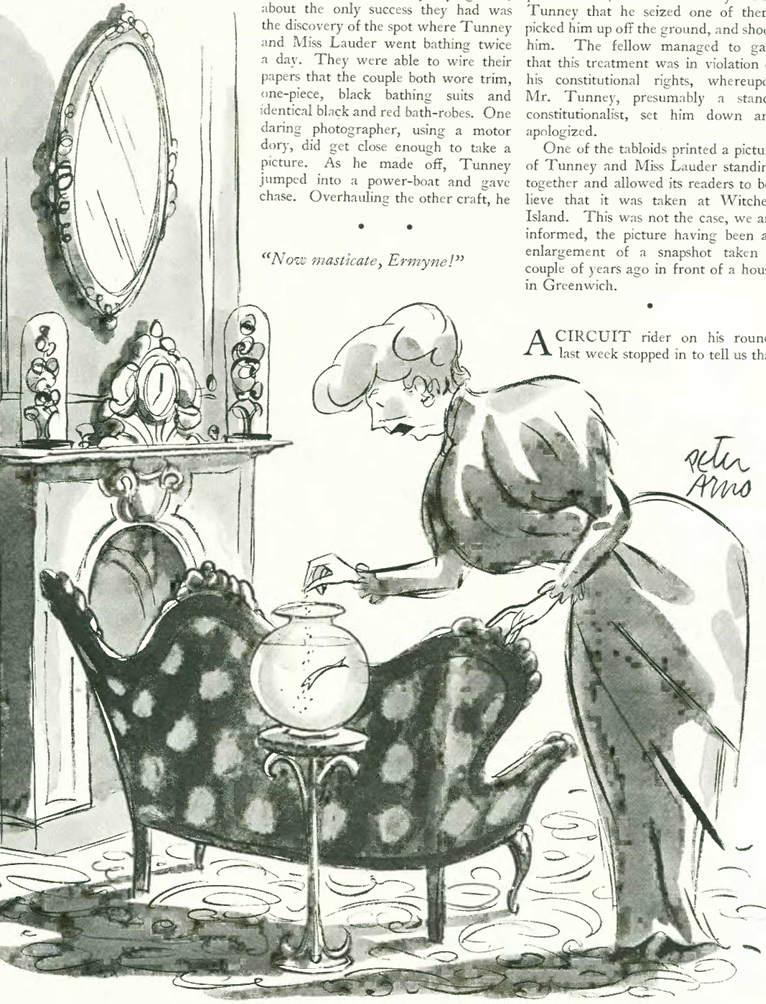
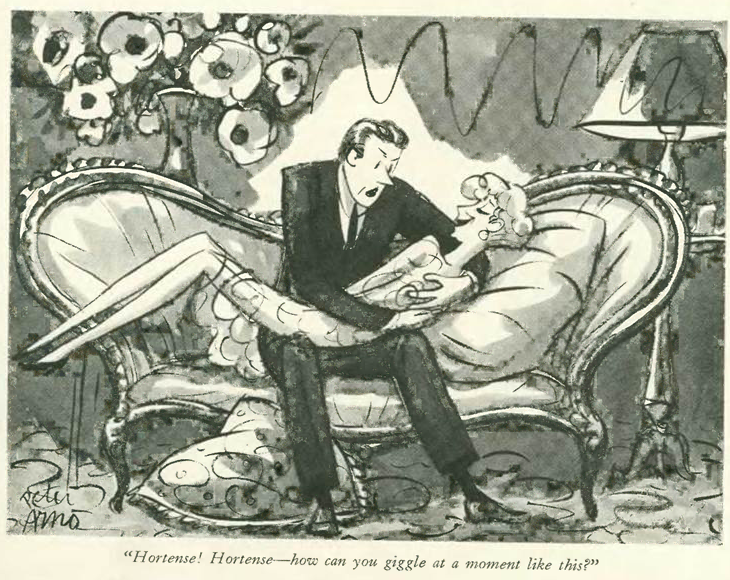
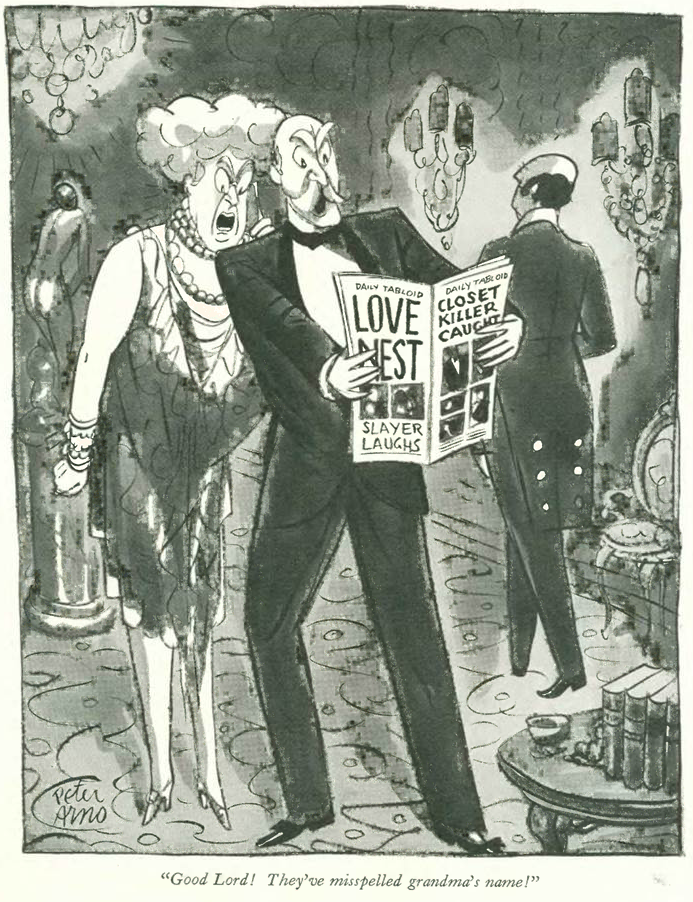
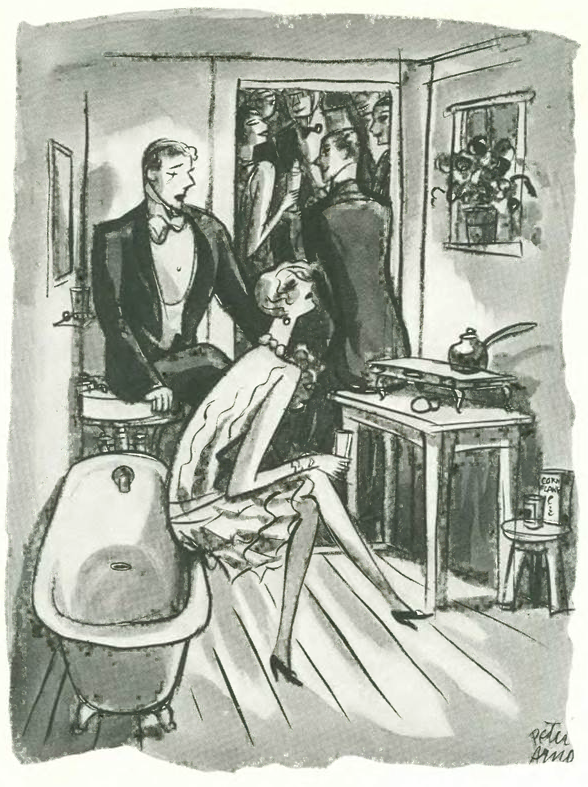
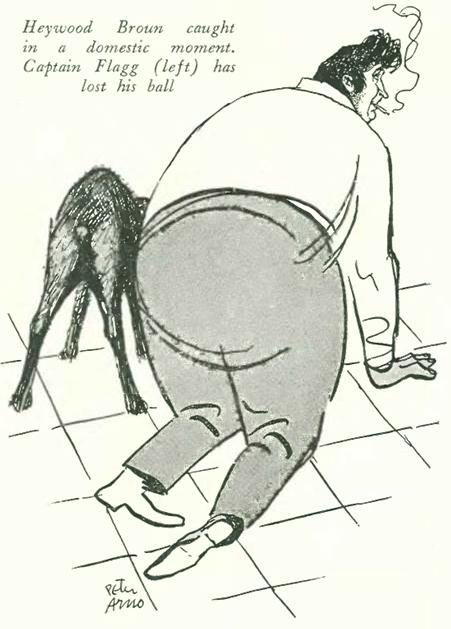
And to close, a cartoon by the famed Peter Arno, who was well-acquained with New York nightlife:

Screen Shot 2016-07-22 at 9.00.34 AM

Next Time: Clark’s Folly…

a4866ba5e836b04dce69f13fb06cf5df


Papa Pens a Parody

Ernest Hemingway wrote his lone New Yorker piece for the Feb. 5, 1927 issue. Titled “My Own Life,” it was a short parody of the 3-volume My Life and Loves by Irish writer Frank Harris.

7532b3c65dcb4c041db31d7c0c75b4c4
February 12, 1927 cover by Rea Irvin.

Writing for The Hemingway Review (Fall 2001), Francis Bosha notes in “The Harold Ross Files” that Hemingway’s sole contribution to the New Yorker is striking given that the magazine was such a major influence on fiction in the 20th century.

Money, or the shortage thereof, appears to be the main reason why Hemingway was not a regular contributor. Although the young magazine was doing well, Bosha writes that it was not yet ready to compete financially with more established mass market magazines. Indeed, Hemingway’s “My Own Life” landed in the New Yorker because it had already been rejected by both Scribner’s and The New Republic.

Ernest_and_Pauline_Hemingway,_Paris,_1927
Ernest Hemingway and his second wife, Pauline Pfeiffer, in Paris, 1927. (Wikipedia)

If you read the piece you can see why it was rejected. The famed fiction writer, hot off the success of The Sun Also Rises, was not a great parodist. An excerpt:

Screen Shot 2016-07-20 at 3.24.37 PM

And so on. Hemingway wisely stuck with serious fiction, which might explain his fleeting association with The New Yorker, which in its first years was bent toward humor in the Punch or Judge vein and not toward serious writing.

Nevertheless, the New Yorker’s founding editor, Harold Ross, maintained a friendship and a regular correspondence with Hemingway during the writer’s years in Cuba in the 1940s. On several occasions Ross invited Hemingway to submit something to the magazine, but nothing came of it. It didn’t help that Hemingway publicly stated in 1942 that he “was out of business as a writer,” and was suffering from depression, weight gain, and bouts of heavy drinking.

The Great Ziegfeld Finally Opens His New Theatre

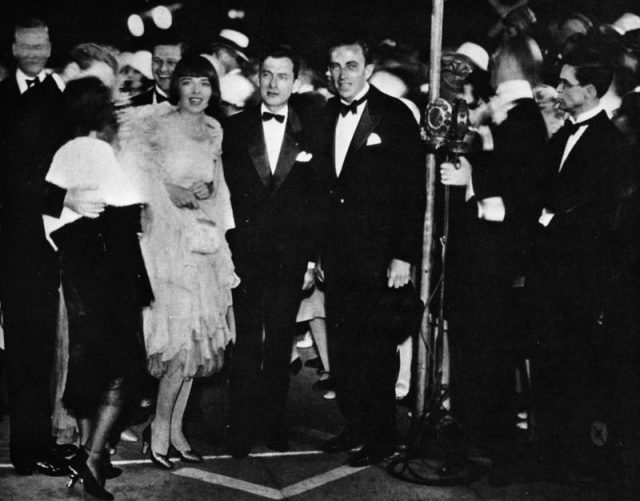
“The Talk of the Town” reported the premiere of Florenz Ziegfeld’s new art deco theatre was “one of the big mob scenes of the season,” attracting celebrities and celebrity-gawkers alike:

110927-GON066-04
Opening Night…

Screen Shot 2016-07-19 at 3.48.51 PM

Screen Shot 2016-07-19 at 3.49.09 PM

wurts_A0810_808013 001
DECKED IN DECO…The Ziegfeld Theatre at Sixth Avenue and 54th Street, 1927. Joseph Urban’s design of the facade suggests open curtains flanking a stage. (nyc-architecture.com)
Screen Shot 2016-07-20 at 4.11.16 PM
HELLO DOLLY…On the Ziegfeld Theatre’s opening night Ada May played Dolly in Rio Rita (Museum of the City of New York)

The opening drew the likes of Charlie Chaplin and polar explorer Roald Amundsen, who perhaps found a line of chorus girls a welcome sight after years of trekking through frozen landscapes.

Screen Shot 2016-07-19 at 3.49.28 PM

Among the attractions of the new theatre was what was claimed to be the largest oil painting in the world:

Screen Shot 2016-07-19 at 3.50.12 PM

110927-GON066-02
AN EYEFUL…A section of the interior wall of the Ziegfeld Theatre, decorated with “the largest oil painting in the world.” (nyc-architecture.com)

Sadly, despite public protests, the theatre was razed in 1966, bulldozed into rubble. The Burlington House stands on the site today:

800px-Burlington-house-nyc
Burlington House. (Wikipedia)

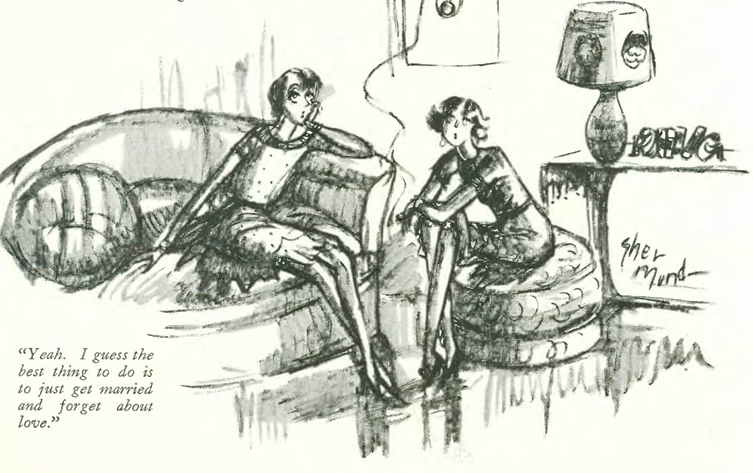
But we will end on a happier note, a cartoon by Barbara Shermund:

Screen Shot 2016-07-19 at 3.52.59 PM

Next Time: Two Years Young…

e5c3fabc5f1612a71442c78a3c71d654

Upstairs, Downstairs

As the New Yorker was a magazine of the city’s new money smart set, it poked fun at their faddish tastes and patronizing attitudes while at the same time feeding their Anglophilia and WASPish sense of superiority.

015737c92d9c339b44b3805c311dd478
January 22, 1927 cover by Andre De Schaub.

The magazine’s pages were filled with ads for English-style clothes, French perfumes and expensive cars. And in the Jan. 22 issue there were many ads for the motorboats that had displaced the automobile show at Grand Central Palace:

Screen Shot 2016-06-14 at 9.25.59 AM

It is important to note that this ad is an appeal to new money; old money would have found this motorized vessel quite vulgar.

As it were, the new money needed some guidance if they hoped to live a lifestyle of ease and sophistication. And thus the issue’s “On and Off the Avenue” column, guest-written by Gretta Palmer (Lois Long took the week off), offered advice on how to hire and clothe the help:

Screen Shot 2016-06-14 at 9.27.59 AMScreen Shot 2016-06-14 at 9.28.35 AM

Perhaps you wanted a proper English butler. Lida Seely had your man:

Screen Shot 2016-06-14 at 9.28.53 AM

Or a Scotch maid, or choose from a selection of “any color or race”…

Screen Shot 2016-06-14 at 9.30.18 AM

In case you found that last sentence a bit callous, Gretta reassured:

Screen Shot 2016-06-14 at 9.30.55 AM

Screen Shot 2016-06-14 at 9.31.27 AM

The issue also featured a cartoon by Rea Irvin (displayed full-page, sideways in the original magazine) depicting the “lower orders” aping the lifestyle of the upper classes. Note that of all the racial and ethnic types shown here, only Blacks remain in the servant class.

Screen Shot 2016-06-14 at 9.18.03 AM

As I noted in a previous post, “Race Matters,” the New Yorker of the 1920s was decidedly mainstream in engaging in casual bigotry common in those days, including treating blacks as racial “others.” There is, perhaps, a subtle jab here by Irvin at the pretensions of the uppers, but he’s not around anymore to clarify this.

The issue also featured the first of a series of articles (“Profiles”) on the 87-year-old John D. Rockefeller. A brief excerpt, with illustration by Cyrus Baldridge:

Screen Shot 2016-06-14 at 9.19.18 AM

Rockefeller

The writer’s prediction wasn’t too far off: Rockefeller would live another ten years, and die at age 97 in 1937. His grandson, David Rockefeller, apparently inherited both his money and his genes: he recently celebrated his 101st birthday (update: David Rockefeller died in 2017 at age 101).

Finally, a cartoon by Peter Arno, famed for his drawings of women, usually scantily clad. Here we see an early example in one of his “Whoops Sisters” panels:

Screen Shot 2016-06-14 at 9.22.05 AM

By comparison, here is a cartoon by Arno 33 years later, from the September 10, 1960 issue of the New Yorker:

869a0a6de1edde2e7479b79d285bd73a
Caption: “Makes you kind of proud to be an American, doesn’t it?”

Next Time: All That Jazz…

b8a47deb10bba89d024899c9500bba81

Living High in ’27

It’s 1927 and the New Yorker is almost two years old. After a shaky start the magazine found its voice (and a lot of advertising revenue) and moved forward with a solid stable of contributors that would give the magazine a style that persists to this day.

3d2b321563197a6b5234717d2c47259b
Jan. 1, 1927 cover by Rea Irvin.

Before I dive in, let’s get a snapshot of the country in 1927, courtesy of Bill Bryson’s terrific book, One Summer: America, 1927.

Bryson describes America as “staggeringly well-off in 1927,” with homes (especially in urban areas) shining with sleek appliances—refrigerators, radios, telephones, electric fans and razors—“that would not become standard in other countries for a generation or more.”

He writes that “of the nation’s 26.8 million households, 11 million had a phonograph, 10 million had a car, 17.5 million had a phone…42 percent of all that was produced in the world was produced in the United States.” Bryson also notes that in 1927 the U.S. made 80 percent of the world’s movies and 85 percent of the world’s cars, and that the state of Kansas alone had more cars than France.

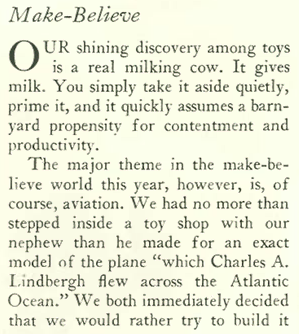
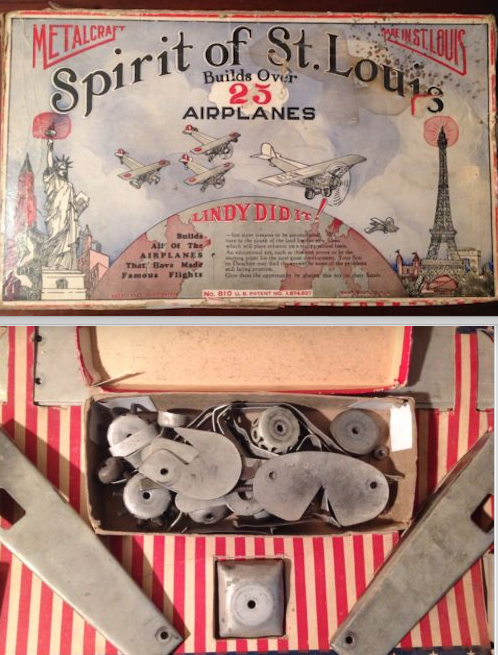
It was also the year Babe Ruth would hit a record 60 home runs, and Charles Lindbergh would fly the Spirit of St. Louis across the Atlantic.

* * *

The Jan. 1 issue featured a profile of world-famous dancer Isadora Duncan, who was living in sad decline in Paris. Particularly acclaimed in Europe for her free dance style, the California-born Duncan also gained notoriety (mostly in puritanical America) for her flouting of traditional mores and morality. Today, she is mostly known for the freak accident that killed her. More on that below.

Screen Shot 2016-06-02 at 3.01.43 PM
“Profiles” illustration of Isadora Duncan by Hugo Gellert.

The profile, written by Paris correspondent Janet Flanner under the pen name “Hippolyta,” noted that Duncan was “the last of the trilogy of great female personalities our century produced. Two of them, [Eleanora] Duse and [Sarah] Bernhardt, have gone to their elaborate national tombs. Only Isadora Duncan, the youngest, the American, remains wandering the European earth.”

WANDERING THE EARTH…At left, portrait of Isadora Duncan, circa 1910. At right, a 1904 photograph Photograph by Hof-Atelier Elvira shows Duncan in her favored costume, which was inspired by classical drapery. The look was considered shocking at the time for the way it showed off her legs. (Wikipedia/New York Public Library)

Little did Flanner know that Duncan would also be dead before the year was over. Here is how the Wikipedia entry on Duncan describes her death:

On the night of September 14, 1927 in Nice, France, Duncan was a passenger in an Amilcar automobile owned by Benoît Falchetto, a French-Italian mechanic. She wore a long, flowing, hand-painted silk scarf, a gift from her friend Mary Desti, the mother of American film director Preston Sturges. Desti, who saw Duncan off, had asked Duncan to wear a cape in the open-air vehicle because of the cold weather, but Duncan would only agree to wear the scarf.

As they departed, Duncan reportedly said to Desti and some companions, “Adieu, mes amis. Je vais à la gloire!” (“Farewell, my friends. I go to glory!”); but according to American novelist Glenway Wescott, Desti later told him that Duncan’s actual last words were, “Je vais à l’amour” (“I am off to love”). Desti considered this embarrassing, as it suggested that she and Falchetto were going to her hotel for a tryst.

Her silk scarf, draped around her neck, became entangled around the open-spoked wheels and rear axle, hurling her from the open car and breaking her neck. Desti said she called out to warn Duncan about the shawl almost immediately after the car left.

1927-amilcar
NO SEAT BELTS, EITHER…A 1927 Italian Amilcar, similar to the one in which Duncan met her end. (irrational geographic)

Referring to Duncan’s demise, the writer Gertrude Stein remarked: “Affectations can be dangerous.”

Next Time: Those Jaunty Jalopies…

02a20a11df95c233092dc64bfc8f2b3c


The Last Impressionist

The death of artist Claude Monet prompted the editors of the New Yorker’s “Talk of the Town” to speculate on the true origins of the “Impressionist” movement of the late 19th century.

586fbe11df96b63350793a3341bc3dcf
December 18, 1926 cover by Ottar Gaul. Once again, the theme of the doddering sugar daddy out on the town with his young mistress.

Note how the “Talk” editors lightly regarded the artist’s late period, during which he painted his famous “Water Lilies” series:

Screen Shot 2016-05-25 at 9.11.05 AM

Screen Shot 2016-05-25 at 9.11.30 AM

The editors also used the occasion to clear up the confusion (in the lay mind) between Édouard Manet and Monet, identifying them not only as two distinct persons but also crediting the former with the founding of the Impressionism technique while giving Claude his due for actually giving it a name:

Screen Shot 2016-05-25 at 9.12.03 AM

Claude_Monet,_Water_Lilies,_ca._1915-1926
Water Lilies, a late period painting by Claude Monet, circa 1915-26. (Nelson-Atkins Museum of Art)
Monet_in_Garden,_New_York_Times,_1922
Monet, right, in his garden at Giverny, 1922. (New York Times)

Another much younger notable of the age, Ernest Hemingway, was the talk of literary society on both sides of the Atlantic with the publication of his latest novel, The Sun Also Rises. According to the New Yorker’s Paris correspondent Janet “Genêt” Flanner, the novel was creating a buzz in Montparnasse over the origins of the book’s colorful characters:

Screen Shot 2016-05-25 at 9.36.54 AM

Screen Shot 2016-05-25 at 9.37.08 AM

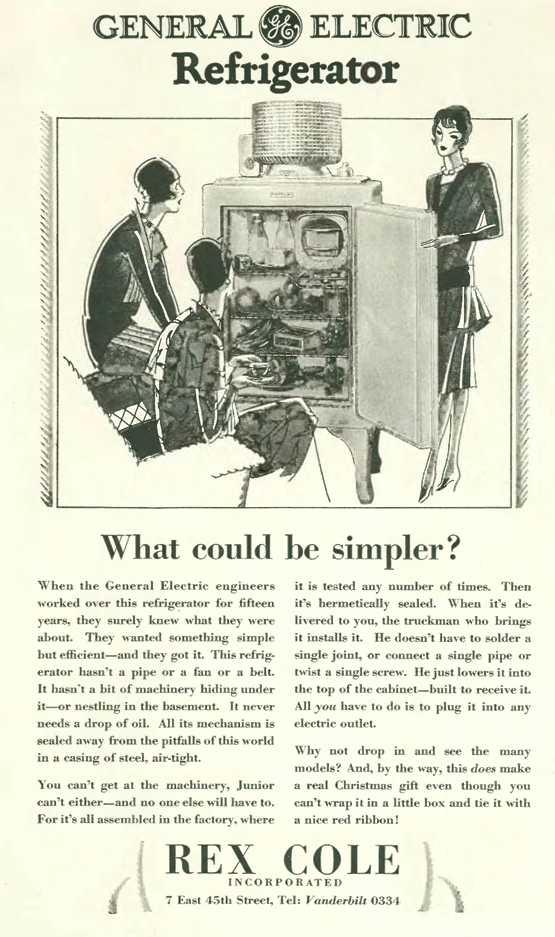
Keeping in mind that the Christmas shopping season was still in full swing, Frigidaire thought it the perfect time for New Yorker readers to buy a newfangled electric refrigerator:

Screen Shot 2016-05-25 at 9.09.03 AM

And we ring out the year with the final issue of 1926:

a891b86b245caf69b30eda2d09544bba
December 25, 1926 cover by Rea Irvin.

It was a tough year for New Yorker film critic “OC”, who summed up his  disappointment with the movies by offering a Top Ten list that included only two films:

Screen Shot 2016-05-25 at 9.46.08 AM

Variety_(1925_film)
The 1925 German film Variety (released in the U.S. in 1926) was one of only two films worth watching in 1926, according to the New Yorker’s film critic. (Wikipedia)

And to close, this cartoon by Helen Hokinson, which in the original magazine filled all of page 14 and therefore had to be printed sideways:

Screen Shot 2016-05-25 at 9.48.28 AM

Next Time: 1927-A Year to Remember…

3d2b321563197a6b5234717d2c47259b


What Price Glory

The silent comedy-drama What Price Glory was a popular film during the final weeks of 1926. Directed by Raoul Walsh, it was based on a popular 1924 play by Maxwell Anderson and Laurence Stallings.

9ce9dbbb683b23ca1336748460e4d7ac
December 11, 1926 cover by Rea Irvin.

The film about World War I Marines who are rivals for the affections of a daughter of the local innkeeper proved to be a rare winner with the New Yorker film critic “OC” (anyone know his/her identity?), in a review published in the magazine’s previous issue (Dec. 4, 1926).

Screen Shot 2016-05-24 at 11.45.18 AM

The film also gained fame from the fact that although it was silent, the characters could be seen speaking profanities that were not reflected in the title cards. The studio was flooded with calls and letters from enraged lip readers, including the deaf and hearing impaired, who found the profanity between Sergeant Quirt and Captain Flagg offensive.

WhatPriceGlory
Edmund Lowe, Delores del Rio and Victor McLaglen in a publicity photo for What Price Glory? Lowe and McLaglen portrayed Sgt. Quirt and Cpt. Flagg, rivals for the affections of Charmaine de la Cognac (del Rio). (Fox Film Corporation)

In the Dec. 11 issue, The New Yorker continued its publicity of the film with this drawing in the arts section by Reginald Marsh:

Screen Shot 2016-05-24 at 11.28.43 AM

I like the curious little bubble image the artist included in his illustration (above), just in case we aren’t sure what the gentlemen are fighting over.

tumblr_ky2zdm2fB81qa6tny
Delores del Rio’s Charmaine character on sheet music featuring the film’s theme song. The film would be rereleased in 1927 with synchronized Movietone sound effects and music. (Brooksies Silent Film Collection)

Other items in the Dec. 11 issue included Morris Markey’s “A Reporter at Large” piece on the newly crowned prizefighter Gene Tunney, who apparently was struggling with fame and wanted to be known for his smarts rather than his fists. Markey wasn’t buying it:

Screen Shot 2016-05-24 at 11.33.02 AM

After a number of verbal jabs throughout the piece, Markey included this knockout punch:

Screen Shot 2016-05-24 at 11.33.15 AM

jp-TUNNEY1-jumbo
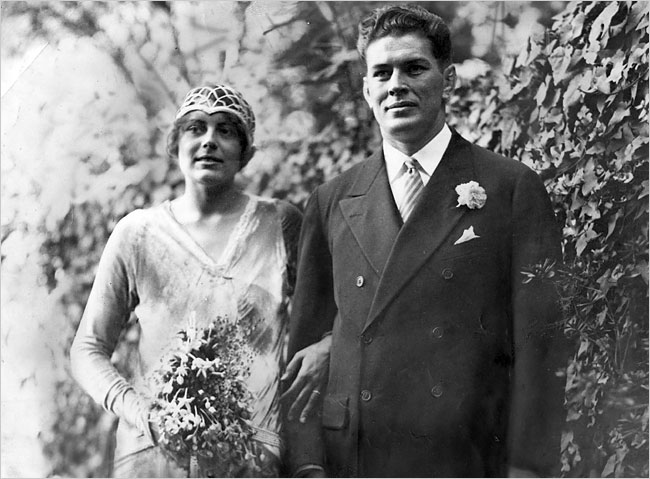
I COULDA BEEN A WRITER…Gene Tunney, left, and the writer George Bernard Shaw on a 1929 vacation to Brioni, Italy. (Associated Press)

Next Time: The Last Impressionist…

586fbe11df96b63350793a3341bc3dcf

Fun With Harold

The Nov. 6, 1926 issue of The New Yorker was actually two issues, one for the newsstands and subscribers and the other a rare parody issue privately published and presented to founding editor Harold Ross on his 34th birthday.

Screen Shot 2016-04-01 at 3.03.49 PM
The cover of the “official” issue (left) for November 6, 1926, was illustrated by William Troy, the parody issue by Rea Irvin.

The parody issue’s cover featured a silhouette of Ross (drawn by Rea Irvin, as “Penaninsky”) in the pose of dandy Eustace Tilley, looking at a spider bearing a strong resemblance to Alexander Woollcott, critic and commentator for The New Yorker who first met Ross overseas when the two worked on the fledgling Stars and Stripes newspaper.

Screen Shot 2016-04-07 at 3.16.19 PM
OLD PALS…Alexander Woollcott and Harold Ross. (Britannica; Jane Grant Collection, University of Oregon)

Ralph Barton’s contribution to the parody issue…

Screen Shot 2016-04-07 at 2.44.38 PM
(From About Town: The New Yorker and the World It Made, By Ben Yagoda)

…and an unsigned contribution that took a poke at Ross’s efforts to create efficient procedures at the magazine’s office:

Screen Shot 2016-04-07 at 3.32.46 PM
Excerpt from Defining New Yorker Humor, by Judith Yaross Lee

In the other Nov. 6 issue, “The Talk of the Town” editors commented on the death of the famed magician Harry Houdini:

Screen Shot 2016-04-07 at 3.43.59 PM

Screen Shot 2016-04-07 at 3.44.26 PM

ONE OF HIS FINAL ACTS…Harry Houdini appearing before a Senate committee to expose fake spiritualists in February 1926. (wildabouthoudini.com)

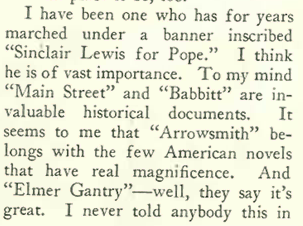
“Talk” also noted a new book called Elmer Gantry was being penned by Sinclair Lewis:

Screen Shot 2016-04-07 at 3.45.20 PM

The book was a biting satire of the hypocrisy of fanatical preachers during the 1920s. It created a public furor when it was published in 1927. Another “Talk” item mocked the taste of wealthy New Yorkers for the latest exotic gadgets…

Screen Shot 2016-04-07 at 3.40.08 PM

…but the same issue was also filled with the usual advertisements appealing to those very same desires of the Smart Set. Here’s a couple of gems, so to speak…

Screen Shot 2016-04-07 at 3.37.43 PM

Screen Shot 2016-04-07 at 3.38.34 PM

Next Time: The Cotton Club & Other Distractions…

8a3e8956e7cf51e58975801865fdce55

Fight Night in Philly

We skip ahead to the Oct. 2, 1926 issue to look at one of the big events of that year–the Dempsey-Tunney heavyweight prize fight (I’m not skipping issues…Sept. 25 appears later in this blog).
652f917918402a71eb86f6671c9f228a
Oct. 2, 1926 – Issue # 85 – Cover by Constantin Alajalov. (Once again, note the ongoing comic reference to androgyny in 20’s fashion)
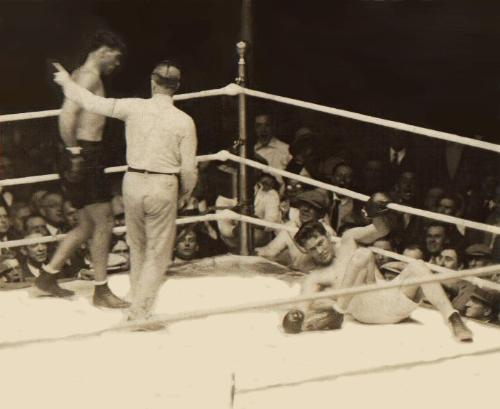
Heavyweight boxing was a big part of the American sports scene in the 1920s, and two giants of the sport, Jack Dempsey and Gene Tunney, dominated the headlines in the late 1920s thanks to much-heralded bouts in Philadelphia in 1926 and a rematch in Chicago the following year (which would include the famous “long count” incident).
Screen Shot 2016-02-26 at 12.30.40 PM
An estimated 135,000 fans packed Sesquicentennial Stadium in Philadelphia for the Dempsey-Tunney bout. (NYTimes)
The New Yorker joined in on the hoopla, publishing a lengthy account of the match by Waldo Frank (aka “Search-light”), who trained his jaded eye on the whole affair:
Screen Shot 2016-02-25 at 4.28.32 PMScreen Shot 2016-02-25 at 4.28.39 PM
MediaStream.ashx
VIEW FROM THE CHEAP SEATS…a rain-soaked throng at the Dempsey-Tunney fight in Philadelphia. (City of Philadelphia)
According to the New York Times, the crowd included such notables as Charlie Chaplin, cowboy movie star Tom Mix and the English Channel swimmer Gertrude Ederle.
Screen Shot 2016-02-26 at 12.13.08 PM
Coverage of Tunney’s victory by unanimous decision took up three-quarters of the front page of The New York Times, and also filled most of pages 2 through 7. (The New York Times)
But in typical fashion, Waldo was less than dazzled, finding the rain an apt metaphor for a spectacle mostly unseen by those in attendance:
Screen Shot 2016-02-25 at 4.27.50 PM
Never one to wallow in tragedy, the magazine made a brief (and oddly droll) reference in “The Talk of the Town” to a hurricane that hit Miami and its environs (it killed 372 people and injured more than 6,000):
Screen Shot 2016-02-25 at 4.16.52 PM
Other items of note in the issue included this examination of country vs. city life by cartoonist Barbara Shermund
Screen Shot 2016-02-25 at 4.21.56 PM
…and this cartoon by Al Frueh commenting on the challenges of Manhattan’s rapidly changing cityscape:
Screen Shot 2016-02-25 at 4.18.53 PM
The changing city was also on the mind of Reginald Marsh in this illustration he contributed to the Sept. 25, 1926 issue of the magazine:
Screen Shot 2016-02-25 at 4.02.32 PM
Back to the Sept. 25 issue, which featured an update from Paris correspondent Janet Flanner
d9f3d5507a7bade4fc28276d12a63260
Sept. 25, 1926 – Issue # 84 – Cover by Constantin Alajalov.
…who commented on the large number of American tourists crowding the city just as the locals were fleeing for their long, late summer holidays:
Screen Shot 2016-02-25 at 4.07.13 PM
She offered some numbers to back up her observations:
Screen Shot 2016-02-25 at 4.07.43 PM
3333095832_f6a6fd78cb_o
Janet “Genêt” Flanner (right) and longtime companion Solita Solano (center) in Paris, 1921. Solano was a well-known writer and drama critic for the New York Tribune. (Vintage Everyday)

And finally, a cartoon by Rea Irvin exploring the trials of the idle rich:

Screen Shot 2016-02-25 at 4.01.32 PM
 Next Time: Do Gentlemen Prefer Blondes?
848d031119e0d470956ce963e6e7fb62

Come Fly With Me

Since most of us complain about the sad state of air travel these days, it’s nice to get a little historical perspective on this mode of transportation.

60050ce935d82b28520c52109cd715ce
Sept. 4, 1926 cover by Rea Irvin.

Ninety years ago the editors of The New Yorker were enamored with passenger air service, even though it was only available to those who were wealthy and had the stomach to actually fly in one of these things:

3987535508_ecfa3ffa6a_b
The May 8, 1925 christening of the Sikorsky “Yorktown.” The “huge” plane is referred to in the Sept. 4, 1926 “Talk of the Town.” (Library of Congress)

In the “Talk of the Town” section, The New Yorker editors marveled at the regular air taxi service available to Manhattanites:

Screen Shot 2016-02-10 at 11.50.30 AM

Screen Shot 2016-02-10 at 11.50.38 AM

The “huge” Yorktown might look crude to a traveler in 2016, but this was advanced stuff considering the Wright Brothers had made their first flight less than 23 years earlier. Planes like the Yorktown looked less like aircraft we know today and more like a trolley car with wings attached. And that window in the front wasn’t for the pilot. He sat up top in the open air:

5919269221_8df4563424_b
Side view of the Sikorsky “Yorktown.” Note the pilot seated aft of the wings. (Flickr)

But then again, the interiors of these planes were no picnic, either. Imagine sitting in this while crashing through a storm:

HighFlight-Goliath4
Interior of a Farman Goliath, which would have been similar to the Sikorsky, if not a little nicer. (Historic Wings)
onzaslyyjim7xrzditoc
Another photo of a 1920s passenger flight. As in the preceding photo, note the wicker chairs. And no leg room. These fellows appear to awaiting the showing of an early in-flight movie. At least movies were silent then, because with giant piston engines flanking the cabin you weren’t going hear anything anyway. (Paleofuture)

Other items from the Sept. 4, 1926 “Talk” section included a bit about the former president and then Supreme Court Justice William Howard Taft, and his rather ordinary life in Murray Bay. An excerpt:

Screen Shot 2016-02-10 at 11.50.50 AM

1268484_600
Ex-President, Supreme Court Justice and avid golfer William Howard Taft follows through on the links in this undated photo (jmarkpowell.com)

At the movies, The New Yorker gave a lukewarm review of the much-ballyhooed film Beau Geste:

Screen Shot 2016-02-10 at 12.01.07 PM

Mary-Brian-with-Neil-Hamilton-in-Beau-Geste-1926
AT LEAST SHE HAD A NICE COMPLEXION…Mary Brian (dubbed “The Sweetest Girl in Pictures”) with Neil Hamilton in Beau Geste, 1926 (classiccinemaimages)

And although Gloria Swanson was one of the biggest stars in the Silent Era, The New Yorker was never a big fan of her films:

Screen Shot 2016-02-10 at 12.01.20 PM

MV5BMTk2ODkxOTcxMl5BMl5BanBnXkFtZTYwMjcxMTU2._V1_SX640_SY720_
Gloria Swanson in Fine Manners, 1926 (IMDB)

And finally, this advertisement from Houbigant, featuring a drawing of an elegant woman with an impossibly long neck. I wouldn’t want her sitting in front of me at the movies…

Screen Shot 2016-02-10 at 11.56.17 AM

Another ad (from the Sept. 11 issue) also depicted this ridiculously giraffe-like neckline:

Screen Shot 2016-02-12 at 10.12.30 AMNext Time…Battleship Potemkin…

c294d1a8fc43b2b1097b9686637a1c6f


Taxi Dancer

The sad world of “taxi dancers” was explored by Maxwell Bodenheim in the June 12, 1926 edition of The New Yorker.

Screen Shot 2015-12-18 at 4.38.53 PM
June 12, 1926 cover by S.W. Reynolds.

Bodenheim visited a “cheap Broadway dance hall” populated by taxi-dancers and their patrons. It worked something like this: A male patron would buy dance tickets for ten cents apiece, and for each ticket a chosen “hostess-partner” would dance with him for the length of a single song.

Screen Shot 2016-01-08 at 10.54.44 AM

Screen Shot 2016-01-08 at 10.55.11 AM

He also described the pathetic strutting and preening rituals of both dancers and patrons:

Screen Shot 2016-01-08 at 10.12.18 AM

Screen Shot 2016-01-08 at 10.12.28 AM

Screen Shot 2016-01-08 at 11.00.59 AM
“TAXI-DANCERS” waiting for customers at a Broadway dance hall in the early 1930s. The image was scanned from an article in Weekly Illustrated (Oct. 6, 1934) that described new regulations banning the vocation.

A couple of other bits from the issue: An interesting headline for the profile of NYC Fire Chief John Kenlon

Screen Shot 2016-01-08 at 10.08.58 AM

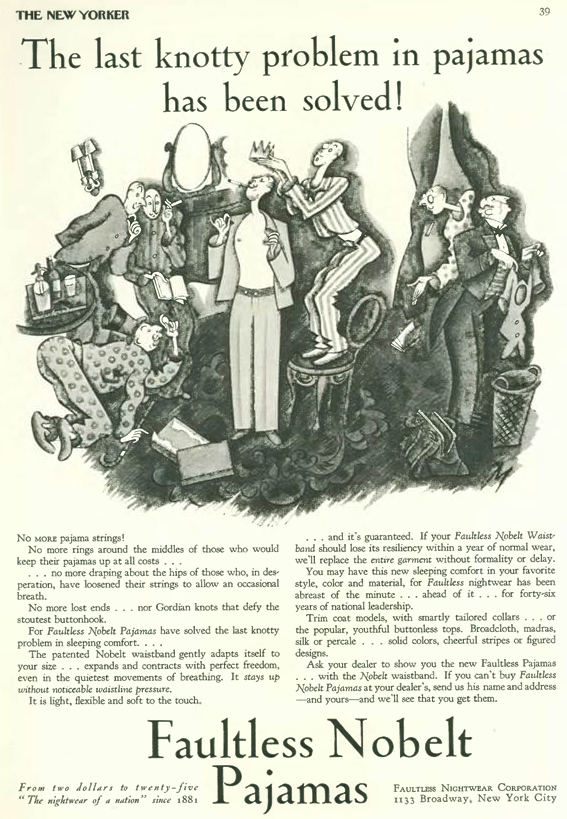
…and this advertisement for apartments at 1035 Fifth Avenue. I thought the ad was interesting because children are rarely featured in The New Yorker. In case you are wondering about their social class, these are children living on posh Fifth Avenue, and that’s a nurse-maid, not mother, chasing behind them in nearby Central Park.

Screen Shot 2016-01-08 at 10.20.43 AM

On to the June 19th issue, and a couple more items of interest…

Screen Shot 2016-01-08 at 10.22.38 AM
June 19, 1926 cover by Carl Rose.

As noted previously, a common theme of the early New Yorker’s cartoons was the comic imbalance of rich old men and their young mistresses. This time Rea Irvin explores the subject with this terrific illustration:

Screen Shot 2016-01-08 at 1.30.30 PM

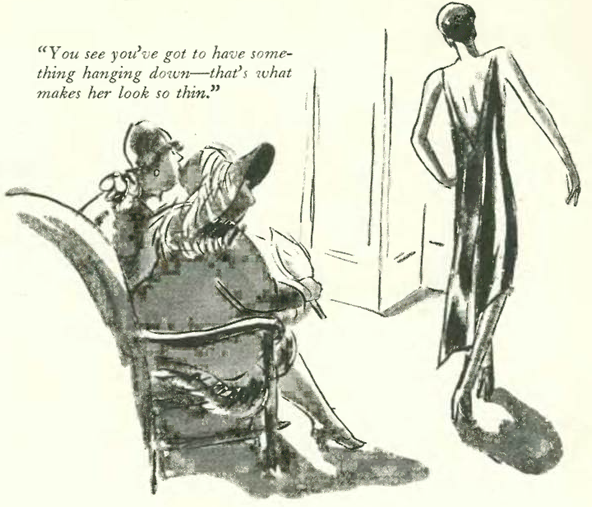
And we close with Peter Arno, and his observations of Coney Island.

Screen Shot 2016-01-08 at 1.32.22 PM

Next Time: The Annual Scandals…

Screen Shot 2016-01-08 at 1.35.03 PM