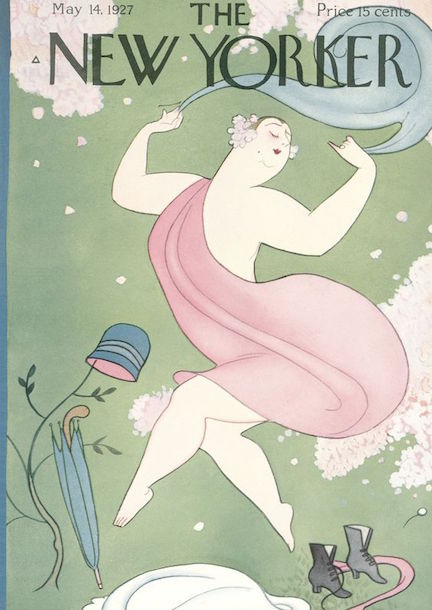
A Familiar Ring

Ring Lardner is one of those 20th century American writers everyone has heard of but few have actually read. This is perhaps because he is often pigeonholed as a sportswriter rather than being remembered as a gifted satirist whose crisp writing style—often peppered with slang—influenced a generation of writers including Ernest Hemingway, who covered sports for his high school newspaper under the pseudonym “Ring Lardner.”

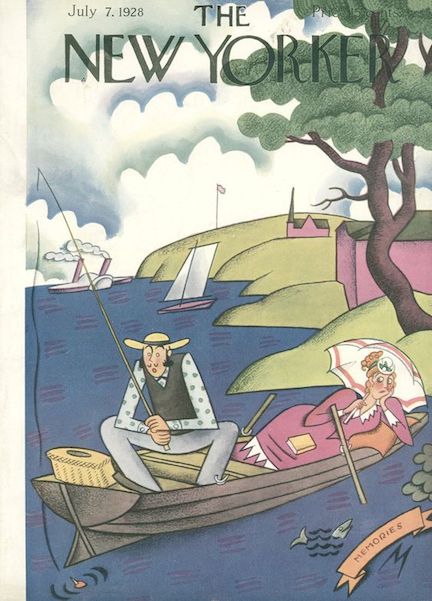
July 7, 1928 cover by Julian de Miskey.

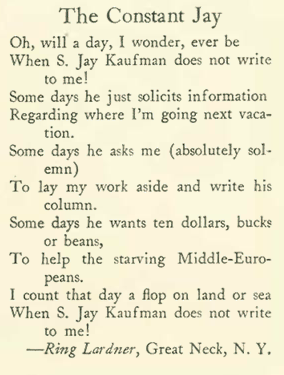
Lardner would contribute nearly two dozen pieces to The New Yorker beginning with this ditty in the April 18, 1925 issue—

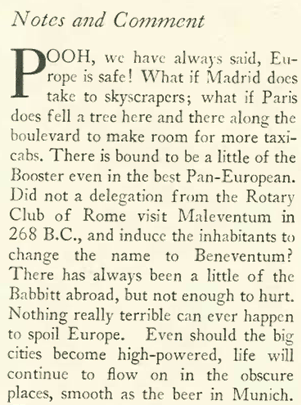
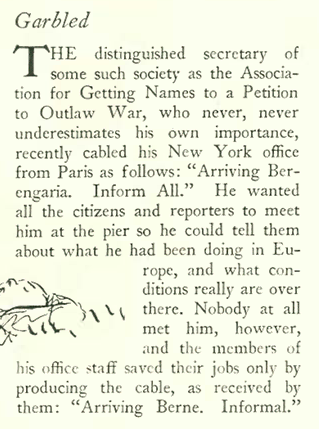
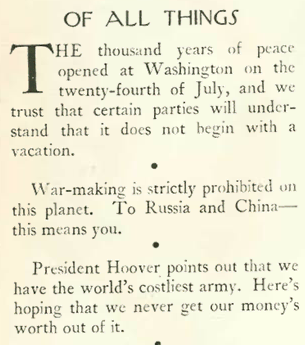
—and ending with “Odd’s Bodkins,” published posthumously in the Oct. 7, 1933 issue (Lardner died at age 48 of a heart ailment on Sept. 25, 1933). In his satirical “Profiles” piece for the July 7, 1928 issue, Lardner had some fun with editor and playwright Beatrice Kaufman, who like Lardner existed within the orbit of the famed Algonquin Round Table but was not a regular member (however Beatrice’s husband, playwright and director George S. Kaufman, was a charter member).

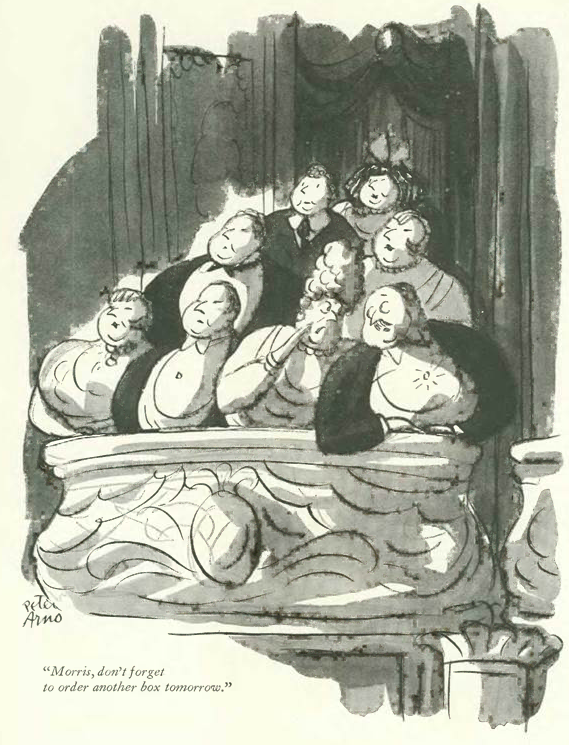
The entire piece, including an illustration by Peter Arno, is below (click image to enlarge the text):

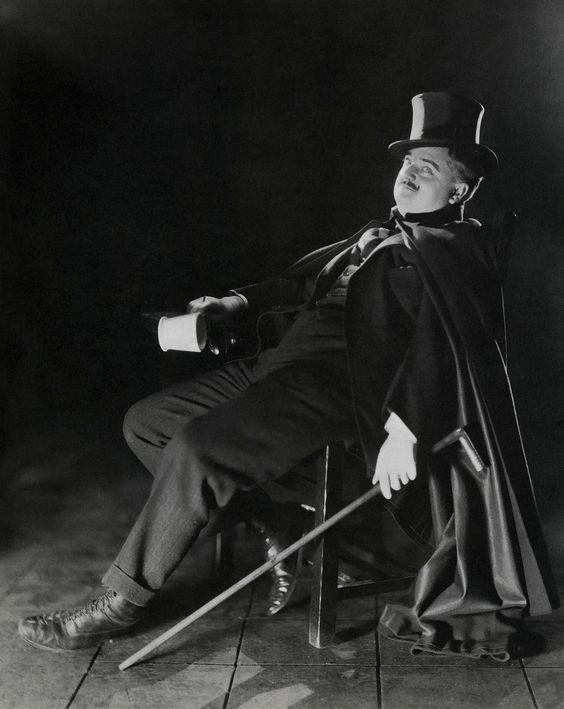
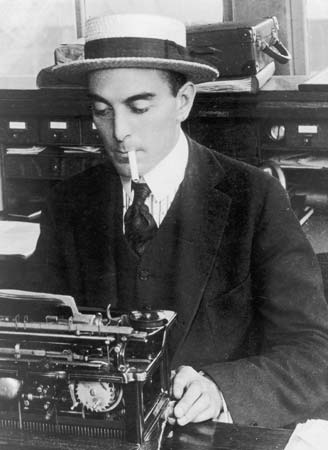
Ring Lardner in undated photo, possibly mid 1920s (Encyclopaedia Britannica)
KAUFMAN CHUMS…Comedian Julius Tannen (left) frolics with Beatrice Kaufman and George S. Kaufman in Atlantic City in the 1920s; writer/critic Alexander Woollcott (left), artist Neysa McMein, actor Alfred Lunt, Beatrice Kaufman and comedian Harpo Marx hanging out in the 1920s. (spartacus-educational.com)

 *  *  *

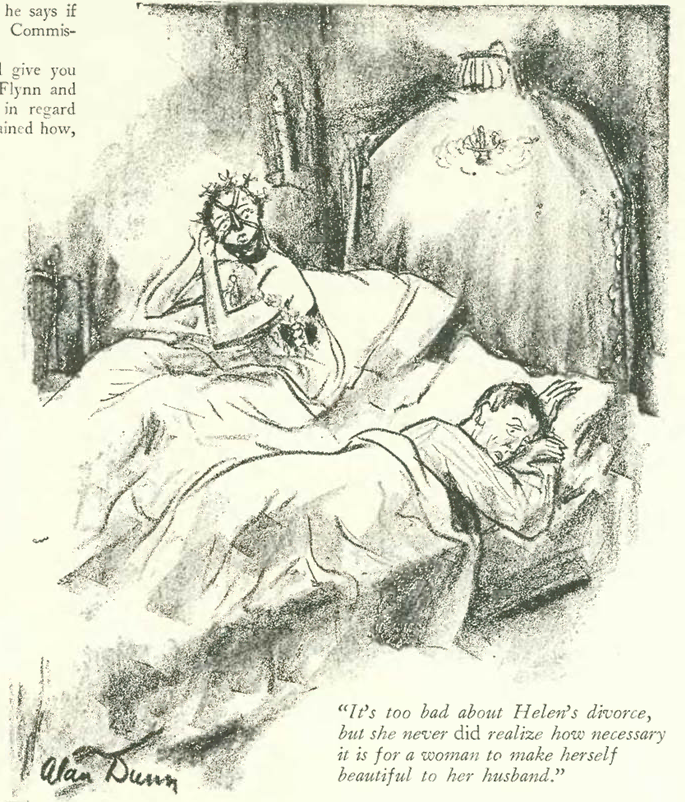
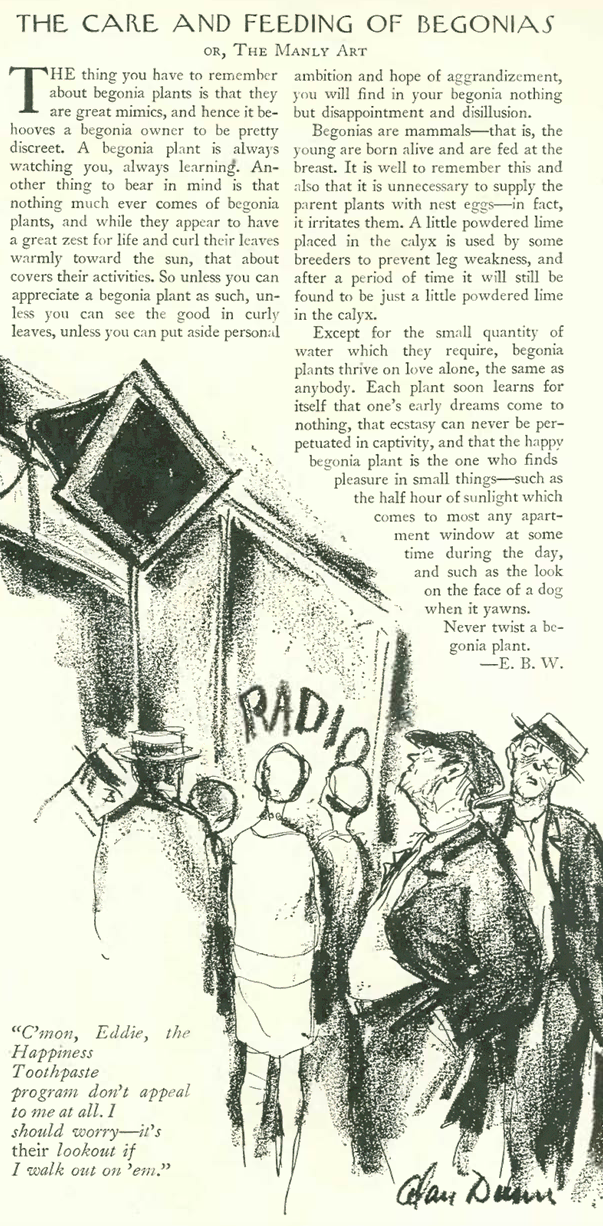
One New Yorker writer who does stand the test of time is E.B. White, known to earlier generations for his many humorous contributions to The New Yorker and to later generations for his co-authorship of the English language reference The Elements of Style, and for his beloved children’s books including Stuart Little and Charlotte’s Web (Charlotte’s Web was often voted as the top children’s novel in a survey of School Library Journal readers, and most recently in 2012—the 60th anniversary of its publication). In the July 7, 1928 issue the nature-loving White offered these tongue-in-cheek plant care instructions, arranged atop a cartoon by Alan Dunn:

Another cartoon in the July 7 issue by Garrett Price offered another perspective on an advertising come-on:

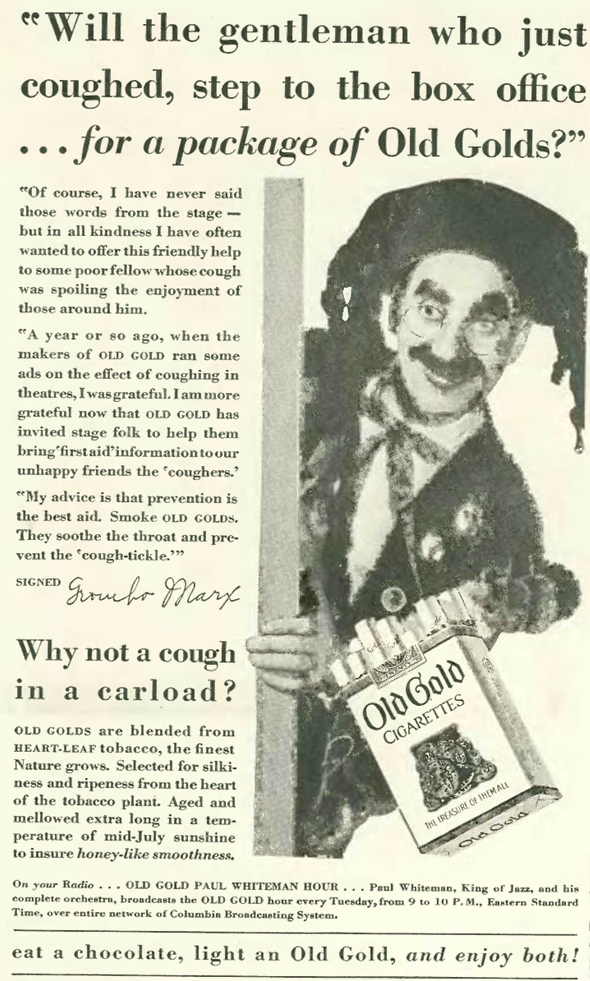
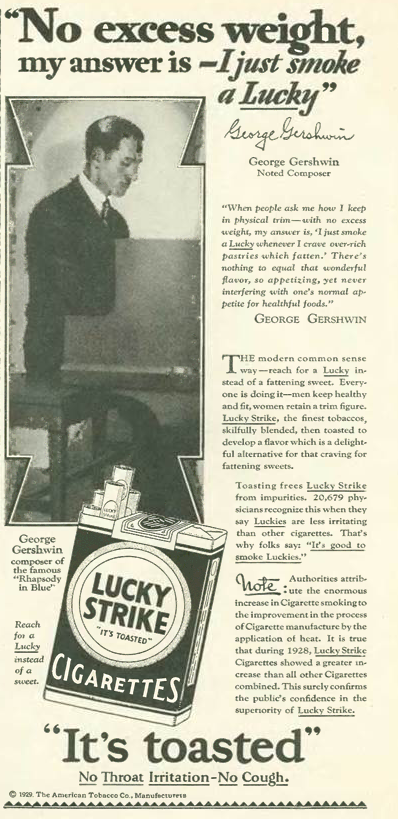
No doubt Price was referencing ads such as this one below by the American Tobacco Company in which actress and dancer Gilda Gray—who in the 1920s popularized a dance called the “shimmy”—announced her preference for pipe smokers:

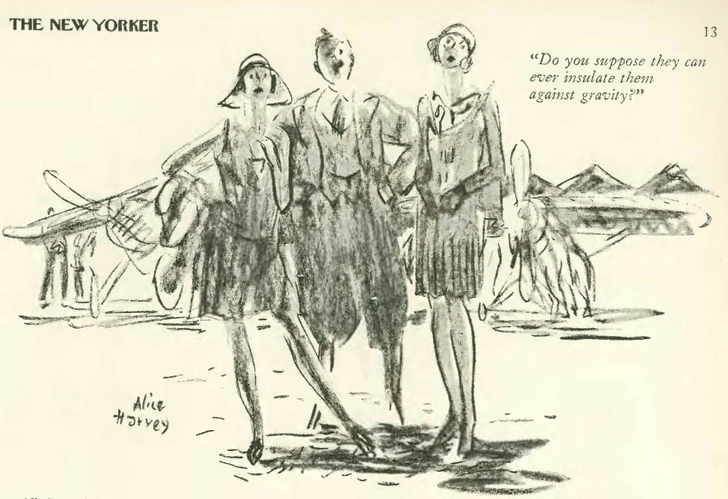
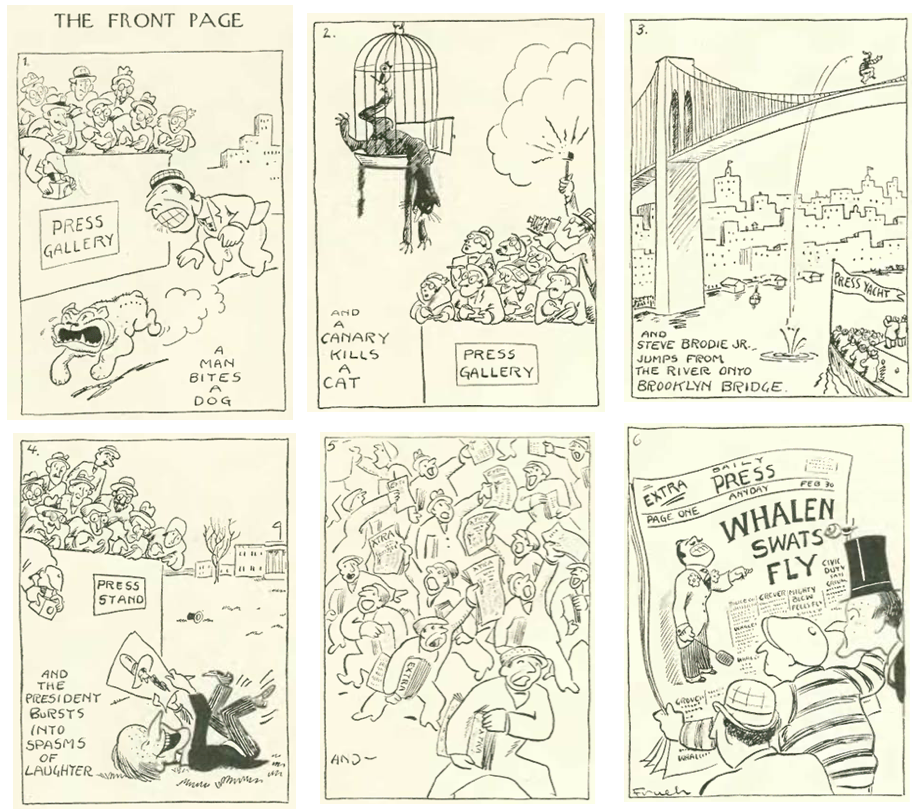
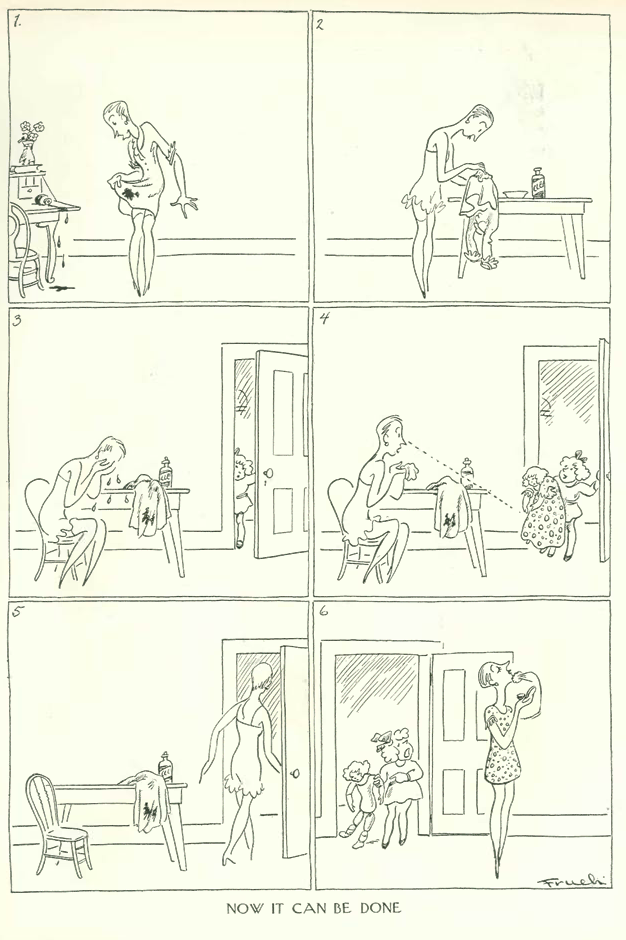
And we close with this cartoon by Al Frueh, who demonstrated how fashion had freed the woman of the Roaring Twenties:

Interested in the history of New Yorker cartoons and cartoonists? Then I recommend you check out cartoonist Michael Maslin’s Inkspill website for news on cartoonists and events. Another great site is Stephen Nadler’s Attempted Bloggery, which explores original art, auctions, obscurities and other angles of New Yorker cartoons and cartoonists.

A couple of my favorite Maslin cartoons (among many):

Next Time: 100 Percent Talker…
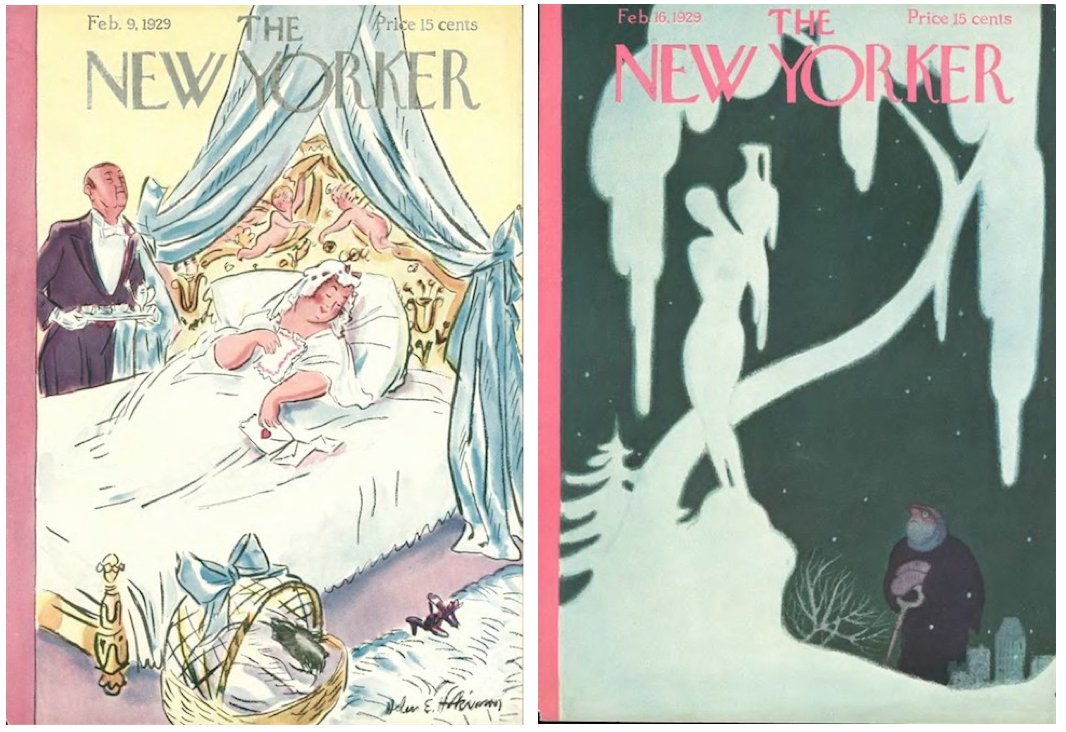
The Perfect Gift for 1927

We close out 1927 by looking at the final December issues, which grew fat with Christmas advertising catering to the tastes of New York’s smart set.

dec-10
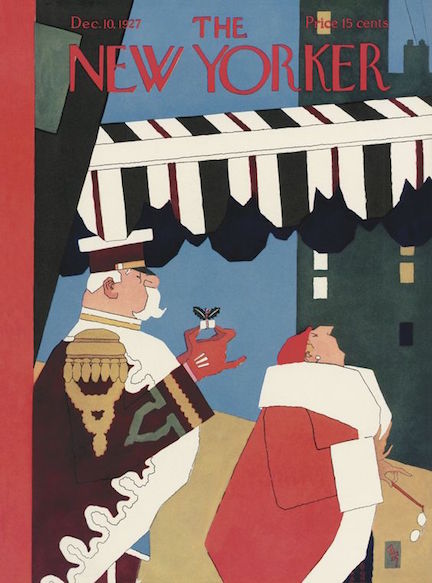
December 10, 1927 cover by Gardner Rea.

Before we jump to the ads, let’s look in on Lois Long, who in the Dec. 10 issue continued her lamentations regarding the quality of New York’s Prohibition-era night life and reminded readers that her job was far from a “soft snap”…

screen-shot-2017-02-06-at-10-03-06-am

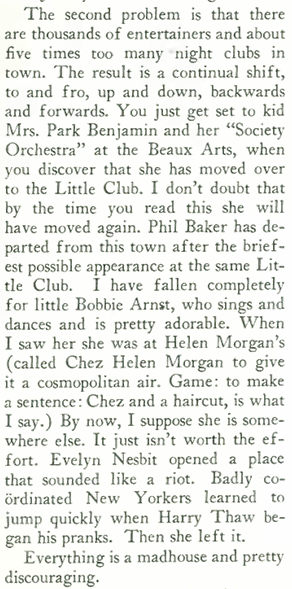
The problem, as diagnosed by Long, was that there were not enough talented entertainers to fill the needs of an overabundance of nightclubs…

screen-shot-2017-02-06-at-10-04-09-am

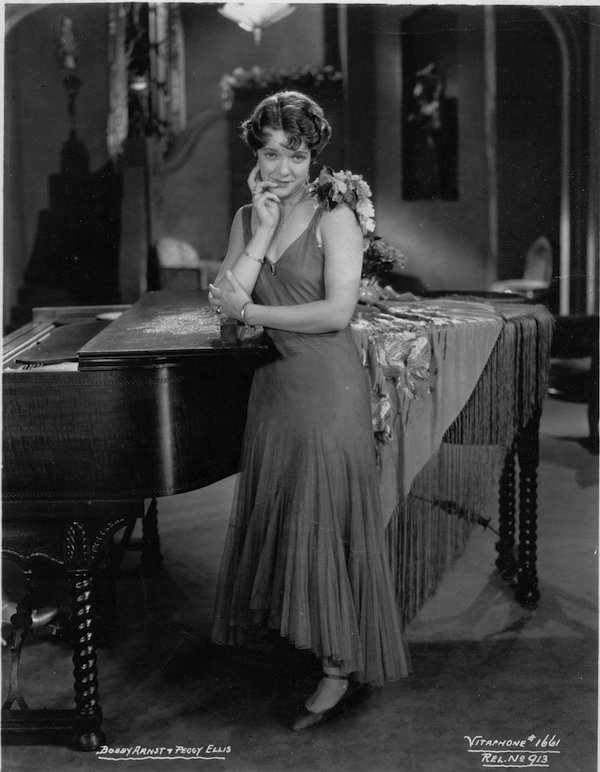
vit-94-bobbe-arnst1
LOIS THOUGHT BOBBIE ARNST WAS PRETTY SWELL when she appeared at Helen Morgan’s nightclub. A noted broadway singer and dancer, Arnst is pictured above in a publicity photo from the 1929 film Rhythms in Blue. (picking.com)
screen-shot-2017-02-07-at-12-33-26-pm
ON THE OTHER HAND…Evelyn Nesbit’s tearoom (and later speakeasy) couldn’t survive on notoriety alone. In the early 20th century Nesbit’s face was everywhere—from advertisements to calendars—but in 1906 her fame took a nasty turn when her jealous husband, Harry Thaw, shot and killed suspected lover and famed architect Stanford White at Madison Square Garden’s rooftop theatre. At left, Nesbit in 1900. At right, Nesbit in her tea room on West 52nd Street, near Broadway, circa 1922. (Library of Congress / restaurant-ingthroughhistory.com)

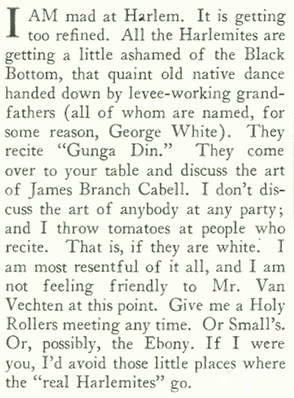
Long also railed against the white appropriation of Harlem entertainment, which she felt was draining the place of its soulfulness. In particular she called out writer and photographer Carl Van Vechten, who among white writers was the most prominent in intellectualizing the “Harlem Renaissance”…

screen-shot-2017-02-06-at-11-43-27-am

What to Buy in ’27

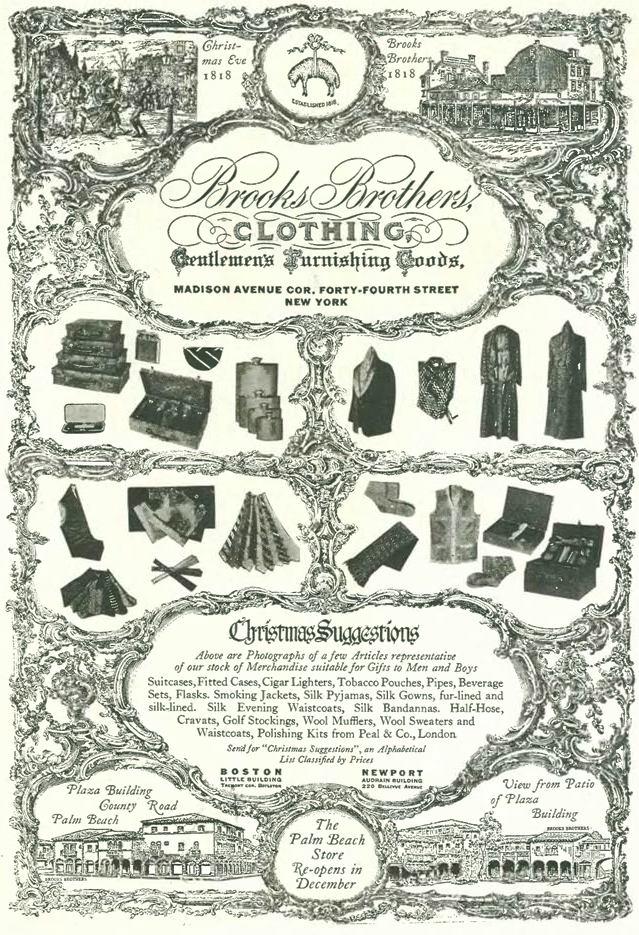
The Dec. 10 and Dec. 17 issues grew fat with holiday advertising, averaging 120+ pages as opposed to the usual 60 or so pages. The advertisements mostly appealed to upscale readers, ranging from this almost Victorian-style ad from the staid Brooks Brothers…

screen-shot-2017-02-06-at-9-46-21-am

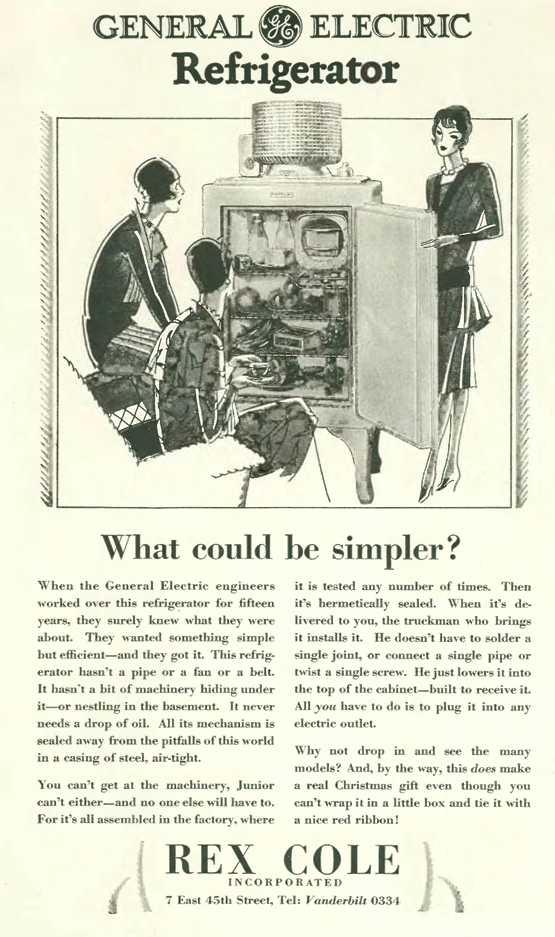
…to this ad from Rex Cole promoting the latest in modern conveniences…

screen-shot-2017-02-06-at-9-56-44-am

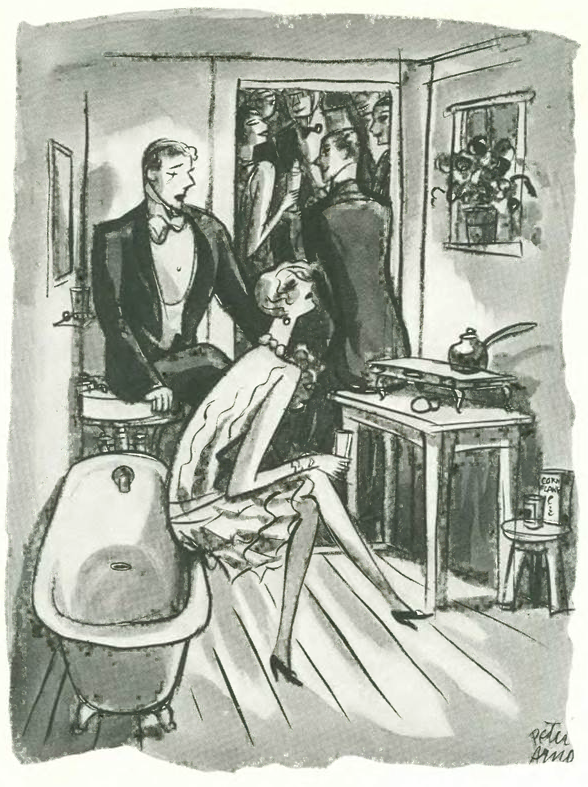
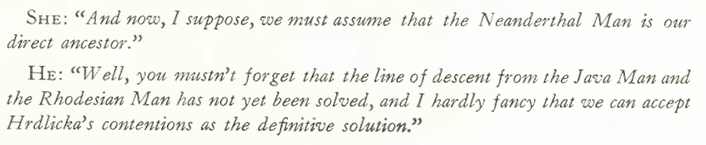
And I’ll toss in this cartoon from the Dec. 10 issue, in which Peter Arno allows us to listen in on an unlikely conversation between a couple of toffs…

screen-shot-2017-02-06-at-9-53-54-am

screen-shot-2017-02-06-at-9-54-11-am

Lois is Also Tired of the Holidays

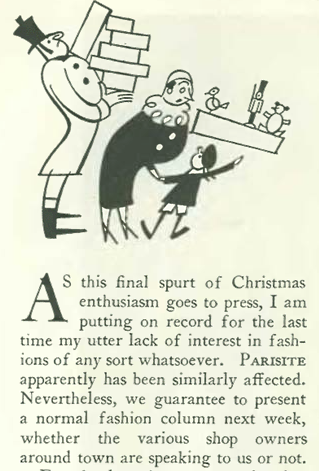
On to the Dec. 17 issue, in which Lois Long also shared with readers her weariness of Christmas shopping in her column, “On and Off the Avenue.”

dec-17
December 17, 1927 cover by Theodore G. Haupt.

The “Parisite” Long referred to in this excerpt was actually Elizabeth Hawes, who occasionally contributed to Long’s column (with cables sent from Paris) regarding the latest in French fashions. More on Hawes another time…

screen-shot-2017-02-06-at-12-11-30-pm

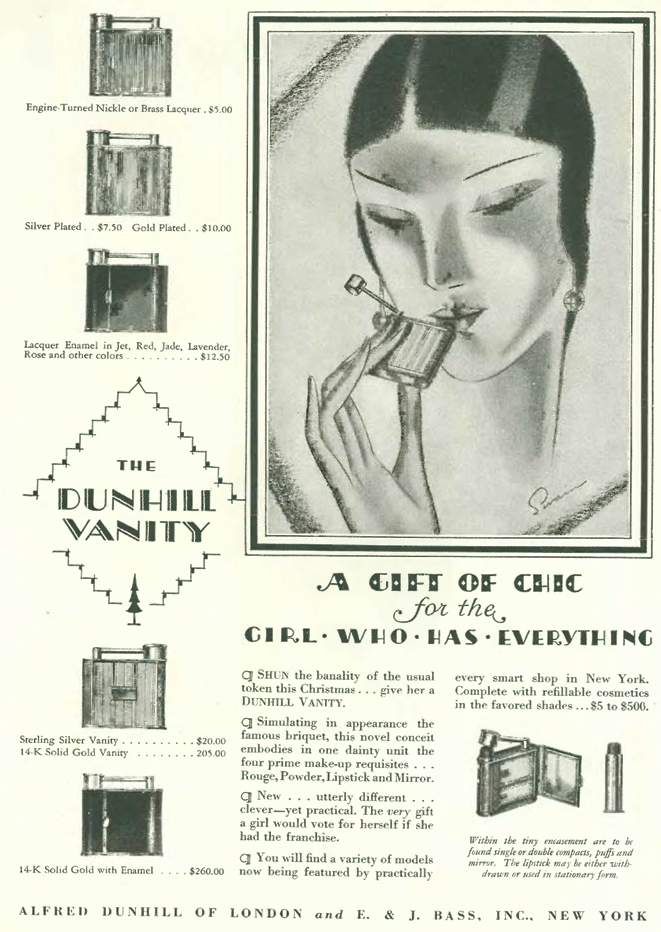
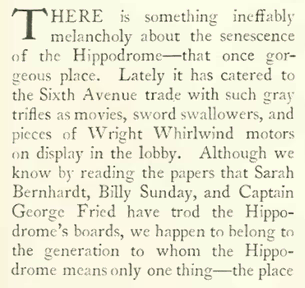
As for ads in the Dec. 17 issue, we get this one from Dunhill, maker of fine English cigarettes and accessories: a woman’s compact that resembles a lighter…
screen-shot-2017-02-06-at-12-07-21-pm

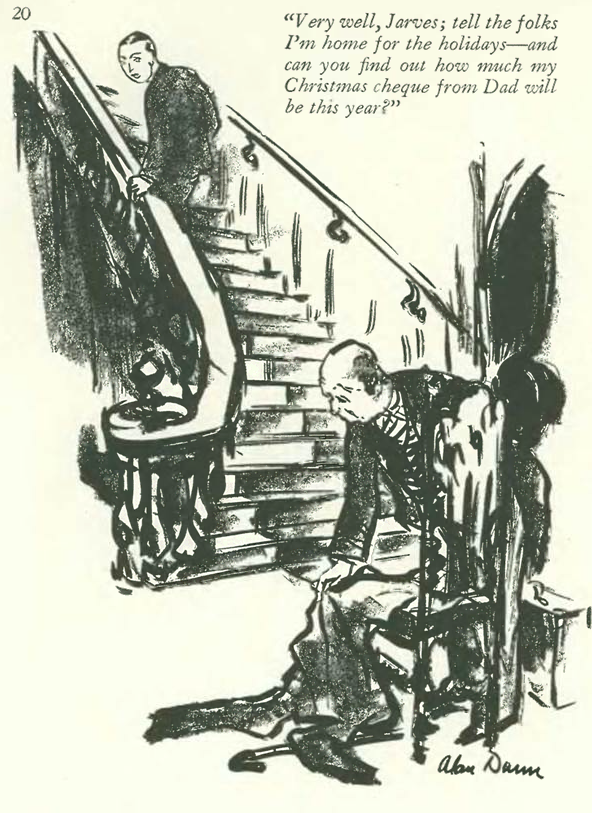
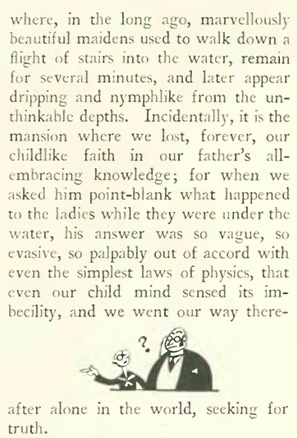
…and the same issue offers this glimpse into the life a spoiled rich kid, home from college for the holidays. The cartoon is by Alan Dunn, one of the most published New Yorker cartoonists (1,906 cartoons from 1926 to 1974)…
screen-shot-2017-02-06-at-11-52-12-am

With Christmas advertising over, the magazine’s page length dropped by half from the Dec. 17 to the Dec. 24 issue…

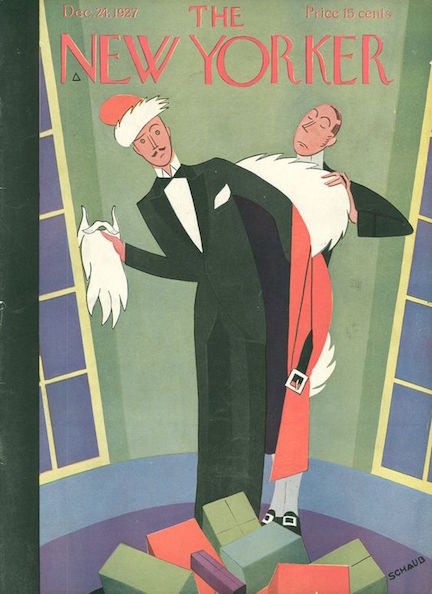
dec-24
December 24, 1927 cover by Andre De Schaub.

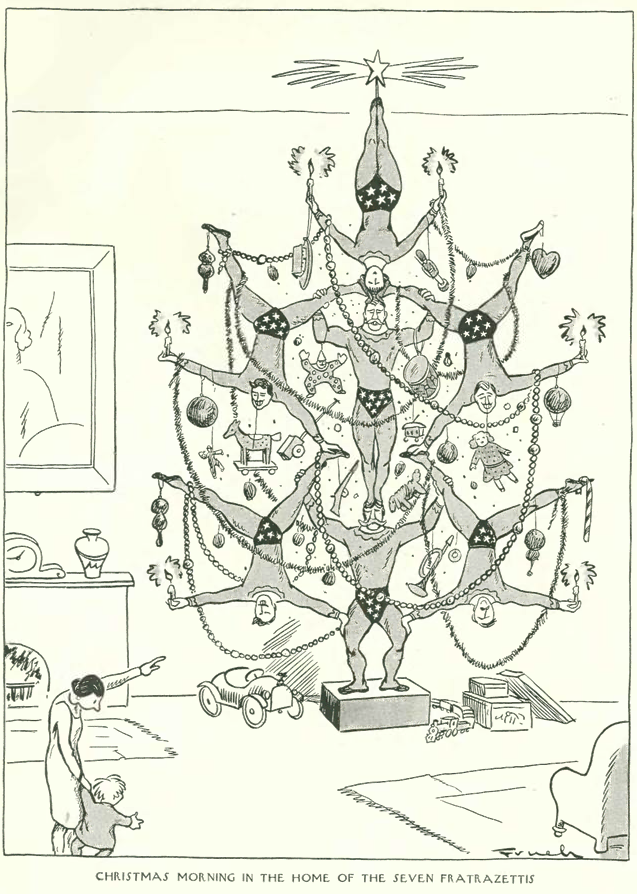
…in which we find this holiday-themed illustration by Al Frueh:

screen-shot-2017-02-06-at-12-26-56-pm

Why We Sing Auld Lang Syne

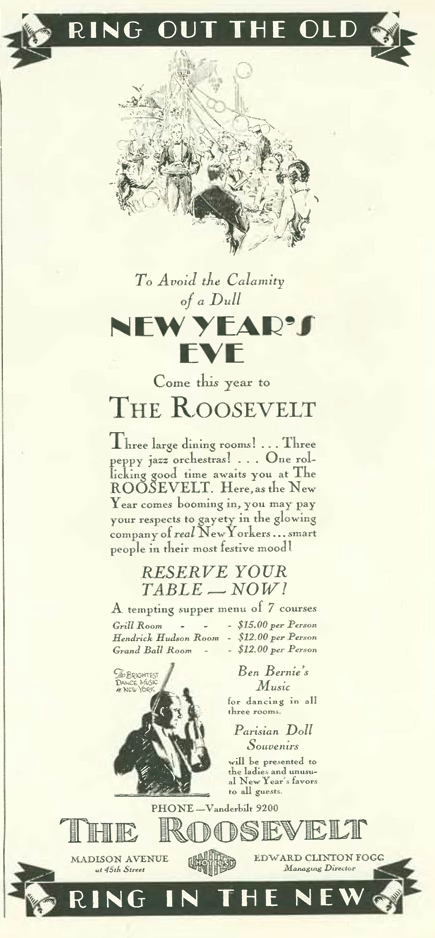
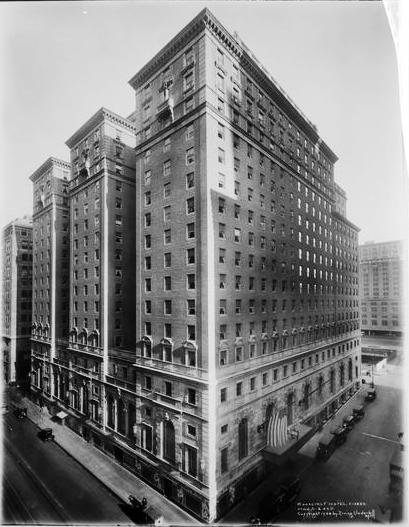
This advertisement in the Dec. 24 issue invited readers to celebrate the New Year at The Roosevelt Hotel…

screen-shot-2017-02-06-at-12-27-47-pm

roosevelt-hotel-1924
The Roosevelt Hotel after its completion in 1924 (Museum of the City of New York)
1387211957-0
AULD ACQUAINTANCE…If you want to know why we sing “Auld Lang Syne” on New Year’s Eve, you can thank Guy Lombardo and his Royal Canadian Band, which made the song a staple at his New Year’s performances beginning in 1929 at the Roosevelt Hotel. Their performance that night was broadcast on the radio before midnight Eastern time on CBS, then after midnight on NBC radio. (neatorama.com)

 *  *  *

Now Let’s Get Out of Here

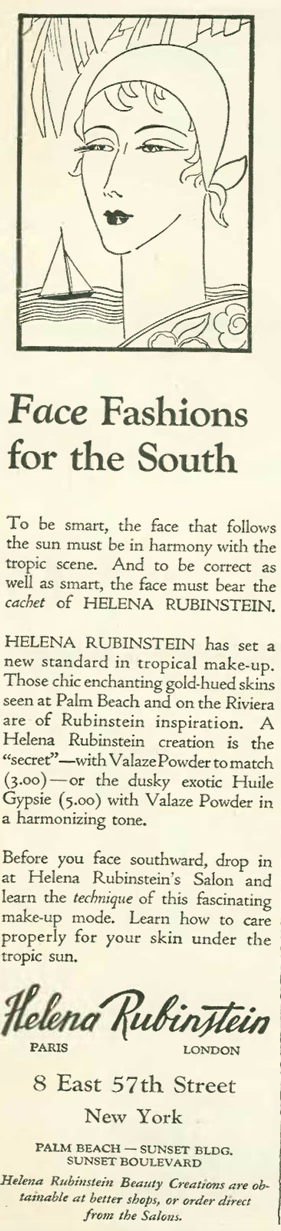
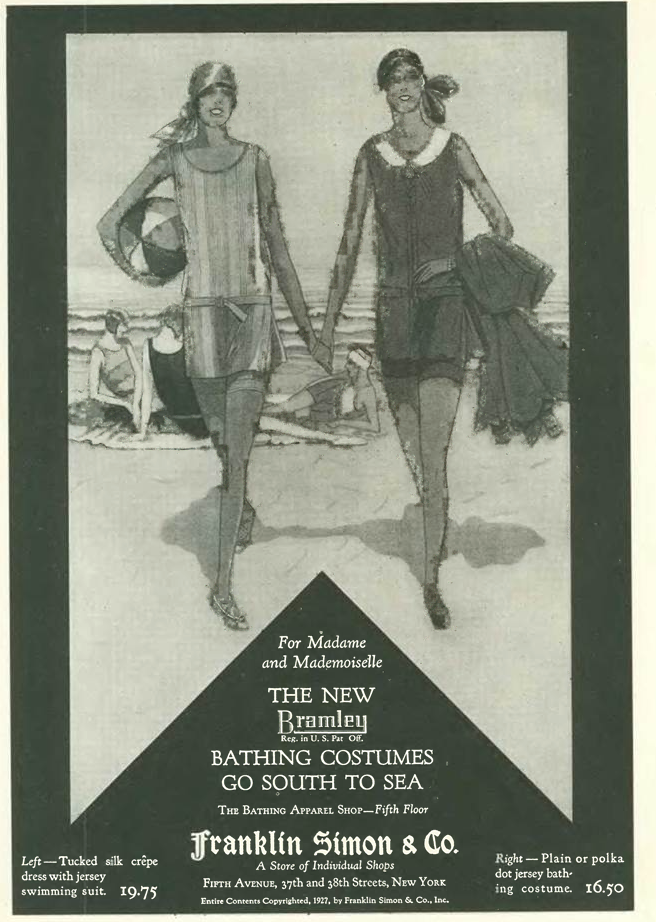
With the holidays out of the way, New Yorkers still faced a good three months of winter. That is, unless you were well-heeled enough to head south to Palm Beach. Considering the abundance of ads promoting travel to southern climes in the Dec. 24 and 31 issues, apparently many of the magazine’s readers possessed the means to do just that…

screen-shot-2017-02-06-at-12-29-05-pm

screen-shot-2017-02-06-at-12-29-15-pm

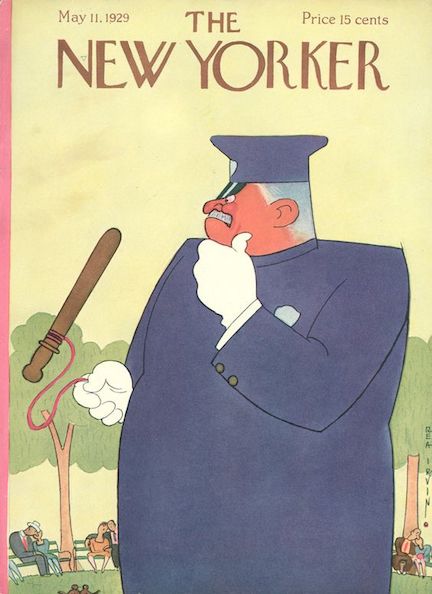
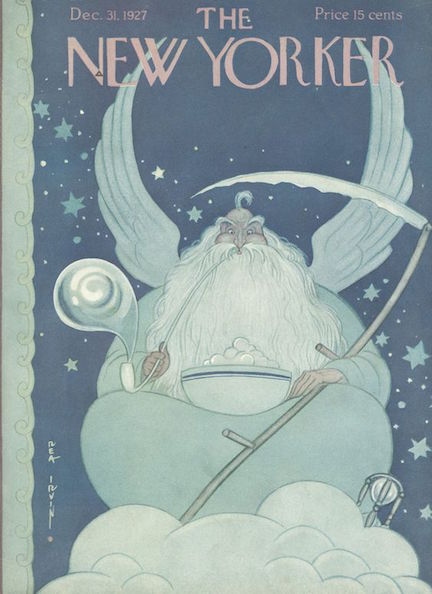
And we close this entry, and the year of 1927, with this cover…

dec-31
December 31, 1927 cover by Rea Irvin.

…and another tropical-themed advertisement, courtesy of Russeks…

screen-shot-2017-02-06-at-12-31-07-pm

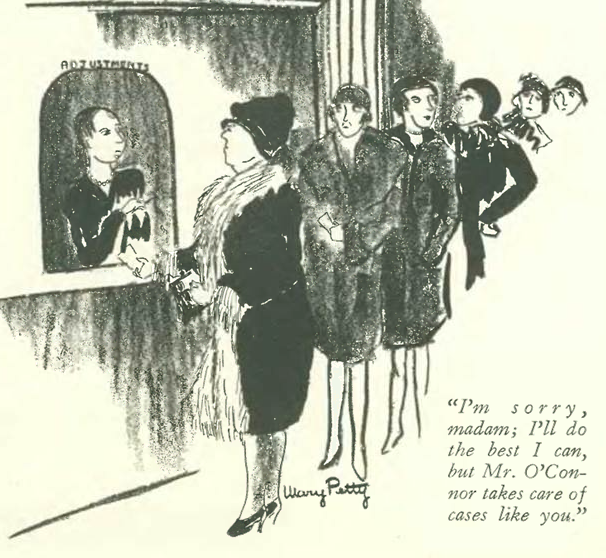
…and this cartoon by Mary Petty depicting those who were left behind, still returning their Christmas gifts…

screen-shot-2017-02-06-at-12-32-39-pm

Next Time: Odious Odes…

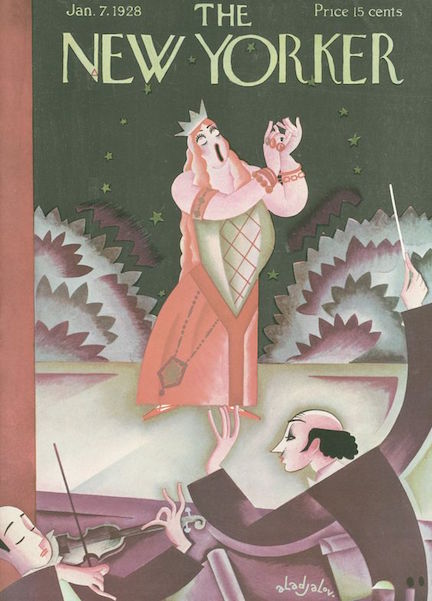
jan-7


Flapper Fitness

Lois Long stepped off her fashion beat to check out a new fitness salon on East 49th Street that used a combination of spa treatments, exercise and body shaming to get women into shape.

fd4accb02ed7d01ae3624ea180d47357
September 24, 1927 cover by Ilonka Karasz.

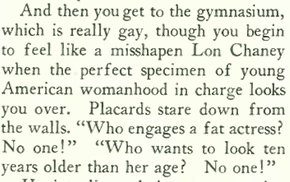
Operated by a “Miss Marjorie Dork,” the salon offered a comprehensive and “rather sweeping program of making a new and perfect woman of you.” Long observed…

screen-shot-2016-11-30-at-2-45-47-pm

…and what gym would be complete without large placards shaming you for gaining weight or growing old?…

screen-shot-2016-12-02-at-4-09-43-pm

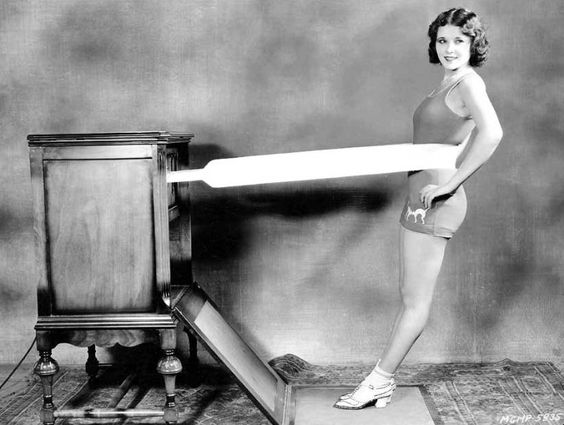
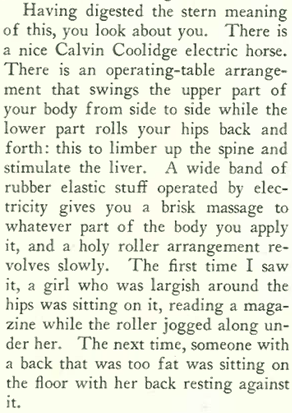
…or an array of newfangled electric gadgets one could use to melt away those extra pounds…

screen-shot-2016-11-30-at-2-45-54-pm

article-0-1a8ab29b000005dc-646_634x827
ON THE BOARDWALK…Treadmill technology has advanced since these wooden numbers from the 1920s. It’s hard to believe anyone actually worked out in Mary Janes, but there it is. (Daily Mail)

 *  *  *  *  *

Another One Bites the Dust

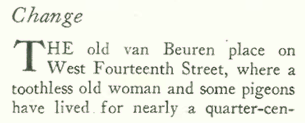
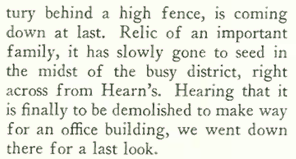
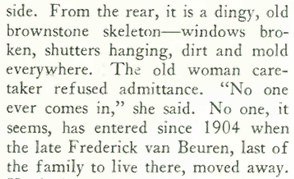
The New Yorker bid farewell to yet another familiar landmark, the old Van Buren Place at No. 21 West 14th Street. Four stories high and five bays wide, the 1845 mansion was considered the height of early Victorian taste.

screen-shot-2016-11-30-at-2-31-19-pm

screen-shot-2016-11-30-at-2-31-24-pm

According to the blog Daytonian in Manhattan, in the 19th century the Van Buren estate had a large garden that extended through the block to 15th Street, and in the rear included a conservatory, a stable, arbors, dove cotes “and remnants of the farm life—chicken coops and a cow or two.”

van-buren-mansion-1906-oct-14
REMNANT OF THE PAST…The old Van Buren Place (center) with its garden to the left. (Museum of the City of New York)

The August 7, 1927 issue of The New York Times reported that the mansion, erected “when all that section north of Washington Square was occupied principally by estates and truck farms, has finally succumbed to the march of improvements and will be demolished to make way for a theatre and office building.” The New Yorker managed to get one last look via “a hole in the fence”…

screen-shot-2016-11-30-at-2-32-16-pm

screen-shot-2016-11-30-at-2-32-25-pm

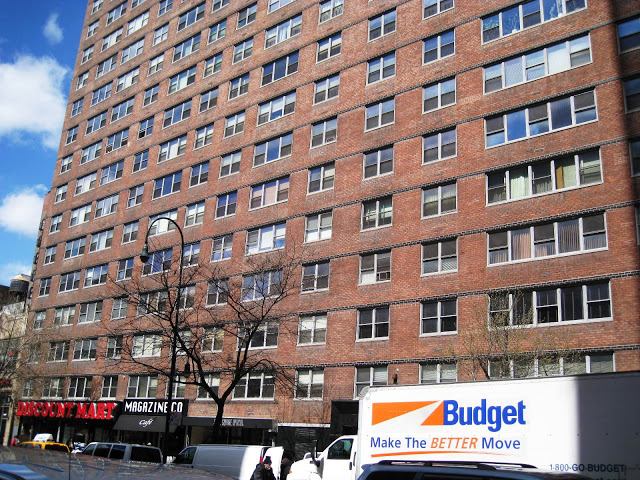
I don’t know if either a theatre or office building was ever erected on the site, but this is what stands there today:

daytoninmanhatten
THE GREAT WALL…The Van Buren estate site as it appears today. (daytoninmanhattan)

 *  *  *  *  *

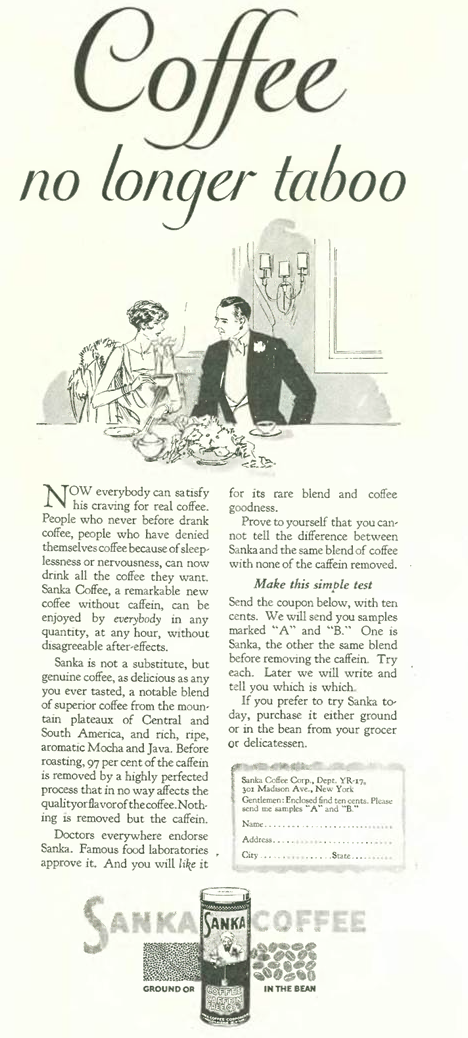
Chill Out With Sanka

Sanka decaffeinated coffee was first marketed in the U.S. in 1923, but was only sold at two Sanka coffee houses in New York. The company made a big retail push in 1927, including sponsored broadcasts under various titles including the Sanka After-Dinner Hour on WEAF radio in New York. At least until the 1980s if you wanted a decaffeinated coffee you simply ordered a “Sanka.” According to a Wikipedia entry, the bright orange color of the Sanka can was so easily identifiable to consumers that even today a restaurant’s decaf coffee pot might sport a bright orange handle–the direct result of the public’s association of the color orange with Sanka, no matter which brand of coffee is actually served.

screen-shot-2016-12-05-at-5-13-31-pm

Our cartoon from the Sept. 24 issue comes from Alan Dunn, who explored the topic of the birds and bees among the posh set…

screen-shot-2016-11-30-at-2-36-30-pm

Next Time: Wits of the Round Table…

488a50459a792547010d30e8bfe5ddf4

Those Restless Natives

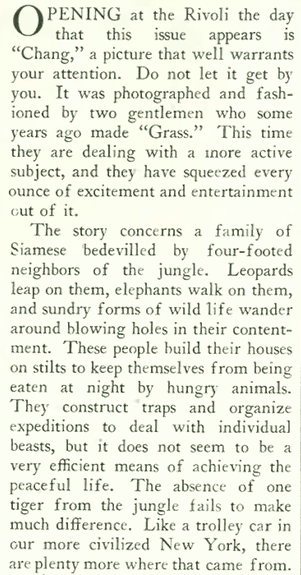
The evolution of filmmaking in the 1920s included the development of “docudramas.” Nanook of the North (1922), which captured the struggles of an Inuit hunter and his family, was received with great acclaim. A few years later Grass (1925), directed by Merian C. Cooper and Ernest B. Schoedsack, followed a tribe in Iran as they guided herds to greener pastures. So when Chang: A Drama of the Wilderness opened at the Rivoli, The New Yorker was there (May 7, 1927) to share in the adventure.

43b9e74a7197a3d27d520d251a303549
May 7, 1927 cover by Ilonka Karasz.

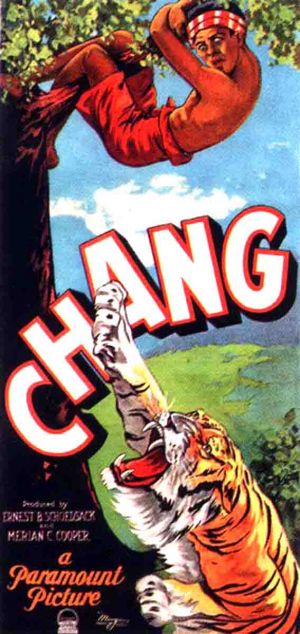
Chang, also directed by Cooper and Schoedsack, told the story of a poor farmer and his family (native, nonprofessional actors) in Issan—now northeastern Thailand—and their constant struggle for survival in the jungle. Cooper and Schoedsack attempted to depict real life but often re-staged events. The danger, however, was real to all involved, as was the slaughter of animals in the film.

chang_poster
(Wikipedia)

According to Ray Young, writing for Viennale, the website for the Vienna International Film Festival (which is screening a retrospective of Chang this fall) Cooper and Schoedsack “open with scenes of domestic bliss and, offsetting title card warnings of the dangers of the jungle, a bucolic Eden ripe for development. But the tone soon shifts as tigers and leopards attack, and the picture evolves into a succession of episodes concerning their survival.”

The perils in Chang often feel rigged, notes Young, “most conspicuously in places where animals appear to have been killed simply for the benefit of the camera. By most accounts, Schoedsack did most of the filming while Cooper covered him with a rifle.”

chang-criticsroundup
I’D BE WARY OF THOSE GUYS TOO…Image from the filming of Chang. (criticsroundup.com)
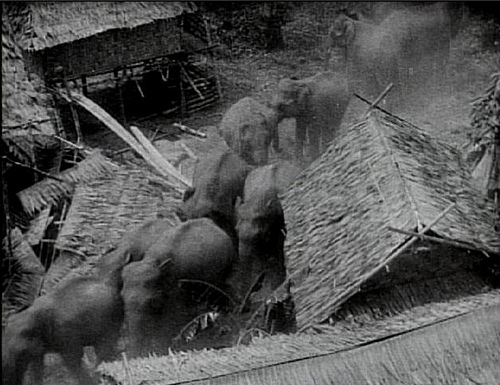
elephant-stampede-from-chang-1927
JUST PASSING THROUGH…Elephants stampede a village in the film’s finale. (image capture from film)

Chang was nominated for the Academy Award for Unique and Artistic Production at the first Academy Awards in 1929. It was the only year when that award was presented (It lost to F.W. Murnau’s Sunrise: A Song of Two Humans).

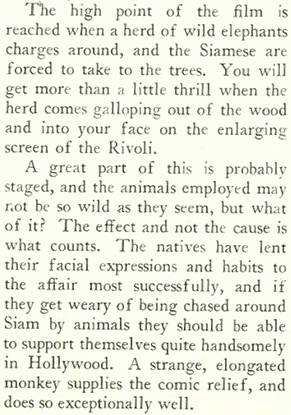
However appalled as we are today by the film’s exploitation of humans and animals alike, those were different times, even for the usually discerning eye of The New Yorker:

chang-1

In 1927 most people had a very limited view of the non-Western world, which was perceived as both savage and exotic, populated by child-like “natives” who in this case “lent their facial expressions and habits to the affair most successfully…”

chang-2And so in 1927 we also encounter cartoons like this one by Alan Dunn that at once dismisses out-of-town conventioneers (here: an Elks Lodge) as a bunch of ignorant racists, yet the early New Yorker’s own depictions of Blacks were usually minstrel-era stereotypes.

screen-shot-2016-09-06-at-1-06-50-pm

 *  *  *

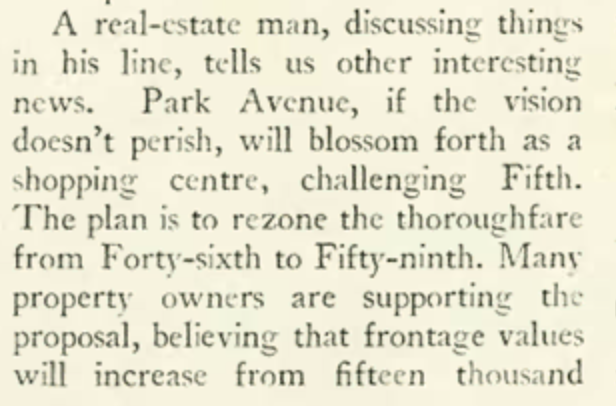
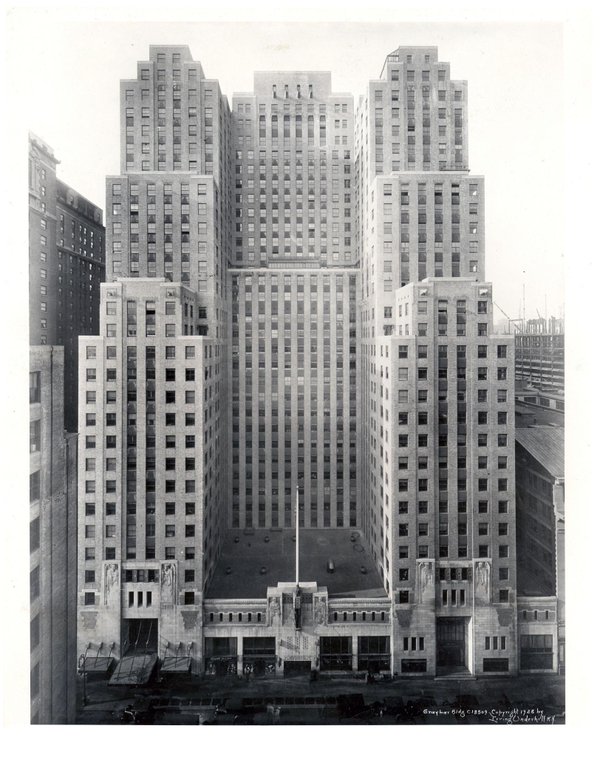
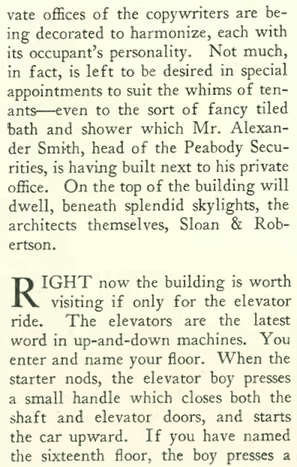
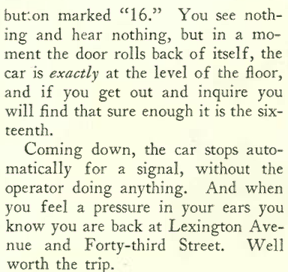
The massive Graybar Building made its debut at 420 Lexington Avenue, the multi-tiered edifice impressing the “Talk of the Town” editors with the latest technology, including push-button elevators: 

The Graybar Building (history.graybar.com)

screen-shot-2016-09-06-at-1-04-11-pm

screen-shot-2016-09-06-at-1-04-38-pm

screen-shot-2016-09-06-at-1-04-45-pm

graybar-building-2
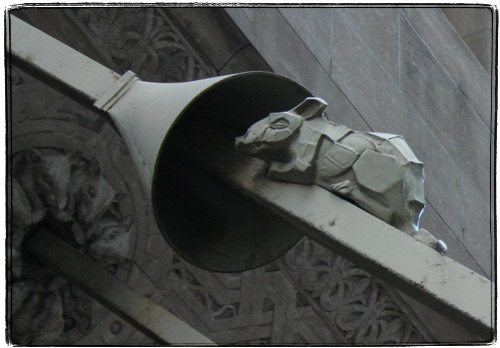
PERMANENT INFESTATION…The Graybar’s rain canopy cables include anti-rat devices (cones) decorated with rats. If you look carefully, the rosettes anchoring the cables are also decorated with rat heads. (deadprogrammer.com)

 *  *  *

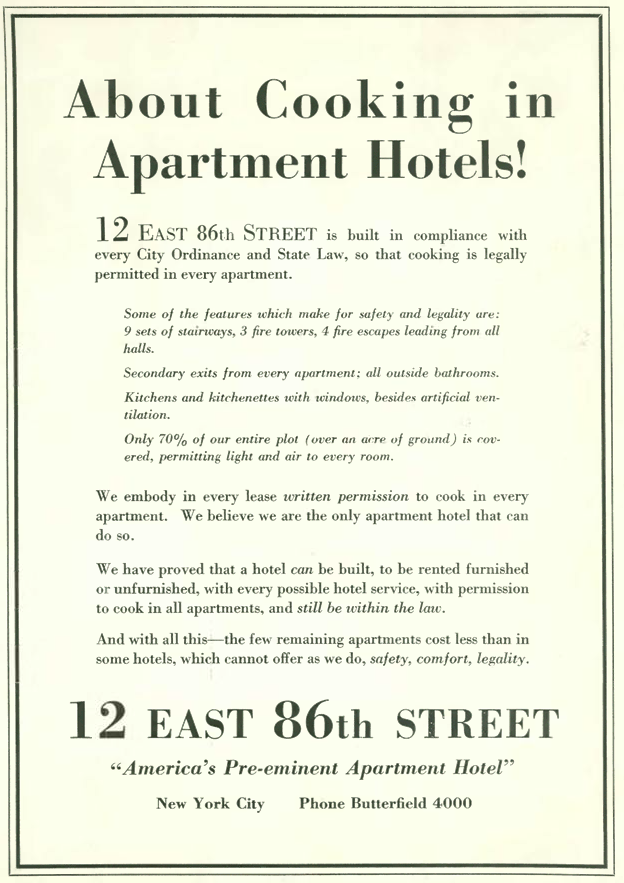
The following advertisement needs some explanation: The 1867 Tenement House Act imposed constraints on height and lot coverage that large apartment buildings routinely violated.

According to an article in the Observer by Stephen Jacob Smith (April 30, 2013), “Some developers got out of these requirements by building co-operative buildings, without rental units, but others wanted to retain the revenue and control that came with rentals, while at the same time building larger structures than the tenement laws allowed. And thus was born the ‘apartment hotel.'”

The New York Times’s columnist Christopher Gray wrote (Oct. 4, 1992) that Apartment Hotels were a “widespread fiction of the period,” and “tenants in fact usually set up full kitchens in the serving pantries.” Smith adds that “one of the reasons apartment hotels were allowed to be built more densely than their fully residential counterparts was that there would be no cooking—a fire hazard in those days—in the units.” An so the ad:

screen-shot-2016-09-06-at-1-08-22-pm

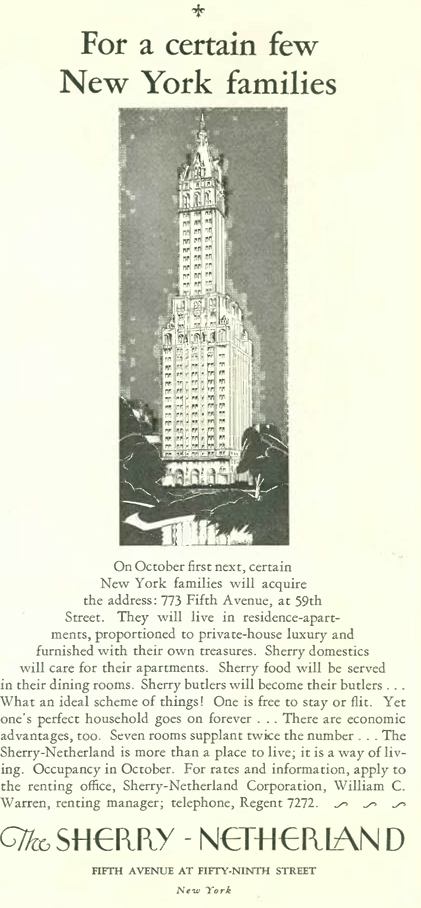
Smith writes that by calling their buildings ‘apartment-hotels,’ builders could claim that as hotels they were outside of the rules of tenement legislation. He notes that “some of Manhattan’s most illustrious buildings were constructed using this legal sleight of hand,” including the Sherry-Netherland on Park Avenue.

The famous scaffolding fire at the Sherry-Netherland, which I featured in my last post, no doubt prompted developers to run the following ad in hopes that people would soon forget about the giant roman candle that burned bright near Central Park on the evening of April 12, 1927.

screen-shot-2016-09-06-at-1-09-30-pm

If you are ever in New York, check out the Sherry Netherland. It is a beautiful building.

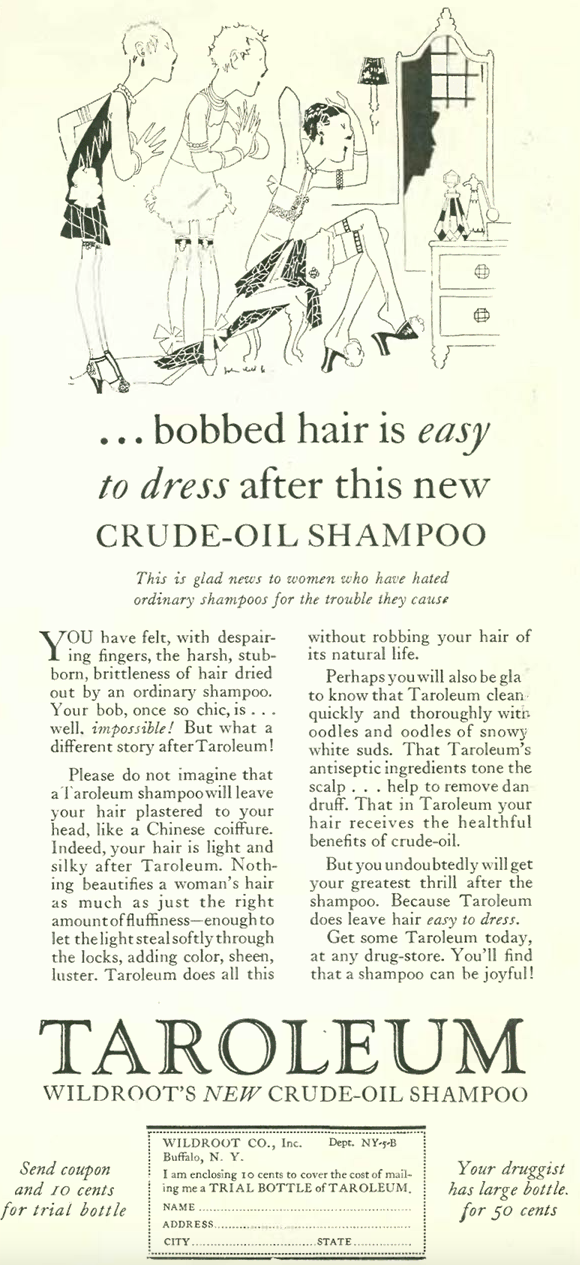
And finally, this ad from the makers of Wildroot hair care products. I love the flapper artwork by John Held Jr., and even better the words “CRUDE-OIL SHAMPOO” displayed prominently as a selling point.

screen-shot-2016-09-06-at-1-12-51-pm

Next Time: Mode de Vie…

304b9308de906b0c02f50b14add69c6d