Above: Illustration of the Dorchester Hotel’s ballroom in the 1930s. (dorchestercollection.com)
Lois Long took her nightlife column, “Tables for Two,” to London and its famed nightclub scene, where everyone from British royalty to gangsters reveled in a boozy, bohemian scene.
July 7, 1934 cover by Ilonka Karasz.
Prince Edward, a well-known party animal (who would serve as king for less than a year and abdicate in 1936) was known to get up on the stage of the Embassy Club and perform drum solos, while at the Savoy his fellow toffs would sip Champagne and glide in elegant dress across the dance floor. London nightlife included a lively jazz scene in edgy Soho basement clubs, featuring such greats as Duke Ellington, Louis Armstrong and Dizzy Gillespie.
Long hoped that the visit to London, her first in eight years, would give her some much-needed rest and a change of scene. What she found instead was a red-hot, all-night party, where the smart set took dinner near midnight and danced until dawn.
SAVVY SAVOY….Clockwise from top left, the famed Savoy bartender Harry Craddock, credited with inventing the White Lady and the Corpse Reviver, at the Savoy’s American Bar in the 1930s; a Savoy elevator operator in 1926; diners at the Savoy circa 1930s; Savoy entrance. (madamgenevaandgent.co.uk/The Savoy/YouTube)LONDON SWINGS…More Lois Long haunts in London included, clockwise from top left, the Dorchester Hotel; the crowded dance floor at the Monseigneur with Roy Fox and his Orchestra (photo from 1932); patrons kicking up their heels at the Embassy Club on Old Bond Street; the Café de Paris, where American actress Louise Brooks demonstrated a new dance craze, The Charleston, in 1924. (dorchestercollection.com/albowlly.club/lucyjanesantos.com/Wikipedia)
* * *
Misery Loves Company
In his “Notes and Comment,” E.B. White observed that almost everyone was “made miserable” by the Depression, but if one looked around there were signs that things weren’t so bad after all.
REASON FOR CHEER…For those still feeling blue about the Depression, E.B. White suggested watching kids cool off at a pier, such as these lads seen diving into the East River on the Lower East Side on July 3, 1935. (Jack Gordon/New York Daily News)
* * *
He Came Up a Bit Short
Howard Brubaker, in his column “Of All Things,” made this observation about Adolf Hitler’s prediction that Nazism would endure a thousand years.
And now a retreat into the cool darkness of the cinema, where John Mosher singled out Bette Davis’s performance in Of Human Bondage…Mosher’s instincts were correct—the film proved to be Davis’s breakout role on her road to major stardom.
ROAD TO RUIN…Bette Davis wowed the critics with her portrayal of a tearoom waitress who seduces a young medical student (Leslie Howard) and leads him down a path of self-destruction. The film was based on the 1915 novel by W. Somerset Maugham. (IMDB)
Mosher also took in the “bright” performances of William Powell and Myrna Loy in The Thin Man, a pre-Code comedy-mystery based on the Dashiell Hammett novel by the same name. Powell and Loy portrayed Nick and Nora Charles, who added spice to their leisurely lives through numerous cocktails, flirtatious banter, and crime-solving. Critics loved the film, as did audiences, spawning five sequels from 1936 to 1947.
CHEERS…Top photo: Nick and Nora Charles (William Powell and Myrna Loy) enjoy a drink with their client’s fiancee (Henry Wadsworth) in The Thin Man (1934); Bottom photo: Charles takes aim at a Christmas ornament (with a BB gun) while Nora enjoys the comforts of her new fur coat in a scene from The Thin Man. (Daily Beast/Austin Chronicle)
Another star of the show was Asta, the Charles’s wire fox terrier. Asta was portrayed by Skippy, a dog actor who not only appeared in The Thin Man films but also acted alongside Cary Grant in 1937’s The Awful Truth and in 1938’s Bringing Up Baby. Skippy appeared in three Thin Man movies and in more than twenty films altogether between 1932 and 1941. Being an actor in the film must have been good for one’s health: Powell lived 91 years, Loy 88 years, and Skippy, 20 years—a good long life for any pooch.
ROUGH NIGHT…Nick (William Powell) and Asta (Skippy) tend to Nora (Myrna Loy), who nurses a hangover in The Thin Man. (Wikipedia)
* * *
From Our Advertisers
While Chrysler’s styling of their streamlined Airflow proved to be too far advanced for the buying public (the Depression didn’t help), Studebaker’s own foray into the streamlined future caused a sensation…
…thanks to Studebaker’s brief merger with Pierce-Arrow (1928–33), Studebaker’s designers took cues from Pierce’s streamlined 1933 Silver Arrow and created more than 800 cars with “Year-Ahead” design features—the positive reception convinced the company to continue the style in 1935…here is a top-of-the-line 1934 President Land Cruiser…
1934 Studebaker President Land Cruiser with “Year-Ahead” design features, yet not as radical as Chrysler’s Airflow. (hemmings.com)
…we continue with those round rubber things that held the cars up…a lot of tire ads in the 1930s emphasized safety—blowouts were common back then…funny how it took nearly four decades to add seat belts to cars…those tires wouldn’t help much in a head-on collision, especially with your kid standing on the from seat…
…now let’s cool off with crisp Canadian Ale, thanks to Carling’s entry into the American market…
…Carling’s Black Label beer was popular in the states…my parents had a set of these coasters with the Black Label tagline…
…Budweiser continued its artful series of ads featuring the well-heeled enjoying its product…here it appears old dad (wearing some kind of medal) is getting to know his daughter-in-law over some cold chicken…”hey boy, she’s one of us!”…
…and we move on to three very different approaches to selling cigarettes, beginning with Spud, continuing its message that menthol cigarettes are as refreshing as a shower on a July afternoon…
…a close up of the message…
…Camel, on the other hand, continued its campaign against irritability…it apparently did wonders for this woman, who seems to be on something more than nicotine…
…and from the people who brought us the tagline “blow some my way” in 1928 (as a way to encourage women to take up the habit), by 1934 she is owning that cigarette, and apparently setting some ground rules with the gentleman…
…contrast with the more submissive pose in the Chesterfield ad from the late 1920s…
…on to our cartoons, we begin with spot art by Alan Dunn, which appears to have originated as a captioned cartoon…
…William Steig offered up this bit of art for a profile of an “insurance man” by St. Clair McKelway…
…Helen Hokinson drew up a full page of cartoons along the theme of outdoor dining…
…we continue Rea Irvin’s series on native birds…
…George Price found a way to save on the cost of light bulbs…
…and we close with James Thurber, and a welcome to the family…
Above: British architect Norman Foster's 2010 recreation of R. Buckminster Fuller's 1933 Dymaxion car. (Wikipedia)
Despite the limitations of 1930s technology, a few architects and designers were hell-bent on building a streamlined future that until then was mostly the stuff of movies and science fiction magazines.
May 5, 1934 cover by Rea Irvin.
One of them was R. Buckminster Fuller (1895–1983), architect, designer, and futurist probably best known today as the inventor of the geodesic dome (think Disney’s Epcot Center). In the 1930s Fuller was all about a concept he called Dymaxion. Derived from the words dynamic, maximum, and tension, when applied to architecture and design it would supposedly deliver maximum gain from minimal energy input. The writer of the New Yorker article (pseud. “Speed”) was fascinated by the Dymaxion’s motorboat-type steering, no coincidence since Fuller intended to adapt his futuristic car for use on and under the water, as well as in the air.
THE SHAPE OF THINGS TO COME…Clockwise, from top left: Workers at a Bridgeport, Conn., plant creating the first of three Dymaxion cars; the Dymaxion at Chicago’s 1933 Century of Progress exposition—the car was involved in a fatal accident at the fair; interior view of the Dymaxion; using the same engine and transmission as a Ford sedan (pictured), the Dymaxion offered three times the interior volume with half the fuel consumption and a 50 percent increase in top speed. (Buckminster Fuller Institute/Poet Architecture)THINKING WITHOUT THE BOX…In 1927 R. Buckminster Fuller (pictured) developed a Dymaxion House, a “Dwelling Machine” that would be the last word in self-sufficiency. Although the aluminum house was intended to be mass-produced, flat-packaged and shipped throughout the world, the design never made it to market (however its ideas influenced other architects); at right, a Fuller geodesic dome at Disney’s Epcot Center in Florida. (archdaily.com/Wikipedia)
The 1933 Century of Progress exposition in Chicago was supposed to be a major showcase for Fuller, but when professional driver Francis Turner was killed while demonstrating the first prototype of the Dymaxion, the car’s prospects dimmed considerably. According to an article by Stephanie d’Arc Taylor (cnn.com Oct. 30, 2019), during the demonstration a local politician tried to drive his own car close to the Dymaxion—to get a better look—and ended up crashing into the unwieldy prototype, which rolled over, killing the driver and injuring its passengers. “The politician’s car was removed from the fracas before police arrived, so the Dymaxion was blamed for the accident,” writes Taylor, who notes that the rear wheel–powered car, though unconventional, was not necessarily the problem. However, “the thing that made the Fuller death-mobile singularly deadly was the fact it was also steered by the rear wheel, making it hard to control and prone to all kinds of terrifying issues.”
That history did not stop architect Norman Foster from building a replica of the Dymaxion in 2010. Foster worked with Fuller from 1971 to 1983, and considers Fuller a design hero.
GIVING IT ANOTHER GO…Architect Norman Foster with his 2010 recreation of the Dymaxion. To build a new Dymaxion, Foster sent a restorer to the National Automobile Museum in Reno, Nevada (home of the only surviving Dymaxion, Car No. 2), and after thousands of photos and measurements Foster had the car recreated using only materials available in 1933: Foster’s Dymaxion consists of an ash frame sheathed in hand-beaten aluminum, mounted on the chassis of an old 1934 Ford Tudor Sedan. (CNN/The Guardian)
According to Taylor, Foster cleaved so closely to Fuller’s original designs that he refers to his creation as a fourth genuine Dymaxion—not a replica. “The car is such a beautiful object that I very much wanted to own it, to be able to touch as well as contemplate the reality for its delight in the same spirit as a sculpture,” said Foster. “Everything in (the car) was either made in 1934, or recreated using techniques and materials that Bucky would have had access to in that period.”
* * *
Meanwhile, At The Tracks…
If Fuller’s attempt at the streamlined future was a bit of bust, the Burlington railroad was making a splash with its gleaming new Zephyr. E.B. White reported:
ZOOM ZOOM…The Burlington Zephyr set a speed record for travel between Denver and Chicago when it made a 1,015.4-mile (1,633 km) non-stop “Dawn-to-Dusk” dash in 13 hours 5 minutes at an average speed of almost 78 mph (124 km/h). In one section of the run it reached a speed of 112.5 mph. Following a promotional tour that included New York, it was placed in regular service between Kansas City, Missouri, and Omaha and Lincoln, Nebraska, on November 11, 1934. Other routes would be added later in the Midwest and West. (BNSF)
…we continue with E.B. White, here with some observations regarding Mother’s Day and bank robber/murderer John Dillinger, who had escaped from prison in March 1934 and was on the FBI’s Most Wanted List…
I REMEMBER MAMA…John Dillinger posed with Lake County prosecutor Robert Estill, left, in the jail at Crown Point, Ind. while he awaited his trial for murder in January 1934. Dillinger would escape from the jail in March and would be on the lam until July, when FBI agents would gun him down outside a Chicago movie theatre. (NY Daily News)
…and a last word from White, about an important change at Radio City:
* * *
Voice In The Wilderness
A combination of newsreel footage, documentary, and reenactment, Cornelius Vanderbilt Jr’sHitler’s Reign of Terror played to capacity crowds for two weeks in New York City, despite the refusal of the state’s censor to license the film. Disinherited by his parents when he became a newspaper publisher, Vanderbilt was a determined journalist, covertly filming scenes in Nazi Germany and even briefly encountering Adolf Hitler outside the Reichstag, where Vanderbilt yelled to Der Führer, “And what about the Jews, Your Excellency?” (Hitler ignored the question and referred Vanderbilt to one of his lackeys). Unfortunately, Vanderbilt wasn’t much of a filmmaker, and although he warned Americans about the emerging threat in Germany, few took the film, or his warning, seriously, including John Mosher:
UNHEEDED…Audiences flocked to see Cornelius Vanderbilt Jr’sHitler’s Reign of Terror, but critics dismissed the rather amateurish film—Film Daily scoffed at the film’s prediction that Hitler’s Germany was a future threat to world peace; at right, in the film Vanderbilt confronted “Hitler” in a recreation. (TMDB/Library of Congress)
* * *
From Our Advertisers
It wouldn’t seat eleven people like a Dymaxion, but a Body by Fisher (coach builder to General Motors) certainly impressed this young woman…but better check with the hubby just in case…
…in this next ad, we find what looks like the same woman, perhaps celebrating her decision with a nice smoke…
…this spot seems out of place in the New Yorker, like it snuck over from Better Homes & Gardens...
…on to our cartoons…with James Thurber’s war of the sexes over, life returned to normal…
…and both sides shared in the gloom of a rainy afternoon…
…by contrast, Perry Barlow brightened things up with this life of the party…
…but a good time doesn’t always translate over the airwaves, per George Price…
…Alain illustrated the consequences of losing one’s nest egg…
…Peter Arno didn’t leave any room for dessert…
…and Charles Addams returned, a macabre cast of characters still percolating in his brain…
…on to May 12, 1934…
May 12, 1934 cover by Leonard Dove.
…and back to the movies, this time critic John Mosher found more cheery fare in 20th Century, a pre-Code screwball comedy directed by Howard Hawks and starring John Barrymore and Carole Lombard. Battling alcohol abuse since age 14, Barrymore nevertheless managed to display his rare genius as a comedian and turned in what is considered to be his last great film performance.
GETTING HER KICKS…Top, Carole Lombard delivers a swift one to John Barrymore in the screwball comedy 20th Century. Below, director Howard Hawks with the cast. (greenbriarpictureshows.blogspot.com)
* * *
Playing the Ponies
Horse racing correspondent George F. T. Ryall (pseud. “Audax Minor”) considered a losing wager at the Kentucky Derby in his column, “The Race Track.”
A HORSE OF COURSE…Jockey Mack Garner rode Cavalcade to victory at the 1934 Kentucky Derby. (Appanoose County Historical Society)
* * *
More From Our Advertisers
We begin with Camel cigarette endorsers Alice and Mary Byrd, residents of Virginia’s famous Brandon plantation and cousins of Virginia Senator and Governor Harry F. Byrd, known for his fights against the New Deal and his “massive resistance” to federally mandated school desegregation...
…also to the manor born, Whitney Bourne, a New York deb who would go on to a brief stage and film career that would end when she married her first husband (diplomat Stanton Griffis) in 1939…
AN EYE FOR STYLE…Whitney Bourne in a scene with Solly Ward in 1937’s Flight From Glory. Named in 1933 as one of America’s best dressed women, Bourne was a noted New York socialite, skier, golfer and tennis player as well as an occasional actress.
…we move along from the effervescent Whitney Bourne to the sparkling waters of Perrier…
…Gardner Rea followed other New Yorker cartoonists by illustrating an ad for Heinz…
…which brings is to more cartoons, where according to Richard Decker, the move to streamlined trains wasn’t welcomed by everyone…
…Carl Rose illustrated this two-page spread with an imagined right-wing response to the recent left-wing May Day parades…
…William Steig eavesdropped onto a saucy little conversation…
…Barbara Shermund continued her explorations into the trials of the modern woman…
…James Thurber was back to his old tricks…
…and we conclude our cartoons with Eli Garson, and a new perspective…
Before I close, a bit of housekeeping. The first issues in 1925 sometimes ended “The Talk of the Town” with…
…but on May 23, 1925, “Talk” signed off with —The New Yorkers. That continued until the March 31, 1934 issue (below), the last time the New Yorker signed off “The Talk of the Town” with —The New Yorkers:
In 1912, Edgar Rice Burroughs published the short story Tarzan of the Apes. Since then at least ninety books, 350 radio serials, three TV series and forty-five full-length films have told the story of the Lord of the Apes.
April 28, 1934 cover by Ilonka Karasz.
Tarzan was the first pop culture icon to attain worldwide fame, paving the way for a host of comic-book superheroes that would follow. Recalling his youth in post-war Leningrad in the early 1950s, Joseph Brodsky wrote of the bootleg Tarzan movies he devoured at the local cinema, and the effect a “long-haired naked loner” had on the regimented, inhibited lives of Soviet youth: “The Tarzan (film) series alone, I daresay, did more for de-Stalinization than all of Khrushchev’s speeches.”
ME ELMO, YOU ENID…Elmo Lincoln as Tarzan and Enid Markey as Jane Porter in the 1918 silent film Tarzan of the Apes. The movie was released just six years after the publication of Edgar Rice Burroughs’ short story and subsequent book. (times-herald.com/Wikipedia)
Starting with Elmo Lincoln in 1918, four different silent film actors portrayed Tarzan before Johnny Weissmuller (1904–1984) swung onto the screen with co-star Maureen O’Sullivan. Other Tarzan portrayers would follow, but it was Weissmuller—winner of five gold medals as an Olympic swimmer—who defined the role over two decades, starring in twelve Tarzan films from 1932 to 1948, O’Sullivan playing Jane in the first six of those films. Critic John Mosher sensed that Weissmuller was in for the long haul in just his second outing:
FAUX JUNGLE…Critic John Mosher was impressed by the wild and forbidding jungle scenes portrayed in Tarzan and His Mate—actually locations around Los Angeles. At left, MGM poster proclaims “Johnny Weissmuller is back again,” a reference to the 1933 dud Tarzan the Fearless starring Buster Crabbe (his single turn at Tarzan); top, Indian elephants taken from MGM’s zoo had attachments fixed to their ears and tusks to suggest African elephants; bottom, Weissmuller rides a rhino (named Mary), imported from a German zoo to appear in the scene. (Wikipedia/IMDB/Reddit)NOTHING TO HIDE…Tarzan and His Mate has acquired cult status mainly due to Maureen O’Sullivan’s skimpy halter top and loincloth—in 1934 it was one of the most revealing costumes ever seen on the silver screen. Hays Code puritans had fits over scenes that showed O’Sullivan nude in silhouette and swimming sans bathing suit with Weissmuller (the swimming scene used a body double, Olympic swimmer Josephine McKim). On April 24, 1934, all prints of Tarzan and His Mate were ordered changed, the nude scenes removed—the original print was not restored until 1986. At bottom left, O’Sullivan on the set of Tarzan and His Mate, looking quite unperturbed. (IMDB/hotcorn.com/Twitter)
In 2003, the Library of Congress deemed Tarzan and His Mate “culturally, historically or aesthetically significant” and selected it for preservation in the National Film Registry.
A note of trivia: Irish actress Maureen O’Sullivan (1911–1998) was the mother of actress Mia Farrow and grandmother of journalist Ronan Farrow. She’s also the grandmother of Soon-Yi Previn, Mia’s adopted daughter and current wife of Mia’s ex-partner, Woody Allen.
* * *
Spring Has Sprung
E.B. White began his weekly column with some thematic suggestions for the Maypole’s ceremonial ribbons. Excerpt:
A few of White’s references explained:
SPRING IS IN THE AIR, or in E.B. White’s case, horse manure, likely used to amend the soil in Bryant Park. In 1933 Parks Commissioner Robert Moses had the park’s Federal Hall replica demolished (erected in 1932 to commemorate the bicentennial of George Washington’s birth) and embarked on an ambitious facelift that included elevating the park from street level and planting numerous trees and hedges. The bottom image shows a 1934 view of the reconstruction looking south on 6th Avenue from 42nd Street. (Untapped Cities/NYC Parks Dept.)
White also referenced the “Neo-Angle” bathtub, shown here in an ad from the same issue:
…James Thurber added this embellishment along the bottom of White’s column…
* * *
Freaked Out
Alva Johnston contributed his third and final installment on the world of circus freaks, using descriptive language that would not pass muster today:
THE LONG AND SHORT OF IT…In his third installment of the world of circus freaks, Alva Johnston referenced the following performers, clockwise, from top left: circus giant Jack Earle; Lady Little, aka “Anita The Doll Lady,” on a 1918 postcard that described her as “26 inches high, 36 years old”; Artie Atherton, aka “Skeleton Dude,” weighing in at 38 pounds; Ringling Bros. and Barnum & Bailey Circus advertised “Geniune Ubangi Savages”—the word “Ubangi” was made up, plucked from a map of Africa because it sounded exotic. These “savages” were actually Congolese natives. (Pinterest/University of Sheffield/Worthpoint/Harry Ransom Center)
* * *
Biding Its Time
“The Talk of the Town” took notice of a lighthouse that was mounted atop the Seamen’s Church Institute, which overlooked New York Harbor from Battery Park. A time ball above the lighthouse would drop down a pole to signal twelve noon to ships in the harbor. Installed on April 15, 1913—to mark one year after the sinking of the RMS Titanic—the lighthouse and time ball were relocated to the South Street Seaport Museum in 1968.
REFUGE BY THE SEA…The Seamen’s Church Institute at 25 South Street (left) could house up to 580 seafarers in dormitory-style rooms. The building also housed a shipping bureau, a restaurant, a postal service and a chapel. When the building was demolished in 1968, the lighthouse and time ball were salvaged and relocated to South Street Seaport Museum. (southstreetseaportmuseum.org)
* * *
Gall of a Gaul
French writer Céline, aka Dr Louis Ferdinand Auguste Destouches (1894–1961), is considered by some to be one of France’s greatest 20th century writers, influencing the likes of Henry Miller, Samuel Beckett, and Charles Bukowski. However Céline is also widely reviled as a Nazi sympathizer and anti-semite, but whatever one thinks of the writer, most agree that he hated pretty much everyone. Clifton Fadiman tried to make sense of the bilious Céline and his most celebrated novel, Journey to the End of the Night (Voyage au bout de la nuit). An excerpt:
DON’T STAND SO CLOSE TO ME…The French writer Céline in a 1932 photograph. (Bibliothèque nationale de France)
* * *
From Our Advertisers
There’s nothing hateful about these brightly colored blankets and throws if you were looking for something for Mother’s Day…
…it’s interesting how Fifth Avenue department stores such as Bonwit Teller embraced new-fangled synthetics made by Dupont—not exactly material favored by those to the manor born…
…however Lyda Roberti, the “Bright Particular Star” of the Broadway musical Roberta, seemed pleased to be sporting a gown spun from “Lastex,” formed from a combination of silk and rubber…
…more fashionable women, this time paired with Buick’s latest model displaying a bit of streamlined flair…
…the folks at General Tire touted the safety of their blowout-proof tires, but as with most things in the 1930s, the scene suggests little regard for safety in general…the boy driving the soapbox racer perilously close to the limo is not a supporter of the National Rifle Association—in the 1930s NRA stood for the New Deal’s National Recovery Act…
…recalling a style perfected by fashion illustrator Carl “Eric” Erickson, this lovely ad beckoned us to an outdoor cocktail party courtesy of Martini & Rossi…
…working the growing market of female smokers, the folks at Lucky Strike gave us this sophisticate caught in a pensive mood…
…of course advertisers also appealed to another female market, the majority of women stuck at home doing the cooking and cleaning…and so we have pandering ads like this one from Heinz (did people really read these things?)…
…another approach was to cast women as a nagging emasculators, here illustrated by James Thurber…
…however, in Thurber’s cartoon world, it was the men who got the upper hand in the final installment of his “war” series…
…Thurber was busy in this issue, also supplying this spot illustration…
…we switch to a more leisurely pace with Syd Hoff…
…and check in with Clarence Day, who in addition to his continuing “Life With Father” series occasionally contributed these illustrated poems…
…and we close with Otto Soglow, and an early bird who should have stayed in bed…
Above: Modeling agency founder John Robert Powers poses with participants of a fashion queen contest at the 1939 New York World's Fair. (NYPL)
John Robert Powers was a household name in the 1930s, founder of one of the world’s first modeling agencies—he supplied countless advertisers with mostly female models, some moving on to Hollywood careers.
April 21, 1934 cover by Abner Dean.
Writing for “A Reporter at Large” under the title “Perfect 36,” frequent New Yorker short story contributor Nancy Hale (1908 –1988) looked into the mysteries behind the fabled “John Powers Book” and its collection of sophisticated models.
TYPING BOOK…John Robert Powers (1892–1977) wrote a bestselling 1941 book, The Powers Girls, that told “the story of models and modeling and the natural steps by which attractive girls are created,” organizing various models by type; at right, a page from the book featuring Elizabeth ‘Liz’ Gibbons—despite her Alabama roots, she was described by Powers as being “The Urban Type.” (Wikipedia/lastyeargirl.blogspot.com)
Hale was given a tour by a company representative who described the types of women the Powers company represented, noting the successes of women who landed in major cigarette ads or went on to become Hollywood stars:
SMOKE AND MIRRORS…Clockwise, from top left: Powers model Janice Jarratt (in a 1934 publicity photo from her only film, Kid Millions), who for a time was known as the “Lucky Strike Girl” as well as the “most photographed woman in the world”; Jarratt offering a Lucky to a nervous young man in a 1935 ad; Powers model Ethelyn Holt in a publicity photo for the Billy Rose Theatre; Holt in a 1933 ad for Camel cigarettes. (MGM/NPR/NYPL/propadv.com)
A number of Hollywood stars got their start or were discovered through their work with Powers, who himself was a sometime actor and the subject of a 1943 musical comedy, The Powers Girl.
POWER STARS…Former Powers models turned Hollywood stars included, from left, Norma Shearer,Frederic March and Kay Francis. (TCM/TMDB)
A note about the author, Nancy Hale: A brilliant short story writer, Hale published her first short story in The New Yorker in 1929 (when she was just 21) and would publish more than eighty stories in the magazine through 1969—she holds the record for the most stories in the magazine in a single year, publishing twelve between July 1954 and July 1955. New Yorker editor William Maxwell regarded Hale’s writing technique as “flawless.”
PROLIFIC…Nancy Hale published more than a hundred short stories in her lifetime, ten of which were recipients of an O. Henry Prize. Writer Joanne O’Leary (London Review of Books) notes that Hale also worked for Vogue (where she “pinch-hit as a model”) and became the first female news reporter at the New York Times. Above left, Hale in an undated photo; at right, Hale photographed in 1936 for Harper’s Bazaar. (Nancy Hale Papers, Sophia Smith Collection, Smith College)
* * *
Tat For Tat
Alva Johnston explored the world of “tattooed people” in his second installment of a three-part profile series titled “Sideshow People”…
MARKED FOR LIFE…Alva Johnston noted such celebrated tattooed ladies as Mae Vandermark (left, circa 1920s), and Lady Viola, pictured at right with tattoo artist Fred Clark, 1930s. (Vintage Everyday)INKSLINGER…Charlie Wagner, a tattoo artist who lived from 1875 to 1953, is considered one of the kings of American tattooing. Practicing his art in New York’s Bowery, he not only developed an influential art style; he invented new machinery that helped spread the art of modern tattooing. (nyctattooshop.com)
* * *
Bloody Satisfying
Film critic John Mosher declared David O. Selznick’s production Viva Villa! to be “thoroughly satisfying”—with a screenplay by Ben Hecht and starring actor Wallace Beery as Mexican revolutionary Pancho Villa, the film was considered violent and bloody by 1934 standards.
REVOLUTIONARY…Clockwise, from top left, Pancho Villa (Wallace Beery) finds himself attracted to a benefactor’s sister (Fay Wray); MGM film poster; Beery with Katherine DeMille (who was Cecil B. DeMille’s adopted daughter) and Stuart Erwin; Beery striking a pose on the set of Viva Villa! (IMDB)
Mosher found some of the film’s violence to be startling. Being one the last Pre-Code films, censors would start clamping down on such scenes in the coming years.
MAKE SURE YOU GET MY GOOD SIDE…Pancho Villa (Wallace Beery) faces a firing squad before receiving a last-minute reprieve in Viva Villa! (IMDB)
* * *
From Our Advertisers
MGM took out a full-page ad to tout the success of Viva Villa and other MGM “hits”…
…note the bottom left hand corner of the MGM ad—a cartoon by Otto Soglow promoting the upcoming film Hollywood Party, a star-studded comedy musical featuring Laurel & Hardy, Jimmy Durante, Lupe Velez and Mickey Mouse…
…those looking for a different kind of entertainment could have been enticed by this lavish center-page spread from German ocean liner companies…they were inviting Americans to Oberammergau, Germany to witness the “only performances of the Passion Play until 1940″…the play was usually performed every ten years (years ending in the digit zero) but in 1934 a special performance was supported by the Nazi Party…incidentally, the 1940 play was cancelled due to World War II…
…the same German-American shipping companies also advertised an African cruise…with some racist imagery…
…perhaps you wanted to go to Europe on a ship with fewer Nazis on board…in that case you could grab a berth on a ship with the United States Lines, and hang out with these stiffs…
…the makers of Old Gold referenced a previous ad featuring Jimmy Durante with a new spot starring actor/comedian Eddie Cantor…both ads depicted impressionable young women admiring the smoking wisdom of older men…
…for reference, the creepy Durante ad…
…the famous “Call for Philip Morris” advertising campaign began during World War I, but in 1933 Johnny Roventini, a bellhop at the Hotel New Yorker, would become the living symbol of the cigarette brand…
…by contrast, Frankfort Distilleries showed us an image of man who would not represent them, namely Jed Clampett…
…Chevrolet continued its rebranding campaign, positioning itself as an affordable choice that was nevertheless favored by the posh set…
…who would rather be driving a Packard, here appealing to the nostalgic sensibilities of old-timers who had the means to afford one…
…on to our cartoons, and some “Small Fry” baseball from William Steig…
…an unusual captioned cartoon (from George Price) featured in the opening “Goings On About Town” section…
…Syd Hoff gave us an alarmed matron confronting the unthinkable…a doorman as a son-in-law…
…we haven’t seen Isadore Klein’s work in awhile—understandable, as he was busy in his career as an animator––in 1934 he worked on films for Van Beuren Studios (Rainbow Parade Cartoons) and in 1936 he would move to Disney’s Silly Symphonies…
…Paul Manship’sPrometheus at Rockefeller Center is iconic today, but when it was installed in 1934 it puzzled more than a few onlookers, including Robert Day…
…and we close with James Thurber, and a turn of events in his “war”…
Above: A scene from Mary Pickford’s 1922 film Tess of the Storm Country. (Library of Congress)
In today’s celebrity-saturated culture it is difficult to find a parallel to silent film star Mary Pickford, who was dubbed Queen of the Movies more than a century ago. Indeed, during the 1910s and 1920s Pickford was regarded as the most famous woman in the world.
April 7, 1934 cover by Rea Irvin.
Pickford was also known as “America’s Sweet” for her portrayal of gutsy but tenderhearted heroines. In real life she was also a gutsy and shrewd businesswoman who co-founded United Artists in 1919 with Charlie Chaplin, Douglas Fairbanks, and director D. W. Griffith. Commanding a salary only rivaled by Chaplin, her stardom only grew when she married Fairbanks in 1920, forming the first celebrity supercouple; together they ruled Hollywood from their Beverly Hills mansion, Pickfair (apparently staging dull affairs, per the “Profile” excerpt below).
The end of the silent era also put an end to Pickford’s stardom, as well as to her fairytale marriage to Fairbanks. Margaret Case Harriman’s profile of Pickford, simply titled “Sweetheart,” gave readers a glimpse into the decline of a silent superstar. Excerpts:
SINGULAR STAR…Clockwise, from top left, Mary Pickford in a publicity photo, circa 1910; Pickford visits close friend and screenwriter Frances Marion during filming of Straight is the Way (1921); Douglas Fairbanks and Pickford in the early 1920s; Pickford with a movie camera in 1916—in addition to being a shrewd businesswoman, she was also skilled behind the camera. (thehollywoodtimes.today/Time/Library of Congress)
Harriman concluded her profile with some thoughts on Pickford’s future:
THE SOUND BARRIER…With the advent of sound movies Mary Pickford turned to writing books and serving various charities. From left, sharing ice cream with rising star Bing Crosby in 1934; center, Al Frueh’s caricature of Pickford for the profile; Pickford in a 1934 promotional picture supporting The Salvation Army. (Pinterest/Library of Congress)
A note on the profile’s writer, Margaret Case Harriman (1904-1966), who doubtless sharpened her people-watching skills at the Hotel Algonquin (famed birthing ground of the New Yorker), which was owned by her father, Frank Case. Douglas Fairbanks was one of Case’s best friends, and Harriman knew both Fairbanks and Pickford well, since they often stayed at the hotel.
HOME SWEET HOME…Margaret Case Harriman, photographed May 31, 1937 by Carl Van Vechten. Harriman was born in 1904 in room 1206 of the Hotel Algonquin, which was owned by her father, Frank Case. (Philadelphia Museum of Art)
* * *
Master of Masters
The founder of perhaps the world’s most prestigious golf tournament was an amateur and a working lawyer by profession. When Bobby Jones (1902–1971) co-founded the Masters Tournament in 1934 with investment dealer Clifford Robert, it was called the Augusta National Invitation Tournament (it was Robert’s idea to call it The Masters, a name Jones thought immodest). Jones dominated top-level amateur competition from the early 1920s through 1930—the year he achieved a Grand Slam by winning golf ’s four major tournaments in the same year. However, by the 1934 Jones’s skills began to wane. The New Yorker had little to say about the first Masters (it wasn’t a big deal yet), other than Howard Brubaker making this observation in “Of All Things”…
A SWING INTO HISTORY…Bobby Jones (center) drives during the first-ever Masters Tournament in Augusta, Georgia on March 22, 1934. (augusta.com)
* * *
From Our Advertisers
Wanna get away? This colorful advertisement beckoned New Yorker readers to take the next boat to sunny Bermuda…
…while the Grace Line offered a southern cruise through the Panama Canal…
…but who needed to travel when you could enjoy a beer that was beloved the world over?…
…Mrs. Potter d’Orsay PalmerneeMaria Eugenia Martinez de Hoz was content to stay home in Chicago and smoke a few Camels, apparently…
…we’ve encountered her before—she appeared in a Ponds ad (below) in the Aug. 8, 1931 issue of the New Yorker, where we learned she was wife No. 2 of Potter d’Orsay Palmer, son of the wealthy family of Chicago Palmer House fame…they would divorce in 1937, and the playboy Potter would marry two more times before dying of a cerebral hemorrhage in May 1939—following a drunken brawl in Sarasota, Florida with a meat cutter called Kenneth Nosworthy. Maria Eugenia would remarry and return to her homeland of Argentina to raise a family…
…this ad from Nash looks like a scene from Attack of the 50 Foot Woman, if she had a car to match, that is…
…the Cadillac V-16 was a truly massive automobile, but in contrast to the Nash ad, you can barely see the car as it approaches from the vanishing distance…
…E. Simms Campbell got in on the advertising game with this spot that features contrasting images of storm and calm…
…James Thurber offered this cartoon on behalf of Heinz soups…
…and Thurber again, as we kick off the cartoons with the ongoing battle…
…Adolph Schus made a rare appearance in the New Yorker…according to Ink Spill, he also contributed a cartoon on March 19, 1938, and was editor of Pageant Magazine in 1945…
…Gluyas Williams looked in on the sorrows of moneyed classes…
…Helen Hokinson’s “girls” were in search of lunch, and propriety…
…and Leonard Dove gave us a renter surprised by something not included in his lease…
…on to April 14, 1934…
April 14, 1934 cover by Harry Brown.
…and book reviewer Clifton Fadiman, who found F. Scott Fitzgerald’s literary gifts “bewilderingly varied”…
A NOT-SO-TENDER RECEPTION…F. Scott Fitzgerald’s status as a symbol of Jazz Age excess hurt his career during the Depression years. Tender Is the Night received mixed reviews, which didn’t help his alcoholism and deteriorating health. When Carl Van Vechten took this photo of Fitzgerald in June 1937, the author had a little over three years to live. (Wikipedia)
…speaking of F. Scott Fitzgerald, fellow author Ernest Hemingway defended Fitzgerald’s writing, arguing that criticism of his Jazz Age settings stemmed from superficial readings. One then wonders what Hemingway thought of E.B. White’s poetic “tribute” to his big game hunting excursions…
I ONLY SHOOT STRANGERS…Author Ernest Hemingway poses with a lion shot during a safari in Africa in 1934. (MPR News)
* * *
From History’s Ash Heap
Various reference sources cite “freak shows” as a normal part of American culture in the late 19th to the early 20th centuries, but I have to admit I saw exhibits at state fairs of half-ton humans and conjoined twins when I was a kid in the 1970s (not to mention things in jars at a carnival in St. Louis that should have been given a decent burial).
When Alva Johnston penned the first installment of a three-part profile series titled “Sideshow People,” such attractions could be found across the U.S. and Europe—Coney Island featured “Zip the Pinhead,” who was actually William Henry Johnson (1842–1926), one of six children born to former slaves living in New Jersey. His desperately poor parents agreed to allow P.T. Barnum to display him at a museum and at circus performances billed as a missing link, a “What-Is-It” supposedly caught in Africa.
FOR THE SUCKERS…P.T. Barnum exhibited William Henry Johnson as a “wild man”, a “What-Is-It” that subsisted on raw meat, nuts, and fruit, but was learning to eat more civilized fare such as bread and cake. Note the difference between the poster depiction at left and the actual man. Civil War-era photo at right by Mathew Brady’s photography studio in New York City. (National Portrait Gallery)
* * *
Floating and Sinking
As much as New Yorker cartoonists (and E.B. White) liked to take pokes at Chrysler’s futuristic Airflow, there was much to be admired by the innovations the car represented. Unfortunately, the car’s design was too advanced for the buying public, and despite a big manufacturing and sales push by Chrysler the car was shelved by late 1936.
Writing for Time, Dan Neil noted the Airflow’s spectacularly bad timing. “Twenty years later, the car’s many design and engineering innovations — the aerodynamic singlet-style fuselage, steel-spaceframe construction, near 50-50 front-rear weight distribution and light weight—would have been celebrated. As it was, in 1934, the car’s dramatic streamliner styling antagonized Americans on some deep level, almost as if it were designed by Bolsheviks.”
SEEMED LIKE A GOOD IDEA. A restored 1934 Airflow. (Hagerty Media)
* * *
More From Our Advertisers
Maybe the buying public wasn’t ready for a car with a sloping hood and embedded headlights, but the folks at Cadillac were eager to unveil concepts for the new streamlined La Salle, which retained the familiar bullet headlights so as not to alarm consumers too much…
…and here’s a lovely image from Goodyear…I assume this woman is merely resting in a rumble seat, since this pose would not be possible above 25 mph…
…full-bleed color ads were coming into their own, as demonstrated by this stylish entry from the purveyors of silk garments…
…on the other hand, our well-heeled friends at Ponds stuck with the tried and true copy-heavy approach…here they offer the flawless features of Anne Gould (1913–1962), granddaughter of Gilded Age robber baron Jay Gould…
…R.J. Reynolds continued their campaign to convince us that Camels bring success to the average Joe and the champion athlete…
…the makers of Old Gold opted for the super creepy approach, asking entertainer Jimmy Durante to shove a pack of smokes into the face of what appears to be a teenager…
…here’s another ad from World Peaceways, reminding us of the futility of war…
…speaking of futility, you could visit the USSR, which doubtless took great pains to steer tourists away from mass starvation in Ukraine and mass executions of Stalin’s many “enemies”…
…while folks in the USSR were worshiping Lenin and Stalin, Americans were rightly transfixed by the miracle of Kellogg’s Corn Flakes…a producer of industrial and advertising films, Castle Films would become a subsidiary of Universal and would go on to make a line of science-fiction and horror films including The Wolf Man, The Mummy, and Creature from the Black Lagoon.
…on to our cartoons, Alain took on the recent MoMA exhibition of “Machine Art”…
…and speaking of machine art, George Price was to latest cartoonist to take a crack at the Airflow…
…James Thurber offered this bit of spot art for the opening pages…
…and returned to a somber scene on the battlefield of the sexes…
Above, James Joyce and his longtime partner Nora Barnacle, in Zurich, 1930. They would marry the following year when Joyce established residency in the UK. (SUNY Buffalo)
It began 103 years ago when the American literary magazine The Little Review published its latest installment of James Joyce’s landmark novel Ulysses—a chapter that featured an account of a wanker on a beach.
Jan. 20, 1934 cover by Adolph K. Kronengold.
More specifically, the passage described the novel’s main character, Leopold Bloom, pleasuring himself while gazing at a teenage girl. It didn’t take long for the pearl-clutchers at the New York Society for the Suppression of Vice to go after the editors of The Little Review, who were ultimately fined for obscenity and banned from publishing the remainder of the novel, which, by the way, Joyce had structured along the lines of Homer’s epic poem, the Odyssey.
Scenes in the novel that frankly described sexual acts and mocked rituals of the Catholic Church kept the book off American shelves until 1934, when District Judge John M. Woolsey ruled that the book was neither pornographic nor obscene. One wonders if Judge Woolsey took a cue from the end of Prohibition.
Lovers of literature, including New Yorker book reviewer Clifton Fadiman, rejoiced at the judge’s decision. We skip ahead to the Jan. 27 issue for Fadiman’s thoughts on the matter:
DUBLINER…James Joyce in 1928, as photographed by Berenice Abbott; announcement by Shakespeare & Company (Paris) of the first publication of Ulysses, 1921; cover of the American first edition, 1934, with Ernst Reichl’s “calmly audacious” jacket design. (Wikipedia/Abe Books)
* * *
Pleasurable Diversion
We now turn to the Jan. 20 issue, in which Robert Benchley concluded his stage reviews with a generous nod to his dear friend and colleague, Dorothy Parker, whose short stories were being performed as sketches at the Barbizon-Plaza Hotel, the first fully-equipped music and arts residential center in the U.S.
INCIDENTAL ATTRACTION…Stories from Dorothy Parker’s 1933 collection After Such Pleasures were performed as sketches at the Barbizon-Plaza Hotel; at left, Parker with her husband, actor/author Alan Campbell. (Pinterest/Biblio)
* * *
Une Séduction Américaine
Janet Flanner began writing her weekly New Yorker column “Letter from Paris” in September 1925, keeping readers informed on a variety of subjects ranging from arts and culture to politics and crime. In the Jan. 20 issue she introduced readers to French actor Charles Boyer (1899–1978), who was preparing to try his luck in Hollywood. Actually, Boyer made his first trip to Tinseltown in 1930, but his return would mark the beginning of a successful run in American cinema, including the 1944 mystery-thriller Gaslight and the 1967 romantic-comedy Barefoot in the Park.
MAKING BEAUTIFUL MUSIC…Charles Boyer as the ” gypsy” vagabond Latzi, with Jean Parker (center) and Loretta Young in 1934’s Caravan. (MoMA)
* * *
The Way Of All Flesh
Lois Long continued to chronicle New York nightlife in her “Tables for Two” column, exuding “rapture” over the new theatre/restaurant Casino de Paree, which featured ample nudity as well as top performers dancer Bill “Bojangles” Robinson and comedienne Sheila Barrett.
The Casino de Paree featured revues, dancing, and side shows such as fire-eaters and animal acts. It closed in 1937, and the building later became home to the trendy 80s–90’s hot spot Studio 54.
CLOTHES OPTIONAL…A 1934 brochure offered glimpses of the entertainment to be had at the new theatre/restaurant Casino de Paree.
The Casino de Paree’s menu gave patrons some idea of what could be expected on the stage…
(The Culinary Institute of America Menu Collection)
…but if food and drink was the only thing on your mind, you could enjoy lobster thermidor for a buck seventy-five…
(The Culinary Institute of America Menu Collection; Craig Claiborne Menu Collection)
* * *
From Our Advertisers
How reliable were Goodyear’s tires? Hopefully more reliable than this adage, which Abraham Lincoln apparently never uttered…
…major exhibitions at the Grand Central Palace changed like the seasons, the National Automobile Show ceding to the National Motor Boat & Engine Show…
…if you’d rather have someone else do the sailing, the Bermuda line could take you on a round-trip cruise for as little as $60…
…with the end of Prohibition, the folks at White Rock were doubtless pleased to overtly advertise their product as a cocktail mixer…
…on to our cartoonists, Al Frueh contributed this rendering for the theatre review section…
…Daniel ‘Alain’ Brustlein found this salon conversation a bit Mickey Mouse…
…Helen Hokinson explored the results of family planning…
…E. Simms Campbell gave us an unlikely den of thieves…
…Gilbert Bundy had us wondering what ensued at this gentlemen’s club…
…and James Thurber fired the first shot in The War Between Men And Women…
…on to Jan. 27, 1934…
Jan. 27, 1934 cover by Rea Irvin.
…where writer W.E. Woodward profiled Sinclair Lewis (1885-1951), whose manner had changed noticeably after receiving the Nobel Prize. An excerpt (with caricature by Al Frueh):
I’M SOMEBODY NOW…Sinclair Lewis (far right) with his 1930 Nobel Prize for literature. Other 1930 prize winners were, from left, Venkata Raman (physics), Hans Fischer (chemistry), and Karl Landsteiner (medicine).
* * *
More From Our Advertisers
We begin with this lovely color illustration by Helen Hokinson, which also graced the cover of the January 1934 issue of The Stage…
…the vintners at Moët & Chandon let New Yorkers know that their fine Champagne could be had from sole distributors Labourdette and Company…
…cultural critic Gilbert Seldes advised drinkers to abandon their degraded ways and return to the civilized consumption of an old favorite…
…while the folks at Guinness reminded us of their product’s deep history as well as its health benefits…
…and for the teetotalers the purveyors of Joyz Maté encouraged Yankees to take up this “strange” South American drink…the ad claimed it “fortifies the body against fatigue” (thanks to the generous amount of caffeine) and acts as a “corrective and a balancer” (it helped stimulate bowel movements)…
…on to our cartoons, we begin with Gardner Rea, borrowing from a running gag in the Marx Brothers’ 1930 film Animal Crackers, which featured Harpo chasing a sexy blonde around a mansion (apologies for the poor reproduction quality—the archival image was quite faint)…
…Gilbert Bundy gave us a couple confronting the subtleties of Times Square…
…Robert Day commented on the latest trend in taxicab conveniences: coin-operated radios for passengers…
…this two-page Little King cartoon by Otto Soglow revealed another side to our diminutive potentate…
…and the war between the sexes raged on, with James Thurber…
New York’s first big event of the new year was the annual National Auto Show centered at the Grand Central Palace.
Jan. 6, 1934 cover by Perry Barlow.
The year 1934 was all about aerodynamic design, with Chrysler leading the way with its ill-fated Airflow, a bit too ahead of its time. Other companies followed suit in more subtle ways, especially smaller manufacturers looking for novel ways to grab a cut of market share.
The trend in streamlining was inspired by such designers as Norman Bel Geddes, R. Buckminster Fuller and John Tjaarda…
SLIPPERY SEDANS…Top left, a 1933 Briggs concept car, designed by John Tjaarda, on display at the Ford Exposition of Progress in Detroit; right, a 1932 concept model of Motorcar No. 9 by Norman Bel Geddes; below, a reproduction of R. Buckminster Fuller’s 1933 Dymaxion car. (detroitpubliclibrary.org/Harry Ransom Center/Wikipedia)
Chrysler pulled out all stops to promote its radical new design at the National Auto Show, even producing a special seven-page newspaper, Chrysler News, to promote the car’s many wonders…
…the inside pages featured TheNew Yorker’sAlexander Woollcott marveling over the Airflow’s design (at the time Woollcott was a Chrysler pitchman).
Although other manufacturers didn’t go as far as Chrysler, the streamlining trend was seen in slanting radiators and sweeping fenders.
LAIDBACK DESIGN…Clockwise, from top left, 1934 Hudson Terraplane K-coupe; 1934 Studebaker President Land Cruiser; 1934 Graham-Paige; 1934 Hupmobile. (hemmings.com/auto.howstuffworks.com/YouTube)
The review also noted the novel way Pierce-Arrow sound-insulated their motorcars:
IT’S STUFFY IN HERE…For sound insulation, luxury carmaker Pierce Arrow used kapok, a fine, fibrous, cotton-like substance that grows around the seeds of the tropical ceiba tree. (Pinterest)
* * *
Wearing the Pants
In 1934 it was still something of a scandal for a woman to wear trousers. Like Marlene Dietrich, Greta Garbo was an actress who could and would defy gender boundaries, and in Queen Christina she effortlessly portrayed the Swedish queen, who in real life was given an education and responsibilities expected of a male heir and often dressed as a man. The film was a critical success, although John Mosher felt Garbo overwhelmed the movie.
READY FOR HER CLOSEUP…Clockwise, from top left, in one of cinema’s most iconic scenes, Queen Christina (Greta Garbo) stands as a silent figurehead at the bow of a ship as the camera moves in for a tight close-up; Garbo with co-star and real-life romantic partner John Gilbert—it was the last of the four films the two would make together; Christina kisses her handmaiden Ebba (Elizabeth Young)—some have suggested Garbo was portraying the queen as bisexual, however the kisses with Ebba were quite chaste; MGM film poster. (moviemaker.com/pre-code.com/IMDB)
* * *
She Also Wore Pants
Katharine Hepburn quickly took Hollywood by storm, earning her first Oscar at age 26 for her performance in 1933’s Morning Glory. However, New Yorker drama critic Robert Benchley didn’t see that talent necessarily translating to the Broadway stage, at least not in The Lake:
A RARE FLOP…Robert Benchley thought it was “almost cruel” to foist Katharine Hepburn’s stardom onto the stage in a flop like The Lake. At left, cover of the Playbill; at right, Hepburn in one of the costumes for the production. (Playbill/Facebook)
Benchley correctly surmised that the play’s producer, Jed Harris, was trading on the young star’s “meteoric” film success, but Hepburn’s beauty and intelligence were not enough to save this critical flop, which closed after 55 performances.
* * *
On the Town
The chronicler of New York fashion and nightlife, Lois Long, detested Prohibition but after repeal also missed the intimacy of speakeasy life. In her latest “Tables for Two” column Long seemed to be settling into a routine and finding new favorites, like the Waldorf’s Sert Room and Peppy de Albrew’s Chapeau Rouge.
THIS WILL DO NICELY…Lois Long sipped Casanova ’21 champagne while enjoying the music of Catalonian violinist Enric R. Madriguera (bottom left) amid the murals of Madriguera’s countryman Josep Maria Sert (right images) in the Waldorf-Astoria’s Sert Room. (waldorfnewyorkcity.com/Wikipedia)FAMILIAR FACES…No doubt Lois Long knew Argentine dancer Abraham “Peppy” de Albrew (left) from his days at Texas Guinan’s notorious 300 Club; Long found de Albrew’s new club, Chapeau Rouge, to be a welcoming slice of Paris, enlivened by the dancing of Antonio and Renee de Marco, pictured at right with their dogs in front of San Francisco’s Fairmont Hotel, circa 1937. (Wikipedia/digicoll.lib.berkeley.edu)
* * *
From Our Advertisers
Thanks to the auto show The New Yorker was raking in a lot of advertising dollars on top of the steady income from tobacco companies and the new infusion of revenue from purveyors of adult beverages…Lucky Strike grabbed the back cover for this striking ad…
…and contrary to the wisdom of the ages, American speed skater Irving Jaffee (who won two gold medals at the 1932 Winter Olympics) credited his athletic prowess in part to smoking unfiltered cigarettes…
…finally, real French Champagne was arriving on American shores…
…as was authentic Scotch whisky…
…John Hanrahan was The New Yorker’s policy counsel from 1925 to 1938 and is credited with putting the magazine on firm financial footing during its infancy…in 1931 Hanrahan rebranded the Theatre Guild’s magazine, renaming it The Stage and filling it with the same splashy ads he was also able to bring to The New Yorker…the Depression was a tough time to launch a magazine, and even though Hanrahan added articles on motion pictures and other forms of entertainment in 1935, the magazine folded in 1939…
…and with the National Auto Show in town, car manufacturers filled The New Yorker’s pages with expensive ads…we’ll start with Walter Chrysler’s long-winded appeal on behalf of the Airflow…
…the folks at the usually staid Packard tossed in some unexpected color…
…Pierce-Arrow, at the time America’s top luxury car, offered this sneak peak of its 1934 Silver Arrow…
…Cadillac bought this spread to announce both its luxury and down-market brands…
…Hudson Motor Car Company invested in three color pages to announce the rollout of their 1934 Hudson 8…
…and their low-priced yet powerful Terraplane…
…Fisher, which made car bodies for General Motors, offered up this color photo of a pretty aviatrix to suggest their interiors were as fresh and clean as the clear skies above…
…Studebaker also paired flying with their latest models…
…Nash employed cartoonist Wayne Colvin for a series of six ads sprinkled across the back pages…here are two examples…
…on to our cartoonists, Perry Barlow used the auto show as inspiration for this cartoon, which appeared along with the review…
…Al Frueh drew up these images for the theatre section…I believe this is the first appearance of Bob Hope in the magazine…
…some housekeeping…I accidentally included this James Thurber cartoon and…
…this Rea Irvin cartoon in my post for the Dec. 30, 1933 issue…they belong with the Jan. 6 issue…
…Robert Day offered up a roving reporter…
…Carl Rose looked in on a wine connoisseur…
…and we close with a steamy image, courtesy Alan Dunn…
Perhaps it was the end of Prohibition, or the implementation of the New Deal, but throughout the pages of the final New Yorker of 1933 you could sense a lightening of spirit.
Dec. 30, 1933 cover by Rea Irvin.
By most accounts 1933 was one of the Depression’s worst years, and that is likely why E.B. White chose to remember “only a few scattered moments,” mixing the silly with the salient.
Of the silly, there was the time when the Barnum & Bailey circus dwarf Lya Graf sat on J.P. Morgan’s lap while he was waiting to testify before the Senate Banking Committee…
HE DIDN’T BANK ON THIS…J.P. Morgan was paid a visit by Barnum & Bailey circus dwarf Lya Graf, prior to his testimony before the Senate Banking Committee on June 1, 1933. (New York Magazine)
White also noted the passing of Texas Guinan. Known as “Queen of the Nightclubs,” she was a fixture on the Manhattan speakeasy scene throughout the Roaring Twenties and a reliable source of nightlife headlines. White also recalled George Bernard Shaw’s controversial speech at the crowded Metropolitan Opera House, during which he referred to American financiers as “lunatics” and called the U.S. Constitution a “charter of anarchism.”
YEAR IN A NUTSHELL…Clockwise, from top left: The year 1933 saw the passing of the “Queen of the Nightclubs” Texas Guinan—more than 10,000 showed up for her funeral in November; also that month Thomas G.W. Settle and C.L Fordney ascended to the stratosphere in the Century of Progress balloon; The New York Times (April 12, 1933) published the full text of George Bernard Shaw’s Met speech; Esquire published its first issue in the fall, featuring Ernest Hemingway and John Dos Passos as well as New Yorker cartoonists Constantin Alajalov, William Steig and E. Simms Campbell; according to Vogue, 1933’s breasts were “high and pointed.” (bounddv.medium.com/history.navy.mil/The New York Times/Pinterest)
White also had more to say about the streamlining trend in automobiles, led by Chrysler’s new “Airflow.” White preferred the older, boxier models, with plenty of head and hat room.
In 1922 White set off across America in the car of his dreams, a Model T, which had plenty of headroom and, as he later wrote, transformed his view of the land, a vision “shaped, more than by any other instrument, by a Model T Ford…a slow-motion roadster of miraculous design—strong, tremulous, and tireless”…
MERRILY WE ROLL ALONG…Clockwise, from top left: E.B. White and wife Katharine Sergeant take a spin in a Model T in the mid 1930s; despite White’s remonstrations regarding headroom, the makers of the Chrysler Airflow advertised their streamlined car’s interior as practically cavernous. (Goodreads/Pinterest)
* * *
Crying in His Beer
A couple of issues back we saw Lois Long bid a sad farewell to the cosy and secluded atmosphere of the speakeasy…Ogden Nash turned to verse to offer his own lament, feeling naked and exposed in dining rooms “full of 500 assorted debutantes and dowagers”…
FEELING EXPOSED…Ogden Nash (1902–1971) missed the sacrilegious rite of the speakeasy and lamented the “humdrumness” of legal drinking. (vpoeticous.com)
* * *
Wondering About Alice
Combine horrific character designs with a young adult playing a child and you have the recipe for 1933’s star-studded Alice in Wonderland, a film the Nerdist’sKyle Anderson calls “a fascinating, unintentionally disturbing take on a classic.” Almost ninety years earlier the New Yorker’sJohn Mosher found it disturbing in other ways, save for W.C. Field’s portrayal of Humpty Dumpty.
Writing for The Roarbots, Jamie Green notes that Charlotte Henry was 19 when she played Alice: “This version of Alice doesn’t feel like a sweet look at the twists and turns of adolescence; it feels more like a commentary on repressed desire and self-identity.” The film was a flop at the box office.
CHANNELLING HER YOUTH…Clockwise, from top left: 19-year-old Charlotte Henry as Alice in 1933’s Alice in Wonderland; W.C. Fields as Humpty Dumpty; Roscoe Karns as Tweedledee and Jack Oakie as Tweedledum; Alice has a chat with Gryphon (William Austin) and Mock Turtle (Cary Grant). Except for Henry, most of the cast was unrecognizable in their macabre makeup and costumes. (IMDB)
* * *
From Our Advertisers
We start with a selection of three one-column ads, featuring, from left, the latest back-to-school look for the collegiate male (apparently attending Columbia); the dustless, noiseless, smokeless, AIR-CONDITIONED railway wonder called the Orange Blossom Special; the automobile arm of the REO Motor Car Company trying to pack everything it could into this narrow little ad (REO would stop producing cars in 1936 in order to focus solely on trucks)…
…the distillers of Holloway’s London Dry Gin warned newly liberated American drinkers about the consequences of imbibing cheap gin…
…the folks at R.J. Reynolds found another member of the gentry to push their Camels onto aspiring young women…
…on to our cartoons, the Dec. 30 issue featured a James Thurber double-header, beginning with this “Talk of the Town” spot illustration…
…a rare one-panel Little King from Otto Soglow…
…ringing in the New Year with Syd Hoff…
…and George Price…
…and we close with Gilbert Bundy, seeking from fresh air…
“We had the horse and buggy. We had the automobile. Now we have the first real motor car in history.” — Walter P. Chrysler. (Image: Blair Bunting via hagerty.com)
Classic motorcar collector and aficionado Jay Leno has more than 180 vehicles in his collection, but a pride and joy is a 1934 Chrysler Airflow Imperial CX—one of the only three surviving CXs today.
Dec. 16, 1933 cover by Rea Irvin.
The 1934 Chrysler Airflow was a car of the future that came too early. The Airflow’s advances in engineering—including invention of the modern unibody—still inform car design today. But the streamlined look of the car was probably too advanced for those depressed times, and despite lots of media attention it flopped with consumers. E.B. White was among those who weren’t ready to jump on the Airflow bandwagon, and even poked fun at colleague Alexander Woollcott for posing in the backseat of an Airflow for a Chrysler advertisement:
The Woollcott ad in question, which appeared in the previous issue (Dec. 9):
Of the major car companies in the 1930s, Chrysler was perhaps the most revolutionary in terms of technological and design advances. The first car to be wind tunnel-tested, the Airflow’s lightweight, unibody design moved the engine over the front axle and positioned the passengers between the front and rear wheels for a much roomier, smoother ride. Chrysler claimed the unibody also made the car stronger and safer, as this newsreel attests:
Air truly flowed through the car; even the windshield could be cranked open for greater air circulation.
AND THEN THERE WERE THREE…Jay Leno’s Chrysler Airflow Imperial CX, one of only three CX’s known to exist today. Other versions of the Airflow included a model sold under the DeSoto brand name. You can see this car in action on Jay Leno’s Garage.(Blair Bunting)AIR SUPPLY…Clockwise, from top left: The Chrysler Airflow featured a windshield that could be cranked open; advertising card for the Airflow; Indy veteran Harry Hartz set seventy-two speed and distance records at the Bonneville Salt Flats in an Airflow, driving 97.5 mph over the flying mile; the roomy interior featured a nearly horizontal steering column, which freed up space in the driver’s footwell. Although normal today, it was revolutionary in 1934, when most cars had steering columns sprouting from the floor. (Blair Bunting/macsmotorcitygarage.com)
* * *
No Fair, Doug
Few Hollywood marriages could ever match the legendary status accorded to that of Mary Pickford and Douglas Fairbanks, darlings of the silent screen who who exchanged vows in 1918. When the couple separated in 1933, even E.B. White couldn’t resist a bit of Tinseltown gossip.
FAIRY TALE FIZZLE…The very public nature of the Mary Pickford–Douglas Fairbanks marriage put a big strain on their matrimonial bonds. When both saw their careers fade at the end of the silent era, Fairbanks found escape in overseas travel, and in a romance with Sylvia, Lady Ashley (pictured above, center). Pickford and Fairbanks would divorce in 1936, and that same year Fairbanks and Lady Ashley would marry—just three years later Fairbanks would die from a heart attack, at age 56. Pickford would marry actor-musician Charles “Buddy” Rogers in 1937—they would remain married until her death in 1979. (Huffington Post/npg.org.uk)
* * *
Drinking Problem
“The Talk of the Town” reported on the challenges facing both restaurants and patrons who were becoming reacquainted with legal drinking:
* * *
Before Mr. Rogers
The “Profile” took a childish turn with this account of Don Carney (1896–1954) penned by Margaret Case Harriman. Carney is best remembered as the host of Uncle Don, a hugely popular WOR children’s radio program produced between 1928 and 1947. Excerpts:
MERCH…Don Carney’s popularity in the 1930s is evidenced in the output of merchandise including sheet music (1935), a 1940 activity book, and a 1936 “Strange Adventures” story book. (phantom.fan/ebay)
* * *
From Our Advertisers
Speaking of fine cars, the folks at Packard pointed out one similarity between their automobile and the product manufactured by Rolls-Royce…owning a Packard in the 1930s was indeed considered prestigious, and like Rolls-Royce it competed in the international luxury car market…
…Bergdorf Goodman placed this helpful ad listing various gift ideas in descending order of price…and extravagance…
…and it wouldn’t be Christmas without the perennial Whitman’s Santa Claus touting his sweet wares…
…and New Yorkers were getting ready to celebrate a New Year without Prohibition, and pop some “good news” with Cook’s American “champagne”…
…an “old friend,” Johnnie Walker, strode into the advertising pages of the New Yorker for the very first time…
…while another purveyor of Scotch whiskey, Teacher’s, raised a glass to the return of legal liquor in the colonies…
…the makers of Hennessy brandy celebrated the fact that “we can be ourselves once more”…
…the end of Prohibition saw the rapid expansion of the chain of Longchamps restaurants in New York City…in the 1930s the company hired top modernist decorators and architects (Winold Reiss and Ely Jacques Kahn, among others) to create some of New York’s most glamorous interiors…
LONGCHAMPS LONG GONE…Winold Reiss’s Louis XV mural behind the Chanin Building’s Longchamps bar, 1935. Hugely popular in mid-century New York, Longchamps all but vanished by 1970. Read more about one of New York’s most stylish restaurants at two wonderful sites, Driving For Deco and Restaurant-ing Through History. (winoldreiss.org)
…Schenley was a giant in the spirits industry…headquartered in the Empire State Building, it also had a giant impact in the United States…to assure consumers that quality hadn’t suffered over the thirteen long years of Prohibition, Schenley ran this two-page ad stating: on through the years—famous names, famous brands, secrets, formulae, warehouses, yes—and stocks of precious old liquor have been accumulated and guarded by Schenley for you when the day arrives…
…here are some of the brands listed by Schenley in the side column:
Old Quaker was one of Schenley’s popular whiskey brands in the 1930s.
…and we sober up for our cartoonists, beginning with Mary Petty…
…mixed company was always a recipe for trouble in James Thurber’s world…
…and we close with George Price, and an unexpected visitor…
It’s hard to believe in this day and age that a theoretical physicist could enjoy rock star status, but then Albert Einstein wasn’t your everyday theoretical physicist.
Dec. 2, 1933 cover by Helen Hokinson.
A two-part profile of Einstein (1879–1955) by Alva Johnston (with terrific caricature by Al Frueh) examined the life and “idol” status of a man who would define the idea of genius in the 20th century. Although Einstein desired to live an almost reclusive existence at Princeton University, Johnston noted that he had become “fairly reconciled to the occupation of popular idol.”
Einstein was at Princeton thanks to the rise of Adolf Hitler, who came to power in Germany in early 1933 while Einstein was visiting the United States. Returning to Europe that March, Einstein knew he could not return to his home country (indeed, the Gestapo had raided his Berlin apartment and eventually seized all of his property), so when Einstein landed in Antwerp, Belgium on March 28, 1933, he immediately went to the German consulate and surrendered his passport, formally renouncing his German citizenship.
I’M OUTTA HERE…Albert Einstein with a Zionist delegation from France, Belgium, and England upon leaving the SS Belgenland in Antwerp, Belgium, 1933. (United States Holocaust Memorial Museum)
After some time in Europe and Great Britain, in October 1933 Einstein accepted an offer made earlier by from the Institute for Advanced Study in Princeton, New Jersey to serve as a resident scholar. When he arrived with his wife, Elsa, he said he would seclude himself at the Institute and focus on his teaching and research.
(NY Times, Oct. 18, 1933)EINSTEIN WASN’T FIDDLIN’ AROUND when he played his cherished violin—he once said that if he hadn’t been a scientist, he would have been a musician. This photo was taken at Einstein’s Princeton home in November 1933—he and fellow members of a string quartet were practicing for a December concert at the Waldorf-Astoria to raise money for German-Jewish refugees. From left to right, sitting: Arthur (Ossip) Giskin, Toscha Seidel, Albert Einstein, and Bernard Ocko; standing: Estelle Manheim (Seidel’s wife), Elsa Einstein and unidentified man. (Leo Baeck Institute)
* * *
Stop and Go
E.B. White devoted his “Notes and Comment” to Manhattan’s traffic situation, which he found manageable as long as tourists stayed out of the way…
White also noted the perils of Park Avenue, especially the taxi drivers (distracted by those newfangled radios) darting between the islands…
Park Avenue in the 1930s. (geographicguide.com)
…and then there was Fifth Avenue, notorious for traffic jams, made worse on weekends by the tourist traffic…
Fifth Avenue in 1932. (New York State Archives)
…later in “The Talk of the Town” White continued his thoughts on New York taxis, namely the introduction of coin-operated radios installed for use by passengers…
* * *
Fly Newark
Albert L. Furth took us off the mean streets and into the air when he filed this account about the Newark Metropolitan Airport for “A Reporter at Large.” Furth seemed put off by the cachet of European airports and their many amenities, given that the Newark airport—although admittedly utilitarian—was the busiest in the world. An excerpt:
FREQUENT FLIER…Albert Furth noted that Newark Municipal Airport logged a landing or departure every thirteen-and-a-half minutes. Above, passengers boarding a Boston-bound American Airlines Condor at Newark Airport in 1930. In those simpler times, passengers just walked to the runway and climbed on board. The airport had opened two years earlier on 68 acres of reclaimed swampland along the Passaic River. It was the first major commercial airport in the New York metro area and the first anywhere with a paved runway. (njmonthly.com)
* * *
Goodnight, Speakeasy
Lois Long was an 17-year-old Vassar student when Prohibition went into effect in 1919, so when she started her career in New York in 1922 the only nightlife she knew revolved around speakeasies. Although she held Prohibition officers in disdain, she also believed that the repeal of the 18th Amendment would lower the quality of New York nightlife—the food, the “adroit service,” and the “genial din” of the speakeasy. Excerpts:
FROM LOUCHE TO LEGAL…Lois Long was saying a sad goodbye to her beloved speakeasies; perhaps the Algonquin Hotel (here, circa 1930) would offer some cheer. (Pinterest)
* * *
From Our Advertisers
Abercrombie & Fitch (then an outfitter for the elite outdoorsman) was offering holiday shoppers everything from multi-tool knives to cocktail shakers…
…while the folks at Clerevu telescopes found a growing market for folks who used their product for anything but stargazing…
…with Repeal just days away, the Pleasant Valley Wine Company of New York hoped folks would pop a few of their corks before the good stuff arrived from France…
…the British were coming to the rescue via the Berry Brothers, who were overseeing the importation of liquor from their offices at Rockefeller Center’s British Empire Building…
…let’s look at an assortment of one-column ads…the center strip features an ad promoting Angna Enters’ appearance for “one evening only” at The Town Hall (123 West 43rd Street)…Enters (1897–1989) was an American dancer, mime, painter and writer who likely performed her piece Moyen Age…
FEEL THAT STRETCH…Angna Enters performing Moyen Age, circa early 1930s. (NYPL)
…we begin our cartoons with Gardner Rea, and a dedicated bell ringer…
…Otto Soglow showed us a softer side of The Little King…
…Peter Arno revealed the human side of the posh set…
…and we close the Dec. 2 issue with this classic from James Thurber…
…on to Dec. 9, 1933, and a cover by an artist we haven’t seen in awhile, Ilonka Karasz…
Dec. 9, 1933 cover by Ilonka Karasz.
…and we open with this comment by E.B. White, who along with critic Lewis Mumford had once voiced displeasure over the massive Rockefeller Center project. However, while viewing the floodlit tower by night, he decided that he would have to eat his words, observing how “the whole thing swims up tremendously into the blue roxyspheres of the sky”…
MEA CULPA…E.B. White gained a new perspective on Rockefeller Center, pictured here in December 1933. (Wikipedia)
…we continue with White, who also offered his thoughts on something heretofore unthinkable—a proposal to start putting beer in cans…
…it would happen about a year later…on Jan. 24, 1935, the Gottfried Krueger Brewing Company, in partnership with the American Can Company, delivered 2,000 cans of Krueger’s Finest Beer and Krueger’s Cream Ale to drinkers in Richmond, Virginia…
(seletyn.com)
…and despite White’s doubts, apparently ninety-one percent of the first drinkers of the product approved of the canned beer, although when Krueger’s launched their ad blitz they had to include instructions (and a new tool) to open the darn things…
(seletyn.com)
* * *
Dreamscapes
Critic Lewis Mumford offered his thoughts on a recent exhibit by a young surrealist named Salvador Dali…
MIDDLEBROW SURREALIST…The Triangular Hour by Salvador Dali, 1933. (wikiart.org)
…and we move along to moving pictures, where John Mosher was showing some appreciation for Joan Crawford (1906–1977) in the pre-Code film Dancing Lady…
SHE HAD IT ALL…Audiences and critics alike were wowed by Joan Crawford’s performance in Dancing Lady, which featured a star-studded and eclectic cast. Clockwise from top left, Clark Gable plays a Broadway director who becomes Crawford’s love interest; Crawford displays her dancing talent in a Broadway rehearsal; Dancing Lady featured an early film appearance by The Three Stooges, pictured here with Gable and the Stooges’ leader at the time, Ted Healy; Crawford with Stooge Larry Fine—in the original film, Fine completes his jigsaw puzzle only to discover (to his disgust) that it’s a picture of Adolf Hitler. The Hitler scene was removed by the Production Code; its enforcers claimed it insulted a foreign head of state. (IMDB)
In addition to Crawford, the star-studded cast included Clark Gable, Fred Astaire (in his film debut), Franchot Tone (who was married to Crawford from 1935-39 and made seven movies with her), The Three Stooges, Nelson Eddy, and Robert Benchley, who played a reporter in the film.
Dancing Lady was the film debut of Astaire, making Crawford the first on-screen dance partner of the famed hoofer…
(IMDB)
* * *
More From Our Advertisers
We begin with this full-page advertisement from Heinz, which went to great lengths and expense to make their ad appear to part of The New Yorker’s editorial content, even featuring a Perry Barlow cartoon of a boy making a mess with their product…
…another New Yorker contributor who occasionally went over to the advertising side was Alexander Woollcott, here shilling for Chrysler…
…Kayser, purveyor of women’s hosiery and underthings, was going for some humorous holiday cheer, but the effect is a bit unsettling…
…liquor-related ads began to proliferate with the end of the Prohibition…this one from Martini & Rossi…
…Continental Distilling was hoping to grab its share of gin sales with its Dixie Belle American gin…
…from the same folks who brought us Fleishmann’s yeast (and kept The New Yorker afloat in its early lean years) came this American dry gin…
…Ruppert’s Beer was back with another full-page color ad by Hans Flato…
…on to our cartoons, and Santa again, this time besieged by an aggressive tot as rendered by Helen Hokinson…
…Carl Rose found an unlikely customer at a newsstand…
…here is the last of four cartoons Walter Schmidt published in the New Yorker between 1931 and 1933…
…Peter Arno left his glamorous world of nightclubs and high society parties to look in on life at a boarding house…
…and we close with the delightful Barbara Shermund…




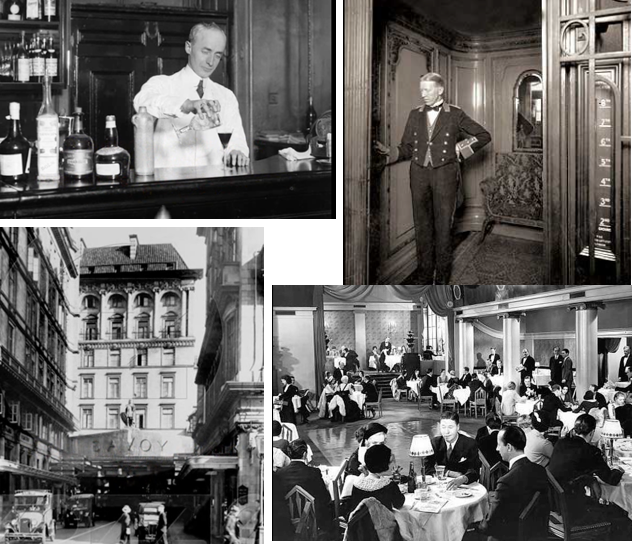

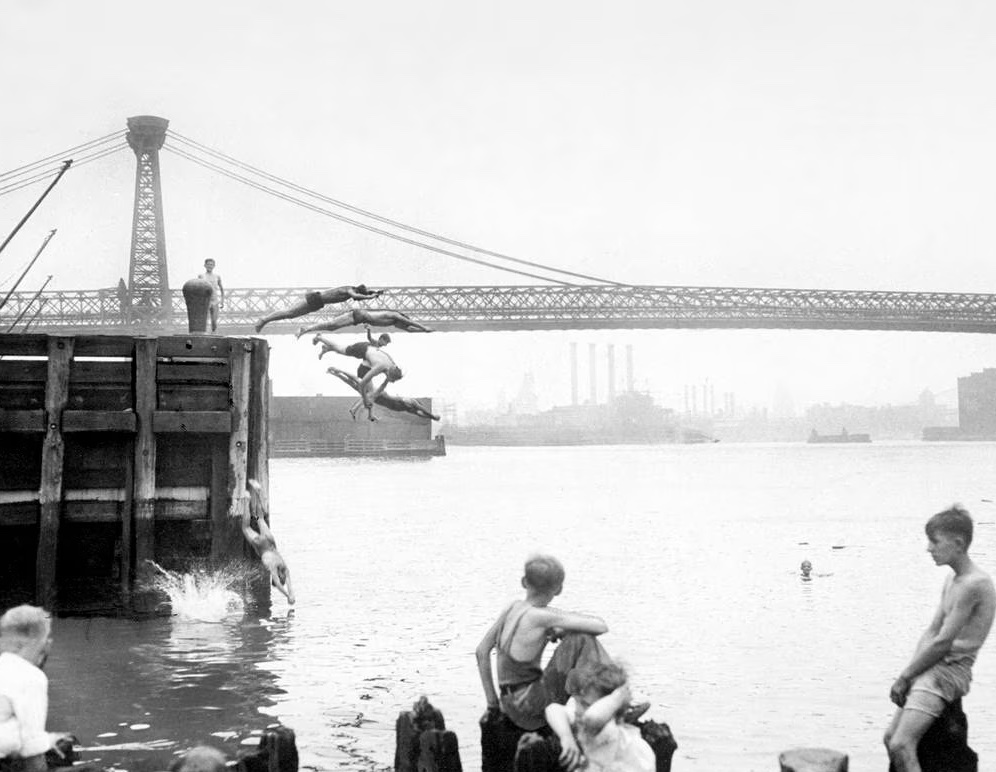


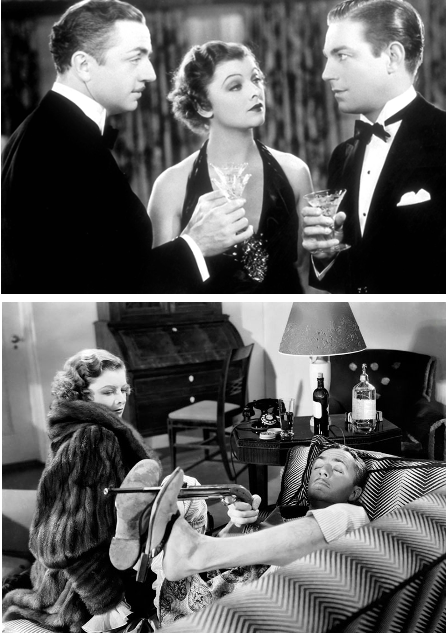
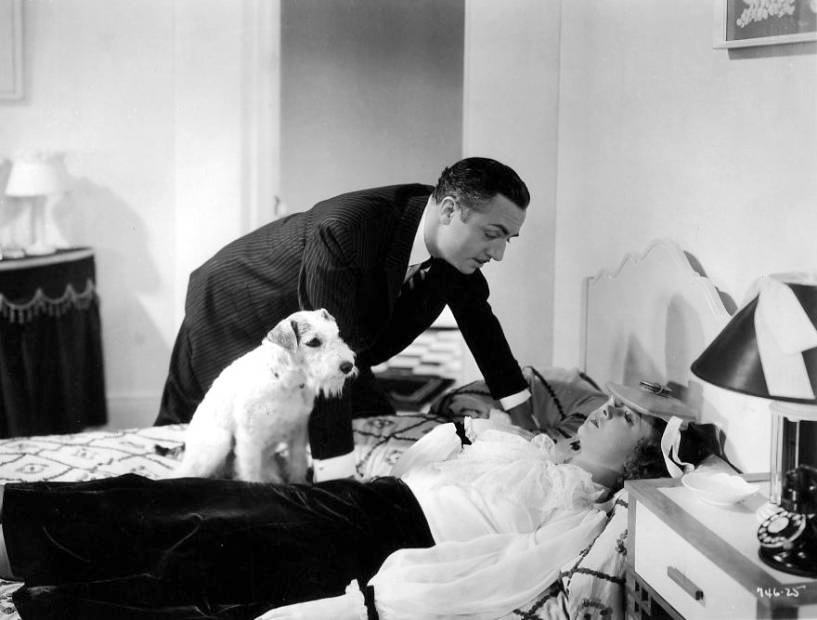


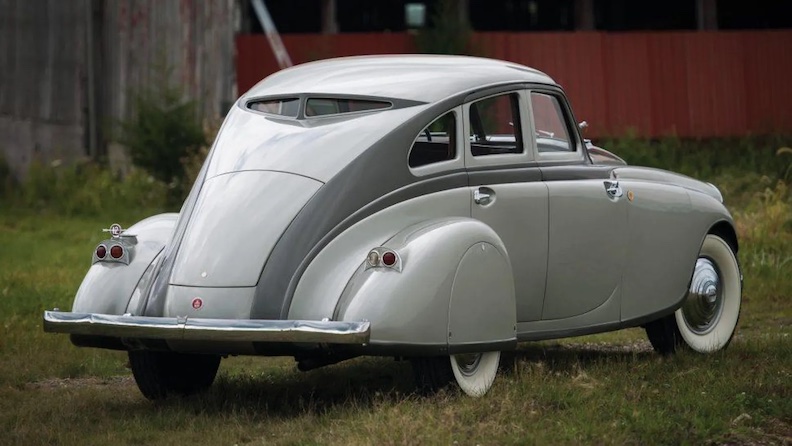
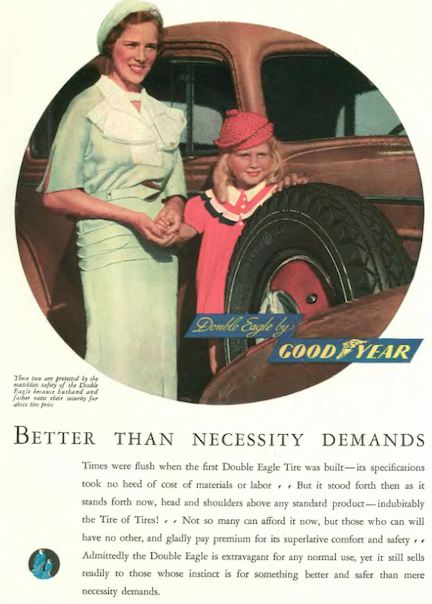
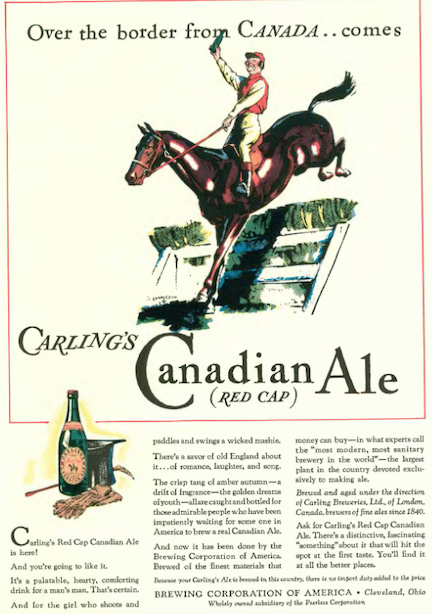
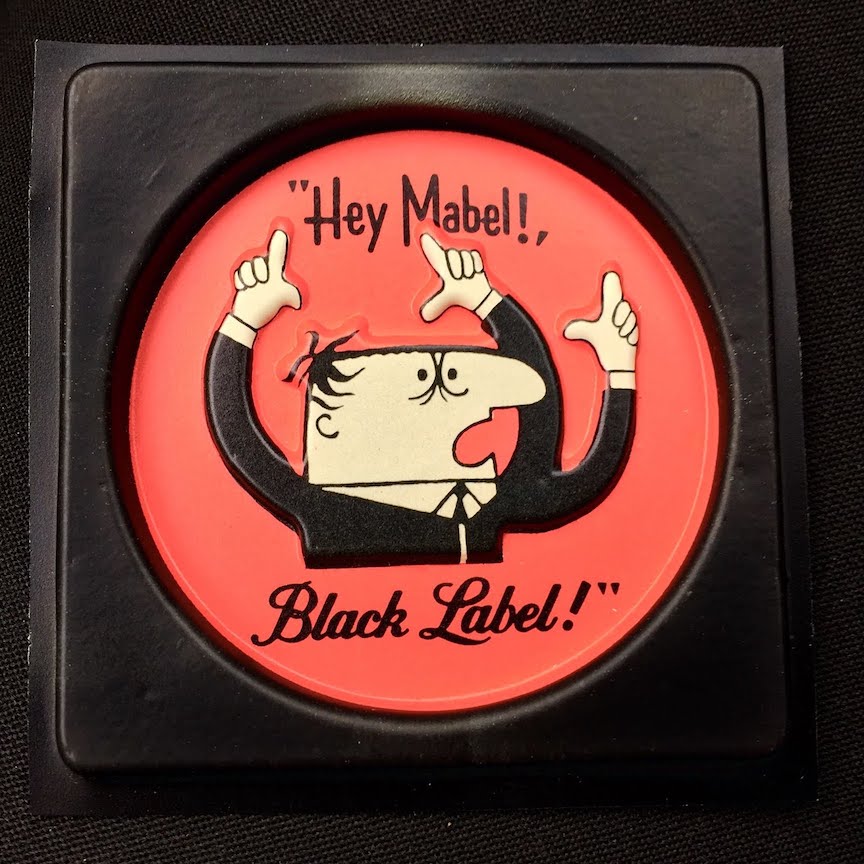
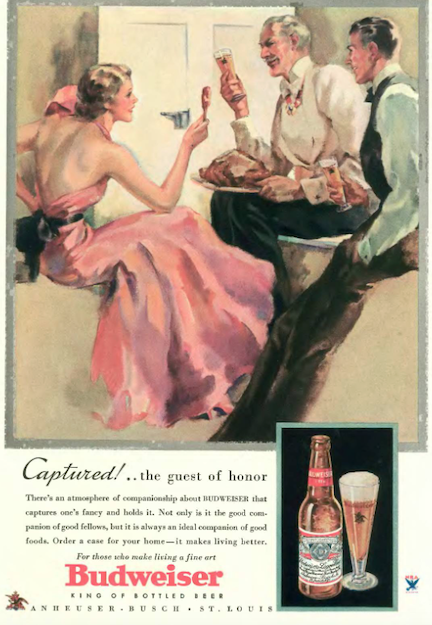
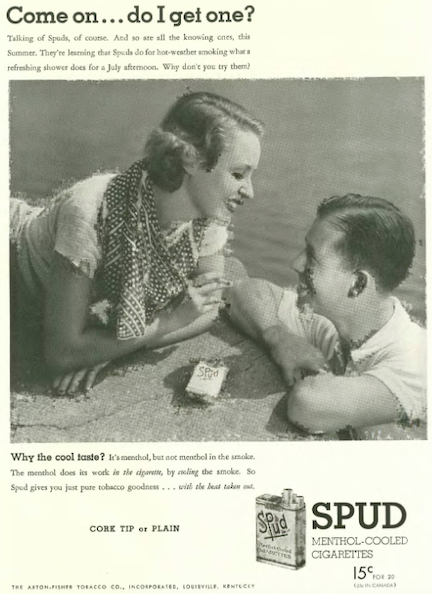
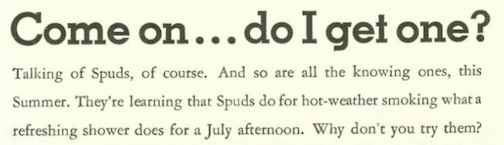

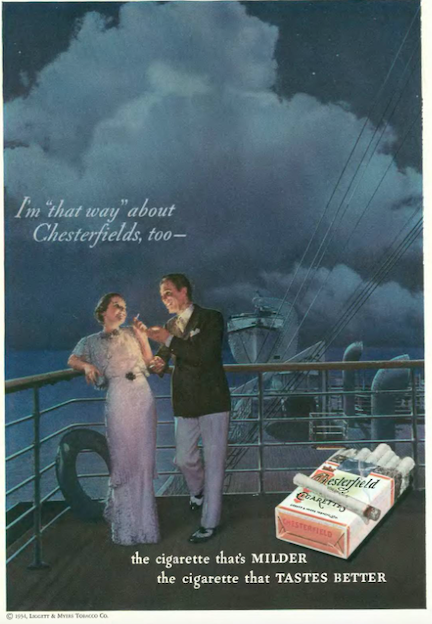
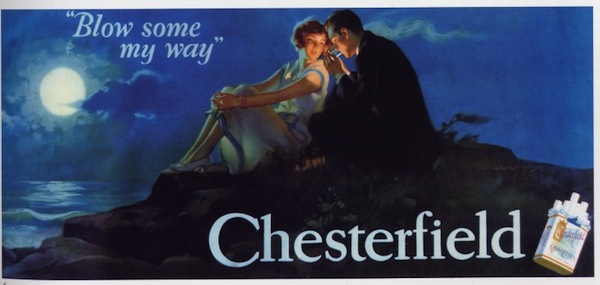


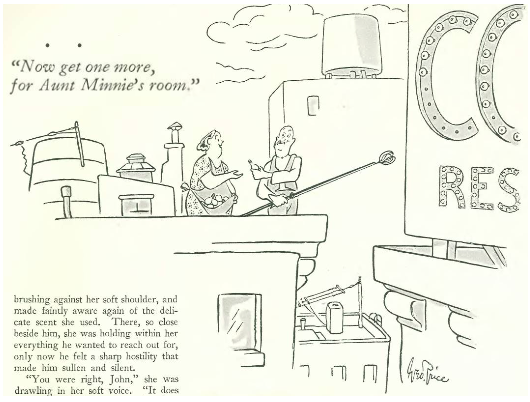
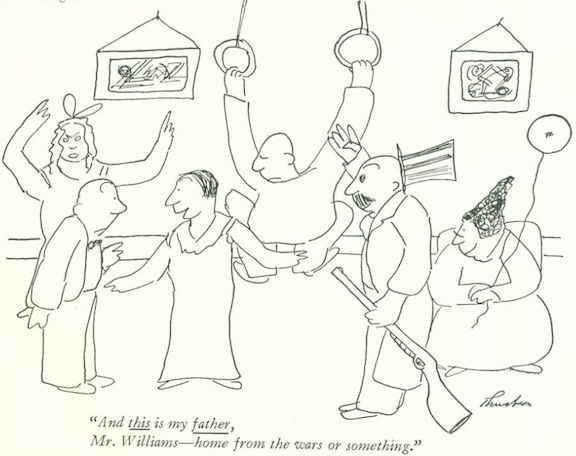

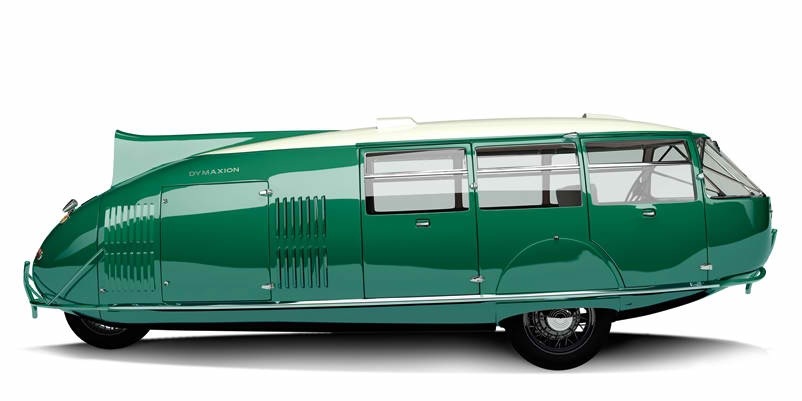

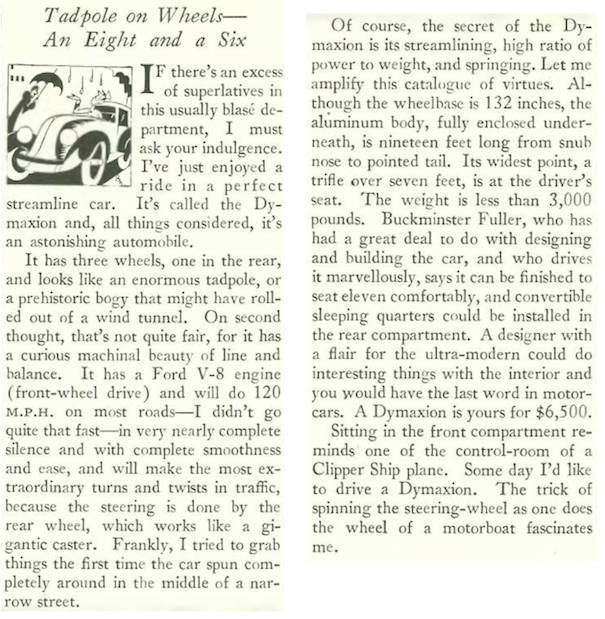
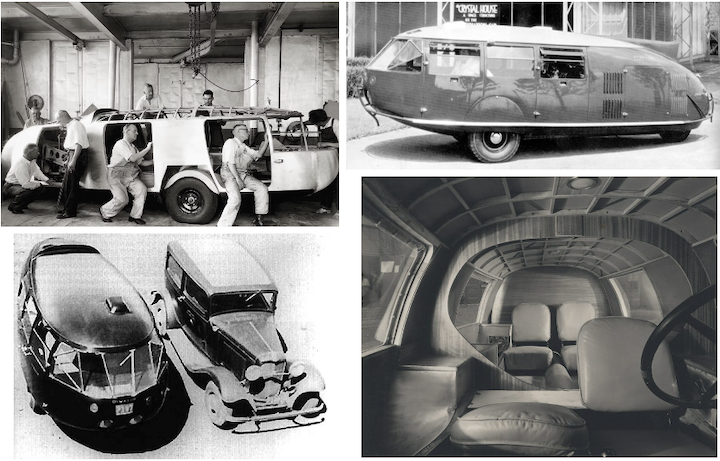


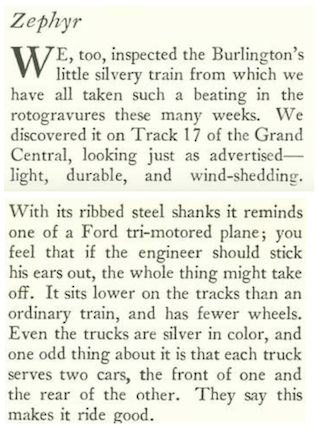
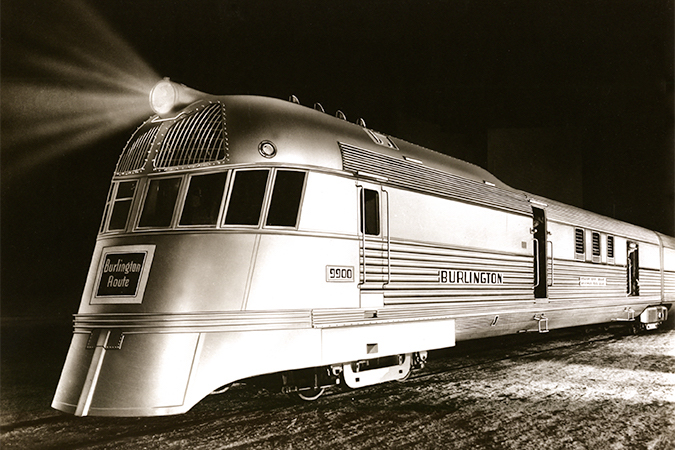


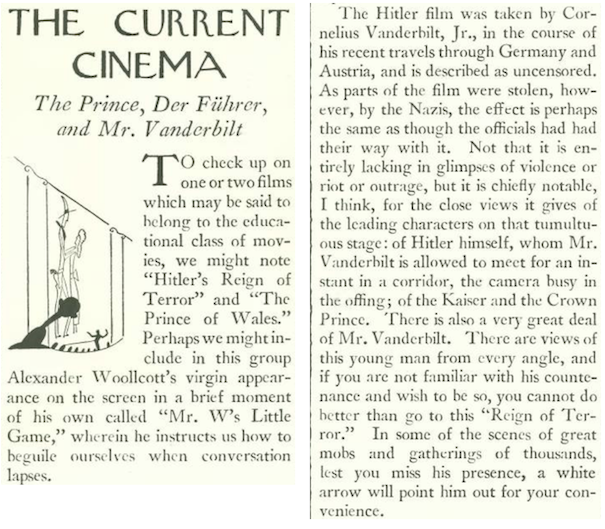

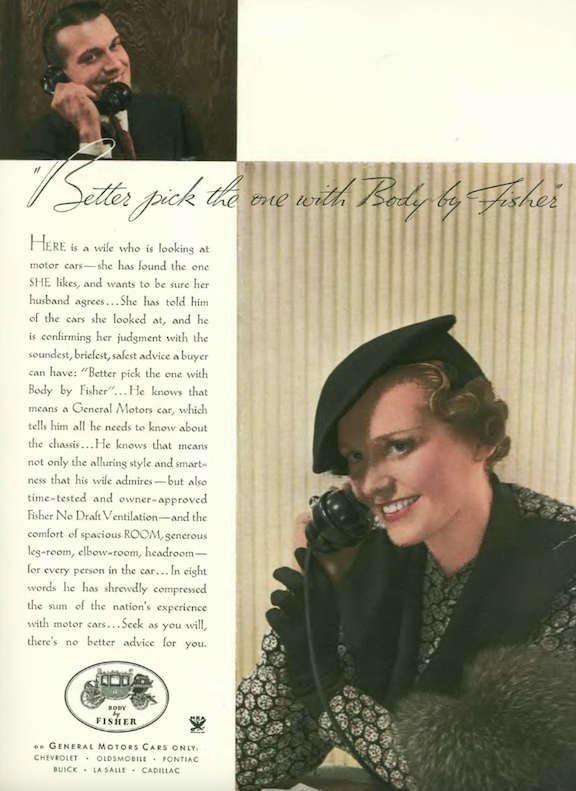
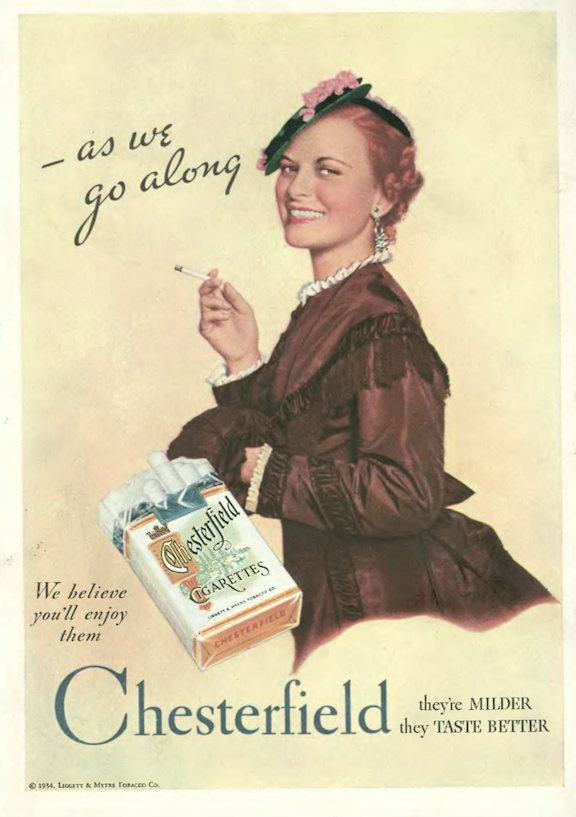


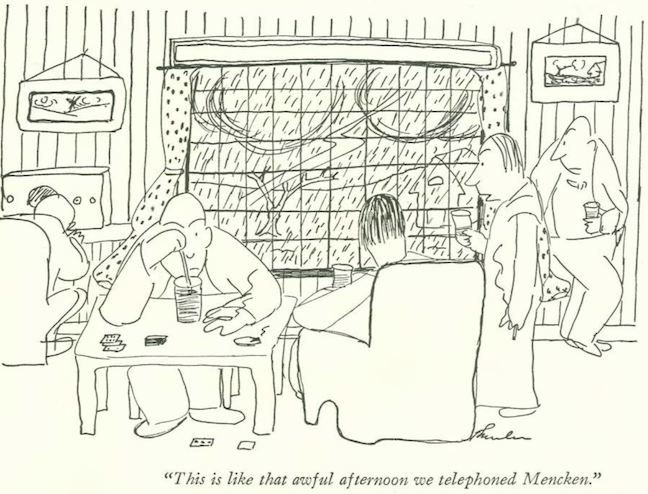
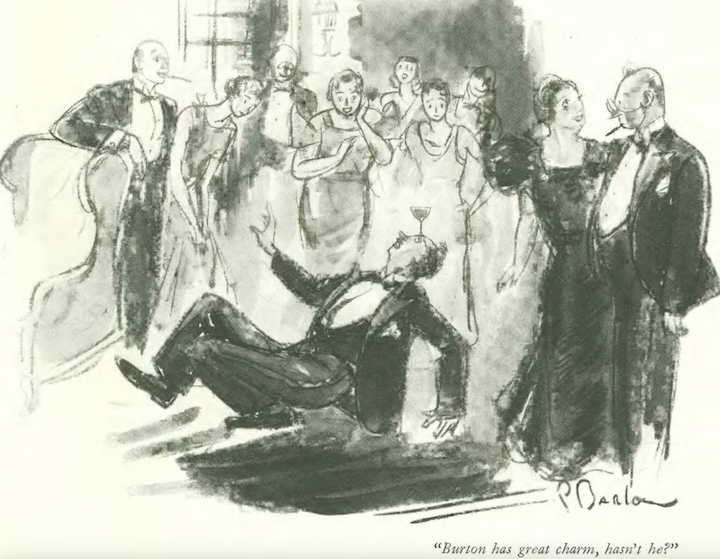


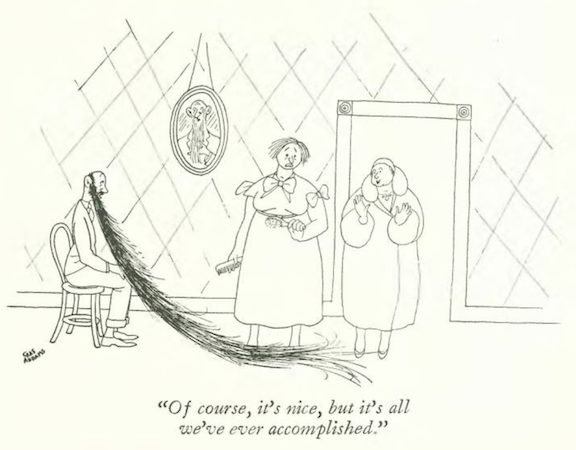

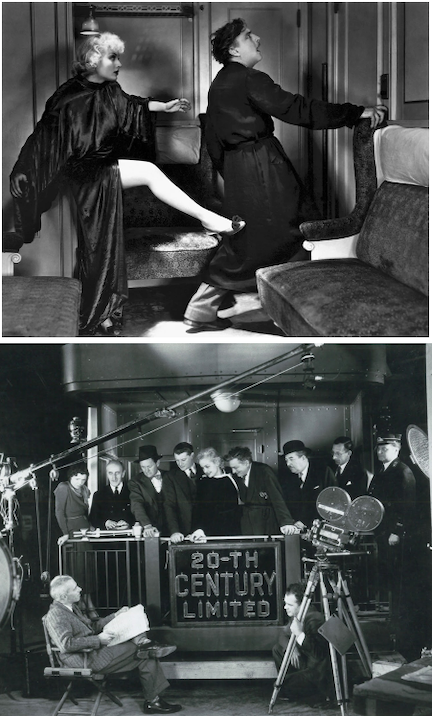

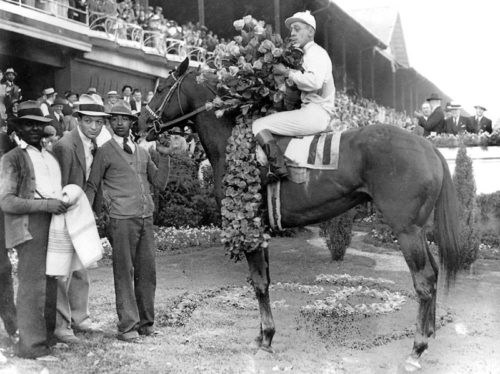
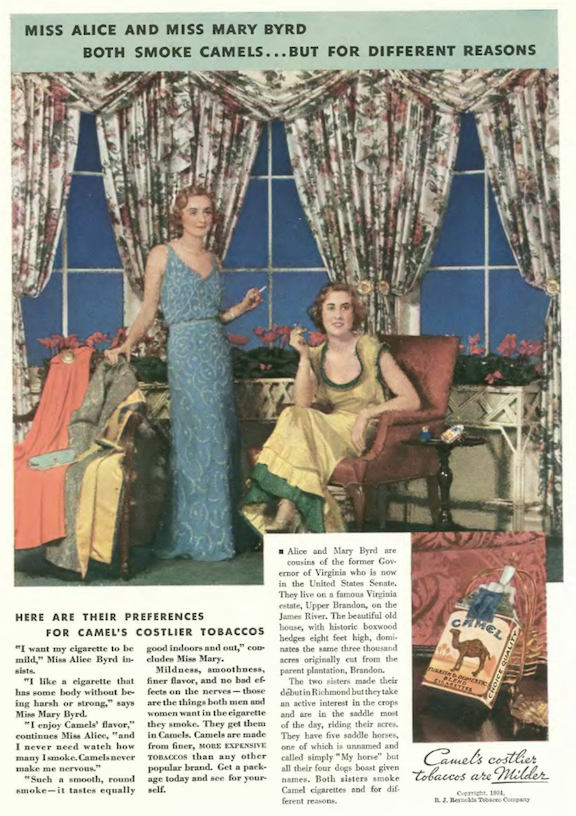

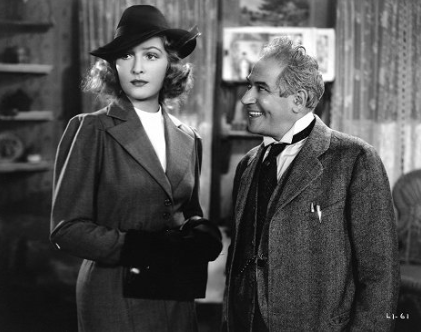
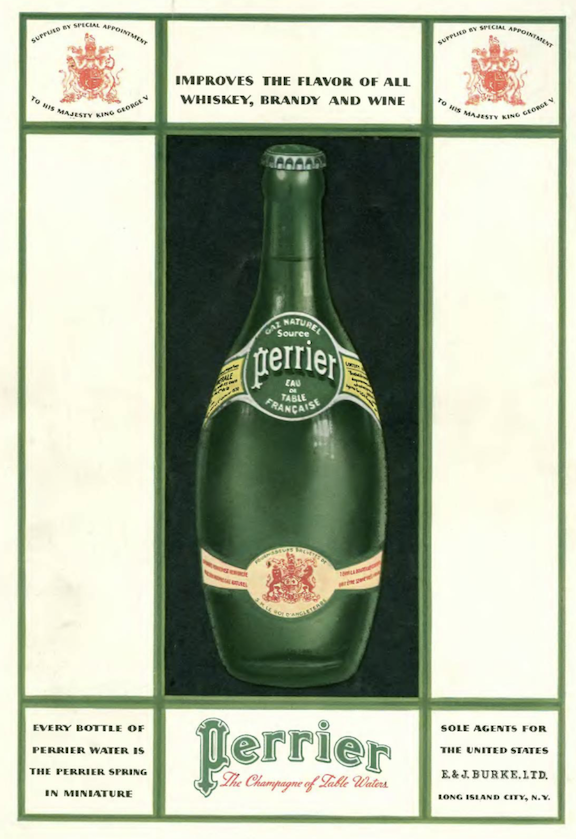

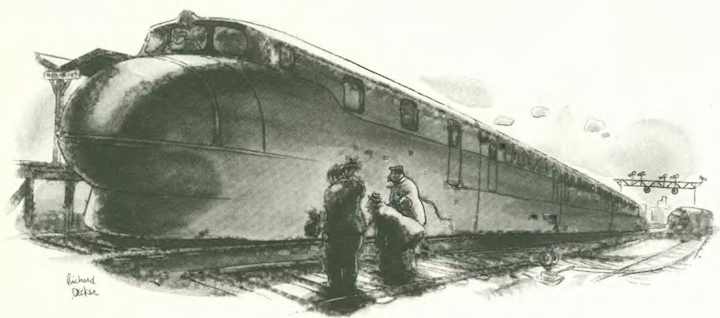


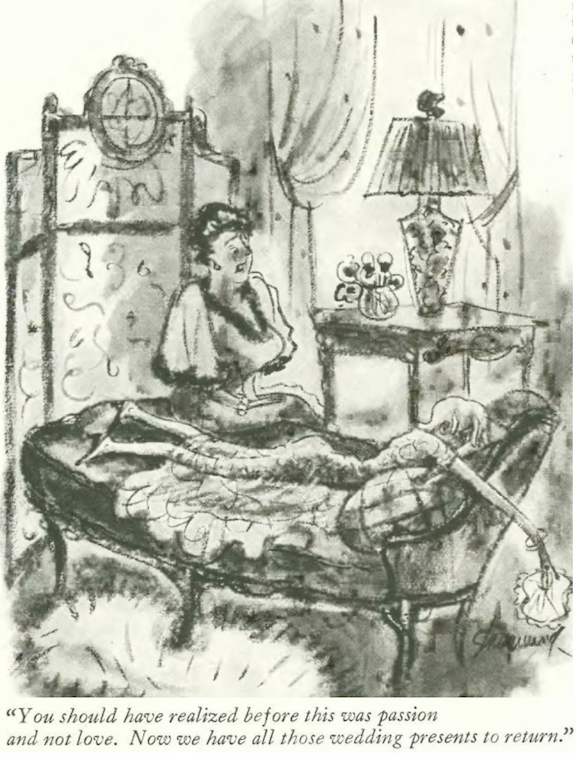


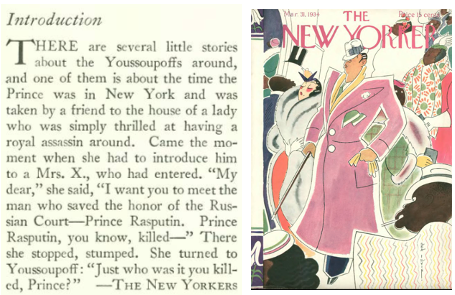

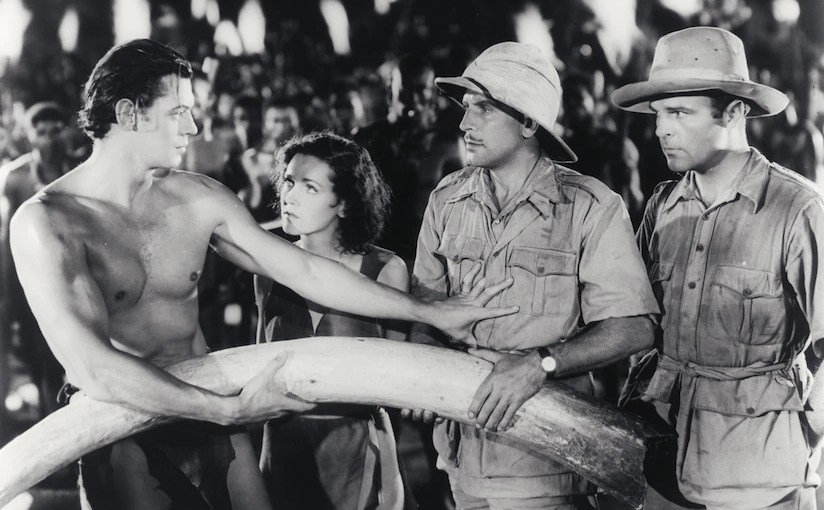
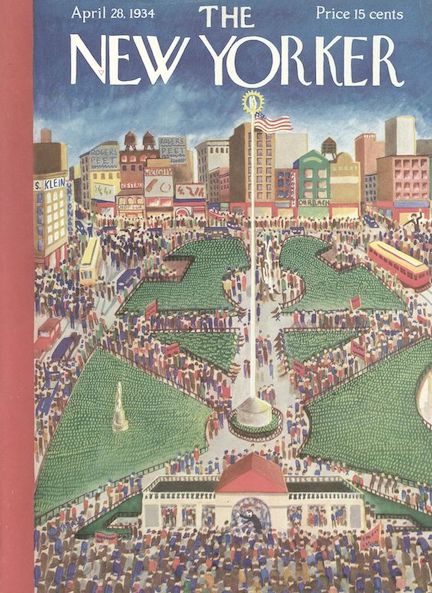
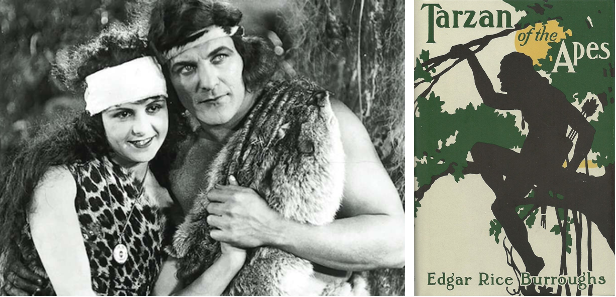
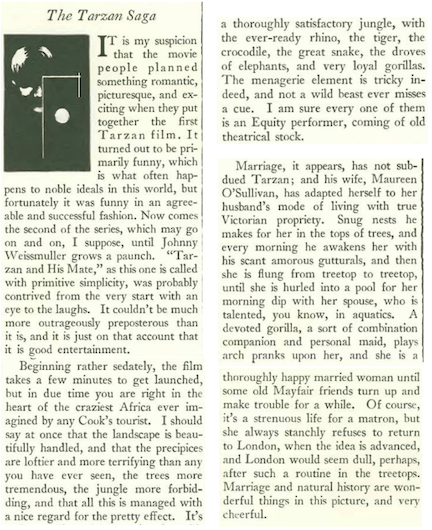
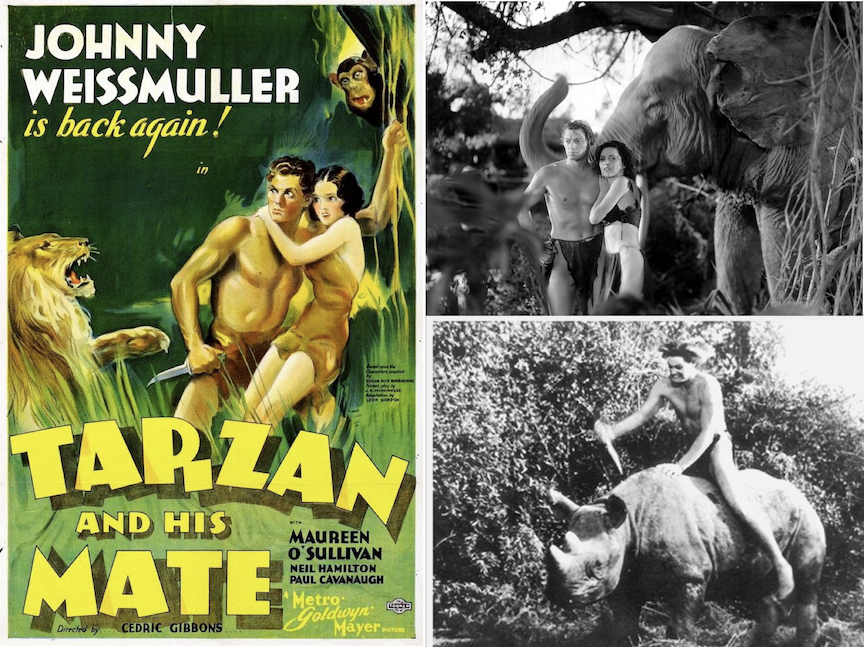
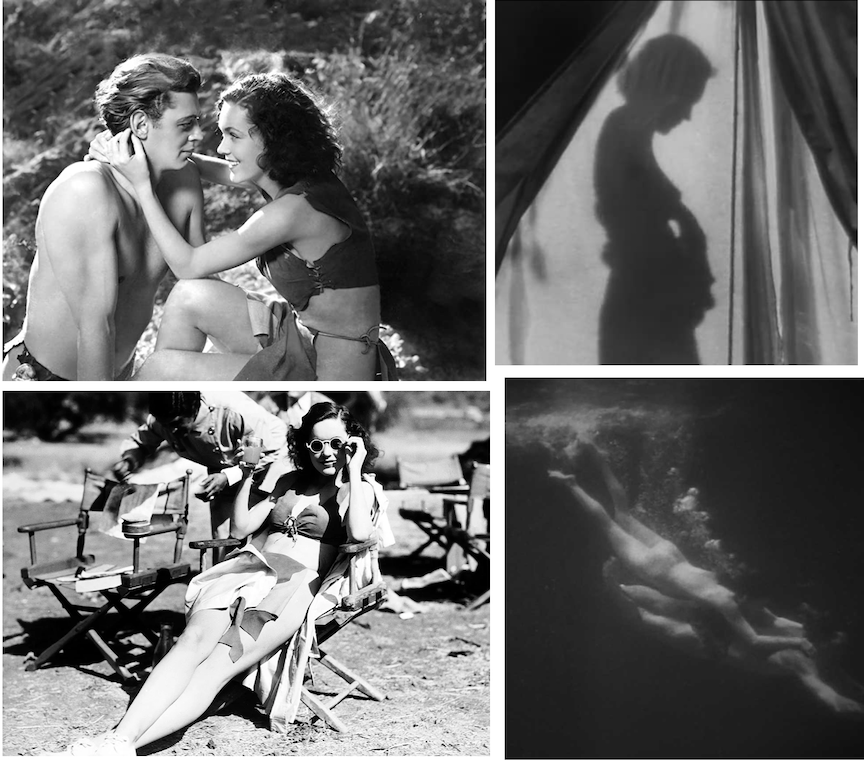
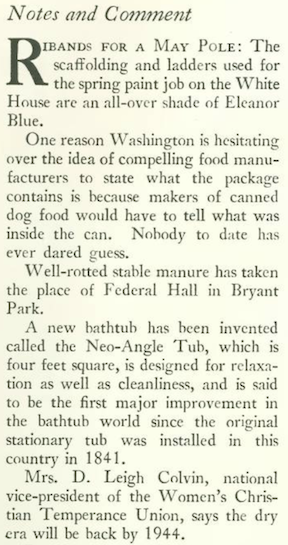
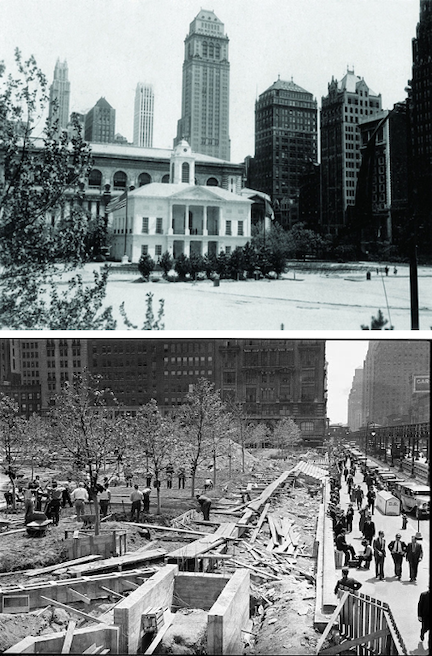
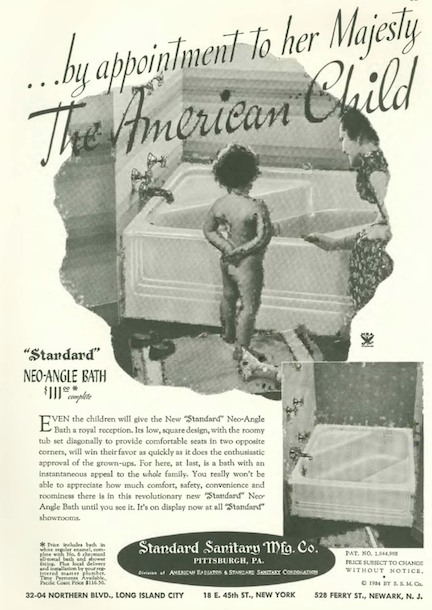

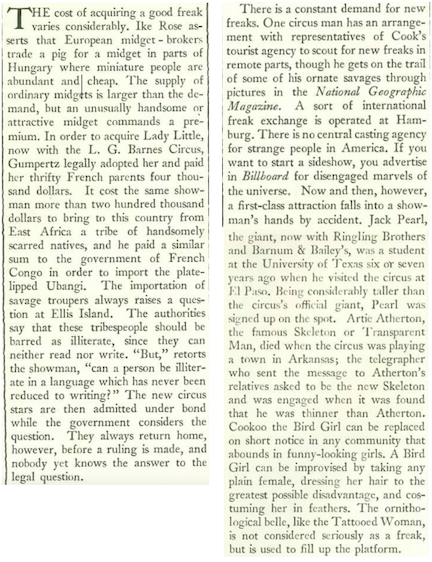
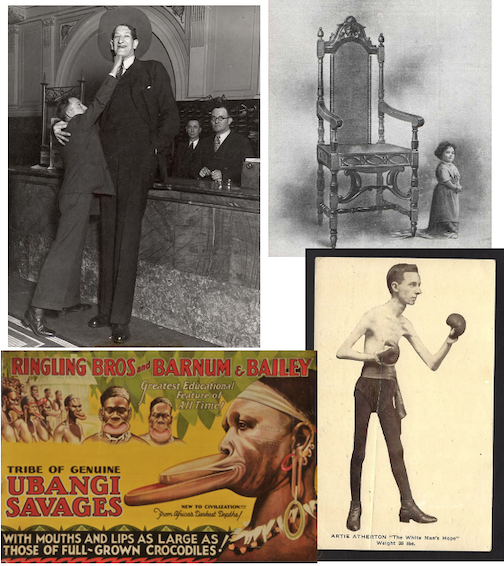




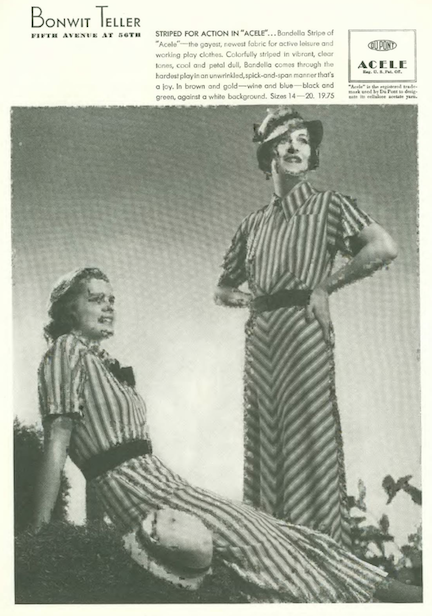
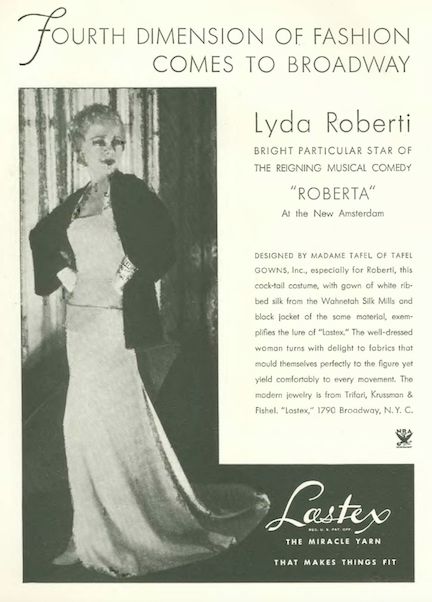

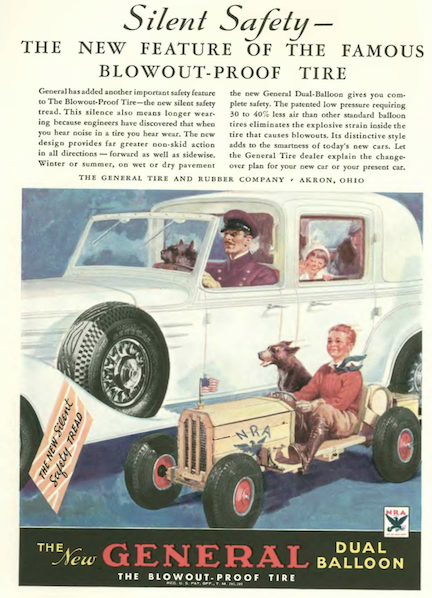
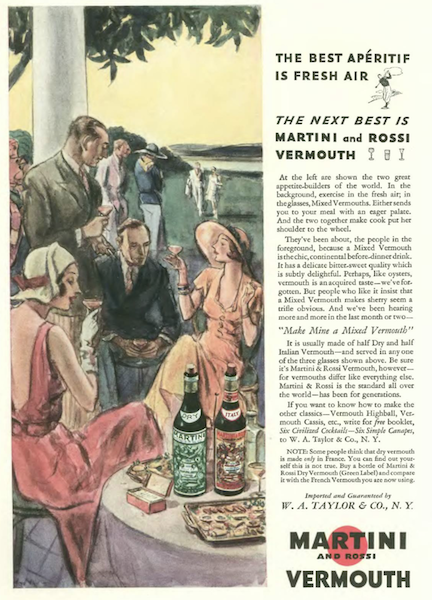
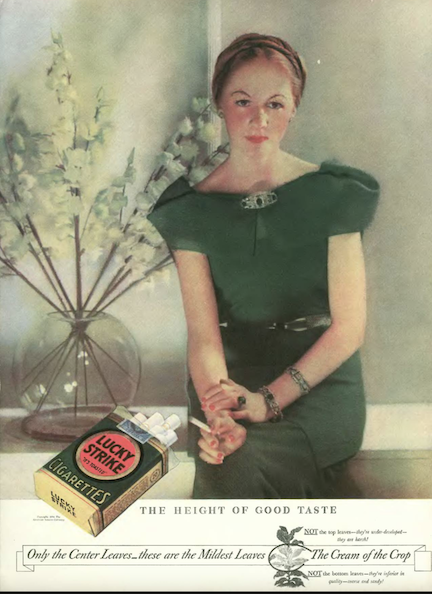
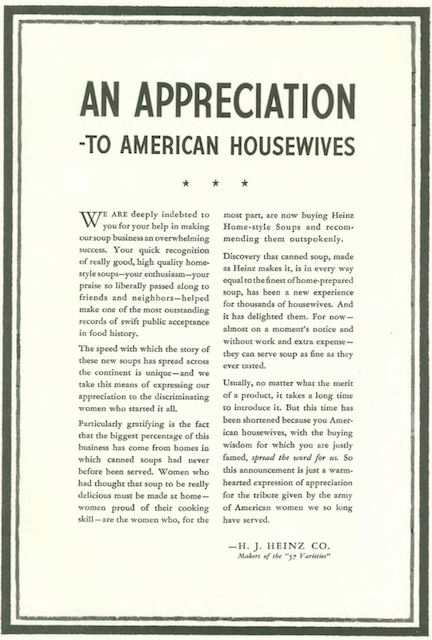
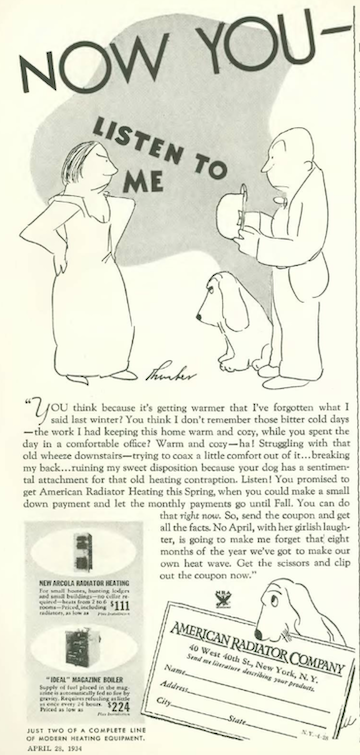
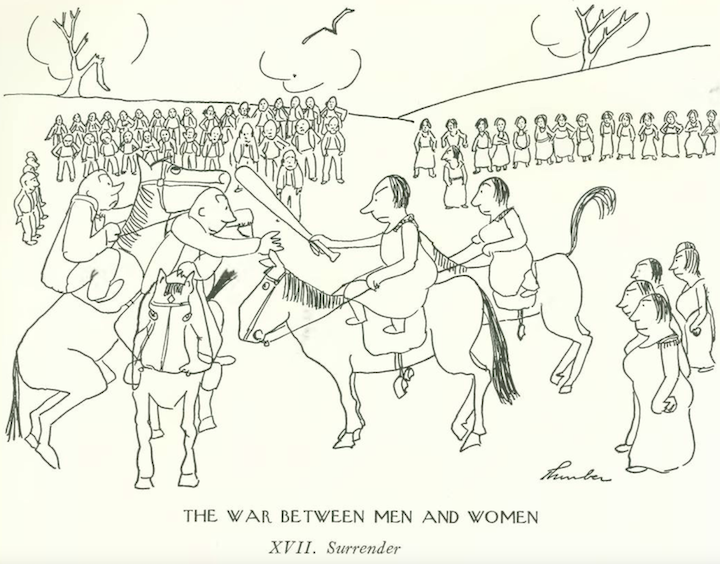
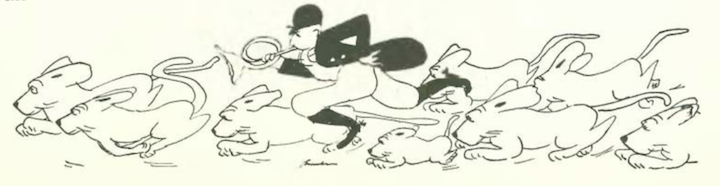

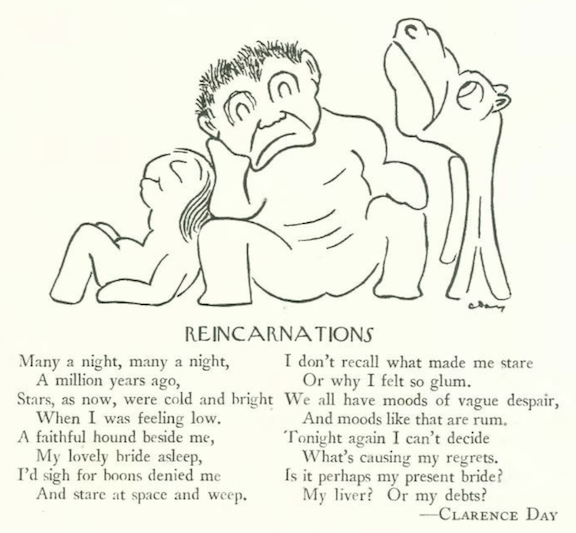
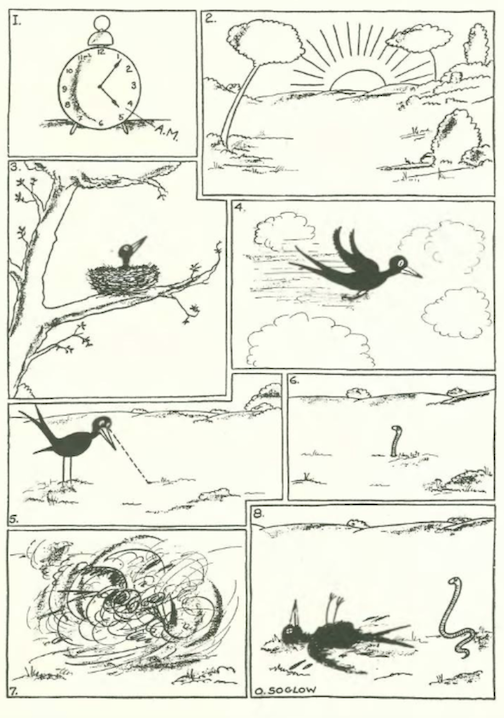
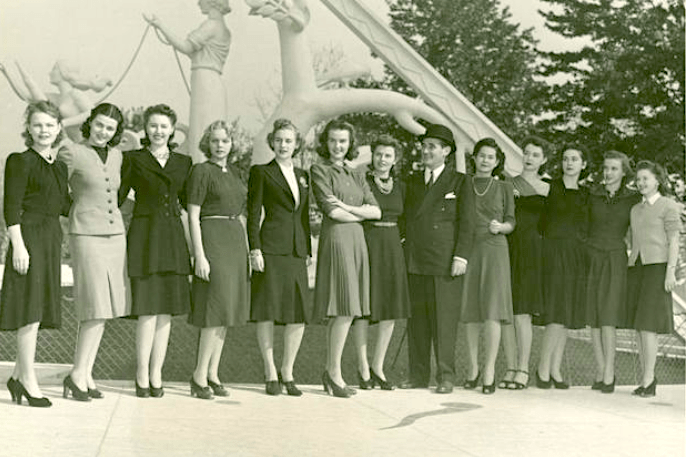


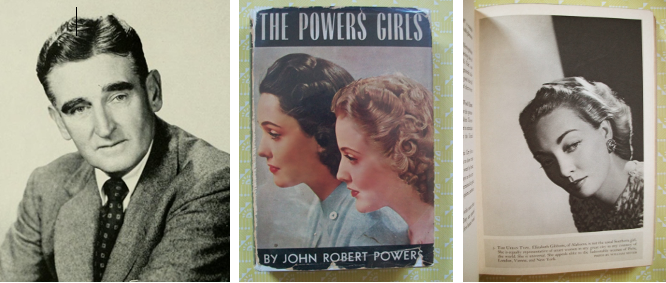
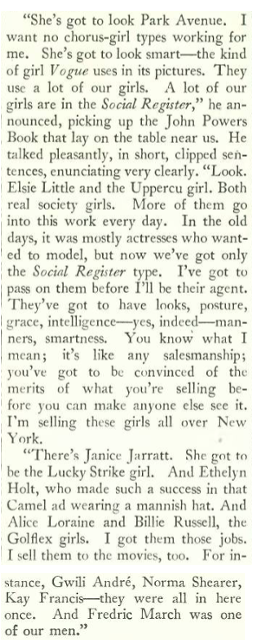


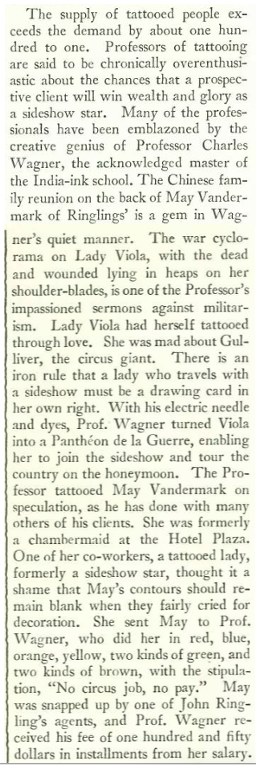
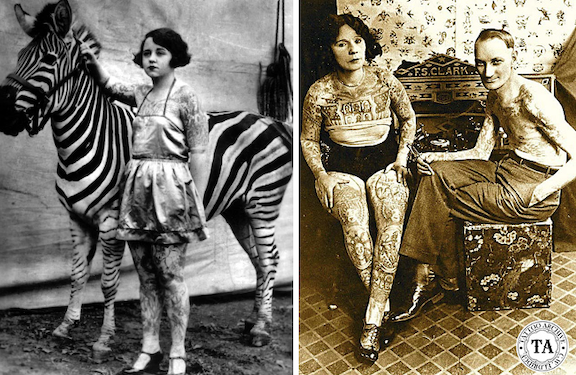
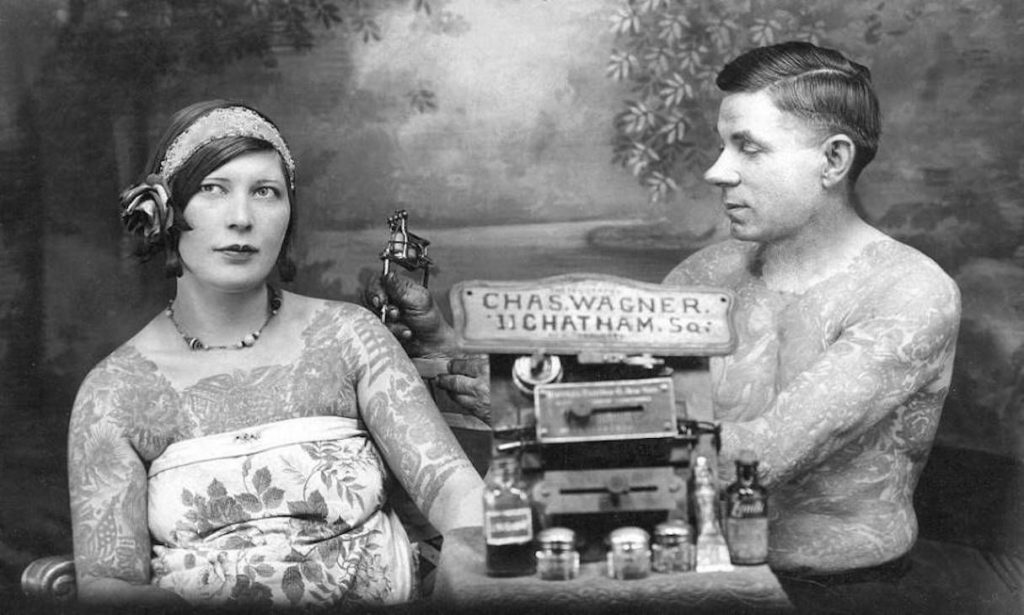
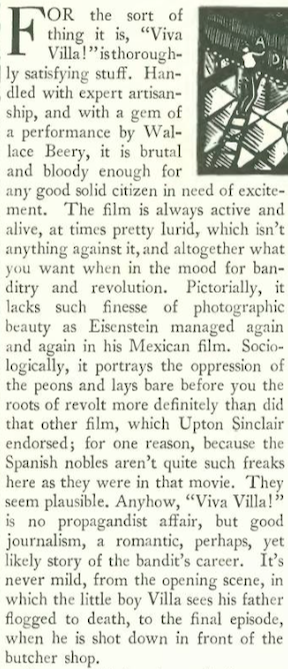
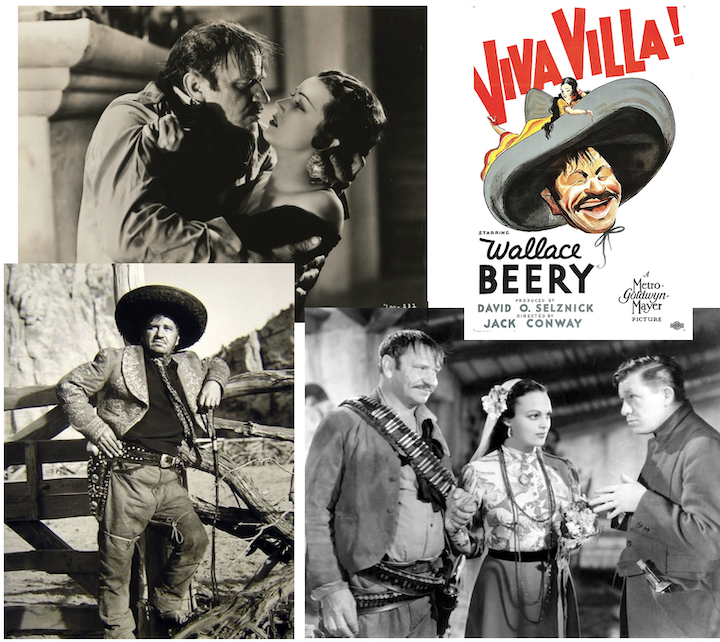

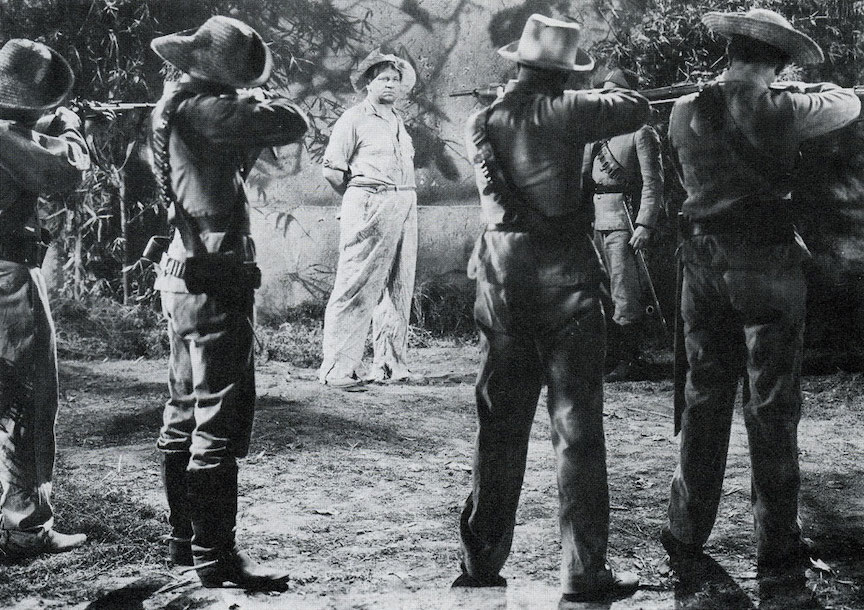
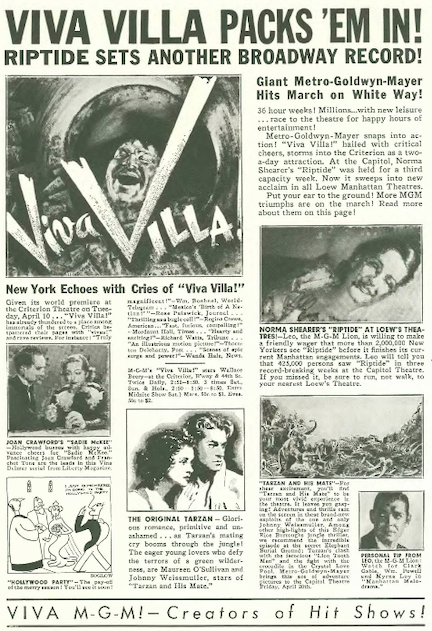

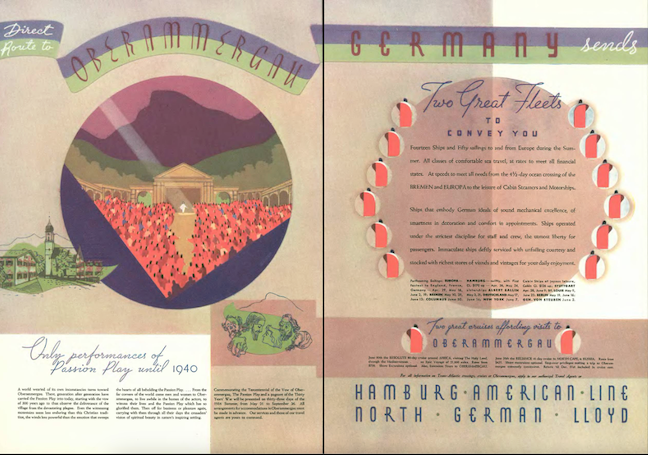
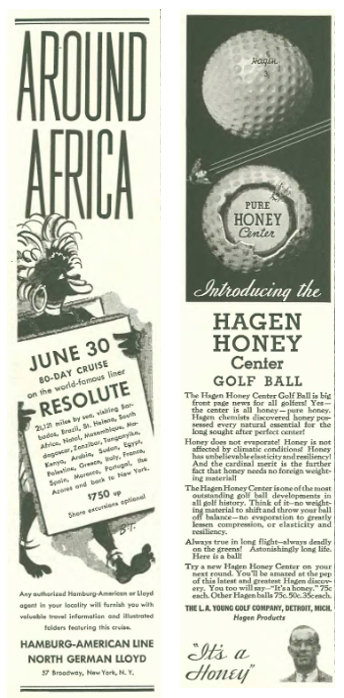
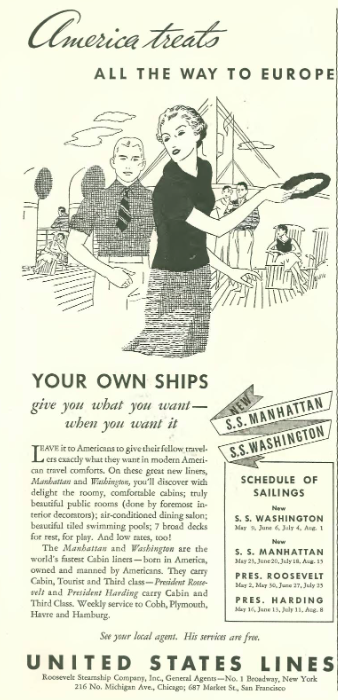
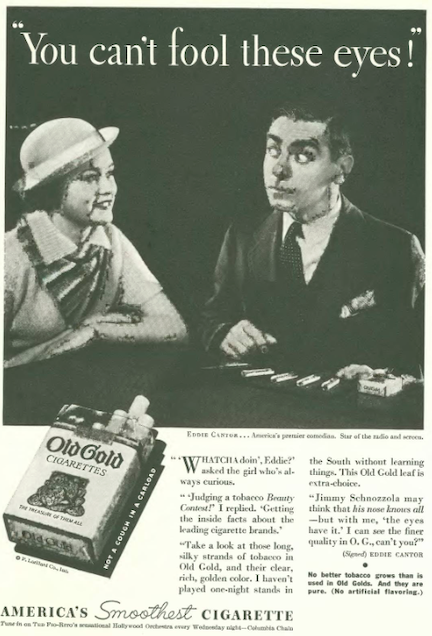
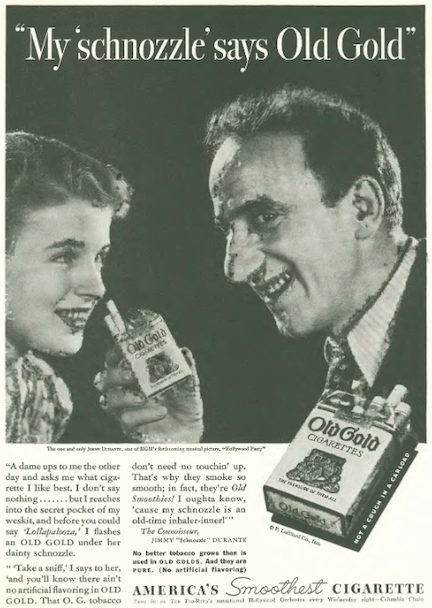

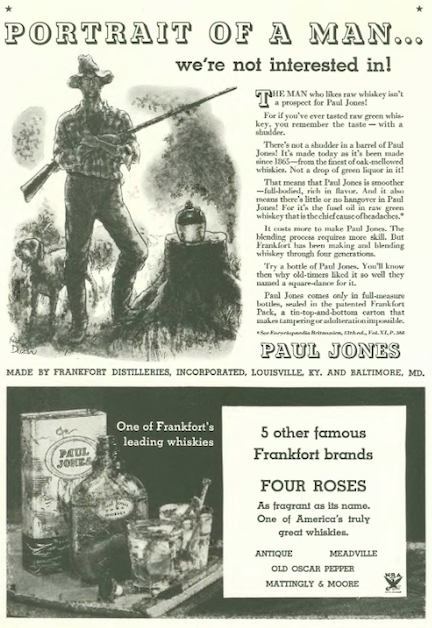
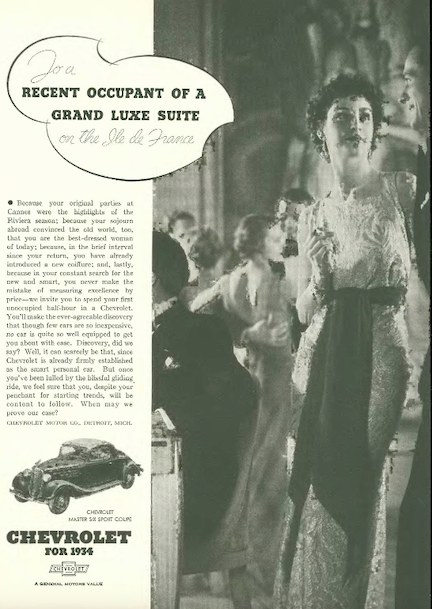
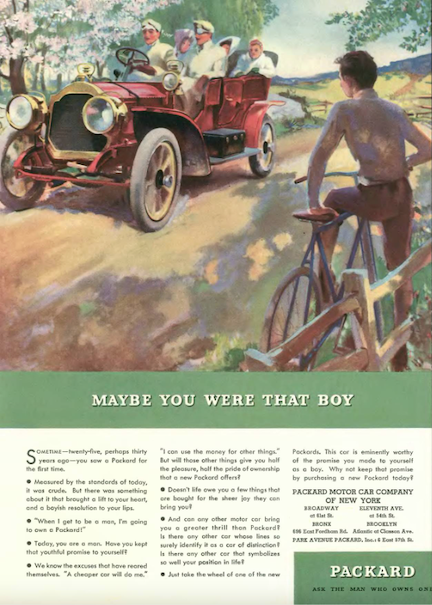
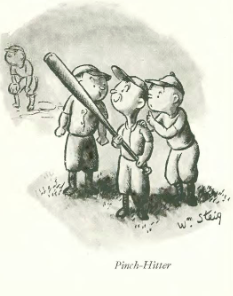
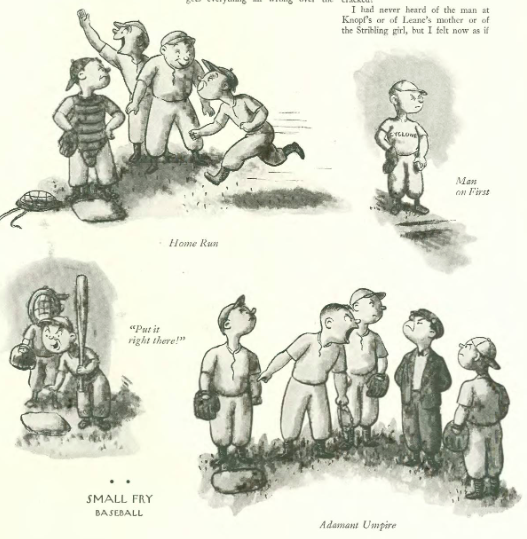

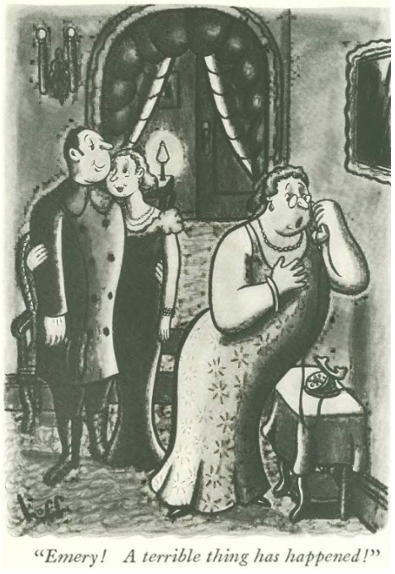
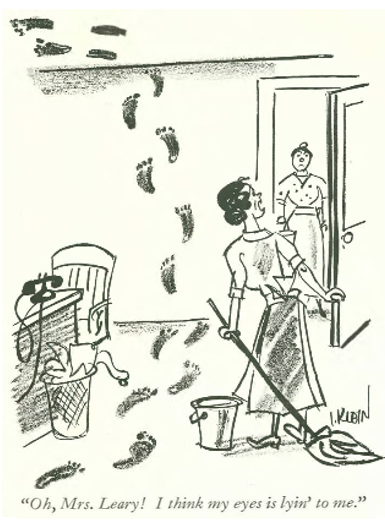

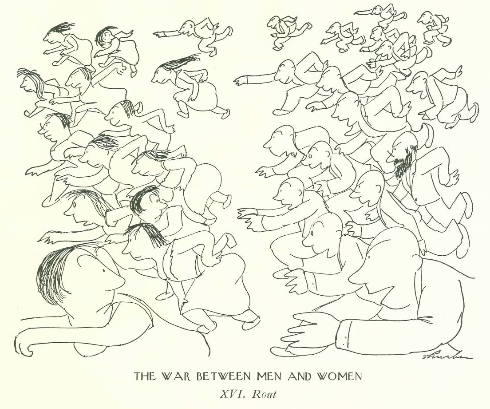


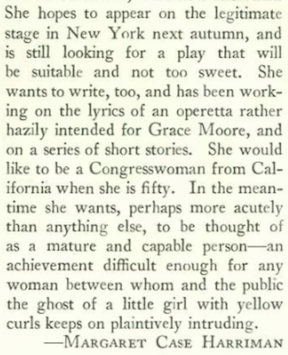


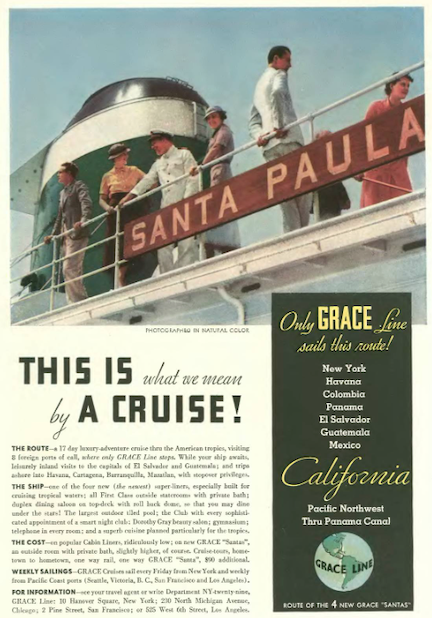


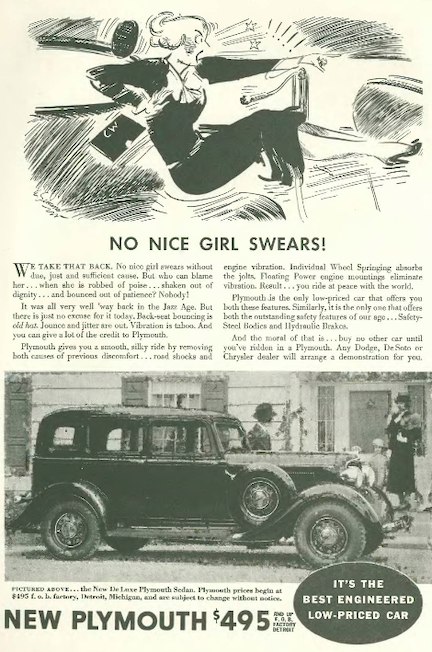

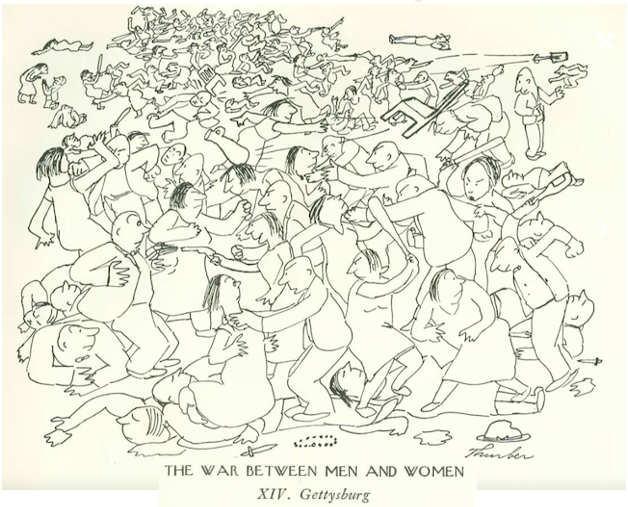

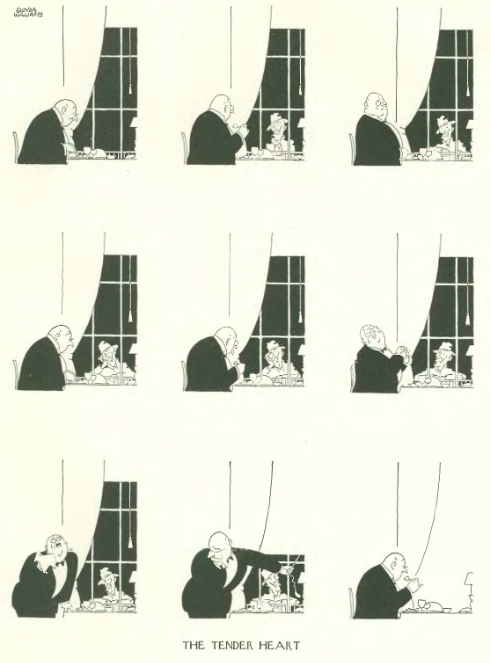
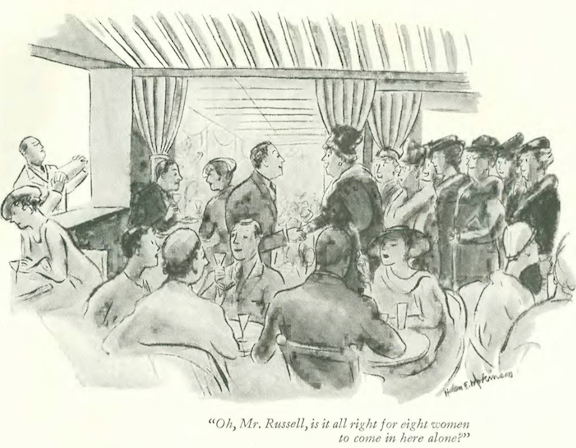
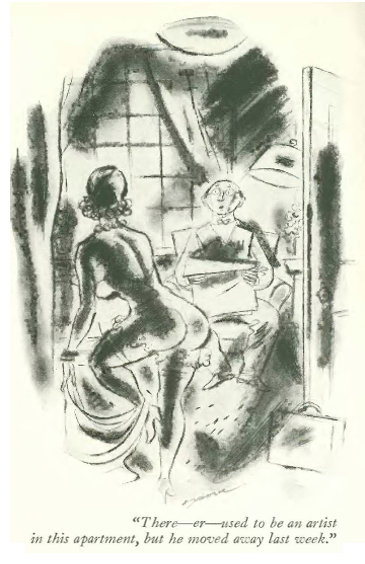

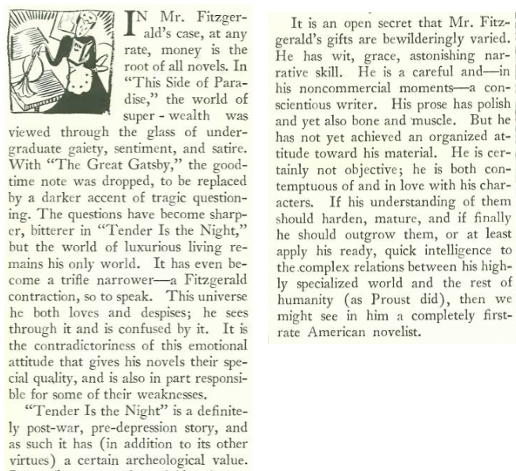

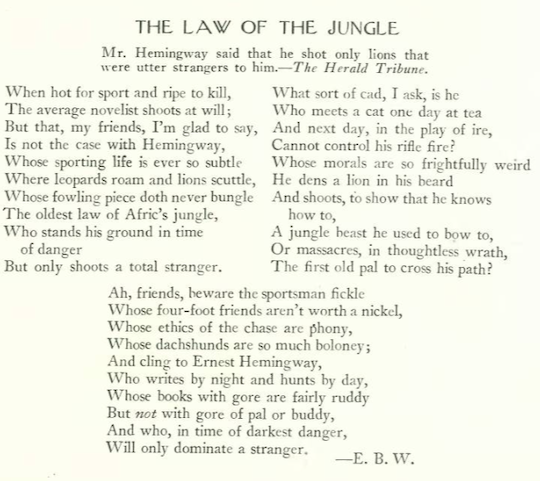


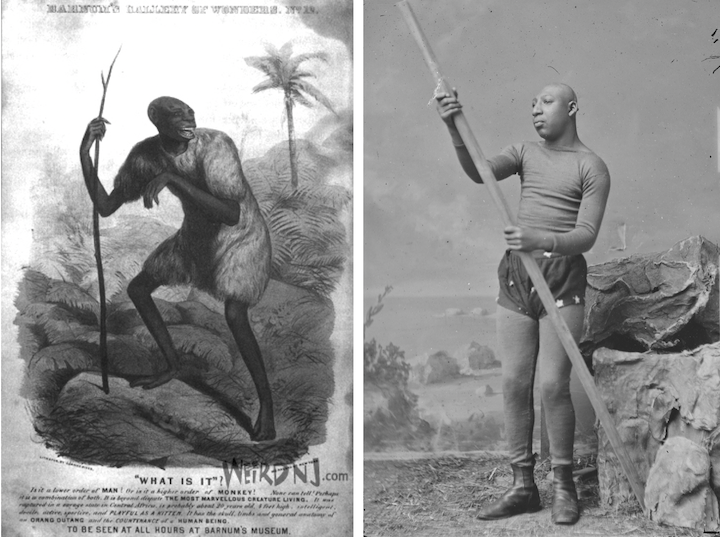

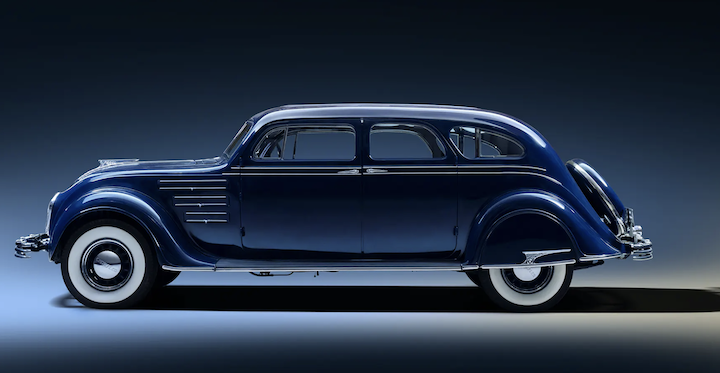
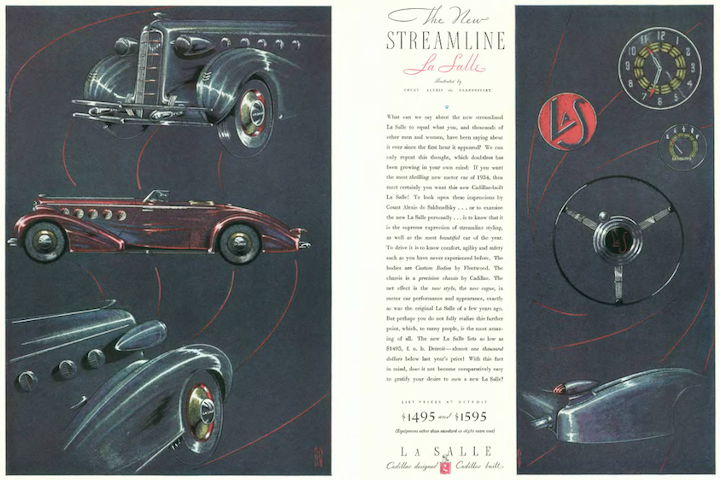

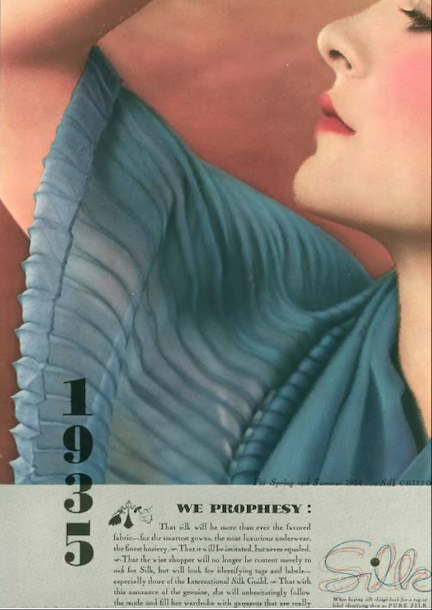


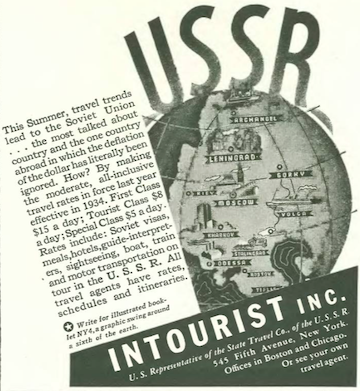


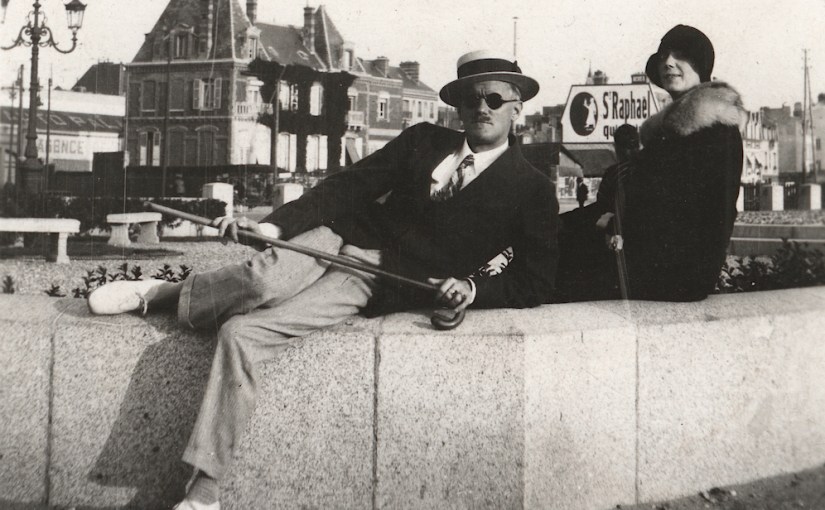
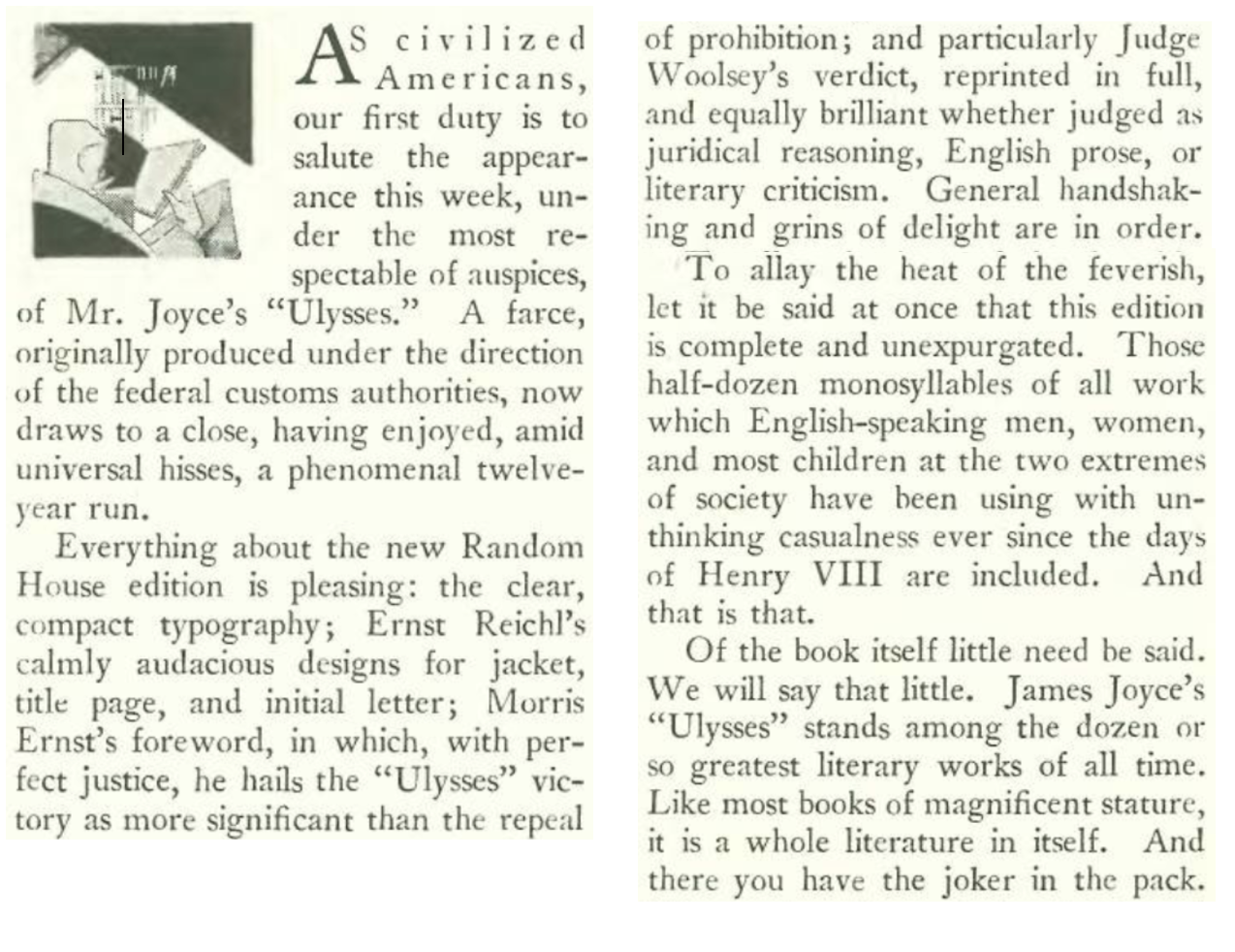
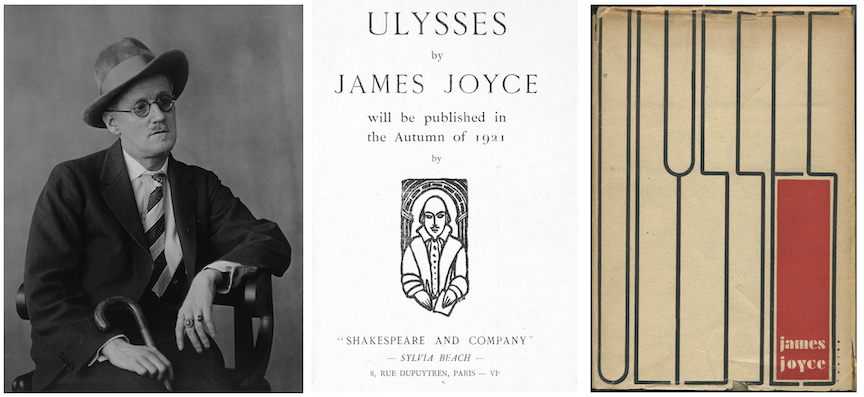

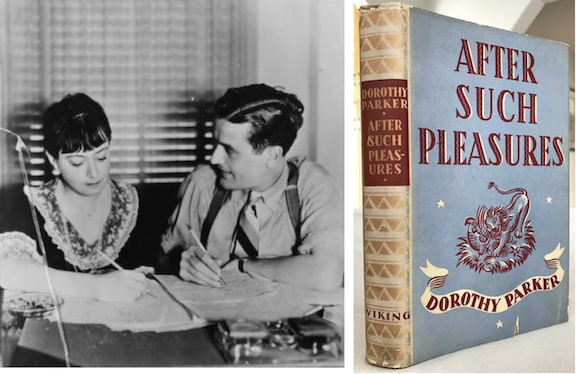
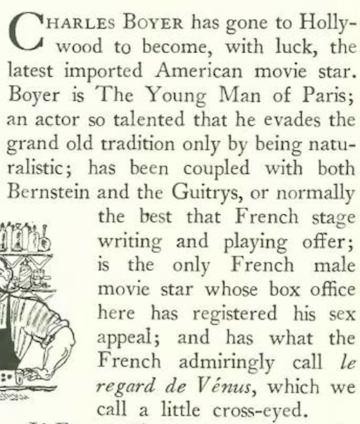

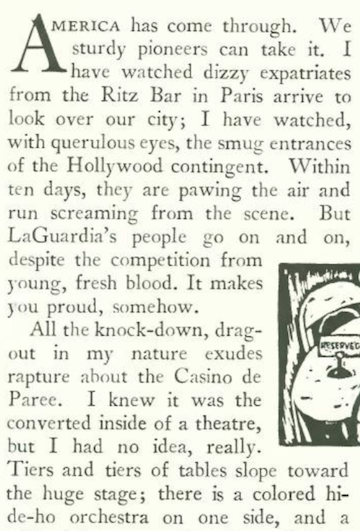
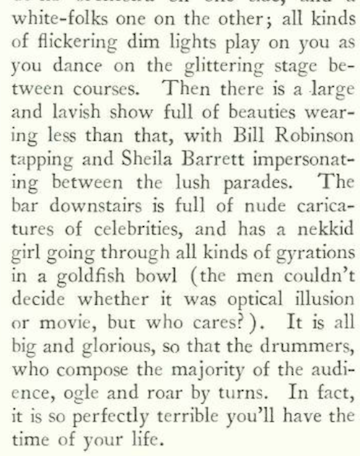


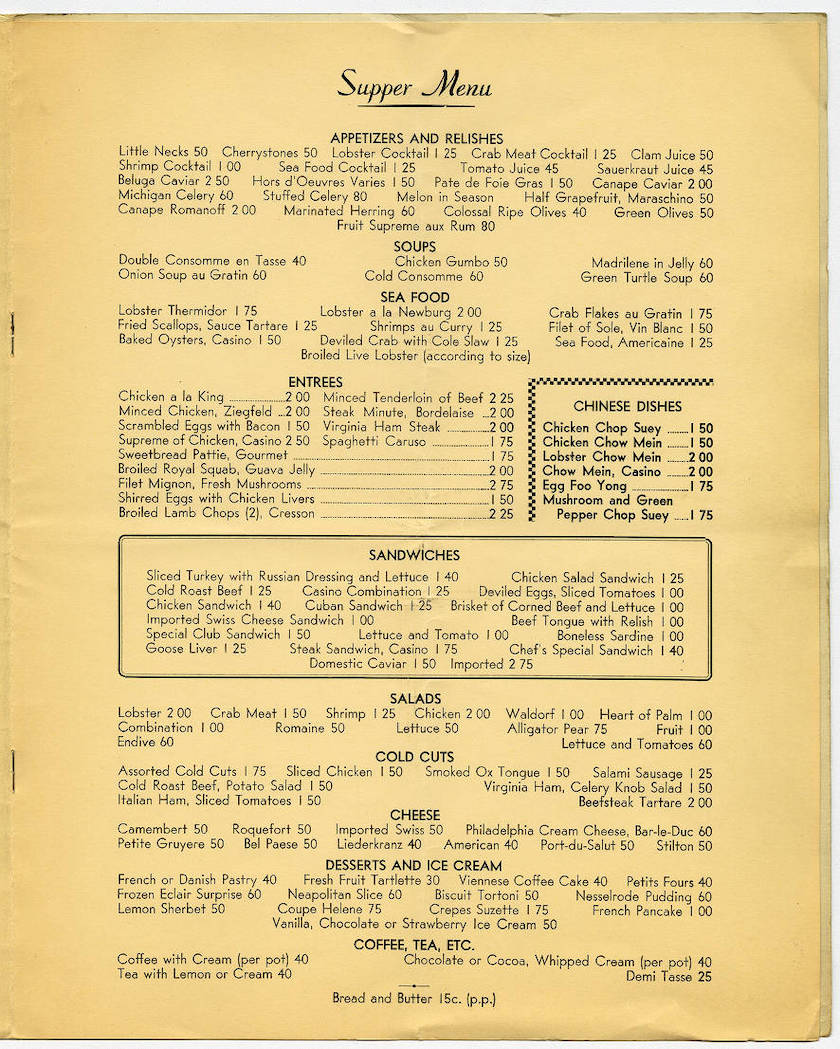
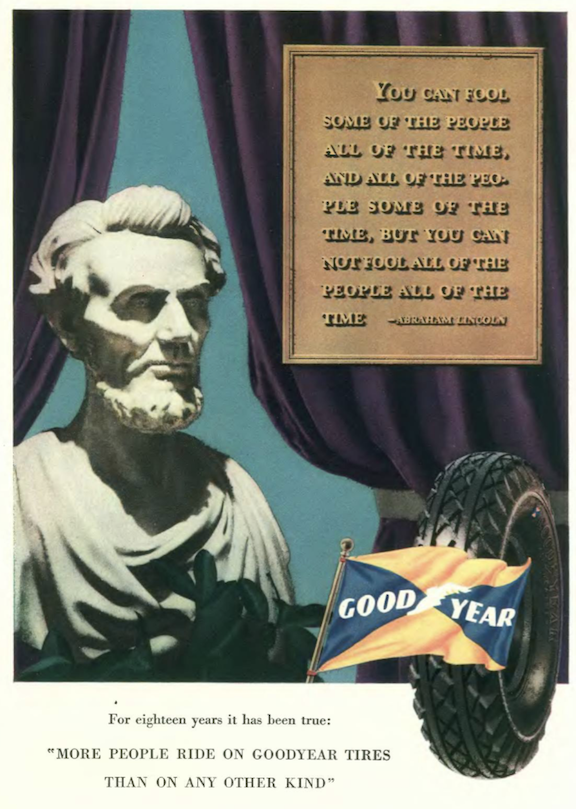
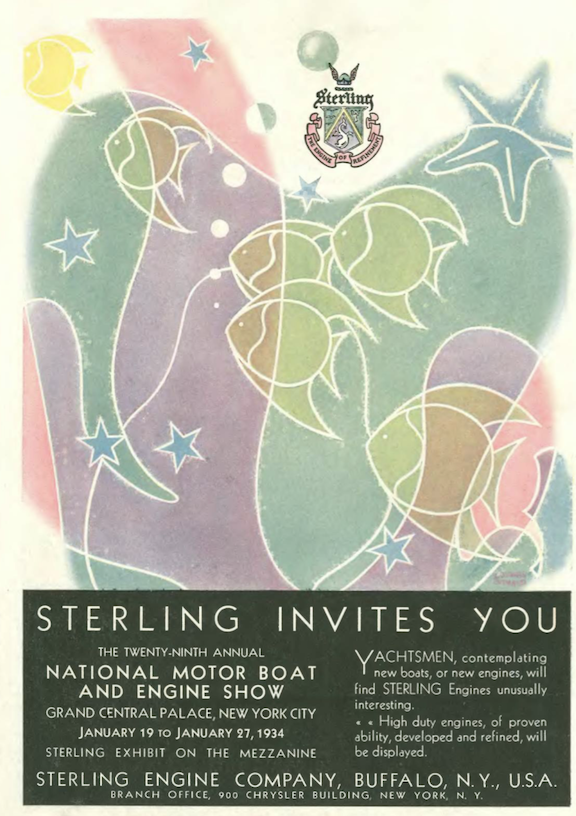
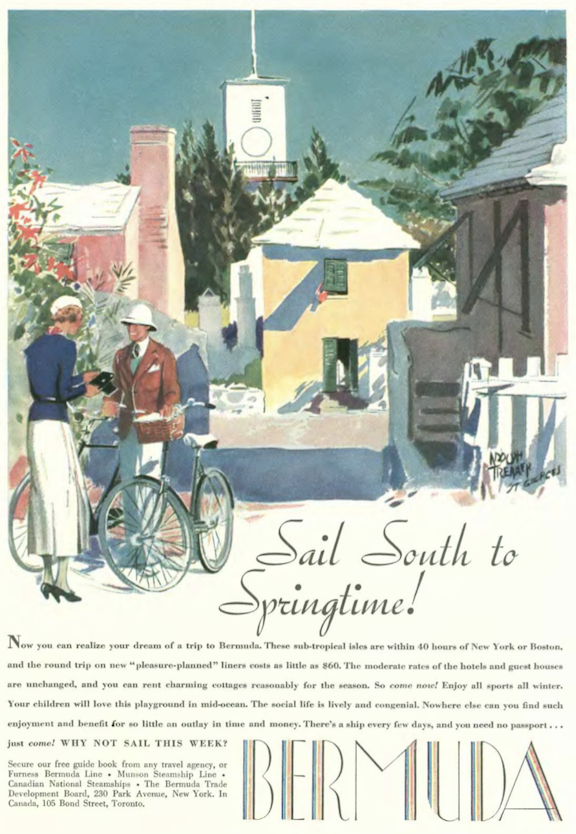

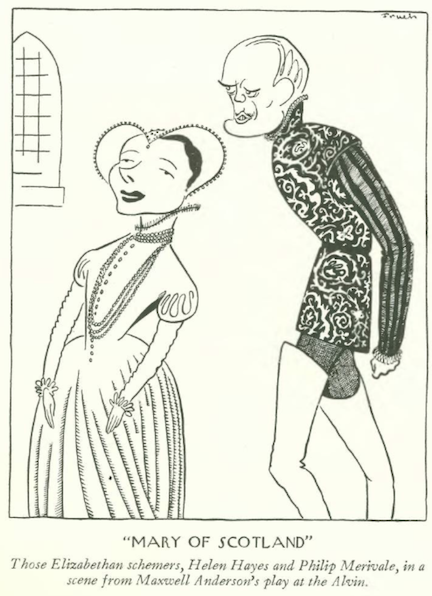
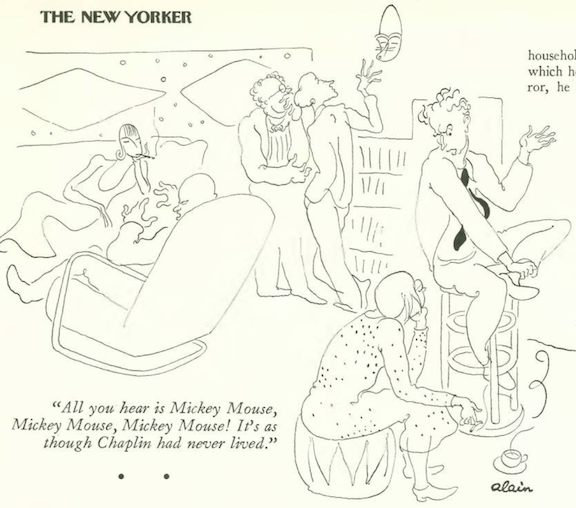

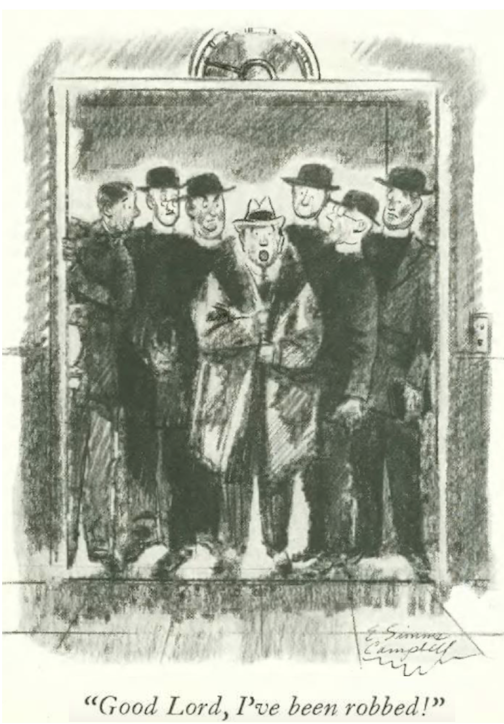
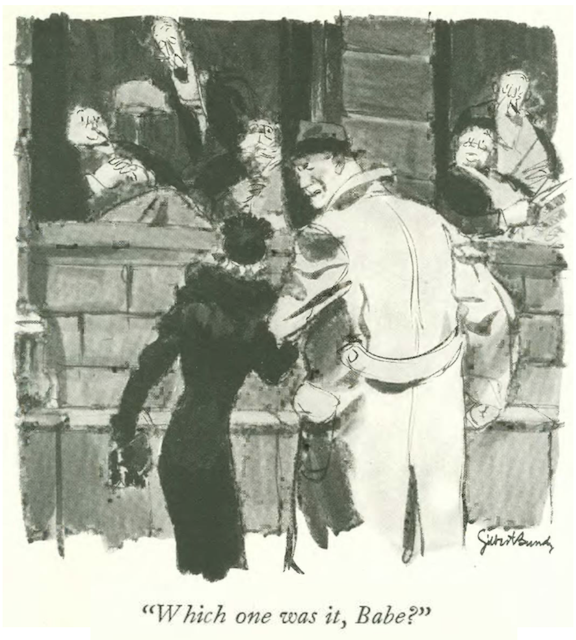
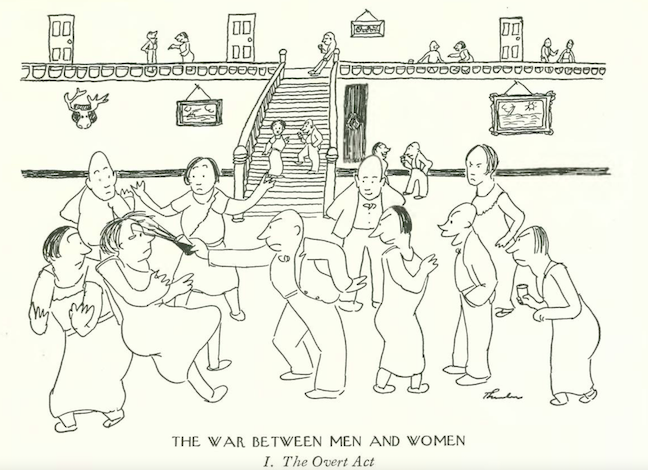
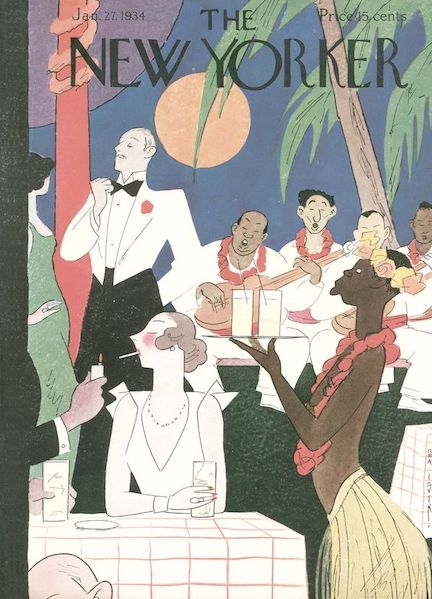
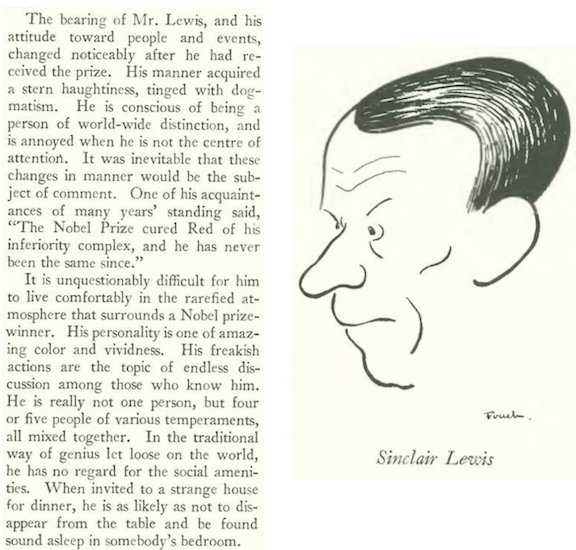
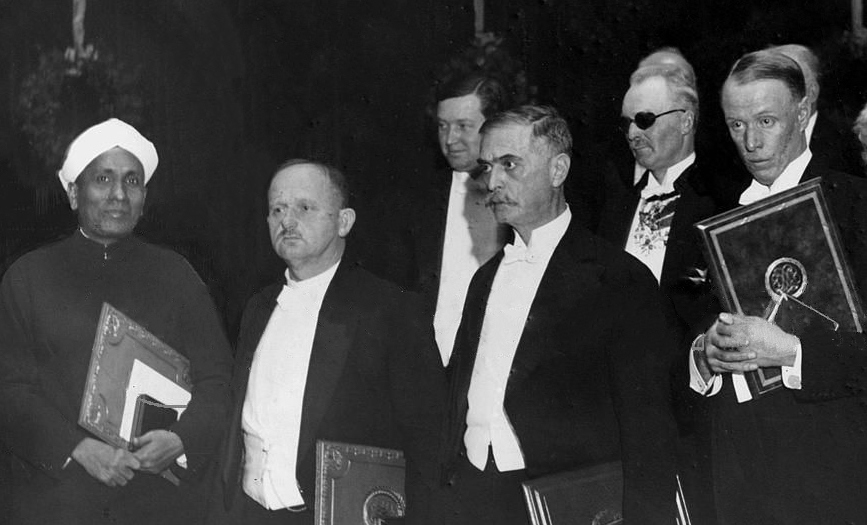
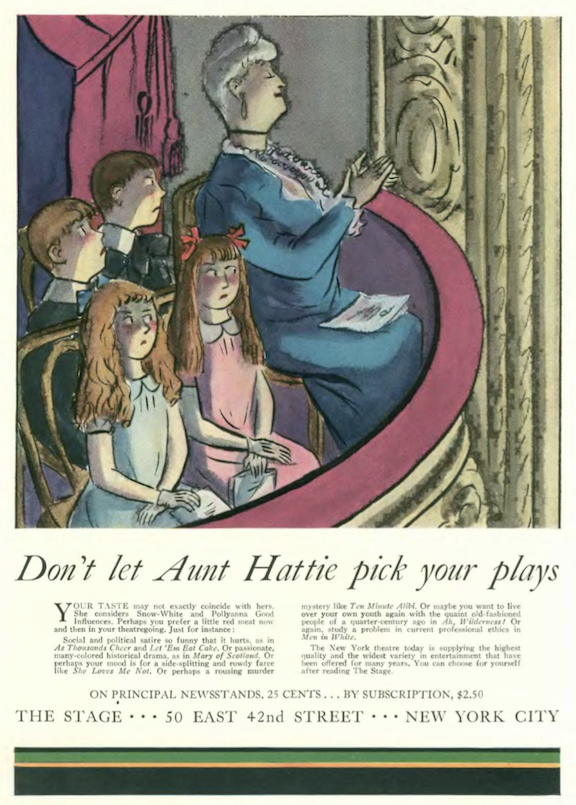

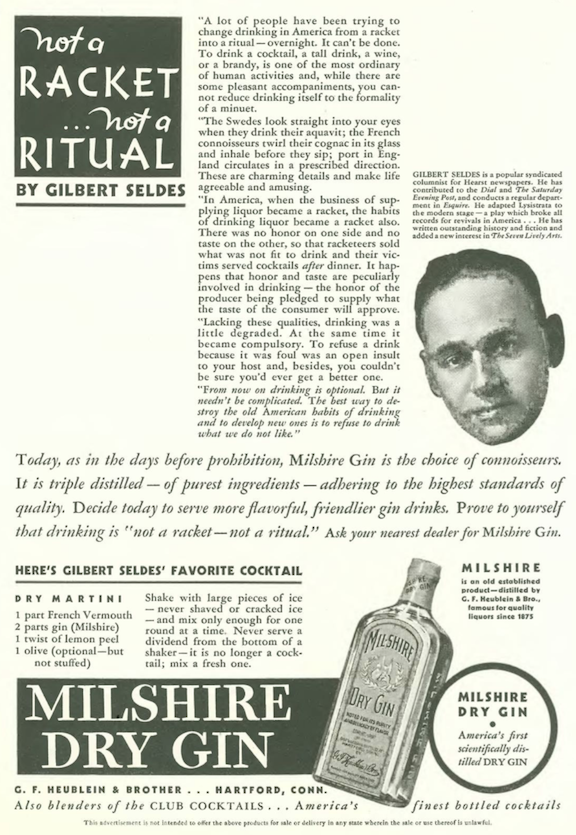
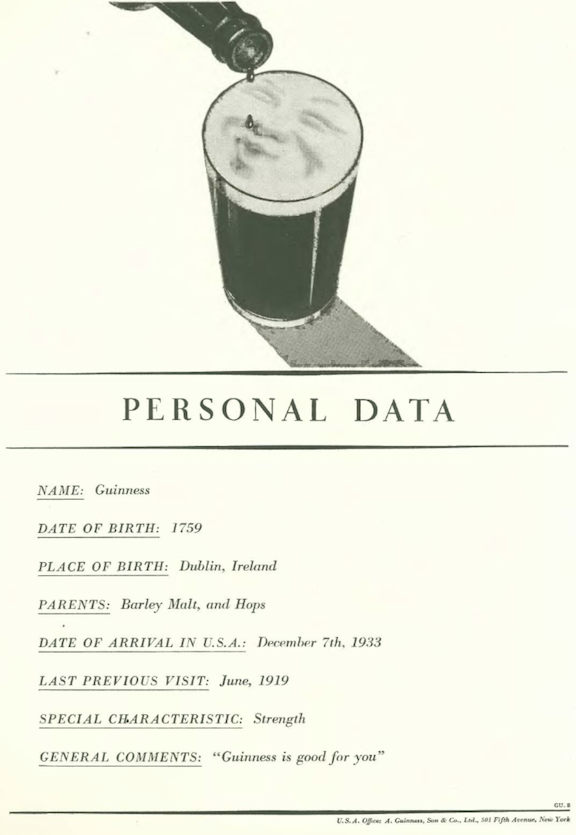
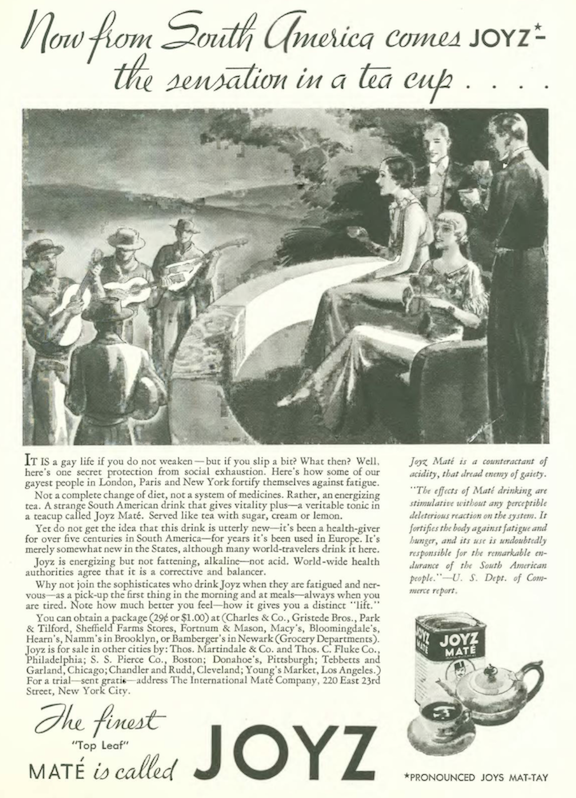
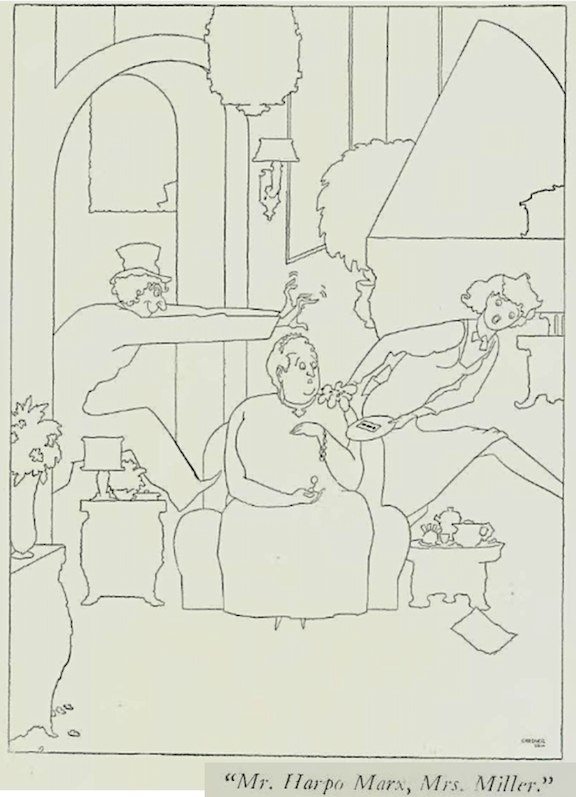

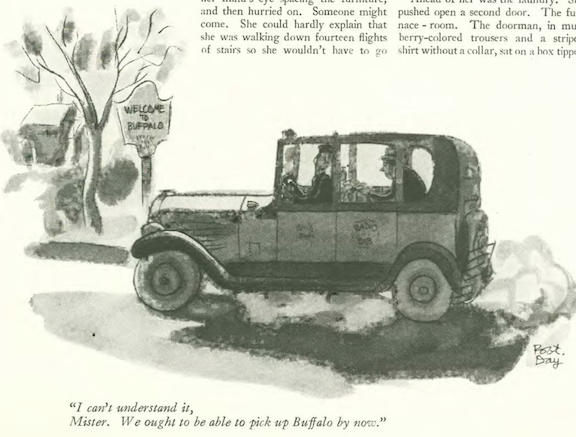
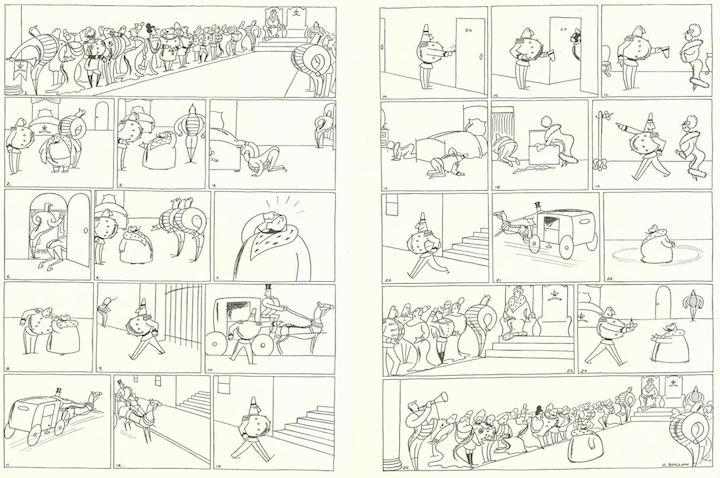
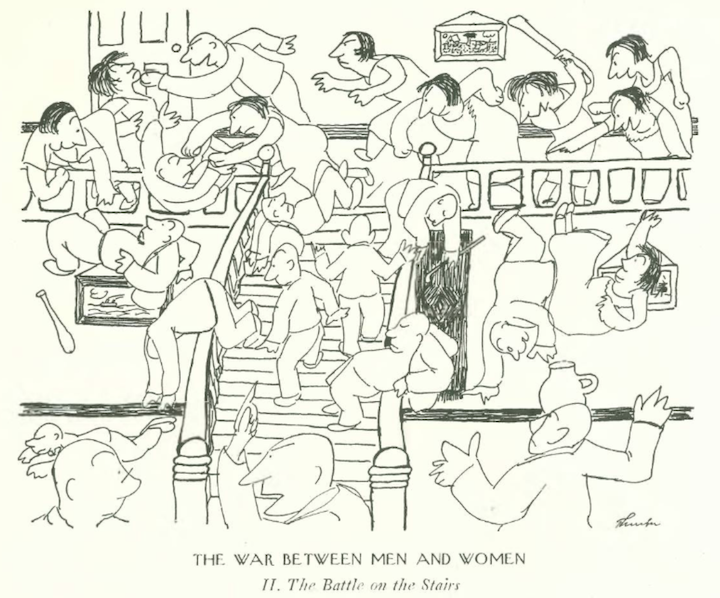


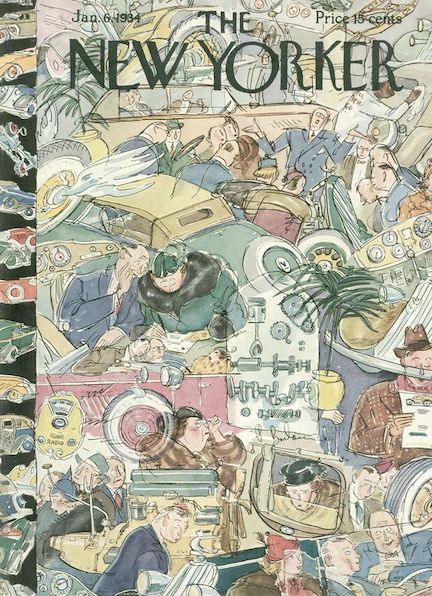
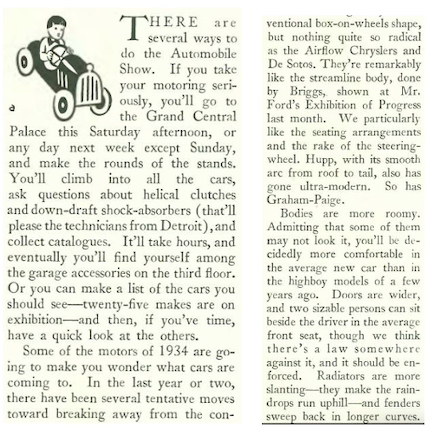
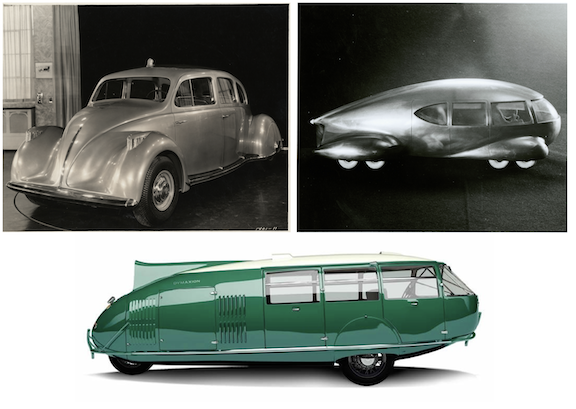
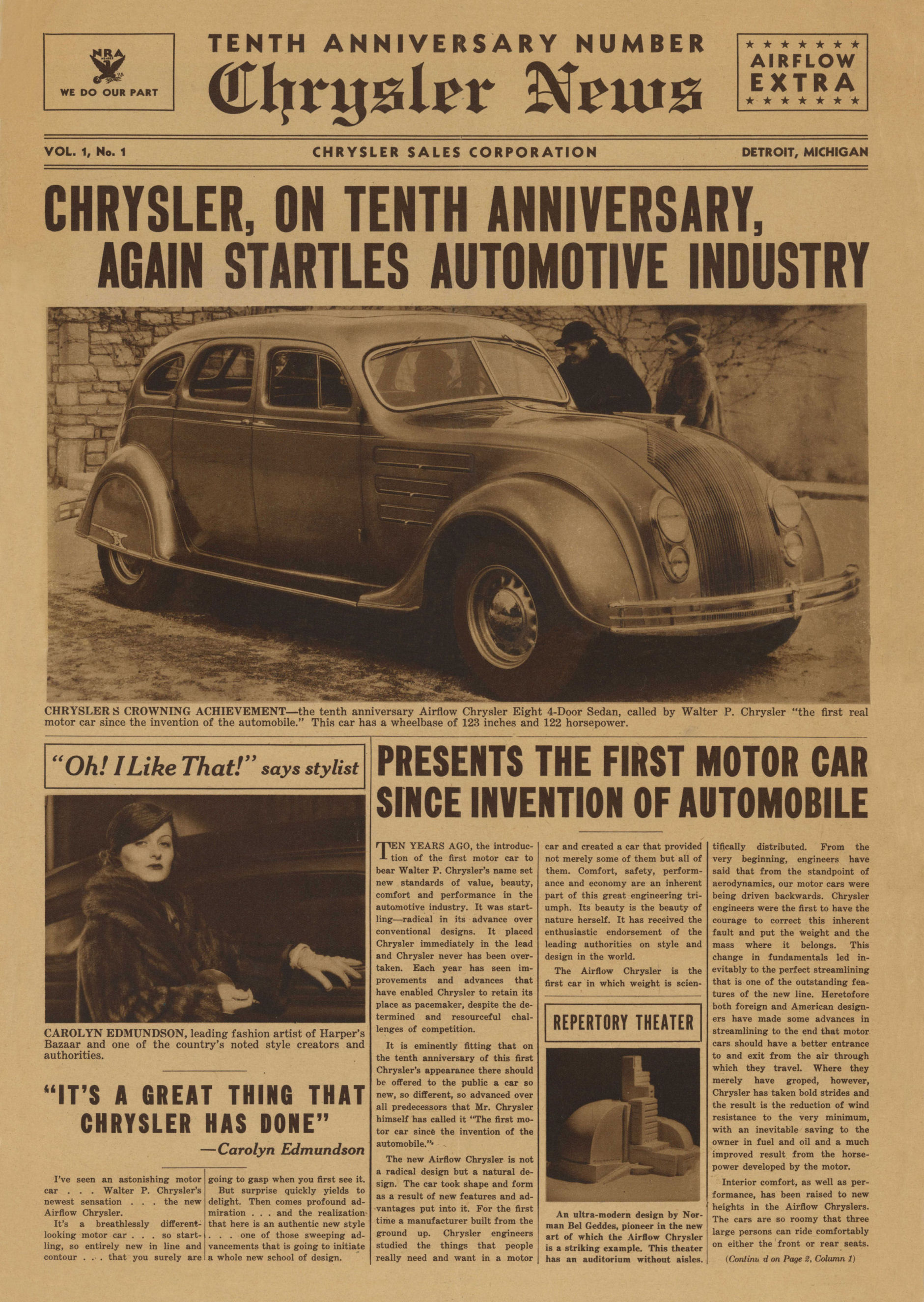


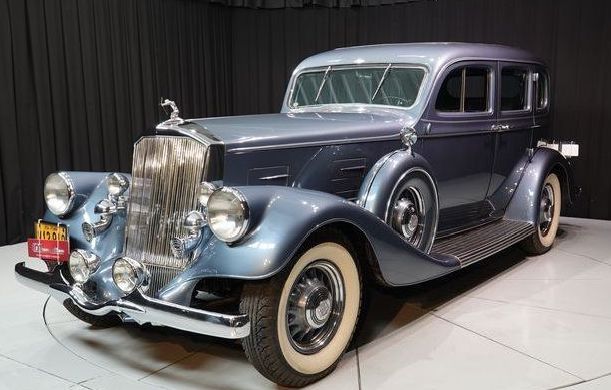


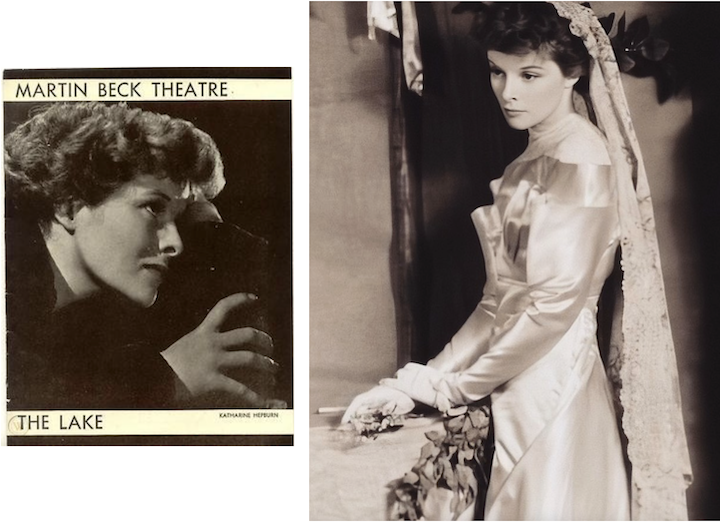


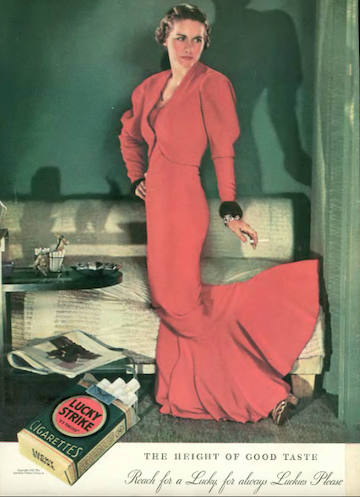


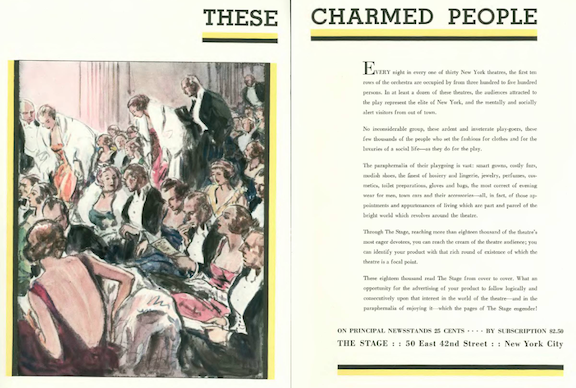


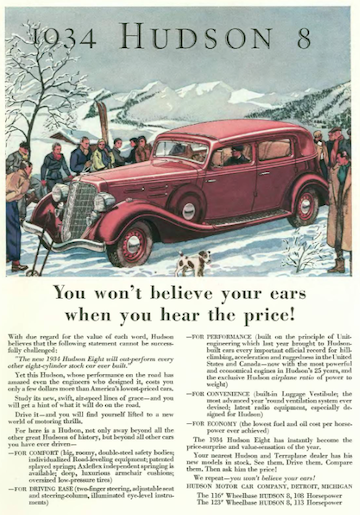
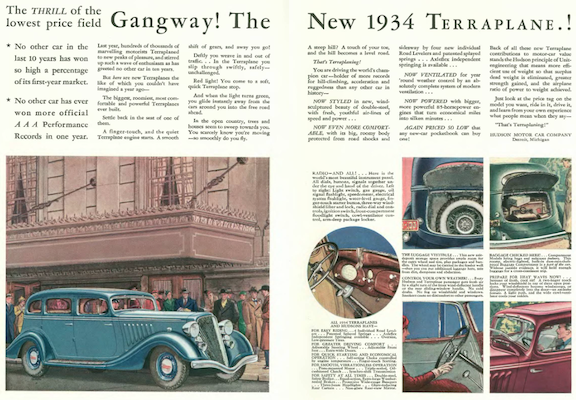
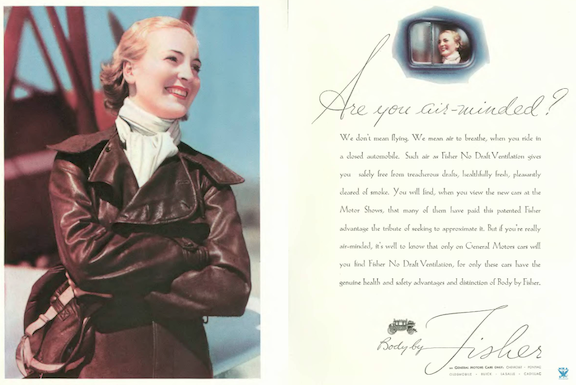


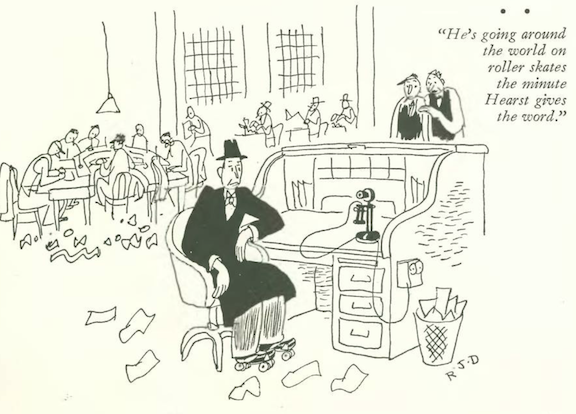
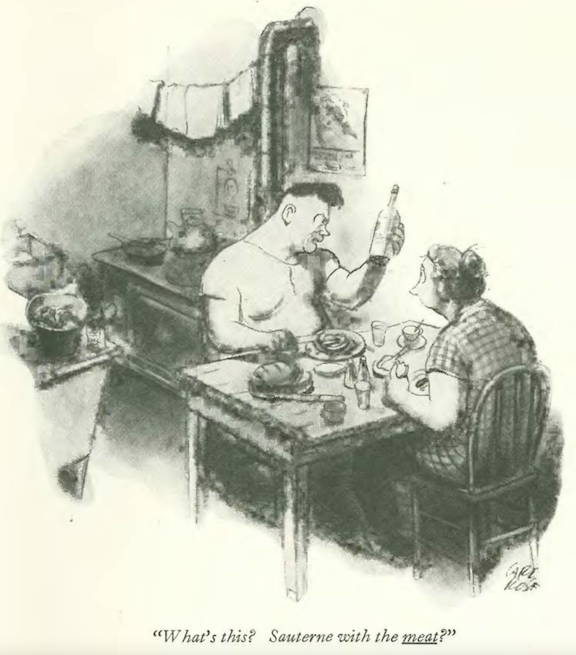
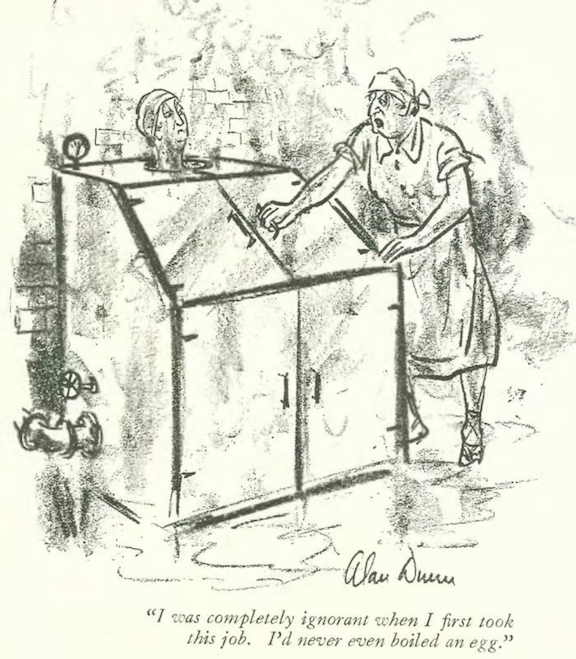
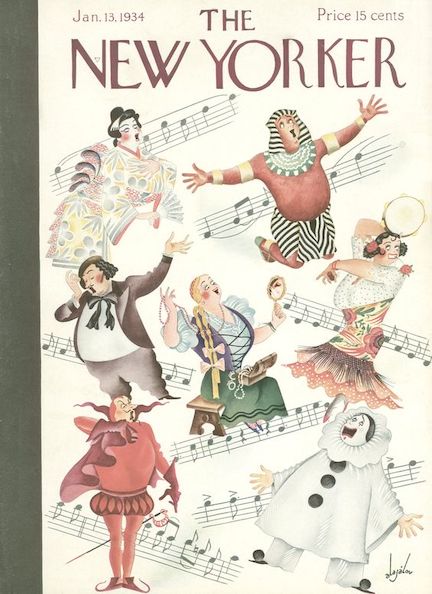

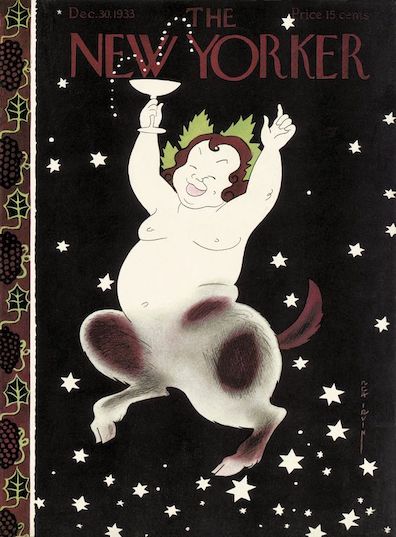

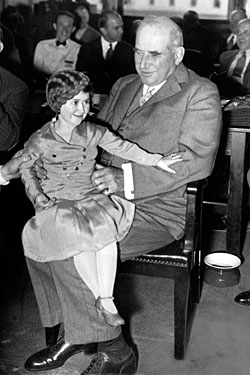


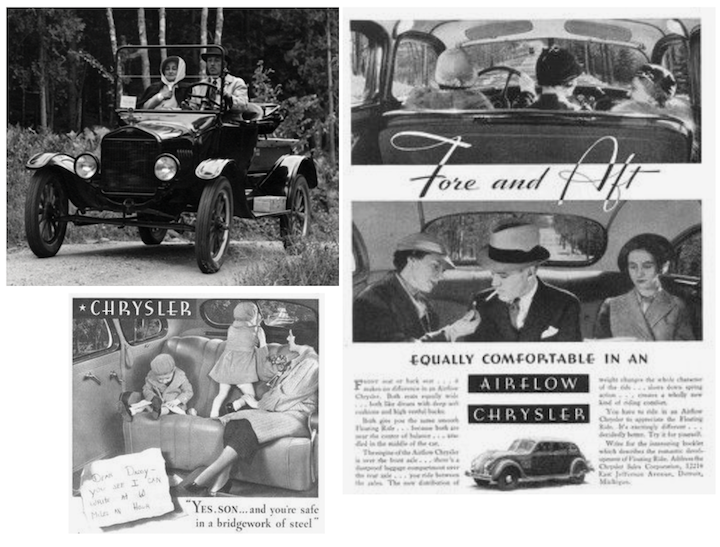
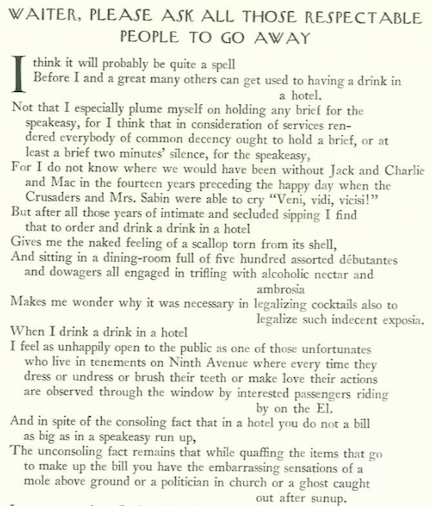


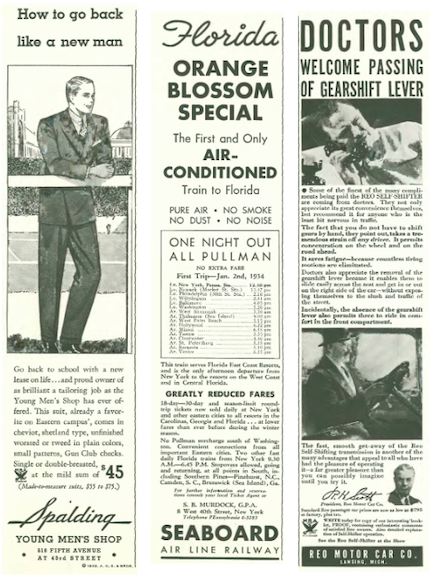


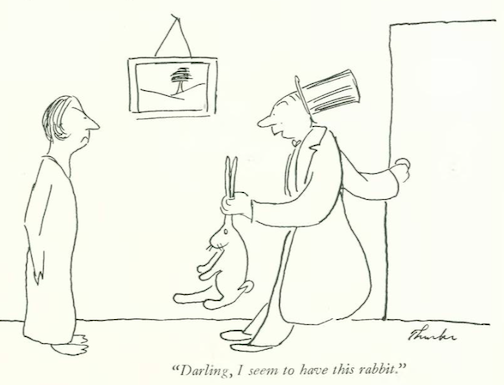
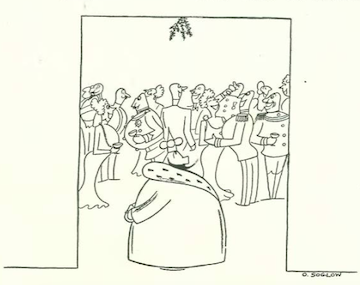

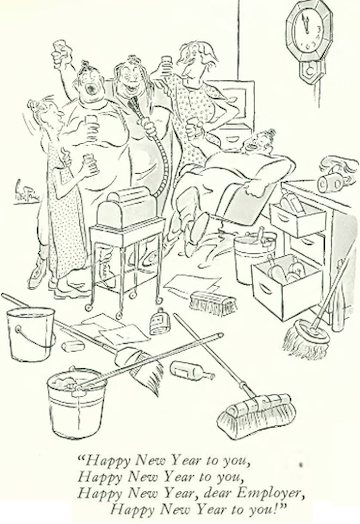
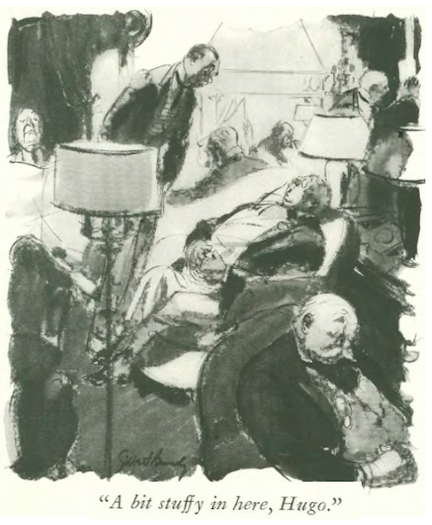


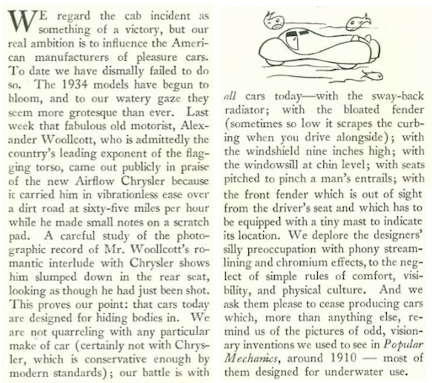

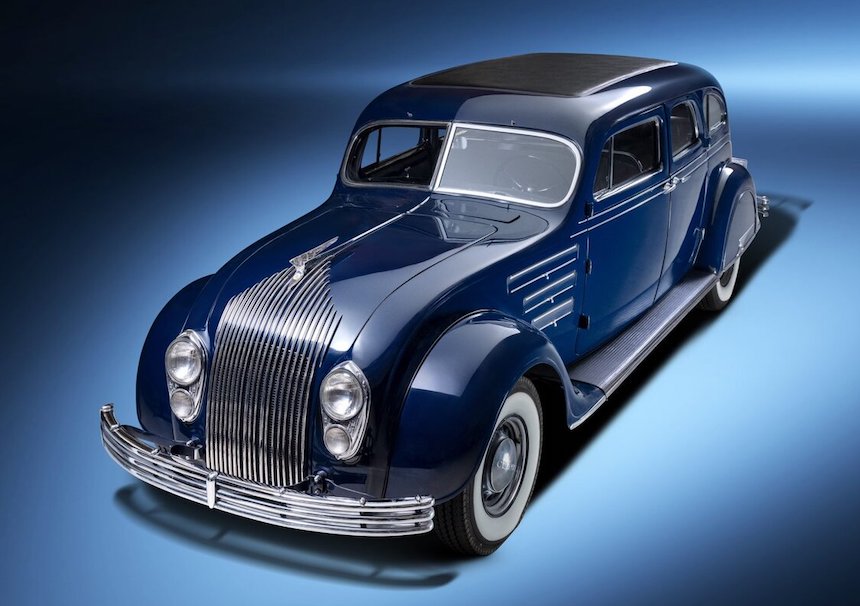
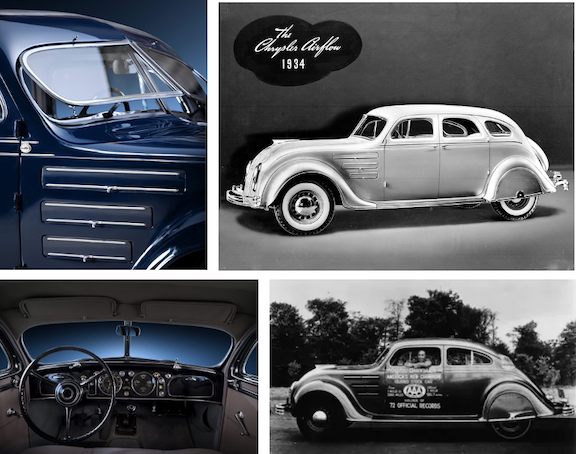


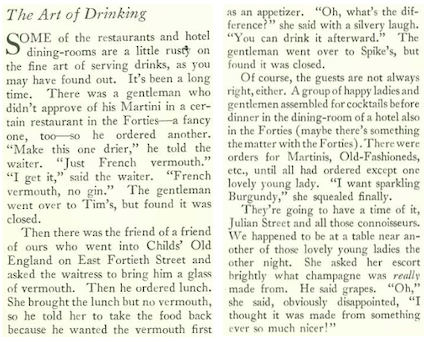
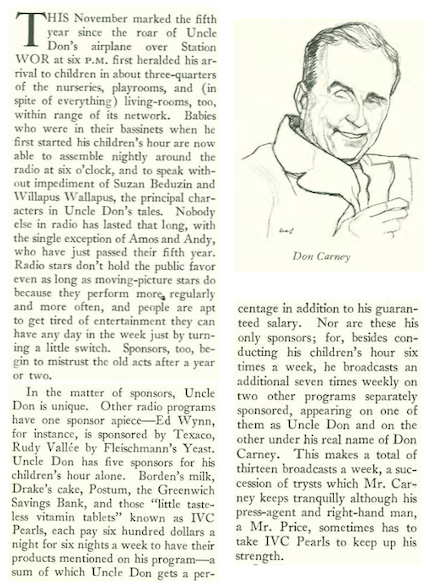

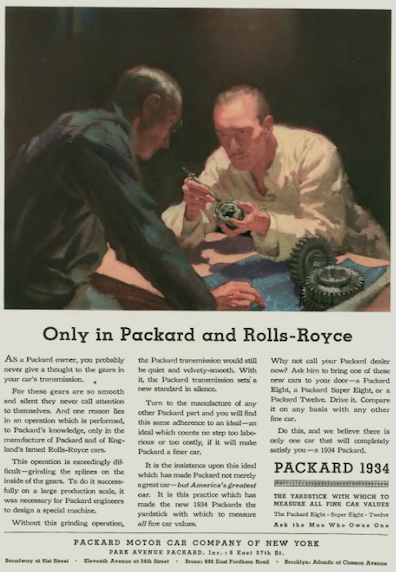
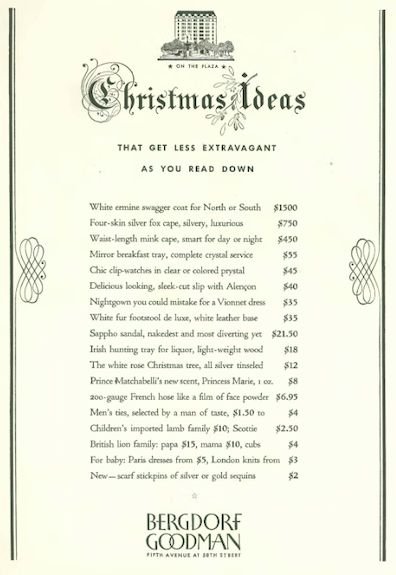
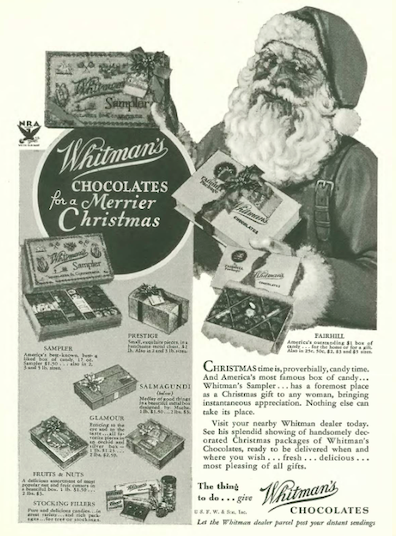
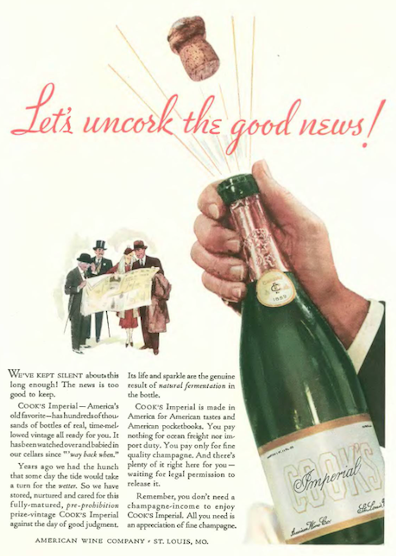
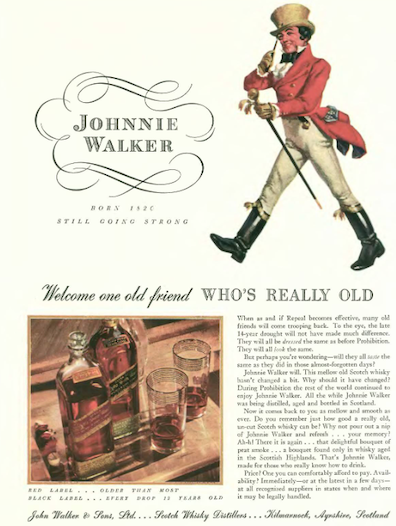
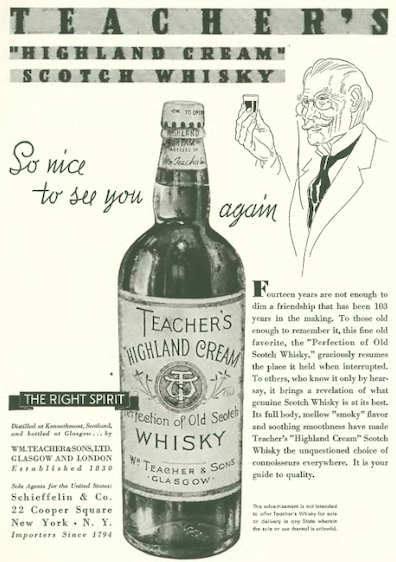
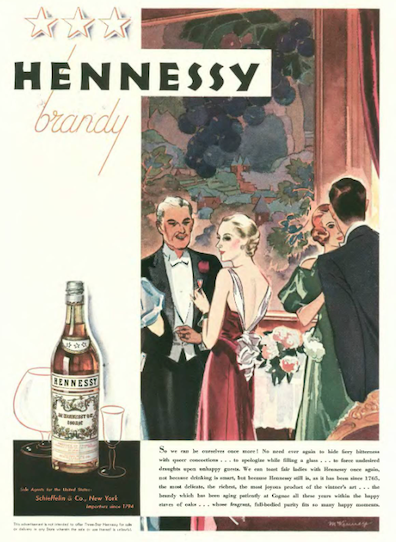
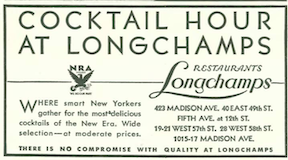
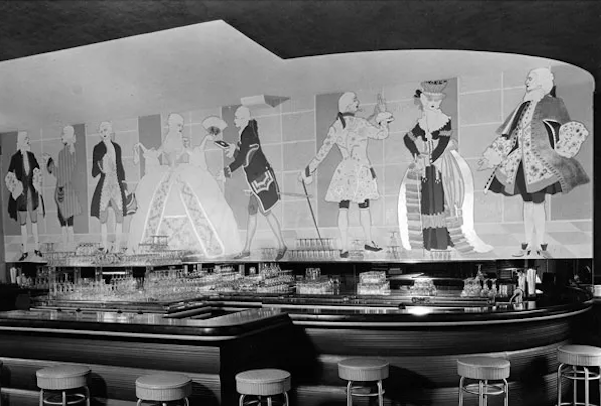

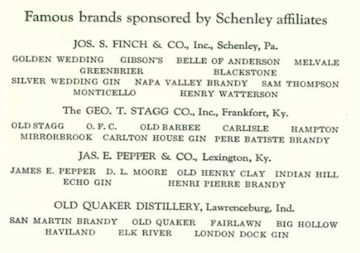
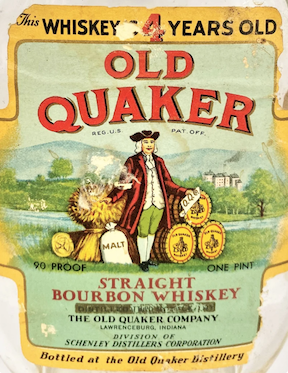
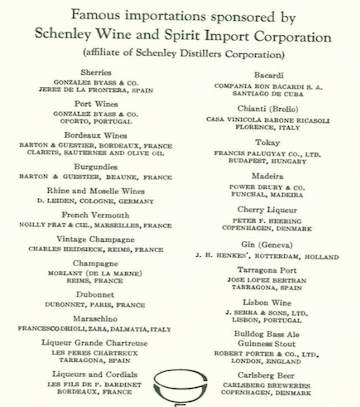
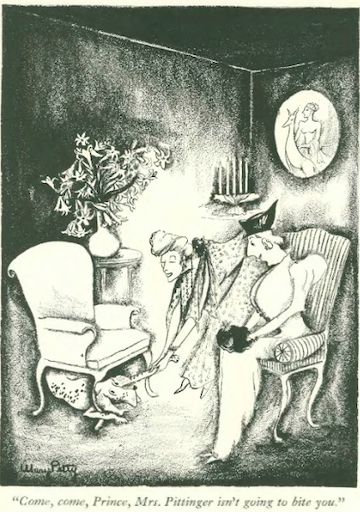


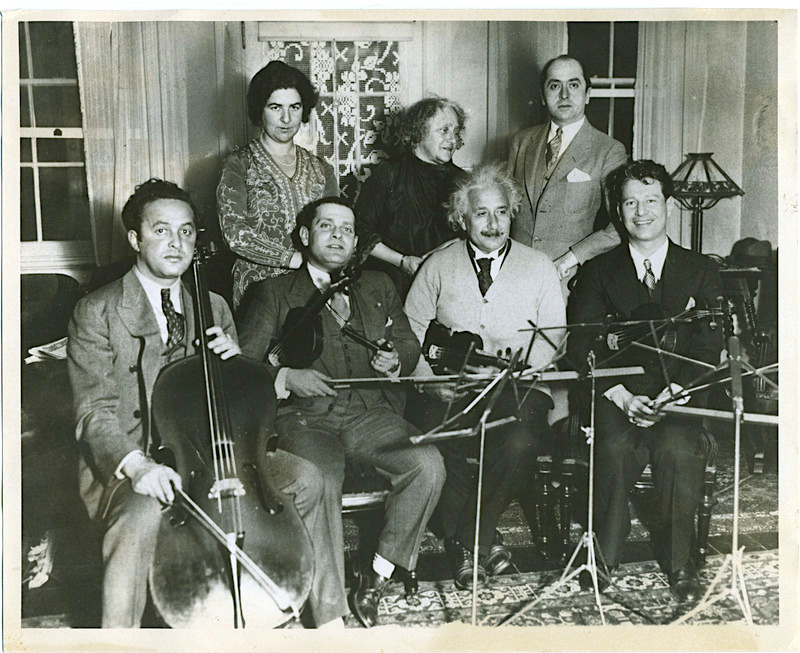
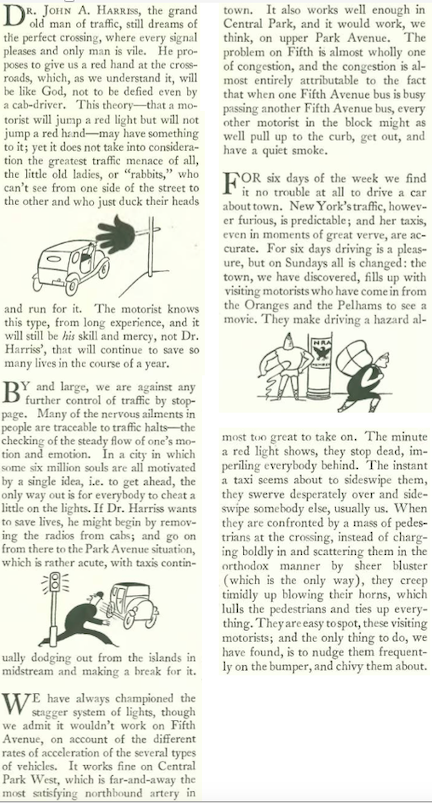


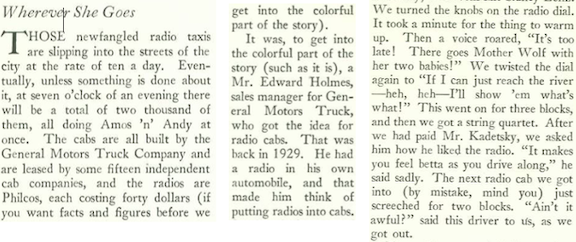
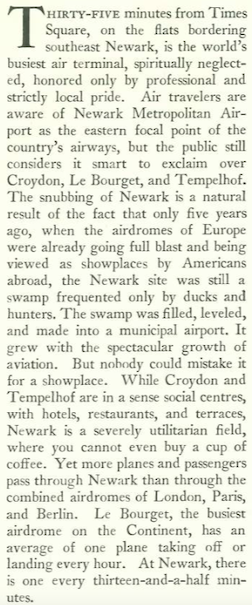


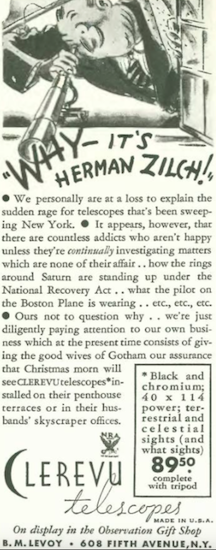


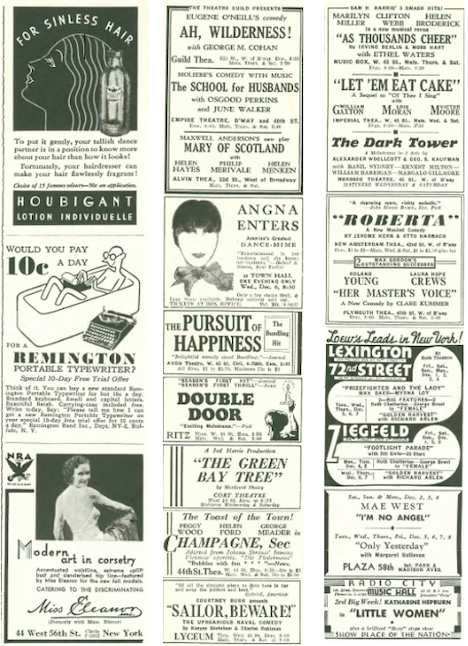
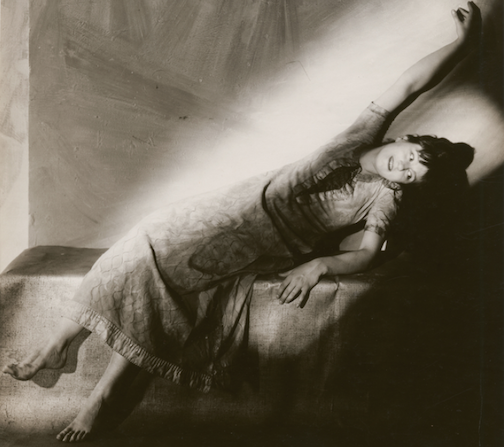


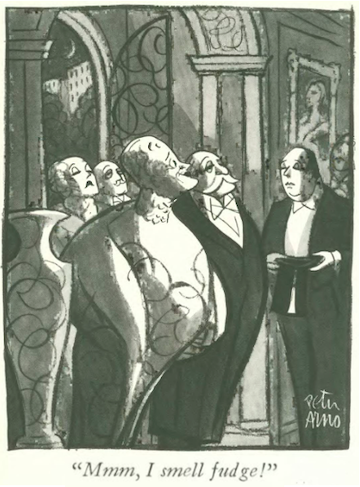
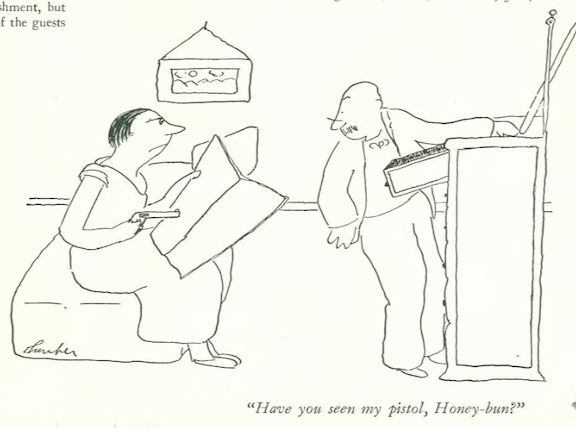


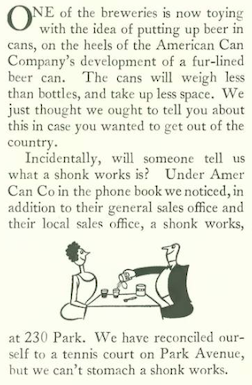
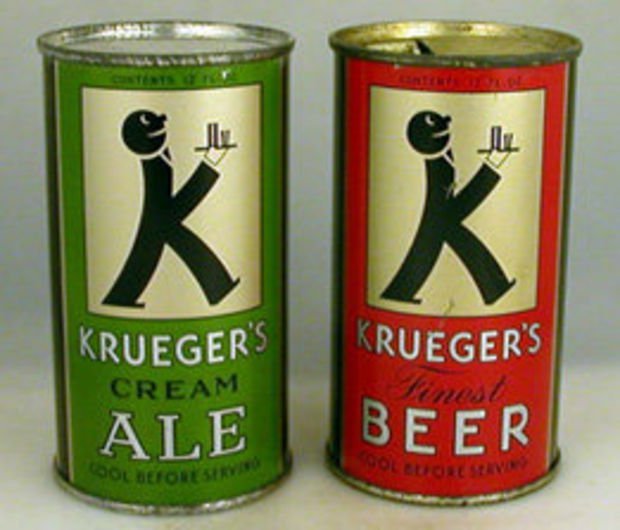


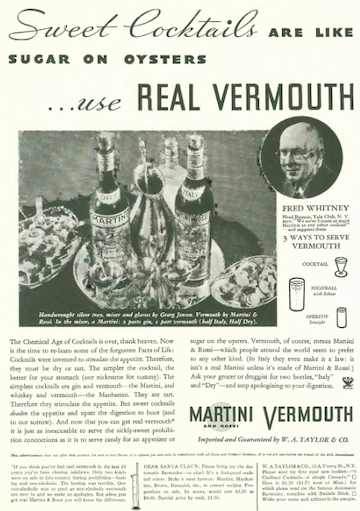
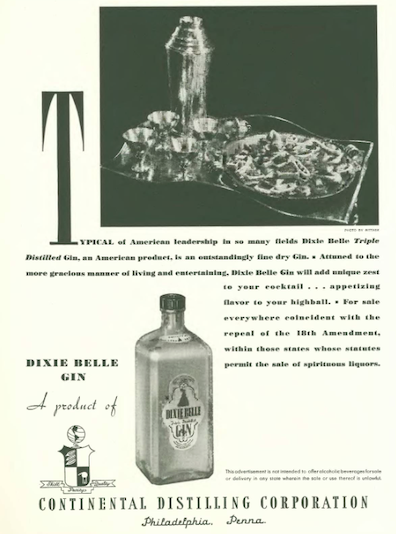

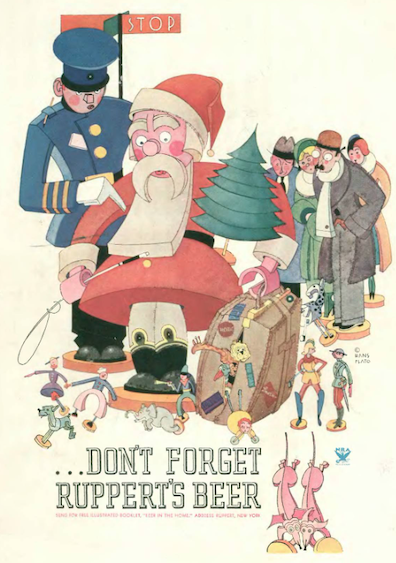


 A New Yorker State of Mind