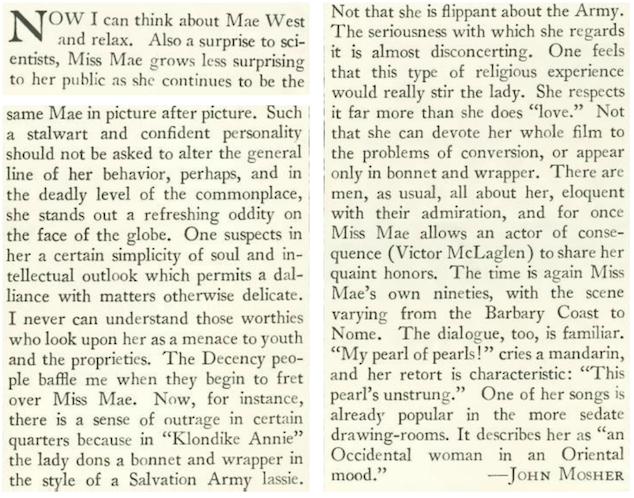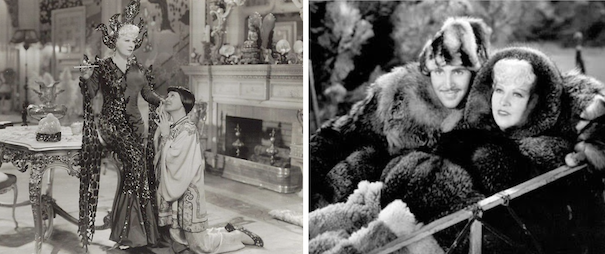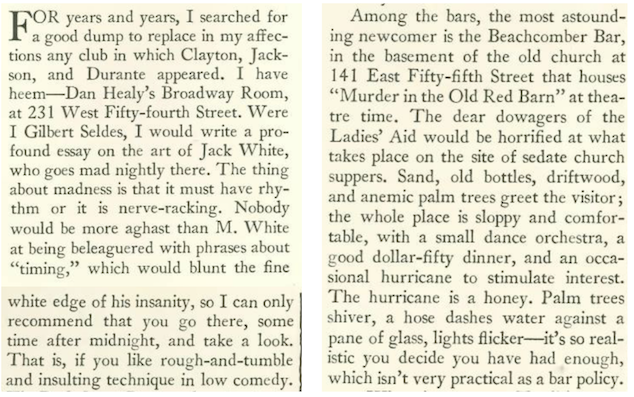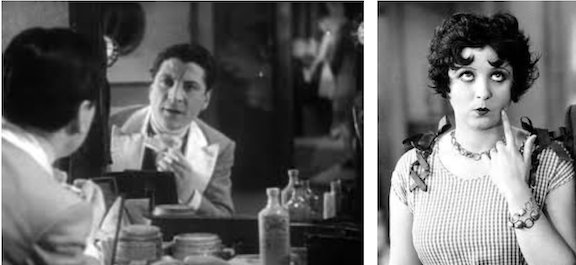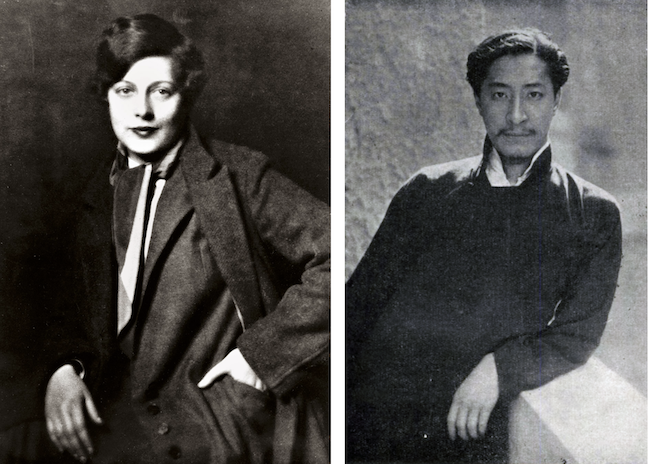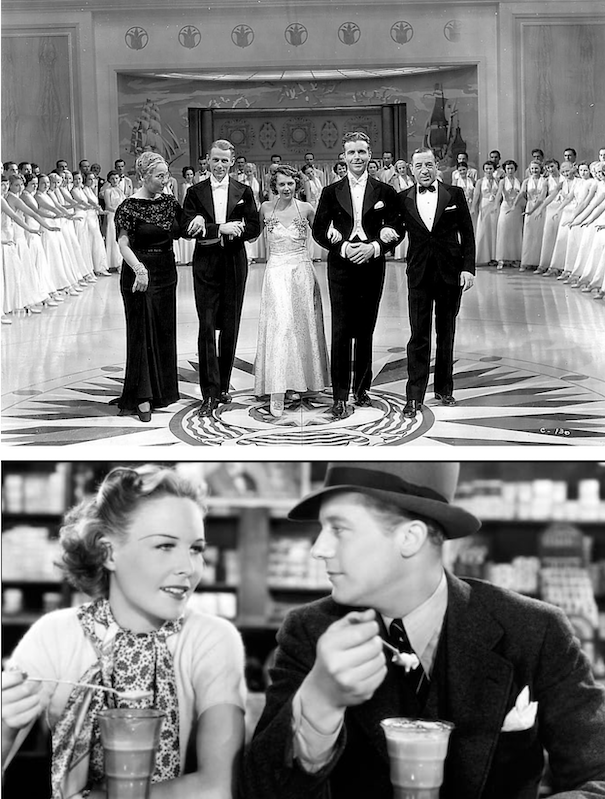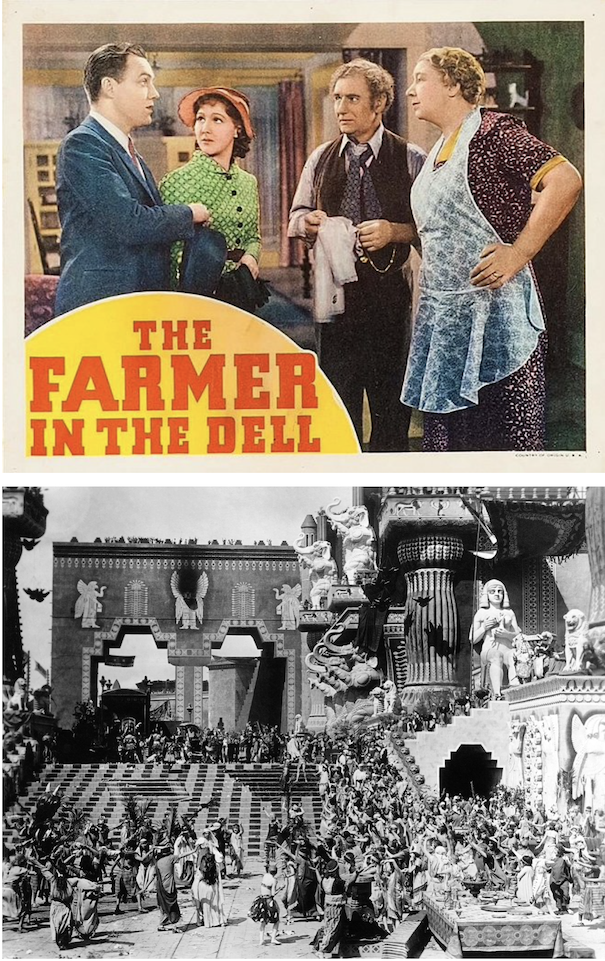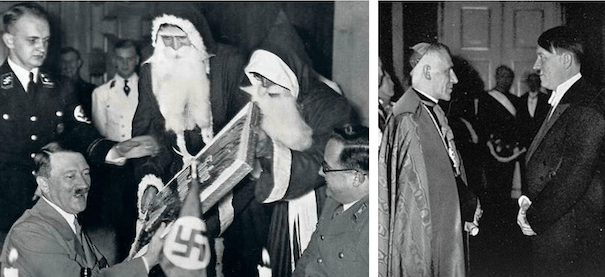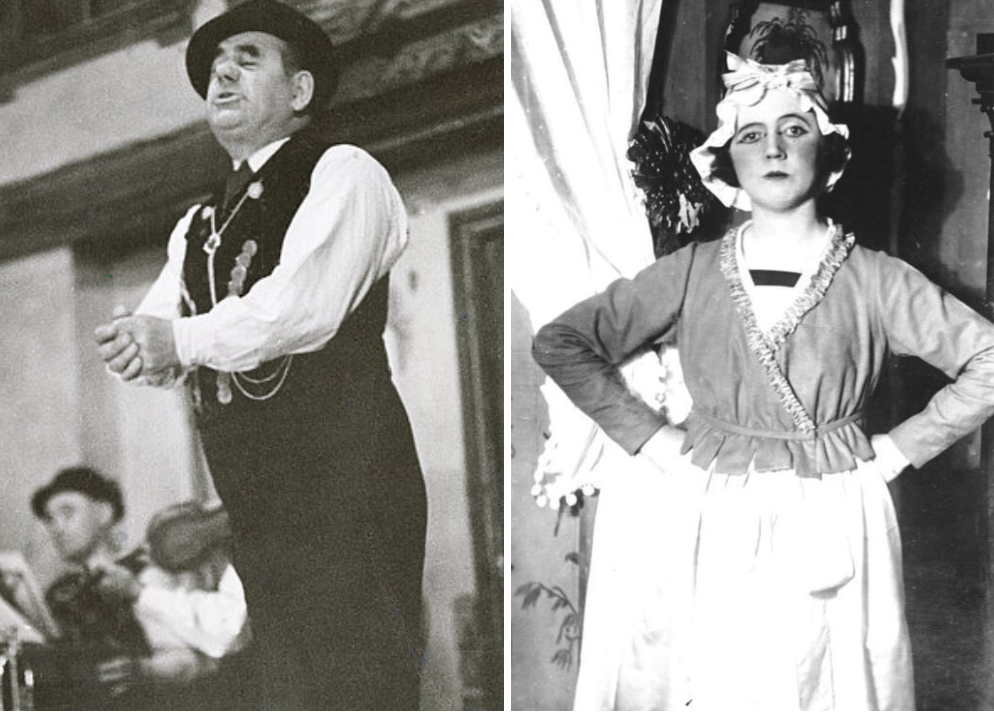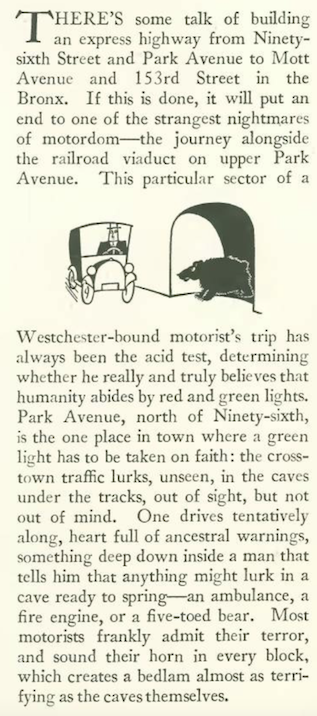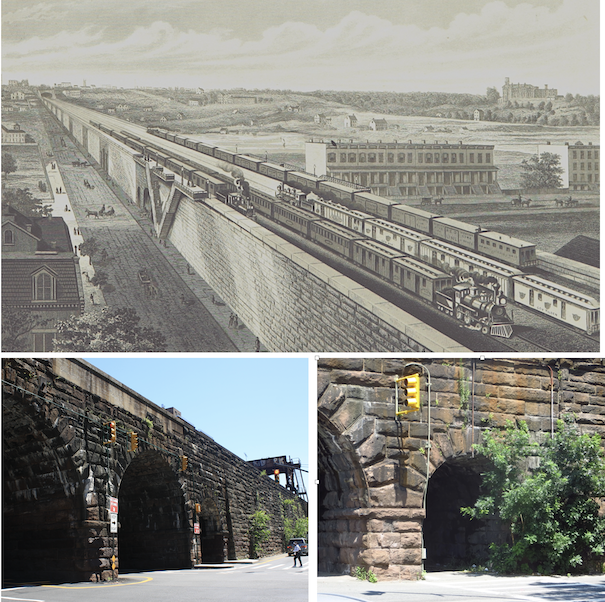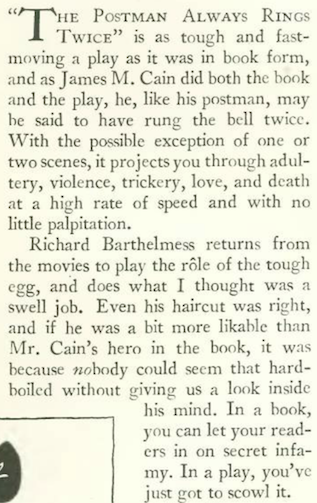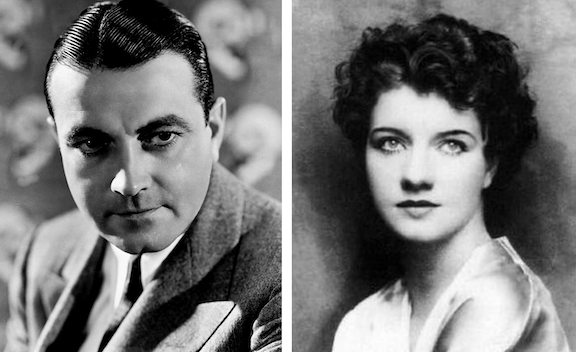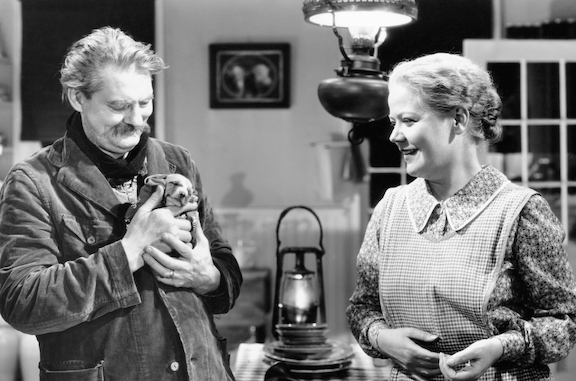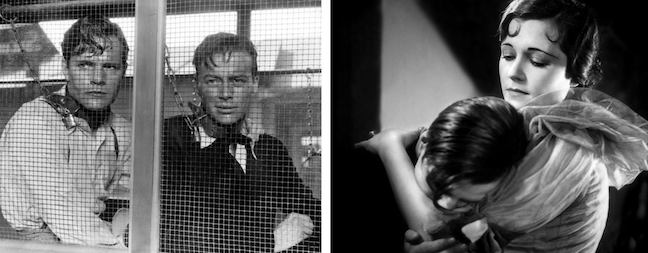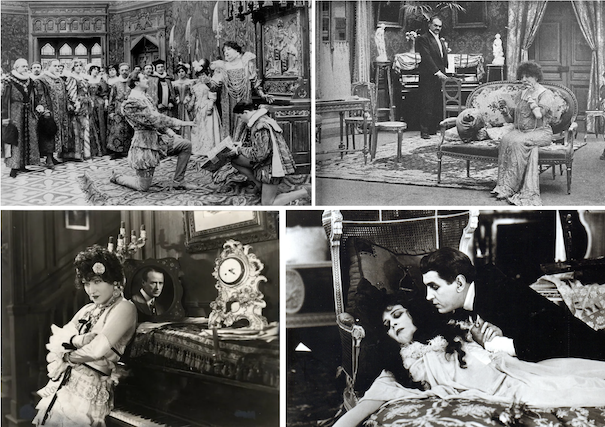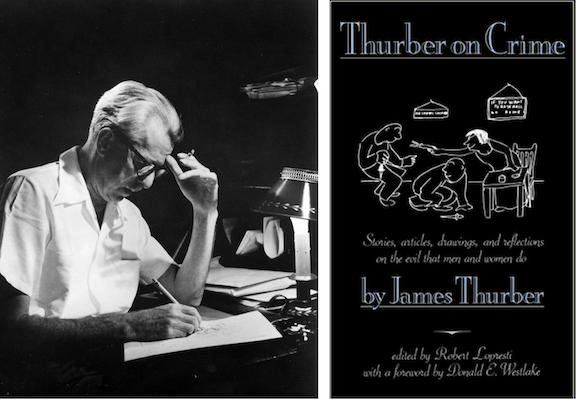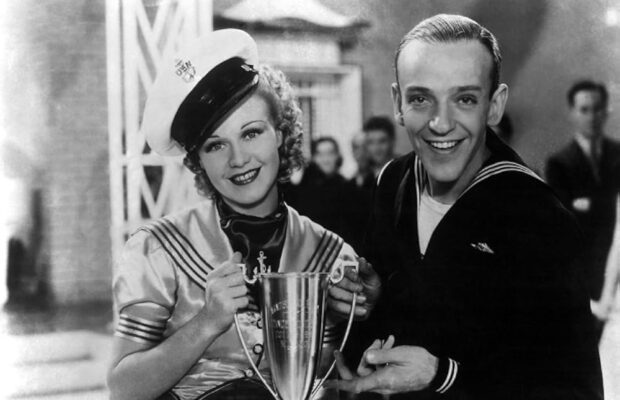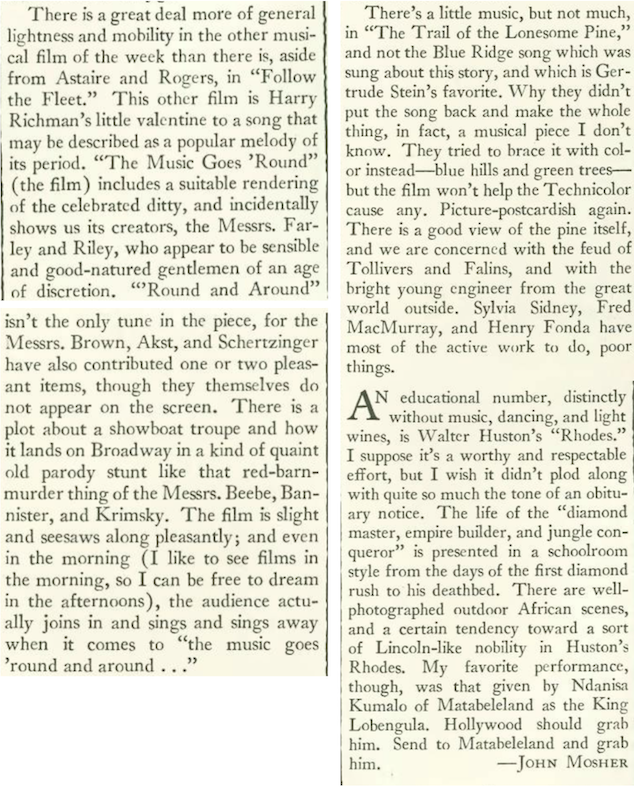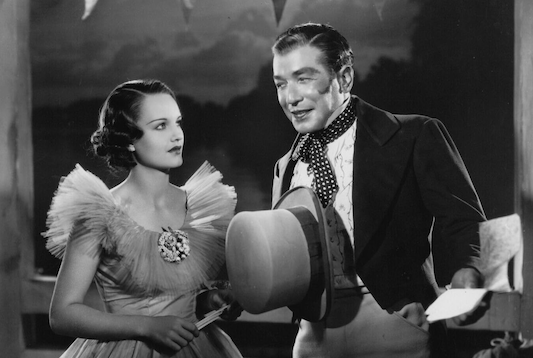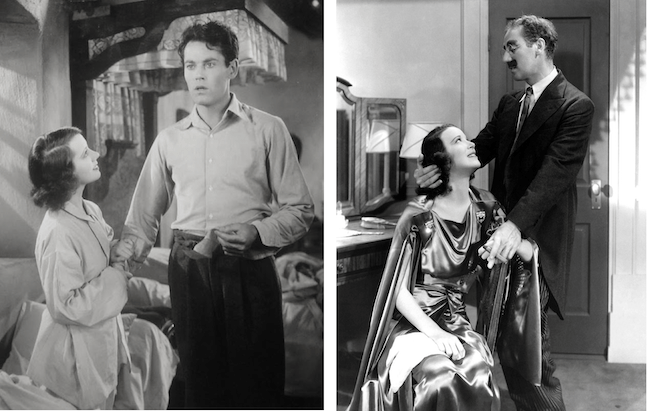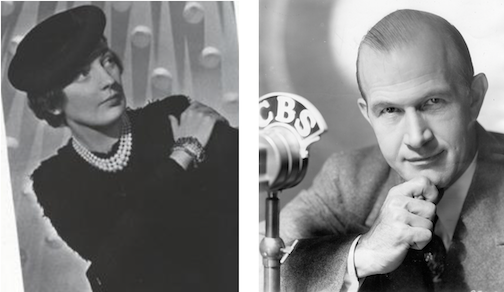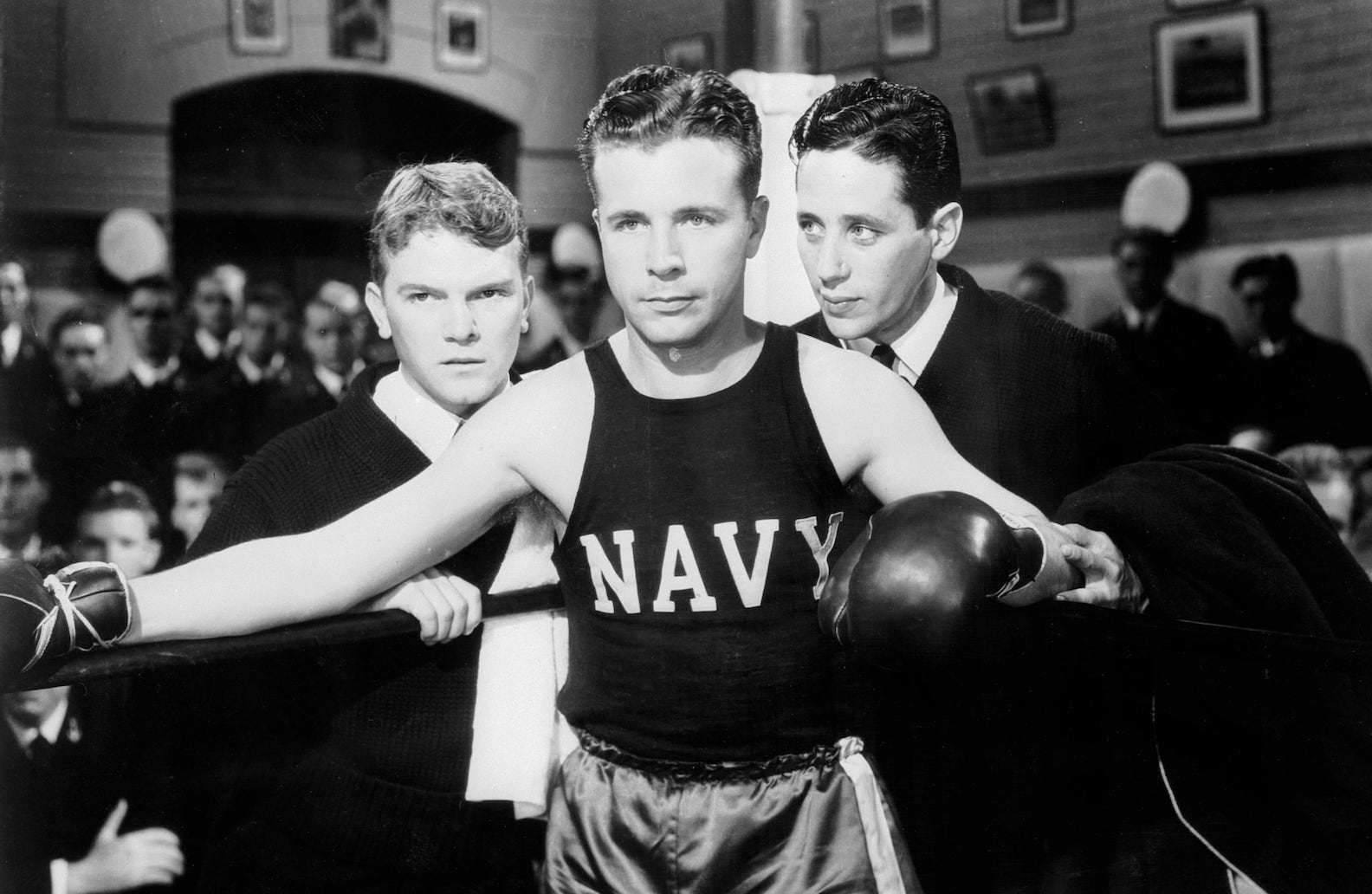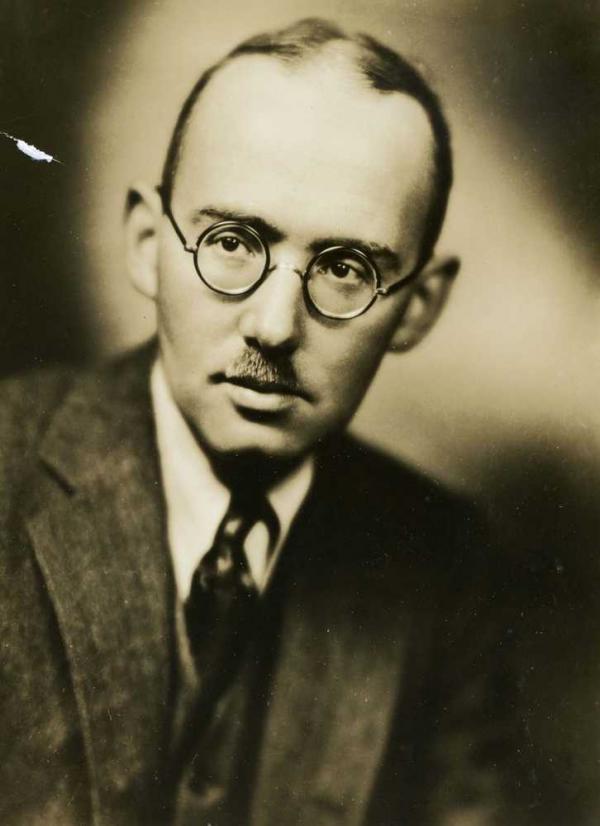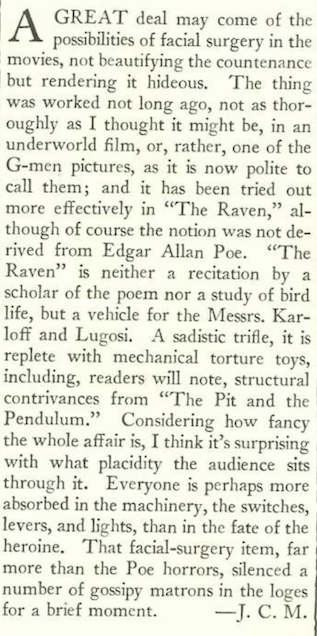
Above: Left image, coloratura soprano Lily Pons with Henry Fonda in I Dream Too Much;at right, Kitty Carlisle and Groucho Marx in A Night at the Opera. (rottentomatoes.com/IMDB)
The title of this post refers to two items below, which you’ll discover as we make our way through the December 7, 1935 issue of The New Yorker.
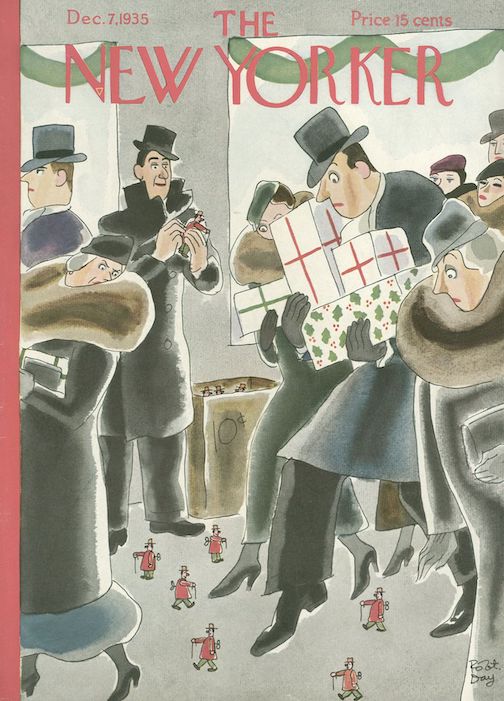
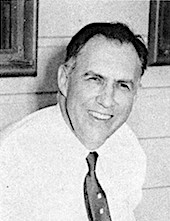
December 7, 1935 cover by Robert Day. A longtime contributor to The New Yorker, Day (1900-1985) contributed hundreds of cartoons as well as eight covers from 1931 to 1976.Robert Day (photo from This Week anthology via Ink Spill.)
*
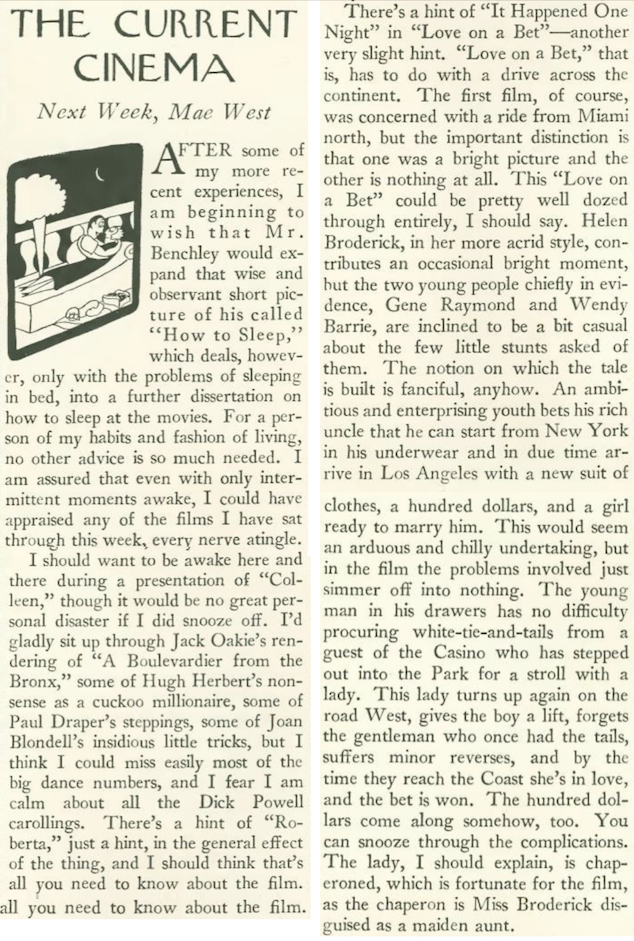
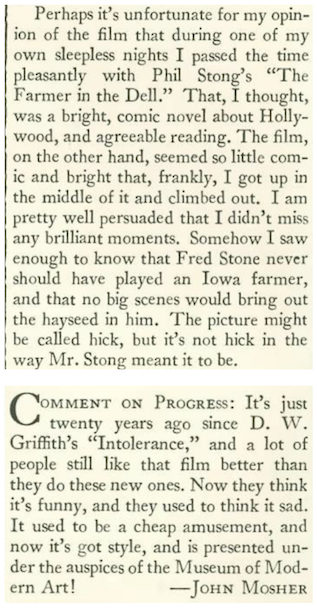
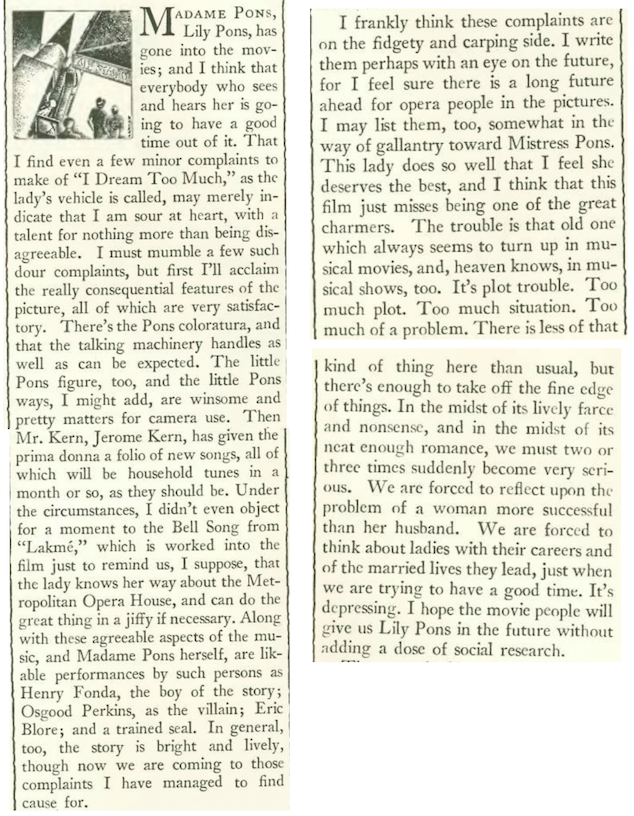
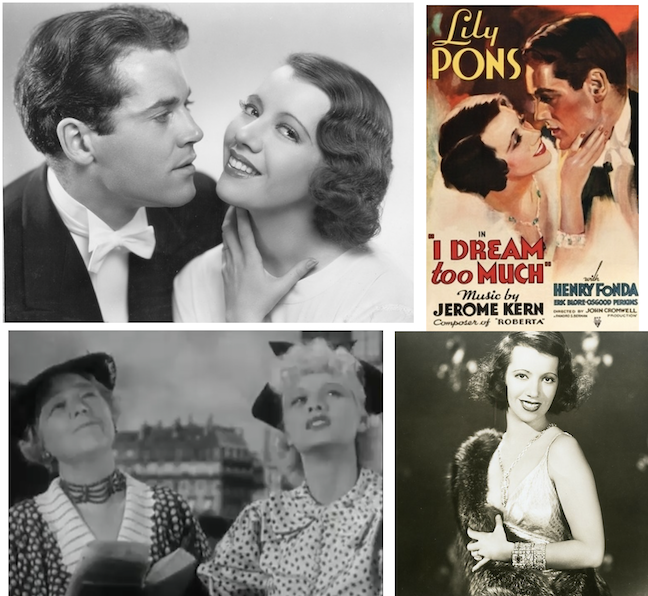
Our first night at the opera comes courtesy of RKO Pictures, which presented French-American coloratura soprano Lily Pons as the star of the musical rom-com I Dream Too Much. Critic John Mosher found the film enjoyable, singling out Pons for praise while chastising the screenwriters for interrupting the lively farce with some “social research.”
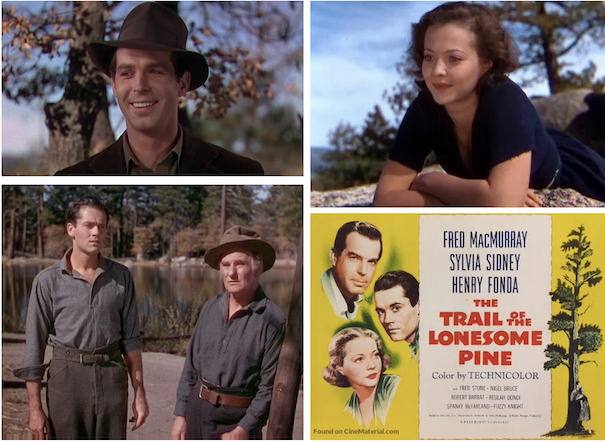
DREAM DATE…Clockwise, from top left: Henry Fonda in his third screen appearance as Lily Pons’ love interest in RKO’s I Dream Too Much; movie poster and publicity photo of Pons from the film; Lucille Ball (seen here with actress Esther Dale), appeared in a bit part as a gawky American teenage tourist in Paris (which was actually an RKO studio lot)…little did Ball know that one day she would own that RKO studio lot with husband Desi Arnaz as home to their Desilu Productions facility. (IMDB/Wikipedia/TCM)
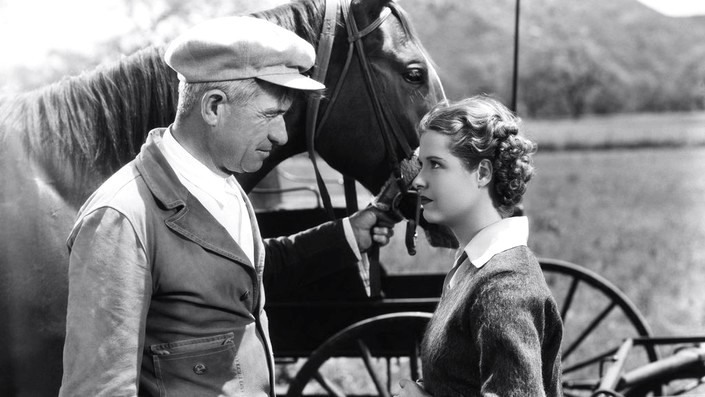
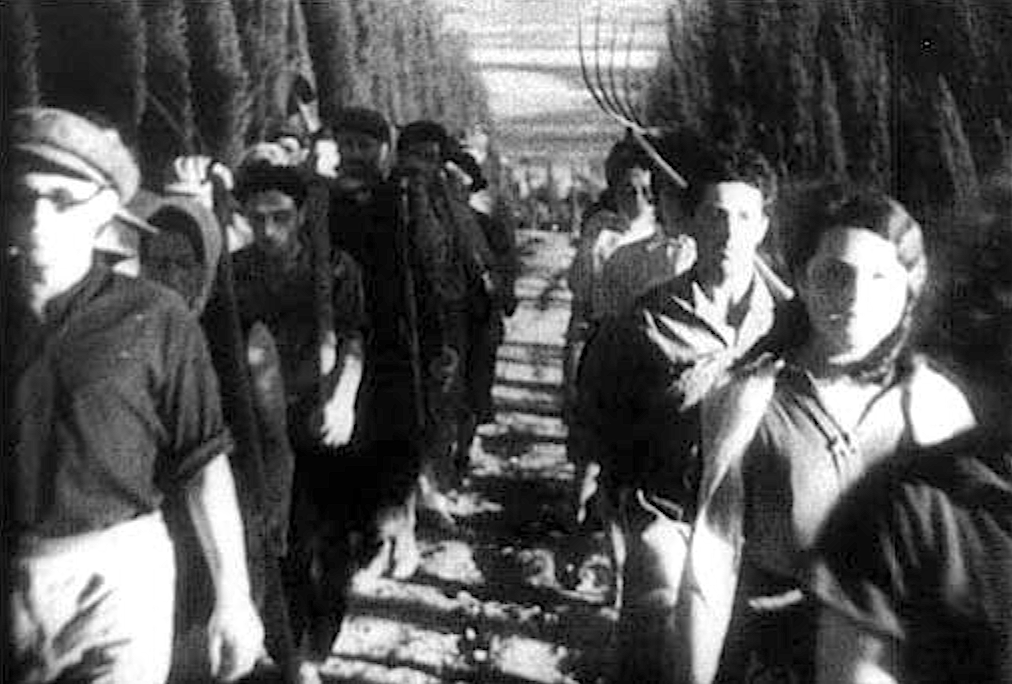
Mosher also said farewell to Will Rogers in his final film, In Old Kentucky, which he found to be a “minor affair.” He also reviewed The Land of Promise, a film about Palestine that indicated to Mosher that “life there is highly successful for all present.”
THIS IS GOODBYE…Will Rogers in a scene with Dorothy Wilson in Rogers’ final film appearance, In Old Kentucky. (rotten tomatoes.com)ORIGIN STORY…According to the Israel Film Archive, Judah Leman’sThe Land of Promise “laid the cinematic groundwork for all subsequent Zionist propaganda films that would follow.” (IMDB)
* * *
E.B. White keeps us on the cinema trail with some thoughts on the film, Mutiny on the Bounty, namely a certain historical inaccuracy:
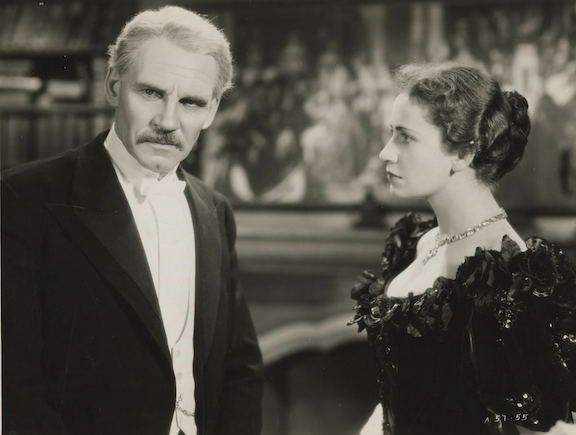
AHEAD OF HIS TIME…E.B. White noted that Roger Byam (Franchot Tone) would have to wait seventy years to learn about germ theory. In addition, the trailer for Mutiny on the Bounty (above) incorrectly referred to Tone’s character as an ensign, when in fact Tone’s role was as a midshipman. (Wikipedia)
* * *
They Had It First
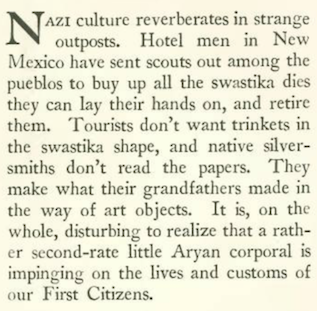
The swastika was among the more popular designs incorporated into southwestern tribal art during the American tourist era (roughly 1890 to the 1930s). For the Navajo, the symbol represented humanity and life, and was used in healing rituals (it was also widely used by tribal peoples across Europe and Asia). Tourism promoters (called “hotel men” here) encouraged the symbol’s use until the 1930s, when it was increasingly associated with Germany’s Nazi Party. E.B. White explained:
TOURIST FAVORITE…Navajo blankets such as this example, made from 1864 to 1910, were popular with tourists. (Wichita State University)
* * *
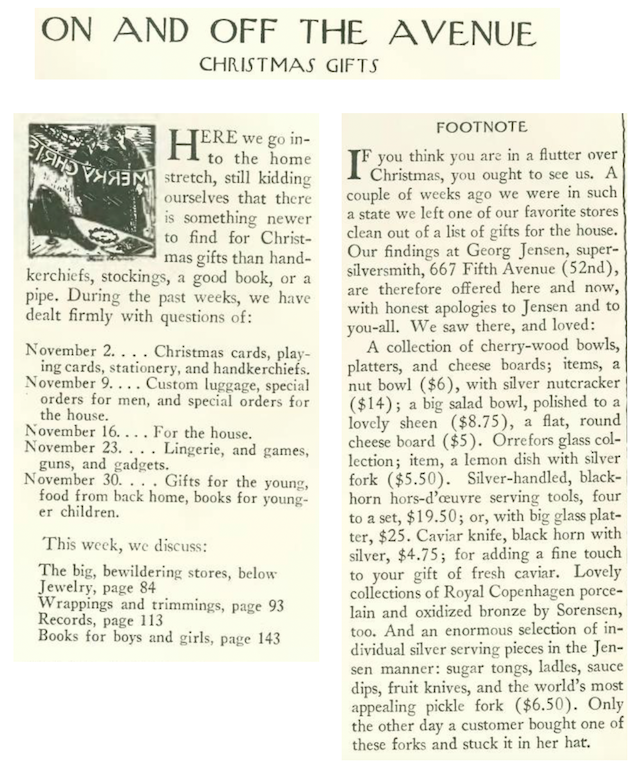
Lois Long’s fashion column continued to be dominated by exhaustive Christmas shopping lists, in this issue stretching from pages 58 to 97…here are the first and last paragraphs of the column…
* * *
A Woolly Read
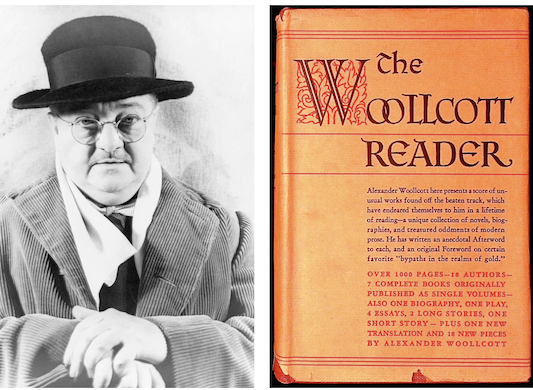
Perhaps your special someone was hoping for a thousand-page book under the tree; then look no further than The Woollcott Reader, a collection of stories, essays and other literary gems by New Yorker personality and former “Shouts and Murmurs” columnist Alexander Woollcott. In this excerpt, book critic Clifton Fadiman noted that a signed copy could be had for $7.50.
MY GIFT TO THE WORLD…Alexander Woollcott in 1939, as photographed by Carl Van Vechten, and the $3 brown cloth edition. (Wikipedia/Abebooks.com)
* * *
From Our Advertisers
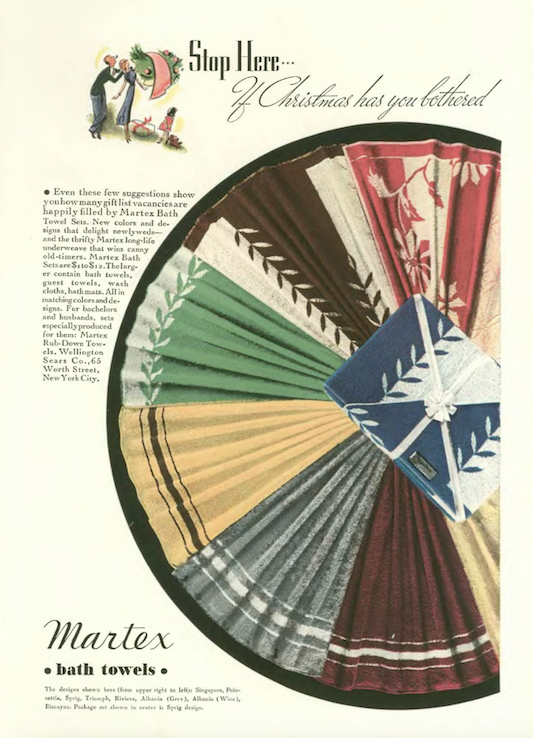
Colorful advertisements brightened the 149 pages of the Dec. 7 issue…we begin with this colorful array from Martex…
…the women’s specialty shop Jane Engel commissioned one of the best-known commercial photographers of the day, Ruzzie Green, to capture this glamorous image…
…Caron Paris offered up this cheerful bouquet…
…the makers of White Rock were enjoying the fruits of post-Prohibition days…
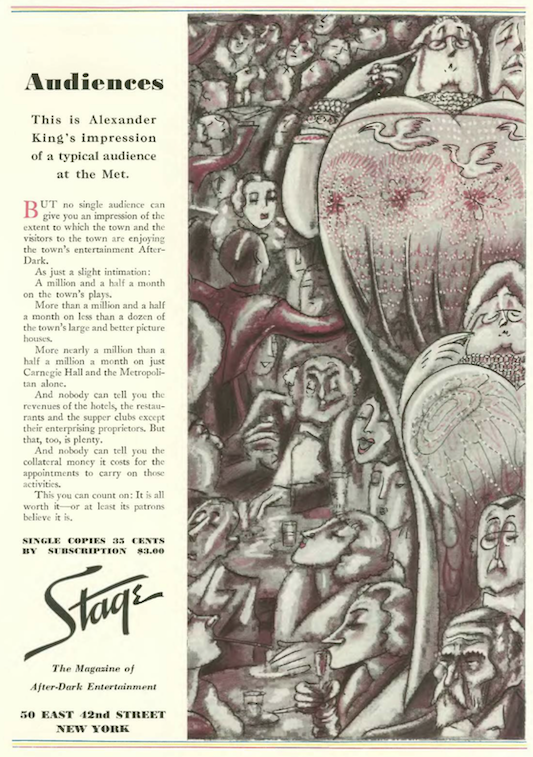
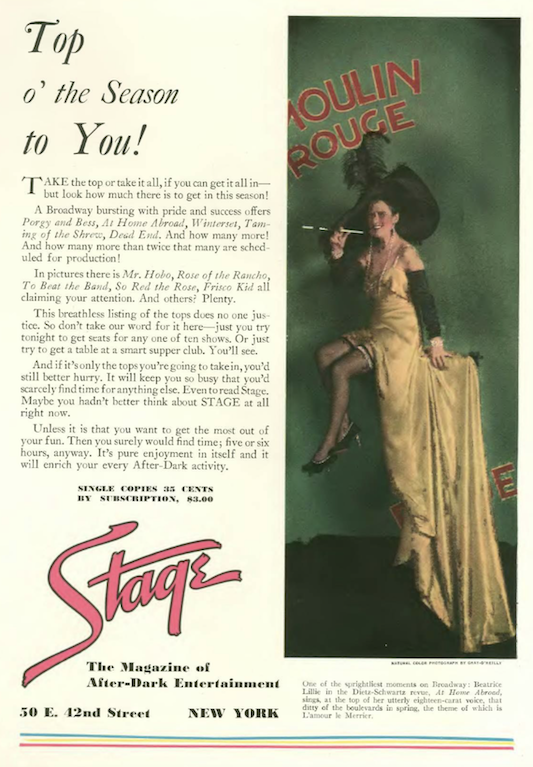
…the publishers of Stage magazine highlighted Beatrice Lillie’s Broadway revue, At Home Abroad…
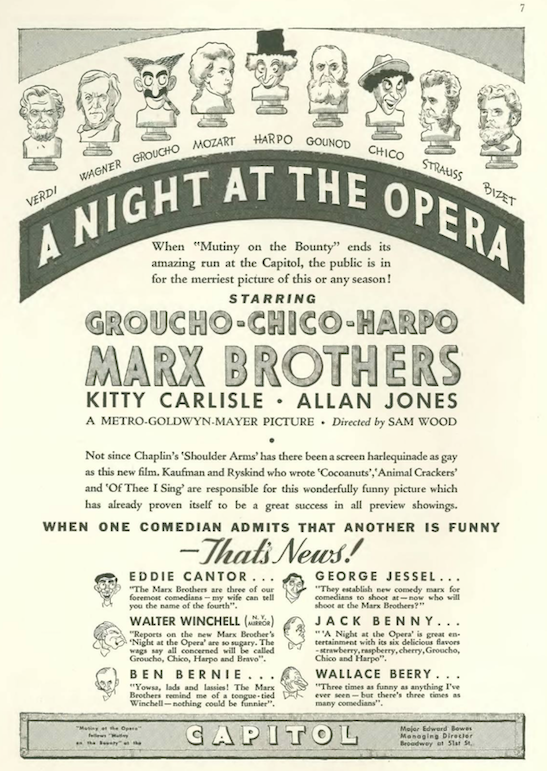
…the Capitol Theatre took out this full-page advertisement to tout the opening of the latest Marx Brothers film…
…here is a close-up of the ad’s “testimonials”…
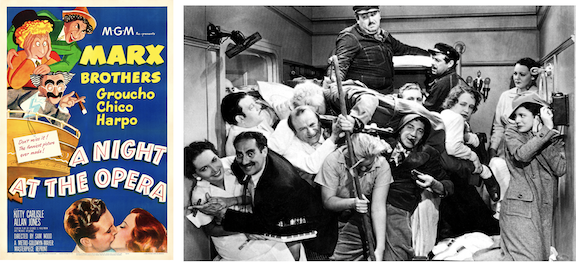
…and what awaited audiences…
(Wikipedia/thedissolve.com)
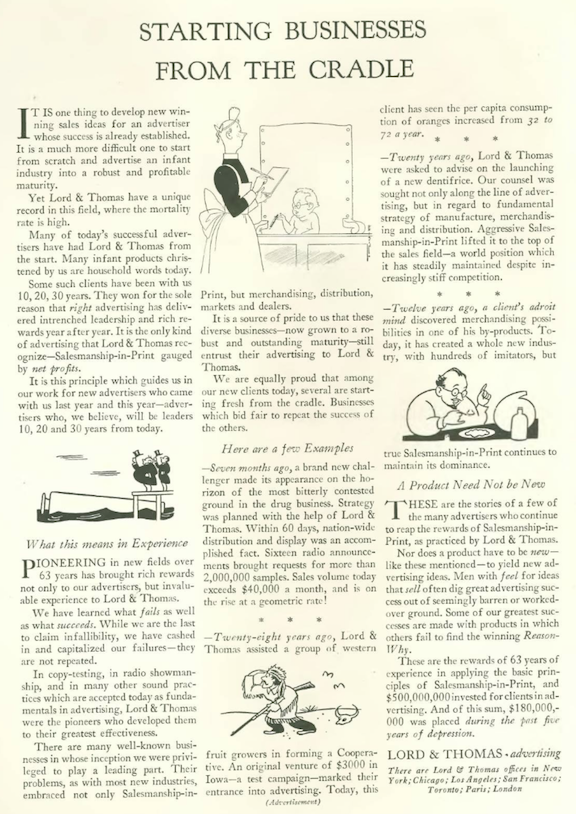
…the Lord & Thomas advertising firm imitated the New Yorker style in this full-page promotion…
…now who wouldn’t want a Philco “Radiobar” for the holidays?…
…found this one on 1stdibs.com…pretty cool…
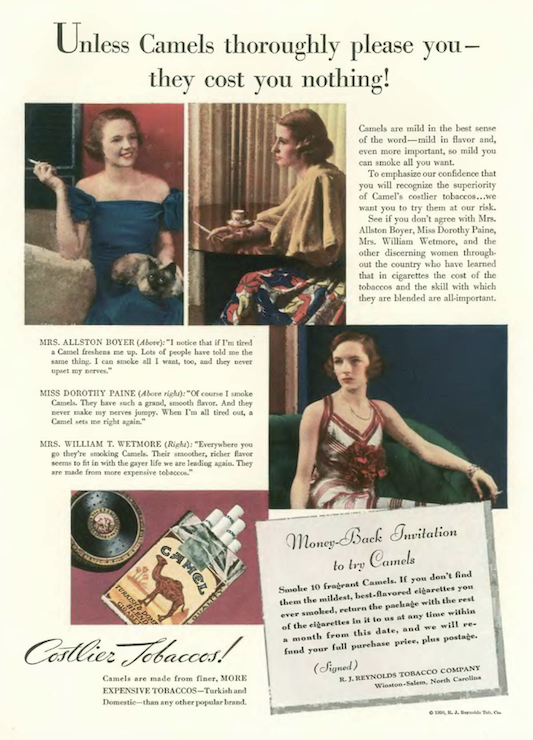
…or you could get a little something for every one of your smoking friends (likely everyone)…
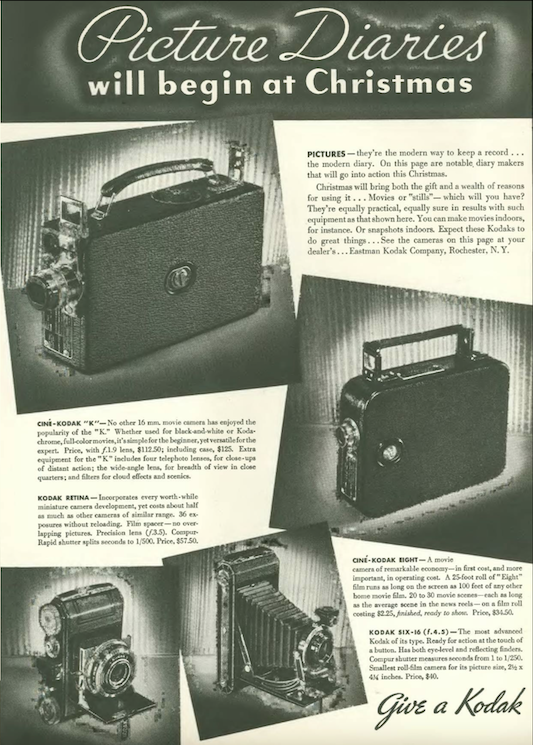
…and you could keep those holiday memories alive with a swell Kodak movie camera…
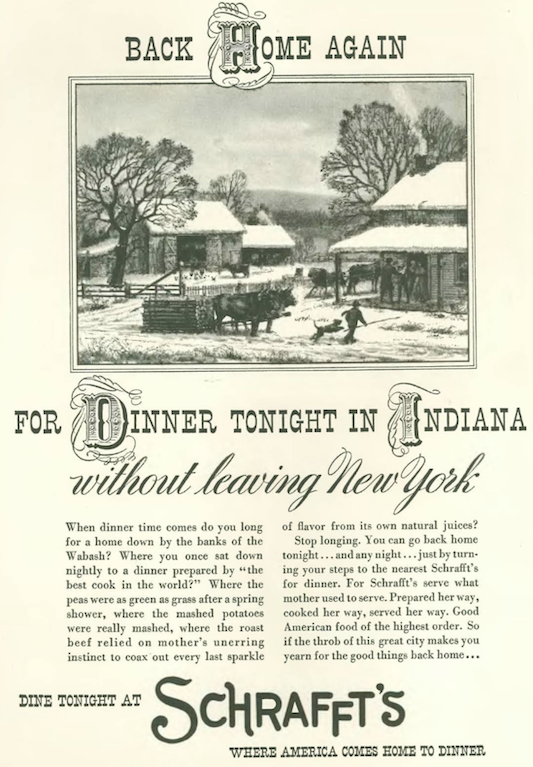
…Schrafft’s must have been something like an upscale Cracker Barrel…
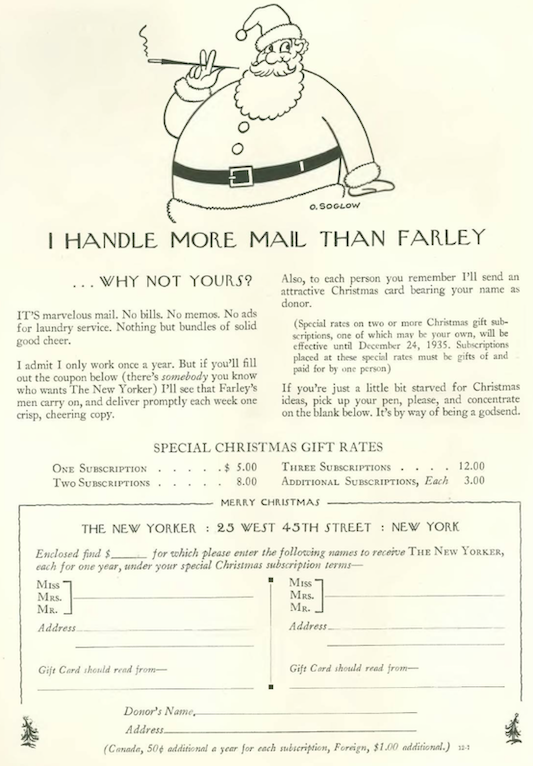
…house ads from The New Yorker included this Otto Soglow-illustrated full pager…
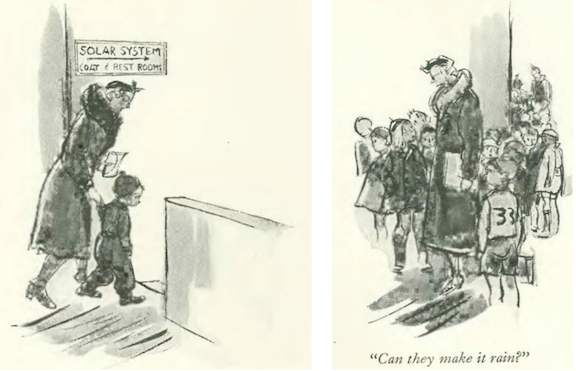
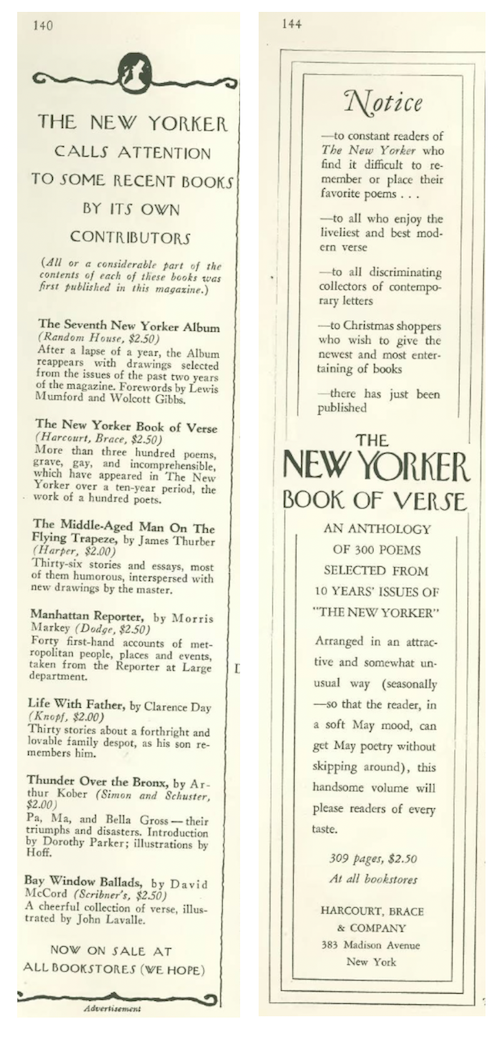
…the magazine also touted books and poems by its contributors…
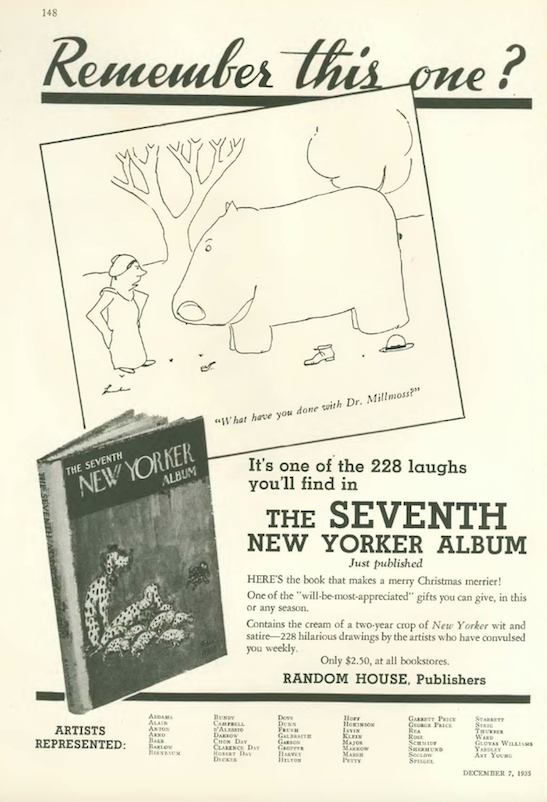
…and the Seventh New Yorker Album…
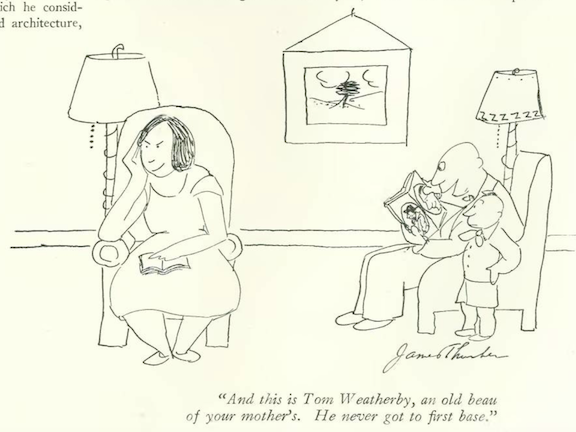
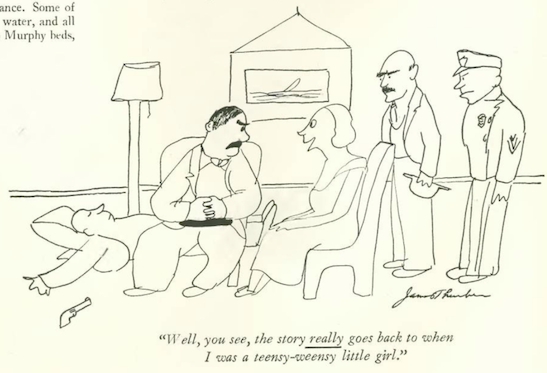
…more James Thurber here in this spot drawing for the “Books” section…
…and in this cartoon filled with holiday hijinks…
…Ilonka Karasz gave us a hockey goalie to open the calendar listings…
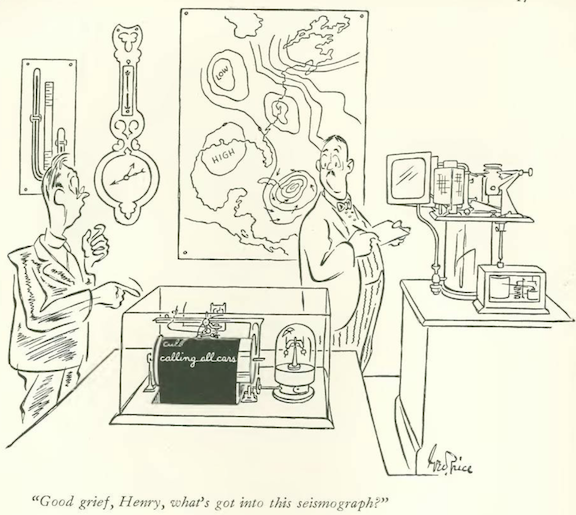
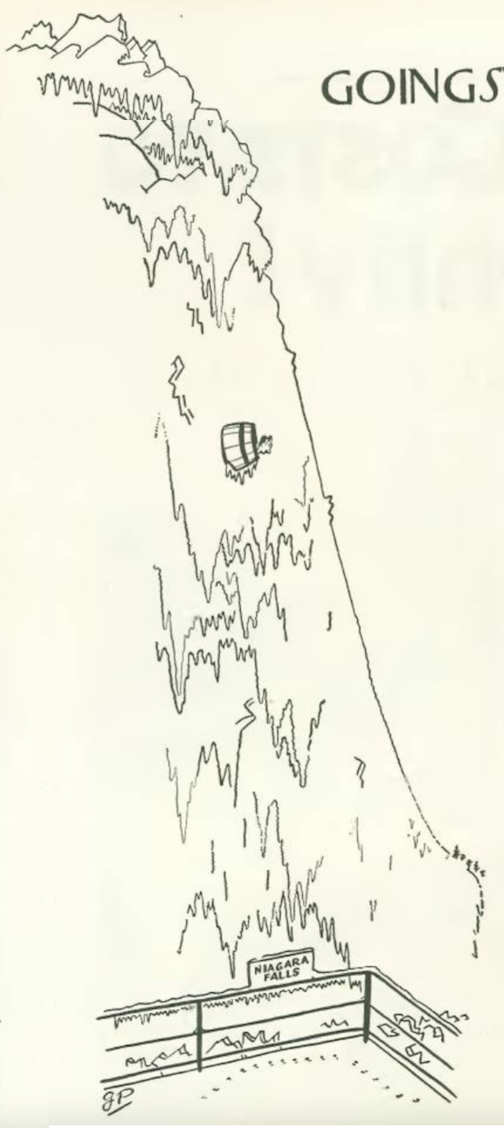
…George Price drew up this Depression-themed drawing at the bottom of the “Goings On” section…
…a great spot drawing by Aaron Sopher (1905–1972), who is perhaps best known for his depictions of everyday life in Baltimore…it was oddly placed amidst the “Christmas Gifts” section…
…according to Michael Maslin’sInk Spill, Sopher contributed just two cartoons to the magazine, in the issues of June 15, 1929, and December 6, 1930 (pictured below)…
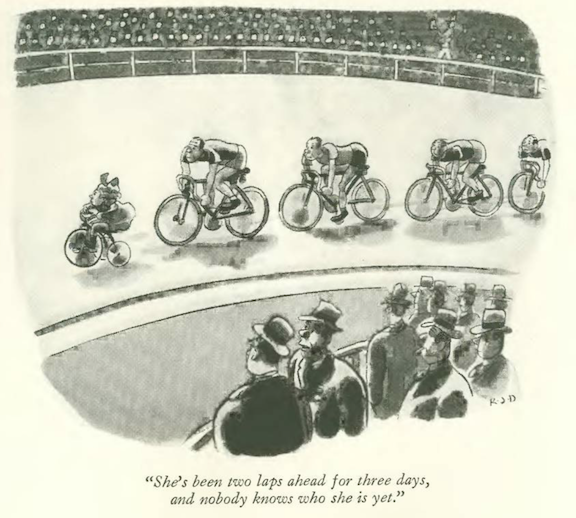
…back to the Dec. 7 issue, and at the Velodrome with Robert Day…
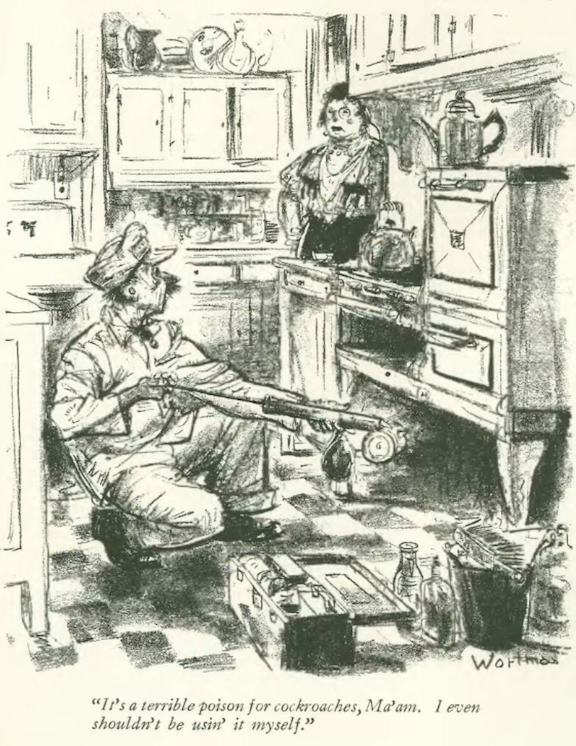
…who also visited an ill-suited Santa…
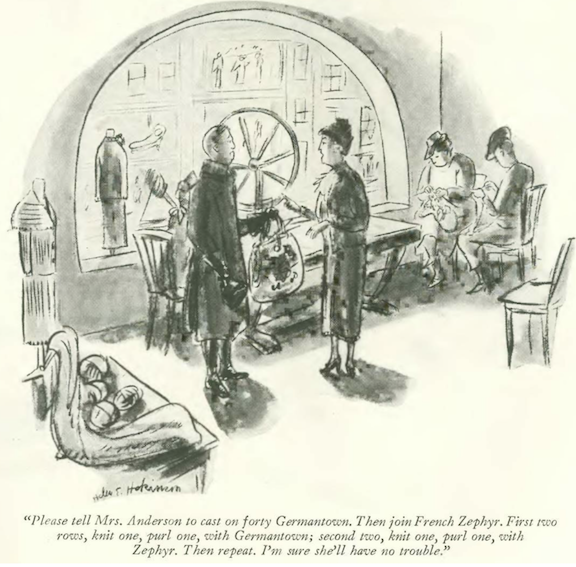
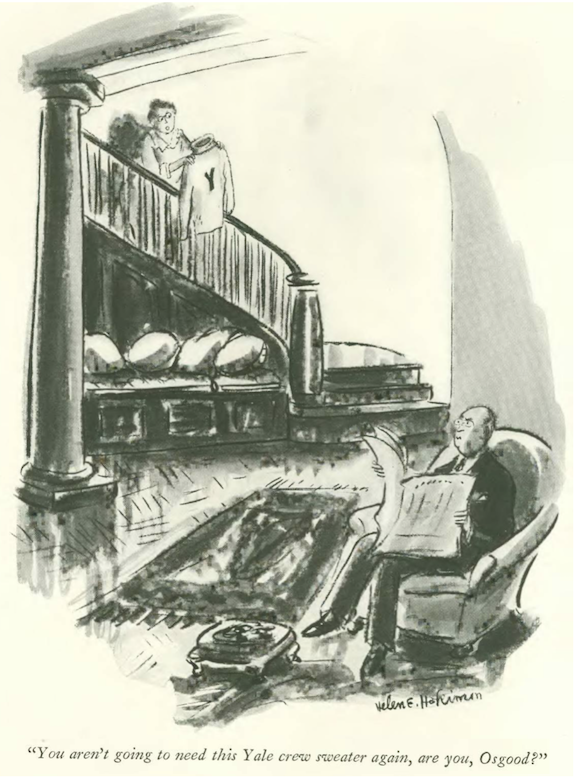
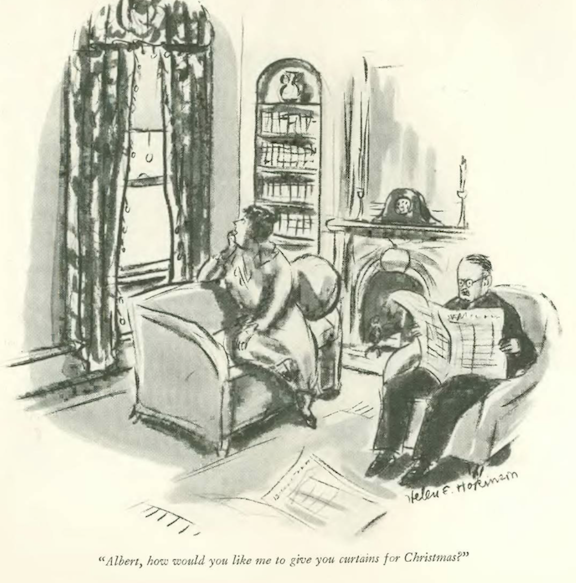
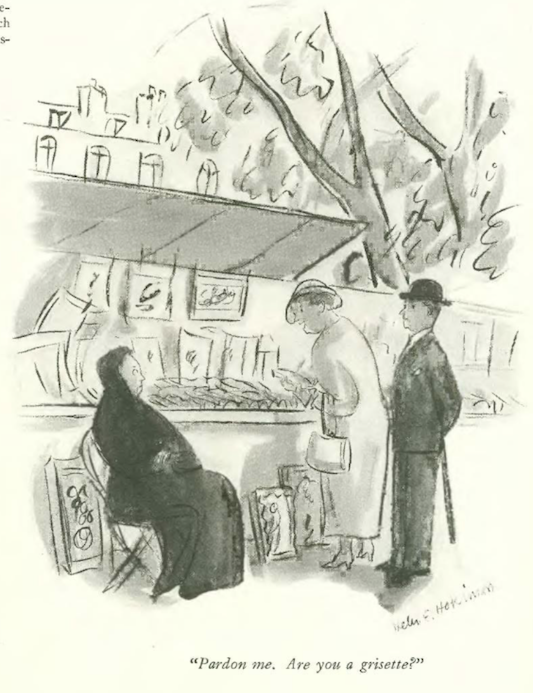
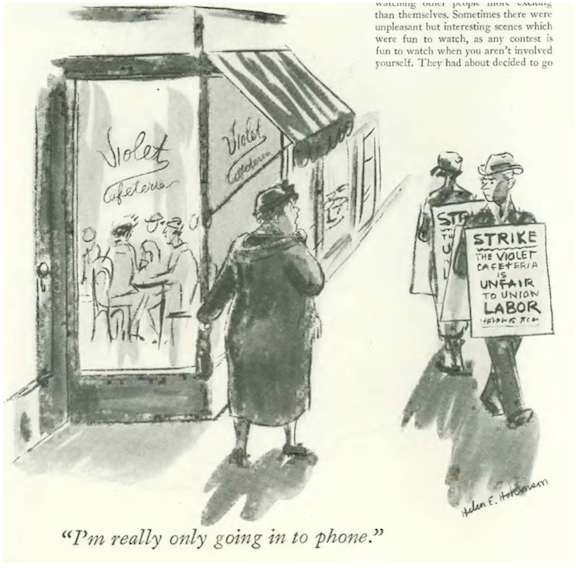
…Helen Hokinson pondered gift ideas…
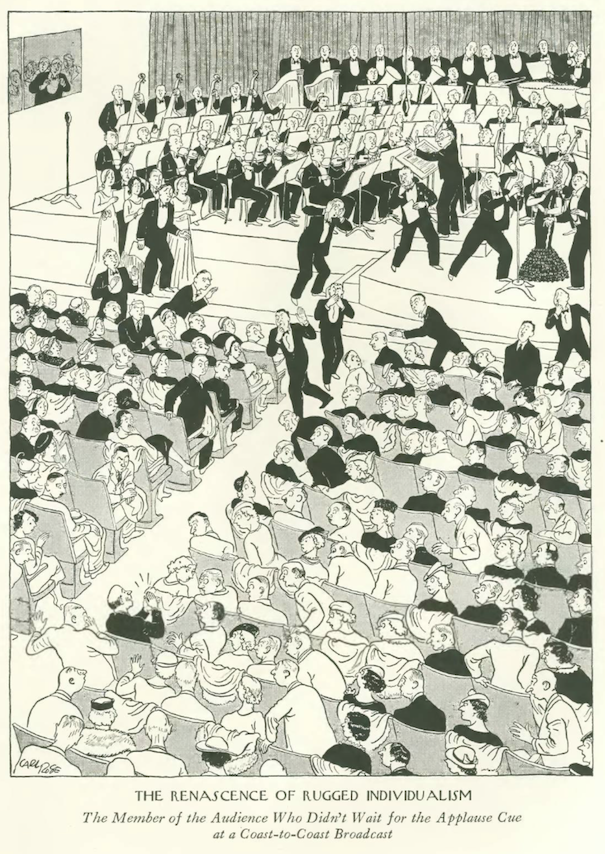
…Carl Rose illustrated an unspeakable act at a progressive school…
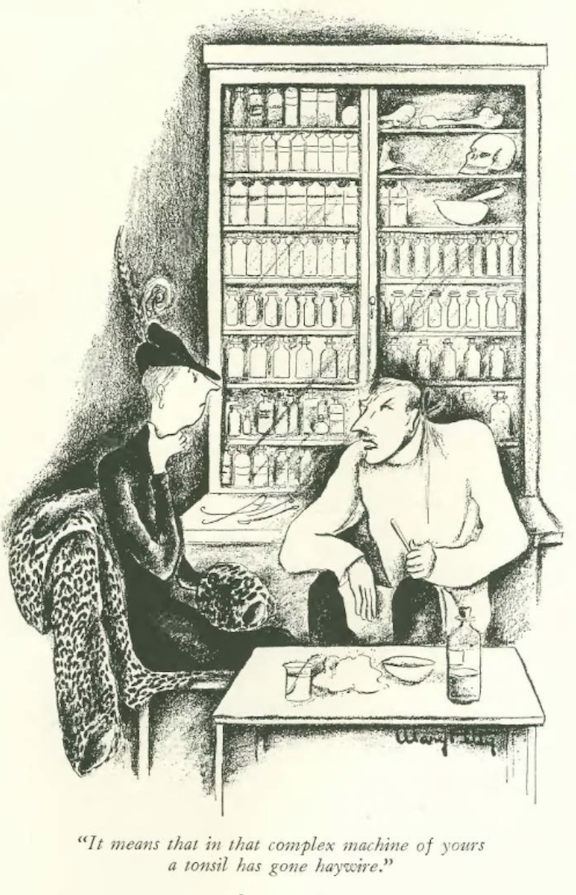
…Mary Petty gave us a straightforward diagnosis…
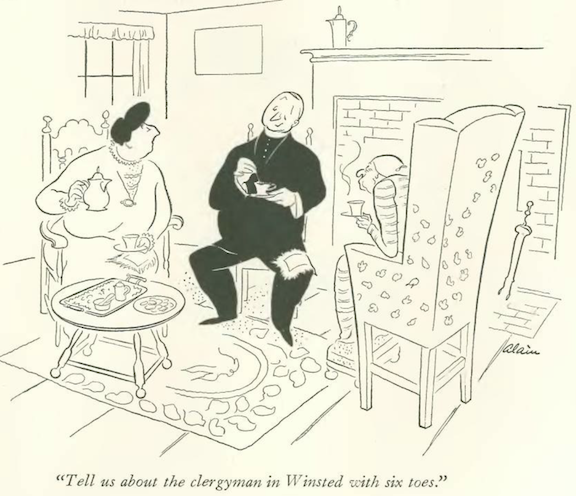
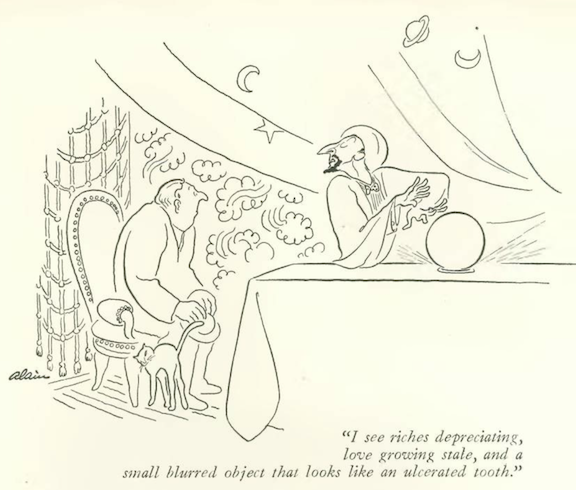
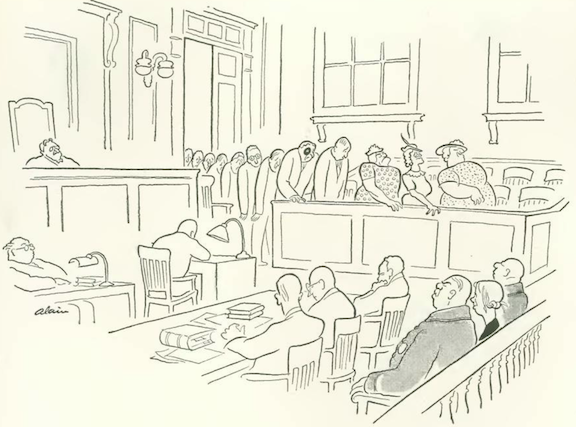
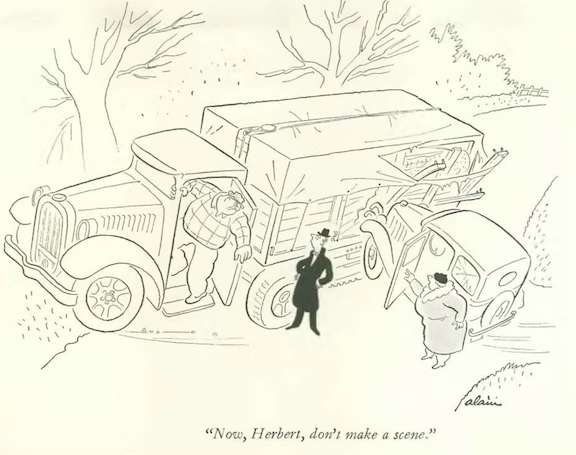
…Alain asked us to ponder the fate of one man…
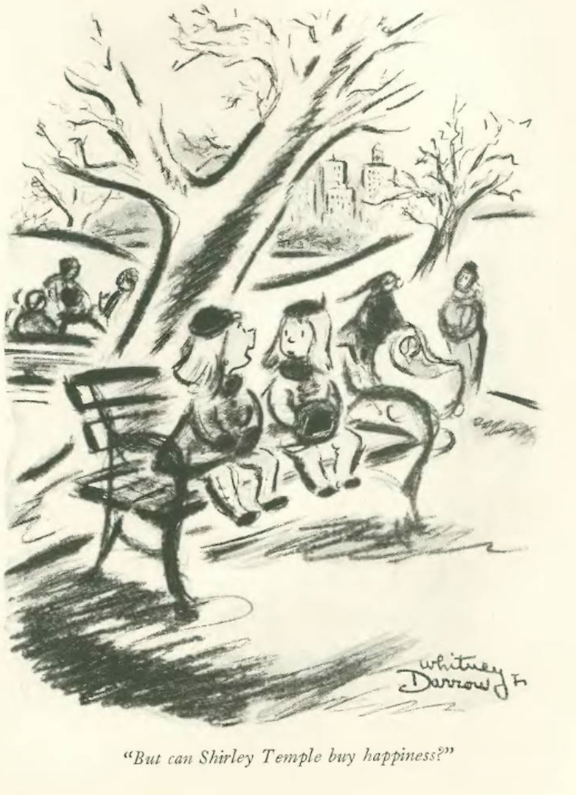
…Whitney Darrow Jr eavesdropped on some child philosophy…
…and we close with Peter Arno, and a groom’s surprise at the altar…
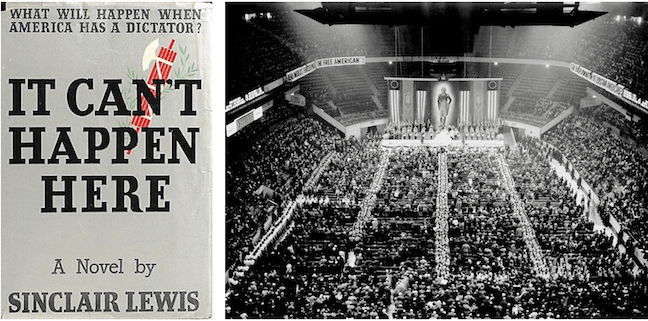
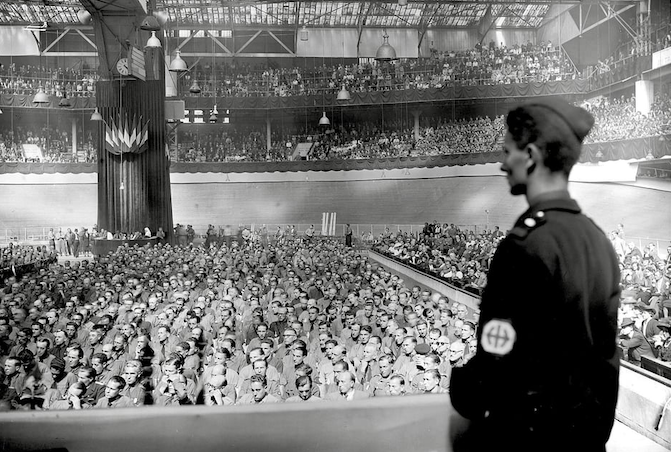
Above: Cover of Sinclair Lewis's 1935 novel about a fascist takeover of America, It Can't Happen Here. At right, 22,000 people attended a Nazi rally at Madison Square Garden on February 20, 1939. (Wikipedia/Reddit)
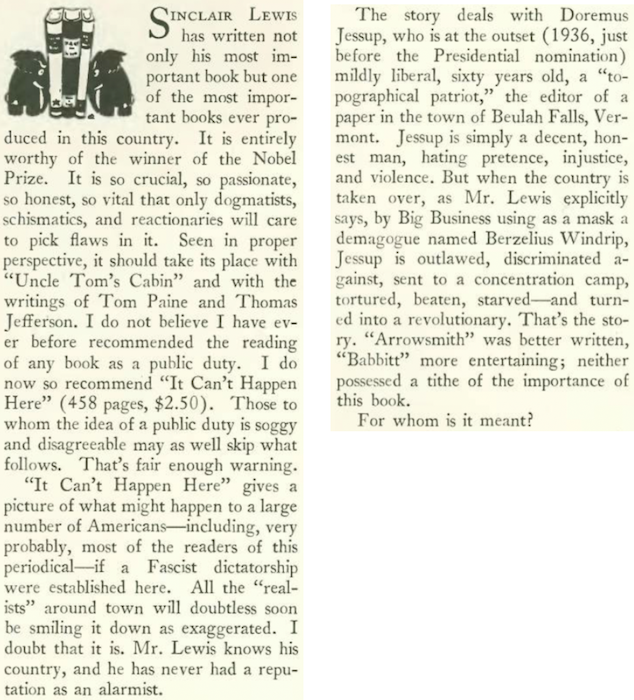
Ninety years ago Sinclair Lewis published It Can’t Happen Here, a dystopian novel that responded to the rise of fascism in Europe as well as to American demagogues like Louisiana Senator Huey Long.
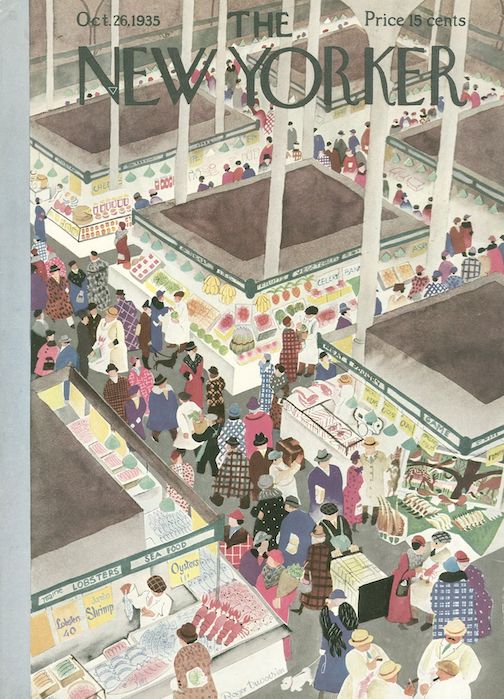
October 26, 1935 cover by Roger Duvoisin. Duvoisin (1900–1980) was a Swiss-born American writer and illustrator best known for children’s picture books. He illustrated 32 covers for The New Yorker, along with five cartoons. Duvoisin won the Caldecott Medal in 1948 (along with author Alvin Tresselt) for White Snow, Bright Snow.
In his 2016 New Yorker article, “Getting Close to Fascism with Sinclair Lewis’s ‘It Can’t Happen Here,'” journalist Alexander Nazaryan notes how Lewis was arguing for journalism and civic education as essential pillars of democracy. The title of Lewis’s book, Nazaryan observes, suggests that ‘It’ was something more subtle: “a collective apathy, born of ignorance, and a populace that can no longer make the kind of judgments that participatory democracy requires.”
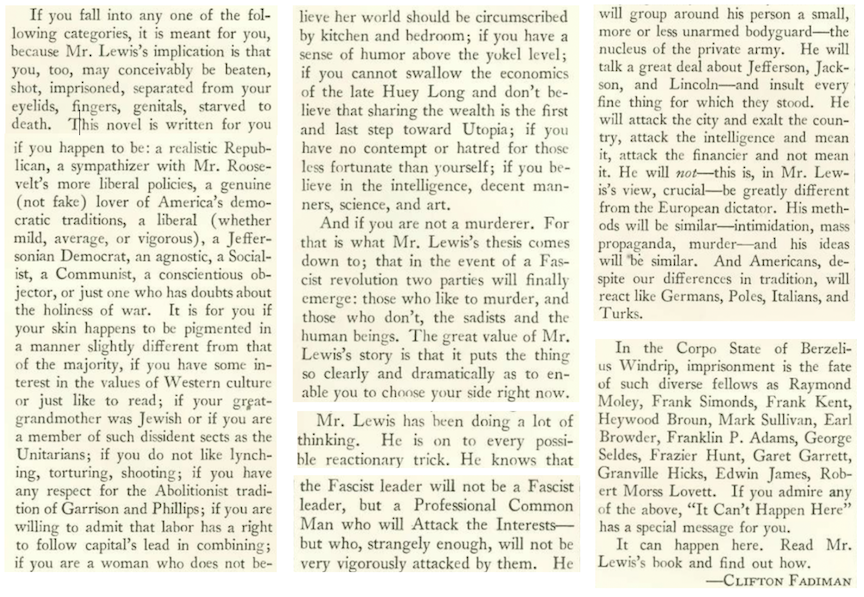
Lewis’s novel also made book critic Clifton Fadiman sit up and take notice. Here are excerpts from the first part of his review:
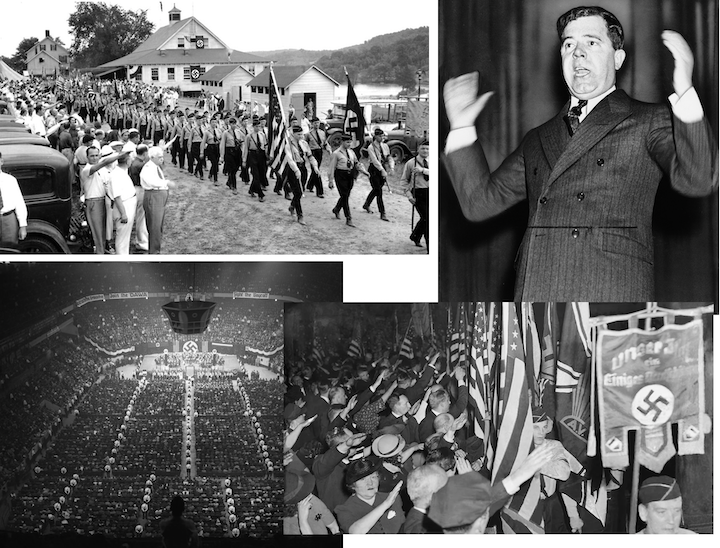
HOME-GROWN…American fascism was represented by organizations such as the German American Bund, the Silver Legion of America, and radio hostCharles Coughlin, who opposed the New Deal and promoted conspiracy theories and antisemitic views. Clockwise, from top left: Nearly a thousand uniformed men wearing swastika arm bands and carrying Nazi banners parade past a reviewing stand in New Jersey on July 18, 1937. The New Jersey division of the German-American Bund had opened the 100-acre Camp Nordland at Sussex Hills; Huey Long in 1935, the same year he was assassinated; Nazi rally at Madison Square Garden in 1939. (AP/Wikipedia)
If you zoom in on the photo at bottom right, you can’t help but notice the woman in the black hat, who seems a little unsure about what she is doing, especially in front of a camera…the woman to her right appears to be hiding her face.
Here is more of Fadiman’s review (click to enlarge). It’s worth a read.
WE’VE BEEN WARNED…Published nearly seventy years apart, Sinclair Lewis’s It Can’t Happen Here (1935) and Philip Roth’sThe Plot Against America (2004) both explored the dangers of fascism in the United States. (pulitzer.org/Wikipedia/Nancy Crampton via stanford.edu)
* * *
It Was Happening There
In her “Letter from Paris,” Janet Flanner was noting “increasing Fascist sentiment and sympathy” in her adopted city:
OVER THERE…The French Popular Party (Parti populaire français, PPF) was a French fascist and anti-semitic political party led by Jacques Doriot before and during World War II. Formed in June 1936, with an estimated 120,000 members by 1937, it is generally regarded as the most collaborationist party of France. (thefrenchhistorypodcast.com)
* * *
All Talk
Marion Sayle Taylor (1889–1942) was the popular host of a radio advice show, The Voice of Experience. Margaret Case Harriman (1901–1966) penned a two-part profile of Taylor titled “The Voice.” I’ve included the opening lines to Part One here:
IF ONLY SHE KNEW…Margaret Case Harriman, left, circa 1936, profiled Marion Sayle Taylor before his misdeeds were revealed. (Vogue Archive/eleanorbritton.blogspot.com/Oregon Encyclopedia)
After reading both parts of Harriman’s profile piece, it appears she wasn’t yet aware that Taylor was more than a radio personality; he was also dishonest, manipulative, and opportunistic, according to a biography by Dick and Judy Wagner featured in the Oregon Encyclopedia. For example, Harriman reported (likely from Taylor’s official bio) that Taylor’s first wife, Pauline, had died in childbirth, when in fact she was quite alive and suing him for divorce that same year. Taylor also divorced his second wife, Jessie, who sued him in 1936 after he deceived her about another woman. Not surprisingly, his radio image as a reliable marriage counselor was damaged irretrievably.
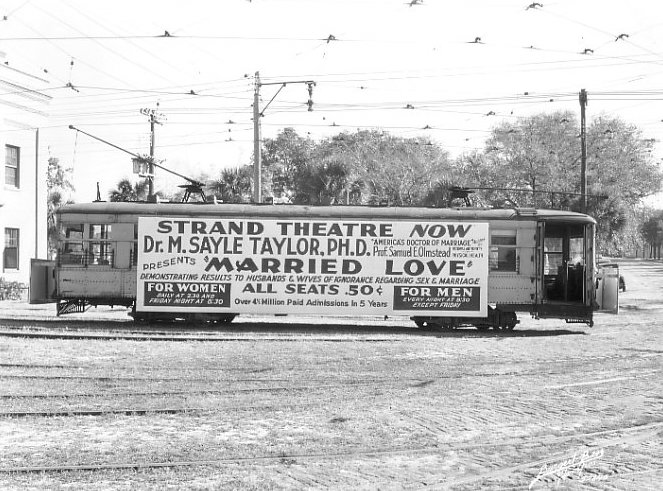
FALSE ADVERTISING…A streetcar, possibly in Newark, N.J., advertising a lecture by Taylor, circa 1931. In addition to hiding a previous prison record, Taylor also falsely reported that he had studied at several universities (he did not earn a Ph.D, as the redundant title claims in the above photo). It appears Taylor also kept much of the money he solicited for charitable causes. (Oregon Encyclopedia)
* * *
Selling Pooh
Commercial cross-marketing of children’s books with toys and other products had its origins in the late nineteenth century with Alice’s Adventures in Wonderland, and in the first years of the 20th century Beatrix Potter’sPeter Rabbit series inspired everything from dishes and wallpaper to board games and dolls—in 1903 Peter Rabbit was the first fictional character to be made into a patented stuffed toy.
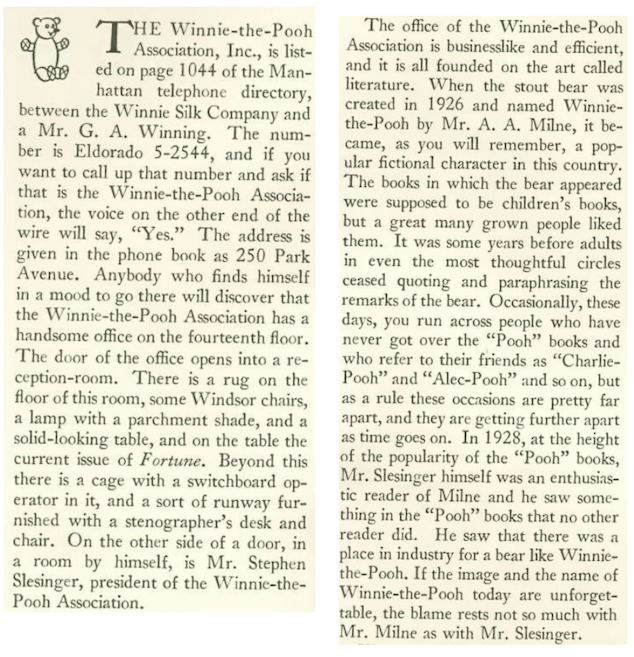
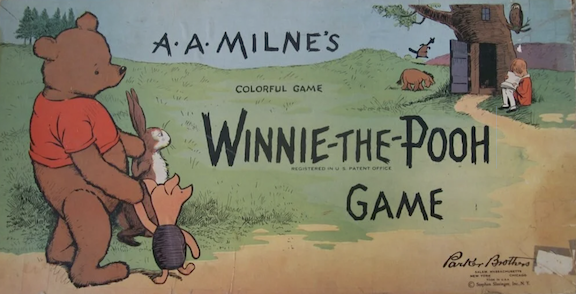
Then came another character from British children’s literature, A.A. Milne’sWinnie-the-Pooh. In January 1930, Stephen Slesinger (1901–1953) purchased U.S. and Canadian merchandising, television, recording, and other trade rights to the Winnie-the-Pooh works from Milne (for $1,000, plus royalties), marketing a wide range of products. For the column “Onward & Upward With the Arts,” St. Clair McKelway paid a visit to Slesinger at the Park Avenue offices of Winnie-the-Pooh Association, Inc. Excerpts:
KEEP YER SHIRT ON…The Parker Brothers were the first to feature Winnie-the-Pooh in color for a 1932 board game. Stephan Slesinger added the iconic red t-shirt to Pooh for the game and a children’s record, a look that was later adopted by the Disney Corporation when it acquired the rights from Slesinger’s widow and daughter in 1961. (thedisneyclassics.com)FUNNIES MAN…At left, Stephan Slesinger in an undated photo. Slesinger was a radio, television and film producer, and a curator of comic strip characters including Alley Cop, Captain Easy, Buck Rogers and Blondie, among others; at center, a record of “Winnie-the-Pooh Songs,” 1932; an ad for the Red Ryder BB gun—in 1938 Slesinger created the comic strip Red Ryder along with artist Fred Harmon. (alchetron/yesterdaysgallery.com/Port Isabel Press)
In another excerpt, McKelway gave us an idea of the scope of Slesinger’s Pooh empire:
* * *
At the Movies
Critic John Mosher found few thrills in the latest fare from Hollywood, offering his views of Admiral Richard Byrd’sInto Little America and the musical Metropolitan, featuring famed baritone Lawrence Tibbett.
FOR THE BYRDS…At left, lobby card for Into Little America; at right, Alice Brady and Lawrence Tibbett in Metropolitan. (eBay.uk/rottentomatoes.com)
With a screenplay by Ben Hecht and Charles MacArthur and direction by Howard Hawks, one would hope for some rough and tumble in a film about Gold Rush San Francisco. Instead, Mosher found the trappings of Barbary Coast rather mild. This was doubtless due in part to the Hays Code that curtailed the sex and violence portrayed in films of the 1920s and early 1930s.
TAKING A SPIN…Miriam Hopkins runs the roulette wheel as Edward G. Robinson looks on in Barbary Coast. A brief 2019 review in the Harvard Film Archive praised the film’s Gothic feel created by the “evocative portrayal of early San Francisco as a foggy labyrinth of rickety boardwalks and ominous, sky-high ship masts…” (harvardfimarchive.org)
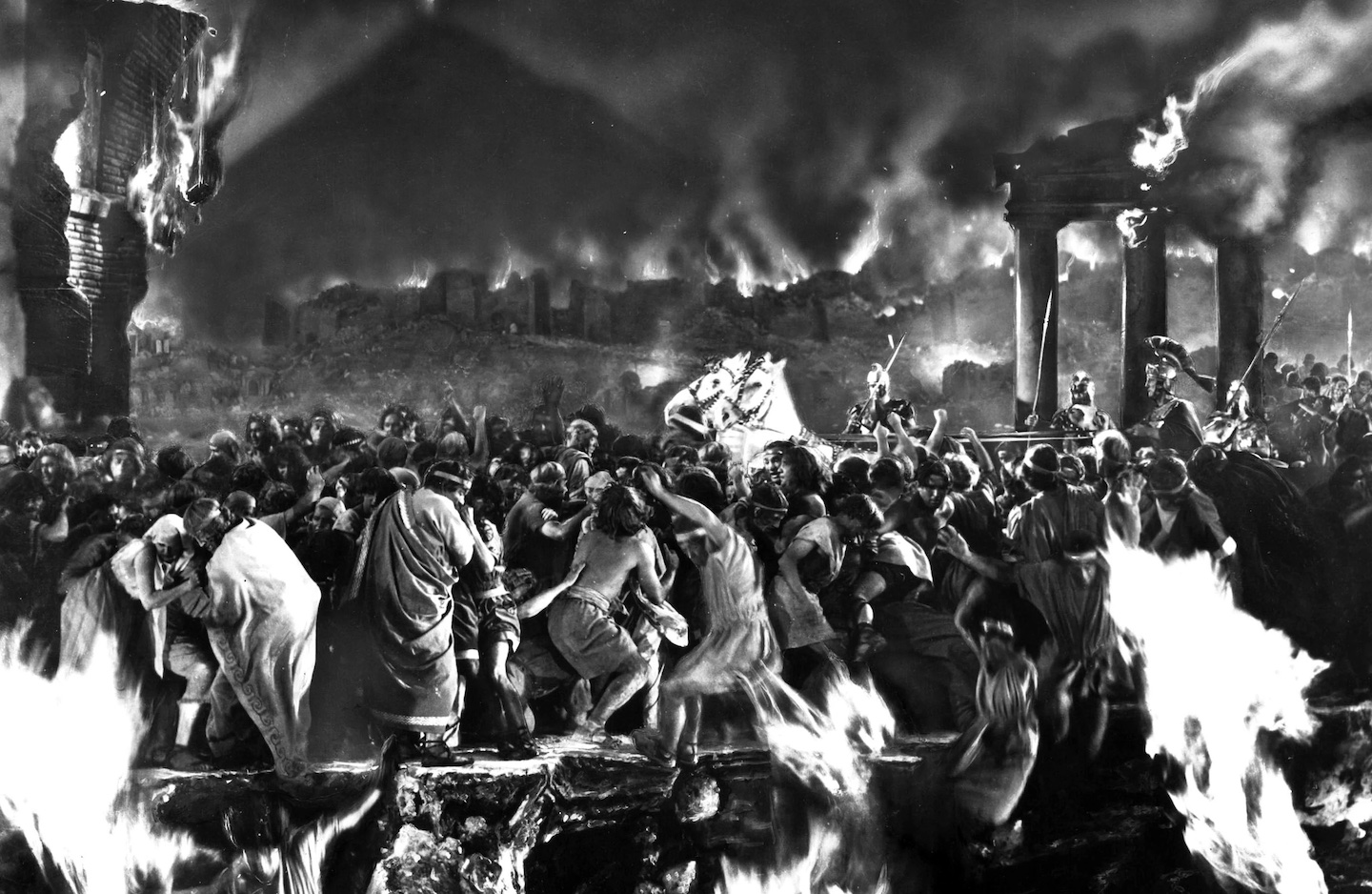
One might think that a film featuring the destruction of Pompeii would have some thrills, however RKO’s The Last Days of Pompeii proved to be a “temperate affair” in Mosher’s eyes, “one of the great bores of the moment.” The Dick Powell/U.S. Navy vehicle Shipmates Forever didn’t prove to be any better.
HOT TIMES IN POMPEII?…John Mosher called The Last Days of Pompeii “one of the great bores of the moment,” including the “drearily enacted” eruption of Vesuvius in which “Paper temples fall and there is a bit of bustle, and that is all there is to that.” Mosher did single out Basil Rathbone’s performance as an urbane Pontius Pilate, “a Pontius Pilate with a Long Island manner.” (tcm.com)GO GET ‘EM DICK…The U.S. Naval Academy provided the setting for the musical Shipmates Forever, featuring Dick Powell as a crooner who ultimately chooses the Navy over a singing career. (tcm.com)
* * *
From Our Advertisers
We begin with the inside front cover, where the folks at Fisher touted their innovative “Turret Top” design…Body by Fisher began as a separate company in 1908, specializing as an automobile coach builder…although acquired by General Motors in 1926, the Fisher brand was promoted until the 1980s…
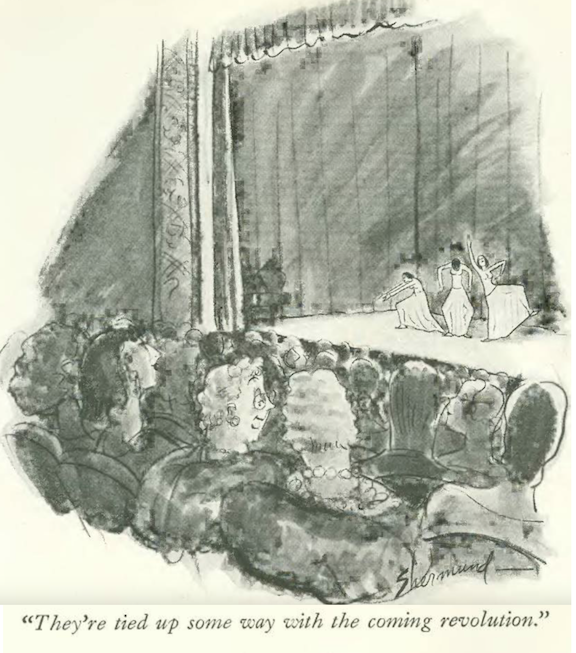
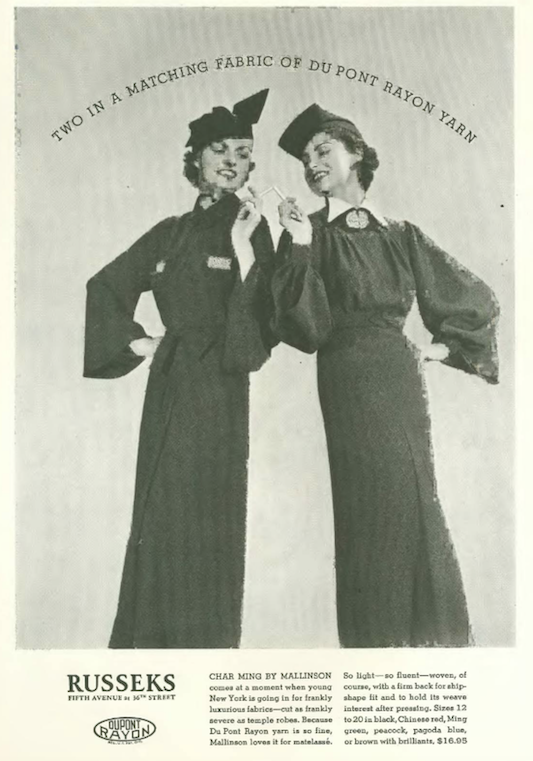
…there were many fall and winter fashion ads in this issue, including this continuing series by Russeks promoting Rayon fabrics…and women smoking, no doubt considered a sign of sophistication…
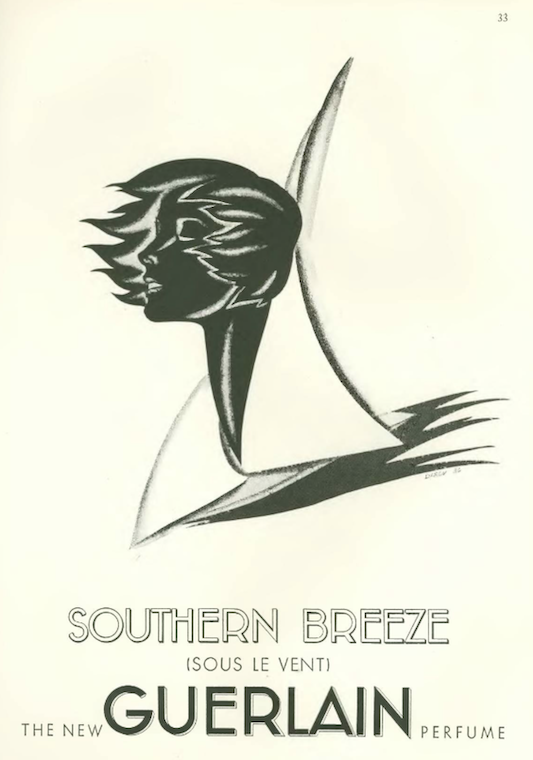
…Guerlain perfume ads featured the unmistakable style of illustrator Lyse Darcy…
…the Heyward/Gershwin production of Porgy and Bess made a splash in this ad for Stage magazine…
…World Peaceways often used terrifying imagery to promote their anti-war messages…this ad was on the inside back cover…
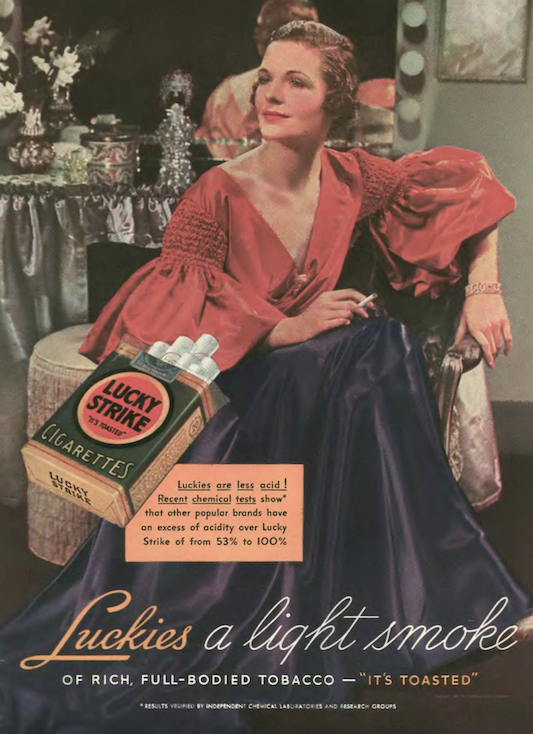
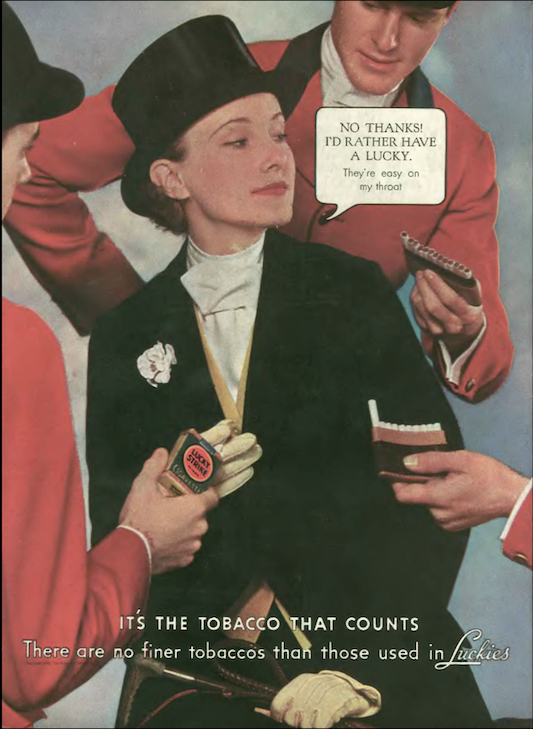
…and as you closed the magazine, the back cover greeted you with this stylish appeal to smoke Luckies…
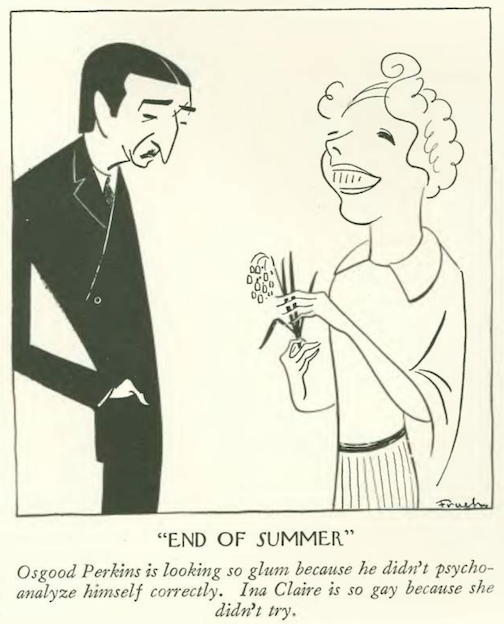
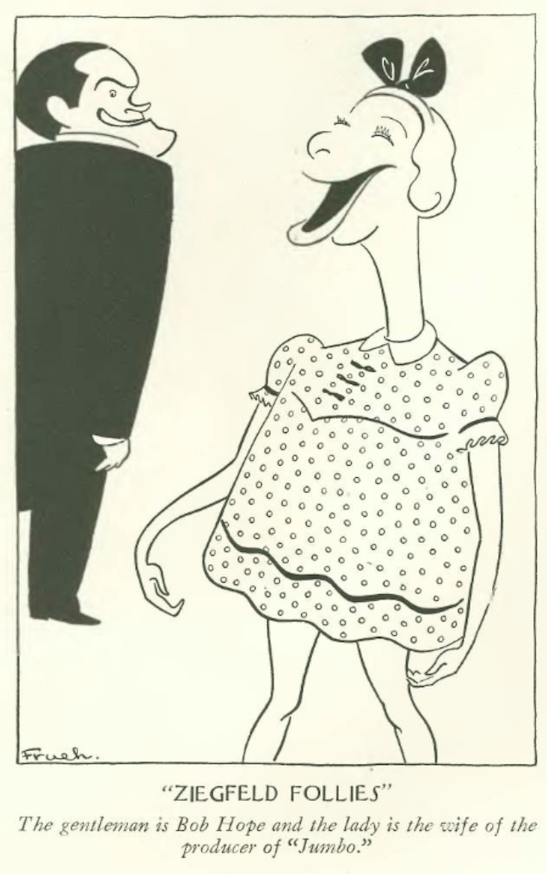
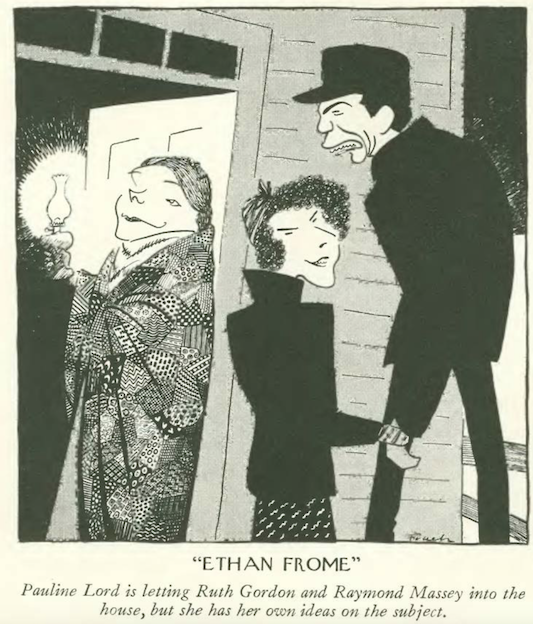
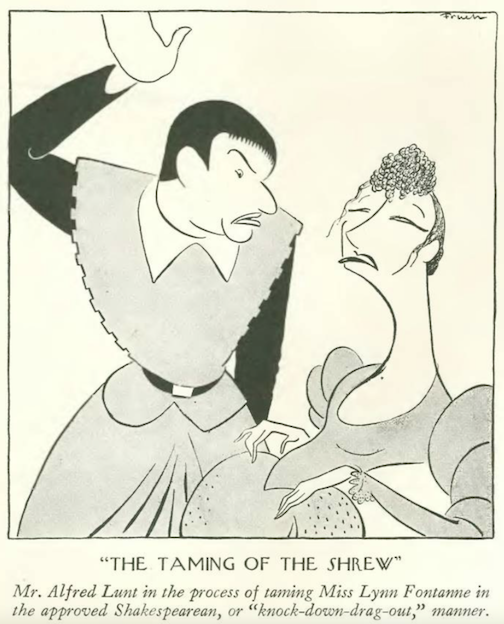
…on to our cartoonists, starting with Al Frueh in the Theatre section…
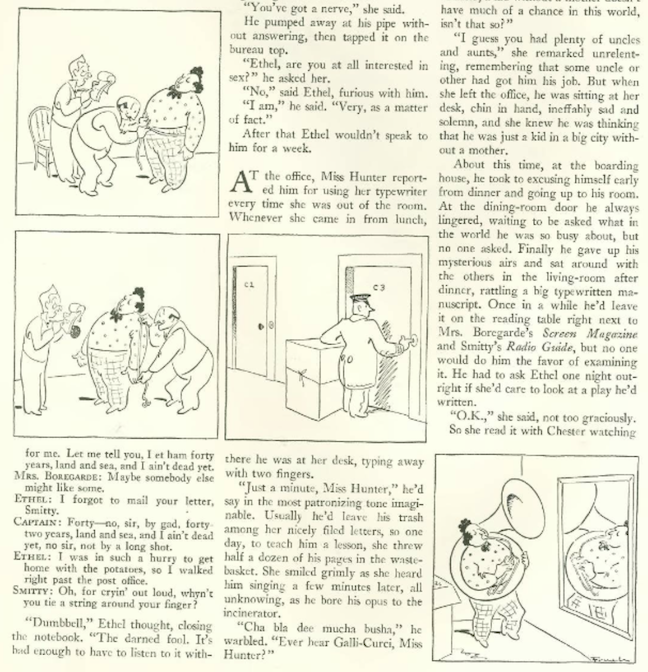
…and Frueh again, in this interesting arrangement…
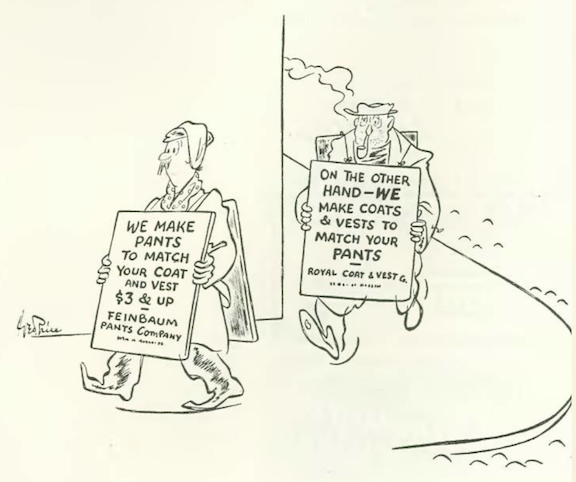
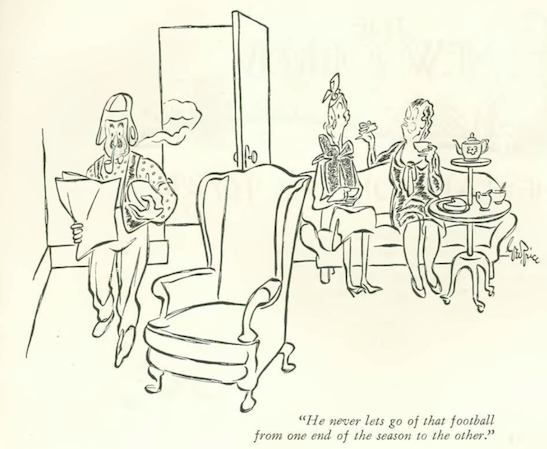
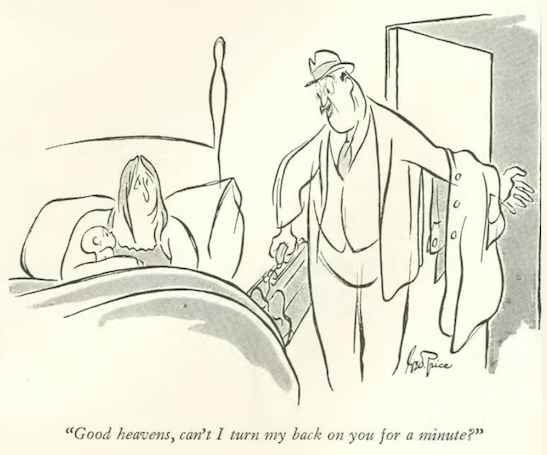
…George Price was featured twice…
…with scenes of domestic life as only Price could render…
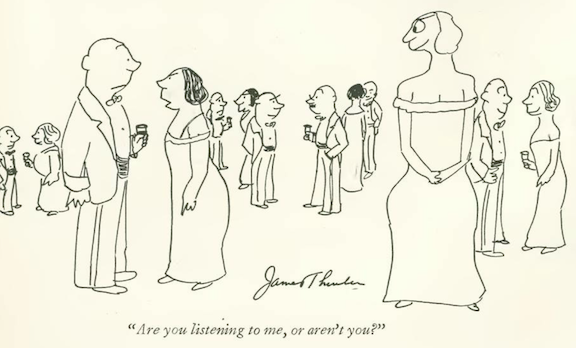
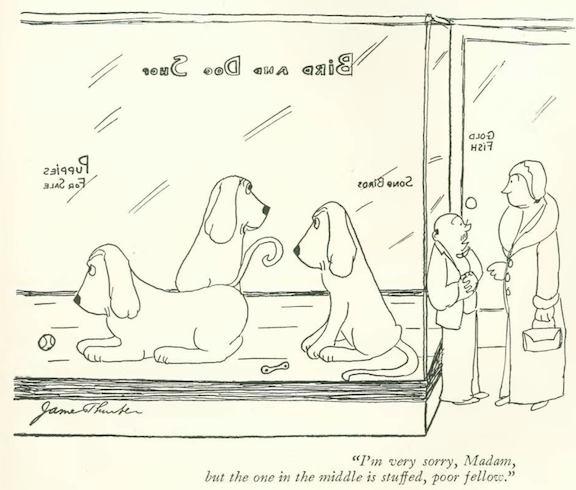
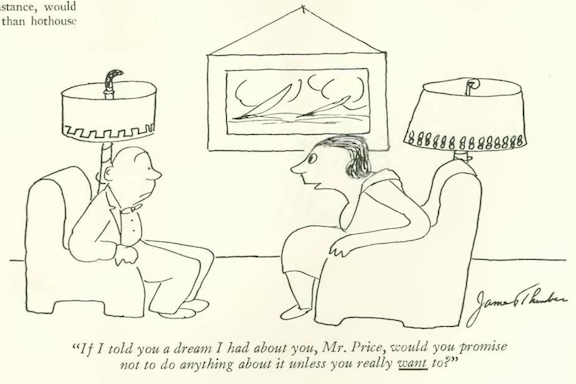
…and speaking of distinctive, no one did it quite like the great James Thurber…
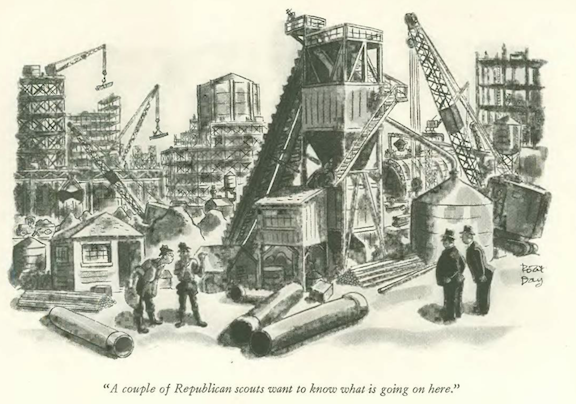
…Robert Day gave us two Republicans looking in on the progress of the New Deal…
…Carl Rose bid farewell to a writer sick of his peace and quiet…
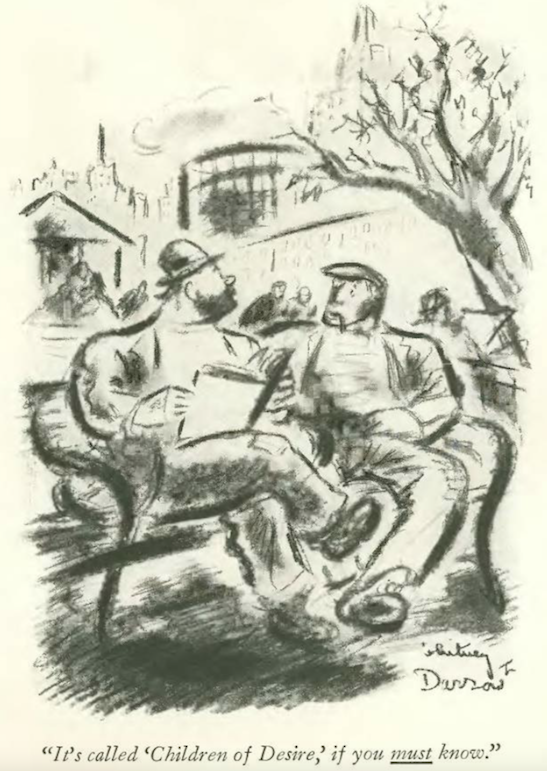
…Whitney Darrow Jr illustrated a literary exchange on a park bench…
…and I close with today’s New Yorker cover artist, Roger Duvoisin—here is his cover for White Snow, Bright Snow, which won the Caldecott Medal in 1948.
Heading into the dog days of summer we take a look at the last two issues of July 1935, both somewhat scant in editorial content but still offering up fascinating glimpses of Manhattan life ninety years ago.
July 20, 1935 cover by William Crawford Galbraith. He contributed seven covers and 151 cartoons to the magazine.
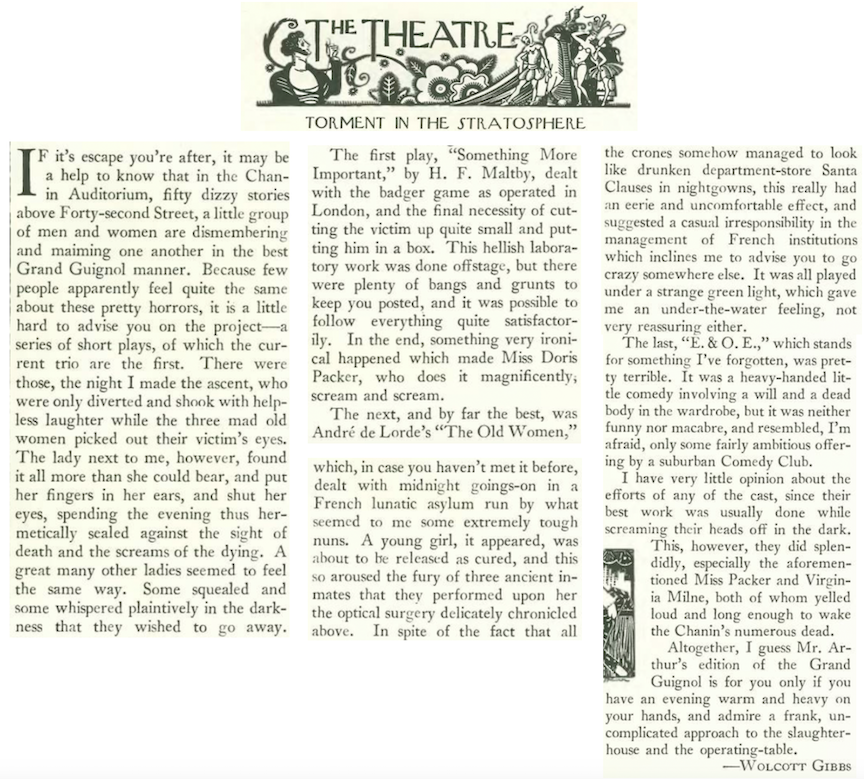
That includes the observations of theatre critic Wolcott Gibbs and film critic John Mosher, both escaping the summer heat to take in some very different forms of entertainment.
Gibbs found himself “fifty dizzy stories above Forty-second Street” in the Chanin Building’s auditorium, where he experienced New York’s take on Le Théâtre du Grand-Guignol. Founded in Paris by Oscar Méténier in 1897, Grand Guignol featured realistic shows that enacted, in gory detail, the horrific existence of the disadvantaged and working classes. It seems audiences were drawn to the shows more out of prurient interest (or sadistic pleasure) than for any desire to help the underclasses.
NOT FOR THE FAINT OF HEART…Wolcott Gibbs recommended the Grand-Guignol only for those who “admire a frank, uncomplicated approach to the slaughterhouse and the operating table.” (Image: Wikipedia)PRETTY HORRORS…Clockwise from top left, the original Théâtre du Grand-Guignol, in the Pigalle district of Paris–it operated from 1897 until 1962, specializing in horror theatre; a poster from one of its productions; New York’s Chanin building, circa 1930s; the Chanin’s auditorium “fifty dizzy stories above 42nd Street”; fake blood applied to an actress’ neck before a scene from The Hussy; Wolcott Gibbs described a madhouse scene from André de Lorde’sThe Old Women, which depicted the fury of ancient inmates performing “optical surgery” on a young woman. (thegrandguignol.com/Wikipedia/NYPL/props.eric-hart.com)
* * *
Popeye to the Rescue
With the Hays Code in effect you wouldn’t see anything like the Grand-Guignol on the silver screen. Indeed, with the exception of a Popeye cartoon, critic John Mosher found little to get excited about at the movies. He did, however, enjoy the air conditioning that offered a break from the hot city streets.
THEY ALL COULD HAVE USED SOME SPINACH…Clockwise, from top left, Popeye and Bluto strike an unlikely partnership in Dizzy Divers; Bette Davis and George Brent in Front Page Woman; Will Rogers and Billie Burke in Doubting Thomas; James Blakeley and Ida Lupino in Paris in Spring. (brothersink.com / rottentomatoes.com / cometoverhollywood.com / classiccartooncorner.substack.com)
* * *
From Our Advertisers
Just a few ads from this issue, first, a jolly appeal from one of the magazine’s newer advertisers, the makers of the French apertif Dubonnet…
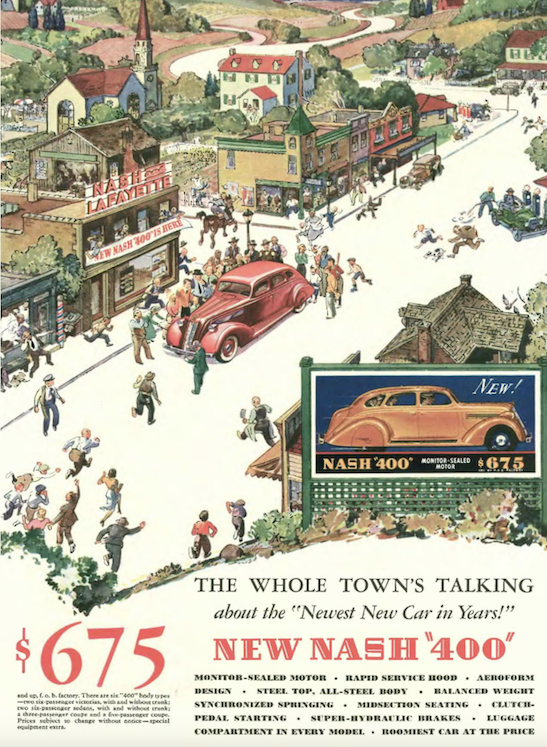
…by contrast, this quaint slice of Americana from Nash…
…and a shot of pesticide from Dr. Seuss…
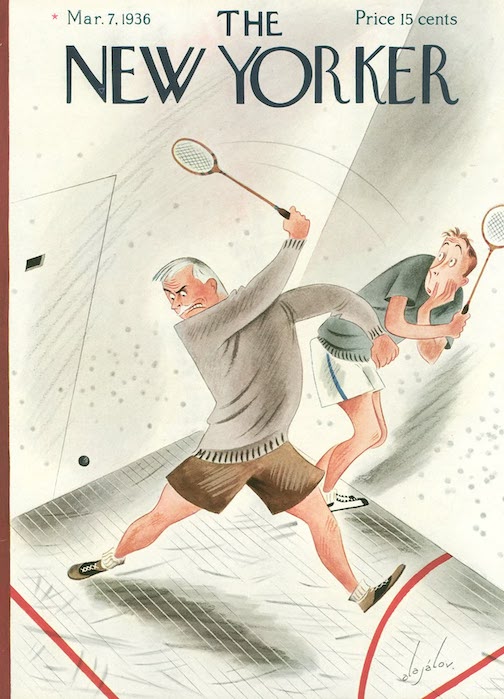
…our cartoonists include Constantin Alajalov, contributing this bit of spot art to the opening pages…
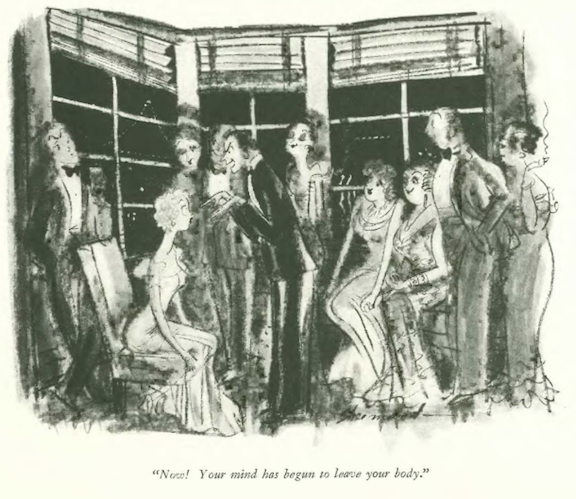
…Barbara Shermund explored the world of hypnotic suggestion…
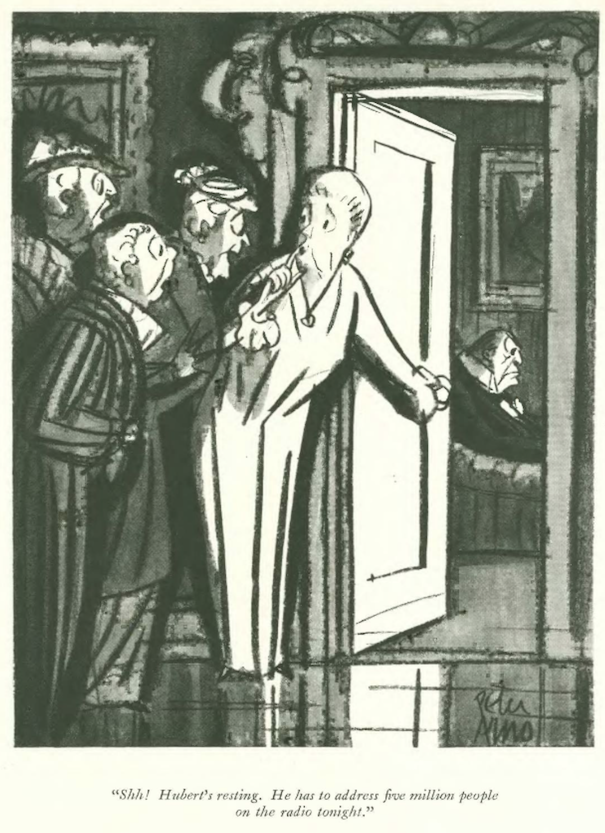
…Peter Arno prepared to address the nation…
…William Steig checked the weather forecast…
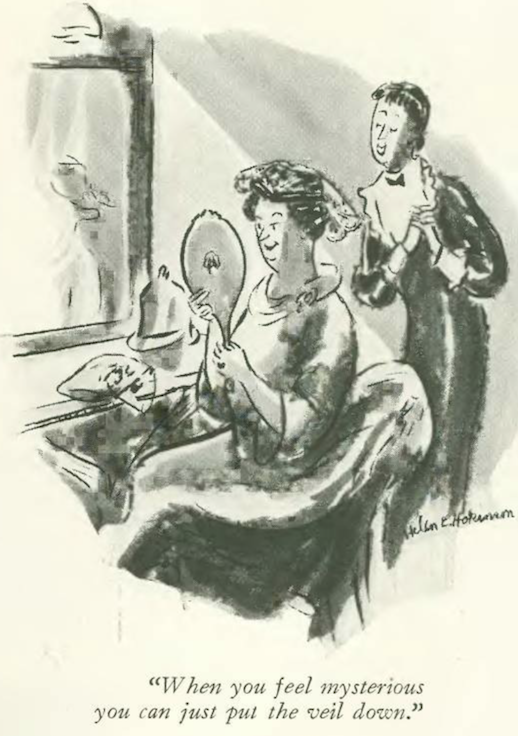
…Helen Hokinson’s girls questioned the burden of a lei…
…Carl Rose found himself on opposite sides of the page in this unusual layout…
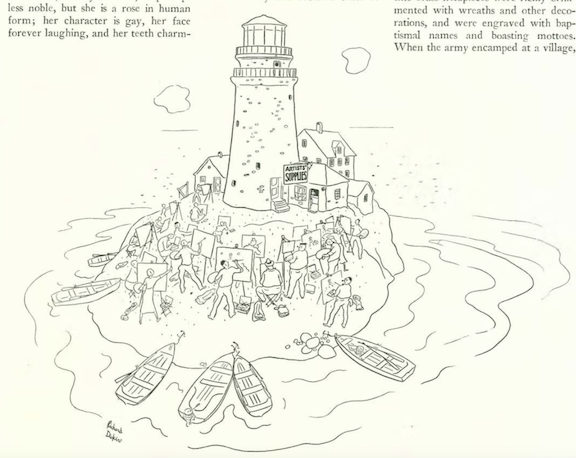
…Richard Decker joined the crowd in a lighthouse rendering…
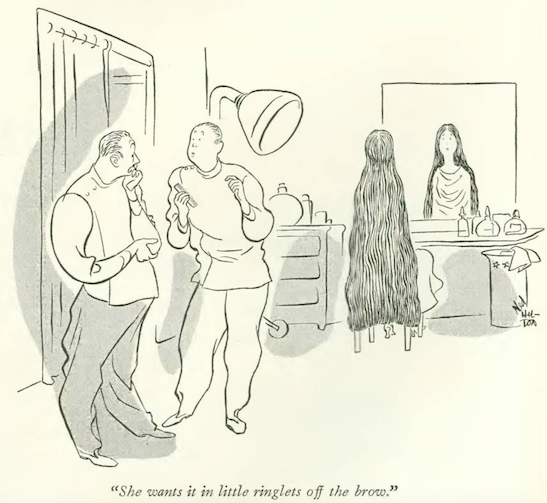
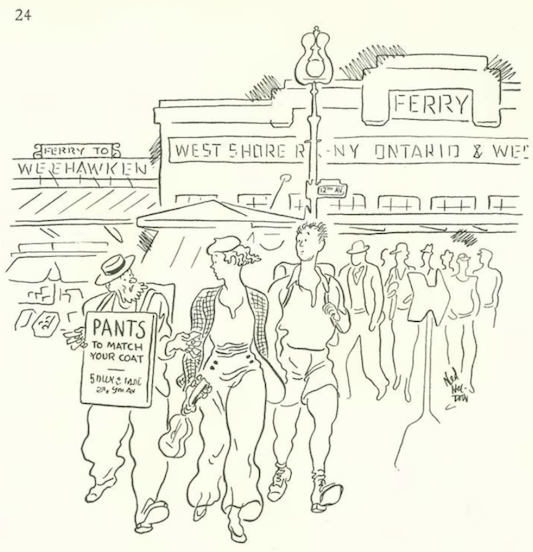
…Ned Hilton reminds us that it was unusual for women to wear trousers ninety years ago…
…Mary Petty examined the complications of marital discord…
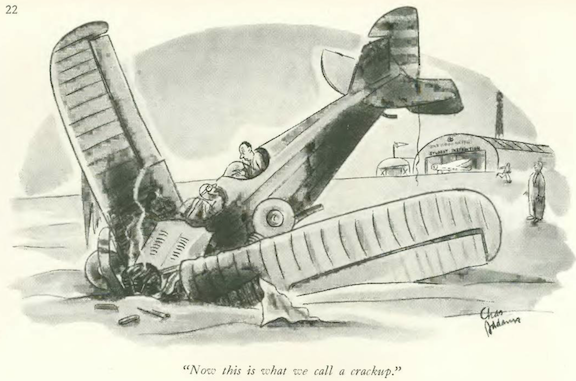
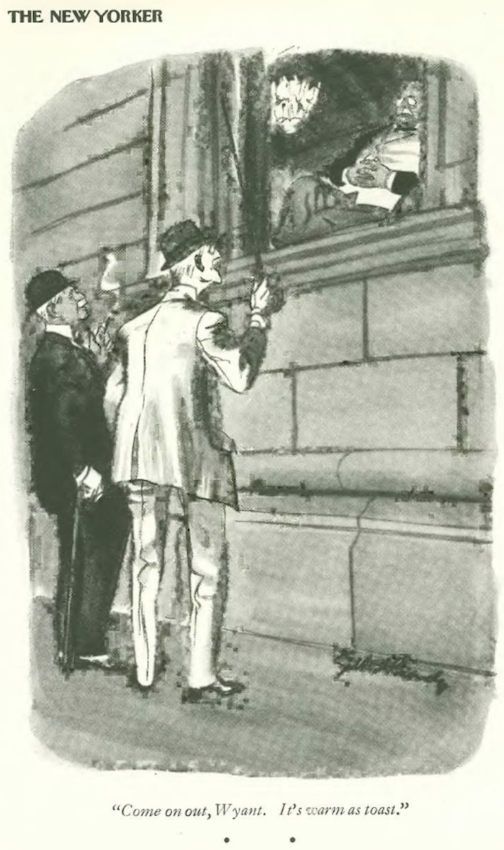
…and Charles Addams shone a blue light on a YMCA lecture…
…on to July 27, 1935, with a terrific summertime cover by William Steig…
July 27, 1935 cover by William Steig, one of his 117 covers for the magazine.
E.B. White (in “Notes and Comment”) was ahead of his time in suggesting that the city needed to build “bicycle paths paralleling motor highways” and invest in more pedestrian pathways.
NEW YORK’S FINEST…Doris Kopsky, who trained in Central Park, won the first Amateur Bicycle League of America Women’s Championship in 1937. Bicycle races were a big draw in the 1930s. (crca.net)
* * *
Breaking News
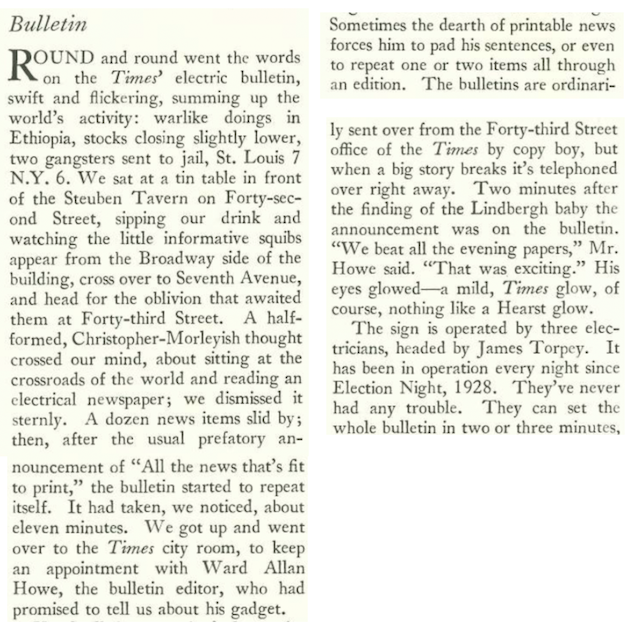
“The Talk of the Town” checked in on the New York Times’ “electric bulletin,” commonly known as “The Zipper.” Excerpt:
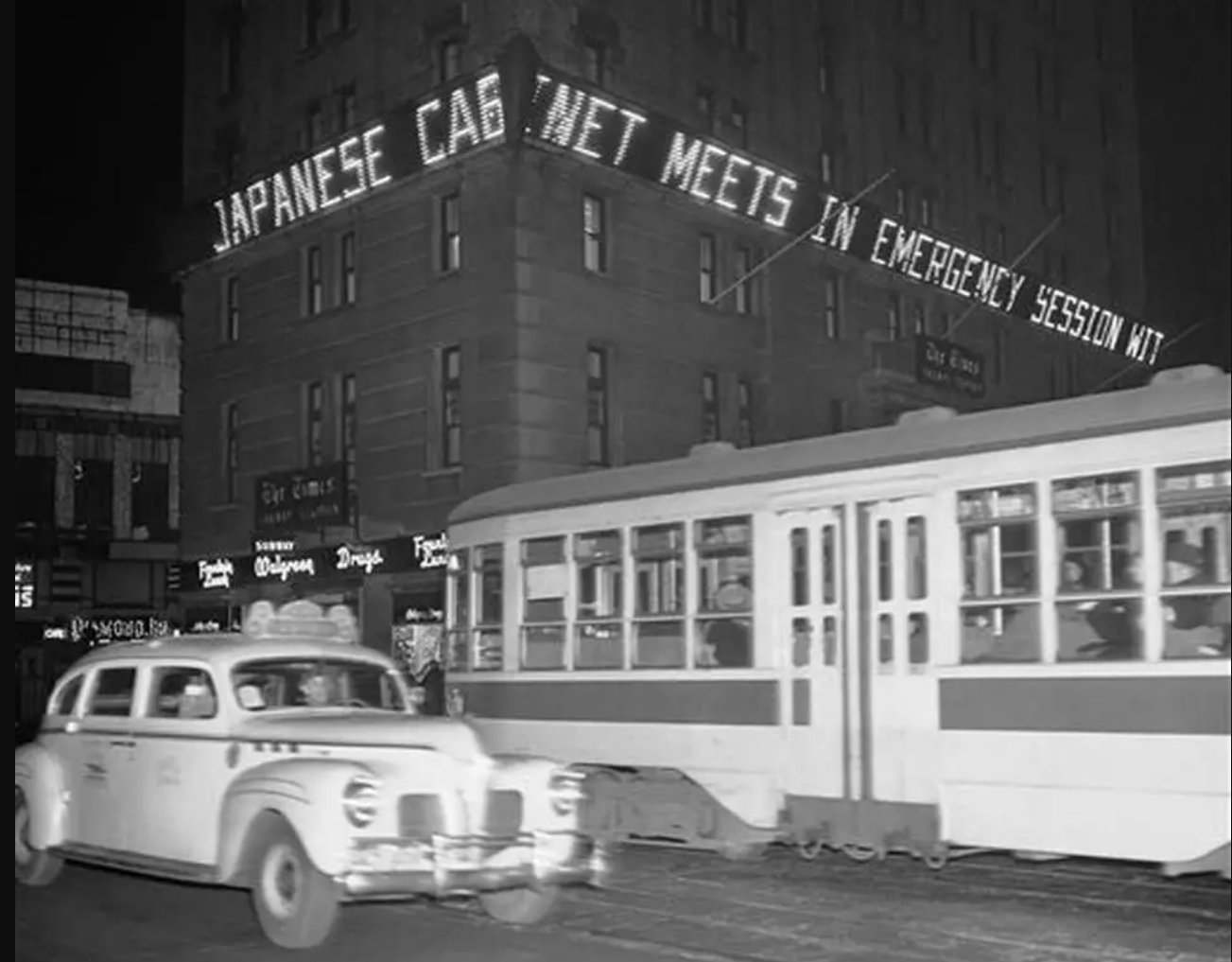
NIGHT CRAWLER…Launched in 1928, the Times Square “Zipper” kept New Yorkers apprised of breaking news. (cityguideny.com)
* * *
Dog Knots
“Talk” also took a look backstage at the Winter Garden, where burlesque performers shared the stage with a contortionist dog called “Red Dust.” Excerpt:
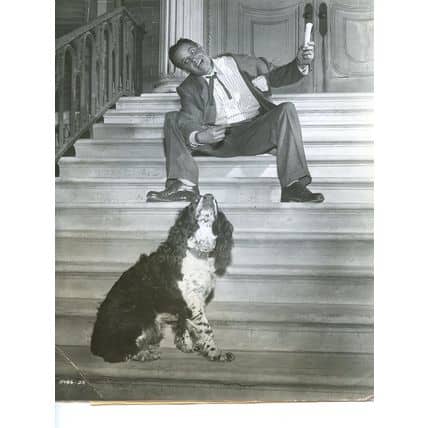
WOOF…Famed animal trainer Robert “Bob” Williams with one of his pupils. The dog in the photo is misidentified as Red Dust (he was actually a Malemute/chow mix).
* * *
Suddenly Famous
Charles Butterworth (1896-1946) earned a law degree from Notre Dame before becoming a newspaper reporter. But his life would take on a new twist in 1926 when he delivered his comical “Rotary Club Talk” at J.P. McEvoy’sAmericana revue in 1926. Hollywood would come calling in the 1930s, and his doleful-looking, deadpan characters would become familiar to movie audiences through a string of films in the thirties and forties. Alva Johnston profiled Butterworth in the July 27 issue. Here are brief excerpts:
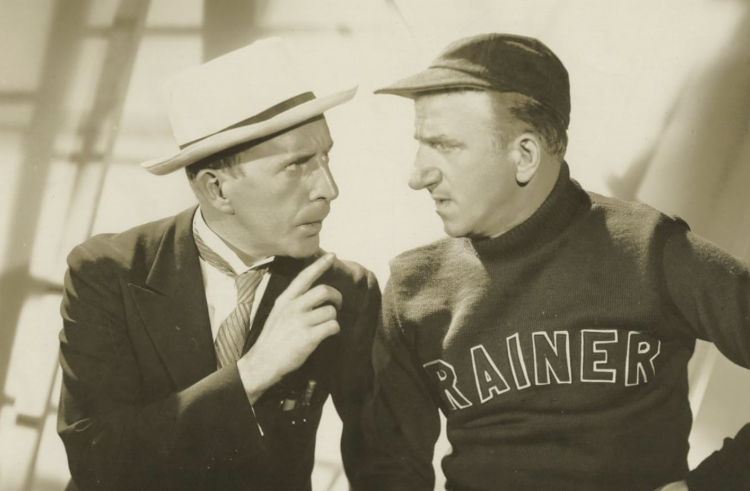
Charles Butterworth (left) and Jimmy Durante in Student Tour (1934). A bit of trivia: Butterworth’s distinctive voice was the inspiration for the Cap’n Crunch commercials voiced by Daws Butler beginning in the early 1960s. Butterworth’s life was cut short in 1946 when he crashed his imported roadster into a lamppost on Sunset Boulevard. (Detail from film still via IMDB)
* * *
Noisy Neighborhood
The “Vienna Letter” (written by “F.S.”–possibly Frank Sullivan) noted the rumblings of fascism in a grand old European city known for its many cultural delights as well as its many factions that included Nazis, Socialists and Communists (and no doubt a few Royalists). An excerpt:
CALM BEFORE THE STORM…Vienna in 1935, less than three years before the Anschluss, when Nazi Germany annexed Austria. (meisterdrucke.us)
* * *
Ex Machina
The Pulitzer Prize-winning poet and author Stephen Vincent Benét (1898-1943) penned this poem for The New Yorker that is somewhat appropriate to our own age and our fears of the rise of A.I. In “Nightmare Number Three,” Benét described a dystopian world where machines have revolted against humans.
BOTH CLASSY AND FOLKSY is how some today describe Stephen Vincent Benét, who in 1928 wrote a book-length narrative poem of the American Civil War, John Brown’s Body, for which he received the Pulitzer Prize for Poetry. He was also know for such short stories as The Devil and Daniel Webster, published in 1936. (mypoeticside.com)
* * *
From Our Advertisers
We begin with more extraordinary claims from R.J. Reynolds, who convinced a lot of folks that drawing smoke into your lungs actually improved your athletic stamina…
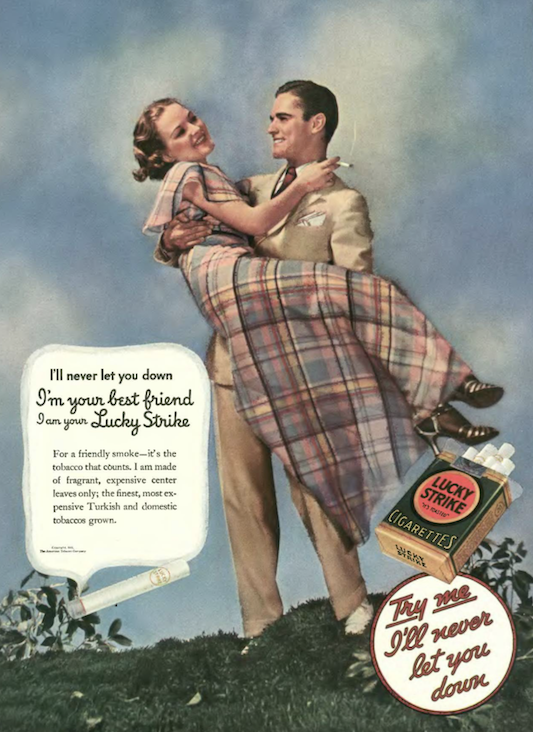
…the makers of Lucky Strike, on the other hand, stuck with images of nature and romance to suggest the joys of inhaling tar and nicotine…
…General Tire took a cue from Goodyear, suggesting that an investment in their “Blowout-Proof Tires” was an investment in the very lives of a person’s loved ones (even though they apparently drove to the beach without seatbelts or even a windshield)…
…another colorful advertisement from the makers of White Rock, who wisely tied their product to ardent spirits as liquor consumption continued to rebound from Prohibition…
…I toss this in for the lovely rendering on behalf of Saks…it looks like the work of illustrator Carl “Eric” Erickson, but he had many imitators…
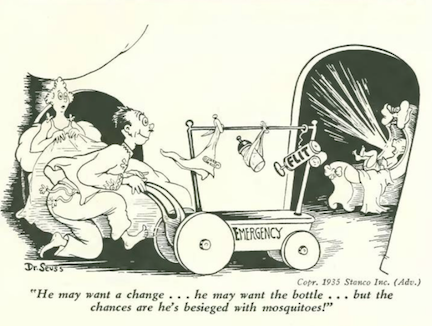
…we do, however, know the identity of this artist, and his drawings on behalf of the pesticide Flit, which apparently in those days of innocence was thought appropriate for use around infants…
…great spot drawing in the opening pages…I should know the signature but it escapes me at the moment…
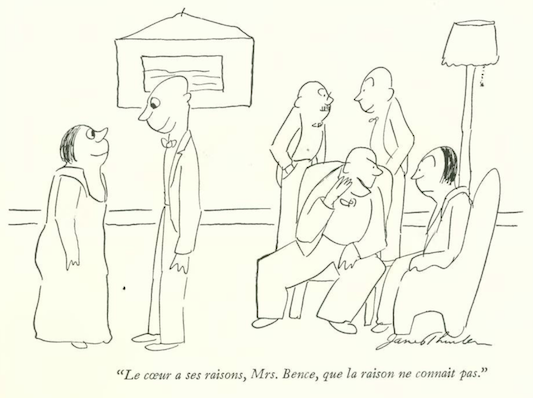
…James Thurber quoted Blaise Pascal for this tender moment ( “The heart has its reasons, of which reason knows nothing”)…
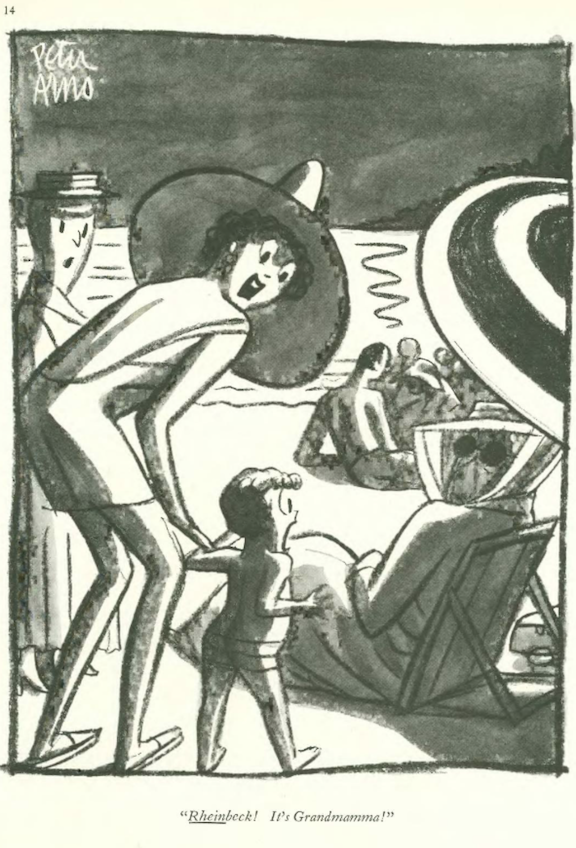
…Peter Arno illustrated the horrors of finding one’s grandmother out of context…
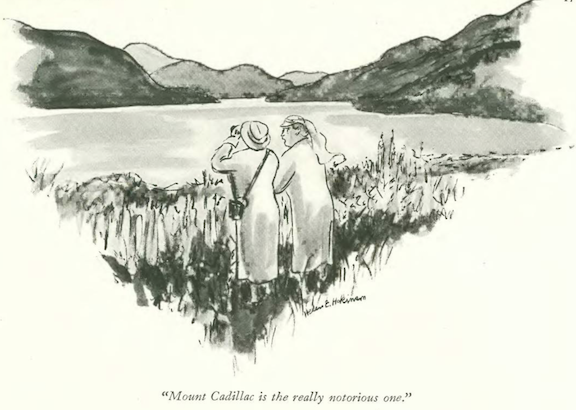
…Helen Hokinson’s girls employed a malaprop to besmirch the good name of an innocent mountain…
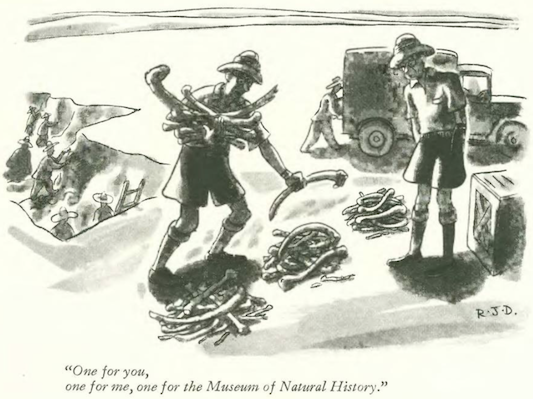
…Richard Decker discovered the missing link(s) with two archeologists…
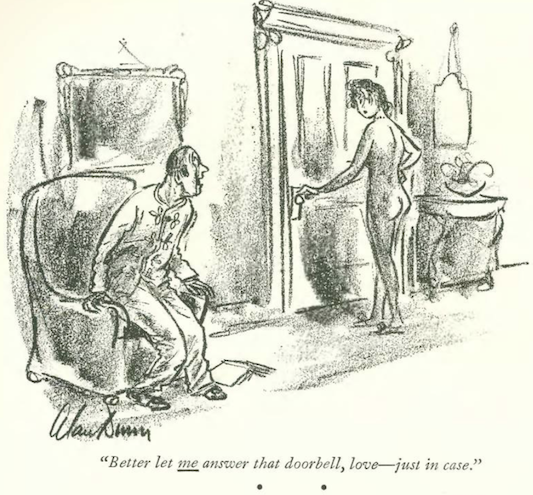
…Alan Dunn narrowly averted a surprise greeting…
…George Price added a new twist to a billiards match…
…Price again, at the corner newstand…
…Al Frueh bit off more than he could chew…
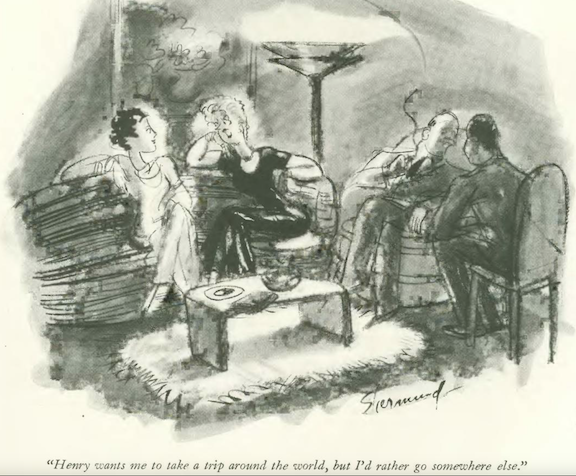
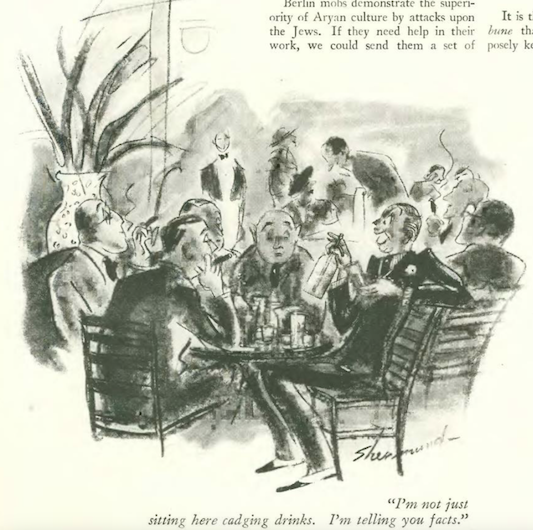
…and we close with Barbara Shermund, and a prattling mooch…
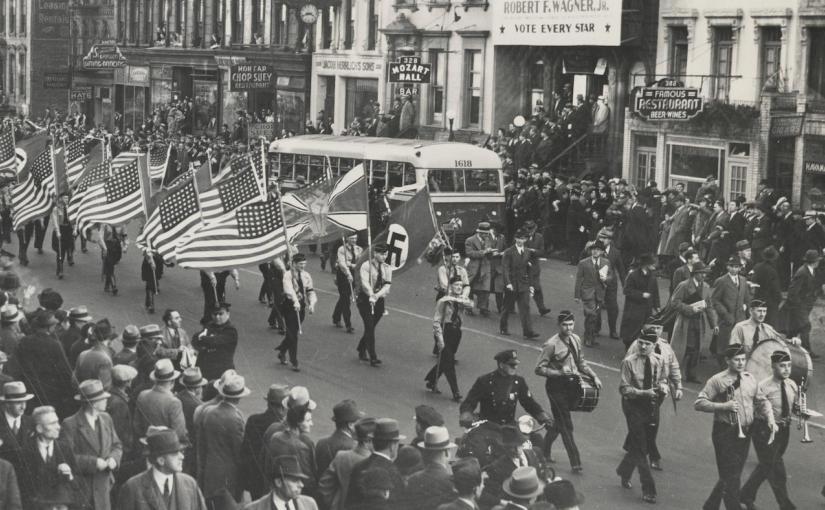
Above: A German American Bund parade in New York City on East 86th Street. Oct. 30, 1937. (Library of Congress)
Among the many ethnic enclaves of 1930s New York City was a neighborhood that was feeling the influence of world events, and not necessarily in a good way.
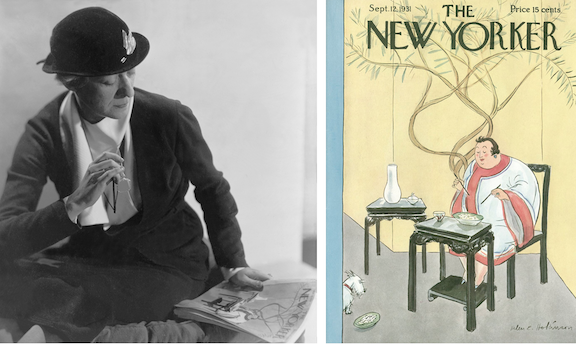
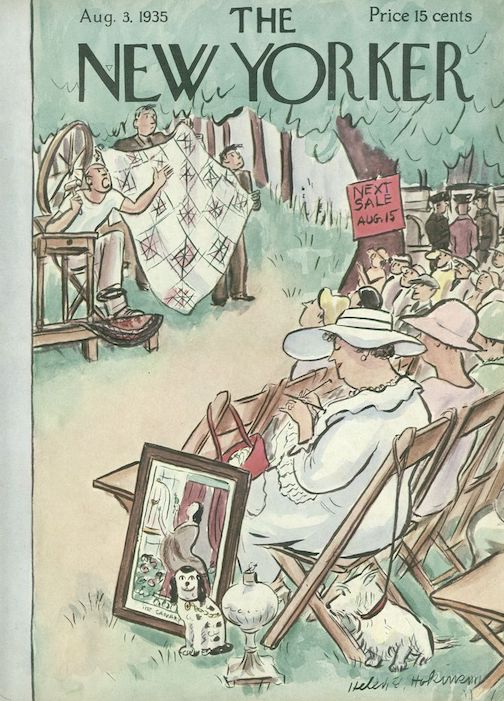
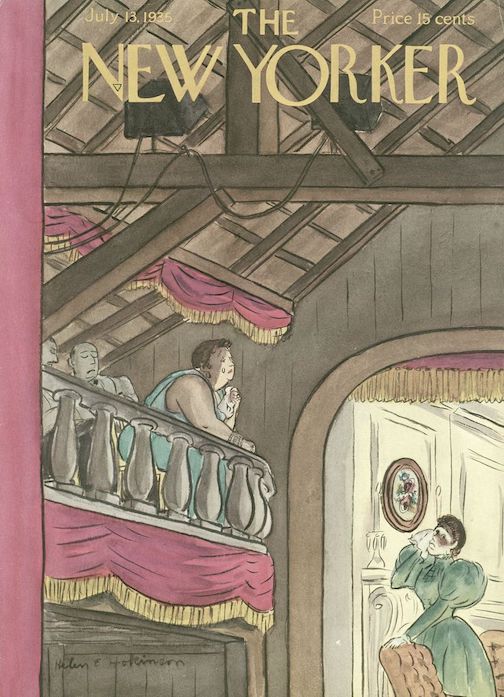
July 13, 1935 cover by Helen Hokinson. One of the first cartoonists to be published in The New Yorker, she appeared in the magazine for the first time in the July 4, 1925 issue. She contributed 68 covers and more than 1,800 cartoons to the magazine.
Journalist Chester L. Morrison looked at life among German immigrants on the Upper East Side for “A Reporter at Large.” Under the title “Muenchen Im Kleinen” (Little Munich), Morrison examined the everyday life of the Yorkville district between East 79th and East 96th streets.
Germans had settled in New York City almost from its first days, and by 1885 the city had the third-largest German-speaking population in the world, outside of Vienna and Berlin, the majority settling in what is today the East Village. Following the General Slocum disaster in 1904, German settlement migrated to Yorkville, which was commonly referred to as Germantown. Here are excerpts of Morrison’s observations:
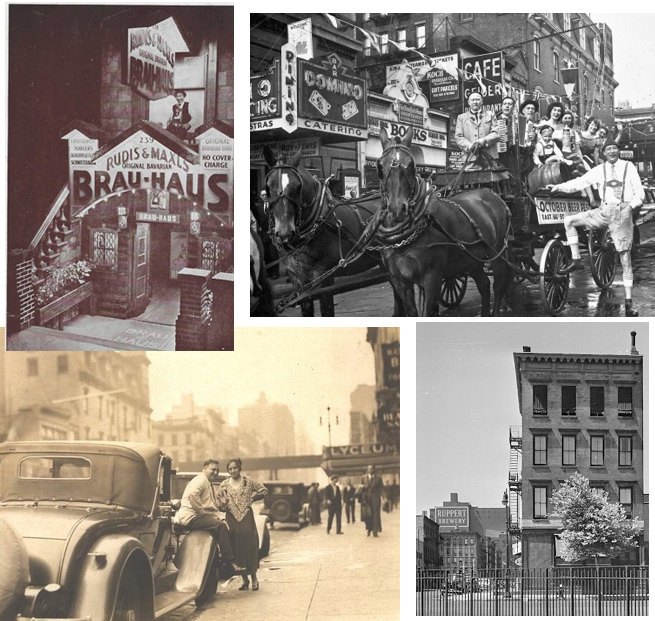
ENCLAVE…Clockwise, from top left, Rudi and Maxl’s Brau-Haus at 239 East 86th; Oktoberfest celebration in Yorkville, undated; Walker Evans photo with Rupert Brewery sign in the background; the Yorkville neighborhood in the 1930s with the old Third Avenue El in the background. (postcardhistory.net/boweryboyshistory.com/metmuseum/gothamcenter.org)
With the rise of the Nazi Party in Germany in the 1930s, a pro-Hitler group called the German-American Bund began to organize street rallies and marches on 86th Street and on 2nd Avenue. Although they represented a minority of German settlers, the Bund made itself visible in parades and other public events that culminated in a mass demonstration at Madison Square Garden in 1939. The Bund also organized training camps for young men outside of the city, such as Camp Siegfried in Yaphank, L.I.
Morrison noted that Yorkville homes looked like many others across the city, that is until you saw the pictures on their walls.
SCOUT’S HONOR?…At a German-American Bund camp in Andover, New Jersey, young campers stand at attention as the American flag and the German-American Youth Movement flag are lowered at sundown, July 21, 1937. (AP)THE MADNESS OF CROWDS…A German-American Bund color guard marches through Madison Square Garden, Feb. 20, 1939. (AP)
* * *
Garden Varieties
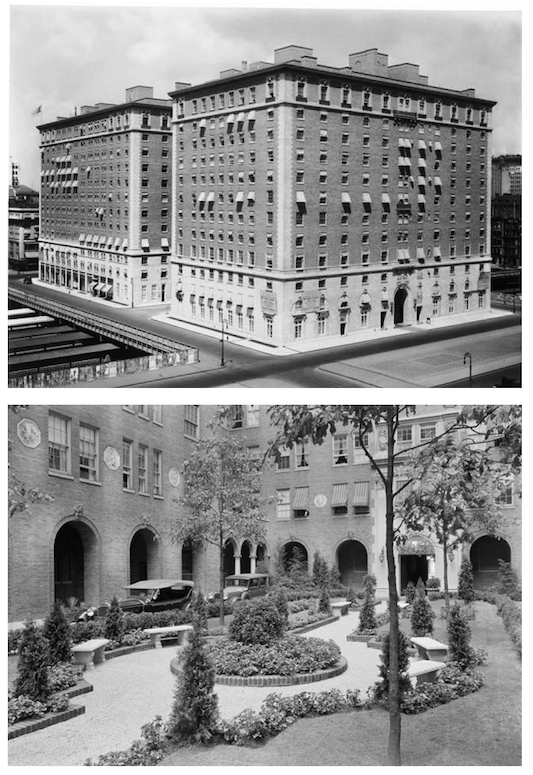
Now for a palate cleanser as we turn to Lois Long and her “Tables For Two” column, in which she examined the confluence of hotel gardens and marriage proposals. Excerpts:
OASIS…Lois Long recommended the Hotel Marguery’s formal garden as a place to “fritter away” an afternoon. The hotel was demolished in 1957 to make way for the Union Carbide Building. (Museum of the City of New York)A COOL, SWISS CHALET was how Long described the new Alpine Room in the basement of the Gotham Hotel. (daytoninmanhattan.blogspot.com)
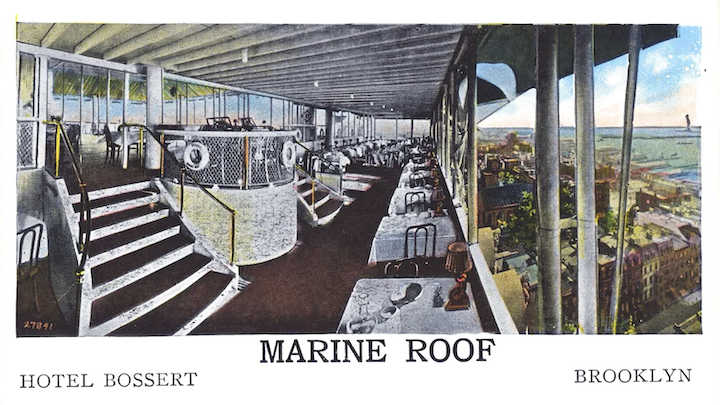
Long continued as she set her sights on Brooklyn…
HE WILL LIKELY SAY YES, according to Long, if you got your beau to accompany you to the roof of the Hotel Bossert in Brooklyn. (brownstoner.com)THE TUNEFUL SURROUNDINGS of the Famous Door were a bit too crowded for Long, however this group seems to have had plenty of room to enjoy the greats Ben Webster, Eddie Barefield, Buck Clayton, and Benny Morton on stage at the Famous Door in 1947. (Wikipedia)
* * *
Monster Mash-up
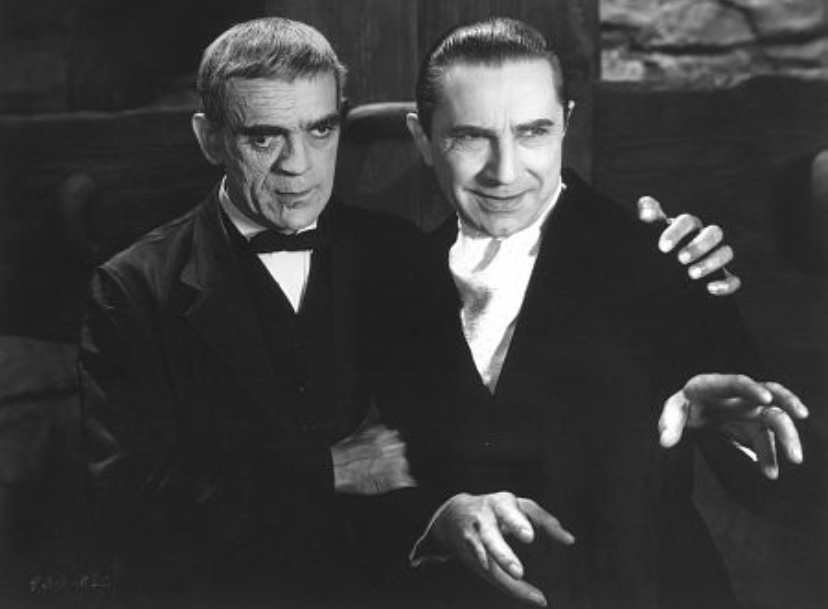
Boris Karloff and Bela Lugosi are synonymous with 1930s monster flicks (they did eight together) but their latest outing, The Raven, left critic John Mosher wondering where the Poe was in the midst of this “sadistic trifle.”
BUDDY FILM…The Raven (which had almost nothing to do with Edgar Allen Poe’s famous narrative poem) was the third of eight films that featured Boris Karloff and Bela Lugosi. According to film historian Karina Longworth, thanks to a wave of monster movie hits in the 1930s, these two middle-aged, foreign, struggling actors became huge stars. (cerealatmidnight.com)TYPECAST? WHO CARES?…Bela Lugosi and Boris Karloff in 1932. Despite being monster movie rivals, the two seemed get along well off-screen, perhaps appreciating their mutual good fortune. (beladraculalugosi.wordpress.com)
* * *
Ode to Education
Clarence Day, best known for his Life With Father stories, also contributed a number of cartoons to The New Yorker that were accompanied by satirical poems…here he examines attempts at education in the arts and sciences…
* * *
From Our Advertisers
We start at the back of the book, and a couple of one-column ads (appearing on the opposite sides of the same page) that catered to very different clientele…
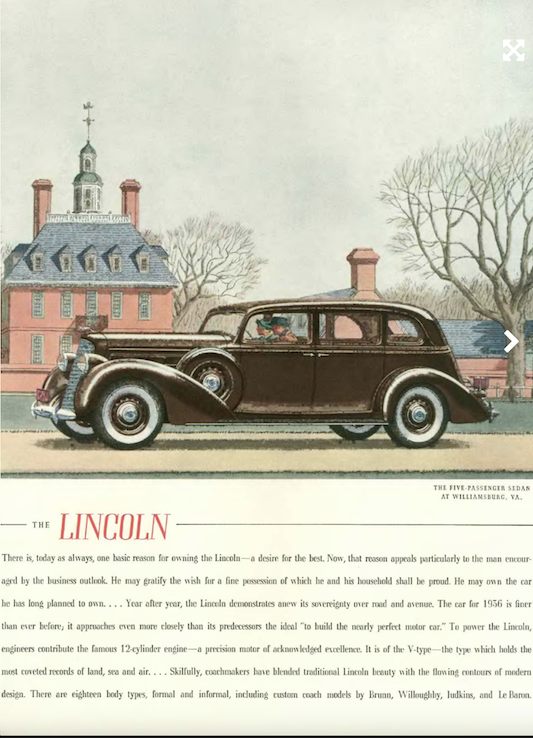
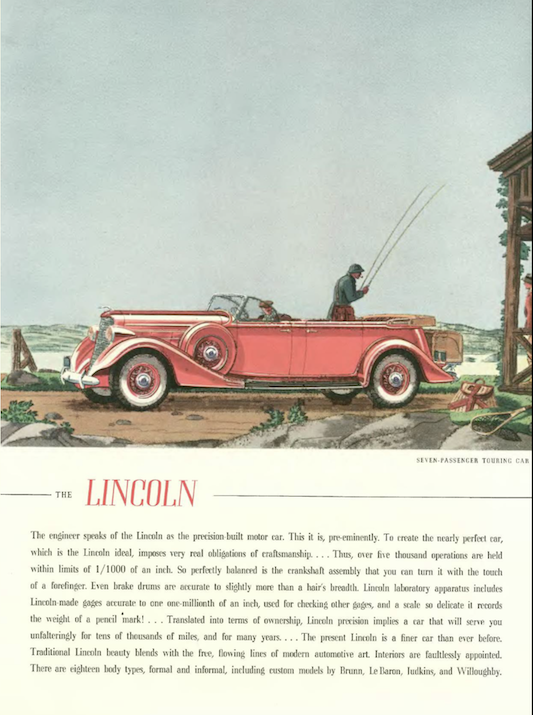
…the makers of Lincoln luxury cars knew the type of client they were fishing for here…
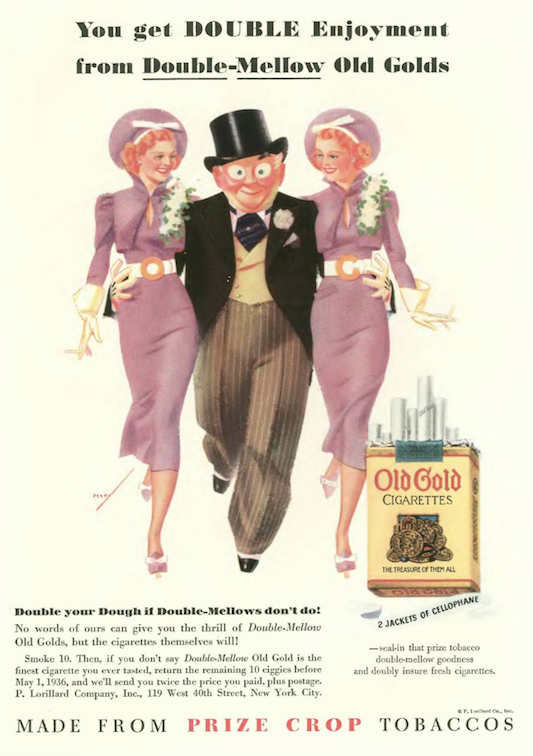
…pin-up artist George Petty continued exploring his beauty and the beast theme on behalf of Old Gold cigarettes…
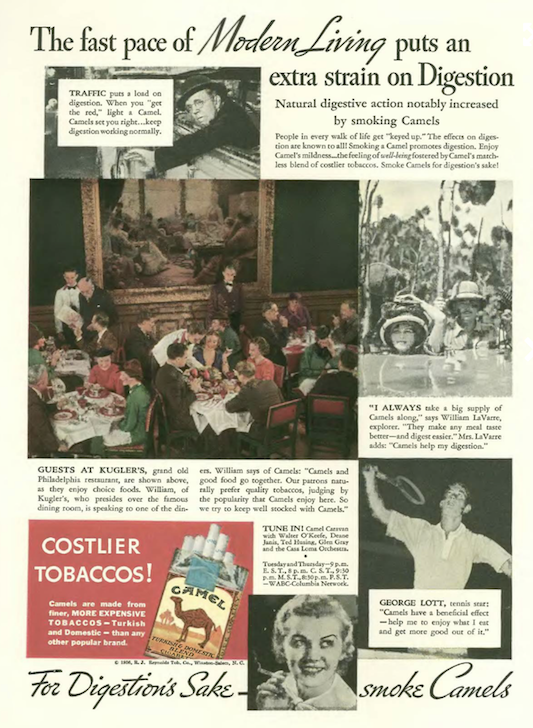
…and Camel offered more reasons why you should smoke your way to athletic glory…
…this inside back cover advertisement reminds us that we are indeed back in 1935…
…as does this one from Dr. Seuss, with a shot of insecticide for a talking toddler…
…on to our cartoonists, beginning with Charles Addams and some Navy hijincks…
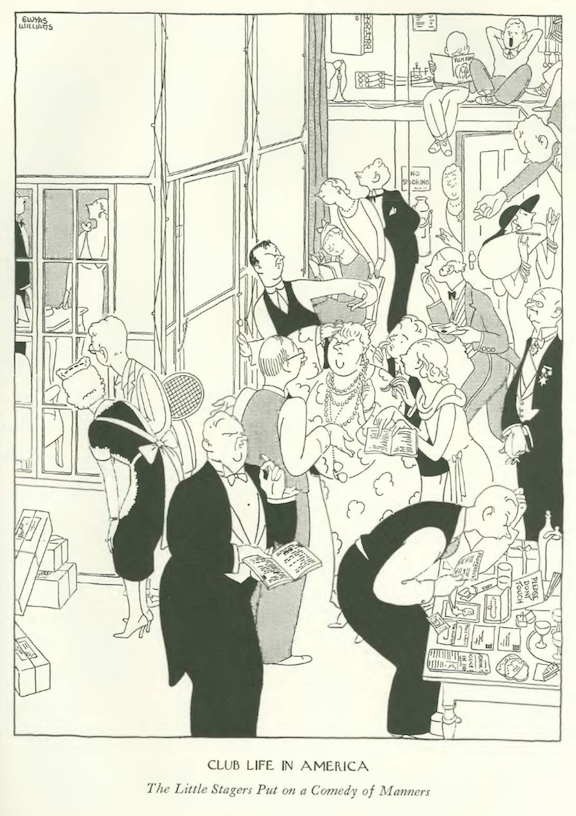
…Gluyas Williams offered his latest take on American club life…
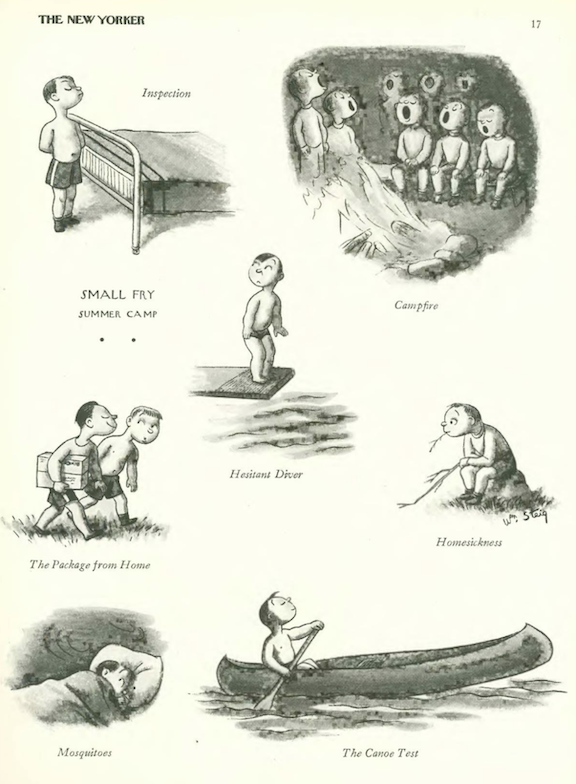
…William Steig took us to summer camp…
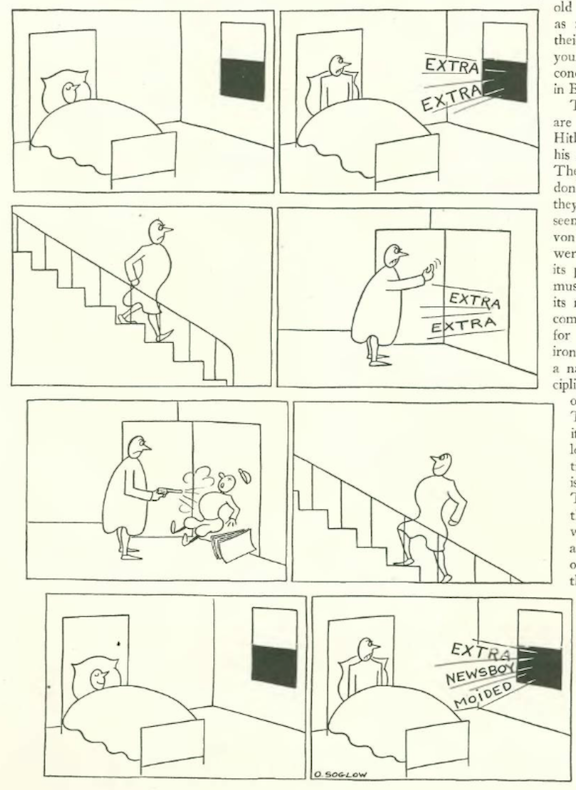
…Otto Soglow looked for a good night’s rest…
…Mary Petty explored the latest in bathing fashions…
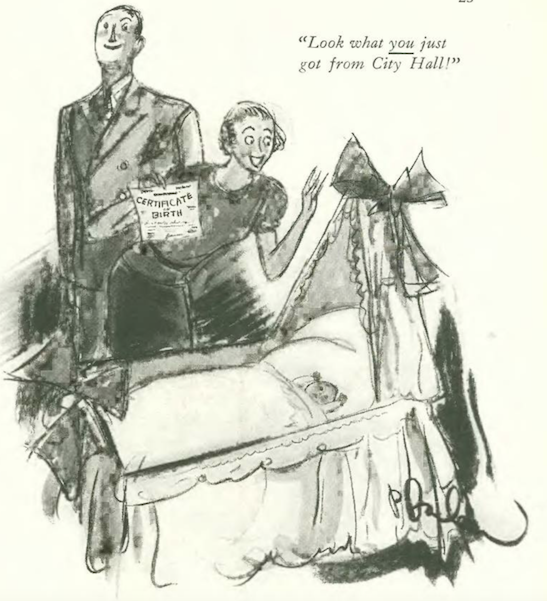
…Perry Barlow introduced us to some proud parents…
…and to close with Helen Hokinson, who showed us some innocents abroad…
Above: Detail from Spanish architect David Romero's computer-generated model of Frank Lloyd Wright's Broadacre City, complete with an "aerotor" flying car.
To be sure, architect Frank Lloyd Wright was a visionary, creating a uniquely American vernacular that influences architecture and design to this day. That might also true for his Broadacre City concept, which demonstrated how four square miles (10.3 km2) of countryside might be settled by 1,400 families. Wright unveiled this escape to the countryside in the middle of Manhattan.
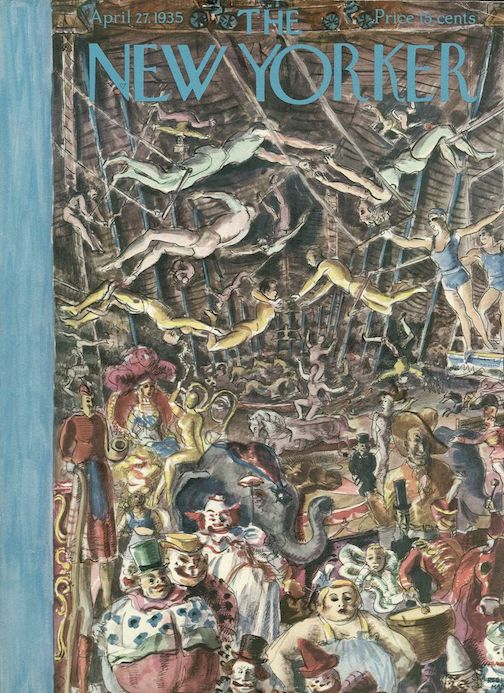
April 27, 1930 cover by Reginald Marsh.
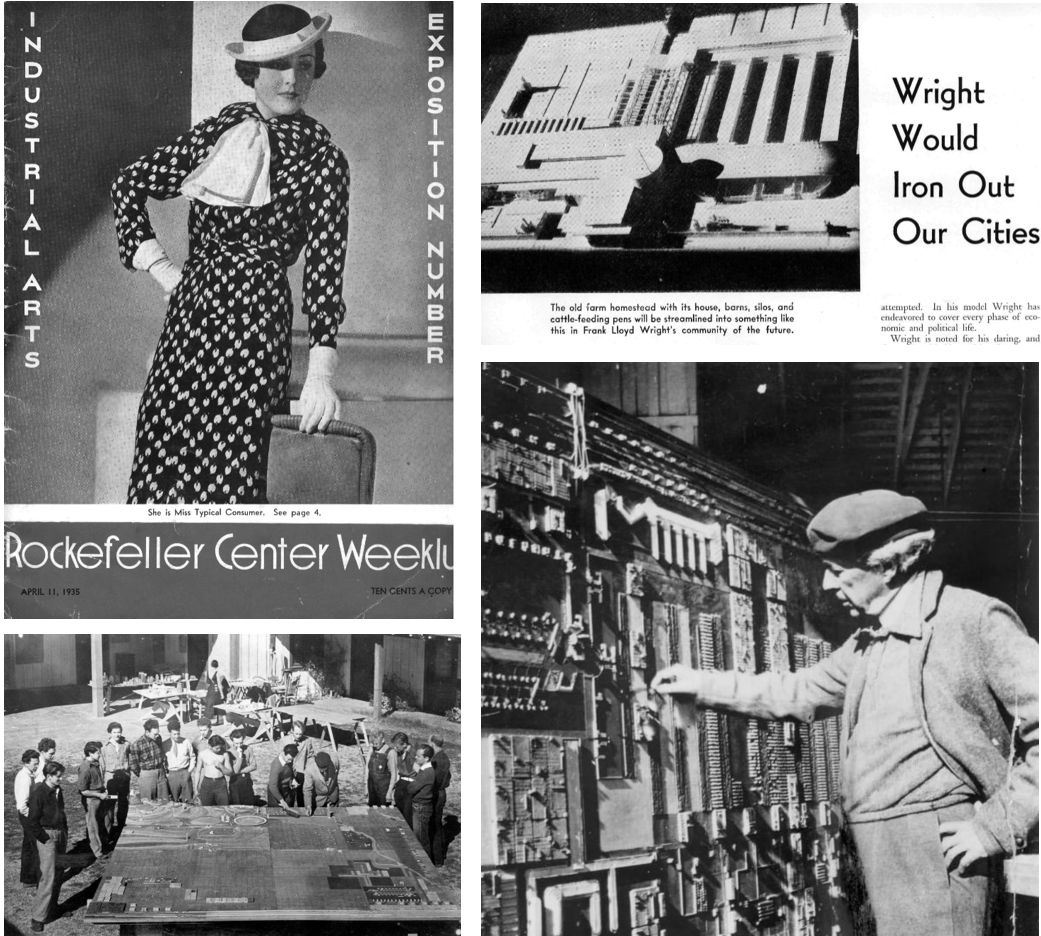
On April 15, 1935, the Industrial Arts Exposition opened at Rockefeller Center, and Wright (1867-1959) was front and center with his audacious proposal to resettle the entire population of the United States onto individual homesteads. Critic Lewis Mumford observed that Wright “carries the tradition of romantic isolation and reunion with the soil” by putting every American family on a minimum of five acres of land.
FLAT EARTH…Clockwise, from top left, cover of Rockefeller Center Weekly featuring the Industrial Arts Exposition—the model on the cover is identified as “Miss Typical Consumer”; detail from the magazine depicting a “streamlined farmstead” in Broadacre City; Frank Lloyd Wright examining the Broadacre City model, circa 1935; Wright students who crafted the 12×12-foot model, circa 1935. (digital.hagley.org/franklloydwright.org)
Wright first presented the idea of Broadacre City in his book The Disappearing City in 1932…
ROMANTIC ISOLATION…Broadacre City as depicted in Wright’s 1932 book The Disappearing City. (Wikipedia)
…note how the above drawing is reflected in one of Wright’s last designs, the Marin County Civic Center:
(visitmarin.org)
A detailed 12×12-foot scale model of Broadacre City—crafted by Wright’s student interns at Taliesin, was unveiled at the Industrial Arts Exposition:
GREEN ACRES…The 12×12-foot model (top images) crafted by student interns who worked for Wright at Taliesin is now housed at the Museum of Modern Art (MoMA); bottom right, Wright’s rendering of Broadacre City, and at left, detail from Spanish architect David Romero’s computer-generated model of Broadacre City (more images below). (MoMA/David Romero via Smithsonian)
For the most part Mumford reacted favorably to Wright’s vision, which is no surprise considering that Mumford derided the dehumanizing skyscrapers popping up all over his city (including Rockefeller Center).
Despite his patrician demeanor, Wright envisioned an egalitarian Broadacre City, with every family having access to cars, telephones and other appliances. Power would come from solar and electric energy, and any technological advances would be applied at a local level toward the common good.
VIRTUAL REALITY…In 2018 Spanish architect David Romero created computer-generated models to see what Wright’s unrealized structures might have looked like. At left, cars (based on Wright concepts) in Broadacre City, and an aerial view featuring a tower that bears a strong resemblance to Wright’s 1956 Price Tower in Bartlesville, Oklahoma. Modeling Broadacre took Romero more than eight months to complete—it contains more than one hundred detailed buildings, one hundred ships, two hundred “aerotors” (based on the autogyros of the day), 5,800 cars, and more than 250,000 trees. (David Romero via Smithsonian and openculture.com)
What Mumford (and perhaps Wright) didn’t fully anticipate was the urban sprawl such a vision would help inspire, the suburban and exurban landscape that would lead to a car-dominated world of congested, multi-lane highways and housing developments that continue to encroach on our woodlands and wetlands. And we didn’t get those groovy aerotors either.
(Christoph Gielen, webcolby.edu)
* * *
Little House on the Avenue
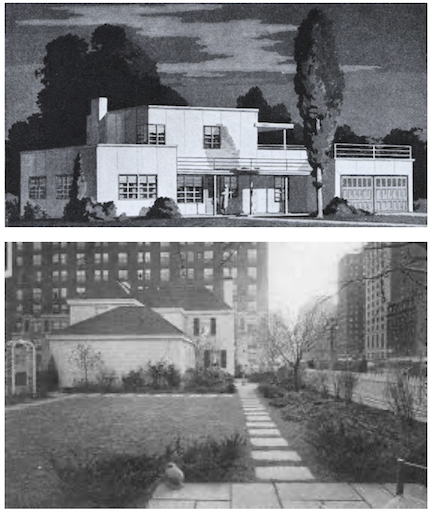
E.B. White, in his “Notes and Comment,” also offered some observations on housing trends, noting the manufactured “Motohome” displayed at Wanamaker’s as well as “America’s Little House,” plopped down at the corner of 39th and Park Avenue.
SETTING A STANDARD…Above, the factory-manufactured Motohome (above) was touted as the solution to the nation’s housing shortage. The federal Better Homes in America organization built a model house (“America’s Little House,” below) at 39th and Park Avenue to illustrate how standardized components and methods could make home improvement easier. (Google Books/Johns Hopkins)
* * *
Horsing Around
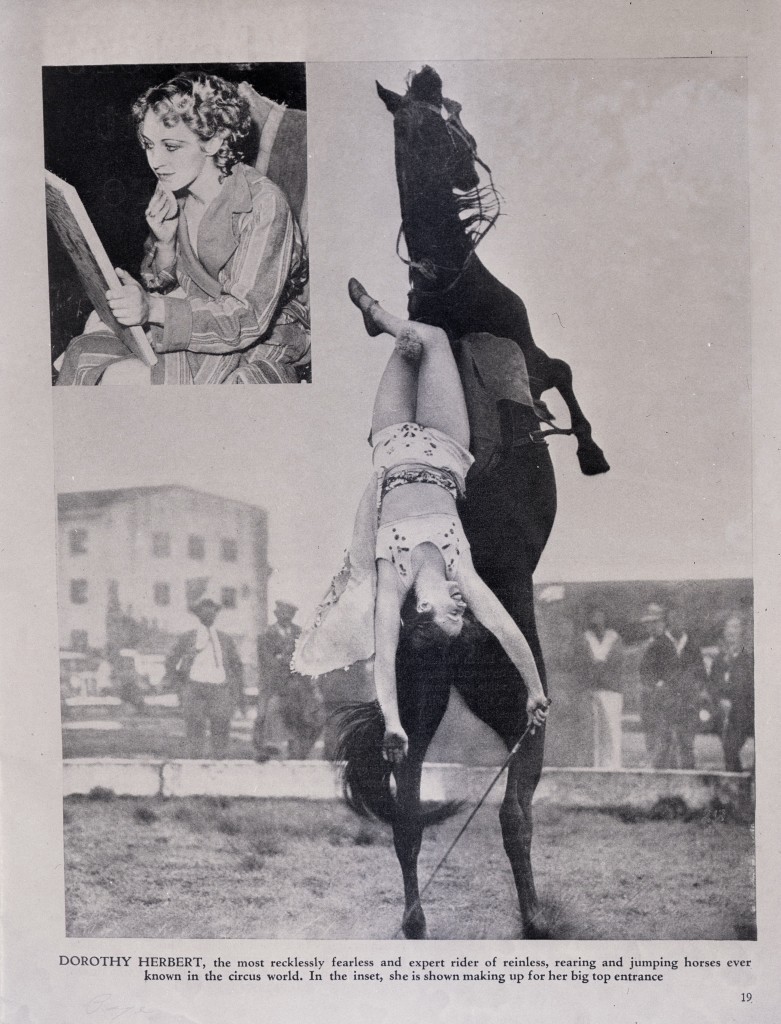
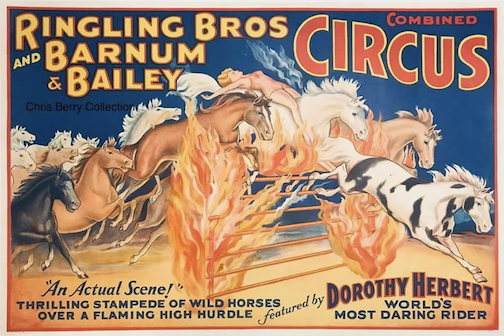
Although known for their nonchalance, New Yorkers could still find some enthusiasm when the circus came to town. “The Talk of the Town” looked in on the star of the circus, Dorothy Herbert (1910-1994), a trick rider with the Ringling Bros. and Barnum & Bailey Circus.
WHOA NELLY…One of Dorothy Herbert’s signature moves was her layback on a rearing horse. Here she demonstrates the move in 1939. (equineink.com)HOT STUFF…Circus poster touts Herbert’s ride over flaming hurdles in the company of twelve riderless horses. (circushistory.org)
* * *
Don’t Call Him ‘Tiny’
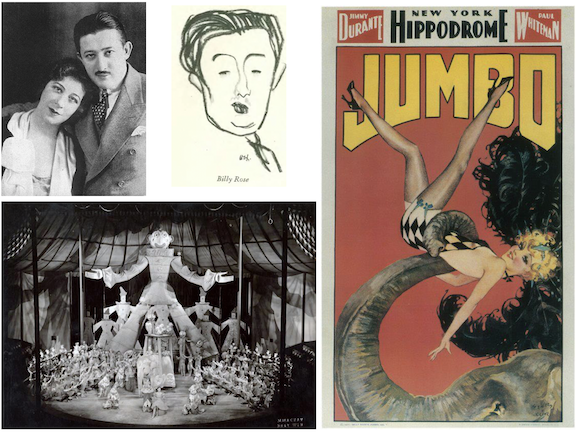
He was known as “The Little Napoleon of Showmanship,” but there was nothing small about Billy Rose’s accomplishments as an impresario, theatrical showman, composer, lyricist and columnist. Here are excerpts from Alva Johnston’s profile:
JUMBO-SIZED ENTERTAINMENT…Clockwise, from top left, Billy Rose and his first wife, comedian-actress Fanny Brice; illustration of Rose for the profile; poster announcing Rose’s 1935 stage spectacle Jumbo at the Hippodrome; described as more circus than musical comedy, Jumbo was one of the most expensive theatrical events of the first half of the 20th century. (jacksonupperco.com)
* * *
On Guard
We shift gears and turn to more sobering events of the 1930s, namely the rise of fascism in Europe. In his column “Of All Things,” Howard Brubaker pondered the possibilities of fascism in his own country…
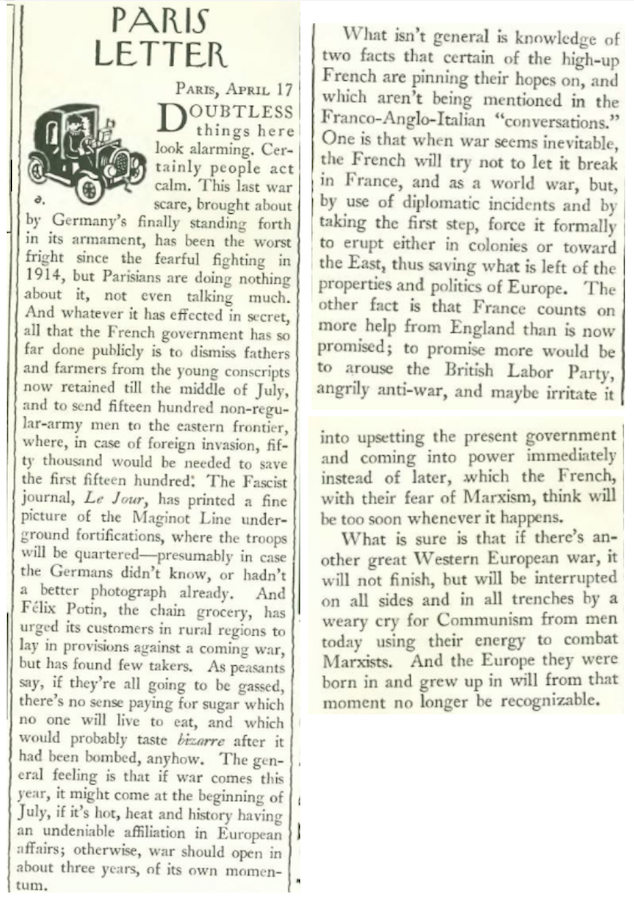
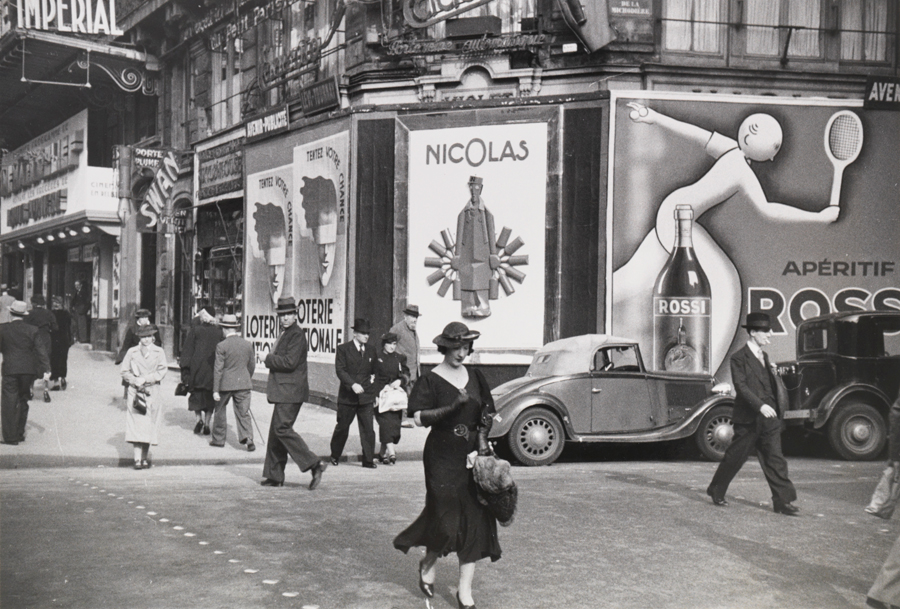
…meanwhile, Paris correspondent Janet Flanner was finding nothing funny about the uneasy calm among Parisians as war with Germany seemed likely.
C’EST LA VIE…Janet Flanner found Parisians resigned to whatever fate awaited them in 1935. (unjourdeplusaparis.com)
Flanner also remarked on Leni Riefenstahl’s Nazi propaganda film Triumph des Willens (Triumph of the Will). Flanner’s assessment of this “best recent European pageant” wryly underscored the horrors the film portends.
* * *
News From An Old Friend
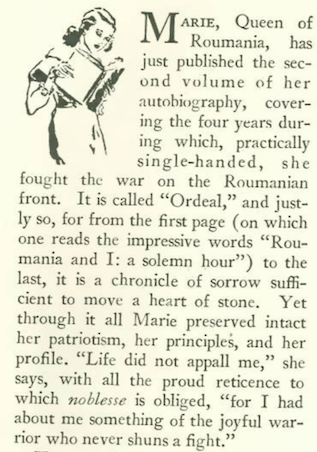
Longtime readers may recall one of my earliest entries on Queen Marie of Romania (1875-1938); the March 14, 1925 edition of The New Yorker (issue #4) found New Yorkers “agog” over her planned 1926 visit to the city. Her comings and goings were followed for a time (she also appeared in a Pond’s Cold Cream ad in the June 6, 1925 issue), but then she abruptly disappeared. Here she is again, courtesy of a glowing book review by Clifton Fadiman. An excerpt:
A PROGRESSIVE THINKER for her time, Marie of Romania was immensely popular in America. Born into the British royal family, she was the last queen of Romania from 1914 to 1927. At left, portrait from 1920; at right, during her 1926 visit to the States, Marie received a headdress from two American Indian tribes. They named her “Morning Star” and “Winyan Kipanpi Win”—“The Woman Who Was Waited For.” (Wikipedia/brilliantstarmagazine.org)
* * *
From Our Advertisers
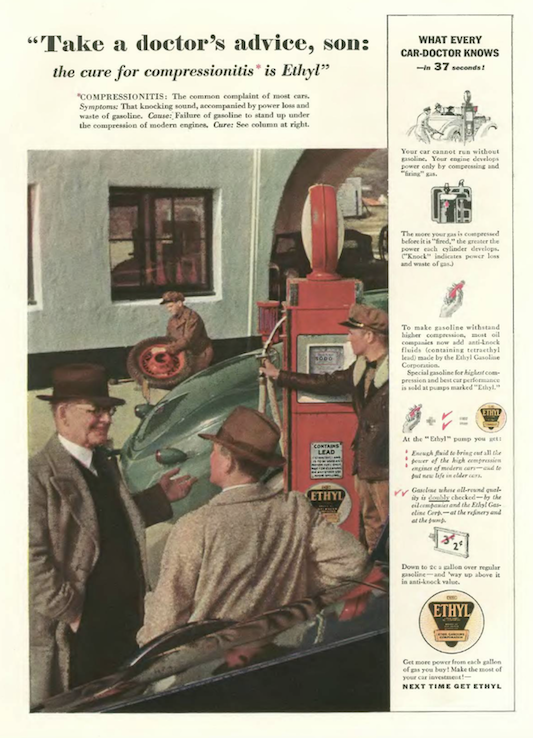
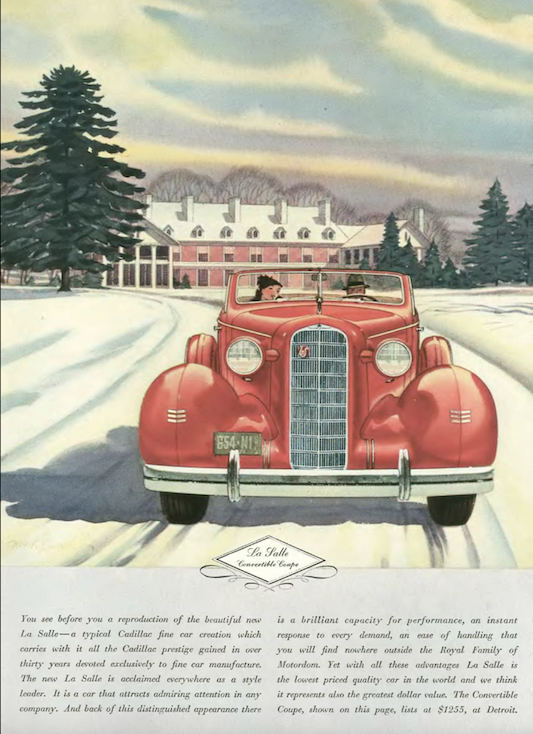
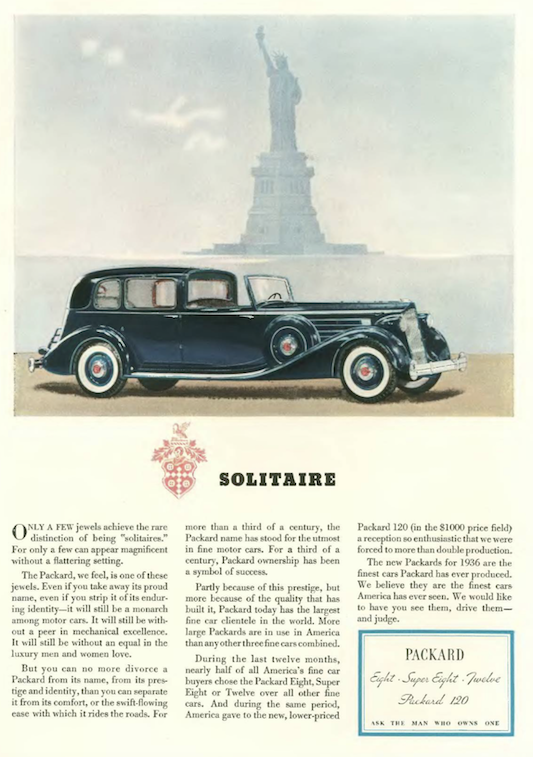
Although we’ve seen plenty of ads from prestige automakers such as Packard, it was clear that companies found their sweet spot in lower-priced models that still suggested “prestige”…here’s an example from Cadillac’s budget line LaSalle…
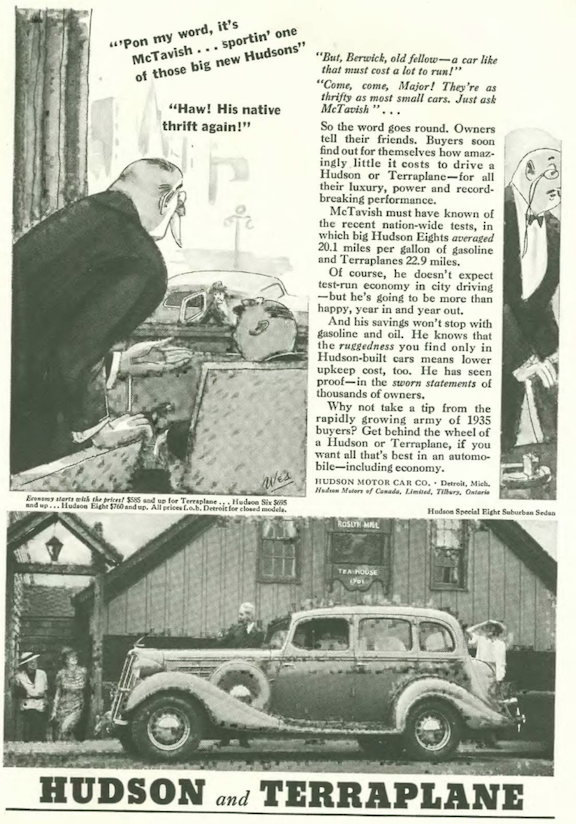
…for less than half the price of a LaSalle you could get behind the wheel of Hudson, its makers suggesting that prestige doesn’t preclude thrift…this ad seems to have been hastily produced–note the right side of ad, with just a slice of some toff squeezed next to the copy…
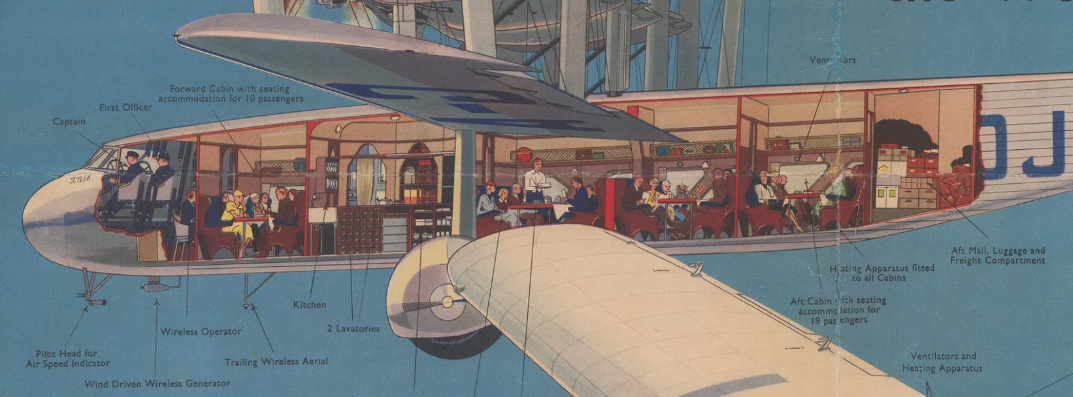
…this advertisement would only appeal to those who were among the tiny minority who could afford to fly…from 1924 to 1939 this early long-range airline served British Empire routes to South Africa, India, Australia and the Far East…
…for reference, detail below of a Scylla-class airliner used by Imperial Airways…
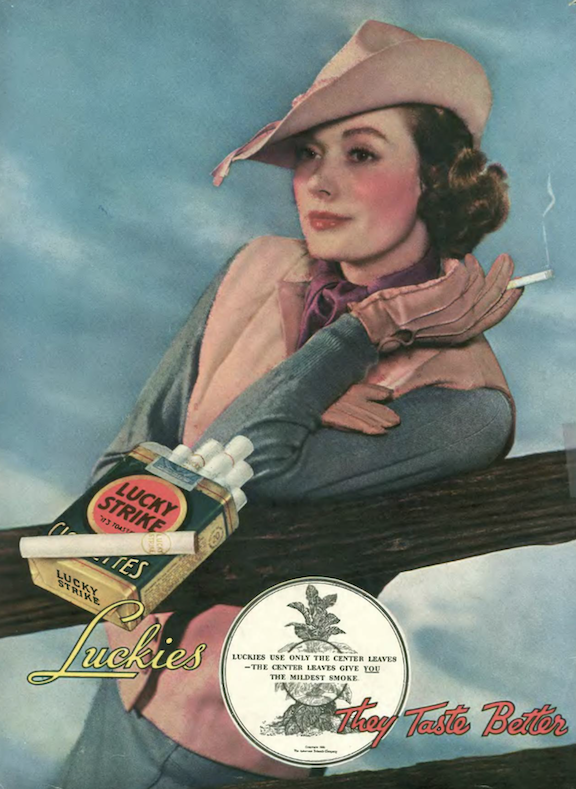
…and what would the back cover be without a photo of a stylish woman having a smoke?…
…a few advertisers referenced the circus in town to drum up business…
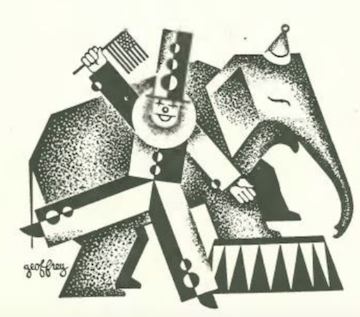
…and we segue to our cartoonists and illustrators, and this circus-themed spot from an illustrator signed “Geoffrey”…
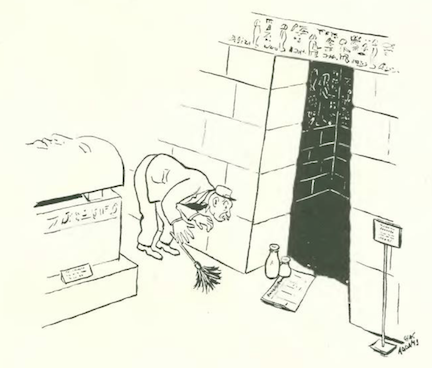
…a more familiar name is found at the bottom of page 4…namely Charles Addams…the milk order outside the tomb hints at things to come…
…Addams again, going from Bacchus to beige…
…George Price, and well, you know…
…Robert Day was aloft with a speculative builder…
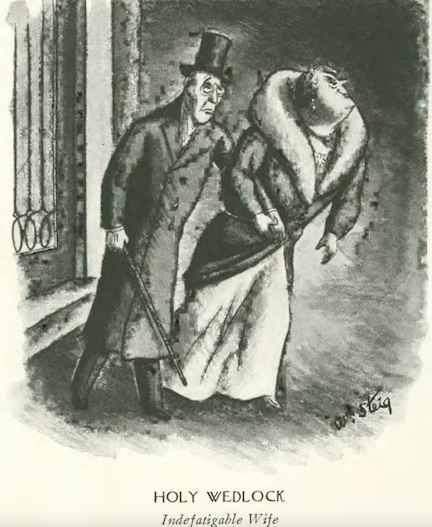
…William Steig typecast his Small Fry…
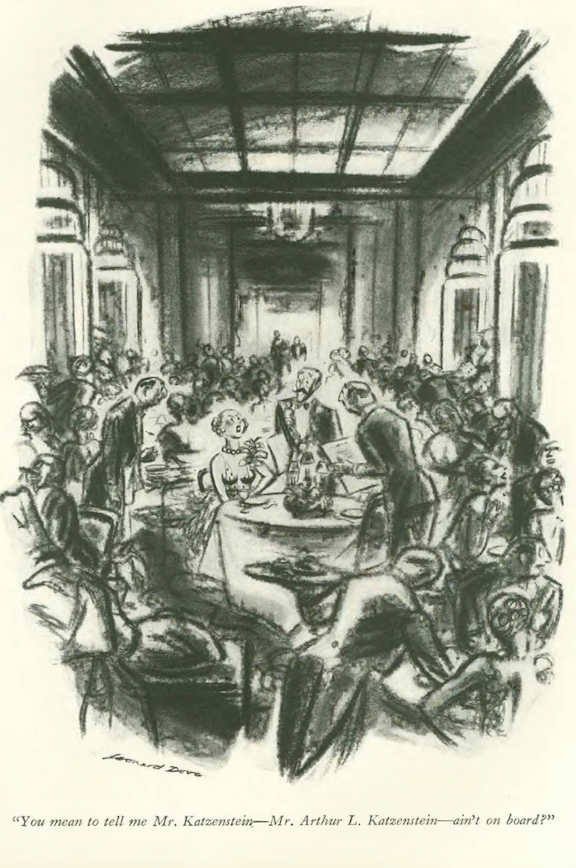
…Leonard Dove made a sudden exit…
…Gilbert Bundy found one old boy unaffected by spring fever…
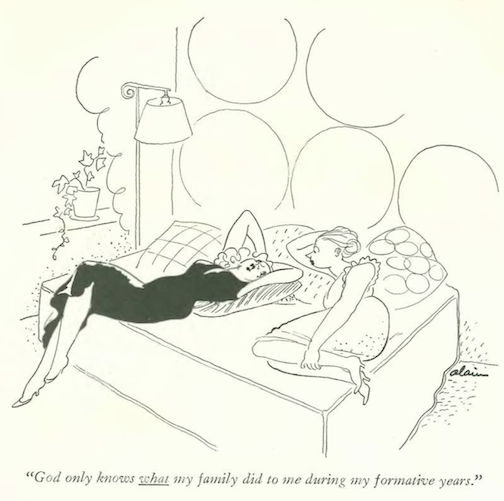
…Alain channeled Barbara Shermund to give us this gem…
…and we close with a typical day in James Thurber’s world…
If you lived in Germany in 1935, or in Italy or Spain for that matter, the world would have looked very different from the one most Americans were experiencing, clawing their way out of the Great Depression and hoping to improve their domestic lives. War was not big on their worry list.
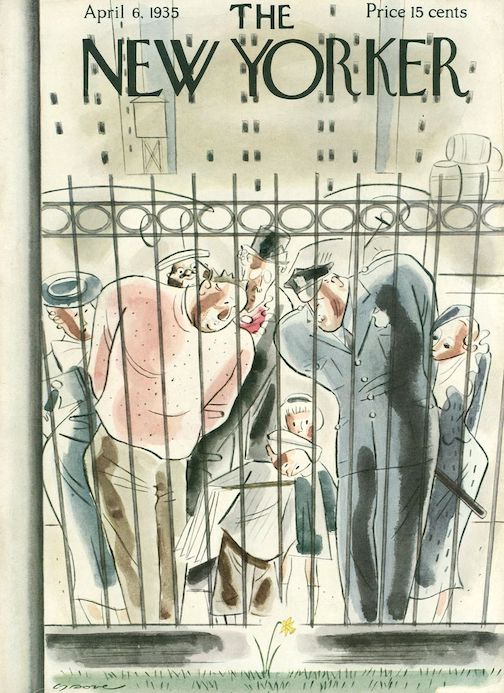
April 6, 1935 cover by Leonard Dove.
In his “Notes and Comment,” E.B. White satirized the talk about war that was filling more column inches in the nation’s newspapers. He was particularly scornful of journalists such as Arthur Brisbane—the influential editor of William Randolph Hearst’s media empire—who was fond of giant headlines warning of impending war.
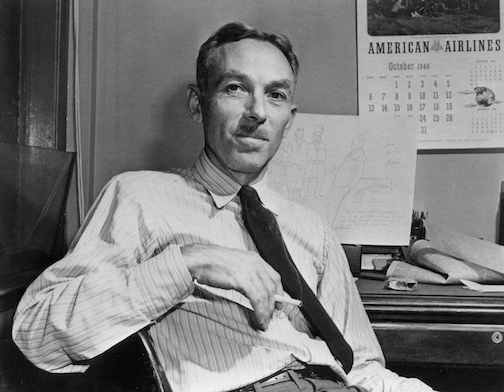
TEND YOUR OWN GARDEN...E.B. White in 1946. (Britannica)
White wasn’t naive about the possibilities of war; however, he believed obsessing about things over which we have little control did little to help the human condition. Helping one’s neighbor, on the other hand, would do the world more good. In 1939, just six months before Germany invaded Poland, White wrote a piece titled “Education” for his Harper’s Magazine column, One Man’s Meat. This excerpt helps define his worldview:
“I find that keeping abreast of my neighbors’ affairs has increased, not diminished, my human sympathies…in New York I rise and scan Europe in the Times; in the country I get up and look at the thermometer—a thoroughly set-contained point of view which, if it could infect everybody everywhere, would I am sure be the most salutary thing that could happen to the world.”
With that, here is a selection from the April 6 “Notes and Comment”…
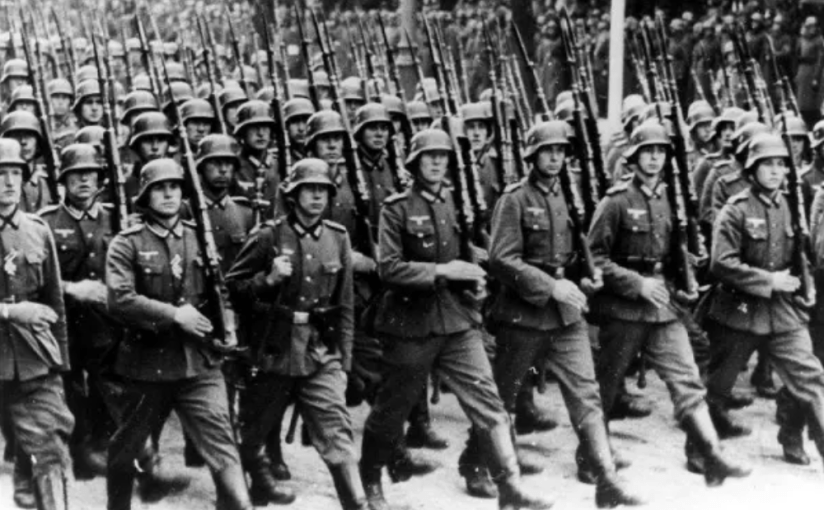
TANKS A LOT…Clockwise, from top left, German war production in the 1930s—by increasing the size of the army by 500,000 and establishing the Luftwaffe in early 1935, Germany broke international law and the Treaty of Versailles; the 1935 Anglo-German Naval Agreement was the first sign of British and European appeasement—photo shows the launch of the Admiral Graf Spee; a display of force at Nuremberg, mid 1930s; cartoon by Bernard Partridge from Punch (September 1932) foresaw the inevitable. (parisology.net/theholocaustexplained.org/Punch Limited)
In March 1973, a “Mr. Nadeau” wrote a letter to E. B. White expressing fears about humanity’s bleak future. Here are the first and last lines of White’s reply:
As long as there is one upright man, as long as there is one compassionate woman, the contagion may spread and the scene is not desolate. Hope is the thing that is left to us, in a bad time. I shall get up Sunday morning and wind the clock, as a contribution to order and steadfastness…Hang on to your hat. Hang on to your hope. And wind the clock, for tomorrow is another day.
* * *
Another Viewpoint
Ever the observer of the passing scene, Howard Brubaker made these relevant observations in “Of All Things”…
…and back to White’s “Notes,” and the imminent passing of the beloved organ grinder…
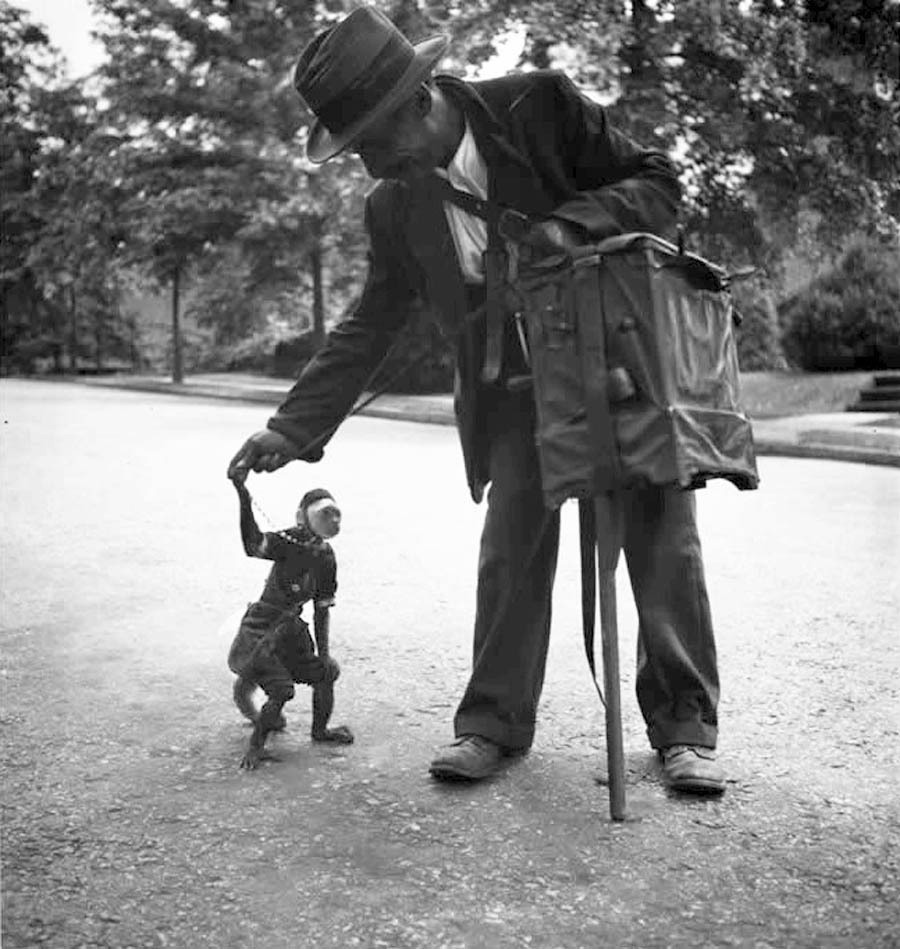
THE OLD GRIND…Above, one of New York City’s last organ grinders in Washington Heights, ca. 1935. Organ grinders had been fixtures in Manhattan since the 1850s, and by 1880 roughly five percent of Italian men living in Five Points were organ grinders, often accompanied by monkeys who entertained and collected coins. Organ grinders were outlawed in 1936 by Mayor Fiorello La Guardia. It is thought the mayor disliked the Italian immigrant stereotype. (Library of Congress)
* * *
Give Him More Mickey Mouse
John Mosher expressed his displeasure with movies that failed to deliver some escape from life’s mundane realities or offered little more than tepid storylines.
IN SEARCH OF A CREDIBLE PLOT…Critic John Mosher found Claudette Colbert (top left) both unbelievable and unqualified to be a psychiatrist in Private Worlds; at top right, Joan Blondell and Glenda Farrell offered some mindless distractions in Traveling Saleslady (from 1933 to 1936 Blondell and Farrell appeared together in seven films); bottom, Mosher called The Woman in Red an “anemic” tale. Barbara Stanwyck seems to be wondering why she took the part. (rottentomatoes.com/TCM)
* * *
Odds and Ends
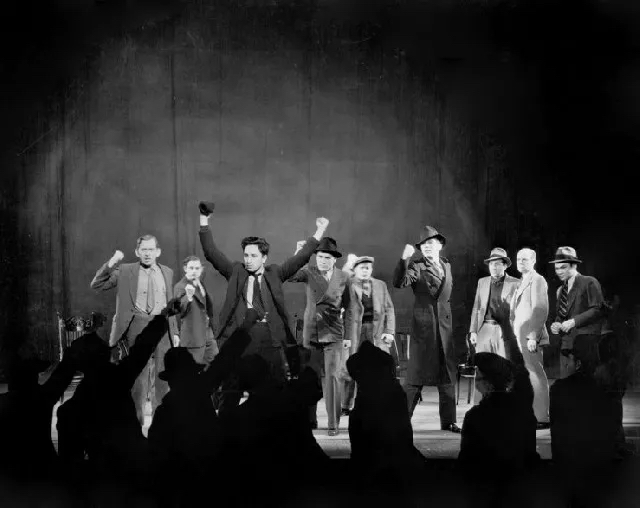
Also in the issue, John O’Hara kicked off the short fiction with “I Could Have Had A Yacht,” Margaret Case Harriman penned a profile of Elizabeth Arden (of cosmetics empire fame), and theatre critic Wolcott Gibbs enjoyed the “bitterly effective performances” in Clifford Odets’ Waiting For Lefty, which was being produced at the Longacre Theatre.
ENOUGH IS ENOUGH...Elia Kazan led the cast in the original production of Clifford Odets’ iconic 1935 play Waiting for Lefty. Centered around a taxi drivers’ strike, Lefty was produced by The Group Theatre, which sought to perform plays that functioned as social commentaries on the inequality and poverty of 1930s America. Some referred to Kazan as the “Proletarian Thunderbolt.” (Creative Commons)
* * *
From Our Advertisers
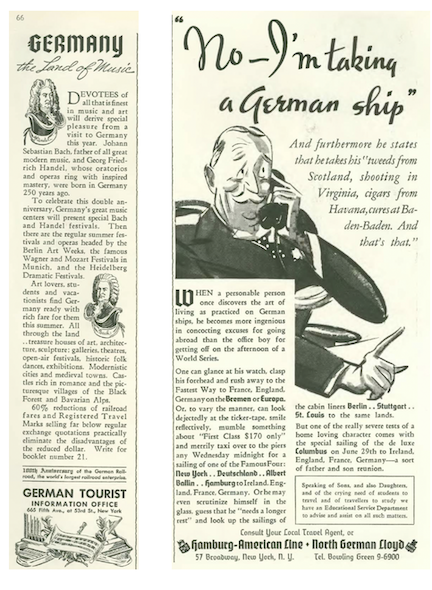
While Hitler ramped up weapons production and prepared to enact the Nuremberg Race Laws, the German Tourist Office touted their country as “The Land of Music” in this one-column advertisement on page 66 (left)…a couple of pages later we have an old chap looking forward to a German cruise and a quiet soak at Baden-Baden in the midst of madness…
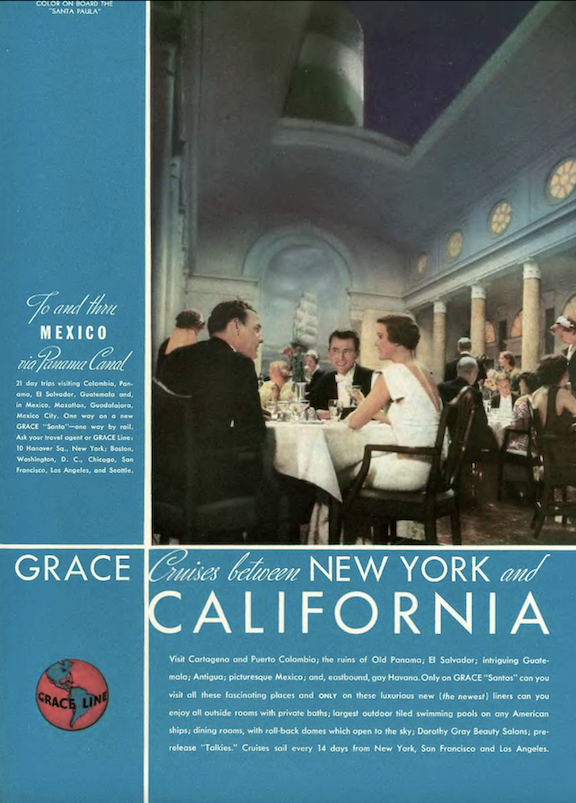
…now this is more like it, fine dining under the stars aboard the Santa Paula, far from the maddening crowds…
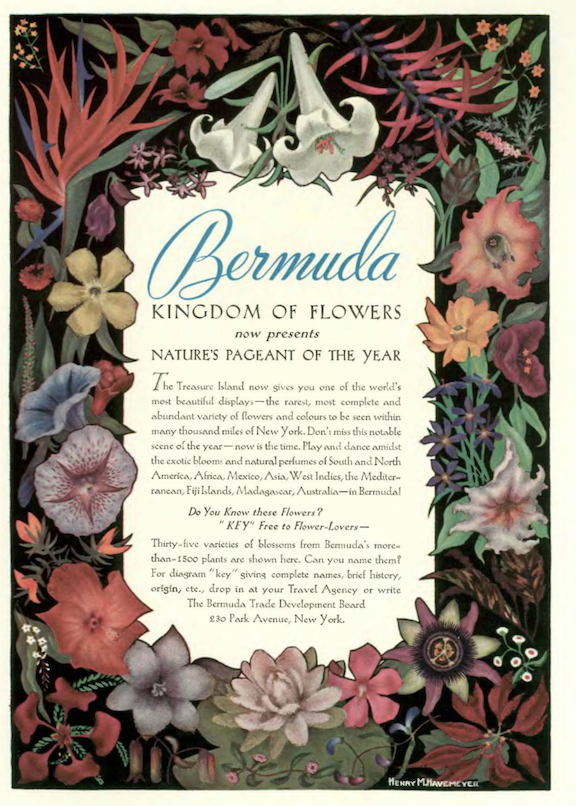
…there were several colorful full-page ads in the issue, including this splashy display from the very un-splashy-sounding Bermuda Trade Development Board…
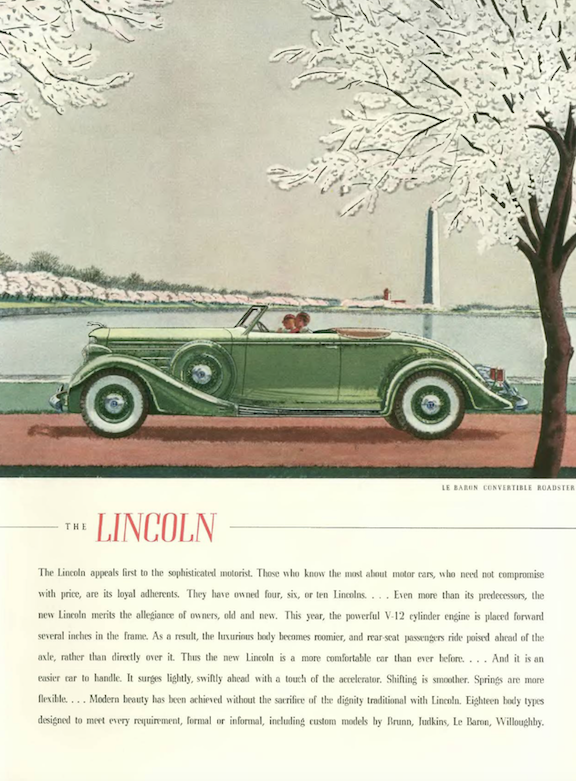
…cherry blossoms lined the path of Lincoln’s Le Baron Roadster…
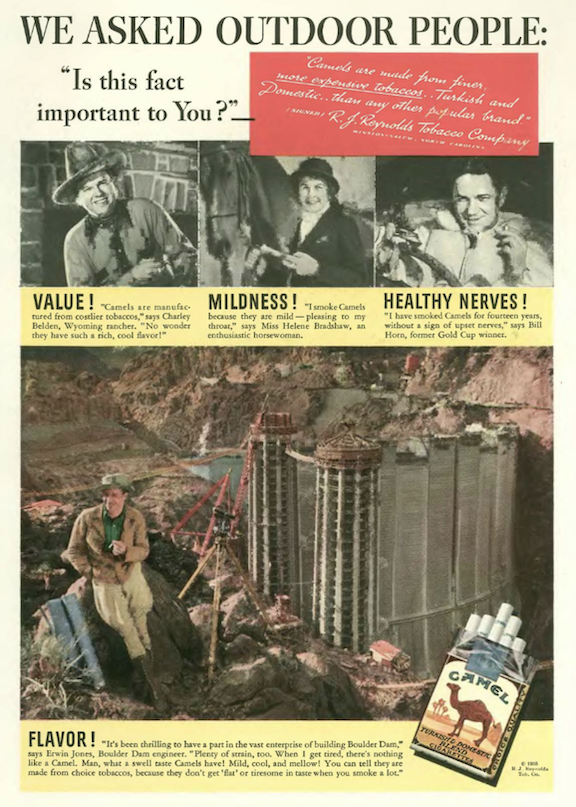
…Camel played to a wide demographic, from ads featuring stylish young women to ads like this that roped in everyone from an “enthusiastic horsewoman” to an engineer working on the Boulder (now Hoover) Dam…
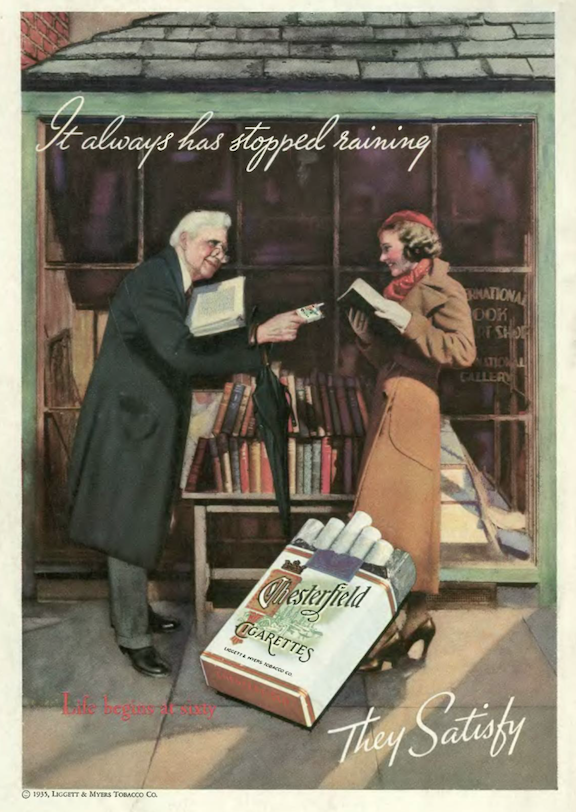
…I’m not sure what “Life begins at sixty” is supposed to mean, unless it’s about tempting young women with your bad habit…
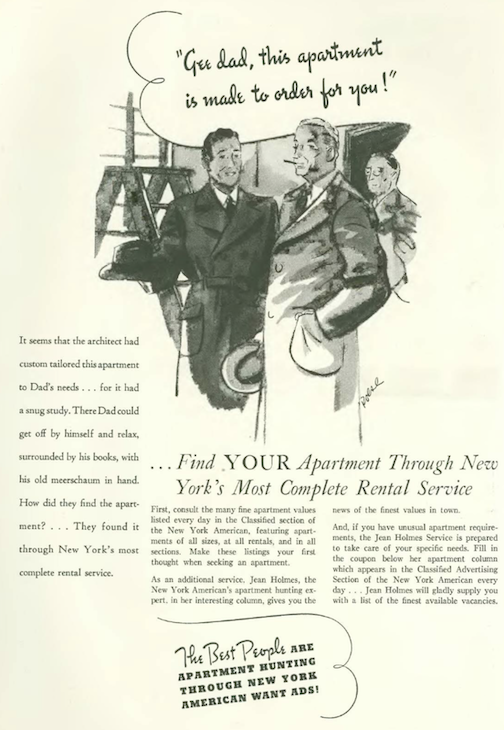
…the New York American was hoping that some of the “Best People” who read The New Yorker would also want to read their apartment rental want ads…
…spring was in the air at Richard Hudnut’s Fifth Avenue salon…if you had dry skin, it was recommended you try a product with the unfortunate name “Du Barry Special Skin Food”…
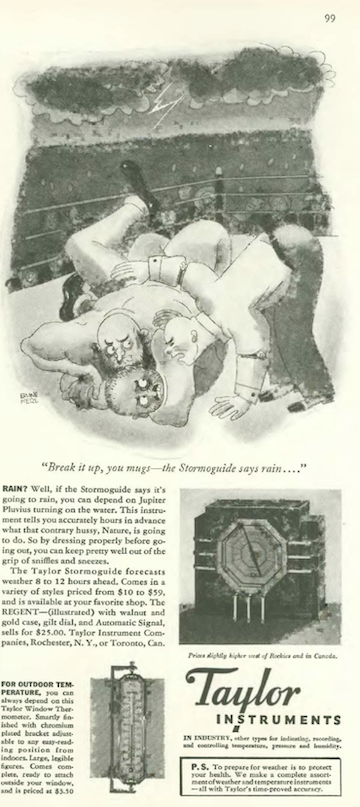
…Taylor Instruments hoped readers would monitor the spring weather with one of their stylish thermometers…American graphic artist and illustrator Ervine Metzl provided the artwork…he was best known for his posters and postage stamp designs…
…which brings us to our illustrators and cartoonists, beginning with this small woodcut on page 6 signed “Martin”…
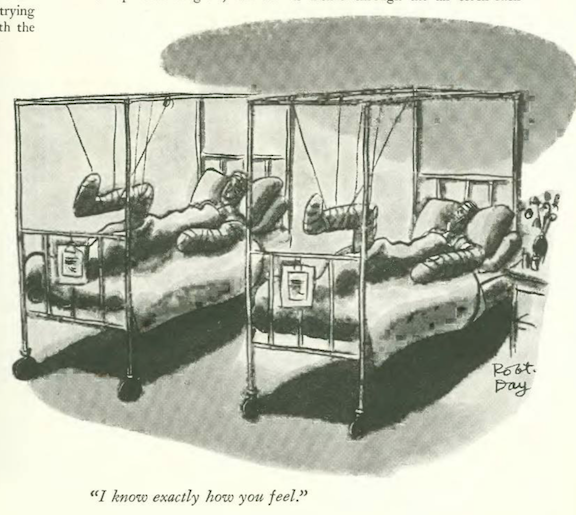
…empathy gained some traction in this Robert Day cartoon…
…Alan Dunn demonstrated the effect of the Depression on the building trades…
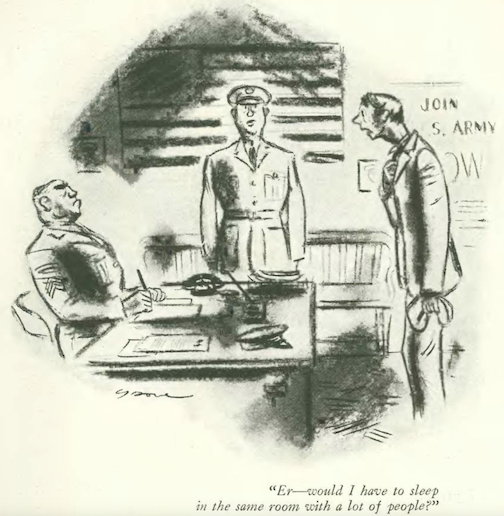
…Leonard Dove found one enlistee not ready for basic training…
…Syd Hoff showed us all the right moves…
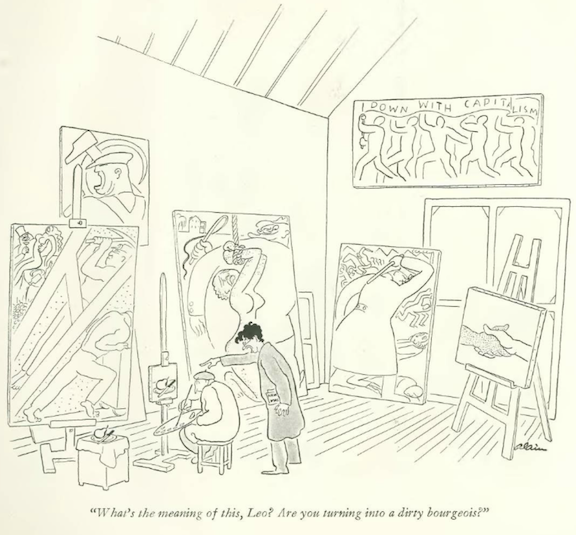
…Alain was up in the garret with an artist in need of some peace…
…Gluyas Williams took a glimpse backstage…
…William Crawford Galbraith was still exploring the world of sugar daddies and golddiggers…
Above: W.C. Fields was a well-known juggler and vaudeville performer decades before he became even more famous in the movies of the 1930s.
William Claude Dukenfield was a vaudeville juggler who distinguished himself from other “tramp acts” by adding sarcastic asides to his routines. Internationally known for his juggling skills, by the turn of the century the man who billed himself as “The Eccentric Juggler” would become much better known by another name: W.C. Fields.
Feb. 2, 1935 cover by Roger Duvoisin.
In the first of a three-part profile, Alva Johnston pondered the secret behind Fields’ genius, an “inborn nonchalance” that he considered “the rarest of gifts.” Johnston surmised that some of that genius derived from the volatile relationship Fields had with his father, and the street-smarts he gained as a runaway at age eleven. It is no surprise, however, that these childhood stories of hardship were significantly embellished by the great wit himself.
A STAR IS FORMED…Clockwise, from top left, W.C. Fields in his youth; Fields was an internationally known juggler, seen here in his vaudeville days in the early 1900s; Fields made his screen debut in 1915, seen here in his second film, Pool Sharks (1915); Fields with Carol Dempster in Sally of the Sawdust, a 1925 silent comedy film directed by D. W. Griffith. (Pinterest/YouTube)
Johnston also described Fields’ acting style and demeanor, noting that the actor’s asides were likely inspired by his mother, Kate Spangler Felton, who was known for her doorstep witticisms.
NINETEEN THIRTY-FIVE WAS A GOOD YEAR for W.C. Fields, who starred in It’s a Gift (right), released the previous December, and in the 1935 screen adaptation of Charles Dickens’sDavid Copperfield, as the character Wilkins Micawber. (MGM/IMDB)
* * *
Macabre Diversions
In the days before television and the internet, folks got their dose of the sensational and macabre from the tabloids, or, on occasion, in real life. Before crime or accident scene investigations became more sophisticated, it was not uncommon for crowds to mob grisly death scenes, including the car containing the bullet-riddled bodies of notorious bank robbers Bonnie Parker and Clyde Barrow. Their Ford automobile, pocked with 112 bullet holes, became a popular traveling attraction at fairs, amusement parks, and, in February 1935, at a car dealer’s showroom in Missouri. E.B. White explained:
BEFORE THE INTERNET, folks got their ghoulish thrills by rubbernecking at famous crime scenes. At left, a crowd gathers around the bullet-riddled car belonging to Bonnie and Clyde. According to one account, at the scene of the police ambush on Louisiana State Highway 154, nearly everyone collected souvenirs including shell casings and bloody pieces of clothing from Bonnie and Clyde. One man even tried to collect Clyde’s left ear with a pocket knife; at right, unidentified man standing next to the “death car.” (KXAN/unt.edu)
* * *
Saar Kraut
Janet Flanner mused on the recent plebiscite in the Saarland, which following World War I was seized from Germany and placed under the governance of a League of Nations commission. Much to the dismay of the French, the majority German population voted to return the Saar region to Germany, and its Nazi leadership.
* * *
Over the Rainbow
In a previous column, Lois Long took aim at the Rockefeller Center’s new Rainbow Room, dismissing it as a tourist trap filled with interminable strains of organ music. In her latest column, Long retracted some of that vitriol, finding the entertainment (and, one supposes, the food) more to her liking.
THE ‘INCORRIGIBLE’ Beatrice Lillie (left) delighted Lois Long and audiences in the Rainbow Room on the 65th floor of Rockefeller Center; at right, ballroom dancers Lydia and Joresco take to the floor in the then newly opened Rainbow Room, 1934. (Pinterest/#rainbowroomnyc)
* * *
From Our Advertisers
As Lois Long mentioned in “Tables for Two,” British actress and singer Beatrice Lillie was appearing at in the Rainbow Room on the 65th floor of Rockefeller Center; according to the ad below, also featured were ballroom dancers Lydia and Joresco and bandleader Jolly Corburn…
…at first I though this was Alfred Lunt and Lynn Fontanne shilling for Luckies, but the resemblance isn’t quite there, plus I’m not aware of the Broadway legends ever endorsing any product, let alone cigarettes…
…the folks at Hormel continued to feature notable Frenchmen who were known to enjoy French onion soup, although this particular image doesn’t do much for one’s appetite…
…the Bermuda Trade Development Board continued to feature colorful ads that enticed New Yorkers away from the late winter blahs…
…this ad for Schaefer is a bit odd…I guess the artist wanted to suggest a handbill, and therefore tilted the image it at an angle, unsuccessfully, one might add…
…The Theatre Guild once again called upon the talents of James Thurber to advertise their latest production…
…which segues into our cartoons, with Thurber once more…
…Al Frueh did his part to promote the stage with this illustration for the theatre section…
…Otto Soglow offered his spin on pairs figure skating…
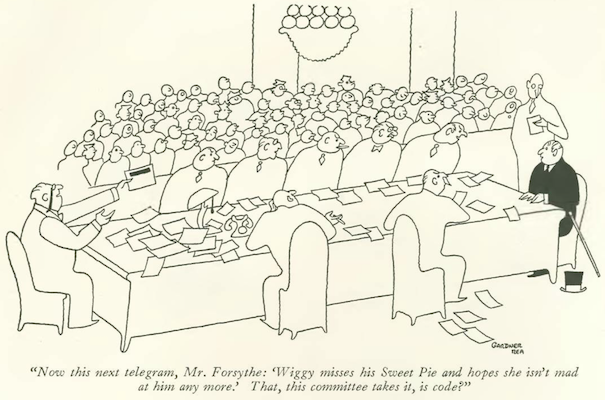
…Gardner Rea explored the world of art appreciation…
…Helen Hokinson aptly supplied this cartoon for Lois Long’s fashion column…
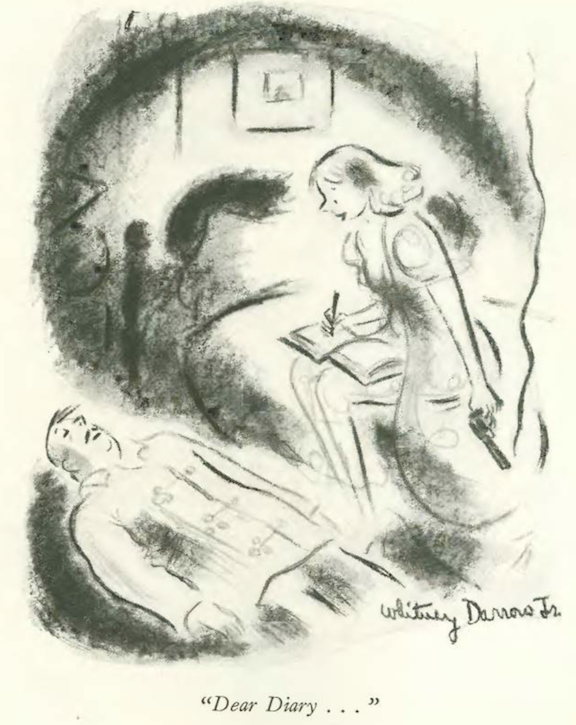
…Whitney Darrow Jr. showed us the consequences of classified advertising…
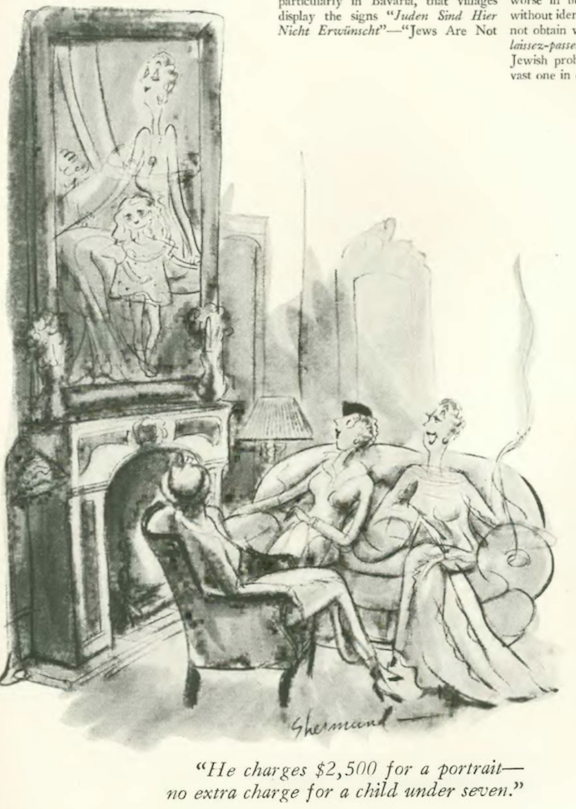
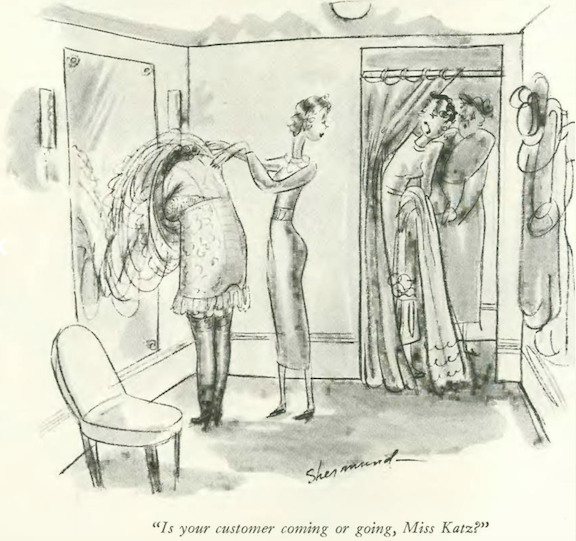
…Barbara Shermund clued us in on the latest gossip…
…and we close with Peter Arno, and one butcher’s cold greeting…
Above: Al Smith waving to crowds on arrival at Chattanooga, Tennessee during his presidential campaign in 1928. (Museum of the City of New York)
It’s hard to not like Al Smith, the governor of New York from 1923 to 1928, a man who avoided the temptations of political power and stayed true to his working class roots of the Lower East Side.
July 14, 1934 cover by Rea Irvin.
The son of Irish, Italian and German immigrants, Alfred Emanuel Smith (1873–1944) was raised in the Tammany Hall-dominated Fourth Ward, and although he was indebted to Tammany’s political machine throughout much of his professional life (including stints in the New York State Assembly and as York County Sheriff, President of the Board of Alderman, and finally Governor) he remained untarnished by corruption. Smith’s unsuccessful bid for the U.S. presidency in 1928 put an end to his political life, but there was still much to do, as “The Talk of the Town” explained:
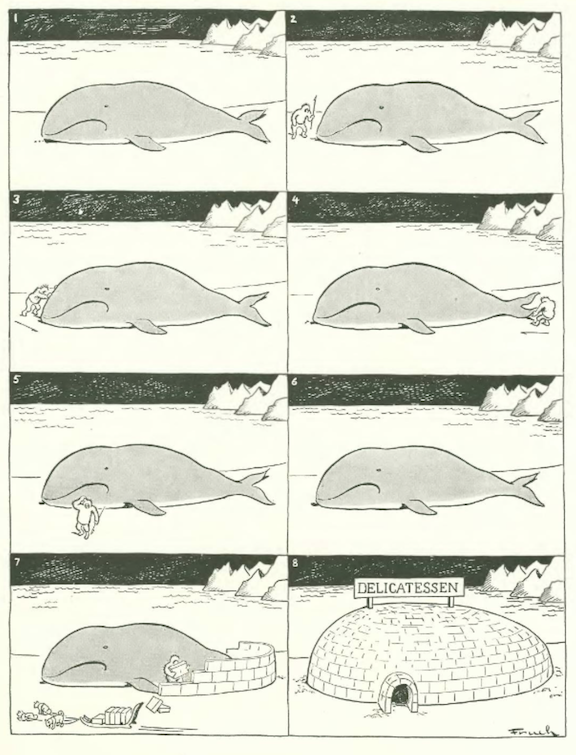
HALL MONITORS…At left, Charles “Silent Charlie” Murphy with Al Smith in 1915. Murphy was the longest-serving head of Tammany Hall (1902 to 1924), and was known for transforming Tammany’s image from one of corruption to semi-respectability; at right, in 1929, Smith greets Franklin D. Roosevelt, who had just succeeded him as governor. (Library of Congress/Wikipedia)
Smith first sought the Democratic presidential nomination in 1924. According to historian Robert Slayton, Smith advanced the cause of civil liberty by decrying lynching and racial violence at the 1924 Democratic National Convention, where Franklin D. Roosevelt delivered the nominating speech for Smith and saluted him as “the Happy Warrior of the political battlefield.”
Following his 1928 presidential election loss to Herbert Hoover, Smith became president of Empire State, Inc., the corporation that built and also operated the Empire State Building, which was then the tallest building in the world. Smith was also known for his fondness of animals, and in 1934 Parks Commissioner Robert Moses made Smith “Honorary Night Zookeeper” of the renovated Central Park Zoo. Smith was given keys to the zoo and often took guests to see the animals after hours. According to Rebekah Burgess of the NYC Department of Parks and Recreation, “As a resident of 820 Fifth Avenue, directly across the street from the entrance of the Central Park Zoo, Smith was known to appear with snacks for the animals or to launch into impromptu lectures for visitors. Al Smith took his honorary title to heart. Throughout the rest of his life, Smith could often be found attending to the animals at the zookeepers’ sides during open hours. At night, Smith visited with guests, or more often, one-on-one with the animals.”
Smith was also a humanitarian, and in addition to advocating for the working class, he was an early critic of the Nazi regime in Germany, vigorously supporting the Anti-Nazi boycott of 1933. Here is another excerpt from the “Talk” piece:
LIFE OUTSIDE THE OFFICE…Scenes of post-political life, clockwise from top left: Al Smith fishing in 1933; with his family at the May 1, 1931 opening of the Empire State Building—Smith’s grandchildren cut the ribbon; golfing in 1930 with baseball great Babe Ruth in Coral Gables, Florida; with Rosie, the hippopotamus, at the Central Park Zoo, 1928. (Museum of the City of New York/Wikipedia)
* * *
Culture Club
In the Nov. 9, 1929 issue of The New YorkerMurdock Pemberton hailed the opening of the Roerich Museum. For the July 14, 1934 issue, “The Talk of the Town” took another look. A brief excerpt:
MORE THAN A BUILDING…”The Talk of the Town” noted the changing shades of the art deco landmark Master Building on Riverside Drive (left, in 1929) which originally housed the Nicholas Roerich Museum. Today the Roerich is located in this brownstone at 319 West 107th. (Wikipedia)FOOTNOTES FROM A FULL LIFE…Two of Nicholas Roerich’s paintings from the 1920s: at top, Remember, 1924; below, Drops of Life, 1924. (roerich.org)
* * *
Itinerant Showman
Alva Johnston filed the first installment of a three-part profile of famed sports promoter Jack Curley (1876–1937). A brief excerpt:
FIGHT CLUB…Sports promoter Jack Curley (left) with boxing manager Eddie Kane, circa 1920. (Library of Congress)
* * *
Over There
In his column “Of All Things,” Howard Brubaker made this brief mention of the “Night of the Long Knives;” on June 30, 1934 Adolf Hitler ordered SS guards to murder the leaders of the paramilitary SA along with hundreds of other perceived or imagined opponents.
Here is a clip from the front page of The New York Times, July 3, 1934:
(The New York Times)
* * *
Pimm’s and Soda
July in England meant Wimbledon, and The New Yorker was there to observe the “snobbish and sacred” rite…
WATCH THE BOUNCING BALL…British tennis great Fred Perry (left) and Australian Jack Crawford before their men’s singles final at the 1934 Wimbledon tournament, which Perry won. Perry would claim three consecutive titles between 1934 and 1936. (Image: Mirrorpix)
* * *
Midsummer Dreams
In the summertime (and before widespread use of air conditioning) stage entertainments such as theater and musical performances took to the outdoors during their off-season, seeking the evening cool of intimate rooftops or large, open venues such as Lewisohn Stadium, A brief excerpt describing a performance of Samson et Dalila:
EVENING SHADE: Andre Kostelanetz conducts at Lewisohn Stadium in 1939. The stadium was demolished in 1973 to make way for City College of New York’s North Academic Center. (PressReader.com)
* * *
From Our Advertisers
The folks at struggling carmaker Hupmobile took out this bold, full-page ad to tout their flashy “Aero-Dynamic” by noted designer Raymond Loewy…
…this ad from Harriet Hubbard Ayer was bold in a very different way, essentially calling some women ugly unless they used the company’s “beauty preparations”…
…consommé, a clear soup that was particularly popular among the upper classes, offered up some keen competition between two food giants…here Heinz enlisted the help of William Steig to move their product…
…while the folks at Campbell’s offered up this lovely patio setting for their “invigorating” consommé…
…meanwhile, White Rock mineral water could be found on patios all over Manhattan, as this ad attested…
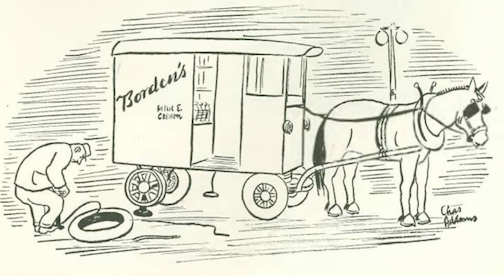
…this is a reminder that most city folks had their milk and other dairy products delivered in the early part of the 20th century…by the early 1960s about 30 percent of consumers still had their milk delivered, dropping to 7 percent by 1975 and .4 percent by 2005…
…affordable home air-conditioning wouldn’t be available to the masses until after World War II…this unit (designed for a single room) from Frigidaire retailed for $340 (a little less than $8,000 today)…
…on to our cartoonists, we begin with Robert Day in the “Goings On’ section…
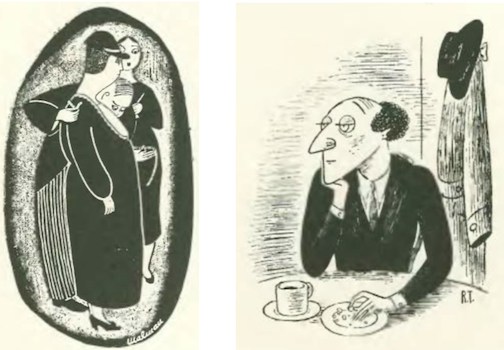
…Day again, exploring the baffling, glassy interiors of modern restaurants…
…the birdwatching continued with Rea Irvin…
…Alain (Daniel Brustlein) gave us a swimming somnambulist…
…Helen Hokinson explored the paranormal, via domestic plumbing…
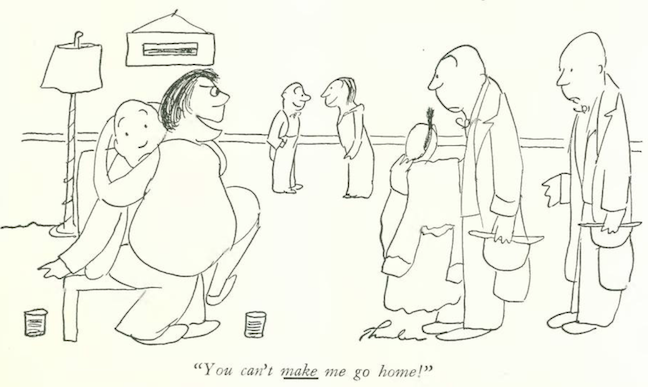
…and we close with James Thurber, and the missing Dr. Millmoss…
Above: Illustration of the Dorchester Hotel’s ballroom in the 1930s. (dorchestercollection.com)
Lois Long took her nightlife column, “Tables for Two,” to London and its famed nightclub scene, where everyone from British royalty to gangsters reveled in a boozy, bohemian scene.
July 7, 1934 cover by Ilonka Karasz.
Prince Edward, a well-known party animal (who would serve as king for less than a year and abdicate in 1936) was known to get up on the stage of the Embassy Club and perform drum solos, while at the Savoy his fellow toffs would sip Champagne and glide in elegant dress across the dance floor. London nightlife included a lively jazz scene in edgy Soho basement clubs, featuring such greats as Duke Ellington, Louis Armstrong and Dizzy Gillespie.
Long hoped that the visit to London, her first in eight years, would give her some much-needed rest and a change of scene. What she found instead was a red-hot, all-night party, where the smart set took dinner near midnight and danced until dawn.
SAVVY SAVOY….Clockwise from top left, the famed Savoy bartender Harry Craddock, credited with inventing the White Lady and the Corpse Reviver, at the Savoy’s American Bar in the 1930s; a Savoy elevator operator in 1926; diners at the Savoy circa 1930s; Savoy entrance. (madamgenevaandgent.co.uk/The Savoy/YouTube)LONDON SWINGS…More Lois Long haunts in London included, clockwise from top left, the Dorchester Hotel; the crowded dance floor at the Monseigneur with Roy Fox and his Orchestra (photo from 1932); patrons kicking up their heels at the Embassy Club on Old Bond Street; the Café de Paris, where American actress Louise Brooks demonstrated a new dance craze, The Charleston, in 1924. (dorchestercollection.com/albowlly.club/lucyjanesantos.com/Wikipedia)
* * *
Misery Loves Company
In his “Notes and Comment,” E.B. White observed that almost everyone was “made miserable” by the Depression, but if one looked around there were signs that things weren’t so bad after all.
REASON FOR CHEER…For those still feeling blue about the Depression, E.B. White suggested watching kids cool off at a pier, such as these lads seen diving into the East River on the Lower East Side on July 3, 1935. (Jack Gordon/New York Daily News)
* * *
He Came Up a Bit Short
Howard Brubaker, in his column “Of All Things,” made this observation about Adolf Hitler’s prediction that Nazism would endure a thousand years.
And now a retreat into the cool darkness of the cinema, where John Mosher singled out Bette Davis’s performance in Of Human Bondage…Mosher’s instincts were correct—the film proved to be Davis’s breakout role on her road to major stardom.
ROAD TO RUIN…Bette Davis wowed the critics with her portrayal of a tearoom waitress who seduces a young medical student (Leslie Howard) and leads him down a path of self-destruction. The film was based on the 1915 novel by W. Somerset Maugham. (IMDB)
Mosher also took in the “bright” performances of William Powell and Myrna Loy in The Thin Man, a pre-Code comedy-mystery based on the Dashiell Hammett novel by the same name. Powell and Loy portrayed Nick and Nora Charles, who added spice to their leisurely lives through numerous cocktails, flirtatious banter, and crime-solving. Critics loved the film, as did audiences, spawning five sequels from 1936 to 1947.
CHEERS…Top photo: Nick and Nora Charles (William Powell and Myrna Loy) enjoy a drink with their client’s fiancee (Henry Wadsworth) in The Thin Man (1934); Bottom photo: Charles takes aim at a Christmas ornament (with a BB gun) while Nora enjoys the comforts of her new fur coat in a scene from The Thin Man. (Daily Beast/Austin Chronicle)
Another star of the show was Asta, the Charles’s wire fox terrier. Asta was portrayed by Skippy, a dog actor who not only appeared in The Thin Man films but also acted alongside Cary Grant in 1937’s The Awful Truth and in 1938’s Bringing Up Baby. Skippy appeared in three Thin Man movies and in more than twenty films altogether between 1932 and 1941. Being an actor in the film must have been good for one’s health: Powell lived 91 years, Loy 88 years, and Skippy, 20 years—a good long life for any pooch.
ROUGH NIGHT…Nick (William Powell) and Asta (Skippy) tend to Nora (Myrna Loy), who nurses a hangover in The Thin Man. (Wikipedia)
* * *
From Our Advertisers
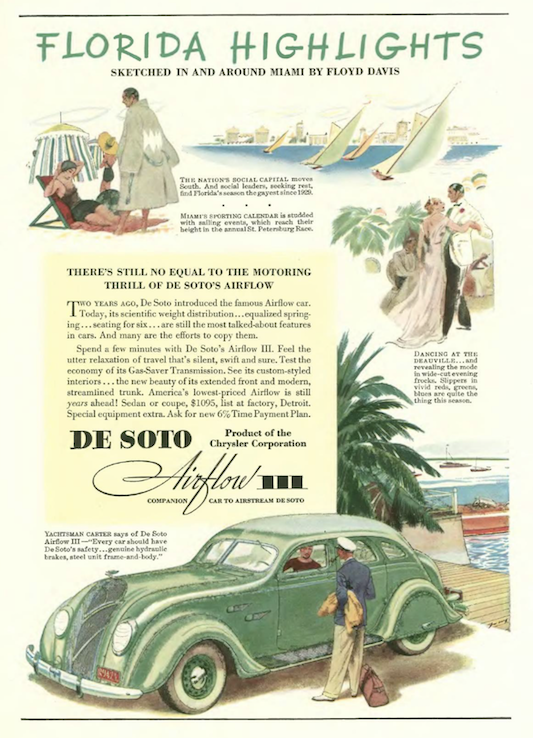
While Chrysler’s styling of their streamlined Airflow proved to be too far advanced for the buying public (the Depression didn’t help), Studebaker’s own foray into the streamlined future caused a sensation…
…thanks to Studebaker’s brief merger with Pierce-Arrow (1928–33), Studebaker’s designers took cues from Pierce’s streamlined 1933 Silver Arrow and created more than 800 cars with “Year-Ahead” design features—the positive reception convinced the company to continue the style in 1935…here is a top-of-the-line 1934 President Land Cruiser…
1934 Studebaker President Land Cruiser with “Year-Ahead” design features, yet not as radical as Chrysler’s Airflow. (hemmings.com)
…we continue with those round rubber things that held the cars up…a lot of tire ads in the 1930s emphasized safety—blowouts were common back then…funny how it took nearly four decades to add seat belts to cars…those tires wouldn’t help much in a head-on collision, especially with your kid standing on the from seat…
…now let’s cool off with crisp Canadian Ale, thanks to Carling’s entry into the American market…
…Carling’s Black Label beer was popular in the states…my parents had a set of these coasters with the Black Label tagline…
…Budweiser continued its artful series of ads featuring the well-heeled enjoying its product…here it appears old dad (wearing some kind of medal) is getting to know his daughter-in-law over some cold chicken…”hey boy, she’s one of us!”…
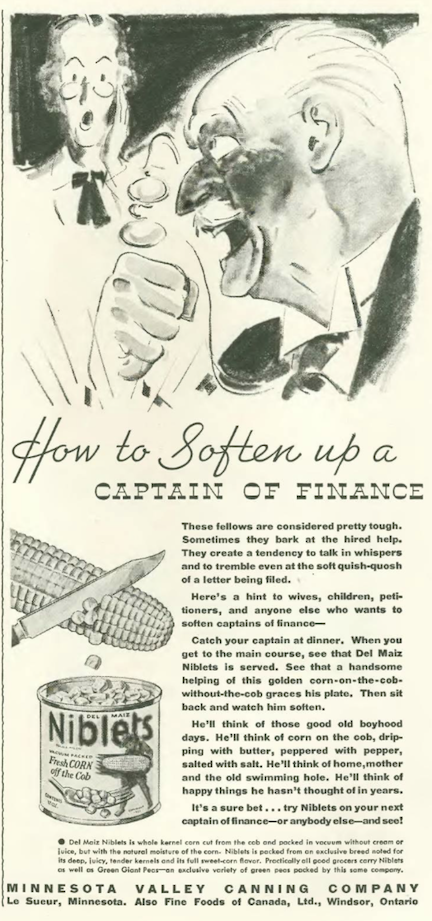
…and we move on to three very different approaches to selling cigarettes, beginning with Spud, continuing its message that menthol cigarettes are as refreshing as a shower on a July afternoon…
…a close up of the message…
…Camel, on the other hand, continued its campaign against irritability…it apparently did wonders for this woman, who seems to be on something more than nicotine…
…and from the people who brought us the tagline “blow some my way” in 1928 (as a way to encourage women to take up the habit), by 1934 she is owning that cigarette, and apparently setting some ground rules with the gentleman…
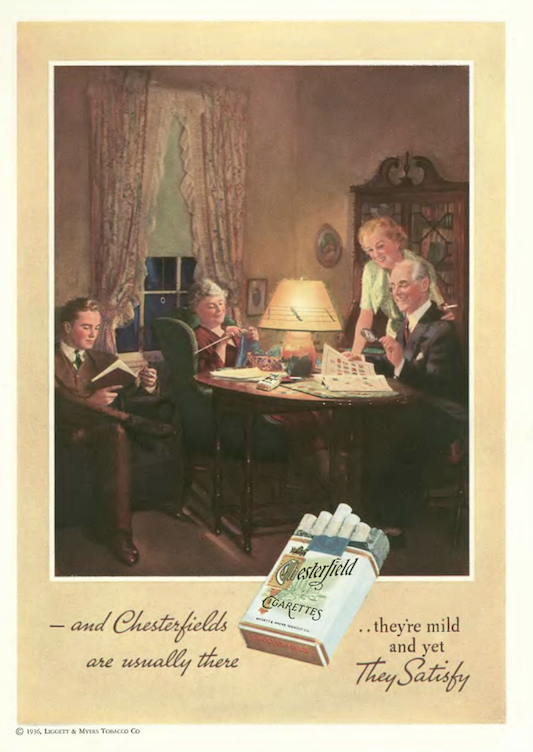
…contrast with the more submissive pose in the Chesterfield ad from the late 1920s…
…on to our cartoons, we begin with spot art by Alan Dunn, which appears to have originated as a captioned cartoon…
…William Steig offered up this bit of art for a profile of an “insurance man” by St. Clair McKelway…
…Helen Hokinson drew up a full page of cartoons along the theme of outdoor dining…
…we continue Rea Irvin’s series on native birds…
…George Price found a way to save on the cost of light bulbs…
…and we close with James Thurber, and a welcome to the family…
Above, Stewart's Cafeteria in Greenwich Village, May 1933. (New York Public Library)
Although Sherwood Anderson is mostly known for his short story collections and novels, in the 1930s he also worked as a journalist, and for the June 9, 1934 issue of the New Yorker he explored the “centre of proletarian high life,” Stewart’s Cafeteria in Greenwich Village.
June 9, 1934 cover by Helen Hokinson.
What is particularly interesting about Anderson’s page 77 article for the “A Reporter at Large” column is what it doesn’t report, namely, that Stewart’s Cafeteria (later the Life Cafeteria) was known as a popular gay and lesbian hangout in addition to being a place for gawkers, assorted bohemians, and bohemian wannabes.
Anderson was a man of the world, so he knew exactly what Stewart’s was all about. But even the New Yorker wasn’t in the business of outing anyone, and editor Harold Ross, whose eccentricities included a puritanical strain, would not have allowed anything associated with “sexual deviance” to be printed in his magazine. Here is an excerpt from Anderson’s article, “Stewart’s, On the Square,” in which he subtly hints at the cafeteria’s “third life.”
NIGHT LIFE…Paul Cadmus depicted Stewart’s in this sexually charged painting, Greenwich Village Cafeteria, 1934, oil on canvas,Museum of Modern Art. (All archival images for this entry were obtained via nyclgbtsites.org/site/stewarts-cafeteria)
While Anderson tiptoed around the topic of homosexuality, gossip rags such as Stephen Clow’sBroadway Brevities put it front and center. Described as one of the most vicious show business gossip magazines ever published, Brevities also provided Clow with some side income: Clow and his collaborators often threatened to blackmail wealthy businesspeople and show business figures who frequented places like Stewart’s—outing them in his tabloid unless payment was made.
(McGill Institute via HuffPost.com)
Naturally such reporting helped attract gawkers to Stewart’s and its successor, Life Cafeteria. According to the NYC LGBT Historic Sites Project, “Stewart’s closed in the mid-1930s and was subsequently reopened as the equally popular Life Cafeteria. Regulars included a young Tennessee Williams and Marlon Brando (though they didn’t meet each other until years later on a beach in Provincetown). Of the space, Brando later recalled, ‘The rednecks [on the street] were pointing at the diners like animals in a zoo. I was immediately intrigued and ventured in. Before I left that afternoon, I discovered that many of the homosexual men were actually putting on a show for the jam .'”
ON DISPLAY...According to the NYC LGBT Historic Sites Project, the large plate glass windows at Stewart's (later renamed Life Cafeteria) put gay life on full display to the late-night crowds who frequented the busy intersection. Artist Vincent La Gambina depicted one scene that gawkers might have taken in: Life Cafeteria, Greenwich Village, 1936. (Museum of the City of New York)TODAY, the building still stands, although it is a bit less lively as a home for a CVS store and a Bank of America branch. Just around the corner is the famed Stonewall Inn. (Google Maps Image)
According to the NYC LGBT Historic Sites Project:
...in 1935 the manager of Stewart’s was convicted of operating a “public nuisance” and “disorderly house” and “openly outraging public decency” by allowing objectionable behavior in the interior and large crowds to gather outside. Specifically, the district attorney’s complaint cited “certain persons of the homosexual type and certain persons of the Lesbian type, to remain therein and engage in acts of sapphism and divers [sic] other lewd, obscene, indecent and disgusting acts” and that the cafeteria was “used as a rendezvous for perverts, degenerates, homosexuals and other evil-disposed persons.” Much of the testimony centered on the gender non-conforming dress and behavior of the patrons.
Here is another excerpt from Anderson's article, where he delves into the nighttime scene at Stewart's:
* * *
Nightlife, Part II
In my previous post E.B. White pondered the fate of the Central Park Casino, a favorite haunt of deposed Mayor Jimmy Walker and other members of the smart set who openly flouted Prohibition laws. In "Tables for Two," Lois Long made this observation (below) at the conclusion of her nightlife column, believing that Parks Commissioner Robert Moses would give the management a chance to lower food prices and allow common folks to enjoy its sumptuous atmosphere. Little did she know that Moses was feasting on a diet of revenge rather than food, and had plans to tear the place down, regardless of its lower prices.
* * *
From Our Advertisers
We kick off the ads with another Ponds celebrity endorsement from dancer and actress Francesca Braggiotti (1902-1998), who was married to actor, politician, and diplomat John Davis Lodge...
POWER COUPLE...John Davis Lodge and Francesca Braggiotti in 1932. They were married for 56 years. (Pinterest)
...Dr. Seuss was back with more ads for Flit insecticide...he was still two years away from his first children's book: And to Think That I Saw It on Mulberry Street...
...and with a splash of color, Bermuda beckoned New Yorkers to a "Real Vacation"...
...however, before you headed to Bermuda, you'd needed to do something with the kids...
...on to our cartoonists, we start with spot art from Abe Birnbaum...
...Birnbaum again with an illustration of boxer Max Baer for the profile section...
...more spot art from James Thurber in the "Goings On About Town" section...
...and Thurber again with some alarming news for a potential suitor...
...Rea Irvin kicked off his series, "Our Native Birds"...
...a famed advertising agency launched a new door-to-door survey, per Perry Barlow...
...Helen Hokinson gave us a hopeful gardener...
...Barbara Shermund looked in on the "modern girl" scene...
...and Peter Arno examined a sad medical case...
...and we close the June 9 issue with this item from E.B. White, who commented on a recent rally of American Nazis and some fighting Irish...
...the Nazi rally was also alluded to in the June 2 issue (I have the issues reversed this time to support the narrative)...
June 2, 1934 cover by Harry Brown.
...where Howard Brubaker was keeping things light in his column "Of All Things." I was surprised how little was mentioned in either issue about the meeting of 20,000 Nazi sympathizers on May 17, 1934, at Madison Square Garden.
Let's explore further: According to the Jewish Virtual Library, America's first established anti-Nazi boycott group was the Jewish War Veterans (March 19, 1933), followed by the American League for the Defense of Jewish Rights (ALDJR), which was founded by the Yiddish journalist Abraham Coralnik in May 1933. By 1934 the ALDJR was led by Samuel Untermyer, who changed the organization's name to the "Non-Sectarian Anti-Nazi League to Champion Human Rights." Nazi sympathizers targeted Untermyer as the face of boycott efforts, and at the May 17 rally the mere mention of his name prompted shouts of "Hang him!"
AMERIKA...The site for hockey games and dog shows became a site for ugliness on May 17, 1934, when 20,000 Nazi sympathizers gathered in Madison Square Garden to denounce boycotts against Adolf Hitler's regime. (The Archive Project)
This excerpt from the May 18, 1934 edition of The New York Times gives some idea of what transpired at the rally:
REALLY? Americans gathered at Madison Square Garden on May 17, 1934 to show their support for Nazi Germany and denounce American boycotts. (The Archive Project)
* * *
Dueling Muses
Film critic John Mosher always seemed upbeat about anything involving Disney, but given that animation was still in its infancy (its plastic trickery still rather novel), it didn't take much to outshine the otherwise drab fare (the "Grim") being coughed up by Tinseltown.
MAN OR MOUSE? The star-studded cast of Hollywood Party included Jimmy Durante, seen here duking it out with Mickey Mouse. (IMDB)
The grim included the Pre-Code drama, Upper World, about a rich, married man who falls to his ruin via a romance with a stripper (don't they always?), and Now I'll Tell, another Pre-Code drama, this one loosely based on the doings of racketeer and crime boss Arnold Rothstein.
SHAKE IT WHILE YOU CAN...Ginger Rogers performs “Shake Your Powder Puff” in a burlesque show in the film Upper World, one of the last of the Pre-Code dramas. It featured Warren William as a wealthy married railroad tycoon whose friendship with a showgirl (Rogers) leads to blackmail and murder; at right, five-year-old future child star Shirley Temple with Spencer Tracy in Now I'll Tell, which was loosely based on the autobiography of Carolyn Green Rothstein, wife of New York gambler Arnold Rothstein. Temple's role was a minor one, however her appearance in the musical Stand Up and Cheer!, which was released a month earlier, would make her a star. (IMDB)
* * *
More From Our Advertisers
We cool off by a taking a dip in the pool...er, rather by enjoying the "No Draft Ventilation" of a car body by Fisher...the model might want to stay in the pool, since air-conditioning in cars was still a good twenty years away...
...and yes, this is also a car-related ad, if you can believe it, the bride looking forward not to years of wedded bliss but rather her new La Salle (a Cadillac product)...
...another bride, and a car...is that a car body by Fisher? Who cares, the wedding is over and its time to fire one up...
...this woman seems to have it all thanks to Daggett & Ramsdell of Park Avenue, who are prepared to coat her in a "complete range of all the essential creams, lotions, face powder...cold cream soap, dusting powder" etc. etc....
...Dr. Seuss again for Flit, with baby in tow...
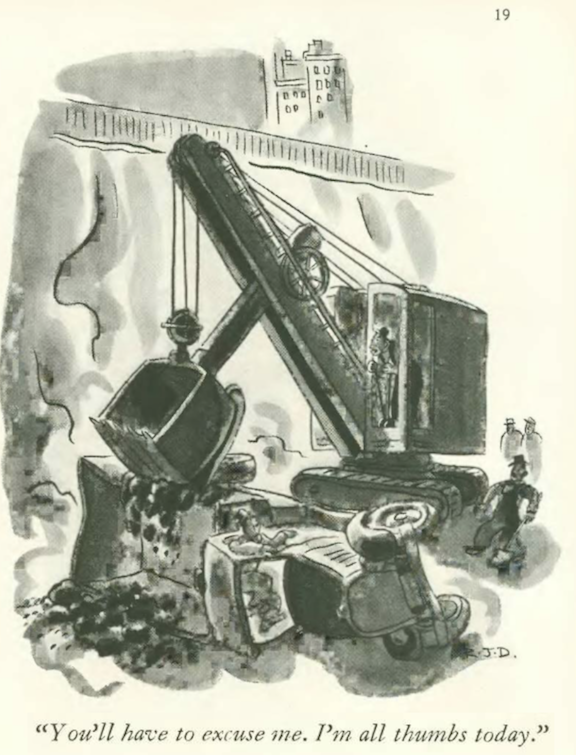
...on to our cartoons, we have Robert Day checking on the progress at Mt. Rushmore...
...Alan Dunn reveals pandemic worries of a different nature...
...and we close with Helen Hokinson, and a sudden change of mood...