The Lights of Broadway

Above: Samuel Herman Gottscho photograph, New York City, Times Square South from 46th Street. General view of “Whiteway” toward Times Building, December 9, 1930. Museum of the City of New York

The lights of Broadway dazzled the editors of “The Talk of Town,” who commented on the changing displays that brightened The Great White Way.

Screen Shot 2016-01-25 at 5.31.10 PM
Cover of August 7, 1926 issue by Stanley W. Reynolds.

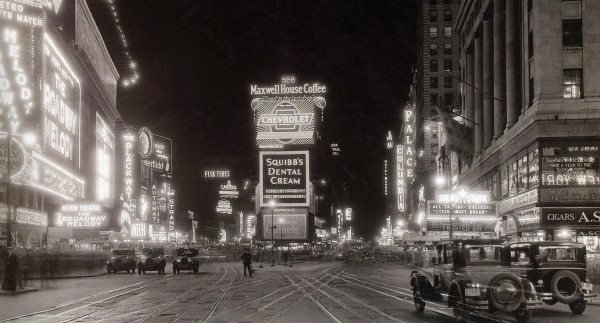
Broadway hit its prime in the 1920s, when many old buildings originally used for housing or commercial interests became more valuable as places to hang brightly lit signs.

NYC-at-Night131-600x323
Broadway in the 1920s (TimesSquareNYC.org)

The “Talk” editors were more or less impressed by the displays. Despite their garishness, the Broadway lights were also a symbol of the youthful exuberance of Roaring Twenties New York:

Screen Shot 2016-01-28 at 4.31.47 PM

Screen Shot 2016-01-28 at 4.32.03 PM

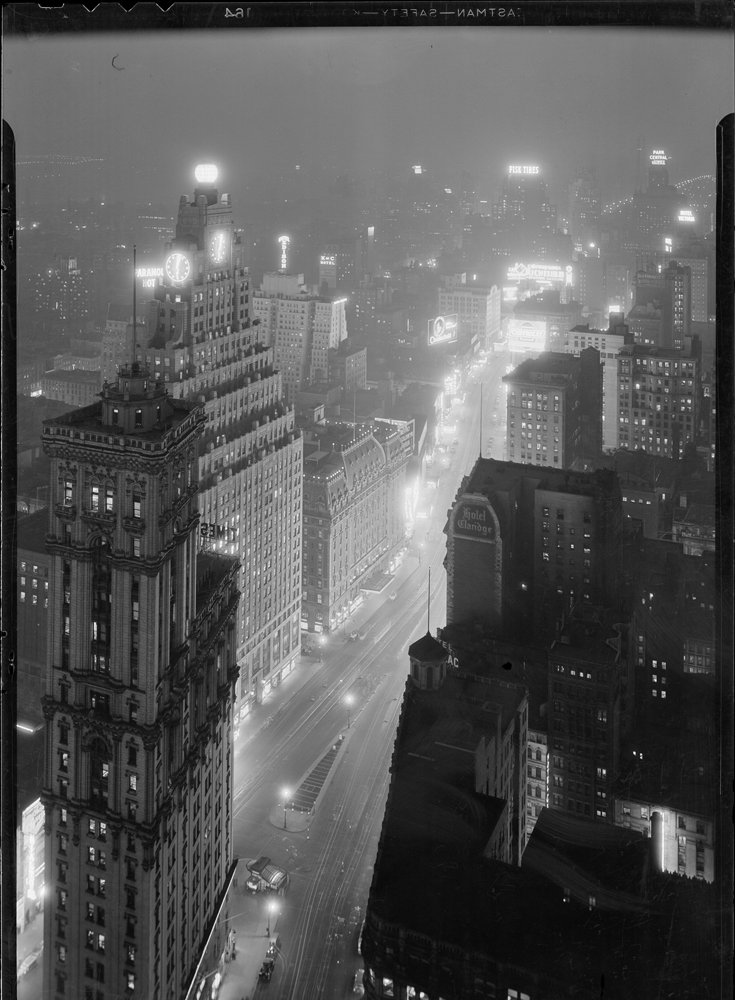
Samuel Herman Gottscho photo of Times Square from 41st Story [of the] Continental Building, at night, February 16, 1932. (Museum of the City of New York.)
tumblr_nw4uc5kmEh1ti90t5o1_500
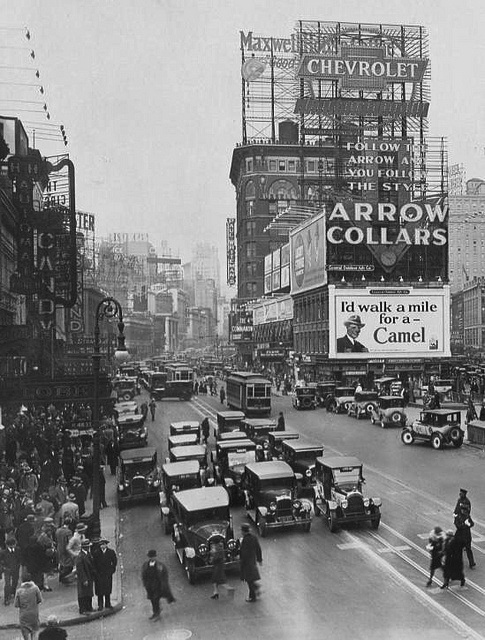
Daytime view of Times Square in the 1920s (Tumblr)

The “Talk” editors sang the praises of the “aortic” Grand Central Station, which they dubbed a place of both dignity and efficiency that sorts a “surprisingly cheerful stream” of travelers with a certain rhythm, set in motion by an impassive gateman:

Screen Shot 2016-01-28 at 4.28.56 PM

gc
The main concourse at Grand Central Terminal, 1929. (New York Transit Museum)

The Talk writers also added this lyrical observation of the traveling masses:

Screen Shot 2016-01-28 at 4.30.39 PM

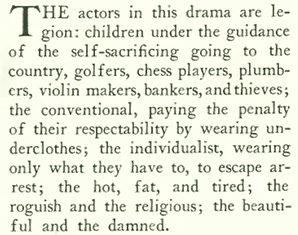
Talk also noted the recent travels of Cornelius Vanderbilt Jr., who was an apparent heir to the Vanderbilt fortune until he shunned high society and was disinherited by his parents for becoming a journalist and newspaper publisher. The Talk segment noted that Vanderbilt had returned from travels in Europe, where among other things until he rubbed elbows the Italian dictator Benito Mussolini and observed the curious habits of people under his fascist rule:

Screen Shot 2016-01-28 at 4.23.59 PM

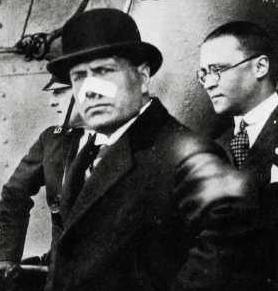
Italian Premier Benito Mussolini (before he started wearing the fascist uniform) leaving for Tripoli on May 13, 1926. His nose was bandaged after an assassination attempt on April 26 by a British woman, Violet Gibson, who shot him with a revolver at close range. She was ruled insane and deported to England (strangehistory.net))

Next Time: Talking Pictures…

Screen Shot 2016-01-28 at 4.34.57 PM

Wild & Woolly

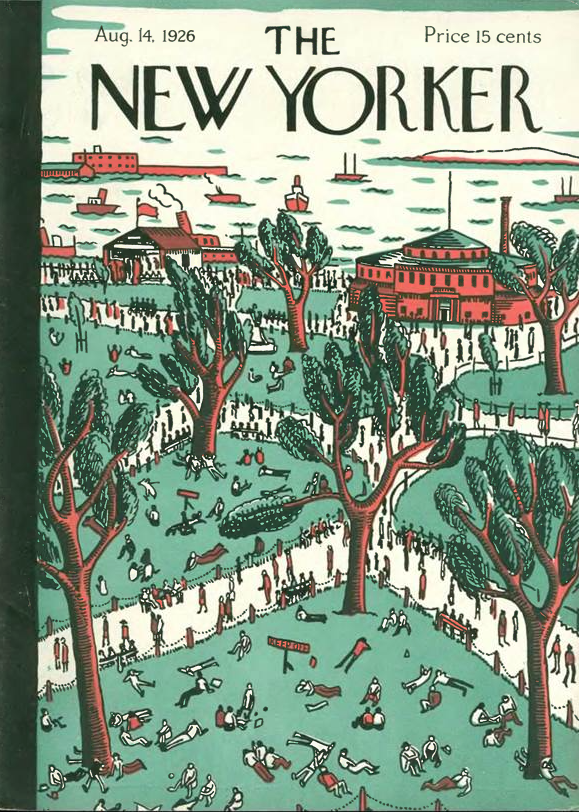
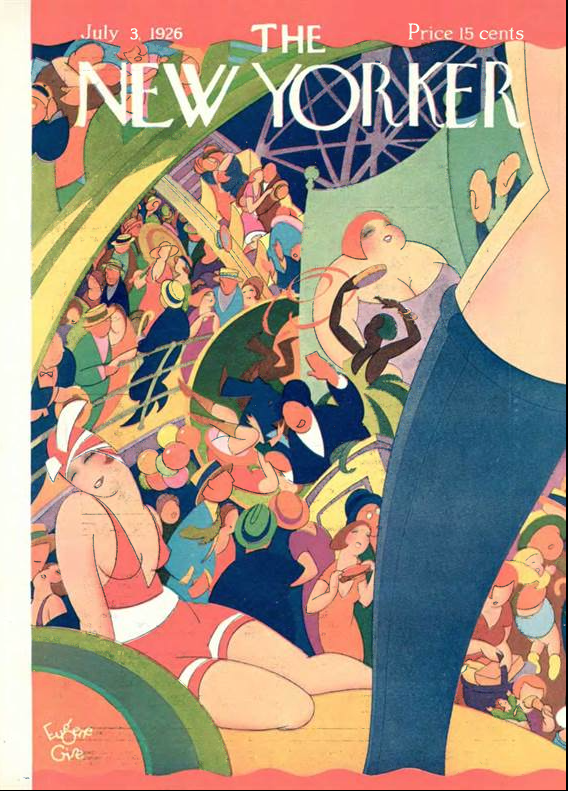
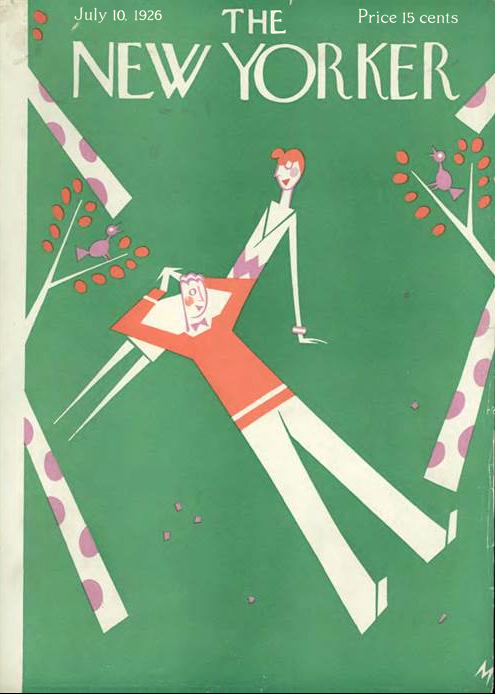
Eugene Gise threw a beach party on the July 3, 1926 cover of The New Yorker with an explosion of color that was a departure from the somewhat spare covers of previous issues. It had been an unseasonably cool June, so folks were ready to frolic in the sun.

Screen Shot 2016-01-12 at 11.17.43 AM
July 3, 1926 cover by Eugene Gise.

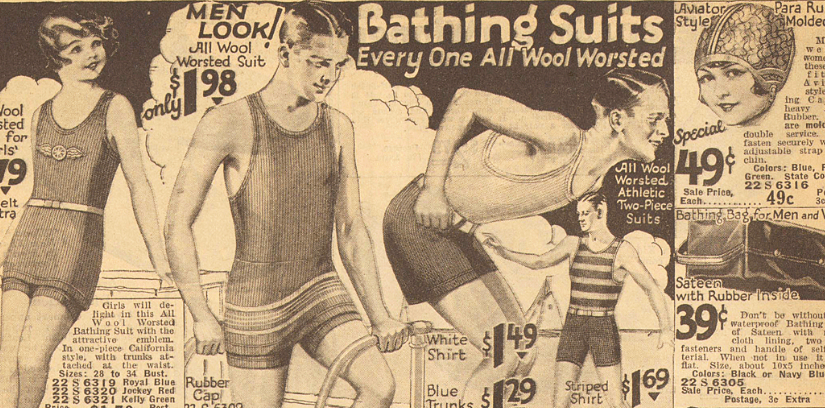
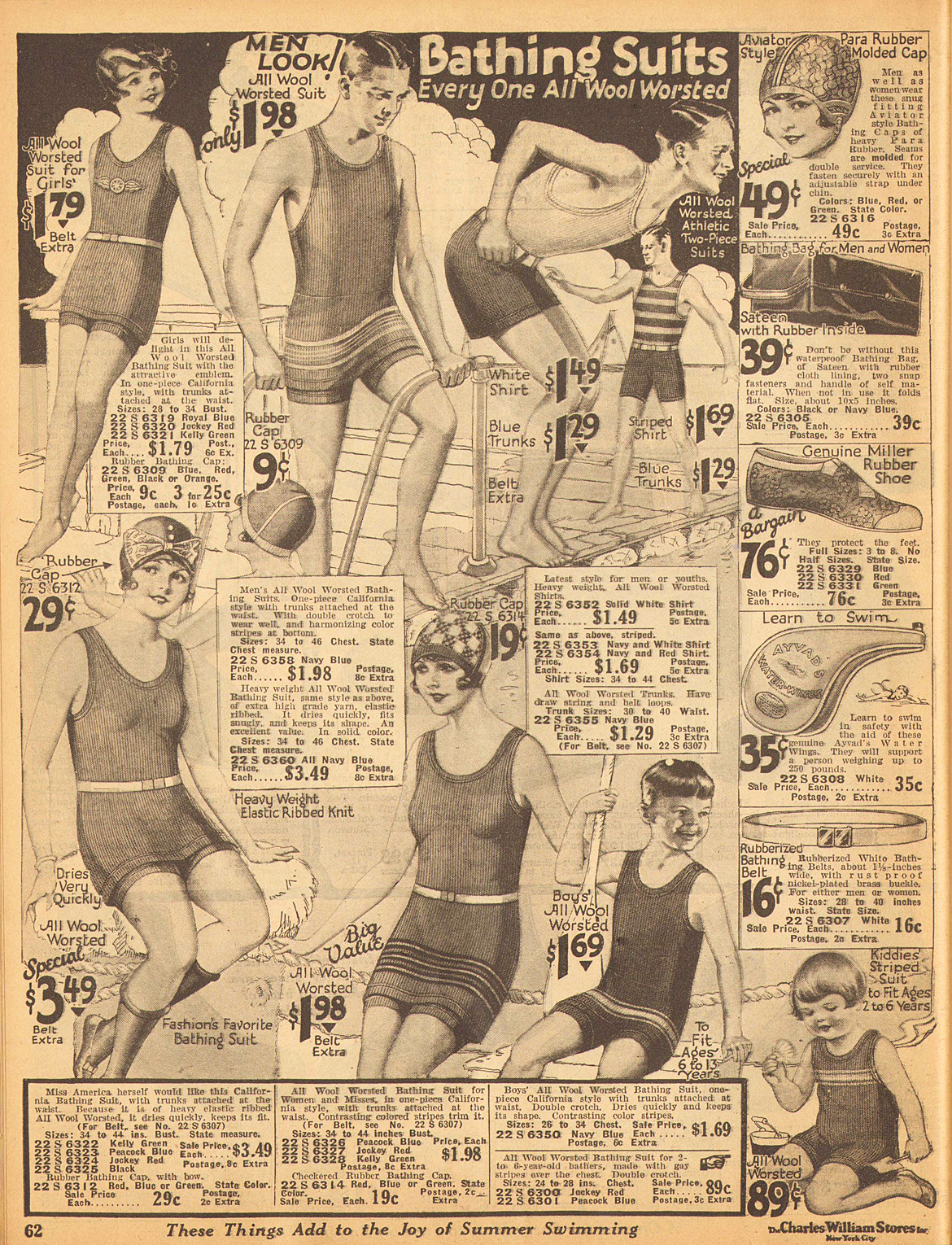
It should be noted that the woman in the foreground basking in the sun is most likely wearing a wool bathing suit. Although Jantzen was making suits you could actually swim in, these wool numbers were still the norm. As the website Vintage Dancer notes, “functionality in swimwear was not as important as fashion, so the prevailing theory was that wool would help keep you warm.” Check out this newspaper advertisement from 1926:

1926-CW-3_Page_19-mens-swimsuit
(Vintage Dancer)

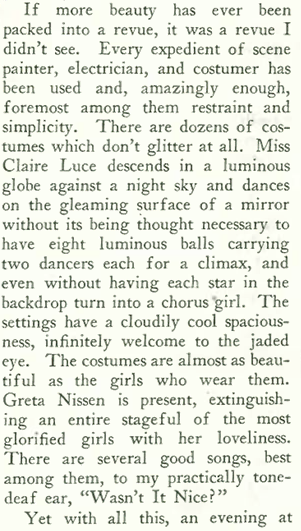
In the previous issue (June 26, 1926) theatre critic Charles Brackett looked at all the fuss over the opening of George White’s Scandals revue, so in this issue he gave the Ziegfeld Follies—the revue show that inspired the Scandals—its proper due.

Screen Shot 2016-01-12 at 12.07.00 PM

Screen Shot 2016-01-12 at 12.07.12 PM

20130923214629-2288ec2c-me
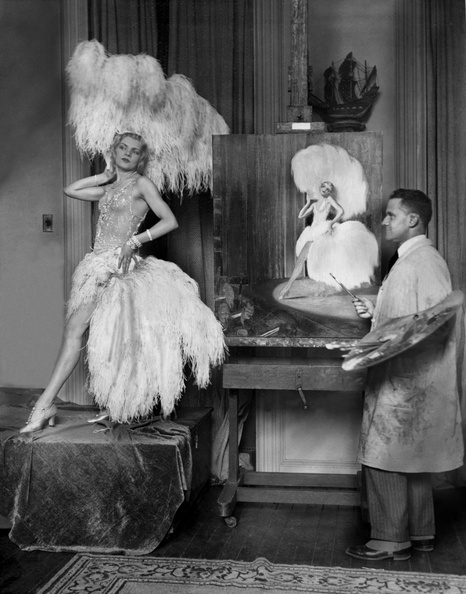
Claire Luce was a star attraction at the Ziegfeld Follies. Here Clarence F. Busch paints her portrait in an ostrich costume she wore for the Follies (Historical Ziegfeld Group)

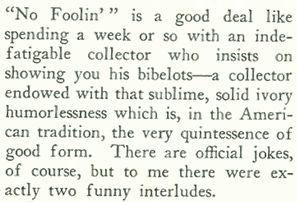
Needless to say, Brackett found the Ziegfeld Follies as pointless as its imitator:

Screen Shot 2016-01-12 at 12.07.30 PM

Moving on to other things, I found this tidbit in “The Talk of Town” interesting. Even 90 years ago city dwellers were complaining about having to sort their garbage:

Screen Shot 2016-01-12 at 12.02.07 PM

Screen Shot 2016-01-12 at 12.02.22 PM

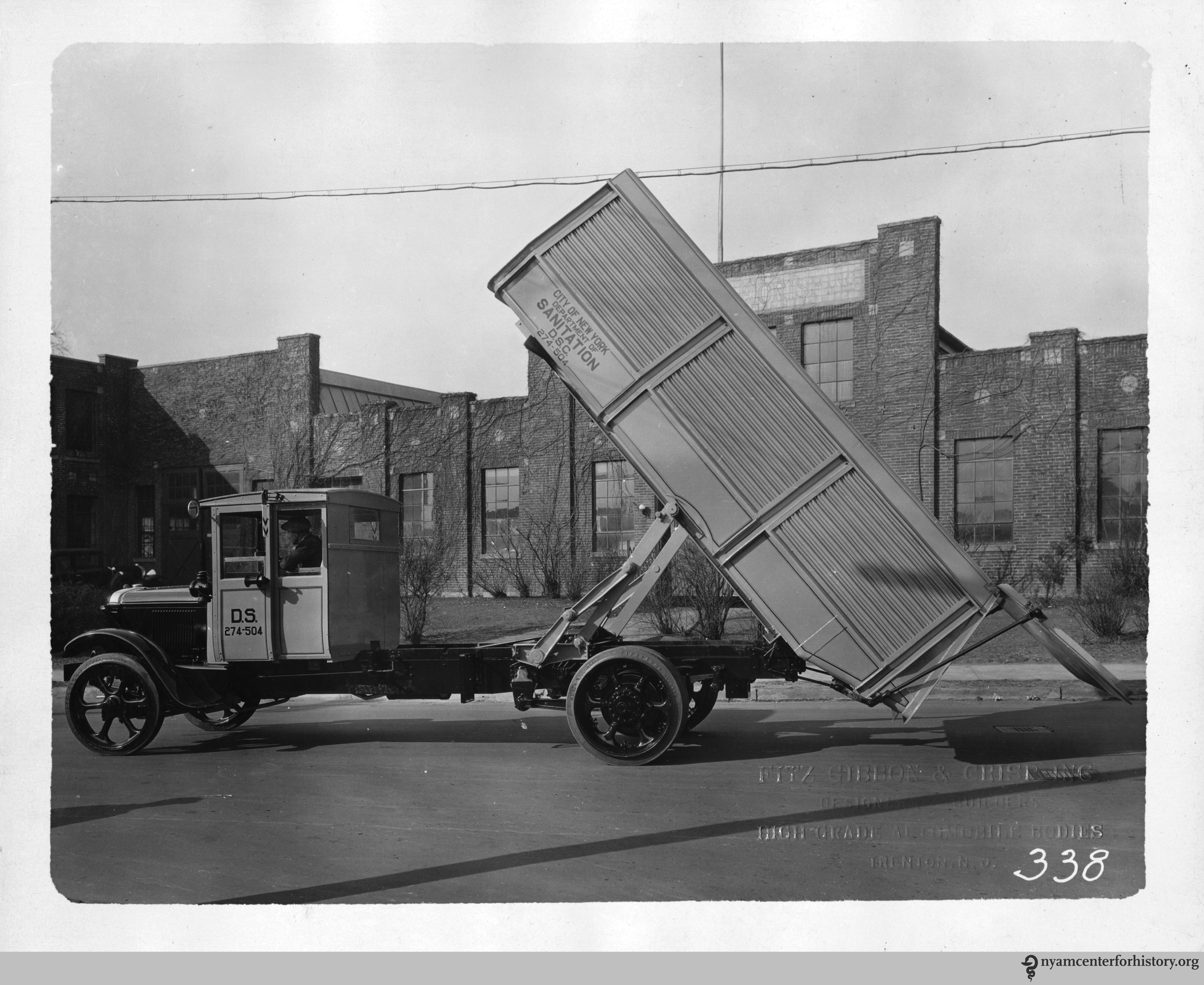
A state-of-the-art garbage truck in 1920s NYC looked like this…

garbagenewtruck
(nyamcenterforhistory.org)

…and since the 1890s the city had employed street sweepers known as “White Wings” to keep things tidy, apparently even in the middle of traffic:

24-BOOK-articleLarge
(The New York Times)

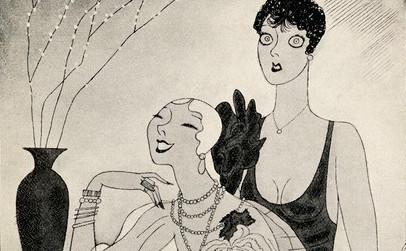
After decades of petticoats, the Roaring Twenties marked the beginning of androgynous fashion in America, with actress Marlene Dietrich leading the way in defying standards of femininity. Cartoonist Raymond Thayer took a humorous look at the trend in the July 3 issue:

Screen Shot 2016-01-12 at 12.00.05 PM

Next Time: A Tarnished Tinseltown…

Screen Shot 2016-01-14 at 9.54.46 AM

Black Bottom & Other Scandals

The Roaring Twenties were all about fads and crazes, ranging from flagpole sitting to dances such as “The Shimmy,” “The Charleston,” or “The Black Bottom.” These dances were appropriated from Black culture, with many New Yorkers getting their first exposure in places such as Harlem’s famed Cotton Club.

Screen Shot 2016-01-08 at 1.35.03 PM
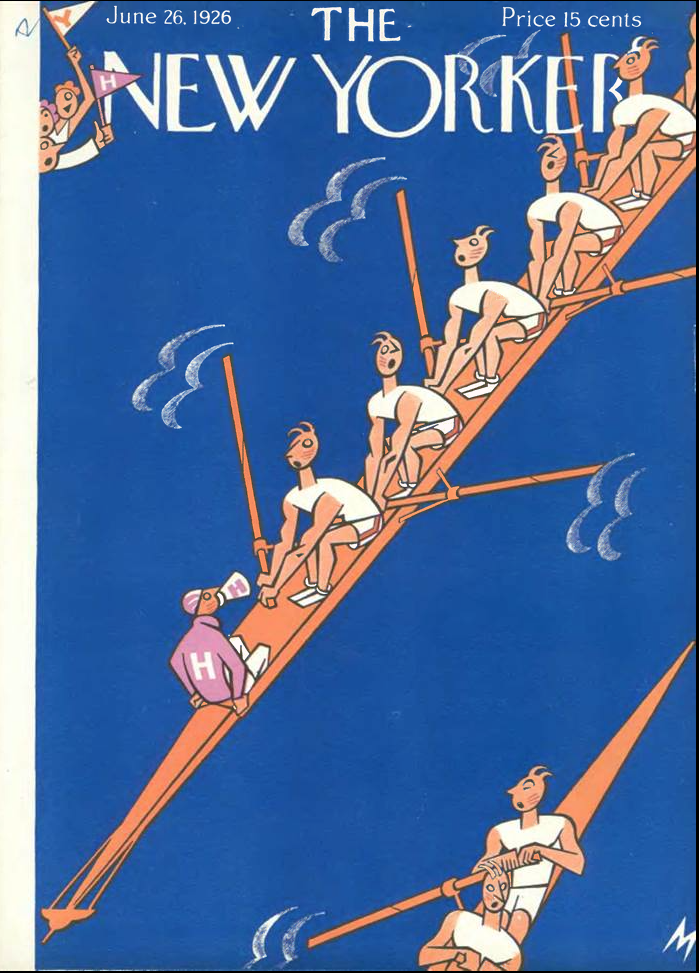
June 26, 1926 cover by Julian de Miskey.

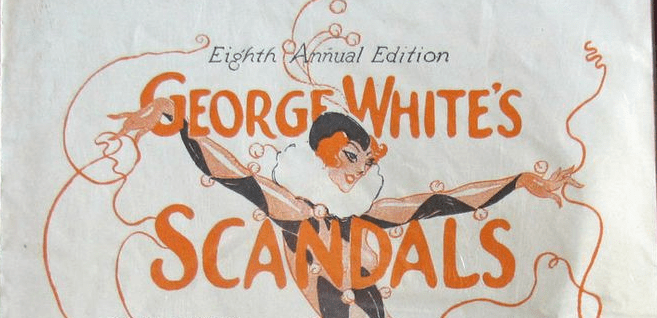
The June 26, 1926 issue of The New Yorker was all abuzz over the Broadway debut of George White’s eighth annual Scandals. The Scandals were a long-running string of Broadway revues that ran from 1919-1939. Modelled after the Ziegfeld Follies, the Scandals launched the careers of many entertainers, including W.C. Fields, the Three Stooges, Rudy Vallée and Louise Brooks. Composer George Gershwin’s early work also appeared in the earliest editions of the show.

a257e06b8b87fdf0d0f851e9b7586642
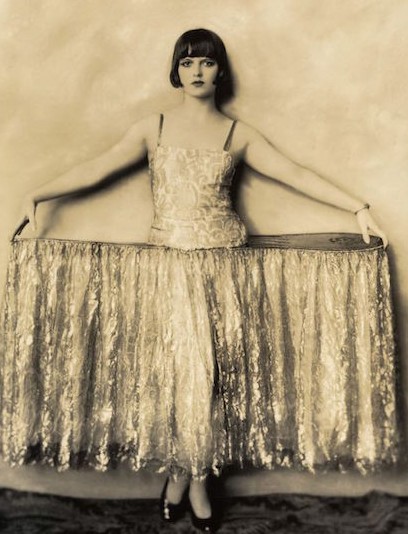
Actress Louise Brooks got her start in the Scandals and later the Ziegfeld Follies. Here she portrays the “Duchess of Sidebottom” in George White’s Scandals of 1924. By 1925 Brooks would have a movie contract with Paramount, and go on to become a popular star of the late silent era and gain fame as the iconic symbol of the flapper. (Flickr)

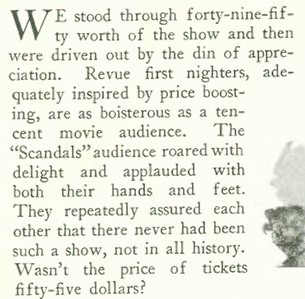
Like Florenz Ziegfeld, White must have been a master at marketing, since tickets for the Scandals opening sold for $55, which today would be the equivalent of about $725:

Screen Shot 2016-01-11 at 4.42.50 PM

The editors of “The Talk of the Town” were a bit skeptical of all the hype:

Screen Shot 2016-01-11 at 4.44.15 PM

The 1926 Scandals show featured “The Black Bottom,” danced by Ziegfeld Follies star Ann Pennington and Tom Patricola. In this dance-crazed era, “The Black Bottom” became a national phenomenon and even surpassed “The Charleston” in popularity.

It_illustrates_the_Black_Bottom_dance_and_features_Ann_Pennington,_George_White_and_Tom_Patricola,_all_of_whom_are_Wiki,_as_is_GEORGE_WHITE%22S_SCANDALS
Tom Patricola and Ann Pennington dance “The Black Bottom” in 1926 as Scandals producer George White looks on (Wikipedia)
Ann-Pennington-and-Felix2
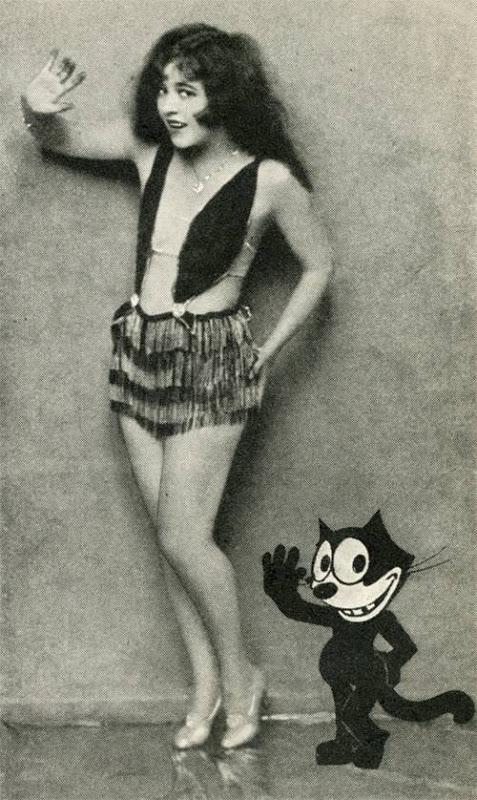
Ann Pennington “teaching” Felix the Cat how to dance “The Black Bottom.” Image scan from Photoplay magazine spread, January 1927.

“The Black Bottom” was popularized in New York by the 1924 Harlem stage show show Dinaah. Although the dance moves originated in New Orleans in the early 20th century, Jelly Roll Morton gave it a name when he wrote Black Bottom Stomp in 1925, referring to Detroit’s Black Bottom district.

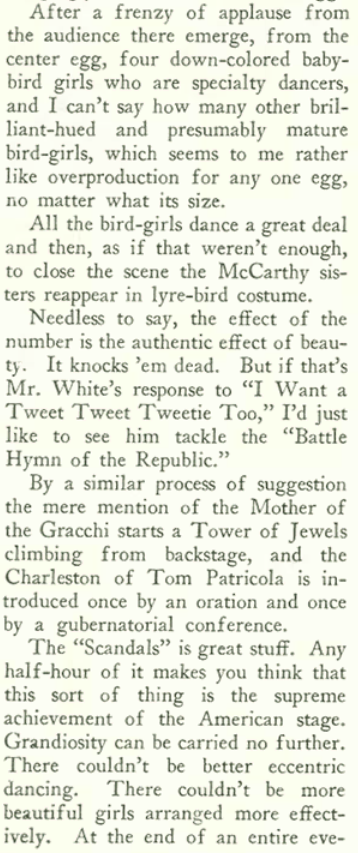
In typical fashion, The New Yorker was less than impressed with the spectacle. In his theatre review column, Charles Brackett made this observation:

Screen Shot 2016-01-11 at 4.52.53 PM

Screen Shot 2016-01-11 at 4.53.12 PM

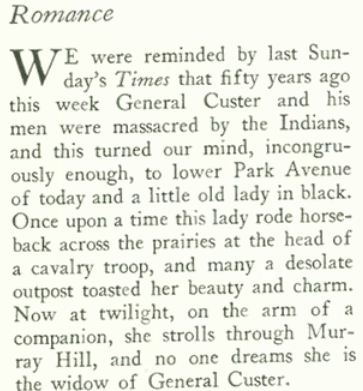
On to other things, “The Talk of the Town” also featured this curious note about George Custer’s widow, reminding us that 1926 was a very long time ago. Here are excerpts:

Screen Shot 2016-01-11 at 4.46.36 PM

Screen Shot 2016-01-11 at 4.46.54 PM

aow.img.RG3126-2-58
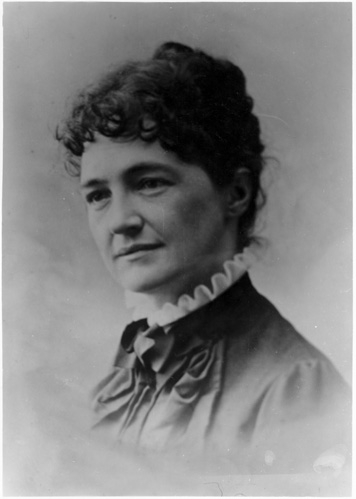
Elizabeth Bacon Custer in 1876, the year of the Battle at Little Bighorn (Nebraska State Historical Society)

The New Yorker editors continued to remark on the changing face of Fifth Avenue…

Screen Shot 2016-01-11 at 4.38.59 PM

…and on the progress of the city’s infrastructure improvements, as in this excerpt from a humorous piece by the Robert Benchley:

Screen Shot 2016-01-11 at 4.50.40 PM

holland-tunnel-1926
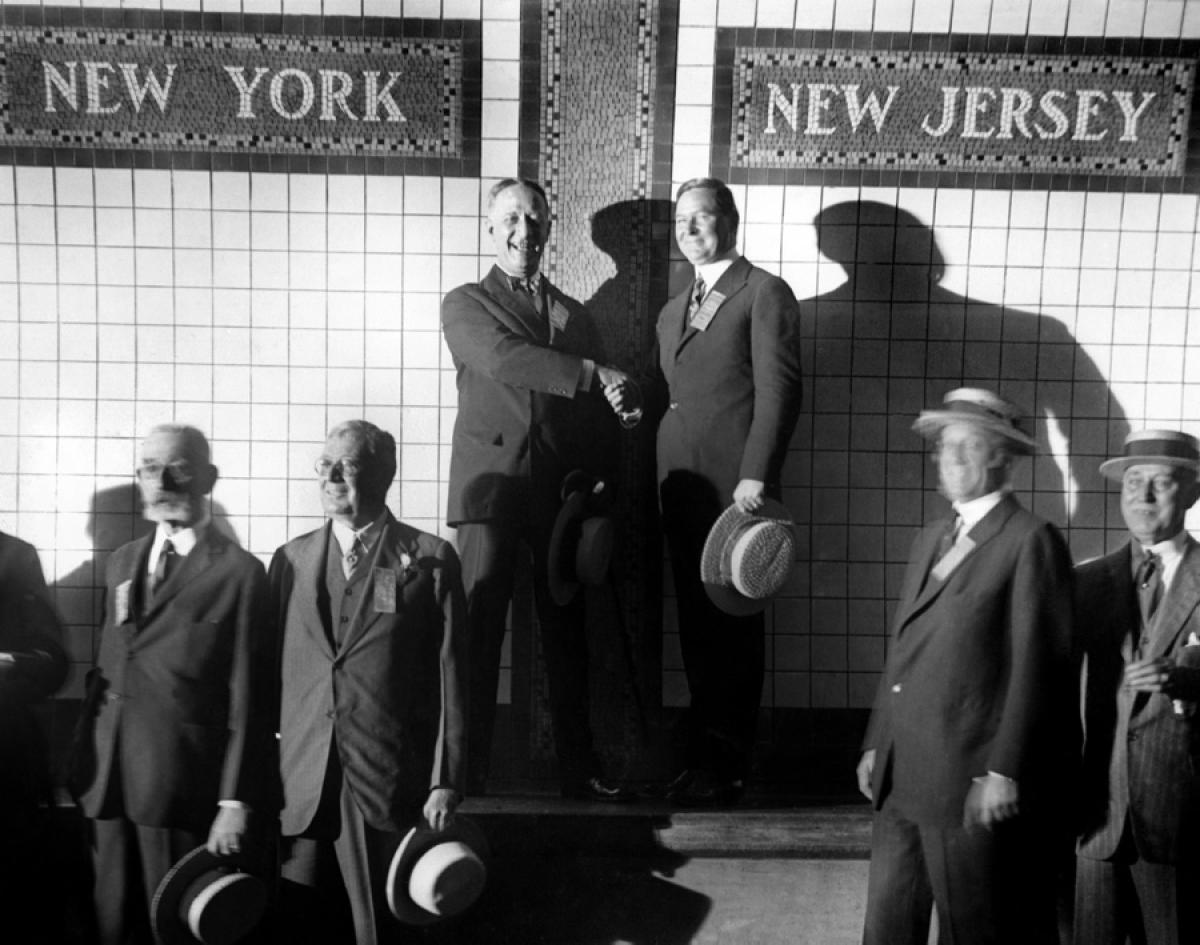
New York Governor Al Smith and New Jersey Governor A. Harry Moore shake hands at the state border inside the Holland Tunnel in 1926. (grayflannelsuit.net)

Next Time: Wild & Woolly…
Screen Shot 2016-01-12 at 11.17.43 AM