The Last Impressionist

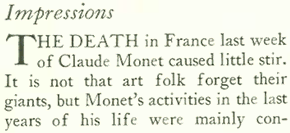
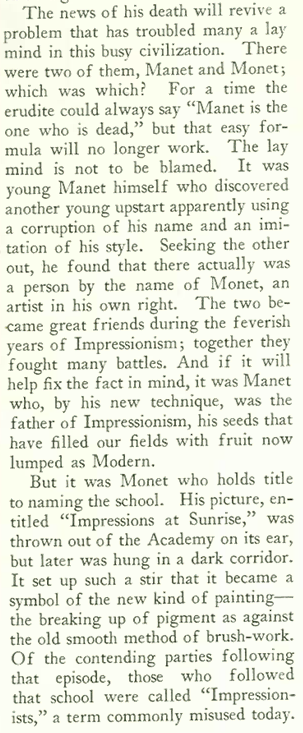
The death of artist Claude Monet prompted the editors of the New Yorker’s “Talk of the Town” to speculate on the true origins of the “Impressionist” movement of the late 19th century.

586fbe11df96b63350793a3341bc3dcf
December 18, 1926 cover by Ottar Gaul. Once again, the theme of the doddering sugar daddy out on the town with his young mistress.

Note how the “Talk” editors lightly regarded the artist’s late period, during which he painted his famous “Water Lilies” series:

Screen Shot 2016-05-25 at 9.11.05 AM

Screen Shot 2016-05-25 at 9.11.30 AM

The editors also used the occasion to clear up the confusion (in the lay mind) between Édouard Manet and Monet, identifying them not only as two distinct persons but also crediting the former with the founding of the Impressionism technique while giving Claude his due for actually giving it a name:

Screen Shot 2016-05-25 at 9.12.03 AM

Claude_Monet,_Water_Lilies,_ca._1915-1926
Water Lilies, a late period painting by Claude Monet, circa 1915-26. (Nelson-Atkins Museum of Art)
Monet_in_Garden,_New_York_Times,_1922
Monet, right, in his garden at Giverny, 1922. (New York Times)

Another much younger notable of the age, Ernest Hemingway, was the talk of literary society on both sides of the Atlantic with the publication of his latest novel, The Sun Also Rises. According to the New Yorker’s Paris correspondent Janet “Genêt” Flanner, the novel was creating a buzz in Montparnasse over the origins of the book’s colorful characters:

Screen Shot 2016-05-25 at 9.36.54 AM

Screen Shot 2016-05-25 at 9.37.08 AM

Keeping in mind that the Christmas shopping season was still in full swing, Frigidaire thought it the perfect time for New Yorker readers to buy a newfangled electric refrigerator:

Screen Shot 2016-05-25 at 9.09.03 AM

And we ring out the year with the final issue of 1926:

a891b86b245caf69b30eda2d09544bba
December 25, 1926 cover by Rea Irvin.

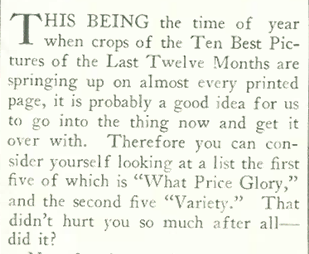
It was a tough year for New Yorker film critic “OC”, who summed up his  disappointment with the movies by offering a Top Ten list that included only two films:

Screen Shot 2016-05-25 at 9.46.08 AM

Variety_(1925_film)
The 1925 German film Variety (released in the U.S. in 1926) was one of only two films worth watching in 1926, according to the New Yorker’s film critic. (Wikipedia)

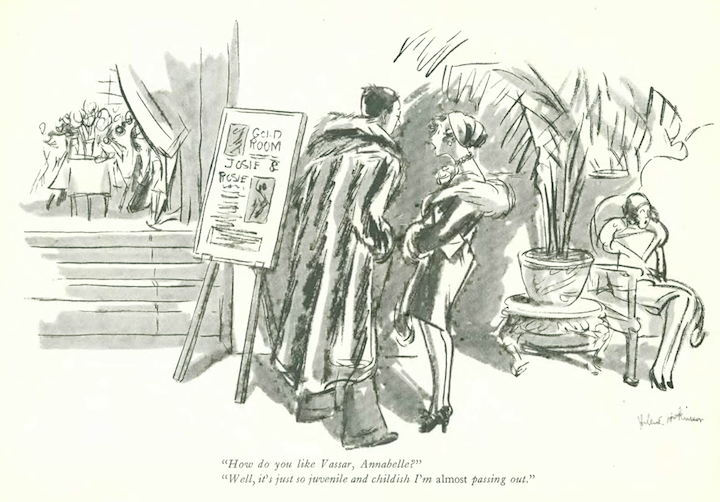
And to close, this cartoon by Helen Hokinson, which in the original magazine filled all of page 14 and therefore had to be printed sideways:

Screen Shot 2016-05-25 at 9.48.28 AM

Next Time: 1927-A Year to Remember…

3d2b321563197a6b5234717d2c47259b


What Price Glory

The silent comedy-drama What Price Glory was a popular film during the final weeks of 1926. Directed by Raoul Walsh, it was based on a popular 1924 play by Maxwell Anderson and Laurence Stallings.

9ce9dbbb683b23ca1336748460e4d7ac
December 11, 1926 cover by Rea Irvin.

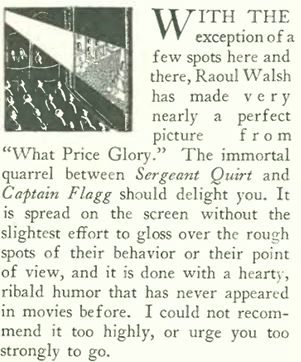
The film about World War I Marines who are rivals for the affections of a daughter of the local innkeeper proved to be a rare winner with the New Yorker film critic “OC” (anyone know his/her identity?), in a review published in the magazine’s previous issue (Dec. 4, 1926).

Screen Shot 2016-05-24 at 11.45.18 AM

The film also gained fame from the fact that although it was silent, the characters could be seen speaking profanities that were not reflected in the title cards. The studio was flooded with calls and letters from enraged lip readers, including the deaf and hearing impaired, who found the profanity between Sergeant Quirt and Captain Flagg offensive.

WhatPriceGlory
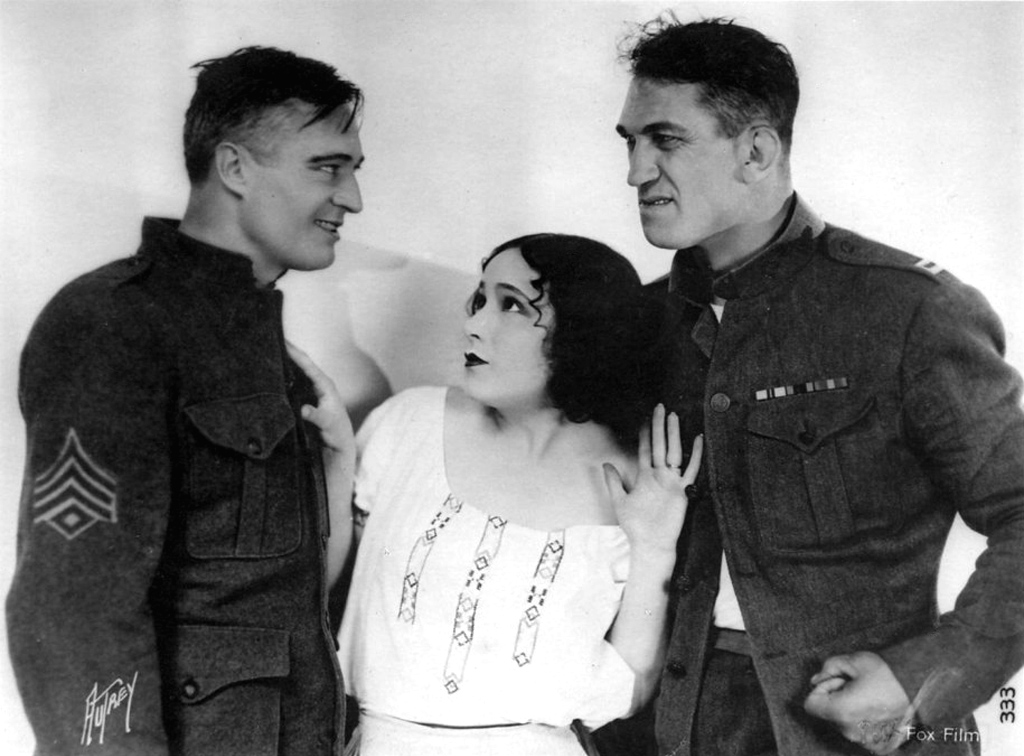
Edmund Lowe, Delores del Rio and Victor McLaglen in a publicity photo for What Price Glory? Lowe and McLaglen portrayed Sgt. Quirt and Cpt. Flagg, rivals for the affections of Charmaine de la Cognac (del Rio). (Fox Film Corporation)

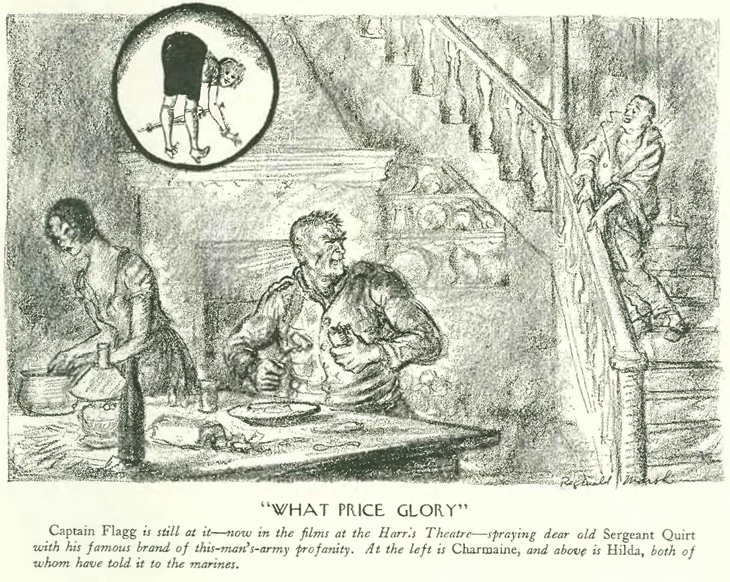
In the Dec. 11 issue, The New Yorker continued its publicity of the film with this drawing in the arts section by Reginald Marsh:

Screen Shot 2016-05-24 at 11.28.43 AM

I like the curious little bubble image the artist included in his illustration (above), just in case we aren’t sure what the gentlemen are fighting over.

tumblr_ky2zdm2fB81qa6tny
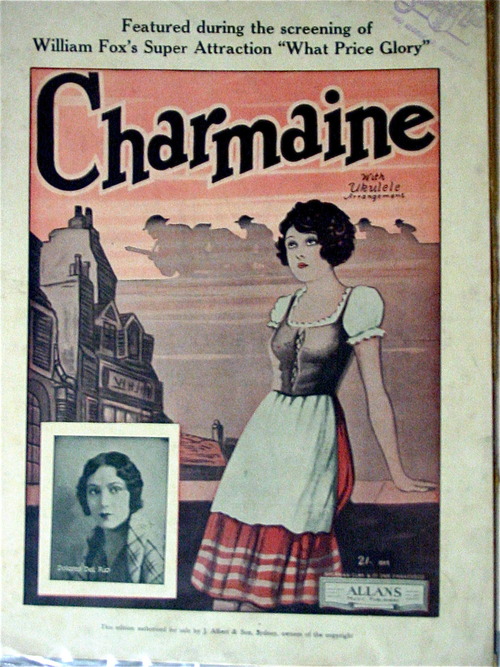
Delores del Rio’s Charmaine character on sheet music featuring the film’s theme song. The film would be rereleased in 1927 with synchronized Movietone sound effects and music. (Brooksies Silent Film Collection)

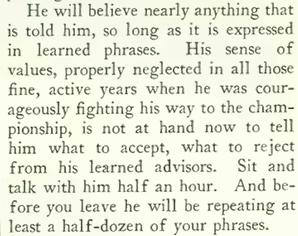
Other items in the Dec. 11 issue included Morris Markey’s “A Reporter at Large” piece on the newly crowned prizefighter Gene Tunney, who apparently was struggling with fame and wanted to be known for his smarts rather than his fists. Markey wasn’t buying it:

Screen Shot 2016-05-24 at 11.33.02 AM

After a number of verbal jabs throughout the piece, Markey included this knockout punch:

Screen Shot 2016-05-24 at 11.33.15 AM

jp-TUNNEY1-jumbo
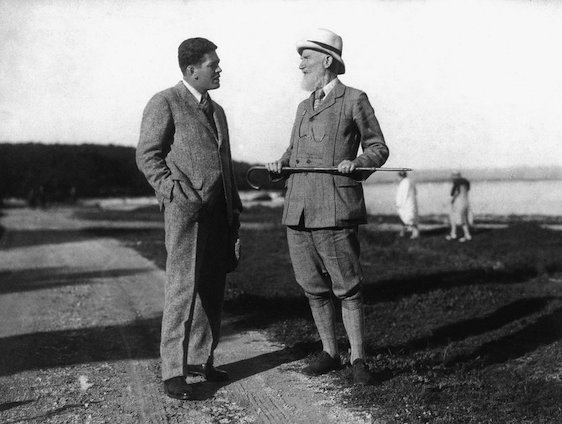
I COULDA BEEN A WRITER…Gene Tunney, left, and the writer George Bernard Shaw on a 1929 vacation to Brioni, Italy. (Associated Press)

Next Time: The Last Impressionist…

586fbe11df96b63350793a3341bc3dcf

Fun With Harold

The Nov. 6, 1926 issue of The New Yorker was actually two issues, one for the newsstands and subscribers and the other a rare parody issue privately published and presented to founding editor Harold Ross on his 34th birthday.

Screen Shot 2016-04-01 at 3.03.49 PM
The cover of the “official” issue (left) for November 6, 1926, was illustrated by William Troy, the parody issue by Rea Irvin.

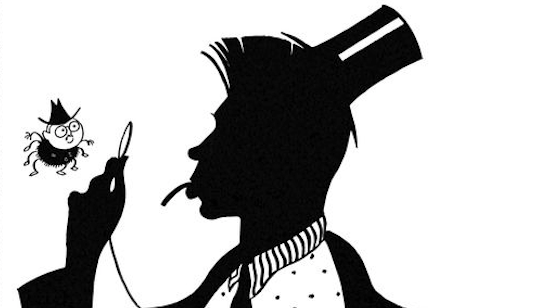
The parody issue’s cover featured a silhouette of Ross (drawn by Rea Irvin, as “Penaninsky”) in the pose of dandy Eustace Tilley, looking at spider bearing a strong resemblance to Alexander Woollcott, critic and commentator for The New Yorker who first met Ross overseas when the two worked on the fledgling Stars and Stripes newspaper.

Screen Shot 2016-04-07 at 3.16.19 PM
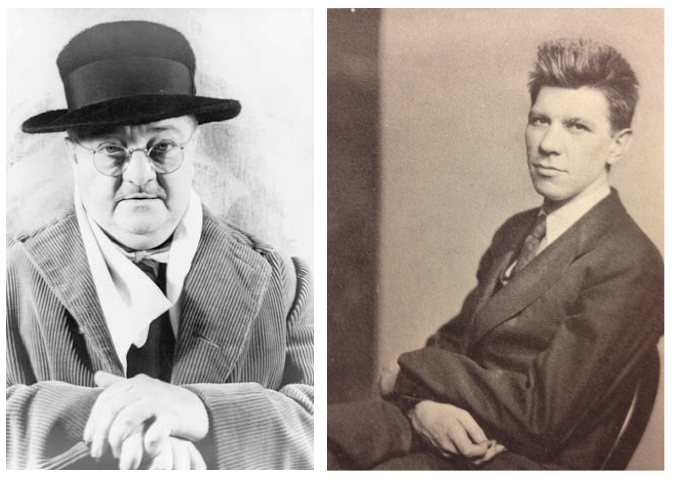
OLD PALS…Alexander Woollcott and Harold Ross (Britannica; Jane Grant Collection, University of Oregon)

Ralph Barton’s contribution to the parody issue…

Screen Shot 2016-04-07 at 2.44.38 PM
(From About Town: The New Yorker and the World It Made, By Ben Yagoda)

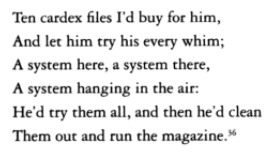
…and an unsigned contribution that took a poke at Ross’s efforts to create efficient procedures at the magazine’s office:

Screen Shot 2016-04-07 at 3.32.46 PM
Excerpt from Defining New Yorker Humor, by Judith Yaross Lee

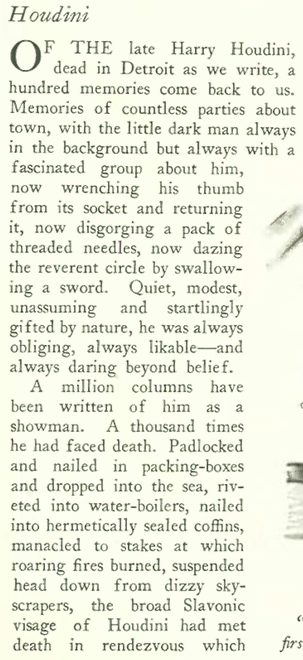
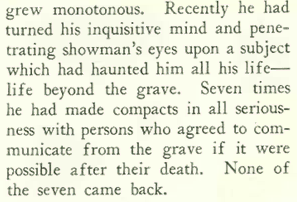
In the other Nov. 6 issue, “The Talk of the Town” editors commented on the death of the famed magician Harry Houdini:

Screen Shot 2016-04-07 at 3.43.59 PM

Screen Shot 2016-04-07 at 3.44.26 PM

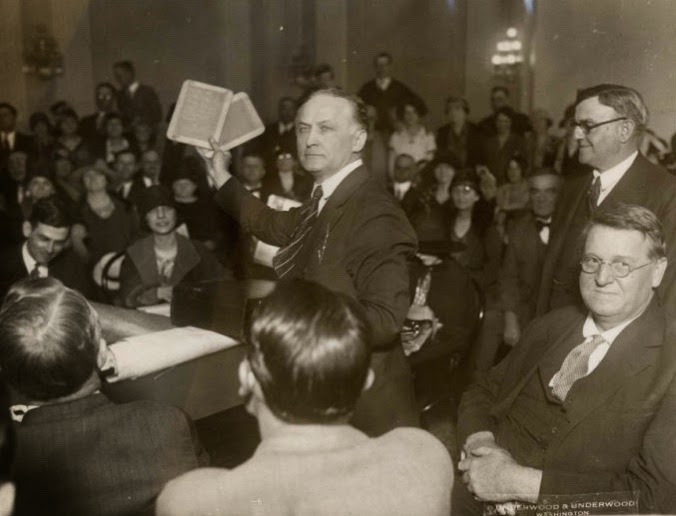
ONE OF HIS FINAL ACTS…Harry Houdini appearing before a Senate committee to expose fake spiritualists in February 1926. (wildabouthoudini.com)

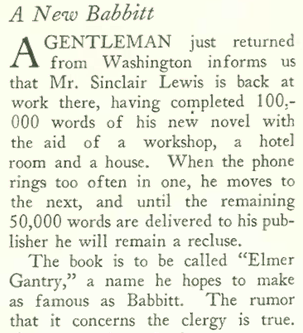
“Talk” also noted a new book called Elmer Gantry was being penned by Sinclair Lewis:

Screen Shot 2016-04-07 at 3.45.20 PM

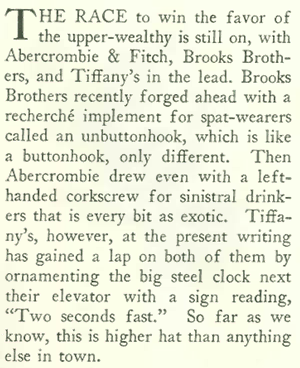
The book was a biting satire of the hypocrisy of fanatical preachers during the 1920s. It created a public furor when it was published in 1927. Another “Talk” item mocked the taste of wealthy New Yorkers for the latest exotic gadgets…

Screen Shot 2016-04-07 at 3.40.08 PM

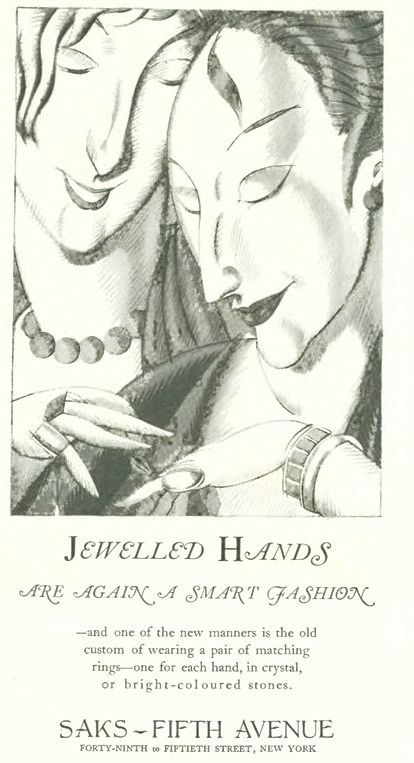
…but the same issue was also filled with the usual advertisements appealing to those very same desires of the Smart Set. Here’s a couple of gems, so to speak…

Screen Shot 2016-04-07 at 3.37.43 PM

Screen Shot 2016-04-07 at 3.38.34 PM

Next Time: The Cotton Club & Other Distractions…

8a3e8956e7cf51e58975801865fdce55

Fight Night in Philly

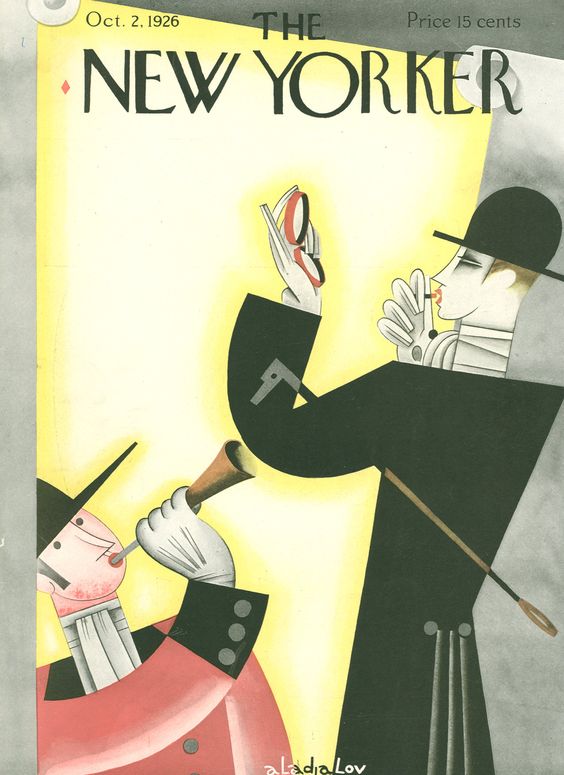
We skip ahead to the Oct. 2, 1926 issue to look at one of the big events of that year–the Dempsey-Tunney heavyweight prize fight (I’m not skipping issues…Sept. 25 appears later in this blog).
652f917918402a71eb86f6671c9f228a
Oct. 2, 1926 – Issue # 85 – Cover by Constantin Alajalov. (Once again, note the ongoing comic reference to androgyny in 20’s fashion)
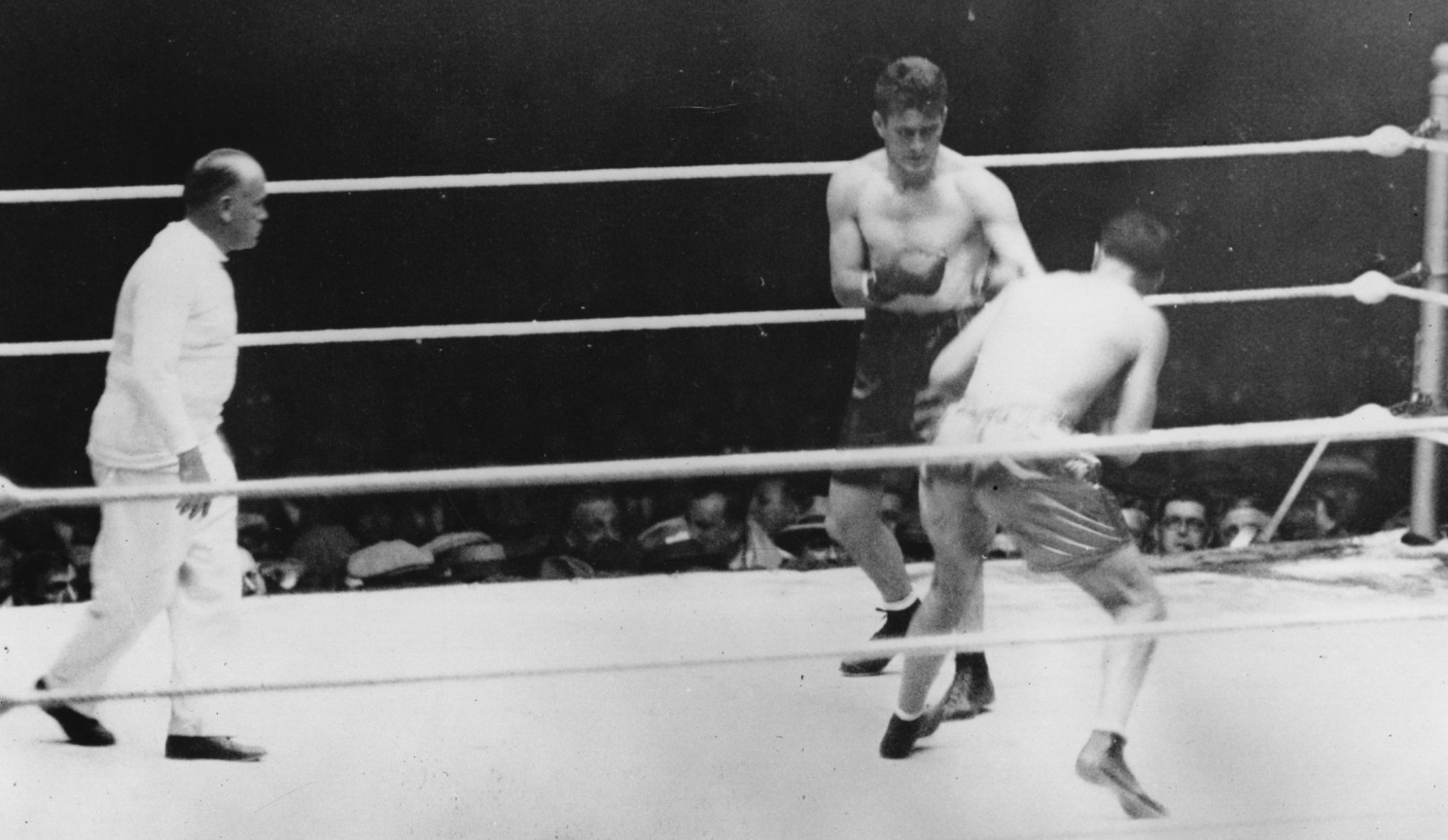
Heavyweight boxing was a big part of the American sports scene in the 1920s, and two giants of the sport, Jack Dempsey and Gene Tunney, dominated the headlines in the late 1920s thanks to much-heralded bouts in Philadelphia in 1926 and a rematch in Chicago the following year (which would include the famous “long count” incident).
Screen Shot 2016-02-26 at 12.30.40 PM
An estimated 135,000 fans packed Sesquicentennial Stadium in Philadelphia for the Dempsey-Tunney bout. (NYTimes)
The New Yorker joined in on the hoopla, publishing a lengthy account of the match by Waldo Frank (aka “Search-light”), who trained his jaded eye on the whole affair:
Screen Shot 2016-02-25 at 4.28.32 PMScreen Shot 2016-02-25 at 4.28.39 PM
MediaStream.ashx
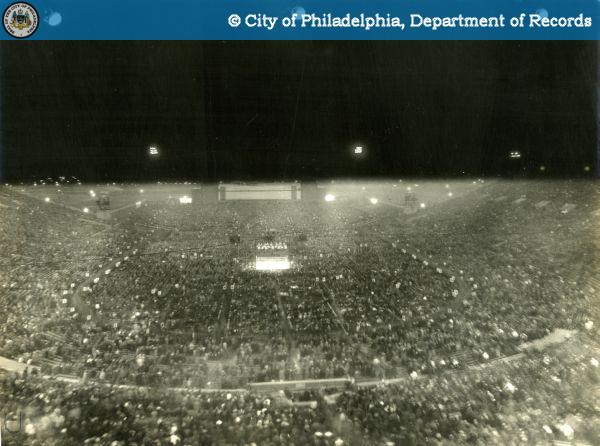
VIEW FROM THE CHEAP SEATS…a rain-soaked throng at the Dempsey-Tunney fight in Philadelphia. (City of Philadelphia)
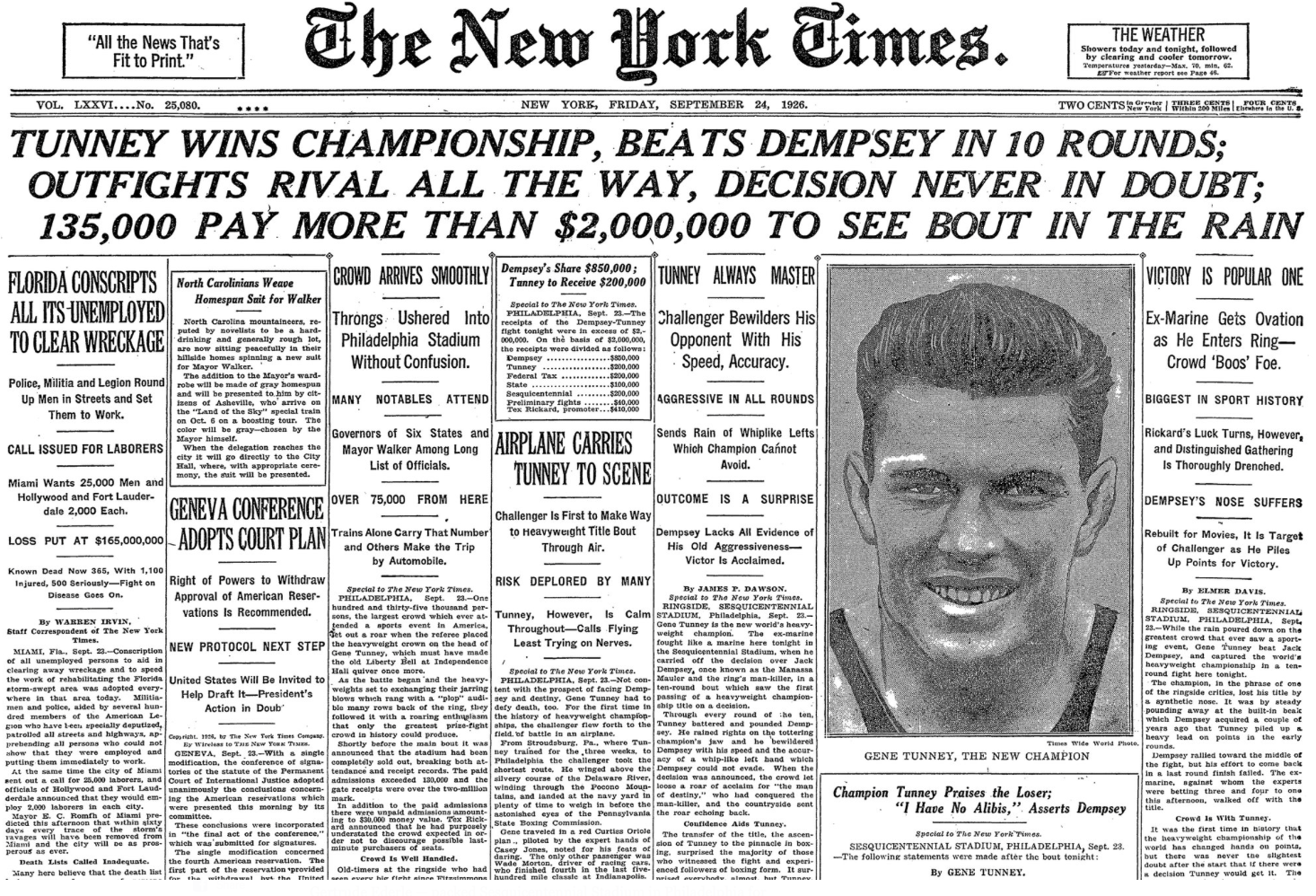
According to the New York Times, the crowd included such notables as Charlie Chaplin, cowboy movie star Tom Mix and the English Channel swimmer Gertrude Ederle.
Screen Shot 2016-02-26 at 12.13.08 PM
Coverage of Tunney’s victory by unanimous decision took up three-quarters of the front page of The New York Times, and also filled most of pages 2 through 7. (The New York Times)
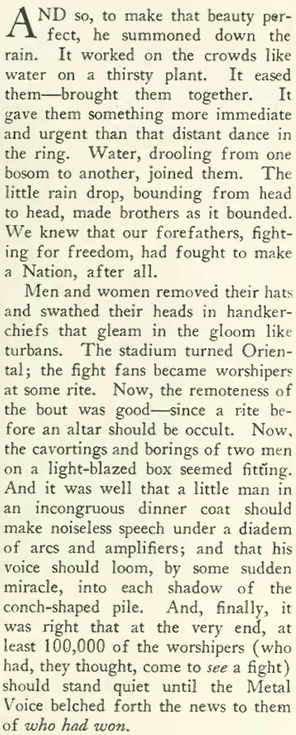
But in typical fashion, Waldo was less than dazzled, finding the rain an apt metaphor for a spectacle mostly unseen by those in attendance:
Screen Shot 2016-02-25 at 4.27.50 PM
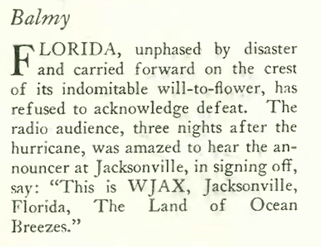
Never one to wallow in tragedy, the magazine made a brief (and oddly droll) reference in “The Talk of the Town” to a hurricane that hit Miami and its environs (it killed 372 people and injured more than 6,000):
Screen Shot 2016-02-25 at 4.16.52 PM
Other items of note in the issue included this examination of country vs. city life by cartoonist Barbara Shermund
Screen Shot 2016-02-25 at 4.21.56 PM
…and this cartoon by Al Frueh commenting on the challenges of Manhattan’s rapidly changing cityscape:
Screen Shot 2016-02-25 at 4.18.53 PM
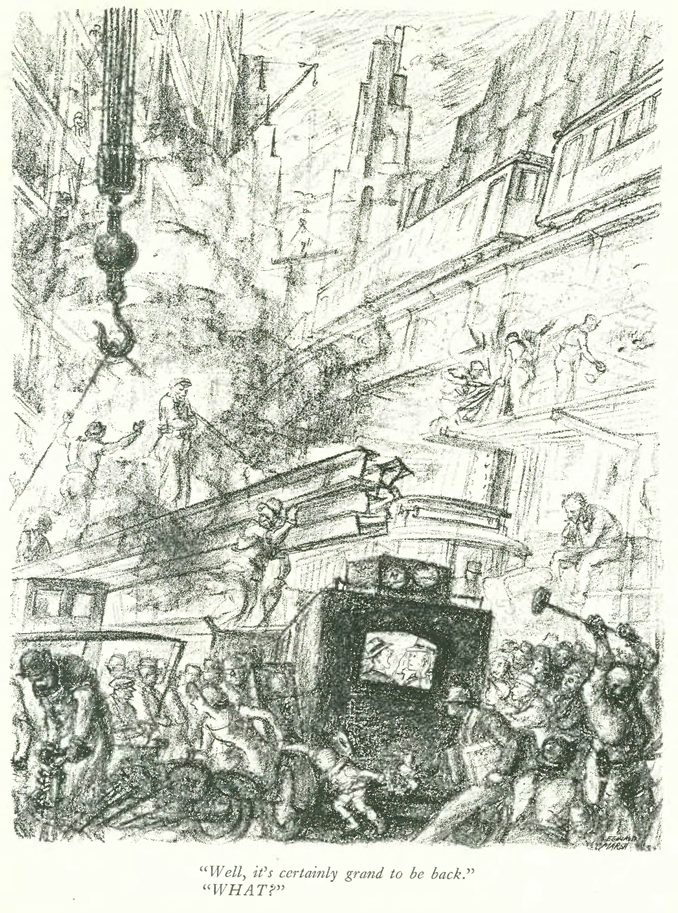
The changing city was also on the mind of Reginald Marsh in this illustration he contributed to the Sept. 25, 1926 issue of the magazine:
Screen Shot 2016-02-25 at 4.02.32 PM
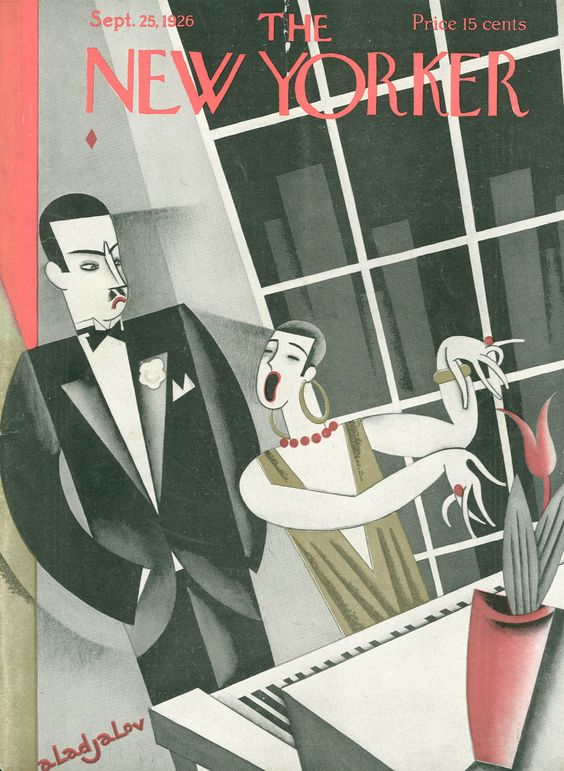
Back to the Sept. 25 issue, which featured an update from Paris correspondent Janet Flanner
d9f3d5507a7bade4fc28276d12a63260
Sept. 25, 1926 – Issue # 84 – Cover by Constantin Alajalov.
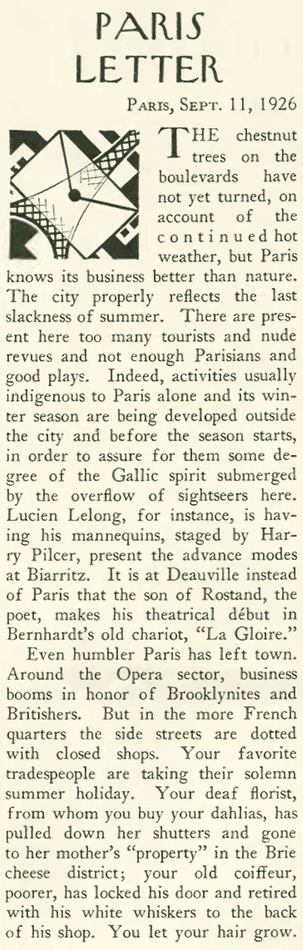
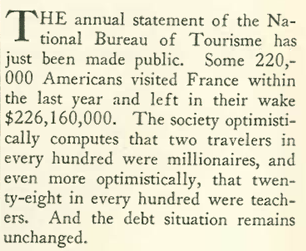
…who commented on the large number of American tourists crowding the city just as the locals were fleeing for their long, late summer holidays:
Screen Shot 2016-02-25 at 4.07.13 PM
She offered some numbers to back up her observations:
Screen Shot 2016-02-25 at 4.07.43 PM
3333095832_f6a6fd78cb_o
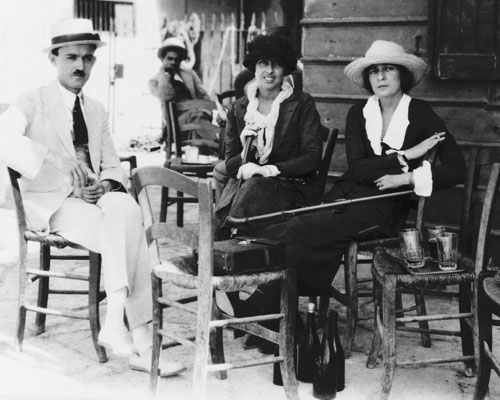
Janet “Genêt” Flanner (right) and longtime companion Solita Solano (center) in Paris, 1921. Solano was a well-known writer and drama critic for the New York Tribune. (Vintage Everyday)

And finally, a cartoon by Rea Irvin exploring the trials of the idle rich:

Screen Shot 2016-02-25 at 4.01.32 PM
 Next Time: Do Gentlemen Prefer Blondes?
848d031119e0d470956ce963e6e7fb62

Come Fly With Me

Since most of us complain about the sad state of air travel these days, it’s nice to get a little historical perspective on this mode of transportation.

60050ce935d82b28520c52109cd715ce
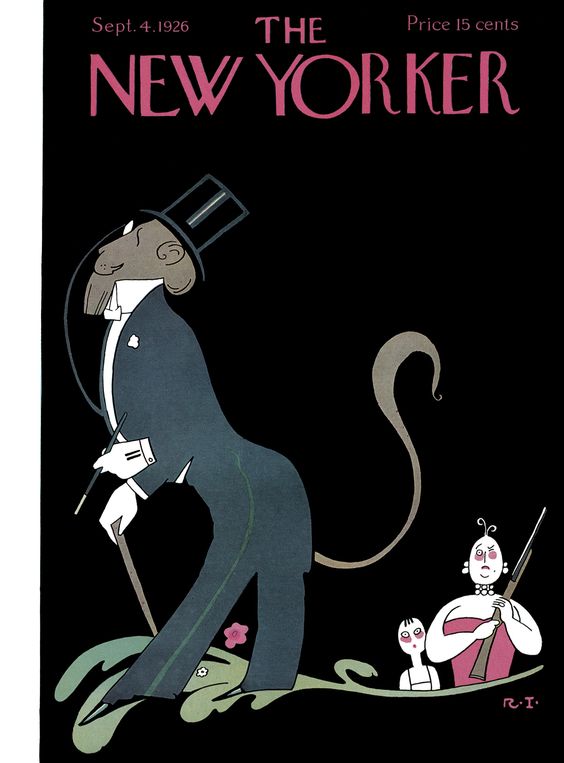
Sept. 4, 1926 cover by Rea Irvin.

Ninety years ago the editors of The New Yorker were enamored with passenger air service, even though it was only available to those who were wealthy and had the stomach to actually fly in one of these things:

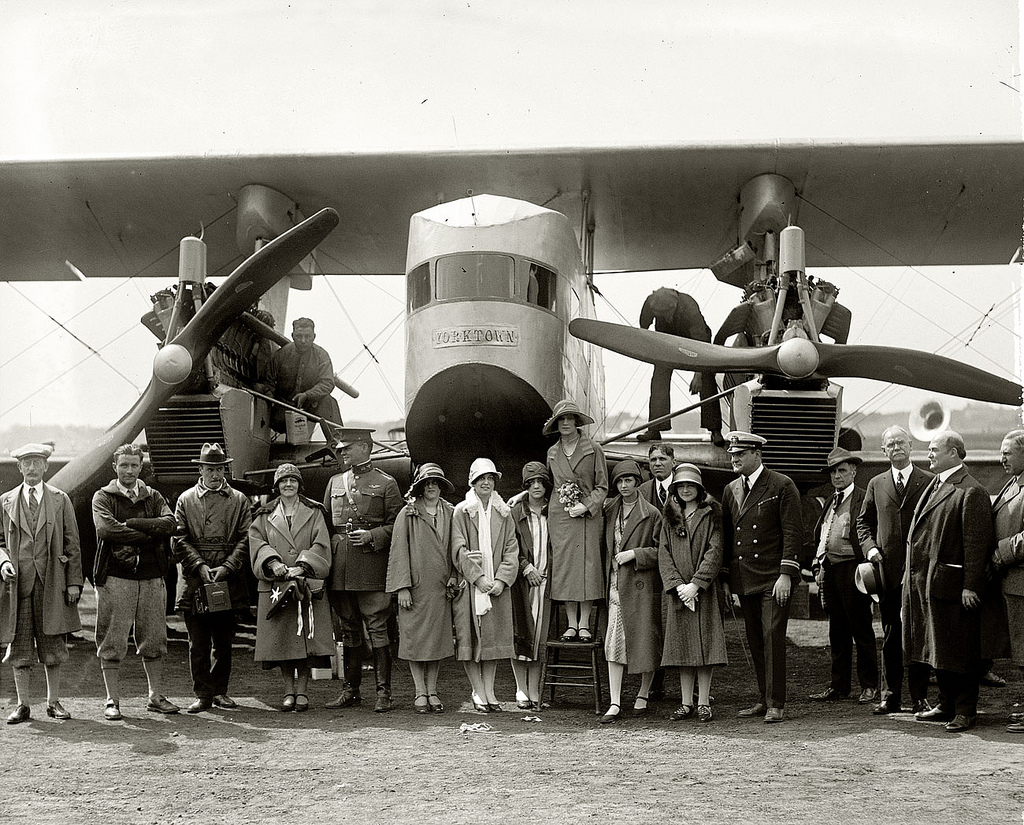
3987535508_ecfa3ffa6a_b
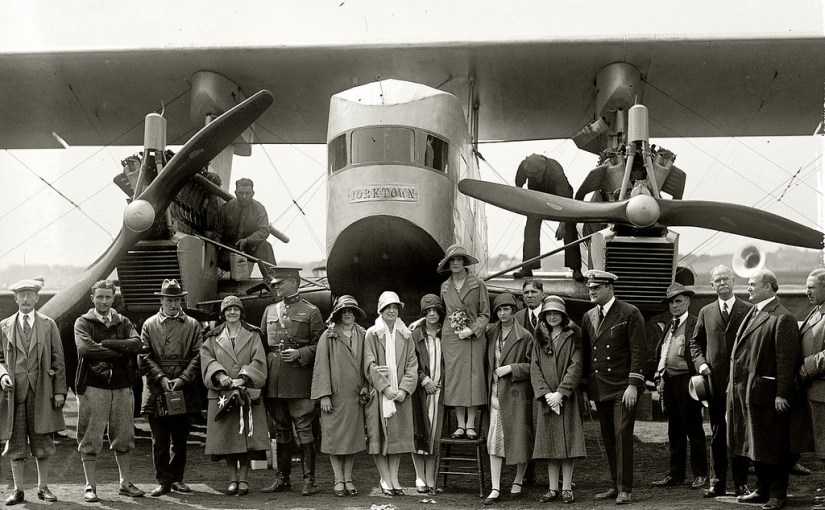
The May 8, 1925 christening of the Sikorsky “Yorktown.” The “huge” plane is referred to in the Sept. 4, 1926 “Talk of the Town.” (Library of Congress)

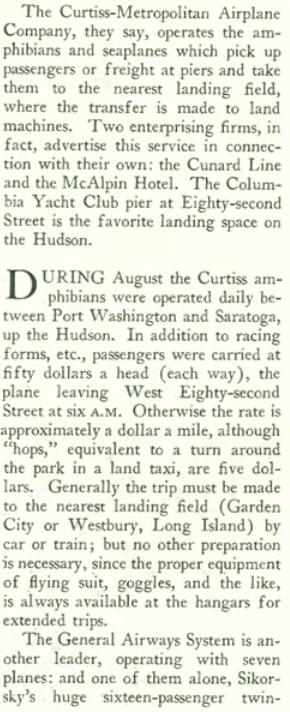
In the “Talk of the Town” section, The New Yorker editors marveled at the regular air taxi service available to Manhattanites:

Screen Shot 2016-02-10 at 11.50.30 AM

Screen Shot 2016-02-10 at 11.50.38 AM

The “huge” Yorktown might look crude to a traveler in 2016, but this was advanced stuff considering the Wright Brothers had made their first flight less than 23 years earlier. Planes like the Yorktown looked less like aircraft we know today and more like a trolley car with wings attached. And that window in the front wasn’t for the pilot. He sat up top in the open air:

5919269221_8df4563424_b
Side view of the Sikorsky “Yorktown.” Note the pilot seated aft of the wings. (Flickr)

But then again, the interiors of these planes were no picnic, either. Imagine sitting in this while crashing through a storm:

HighFlight-Goliath4
Interior of a Farman Goliath, which would have been similar to the Sikorsky, if not a little nicer. (Historic Wings)
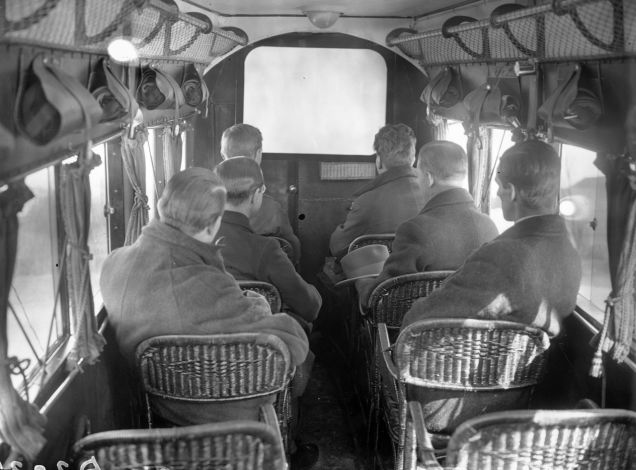
onzaslyyjim7xrzditoc
Another photo of a 1920s passenger flight. As in the preceding photo, note the wicker chairs. And no leg room. These fellows appear to awaiting the showing of an early in-flight movie. At least movies were silent then, because with giant piston engines flanking the cabin you weren’t going hear anything anyway. (Paleofuture)

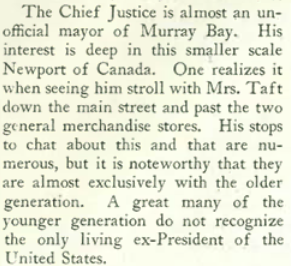
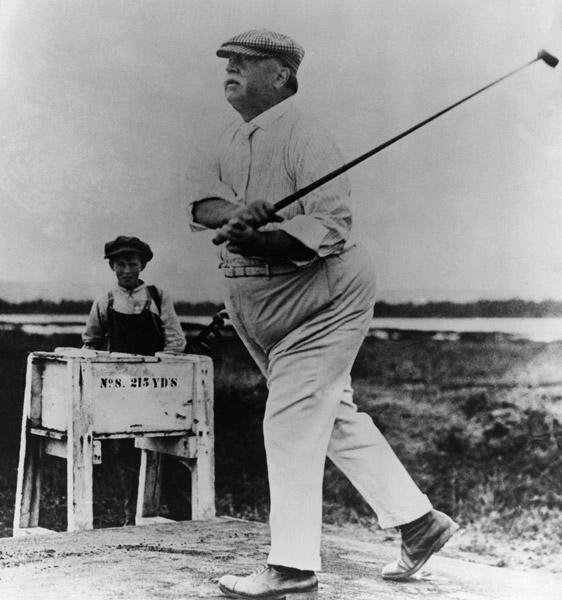
Other items from the Sept. 4, 1926 “Talk” section included a bit about the former president and then Supreme Court Justice William Howard Taft, and his rather ordinary life in Murray Bay. An excerpt:

Screen Shot 2016-02-10 at 11.50.50 AM

1268484_600
Ex-President, Supreme Court Justice and avid golfer William Howard Taft follows through on the links in this undated photo (jmarkpowell.com)

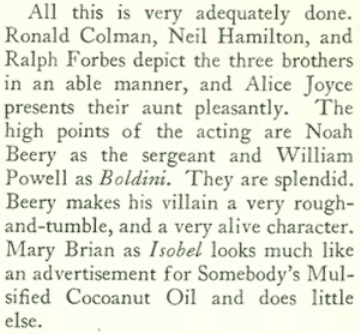
At the movies, The New Yorker gave a lukewarm review of the much-ballyhooed film Beau Geste:

Screen Shot 2016-02-10 at 12.01.07 PM

Mary-Brian-with-Neil-Hamilton-in-Beau-Geste-1926
AT LEAST SHE HAD A NICE COMPLEXION…Mary Brian (dubbed “The Sweetest Girl in Pictures”) with Neil Hamilton in Beau Geste, 1926 (classiccinemaimages)

And although Gloria Swanson was one of the biggest stars in the Silent Era, The New Yorker was never a big fan of her films:

Screen Shot 2016-02-10 at 12.01.20 PM

MV5BMTk2ODkxOTcxMl5BMl5BanBnXkFtZTYwMjcxMTU2._V1_SX640_SY720_
Gloria Swanson in Fine Manners, 1926 (IMDB)

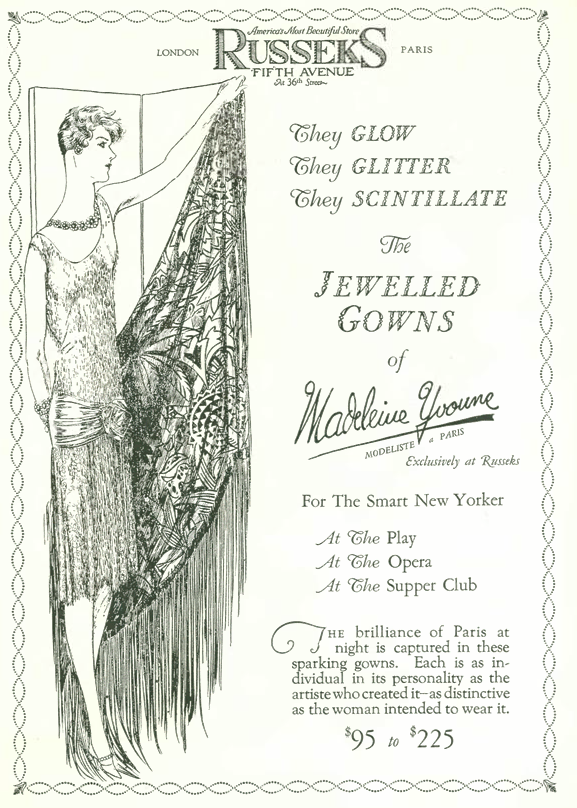
And finally, this advertisement from Houbigant, featuring a drawing of an elegant woman with an impossibly long neck. I wouldn’t want her sitting in front of me at the movies…
Screen Shot 2016-02-10 at 11.56.17 AM

Another ad (from the Sept. 11 issue) also depicted this ridiculously giraffe-like neckline:

Screen Shot 2016-02-12 at 10.12.30 AMNext Time…Battleship Potemkin…

c294d1a8fc43b2b1097b9686637a1c6f


Taxi Dancer

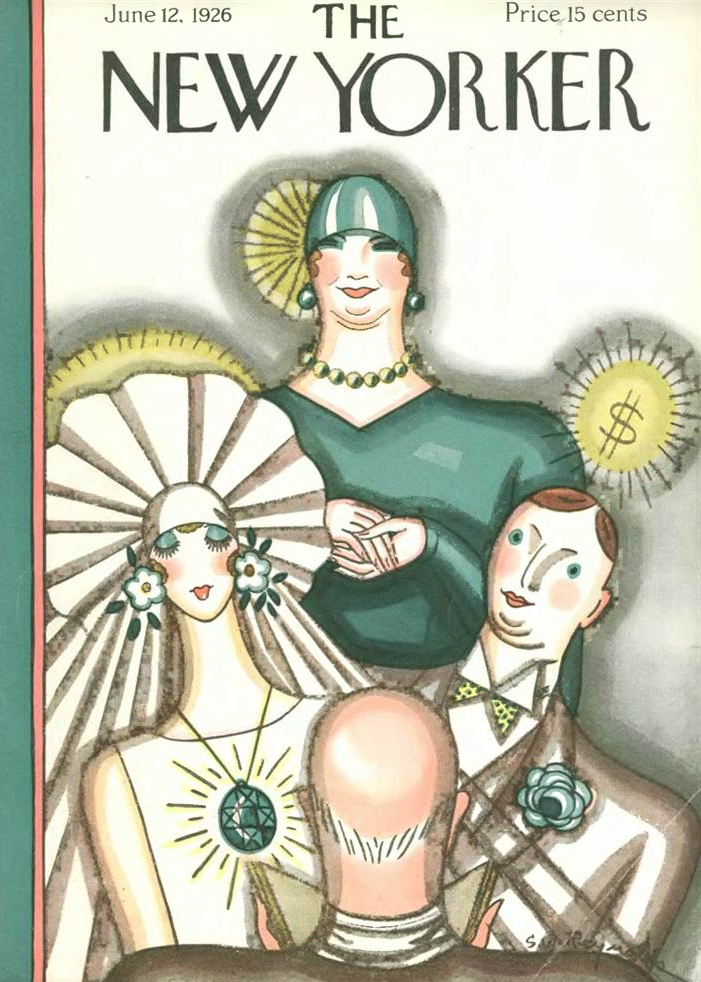
The sad world of “taxi dancers” was explored by Maxwell Bodenheim in the June 12, 1926 edition of The New Yorker.

Screen Shot 2015-12-18 at 4.38.53 PM
June 12, 1926 cover by S.W. Reynolds.

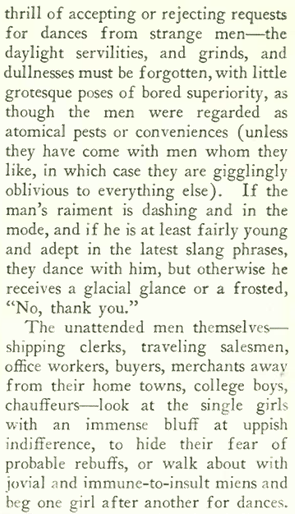
Bodenheim visited a “cheap Broadway dance hall” populated by taxi-dancers and their patrons. It worked something like this: A male patron would buy dance tickets for ten cents apiece, and for each ticket a chosen “hostess-partner” would dance with him for the length of a single song.

Screen Shot 2016-01-08 at 10.54.44 AM

Screen Shot 2016-01-08 at 10.55.11 AM

He also described the pathetic strutting and preening rituals of both dancers and patrons:

Screen Shot 2016-01-08 at 10.12.18 AM

Screen Shot 2016-01-08 at 10.12.28 AM

Screen Shot 2016-01-08 at 11.00.59 AM
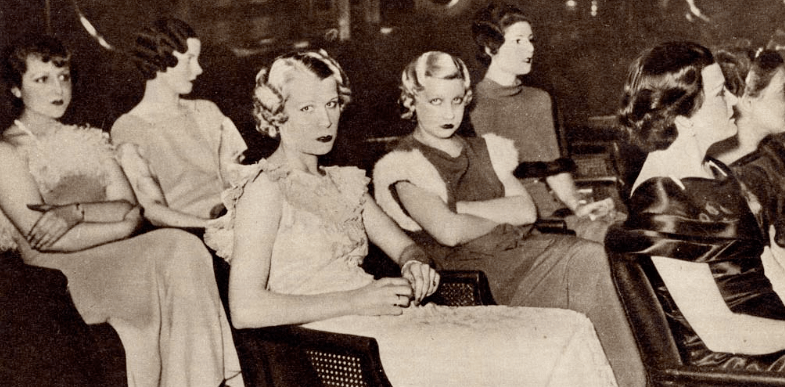
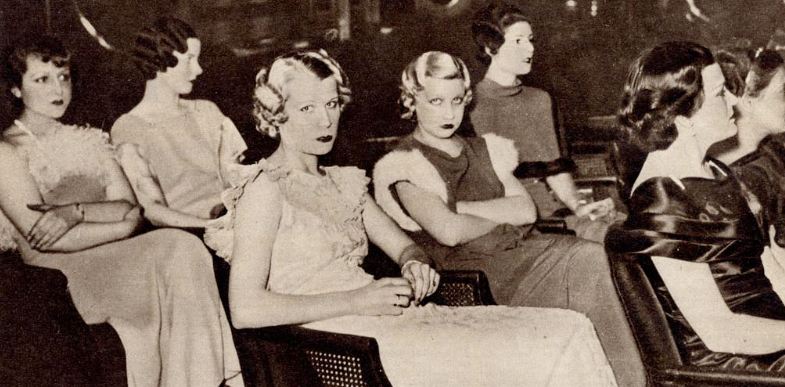
“TAXI-DANCERS” waiting for customers at a Broadway dance hall in the early 1930s. The image was scanned from an article in Weekly Illustrated (Oct. 6, 1934) that described new regulations banning the vocation.

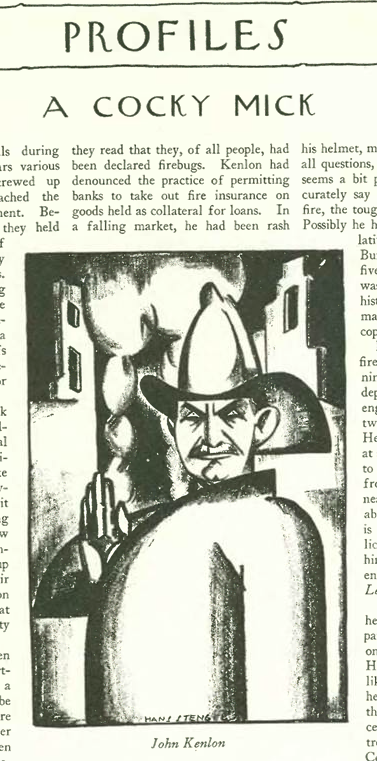
A couple of other bits from the issue: An interesting headline for the profile of NYC Fire Chief John Kenlon

Screen Shot 2016-01-08 at 10.08.58 AM

…and this advertisement for apartments at 1035 Fifth Avenue. I thought the ad was interesting because children are rarely featured in The New Yorker. In case you are wondering about their social class, these are children living on posh Fifth Avenue, and that’s a nurse-maid, not mother, chasing behind them in nearby Central Park.

Screen Shot 2016-01-08 at 10.20.43 AM

On to the June 19th issue, and a couple more items of interest…

Screen Shot 2016-01-08 at 10.22.38 AM
June 19, 1926 cover by Carl Rose.

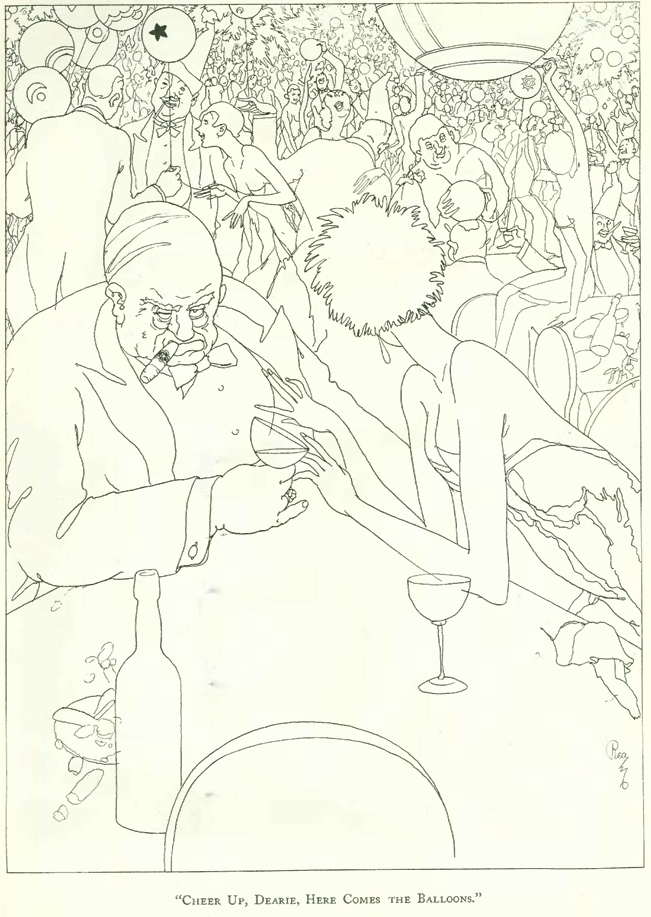
As noted previously, a common theme of the early New Yorker’s cartoons was the comic imbalance of rich old men and their young mistresses. This time Rea Irvin explores the subject with this terrific illustration:

Screen Shot 2016-01-08 at 1.30.30 PM

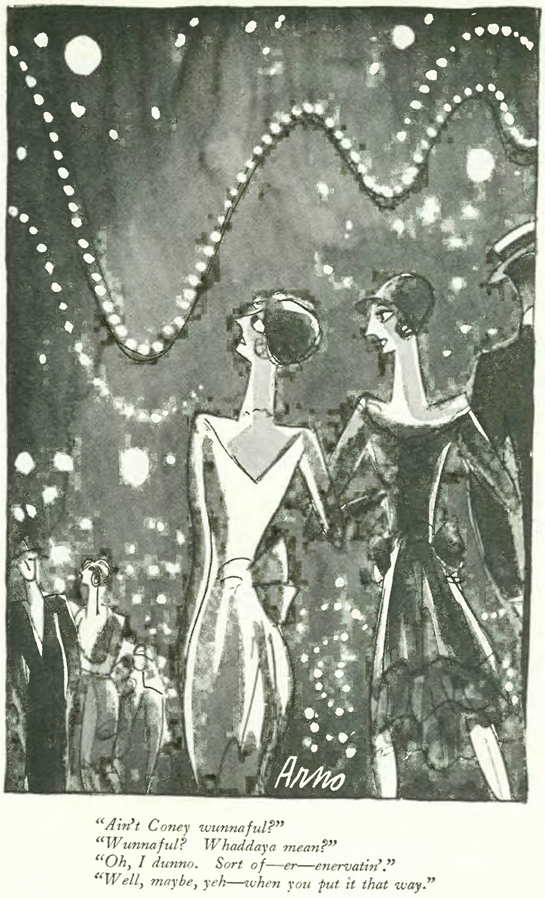
And we close with Peter Arno, and his observations of Coney Island.

Screen Shot 2016-01-08 at 1.32.22 PM

Next Time: The Annual Scandals…

Screen Shot 2016-01-08 at 1.35.03 PM


After a Fashion

Screen Shot 2015-12-18 at 12.12.38 PM
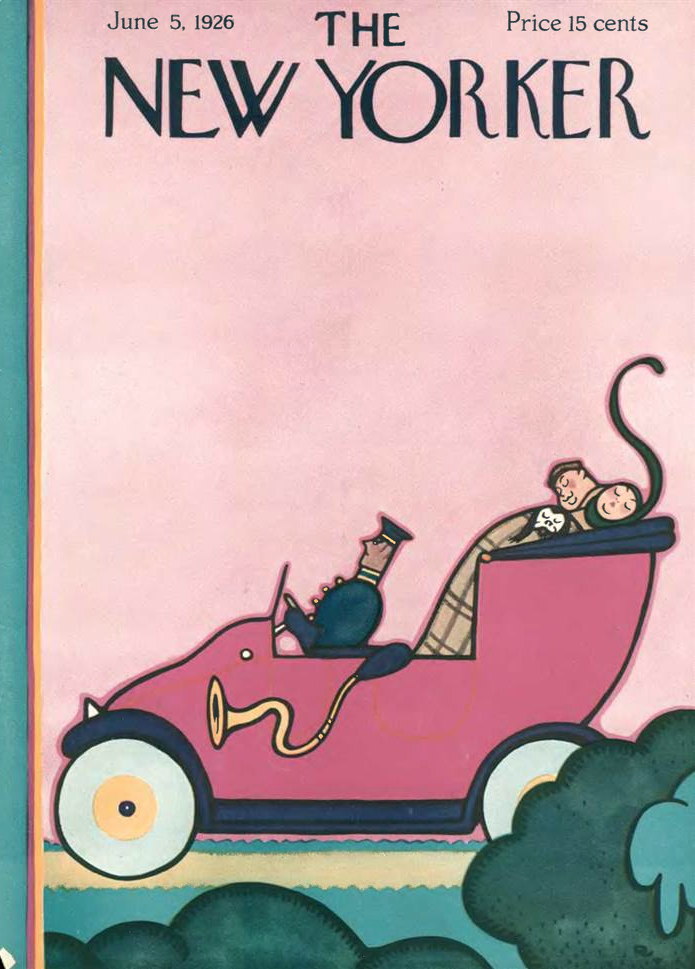
June 5, 1926 cover by Rea Irvin.

Fashion advertising in the early New Yorker can tell you a lot about the mood of the city’s smart set. As I’ve observed before, the magazine’s advertisements were rife with Anglo- and Francophile messaging, but they also reveal much about our changing times. A good example is the upscale retailer Abercrombie & Fitch, which these days uses the tagline “Authentic American clothing since 1892.”

In its early days, A&F was known as an elite outfitter of sporting and excursion goods, supplying aspiring country squires with expensive shotguns, fishing rods and the clothing and kit necessary for successful and stylish expeditions beyond the drawing room:

Screen Shot 2015-12-18 at 1.05.54 PM
“Sporting goods” meant something a bit different in 1926.

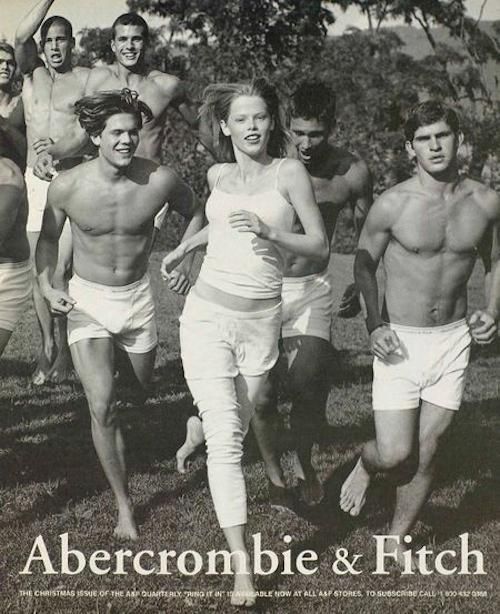
The company went bankrupt in 1976 and operated through mail order until 1988, when the The Limited clothing chain bought the name and operation and turned the focus to the young adult market:

2b1c597b0a5b09ca7477ead9ec5e2e64
Cover for A&F Fall/Winter 1998, photo by Bruce Weber. (Image Amplified)

Over the past couple of decades there’s been a lot of criticism regarding the abundance of A&L ads featuring shirtless, white men and the corresponding dearth of minority models. The newer ads feature a lot less skin and a sprinkling of minorities, but the product line is still a far cry from the one offered in 1926. Except for the elitist part.

As for other purveyors of fine fashion in the pages of The New Yorker, B. Altman made this stylish pitch for its line of bathing suits:

Screen Shot 2015-12-18 at 4.40.10 PM

And here’s an advertisement for Croydon Cravats, featuring the ubiquitous Father’s Day necktie:

Screen Shot 2015-12-18 at 4.48.08 PM

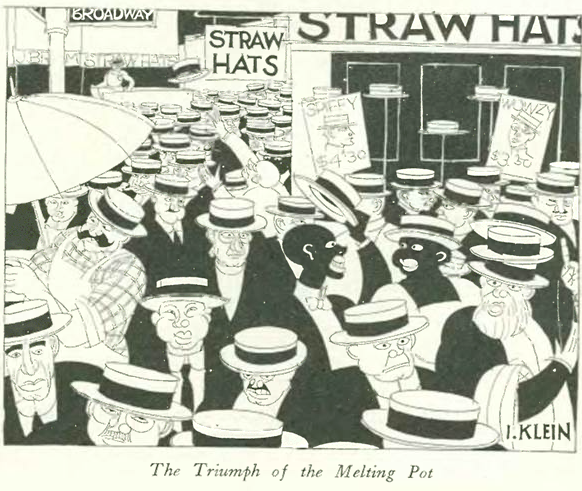
As for fashion in the comics, this drawing by Isadore Klein found humor in the multicultural appeal of the summer straw hat:

Screen Shot 2015-12-18 at 4.43.28 PM

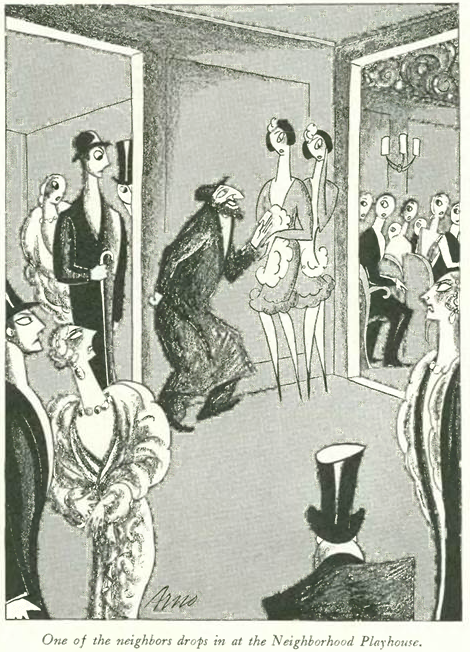
African Americans in the early New Yorker were nearly always depicted in minstrel-style blackface, and Jewish immigrants (such as the one Klein depicted at right) rarely lacked the Orthodox beard. Such is the case in this Peter Arno illustration where cultures clash rather than mix:

Screen Shot 2015-12-18 at 4.42.20 PM

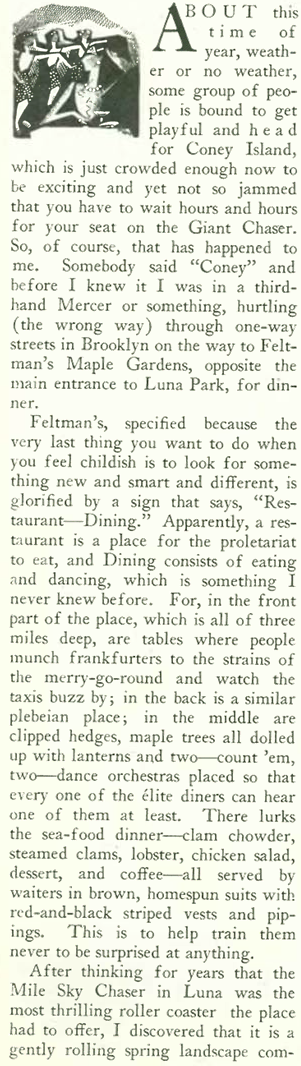
And let’s check in with the New Yorker’s fashion critic (and Arno’s soon-to-be wife) Lois Long, who slummed with the Proles at Coney Island:

Screen Shot 2015-12-18 at 4.45.44 PM

tumblr_lsv5w1uJwH1qgfx0uo1_500
CONEY CRONIES…(l to r) Silent film star Charlie Chaplin, Vanity Fair editor Frank Crowninshield, sculptor Helen Sardeau, Lois Long and screenwriter Harry D’Arrast pose in a Coney Island photo booth, 1925. Photo scanned from the book Flapper by Joshua Zeitz.

Finally, given the terrible circumstances in the Middle East and especially Syria, this small item in “Of All Things” is both timely and prescient:

Screen Shot 2015-12-18 at 4.43.07 PM

Next Time: Taxi Dancers…
Screen Shot 2015-12-18 at 4.38.53 PM

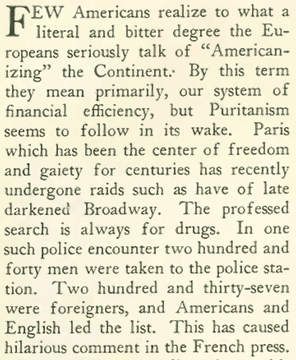
Parisians & Puritans

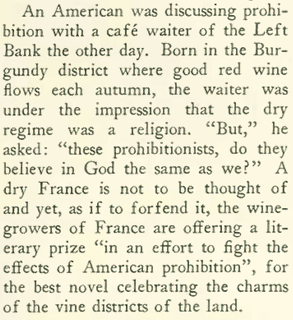
In her latest dispatch from Paris, correspondent Janet Flanner offered New Yorker readers a glimpse into the French mind, its fear of “Americanization” and its perception of America’s Puritanical attitudes behind Prohibition.

Screen Shot 2015-11-13 at 2.25.59 PM
April 3, 1926 cover by Rea Irvin.

All the more reason the French were bemused by reports that American and English citizens led the lists of reported drug raids in the City of Light…

Screen Shot 2015-12-01 at 11.56.02 AM

or that somehow Prohibition was a question of theological differences:

Screen Shot 2015-12-01 at 11.56.11 AM

The April 3, 1926 issue also offered up some curious advertisements. Aiming square at the grasping Anglophilia of New Yorker readers, here’s a pitch for a used Rolls Royce:

Screen Shot 2015-12-01 at 11.38.46 AM

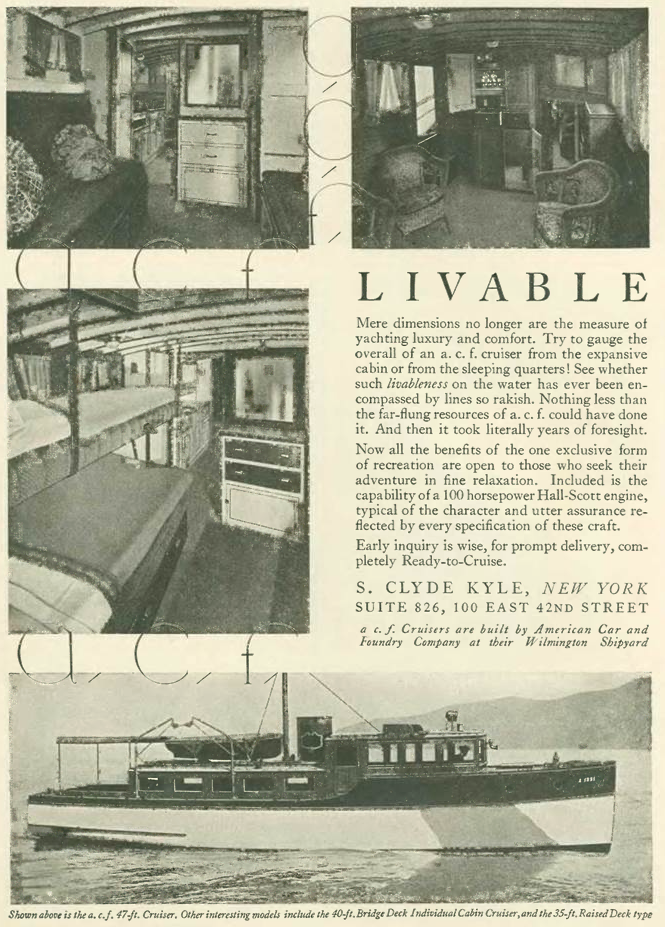
And with the money left over from your savings on the used Rolls, you could buy this 47-foot cruiser from the American Car and Foundry Company:

Screen Shot 2015-12-01 at 11.57.04 AM

Moving along to the April 10, 1926 issue (cover designed by H.O. Hofman)…

Screen Shot 2015-12-01 at 11.57.38 AM
April 10, 1926 cover by H.O. Hofman.

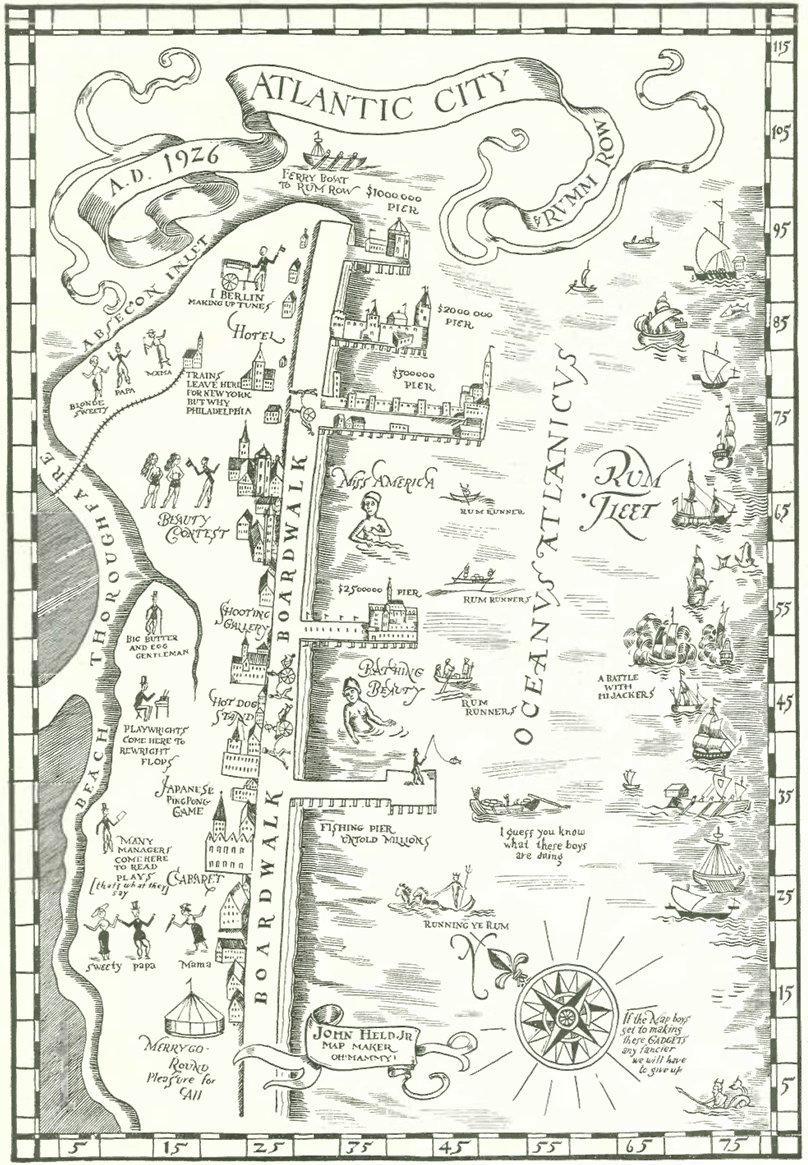
…I discovered this clever “map” by John Held Jr. For fans of “Boardwalk Empire” or other 1920s gangster-themed fare, Held’s map confirms it was no secret that Atlantic City was a major port for rum runners:

Screen Shot 2015-12-01 at 12.06.44 PM

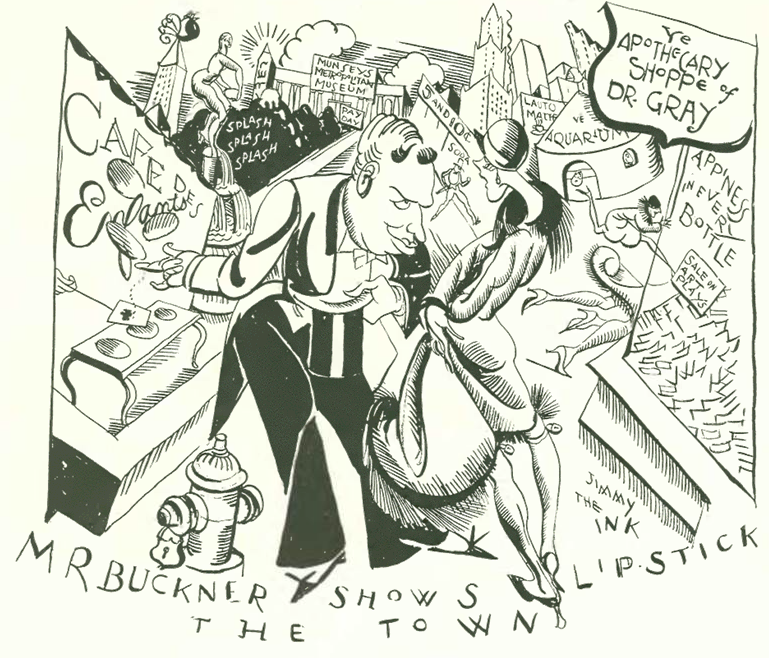
Also on the theme of Prohibition, cartoonist James Daugherty (Jimmy the Ink) had some fun with New Yorker colleague Lois Long (aka Lipstick) by pairing her with New York’s top Prohibition prosecutor Emory Buckner in this unlikely scenerio:

Screen Shot 2015-12-01 at 12.08.38 PM

Note the lock on the fire hydrant. Padlocking restaurants and clubs suspected of selling alcohol was a favorite tactic of Buckner and his agents. Long famously took him task in her Oct. 31, 1925 “Tables for Two” column. You can read about it here in my previous post, “How Dry I Am.”

Next Time: The Great American Novelist…

Screen Shot 2015-12-01 at 12.12.47 PM

Top Dog

Screen Shot 2015-10-23 at 11.29.29 AM
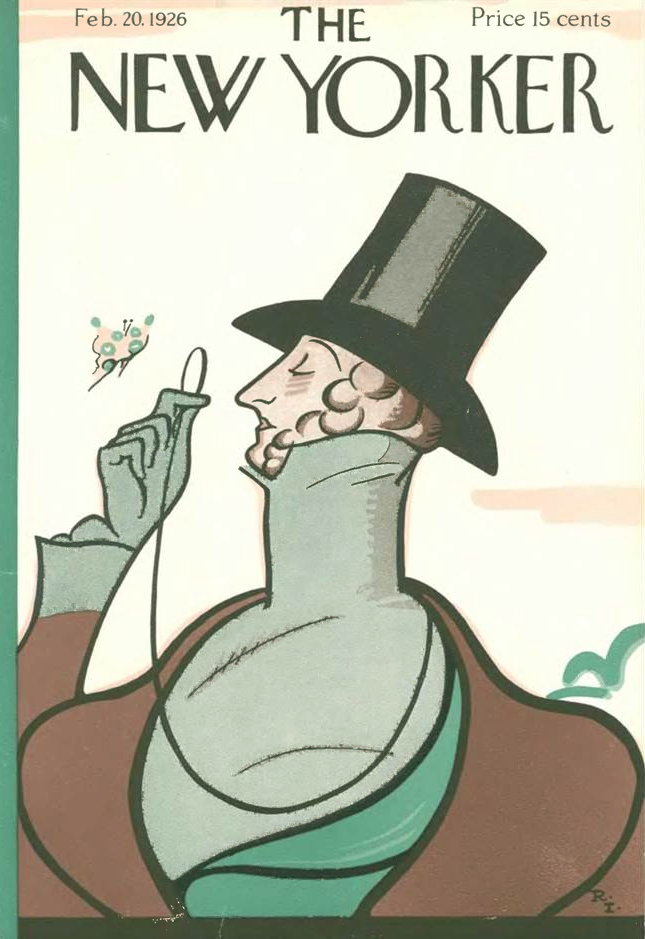
Feb. 20, 1926 cover by Rea Irvin.

Now that I have your attention (at least the dog lovers anyway; and yes, there is a dog-related item if you read on), it is worth mentioning that the Feb. 20, 1926 issue of The New Yorker marked the first anniversary of the magazine, and in what would become an annual tradition, the magazine reprinted the original Rea Irvin cover from its first issue.

The magazine nearly went belly up during the summer of 1925, but a new marketing campaign, along with noticeably better content, put the magazine firmly in the black as it looked to its second year.

In “The Talk of the Town,” the editors couldn’t help but boast about their prosperity, albeit in a winking manner:

Screen Shot 2015-10-26 at 3.22.51 PM

Screen Shot 2015-10-26 at 3.23.06 PM

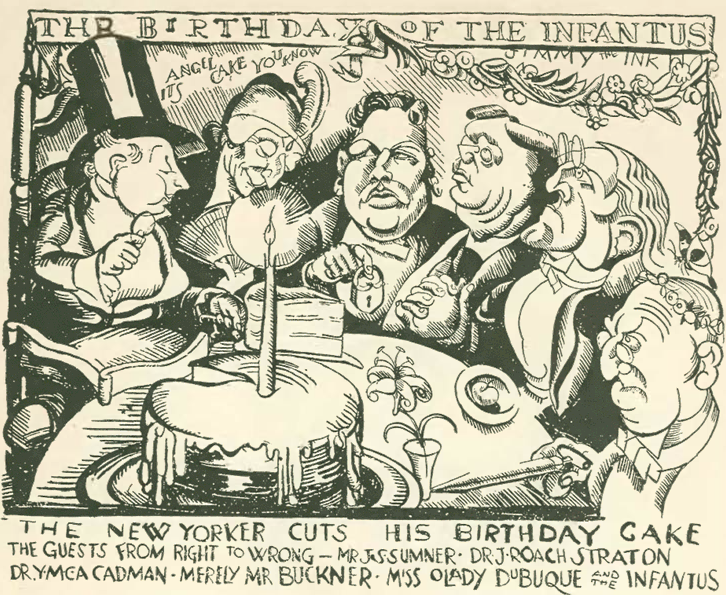
Jimmy the Ink (James Daugherty) marked the anniversary with this drawing…

Screen Shot 2015-10-26 at 4.50.49 PM

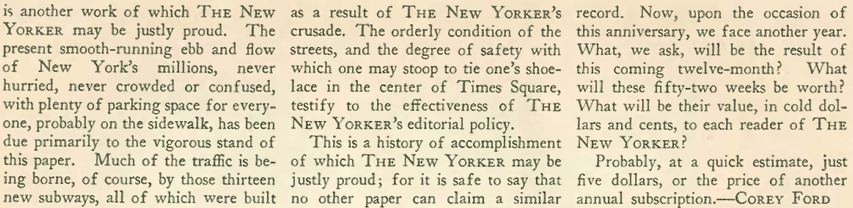
…and Corey Ford, who contributed more than twenty satirical house ads for the magazine under the title, “The Making of the Magazine,” returned to form in this issue with a recollection of the magazine’s imagined past (a device The Onion employs to great effect):

Screen Shot 2015-10-26 at 4.57.10 PM

Screen Shot 2015-10-26 at 4.57.21 PM

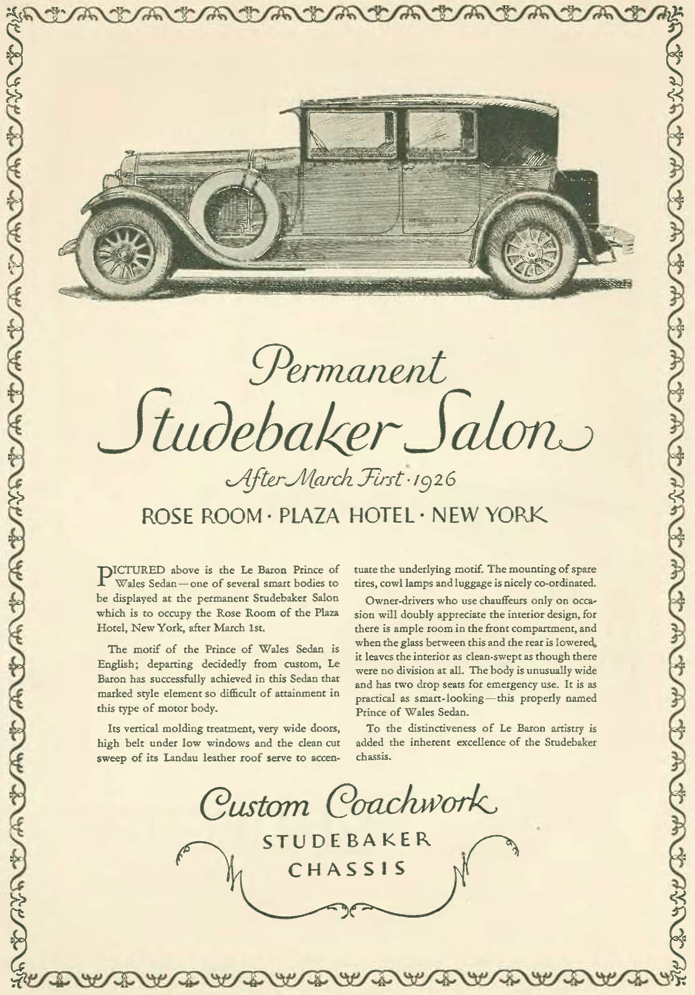
The magazine’s prosperity was evident not only in its talented stable of writers and illustrators, but also in its pages crammed with advertising. As I’ve noted before, much of the advertising is directed at the Anglo- and Franco-phile tastes of the magazine’s readers. For example, this ad from Studebaker suggesting a connection to British royalty:

Screen Shot 2015-10-26 at 3.16.22 PM

Continuing on the theme of royalty, none other than Her Royal Highness, “La Princesse Genevieve” gave her nod to Produits Bertie skin cream (joining the ranks of other royal and society women who hawked moisturizers, cold creams and even cigarettes in those days…)

Screen Shot 2015-10-27 at 9.36.37 AM

Royal endorsements were not limited to France and England, as none other than the Maharajah de Kapurthala put his seal of approval on Melachrino cigarettes in an ad featured on the inside back cover…

Screen Shot 2015-10-27 at 9.36.09 AM

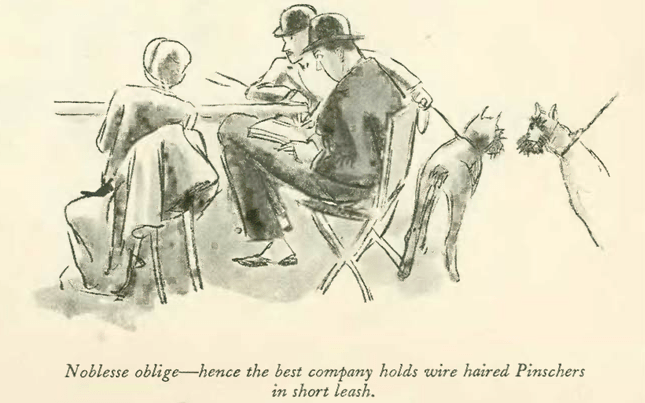
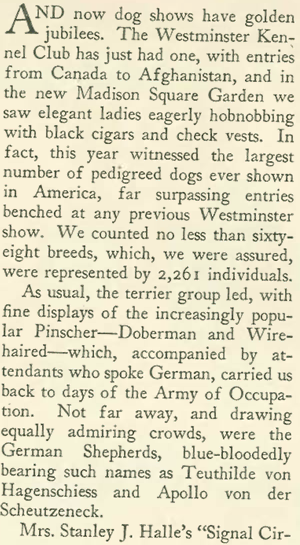
The issue was filled with car ads, appearing in the wake of January’s 26th Annual National Automobile Show at the Grand Central Palace. But the latest spectacle was the Westminster Kennel Club Dog Show at the new Madison Square Garden, with the Terrier Group once again taking the top prize. The “Talk” editors offered this observation on Westminster:

Screen Shot 2015-10-26 at 4.46.08 PM

Screen Shot 2015-10-26 at 4.46.22 PM

Screen Shot 2015-10-26 at 4.46.34 PM

901cd377df88b8559aa31f2564fdcea2
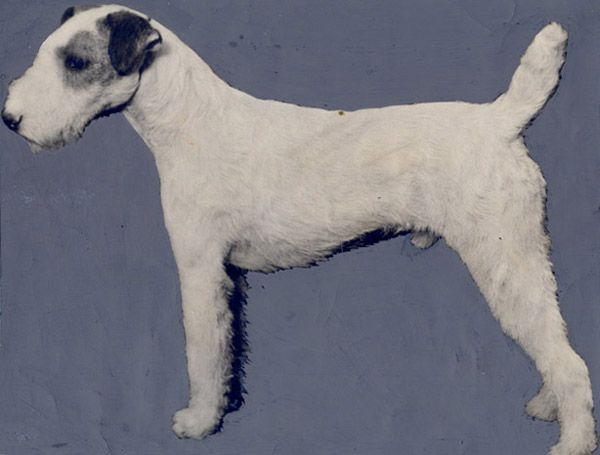
BEST IN SHOW 1926…Signal Circuit of Halleston was a Wire Fox Terrier and winner of the the 50th Westminster Kennel Club Dog Show in 1926. The fourth Fox Terrier to win best in show, Signal Circuit was one of 200 Fox Terriers present at the 1926 Westminster show. He was handled by Percy Roberts, who had imported the dog from England and had just stepped off the boat before the show. The dog was described as having “phenominal length of head and sound movement.” (WKC)
Screen Shot 2015-10-26 at 4.47.31 PM
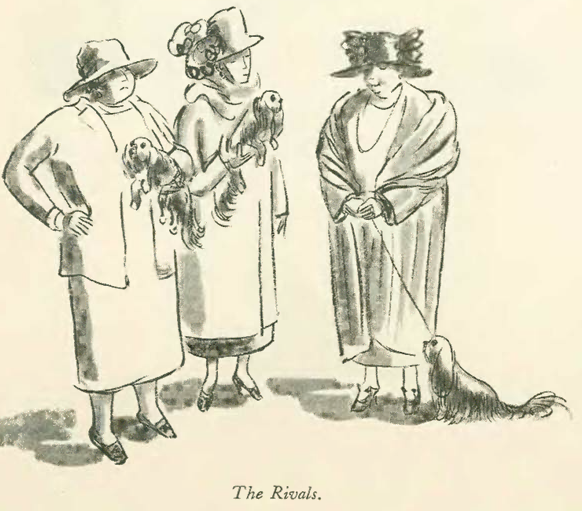
The New Yorker’s Helen Hokinson offered this illustration to mark the event.

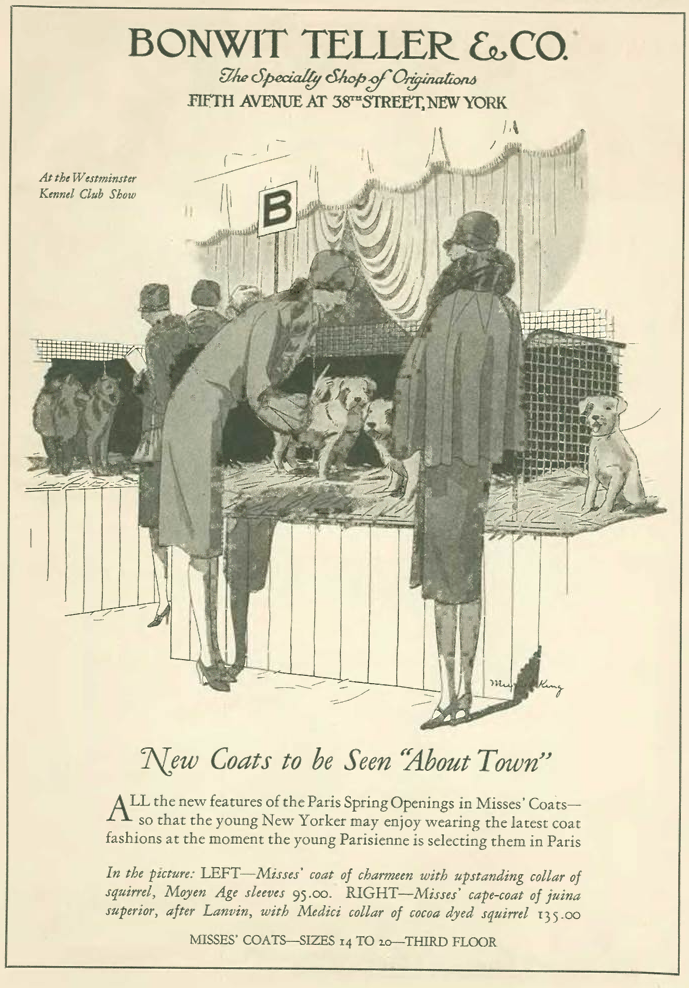
An advertisement from Bonwit Teller even got into the spirit of the thing…

Screen Shot 2015-10-27 at 9.56.10 AM

From my How Times Have Changed department, this ad from Guaranty Trust:

Screen Shot 2015-10-27 at 9.29.05 AM

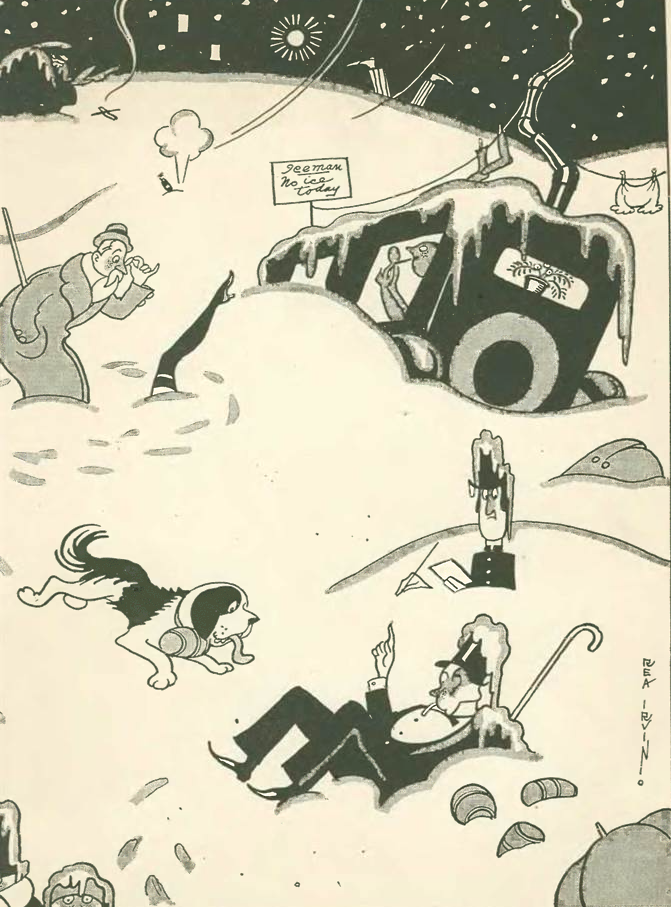
And finally, a detail from a center-page illustration by Rea Irvin depicting the result of a blizzard that blanketed the city in February 1926:

Screen Shot 2015-10-26 at 4.56.12 PM

Next Time: A Fine Mess…

Screen Shot 2015-10-27 at 4.32.20 PM

Cuban Idyll

Screen Shot 2015-10-05 at 5.07.09 PM
Jan. 30, 1926 cover by Rea Irvin.

Writer and cultural critic Gilbert Seldes apparently wasn’t so put off by The New Yorker’s scathing review of his play, The Wisecrackers (Dec. 26, 1925) that he couldn’t continue writing for the magazine. In the Jan. 30, 1926 issue he offered an interesting essay on the particular appeal of Cuba. Titled “Annexation is the Best Policy,” it is an interesting read given the current reopening of diplomatic relations between Cuba and the U.S.

Given that Seldes penned his article about 30 years before the Cuban revolution, he offers some interesting insights into the independent character of the island nation and, perhaps inadvertently, also reveals American attitudes that helped to fuel the revolutionary fire. Seldes writes “the fact that Cuba has never been officially Americanized is supposed to be proof of our innate idealism; to me it seems more like a proof of the lack of imagination which ran through the whole McKinley period. To have taken the Philippines and passed up Cuba–how incredibly naive!” He goes on to observe that the total lack of “peaceful penetration” is proof that the island “will cling to its character no matter how many Americans do their worst.” Here is the entire article, interspersed with vintage images:

Screen Shot 2015-10-07 at 2.31.37 PM

Havana Club
Havana Club atop the Hotel Sevilla in 1920s Havana (Havana Club)

Screen Shot 2015-10-07 at 2.32.23 PM

malecon-1927
1927 tourist brochure enticing visitors to Cuba (Havana Journal)

Also in the issue was profile of the life of silent film star Harold Lloyd. The writer R. E. Sherwood marveled at how a man from small town Nebraska became one of Hollywood’s most bankable stars and was even building a home in Beverly Hills for the staggering sum of $1 million.

120711_safetylast
HANG ON HAROLD…Lloyd in Safety Last, 1923. 
Screen Shot 2015-10-07 at 2.35.14 PM
Illustration of Harold Lloyd by James House Jr. for the New Yorker profile.

In his “Of All Things” Column, Howard Brubaker made note of the following:

Screen Shot 2015-10-07 at 2.36.30 PM

Neither Brubaker, nor Edwin Hubble for that matter, could have ever imagined that in 64 years a telescope bearing Hubble’s name would be launched into space and resolve a number of long-standing problems in astronomy.

To close, a couple of advertisements from the front section of the magazine. Now we know what youth wear at smart tea dances…

Screen Shot 2015-10-07 at 10.31.50 AM

or what to wear to Miami Beach, or possibly Cuba…
Screen Shot 2015-10-07 at 10.31.20 AM

Next time: It’s anniversary month…
Screen Shot 2015-10-07 at 2.40.38 PM