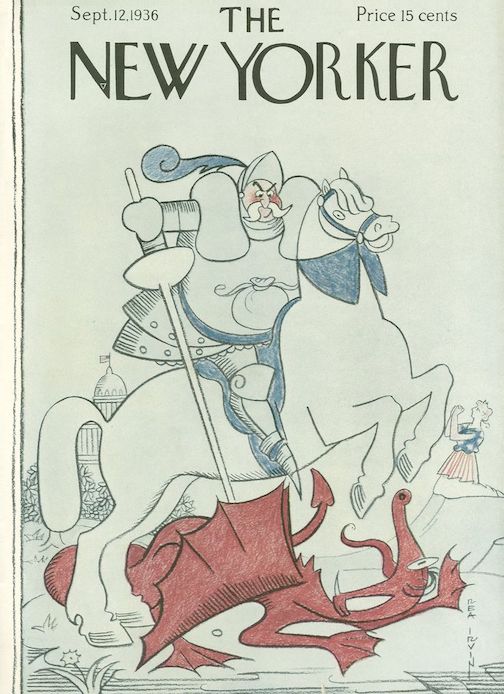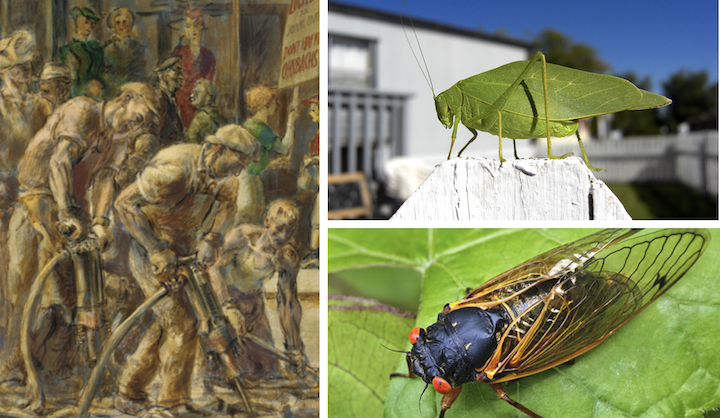
Above: E.B. White noted the sounds of late summer ranging from jackhammers (that sounded like cicadas) to the songs of katydids predicting an early frost. (pafa.org/Ellyn B/Flickr/nwf.org)
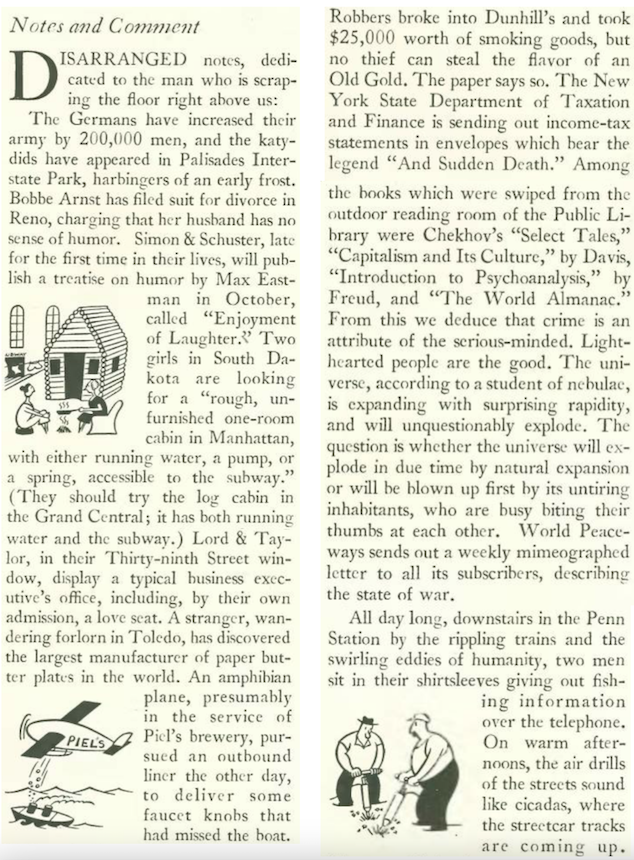
For roughly four decades E.B. White’s “Notes and Comment” set the tone for each issue of The New Yorker, offering observations on daily life that sometimes were compiled from his “disarranged notes.”

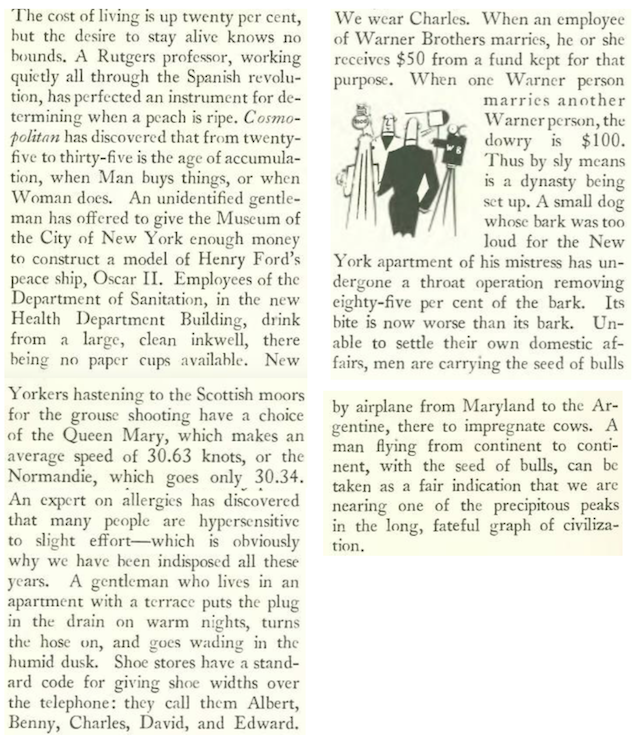
For the September 5 issue White offered brief comments on everything from the German military buildup to the romantic life of singer Bobby Arnst.
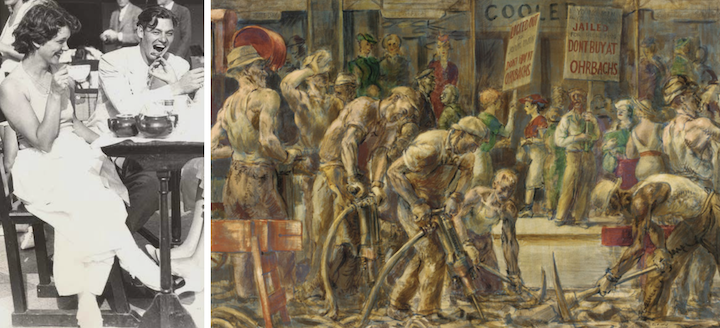
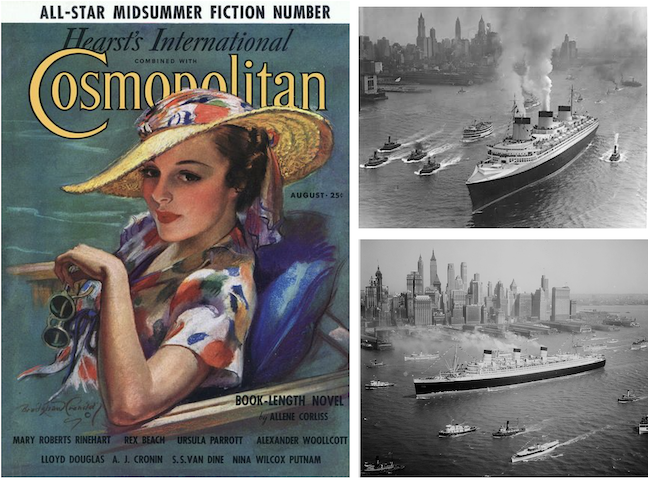
White also cited Cosmopolitan magazine regarding “the age of accumulation” (twenty-five to thirty-five), and noted the average speed of rival ocean liners for “New Yorkers hastening to the Scottish moors for the grouse shooting…”
* * *
Sounds of Music
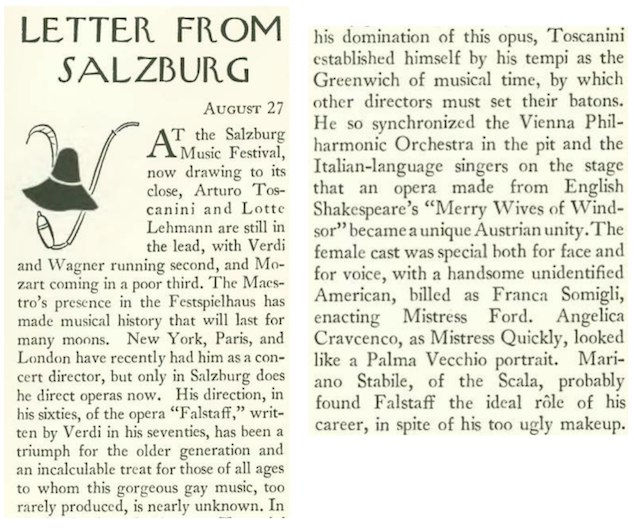
Paris correspondent Janet Flanner moved on from the Nazi Olympics in Berlin to the foothills of the Alps for the Salzburg Music Festival, where German dramatic soprano Lotte Lehmann and Italian conductor Arturo Toscanini made music together.
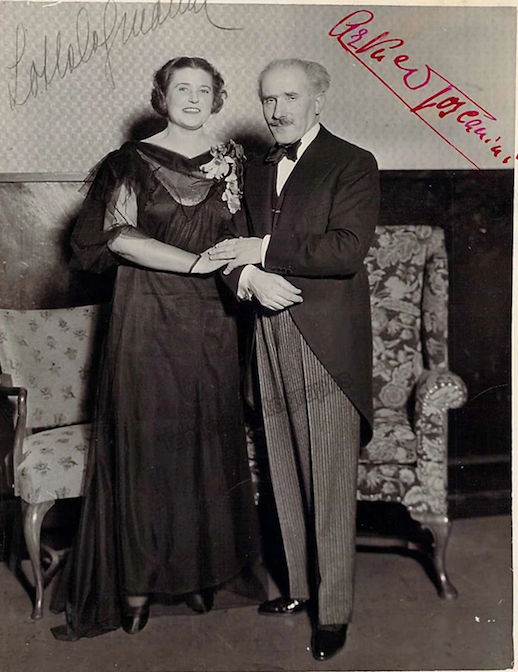
In August 1936 Lehmann discovered the Trapp Family Singers (made famous in 1965’s The Sound of Music). While approaching a villa available to let, Lehmann overheard the Trapp children singing in their garden. Due to her fame, Lehmann was able to persuade Captain Georg Von Trapp to allow his children to perform at Salzburg Festival.
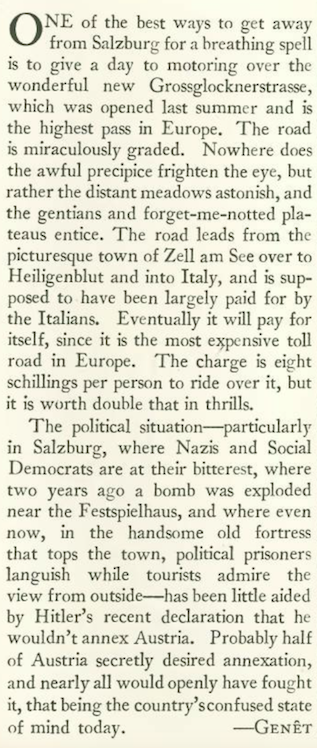
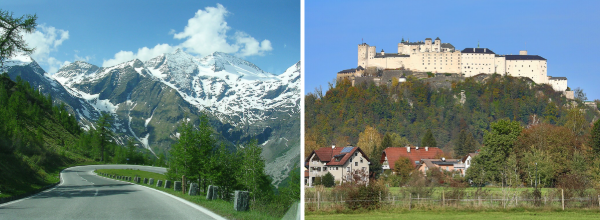
Flanner also marveled at the Austria’s Grossglockner High Alpine Road—with the highest pass in Europe—and noted the bitter struggle between Nazis and Social Democrats that was dividing Austrians less than two years before the Anschluss, the German annexation of Austria.
* * *
At the Movies
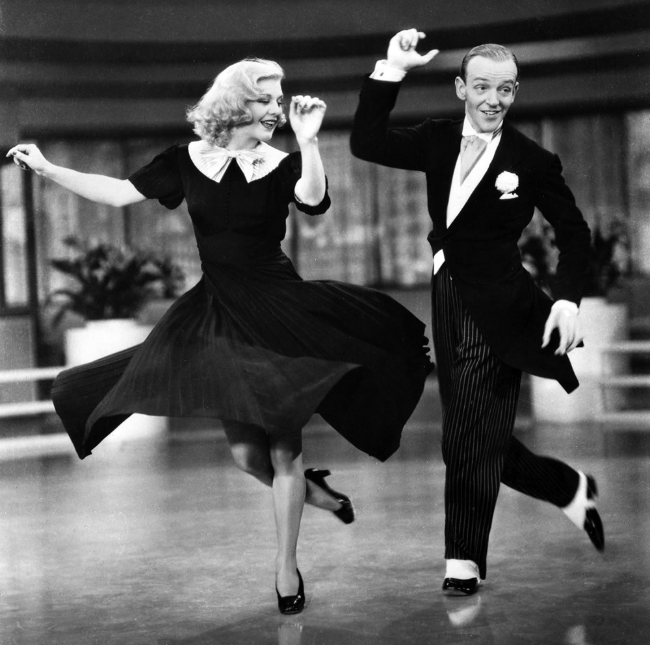
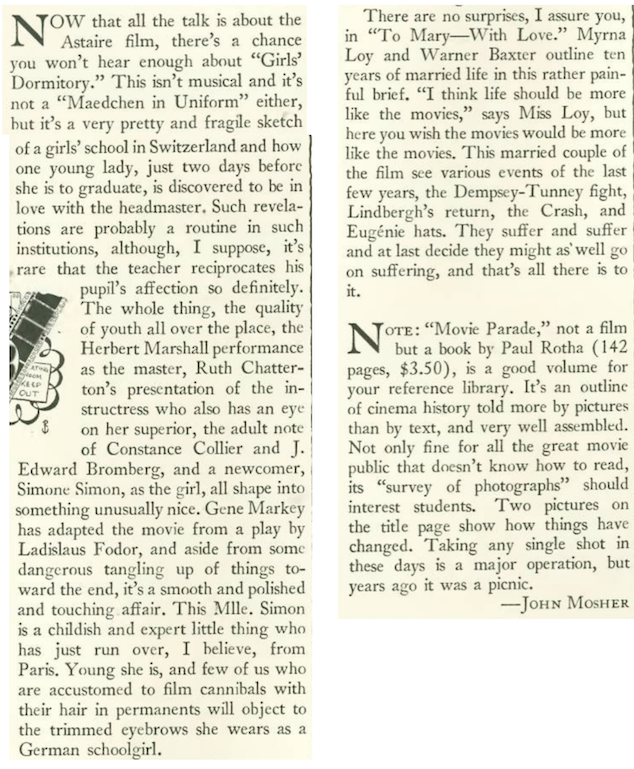
John Mosher found Fred Astaire and Ginger Rogers at the top of their game in the musical comedy Swing Time, but lamented the stodgy and laborious plot that burdened the non-dancing scenes.
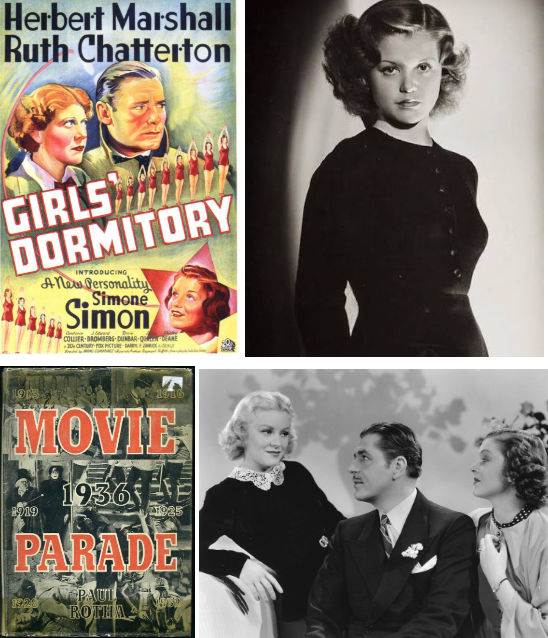
Mosher also had a look at Girl’s Dormitory, which introduced audiences to the young French actress Simone Simon, and also checked out the latest Myrna Loy flick.
* * *
From Our Advertisers
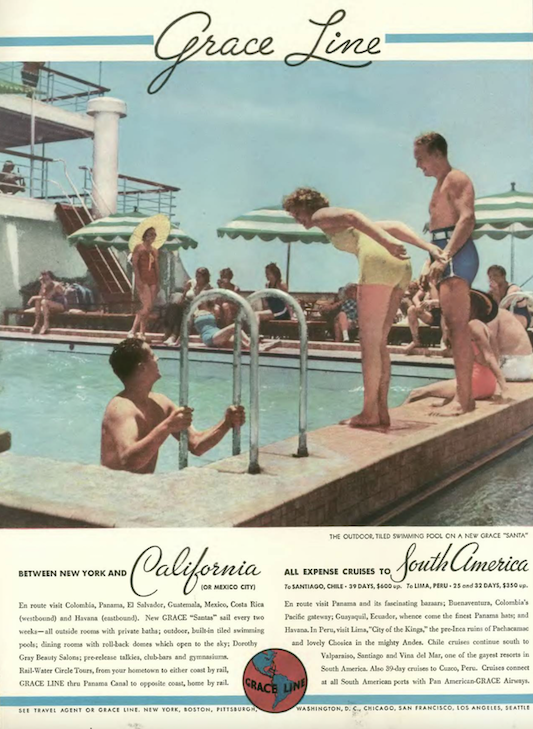
The magazine opened with another enticing photo from Grace Line depicting an ocean cruise before the days of water slides, buffet lines and norovirus…
…some one-column selections from the back of the book, including an ad from the Camel Pen Company introducing an innovative fountain pen that contained a dry ink pellet—the user added water to dissolve the pellet into a year’s supply of ink…
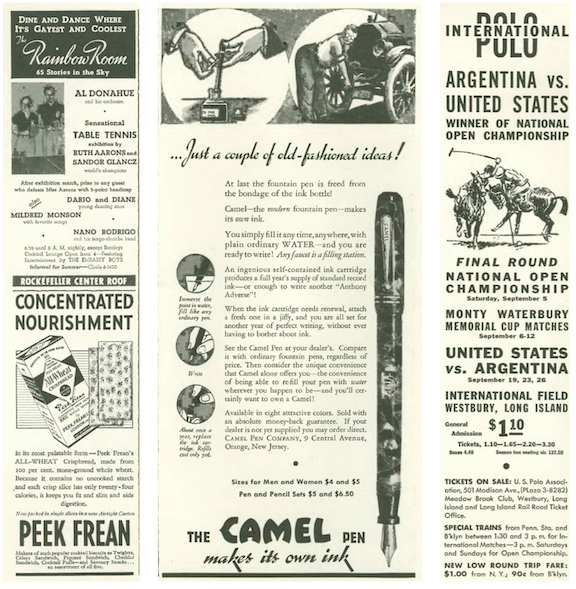
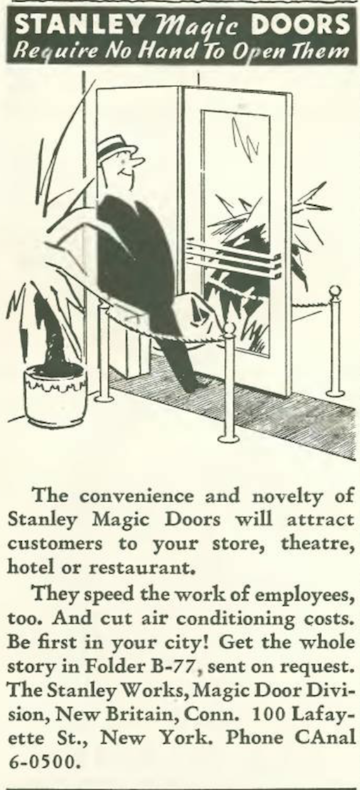
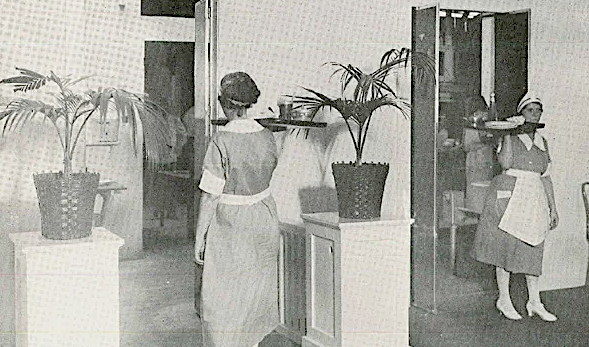
…these days most of us use ball-point pens, and we are also so accustomed to automatic doors that they no longer seem “magic” as they did in the 1930s…
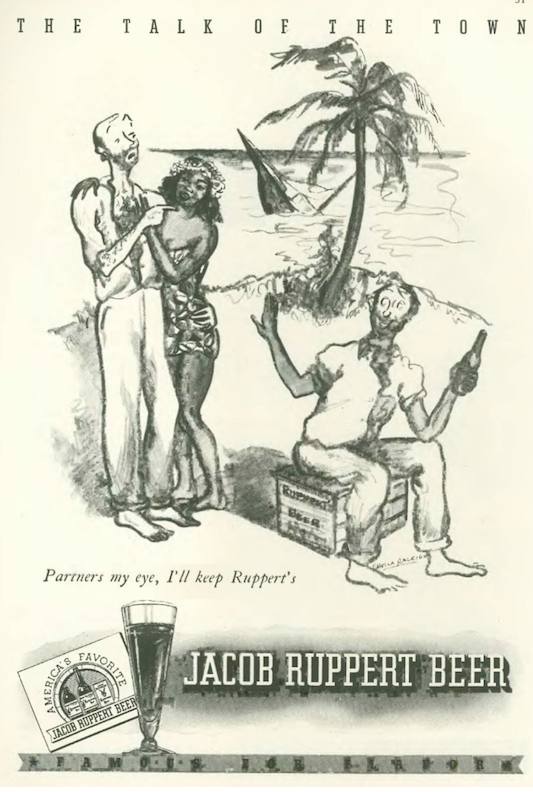
…New York artist Sheila Raleigh employed the desert island trope to sell some beer for Jacob Ruppert…
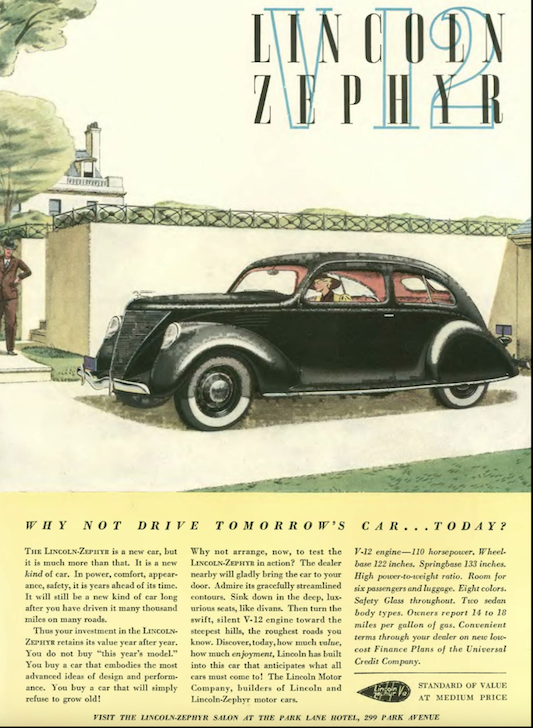
…the inside back cover popped with this ad for the streamlined V-12 Lincoln Zephyr…
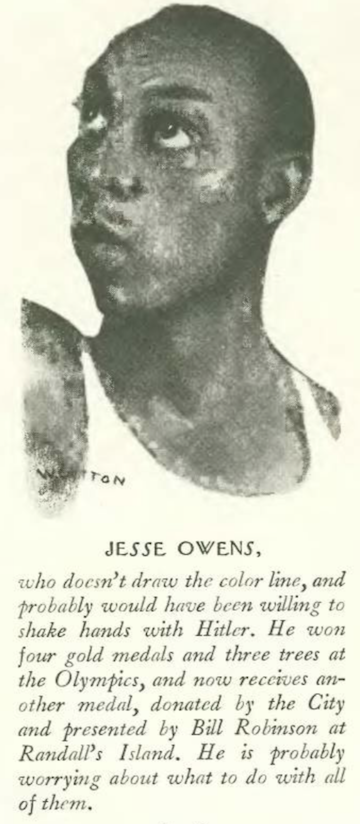
…the “Talk of the Town” occasionally featured these illustrated mini-bios, here highlighting Jesse Owens’ record-setting performance at the 1936 Olympics (illustration by William Cotton)…
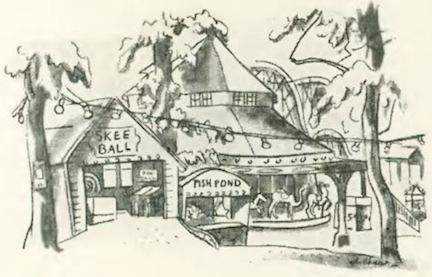
…a couple of spots by George Shellhase…
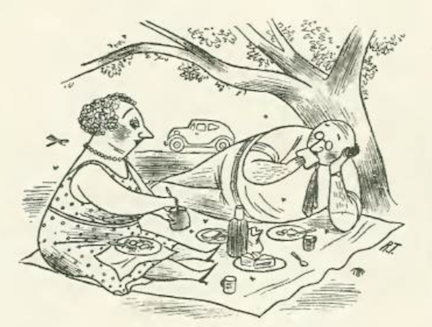
…and Richard Taylor…
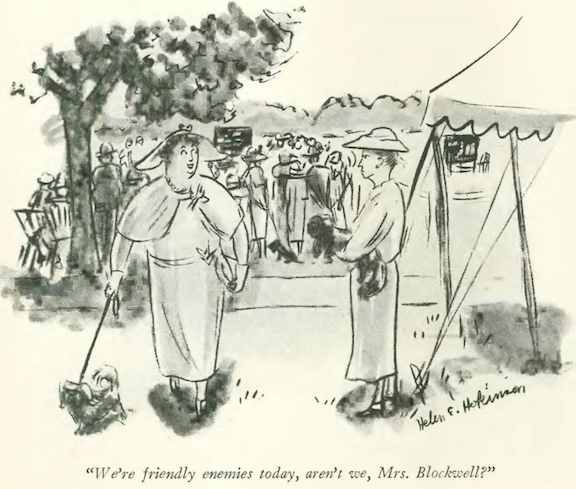
…Helen Hokinson gave us frenemies at a dog show…
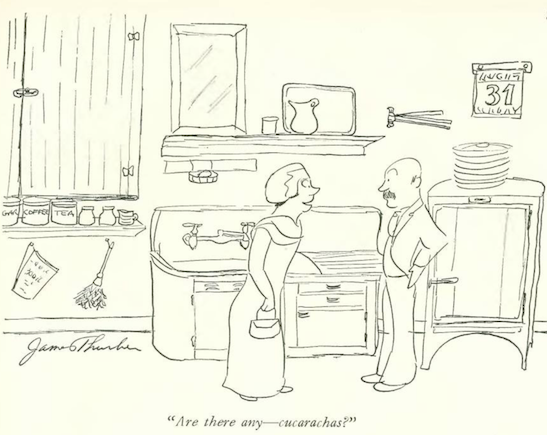
…James Thurber looked out for cockroaches…
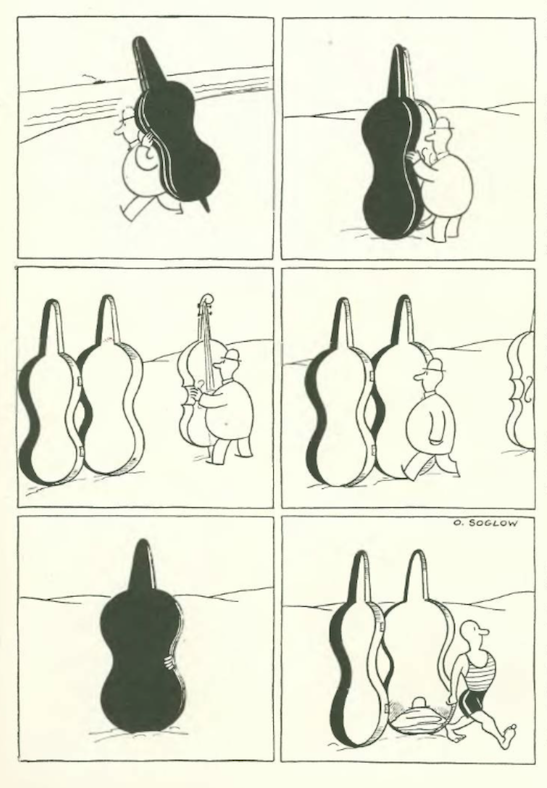
…Otto Soglow found a new use for a bass case…
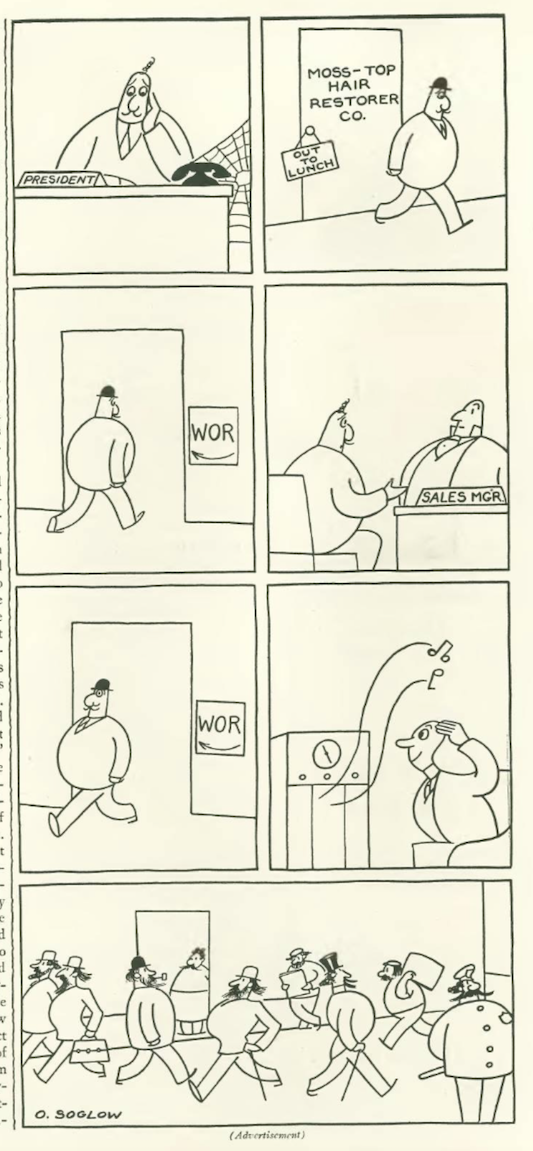
…Soglow again, demonstrating the wonders of radio advertising…
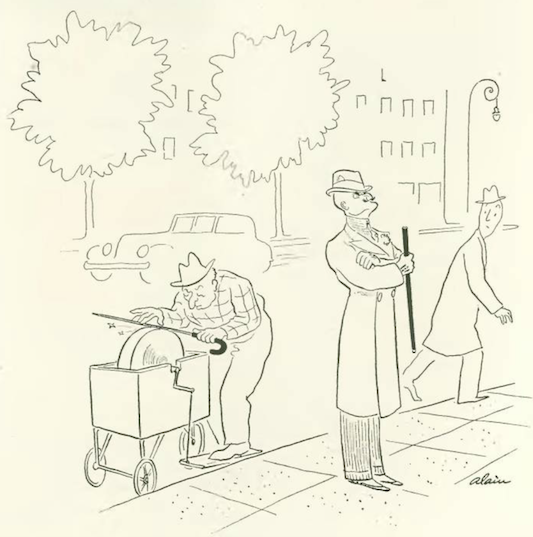
…Alain showed us a man with a cagey cane…
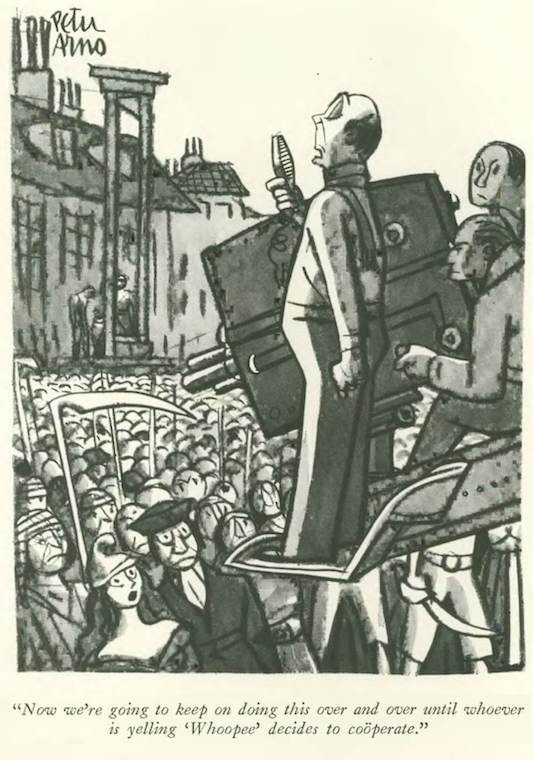
…Peter Arno illustrated the trials of working with extras…
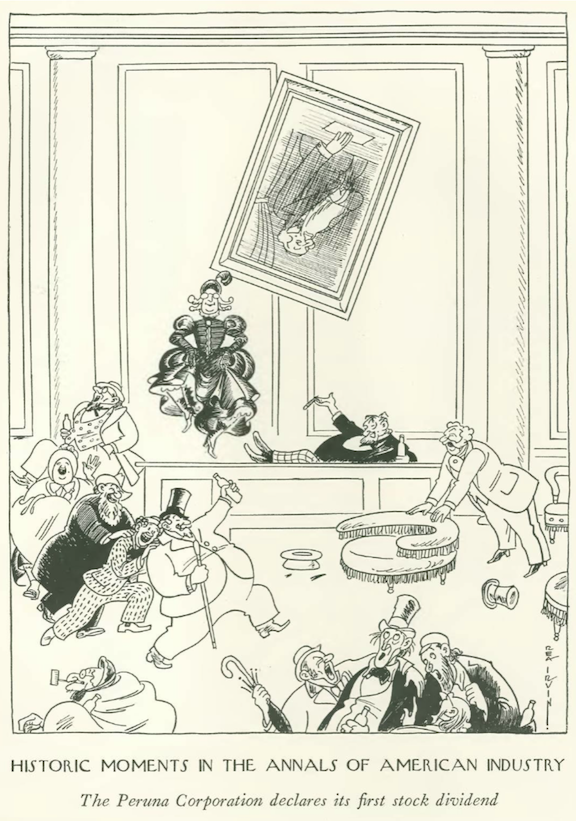
…Rea Irvin continued to chronicle achievements in industry (Peruna was a well-known patent medicine sold from the late-19th to mid-20th century—with its high alcohol content, Americans drank large amounts of Peruna during Prohibition)…
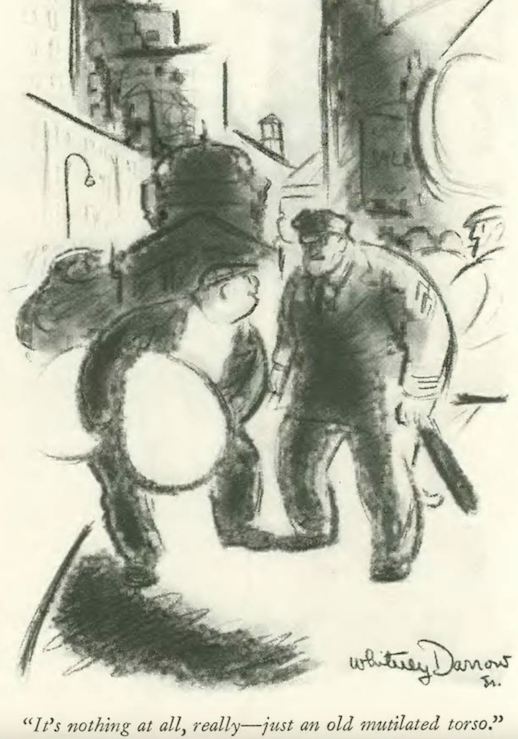
…a beat cop receives an unlikely confession, per Whitney Darrow Jr…
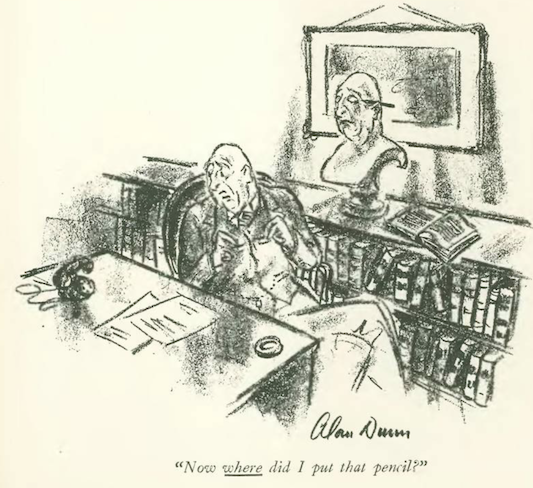
…and we close with Alan Dunn, in a forgettable situation…
Next Time: Sun Lubbers…