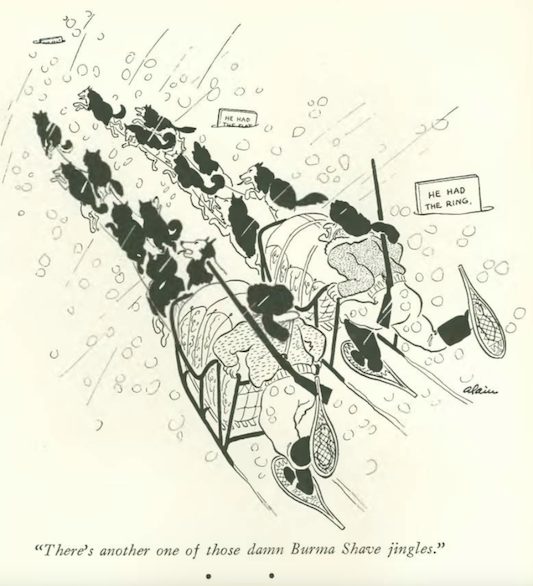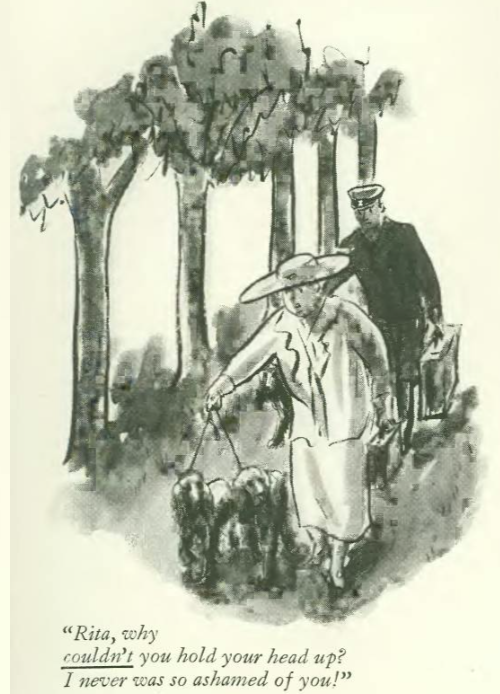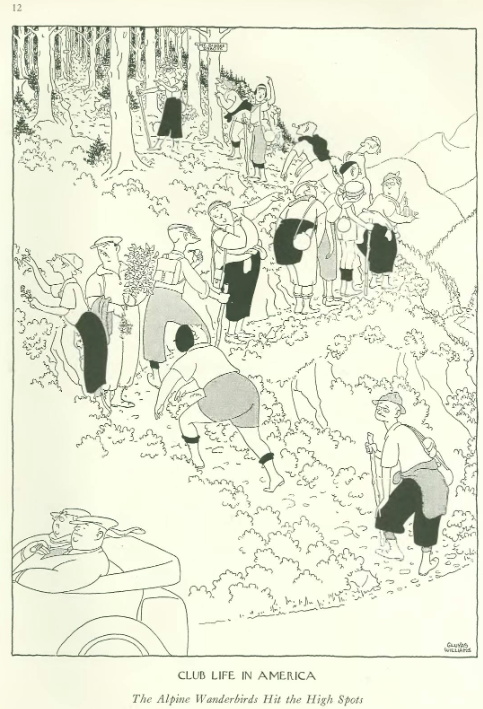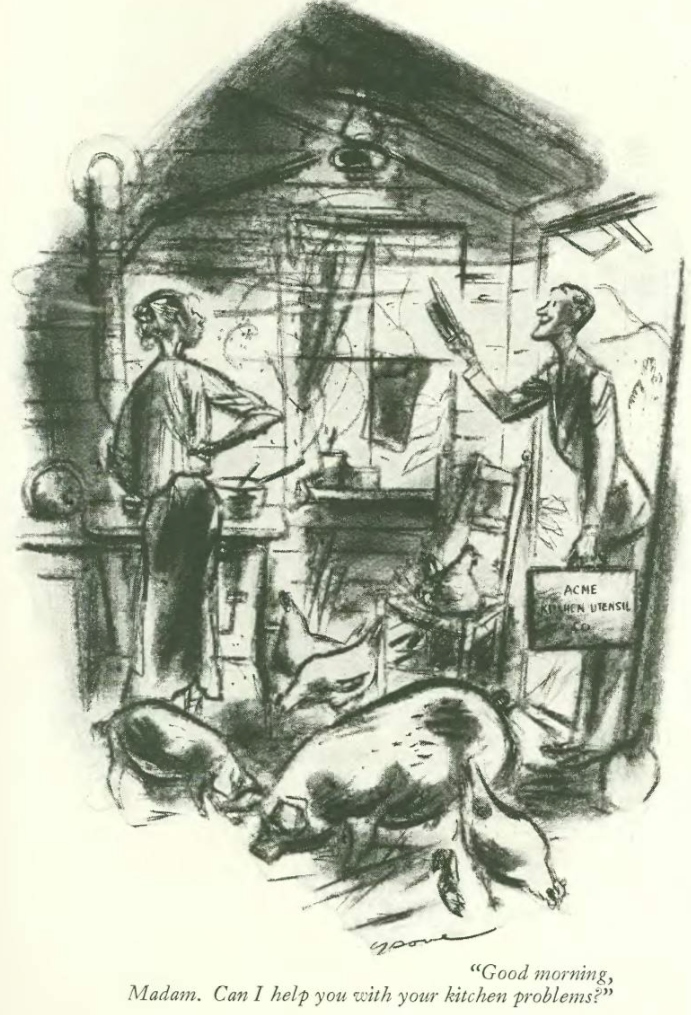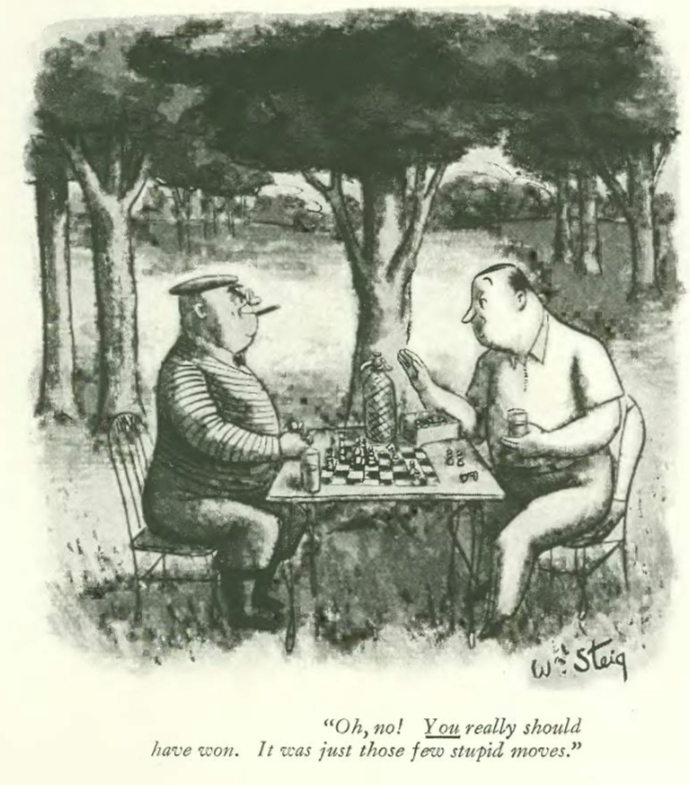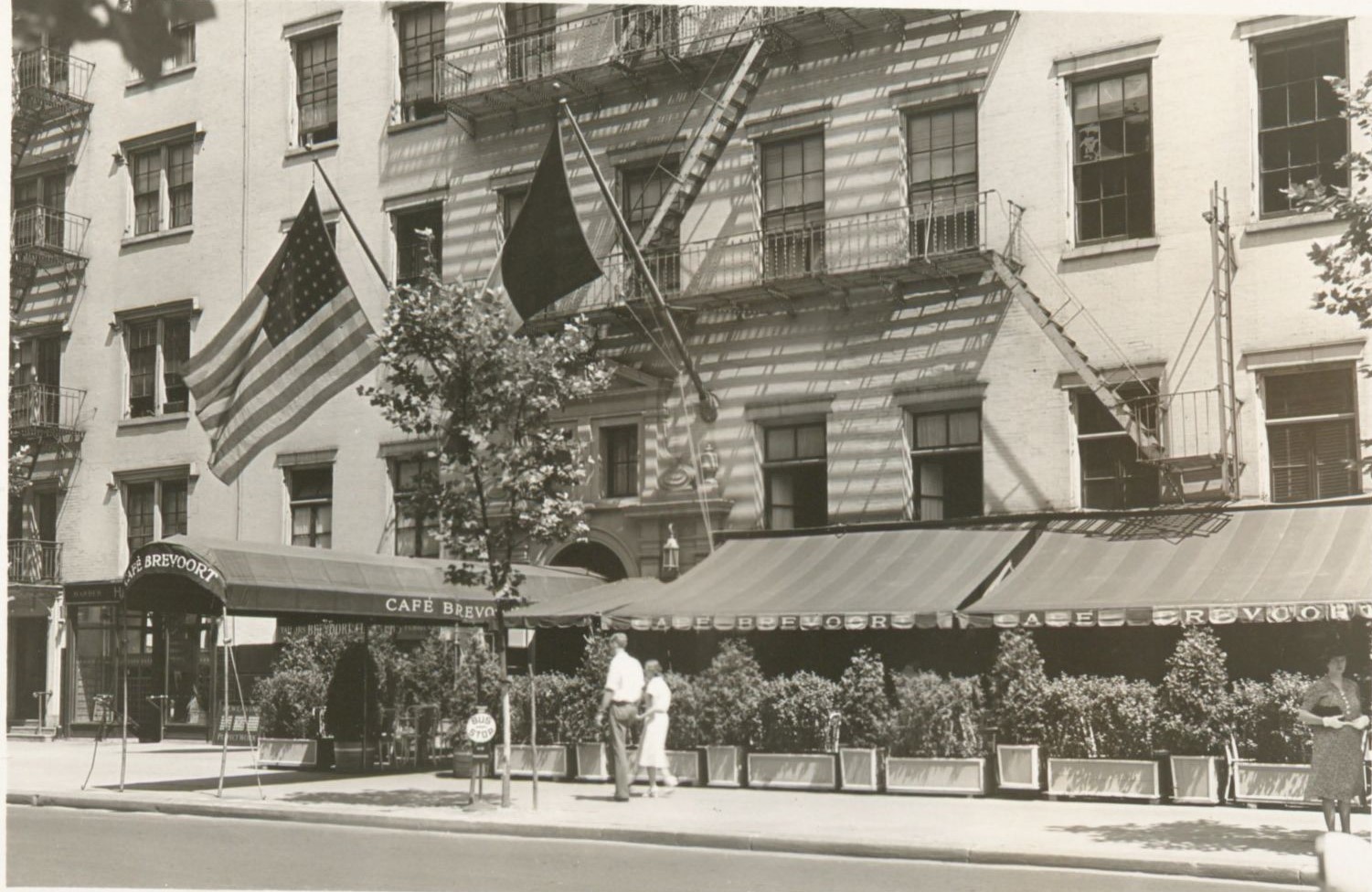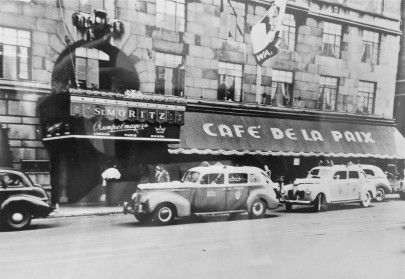
It’s a Gift

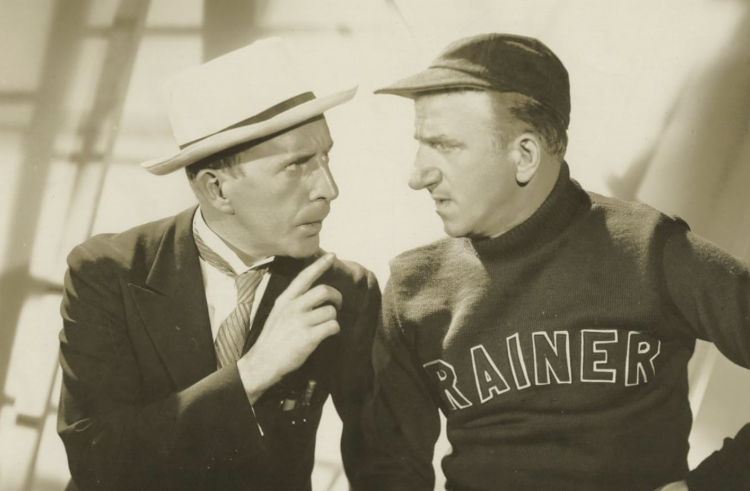
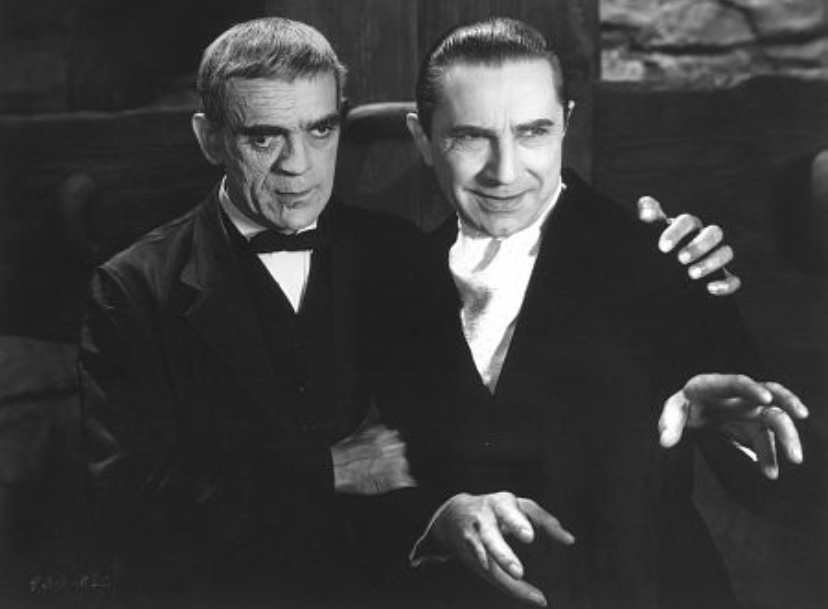
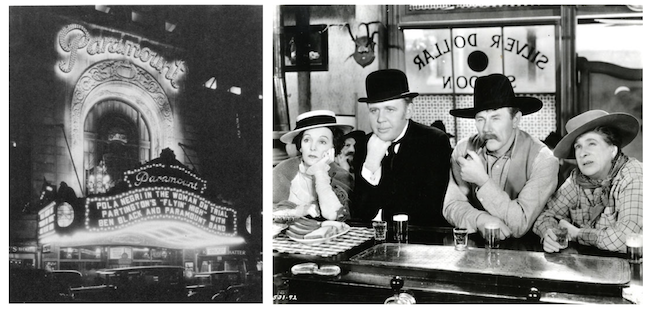
Above: Charles Sellen as Mr. Muckle and W.C. Fields as shopkeeper Harold Bissonette in the 1934 film It's a Gift.

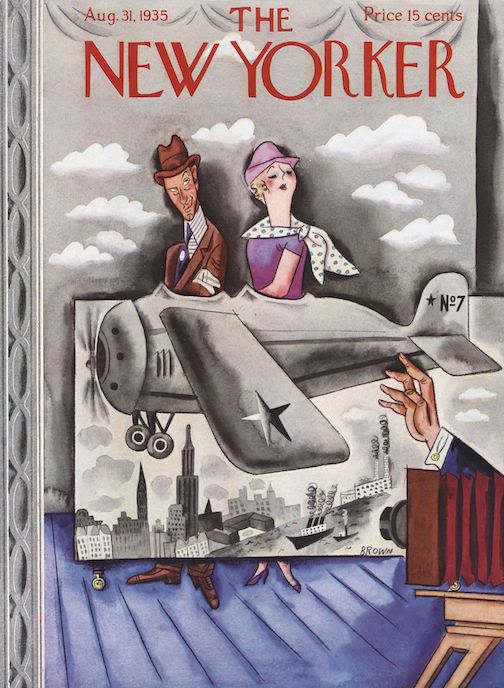
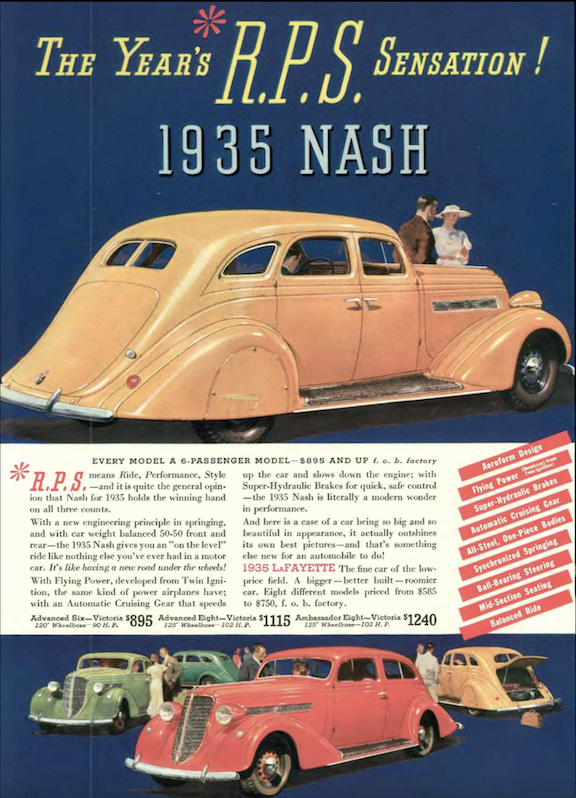
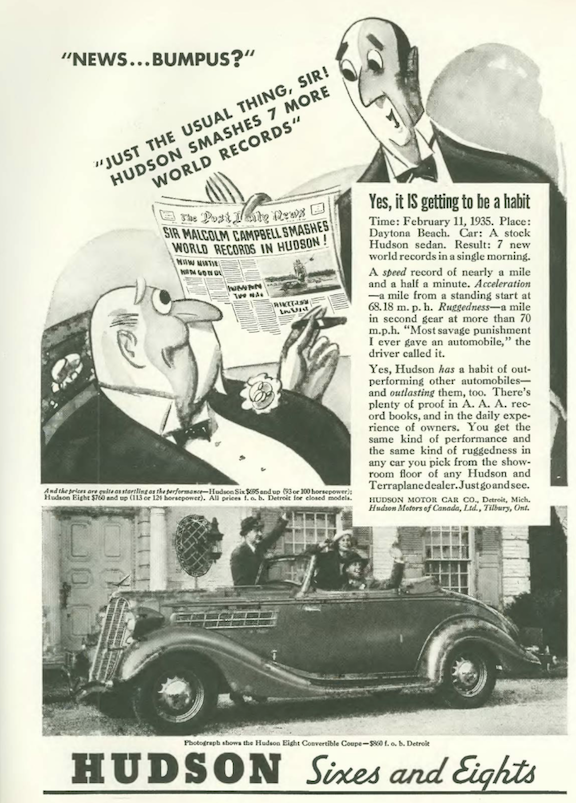
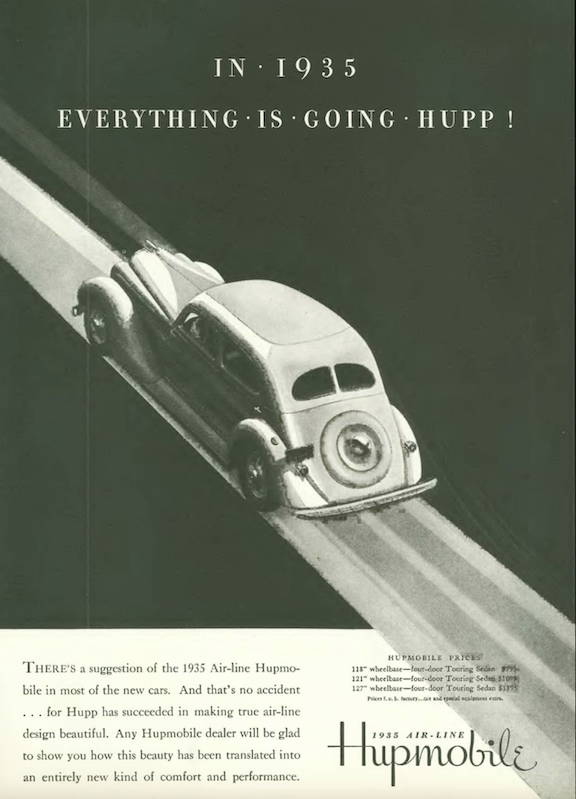
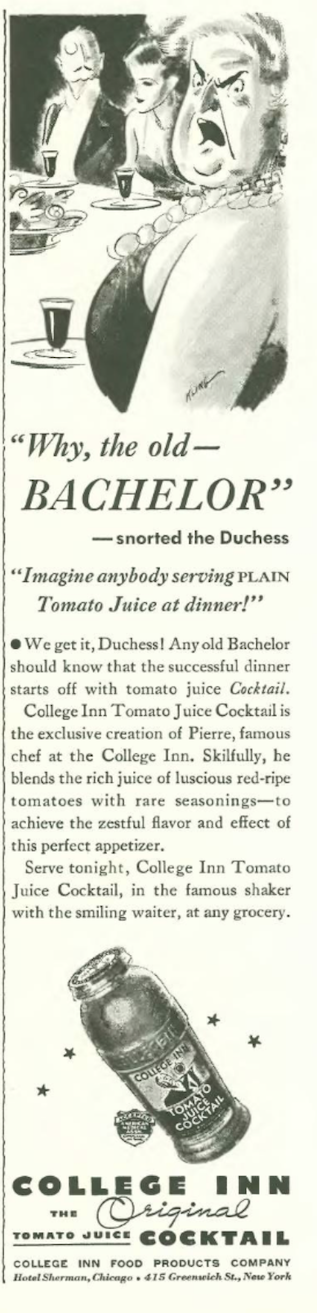
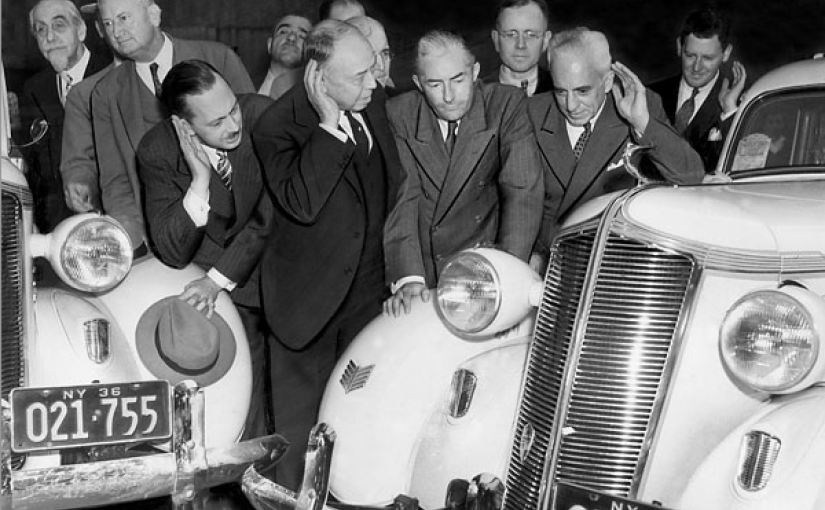
Rea Irvin featured the New York Auto Show on the cover of Jan. 12, 1935 issue—the extravaganza of cars at the Grand Central Palace was one place New Yorkers could go to chase away the winter blues. The other was at one of the city’s RKO theatres, where a classic W.C. Fields comedy was gracing the silver screen.

Jan. 12, 1935 cover by Rea Irvin.

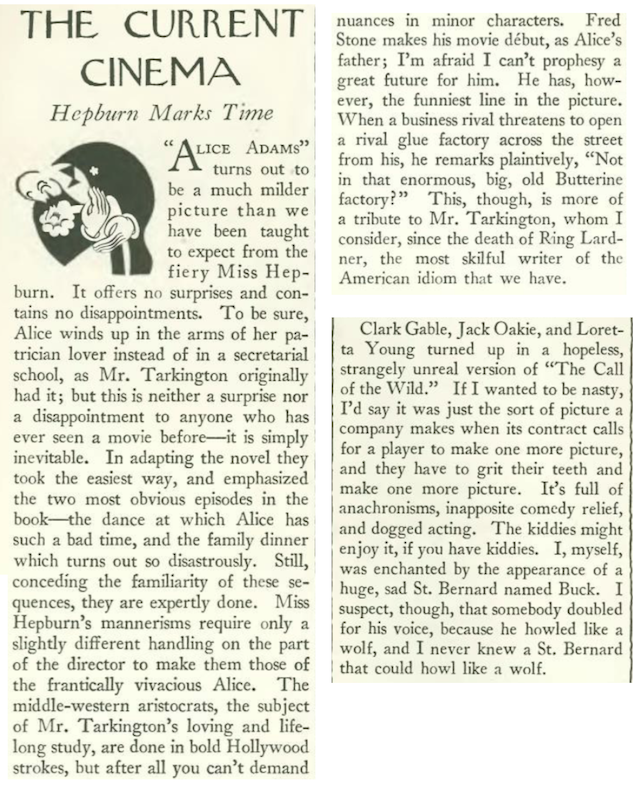
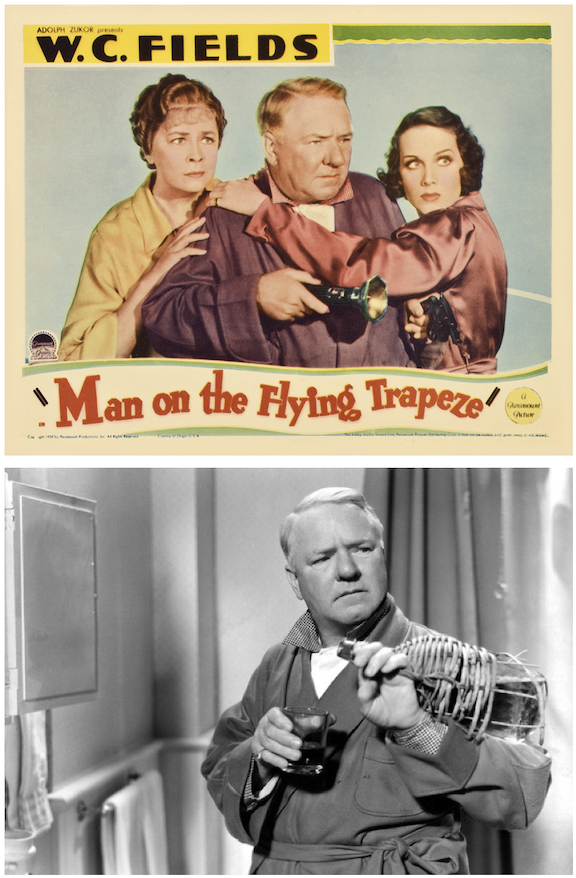
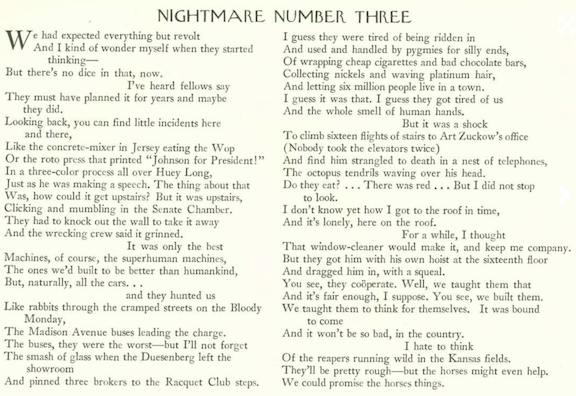
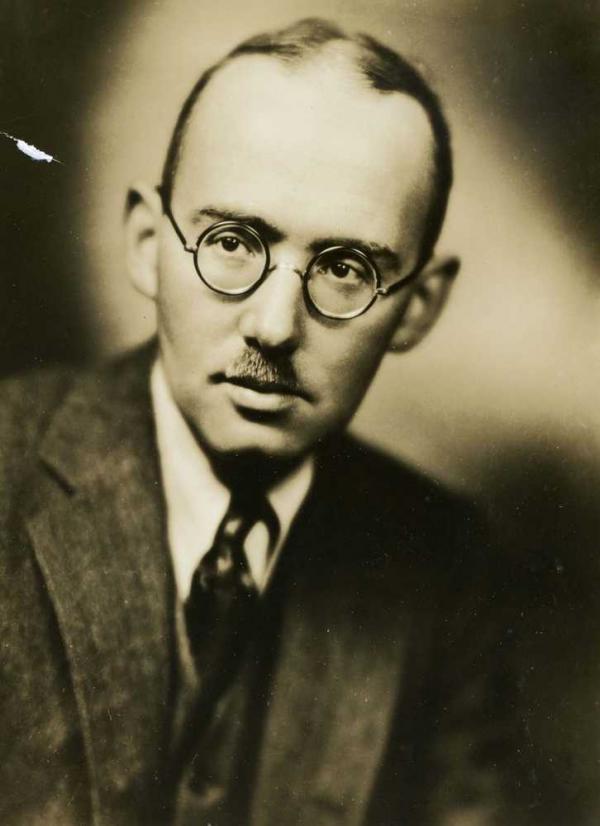
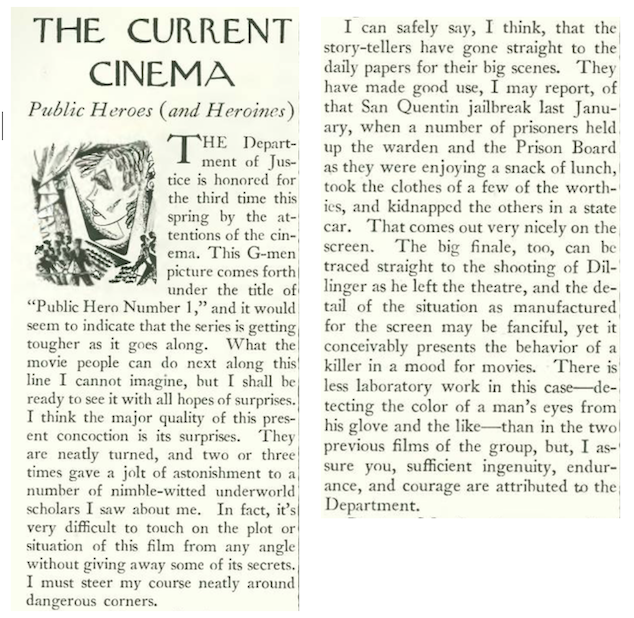
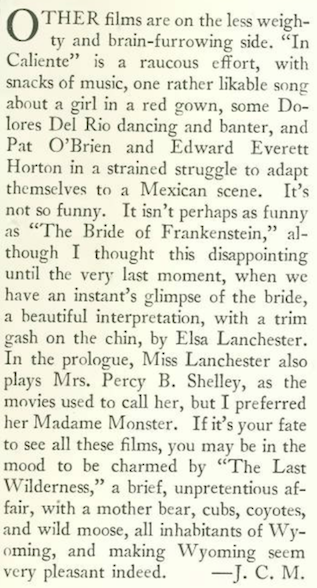
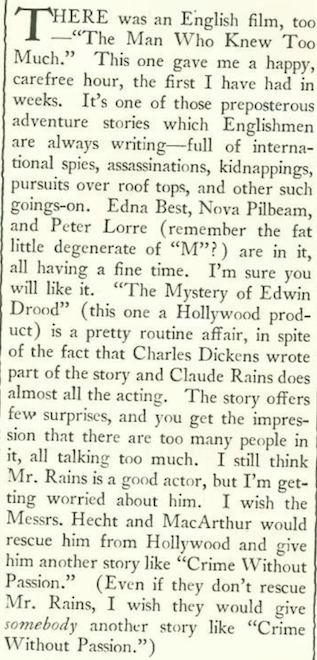
It’s a Gift was a showcase of Fields’ vaudevillian talents, tied together in a story about grocer Harold Bissonette (Fields) whose various tribulations included a pompous wife (who insisted on pronouncing the surname “biss-on-ay”), bratty children, and challenging customers (the hilarious Charles Sellen as Mr. Muckle). Writing for BFI Film Classics, Simon Louvish calls the film a chronicle of the “many titanic struggles between Harold Bissonnette and the universe. There will be battle of wills between father and daughter, between male and female, between man and a variety of uncontrollable objects.” Here is John Mosher’s review for The New Yorker.

HAROLD VS. THE WORLD…Clockwise, from top left, W.C. Fields as grocer Harold Bissonette; Fields with Kathleen Howard as wife Amelia Bissonette; Bissonette is relegated to the back porch in search of some rest; Charles Sellon as one of Bissonette’s more challenging customers, Mr. Muckle. (IMDB/TCM/filmfanatic.org/YouTube)
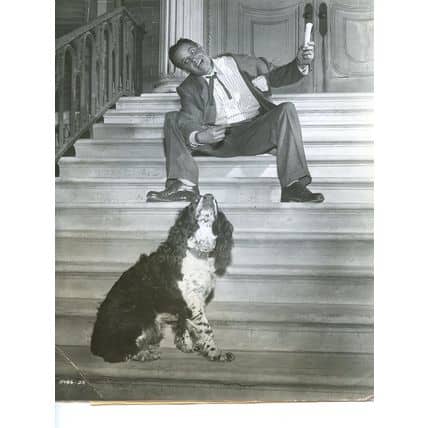
BABY BLUES…Two-year old Baby LeRoy (Ronald Le Roy Overacker) played the annoying foil to W.C. Fields in three films, including It’s a Gift (left, with Fields and Tammany Young). James Curtis’s W.C. Fields: A Biography (2003) quotes director Norman McLeod: “[Fields] used to swear at the baby so much in front of the camera that I sometimes had to cut off the ends of the scenes in which they appeared.” Fields’ popular persona was a man who hated dogs and kids, but a studio photo taken during the filming of It’s a Gift (right) seems to show another side. Perhaps. (Pinterest/citizenscreen.com)

 * * *

By Another Name

E.B. White led off his column with a note about Persia, which had officially changed its name to Iran. To mark the new year, Reza Shah had officially asked foreign delegates to use the new term, which referred to the native name of the people who inhabited the region.

 * * *

Hot Rods

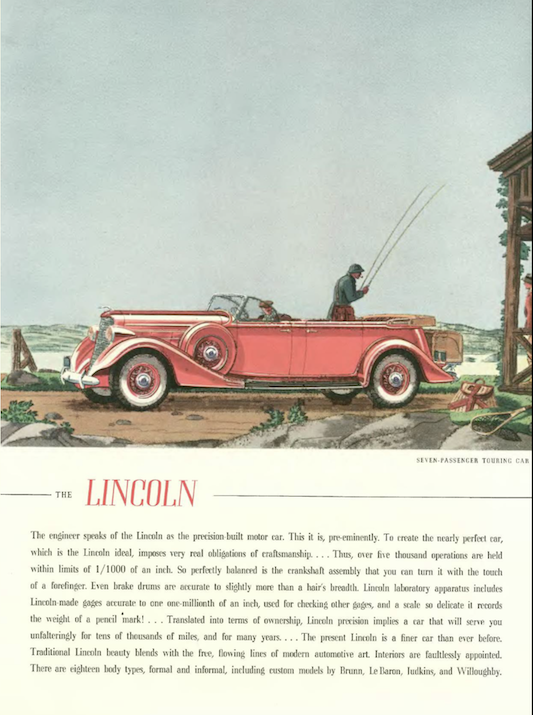
The New Yorker was back at the auto show, where correspondent “Speed” noted the appeal of the Auburn Speedster to a college-age crowd. The $2,500 price tag (equivalent to about $55k today) was apparently within reach for some of the lads at Columbia and other Ivies. Speed also admired the limousine version of the Chrysler Airflow, but the real car of his desires was a bottle-shaped milk truck.

INSTANT CLASSIC…The New Yorker predicted that the Auburn Speedster 851, which came to be known as the “Hollywood Car,” would be popular among lads on college campuses. Despite its technical advancement (it could do 100 mph) and beautiful lines, it would prove to be Auburn’s final production model. (Wikipedia)
RARITIES…Clockwise, from top left: Boattail version of the Auburn Speedster 851, of which only 143 were built; REO milk bottle truck, circa 1930; 1935 Chrysler CW Airflow Limousine—only fifteen of these massive cars were built. (Wikipedia/Pinterest/Donald Pittenger@carstylecritic.blogspot.com)

 * * *

From Our Advertisers

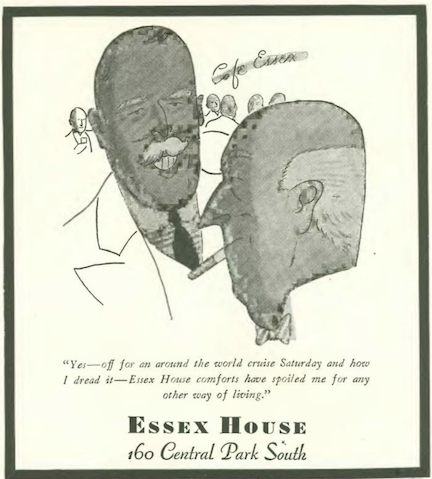
The proprietors of Essex House tapped into the popularity of the Auto Show to market their economical, yet deluxe accommodations…

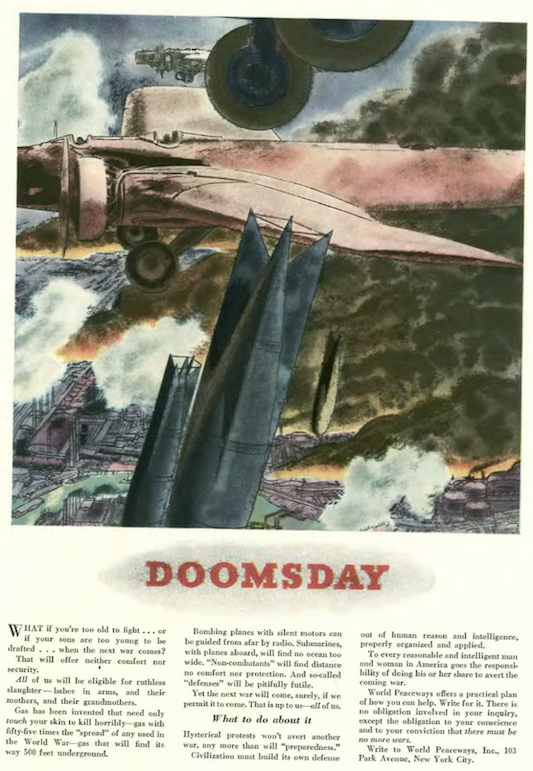
…the anti-war group World Peaceways continued its ad campaign with this image of the “most powerful man in America,” that is, the average citizen who should not be tricked into “the absurd business of war”…

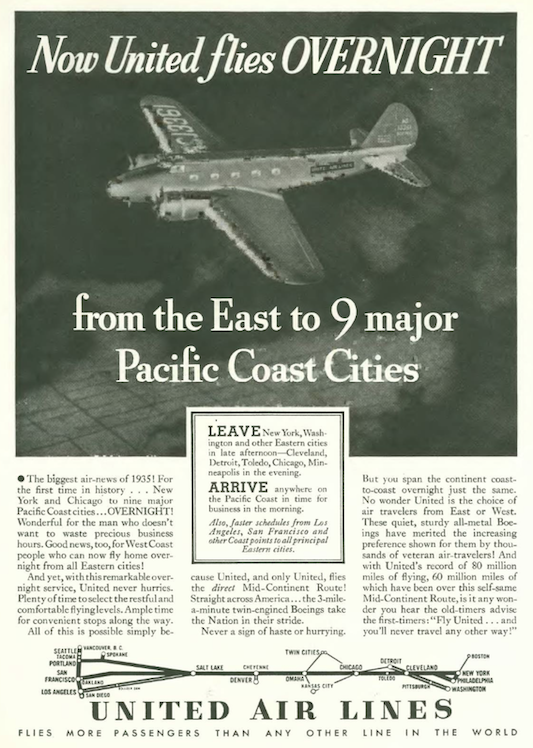
…United Airlines used the endorsement of journalist and radio commentator Edwin C. Hill to tout the safety and comfort of its airliners…

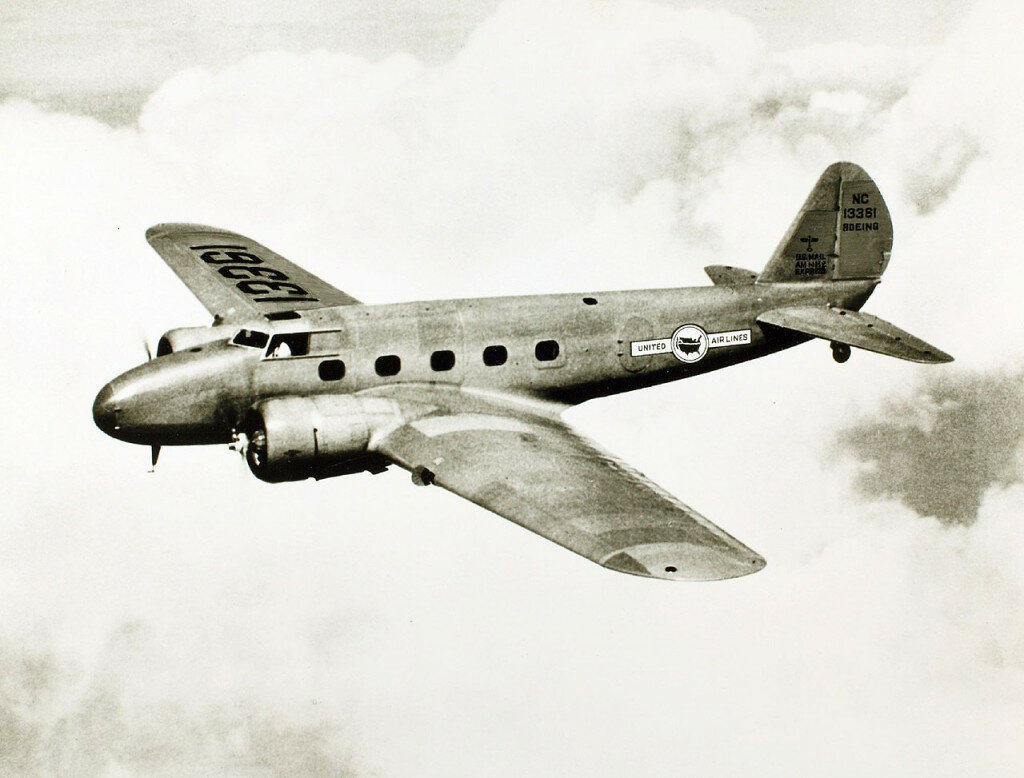
…at the time, United’s flagship airplane was the Boeing 247…

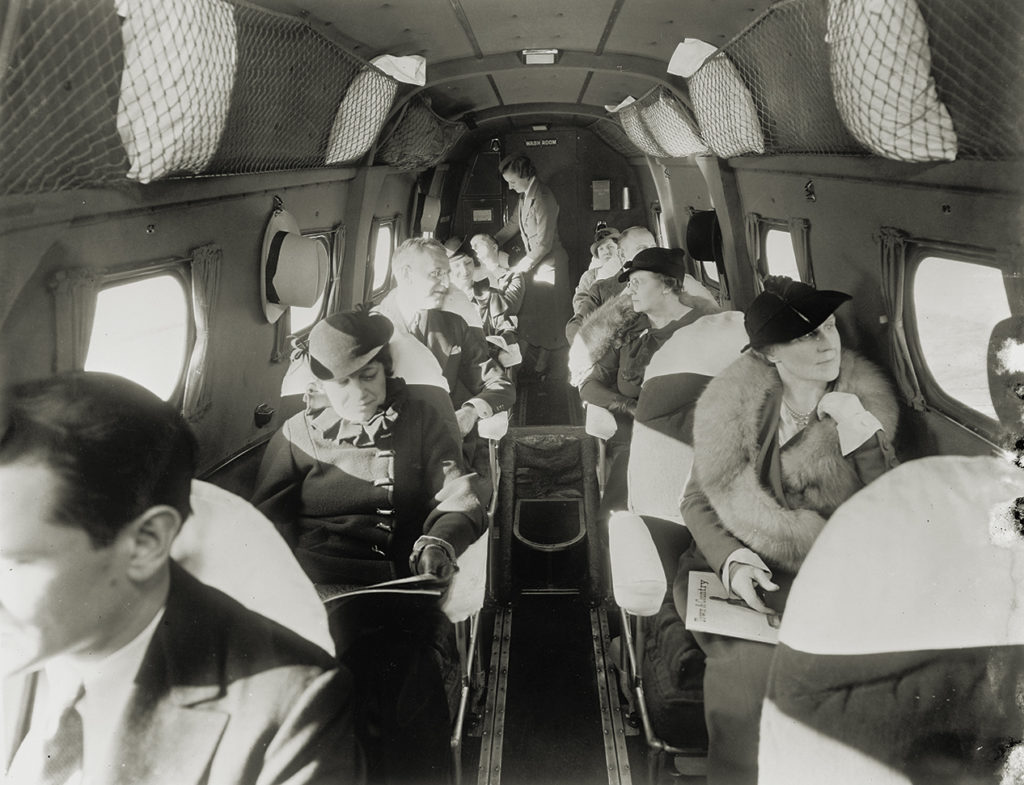
Interior and exterior of the Boeing 247. (Library of Congress/Wikipedia)

…”Mrs. William LaVarre” (Alice Lucille Elliott) was the latest adventurous soul to endorse the energizing effects of Camel cigarettes…

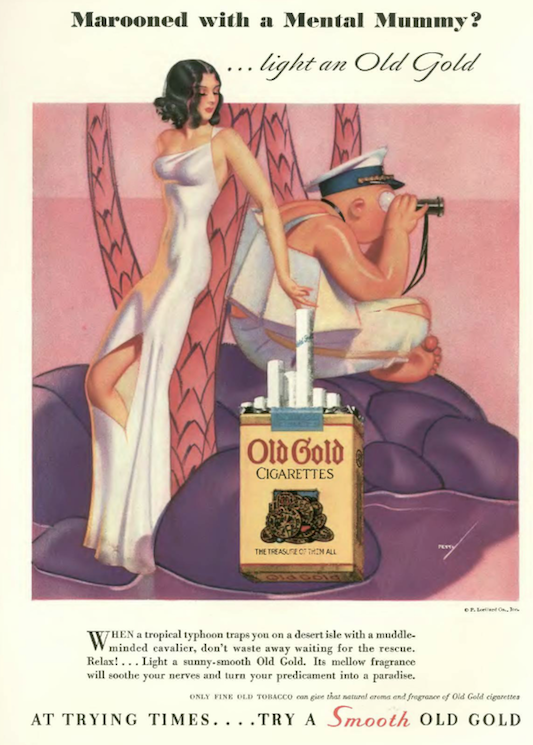
…it was no coincidence that the Camel and Chesterfield ads both featured women, the tobacco companies’ biggest growth market in the 1930s…

…on to our cartoons, we go bowling in this spot by George Shellhase

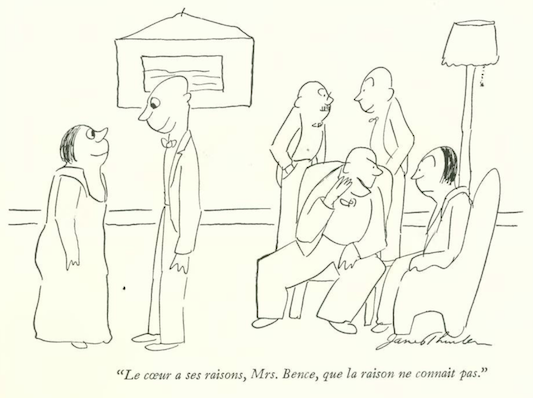
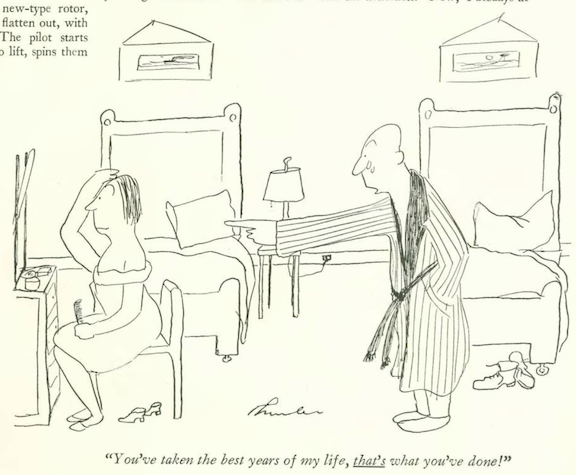
…a doctor’s bedside manner, in James Thurber’s world of the battling sexes…

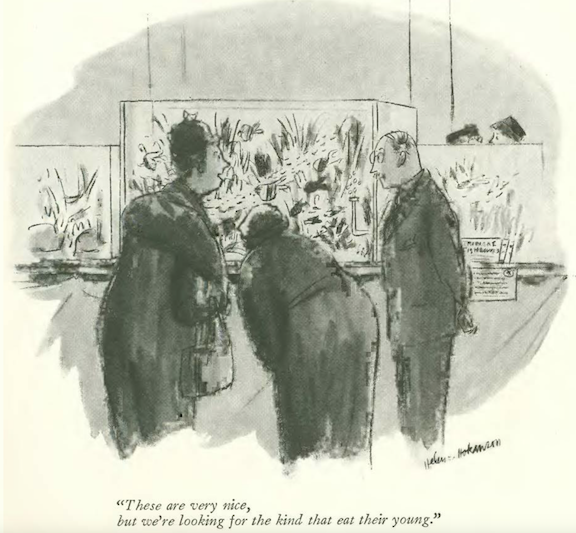
…two of Helen Hokinson’s “Girls” were left breathless by the exploits of Elias Burton Holmes, an American photographer and filmmaker who apparently coined the term “travelogue”…

…for this next cartoon by Robert Day, a snippet from the Auto Show will shed some light…

…and we close with Carl Rose, and some hijinks among the statuary…

Next Time: Everything’s Jake…

Farewell to 1934

Above: Ringing in the New Year at Times Square, 1934.

We bid adieu to 1934 with some odds and ends, beginning with E.B. White’s observations for the upcoming year, which if anyone had noticed the uptick in Ascot tie purchases, just might be a bit rosier than previous years of the decade.

Dec. 29, 1934 cover by S. Liam Dunn.

White was also hopeful for a new year with a less dreadful press, particularly the pandering type promulgated by William Randolph Hearst.

GOOD RIDDANCE…E.B. White wryly noted the positive signs heading into 1935. While actresses Billie Seward and Lucille Ball rang in the New Year, Erroll Flynn was sporting an ascot tie and Henry Ford was proclaiming that the Depression was over. (Pinterest)

 * * *

Dr. Peeper

“The Talk of the Town” noted that Dr. Allan Dafoe, the country doctor who gained fame for delivering the Dionne Quintuplets, expressed a desire to see Sally Rand perform her bubble dance during his visit to Gotham. “Talk” also looked in on the some of the technical aspects of the burlesque dancer’s signature act:

DON’T BURST MY BUBBLE…Dr. Allan Dafoe of Dionne Quintuplet fame looked forward to taking in the sights of New York, including Sally Rand’s famed bubble dance. (Image from the 1936 book The Country Doctor/Sally Rand via stuffnobodycaresabout.com)

 * * *

Leading Ladies

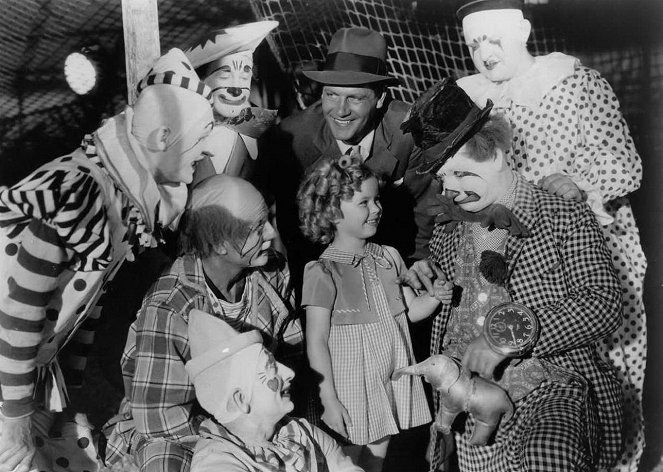
Film Critic John Mosher noted the continued rise of two leading female stars, twenty-seven-year-old Katharine Hepburn and six-year-old Shirley Temple. Mosher recalled Hepburn’s recent performance in Little Women, and proclaimed that she “succeeds again” in The Little Minister.

OPPORTUNITY KNOCKS...Katharine Hepburn and John Beal in The Little Minister. Hepburn portrayed Babbie, a member of the nobility who disguises herself as a gypsy to protect villagers from a tyrannical lord. In the process she falls in love with the good Rev. Gavin Dishart (Beal). (IMDB)

Although Mosher admitted he was a “disagreeable adult” who doesn’t enjoy seeing children on the screen “more than necessary,” he acknowledged Shirley Temple’s talents as well as those of child actor Jane Withers in Bright Eyes.

BRIGHT EYES, BRIGHT STARS…Jane Withers, Shirley Temple, and Terry in Bright Eyes. (IMDB)

 * * *

That Youthful Feeling

Given that William Shakespeare’s star-crossed lovers Romeo and Juliet were mere teenagers (the ages 13 and 16 were given to Juliet and Romeo, respectively), many productions featured actors more than twice that age. That was the case in 1933 when the play was revived by actress Katharine Cornell and her director husband Guthrie McClintic, who took the play on a seven-month nationwide tour before it was revised and opened on Broadway in December 1934. Critics dubbed the 41-year-old Cornell “the greatest Juliet of her time,” and it seems Robert Benchley heartily agreed in this excerpt from his stage review:

AGE IS JUST A NUMBER…The 41-year-old Katharine Cornell and 42-year-old Basil Rathbone in a promotional photo for Romeo and Juliet. Cornell was the first performer to receive the Drama League’s Distinguished Performance Award, which became the oldest and most exclusive theatrical honor in North America. (Vandamm photo, Museum of the City of New York)

 * * *

The New Yorkiest Place 

In 1930 gossip columnist Walter Winchell called the new Stork Club “New York’s New Yorkiest place on W. 58th,” and when it relocated to 3 East 53rd Street in 1934 it further defined itself as the ultimate New York night club. In her “Tables for Two” column, Lois Long found the new location much to her liking. An excerpt:

THE STORK DELIVERS…The Stork Club truly became the New Yorkiest nightclub when it relocated to 3 East 53rd Street in 1934. Clockwise, from top left: the club entrance in the 1930s; Cary Grant was one of the many celebrities who favored the nightclub, circa 1935; a 1930’s club menu; Lita Grey, the former teen bride of actor Charlie Chaplin, was a featured singer at the club during Lois Long’s visit. (Gibbes Museum of Art/Pinterest/vintagemenuart.com/IMDB)

 * * *

So Long?

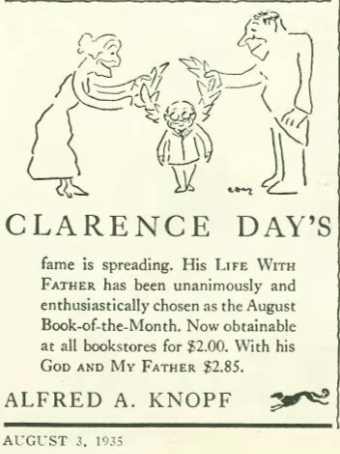
Clarence Day, best known for his Life with Father stories, also contributed a number of cartoons to the magazine, accompanied by satirical poems and humorous shorts. Day would die at the tender age of 61—after a bout with pneumonia—in December 1935, about a year after this  cartoon was published in The New Yorker. I assume he was signing off from the magazine in order to arrange publication of his Life with Father book, which was published shortly after his death.

 * * *

From Our Advertisers

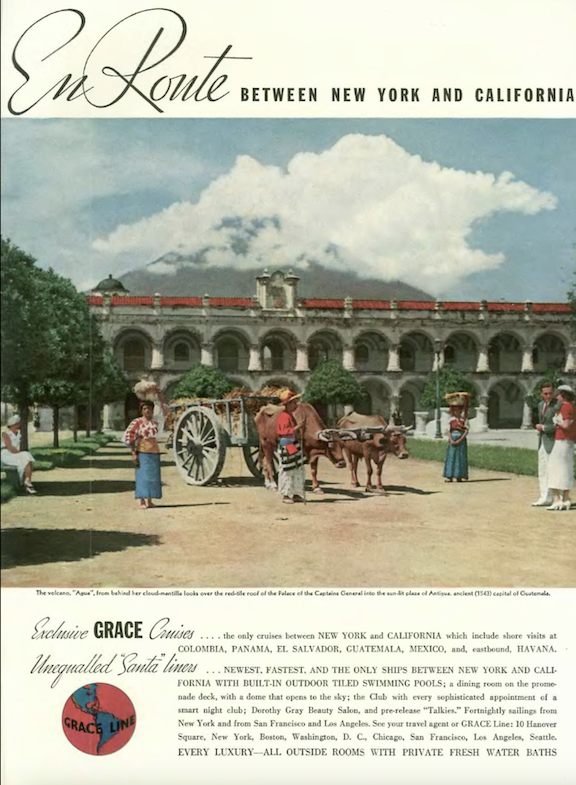
Sunny California beckoned those who had the means and leisure to head to warmer climes during the New York winter…

…for those who stayed behind, they could wrap themselves in a chic winter coat such as this one sported by Camel endorser Mrs. Langdon Post (Janet Kirby)…

…another colorful ad with a not-so-colorful message from World Peaceways, a 1930s anti-war organization that characterized soldiers (and future soldiers, seen here) as pawns in the corrupt games of the rich and powerful…

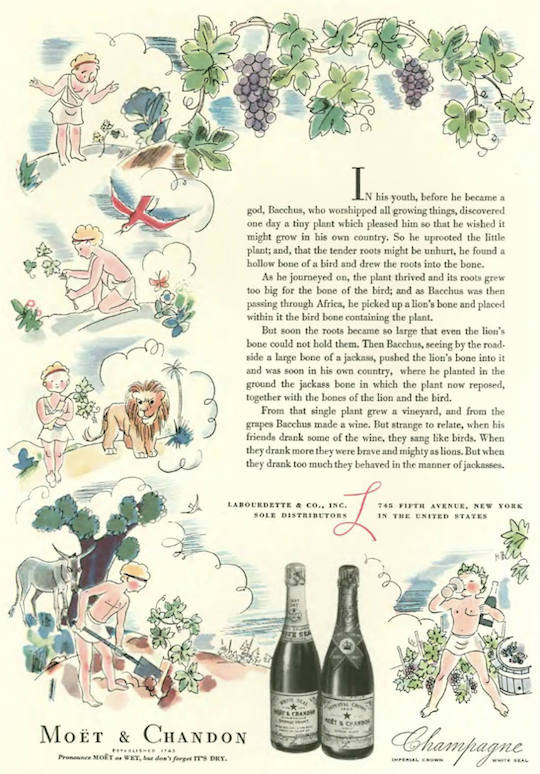
…the distributors of French champagne rang in the New Year by suggesting that Doyen was worth your very last cent…

…we kick off our cartoons by welcoming the New Year with George Price

Robert Day contributed a spot drawing that offered a new twist to ice hockey…

…I should know this artist, but it escapes me for the moment…nevertheless, a great illustration to stretch across the bottom of an opening page…

…a closeup of the signature…

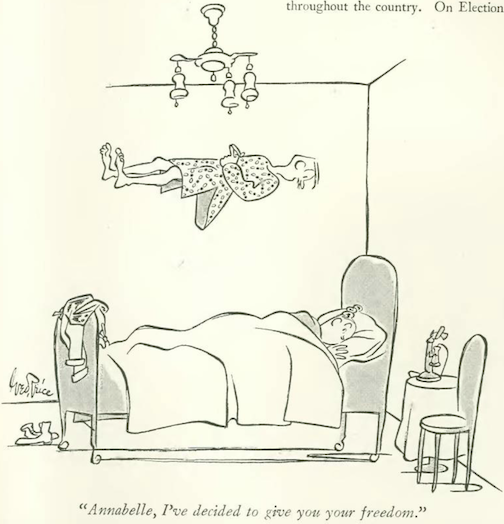
…another from George Price, still up in the air in the final issue of 1934…

Garner Rea introduced us to the life of the party…

…”Miss Otis Regrets” is a 1934 Cole Porter song about the lynching of a society woman after she murders her unfaithful lover. Porter wrote the song as a parody of a sad cowboy song he heard on the radio. The song was further workshopped for fun at “smart set” cocktail parties…on to our next cartoon, and a moment of keen insight from James Thurber

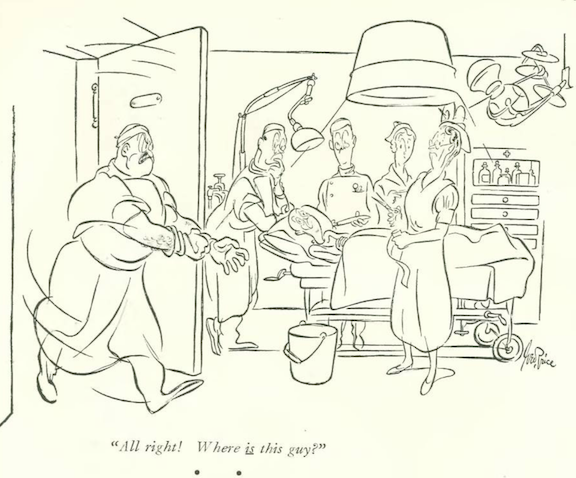
Garrett Price went on the town with some students of anatomy…

…and we say Happy New Year with the help of Helen Hokinson

Next Time: Easy Riders…

The Age of Giants

Otto Klemperer rehearsing at the Hollywood Bowl in September 1937. (Los Angeles Philharmonic)

The 20th century was an age of big personalities in classical music, among them Otto Klemperer (1885-1973), a German-born protégé of the composer and conductor Gustav Mahler. Klemperer was already an established conductor in opera houses around Germany when the rise of the Nazis prompted the maestro to emigrate with his family in 1933. He was soon appointed chief conductor of the Los Angeles Philharmonic.

Oct. 13, 1934 cover by Rea Irvin.

Klemperer also guest conducted a number of orchestras in the U.S., including the New York Philharmonic, where his larger than life presence caught the attention of “The Talk of the Town.” Excerpts:

MAESTRO…Top left, Otto Klemperer with Czech composer Leoš Janáček in 1927; at right, with Austrian-American classical pianist and composer Artur Schnabel in 1933; bottom photo, with wife Johanna Geisler, son Werner and daughter Lotte in Los Angeles, 1936. (operaplus.cz/Otto Klemperer Film Foundation/ottoklemperer.nl)

Lauded internationally as a great orchestral commander, in 1939 Klemperer would begin experiencing balance issues. After a tumor the size of a small orange was removed from his brain, he would be left partially paralyzed on his right side; bouts of depression and a manic phase would later land him in a mental hospital. However, by 1946 he would recover his health enough to return to conducting in a career that would last until 1971.

The conductor’s daughter, Lotte Klemperer (1923–2003), would serve as her father’s secretary, negotiator and administrator until his death in 1973. Otto’s son, Werner Klemperer (1920–2000), would become a stage, screen and television actor, most notably portraying Colonel Klink in the 1960s comedy Hogan’s Heroes. Although the role would garner Werner two Emmys, his father never fully understood the series or even the concept of a sitcom. Reluctant to pursue a musical career while his father was alive, Werner would later join the Metropolitan Opera Company in the 1970s, appear in Broadway musicals, and serve as a narrator with a number of American symphony orchestras.

TO THEM HE WAS DAD…At left, daughter Lotte Klemperer with her famous father in 1954. She would serve as his caretaker and business partner after her mother’s death in 1956. At right, son Werner Klemperer acted on Broadway and in films before taking on the role of the bumbling Colonel Klink in the 1960s comedy Hogan’s Heroes, which garnered the actor two Emmys. Although Werner Klemperer was musically inclined, he avoided work in music until the death of his father in 1973. (Otto Klemperer Film Foundation/CBS)

 * * *

Vanished in the Haze

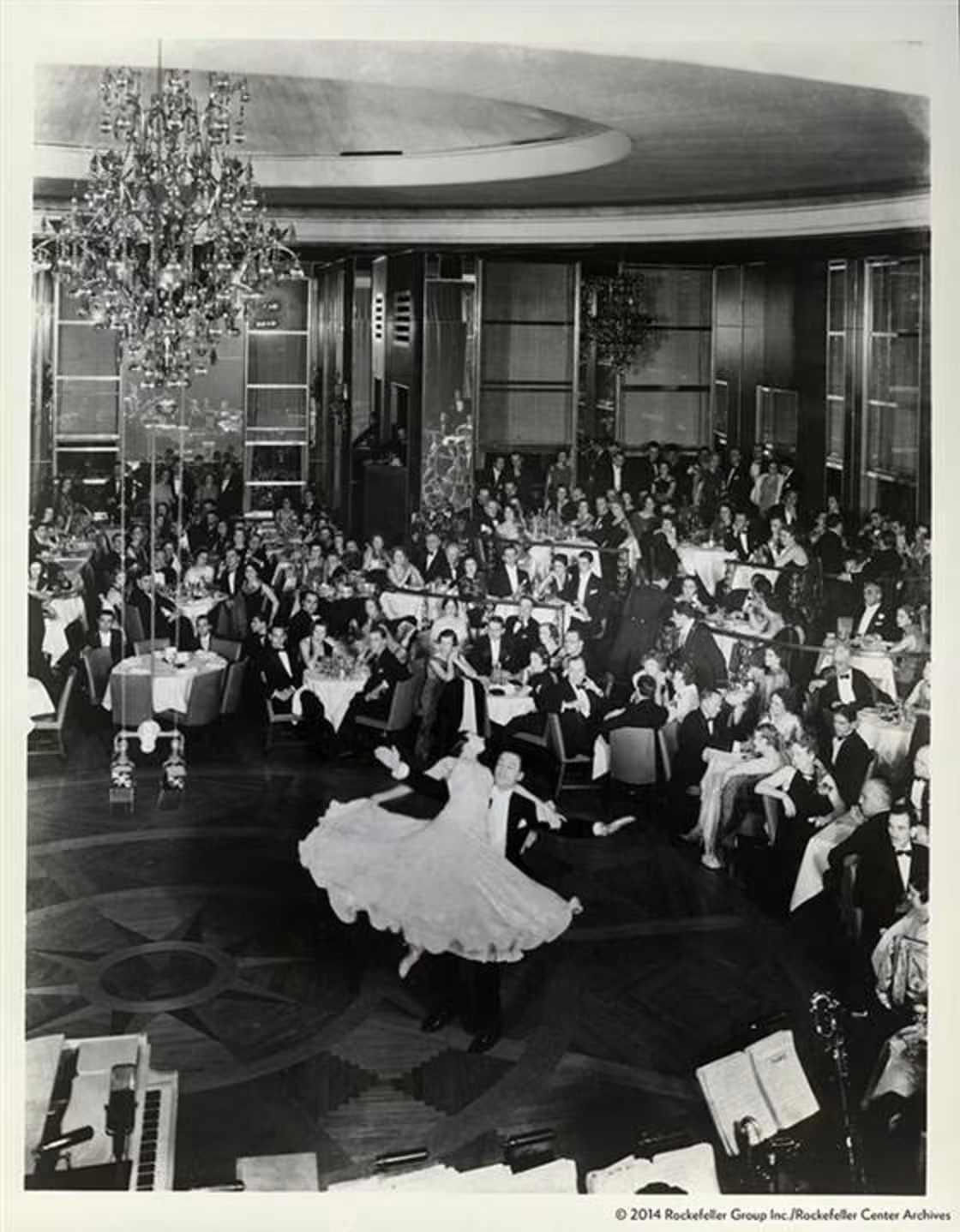
In his “Notes and Comment,” E.B. White lamented what appeared to be the transformation of the familiar night club; high above Manhattan in the Rockefeller Center’s Rainbow Room, the comforting haze of “cigarette smoke, talc, waiter’s venom” had been displaced by air conditioning, and to add to the horror, an organ had been installed that tinged the fox trot “with an odd piety.”

NOWHERE TO HIDE…E.B. White found the lack of haze in the new Rainbow Room disconcerting, not to mention the addition of a Wurlitzer organ, its wonders demonstrated here by organist Ray Bohr in 1934. (Library of Congress/nycago.org)

 * * *

There Oughta Be a Law

While E.B. White was mourning the demise of the smoky nightclub, art and design critic Lewis Mumford continued his tirade against the pretentious and mediocre buildings that were popping up all over the city, including the new Federal Court Building on Centre Street that was, in Mumford’s words, a supreme example of bad design and fake grandeur.

Cass Gilbert's The Federal Courthouse building (United States courthouse) in 1936 (the year of its completion). Located at 40 Centre Street (Foley Square), Manhattan, New York City. In 2001, it was designated as the Thurgood Marshall United States Courthouse.Source: Wurts Brothers Photography Collection at the National Building Museum.
A CRIMINAL CASE…Cass Gilbert’s Federal Courthouse building (United States courthouse) was completed in 1936, two years after Gilbert’s death. In 2001 it was designated as the Thurgood Marshall United States Courthouse. Critic Lewis Mumford called the design, which combined “two unlovely and unrelated forms”…”nothing short of a major crime.” (Wurts Brothers Photography Collection, National Building Museum)

 * * *

Crime of the Century

That is what the press called the kidnap and murder of the infant son of Charles Lindbergh and Anne Morrow. In September 1934 a German immigrant carpenter named Bruno Hauptmann was arrested for the crime, and a trial date was set for the following January. In his “A Reporter at Large” column, Morris Markey examined the ransom money trail that led to Hauptmann’s ultimate arrest. Excerpts:

DON’T SAY “CHEESE”…Bruno Hauptmann sits for a mug shot following his arrest for the abduction and murder of the 20-month-old son of Charles Lindbergh and Anne Morrow Lindbergh. (Leslie Jones, Boston Public Library)

 * * *

Should Have Stayed Lost

A film version of Willa Cather’s 1923 novel A Lost Lady was first made as a silent by Warner Brothers in 1924 (the film itself is lost) but in 1934 Warner had another go at the novel with a sound version starring starring Barbara Stanwyck, who was emerging as a major star. But Stanwyck’s talents could not overcome a script that critic John Mosher described as bleak, blank nonsense. Cather was so dismayed by the film that she refused to permit another adaptation of any of her novels during her lifetime.

LOST IN TRANSLATION…Barbara Stanwyck and Ricardo Cortez in A Lost Lady (1934). (IMDB)

 * * *

From Our Advertisers

We kick off our sponsors with this two-page center spread from Hiram Walker & Sons, who introduced their new line of playing card-inspired whiskies…

…the New Yorker’s Janet Flanner wrote in 1938 that Elsie de Wolfe invented interior design as a profession, so who was to argue with de Wolfe’s suggestion that the leisure class should linger in bed with the aid of a Wamsutta bed-rest…the small print beneath the logo indicated that the bed-rest was “hair-filled,” which I assume was horse hair, still used today in some luxury brands…

…if de Wolfe was queen of interior designers, then Hattie Carnegie was the “First Lady of Fashion,” or so this ad claimed…

…here are images of the two titans of fashion and good taste…

TASTEMAKERS…At left, Hattie Carnegie aka Henrietta Kanengeiser (1880-1956), and Elsie de Wolfe, aka Lady Mendl (1859–1950). (americacomesalive.com/bureauofinteriors.com)

…and speaking of fashion, here is a llama cloth coat from B. Altman, trimmed in silver raccoon, suitable for Yale football games…based on inflation, that coat today would set you back at least $2,000…

…this condescending ad offered merchants a way to reach the “hitherto strange and aloof women of New York” through daytime advertising…

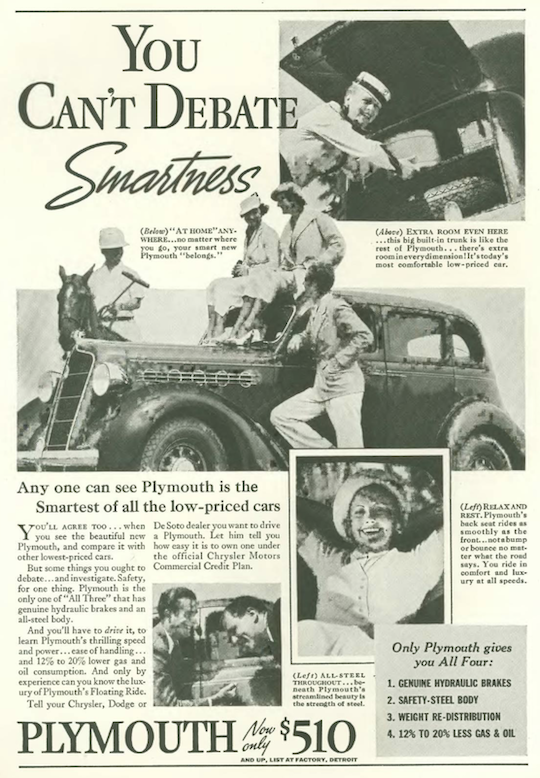
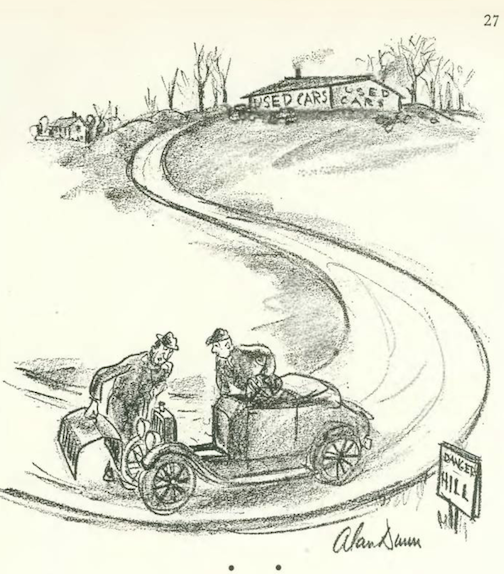
…Plymouth enlisted the talents of Alan Dunn to tout their car’s ride and durability…

…and on to our cartoonists, another from Dunn, a bit of spot art featuring a not so subtle commentary on Lawrence Lee Bazley Angas’s book The Coming American Boom

…and some spot art from Isadore Klein

Miguel Covarrubias contributed to the theater review section…

James Thurber entertained a house guest…

George Price was still up in the air…

Helen Hokinson took a spin with a celebrity look-alike…

…and Barbara Shermund offered another glimpse into the life of a modern woman…

…on to Oct. 20, 1934…

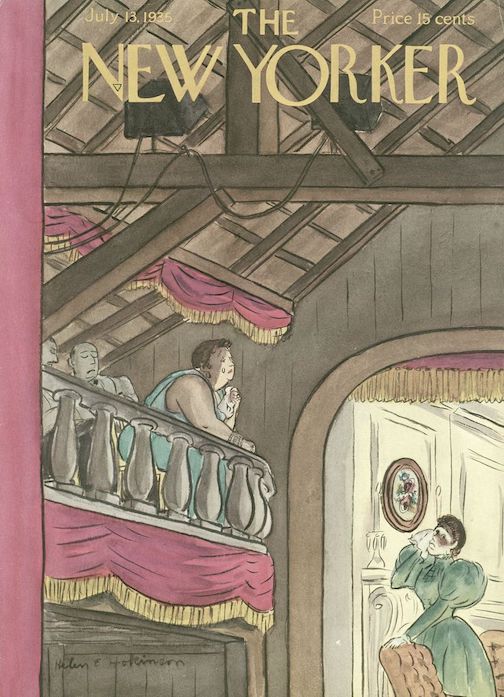
Oct. 20, 1934 cover by Helen Hokinson.

…in which E.B. White offered up a new lament, namely the pervasiveness of nostalgia and sentiment in contemporary literature…

HARKING BACK TO THOSE DAYS OF YORE…E.B. White simply had no stomach for the nostalgic stylings of Mary Ellen Chase (left) or Henry Seidel Canby, seen here on the cover of the May 19, 1924 issue of Time. (U of Maine/Time Inc)

 * * *

Fifty Years Young

“The Talk of the Town” marked the Dakota’s 50th year at Central Park West, and made note of its loyal and prominent clientele…back in the day it served as a residence for actors such as Lillian Gish, Boris Karloff, and Teresa Wright, and in later years such luminaries as Lauren Bacall, Judy Garland, Rudolf Nureyev, and, of course, John Lennon and Yoko Ono.

THE STORIES IT COULD TELL…At left, the facade and main entrance of the Dakota in the 1960s; at right, inside the main entrance. (Pinterest/Wikipedia)

 * * *

More From Our Advertisers

The Matson-Oceanic Line offered a “millionaire’s idea of a vacation” at an affordable price, and offered this sumptuous image as proof…

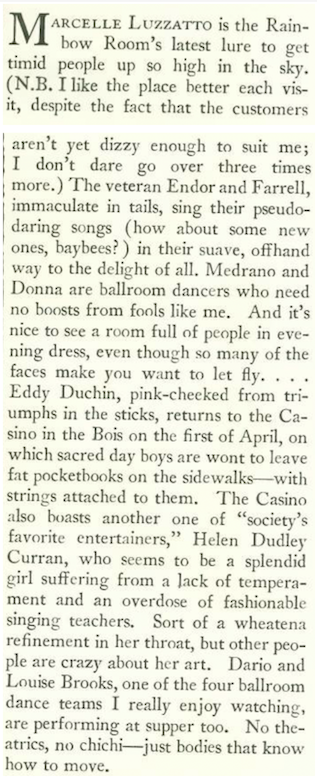
…E.B. White wasn’t crazy about the smokeless dazzle of the Rainbow Room, but it proved to be popular among the city’s elite…

…in case one was concerned about the provenance of one’s mink coat, Saks posted this helpful ad. Their high-end, natural-skin minks were priced at $8,000 (roughly $180,000 today); there was, however, a caveat regarding the cheaper models…

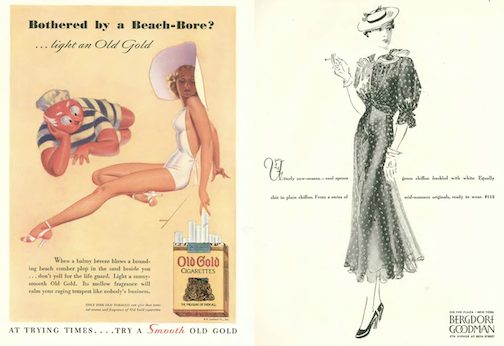
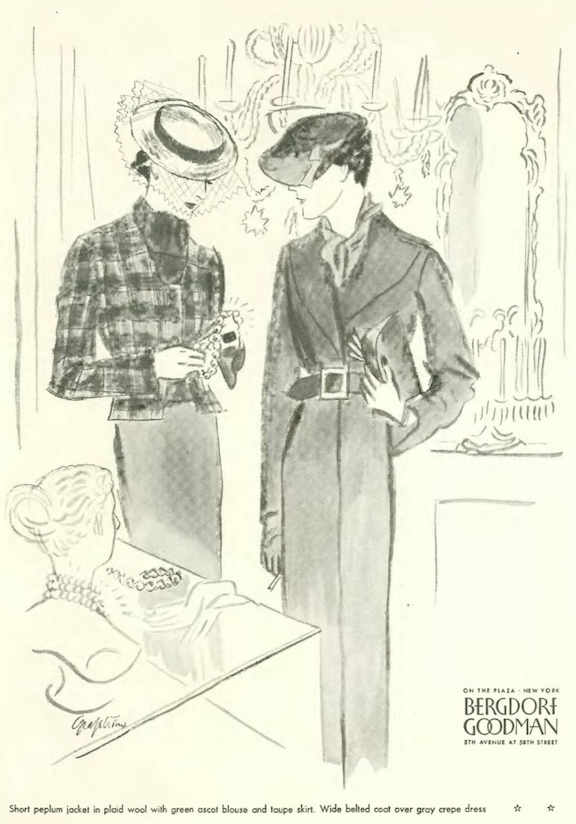
…Bergdorf Goodman offered up another ad featuring an impossibly attenuated model posed with a cigarette, her defiant gaze suggesting her modernity and individualism…

…Plymouth went back to the stable of New Yorker cartoonists, this time featuring the adventures of Helen Hokinson’s “girls”…

…and we segue to the rest of our cartoonists, including this spot by Constantin Alajalov

…and this by George Price

…who also gave us another update on the trials and tribulations of his floating man…

James Thurber occasionally ignored scale in rendering his characters, which didn’t really matter in his strange world…

Jack Markow had some bad news for two sign painters (the caption size is increased for readability)…

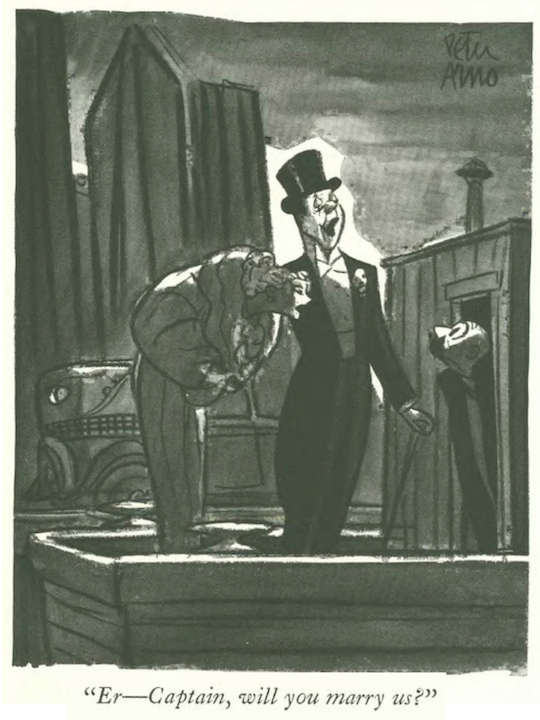
…and we close with Peter Arno, and the winner of most original Halloween costume…

…and before I go…this is being posted on Halloween, 2023, so here are a few images from 1934 to get you in the spirit, including a Saturday Evening Post cover, a 1934 party ideas magazine, and a page from Popular Mechanics featuring a smoking robot costume you could make yourself…in the 1930s, Popular Mechanics often featured Halloween party ideas that were downright lethal, usually involving electric shocks, pistols loaded with blanks, that sort of thing.

Happy Halloween!

Next Time: House & Home…

Lunch at the Dog Wagon

If you think today’s food trailers are the result of some hipster craze, consider that their origins go back more than a century; by 1934 Manhattan was home to 300 of the country’s 5,000 “lunch wagons,” which were commonly called “dog wagons.”

September 8, 1934 cover by Ilonka Karasz.

Some of Manhattan’s dog wagons belied the moniker, however, resembling the sleek roadside diners over which many today wax nostalgic. Jerry O’Mahony Diner Company of Elizabeth, New Jersey, produced more of these dining cars than any other concern—2,000 of them between 1917 and 1952 (only about twenty remain today). “The Talk of the Town” had this to say about the dog wagon phenomenon. Excerpts:

PROMISE OF BIG BUCKS…Tierney, based in New Rochelle and established in 1895, was an early manufacturer of lunch wagons and dining cars. It went out of business in 1933. Above, detail from a Tierney Diner Car Advertisement from the late 1920s. (scalar.usc.edu)
LUNCH ON THE RUN…Clockwise, from top left, early “dog wagons” were horse-drawn affairs; the wagons became semi-stationary with the advent of manufactured units designed to resemble old railroad dining cars; bottom photos show interiors of two O’Mahony diners. (restaurantingthroughhistory.com/americanbusinesshistory.org/dinerhunter.com)
ALL IN A NAME…Above: The Jerry O’Mahony Diner Company produced 2,000 diners in its Elizabeth, New Jersey, factory. Below, an O’Mahoney dining car headed for its new home in Kansas—the O’Mahony company preferred that patrons give their dining cars elite names, such as this “Palace Diner.” (dinerhunter.com/nyfta.org)
LAST CALL…One of the few surviving O’Mahony diners—The Summit Diner in Summit, New Jersey. A prototypical “rail car” style diner, it was built by the O’Mahony Company in 1938. (Jeff Boyce/Wikimedia Commons)

 * * *

A Captain’s Curios

“The Talk of the Town” also paid a visit to Captain Charley’s Private Museum for Intelligent People, a place that would later be visited (and written about) by The New Yorker’s chronicler of the commonplace, Joseph Mitchell. Excerpts:

MURKY MUSEUM…This is likely the red brick building on 127th Street where the old mariner Captain Charley held court in the basement with his Private Museum for Intelligent People. (Google Street View)

 * * *

Origins of Life

Wolcott Gibbs took his turn as theater reviewer (in relief of Robert Benchley) and managed to sit through Life Begins at 8:40, which had a successful run at the Winter Garden.

GIVING IT A REST…Roy Bolger, Luella Gear, Frances Williams and Bert Lahr headed the cast of Life Begins at 8:40 at the Winter Garden. Critic Wolcott Gibbs appreciated Lahr’s change in tempo, as he was becoming a more “restful” comedian. Lahr was the father of New Yorker theater critic and writer John Lahr. (Library of Congress)

In contrast to Bert Lahr’s new toned-down style, Milton Berle’s outlandish antics over at the Imperial Theatre had Gibbs wondering what the comedian’s vaudeville-style show Saluta was all about, if it was about anything. Whatever it was, it worked—Berle would enjoy a comedy career spanning eight decades, including becoming one of early television’s biggest stars.

ON FIRE…Milton Berle’s show Saluta featured Chaz Chase (right), famed for gobbling up whatever was placed in front of his mouth, including a box of lit matches. At left, Berle in 1930; right, Chase in the 1935 film Vaudeville. (Pinterest/IMDB)

 * * *

From Our Advertisers

We begin with a cold one from Rheingold, which had “beverage balance” and wasn’t afraid to stamp a slogan right over its ad copy…

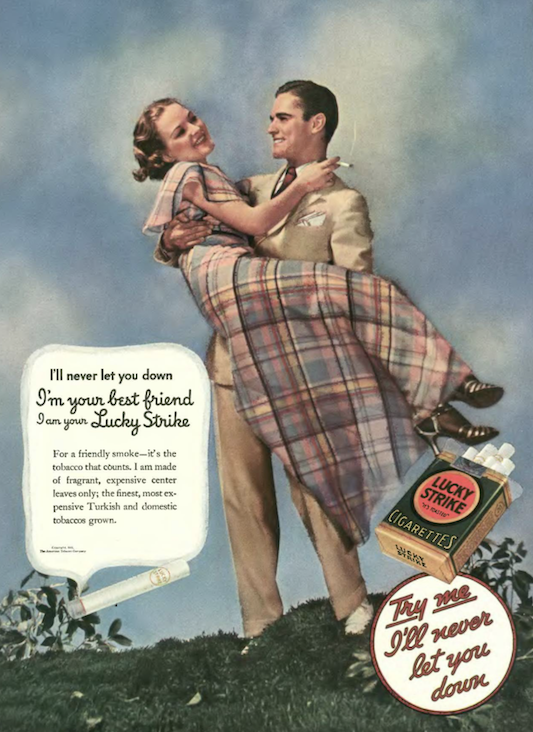
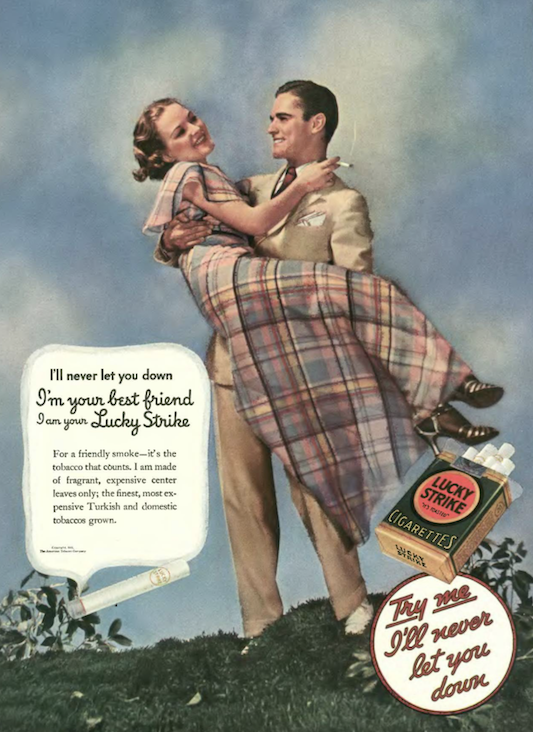
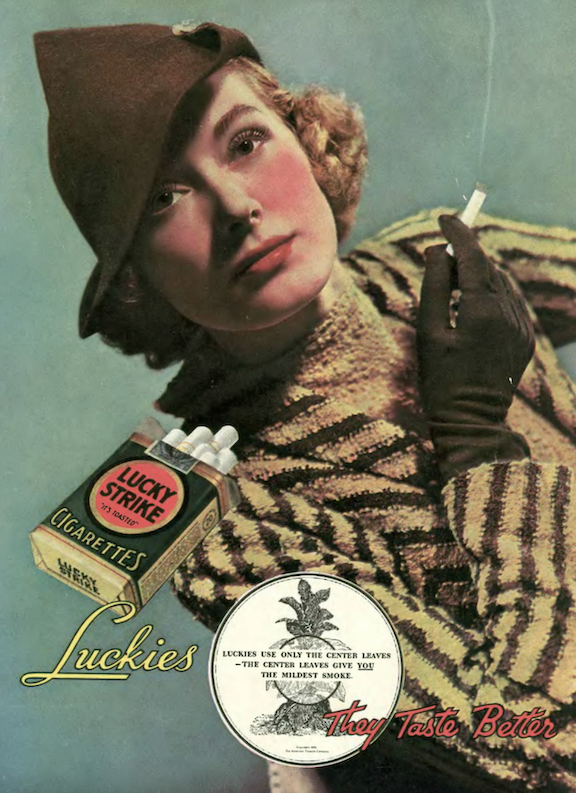
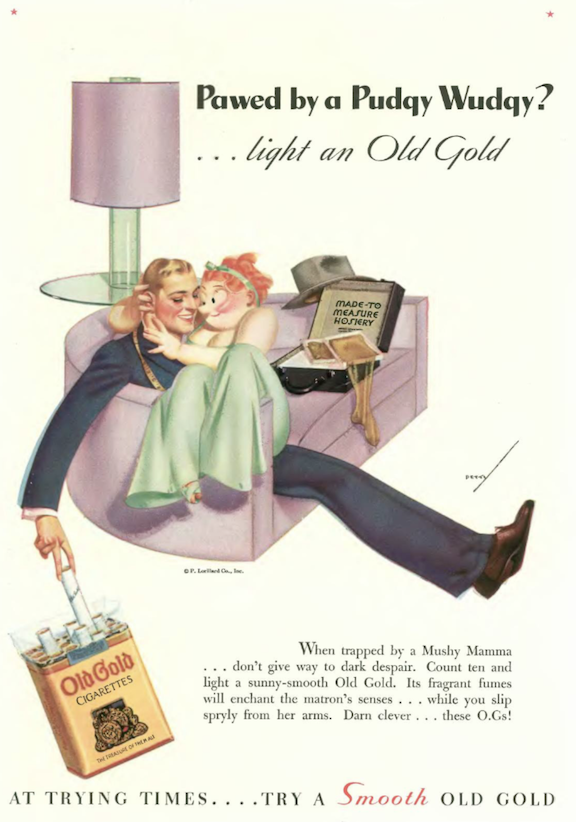
…Lucky Strike gave us another stylish reason for taking up a bad habit…

Arts & Decoration magazine took out this full page to tout the latest news in modern design…

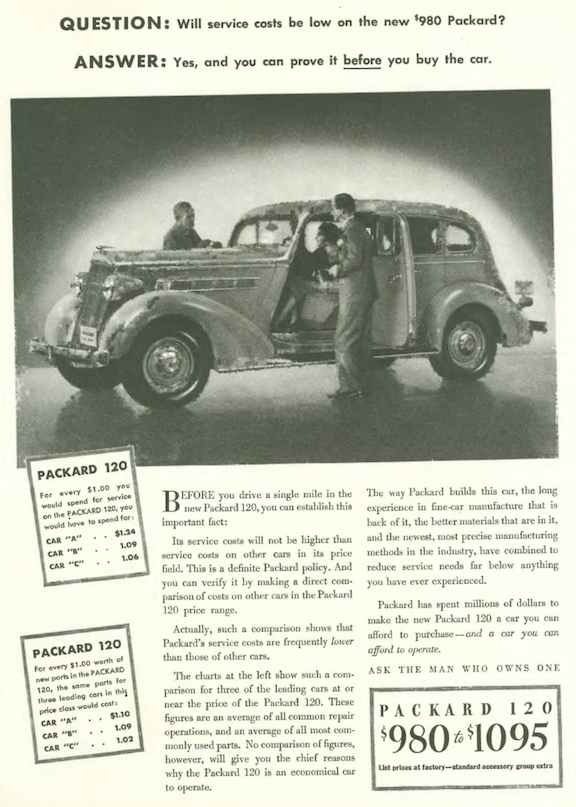
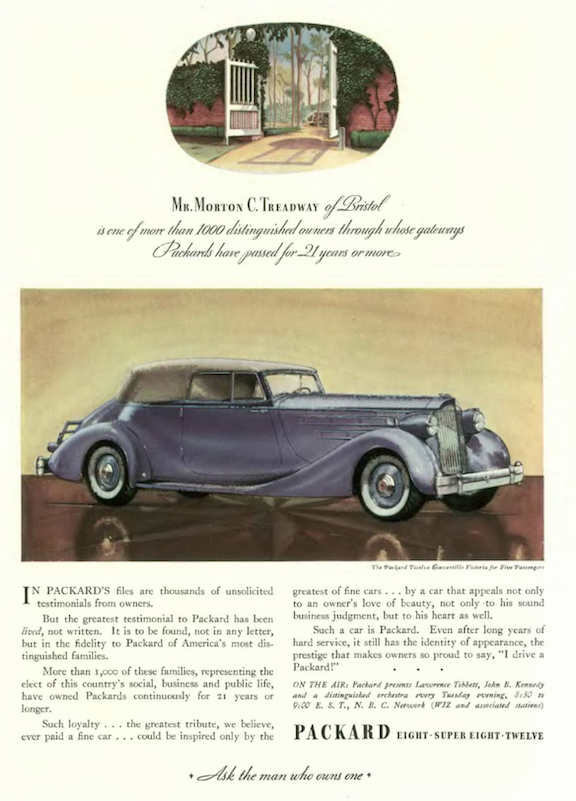
…while the folks at Packard bought this center spread to give ample space to their 1935 model, which must have been a helluva thing to parallel park…

…clothing companies continued use class shaming to goad aspiring toffs to purchase the “correct” attire for school…

…with the help of Gardner Rea, Heinz suggested that the upper orders would simply swoon over cuisine you managed to scoop out of a can…

…on to our cartoonists, we begin with spots by James Thurber

…and Lloyd Coe

…with the absence of Otto Soglow’s Little King, Gluyas Williams did his best to fill the void of a full page, something Williams did quite nicely…

Rea Irvin gave us yet another local bird sighting…

Richard Decker found understatement over a reservoir…

Robert Day borrowed from the style of Rockwell Kent to offer a bit of humor from the northern climes…

…here is a woodcut from Kent’s N by E is, an illustrated story of his voyage to Greenland…

(From Rockwell Kent’s 1930 book of woodcuts, N by E, via untendedgarden.com)

Reginald Marsh lent his social realism to an uglier side of American life…

…and we close with Helen Hokinson, just taking in the passing scene…

Next Time: Sticks and Stones…

Up In The Air

The 1930s saw steady improvements in the fledging airline industry, which catered mostly to major businesses or well-heeled (and somewhat brave) folks who were interested in getting to places relatively quickly. Margaret Case Harriman reported on the many ways one could criss-cross the country by heading to the Newark Airport, the first major airport to serve the New York metro.

August 11, 1934 cover by Constantin Alajalov.

Writing for the “Out of Town” column, Harriman described how someone in 1934 could make their way to Los Angeles by boarding a 9 a.m. American Airlines flight in Newark and then changing over to a “sleeper plane” in Fort Worth around 10 p.m. that same day (top speed of the fastest plane was about 190 mph or 306 kph. The trip also required stops for refueling). The night flight from Fort Worth would deliver the traveler to Los Angeles the following day, at 7:55 a.m.—the trip totaled about 23 hours.

NIGHTY NIGHT…In 1934 American Airlines was the only airline offering “sleeper planes,” as the ad at left claimed. The head of American Airlines, C.R. Smith, was obsessed with customer service and the amenities offered on his Curtiss Condors—roomy airplanes with sleeping berths that Margaret Case Harriman likened to beds in a Pullman railroad car. Passengers loved the Curtiss Condor, although the planes tended to catch fire and pilots found them difficult to fly. (archbridgeinstitute.org/American Airlines)
SKYTRAIN…Top, the passenger section of an American Airlines Curtiss Condor, circa 1930s; below, interior of a Boeing 247—note the steps in the aisle used to cross over the support beams that reinforced the 247’s wings. Also note the female attendant—the profession was dominated by male stewards in the first years of passenger service, but in the 1930s women took over the profession. (American Airlines/bethelgrapevine.com)
TWENTY-TWO HOURS and change on a United Airlines Boeing 247 would get you from Newark to San Francisco in 1934. Top, Passengers are shown boarding a United Airlines Boeing 247 at the Newark Airport circa 1934; United boasted the fastest multi-motored plane service with the 247, but TWA apparently offered the fastest service between coasts with its sleek new DC-2, seen in photo below. (bethelgrapevine.com)
HARD TO BEAT…A TWA Douglas DC-2 could get you to California faster than either United or American—fifteen hours from Newark to Los Angeles. (wahsonline.com)

When we think of flying in the 1930s many of us recall the great travel posters featuring Pan American’s Clipper Ships—flying boats that took passengers to exotic locations in the Caribbean and in Central and South America. Harriman wrote:

FLYING BOAT…Boasting nautical appointments including porthole windows, Pan Am’s Sikorsky S-42 offered roomy seats to its 32 passengers. Top, a postcard image of a Sikorsky S-42 in Miami in the 1930s; below, passenger cabin of the Sikorsky S-42. (clipperflyingboats.com/seawings.com.uk)

Harriman closed with some advice to readers unfamiliar with flying, including putting drops of Argyrol (a silver-protein antiseptic) into ones eyes to “prevent that ticking sensation in the temples.”

 * * *

No Offense Taken

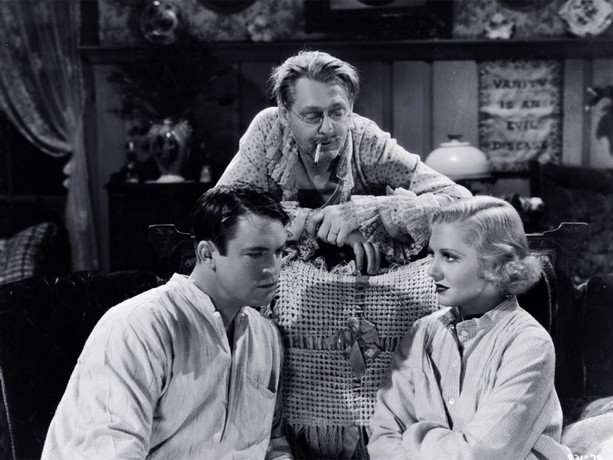
Critic John Mosher was no fan of Jean Harlow’s, but he did acknowledge her box office appeal, and that fans eagerly awaited the Blonde Bombshell’s next picture, The Girl from Missouri…with its “usual plot of a gold-digger and millionaries.” Mosher also noted that Harlow, along with Mae West, was a prime target of reformers (see Hays Code) who wanted to ban “immorality” from the pictures, and he was eager to see how the Puritans had wielded their new censoring shears on the film.

GOING FOR THE GOLD…At right, Lionel Barrymore, Jean Harlow, and Patsy Kelly in The Girl from Missouri. (IMDB)

 * * *

From Our Advertisers

We begin with another ad from the makers of Spud menthol cigarettes, who deployed what seemed like every known visual metaphor to suggest that smoking their cigarettes “all day” would leave one feeling cool, clean and fresh, in this case as a blanket of newly fallen snow (an appealing sight in that hot summer of 1934)…

…R.J. Reynolds deployed any number of tricks to sell their Camels, from ads promoting their health benefits to endorsements by wealthy socialites, in this case Sarah Lippincott (“Mrs. Nicholas Biddle”) of Philadelphia…

…snob appeal was not limited to cigarette ads, as this full page from the folks at Chevrolet attests…

…zooming in on the copy that accompanied the above ad, we find that this fictive Chevy owner was a “marked woman” sought out by paparazzi and admired by couturiers…

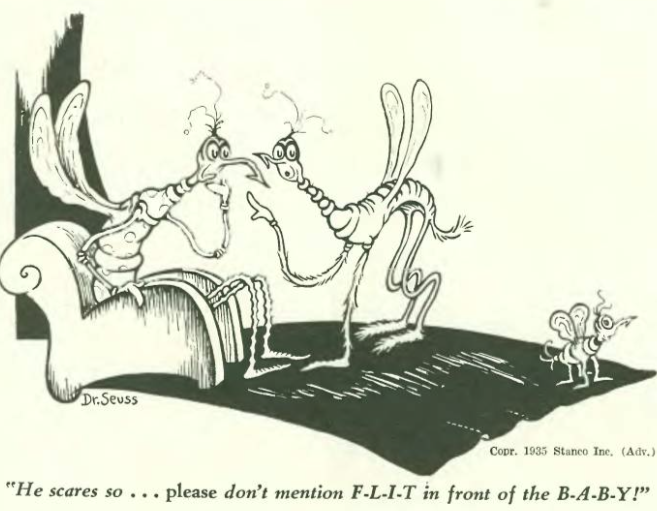
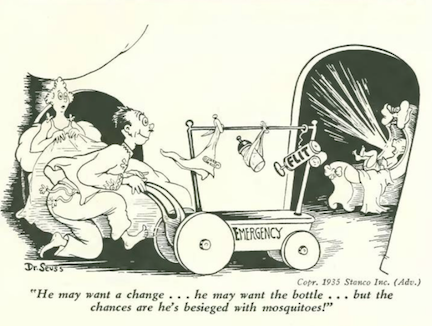
Dr. Seuss continued his series of weird ads for Flit insecticide…

Helen Hokinson illustrated this patrician picnic scene to promote Heinz’s line of sandwich spreads…

…and we kick off our cartoons with Helen again, observing a proud moment…

Robert Day offered this observation on modern architecture…

Rea Irvin skewered the puritan set with his latest bird illustration…

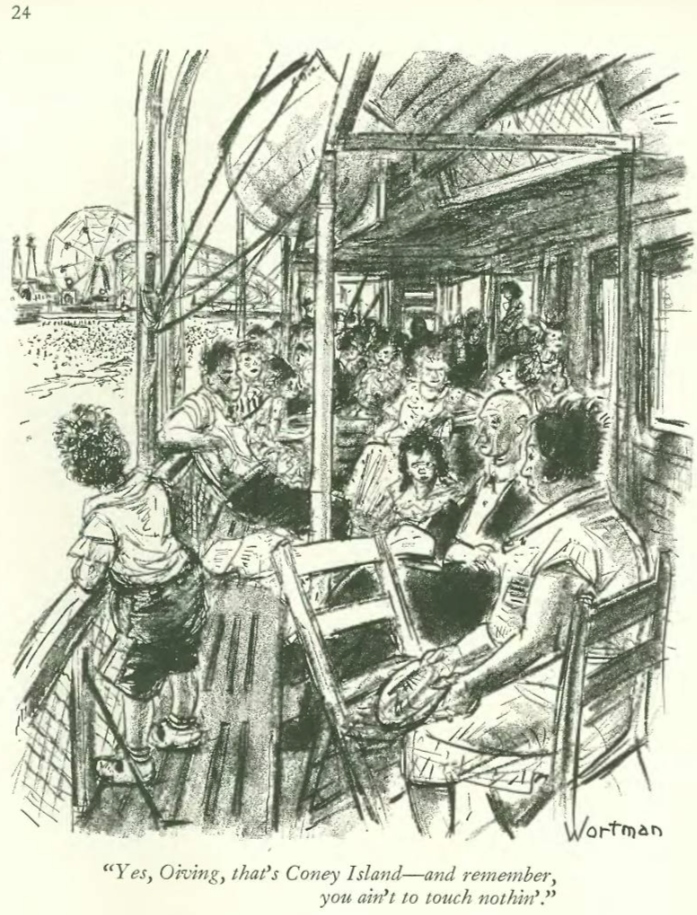
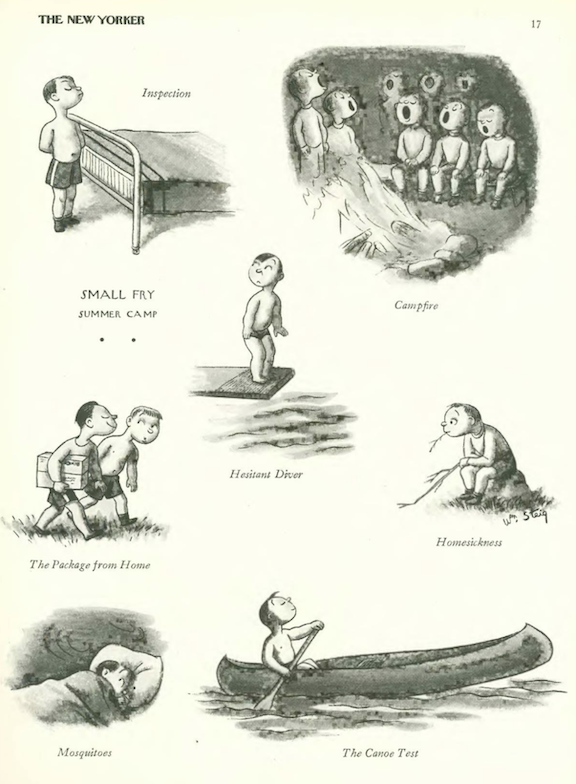
William Steig’s precocious “Small Fry” visited Coney Island…

…and we close with E. Simms Campbell, and a sly introduction…

Next Time: Dizzy Drinks…

His Five Cent’s Worth

Above: Final Design of Grand Central Terminal, ca. 1910. (New York Transit Museum)

The heat wave of 1934 spread misery from the Midwest to the East Coast. The temperature in New York City hit 101 degrees F (38.3 C) on June 29, and July recorded at least ten days of temps in the mid- to upper 90s. It must have been miserable in the days before air-conditioning, and since no adult would dare be seen in public wearing shorts and a t-shirt, an outing on a crowded tour boat, as illustrated below by William Cotton, must have been hellish.

July 21, 1934 cover by William Cotton.

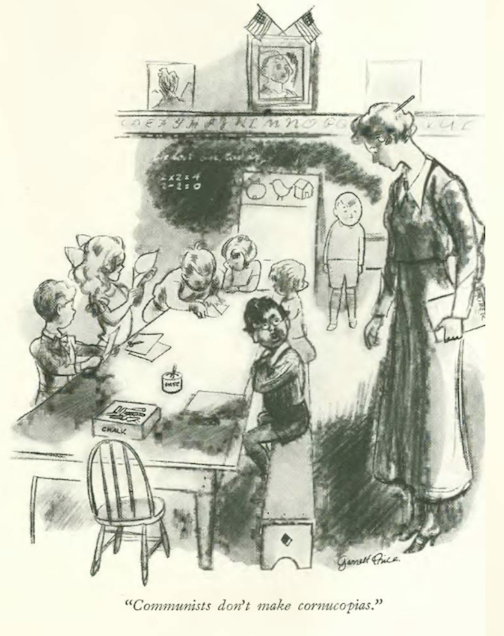
…putting a fine point on it, recall this wryly captioned cartoon from the June 30 issue by Garrett Price

…but let us move ahead to the July 28 issue, where E.B. White was hopefully keeping his cool in the men’s waiting room at Grand Central Station, where he plunked down a nickel to cool his heels in the “middle class” section, where he observed side attractions including a vending machine that dispensed handkerchiefs and a coin-operated peep show featuring burlesque star Sally Rand.

NO MASHERS ALLOWED…Separate men’s and ladies’ rooms were available in three classes at Grand Central Station—free, five cents and ten cents. Top, the Ladies’ room, Grand Central Terminal (Central Lines), and below, a men’s room at the station. A nickel back then was worth about a dollar today. (Library of Congress)
NICKEL AND DIMED…Machines similar to these could be found in some men’s waiting rooms at train stations in the 1930s. (pinballhistory.com/comics.ha.com)

…White referred to a peep show that featured famed fan dancer Sally Rand

DOING HER DEEP KNEE BENDS…Sally Rand in the 1930s. (www.vintag.es)

White also commented on the growing number of travelers, still pinched by the Depression, opting for the free section:

We settle in with the June 21 issue (which leads this post) with White once again, this time enjoying a drive to Stamford, Conn., where he admired the “splendor” of the Condé Nast printing plant (apparently the plant also printed The New Yorker, although the magazine itself would not be acquired by Condé Nast’s parent company, Advance Publications, until 1985).

ONLY A MEMORY…Postcard image of the Condé Nast printing plant; at left, a relic of the long-gone plant, one of two pillars that flanked the road to the plant. (Greenwich Historical Society/greenwichtime.com)

 * * *

Disney’s Other Mouse

Film critic John Mosher was a fan of Disney’s “Silly Symphony” cartoon shorts, which were produced between 1929 and 1939. Animation, and especially color animation, was in its infancy, so these doubtless had an uplifting effect on many moviegoers.

DON’T CALL ME TINKERBELL…The Butterfly Fairy brought some Disney magic to 1934’s The Flying Mouse. (disney.fandom.com)

 * * *

The Great McGonigle

W.C. Fields appeared in more than a dozen silent films before making his first talkie, 1930’s The Golf Specialist, and it was in sound films that Fields was able to truly express his vaudevillian wit. It was also in the sound era that Fields teamed up with Baby LeRoy for three films (in 1933 and 1934), including The Old Fashioned Way, in which Fields portrayed “The Great McGonigle,” leader of a traveling (and perpetually underfunded) theater troupe who was always a step ahead of police and creditors. Critic John Mosher found the film’s riff on an old morality play, The Drunkard, to be a bit dated, but overall thought it a cheerful diversion.

HONK…Baby LeRoy, aka Ronald Le Roy Overacker (1932–2001), was just 16 months old when he became the youngest person ever put under term contract by a major studio. He is best known for his appearances in three W. C. Fields films: Tillie and Gus (1933), The Old Fashioned Way (1934) and It’s a Gift (1934). (Rotten Tomatoes/IMDB)

 * * *

From Our Advertisers

We begin with scientific proof (from a “famous research laboratory in New York”) that Camel cigarettes increased one’s flow of energy…

…if that crackpot claim doesn’t get you, here’s one that recommended downing a PBR before a big meeting, a sure remedy for that “listless, tired-out feeling”…

…of course we all know that a few sugary Cokes will get you going…back then they were taking it in six- and ten-ounce bottles, not 30- to 50-ounce Big Gulps…

…it’s not every day you see a dog food ad in The New Yorker…in the 1930s there was no secret to where ol’ Sparky ended up…

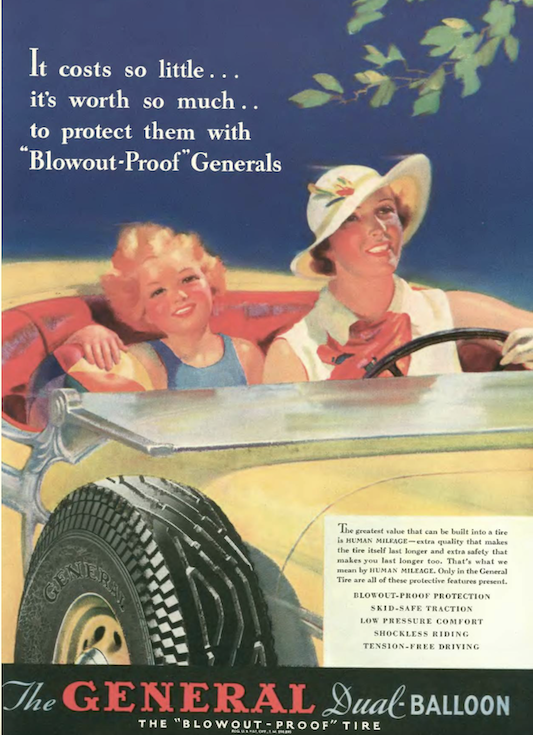
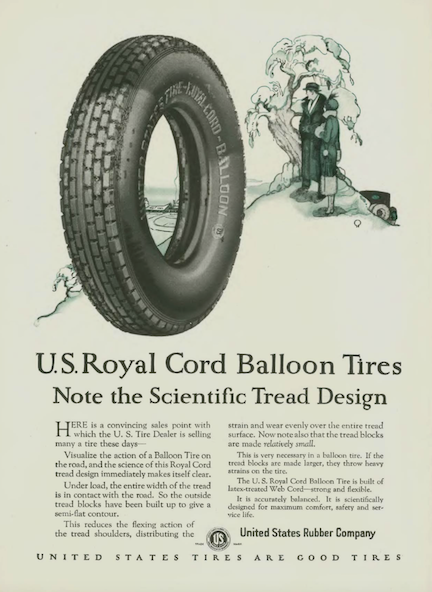
…popular were these Rockwellian ads that equated various products with happy and wholesome (and safe) living, in this case a massive “Dual-Balloon” tire that dominated this tableau featuring a stylish mommy and her little boy slumming with an old sea salt…

…the folks at Essex House hired an illustrator who did his or her best to channel Helen Hokinson and William Steig for this New Yorker ad…as we have seen before, Essex House ads walked a fine line between thrift and snob appeal…

…on to our cartoons, beginning with Ned Hilton, whose work appeared in The New Yorker from 1934 to 1957…

Mary Petty recorded some sweet nothings by the seaside…

George Price drifted along with two men and tuba…

Carl Rose revealed a modest side to life at a nudist colony…

…we know Clarence Day for his Life With Father series, but on occasion he also contributed illustrated poems such as this one from the July 21 issue…

…on to July 28…

July 28, 1934 cover by Adolph K. Kronengold.

…where we encounter more “scientific research” that encouraged folks to smoke…This ad was placed on the very last page of the July 28 issue by the Cigarette Research Institute, based in Louisville, Kentucky…

…the booklet was filled with “amazing facts” uncovered in a “scientific investigation,” facts did not address the health effects of smoking, but rather such important topics as how to hold a cigarette the right way and how to reduce staining on your teeth…it also helpfully debunked the notion that nicotine was a “dread demon”…

…take for example this woman smoking a Lucky…now she knew how to hold a cigarette!…

…the folks at Essex House were back, aggressively playing the class/caste card…apparently if you lived there you were entitled to kick your old friends to the curb…

…the antacid and pain reliever Bromo-Seltzer was ubiquitous in 1930s medicine cabinets, but after the recipe was changed in the 1970s (all Bromides were withdrawn from the U.S. market in 1975) the brand slowly fizzled away…

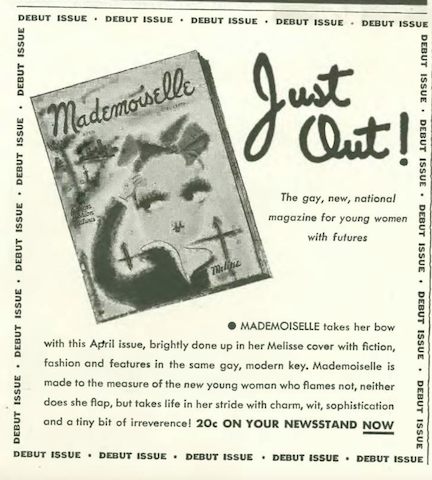
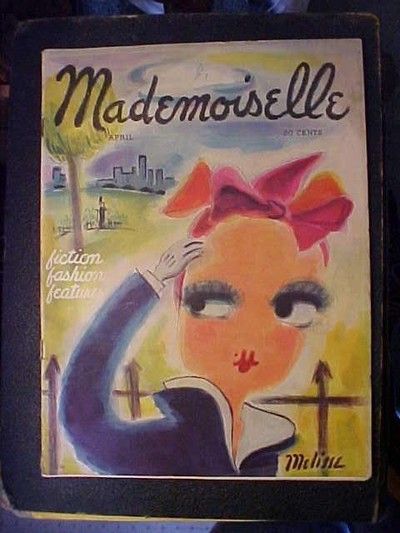
Mildred Oppenheim Melisse was a popular illustrator of ads for department stores and various household goods, including Cannon towels, here guaranteed to absorb even this man’s sweaty “flood”…

Dr. Seuss back again for Flit, once again having no issues mixing insecticide with food preparation…

Rea Irvin kicks off the cartoons with his Double Breasted Dowager…

Helen Hokinson found some misplaced pity at a garden party…

Garrett Price offered some unsolicited advice…

Reginald Marsh filled two pages with a scene from Central Park…

Robert Day looked for a unique experience at an auto camp…

…and we close with Barbara Shermund, and some alarming news on the domestic front…

Next Time: Men of Mystery…

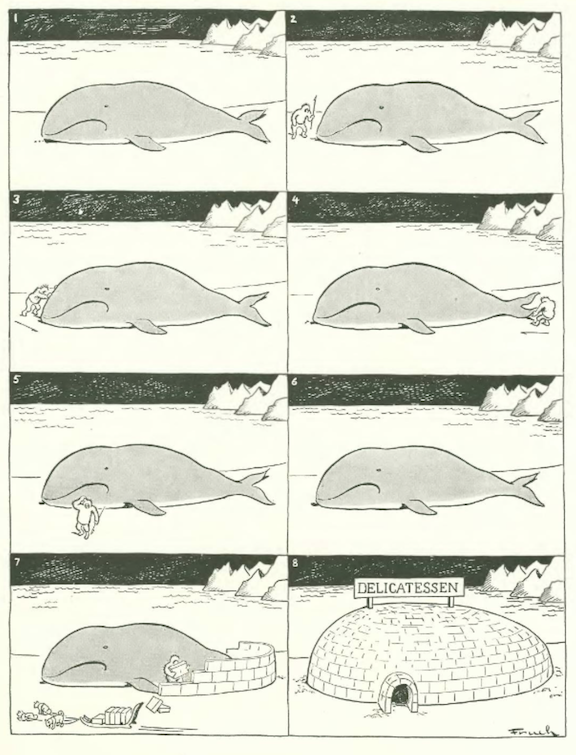
The Happy Warrior

Above: Al Smith waving to crowds on arrival at Chattanooga, Tennessee during his presidential campaign in 1928. (Museum of the City of New York)

It’s hard to not like Al Smith, the governor of New York from 1923 to 1928, a man who avoided the temptations of political power and stayed true to his working class roots of the Lower East Side.

July 14, 1934 cover by Rea Irvin.

The son of Irish, Italian and German immigrants, Alfred Emanuel Smith (1873–1944) was raised in the Tammany Hall-dominated Fourth Ward, and although he was indebted to Tammany’s political machine throughout much of his professional life (including stints in the New York State Assembly and as York County Sheriff, President of the Board of Alderman, and finally Governor) he remained untarnished by corruption. Smith’s unsuccessful bid for the U.S. presidency in 1928 put an end to his political life, but there was still much to do, as “The Talk of the Town” explained:

HALL MONITORS…At left, Charles “Silent Charlie” Murphy with Al Smith in 1915. Murphy was the longest-serving head of Tammany Hall (1902 to 1924), and was known for transforming Tammany’s image from one of corruption to semi-respectability; at right, in 1929, Smith greets Franklin D. Roosevelt, who had just succeeded him as governor. (Library of Congress/Wikipedia)

Smith first sought the Democratic presidential nomination in 1924. According to historian Robert Slayton, Smith advanced the cause of civil liberty by decrying lynching and racial violence at the 1924 Democratic National Convention, where Franklin D. Roosevelt delivered the nominating speech for Smith and saluted him as “the Happy Warrior of the political battlefield.”

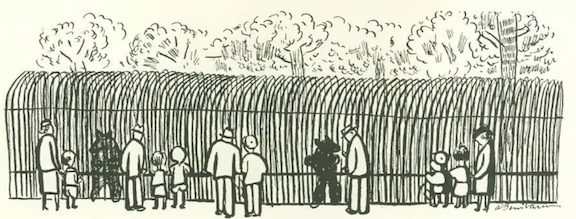
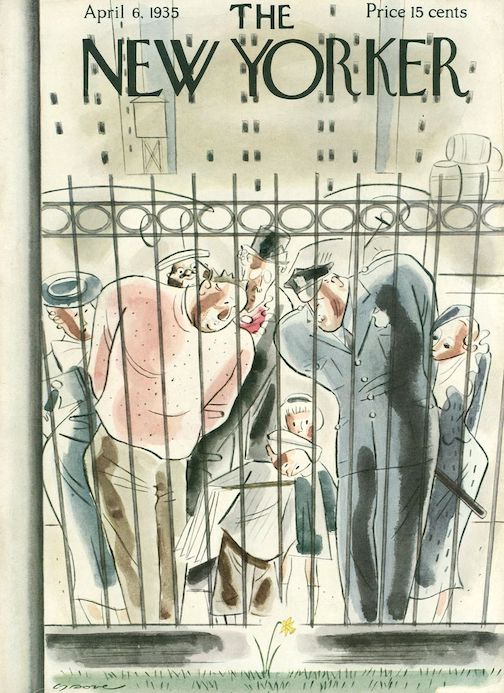
Following his 1928 presidential election loss to Herbert Hoover, Smith became president of Empire State, Inc., the corporation that built and also operated the Empire State Building, which was then the tallest building in the world. Smith was also known for his fondness of animals, and in 1934 Parks Commissioner Robert Moses made Smith “Honorary Night Zookeeper” of the renovated Central Park Zoo. Smith was given keys to the zoo and often took guests to see the animals after hours. According to Rebekah Burgess of the NYC Department of Parks and Recreation, “As a resident of 820 Fifth Avenue, directly across the street from the entrance of the Central Park Zoo, Smith was known to appear with snacks for the animals or to launch into impromptu lectures for visitors. Al Smith took his honorary title to heart. Throughout the rest of his life, Smith could often be found attending to the animals at the zookeepers’ sides during open hours. At night, Smith visited with guests, or more often, one-on-one with the animals.”

Smith was also a humanitarian, and in addition to advocating for the working class, he was an early critic of the Nazi regime in Germany, vigorously supporting the Anti-Nazi boycott of 1933. Here is another excerpt from the “Talk” piece:

LIFE OUTSIDE THE OFFICE…Scenes of post-political life, clockwise from top left: Al Smith fishing in 1933; with his family at the May 1, 1931 opening of the Empire State Building—Smith’s grandchildren cut the ribbon; golfing in 1930 with baseball great Babe Ruth in Coral Gables, Florida; with Rosie, the hippopotamus, at the Central Park Zoo, 1928. (Museum of the City of New York/Wikipedia)

 * * *

Culture Club

In the Nov. 9, 1929 issue of The New Yorker Murdock Pemberton hailed the opening of the Roerich Museum. For the July 14, 1934 issue, “The Talk of the Town” took another look. A brief excerpt:

MORE THAN A BUILDING…”The Talk of the Town” noted the changing shades of the art deco landmark Master Building on Riverside Drive (left, in 1929) which originally housed the Nicholas Roerich Museum. Today the Roerich is located in this brownstone at 319 West 107th. (Wikipedia)
FOOTNOTES FROM A FULL LIFE…Two of Nicholas Roerich’s paintings from the 1920s: at top, Remember, 1924; below, Drops of Life, 1924. (roerich.org)

 * * *

Itinerant Showman

Alva Johnston filed the first installment of a three-part profile of famed sports promoter Jack Curley (1876–1937). A brief excerpt:

FIGHT CLUB…Sports promoter Jack Curley (left) with boxing manager Eddie Kane, circa 1920. (Library of Congress)

 * * *

Over There

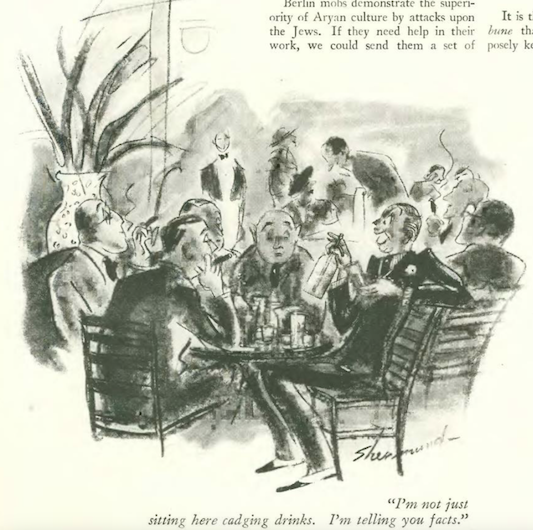
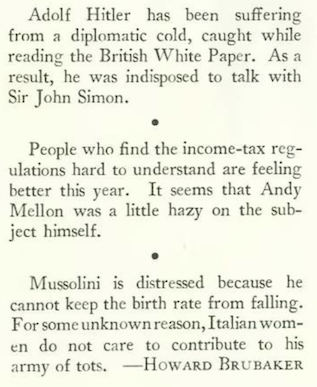
In his column “Of All Things,” Howard Brubaker made this brief mention of the “Night of the Long Knives;” on June 30, 1934 Adolf Hitler ordered SS guards to murder the leaders of the paramilitary SA along with hundreds of other perceived or imagined opponents.

Here is a clip from the front page of The New York Times, July 3, 1934:

(The New York Times)

 * * *

Pimm’s and Soda

July in England meant Wimbledon, and The New Yorker was there to observe the “snobbish and sacred” rite…

WATCH THE BOUNCING BALL…British tennis great Fred Perry (left) and Australian Jack Crawford before their men’s singles final at the 1934 Wimbledon tournament, which Perry won. Perry would claim three consecutive titles between 1934 and 1936. (Image: Mirrorpix)

 * * *

Midsummer Dreams

In the summertime (and before widespread use of air conditioning) stage entertainments such as theater and musical performances took to the outdoors during their off-season, seeking the evening cool of intimate rooftops or large, open venues such as Lewisohn Stadium, A brief excerpt describing a performance of Samson et Dalila:

EVENING SHADE: Andre Kostelanetz conducts at Lewisohn Stadium in 1939. The stadium was demolished in 1973 to make way for City College of New York’s North Academic Center. (PressReader.com)

 * * *

From Our Advertisers

The folks at struggling carmaker Hupmobile took out this bold, full-page ad to tout their flashy “Aero-Dynamic” by noted designer Raymond Loewy

…this ad from Harriet Hubbard Ayer was bold in a very different way, essentially calling some women ugly unless they used the company’s “beauty preparations”…

…consommé, a clear soup that was particularly popular among the upper classes, offered up some keen competition between two food giants…here Heinz enlisted the help of William Steig to move their product…

…while the folks at Campbell’s offered up this lovely patio setting for their “invigorating” consommé…

…meanwhile, White Rock mineral water could be found on patios all over Manhattan, as this ad attested…

…this is a reminder that most city folks had their milk and other dairy products delivered in the early part of the 20th century…by the early 1960s about 30 percent of consumers still had their milk delivered, dropping to 7 percent by 1975 and .4 percent by 2005…

…affordable home air-conditioning wouldn’t be available to the masses until after World War II…this unit (designed for a single room) from Frigidaire retailed for $340 (a little less than $8,000 today)…

…on to our cartoonists, we begin with Robert Day in the “Goings On’ section…

…Day again, exploring the baffling, glassy interiors of modern restaurants…

…the birdwatching continued with Rea Irvin

Alain (Daniel Brustlein) gave us a swimming somnambulist…

Helen Hokinson explored the paranormal, via domestic plumbing…

…and we close with James Thurber, and the missing Dr. Millmoss…

Next Time: His Five Cent’s Worth…
London Calling

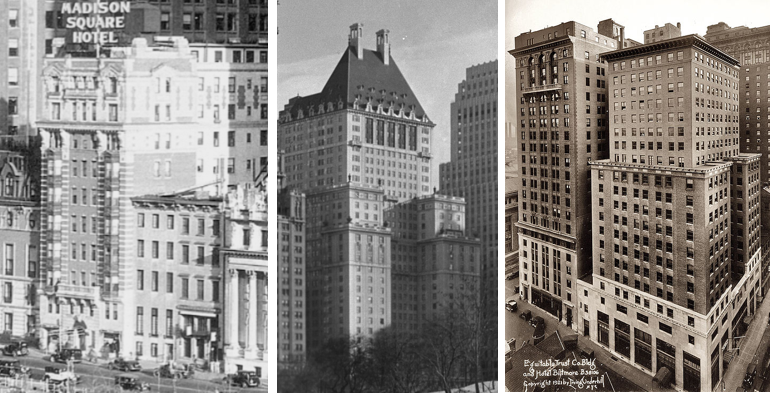
Above: Illustration of the Dorchester Hotel’s ballroom in the 1930s. (dorchestercollection.com)

Lois Long took her nightlife column, “Tables for Two,” to London and its famed nightclub scene, where everyone from British royalty to gangsters reveled in a boozy, bohemian scene.

July 7, 1934 cover by Ilonka Karasz.

Prince Edward, a well-known party animal (who would serve as king for less than a year and abdicate in 1936) was known to get up on the stage of the Embassy Club and perform drum solos, while at the Savoy his fellow toffs would sip Champagne and glide in elegant dress across the dance floor. London nightlife included a lively jazz scene in edgy Soho basement clubs, featuring such greats as Duke Ellington, Louis Armstrong and Dizzy Gillespie.

Long hoped that the visit to London, her first in eight years, would give her some much-needed rest and a change of scene. What she found instead was a red-hot, all-night party, where the smart set took dinner near midnight and danced until dawn.

SAVVY SAVOY….Clockwise from top left, the famed Savoy bartender Harry Craddock, credited with inventing the White Lady and the Corpse Reviver, at the Savoy’s American Bar in the 1930s; a Savoy elevator operator in 1926; diners at the Savoy circa 1930s; Savoy entrance. (madamgenevaandgent.co.uk/The Savoy/YouTube)
LONDON SWINGS…More Lois Long haunts in London included, clockwise from top left, the Dorchester Hotel; the crowded dance floor at the Monseigneur with Roy Fox and his Orchestra (photo from 1932); patrons kicking up their heels at the Embassy Club on Old Bond Street; the Café de Paris, where American actress Louise Brooks demonstrated a new dance craze, The Charleston, in 1924. (dorchestercollection.com/albowlly.club/lucyjanesantos.com/Wikipedia)

 * * *

Misery Loves Company

In his “Notes and Comment,” E.B. White observed that almost everyone was “made miserable” by the Depression, but if one looked around there were signs that things weren’t so bad after all.

REASON FOR CHEER…For those still feeling blue about the Depression, E.B. White suggested watching kids cool off at a pier, such as these lads seen diving into the East River on the Lower East Side on July 3, 1935. (Jack Gordon/New York Daily News)

 * * *

He Came Up a Bit Short

Howard Brubaker, in his column “Of All Things,” made this observation about Adolf Hitler’s prediction that Nazism would endure a thousand years.

And now a retreat into the cool darkness of the cinema, where John Mosher singled out Bette Davis’s performance in Of Human Bondage…Mosher’s instincts were correct—the film proved to be Davis’s breakout role on her road to major stardom.

ROAD TO RUIN…Bette Davis wowed the critics with her portrayal of a tearoom waitress who seduces a young medical student (Leslie Howard) and leads him down a path of self-destruction. The film was based on the 1915 novel by W. Somerset Maugham. (IMDB)

Mosher also took in the “bright” performances of William Powell and Myrna Loy in The Thin Man, a pre-Code comedy-mystery based on the Dashiell Hammett novel by the same name. Powell and Loy portrayed Nick and Nora Charles, who added spice to their leisurely lives through numerous cocktails, flirtatious banter, and crime-solving. Critics loved the film, as did audiences, spawning five sequels from 1936 to 1947.

CHEERS…Top photo: Nick and Nora Charles (William Powell and Myrna Loy) enjoy a drink with their client’s fiancee (Henry Wadsworth) in The Thin Man (1934); Bottom photo: Charles takes aim at a Christmas ornament (with a BB gun) while Nora enjoys the comforts of her new fur coat in a scene from The Thin Man. (Daily Beast/Austin Chronicle)

Another star of the show was Asta, the Charles’s wire fox terrier. Asta was portrayed by Skippy, a dog actor who not only appeared in The Thin Man films but also acted alongside Cary Grant in 1937’s The Awful Truth and in 1938’s Bringing Up Baby. Skippy appeared in three Thin Man movies and in more than twenty films altogether between 1932 and 1941. Being an actor in the film must have been good for one’s health: Powell lived 91 years, Loy 88 years, and Skippy, 20 years—a good long life for any pooch.

ROUGH NIGHT…Nick (William Powell) and Asta (Skippy) tend to Nora (Myrna Loy), who nurses a hangover in The Thin Man. (Wikipedia)

 * * *

From Our Advertisers

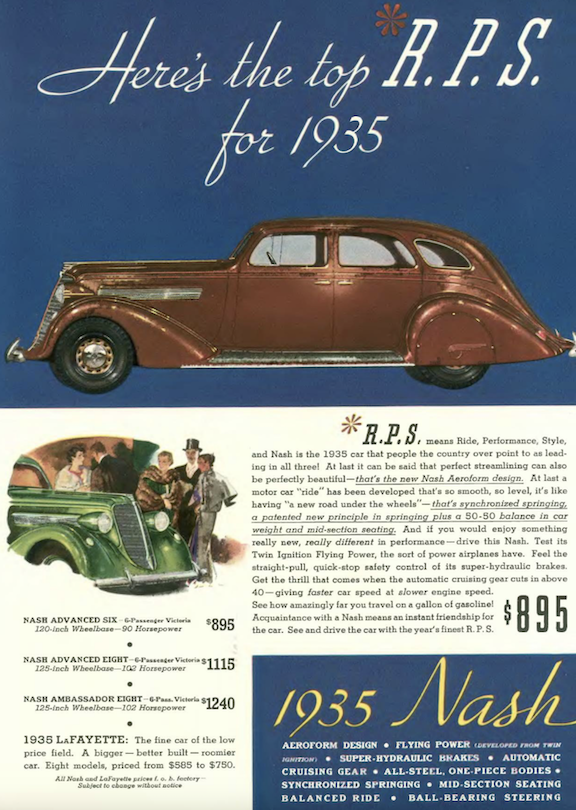
While Chrysler’s styling of their streamlined Airflow proved to be too far advanced for the buying public (the Depression didn’t help), Studebaker’s own foray into the streamlined future caused a sensation…

…thanks to Studebaker’s brief merger with Pierce-Arrow (1928–33), Studebaker’s designers took cues from Pierce’s streamlined 1933 Silver Arrow and created more than 800 cars with “Year-Ahead” design features—the positive reception convinced the company to continue the style in 1935…here is a top-of-the-line 1934 President Land Cruiser…

1934 Studebaker President Land Cruiser with “Year-Ahead” design features, yet not as radical as Chrysler’s Airflow. (hemmings.com)

and the car that inspired it…

1933 Pierce-Arrow Silver Arrow. Photo copyright Darin Schnabel, courtesy RM Sotheby’s, via hemming.com.

…we continue with those round rubber things that held the cars up…a lot of tire ads in the 1930s emphasized safety—blowouts were common back then…funny how it took nearly four decades to add seat belts to cars…those tires wouldn’t help much in a head-on collision, especially with your kid standing on the from seat…

…now let’s cool off with crisp Canadian Ale, thanks to Carling’s entry into the American market…

…Carling’s Black Label beer was popular in the states…my parents had a set of these coasters with the Black Label tagline…

…Budweiser continued its artful series of ads featuring the well-heeled enjoying its product…here it appears old dad (wearing some kind of medal) is getting to know his daughter-in-law over some cold chicken…”hey boy, she’s one of us!”…

…and we move on to three very different approaches to selling cigarettes, beginning with Spud, continuing its message that menthol cigarettes are as refreshing as a shower on a July afternoon…

…a close up of the message…

…Camel, on the other hand, continued its campaign against irritability…it apparently did wonders for this woman, who seems to be on something more than nicotine…

…and from the people who brought us the tagline “blow some my way” in 1928 (as a way to encourage women to take up the habit), by 1934 she is owning that cigarette, and apparently setting some ground rules with the gentleman…

…contrast with the more submissive pose in the Chesterfield ad from the late 1920s…

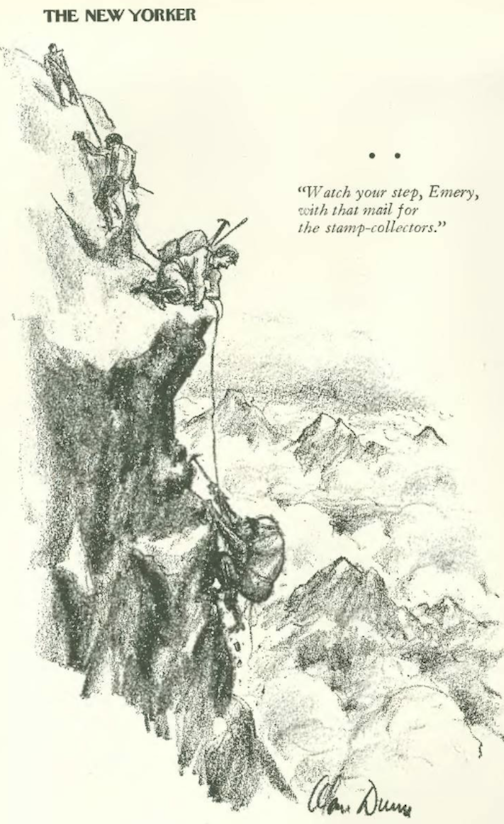
…on to our cartoons, we begin with spot art by Alan Dunn, which appears to have originated as a captioned cartoon…

William Steig offered up this bit of art for a profile of an “insurance man” by St. Clair McKelway

Helen Hokinson drew up a full page of cartoons along the theme of outdoor dining…

…we continue Rea Irvin’s series on native birds…

George Price found a way to save on the cost of light bulbs…

…and we close with James Thurber, and a welcome to the family…

Next Time: The Happy Warrior…

The High Life

Above, Stewart's Cafeteria in Greenwich Village, May 1933. (New York Public Library)

Although Sherwood Anderson is mostly known for his short story collections and novels, in the 1930s he also worked as a journalist, and for the June 9, 1934 issue of the New Yorker he explored the “centre of proletarian high life,” Stewart’s Cafeteria in Greenwich Village.

June 9, 1934 cover by Helen Hokinson.

What is particularly interesting about Anderson’s page 77 article for the “A Reporter at Large” column is what it doesn’t report, namely, that Stewart’s Cafeteria (later the Life Cafeteria) was known as a popular gay and lesbian hangout in addition to being a place for gawkers, assorted bohemians, and bohemian wannabes.

Anderson was a man of the world, so he knew exactly what Stewart’s was all about. But even the New Yorker wasn’t in the business of outing anyone, and editor Harold Ross, whose eccentricities included a puritanical strain, would not have allowed anything associated with “sexual deviance” to be printed in his magazine. Here is an excerpt from Anderson’s article, “Stewart’s, On the Square,” in which he subtly hints at the cafeteria’s “third life.”

NIGHT LIFE…Paul Cadmus depicted Stewart’s in this sexually charged painting, Greenwich Village Cafeteria, 1934, oil on canvas, Museum of Modern Art. (All archival images for this entry were obtained via nyclgbtsites.org/site/stewarts-cafeteria)

While Anderson tiptoed around the topic of homosexuality, gossip rags such as Stephen Clow’s Broadway Brevities put it front and center. Described as one of the most vicious show business gossip magazines ever published, Brevities also provided Clow with some side income: Clow and his collaborators often threatened to blackmail wealthy businesspeople and show business figures who frequented places like Stewart’s—outing them in his tabloid unless payment was made.

(McGill Institute via HuffPost.com)

Naturally such reporting helped attract gawkers to Stewart’s and its successor, Life Cafeteria. According to the NYC LGBT Historic Sites Project, “Stewart’s closed in the mid-1930s and was subsequently reopened as the equally popular Life Cafeteria. Regulars included a young Tennessee Williams and Marlon Brando (though they didn’t meet each other until years later on a beach in Provincetown). Of the space, Brando later recalled, ‘The rednecks [on the street] were pointing at the diners like animals in a zoo. I was immediately intrigued and ventured in. Before I left that afternoon, I discovered that many of the homosexual men were actually putting on a show for the jam .'”

ON DISPLAY...According to the NYC LGBT Historic Sites Project, the large plate glass windows at Stewart's (later renamed Life Cafeteria) put gay life on full display to the late-night crowds who frequented the busy intersection. Artist Vincent La Gambina depicted one scene that gawkers might have taken in: Life Cafeteria, Greenwich Village, 1936. (Museum of the City of New York)
TODAY, the building still stands, although it is a bit less lively as a home for a CVS store and a Bank of America branch. Just around the corner is the famed Stonewall Inn. (Google Maps Image)

According to the NYC LGBT Historic Sites Project:

...in 1935 the manager of Stewart’s was convicted of operating a “public nuisance” and “disorderly house” and “openly outraging public decency” by allowing objectionable behavior in the interior and large crowds to gather outside. Specifically, the district attorney’s complaint cited “certain persons of the homosexual type and certain persons of the Lesbian type, to remain therein and engage in acts of sapphism and divers [sic] other lewd, obscene, indecent and disgusting acts” and that the cafeteria was “used as a rendezvous for perverts, degenerates, homosexuals and other evil-disposed persons.” Much of the testimony centered on the gender non-conforming dress and behavior of the patrons.

Here is another excerpt from Anderson's article, where he delves into the nighttime scene at Stewart's:

 * * *

Nightlife, Part II

In my previous post E.B. White pondered the fate of the Central Park Casino, a favorite haunt of deposed Mayor Jimmy Walker and other members of the smart set who openly flouted Prohibition laws. In "Tables for Two," Lois Long made this observation (below) at the conclusion of her nightlife column, believing that Parks Commissioner Robert Moses would give the management a chance to lower food prices and allow common folks to enjoy its sumptuous atmosphere. Little did she know that Moses was feasting on a diet of revenge rather than food, and had plans to tear the place down, regardless of its lower prices.

 * * *

From Our Advertisers

We kick off the ads with another Ponds celebrity endorsement from dancer and actress Francesca Braggiotti (1902-1998), who was married to actor, politician, and diplomat John Davis Lodge...

POWER COUPLE...John Davis Lodge and Francesca Braggiotti in 1932. They were married for 56 years. (Pinterest)

...Dr. Seuss was back with more ads for Flit insecticide...he was still two years away from his first children's book: And to Think That I Saw It on Mulberry Street...

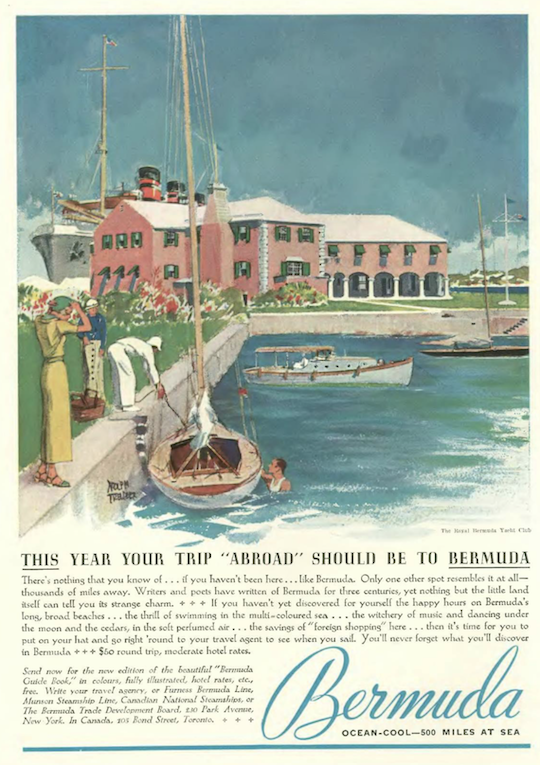
...and with a splash of color, Bermuda beckoned New Yorkers to a "Real Vacation"...

...however, before you headed to Bermuda, you'd needed to do something with the kids...

...on to our cartoonists, we start with spot art from Abe Birnbaum...

...Birnbaum again with an illustration of boxer Max Baer for the profile section...

...more spot art from James Thurber in the "Goings On About Town" section...

...and Thurber again with some alarming news for a potential suitor...

...Rea Irvin kicked off his series, "Our Native Birds"...

...a famed advertising agency launched a new door-to-door survey, per Perry Barlow...

...Helen Hokinson gave us a hopeful gardener...

...Barbara Shermund looked in on the "modern girl" scene...

...and Peter Arno examined a sad medical case...

...and we close the June 9 issue with this item from E.B. White, who commented on a recent rally of American Nazis and some fighting Irish...

...the Nazi rally was also alluded to in the June 2 issue (I have the issues reversed this time to support the narrative)...

June 2, 1934 cover by Harry Brown.

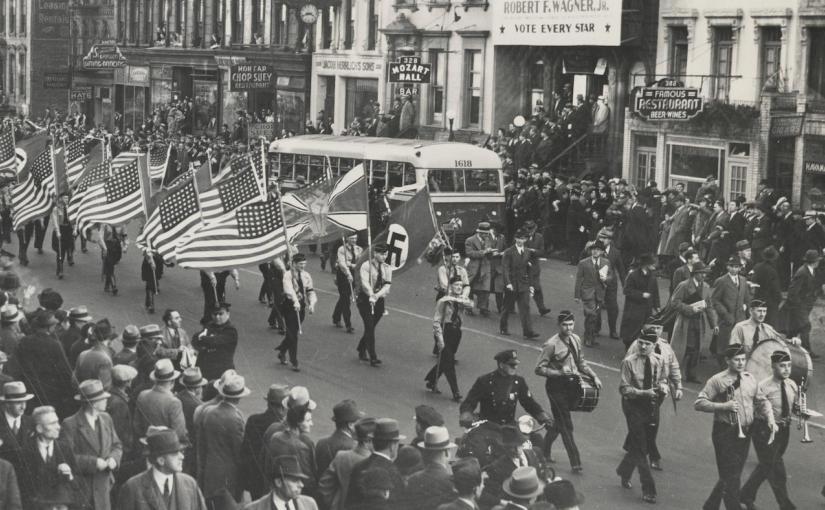
...where Howard Brubaker was keeping things light in his column "Of All Things." I was surprised how little was mentioned in either issue about the meeting of 20,000 Nazi sympathizers on May 17, 1934, at Madison Square Garden.

Let's explore further: According to the Jewish Virtual Library, America's first established anti-Nazi boycott group was the Jewish War Veterans (March 19, 1933), followed by the American League for the Defense of Jewish Rights (ALDJR), which was founded by the Yiddish journalist Abraham Coralnik in May 1933. By 1934 the ALDJR was led by Samuel Untermyer, who changed the organization's name to the "Non-Sectarian Anti-Nazi League to Champion Human Rights." Nazi sympathizers targeted Untermyer as the face of boycott efforts, and at the May 17 rally the mere mention of his name prompted shouts of "Hang him!"

AMERIKA...The site for hockey games and dog shows became a site for ugliness on May 17, 1934, when 20,000 Nazi sympathizers gathered in Madison Square Garden to denounce boycotts against Adolf Hitler's regime. (The Archive Project)

This excerpt from the May 18, 1934 edition of The New York Times gives some idea of what transpired at the rally:

REALLY? Americans gathered at Madison Square Garden on May 17, 1934 to show their support for Nazi Germany and denounce American boycotts. (The Archive Project)

  * * *

Dueling Muses

Film critic John Mosher always seemed upbeat about anything involving Disney, but given that animation was still in its infancy (its plastic trickery still rather novel), it didn't take much to outshine the otherwise drab fare (the "Grim") being coughed up by Tinseltown.

MAN OR MOUSE? The star-studded cast of Hollywood Party included Jimmy Durante, seen here duking it out with Mickey Mouse. (IMDB)

The grim included the Pre-Code drama, Upper World, about a rich, married man who falls to his ruin via a romance with a stripper (don't they always?), and Now I'll Tell, another Pre-Code drama, this one loosely based on the doings of racketeer and crime boss Arnold Rothstein.

SHAKE IT WHILE YOU CAN...Ginger Rogers performs “Shake Your Powder Puff” in a burlesque show in the film Upper World, one of the last of the Pre-Code dramas. It featured Warren William as a wealthy married railroad tycoon whose friendship with a showgirl (Rogers) leads to blackmail and murder; at right, five-year-old future child star Shirley Temple with Spencer Tracy in Now I'll Tell, which was loosely based on the autobiography of Carolyn Green Rothstein, wife of New York gambler Arnold Rothstein. Temple's role was a minor one, however her appearance in the musical Stand Up and Cheer!, which was released a month earlier, would make her a star. (IMDB)

 * * *

More From Our Advertisers

We cool off by a taking a dip in the pool...er, rather by enjoying the "No Draft Ventilation" of a car body by Fisher...the model might want to stay in the pool, since air-conditioning in cars was still a good twenty years away...

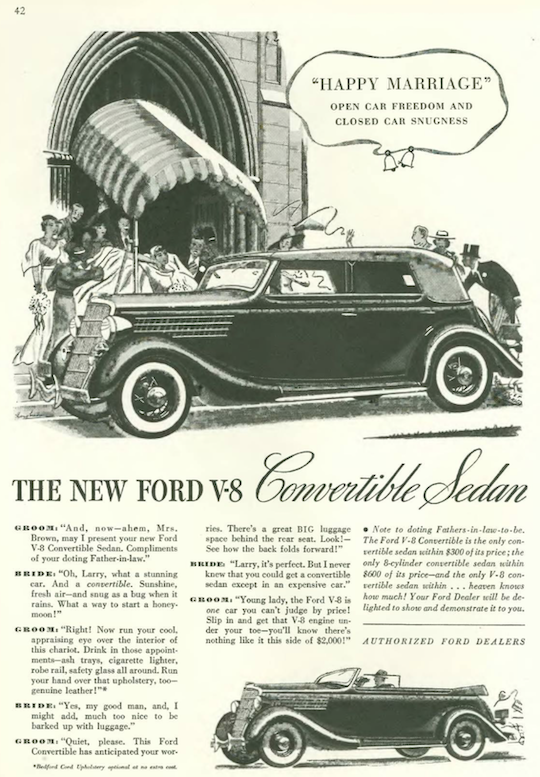
...and yes, this is also a car-related ad, if you can believe it, the bride looking forward not to years of wedded bliss but rather her new La Salle (a Cadillac product)...

...another bride, and a car...is that a car body by Fisher? Who cares, the wedding is over and its time to fire one up...

...this woman seems to have it all thanks to Daggett & Ramsdell of Park Avenue, who are prepared to coat her in a "complete range of all the essential creams, lotions, face powder...cold cream soap, dusting powder" etc. etc....

...Dr. Seuss again for Flit, with baby in tow...

...on to our cartoons, we have Robert Day checking on the progress at Mt. Rushmore...

...Alan Dunn reveals pandemic worries of a different nature...

...and we close with Helen Hokinson, and a sudden change of mood...

Next Time: Coney Summertime...


America’s Sweetheart

Above: A scene from Mary Pickford’s 1922 film Tess of the Storm Country. (Library of Congress)

In today’s celebrity-saturated culture it is difficult to find a parallel to silent film star Mary Pickford, who was dubbed Queen of the Movies more than a century ago. Indeed, during the 1910s and 1920s Pickford was regarded as the most famous woman in the world.

April 7, 1934 cover by Rea Irvin.

Pickford was also known as “America’s Sweet” for her portrayal of gutsy but tenderhearted heroines. In real life she was also a gutsy and shrewd businesswoman who co-founded United Artists in 1919 with Charlie Chaplin, Douglas Fairbanks, and director D. W. Griffith. Commanding a salary only rivaled by Chaplin, her stardom only grew when she married Fairbanks in 1920, forming the first celebrity supercouple; together they ruled Hollywood from their Beverly Hills mansion, Pickfair (apparently staging dull affairs, per the “Profile” excerpt below).

The end of the silent era also put an end to Pickford’s stardom, as well as to her fairytale marriage to Fairbanks. Margaret Case Harriman’s profile of Pickford, simply titled “Sweetheart,” gave readers a glimpse into the decline of a silent superstar. Excerpts:

SINGULAR STAR…Clockwise, from top left, Mary Pickford in a publicity photo, circa 1910; Pickford visits close friend and screenwriter Frances Marion during filming of Straight is the Way (1921); Douglas Fairbanks and Pickford in the early 1920s; Pickford with a movie camera in 1916—in addition to being a shrewd businesswoman, she was also skilled behind the camera. (thehollywoodtimes.today/Time/Library of Congress)

Harriman concluded her profile with some thoughts on Pickford’s future:

THE SOUND BARRIER…With the advent of sound movies Mary Pickford turned to writing books and serving various charities. From left, sharing ice cream with rising star Bing Crosby in 1934; center, Al Frueh’s caricature of Pickford for the profile; Pickford in a 1934 promotional picture supporting The Salvation Army. (Pinterest/Library of Congress)

A note on the profile’s writer, Margaret Case Harriman (1904-1966), who doubtless sharpened her people-watching skills at the Hotel Algonquin (famed birthing ground of the New Yorker), which was owned by her father, Frank Case. Douglas Fairbanks was one of Case’s best friends, and Harriman knew both Fairbanks and Pickford well, since they often stayed at the hotel.

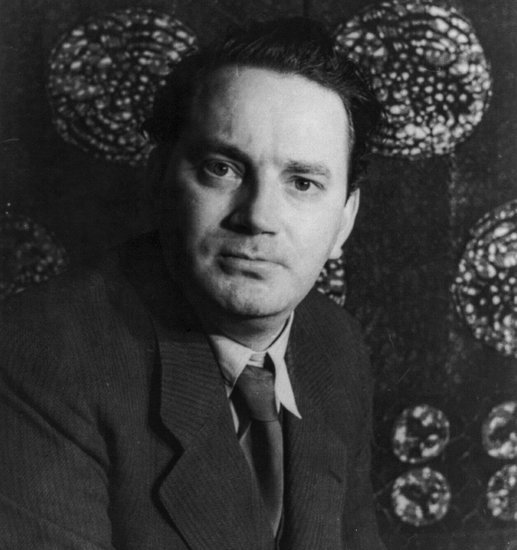
HOME SWEET HOME…Margaret Case Harriman, photographed May 31, 1937 by Carl Van Vechten. Harriman was born in 1904 in room 1206 of the Hotel Algonquin, which was owned by her father, Frank Case. (Philadelphia Museum of Art)

 * * *

Master of Masters

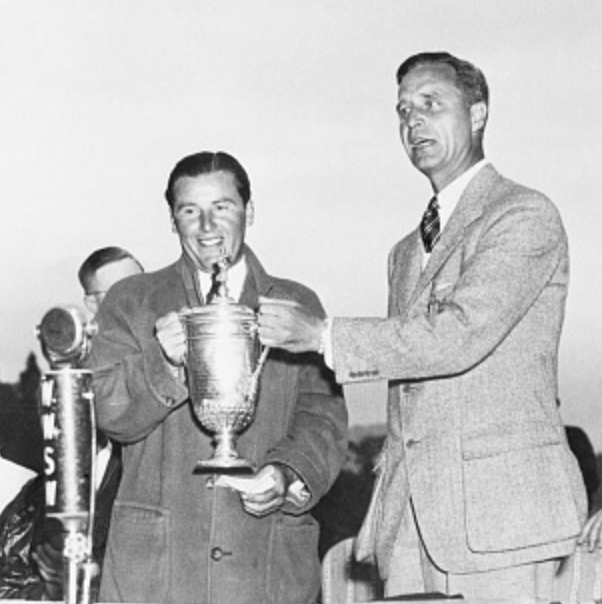
The founder of perhaps the world’s most prestigious golf tournament was an amateur and a working lawyer by profession. When Bobby Jones (1902–1971) co-founded the Masters Tournament in 1934 with investment dealer Clifford Robert, it was called the Augusta National Invitation Tournament (it was Robert’s idea to call it The Masters, a name Jones thought immodest). Jones dominated top-level amateur competition from the early 1920s through 1930—the year he achieved a Grand Slam by winning golf ’s four major tournaments in the same year. However, by the 1934 Jones’s skills began to wane. The New Yorker had little to say about the first Masters (it wasn’t a big deal yet), other than Howard Brubaker making this observation in “Of All Things”…

A SWING INTO HISTORY…Bobby Jones (center) drives during the first-ever Masters Tournament in Augusta, Georgia on March 22, 1934. (augusta.com)

 * * *

From Our Advertisers

Wanna get away? This colorful advertisement beckoned New Yorker readers to take the next boat to sunny Bermuda…

…while the Grace Line offered a southern cruise through the Panama Canal…

…but who needed to travel when you could enjoy a beer that was beloved the world over?…

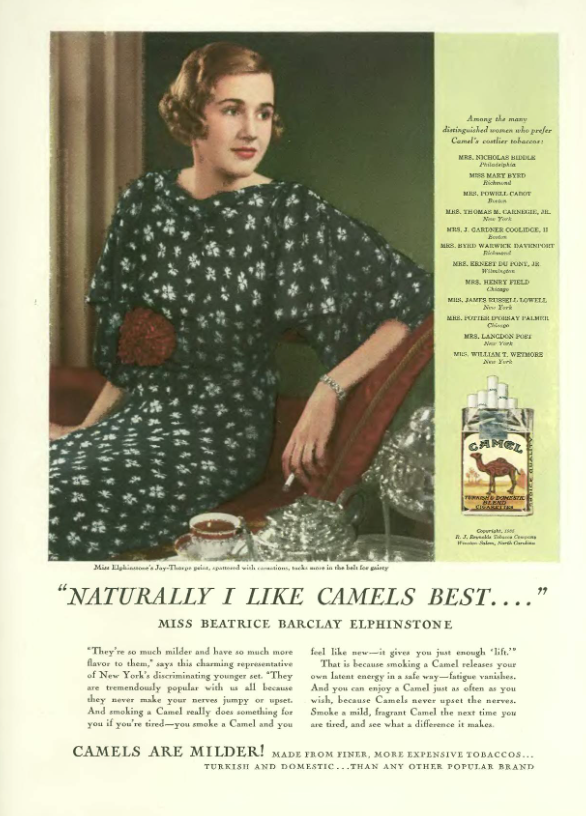
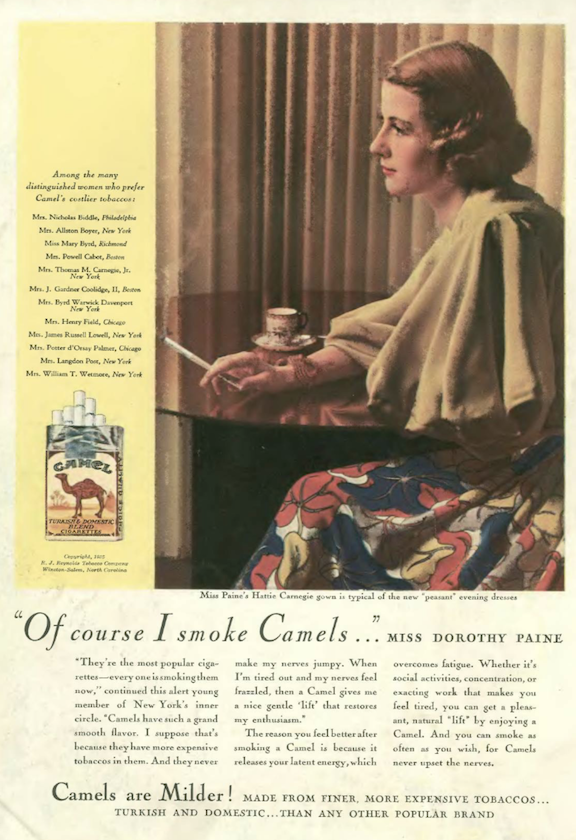
Mrs. Potter d’Orsay Palmer nee Maria Eugenia Martinez de Hoz was content to stay home in Chicago and smoke a few Camels, apparently…

…we’ve encountered her before—she appeared in a Ponds ad (below) in the Aug. 8, 1931 issue of the New Yorker, where we learned she was wife No. 2 of Potter d’Orsay Palmer, son of the wealthy family of Chicago Palmer House fame…they would divorce in 1937, and the playboy Potter would marry two more times before dying of a cerebral hemorrhage in May 1939—following a drunken brawl in Sarasota, Florida with a meat cutter called Kenneth Nosworthy. Maria Eugenia would remarry and return to her homeland of Argentina to raise a family…

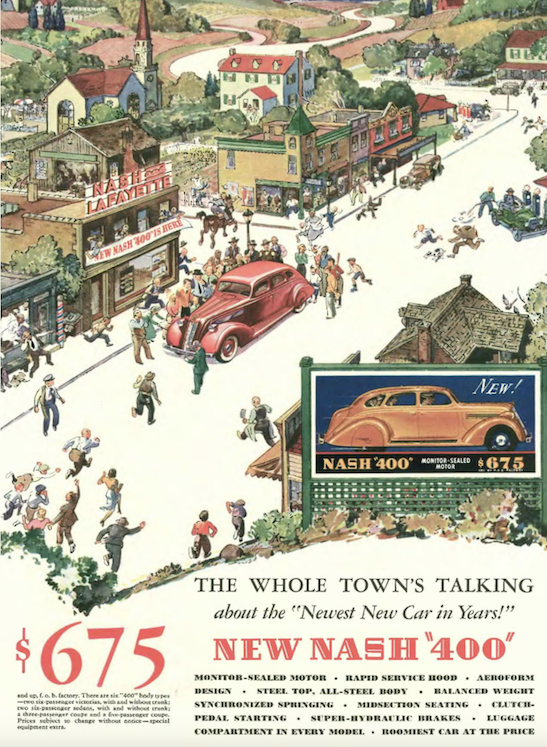
…this ad from Nash looks like a scene from Attack of the 50 Foot Woman, if she had a car to match, that is…

…the Cadillac V-16 was a truly massive automobile, but in contrast to the Nash ad, you can barely see the car as it approaches from the vanishing distance…

E. Simms Campbell got in on the advertising game with this spot that features contrasting images of storm and calm…

James Thurber offered this cartoon on behalf of Heinz soups…

…and Thurber again, as we kick off the cartoons with the ongoing battle…

Adolph Schus made a rare appearance in the New Yorker…according to Ink Spill, he also contributed a cartoon on March 19, 1938, and was editor of Pageant Magazine in 1945… 

Gluyas Williams looked in on the sorrows of moneyed classes…

Helen Hokinson’s “girls” were in search of lunch, and propriety…

…and Leonard Dove gave us a renter surprised by something not included in his lease…

…on to April 14, 1934…

April 14, 1934 cover by Harry Brown.

…and book reviewer Clifton Fadiman, who found F. Scott Fitzgerald’s literary gifts “bewilderingly varied”…

A NOT-SO-TENDER RECEPTION…F. Scott Fitzgerald’s status as a symbol of Jazz Age excess hurt his career during the Depression years. Tender Is the Night received mixed reviews, which didn’t help his alcoholism and deteriorating health. When Carl Van Vechten took this photo of Fitzgerald in June 1937, the author had a little over three years to live. (Wikipedia)

…speaking of F. Scott Fitzgerald, fellow author Ernest Hemingway defended Fitzgerald’s writing, arguing that criticism of his Jazz Age settings stemmed from superficial readings. One then wonders what Hemingway thought of E.B. White’s poetic “tribute” to his big game hunting excursions…

I ONLY SHOOT STRANGERS…Author Ernest Hemingway poses with a lion shot during a safari in Africa in 1934. (MPR News)

 * * *

From History’s Ash Heap

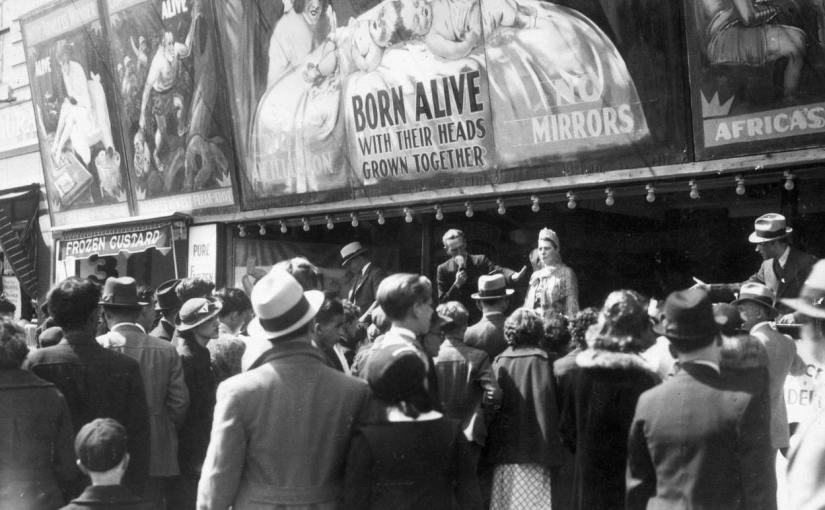
Various reference sources cite “freak shows” as a normal part of American culture in the late 19th to the early 20th centuries, but I have to admit I saw exhibits at state fairs of half-ton humans and conjoined twins when I was a kid in the 1970s (not to mention things in jars at a carnival in St. Louis that should have been given a decent burial).

When Alva Johnston penned the first installment of a three-part profile series titled “Sideshow People,” such attractions could be found across the U.S. and Europe—Coney Island featured “Zip the Pinhead,” who was actually William Henry Johnson (1842–1926), one of six children born to former slaves living in New Jersey. His desperately poor parents agreed to allow P.T. Barnum to display him at a museum and at circus performances billed as a missing link, a “What-Is-It” supposedly caught in Africa.

FOR THE SUCKERS…P.T. Barnum exhibited William Henry Johnson as a “wild man”, a “What-Is-It” that subsisted on raw meat, nuts, and fruit, but was learning to eat more civilized fare such as bread and cake. Note the difference between the poster depiction at left and the actual man. Civil War-era photo at right by Mathew Brady’s photography studio in New York City. (National Portrait Gallery)

 * * *

Floating and Sinking

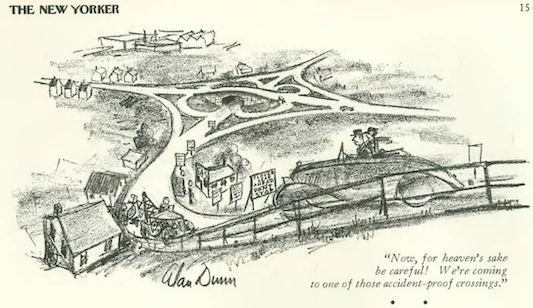
As much as New Yorker cartoonists (and E.B. White) liked to take pokes at Chrysler’s futuristic Airflow, there was much to be admired by the innovations the car represented. Unfortunately, the car’s design was too advanced for the buying public, and despite a big manufacturing and sales push by Chrysler the car was shelved by late 1936.

Writing for Time, Dan Neil noted the Airflow’s spectacularly bad timing. “Twenty years later, the car’s many design and engineering innovations — the aerodynamic singlet-style fuselage, steel-spaceframe construction, near 50-50 front-rear weight distribution and light weight—would have been celebrated. As it was, in 1934, the car’s dramatic streamliner styling antagonized Americans on some deep level, almost as if it were designed by Bolsheviks.”

SEEMED LIKE A GOOD IDEA. A restored 1934 Airflow. (Hagerty Media)

* * *

More From Our Advertisers

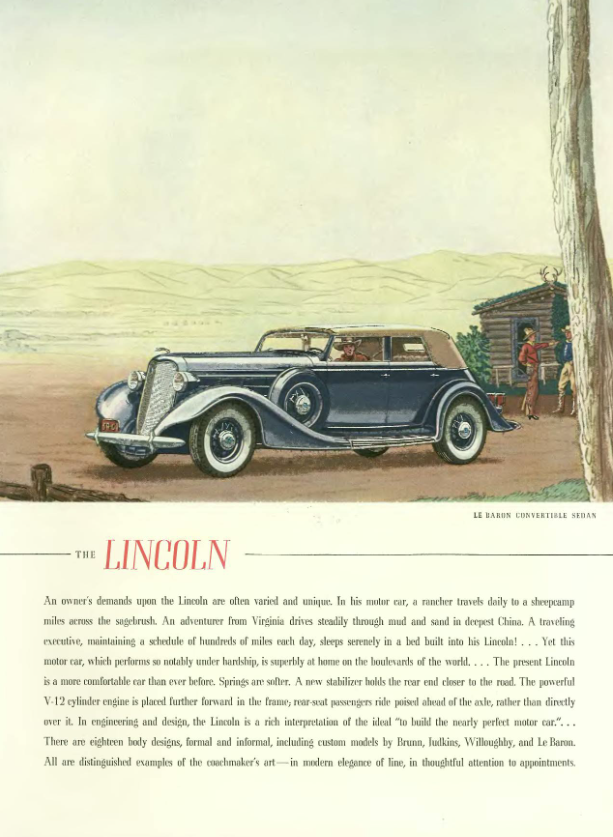
Maybe the buying public wasn’t ready for a car with a sloping hood and embedded headlights, but the folks at Cadillac were eager to unveil concepts for the new streamlined La Salle, which retained the familiar bullet headlights so as not to alarm consumers too much…

…and here’s a lovely image from Goodyear…I assume this woman is merely resting in a rumble seat, since this pose would not be possible above 25 mph…
…full-bleed color ads were coming into their own, as demonstrated by this stylish entry from the purveyors of silk garments…

…on the other hand, our well-heeled friends at Ponds stuck with the tried and true copy-heavy approach…here they offer the flawless features of Anne Gould (1913–1962), granddaughter of Gilded Age robber baron Jay Gould

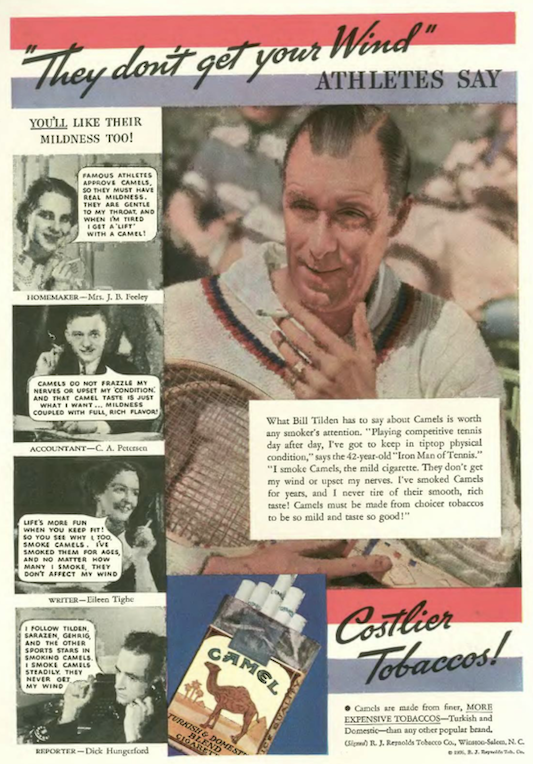
…R.J. Reynolds continued their campaign to convince us that Camels bring success to the average Joe and the champion athlete…

…the makers of Old Gold opted for the super creepy approach, asking entertainer Jimmy Durante to shove a pack of smokes into the face of what appears to be a teenager…

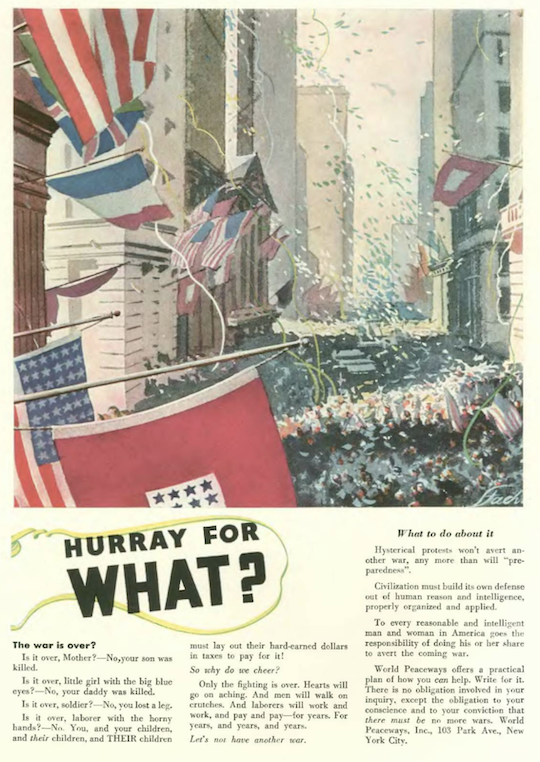
…here’s another ad from World Peaceways, reminding us of the futility of war…

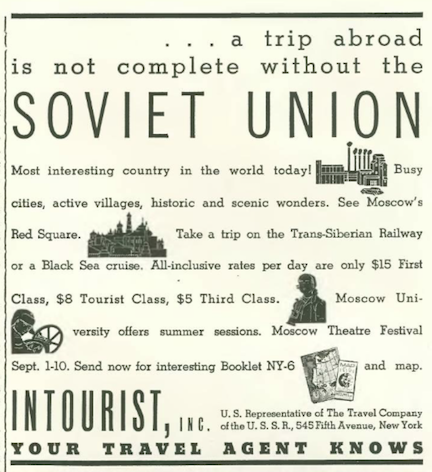
…speaking of futility, you could visit the USSR, which doubtless took great pains to steer tourists away from mass starvation in Ukraine and mass executions of Stalin’s many “enemies”…

…while folks in the USSR were worshiping Lenin and Stalin, Americans were rightly transfixed by the miracle of Kellogg’s Corn Flakes…a producer of industrial and advertising films, Castle Films would become a subsidiary of Universal and would go on to make a line of science-fiction and horror films including The Wolf Man, The Mummy, and Creature from the Black Lagoon.

…on to our cartoons, Alain took on the recent MoMA exhibition of “Machine Art”…

…and speaking of machine art, George Price was to latest cartoonist to take a crack at the Airflow…

James Thurber offered this bit of spot art for the opening pages…

…and returned to a somber scene on the battlefield of the sexes…

Next Time: Model Citizens…