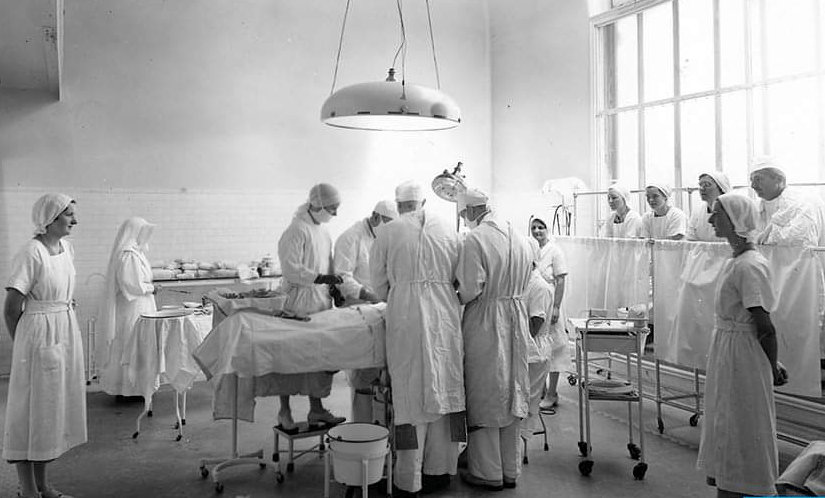
Under the Knife

Above: Surgery being performed at the Hospital of Saint Raphael (Conn.) in the late 1930s. Operating rooms were often located near large windows and under skylights to offer greater illumination. (Yale New Haven Hospital)

For all the challenges of 21st century, I always remind myself that advances in medicine during the past ninety years have made our lives better, and substantially longer, even if our current health care system is far from ideal.

Feb. 3, 1934 cover by E. Simms Campbell.

People could live to a ripe old age in the 1930s, however the average life expectancy at birth in 1930 was only 58 for men and 62 for women. The Depression didn’t help matters, and neither did the Dust Bowl, unregulated urban smog, the dramatic rise in smoking, and the lingering effects of more than a decade of bootleg alcohol consumption.

Polio was a serious problem in the 1930s, as was syphilis, which affected as many as ten percent of Americans. Blood groups would not be identified until 1930 (by Nobel Prize-winner Karl Landsteiner), and human nutrition remained something of a puzzle—Vitamin C wasn’t identified until 1932. There was exciting chatter about penicillin (discovered in late 1920s) and the antibacterial effects of sulfonamides (first observed in 1932), but it would be years before antibiotics would come into common use. So yes, infection was also a big killer.

Nevertheless, progress had been made, as told by Morris Markey in the column, “A Reporter at Large.” An excerpt:

FORTRESS ON THE HEIGHTS…Top, Columbia-Presbyterian Medical Center loomed large when it opened in Washington Heights in 1928; below, New York Hospital, most likely the building described in Morris Markey’s column; at left, Dr. George Crile, Sr., completing his landmark 25,000th thyroid operation in 1936. (CUIMC/Wikipedia/Cleveland Clinic)

This next excerpt describes the work of the anesthetist after the patient receives a spinal injection of novocaine, which had replaced cocaine as a pain blocker. At the start of the 1930s, the most-used anesthetic was ether, used in this account to calm the patient. Ether carried its own risks—in was unstable, and sparks from X-ray machines and other equipment could cause an explosion.

NO SMOKING, PLEASE…Anesthetist in the 1920s carefully administers ether while surgeon swabs a patient with iodine (inset). Ether was unstable, and sparks from equipment could cause an explosion. (Internet Archive/Flickr)

 * * *

And Then There’s Maude

American actress and stage designer Maude Ewing Adams (1872–1953) defined the role of “the boy who wouldn’t grow up” in her Broadway adaptations of Peter Pan in the early 1900s (1905, 1906, 1912 and 1915). She would appear in 26 Broadway productions between 1888 and 1916, but after a severe bout of the Spanish flu in 1918 she retired from the stage and focused on developing better stage lights with General Electric; her electric lights ultimately set the industry standard with the advent of sound movies. As this excerpt from “The Talk of the Town” revealed, Adams was also quite shy and highly valued her privacy.
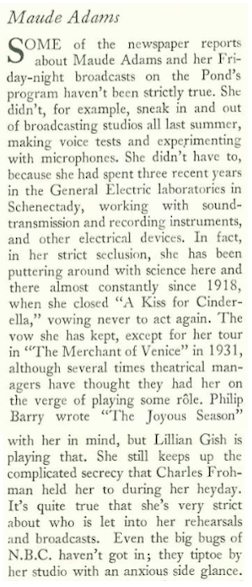
THE RETIRING SORT…Maud Adams in a Broadway publicity photo, circa 1900. (Vintage Everyday)

* * *

In The Trenches

Just before the Nazis decided to turn their country back into a warlike state, Victor Trivas and George Shdanoff wrote and directed an allegorical anti-war film. Niemandsland (released in the U.S. as Hell on Earth) featured five soldiers, from different backgrounds, who find themselves together in a dugout in no man’s land and together come to terms with the absurdity of war. The film premiered in Berlin in December 1931 and was greeted by thunderous applause. A little over a year later it was banned by the Nazis. Critic John Mosher made these observations:

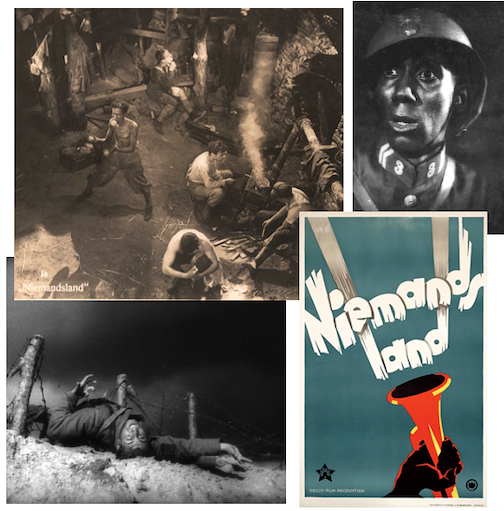
WAR, WHAT’S IT GOOD FOR?Niemandsland (released in the U.S. as Hell on Earth) featured five soldiers from different backgrounds on a front lines during WWI: a carpenter from Berlin, a mechanic from Paris, an English officer, a Jewish tailor and a Black dancer (the only one who understands everyone’s languages). Actor and dancer Louis W. Douglas (top right) was a Philadelphia native who moved to Paris in 1925 with his dancing partner, Josephine Baker, in the popular La Revue Nègre. He went on to establish a successful musical and film career in Germany until his death in 1939. (silverinahaystack.wordpress.com/IMDB)

 * * *

From Our Advertisers

We begin with this jolly color image from Lucky Strike representing the joys of cigarette smoking…

…a trio of ads culled from the back pages, everything from “Tiara Trouble” (apparently a common problem) to a smoking penguin introducing a new line of menthol cigarettes, KOOL, challenging the dominance of the Spud menthol brand (we know who won that battle)…in the final ad, Atlantic City resort hotel Haddon Hall attempted to drum up business using a slavery/emancipation theme—Abraham Lincoln’s birthday is at hand…why not slip the shackles of work and run away to sunshine and freedom?

…These Paul Whiteman ads were ubiquitous in the 1930s…the distinctive caricature of his pudgy, mustachioed face—Whiteman’s “Potato Head” emblem—was featured in ads and on 78 rpm record labels and various promotional items…on the more classical side, violinist David Rubinoff sawed away on his famed $100,000 Stradivarius for audiences at the Roosevelt Hotel…

…automobile ads continued to grace the pages of The New Yorker, including this one suggesting that young blue bloods would look quite smart in a ’34 Chevy…

…in the 1930s Studebaker marketed car lines including the high-end President, the mid-priced Commander, and the low-priced Dictator…the Dictator was introduced in 1927, so named because it “dictated the standard” other automobile makes would be obliged to follow…the rise of Mussolini and Hitler attached unsavory connotations to the car’s moniker…it was renamed “Director” for European markets and was finally abandoned in 1937…

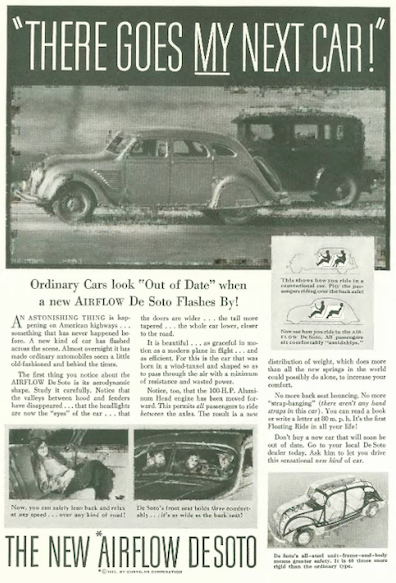
…Chrysler continued to push its radical new Airflow, here demonstrating how it blows the doors off of an old-timer…
…as we jump into our cartoons, Kemp Starrett referenced the Airflow in his latest contribution to The New Yorker

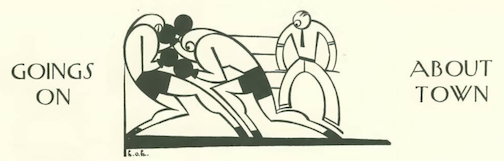
…the issue included two from George Price…a playful pairing in the events section…
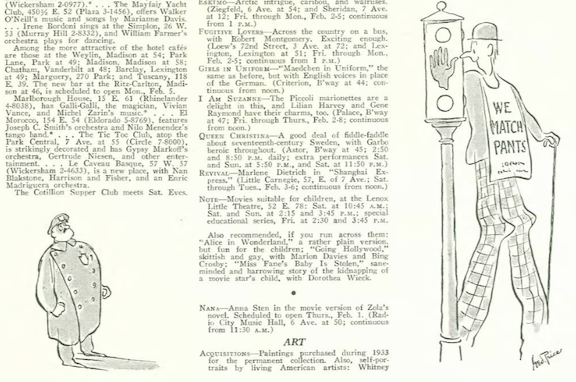
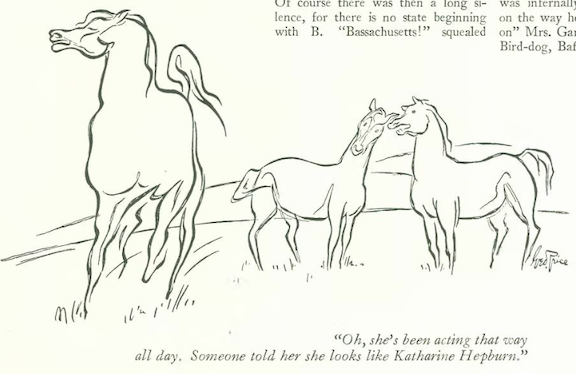
…and a somewhat unkind nod to new Hollywood star Katharine Hepburn…apparently David O. Selznick had misgivings about casting a “horse face” like her…well, she obviously proved him wrong…
…the magazine pulled out this old illustration by H.O. Hofman to break up the copy in Howard Brubaker’s “Of All Things” column…

…more antics from the precocious set, courtesy Perry Barlow

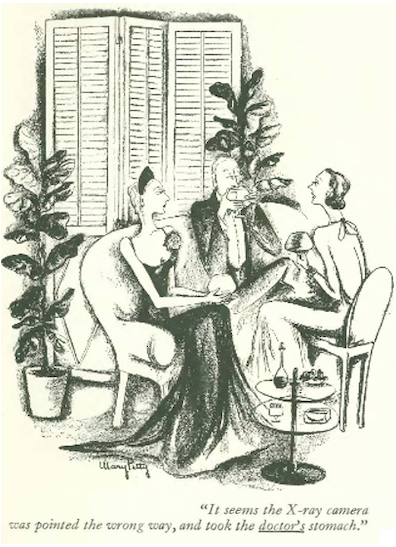
Mary Petty offered this observation on the state of medicine in 1934…
…a sobering and topical contribution from Alan Dunn

Carl Rose made preparations for the annual Charity Ball…

…and James Thurber gave us Part III of his “War Between Men and Women”…
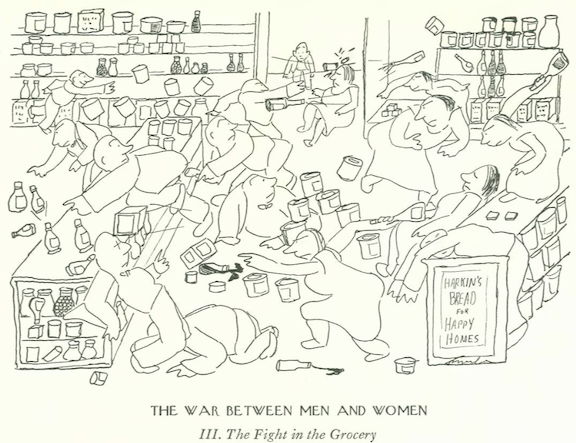
Next Time: Made in Germany…

 

Rebirth of a Nation?

As we enter the summer months we find the recurring themes of June brides…and German Nazis…

May 27, 1933 cover by Constantin Alajalov.

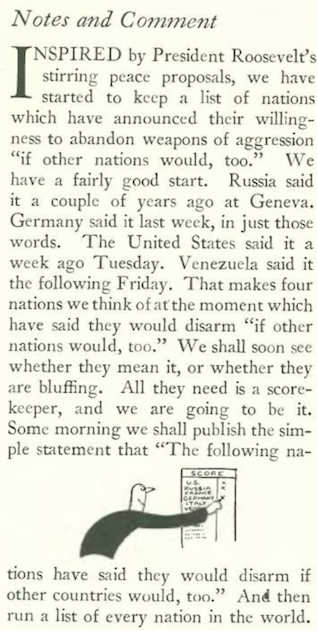
Those Nazis were on the mind of U.S. President Franklin D. Roosevelt when he wrote to the sixty participating nations at the Geneva Disarmament Conference, imploring them to eliminate all weapons of offensive warfare. As we now know, it was a plea that mostly fell on deaf ears, notably those of the leaders of Japan and Germany. E.B. White offered this observation:

GIVE PEACE A CHANCE?…Sixty countries sent delegates to the Geneva Disarmament Conference in 1932–33. Germany was represented by Nazi Minister of Public Enlightenment and Propaganda Joseph Goebbels (front row, center), that is until his country pulled out of the conference and continued its massive arms buildup. (Library of Congress)

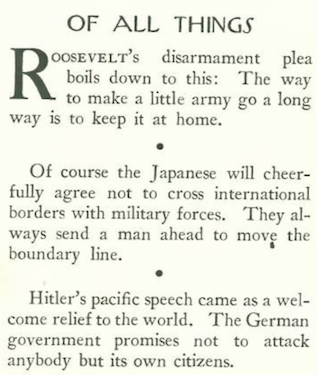
Howard Brubaker was also keeping an eye on FDR’s efforts to hold off the rising powers in Europe and Asia…

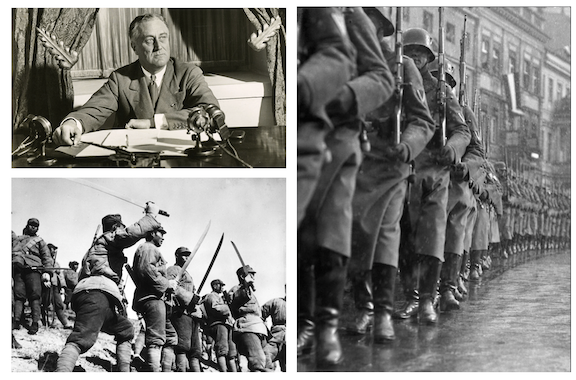
WAR AND PEACE…On May 16, 1933, Franklin D. Roosevelt pleaded with the world’s nations to consider total disarmament of all offensive weapons. In the meantime, Adolf Hitler led the rapid rearmament of Germany (right) while Chinese soldiers (below) did what they could to counter the latest Japanese offensive—the invasion of Jehol Province. (Wikimedia/Pinterest)

*  *  *

Writer of Lost Causes

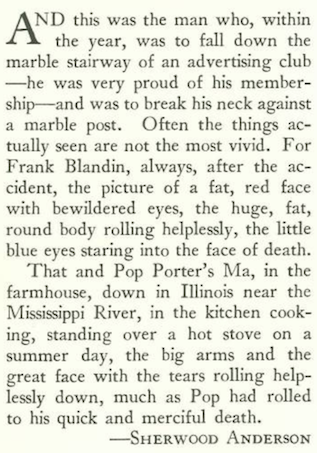
The short story “Pop” would be Sherwood Anderson’s first contribution to The New Yorker. Anderson was known for his stories about loners and losers in American life, including Pop Porter, whose sad, drunken death is described in the closing lines:

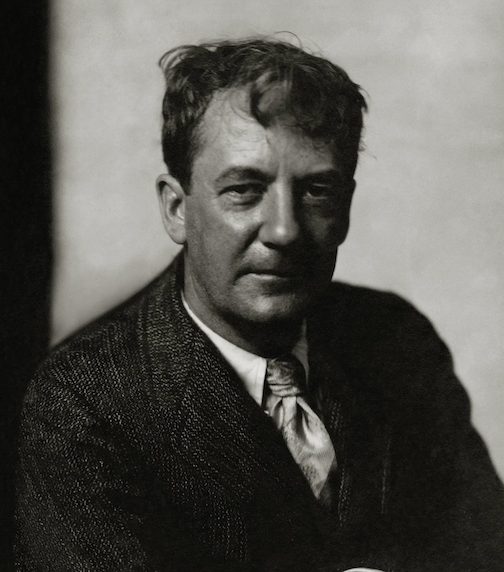
NO EXIT…Best known for his 1919 novel Winesburg, Ohio, Sherwood Anderson (1876–1941) took an unsentimental view of American life. He would contribute six short stories to The New Yorker from 1933 to 1936. Photo above by Edward Steichen, circa 1926. (The New York Times)

*  *  *

From Our Advertisers

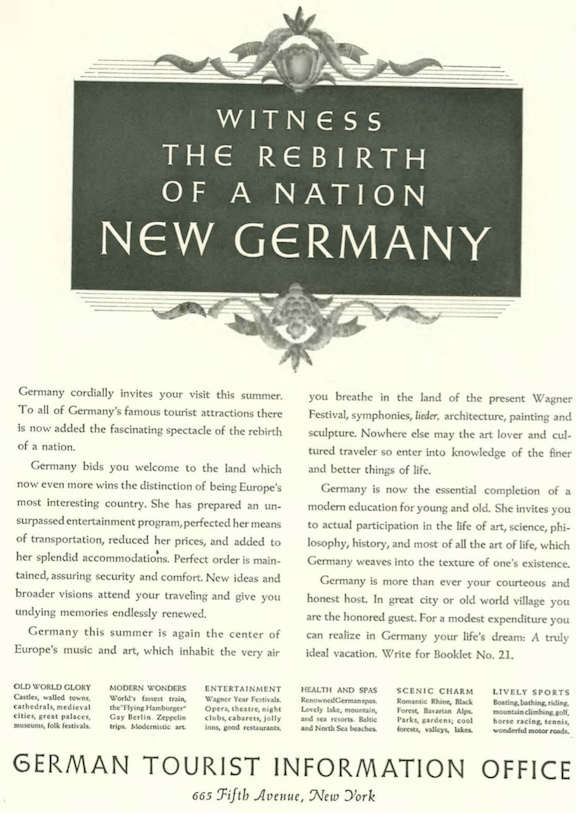
The German Tourist Information Office welcomed visitors to “witness the rebirth of a nation,” promising a land of “new ideas and broader visions” that would bestow on travelers “undying memories endlessly renewed”…

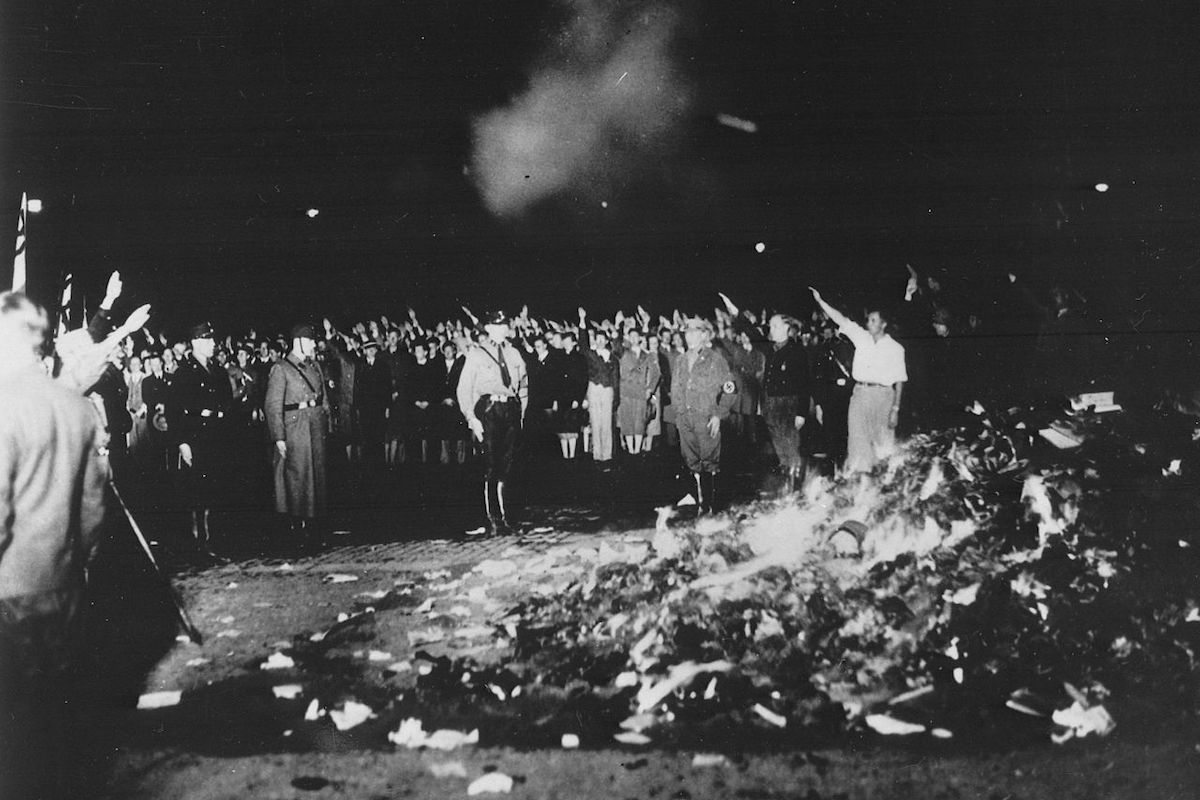
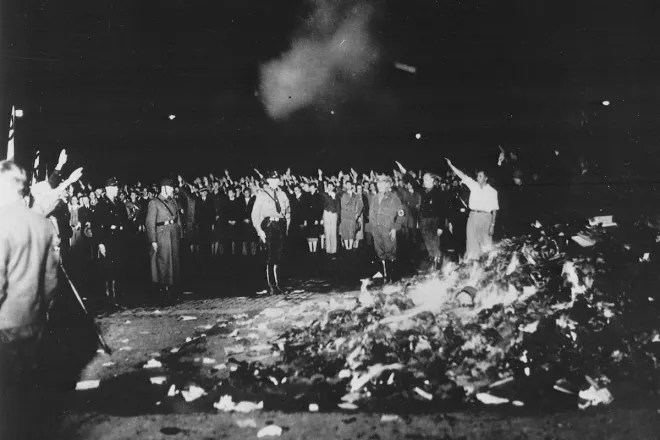
…Those “undying memories” might have included massive, country-wide book burnings that took place on May 10, 1933, when students in 34 university towns across Germany burned more than 25,000 “un-German” books…

FANNING FLAMES OF HATE…On May 10, 1933, student supporters of the Nazi Party burned thousands of volumes of “un-German” books in the square in front of the Berlin State Opera. (Bundesarchiv)

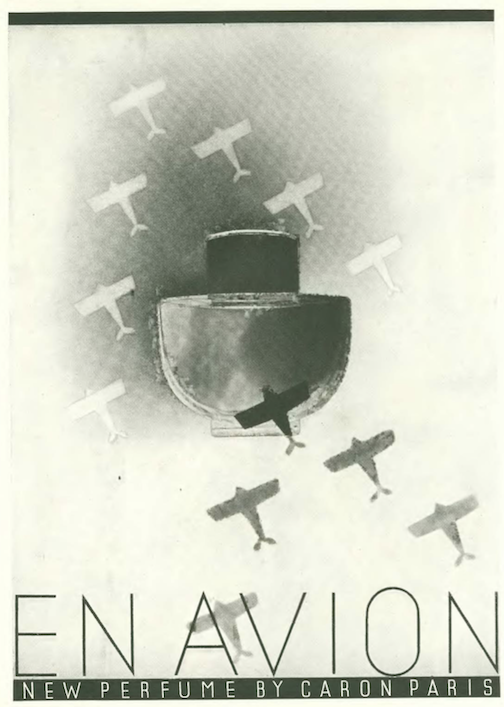
…knowing where all of this would lead, it is hard to look at this next ad and not think of the Luftwaffe raining death from the skies later in that decade…

…so for the time being we’ll turn to something less menacing, like checkered stockings, here resembling one of John Held Jr’s woodcuts…

…and this crudely illustrated ad (which originally appeared in one column)…call your buddy a fatso and the next thing you know he’s moving to Tudor City…

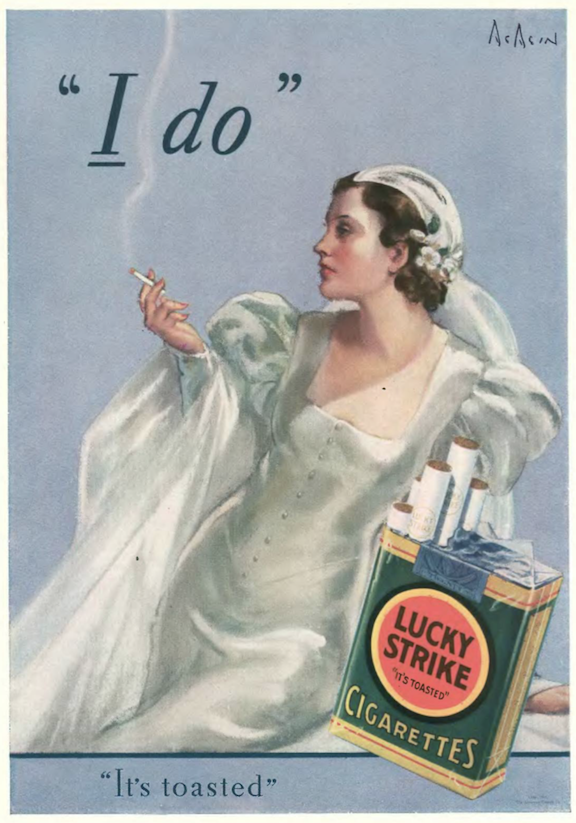
…and from the makers of Lucky Strikes, a back cover ad that provided a thematic bookend to Constantin Alajalov’s cover art…

James Thurber kicks off the cartoons with this sad clown…

…atop the Empire State Building, Daniel ‘Alain’ Brustlein found more than just a view of the city (it’s former governor Al Smith!)…

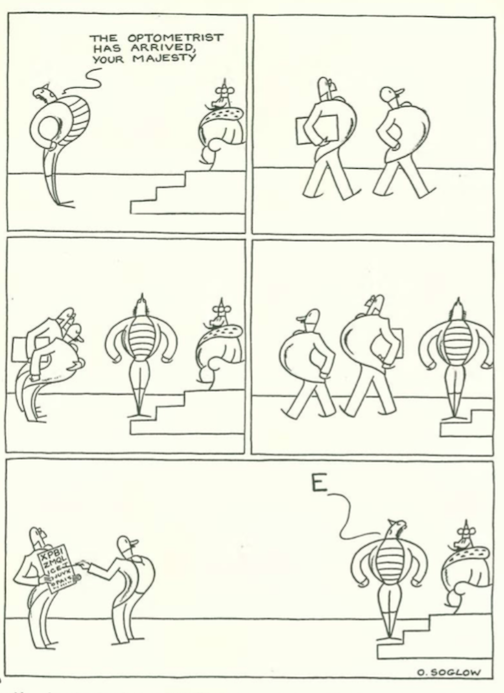
Otto Soglow’s Little King got his vision checked, in his own way…

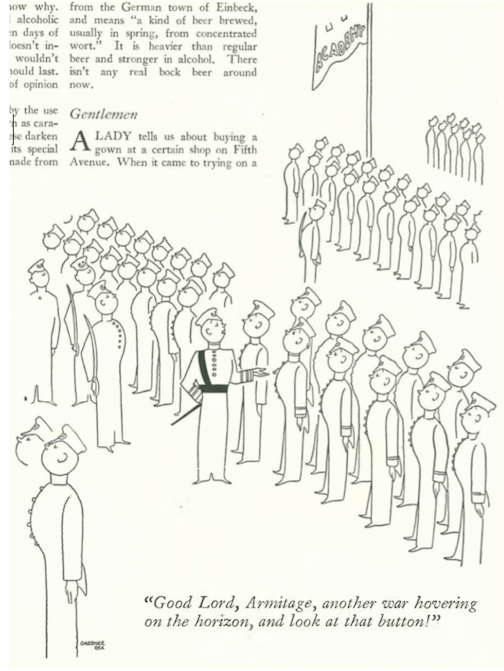
…a loose button threatened to bring down a nation…per Gardner Rea

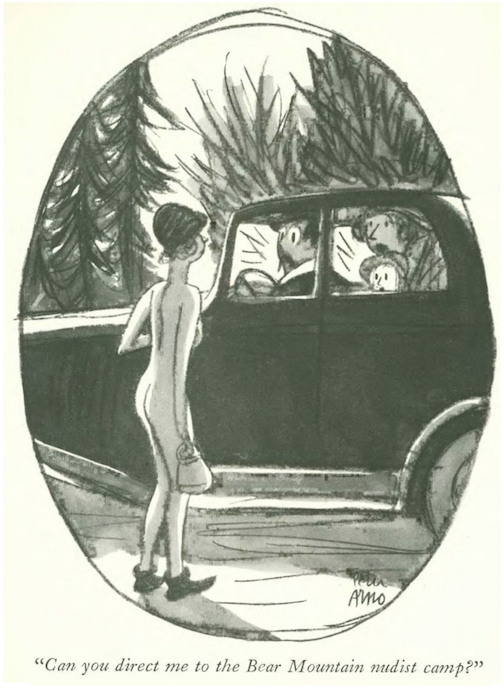
…and we take a leisurely Sunday drive, Peter Arno style…

…on to the June 3, 1933 issue…

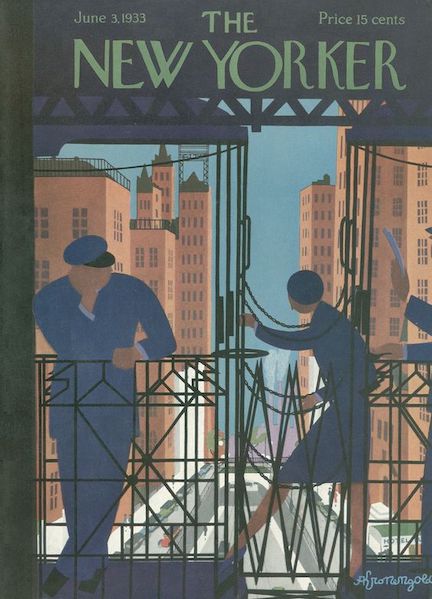
June 3, 1933 cover by Adolph K. Kronengold.

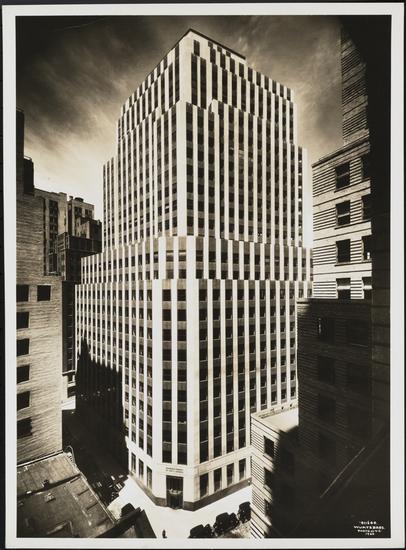
…where we appropriately look to the skyline, which was giving Lewis Mumford a crick in the neck…

THAT’LL DO…Lewis Mumford was not a fan of giant skyscrapers, but when the architects of the Empire State Building turned their attention to the Insurance Company of North America building at 99 John Street, Mumford found a design that could serve as a model for future business buildings. (Museum of the City of New York)
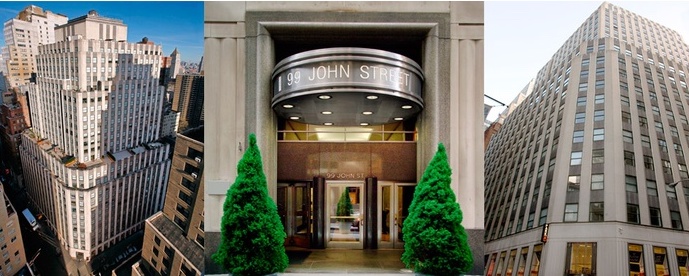
CONVERSION THERAPY…the Insurance Company of North America building now houses modern loft condominiums known as 99 John Deco Lofts. (nest seekers.com).

Later in the column Mumford called skyscrapers “insupportable” luxuries, arguing instead for long, shallow buildings rising no more than ten stories.

*  *  *

The Stars Align

Film critic John Mosher was delightfully surprised by International House, a film loaded with some of the era’s top comedic stars along with other entertainers.

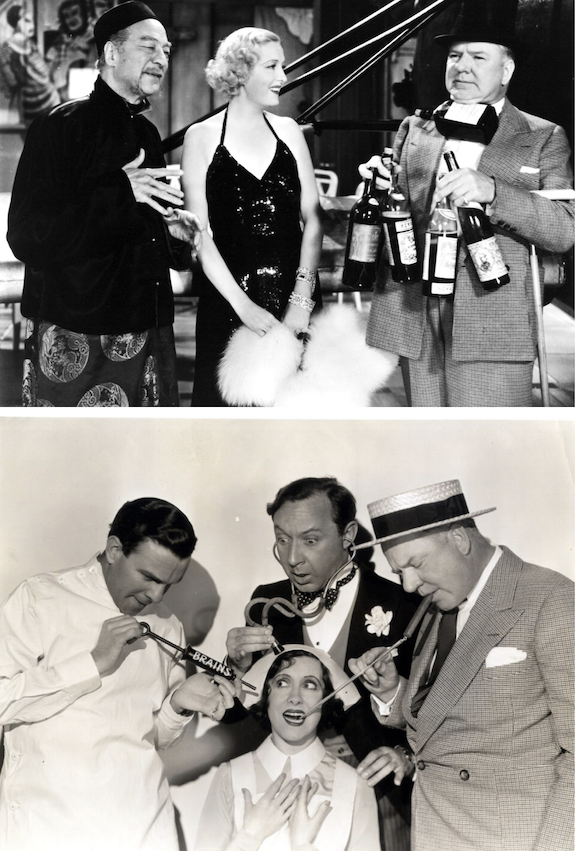
CLUTCH THOSE PEARLS…The risqué subject matter of International House had the Legion of Decency up in arms, but it left critic John Mosher in stitches thanks to the antics of Edmund Breese, Peggy Hopkins and W.C. Fields (top photo). Below, a publicity photo for International House with George Burns, Gracie Allen, Franklin Pangborn and W.C. Fields. (IMDB)

The film featured an array of entertainers including Peggy Hopkins (more famous as a real-life golddigger than an actress), the comedy duo Burns and Allen, W.C. Fields, Bela Lugosi, Cab Calloway, Rudy Valley and Baby Rose Marie.

ALL THE WORLD’S A STAGE…Ten-year-old Rose Marie Mazzetta, known in 1933 as the child performer Baby Rose Marie, sings a number atop a piano in a scene from International House. Thirty years later Rose Marie would appear on The Dick Van Dyke Show as television comedy writer Sally Rogers, pictured here with co-stars Dick Van Dyke and Morey Amsterdam. (WSJ/LA Times)
*  *  *
The New Germany, Part II
The June 3 “Out of Town” column took a look at life in Berlin as well as the 1933 Chicago World’s Fair. The piece is signed “A.L.”, leading me to believe it might be A.J. Liebling (author of the terrific Between Meals), but he didn’t start at The New Yorker until 1935. At any rate the article seems to dismiss the crackdown on Berlin’s cultural life as a mere inconvenience.

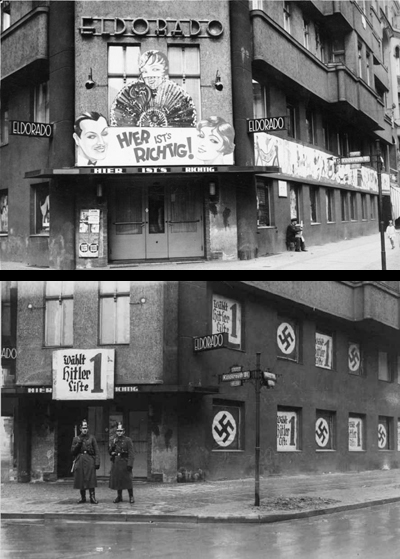
NEW THEME, NEW OWNERSHIP…The article mentions the closing of the Eldorado night club in Berlin, famed for its drag shows and other naughty diversions. Images above show the before and after the Nazis redecorated. (lonesomereader.com)

*  *  *

From Our Advertisers

More propaganda from Germany, where everything is sweet and bright away from the din of the city and the sound of marching jackboots and the crash of broken glass…


…an unusual ad from Cadillac, which barely mentions the automobile but goes full bore on the June bride theme…

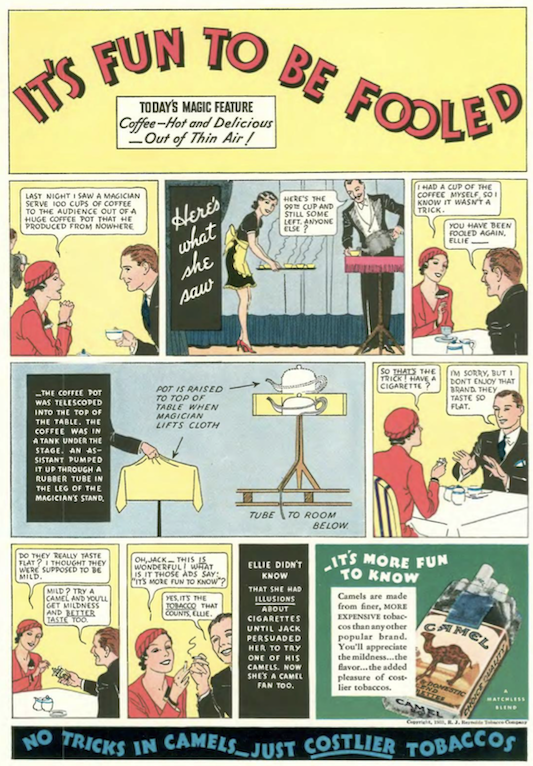
…the folks at Camel went full color in their latest installment of “It’s Fun to be Fooled”…in this strip Jack gets his friend Ellie hooked on his cigarette brand…

…looking for fresher air, well you could get a window air conditioner from the folks at Campbell Metal Window Corporation…however, these units were only available to the very wealthy, roughly costing more than $25,000 apiece (more than half a million today)…

…better to take a drive a catch the breeze with this smart pair…

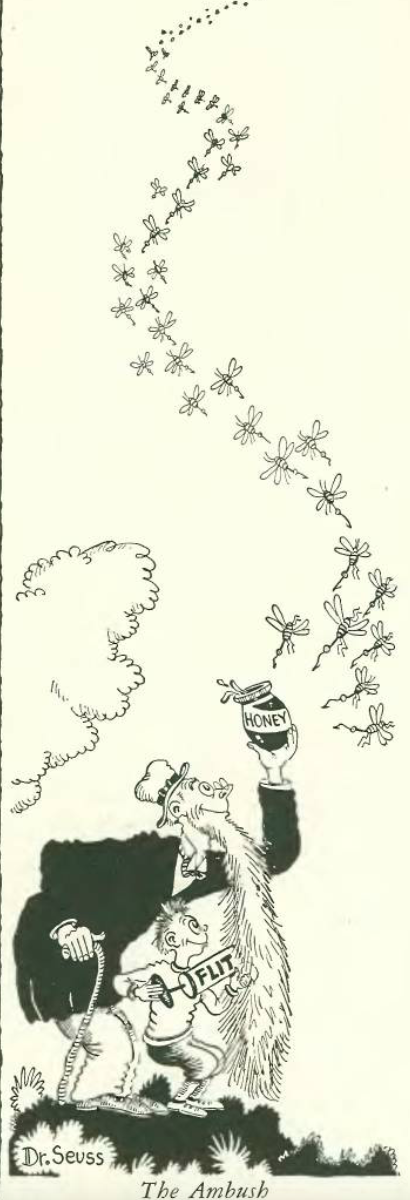
…and fight off those pesky bugs with a blast of Flit, as illustrated by Dr. Seuss before he became a children’s author…

Richard Decker picked up some extra cash illustrating this ad for Arrow shirts…

…which segues to our other New Yorker cartoonists, such as H.O. Hoffman…

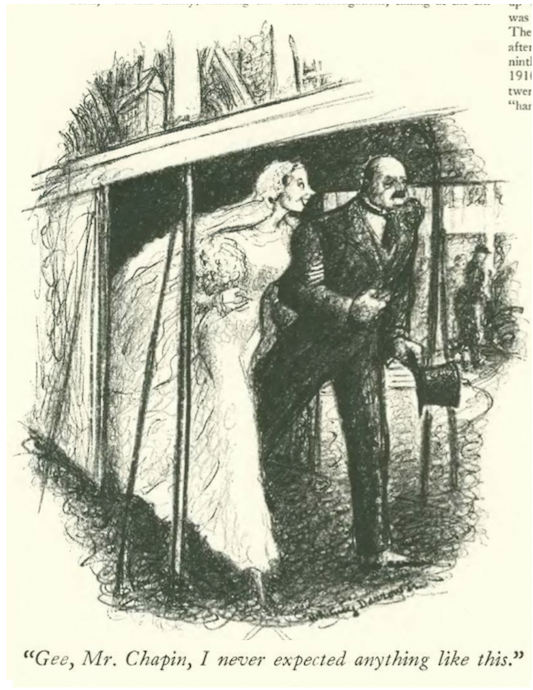
…and yet another bride, with sugar daddy, courtesy of Whitney Darrow Jr

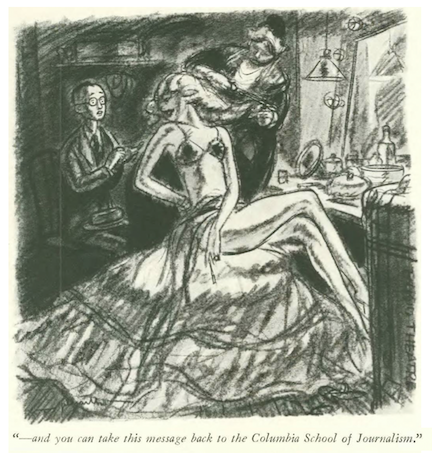
William Crawford Galbraith continued his exploration into the lives of showgirls…

Gardner Rea gave us this helpful switchboard operator…

Carl Rose showed us how the posh set got into the spirit of the Depression-era farm program…

George Price was getting into familiar domestic territory…

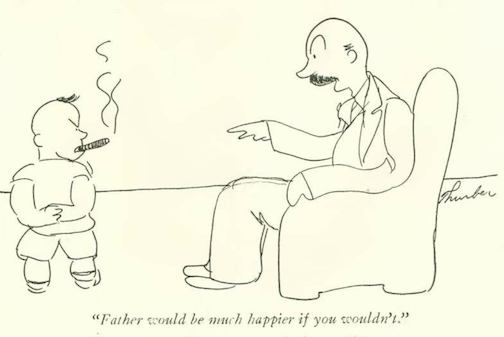
…and on this Father’s Day, we close with some fatherly advice from James Thurber

Next Time: Making Hays…


Through a Glass Darkly

Anticipated in science fiction in the early 20th century, television was one of those signifiers of a better life in the future, and the popular press drove home that message with its breathless reporting on the latest advancements. E.B. White, on the other hand, found the latest experiment in television to be less than thrilling, maintaining prescience of mind to see things as they were, and what they might become.

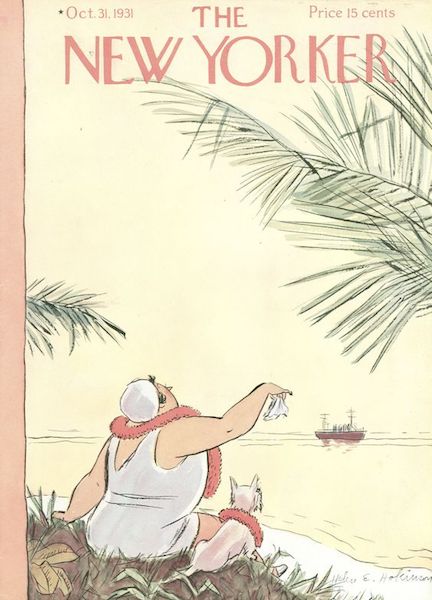
Oct. 31, 1931 cover by Helen Hokinson.

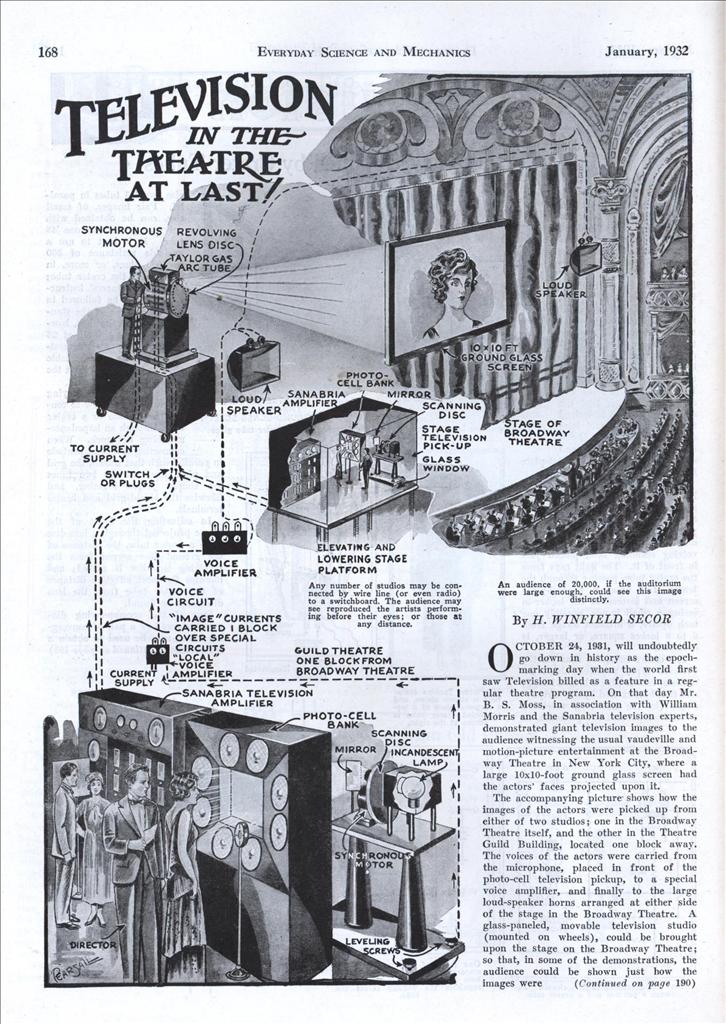
In “The Talk of the Town” White wrote about the unusual demonstration of television to an audience in the B.S. Moss playhouse. They were treated to a broadcast from the Guild Theatre, just one block away.

…now to the popular press, the demonstration—contrary to White’s account—was a wonder to behold:

Modern Mechanics magazine, January 1932.

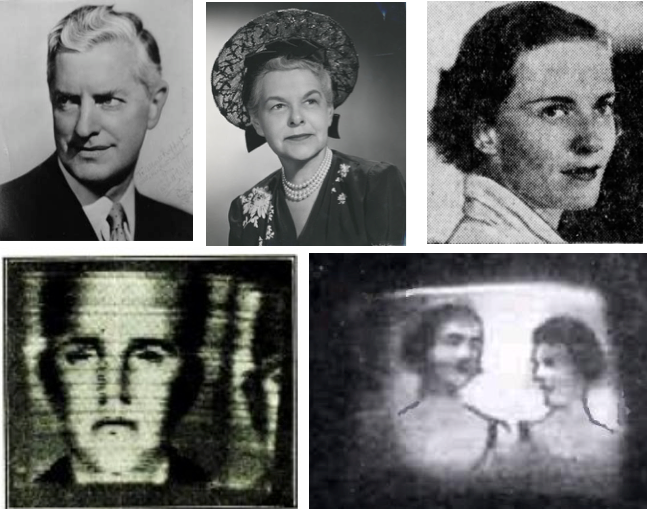
The actual product, however, had a long way to go…

CAN YOU SEE ME NOW?…Top row, left to right, British adventurer Carveth Wells and actresses Theresa Helburn and Margaret Barker did their best to entertain audiences a block away via a television broadcast, but the results were more like the images on the bottom row, particularly the one at right. (art-books.com/brynmawr.edu/onetuberadio.com)

  *  *  *

Comeback Kid

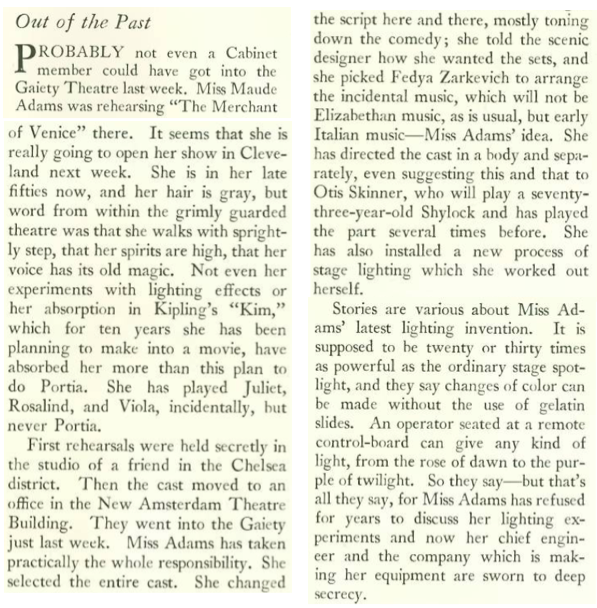
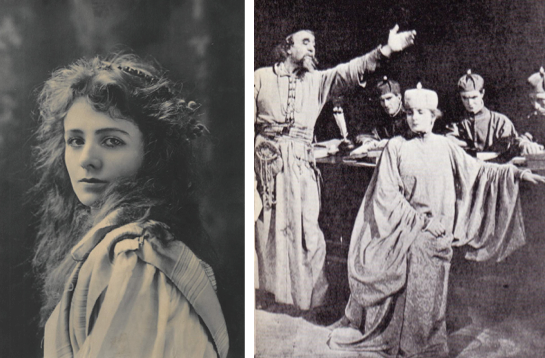
Not well known today, but in the early 20th century Maude Adams (1872-1953) was a household name; her touring productions beginning around the turn of the century made her the most popular actress in America, and she sealed that deal in 1905 when she played Peter Pan on Broadway to great acclaim. Her success continued until 1918, when the Spanish flu pandemic nearly claimed her life. After recovering from the illness she retired from acting and turned her attention to making improvements in electric lighting, creating an industry standard for both stage and film. When she returned to acting in 1931, it was big news, and “The Talk of the Town” was there to tell us about it. Excerpts:

STAGING A COMEBACK…Maude Adams, left, circa 1897. At right, Adams portrayed Portia in her 1931 production of The Merchant of Venice, with Otis Skinner, who portrayed Shylock. (Pinterest/Bookmice)

 *  *  *

Rags to Rags

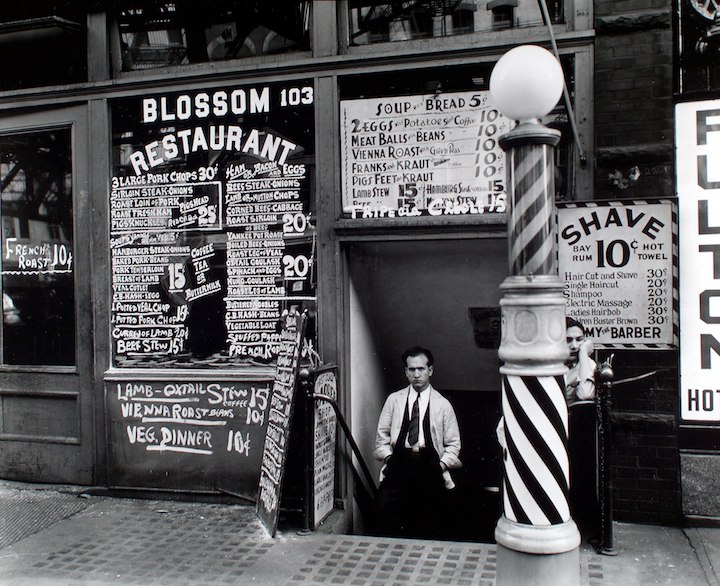
The New Yorker departed from its usual profiles of the rich, powerful and/or famous and focused instead on a “Bowery Bum” named John McGoorty. Also unusual was the profile’s author, Russel Crouse, better known then and now and as an American playwright and librettist. Appropriately, Reginald Marsh lent his “Ashcan School” style to the illustration. Here are some excerpts:

NOT MUCH TO SMILE ABOUT…Berenice Abbott photograph of a Bowery restaurant in 1935, when the street was lined with flophouses. (Wikipedia)

 *  *  *

From Our Advertisers

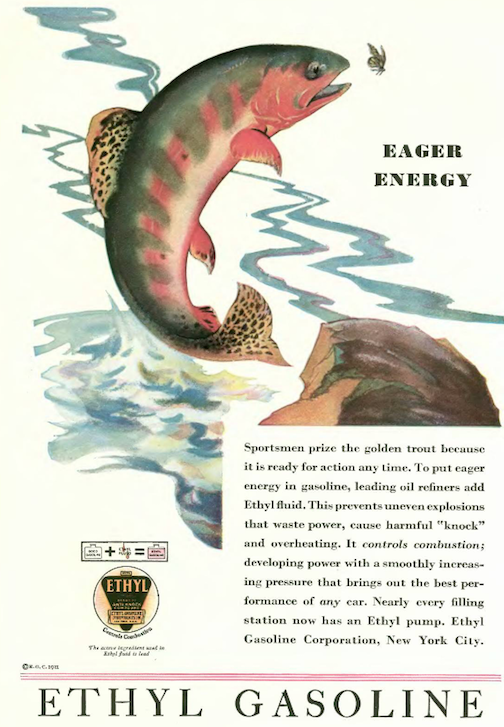
We begin with some lovely color ads…the makers of the gasoline additive Ethyl (active ingredient, lead) continued their series of nature-themed ads…

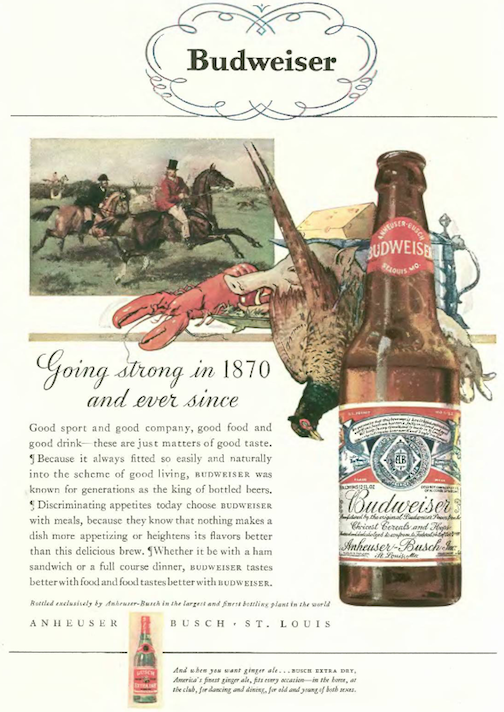
…while Budweiser, perhaps anticipating the end of Prohibition, reminded readers of the refreshing flavor of its beer, even if it was non-alcoholic…

…R.J. Reynolds reminded women smokers that their Camel cigarettes left no after-taste…

…while Lorillard went a step further and claimed its Old Gold brand made a smoker downright kissable…

…the makers of Pepperell Peeress sheets and pillowcases offered this “Talk of the Town” parody to promote their wares…

…illustrator Frank McIntosh, known for his Art Deco travel drawings, (and who contributed just four drawings to The New Yorker), gave us this stylish illustration for Guillaume Lenthéric’s famed parfums

New Yorker cartoonist/illustrator H.O. Hofman contributed this drawing on behalf of the Artists and Writers Guild, offering their designer bridge cards…

…and speaking of bridge, we have Alan Dunn opening our cartoons…

…and in a less refined setting, we have this from Raymond Thayer, another contributor of just four drawings to The New Yorker…

…and this entry from Carl Rose reminds us of where we are in history, namely the Depression…

James Thurber continued his exploration of the mysterious encounters between the sexes…

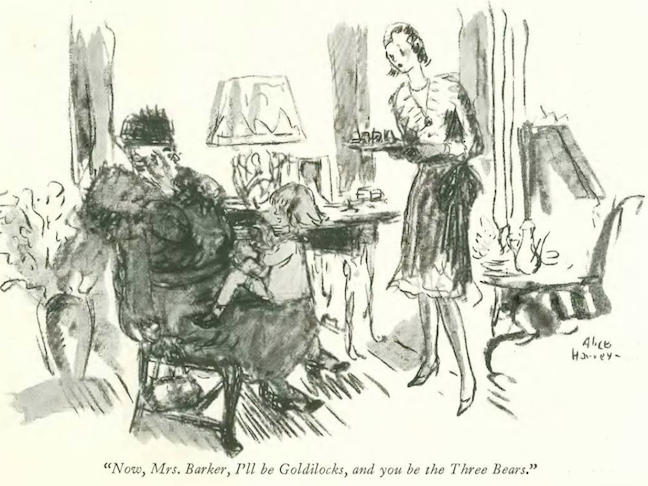
…and we end with Alice Harvey, and one unlikely play date…

Next Time: The Tragic Pose…

Firecracker Lane

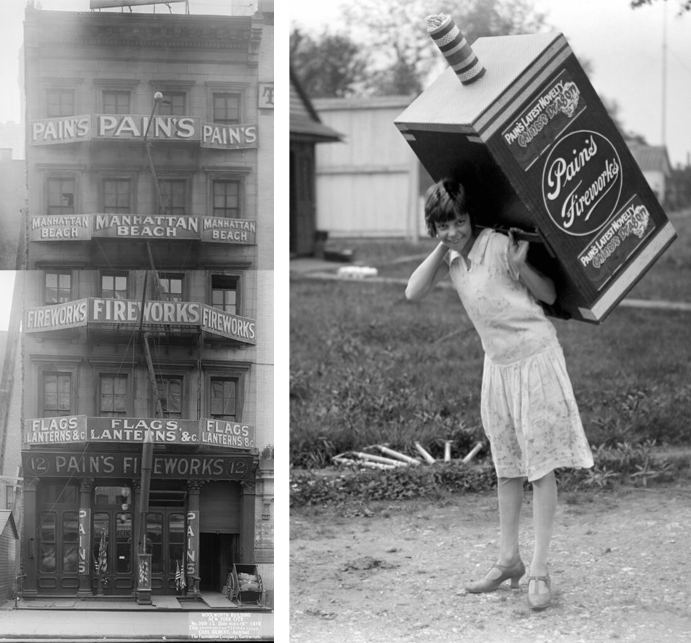
When fireworks were still allowed on the streets of New York City, Firecracker Lane was the place to go for all your pyrotechnic needs.

Theodore Haupt illustrated holiday travelers for the Fourth of July issue in 1931.

By 1931, however, fireworks had been banned across the greater New York City area, so customers visiting Firecracker Lane—a short row of sellers on Park Place between Broadway and Church Street—had to find a friendly burg beyond the metropolis to shoot off their Independence Day arsenals.

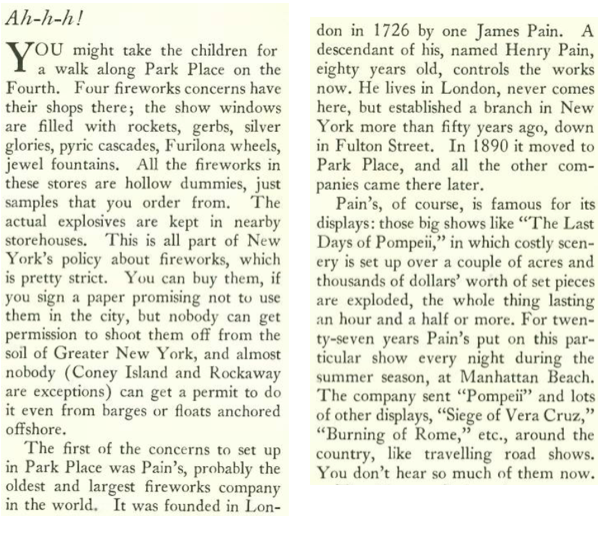
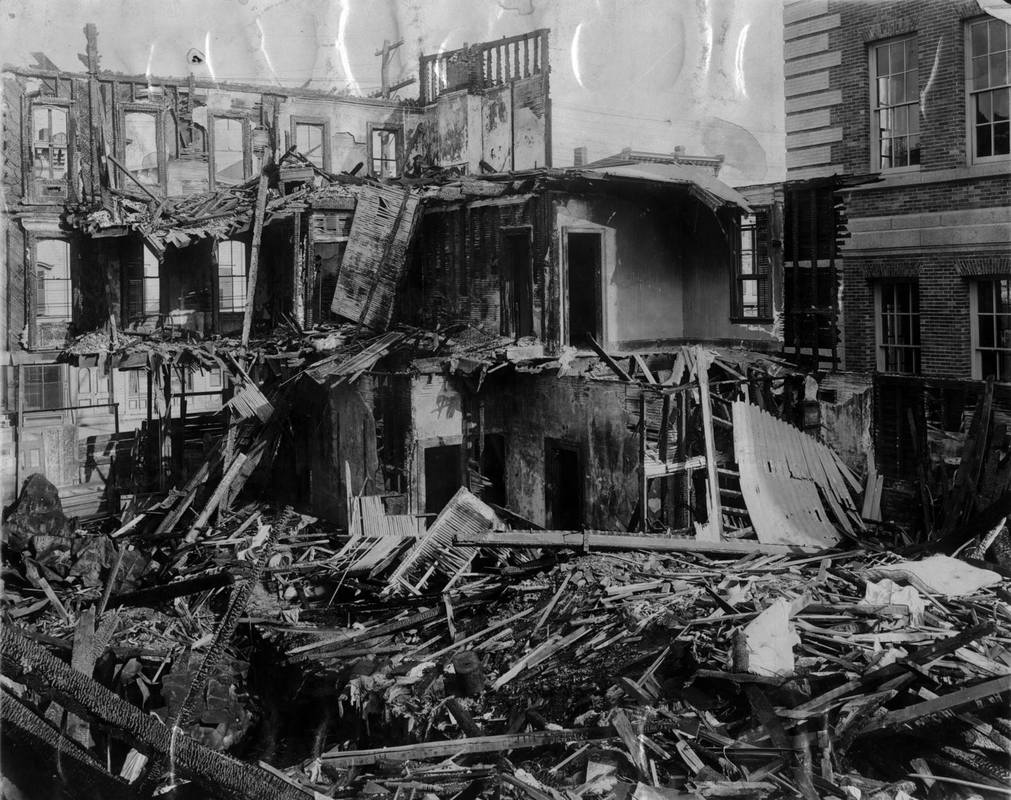
Before the city clamped down on the fun, Firecracker Lane did a bustling trade, and fireworks were even manufactured at sites around the metro area. But after a number of explosions and fires, the city closed down the fireworks factories, and by 1931 Fireworks Lane itself was on its last leg. “The Talk of the Town” visited what remained, and reminisced about the glory days.

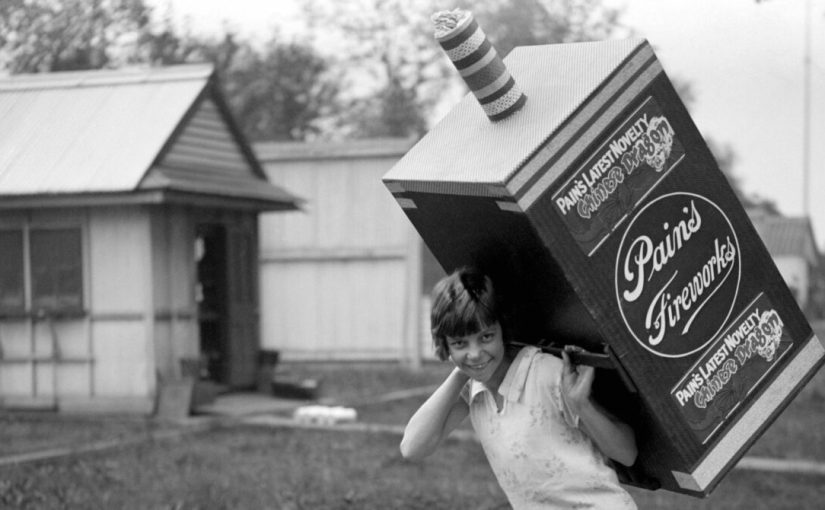
A STREET WITH SOME SIZZLE…The famed Pain’s Fireworks company occupied this building on Firecracker Lane, photo circa 1903. At right, a young woman promoting Pain’s latest novelty, the “Chinese Dragon,” in the 1920s. (Museum of the City of New York)
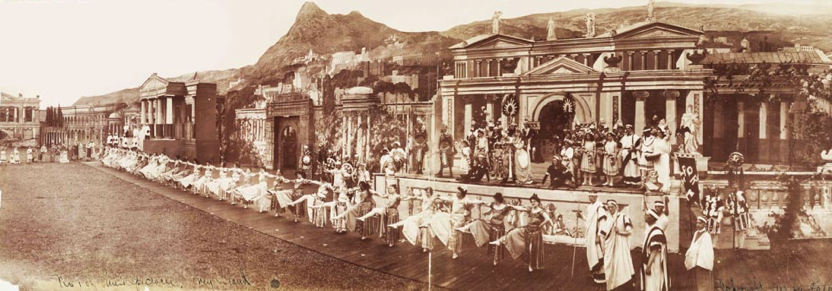
HAVING A BLAST…In the 19th and early 20th centuries, Pain’s staged massive themed fireworks displays, including the incredible The Last Days of Pompeii show on Manhattan Beach, seen here during its 1903 Season. (heartofconeyisland.com)
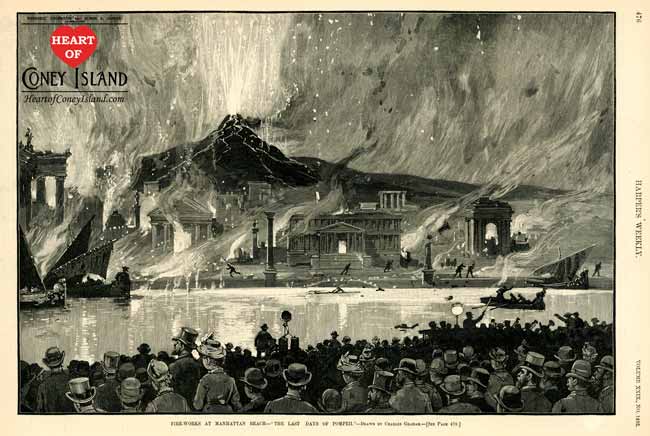
BEFORE THERE WERE MOVIES, entertainment companies were fond of putting on spectacular shows like The Last Days of Pompeii on Manhattan Beach. Illustration from an 1885 edition of Harper’s Weekly. (heartofconeyisland.com)
LOCATION, LOCATION…Explosions at fireworks factories in New York and New Jersey put an end to the manufacture of fireworks in the area by 1930. Above, a July 1901 explosion of a fireworks factory in a Paterson, N.J. tenement resulted in the deaths of 17 people who lived above factory. The New York Times reported “So great was the force of the blast, that a boy playing in the street a half a block away was lifted from his feet and hurled against an iron fence, and had one of his legs broken.” (Courtesy Paterson Fire History, via boweryboyshistory.com)

*  *  *

Not Mum on Mumford

In the previous post we were introduced to critic Lewis Mumford, who excoriated plans for the new Radio City, now known as Rockefeller Center. In his “Notes and Comment,” E.B. White added his own two cents:

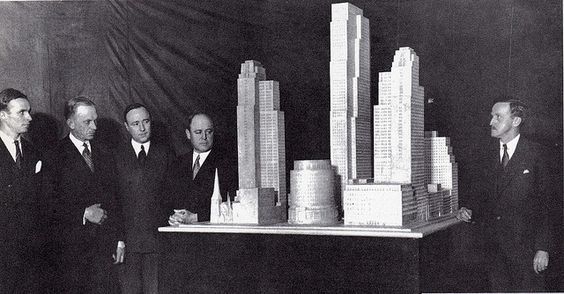
PERHAPS IT SHOULD HAVE BEEN A CAKE…Even the promoters of the Radio City project looked uncertain of their scheme in this March 1931 photo. (drivingfordeco.com)

*  *  *

From Our Advertisers

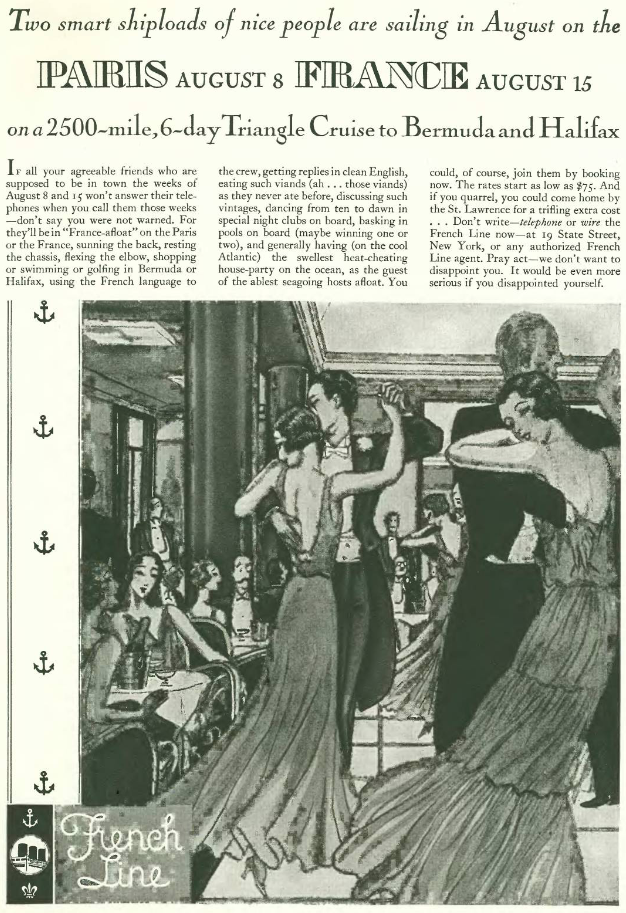
New Yorkers who wanted to get away from the steamy streets of Manhattan (almost no one had air conditioning in 1931) could catch the cooling breezes of the Atlantic on any number of cruise lines that plied the Eastern Seaboard and Canadian Maritimes during the summer…here the French Line offered a six-day “Triangle Cruise”…

…while Cunard offered a similar excursion (employing the cartooning skills of H.O. Hofman) that allowed passengers to “do the ocean” in just four days…

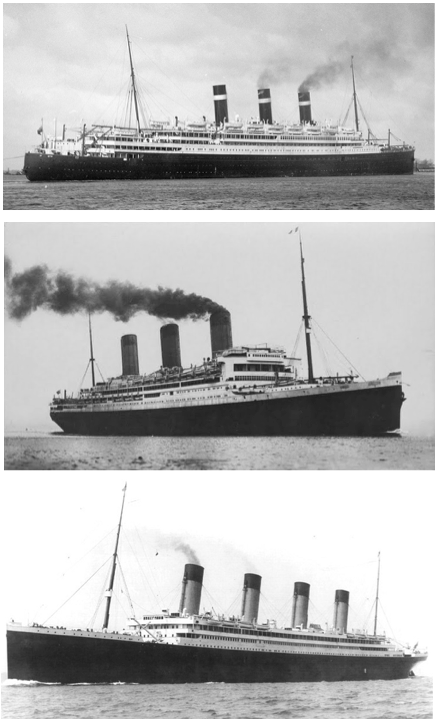
…to earn the ever-shrinking travel dollar during the Depression, both the Red Star and White Star lines offered their giant ocean liners for half- and full-week cruises to the Maritimes, Red Star even throwing in some on-board entertainment, claiming to be the first to do so “on any ocean”…

A SCRAPPED LOT…From top, the Belgenland, Majestic and Olympic. These great ships that once ferried passengers in high style between Europe and the States had been reduced to taking folks on short cruises and even one-day excursions due to the Depression. By the mid-1930s the Belgenland and Olympic (once the world’s largest ship) were sold for scrap. The Majestic was scuttled a few years later. (Wikipeda)

…I’m not sure where this pair is headed, but the angle suggests they just drove off a cliff…

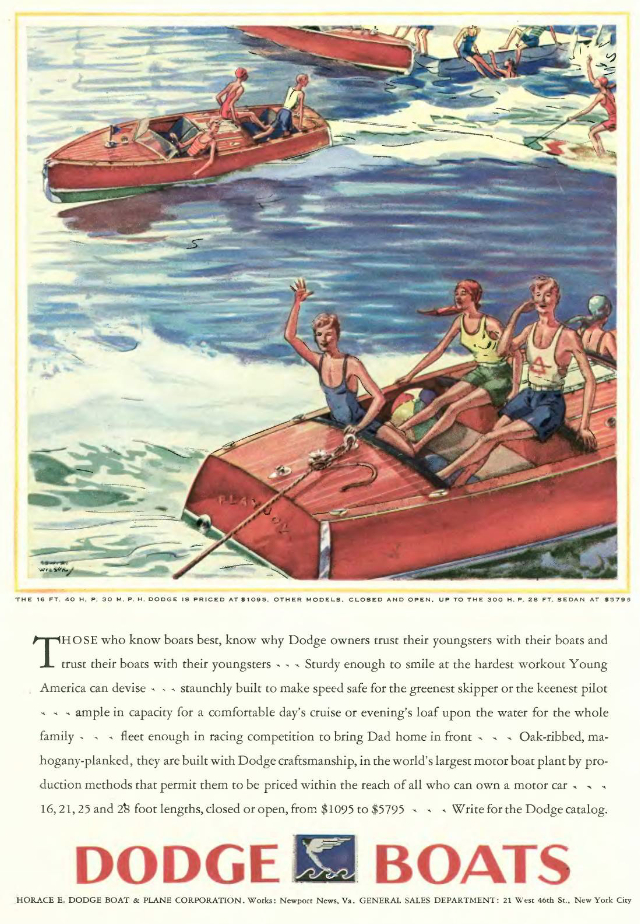
…if cliff diving wasn’t your thing, you could tool around in a bright red Dodge boat…

…or be easily amused like this guy on the right, who gets his jollies from the abundance of ice cubes in his fridge…

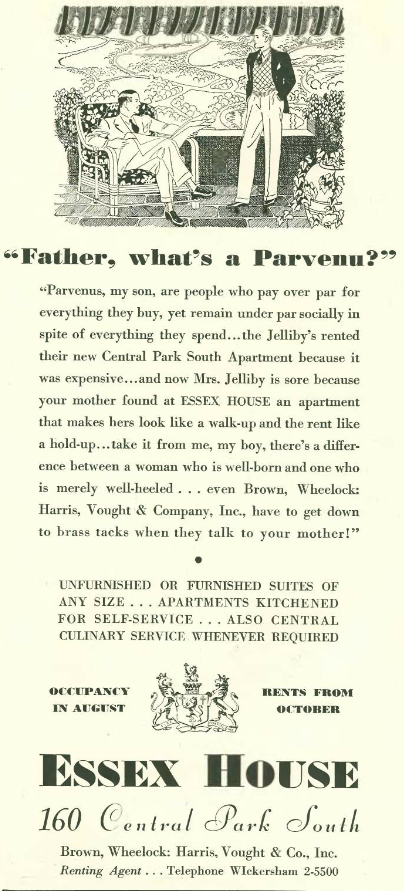
…over at Essex House we find a more reserved scene, the “well-born” father and son gloating over their Central Park view…

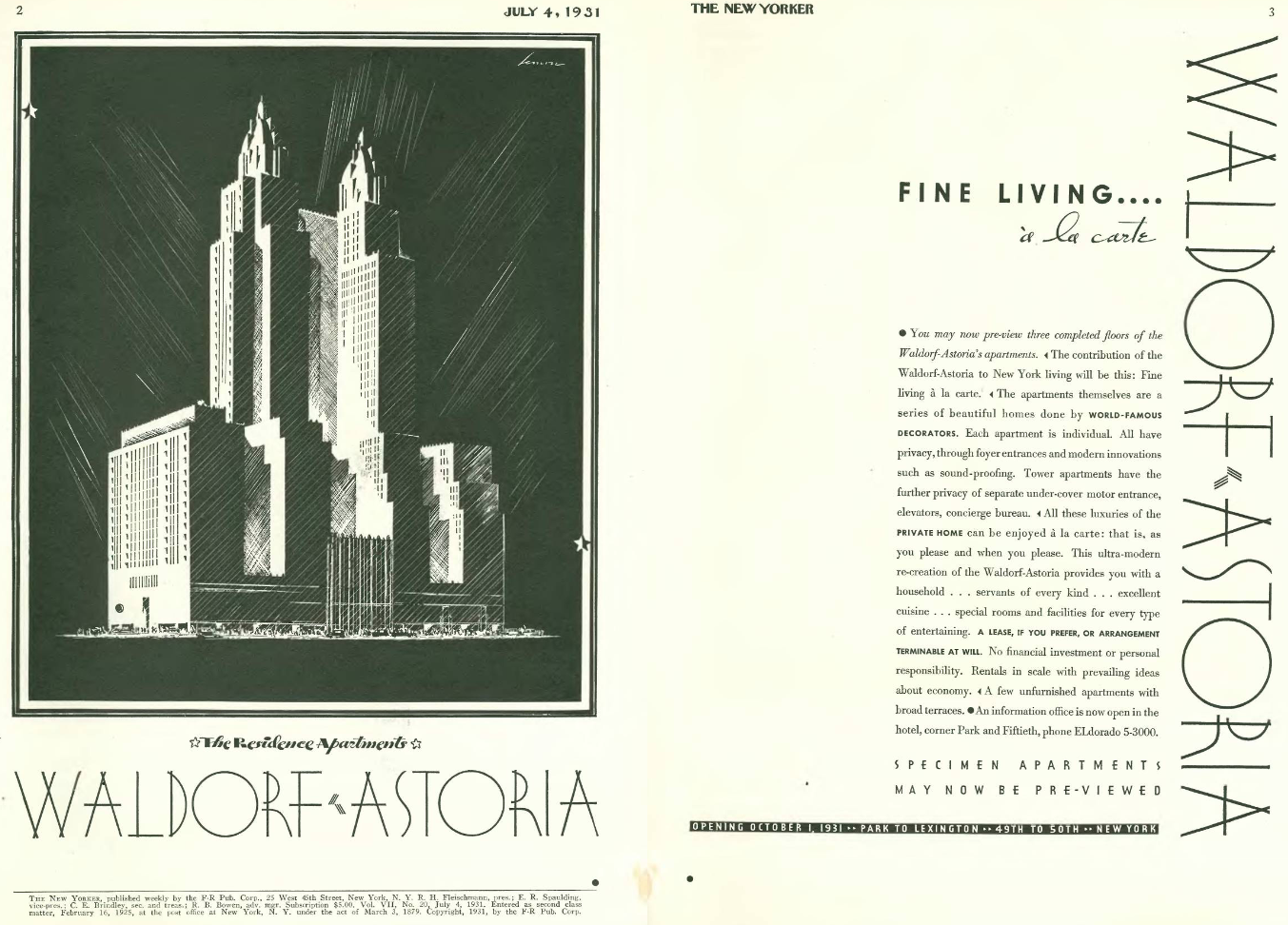
…the Essex House might have been “all that,” but Dad and Junior would have to reconsider their social rank against a newcomer — the Waldorf-Astoria, reborn on Park Avenue…

…on to our cartoons, this couple illustrated by Garrett Price might consider something with a larger balcony…

Otto Soglow’s Little King took his Little Prince out for some air…

Kemp Starrett showed us a chap who contemplated the passing of time along with the passing of his timepiece…

Isadore Klein updated the theme of a damsel in distress…

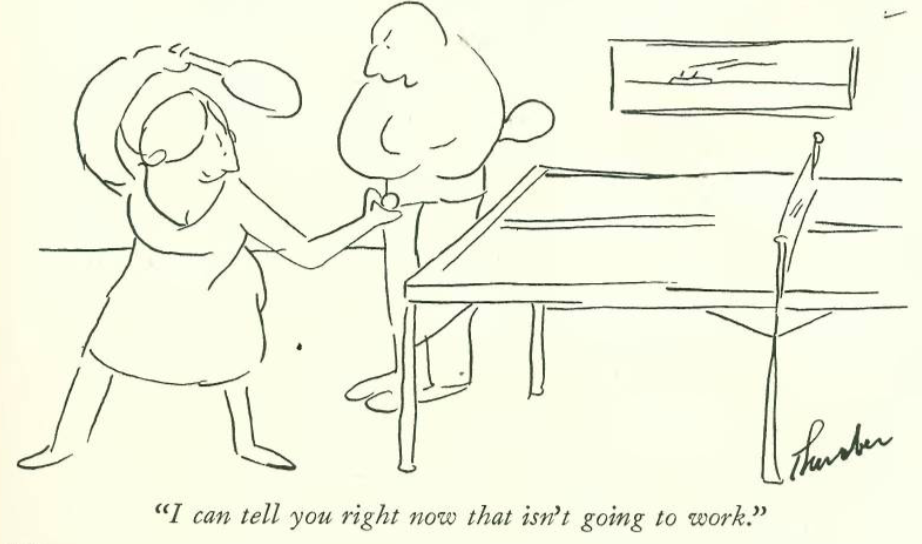
…the growing popularity of Ping-Pong gave James Thurber some material to explore the battle of the sexes…

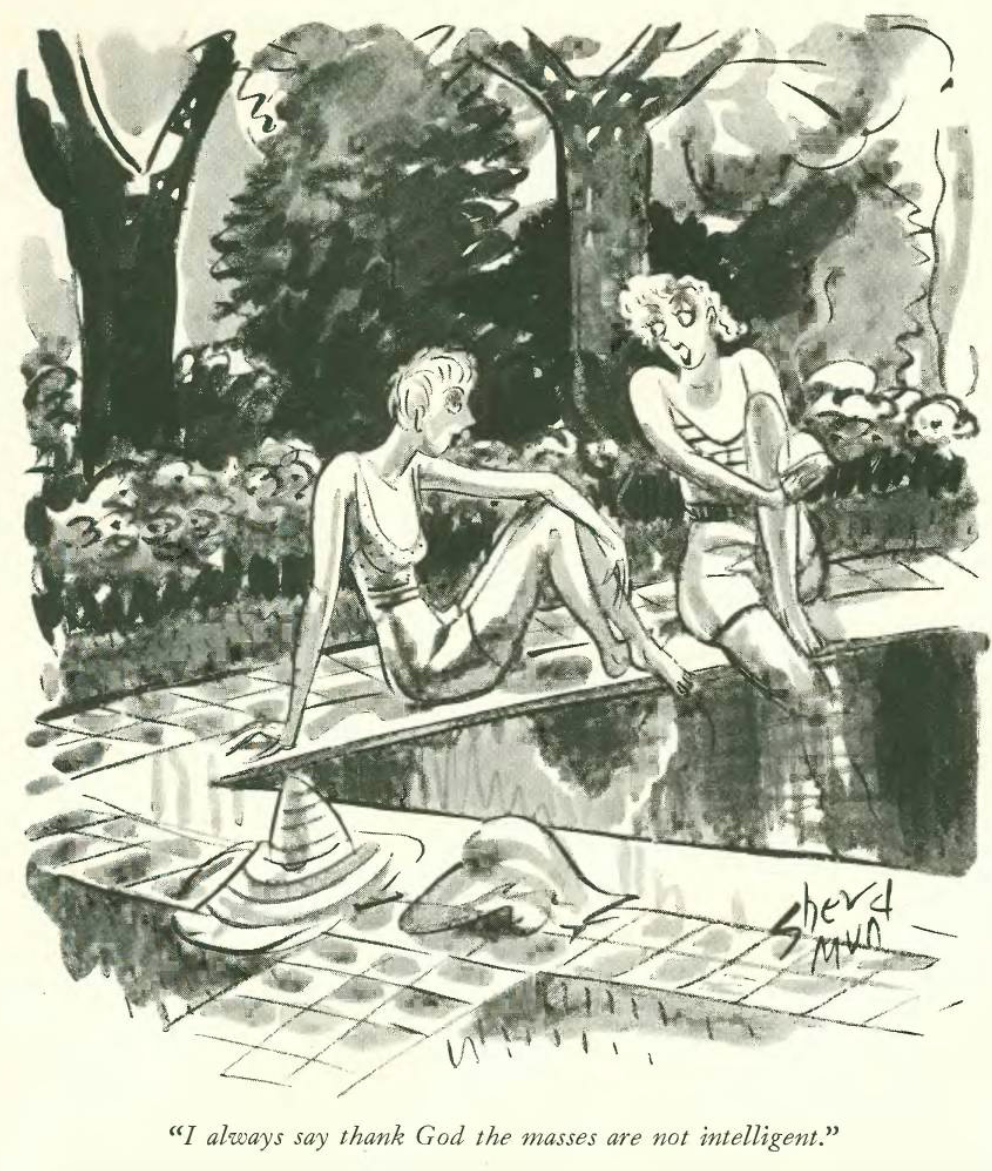
…and Barbara Shermund left us poolside with a couple of eggheads…

…on to our July 11, 1931 issue…

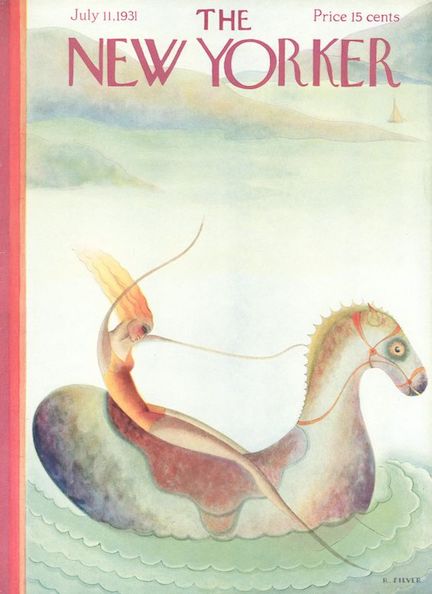
July 11, 1931 cover by Rose Silver.

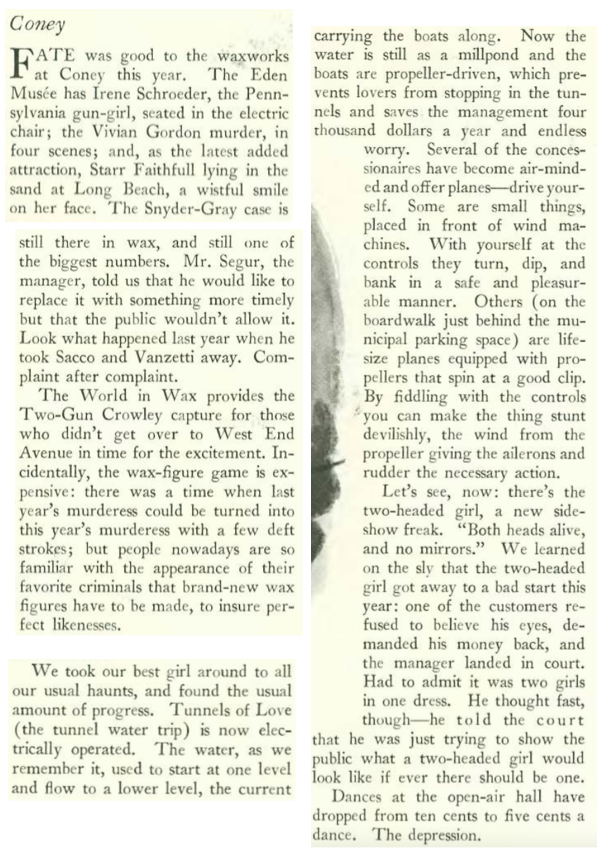
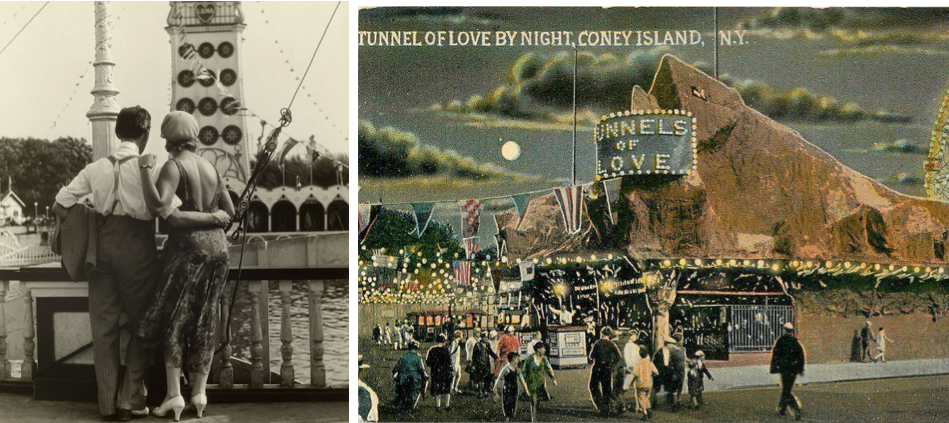
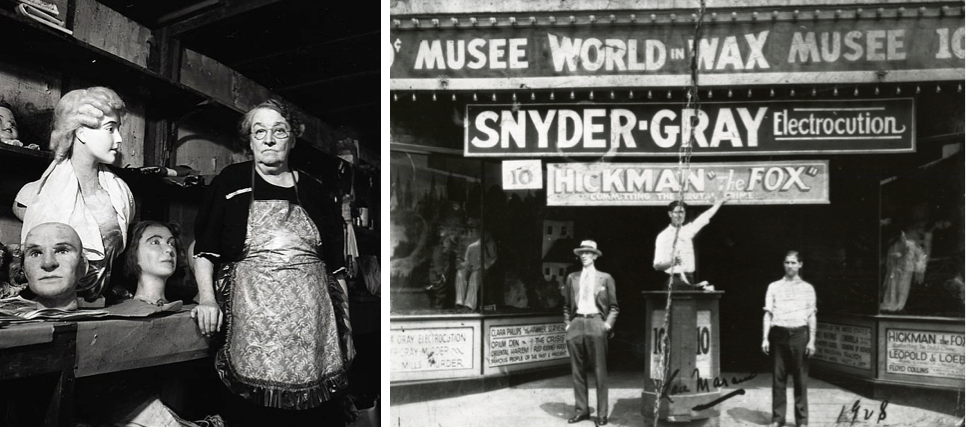
…we find E.B. White taking his sweetheart, Katharine Angell White (referred to here as his “best girl”) out for a date at Coney Island…

A PLACE FOR ROMANCE…It’s not them, but this couple visiting Coney Island in 1928 (photo by Walker Evans) will serve well as our stand-ins for E.B. and Katharine White on their date to Coney. At right, the famous “Tunnels of Love.” (Metropolitan Museum of Art/Pinterest)
AND OTHER DIVERSIONS…Another famous and rather lurid Coney attraction was the wax museum, which featured dioramas based on headlines of the day. The biggest attractions were those featuring famous crime scenes, gruesome effects included. (Museum of the City of New York)
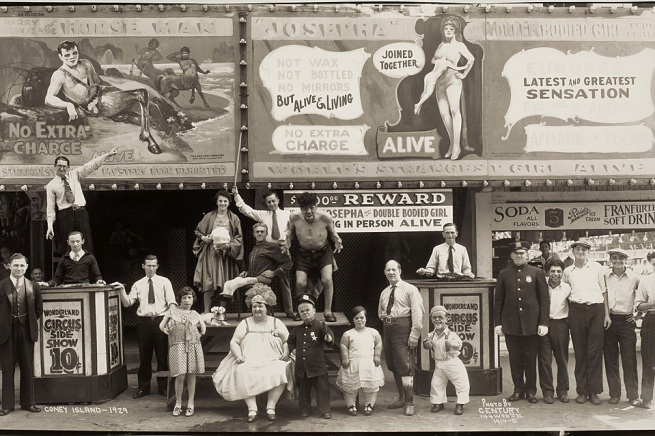
IT WAS A LIVING…Among other big attractions at Coney were the sideshow “freaks” White mentioned in his article. The photo above, from 1929, is by Edward J. Kelty. (artblart.com)

 *  *  *

On the Waterfront

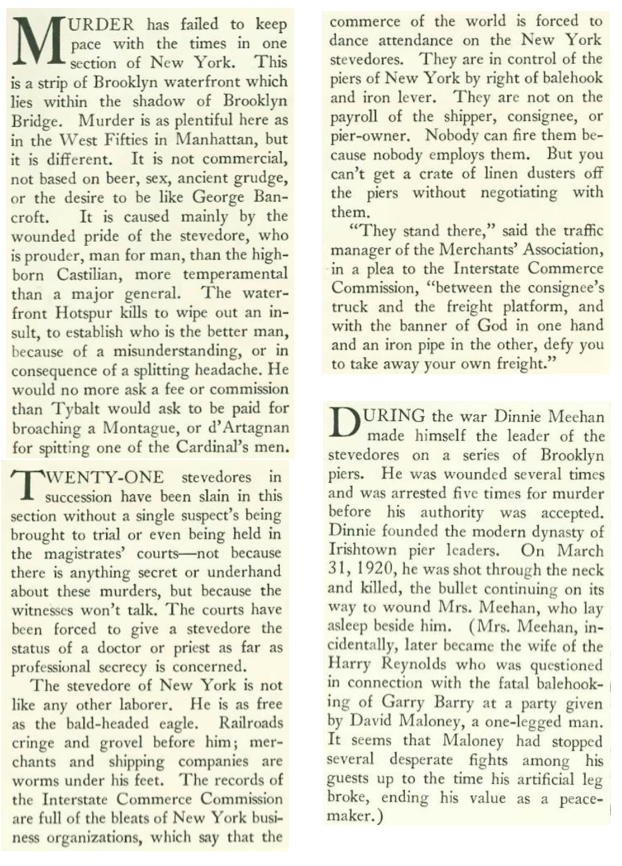
The 1954 film by the same name featured the murderous mob boss Johnny Friendly (Lee J. Cobb) who ruled the waterfront’s stevedores with an iron fist. The reality was just as brutal, if not more so along the Brooklyn waterfront in the early 20th century, where the reign of a crime boss was as short as his life span. Alva Johnston reports:

TOUGH NEIGHBORHOOD…Midcentury view of the Brooklyn waterfront. (thenewyorkmafia.com)

Dinnie Meehan’s widow, Anna Lonergan, had the distinction of being shot at the side of two successive husbands; after Meehan was murdered, Anna married “White Hand” gangster Harry Reynolds. Johnston, who referred to Anna Lonergan as “the Brunhild of the longshore cycle,” concluded his piece with a look at the “last of the great leaders,” Red Donnelly, also known as “Cute Charlie”…

HARD KNOCKS…“Peg Leg” Lonergan was the final leader of the waterfront’s “White Hand Gang.” He was gunned down on Dec. 26, 1925, after a short reign as boss. He was just 25 years old when he died. (Pinterest)

 *  *  *

The Show Must Go On

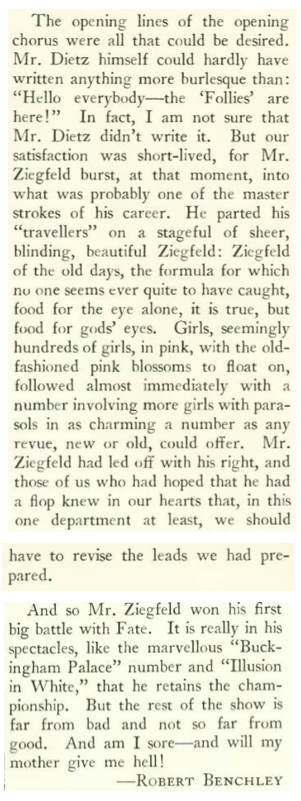
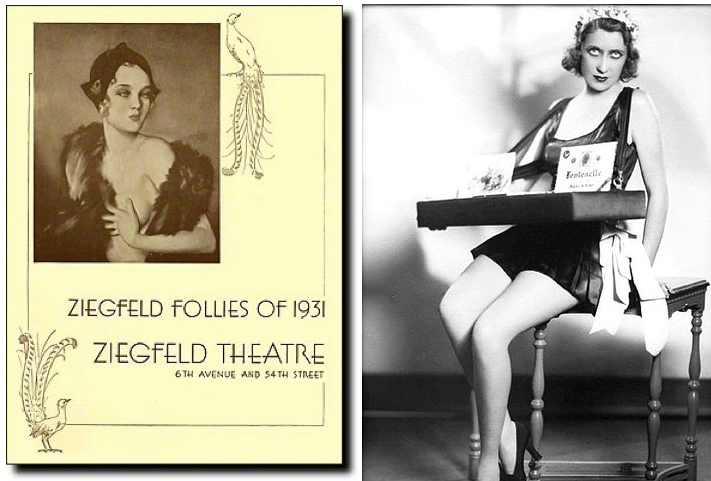
With the glory days of vaudeville quickly receding into the past, Flo Ziegfeld was nevertheless determined to keep his “Follies” alive at his eponymous theatre. Robert Benchley stopped by for a look at the Ziegfeld Follies of 1931.

CARE FOR A SMOKE?…Program cover for the Ziegfeld Follies of 1931. At right, Ziegfeld star Ruth Etting, who portrayed a cigarette girl in the show’s “Club Piccadilly” skit. A note of trivia: Etting and I attended the same high school (but not at the same time!). (Playbill/Wikimedia Commons)
GLORY BE…Inside pages of the program featured some of the “Ziegfeld Beauties” appearing in the show. (Playbill)

 *  *  *

Gross

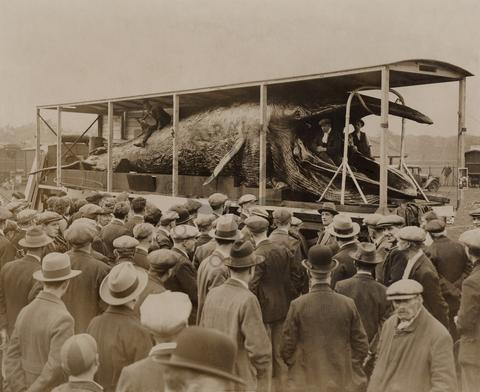
Back in the day some entrepreneurial types would kill a large whale, stuff it full of sawdust and formaldehyde, and then take it on the road to parade in front of gawkers with spare nickels in their pockets. E.B. White observed the fate of one such specimen:

YES, THIS WAS A THING…Before the days of Jacques Cousteau and Animal Planet, this is how some folks got their first and likely only look at a real whale, even if it was pumped full of sawdust and formaldehyde.

 *  *  *

From Our Advertisers

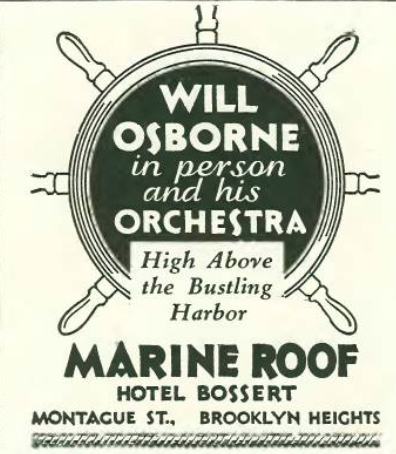
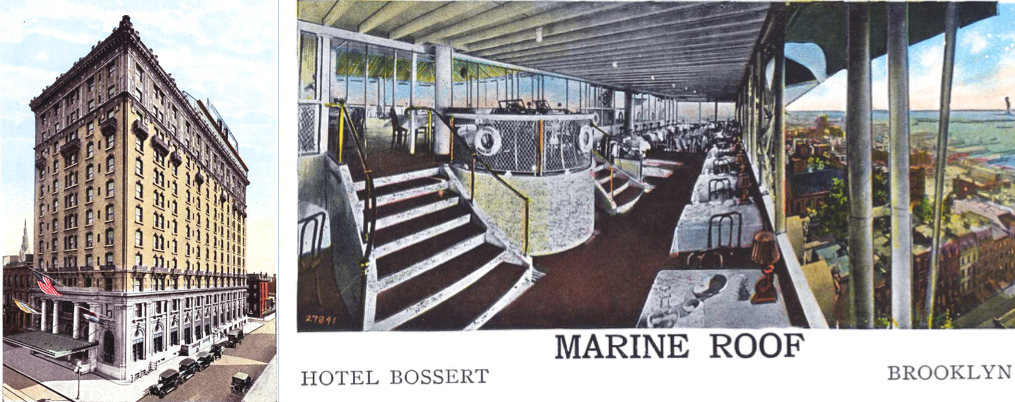
This small back page ad invited New Yorkers to the cooling breezes atop the Hotel Bossert in Brooklyn Heights, once referred to as the “Waldorf-Astoria of Brooklyn”…

Its rooftop restaurant — the Marine Roof — was a famous hangout. When the Brooklyn Dodgers won the World Series in 1955, this is where they celebrated…

(brownstoner.com)

Dr. Seuss was still making a living illustrating advertisements for Flit insecticide…

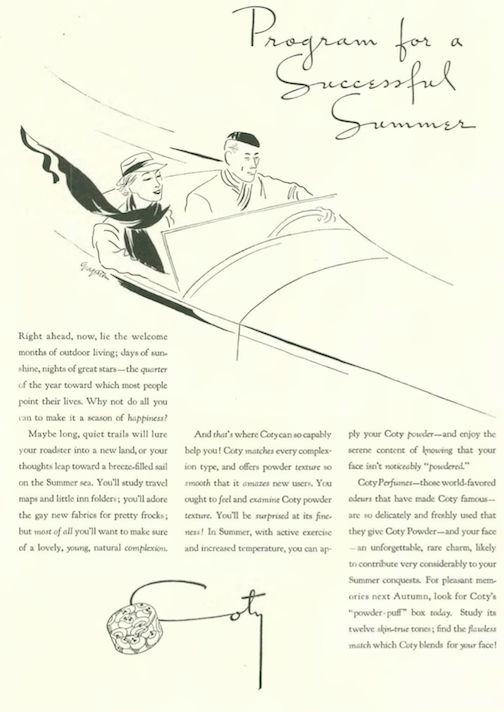
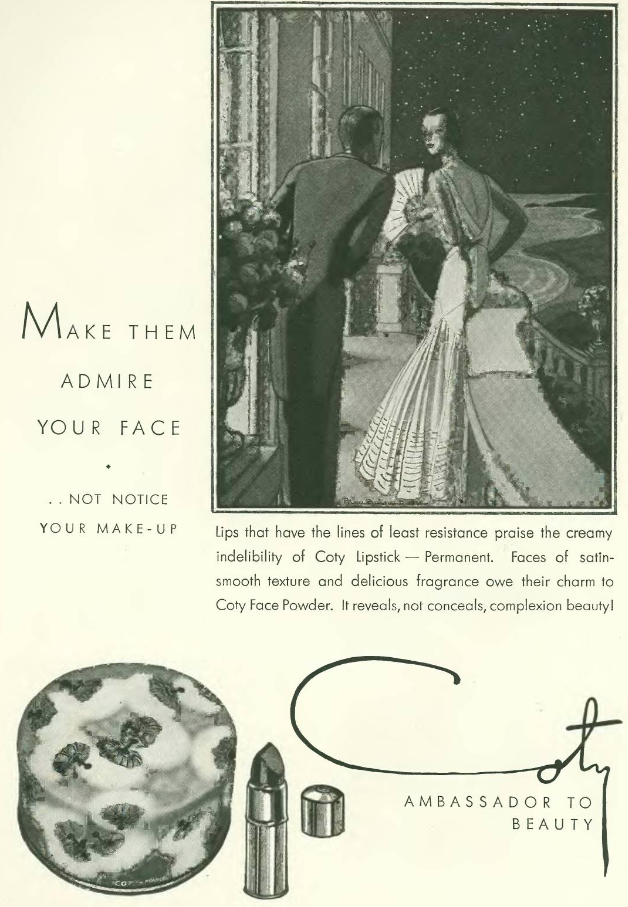
…”my eyes are up here”…says the woman who uses Coty brand lipstick…

…on to our cartoonists, we have Garrett Price also examining the challenges of playing Ping-Pong…

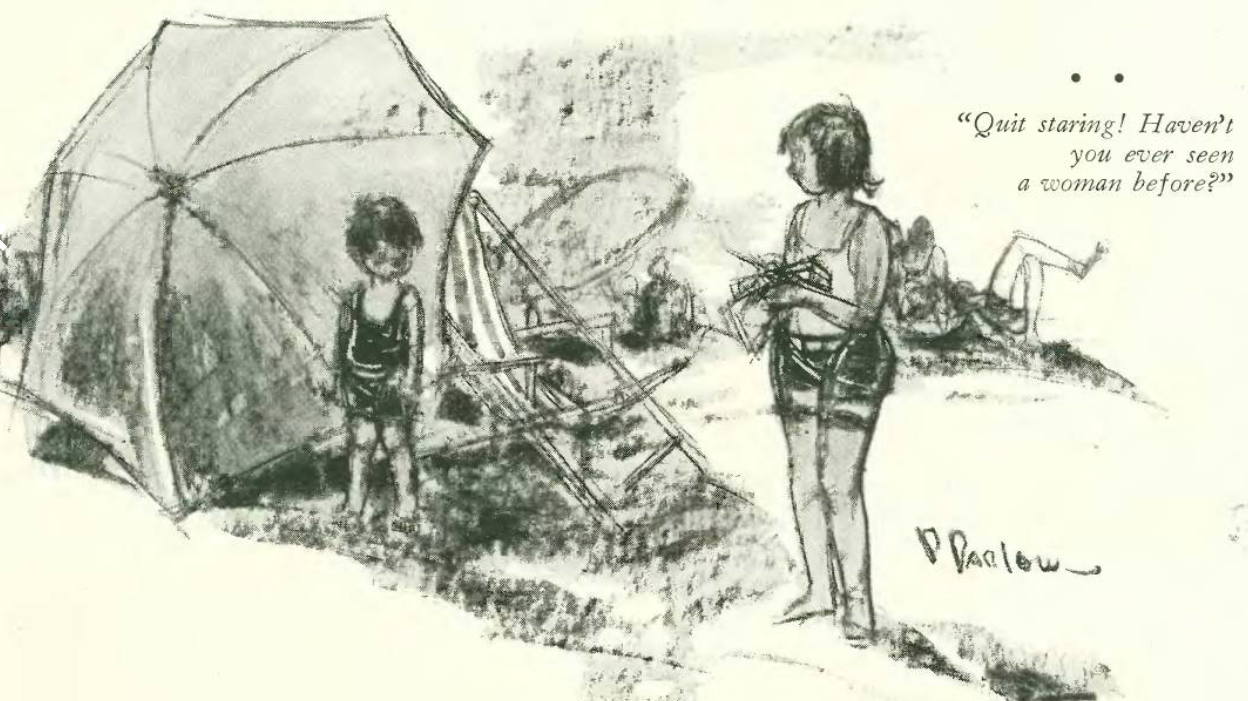
Perry Barlow was at the seaside with a precocious beach-goer…

Carl Rose showed us a Boy Scout after his encounter with the Red Menace…

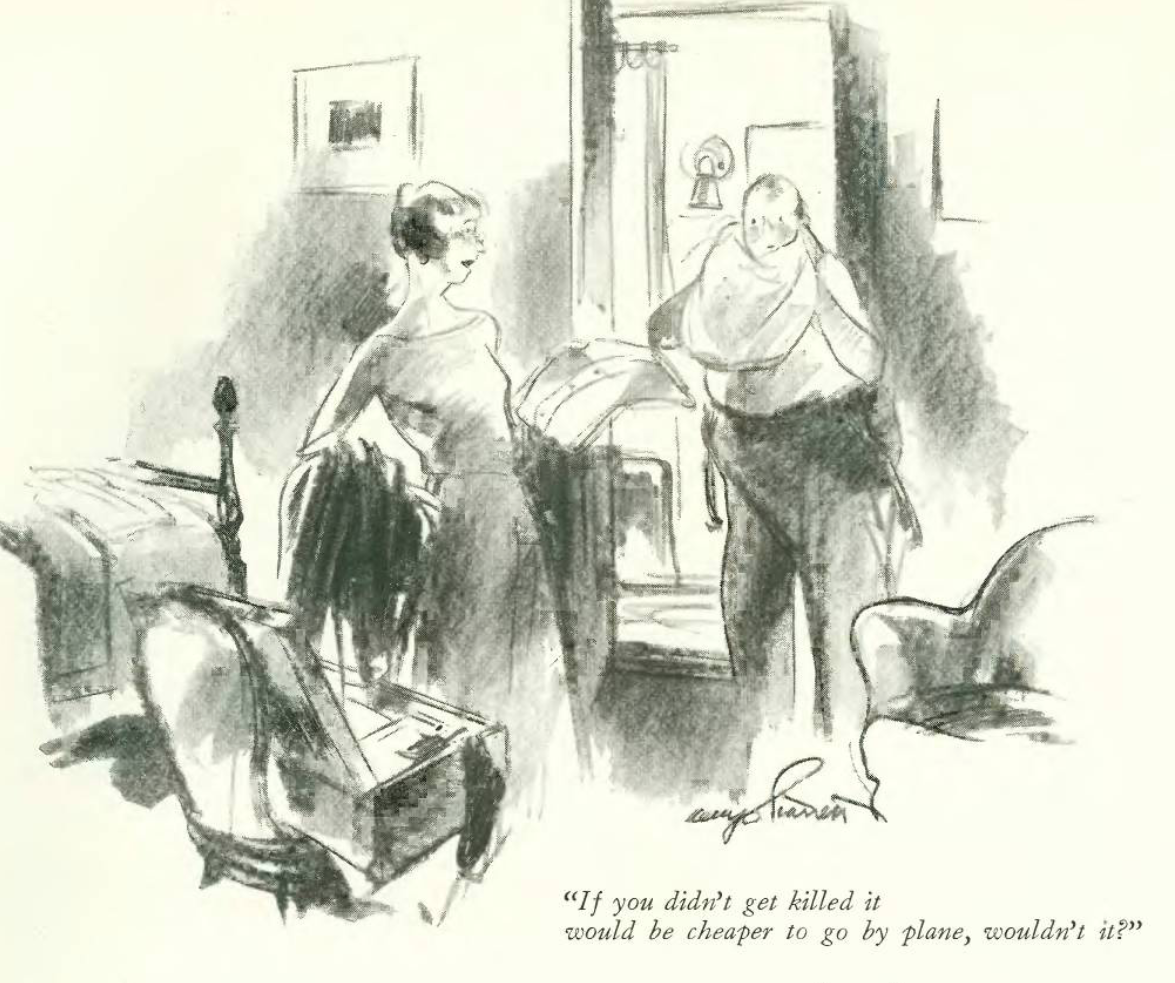
Kemp Starrett weighed the advantages of air travel…

Otto Soglow surprised us with this undercover operation…

…and we end with James Thurber, and the price of literary fame…

Next Time: The Black Eagle…


Ten Cents In Stamps

Like E.B. White, James Thurber and Dorothy Parker who came before him, S. J. Perelman was one of those New Yorker writers whose name would become synonymous with the magazine. 

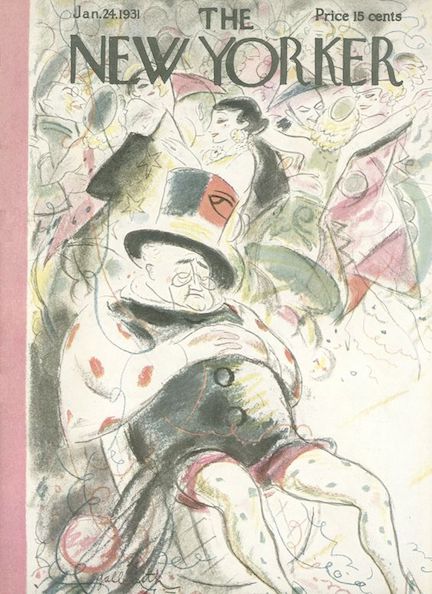
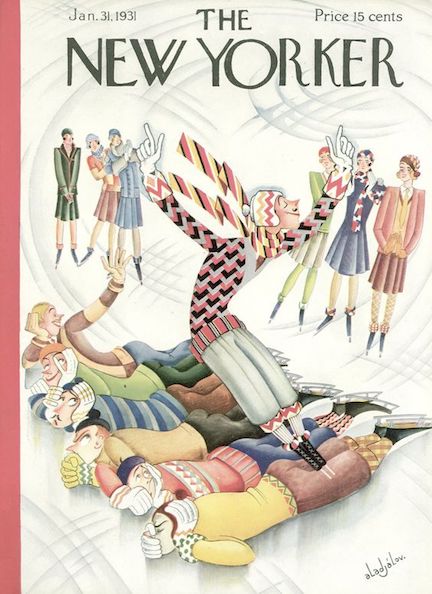
Jan. 24, 1931 cover by William Crawford Galbraith.

Perelman’s first New Yorker article, “Ten Cents in Stamps,” appeared in the Jan. 24, 1931 issue, his subject a collection of self-help and “how to” books he introduced with this Editor’s Note: “Upsetting as it may seem, all the books reviewed in the following article are genuine.”

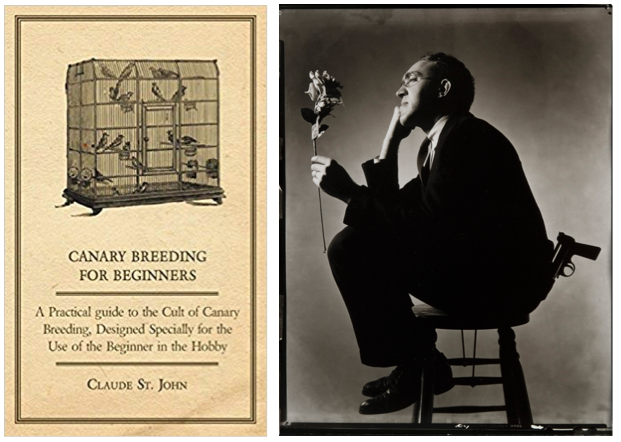
FOR THE BIRDS…S. J. Perelman (1904–1979) sampled Canary Breeding for Beginners among other titles in his first humorous short for The New Yorker. The above 1935 photograph was made by Ralph Steiner, who recalled “when I made this photograph I said ‘this is a foolish thing for two grown men to be doing with their time,’ Perelman answered: ‘We may be the only two men in the world at this moment not doing harm to anyone.'”(amazon/akronartmuseum.org)

Without further ado, some excerpts…

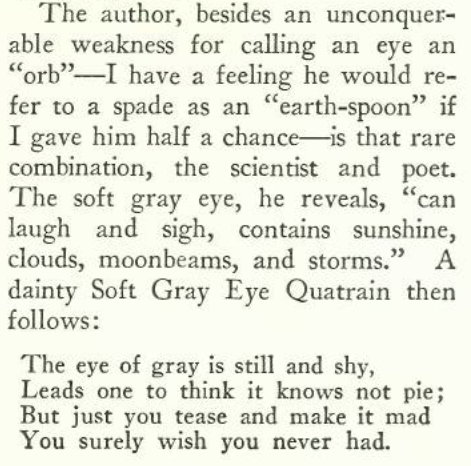
…Perelman offered us a taste of Martini’s poetic gifts…

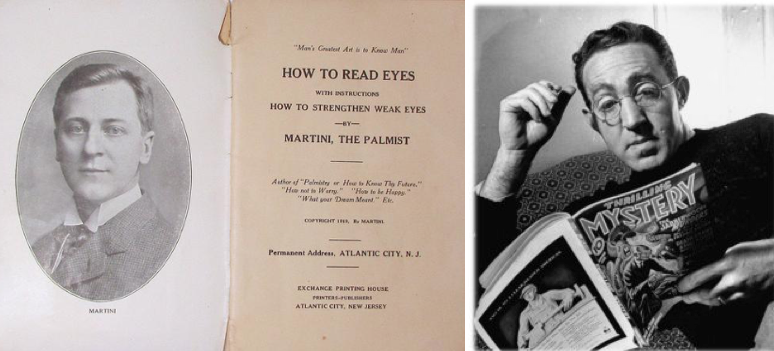
MARTINI WITH A TWIST…S.J. Perelman wanted “a little tighter thinking” from Martini, The Palmist, in his book, How to Read Eyes. (Etsy/johnesimpson.com)

…and also sampled the wisdom of Jacob Penn, who wrote a book titled How to Get a Job Through Help Wanted Advertisements. Perelman zeroed in on the book’s appendix, which contained “Successful Model Letters”…

*  *  *

Dorothy Returns

After a long absence, Dorothy Parker returned to her immensely popular “Reading and Writing” column. Parker had been staying at an alpine sanitorium in Switzerland, providing moral support for her friends Gerald and Sara Murphy while their young son was treated for tuberculosis. Parker had originally fled to Europe (France, specifically) to write her “Great American Novel,” only to end up on the Swiss mountaintop, where she composed a long letter just recently published (2014) under the title Alpine Giggle Week. Back in New York, she returned to her typewriter and released her wit on Charles Noel Douglas, editor of Forty Thousand Sublime and Beautiful Thoughts.

A PENNY FOR YOUR THOUGHTS?…Charles Noel Douglas had 40,000 of them, Dorothy Parker discovered.(amazon/britannica.com)

 *  *  *

A ‘Tables’ Reprise

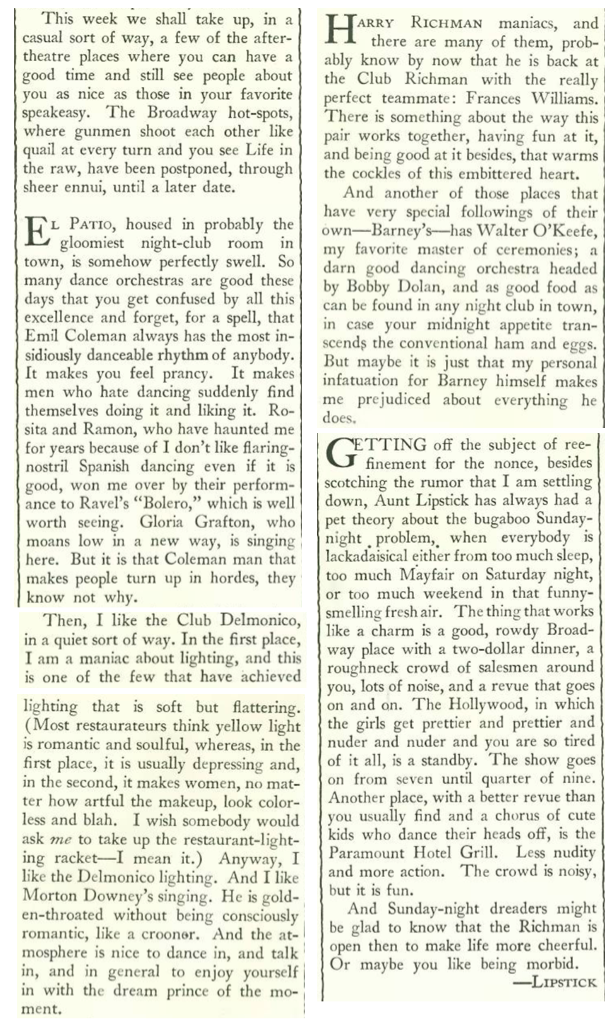
Lois Long was also back, in a way, reviving her “Tables for Two” column for on a one-off on the city’s Broadway hot-spots…

AFTER THE CURTAIN FALLS on Broadway there were plenty of nighttime diversions to keep theater crowds entertained into the wee hours.Clockwise, from top left, singer-dancer Frances Williams worked wonders with Harry Richman and his orchestra at the Club Richman; Bobby Dolan wielded a smart baton at Barney’s; and crooner Morton Downey (pictured with wife and actress Barbara Bennett)… lent his golden tenor to adoring crowds at Club Delmonico. The couple spawned the combative star of 1980s “Trash TV” Morton Downey Jr. (Pinterest)

 *  *  *

From Our Advertisers

We begin with a full page of ads for various Broadway shows…

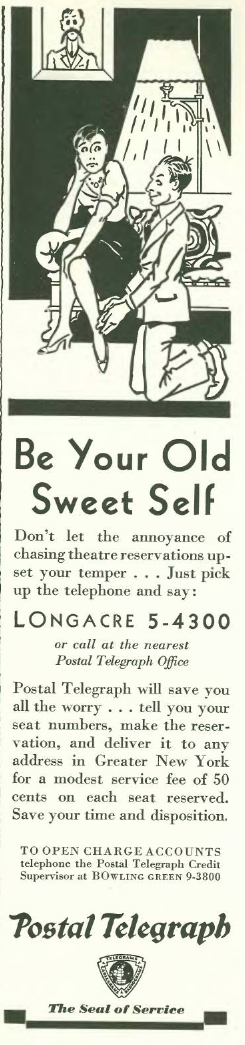
…and if you wanted to get tickets to one of those shows, here is 1931’s version of StubHub…

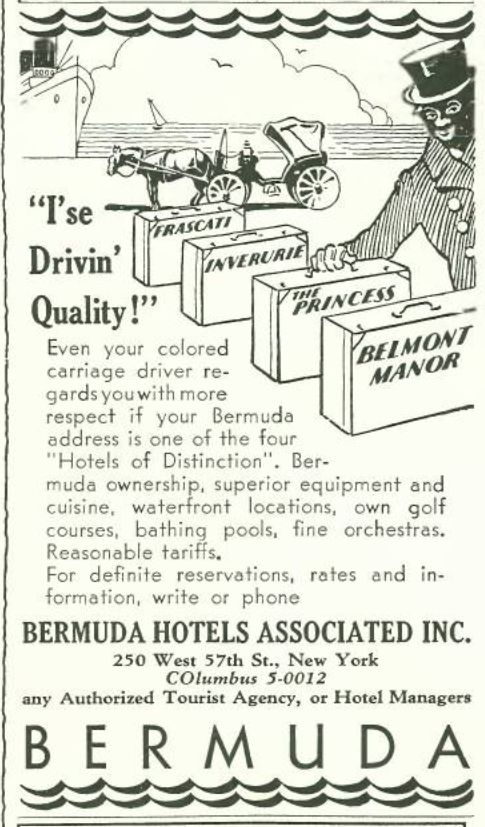
…and we are reminded that it is indeed 1931 with overtly racist ads such as this…

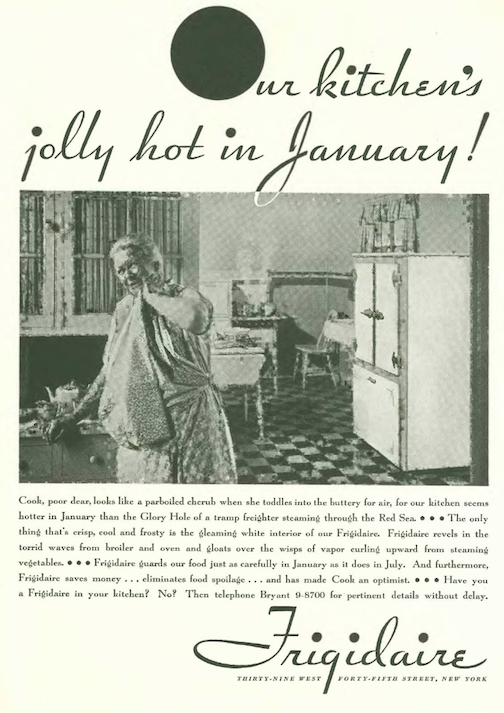
…back home, the help isn’t treated much better. “Cook” can suffer as long as the food remains fresh in the gleaming Frigidaire…

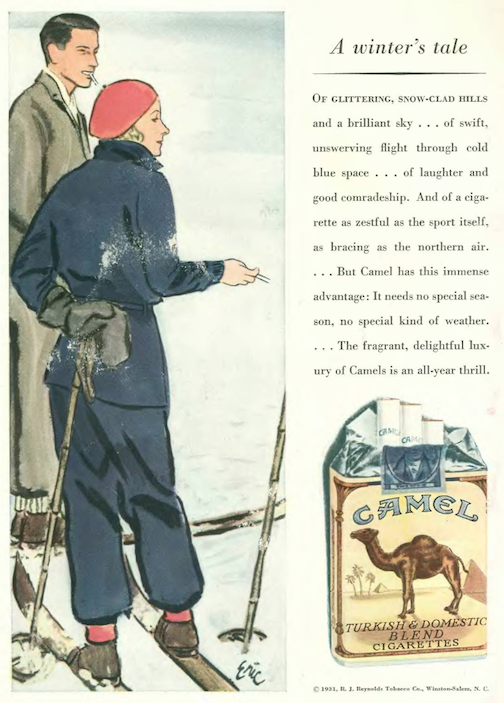
…meanwhile, our stylish Camel smokers (illustrated by Carl “Eric” Erickson) are keeping cool on the slopes…

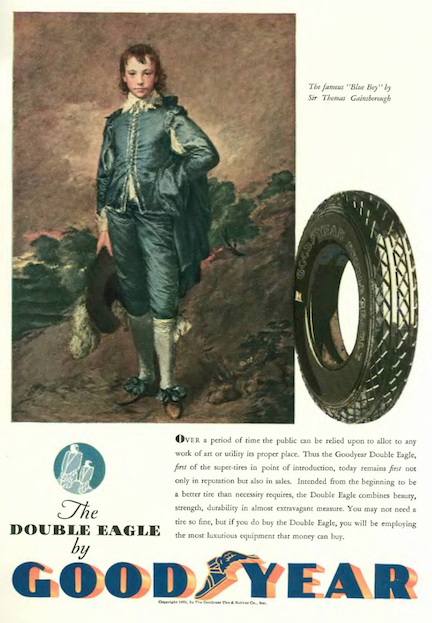
…and perhaps this is the one and only time a painting by Thomas Gainsborough is compared to a tire…

…on to our illustrators and cartoons, the editors tossed in this old spot illustration by H.O. Hofman to fill space on the events page…

…an then we have this spot (sorry, I can’t identify the artist) that imagines disastrous consequences for the Empire State Building’s “mooring mast” (which was never used as such)…

…and Ralph Barton returned to lend his artistry to the theater review section…

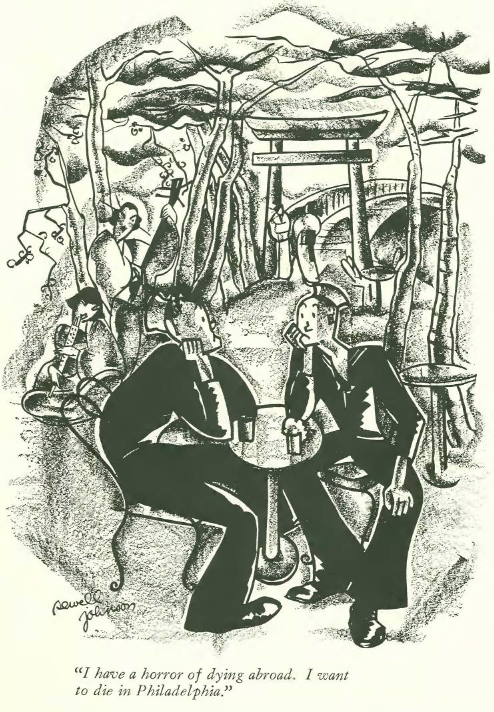
…for our cartoons, we begin with Sewell Johnson’s lone contribution to The New Yorker

Carl Rose was at the movies…

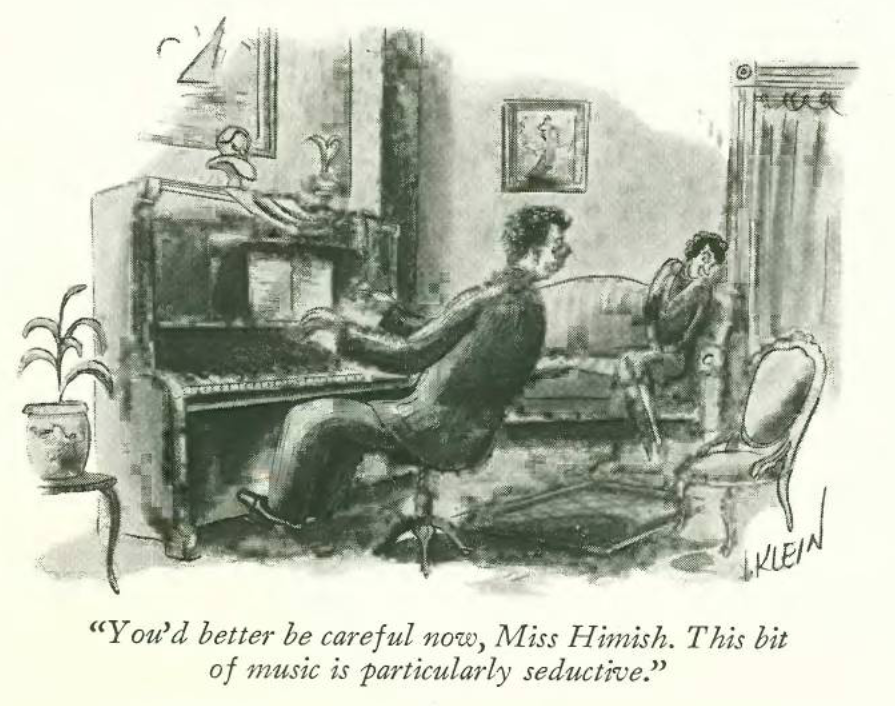
Isadore Klein warmed things up in this parlor scene…

Alan Dunn justified the existence of thriller author Edgar Wallace

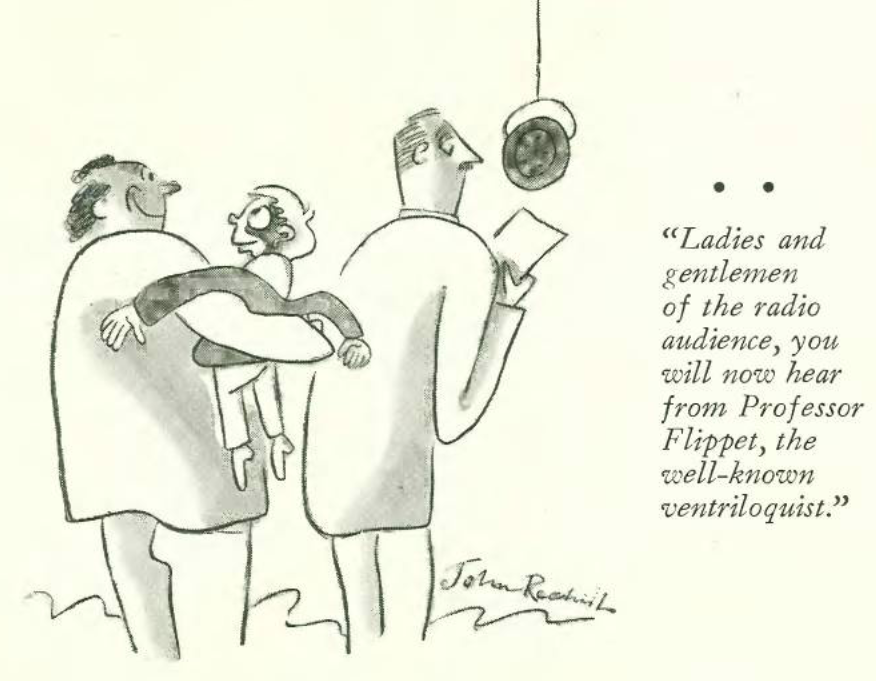
...John Reehill gave us a look at an unlikely radio act (however, from 1936 to 1956 ventriloquist Edgar Bergen and his dummy, Charlie McCarthy, would be hugely popular radio stars)…

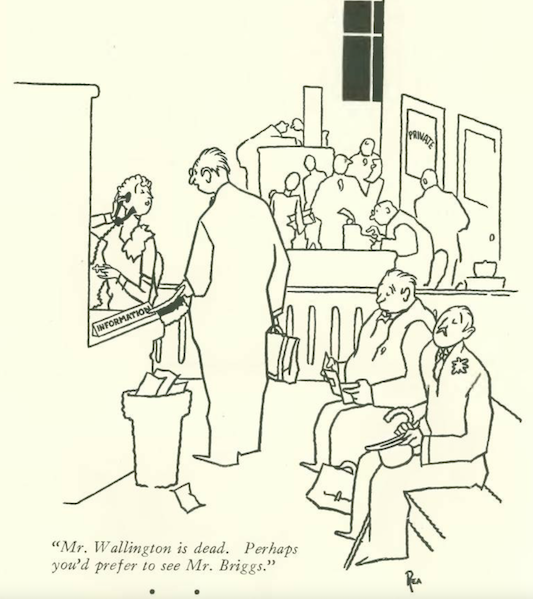
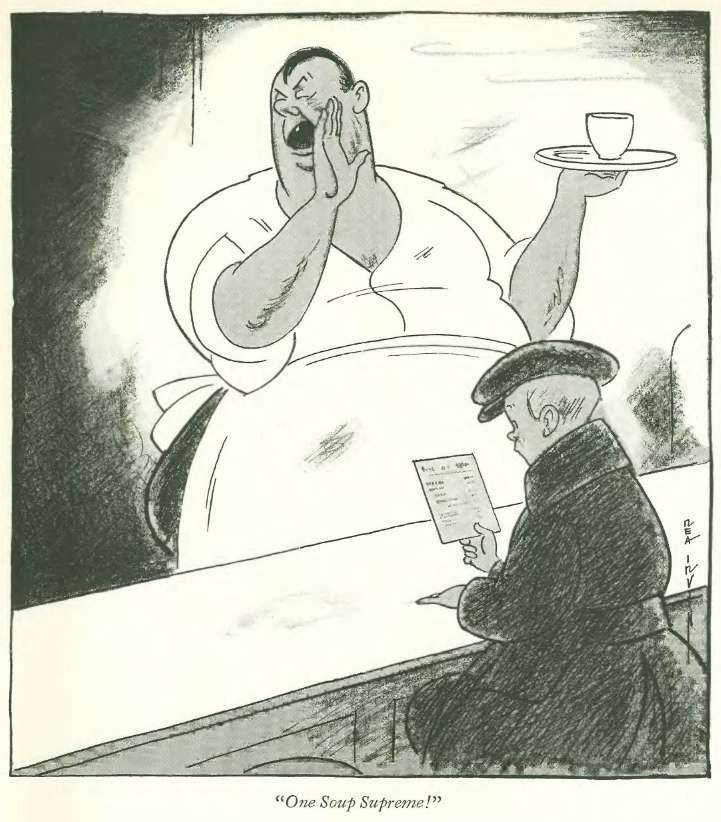
Rea Irvin paid a visit to the diner in this full-page cartoon…

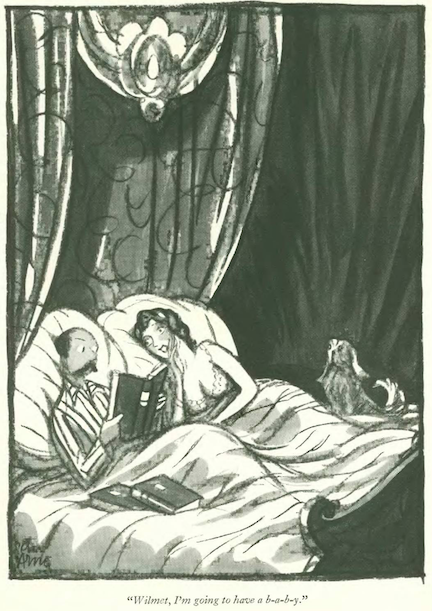
…and another full-page cartoon from Peter Arno, who looked in on an intimate moment…

Next Time: The Wickersham Sham…

The Thurber Effect

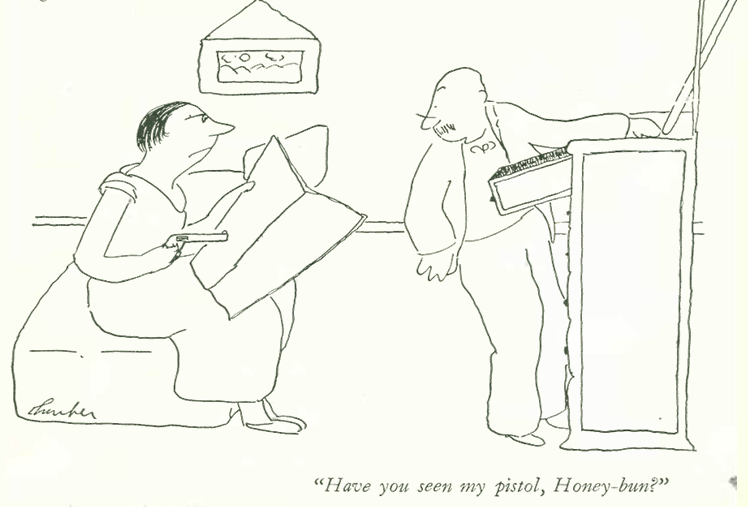
We’ve looked at a number of artists and writers who were instrumental in giving The New Yorker its unique look and voice, but few were more influential than James Thurber, who contributed some of The New Yorker’s most memorable writings (“The Secret Life of Walter Mitty”) as well as some of its most enduring cartoons and illustrations.

1ff86ce7dfa34152a1ab0aa892031914
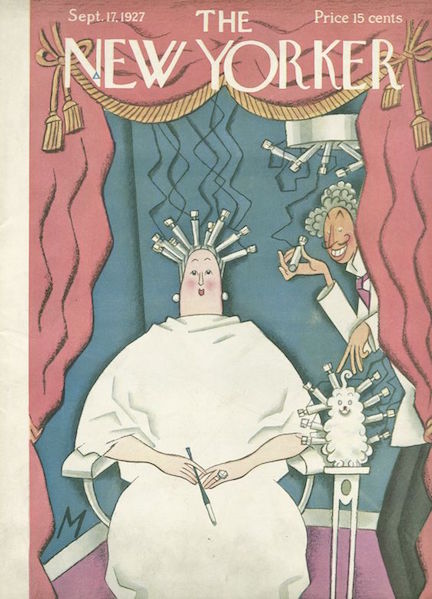
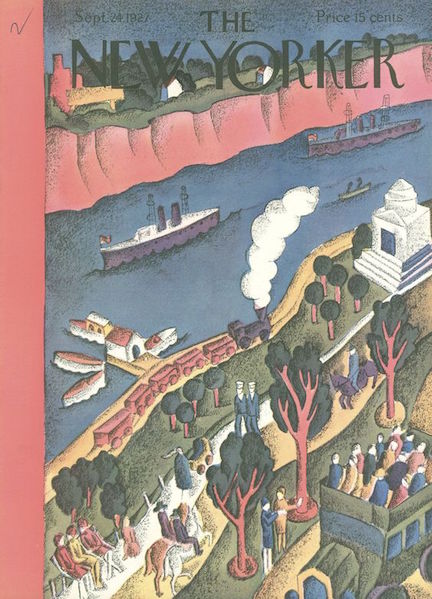
September 17, 1927 cover by Julian de Miskey.

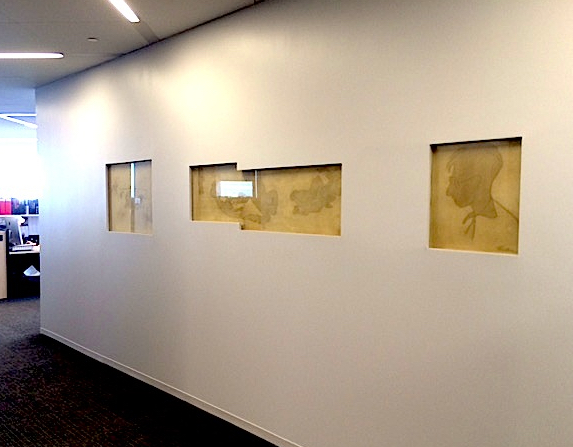
In fact, Thurber’s art is so ingrained in the New Yorker’s culture that the magazine goes to great lengths to preserve some of his office wall drawings, which move along with the magazine each time it relocates. On his website Ink Spill, New Yorker cartoonist Michael Maslin writes “When you move, it’s always reassuring unboxing something you love from the old place and setting it down in the new place.”

thurber-one-world-trade-center-ink-spill
ICONS…James Thurber’s wall drawings installed in The New Yorker offices at One World Trade Center (Michael Maslin, Ink Spill)

In 1991, when The New Yorker prepared to leave its longtime home at 25 West 43rd Street (where Thurber originally doodled on a plaster wall), conservators carved several drawings from the wall and mounted them in protective glass. The drawings were eventually installed at the magazine’s new offices across the street at 20 West 43rd St. They were moved again when The New Yorker relocated to 4 Times Square in 1999 and then once more in 2015 to their current location at One World Trade Center.

thurberwhite
NEW YORKER GIANTS…E.B. White and James Thurber in 1929. The two would share an office and become good friends. In 1929 they would collaborate on a best-selling book spoof, Is Sex Necessary? Or, Why You Feel the Way You Do. (xroads.virginia.edu)

Thurber joined the New Yorker staff in 1927, sharing an office “the size of a hall bedroom” with E. B. White, who had joined the magazine about a year earlier. According to Jon Michaud (in a June 2, 2010 New Yorker article), Thurber arrived at The New Yorker from Columbus, Ohio, via Paris, France, and a brief stint at the New York Evening Post. “Six months after he was hired, Thurber was transferred to ‘The Talk of the Town,’ where he found his feet as a reporter and did for that department what White did for ‘Notes and Comment’—he gave it an identity and a tone, which can still be heard in the magazine today.” This included introducing the convention of using the first person plural in “Talk” items.

james-thurber-2
James Thurber in undated photo. (thefamouspeople.com)

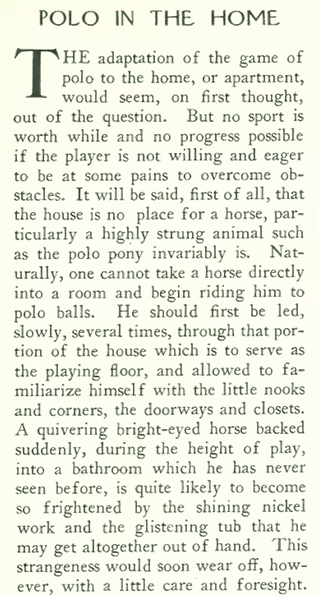
His contribution to the Sept. 17, 1927 issue was not anonymous, however, as Thurber prominently signed his entire name–James Grover Thurber–at the end of a humorous essay, “Polo In The Home.” An excerpt:

james-grover-thurber

 *  *  *  *  *

People in Glass Houses

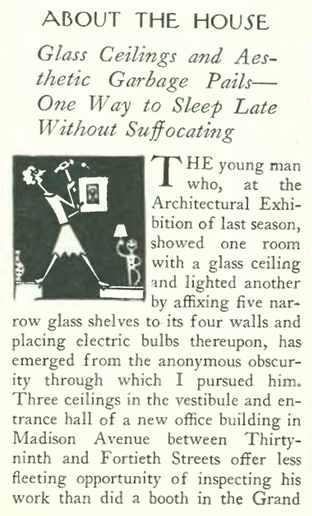
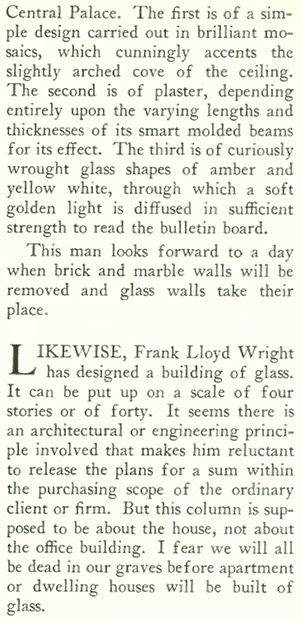
Writing in her “About the House” column, Muriel Draper examined new uses for glass in modern design and concluded that houses built of glass rather than stone belonged to a distant future.

screen-shot-2016-11-30-at-2-21-10-pm

screen-shot-2016-11-30-at-2-22-12-pm

Well, Muriel was almost right. Philip Johnson built his famous Glass House in New Canaan, Connecticut, in 1949. Muriel Draper died in 1952. I assume she visited the house or at least knew of it, since she and Johnson were in New York social orbits that often aligned, especially around the Harvard modernists.

glasshouse6atnight
PASS THE WINDEX…Architect Philip Johnson’s famed Glass House in New Canaan, Connecticut. (connecticutmag.com)

 *  *  *  *  *

So Much For Golf

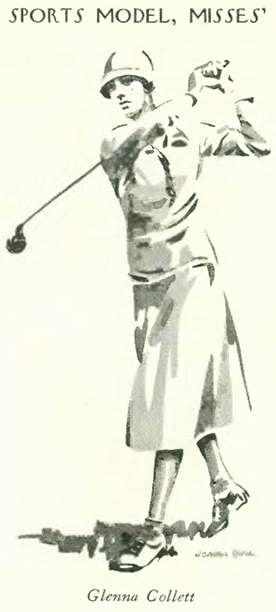
The Sept 17 issue also featured a profile of golfer Glenna Collett. Writer Niven Busch Jr. began by describing how Collett’s physical appearance compared with other women golfers and athletes. Yes, it was 1927. Title IX was still 45 years away. Here are the first two paragraphs, and an illustration for the profile by Johan Bull:

screen-shot-2016-11-30-at-2-19-32-pm

screen-shot-2016-11-30-at-2-19-44-pm

alchetron
I CAN GOLF, TOO…Golfer Glenna Collett in the late 1920s. (golfweek.usatoday.com)

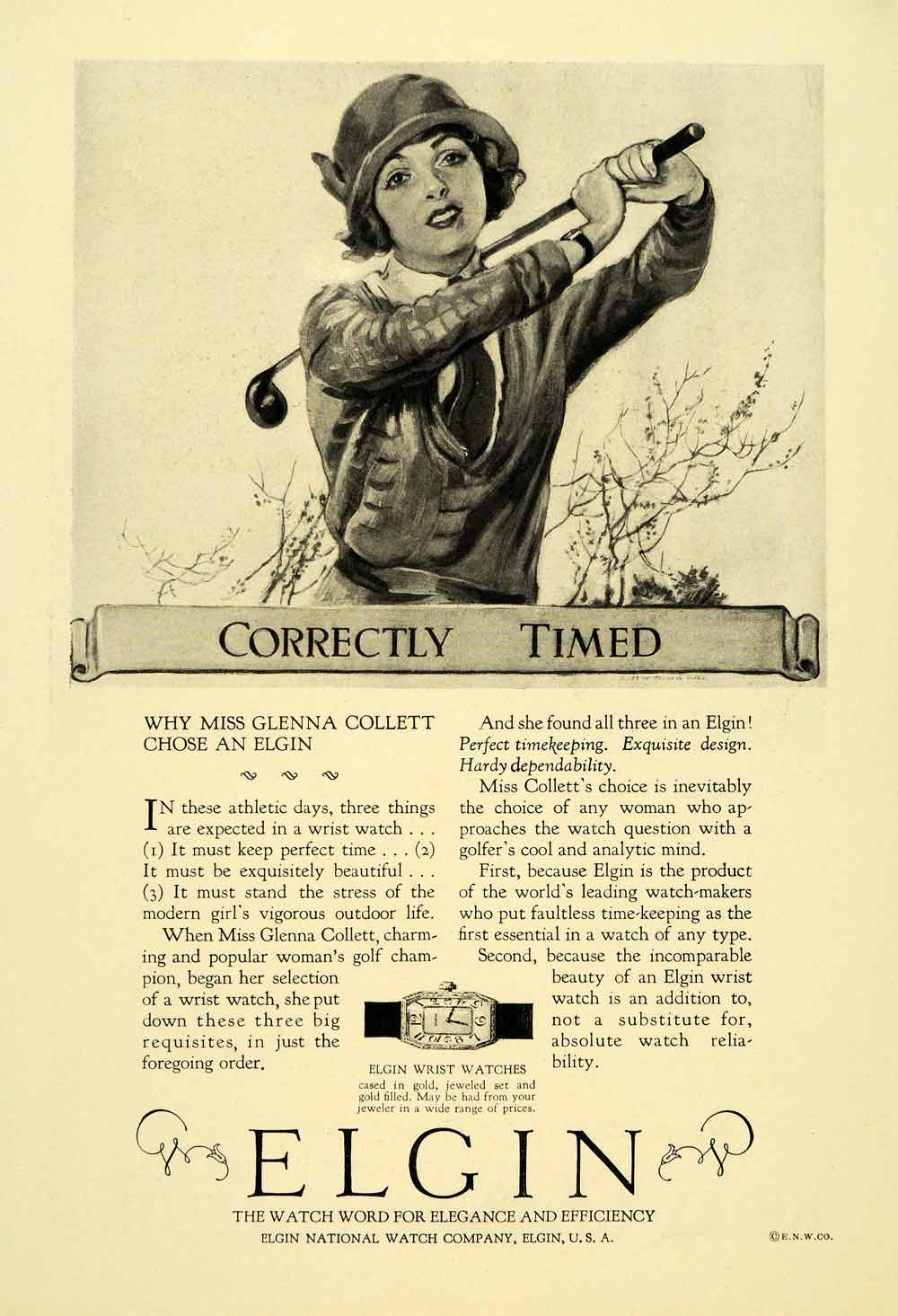
On the topic of physical appearance, it is interesting compare the above photograph of Collett with a rendering used in this 1925 Elgin watch ad (from another magazine). It looks nothing like Collett, not to mention the golf club she is holding would barely reach her knees let alone the ground.

period-paper
LOOK FAMILIAR?…The illustration for this advertisement is by James Montgomery Flagg, who in 1917 created the iconic “I Want You” Uncle Sam illustration for the U.S. Army. 

Finally, another look at the changing cityscape in this cartoon by H.O. Hofman:

screen-shot-2016-11-30-at-2-18-00-pm

Next Time: Flapper Fitness…

fd4accb02ed7d01ae3624ea180d47357


The Age of Innocence

Above: Film stars Dorothy Sebastian (left) and Joan Crawford square off for a game of ping pong in 1925. The umpire is actor Eddie Nugent. (Film Noir Photos)

After studying every page of the first 120 issues of the New Yorker, and after researching the lives of its writers and their subjects, the world as described by the New Yorker — 89 years distant — can seep into one’s imagination, not unlike a world created by a fiction writer, whose characters are very much alive in his or her mind even when the pen is idle. You become accustomed to their voices, their likes and dislikes, and begin to see their world as a contemporary of sorts.

fe856464214bef0718e3c838d3a54ab2
June 4, 1927 cover by H.O. Hofman.

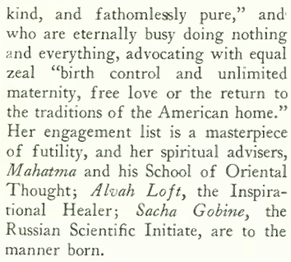
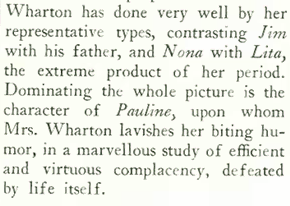
And so I find myself reading a review of Edith Wharton’s “latest” novel, Twilight Sleep, and think not of some author I haven’t read since college, but rather see her work as it was seen at its unveiling, albeit through the eyes of New Yorker book critic Ernest Boyd, who wrote under the pen name “Alceste”:

screen-shot-2016-10-12-at-12-20-20-pm

screen-shot-2016-10-12-at-12-20-45-pm

screen-shot-2016-10-12-at-12-20-56-pm

edith-wharton
NOT DEFEATED BY LIFE…Edith Wharton with her Pekes, circa 1920. (lib guides.com)

Wharton won the Pulitzer Prize for fiction in 1921 for The Age of Innocence, making her first woman to receive the prize. Indeed, Wharton kicked off a great decade for women fiction writers — Willa Cather would win the Pulitzer for One of Ours in 1923, Margaret Wilson for The Able McLaughlins in 1924, Edna Ferber for So Big in 1925, and Julia Peterkin for Scarlet Sister Mary in 1929.

*  *  *

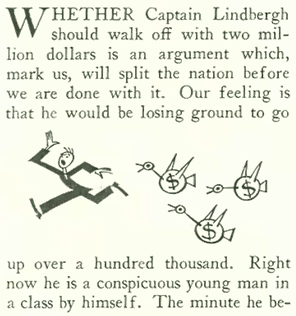
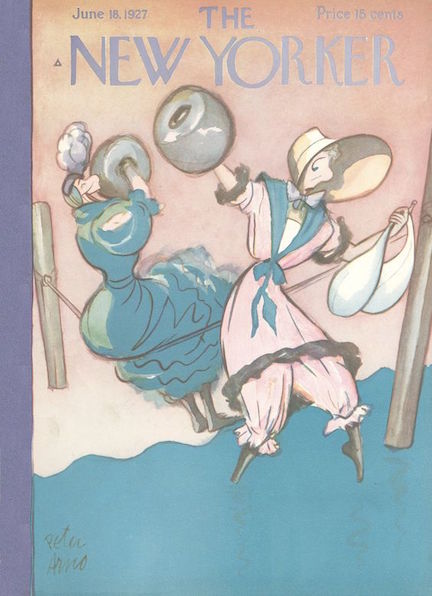
The June 4 issue offered some follow-up items on Charles Lindbergh, this from “The Talk of the Town” regarding Lindbergh’s potential to claim perhaps more than the $25,000 Orteig Prize (about $350,000 today) for being the first to fly nonstop across the Atlantic — endorsements, book and movie deals, offers to serve on company boards, and so on…

screen-shot-2016-10-13-at-9-18-42-am

screen-shot-2016-10-13-at-9-18-48-am

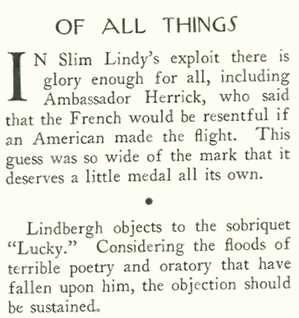
…and from Howard Brubaker’s “Of All Things” column, we learn that the aviation hero doesn’t like to be called “Lucky”…

screen-shot-2016-10-13-at-9-19-10-am

*  *  *

Baseball was still inexplicably shut out from the pages of The New Yorker, even as the Yankees (and Babe Ruth) were having one of their best-ever seasons. Instead, the June 4 issue covered horse racing (pgs. 63-65), rowing (pgs. 66-68), and lawn games (pgs. 69-72).

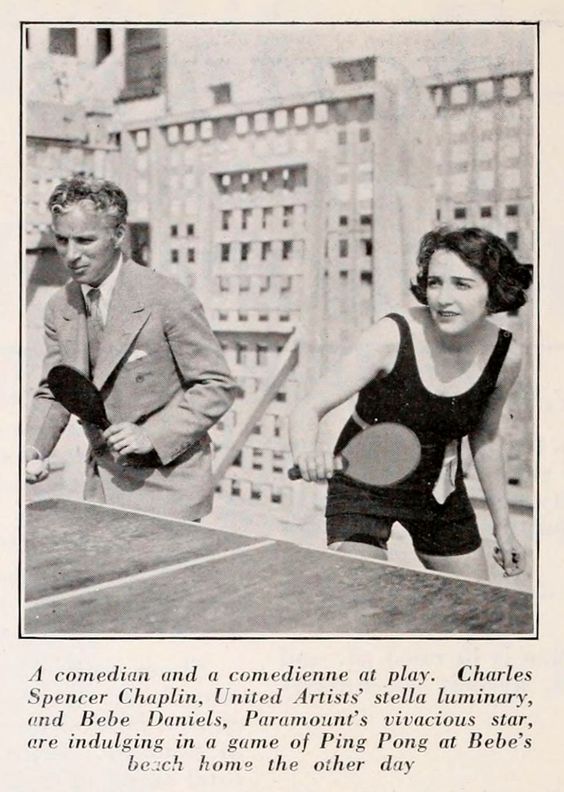
Among the “lawn games” reviewed, the New Yorker had this to say about the revival of ping-pong and the “spirited matches played between the sexes”…

screen-shot-2016-10-13-at-9-11-38-am

More celebrity action from the 1920s. (Clip from Pinterest)

 *  *  *

82b1f6e20ffd1e39a8e9d0f9da216917
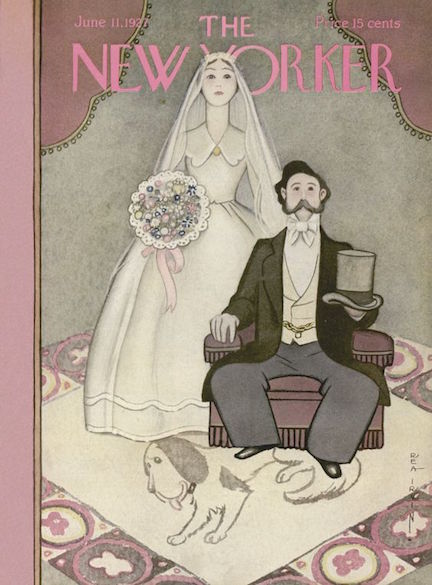
June 11, 1927 cover by Rea Irvin.

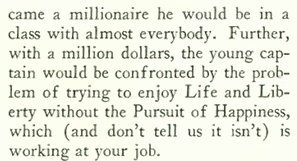
In the following week’s issue, June 11, 1927, there was a bit more to say about Lindy’s future economic prospects…

screen-shot-2016-10-13-at-9-35-14-am

…and there is this item about New York Mayor Jimmy Walker. Given his love of late-night parties, speakeasies and chorus girls, it was no wonder that The New Yorker’s editors found him an attractive subject for “Talk of the Town”…

screen-shot-2016-10-13-at-9-33-36-am

Jimmy Walker and Betty Compton after their wedding in Cannes, 1933. (www.isle-of-wight-fhs.co.uk)

screen-shot-2016-10-13-at-9-33-44-am

Of course Walker’s aloofness would have consequences later when scandal and corruption would knock him and his cronies from office.

 *  *  *

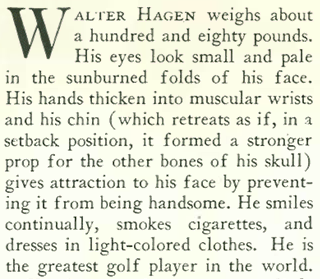
The issue also included a profile of golfer Walter Hagen, written by Niven Busch Jr. In his “Portrait of a Dutchman,” Busch begins:

screen-shot-2016-10-13-at-9-38-10-am

The profile included this portrait of Hagen by Miguel Covarrubias:

screen-shot-2016-10-13-at-9-37-53-am

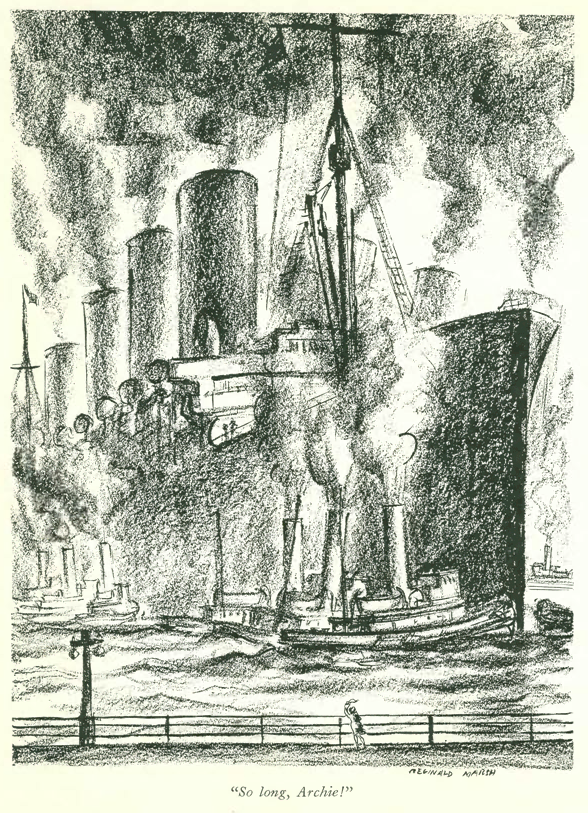
We end with this full-page cartoon, beautifully rendered in Conté crayon by Reginald Marsh

screen-shot-2016-10-13-at-9-37-31-am

Next Time: Coney Island, 1927…

37723304ec91b372ae19e57e36b4d4b9

Spring Fever

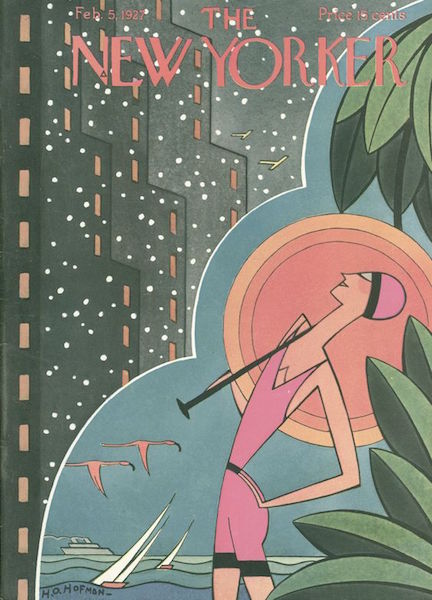
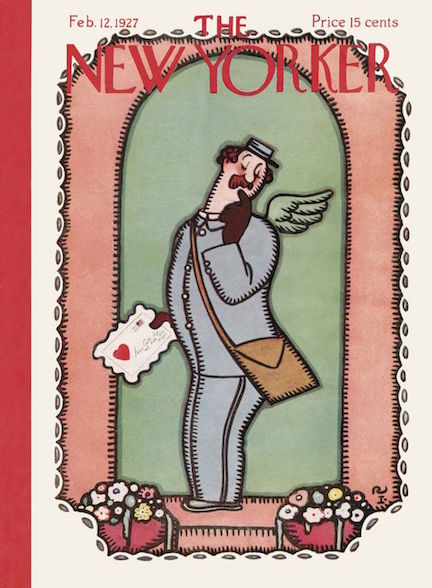
Piles of snow and slushy streets had many New Yorkers dreaming of spring, including H.O. Hofman, who illustrated the cover for the Feb. 5, 1927 issue.

e4051b8c99ab27eb2272f12bb1634373
Feb. 5, 1927 cover by H.O. Hofman.

Another New Yorker illustrator and cartoonist, Barbara Shermund, offered a different take on the idea in this drawing for the “On and Off the Avenue” column on page 56:

Screen Shot 2016-06-29 at 9.44.41 AM

At least New Yorkers had plenty of activities to take their minds off of the weather, including two important balls:

Screen Shot 2016-06-29 at 8.38.15 AM

Inspired by the annual springtime costume ball given by the students of the École nationale supérieure des Beaux-Arts in Paris, American students held an annual ball to raise funds for their Beaux-Arts Institute of Design. The balls featured elaborate costumes and performances that were extensively reported in the city’s society pages.

Beuax arts 1928 NYT
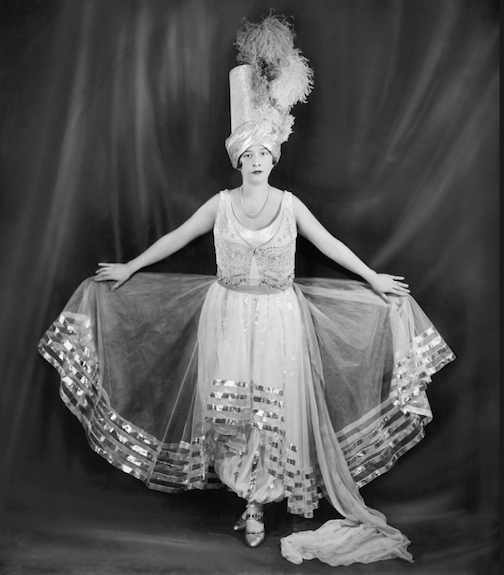
LOOK AT ME…Margaret Thaw dressed as a “White Sultana” for the 1928 Beaux Arts Ball held at the Astor Hotel. The theme was “The French Occupation of Northern Africa — 1847.” A doyenne of international high society perennially named to best-dressed lists, Margaret and her husband, Lawrence Copley Thaw, were world-famous explorers of Africa and Asia and correspondents for National Geographic magazine. (New York Times)

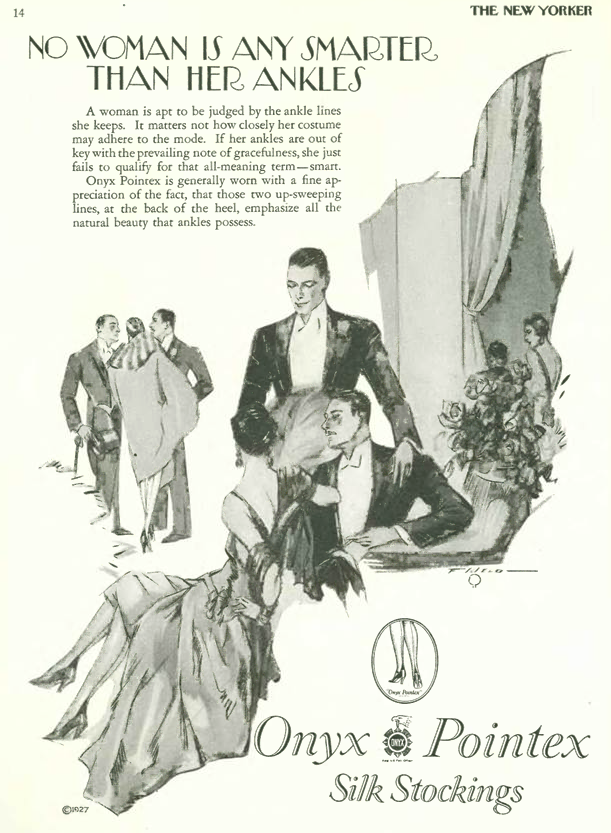
Contrary to the ad pictured below, fashion plate Margaret Thaw was doubtless smarter than her ankles…

Screen Shot 2016-06-29 at 8.36.57 AM

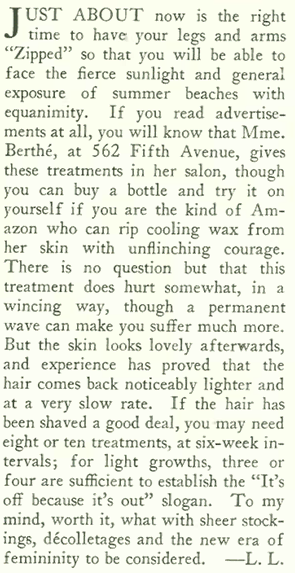
If you were investing in fine Onyx Pointex silk stockings, you probably wanted to get your legs “Zipped” in a new method described by fashion correspondent Lois Long:

Screen Shot 2016-06-29 at 9.46.13 AM

If Lois Long were around today she would have to note that both men and women are getting “Zipped,” waxing everything including their nethers.

And these days few of us are washing our hair with bar soap, as depicted in the ad below for Lux. Like so many other ads in the early New Yorker, this one makes a strong appeal to Francophile readers; if it’s French then it must be good (note that every paragraph and headline in the ad mentions either France or French at least once):

Screen Shot 2016-06-29 at 9.41.22 AM

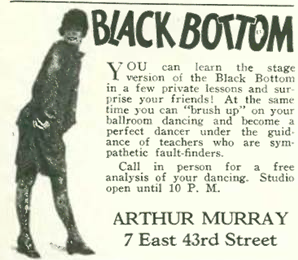
While we are on the topic of advertisements, here is another installment of ads from the back pages of the magazine. Arthur Murray was a frequent advertiser in the magazine, mostly small ads like this that exploited the latest dance craze:

Screen Shot 2016-06-29 at 9.51.23 AM

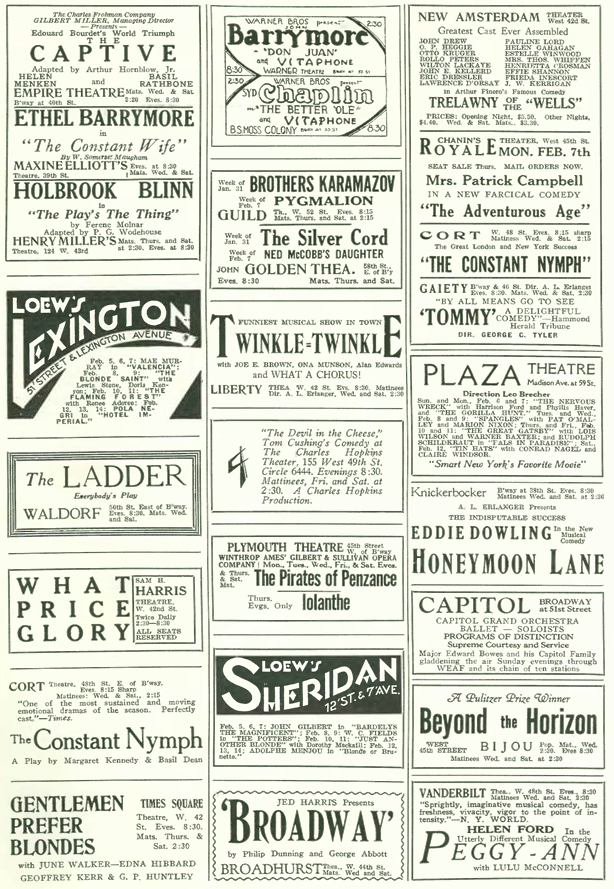
The offerings of the stage and screen were also prominent in the back pages:

Screen Shot 2016-06-29 at 9.48.59 AM

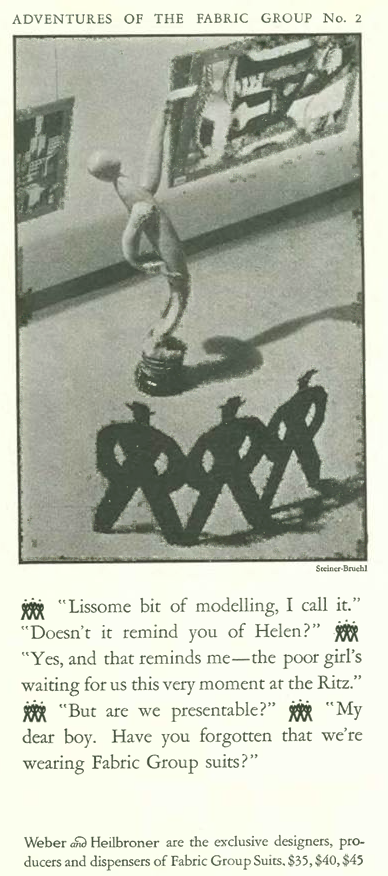
And finally, these strange little ads (run as series) that were designed by photographers Anton Bruehl and Ralph Steiner to promote Weber and Heilbroner suits:

Screen Shot 2016-06-29 at 9.43.00 AM

Specializing in elaborately designed and lit tableaux, Bruehl won top advertising awards throughout the late 1920s and early 1930s. He also co-developed the Bruehl-Bourges color process, which gave publisher Condé Nast a monopoly on color magazine reproduction in the early 1930s.

Next Time: Papa Pens a Parody…
7532b3c65dcb4c041db31d7c0c75b4c4

Time for a Facelift

It’s the dog days of summer, and the editors of The New Yorker are seeking various distractions to take their minds off of the broiling late season heat.

db2311e2a9fcb89fc253615846207b55
August 21, 1926 cover by H.O. Hofman.

In the Aug. 21, 1926 issue (bearing an appropriate cover image by H.O. Hofman of bathers taking a refreshing dip), “The Talk of the Town” suggested that it was a good time for even the natives to take a boat tour of their beloved island:

Screen Shot 2016-02-09 at 12.35.36 PM

Screen Shot 2016-02-09 at 12.35.46 PM

enhanced-buzz-27796-1367872781-0
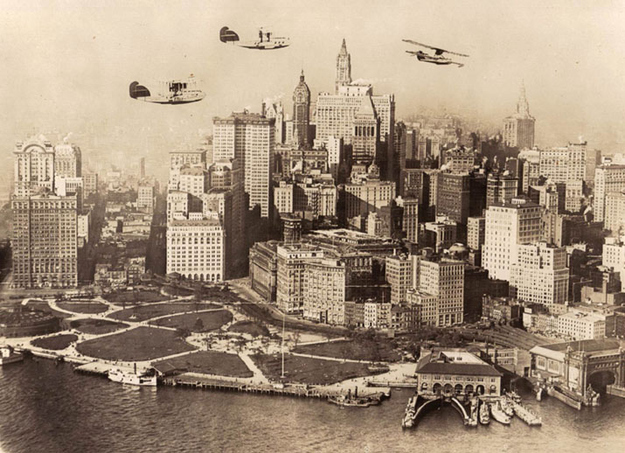
Aerial view of Battery Park Wharf in the early 1920s (Buzzfeed)

In the following Aug. 28 issue, the “Talk” editors ducked out of the sun to visit the American Museum of Natural History.

b3166409b2ab1ea1369e857d009d9b30
Aug. 28, 1926 cover by H.O. Hofman.

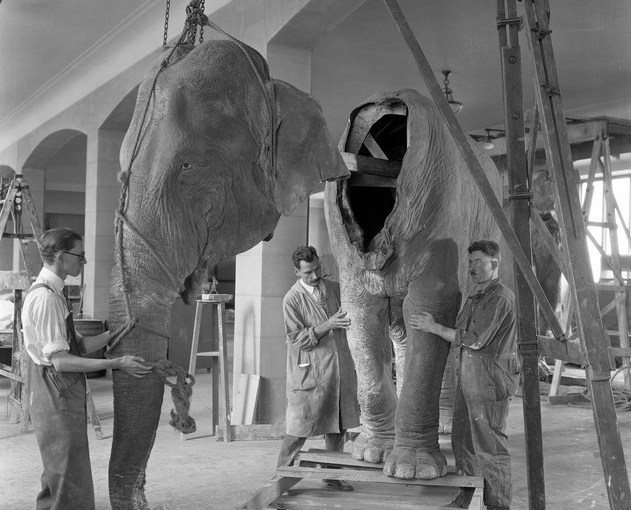
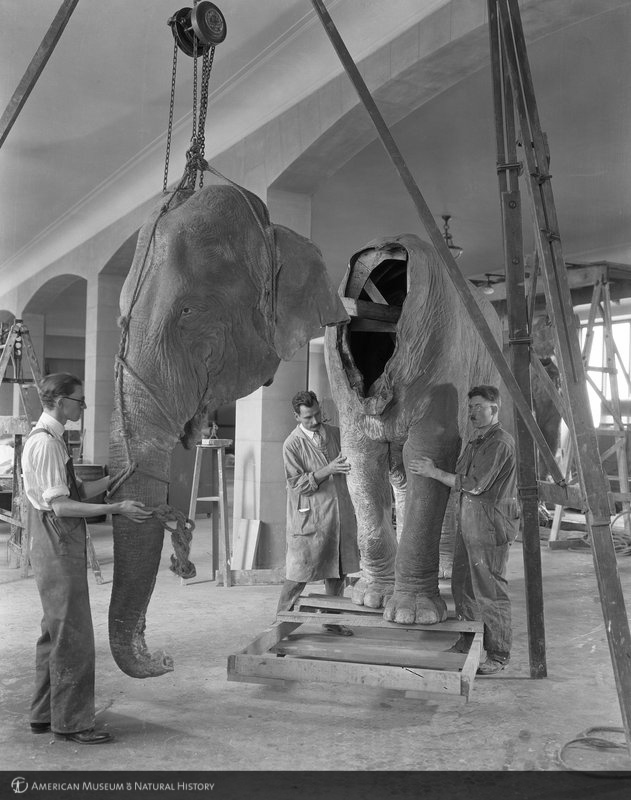
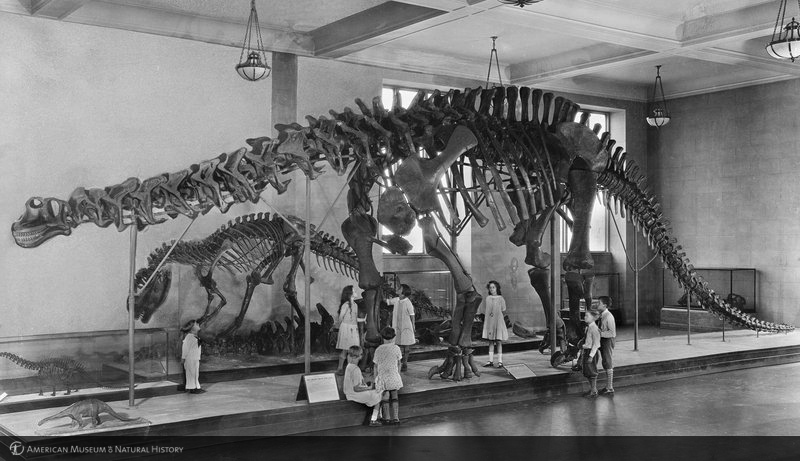
There they found curators busy reorganizing displays of dinosaurs and various stuffed beasts of the wild:

Screen Shot 2016-02-09 at 12.14.22 PM

Screen Shot 2016-02-09 at 12.14.28 PM

311585.tif
AMNH staff joining head to body of female elephant in Indian Elephant Group, 1926. (AMNH Digital Special Collections)
2007 METRO Project | ImageDigitizationSpecifications v1.0 | Epson Perfection V750 Pro
The end result of the 1926 reorganization of displays at the AMNH—children viewing Brontosaurus exhibit in 1927. (AMNH Digital Special Collections)

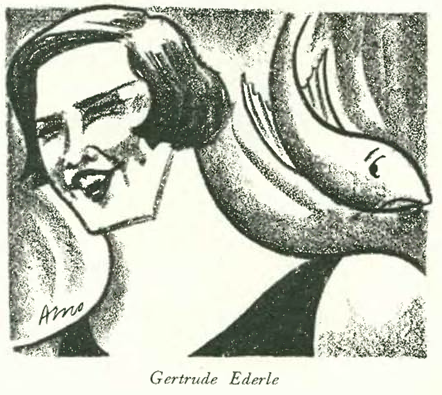
The magazine also profiled New York City native Gertrude Ederle, who became the first woman to swim across the English Channel in August of 1926:

Screen Shot 2016-02-09 at 12.16.16 PM
Gertrude Ederle, as rendered by Peter Arno for the “Profile.”

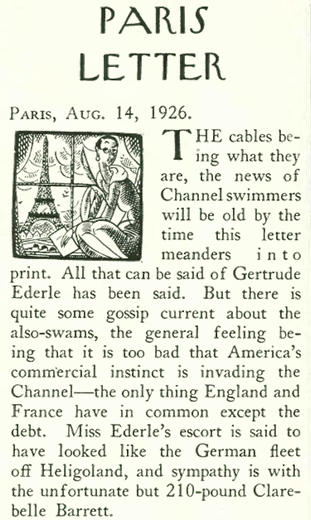
Even Janet Flanner, the magazine’s Paris correspondent, commented on the event, noting Europe’s jealous reaction to an American’s seizing of the record:

Screen Shot 2016-02-09 at 12.28.51 PM

Ederle would return home to a ticker tape parade along the Canyon of Heroes in the Financial District, and would also be feted by 5,000 people who turned out on West 65th Street for a block party in her honor.

getrudeedlerlecrown
WHAT FOLKS DID BEFORE TELEVISION…Block party celebrates Gertrude Ederle as “Queen of the Waves.” (Ephemeral New York)

According to the excellent blog Ephemeral New York, Ederle received offers from Hollywood and Broadway and was deluged by marriage proposals. But she returned to a quiet life, moving to Queens and working as a swimming instructor for deaf children–Ederle’s hearing was seriously damaged in the water of the Channel, but otherwise swimming must have been good for her health. She died at age 98 in 2003.

Keeping with the summertime theme, the magazine covered the Gold Cup Regatta, complete with illustrations by Johan Bull:

Screen Shot 2016-02-09 at 12.19.14 PM

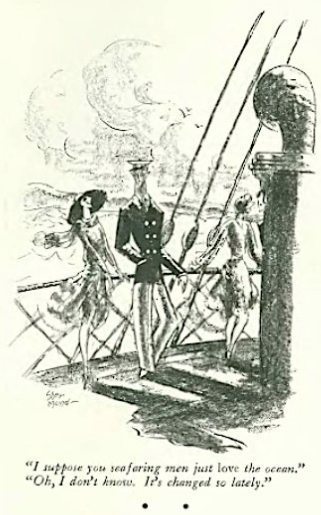
An early Barbara Shermund cartoon, always a delight…
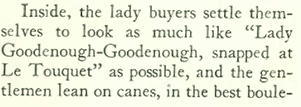
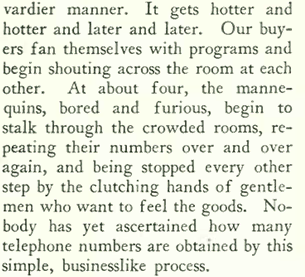
Lois Long took her “On and Off the Avenue” column to Paris, where she cast a jaded eye at the behavior of American buyers of French fashion:

Screen Shot 2016-02-09 at 12.26.32 PM

Screen Shot 2016-02-09 at 12.26.50 PM

Screen Shot 2016-02-09 at 12.27.00 PM

chanel-LBD
Coco Chanel’s “Little Black Dress” debuted in 1926. (homeecologist.com)

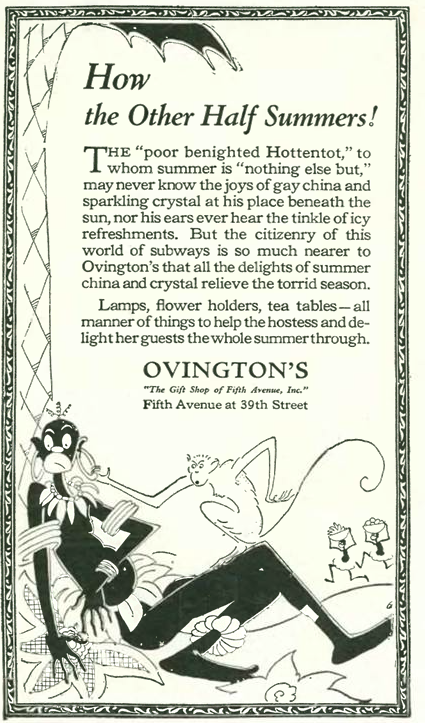
And finally, from the advertising department, this strange ad from Ovington’s, which seemed to be more concerned with promoting racial stereotypes than in selling dinnerware:

Screen Shot 2016-02-09 at 12.27.16 PM

Next Time: Come Fly With Me…
60050ce935d82b28520c52109cd715ce


Parisians & Puritans

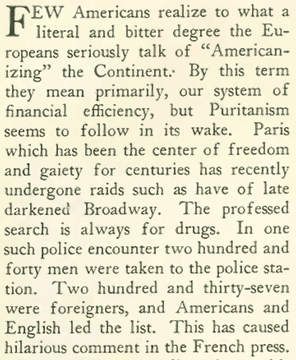
In her latest dispatch from Paris, correspondent Janet Flanner offered New Yorker readers a glimpse into the French mind, its fear of “Americanization” and its perception of America’s Puritanical attitudes behind Prohibition.

Screen Shot 2015-11-13 at 2.25.59 PM
April 3, 1926 cover by Rea Irvin.

All the more reason the French were bemused by reports that American and English citizens led the lists of reported drug raids in the City of Light…

Screen Shot 2015-12-01 at 11.56.02 AM

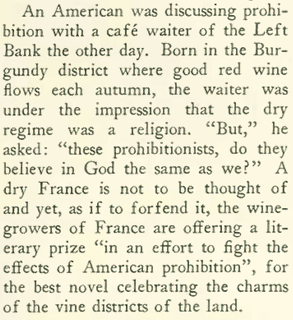
or that somehow Prohibition was a question of theological differences:

Screen Shot 2015-12-01 at 11.56.11 AM

The April 3, 1926 issue also offered up some curious advertisements. Aiming square at the grasping Anglophilia of New Yorker readers, here’s a pitch for a used Rolls Royce:

Screen Shot 2015-12-01 at 11.38.46 AM

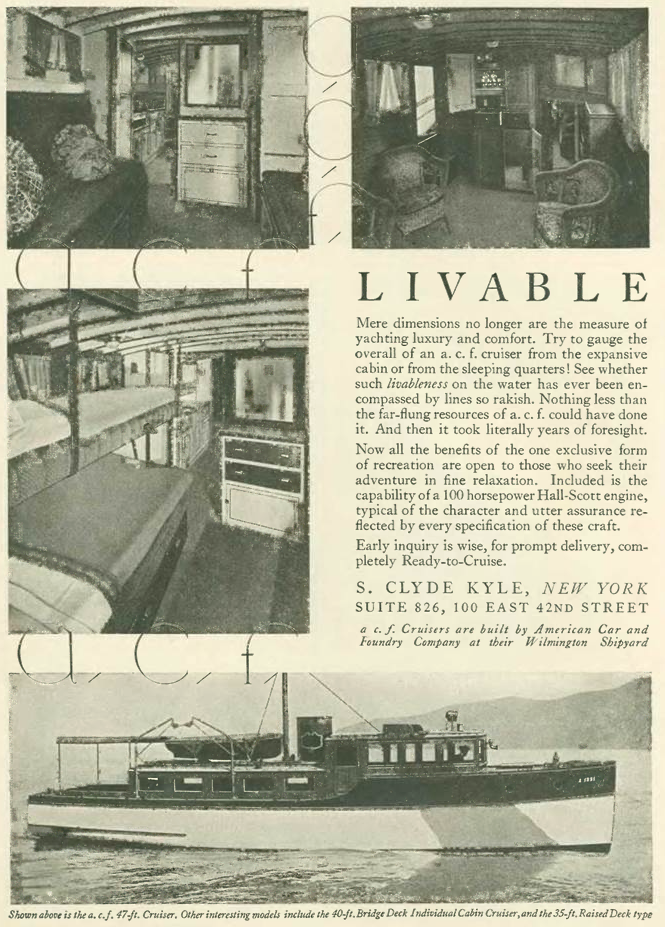
And with the money left over from your savings on the used Rolls, you could buy this 47-foot cruiser from the American Car and Foundry Company:

Screen Shot 2015-12-01 at 11.57.04 AM

Moving along to the April 10, 1926 issue (cover designed by H.O. Hofman)…

Screen Shot 2015-12-01 at 11.57.38 AM
April 10, 1926 cover by H.O. Hofman.

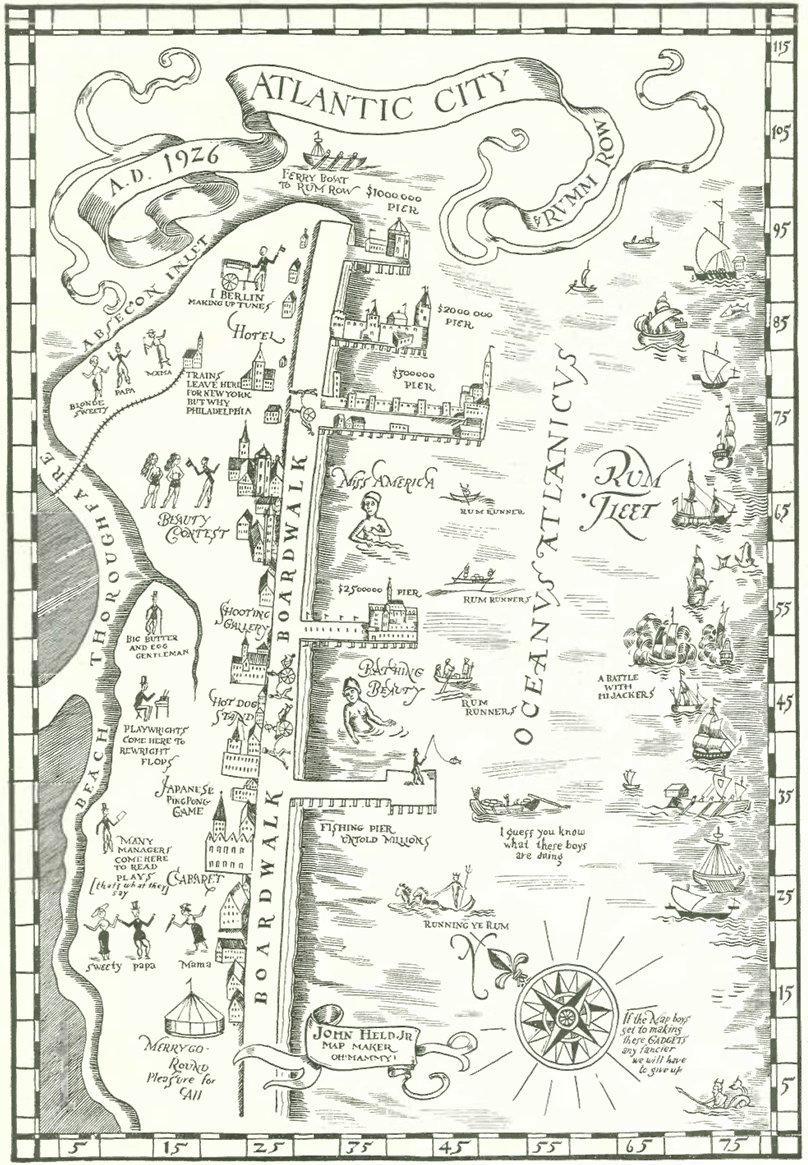
…I discovered this clever “map” by John Held Jr. For fans of “Boardwalk Empire” or other 1920s gangster-themed fare, Held’s map confirms it was no secret that Atlantic City was a major port for rum runners:

Screen Shot 2015-12-01 at 12.06.44 PM

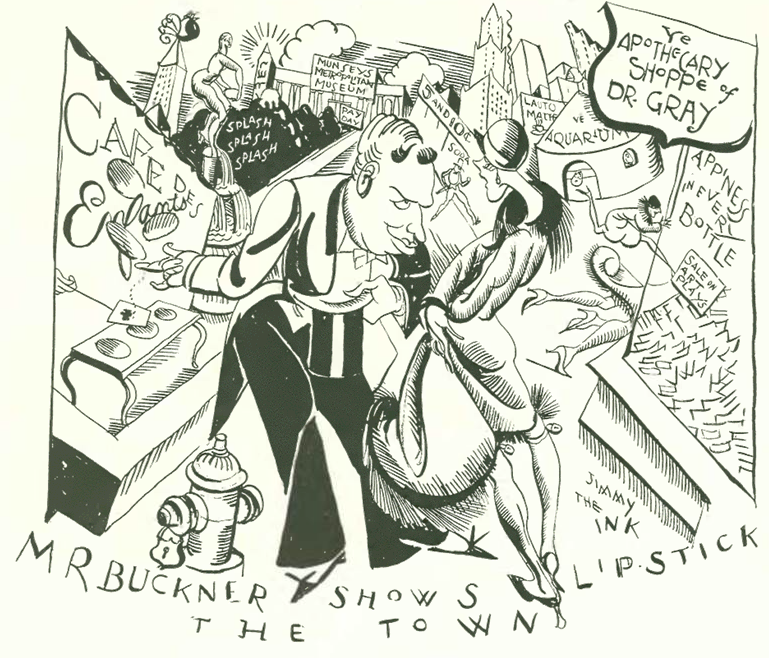
Also on the theme of Prohibition, cartoonist James Daugherty (Jimmy the Ink) had some fun with New Yorker colleague Lois Long (aka Lipstick) by pairing her with New York’s top Prohibition prosecutor Emory Buckner in this unlikely scenerio:

Screen Shot 2015-12-01 at 12.08.38 PM

Note the lock on the fire hydrant. Padlocking restaurants and clubs suspected of selling alcohol was a favorite tactic of Buckner and his agents. Long famously took him task in her Oct. 31, 1925 “Tables for Two” column. You can read about it here in my previous post, “How Dry I Am.”

Next Time: The Great American Novelist…

Screen Shot 2015-12-01 at 12.12.47 PM