Dog’s Best Friend

The “Profile” for the May 12, 1928 issue was unusual in that its subject was not a titan of industry, or a prominent politician, or noted artist, musician or literary figure, but rather a dog—an extraordinary animal named Egon who would be lost to history were it not for Alexander Woollcott writing about this particular German Shepherd and his exploits on the French Riviera.

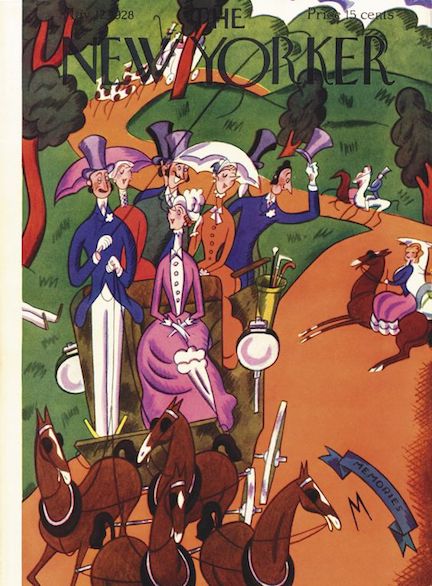
May 12, 1928 cover by Julian de Miskey.

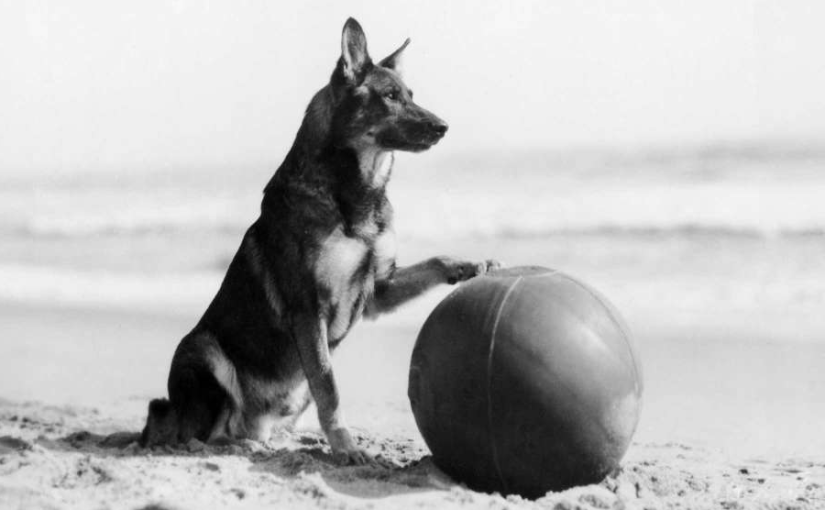
I should be clear that the dog featured at the top of this entry is not Egon, but a famous contemporary named Rin Tin Tin. It is said Egon could have enjoyed similar fame on the silver screen (Hollywood was looking for an animal to replace the aging canine superstar), but Egon’s owner, Benjamin Finney, had no interest in the limelight. So I couldn’t find any images of Egon save for this drawing that accompanied Woollcott’s essay:

Writing for the Huffington Post, Anne Margaret Daniel calls Egon Finney the “Jazz Age celebrity no one has noticed since his lifetime, but who is surely as interesting as many of his human contemporaries — and far more interesting than many of them.”

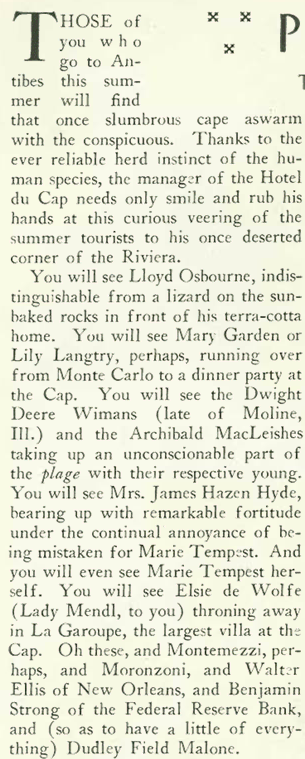
Woollcott would agree with that statement, given the opening paragraphs of his piece on Egon:

When Egon and Finney lived in Antibes in 1927 and 1928, Egon would give diving exhibitions off the rocks below the Hotel du Cap. According to Daniel, the dog also “availed himself of his owner’s surfboard, and water skis — possibly the first pair ever on the Riviera.” Egon was aided in his efforts by none other than the writer F. Scott Fitzgerald, who lived on the Riviera from 1925 to 1930.

DOG LOVERS…Alexander Woollcott, left, and Egon owner Benjamin Finney (boweryboyshistory.com/Sewanee University of the South)
HE TAUGHT A DOG TO WATER SKI, TOO…F. Scott Fitzgerald, wife Zelda and son Scottie in Antibes in 1926. Fitzgerald lived on the Riviera from 1925 to 1930, writing much of The Great Gatsby there. His last-completed novel, Tender Is The Night, was set on the Riviera. (The New York Times)

According to Daniel, Finney recalled that Egon’s physical design “made it difficult for him to get started (on the surfboard), but his friend Scott Fitzgerald was expert at giving him a hand… Firmly balanced, tail streaming in the wind, he was a noble sight — and he knew it.”

Because the dog outshone his owner, Woollcott headlined his profile, “The Owner of Ben Finney.” Egon died in 1934, and those very words are carved on his headstone, located in America’s first pet cemetery in Hartsdale, New York.

Someone He Could Finally Relate To…

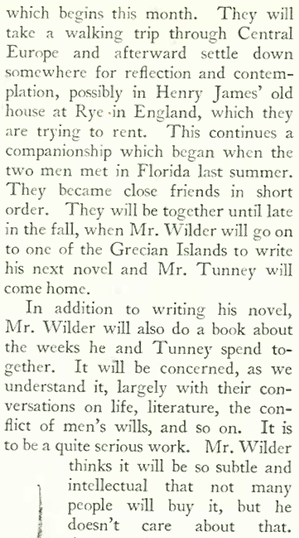
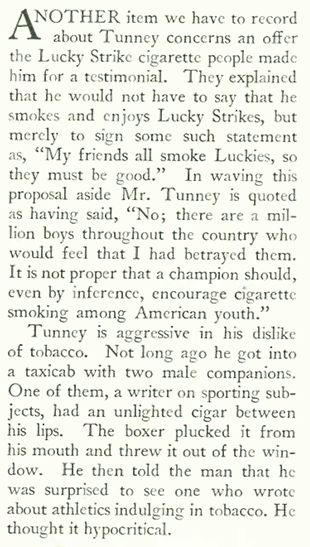
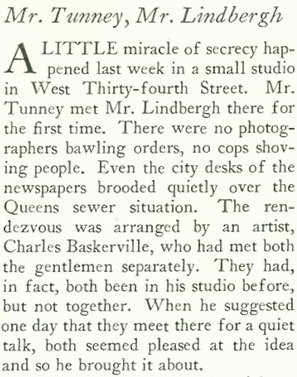
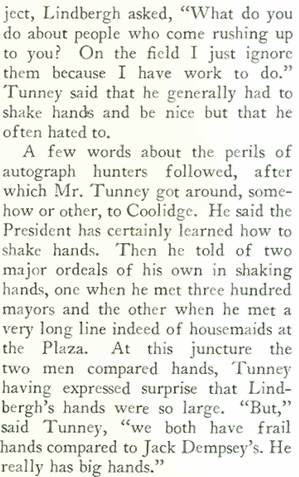
Charles Lindbergh was famously shy and crowd averse, so when the famed aviator met with the serious-minded boxing champ Gene Tunney, he found something of a kindred spirit. Writing for “The Talk of the Town,” Peter Vischer was there for all of the action:

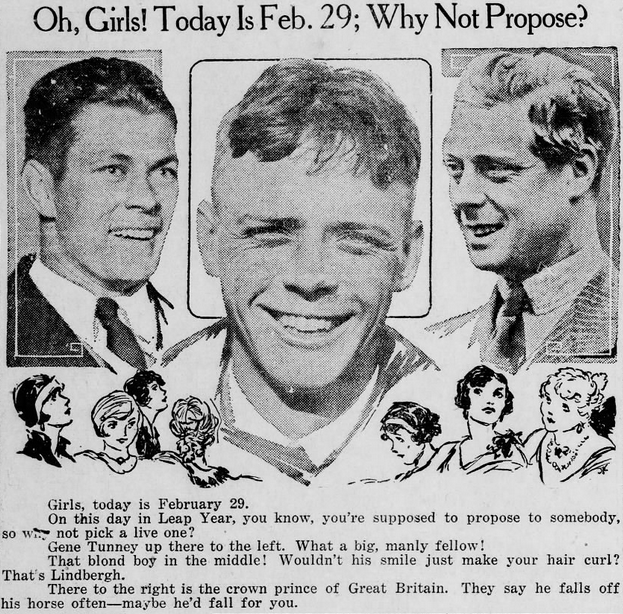
NOWHERE TO HIDE…This item in the El Paso Evening Post (Feb. 29, 1928) was precisely the sort of thing both Gene Tunney and Charles Lindbergh detested. (Evening Post)

 *  *  *

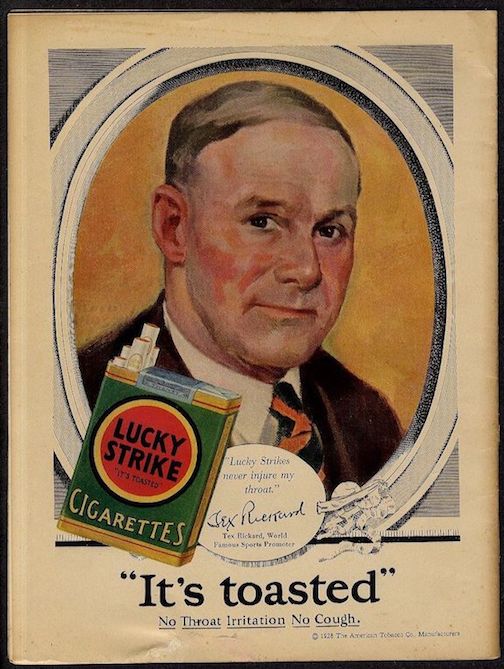
From Our Advertisers…

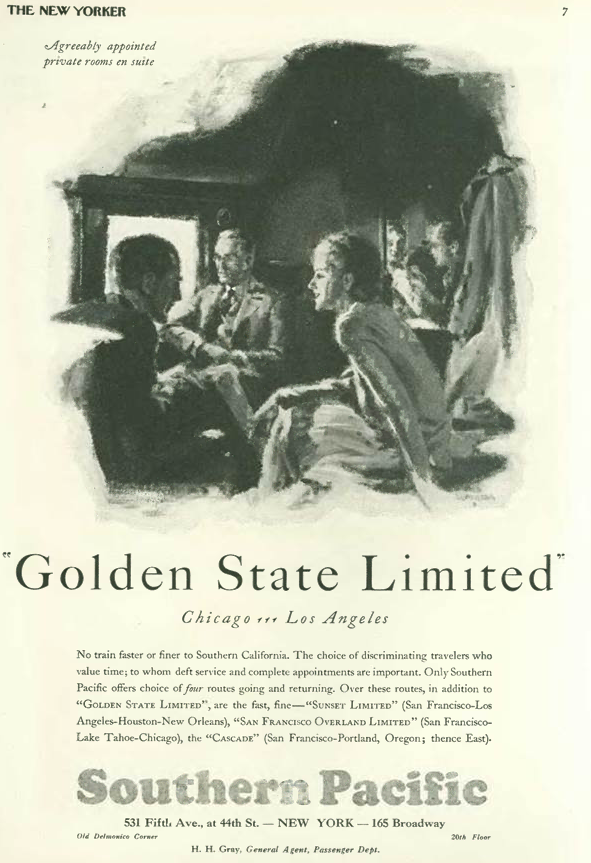
Beginning in 1924 the Southern Pacific’s Golden State Limited trains added modern and luxurious 3-compartment, 2-drawing room observation cars to their Pullman fleet. This advertisement in the May 12, 1928 New Yorker enticed affluent readers to take the 2,762 mile, 70-hour journey from Chicago to Los Angeles:

NOT THE WORST FOR WEAR…The Russian actress, singer and dancer Olga Baclanova exits the Golden State Limited in Los Angeles in July 1929 after a long journey from New York. Billed as “The Russian Tigress” who often portrayed an exotic blonde temptress, she is best known for her roles as Duchess Josiana in the silent The Man Who Laughs and as a circus trapeze artist in Tod Browning’s 1932 cult horror movie Freaks. (olgabaclanova.com)

As the fashion advertisements turned to summer, the May 12 issue featured no less than three separate ads for straw boaters…
Today’s ubiquitous polo shirt was an entirely new look for the summer of 1928. The shirt was designed by France’s seven-time Grand Slam tennis champion René Lacoste, who understandably found traditional “tennis whites” (starched, long-sleeved white button-up shirts with neckties) both cumbersome and uncomfortable. Lacoste first wore the polo at the 1926 U.S. Open, and in 1927 he placed the famous crocodile emblem on the left breast of his shirts. It didn’t take long for many imitators to hit the market. This ad from Wallach Brothers offered one version for $6, although I can’t imagine wool was the best material for this shirt (Lacoste used cotton in his).

No doubt B. Altman had June brides in mind for this advertisement featuring a deco bride of impossible proportions:

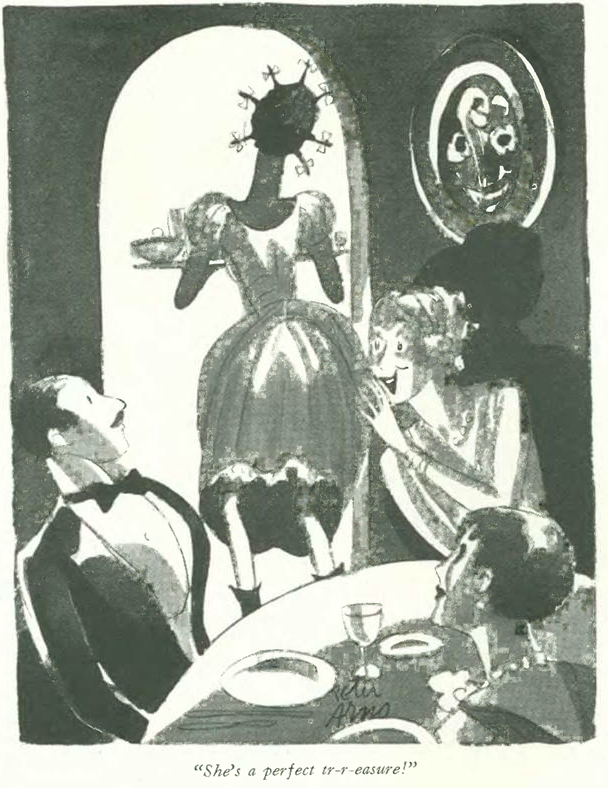
And our cartoon is once again from Peter Arno, who explored the not so subtle racism of the upper classes:

Next Time: Man About Town…

Wits of the Round Table

Two big voices from the famed Algonquin Round Table were prominently featured in the Oct. 1 and Oct. 8, 1927 issues of the New Yorker–journalist and champion of the underdog Heywood Broun wrote his own “Profile” under the title, “The Rabbit That Bit the Bulldog,” and Dorothy Parker served up biting satire in “Arrangement in Black and White,” a clever exposé of racism among the fashionably “open-minded” upper classes.

488a50459a792547010d30e8bfe5ddf4
October 1, 1927 cover by Gardner Rea.

The Rabbit That Bit the Bulldog

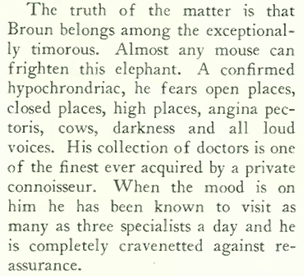
Hiding under the signature “R.A.”, Heywood Broun (1888–1939) was merciless as his own profiler, describing himself as a coward, hypochondriac, and a slob (there is truth to the latter, however, as friends often likened him to “an unmade bed”).

screen-shot-2016-12-08-at-9-06-52-am

Broun cut his teeth in journalism as a sportswriter and war correspondent. In 1921 he went to work for the New York World, where he penned his popular syndicated column “It Seems to Me.” Broun’s New Yorker “Profile” was written after he was fired from the World following a disagreement with his editor over his critical commentary on the sentencing of anarchists Sacco and Vanzetti. Broun would move on to The Nation, where he would write a regular column, “It Seems to Heywood Broun,” that would offer criticism on a number of topics including his former employer, the World.

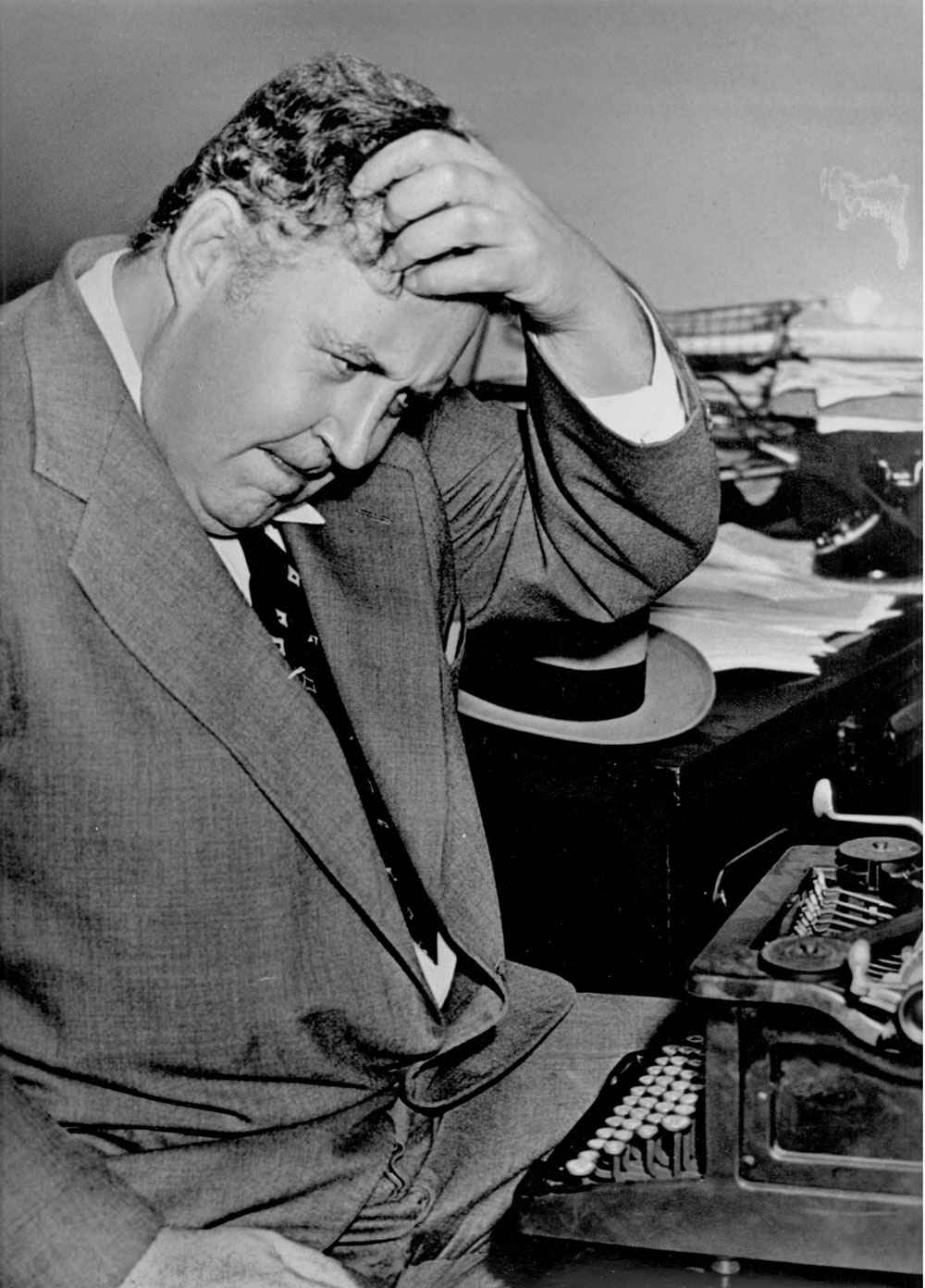
Heywood Broun. (Denver Newspaper Guild)

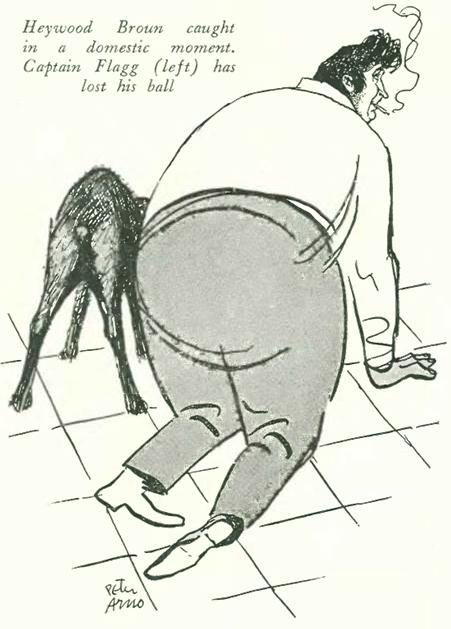
The New Yorker profile included this caricature by Peter Arno

screen-shot-2016-12-06-at-9-46-21-am

…a portrayal Broun claimed was inaccurate due to his “habitual stoop,” among other faults…

screen-shot-2016-12-06-at-9-52-23-am

screen-shot-2016-12-06-at-9-52-34-am

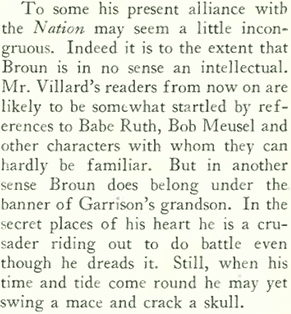
…and he mused about his future with the Nation, and how that august publication would square with his various foibles…
screen-shot-2016-12-06-at-9-52-45-am

…and as for his personal appearance and habits, Broun weighed in thusly…

screen-shot-2016-12-06-at-9-55-18-am

Broun married social activist Ruth Hale in 1917. A son born the following year, Heywood Hale Broun, would have a long and successful career as an author, sportswriter, commentator and actor.

*  *  *  *  *

The Long Count

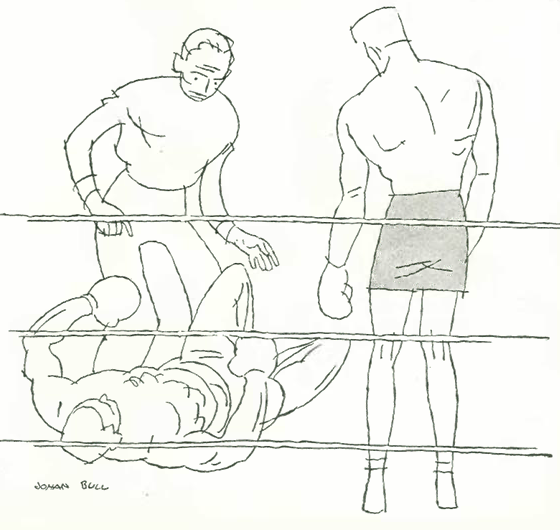
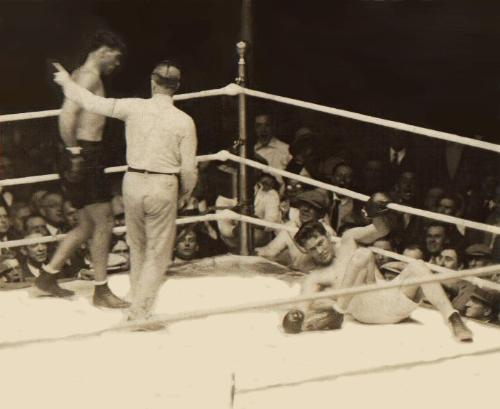
Oddly, The New Yorker had little to say about the famous Chicago rematch between heavyweight boxers Gene Tunney and Jack Dempsey, which Tunney won after the controversial “long count.” The fight took place under new rules that gave a fallen fighter ten seconds to rise to his feet, but the count would not begin until his opponent moved to a neutral corner.

tumblr_mti3g257h11rnxl9do1_500
DAZED AND CONFUSED…Referee Dave Barry motions Jack Dempsey to a neutral corner before he begins his count. Gene Tunney got back up and went on to win the fight. (Chicago Tribune archive photo)

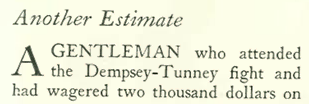
Although Tunney dominated the fight, Dempsey unleashed a flurry in the seventh round that knocked Tunney to the canvas–it was the first time in Tunney’s career that he’d been knocked down. Instead of going immediately to a neutral corner, Dempsey just stood and observed his opponent for several seconds until finally retreating. Those extra seconds proved just enough time to allow Tunney to return to his feet and eventually win the bout. To one observer quoted in “The Talk of Town,” those extra seconds really dragged…

screen-shot-2016-12-06-at-9-44-49-am

screen-shot-2016-12-06-at-9-44-55-am

From the Ad Department

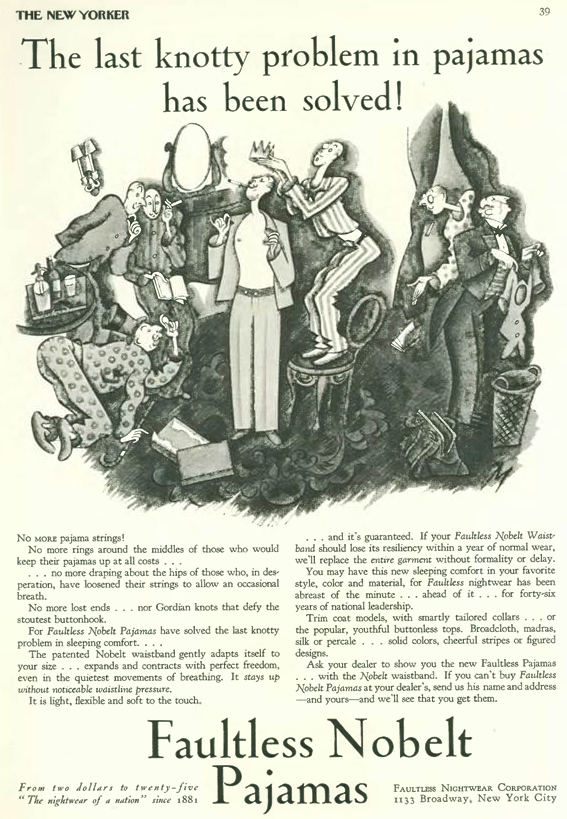
We feature this Julian de Miskey-illustrated advertisement for Faultless Nobelt Pajamas. Apparently these special PJs had some sort of newfangled rubber elastic band…

screen-shot-2016-12-06-at-9-57-42-am

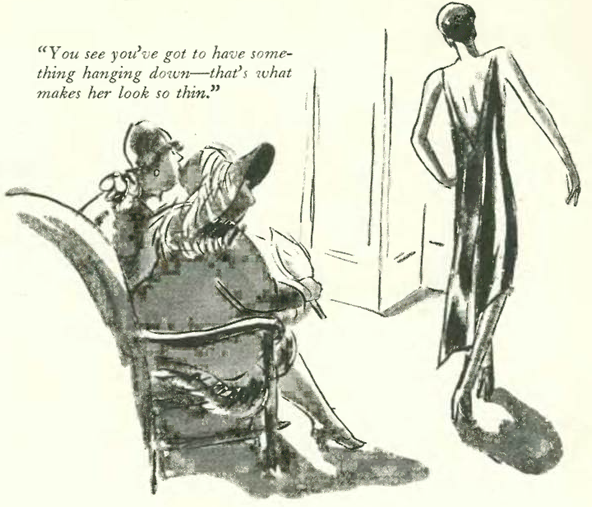
…and this cartoon from the Oct. 1 issue featured Helen Hokinson’s ditsy society women at New York’s Fashion Week…

screen-shot-2016-12-06-at-9-43-37-am

 *  *  *  *  *

Dorothy Takes On the Snobs

In the Oct. 8 issue, our other Round Table wit, Dorothy Parker, took aim at the less savory aspects of society women in her short fiction piece, “Arrangement in Black and White.”

f19964a9d1e1b6179fe2715bb3b1aa72
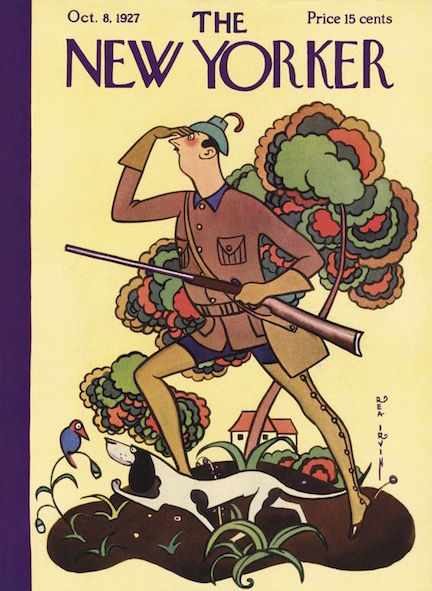
October 8, 1927 cover by Rea Irvin.

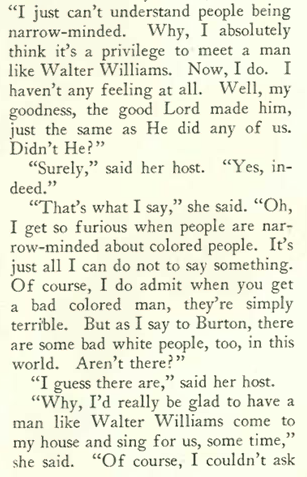
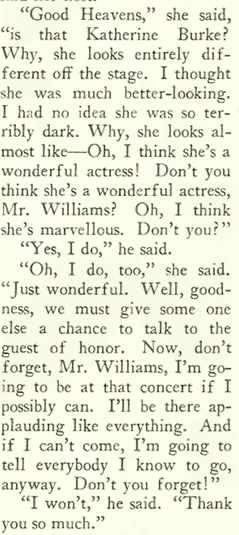
Parker began her piece by introducing us to a woman who enters a party wearing a wreath of “pink velvet poppies” in her golden hair. In short order she asks the party’s host to “pretty please” introduce her to the party’s guest of honor, an African American singer named Walter Williams.

The woman with the pink velvet poppies goes on to tell her host that she came to the party alone because her husband, Burton, preferred not to socialize with “colored people”–but she however was “simply crazy” about some of them. “They’re just like children–just as easy-going, and always singing and laughing and everything.” Before she met the singer she observed to the host:

screen-shot-2016-12-06-at-1-18-25-pm

screen-shot-2016-12-06-at-1-19-09-pm

screen-shot-2016-12-06-at-1-16-57-pm
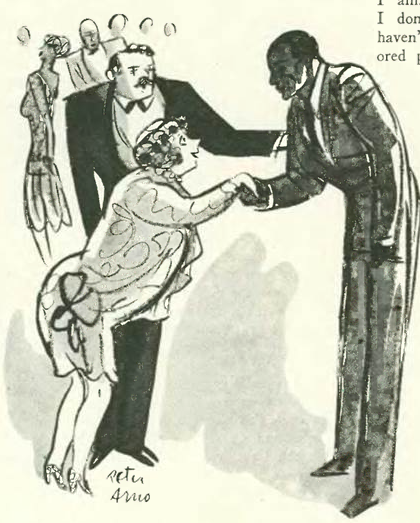
The woman with the pink velvet poppies meets the singer Walter Williams, as illustrated by Peter Arno.

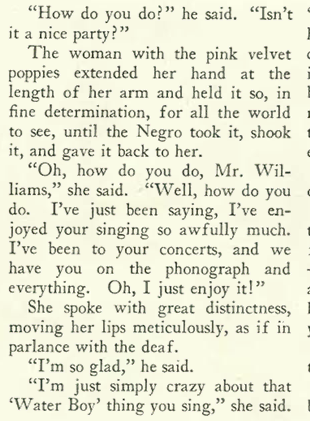
Then the woman with the pink velvet poppies meets Walter Williams:

screen-shot-2016-12-06-at-1-19-42-pm

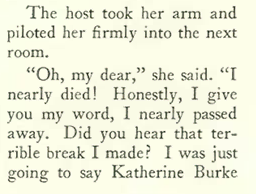
She continues to patronize the guest of honor, then notices a stage actress at the party:

screen-shot-2016-12-08-at-12-32-44-pm

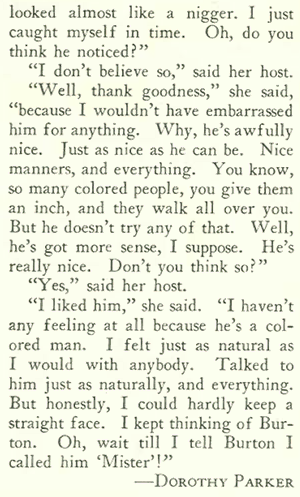
Finally, the host guides the woman with the pink velvet poppies away from Walter Williams…

screen-shot-2016-12-06-at-1-21-59-pm

screen-shot-2016-12-06-at-1-22-30-pm

05325779fdf286303013d76dc9e89388
BITING WIT…Dorothy Parker in the 1920s.

We will see more of Dorothy Parker in issues to come as she continues to take aim at the pretentious, hypocritical, self-absorbed snobs of the Jazz Age and beyond.

Baseball’s Lament

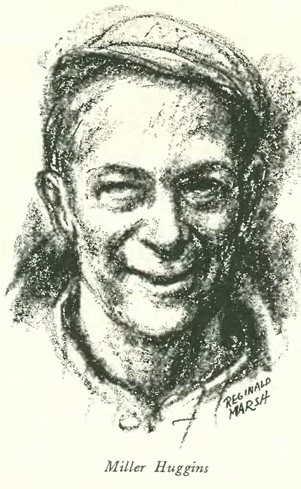
The Oct. 1 and 8 issues covered yacht racing, polo, tennis, golf and college football, but still no baseball. The 1927 New York Yankees would be one of the greatest teams of all time, but as the World Series commenced all we got from The New Yorker was a personality profile of Yankees manager Miller Huggins in the Oct. 8 issue (with a drawing by Reginald Marsh)…screen-shot-2016-12-06-at-1-24-05-pm

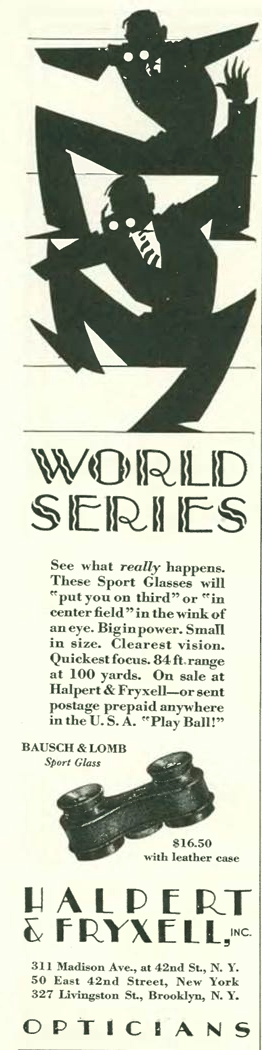
…and this advertisement for “Sport Glasses” for those attending the World Series…

screen-shot-2016-12-06-at-4-34-19-pm

Perhaps The New Yorker had no one on staff who could competently write about baseball. The strangest reference to the game was this article about polo, but for some reason it was illustrated with baseball images. Perhaps the editors felt sheepish about their lack of baseball coverage, and offered these illustrations by Howard Baer as a token acknowledgement…

screen-shot-2016-12-06-at-1-28-18-pm

At any rate, we end with this cartoon by Julien de Miskey, who like his colleagues explored the comic richness of wealthy old men paired with their young mistresses…

screen-shot-2016-12-06-at-1-16-04-pm

Next Time: The Ephemeral City…

f19964a9d1e1b6179fe2715bb3b1aa72


Babe Comes Home

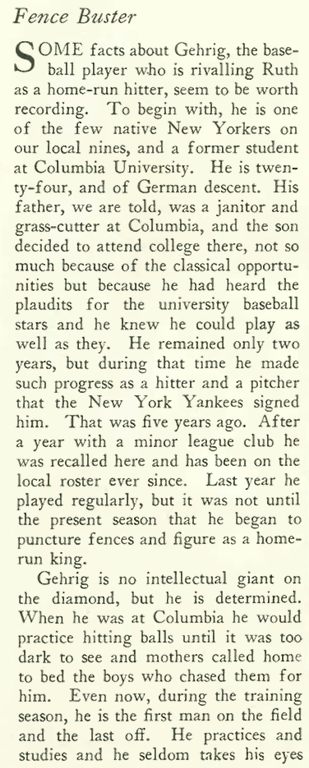
After months of reporting on polo, golf, tennis and yacht races, The New Yorker finally mentioned baseball–sort of–reviewing a movie featuring Babe Ruth and penning a brief piece about Lou Gehrig in “The Talk of the Town.”

447032a734d61215ca61a95a205dd7da
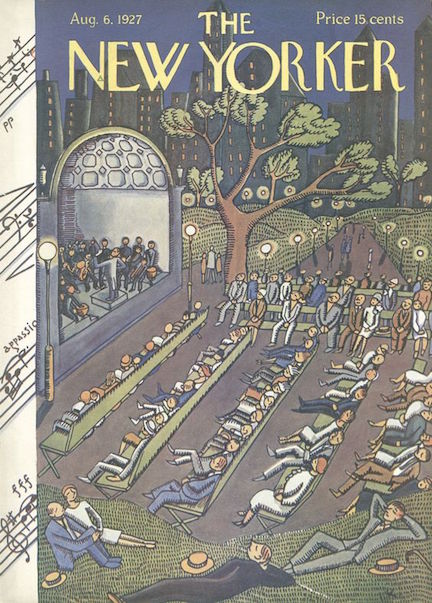
August 6, 1927 cover by Ilonka Karasz.

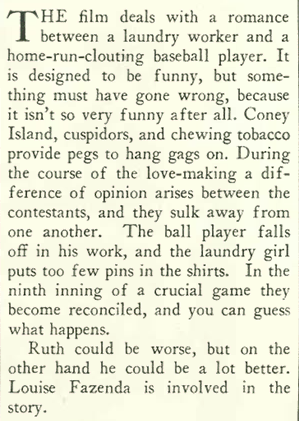
But the magazine still made no mention of the incredible season that was shaping up for the legendary 1927 New York Yankees, or the feats of its feared  “Murderer’s Row” lineup. Although widely considered to be the best baseball team in the history of major league baseball, The New Yorker up to this point had given more ink to the game of ping pong. But we’ll take what we can get, namely Babe Ruth’s acting performance in Babe Comes Home…

screen-shot-2016-11-07-at-12-50-00-pm

screen-shot-2016-11-07-at-12-50-10-pm

screen-shot-2016-11-11-at-12-51-20-pm
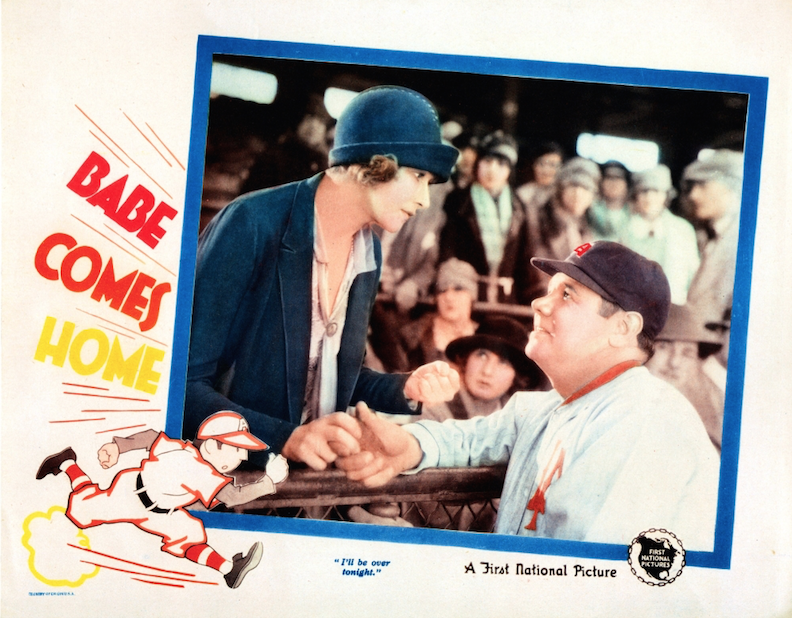
BETTER STICK TO BASEBALL…Lobby card for the 1927 film, Babe Comes Home, featuring Anna Q. Nilsson and The Bambino himself. (posterscancollections.com)

…and over in “The Talk of the Town” section the editors looked at another Yankee slugger, Lou Gehrig, who besides his hitting ability was Ruth’s opposite…

screen-shot-2016-11-07-at-12-32-32-pm

screen-shot-2016-11-07-at-12-32-51-pm

image5-9
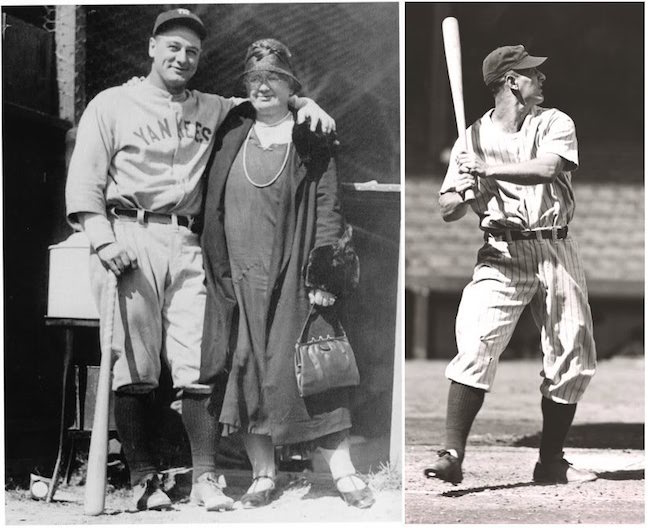
MOM & APPLE PIE…Lou Gehrig and his mother, Christina, in 1927. (baseballfever.com)

 *  *  *

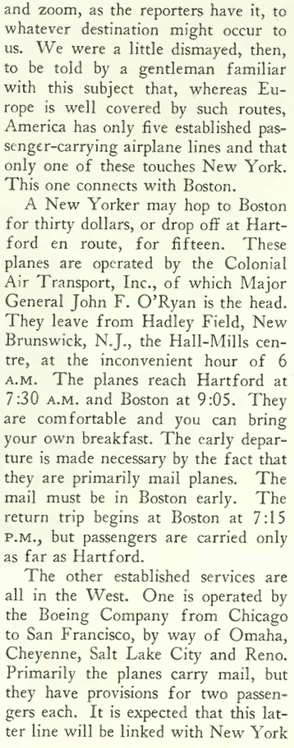
With the hullabaloo over Charles Lindbergh’s transatlantic flight, more Americans were becoming interested in flying as an actual travel option, although in August 1927 New York City had only one established passenger line:

screen-shot-2016-11-07-at-12-37-24-pm

screen-shot-2016-11-07-at-12-37-30-pm

screen-shot-2016-11-07-at-12-37-45-pm

eastbostonairport018-2562
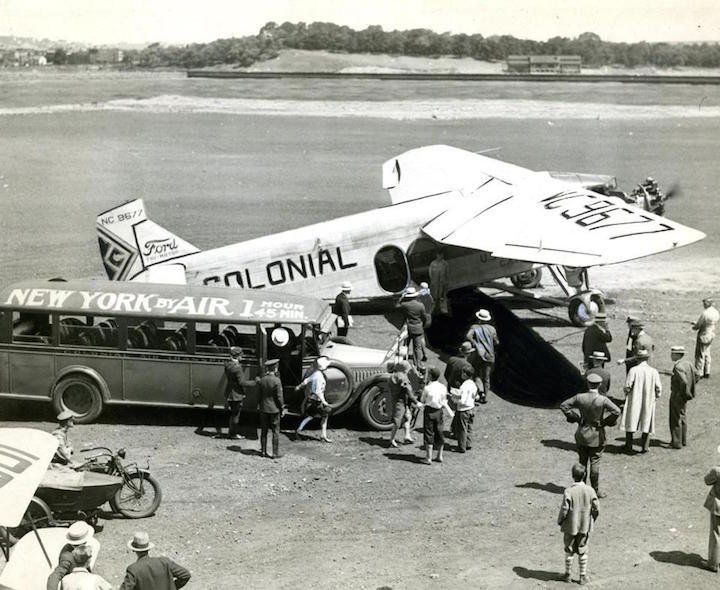
HUMBLE BEGINNINGS…On April 15, 1927, Colonial Air Transport (a predecessor of American Airlines) began passenger service between Boston and New York City. (Boston Globe)
pic04
SORRY, NO WI-FI…National Air Transport, a predecessor of United Airlines and a prime mail carrier, brought the Travelair 5000 to their minimal fleet in 1927 to add passenger revenue to its Midwestern and Western hops that linked Chicago, Omaha, Cheyenne, Salt Lake City, Reno and San Francisco. (traveler.com)

 *  *  *

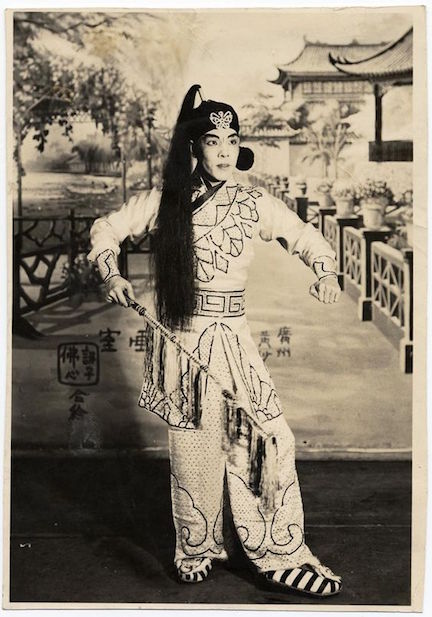
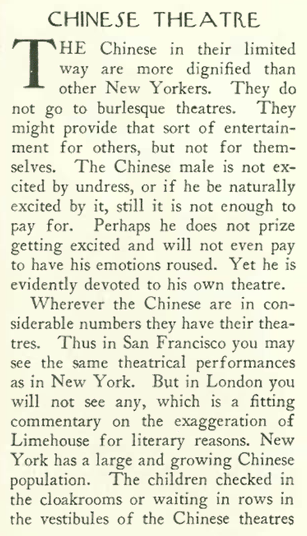
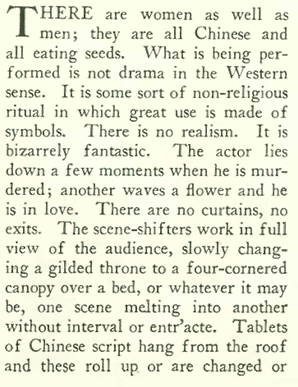
The August  6 issue also featured this strange little review in “Talk” about the popularity (or fad) of attending Chinese theater. Note how the writer described it as an exotic curiosity, as though the Chinese actors were as unknowable as Martians. I suppose it didn’t occur to the writer that you could actually speak to these performers, and have them explain the meanings of the various rituals.

7d5022414f367319b77659cba19591ac
OFF-BROADWAY…Actor Ma Shi-tsang posing with a riding crop in a 1920s publicity photo. Chinese theater actors performed in U.S. cities with large Chinese populations, including San Francisco and New York. (cdlib.org)

chinese-stephen-graham

screen-shot-2016-11-07-at-12-43-42-pm

screen-shot-2016-11-07-at-12-44-19-pm

screen-shot-2016-11-07-at-12-44-28-pm

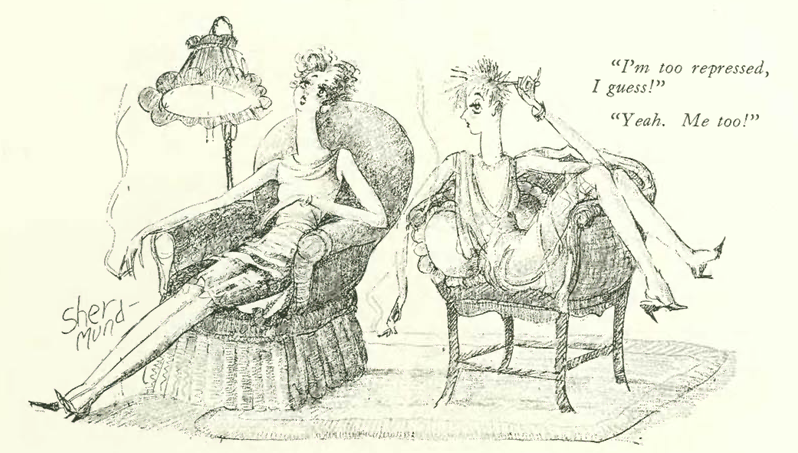
And to close, a couple of cartoons from the issue by Barbara Shermund that illustrated two very different aspects of New York society:

screen-shot-2016-11-02-at-1-15-19-pm

screen-shot-2016-11-02-at-1-14-57-pm

Next Time: An Office Romance…

30e6d833482958226738b30ce4244558


The Age of Innocence

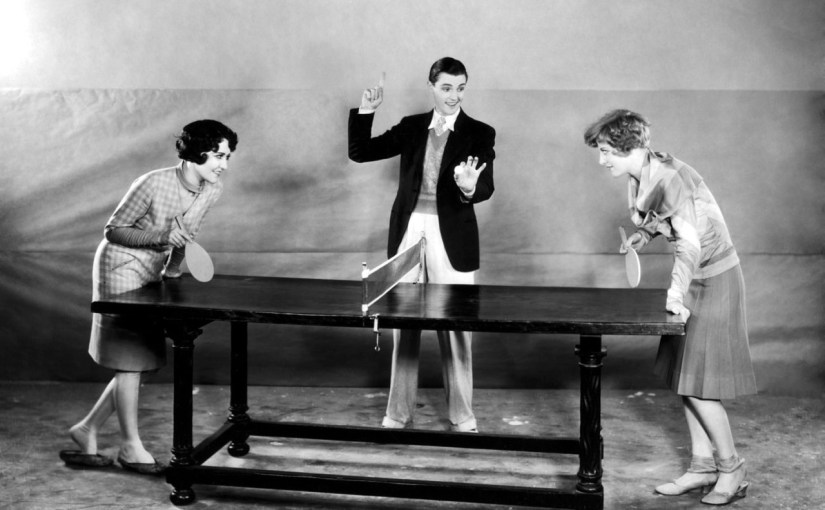
Above: Film stars Dorothy Sebastian (left) and Joan Crawford square off for a game of ping pong in 1925. The umpire is actor Eddie Nugent. (Film Noir Photos)

After studying every page of the first 120 issues of the New Yorker, and after researching the lives of its writers and their subjects, the world as described by the New Yorker — 89 years distant — can seep into one’s imagination, not unlike a world created by a fiction writer, whose characters are very much alive in his or her mind even when the pen is idle. You become accustomed to their voices, their likes and dislikes, and begin to see their world as a contemporary of sorts.

fe856464214bef0718e3c838d3a54ab2
June 4, 1927 cover by H.O. Hofman.

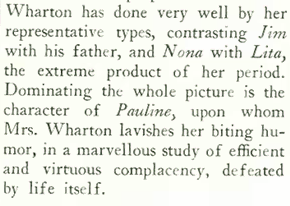
And so I find myself reading a review of Edith Wharton’s “latest” novel, Twilight Sleep, and think not of some author I haven’t read since college, but rather see her work as it was seen at its unveiling, albeit through the eyes of New Yorker book critic Ernest Boyd, who wrote under the pen name “Alceste”:

screen-shot-2016-10-12-at-12-20-20-pm

screen-shot-2016-10-12-at-12-20-45-pm

screen-shot-2016-10-12-at-12-20-56-pm

edith-wharton
NOT DEFEATED BY LIFE…Edith Wharton with her Pekes, circa 1920. (lib guides.com)

Wharton won the Pulitzer Prize for fiction in 1921 for The Age of Innocence, making her first woman to receive the prize. Indeed, Wharton kicked off a great decade for women fiction writers — Willa Cather would win the Pulitzer for One of Ours in 1923, Margaret Wilson for The Able McLaughlins in 1924, Edna Ferber for So Big in 1925, and Julia Peterkin for Scarlet Sister Mary in 1929.

*  *  *

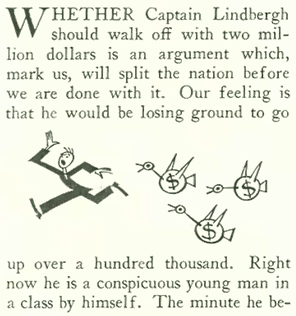
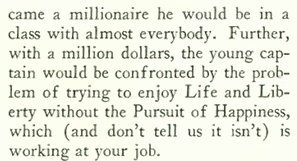
The June 4 issue offered some follow-up items on Charles Lindbergh, this from “The Talk of the Town” regarding Lindbergh’s potential to claim perhaps more than the $25,000 Orteig Prize (about $350,000 today) for being the first to fly nonstop across the Atlantic — endorsements, book and movie deals, offers to serve on company boards, and so on…

screen-shot-2016-10-13-at-9-18-42-am

screen-shot-2016-10-13-at-9-18-48-am

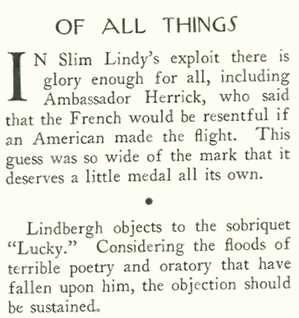
…and from Howard Brubaker’s “Of All Things” column, we learn that the aviation hero doesn’t like to be called “Lucky”…

screen-shot-2016-10-13-at-9-19-10-am

*  *  *

Baseball was still inexplicably shut out from the pages of The New Yorker, even as the Yankees (and Babe Ruth) were having one of their best-ever seasons. Instead, the June 4 issue covered horse racing (pgs. 63-65), rowing (pgs. 66-68), and lawn games (pgs. 69-72).

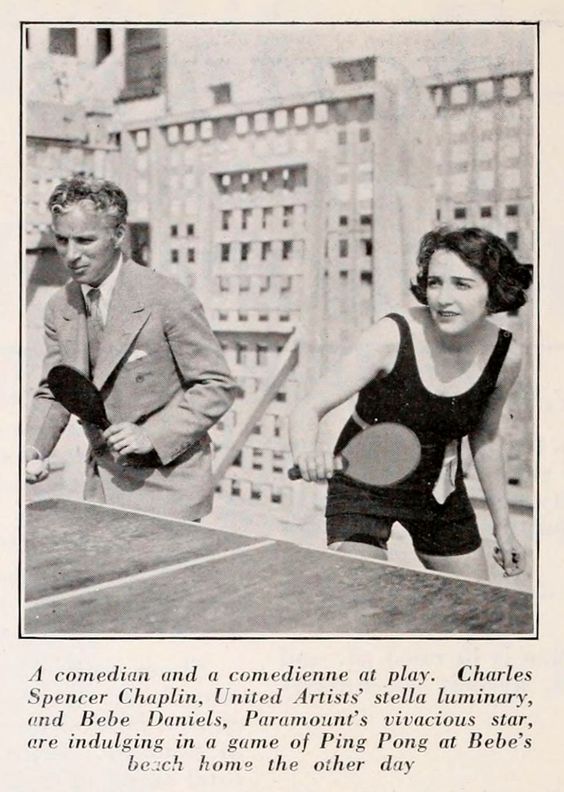
Among the “lawn games” reviewed, the New Yorker had this to say about the revival of ping-pong and the “spirited matches played between the sexes”…

screen-shot-2016-10-13-at-9-11-38-am

More celebrity action from the 1920s. (Clip from Pinterest)

 *  *  *

82b1f6e20ffd1e39a8e9d0f9da216917
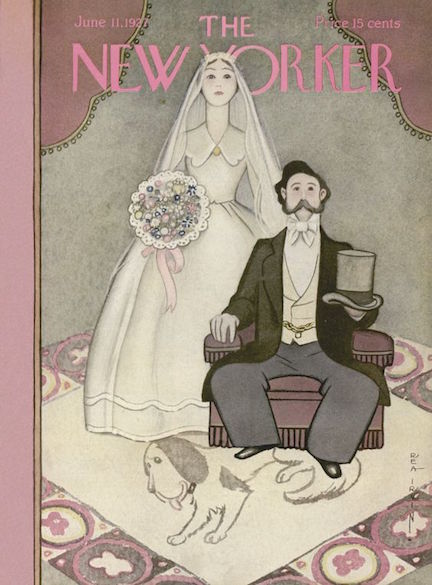
June 11, 1927 cover by Rea Irvin.

In the following week’s issue, June 11, 1927, there was a bit more to say about Lindy’s future economic prospects…

screen-shot-2016-10-13-at-9-35-14-am

…and there is this item about New York Mayor Jimmy Walker. Given his love of late-night parties, speakeasies and chorus girls, it was no wonder that The New Yorker’s editors found him an attractive subject for “Talk of the Town”…

screen-shot-2016-10-13-at-9-33-36-am

Jimmy Walker and Betty Compton after their wedding in Cannes, 1933. (www.isle-of-wight-fhs.co.uk)

screen-shot-2016-10-13-at-9-33-44-am

Of course Walker’s aloofness would have consequences later when scandal and corruption would knock him and his cronies from office.

 *  *  *

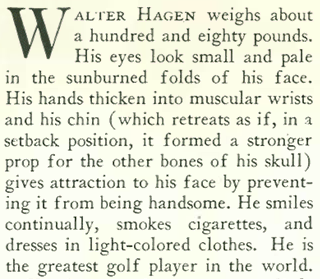
The issue also included a profile of golfer Walter Hagen, written by Niven Busch Jr. In his “Portrait of a Dutchman,” Busch begins:

screen-shot-2016-10-13-at-9-38-10-am

The profile included this portrait of Hagen by Miguel Covarrubias:

screen-shot-2016-10-13-at-9-37-53-am

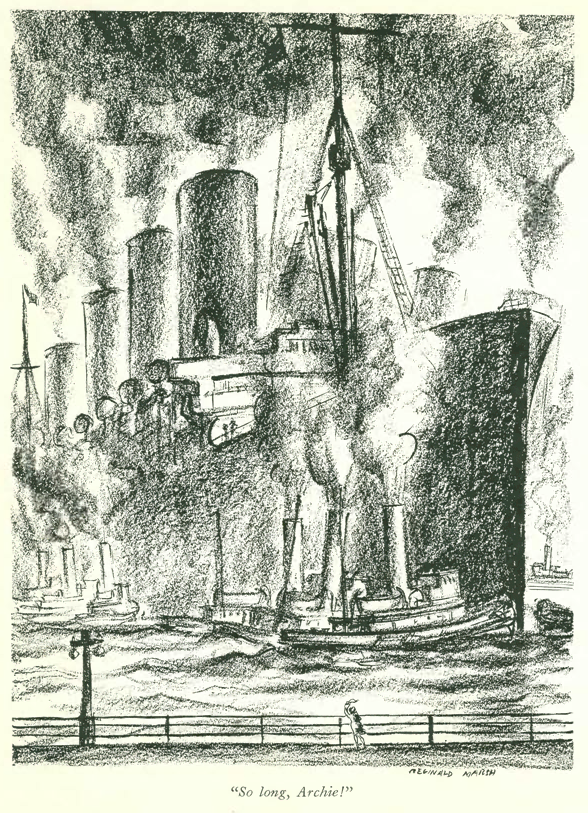
We end with this full-page cartoon, beautifully rendered in Conté crayon by Reginald Marsh

screen-shot-2016-10-13-at-9-37-31-am

Next Time: Coney Island, 1927…

37723304ec91b372ae19e57e36b4d4b9

The Sporting Life

One of the strangest things about the fall 1926 issues of The New Yorker is the almost complete absence of baseball coverage, even though the 1926 Yankees had turned things around from an abysmal 1925 season and found themselves in the 1926 World Series against the St. Louis Cardinals.

cb57ca46d50ab47f3acf02be954149b6
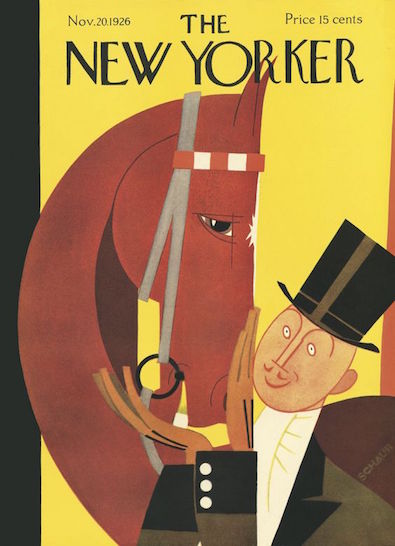
November 20, 1926 cover by Andre De Schaub.

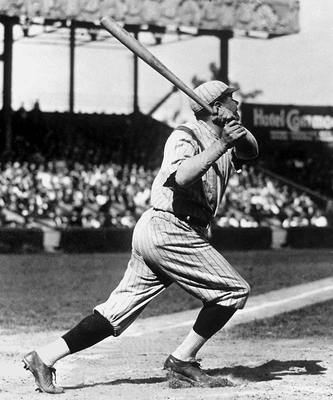
The Yankee’s star Babe Ruth had recovered his health from the previous season and played exceptional all-around baseball in 1926, even setting a World Series record of three homers in the fourth game. According to (now disputed) newspaper reports at the time, Ruth had promised a sickly boy named Johnny Sylvester that he would hit a home run for him in Game 4. The papers reported that after Ruth’s three-homers, the boy’s condition miraculously improved.

babe-ruth2_display_image1
SNUBBED…Babe Ruth knocked in three homers during Game 4 of the exciting 1926 World Series, an event completely ignored by the football-crazed New Yorker. (Bronx Banter)

The Yankees would lose the series in seven games (it would be the first of the Cardinals’ 11 WS championships), but nevertheless the season represented a dramatic turnaround for the team.

But The New Yorker was obsessed with college football, mostly Ivy League contests and the exploits of Knute Rockne and his Notre Dame Fighting Irish.

Screen Shot 2016-04-22 at 9.59.31 AM
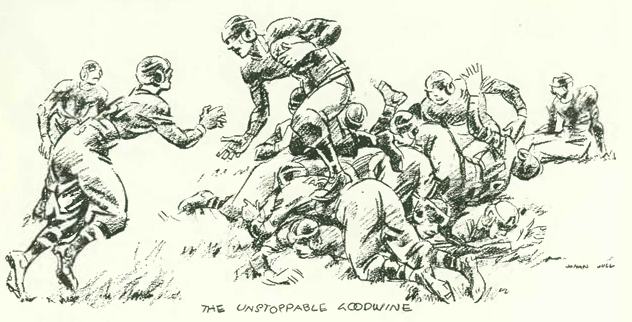
Johan Bull provided lively illustrations for John Tunis’s columns.

Sportswriter John Tunis cranked out lengthy accounts of football games, including the Princeton-Yale contest covered in the Nov. 20, 1926 issue.

The same issue also included an article by Herbert Reed, who wrote about Notre Dame’s victory over Army at Yankee Stadium and proclaimed the Fighting Irish to be the greatest team in the country.

The New Yorker caught the Notre Dame bug the previous season. When attendance dropped at Yankee Stadium due to an ailing Babe Ruth and his team’s losing record, college football took center stage at the stadium that fall, with the fiercely competitive Notre Dame–Army game the marquee match-up (the rivals would continue their annual meeting at Yankee Stadium until 1947).

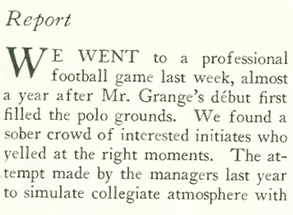
The “other” game–professional football–was still in its infancy, and the editors of “The Talk of Town” made it clear that the college atmosphere was more to their liking. It is interesting that even today when fans compare college to pro football, the same observations are made:

Screen Shot 2016-04-22 at 9.53.30 AM

Screen Shot 2016-04-22 at 9.53.39 AM

226e0194353a39b57345ede7deaf7634
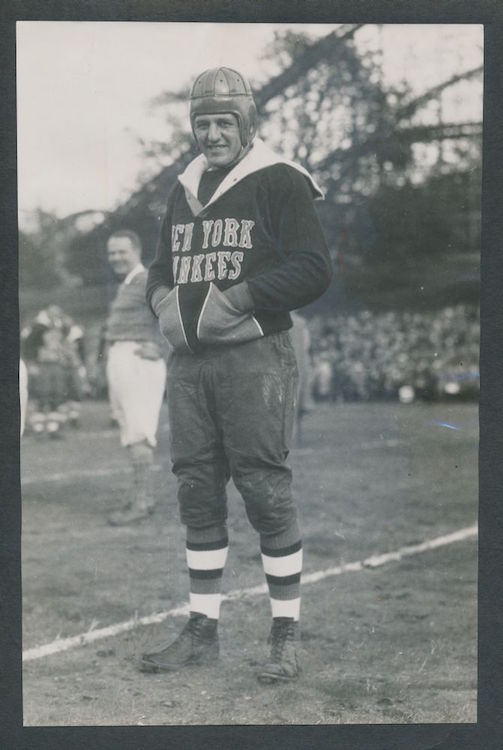
STAR ATTRACTION…After playing his first professional season with the Chicago Bears, in 1926 Red Grange joined the short-lived New York Yankees professional football team. (ourgame.mlb)

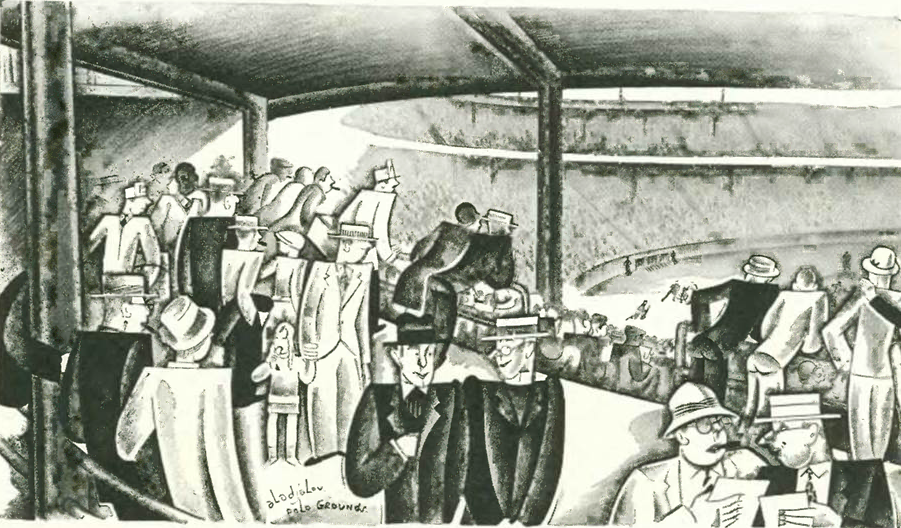
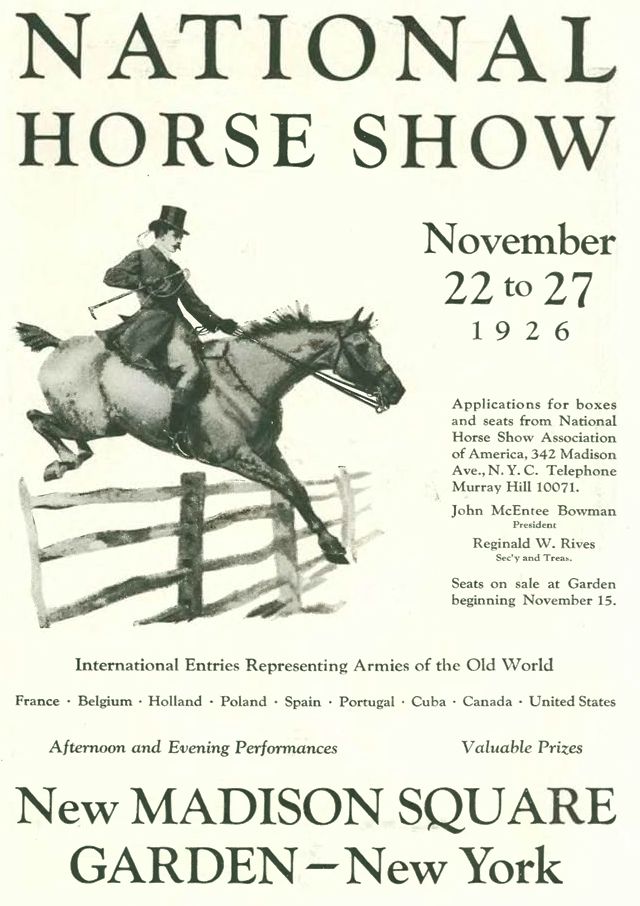
As for other sports, The New Yorker also offered extensive coverage of tennis, golf, and polo in its issues. And there would also be rowing, boat and auto racing, and steeplechase events such as National Horse Show at Madison Square Garden. An advertisement promoting that event appeared on the inside back cover:

Screen Shot 2016-04-22 at 10.06.11 AM

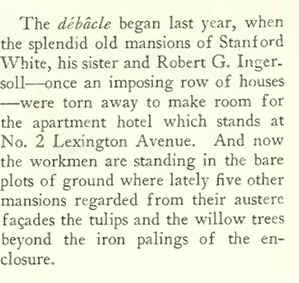
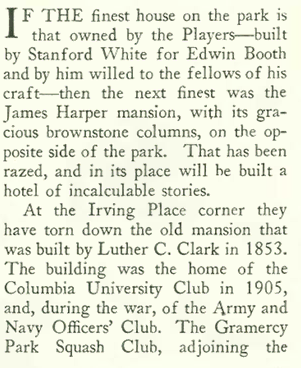
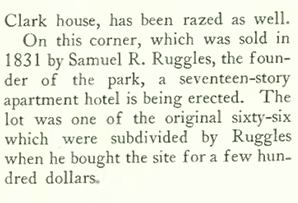
The editors of “Talk of the Town” continued their sad refrain on the city’s changing landscape, the wrecking ball this visiting Gramercy Park:

Screen Shot 2016-04-22 at 9.55.34 AM

Screen Shot 2016-04-22 at 9.55.42 AM

Screen Shot 2016-04-22 at 9.55.48 AM

Screen Shot 2016-04-22 at 9.55.53 AM

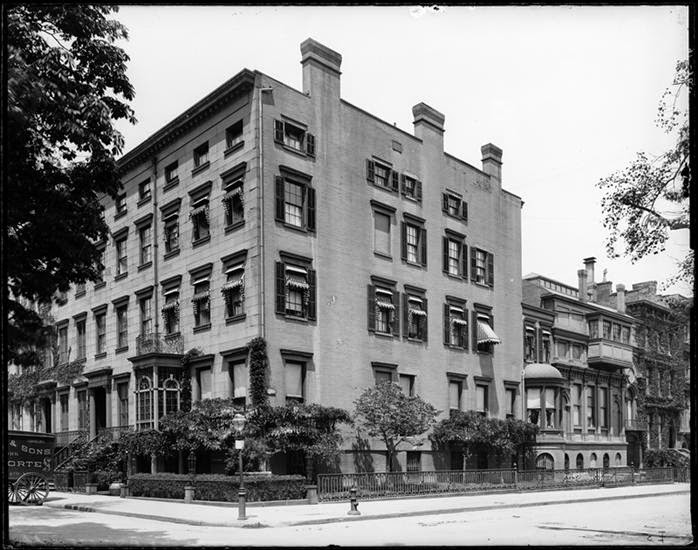
white house
The Stanford White house referred to in “The Talk of the Town.” ( Museum of the City of New York)
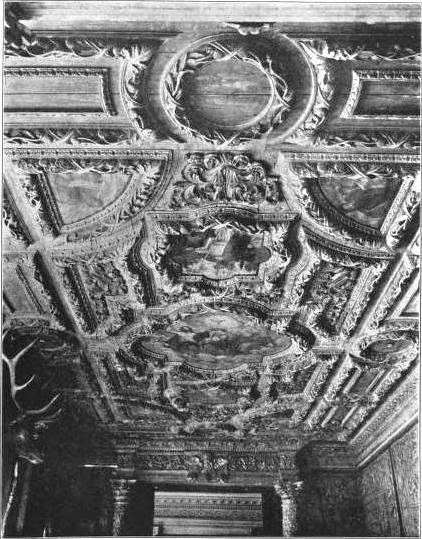
white dining room ceiling
The Dining Room ceiling in the Stanford White House came from a 16th century chapel in Florence. (From the Illustrated Catalogue of the Artistic Furnishings and Interior Decorations of the Residence at No. 121 East Twenty-first Street, New York City, April 1907 (copyright expired)
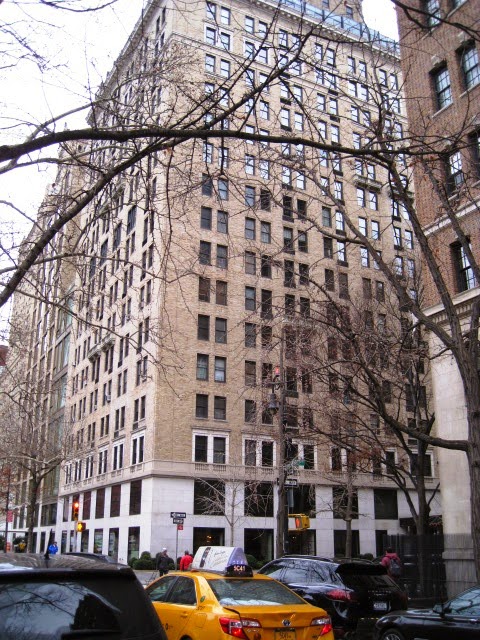
gramercy park hotel
Gramercy Park Hotel on the site today. (A Daytonian in Manhattan)

And to close, this terrific advertisment for the Greenwich Village Inn, illustrated by Hans Flato:

Screen Shot 2016-04-22 at 9.59.10 AM

Next Time: Holiday Shopping…

8912823cfdc5626785b13a431ae590de

Fight Night in Philly

We skip ahead to the Oct. 2, 1926 issue to look at one of the big events of that year–the Dempsey-Tunney heavyweight prize fight (I’m not skipping issues…Sept. 25 appears later in this blog).
652f917918402a71eb86f6671c9f228a
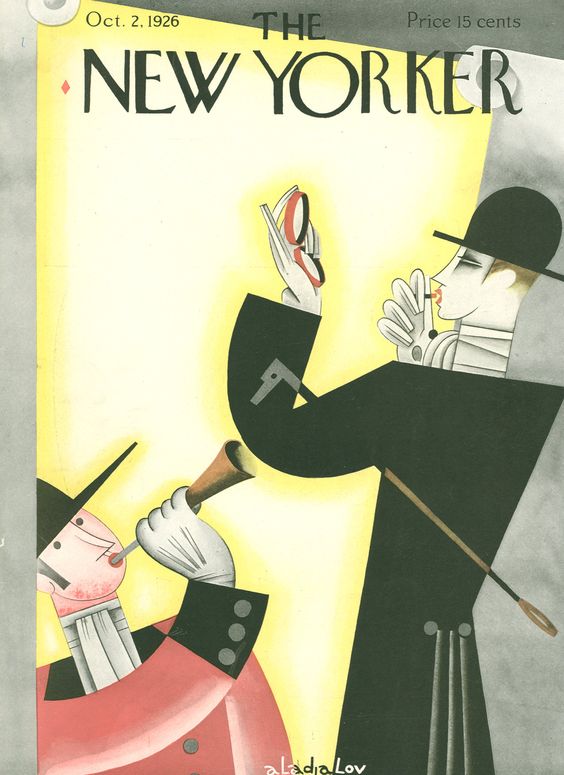
Oct. 2, 1926 – Issue # 85 – Cover by Constantin Alajalov. (Once again, note the ongoing comic reference to androgyny in 20’s fashion)
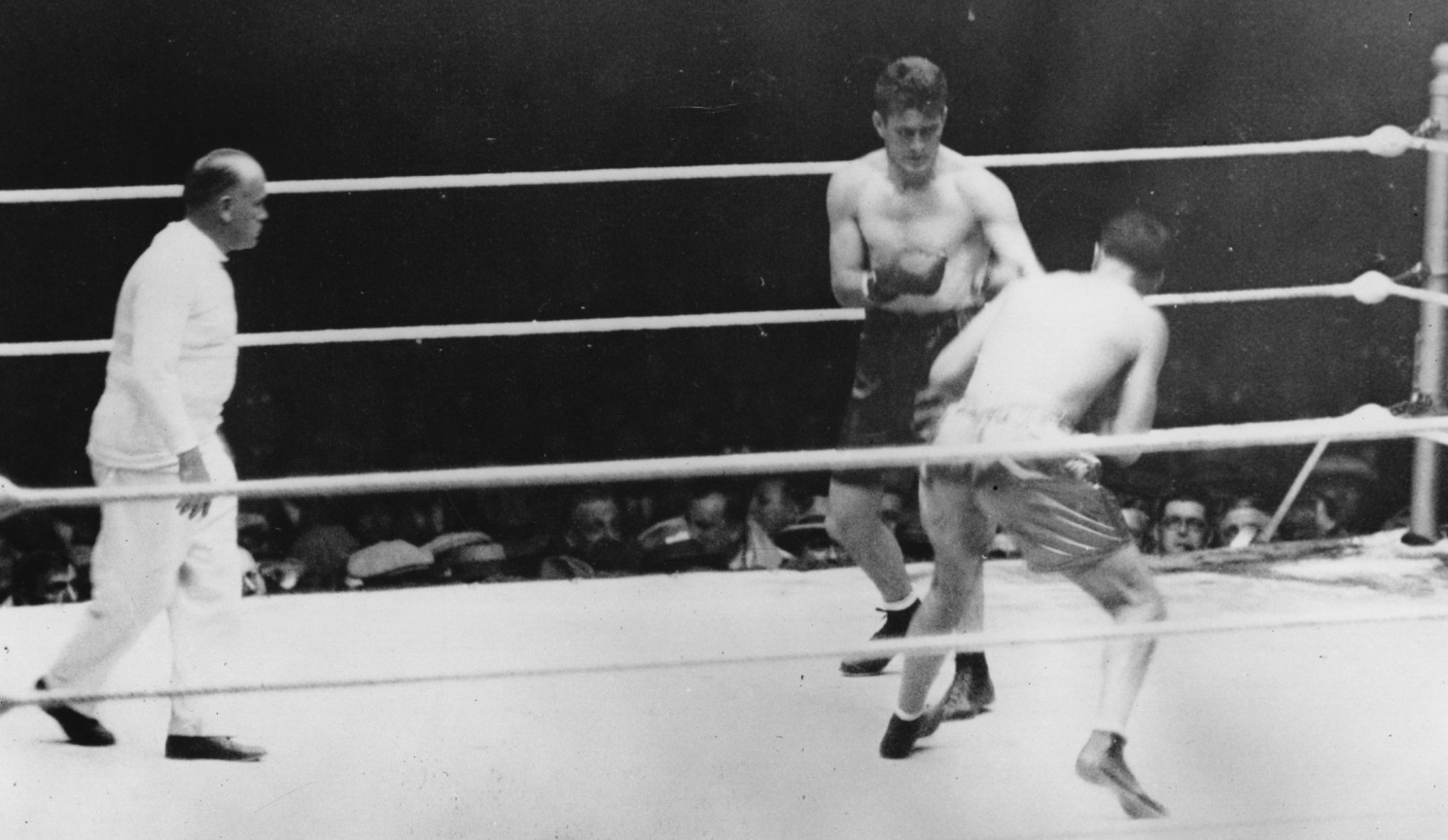
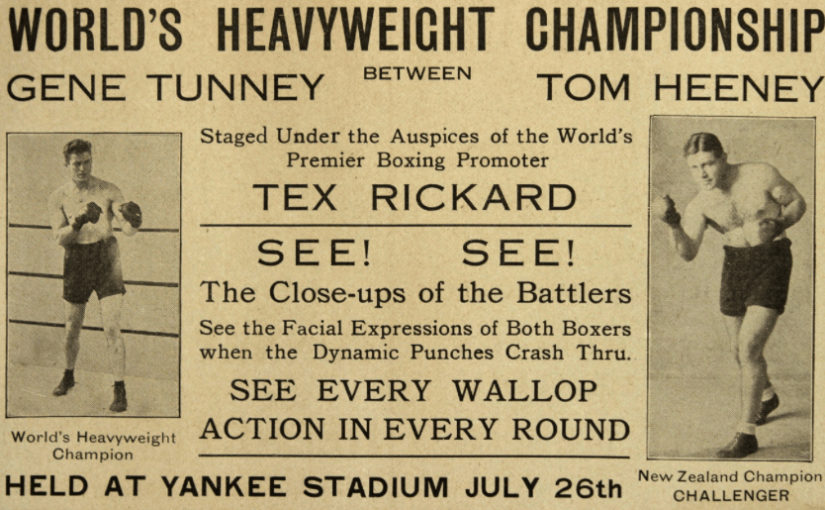
Heavyweight boxing was a big part of the American sports scene in the 1920s, and two giants of the sport, Jack Dempsey and Gene Tunney, dominated the headlines in the late 1920s thanks to much-heralded bouts in Philadelphia in 1926 and a rematch in Chicago the following year (which would include the famous “long count” incident).
Screen Shot 2016-02-26 at 12.30.40 PM
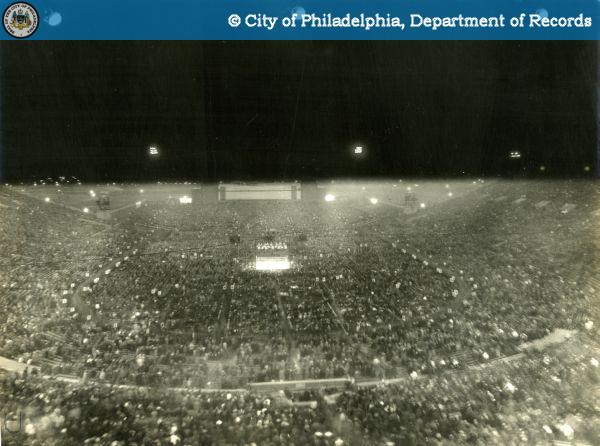
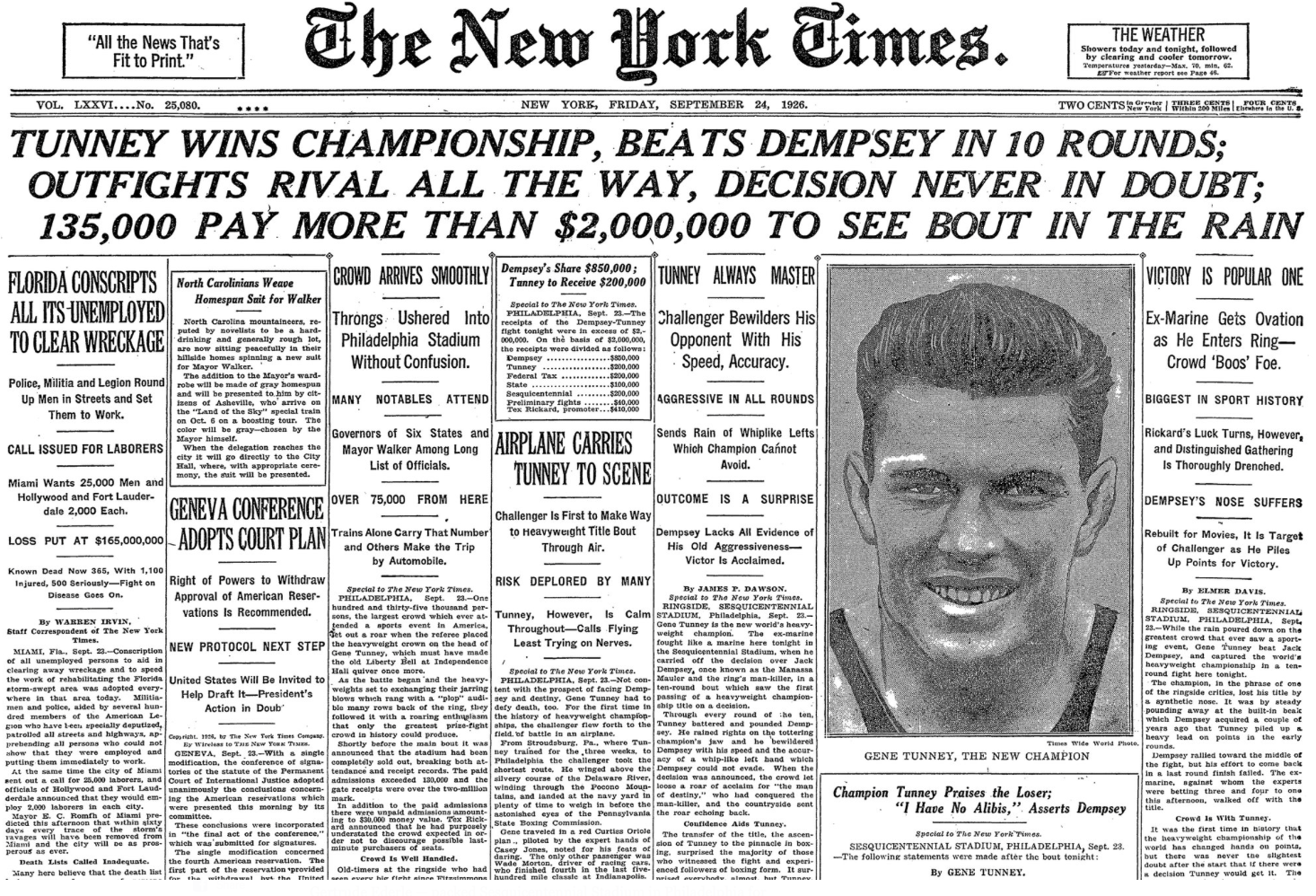
An estimated 135,000 fans packed Sesquicentennial Stadium in Philadelphia for the Dempsey-Tunney bout. (NYTimes)
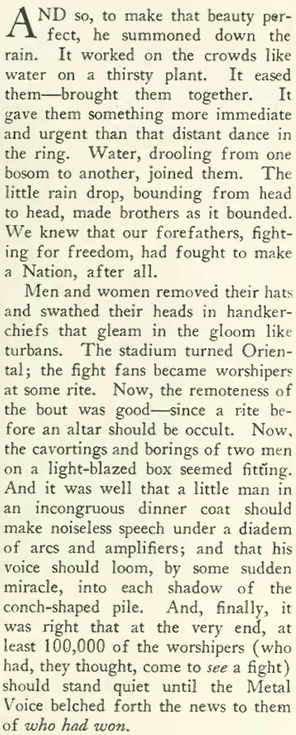
The New Yorker joined in on the hoopla, publishing a lengthy account of the match by Waldo Frank (aka “Search-light”), who trained his jaded eye on the whole affair:
Screen Shot 2016-02-25 at 4.28.32 PMScreen Shot 2016-02-25 at 4.28.39 PM
MediaStream.ashx
VIEW FROM THE CHEAP SEATS…a rain-soaked throng at the Dempsey-Tunney fight in Philadelphia. (City of Philadelphia)
According to the New York Times, the crowd included such notables as Charlie Chaplin, cowboy movie star Tom Mix and the English Channel swimmer Gertrude Ederle.
Screen Shot 2016-02-26 at 12.13.08 PM
Coverage of Tunney’s victory by unanimous decision took up three-quarters of the front page of The New York Times, and also filled most of pages 2 through 7. (The New York Times)
But in typical fashion, Waldo was less than dazzled, finding the rain an apt metaphor for a spectacle mostly unseen by those in attendance:
Screen Shot 2016-02-25 at 4.27.50 PM
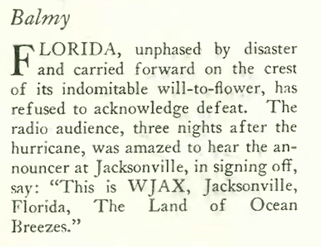
Never one to wallow in tragedy, the magazine made a brief (and oddly droll) reference in “The Talk of the Town” to a hurricane that hit Miami and its environs (it killed 372 people and injured more than 6,000):
Screen Shot 2016-02-25 at 4.16.52 PM
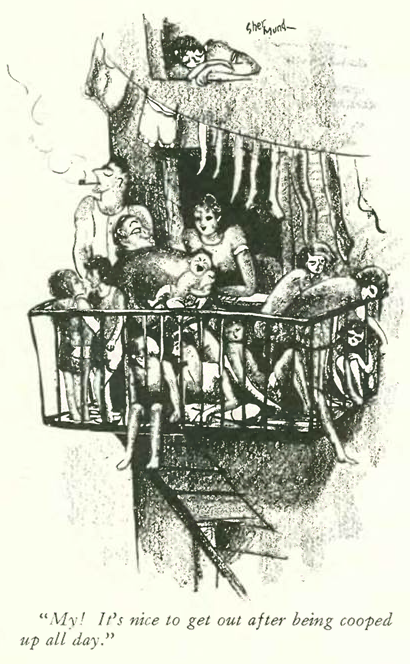
Other items of note in the issue included this examination of country vs. city life by cartoonist Barbara Shermund
Screen Shot 2016-02-25 at 4.21.56 PM
…and this cartoon by Al Frueh commenting on the challenges of Manhattan’s rapidly changing cityscape:
Screen Shot 2016-02-25 at 4.18.53 PM
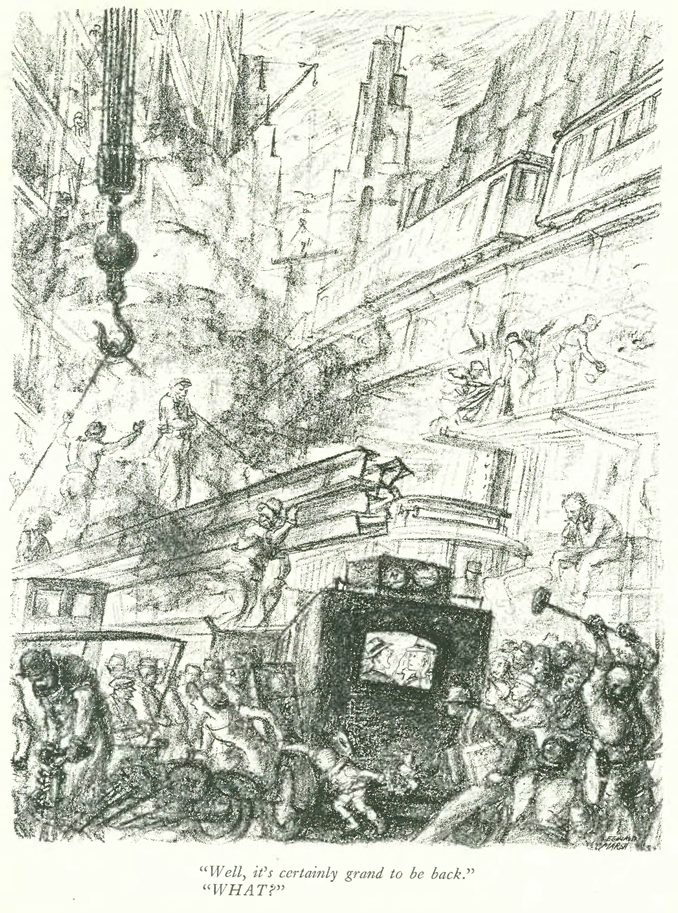
The changing city was also on the mind of Reginald Marsh in this illustration he contributed to the Sept. 25, 1926 issue of the magazine:
Screen Shot 2016-02-25 at 4.02.32 PM
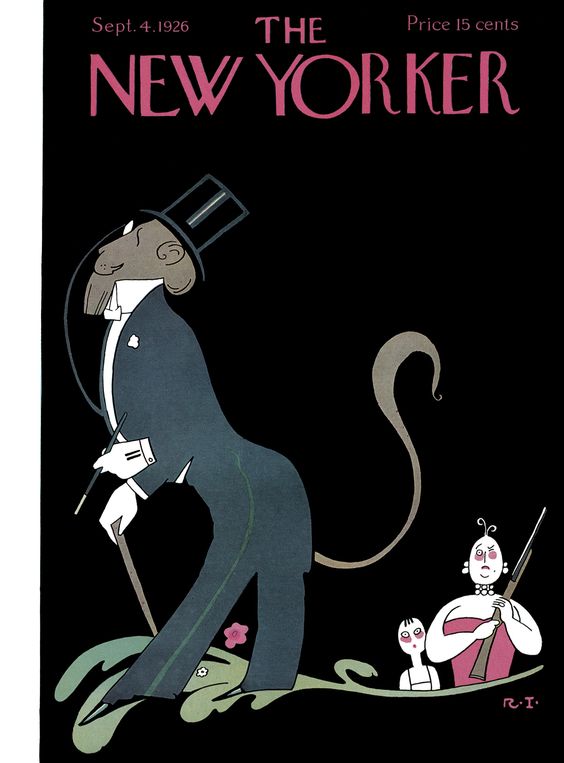
Back to the Sept. 25 issue, which featured an update from Paris correspondent Janet Flanner
d9f3d5507a7bade4fc28276d12a63260
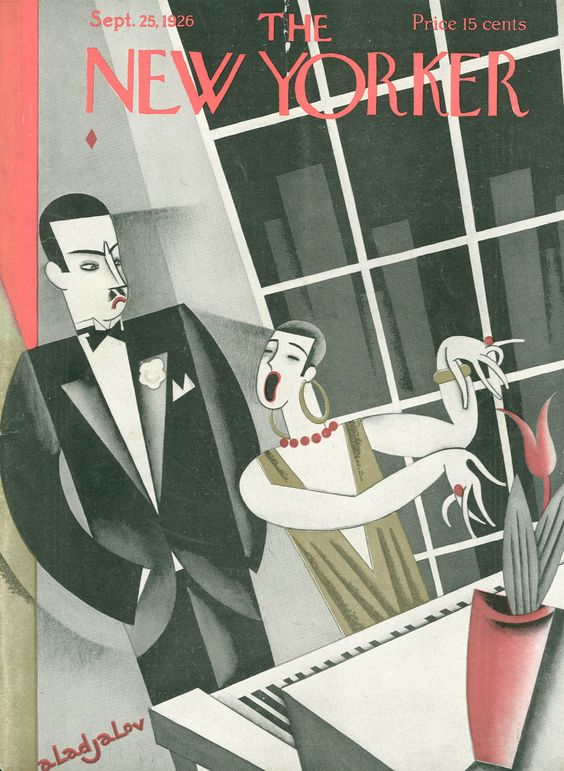
Sept. 25, 1926 – Issue # 84 – Cover by Constantin Alajalov.
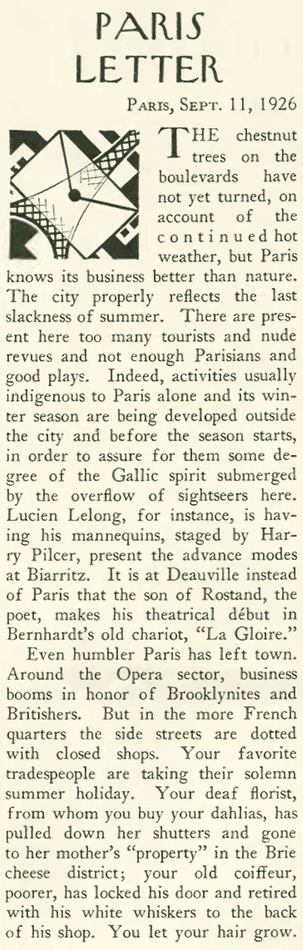
…who commented on the large number of American tourists crowding the city just as the locals were fleeing for their long, late summer holidays:
Screen Shot 2016-02-25 at 4.07.13 PM
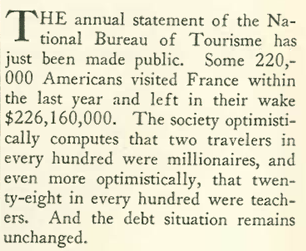
She offered some numbers to back up her observations:
Screen Shot 2016-02-25 at 4.07.43 PM
3333095832_f6a6fd78cb_o
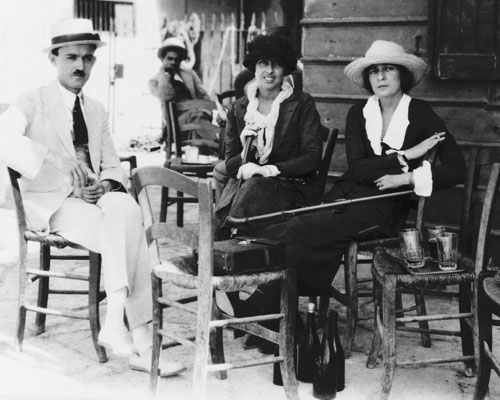
Janet “Genêt” Flanner (right) and longtime companion Solita Solano (center) in Paris, 1921. Solano was a well-known writer and drama critic for the New York Tribune. (Vintage Everyday)

And finally, a cartoon by Rea Irvin exploring the trials of the idle rich:

Screen Shot 2016-02-25 at 4.01.32 PM
 Next Time: Do Gentlemen Prefer Blondes?
848d031119e0d470956ce963e6e7fb62

On the Air

As much as they affected a refined disinterest in the latest fads, The New Yorker editors were nevertheless impressed by the many electronic innovations in the 1920s consumer market. Although electricity in cities had been around for awhile, inventions to exploit this new resource would come into their own in the Jazz Age with the advent of mass-produced electrical appliances (refrigerators, toasters etc.).

9d9134fa5d5971983bdff56839082757
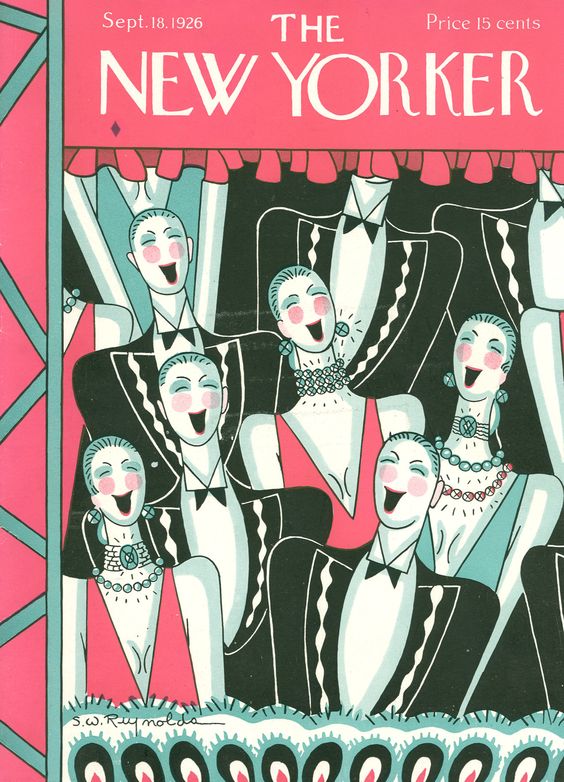
Sept. 18, 1926 cover by Stanley W. Reynolds.

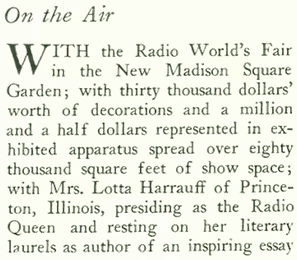
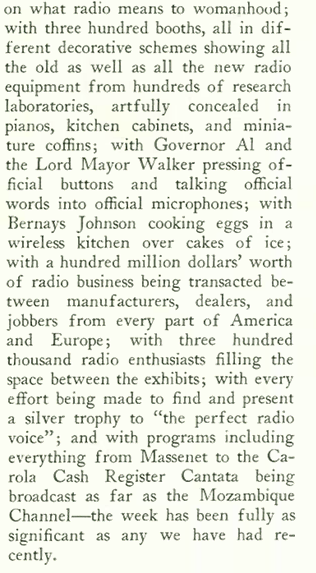
So when the 1926 Radio World’s Fair opened at Madison Square Garden, the magazine was there to report on its many marvels in the Sept. 18 issue:

Screen Shot 2016-02-17 at 4.33.11 PM

Screen Shot 2016-02-17 at 4.33.20 PM

1920s-radio
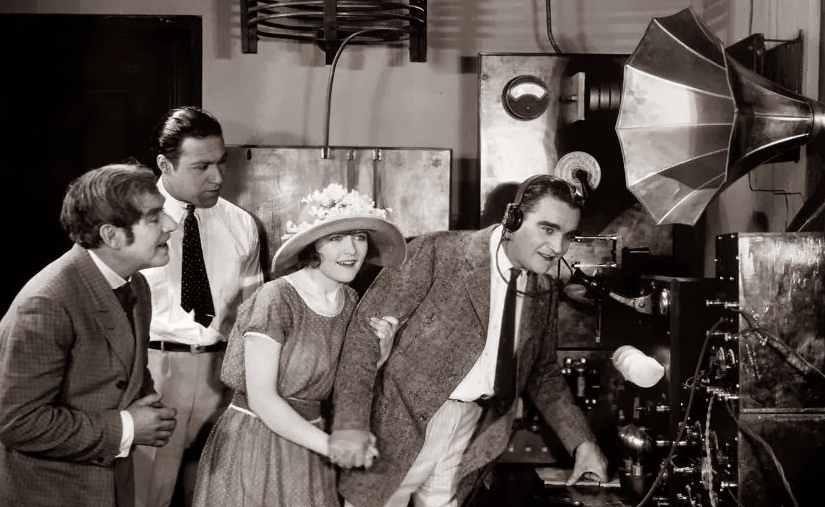
IF ONLY THEY HAD SPOTIFY…Teens tuning in, mid 1920s. (hancockhistoricalmuseum.org)

Although New York’s radio fair was doubtless the largest (akin to today’s annual Consumer Electronics Show), similar fairs were held in other major cities where broadcast radio was taking hold.

tumblr_m1upqvc8Eb1rq0v7oo1_500
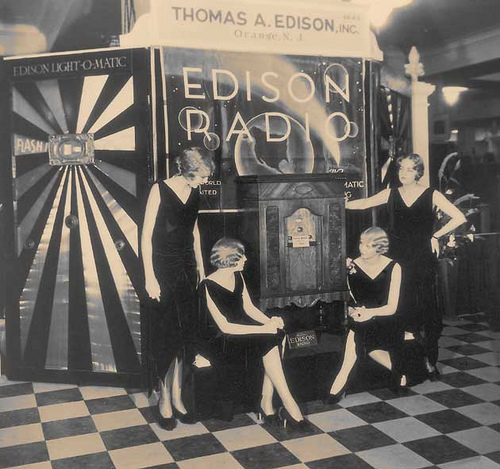
Promotional image for Edison Radio from the 1926 New York Radio World’s Fair. (artdecoblog.com)

…and for comparison, an image from the 2016 Consumer Electronics Show in Las Vegas:

cf4c9628
(CES)

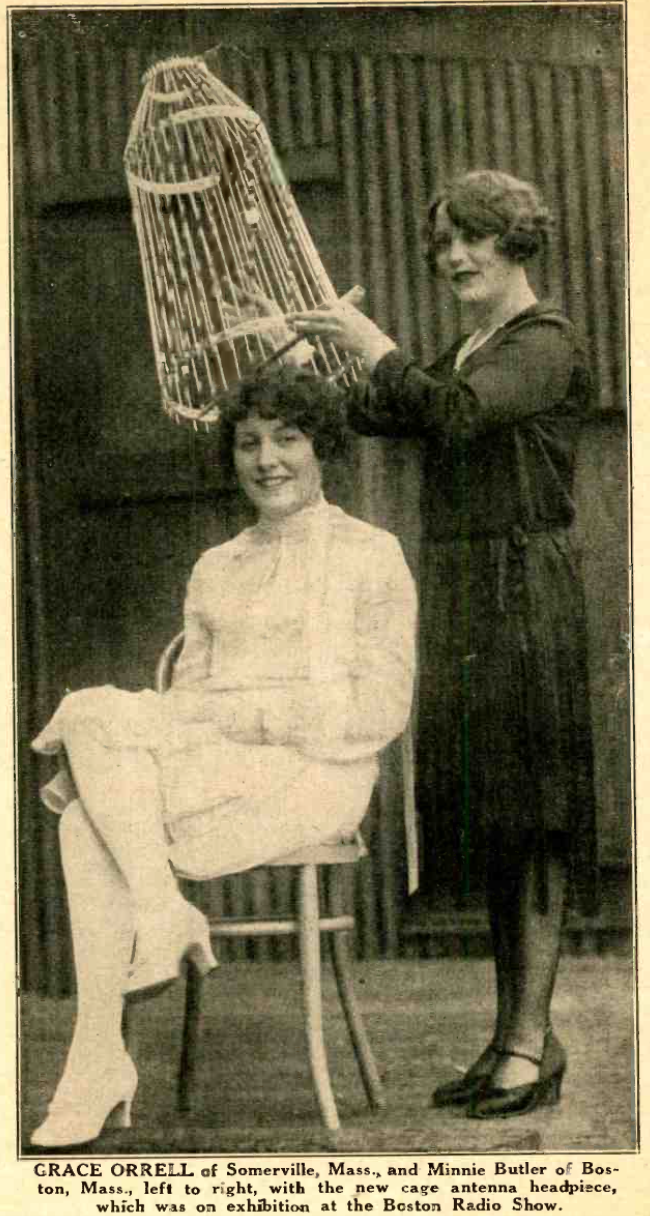
To give you an idea of some of the stranger innovations in the world of 1920s radio, here is an image scanned from the Oct. 16, 1926 issue of Radio World magazine demonstrating the wonders of a wearable cage antenna, apparently through which the wearer could make or receive wireless broadcasts…

Screen Shot 2016-02-22 at 9.43.31 AM

…and a detail of an advertisement from the same issue depicting a typical household radio for the time:

Screen Shot 2016-02-22 at 9.45.24 AM
Before tuning in for the first time, the radio’s owner needed to string a 100-foot outside aerial. Until 1927, when owners could plug their radios into electric sockets, radios required two types of batteries—a storage battery that required recharging every two weeks and a set of dry-cell batteries that needed to be replaced about every three weeks.

If all this looks crude, remember that in September 1926 broadcast radio was less than six years old. But it was big year for radio, with the National Broadcasting Company (NBC) establishing a network of stations that distributed daily programs. Columbia Broadcasting System (CBS) would establish a rival network in 1928.

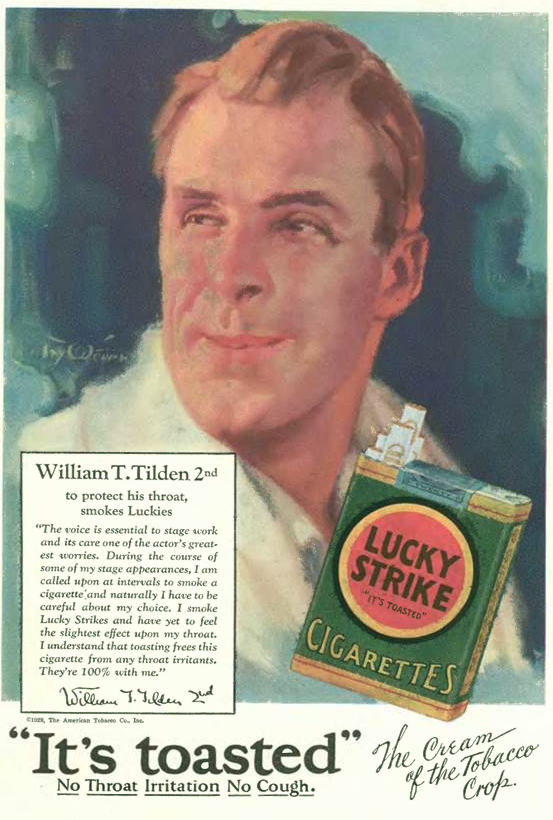
In other items, the magazine offered a lengthy profile on tennis legend Bill Tilden, and later in the sports section described his Davis Cup loss to Frenchman René Lacoste.

lacoste-france-etats-unis_360
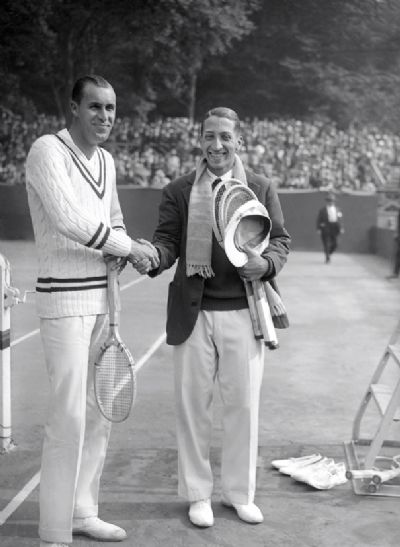
Tennis rivals Bill Tilden and René Lacoste meet in Philadelphia, 1927. (greensleevestoaground.)
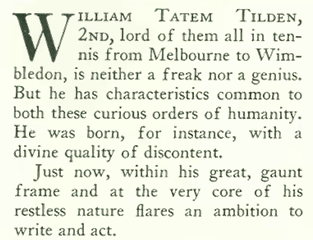
Tilden is often considered one of the greatest tennis players of all time. However, The New Yorker “Profile” described him as a reluctant star with artistic ambitions…
Screen Shot 2016-02-19 at 12.33.55 PM
…who distained the life of a sports hero…
Screen Shot 2016-02-19 at 12.35.08 PM
Samuel Merwin, referred to above, was a playwright and novelist.
Tilden was the world’s number one player for six years (1920-1925). He won 14 Major singles titles including ten Grand Slams. He also won a record seven US Open titles.
There is a sad footnote to Tilden’s career, however. Twenty years after The New Yorker profile, Tilden would be arrested for soliciting sex from an underage male, an offense he would arrested for again three years later, in 1949. He was subsequently shunned by the tennis and Hollywood world, although old friend Charlie Chaplin allowed Tilden to use his private court for lessons, which helped him financially as he dealt with legal and financial problems.
* * *
Going Going Gone
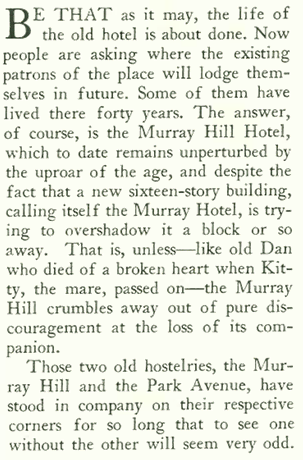
The magazine editors continued to watch the rapidly changing skyline of the city, as beloved old buildings were demolished to make way for new skyscrapers. This time it was the old Park Avenue Hotel:
 Screen Shot 2016-02-19 at 12.30.45 PM
The editors of “Talk of the Town” fondly recalled the time when the hotel, with its spacious courtyard of flowers and fountains, attracted “almost every dinner party of consequence in New York.”
Screen Shot 2016-02-19 at 12.32.03 PM
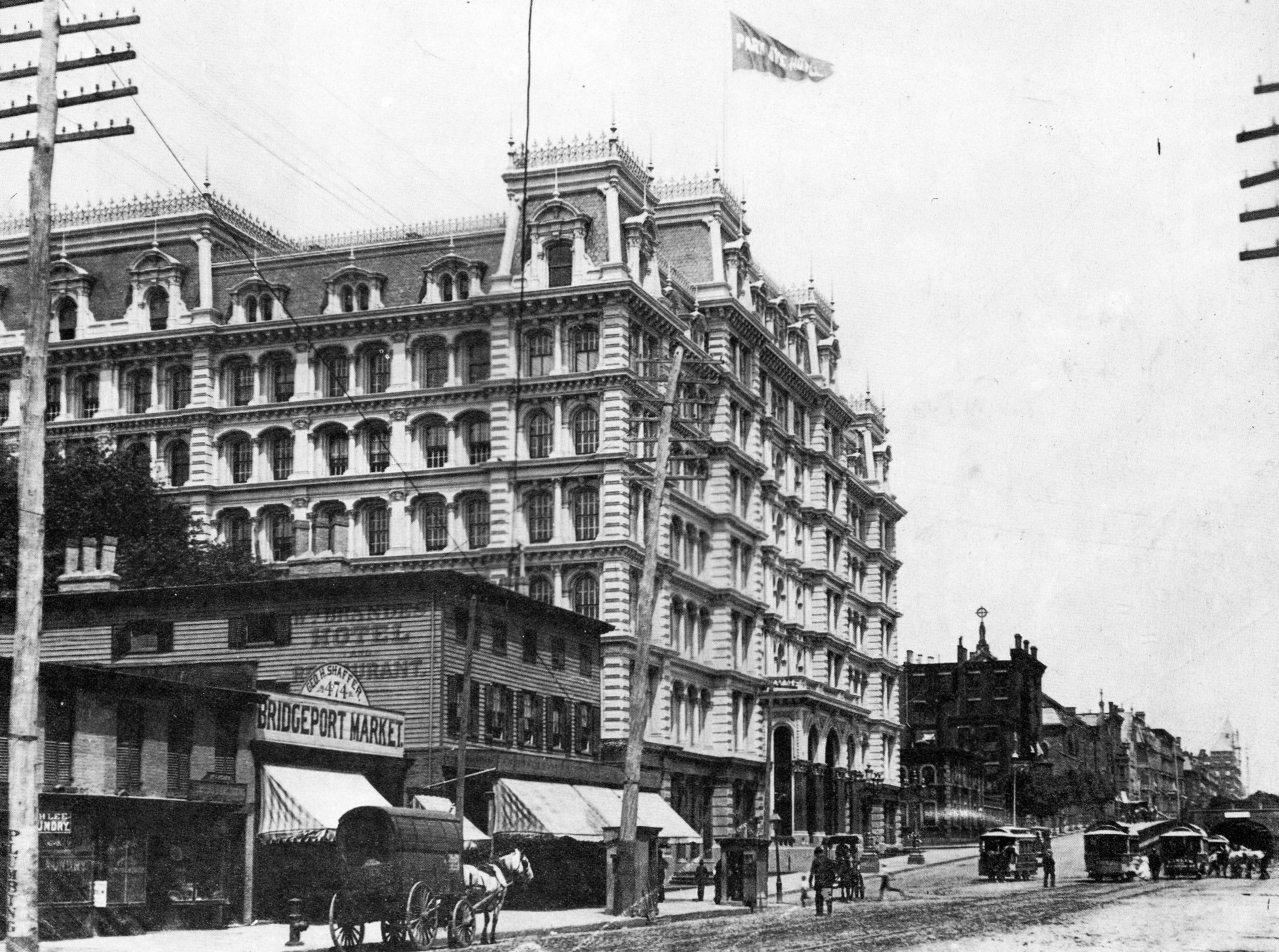
parkavenuesouth1890
This photo of the old Park Avenue Hotel was taken in 1890, only two years after Fourth Avenue was renamed Park Avenue. Constructed in 1877, the hotel was originally called Stewart’s Hotel for Working Women, designed to provide safe housing for the influx of single working women pouring into New York City. The name didn’t last long: the hotel was opened in April 1878, closed in May and reopened in June as the Park Avenue Hotel. It was razed in 1927. (Ephemeral New York)

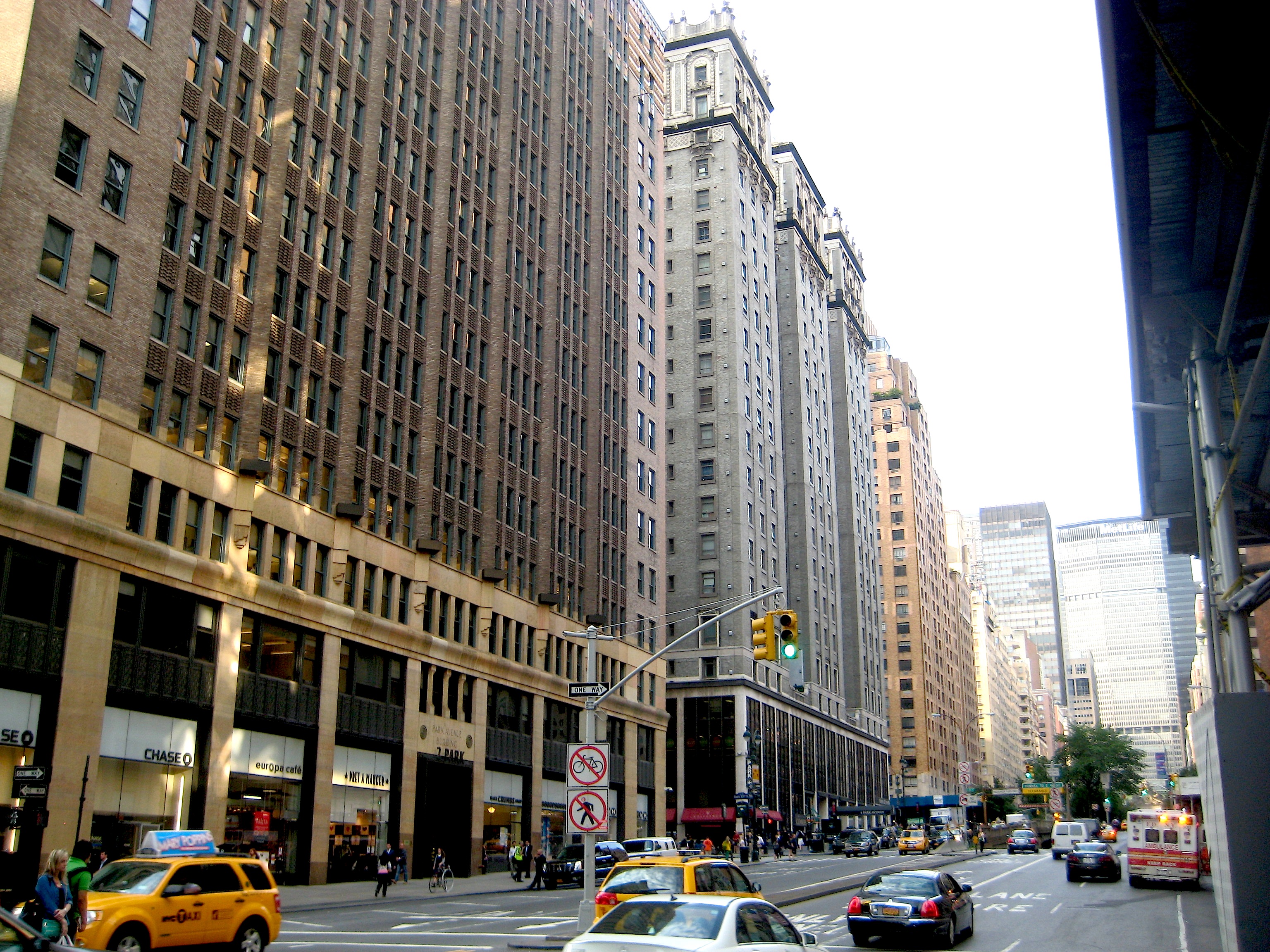
The same site today:

parkavenuesouth2012
(Ephemeral New York)

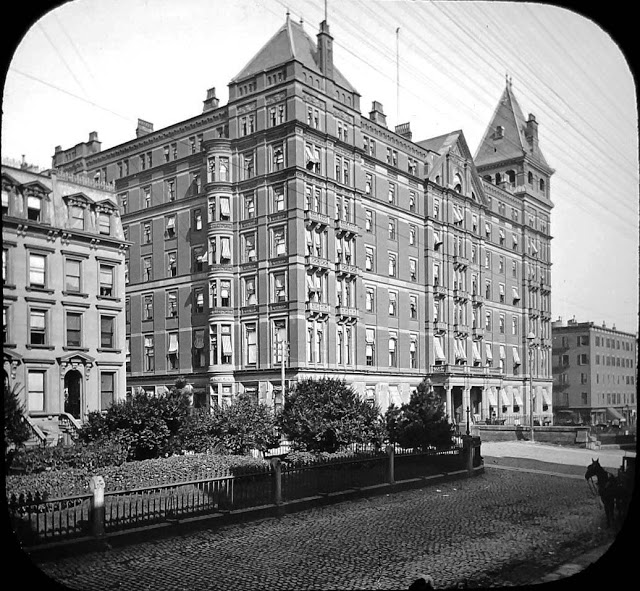
The nearby Murray Hill Hotel mentioned in the article would last another 20 years, falling to the wrecking ball in 1947:

$(KGrHqZ,!jgE7jIy3h0zBO+884Q5Mw~~60_57
The Murray Hill Hotel, built in 1884, would outlive the Park Avenue Hotel by 20 years, falling to a wrecking ball in 1947. (Library of Congress)
 Next Time: Fight Night in Philly…
d9f3d5507a7bade4fc28276d12a63260

Time for a Facelift

It’s the dog days of summer, and the editors of The New Yorker are seeking various distractions to take their minds off of the broiling late season heat.

db2311e2a9fcb89fc253615846207b55
August 21, 1926 cover by H.O. Hofman.

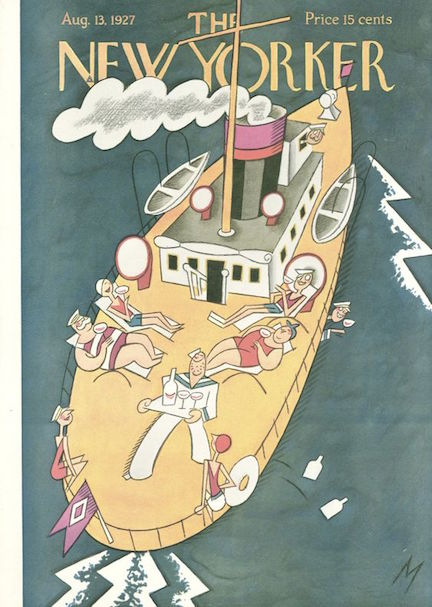
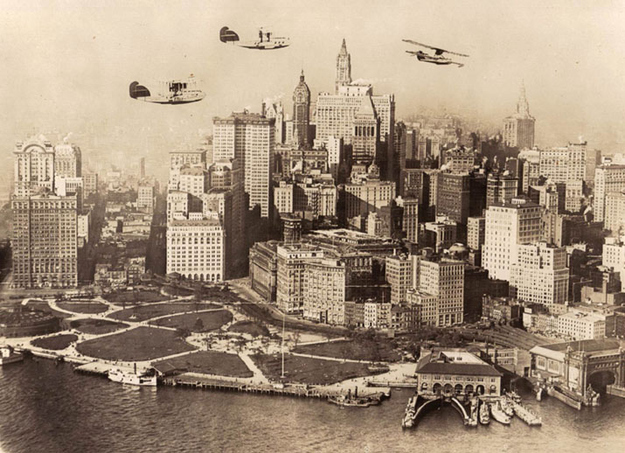
In the Aug. 21, 1926 issue (bearing an appropriate cover image by H.O. Hofman of bathers taking a refreshing dip), “The Talk of the Town” suggested that it was a good time for even the natives to take a boat tour of their beloved island:

Screen Shot 2016-02-09 at 12.35.36 PM

Screen Shot 2016-02-09 at 12.35.46 PM

enhanced-buzz-27796-1367872781-0
Aerial view of Battery Park Wharf in the early 1920s (Buzzfeed)

In the following Aug. 28 issue, the “Talk” editors ducked out of the sun to visit the American Museum of Natural History.

b3166409b2ab1ea1369e857d009d9b30
Aug. 28, 1926 cover by H.O. Hofman.

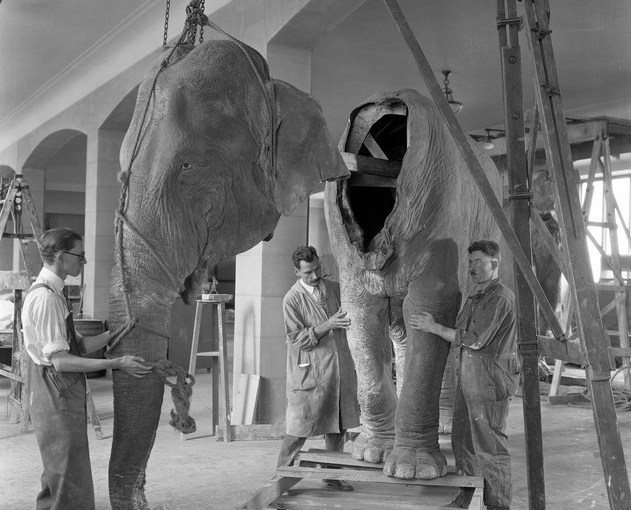
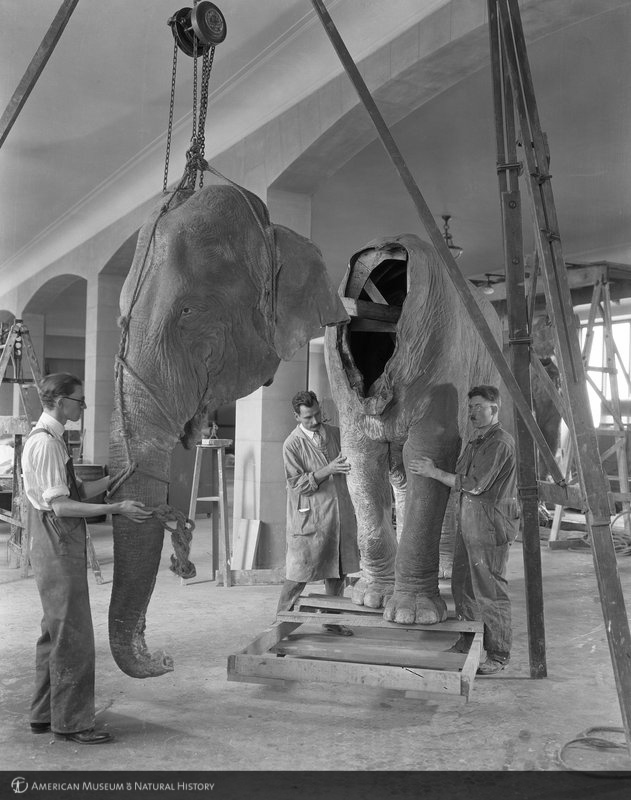
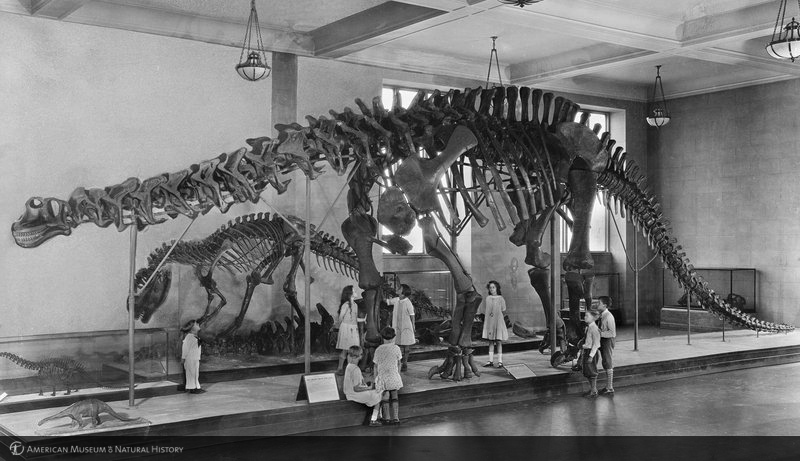
There they found curators busy reorganizing displays of dinosaurs and various stuffed beasts of the wild:

Screen Shot 2016-02-09 at 12.14.22 PM

Screen Shot 2016-02-09 at 12.14.28 PM

311585.tif
AMNH staff joining head to body of female elephant in Indian Elephant Group, 1926. (AMNH Digital Special Collections)
2007 METRO Project | ImageDigitizationSpecifications v1.0 | Epson Perfection V750 Pro
The end result of the 1926 reorganization of displays at the AMNH—children viewing Brontosaurus exhibit in 1927. (AMNH Digital Special Collections)

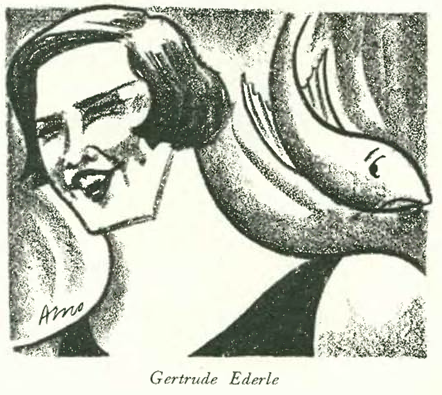
The magazine also profiled New York City native Gertrude Ederle, who became the first woman to swim across the English Channel in August of 1926:

Screen Shot 2016-02-09 at 12.16.16 PM
Gertrude Ederle, as rendered by Peter Arno for the “Profile.”

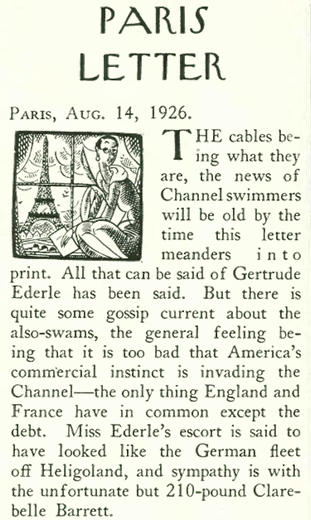
Even Janet Flanner, the magazine’s Paris correspondent, commented on the event, noting Europe’s jealous reaction to an American’s seizing of the record:

Screen Shot 2016-02-09 at 12.28.51 PM

Ederle would return home to a ticker tape parade along the Canyon of Heroes in the Financial District, and would also be feted by 5,000 people who turned out on West 65th Street for a block party in her honor.

getrudeedlerlecrown
WHAT FOLKS DID BEFORE TELEVISION…Block party celebrates Gertrude Ederle as “Queen of the Waves.” (Ephemeral New York)

According to the excellent blog Ephemeral New York, Ederle received offers from Hollywood and Broadway and was deluged by marriage proposals. But she returned to a quiet life, moving to Queens and working as a swimming instructor for deaf children–Ederle’s hearing was seriously damaged in the water of the Channel, but otherwise swimming must have been good for her health. She died at age 98 in 2003.

Keeping with the summertime theme, the magazine covered the Gold Cup Regatta, complete with illustrations by Johan Bull:

Screen Shot 2016-02-09 at 12.19.14 PM

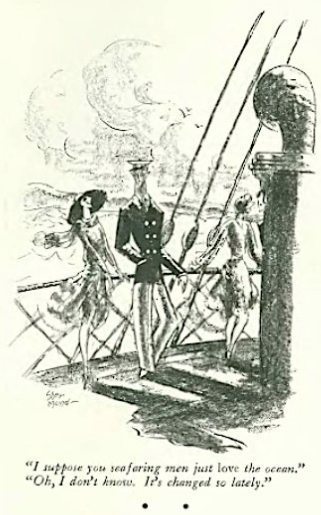
An early Barbara Shermund cartoon, always a delight…

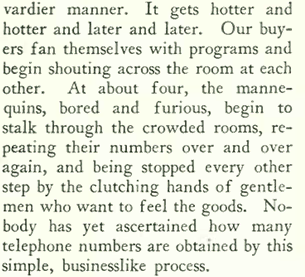
Lois Long took her “On and Off the Avenue” column to Paris, where she cast a jaded eye at the behavior of American buyers of French fashion:

Screen Shot 2016-02-09 at 12.26.32 PM

Screen Shot 2016-02-09 at 12.26.50 PM

Screen Shot 2016-02-09 at 12.27.00 PM

chanel-LBD
Coco Chanel’s “Little Black Dress” debuted in 1926. (homeecologist.com)

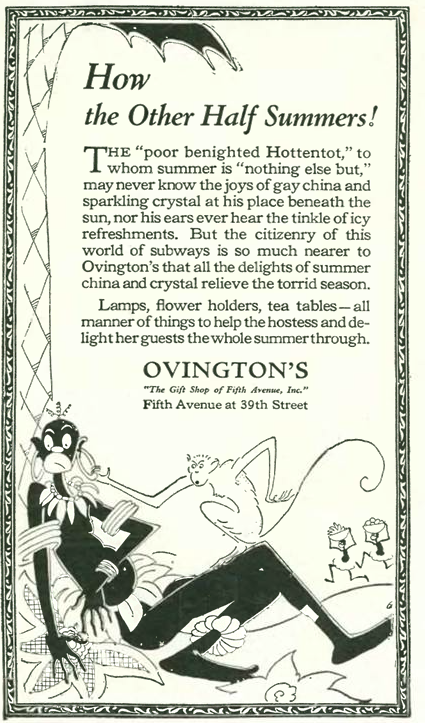
And finally, from the advertising department, this strange ad from Ovington’s, which seemed to be more concerned with promoting racial stereotypes than in selling dinnerware:

Screen Shot 2016-02-09 at 12.27.16 PM

Next Time: Come Fly With Me…

60050ce935d82b28520c52109cd715ce