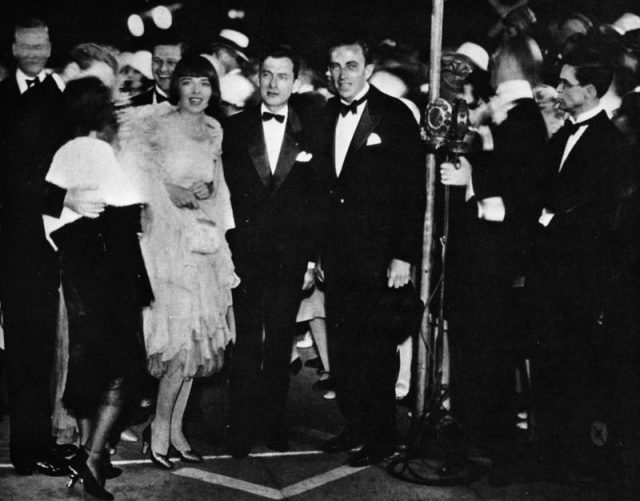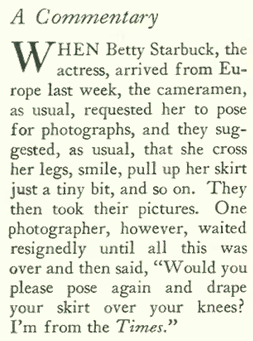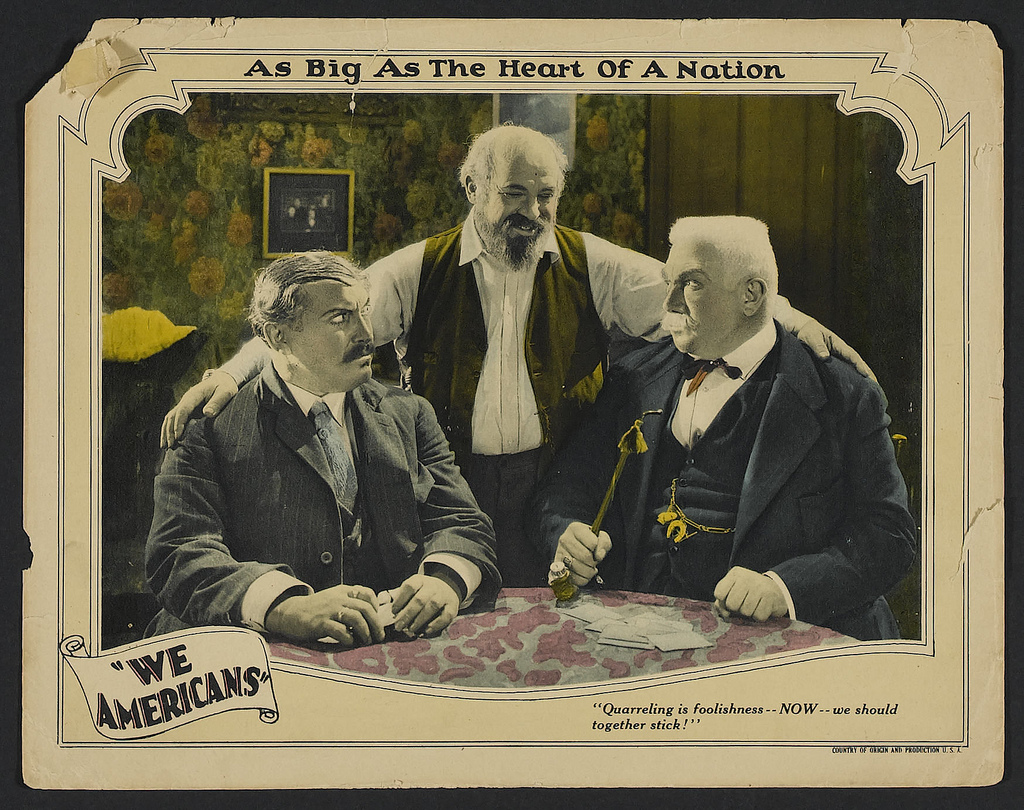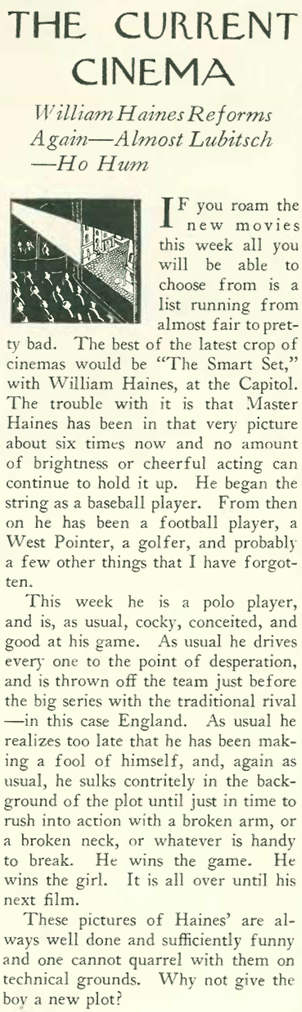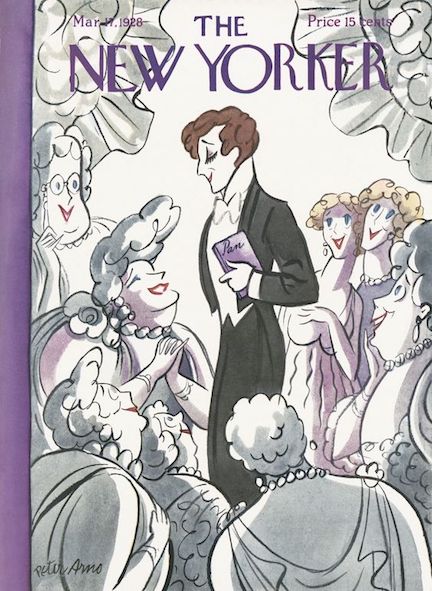
The much-anticipated German expressionist film, Metropolis, opened at Manhattan’s Rialto Theatre. Although considered today to be a classic of the silent era, the March 12, 1927 New Yorker found Fritz Lang’s film to be overlong and preachy despite its fantastic setting and complex special effects.
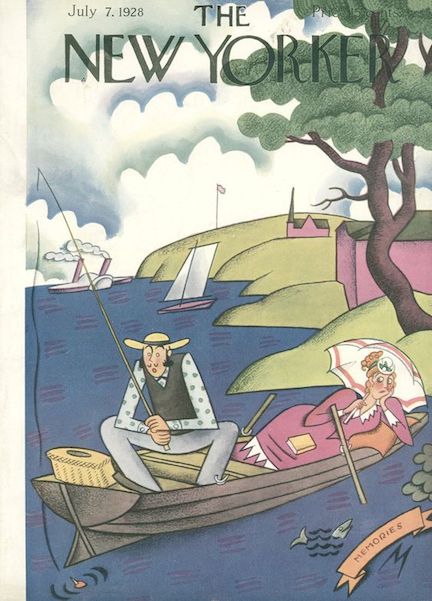
March 12, 1927 cover by Carl Rose.
Set in a futuristic dystopia in which the wealthy ruling classes lived high above the toiling masses, the film followed the attempts of a wealthy son of the city’s ruler and a poor working woman named Mary to overcome the city’s gaping class divisions.
The city of tomorrow as portrayed in the opening scenes of Fritz Lang’sMetropolis. The New Yorker encouraged readers to see the film mostly for the special effects, but lamented its “Teutonic heaviness” and uninspired acting. (archhistdaily)
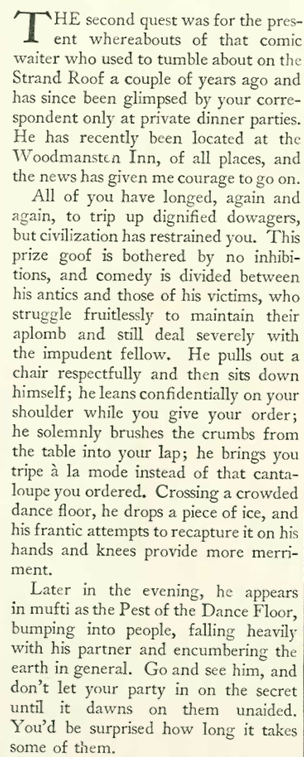
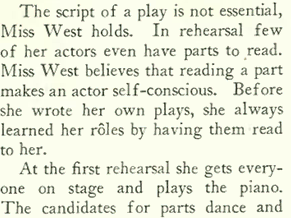
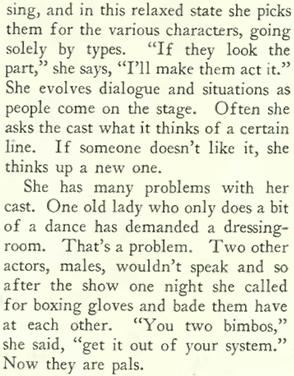
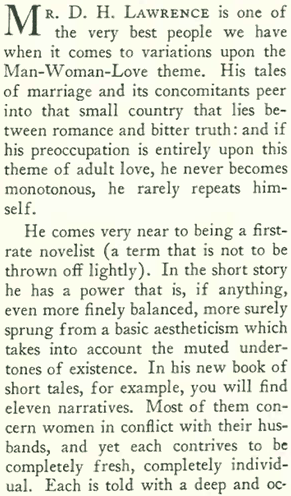
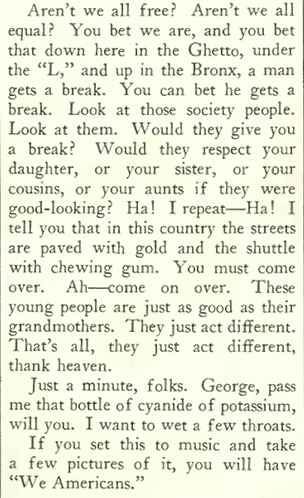
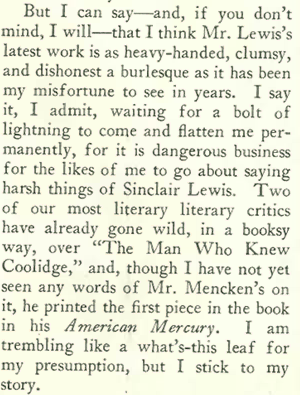
An excerpt from the New Yorker review:
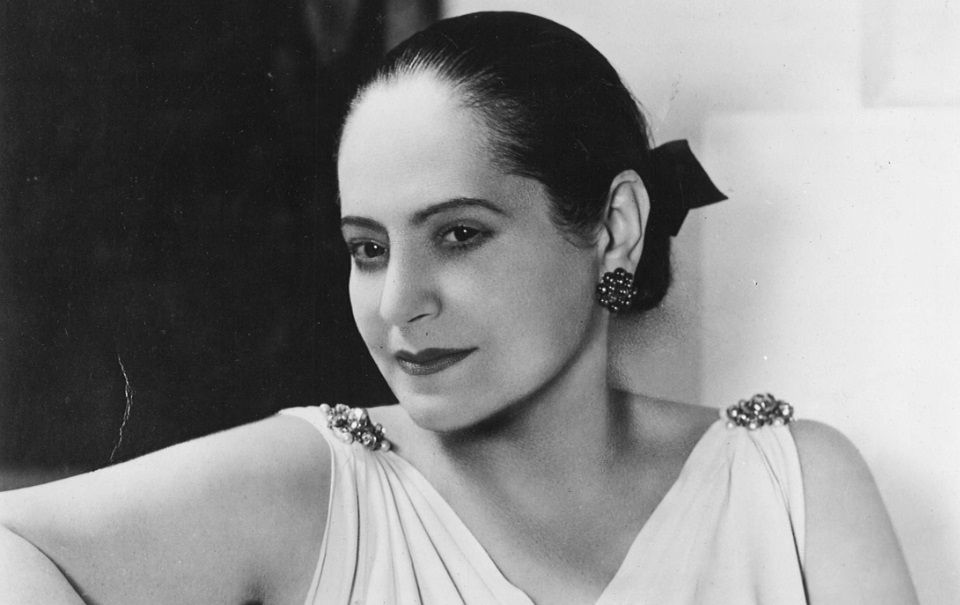
The working masses toil in the dank world beneath the city in Metropolis. (myfilmviews.com)Brigette Helm’s duo portrayal of the noble Mary and her robotic double (here being created through cinematic magic) in Metropolis was praised by The New Yorker, which otherwise found the film’s acting subpar. (cinemagraphe.com)
Considered one of the most expensive movies of its time, Metropolis cost $5 million to film in 1925 (roughly about $70 million today).
* * *
The famous 1920s evangelist Aimee Semple McPherson had been holding a series of revival meetings in New York, which were often (and derisively) noted by the New Yorker editors. In the previous issue “Talk of the Town” observed:
And in the March 12 issue they offered this parting note in “Of All Things”….
Aimee Semple McPherson (left) leading a service at her Angelus Temple in Los Angeles in the 1920s. (Los Angeles Public Library Photo Collection)
A pioneer in the use of modern media, McPherson was in New York on a “vindication tour,” taking advantage of the publicity from her alleged kidnapping a year earlier that led to investigations that she had staged her disappearance to bolster her flagging ministry.
In other diversions, bicycle racing had come to Madison Square Garden, as noted in “Talk of the Town” with an illustration by Reginald Marsh:
click to enlarge
Advertisements in this issue included this announcement for the opening of the Park Central Hotel, still a grand landmark on 7th Avenue…
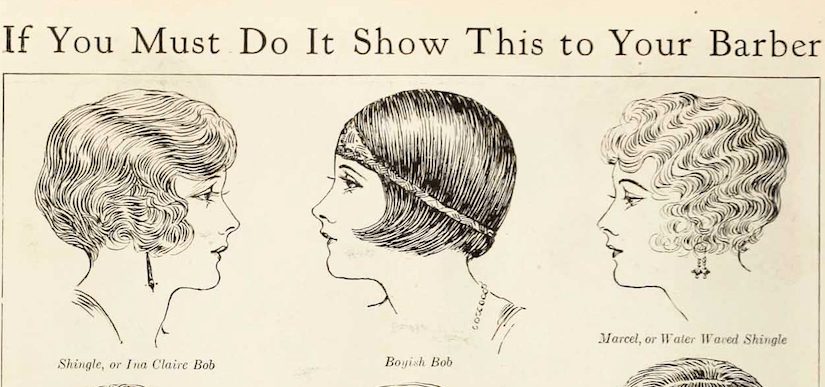
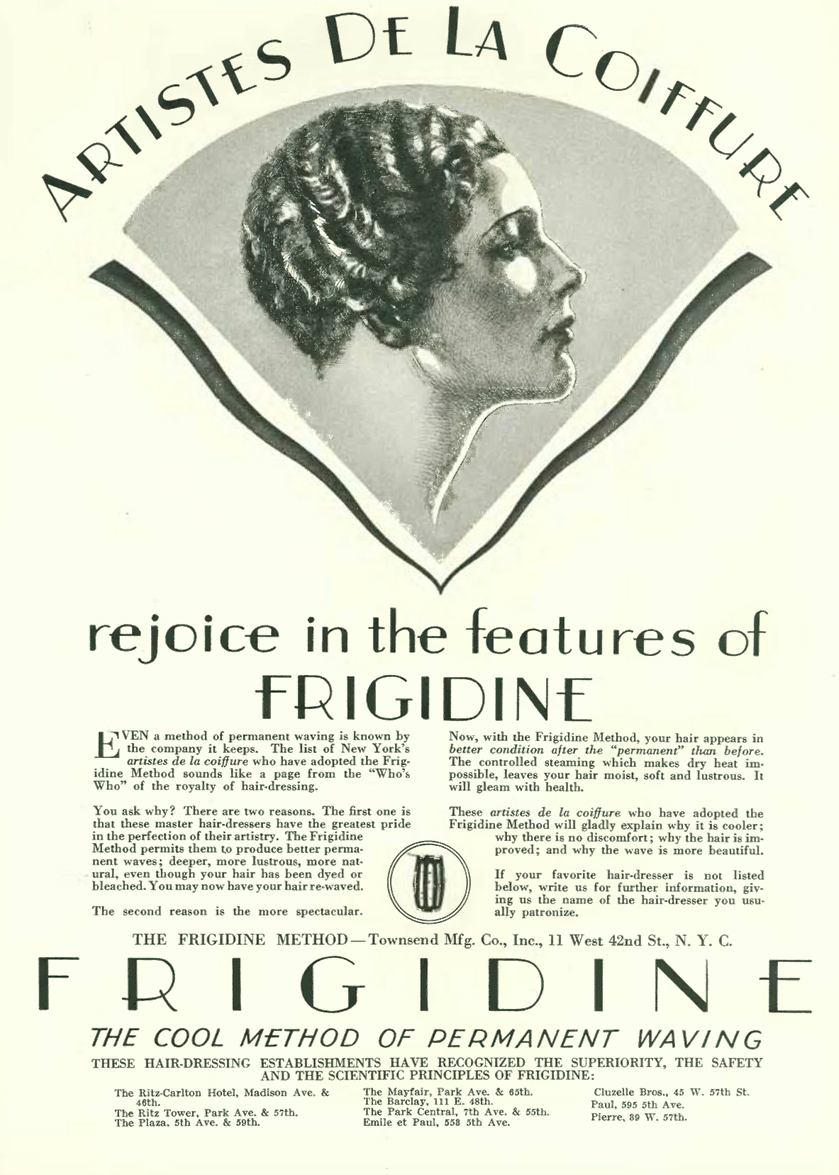
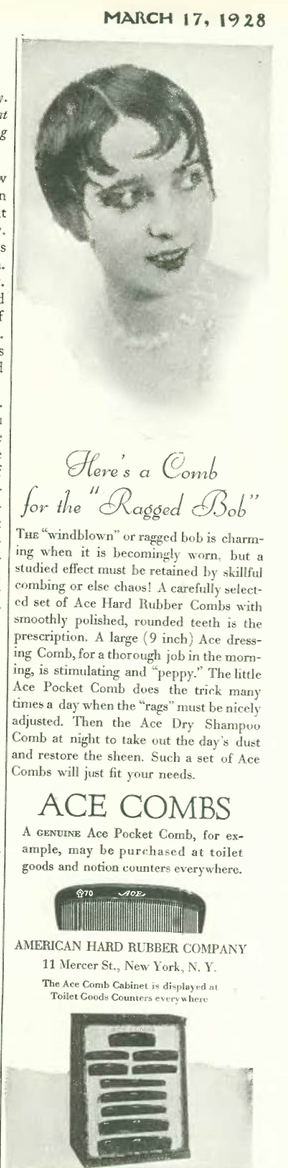
…and this ad from Nestle touting the latest method for achieving success in the latest hair style…
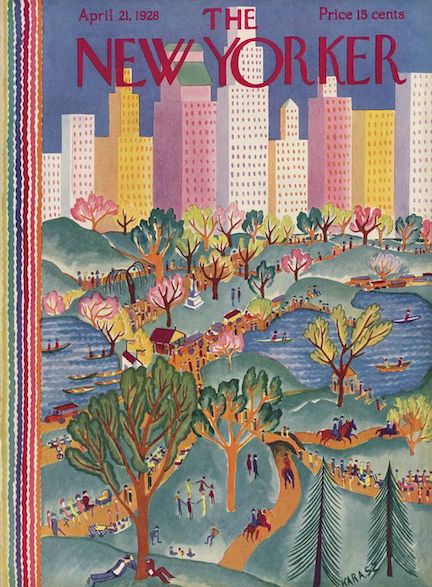
Piles of snow and slushy streets had many New Yorkers dreaming of spring, including H.O. Hofman, who illustrated the cover for the Feb. 5, 1927 issue.
Feb. 5, 1927 cover by H.O. Hofman.
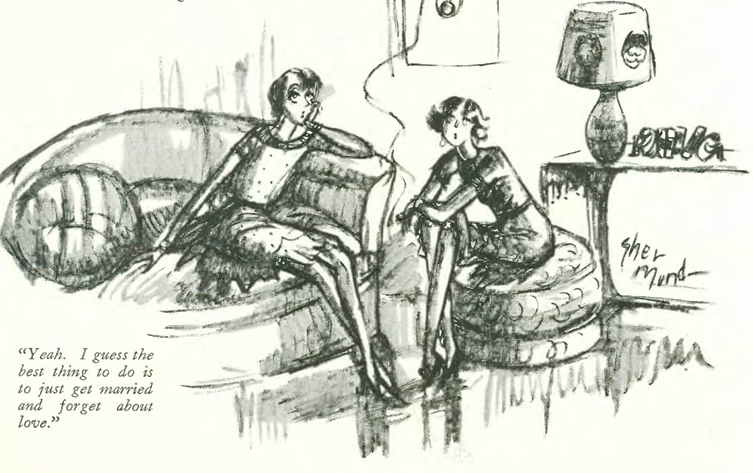
Another New Yorker illustrator and cartoonist, Barbara Shermund, offered a different take on the idea in this drawing for the “On and Off the Avenue” column on page 56:
At least New Yorkers had plenty of activities to take their minds off of the weather, including two important balls:
Inspired by the annual springtime costume ball given by the students of the École nationale supérieure des Beaux-Arts in Paris, American students held an annual ball to raise funds for their Beaux-Arts Institute of Design. The balls featured elaborate costumes and performances that were extensively reported in the city’s society pages.
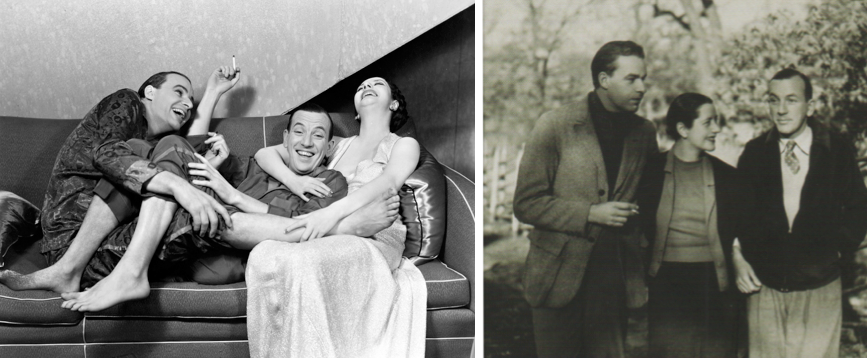
LOOK AT ME…Margaret Thaw dressed as a “White Sultana” for the 1928 Beaux Arts Ball held at the Astor Hotel. The theme was “The French Occupation of Northern Africa — 1847.” A doyenne of international high society perennially named to best-dressed lists, Margaret and her husband, Lawrence Copley Thaw, were world-famous explorers of Africa and Asia and correspondents for National Geographic magazine. (New York Times)

Contrary to the ad pictured below, fashion plate Margaret Thaw was doubtless smarter than her ankles…
If you were investing in fine Onyx Pointex silk stockings, you probably wanted to get your legs “Zipped” in a new method described by fashion correspondent Lois Long:
If Lois Long were around today she would have to note that both men and women are getting “Zipped,” waxing everything including their nethers.
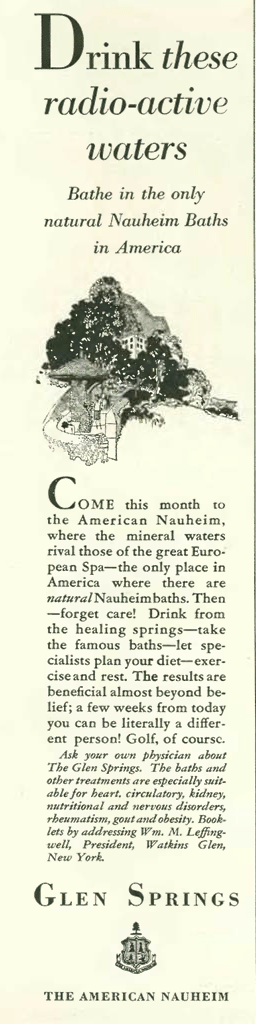
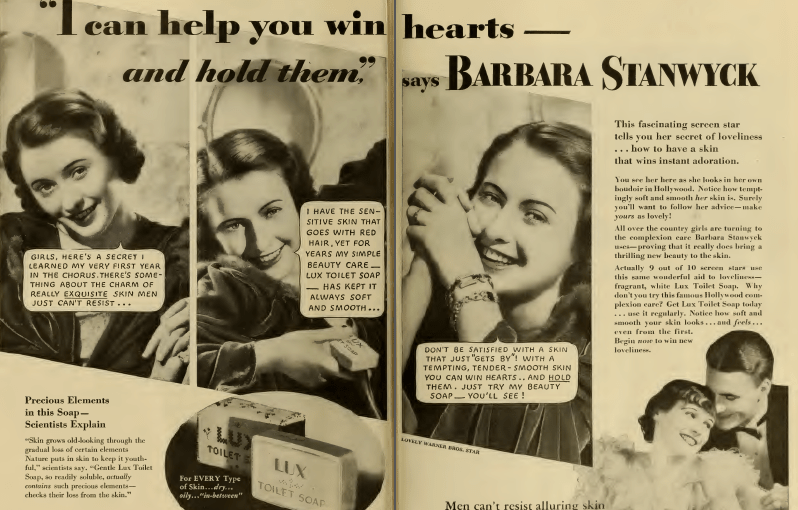
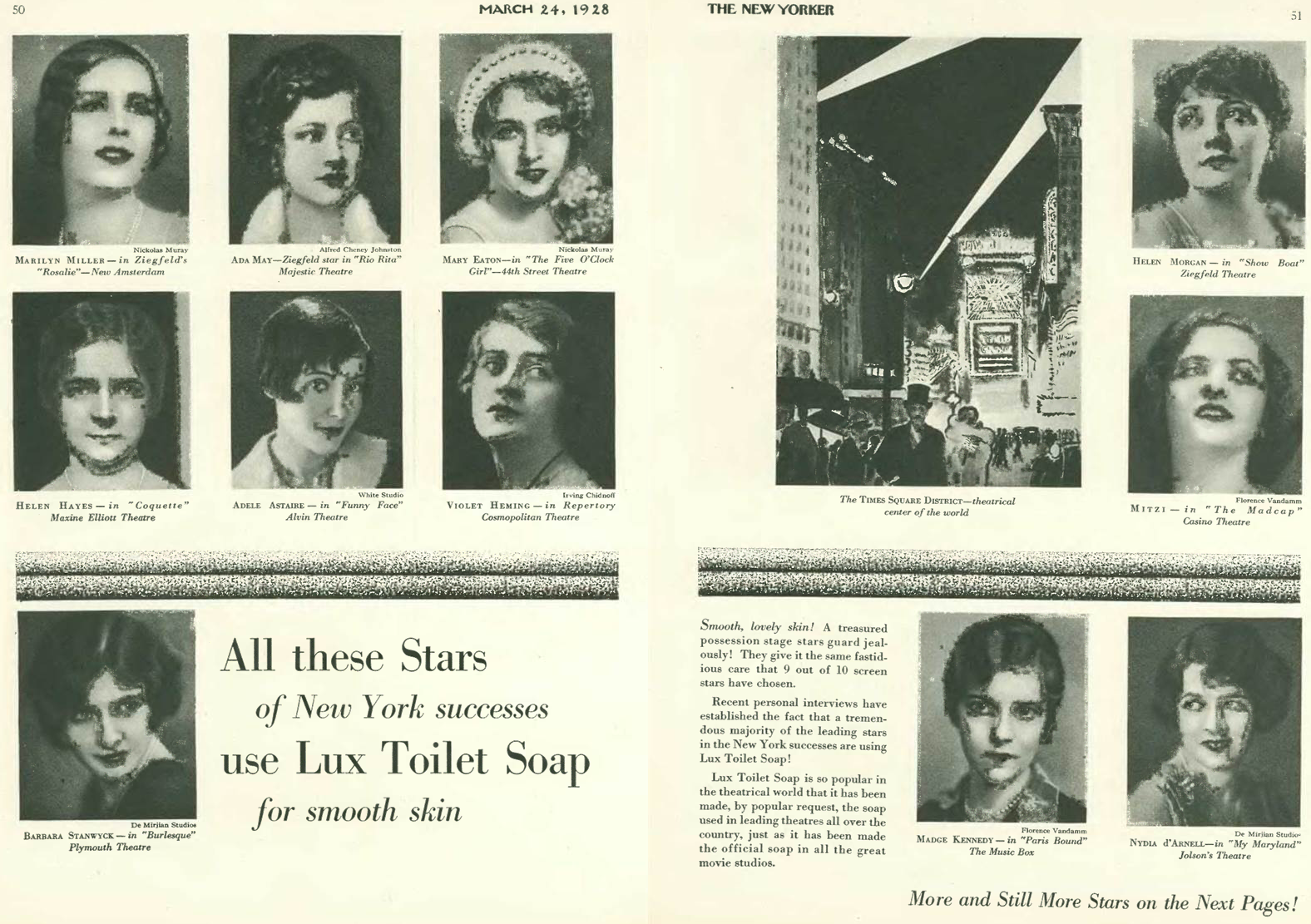
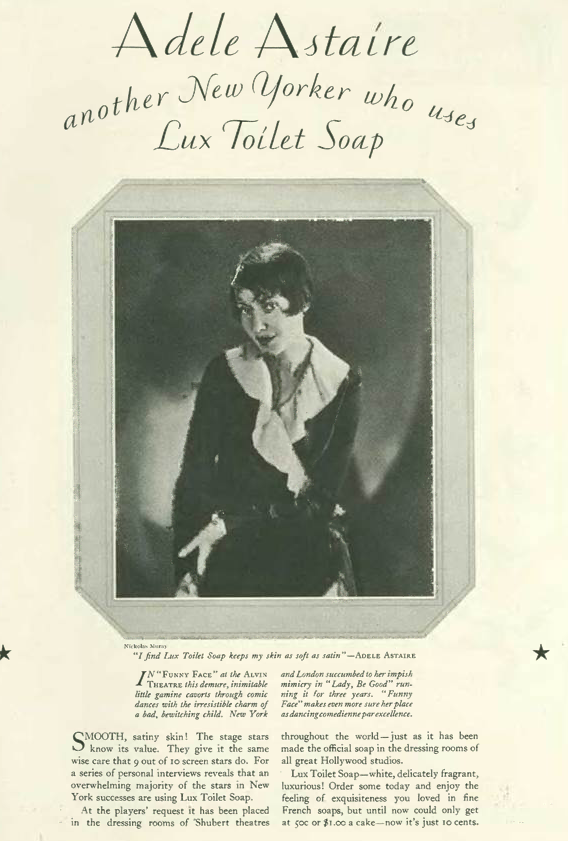
And these days few of us are washing our hair with bar soap, as depicted in the ad below for Lux. Like so many other ads in the early New Yorker, this one makes a strong appeal to Francophile readers; if it’s French then it must be good (note that every paragraph and headline in the ad mentions either France or French at least once):
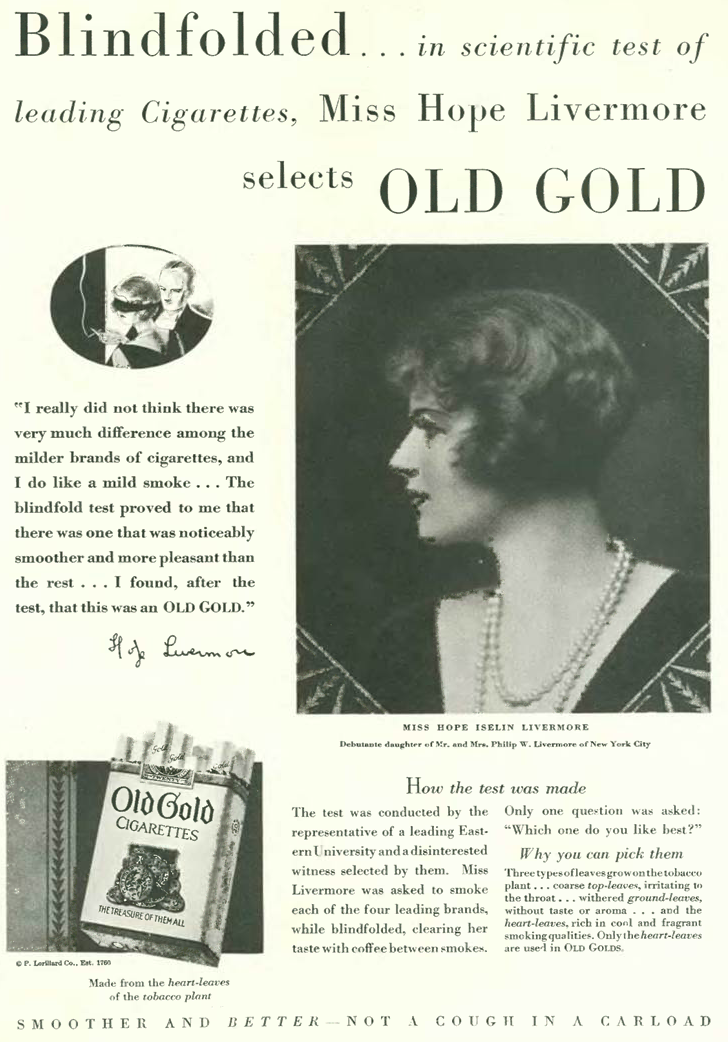
While we are on the topic of advertisements, here is another installment of ads from the back pages of the magazine. Arthur Murray was a frequent advertiser in the magazine, mostly small ads like this that exploited the latest dance craze:
The offerings of the stage and screen were also prominent in the back pages:
And finally, these strange little ads (run as series) that were designed by photographers Anton Bruehl and Ralph Steiner to promote Weber and Heilbroner suits:
Specializing in elaborately designed and lit tableaux, Bruehl won top advertising awards throughout the late 1920s and early 1930s. He also co-developed the Bruehl-Bourges color process, which gave publisher Condé Nast a monopoly on color magazine reproduction in the early 1930s.
The New Yorker’s “Talk of the Town” editors were always in search of something to amuse, and in the Jan. 29, 1927 issue they found it in one Maurine Watkins, who wrote the Broadway hit musical Chicago (yes, THAT one) while still enrolled in her drama class at Yale:
Maurine Watkins(Chicago Tribune)
Watkins transformed a brief career as a Chicago Tribune crime reporter into her Broadway success, thanks to her fondness for writing about murderers:
Chicago opened on Broadway in late December 1926 at the Sam Harris Theatre, where it ran for 172 performances. Watkins wrote the play as “homework” for her Yale drama class:
It didn’t take long for Hollywood to come calling, with Cecil B. DeMille producing a silent film version (directed by Frank Urson) in 1927.
Phyllis Haver as Roxie Hart from the 1927 film, Chicago. Ginger Rogers would play the role in the 1942 movie Roxie Hart, and Renée Zellweger would play the part in the 2002 film, Chicago. (chicagology)
Watkins would go on to write about twenty plays, moving on to Hollywood to write screenplays including the 1936 comedy Libeled Lady. She left Hollywood in the 1940s to be close to her parents in Florida. A lifelong Christian, Watkins spent much of her fortune funding the study of Greek and the Bible at some twenty universities, including Princeton. Following her death in 1969, her estate sold the rights to Chicago to famed choreographer and director Bob Fosse. Fosse would go on to develop Chicago: A Musical Vaudeville in 1975, which was revived in 1997 and turned into an Academy Award-winning film in 2002.
* * *
Winter doldrums had set into city, which was digging out of the latest snowstorm and leaving the“Talk” editors pining for spring.
January 29, 1927 cover by Ilonka Karasz.
So it was unwelcome news that the green lawns along Cottage Row were to become the latest casualties of the booming city:
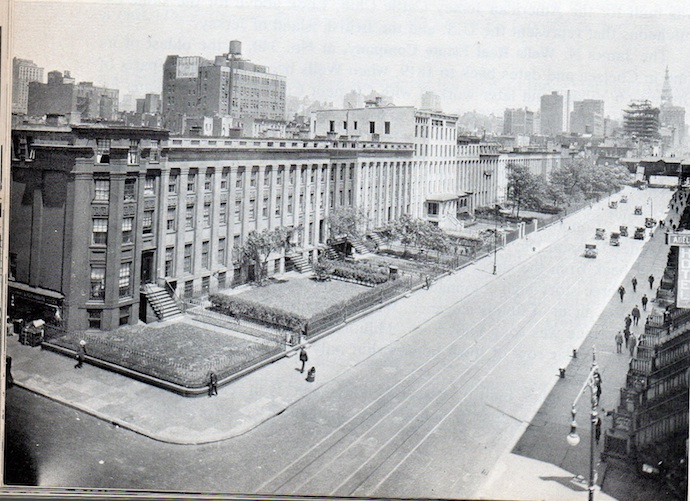
According to the excellent blog Daytonian in Manhattan, around 1848 William Rhinelander filled the 7th Avenue block between 12th and 13th Streets with eleven three-story homes above “English basements.” The simple residences were intended for middle-class families and sat more than twenty feet back from the street, providing grassy lawns and garden space. During summer weather each floor had a deep veranda that provided shade and caught cooling breezes.
This 1936 photograph by Berenice Abbott shows the abandoned “Cottage Row.” (Library of Congress)
As it turned out, the green lawns won a brief reprieve: By the time developers got around to building an apartment on the site, the Depression hit and left Cottage Row standing for another ten years. It was demolished in 1937, replaced not by an apartment building but rather by a gas station and used car lot, which were replaced in 1964 by the Joseph Curran Building (now the Lenox Hill Healthplex):
Today the Cottage Row site is occupied by the 1964 Joseph Curran Building (now the Lenox Hill Healthplex). Albert C. Ledner, a New Orleans architect, fancifully evoked seafaring themes in his design of the Curran Building, which originally housed the headquarters of the National Maritime Union. (MCD Magazine)
* * *
The winter drear was further compounded by the sooty smog that lingered over the city, fed by so many coal-fired furnaces. The “Talk” editors noted:
A PERENNIAL NUISANCE…This Al Frueh drawing originally appeared in the Feb. 27, 1926 issue of the magazine.
To read more about “soft coal days,” see my previous post, “A Fine Mess.”
* * *
Columnist Lois Long (“Tables for Two”) was contemplating dance lessons to learn the “Black Bottom,” the dance craze that supplanted “The Charleston” in 1926.
Apparently the dance called for special shoes, per this advertisement from the same issue:
Up to now I’ve been posting images of often lavish ads featured mostly in the first sections of the magazine and on the front and back inside covers, but there were other, less expensive (and less artful) ads sprinkled in the back pages of the magazine, a tradition that continues to this day:
The January 8, 1927 issue of the New Yorker was all over the 27th Annual Motor Show at the Grand Central Palace, both in its lengthy review of the show and the many automobile ads throughout its pages.
January 8, 1927 (Issue # 99) cover by Ilonka Karasz.
Auto manufacturers discovered early on that cars didn’t need to advance technologically from year to year as long as there were superficial changes–trimmings and such–to dazzle the consumer:
Helen Hokinson added this touch to the issue devoted to the auto show.A 1927 Gardner Model 90 Roadster on display at the 27th Annual New York Motor Show at Grand Central Palace. (gardnermotorcars.com)
Advertisements in the New Yorker ranged from snobbish appeals to Francophiles…
…to those who might be concerned about safety. Although cars weren’t very fast, they were fast enough to kill, and their plentiful numbers often overwhelmed a city with rudimentary traffic control.
In his book, One Summer: America, 1927, Bill Bryson writes that New York in 1927 was the most congested city on earth. It contained more cars than the whole country of Germany, while at the same 50,000 horses (and wagons) still clogged the streets. More than a thousand people died in traffic accidents in the city in 1927, four times the number today.
THE DEATH-O-METER … was a 20-foot sign installed near Grand Army Plaza in 1927. It tallied traffic accidents and fatalities in the borough and reminded motorists to slow down at the traffic circle. (Ephemeral New York)
Traffic control was still in its infancy in the 1920s. Seven ornate bronze towers, 23 feet high, were placed at intersections along Fifth Avenue from 14th to 57th Streets starting in 1922. By 1927 smaller, simpler lights were mounted on street corners and the system of green, yellow and red was generally adopted.
Bronze traffic signal tower designed by Joseph H. Freedlander at 42nd Street and Fifth Avenue, 1922. (stuffnobodycaresabout.com)
Keeping with the motorcar theme, the issue also featured a profile (written by Lurton Blassingame) of Walter P. Chrysler, founder of the new car company that bore his name (Chrysler founded his company in June 1925 after acquiring and reorganizing the old Maxwell Motor Company). In just three years a famous New York City landmark bearing his name would pierce the skyline.
I recently noted that the fall 1926 editions of the New Yorker barely mentioned baseball, even though the Yankees made it to the World Series that year. No doubt the Black Sox scandal of 1919 still lingered in the minds of many fans. Morris Markey’s “Reporter at Large” column in the Jan. 8, 1927 issue suggested that the game, “no more important than the circus,” was still dishonest, thanks in part to its collusion with the newspapers:
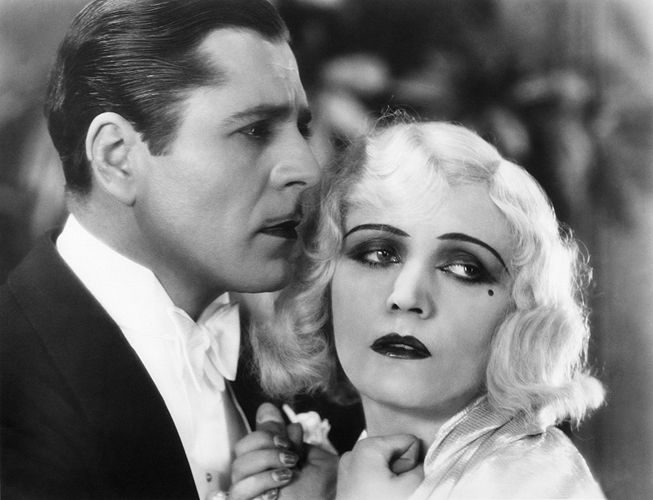
Baseball might have been down and out, but actress Pola Negri still maintained her place in the spotlight with her latest film, Hotel Imperial.
Actress Pola Negri consults on a script with director Mauritz Stiller (left) on the set of Hotel Imperial. (MOMA)
The death of artist Claude Monet prompted the editors of the New Yorker’s “Talk of the Town” to speculate on the true origins of the “Impressionist” movement of the late 19th century.
December 18, 1926 cover by Ottar Gaul. Once again, the theme of the doddering sugar daddy out on the town with his young mistress.
Note how the “Talk” editors lightly regarded the artist’s late period, during which he painted his famous “Water Lilies” series:
The editors also used the occasion to clear up the confusion (in the lay mind) between Édouard Manet and Monet, identifying them not only as two distinct persons but also crediting the former with the founding of the Impressionism technique while giving Claude his due for actually giving it a name:
Water Lilies, a late period painting by Claude Monet, circa 1915-26. (Nelson-Atkins Museum of Art)Monet, right, in his garden at Giverny, 1922. (New York Times)
Another much younger notable of the age, Ernest Hemingway, was the talk of literary society on both sides of the Atlantic with the publication of his latest novel, The Sun Also Rises. According to the New Yorker’s Paris correspondent Janet “Genêt” Flanner, the novel was creating a buzz in Montparnasse over the origins of the book’s colorful characters:
Keeping in mind that the Christmas shopping season was still in full swing, Frigidaire thought it the perfect time for New Yorker readers to buy a newfangled electric refrigerator:
And we ring out the year with the final issue of 1926:
December 25, 1926 cover by Rea Irvin.
It was a tough year for New Yorker film critic “OC”, who summed up his disappointment with the movies by offering a Top Ten list that included only two films:
The 1925 German film Variety (released in the U.S. in 1926) was one of only two films worth watching in 1926, according to the New Yorker’s film critic. (Wikipedia)
And to close, this cartoon by Helen Hokinson, which in the original magazine filled all of page 14 and therefore had to be printed sideways:
The silent comedy-drama What Price Glory was a popular film during the final weeks of 1926. Directed by Raoul Walsh, it was based on a popular 1924 play by Maxwell Anderson and Laurence Stallings.
December 11, 1926 cover by Rea Irvin.
The film about World War I Marines who are rivals for the affections of a daughter of the local innkeeper proved to be a rare winner with the New Yorker film critic “OC” (anyone know his/her identity?), in a review published in the magazine’s previous issue (Dec. 4, 1926).
The film also gained fame from the fact that although it was silent, the characters could be seen speaking profanities that were not reflected in the title cards. The studio was flooded with calls and letters from enraged lip readers, including the deaf and hearing impaired, who found the profanity between Sergeant Quirt and Captain Flagg offensive.
Edmund Lowe, Delores del Rio and Victor McLaglen in a publicity photo for What Price Glory? Lowe and McLaglen portrayed Sgt. Quirt and Cpt. Flagg, rivals for the affections of Charmaine de la Cognac (del Rio). (Fox Film Corporation)
In the Dec. 11 issue, The New Yorker continued its publicity of the film with this drawing in the arts section by Reginald Marsh:
I like the curious little bubble image the artist included in his illustration (above), just in case we aren’t sure what the gentlemen are fighting over.
Delores del Rio’s Charmaine character on sheet music featuring the film’s theme song. The film would be rereleased in 1927 with synchronized Movietone sound effects and music. (Brooksies Silent Film Collection)
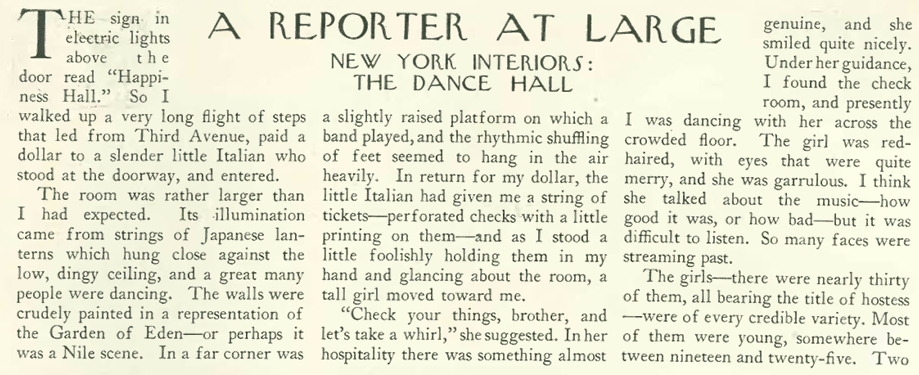
Other items in the Dec. 11 issue included Morris Markey’s “A Reporter at Large” piece on the newly crowned prizefighter Gene Tunney, who apparently was struggling with fame and wanted to be known for his smarts rather than his fists. Markey wasn’t buying it:
After a number of verbal jabs throughout the piece, Markey included this knockout punch:
I COULDA BEEN A WRITER…Gene Tunney, left, and the writer George Bernard Shaw on a 1929 vacation to Brioni, Italy. (Associated Press)
Of all the nightclubs made famous in the Roaring Twenties, none were quite so famous as Harlem’s Cotton Club. Frequented by many celebrities, the club was a whites-only establishment even though it featured many of the most popular black entertainers of the day including Fletcher Henderson, Duke Ellington and Cab Calloway.
November 13, 1926, Issue # 91, cover by Julian de Miskey.
So leave it to The New Yorker, and specifically its nightlife correspondent, Lois Long, to take a blasé view of the famed hot spot. Perhaps she was just tired, having already visited three other nightclubs that evening—the Montmartre, the Yacht Club, and Connie’s Inn—before seeking out the Cotton Club:
Performers on stage at Connie’s Inn, Harlem, 1920s. (New York Public Library)Duke Ellington and dancers at the Cotton Club in the late 1920s. (Untapped-Cities)Program from the 1920s designed to attract white patrons to the Cotton Club. (Women of the Harlem Renaissance)
* * *
“The Talk of the Town” noted the passing of rodeo star and sharp-shooter Annie Oakley (next time you get a free ticket with a hole punched in it, you’ll know what to call it):
If nightclubs weren’t your thing, there were plenty of movie houses screening the latest offerings from Tinseltown. The opening pages of the magazine featured this advertisement for the new 3,664-seat Paramount Theatre, located at 43rd Street and Broadway in the Times Square.
It’s a reminder that Paramount, a venerable old Hollywood studio (which these days is owned by Viacom) had its origins in New York as the Famous Players-Lasky Corporation. Founded in 1916, Famous Players-Lasky was primarily located at the Kaufman Astoria Studios in Queens (after 1920). It would eventually become Paramount Pictures and relocate to Hollywood in 1932.
The Paramount Theatre was closed in 1964. Sadly, the interior was gutted and converted to office and retail use. Here are a couple of interior shots of the theatre’s Grand Hall as it appeared following its opening:
NOT YOUR LOCAL CINEPLEX…Grand Hall of the Paramount Theatre, featuring imported Italian marble columns. (American Theatre Architecture Archive)
The theatre’s huge pipe organ, one of the largest and most admired theatre organs ever built by the Wurlitzer company, was removed and later installed in a convention hall in Wichita, Kansas.
Keyboard array of the Paramount Theatre’s huge pipe organ, one of the largest theatre organs ever built by the Wurlitzer company. (nycago)
Paramount would open theatres around the country (in the chain of Publix Theatres), and a number of them survive today. The original Paramount Building in New York is still there, but all that’s left of the theatre is the marquee.
American cinema did little to excite the writers or critics of The New Yorker, who considered European films, and particularly German ones, to be far superior to the glitzy and sentimental fare produced in Hollywood.
Sept. 11, 1926 cover by Eugene Gise.
So when it was announced that Russian/Soviet filmmaker Sergei Eisenstein would be releasing Battleship Potemkin in New York City, the magazine’s editors in “The Talk of the Town” expressed both anticipation for the masterpiece as well as worries that American censors would slice the film to bits or even ban it outright.
The magazine’s film critic “OC” also expressed his concerns regarding censors:
IT’S NOT WHAT’S FOR DINNER…Sailors examine maggot-infested meat in the film Battleship Potemkin. (themoviesnob)
The film was based on an historical event–a mutiny on the battleship Potemkin that occurred after the crew was served rotten meat for dinner. The sailors rebelled, seized the ship, and then attempted to ignite a revolution in their home port of Odessa, which in turn led to a massacre of citizens by Cossack soldiers on the city’s famed Potemkin Stairs.
Mutineers revel in a scene from Battleship Potemkin. (Wall Street Journal)A still from a classic scene in Battleship Potemkin that depicts Odessa citizens being massacred by Cossacks on the city’s famous Potemkin Stairs. The image of the unattended baby carriage tumbling down the staircase has been re-created in a number of films, including Brian De Palma’s 1987 The Untouchables. (Film 4)
The film would ultimately be released in December of 1926. Perhaps more on that in a later post.
The Sept. 11, 1926 issue also noted the passing of famed silent film star Rudolph Valentino, who died at age 31 of peritonitis and other complications. The “Talk” editors suggested that if anything, it was good for newspaper sales:
FUNERAL FUN…Rudolph Valentino’s first funeral in New York (the second was in Beverly Hills) drew a huge crowd of in what was described as a “carnival setting”. More than 100,000 fans filed past his open casket at the Frank E. Campbell funeral home. Windows were smashed as fans tried to get in and an all-day riot erupted on August 24. More than a hundred mounted officers and NYPD’s Police Reserve were deployed to restore order. A phalanx of officers would line the streets for the remainder of the viewing. Some media reports claimed the body on display was a wax dummy, and not “The Sheik” himself. (Wikipedia)SWEETHEARTS? Rudolph Valentino and Pola Negri met in early 1926 at a costume party thrown by Marion Davies. Negri claimed she was engaged to be married to the actor at the time of his death. (Wikimedia Commons)DIVA MOMENT…Pola Negri’s grief-stricken performance at Valentino’s New York funeral was considered by most to be over-the-top, even for a famous diva. Supported by a secretary and press agent (photo above), Pola declared to reporters that she and Valentino were secretly engaged to be married. She posed in dramatic fashion for the reporters and then threw herself, weeping and fainting, on Valentino’s open casket. (flickchick1953)
On the lighter side, The New Yorker men’s fashion columnist “Bowler” offered this observation of a new style suggested by Harpo Marx:
Vaudeville star Harpo Marx in 1926. The first Marx Brothers movie was still three years away. (Wikipedia)
And to close, a couple of advertisements from the Sept. 11 issue…the first is a McCreery & Company ad illustrated by Gluyas Williams. These would become a series, featuring a milquetoast husband facing the daunting task of shopping for his wife, among other challenges…
…and this ad from Park Central Motors, depicting a child who’s all too aware of her standing in society…
Since most of us complain about the sad state of air travel these days, it’s nice to get a little historical perspective on this mode of transportation.
Sept. 4, 1926 cover by Rea Irvin.
Ninety years ago the editors of The New Yorker were enamored with passenger air service, even though it was only available to those who were wealthy and had the stomach to actually fly in one of these things:
The May 8, 1925 christening of the Sikorsky “Yorktown.” The “huge” plane is referred to in the Sept. 4, 1926 “Talk of the Town.” (Library of Congress)
In the “Talk of the Town” section, The New Yorker editors marveled at the regular air taxi service available to Manhattanites:
The “huge” Yorktown might look crude to a traveler in 2016, but this was advanced stuff considering the Wright Brothers had made their first flight less than 23 years earlier. Planes like the Yorktown looked less like aircraft we know today and more like a trolley car with wings attached. And that window in the front wasn’t for the pilot. He sat up top in the open air:
Side view of the Sikorsky “Yorktown.” Note the pilot seated aft of the wings. (Flickr)
But then again, the interiors of these planes were no picnic, either. Imagine sitting in this while crashing through a storm:
Interior of a Farman Goliath, which would have been similar to the Sikorsky, if not a little nicer. (Historic Wings)Another photo of a 1920s passenger flight. As in the preceding photo, note the wicker chairs. And no leg room. These fellows appear to awaiting the showing of an early in-flight movie. At least movies were silent then, because with giant piston engines flanking the cabin you weren’t going hear anything anyway. (Paleofuture)
Other items from the Sept. 4, 1926 “Talk” section included a bit about the former president and then Supreme Court Justice William Howard Taft, and his rather ordinary life in Murray Bay. An excerpt:
Ex-President, Supreme Court Justice and avid golfer William Howard Taft follows through on the links in this undated photo (jmarkpowell.com)
At the movies, The New Yorker gave a lukewarm review of the much-ballyhooed film Beau Geste:
AT LEAST SHE HAD A NICE COMPLEXION…Mary Brian (dubbed “The Sweetest Girl in Pictures”) with Neil Hamilton in Beau Geste, 1926 (classiccinemaimages)
And although Gloria Swanson was one of the biggest stars in the Silent Era, The New Yorker was never a big fan of her films:
Gloria Swanson in Fine Manners, 1926 (IMDB)
And finally, this advertisement from Houbigant, featuring a drawing of an elegant woman with an impossibly long neck. I wouldn’t want her sitting in front of me at the movies…
Another ad (from the Sept. 11 issue) also depicted this ridiculously giraffe-like neckline:
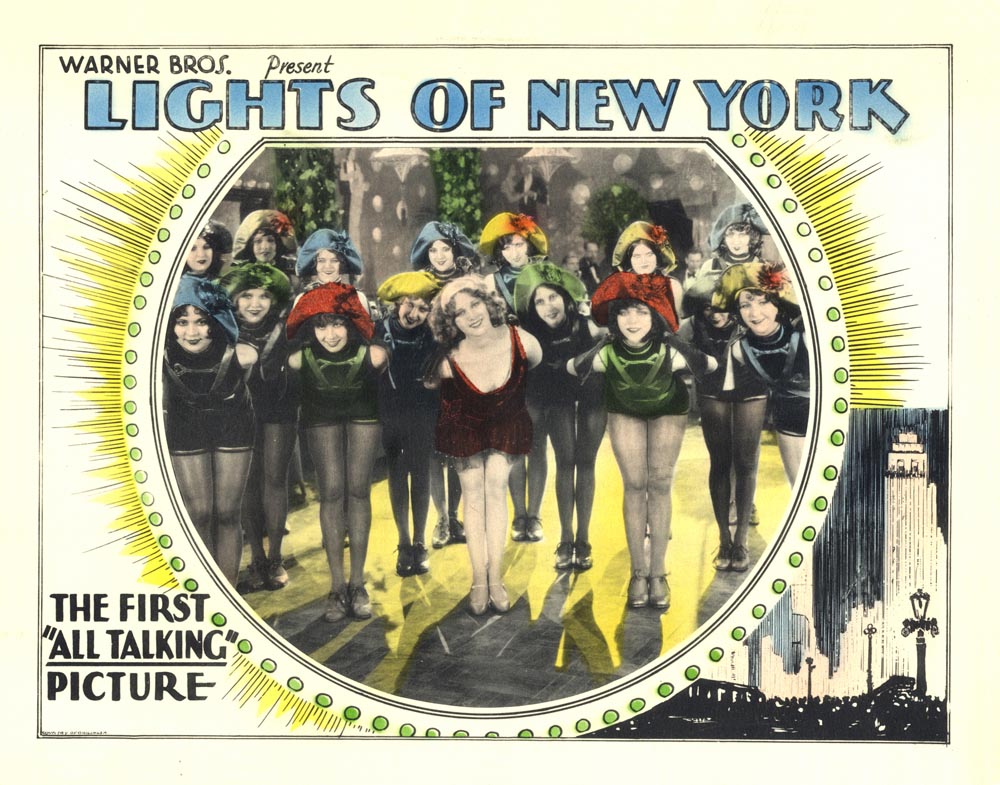
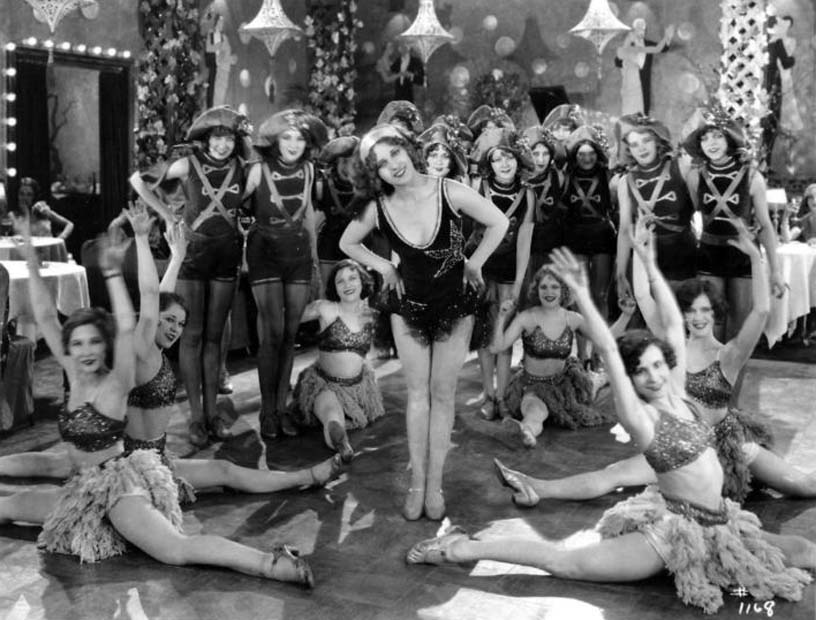
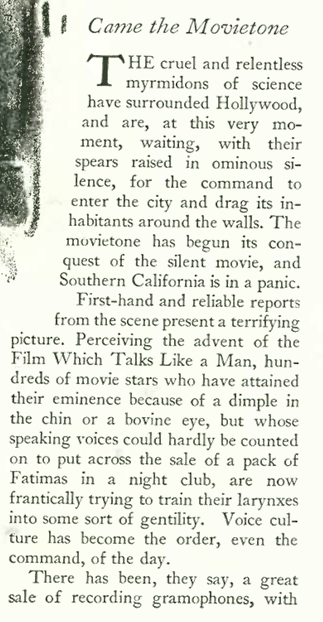
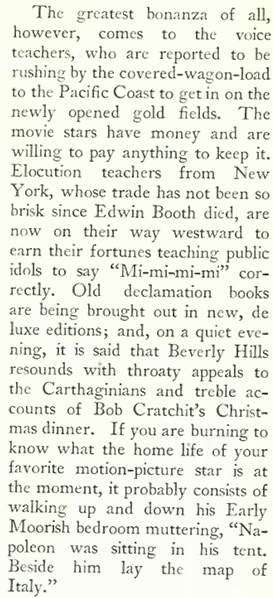
It was 1926 and another marvel of science—talking pictures—was unveiled to audiences at Broadway’s Warners’ Theatre. It was here that the Warner Brothers launched their ‘Vitaphone’ talkies including The Jazz Singer, which would premiere the following year.
Aug. 14, 1926 cover by Ilonka Karasz.
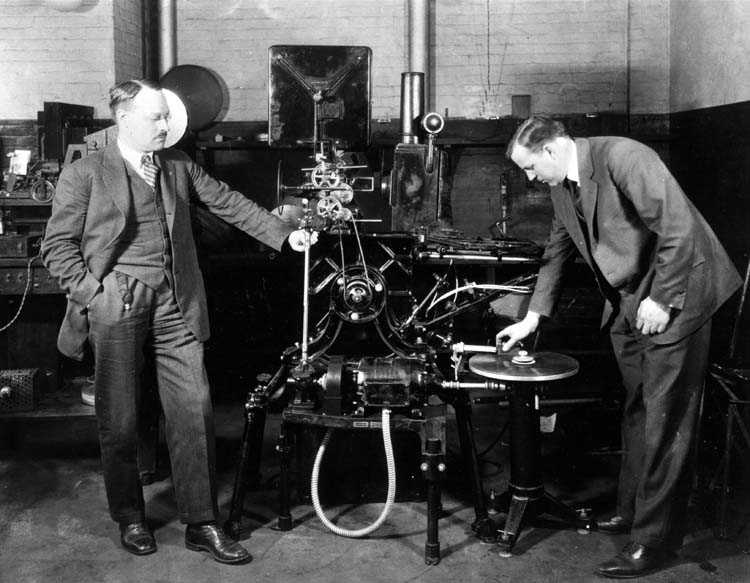
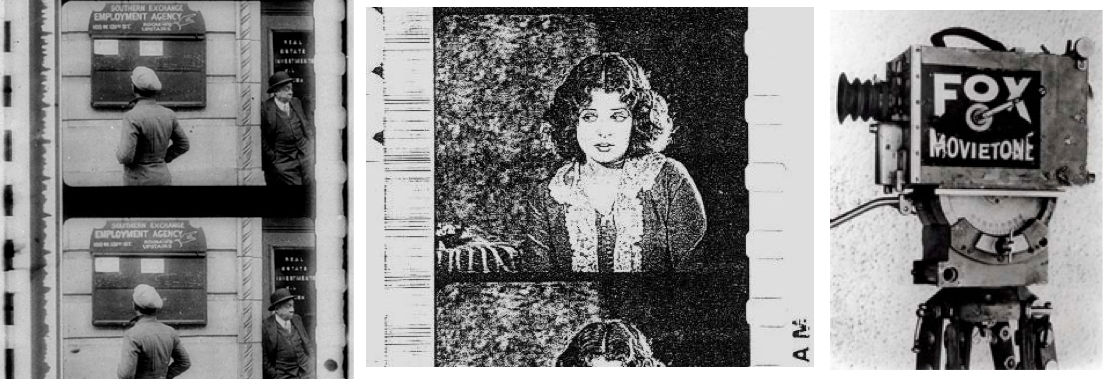
The Vitaphone soundtrack was not printed on the film itself, but rather recorded separately on phonograph record, the sound synchronized by physically coupling the record turntable to the film projection motor.
A Vitaphone projection setup at a 1926 demonstration. Engineer E. B. Craft is holding a soundtrack disc. The turntable, on a massive tripod base, is at lower center. (University of San Diego History Department)
Don Juan was the first feature-length film to use the Vitaphone system, which was not a continuous soundtrack but rather a sprinkling of sound shorts (the musical score, performed by the New York Philharmonic, and various sound effects) throughout the film. No spoken dialogue was recorded.
First-nighters pose outside Warners’ Theatre before the premiere of Don Juan, August 6, 1926 (US National Archives)
Produced at a cost of $789,963 (the largest budget of any Warner film up to that point), the film was critically acclaimed and a box-office success. However, and predictably, The New Yorker was not so impressed with Vitaphone…
…or the acting of John Barrymore…
I have to agree with the critic, identified only as O.C., after viewing this TCM clip of the film on YouTube. Lacking a voice, silent actors had to exaggerate emotions onscreen, but Barrymore here is every bit the ham. This screen grab from the clip says it all:
The object of his gaze, Adriana della Varnese (played here by a young Mary Astor), reacts rather dramatically to his advances…can’t say I blame her…(however, the 44-year-old Barrymore and the 20-year-old Astor were having an affair at the time…)
Adriana della Varnese (played here by a young Mary Astor), reacts rather dramatically to Don Juan’s advances.
A couple of interesting ads in the Aug. 14, 1926 issue, including this one featuring a couple of sneaky gents who’ve found a solution to life in dry America…
…and this not-too-subtle message from a swanky shop on Fifth Avenue: