Broadway Soap Stars

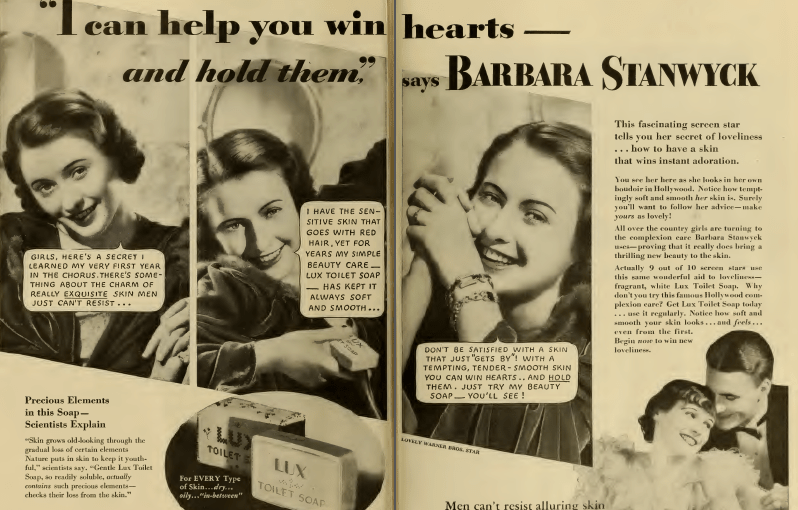
Lux Toilet Soap was launched in the United States in 1925 by its British parent company, Lever Brothers, which had been making soap since 1899. To capture the hearts and pocketbooks of American women, the company launched an advertising blitz that featured advertisements in a number of magazines including The New Yorker.

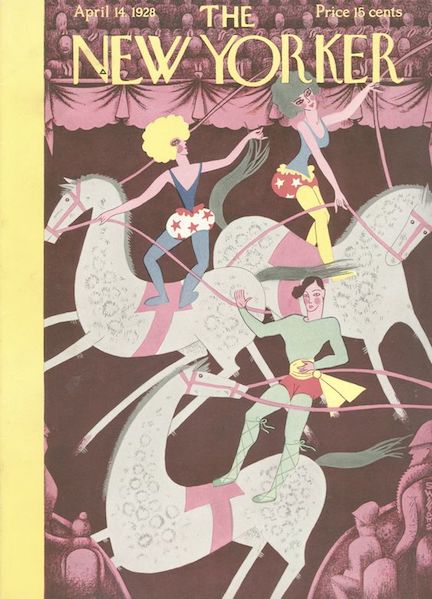
We look at two issues this week: March 17, 1928 cover by Peter Arno / March 24, 1928 cover unsigned, probably by Ilonka Karasz.

The earliest ads appealed to upscale women who saw the French as arbiters of taste and style. In the following Lux ad (from the Feb. 5, 1927 New Yorker), note that every paragraph and headline includes the words France or French:

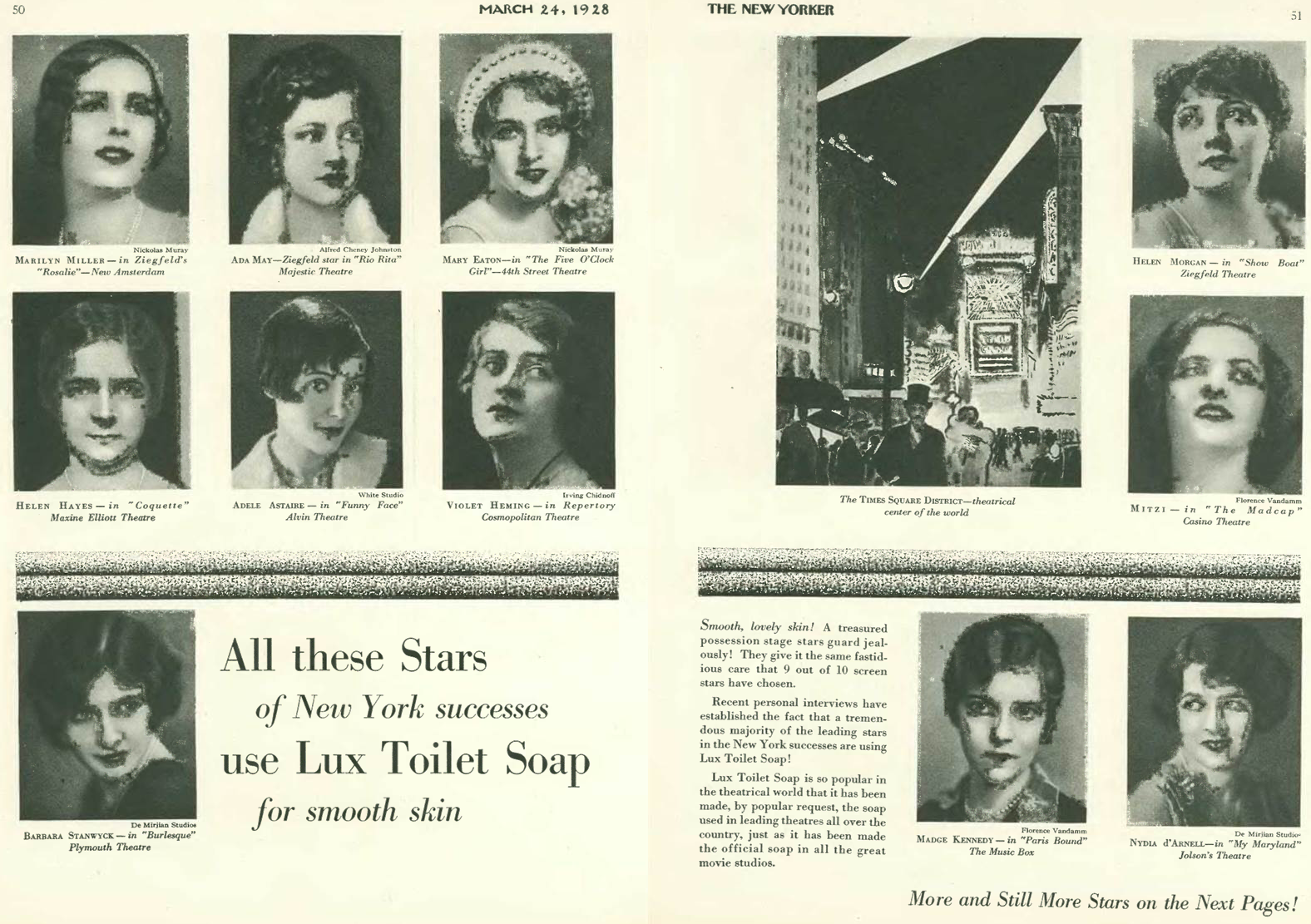
The big blitz came in 1928, when Lux pioneered the use of female celebrity endorsements on a mass scale. The campaign focused more on the roles played by Broadway and movie stars than on the product itself. The March 24, 1928 issue of The New Yorker featured these ads splashed across two center spreads.

The captions I have provided below the ads give brief information on each actress. Note that many of these actresses did stints with Broadway’s popular Ziegfeld Follies. Most also had long lives, including Mary Ellis, who lived in three centuries, sang with Enrico Caruso, and died at age 105.

Click Images to Enlarge

LEFT TO RIGHT, TOP TO BOTTOM: Marilyn Miller (1898-1936) was one of Flo Ziegfeld’s top talents and one of the most popular Broadway musical stars of the 1920s and 30s; Ada May (1896-1978), a theater actress most of her career, in 1927 played a lead role in Ziegfeld’s Rio Rita; Mary Eaton (1901-1948) was a leading stage actress, singer and dancer in the 1910s and 20s. She was featured in three editions of the Ziegfeld Follies; Helen Morgan (1900-1941) was considered the quintessential torch singer. A draped-over-the-piano look became her signature while performing at Billy Rose’s Backstage Club in 1925. She performed with Ziegfeld Follies in 1931; Helen Hayes (1900-1993) was called “the First Lady of American Theater.” Her awards included the EGOT– an Emmy, Grammy, Oscar and a Tony; Adele Astaire (1896-1981) was part of popular act with her brother, Fred. After the 1931 Broadway revue The Band Wagon she retired to marry Lord Charles Cavendish and moved to Ireland’s Lismore Castle; Violet Heming (1895-1981) was a dependable Broadway star with many theatrical credits; Hungarian-born Mitzi Hajos (1889-1970) specialized in musical comedy but faded from acting in midlife; Barbara Stanwyck (1907-1990) got her start as a model and “Ziegfeld Girl” before going on to become one of Hollywood’s biggest stars. She made 85 films in 38 years before turning to TV; Madge Kennedy (1891-1987) appeared in dozens of films from Baby Mine (1917) to Marathon Man (1976). She had a recurring role on TV’s Leave it to Beaver as Aunt Martha; Nydia d’Arnell was a musical comedy actress. Almost no record of her after 1928. She died in 1970.
FROM LEFT TO RIGHT, TOP TO BOTTOM: June Walker (1900-1966) was the first actress to portray Lorelei Lee in 1926’s Gentlemen Prefer Blondes. Mostly stuck to the stage; Mary Lawlor, (1907-1977) was active on Broadway 1922-32; Judith Anderson (1897-1992), later awarded British title of Dame, was considered one of the world’s greatest classical stage actors; Mary Ellis (1897-2003) was star of the stage (including opera with Caruso) as well as radio, TV and film. Best known for musical theater, she performed into the 1990s and died at age 105; Wilda Bennett (1894-1967) was a Broadway musical comedy star in the 1920s whose career quickly faded. Appeared in 9 films between 1914 and 1941, mostly uncredited; Polly Walker (1904-1983) also faded quickly from the stage in the early 1930s, appearing in just 2 films; Mary Nash, (1884-1976) was a noted stage actress best known for two Shirley Temple films. Played Katharine Hepburn’s mother in 1940’s The Philadelphia Story; Norma Terris (1904-1989) had a long career as a performer and musical theater supporter. Last surviving adult actor from original 1927 production of Show Boat; Vivienne Segal’s (1897-1992) career was mostly in musical theater, including the 1924-25 Ziegfeld Follies. She appeared in a few films in the 1930s, as well as on TV in the 50s and 60s. Claudette Colbert (1903-1996) was a Hollywood leading lady for more than two decades. Won an Oscar for 1934’s It Happened One Night; Vivian Martin (1893-1987) appeared in 44 silent films in the teens and twenties before returning to the stage; Dorothy Peterson (1897-1979) made her screen debut in Mothers Cry (1930), a drama that required the 29-year-old to age three decades. She was typecast in careworn maternal roles for the rest of her career; Sylvia Field (1901-1998) enjoyed a long career on stage, screen, and TV. Best known for playing Martha Wilson on TV’s Dennis the Menace; Jeanette MacDonald (1903-1965), an influential soprano best remembered for 1930s musical films with Maurice Chevalier and Nelson Eddy.
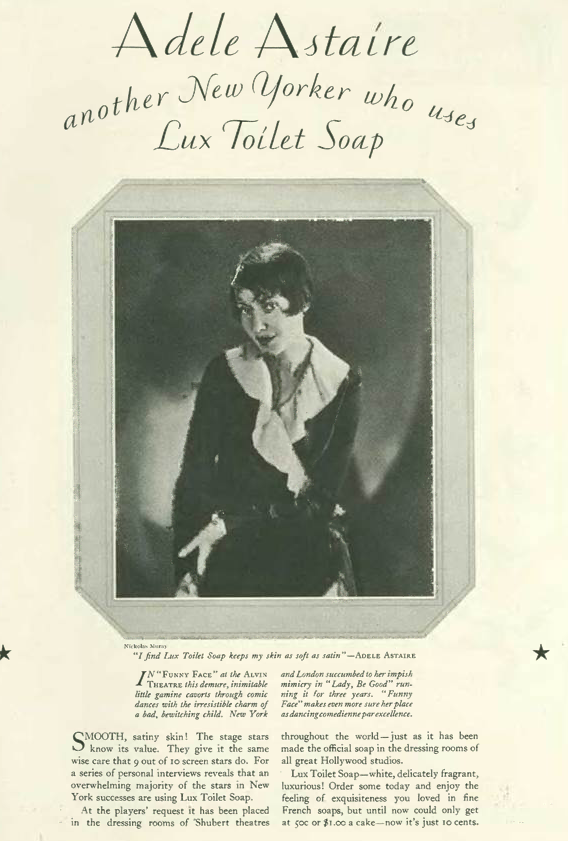
ADELE AGAIN…In the March 31 issue of The New Yorker Lux followed up with this ad featuring Adele Astaire all by herself.

Over the years dozens of famous actresses would appear in colorful ads singing the praises of Lux soap…

STAR POWER…Lux ads from 1954, 1956 and 1959 featuring, respectively, Audrey Hepburn, Debbie Reynolds and Sophia Loren. (Pinterest)

A final note. Lever Brothers began selling Lux soap in India in 1909, years before it was introduced in the U.S., and through the decades Bollywood actresses were prominently featured in their advertising…

NEW AGE…Bollywood Star Katrina Kaif in a 2010 Lux advertisement. (afaqs.com)

*  *  *

Meanwhile, back on earth…

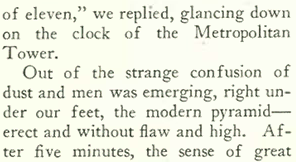
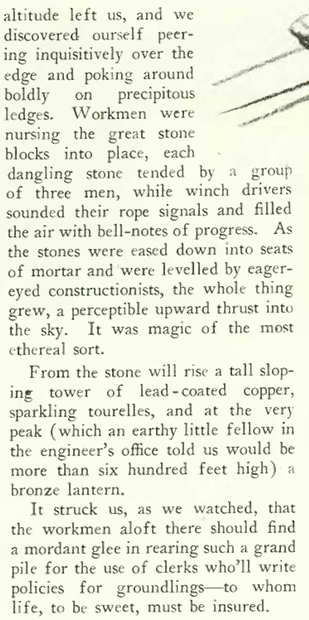
The March 17, 1928 “Talk of the Town” marveled at the rising structure between Madison and Park avenues that would become the New York Life Building. Designed by Cass Gilbert, who also designed the Woolworth Building, its gilded roof, consisting of 25,000 gold-leaf tiles, remains an iconic Manhattan landmark.

From 1837–1889, the site was occupied by the Union Depot, a concert garden, and P.T Barnum’s Hippodrome. Until 1925, the site housed the first two Madison Square Gardens, a memory that lingered amidst the city’s rapidly changing skyline…

ETHEREAL…The New York Life Building shortly after its completion in 1928. (Museum of the City of New York)

 *  *  *

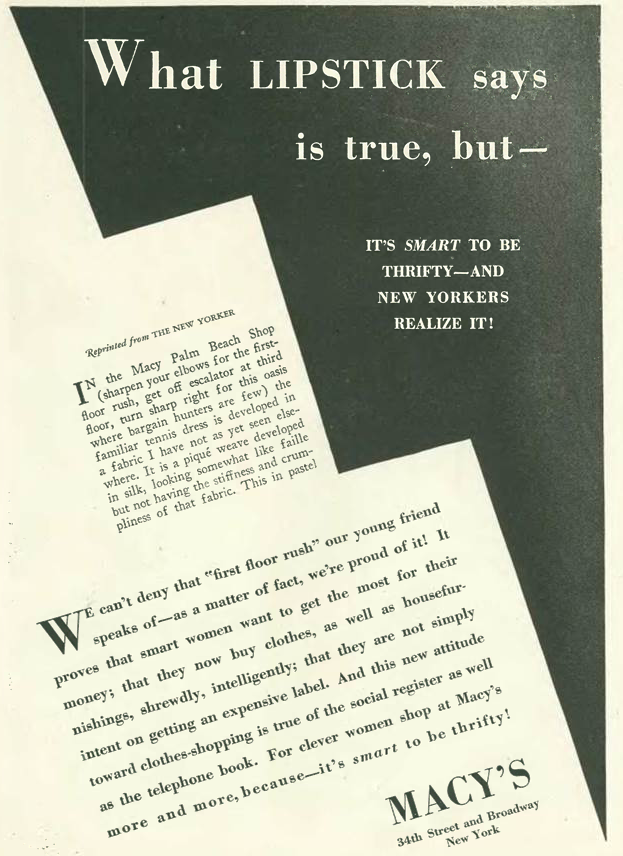
Following the lead of a Roosevelt Hotel advertisement in a previous issue, Macy’s Department Store also called out The New Yorker’s popular nightlife columnist “Lipstick” (Lois Long) in this ad featured in the March 17 issue…

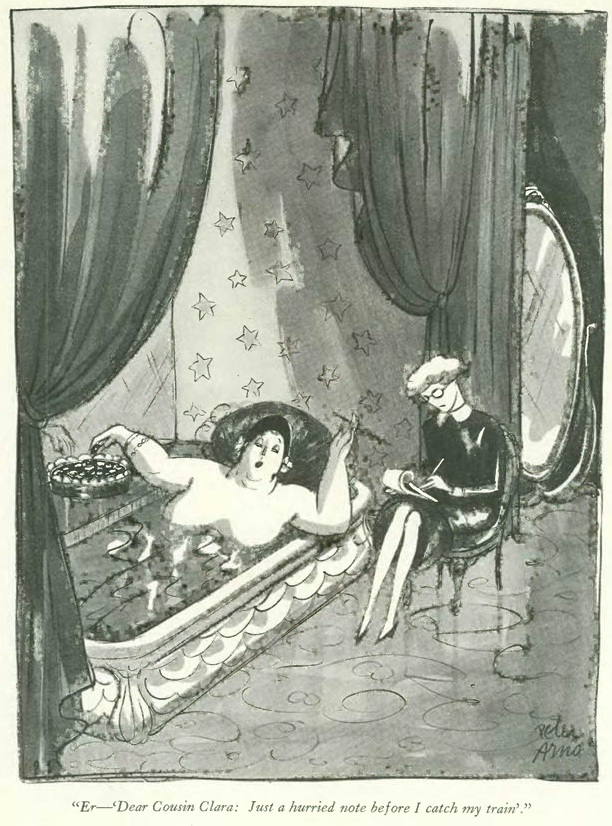
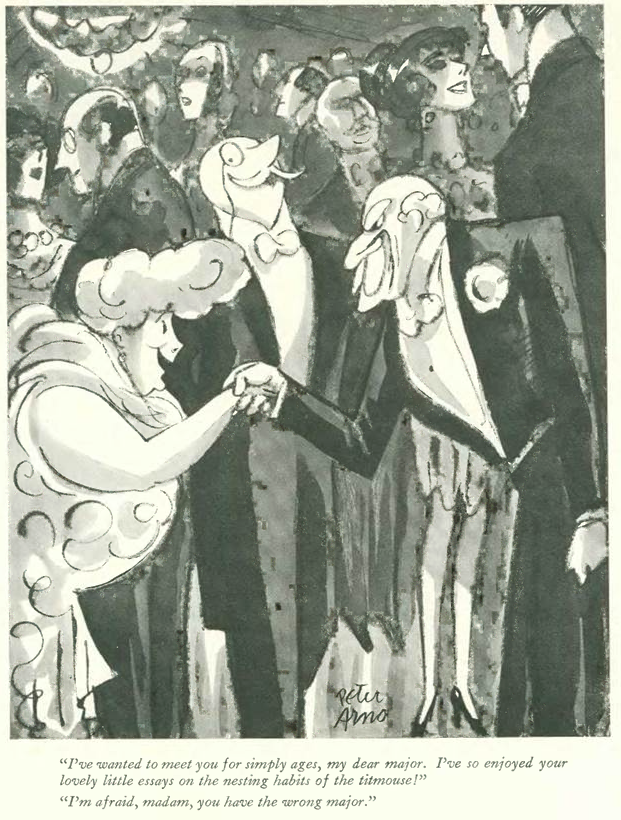
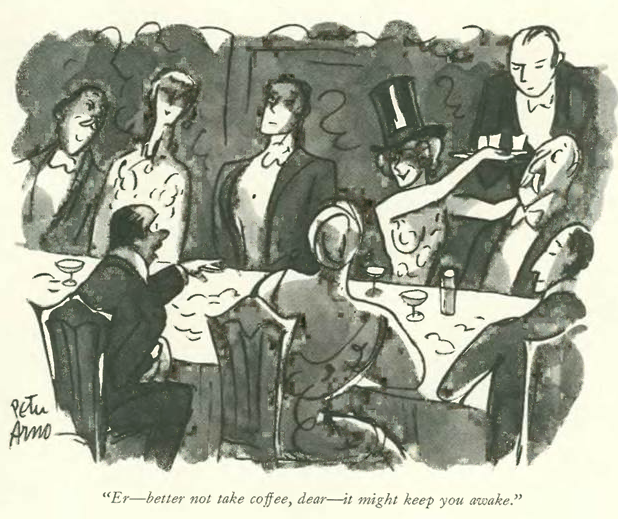
Our cartoon from the March 17 issue explored the hurried life of the idle rich, as depicted by Long’s husband, Peter Arno

Landmark in Name Only

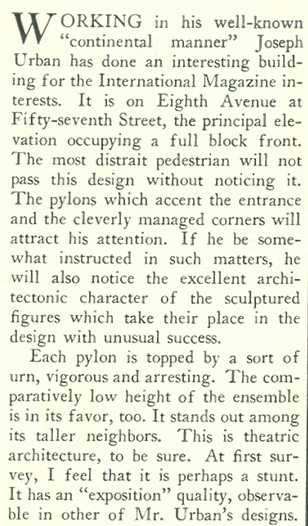
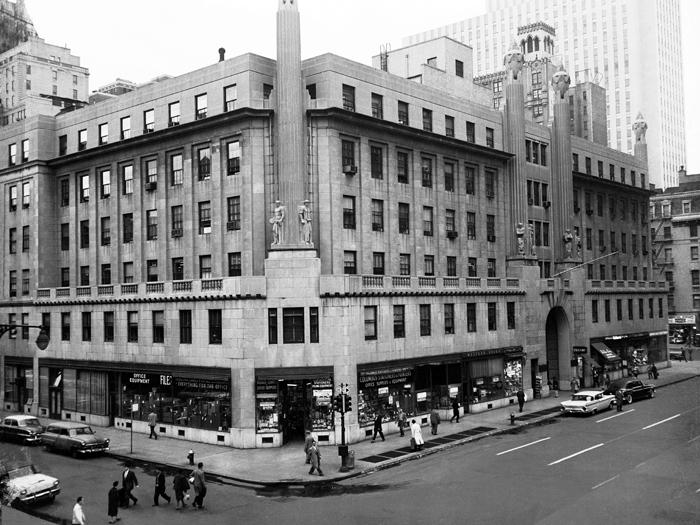
In the March 24, 1928 issue another building caught the attention of the magazine–a six-story structure designed by theatrical scenic artist and architect Joseph Urban for William Randolph Hearst. The International Magazine Building was completed in 1928 to house the twelve magazines Hearst owned at the time.

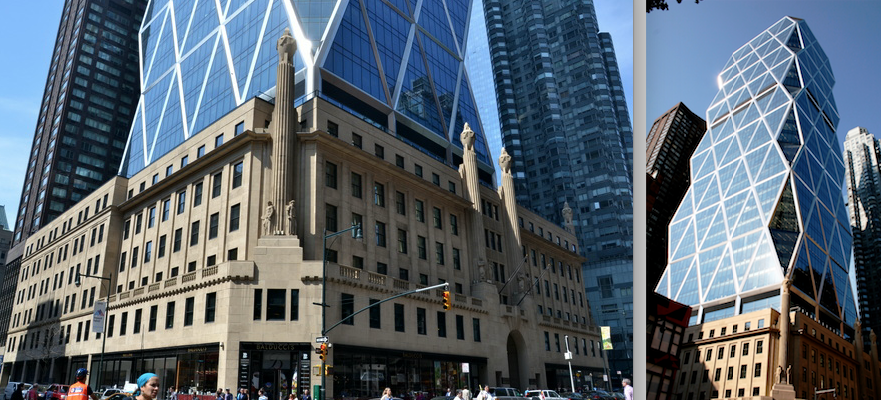
An important monument in the architectural heritage of New York, the building was designated as a Landmark Site by the Landmarks Preservation Commission in 1988. The six-story International Magazine Building was originally built to serve as the base for a proposed skyscraper, but the construction of the tower was postponed due to the Great Depression. The new tower addition by Norman Foster was finally completed nearly eighty years later, in 2006. It is probably not what either Hearst or Urban had in mind in 1928:

START OF A BIG IDEA…The International Magazine Building circa 1960. (Hearst)
ALIEN INVASION…The 2006 Norman Foster tower rises from the hollowed-out shell of the International Magazine Building. (Benjamin Waldman / Wikipedia)

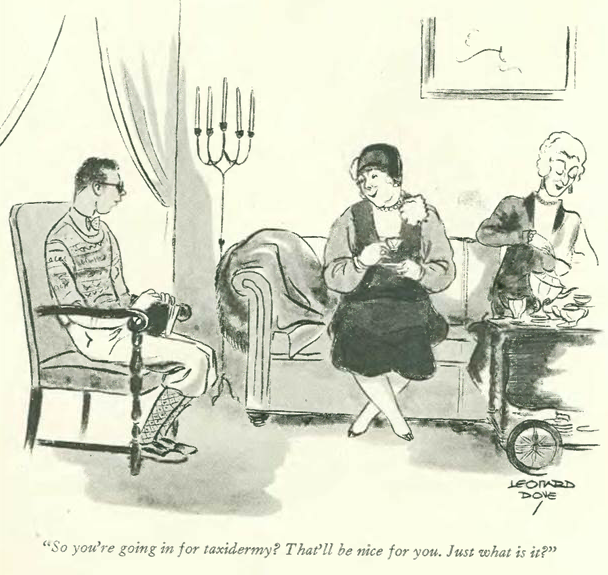
And finally, cartoonist Leonard Dove listens in on some tea time chatter…

Next Time: Conventional Follies of ’28…


Amen Aimee

It what would become a longstanding tradition, The New Yorker marked its third anniversary by featuring the original Rea Irvin cover illustration from Issue No. 1. The New Yorker was a very different magazine by its third year, fat with advertising and its editorial content bolstered by such talents as Peter Arno, E.B. White and Dorothy Parker.

Feb. 25, 1928 cover by Rea Irvin.

Parker livened up the magazine’s books section, mincing few words as she took on writers both great and not so great.

In the latter category was Aimee Semple McPherson, a 1920s forerunner of today’s glitzy televangelists. In her column “Reading and Writing,” Parker took aim at McPherson — “Our Lady of the Loud-speaker” — who had just published a book titled In the Service of the King.

READY FOR MY CLOSEUP…Although she was an evangelical preacher, Aimee Temple McPherson was also considered one of the most glamorous women in 1920s America. (Foursquare Church)

McPherson (1890–1944) was a Pentecostal-style preacher who practiced “speaking in tongues” and faith healing in her services, which drew huge crowds at revival events between 1919 and 1922. She took to the radio in the early 1920s and in 1923 she based her ministry in Los Angeles at her newly completed Angelus Temple, which served as the center of the International Church of the Foursquare Gospel.

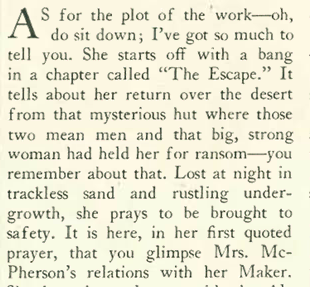
McPherson’s book detailed her conversion and her various hardships, including her mysterious “kidnapping” in 1926. Parker was having none of it:

Parker was referring to events beginning on May 18, 1926, when the evangelist visited Venice Beach for a swim and went missing. Some thought she had drown, others claimed they saw a “sea monster” in the area. McPherson reemerged in June on the Mexico-Arizona border, claiming she had been kidnapped and held captive by three strangers.

Numerous allegations of illicit love affairs targeted McPherson during her years of fame, so some were inclined to believe she went missing in order to engage in a love affair with her sound engineer.

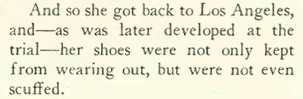
Upon her return to Los Angeles she was greeted by a huge crowd (est. 30,000 to 50,000) that paraded her back to the Angelus Temple. However many others in the city found McPherson’s homecoming gaudy and annoying. A grand jury was subsequently convened to determine if evidence of a kidnapping could be found, but the court soon turned its focus to McPherson herself to determine if she had faked the kidnapping. Parker thought the condition of the preacher’s shoes, after a long trek through the desert, were evidence enough of a sham:

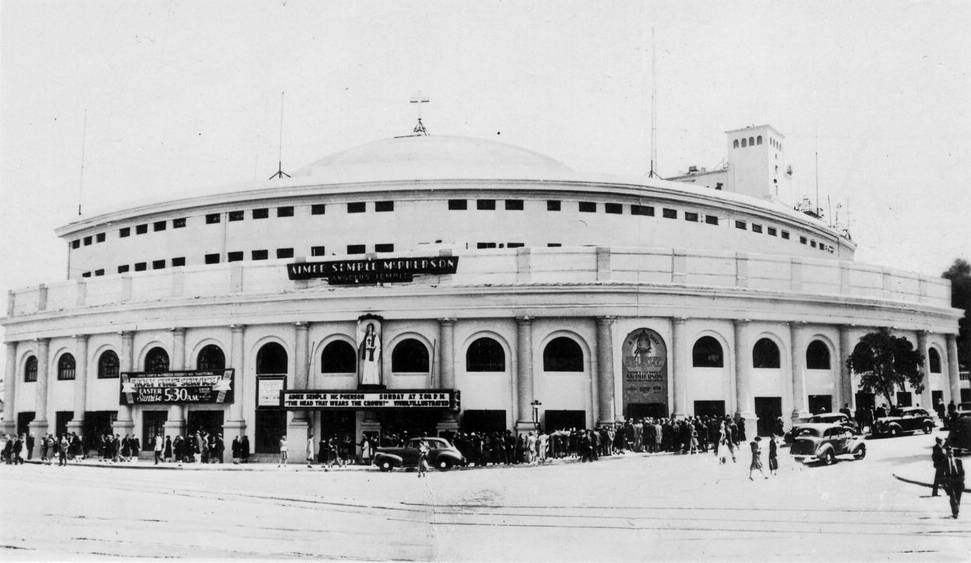
THE MEGACHURCH IS BORN…Angelus Temple, completed in 1923, is the center of the International Church of the Foursquare Gospel founded by McPherson. It is still in active use. (Loyola Marymount University)
SPECTACLE…Aimee Semple McPherson surrounded by massed choirs at Angelus Temple for a musical requiem in 1929. (Los Angeles Public Library/Herald Examiner)
Aimee Semple McPherson (second from left) joins tambourine players in a service at Angelus Temple. McPherson produced weekly dramas, often major spectacles, illustrating various religious themes. (Los Angeles Public Library/Herald Examiner)

McPherson, who was married three times and twice divorced, died in September 1944 from an apparent overdose of sleeping pills. She was 53. Her son Rolf took over the ministry after her death. Today McPherson’s Foursquare Church has a worldwide membership of about 8 million, and is still based in Los Angeles.

But How Do I Look?

The Feb. 25 issue profiled the young Jascha Heifetz, a Russian-born violin prodigy who seemed more interested in how he looked than in how he performed. An excerpt:

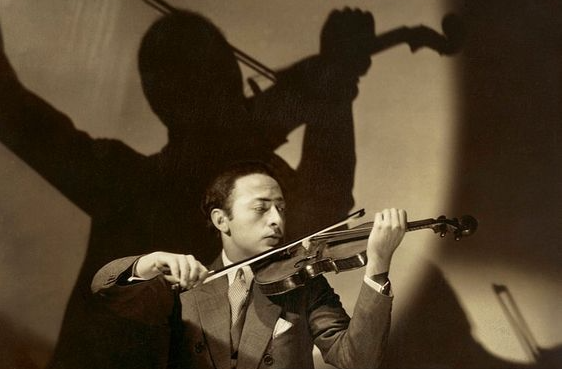
SARTORIAL PERFECTION…Detail of a 1928 photo of 27-year-old Jascha Heifetz, taken by Edward Steichen. (Condé Nast)

 *  *  *

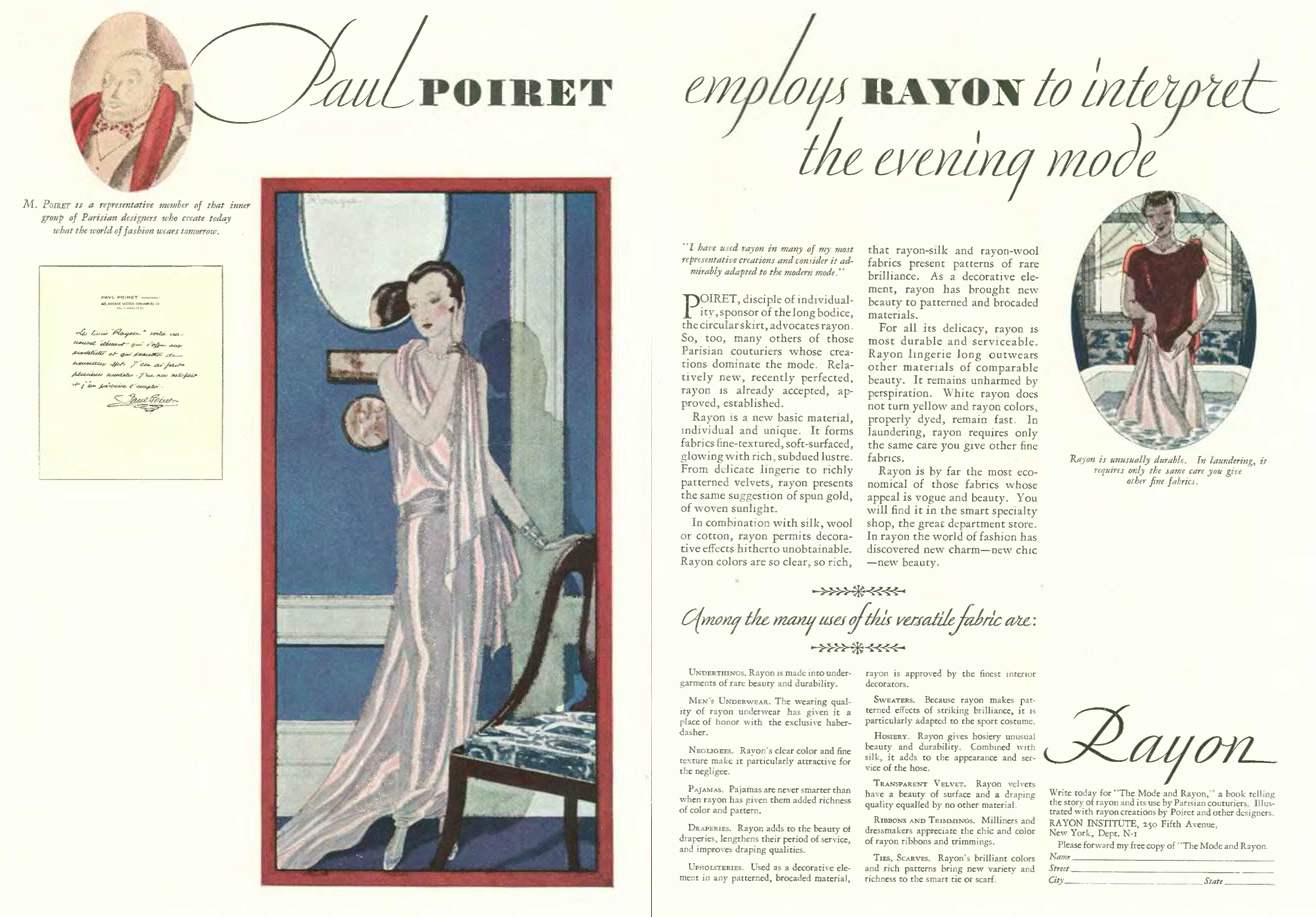
Speaking of fashion, one of the world’s greatest fashion designers, Paul Poiret, was seeing hard times in the late 1920s with his designs losing popularity in his native France and his formidable fashion empire on the brink of collapse. But Francophile New Yorkers, always hungry for French fashion, greeted Poiret with open arms when he arrived in the city in the fall of 1927.

It is something of a surprise, however, to find this advertisement in the Feb. 25 issue in which Poiret endorses Rayon, a man-made substitute for silk. We don’t usually associate synthetics with haute couture, but then again maybe Poiret just needed the money. Better living through chemistry, as they say…

(click to enlarge)

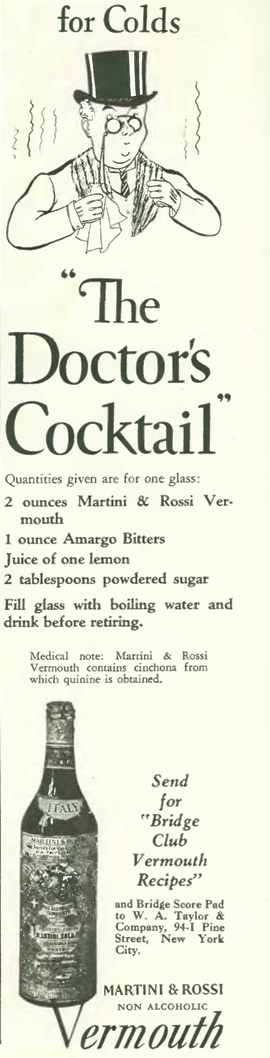
Also in the issue was a sad, Prohibition-era advertisement that extolled the virtues of an oxymoronic “non-alcoholic vermouth”…

And finally from the Feb. 25 issue, a cartoon by Carl Rose

 *  *  *

One-eyed Monster

In the March 3 issue “The Talk of the Town” discovered the miracle of television during a visit to the Bell Telephone laboratories.

March 3, 1928 cover by Peter Arno.

Lab researchers demonstrated a “receiving grid” with a tiny screen that displayed images broadcast across the expanse of an auditorium:

WE’LL CALL IT THE BOOB TUBE…Engineer and inventor Ernst Alexanderson (right) and the TV projector he used for early public demonstrations of television, circa 1928. (edisontechcenter.org)

Another glimpse into the future in the March 3 issue came courtesy illustrator Al Frueh, who offered this fanciful look at the skyscraper of tomorrow:

(click to enlarge)

 *  *  *

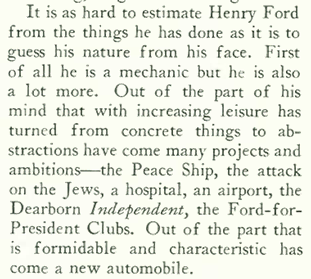
“Profile” featured the first installment of a four-part article (by Niven Busch Jr.) on a man who put America on wheels and into traffic jams. Excerpts:

Profile illustration by Al Frueh.

And finally, from W.P. Trent, an analogy that would take on new meaning after the market crash…

Next Time: To Bob, Or Not to Bob…


Speakeasy Nights

Before screenwriter Niven Busch Jr. headed to Hollywood in 1931, he cut his teeth as writer for The New Yorker, contributing a series of profiles (later compiled in Twenty-one Americans) as well as an intermittent series from May 1927 to Feb. 1930 on New York’s Prohibition-era speakeasies.

February 18, 1928 cover by Theodore G. Haupt.

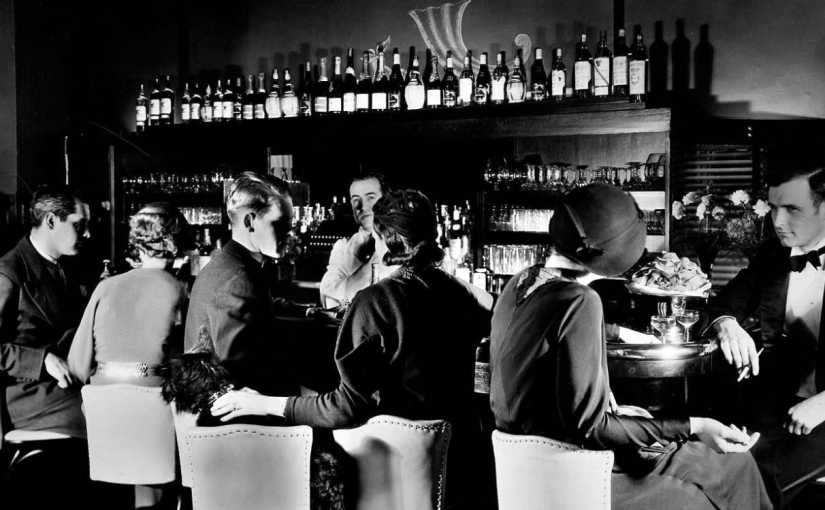
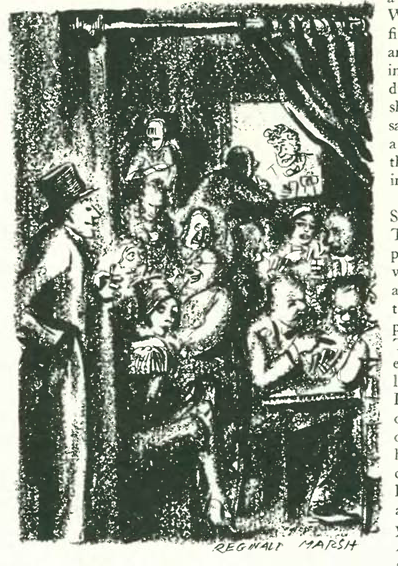
Always careful to shield the identity of speakeasy owners and patrons, Busch described the often less-than-glamorous digs of New York’s illegal watering holes. In a speakeasy called “The No Trump,” two Irish brothers took turns mixing drinks “on a kitchen table in a cubbyhole” while Busch sat in a darkened bar and listened in on a conversation coming from the adjoining “bridge room”…

This illustration by Reginald Marsh accompanied Niven Busch’s article.

LAST CALL…Images taken by photographer Margaret Bourke-White for Life magazine during the last days of Prohibition. (Time.com)
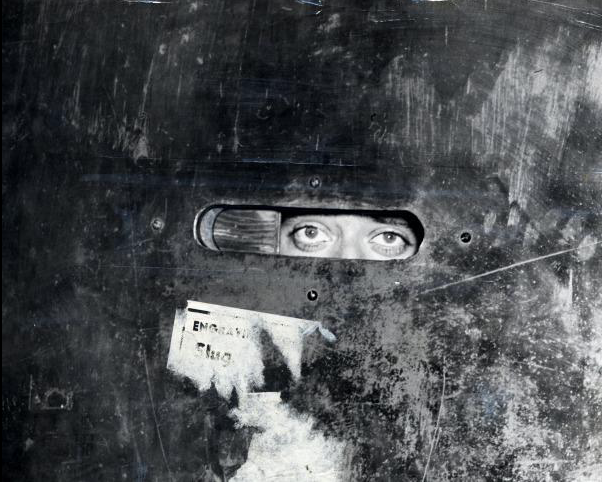
WHO GOES THERE?…The familiar slot in the door came in handy for speakeasy owners wishing to screen clients before allowing entry into their illegal lairs. (Chicago Tribune)
BETTER SWILL…The Marlborough House, an East Side speakeasy for socialites during Prohibition, 1933. Photo by Margaret Bourke-White for Fortune. (Time.com)

Busch also described his visit to the “Circus Speakeasy,” operated by a man who “travelled for 21 years with the Ringling Circus”…

A young Niven Busch Jr., circa 1930. (enetpress.com)
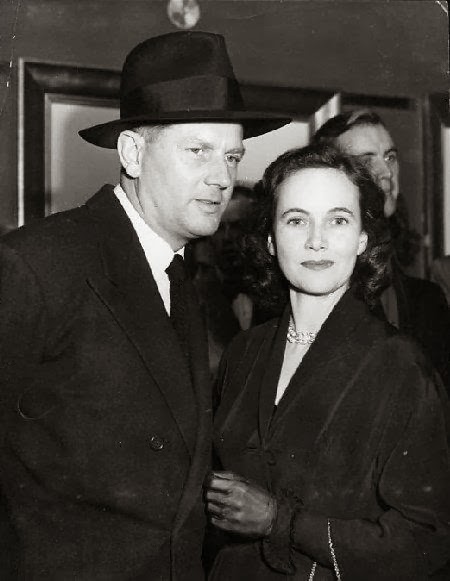
Busch and the third of his five wives, the actress Teresa Wright, in the 1940s. (danielmartineckhart.com)

In his later years as a producer and screenwriter in Hollywood, Busch would script movies ranging from The Man With Two Faces (1934) starring Edward G. Robinson, to The Postman Always Rings Twice (1946), with Lana Turner.

All Aboard

One of the prominent voices of the unsigned “Talk of the Town,” E.B. White was also a regular contributor of short pieces in The New Yorker, such as the following which described a mistaken encounter on an overnight train:

 *  *  *

Another way to calm the jitters

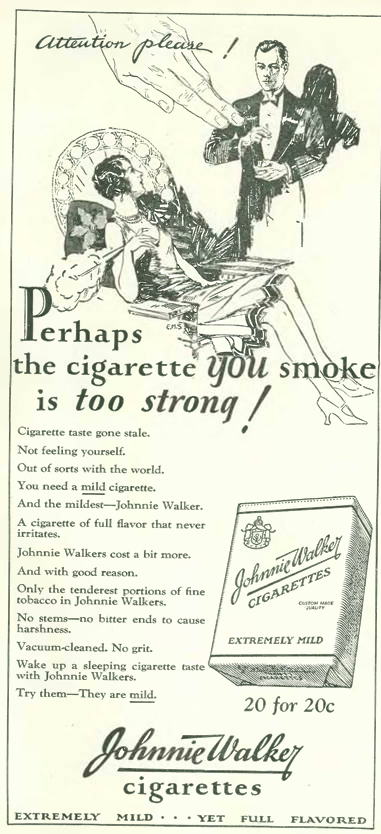
If you couldn’t legally (or illegally) buy Johnny Walker Scotch whisky in 1928, you had to settle for their brand of “vacuumed-cleaned, extremely mild” cigarettes, which were apparently sold as late as the 1950s…

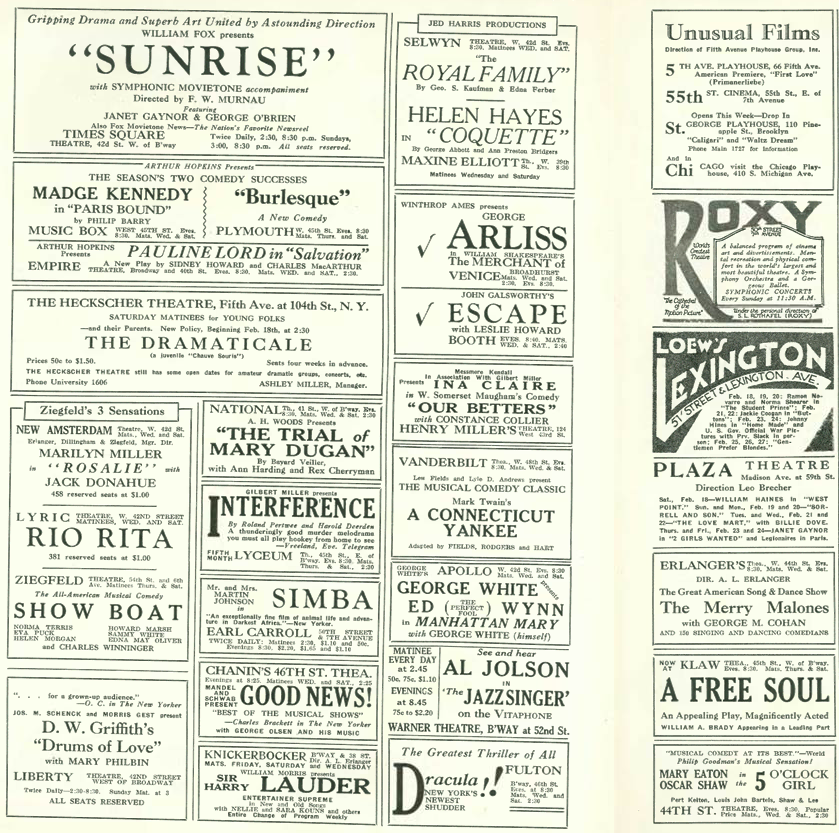
And to get a taste of what was showing at the local cinemas, I’ve included this page-and-third spread of movie and theatre ads from the back pages. Note the film Sunrise featured prominently at the top left-hand corner.

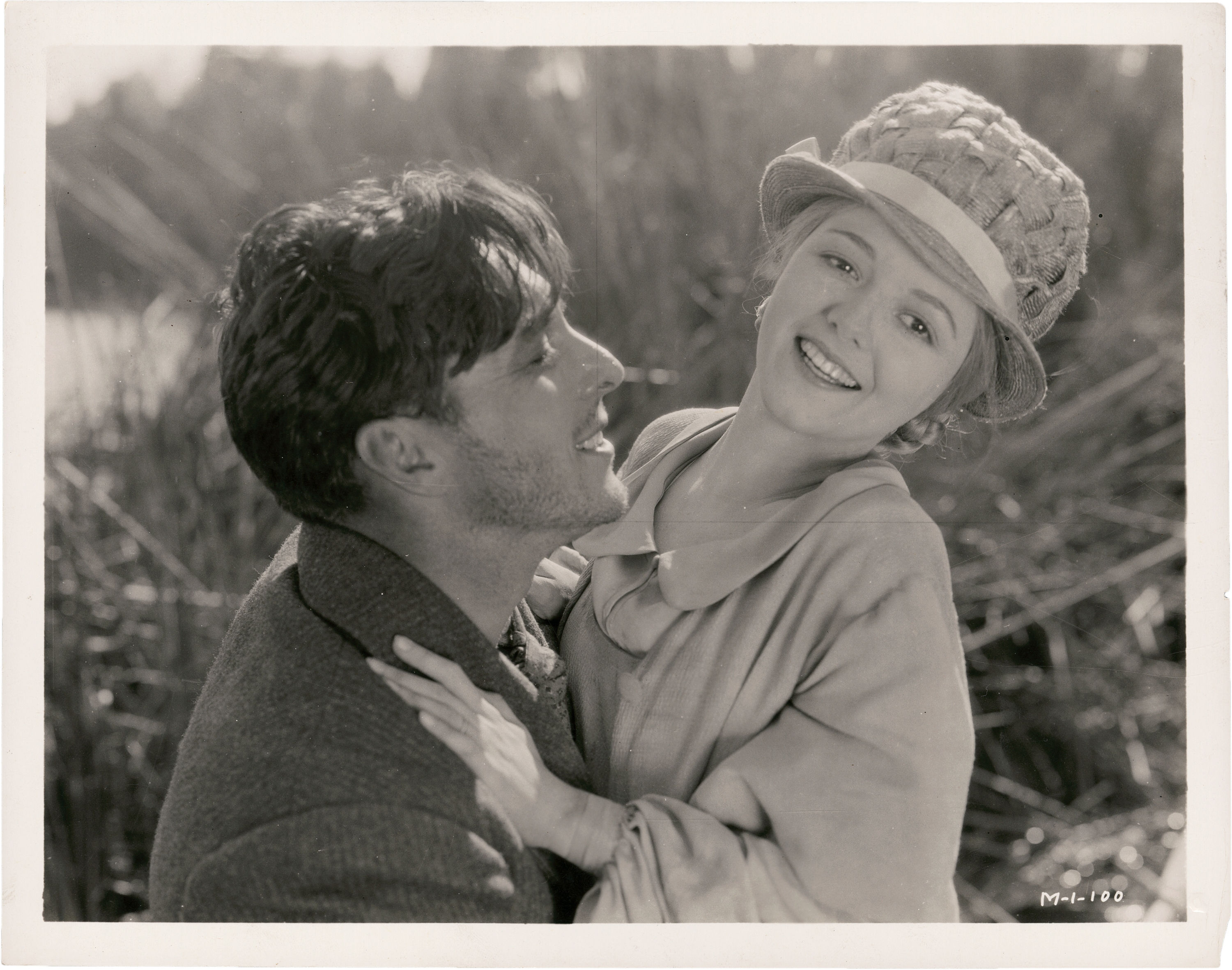
Starring George O’Brien, Janet Gaynor, and Margaret Livingston, this 1927 silent romantic drama, directed by F.W. Murnau, used the new Fox Movietone sound-on-film system, making it one of the first feature films with a synchronized musical score and sound effects soundtrack. Sunrise (full title: The Sunrise: A Song of Two Humans) won the Academy Award in the category “Unique and Artistic Picture” at the 1st Academy Awards in 1929, and Gaynor won the first Academy Award for “Best Actress in a Leading Role.” Sunrise is considered one of the greatest films of the silent era and even today is widely considered a masterpiece.

AWARD-WINNING SMILES…George O’Brien and Janet Gaynor in 1927’s acclaimed The Sunrise: A Song of Two Humans. (The Red List)

 *  *  *

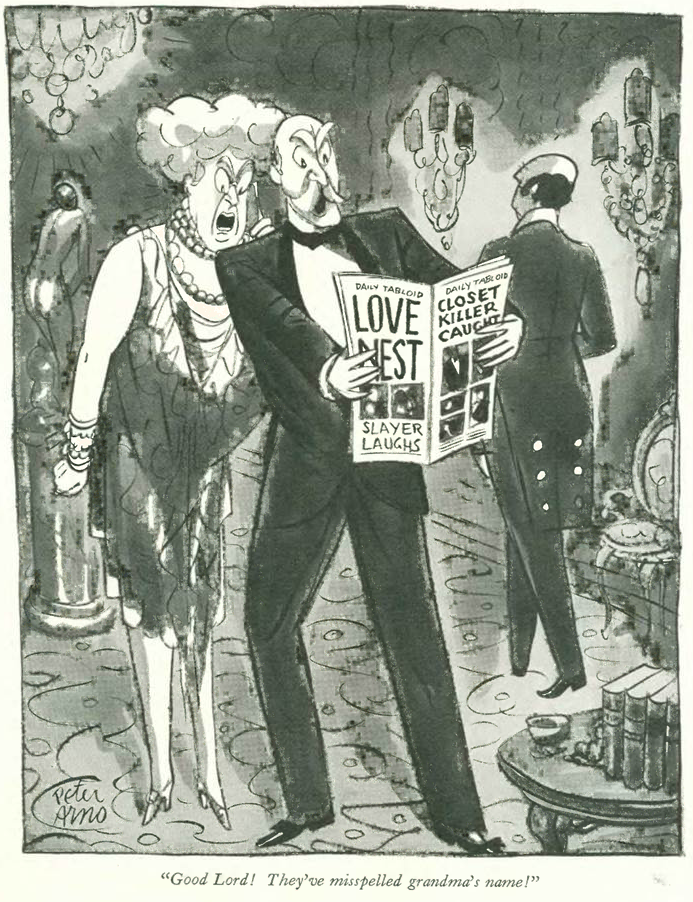
And finally, more hijinks from the moneyed classes, courtesy of Peter Arno:

Next Time: Amen Aimee…

Good Vibrations

A decidedly new sound reverberated in the ears of New Yorkers who attended a Feb. 1928 performance of the New York Philharmonic that featured guest artist Leon Theremin, a Russian inventor who played music by moving his hands through the air, or more accurately, a magnetic field.

February 4, 1928 cover by Gardner Rea.

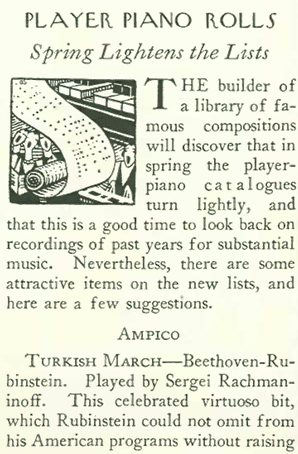
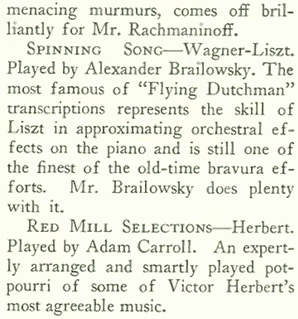
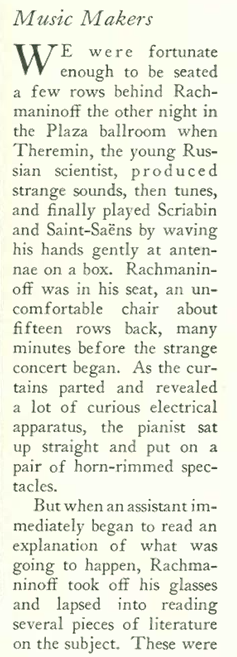
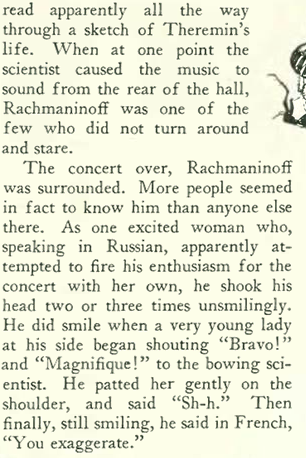
Theremin’s eponymous instrument had neither keys nor strings, but rather two metal antennas attached to an electronic oscillator. Music was produced by moving one’s hands between the antennas, which sensed the relative position of the players hands—one antenna controlled for pitch while the other adjusted the instrument’s volume. The sound produced is best described as “otherworldly.” James Thurber, writing for the “Talk of the Town” (in a piece titled “Music Makers”), found Theremin’s performance intriguing, but of even greater interest was the great Russian pianist and composer Sergei Rachmaninoff—who was in attendance—and his reaction to the strange instrument:

HMMMM…At left, Sergei Rachmaninoff in 1921, as photographed by Kubey Rembrandt. At right, Leon Theremin plays his eponymous instrument at a demonstration concert in Paris on December 8, 1927. (Wikimedia)

The New Yorker’s voyeuristic account of Rachmaninoff continued, with the great man now becoming more engaged in the performance…

The Theremin would grow in popularity, however more as a novelty than a serious instrument:

ON THE AIR…Alexandra Stepanoff playing the Theremin on NBC Radio in 1930. A Russian immigrant to the U.S., the former concert singer was Theremin’s first student in the United States. (Wikimedia)
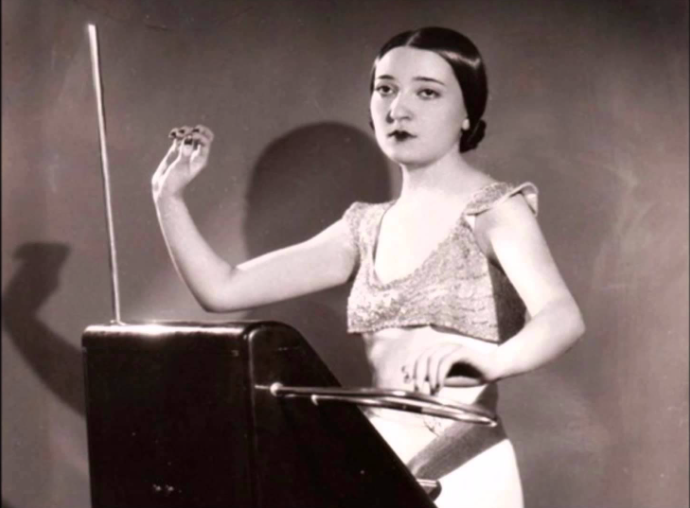
VIRTUOSO…The Russian-born Clara (Reisenberg) Rockmore holds a unique place in music history as the virtuoso performer of the Theremin. Leon Theremin built a custom version of his instrument for Rockmore, which added greater range and sensitivity. Rockmore would sometimes perform concerts with her sister, accomplished pianist Nadia Reisenberg. Photo circa 1930. (PHOTO BY RENATO TOPPO, COURTESY OF THE NADIA REISENBERG – CLARA ROCKMORE FOUNDATION)

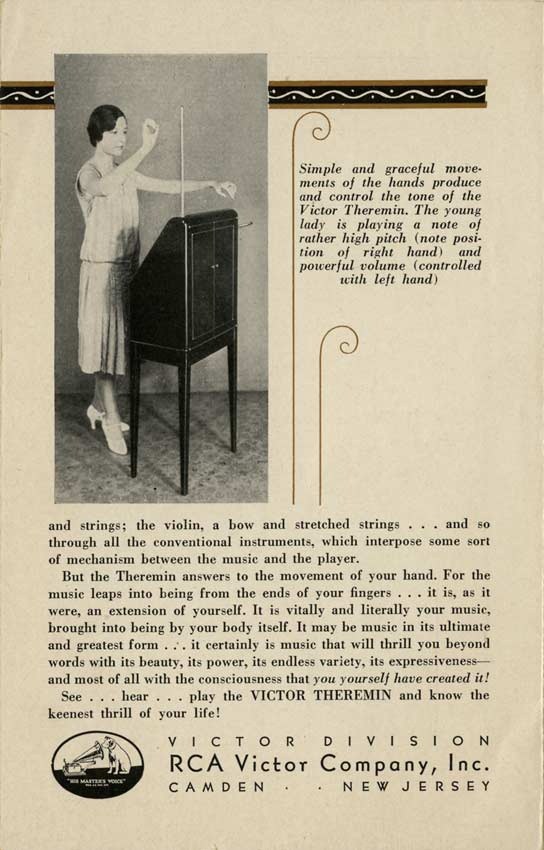
Theremin would be granted a U.S. patent for the instrument in 1928, which was marketed and distributed in the U.S. by RCA during the 1930’s in either DIY kit form or as a finished instrument:

(120years.net)

Interest in the instrument as a novelty continued into the 40’s and 50’s in the DIY market…

(120years.net)

Robert Moog, pioneer of modern electronic music and inventor of the Moog synthesizer, made and sold a transistorized version of the Theremin in the 1950s.

The Theremin would become best known to mass culture through its use in producing “eerie” sound effects in 1940s and 50s films, including Bernard Herrmann’s use of the instrument for the soundtrack to the 1951 sci-fi thriller, The Day The Earth Stood Still. And nearly everyone on the planet has heard the Theremin-inspired sound of the Beach Boy’s song Good Vibrations, created by an electro-Theremin that was developed in the late 1950s to mimic the sound of the original Theremin.

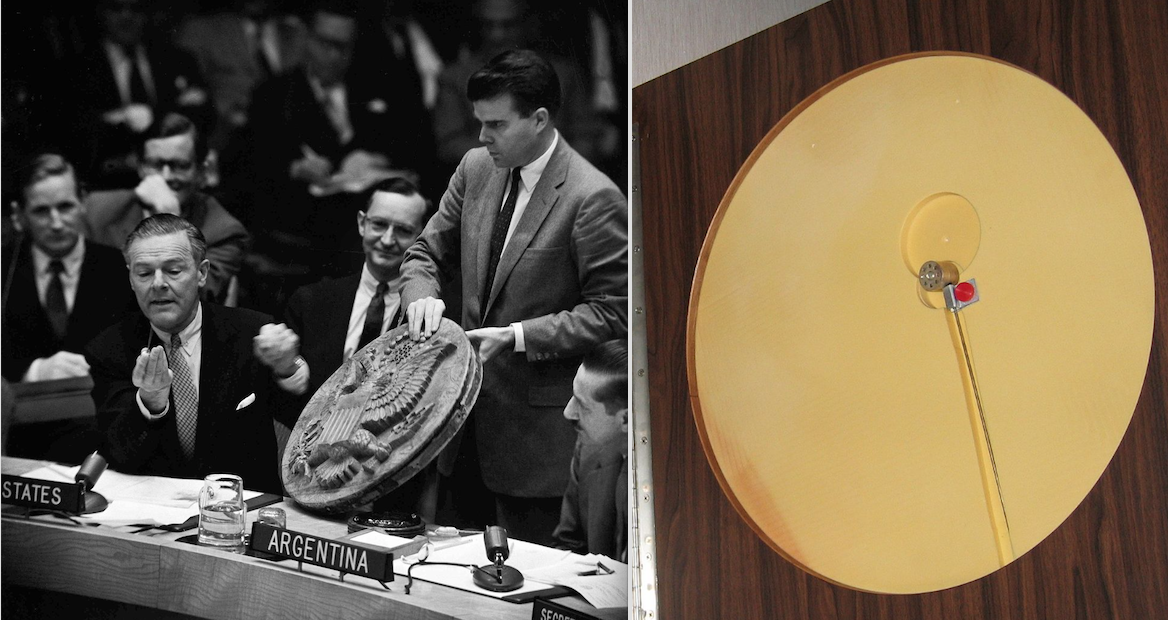
As for Leon Theremin himself, he would also gain notoriety as the inventor of The Thing, a listening device most famously used by the Soviets to bug the U.S. Embassy in Moscow. The device was hidden behind a wood carving of the U.S. Great Seal, which in 1945 was presented by Soviet schoolchildren to the U.S. ambassador, who subsequently hung it in his office.

GOTCHA…American Ambassador to the UN Henry Cabot Lodge displays The Thing before the UN Security Council in 1960. At right, the device which was hidden behind the seal. The Americans discovered the bug in 1952, but didn’t reveal its existence until 1960 in the wake of the U-2 spy plane incident. The Soviet Union had convened the meeting of the United Nations Security Council to accuse the Americans of spying with the U2; in response Cabot displayed The Thing as proof spying between the two countries was a mutual endeavor. (crytomuseum.com/Wikimedia)

The reasons why Theremin developed The Thing for the KGB are a mystery. When he suddenly disappeared from New York in 1938 it was rumored that he had been kidnapped and possibly executed by the KGB. What we do know is that Soviet spooks put him to work in a secret laboratory in the Gulag camp system, where he developed The Thing.

In 1991, filmmaker Steven Martin brought Leon Theremin back to New York to film a documentary about his life. Theremin gave one last performance in 1993, and died that year at age 97.

Wild Kingdom

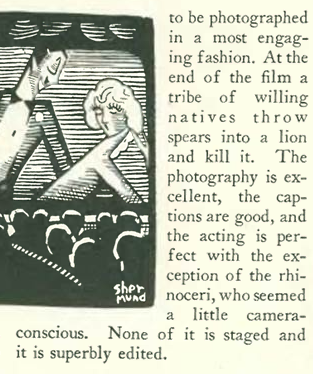
The New Yorker’s review of the hit film Simba revealed a very different approach to the natural world 89 years ago, when the wilds of Africa were exploited purely for adventure and thrills rather than for any real understanding of natural systems and the animals and humans that inhabited them. Martin and Osa Johnson were celebrated for their filmed exploits in the wilds, including Simba; they touted their movie—shot in Kenya—as being made under the auspices of the American Museum of Natural History, although much of the film was staged or edited in ways to maximize the thrills.

The New Yorker found the film to be “darn good fun”…

Despite its flaws, the film does offer us a glimpse of Africa when wildlife hadn’t been hunted to near extinction, although the Johnsons didn’t hesitate to gun down animals left and right in the course of their movie-making.

According to a 2011 review from Wild Film History, “in stark contrast to the conservation-themed wildlife films of today, the Johnsons approached their subjects armed with both camera and rifle, with the production including provoked behavior, staged confrontations and animals shot to death on film. Relying heavily on cutting in kills from professional marksmen, numerous hunting scenes culminate in a heart-stopping sequence where, with the use of clever editing, the adventurous Mrs Johnson appears to bring down a charging rhinoceros with one well-aimed shot.

A FUN-LOVING NATURE…Osa Johnson saddles up a hapless zebra. (Daily Mail)

 *  *  *

From the Advertising Department

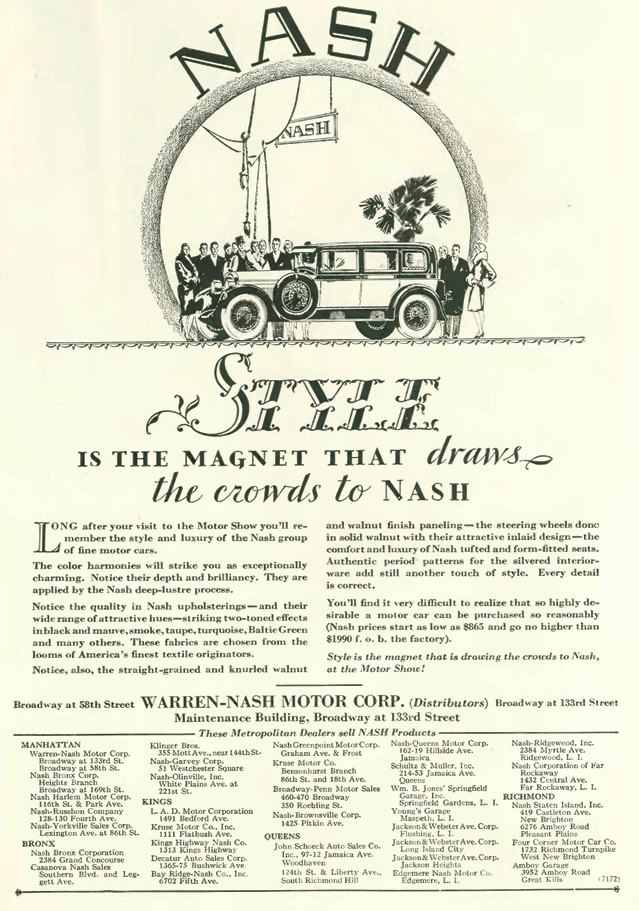
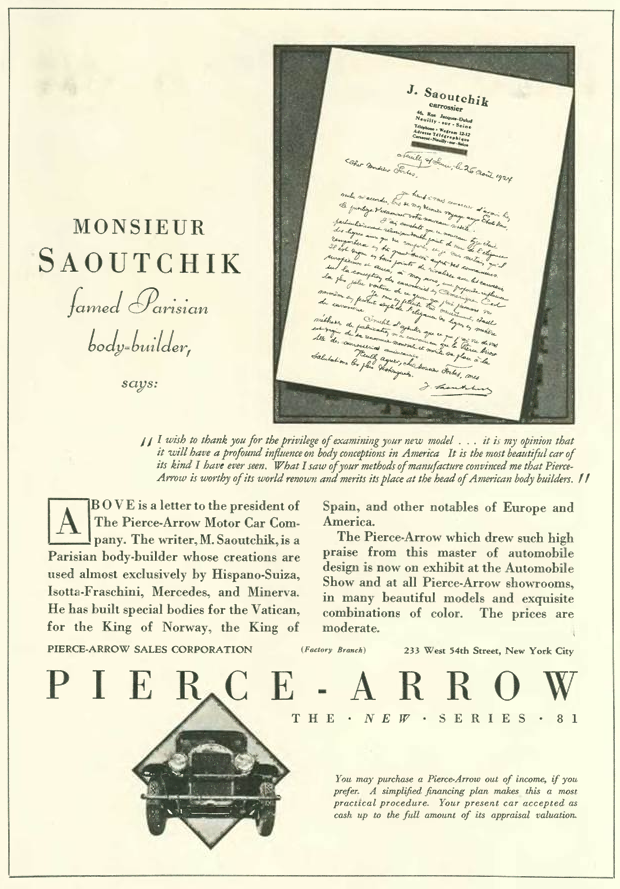
There were three automobile ads in the Feb. 4 issue, all from long-gone companies—Pierce-Arrow, Hudson-Essex, and Nash, which featured this endorsement by the brother-sister dancing duo Fred and Adele Astaire:

This ad for Dynamique showcased the art deco stylings of its furniture line…

And finally, a Peter Arno cartoon of an upper class faux pas

Next Time: Literary Rotarians…

Odious Odes

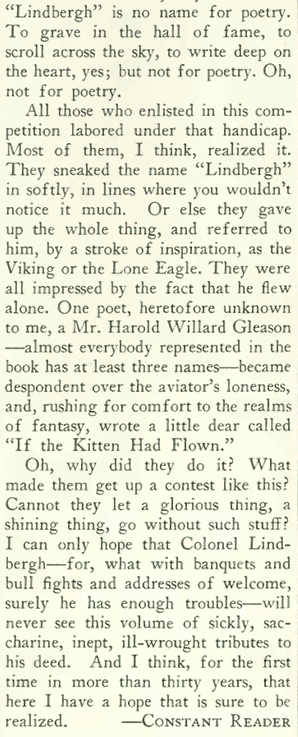
After his famous transatlantic flight, not only did Charles Lindbergh have to endure endless banquets and the sweaty crush of adoring crowds, but he also inspired a lot of kitsch, including some spectacularly bad poetry that Dorothy Parker could’t help but eviscerate in the Jan. 7, 1928 issue.

jan-7
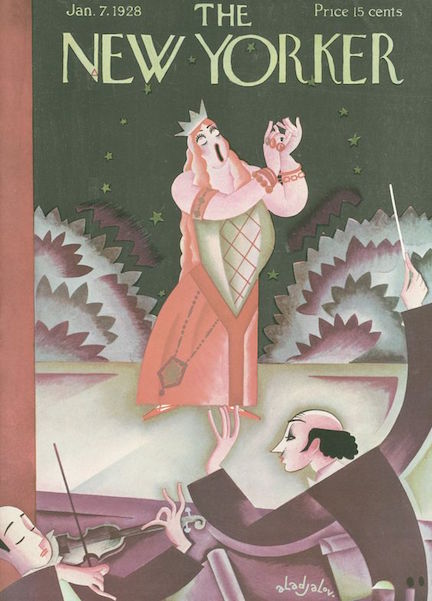
January 7, 1928 cover by Constantin Alajalov.

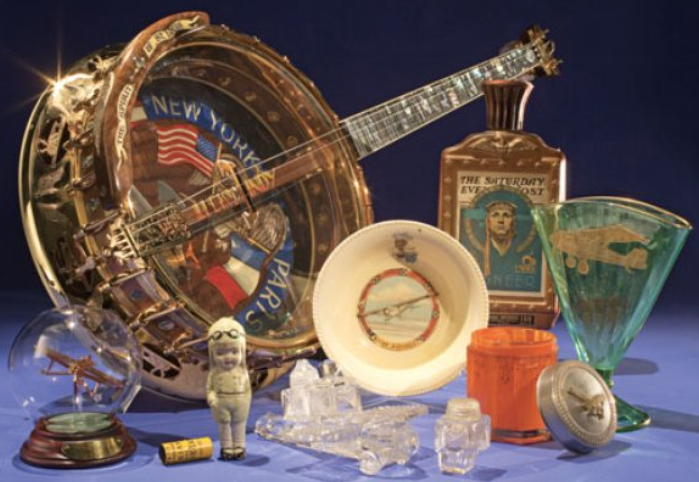
Before we tackle the poetry, here is a sampling of various Lindbergh memorabilia:

screen-shot-2017-02-10-at-3-47-31-pm
THEY’RE SELLING YOU…Assortment of Lindbergh souvenirs on display at the Smithsonian’s Air & Space Museum. (Eric Long/Smithsonian)
screen-shot-2017-02-10-at-1-48-58-pm
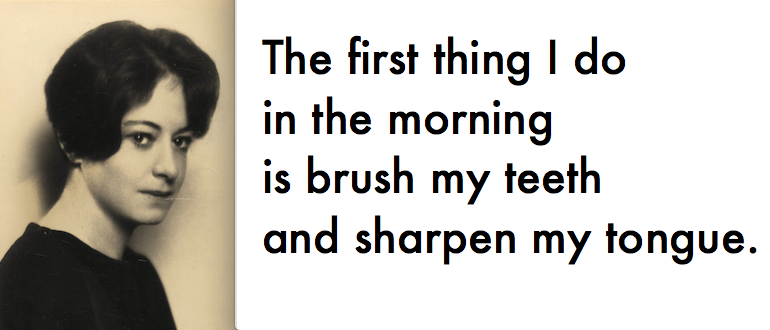
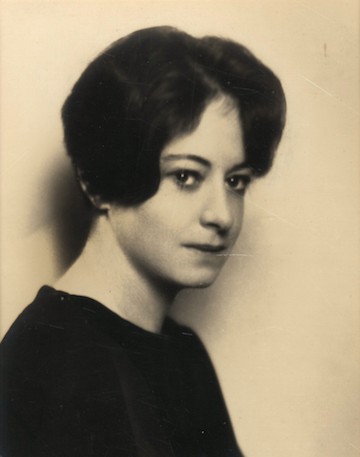
SHARPENED TONGUE…Dorothy Parker in 1928. (literaryladiesguide.com)

Parker led off her “Reading & Writing” column with this observation about the collapse of grammar and civilization in general…

screen-shot-2017-02-10-at-12-40-01-pm

…and offered two examples—chocolate-covered olives and a new book of poems dedicated to Charles Lindbergh’s heroic solo crossing of the Atlantic…

screen-shot-2017-02-10-at-12-41-54-pm

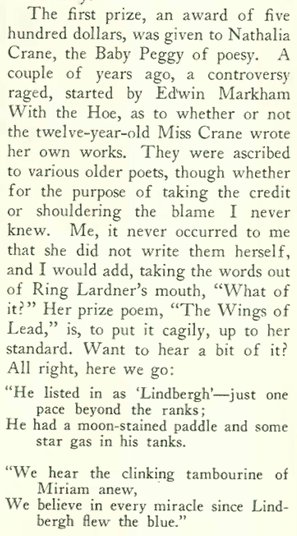
Parker’s comment about guiding a razor across her throat is a bit unnerving, considering she was chronically depressed and occasionally suicidal throughout her life. But then again, Parker didn’t like ugly things, including bad poetry, and especially bad poetry written by a twelve-year-old “prodigy,” in this case a one Nathalia Crane, who claimed the top prize in the Lindbergh collection. Parker observed:

screen-shot-2017-02-10-at-12-43-30-pm

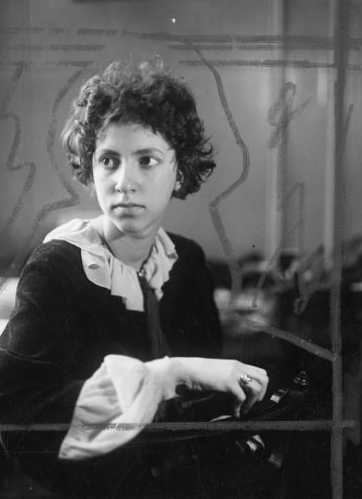
Little Nathalia Crane (1913–1998) gained fame after the publication of her first book of poetry, The Janitor’s Boy, which she wrote at age ten. After her second book of poetry was published in 1925, American poet Edwin Markham suggested the poems were part of a hoax because they exhibited a maturity of thought beyond the reach of a mere child. (A sidebar: Parker referred to Nathalia as a “Baby Peggy of poesy.” Baby Peggy, whose real name was Diana Serra Cary, was a beloved child silent film star. Still alive at this writing, she is 99 years old–the last living film star of the silent era). Update: Diana Serra Cary, considered the last surviving person with a substantial career in silent films, died February 24, 2020, at age 101.

90-105, 5, "Crane, Nathalia"; "Famous as a child prodigy, Nathalia Clara Ruth Crane (1913-1998) published her first book at age ten and later became a professor of literature. This photograph was used to illustrate a news story about ""The four ages of behavior,"" declaring that Crane, "
BAD POET’S SOCIETY?…Nathalia Crane in 1925. She would publish ten volumes of poetry and three novels, and would go on to a long career as a professor of English at San Diego State University. (Wikipedia)

Parker observed that “Lindbergh” was not a name well suited to poetry, and concluded with the hope that the aviator would be spared from having to read the “sickly, saccharine, inept, ill-wrought tributes”…

screen-shot-2017-02-10-at-12-44-31-pm

Tilt Your Vote to Al

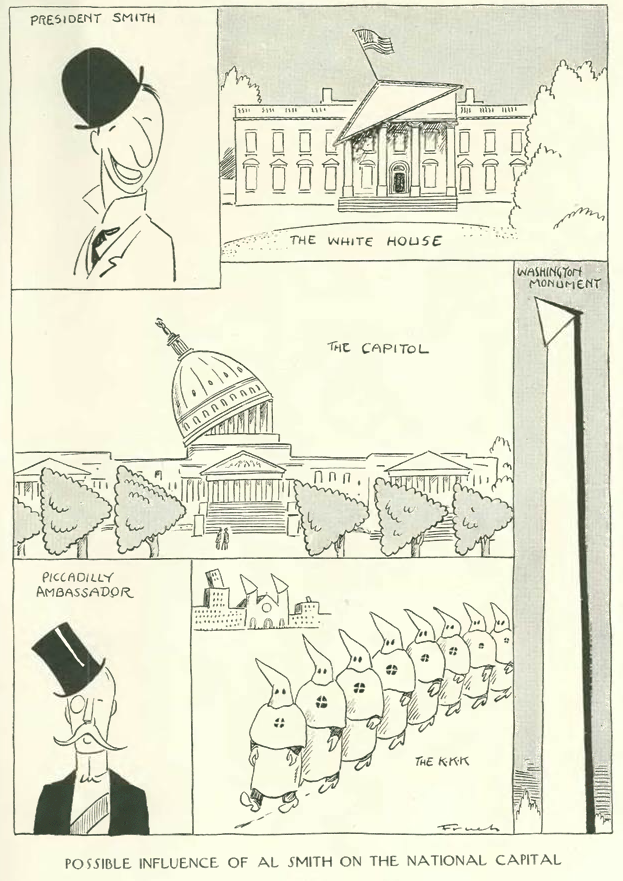
When New York Governor Al Smith announced his candidacy for U.S. President, New Yorker cartoonist Al Frueh had some fun with the governor’s habit of wearing his ever-present bowler hat at a tilt:

screen-shot-2017-02-10-at-12-15-51-pm

They Dropped Like Flies

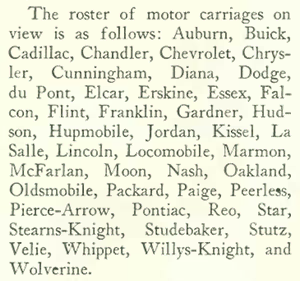
Nicholas Trott visited the 1928 New York Automobile Salon and rattled off this list of 43 car companies that would be displaying their shiny wares:

screen-shot-2017-02-10-at-12-29-32-pm

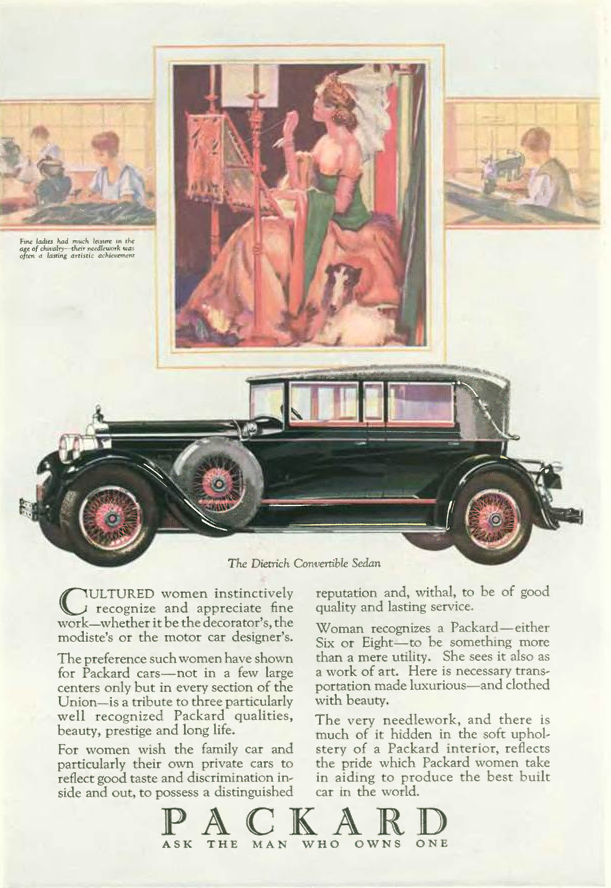
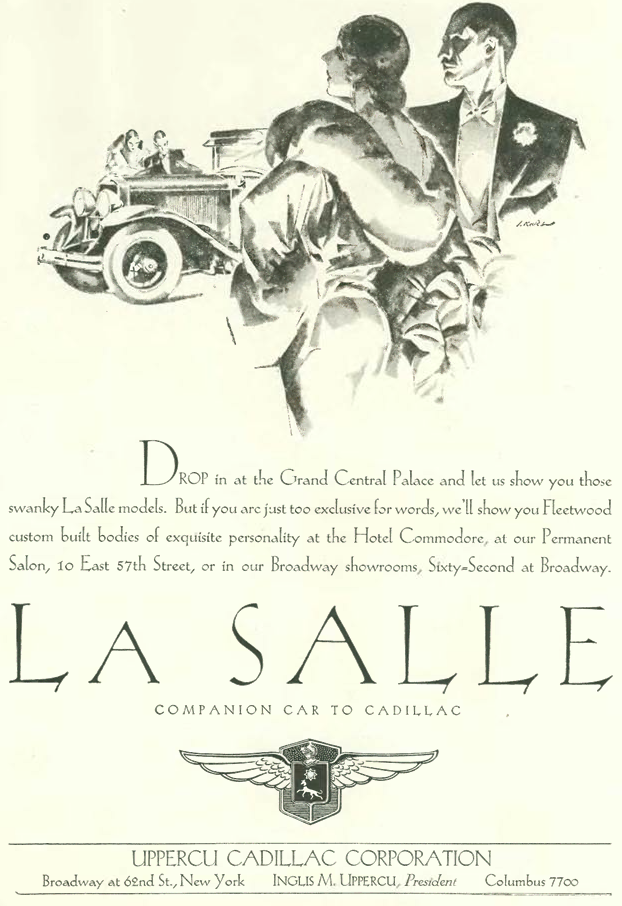
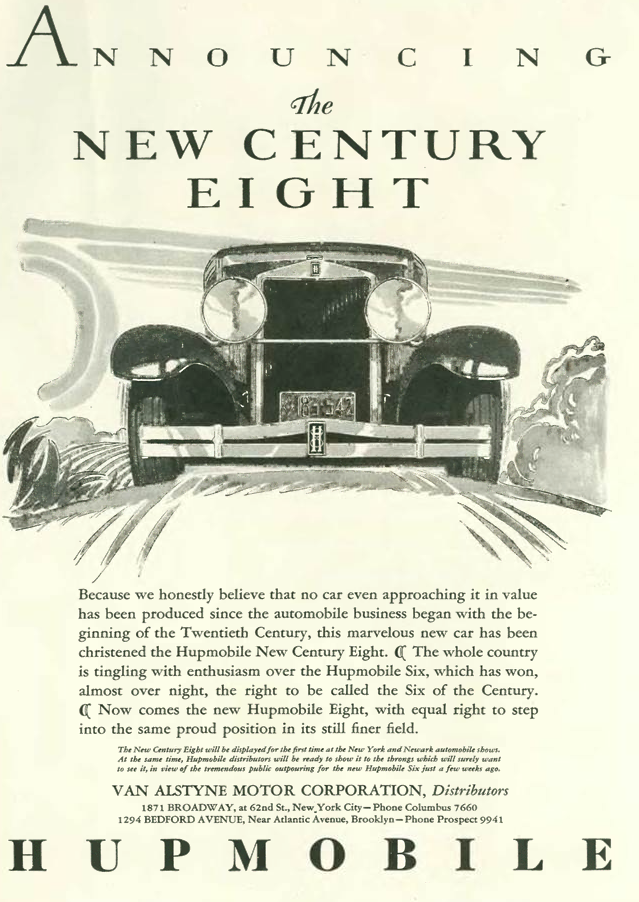
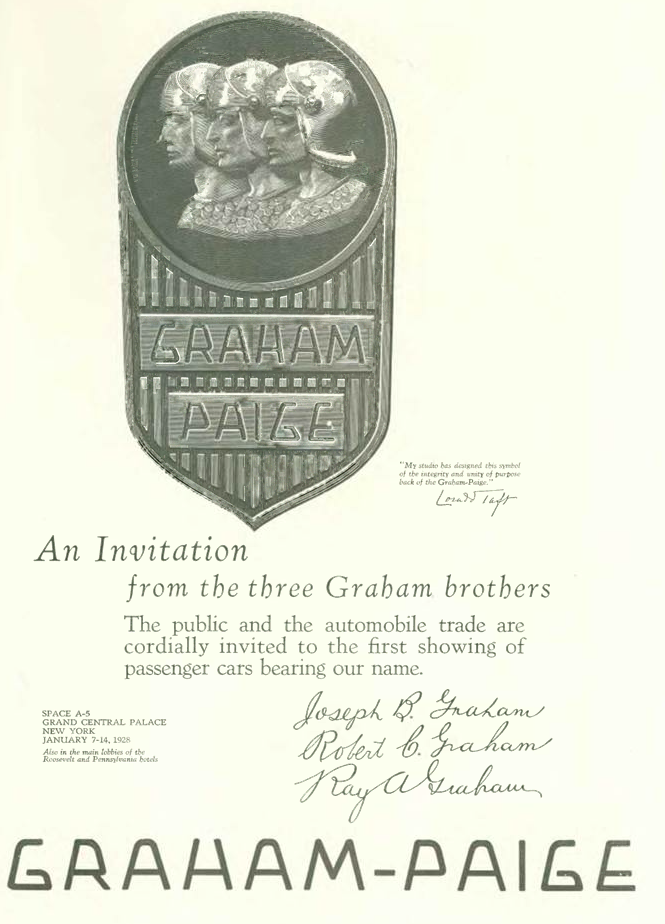
Of those 43 companies, only six are in operation today. Interestingly, the car ads that appeared in the Jan. 7 issue were mostly from companies that are long gone. Here is a sampling:

screen-shot-2017-02-10-at-12-31-07-pm

screen-shot-2017-02-10-at-12-31-24-pm

screen-shot-2017-02-10-at-12-32-00-pm

screen-shot-2017-02-10-at-12-30-41-pm

screen-shot-2017-02-10-at-12-32-24-pm

screen-shot-2017-02-10-at-12-32-45-pm

screen-shot-2017-02-10-at-12-33-28-pm

screen-shot-2017-02-10-at-12-46-47-pm

screen-shot-2017-02-10-at-12-47-05-pm

And finally, we close with Peter Arno and some dinner party hijinks…

screen-shot-2017-02-10-at-12-17-30-pm

Next Time: Guess Who’s Coming to Dinner…

d30ba2edfc3289f6c04c8dfd337ef06c

The Perfect Gift for 1927

We close out 1927 by looking at the final December issues, which grew fat with Christmas advertising catering to the tastes of New York’s smart set.

dec-10
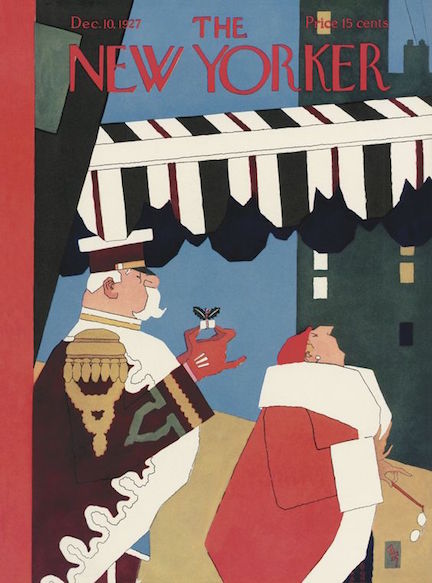
December 10, 1927 cover by Gardner Rea.

Before we jump to the ads, let’s look in on Lois Long, who in the Dec. 10 issue continued her lamentations regarding the quality of New York’s Prohibition-era night life and reminded readers that her job was far from a “soft snap”…

screen-shot-2017-02-06-at-10-03-06-am

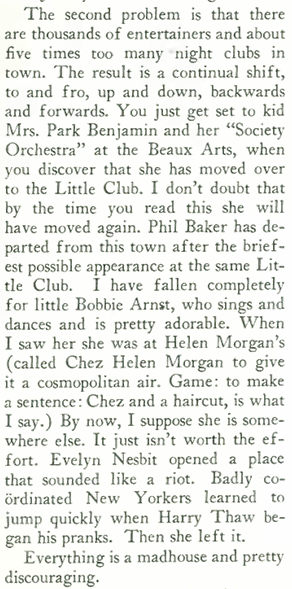
The problem, as diagnosed by Long, was that there were not enough talented entertainers to fill the needs of an overabundance of nightclubs…

screen-shot-2017-02-06-at-10-04-09-am

vit-94-bobbe-arnst1
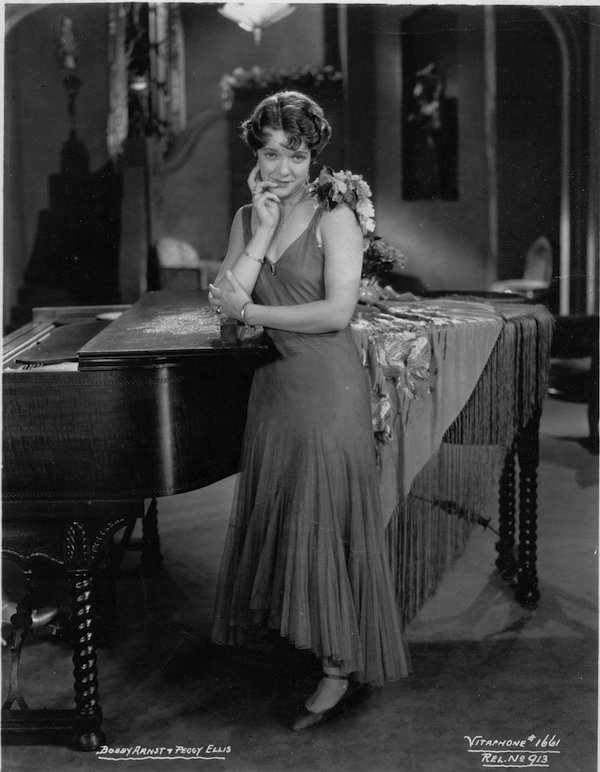
LOIS THOUGHT BOBBIE ARNST WAS PRETTY SWELL when she appeared at Helen Morgan’s nightclub. A noted broadway singer and dancer, Arnst is pictured above in a publicity photo from the 1929 film Rhythms in Blue. (picking.com)
screen-shot-2017-02-07-at-12-33-26-pm
ON THE OTHER HAND…Evelyn Nesbit’s tearoom (and later speakeasy) couldn’t survive on notoriety alone. In the early 20th century Nesbit’s face was everywhere—from advertisements to calendars—but in 1906 her fame took a nasty turn when her jealous husband, Harry Thaw, shot and killed suspected lover and famed architect Stanford White at Madison Square Garden’s rooftop theatre. At left, Nesbit in 1900. At right, Nesbit in her tea room on West 52nd Street, near Broadway, circa 1922. (Library of Congress / restaurant-ingthroughhistory.com)

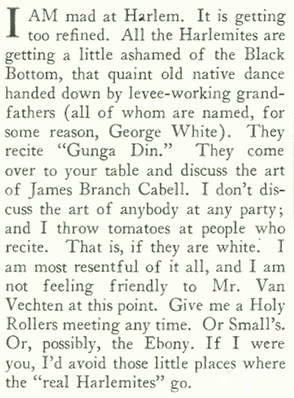
Long also railed against the white appropriation of Harlem entertainment, which she felt was draining the place of its soulfulness. In particular she called out writer and photographer Carl Van Vechten, who among white writers was the most prominent in intellectualizing the “Harlem Renaissance”…

screen-shot-2017-02-06-at-11-43-27-am

What to Buy in ’27

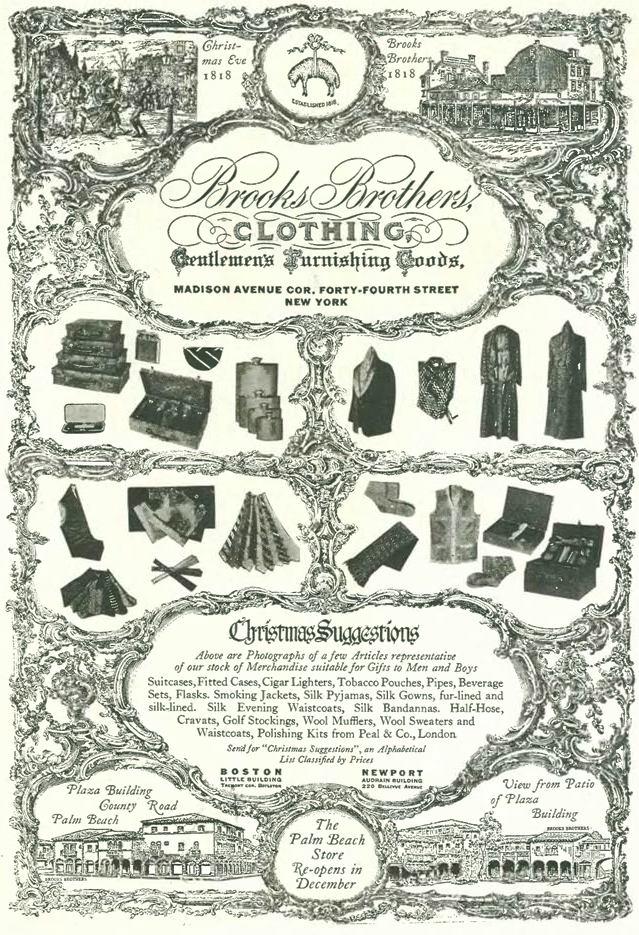
The Dec. 10 and Dec. 17 issues grew fat with holiday advertising, averaging 120+ pages as opposed to the usual 60 or so pages. The advertisements mostly appealed to upscale readers, ranging from this almost Victorian-style ad from the staid Brooks Brothers…

screen-shot-2017-02-06-at-9-46-21-am

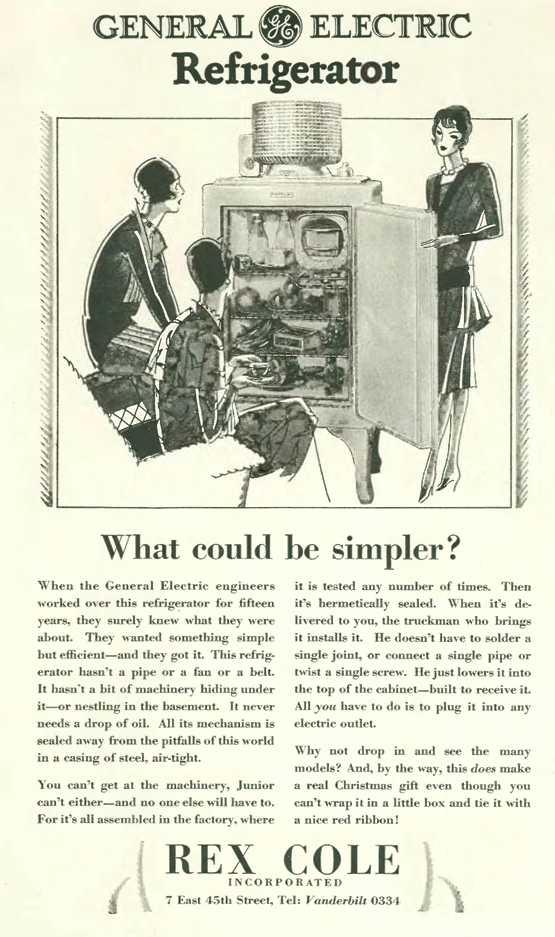
…to this ad from Rex Cole promoting the latest in modern conveniences…

screen-shot-2017-02-06-at-9-56-44-am

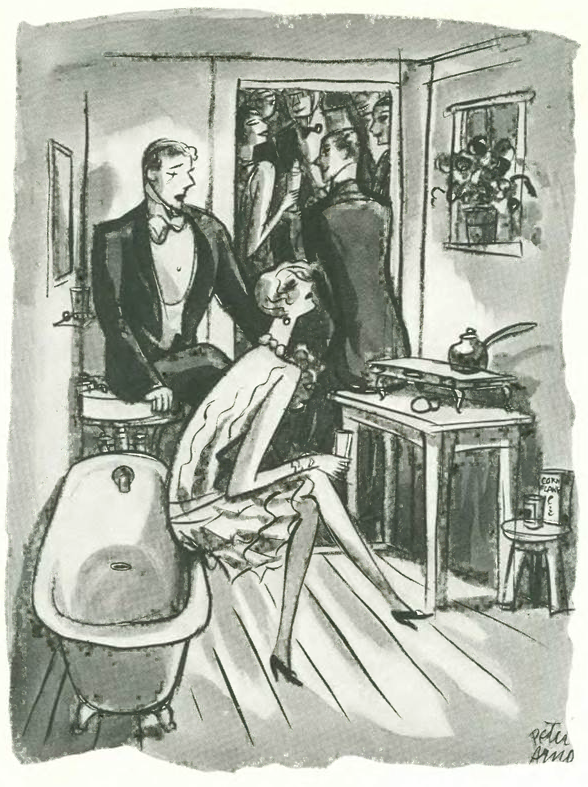
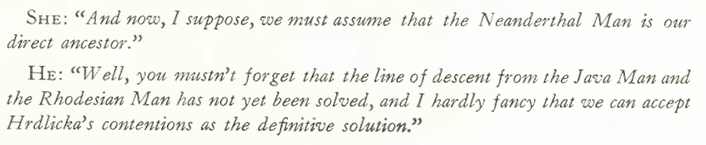
And I’ll toss in this cartoon from the Dec. 10 issue, in which Peter Arno allows us to listen in on an unlikely conversation between a couple of toffs…

screen-shot-2017-02-06-at-9-53-54-am

screen-shot-2017-02-06-at-9-54-11-am

Lois is Also Tired of the Holidays

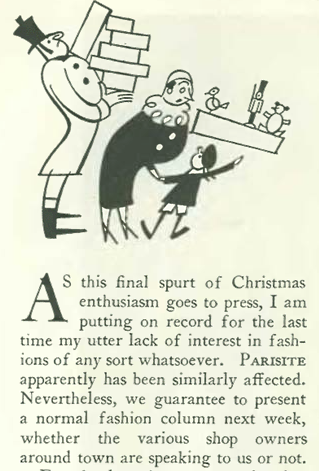
On to the Dec. 17 issue, in which Lois Long also shared with readers her weariness of Christmas shopping in her column, “On and Off the Avenue.”

dec-17
December 17, 1927 cover by Theodore G. Haupt.

The “Parisite” Long referred to in this excerpt was actually Elizabeth Hawes, who occasionally contributed to Long’s column (with cables sent from Paris) regarding the latest in French fashions. More on Hawes another time…

screen-shot-2017-02-06-at-12-11-30-pm

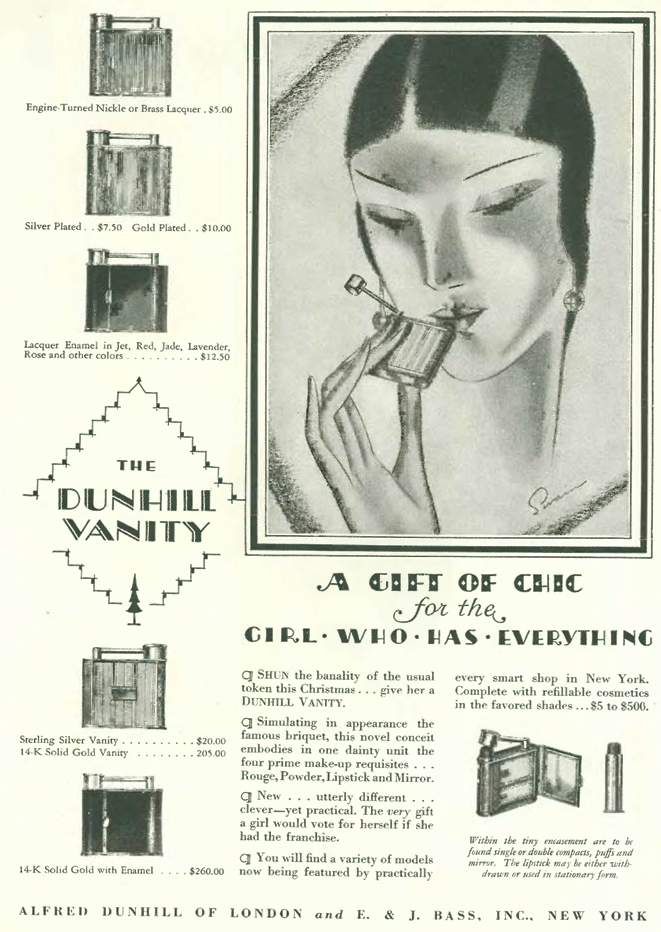
As for ads in the Dec. 17 issue, we get this one from Dunhill, maker of fine English cigarettes and accessories: a woman’s compact that resembles a lighter…

screen-shot-2017-02-06-at-12-07-21-pm

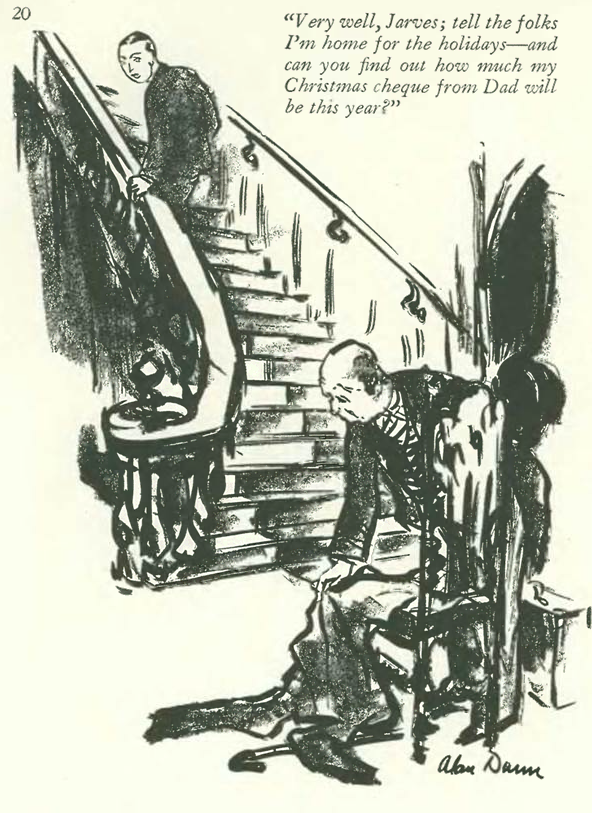
…and the same issue offers this glimpse into the life a spoiled rich kid, home from college for the holidays. The cartoon is by Alan Dunn, one of the most published New Yorker cartoonists (1,906 cartoons from 1926 to 1974)…

screen-shot-2017-02-06-at-11-52-12-am

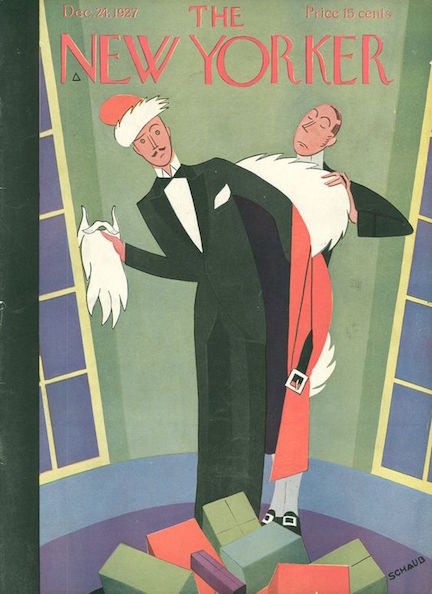
With Christmas advertising over, the magazine’s page length dropped by half from the Dec. 17 to the Dec. 24 issue…

dec-24
December 24, 1927 cover by Andre De Schaub.

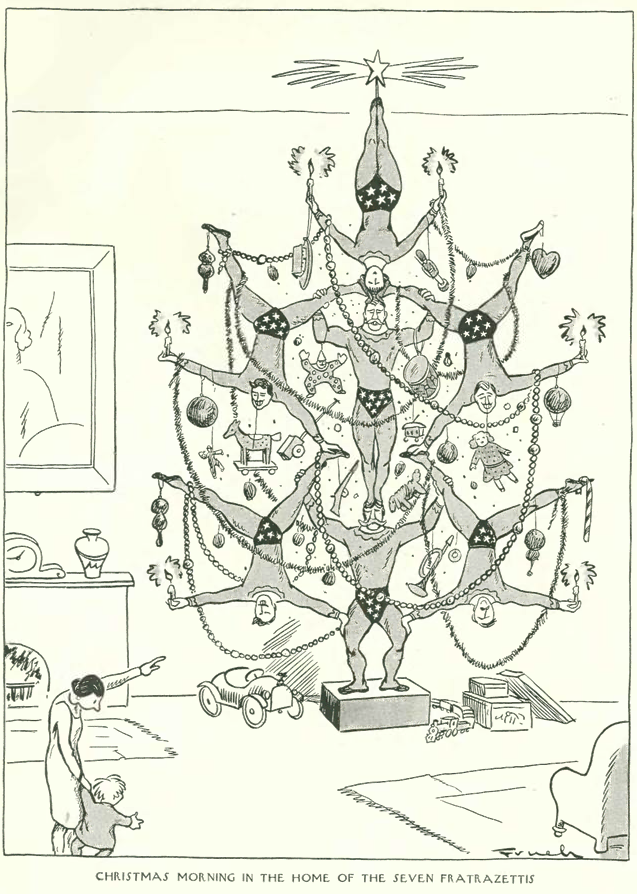
…in which we find this holiday-themed illustration by Al Frueh:

screen-shot-2017-02-06-at-12-26-56-pm

Why We Sing Auld Lang Syne

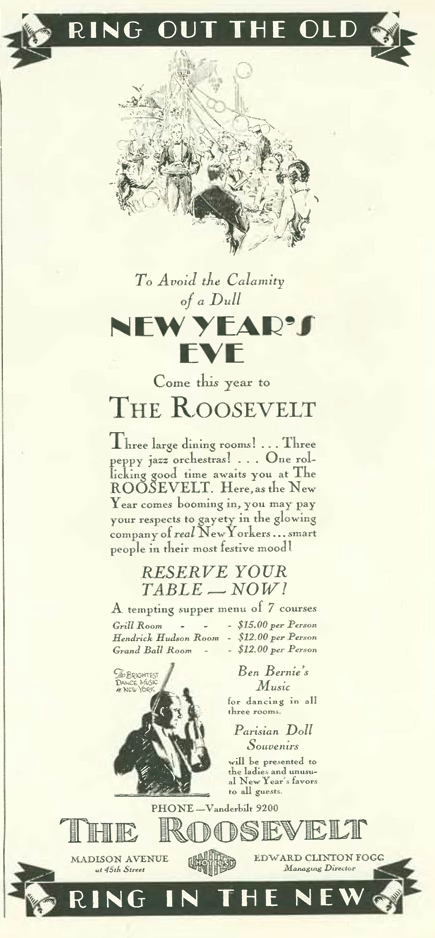
This advertisement in the Dec. 24 issue invited readers to celebrate the New Year at The Roosevelt Hotel…

screen-shot-2017-02-06-at-12-27-47-pm

roosevelt-hotel-1924
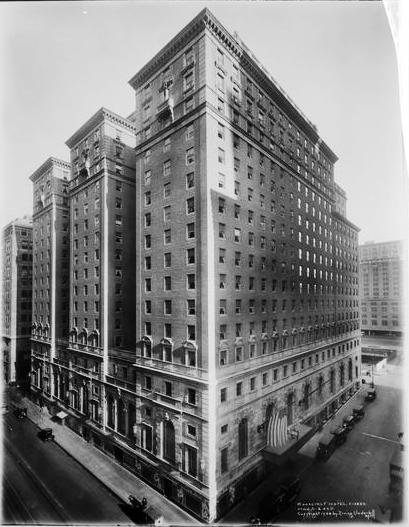
The Roosevelt Hotel after its completion in 1924 (Museum of the City of New York)
1387211957-0
AULD ACQUAINTANCE…If you want to know why we sing “Auld Lang Syne” on New Year’s Eve, you can thank Guy Lombardo and his Royal Canadian Band, which made the song a staple at his New Year’s performances beginning in 1929 at the Roosevelt Hotel. Their performance that night was broadcast on the radio before midnight Eastern time on CBS, then after midnight on NBC radio. (neatorama.com)

 *  *  *

Now Let’s Get Out of Here

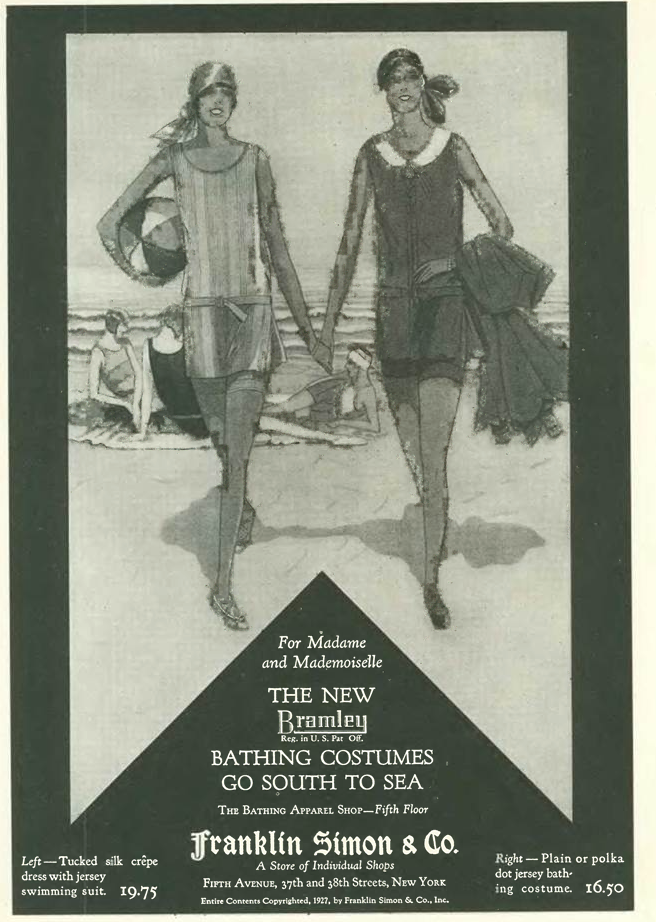
With the holidays out of the way, New Yorkers still faced a good three months of winter. That is, unless you were well-heeled enough to head south to Palm Beach. Considering the abundance of ads promoting travel to southern climes in the Dec. 24 and 31 issues, apparently many of the magazine’s readers possessed the means to do just that…

screen-shot-2017-02-06-at-12-29-05-pm

screen-shot-2017-02-06-at-12-29-15-pm

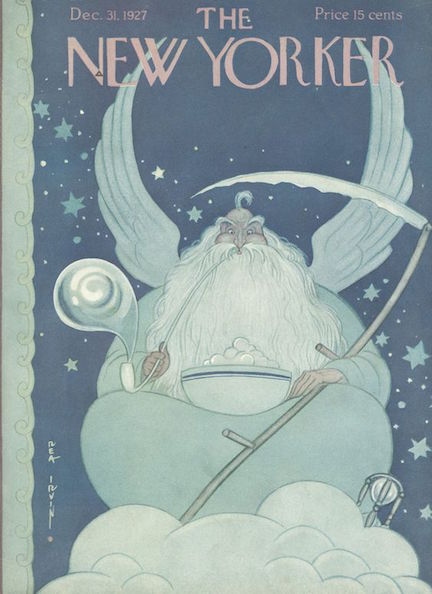
And we close this entry, and the year of 1927, with this cover…

dec-31
December 31, 1927 cover by Rea Irvin.

…and another tropical-themed advertisement, courtesy of Russeks…

screen-shot-2017-02-06-at-12-31-07-pm

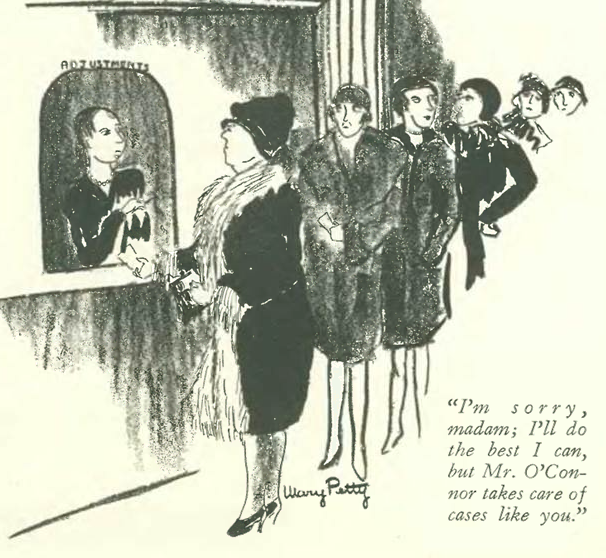
…and this cartoon by Mary Petty depicting those who were left behind, still returning their Christmas gifts…

screen-shot-2017-02-06-at-12-32-39-pm

Next Time: Odious Odes…

jan-7


Death Avenue Days

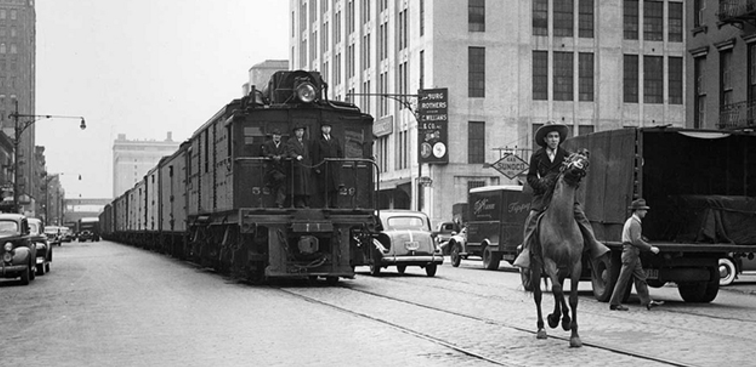
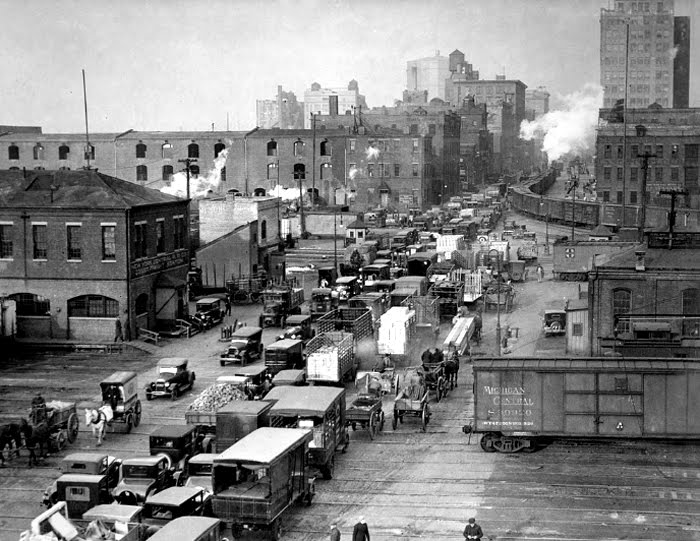
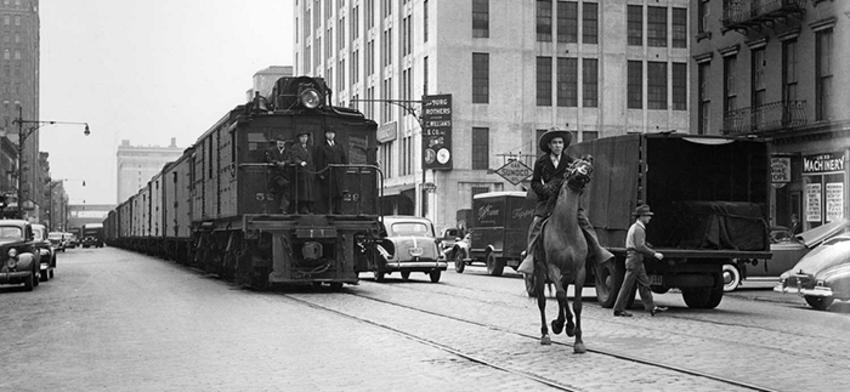
Before the elevated tracks were constructed in the early 1930s in Manhattan’s west side warehouse district (home of today’s popular “High Line”), freight trains rumbled through the city–at street level–on “Death Avenue.”

8b6d47f5480e534755b5a03ab5ea97a4
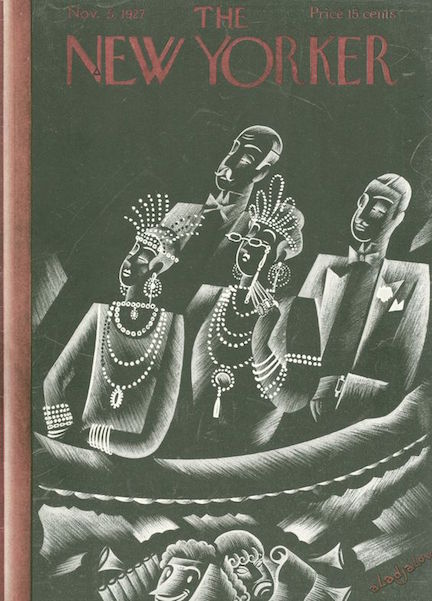
November 5, 1927 cover by Constantin Alajalov.

Freight trains were introduced to the west side warehouse district in 1846, which was a bad plan from the very start. Block-long trains would run through cross streets and congested traffic, maiming and killing along the way.

11and41
ON YOUR LEFT!…Both diesel and steam locomotives rumbled along Manhattan avenues well into the 20th century. Pictured is a freight train at 11th and 41st Street. Eleventh was known as “Death Avenue.” (Forgotten NY)

According to Friends of the High Line, “an 1892 New York World article referred to the trains as ‘a monster which has menaced them night and day,’ and by 1908 the Bureau of Municipal Research claimed that since 1852, the trains had killed 436 people. A New York Times piece from the same year reported that in the preceding decade there had been almost 200 deaths, mostly of children.”

caption-1death-avenue
MIXED USE…This circa 1920 photo shows the congestion that occurred when freight trains, horse-drawn carts, cars, and pedestrians used the same streets. (Kalmbach Publishing Company)
the-history-of-death-avenue_list_image
SHOWDOWN…Beginning in 1850, the West Side Cowboys rode ahead of oncoming trains to ensure the safety of people on the street, although statistics show that some pedestrians did not heed the warnings. (Friends of the High Line)

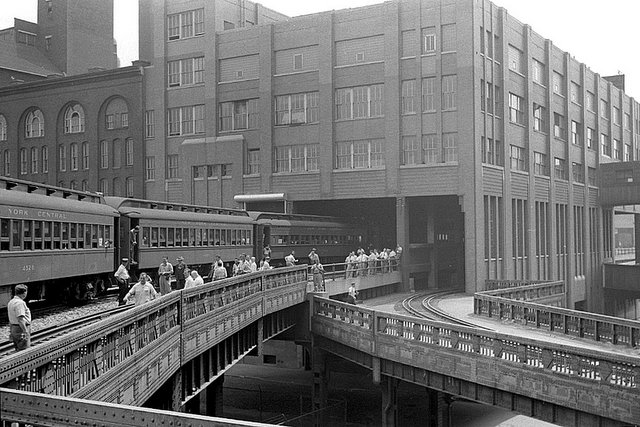
The safety issues on Death Avenue were finally addressed in 1929 when city and state officials reached an agreement with New York Central Railroad to move the rail above street level. New elevated tracks opened in 1934 were novel in the way they bisected city blocks, unloading cargo directly into buildings in the district.

high-line-chelsea-meatpacking-nabisco-factory-chelsea-market
BETTER…The elevated tracks served warehouses including one for the National Biscuit Company (Nabisco), pictured above, which today houses another popular High Line attraction, the Chelsea Market. (Friends of the High Line)
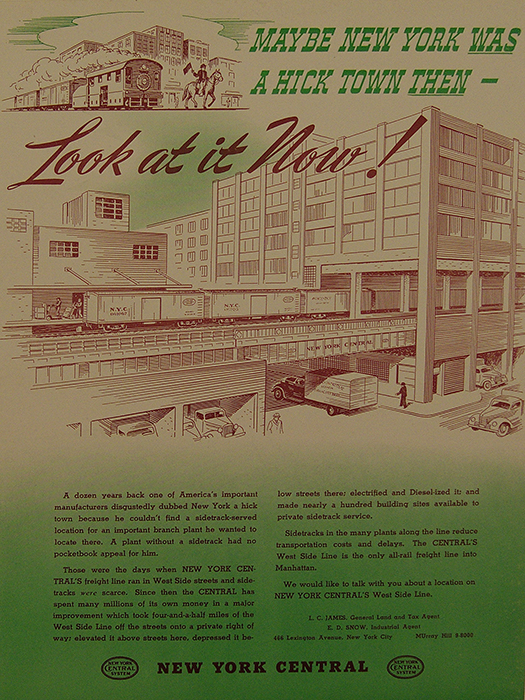
hick-town-10172013
A New York Central Railroad advertisement touting the benefits of its elevated West Side Line, which today supports a unique and popular urban park–the High Line. (Friends of the High Line)

The elevated West Side Line’s unique design also complements the current use of the tracks–the High Line, one of New York’s most popular tourist draws and a widely successful example of urban reuse and renewal. Today few visitors to the High Line are aware that the peaceful oasis they now enjoy was once a dangerous and chaotic place that was home to the aptly named Death Avenue…

image_3_1436827707
NOT SO BAD, THIS…Visitors to the High Line enjoy a peaceful oasis above the former “Death Avenue.” (Friends of the High Line)

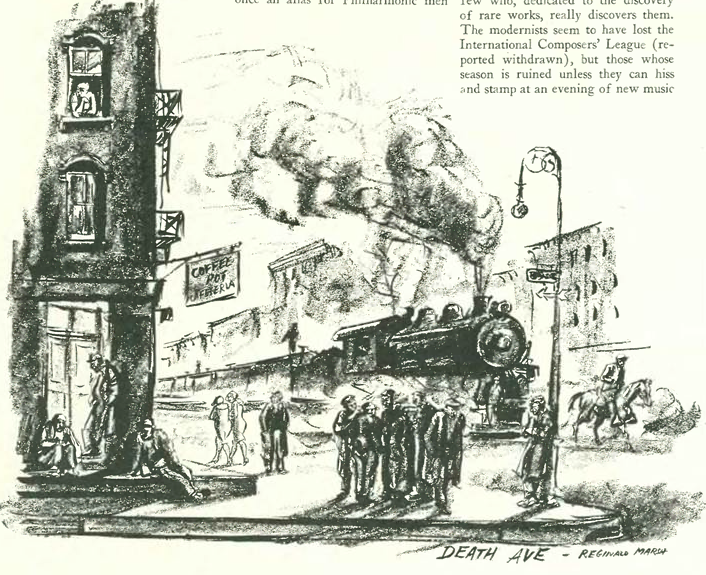
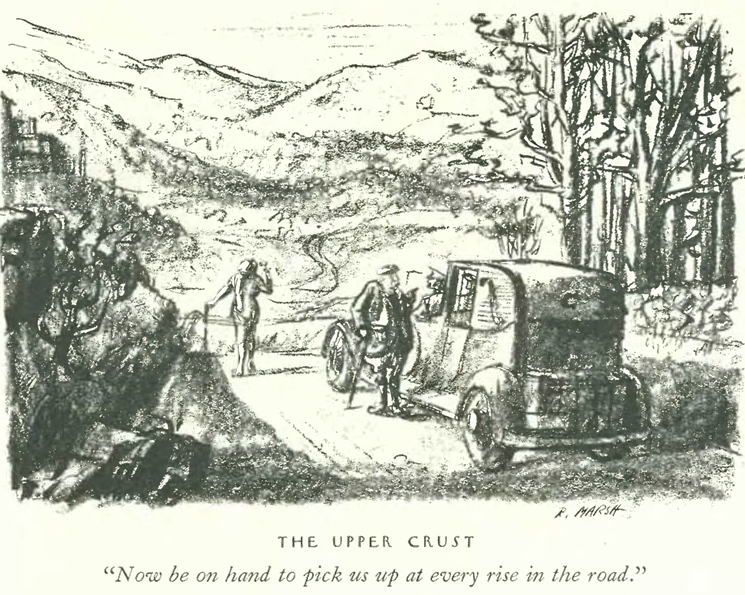
What prompted my interest in Death Avenue was this illustration by Reginald Marsh in the Nov. 5, 1927 issue of The New Yorker:

screen-shot-2017-01-10-at-8-35-23-am

Marsh (1898-1954) joined The New Yorker as one of its first cartoonists, and stayed there for seven years. He was practically born an artist, growing up in an artists’ colony in New Jersey where his father worked as a noted muralist and his mother made watercolors. After graduating from Yale he went to work of the Daily News, where he contributed sketches of vaudeville acts and illustrated a column titled “People We’d Like to Kill but Don’t.”

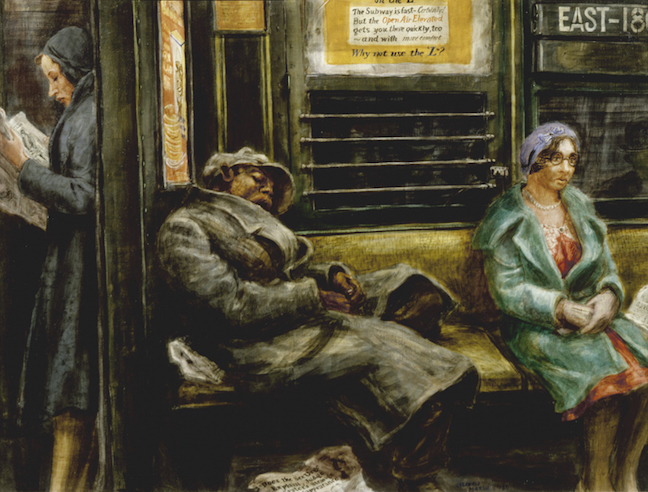
Described as a “Social Realist” painter, Marsh studied painting at the Art Students League, where the prevailing theme was life among the working poor, the unemployed, and the homeless, especially after the market crash in 1929…

31-293_marsh
WHY NOT USE THE “L”?…the title of a 1930 work by Reginald Marsh. (Whitney Museum of Art)
m3y34958
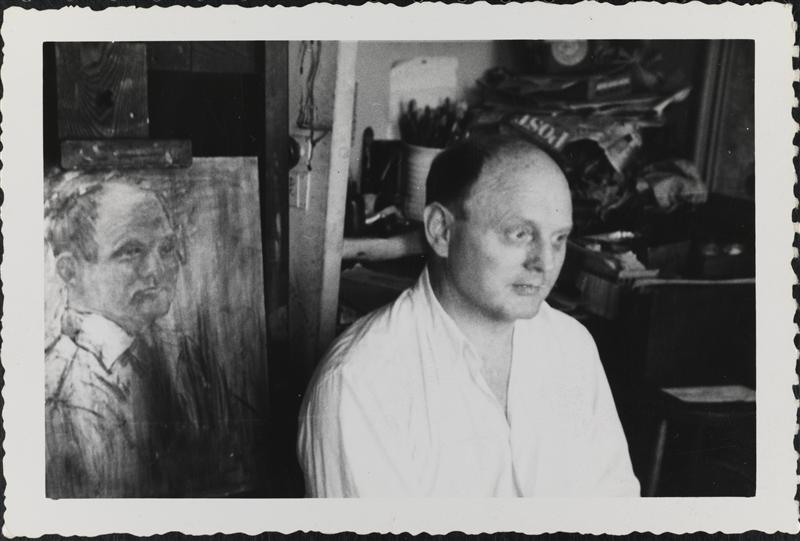
SELF REFLECTION…Reginald Marsh with one of his self-portraits, circa 1938. (Museum of the City of New York)

*  *  *

Write What You Know

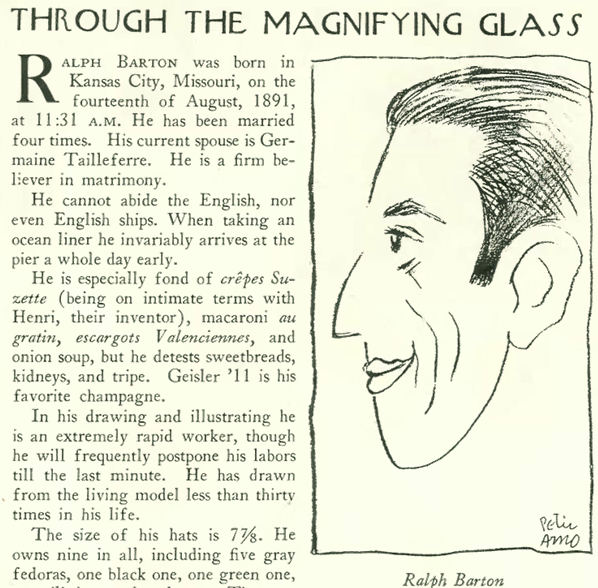
Among other items in the Nov. 5, 1927 issue was this profile written by Charles Shaw of fellow New Yorker contributor (artist and writer) Ralph Barton. An excerpt, with sketch by Peter Arno...

charles-g-shaw-profile

By Any Other Name

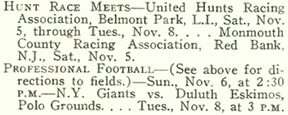
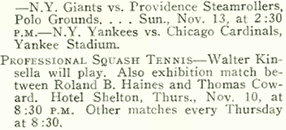
As it still does today, The New Yorker listed area happenings in the front section of the magazine, and in the early days the magazine included extensive listings of sporting events. The excerpt below offers various diversions from a “hunt race” to “squash tennis.” There were also professional football games featuring such mighty foes as the New York Giants and the Duluth Eskimos…

screen-shot-2017-01-09-at-12-40-58-pm

screen-shot-2017-01-09-at-12-41-17-pmHope(ful) Chest

Before the age of smart phones, the term “smart” in advertising meant one was on the leading edge of fashion–for aspiring young women this meant all things French–clothes, perfumes, beauty treatments–and for the bride, the all-important trousseaux, or so claimed this advertisement from Franklin Simon & Co. on page five of the Nov. 5 issue…

screen-shot-2017-01-09-at-12-38-23-pm

Couldn’t afford the latest from Paris? In that case you could turn to the back pages of the same issue, where you would find cheaper ads from places like Kathleen, Inc, which sold knock-offs of the latest in haute couture
screen-shot-2017-01-10-at-12-24-03-pm

 *  *  *

And finally, we return to Reginald Marsh, who contributed this cartoon to the Nov. 5 issue…

screen-shot-2017-01-13-at-4-50-08-pm

Next Time: The Shape of Things to Come…

6a4881d9250d214bed267228a8881e08


Age of the Talkies

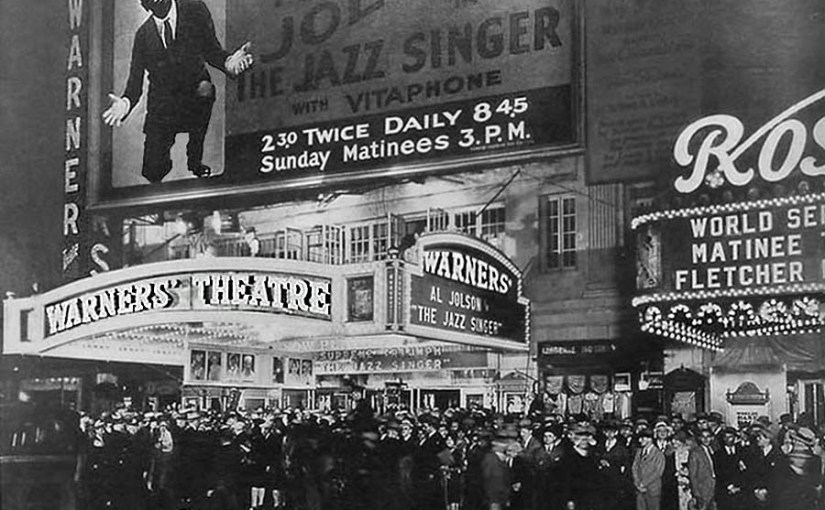
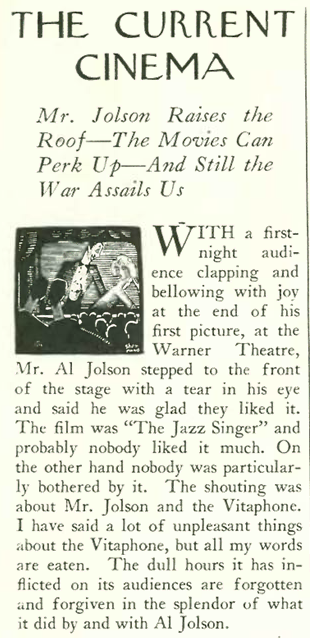
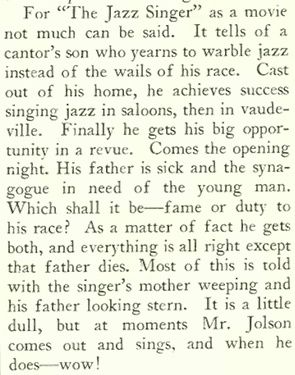
The Oct. 15, 1927 issue featured the premiere of the film The Jazz Singer. Although The New Yorker found the story a bit dull, it also recognized that the film’s use of sound marked a significant turning point in the short history of cinema.

cca81fb3c6aeb61c01f52c8dc5c3c05b
October 15, 1927 cover by Theodore G. Haupt.

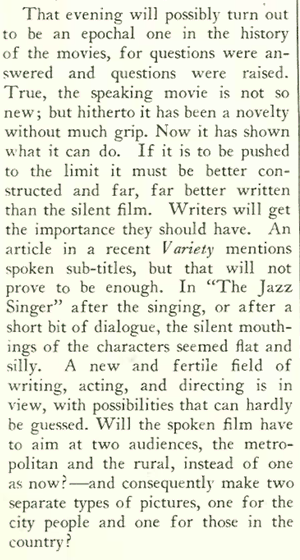
The Jazz Singer was not the first film to employ sound, but as the New Yorker review pointed out, it was the first to effectively use synchronized sound (the industry standard Vitaphone technique) in a way that improved the motion picture.

The film featured only two minutes worth of sound dialogue, so most of the spoken lines were still presented on intertitle cards commonly used in silent films. But it was Al Jolson’s recorded voice, belting out popular tunes including “Toot, Toot, Tootsie,” that really wowed audiences. At the end of the film Jolson himself appeared on stage before an audience “clapping and bellowing with joy”…

jazz-siner-1

jazz-singer2

jazz_singer_f
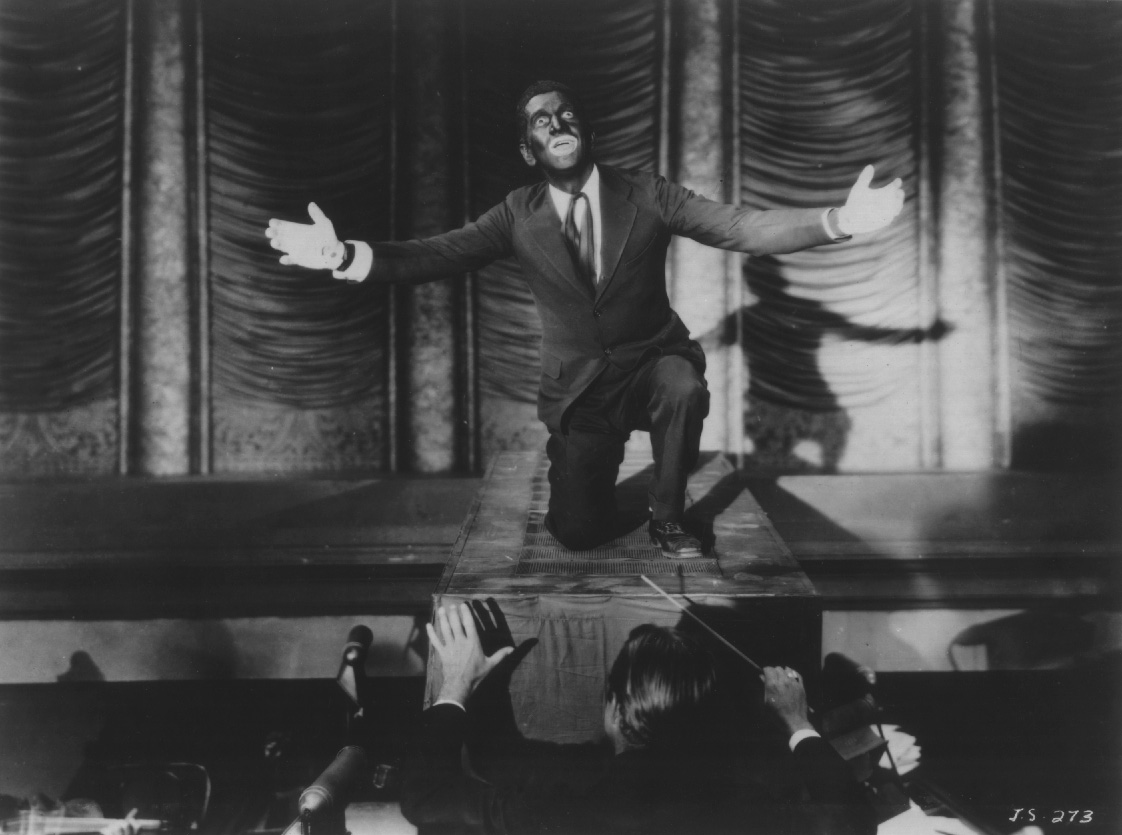
IT SINGS! IT TALKS!!!…Al Jolson as Jack Robin and Eugenie Besserer as his mother, Sara Rabinowitz, in The Jazz Singer. One attendee at the premiere recalled that when Jolson and Besserer began their dialogue scene, “the audience became hysterical.” (wired.com)

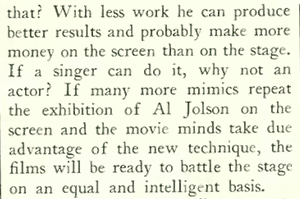
It is interesting that as early as 1927, and even with the relatively crude sound of Vitaphone, The New Yorker was already predicting the advent of a new kind of star (and the decline of the stage actor)…

screen-shot-2016-12-09-at-12-26-53-pm

screen-shot-2016-12-09-at-12-27-04-pm

VitaphoneDemo
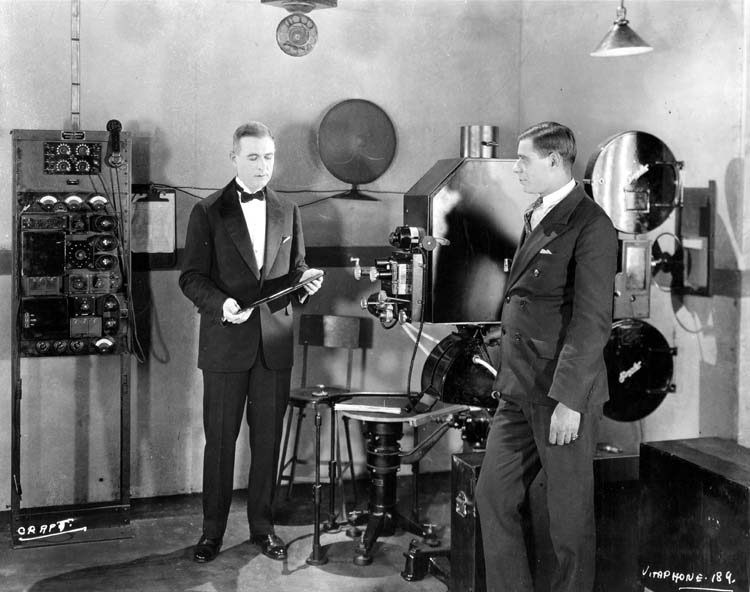
BLACK TIE EVENT…A Vitaphone projection setup at a 1926 demonstration. Western Electric engineer E. B. Craft, left, is holding a soundtrack disc, which was essentially a phonograph record. The turntable, on a thick tripod base, is at lower center. (Wikipedia)

As for the movie itself, well, there was Jolson, beloved by many. Perhaps it’s the sound quality, or the 89 years of changing tastes, but I cannot for life of me understand what audiences (or The New Yorker) saw that was so appealing about the hammy Jolson as a performer.

screen-shot-2016-12-09-at-12-27-12-pm

017-the-jazz-singer-theredlist
THAT WAS THEN…Al Jolson as Jack Robin in The Jazz Singer. Although performing in blackface is considered racist today, Jolson’s use of blackface was integral to the film in that it was tied to Jack’s own Jewish heritage and his struggle for identity. Of course that doesn’t make it any less offensive. (YouTube clip)

*  *  *  *  *

Absent-minded Ambassador

The New Yorker’s “Talk of the Town” offered some curious observations about the new ambassador to Mexico, Dwight Morrow.

morrows_1931
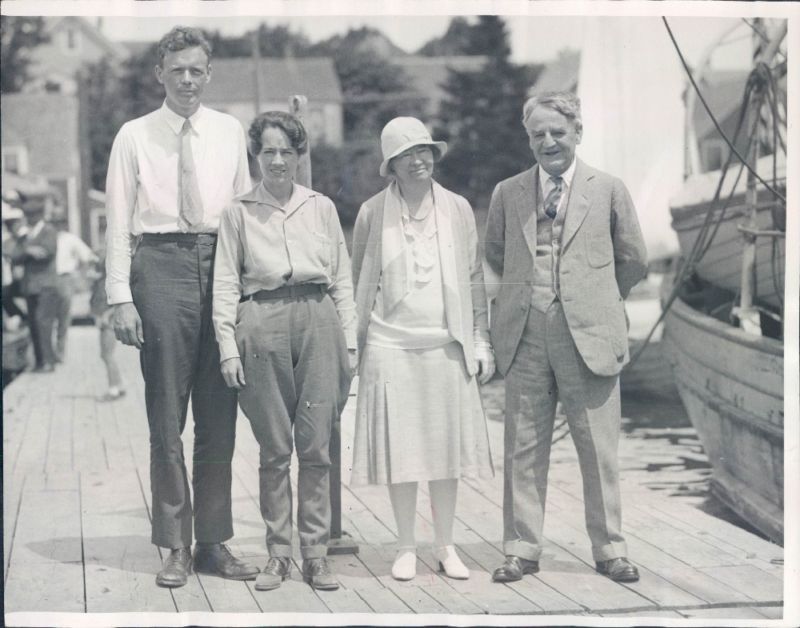
SON-IN-LAW…Aviator Charles Lindbergh would marry Dwight Morrow’s daughter, Anne, in 1929. in this photo from 1931 are, from left, Charles Lindbergh, Anne Morrow Lindbergh, Elisabeth Morrow, and Dwight Morrow. (kaiology.wordpress.com)

Morrow has been widely hailed as a brilliant ambassador with a keen intellect. The New Yorker, however, offered some additional perspective on the man:

screen-shot-2016-12-09-at-11-59-33-am

screen-shot-2016-12-09-at-11-59-38-am

Flight of Fancy

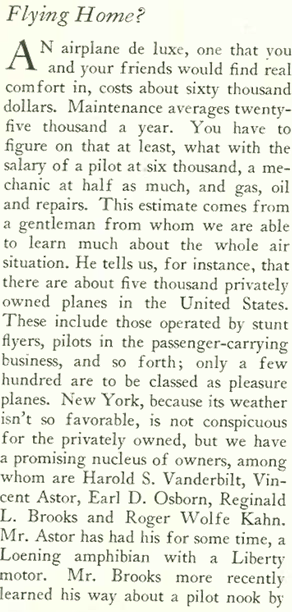
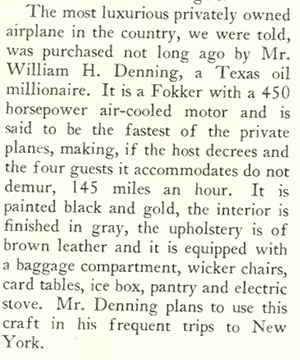
In the wake of Charles Lindbergh’s famous flight, The New Yorker (and the rest of the country) continued its fascination with air travel, which at this point was confined to military and commercial pilots, stunt flyers and the well-to-do.

screen-shot-2016-12-09-at-11-55-12-am

screen-shot-2016-12-09-at-11-55-19-am

screen-shot-2016-12-09-at-11-55-28-am

f7a-2a

f12cabindown
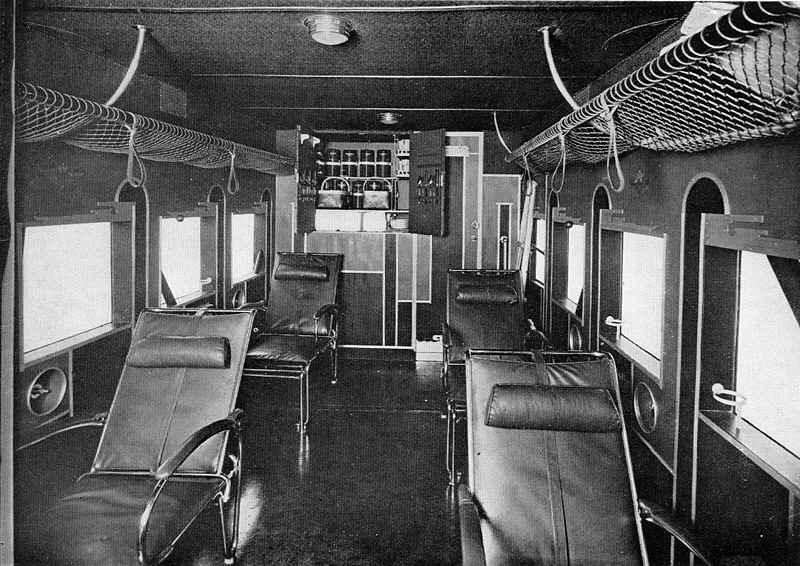
EXTRA LEGROOM…The Fokker F.VII pictured above is likely the same plane or very similar to the one owned by Texas oilman William Denning. The interior depicted below is also similar to what is described in The New Yorker. (aviation-history.com)

 *  *  *  *  *

RIP Isadora Duncan

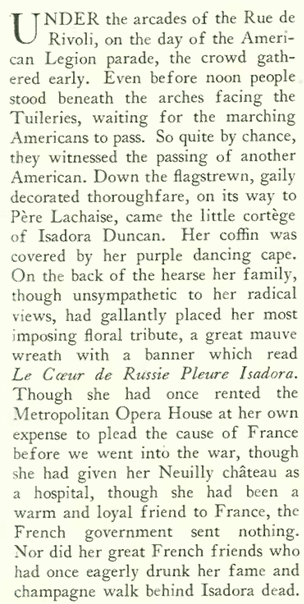
The New Yorker’s Paris correspondent, Janet Flanner, wrote about the funeral of famed modern dancer Isadora Duncan in her column, “Letter from Paris.” Duncan was killed in a freak accident on the night of Sept. 14, 1927, when her silk scarf, draped around her neck, became entangled around the open-spoked wheels of the car in which she was riding, breaking her neck.

screen-shot-2016-12-09-at-12-23-34-pm

screen-shot-2016-12-09-at-12-24-54-pm

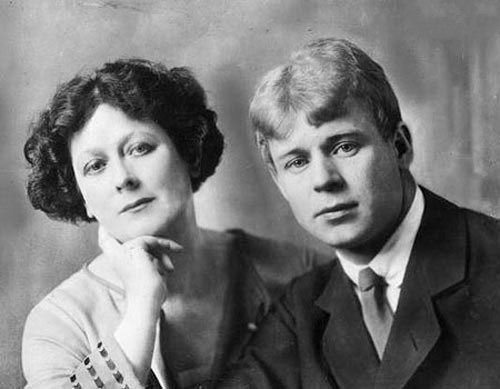
Isadora Duncan with her husband, poet Sergei Esenin, in 1922. (Wikimedia)

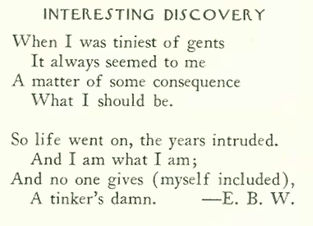
Other items of note from the Oct. 15 issue, E.B. White contributed this ditty…

screen-shot-2016-12-09-at-12-13-06-pm

…and Corey Ford, who gave the fictional Eustace Tilley his persona, wrote of Tilley’s feat crossing Broadway in a parody of adventure stories popular at the time. An excerpt:

croey-ford

And finally, Peter Arno explored childhood angst among the smart set (note reference to “Uncle Thurber”)…

screen-shot-2016-12-09-at-12-08-56-pm

Next Time: Electric Wonders…

6ed825c70c3fd789a666a63ecc376b5d


Wits of the Round Table

Two big voices from the famed Algonquin Round Table were prominently featured in the Oct. 1 and Oct. 8, 1927 issues of the New Yorker–journalist and champion of the underdog Heywood Broun wrote his own “Profile” under the title, “The Rabbit That Bit the Bulldog,” and Dorothy Parker served up biting satire in “Arrangement in Black and White,” a clever exposé of racism among the fashionably “open-minded” upper classes.

488a50459a792547010d30e8bfe5ddf4
October 1, 1927 cover by Gardner Rea.

The Rabbit That Bit the Bulldog

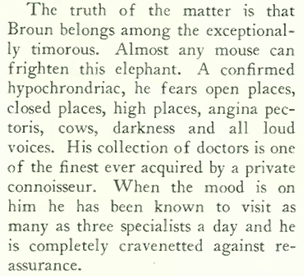
Hiding under the signature “R.A.”, Heywood Broun (1888–1939) was merciless as his own profiler, describing himself as a coward, hypochondriac, and a slob (there is truth to the latter, however, as friends often likened him to “an unmade bed”).

screen-shot-2016-12-08-at-9-06-52-am

Broun cut his teeth in journalism as a sportswriter and war correspondent. In 1921 he went to work for the New York World, where he penned his popular syndicated column “It Seems to Me.” Broun’s New Yorker “Profile” was written after he was fired from the World following a disagreement with his editor over his critical commentary on the sentencing of anarchists Sacco and Vanzetti. Broun would move on to The Nation, where he would write a regular column, “It Seems to Heywood Broun,” that would offer criticism on a number of topics including his former employer, the World.

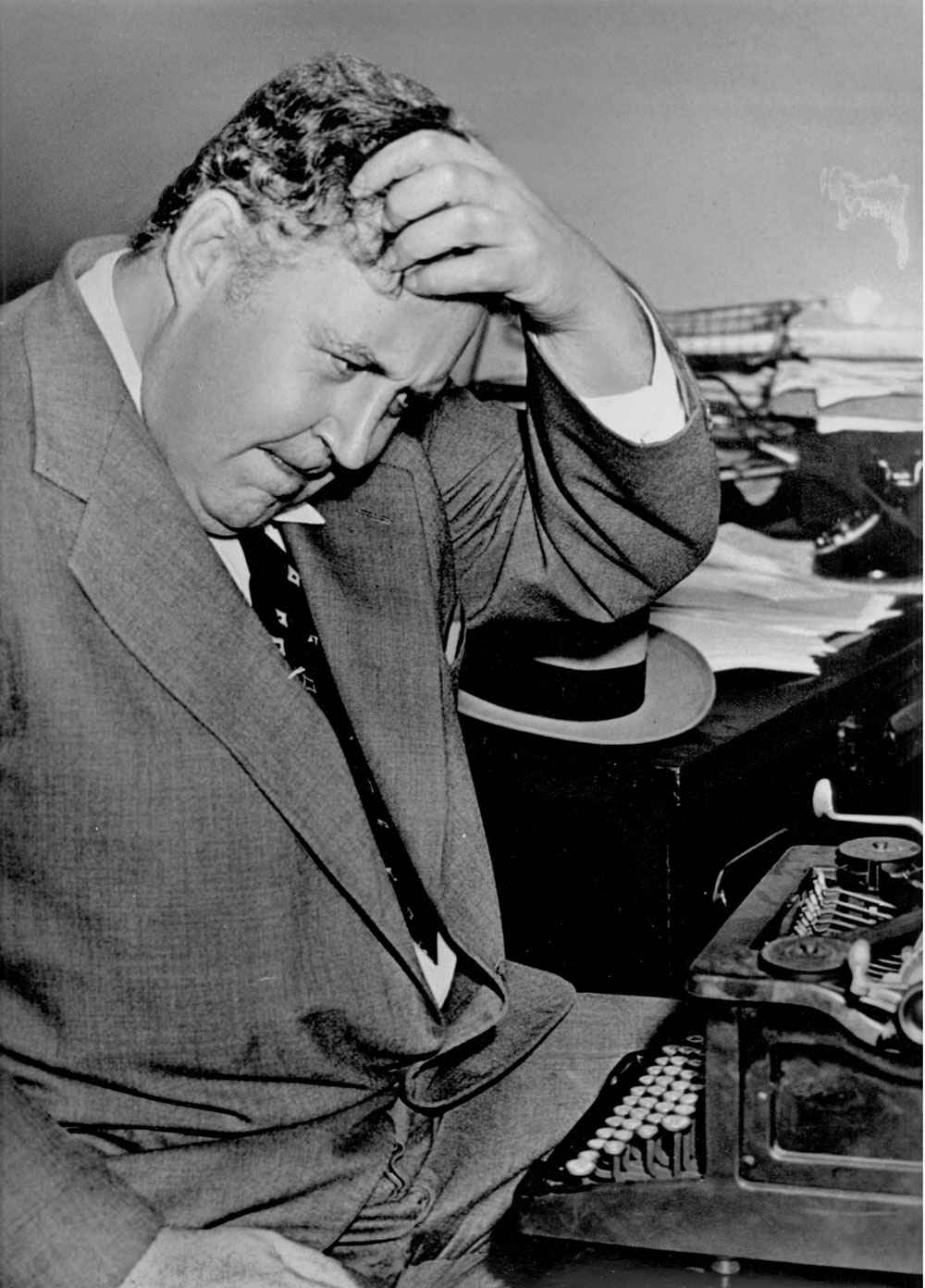
Heywood Broun. (Denver Newspaper Guild)

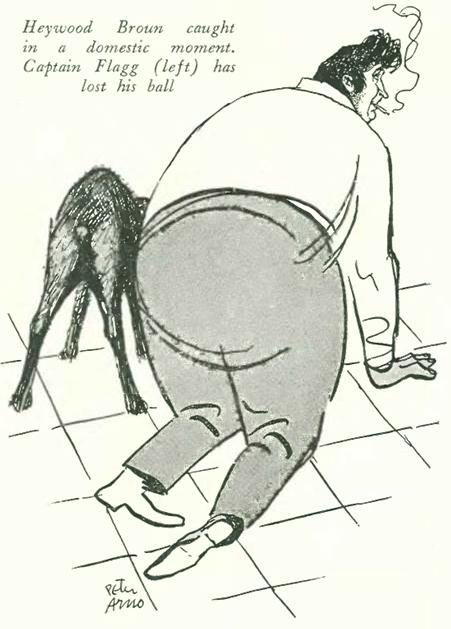
The New Yorker profile included this caricature by Peter Arno

screen-shot-2016-12-06-at-9-46-21-am

…a portrayal Broun claimed was inaccurate due to his “habitual stoop,” among other faults…

screen-shot-2016-12-06-at-9-52-23-am

screen-shot-2016-12-06-at-9-52-34-am

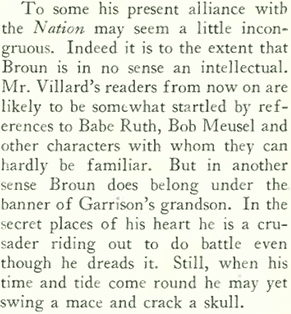
…and he mused about his future with the Nation, and how that august publication would square with his various foibles…

screen-shot-2016-12-06-at-9-52-45-am

…and as for his personal appearance and habits, Broun weighed in thusly…

screen-shot-2016-12-06-at-9-55-18-am

Broun married social activist Ruth Hale in 1917. A son born the following year, Heywood Hale Broun, would have a long and successful career as an author, sportswriter, commentator and actor.

*  *  *  *  *

The Long Count

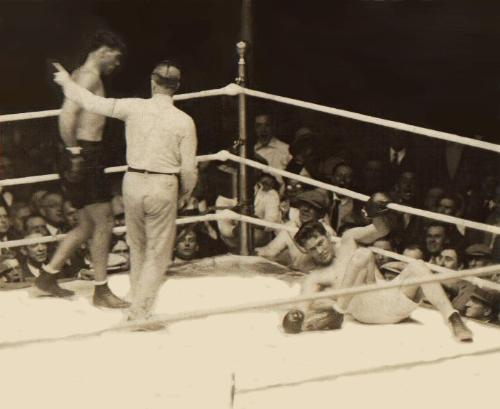
Oddly, The New Yorker had little to say about the famous Chicago rematch between heavyweight boxers Gene Tunney and Jack Dempsey, which Tunney won after the controversial “long count.” The fight took place under new rules that gave a fallen fighter ten seconds to rise to his feet, but the count would not begin until his opponent moved to a neutral corner.

tumblr_mti3g257h11rnxl9do1_500
DAZED AND CONFUSED…Referee Dave Barry motions Jack Dempsey to a neutral corner before he begins his count. Gene Tunney got back up and went on to win the fight. (Chicago Tribune archive photo)

Although Tunney dominated the fight, Dempsey unleashed a flurry in the seventh round that knocked Tunney to the canvas–it was the first time in Tunney’s career that he’d been knocked down. Instead of going immediately to a neutral corner, Dempsey just stood and observed his opponent for several seconds until finally retreating. Those extra seconds proved just enough time to allow Tunney to return to his feet and eventually win the bout. To one observer quoted in “The Talk of Town,” those extra seconds really dragged…

screen-shot-2016-12-06-at-9-44-49-am

screen-shot-2016-12-06-at-9-44-55-am

From the Ad Department

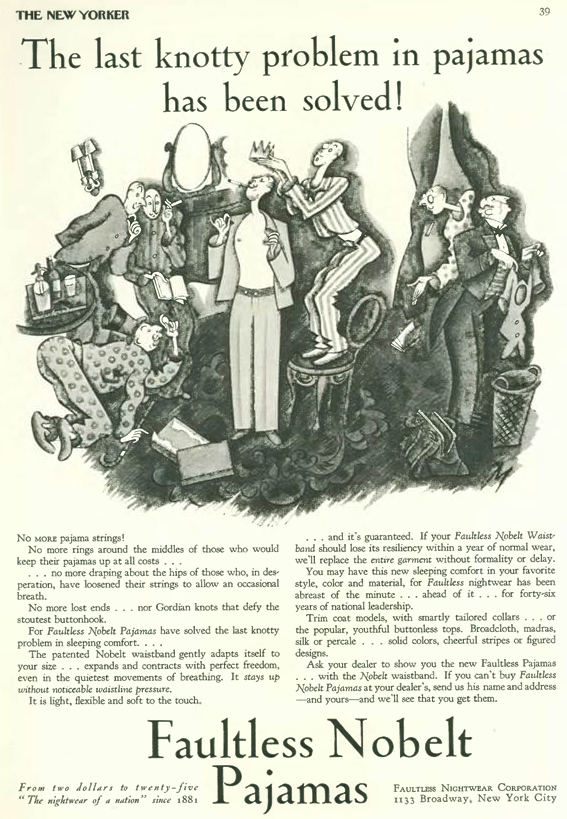
We feature this Julian de Miskey-illustrated advertisement for Faultless Nobelt Pajamas. Apparently these special PJs had some sort of newfangled rubber elastic band…

screen-shot-2016-12-06-at-9-57-42-am

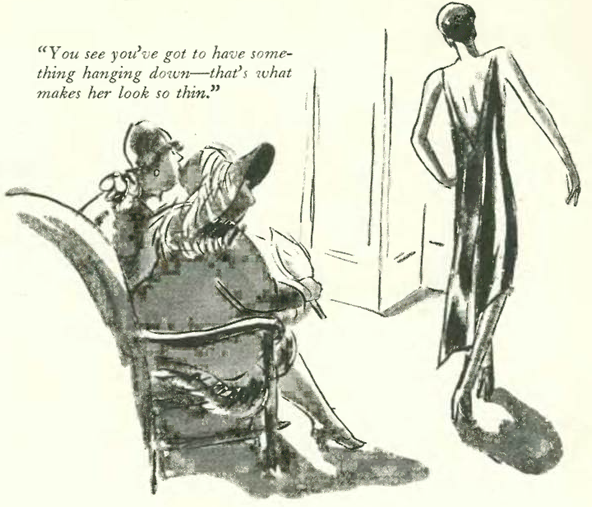
…and this cartoon from the Oct. 1 issue featured Helen Hokinson’s ditsy society women at New York’s Fashion Week…

screen-shot-2016-12-06-at-9-43-37-am

 *  *  *  *  *

Dorothy Takes On the Snobs

In the Oct. 8 issue, our other Round Table wit, Dorothy Parker, took aim at the less savory aspects of society women in her short fiction piece, “Arrangement in Black and White.”

f19964a9d1e1b6179fe2715bb3b1aa72
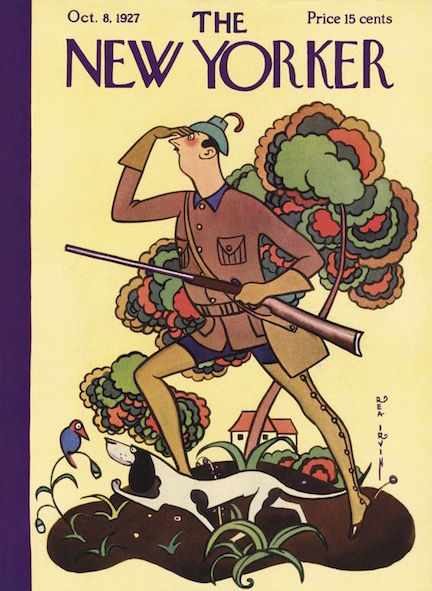
October 8, 1927 cover by Rea Irvin.

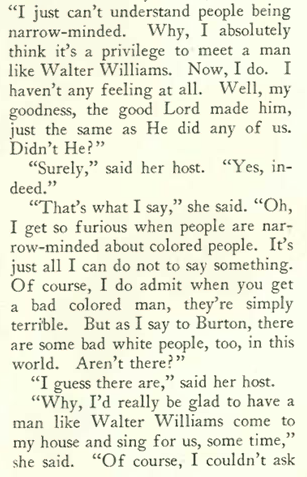
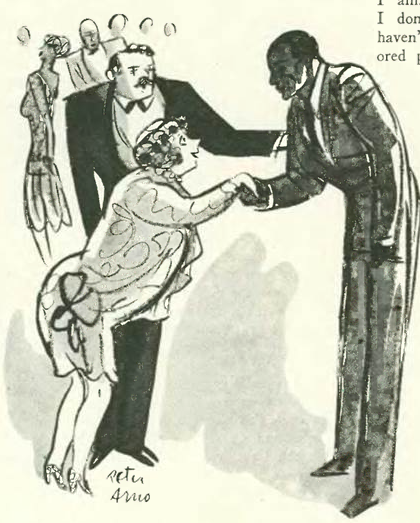
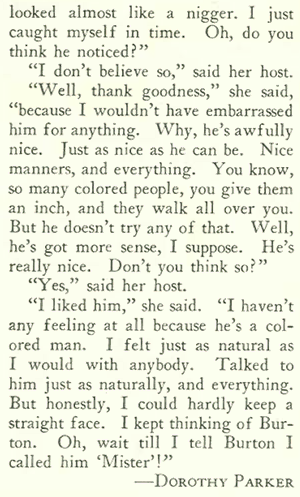
Parker began her piece by introducing us to a woman who enters a party wearing a wreath of “pink velvet poppies” in her golden hair. In short order she asks the party’s host to “pretty please” introduce her to the party’s guest of honor, an African American singer named Walter Williams.

The woman with the pink velvet poppies goes on to tell her host that she came to the party alone because her husband, Burton, preferred not to socialize with “colored people”–but she however was “simply crazy” about some of them. “They’re just like children–just as easy-going, and always singing and laughing and everything.” Before she met the singer she observed to the host:

screen-shot-2016-12-06-at-1-18-25-pm

screen-shot-2016-12-06-at-1-19-09-pm

screen-shot-2016-12-06-at-1-16-57-pm
The woman with the pink velvet poppies meets the singer Walter Williams, as illustrated by Peter Arno.

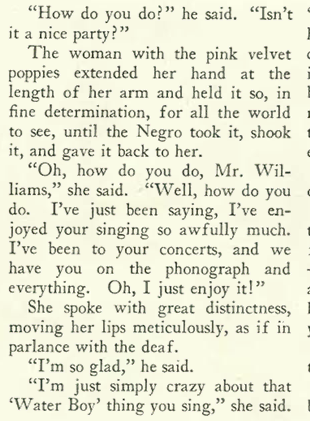
Then the woman with the pink velvet poppies meets Walter Williams:

screen-shot-2016-12-06-at-1-19-42-pm

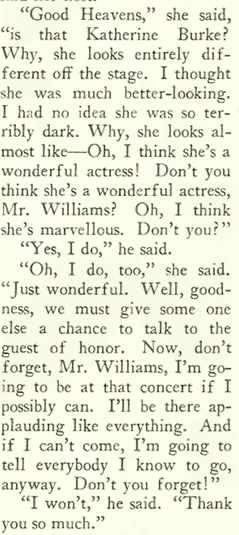
She continues to patronize the guest of honor, then notices a stage actress at the party:

screen-shot-2016-12-08-at-12-32-44-pm

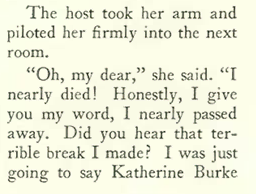
Finally, the host guides the woman with the pink velvet poppies away from Walter Williams…

screen-shot-2016-12-06-at-1-21-59-pm

screen-shot-2016-12-06-at-1-22-30-pm

05325779fdf286303013d76dc9e89388
BITING WIT…Dorothy Parker in the 1920s.

We will see more of Dorothy Parker in issues to come as she continues to take aim at the pretentious, hypocritical, self-absorbed snobs of the Jazz Age and beyond.

Baseball’s Lament

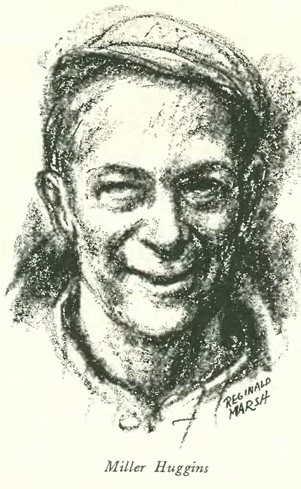
The Oct. 1 and 8 issues covered yacht racing, polo, tennis, golf and college football, but still no baseball. The 1927 New York Yankees would be one of the greatest teams of all time, but as the World Series commenced all we got from The New Yorker was a personality profile of Yankees manager Miller Huggins in the Oct. 8 issue (with a drawing by Reginald Marsh)…screen-shot-2016-12-06-at-1-24-05-pm

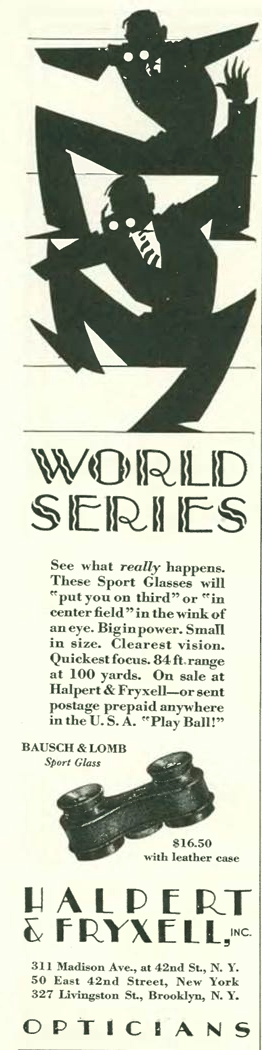
…and this advertisement for “Sport Glasses” for those attending the World Series…

screen-shot-2016-12-06-at-4-34-19-pm

Perhaps The New Yorker had no one on staff who could competently write about baseball. The strangest reference to the game was this article about polo, but for some reason it was illustrated with baseball images. Perhaps the editors felt sheepish about their lack of baseball coverage, and offered these illustrations by Howard Baer as a token acknowledgement…

screen-shot-2016-12-06-at-1-28-18-pm

At any rate, we end with this cartoon by Julien de Miskey, who like his colleagues explored the comic richness of wealthy old men paired with their young mistresses…

screen-shot-2016-12-06-at-1-16-04-pm

Next Time: The Ephemeral City…

f19964a9d1e1b6179fe2715bb3b1aa72


Office Romance

The New Yorker’s founder and editor, Harold Ross, did not approve of office romances. He had a magazine to run after all, and didn’t want any distractions from Cupid’s arrow.

30e6d833482958226738b30ce4244558
August 13, 1927 cover by Julian de Miskey.

But then again, it seemed inevitable that Lois Long and Peter Arno–two of the magazine’s most lively personalities and important early contributors–would end up together. Arno cut a dashing figure as one The New Yorker’s most celebrated cartoonists. He often drew upon the same subject matter as Long, who covered the nightclub and speakeasy scene in her column, “Tables for Two” and in the process defined the lifestyle of the liberated flapper. Long is also credited with inventing the field of fashion writing and criticism with her other New Yorker column, “On and Off the Avenue.”

screen-shot-2016-11-16-at-9-33-38-am
OFFICE SWEETHEARTS… Arno and Long personified the witty, cosmopolitan image cultivated by The New Yorker. (Wall Street Journal, Wikipedia)

In Vanity Fair, Ben Schwartz (“The Double Life of Peter Arno,” April 5, 2016) wrote that Arno and Long “personified what people thought The New Yorker was, which was very fortunate…(Long was) tall, lanky, a Vassar grad with bobbed hair and a wicked sense of humor, a minister’s daughter to Arno’s judge’s son, and she matched him as a hell-raiser.” It was actually their raucous affair that set Ross on a “permanent scowl” regarding office romances.

Schwartz quotes Arno’s and Long’s daughter, Patricia (Pat) Arno, about her parents’ wild relationship: “There were lots of calls to (gossip columnist Walter) Winchell or some other columnist about nightclub fights…with my mother calling and saying, ‘Oh, please don’t print that about us,’ trying to keep their names out of the papers.”

Schwartz suggests that Arno drew on personal experience when in 1930 he published Peter Arno’s Hullabaloo, a “collection of cartoons that included a set of racy drawings featuring a dashing couple much like himself and Long. In one, a nude woman, in bed, yells at her sleeping lover: ‘Wake up, you mutt! We’re getting married to-day.'”

favoritecartoon-4-580

Long and Arno were married by her father, the Rev. Dr. William J. Long, at her parents’ home in Stamford, Conn., on August 13, 1927. Their daughter, Patricia, was born September 18, 1929.

According to Schwartz, Arno’s first three books sold well (Whoops Dearie! 1927, Parade 1929, and Hullabaloo 1930) “allowing the young family to move into an East Side penthouse. Their social circle included New Yorker staffers, the magazine’s owner, Raoul Fleischmann, publishers Condé Nast and Henry Luce, Kay Francis (Broadway actress, future Hollywood star and Long’s former roommate), and some of the city’s financial powers. ‘Once my mother was having trouble with her Plymouth,’ says Pat Arno, “and Walter Chrysler took off his evening coat, rolled up his sleeves, and fixed it himself.'”

kay-glam
STAR POWER…Actress Kay Francis, no stranger to wild living, was Lois Long’s longtime friend and also her roommate until Long married Peter Arno in 1927. (flickchick1953)
peter-arno-curtis-arnoux-peters-jr-cartoonist-ben-schwartz-07
HAPPY INTERLUDE…Arno and Long with their baby daughter, Patricia, in 1929. (Vanity Fair)

Less than two years after the birth of their daughter, Arno and Long would get a divorce in Reno on June 30, 1931. Arno later married debutante Mary Livingston Lansing in August 1935; they divorced in July 1939. After his divorce from Lansing, Arno moved to a farm near Harrison, New York, where he lived in seclusion, drawing for The New Yorker and enjoying music, guns, and sports cars. He died of emphysema on February 22, 1968 at the age of 64.

peter-arno-curtis-arnoux-peters-jr-cartoonist-ben-schwartz-11
Arno with second wife, debutante Mary Livingston “Timmie” Lansing, Winsted, Connecticut, 1939. (Digital Colorization by Lorna Clark)

In 1938 Long would marry Donaldson Thorburn, a newspaper and advertising man. After his death in 1952 she would marry Harold Fox, head of an investment brokerage firm. Long’s colleague at The New Yorker, Brendan Gill, described Fox as “a proper Pennsylvanian named Harold A. Fox.” They lived in an 1807 Pennsylvania-Dutch farmhouse, where Long delighted in the woods, farms and wildlife as well as in her two grandchildren—Andrea Long Bush and Katharine Kittredge Bush. In 1960 she wrote to her alma mater, Vassar College, that the “hectic fifteen years or so after graduation, when I thought I had New York City by the tail and was swinging it around my head, seem very far away. Thank God. I like things this way.” Long would continue working as a columnist for The New Yorker until the death of Harold Fox, in 1968. She died in 1974 at age 72.

screen-shot-2016-11-16-at-10-40-11-am
BEFORE IT ALL BEGAN…Left, Lois Long’s photo in Vassar’s yearbook, The Vassarion. At right, during her senior spring, Lois posed for a photo by Sunset Lake. Long studied English and French, graduating in1922 with an English major. (vcencyclopedia.vassar.edu)

*  *  *

The big news in the Aug. 13, 1927 edition (the same date as the Long-Arno wedding) was President Calvin Coolidge’s brief, ambiguous announcement that he would not run for president. Almost everyone assumed he would run for a second term, given the booming economy in the age of “Coolidge Prosperity.”

Coolidge was summering in Black Hills when he gave his secretary, Everett Sanders, a piece of paper that read, “I do not choose to run for president in 1928.” Sanders then scheduled a midday press conference for August 2, 1927. At 11:30 a.m., Coolidge cut out strips of paper with this statement–I do not choose to runand at the conference handed each reporter one of the strips. Coolidge offered no further information, and only remarked, “There will be nothing more from this office today.” This led to considerable debate among the press as to intentions of the president. The New Yorker’s “Talk of the Town” mused…

screen-shot-2016-11-15-at-12-11-05-pm

…Howard Brubaker’s “Of All Things” column offered this wry observation…

screen-shot-2016-11-15-at-12-16-05-pm

…while humorist Robert Benchley (writing under the pseudonym “Guy Fawkes”) in his “The Press in Review” column continued The New Yorker’s stinging attack on the media for its continued attempts to sensationalize events or impart personality traits on colorless newsmakers:

the-press-in-review

guy-fawkes

02-calvin-coolidge-cowboy_69085_600x450
HAPPY TRAILS, CAL…No doubt the simple life of the Black Hills influenced Calvin Coolidge’s decision in 1927 to decline a second term as president. (Library of Congress)

Next Time: The Movies Take Wing…

31163f0a903d36d43f89b8495fe4e9a4