Terse Verse

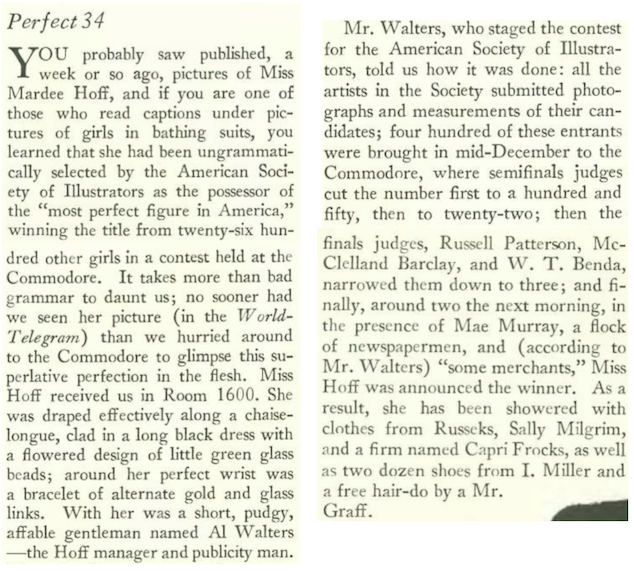
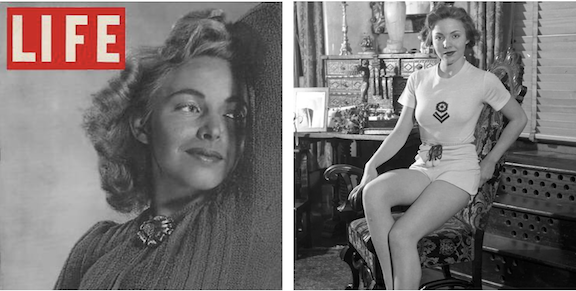
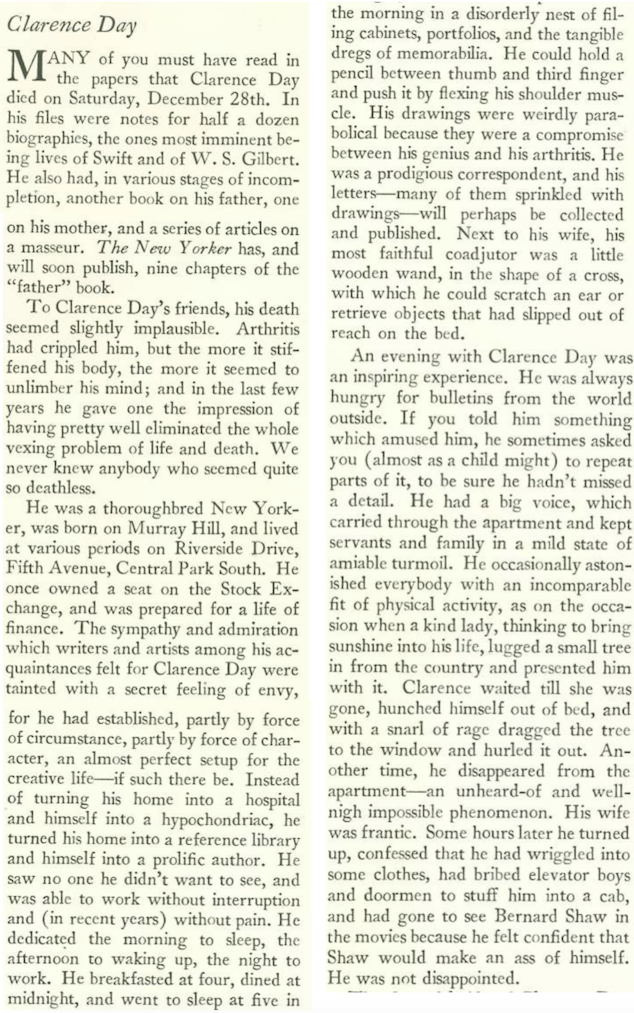
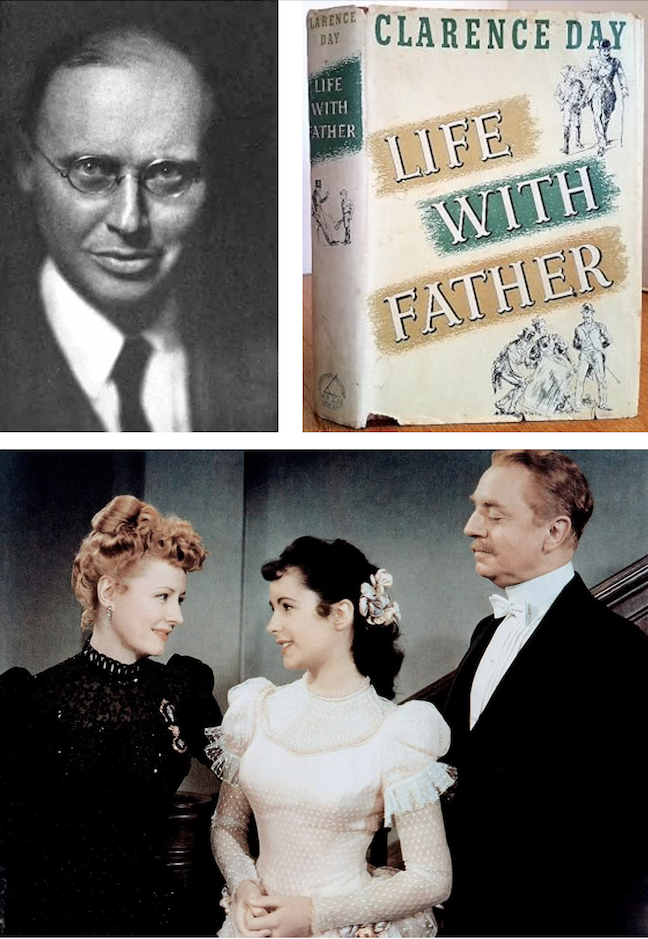
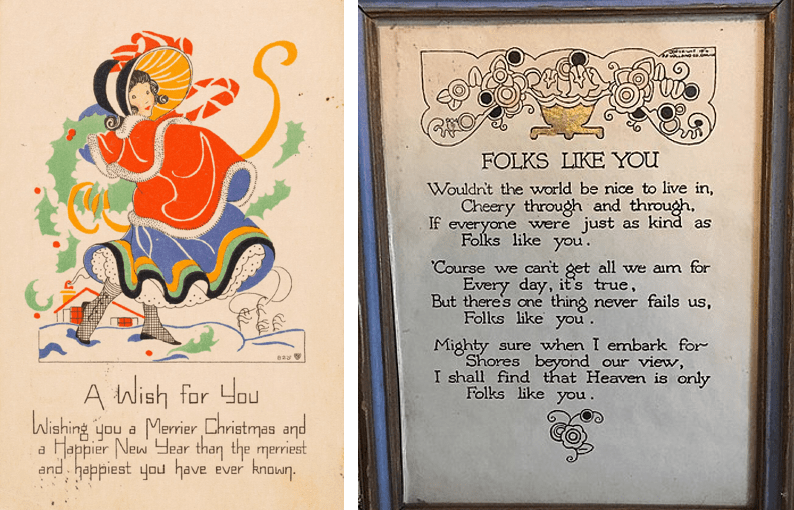
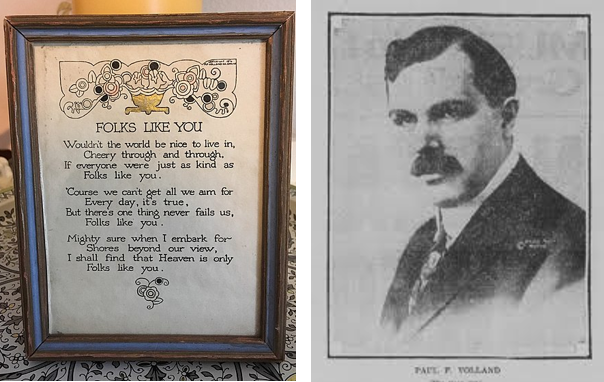
Above: Holiday greeting card circa 1920 (left) and framed poetry (1916) from the P.F. Volland Company, which rejected E.B. White's attempt at a get-well card. (Newberry Library/Wikipedia)

A deep reading of The New Yorker’s back issues can lead a person down some interesting rabbit holes as well as to new insights. For instance, who knew that the greeting card business could lead to murder?

April 20, 1935 cover by William Cotton.

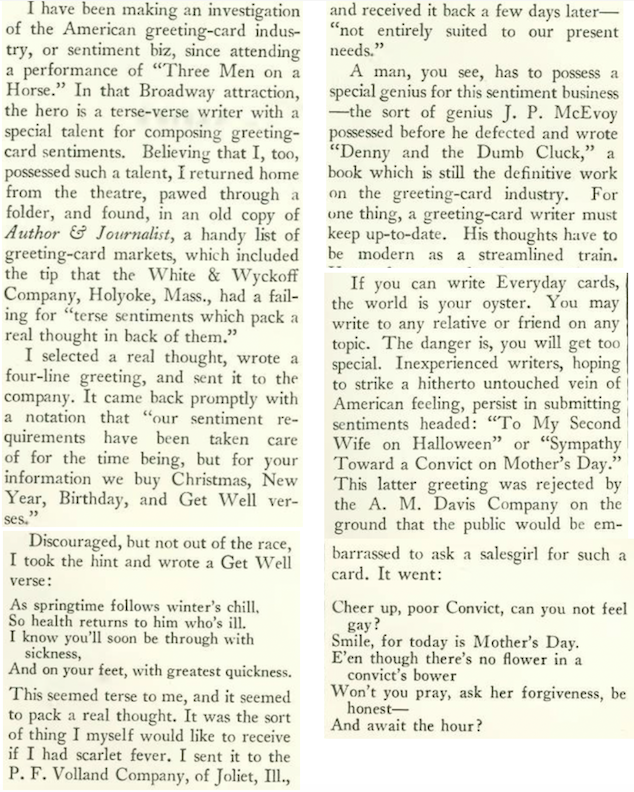
Writing for the occasional feature “Onward And Upward With The Arts,” E.B. White examined the hardboiled world of the “sentiment biz,” a world in which each year 42,000 eager writers elbowed their way into a few hundred positions, and even a smaller number made a decent living at it. To test his own mettle at the craft, White submitted a get-well message to the P. F. Volland Company.

A JOB TO DIE FOR…Paul Frederick Volland (1875-1919) founded his greeting card company in 1908, producing sheet music, children’s books, calendars, cookbooks, and framed poetry such as the example at left, from 1916. On May 5, 1919, Volland was shot and killed in his office by an elderly contributor, Vera Trepagnier, after a dispute about compensation over her miniature of George Washington. The company continued until 1959. (Wikipedia)
HACK RACKET…One of the more illustrious contributors to the Volland Company was J.P. McEvoy (1894-1958). Despite his generous salary, he hated working for Volland. His 1930 novel Denny and the Dumb Cluck satirized the greeting-card business and his experiences with Volland. In an author’s note, McEvoy wrote that “among other minor atrocities I have compiled 47,888 variations of Merry Christmas…” (Wikipedia/Pinterest)

The Volland Company employed scores of artists and writers including L. Frank Baum, Edgar Rice Burroughs, John Held Jr, Ring Lardner, Robert Louis Stevenson, and J.P. McEvoy—a writer little known today, McEvoy was influential in the 1920s and 30s, writing everything from children’s tales (he likely inspired Raggedy Ann) to short stories, novels and comic strips, including the popular Dixie Dugan. He also wrote a hit Broadway play, and several of his stories were turned into movies, including W.C. Fields’ 1934 classic It’s a Gift.

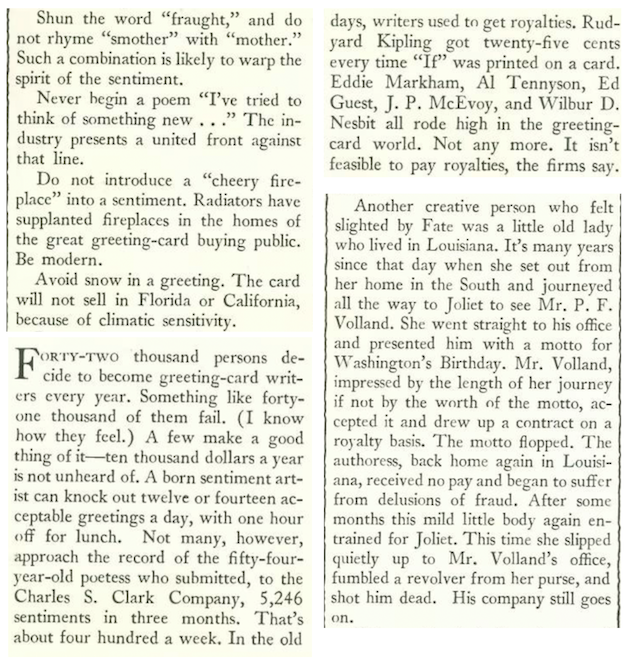
White also offered some “tips” on sentiment writing, suggesting that one avoid rhyming words such as “smother” and “mother”…

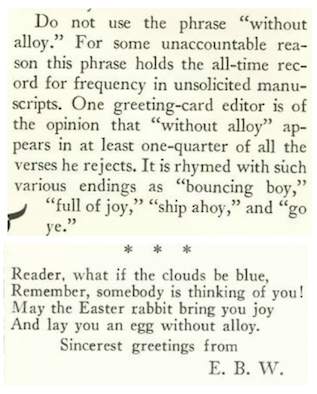
…he also cautioned about the use of certain phrases, and concluded with a cheeky Easter poem of his own…

 * * *

More Thoughts From E.B.W.

White occasionally led off his column with observations on the passing scene, in this case springtime happenings in the city and beyond…

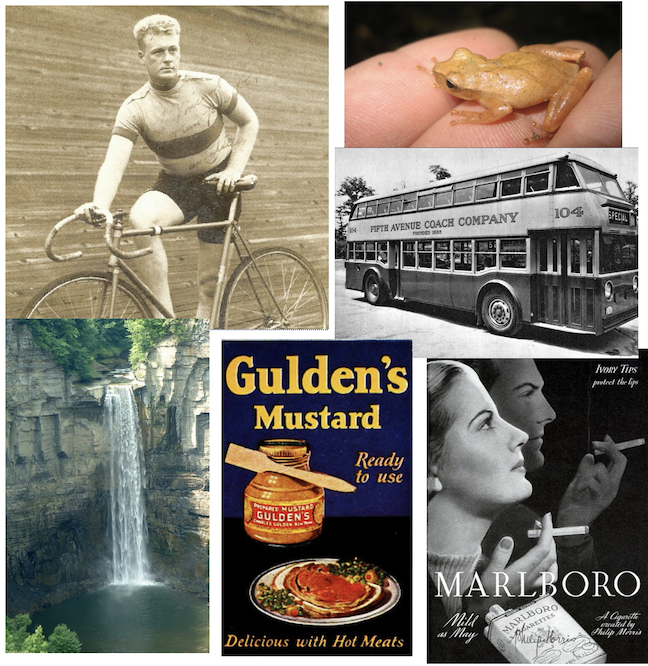
SIGNS OF SPRING…E.B. White looked around for signs of spring and found, among other things, the bicycle drills of the League of American Wheelmen (top left, professional bike racer Vincent Seifred rode for the the Empire City Wheelmen in the 1930s); top right, tiny spring peepers were for sale as pets at Macy’s; the Fifth Avenue Coach Company switched sponsors, from Marlboro to Gulden’s; White noted freshets (spring meltwater) in the hills—image is from New York’s Finger Lakes. (crca.net/paherps.com/aldenjewell-flickr.com/nygeo.org)

 * * *

Star Struck

“The Talk of Town” anticipated the completion of the Hayden Planetarium at the American Museum of Natural History. When it opened in October 1935, it was only the fourth planetarium in the United States. Excerpts:

TO INFINITY AND BEYOND…When the Hayden Planetarium opened in October 1935, it was only the fourth planetarium in the United States. In its first year the planetarium drew more than half a million visitors. Clockwise, from top left, the exterior of the planetarium; inside the 75-foot dome; the Zeiss projector; Copernican Room demonstrated movements in the solar system with model planets following tracks in the ceiling; prize-winning poster from a contest in which more than 3,500 high school students were invited to compete for a chance to have their poster exhibited at the American Museum of Natural History. (© AMNH Library)

 * * *

Broadway Slugfest

The profile by Meyer Berger looked at the life of a “chiseller,” that is, someone who lived day to day by skimming off the labors of others. Today it is mostly done digitally, but in 1935 the mechanical world could be manipulated by a handful of slugs. Excerpts:

 * * *
From Our Advertisers
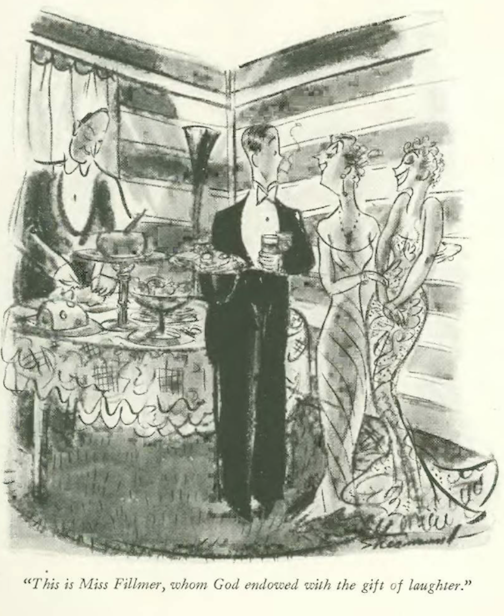
We begin with an elegant evening, the men in white tie, the women in their finest gowns, all preparing to partake of some canned soup…

…there were many ads with Easter themes to move the merch…

…here’s a detail from an Easter-themed ad for neckties, a retired Colonel, presumably, proudly strutting in the Easter Parade with his crop and monocle as he elbows aside his chauffeur and granddaughter…

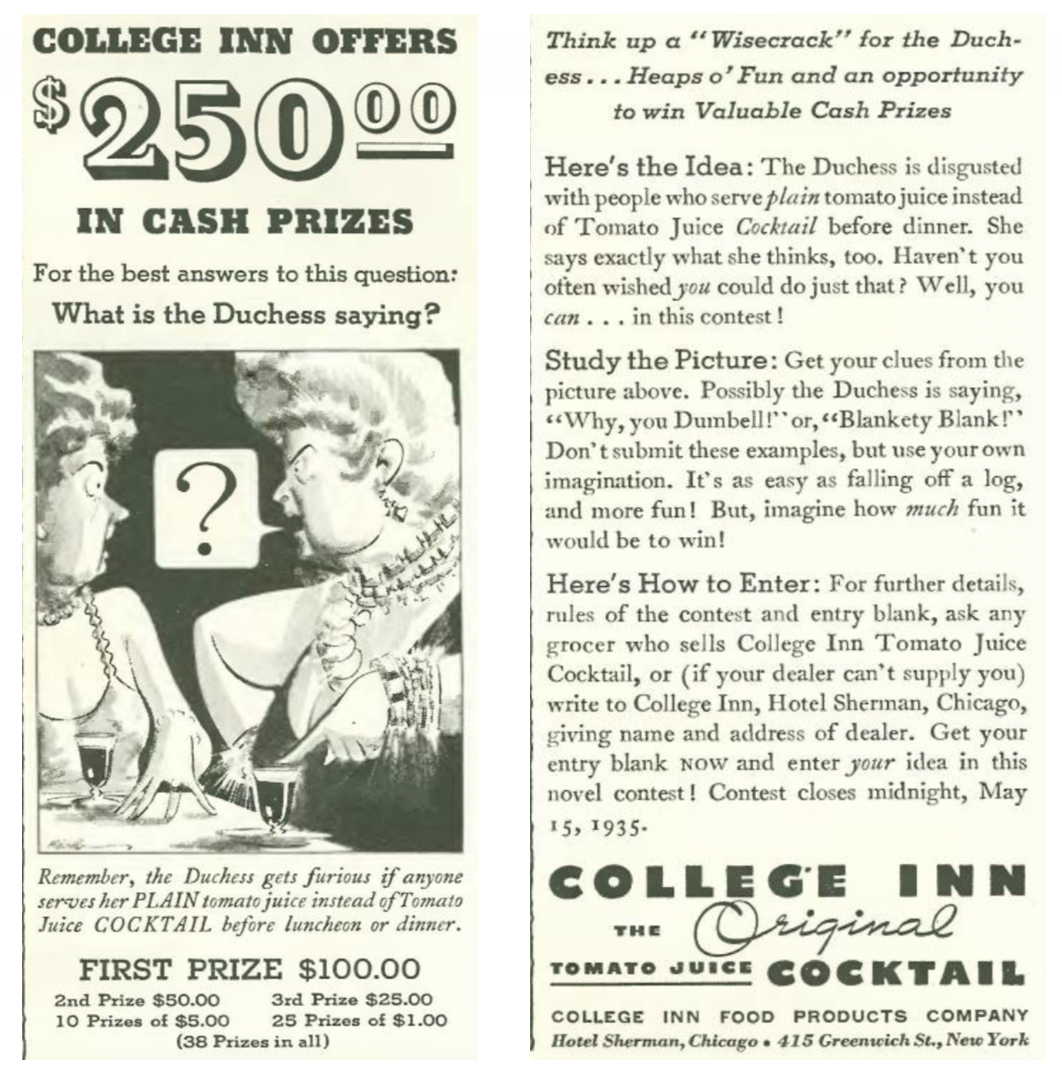
…the Duchess returns, and she’s still pissed about her tomato juice…I wish I could have entered this contest…

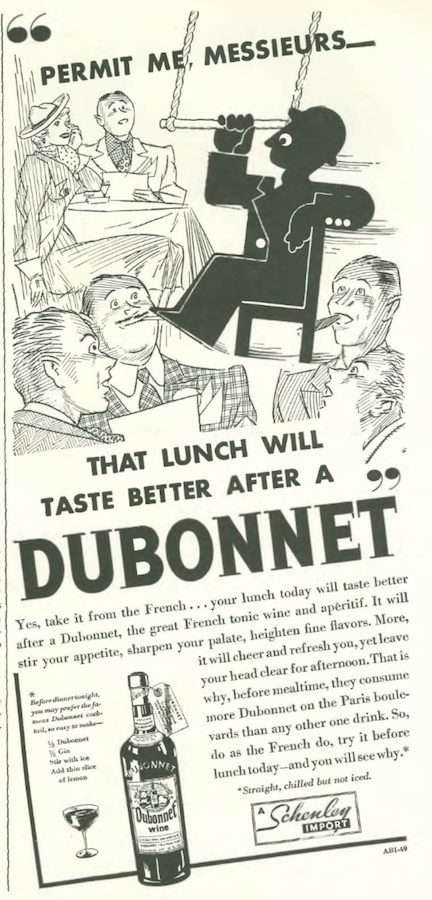
…the Dubonnet mascot, Dubo-Dubon-Dubonnet, made a startling appearance in this ad…the creation of French graphic designer Adolphe Mouron Cassandre, Paul Rand took over the drawing of Dubonnet Man when the liquor came to the United States…

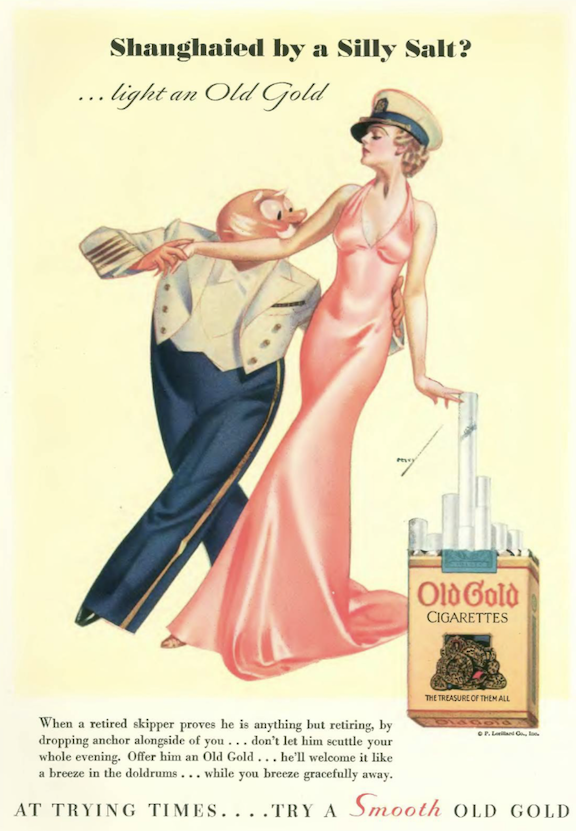
…Old Gold continued its campaign (illustrated by pin-up artist George Petty)  featuring a homely, clueless sugar daddy…

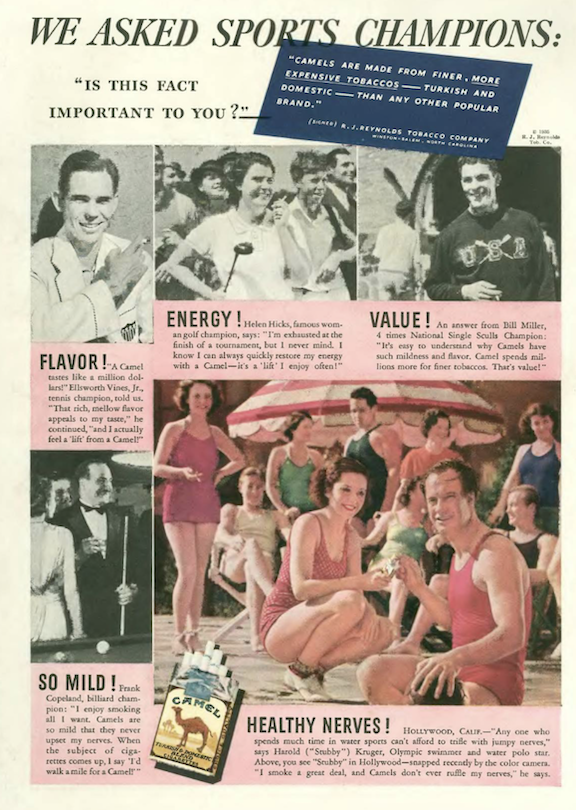
…while Camel turned out another group of “sports champions” who testified to the energizing effects of cigarettes…

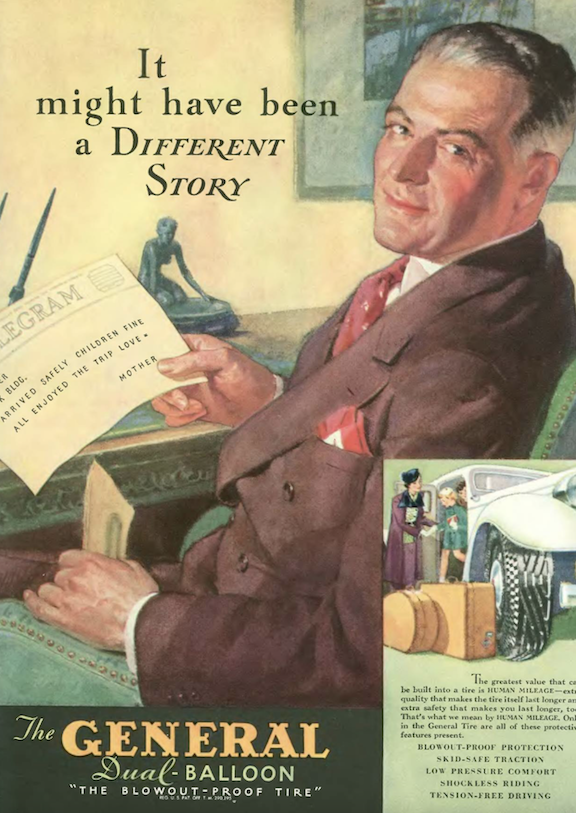
…another grim message from General Tire…this time featuring dear old dad, contemplating a different fate for his wife and children…

…recall the General ad from March 23…

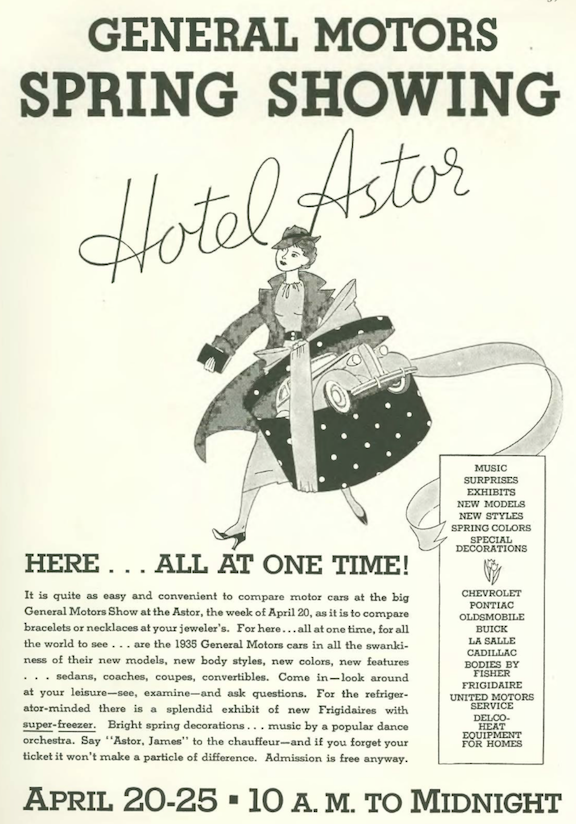
…General Motors was touting its lineup of 1935 models at the Hotel Astor…

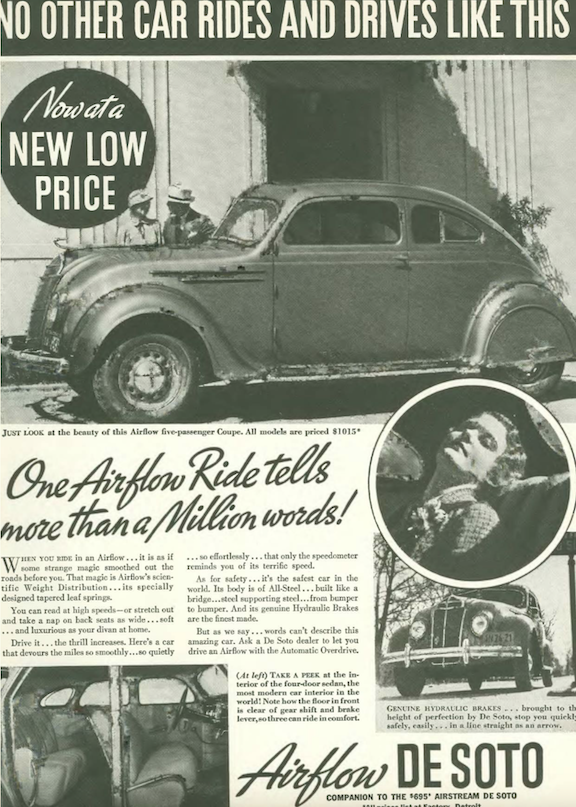
…Chrysler was known as an innovator, introducing radical designs like the Airflow, but consumers weren’t ready for the ultra-streamlined model, even if it did ride so smoothly that one could apparently lose consciousness…

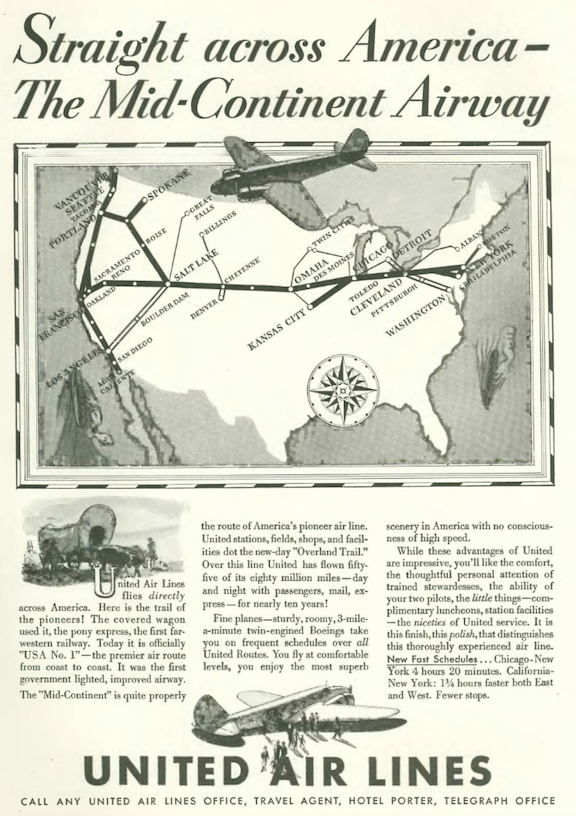
…if a car trip was not your thing, you could fly across America, with a few stops…

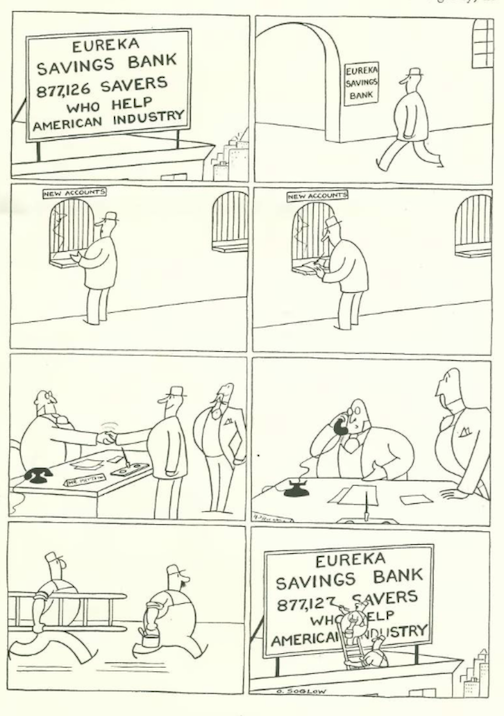
…and we fly into our cartoons, where we keep up to date with Otto Soglow

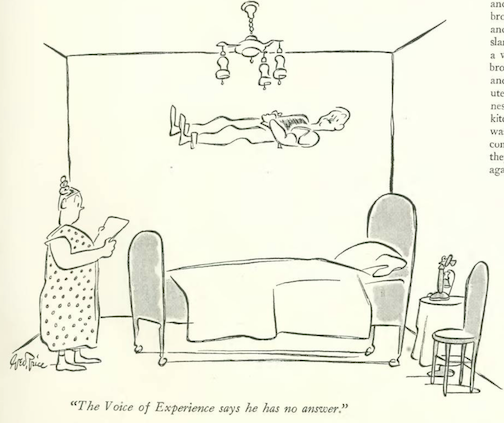
George Price was still up in the air with this fellow…

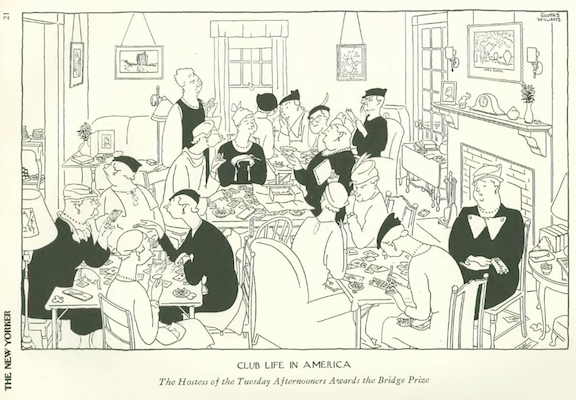
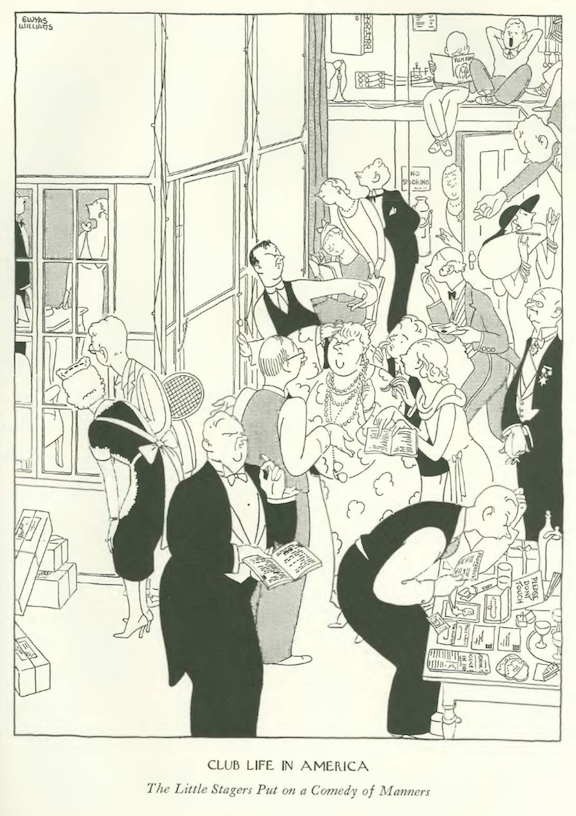
Gluyas Williams continued to look at club life with this cartoon which originally ran sideways on page 21…

…compliments to the cook, from Syd Hoff

…Walter Lippmann put the scare in this James Thurber subject…

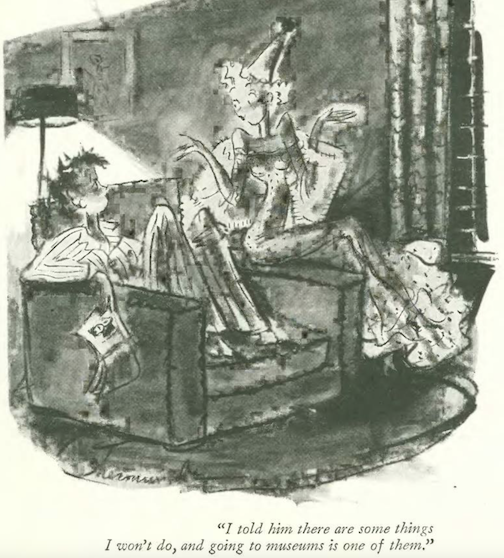
…and we end with Barbara Shermund, and one young woman who won’t be visiting the new planetarium…

Next Time: A Tour of Broadacre City…

Keep Calm and Carry On

If you lived in Germany in 1935, or in Italy or Spain for that matter, the world would have looked very different from the one most Americans were experiencing, clawing their way out of the Great Depression and hoping to improve their domestic lives. War was not big on their worry list.

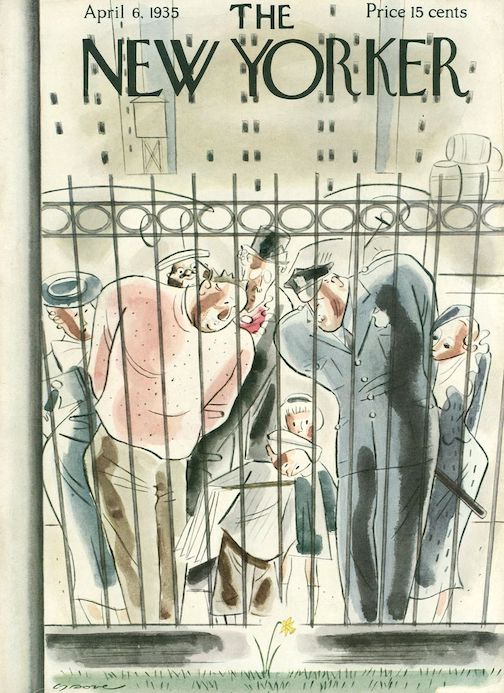
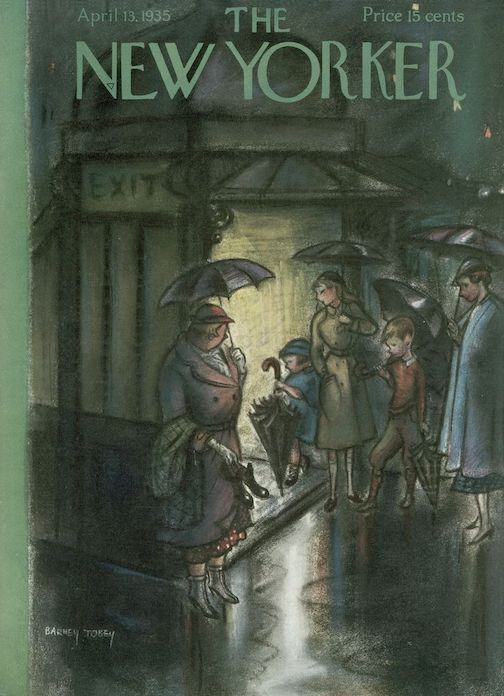
April 6, 1935 cover by Leonard Dove.

In his “Notes and Comment,” E.B. White satirized the talk about war that was filling more column inches in the nation’s newspapers. He was particularly scornful of journalists such as Arthur Brisbane—the influential editor of William Randolph Hearst’s media empire—who was fond of giant headlines warning of impending war.

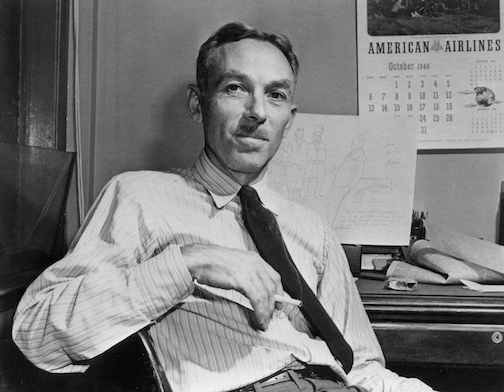
TEND YOUR OWN GARDEN...E.B. White in 1946. (Britannica)

White wasn’t naive about the possibilities of war; however, he believed obsessing about things over which we have little control did little to help the human condition. Helping one’s neighbor, on the other hand, would do the world more good. In 1939, just six months before Germany invaded Poland, White wrote a piece titled “Education” for his Harper’s Magazine column, One Man’s Meat. This excerpt helps define his worldview:

“I find that keeping abreast of my neighbors’ affairs has increased, not diminished, my human sympathies…in New York I rise and scan Europe in the Times; in the country I get up and look at the thermometer—a thoroughly set-contained point of view which, if it could infect everybody everywhere, would I am sure be the most salutary thing that could happen to the world.”

With that, here is a selection from the April 6 “Notes and Comment”…

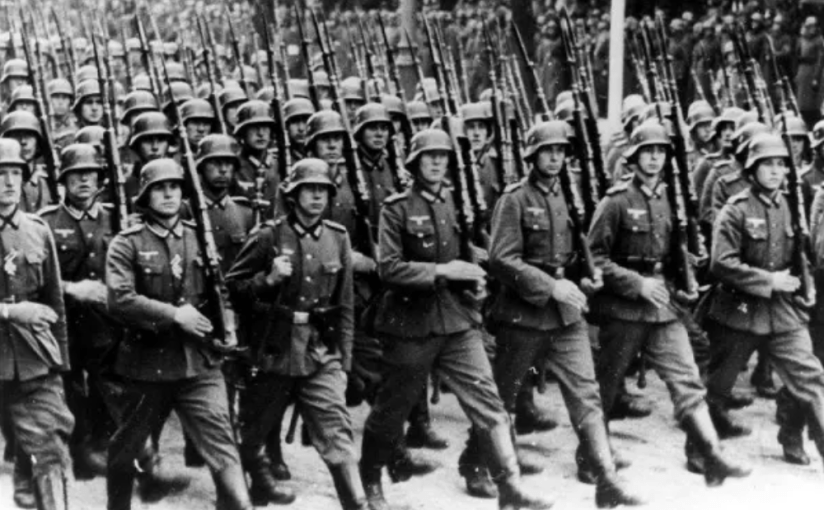
TANKS A LOT…Clockwise, from top left, German war production in the 1930s—by increasing the size of the army by 500,000 and establishing the Luftwaffe in early 1935, Germany broke international law and the Treaty of Versailles; the 1935 Anglo-German Naval Agreement was the first sign of British and European appeasement—photo shows the launch of the Admiral Graf Spee; a display of force at Nuremberg, mid 1930s; cartoon by Bernard Partridge from Punch (September 1932) foresaw the inevitable. (parisology.net/theholocaustexplained.org/Punch Limited)

In March 1973, a “Mr. Nadeau” wrote a letter to E. B. White expressing fears about humanity’s bleak future. Here are the first and last lines of White’s reply:

As long as there is one upright man, as long as there is one compassionate woman, the contagion may spread and the scene is not desolate. Hope is the thing that is left to us, in a bad time. I shall get up Sunday morning and wind the clock, as a contribution to order and steadfastness…Hang on to your hat. Hang on to your hope. And wind the clock, for tomorrow is another day.

 * * *

Another Viewpoint

Ever the observer of the passing scene, Howard Brubaker made these relevant observations in “Of All Things”…

…and back to White’s “Notes,” and the imminent passing of the beloved organ grinder…

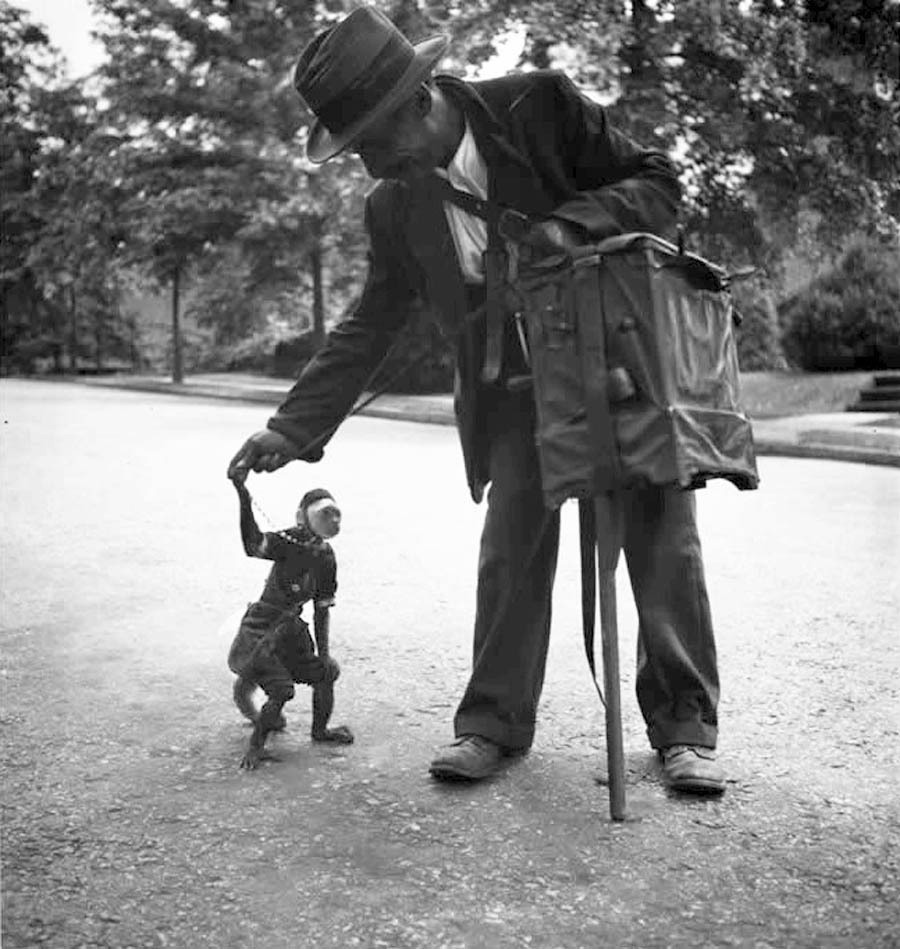
THE OLD GRIND…Above, one of New York City’s last organ grinders in Washington Heights, ca. 1935. Organ grinders had been fixtures in Manhattan since the 1850s, and by 1880 roughly five percent of Italian men living in Five Points were organ grinders, often accompanied by monkeys who entertained and collected coins. Organ grinders were outlawed in 1936 by Mayor Fiorello La Guardia. It is thought the mayor disliked the Italian immigrant stereotype. (Library of Congress)

 * * *

Give Him More Mickey Mouse

John Mosher expressed his displeasure with movies that failed to deliver some escape from life’s mundane realities or offered little more than tepid storylines.

IN SEARCH OF A CREDIBLE PLOT…Critic John Mosher found Claudette Colbert (top left) both unbelievable and unqualified to be a psychiatrist in Private Worlds; at top right, Joan Blondell and Glenda Farrell offered some mindless distractions in Traveling Saleslady (from 1933 to 1936 Blondell and Farrell appeared together in seven films); bottom, Mosher called The Woman in Red an “anemic” tale. Barbara Stanwyck seems to be wondering why she took the part. (rottentomatoes.com/TCM)

 * * *

Odds and Ends

Also in the issue, John O’Hara kicked off the short fiction with “I Could Have Had A Yacht,” Margaret Case Harriman penned a profile of Elizabeth Arden (of cosmetics empire fame), and theatre critic Wolcott Gibbs enjoyed the “bitterly effective performances” in Clifford Odets’ Waiting For Lefty, which was being produced at the Longacre Theatre.

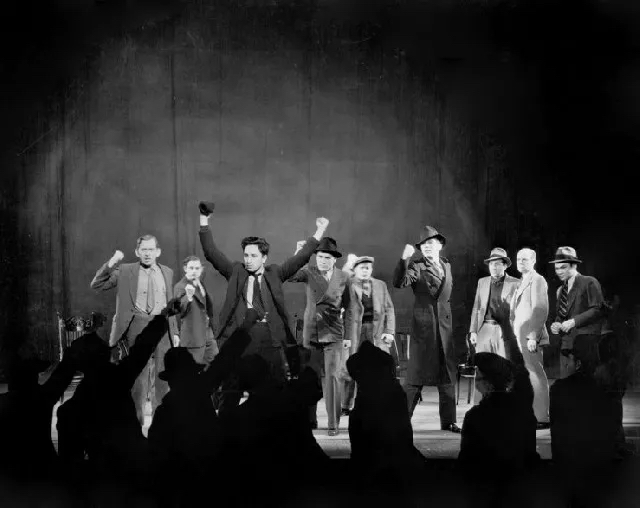
ENOUGH IS ENOUGH...Elia Kazan led the cast in the original production of Clifford Odets’ iconic 1935 play Waiting for Lefty. Centered around a taxi drivers’ strike, Lefty was produced by The Group Theatre, which sought to perform plays that functioned as social commentaries on the inequality and poverty of 1930s America. Some referred to Kazan as the “Proletarian Thunderbolt.” (Creative Commons)

 * * *

From Our Advertisers

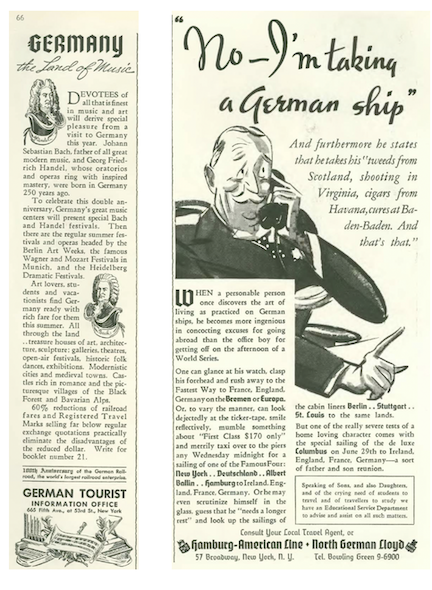
While Hitler ramped up weapons production and prepared to enact the Nuremberg Race Laws, the German Tourist Office touted their country as “The Land of Music” in this one-column advertisement on page 66 (left)…a couple of pages later we have an old chap looking forward to a German cruise and a quiet soak at Baden-Baden in the midst of madness…

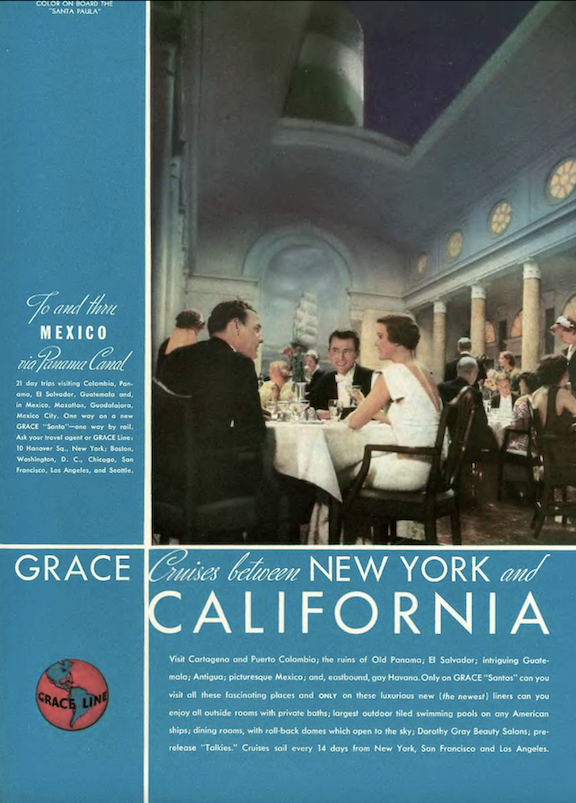
…now this is more like it, fine dining under the stars aboard the Santa Paula, far from the maddening crowds…

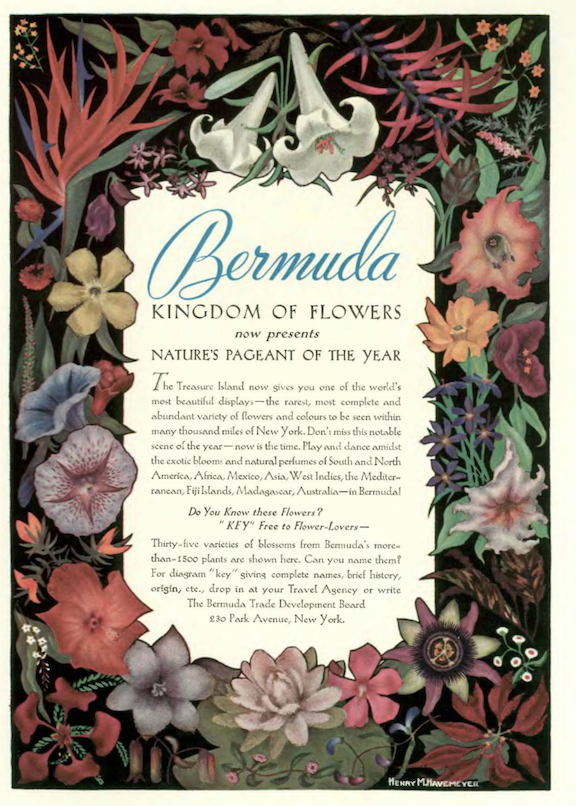
…there were several colorful full-page ads in the issue, including this splashy display from the very un-splashy-sounding Bermuda Trade Development Board…

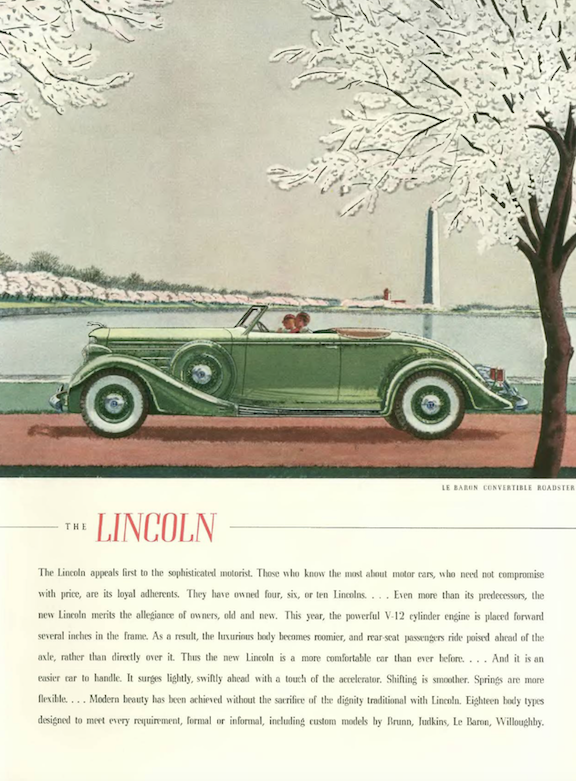
…cherry blossoms lined the path of Lincoln’s Le Baron Roadster…

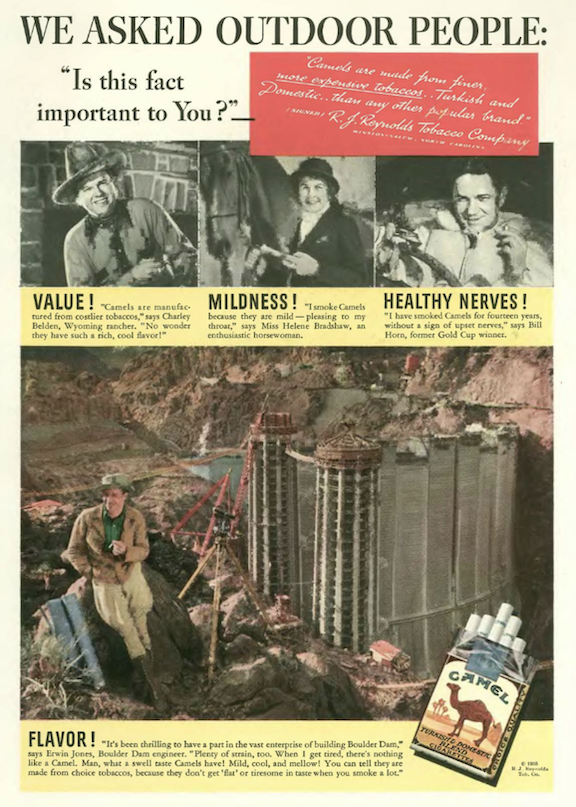
…Camel played to a wide demographic, from ads featuring stylish young women to ads like this that roped in everyone from an “enthusiastic horsewoman” to an engineer working on the Boulder (now Hoover) Dam…

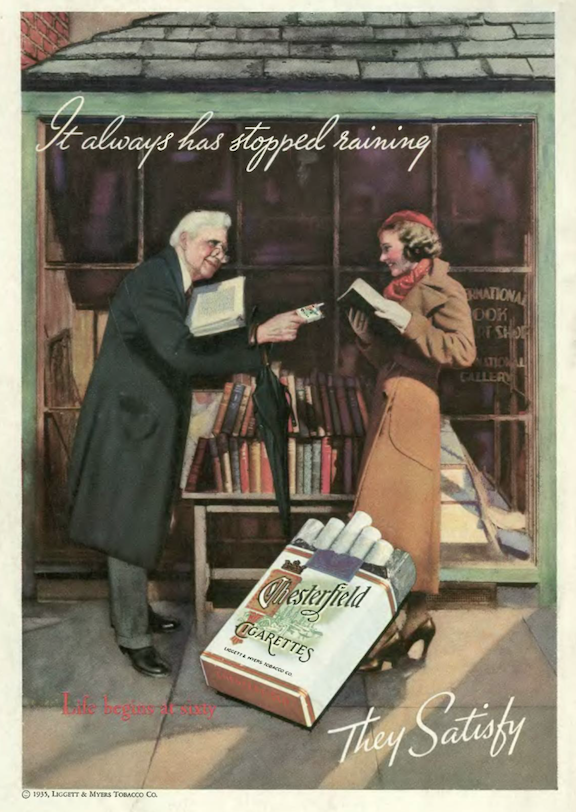
…I’m not sure what “Life begins at sixty” is supposed to mean, unless it’s about tempting young women with your bad habit…

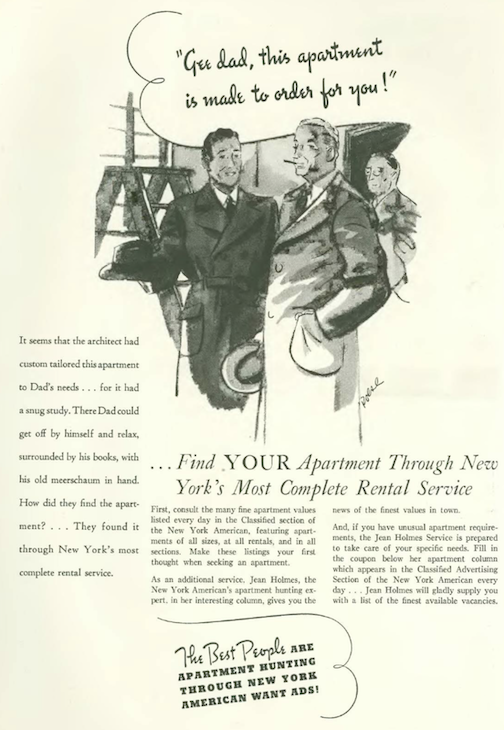
…the New York American was hoping that some of the “Best People” who read The New Yorker would also want to read their apartment rental want ads…

…spring was in the air at Richard Hudnut’s Fifth Avenue salon…if you had dry skin, it was recommended you try a product with the unfortunate name “Du Barry Special Skin Food”…

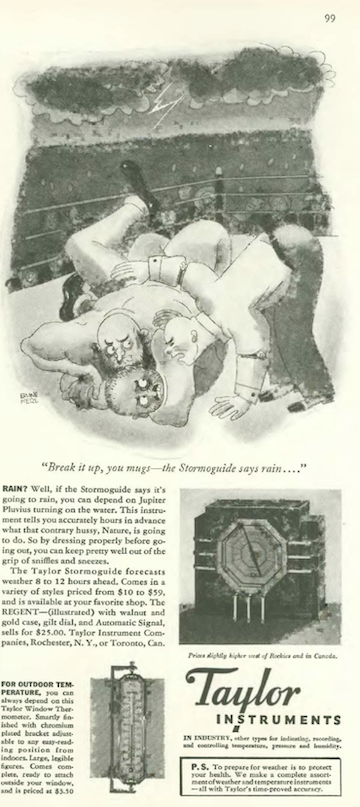
…Taylor Instruments hoped readers would monitor the spring weather with one of their stylish thermometers…American graphic artist and illustrator Ervine Metzl provided the artwork…he was best known for his posters and postage stamp designs…

…which brings us to our illustrators and cartoonists, beginning with this small woodcut on page 6 signed “Martin”…

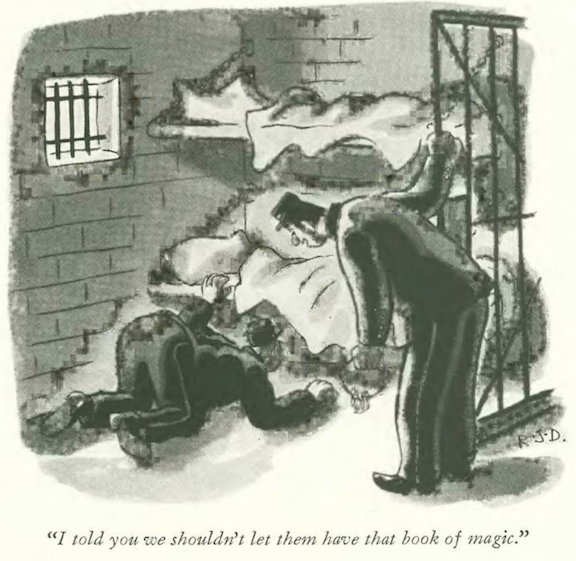
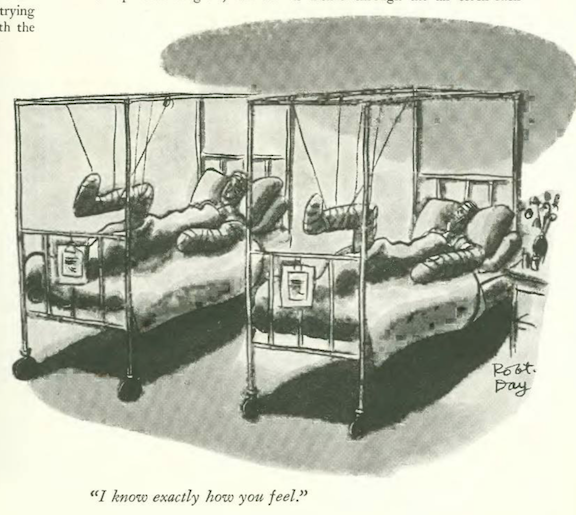
…empathy gained some traction in this Robert Day cartoon…

Alan Dunn demonstrated the effect of the Depression on the building trades…

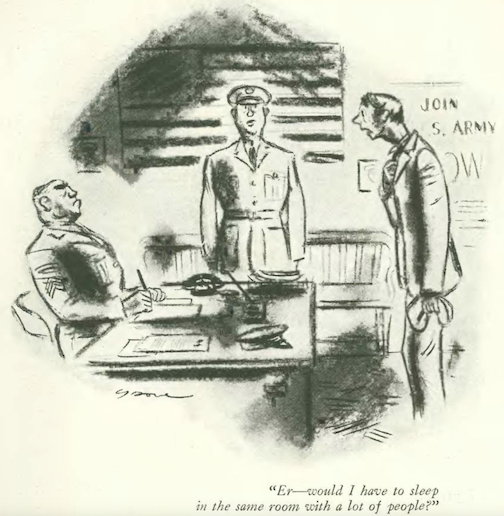
Leonard Dove found one enlistee not ready for basic training…

Syd Hoff showed us all the right moves…

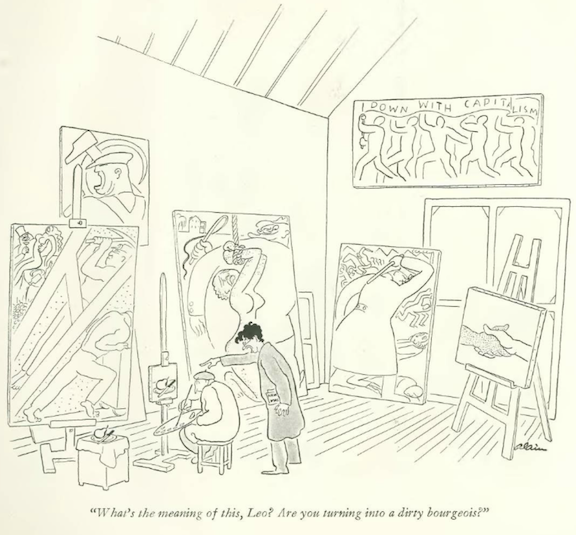
Alain was up in the garret with an artist in need of some peace…

Gluyas Williams took a glimpse backstage…

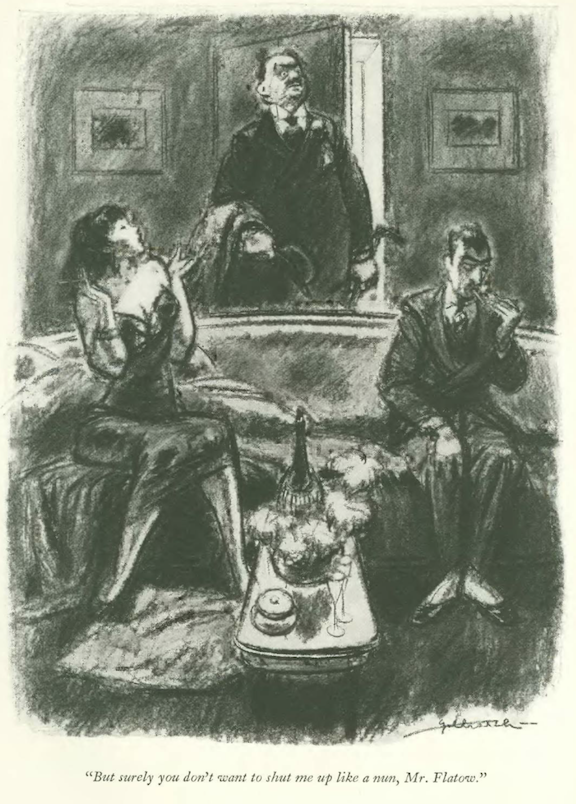
William Crawford Galbraith was still exploring the world of sugar daddies and golddiggers…

Barbara Shermund introduced a few giggles…

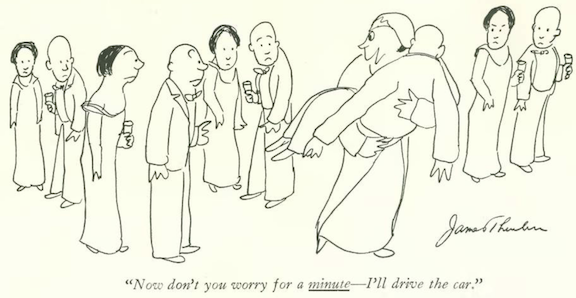
…and we close with another James Thurber classic…

Next Time: The Cowboy Philosopher…

Snapshot of a Dog

Above: A bull terrier in the early 1900s. (Westminster Kennel Club)

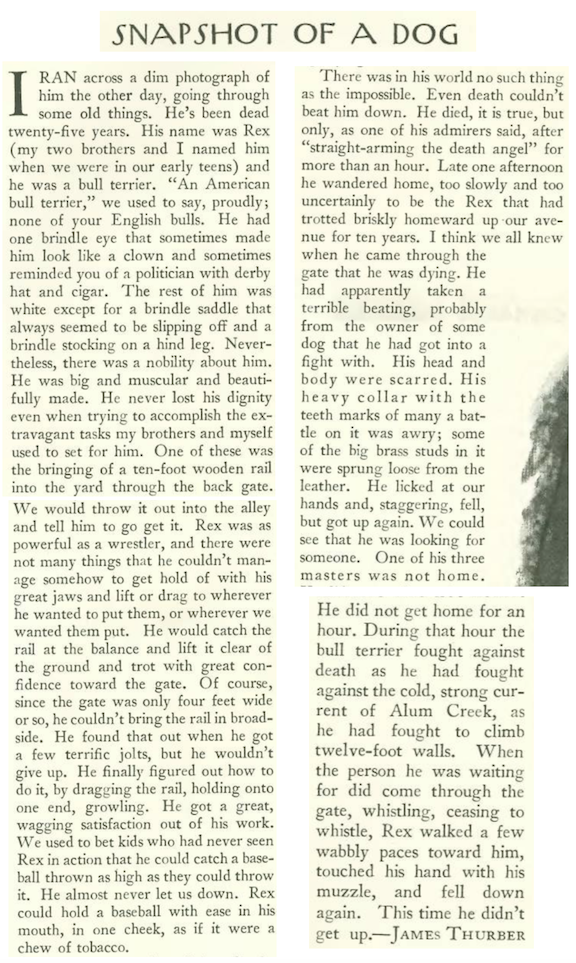
For dog lovers, or really for anyone with a heart, James Thurber’s “Snapshot of a Dog” is a moving tribute to a childhood pet, a bull terrier named Rex.

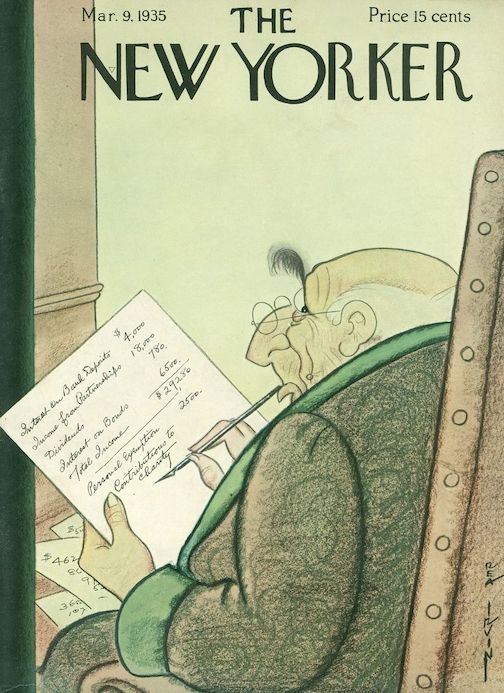
March 9, 1935 cover by Rea Irvin.

“Snapshot of a Dog” was reprinted almost two decades later in Our Dogs, A Magazine For Dog Lovers, which featured cover stories of various celebrities and their dogs. I recall reading “Snapshot” as a child in an anthology belonging to my parents; it affected me deeply then and still does today. Grab your hankies—here are excerpts from the first and last sections of the story:

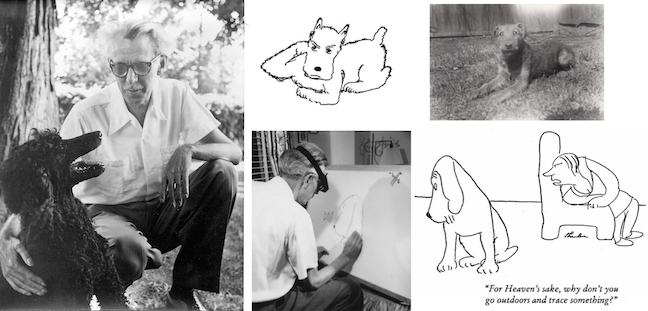
FAITHFUL FRIENDS…Clockwise, from left, James Thurber with his beloved Christabel; Thurber’s illustration of a childhood pet, a terrier named “Muggs” from the story “The Dog That Bit People” (1933); photograph of the real Muggs; dogs appear in many of Thurber’s cartoons as a stoic presence among maladjusted humans; Thurber at work on one of his dogs in an undated photo. (thurberhouse.org/ohiomemory.org/jamesthurber.org)

 * * *

Searching For the American Way

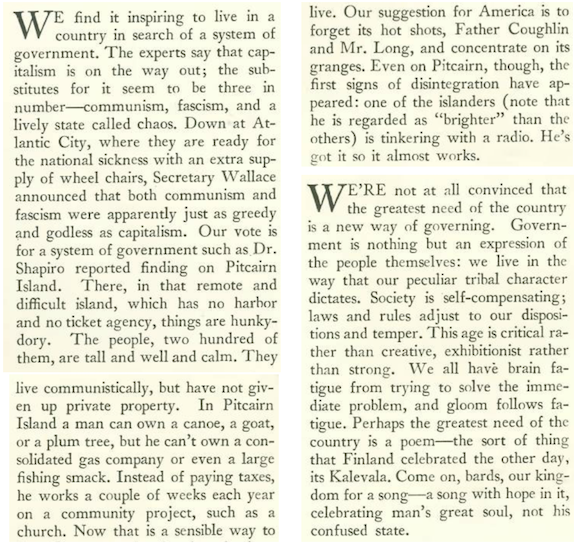
Ninety years ago E.B. White (in “Notes and Comment”) offered some thoughts on America’s system of government, and the country’s need for a song of hope…

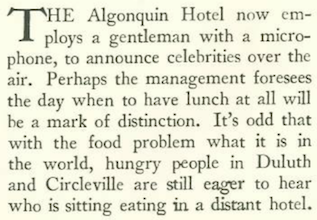
…White also commented on a distasteful development at the old Round Table haunt, the Algonquin Hotel…

MAYBE USE THE BACK DOOR…Entrance to the Hotel Algonquin, early 1930s. (Hotel Algonquin)

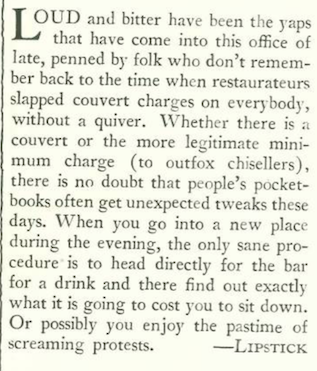
…In her column “Tables for Two,” Lois Long took issue with folks who were yapping about couvert charges, and offered a simple solution…

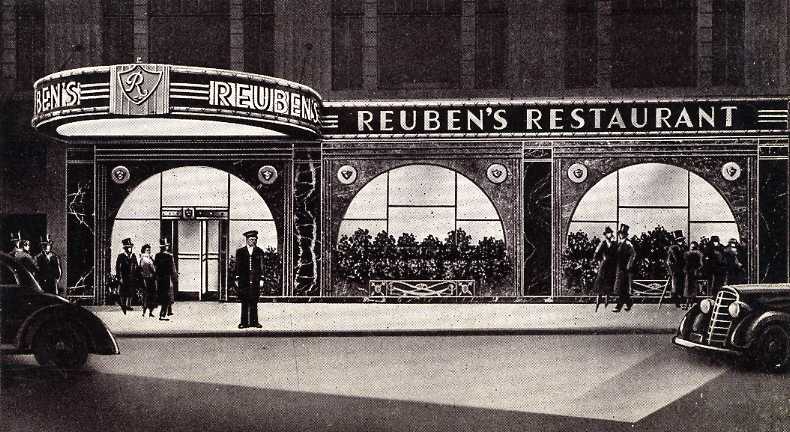
…following Long’s “On and Off the Avenue” column were several restaurant reviews signed “S.H.”…here the writer visited the home of the Reuben sandwich…

KNOWN FOR ITS EPONYMOUS SANDWICH, Reuben’s also offered a Georgie Jessel (sturgeon and Swiss) and an Al Jolson (raw beef). (restaurant-ingthroughhistory.com/tag/reubens)

 * * *

Getting Their Kicks

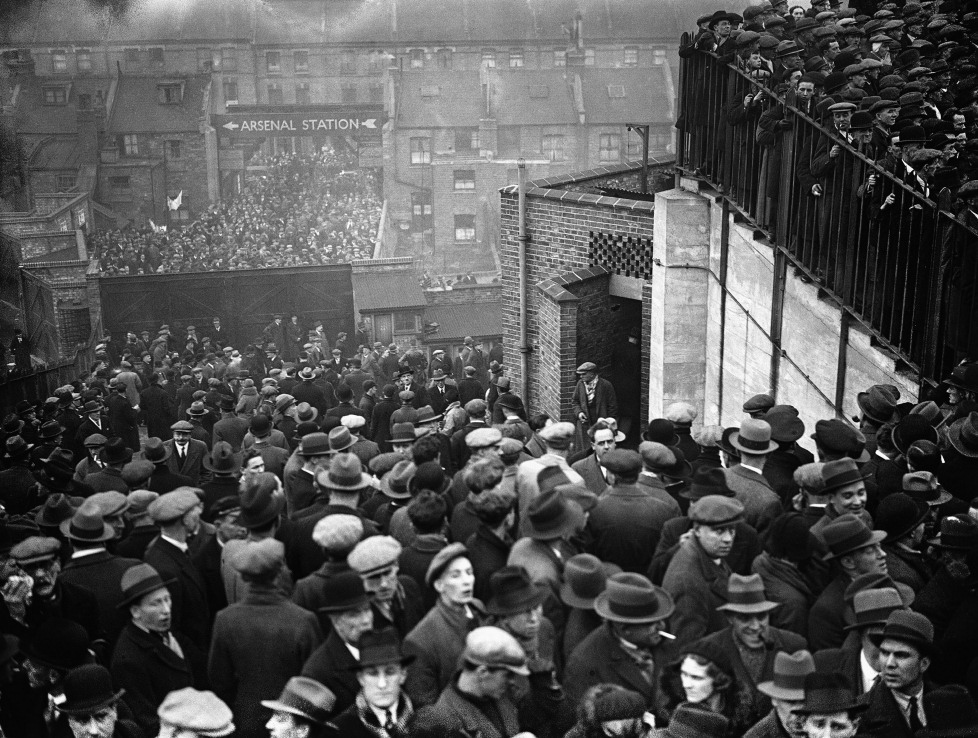
Professional football has been played in the UK since the 1870s, and by the early 20th century the sport drew massive crowds (the 1923 FA Cup final at Wembley Stadium drew an estimated 300,000). This excerpt from “London Letter” correspondent Samuel Jeake, Jr. (aka Conrad Aiken) offered a glimpse into the sport in 1935:

DOWN IN FRONT…Spectators in a crush at Highbury ground in London when a huge crowd turned up for the Arsenal versus Tottenham Hotspur match in January 1934. (Photo by A. Hudson/blog.woolwicharsenal.co.uk)

 * * *

Endurance Test

Thomas Wolfe (1900-1938) published a number of novellas as well as plays and stories during his short life, but he only published two novels before his death in 1938 (others would be published posthumously). Wolfe’s second novel, the autobiographical Of Time and the River, would be well received by New Yorker critic Clifton Fadiman. Here is an excerpt from Fadiman’s lengthy review:

KNOCKOUT…Clifton Fadiman, right, wrote that Thomas Wolfe’s energetic writing could leave one feeling “punch-drunk.” (biblio.com/Wikipedia)

 * * *

From Our Advertisers

We begin with two pioneers in the cosmetics industry…Dorothy Gray salons set the springtime mood with this advertisement on the inside front cover…

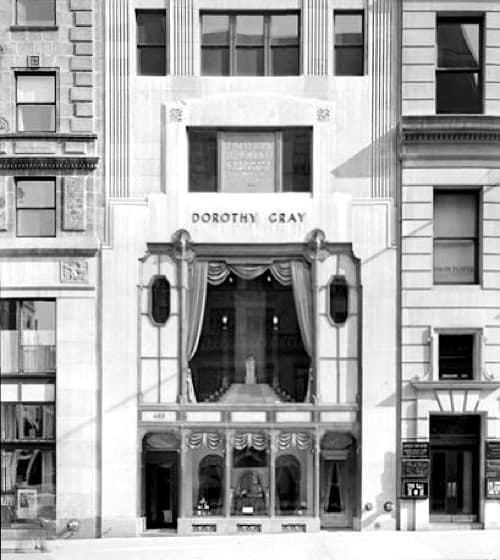
Dorothy Gray (1886-1968), a.k.a. Dorothy Cloudman, sold her business in 1927 to Lehn & Fink, a New York-based pharmaceutical company best known as the maker of Lysol. In 1929, the company opened a flagship salon and executive offices in the new Dorothy Gray Building at 683 Fifth Avenue…

Dorothy Gray Building at 683 Fifth Avenue (cosmeticsandskin.com)

Richard Hudnut (1855-1928) began working in his father’s drug store in 1873, and in 1899 opened his own pharmacy on Broadway. Hudnut, who promoted his perfumes and cosmetics by distributing booklets detailing his preparations, sold his company in 1916 to William R. Warner, which eventually became Pfizer…

Hudnut is recognized as the first American to achieve international success in cosmetics manufacturing. Part of that success was Du Barry, a premium perfume he created in 1902. It was used to scent a variety of products.

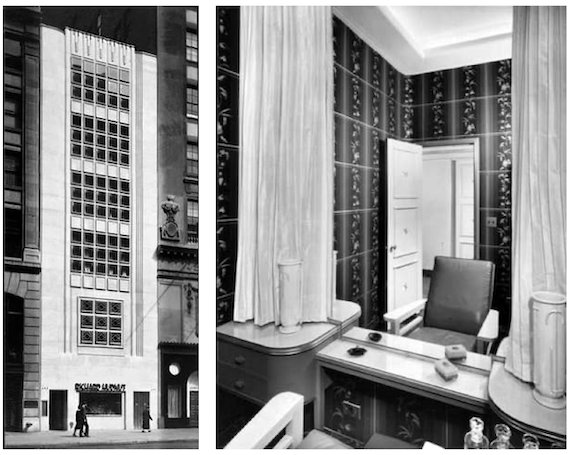
At left, the narrow Hudnut Building at 693 Fifth Avenue, designed by Ely Jacques Kahn and Eliel Saarinen. The Elizabeth Arden salon was next door. At right, salon treatment room in the Hudnut building.(cosmeticsandskin.com)

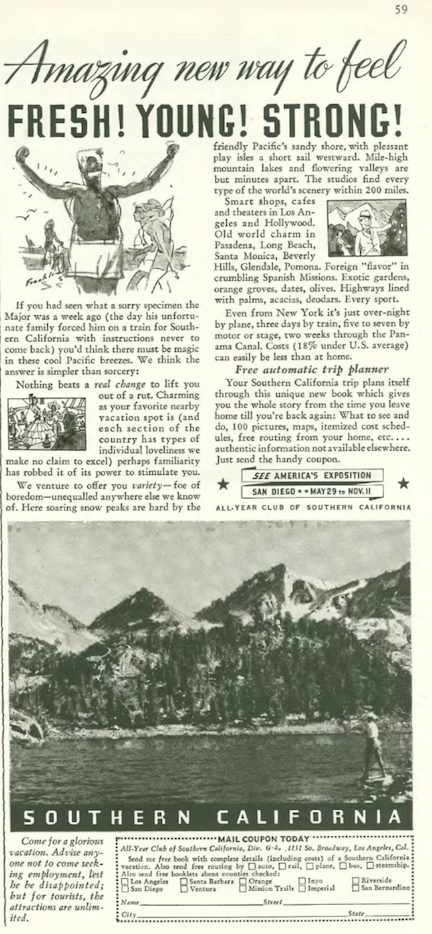
…if salon treatments weren’t your thing, you could revive by taking a trip to sunny Southern California…just look what it did for the old Major…

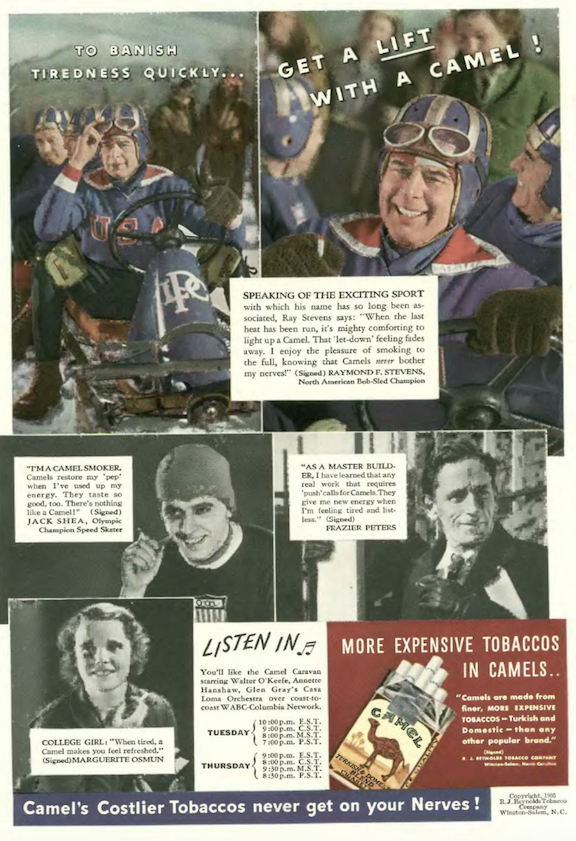
…the makers of Camel cigarettes offered an even quicker and cheaper way to feel invigorated…

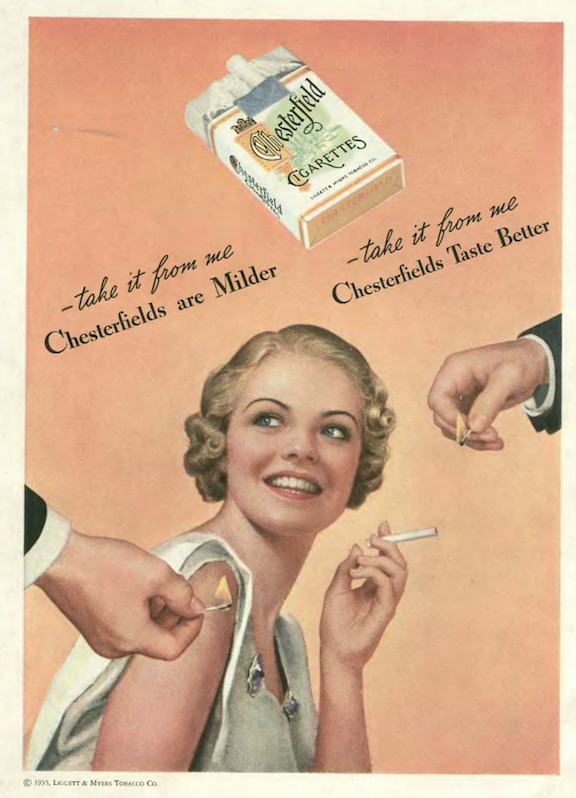
…the back cover continued to be dominated by tobacco companies targeting women smokers…this week Chesterfield got in on the act…

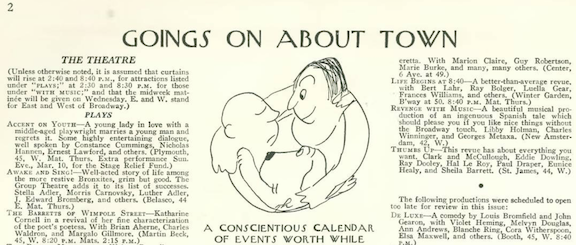
…on to our cartoonists, we begin with James Thurber at the top of page 2 to kick off “Goings On About Town”…

…and Thurber again, with the ultimate party pooper…

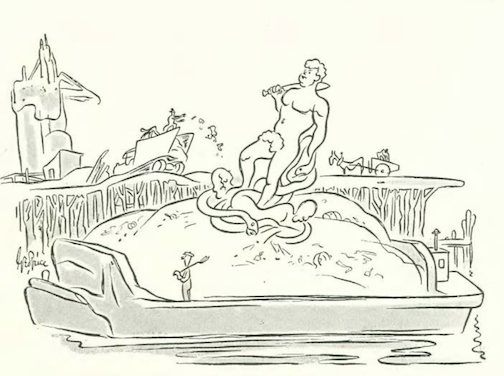
George Price graced the bottom of “Goings On” on page 4 with this whimsy…

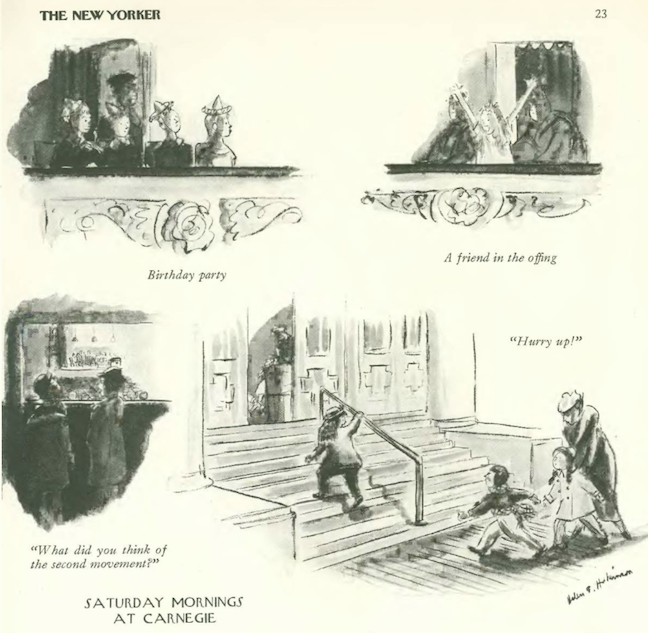
Helen Hokinson looked in on a children’s concert…

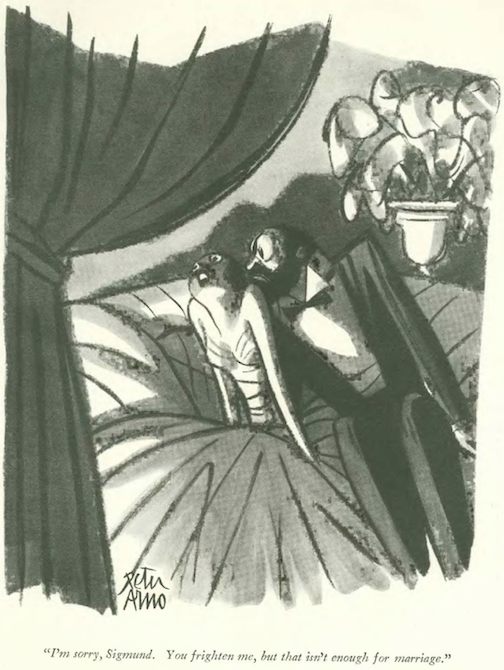
…there was another quarrel among lovers via Peter Arno

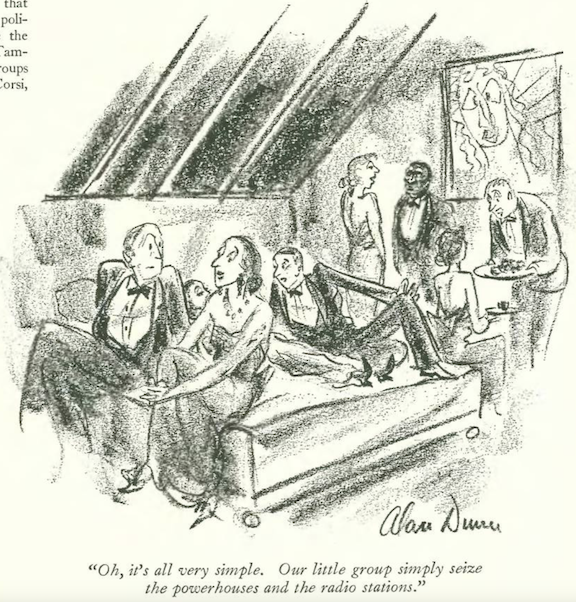
…revolution was in the air at Alan Dunn’s cocktail party…

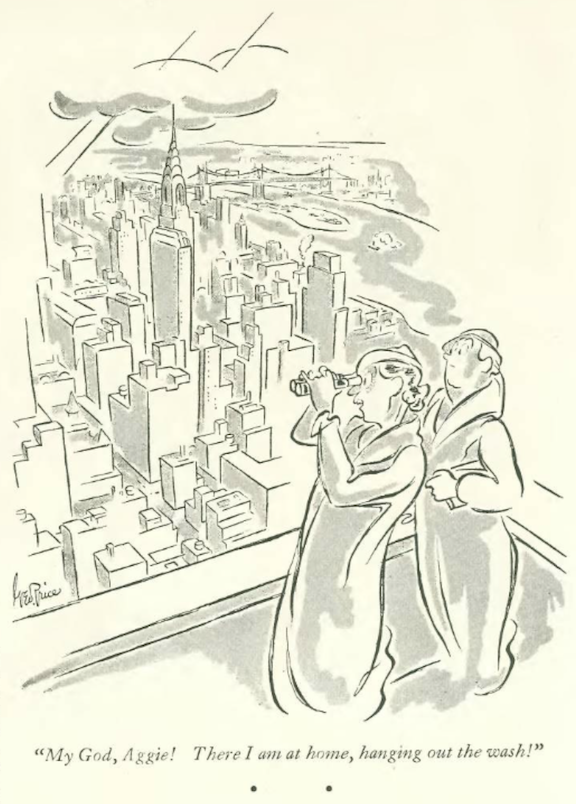
George Price again, with two women who found a new perspective atop the Empire State Building…

…and we close with Syd Hoff, and an unexpected bundle of joy…

Next Time: Home Sweet Motohome…

Lord of the Apes

In 1912, Edgar Rice Burroughs published the short story Tarzan of the Apes.  Since then at least ninety books, 350 radio serials, three TV series and forty-five full-length films have told the story of the Lord of the Apes.

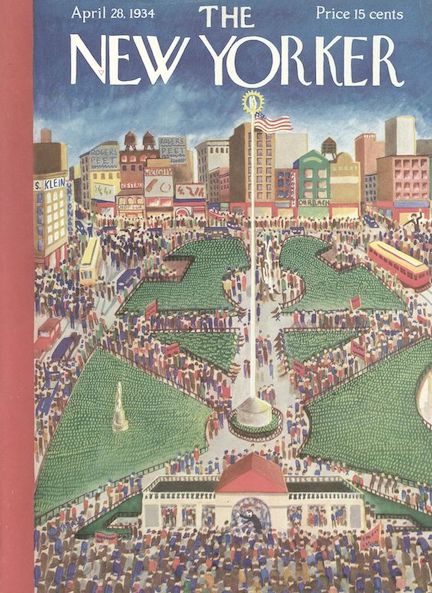
April 28, 1934 cover by Ilonka Karasz.

Tarzan was the first pop culture icon to attain worldwide fame, paving the way for a host of comic-book superheroes that would follow. Recalling his youth in post-war Leningrad in the early 1950s, Joseph Brodsky wrote of the bootleg Tarzan movies he devoured at the local cinema, and the effect a “long-haired naked loner” had on the regimented, inhibited lives of Soviet youth: “The Tarzan (film) series alone, I daresay, did more for de-Stalinization than all of Khrushchev’s speeches.”

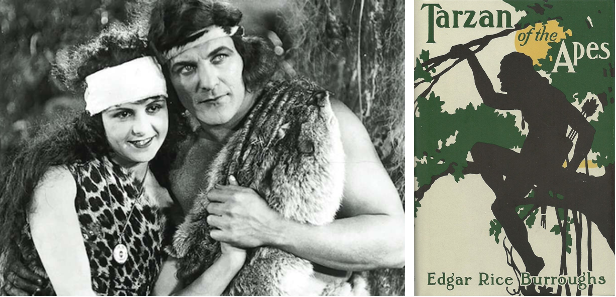
ME ELMO, YOU ENID…Elmo Lincoln as Tarzan and Enid Markey as Jane Porter in the 1918 silent film Tarzan of the Apes. The movie was released just six years after the publication of Edgar Rice Burroughs’ short story and subsequent book. (times-herald.com/Wikipedia)

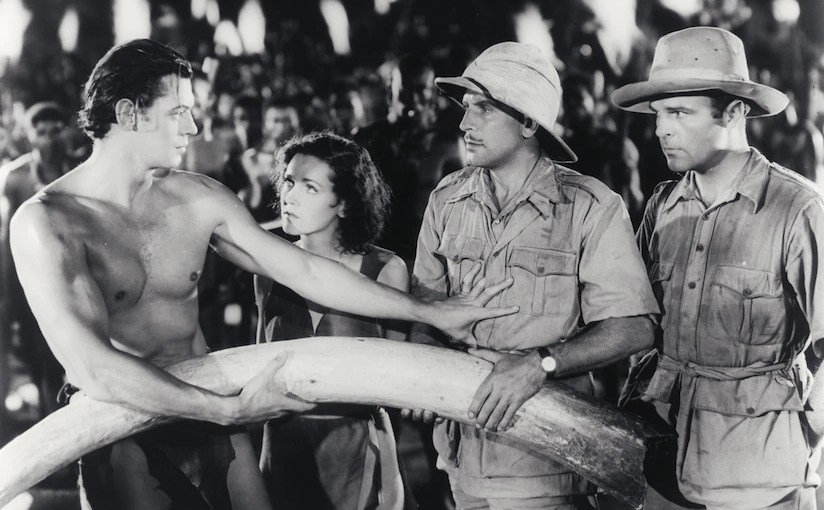
Starting with Elmo Lincoln in 1918, four different silent film actors portrayed Tarzan before Johnny Weissmuller (1904–1984) swung onto the screen with co-star Maureen O’Sullivan. Other Tarzan portrayers would follow, but it was Weissmuller—winner of five gold medals as an Olympic swimmer—who defined the role over two decades, starring in twelve Tarzan films from 1932 to 1948, O’Sullivan playing Jane in the first six of those films. Critic John Mosher sensed that Weissmuller was in for the long haul in just his second outing:

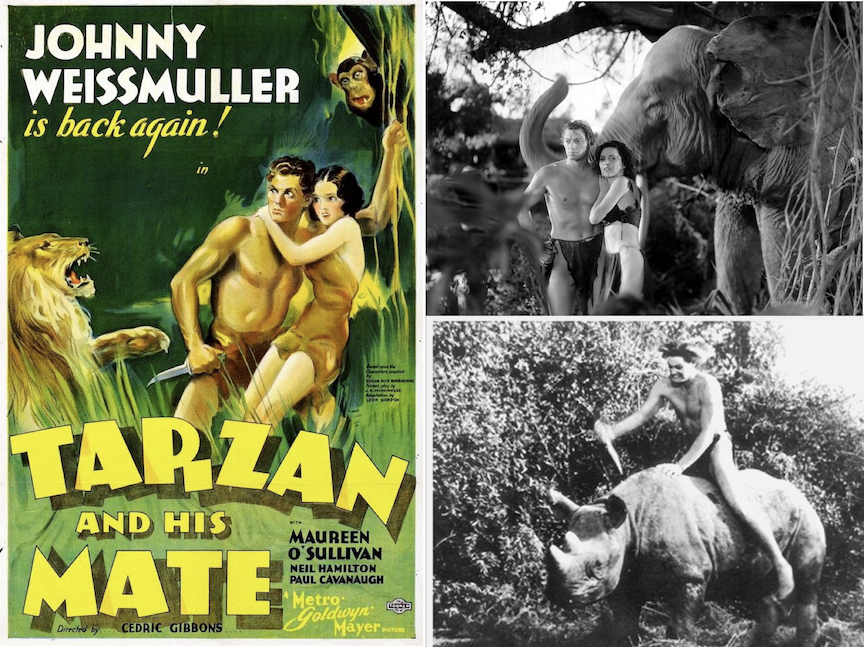
FAUX JUNGLE…Critic John Mosher was impressed by the wild and forbidding jungle scenes portrayed in Tarzan and His Mate—actually locations around Los Angeles. At left, MGM poster proclaims “Johnny Weissmuller is back again,” a reference to the 1933 dud Tarzan the Fearless starring Buster Crabbe (his single turn at Tarzan); top, Indian elephants taken from MGM’s zoo had attachments fixed to their ears and tusks to suggest African elephants; bottom, Weissmuller rides a rhino (named Mary), imported from a German zoo to appear in the scene. (Wikipedia/IMDB/Reddit)
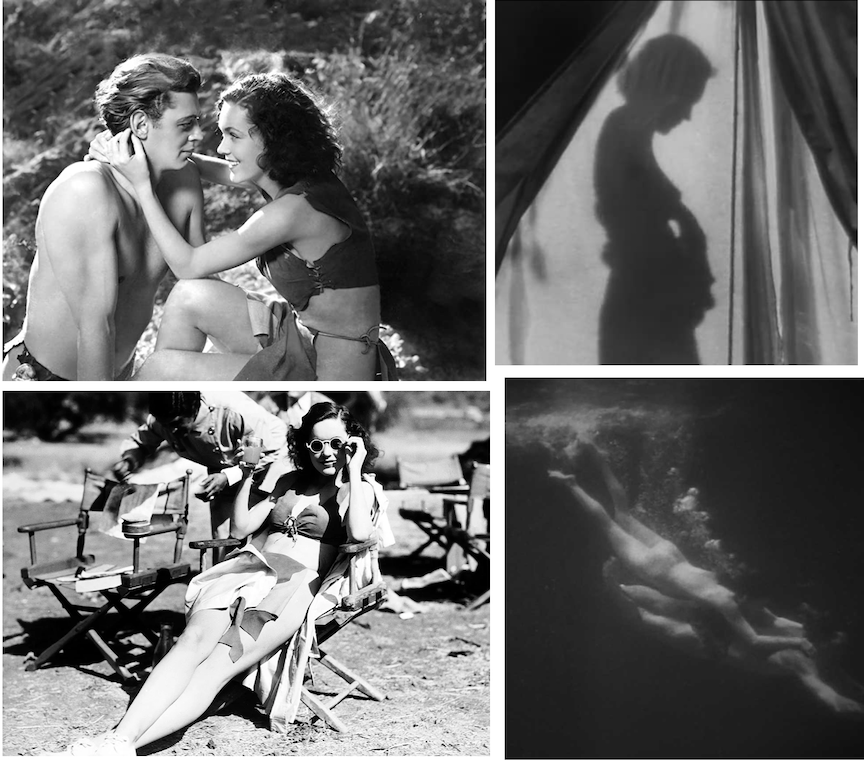
NOTHING TO HIDE…Tarzan and His Mate has acquired cult status mainly due to Maureen O’Sullivan’s skimpy halter top and loincloth—in 1934 it was one of the most revealing costumes ever seen on the silver screen. Hays Code puritans had fits over scenes that showed O’Sullivan nude in silhouette and swimming sans bathing suit with Weissmuller (the swimming scene used a body double, Olympic swimmer Josephine McKim). On April 24, 1934, all prints of Tarzan and His Mate were ordered changed, the nude scenes removed—the original print was not restored until 1986. At bottom left, O’Sullivan on the set of Tarzan and His Mate, looking quite unperturbed. (IMDB/hotcorn.com/Twitter)

In 2003, the Library of Congress deemed Tarzan and His Mate “culturally, historically or aesthetically significant” and selected it for preservation in the National Film Registry.

A note of trivia: Irish actress Maureen O’Sullivan (1911–1998) was the mother of actress Mia Farrow and grandmother of journalist Ronan Farrow. She’s also the grandmother of Soon-Yi Previn, Mia’s adopted daughter and current wife of Mia’s ex-partner, Woody Allen. 

 * * *

Spring Has Sprung

E.B. White began his weekly column with some thematic suggestions for the Maypole’s ceremonial ribbons. Excerpt:

A few of White’s references explained:

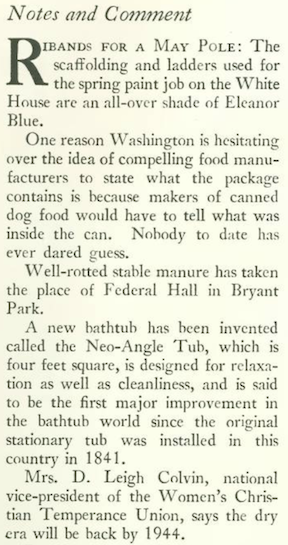
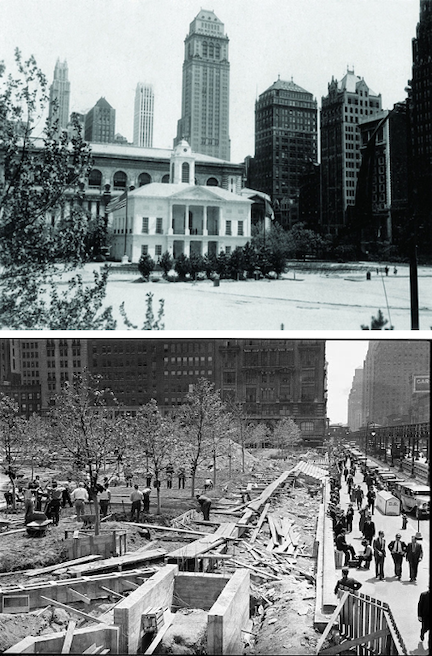
SPRING IS IN THE AIR, or in E.B. White’s case, horse manure, likely used to amend the soil in Bryant Park. In 1933 Parks Commissioner Robert Moses had the park’s Federal Hall replica demolished (erected in 1932 to commemorate the bicentennial of George Washington’s birth) and embarked on an ambitious facelift that included elevating the park from street level and planting numerous trees and hedges. The bottom image shows a 1934 view of the reconstruction looking south on 6th Avenue from 42nd Street. (Untapped Cities/NYC Parks Dept.)

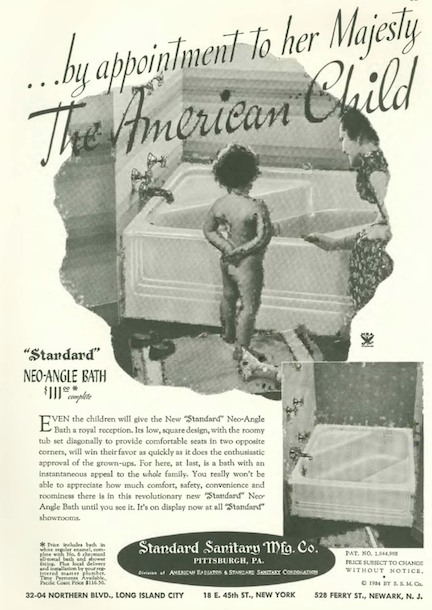
White also referenced the “Neo-Angle” bathtub, shown here in an ad from the same issue:

James Thurber added this embellishment along the bottom of White’s column…

 * * *

Freaked Out

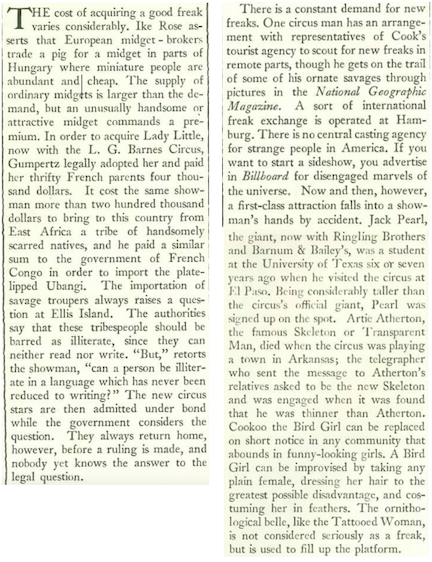
Alva Johnston contributed his third and final installment on the world of circus freaks, using descriptive language that would not pass muster today:

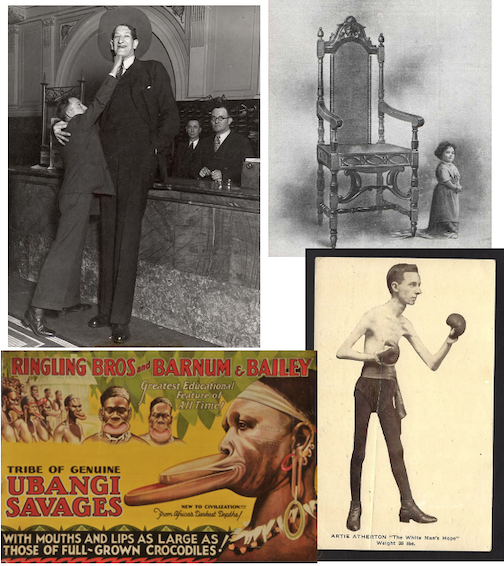
THE LONG AND SHORT OF IT…In his third installment of the world of circus freaks, Alva Johnston referenced the following performers, clockwise, from top left: circus giant Jack Earle; Lady Little, aka “Anita The Doll Lady,” on a 1918 postcard that described her as “26 inches high, 36 years old”; Artie Atherton, aka “Skeleton Dude,” weighing in at 38 pounds; Ringling Bros. and Barnum & Bailey Circus advertised “Geniune Ubangi Savages”—the word “Ubangi” was made up, plucked from a map of Africa because it sounded exotic. These “savages” were actually Congolese natives. (Pinterest/University of Sheffield/Worthpoint/Harry Ransom Center)

 * * *

Biding Its Time

“The Talk of the Town” took notice of a lighthouse that was mounted atop the Seamen’s Church Institute, which overlooked New York Harbor from Battery Park. A time ball above the lighthouse would drop down a pole to signal twelve noon to ships in the harbor. Installed on April 15, 1913—to mark one year after the sinking of the RMS Titanic—the lighthouse and time ball were relocated to the South Street Seaport Museum in 1968.

REFUGE BY THE SEA…The Seamen’s Church Institute at 25 South Street (left) could house up to 580 seafarers in dormitory-style rooms. The building also housed a shipping bureau, a restaurant, a postal service and a chapel. When the building was demolished in 1968, the lighthouse and time ball were salvaged and relocated to South Street Seaport Museum. (southstreetseaportmuseum.org)

 * * *

Gall of a Gaul

French writer Céline, aka Dr Louis Ferdinand Auguste Destouches (1894–1961), is considered by some to be one of France’s greatest 20th century writers, influencing the likes of Henry Miller, Samuel Beckett, and Charles Bukowski. However Céline is also widely reviled as a Nazi sympathizer and anti-semite, but whatever one thinks of the writer, most agree that he hated pretty much everyone. Clifton Fadiman tried to make sense of the bilious Céline and his most celebrated novel, Journey to the End of the Night (Voyage au bout de la nuit). An excerpt:

DON’T STAND SO CLOSE TO ME…The French writer Céline in a 1932 photograph. (Bibliothèque nationale de France)

 * * *

From Our Advertisers

There’s nothing hateful about these brightly colored blankets and throws if you were looking for something for Mother’s Day…

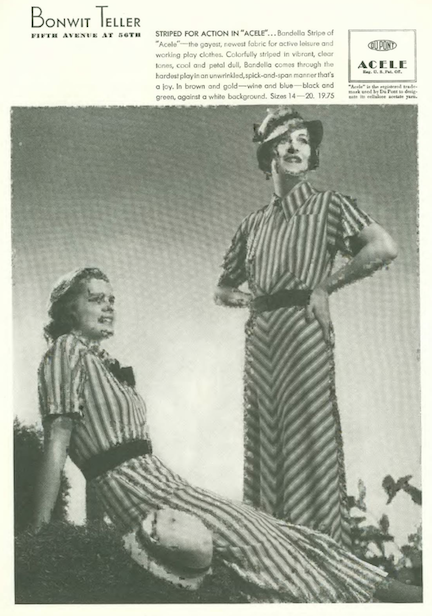
…it’s interesting how Fifth Avenue department stores such as Bonwit Teller embraced new-fangled synthetics made by Dupont—not exactly material favored by those to the manor born…

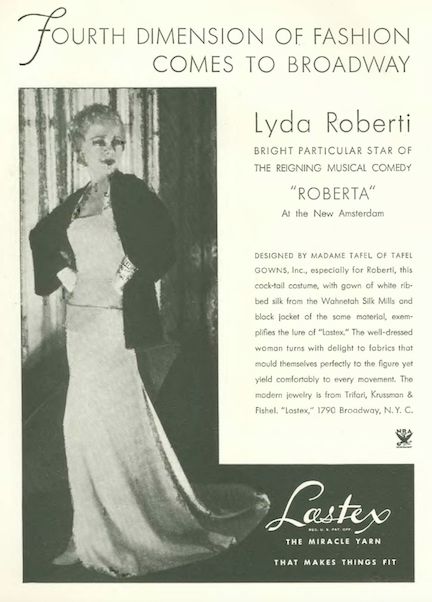
…however Lyda Roberti, the “Bright Particular Star” of the Broadway musical Roberta, seemed pleased to be sporting a gown spun from “Lastex,” formed from a combination of silk and rubber…

…more fashionable women, this time paired with Buick’s latest model displaying a bit of streamlined flair…

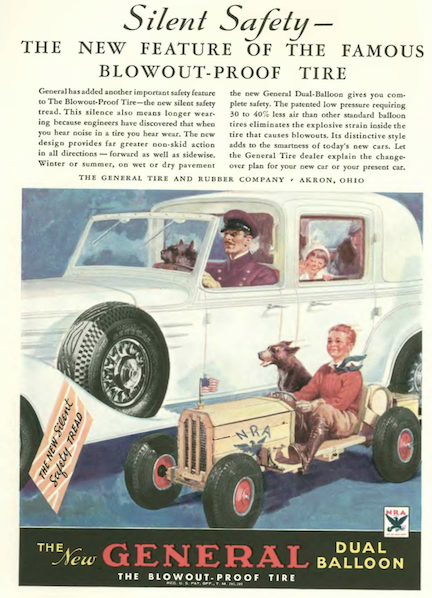
…the folks at General Tire touted the safety of their blowout-proof tires, but as with most things in the 1930s, the scene suggests little regard for safety in general…the boy driving the soapbox racer perilously close to the limo is not a supporter of the National Rifle Association—in the 1930s NRA stood for the New Deal’s National Recovery Act…

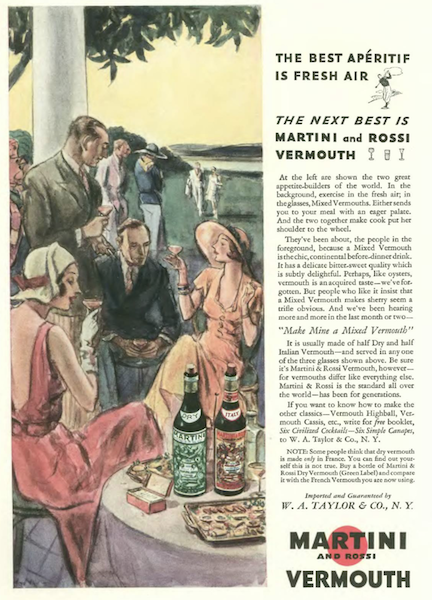
…recalling a style perfected by fashion illustrator Carl “Eric” Erickson, this lovely ad beckoned us to an outdoor cocktail party courtesy of Martini & Rossi…

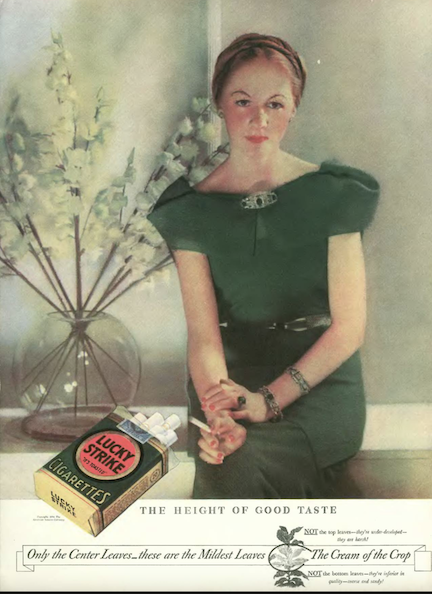
…working the growing market of female smokers, the folks at Lucky Strike gave us this sophisticate caught in a pensive mood…

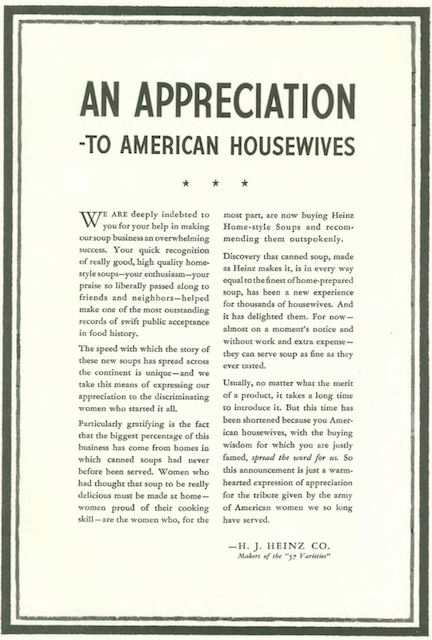
…of course advertisers also appealed to another female market, the majority of women stuck at home doing the cooking and cleaning…and so we have pandering ads like this one from Heinz (did people really read these things?)…

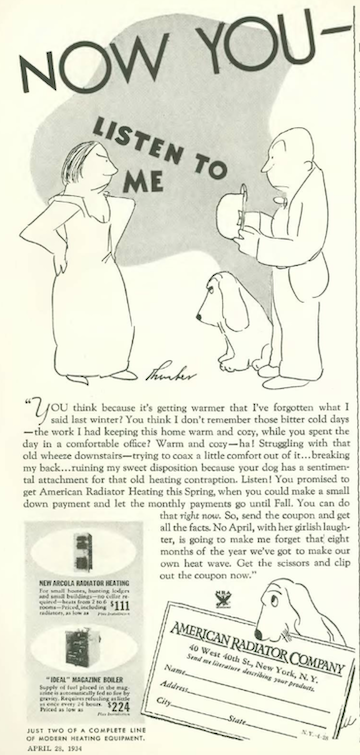
…another approach was to cast women as a nagging emasculators, here illustrated by James Thurber

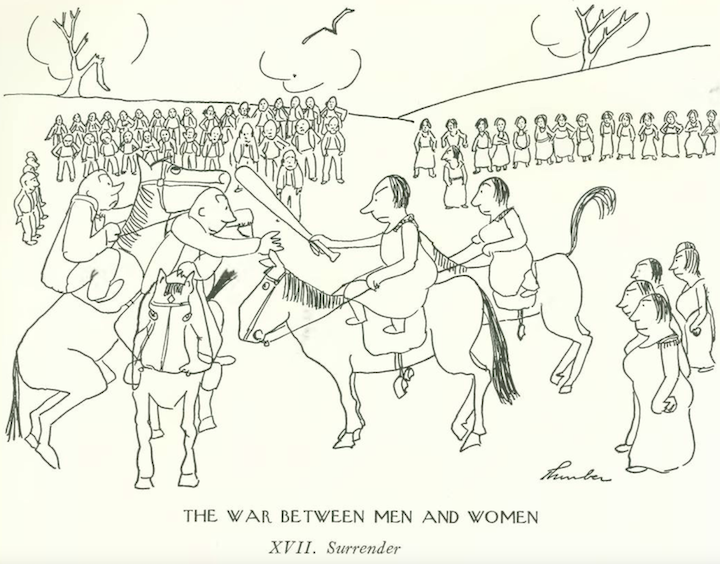
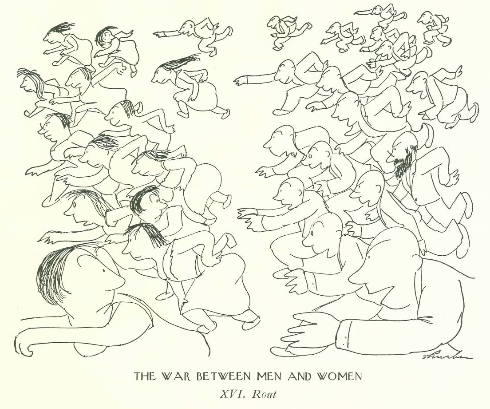
…however, in Thurber’s cartoon world, it was the men who got the upper hand in the final installment of his “war” series…

…Thurber was busy in this issue, also supplying this spot illustration…

…we switch to a more leisurely pace with Syd Hoff

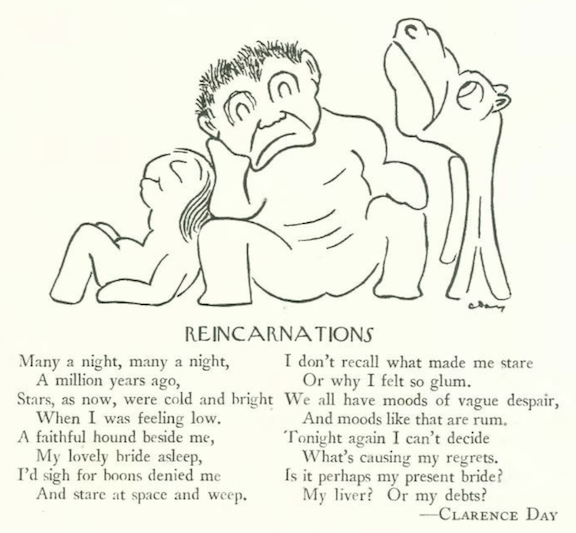
…and check in with Clarence Day, who in addition to his continuing “Life With Father” series occasionally contributed these illustrated poems…

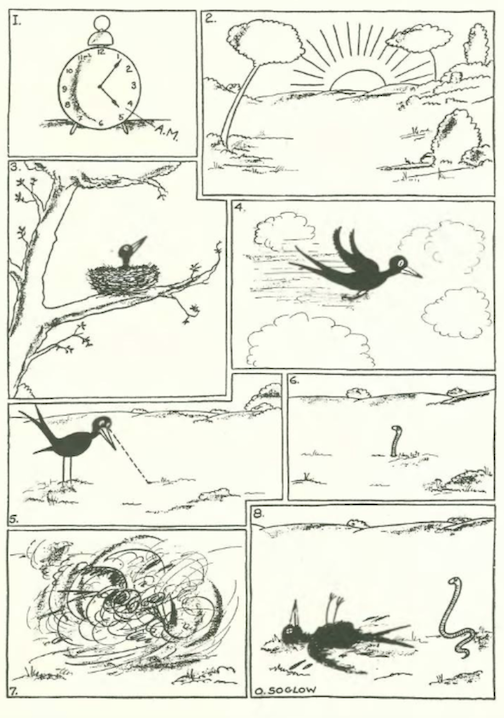
…and we close with Otto Soglow, and an early bird who should have stayed in bed…

Next Time: A Tadpole on Wheels…


Model Citizens

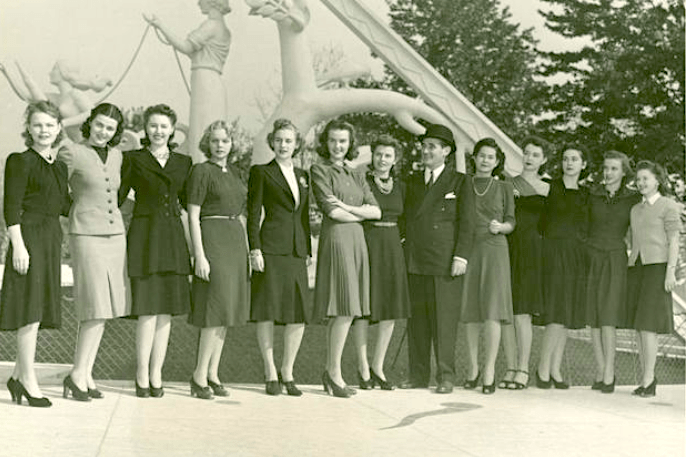
Above: Modeling agency founder John Robert Powers poses with participants of a fashion queen contest at the 1939 New York World's Fair. (NYPL)

John Robert Powers was a household name in the 1930s, founder of one of the world’s first modeling agencies—he supplied countless advertisers with mostly female models, some moving on to Hollywood careers.

April 21, 1934 cover by Abner Dean.

Writing for “A Reporter at Large” under the title “Perfect 36,” frequent New Yorker short story contributor Nancy Hale (1908 –1988) looked into the mysteries behind the fabled “John Powers Book” and its collection of sophisticated models.

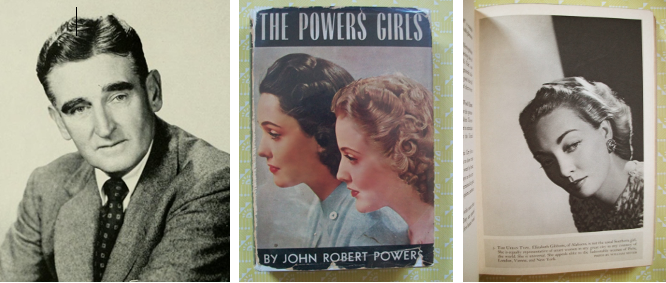
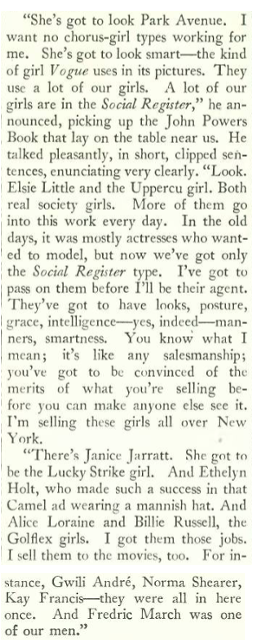
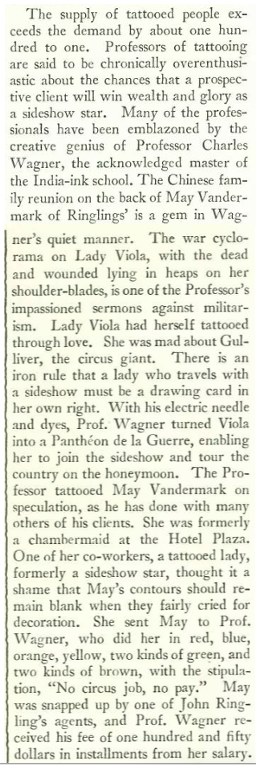
TYPING BOOK…John Robert Powers (1892–1977) wrote a bestselling 1941 book, The Powers Girls, that told “the story of models and modeling and the natural steps by which attractive girls are created,” organizing various models by type; at right, a page from the book featuring Elizabeth ‘Liz’ Gibbons—despite her Alabama roots, she was described by Powers as being “The Urban Type.” (Wikipedia/lastyeargirl.blogspot.com)

Hale was given a tour by a company representative who described the types of women the Powers company represented, noting the successes of women who landed in major cigarette ads or went on to become Hollywood stars:

SMOKE AND MIRRORS…Clockwise, from top left: Powers model Janice Jarratt (in a 1934 publicity photo from her only film, Kid Millions), who for a time was known as the “Lucky Strike Girl” as well as the “most photographed woman in the world”; Jarratt offering a Lucky to a nervous young man in a 1935 ad; Powers model Ethelyn Holt in a publicity photo for the Billy Rose Theatre; Holt in a 1933 ad for Camel cigarettes. (MGM/NPR/NYPL/propadv.com)

A number of Hollywood stars got their start or were discovered through their work with Powers, who himself was a sometime actor and the subject of a 1943 musical comedy, The Powers Girl.

POWER STARS…Former Powers models turned Hollywood stars included, from left, Norma Shearer, Frederic March and Kay Francis. (TCM/TMDB)

A note about the author, Nancy Hale: A brilliant short story writer, Hale published her first short story in The New Yorker in 1929 (when she was just 21) and would publish more than eighty stories in the magazine through 1969—she holds the record for the most stories in the magazine in a single year, publishing twelve between July 1954 and July 1955. New Yorker editor William Maxwell regarded Hale’s writing technique as “flawless.”

PROLIFIC…Nancy Hale published more than a hundred short stories in her lifetime, ten of which were recipients of an O. Henry Prize. Writer Joanne O’Leary (London Review of Books) notes that Hale also worked for Vogue (where she “pinch-hit as a model”) and became the first female news reporter at the New York Times. Above left, Hale in an undated photo; at right, Hale photographed in 1936 for Harper’s Bazaar. (Nancy Hale Papers, Sophia Smith Collection, Smith College)

* * *

Tat For Tat

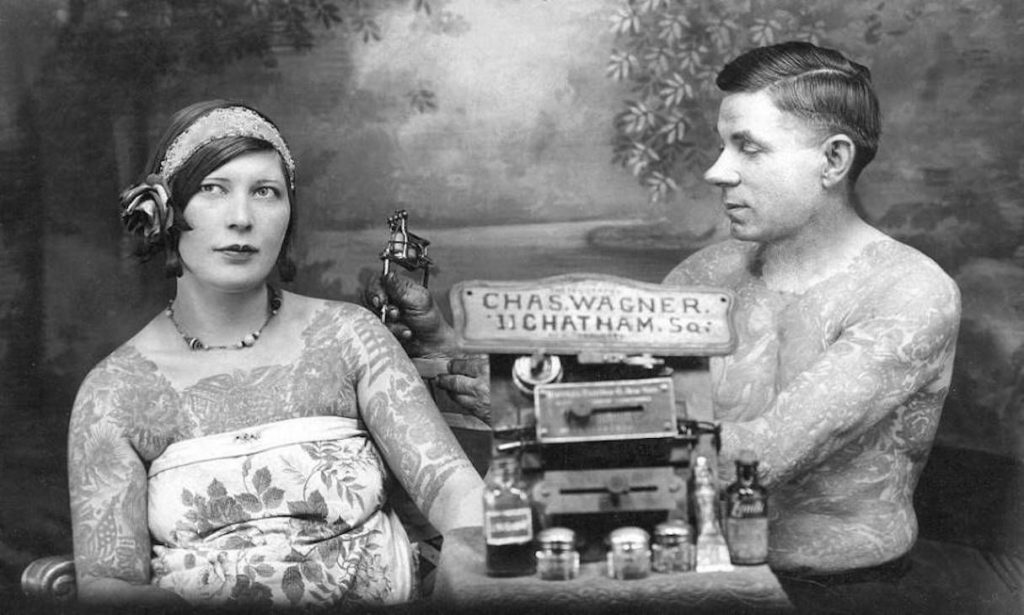
Alva Johnston explored the world of “tattooed people” in his second installment of a three-part profile series titled “Sideshow People”…

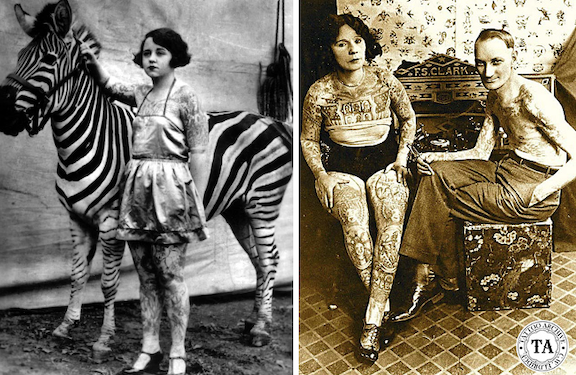
MARKED FOR LIFE…Alva Johnston noted such celebrated tattooed ladies as Mae Vandermark (left, circa 1920s), and Lady Viola, pictured at right with tattoo artist Fred Clark, 1930s. (Vintage Everyday)
INKSLINGER…Charlie Wagner, a tattoo artist who lived from 1875 to 1953, is considered one of the kings of American tattooing. Practicing his art in New York’s Bowery, he not only developed an influential art style; he invented new machinery that helped spread the art of modern tattooing. (nyctattooshop.com)

 * * *

Bloody Satisfying

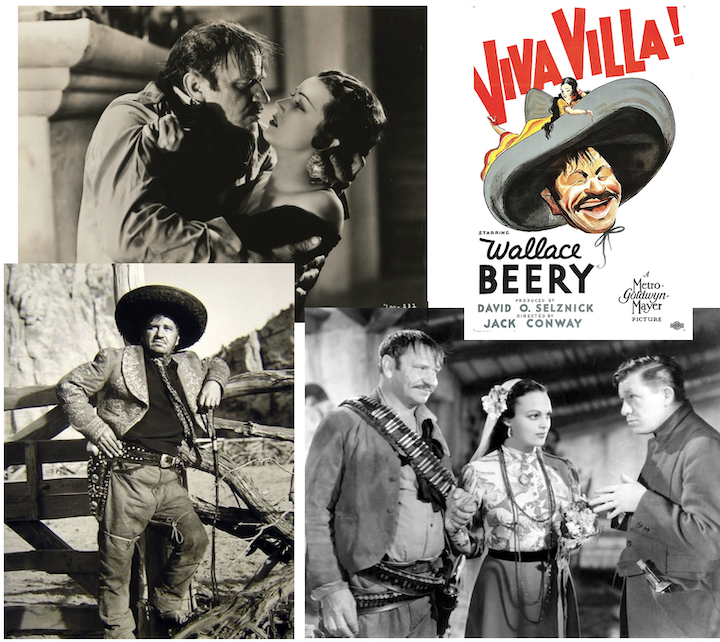
Film critic John Mosher declared David O. Selznick’s production Viva Villa! to be “thoroughly satisfying”—with a screenplay by Ben Hecht and starring actor Wallace Beery as Mexican revolutionary Pancho Villa, the film was considered violent and bloody by 1934 standards.

REVOLUTIONARY…Clockwise, from top left, Pancho Villa (Wallace Beery) finds himself attracted to a benefactor’s sister (Fay Wray); MGM film poster; Beery with Katherine DeMille (who was Cecil B. DeMille’s adopted daughter) and Stuart Erwin; Beery striking a pose on the set of Viva Villa! (IMDB)

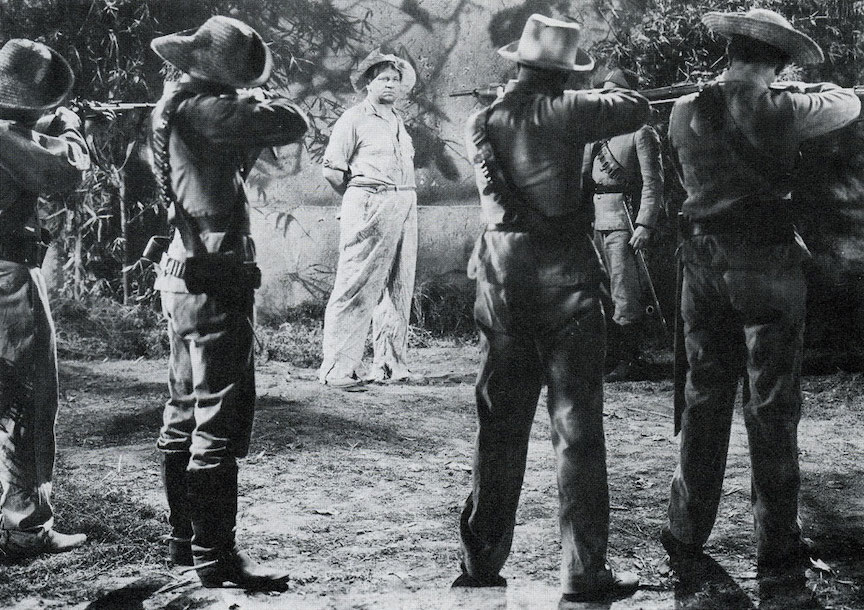
Mosher found some of the film’s violence to be startling. Being one the last Pre-Code films, censors would start clamping down on such scenes in the coming years.

MAKE SURE YOU GET MY GOOD SIDE…Pancho Villa (Wallace Beery) faces a firing squad before receiving a last-minute reprieve in Viva Villa! (IMDB)

 * * *

From Our Advertisers

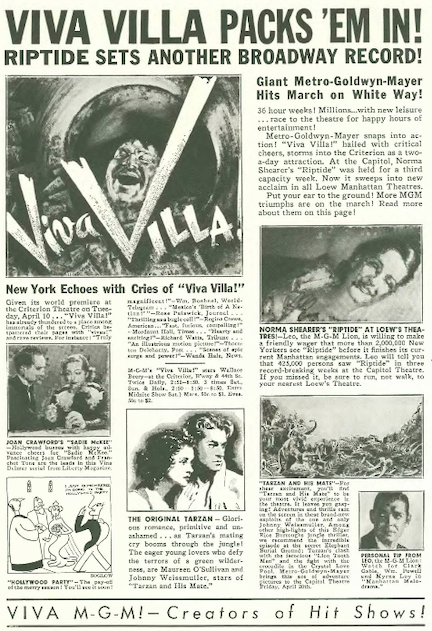
MGM took out a full-page ad to tout the success of Viva Villa and other MGM “hits”…

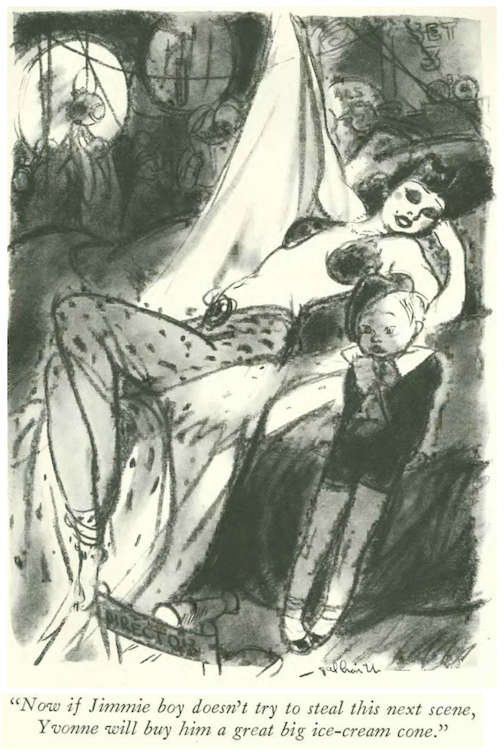
…note the bottom left hand corner of the MGM ad—a cartoon by Otto Soglow promoting the upcoming film Hollywood Party, a star-studded comedy musical featuring Laurel & Hardy, Jimmy Durante, Lupe Velez and Mickey Mouse

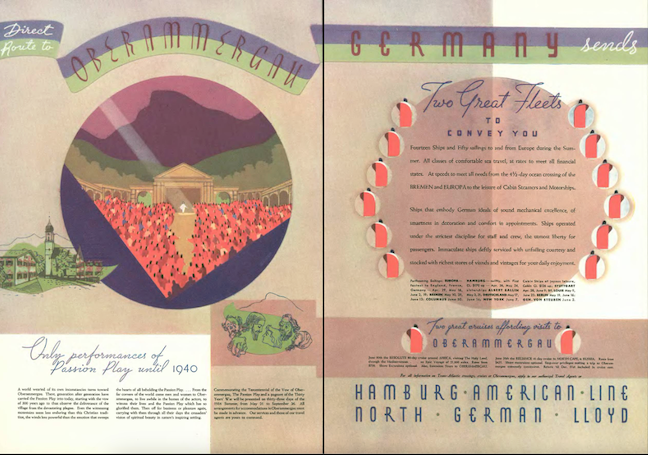
…those looking for a different kind of entertainment could have been enticed by this lavish center-page spread from German ocean liner companies…they were inviting Americans to Oberammergau, Germany to witness the “only performances of the Passion Play until 1940″…the play was usually performed every ten years (years ending in the digit zero) but in 1934 a special performance was supported by the Nazi Party…incidentally, the 1940 play was cancelled due to World War II…

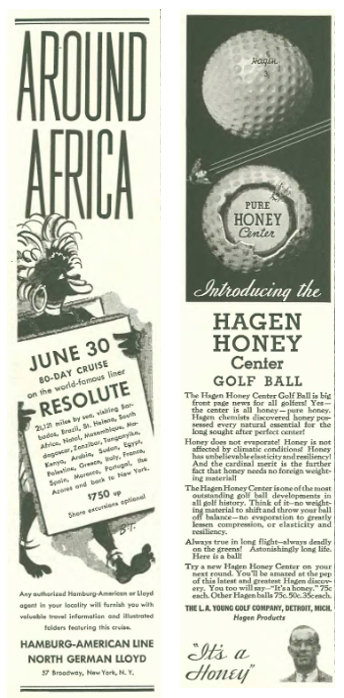
…the same German-American shipping companies also advertised an African cruise…with some racist imagery…

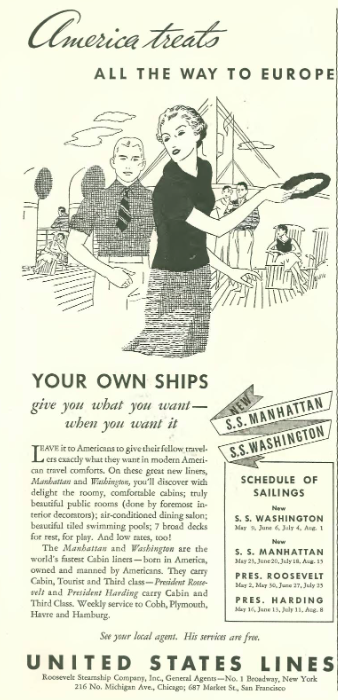
…perhaps you wanted to go to Europe on a ship with fewer Nazis on board…in that case you could grab a berth on a ship with the United States Lines, and hang out with these stiffs…

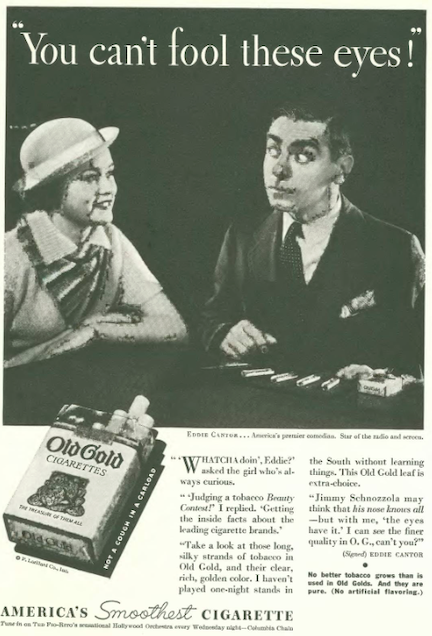
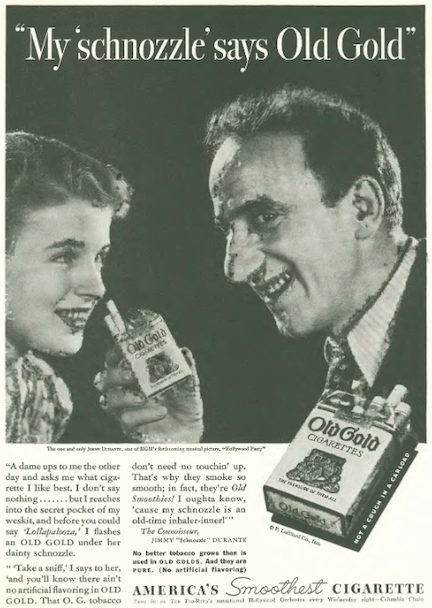
…the makers of Old Gold referenced a previous ad featuring Jimmy Durante with a new spot starring actor/comedian Eddie Cantor…both ads depicted impressionable young women admiring the smoking wisdom of older men…

…for reference, the creepy Durante ad…

…the famous “Call for Philip Morris” advertising campaign began during World War I, but in 1933 Johnny Roventini, a bellhop at the Hotel New Yorker, would become the living symbol of the cigarette brand…

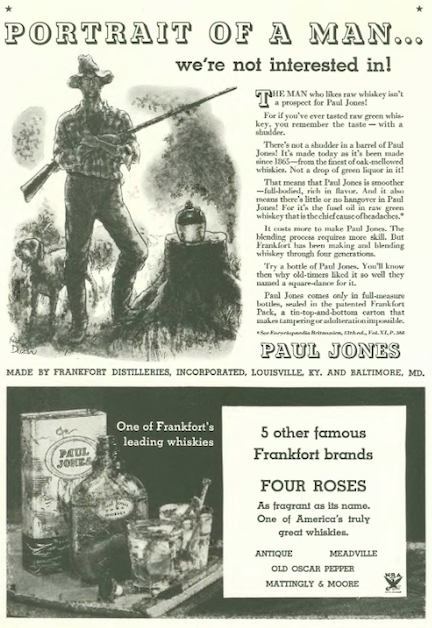
…by contrast, Frankfort Distilleries showed us an image of man who would not represent them, namely Jed Clampett…

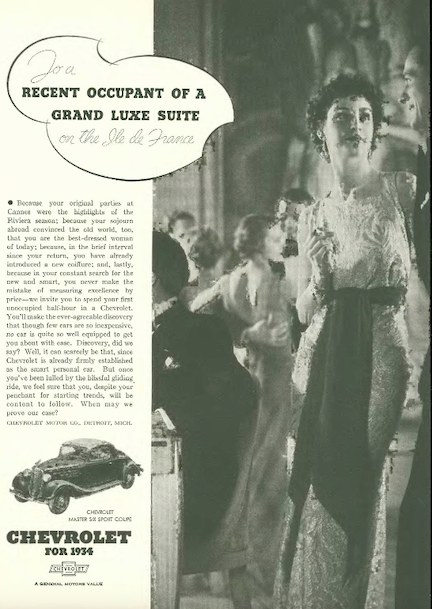
…Chevrolet continued its rebranding campaign, positioning itself as an affordable choice that was nevertheless favored by the posh set…

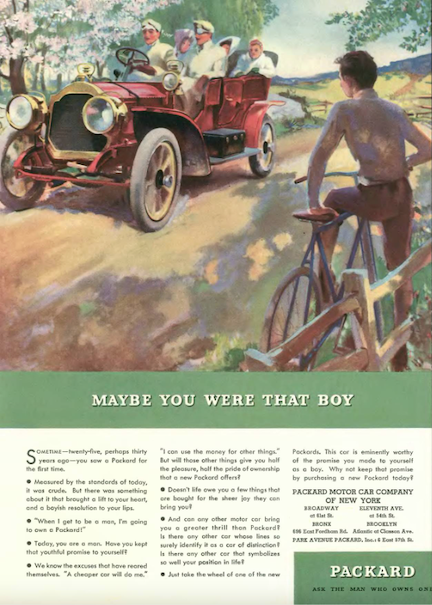
…who would rather be driving a Packard, here appealing to the nostalgic sensibilities of old-timers who had the means to afford one…

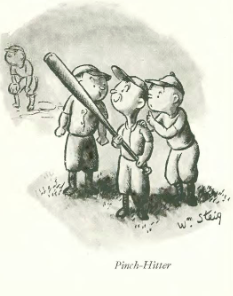
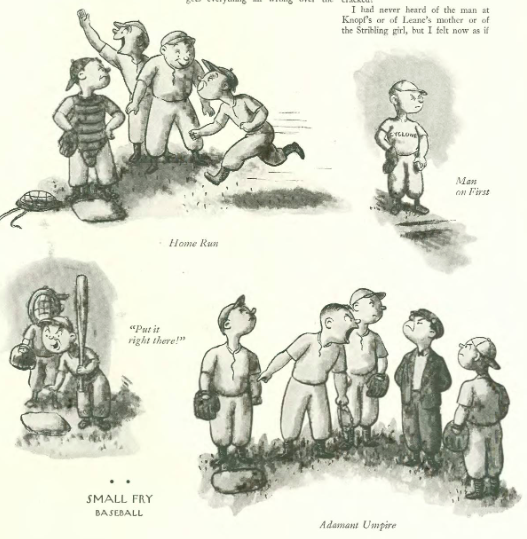
…on to our cartoons, and some “Small Fry” baseball from William Steig

…an unusual captioned cartoon (from George Price) featured in the opening “Goings On About Town” section…

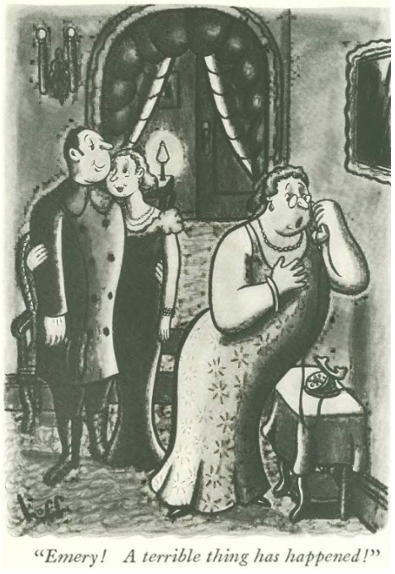
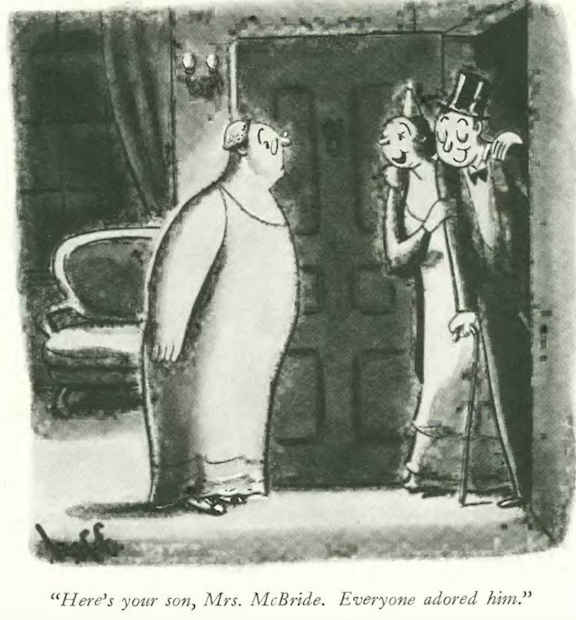
Syd Hoff gave us an alarmed matron confronting the unthinkable…a doorman as a son-in-law…

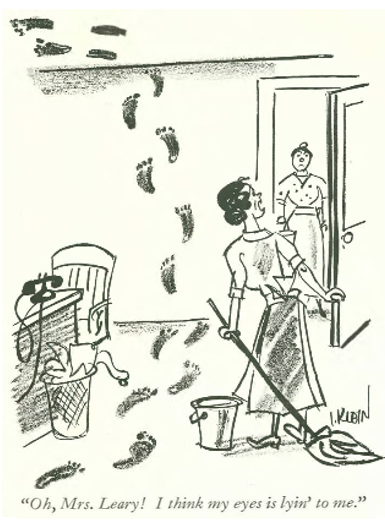
…we haven’t seen Isadore Klein’s work in awhile—understandable, as he was busy in his career as an animator––in 1934 he worked on films for Van Beuren Studios (Rainbow Parade Cartoons) and in 1936 he would move to Disney’s Silly Symphonies

Paul Manship’s Prometheus at Rockefeller Center is iconic today, but when it was installed in 1934 it puzzled more than a few onlookers, including Robert Day

…and we close with James Thurber, and a turn of events in his “war”…

Next Time: Lord of the Apes…

An Immemorial Year

Perhaps it was the end of Prohibition, or the implementation of the New Deal, but throughout the pages of the final New Yorker of 1933 you could sense a lightening of spirit.

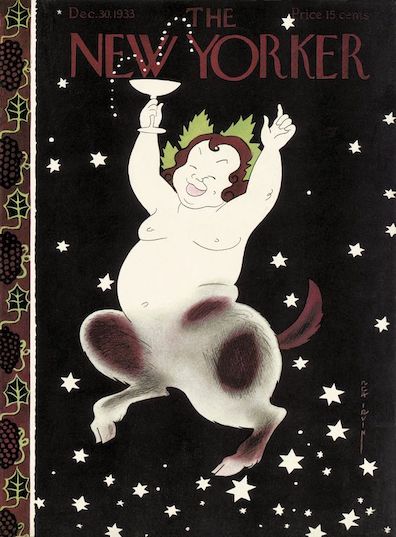
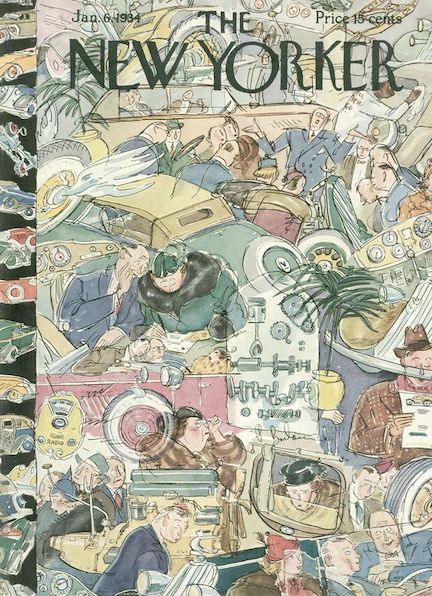
Dec. 30, 1933 cover by Rea Irvin.

By most accounts 1933 was one of the Depression’s worst years, and that is likely why E.B. White chose to remember “only a few scattered moments,” mixing the silly with the salient.

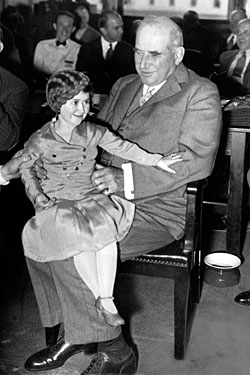
Of the silly, there was the time when the Barnum & Bailey circus dwarf Lya Graf sat on J.P. Morgan’s lap while he was waiting to testify before the Senate Banking Committee…

HE DIDN’T BANK ON THIS…J.P. Morgan was paid a visit by Barnum & Bailey circus dwarf Lya Graf, prior to his testimony before the Senate Banking Committee on June 1, 1933. (New York Magazine)

White also noted the passing of Texas Guinan. Known as “Queen of the Nightclubs,” she was a fixture on the Manhattan speakeasy scene throughout the Roaring Twenties and a reliable source of nightlife headlines. White also recalled George Bernard Shaw’s controversial speech at the crowded Metropolitan Opera House, during which he referred to American financiers as “lunatics” and called the U.S. Constitution a “charter of anarchism.”

YEAR IN A NUTSHELL…Clockwise, from top left: The year 1933 saw the passing of the “Queen of the Nightclubs” Texas Guinan—more than 10,000 showed up for her funeral in November; also that month Thomas G.W. Settle and C.L Fordney ascended to the stratosphere in the Century of Progress balloon; The New York Times (April 12, 1933) published the full text of George Bernard Shaw’s Met speech; Esquire published its first issue in the fall, featuring Ernest Hemingway and John Dos Passos as well as New Yorker cartoonists Constantin Alajalov, William Steig and E. Simms Campbell; according to Vogue, 1933’s breasts were “high and pointed.” (bounddv.medium.com/history.navy.mil/The New York Times/Pinterest)

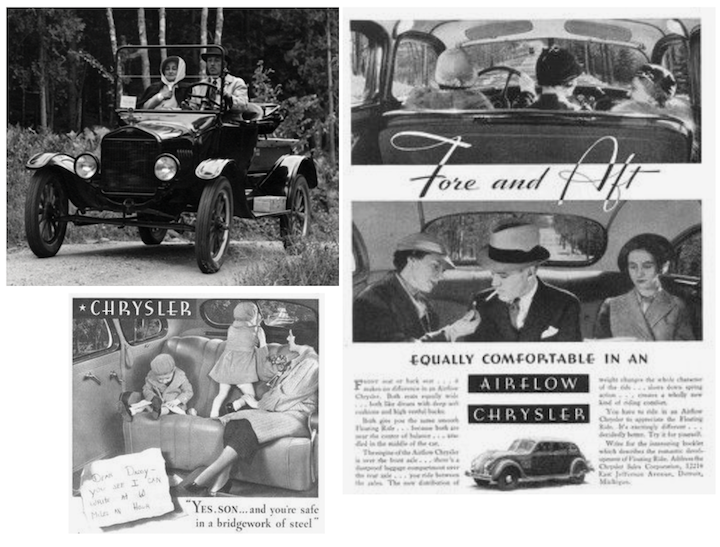
White also had more to say about the streamlining trend in automobiles, led by Chrysler’s new “Airflow.” White preferred the older, boxier models, with plenty of head and hat room.

In 1922 White set off across America in the car of his dreams, a Model T, which had plenty of headroom and, as he later wrote, transformed his view of the land, a vision “shaped, more than by any other instrument, by a Model T Ford…a slow-motion roadster of miraculous design—strong, tremulous, and tireless”…

MERRILY WE ROLL ALONG…Clockwise, from top left: E.B. White and wife Katharine Sergeant take a spin in a Model T in the mid 1930s; despite White’s remonstrations regarding headroom, the makers of the Chrysler Airflow advertised their streamlined car’s interior as practically cavernous. (Goodreads/Pinterest)

 * * *

Crying in His Beer

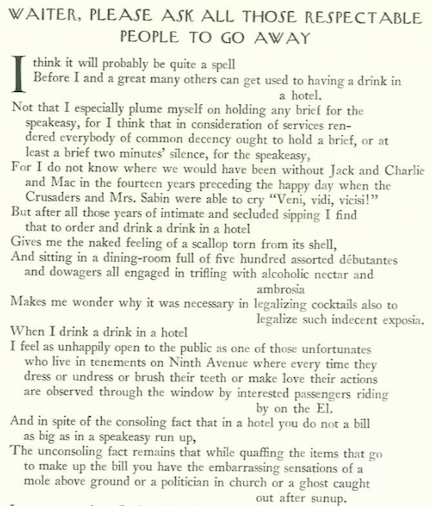
A couple of issues back we saw Lois Long bid a sad farewell to the cosy and secluded atmosphere of the speakeasy…Ogden Nash turned to verse to offer his own lament, feeling naked and exposed in dining rooms “full of 500 assorted debutantes and dowagers”…

FEELING EXPOSED…Ogden Nash (1902–1971) missed the sacrilegious rite of the speakeasy and lamented the “humdrumness” of legal drinking. (vpoeticous.com)

 * * *

Wondering About Alice

Combine horrific character designs with a young adult playing a child and you have the recipe for 1933’s star-studded Alice in Wonderland, a film the Nerdist’s Kyle Anderson calls “a fascinating, unintentionally disturbing take on a classic.” Almost ninety years earlier the New Yorker’s John Mosher found it disturbing in other ways, save for W.C. Field’s portrayal of Humpty Dumpty.

Writing for The Roarbots, Jamie Green notes that Charlotte Henry was 19 when she played Alice: “This version of Alice doesn’t feel like a sweet look at the twists and turns of adolescence; it feels more like a commentary on repressed desire and self-identity.” The film was a flop at the box office.

CHANNELLING HER YOUTH…Clockwise, from top left: 19-year-old Charlotte Henry as Alice in 1933’s Alice in Wonderland; W.C. Fields as Humpty Dumpty; Roscoe Karns as Tweedledee and Jack Oakie as Tweedledum; Alice has a chat with Gryphon (William Austin) and Mock Turtle (Cary Grant). Except for Henry, most of the cast was unrecognizable in their macabre makeup and costumes. (IMDB)

 * * *

From Our Advertisers

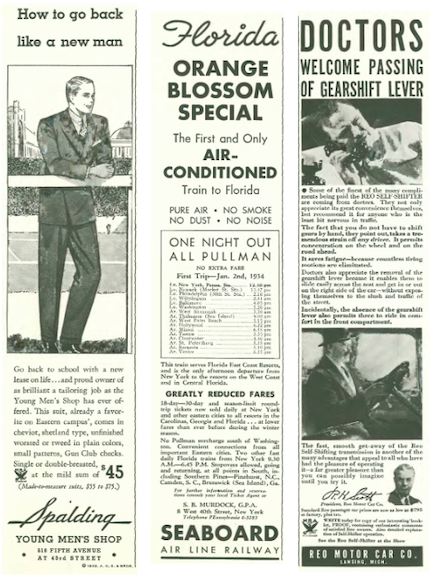
We start with a selection of three one-column ads, featuring, from left, the latest back-to-school look for the collegiate male (apparently attending Columbia); the dustless, noiseless, smokeless, AIR-CONDITIONED railway wonder called the Orange Blossom Special; the automobile arm of the REO Motor Car Company trying to pack everything it could into this narrow little ad (REO would stop producing cars in 1936 in order to focus solely on trucks)…

…the distillers of Holloway’s London Dry Gin warned newly liberated American drinkers about the consequences of imbibing cheap gin…

…the folks at R.J. Reynolds found another member of the gentry to push their Camels onto aspiring young women…

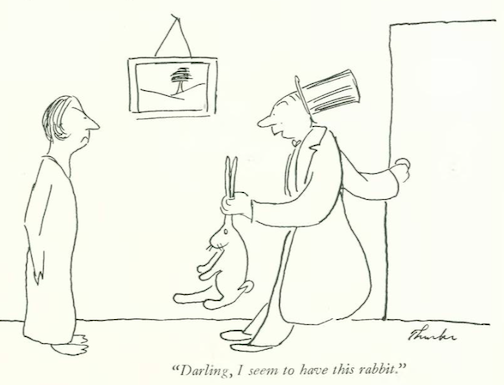
…on to our cartoons, the Dec. 30 issue featured a James Thurber double-header, beginning with this “Talk of the Town” spot illustration…

…a rare one-panel Little King from Otto Soglow

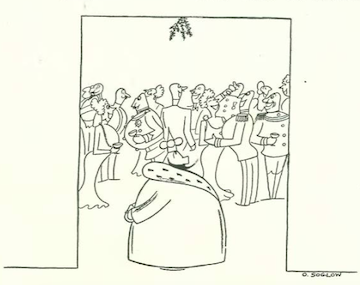
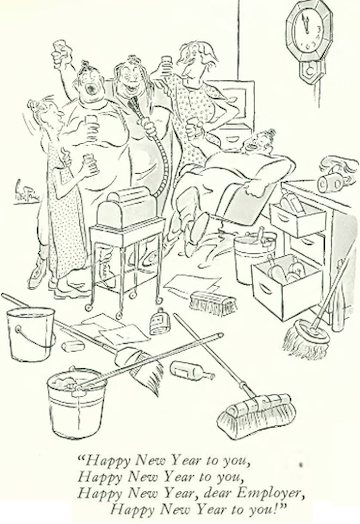
…ringing in the New Year with Syd Hoff

…and George Price

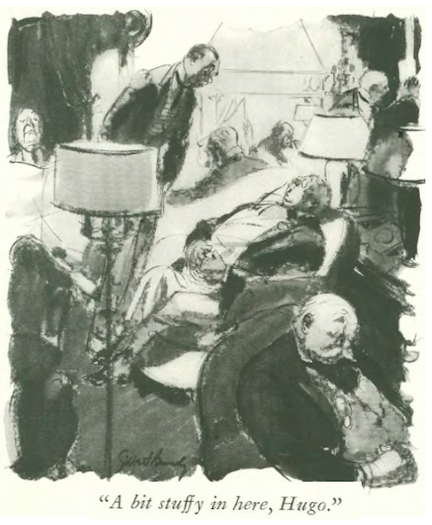
…and we close with Gilbert Bundy, seeking from fresh air…

Next Time: American Love Affair…

The Faux Prince

He was variously a restaurateur, con man and actor, but one thing Prince Michael Alexandrovitch Dmitry Obolensky Romanoff was not was a prince.

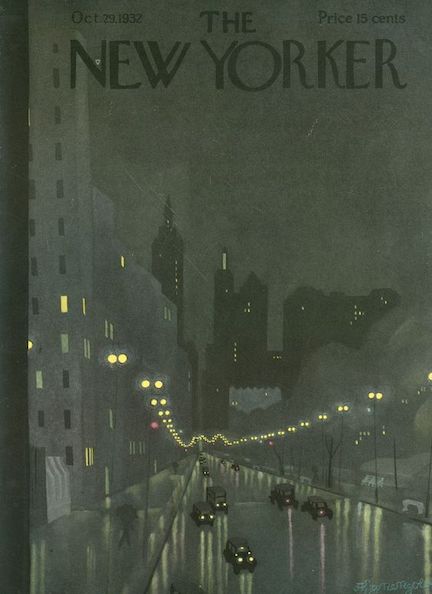
Oct. 29, 1932 cover by Adolph K. Kronengold.

But apparently to many movers and shakers he was a lot of fun, and so much of a character that Alva Johnston penned a five-part profile of Romanoff. A brief excerpt of Part One:

Born Hershel Geguzin in Lithuania, Romanoff (1890–1971) immigrated to New York City in 1900 and changed his name to Harry F. Gerguson. An odd-jobber and sometime crook (passing bad checks, etc.), at some point Romanoff raised the ante to become a professional imposter, and among other guises began passing himself off as a member of Russia’s royal House of Romanov. Few believed him, but it didn’t matter because his antics (aided by an eager press) got him invited to all sorts of soirees. And what better place than America to re-invent yourself, and especially Hollywood, where in 1941 Romanoff cashed in on his fame to establish a popular Rodeo Drive restaurant.

ALL THAT GLITTERS…Although Romanoff’s attracted all matter of glitterati, from Sophia Loren and Jayne Mansfield (in a famous photo) to Marilyn Monroe and Clark Gable, Romanoff mostly ignored his clientele, preferring to dine with his dogs. (stuffymuffy.com)

Here’s the terrific cover of the Romanoff’s menu:

Romanoff appeared in various films — both credited and uncredited — from 1937 to 1967…

ON THE SCREEN…Michael Romanoff (right) with Louis Calhern in 1948’s Arch of Triumph. (IMDB)

…and apparently he didn’t ignore all celebrities…

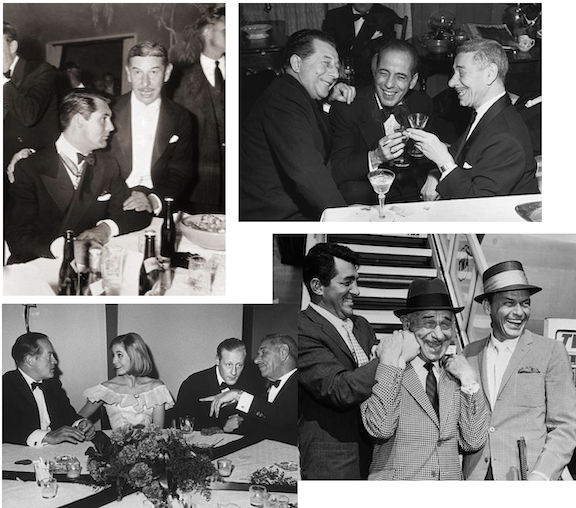
…AND OFF…Romanoff in the 1950s and early 60s with some of his pals including, clockwise, from top left, Cary Grant, Humphrey Bogart, rat-packers Dean Martin and Frank Sinatra, and Bob Hope. (Pinterest)

…and if you are hungry for more, there is a recipe named for Romanoff, still available from the folks at Betty Crocker:

 *  *  *

Return to Sender

In his “Notes and Comment,” E.B. White exposed the corrupt ways of the Tammany-dominated Department of Taxes and Assessments thanks to The New Yorker’s fictional figurehead Eustace Tilley:

IN ARREARS…Neither death, nor taxes, bothered the inimitable Eustace Tilley.

 *  *  *

Chinese Checkered

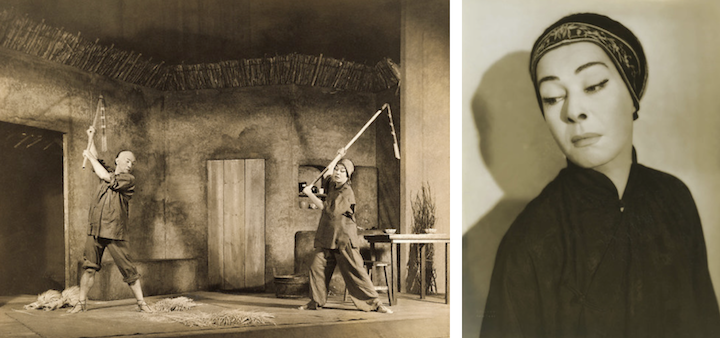
White actors portraying Asian characters was all too common in the 20th century, but Alla Nazimova’s portrayal of O-Lan in the Guild Theatre’s stage adaptation of Pearl Buck’s The Good Earth was just too much for critic Robert Benchley:

WHAT’S SO GOOD ABOUT IT?…Claude Rains as Wang Lung and Alla Nazimova as O-Lan in the Guild Theatre’s The Good Earth. At right, Nazimova as O-Lan. (allanazimova.com)

In all fairness to Rains and Nazimova, many of their white Hollywood compatriots portrayed Asian characters, including Katherine Hepburn in another adaptation of a Pearl Buck novel:

IN ON THE ACT…Luise Rainer as O-Lan and Paul Muni as Wang Lung in the 1937 film adaptation of Pearl Buck’s The Good Earth; at right, Katherine Hepburn in the 1944 film adaptation of Buck’s Dragon Seed. For the record, The New Yorker’s John Mosher called the 1937 film “vast and rich.”  (IMDB/history.com)

 *  *  *

From Our Advertisers

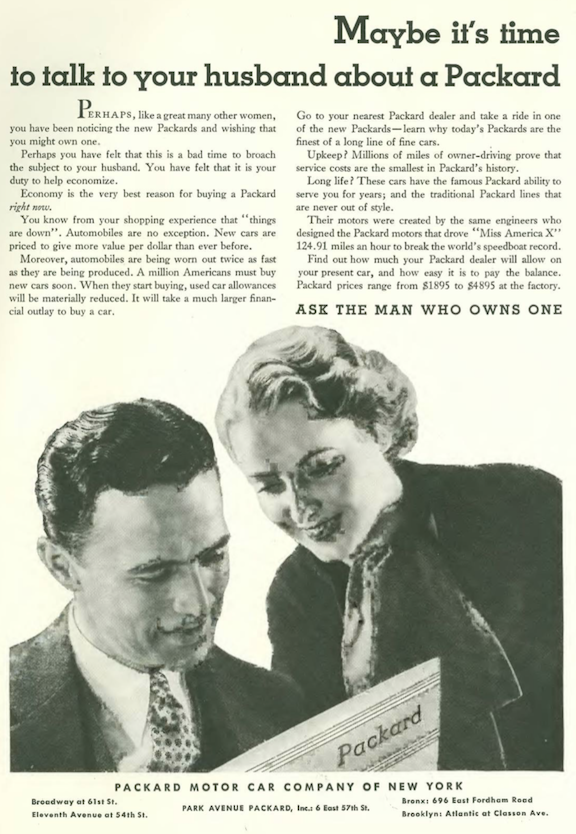
We begin with some good old-fashioned sexism from the makers of Packard automobiles…if this woman had a job outside of the home (uncommon before the war) she could have just gone and bought the damn car…right?…

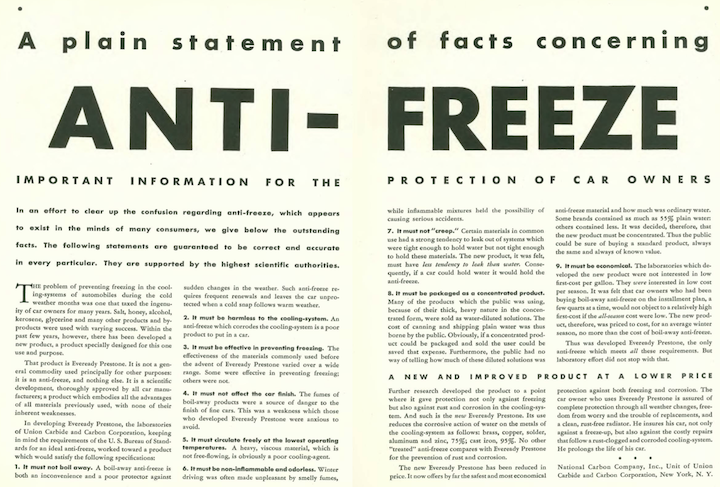
…and don’t forget the ANTI-FREEZE, as this two-page ad from Union Carbide helpfully suggested (Prestone anti-freeze, that is, not the other crap on the market)…

…some back-page ads…the one on right featured a rather somber-looking Jack Denny, appearing at the Waldorf’s famed Empire Room…and then there is the Schick Dry Shaver…I owned a Schick in the 1980s and had a permanent 5 o’clock shadow until I switched to blades; I can’t imagine how these things would have performed 89 years ago…

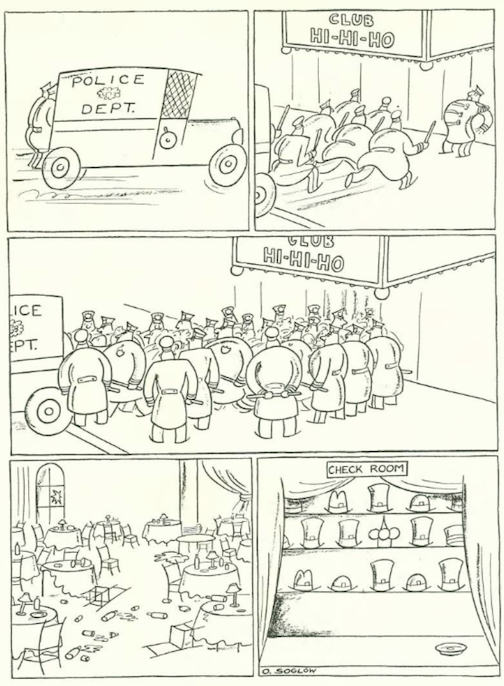
…cartoonist Otto Soglow continued to extoll the virtues of decaf coffee…

…and on to our cartoons, William Crawford Galbraith eavesdropped on a backstage political discussion…

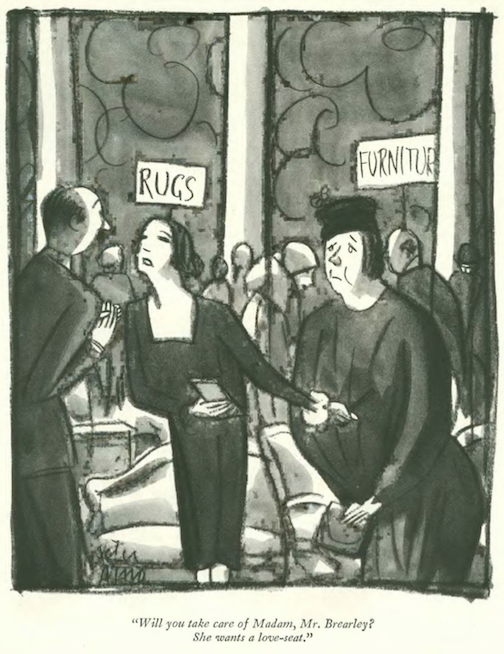
Peter Arno found a lovelorn soul in a furniture department…

Soglow again, this time hinting at the Little King’s naughty side…
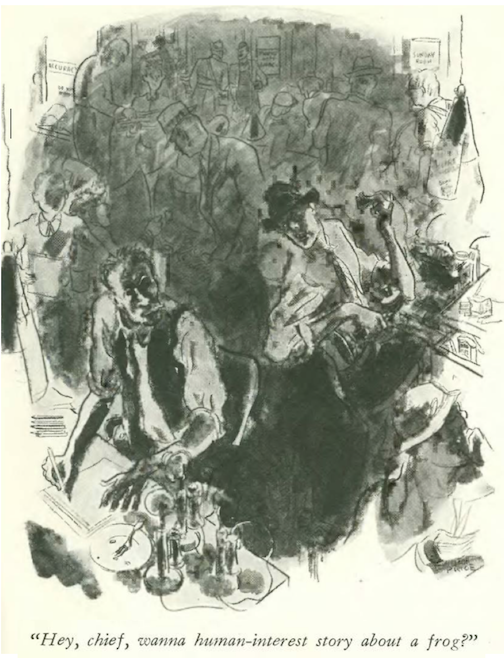
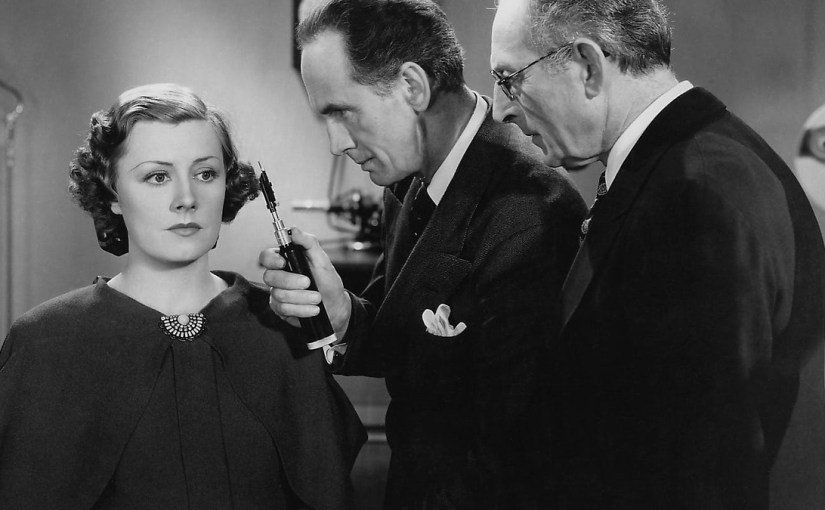
…as a former newspaper editor, this entry from Garrett Price really hit home…I used to get calls about all sorts of interesting critters and misshapen vegetables…
Rea Irvin gave us a former bank teller all washed up by the Depression…

…and James Thurber continued to explore the growing war between the sexes…

…we continue on to Nov. 5, 1932…

Nov. 5, 1932 cover by William Cotton.

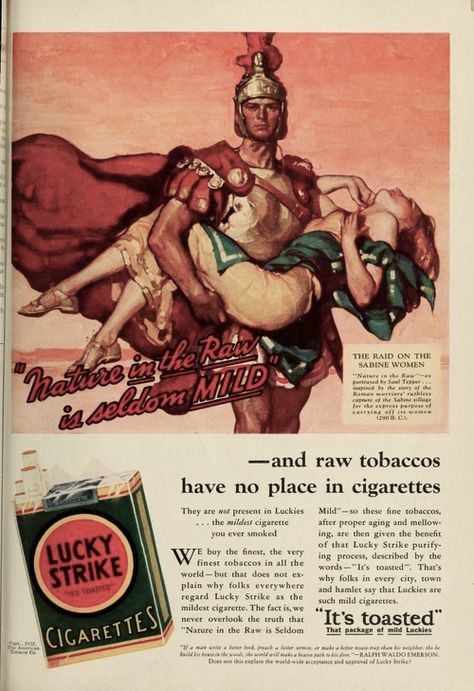
…and this observation by E.B. White on the state of cigarette ads, namely the latest from Lucky Strike…

…one of the ads that caught White’s eye…

…the Nov. 5 issue featured another edition of the parody newspaper “The Blotz,” but what caught my eye was the upper right-hand corner…

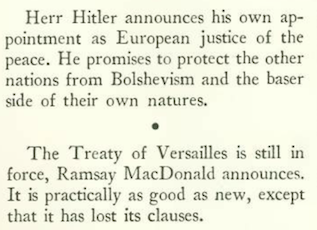
…intended as a joke, of course, referring to political changes in Germany…but to our eyes quite ominous…

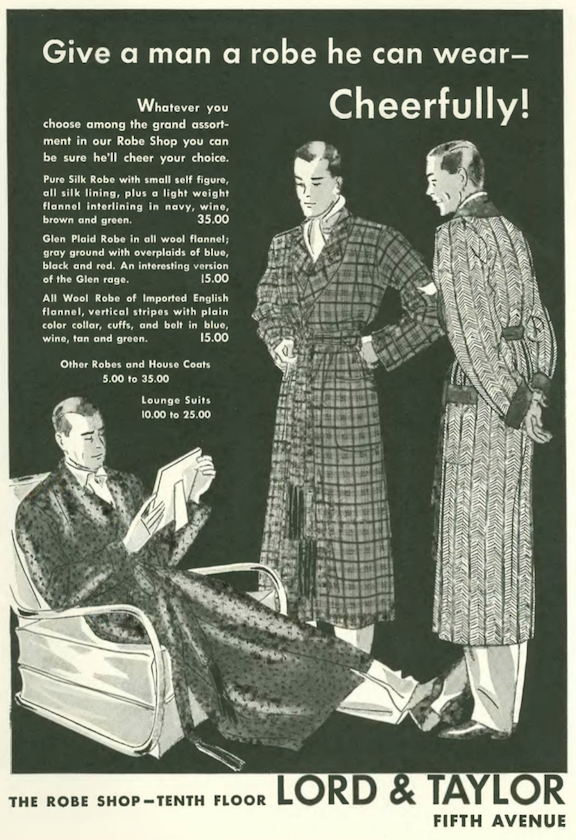
…and here we have a Lord & Taylor ad that begs the question, “What’s wrong with this picture?” Aside from the weirdly attenuated figures (admittedly standard in fashion illustration), the fellow in the lounger appears to be sitting at floor level, contemplating a photograph that seems to be of some interest to his companions, none of whom appear to be all that cheerful

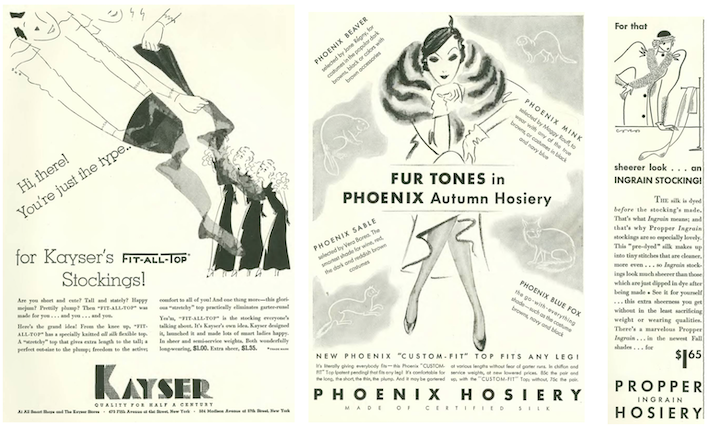
…the Nov. 5 issue also offered readers several options for stockings…

…on to our cartoonists, James Thurber provided these sketches for the magazine’s football column (except the one at bottom left, which appeared in the events section in the Oct. 29 issue)…

…Americans were turning out for the 1932 presidential elections, some in their own way per Helen Hokinson

…twenty-year old Syd Hoff gave us some late night hijinks…

William Crawford Galbraith continued to probe the entertainment world…

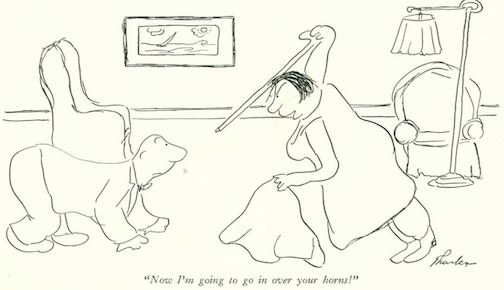
…and we close with Alan Dunn, who takes us out with a bang…

Next Time: Pining for Tin Lizzy…