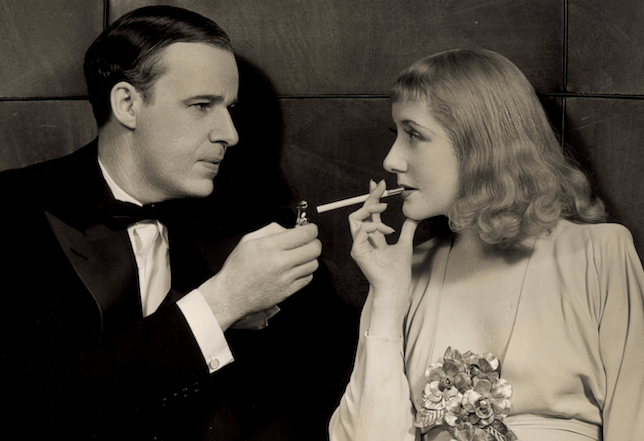
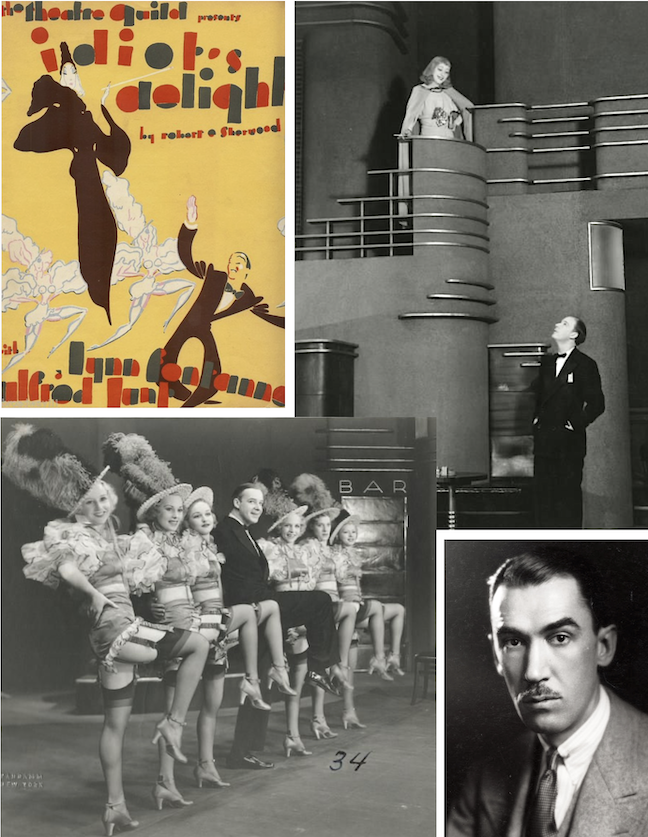
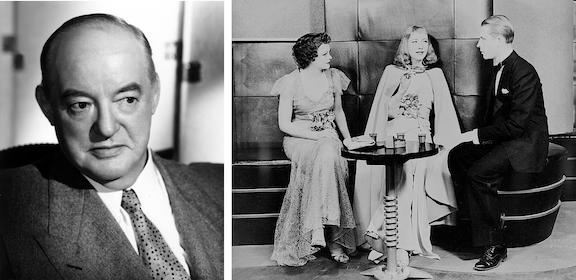
Above: Alfred Lunt and Lynn Fontanne headed the cast of Idiot's Delight, a Pulitzer-Prize-winning play by Robert E. Sherwood. The anti-war play premiered at Broadway's Shubert Theatre on March 24, 1936, and ran for three hundred performances. (latimes.com)
Set against the backdrop of impending war in Europe, Robert Sherwood’s Idiot’s Delight was a timely exploration of how individuals might respond to a major upheaval. The play’s themes about the futility of war resonate as much today as they did in 1936.
Presented at Shubert Theatre, the Pulitzer Prize-winning play was set at a hotel in the Italian Alps, where the guests—among them a military captain, a German scientist, a radical socialist, and a honeymooning couple—find themselves trapped by the sudden onset of world war. The cast was led by Alfred Lunt, who played a small-time American entertainer accompanied by a troupe of chorines, and Lynn Fontanne, who portrayed a mysterious Russian woman who was traveling with an arms dealer.
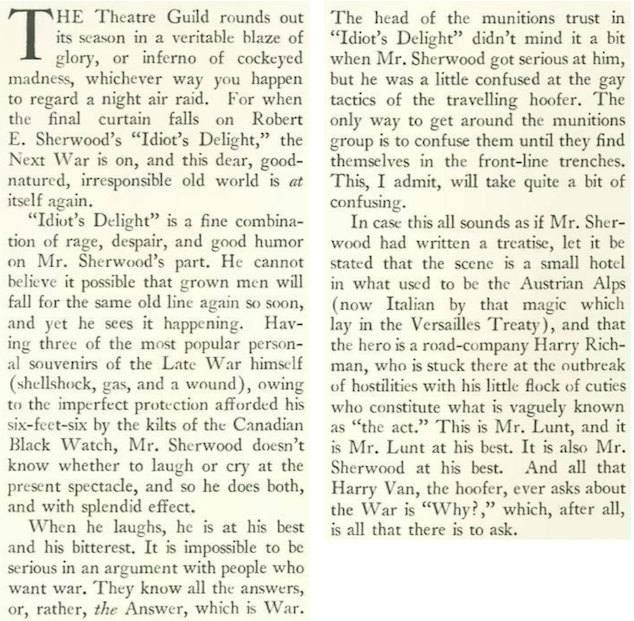
The Pulitzer jury called the play first-rate, full of dramatic invention and “Molierian richness.” Critic Robert Benchley heartily agreed:
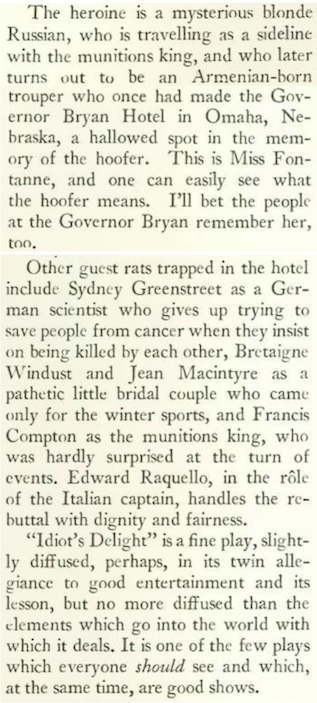
Benchley concluded that the play was at once entertaining and edifying:
Sherwood adapted the play into a 1939 film of the same name, starring Norma Shearer and Clark Gable.
* * *
Earth Gazing
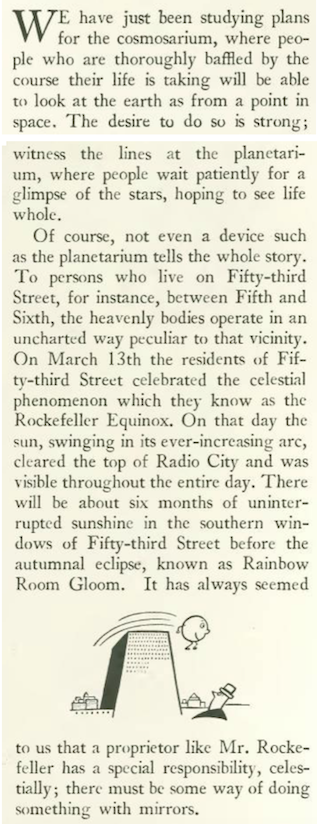
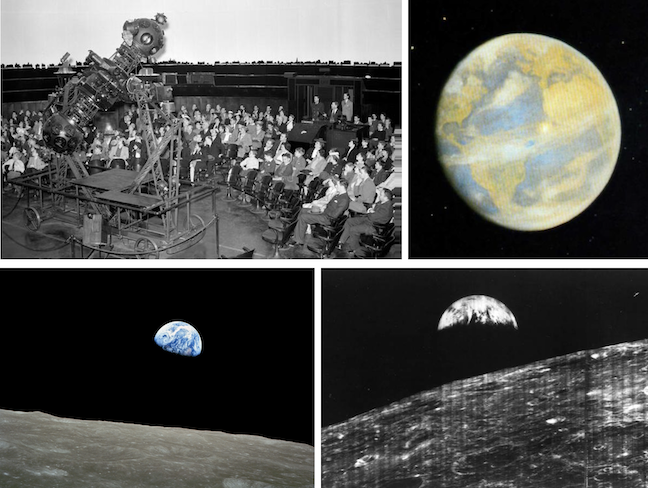
In his “Notes and Comment,” E.B. White mused about plans at the Hayden Planetarium for a program that would give visitors some idea of how earth would appear from a point in space. Earthlings would have to wait until 1968 to actually see a clear, color image of their planet.
* * *
From Russia With Love
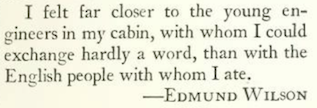
Journalist and literary critic Edmund Wilson Jr (1895–1972) traveled in Russia from May to October 1935, and later filed a couple of articles in The New Yorker detailing his travels. Writing for the column “A Reporter at Large,” Wilson described his journey by boat from London to Leningrad, finding an unexpected kinship with his Soviet cabin mates. Excerpts:
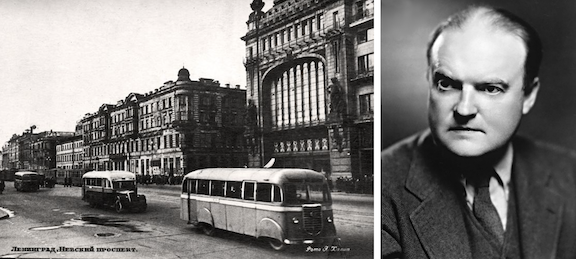
Wilson found that he preferred the company of the Soviets to a stuffy English couple who were his dining companions. He concluded:
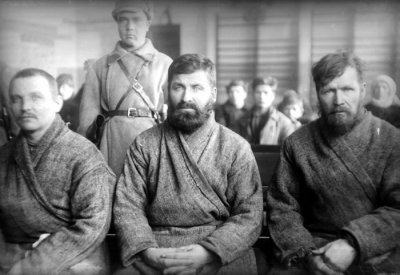
It should be noted that Wilson, despite his Marxist sympathies, would soon become disillusioned with the Soviet experiment; his travels concluded just before the onset of Josef Stalin’s “Great Purge,” which featured the notorious Moscow Show Trials that sent millions of innocent Soviet citizens to labor camps or to their deaths in prisons.
* * *
At the Movies
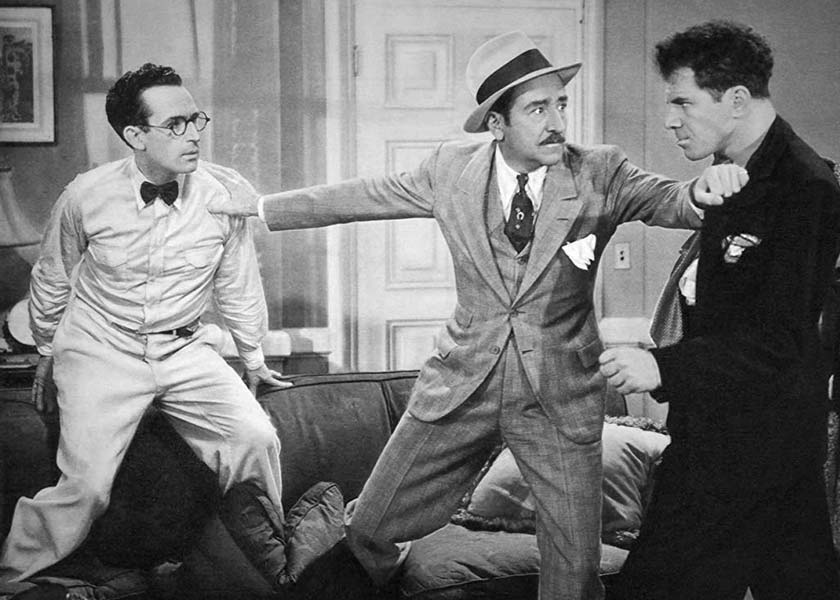
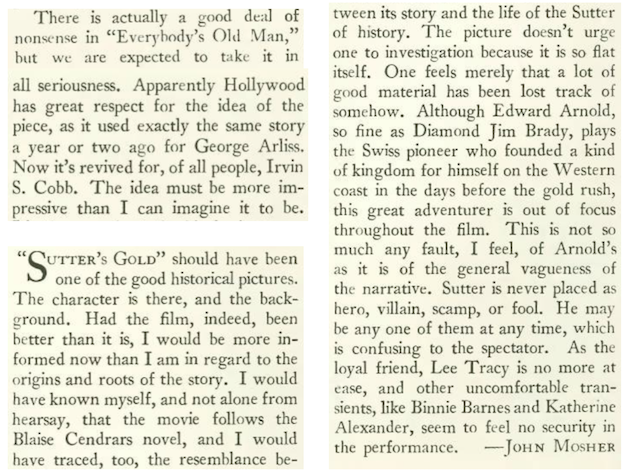
Film critic John Mosher observed that moviegoers mostly needed “thrills and nonsense” at the cinema. Thrills were not to be found, but Harold Lloyd provided the nonsense.
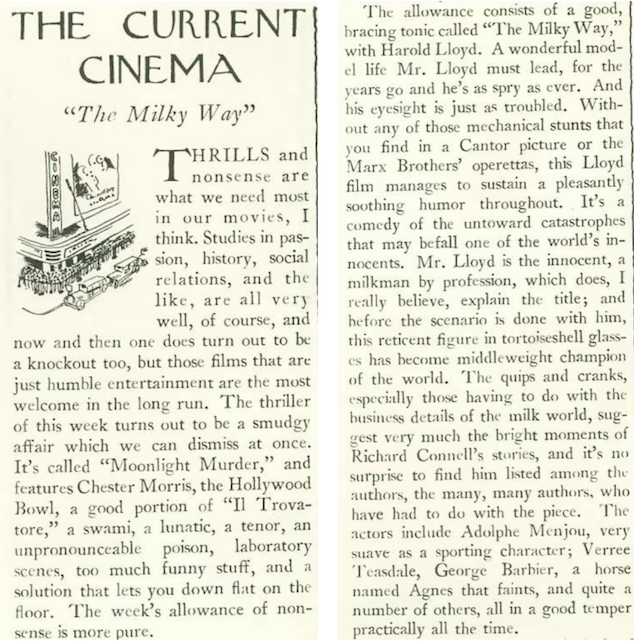
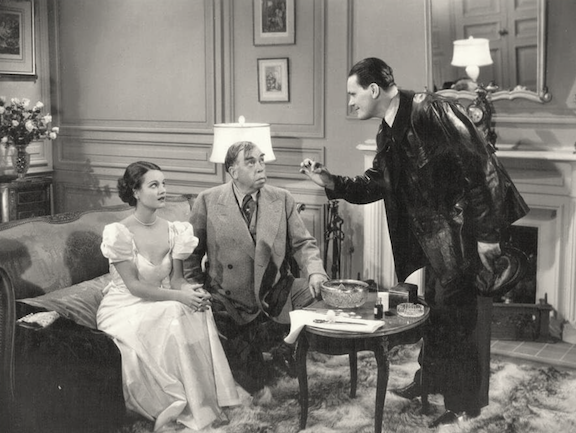
The “thriller” of the week was Moonlight Murder, which Mosher suggested audiences could “dismiss at once.”
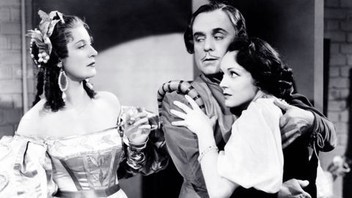
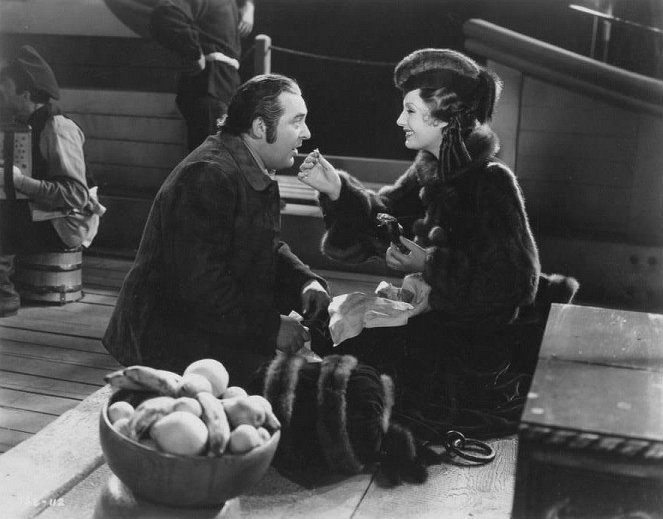
Mosher also offered tepid reviews of Everybody’s Old Man and Sutter’s Gold, despite these films featuring a popular humorist and a respected character actor, respectively.
* * *
From Our Advertisers
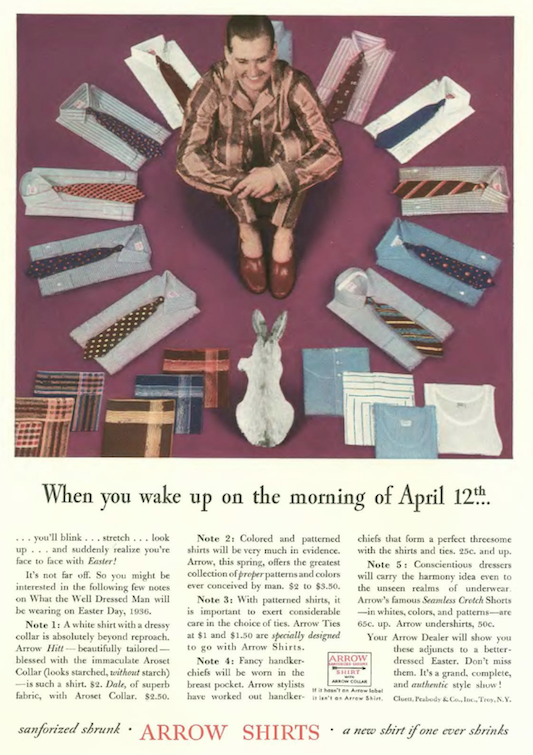
Arrow Shirts rolled out a colorful array of pre-shrunk sanforized shirts and neckties just in time for the Easter holiday…
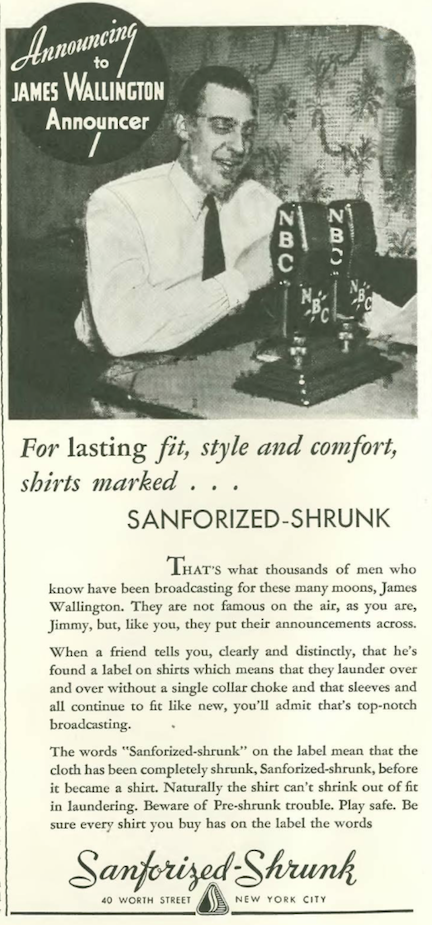
…from the 1930s through the 1950s the distinctive voice of James Wallington (1907–1972) filled the airwaves on both radio and television…here he endorses those “Sanforized Shrunk” shirts…
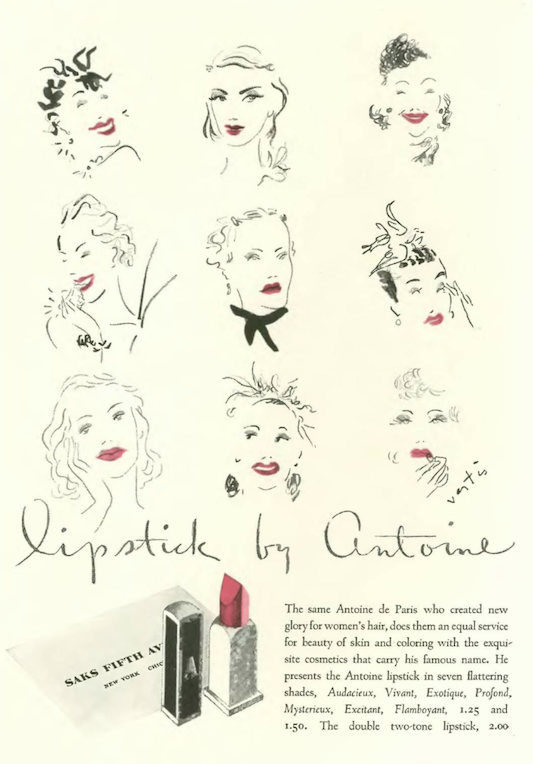
…French costume designer and illustrator Marcel Vertès (1895–1961) provided the art for the Antoine de Paris lipstick line at Saks…Vertès created the original murals in the Carlyle Hotel’s Café Carlyle and in the Waldorf-Astoria’s Peacock Alley… he also won two Academy Awards for his work on the 1952 film Moulin Rouge…
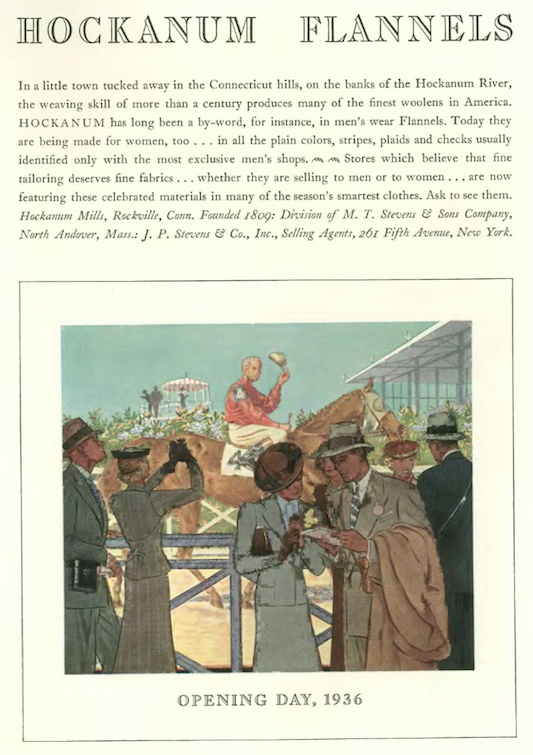
…Hockanum Mills announced its new line of woolens for the spring racing season…

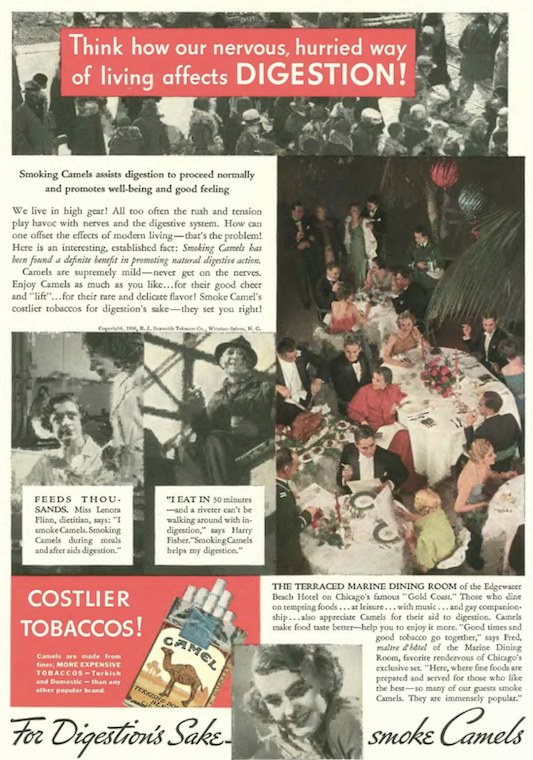
…more claims from R.J. Reynolds regarding the gastrointestinal benefits of their Camel cigarettes…
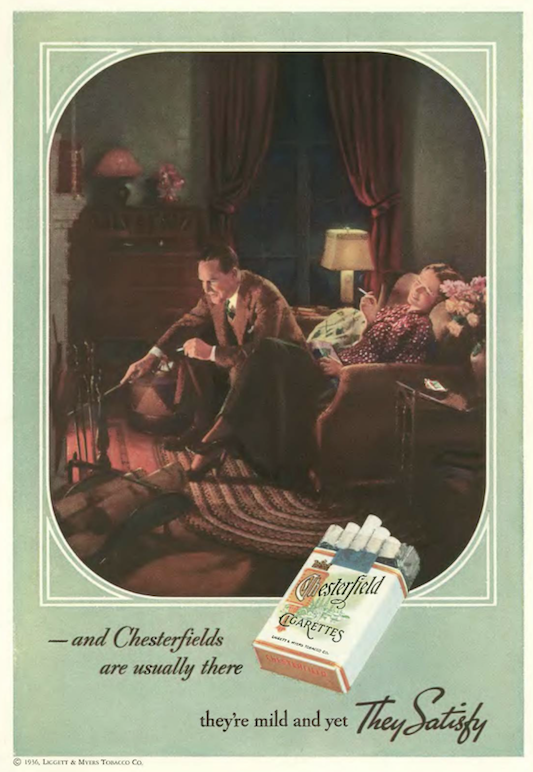
…while Liggett and Myers stuck with the pleasures of hearth and home, and a pack of Chesterfields…
…on to the cartoon section, we begin with Christina Malman…
…Richard Taylor…
…Robert Day…
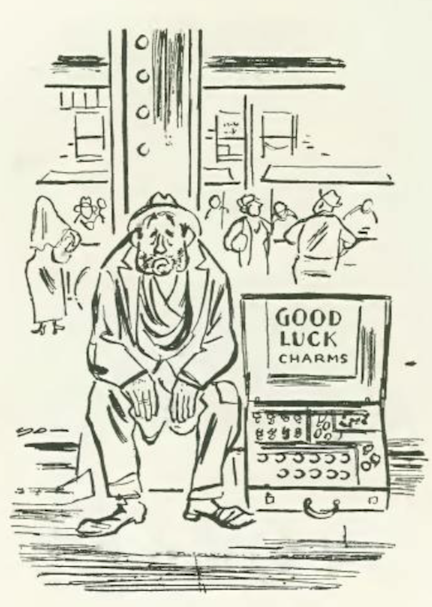
…and a wonderful spot drawing by illustrator and children’s book author Helen Moore Sewell…
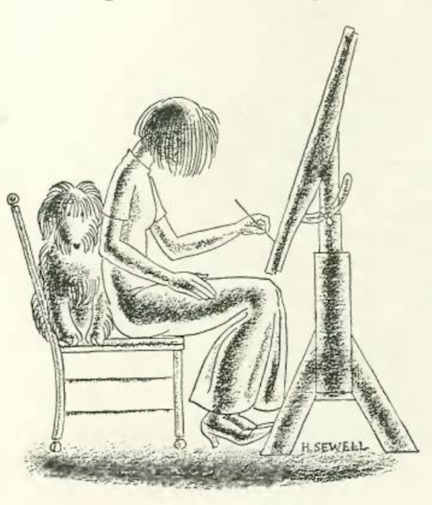
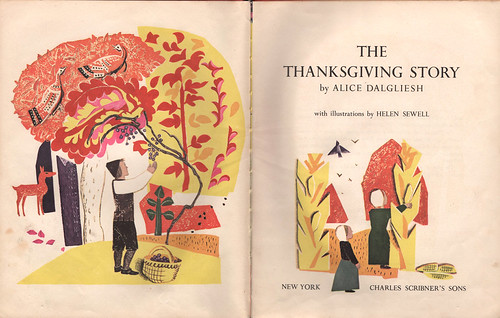
…who won a Caldecott Medal for her illustrations featured in Alice Dalgliesh’s The Thanksgiving Story (1954)…
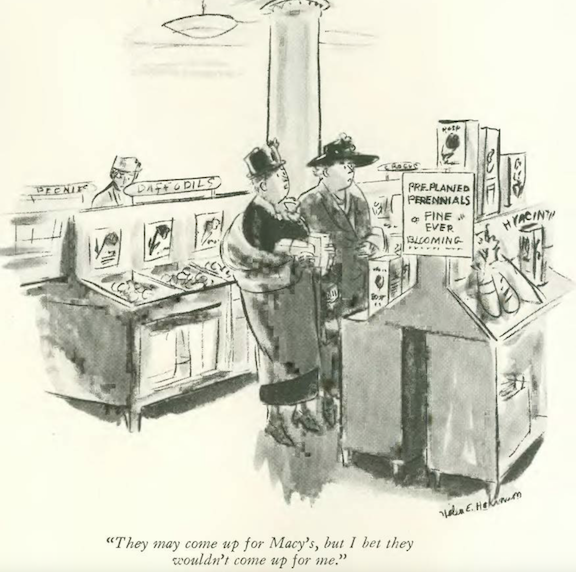
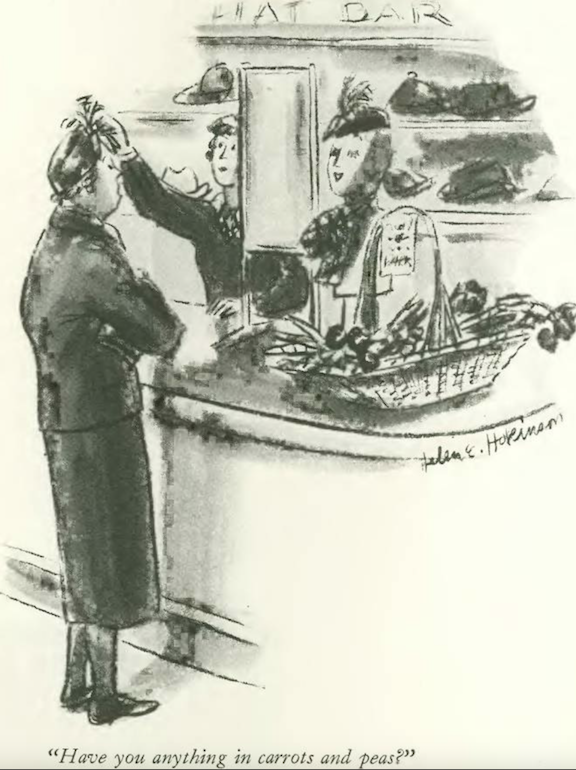
…we go shopping with Helen Hokinson in the garden section…
…and in the hat department…
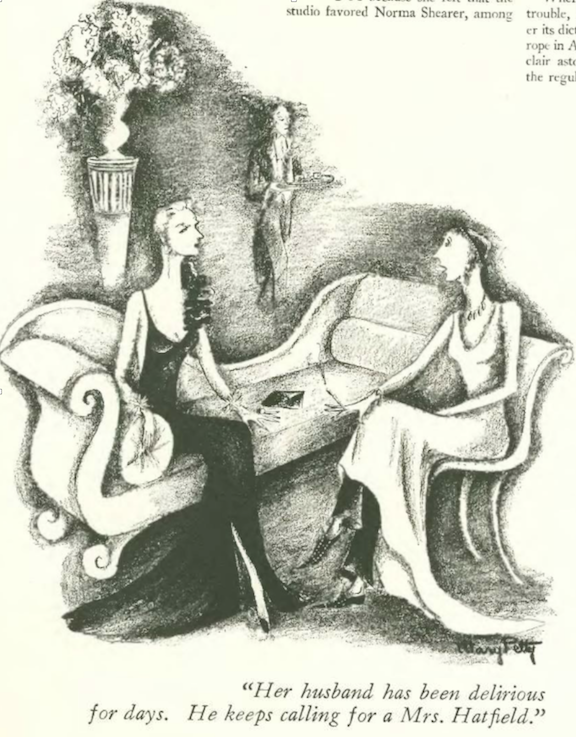
…Mary Petty caught up on the latest gossip…
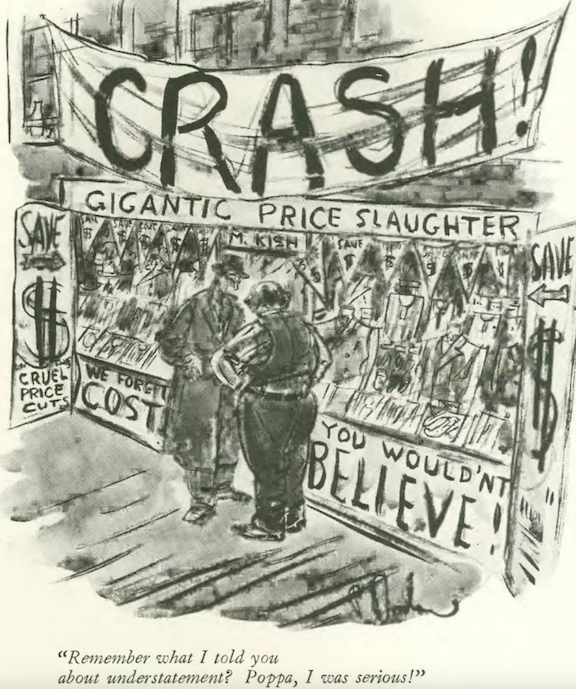
…Perry Barlow gave us a shopkeeper in need of some marketing tips…
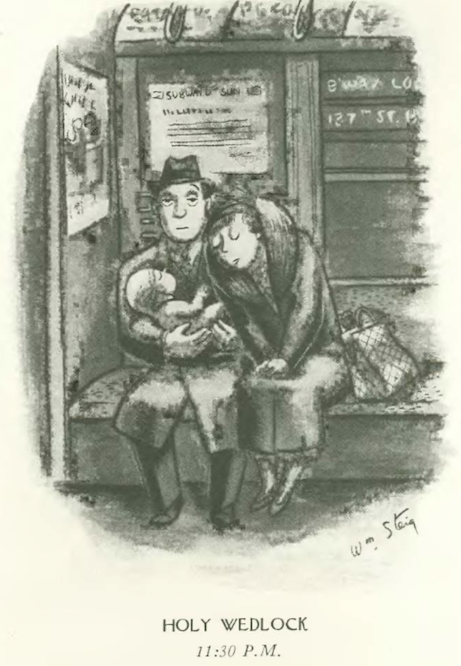
…William Steig continued to probe the joys of married life…
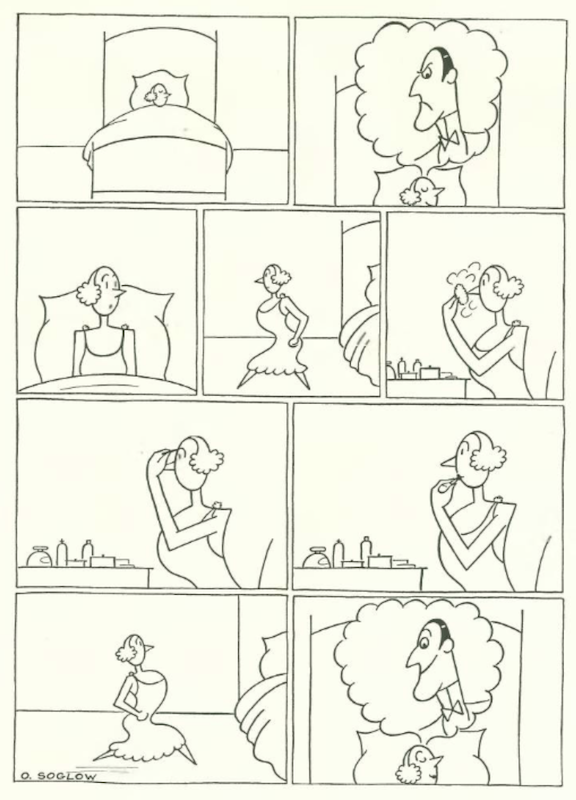
…even one’s dream world required some careful grooming, per Otto Soglow…
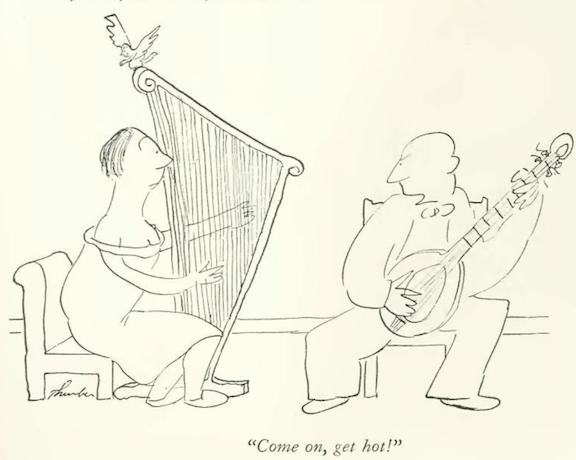
…James Thurber drew up a duet out of tune…
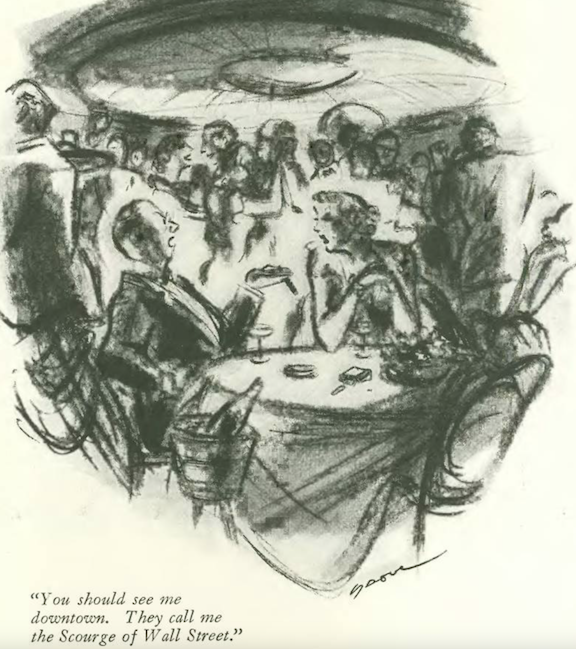
…outside of Wall Street, Leonard Dove’s titan of business was just another sugar daddy…
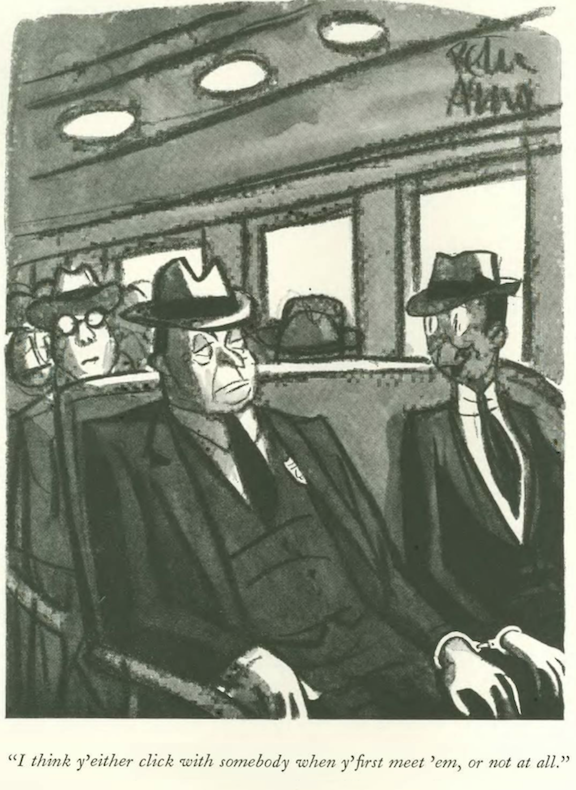
…and we close with Peter Arno, and strangers on a train…
Next Time: People in Glass Houses…