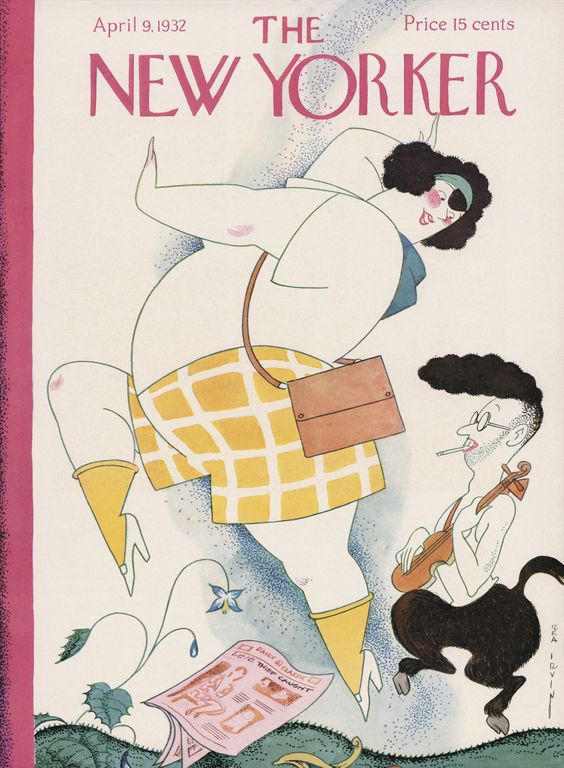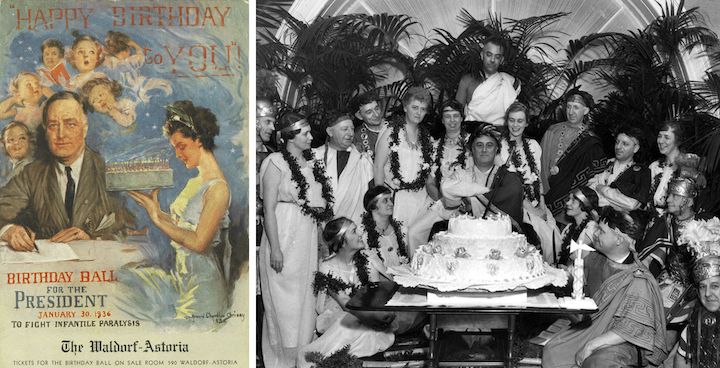
Ring Ding

Back in the days before we had a zillion different entertainment options, almost anyone with a pair of ears would tune in to hear the radio broadcast of a heavyweight title fight.

June 23, 1934 cover by Rea Irvin.

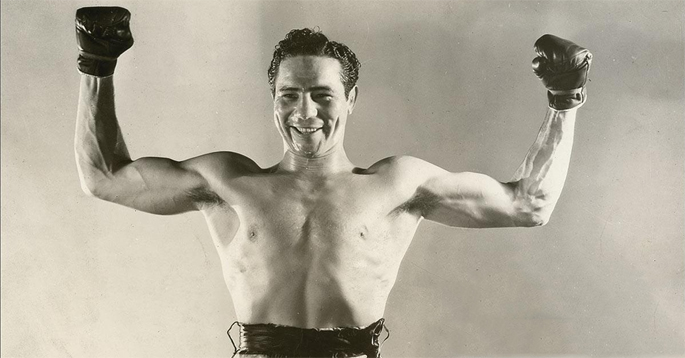
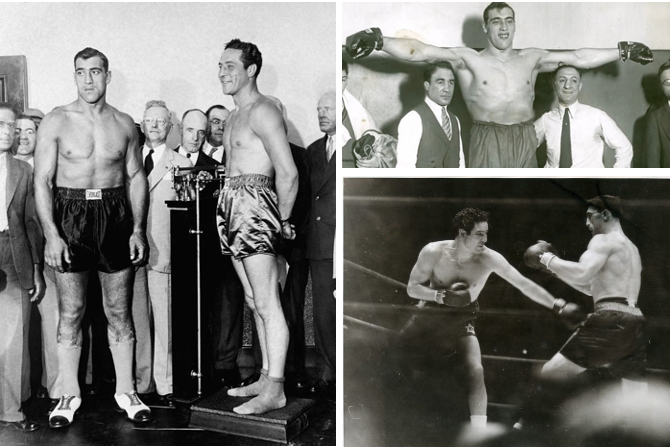
Jack Dempsey and Gene Tunney dominated the late 1920s, while Joe Louis, Max Schmeling and Jack Sharkey were marquee names in the 1930s along with Max Baer and Primo Carnera, who met on June 14, 1934 at the outdoor Madison Square Garden Bowl in Long Island City. The reigning champ Carnera (1906–1967), who stood six-and-a-half feet tall and weighed in at 260 pounds, had won more fights by knockout than any other heavyweight champion. But Baer (1909–1959) was known as a knockout puncher who beat one opponent so savagely that he died the following day.

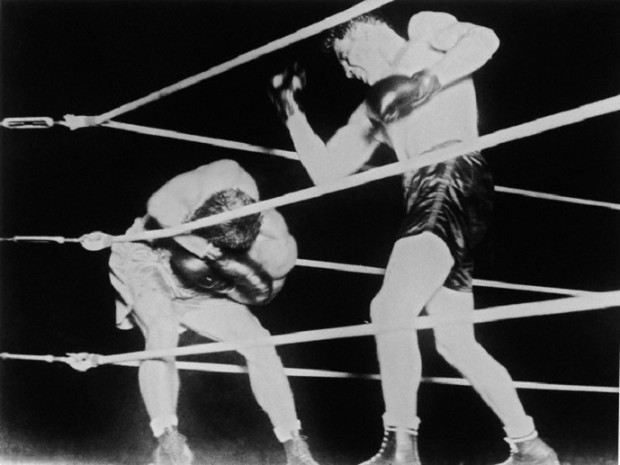
DEADLY DUEL…Max Baer (right) fought Frankie Campbell on Aug. 25, 1930, in San Francisco for the unofficial title of Pacific Coast champion. In the fifth round Baer got Campbell against the ropes and hammered him senseless. Campbell died the next day. An autopsy revealed that Campbell’s brain was “knocked completely loose from his skull.” Baer was profoundly affected by Campbell’s death, and donated purses from succeeding bouts to Campbell’s family. (thefightcity.com)

Baer was also something of a showboater, a quality Morris Markey found distasteful when he wrote about the Baer–Carnera bout in “A Reporter at Large.”

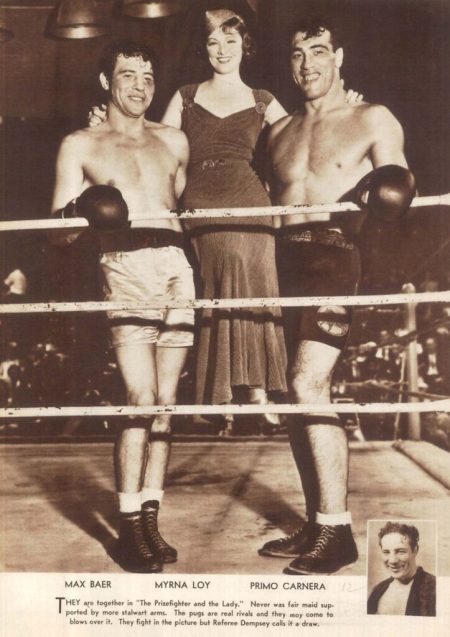
ALL SMILES…A year before their championship bout Max Baer (left) and Primo Carnera starred with Myrna Loy in The Prizefighter and the Lady. (theusaboxingnews.com)

GIANT SLAYER…The Italian prizefighter and wrestler Primo Carnera, nicknamed the “Ambling Alp,” was the reigning heavyweight champion when he faced Max Baer on June 14, 1934 at the Madison Square Garden Bowl. Baer felled the champion eleven times before the fight was stopped in the eleventh round. Baer would only hold the title for a year, losing to James J. Braddock on June 13, 1935, in what has been called one of the greatest upsets in boxing history. (theusaboxingnews.com)

Markey further explained why Baer’s behavior in the ring was so bothersome, and how it differed from the comic antics of other famous athletes:

RETIRING TYPES…Both Primo Carnera and Max Baer acted in films during their boxing careers, and continued acting after their retirements (Carnera in 1944, Baer in 1941). At left, Carnera with Bob Hope in the 1954 American comedy Casanova’s Big Night (Carnera appeared in eleven Italian films and in a half-dozen American films); at right, Max Baer and brother Buddy Baer (also a boxer) with Lou Costello in the 1949 comedy Africa Screams. Baer would appear in more than 20 films.(theusaboxingnews.com/monstermoviemusic.blogspot.com)

Complications from diabetes would take Carnera down for good at age 60. Baer would die even younger, from a heart attack, at age 50. His last words reportedly were, “Oh God, here I go.” Baer’s son, actor and director Max Baer Jr. (best known as Jethro Bodine from TV’s The Beverly Hillbillies) is still with us, at age 85.

We aren’t quite finished with the Baer–Carnera fight…E.B. White led his “Notes and Comment” with this observation regarding the fight’s mass appeal and seeming universality:

 * * *

Apologies to Ms. Winslow

I seem to have given short shrift to author Thyra Samter Winslow (1886–1961) who published more than 200 stories during her career in magazines such as The Smart Set and The American Mercury. She published more than thirty in The New Yorker, from 1927 to 1942, including the serialization of her short story collection, My Own, My Native Land. The story “Poodles” was featured in the June 23 issue.

According to the Encyclopedia of Arkansas, Winslow’s early life in Fort Smith (Ark.) “provided background for her view of small towns as prejudiced, hypocritical, and suffocating places…many stories expose the hypocrisy, prejudice, and carefully maintained social structures of both small town and urban life. She was particularly adept at portraying women of every social class, often in an unfavorable light. Money, especially the pursuit of it as a means to happiness or status, is an important theme throughout her work.”

THE PURSUIT OF HAPPINESS…Thyra Samter Winslow with friend, 1937. (findagrave.com)

 * * *

Hot Enough For Ya?

So what did New Yorkers do when the summer heat set in? The next few items offer some clues, beginning with this poem by E.B. White:

SUMMER STOCK…Theatergoers fled to shady villages in New York, New Jersey and New England in the 1920s and 30s when summer stock theater was at its height. The above photo shows theatergoers leaving a performance at the Lakewood Theatre near Skowhegan, Maine. The theater was claimed to be the oldest and finest summer stock company in America with a Broadway cast. Nearby Lakewood Inn provided recreation, camping, and tourist bungalows. (mainememory.net)

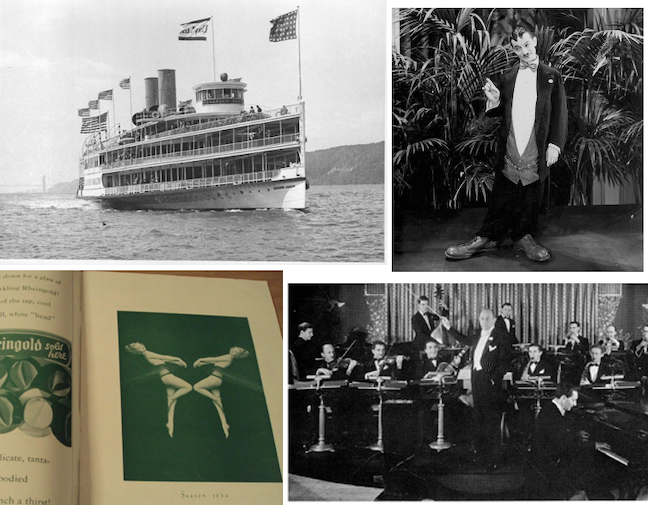
You could also take in some entertainment while enjoying the cooling breezes of the Hudson River. Robert Benchley hopped aboard the Alexander Hamilton to enjoy Bobby Sanford’s showboat revue:

SOME REAL SHOWBOATING…Clockwise, from top left, the steamboat Alexander Hamilton hosted Bobby Sanford’s showboat revue; comedian Lester Allen served as emcee for the show; the Meyer Davis Orchestra supplied the music; the revue featured the “exotic” DuVal sisters (image from program) among other diversions. (Hudson River Maritime Museum/IMDB/vintagebandstand.blogspot.com/Worthpoint)

“Tables for Two” took a look at summer dining options, from sidewalk cafes to hotel rooftops featuring dinner and dancing—this “Tables” was not written by Lois Long, but by Margaret Case Harriman, who knew a thing or two about nightlife (she was the daughter of the Hotel Algonquin’s owner, Frank Case)…
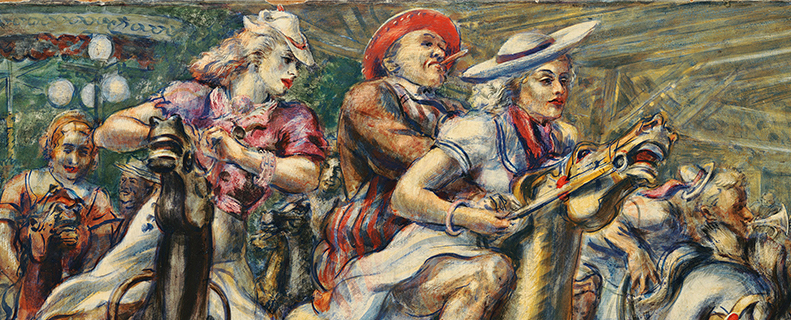
DANCING WITH THE STARS…The Waldorf-Astoria’s “Starlight Roof” was a popular summer restaurant for dining and dancing. Image from a 1935 publication The Waldorf-Astoria by Richard Averill Smith. (The Waldorf-Astoria)
 * * *
Doing Swimmingly
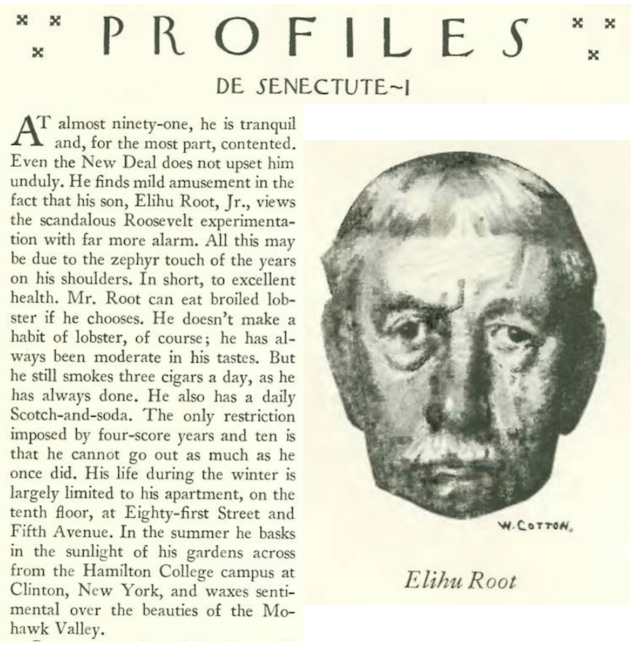
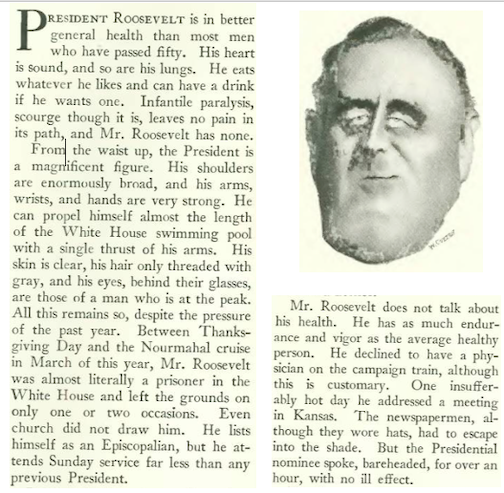
Historian Henry F. Pringle published part two of his series on President Franklin D. Roosevelt, here marveling at the president’s health despite his serious bout with polio (drawing by William Cotton).

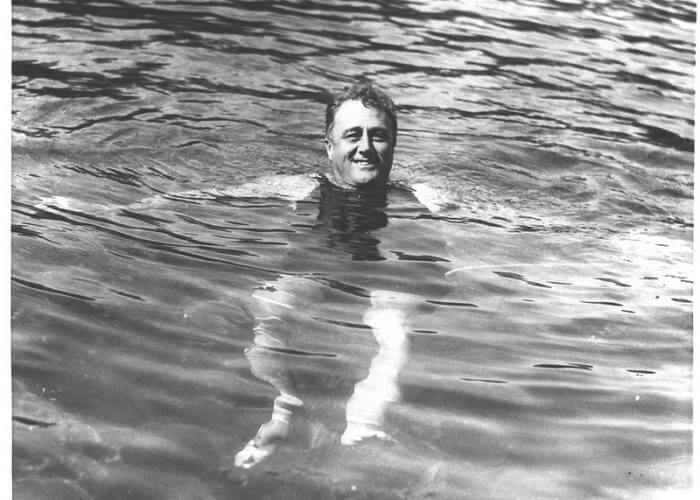
TAKING THE WATERS…President Franklin D. Roosevelt took to swimming for therapy and exercise. (FDR Presidential Library and Museum)

* * *

Get Yourself to Chi-Town

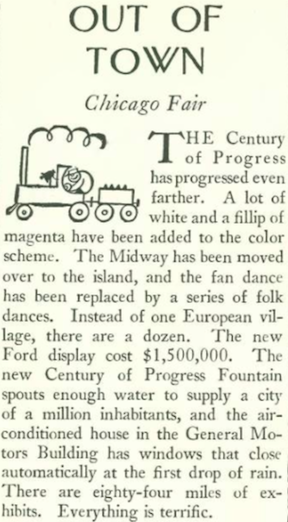
The Chicago World’s Fair (The Century of Progress) was in its second and final year, and The New Yorker found everything “terrific.” Excerpt:

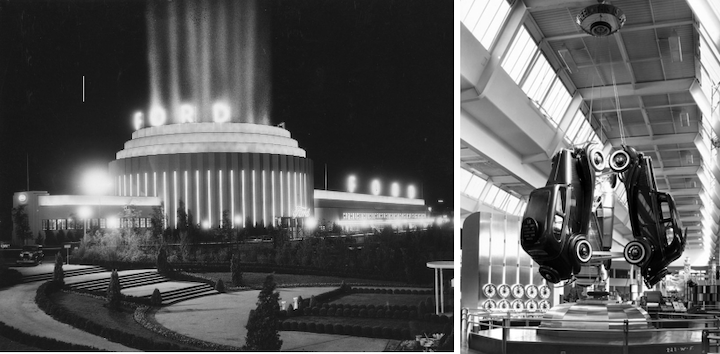
MAKING A SPECTACLE OF ITSELF…The 11-acre Ford Motor Company exhibit at Chicago’s Century of Progress became the most talked-about exhibit of 1934, featuring a central rotunda designed to simulate graduated clusters of gears. At right, Proof of Safety Exhibit in the Ford Building. (chicagology.com)

  * * *

From Our Advertisers

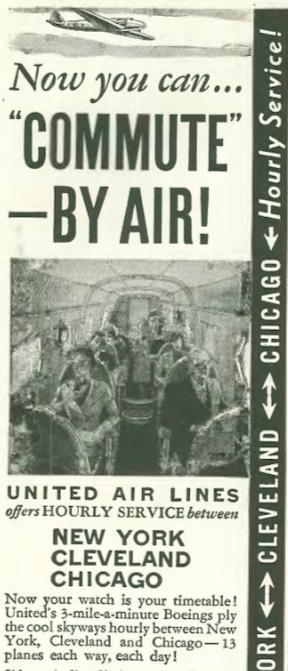
Just a couple of entries this week…You could take a plane to the Chicago World’s Fair on a United Airlines Boeing 247…
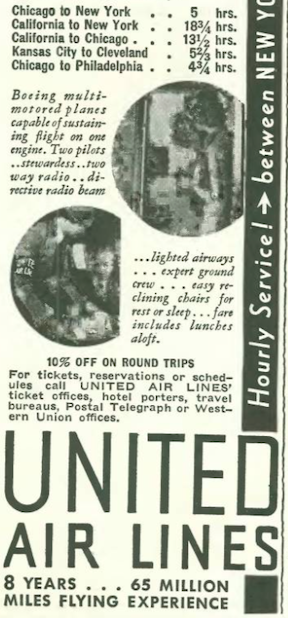
…the lower section of the ad claimed you could fly to Chicago in about five hours in planes featuring “Two pilots…stewardess…two-way radio…directive radio beam”…

TSA? WHAT’S A TSA?…United Airlines Boeing 247-D at an airport terminal with passengers and crew. (digitalcollections.lib.washington.edu)
COZY CONFINES…Passengers enjoy a game of checkers aboard a Boeing 247 in 1933. (digitalcollections.lib.washington.edu)

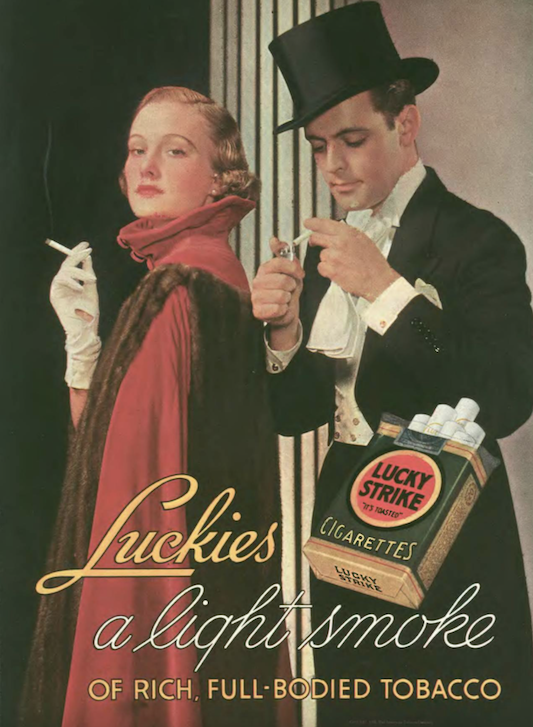
…and what would our advertising section be without two fashionable people lighting up?…

…on to our cartoonists, we begin with Reginald Marsh’s illustration of a Rep Theatre production…

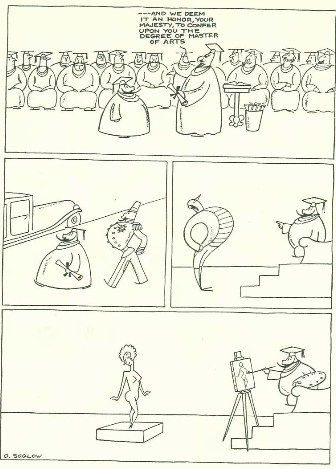
Otto Soglow’s Little King found his artistic side…

Rea Irvin continued his examination of native fauna…

Gardner Rea correctly predicted the global domination of Mickey Mouse…

Peter Arno showed the dizzying effects of a Coney Island ride…

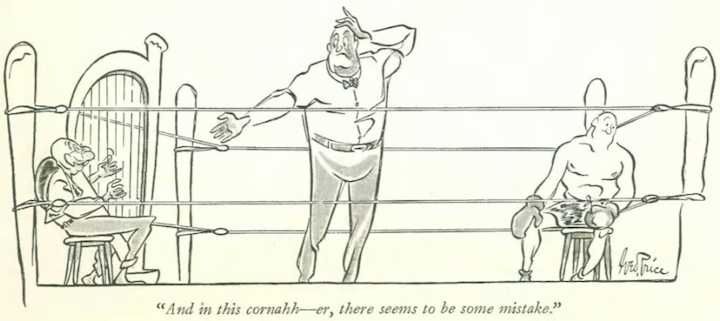
…however at the altar the thrill was gone, per Garrett Price

…another take on the ways of love, with Barbara Shermund...

…the newfangled diagonal bathtub continued to dazzle, with George Price

Gardner Rea offered up some subtle irony on the farm…

…and we close with James Thurber, in a poetic moment…

Next Time: A Light in Darkness…

Coney Summertime

Above: Wooden Horses(detail) by Reginald Marsh, 1936. Marsh was a frequent visitor to Coney Island, a place that inspired numerous sketches and paintings. (Wadsworth Atheneum Museum of Art)

We officially kick off the summer with a visit to Coney Island, where “The Talk of the Town” took in the latest sights and amusements.

June 16, 1934 cover by Constantin Alajalov.

This excerpted “Talk” piece, attributed either to an “ 

CLANKITY CLANK…The mechanical man referred to in the “Talk” piece was likely similar to the one pictured above in this October 1933 feature in Popular Mechanics. Like many “robots” of that era, they were often pictured smoking cigarettes. (Google books)
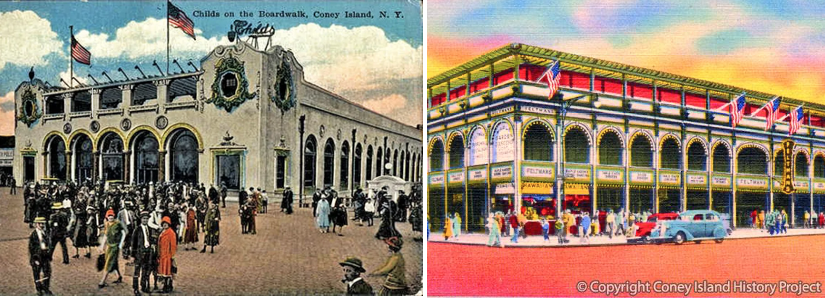
WET YOUR WHISTLE…Beer flowed up and down the boardwalk at Coney Island, but if you wanted something stronger you had to stop by the Half Moon Hotel or one of these establishments, Childs (left) or Feltmans’. (www.coneyislandhistory.org)
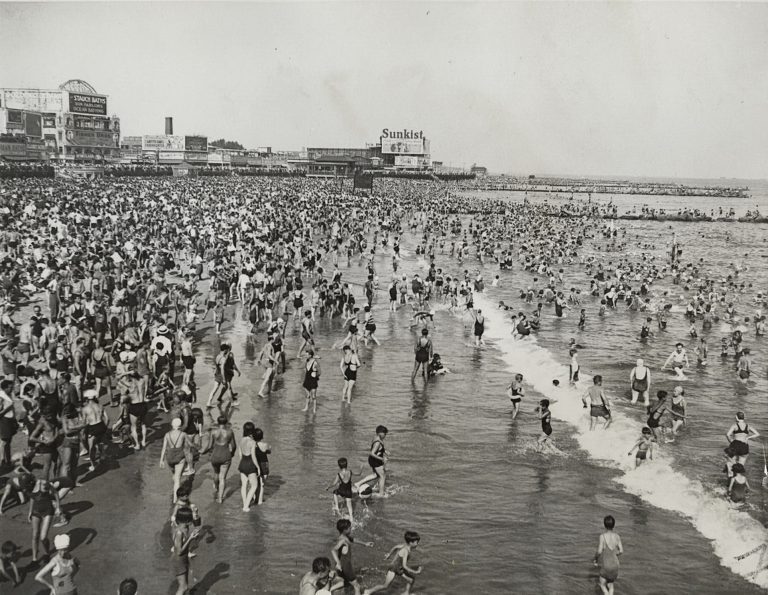
LEAVE SOME FOR ME…An estimated one million New Yorkers visited Coney Island on July 4, 1934 to get away from the heat of the city. (stuffnobodycaresabout.com)
DIFFERING INTERPRETATIONS…In his 1934 painting, Coney Island (left), artist Paul Cadmus portrayed beachgoers as ridiculous and uncouth rabble, while Cadmus’s friend and fellow artist Reginald Marsh took a somewhat kinder approach to the same subject in his 1936 Coney Island (right). (Jon F. Anderson, Estate of Paul Cadmus, licensed by VAGA, obtained via lacma.org / Syracuse University Art Collection)

Of course it wouldn’t be Coney Island without grisly wax museum scenes inspired by the latest sensational headlines…bank robber John Dillinger was still on the run, and “little June Robles” was finally free and apparently unharmed after being kidnapped and locked in a desert cage for 19 days…

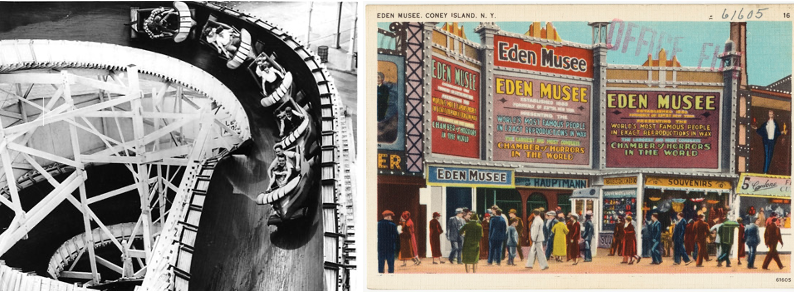
THANKS WINDY CITY…At left, the Chicago World’s Fair inspired Coney Island to build a trackless, bobsled-style “flying turns” coaster in Steeplechase Park (the wooden ride was destroyed by fire after only five years of operation). At right, a postcard image of the Eden Musee wax museum. (riverviewparkchicago.com / New York Public Library)
ON THE BOARDWALK…Another Coney scene by Reginald Marsh, titled Pip and Flip, 1932. (Terra Foundation for American Art, Chicago Daniel J. Terra Collection via artblart.com)

 * * *

Luck of the Irish

The Irish Hospitals’ Sweepstake (more commonly known as the Irish Sweepstakes) was established in 1930 to raise funding for hospitals in Ireland. Although lotteries were generally illegal in the U.S., millions of tickets were sold in the States, many of them in New York and New England. In his “Notes and Comment,” E.B. White wondered what would become of the lottery’s newest American winners, including former Ziegfeld Follies showgirl Alma Mamay, who won $152,000 in the Irish sweepstakes. White might have been pleased to know that Mamay moved to California, married a millionaire oil tycoon, and lived to the age of ninety-one.

CALIFORNY IS THE PLACE YOU OUGHTA BE..Ziegfeld Follies showgirl Alma Mamay took her Sweepstakes winnings and fled to California, where she married a millionaire oil tycoon. (ziegfeldfolliesgirls.com)

 * * *

Rugged Individual

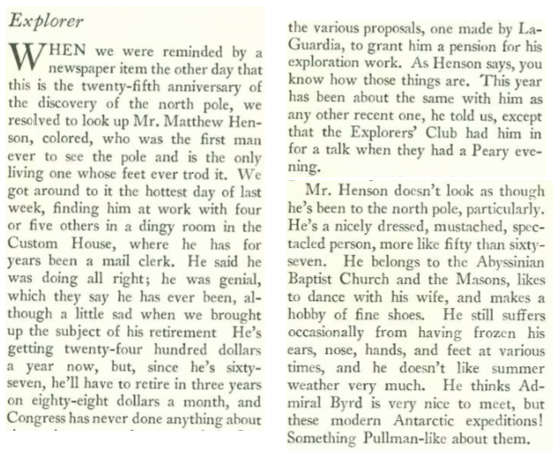
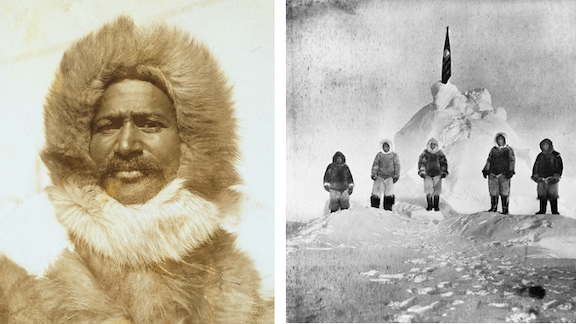
Matthew Alexander Henson (1866–1955) was an African American explorer who accompanied Polar explorer Robert Peary to the Arctic seven times, participating in a 1908–1909 expedition that arguably made Henson the first explorer to reach the geographic North Pole. “The Talk of the Town” caught up with Henson on the feat’s 25th anniversary.

GO NORTH YOUNG MAN…At left, Matthew Henson circa 1910. At right, photograph of Henson and four Inuit guides on the last stretch of their 1908–09 expedition, taken by Robert Peary at what they believed to be the North Pole. Henson (center) planted the flag. (Wikipedia)

 * * *

POTUS Profiled

Pulitizer Prize-winning historian Henry F. Pringle published the first installment of a three-part profile of President Franklin D. Roosevelt. In this excerpt Pringle writes about FDR’s sense of humor (illustration by William Cotton):

 * * *

Mattress Campers

The “About the House” column featured the latest in home-cooling devices. Couldn’t afford the zillions it would cost to install a home air-conditioner? Well the folks at Crosley—an electronics company known for its radios—offered a more affordable solution: an air-conditioned tent that could be erected over one’s bed for $150 (about $3,500 in today’s dollars):

Here is a 1934 ad for the contraption I found at worldradiohistory.com:

…and we continue with more from our advertisers, including the Broadway magazine The Stage, which offered up this idyllic scene showing what folks did in the days before air-conditioning…

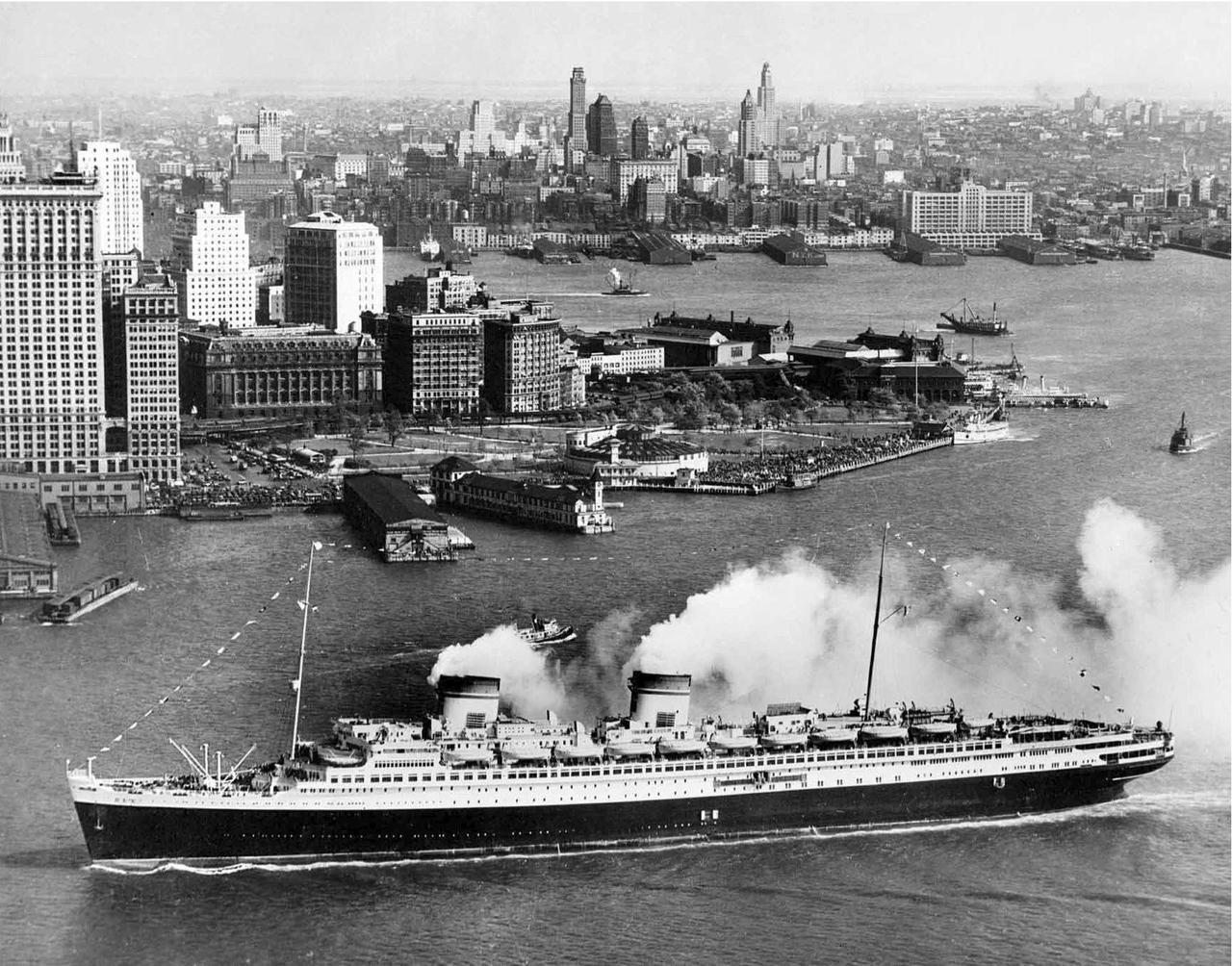
…you could also escape the heat by taking to the high seas aboard the Italian liner SS Rex

…seen below arriving in New York in this 1932 photo, the 911-foot SS Rex was the largest ship built in Italy before World War II…it was destroyed by the British RAF in 1944…

(adventures-of-the-blackgang.tumblr.com)

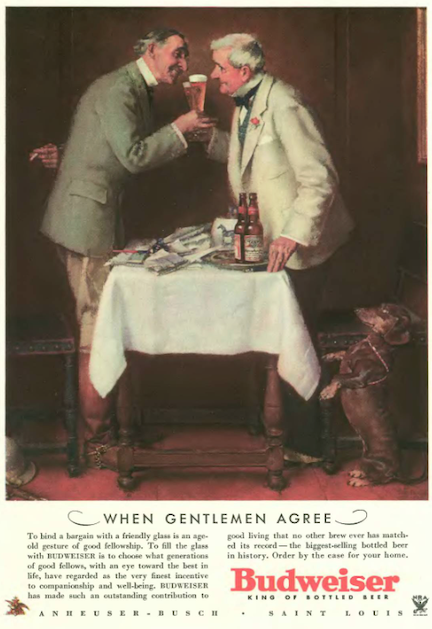
…you could also cool off like these two old gents, sharing a toast and some Budweisers…

…or you could get yourself a jug of applejack brandy and mix it 1:1 with pineapple juice…not sure who or what is being “saved” here…

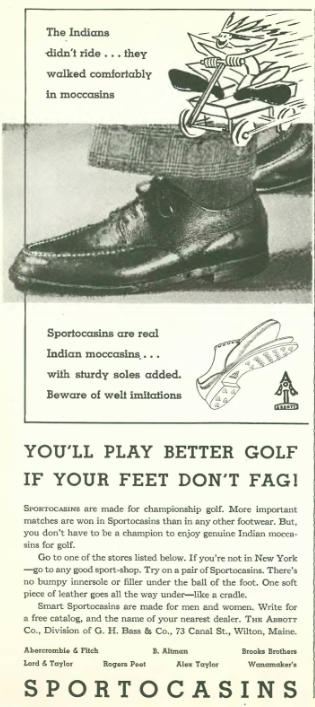
…long before there were Nikes or Adidas, golfers could hit the links in a pair of Sportocasins…

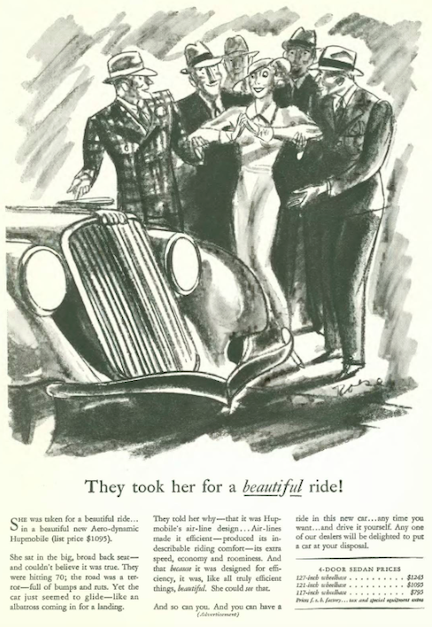
…Hupmobile was still hanging in there, enlisting the talents of illustrator Herbert Roese to extol the comforts and the beauty of its “air-line design”… it isn’t clear why it required five middle-aged men to take her on that beautiful ride…

…the real-life bellboy Johnny Roventini made his debut in the New Yorker as the spokesman for Phillip Morris cigarettes…

…Roventini (1910–1998), who stood less than four feet tall as an adult, was working as a bellboy at the New Yorker Hotel when he was discovered by an advertising executive in 1933. Apparently the exec had Roventini shout the line “Call for Philip Morris!” and learned the bellboy could repeatedly, and on cue, vocalize a perfect B-flat tone. Representing the company for more than forty years, he helped Lucille Ball and Desi Arnaz with the initial success of I Love Lucy (Philip Morris was the show’s sponsor)…

WHAT’S HIS LINE?…TV producers Mark Goodson, left, and Bill Todman greet Johnny Roventini during a 1952 radio broadcast of their quiz show, What’s My Line? The program’s sponsor was Phillip Morris. Note Goodson and Todman both hold cigarettes. (Wikipedia)

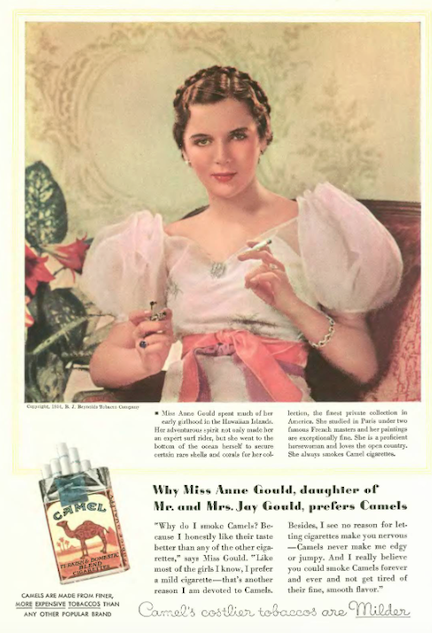
…by the looks of it, Anne Gould (heiress daughter of Jay Gould II and Anne Douglas Graham Gould) didn’t need anyone to tell her what to smoke…

…on to our cartoons, we continue our birdwatching with Rea Irvin…and we also get…

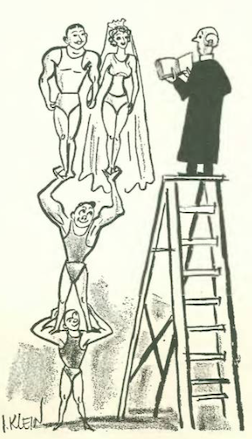
…high-flying nuptials with Isadore Klein

…a mismatch with George Price

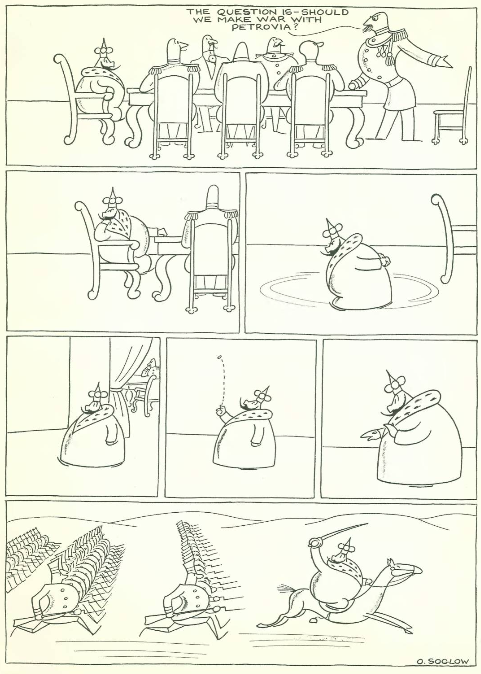
…the prospects for war with Otto Soglow

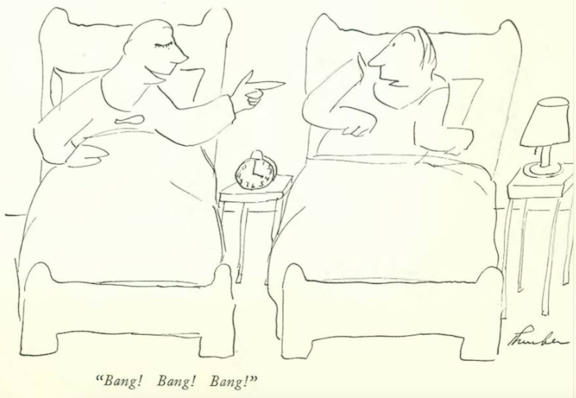
…marital bliss with James Thurber

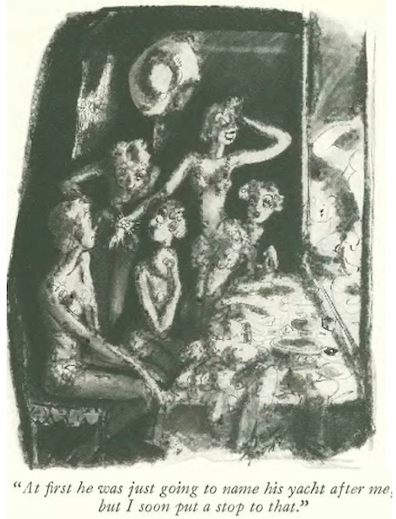
…and a courtship scene, with an expiration date, from Mary Petty

Next Time: A Ring Ding…

Dirge for a Dirigible

There was a time when dirigibles were considered the future of transatlantic transportation. In the 1930s they could carry more passengers than any other type of aircraft while offering amenities usually associated with ocean liners such as private cabins, dining rooms and large observation decks. They were also faster than those water-borne vessels.

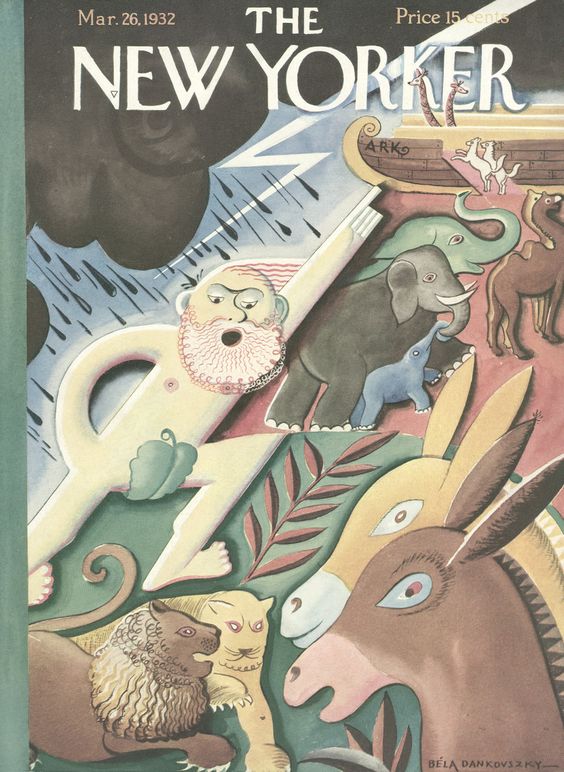
March 26, 1932 cover by Bela Dankovsky.

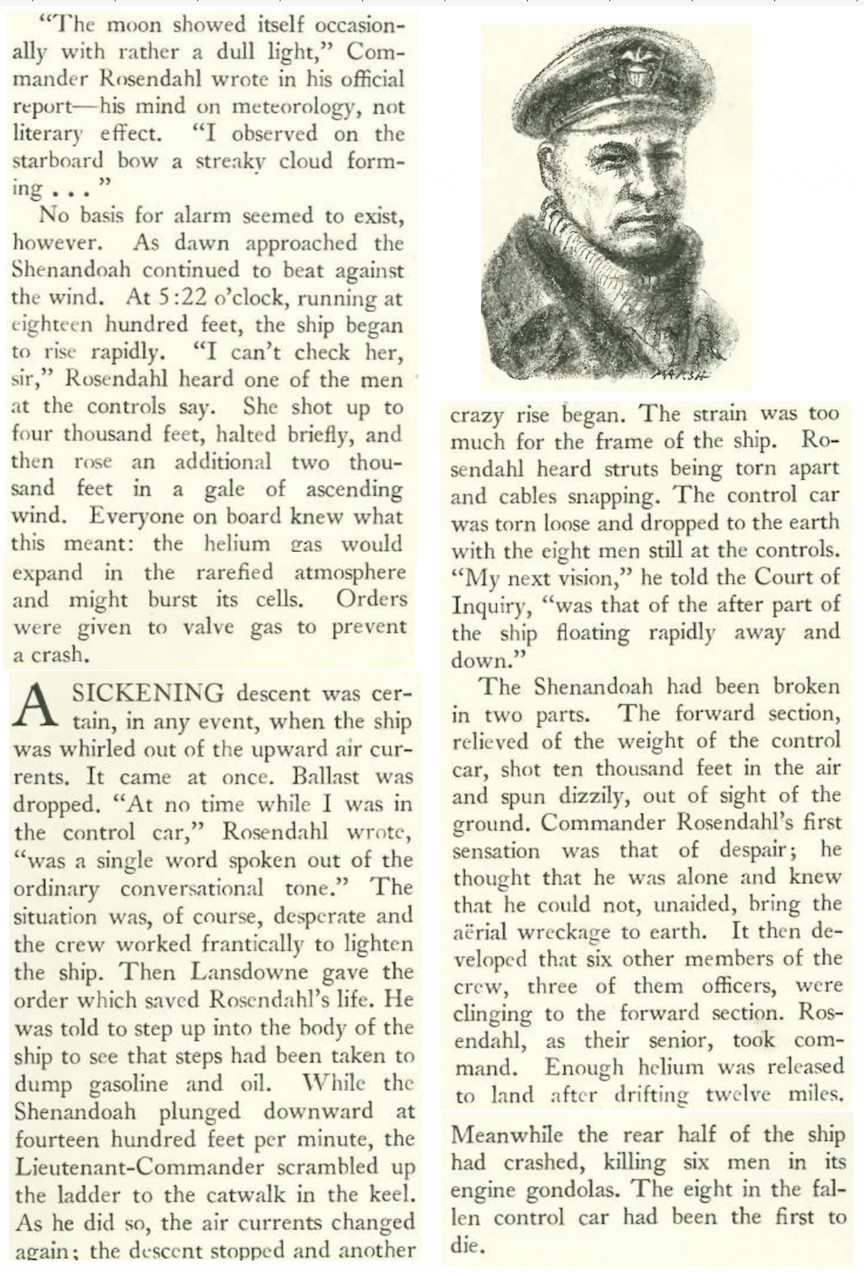
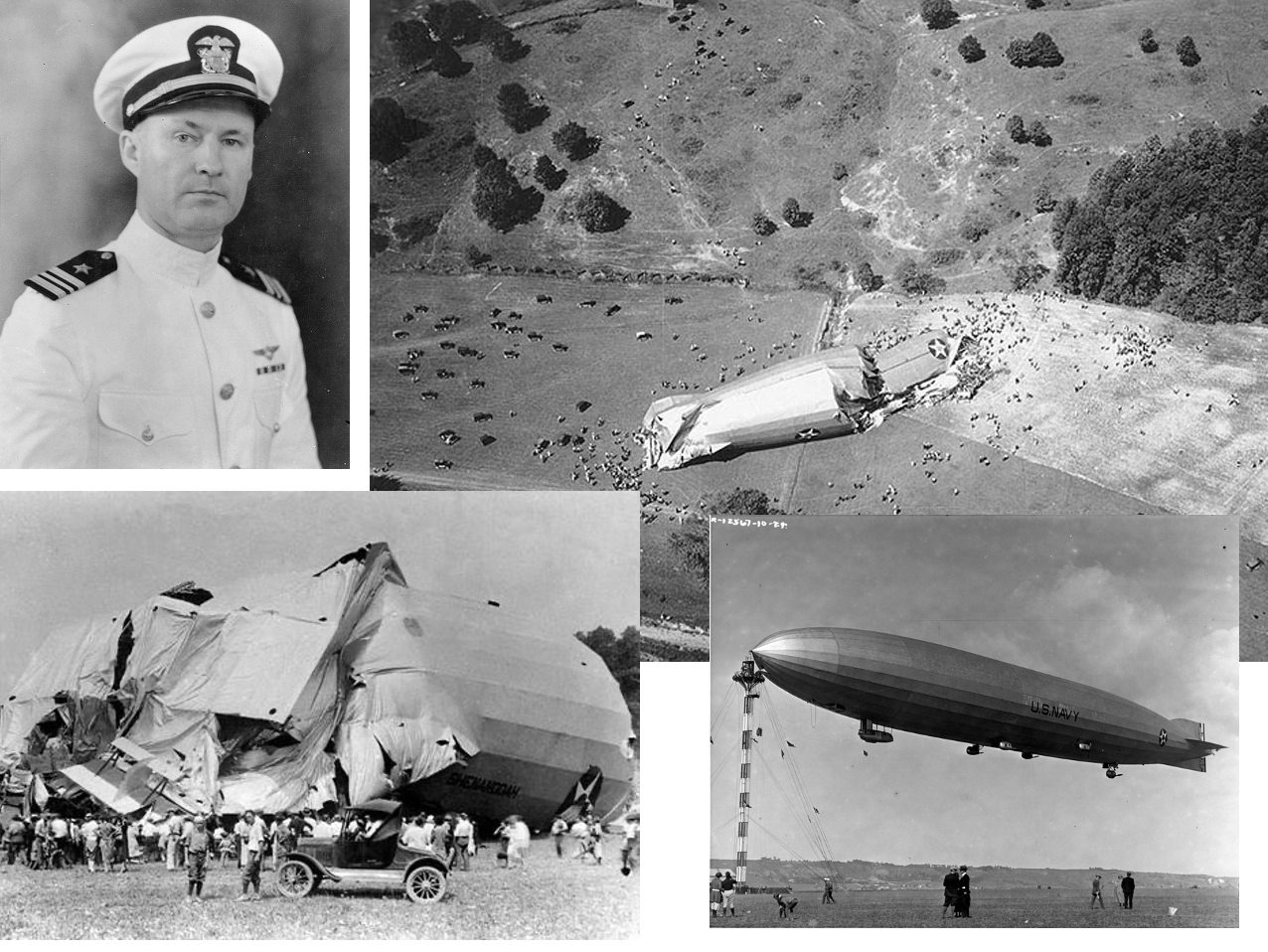
Dirigibles, however, were challenging to operate—with crew members outnumbering passengers—and sometimes they fell from the sky. Such was the fate of the USS Shenandoah during a 1925 publicity flight over Ohio. On board was the Navy’s Lt. Cmdr. Charles Emery Rosendahl (1892–1977), who had to act quickly when the airship encountered a severe thunderstorm. Hitting a violent updraft that carried it beyond the pressure limits of its gas bags, the airship was torn apart. For the March 26 “Profile,” writer Henry Pringle recounted Rosendahl’s experience:

HE LIVED TO TELL ABOUT IT…Clockwise, from top left, Lt. Cmdr. Charles Rosendahl, USN, circa 1930; the USS Shenandoah in pieces near Caldwell, Ohio; the airship in better days; close-up view of the wreckage. (Wikipedia/airships.net)
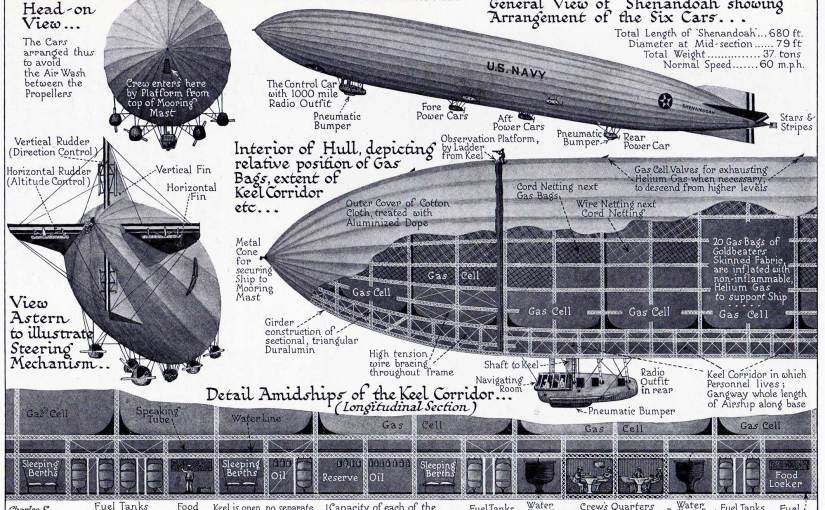
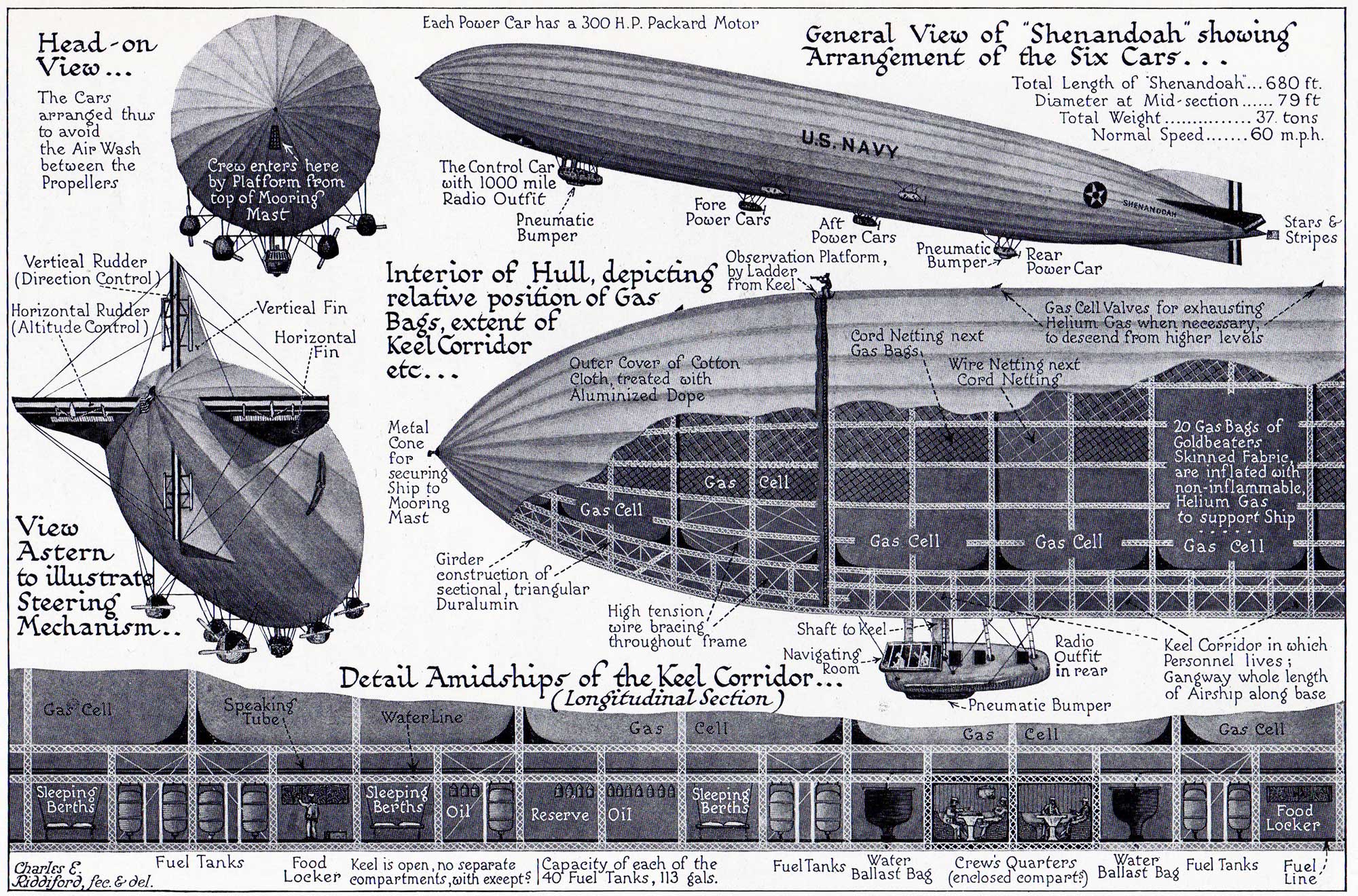
IT WAS A GAS…Like other other early dirigibles, the USS Shenandoah was designed for war (fleet reconnaissance) rather than passenger service. It was the first rigid airship to use a safer gas, helium, rather than hydrogen to gain lift. However, helium was scarce at the time, and the Shenandoah used almost all of the world’s reserves to fill its gas cells, which held 2,100,000 cubic feet. (fly.historicwings.com)


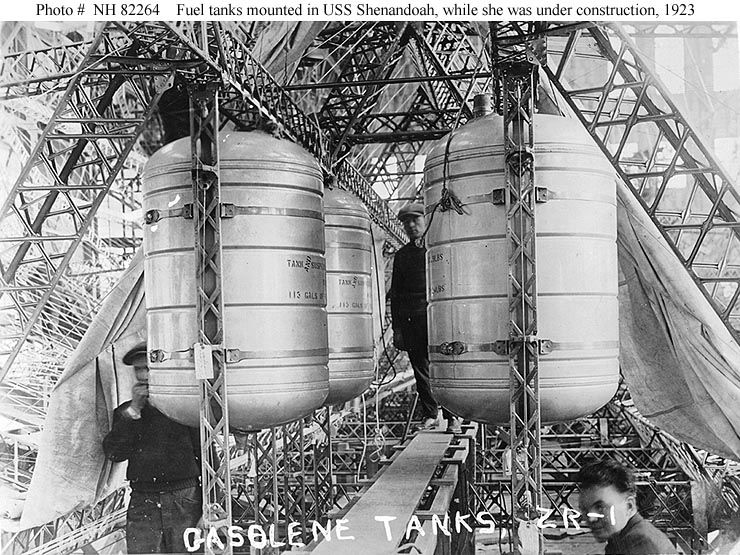
ON THE CATWALK…Lt. Cmdr. Charles Rosendahl hurried through this area while the USS Shenandoah was being torn apart in mid-air. Rosendahl was ordered out of the control car by the airship’s pilot, Cmdr. Zachery Landsdowne, to check on the Shenandoah’s oil and gas tanks. It was an order that ultimately saved Rosendahl’s life: Eight crew members in the control car, including Landsdowne, perished. In all, 14 crew members lost their lives. (airships.net)

 *  *  *

Untouchable Unmentionables

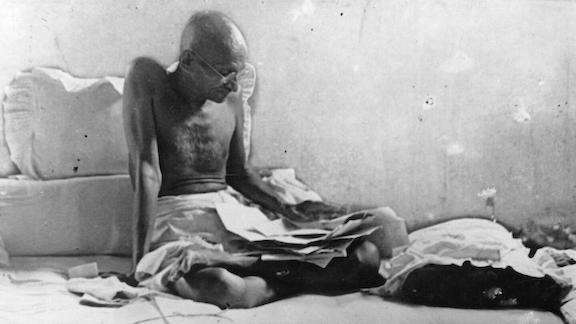
In his “Notes and Comment,” E.B. White mused about one Boston store’s promotion of a line of women’s underwear as “Gandhi panties,” apparently inspired by the loincloth worn by Indian liberator Mahatma Gandhi:

THE SIMPLE LIFE…Mahatma Gandhi held numerous hunger strikes during his years of protest against India’s caste system and British Imperial rule. He is pictured here in jail in September 1932 during the second of his fasts, protesting the British government’s decision to separate India’s electoral system by caste. (history.com)

 *  *  *

Hearst Wurst

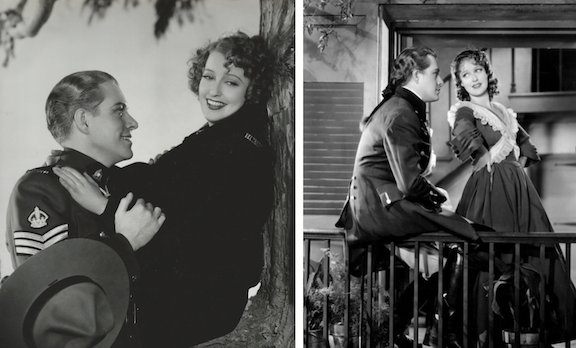
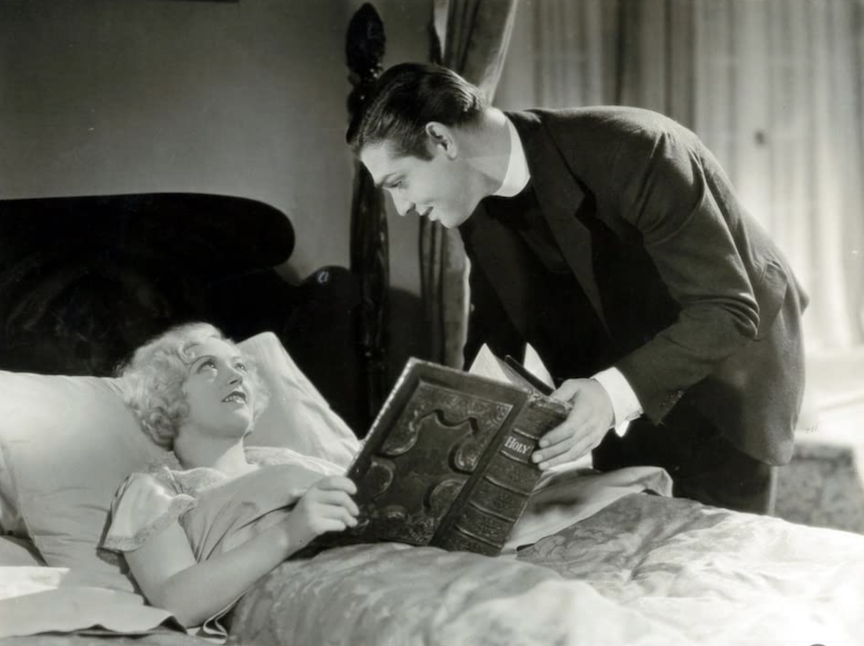
Film critic John Mosher was not happy with the happy ending (or much else) in the William Randolph Hearst-backed Polly of the Circus, which starred Hearst’s mistress, Marion Davies, along with emerging star Clark Gable, who portrayed a small-town minister who risked his career for love with a trapeze artist.

JUST READ THE NAUGHTY BITS…Top image: With the backing of William Randolph Hearst, Marion Davies was able to bill her latest MGM film as a “Marion Davies Production.” Davies had star billing over Clark Gable in Polly of the Circus, but as his star rose in the 1930s, Davies saw her fortunes (and Hearst’s) drain away during the Depression years. Bottom image: the Reverend John Hartley (Gable) and trapeze artist Polly Fisher (Davies) “look for something hot” in the Book of Ruth. (IMDB)

 *  *  *

From Our Advertisers

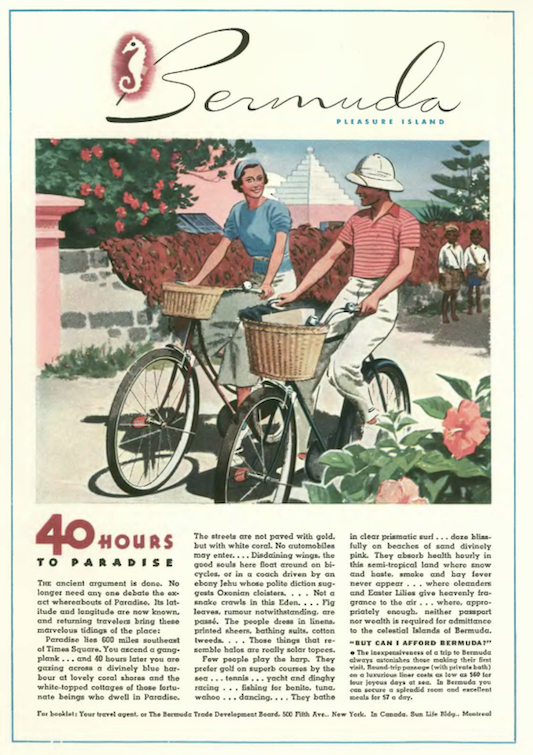
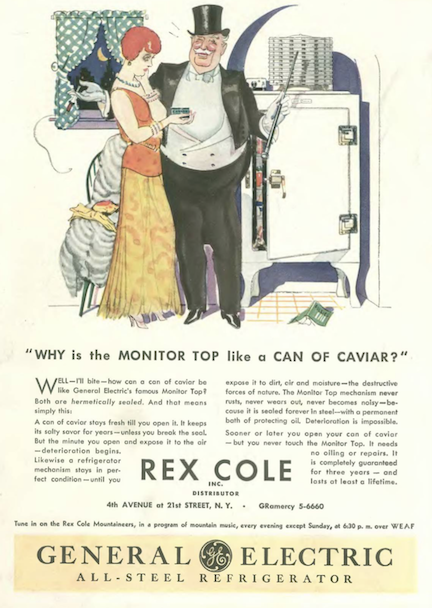
Electric refrigerators for home use had been around for less than decade in 1932, but as more companies got into the business, the drive to distinguish one’s product from the competitor’s became keen…the distinctive “Monitor Top” GE refrigerators were touted by Rex Cole in both their ads and in the design of their showrooms…

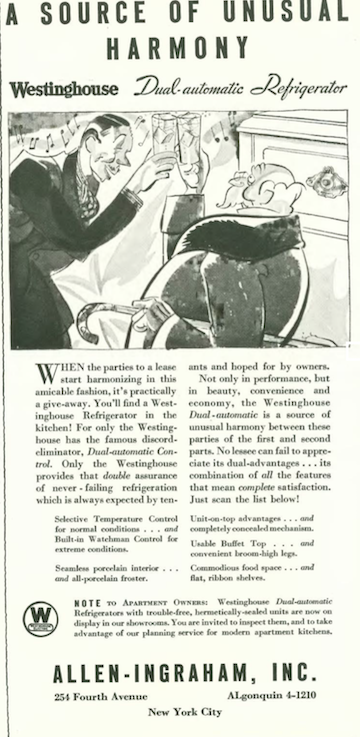
…Allen-Ingraham, on the other hand, demonstrated how their “dual-automatic” Westinghouse could bring harmony to a party of bootleg-swilling old gents…

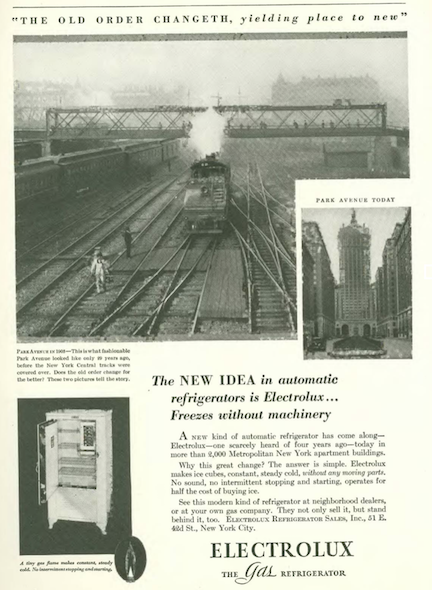
…the makers of Electrolux invoked the inevitable march of time and progress in promoting their “automatic” refrigerator…

…on to sundry things, the upscale British department store Fortnum & Mason employed this simple ad to demonstrate the superiority of old money over the preening lower orders…

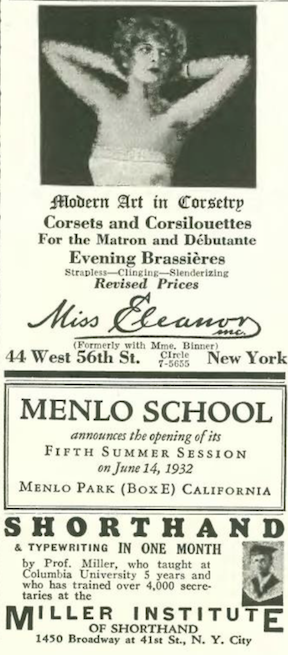
…and in the back pages we find these cheap ads for corsets, a prep school and a shorthand lessons…

…the makers of Listerine reminded readers of the connection between their old line of antiseptic products and their new line of cigarettes…

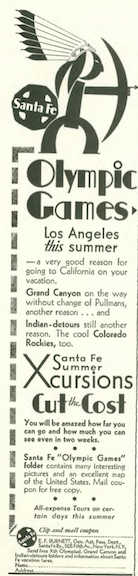
…the Santa Fe Railroad invited travelers to the Summer Olympics in Los Angeles…

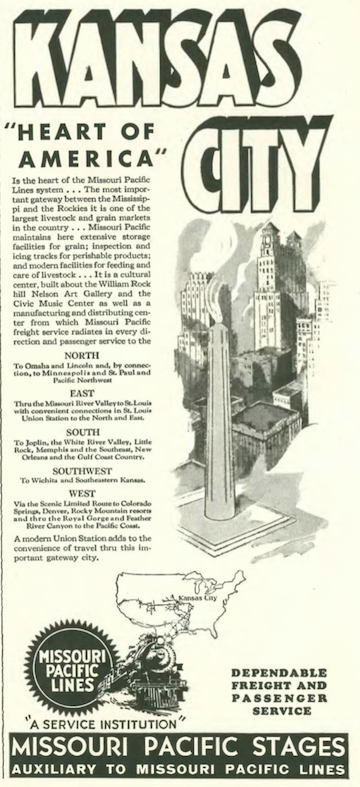
…while the Missouri Pacific line promoted the wonders of Kansas City, the “Heart of America”…

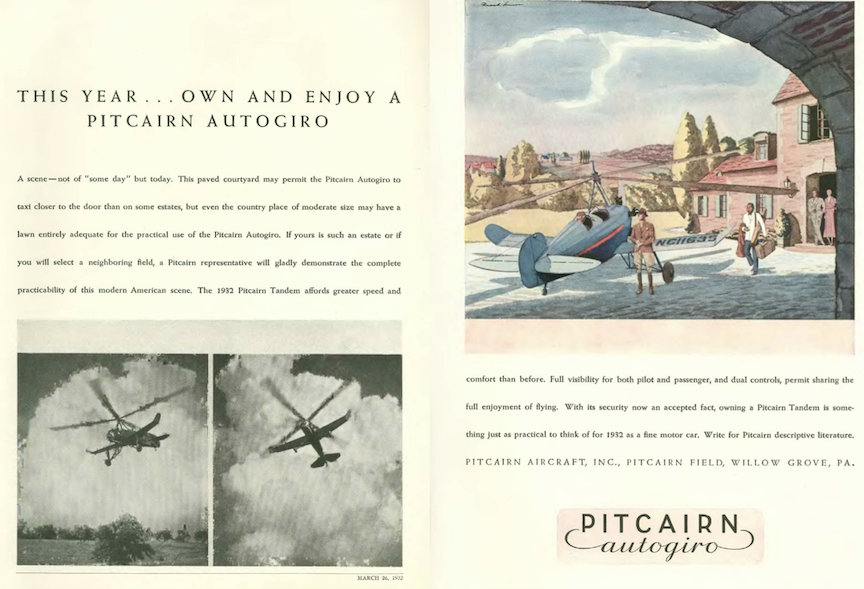
…makers of the autogiro — part airplane, part helicopter — continued to promote the advantages of this supposedly easy to fly contraption…in the 1930s the autogiro was seen as the future of personal air travel, some predicting that the craft would join the automobile in many a garage…

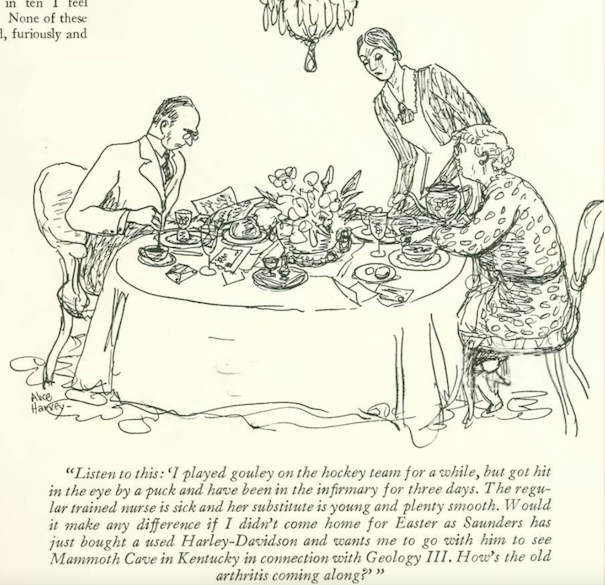
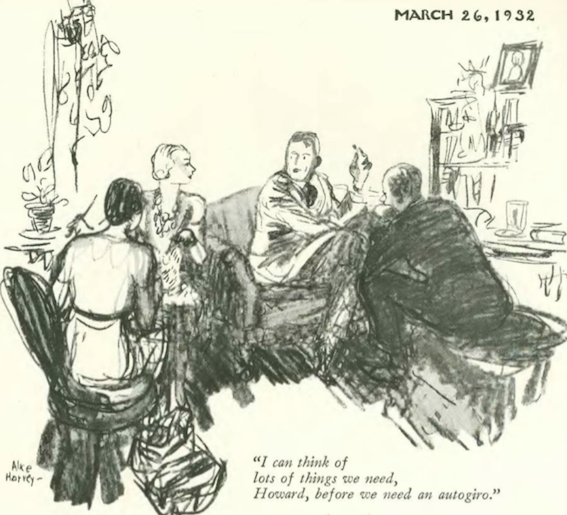
…on to our cartoons, Alice Harvey found one man who was ready for the autogiro lifestyle…

…and Peter Arno gave us an old walrus ready to take advantage of an unsuspecting host…

……and Helen Hokinson’s “girls” also found themselves involved in a scandalous situation…

…on to the April 2, 1932 issue…

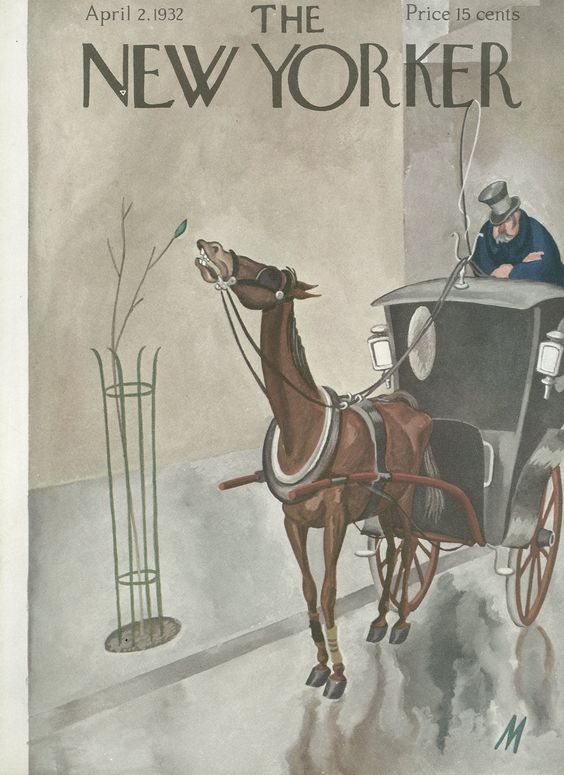
April 2, 1932 cover by Julian de Miskey.

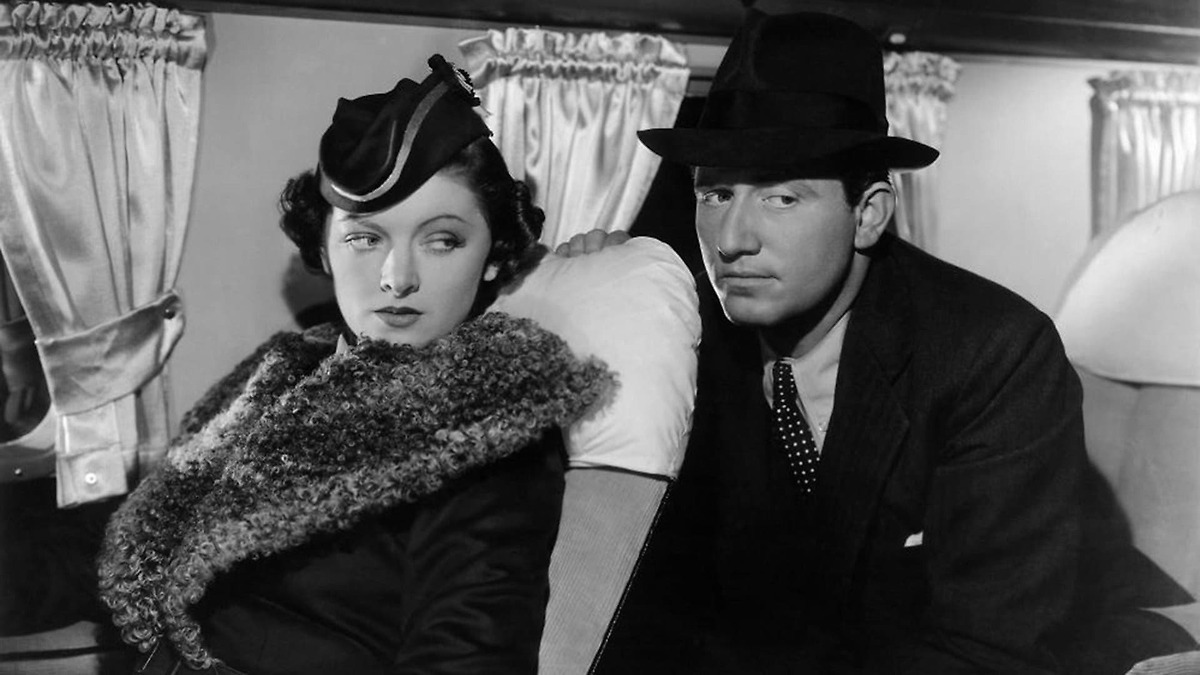
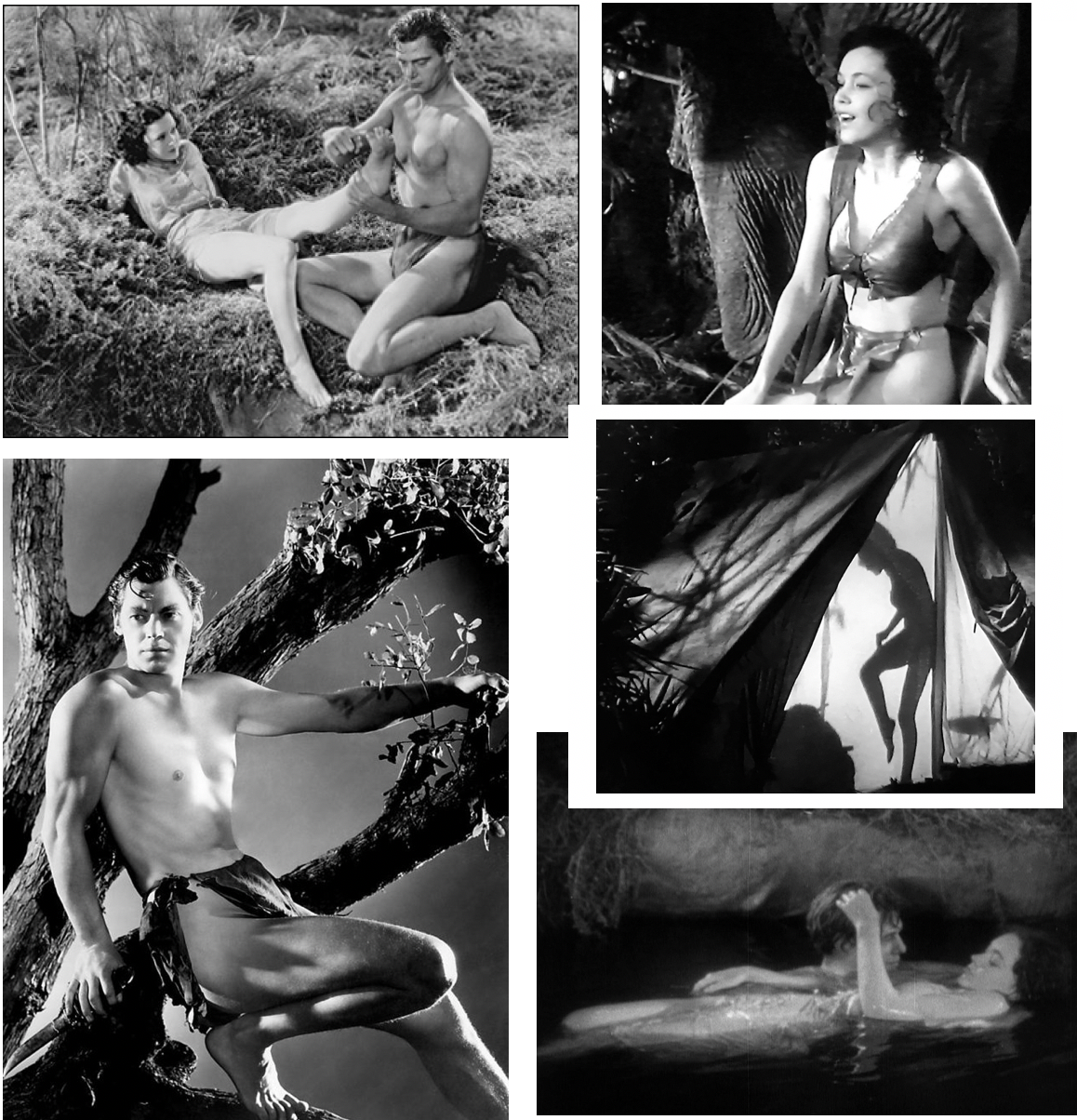
…where this time critic John Mosher took a look at a new film (and a new film genre) — Tarzan, the Ape Man, starring Johnny Weissmuller and Maureen O’Sullivan.

Weissmuller (1904-1984) was well known in the 1920s as a five-time Olympic Gold Champion swimmer, so the 28-year-old was a familiar face when he stepped into the title role. The Irish-born O’Sullivan (1911-1998) had appeared in seven films in 1930-31 before she was cast as Jane Parker in Tarzan, the Ape Man. Mosher found the film silly, but entertaining nonetheless.

THAT PRE-CODE LOOK…Before decency codes were strictly enforced in Hollywood, many early 1930s films featured scenes that were pretty racy for those times. Both Maureen O’Sullivan and Johnny Weissmuller were scantily clad for their roles in 1932’s Tarzan the Ape Man. (IMDB/fanpop.com/manapop.com/YouTube)

 *  *  *

Cancel Me, Kate

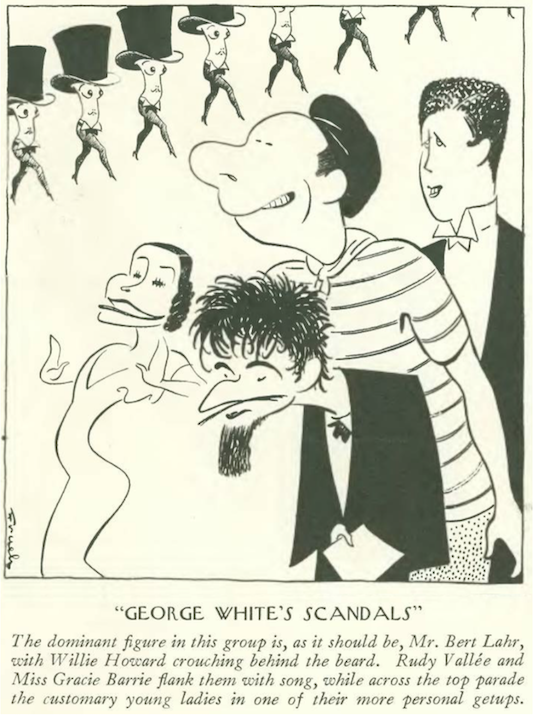
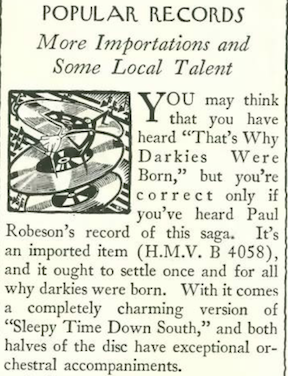
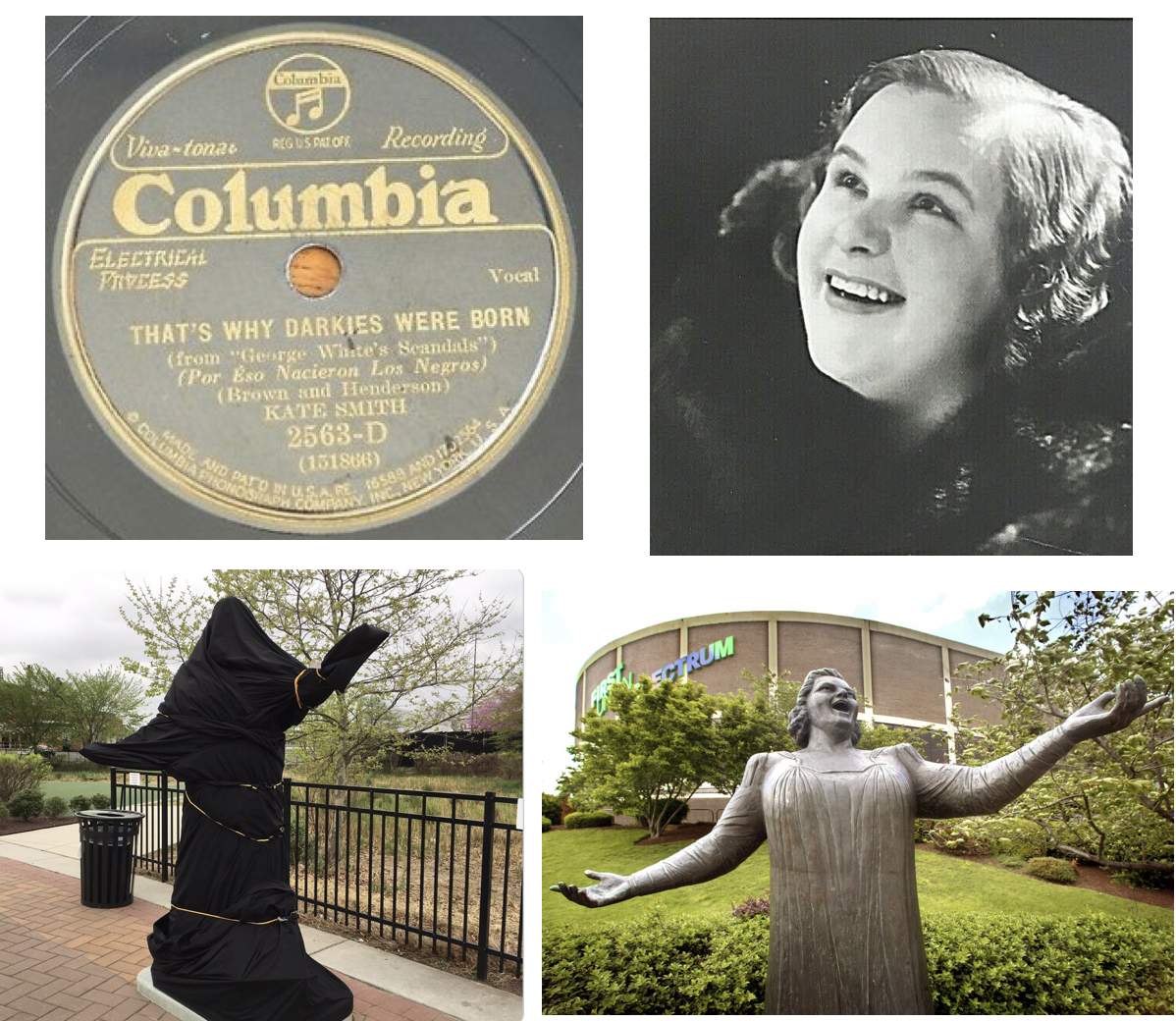
“That’s Why Darkies Were Born” was a popular song in those days of casual racism, written by Ray Henderson and Lew Brown for George White’s Scandals of 1931. It was recorded by a number artists including Paul Robeson (see below) and Kate Smith — it was one of Smith’s biggest records and also the reason she was recently “cancelled” in some sports venues.

In 2019 the New York Yankees announced that Smith’s rendition of “God Bless America” would no longer be played at Yankee Stadium, citing not only Smith’s version of “That’s Why Darkies Were Born” but also her past performances of the song “Pickaninny Heaven.” The Philadelphia Flyers followed the Yankees example, covering up and later removing a statue of Smith outside the Wells Fargo Center.

THAT’S WHY YOU WERE CANCELLED…One of Kate Smith’s biggest early hits was her performance of “That’s Why Darkies Were Born.” In 2019 the Philadelphia Flyers organization covered and later removed a statue of Smith outside the Wells Fargo Center. (mprnew.org)

 *  *  *

From Our Advertisers

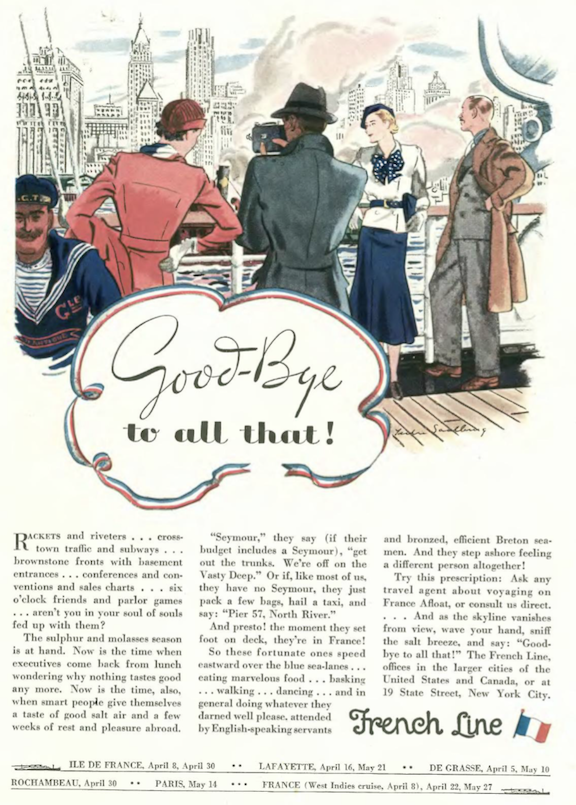
We have more inducements to travel, this time abroad and in style aboard the French Line…

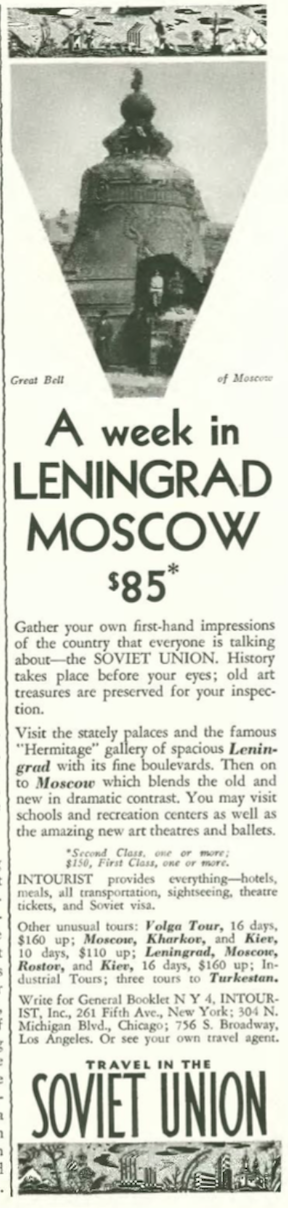
…or if you were looking for something a bit more exotic, Intourist could book you passage to the Soviet Union…

…on to our cartoonists, we begin with this great spot illustration by Victor De Pauw, who contributed to The New Yorker from 1928 to 1948…

William Crawford Galbraith offered some insight into the cultural tastes of the upper orders…

…while Alan Dunn illustrated the Depression’s domestic woes…

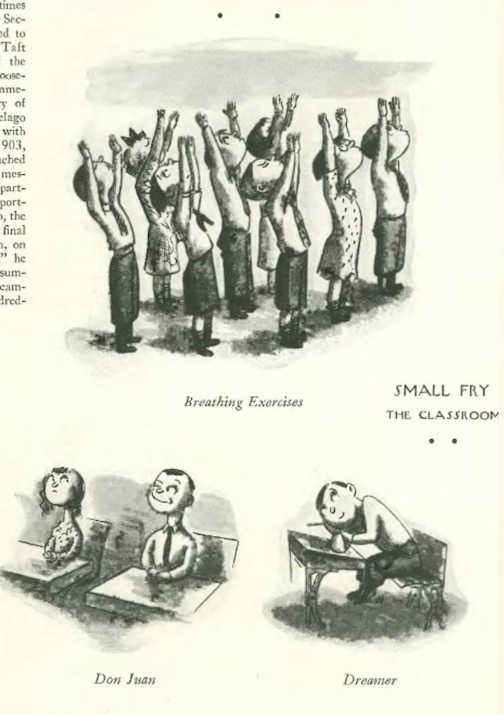
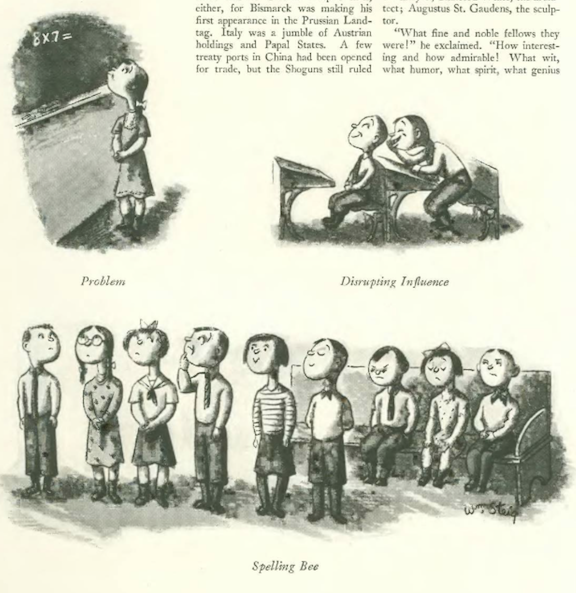
…and we have what I believe is the first appearance of William Steig’s “Small Fry” children identified as such…many more would follow, later to be collected into a popular book by the same name…

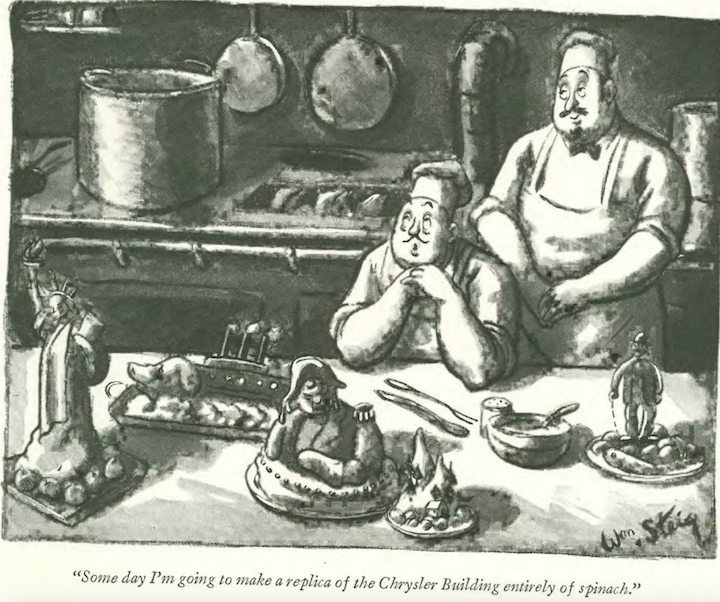
…and another by Steig of a person contemplating his life’s desire…

…and we end with James Thurber, with all of his familiar themes tied up in one drawing…

Next Time: A Return to the Nightlife…