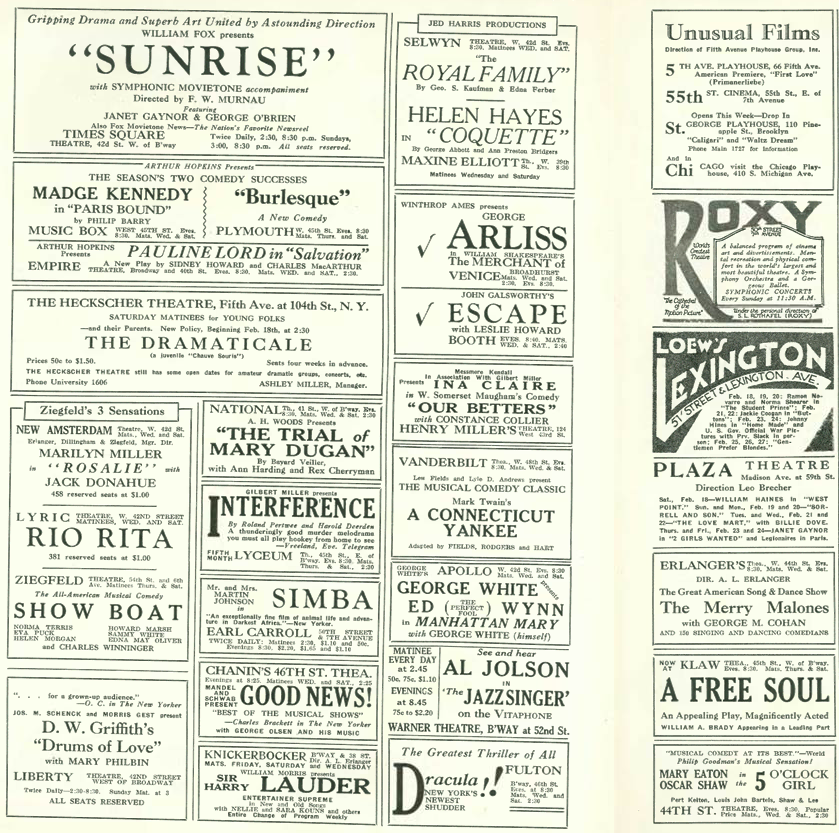
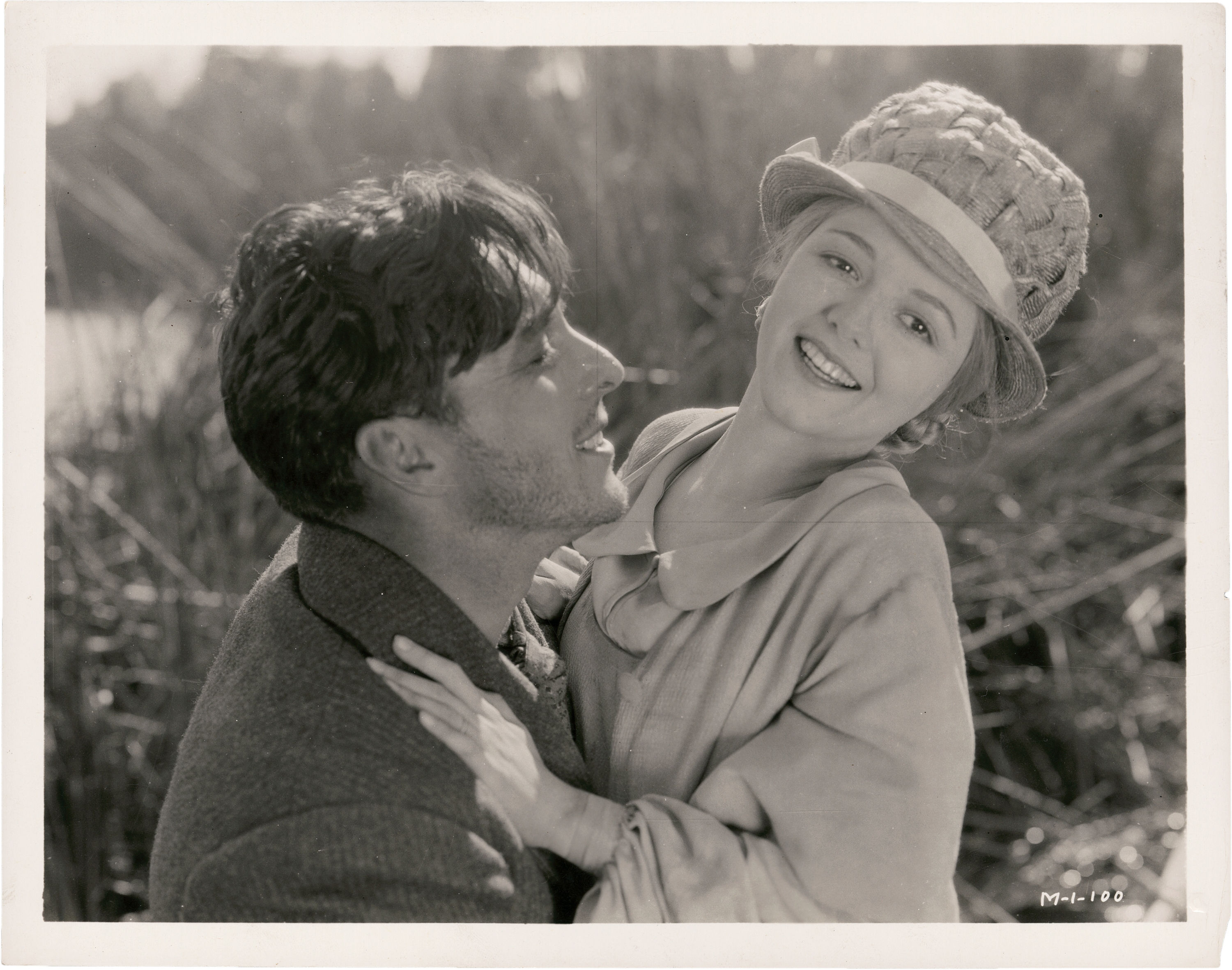
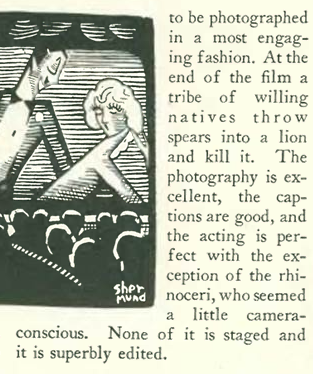
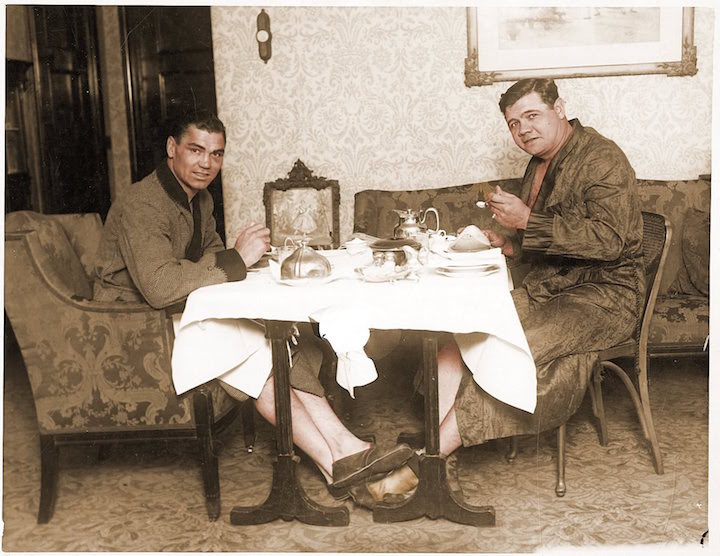
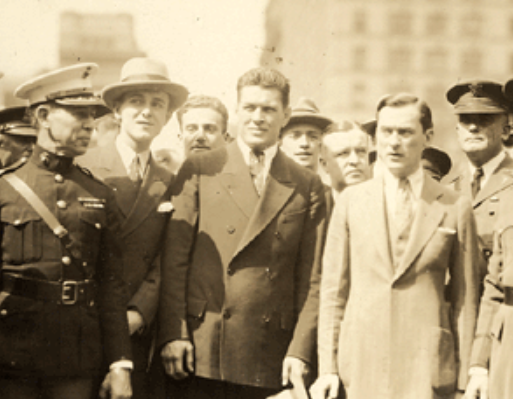
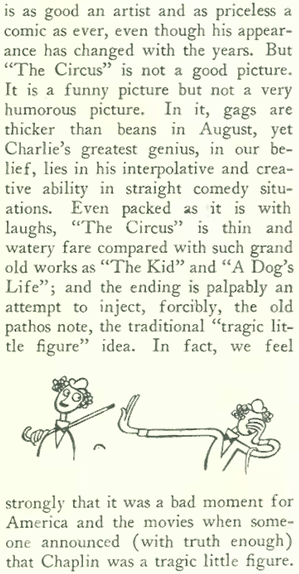
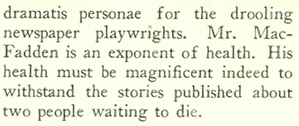
After months of reporting on polo, golf, tennis and yacht races, The New Yorker finally mentioned baseball–sort of–reviewing a movie featuring Babe Ruth and penning a brief piece about Lou Gehrig in “The Talk of the Town.”
August 6, 1927 cover by Ilonka Karasz.
But the magazine still made no mention of the incredible season that was shaping up for the legendary 1927 New York Yankees, or the feats of its feared “Murderer’s Row” lineup. Although widely considered to be the best baseball team in the history of major league baseball, The New Yorker up to this point had given more ink to the game of ping pong. But we’ll take what we can get, namely Babe Ruth’s acting performance in Babe Comes Home…
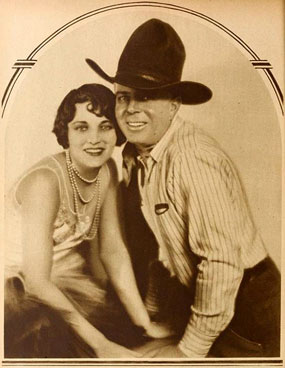
BETTER STICK TO BASEBALL…Lobby card for the 1927 film, Babe Comes Home, featuring Anna Q. Nilsson and The Bambino himself. (posterscancollections.com)
…and over in “The Talk of the Town” section the editors looked at another Yankee slugger, Lou Gehrig, who besides his hitting ability was Ruth’s opposite…
MOM & APPLE PIE…Lou Gehrig and his mother, Christina, in 1927. (baseballfever.com)
* * *
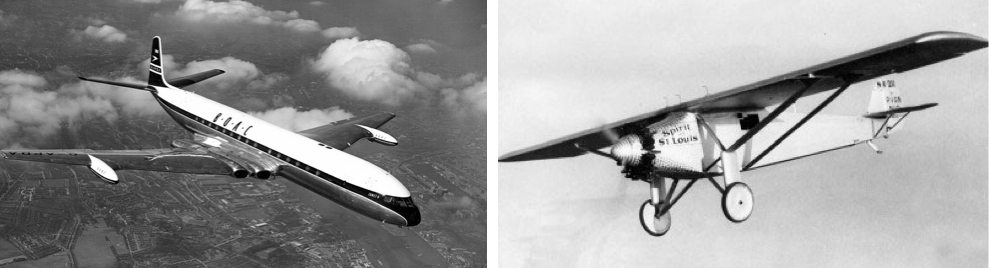
With the hullabaloo over Charles Lindbergh’s transatlantic flight, more Americans were becoming interested in flying as an actual travel option, although in August 1927 New York City had only one established passenger line:
HUMBLE BEGINNINGS…On April 15, 1927, Colonial Air Transport (a predecessor of American Airlines) began passenger service between Boston and New York City. (Boston Globe)SORRY, NO WI-FI…National Air Transport, a predecessor of United Airlines and a prime mail carrier, brought the Travelair 5000 to their minimal fleet in 1927 to add passenger revenue to its Midwestern and Western hops that linked Chicago, Omaha, Cheyenne, Salt Lake City, Reno and San Francisco. (traveler.com)
* * *
The August 6 issue also featured this strange little review in “Talk” about the popularity (or fad) of attending Chinese theater. Note how the writer described it as an exotic curiosity, as though the Chinese actors were as unknowable as Martians. I suppose it didn’t occur to the writer that you could actually speak to these performers, and have them explain the meanings of the various rituals.
OFF-BROADWAY…Actor Ma Shi-tsang posing with a riding crop in a 1920s publicity photo. Chinese theater actors performed in U.S. cities with large Chinese populations, including San Francisco and New York. (cdlib.org)
And to close, a couple of cartoons from the issue by Barbara Shermund that illustrated two very different aspects of New York society:
In 1927 silent film star Charlie Chaplin was working on his latest film, The Circus, when his second wife, Lita Grey, filed for divorce, accusing her husband of infidelity, abuse, and of harbouring “perverted sexual desires.” Life imitated art, and Charlie’s own life became a circus.
July 23, 1927 cover by Stanley W. Reynolds.
TheNew Yorker’s Ralph Barton, who contributed countless illustrations for the magazine (and was a close friend of Chaplin’s), wrote about Chaplin’s latest travails in a column titled “Picking on Charlie Chaplin.”
LIFE ON THE HIGH WIRE…Charlie Chaplin in The Circus (1928). (MoMA)
The “2” Barton mentioned were teenaged actress Lita Grey and her mother, Lillian Parker.
In 1924 the 35-year-old Chaplin married the 16-year-old Grey in a discreet ceremony in Mexico — because Grey was pregnant, Chaplin could have been charged with statutory rape under California law (it was Chaplin’s second marriage, and his second to a teenaged actress). Chaplin and Grey had two sons from their brief union–Charles Spencer Chaplin, Jr., was born in 1925, followed by Sydney Earl Chaplin in 1926.
The divorce made headline news as Chaplin was reported to be in a state of nervous breakdown. Filming for The Circus was suspended for ten months while he dealt with the mess:
Chaplin’s lawyers agreed to a cash settlement of $600,000—the largest awarded by American courts at that time (Roughly equivalent to more than $8 million today). Groups formed across America calling for his films to be banned (no doubt the same groups that had earlier protested his marriage to a pregnant, teenaged minor). Barton mused that the protests might cause Chaplin to abandon America for the more permissive atmosphere in Europe:
HERE’S LOOKING AT YOU…Charlie Chaplin first became acquainted with the 12-year-old Lillita McMurray (later Lita Grey) during the filming of The Kid (1921).PRATFALL…Charlie Chaplin and Lita Grey during their brief, tumultuous marriage. (The Artifice)
The Circus was released in January 1928 to positive reviews, and during the first-ever Academy Awards Chaplin received a special trophy, “For versatility and genius in acting, writing, directing and producing The Circus. Despite the film’s success, he rarely spoke of it again. For Charlie, it was a time best forgotten.
* * *
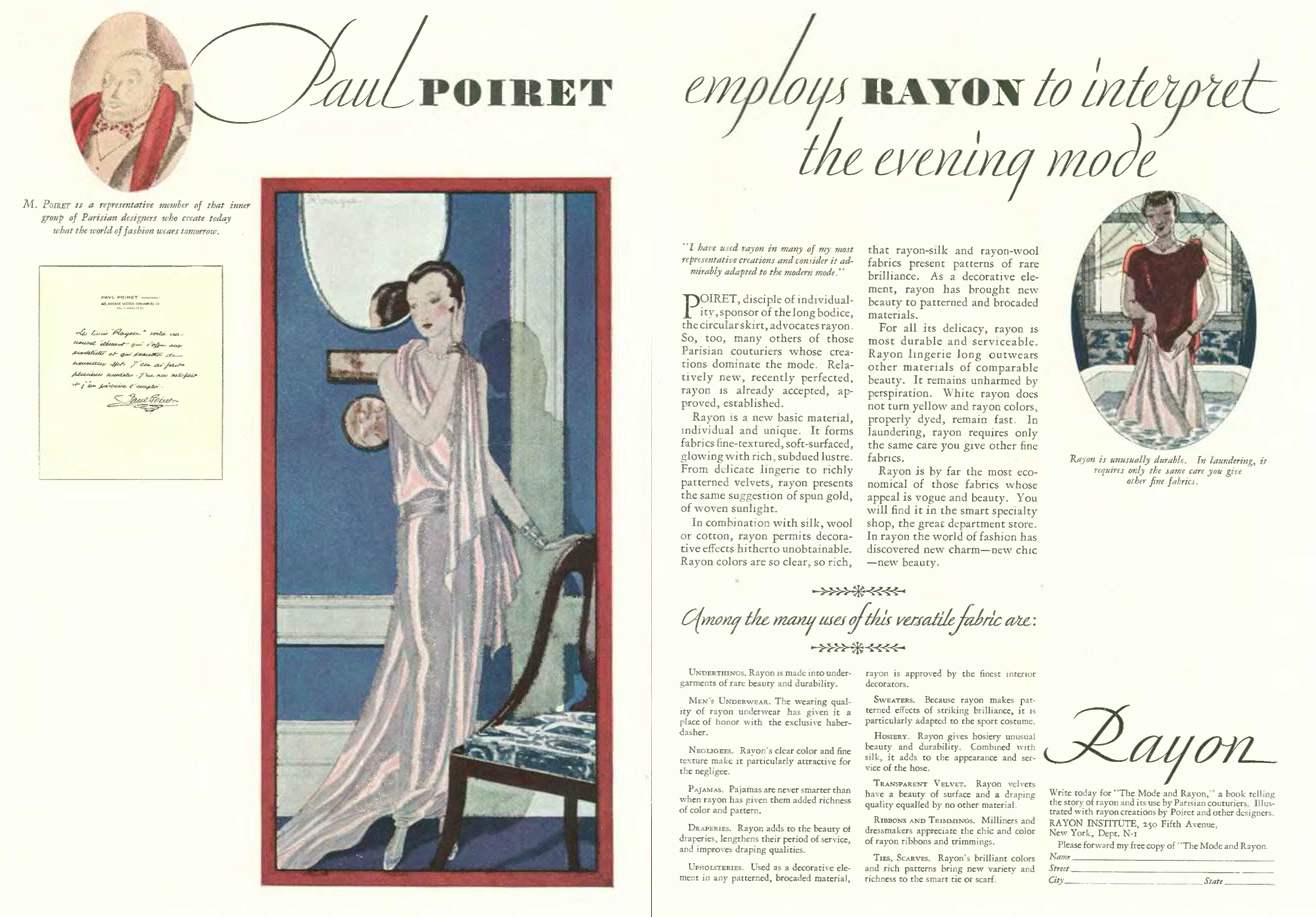
And now, an advertisement from the July 23 issue urging readers to buy the 1920s equivalent of “Smart Water” endorsed by the Sun King himself…
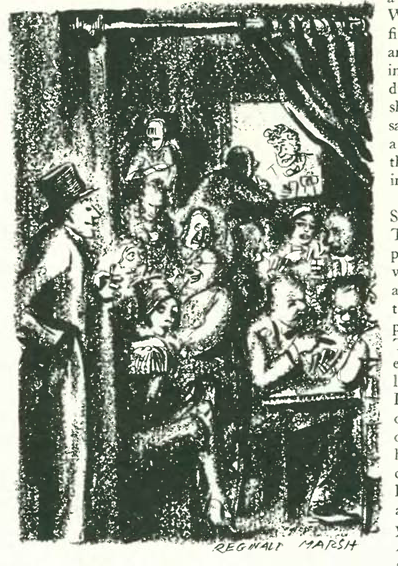
…and a cartoon by Reginald Marsh, portraying a distinctly American view of the grandeur of Niagara Falls…
* * *
On to July 30, 1927 issue, in which The New Yorker once again takes a poke at our 30th President…
July 30, 1927 cover by Ilonka Karasz.
…and his latest adventures in the wilds of South Dakota’s Black Hills:
BIG CHIEF…President Calvin Coolidge donned a headdress while being named an honorary Sioux chief (“Leading Eagle”) in Deadwood, South Dakota. His advisers cautioned that the headdress would make him look funny, but he apparently replied, “Well it’s good for people to laugh, isn’t it?” (AP)
Safely back in the environs of the big city, The New Yorker continued to take stock of summer sports such as tennis, polo, and the yacht races at Larchmont (but still no mention of the legendary ’27 Yankees). This illustration of the races (unsigned, but I guess it is Reginald Marsh) graced a double-spread below “The Talk of the Town”…
(click to enlarge)
…and if you were attending the races, or wanted to look stylish on your yacht (or if you just wanted to dress this way to appear that you owned one), you could check out the selections at B. Altman’s…
…looking smart was everywhere in the issue, from multiple ads for fall furs, to this come-on from Buick, which suggests that even though it is no Cadillac, and certainly not a Rolls, its smartness will prevail “on any boulevard”…
The Buick ad is somewhat revolutionary for an early automobile ad in that it doesn’t actually show the product advertised.
As for those not among the smart set, and not enjoying the races at Larchmont, there were other summer diversions, as rendered here by J.H. Fyfe:
The July 1927 issues of the New Yorker were filled with news of yacht races, polo matches and golf tournaments as the city settled into the heart of the summer. The artist for the July 9 cover, Julian de Miskey, was in the summertime mood with this lively portrayal of Jazz Age bathers:
July 9, 1927 cover by Julian de Miskey. Born in Hungary in 1898, de Miskey emigrated to the United States in 1914.
Although Julian de Miskey (1898–1976) was was one of the most prolific of the first wave of New Yorker artists, his work seems to be little known or appreciated. But more than forty years after his death his influence is still felt in the magazine, particularly in the spot illustrations and overall decorative style that grace the pages of “The Talk of the Town.”
Here is a sampling of de Miskey’s spot illustrations for “Talk” in the July 9 and July 16, 1927 issues…
…and here are examples of spot illustrations for some recent (Aug-Sept. 2016) New Yorker “Talk” sections, as rendered by Antony Huchette (which also reference Otto Soglow’s spot work for The New Yorker)…
De Miskey did it all–spots, cartoons, and dozens of covers. A member of the Woodstock Art Association, de Miskey was well known in the New York art circles of his day, rubbing elbows in the Whitney Studio Club in Manhattan with artists including Edward Hopper, Guy Pene du Bois, Mabel Dwight and Leon Kroll. De Miskey also illustrated and designed covers for a number of books, studied sculpture and created stage sets and costume designs.
PROLIFIC…Julian de Miskey illustrated a number of children’s books, including Chúcaro: Wild Pony of the Pampa (1958-Newbery winner); The Trouble with Jenny’s Ear (1960); and Piccolo (1968) which was both written and illustrated by de Miskey.
The June 9 issue also featured this cartoon by de Miskey:
* * *
President Calvin Coolidge fled the bugs and heat of Washington, D.C. for cooler climes in the Black Hills of South Dakota. The New Yorker regularly mocked Coolidge’s dispatches from the Dakotas, including this item in “Of All Things”…
VAPID CITY…President Calvin Coolidge wears a cowboy hat and Western garb while on a two-month vacation in the Black Hills of South Dakota in 1927. (Library of Congress)
The magazine’s July 16 issue added this observation in “The Talk of the Town”…
Closer to home, M. Bohanan offered an urban sophisticate’s take on nature:
For those who couldn’t flee the city, respite was sought in Central Park, as illustrated by Constantin Alajalov for “The Talk of the Town…”
click to enlarge
Summer themes continued with the July 16 issue, which featured a cover by Helen Hokinson depicting one of her favorite subjects–the plump society woman:
July 16, 1927 cover by Helen Hokinson.
From 1918 to 1966, thousands of New Yorkers attended summer open-air concerts at Lewisohn Stadium, an amphitheater and athletic facility on the campus of the City College of New York. For many years Willem Van Hoogstraten conducted the nightly concerts, including the summer of 1927 when George Gershwin played his Rhapsody in Blue to adoring crowds.
Performance at Lewisohn Stadium, located at 136th Street and Convent Avenue. (nyc-architecture.com)Program for the 1925 Stadium Concerts series. (archives.nyphil.org) Click to enlarge
FINAL BOW…A still from the 1973 film Serpico, showing actors Al Pacino and Tony Roberts walking through the abandoned Lewisohn Stadium just before it was demolished. (YouTube)UGH…The Lewisohn Stadium site is now occupied by a City College of New York building with the inspiring name, “North Academic Center.” (nyc-architecture.com)
And finally, another illustration in the “Talk of the Town” of summer in the city, this a teeming Coney Island beach courtesy of Reginald Marsh…
click to enlarge
However, if you wanted to avoid the rabble at the beach, you could fly over them–in style, of course…
Charles Lindbergh was all over the July 2, 1927 issue of The New Yorker, which reported that Lindy was a better a flier than a writer, and as a celebrity the press had to be inventive with a subject who would rather be alone in a cockpit with a ham sandwich than be feted at countless banquets.
July 2, 1927 cover by Victor Bobritsky.
“The Talk of the Town” commented on the display at Putnam Publishing of a few manuscript pages penned by Lindbergh himself for his upcoming book, WE.
A draft of the autobiography had already been ghostwritten by New YorkTimes reporter Carlyle MacDonald, but Lindbergh disliked MacDonald’s “false, fawning tone” and completely rewrote the manuscript himself–in longhand–using MacDonald’s manuscript as a template. Those early results were displayed in Putnam’s 45th Street window to whet the appetites of eager readers:
FLYING THE ATLANTIC WAS EASIER…The dust jacket (left) for Charles Lindbergh’sWE. The ghostwritten first draft was disliked by Lindbergh, who in less than three weeks re-wrote the book in longhand. About a week later the book was published (July 27, 1927) and quickly became a bestseller. (Wikipedia)YEAH WHATEVER…Lindbergh appears less than thrilled during his ticker-tape parade in Manhattan on June 13, 1927. (Science Photo Library )
Nonplussed and often annoyed by all of the attention, Lindbergh was less than a colorful subject for the media. Philip Wylie (writing under the pseudonym “Horace Greeley Jr.”) in The New Yorker’s “Press in Review” column observed that reporters, seeking a more conventional image of a sentimental hero, decided to “supply him with emotions” he apparently lacked:
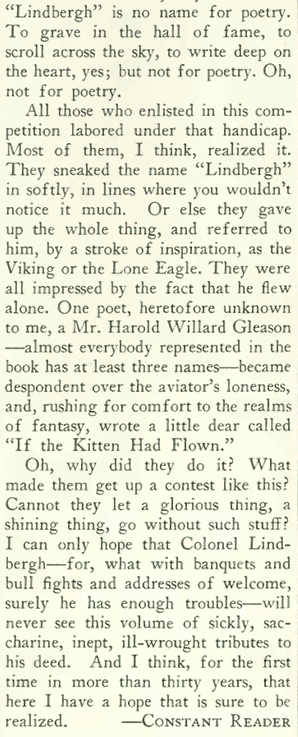
Other reporters resorted to treacly tributes…
…and if the subject himself wasn’t very interesting, you could always resort to listing quantities of food and drink as a measure of the spectacle…
WHERE’S MY HAM SAMMICH?…Invitation to the WE banquet at the Hotel Commodore (Wikipedia).
And if the reception at the Hotel Commodore wasn’t to your liking, you could go to the new Roxy Theatre and put in a bid for 300 pounds of home-made candy:
* * *
We’ll give Lindy a break and move on to excerpts from Upton Sinclair’s “How to be Obscene,” in which he tweaks the Boston bluenoses:
And then we have this advertisement for the Orthophonic Victrola, promising to bring the clear tones of racism into your home courtesy of the Duncan Sisters:
The Duncan Sisters were a vaudeville duo who created their stage identities in the 1923 musical comedy Topsy and Eva, derived from the novel Uncle Tom’s Cabin by Harriet Beecher Stowe. The musical was a big hit.
THAT WAS ENTERTAINMENT…Sisters Rosetta (left) and Vivian Duncan as Topsy and Eva. (silenceisplatinum.blogspot.com)Rosetta and Vivian Duncan in a promo photo. (silenceisplatinum.blogspot.com)
After a brief foray into movies in the early 1930s, the duo mostly entertained at night clubs and for many years continued to perform their Topsy and Eva routine even though appearing in blackface was considered impolite or offensive by later audiences. One of their final performances was on Liberace’s television show in 1956. The act ended in 1959 when Rosetta died in a car accident.
STILL TOGETHER…Vivian (left) and Rose Duncan on Liberace’s television show in 1956. They performed their Topsy and Eva routine, without the blackface. (YouTube)
* * *
And to close, a cartoon from the July 2 issue, courtesy of Julian de Miskey:
On June 22, 1927, the legendary French ocean-liner, the Île-de-France, traveled from Le Havre to New York on its maiden voyage, soon to be greeted by the American media and the thousands who would crowd the docks at New York Harbor to see the great ship.
June 25, 1927 cover by Ilonka Karasz.
Among those anticipating the visit was The New Yorker, which offered this account in “The Talk of the Town” for the June 25, 1927 issue:
PRIDE OF FRANCE…Postcard image of the Île-de-France from 1935. During a post-war refurbishment, the three funnels were replaced with a pair of stockier, more stylish funnels. (Wikipedia)
The Île-de-France was unique in that it was the first ocean-liner to have an interior design that didn’t imitate “shore-style” interiors that resembled rooms in manor houses or grand hotels. The trend-setting ship sported a modern, art deco look that celebrated the present and the future.
IN WITH THE NEW…The Main Foyer & Grand Staircase of the Île-de-France,(newyorksocialdiary.com)LEAVE YOUR FLIP-FLOPS AT HOME…The first-class dining room in the Île-de-France. (newyorksocialdiary.com)
Note that these photos do not contain images of water slides or all-you-can eat buffets. An ocean voyage, if you could afford it, was an elegant affair. The Île-de-France was especially popular among wealthy Americans who liked its stylish, youthful vibe.
The Île-de-France served as a troop ship during World War II, and in 1956 played a major role in rescuing passengers from the sinking Andrea Doria off the coast of Nantucket.
Unfortunately, anything that is youthful soon grows old, and as we all know, style is an ephemeral thing. With the advent of transatlantic jet transport, ships like the Île-de-France fell out of favor, and by 1960 the grand ocean liner was reduced to serving as a floating prop for a disaster movie titled The Last Voyage. The filmmakers partially sunk the poor ship, set fires and detonated explosions in the interior, and in a final act of desecration dropped one for the ship’s smoke stacks onto its deck house.
(IMDB)NOT A BUFFET IN SIGHT…Still from the 1960 movie, The Last Voyage, shot on board the soon-to-be-scrapped Île-de-France. (Screen shot from movie trailer)FIERY END…Fires were set in the interior of the Île-de-France during the filming of The Last Voyage. (Screen shot from movie trailer)BROUGHT TO ITS KNEES…The Île-de-France (named the SS Clarion in the movie) is partially sunk with its forward funnel collapsed in a still from the film, The Last Voyage.
* * *
The Ruth Snyder–Judd Gray murder trial and sentencing captivated Americans in 1927, but another trial and sentencing in the 1920s would bring worldwide attention and spark mass protests.
Nicola Sacco and Bartolomeo Vanzetti were Italian-born Americans who were convicted of murdering a paymaster and guard during a robbery of a Boston-area shoe company in 1920. Although convicted of murder the following year, many critics of trial believed Sacco and Vanzetti, who held anarchist views, were innocent of the charges, and the case became one of largest causes célèbres in modern history with protests held on their behalf in major cities across the U.S. and around the world.
Cause Célèbre…Nicola Sacco and Bartolomeo Vanzetti handcuffed together at the Dedham, Massachusetts Superior Court, 1923. (Boston Public Library).
Sentenced to death in April 1927, they would be executed the following August. TheNew Yorker, predisposed to look down on Boston as something of a backwater, had this to say about the trial in an article by Gerald Day for the “Reporter at Large” column:
The case also rekindled memories of other notorious trials:
The governor did appoint a commission to review the case, but the final decision was in his hands…
And so the only option left for Sacco and Vanzetti was clemency from the governor.
To close, a few illustrations from some of the magazine’s mainstay artists…this one from Johan Bull used to illustrate an article on the U.S. Open featuring amateur Bobby Jones…
…and keeping with the golf theme, this cartoon by Julian de Miskey…
…and finally, a little fun with Barbara Shermund and her comment on social mores of the day:
The New Yorker welcomed spring with a cover featuring Peter Arno’s popular Whoops Sisters testing the waters at the beach…
June 18, 1927 cover by Peter Arno, featuring his popular Whoops Sisters.
…and so was The New Yorker, on the south shores of Brooklyn to check out attractions old and new at Coney Island, paying a visit on an “off-day” to check out attractions ranging from incubating babies to the mechanical horse-race at the old Steeplechase:
WEIRD BUT WORTH IT…Incubating babies on display at Coney Island in the early 1900s. At the time, most babies were born at home, so hospitals did not have incubators–considered to be untested (and expensive) equipment. Dr. Martin Couney featured the device in “incubator shows” at various World’s Fairs and as a permanent exhibit at Coney Island from 1903 to 1943. Although he found the public spectacle somewhat distasteful, Couney hoped the exhibits would prove that the new technology actually worked. Paying for staff and machinery through ticket sales, he saved the lives of perhaps 8,000 premature infants at Coney Island. (NY Historical Society)BEFORE THERE WAS NATHAN’S…Feltmans hot dog stand, circa 1930s. Feltman’s began as a pushcart business on the sand dunes of Coney Island in 1867, operated by German immigrant Charles Feltman, considered the inventor of the hot dog on a bun. By 1920 Feltman’s Ocean Pavilion covered a whole city block and served more than five million customers a year. (digital commonwealth.org)OFF TO THE RACES…Riders astride mechanical horses prepare to compete in the popular Coney Island Steeplechase in this postcard image circa 1915. (carouselhistory.com)LANDMARK…Coney Island’s famed Cyclone roller coaster opened in 1927. (Encyclopedia Britannica)ONE MILLION lights brightened Coney Island’s Luna Park on a summer evening in the 1920s. (carouselhistory.com)
Of course not everything was as dazzling as Luna Park at night. Like any carnival, Coney Island had its share of barkers announcing everything from games of “chance” to freak shows and a wax museum that depicted–among other grisly sights–the murder of Albert Snyder by his wife, Ruth Snyder, and her lover, Judd Gray, and the subsequent execution of the notorious pair.
GET YOUR DIME’S WORTH…Barkers at Coney Island’s Eden Musee wax museum advertise the wax dummy recreation of the Ruth Snyder and Judd Gray executions, circa 1928. The Snyder-Gray murder trial of 1927 was a national media sensation. (houseoftoomuchtrouble.tumblr.com)
Charles Lindbergh, feted with his own wax image at Coney Island, was beginning to appear on the verge of a meltdown thanks to the relentless attention he was getting in the aftermath of his historic flight:
Lois Long also seemed at her wit’s end, abruptly announcing to readers that her nightlife column, “Tables for Two,” would go on hiatus for the summer. No doubt this was a relief to Long, who seemed to be growing weary of the nightclub scene and was doing double duty as fashion writer (“On and Off the Avenue”) for TheNew Yorker:
And perhaps there was another reason Long was taking a break–she would marry fellow New Yorker contributor and cartoonist Peter Arno on Aug. 13, 1927.
* * *
Always poised to take a poke at the newspaper media, TheNew Yorker had some fun with the New York Times’ attempt to reproduce an early wirephoto of Clarence Chamberlin, the second man to pilot a fixed-wing aircraft across the Atlantic from New York to Europe, while carrying the first transatlantic passenger, Charles Levine. The original photo apparently showed Chamberlain and Levine being greeted by the mayor of Kottbus, Germany:
Charles Levine took a plane to Europe, but most still had to settle for the more leisurely pace of a steamship. Below is a two-page advertisement featured in the center of the June 18 issue for an around the world excursion on the Hamburg-American Line (click to enlarge):
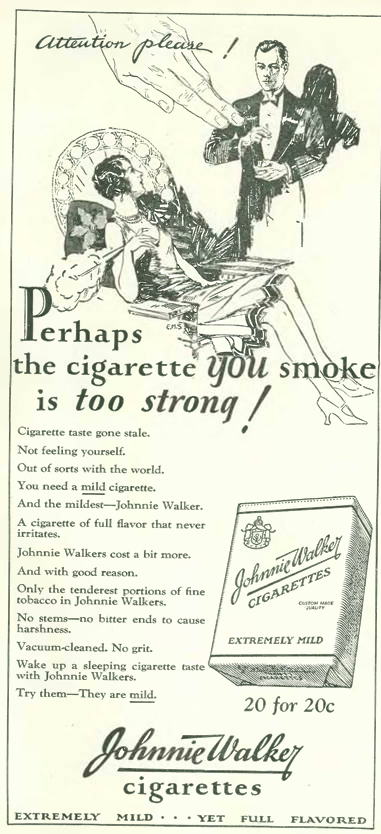
And finally, this advertisement in the back pages for Old Gold cigarettes, which claimed to be “coughless”….
The artist for these Old Gold ads was Clare Briggs, an early American comic strip artist who rose to fame in 1904 with his strip A. Piker Clerk. Growing up in Lincoln, Nebraska gave Briggs the material he needed to depict Midwestern Americana, a style that would influence later cartoonists such as Frank King (Gasoline Alley).
Above: Film stars Dorothy Sebastian (left) and Joan Crawford square off for a game of ping pong in 1925. The umpire is actor Eddie Nugent. (Film Noir Photos)
After studying every page of the first 120 issues of the New Yorker, and after researching the lives of its writers and their subjects, the world as described by the New Yorker — 89 years distant — can seep into one’s imagination, not unlike a world created by a fiction writer, whose characters are very much alive in his or her mind even when the pen is idle. You become accustomed to their voices, their likes and dislikes, and begin to see their world as a contemporary of sorts.
June 4, 1927 cover by H.O. Hofman.
And so I find myself reading a review of Edith Wharton’s “latest” novel, Twilight Sleep, and think not of some author I haven’t read since college, but rather see her work as it was seen at its unveiling, albeit through the eyes of New Yorker book critic Ernest Boyd, who wrote under the pen name “Alceste”:
NOT DEFEATED BY LIFE…Edith Wharton with her Pekes, circa 1920. (lib guides.com)
Wharton won the Pulitzer Prize for fiction in 1921 for The Age of Innocence, making her first woman to receive the prize. Indeed, Wharton kicked off a great decade for women fiction writers — Willa Cather would win the Pulitzer for One of Ours in 1923, Margaret Wilson for The Able McLaughlins in 1924, Edna Ferber for So Big in 1925, and Julia Peterkin for Scarlet Sister Mary in 1929.
* * *
The June 4 issue offered some follow-up items on Charles Lindbergh, this from “The Talk of the Town” regarding Lindbergh’s potential to claim perhaps more than the $25,000 Orteig Prize (about $350,000 today) for being the first to fly nonstop across the Atlantic — endorsements, book and movie deals, offers to serve on company boards, and so on…
…and from Howard Brubaker’s “Of All Things” column, we learn that the aviation hero doesn’t like to be called “Lucky”…
* * *
Baseball was still inexplicably shut out from the pages of The New Yorker, even as the Yankees (and Babe Ruth) were having one of their best-ever seasons. Instead, the June 4 issue covered horse racing (pgs. 63-65), rowing (pgs. 66-68), and lawn games (pgs. 69-72).
Among the “lawn games” reviewed, the New Yorker had this to say about the revival of ping-pong and the “spirited matches played between the sexes”…
More celebrity action from the 1920s. (Clip from Pinterest)
* * *
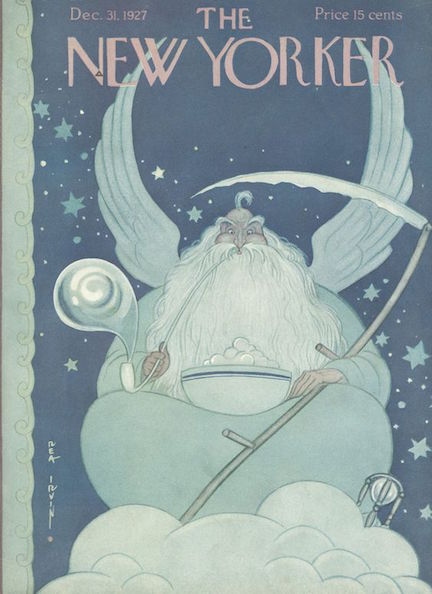
June 11, 1927 cover by Rea Irvin.
In the following week’s issue, June 11, 1927, there was a bit more to say about Lindy’s future economic prospects…
…and there is this item about New York Mayor Jimmy Walker. Given his love of late-night parties, speakeasies and chorus girls, it was no wonder that The New Yorker’s editors found him an attractive subject for “Talk of the Town”…
Jimmy Walker and Betty Compton after their wedding in Cannes, 1933. (www.isle-of-wight-fhs.co.uk)
Of course Walker’s aloofness would have consequences later when scandal and corruption would knock him and his cronies from office.
* * *
The issue also included a profile of golfer Walter Hagen, written by Niven Busch Jr. In his “Portrait of a Dutchman,” Busch begins:
The profile included this portrait of Hagen by Miguel Covarrubias:
We end with this full-page cartoon, beautifully rendered in Conté crayonby Reginald Marsh…
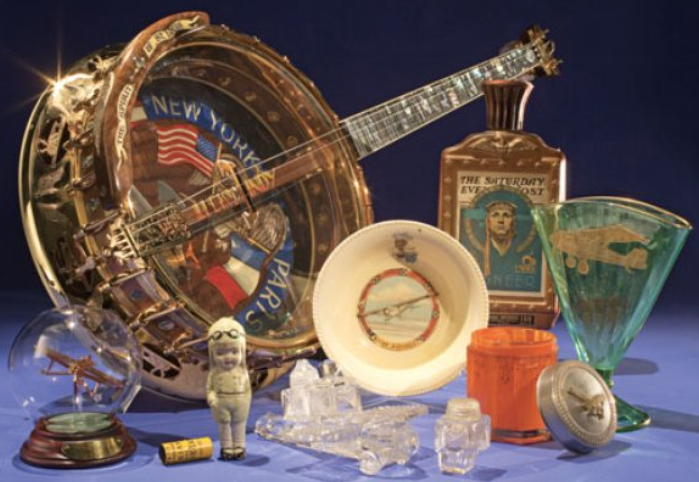
Charles Lindbergh was “The Flying Fool” no more after flying nonstop across the Atlantic to worldwide acclaim. The New Yorker shared in the enthusiasm, although it tried its best to appear not too impressed by the feat. But as we shall see in subsequent issues, The New Yorker, along with the rest of the media, couldn’t get enough of the man with a new title, “Lucky Lindy.”
May 28, 1927, cover by Ilonka Karasz.
But that’s in the future. Here’s what the New Yorker had to say following Lindbergh’s famous flight in “Talk of the Town…”
And from its distant perch the magazine also took some shots at the media hype surrounding Lindbergh, and the usual retinue of money-changers (see title image above)…
So what was the New Yorker saying about the historic moment? Well, for most of us, life goes on…
HE’S A GOOD BOY…Still from Movietone newsreel showing Charles Lindbergh with his mother, Evangeline Lodge Land, before the historic flight. (Movietone)
…and for those who missed it on TV (because it wasn’t invented yet), they could catch a newsreel of Lindbergh at the Roxy, complete with crude sound effects:
OH CALM DOWN…A gendarmerie links arms in a futile attempt at crowd control as a mob closes in on the just-landed Spirit of St. Louis at Le Bourget airport in Paris. (parisdigest.com)
* * *
On the other side of the pond, Paris correspondent Janet Flanner wrote about the Paris media’s complete denial or ignorance of the deaths of their own Atlantic flyers, Charles Nungesser and Francois Coli, who were lost at sea in their crossing attempt.
* * *
The New Yorker offered more observations on the Machine-Age Exposition, this time in a column titled “About the House,” by “Repard Leirum,” or Muriel Draper spelled backwards. Under this pseudonym Draper served as interior decoration critic for The New Yorker—she was one of the most influential personalities in the American interior decorating in the early 20th century.
Muriel Draper, as photographed by Carl Van Vechten on July 30, 1934. (Muriel Draper Papers, Yale)
This model of a radio station by Knud Londberg-Holm was displayed at the Machine-Age Exposition in New York City May 16-28, 1927. (artblart.com)
About Muriel Draper: Although she wrote on interior design for The New Yorker during the late 1920s, she was more widely known as a “culture desk” writer, and was prominent in promoting the Harlem Renaissance. She became active in left wing politics after a trip to the Soviet Union in 1934, and in 1949 she was investigated by the U.S. House Un-American Activities Committee and thereafter ceased her political activities.
The Machine-Age Exposition Draper visited had a decidedly socialist flavor with its prominent inclusion of the Soviet Union and its touting of the International Style of architecture. Before it was appropriated by post-war corporate America, the International Style was developed as housing and workspaces for the masses.
A side-note: The Exposition was initiated by Jane Heap, who like Draper was a follower of the charismatic Russian mystic G. I. Gurdjieff (among Gurdjieff’s other followers were architect Frank Lloyd Wright, the writer P. L. Travers (Mary Poppins) and 1960s counterculture figure Timothy Leary).
George Ivanovich Gurdjieff, circa 1925-35 (Library of Congress)
Marxists with spiritual yearnings—and especially guild socialists—were attracted to Gurdjieff’s ideas about something he called “The Work,” in which crafts and community life provided ways to cultivate a deeper understanding of ourselves and our purpose amidst the activities of daily life.
* * *
And now on to a different kind of Marxism…this odd little item from the “The Talk of the Town”…
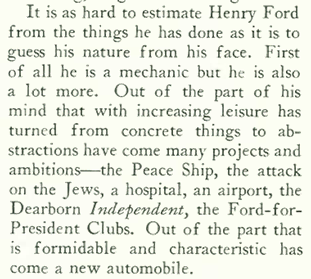
In 1927 the Marx Brothers were still known as a traveling vaudeville act—their first feature film was still two years away. But thanks to the vaudeville circuit of the day, an astonishing number of people in cities large and small across the country would see them perform. The “Talk” item concludes with this story that references Henry Ford’s well-known anti-semitism:
OH THE MOVIES THEY WILL MAKE…The Marx Brothers, from left, Chico, Zeppo, Groucho and Harpo. (biography.com)
Above: The Bauhaus in Dessau, Germany (photo credit: Andreas Meichsner for The New York Times)
The Roaring Twenties saw astonishing changes to American life, including a dramatic break from the technologies and habits of the past. Icemen gave way to electric refrigerators, broadcast radio brought entertainment and news into living rooms, and Charles Lindbergh made flying something everyone wanted to try.
May 21, 1927 cover by Ilonka Karasz.
Despite the mechanized horrors of World War I, most people were enchanted by the idea of man and machine coming together to make a better world. In the U.S. the machine-age exuberance was expressed largely in capitalist terms, while many European and Soviet intellectuals saw the machine as integral to the progress of socialism. The Machine-Age Exposition in New York City (May 16-28 at 119 West 57th Street) celebrated all facets through a unique event that brought together architecture, engineering, industrial arts and modern art from a number of nations.
Cover of the Exposition Catalogue. (monoskop.org)Scanned illustration of an airplane from the Exposition catalogue.
The exhibition, initiated by Jane Heap of the literary magazine The Little Review, included exhibits from the U.S., Austria, Belgium, France, Germany, Poland and the Soviet Union. Artists in the exhibition represented a Who’s Who of modernists and futurists—Alexander Archipenko, Marcel Duchamp, Hugh Ferriss, Man Ray and others who celebrated the aural and visual cacophony of the age as well as the gleaming precision of machines and machine-like buildings.
Model of a futuristic parking garage by the Luckhardt brothers and Alfons Anker on display at the Exposition. (Scanned image from the Exposition catalogue)
New Yorker writer E.B. White shared in the enthusiasm with this bit for “The Talk of the Town…”
The Futurist Hugh Ferriss contributed this design of a glass skyscraper to the Machine Age Exposition. A thing of dreams in the 1920s, such buildings are now commonplace in cities around the world. (Scanned from the Exposition catalogue)
The sleek and glass-walled buildings featured at the Exhibition were fantastic images in 1927, when most large-scale buildings were still being rendered in brick and stone in various neoclassical, federal or gothic styles.
Image from Exposition featured Walter Gropius-designed student studio apartments at the Bauhaus in Dessau, Germany. (Scan from the Exposition catalogue)
Little did Exposition visitors realize that the radical Bauhaus style on display would become ubiquitous in the U.S. in the second half of their century, thanks not to some new machine age of peace and harmony but rather because of the annihilation of the Second World War and the mass migration from Europe of architects, artists, scientists and other professionals fleeing Nazi oppression.
This image of giant steam boilers from Russia was displayed at the Exposition. (Scan from the Exposition catalogue)
It was also a time when it was believed technology was on the verge of conquering nature, and that the invention of air-conditioning and “Vita-Glass” would create indoor environments with all of the health benefits but none of the discomforts of the outdoors:
Children at rest in a “Vita-Glass” pavilion, built in 1927 at Stannington Sanatorium, Northumberland. Used primarily in the treatment of those with pulmonary TB, the glass was designed to allow ultraviolet rays to penetrate easily while protecting patients from the elements. (northumberlandarchives.com)
The invention of sulfa drugs and antibiotics was still a few years away, so health providers were excited about the possibilities of these artificial environments.
* * *
In the “A Reporter at Large” column, Russell Owen wrote about the intrepid aviators who were vying to become the first to fly nonstop across the Atlantic. He began the piece with a tribute to French ace pilot Charles Nungesser and his one-eyed wartime buddy François Coli, who disappeared during their May 8 attempt to fly from Paris to New York.
A 1927 postcard commemorating Nungesser, Coli and their airplane, The White Bird (L’Oiseau Blanc).
Owen also wrote about those who would soon be taking the same daring leap into “the illimitable terror of space”…
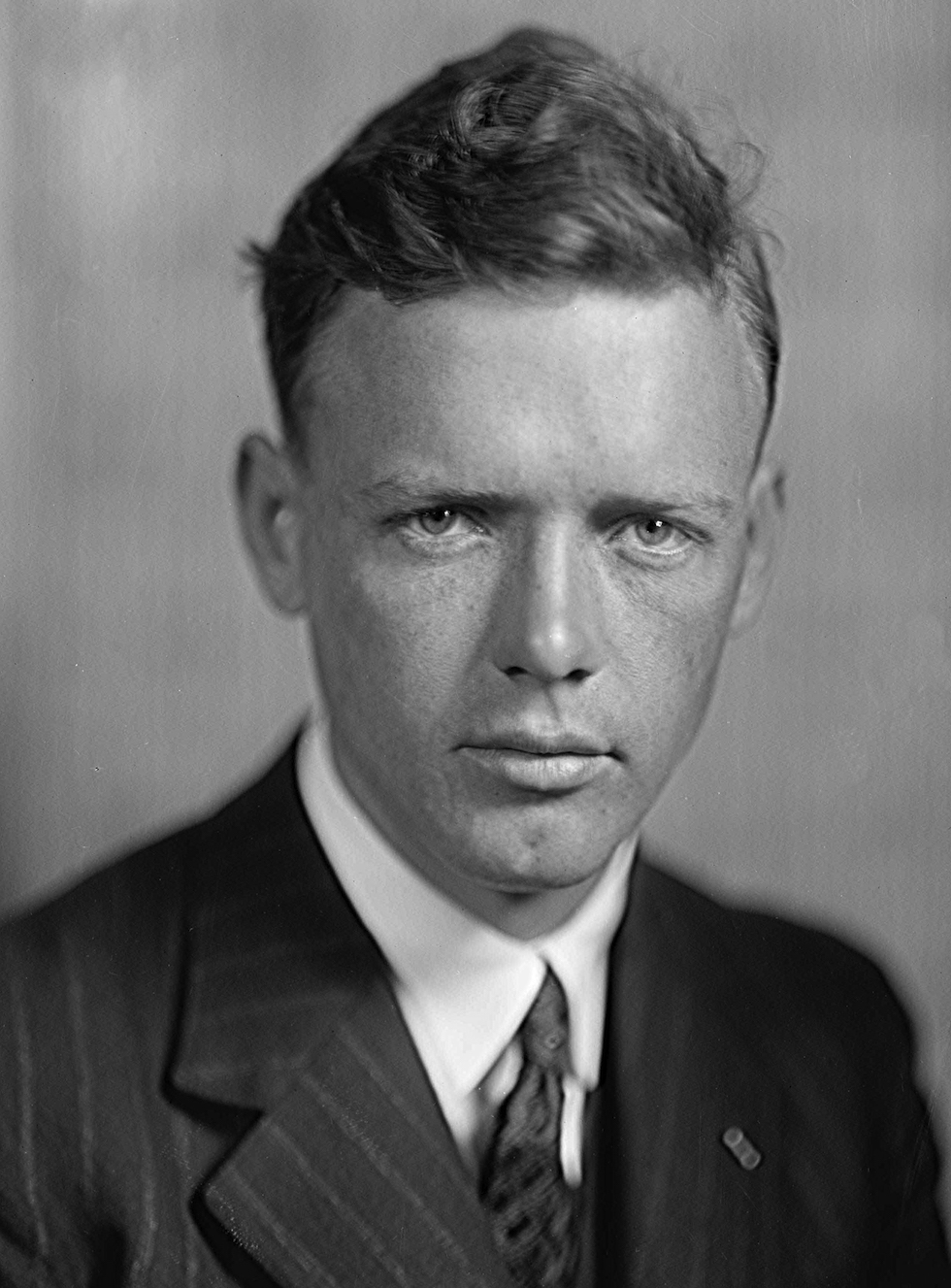
Although Charles Lindbergh had yet to accomplish his transatlantic feat, he had already been singled out as a loner and a bit of an odd duck:
Charles Lindbergh preparing for his transatlantic flight. (Long Island Press)
* * *
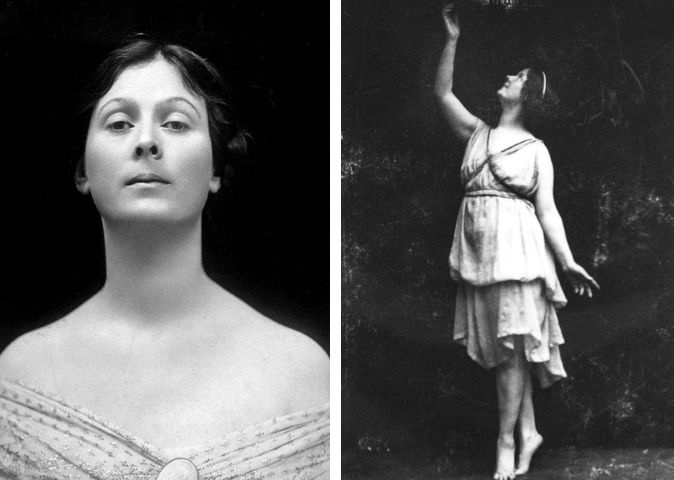
Editors of “The Talk of the Town” also checked in on famed dancer Isadora Duncan, her eldest daughter Anna, and Isadora’s “amazing dancing family…”
Anna Duncan dances La Berceuse, choreographed by Isadora Duncan with music by Frédéric Chopin, in 1920. Photo by Arnold Genthe. (Tanzarchiv, Cologne, Germany)
Isadora’s Dancers, by photographer Frances Benjamin Johnston. (Wikimedia Commons)
* * *
And finally, an excerpt of a poem contributed by Marion Clinch Calkins—who often wrote humorous rhymes for the New Yorker under the pen name Majollica Wattles. Here she riffs on Horace’s “poetry of pleasure…”
We cross the pond for the May 14, 1927 issue, for a look at all things French. As I’ve previously noted, New Yorker readers of the 1920s had a decidedly Francophile bent when it came to food, fashion and general joie de vivre.
May 14, 1927 cover by Rea Irvin.
In fact, readers were so enamored with France that the country merited its own New Yorker correspondent, Janet Flanner, who wrote under the nom de plume “Genêt.”
In the May 14 issue Flanner casually mused about the racing season at Longchamps, which attracted the likes of Anne Harriman Vanderbilt (identified here as Mrs. W. K. Vanderbilt), who was well-known in France for her philanthropic work during World War I, including her founding of an ambulance service and a hospital at Neuilly. Vanderbilt received the class of the Legion of Honor in 1919 in recognition of her war work, and in 1931 she was made an officer of the legion.
BLUE BLOODS…Anne HarrimanVanderbilt (left) with Martha Waldron Cowdin Bacon, circa 1915-1920. Bacon served as chairman of the American Ambulance Committee. (Library of Congress)
In “Talk of the Town,” the editors suggested that readers go to Madison Square Garden and check out the world’s largest canvas painting, Panthéon de la Guerre, more for the spectacle than for any artistic merit:
Section of Panthéon de la Guerre showing allies of World War I, now in Memory Hall, Liberty Memorial, Kansas City, Missouri. (theworldwar.com) Click to enlarge
Panthéon de la Guerre was painted during World War I as a circular panorama—402 feet in circumference and 45 feet high—displayed in Paris in a specially built building next to the Hôtel des Invalides. It was visited by an estimated eight million people between 1918 and 1927.
The painting was acquired by American businessmen in 1927 and exported to New York, where it was displayed at Madison Square Garden. Some changes were made to the painting for the benefit of an American audience, including the addition of an African-American soldier. The work later toured the U.S.—from 1932 to 1940 it went to Washington DC, Chicago, Cleveland, and San Francisco. It was then acquired by restaurant entrepreneur William Haussner for $3,400.
In 1956 Haussner donated the work to Leroy MacMorris to be adapted for display at the Liberty Memorial in Kansas City. MacMorris drastically reduced the size of the work and modified it to emphasize America’s contribution to WWI: Only seven percent of the original work was retained, and large French sections were left out. MacMorris likened it to “whittling down a novel to Reader’s Digest condensation.” And he didn’t stop there. He also modified some figures to represent post-WWI figures such as Presidents Franklin Roosevelt and Harry Truman.
A BIT OF THIS, A DASH OF THAT…Figure of Victory from the Temple to Glory cut to fit above a doorway at Memory Hall, Liberty Memorial, Kansas City, Missouri, with the staircase of heroes to either side. Compare to original below:(trenchartcollection.com)
To reduce and reconfigure the painting, MacMorris first photographed it in detail, then cut out the figures in the photos and used them like puzzle pieces to work out his new condensed version, which was dedicated on Nov. 11, 1959.
As for the unused portions, what MacMorris did not use he threw away, sending several of the larger excised passages back to Haussner for display in his Baltimore restaurant. MacMorris also gave pieces to the art students who helped him reconfigure the painting and to a number of prominent Kansas Citians.
Fragment from Panthéon de la Guerre depicting a British nursing sister. (theworldwar.org)
The National World War I Museum and Memorial in Kansas City recently held an exhibition on the painting and its recovered fragments.
* * *
Lois Long had returned from Paris and advised readers on where to shop in the City of Light. Her fashion column, “On and Off the Avenue,” featured recommendations for many stores and bargains. It began with a brief note from “Parisite,” aka Elizabeth Hawes, who occasionally contributed to Long’s column with cables sent from Paris).
And now for the advertisements, all from the May 14 issue, featuring various French themes, such as this one for Krasny makeup that evokes the glamour of Paris and the intrigue of Russian women…
…or exotic perfumes for only the most exclusive set…
…or the chic look of Revillon Freres spring coats and wraps…
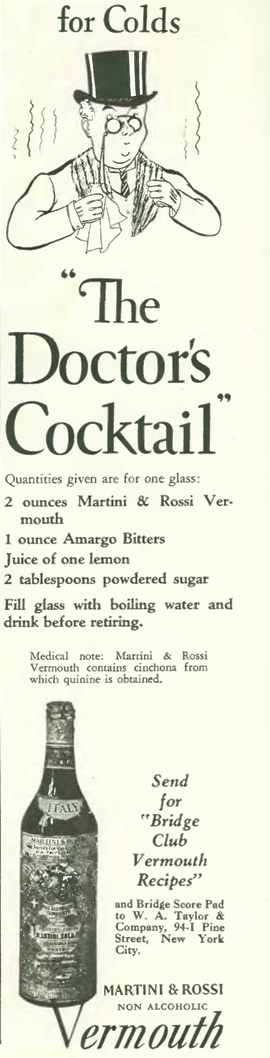
…or fake vermouth…this odd little illustration in the back pages for non-alcoholic vermouth, served by a dutiful French maid to what appears to be a giant. You have to feel sorry for the writers of such ads during Prohibition, trying so hard to make this sad libation appealing to thirsty New Yorkers…
…but there were those lucky few who could actually travel to France and drink the real stuff, you could get a really swell send-off with a “Bon Voyage Basket” from L. Bamberger & Co…
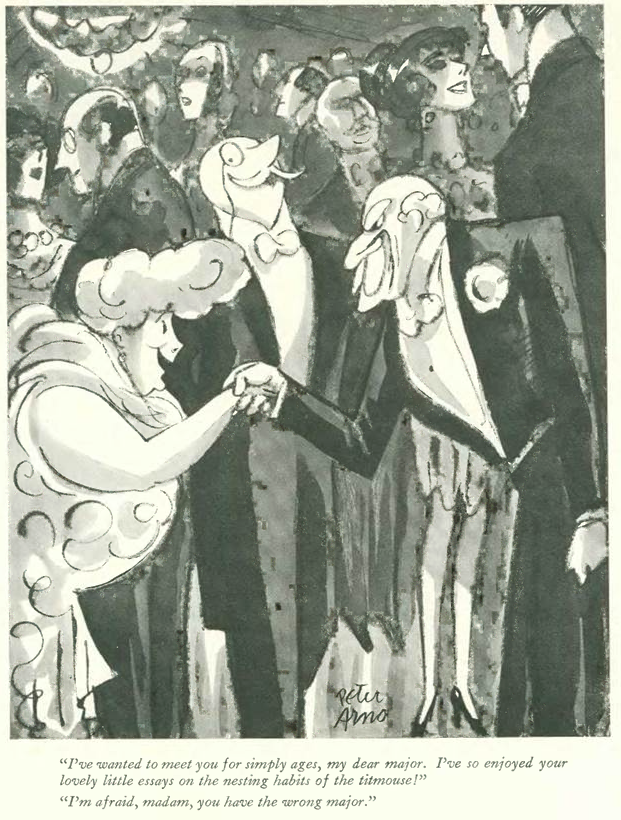
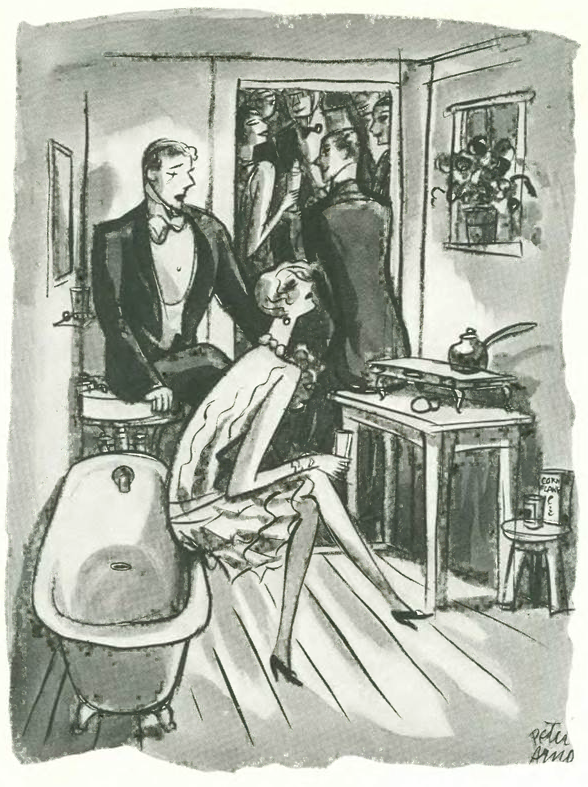
…and while you were in France (at least for the men), Peter Arno could show you how to give the glad eye to the mesdemoiselles…