Comfort Food

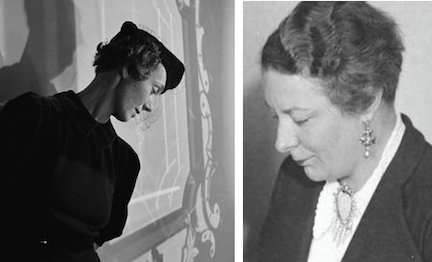
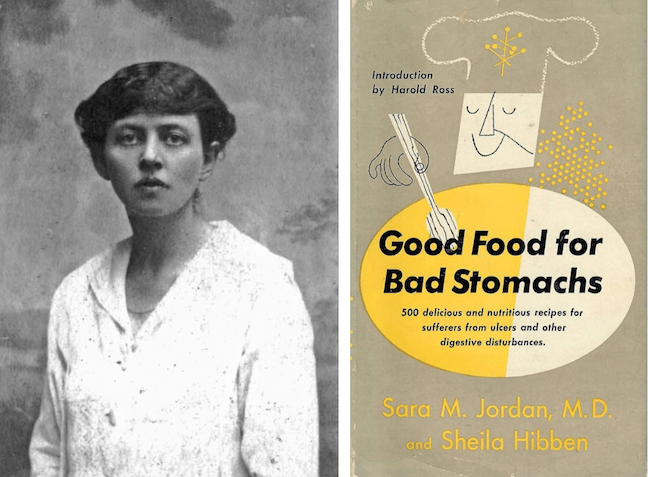
Above: Sheila Hibben became The New Yorker's first food critic in 1934. She also wrote several cookbooks, including Good Food for Bad Stomachs, a book that was suggested by New Yorker founder and editor Harold Ross. Hibben was a pioneering advocate for American regional dishes, and despised food snobbery (she wanted to banish the word "gourmet" from the English language). (Wikipedia/Amazon)

Long overdue is a look at The New Yorker’s first food critic, Sheila Hibben, who wrote frankly about the dining scene in her restaurant reviews and in her column “Markets and Menus.” Decades ahead of her time, she drew attention to America’s regional dishes, persuading readers to embrace the comforts of humble, practical recipes during the lean years of the Depression and the Second World War.
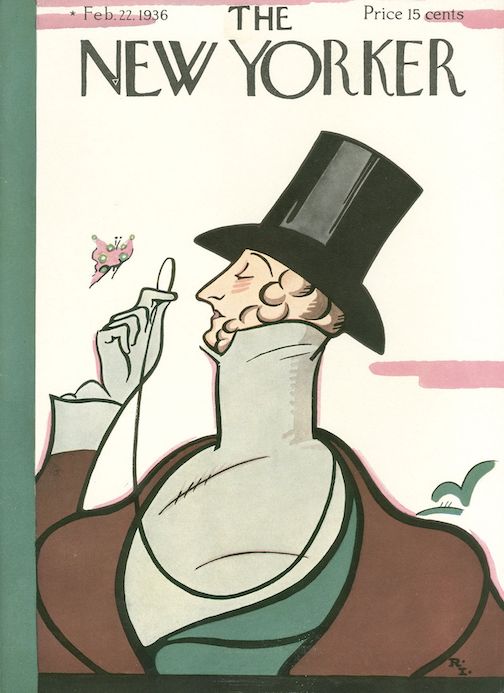
Eleventh anniversary cover by Rea Irvin, February 22, 1936.

Born Cecile Craik, Hibben (1888–1964) detested food snobbery, and through her pioneering work “persuaded housewives to be proud of their American culinary identity, to embrace traditional regional cuisines, and to reject fancier fare for the sake of fashion,” observed Meaghan Elliott in her 2021 dissertation at the University of New Hampshire.

In addition to her “Markets and Menus” column and restaurant reviews, Hibben also wrote several books including Good Food for Bad Stomachs, which was inspired by New Yorker founder and editor Harold Ross. Plagued by ulcers and discouraged by his limited diet, Ross encouraged his gastroenterologist, Sara Murray Jordan, to write a cookbook with Hibben. Good Food for Bad Stomachs was published in 1951, with a laudatory foreword by Ross, who unfortunately did not have long to enjoy the recipes, dying of heart and lung problems that same year.
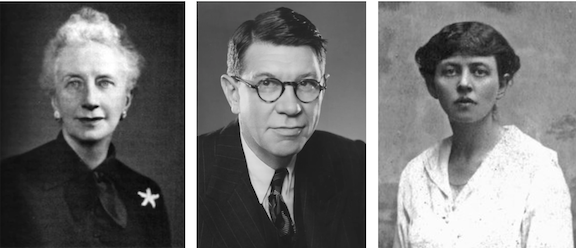
DYSPEPTIC DIETER Harold Ross brought together the talents of his gastroenterologist Sara Murray Jordan, left, with his magazine’s food critic, Sheila Hibben, to publish Good Food for Bad Stomachs. (Wikipedia/The New Yorker)

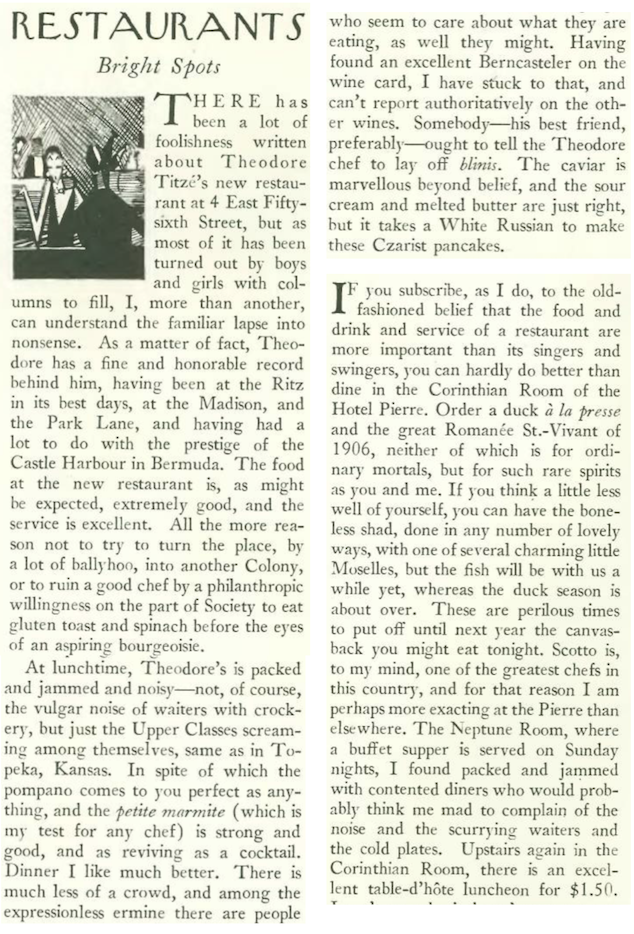
Here are excerpts from Hibben’s “Restaurants” column for the Feb. 22 issue, featuring her takes on a couple of the city’s finer dining establishments, including Theodore Titze’s restaurant on East 56th and the famed fare of Charles Scotto at the Hotel Pierre:
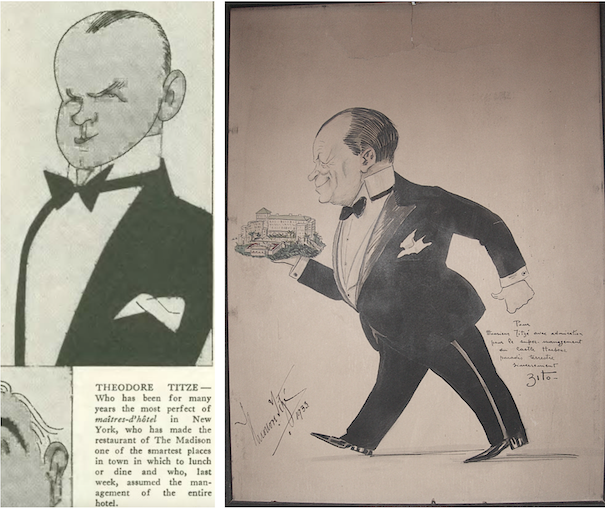
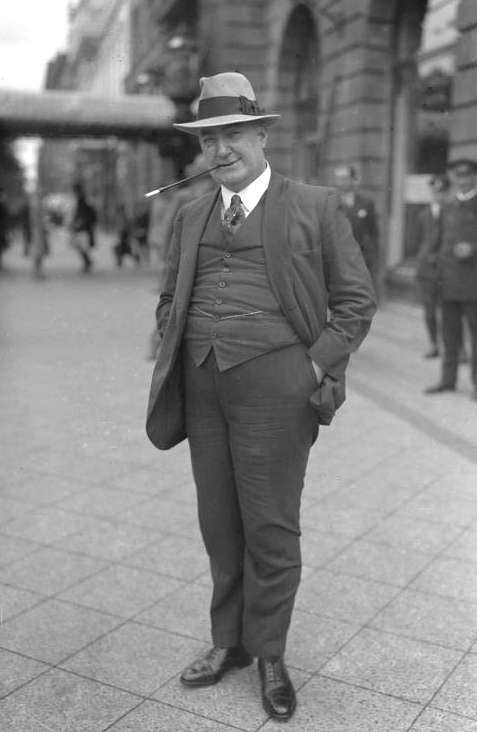
KNOWN AS THEODORE OF THE RITZ, the German-born Theodore Titze (1879–1953) was a well-known maitre d’hotel—at left, Ralph Barton featured Titze as one of his “Heroes of the Week” in the Dec. 12, 1925 issue of The New Yorker; at right, a 1933 drawing of Titze by the cartoonist Vinzento Zito—the image refers to Titze’s 1931 departure from New York to take charge of the Castle Harbor Hotel in Bermuda. He later operated other properties in Bermuda before opening Theodore’s at 4 East Fifty-sixth Street. (wikitree.com)
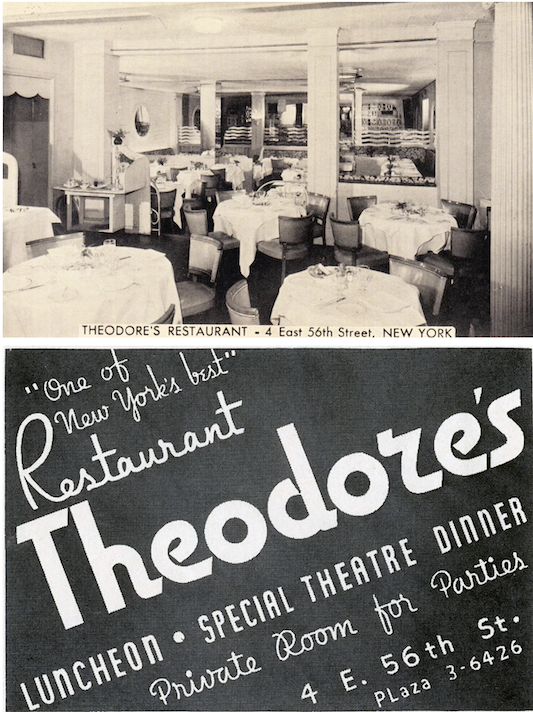
CAN’T MISS IT…Top, postcard image of Theodore’s Restaurant; below, ad for Theodore’s in Stage magazine, February 1938. (Etsy.com)

Hibben also wrote about the excellent fare at the Hotel Pierre, where Chef Charles Scotto, an early protégé of the legendary Chef Auguste Escoffier, reigned supreme.
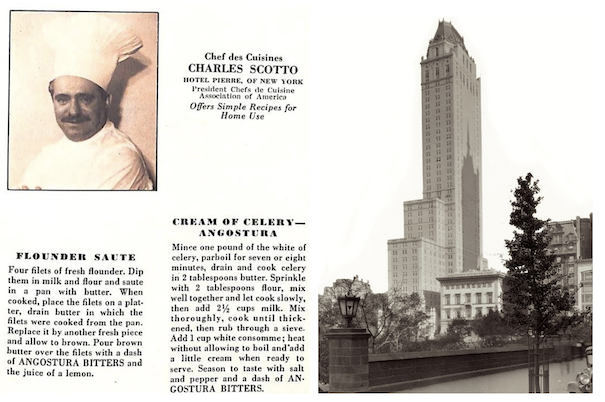
CREAM OF THE CROP…At left, a page from the 1934 booklet Angostura Recipes featuring a recipe by famed Chef Charles Scotto (1887–1937). At right, undated image of the Hotel Pierre. (The Cary Collection/geographicguide.com)

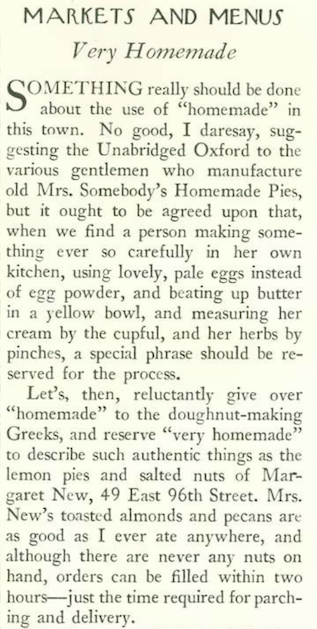
From 1934 to 1962 Hibben wrote the “Markets and Menus” column, which appeared in rotation with several other columns that were tacked onto Lois Long’s weekly “On and Off the Avenue.” Here is an excerpt from Hibben’s Feb. 1, 1936 column:
 * * *

Not Music to His Ears

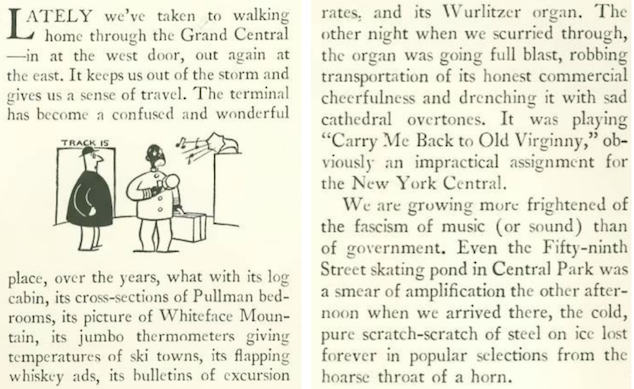
In his “Notes and Comment,” E.B. White took issue with “the fascism of music” in public places including Grand Central Station and the Central Park skating pond.
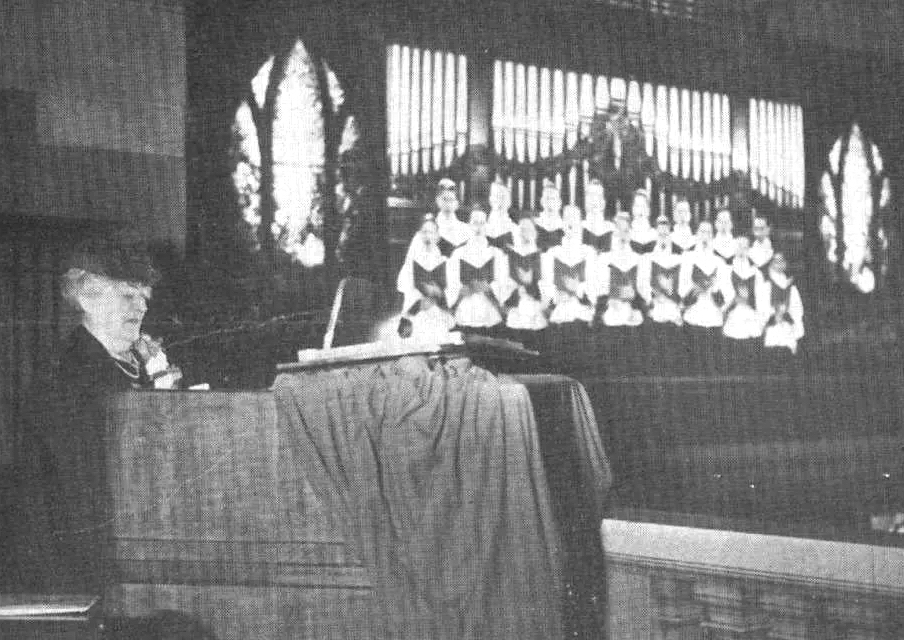
SAD CATHEDRAL OVERTONES is how E.B. White described the organ music of Mary Lee Read, who played organ in Grand Central’s north gallery from 1928 until the late 1950s. On the day after Pearl Harbor was attacked she played “The Star-Spangled Banner;” activity on the concourse ground to a halt, causing commuters to miss their trains. She was forbidden from playing the song after that. She has also been credited with saving the life of a man who was planning to commit suicide until he heard her play a moving hymn. (marthahallkelly.com)

 * * *

At the Movies

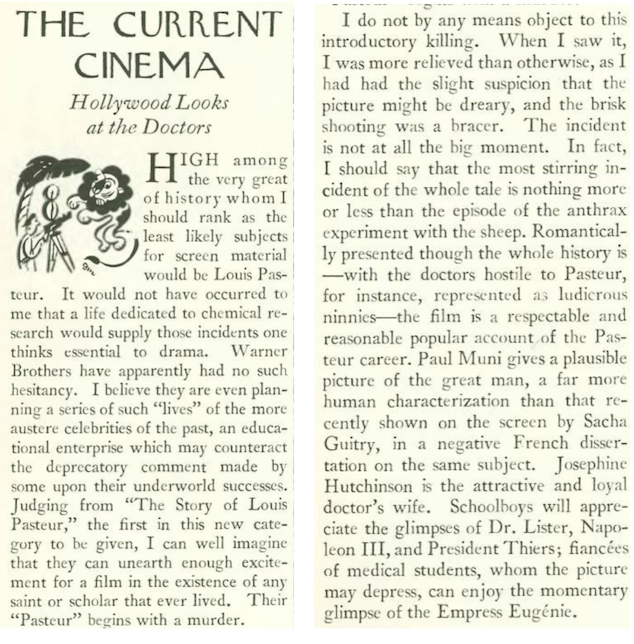
Paul Muni was considered one of the best actors of the 1930s, his talents so appreciated by Warner Brothers that he was allowed to choose his own roles, including the lead in The Story of Louis Pasteur. It was a good choice, as it landed him a Best Actor Oscar in 1936. New Yorker critic John Mosher had these observations:
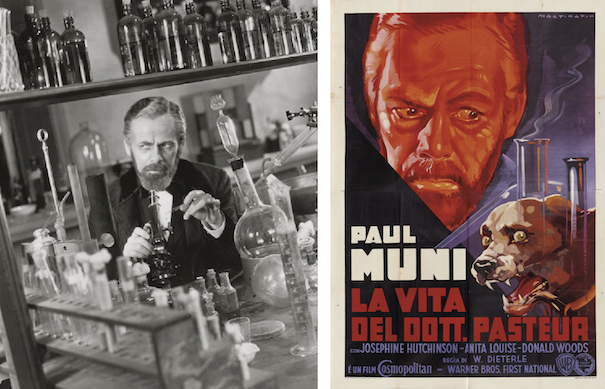
HE’S ON TO SOMETHING…Paul Muni in The Story of Louis Pasteur. One of the best posters for the film was the Italian version at right, the rabid dog promising some some real drama. Muni won the Best Actor Oscar of his portrayal of Pasteur. (researchgate.net/imdb.com)

Mosher also took in The Prisoner of Shark Island, featuring Warren Baxter as a man falsely accused of complicity in the assassination of President Abraham Lincoln.
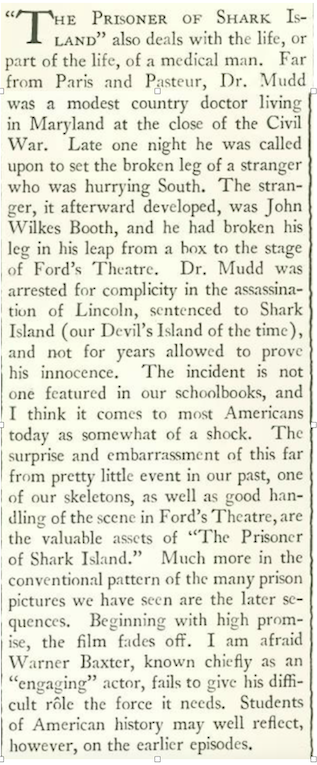
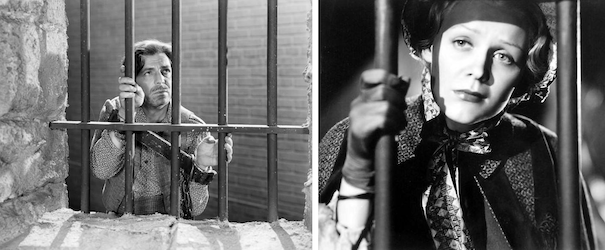
I DIDN’T DO IT…Warren Baxter and Gloria Stuart in The Prisoner of Shark Island. Moviegoers today will remember Stuart (1910–2010) in her portrayal of the aged Rose in 1997’s Titanic. Stuart’s film career would span more than seventy years, 1932–2004. (mubi.com/imdb.com)

Mosher found much to like in a Soviet film about the struggles and hardships of three childhood friends from Petrograd who become nurses to serve the cause of the Bolshevik Revolution.
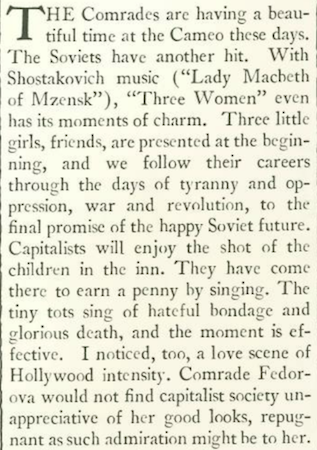
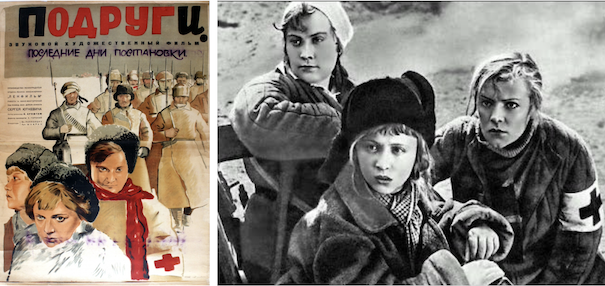
SOVIET SISTERHOOD…At right, Irina Zarubina, Yanina Zhejmo and Zoya Fyodorova in 1936’s Three Women. It was released in the Soviet Union as Girl Friends (Podrugi).

 * * *

From Our Advertisers

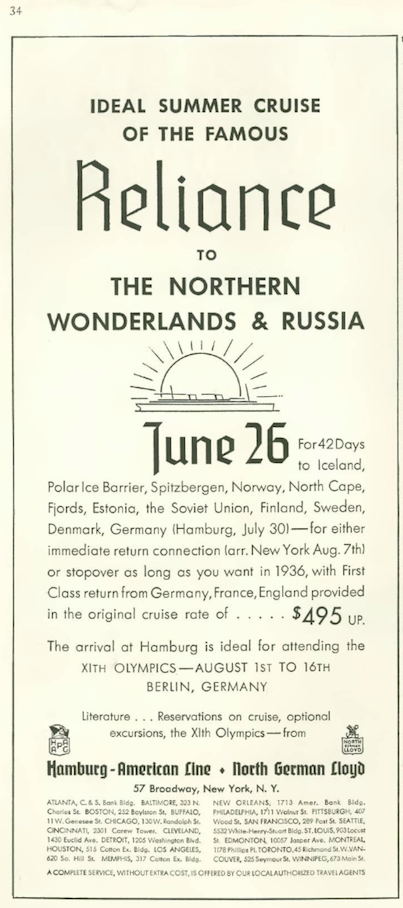
If you wanted to visit the land of the Soviet film, Three Women, you could have hopped onto this Reliance cruise to Russia as well as to the Summer Olympics in Berlin…in just a little over three years the Germans would invade Poland and these “wonderlands” would become a living hell for many…
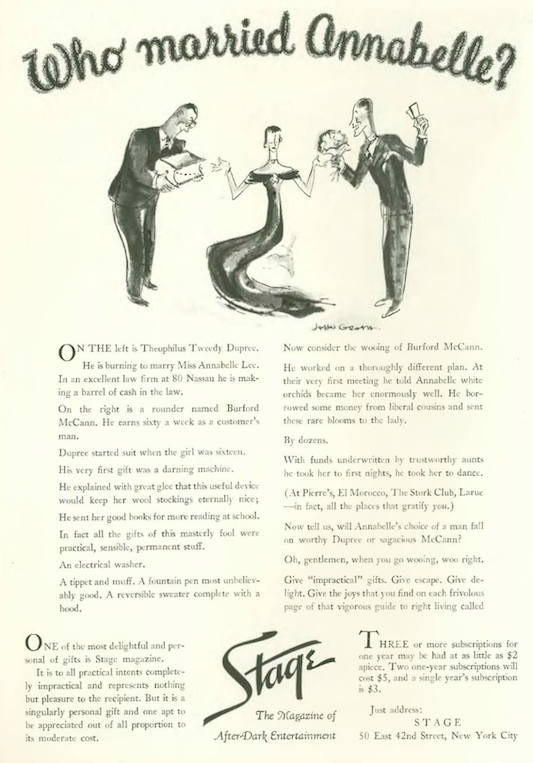
John Groth, who would contribute cartoons to The New Yorker in the 1940s, provided this illustration for a Stage magazine ad…
…the folks at Minnesota Valley Canning Company continued the theme of a rich man returning to his humble roots via canned Green Giant vegetables…here the man is brought to tears over “Niblets”…
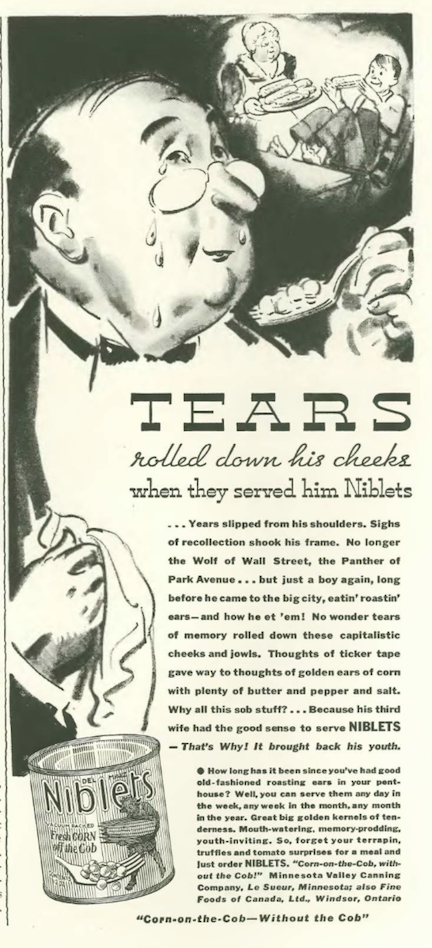
…as you might recall, it was a wealthy “Major” who recently (Dec. 21, 1935) sought to rekindle lost youth through Green Giant Niblets…
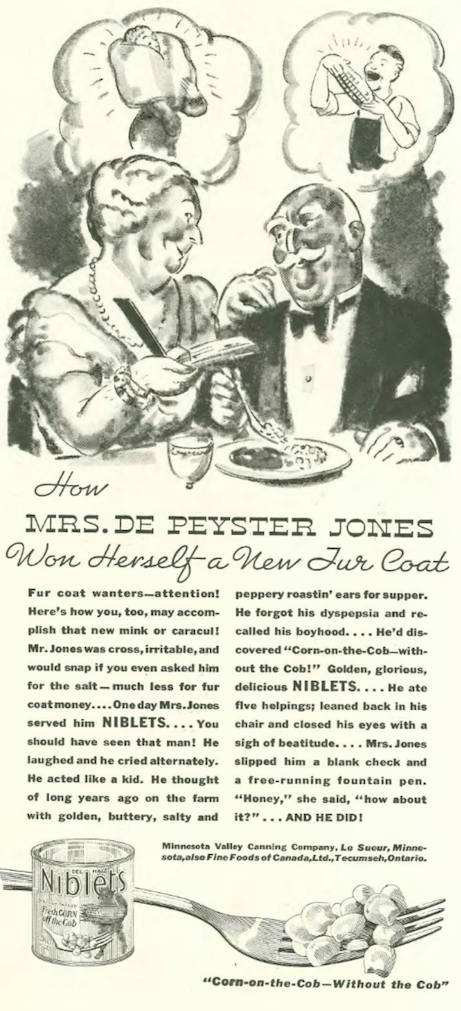
…and what’s the deal with the Duchess trope found in so many ads?…she has been featured in a Green Giant ad for peas, as well as in ads for tomato and grapefruit juice…
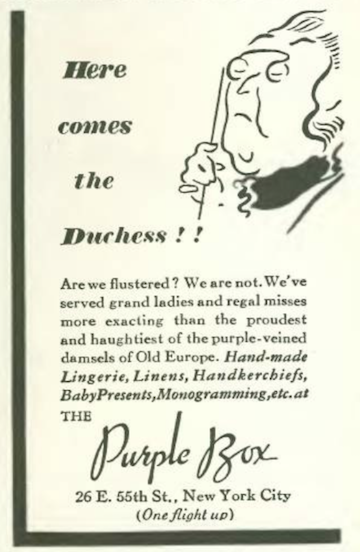
…the magazine’s opening spread once again featured the odd juxtaposition of canned soup and high fashion…
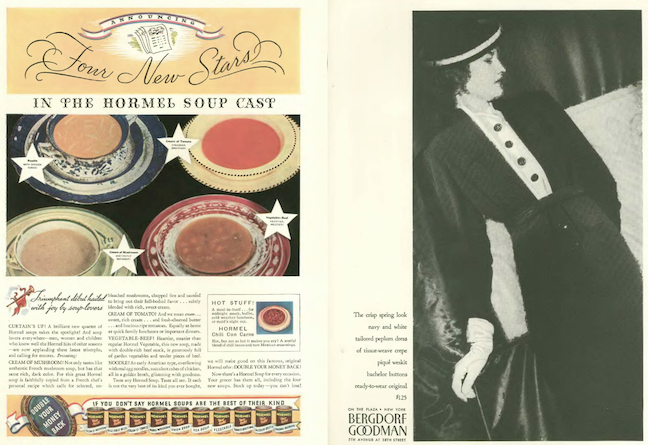
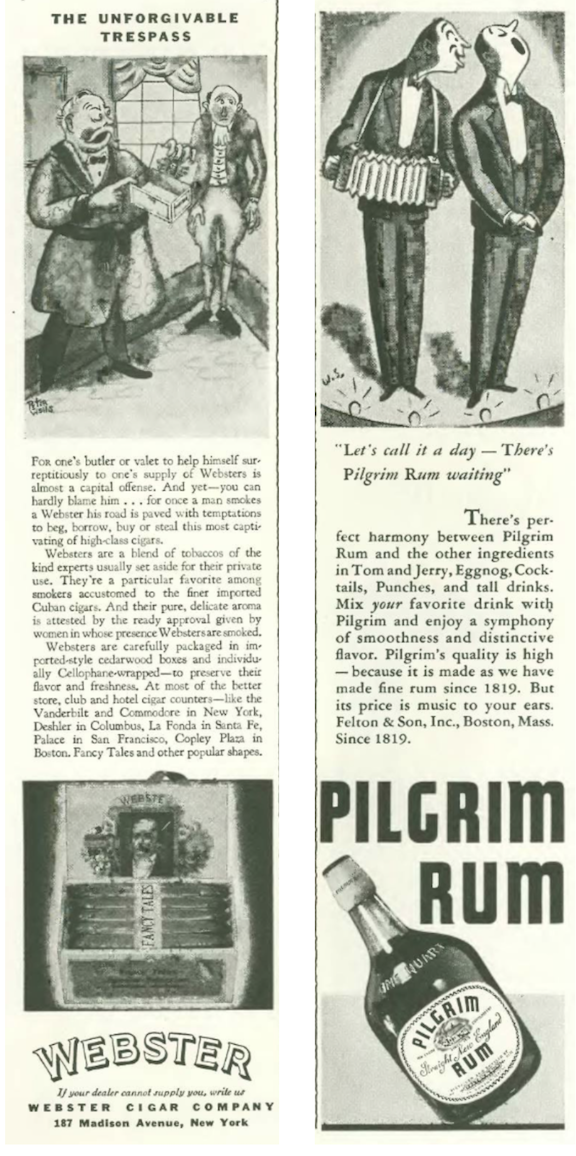
…one-column ads in the back of the book featured illustrations by Peter Wells (at left), and William Steig

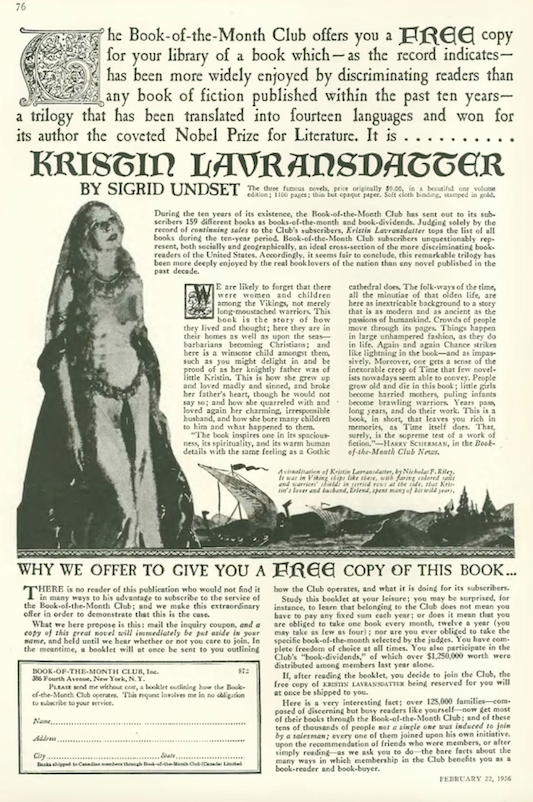
…Book-of-the-Month Club enticed new members with a FREE copy of the Nobel Prize-winning trilogy Kristin Lavransdatter by Danish-Norwegian author Sigrid Undset

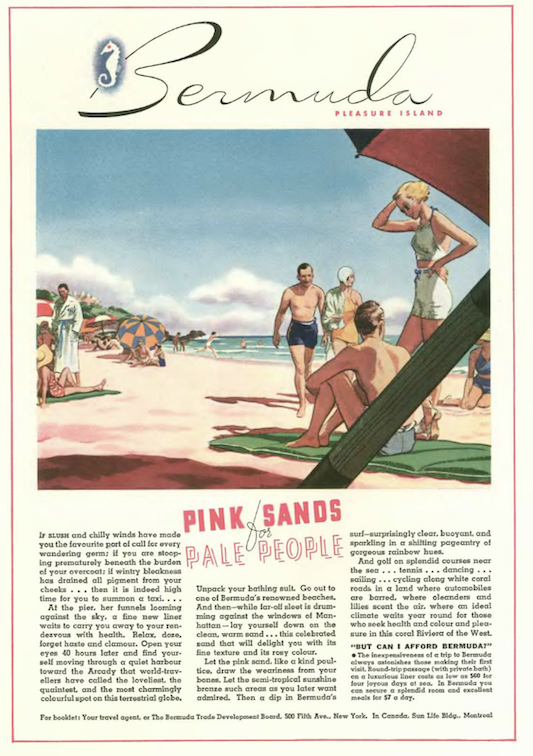
…this colorful ad from the Bermuda Trade Development Board beckoned New Yorkers to trade “slush and chilly winds” for the pink sands of the British island territory…
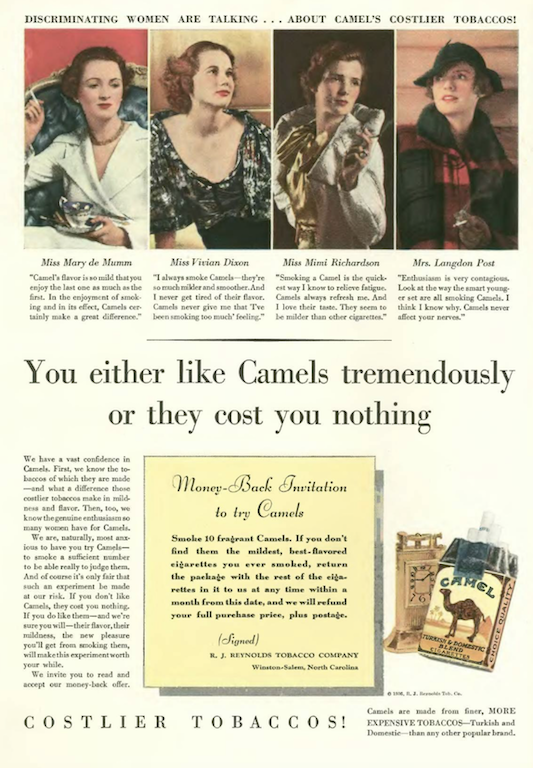
…the back cover cycled back to Camel cigarettes with a lineup of fashionable debs enticing young women to join their ranks…as Camel smokers, at least…
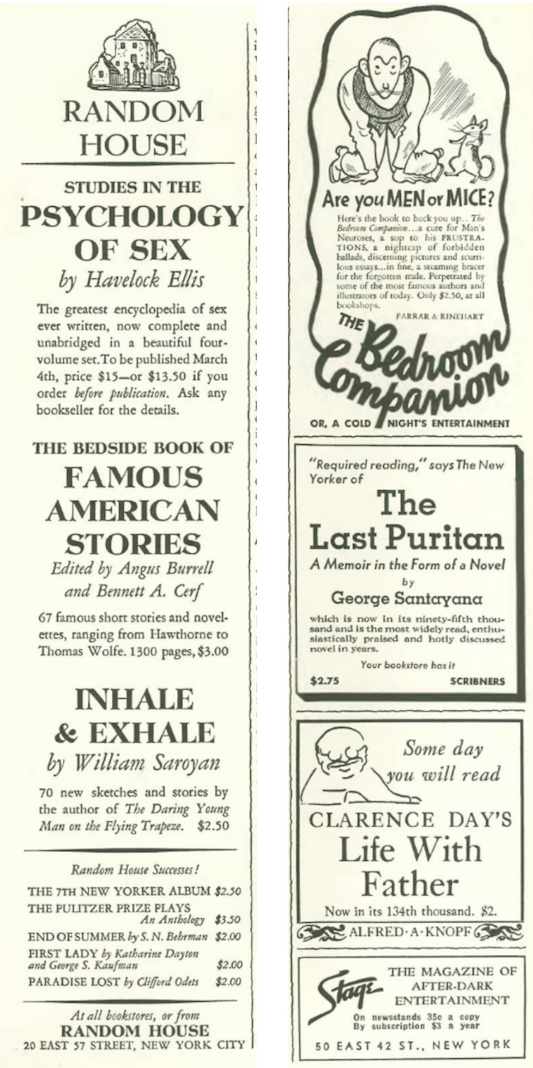
…more one-column ads, featuring the latest in reading material…
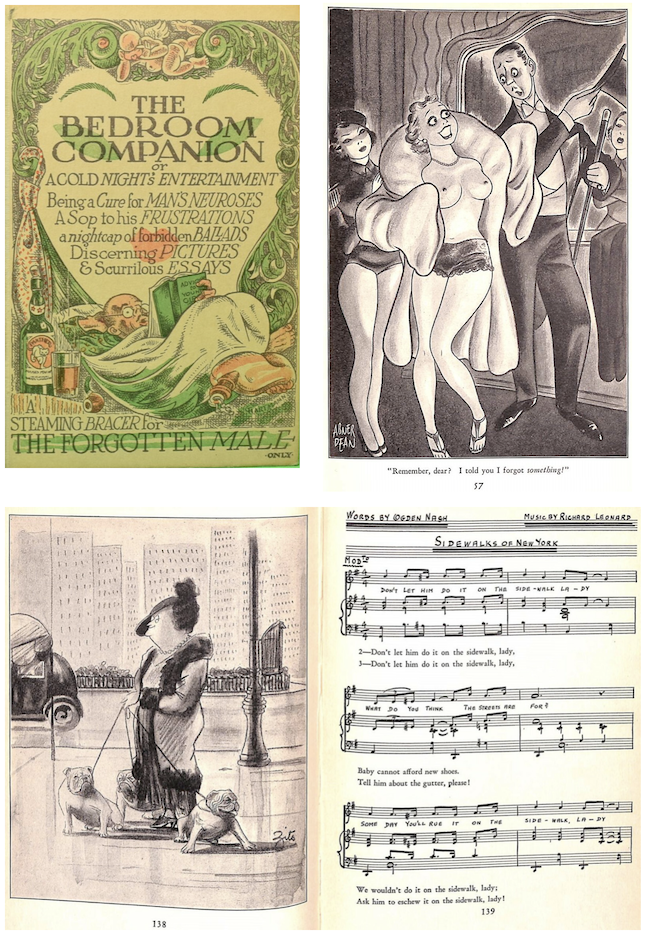
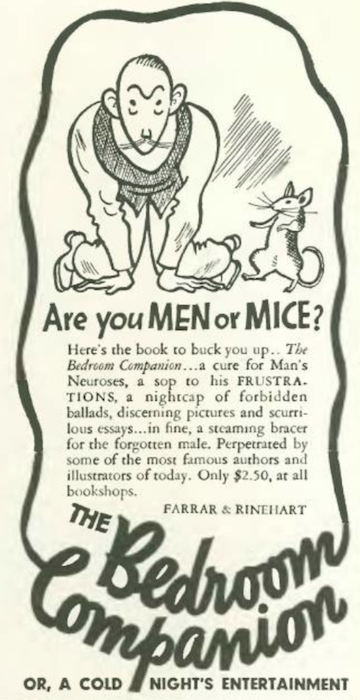
…including the latest edition of The Bedroom Companion…it was one of those “For Men Only” books that compiled some previously published pieces with other contributions…
…the index of the 1935 edition included a number of New Yorker regulars…
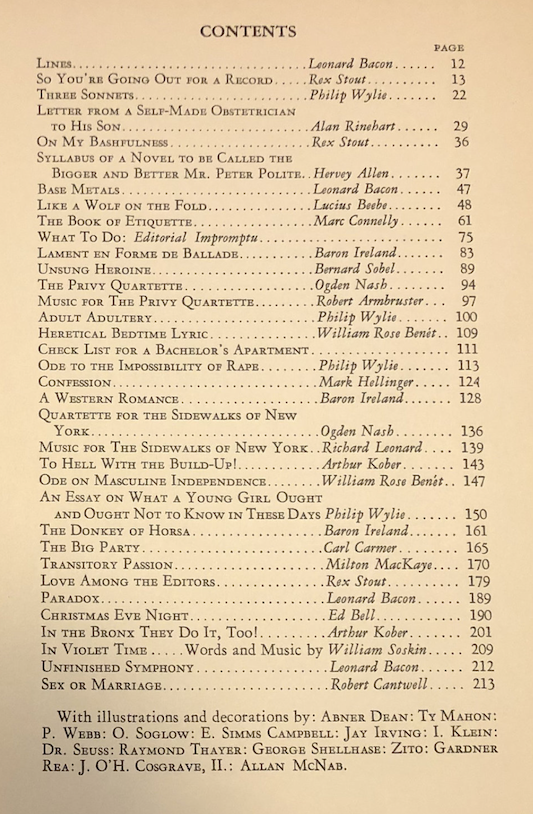
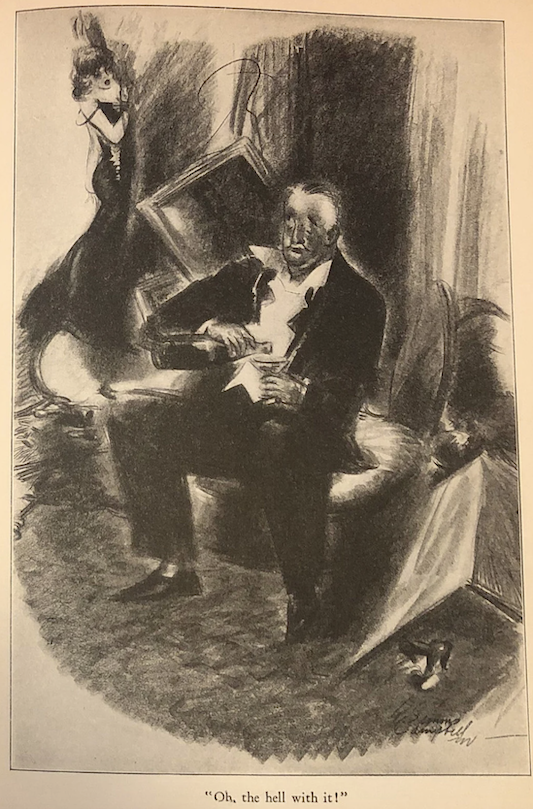
…such as E. Simms Campbell

…and Abner Dean

LATE NIGHT READING…Clockwise, from top left, 1935 edition of The Bedroom Companion; a racy cartoon by Abner Dean; comic lyrics by Ogden Nash; a contribution by Vincenzo Zito, a well-known caricature artist who particularly favored dogs. (etsy.com)

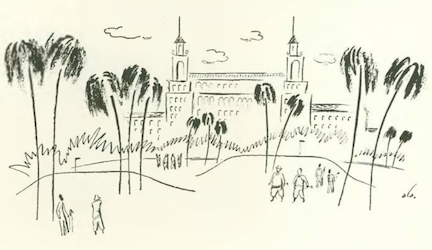
…on to our other cartoonists, we begin with spots by Constantin Alajalov

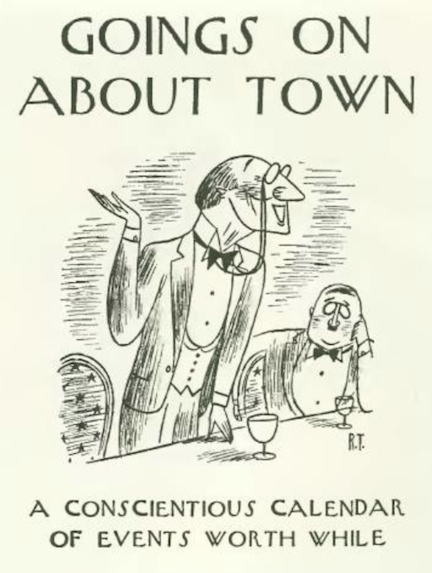
and Richard Taylor

…Taylor again, a spot in the “Musical Events” section…
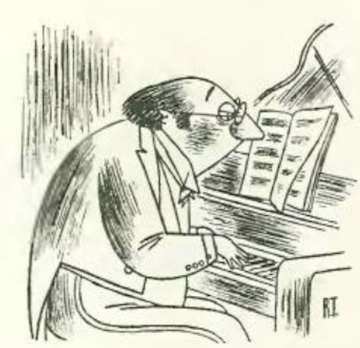
…and a Taylor cartoon…
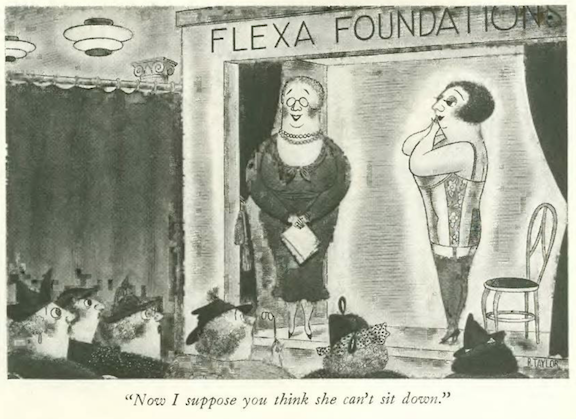
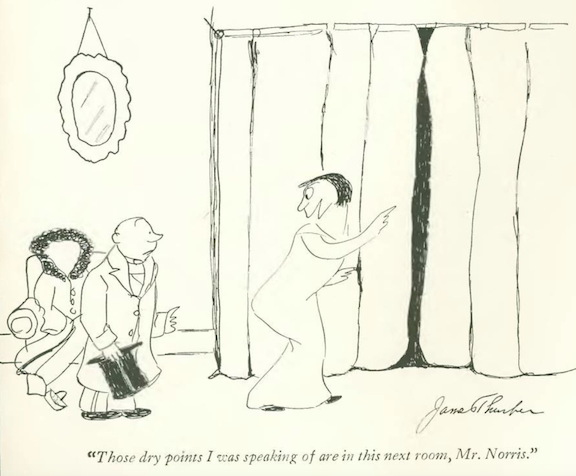
…and we wonder what’s behind the curtain, with James Thurber

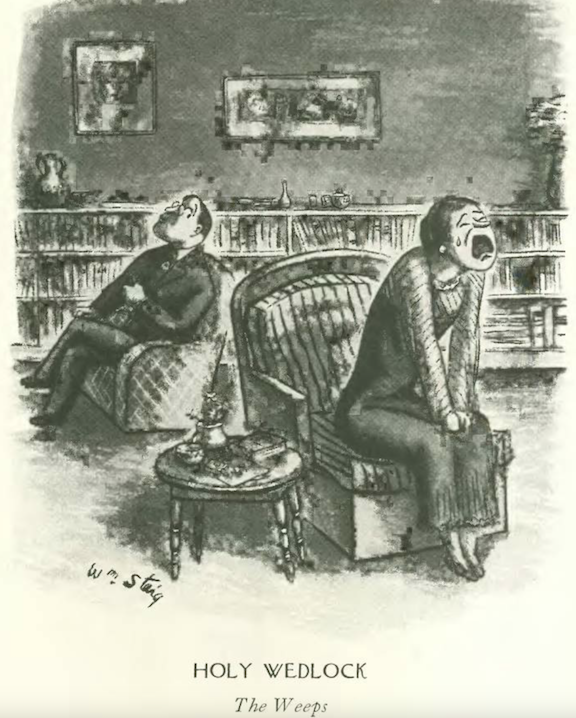
William Steig continued to probe the downsides of matrimony…
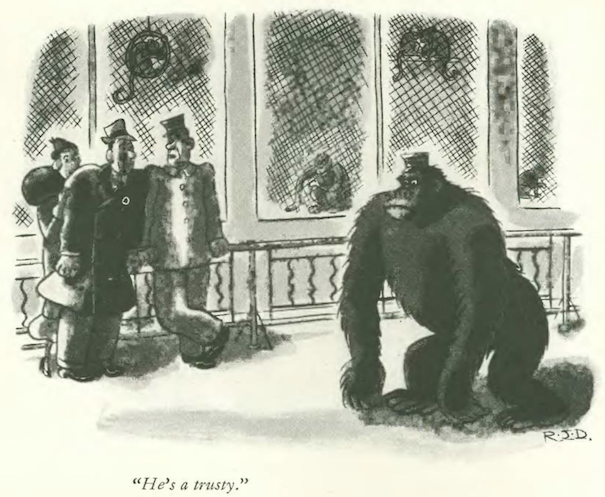
Robert Day showed who’s in charge at the zoo…
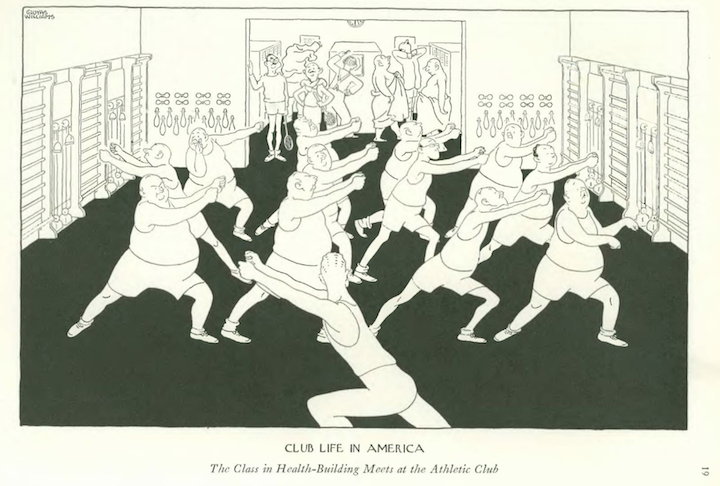
…more club life from Gluyas Williams

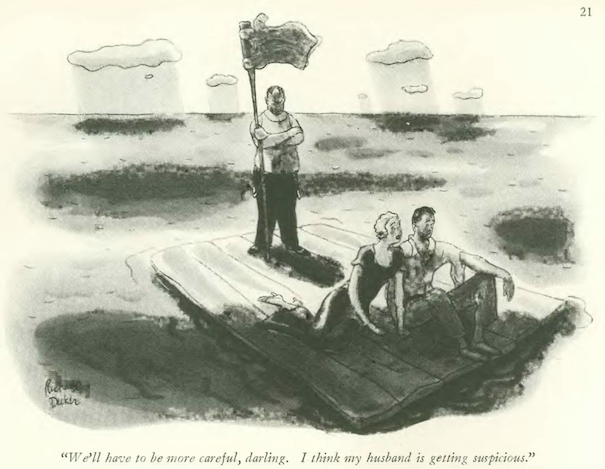
Richard Decker was in a tight situation…
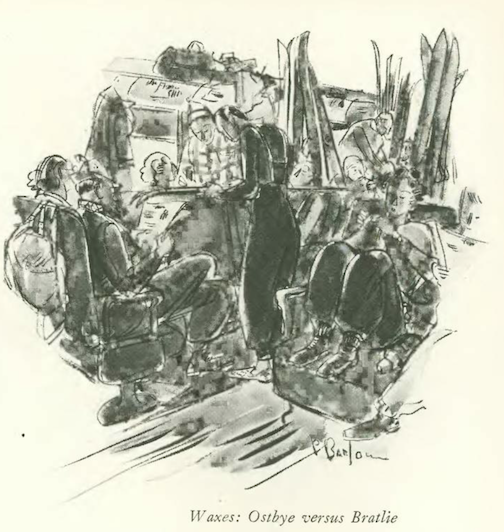
Perry Barlow drew up two pages of scenes from Snow Trains that took thousands of skiers from Grand Central to the Berkshires and Adirondacks…

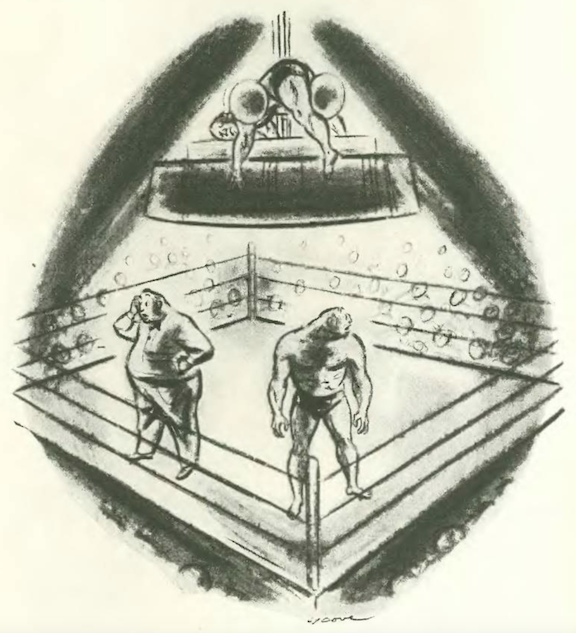
Leonard Dove delivered a knockout punch…
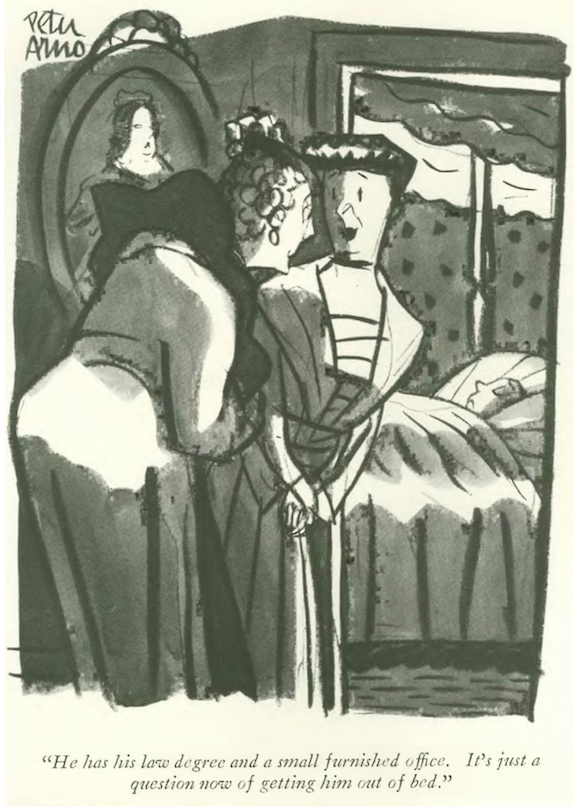
Peter Arno raised a question of initiative…
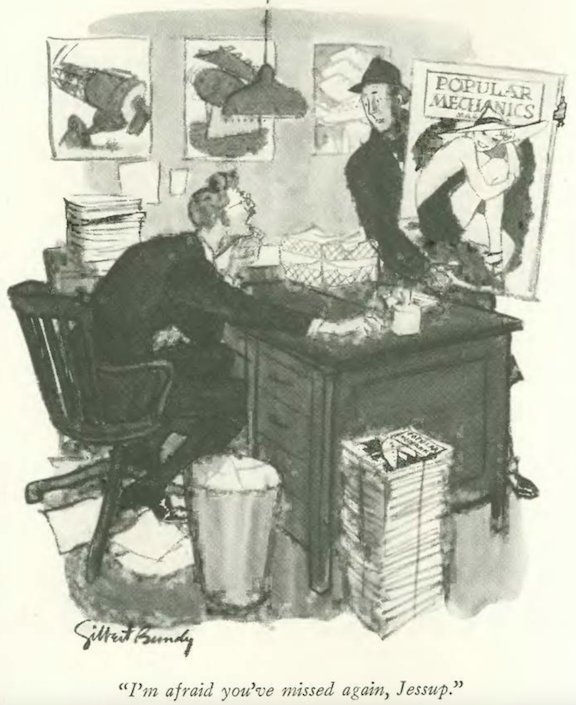
…and Gilbert Bundy sought to spice things up at Popular Mechanics

A final note: Aside from the recurring Rea Irvin cover, this issue made no reference to the eleventh anniversary…except, on the bottom of page 57…
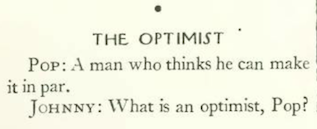
…a recurring column filler, “The Optimist,” appeared in Issue No. 1, and was featured in subsequent issues until Katharine Angell mercifully put an end to it.

Next Time: Führer Furor…
A Visit to Minskyville

During the 1930s few people could afford the luxury of a Broadway show, but a trip to “Minskyville” was in reach of nearly anyone looking to escape the gloom of the Depression, at least for a few hours.

May 28, 1930 cover by Constantin Alajalov.

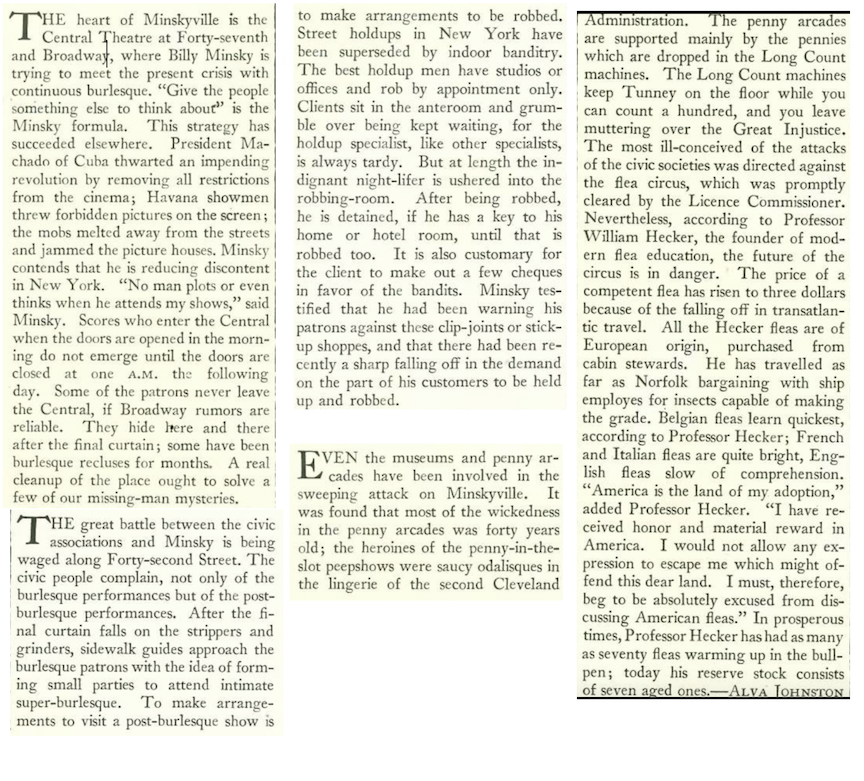
The Minsky family—brothers Billy, Herbert, Morton and Abe—built the beginnings of a New York burlesque empire, writes actress, author and documentarian Leslie Zemeckis: “Abe, the eldest, started showing racy films in a nickelodeon theater on the Lower East Side. His father—believing that if his son was gonna be a perv, he might as well make real money at it—bought the National Winter Garden theater on Houston Street near Second Avenue (where a Whole Foods stands today), and gave Abe the sixth floor to run his burlesque shows.” Alva Johnson paid a visit to Houston Street and environs for the “A Reporter at Large” column:

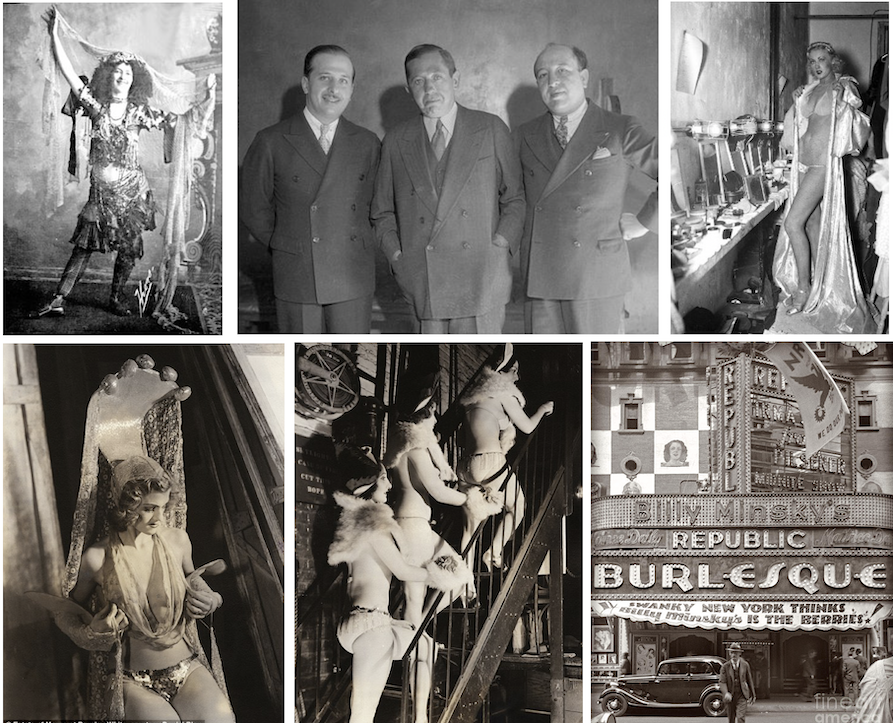
LITTLE EGYPT, aka Farida Mazar Spyropoulos, top left, both titillated and scandalized crowds at the 1893 Chicago World’s Fair (really?); clockwise, from center top, three of Minsky Brothers – Billy, Morton and Herbert; the Minsky Brothers owned several burlesque theaters in New York, including Minsky’s Oriental on 51st Street and Broadway, where stripper Julie Bryan was a top draw in 1936; Billy Minsky brought the Minsky brand to Broadway when he leased the Republic Theatre on 42nd Street in 1931; the last two images are by Margaret Bourke-White, backstage at the Republic in 1936. (Wikipedia/Daily News/Estate of Margaret Bourke-White)
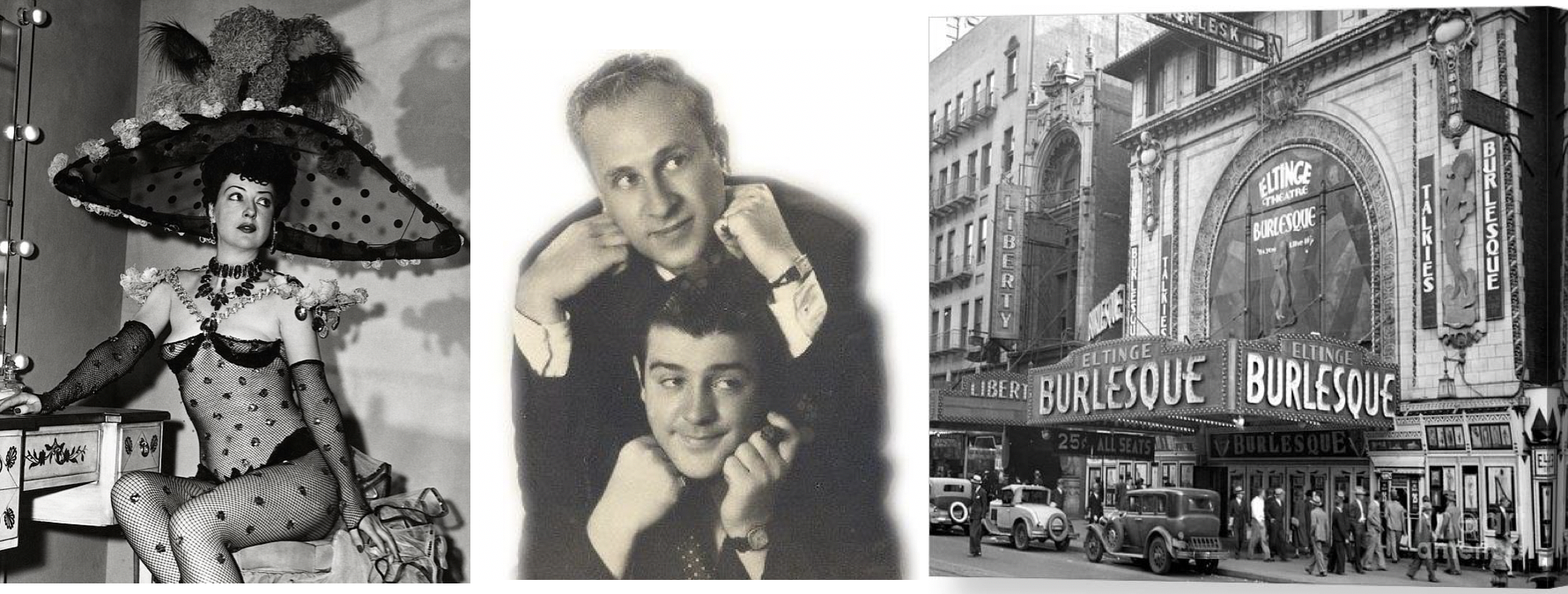
NEED A CAREER?…Well, in the 1930s an aspiring dancer or comedian could earn some chops on the burlesque stage. Gypsy Rose Lee (aka Rose Louise Hovick), left, who became the world’s most famous stripper (as well as an actress, author and playwright), was one of the biggest stars of Minsky’s Burlesque; breaks between burlesque performances were commonly filled by comedians, including Abbott and Costello (pictured above in their 1930s burlesque days), who first worked together in 1935 at the Eltinge Burlesque Theater on 42nd Street, at right.

According to Zemeckis, “burlesque caught on among the recent immigrants of the Lower East Side. The shows were cheap, the humor broad, and the allure of beautiful, barely-clothed women transcended language barriers.” But if striptease wasn’t your thing, Minskyville offered plenty of other diversions:

ONE LUMP OR TWO?…Minskyville’s entrepreneurs (top images) added a modern twist to the study of head bumps and cranium size — called Phrenology — with the electronic “Psycograph” (sic); at bottom, Prof. William Heckler’s Trained Flea Circus at Hubert’s Museum on West 42nd Street attracted some gents itching to see Heckler’s fleas in action; according to Alva Johnston, Minskyville’s penny arcade peepshows (such as the one at bottom right) would take your penny or nickel in exchange for photos of a woman old enough to give your grandpa the glad eye. (Museum of Questionable Medical Devices/sideshowworld.com)
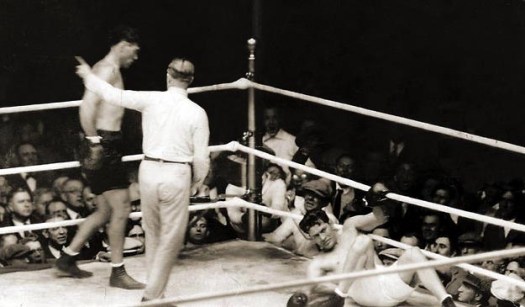
LET’S SEE THAT AGAIN…Folks who didn’t want to look at forty-year-old photos of bathing beauties could check out the most popular attraction at Minskyville’s penny arcades — a clip from the famed Long Count Fight, a 1927 rematch between world heavyweight champion Gene Tunney and former champ Jack Dempsey, which Tunney won in a unanimous decision despite being knocked down in the seventh round. It was, and is, the subject of endless debate. (www.wbaboxing.com )

*  *  *

Not a Gearhead

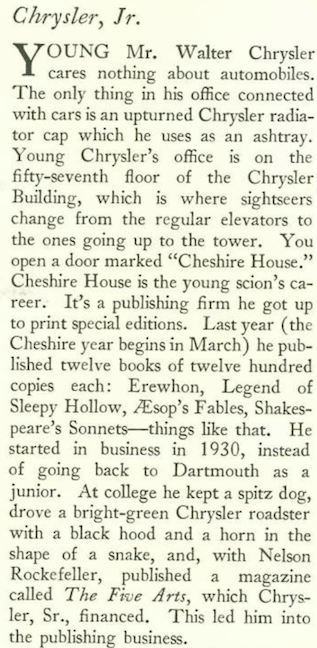
“The Talk of the Town” noted that young Walter P. Chrysler, Jr. preferred arts and literature over things that went zoom:

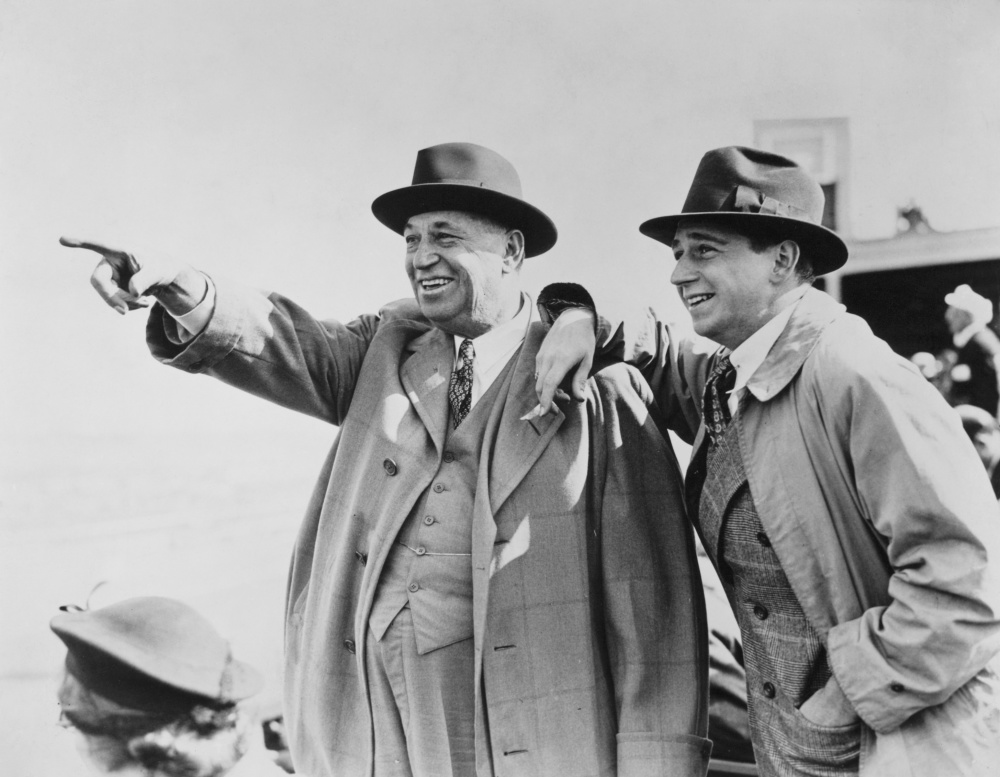
SOMEDAY THIS WILL ALL BE YOURS, RIGHT?…Walter P. Chrysler Sr. and Walter P. Chrysler Jr. share a father-son moment in 1930. Junior Chrysler devoted much of his life to building a multimillion-dollar collection of paintings (some of which were later found to be forgeries) and made substantial forays into collecting stamps, rare books and glassworks. He also produced a movie, The Joe Louis Story, released in 1953. (chrysler.org)

 *  *  *

Rat-a-tat

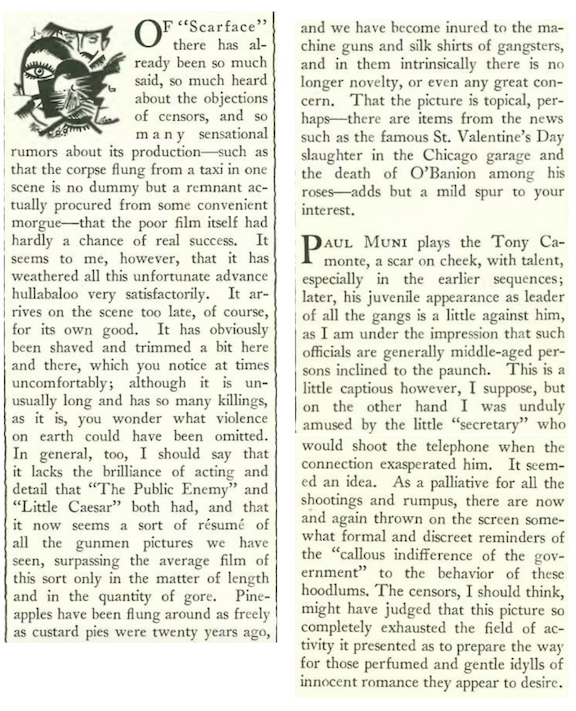
Today most movie lovers associate Scarface with the 1983 Brian DePalma film (starring Al Pacino), but the original Scarface in 1932 was far more influential in that it helped define the American gangster film genre. Directed by Howard Hawks and produced by Hawks and Howard Hughes, the screenplay was penned by early New Yorker contributor Ben Hecht. Mild by today’s standards, the film’s violent scenes caused it to be banned by many theaters around the country. Along with 1931’s Little Caesar and The Public Enemy, Scarface is regarded as among the most significant gangster films. Here is what critic John Mosher thought of it:

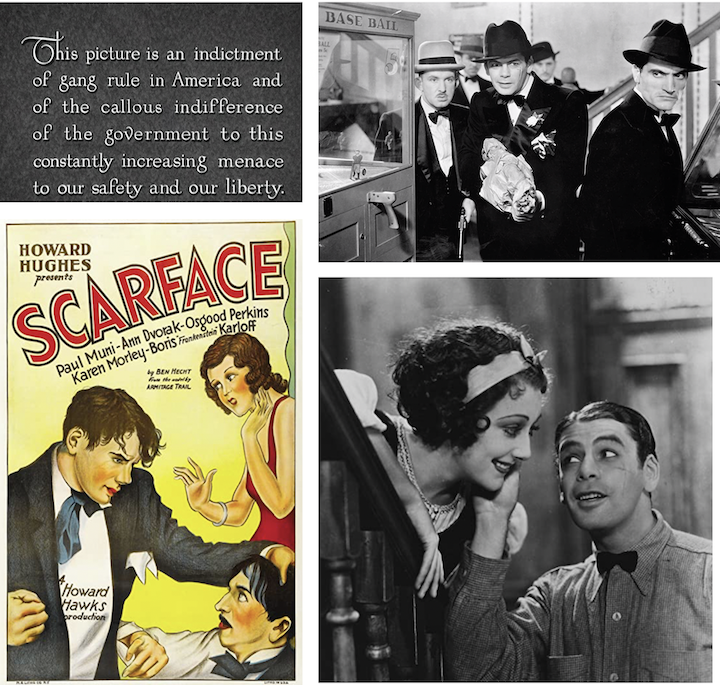
JUST IN CASE YOU GET THE WRONG IDEA…Also known as Scarface: The Shame of the Nation, this 1932 gangster film opened with some cautionary words (top left). Clockwise, from top right, gangster “Tony” Camonte (Paul Muni) is flanked by his cronies during a hit on a rival; Tony (Muni) shows his softer side with his dear sister Francesca (Ann Dvorak). United Artists promotional poster (note how Boris Karloff was billed with a reference to his 1931 Frankenstein role). (IMDB)

 *  *  *

From Our Advertisers

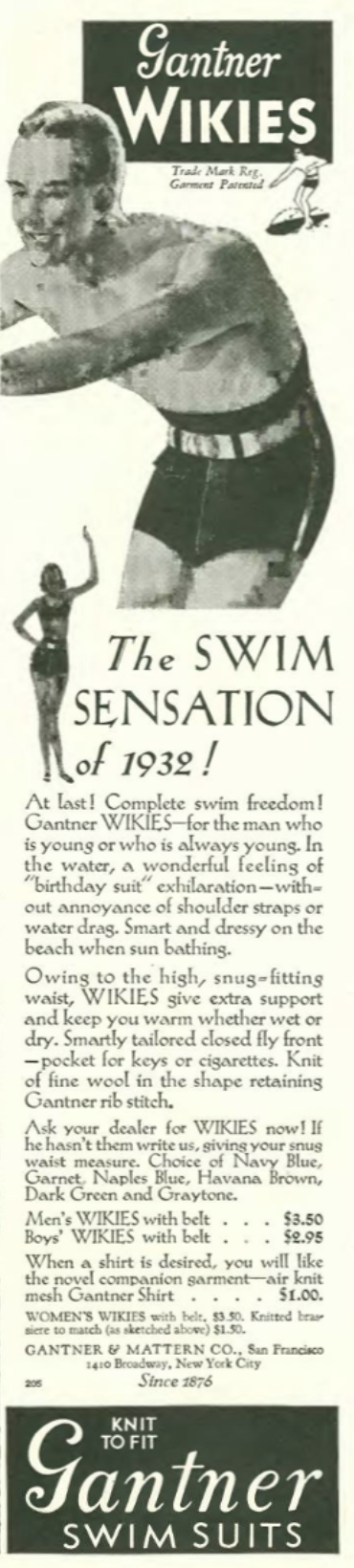
Just when I thought it was safe to go back into the water, out comes another line of wool swimsuits. I honestly can’t imagine how they must have felt, especially when wet and clinging to your skin after you left the water…

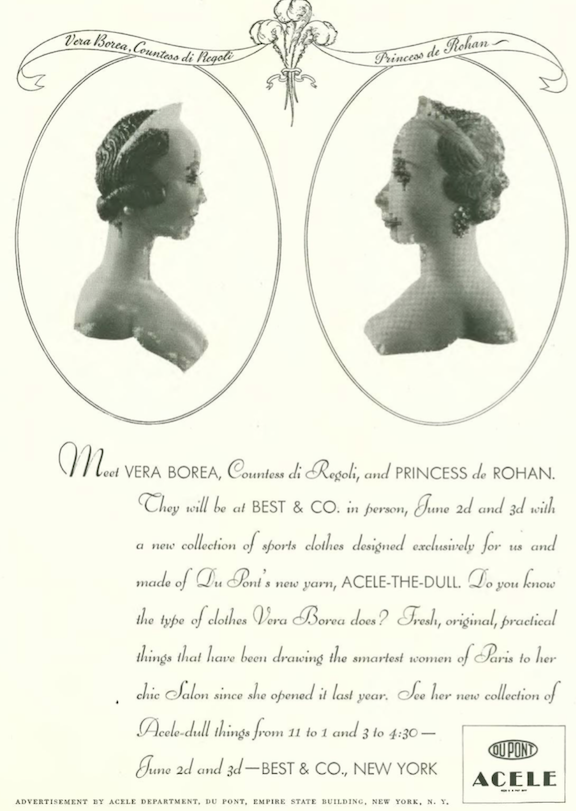
…the ad below from DuPont was just the sort of thing that drove New Yorker fashion critic Lois Long nuts…a couple of downscale royals shilling their fashion lines to an unsuspecting public…the paychecks from DuPont must have been substantial enough for these bluebloods to publicly embrace synthetics…

TWO HEADS ARE BETTER THAN ONE…Here is the real Countess Borea de Buzzaccarini Regoli, left, and the Princess de Rohan, who played to America’s insatiable thirst for nobility while shilling for a chemical company. (Wikimedia)

…if you had the money and the steady nerves, you could have hopped aboard an almost 32-hour flight to the West Coast assured that a “coordinated mechanism” of men and machine would get you there in one piece…

…perhaps you could have steadied your nerves by dragging on a Tally-Ho — for some weird reason the Lorillard Tobacco Company (who also made Old Gold) thought some folks might prefer an oval-shaped cigarette (I include the remainder of the back-page ads for context)…

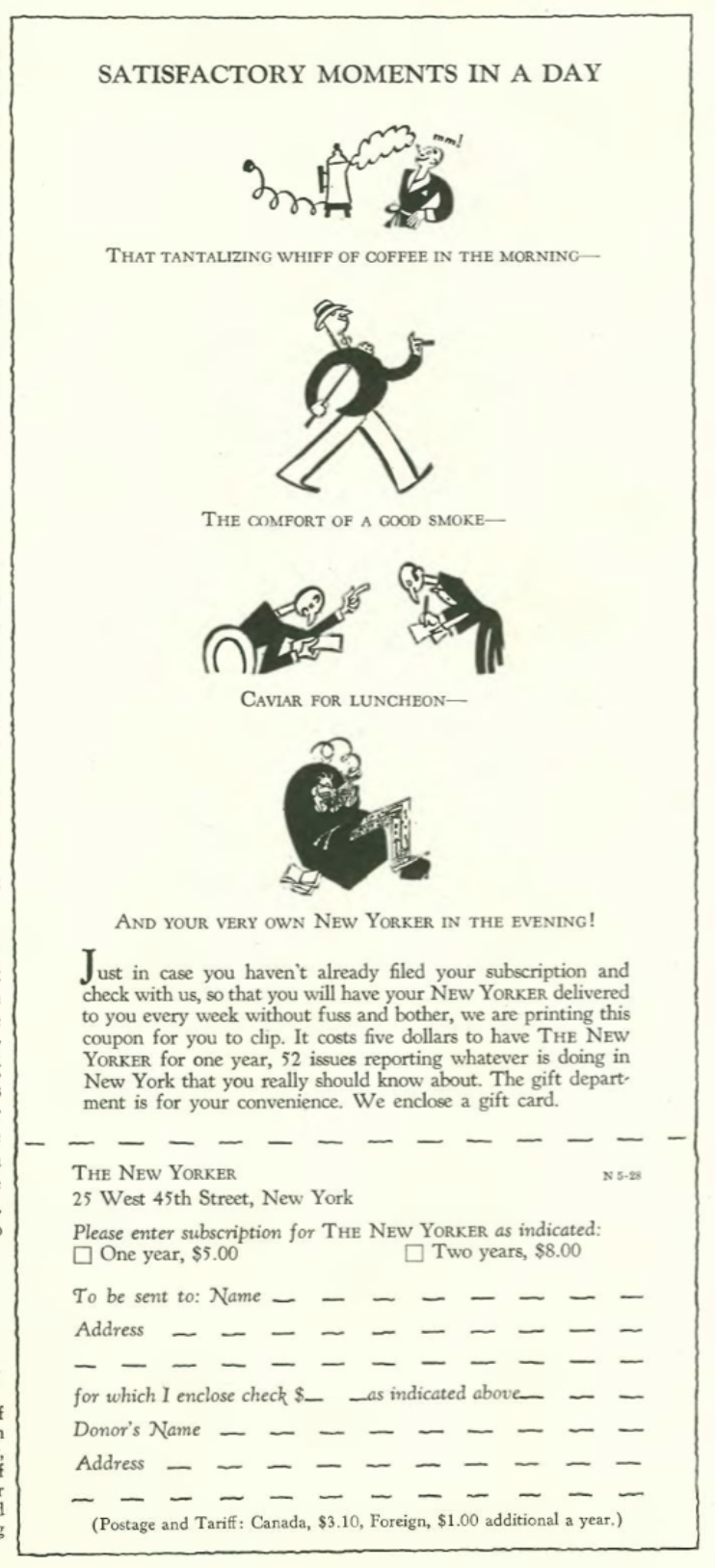
…despite the Depression, The New Yorker was holding its own in sales and subscriptions, but it never hurt to place a house ad every now and then to convince a few who might be holding out…

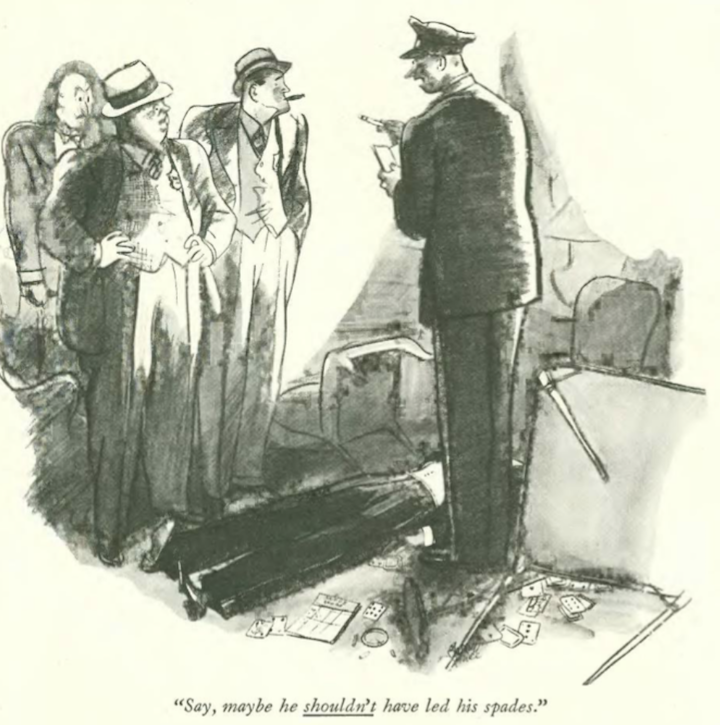
…on to our cartoons, Garrett Price showed us the result of a bad hand…

James Thurber offered up this spot illustration in the opening pages…

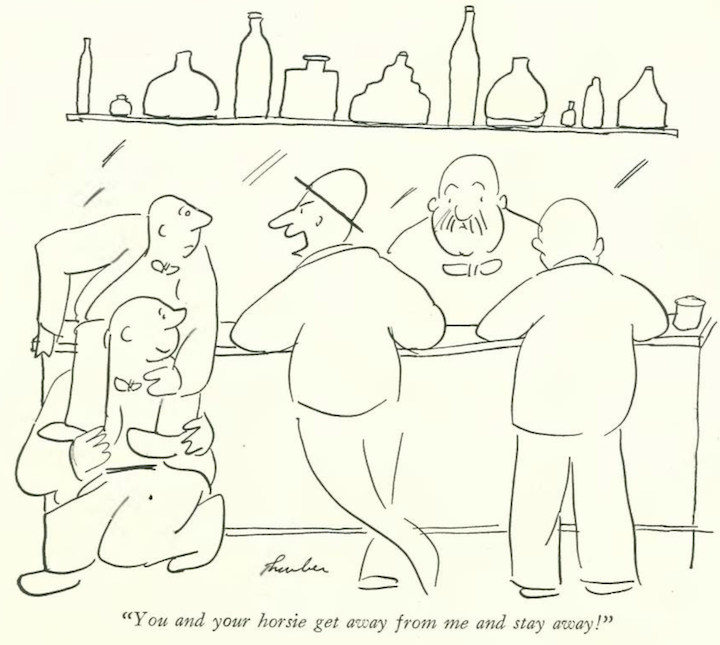
…and this terrific cartoon…

Gardner Rea demonstrated the perils of summoning the dead…

…the departed soul mentioned in Rea’s cartoon was prolific British crime writer, journalist and playwright Edgar Wallace (1875-1932), who wrote 175 novels, 24 plays, and countless articles in newspapers and journals in his relatively short life. He is most famous today as the co-creator of the film King Kong…

PRODUCTIVE SCRIBBLER…Edgar Wallace. (Wikipedia)

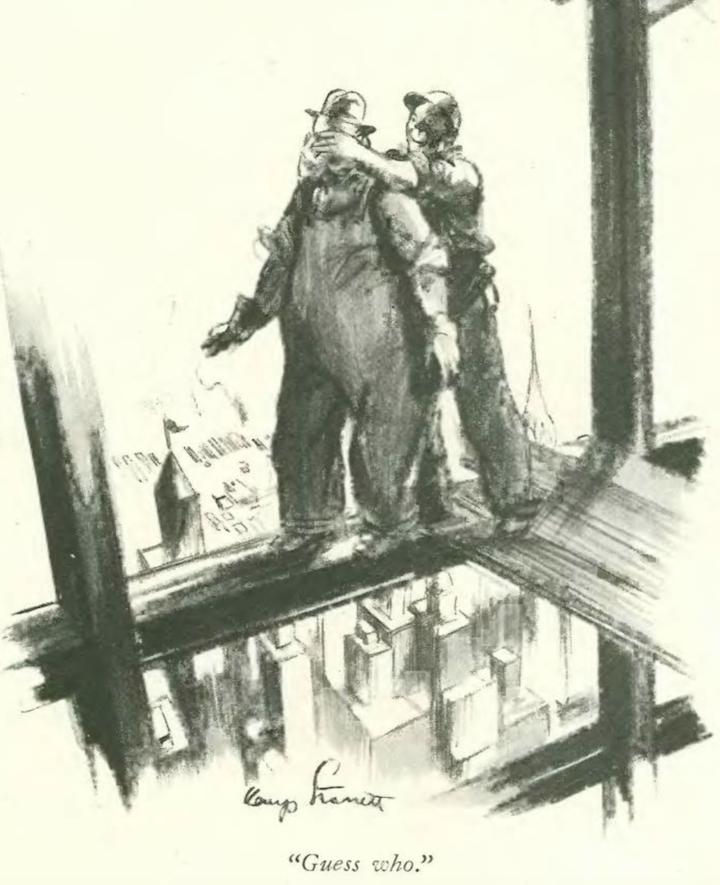
…and we end with this gem from Kemp Starrett, and some high-jinks…

Next Time: Jimmy’s Jam…