It Can’t Happen Here

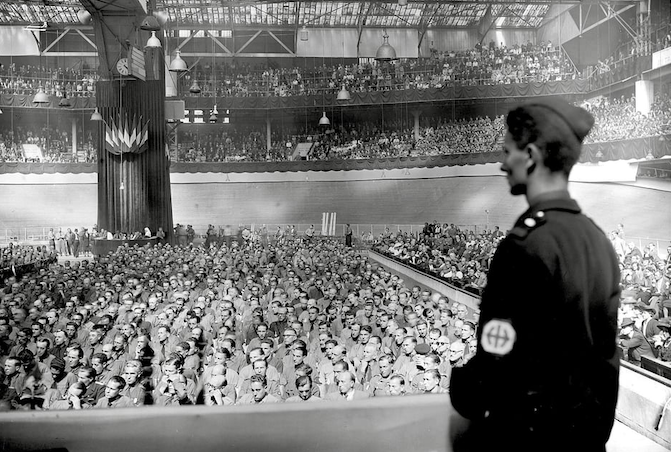
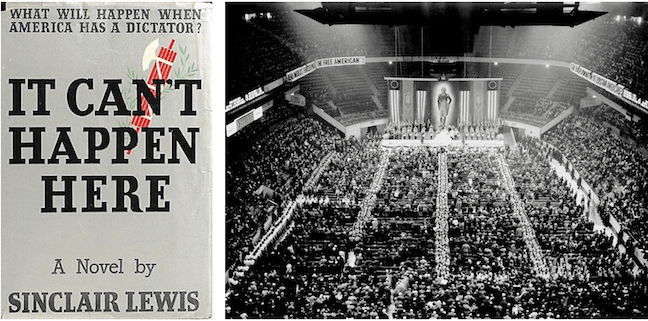
Above: Cover of Sinclair Lewis's 1935 novel about a fascist takeover of America, It Can't Happen Here. At right, 22,000 people attended a Nazi rally at Madison Square Garden on February 20, 1939. (Wikipedia/Reddit)

Ninety years ago Sinclair Lewis published It Can’t Happen Here, a dystopian novel that responded to the rise of fascism in Europe as well as to American demagogues like Louisiana Senator Huey Long.
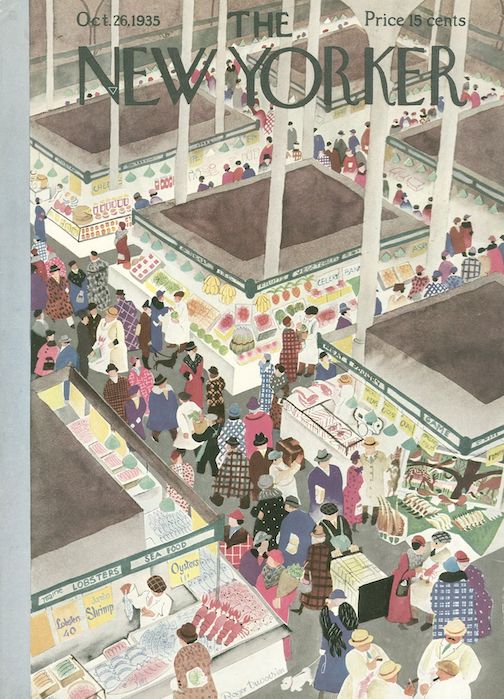
October 26, 1935 cover by Roger Duvoisin. Duvoisin (1900–1980) was a Swiss-born American writer and illustrator best known for children’s picture books. He illustrated 32 covers for The New Yorker, along with five cartoons. Duvoisin won the Caldecott Medal in 1948 (along with author Alvin Tresselt) for White Snow, Bright Snow.

In his 2016 New Yorker article, “Getting Close to Fascism with Sinclair Lewis’s ‘It Can’t Happen Here,'” journalist Alexander Nazaryan notes how Lewis was arguing for journalism and civic education as essential pillars of democracy. The title of Lewis’s book, Nazaryan observes, suggests that ‘It’ was something more subtle: “a collective apathy, born of ignorance, and a populace that can no longer make the kind of judgments that participatory democracy requires.”

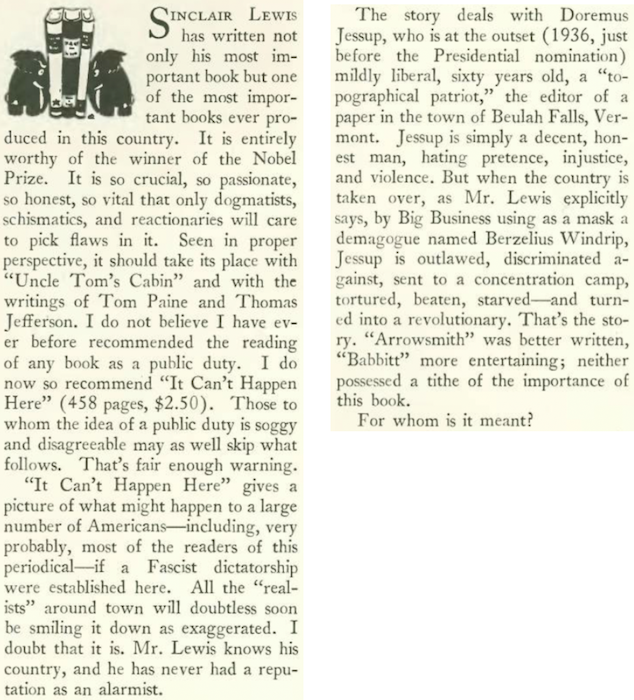
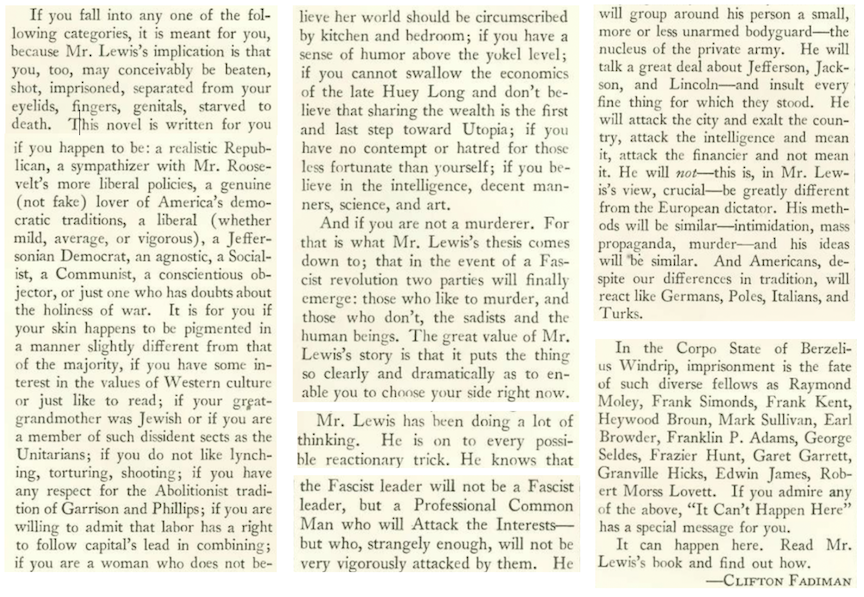
Lewis’s novel also made book critic Clifton Fadiman sit up and take notice. Here are excerpts from the first part of his review:
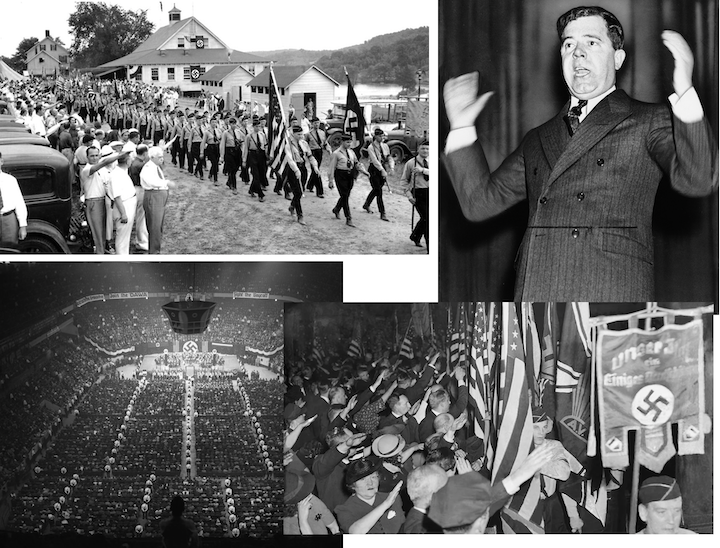
HOME-GROWN…American fascism was represented by organizations such as the German American Bund, the Silver Legion of America, and radio host Charles Coughlin, who opposed the New Deal and promoted conspiracy theories and antisemitic views. Clockwise, from top left: Nearly a thousand uniformed men wearing swastika arm bands and carrying Nazi banners parade past a reviewing stand in New Jersey on July 18, 1937. The New Jersey division of the German-American Bund had opened the 100-acre Camp Nordland at Sussex Hills; Huey Long in 1935, the same year he was assassinated; Nazi rally at Madison Square Garden in 1939. (AP/Wikipedia)

If you zoom in on the photo at bottom right, you can’t help but notice the woman in the black hat, who seems a little unsure about what she is doing, especially in front of a camera…the woman to her right appears to be hiding her face.

Here is more of Fadiman’s review (click to enlarge). It’s worth a read.
WE’VE BEEN WARNED…Published nearly seventy years apart, Sinclair Lewis’s It Can’t Happen Here (1935) and Philip Roth’s The Plot Against America (2004) both explored the dangers of fascism in the United States. (pulitzer.org/Wikipedia/Nancy Crampton via stanford.edu)

 * * *

It Was Happening There

In her “Letter from Paris,” Janet Flanner was noting “increasing Fascist sentiment and  sympathy” in her adopted city:

OVER THERE…The French Popular Party (Parti populaire français, PPF) was a French fascist and anti-semitic political party led by Jacques Doriot before and during World War II. Formed in June 1936, with an estimated 120,000 members by 1937, it is generally regarded as the most collaborationist party of France. (thefrenchhistorypodcast.com)

 * * *

All Talk

Marion Sayle Taylor (1889–1942) was the popular host of a radio advice show, The Voice of Experience. Margaret Case Harriman (1901–1966) penned a two-part profile of Taylor titled “The Voice.” I’ve included the opening lines to Part One here:

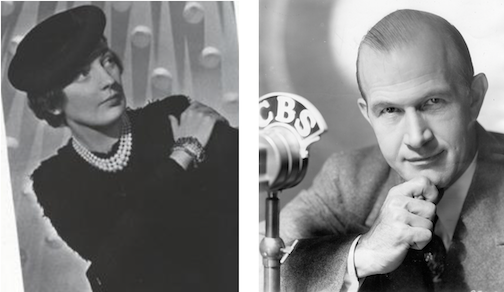
IF ONLY SHE KNEW…Margaret Case Harriman, left, circa 1936, profiled Marion Sayle Taylor before his misdeeds were revealed. (Vogue Archive/eleanorbritton.blogspot.com/Oregon Encyclopedia)

After reading both parts of Harriman’s profile piece, it appears she wasn’t yet aware that Taylor was more than a radio personality; he was also dishonest, manipulative, and opportunistic, according to a biography by Dick and Judy Wagner featured in the Oregon Encyclopedia. For example, Harriman reported (likely from Taylor’s official bio) that Taylor’s first wife, Pauline, had died in childbirth, when in fact she was quite alive and suing him for divorce that same year. Taylor also divorced his second wife, Jessie, who sued him in 1936 after he deceived her about another woman. Not surprisingly, his radio image as a reliable marriage counselor was damaged irretrievably.
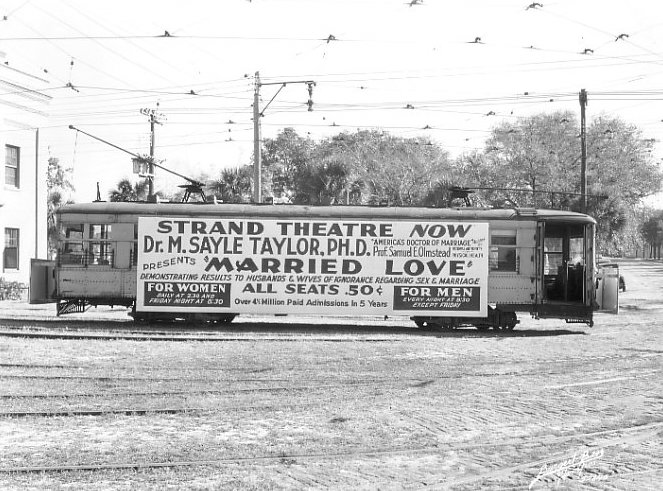
FALSE ADVERTISING…A streetcar, possibly in Newark, N.J., advertising a lecture by Taylor, circa 1931. In addition to hiding a previous prison record, Taylor also falsely reported that he had studied at several universities (he did not earn a Ph.D, as the redundant title claims in the above photo). It appears Taylor also kept much of the money he solicited for charitable causes. (Oregon Encyclopedia)

 * * *

Selling Pooh

Commercial cross-marketing of children’s books with toys and other products had its origins in the late nineteenth century with Alice’s Adventures in Wonderland, and in the first years of the 20th century Beatrix Potter’s Peter Rabbit series inspired everything from dishes and wallpaper to board games and dolls—in 1903 Peter Rabbit was the first fictional character to be made into a patented stuffed toy.

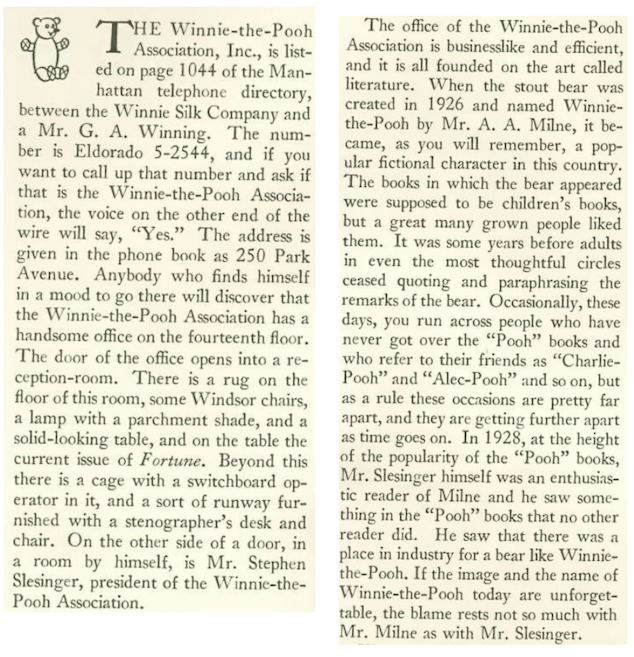
Then came another character from British children’s literature, A.A. Milne’s Winnie-the-Pooh. In January 1930, Stephen Slesinger (1901–1953) purchased U.S. and Canadian merchandising, television, recording, and other trade rights to the Winnie-the-Pooh works from Milne (for $1,000, plus royalties), marketing a wide range of products. For the column “Onward & Upward With the Arts,” St. Clair McKelway paid a visit to Slesinger at the Park Avenue offices of Winnie-the-Pooh Association, Inc. Excerpts:
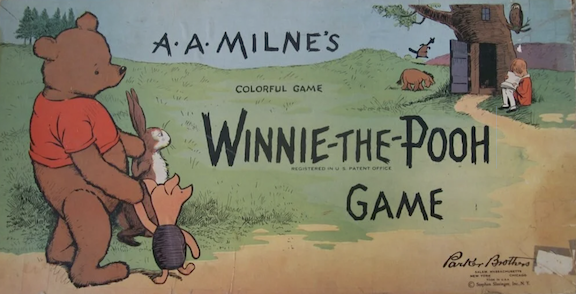
KEEP YER SHIRT ON…The Parker Brothers were the first to feature Winnie-the-Pooh in color for a 1932 board game. Stephan Slesinger added the iconic red t-shirt to Pooh for the game and a children’s record, a look that was later adopted by the Disney Corporation when it acquired the rights from Slesinger’s widow and daughter in 1961. (thedisneyclassics.com)
FUNNIES MAN…At left, Stephan Slesinger in an undated photo. Slesinger was a radio, television and film producer, and a curator of comic strip characters including Alley Cop, Captain Easy, Buck Rogers and Blondie, among others; at center, a record of “Winnie-the-Pooh Songs,” 1932; an ad for the Red Ryder BB gun—in 1938 Slesinger created the comic strip Red Ryder along with artist Fred Harmon. (alchetron/yesterdaysgallery.com/Port Isabel Press)

In another excerpt, McKelway gave us an idea of the scope of Slesinger’s Pooh empire:

 * * *

At the Movies

Critic John Mosher found few thrills in the latest fare from Hollywood, offering his views of Admiral Richard Byrd’s Into Little America and the musical Metropolitan, featuring famed baritone Lawrence Tibbett. 
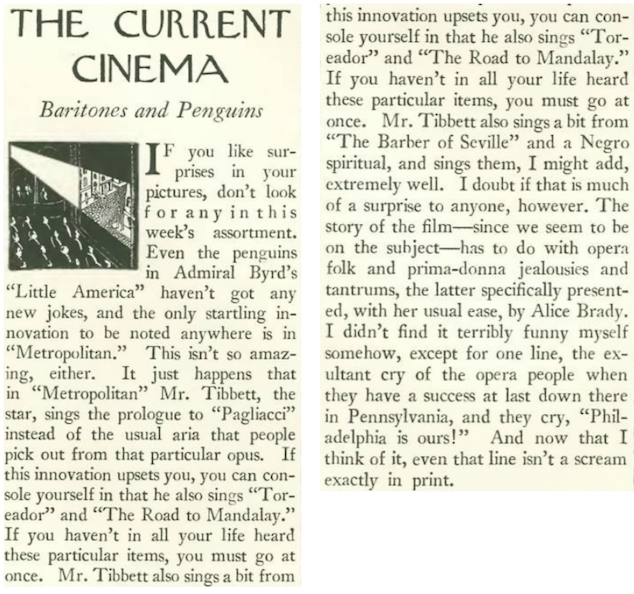
FOR THE BYRDS…At left, lobby card for Into Little America; at right, Alice Brady and Lawrence Tibbett in Metropolitan. (eBay.uk/rottentomatoes.com)

With a screenplay by Ben Hecht and Charles MacArthur and direction by Howard Hawks, one would hope for some rough and tumble in a film about Gold Rush San Francisco. Instead, Mosher found the trappings of Barbary Coast rather mild. This was doubtless due in part to the Hays Code that curtailed the sex and violence portrayed in films of the 1920s and early 1930s.
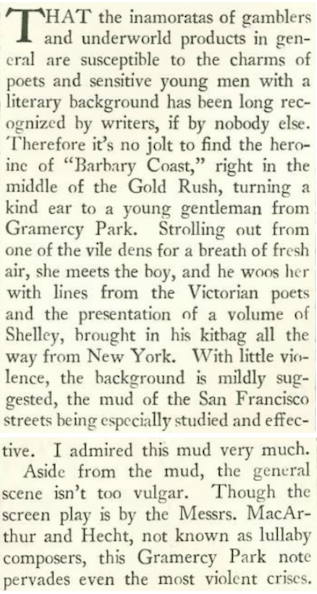
TAKING A SPIN…Miriam Hopkins runs the roulette wheel as Edward G. Robinson looks on in Barbary Coast. A brief 2019 review in the Harvard Film Archive praised the film’s Gothic feel created by the “evocative portrayal of early San Francisco as a foggy labyrinth of rickety boardwalks and ominous, sky-high ship masts…” (harvardfimarchive.org)

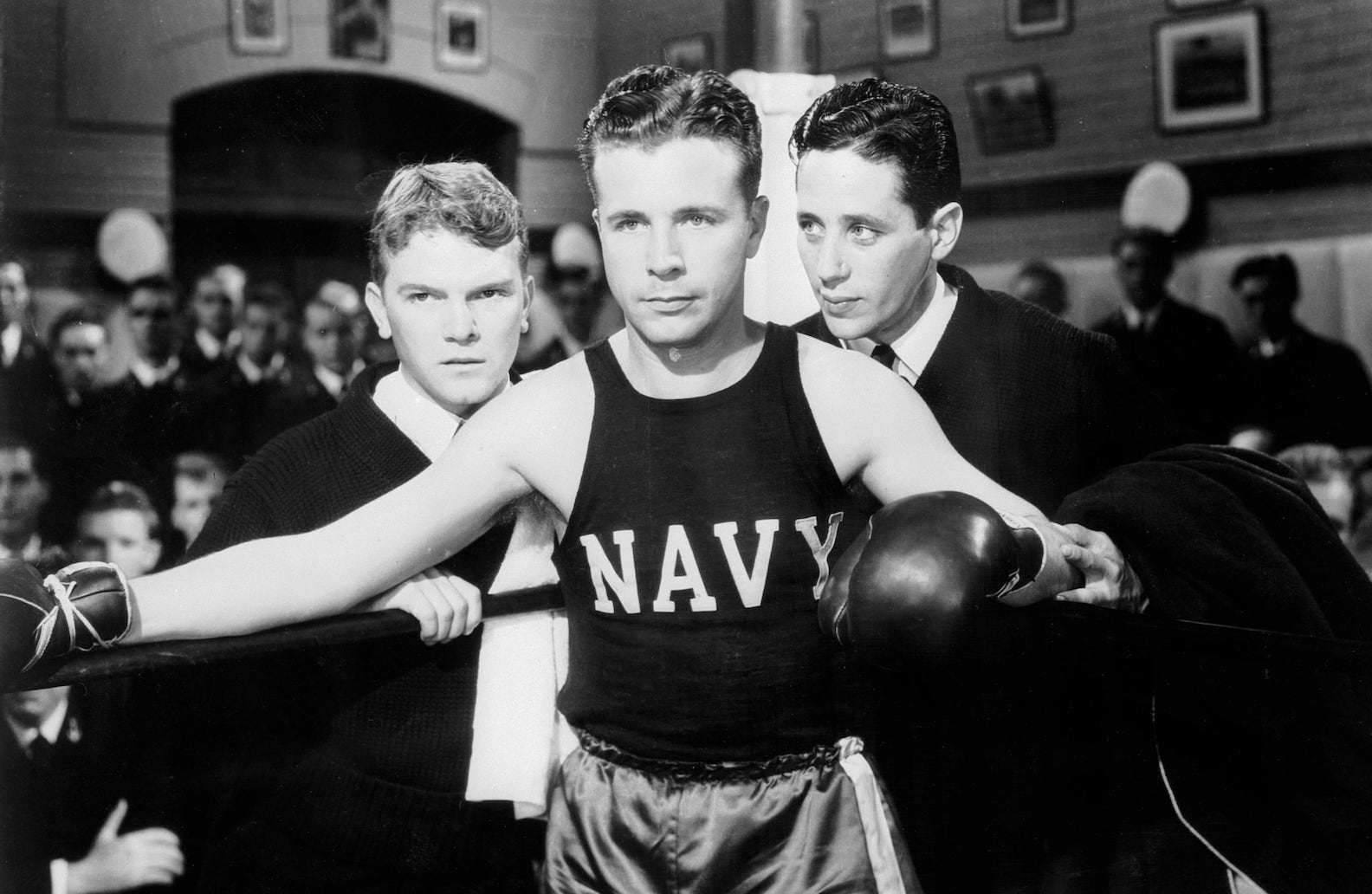
One might think that a film featuring the destruction of Pompeii would have some thrills, however RKO’s The Last Days of Pompeii proved to be a “temperate affair” in Mosher’s eyes, “one of the great bores of the moment.” The Dick Powell/U.S. Navy vehicle Shipmates Forever didn’t prove to be any better.

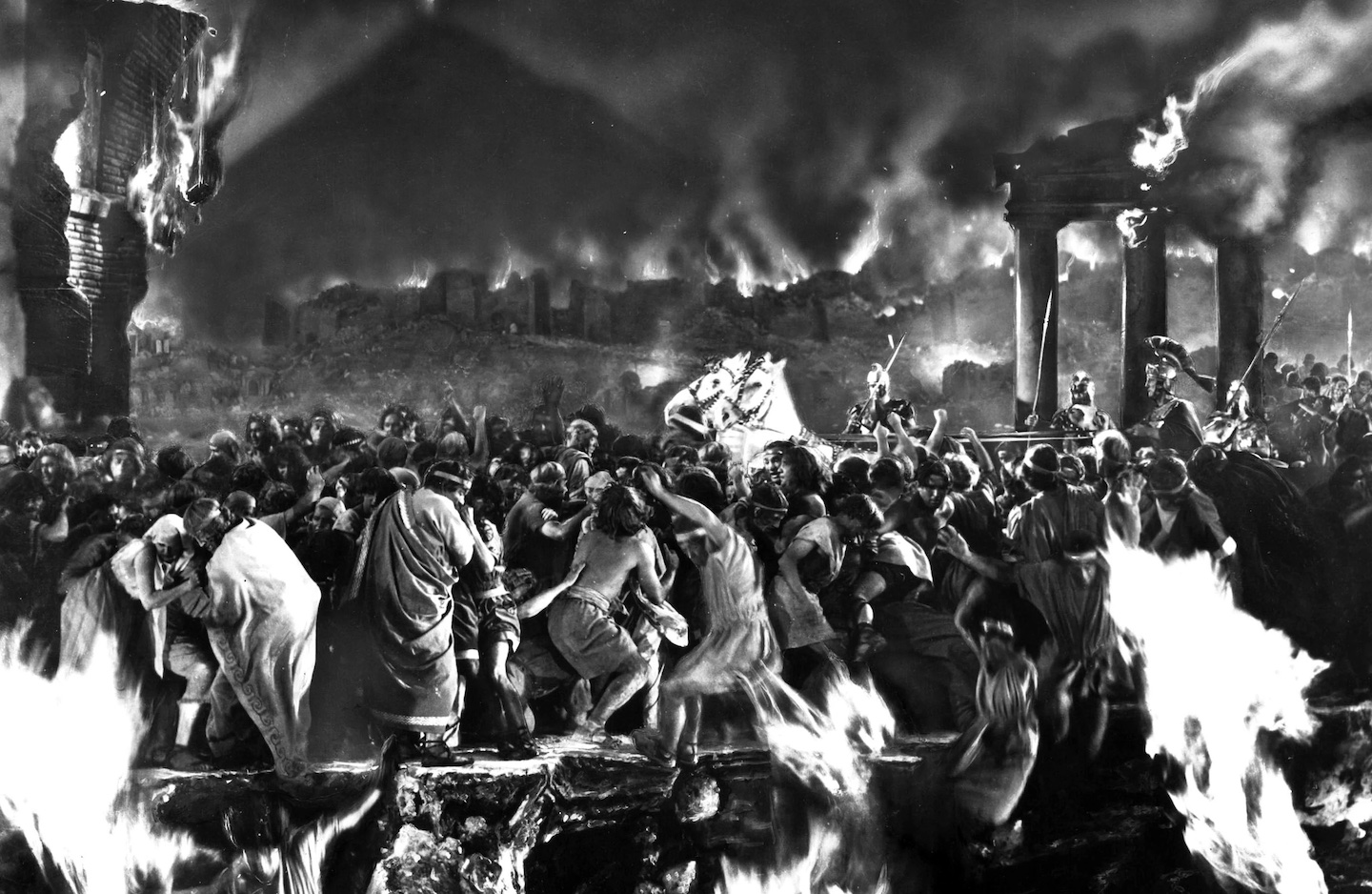
HOT TIMES IN POMPEII?…John Mosher called The Last Days of Pompeii “one of the great bores of the moment,” including the “drearily enacted” eruption of Vesuvius in which “Paper temples fall and there is a bit of bustle, and that is all there is to that.” Mosher did single out Basil Rathbone’s performance as an urbane Pontius Pilate, “a Pontius Pilate with a Long Island manner.” (tcm.com)
GO GET ‘EM DICK…The U.S. Naval Academy provided the setting for the musical Shipmates Forever, featuring Dick Powell as a crooner who ultimately chooses the Navy over a singing career. (tcm.com)

* * *

From Our Advertisers

We begin with the inside front cover, where the folks at Fisher touted their innovative “Turret Top” design…Body by Fisher began as a separate company in 1908, specializing as an automobile coach builder…although acquired by General Motors in 1926, the Fisher brand was promoted until the 1980s…

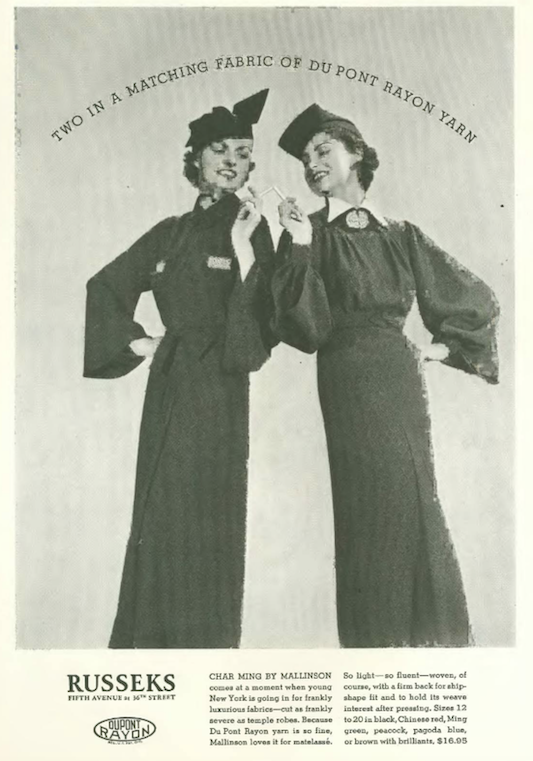
…there were many fall and winter fashion ads in this issue, including this continuing series by Russeks promoting Rayon fabrics…and women smoking, no doubt considered a sign of sophistication…
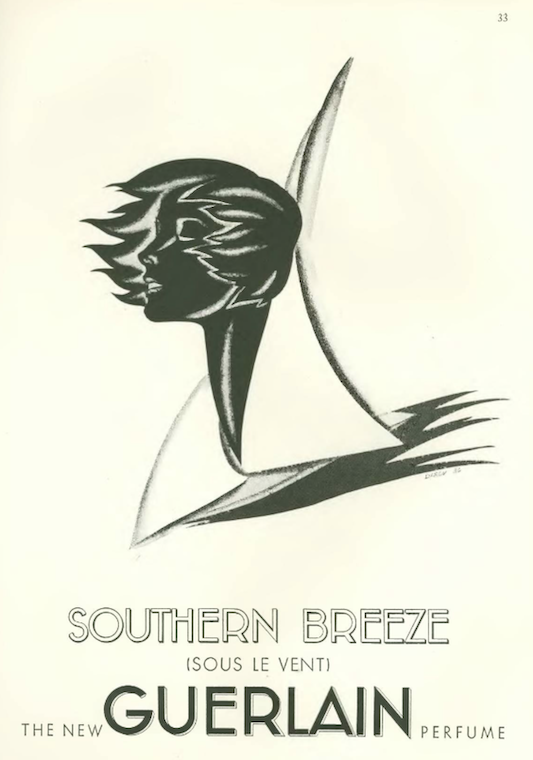
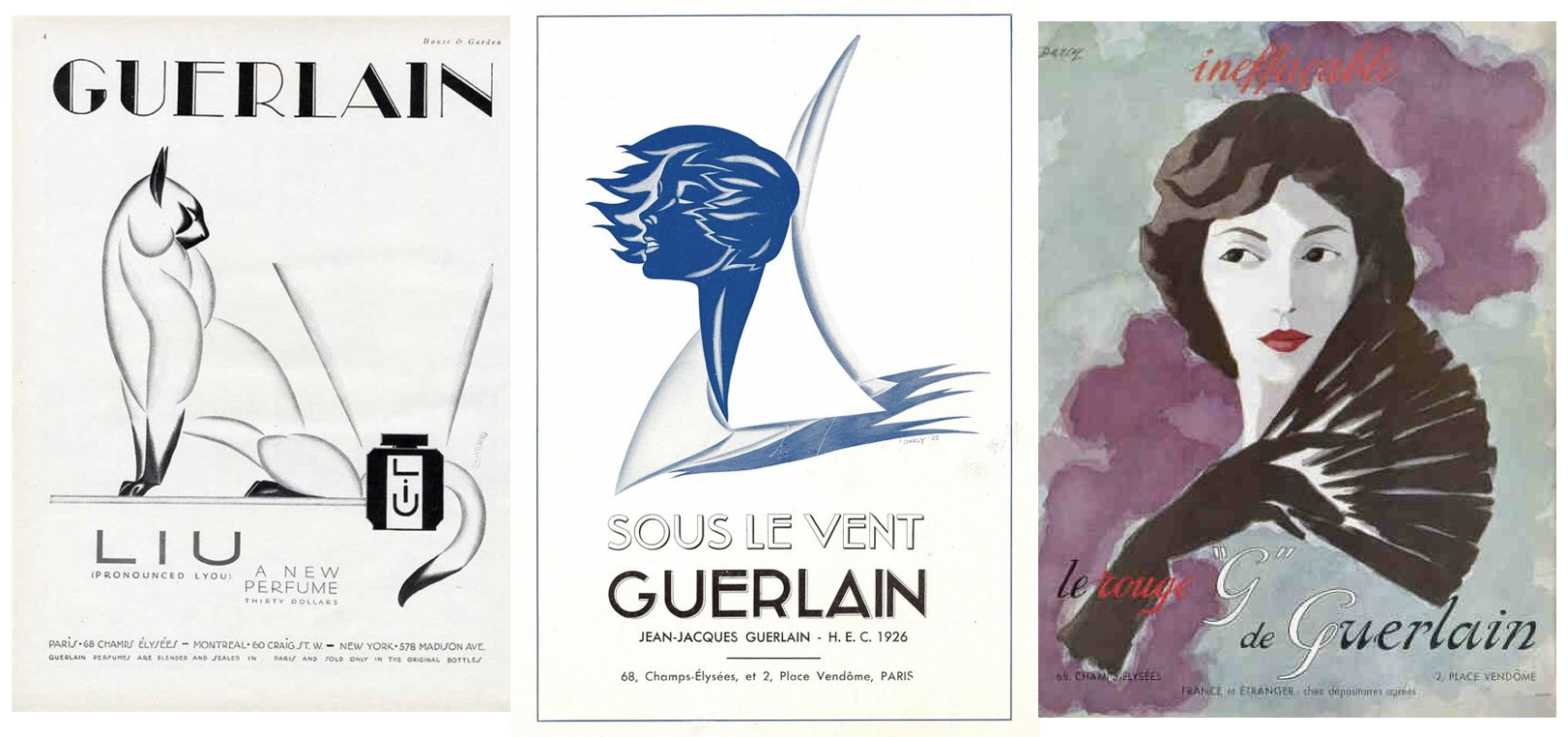
…Guerlain perfume ads featured the unmistakable style of illustrator Lyse Darcy

…the Heyward/Gershwin production of Porgy and Bess made a splash in this ad for Stage magazine…

…World Peaceways often used terrifying imagery to promote their anti-war messages…this ad was on the inside back cover…

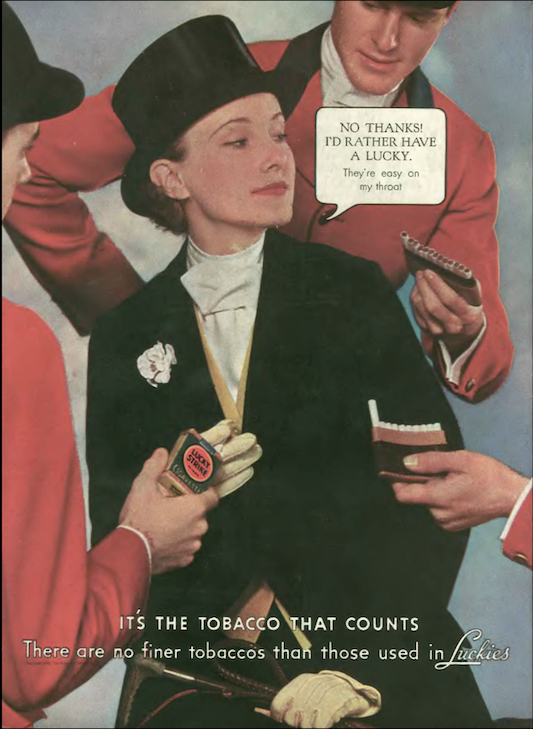
…and as you closed the magazine, the back cover greeted you with this stylish appeal to smoke Luckies…
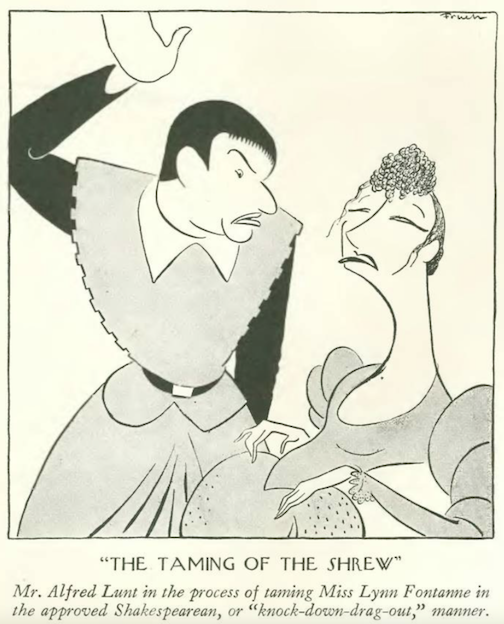
…on to our cartoonists, starting with Al Frueh in the Theatre section…
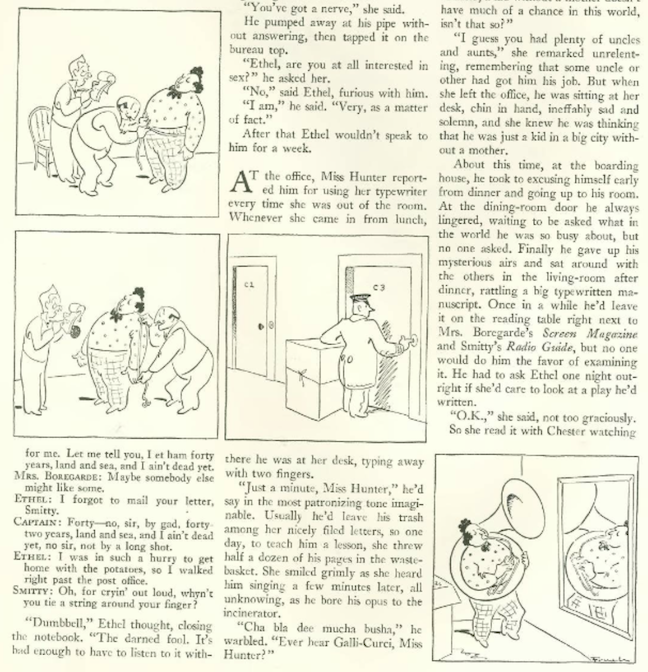
…and Frueh again, in this interesting arrangement…
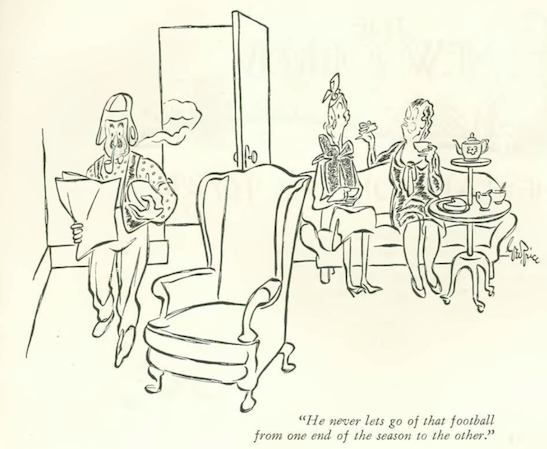
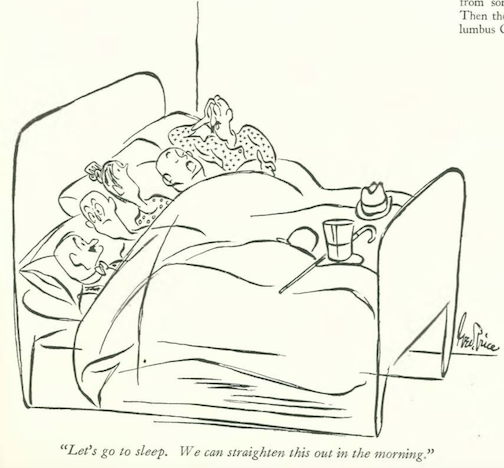
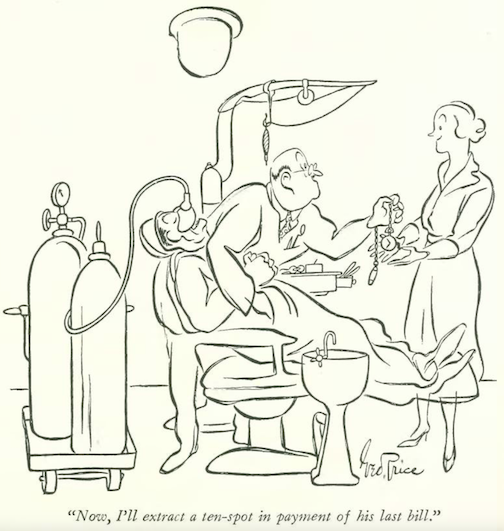
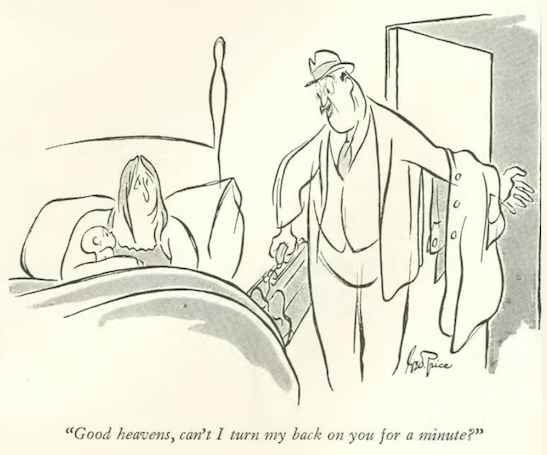
George Price was featured twice…

…with scenes of domestic life as only Price could render…
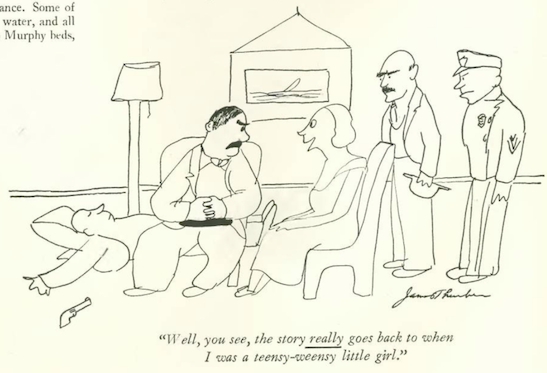
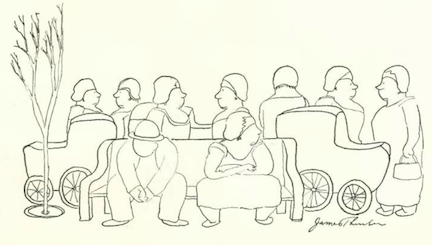
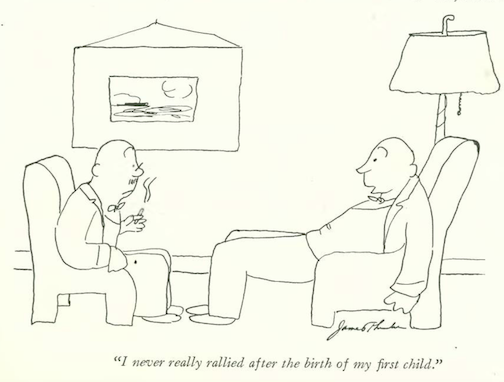
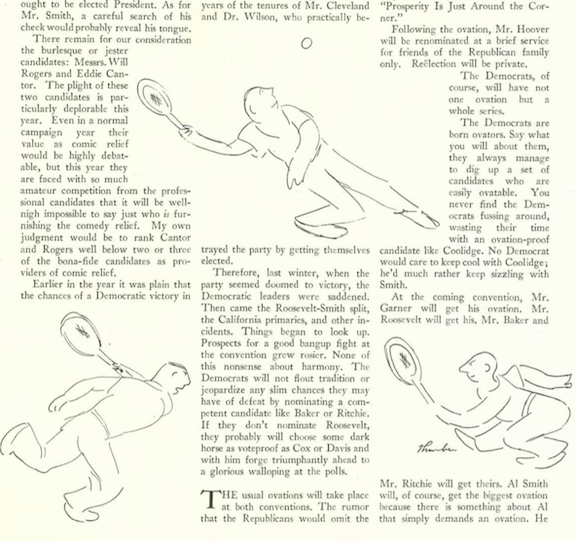
…and speaking of distinctive, no one did it quite like the great James Thurber

Robert Day gave us two Republicans looking in on the progress of the New Deal…

Carl Rose bid farewell to a writer sick of his peace and quiet…

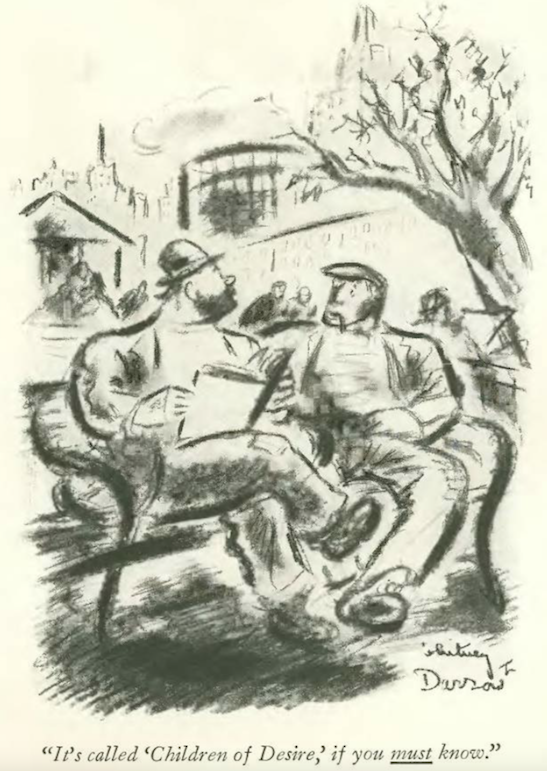
Whitney Darrow Jr illustrated a literary exchange on a park bench…
…and I close with today’s New Yorker cover artist, Roger Duvoisin—here is his cover for White Snow, Bright Snow, which won the Caldecott Medal in 1948.

Next Time: Planes, Trains and Automobiles…

What’s in a Name?

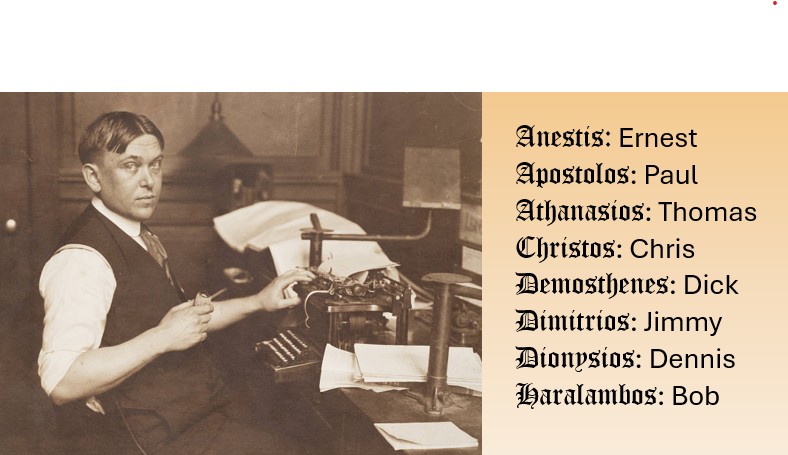
Above: H.L. Mencken at the Baltimore Sun, circa 1930. From April 1934 to September 1949, Mencken contributed more than fifty articles to The New Yorker.

The American journalist Henry Louis Mencken (1880–1956) was well-known as a biting satirist and cultural critic, but he was also a noted scholar of the English language and its various quirks.

May 11, 1935, Mother’s Day cover by William Cotton.

One of those quirks was explored in Mencken’s essay, “The Advance of Nomenclatural Eugenics In the Republic,” for the column “Onward & Upward With The Arts.” Broadly defined, eugenics refers to the discredited belief that selective breeding could be used to improve the human race. Mencken used the term satirically to describe the anglicization of immigrant names, either to conform to English spellings or, in many cases, to avoid racial and ethnic discrimination. An excerpt:

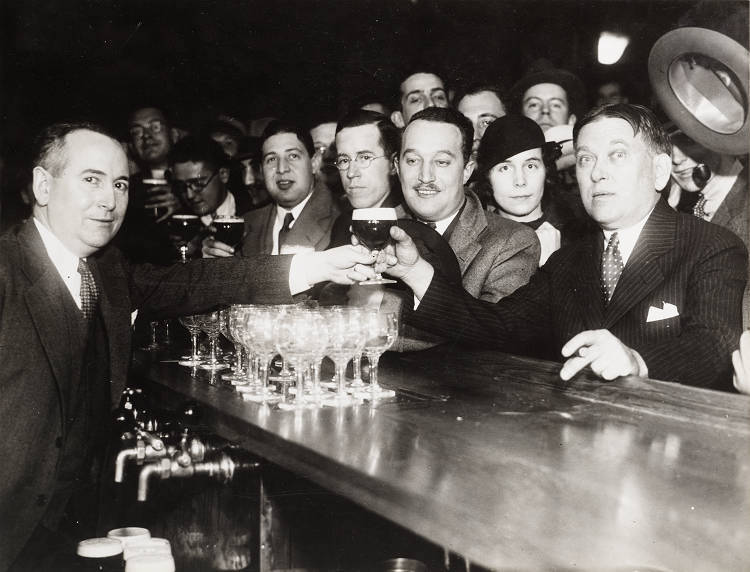
A PERFECT PAIRING, for H. L. Mencken, was a beer and a cigar. Here he is accepting “his first public glass of post-Prohibition beer” at the Rennert Hotel in Baltimore on April 7, 1933. In 1924 Mencken wrote: “Five years of Prohibition have had, at least, this one benign effect: they have completely disposed of all the favorite arguments of the Prohibitionists.” (digitalmaryland.org)

Many Jewish immigrants also abandoned their surnames, seeking to blend in and avoid discrimination. Historian and author Kirsten Fermaglich (A Rosenberg by Any Other Name, 2016) found that persons with Jewish-sounding last names made up 65 percent of all name change requests in New York in the first quarter of the 20th century. Mencken observed:

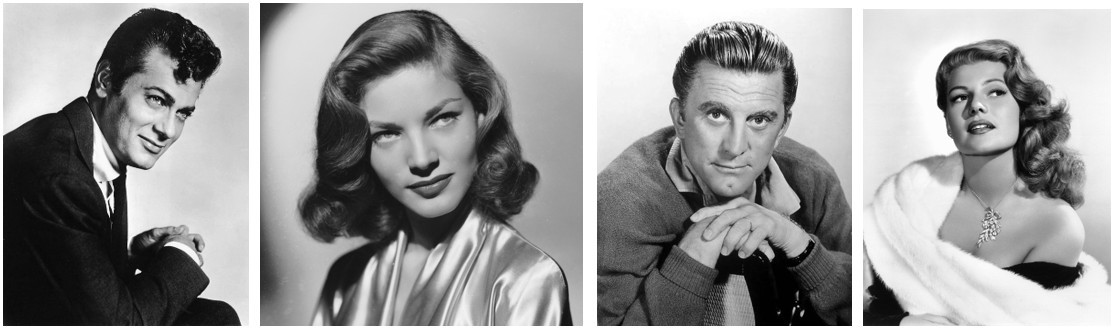
MEET BERNARD, BETTY, ISSUR AND MARGARITA…Some more famous examples of name changes in the first half of the 20th century. From left, actors (and New Yorkers) Tony Curtis (Bernard Schwartz), Lauren Bacall (Betty Joan Perske), Kirk Douglas (Issur Danielovitch Demsky), and Rita Hayworth (Margarita Carmen Cansino). (Wikipedia)

 * * *

Canada Dry

In his column, “Of All Things,” Howard Brubaker noted the “well-merited spanking” FDR gave to military leaders who were talking about fortifying the border with Canada. Brubaker agreed with FDR’s action, observing how Canadians came to the aid of thirsty Americans during Prohibition.

 * * *

Air France

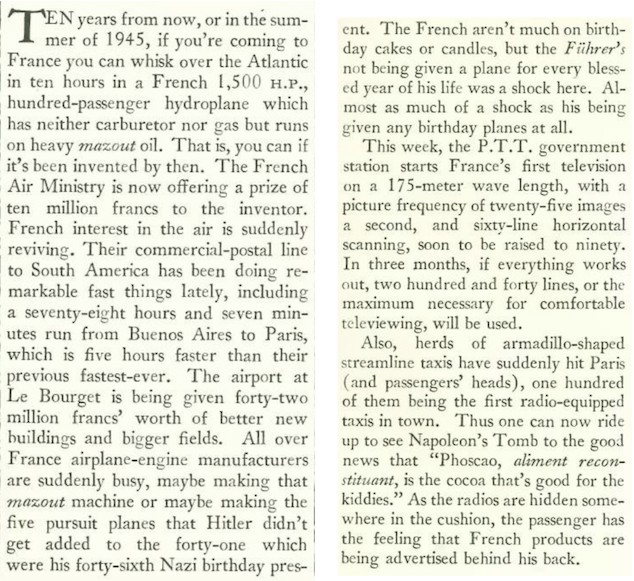
Paris correspondent Janet Flanner considered the state of French aviation as well as signs of war preparation. She also noted the birthday of German dictator Adolf Hitler, the birth of French television, and the streamlined taxis that had suddenly appeared on the streets of Paris. Excerpts:

SOME ICE CREAM WITH YOUR SLICE OF HATE?…Clockwise, from top left, bakers carefully carry Adolf Hitler’s birthday cake in April 1935; the French, meanwhile, were ramping up war production including the manufacture of the M210 bomber; airplane factory workers fashion sheet metal in a factory in Châteauroux-Déols; streamlined Peugeot 401 taxis hit the Paris streets in 1935. (reddit.com/dassault-aviation.com/imcdc.org)

 * * *

Vamps and Vampires

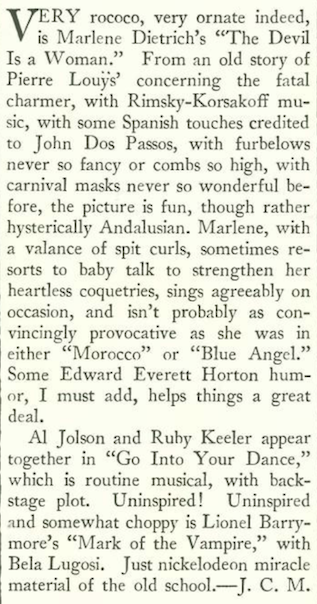
John Mosher offered mixed reviews of Hollywood’s latest fare, finding Marlene Dietrich’s latest vehicle “fun,” and the singing and dancing of husband/wife Al Jolson and Ruby Keeler “uninspired,” a term he also applied to Bela Lugosi’s latest vampire flick.

TAKE YOUR PICK…Critic John Mosher sampled some very different films including, left, Marlene Dietrich and Lionel Atwill in The Devil Is a Woman; top, Ruby Keeler with her then-husband Al Jolson in Go Into Your Dance; and Bela Lugosi did his vampire schtick with the help of Carroll Borland (who played Dracula’s daughter) in Mark of the Vampire. (MoMA/Pinterest/Instagram)

 * * *

From Our Advertisers

We start off with a bang from Goodyear…tire blowouts were common in the 1930s as tire technology could not keep pace with the increasing speed of automobiles, nor the poor condition of many roads…

…after many weeks, the back cover went to something other than cigarette manufacturers…

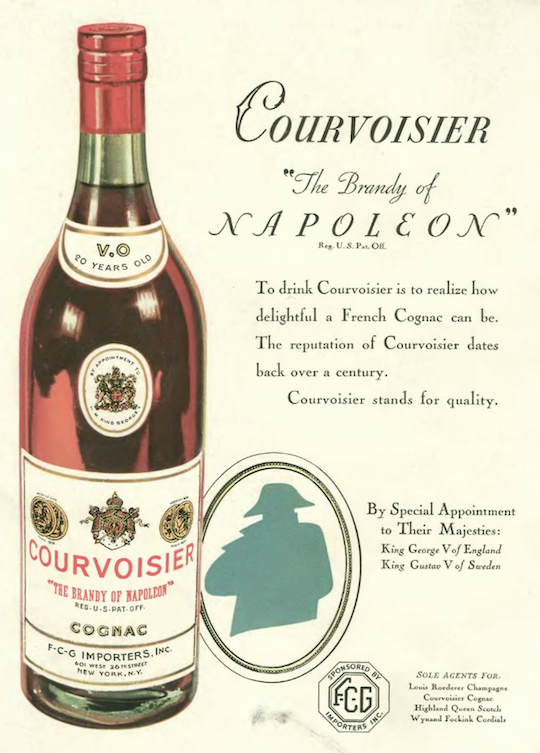
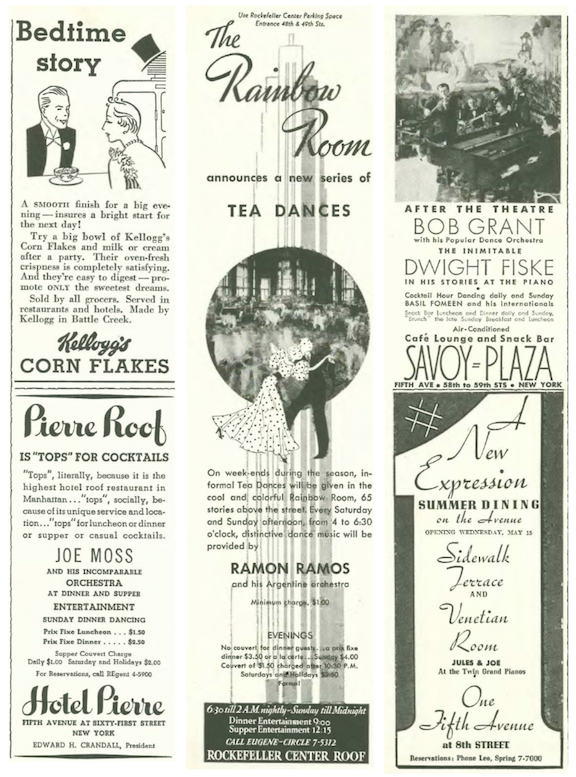
…let’s take a look at some of the one-column ads from the back pages…many of them highlighted the various nighttime entertainments, from the rooftop of Hotel Pierre to the air-conditioned lounge at the Savoy-Plaza (plus that weird ad that suggested Corn Flakes as a nightcap)…

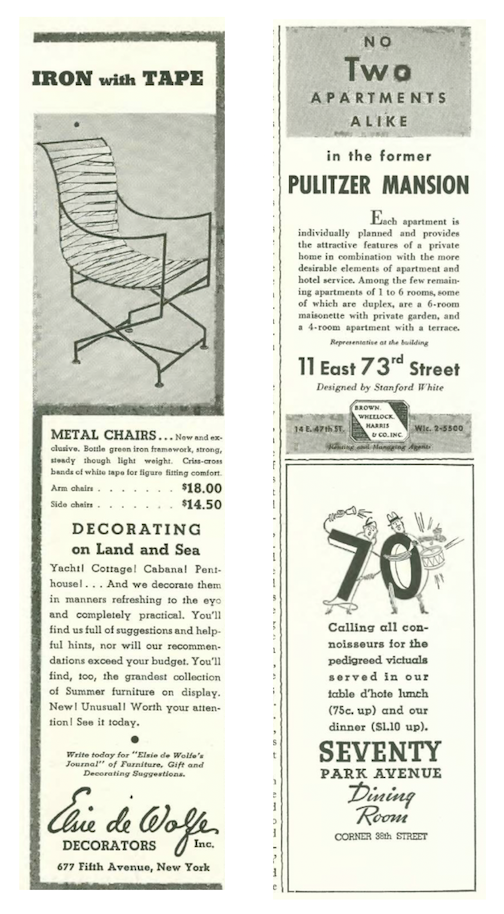
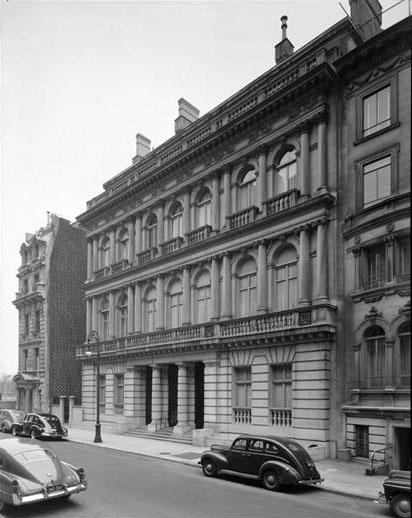
…interior designer Elsie de Wolfe rolled out “Iron with Tape” chairs, which might be the first example of what would become the ubiquitous webbed lawn chair…also advertised were apartments in the former Pulitzer mansion…

…the Pulitzer apartments were one happy outcome of the Great Depression, which foiled the plans of investors to demolish the house in 1934 and erect an apartment building…

The Pulitzer mansion still stands today, now divided into high-class coops. (daytoninmanhattan.blogspot.com)

…here’s something new from the Jay Thorpe shop, “noted for unusual sportswear”…

…perhaps inspired by Hollywood…

Ruby Keeler in 1935’s Shipmates Forever. (Reddit)

…illustrator Lyse Darcy created many of these distinctive ads for Guerlain products from the 1930s through the 1950s…

…on to our cartoonists, we begin with spot art from James Thurber

…and Thurber again…

…and we have two from George Price

Otto Soglow continued with his multi-panel tricks…

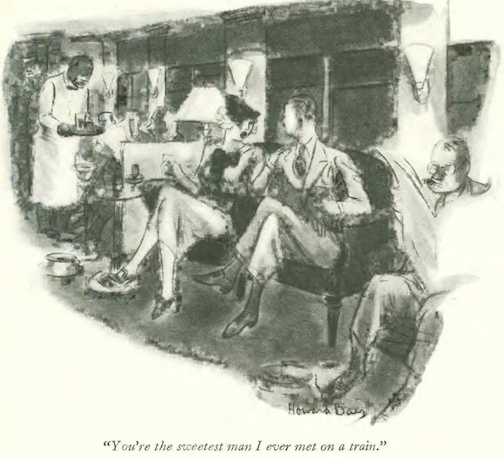
Howard Baer did some eavesdropping on the rails…

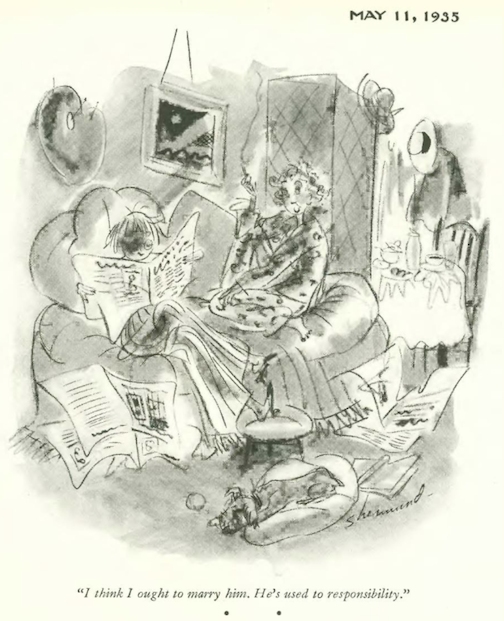
…while Barbara Shermund checked in on her modern women…

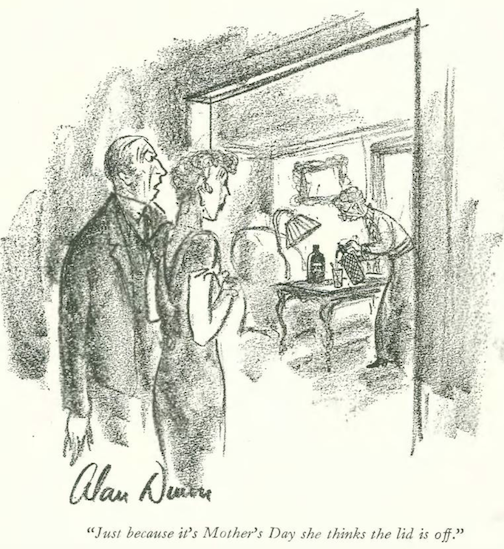
Alan Dunn gave us a mother who took care of herself on Mother’s Day…

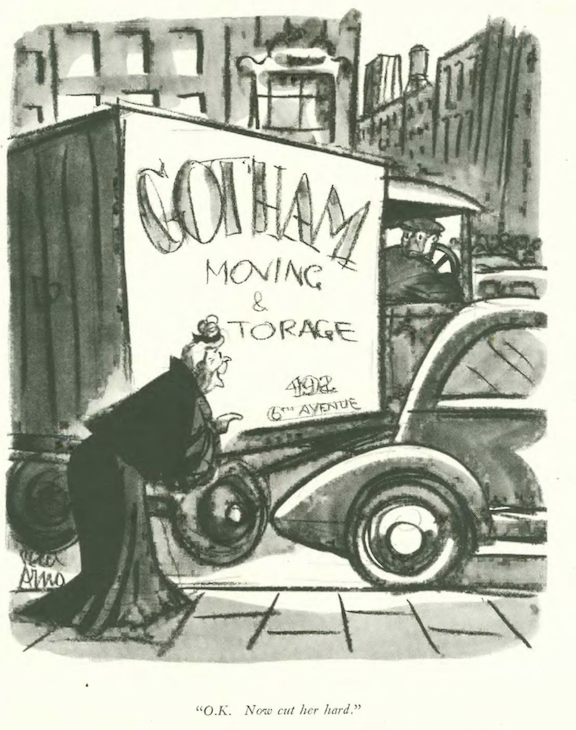
Peter Arno found some kindly advice in the crowded city…

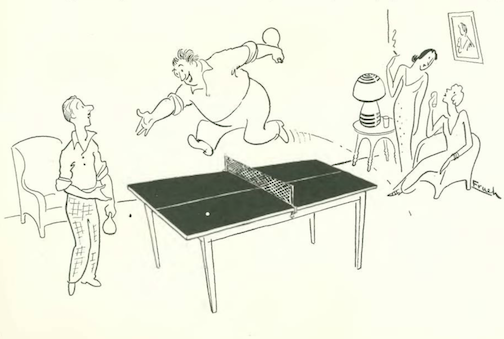
Al Frueh put the “tennis” back into table tennis…

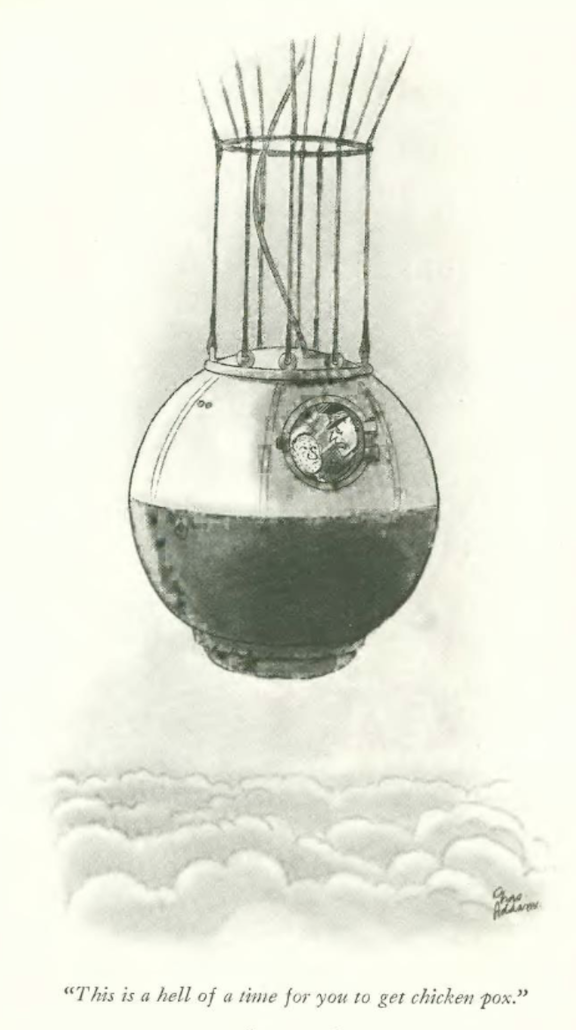
…and we close with Charles Addams, who had become a regular contributor but was still more than three years away from launching his “Addams Family” cartoons…

Next Time: Settling Down, In a Way…


House & Home

The New Yorker’s art and architectural critic Lewis Mumford found much to dislike about urban life, from pretentious ornamentation to the gigantic scale of skyscrapers popping up all over Manhattan. Technology and progress were fine, but when coupled with unbridled capitalism, Mumford believed they created inhuman environments in which the average citizen struggled to survive, let alone thrive.

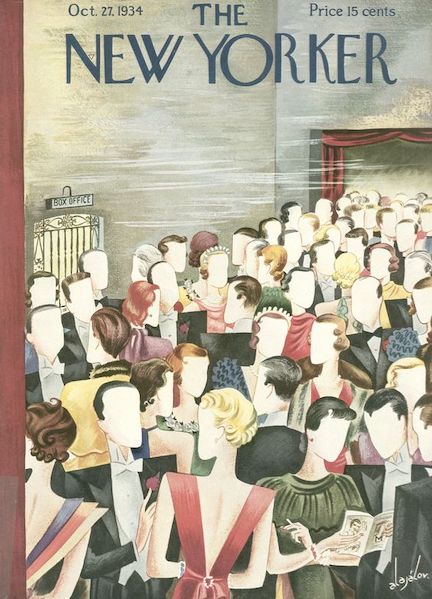
Oct. 27, 1934 cover by Constantin Alajalov.

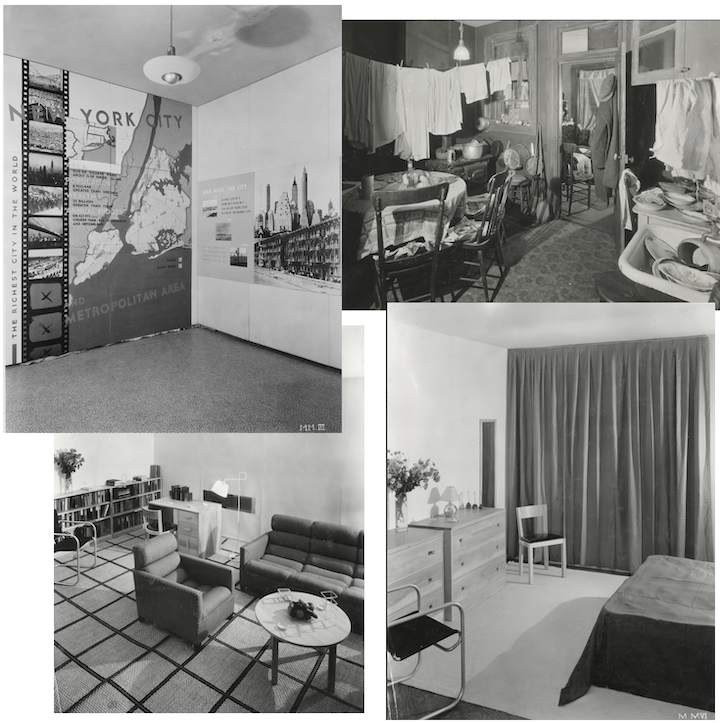
A housing exhibit at the Museum of Modern Art proposed policy and design solutions that addressed housing for the masses in “a human environment,” with European innovations leading the way. The Romanian-born Carol Aronovici (1881-1957), a well-known expert in city planning and public housing, was editor of a companion book to the exhibit, America Can’t Have Housing, in which he included seventeen essays by such experts as architect Walter Gropius, public housing advocate Catherine Bauer, and The New Yorker’s Mumford.

GIVE ME SHELTER…At left, Carol Aronovici’s companion book to the exhibition, with a cover image of the Siemensstadt Housing Development in Berlin, by Walter Gropius; above, excerpts from Lewis Mumford’s essay in the book; below, entrance to the exhibit. (MoMA)

Mumford reviewed the exhibit in his regular column, “The Sky Line.” Excerpts:

BETTER HOMES…Images from the exhibit included the squalor of a tenement (top right) that offered a stark contrast to the clean, modern look inspired by European designers. (MoMA)

 * * *

From Our Advertisers

We once again open the magazine to an odd juxtaposition of canned soup and high fashion…Hormel was pushing their onion soup by linking the product to French nobility (a previous ad featured Napoleon)…at right, illustrator Lyse Darcy created many ads for Guerlain products from the 1930s through the 1950s…

…the Macbeth-Evans Glass Company introduced Americans to a revolution in coffee brewing—the drip method…

…the folks who made Arrow Shirts wanted men to know that its “Thor” model would make them as confident as this man at a business conference…so confident, in fact, that he can appear mildly disinterested as he engages in a game of tic-tac-toe…

…purveyors of high fashion Lord & Taylor offered up a new design twist with this ad rendered in the Courier font…

…Pond’s continued to featured the rich and famous, women who apparently defied age itself with a few dabs of cold cream…the ad featured Alice Erdman, the wife of politician and theater producer Francis Cleveland (President Grover Cleveland’s son) and Long Island society maven Xenia Georgievna of Russia…

BELIEVER…Xenia Georgievna of Russia (1903–1965) was an influential member of New York’s Long Island North Shore society. She is best known for her belief that the imposter Anna Anderson was actually the Grand Duchess Anastasia. (Pinterest)

Newton D. Baker mobilized and presided over the United States Army during World War I, and during the Depression he led a “National Citizens Committee” that he mobilized for human needs…

…this detail from an ad for Webster cigars offered an image of a football game almost unimaginable today…

William Steig offered his cartooning services to the local gas company…

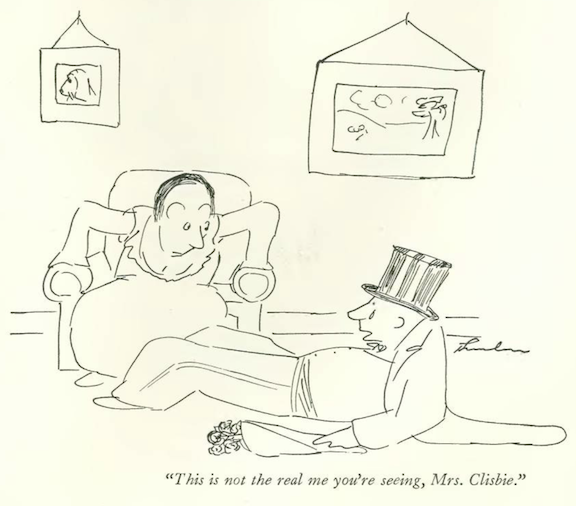
…which segues into more cartoons from the Oct. 27 issue, beginning with this spot from James Thurber

…and a cartoon…

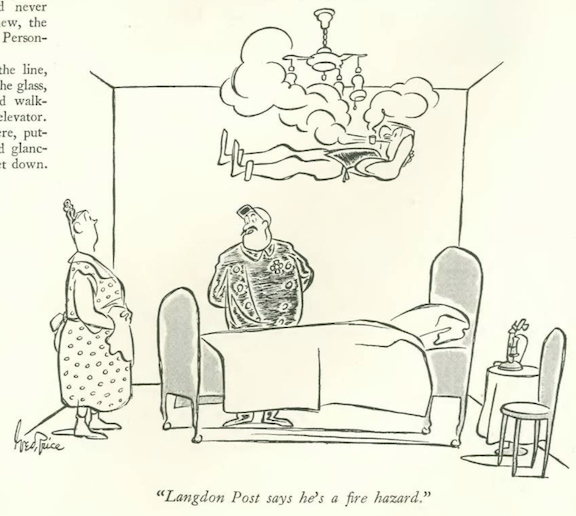
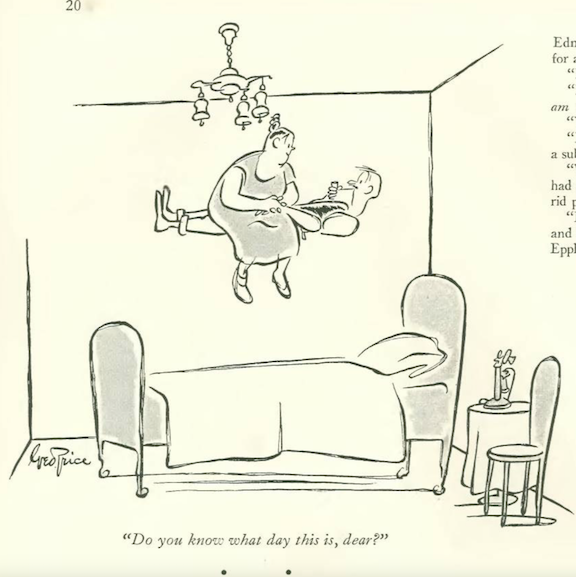
…another in the floating man series by George Price

…and one from Peter Arno, with a classic clueless cuckold…

…on to Nov. 3, 1934…

Nov. 3, 1934 cover by Richard Decker.

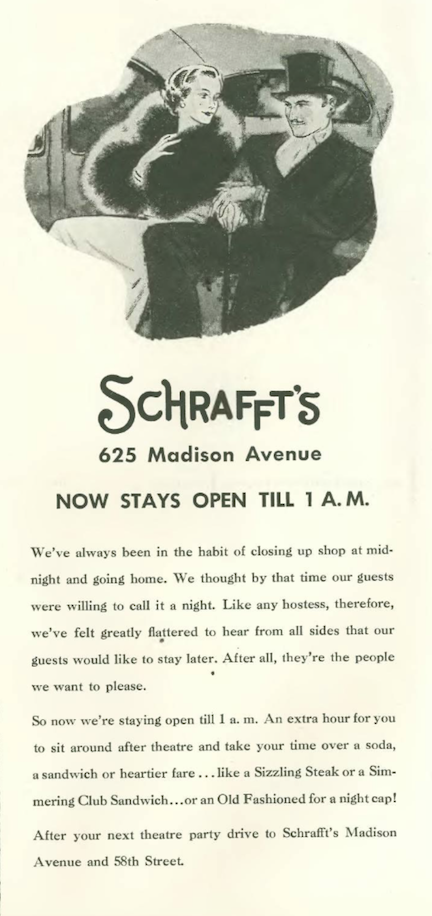
…and straight to the ads, beginning with this one from Schrafft’s, which was a chain of high-volume, moderately priced restaurants in the New York area…despite its affordability, Schrafft’s dining rooms were known for their gentility, an idea conveyed through this ad…

…and here we have another image of a posh couple savoring their downscale dining experience…perhaps they should ask their cook to stop using real turtles…
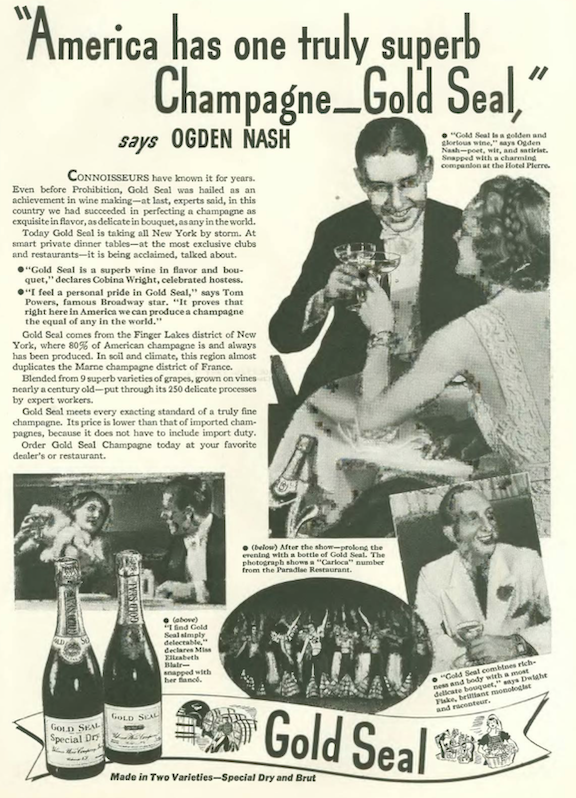
…the makers of Gold Seal “Champagne” lined up poet Ogden Nash to endorse what had to be some pretty awful stuff, even if Dwight Flake, “brilliant monologist and raconteur,” enjoyed its “delicate bouquet”…

…New York debutante Mimi Richardson joined the growing list of distinguished women who preferred puffing on a Camel…

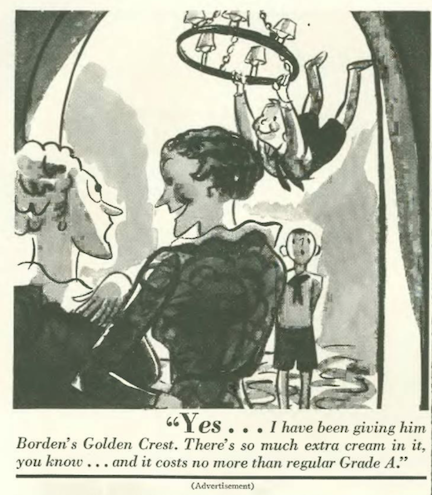
…this back-page ad featured an Arno-esque illustration touting the wonders of Borden’s Golden Crest milk…

…while the real Garrett Price drew up this image for the folks at Heinz…

…which brings us to more cartoons, still up in the air with George Price

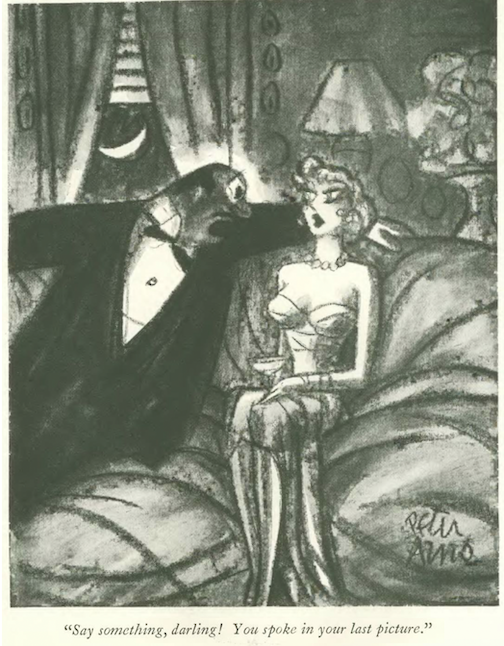
Peter Arno gave us a suitor who was no fan of the silents…

…and we close with James Thurber, and some scandalous dish…

Next Time: The Wahoo Boy…

Jimmy’s Jam

New York City Mayor Jimmy Walker (1881-1946) was commonly referred to as “Beau James” for his flamboyant lifestyle and his taste for fine clothes and Broadway showgirls.

June 4, 1932 cover by Theodore Haupt.

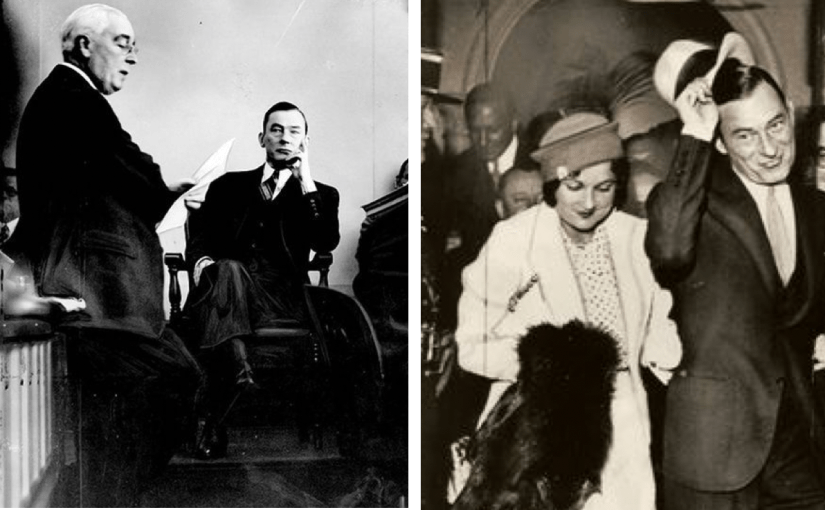
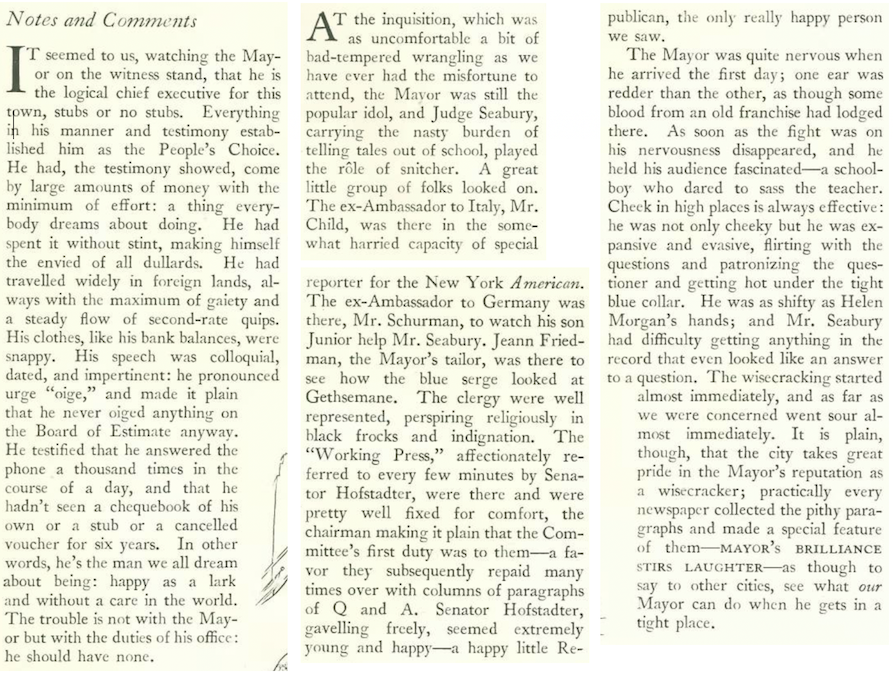
Mayor Walker was also a product of the powerful Tammany Hall machine that traded in political favors and outright bribery. When he took office in 1926, the economy was riding high, and few seemed to care that hizzoner was aloof, partying into the night (while openly flouting Prohibition laws), and taking numerous pleasure trips to Europe. He easily won reelection in 1929, but when the stock market crashed later that year his hijinks began to wear a bit thin, and reform-minded politicians like State Senator Samuel H. Hofstadter began looking into corruption in New York City. The actual investigation was led by another reformer, Samuel SeaburyThe New Yorker’s E.B. White looked in on the proceedings and its star witness, Mayor Walker.

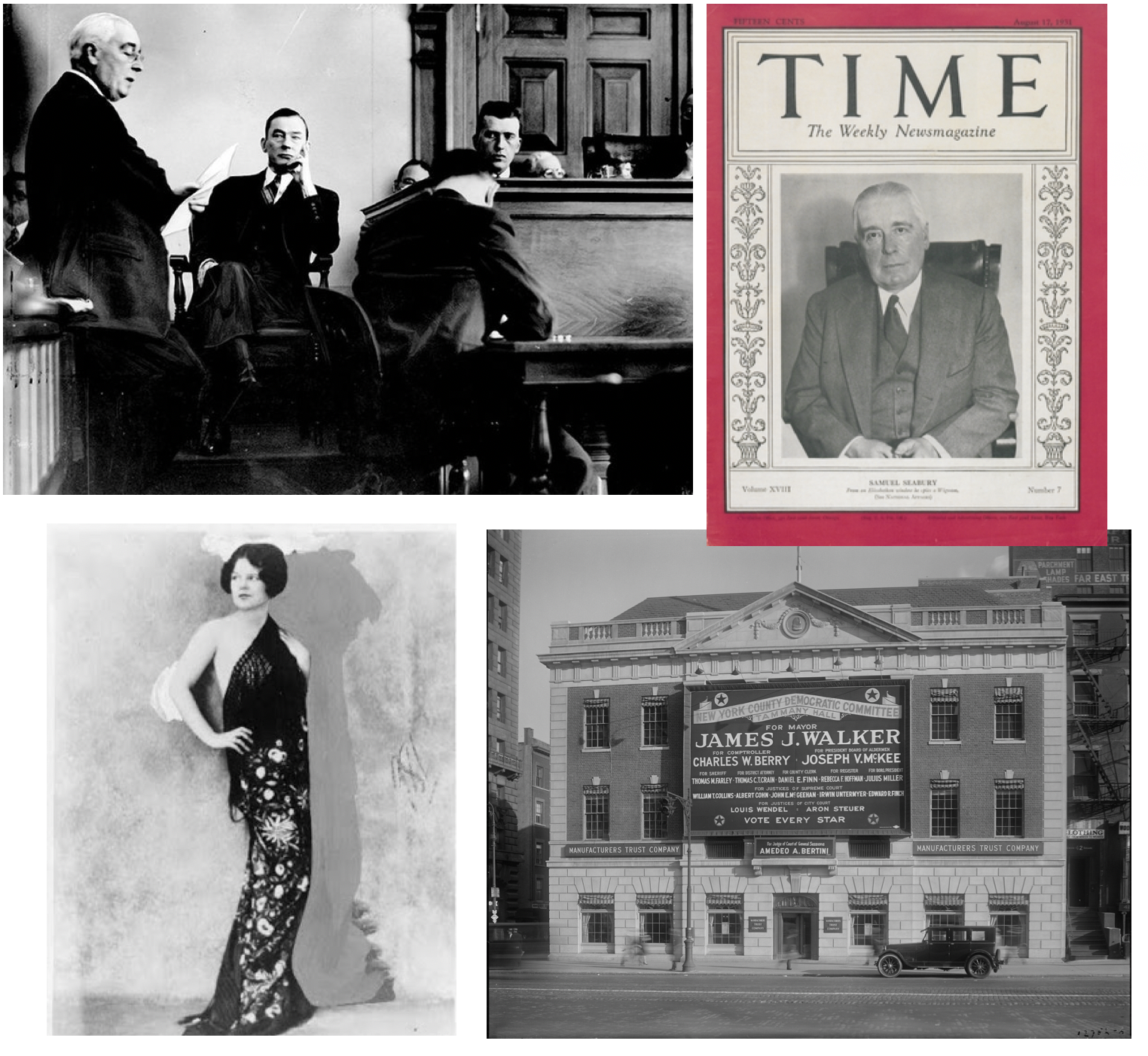
I DO NOT LIKE THIS, SAM I AM…Clockwise, from top left, Mayor Jimmy Walker was full of wisecracks during his testimony before Samuel Seabury, far left; Seabury’s role in the high-profile commission landed him on the cover of Time (Aug. 17, 1931); Tammany Hall’s support was writ large for Walker in the 1920s; Vivian Gordon was a surprise witness in the Seabury investigation, telling investigators police received bonuses for falsely arresting women on prostitution charges. After her testimony Gordon was found strangled in Van Cortland Park, leading many to believe Walker’s corruption played a role in her death. (Daily News/Time/archives.nyc/Pinterest)

Public opinion really started to turn on Walker with the death of star witness Vivian Gordon (see caption above). The final blow came from New York Governor Franklin D. Roosevelt, who like Walker was a Democrat but unlike Walker was not a Tammany product. Roosevelt was also running for president, and rightly seeing Walker as a liability, asked the mayor to resign, which he did on Sept. 1, 1932. That event was still three months away when E.B. White wrote these concluding lines:

SO LONG, SUCKERS…Eight days after he resigned from office, New York Mayor Jimmy Walker headed for Paris, where his mistress, Ziegfeld star and film actress Betty Compton, awaited with open arms. Clockwise, from top left, Compton and Walker on their wedding day in Cannes, France, April 19, 1933; and a 1920s photo portrait of Compton; Walker’s first wife, Janet Allen Walker, had sued for divorce a month earlier (March 10, 1933) claiming Jimmy had deserted her in 1928 and they had not lived together since; Walker and Compton on the deck of SS Normandie, June 17, 1936. (legacy.isle-of-wight-fhs.co.uk/IMDB/Pinterest/NYC Municipal Archives)

Eight days after Walker resigned from office he caught a boat for Paris, where his mistress, Ziegfeld star and film actor Betty Compton (1904-1944), awaited him. They married the following year in Cannes.

 *  *  *

Out of the Shadows

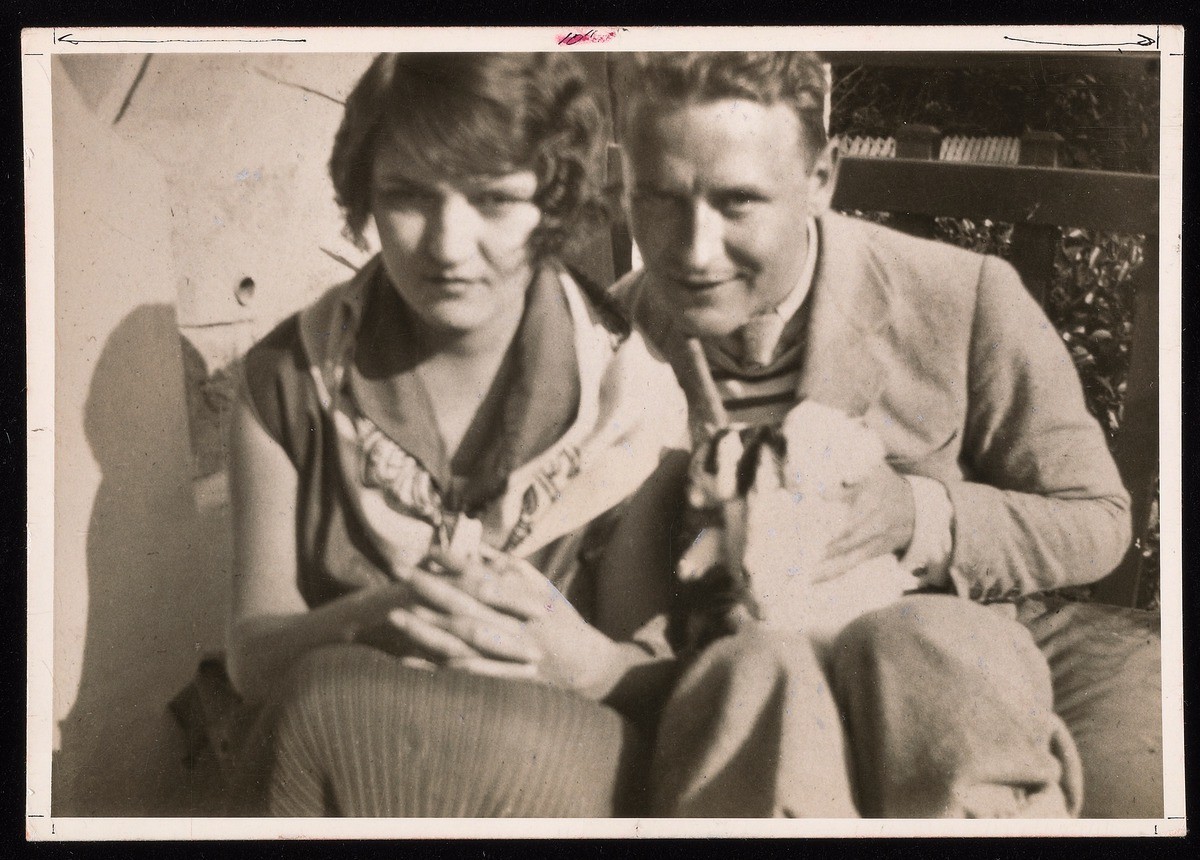
F. Scott and Zelda Fitzgerald were Jazz Age fixtures, cutting wide swaths through literary and society worlds filled with wild drinking and various infidelities. Francis Scott (1896-1940) was a chronicler of that age, most notably with The Great Gatsby, but Zelda (1900-1948) also took pen in hand, contributing short pieces to various magazines in the 1920s. By 1930 their self-destructive ways caught up with them both, and Zelda was admitted to a sanatorium in France that spring; it was the beginning of a long road of treatments that would end in her death nearly two decades later.

ALL THAT JAZZ…Zelda and F. Scott Fitzgerald (pictured here in 1926) embodied the riotous days of the Roaring Twenties. (beinecke.library.yale.edu)

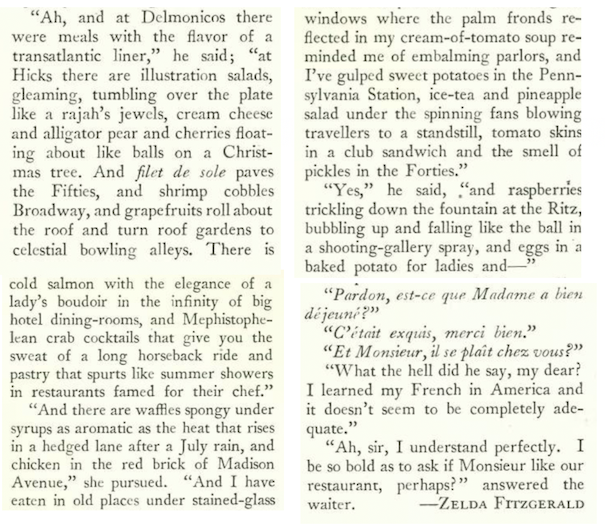
In 1932, during her stay at the Phipps Clinic (Johns Hopkins), Zelda experienced a burst of creativity, writing an entire autobiographical novel — Save Me the Waltz — in just six weeks. Sadly, it was not well-received (by critics or by her husband), and fewer than 1,400 copies of the novel were sold — a crushing blow to Zelda. However, during that same time she published a short story in The New Yorker titled “The Continental Angle.” Here it is:

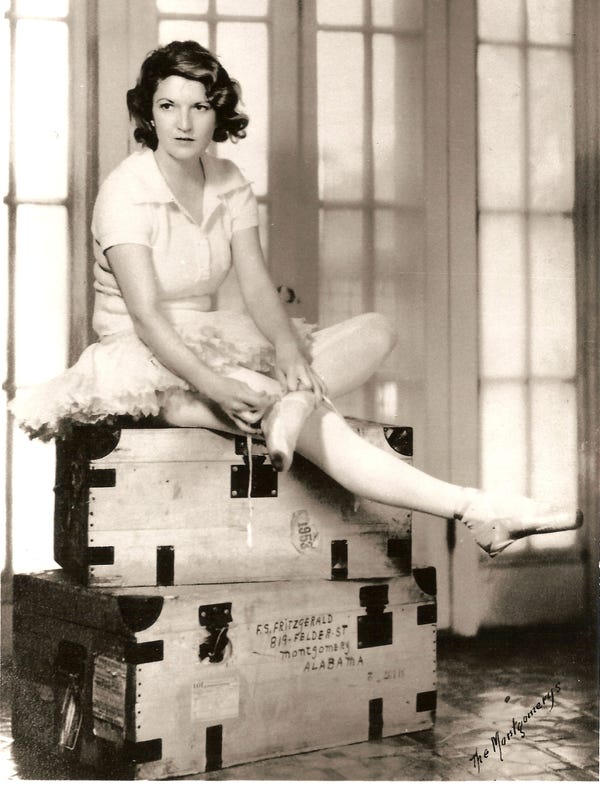
TALENTED AND TROUBLED…Zelda Fitzgerald in 1931, a year before she entered the Phipps Clinic and had a burst of creativity. (citizen-times.com)


 *  *  *

From Our Advertisers

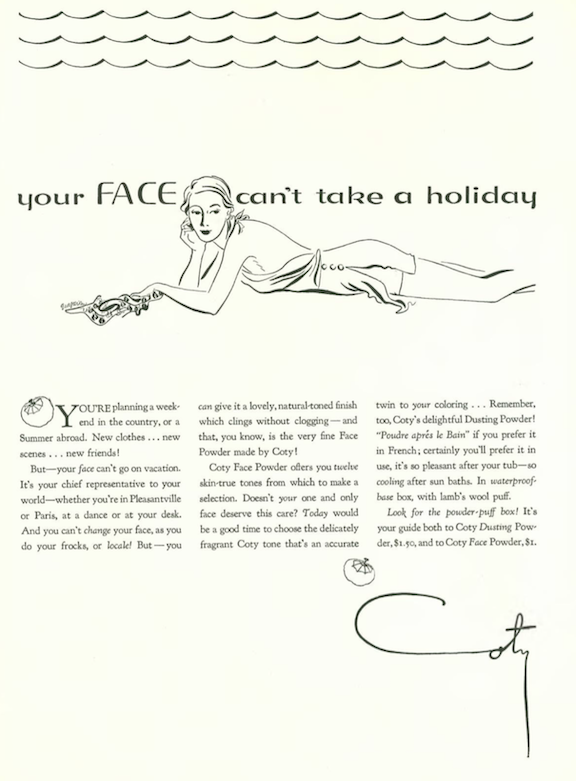
Yet another stylish and very modern-looking ad from Cody, thanks to the artistry of American fashion illustrator Ruth Sigrid Grafstrom…

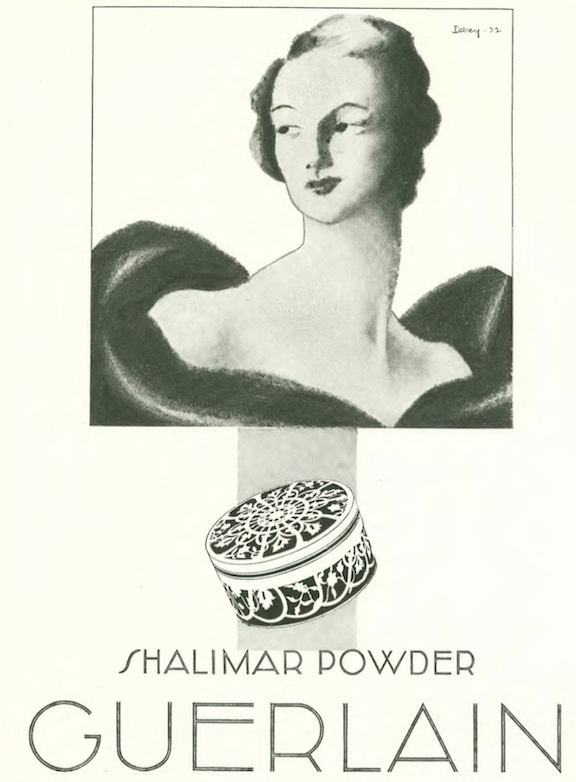
…while later on in the issue French illustrator Lyse Darcy gave his subject an Art Deco look to promote Guerlain’s face powder…

…Darcy was famed for his Guerlain ads from the 1920s to the 1950s…

From left to right, Darcy ads from 1929, 1938, 1957…

…Powers Reproduction turned to star power to promote their latest color engraving techniques…

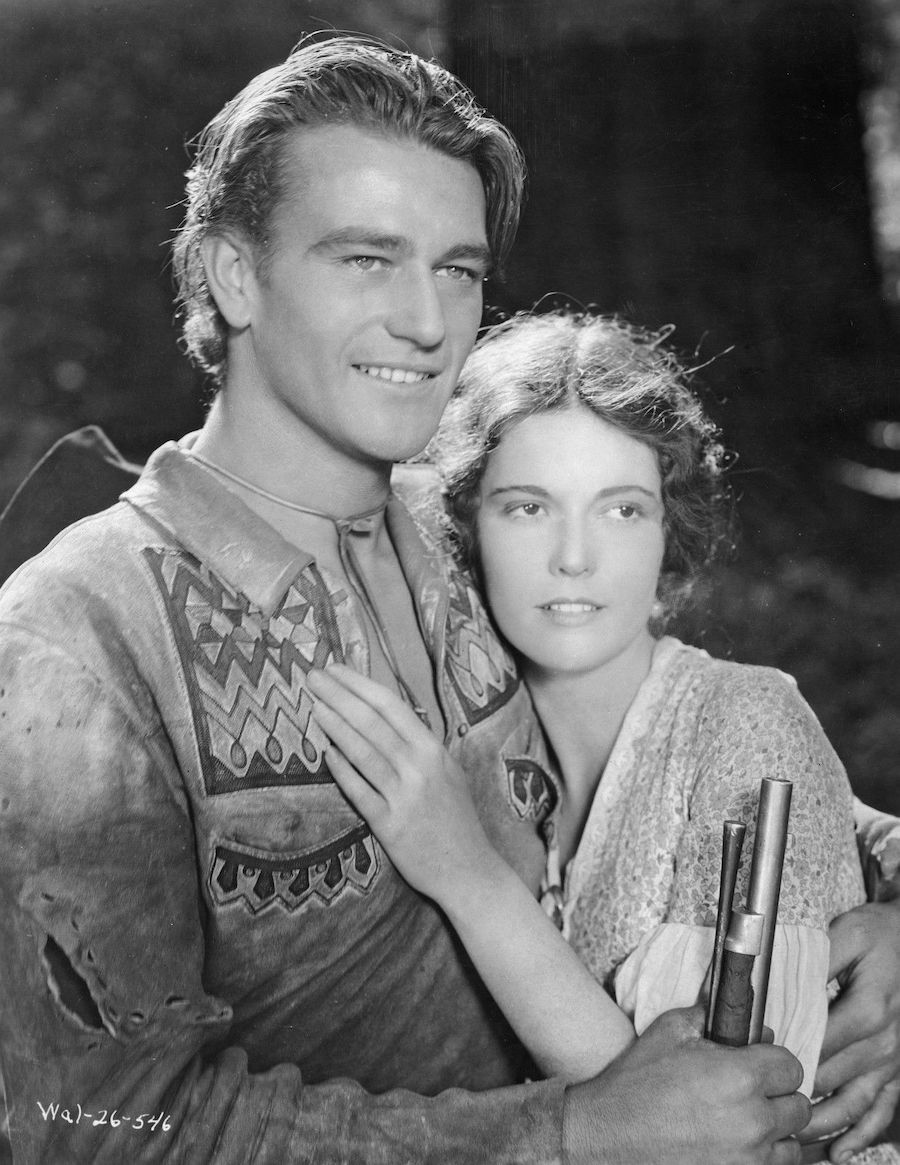
…the actor Marguerite Churchill (1910-2000) had a film career spanning 1929 to 1952, and was John Wayne’s first leading lady in 1930’s The Big Trail

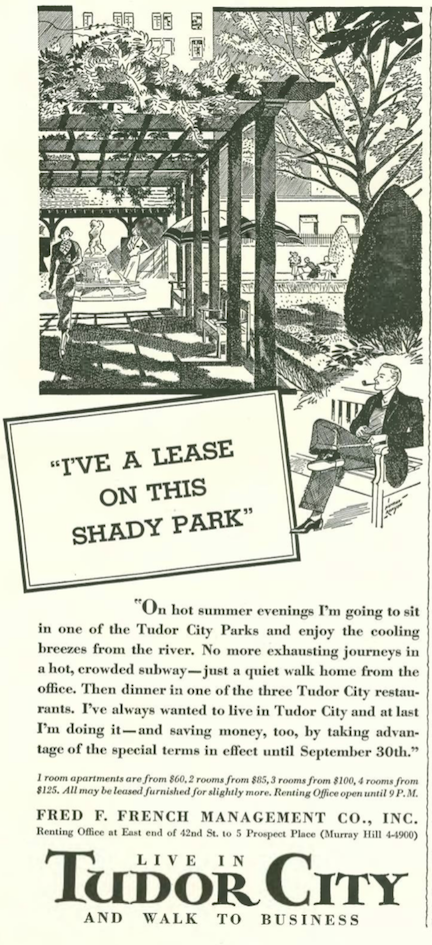
…and we head back to the city, Tudor City, to be precise, where apparently it was common in the 1930s to spot a gent in formalwear relaxing with his pipe…

…on to our cartoons, we have James Thurber contributing some spots…

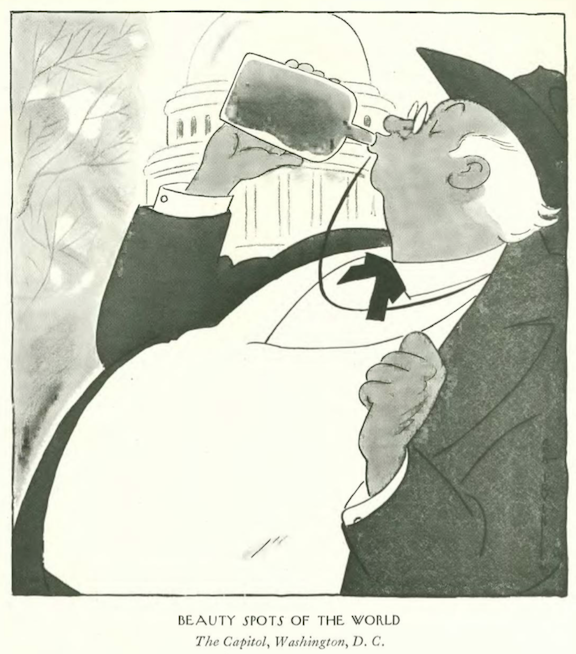
Rea Irvin continued to visit the world’s “Beauty Spots”…
Garrett Price showed us a couple looking for the “We Want Beer” parade…

…which happened three weeks earlier, on May 14, 1932…the parade was organized by none other than Mayor Jimmy Walker, who believed prohibition was making life difficult for New Yorkers…

(brookstonbeerbulletin.com)

Barbara Shermund introduced two men with bigger issues than beer on their minds…

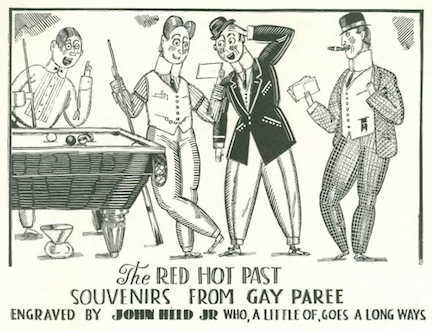
John Held Jr. continued to plumb the depths of the naughty Nineties…

…and some more naughtiness, courtesy Gardner Rea

Next Time: Summer Indulgences…