Guess Who’s Coming to Dinner

Gene Tunney was not your typical boxer. Holder of the heavyweight title from 1926 to 1928, he defeated his rival Jack Dempsey in 1926 and again in 1927 in the famous “Long Count Fight.” But Tunney was no Palooka—he preferred to be known as a cultured gentleman, and made a number of friends in the literary world including George Bernard Shaw, Ernest Hemingway and Thornton Wilder.

d30ba2edfc3289f6c04c8dfd337ef06c
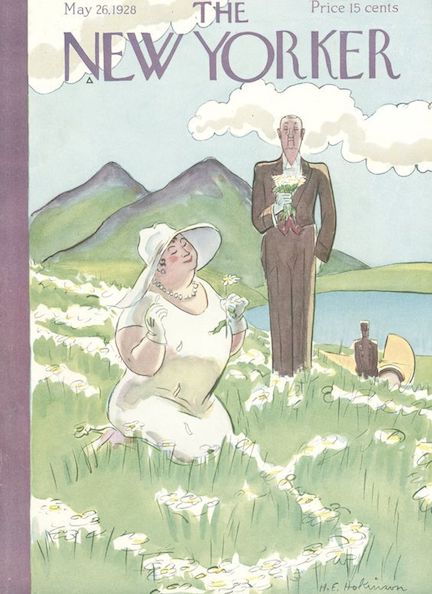
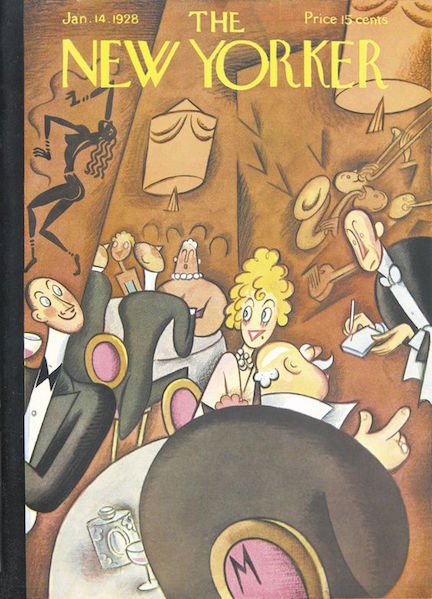
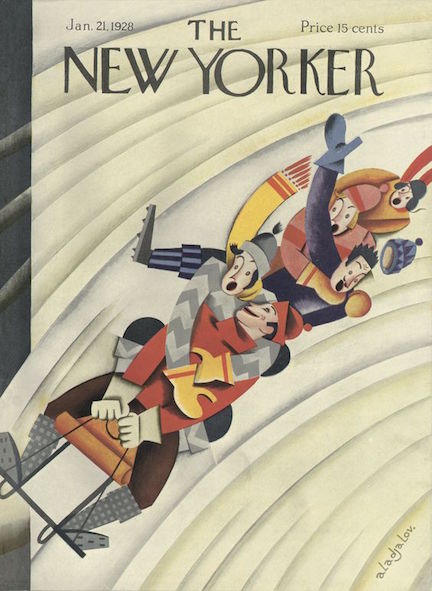
January 14, 1928 cover by Julian de Miskey.

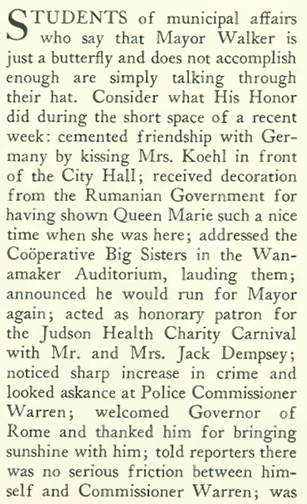
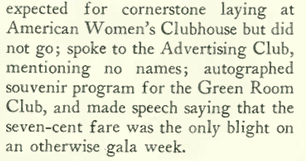
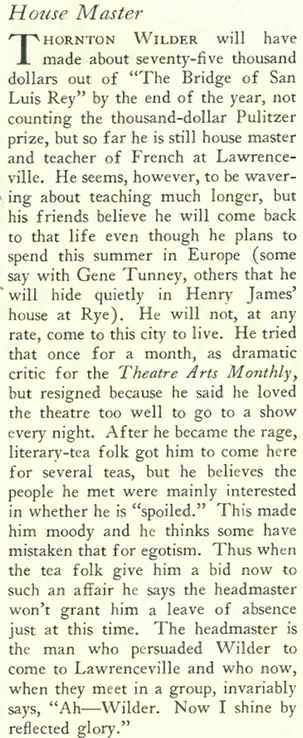
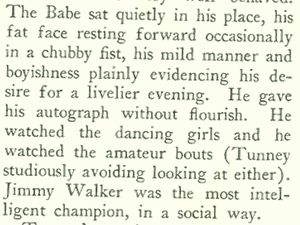
So when given the opportunity to say a few words, Tunney made the most of it, including at a dinner hosted by boxing and hockey promoter Tex Rickard to honor champions in various sports. The New Yorker’s E.B. White was there tell us about it:

screen-shot-2017-02-10-at-12-52-28-pm

d2cf24cb8345bcbf47135ea359d6eaa4
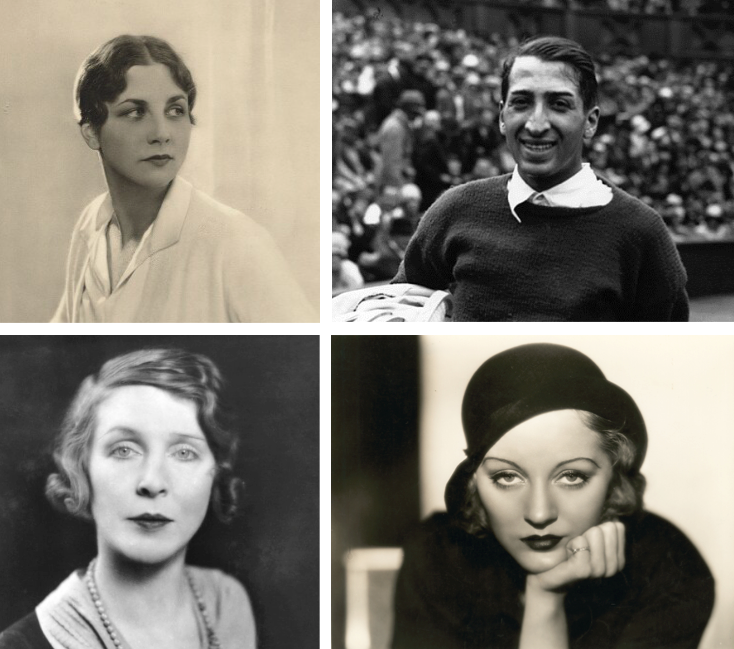
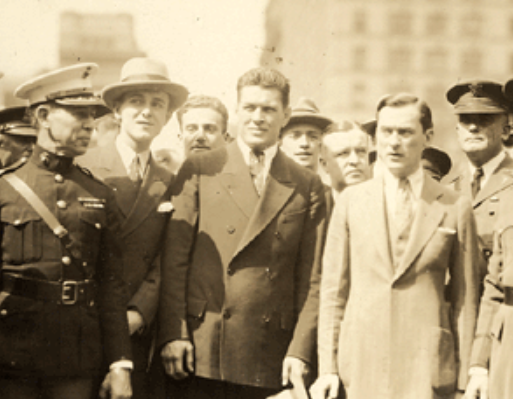
FETED FOR FEATS…World champion athletes are shown here from top row, left to right; Babe Ruth (baseball), Gene Tunney (boxing), Johnny Weissmuller (swimming), Bill Cook (hockey). On the bottom row is from left to right, Bill Tilden (tennis), Bobby Jones (golf), Fred Spencer and Charlie Winters (six-day bicycle race).

While Tunney was doubtless composing his thoughts at the banquet table, baseball legend Babe Ruth was wishing he could be someplace else…

screen-shot-2017-02-10-at-12-53-12-pm

…like hanging out with his old buddy Jack Dempsey

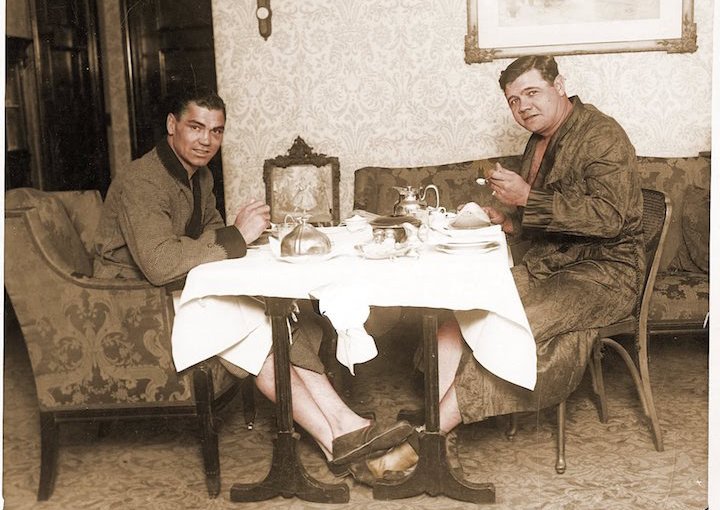
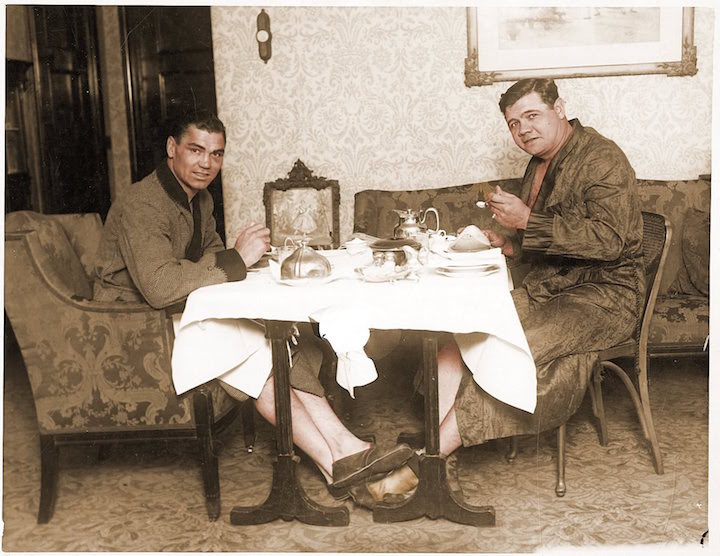
ruthdempsey
BREAKFAST OF CHAMPIONS…Babe Ruth having breakfast with his friend, heavyweight boxing champion Jack Dempsey, at Ruth’s residence at the Ansonia Hotel in New York City, 1927. Dempsey reigned as the champ from 1919 until 1926, when he was defeated by Gene Tunney. (captainsblog.info)

Instead, the Babe would have to listen to a surprise speech by Tunney, who sought to prove to those in attendance that he had brains to match his brawn. No doubt to the relief of many in attendance, New York City’s flamboyant mayor, Jimmy Walker, was able to return the proceedings to party mode.

screen-shot-2017-02-10-at-12-54-25-pm

screen-shot-2017-02-14-at-3-00-04-pm
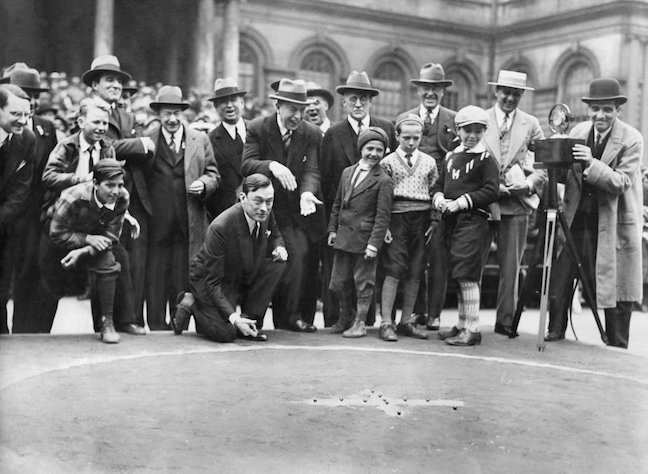
THAT’LL DO, GENE, THAT’LL DO…Newly crowned heavyweight boxing champion Gene Tunney (center) meets with New York City Mayor Jimmy Walker (right) at City Hall, September 1926. (josportsinc.com)

 *  *  *

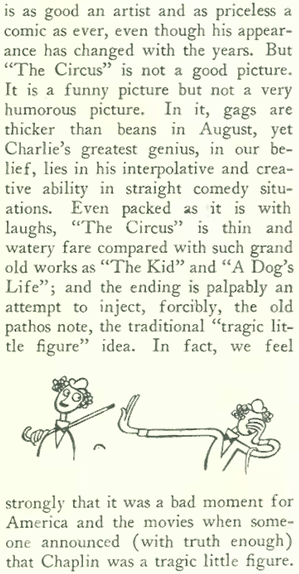
The New Yorker writers found little to like about Hollywood, but Charlie Chaplin could always be counted on to knock out a humorous film. At least most of the time. Here is what “The Talk of the Town” had to say about his latest, The Circus:

screen-shot-2017-02-10-at-12-48-54-pm

screen-shot-2017-02-10-at-12-49-02-pm

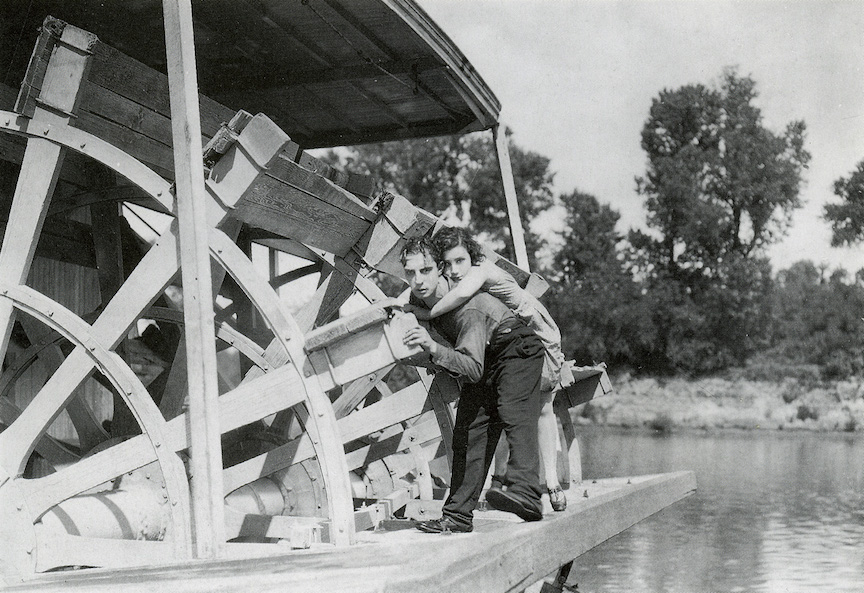
LIGHTEN UP, CHARLIE…Merna Kennedy, Charlie Chaplin and Harry Crocker in The Circus. (1928). (Turner Classic Movies)

 *  *  *

Give ‘Em Dirty Laundry

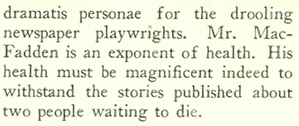
In these days of clickbait and other news designed to attract our prurient interest, we can look back 89 years a see that the tabloids were doing much of the same, particularly in Bernarr Macfadden’s New York Graphic, which was making the most of the final days of death row inmates Ruth Snyder and Judd Gray. “The Talk of the Town” (likely Robert Benchley) made this observation:

screen-shot-2017-02-10-at-12-49-34-pmscreen-shot-2017-02-10-at-12-49-56-pm

screen-shot-2017-02-14-at-4-48-21-pm
TSK, TSK…Evangelist Aimee Semple McPherson (left), received a tidy sum to write about convicted murderer Ruth Snyder for the New York Evening Graphic. (Wikipedia/Murderpedia)

Former lovers Snyder and Gray were sentenced to death in 1927 for the premeditated murder of Snyder’s husband (they went to the electric chair at Sing Sing prison on Jan. 12, 1928). Newspapers across the country sensationalized their trial, but the Graphic went the extra step by paying large sums to celebrity correspondents, including evangelist Aimee Semple McPherson, to write about the sordid case. Sister Aimee used her Graphic column to encourage young men to “want a wife like mother — not a Red Hot cutie.” Semple McPherson herself would later be accused of an affair, but then what else is new in the business of casting stones?

screen-shot-2017-02-15-at-10-57-28-am
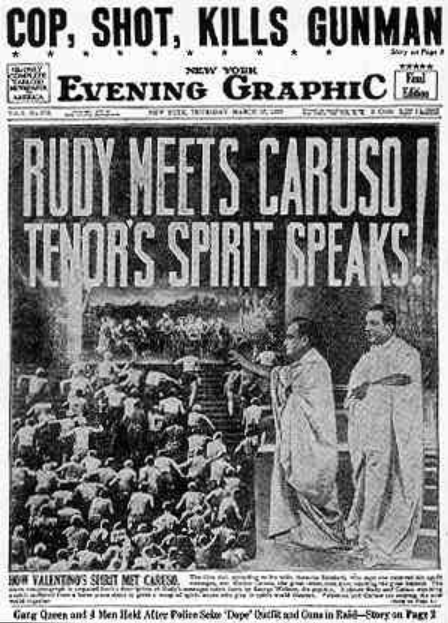
FAKE NEWS…Before the National Enquirer and Weekly World News (and Facebook, Twitter, Instagram etc.), Benarr Mcfadden’s Evening Graphic was the tabloid of choice among the less discerning. This issue from March 17, 1927, depicted silent actor Rudolph Valentino meeting the famed tenor Enrico Caruso in heaven. The Graphic was famous for these “Composographs,” — images cut and pasted together using the heads or faces of current celebrities and glued onto staged images created by employees in Macfadden’s studio. (bernarrmacfadden.com)

 *  *  *

Even His Skivvies?

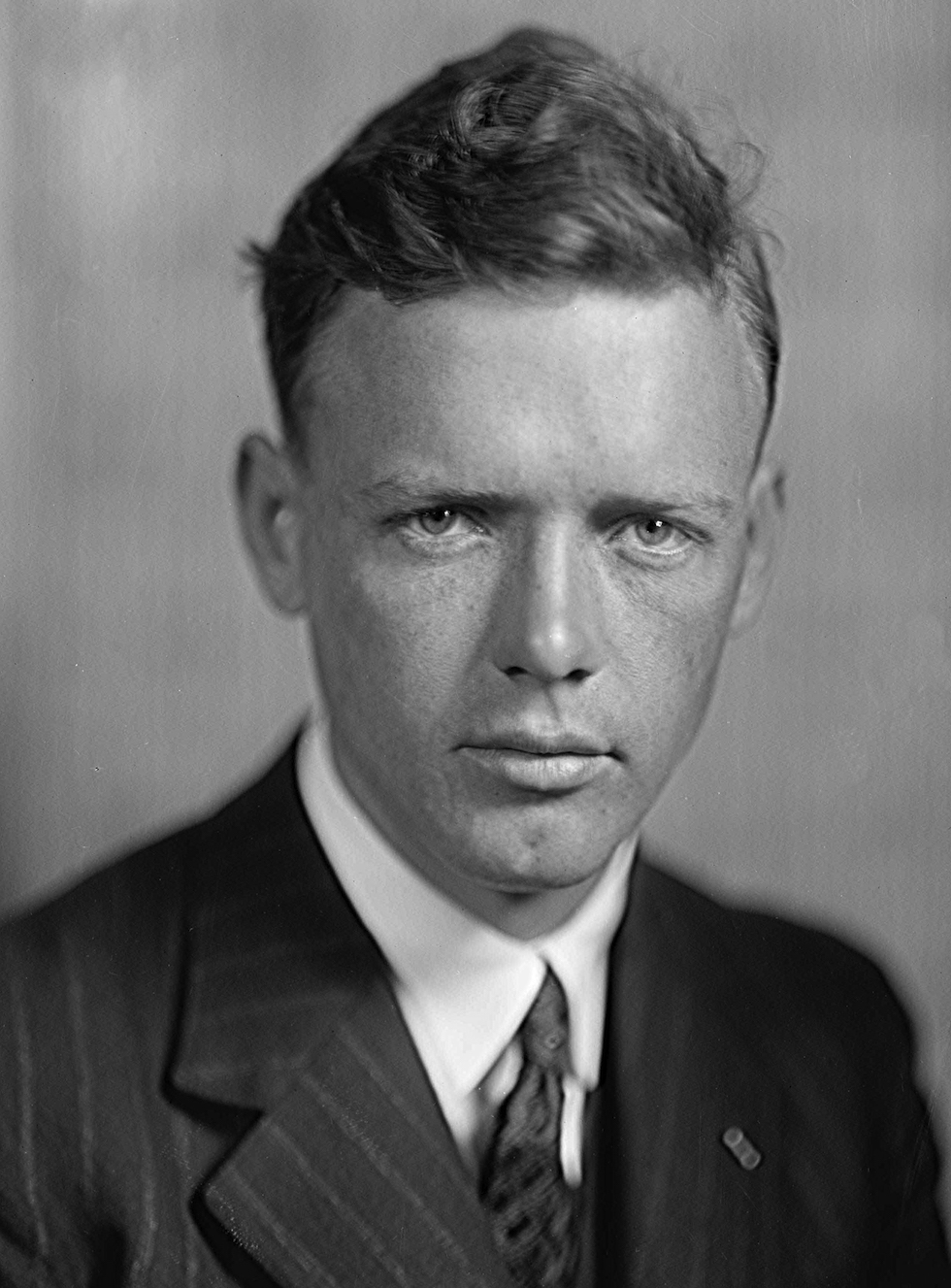
We can also look back 89 years and see that people were just as celebrity-crazed then as they are now. Charles Lindbergh could barely keep the clothes on his back while being pursued by adoring mobs, according to “The Talk of the Town”…

screen-shot-2017-02-10-at-12-50-39-pm

col_charles_lindbergh
KEEP YOUR HANDS OFF MY BVDS

 *  *  *

Kindred Spirits

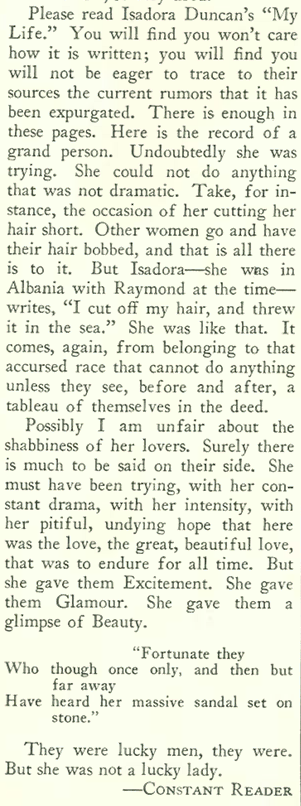
Dorothy Parker wrote a vigorous, even impassioned defense of the late dancer Isadora Duncan in her column, “Reading and Writing.” Parker reviewed Duncan’s posthumously published autobiography, My Life, which she found “interesting and proudly moving” even if the book itself was “abominably written,” filled with passages of “idiotic naïveté” and “horrendously flowery verbiage.” In this “mess of prose” Parker also found passion, suffering and glamour—three words that Parker could have used to describe her own life.

Parker elaborated on the word “glamour,” which she thought had been cheapened in her day to something merely glittery and all surface. True glamour, wrote Parker, was that of Isadora Duncan, coming from her “great, torn, bewildered, foolhardy soul.” Parker concluded with this plea:

screen-shot-2017-02-10-at-1-06-00-pm

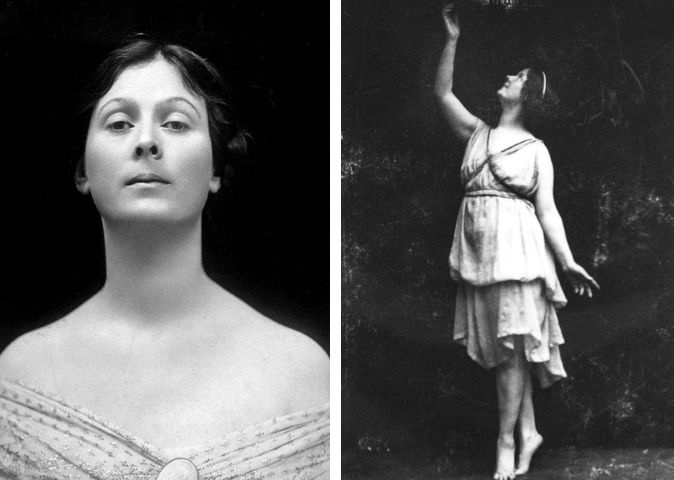
Isadora Duncan circa 1910 (left), and Duncan in a publicity photo circa 1903. (Wikipedia)

 *  *  *

New Kid on the Block

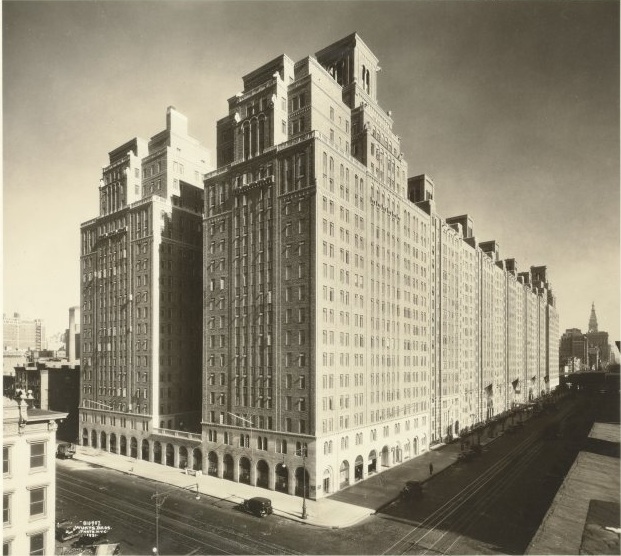
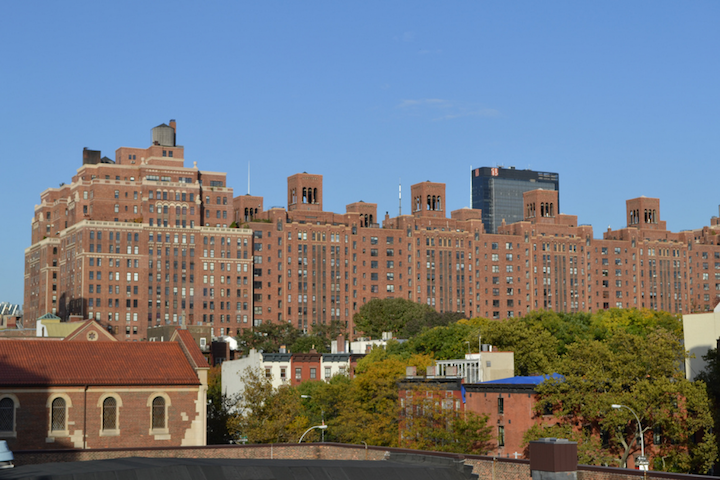
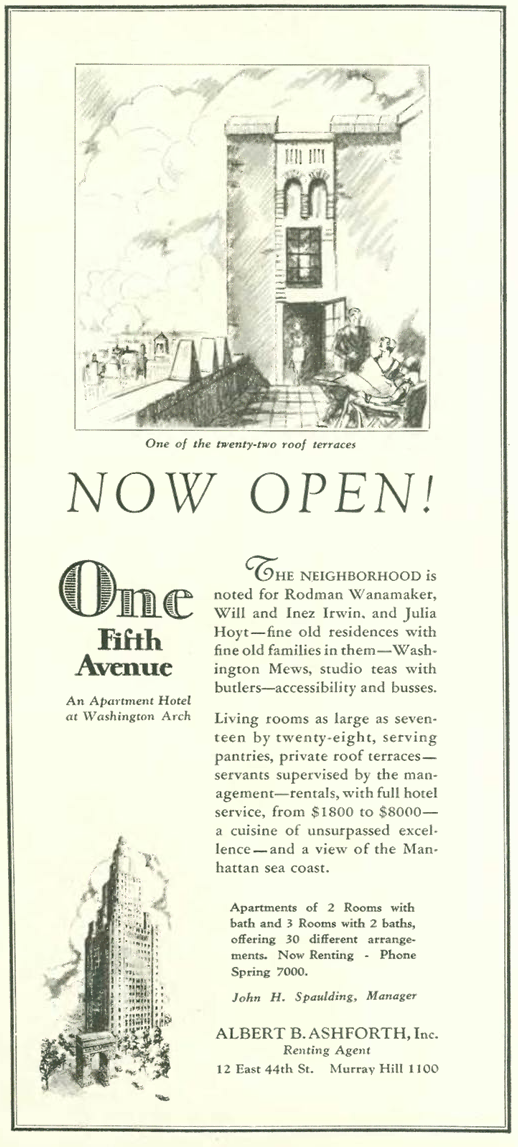
Yet another high-rise dwelling was available to Jazz Age New Yorkers—One Fifth Avenue in Greenwich Village. One Fifth Avenue was an apartment with the word “hotel” attached to justify its 27-story height. To meet zoning requirements, the apartments had “pantries” instead of kitchens. But then again, your “servant” would fetch your dinner anyway…

screen-shot-2017-02-10-at-1-00-01-pm

one-fifth-avenue-december-1928
GOING UP…The art deco landmark One Fifth Avenue signaled a dramatic change from the four-story mansions that once occupied the site.  (New York Public Library)

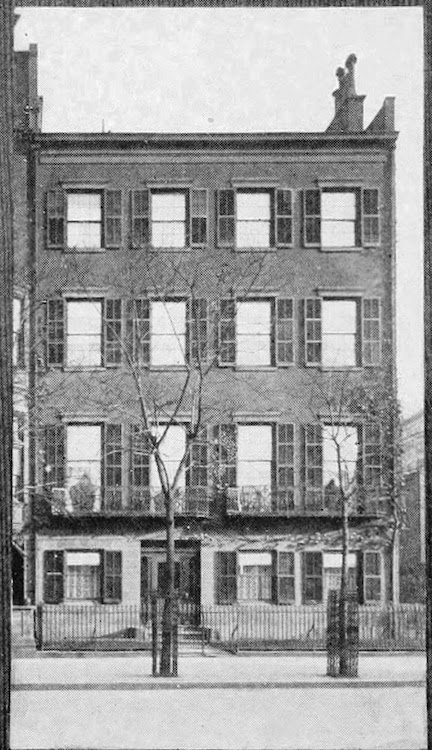
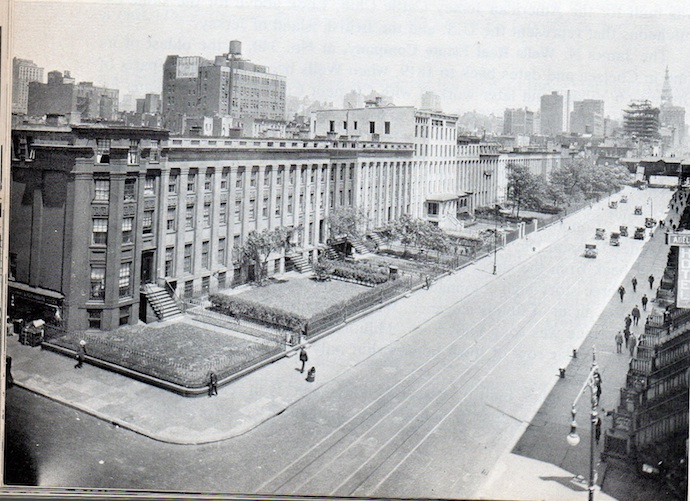
Historical note: One Fifth Avenue marked a dramatic change in the character of Washington Square, one of the most prestigious residential neighborhoods of early New York City. A previous occupant of the One Fifth Avenue site was the brownstone mansion of William Butler Duncan. In addition to One Fifth Avenue, the residences at 3, 5, and 7 Fifth Avenue were also demolished to make way for the new art deco “apartment hotel.”

01-fifth_william-butler-duncan
DUST TO DUST…The William Butler Duncan residence at One Fifth Avenue. (daytoninmanhattan)

*  *  *

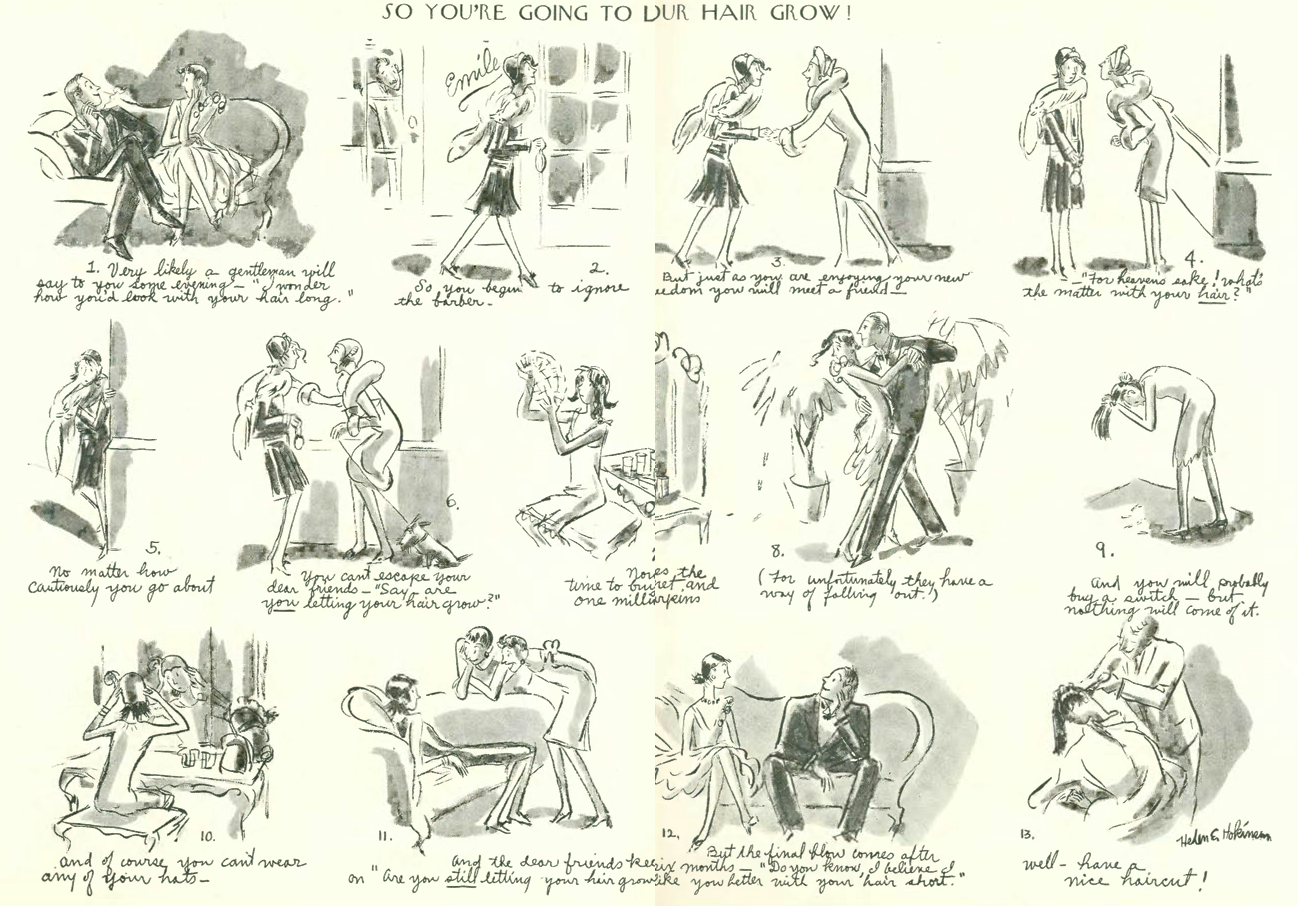
To close, a two-page spread by Helen Hokinson exploring one woman’s challenge with the “flapper bob” (sorry about the crease in the scan–that is how it is reproduced in the online archive). Click the image to enlarge.

screen-shot-2017-02-10-at-12-56-38-pm

And a bit of fun on the streetcar, courtesy of cartoonist Leonard Dove

screen-shot-2017-02-10-at-12-57-46-pm

…and a confession, from Otto Soglow…

Next Time: Machine Age Bromance…

986198649aa5ada2614b8158443db596


Wits of the Round Table

Two big voices from the famed Algonquin Round Table were prominently featured in the Oct. 1 and Oct. 8, 1927 issues of the New Yorker–journalist and champion of the underdog Heywood Broun wrote his own “Profile” under the title, “The Rabbit That Bit the Bulldog,” and Dorothy Parker served up biting satire in “Arrangement in Black and White,” a clever exposé of racism among the fashionably “open-minded” upper classes.

488a50459a792547010d30e8bfe5ddf4
October 1, 1927 cover by Gardner Rea.

The Rabbit That Bit the Bulldog

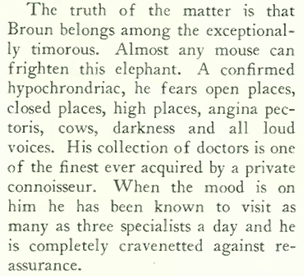
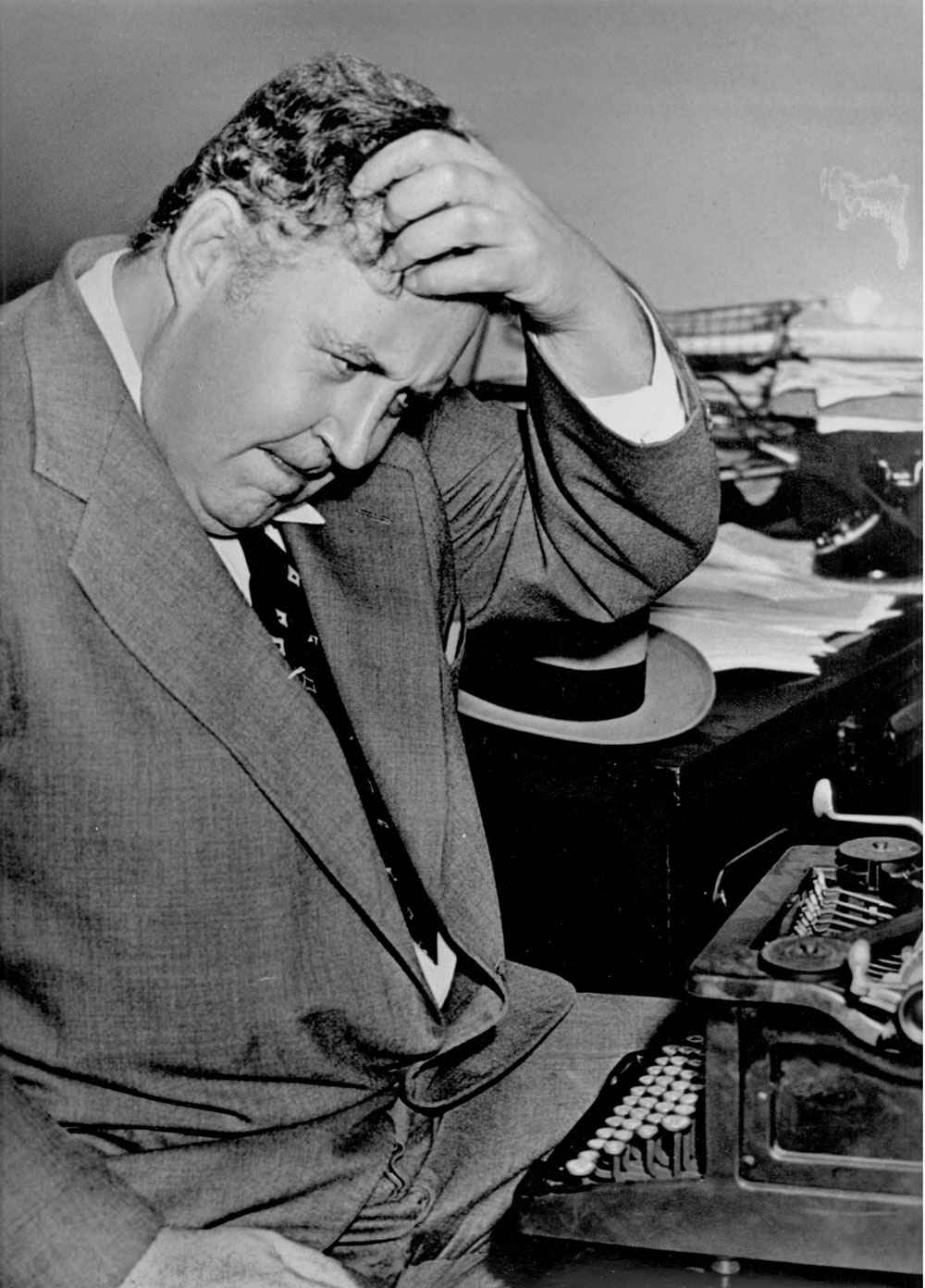
Hiding under the signature “R.A.”, Heywood Broun (1888–1939) was merciless as his own profiler, describing himself as a coward, hypochondriac, and a slob (there is truth to the latter, however, as friends often likened him to “an unmade bed”).

screen-shot-2016-12-08-at-9-06-52-am

Broun cut his teeth in journalism as a sportswriter and war correspondent. In 1921 he went to work for the New York World, where he penned his popular syndicated column “It Seems to Me.” Broun’s New Yorker “Profile” was written after he was fired from the World following a disagreement with his editor over his critical commentary on the sentencing of anarchists Sacco and Vanzetti. Broun would move on to The Nation, where he would write a regular column, “It Seems to Heywood Broun,” that would offer criticism on a number of topics including his former employer, the World.

Heywood Broun. (Denver Newspaper Guild)

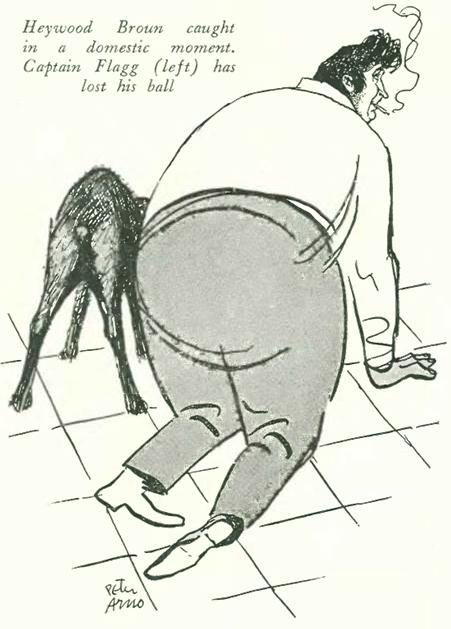
The New Yorker profile included this caricature by Peter Arno

screen-shot-2016-12-06-at-9-46-21-am

…a portrayal Broun claimed was inaccurate due to his “habitual stoop,” among other faults…

screen-shot-2016-12-06-at-9-52-23-am

screen-shot-2016-12-06-at-9-52-34-am

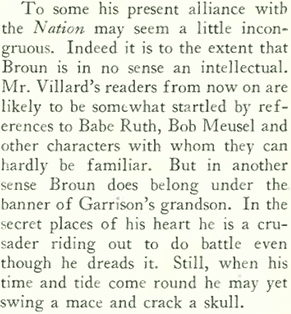
…and he mused about his future with the Nation, and how that august publication would square with his various foibles…

screen-shot-2016-12-06-at-9-52-45-am

…and as for his personal appearance and habits, Broun weighed in thusly…

screen-shot-2016-12-06-at-9-55-18-am

Broun married social activist Ruth Hale in 1917. A son born the following year, Heywood Hale Broun, would have a long and successful career as an author, sportswriter, commentator and actor.

*  *  *  *  *

The Long Count

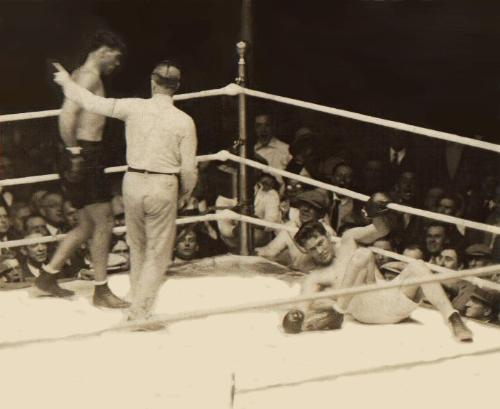
Oddly, The New Yorker had little to say about the famous Chicago rematch between heavyweight boxers Gene Tunney and Jack Dempsey, which Tunney won after the controversial “long count.” The fight took place under new rules that gave a fallen fighter ten seconds to rise to his feet, but the count would not begin until his opponent moved to a neutral corner.

tumblr_mti3g257h11rnxl9do1_500
DAZED AND CONFUSED…Referee Dave Barry motions Jack Dempsey to a neutral corner before he begins his count. Gene Tunney got back up and went on to win the fight. (Chicago Tribune archive photo)

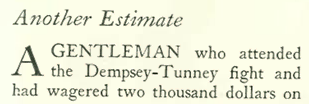
Although Tunney dominated the fight, Dempsey unleashed a flurry in the seventh round that knocked Tunney to the canvas–it was the first time in Tunney’s career that he’d been knocked down. Instead of going immediately to a neutral corner, Dempsey just stood and observed his opponent for several seconds until finally retreating. Those extra seconds proved just enough time to allow Tunney to return to his feet and eventually win the bout. To one observer quoted in “The Talk of Town,” those extra seconds really dragged…

screen-shot-2016-12-06-at-9-44-49-am

screen-shot-2016-12-06-at-9-44-55-am

From the Ad Department

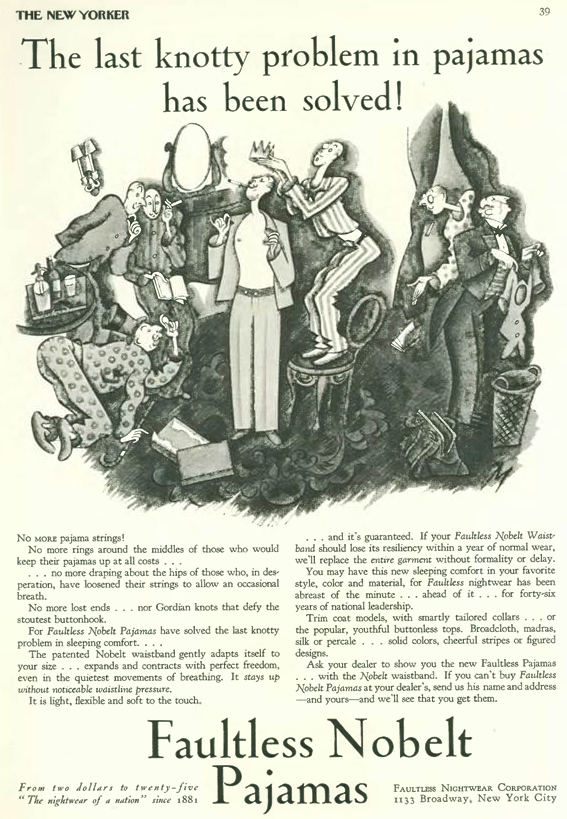
We feature this Julian de Miskey-illustrated advertisement for Faultless Nobelt Pajamas. Apparently these special PJs had some sort of newfangled rubber elastic band…

screen-shot-2016-12-06-at-9-57-42-am

…and this cartoon from the Oct. 1 issue featured Helen Hokinson’s ditsy society women at New York’s Fashion Week…

screen-shot-2016-12-06-at-9-43-37-am

 *  *  *  *  *

Dorothy Takes On the Snobs

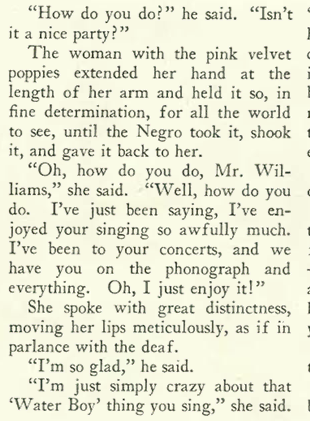
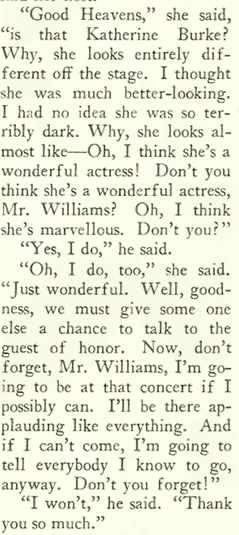
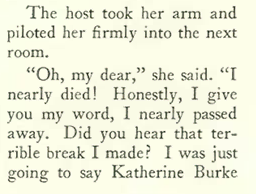
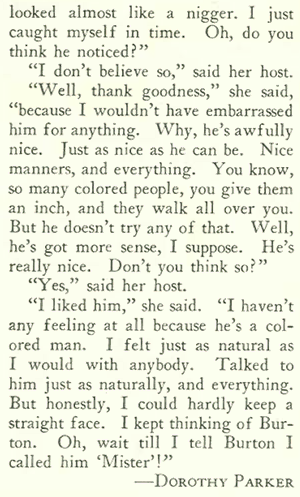
In the Oct. 8 issue, our other Round Table wit, Dorothy Parker, took aim at the less savory aspects of society women in her short fiction piece, “Arrangement in Black and White.”

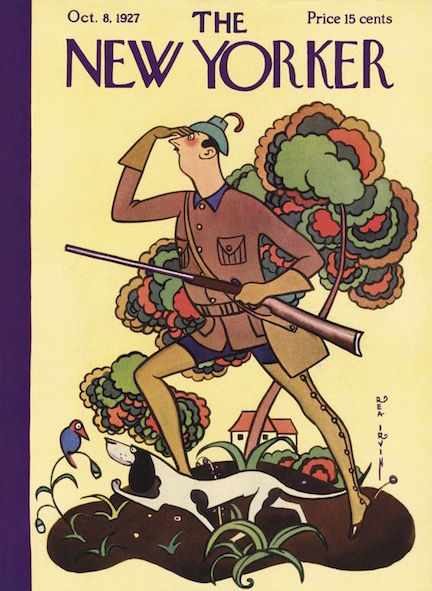
f19964a9d1e1b6179fe2715bb3b1aa72
October 8, 1927 cover by Rea Irvin.

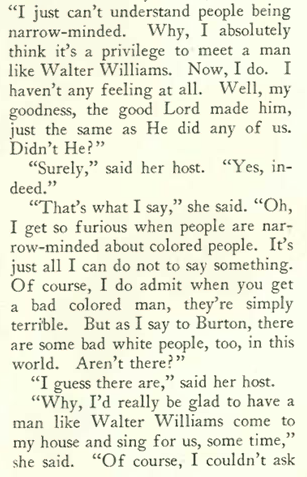
Parker began her piece by introducing us to a woman who enters a party wearing a wreath of “pink velvet poppies” in her golden hair. In short order she asks the party’s host to “pretty please” introduce her to the party’s guest of honor, an African American singer named Walter Williams.

The woman with the pink velvet poppies goes on to tell her host that she came to the party alone because her husband, Burton, preferred not to socialize with “colored people”–but she however was “simply crazy” about some of them. “They’re just like children–just as easy-going, and always singing and laughing and everything.” Before she met the singer she observed to the host:

screen-shot-2016-12-06-at-1-18-25-pm

screen-shot-2016-12-06-at-1-19-09-pm

screen-shot-2016-12-06-at-1-16-57-pm
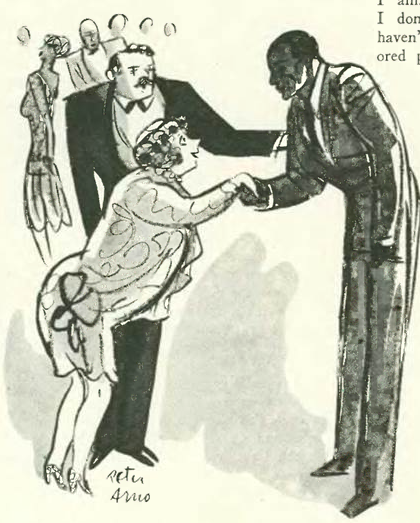
The woman with the pink velvet poppies meets the singer Walter Williams, as illustrated by Peter Arno.

Then the woman with the pink velvet poppies meets Walter Williams:

screen-shot-2016-12-06-at-1-19-42-pm

She continues to patronize the guest of honor, then notices a stage actress at the party:

screen-shot-2016-12-08-at-12-32-44-pm

Finally, the host guides the woman with the pink velvet poppies away from Walter Williams…

screen-shot-2016-12-06-at-1-21-59-pm

screen-shot-2016-12-06-at-1-22-30-pm

05325779fdf286303013d76dc9e89388
BITING WIT…Dorothy Parker in the 1920s.

We will see more of Dorothy Parker in issues to come as she continues to take aim at the pretentious, hypocritical, self-absorbed snobs of the Jazz Age and beyond.

Baseball’s Lament

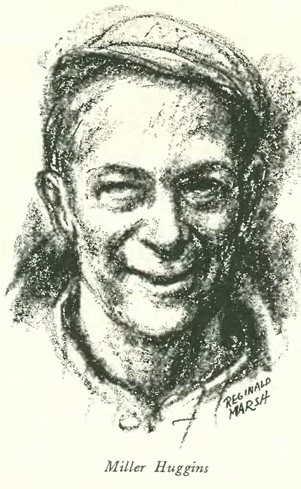
The Oct. 1 and 8 issues covered yacht racing, polo, tennis, golf and college football, but still no baseball. The 1927 New York Yankees would be one of the greatest teams of all time, but as the World Series commenced all we got from The New Yorker was a personality profile of Yankees manager Miller Huggins in the Oct. 8 issue (with a drawing by Reginald Marsh)…screen-shot-2016-12-06-at-1-24-05-pm

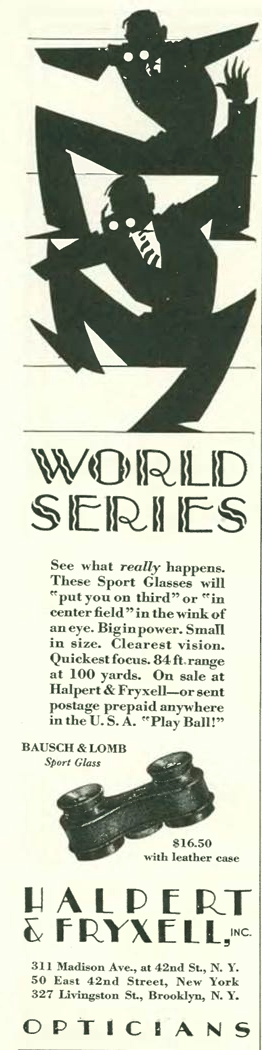
…and this advertisement for “Sport Glasses” for those attending the World Series…

screen-shot-2016-12-06-at-4-34-19-pm

Perhaps The New Yorker had no one on staff who could competently write about baseball. The strangest reference to the game was this article about polo, but for some reason it was illustrated with baseball images. Perhaps the editors felt sheepish about their lack of baseball coverage, and offered these illustrations by Howard Baer as a token acknowledgement…

screen-shot-2016-12-06-at-1-28-18-pm

At any rate, we end with this cartoon by Julien de Miskey, who like his colleagues explored the comic richness of wealthy old men paired with their young mistresses…

screen-shot-2016-12-06-at-1-16-04-pm

Next Time: The Ephemeral City…

f19964a9d1e1b6179fe2715bb3b1aa72


The Movies Take Wing

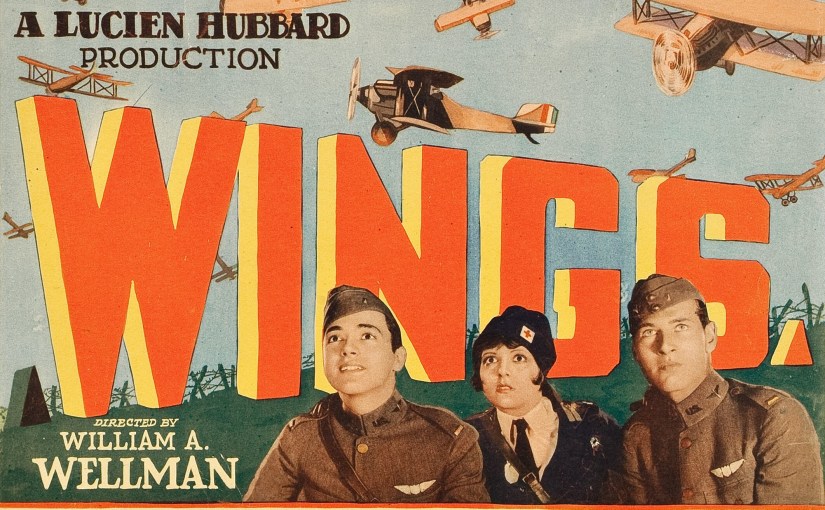
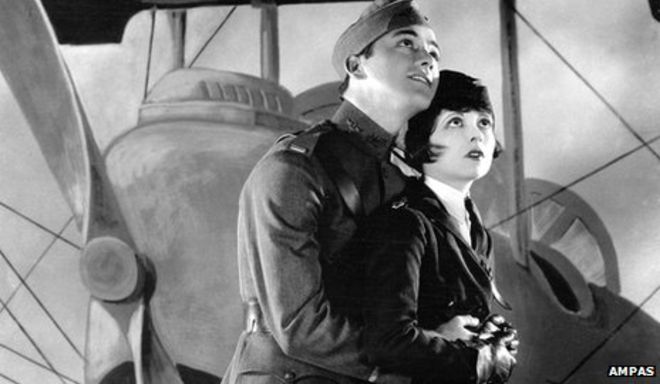
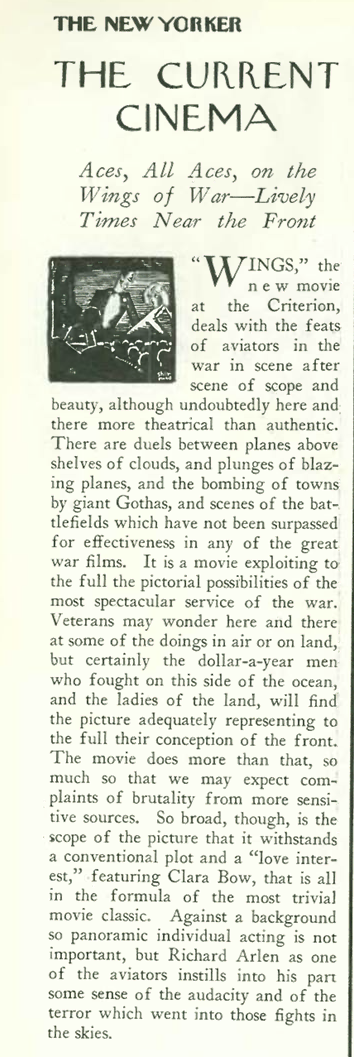
The First Academy Award for Best Picture went to Wings, a romantic action-war picture directed by William Wellman and featuring Paramount’s biggest star at the time, the “It Girl” Clara Bow and a young Gary Cooper in a role that would launch his Hollywood career.

31163f0a903d36d43f89b8495fe4e9a4
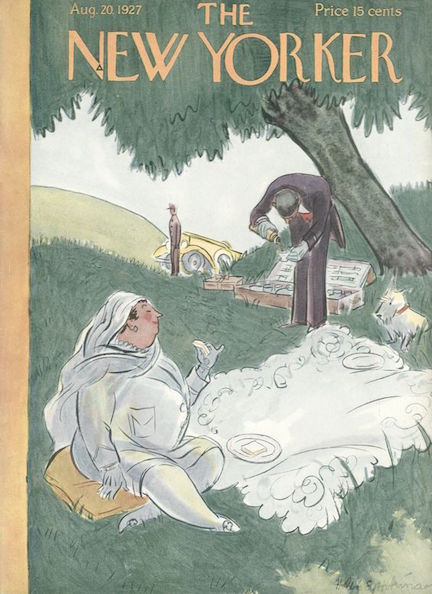
August 20, 1927 cover by Helen Hokinson.

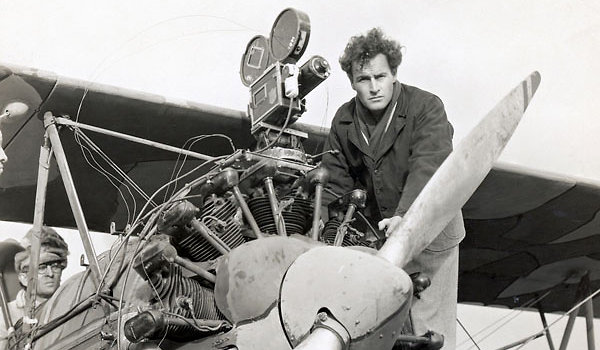
The film was shot on location at Kelly Field in San Antonio, Texas, on a budget of $2 million (about $27 million today). About 300 pilots were involved in filming  realistic (and dangerous) air-combat sequences using both mounted and hand-held cameras.

_57942979_wings_pose_hi
LOFTY AMBITIONS…Charles “Buddy” Rogers and Clara Bow in Wings, 1927. (BBC)

wings

william-wellman
NO CGI HERE…Director William Wellman, during production of Wings, 1927. (Paramount Pictures via New York Times)
photo33chic_0632
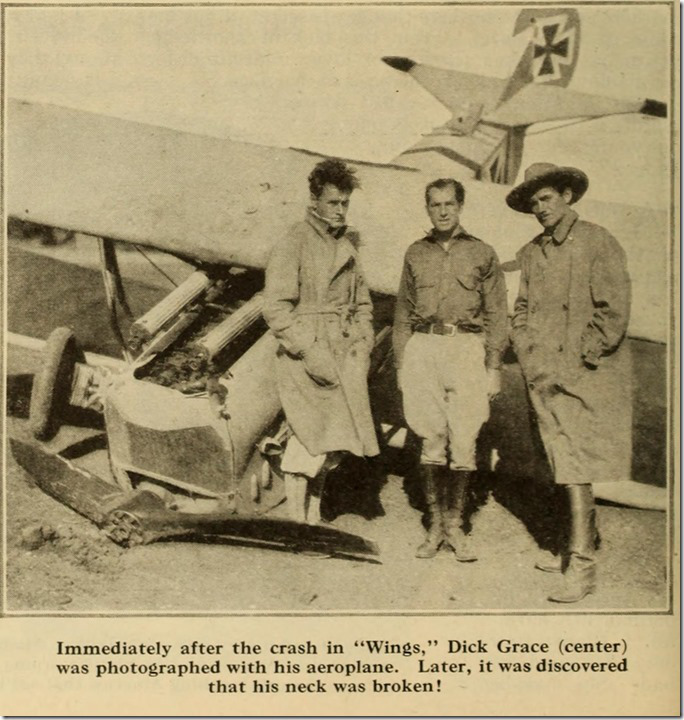
INSURANCE RISK…Stunt pilot Dick Grace specialized in crashing planes for films, and was one of the few stunt pilots who died of old age. (ladailymirror)

 *  *  *

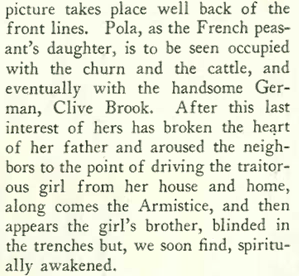
We leave the skies for the trenches in another World War I film–Barbed Wire–that was entertaining New Yorkers in 1927…

barbed-wire-1927-image-10
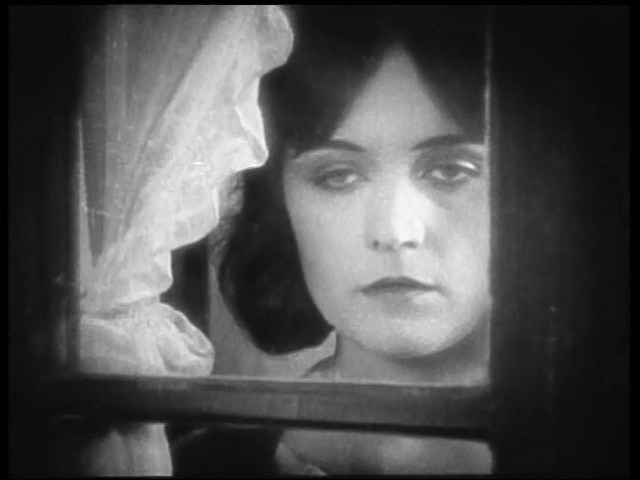
LOOKS MORE INTERESTING OUT THERE…Pola Negri watches the Germans in Barbed Wire, 1927. (Wikipedia)

screen-shot-2016-11-15-at-12-53-17-pm

screen-shot-2016-11-15-at-12-53-28-pm

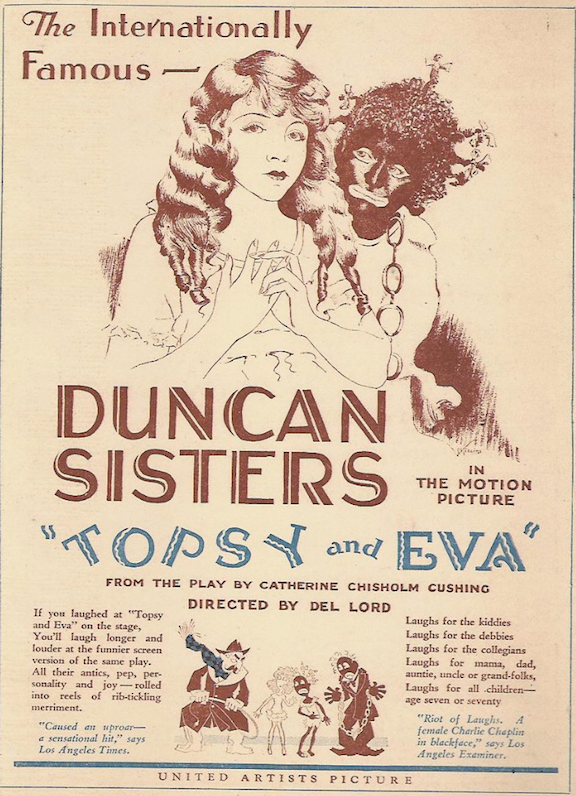
The Duncan Sisters were back, this time on the silver screen in an adaptation of their Broadway hit play, Topsy and Eva. One of the sisters performed in blackface, which was acceptable to white audiences of the time (including New Yorker critics). You can read more about this duo in my recent blog entry, Fifteen Minutes is Quite Enough.

screen-shot-2016-11-21-at-4-24-40-pm
Advertisement for the film, Topsy and Eva, 1927. (nilsasther.blogspot.com)

screen-shot-2016-11-15-at-12-53-42-pm

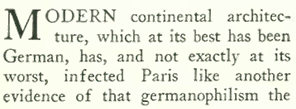
Meanwhile, Paris correspondent Janet Flanner was noting some modern influences in the city thanks to the influence of the German Bauhaus…

screen-shot-2016-11-15-at-12-55-16-pm

genet-mod-arch

002_mallet_stevens_rue_mallet_stevens_paris_theredlist
Rue Mallet Stevens was designed by Paris-based architect, designer and production designer Robert Mallet-Stevens, who founded the Union of Modern Artists (UAM) in 1929. (theredlist.com).

*  *  *

From the “they couldn’t see it coming” department, this item in “The Talk of the Town” caught my eye. We have since learned that carbon emissions are indeed taking a toll on human life…

screen-shot-2016-11-15-at-12-39-27-pm

screen-shot-2016-11-15-at-12-39-36-pm

…and a couple of cartoons from this issue, this one courtesy of Barbara Shermund

screen-shot-2016-11-15-at-12-40-32-pm

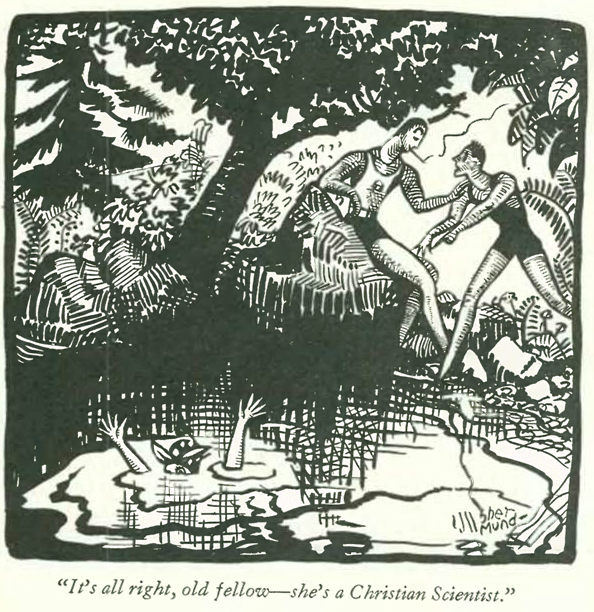
…and this from an unidentified cartoonist (Dussey?) that gives us a glimpse of the world to come thanks to merger of technology and tedious, proud parents…

screen-shot-2016-11-15-at-12-46-17-pm

*  *  *

And to end on a “Wings” theme, the following week’s issue…

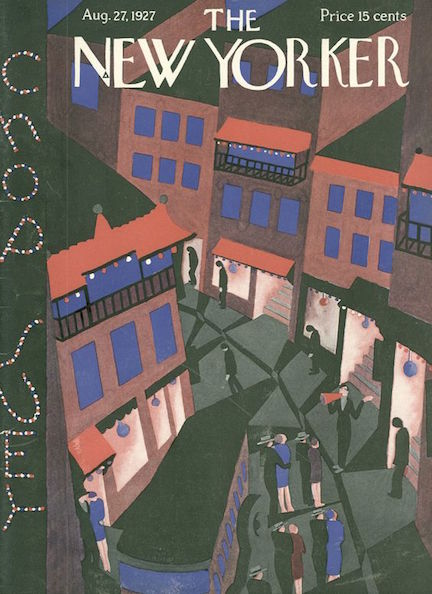
029648b8835cd8a9600d9dc4caf29b32
August 27, 1927 cover by Theodore G. Haupt.

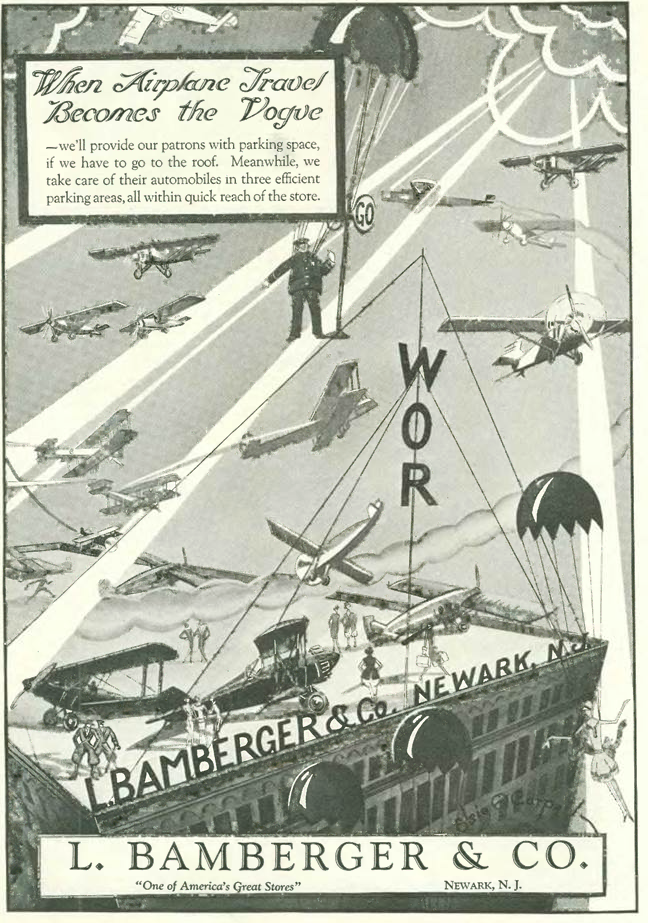
…offered this advertisment from L. Bamberger & Co. that gave us a tongue-in-cheek glance at the future of aviation…

screen-shot-2016-11-15-at-12-58-09-pm

Next Time: The Wages of Beauty…

Summer in the City

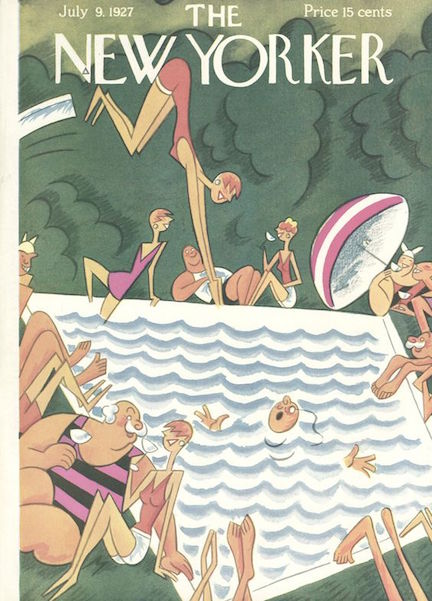
The July 1927 issues of the New Yorker were filled with news of yacht races, polo matches and golf tournaments as the city settled into the heart of the summer. The artist for the July 9 cover, Julian de Miskey, was in the summertime mood with this lively portrayal of Jazz Age bathers:

21b6fac0e9233b827d578cf6175dd79d
July 9, 1927 cover by Julian de Miskey. Born in Hungary in 1898, de Miskey emigrated to the United States in 1914.

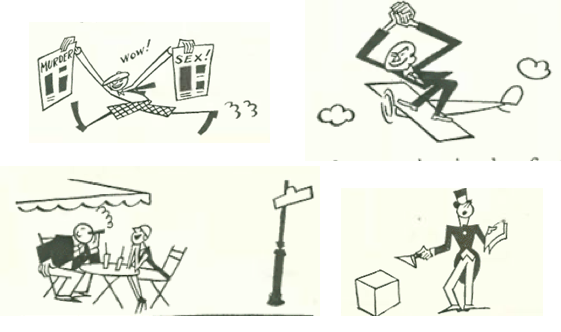
Although Julian de Miskey (1898–1976) was was one of the most prolific of the first wave of New Yorker artists, his work seems to be little known or appreciated. But more than forty years after his death his influence is still felt in the magazine, particularly in the spot illustrations and overall decorative style that grace the pages of “The Talk of the Town.”

Here is a sampling of de Miskey’s spot illustrations for “Talk” in the July 9 and July 16, 1927 issues…

screen-shot-2016-10-28-at-1-39-59-pm

…and here are examples of spot illustrations for some recent (Aug-Sept. 2016) New Yorker “Talk” sections, as rendered by Antony Huchette (which also reference Otto Soglow’s spot work for The New Yorker)…

screen-shot-2016-10-28-at-1-40-11-pm

De Miskey did it all–spots, cartoons, and dozens of covers. A member of the Woodstock Art Association, de Miskey was well known in the New York art circles of his day, rubbing elbows in the Whitney Studio Club in Manhattan with artists including Edward Hopper, Guy Pene du Bois, Mabel Dwight and Leon Kroll. De Miskey also illustrated and designed covers for a number of books, studied sculpture and created stage sets and costume designs.

screen-shot-2016-10-28-at-11-18-07-am
PROLIFIC…Julian de Miskey illustrated a number of children’s books, including Chúcaro: Wild Pony of the Pampa (1958-Newbery winner); The Trouble with Jenny’s Ear (1960); and Piccolo (1968) which was both written and illustrated by de Miskey.

The June 9 issue also featured this cartoon by de Miskey:

screen-shot-2016-10-28-at-10-18-17-am

 *  *  *

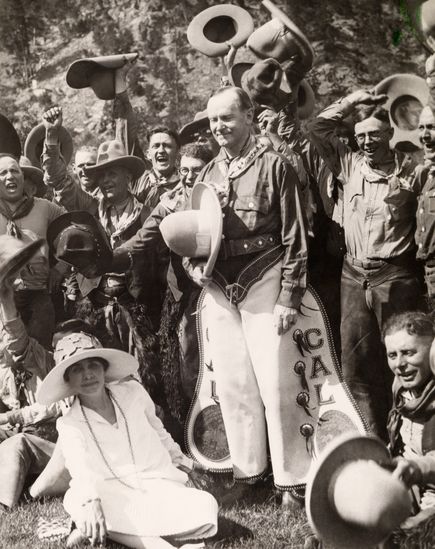
President Calvin Coolidge fled the bugs and heat of Washington, D.C. for cooler climes in the Black Hills of South Dakota. The New Yorker regularly mocked Coolidge’s dispatches from the Dakotas, including this item in “Of All Things”…

screen-shot-2016-10-28-at-10-16-24-am

02-calvin-coolidge-cowboy_69085_600x450
VAPID CITY…President Calvin Coolidge wears a cowboy hat and Western garb while on a two-month vacation in the Black Hills of South Dakota in 1927. (Library of Congress)

The magazine’s July 16 issue added this observation in “The Talk of the Town”…

screen-shot-2016-10-28-at-2-38-02-pm

Closer to home, M. Bohanan offered an urban sophisticate’s take on nature:

screen-shot-2016-10-28-at-10-16-49-am

For those who couldn’t flee the city, respite was sought in Central Park, as illustrated by Constantin Alajalov for “The Talk of the Town…”

screen-shot-2016-10-28-at-10-14-08-am
click to enlarge

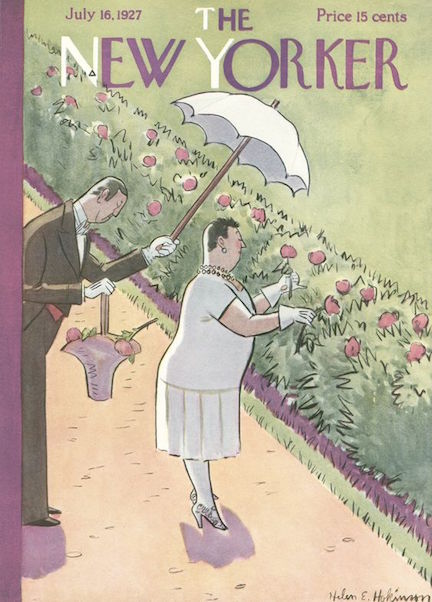
Summer themes continued with the July 16 issue, which featured a cover by Helen Hokinson depicting one of her favorite subjects–the plump society woman:

1f64e9e51d307bb03097744ebbb681f6
July 16, 1927 cover by Helen Hokinson.

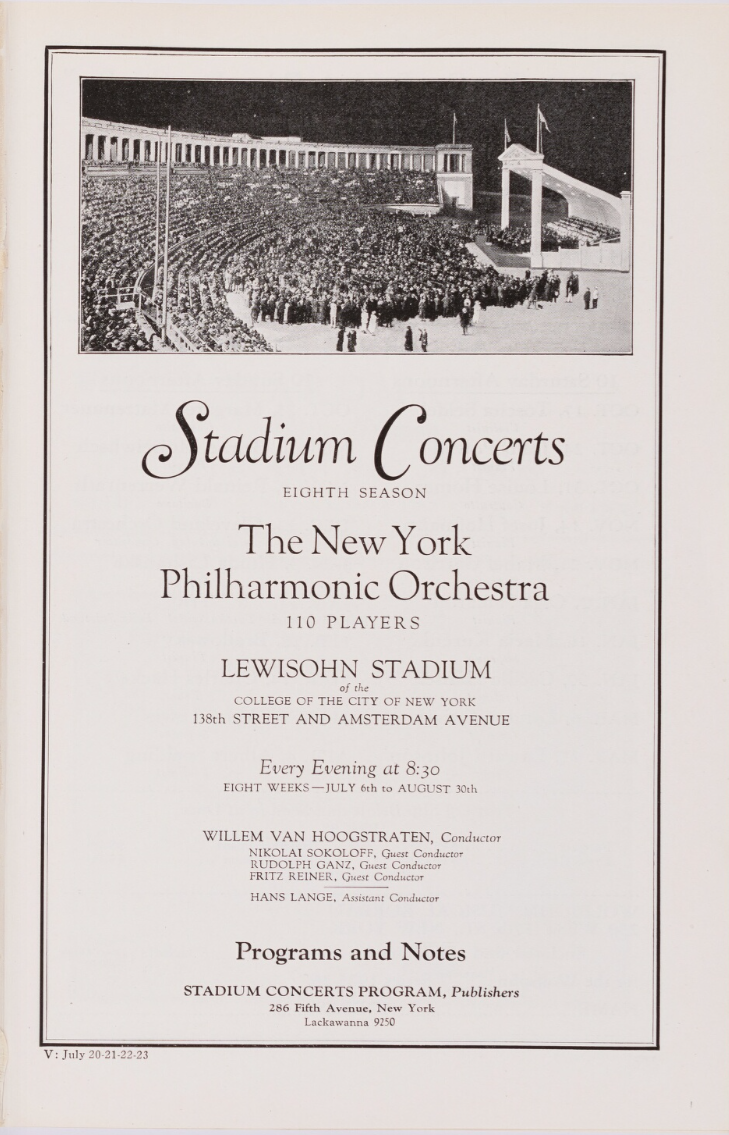
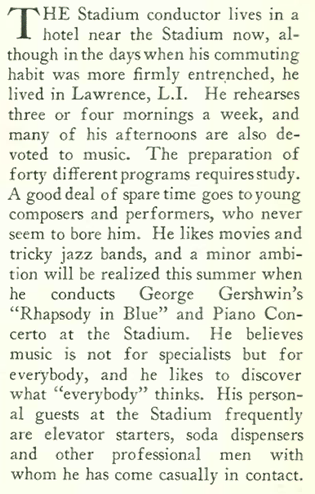
From 1918 to 1966, thousands of New Yorkers attended summer open-air concerts at Lewisohn Stadium, an amphitheater and athletic facility on the campus of the City College of New York. For many years Willem Van Hoogstraten conducted the nightly concerts, including the summer of 1927 when George Gershwin played his Rhapsody in Blue to adoring crowds.

summer-conerts
Performance at Lewisohn Stadium, located at 136th Street and Convent Avenue. (nyc-architecture.com)
1925
Program for the 1925 Stadium Concerts series.     (archives.nyphil.org)        Click to enlarge

screen-shot-2016-10-28-at-10-54-07-am

screen-shot-2016-10-28-at-10-54-40-am

serpico-1973
FINAL BOW…A still from the 1973 film Serpico, showing actors Al Pacino and Tony Roberts walking through the abandoned Lewisohn Stadium just before it was demolished. (YouTube)
110927-gon039-01
UGH…The Lewisohn Stadium site is now occupied by a City College of New York building with the inspiring name, “North Academic Center.” (nyc-architecture.com)

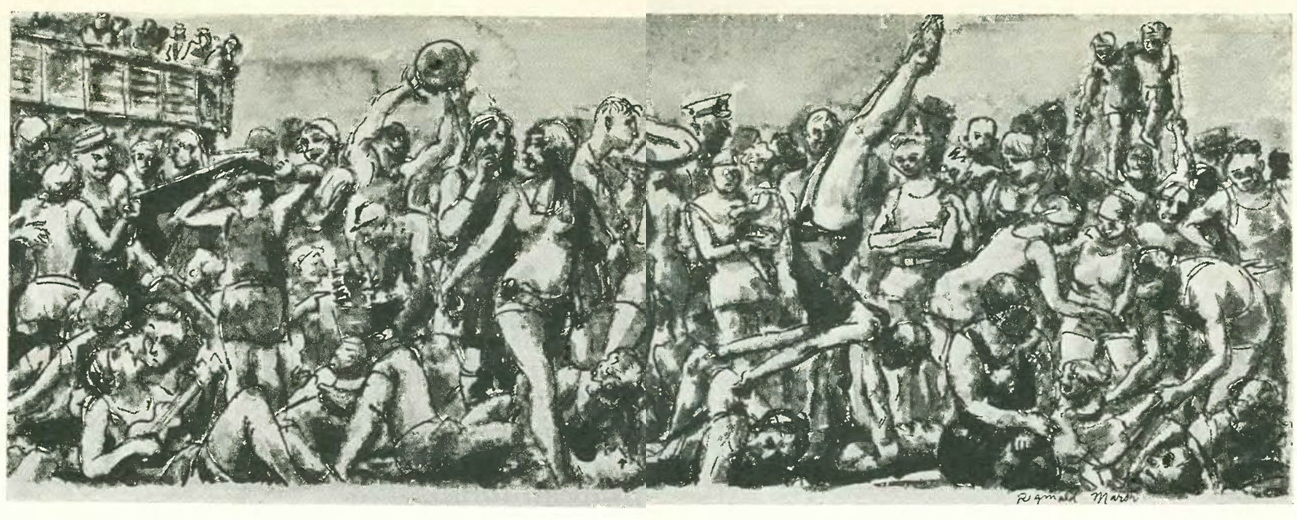
And finally, another illustration in the “Talk of the Town” of summer in the city, this a teeming Coney Island beach courtesy of Reginald Marsh

screen-shot-2016-10-28-at-10-24-00-am
click to enlarge

However, if you wanted to avoid the rabble at the beach, you could fly over them–in style, of course…

screen-shot-2016-10-28-at-10-23-20-am

Next Time: Picking on Charlie Chaplin…

5128947dc365cb603134bbb6e56f67aa

Those Jaunty Jalopies

The January 8, 1927 issue of the New Yorker was all over the 27th Annual Motor Show at the Grand Central Palace, both in its lengthy review of the show and the many automobile ads throughout its pages.

02a20a11df95c233092dc64bfc8f2b3c
January 8, 1927 (Issue # 99) cover by Ilonka Karasz.

Auto manufacturers discovered early on that cars didn’t need to advance technologically from year to year as long as there were superficial changes–trimmings and such–to dazzle the consumer:

Screen Shot 2016-06-02 at 3.29.54 PM

Screen Shot 2016-06-02 at 3.29.13 PM
Helen Hokinson added this touch to the issue devoted to the auto show.
1927_Roadster_Model-90
A 1927 Gardner Model 90 Roadster on display at the 27th Annual New York Motor Show at Grand Central Palace. (gardnermotorcars.com)

Advertisements in the New Yorker ranged from snobbish appeals to Francophiles…

Screen Shot 2016-06-02 at 3.32.48 PM…to those who might be concerned about safety. Although cars weren’t very fast, they were fast enough to kill, and their plentiful numbers often overwhelmed a city with rudimentary traffic control.

Screen Shot 2016-06-02 at 3.32.07 PM

In his book, One Summer: America, 1927, Bill Bryson writes that New York in 1927 was the most congested city on earth. It contained more cars than the whole country of Germany, while at the same 50,000 horses (and wagons) still clogged the streets. More than a thousand people died in traffic accidents in the city in 1927, four times the number today.

slowupbrooklyn
THE DEATH-O-METER … was a 20-foot sign installed near Grand Army Plaza in 1927. It tallied traffic accidents and fatalities in the borough and reminded motorists to slow down at the traffic circle. (Ephemeral New York)

Traffic control was still in its infancy in the 1920s. Seven ornate bronze towers, 23 feet high, were placed at intersections along Fifth Avenue from 14th to 57th Streets starting in 1922. By 1927 smaller, simpler lights were mounted on street corners and the system of green, yellow and red was generally adopted.

491px-62646_253114161496208_2059581299_n_zpsf6a62b6c
Bronze traffic signal tower designed by Joseph H. Freedlander at 42nd Street and Fifth Avenue, 1922. (stuffnobodycaresabout.com)

Keeping with the motorcar theme, the issue also featured a profile (written by Lurton Blassingame) of Walter P. Chrysler, founder of the new car company that bore his name (Chrysler founded his company in June 1925 after acquiring and reorganizing the old Maxwell Motor Company). In just three years a famous New York City landmark bearing his name would pierce the skyline.

I recently noted that the fall 1926 editions of the New Yorker barely mentioned baseball, even though the Yankees made it to the World Series that year. No doubt the Black Sox scandal of 1919 still lingered in the minds of many fans. Morris Markey’s “Reporter at Large” column in the Jan. 8, 1927 issue suggested that the game, “no more important than the circus,” was still dishonest, thanks in part to its collusion with the newspapers:

Screen Shot 2016-06-02 at 3.27.58 PM

Baseball might have been down and out, but actress Pola Negri still maintained her place in the spotlight with her latest film, Hotel Imperial.

Screen Shot 2016-06-02 at 3.36.15 PM

zoom_1418768545_hotel_imperial@2x
Actress Pola Negri consults on a script with director Mauritz Stiller (left) on the set of Hotel Imperial. (MOMA)

Next Time: Bad Hootch…

8d2aebbb715d1dad58142be9b1bce88f

The Last Impressionist

The death of artist Claude Monet prompted the editors of the New Yorker’s “Talk of the Town” to speculate on the true origins of the “Impressionist” movement of the late 19th century.

586fbe11df96b63350793a3341bc3dcf
December 18, 1926 cover by Ottar Gaul. Once again, the theme of the doddering sugar daddy out on the town with his young mistress.

Note how the “Talk” editors lightly regarded the artist’s late period, during which he painted his famous “Water Lilies” series:

Screen Shot 2016-05-25 at 9.11.05 AM

Screen Shot 2016-05-25 at 9.11.30 AM

The editors also used the occasion to clear up the confusion (in the lay mind) between Édouard Manet and Monet, identifying them not only as two distinct persons but also crediting the former with the founding of the Impressionism technique while giving Claude his due for actually giving it a name:

Screen Shot 2016-05-25 at 9.12.03 AM

Claude_Monet,_Water_Lilies,_ca._1915-1926
Water Lilies, a late period painting by Claude Monet, circa 1915-26. (Nelson-Atkins Museum of Art)
Monet_in_Garden,_New_York_Times,_1922
Monet, right, in his garden at Giverny, 1922. (New York Times)

Another much younger notable of the age, Ernest Hemingway, was the talk of literary society on both sides of the Atlantic with the publication of his latest novel, The Sun Also Rises. According to the New Yorker’s Paris correspondent Janet “Genêt” Flanner, the novel was creating a buzz in Montparnasse over the origins of the book’s colorful characters:

Screen Shot 2016-05-25 at 9.36.54 AM

Screen Shot 2016-05-25 at 9.37.08 AM

Keeping in mind that the Christmas shopping season was still in full swing, Frigidaire thought it the perfect time for New Yorker readers to buy a newfangled electric refrigerator:

Screen Shot 2016-05-25 at 9.09.03 AM

And we ring out the year with the final issue of 1926:

a891b86b245caf69b30eda2d09544bba
December 25, 1926 cover by Rea Irvin.

It was a tough year for New Yorker film critic “OC”, who summed up his  disappointment with the movies by offering a Top Ten list that included only two films:

Screen Shot 2016-05-25 at 9.46.08 AM

Variety_(1925_film)
The 1925 German film Variety (released in the U.S. in 1926) was one of only two films worth watching in 1926, according to the New Yorker’s film critic. (Wikipedia)

And to close, this cartoon by Helen Hokinson, which in the original magazine filled all of page 14 and therefore had to be printed sideways:

Screen Shot 2016-05-25 at 9.48.28 AM

Next Time: 1927-A Year to Remember…

3d2b321563197a6b5234717d2c47259b


Holiday Shopping

Photo above via themindcircle.com

With Christmas fast approaching, The New Yorker was getting into the spirit of holidays, especially with all of the advertising revenue it gained from merchants who targeted its well-heeled readership.

8912823cfdc5626785b13a431ae590de
November 27, 1926—Peter Arno’s first cover for the New Yorker. He would do 98 more.

Lois Long continued to write both of her weekly columns for the magazine–her observations on fashion along with ideas for Christmas shoppers in “On and Off the Avenue” (“Saks’ toy department has some of the loveliest French notepaper for tiny children…”) and her musings on nightlife in “Tables for Two.”

In contrast to her rather light mood expressed in the fashion column, Long was feeling far from jolly in her “Tables” observations of New York’s nightlife:

Screen Shot 2016-04-25 at 5.01.46 PM

Screen Shot 2016-04-25 at 5.02.43 PM

As you might recall, in a previous column Long tossed a “ho-hum” in the direction of the famed Cotton Club. Perhaps Prohibition was taking its toll on the hard-partying columnist.

Nevertheless, the holiday spirit was upon with The New Yorker, in the cartoons (this one by Helen Hokinson)…

Screen Shot 2016-04-25 at 4.54.16 PM

…and in various advertisements.

Screen Shot 2016-04-25 at 4.50.49 PM

Note this advertisement (below) from Russeks. The comics in The New Yorker famously poked fun at the comic pairings of rich old men and their young mistresses, but this ad seemed to glorify such a pairing while suggesting that an older man of means must invest in fine furs if he is going to hang on to his trophy wife or mistress, in this case a young woman who appears to be nearly eight feet tall…
Screen Shot 2016-04-25 at 4.51.10 PM

I liked this ad from Nat Lewis for the simple line drawing…
Screen Shot 2016-04-25 at 4.57.27 PM

…but the ads for Elizabeth Arden, which for years featured this “Vienna Youth Mask” image, always creep me out.

Screen Shot 2016-04-25 at 4.56.41 PM

The mask was made of papier-mâché lined with tinfoil. Although not pictured in the ad, it was also fitted to the client’s face. The Vienna Youth Mask used diathermy to warm up the facial tissues and stimulate blood circulation.

1937-arden-vienna
SLEEP TIGHT…The full “Youth Mask” applied to an Elizabeth Arden client in the mid 1930s. (cosmeticsandskin.com)
In a 1930 advertisement, Elizabeth Arden claimed that “The Vienna Youth Mask stimulates the circulation, producing health as Nature herself does, through a constantly renewed blood supply. The amazing value of this treatment lies in the depth to which it penetrates, causing the blood to flow in a rich purifying stream to underlying tissues and muscles…charging them with new youth and vigor. It stirs the circulation as no external friction or massage can possible do.”
I don’t believe this claim was backed up by medical research, but as we all know, Elizabeth Arden made a bundle from these treatments and the various creams and potions that came with it.

Next Time: Race Matters…

e0fa6079facd04a1d0611e2da7cd2519

What to Drink During Prohibition

The Roaring Twenties were a strange confluence of the Puritan and libertine, perhaps best represented by Prohibition and the speakeasy night life it inspired. Many if not most of The New Yorker readers of the late 1920s were familiar with these establishments as well as with reliable bootleggers and rum runners. And for those of you following this blog we all know that “Tables for Two” columnist Lois Long was the voice of speakeasy and New York nightlife.

Screen Shot 2015-12-17 at 1.51.20 PM
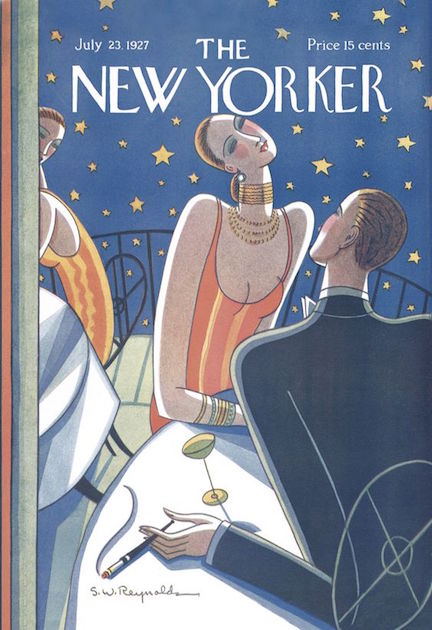
May 29, 1926 cover by Stanley W. Reynolds.

Prohibition did not make consumption of alcohol illegal. The 18th Amendment prohibited the commercial manufacture and distribution of alcoholic beverages, but it did not prohibit their use.

So if you had a connection to a smuggler bringing whisky from Scotland via Canada, for example, you could enjoy a Scotch at home without too much trouble, although the prices could be high. “The Talk of the Town” editors regularly reported black market wine and liquor prices (I include an adjoining Julian de Miskey cartoon):

Screen Shot 2015-12-18 at 11.53.01 AM

Note the mention of pocket flasks, which were an important item in a purse or vest pocket when one went to a nightclub or restaurant, where White Rock or some other sparkling water was sold as a mixer for whatever you happened to bring with you. You see a lot of this type of advertisement in the Prohibition-era New Yorker:

Screen Shot 2015-12-18 at 12.11.14 PM

I’ll bet those grinning golfers have something in their bags besides clubs.

And then there were ads like these, which I find quite sad:

Screen Shot 2015-12-18 at 12.12.11 PM

“The Talk of the Town” also commented on the recent visit of British writer Aldous Huxley, who told his New York hosts that he admired American writers Willa Cather and Sherwood Anderson, and he also had praise for writer and critic H.L. Mencken, whom he likened to a farmer “of the better type:”

Screen Shot 2015-12-18 at 11.48.18 AM

Aldous Huxley in the 1920s. (Biography.com)

Other odds and ends from this issue…a clever drawing by Al Frueh for the “Profile” feature on New York Governor Al Smith:

Screen Shot 2015-12-18 at 12.06.42 PM

A photo of Al Smith for comparison:

al
New York Gov. Al Smith (IMDB)

And this bit from “Of All Things,” complete with bad pun/racial slur:

Screen Shot 2015-12-18 at 12.05.53 PM

New Yorker readers in 1926 had little reason to believe that in a decade Benito Mussolini would try to make good on his statement and join Adolf Hitler in the next world war.

Here’s a couple more ads from the issue that are signs of those times. Note the listing of Florida locations for those New Yorkers who were flocking to that new winter vacation destination:

Screen Shot 2015-12-18 at 12.09.48 PM

And this ad for an electric refrigerator…for those who could afford such newfangled things. The ice man was still plenty busy in 1926, but his days were numbered.

Screen Shot 2015-12-18 at 12.09.15 PM

And finally, a nod to springtime, and this excerpt of an illustration by Helen Hokinson for the “Talk” section:

Screen Shot 2015-12-18 at 12.07.27 PM

Next Time: After a Fashion…

Screen Shot 2015-12-18 at 12.12.38 PM

The Circus Comes to Town

The Ringling Brothers Circus was in town, and The New Yorker marked the occasion with a profile of the surviving Ringlings, John and Charles. Writer Helena Huntington Smith noted that the brothers used a lowbrow profession to become multimillionaires, real estate kings (“They own “most of the west coast of Florida”) and even occasional patrons of the arts.

May 1, 1926 cover by Ottar Gaul.

Speaking of lowbrow, circus freaks remained a big attraction in 1920s New York. Here is an image of the Ringling Brothers “Congress of Freaks” lineup from two years earlier, in 1924:

Congress of Freaks 1924
Photograph by Edward Kelty, who took photos of the “Congress of Freaks” every year from 1924 to the mid 1930s. (artblart.com)

The 1926 show at Madison Square Garden also featured elephants “dancing” the Charleston. One wonders how much these poor beasts were abused:

7341-1 Dansende olifant 1926
(Vintage Everyday)

And from the “Remember it’s 1926 Department,” we have this New Yorker obituary for famed Ringling circus freak Zip the Pinhead. Note that Zip was “owned” by a Captain O.K. White:

Screen Shot 2015-12-10 at 4.41.53 PM

Screen Shot 2015-12-10 at 4.42.13 PM

Zip’s real name was William Henry Johnson. Thought to have been born with microcephaly (those with the condition were commonly called “pinheads), he might have merely possessed an oddly shaped head.

Zip_the_pinhead
William Henry Johnson. (Wikipedia)

Audiences were often told that he was a wild man, or a missing link, and although it was assumed he was mentally deficient (the New Yorker article above suggested he had the mentality of a two-year-old child), Johnson’s sister said he could “converse like the average person, and with fair reasoning power.” She claimed his last words (he died at age 83) were, “Well, we fooled ’em for a long time, didn’t we?”

The New Yorker editors continued to marvel at the heights of new buildings, the latest being the Ritz Tower, which was to be the tallest residential building in the city:

Screen Shot 2015-12-10 at 4.40.43 PM

Here’s a postcard image of the Ritz Tower from the late 1920s. Note the airplane at left, added to emphasize the building’s height:

new-york-ritz-tower-granger
(geographicguide.com)

At 41 stories and 541 feet, the Ritz was city’s tallest residential tower at the time. The tallest residential tower in NYC today is 432 Park Avenue. The 96-story tower is just shy of 1,400 feet:

432PA_NW-View_copyright-dbox-for-CIM-Group-Macklowe-Properties-1024x682
(Forbes)

Even taller residential towers are in the works.

Now, to end on a lighter note, a Whoops Sisters cartoon by Peter Arno—this is the first in which their trademark “Whoops” is uttered.

Screen Shot 2015-12-10 at 4.49.34 PM

and this “generation gap” observation by Helen Hokinson:

Screen Shot 2015-12-10 at 4.45.46 PM

Next Time: Batter Up

Screen Shot 2015-12-11 at 9.24.00 AM

Top Dog

Screen Shot 2015-10-23 at 11.29.29 AM
Feb. 20, 1926 cover by Rea Irvin.

Now that I have your attention (at least the dog lovers anyway; and yes, there is a dog-related item if you read on), it is worth mentioning that the Feb. 20, 1926 issue of The New Yorker marked the first anniversary of the magazine, and in what would become an annual tradition, the magazine reprinted the original Rea Irvin cover from its first issue.

The magazine nearly went belly up during the summer of 1925, but a new marketing campaign, along with noticeably better content, put the magazine firmly in the black as it looked to its second year.

In “The Talk of the Town,” the editors couldn’t help but boast about their prosperity, albeit in a winking manner:

Screen Shot 2015-10-26 at 3.22.51 PM

Screen Shot 2015-10-26 at 3.23.06 PM

Jimmy the Ink (James Daugherty) marked the anniversary with this drawing…

Screen Shot 2015-10-26 at 4.50.49 PM

…and Corey Ford, who contributed more than twenty satirical house ads for the magazine under the title, “The Making of the Magazine,” returned to form in this issue with a recollection of the magazine’s imagined past (a device The Onion employs to great effect):

Screen Shot 2015-10-26 at 4.57.10 PM

Screen Shot 2015-10-26 at 4.57.21 PM

The magazine’s prosperity was evident not only in its talented stable of writers and illustrators, but also in its pages crammed with advertising. As I’ve noted before, much of the advertising is directed at the Anglo- and Franco-phile tastes of the magazine’s readers. For example, this ad from Studebaker suggesting a connection to British royalty:

Screen Shot 2015-10-26 at 3.16.22 PM

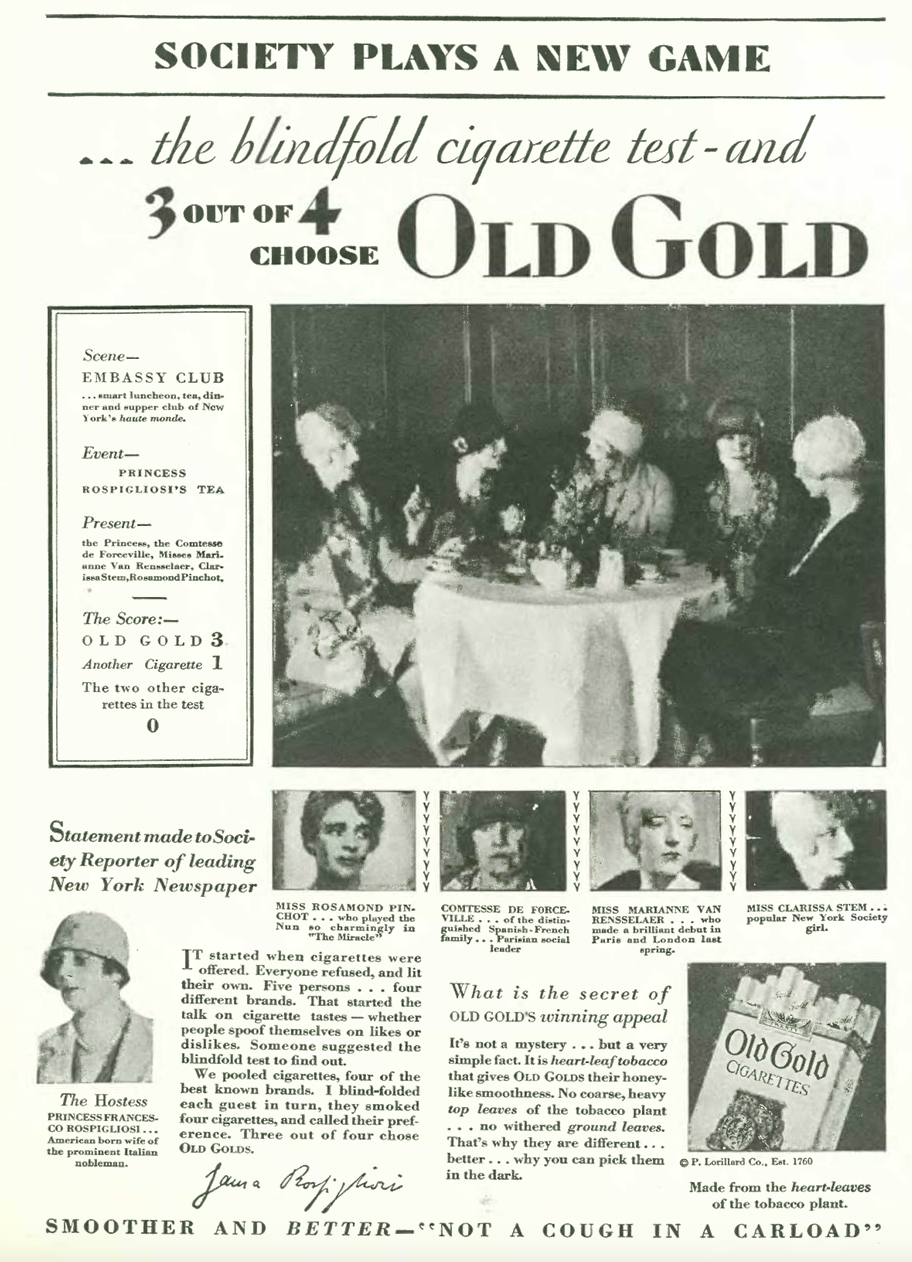
Continuing on the theme of royalty, none other than Her Royal Highness, “La Princesse Genevieve” gave her nod to Produits Bertie skin cream (joining the ranks of other royal and society women who hawked moisturizers, cold creams and even cigarettes in those days…)

Screen Shot 2015-10-27 at 9.36.37 AM

Royal endorsements were not limited to France and England, as none other than the Maharajah de Kapurthala put his seal of approval on Melachrino cigarettes in an ad featured on the inside back cover…

Screen Shot 2015-10-27 at 9.36.09 AM

The issue was filled with car ads, appearing in the wake of January’s 26th Annual National Automobile Show at the Grand Central Palace. But the latest spectacle was the Westminster Kennel Club Dog Show at the new Madison Square Garden, with the Terrier Group once again taking the top prize. The “Talk” editors offered this observation on Westminster:

Screen Shot 2015-10-26 at 4.46.08 PM

Screen Shot 2015-10-26 at 4.46.22 PM

Screen Shot 2015-10-26 at 4.46.34 PM

901cd377df88b8559aa31f2564fdcea2
BEST IN SHOW 1926…Signal Circuit of Halleston was a Wire Fox Terrier and winner of the the 50th Westminster Kennel Club Dog Show in 1926. The fourth Fox Terrier to win best in show, Signal Circuit was one of 200 Fox Terriers present at the 1926 Westminster show. He was handled by Percy Roberts, who had imported the dog from England and had just stepped off the boat before the show. The dog was described as having “phenominal length of head and sound movement.” (WKC)
Screen Shot 2015-10-26 at 4.47.31 PM
The New Yorker’s Helen Hokinson offered this illustration to mark the event.

An advertisement from Bonwit Teller even got into the spirit of the thing…

Screen Shot 2015-10-27 at 9.56.10 AM

From my How Times Have Changed department, this ad from Guaranty Trust:

Screen Shot 2015-10-27 at 9.29.05 AM

And finally, a detail from a center-page illustration by Rea Irvin depicting the result of a blizzard that blanketed the city in February 1926:

Screen Shot 2015-10-26 at 4.56.12 PM

Next Time: A Fine Mess…

Screen Shot 2015-10-27 at 4.32.20 PM